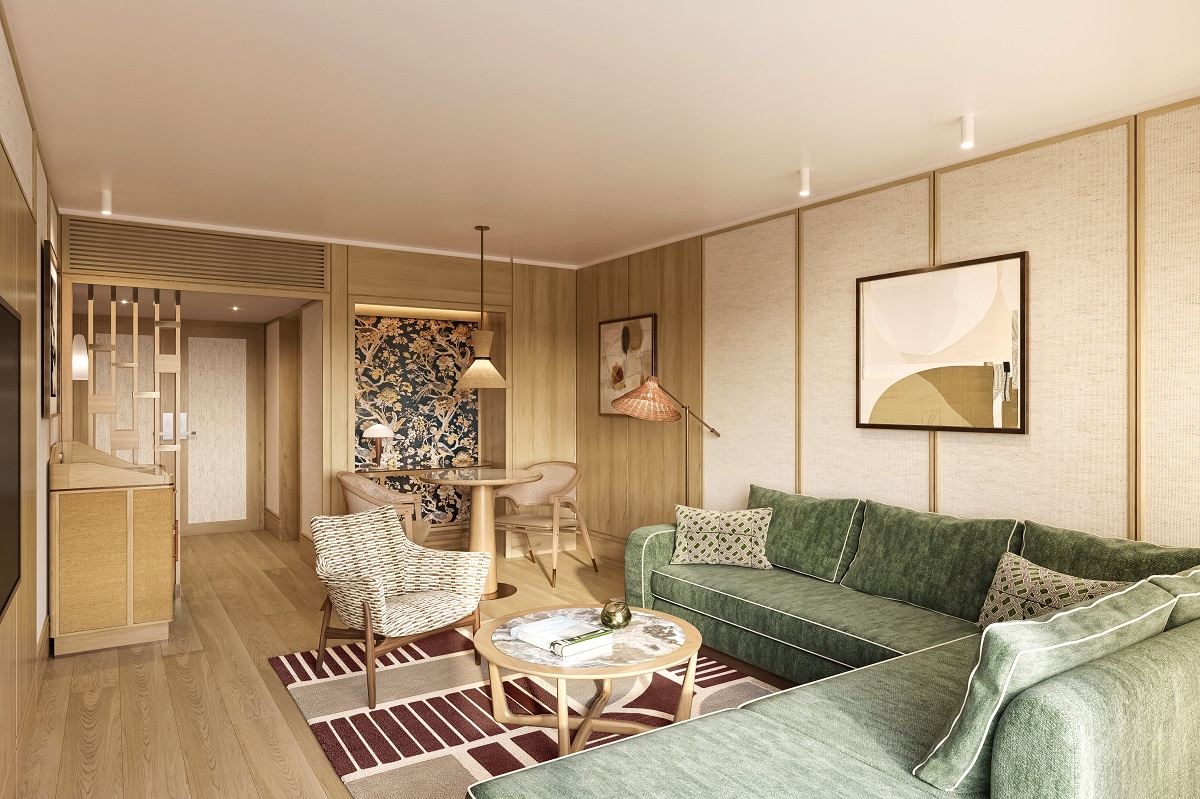
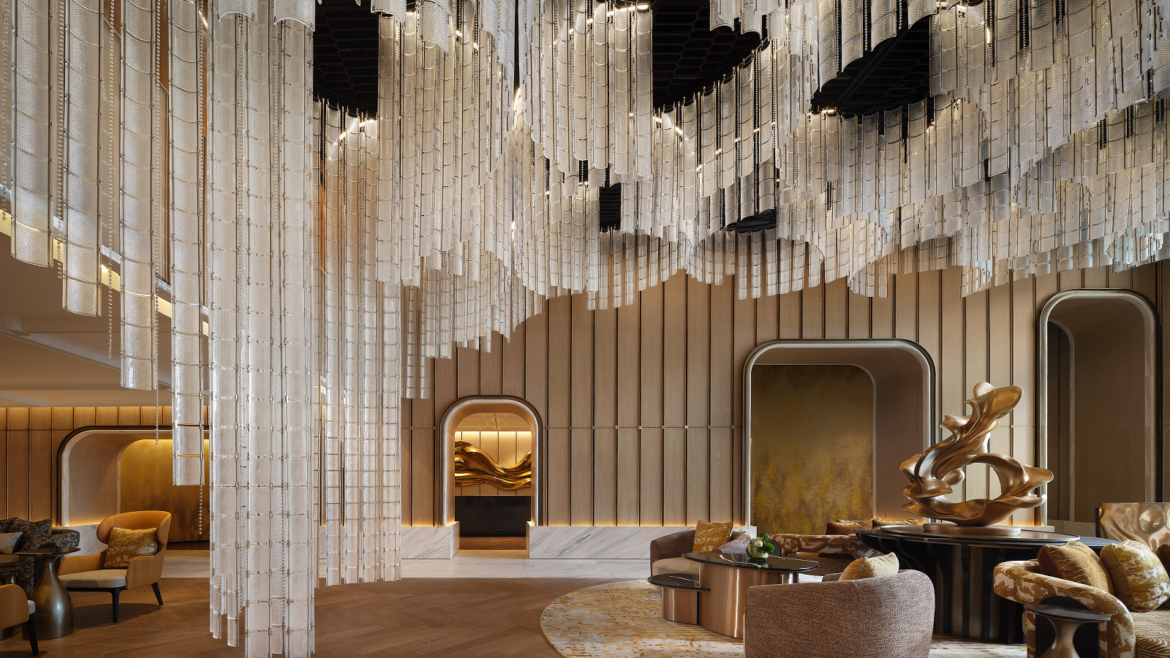
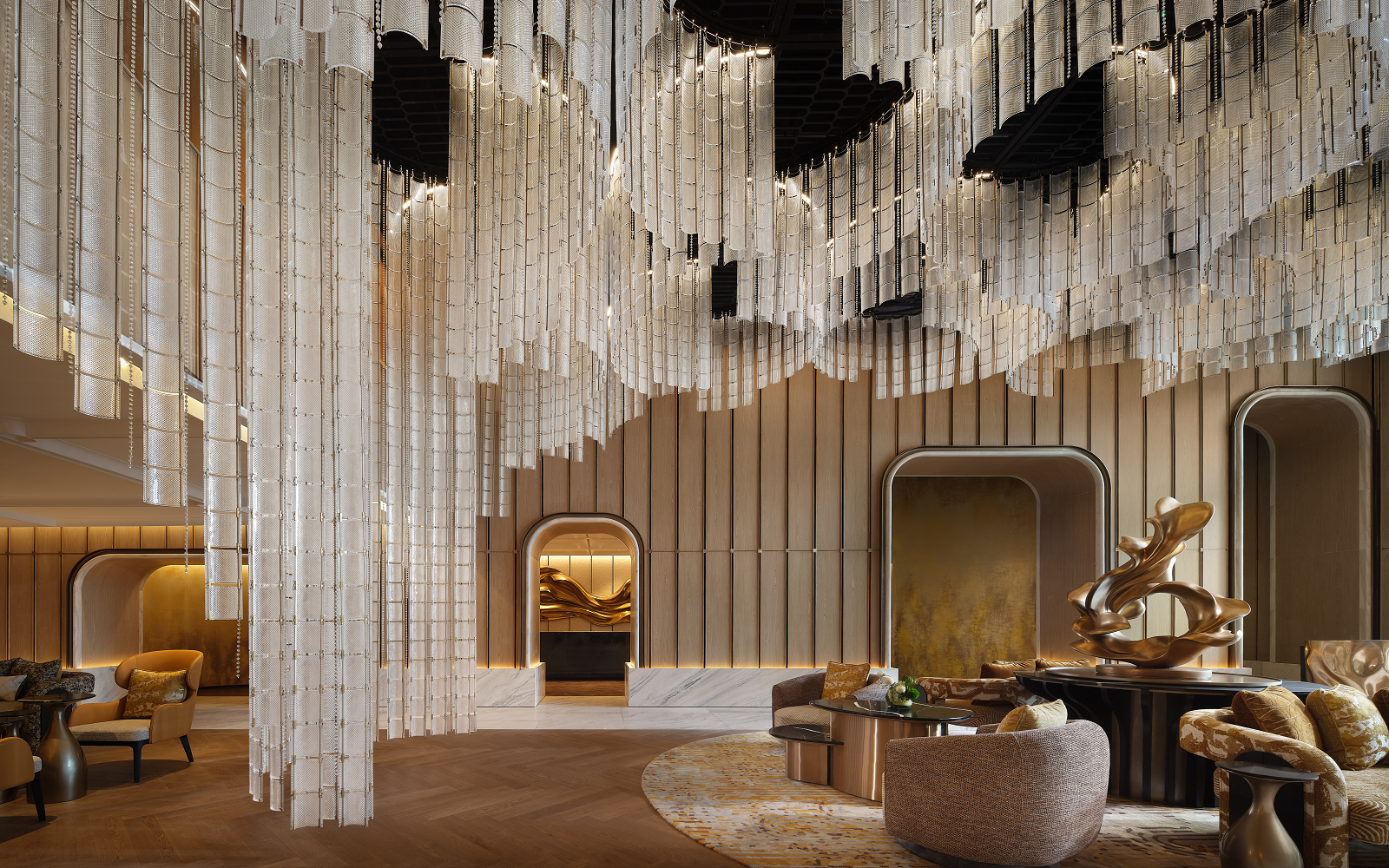
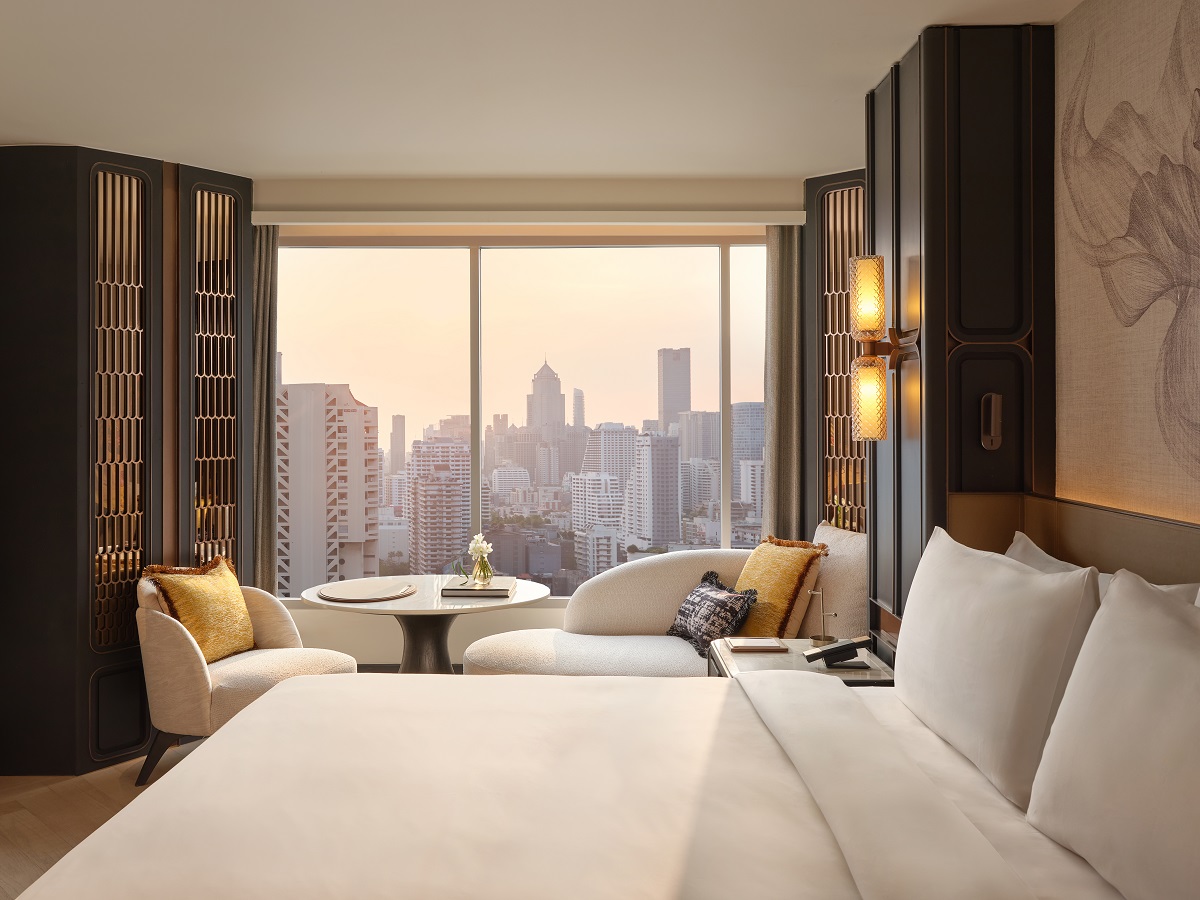
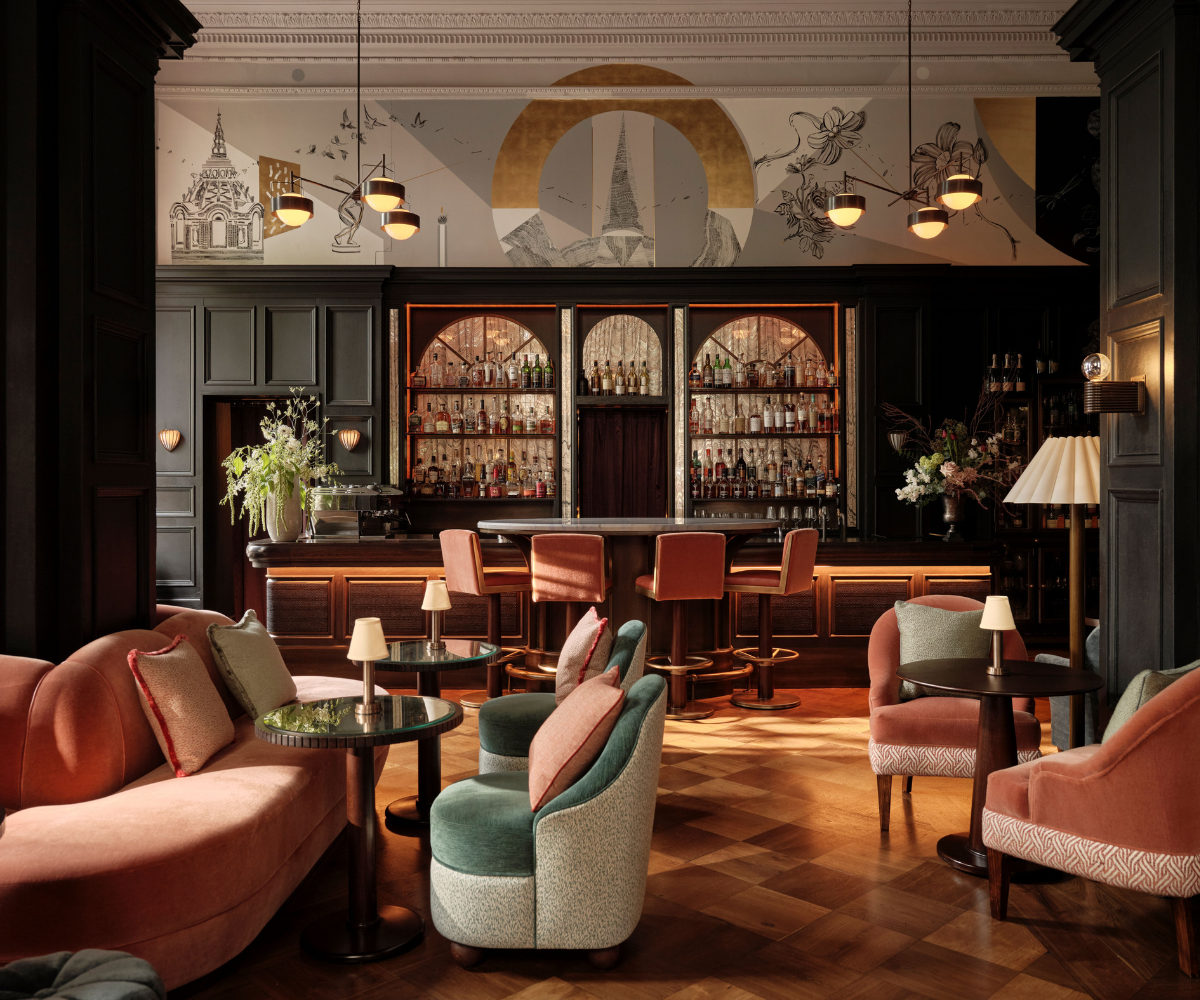
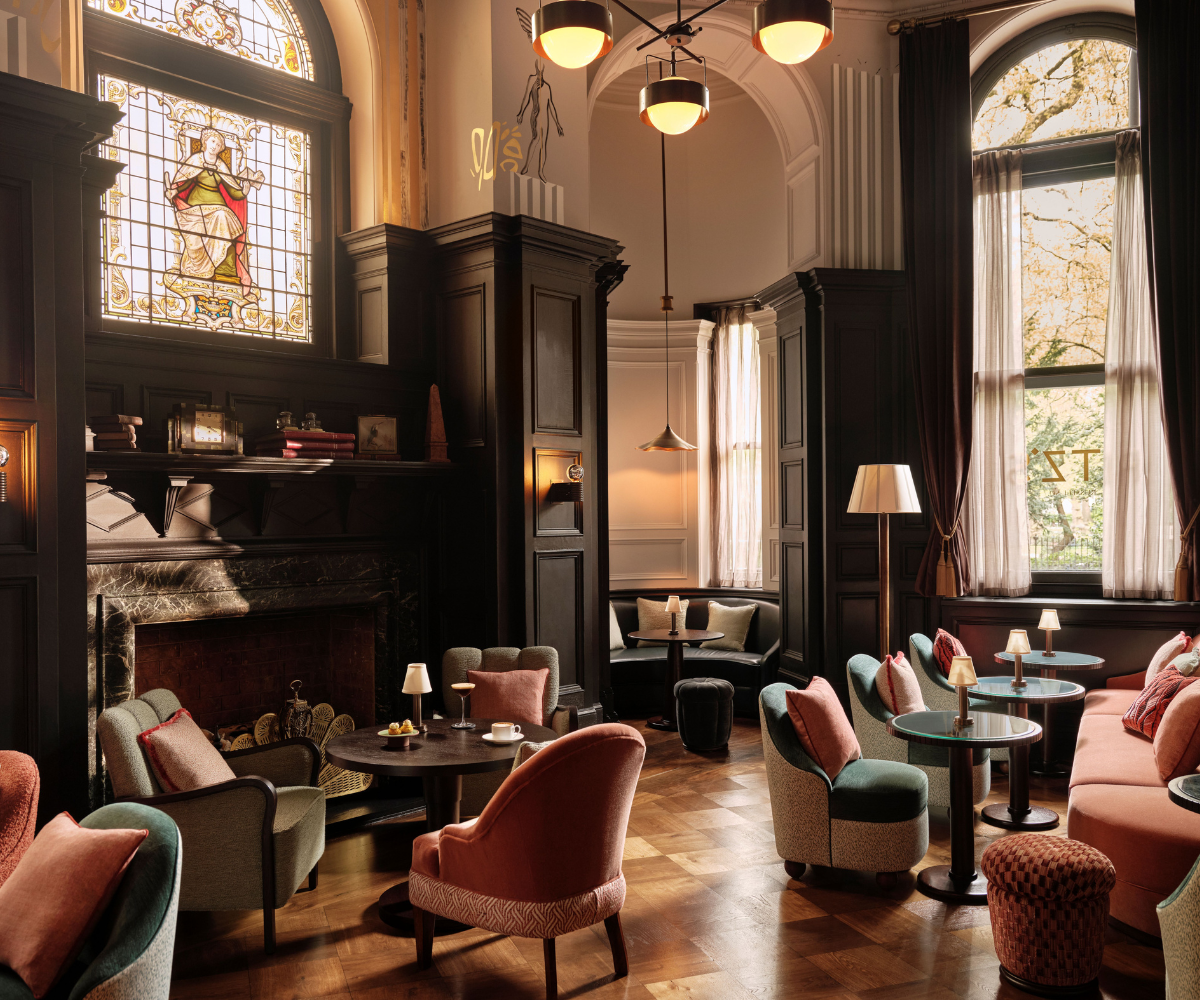
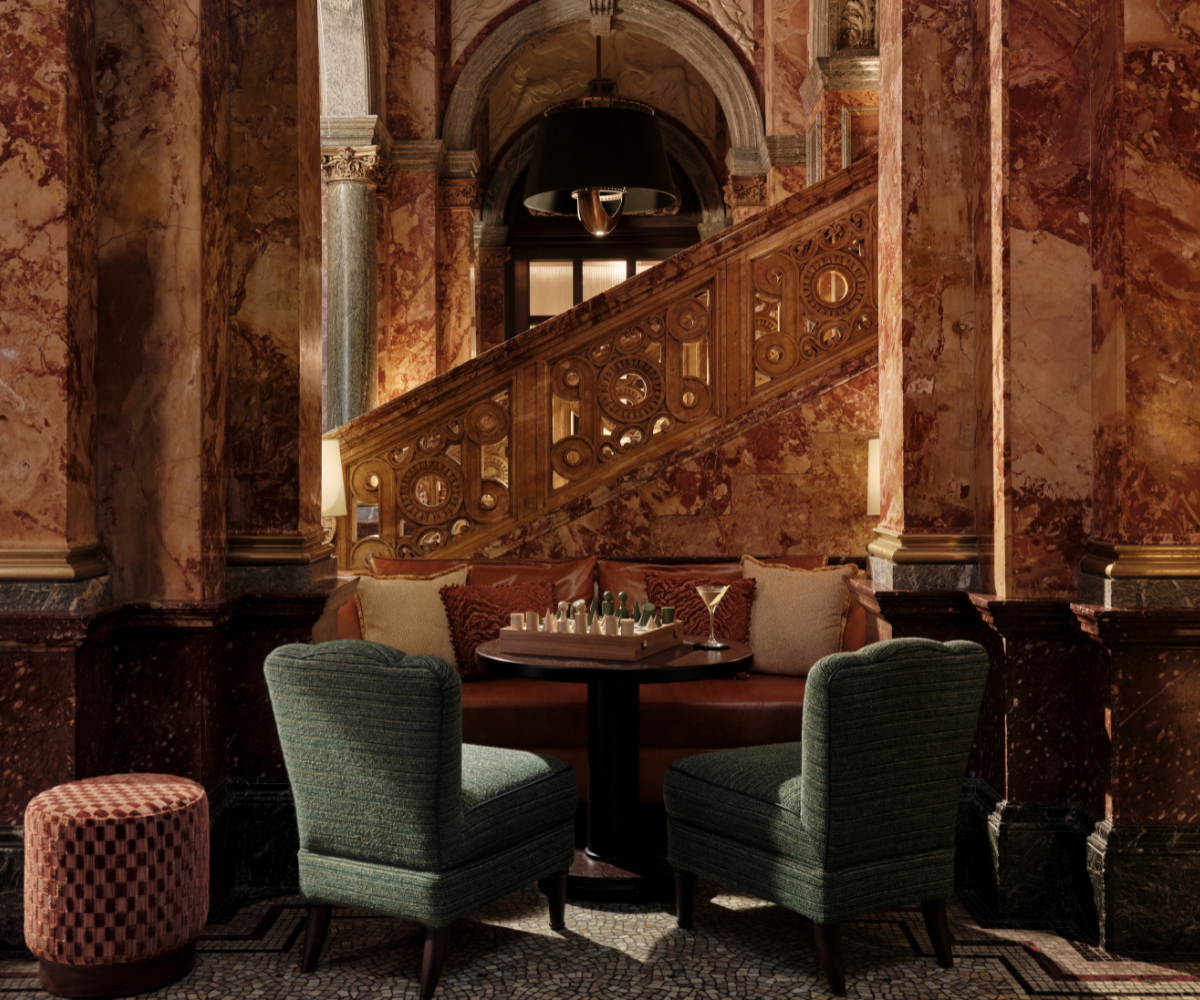
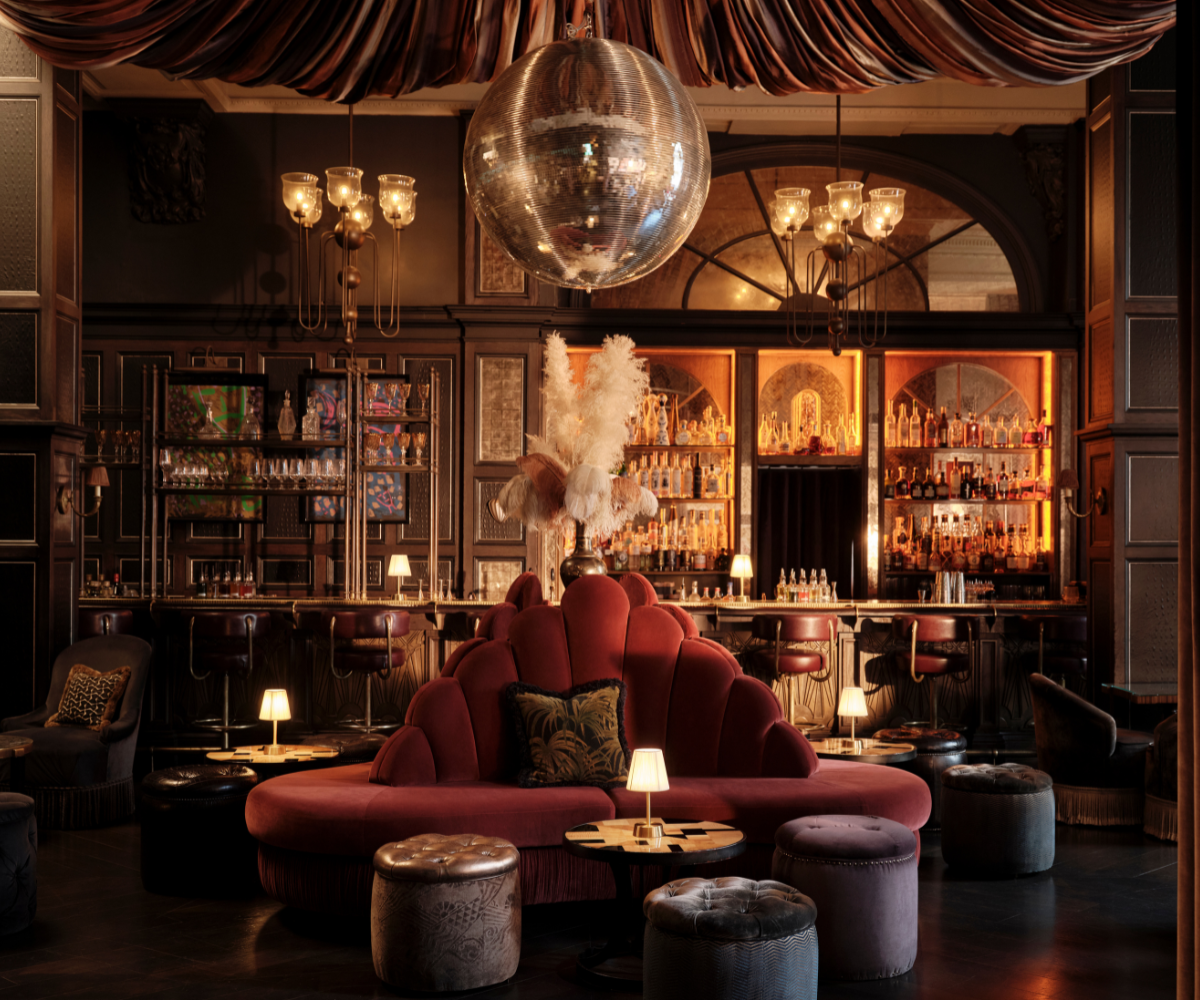
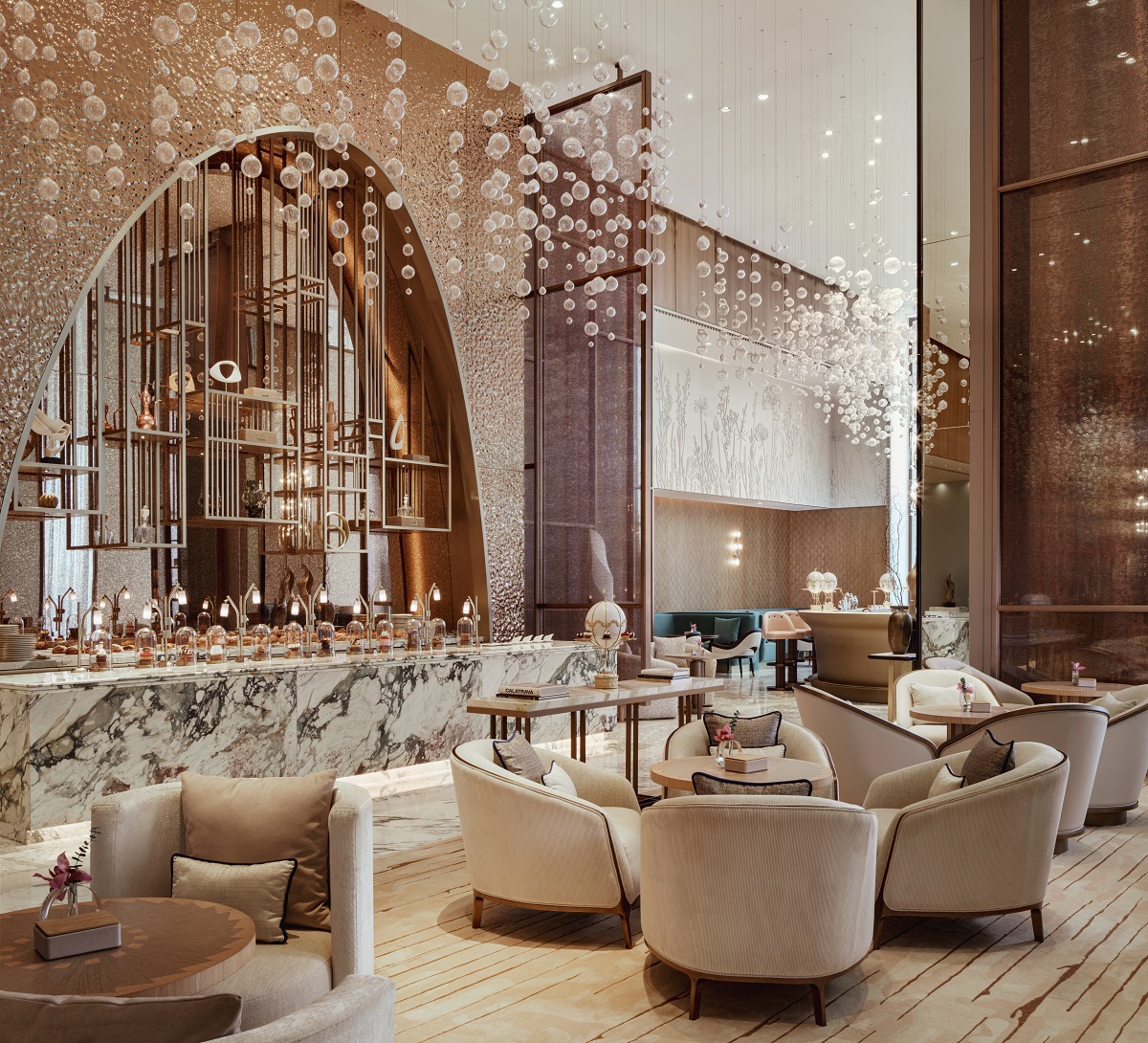
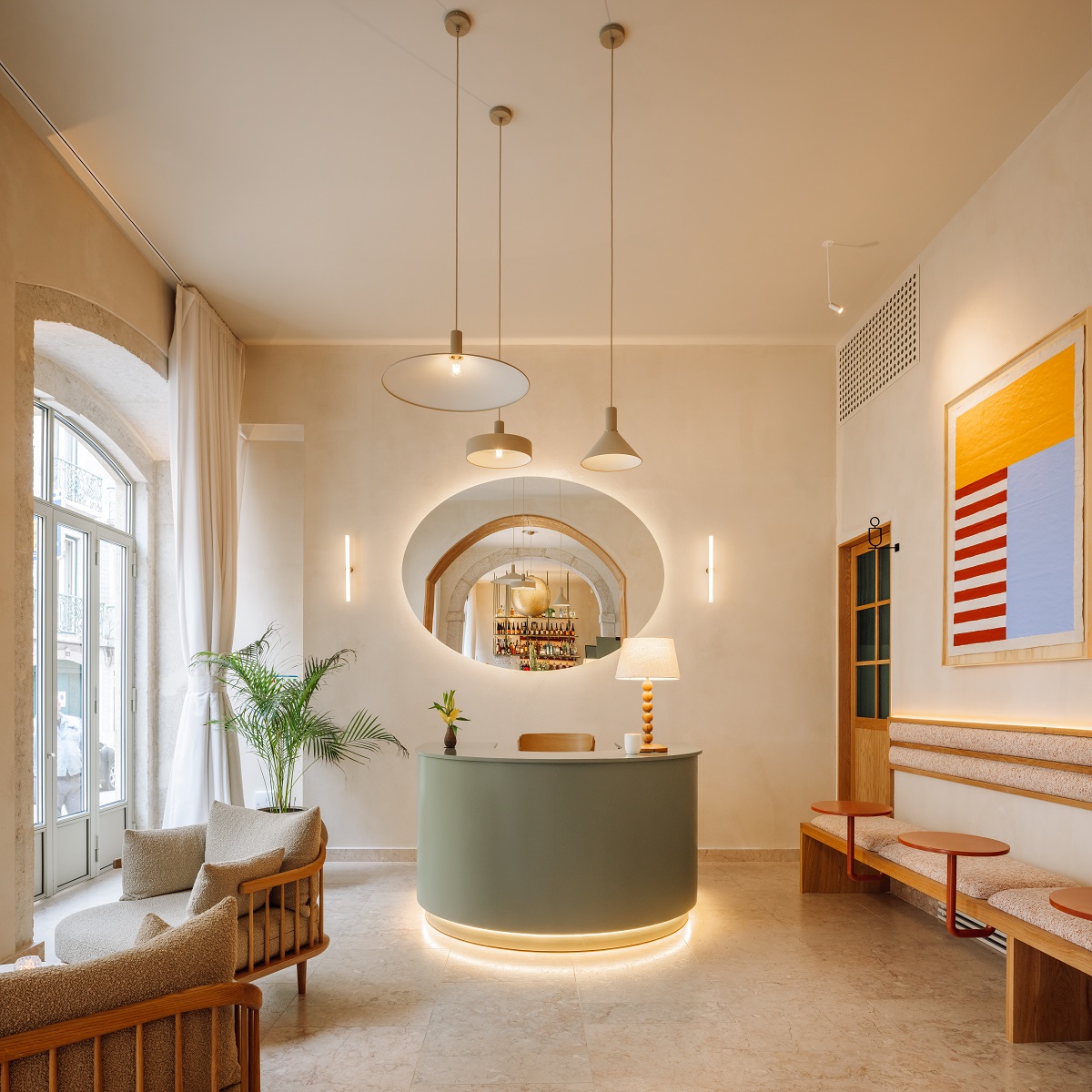
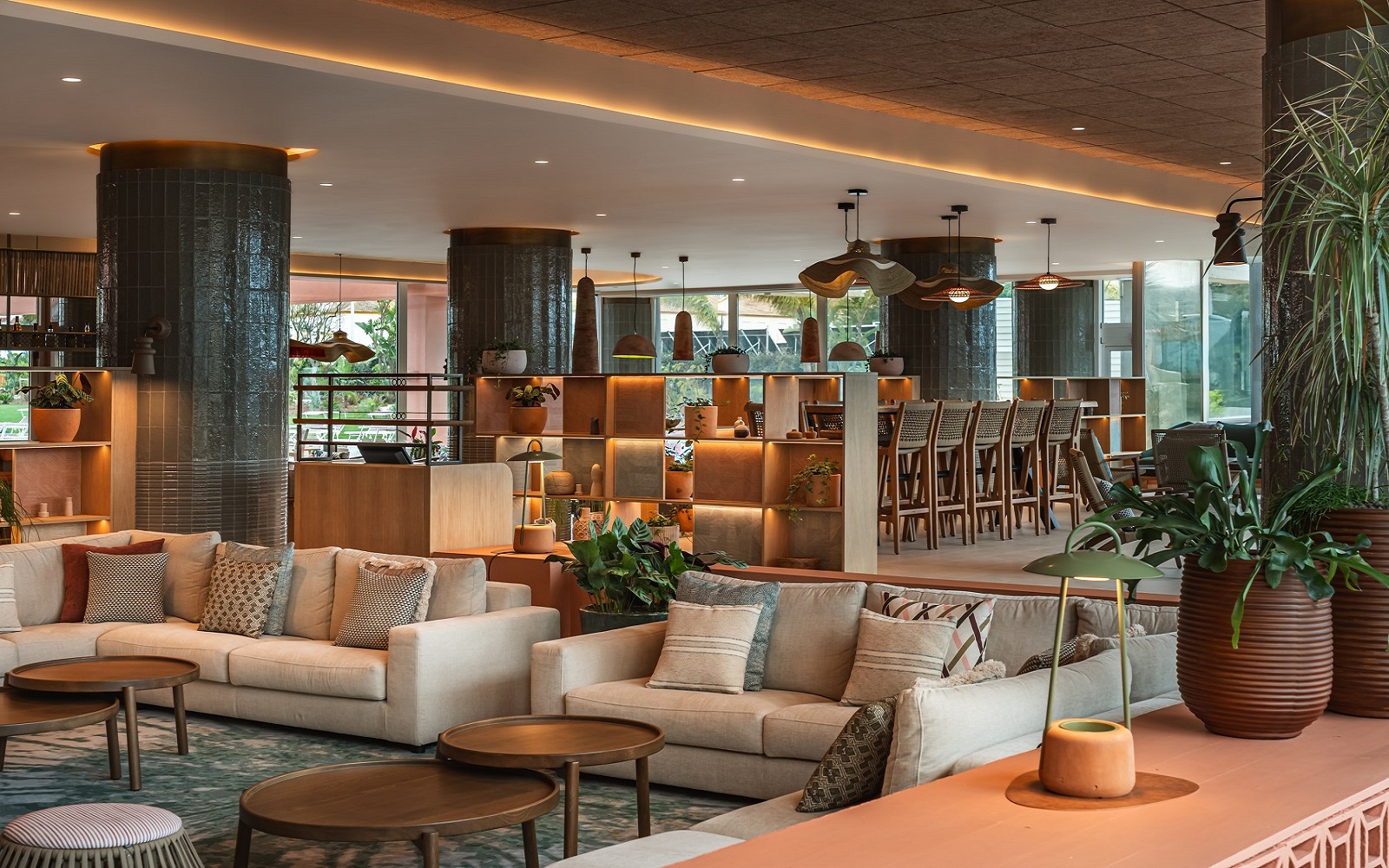
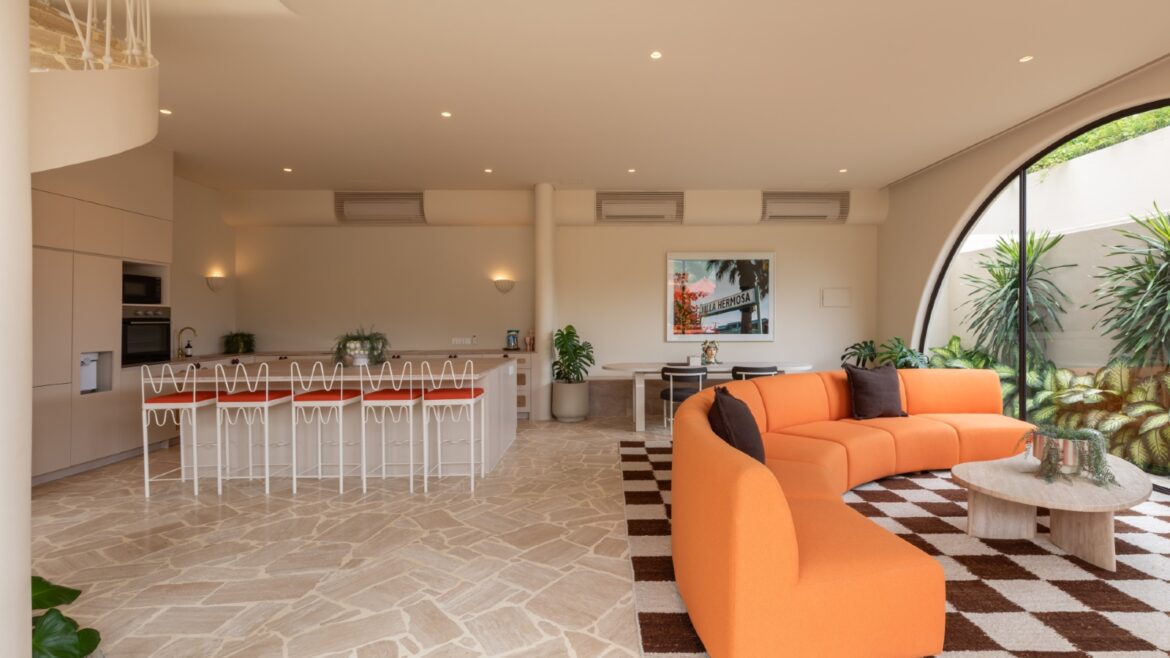
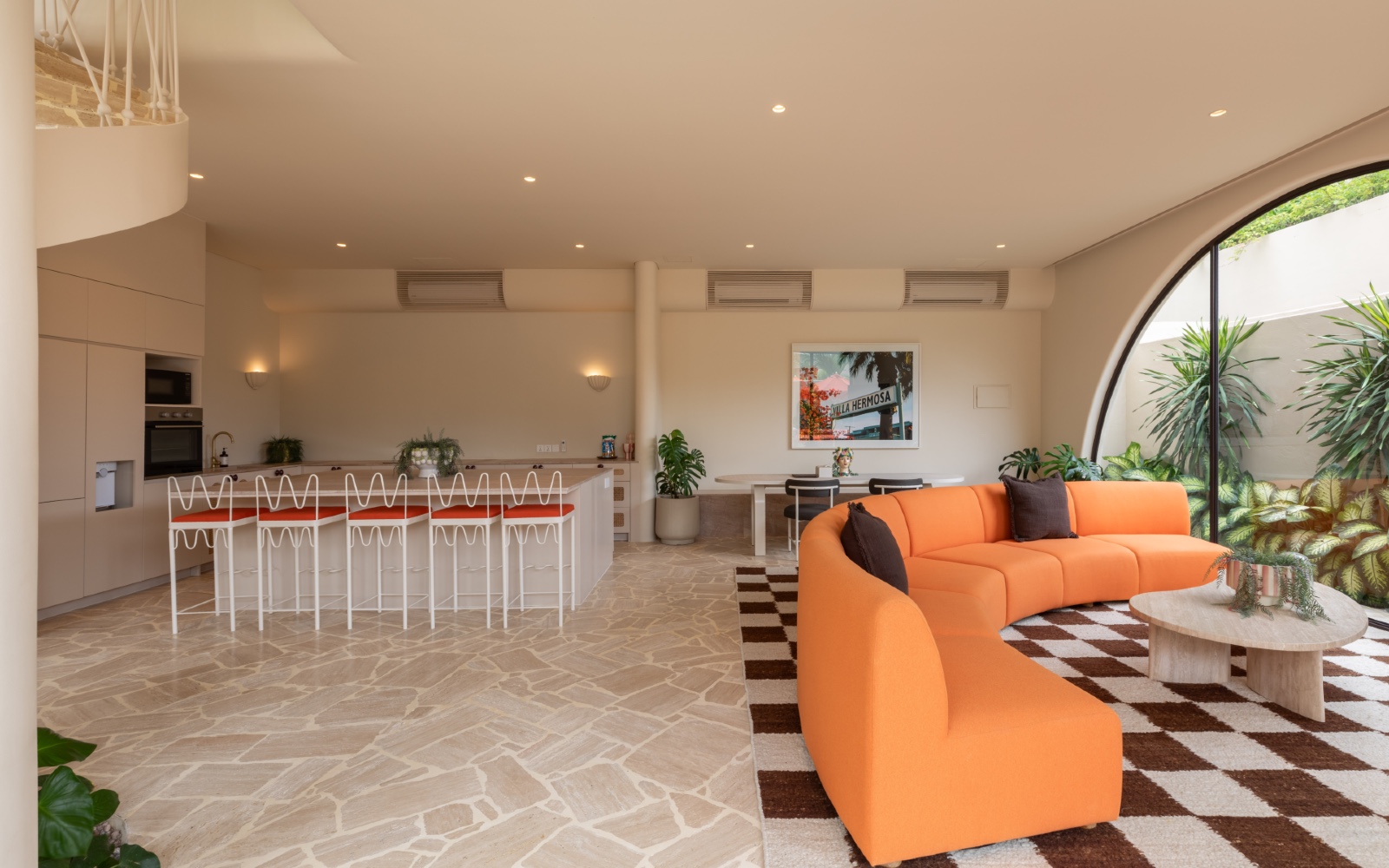
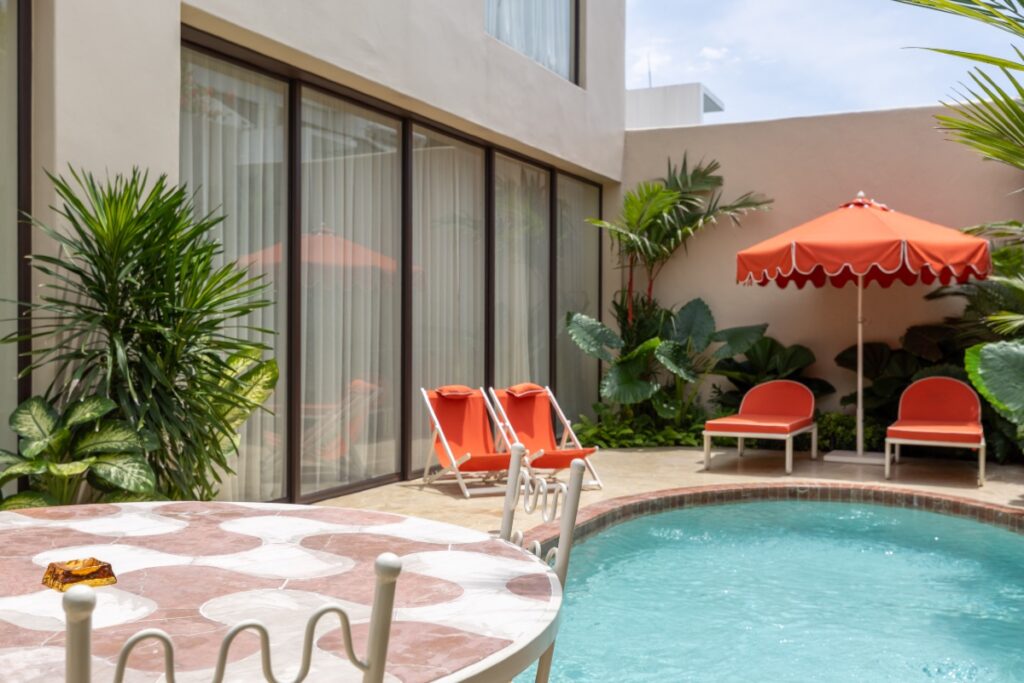
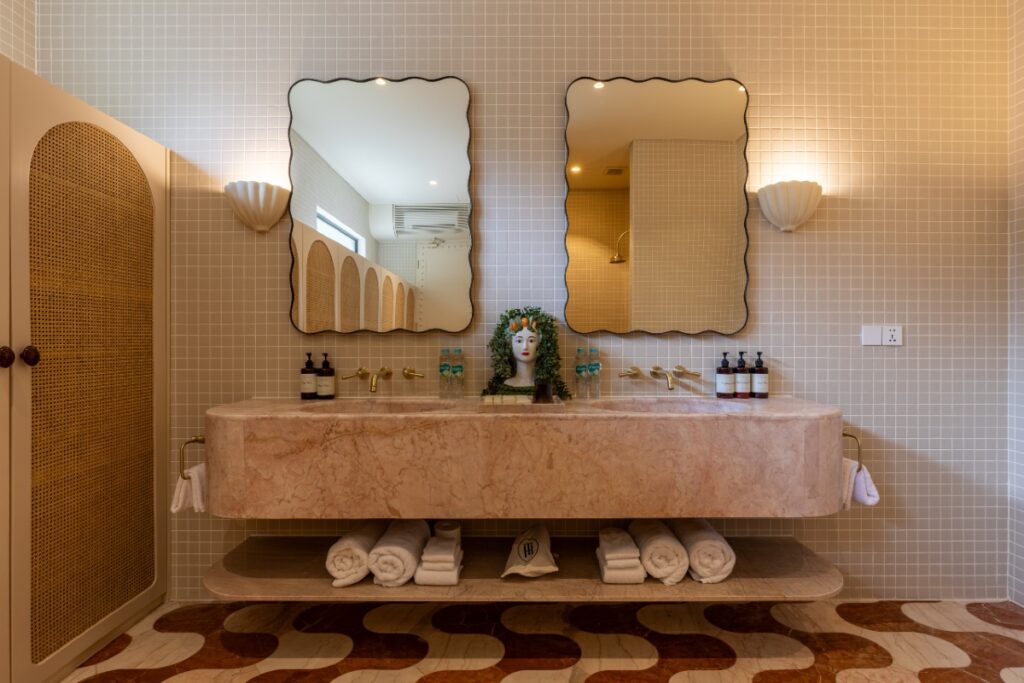
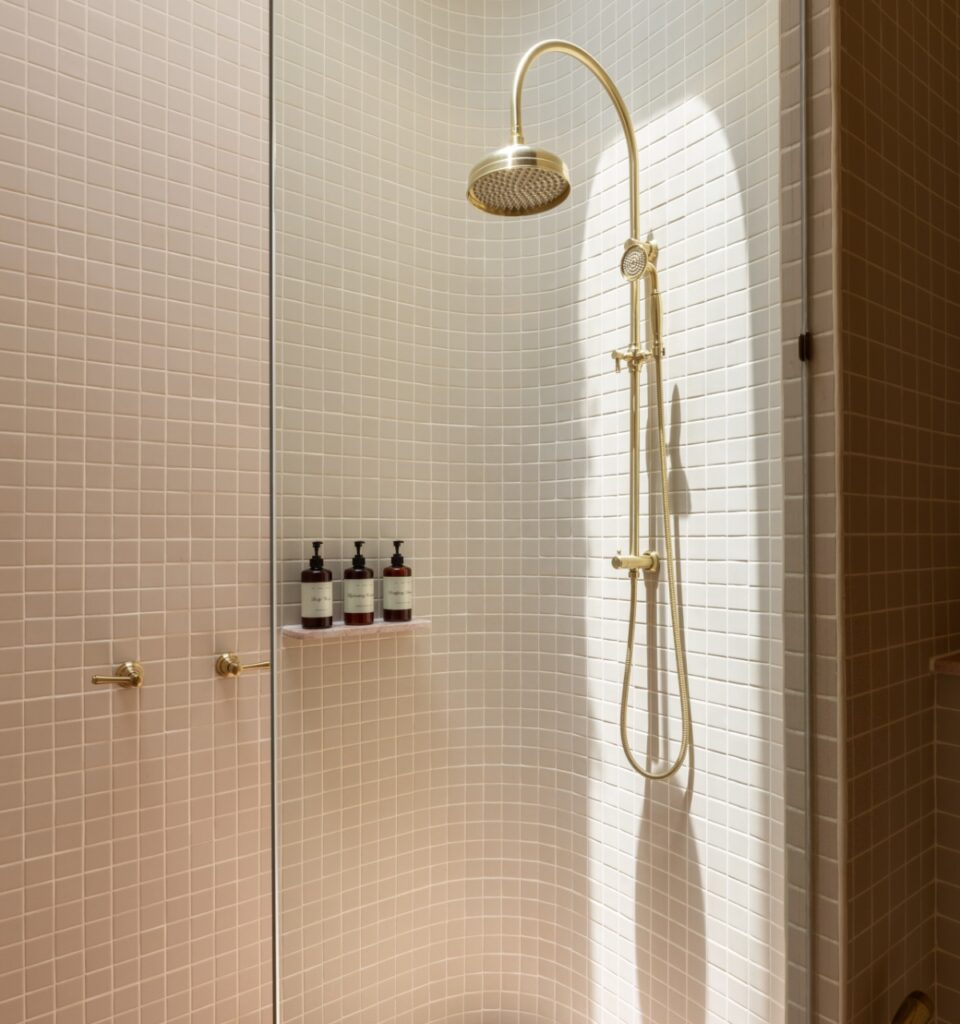
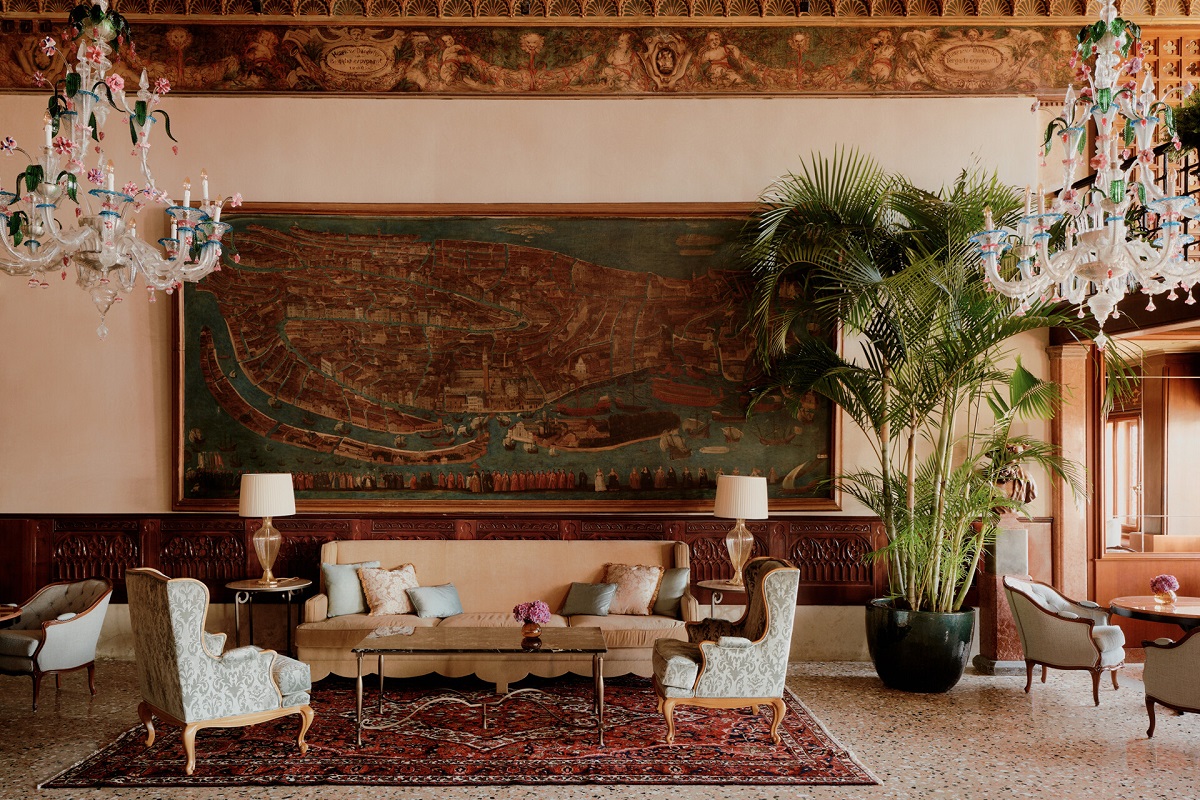
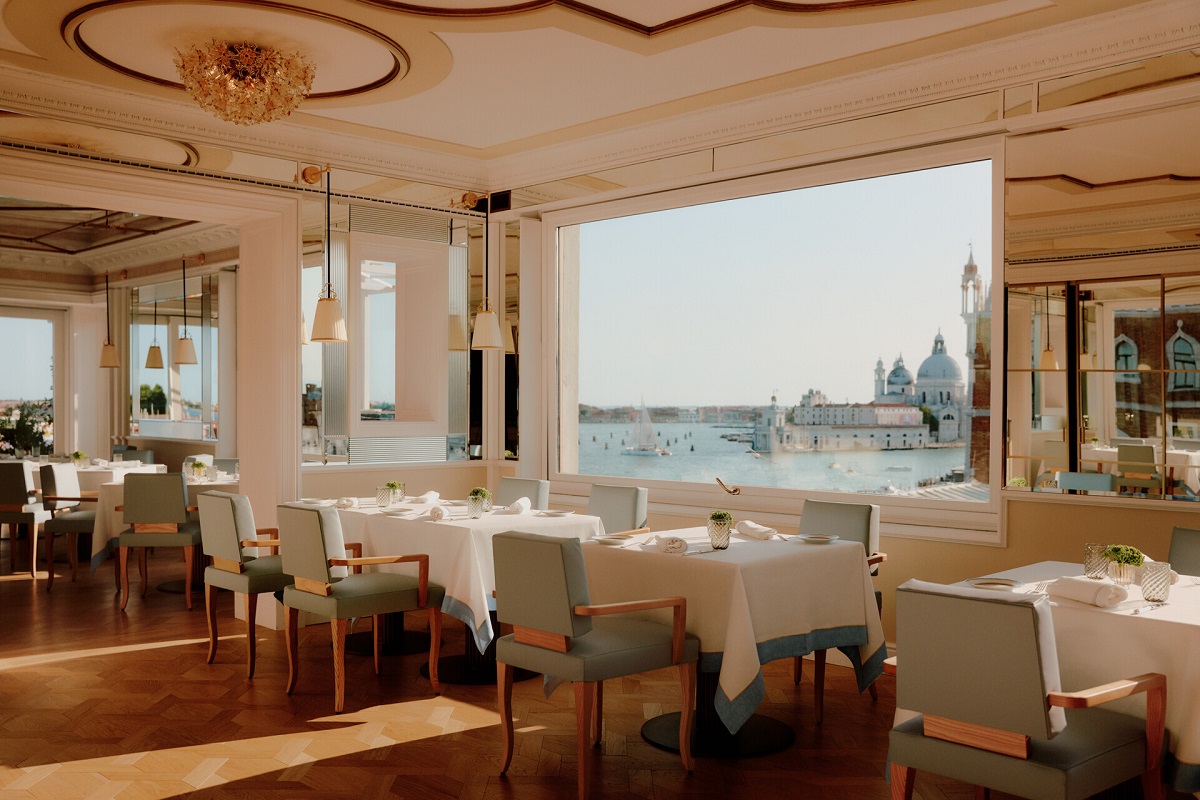
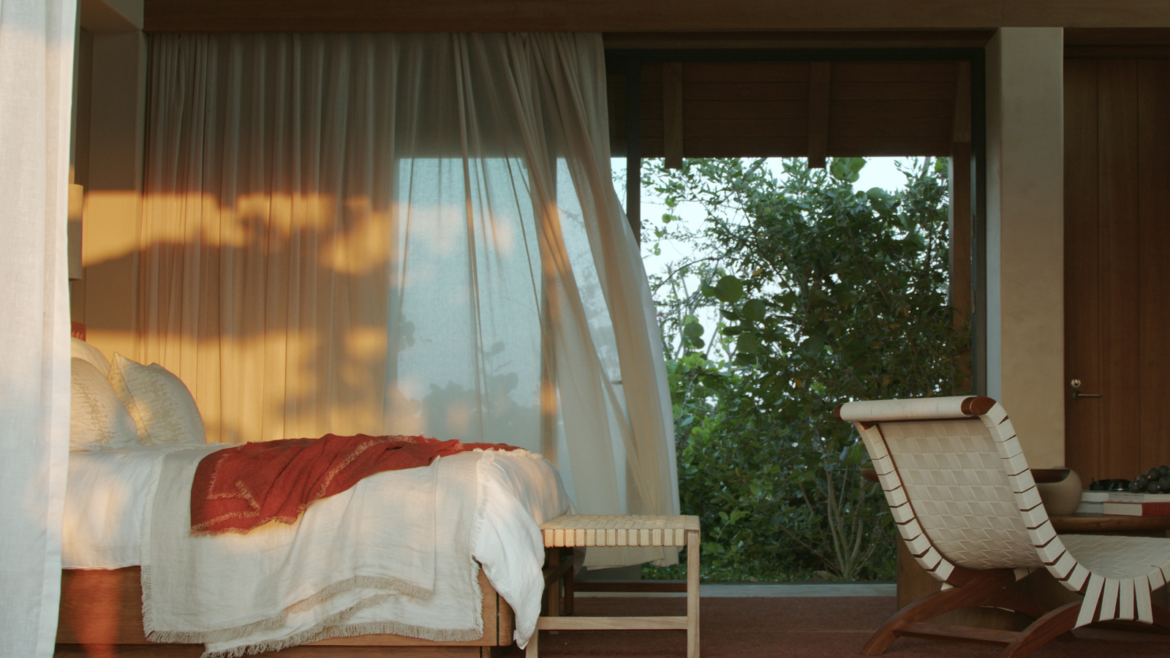
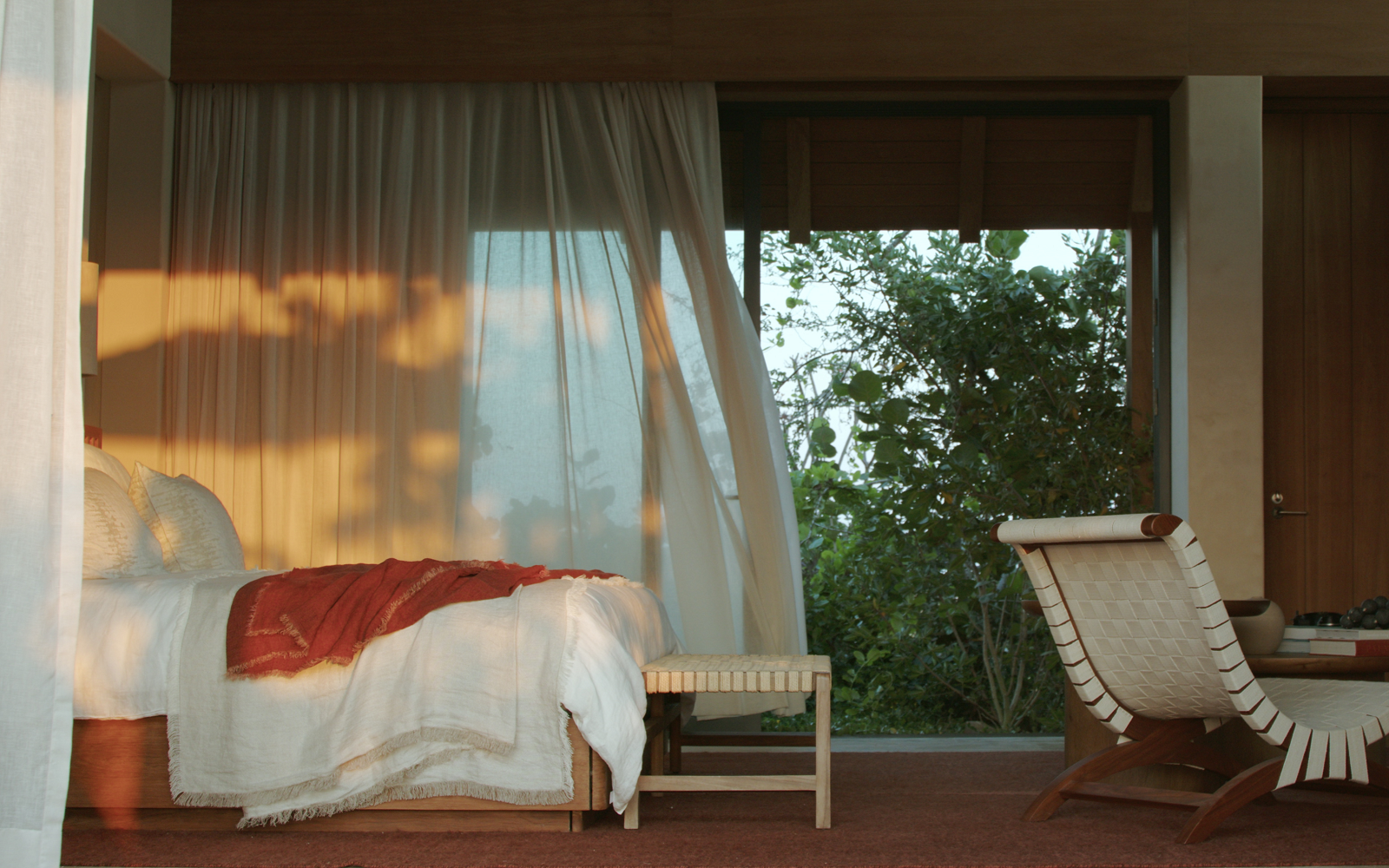
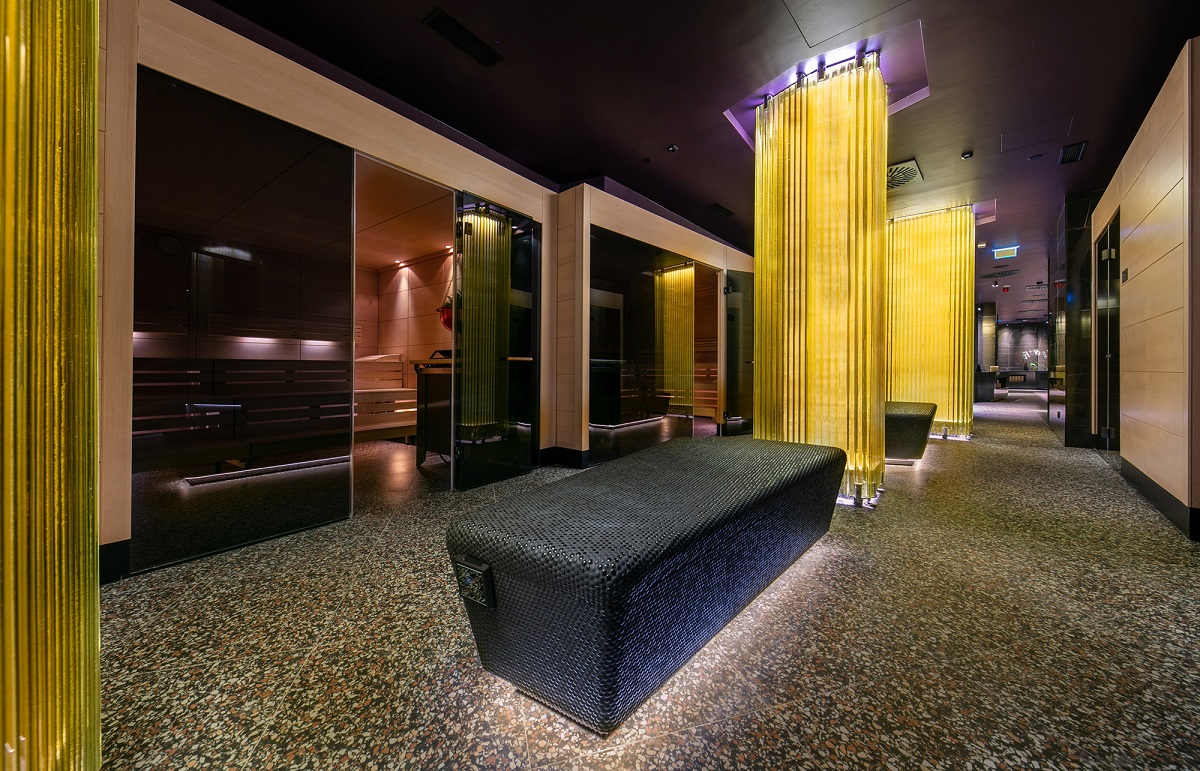
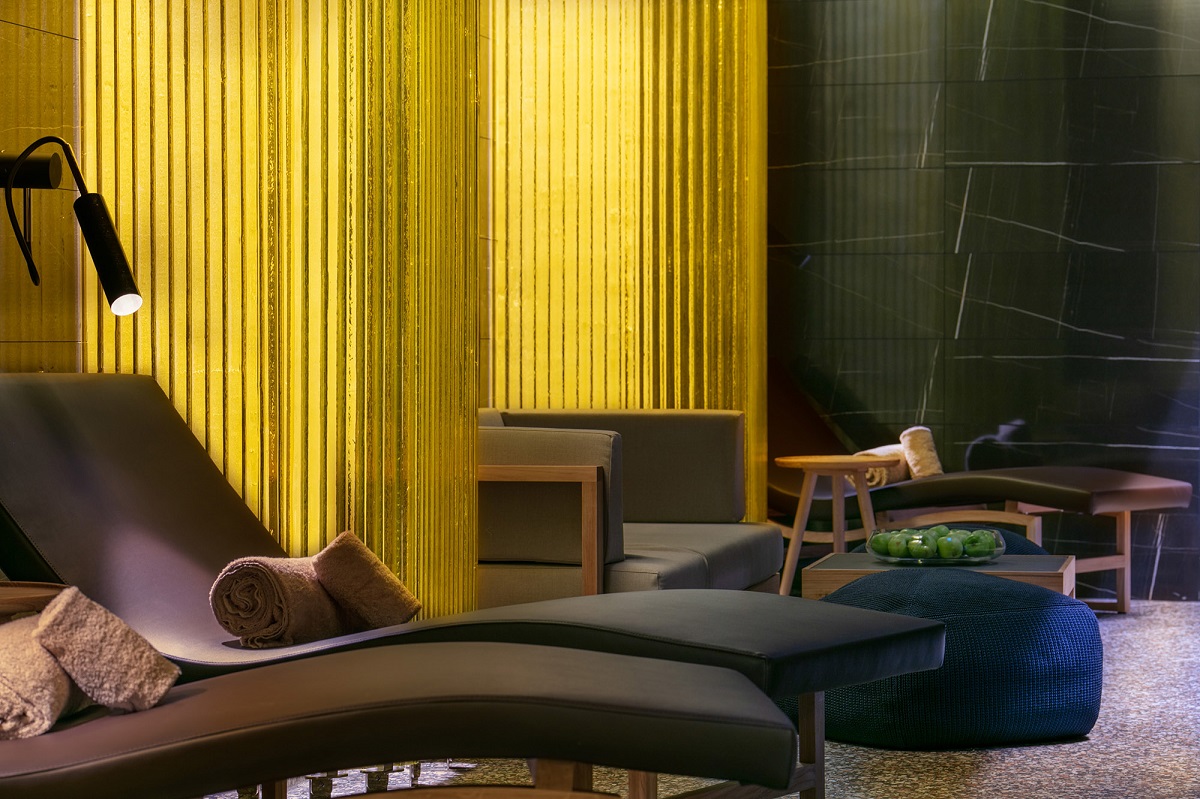
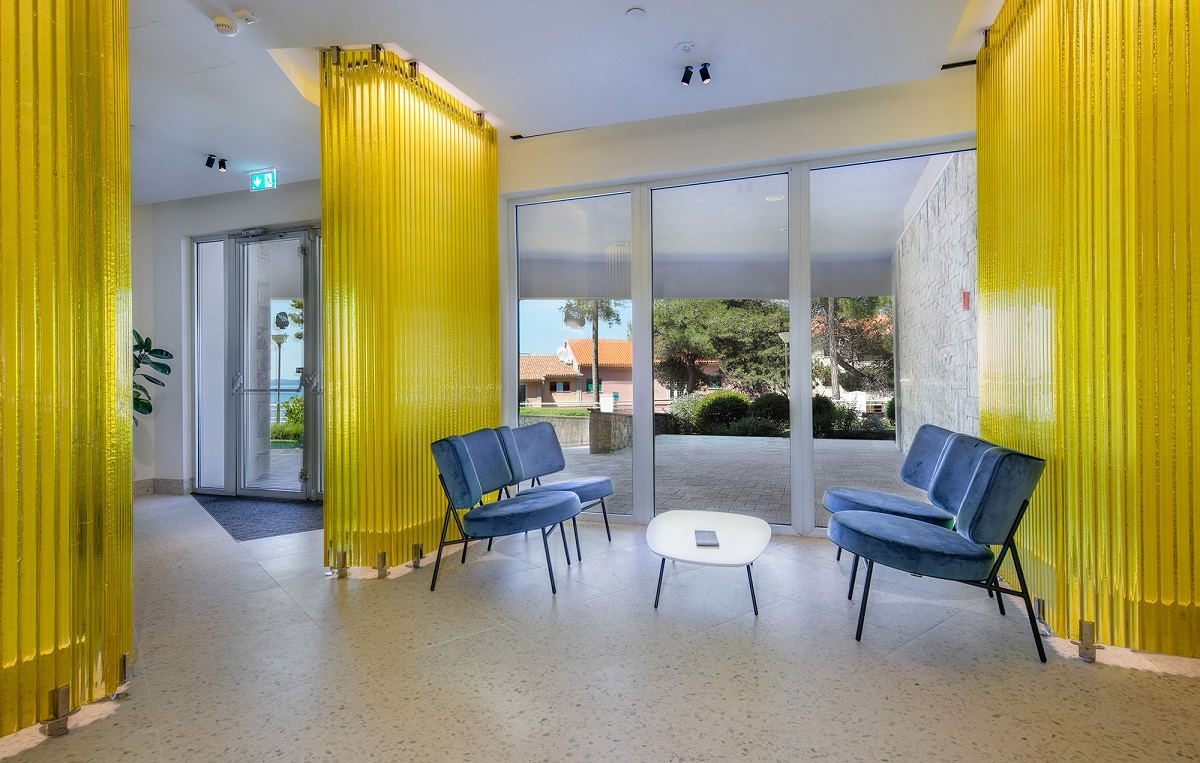
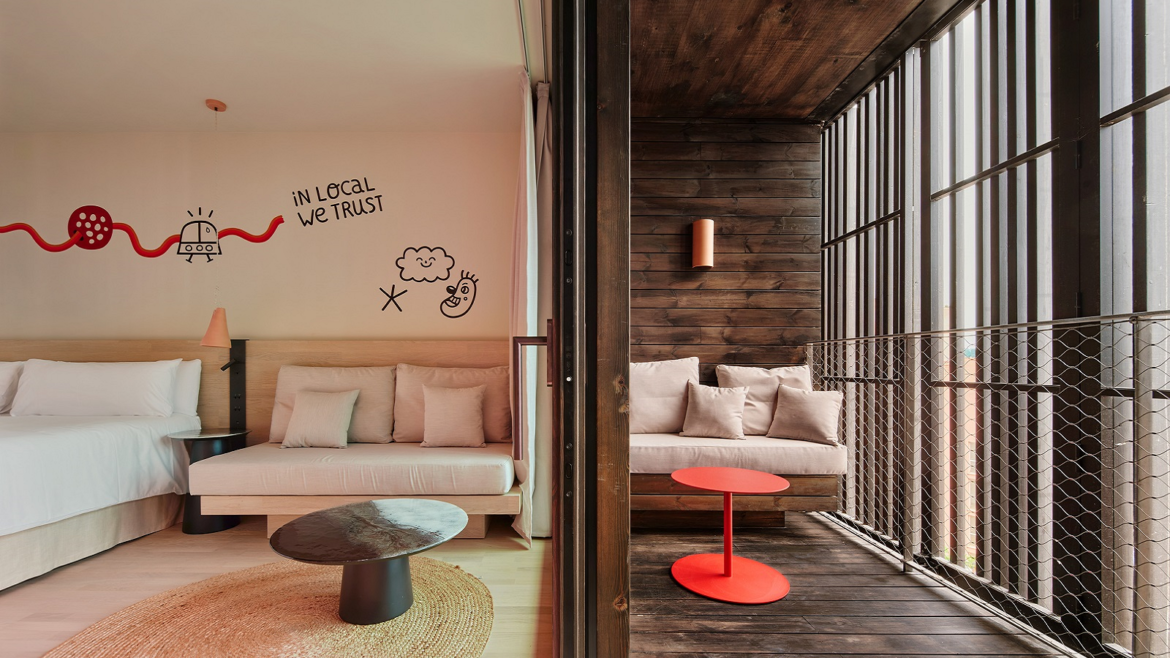
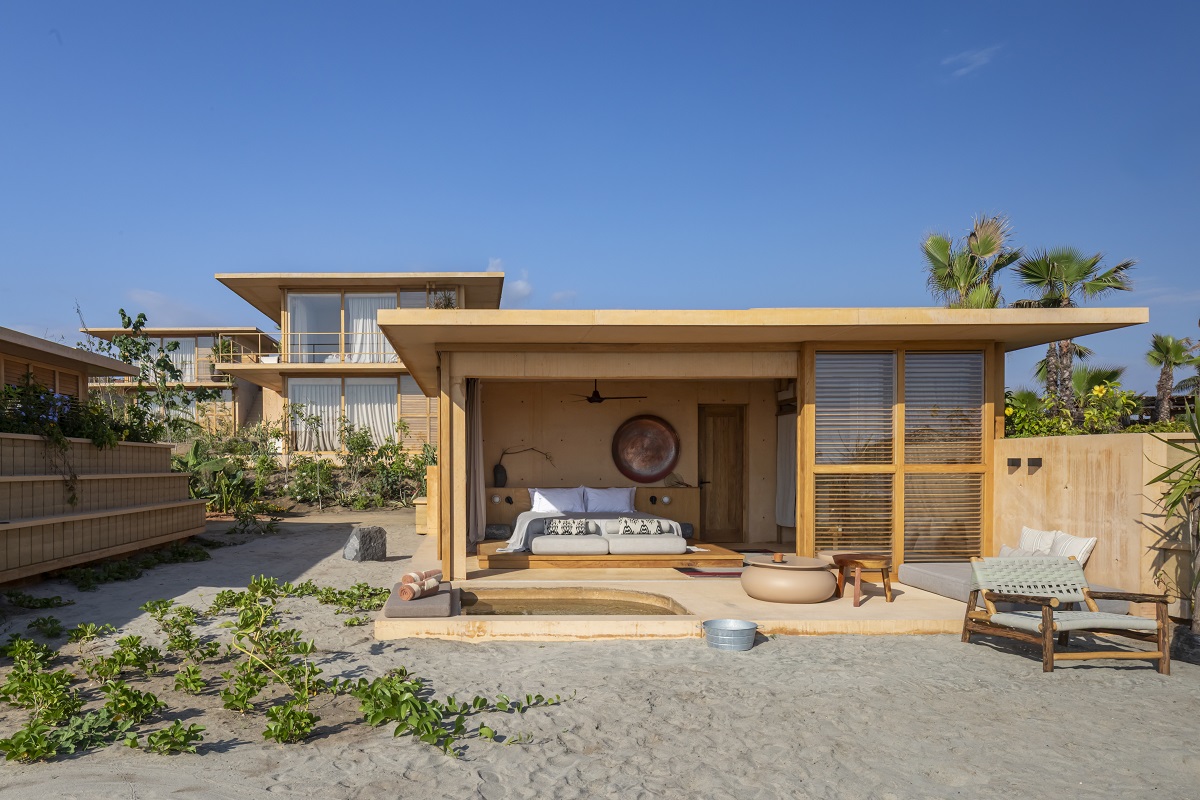
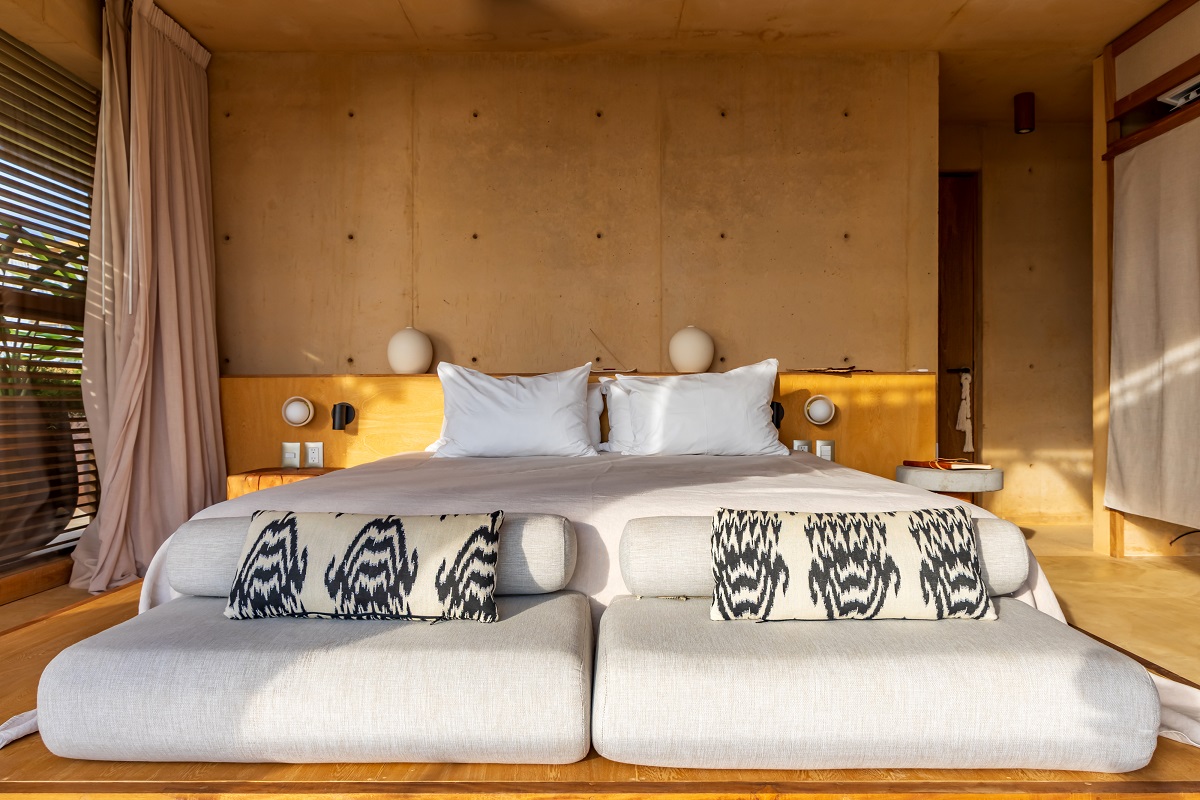
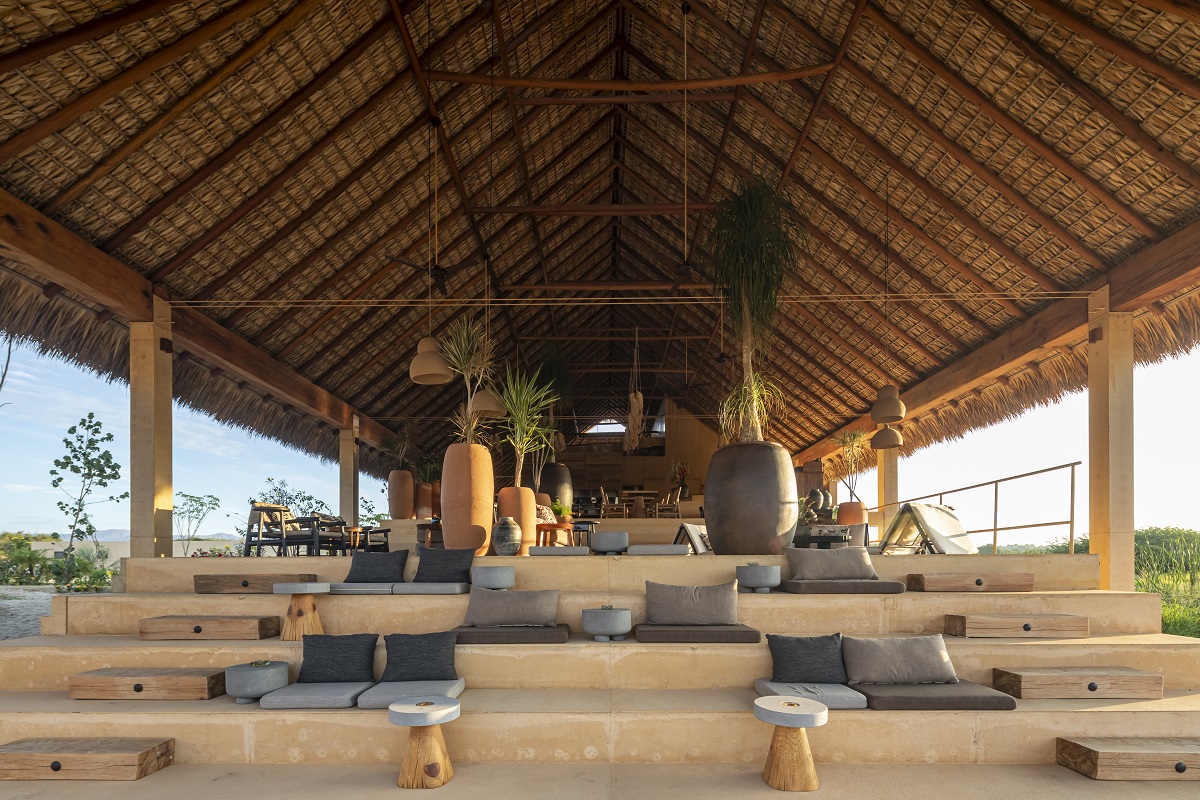
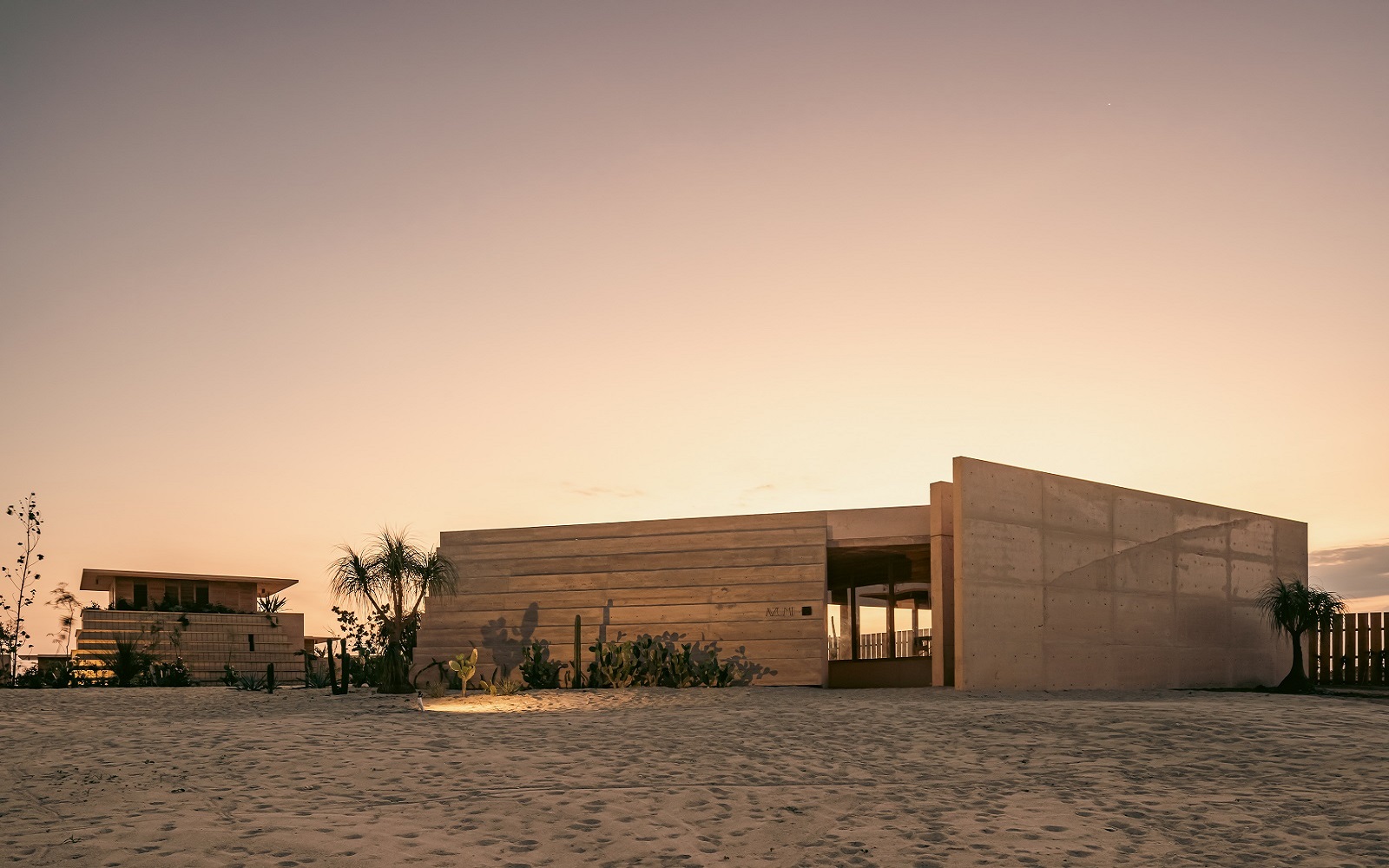
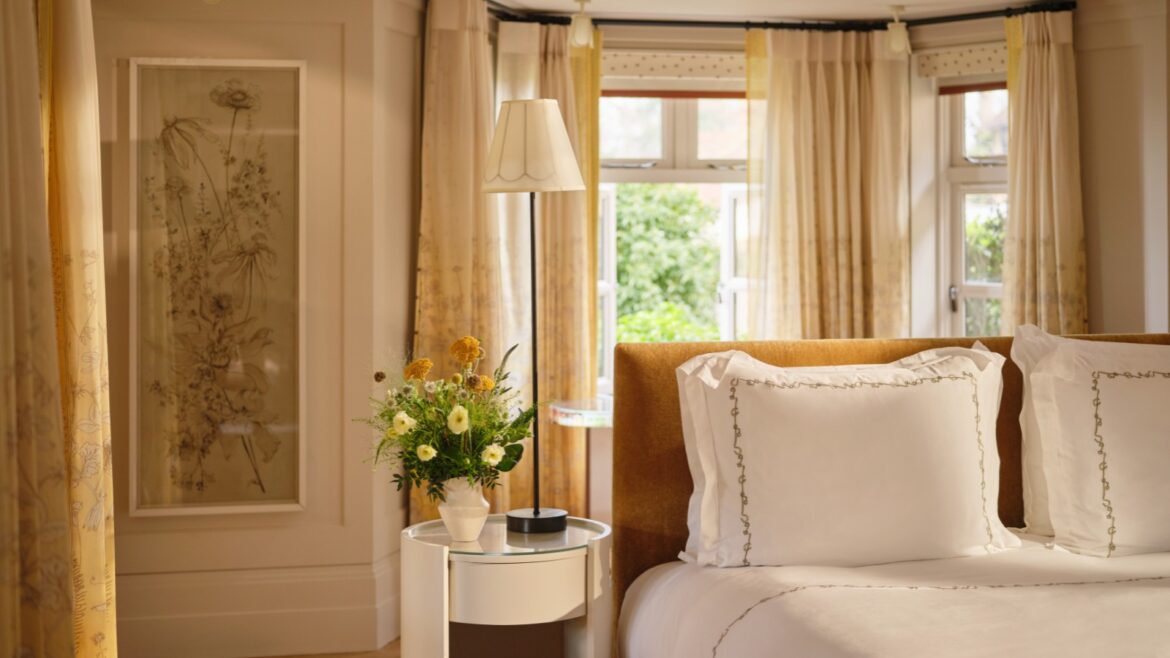
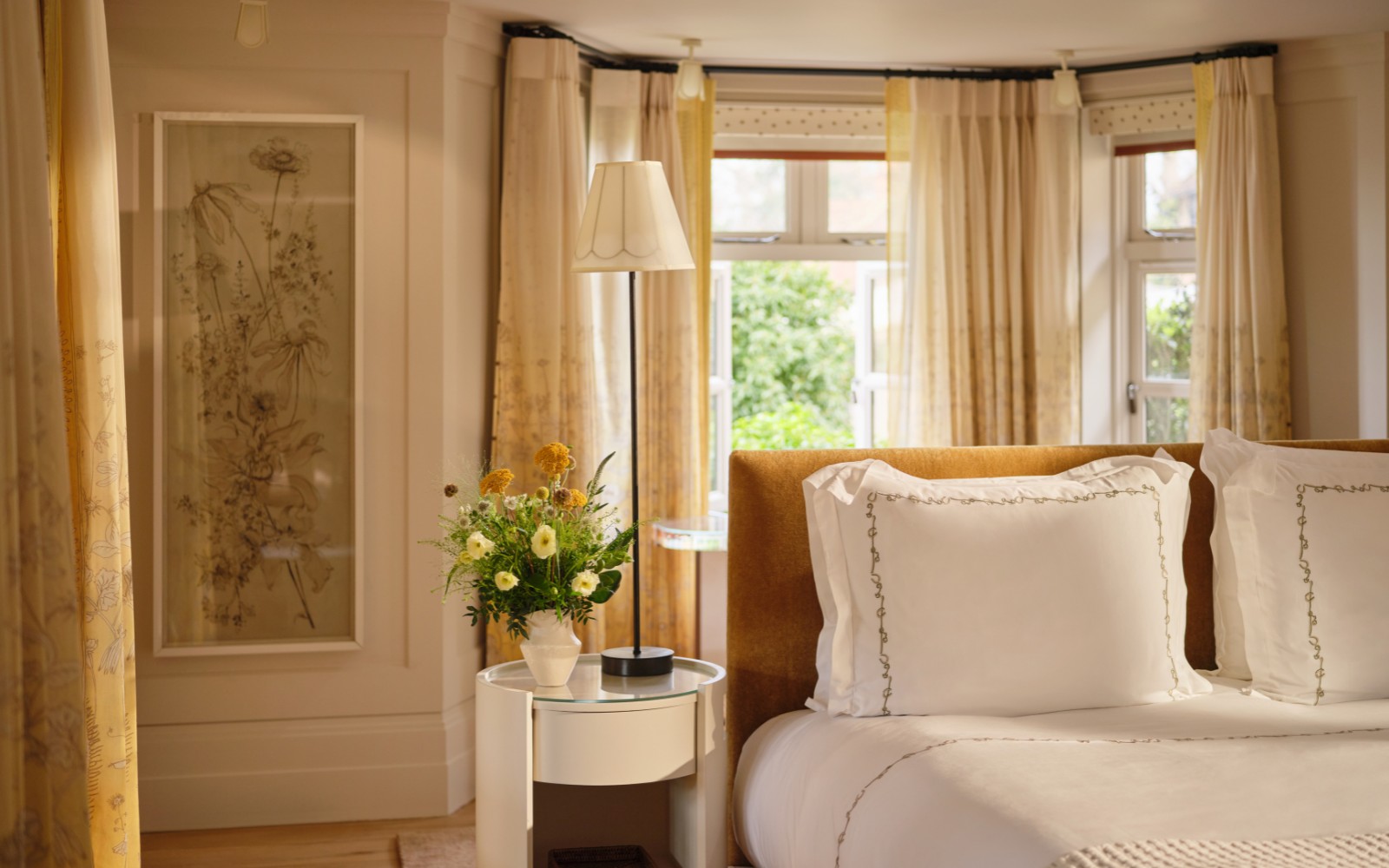
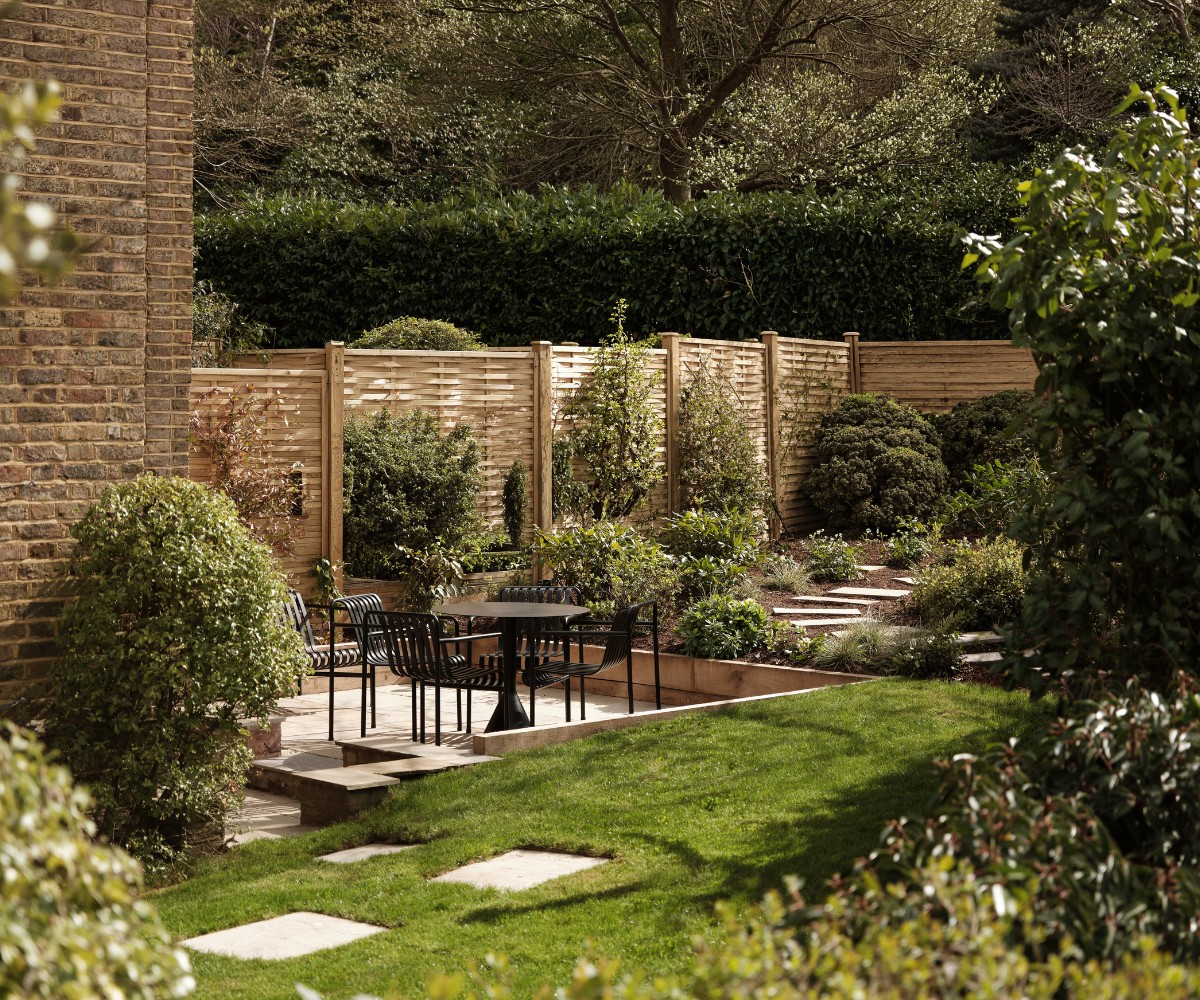
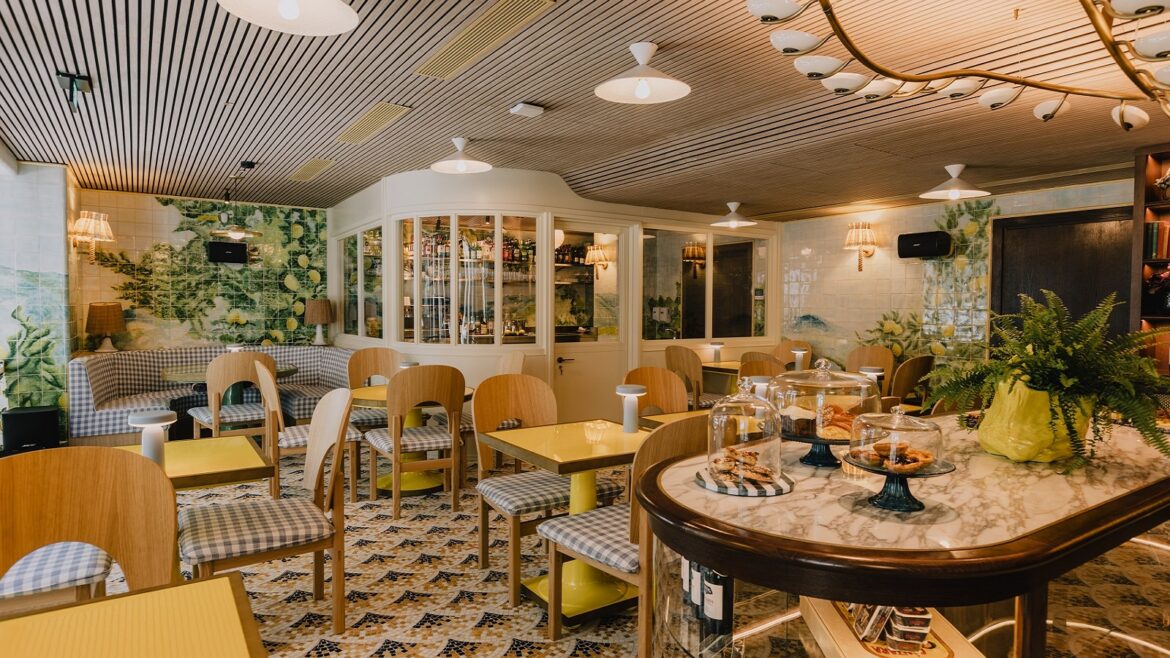
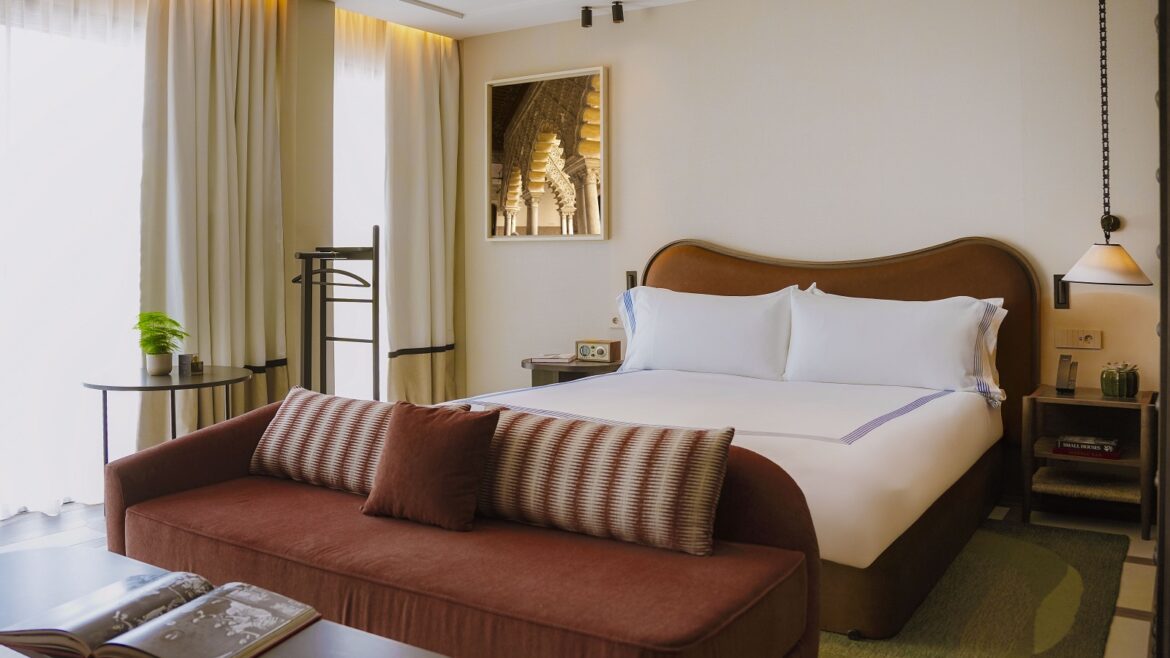
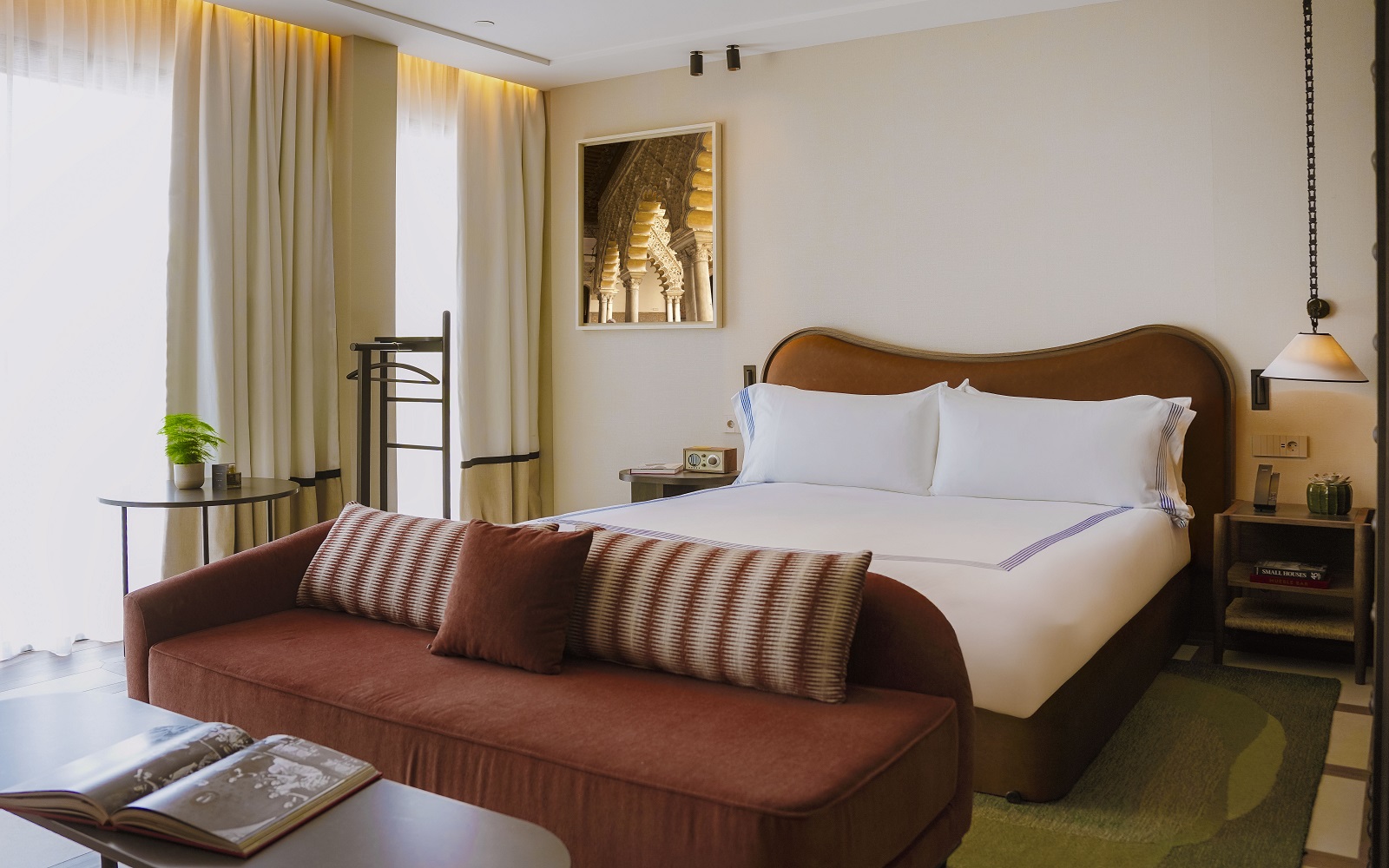
Miniview: Tamodi Estate & Polo Reserve – craftsmanship and contemporary living
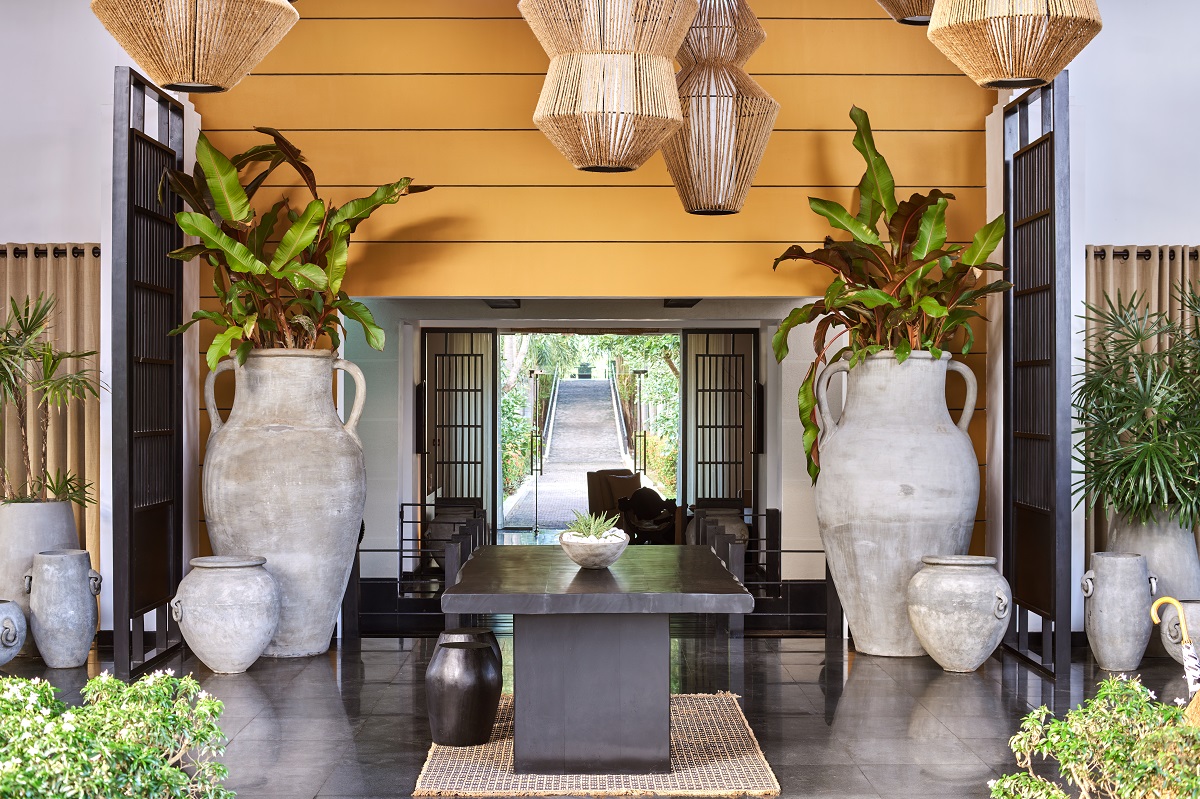
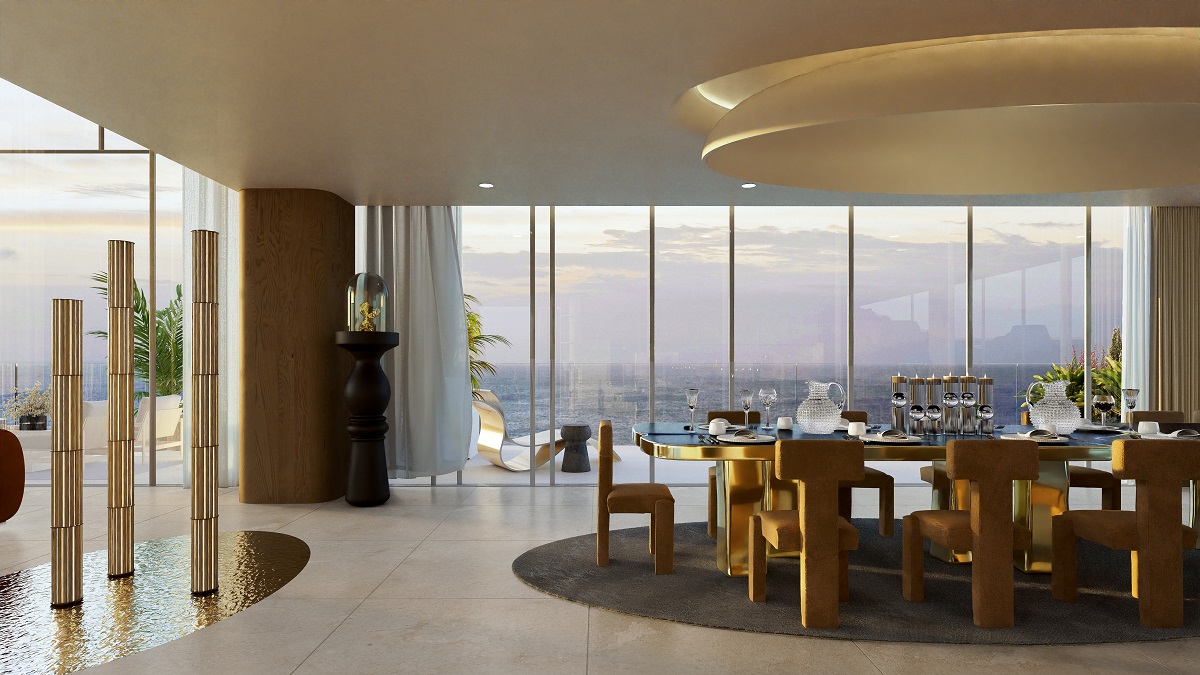
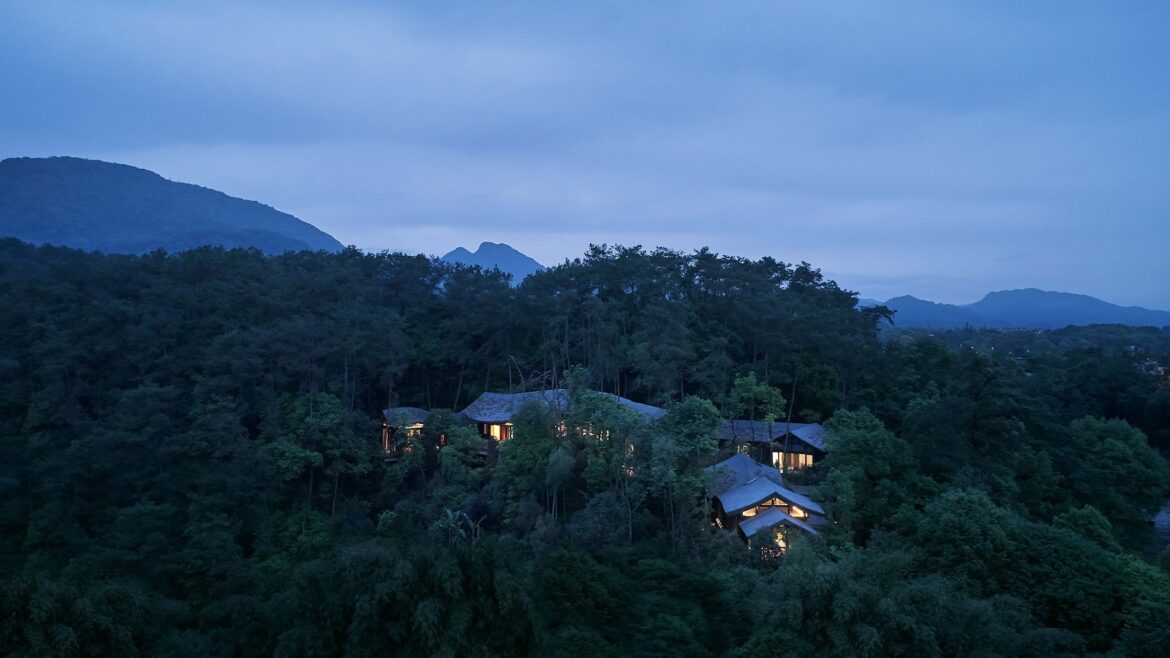
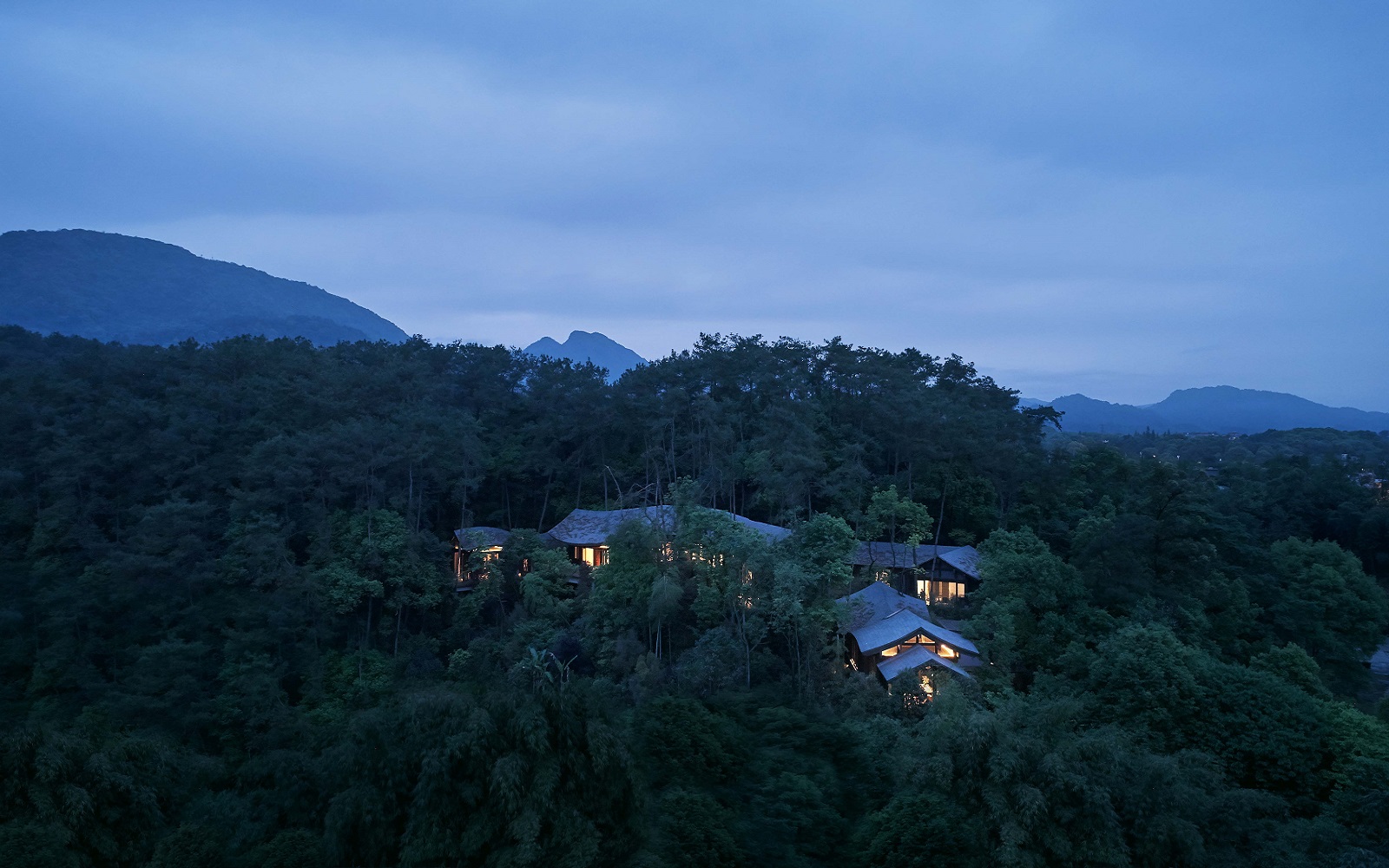
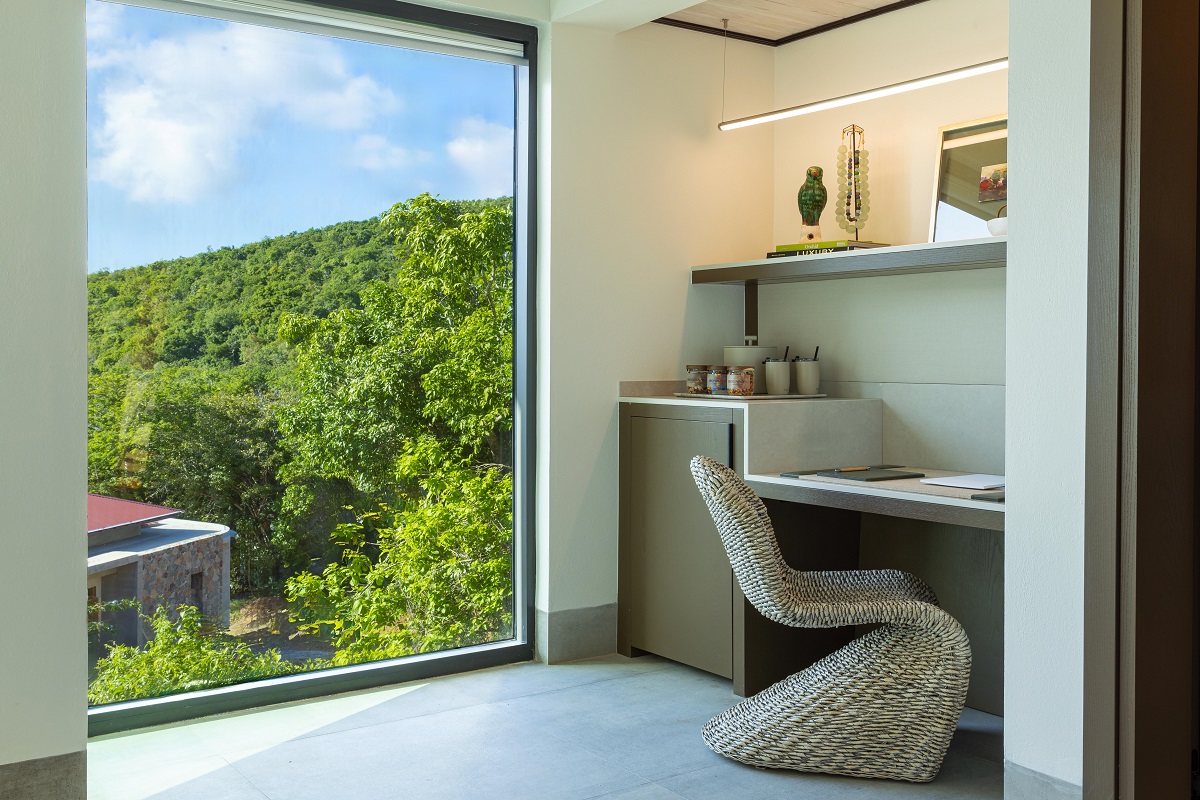
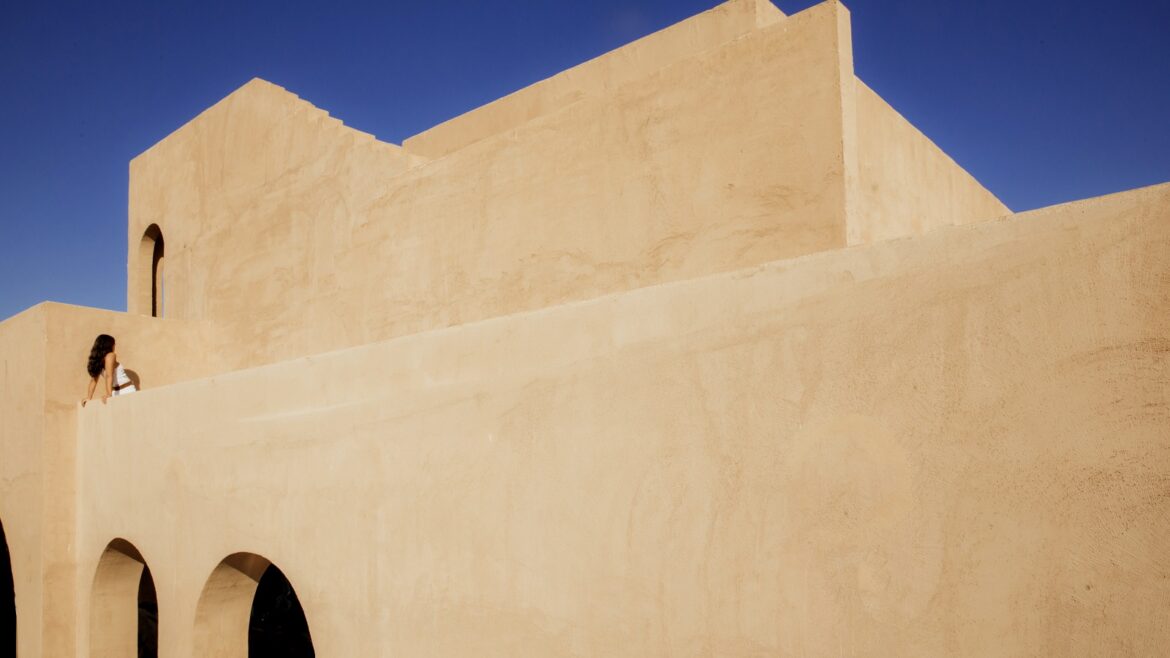
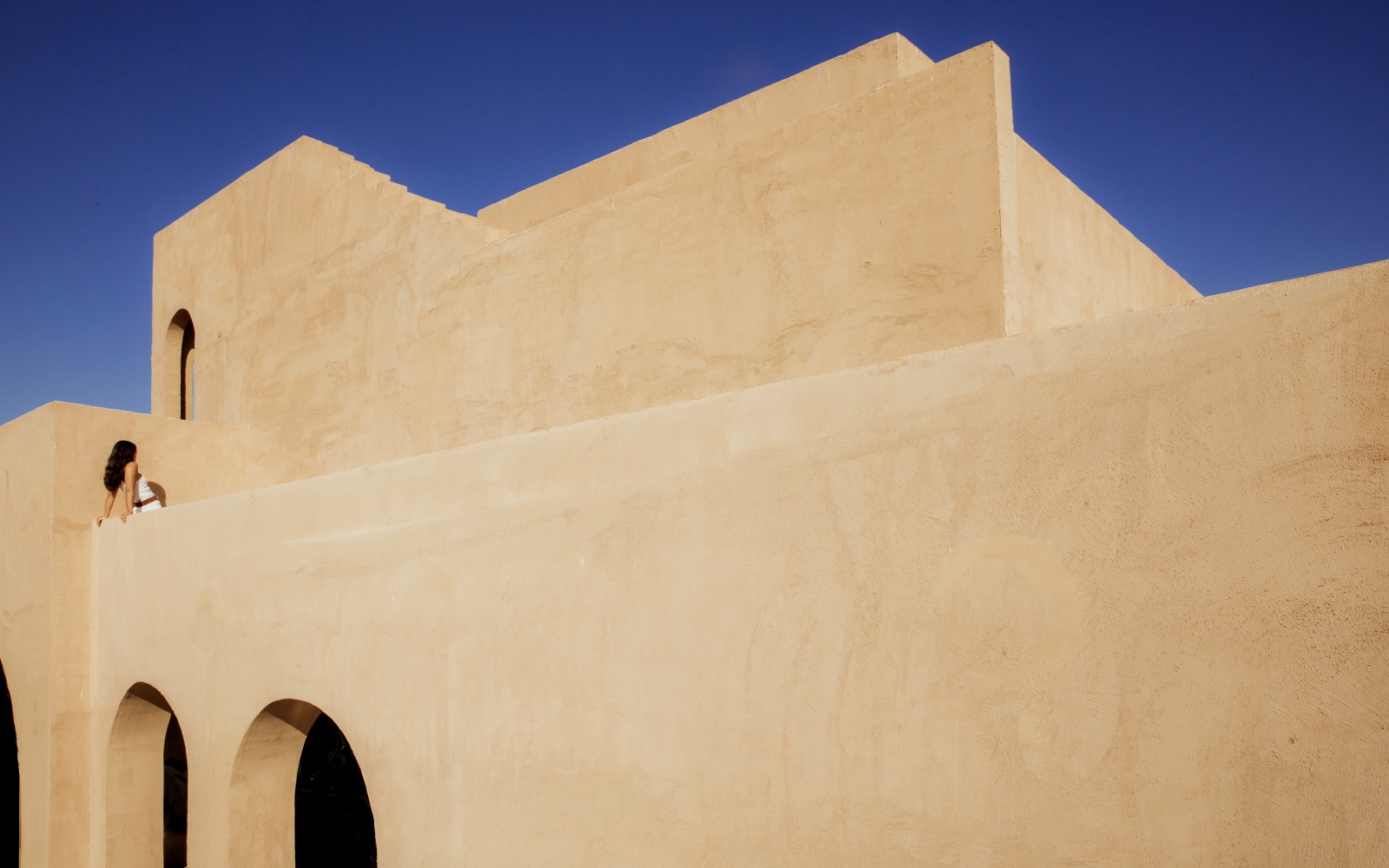
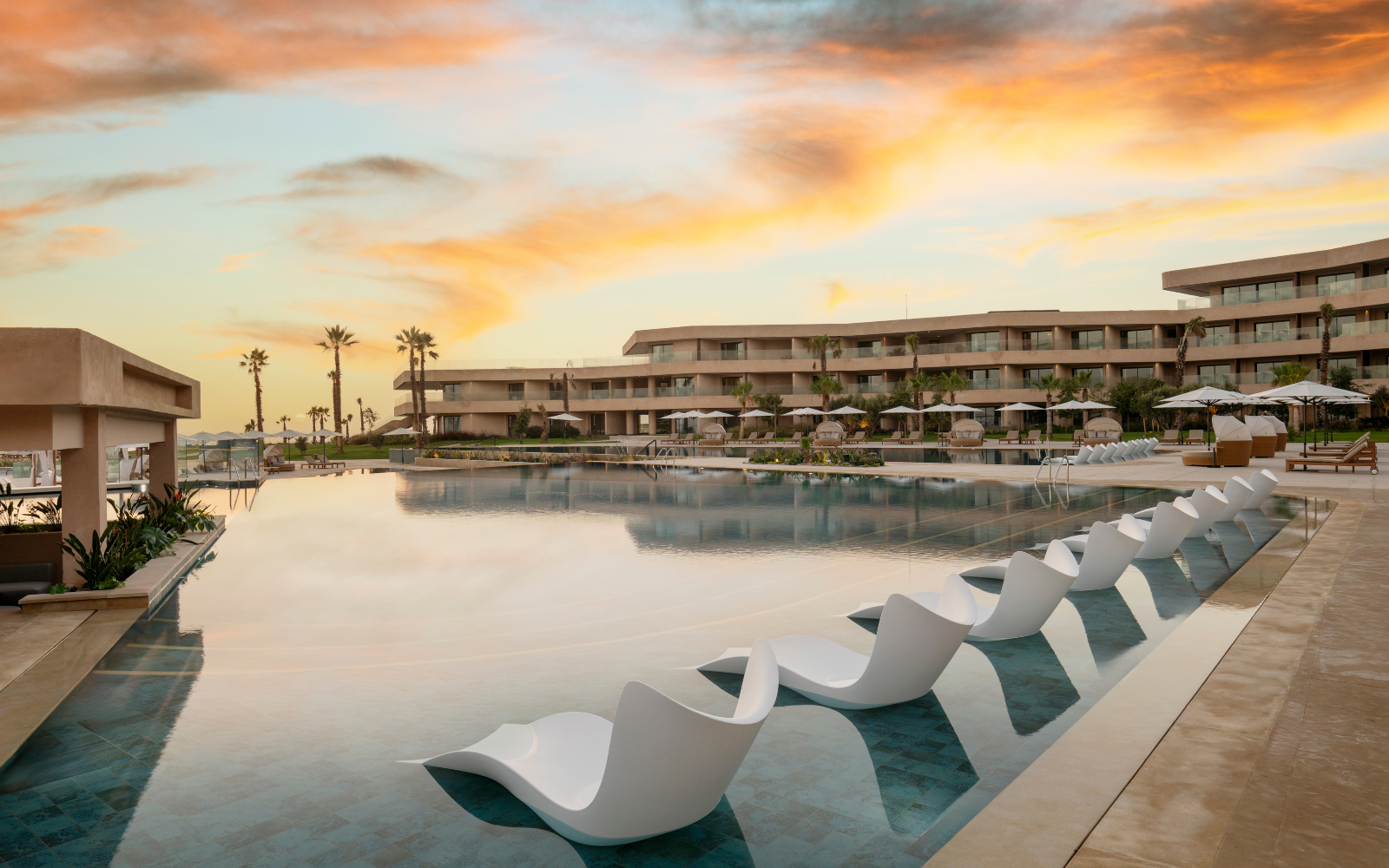
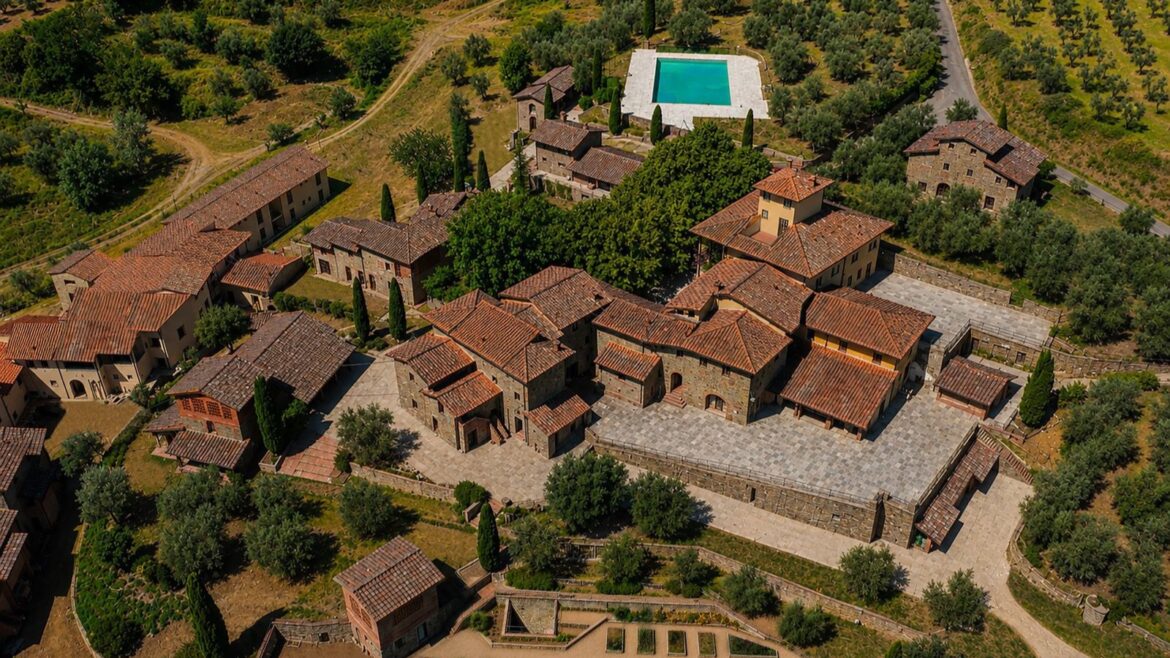
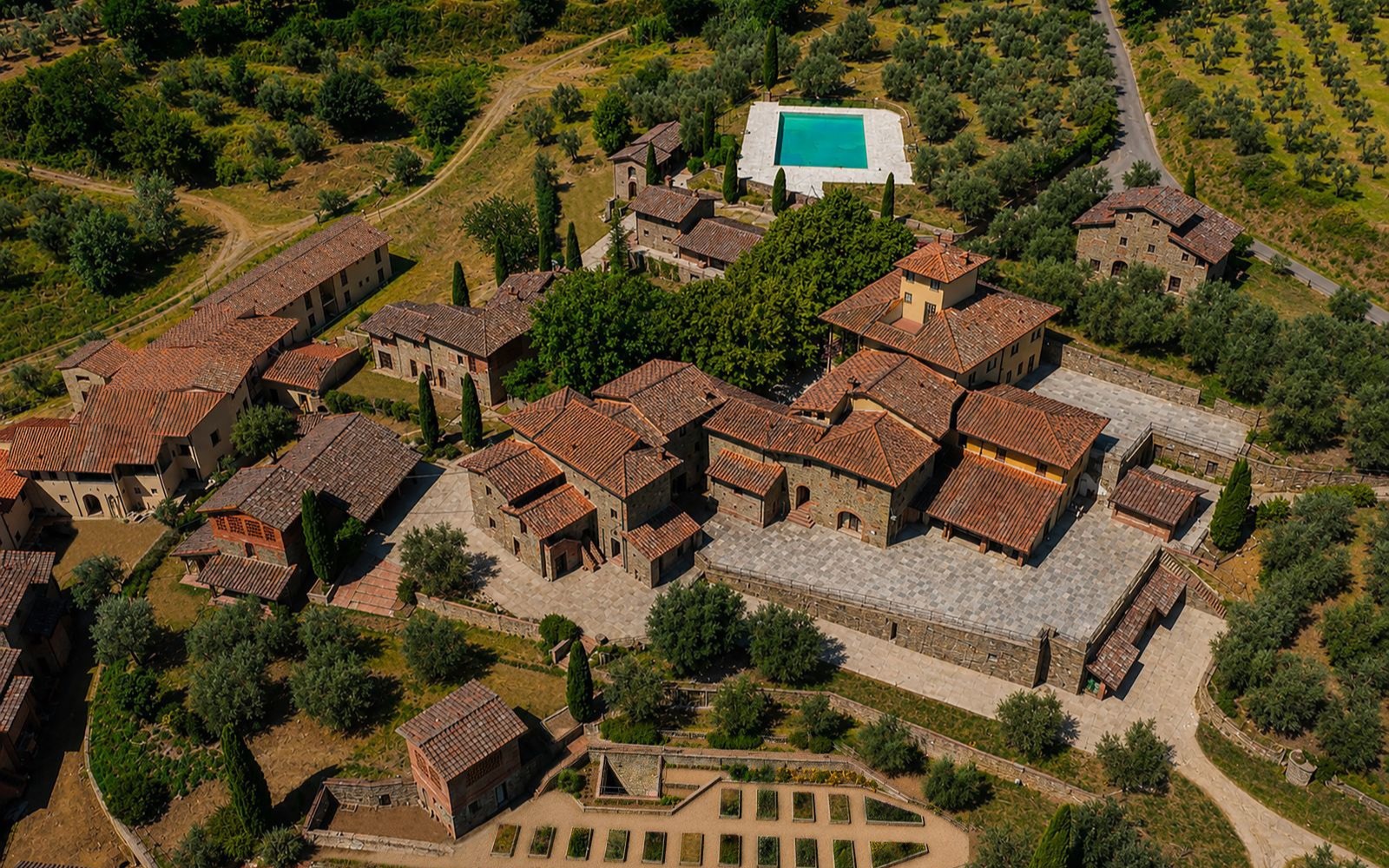
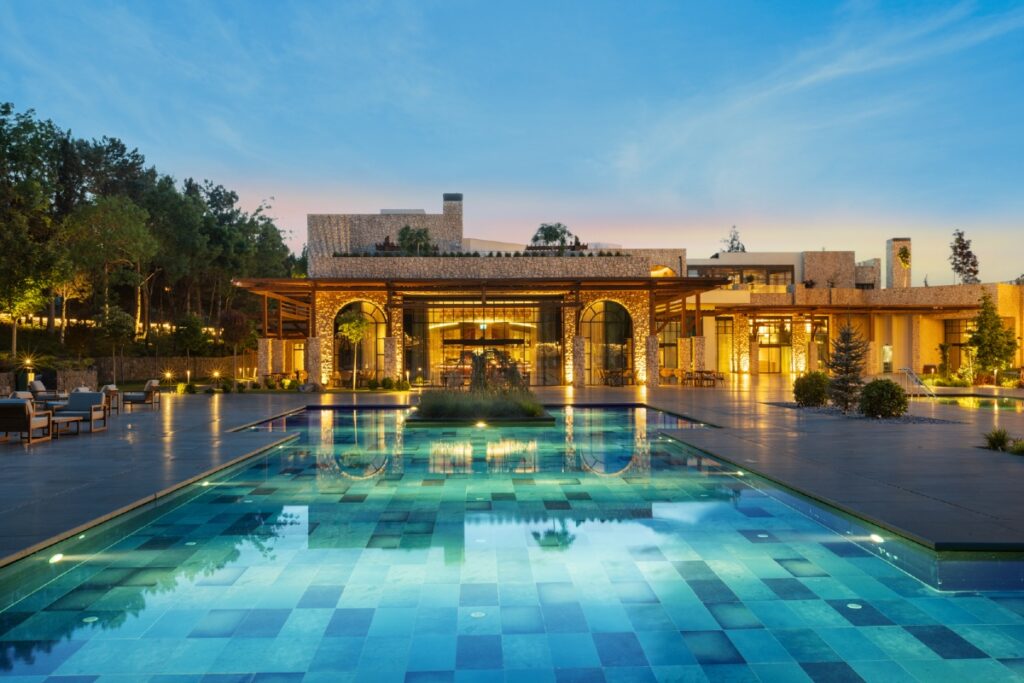
Set against the green slopes of South Africa’s Tsitsikamma mountain range, Tamodi Estate & Polo Reserve occupies a privileged setting in a position that reinforces the feeling of retreat – a destination reached with intention…
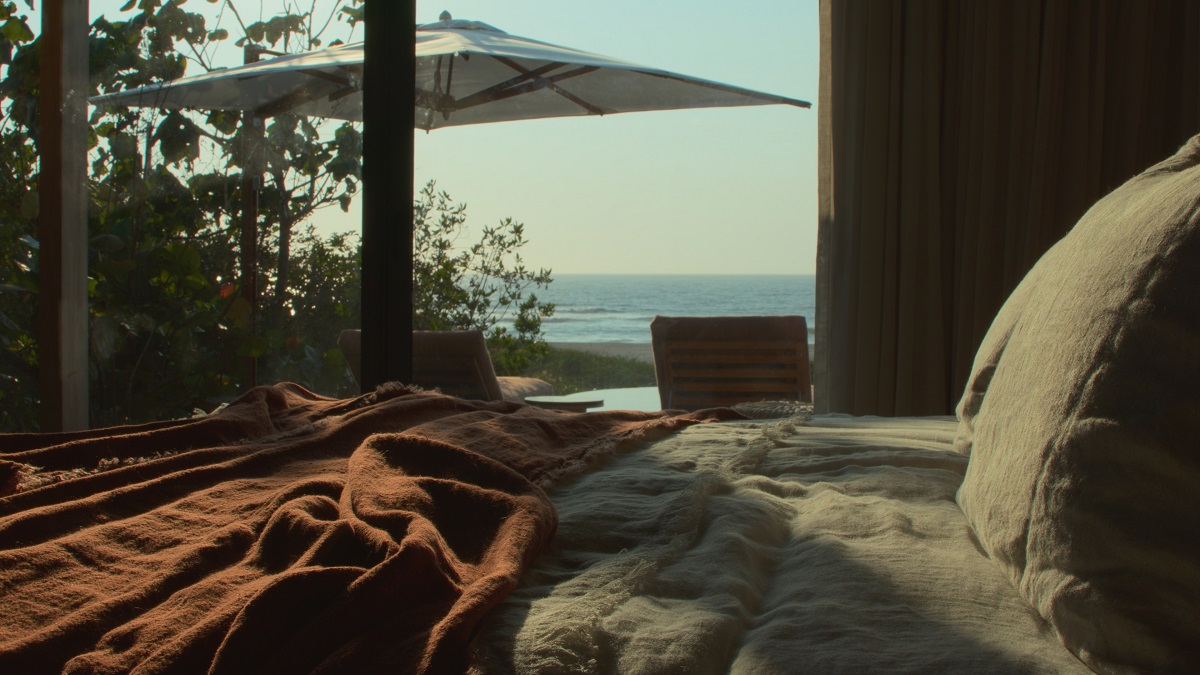
Conceived as a refuge for contemporary nomads, the Tamodi Estate project embraces an elegance in which comfort is defined by stillness, generosity of space, and attention to the everyday, accompanied by ocean breezes and the valley’s ever-changing light.
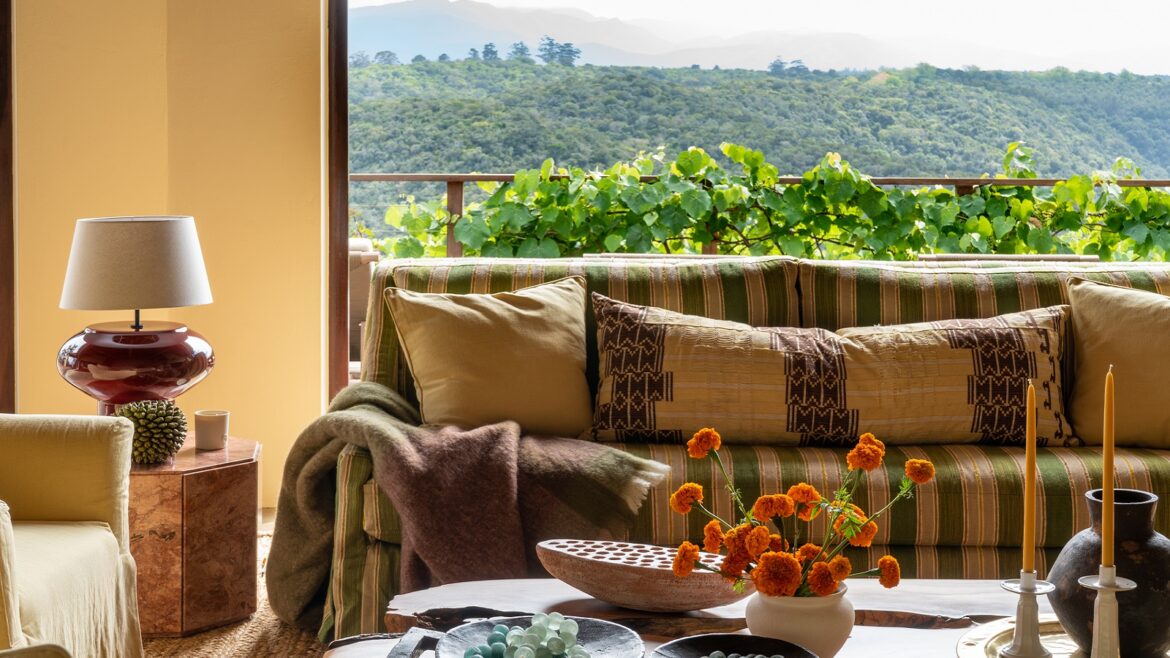
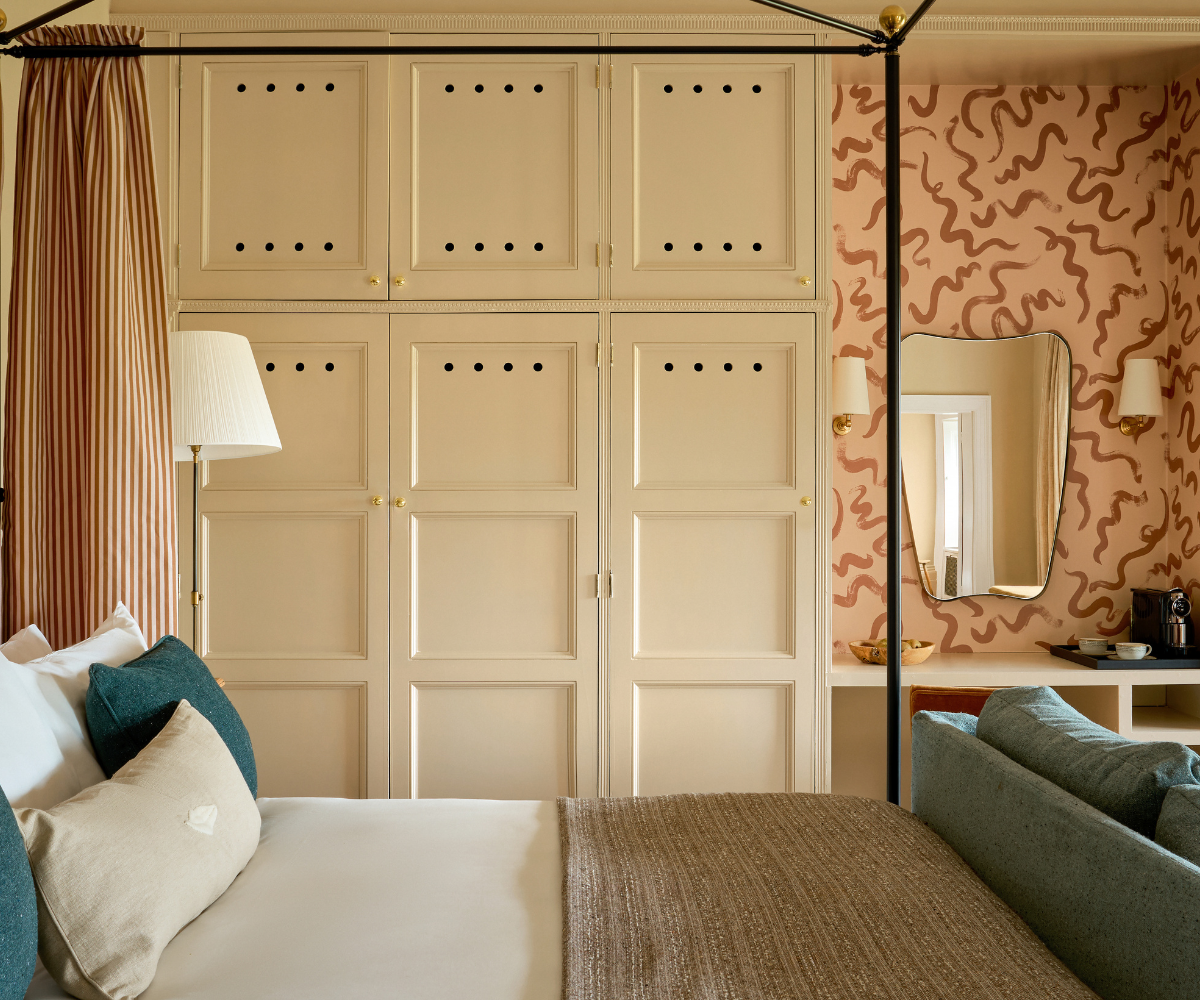
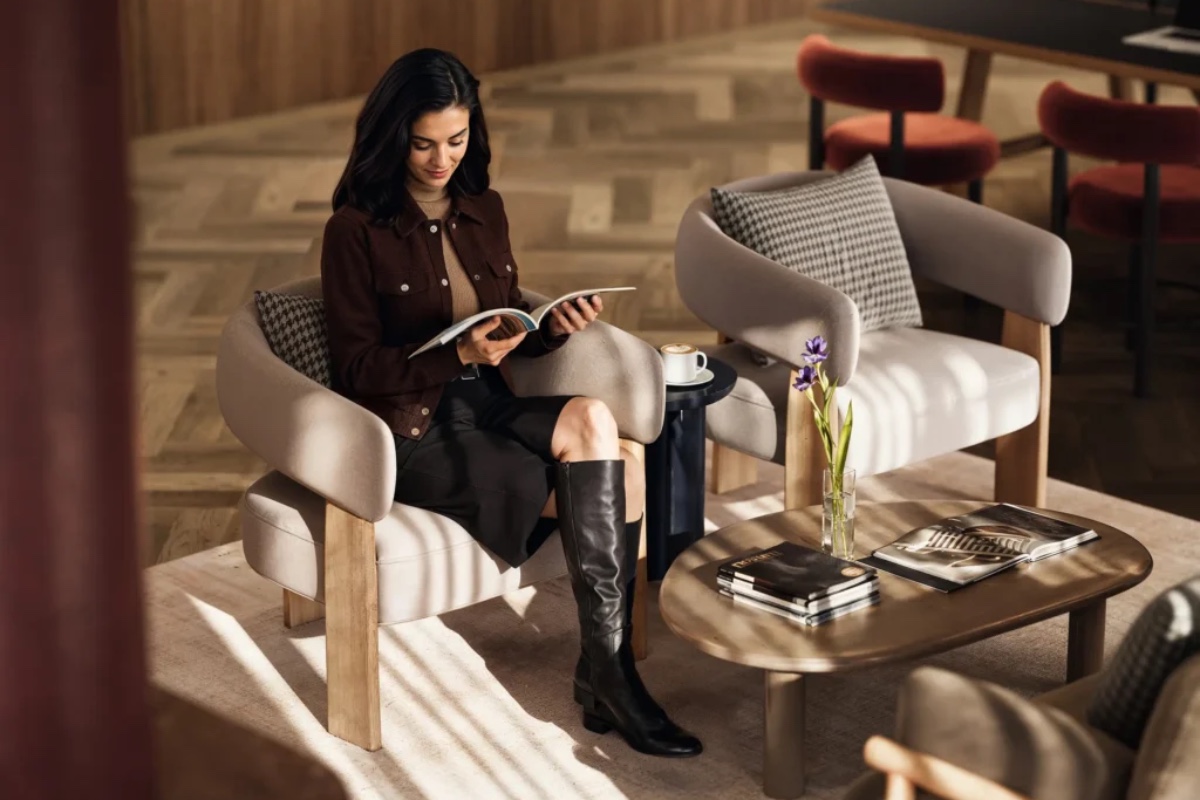
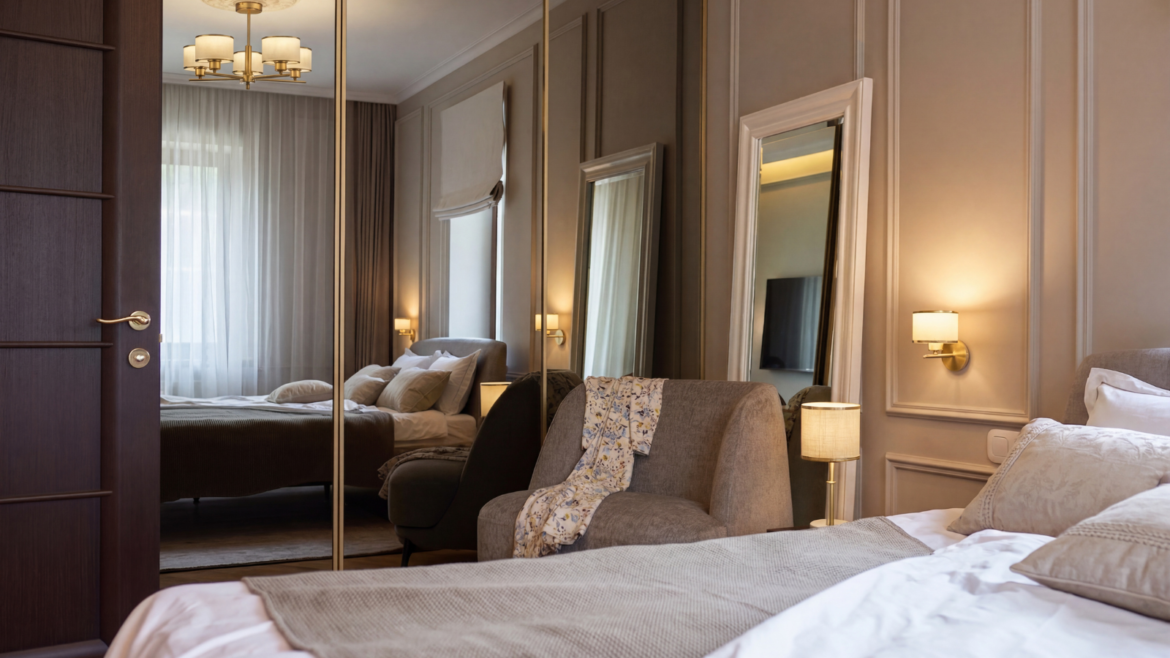
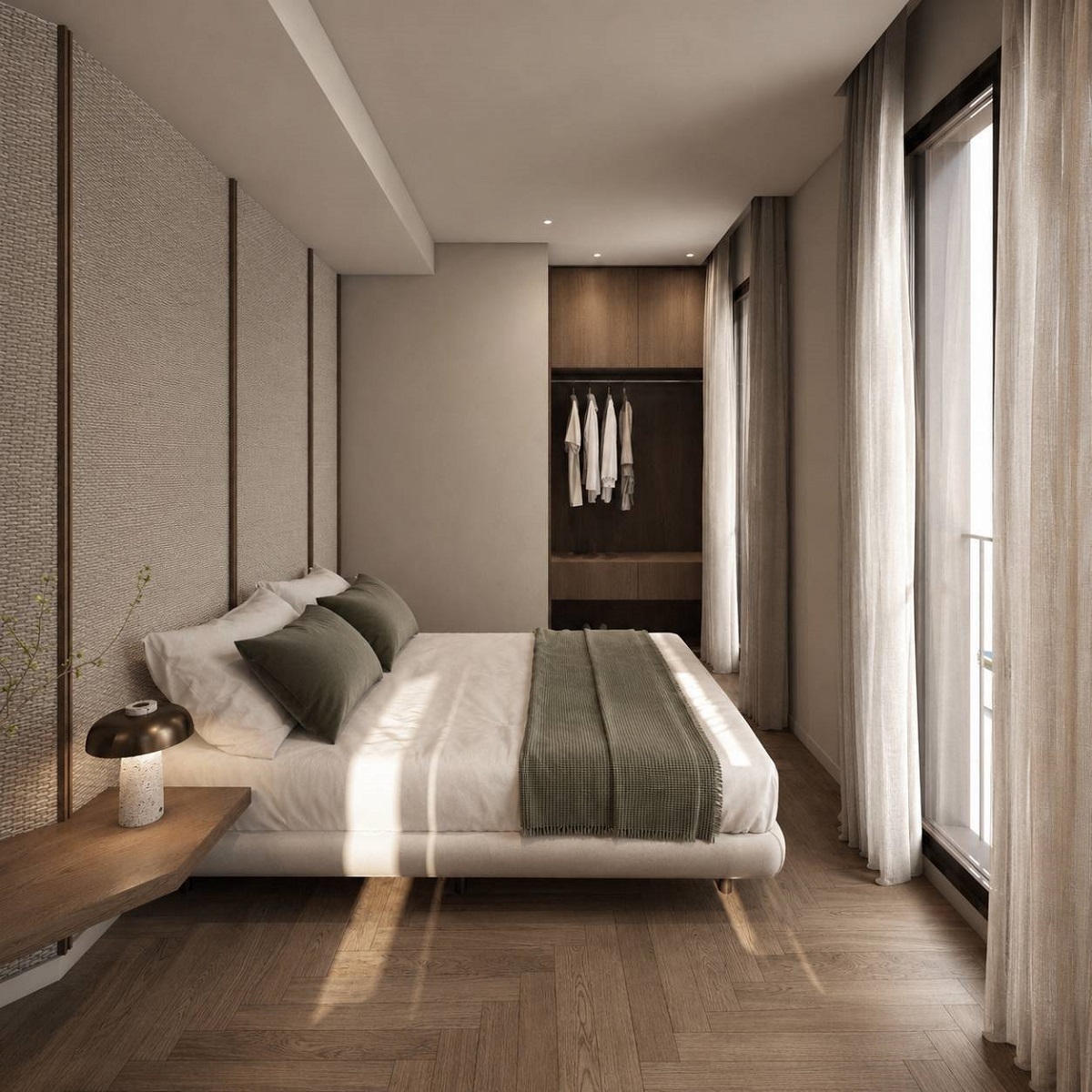
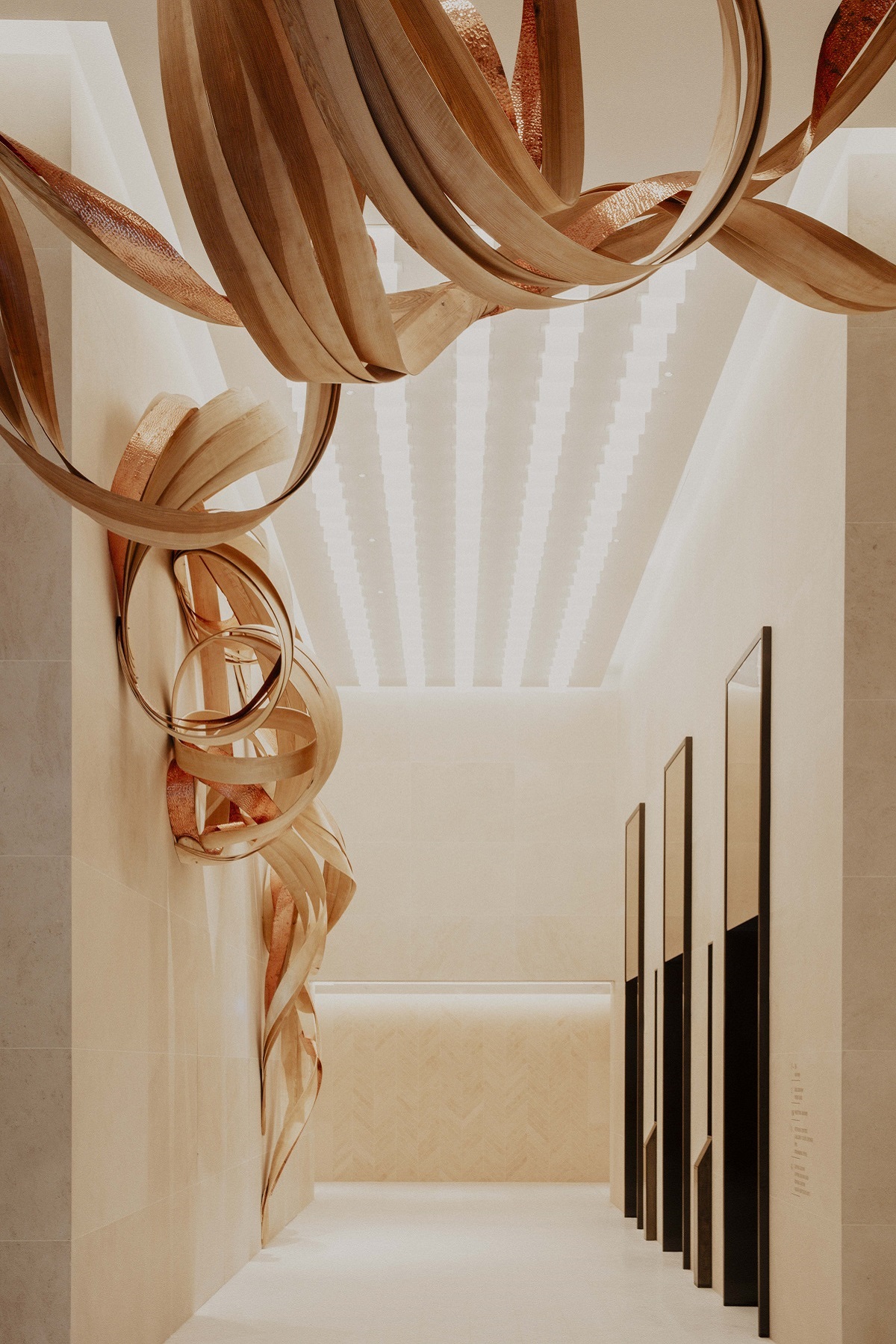
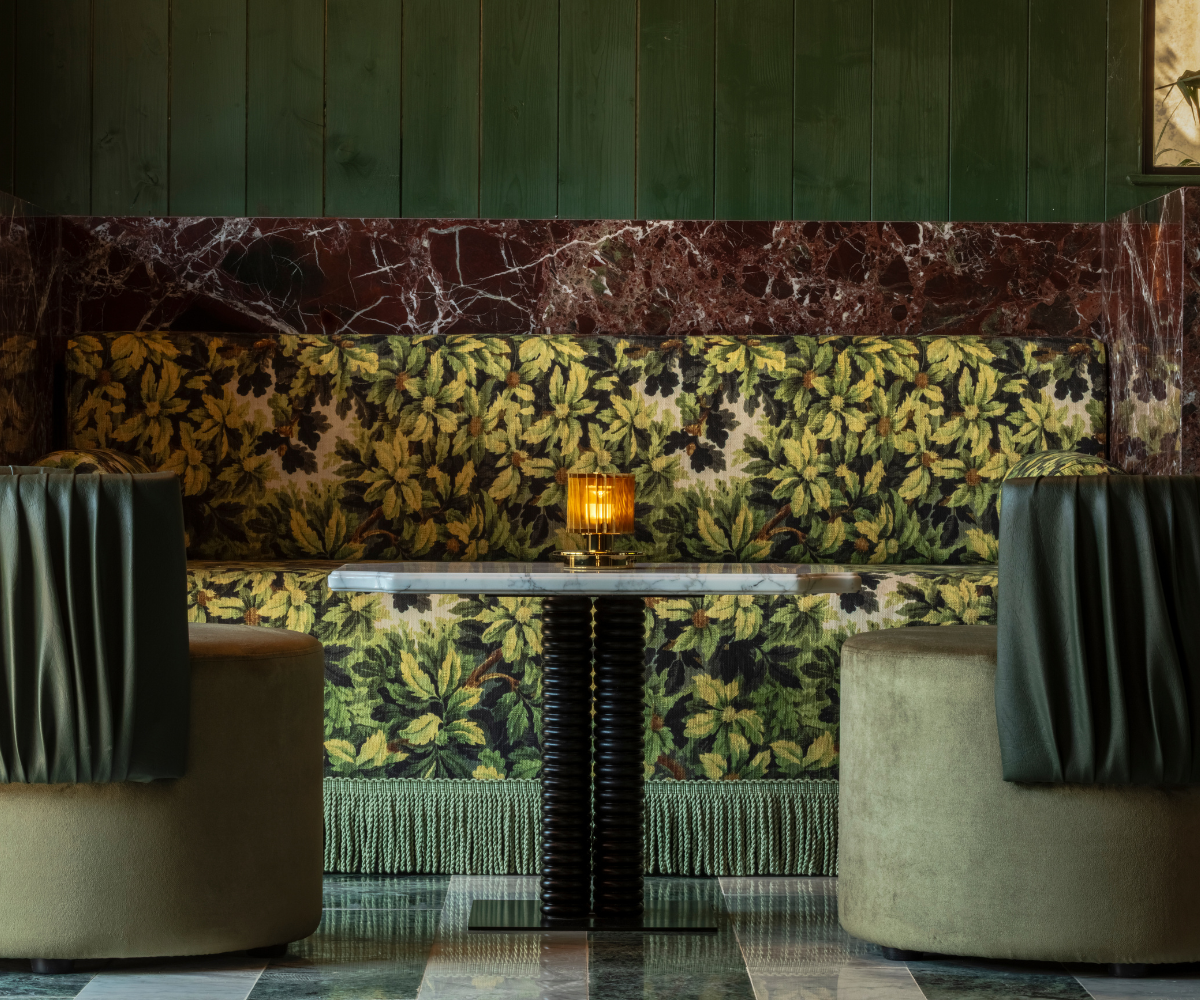
The interior design for Tamodi Estate was commissioned to Studio Ashby and led by its founder, Sophie Ashby – raised between South Africa and the United Kingdom and based in London with a new office in Cape Town. The studio’s practice weaves together material culture, craftsmanship, and a contemporary approach to living. At Tamodi, this sensibility translates into spaces that feel both refined and warm, where the architecture’s organic textures coexist with bespoke furniture crafted by skilled artisans, and where each element balances sophistication with natural ease, free of unnecessary embellishment.
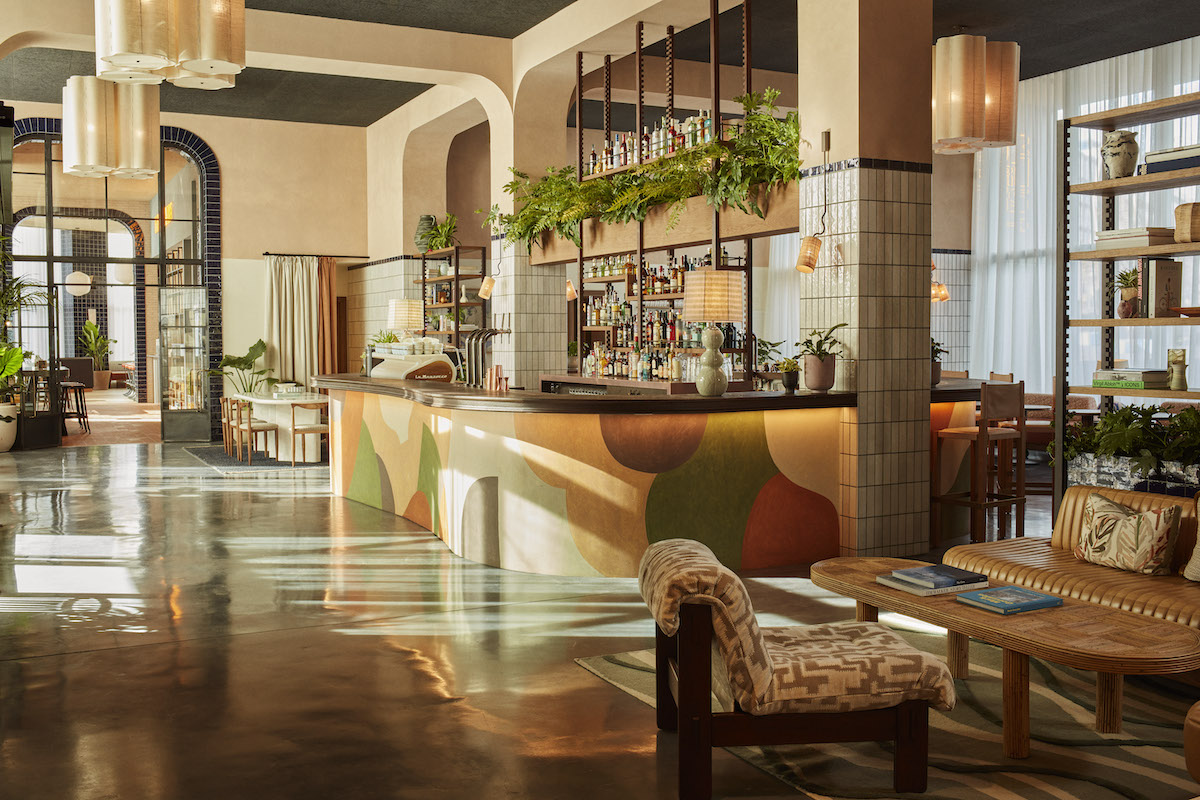
Image credit: Tamodi Estate & Polo Reserve
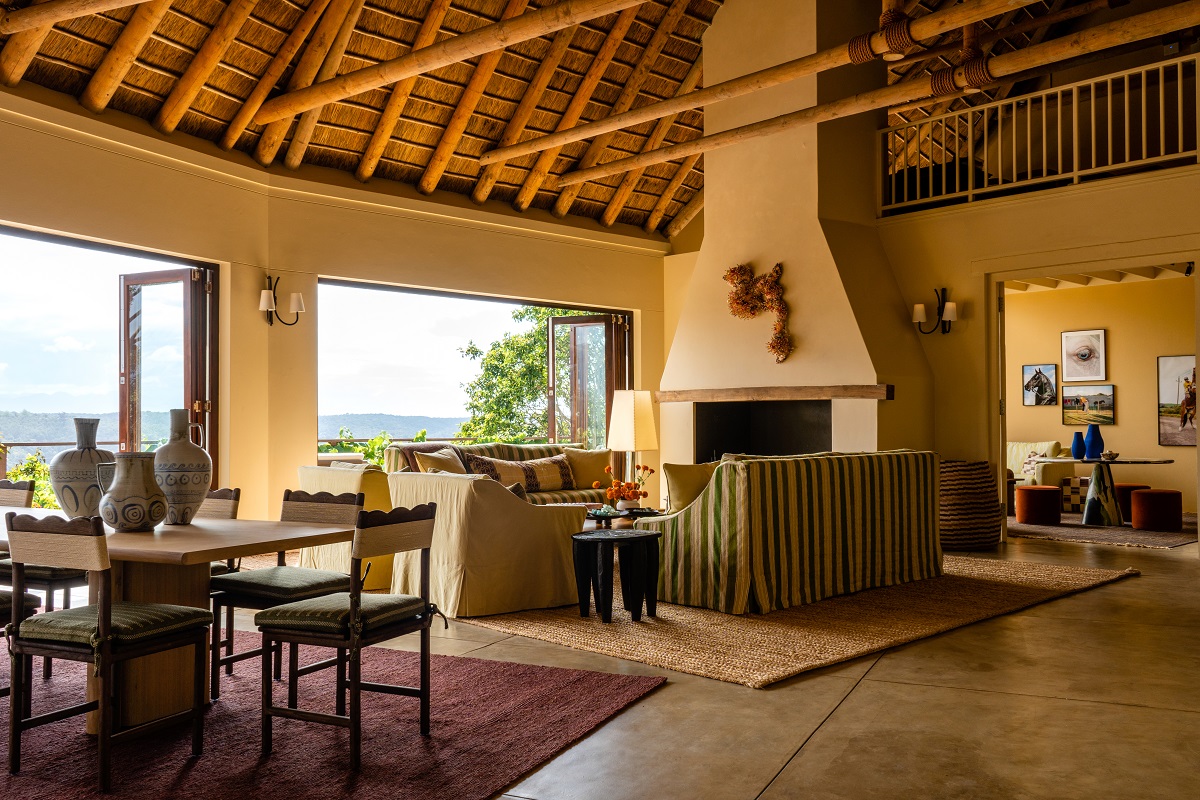
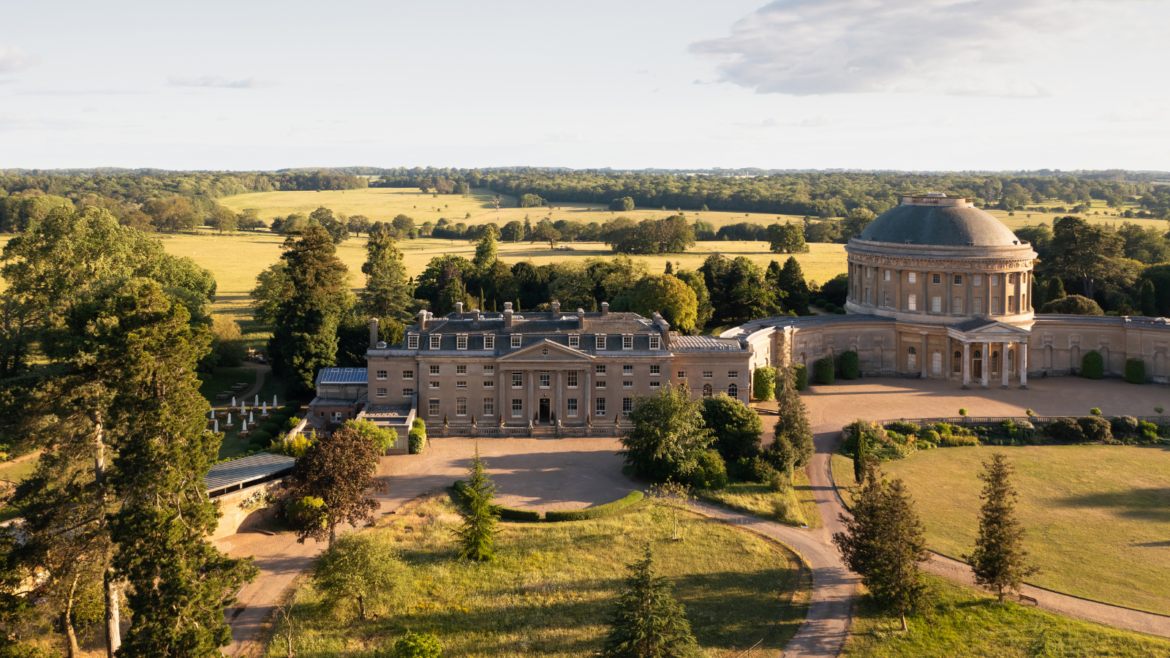
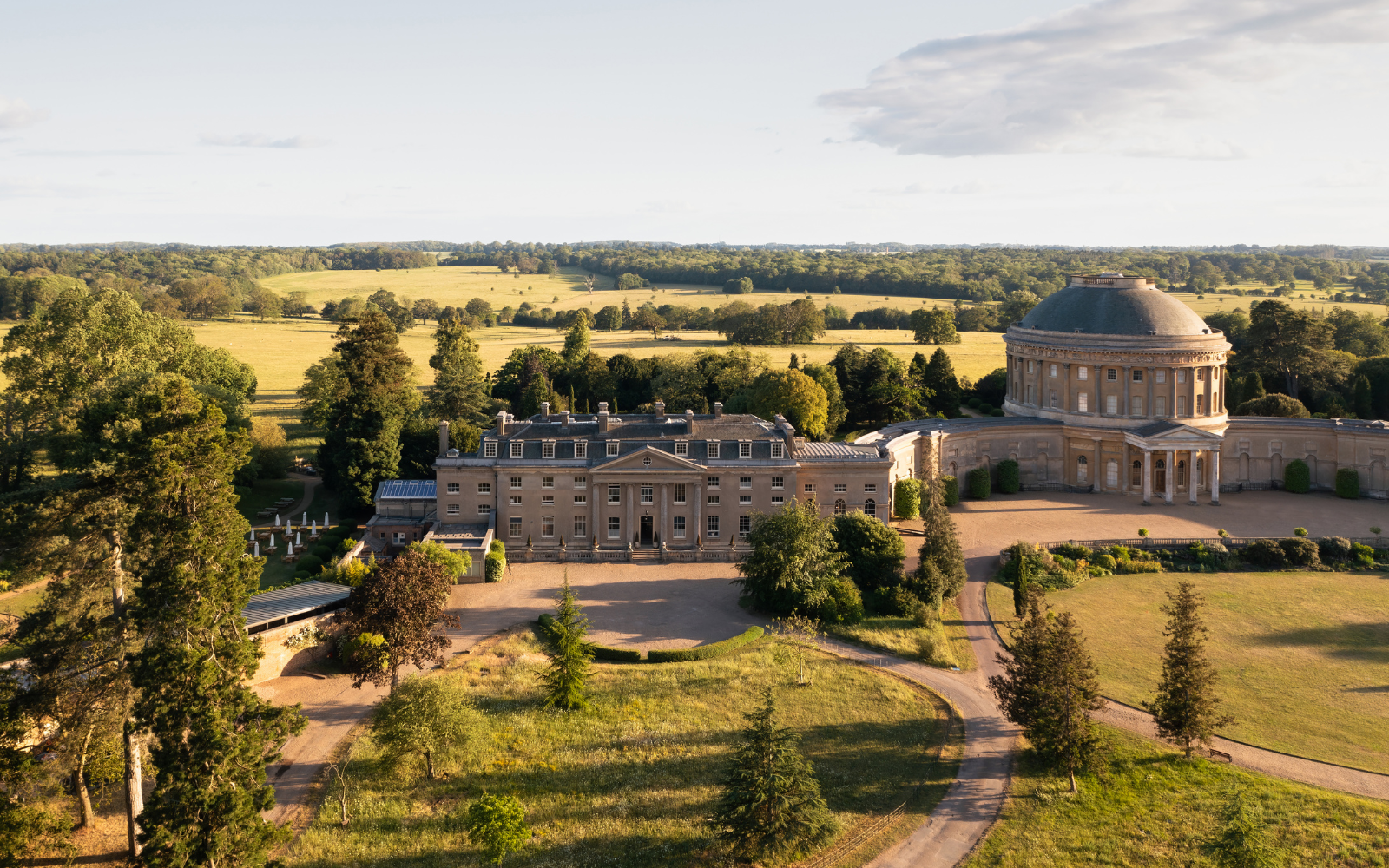
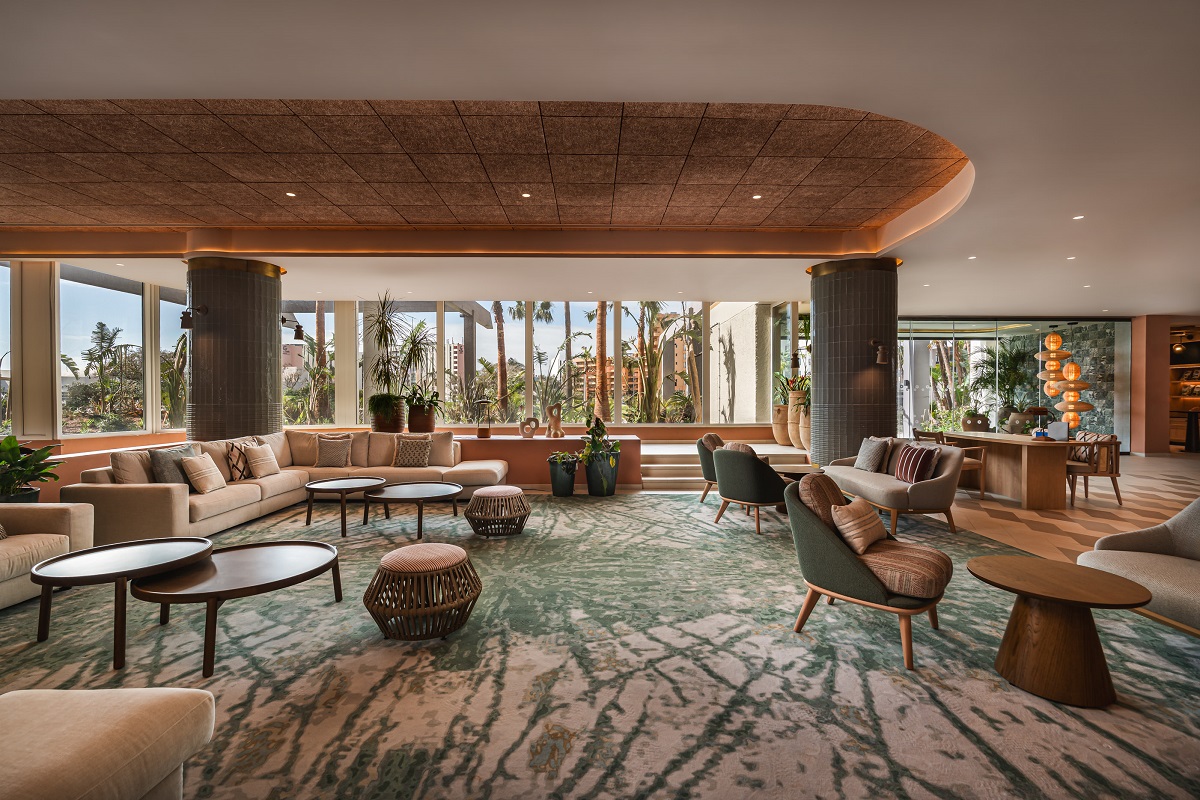
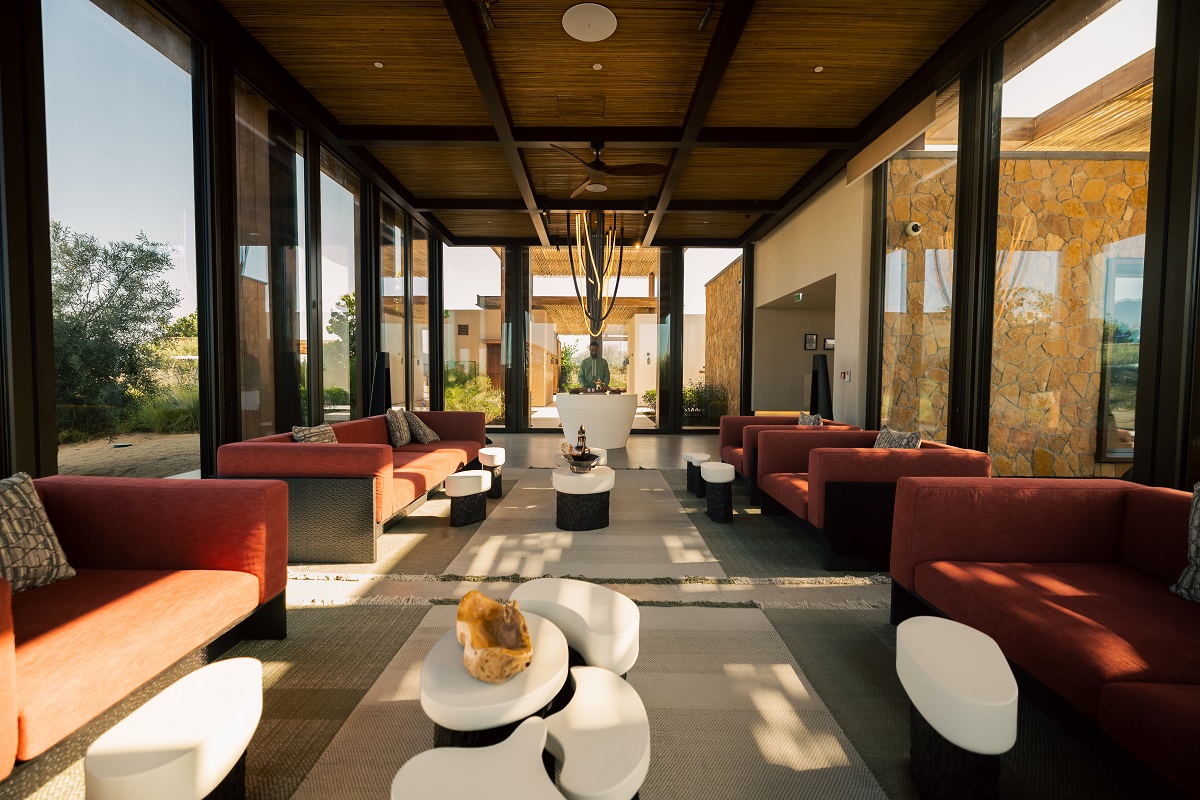
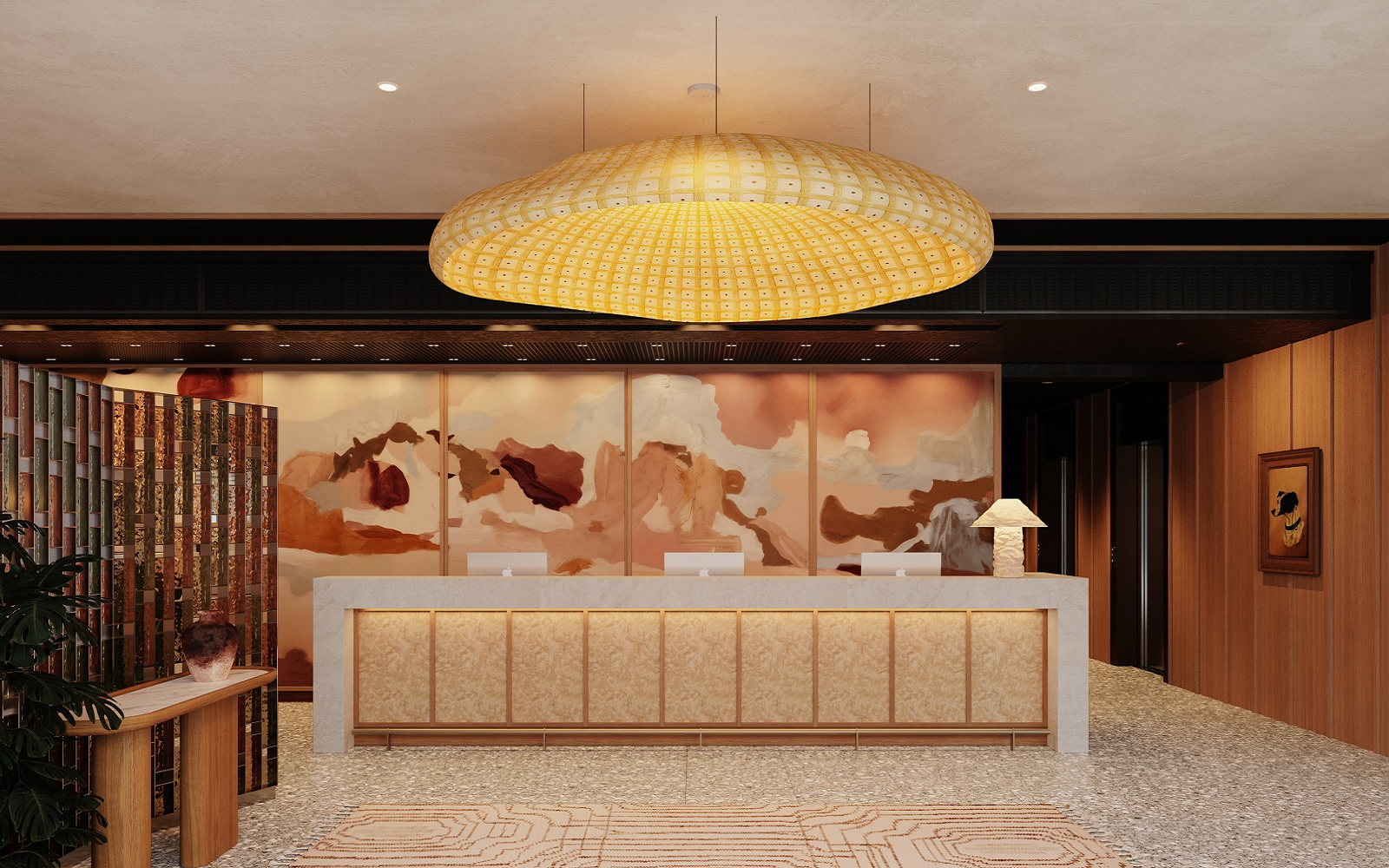
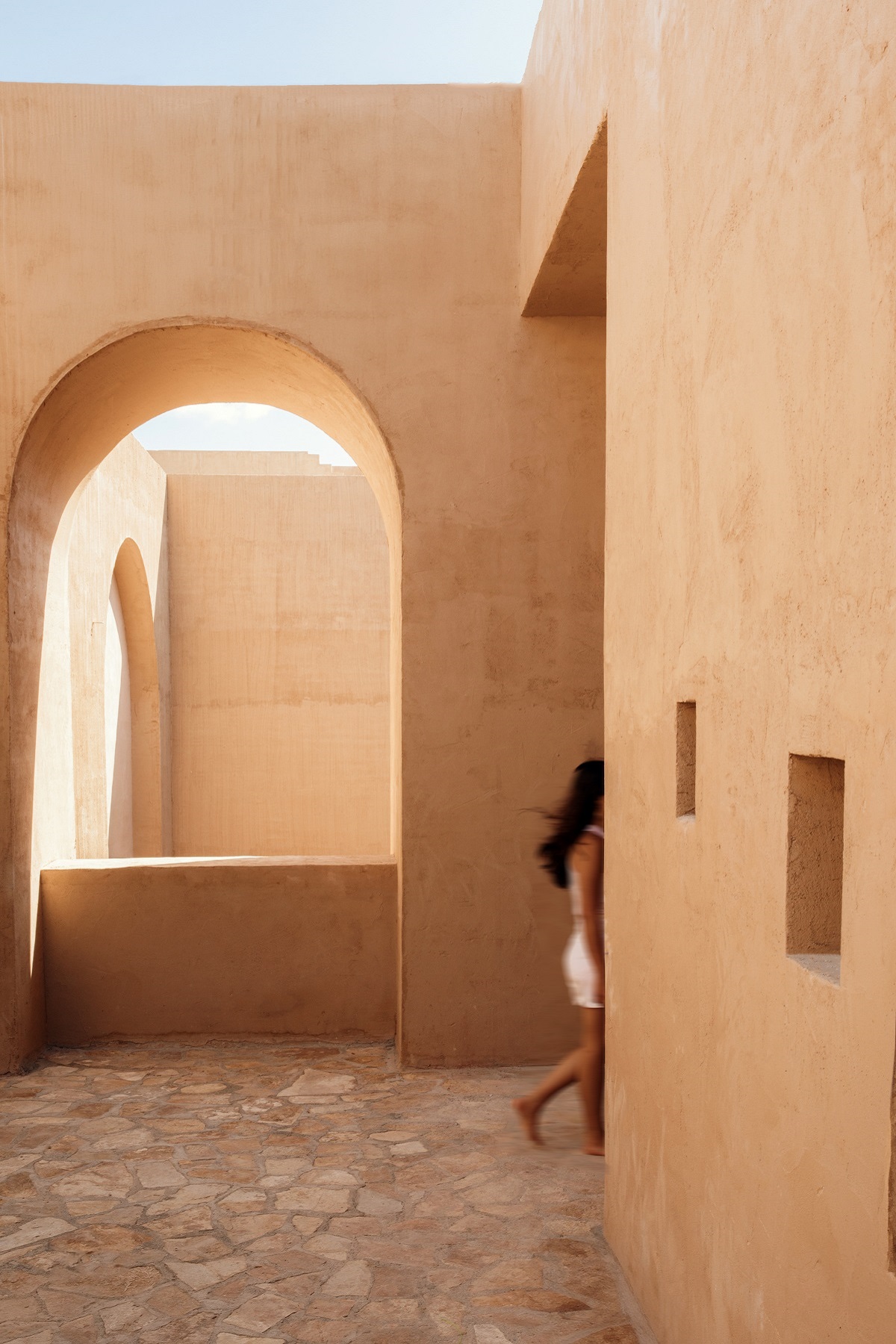
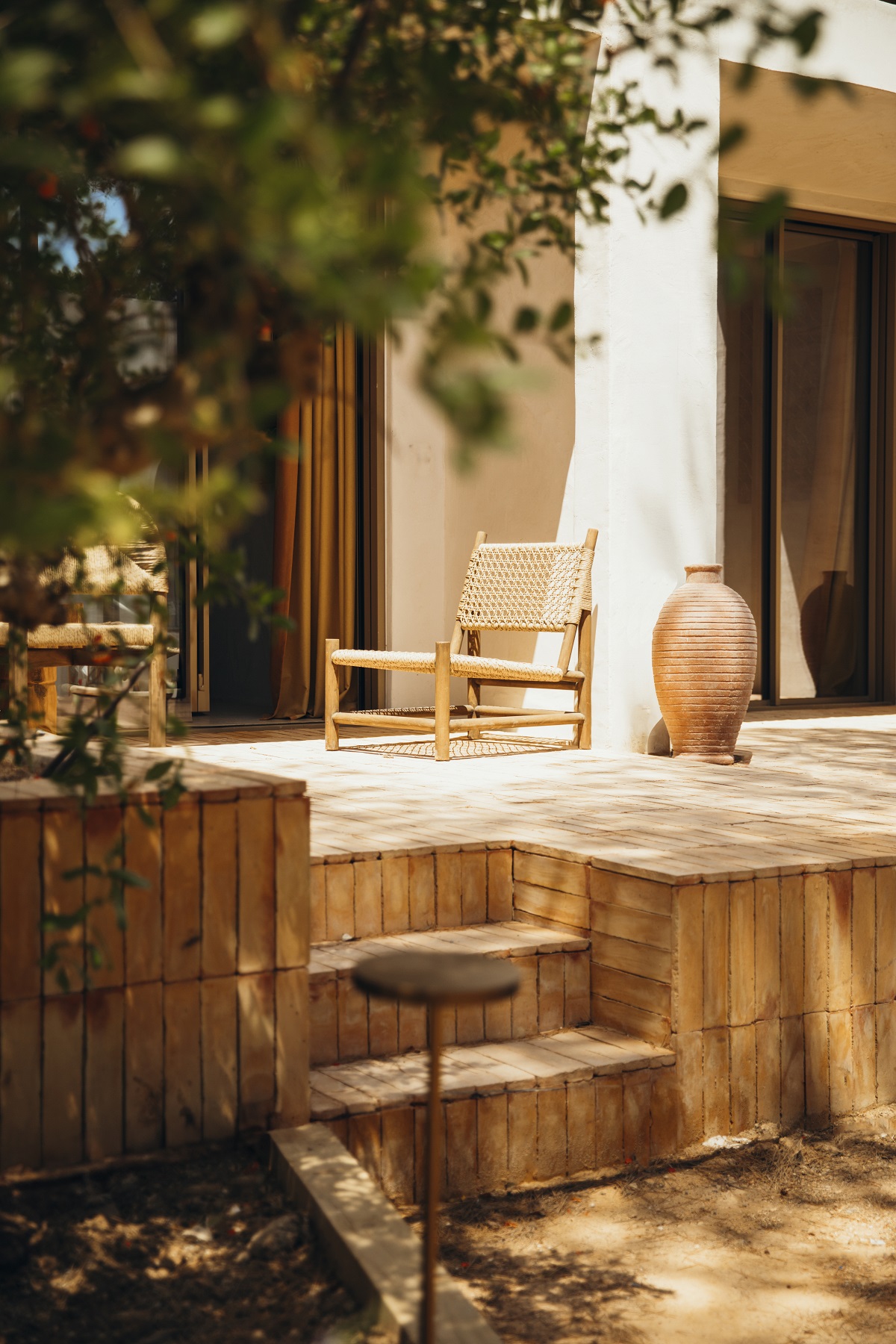
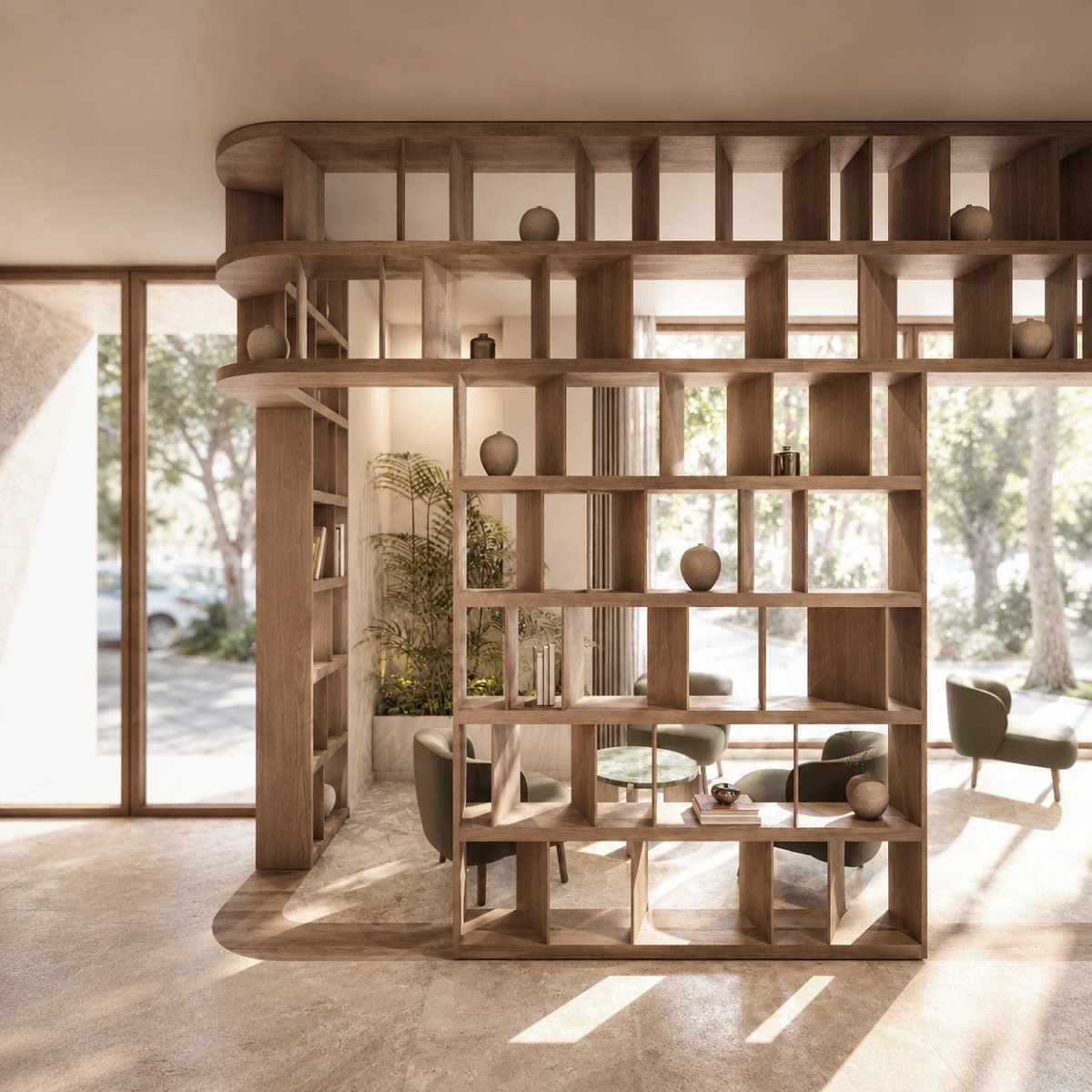
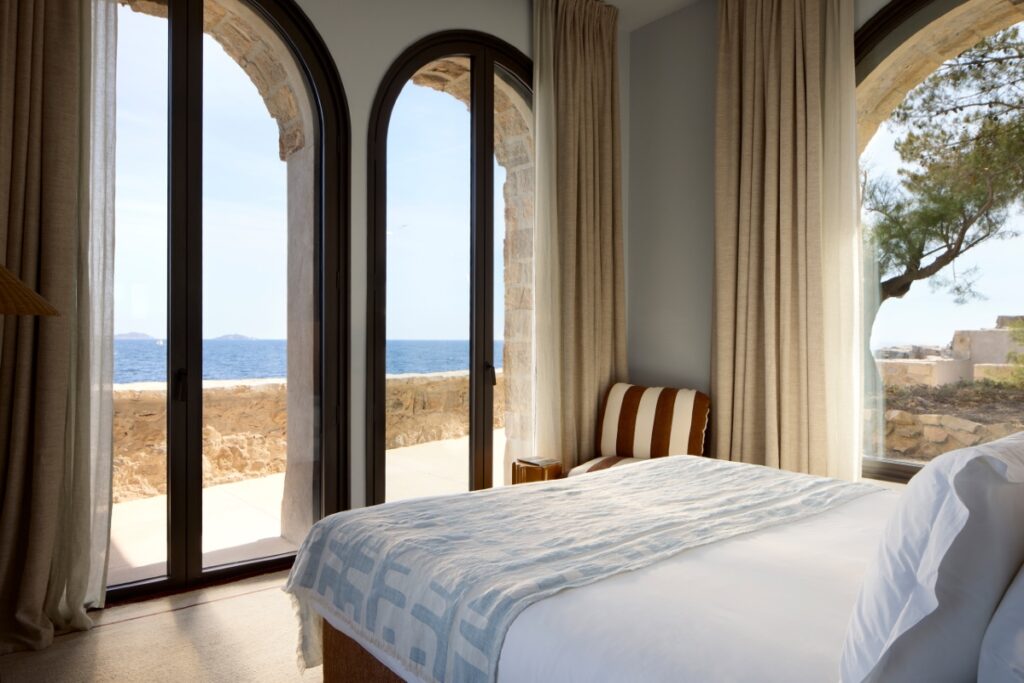
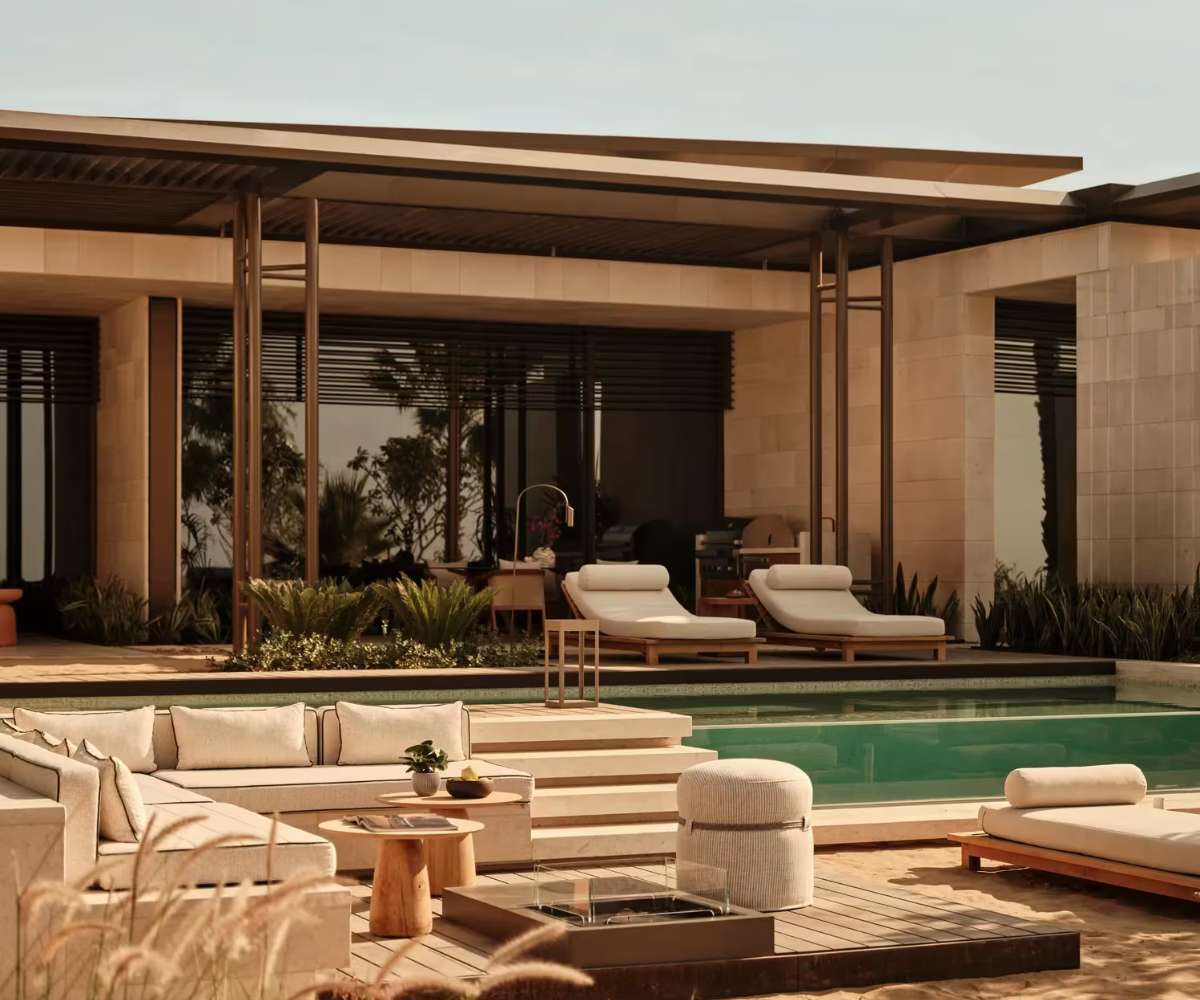
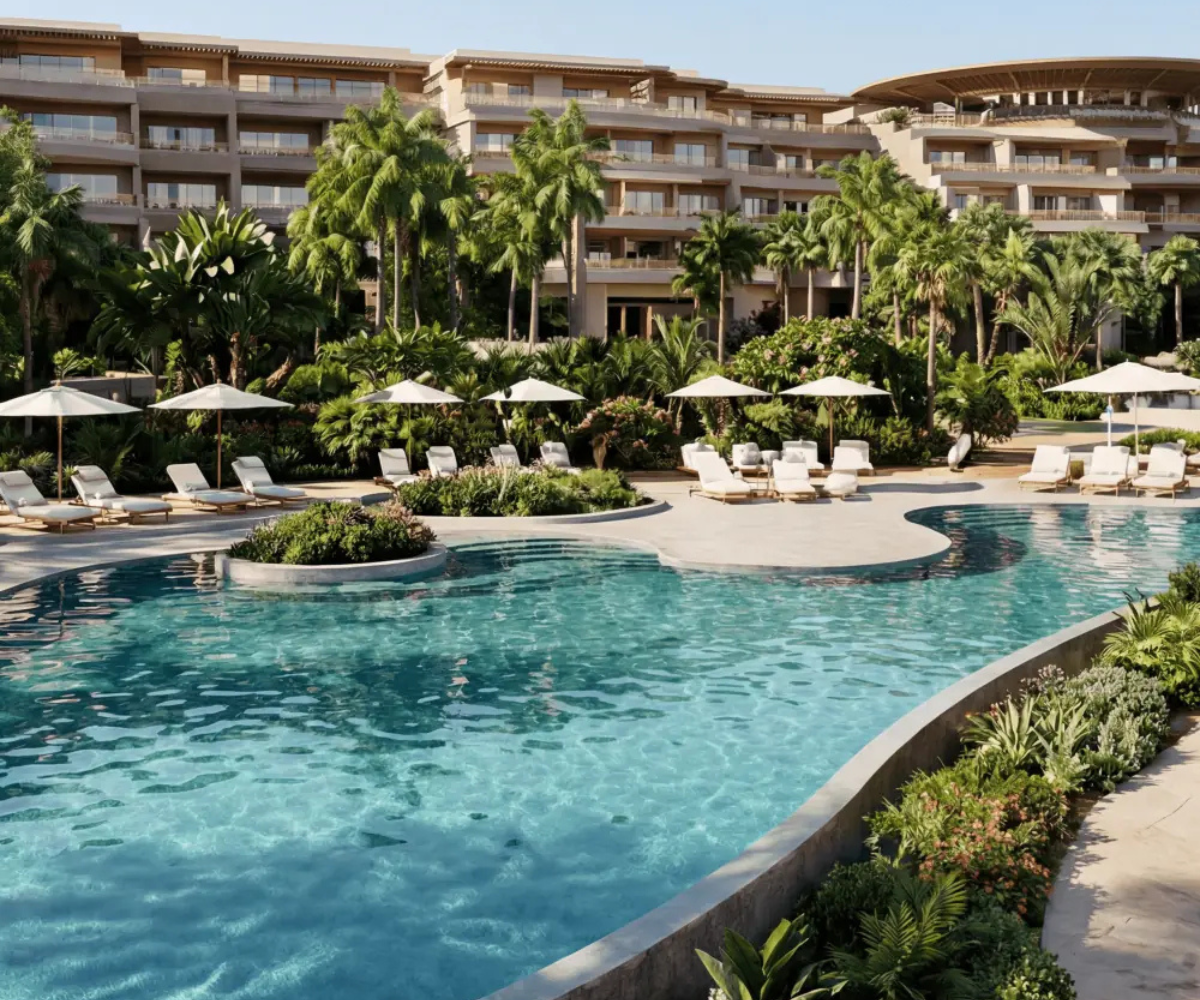
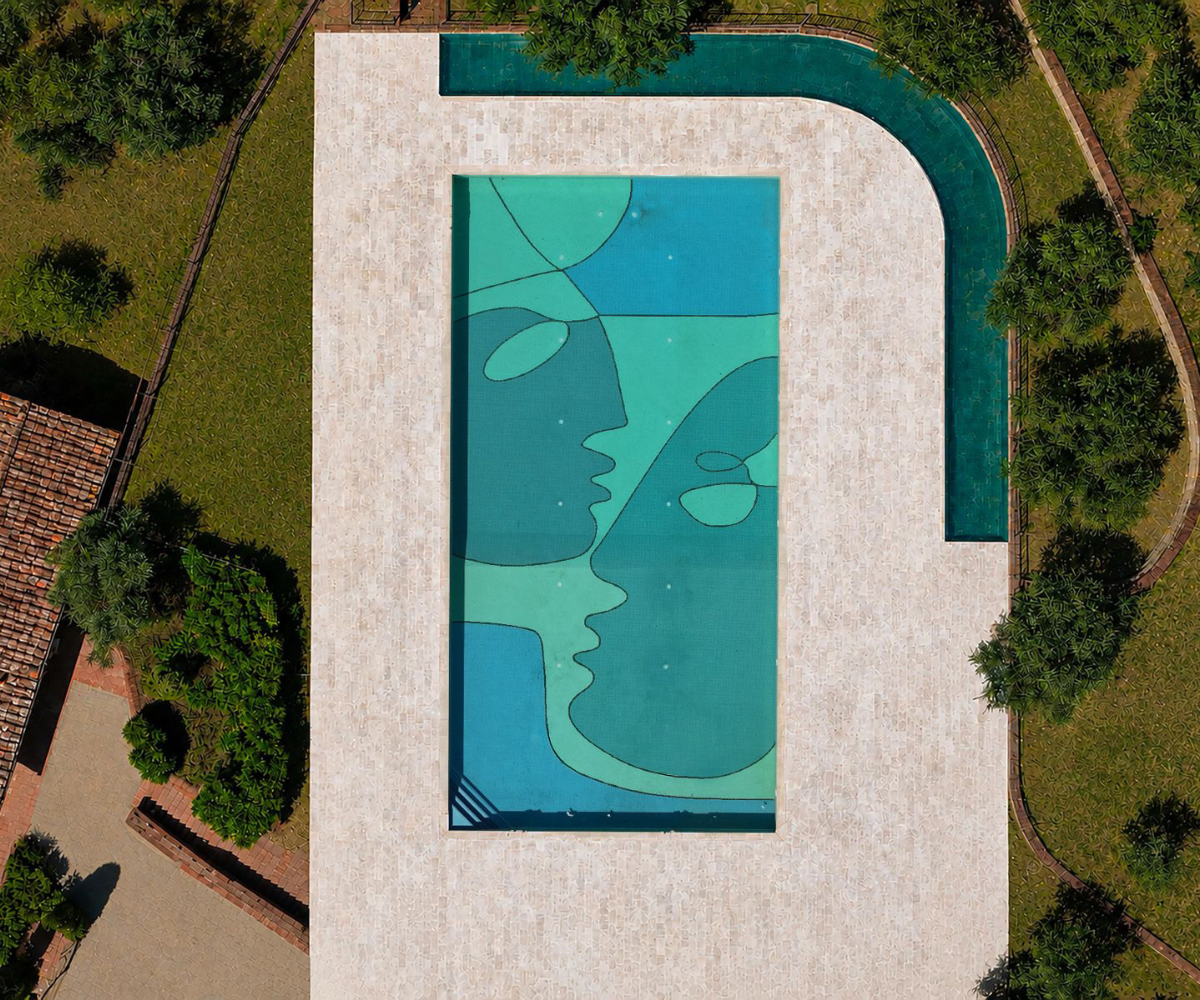
The hotel is organised around a central building conceived for shared living, echoing the atmosphere of a private club. A library and reading room, serene terraces, and a pool that extends communal life outdoors form a sequence of spaces designed for unhurried connection. Across 811 square meters dedicated to shared interiors, the design strengthens the relationship between indoors and out through generous openings, decks, and transitional spaces that soften the boundary between shelter and landscape.
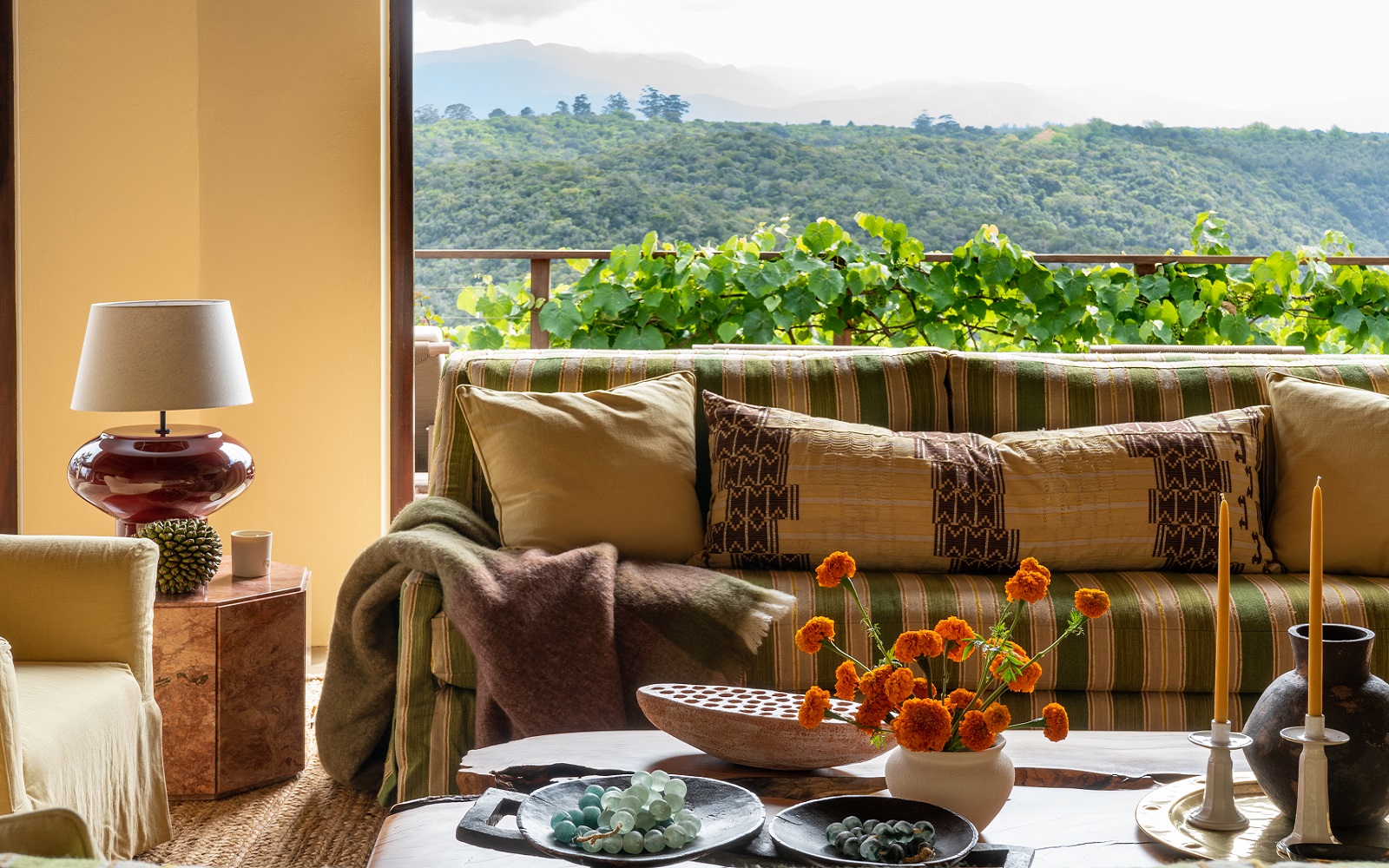
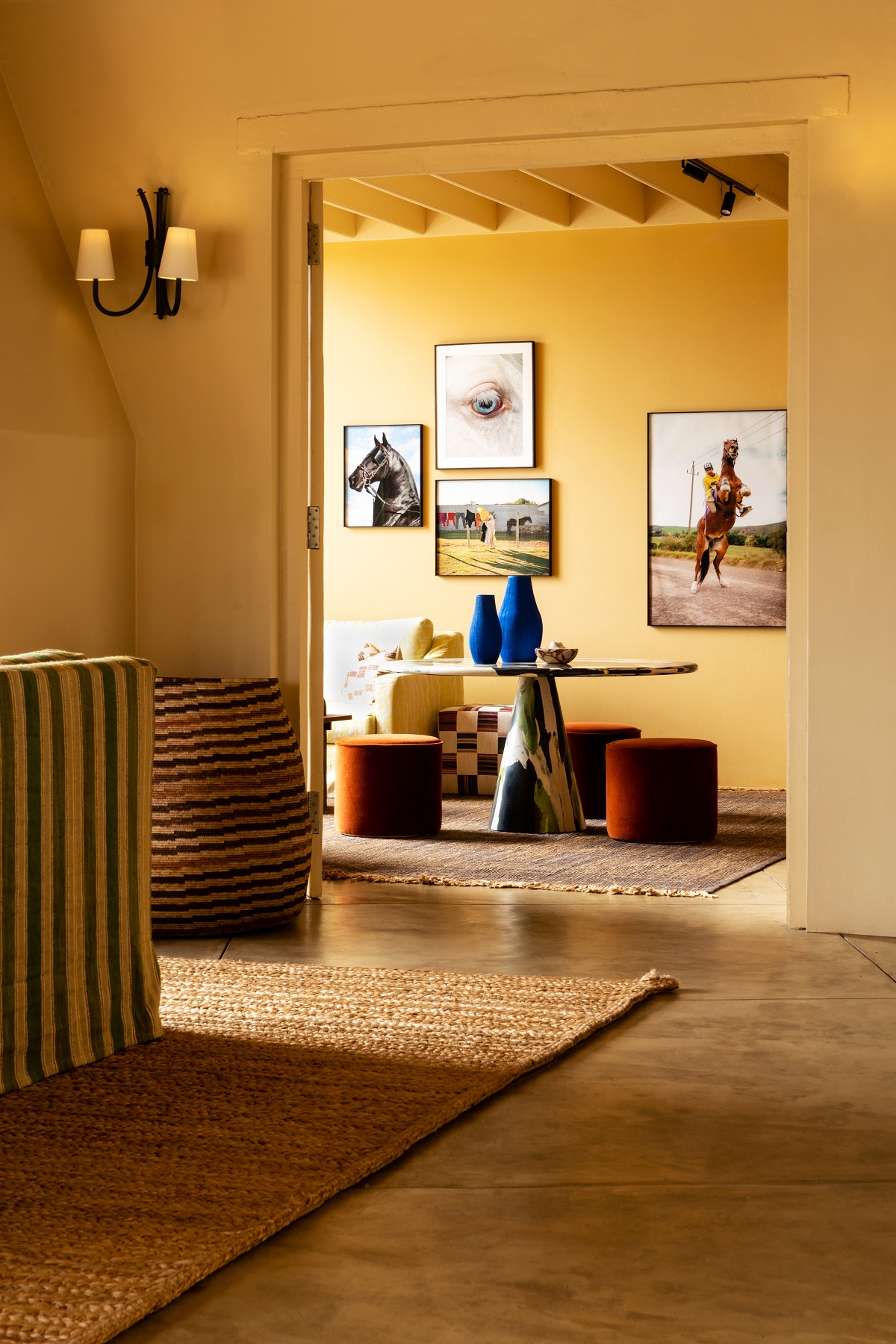
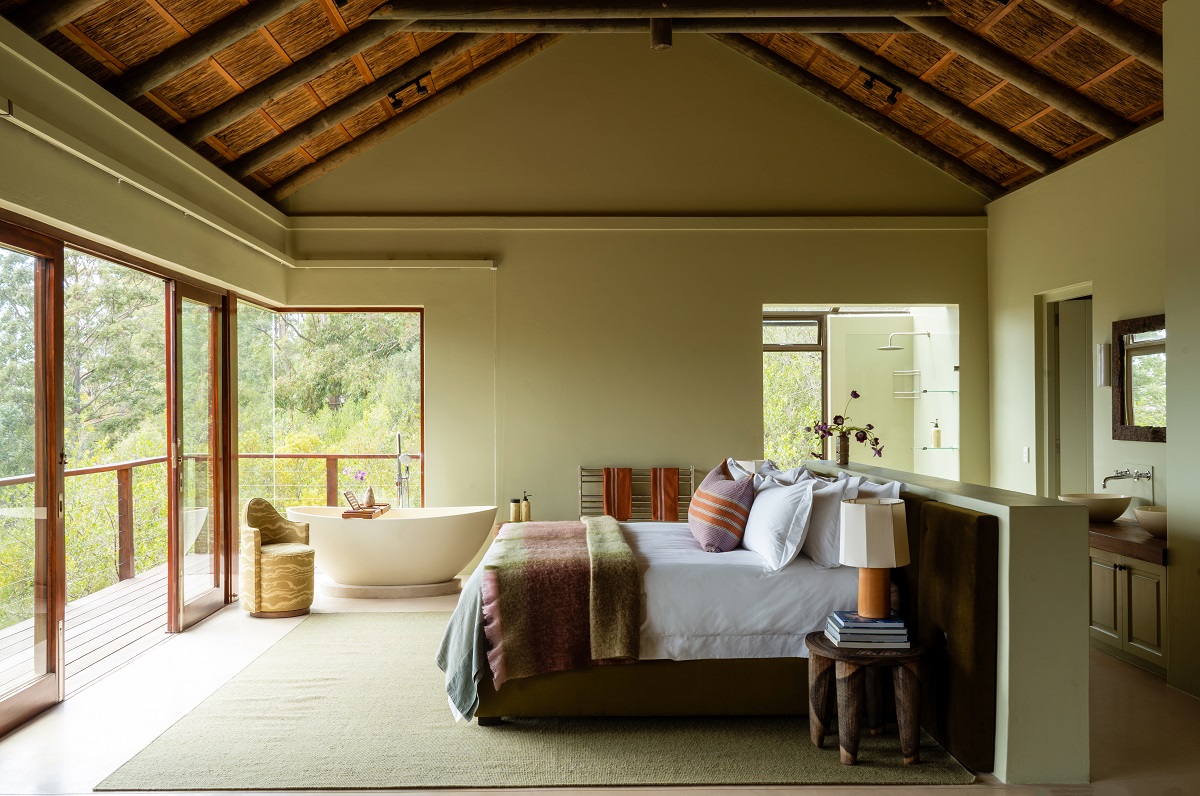
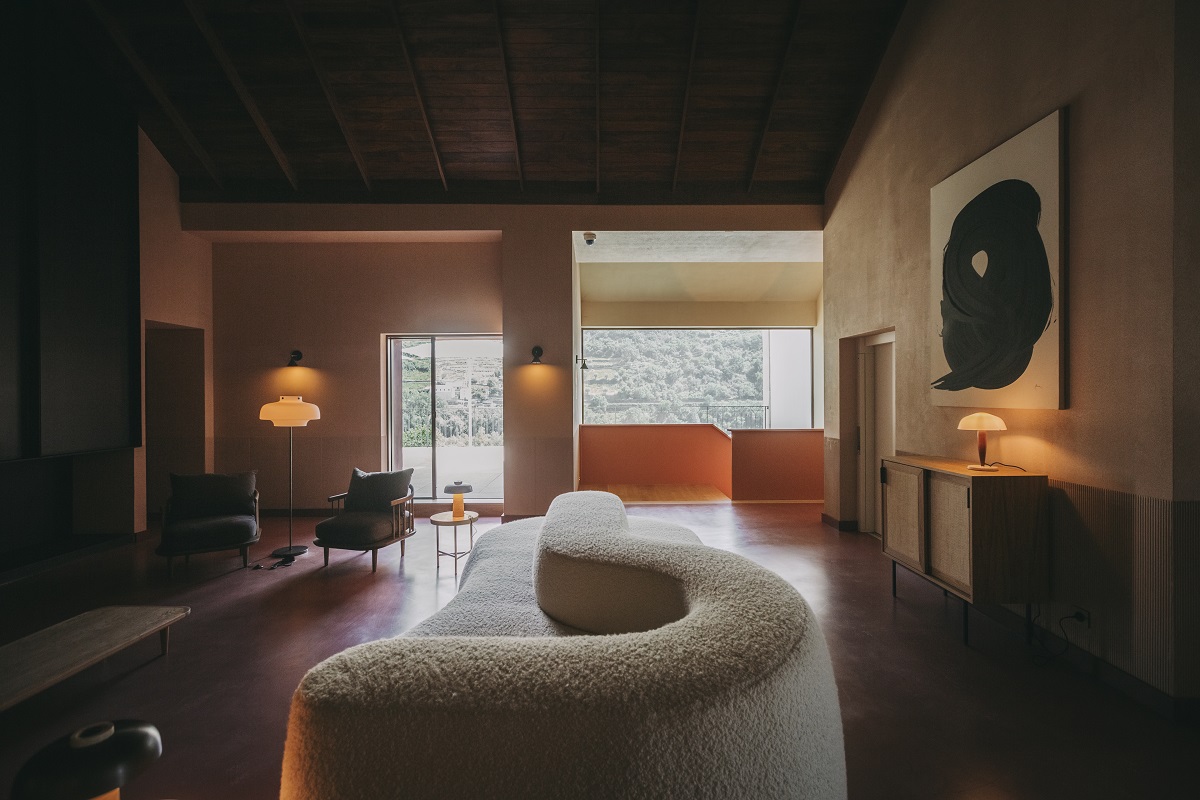
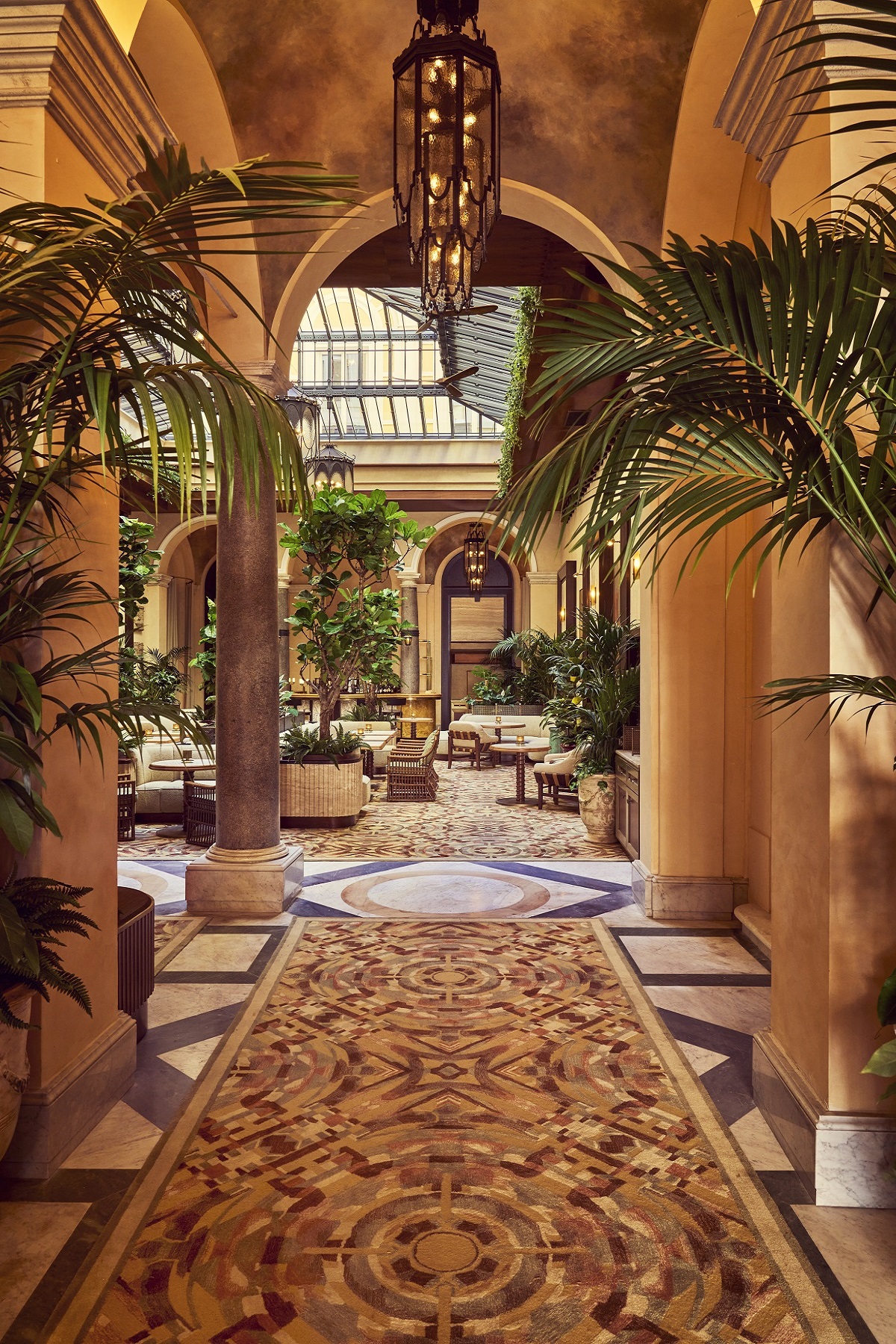
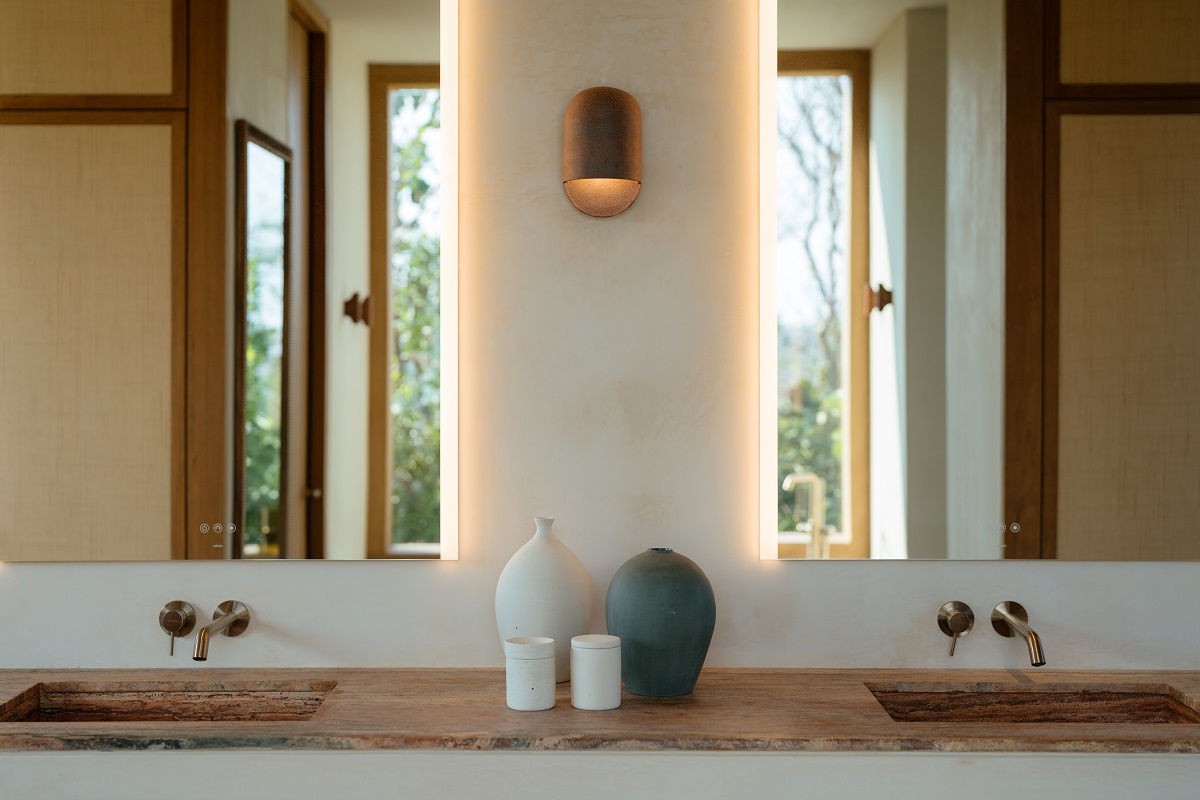
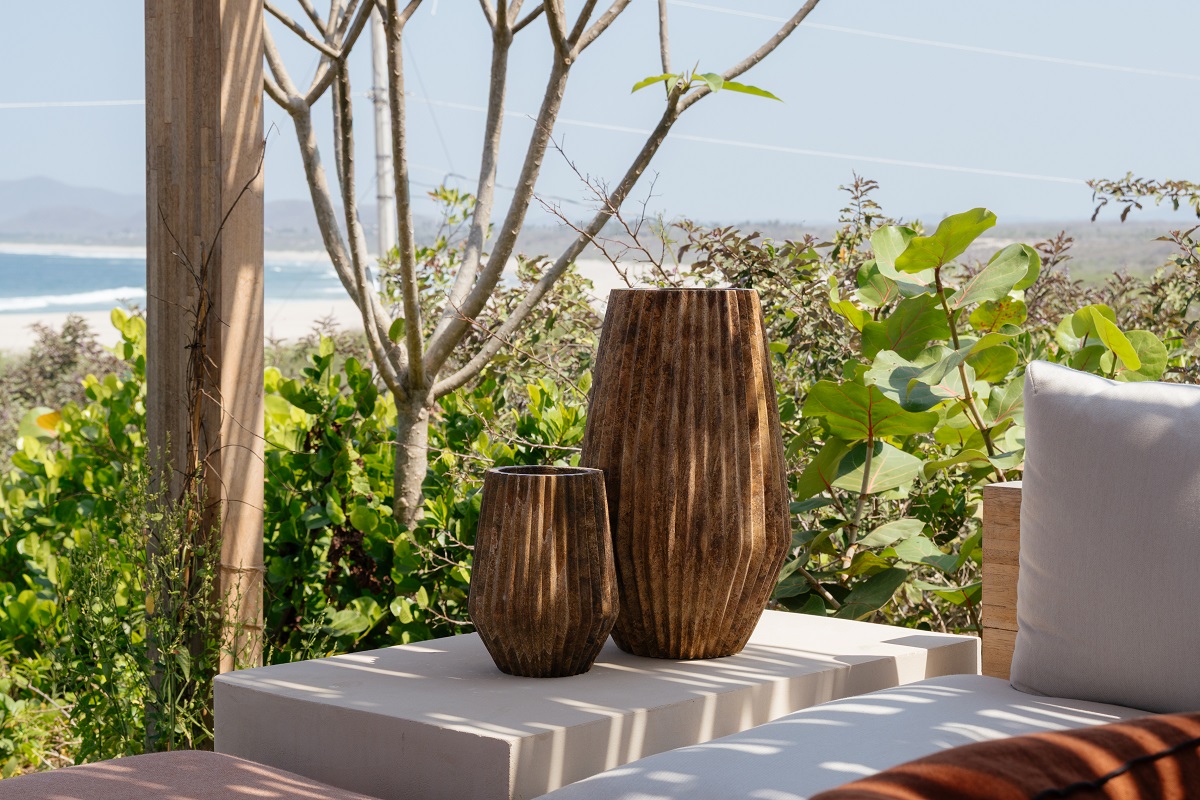
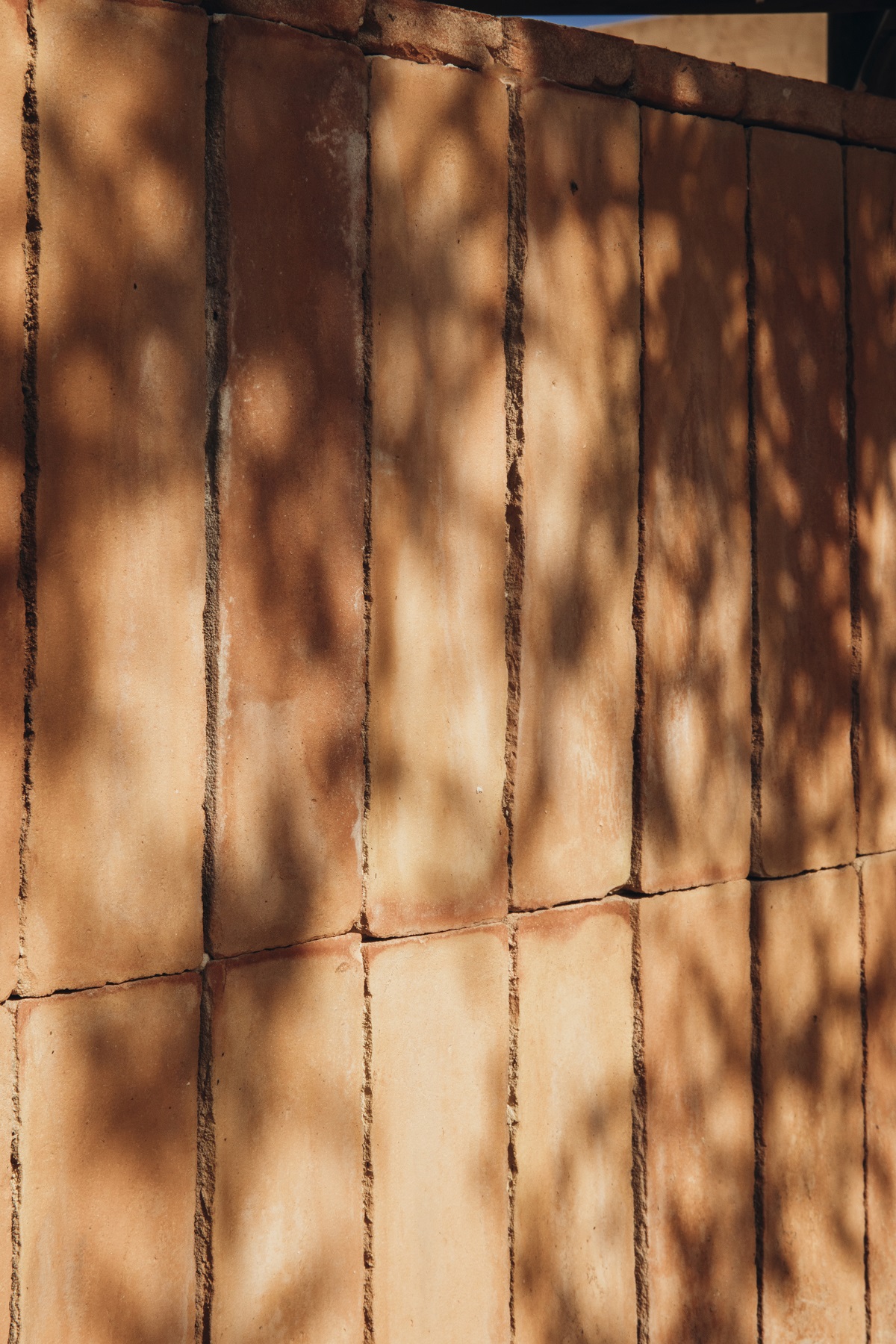
A palette of natural tones and organic textures runs throughout, in dialogue with the architecture and local materials such as stone, wood, and clay, shaping interiors that feel authentic and deeply rooted in their surroundings. Painted walls and joinery, along with new stucco finishes for fireplaces, reinforce a sober, cohesive, and timeless aesthetic.
Image credit: Tamodi Estate & Polo Reserve
Image credit: Tamodi Estate & Polo Reserve
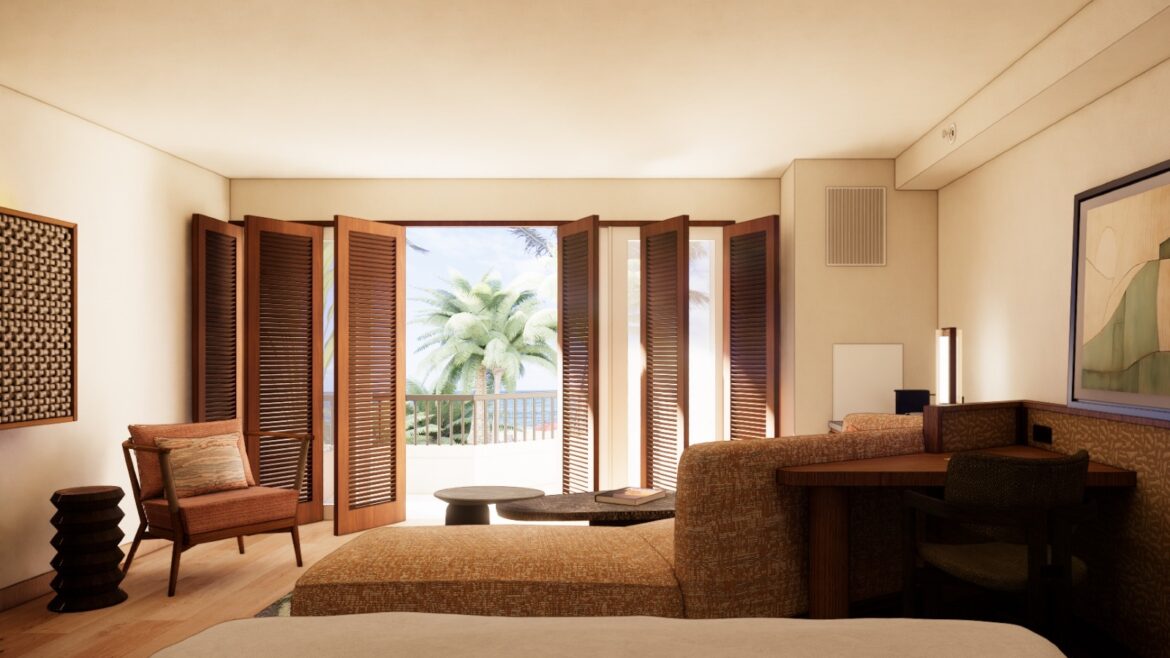
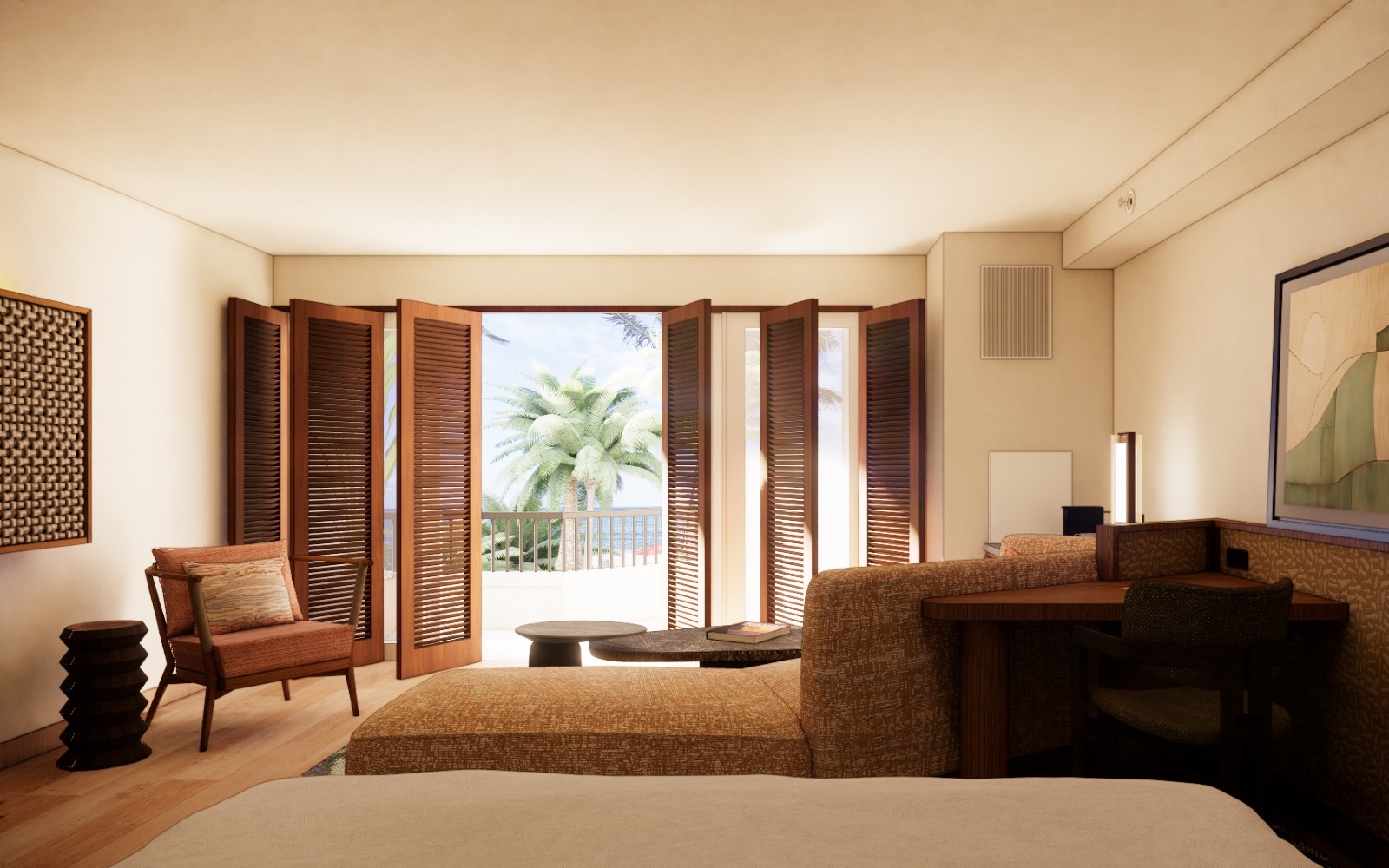
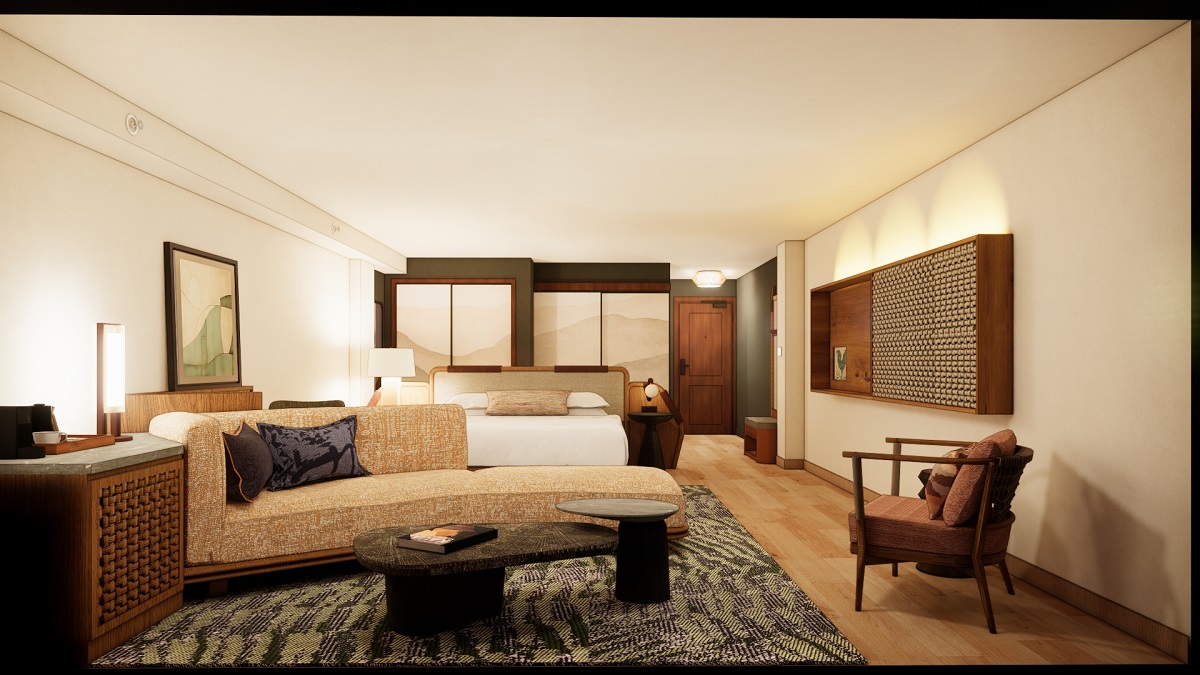
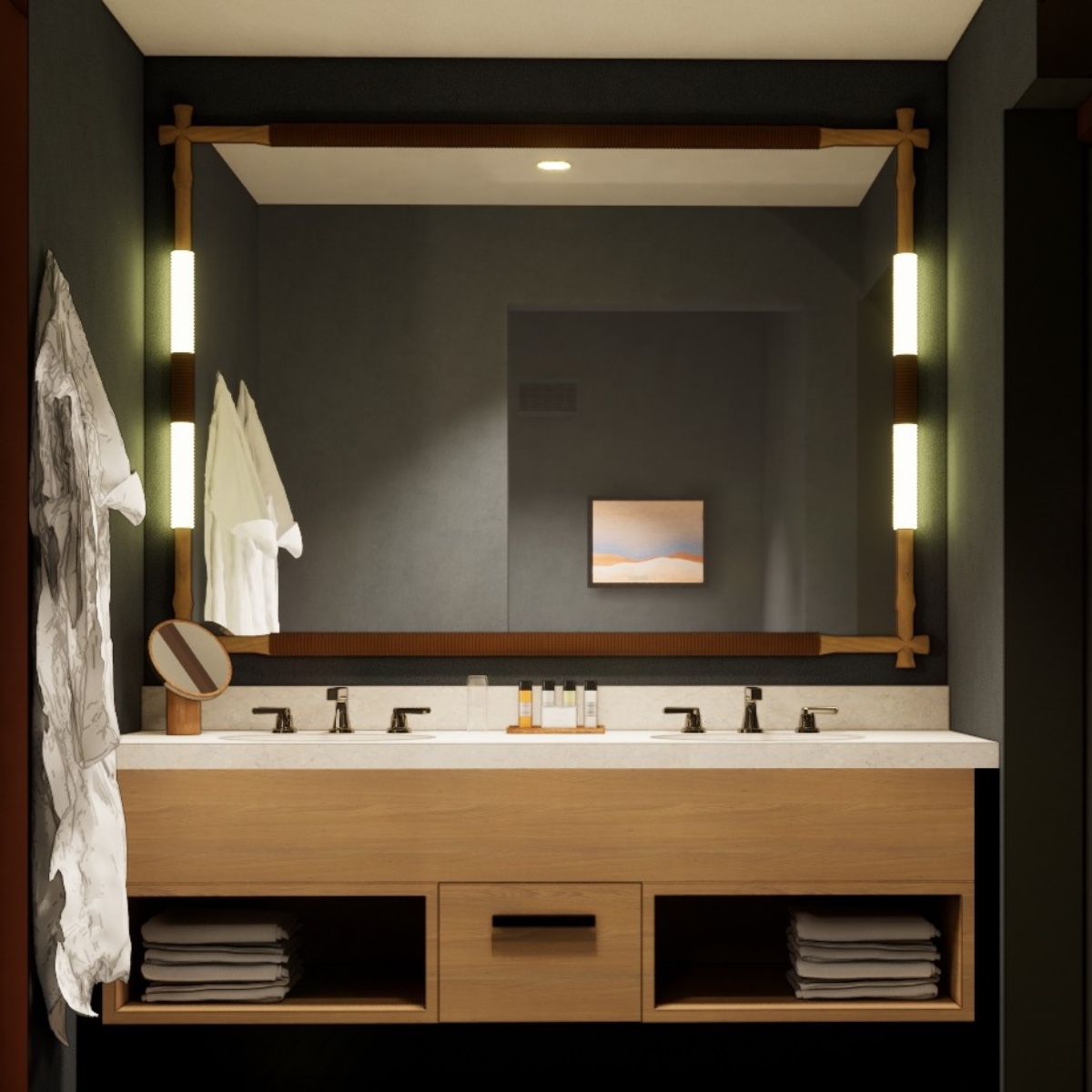
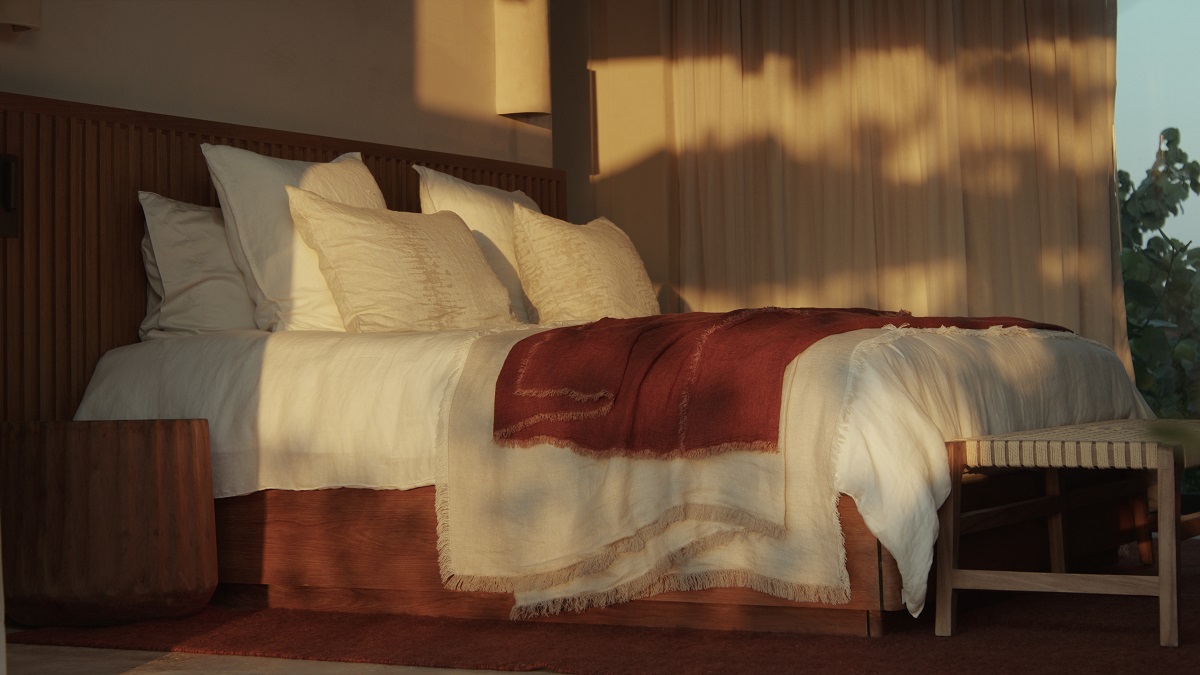
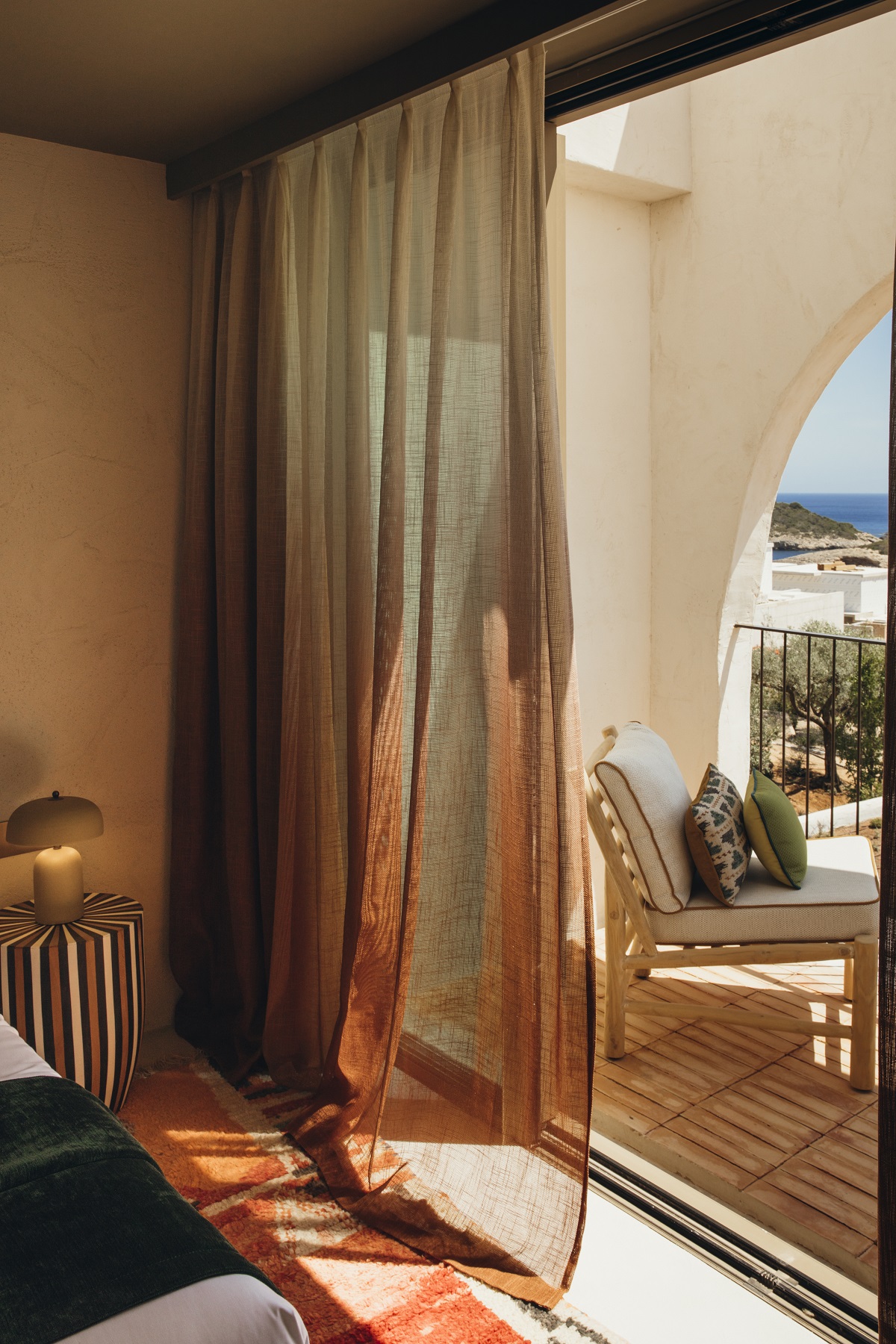
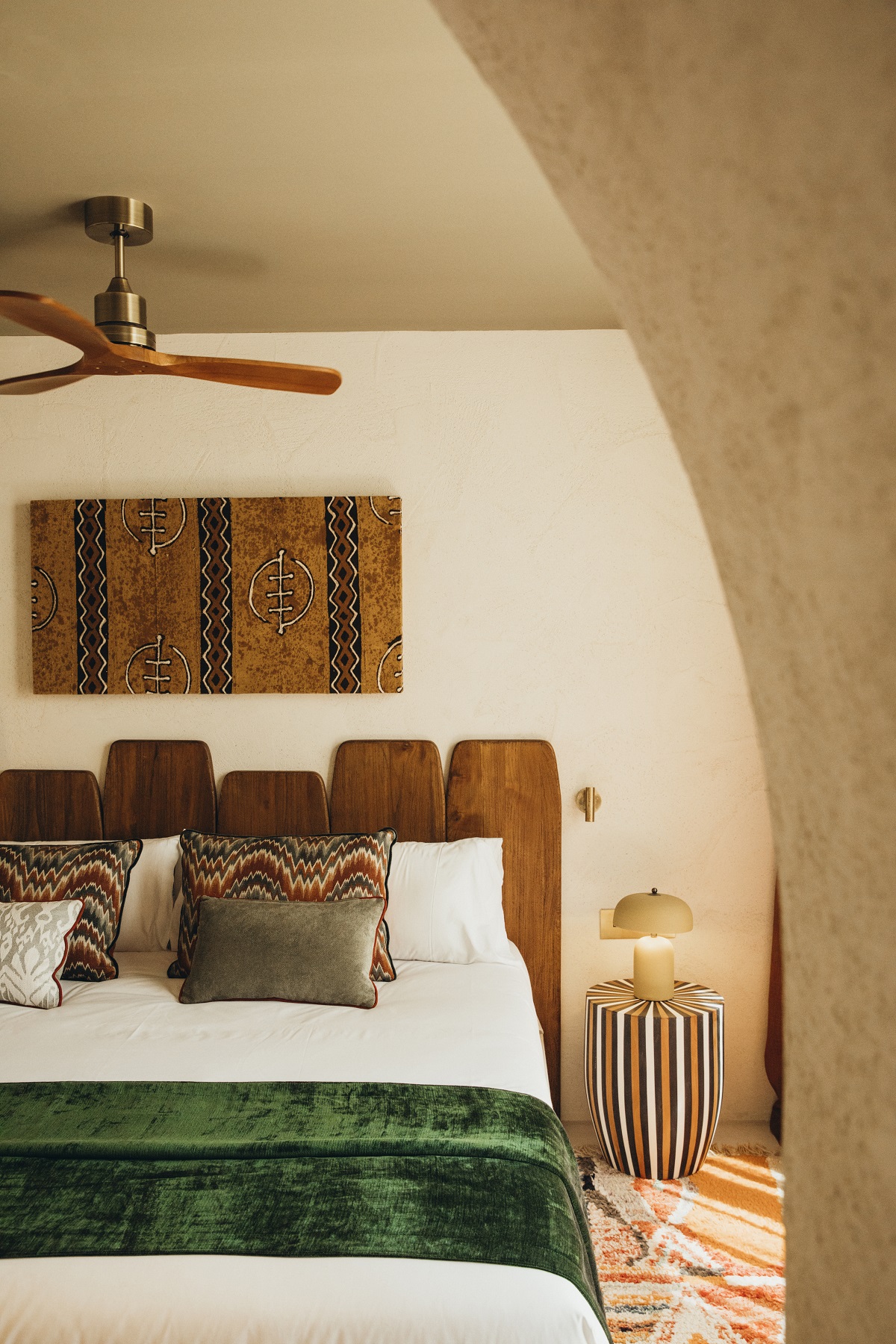
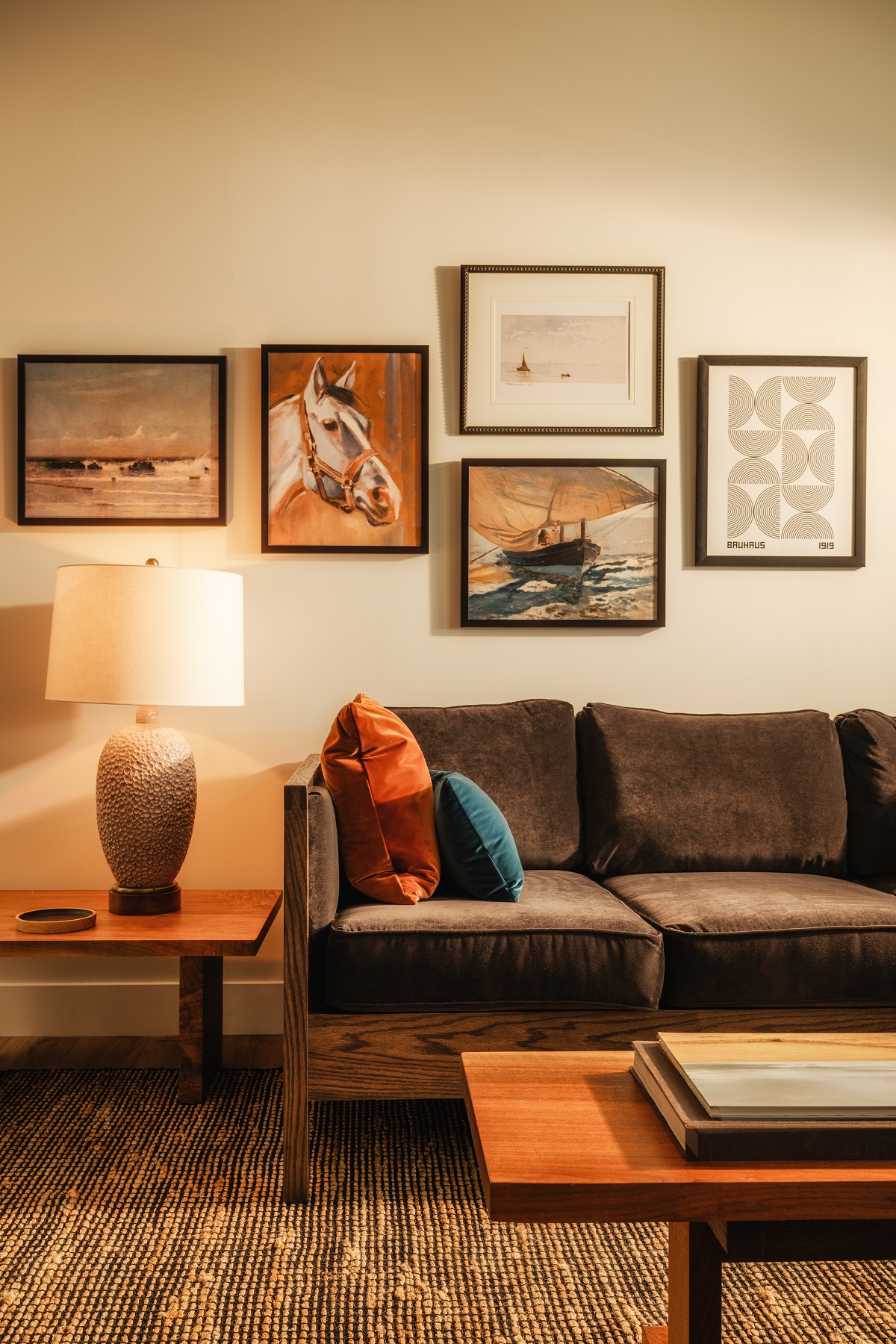
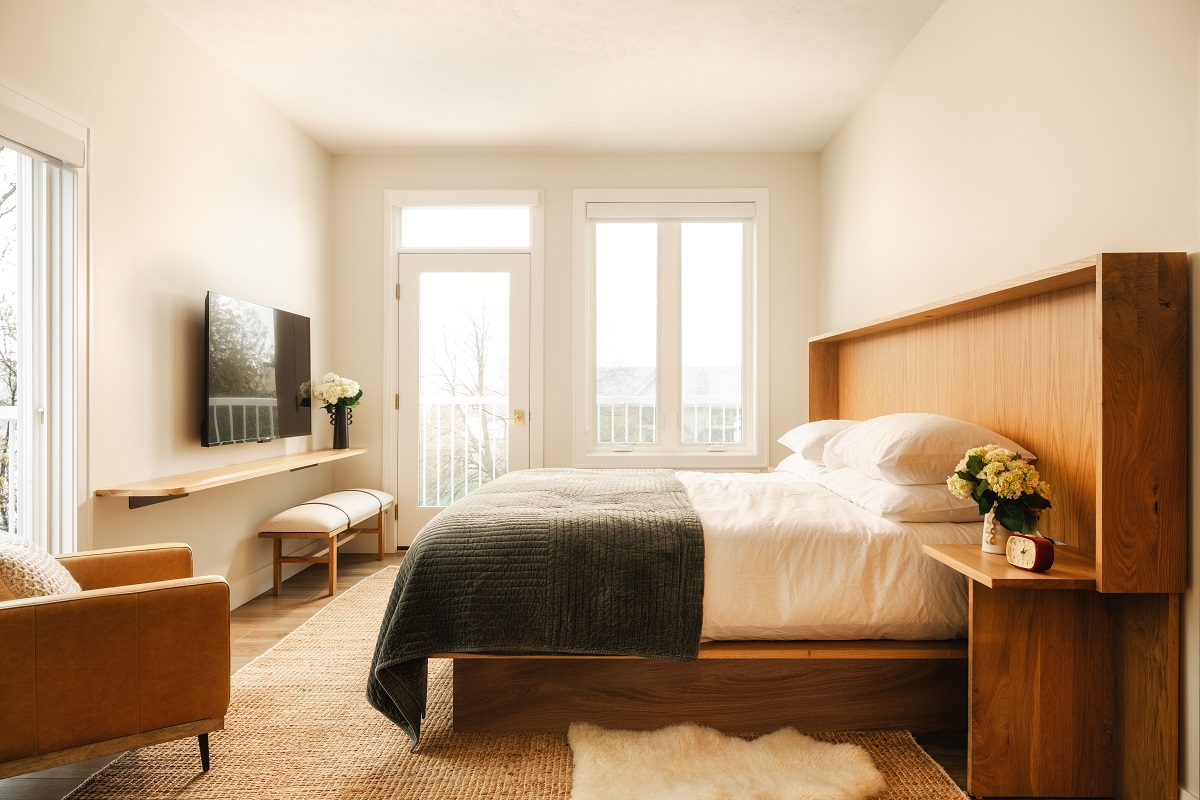
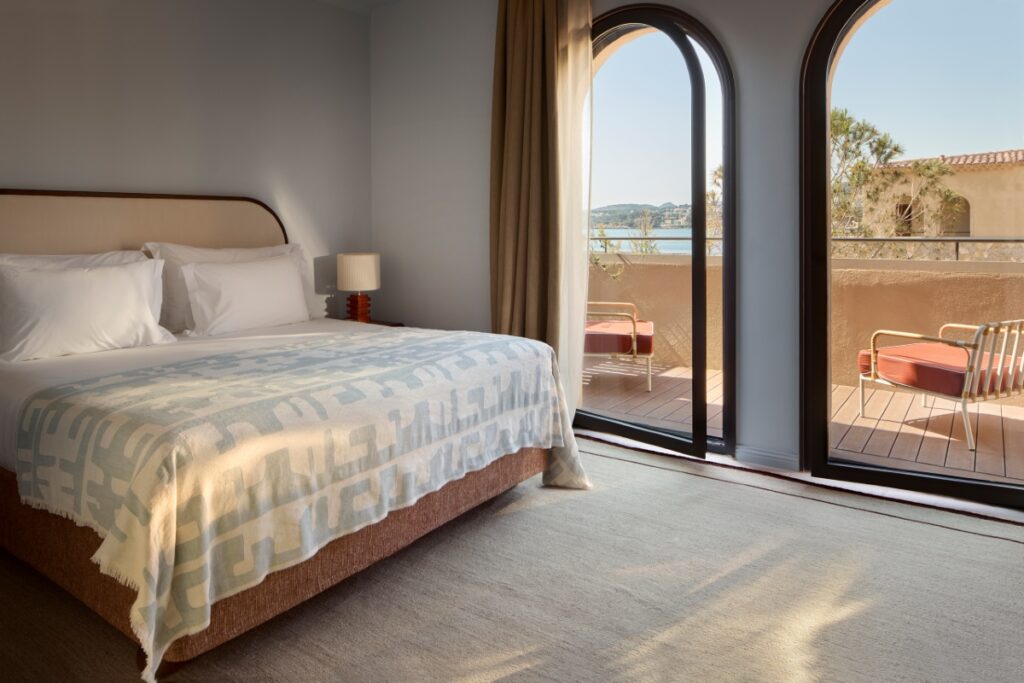
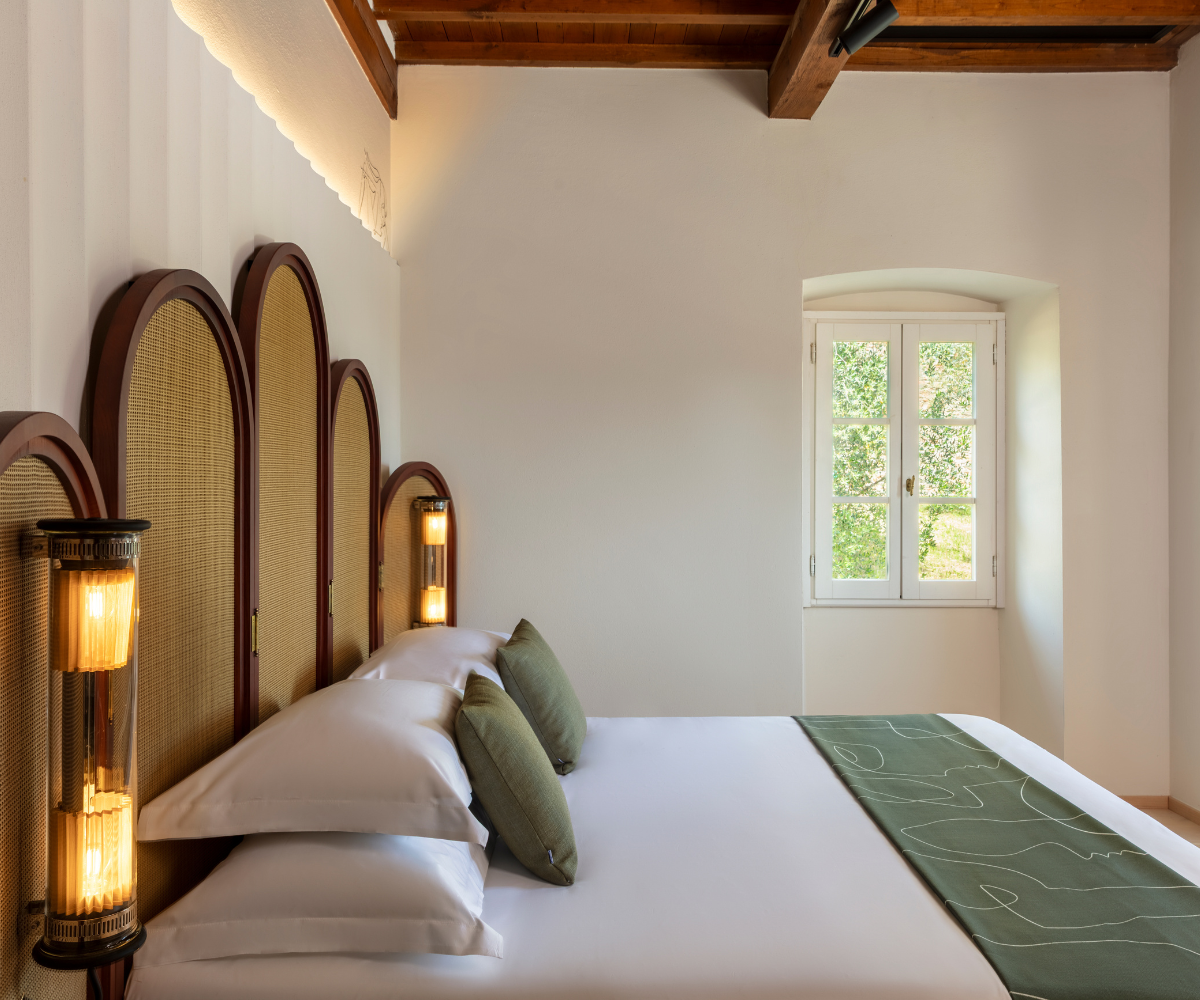
Within the lodges, the original layouts were preserved, allowing the intervention to focus on furniture selection, equipment, and a renewed colour palette that refreshes the interiors. Generous proportions already ensured ease of movement; the design effort therefore concentrated on refining performance and elevating comfort through carefully curated layers of textiles, accessories, and finishes.
Image credit: Tamodi Estate & Polo Reserve
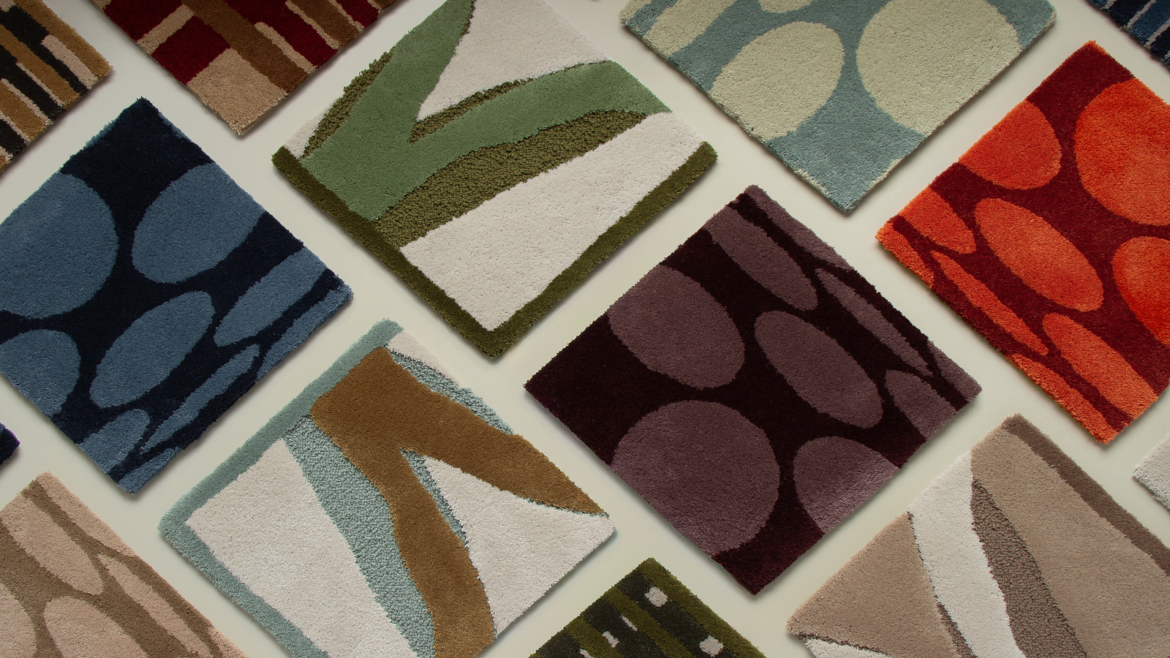
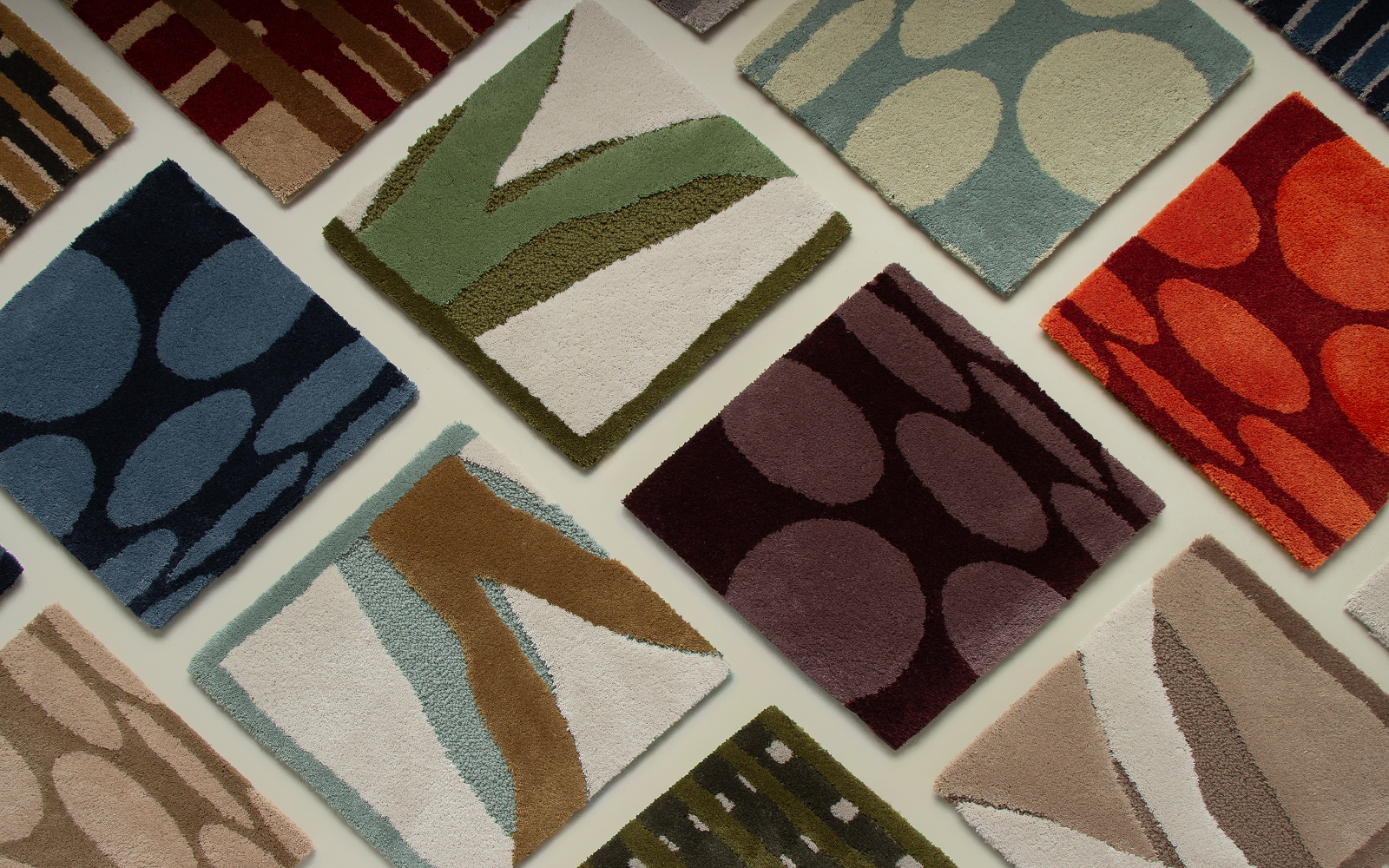
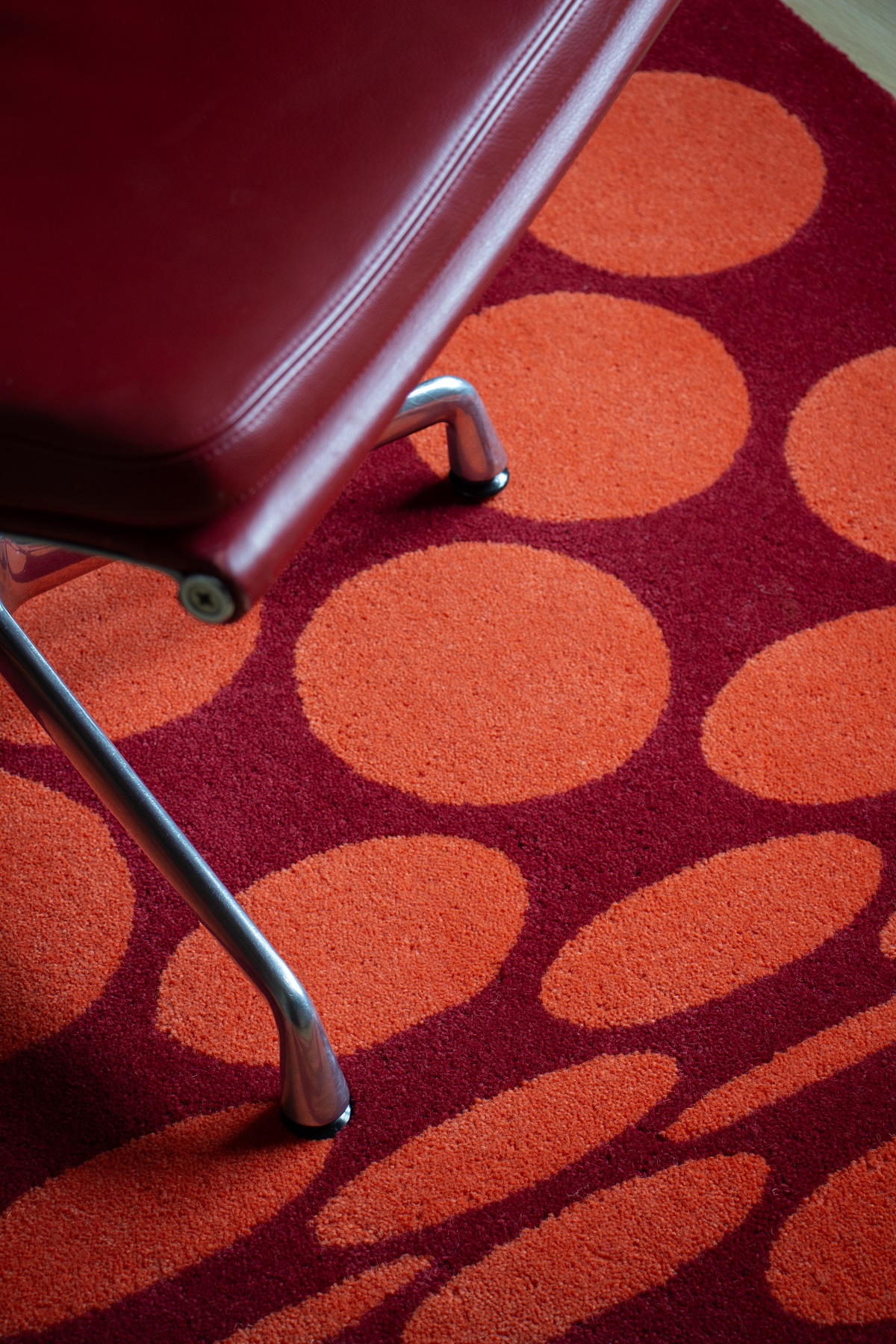
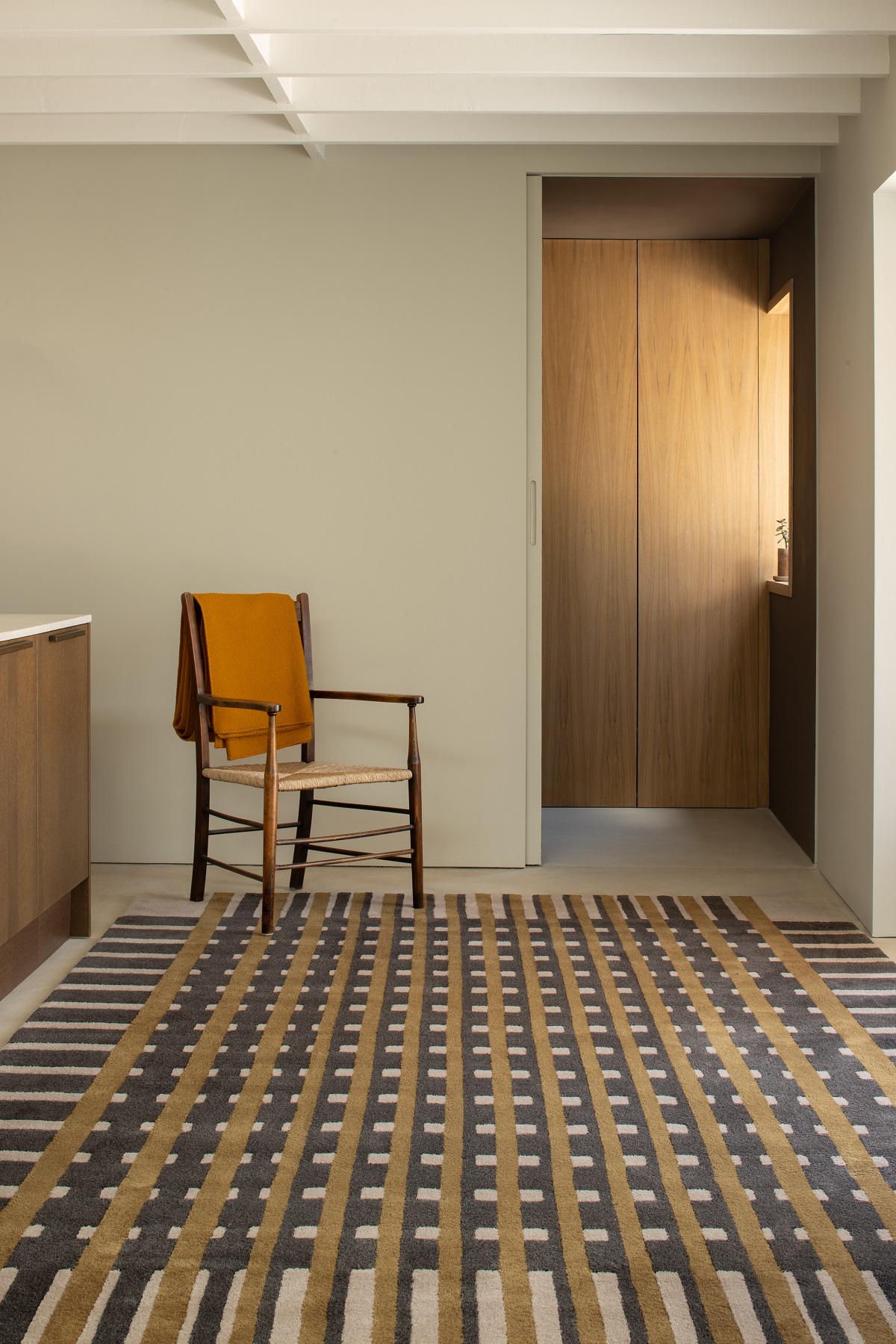
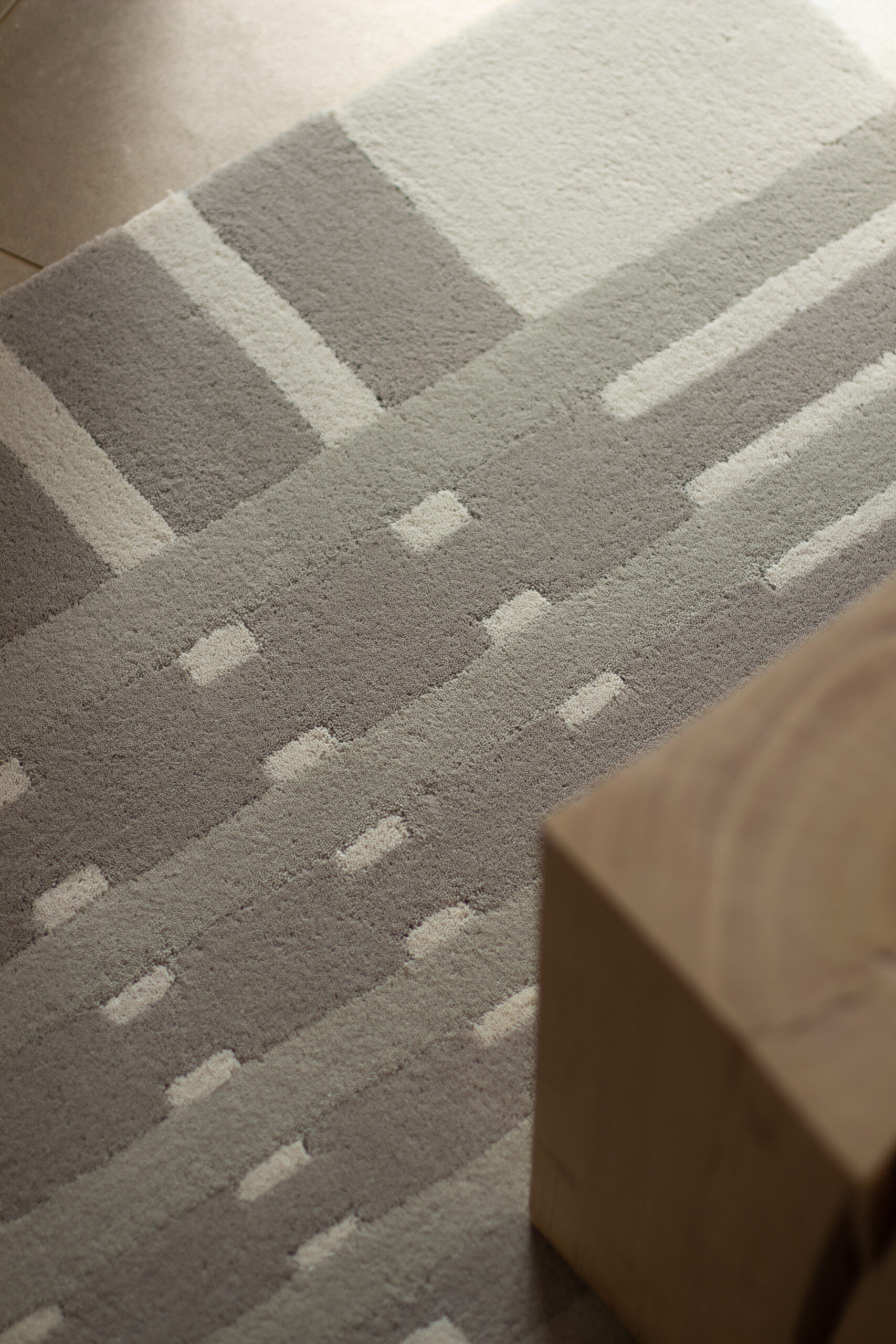
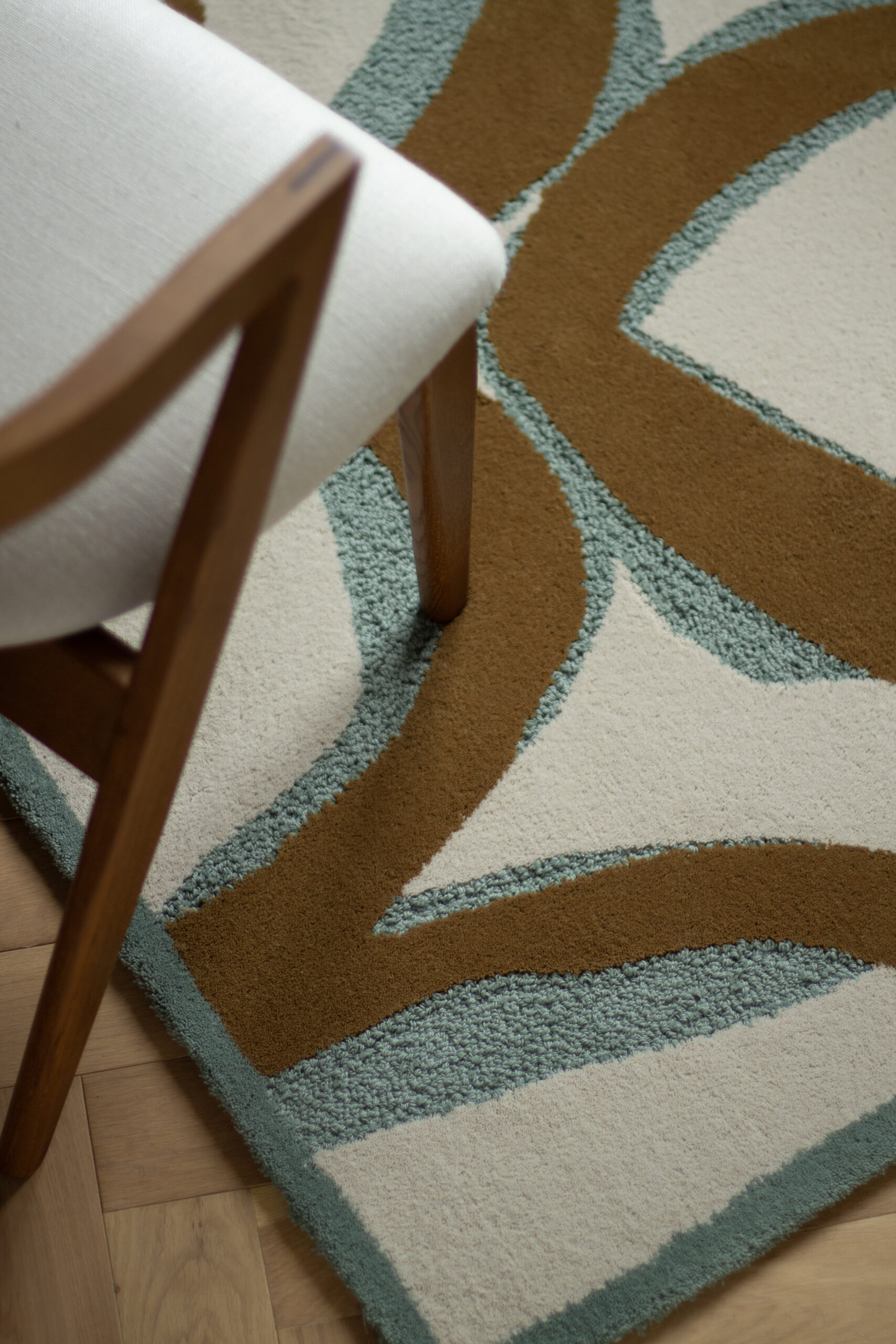
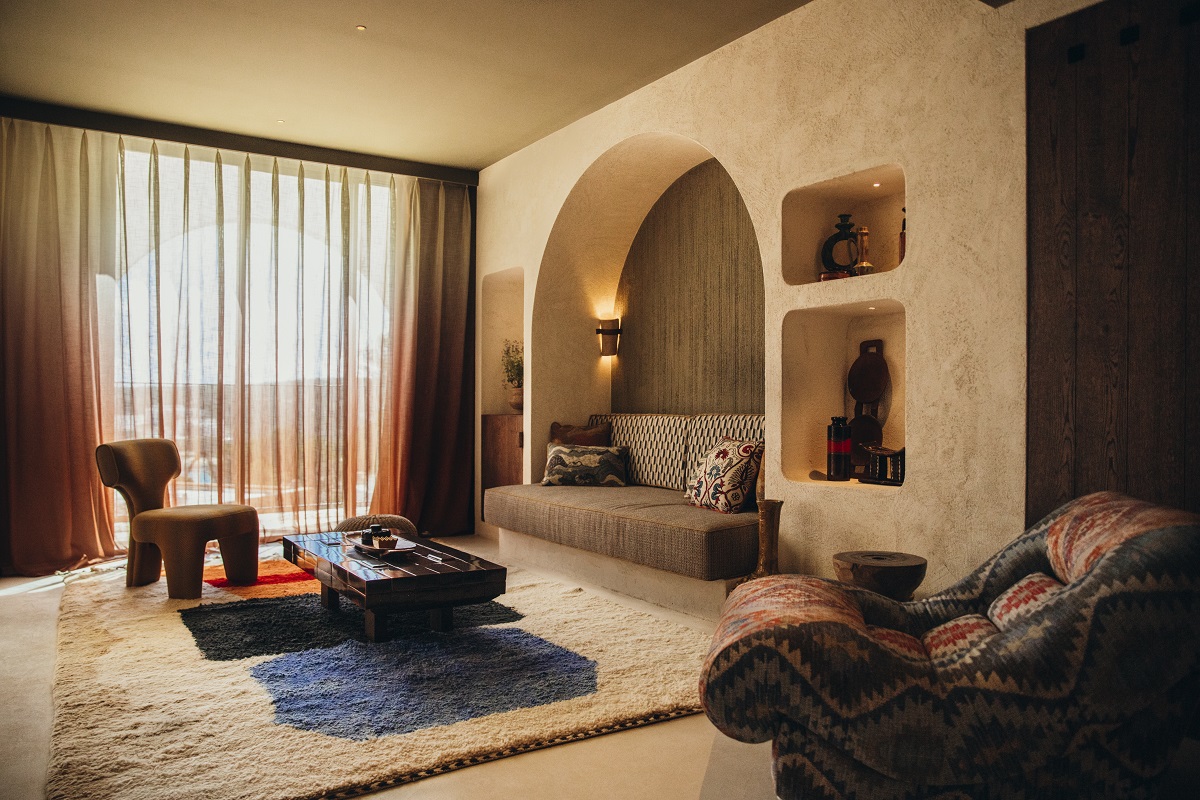
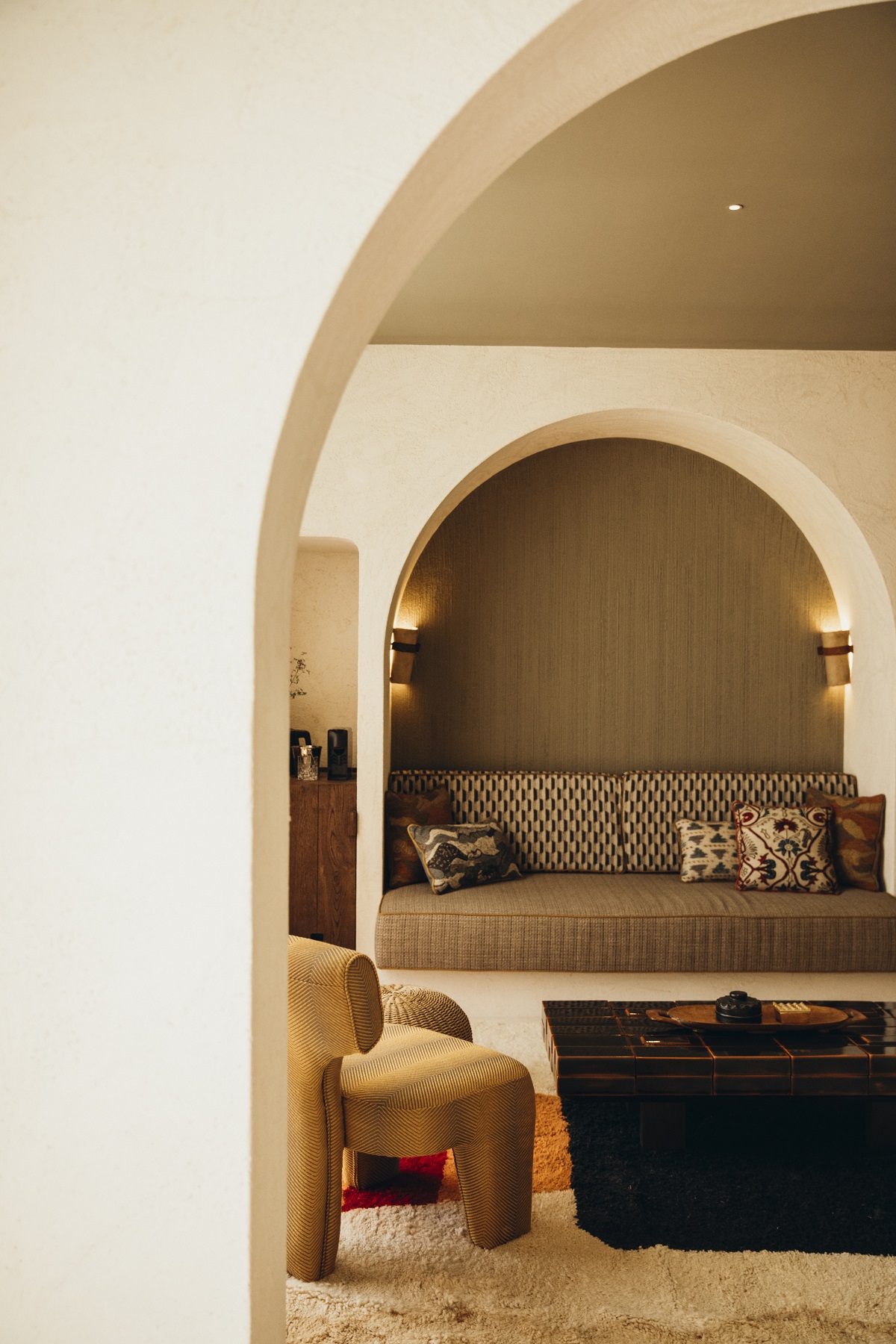
To add depth and warmth, large handwoven rugs crafted in Cape Town were incorporated, produced on looms designed specifically for the project. The colour story draws directly from the surrounding landscape: soft lavenders, olive greens, golden yellows, warm terracottas, sky blues, and deep browns. The story is completed with bespoke pieces for guest rooms and shared spaces – chairs and sofas, hand-carved tables, throws, and artisanal ceramics – alongside South African antiques, adding layers and patina.
Image credit: Tamodi Estate & Polo Reserve
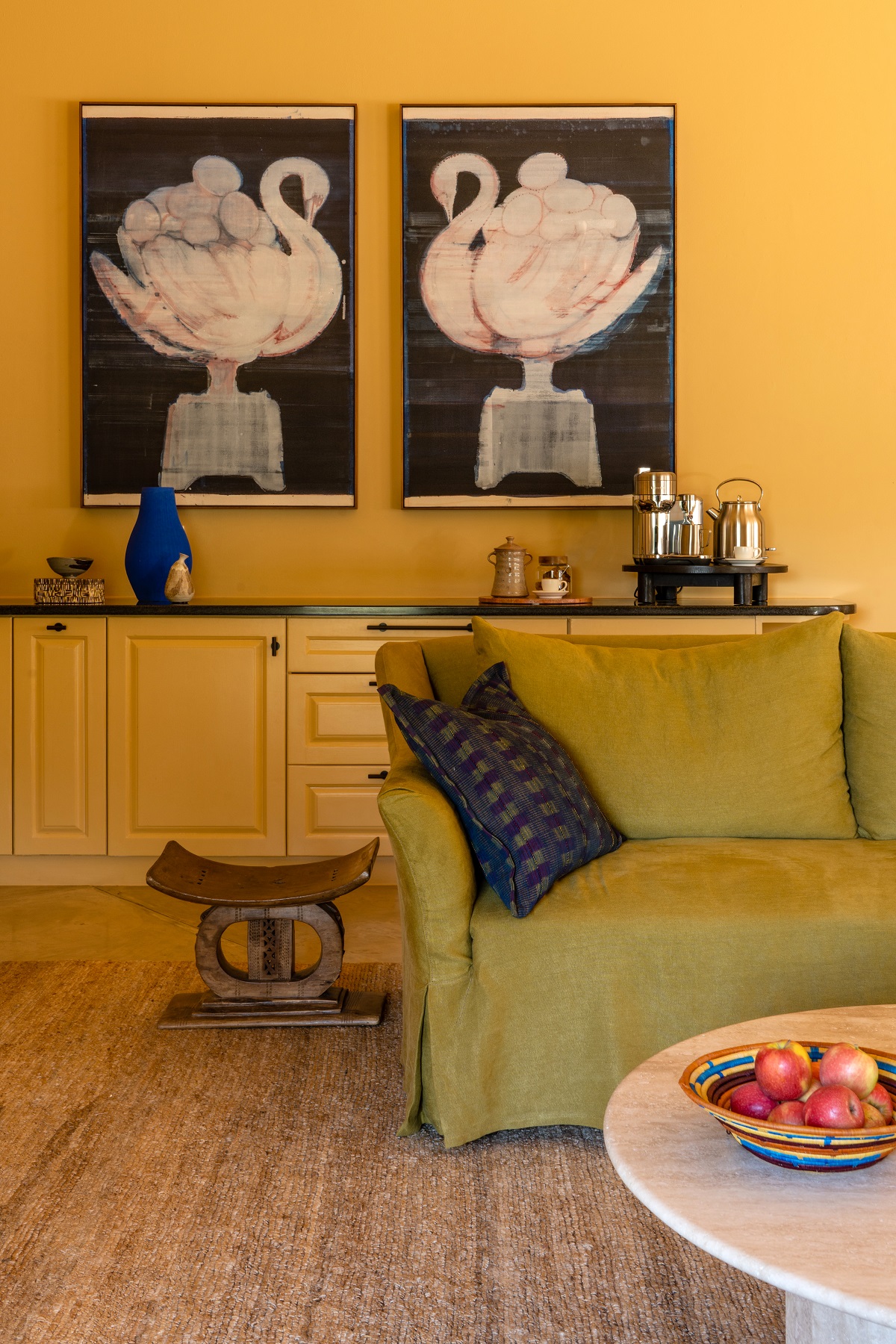
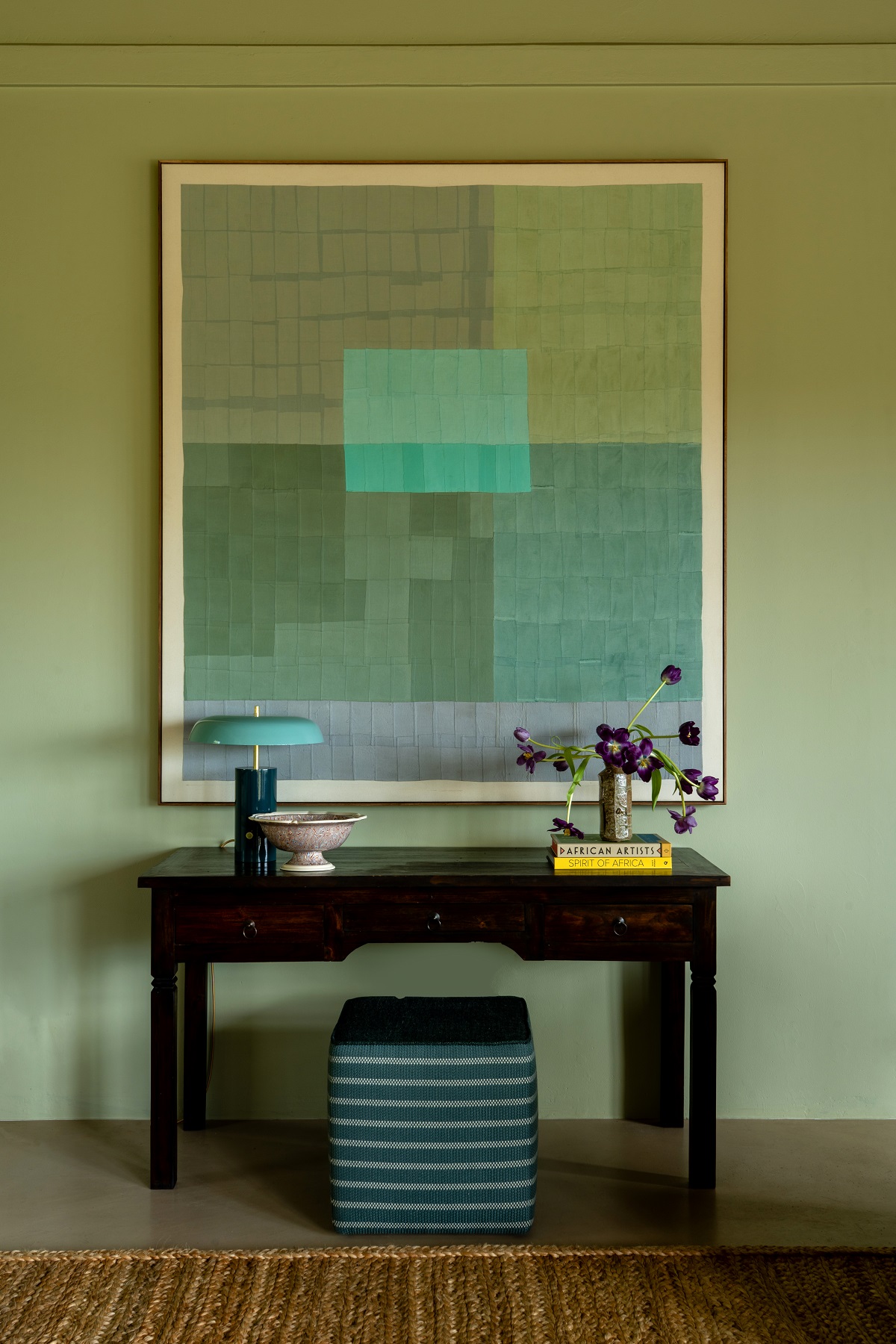
Across lighting, everyday objects, and accessories, the atmosphere feels closer to that of a lived-in family home than a conventional hotel. Art curation, eveloped by Sophie Ashby in collaboration with Heinrich Groenewald and Shona van der Merwe of Reservoir Projects, brings together contemporary works by emerging and established outh African artists. These pieces engage with the tactile and chromatic schemes of the interiors, adding vitality and character without disrupting the overall sense of calm.
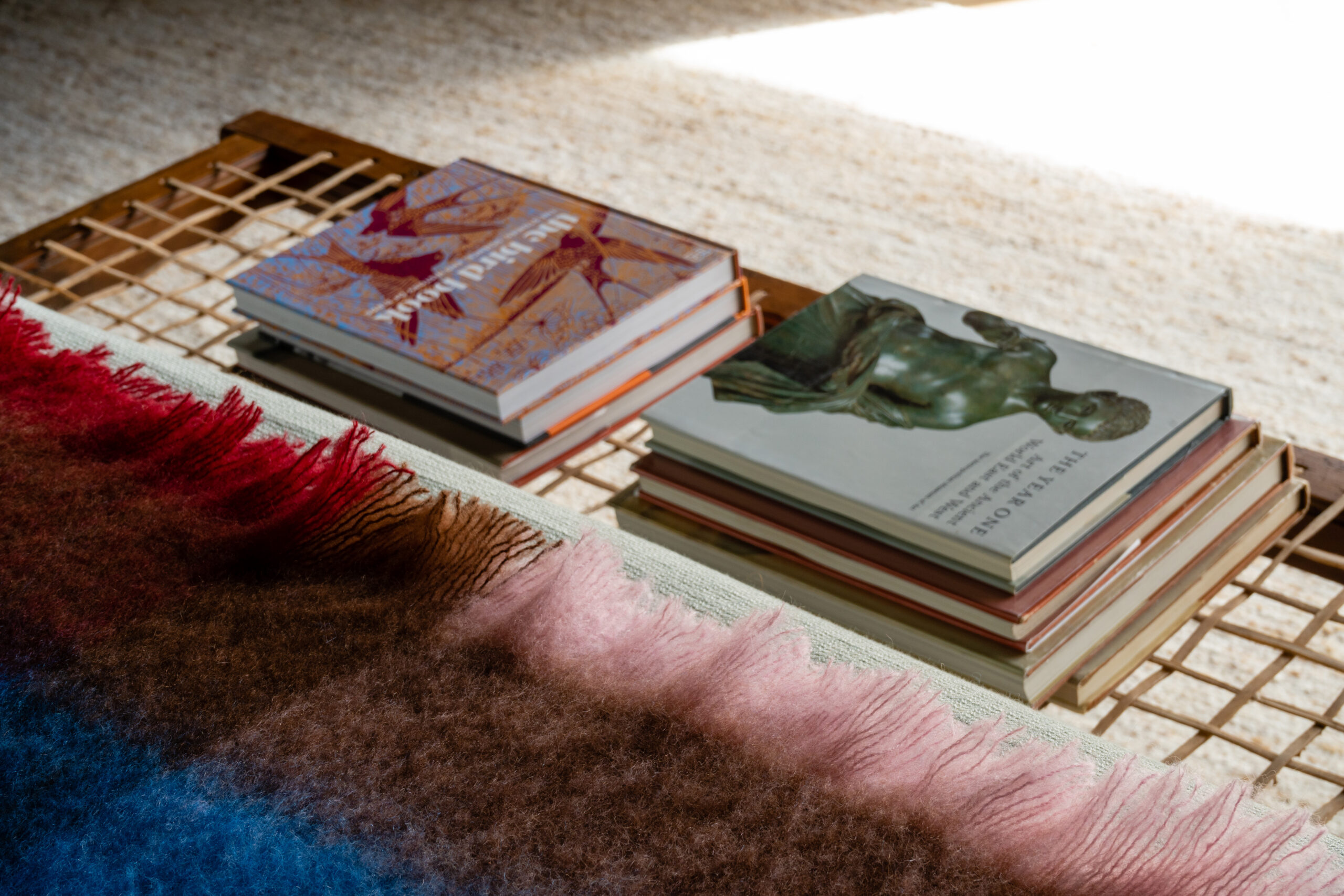
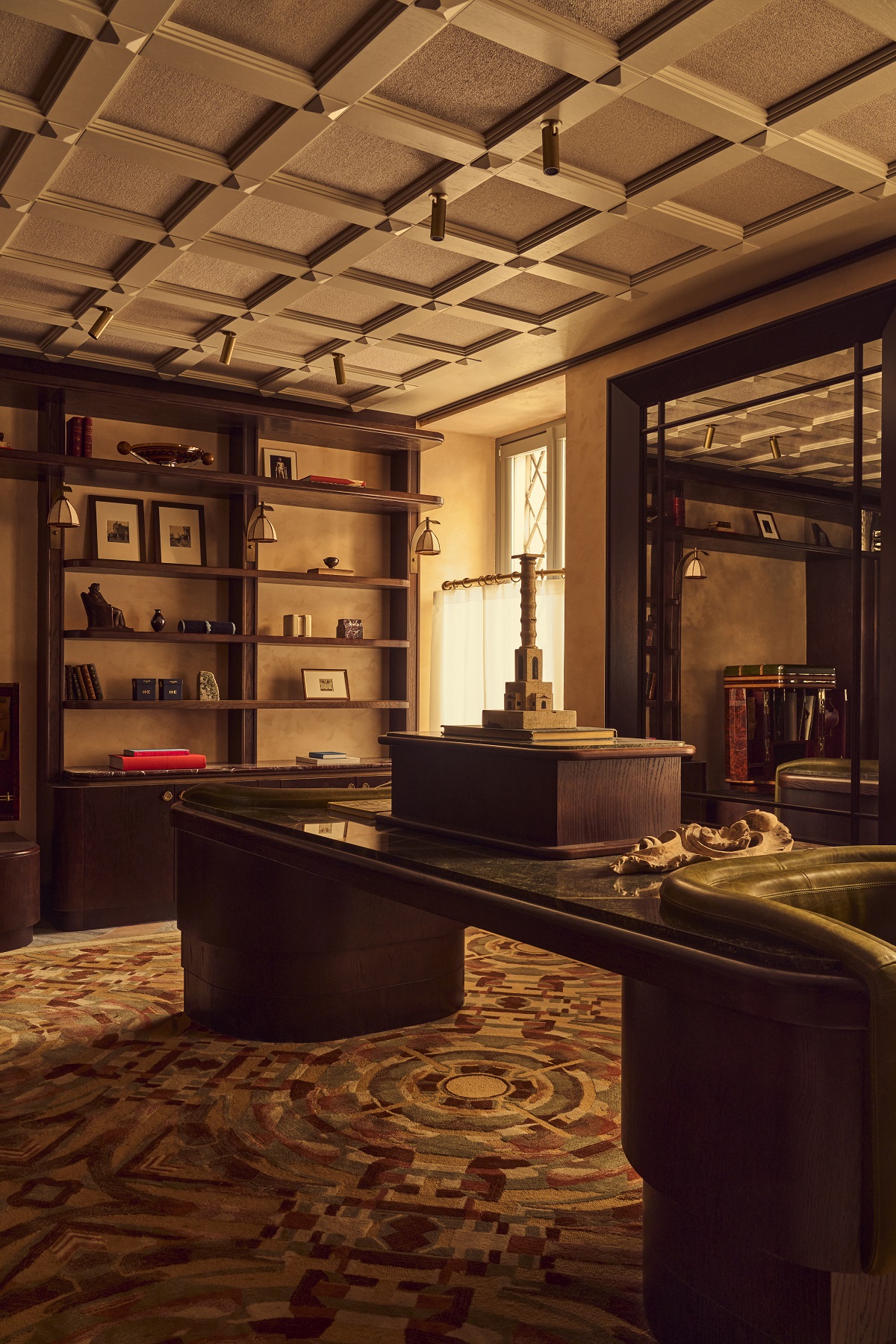
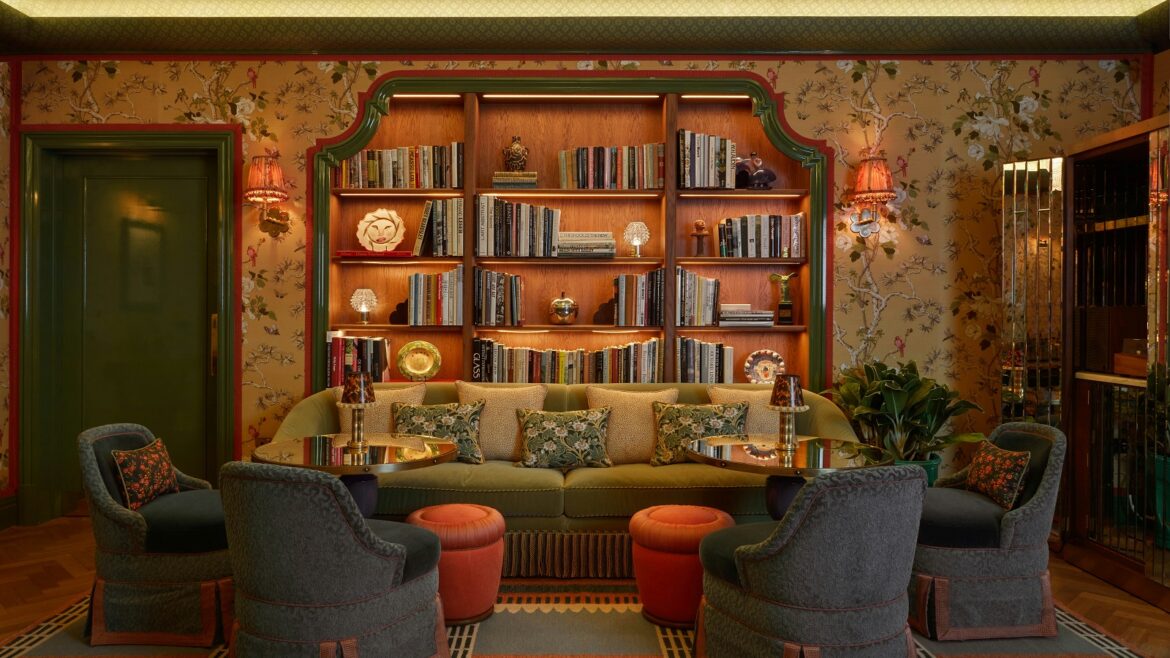
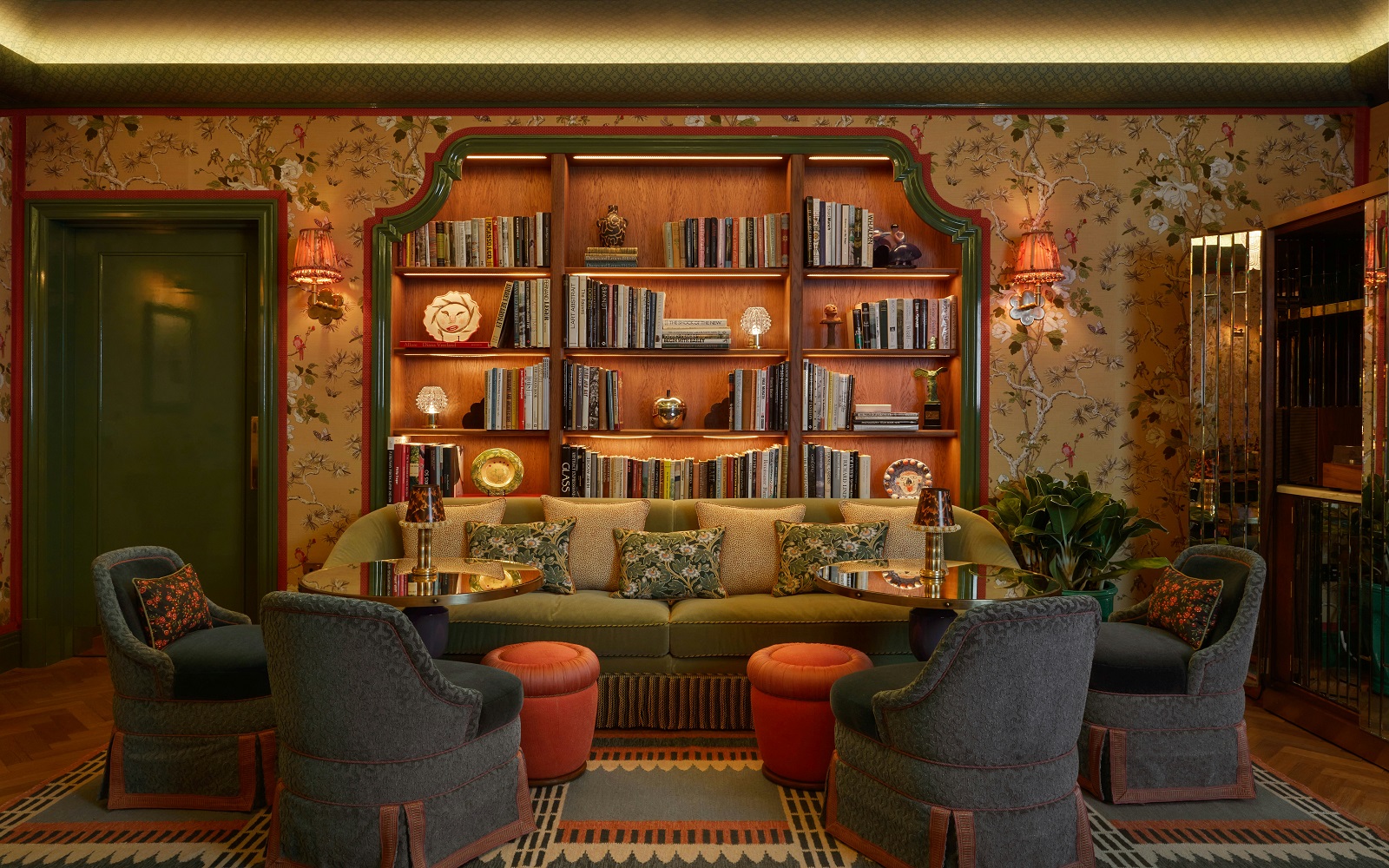
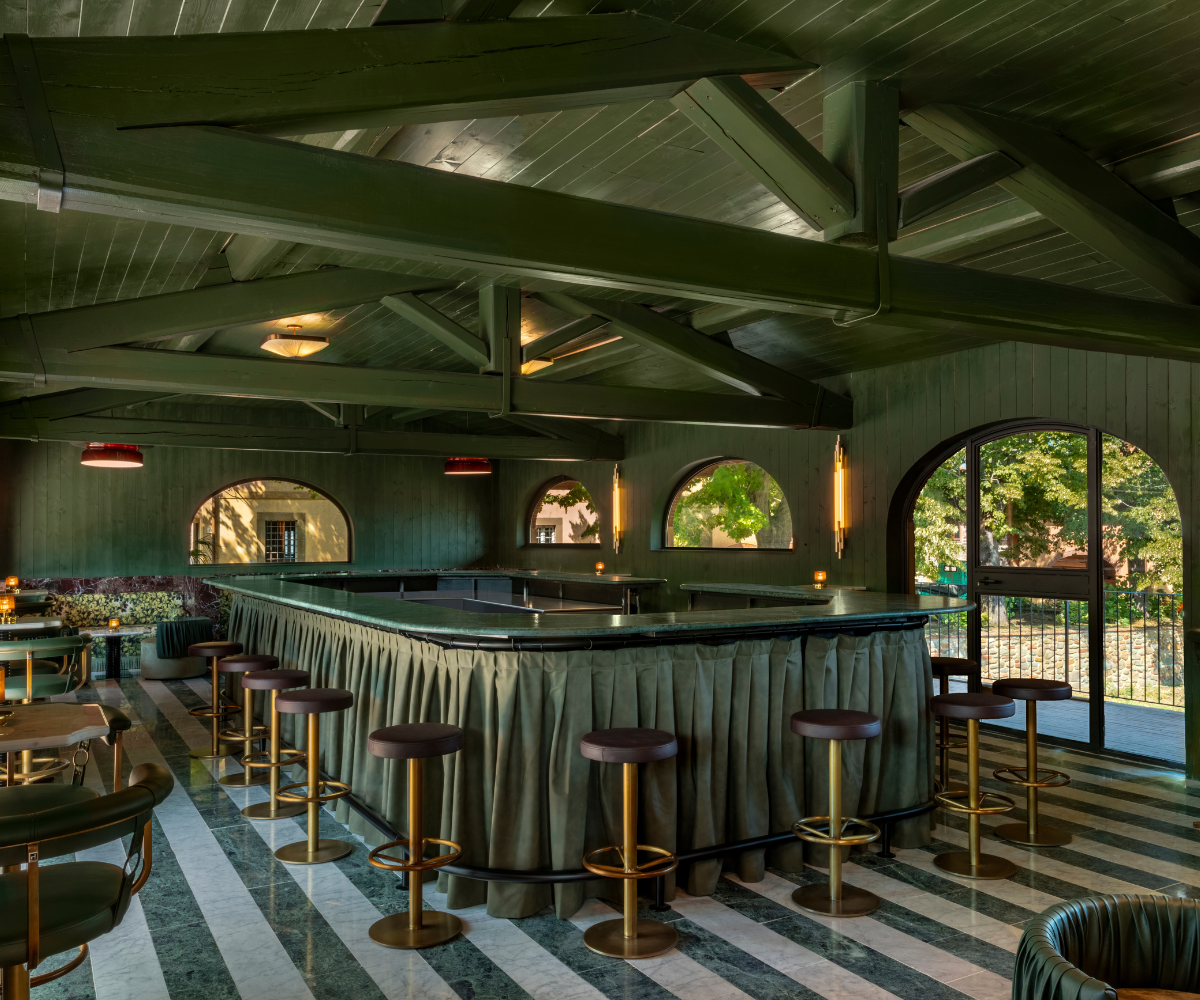
In the same spirit, a previously underused side area was transformed into the Library Bar: a games table, a library featuring titles on South Africa, fashion, travel, food, and music, and an honesty bar designed to encourage lingering. The gesture introduces an elegant informality – serving oneself, conversing, or
starting a game as the afternoon fades, with open views toward the mountains of The Crags.
Image credit: Tamodi Estate & Polo Reserve
Image credit: Tamodi Estate & Polo Reserve
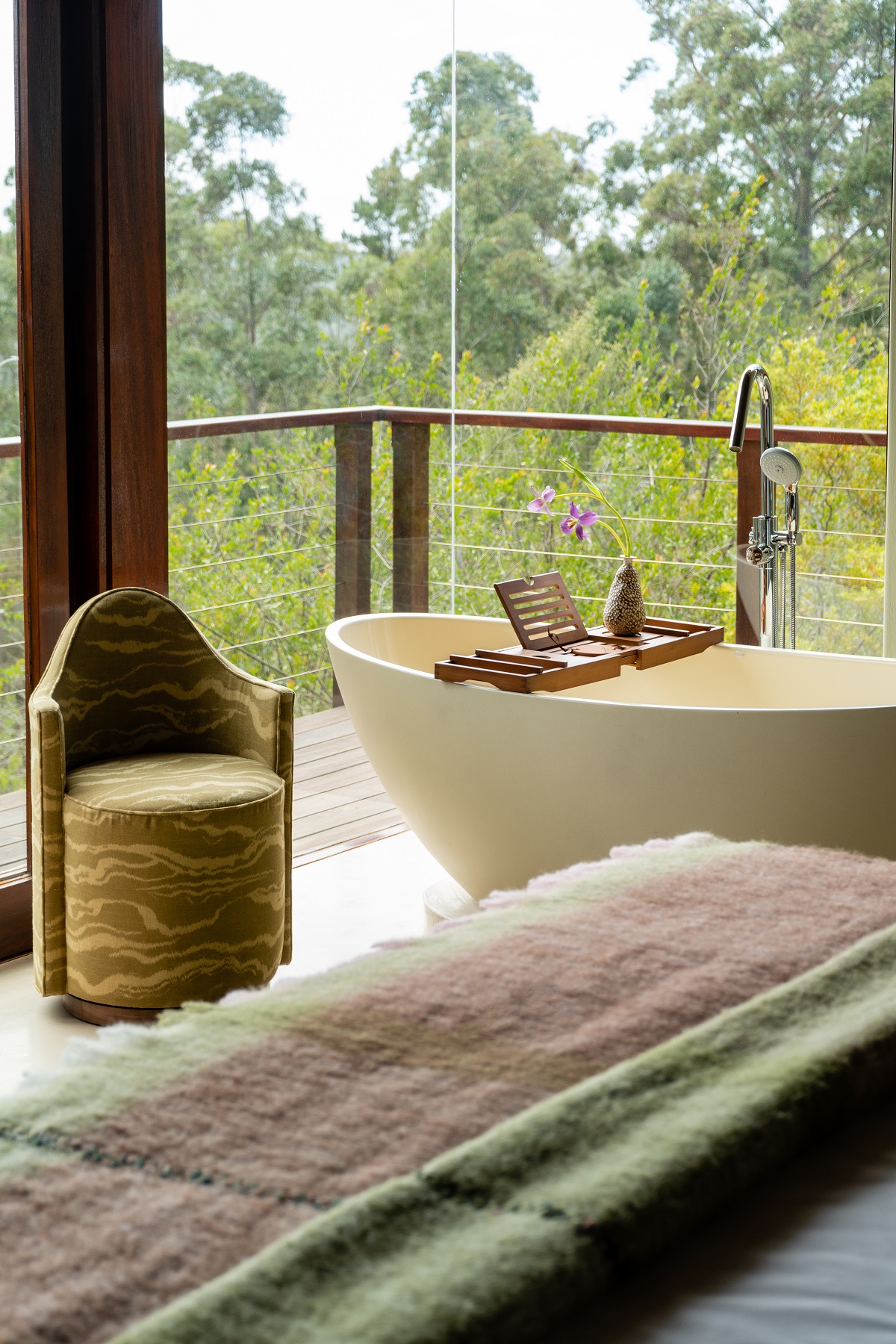
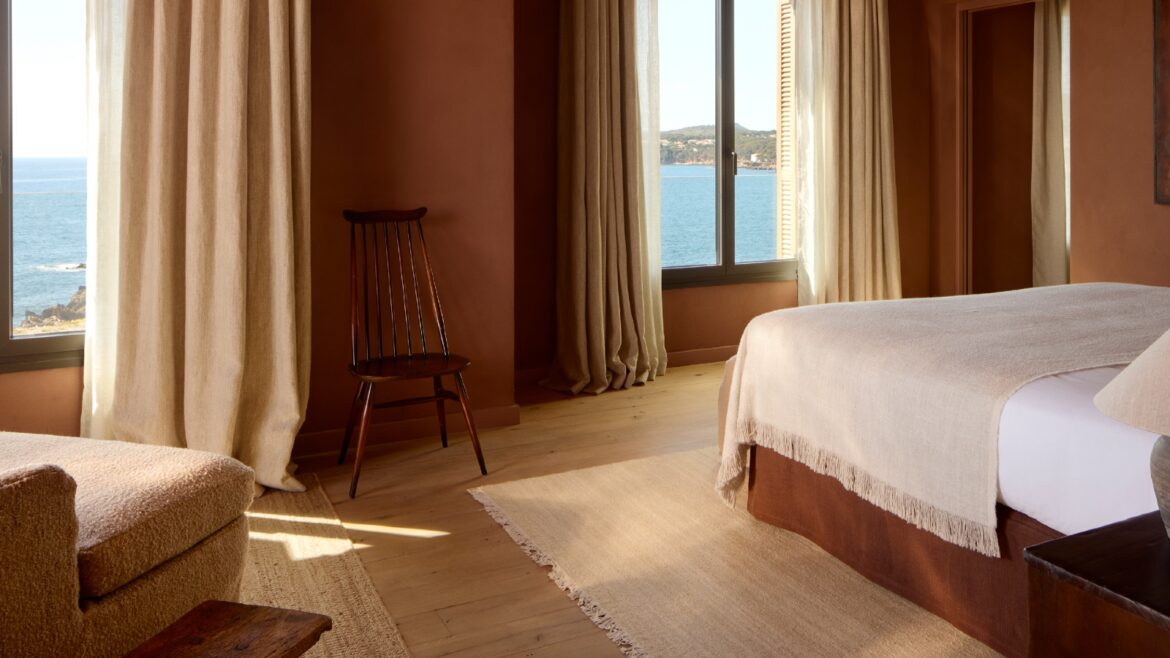
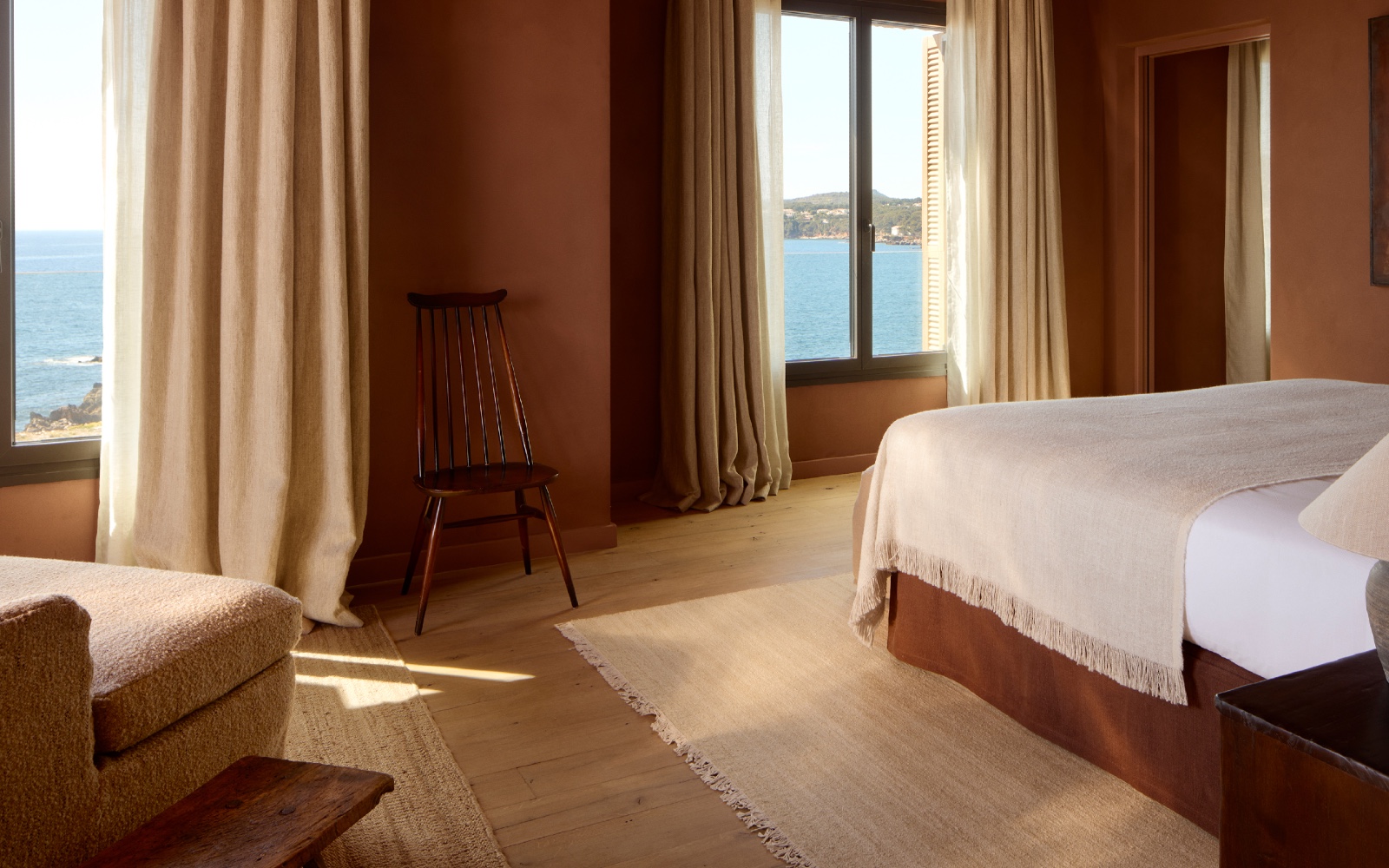
Privacy defines the ten suites, each exceeding 100 square meters and featuring a fireplace, a soaking tub, and open views. An equestrian heritage is subtly referenced throughout, alongside a constant emphasis on indoor-outdoor living.
From a sustainability standpoint, durable textiles and hard-wearing rugs were prioritized; nearly 80% of the furnishings are locally sourced, complemented by South African and European vintage pieces. The broader plan includes new amenities and environmental rehabilitation efforts aimed at restoring endemic flora, including fynbos, as part of the project’s ecological commitment.
Facing The Crags, Cape light settles gently on stone and wood, while fireplaces in the suites accompany moments of rest. Surrounded by native vegetation and a discreetly expressed equestrian legacy, Tamodi affirms that design is, above all, an act of care – for place, for time, and for the kind of calm that makes a stay truly memorable.
Designed by DBI Architects with interiors by Hachem, Andaz Gold Coast will channel the changing light, colour and landscape of its coastal setting as the lifestyle brand prepares to make its Australian and Pacific debut…
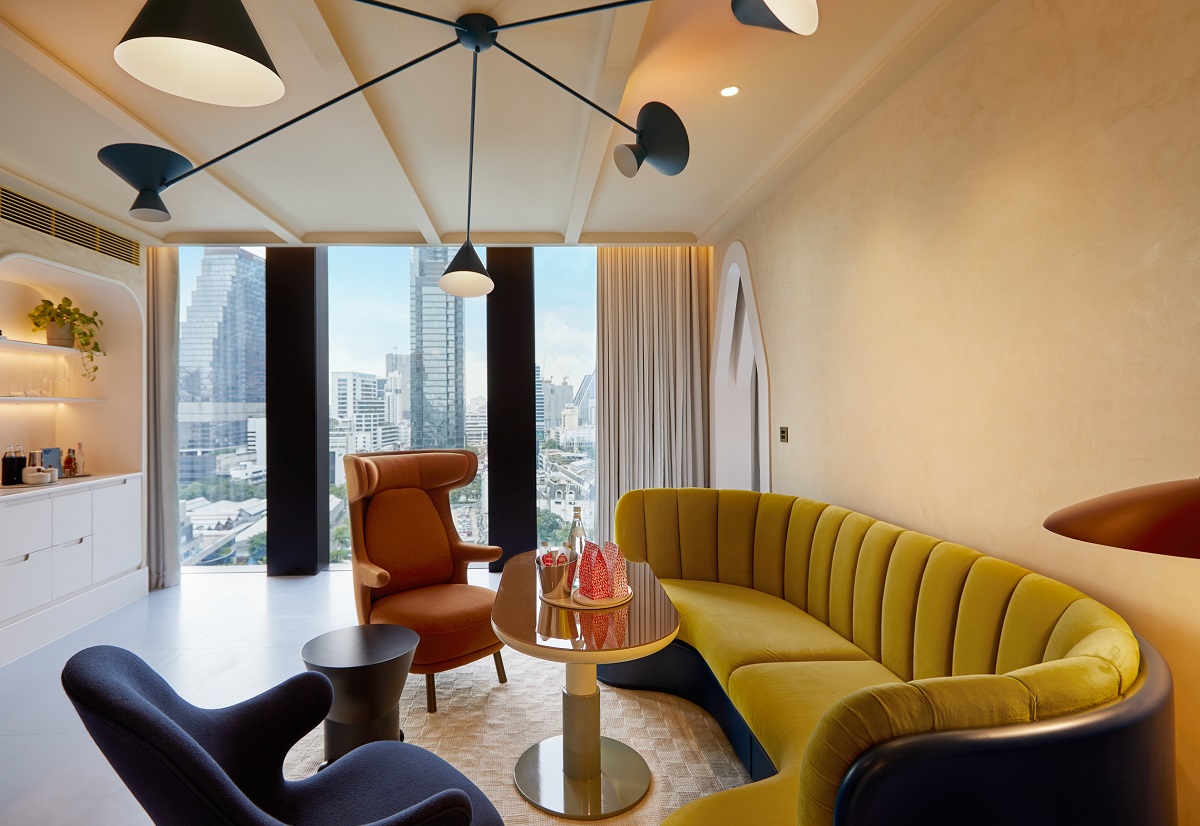
Andaz is preparing to make its Australian and Pacific debut with the opening of Andaz Gold Coast in Broadbeach later this year. Bringing together architecture by DBI Architects and interiors by Hachem, the 202-key hotel has been conceived around the movement of sunlight across the Gold Coast – from the fresh tones of a Pacific sunrise to the richer hues of twilight over the hinterland – creating a design narrative intended to evolve from day to night.
Surrounded by Broadbeach’s resorts, dining, entertainment, nightlife and shopping, the hotel will place guests moments from the beach, Pacific Fair Shopping Centre, and the Gold Coast Convention and Exhibition Centre.
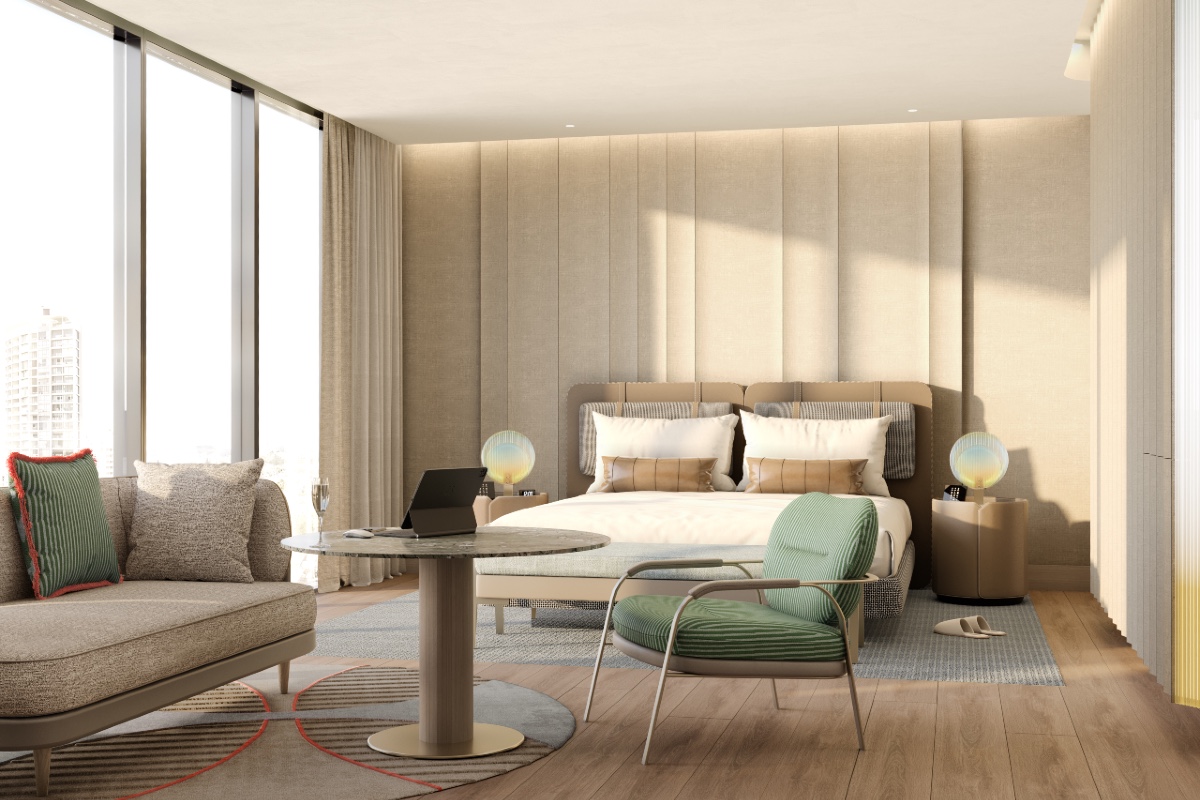
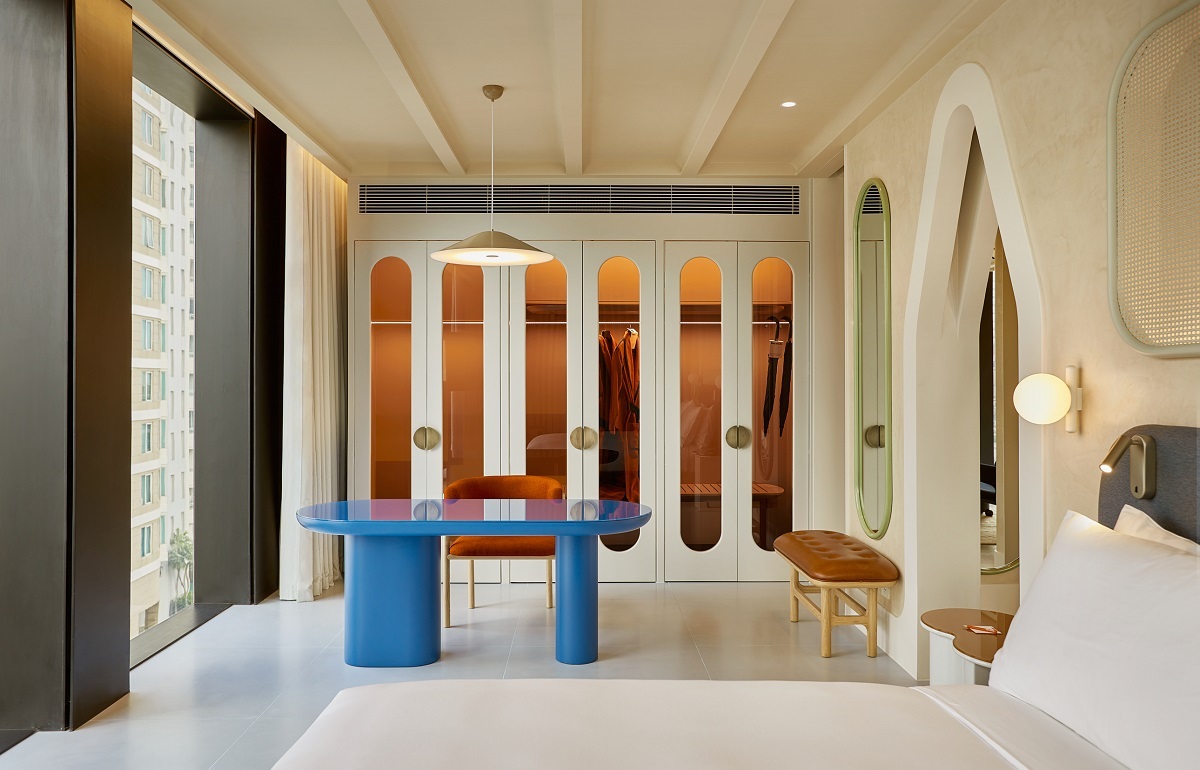
Each of the 202 guestrooms and suites will feature floor-to-ceiling windows, expressive interiors and premium in-room amenities designed to create a relaxed, residential feel.
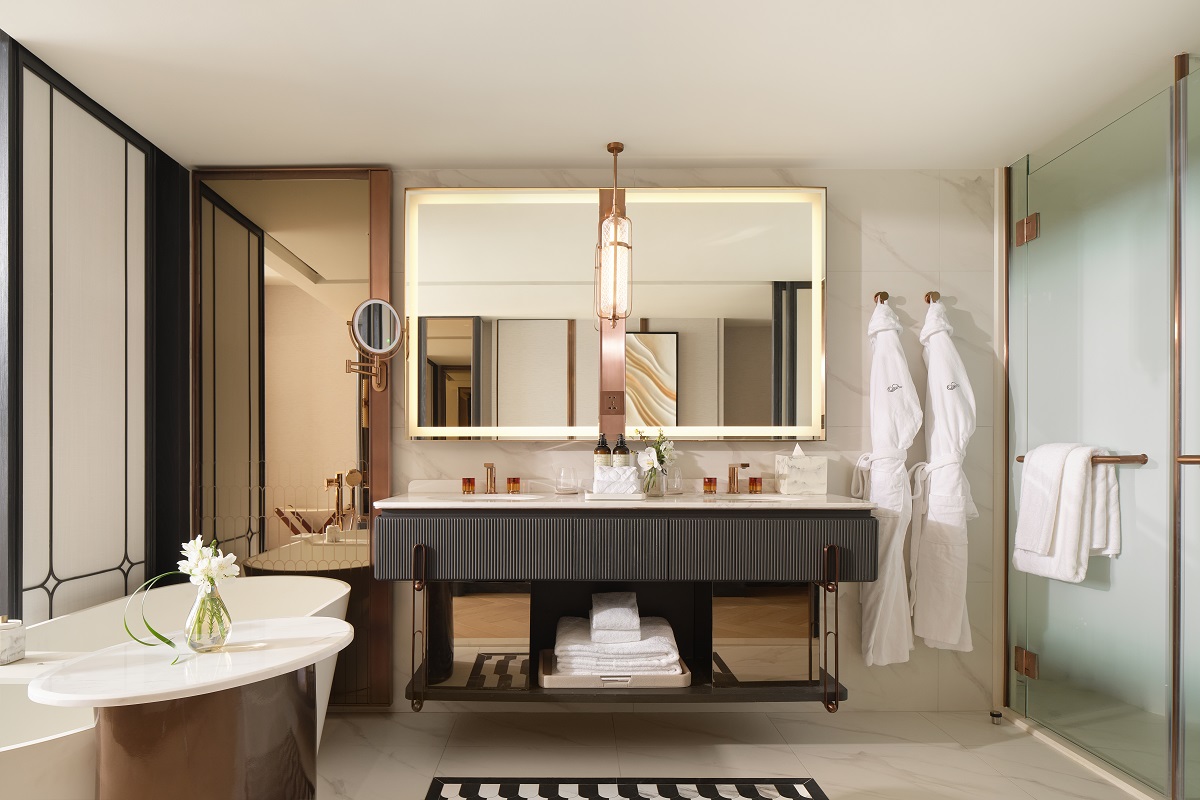
Select rooms will feature private outdoor spaces, while suites will offer generous living and entertaining areas, deep soaking bathtubs and dual vanities. The hotel’s signature Andaz Residence Suite will elevate the experience through an expansive entertainer’s terrace and spacious indoor-outdoor living areas designed for longer stays and private gatherings.
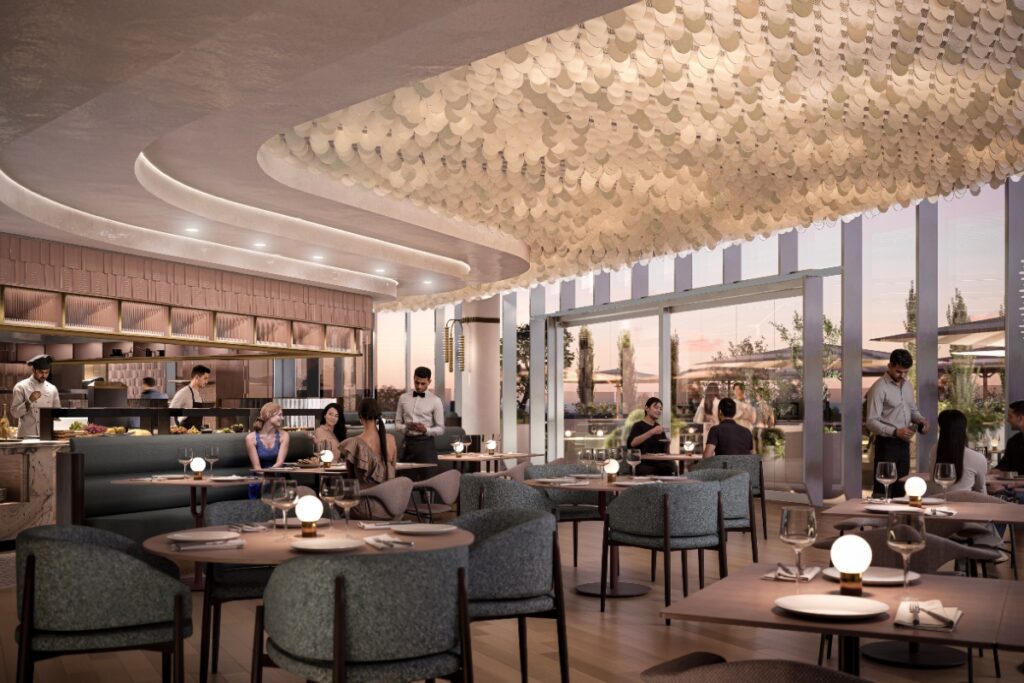
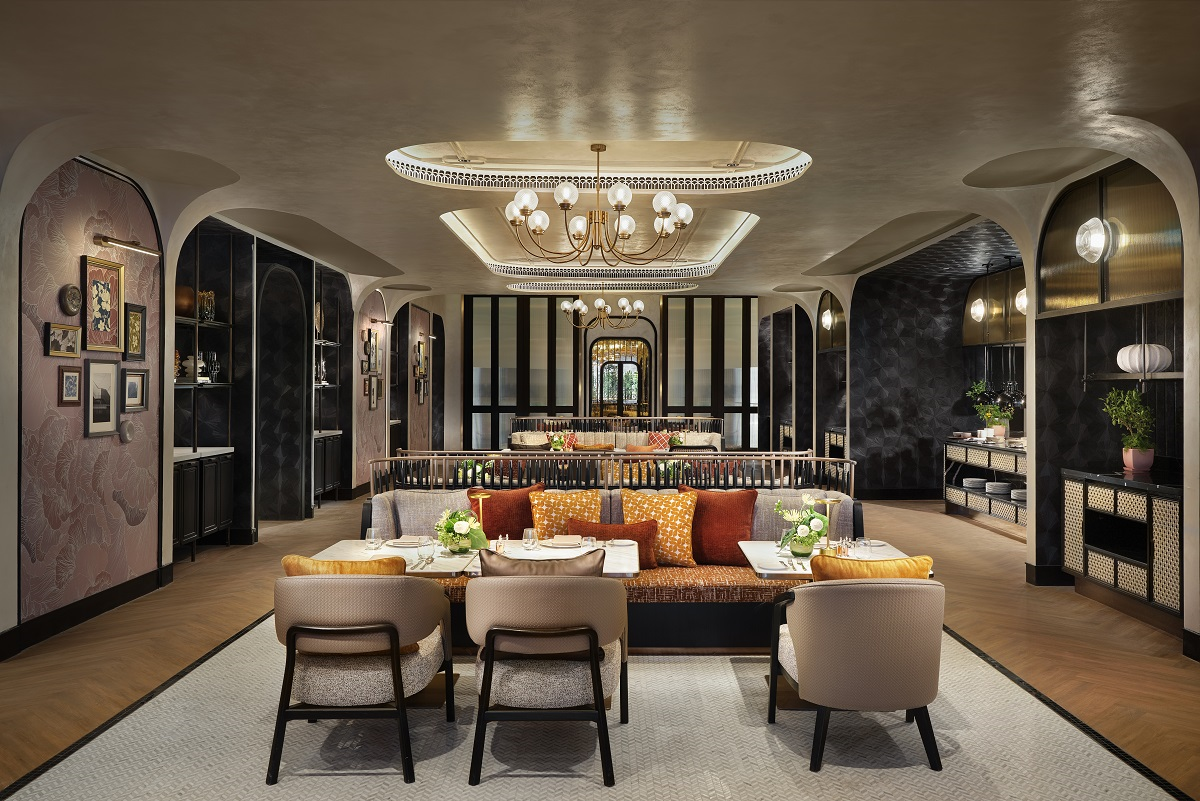
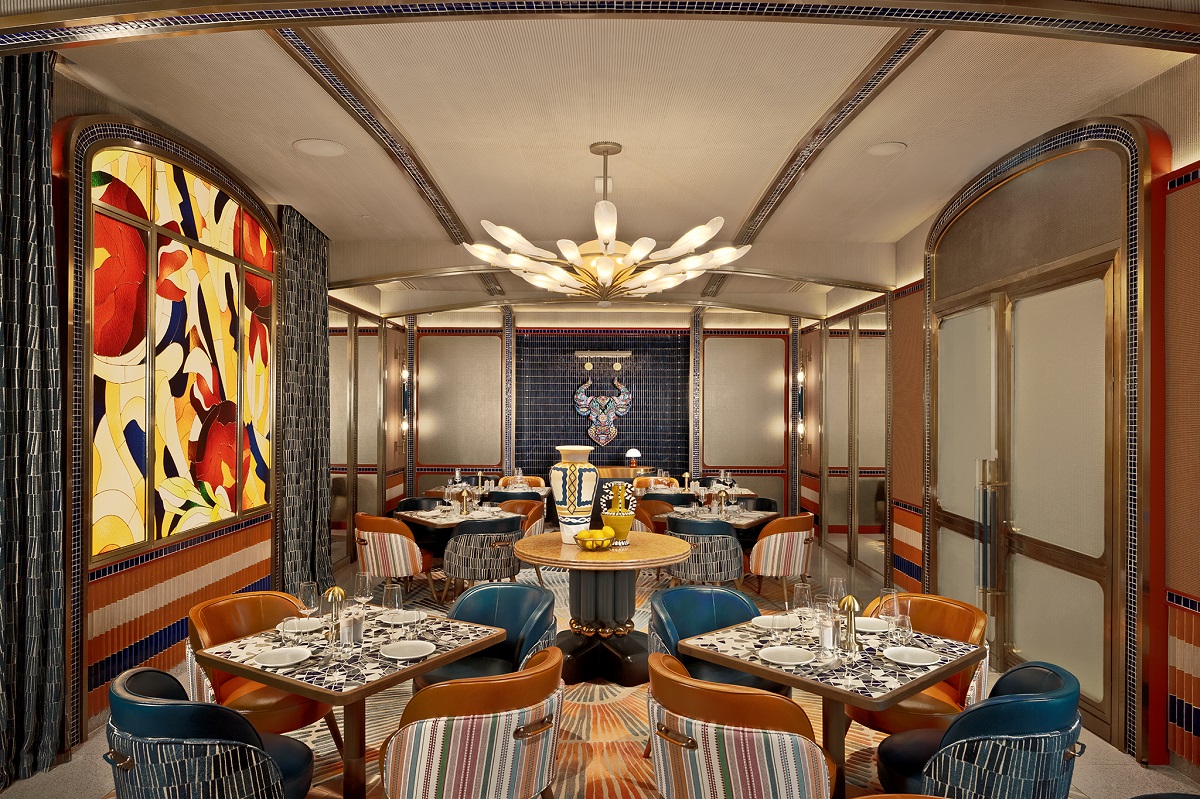
Meanwhile, Nove Restaurant and Bar will reinterpret Mediterranean hospitality through a modern Australian lens, celebrating the region’s vibrant culinary traditions while showcasing the finest local produce with a fire-led cooking and shared dining at its heart.
Andaz Gold Coast – Nove Restaurant | Image credit: Andaz
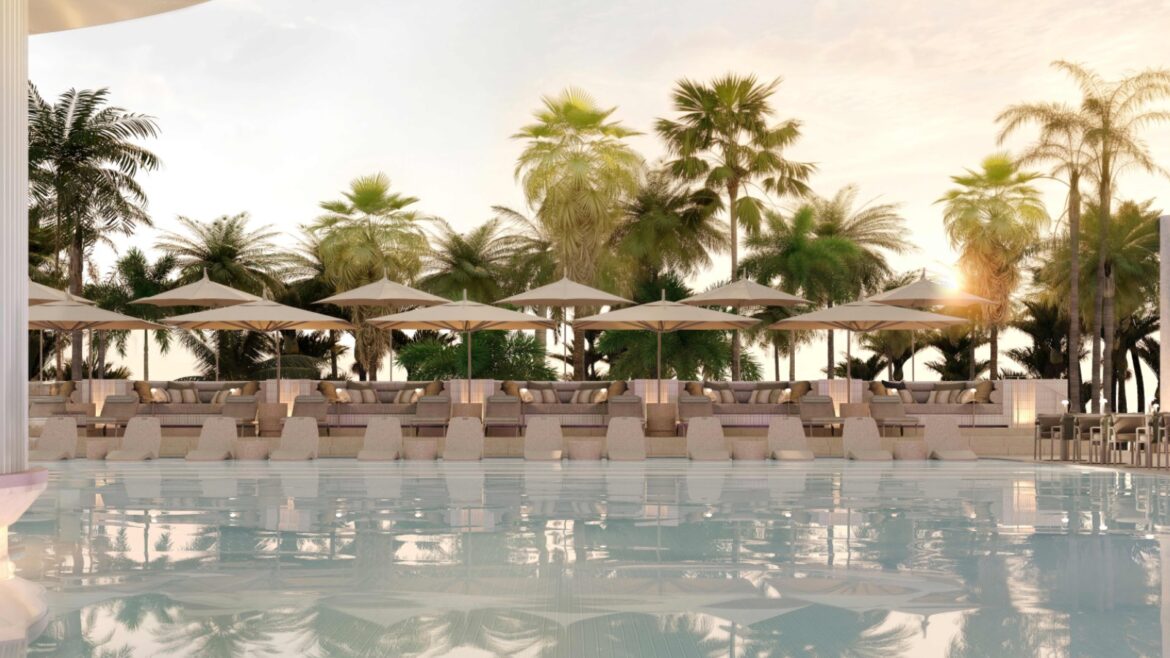
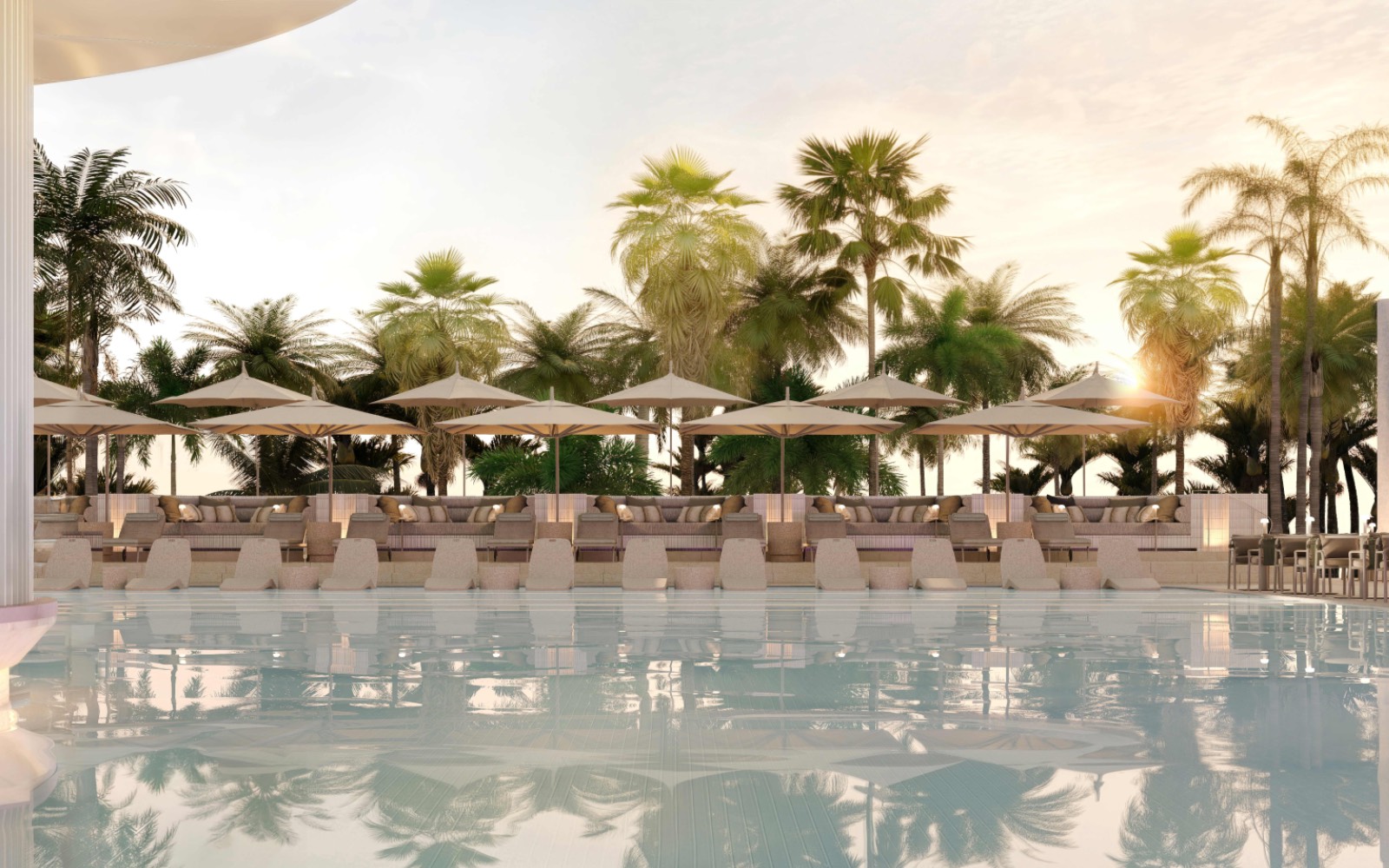
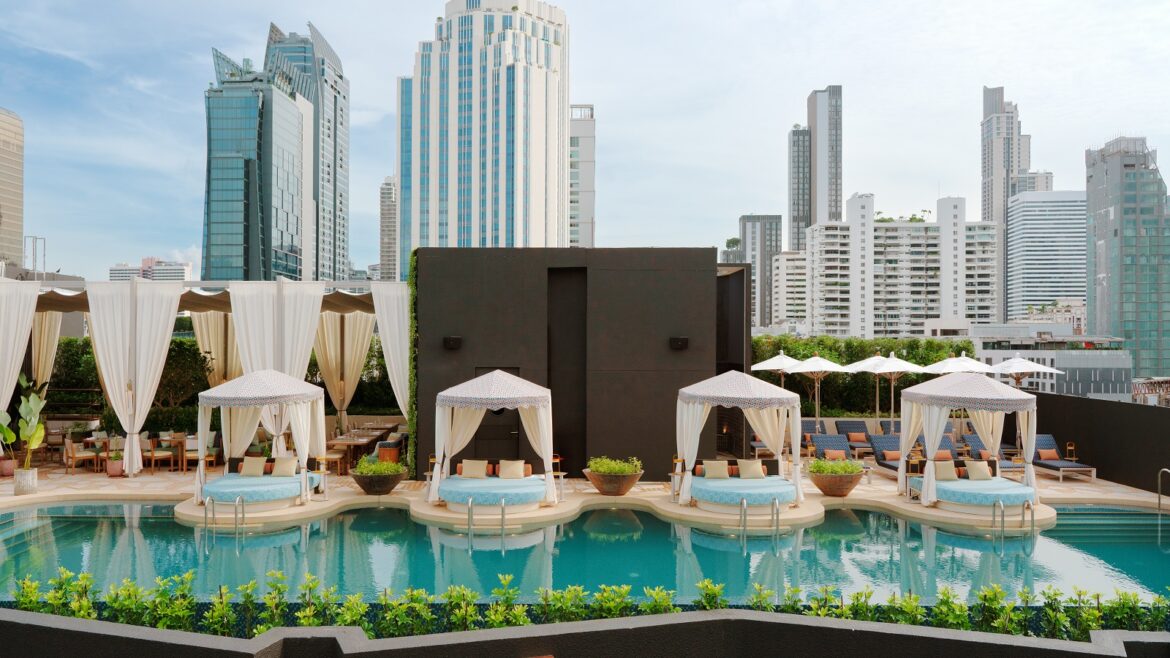
Vista Lounge will form the social heart of the hotel, shifting naturally from day to night, while the intimate Verde Bar will be a destination for golden-hour cocktails and elevated bites. Outside, the expansive Andaz Pool Club will bring together sun-soaked lounging, private cabanas, refreshing cocktails and dining.
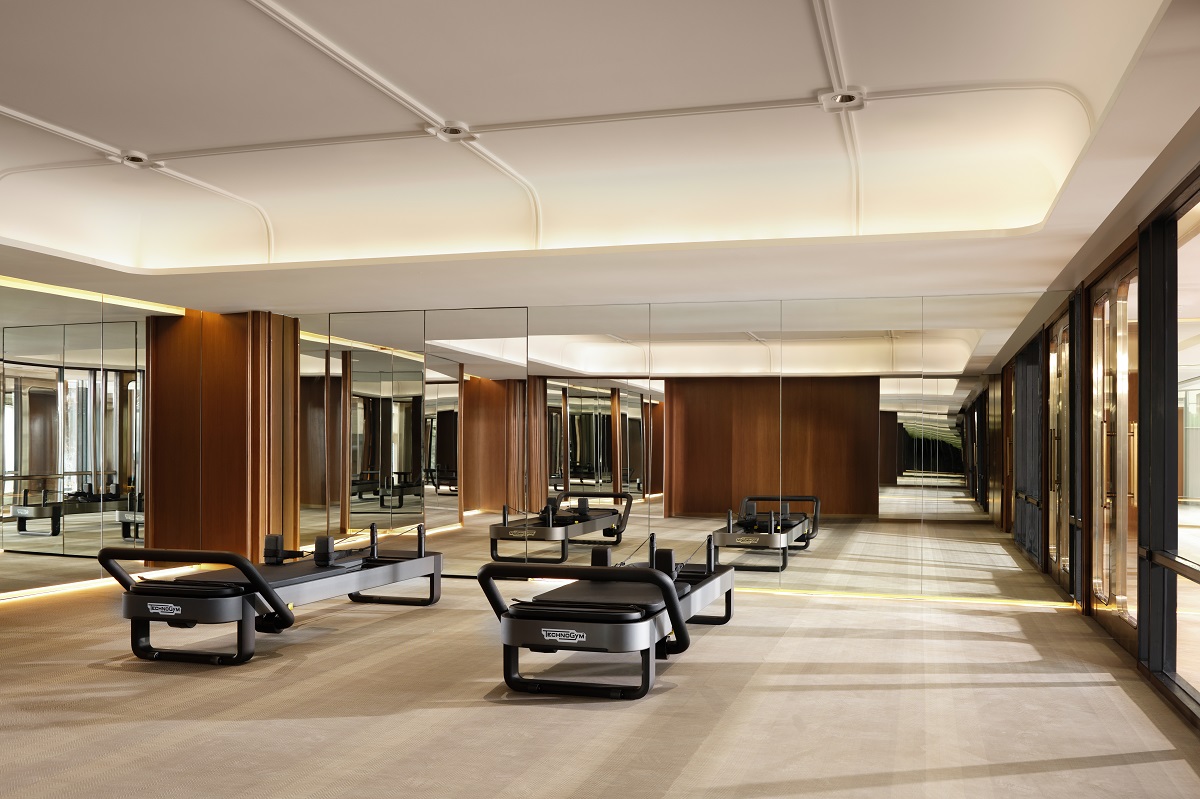
Guests will have access to a fully equipped Technogym fitness centre alongside a program of locally connected experiences designed to introduce guests to the Gold Coast beyond the hotel.
“Andaz Gold Coast represents an important milestone as the Andaz brand prepares to debut in Australia and the Pacific,” said David, Udell, Executive Vice President and Group President, Asia Pacific at Hyatt. “The hotel has been designed to capture the optimism, creative energy and natural contrasts of the Gold Coast, giving guests new ways to experience the destination through design, food, culture and personal discovery.”
“We look forward to welcoming guests into a hotel that feels unmistakably of the Gold Coast,” said Saraid Carey, General Manager, Andaz Gold Coast. “From sunrise-lit guestrooms and expressive dining to afternoons around the pool and cocktails at golden hour, every element has been shaped around the way people want to experience this destination.”
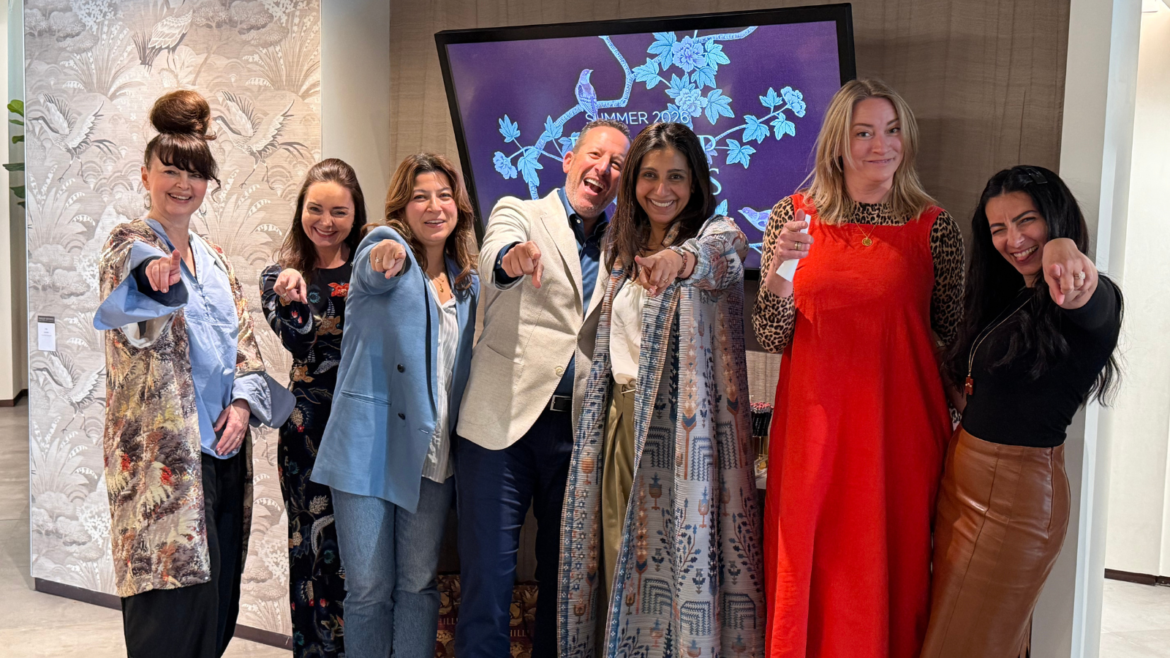
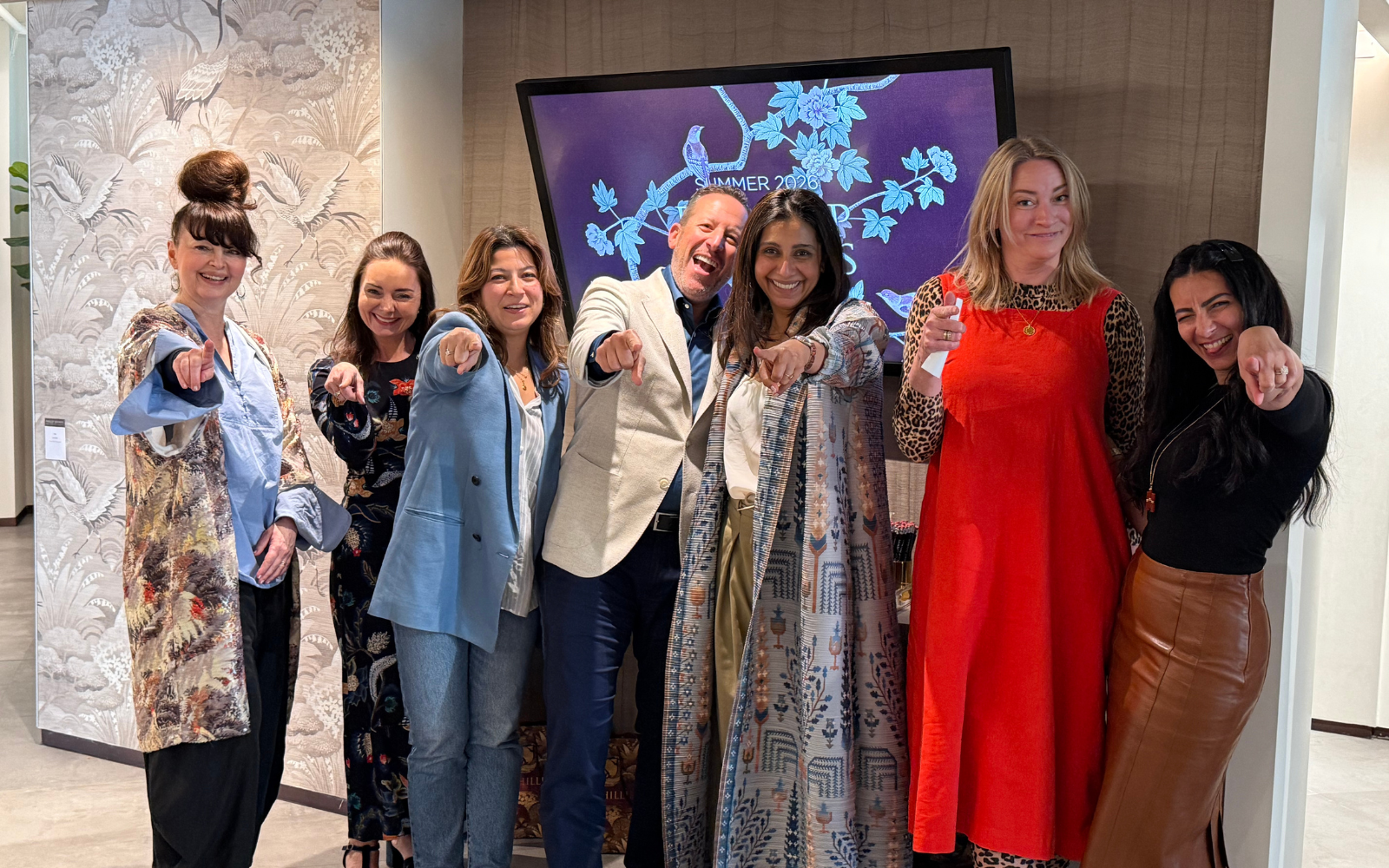
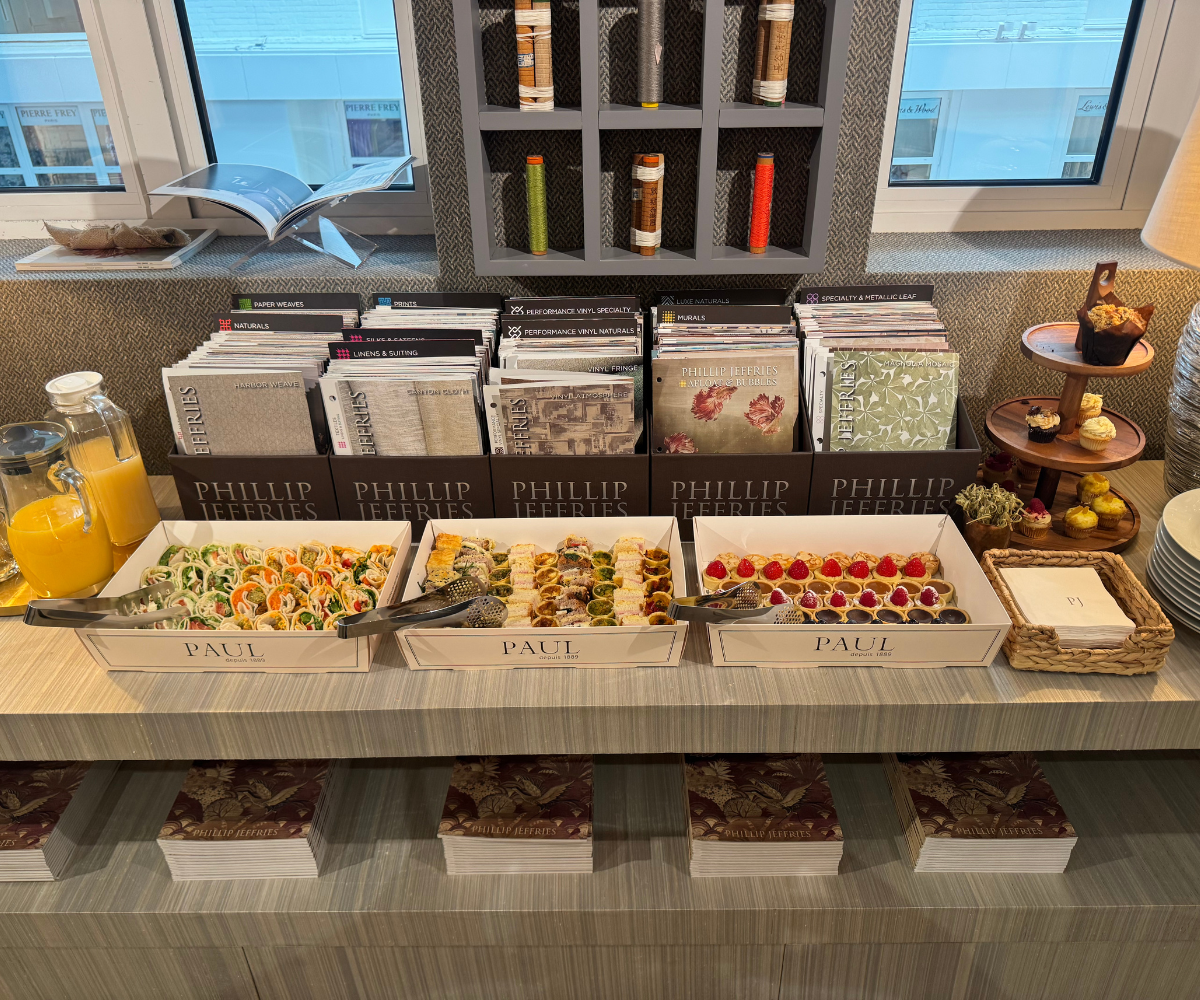
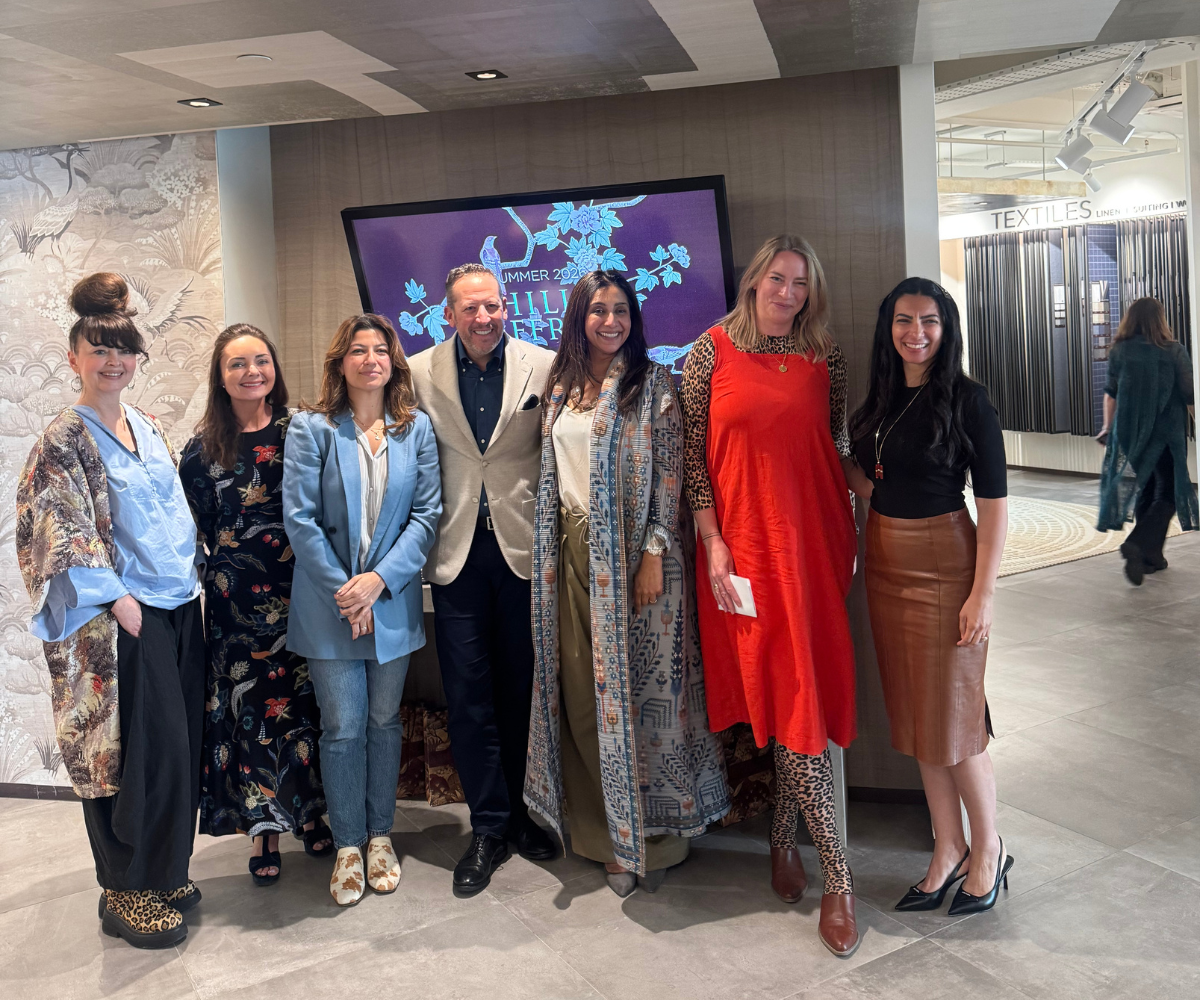
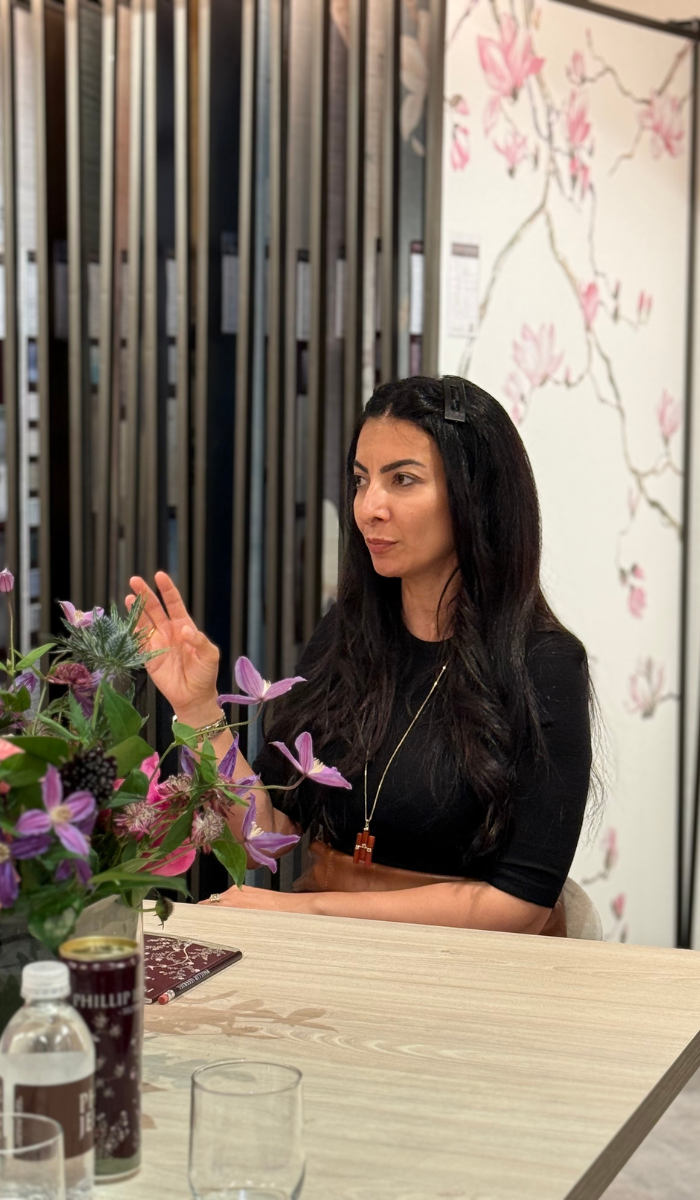
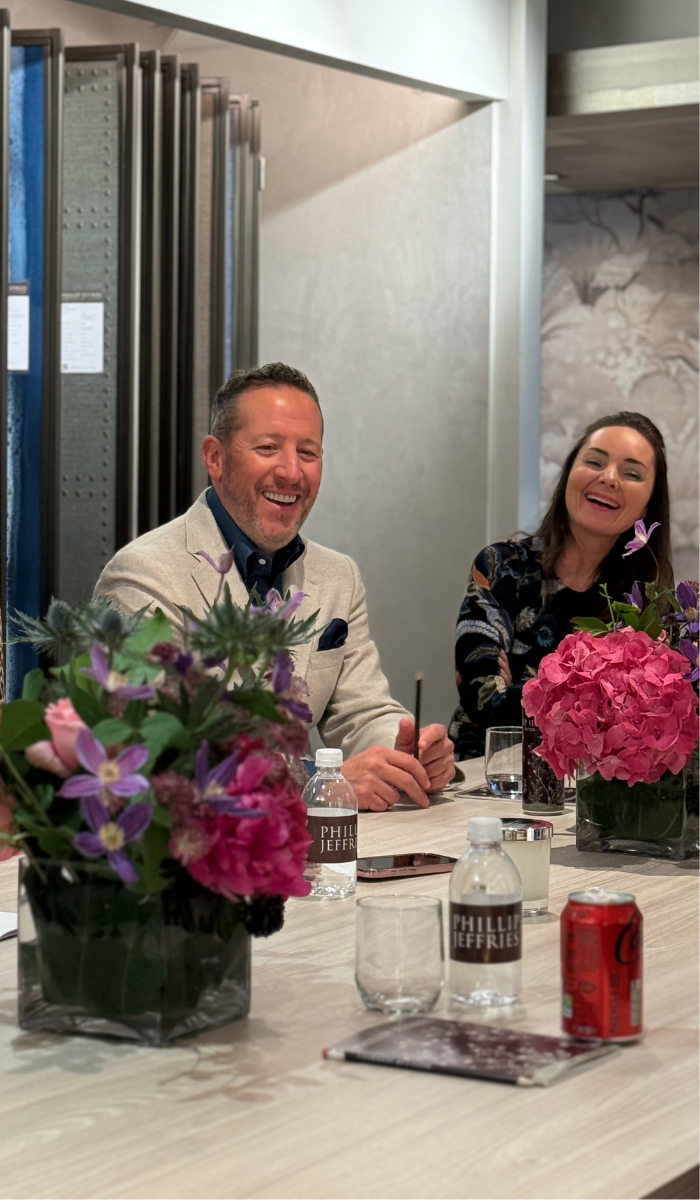
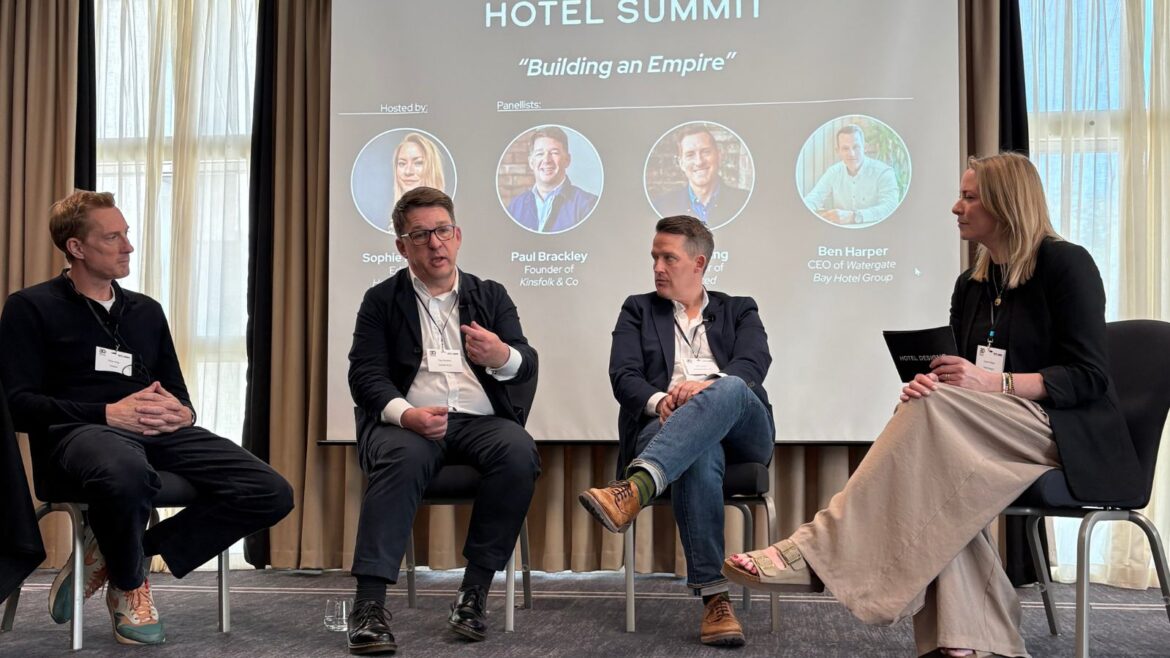
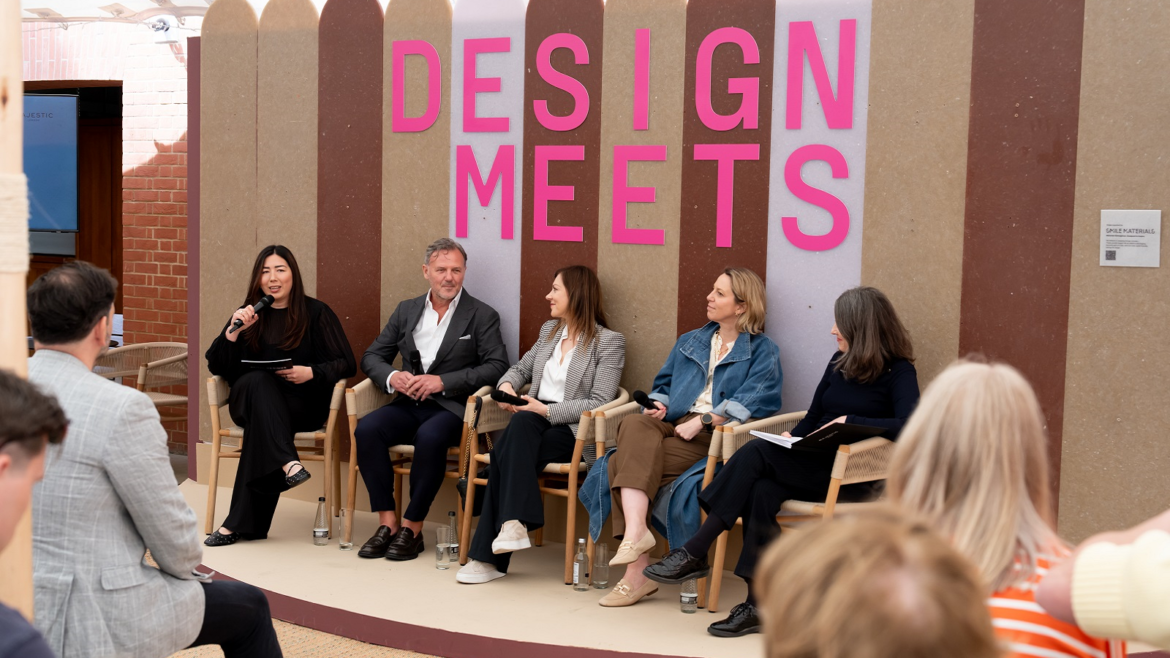
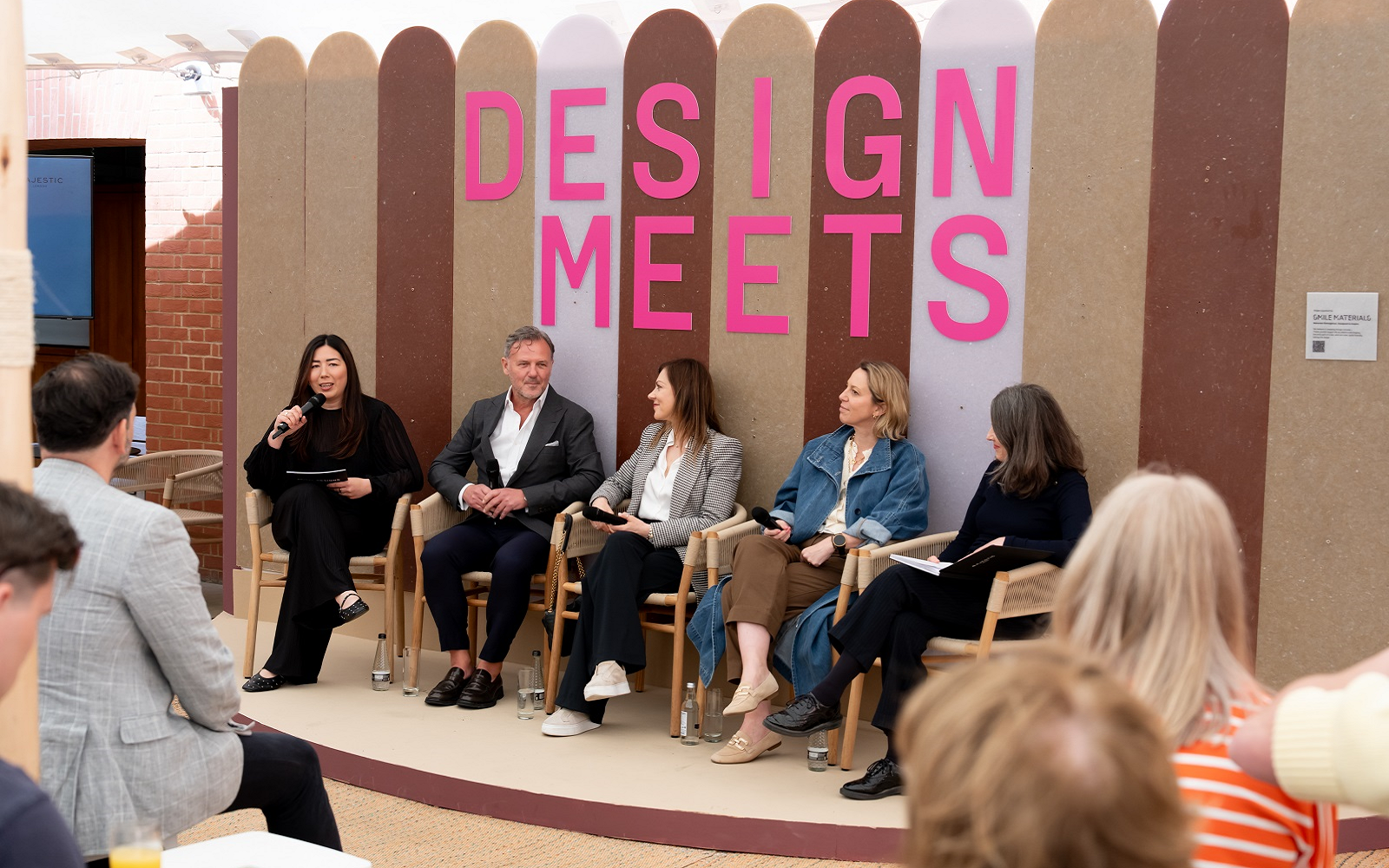
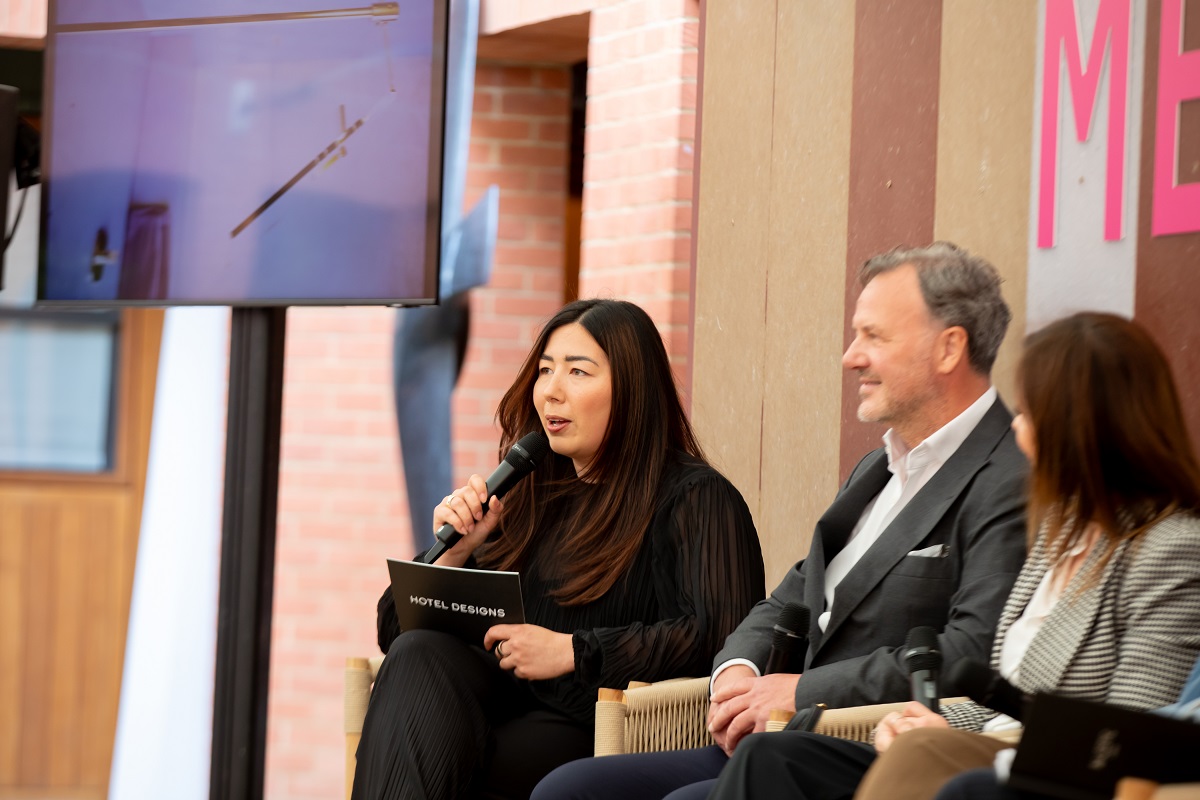
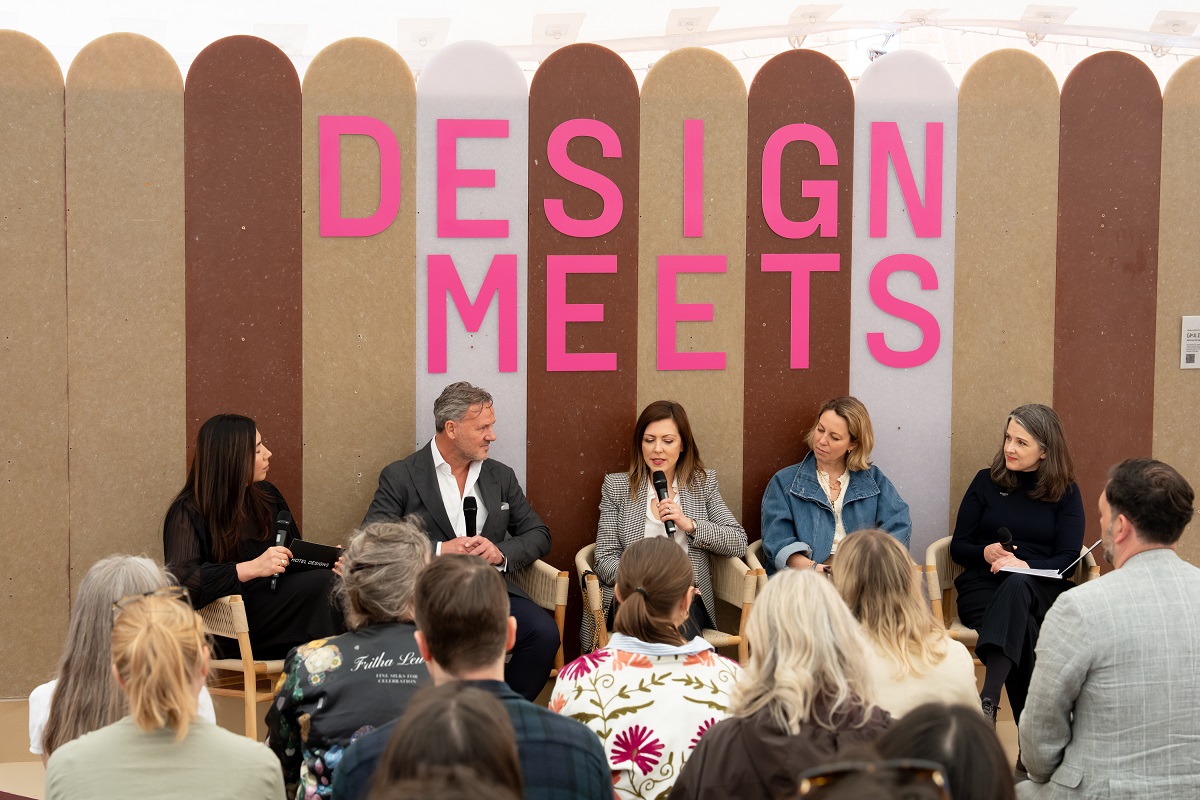
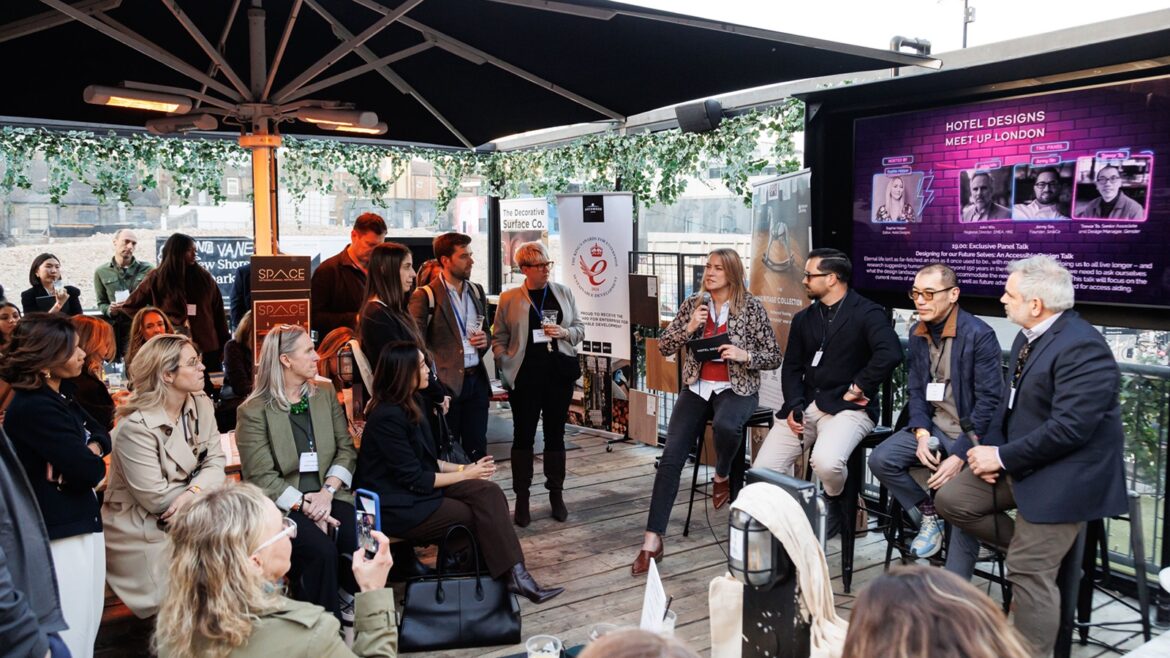
Taking place during this year’s installation of the WOW!house at the Design Centre Chelsea Harbour, Hotel Designs pulled up a seat with Phillip Bershad – CEO of Phillip Jeffries, the wallcovering company his parents founded fifty years ago. He was joined by an influential group of designers to explore what it truly means to design hospitality spaces for guests to feel as much as they see…
We spend a lot of time talking about what hotel design looks like, and arguably, we spend far less time talking about how it makes people feel.
In this conversation, we dig into this gap, drawing our focus to the idea of how design can have an emotional impact, and how this is successfully built into every corner of a hotel.
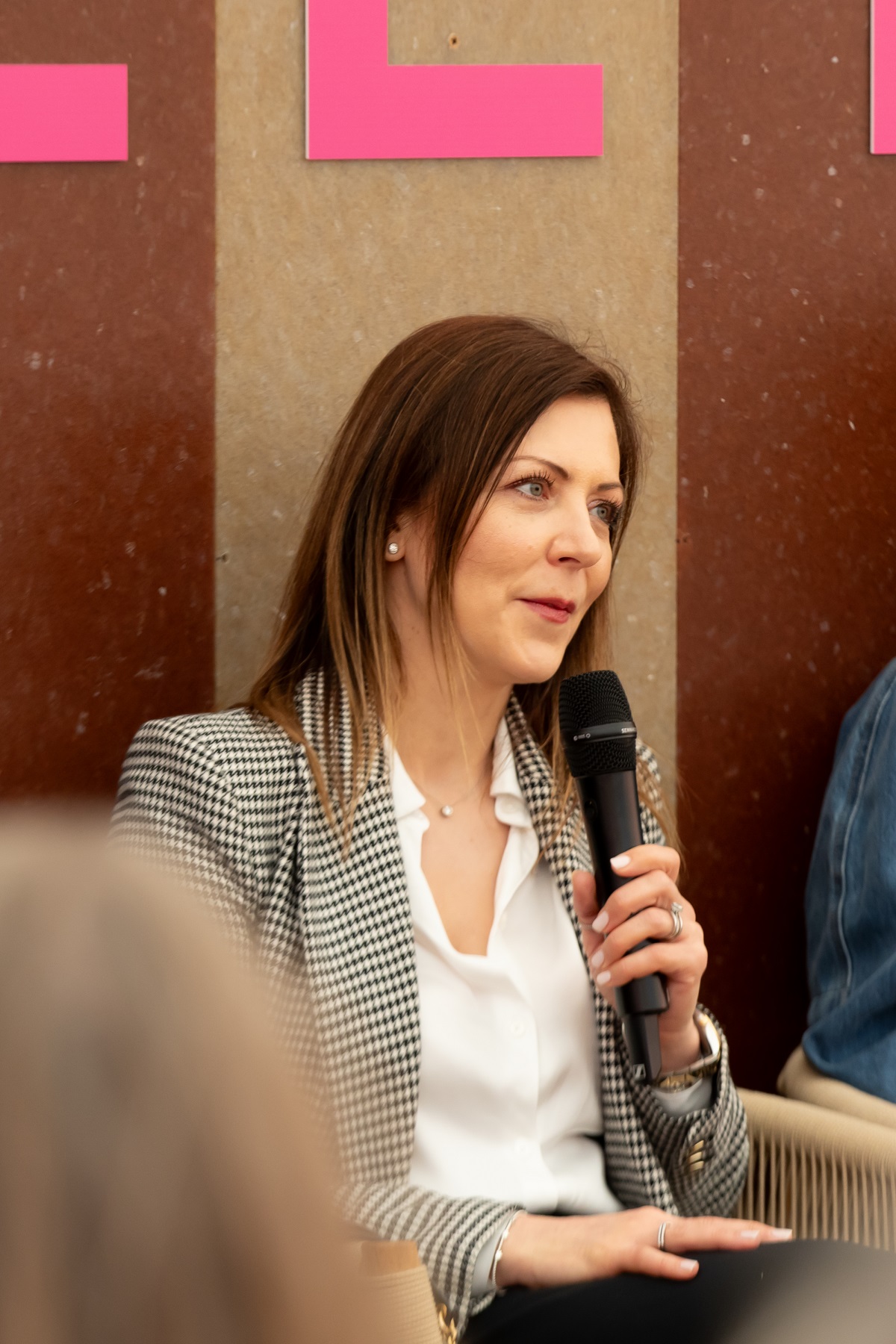
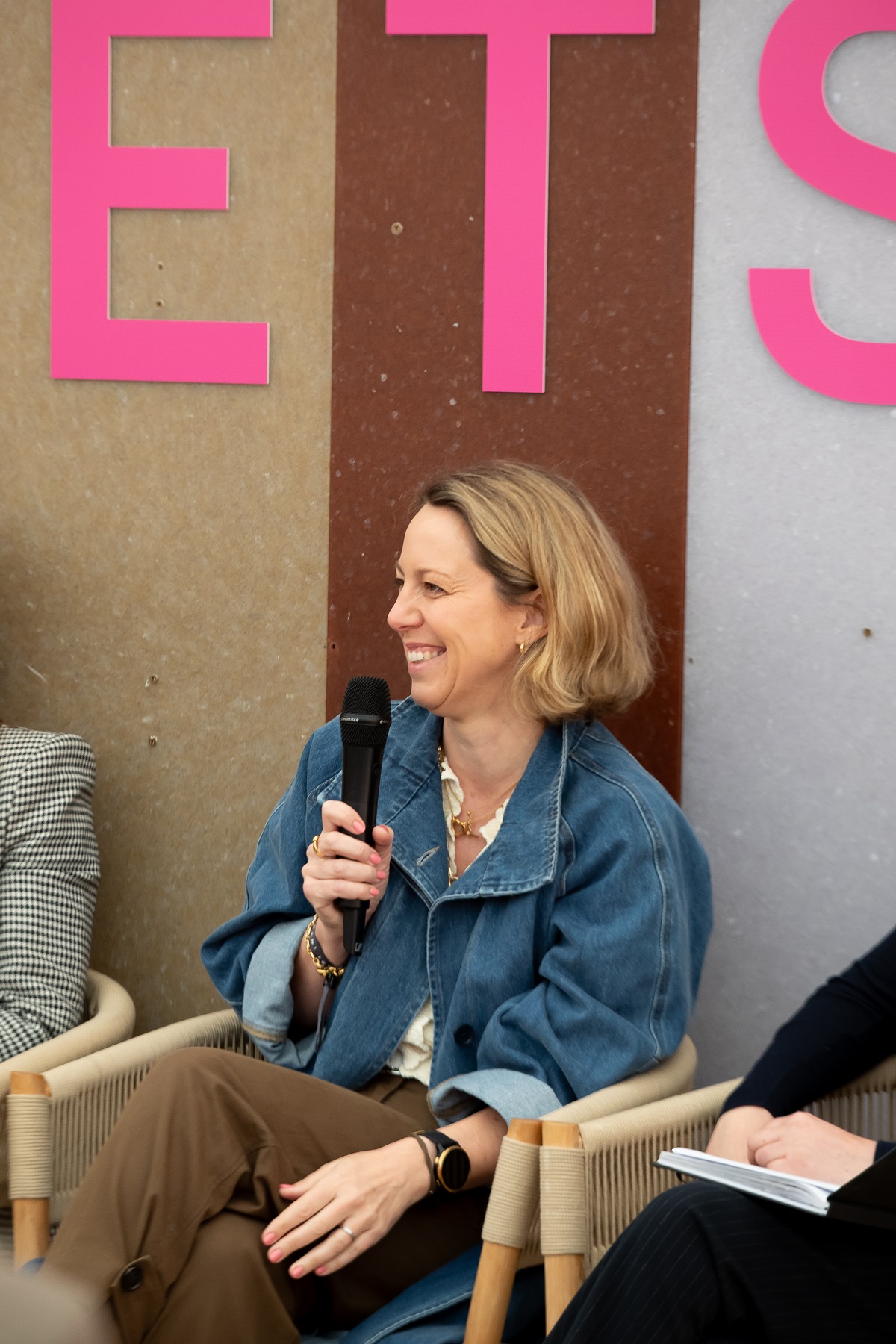
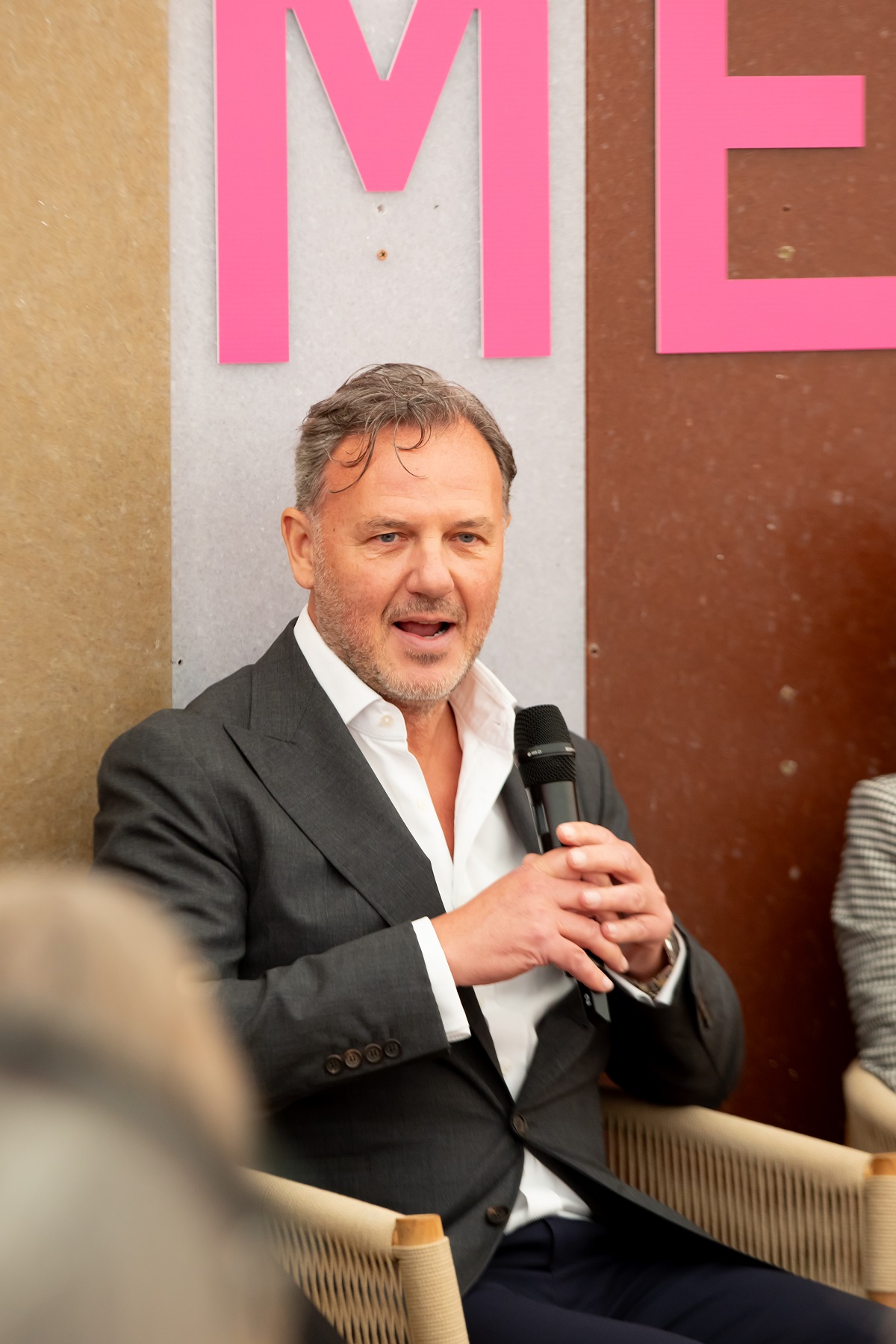
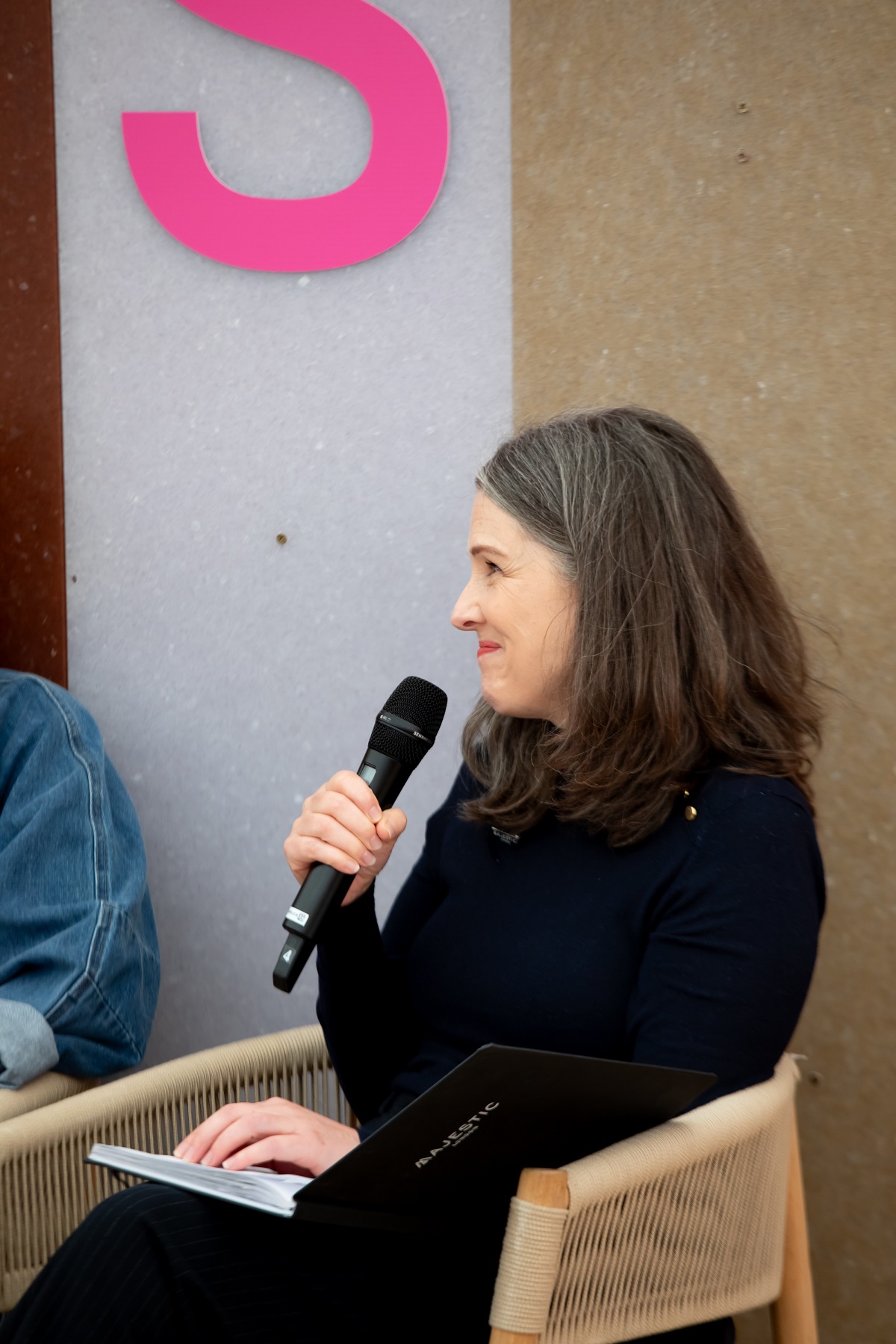
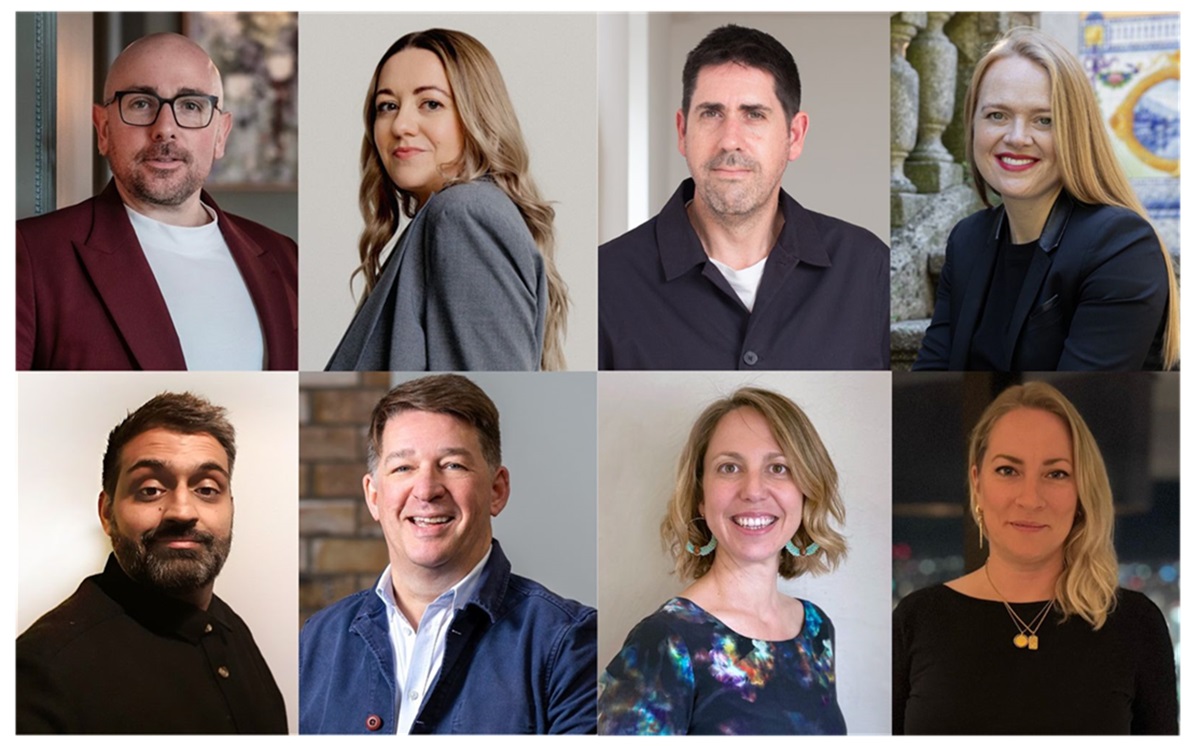
At the roundtable were:
Sara Cosgrove, Managing & Creative Director, Grove & Co
Sophie Harper: What is the first – and the last – thing you want guests to think and feel as soon as they experience your design?
Marie Soliman Berglund set the tone early, contrasting hotels that put guests at ease with those that don’t: “It’s all about that instant hello, and if you went twice, they know you,” pointing to Claridge’s and the One&Only properties as houses that avoid “this intimidating cold welcome” while still offering a high-end setting. For Marie, that welcome is the part of the brief designers most often overlook: “You keep going through model rooms, suite design, spa design. But where is the welcoming from the door?”
Shida Salehi responded with a similar instinct, describing her aim as creating “a sense of awe, beyond the feeling of creating an atmosphere” – referencing a recent stay at Borgo Egnazia, where a simple security checkpoint became the first of several deliberate touchpoints when taking a guest to their villa. Shida further added that safety underpins all of it: hotels, she argued, exist to offer reassurance to a traveller who is new to a city, exhausted from a flight, or simply, just wanting to escape a difficult day.
Sophie then asked what comes after that initial sense of relaxation. PhillipBershad drew on a recent experience, pointing out specific examples: lighting at breakfast and private nooks for a phone call away from a hotel room. Shida added to Phillips’s points, “Options is what luxury is,” she said, “You have the ability to decide how you want to live or be in a space.” Charu Gandhi further added to this, saying: “You want to feel seen and considered… it can be very small touch points.” which is what designers really care about.
SaraCosgrove pushed this point further: however striking the design may be, a guest’s experience collapses the moment service falls short. “You don’t just want the work to look good, you want the whole experience to be good. People remember how you made them feel.” Charu further emphasised this element, of how “people remember how you made them feel.”
Image credit: Hotel Designs
Service as the first layer of design
Service as the first layer of design is “actually the biggest conversation in the industry right now,” said IndiraArnautovic, questioning, “what is it that is defining five-star luxury? A lot of hotels do it well, but they don’t do it exceptionally well, because unfortunately the staff turnover is too great.” The table’s conclusion was that designers need to “embed that service mentality” themselves.
Moving on from service, a few of the panellists mentioned how they “often have residential clients saying, I want my room to feel like a hotel space,” to which Sara also added “but they want the hotel to feel like a home. We want our guests to feel at home.” said Sara, whose practice focuses on independent five-star-plus properties. The group contrasted uniquely designed hotels with the cookie cutter approach: “You open booking.com and all the hotels look as boring as each other. Why am I spending this amount of money somewhere lifeless?”
The group repeatedly referenced Ennismore and The Hoxton hotel brand specifically as the models to beat. Indira contrasted them with legacy operators that give you a brand standard… where the best surprise is no surprise.” Whereas Ennismore’s brand guidelines are built around people, rather than specification.
Image credit: Phillip Jeffries team
Technology in retreat
If one shift defined the conversation, it was the group’s shared relief at technology’s retreat, for example, where control panels and tablets once signalled luxury, this now has the opposite effect. Hotel guests want to walk into their room, hit a switch, and sleep without any tricky technology to navigate first. “The luxury we saw six years ago has been simplified to the bare minimum,” said Marie, adding that in general, people are suffering a kind of tech fatigue being surrounded by technology all the time, so now it’s being scaled back. “People want a concierge instead of a service robot – it’s all about the person.” In full agreement, Sophie noted, “it’s a welcome break not to be confronted by the demands of technology in what should be a relaxing environment.”
That more personable approach extends to the small, human-scale details: a cook telling a guest where the coriander came from that day, for example, or a physical newspaper instead of a QR code. Marie noted on this as an escapist element, deliberately offering what guests don’t get at home, now as part of a luxury hotel experience.
Across an afternoon of candid conversation, a clear picture emerged: hospitality design, at its most effective, is not a matter of finishes, but it is of the feeling – the small gestures such as the instant hello, or the sense of being seen. Every voice round the table returned to the same principle, being that spaces which genuinely serve their guests are spaces built with intention.
We wrapped up the day with a tour of the WOW!house, which we were able to see Phillip Jeffries Morning Room by Sara Cosgrove, purposefully designed as an “analogue sanctuary,” the space drew on the slower rituals of reading, conversation and stillness, balancing understated luxury with a deeply tactile sense of comfort. The space was calm and enveloping, exploring shades of celadon, cool creams, and lilac to create a soft, dreamlike sanctuary.
Phillip Jeffries is one of our Recommended Suppliers. If you are interested in becoming one of our Recommended Suppliers, please email Katy Phillips.
Slated to open this November, Park Hyatt Riviera Maya marks the brand’s first all-inclusive experience and the collection’s second Mexico property in under a year…
As the first Park Hyatt branded all-inclusive resort, Park Hyatt Riviera Maya will bring the storied hotel collection’s lauded culinary expertise, the modern luxury Park Hyatt experience, and uncompromising service standards to a new and exciting format.
The launch comes amid a wave of exciting new developments for Park Hyatt, both globally and particularly in Mexico – the first Park Hyatt foray into Mexico, Park Hyatt Cabo del Sol opened its doors on the wild sands of Baja California in December 2025, and Park Hyatt Mexico City is slated to bring its distinctive ethos of effortless glamour to the capital in early 2027.
Image credit: Park Hyatt Riviera Maya
“Park Hyatt Riviera Maya is going to make guests think differently about the all-inclusive category. It brings together what people love most about Park Hyatt, from residential luxury and exceptional design to deeply considered service and exceptional culinary experiences, with the freedom and peace of mind that comes from knowing so much has already been taken care of. For families in particular, that combination matters. They can have the refinement and sense of place of a Park Hyatt resort, with the ease of an all-inclusive escape. The response we’re already seeing tells us this is exactly the kind of luxury stay guests have been waiting to book.” – Tamara Lohan MBE, Global Brand Leader for Luxury, Hyatt Hotels
Set in seclusion within AMAI, an enclave of luxury retreats set by the white-sand Caribbean shore between Cancún and Puerto Morelos, Park Hyatt Riviera Maya is designed to transport guests away from the everyday world from the moment of arrival. Embraced by the winding mangrove coastline, the resort architecture cultivates an ambience of spaciousness and ease, naturally allowing for moments of privacy and connection, feeling peaceful no matter the season.
Image credit: Park Hyatt Riviera Maya
The design will incorporate regionally-sourced materials, and draw upon traditional Mexican construction and craft techniques. Interiors will showcase selected works from Yucatan-based artists, complemented with furniture and millwork by regional artisans. Through the dialogue between indoor and outdoor design narratives, guests will find themselves immersed in a contemporary, high-design Mexican escape – grounded in its Riviera Maya setting in a way that feels distinctly Park Hyatt.
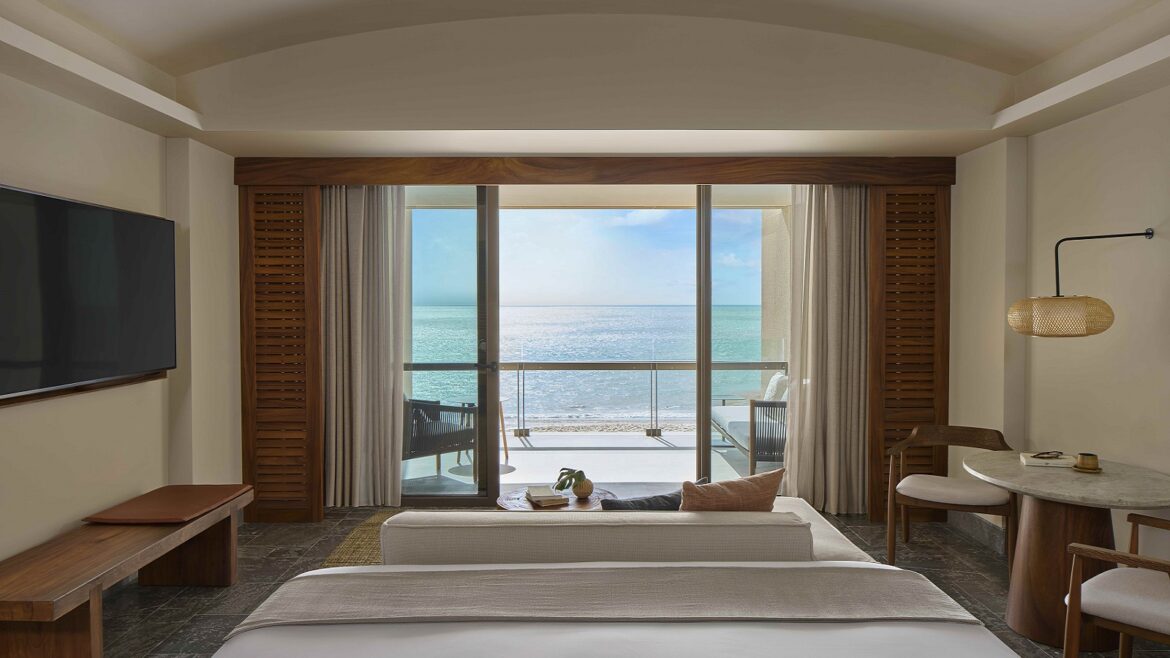
The resort will comprise 148 guest rooms and suites, all looking out over the Caribbean Sea, with a selection featuring their own private swimming and plunge pools. The crown jewel of the property, a 200 square metre penthouse, will cater to guests seeking the ultimate in comfort, unparalleled privacy and expansive space.
Culinary excellence is central to the Park Hyatt experience, and the all-inclusive framework provides an opportunity to shift the paradigm for the category. Locally driven Mexican cuisine and fresh seafood will take center stage, with curated global influences guest-starring on refined, modern menus across seven venues, each with a distinct character and ambience anchored in Park Hyatt’s world-renowned approach to exceptional food and beverage experiences.
Image credit: Park Hyatt Riviera Maya
A short stroll takes guests to the sea, where watersports and leisurely beach days await, or to the beachfront swimming pool lined with private cabanas. Nearby, an open-air spa garden hosts revitalising daily wellness rituals and leads to the hydrotherapy suite and spa treatment rooms, offering a range of therapies inspired by local wellbeing traditions. Guests will enjoy privileged access to the El Tinto Golf Course close to the resort, while being within easy reach of Cancún’s foremost attractions. Versatile event spaces, both indoors and alfresco, will be woven throughout, offering considered settings for celebrations and gatherings of all kinds.
The 2026 opening of Park Hyatt Riviera Maya will be swiftly followed by the arrival of Park Hyatt Mexico City in early 2027, spanning the brand from sand to city. In addition to the brand’s growth in the Mexico market, two further sister hotels, Park Hyatt Phu Quoc in Vietnam and Park Hyatt Vancouver will also open their doors in 2027. These launches reflect the collection’s growing momentum as it expands into new territories in terms of both geography and service offering – bringing a highly-curated all-inclusive experience to the luxury travel market for the first time in its more than 45 years of history.
Jan Luyken Amsterdam – blurring the lines between hotel and home
Jan Luyken Amsterdam, a 19th-century townhouse hotel located moments from Amsterdam’s celebrated Museum Quarter, walks us through its design by boutique hospitality studio Nicemakers…
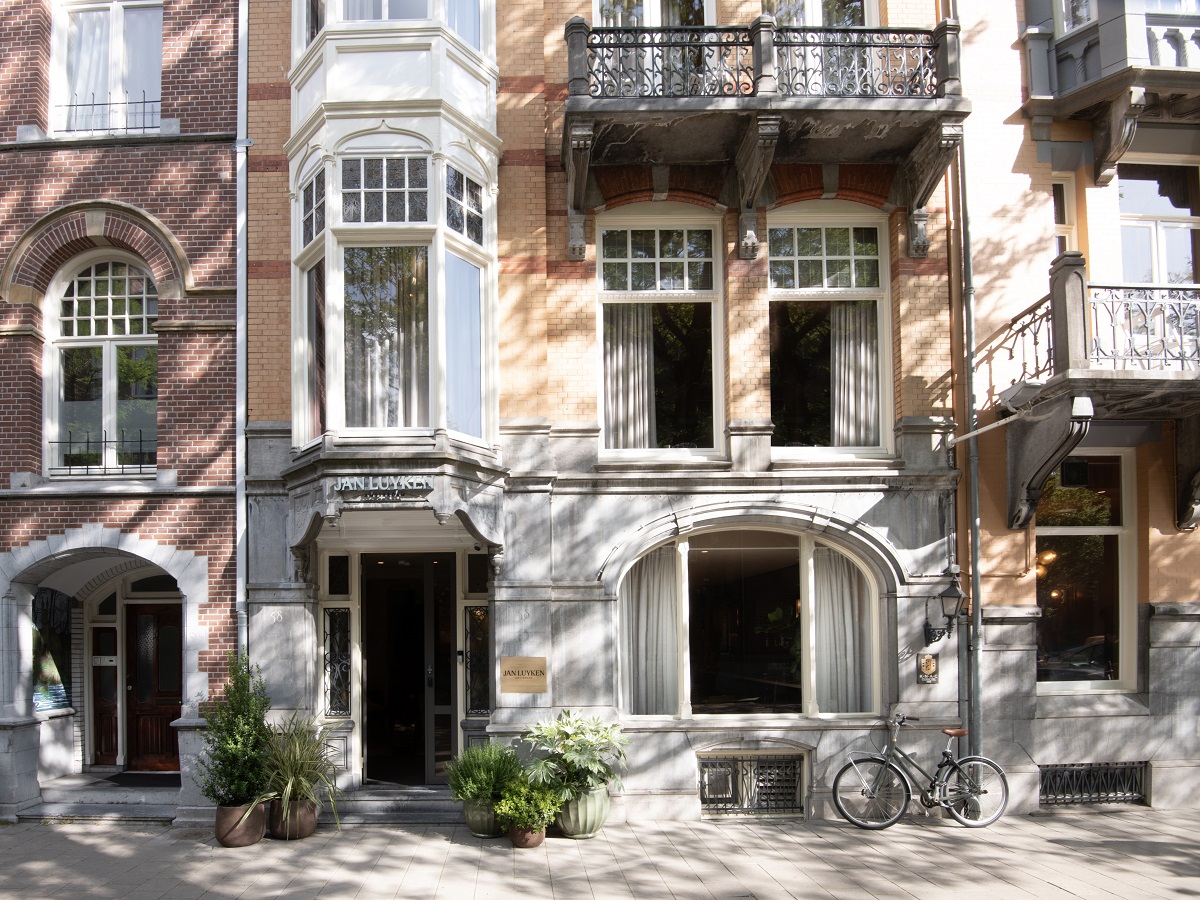
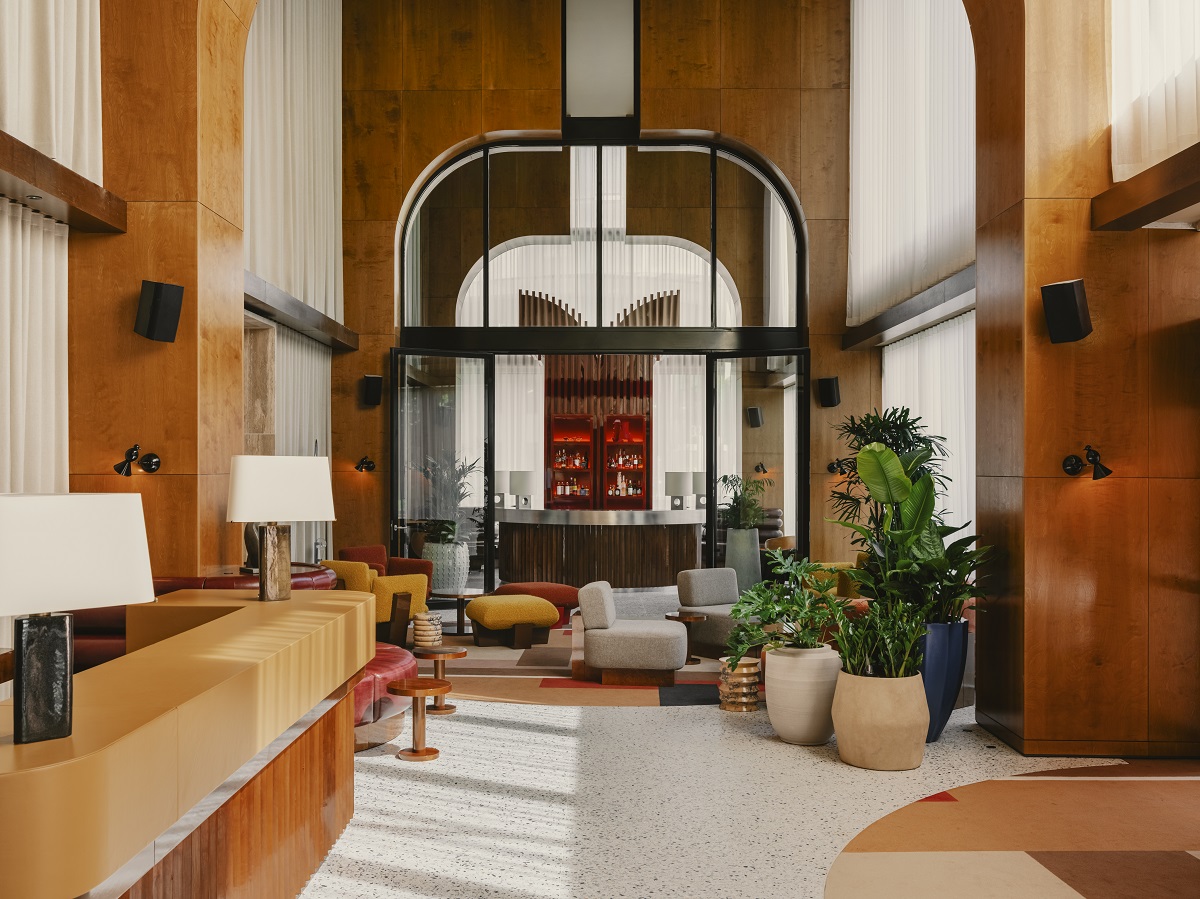
Part of Leonardo Hotel Group’s growing portfolio, Jan Luyken Amsterdam spans a series of restored 19th-century townhouses and offers a stay designed to feel inherently domestic. Situated near cultural landmarks including the Rijksmuseum, Van Gogh Museum, and Vondelpark, the hotel features 62 rooms and 1 studio ranging from cosy accommodations to more spacious layouts, all designed with contemporary comforts. In addition, guests have access to a variety of shared spaces, including a garden, library lounge, fitness studio, and a communal kitchen-style breakfast area.
Image credit: Chantal Arnts
Commissioned with a clear vision, Nicemakers was tasked with creating an experienc e rooted in the emotional comfort of returning home. The design evokes the familiarity and ease of arriving at one’s own townhouse while respecting the building’s historic character and enriching it with texture and personality. Delivered within just four months, the redesign preserves the essence of the original architecture while introducing a layered and expressive design language, resulting in a destination that feels both deeply personal and connected to Amsterdam’s cultural identity.
Image credit: Chantal Arnts
“From the outset, our goal was to make the townhouse feel like a home rather than a hotel,” said Sam Lupton, Interior Designer at Nicemakers. “We wanted guests to feel instantly at ease – surrounded by warmth, curiosity, and spaces that invite both connection and quiet retreat.”
This philosophy is reflected in the studio’s eclectic approach to interiors, which avoids a singular aesthetic in favour of a curated mix of vintage and antique furniture sourced across the Netherlands, Belgium, and Italy. Subtle references to the hotel’s namesake, Jan Luyken, and its artistic surroundings inform the design, while a collaboration with a UK-based rare book supplier has resulted in an in-house library of rare books and magazines spanning art, writing, and historical design. Together, these elements create a layered, lived-in atmosphere that feels both cultured and distinctly individual.
Image credit: Chantal Arnts
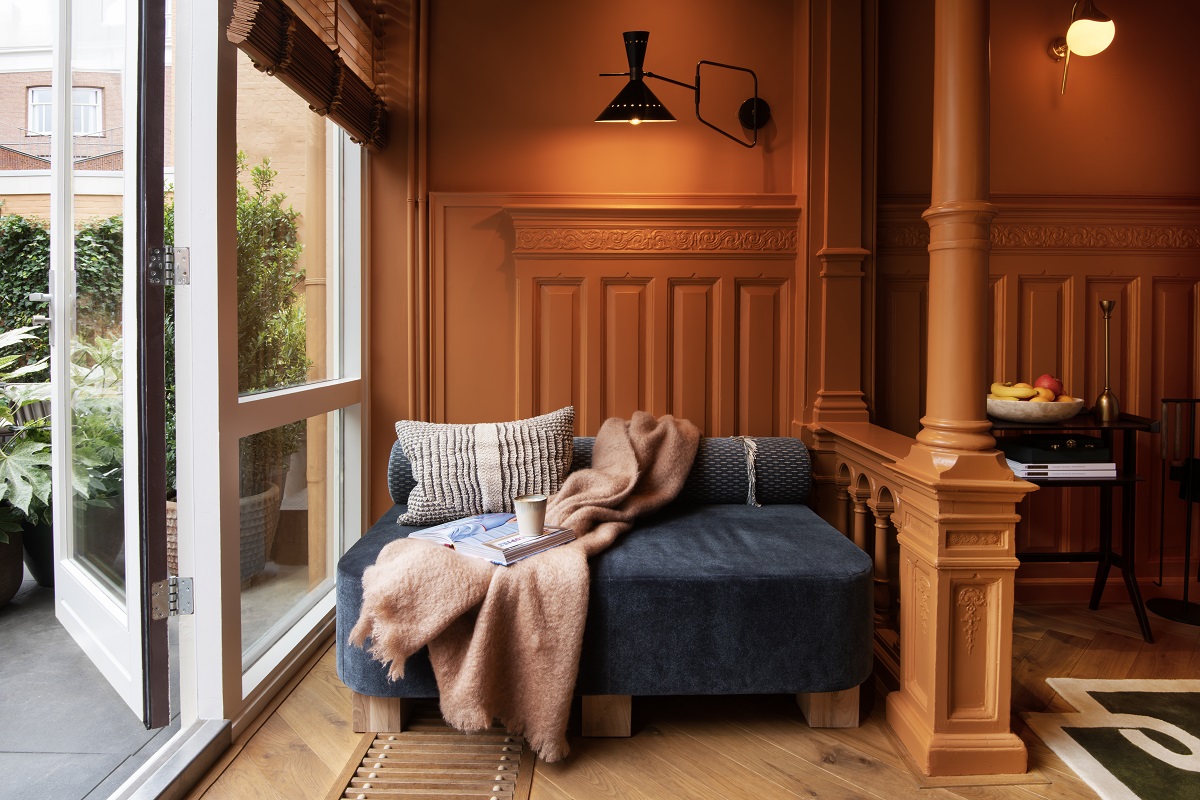
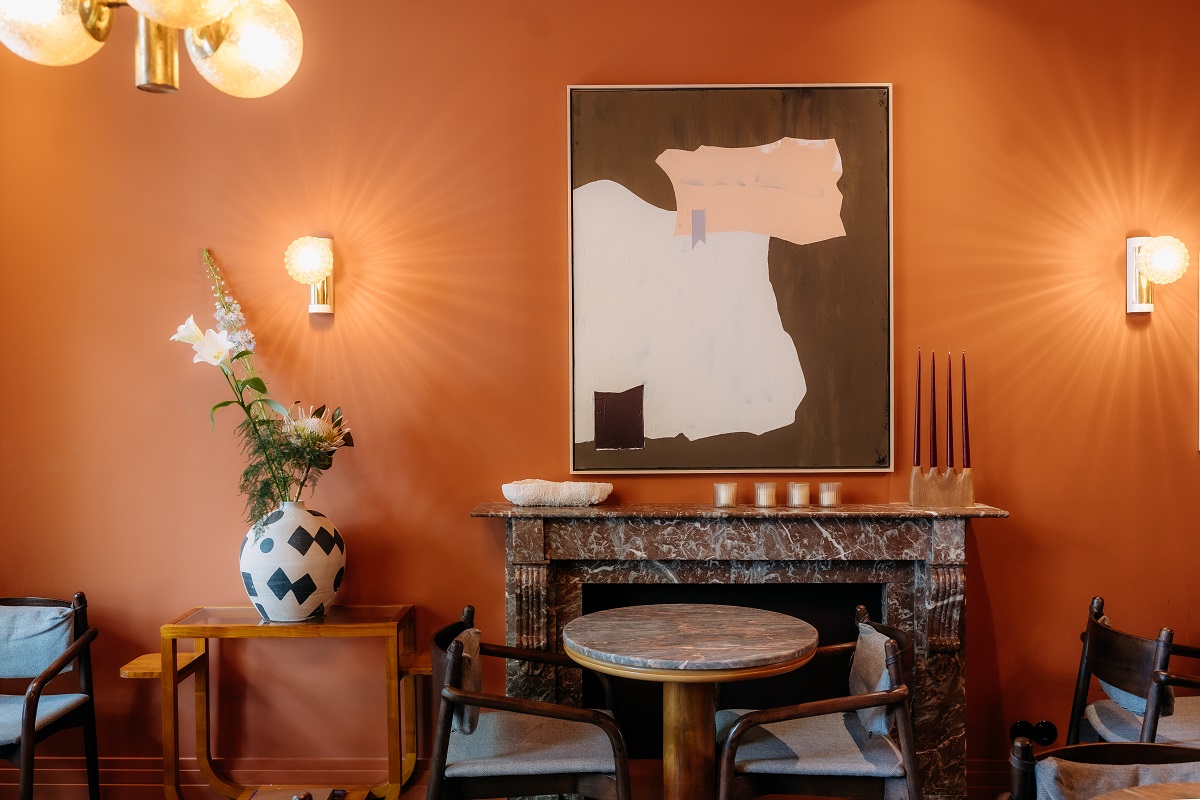
Throughout the townhouse, spaces are designed to balance comfort with curiosity. Rich materials, deep velvet seating, upholstered window nooks, and communal dining areas create a sense of intimacy, while a warm and expressive colour palette, featuring earthy tones alongside bold accents such as Rosa Norvegia marble, burnt orange walls, and burgundy velvet, adds depth and vibrancy. At the same time, original architectural details, including high-gloss painted woodwork and preserved emerald green entrance tiles, celebrate the building’s heritage.
Image credit: Chantal Arnts
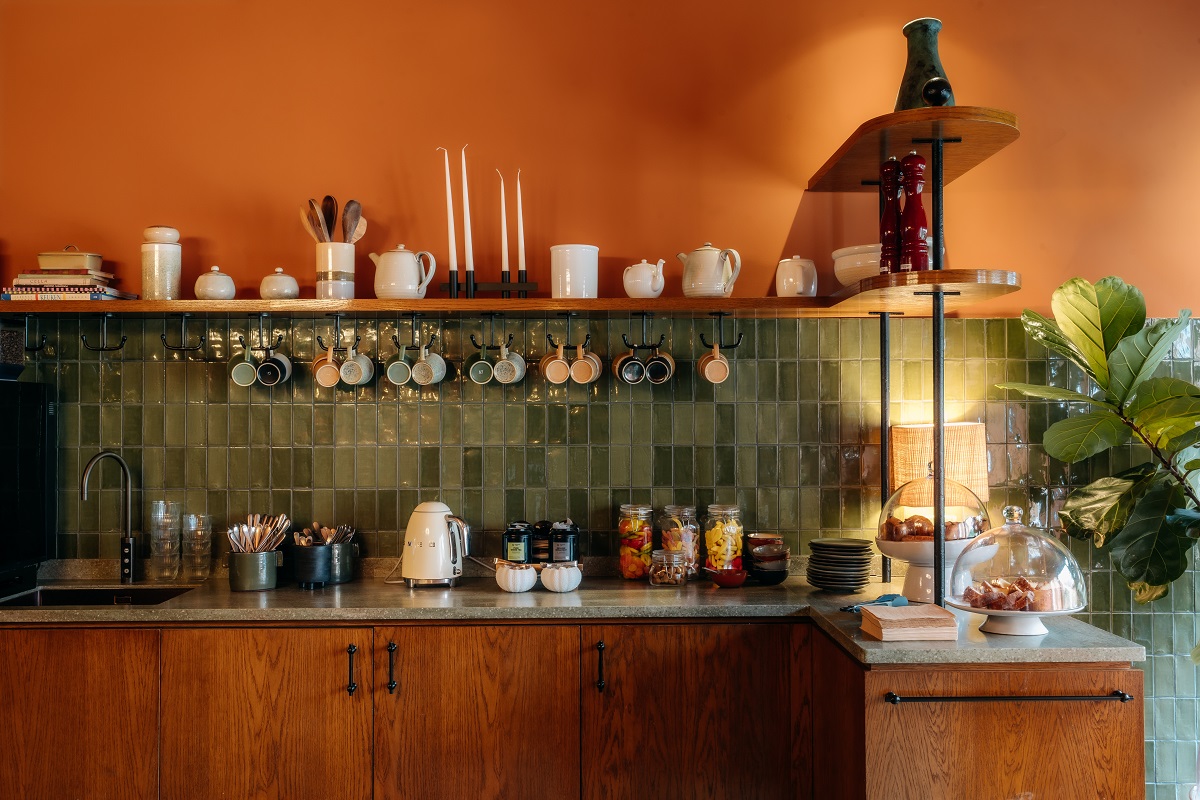
A defining feature of the project is the transformation of the traditional reception desk into a communal kitchen island, conceived as both a welcome point and social hub. This intervention challenges conventional hospitality norms and reinforces the home-like atmosphere, reshaping how guests interact with the space from the moment they arrive. Complementing this approach are collaborations with European makers and contemporary brands, as well as curated artworks by Oode Gallery, which connect the hotel to the city’s creative community.
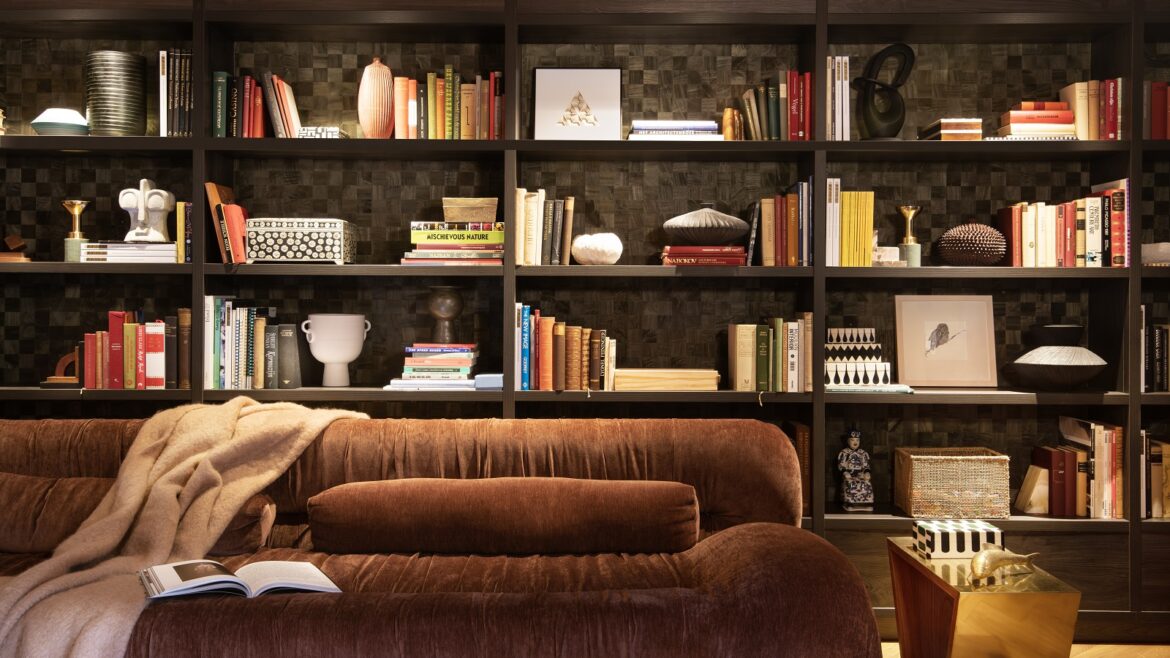
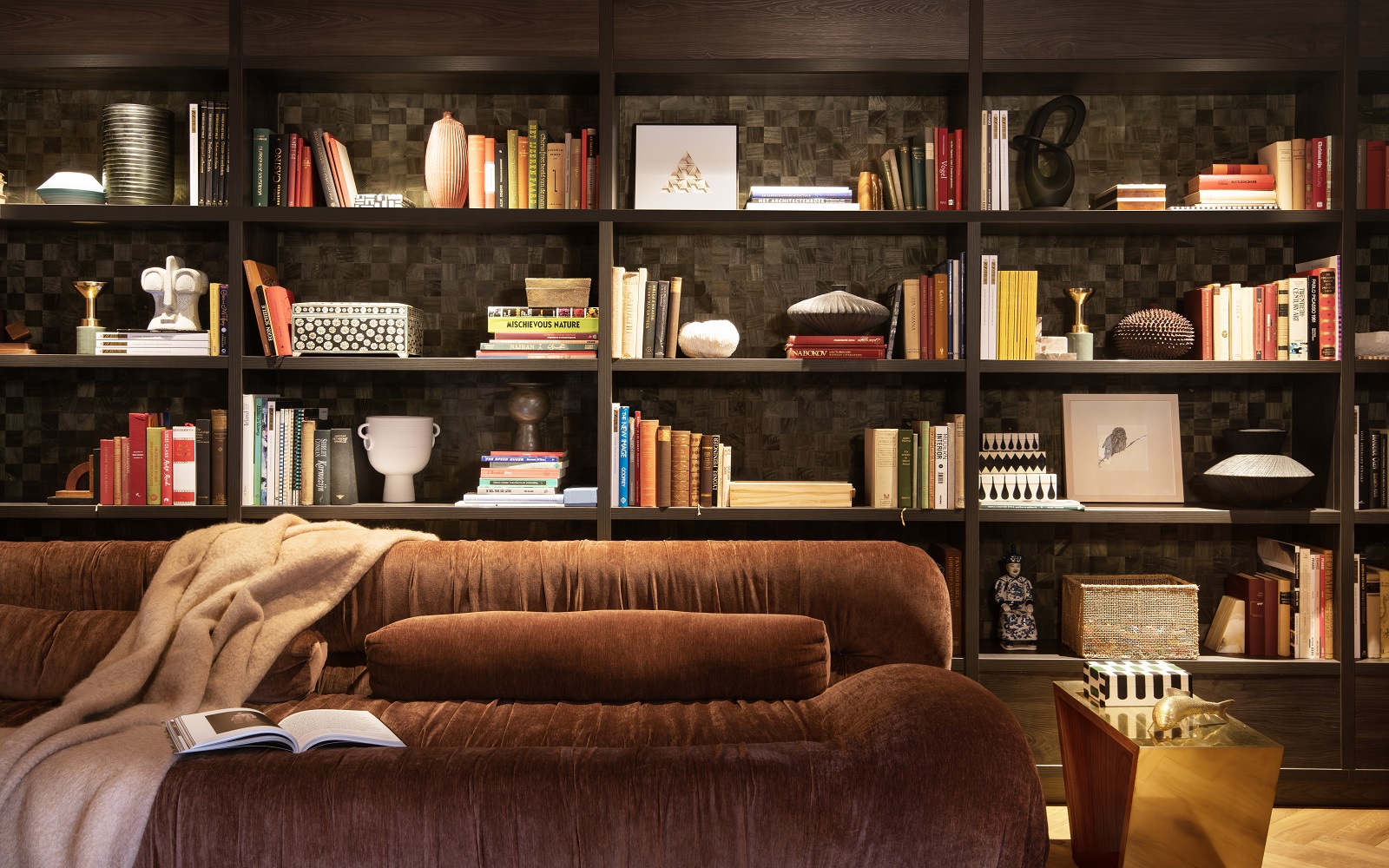
At its heart, the living room serves as the centre of the townhouse. Home to the curated library and intimate reading nooks, it offers a calm retreat where guests can unwind, browse rare books, or simply settle into the rhythm of the city, capturing the essence of a stay that feels personal, welcoming, and effortlessly at ease.
The future of hospitality beverage experiences with ORI Future
ORI Future explores the next generation of beverage experiences through design and technology…
The future of hospitality design is no longer defined only by architecture, interiors, or service. Increasingly, guest experience is shaped by sensory details, personalised interactions, and memorable moments.
As hotels, restaurants, and private spaces continue to evolve, beverage experiences are becoming an important part of how guests connect with a space. From premium hotel bars to modern home environments, drinks are increasingly becoming a form of storytelling, combining taste, design, aroma, and interaction.
For ORI Future, the future of beverages lies at the intersection of design, technology, and human creativity.
mage credit: ORI Future
Beverage Innovation Through Design
ORI Future is an innovation-driven technology company exploring how design and advanced technology can reshape modern drinking experiences. Rather than focusing only on automation, ORI Future believes future beverage experiences should enhance creativity and hospitality. Technology can support consistency and efficiency, while human creativity remains at the centre of taste, presentation, and storytelling.
Clear Ice and Sensory Design
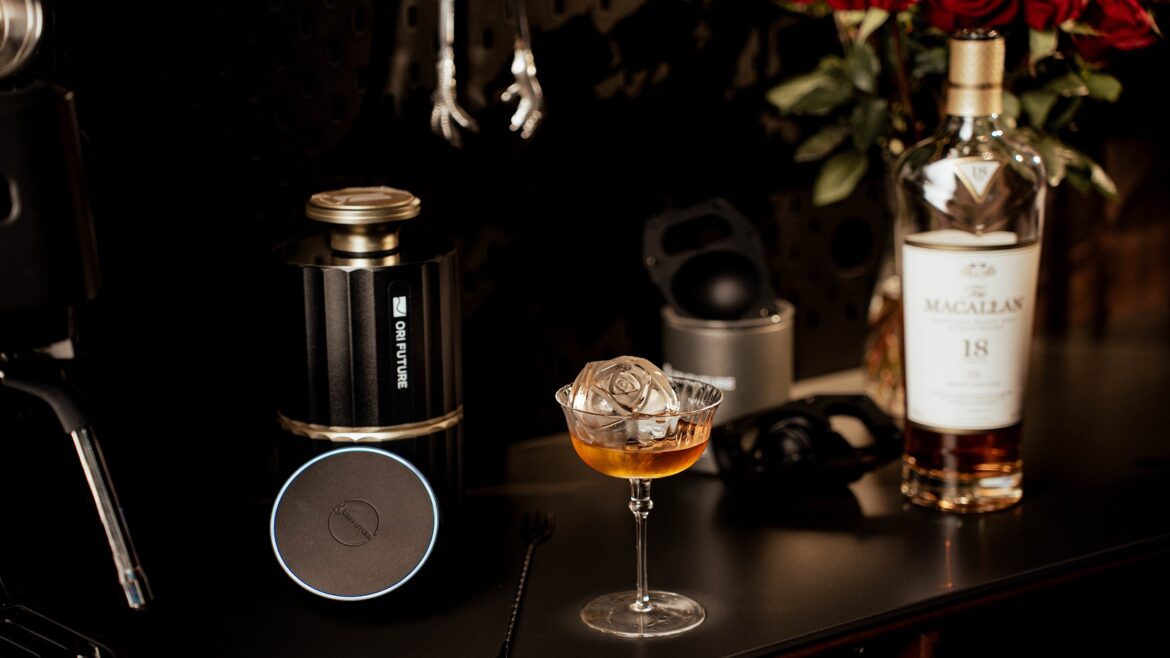
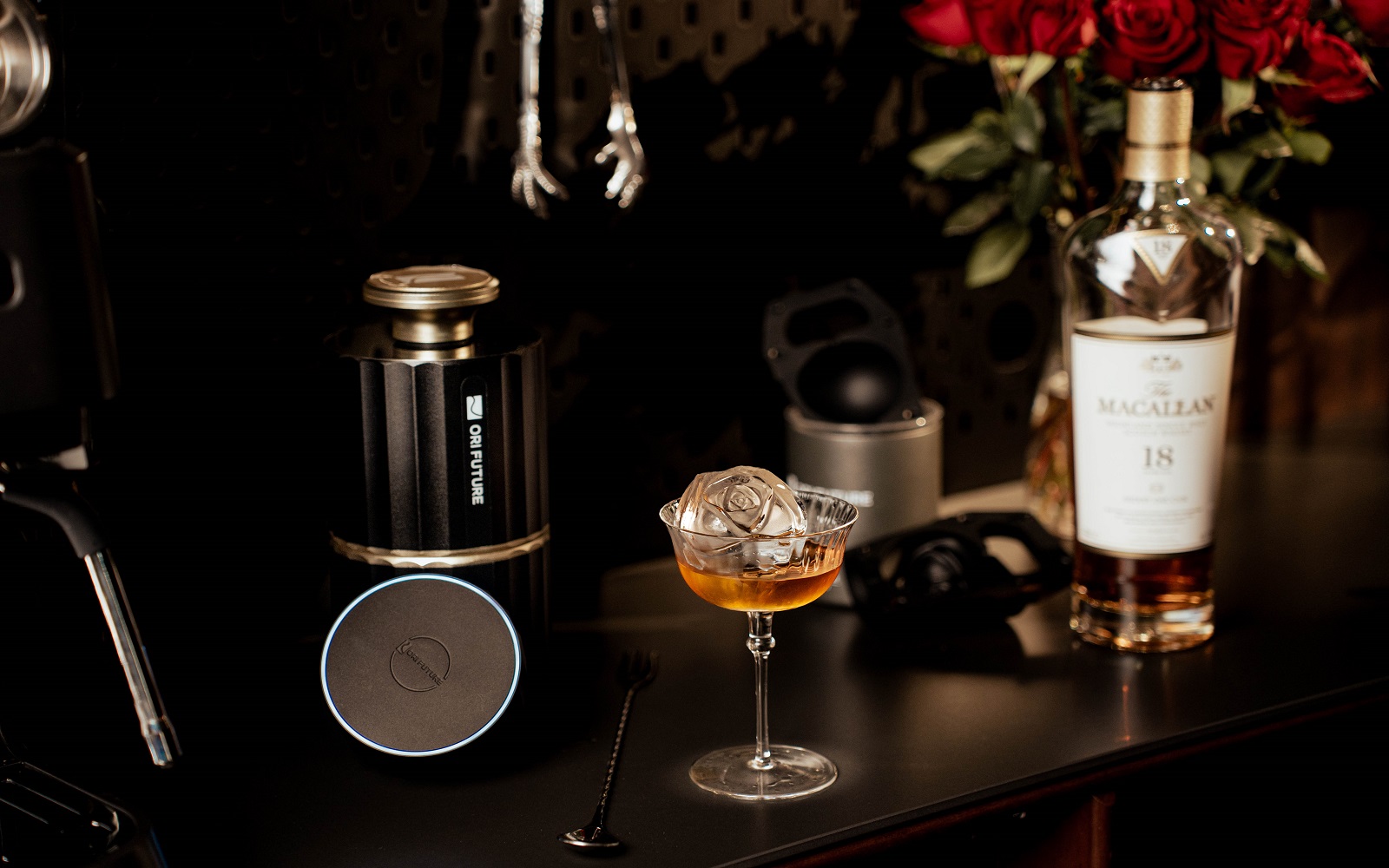
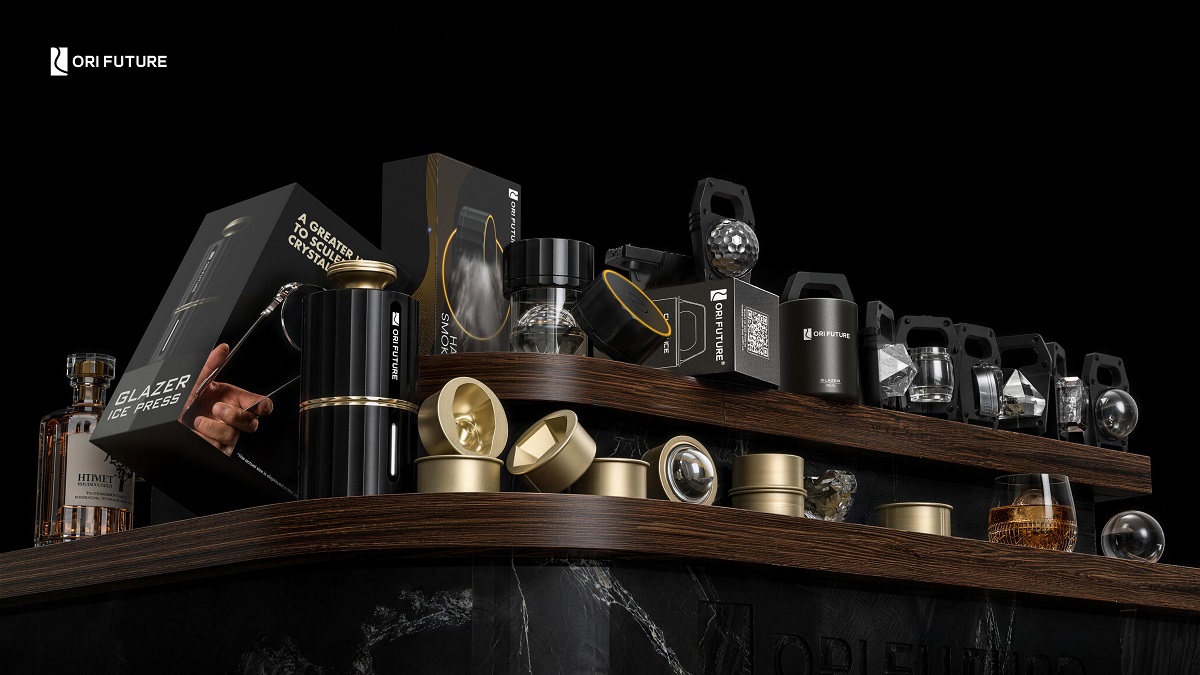
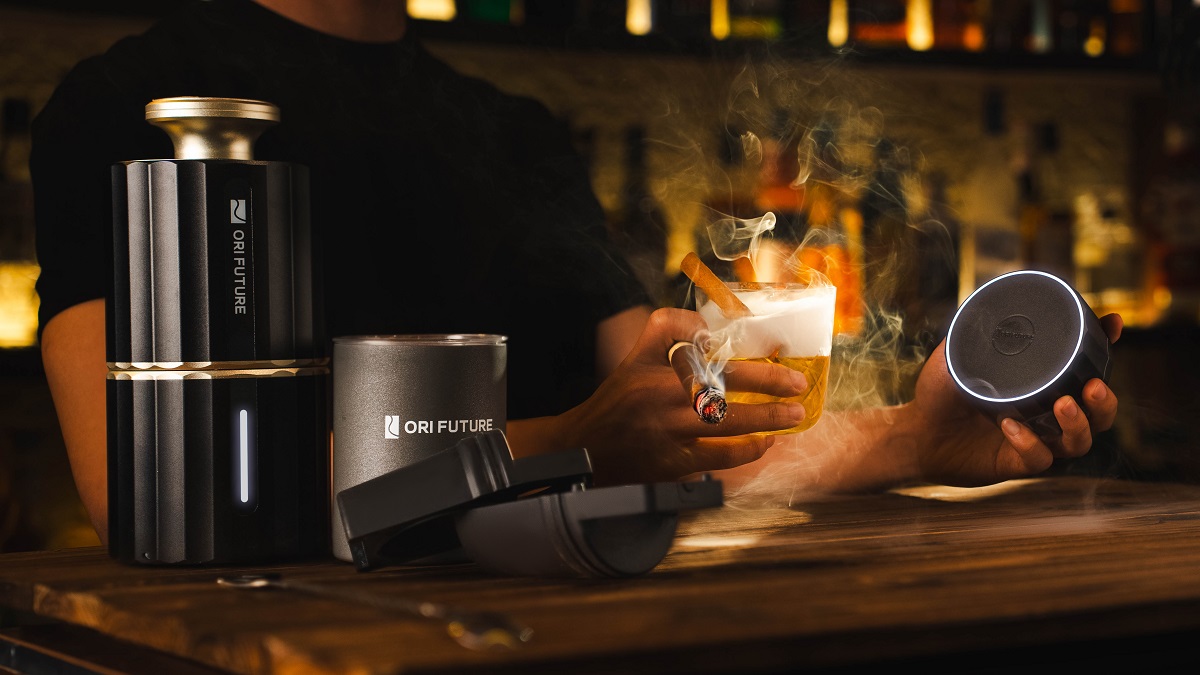
In premium hospitality environments, small details often define the overall guest experience. Clear ice has traditionally been associated with premium cocktail bars, where cocktail presentation and craftsmanship play an important role. ORI Future’s GLAZER transforms clear ice from a functional ingredient into a design element, allowing bartenders and enthusiasts to create more refined beverage presentations.
Beyond appearance, sensory experiences are becoming increasingly important in hospitality. Halo introduces aroma and visual interaction into cocktail preparation, creating a more immersive drinking ritual.
Image credit: ORI Future
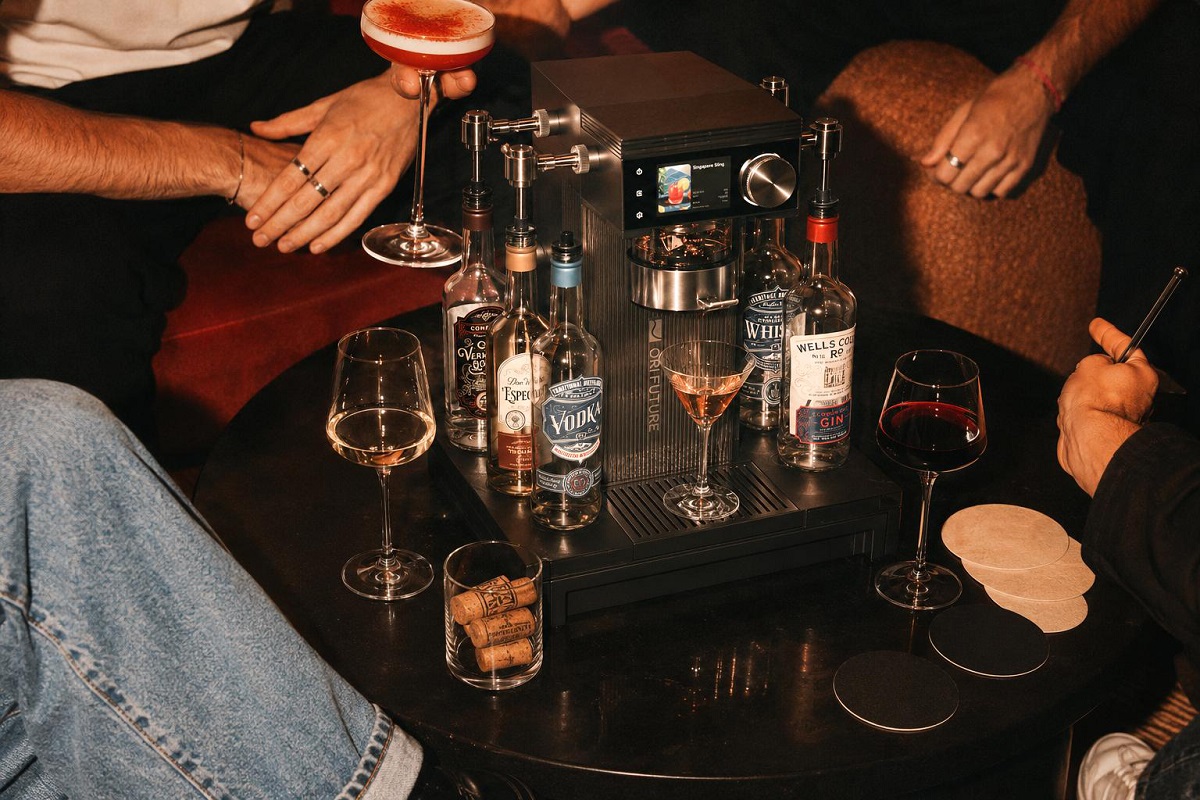
The Future of Smart Mixology The upcoming ORI Mix Smart Cocktail System explores how AI-powered cocktail intelligence and fluid control technology can support repeatable preparation while keeping creativity and taste decisions in human hands.
Designed for both commercial and home spaces, ORI Mix represents a new approach to smart mixology, where technology works alongside bartenders, hosts, and beverage enthusiasts rather than replacing human creativity.
The goal is to combine consistency and convenience with the personal judgement and creativity that make beverage experiences memorable.
Image credit: ORI Future
From Hospitality to Everyday Experiences
The future of beverage experiences will extend beyond traditional bars.
Hotels, restaurants, and residential spaces are increasingly looking for solutions that combine convenience with craftsmanship. Whether creating a signature cocktail moment in a hospitality environment or enhancing a private home bar, the goal remains the same: making high-quality beverage experiences more accessible and engaging.
Image credit: ORI Future
ORI Future at IFA Berlin 2026
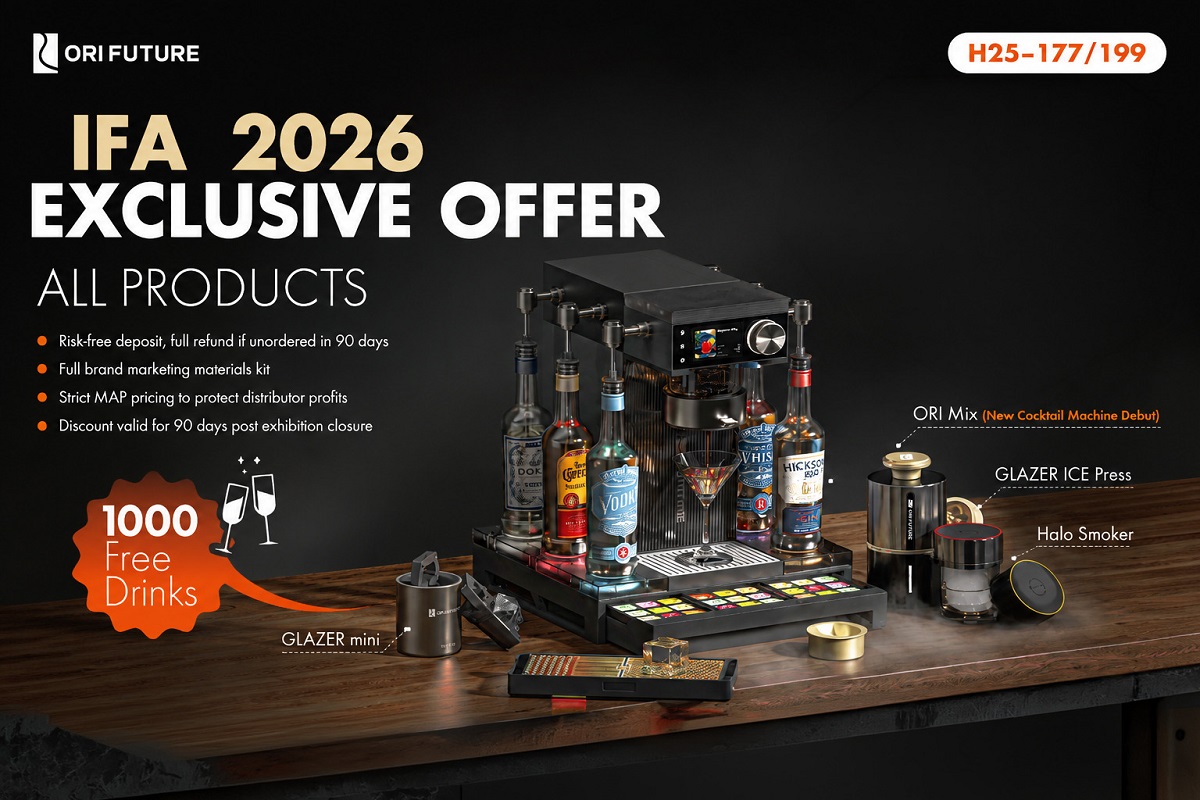
At IFA Berlin 2026 Exclusive Event, ORI Future will present its vision for the future of beverage experiences, including the ORI Mix smart mixology system preview alongside its existing beverage innovations.
The showcase will explore how design, technology, and hospitality can come together to shape the next generation of drinking experiences.
The future of hospitality beverages is not simply about what is served, but how the experience is created.
By combining design, technology, and human creativity, ORI Future is exploring new possibilities for hotels, hospitality professionals, and modern consumers.
This article is part of our paid content offering. To explore sponsored editorial opportunities with Hotel Designs please contact Katy Phillips.
RESET Hotel joins Outdoor Collection by Marriott Bonvoy
The design-forward RESET Hotel retreat brings together desert landscapes, stargazing, wellness, and modern comforts as the first new brand addition to the Outdoor Collection…
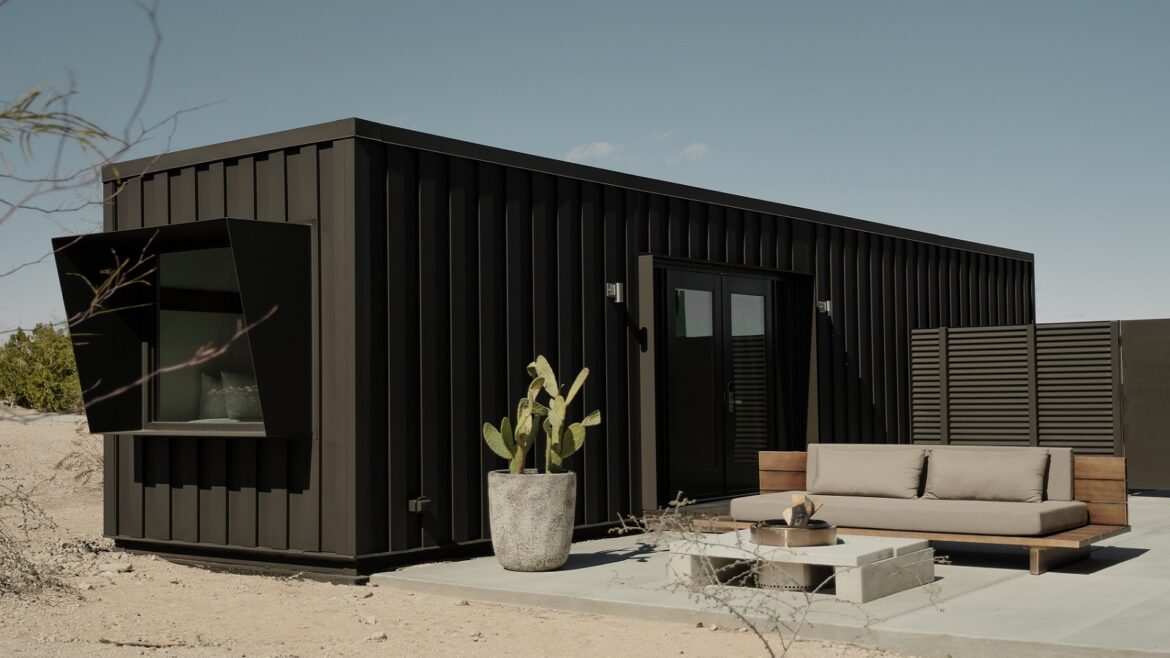
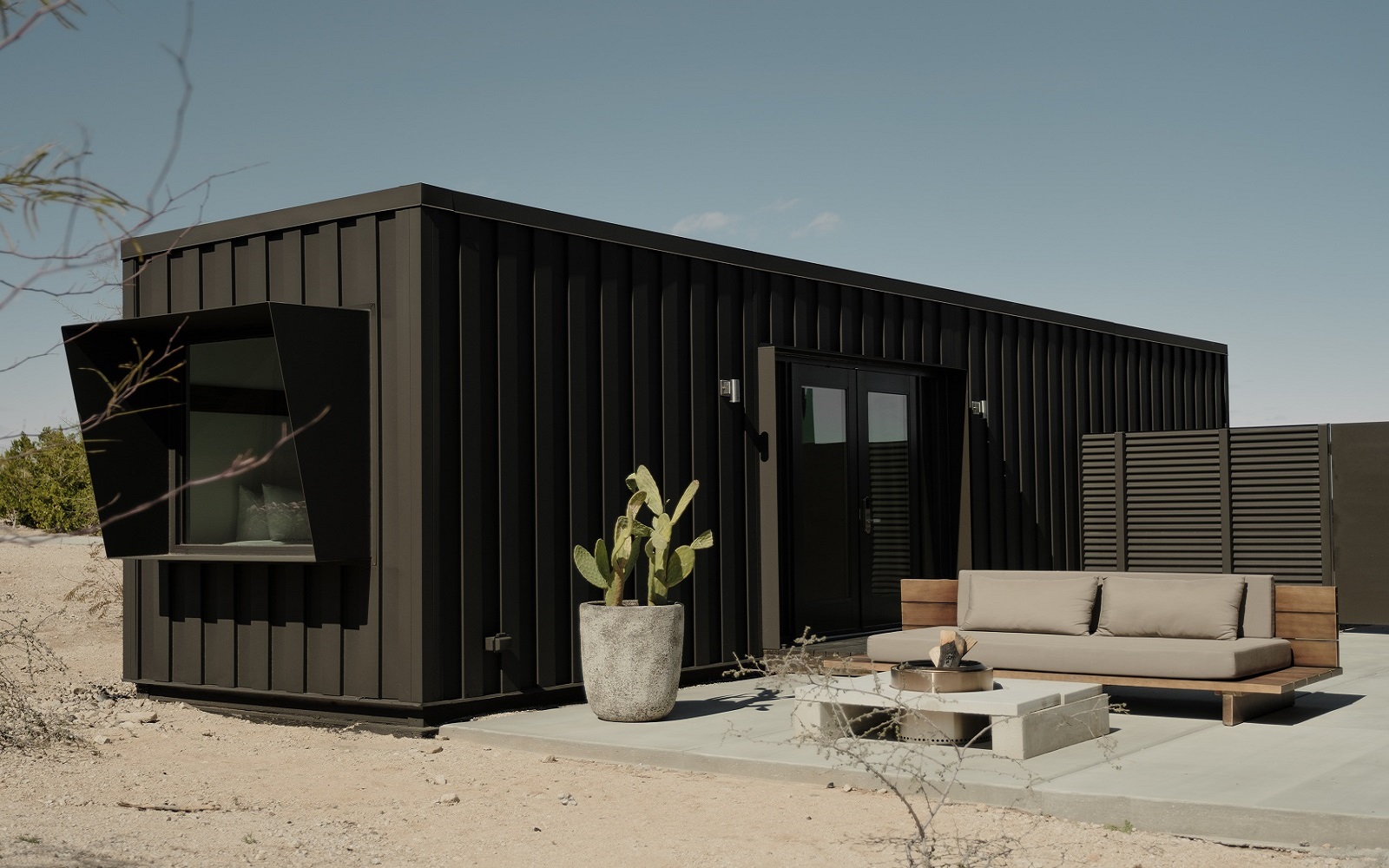
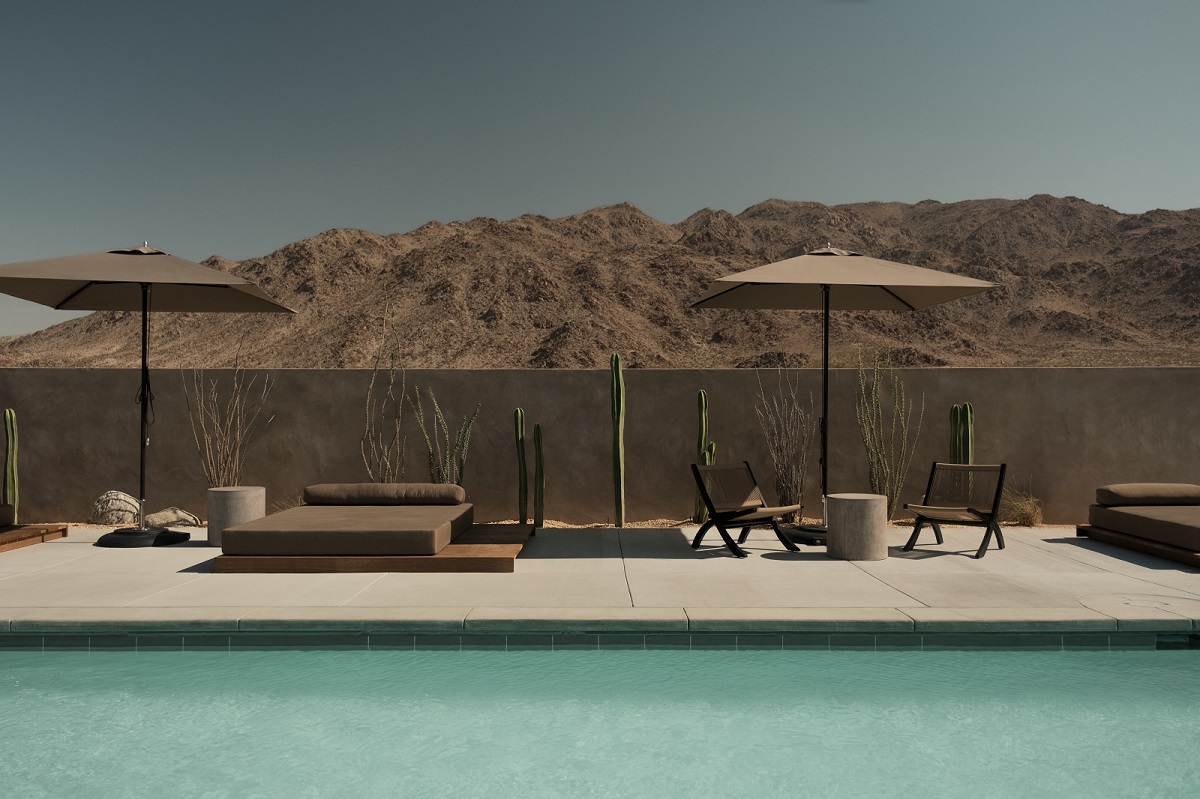
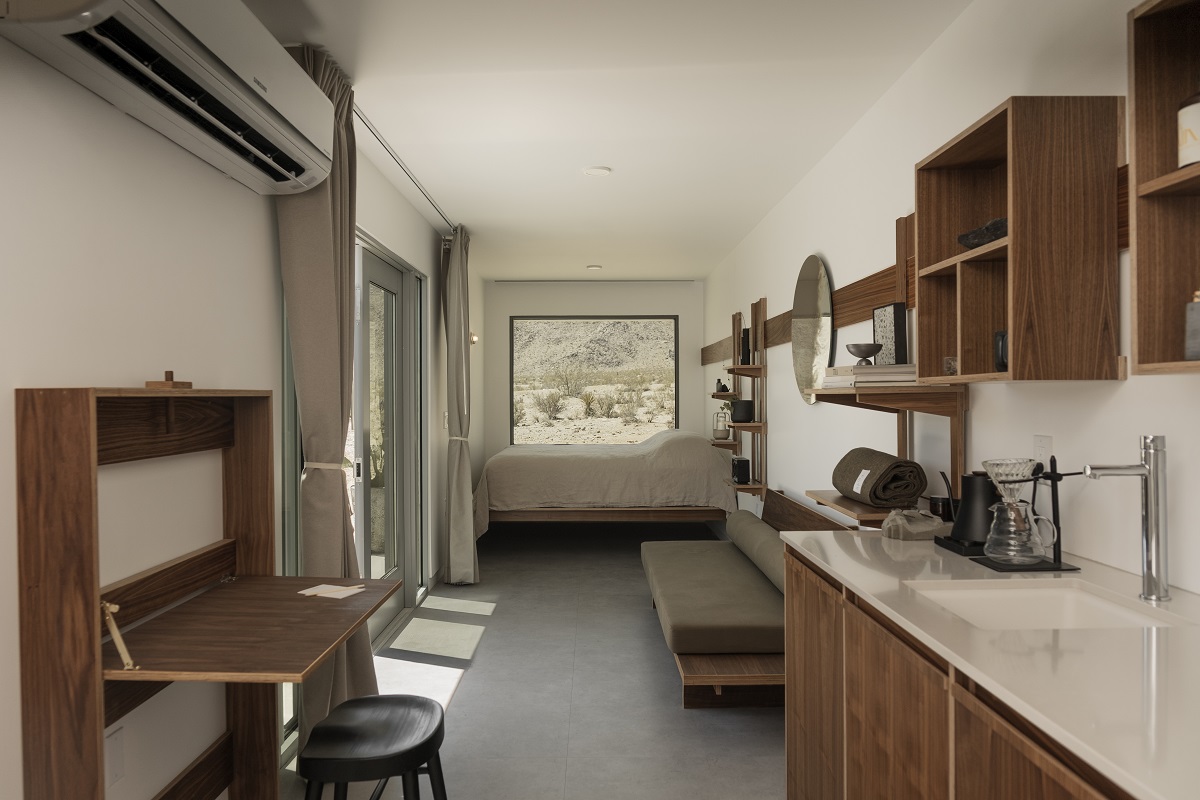
Located on 180 acres of high desert landscape just minutes from the north entrance of Joshua Tree National Park, RESET is the first hotel built from the ground up in Twentynine Palms in more than 15 years. The 65-room property is designed to blur the lines between indoors and out, with natural textures, expansive desert views, and private patios complete with Solo Stove fire pits, daybeds, and stargazing platforms in every guest room. Throughout the property, architecture intentionally recedes into the surrounding environment, creating space for guests to slow down, disconnect from distraction, and reconnect with nature.
Image credit: Outdoor Collection by Marriott
“Outdoor Collection by Marriott Bonvoy was created for travelers who want to immerse themselves in nature without giving up the comforts that make a stay feel effortless, and RESET strikes that balance perfectly,” said Diana Plazas-Trowbridge, Chief Lodging Product & Services Officer, U.S. & Canada, Marriott International. “With its incredible access to Joshua Tree, thoughtful design, and experiences that help guests connect more deeply with the destination, RESET is exactly the kind of property we envisioned welcoming into the collection. We’re thrilled to bring it into the Marriott Bonvoy family.”
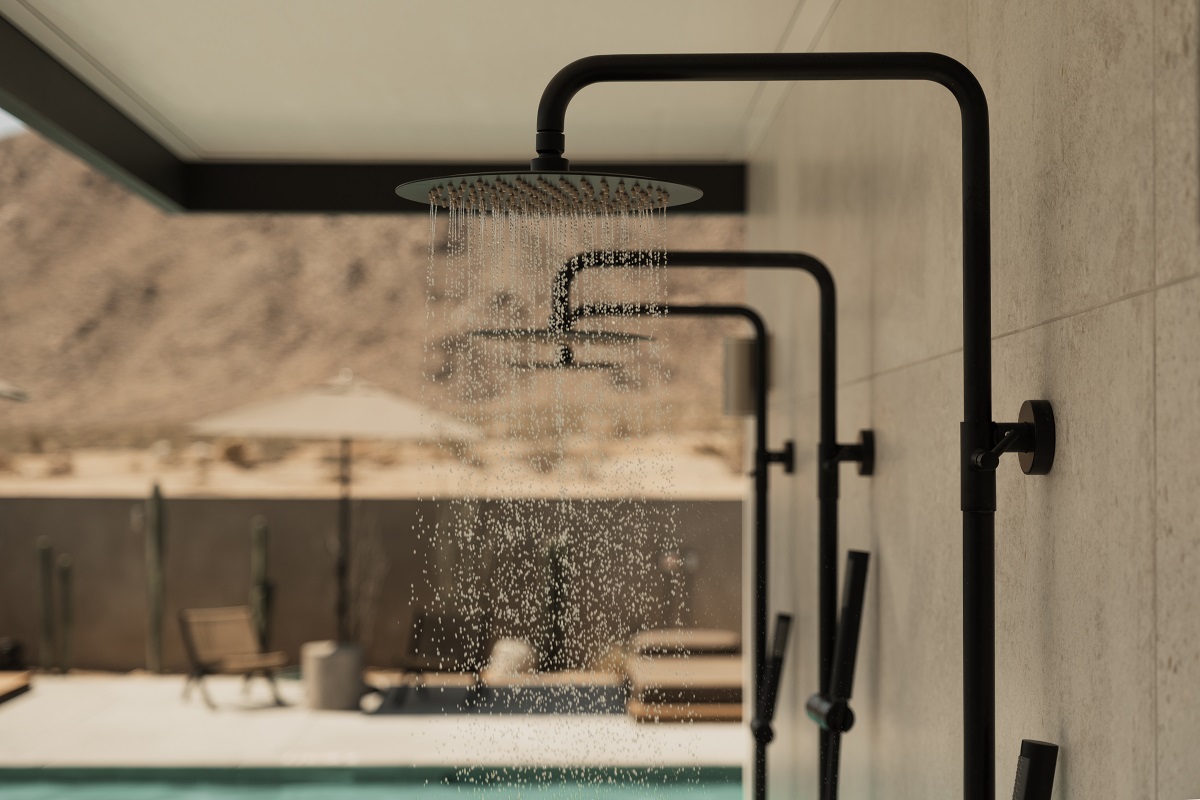
Guests can explore the property’s desert preserve, unwind on private patios and in outdoor soaking tubs, gather around communal fire pits, and enjoy wellness-focused amenities including a saltwater pool, jacuzzi, a sauna and cold plunge. Evenings at RESET welcome some of Southern California’s darkest skies, brought closer to earth through immersive stargazing programming featuring Celestron telescopes. The hotel has also cultivated partnerships and experiences – from astronomy events led by former NASA/JPL astronomers to creative residencies and design-focused programming – that further immerse guests in the sought-after Joshua Tree destination.
Image credit: Outdoor Collection by Marriott
“RESET was created to offer a more thoughtful way to experience the desert, one that brings guests closer to the landscape without competing with it,” said Shannon Ching, Co-founder of RESET. “Joining Outdoor Collection by Marriott Bonvoy gives us the opportunity to introduce that experience to a broader global audience while preserving the independent vision and sense of place that define the hotel.”
RESET joins Outdoor Collection by Marriott Bonvoy alongside the founding portfolio of Postcard Cabins and Trailborn properties, marking one of the collection’s first new additions since its launch and helping expand Marriott Bonvoy’s presence in outdoor hospitality.
Hypnos and Eden Project extend sustainability partnership
As the Eden Project celebrates its 25th anniversary, Hypnos is continuing a seven-year partnership that has brought plant-based materials and more responsible thinking into mattress design for both residential and hospitality interiors…
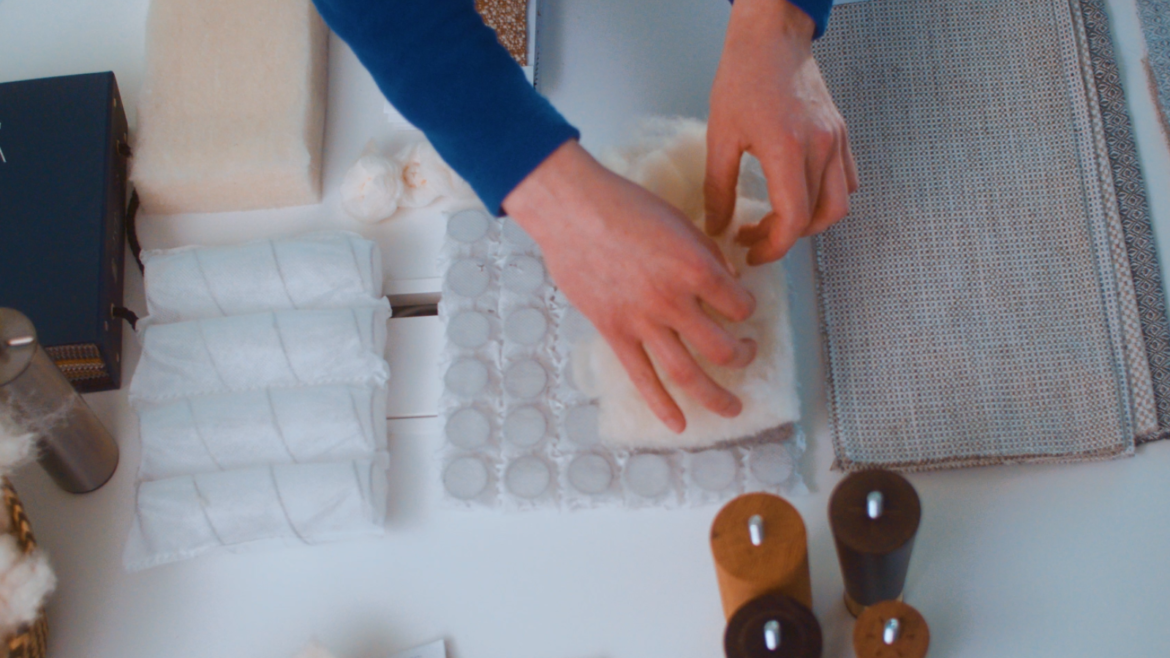
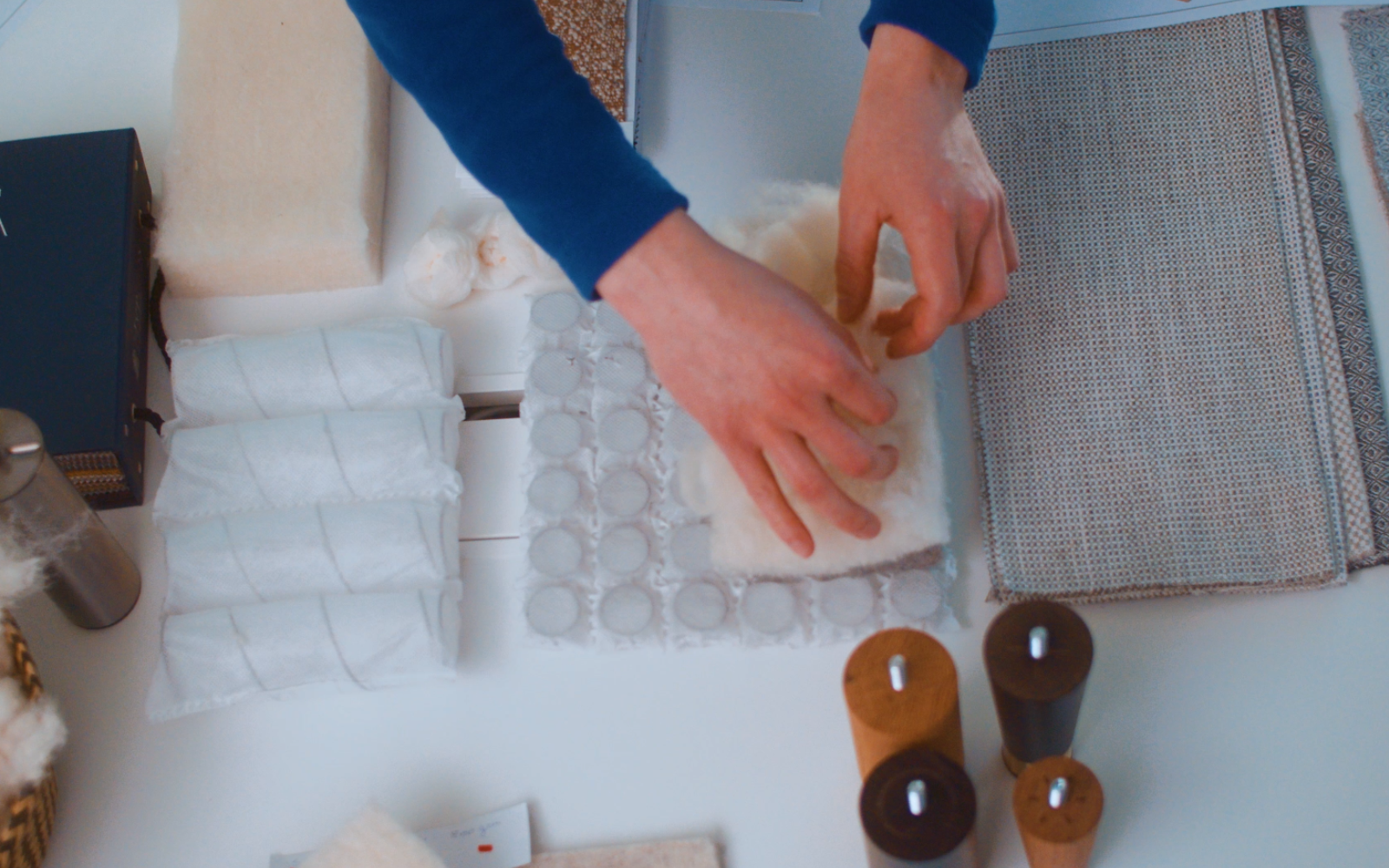
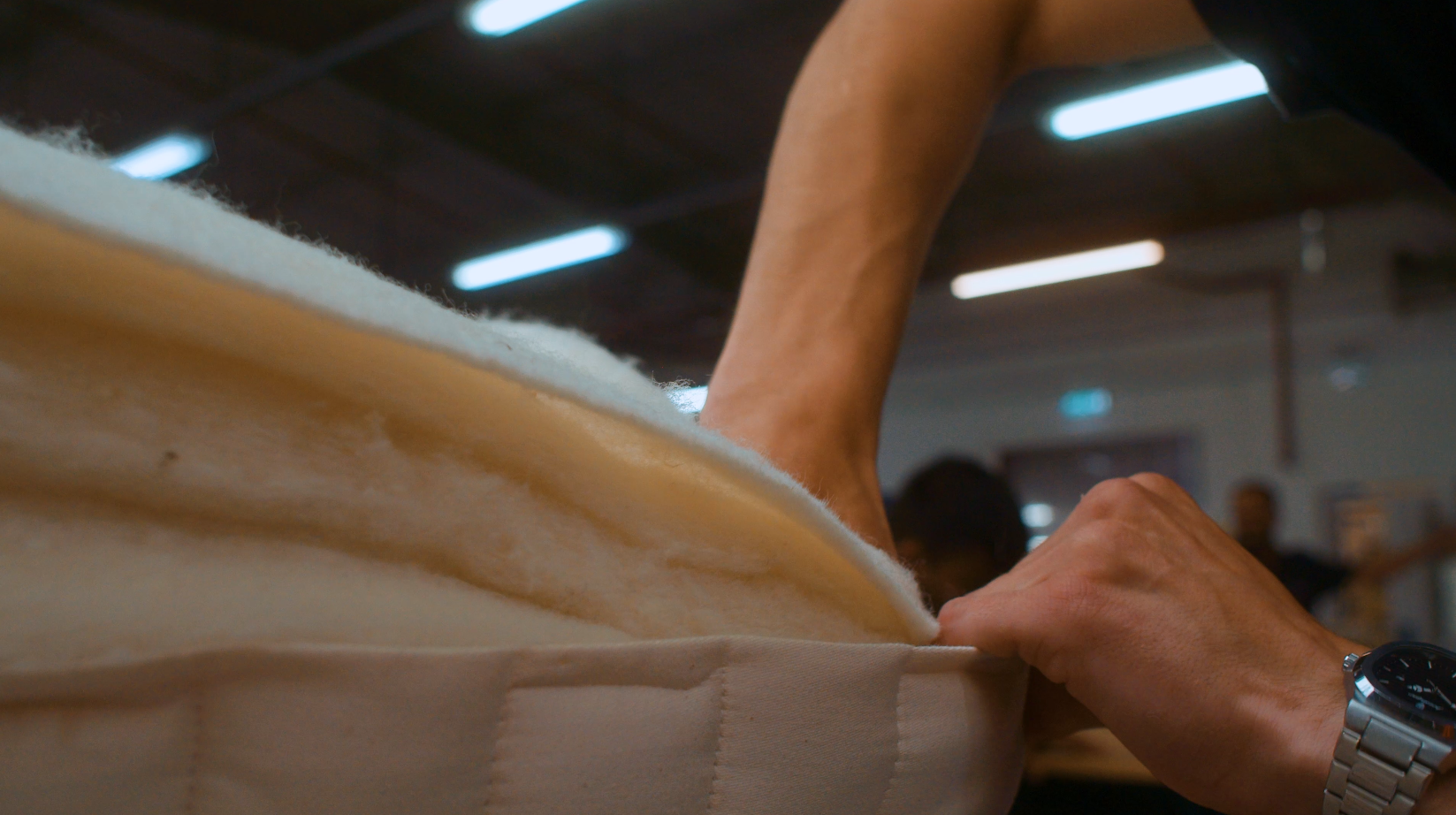
First established in 2019, the collaboration has evolved from fundraising and community initiatives into product development, including the Eden Project Harmony mattress, which combines plant-based fibres with RWS-certified British wool to provide a more sustainable sleep solution for hospitality projects.
The Eden Project has also celebrated its anniversary with a special Garden Party, an innovative garden at the Chelsea Flower Show, and the ground-breaking ceremony at the charity’s new £100 million Morecambe attraction, set to open in 2028.
Image credit: Hypnos
Over the course of the partnership with the Eden Project, Hypnos has generated funds in support of the charity through staff fundraising and new mattresses created in partnership with the Eden team.
Product development began with the creation of the Soil Association certified Origins Organic Collection, that won a Best of Organic Market (BOOM) Award in 2023, swiftly followed by the Luxurious Earth collection with Bensons for Beds, both endorsed by the charity. Hypnos then launched the Eden Project mattress collection – mattresses upholstered with simply plant-based fibres – some of which can be found living within the Eden Projects’ Biomes in Cornwall.
In 2024, Hypnos introduced the Eden Project Harmony mattress which brings the same plant-based fibres and combined with RWS certified British wool, to both luxury and sustainable hospitality projects, including Voco Zeal Exeter, IHG’s first net zero carbon hotel.
Hypnos has also introduced its local charity partner Chiltern Rangers, who work on community conservation projects across the Chilterns hills, to a workshop at the Eden Project, and supported Eden’s national community campaign The Big Lunch at its offices.
David Baldry, managing director, Hypnos, says: “At its heart, this is a partnership between a team of people who share a vision and drive to make tangible, positive actions for the planet, whilst creating opportunities to bring communities and people together. “
“The Eden Project partnership has seen Hypnos raise funds and promote the charity through its products, events and campaigns, and involving its whole team and customers. The charity’s garden on the Hypnos stand at the industry’s annual exhibition is always a talking point! We are grateful for the Eden Project’s expertise and sense of fun at all levels but more than this, we all work hard to create a leading and successful ‘commercial’ charity partnership.
“We are excited to take part in these 25th anniversary celebrations with the Eden Project but also celebrate our own 7th year working together and put plans in place for the future.”
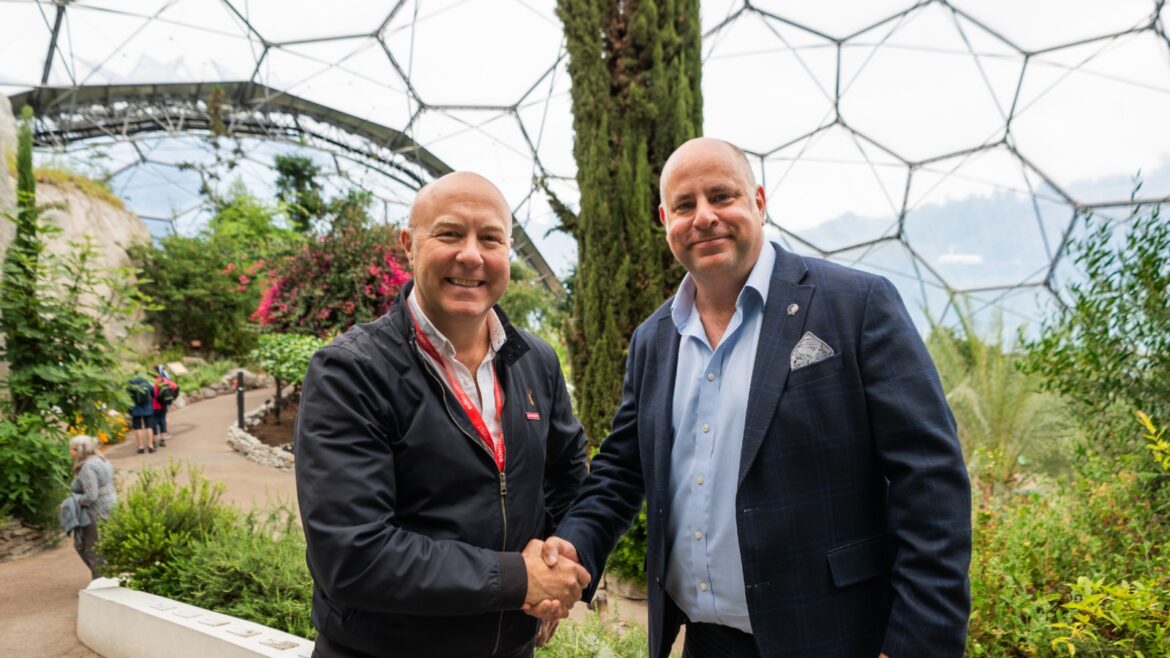
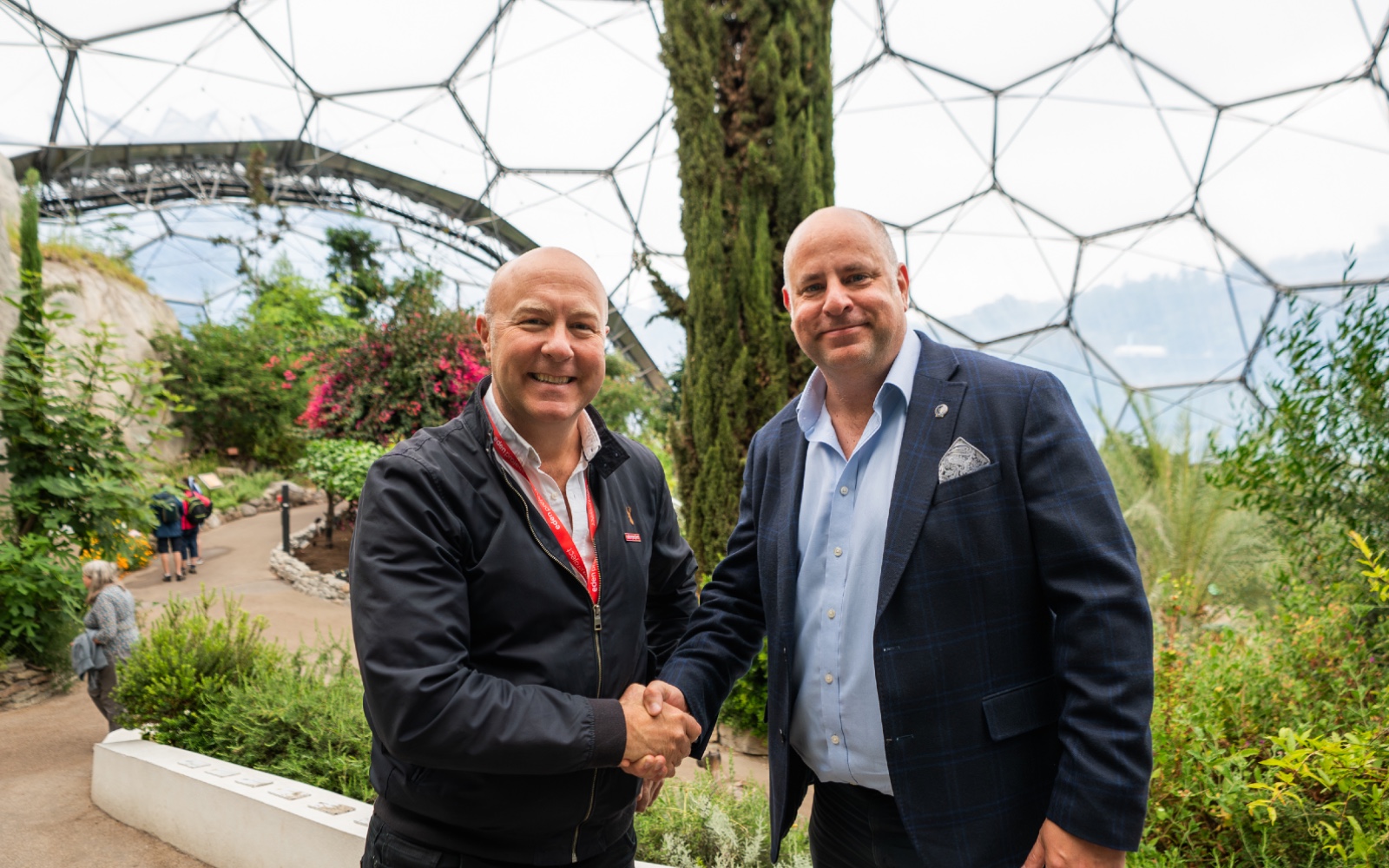
Andy Jasper (left) and David Baldry (right) | Image credit: Hypnos
Andy Jasper, Chief Executive officer, Eden Project, says: “There has never been a better time to celebrate our long standing partnership with Hypnos. It’s a fantastic relationship built around our shared commitment to regenerative approaches to community and the environment, supporting Eden’s work enriching life while demonstrating what is possible when working with nature.
“What makes it particularly special is the connection back to Eden itself, linking the plants and natural fibres we grow and champion with the materials used to create the Eden mattress collection. As we celebrate our 25th anniversary, we’re delighted to continue our partnership with Hypnos and excited about what we will achieve together next.”
Hypnos is one of our Recommended Suppliers and regularly features in our Supplier News section of the website. If you are interested in becoming one of our Recommended Suppliers, please email Katy Phillips.
From flexible hotel spaces and wellbeing-led interiors to AI, sustainability and evolving luxury travellers, the Independent Hotel Show has unveiled a future-focused seminar programme for its return to Olympia this October…
The Independent Hotel Show has revealed its 2026 seminar programme, bringing hospitality, design, technology and commercial thinking together under this year’s theme, ‘Shaping Tomorrow’.
Taking place at Olympia London on 5–6 October, the two-day programme will span three dedicated spaces – including an Innovation Stage designed by Obradov Studio, a Hotel Business Stage by Merav Bustan Design, and a Social Business Space by Design Command – as independent hoteliers explore how to respond to changing guest expectations without losing the individuality that defines the sector.
On the Hotel Business Stage, STR’s Michal Rao will examine the factors driving hotel performance across the UK and Europe, while Allen Simpson, CEO of UKHospitality, will join Boutique Hotel News Editor Eloise Hanson for a fireside chat exploring impending tourist taxes and their implications for hoteliers.
Further discussions will address profitable food and beverage operations, sustainability, automation and the relationship between refurbishment and asset value. Edward Adshead of Wotton House Hotel and Thomas Greenall of Bespoke Hotels will consider how independent properties can retain their identity when operating within a management company.
A series of focused 10-minute Power Hour presentations will provide practical advice on capital allowances, AI and location data, multigenerational digital strategies, sensory branding and using a hospitality business to support an owner’s wider ambitions. Simon Numphud of AA Media will also explain how properties can make the most of AA accreditation.
The Innovation Stage will look at the ideas and expectations shaping the future of hospitality. Davin Reid-Montanaro of Agility Research and Strategy will explore the evolving behaviour of UK luxury travellers, while Marie-France Perrel of the MICHELIN Guide will lead a discussion on the forces influencing luxury travel today.
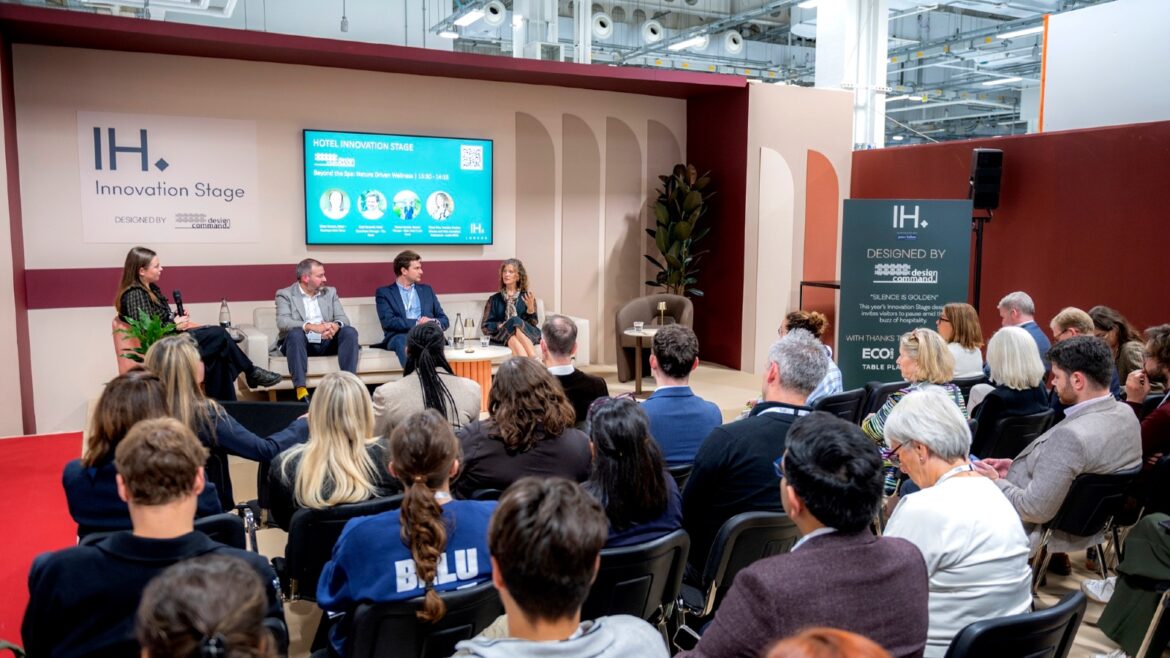
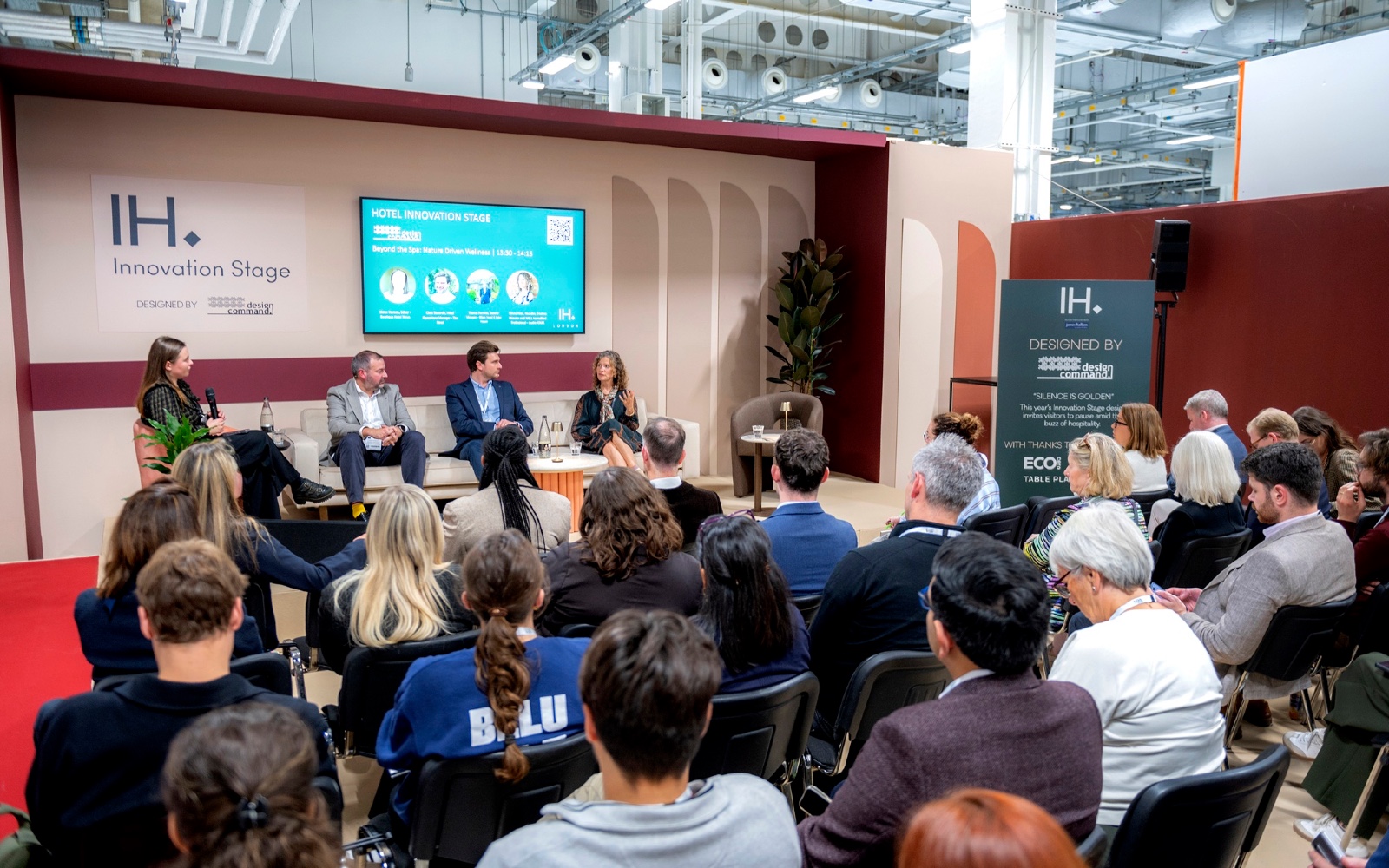
Independent Hotel Show Stage | Image credit: Independent Hotel Show
The programme will also consider how hotels can prepare for the next generation of travellers, with speakers including Nuno César de Sá of Grantley Hall and Rose Webb of Clermont Hotel Group.
Design will form another central strand of the Innovation Stage programme. A panel moderated by Vicky Doe of Hospitality Interiors will explore the future of flexible hotel spaces, featuring Ben Harper of Watergate Bay Hotel, Another Place and SeaSpace; Francesca Toman of Ches & Co; Jordan Parke of Wayfair Professional; and Matt Hulme of Dynargh Design.
Further sessions will examine interiors for wellbeing, artificial intelligence, social media, team empowerment and the commercial and cultural impact smaller independent hotels can achieve.
The Social Business Space will offer practical sessions and workshops focused on the everyday challenges of operating a hotel and leading its people.
Hospitality Action’s Camila Woods will deliver a session designed to help managers build confidence around mental health, while another discussion will examine how investing in talent can strengthen guest experiences and support business growth.
The programme will also address accessible hospitality design, marketing, meetings and events, energy reduction and additional revenue opportunities. Shonali Devereaux of The Meetings Industry Association will explore how properties can build business beyond bedrooms, while Ryan Haynes of Haynes MarComs will examine opportunities to protect margins and generate additional revenue before guests arrive.
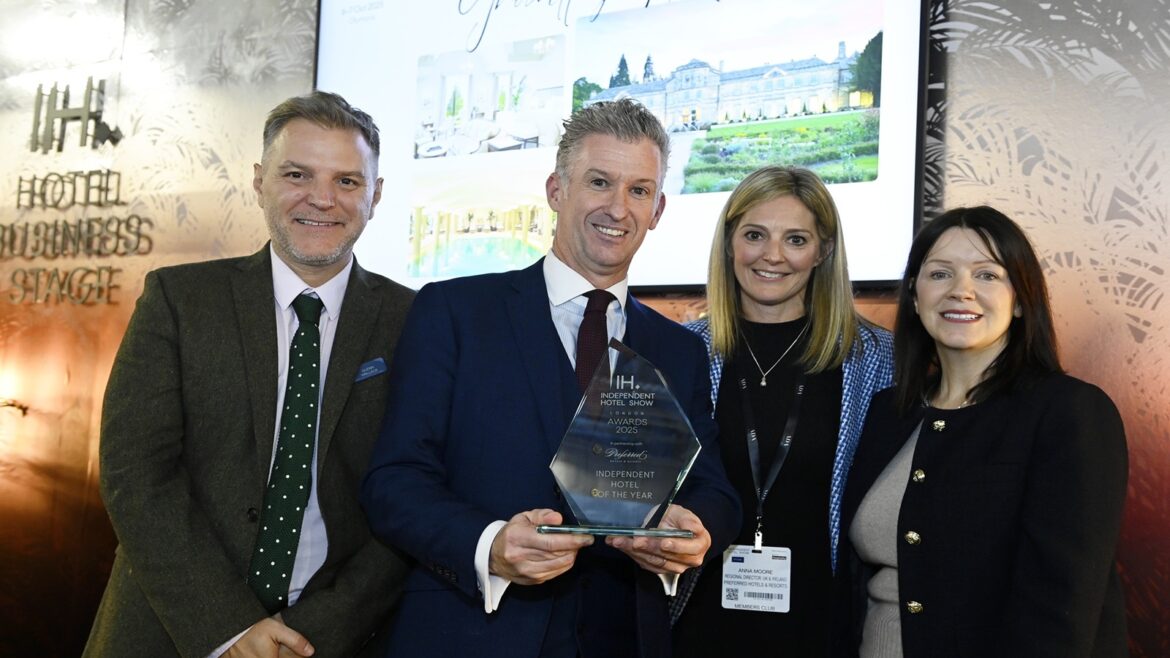
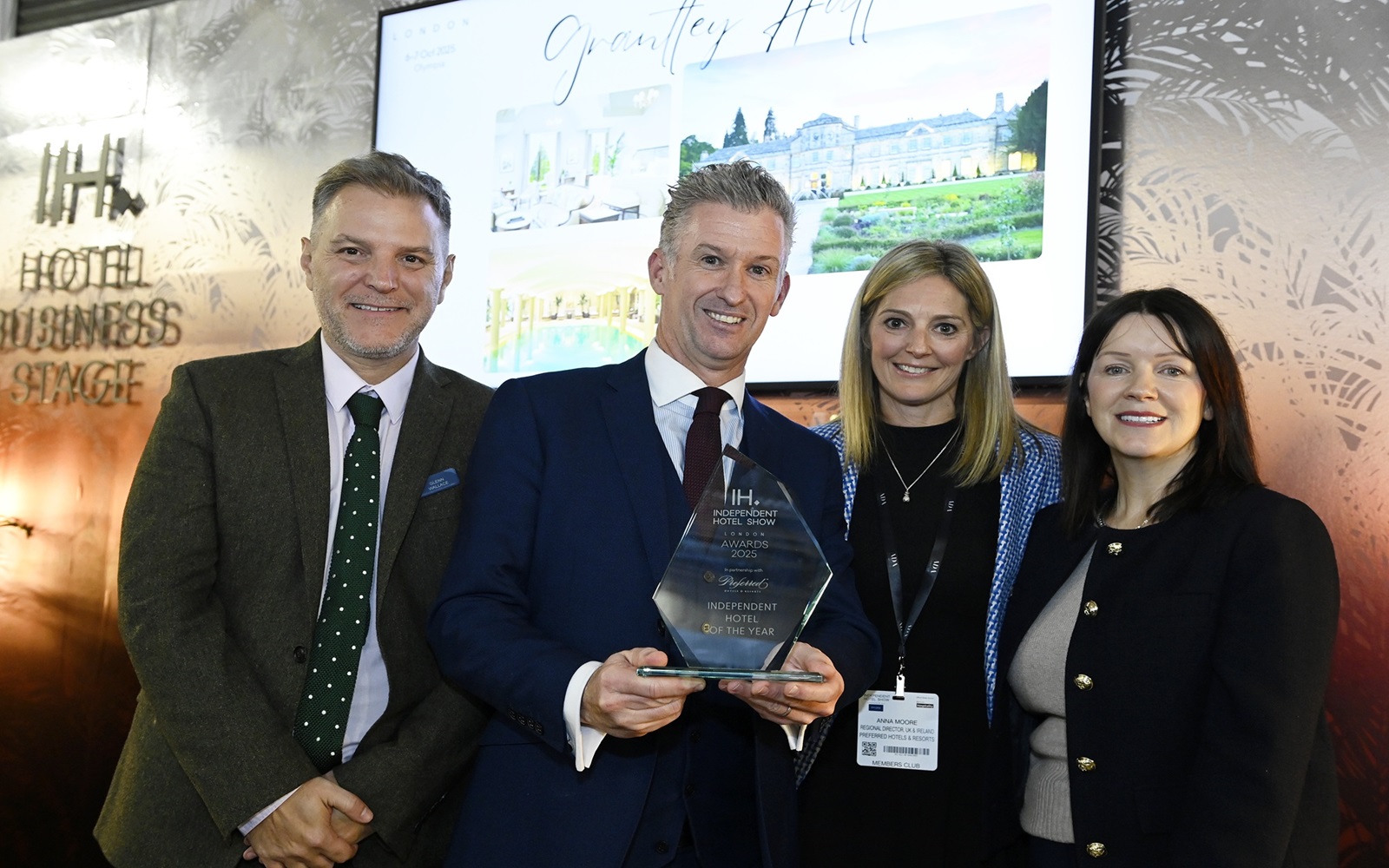
The first day will culminate in the Independent Hotel Show Awards 2026, in partnership with Preferred Hotels & Resorts, recognising the people, properties and design projects making an outstanding contribution to the UK’s independent luxury hotel sector.
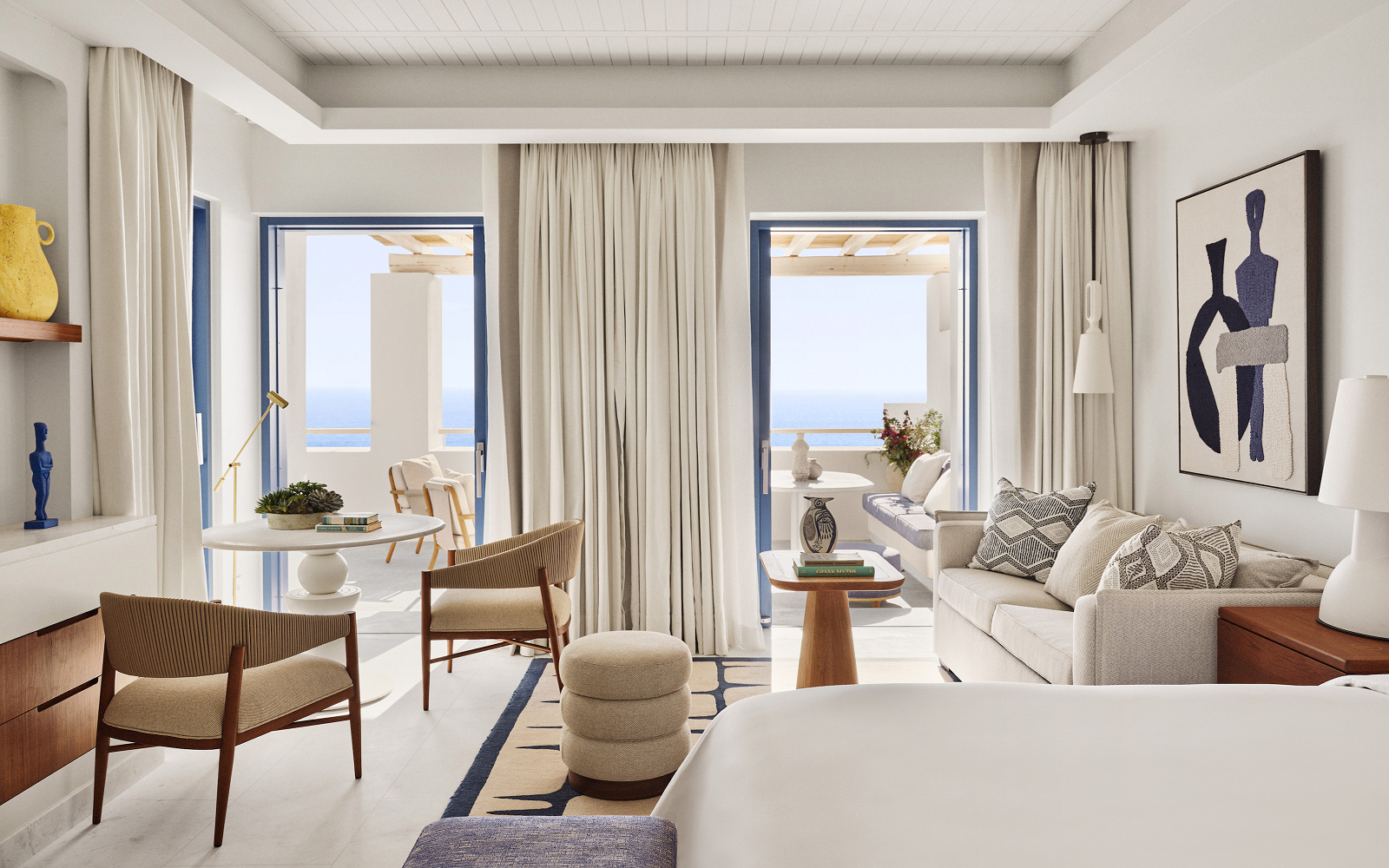
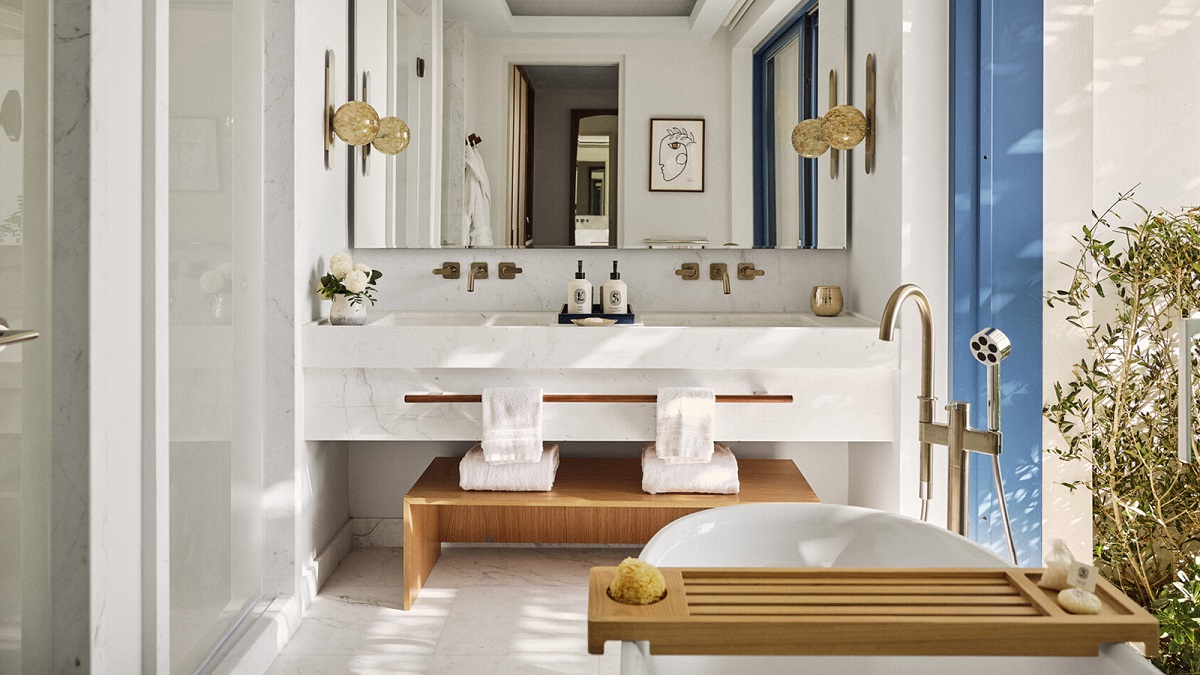
With just 24 tented pavilions and clifftop suites, The Revery has opened on Crete’s wild southwestern coast, pairing low-impact architecture with a contemporary interpretation of Cretan minimalism…
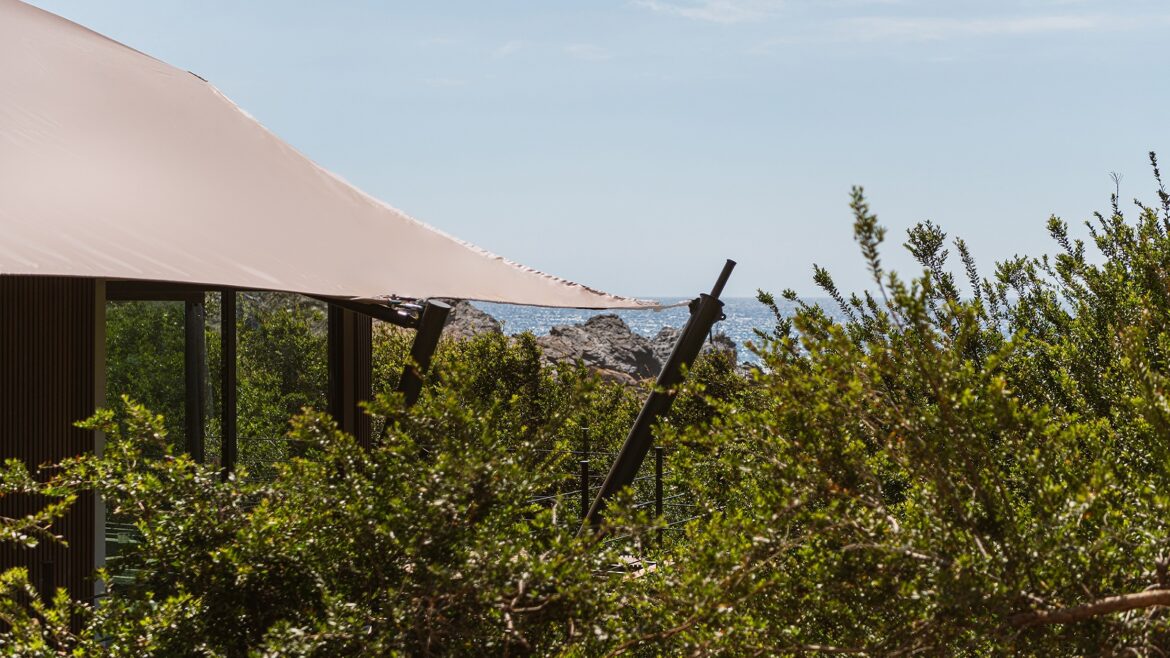
The Revery has opened near the pink-sand shores of Elafonisi Beach in southwestern Chania, introducing a new expression of barefoot luxury to one of Crete’s less-explored corners.
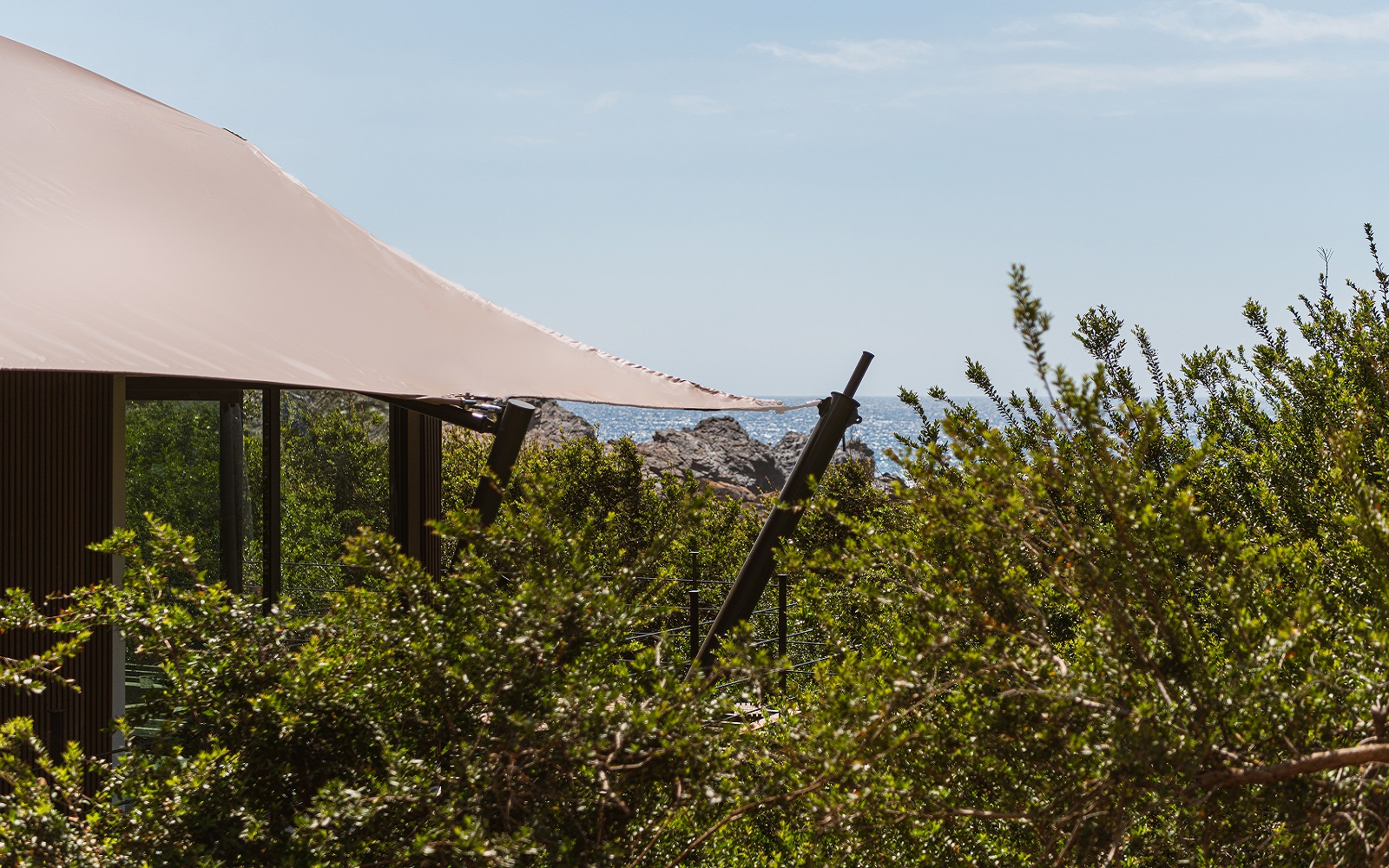
Designed by local architect Eirini Apostolaki of Archtify, with interiors by Athens-based Sophia Vantaraki of ThingK, the 24-key retreat takes its cues directly from the surrounding landscape, combining canvas, timber and locally sourced stone with woven reed, natural linens and clay ceramics to blur the boundaries between architecture and nature.
A member of Leading Hotels of The World and located between the island’s rolling olive groves and the crystal-clear waters of the Mediterranean, The Revery will embody a slower, more soulful escape, shaped by nature, local craftsmanship and a profound respect for the landscape.
Every detail has been carefully considered to create a space of warmth and serenity, offering the perfect base for a blissful romantic retreat or an adventurous escape through Crete’s most iconic landscapes.
Image credit: The Revery
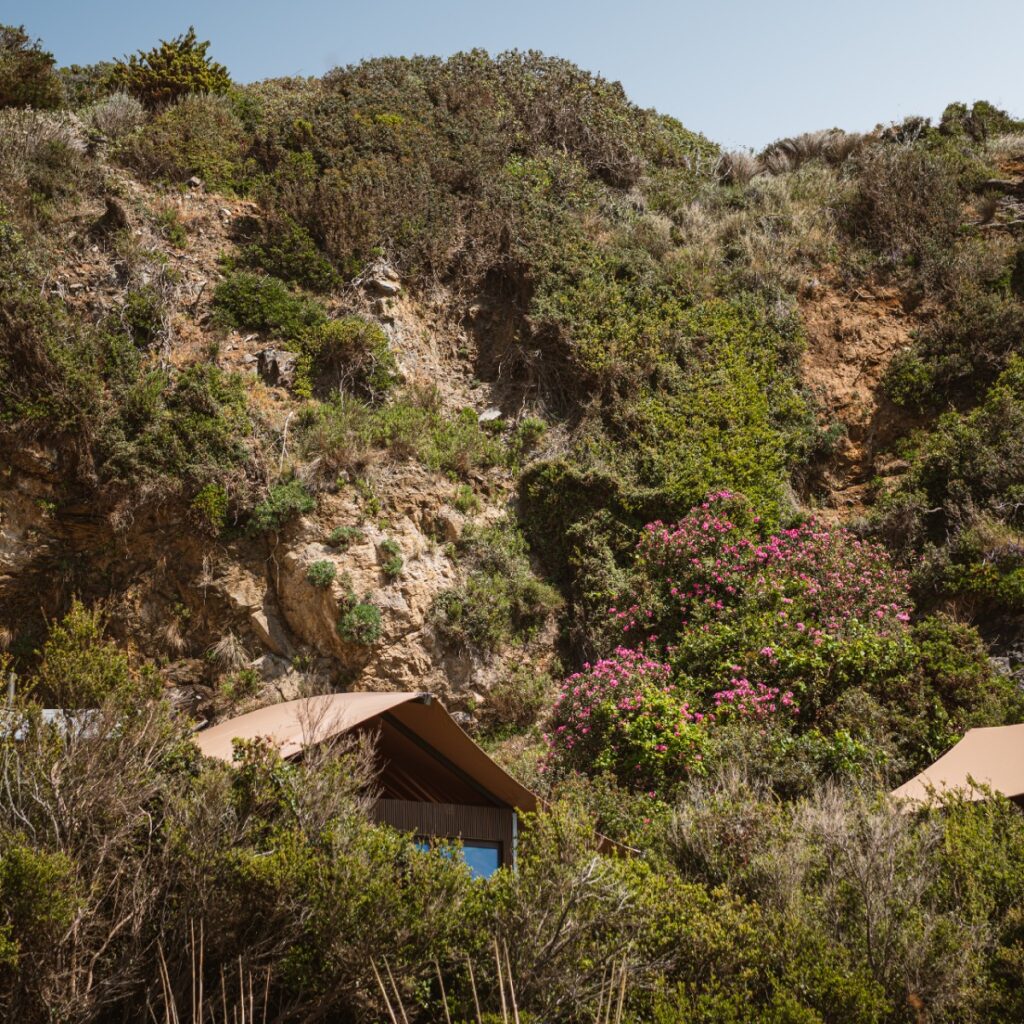
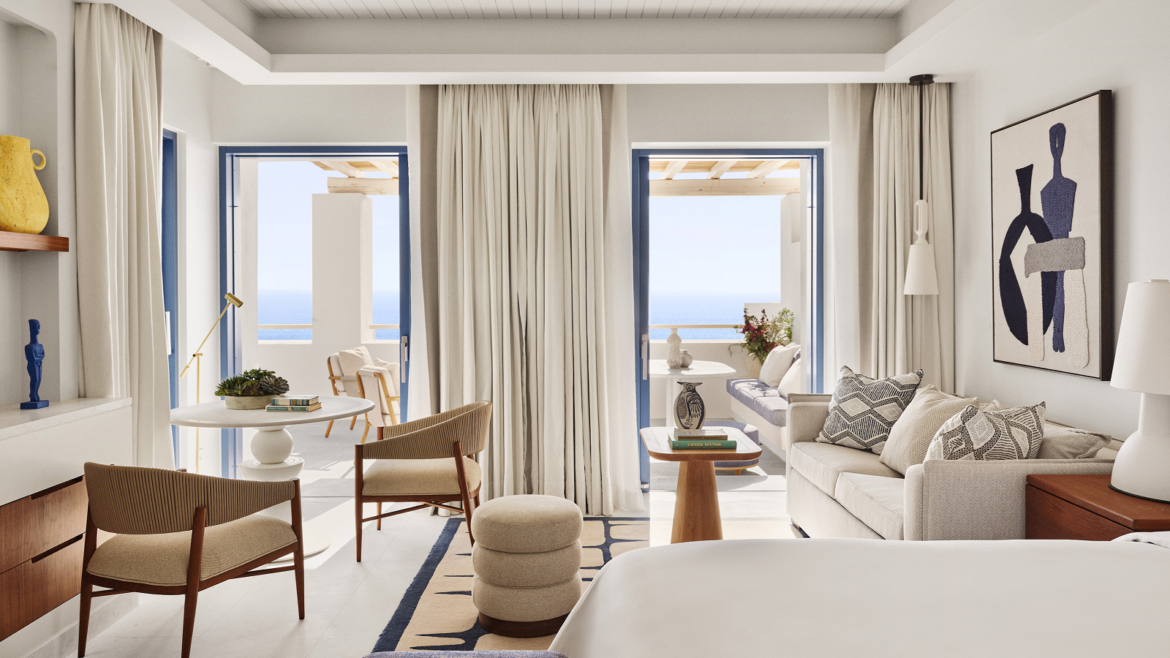
The Revery will offer two distinct accommodation styles. The Revery Wild, eco‑luxury tented pavilions, starting from 40 square metres of interior space, positioned close to the shore and fully embrace the surrounding nature with spacious decks and hydrotherapy pools.
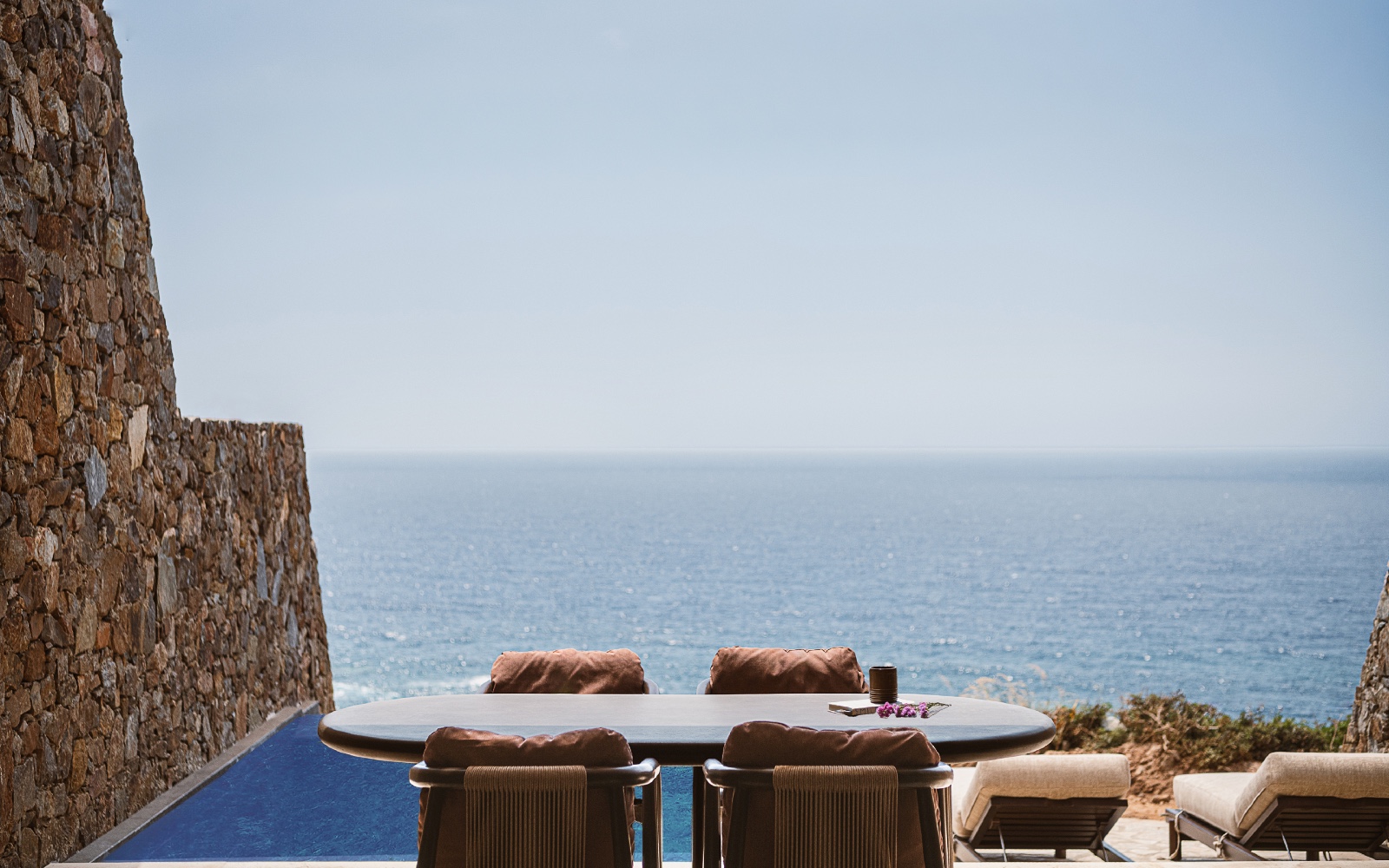
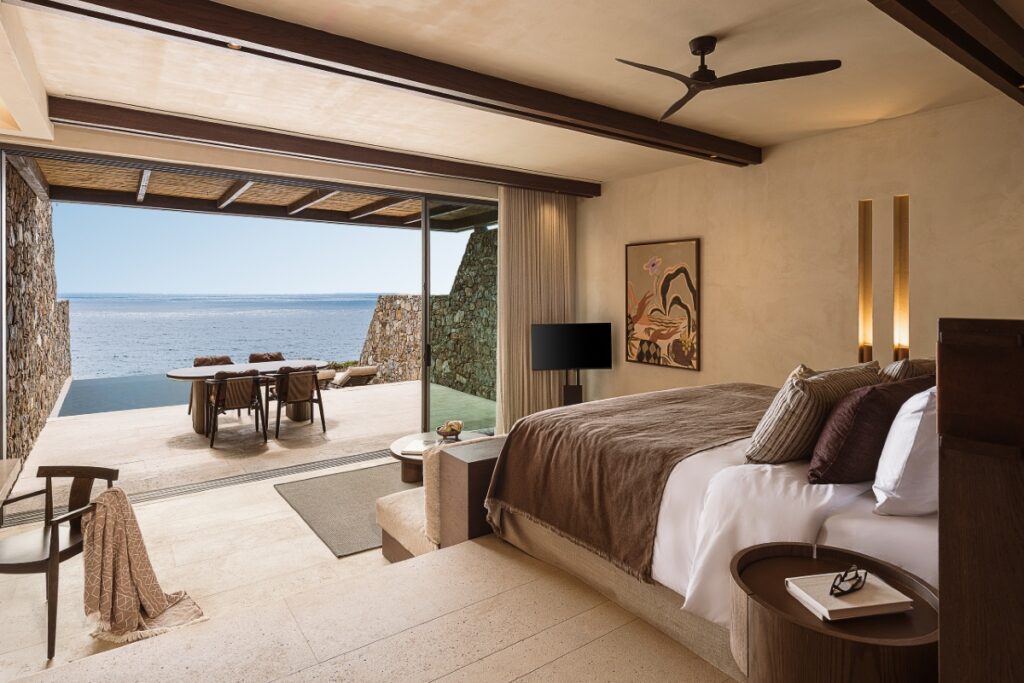
The Revery Suites, carved into the cliffs, will offer quiet architectural elegance from 53 square metres and large outdoor patios, each featuring a private heated pool. Both options provide exceptional privacy along with uninterrupted sea and sunset views.
The Revery Villa will be the property’s most elevated accommodation option, offering 285 square metres of tranquil indoor-outdoor living space across two floors. Ideal for stays with family or friends, the villa accommodates up to six guests and features two spacious bedrooms with en‑suite bathrooms, a light‑filled living area with two sofa beds, a fully equipped kitchen, and a generous 137 sqm terrace with a barbecue, outdoor dining area, and panoramic heated infinity pool.
The spaces will embody a sense of raw luxury and calm, with a pared back aesthetic that blurs the boundaries between indoors and outdoors. Textures reflecting local heritage, including woven reed, natural linens, and clay ceramics, will add depth and authenticity throughout.
The Revery – Bedroom | Image credit: The Revery
The property follows a low‑impact design philosophy, incorporating natural ventilation, solar energy, and eco‑conscious materials, including stonework shaped from rocks sourced directly from the site.
Before construction began, native flora was carefully replanted across the property, and all pathways were designed to follow the land’s natural contours, ensuring no disruption to the coastline. Additional ecological measures include water saving systems, biological wastewater treatment and a low pollution lighting scheme.
The property is also home to the scenic St Anthony’s Chapel, a historic 80-year-old chapel which has been carefully preserved and will be licensed for intimate wedding ceremonies.
Community is equally central to The Revery’s ethos, with the team collaborating closely with local artisans and suppliers to support the island’s cultural and culinary traditions. The property has also established partnerships with regional conservation groups to help protect native flora and advance ongoing preservation initiatives.
The Revery – Outside | Image credit: The Revery
The ROÉE Spa, meanwhile, will offer a curated menu of restorative wellness rituals inspired by Crete’s ancient traditions of healing through nature. Treatments will draw on locally sourced natural ingredients, including wild botanicals, oils, sea salt. The spa will comprise four treatment rooms; a thermal area with a sauna, steam room, hot and cold baths and a sea‑facing 24hr fitness space. With holistic wellbeing at the heart of The Revery, guests will also find a spacious open‑air yoga deck and dedicated meditation paths, ideal for a post‑treatment stroll through the fragrant gardens.
Case Study: Cimbali Group brings coffee into the spotlight at Flock
In today’s lifestyle hotels, memorable guest experiences are increasingly shaped by the moments between check-in and check-out. While architecture and interiors establish a property’s identity, it is often the everyday rituals – sharing breakfast, meeting over coffee or pausing for an espresso before heading out – that leave the strongest impression…
As hotels continue to position themselves as social destinations rather than simply places to stay, coffee has evolved beyond a functional amenity. It has become an integral part of hospitably design, influencing how guests interact with spaces and how hotels connect with their surrounding communities.
Hotel Indigo London K West Shepherd’s Bush offers an example of this changing approach. At the heart of the hotel sits Flock, it’s restaurant and bar, a space designed to welcome both hotel guests and local residents. More than somewhere to eat and drink, Flock reflects the hotel’s neighbourhood-led philosophy creating an environment where guests can settle in, connect and feel part of the surrounding community.
Supporting that vision is LaCimbali, the Italian espresso machine manufacturer whose design-led approach to professional coffee equipment aligns with the experience Flock aims to create. Here, the coffee station is not simply an operational necessity, it forms part of the visual identity and daily rhythm of the space.
Image credit: Hotel Indigo London K West
From hotel amenity to neighbourhood destination
Across the hospitality sector, lifestyle hotels are increasingly blurring the boundaries between hotel lobby, cafe and restaurant. Public spaces are designed to remain active throughout the day, encouraging local communities to use them alongside overnight guests.
At Hotel Indigo London K West that philosophy extends throughout the property and comes to life in Flock. Serving a modern European menu inspired by fresh, seasonal flavours, the restaurant accompanies guests, from morning coffee and breakfast meetings to evening dining and drinks. At the same time, its welcoming atmosphere encourages locals to stop by, transforming the space from a hotel restaurant into a genuine neighbourhood destination.
Creating that sense of connection requires more than considered interiors. While design creates the first impression, it is the quality of the food and drink, the expertise of the team and the interactions that take place across the bar that encourage people to return.
Coffee plays an important role in this experience. Rather than being viewed as a simple hotel amenity, it has become a daily ritual that brings people together, encourages conversation and creates a sense of energy within the space.
“There is something welcoming about the aroma of fresh coffee filling the room,” explains the team at Hotel Indigo London K West. “It creates energy, conversation and connection.”
Designing theatre into the guest experience
Within Flock, coffee preparation has been intentionally placed at the centre of the guest journey.
“We didn’t want to hide the coffee experience behind the scenes. The machine is intentionally positioned so guests can engage with the preparation process and appreciate the craftsmanship behind every cup.”
Positioned prominently behind the open bar, LaCimbali’s black M200 GT1 espresso machine becomes part of the restaurant’s visual language, rather than something hidden behind the scenes. Guests can watch espresso being prepared, hear the sound of freshly ground coffee and experience the theatre of milk texturing and barista craft as part of the restaurant’s atmosphere.
Designed by Italian designer Valerio Cometti of V12 Design, the M200 combines contemporary aesthetics with the functionality required in demanding hospitality environments.
Its sculptural form complements Flock’s modern interiors, while enforcing the restaurant’s emphasis on openness and interaction. “The M200 is much more than a coffee machine. It is a statement piece,” says the team. “It’s contemporary design, elegant lines and visual presence fit perfectly within Flock’s modern and vibrant environment.”
Where design and performance work together
In hospitality design, the most successful technology is often the least visible. While guest appreciate beautiful spaces, seamless service depends on equipment that enables hospitality teams to perform consistently throughout the day.
Behind the M200’s distinctive appearance is technology developed to support the daily realities of professional hospitality. Its independent boiler system allows precise temperature control for each group head, giving baristas greater flexibility when managing different coffee profiles while ensuring reliable results across multiple drinks. From a single espresso to a busy breakfast service requiring a constant flow of milk-based beverages, the machine provides the control needed to deliver consistency.
Equally important is the M200’s ergonomic layout, which supports workflow behind the bar. Intuitive controls, adjustable settings and the TurboSteam 4 Cool Touch steam wand also help simplify preparation, enabling baristas to work efficiently while maintaining the quality expected by guests.
Alongside the M200 sits the LaCimbali Elective Auto-Tamp grinder, a perfect complement to a machine designed for precision and consistency. For both LaCimbali and Hotel Indigo London K West, exceptional coffee starts with the quality of the grind, making grinder performance just as critical as the espresso machine itself. Combining advanced technology with an intuitive user experience, the Elective has been engineered to deliver outstanding consistency and extraction quality, helping to unlock the full flavour potential of every coffee.
Visually, the machines sit in harmony not just with each other, but with the surrounding restaurant environment too. Rather than competing with the design of the space, LaCimbali’s technology quietly supports it.
Supporting the people behind the coffee
As hospitality continues to evolve, operators are increasingly looking for technology that enhances service without replacing the human interaction at its centre. For Hotel Indigo London K West, this principle is central: “For us, this comes down to one simple principle: hospitality is a people business,” explains the team.
While technology and automation are becoming increasingly important across the sector, the hotel recognises that memorable coffee experiences still depend on the skill, personality and judgement of the barista.
Professional equipment therefore acts as an enabler rather than a replacement. By helping baristas manage consistency, efficiency and workflow, the M200 allows teams to focus on what matters most: engaging with guests and delivering a welcoming and attentive experience. Rather than removing craftsmanship from the process, technology works alongside it, giving hospitality professionals the tools they need to perform at their best.
Creating lasting impressions through everyday moments
For the hotel, investing in coffee was never simply about selecting an espresso machine. It was about creating an environment where design, service and technology come together to make guests feel welcome from the moment they arrive.
Within Flock, coffee has become part of the rhythm of the hotel. It welcomes guests after a journey, accompanies breakfast meetings and leisurely mornings, encourages local residents to return and completes an evening meal with a perfectly prepared espresso.
These everyday moments may seem small, but collectively they help define the identity of a lifestyle hotel. “At Hotel Indigo London K West, we believe coffee is more than a beverage. It is an experience, and the M200 helps us bring that philosophy to life every day.”
The collaboration between Hotel Indigo London K West and LaCimbali demonstrate how thoughtfully integrated coffee design can contribute to a wider guest experience, proving that some of hospitality’s most memorable moments are often found in tits simplest daily ritual
Cimbali Group is one of our Recommended Suppliers and regularly features in our Supplier News section of the website. If you are interested in becoming one of our Recommended Suppliers, please email Katy Phillips.
Main image credit: Hotel Indigo London K West in Shepherd’s Bush
Omnam Group appoints Maria Wojtowicz as Head of Creative
Maria Wojtowicz, former Associate Lead Designer of Azumi Group and Design Manager of Avroko, has joined Omnam to shape the hospitality group’s design direction vision across its portfolio of luxury hospitality, branded residences and lifestyle destinations…
Europe-based hospitality real estate developer and investor, Omnam Group, has appointed Maria Wojtowicz as Head of Creative. With a strong creative vision and a passion for immersive, experience-led design, Wojtowicz is set to spearhead the creative direction and development of Omnam Design studio of the group’s properties, supporting its continued growth as it expands its portfolio of luxury hospitality and branded residential projects across Europe and internationally.
Former Associate Lead Designer at Azumi Group and Design Manager at AvroKO, she brings over twelve years of international experience in delivering luxury hospitality interiors, which range from hotels, private members’ clubs, award-winning restaurants and landmark mixed-use developments. In her new role, Wojtowicz will oversee Omnam’s creative direction, leading interior design across the group’s growing pipeline while collaborating closely with world-renowned operators, architects and consultants.
Image credit: Omnam Group
This appointment reflects Omnam’s continued investment in strengthening its in-house design capabilities, enabling the group to shape projects from the earliest stages of acquisition and concept development through to delivery and guest experience.
Maria Wojtowicz is known for her multidisciplinary approach to hospitality design. Drawing on an early background in theatre, she places particular emphasis on the sensory qualities of design, using materiality, colour, focus, and light to create immersive environments that foster emotional connection and lasting memories.
Throughout her career, she has led the design of several internationally recognised hospitality projects, including The Conrad Athens and the adjoining House of NYNN Members Club, Serra Restaurant at The Chancery Rosewood London, Zuma Vail in Colorado, and Le Bar Américain at Hôtel de Paris Monte-Carlo. Her portfolio spans luxury hotels across Europe, private members’ clubs, fine dining and bar concepts, Harrods food halls and high-end residential developments.
“Luxury hospitality today is about creating meaningful experiences and leaving an emotional imprint that resonates with guests long after they leave.”, said Maria Wojtowicz, Head of Creative, Omnam Group. “The most successful spaces are those that evoke emotion, respectfully and authentically respond to their physical and socio-cultural setting, and tell a compelling story through every design decision. Omnam’s commitment to creating culturally relevant destinations made this an incredibly exciting opportunity, and I look forward to helping shape the next generation of projects across the group’s growing international portfolio.”
Since establishing Omnam Design Studio, the group has integrated design into its development strategy, creating distinctive hospitality experiences that combine architectural heritage with contemporary luxury. The studio works across Omnam’s portfolio of hotels, branded residences and lifestyle destinations, collaborating with leading international operators while ensuring each project reflects its cultural context and unique sense of place.
“Design has always been central to Omnam’s philosophy,” said David Zisser, Founder & CEO of Omnam Group. “As our portfolio continues to grow, we’re investing in exceptional creative talent that allows us to shape projects from the earliest stages and deliver destinations with a clear identity and long-term value. Maria brings an extraordinary combination of international hospitality expertise, creative vision and operational understanding, making her an invaluable addition to the team.”
Maria Wojtowicz joins Omnam at a significant period of growth for the company, with a portfolio that includes luxury hospitality developments and branded residences across Italy, France and wider Europe. Her appointment further reinforces the group’s commitment to design excellence as a defining element of its long-term development strategy.
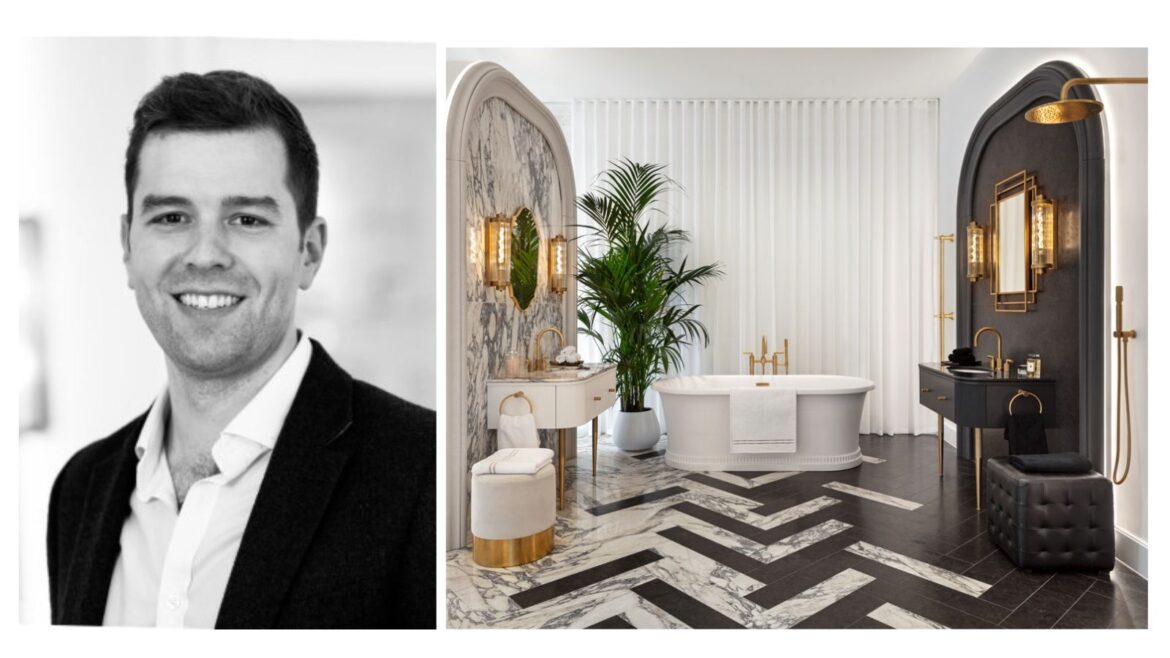
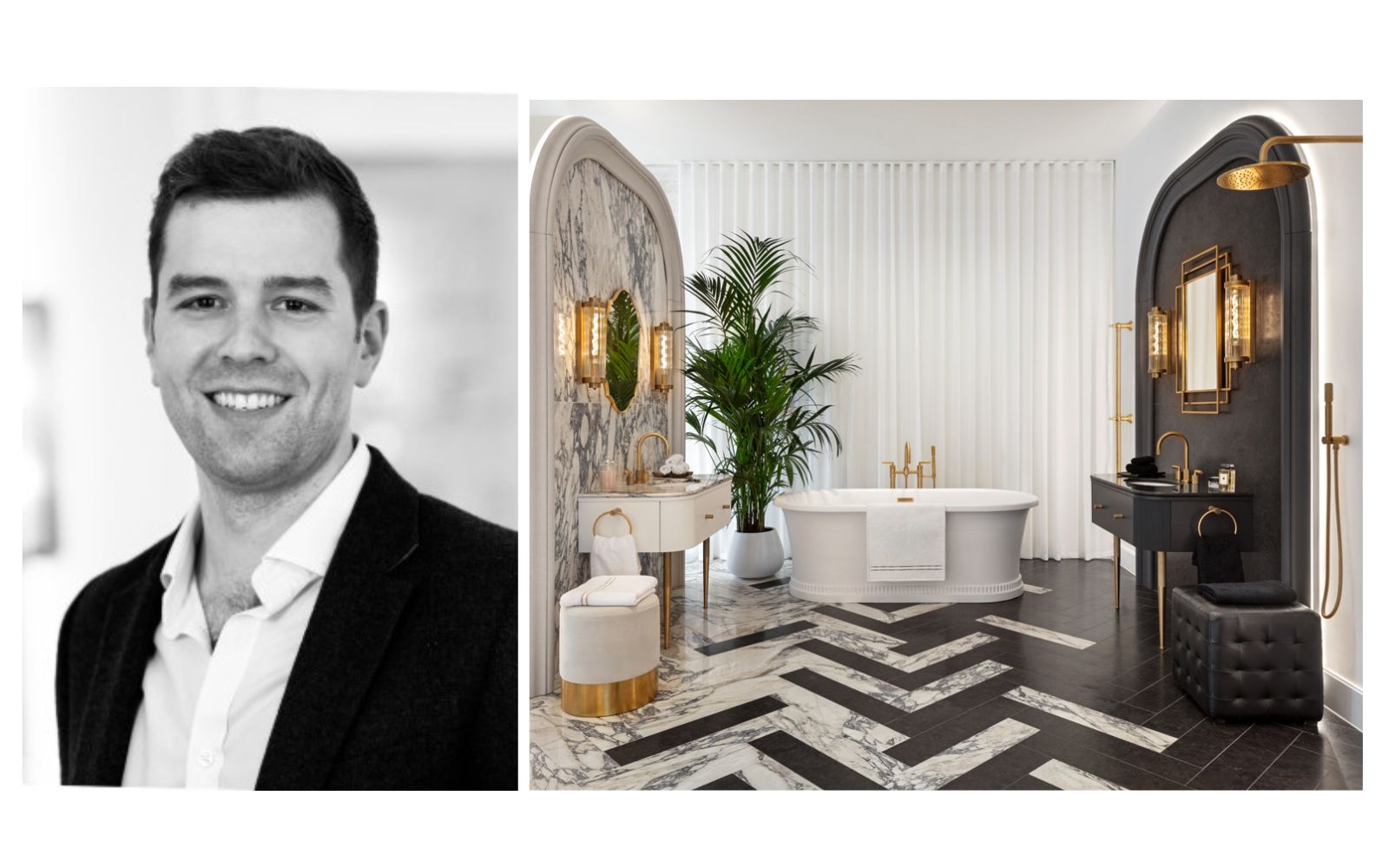
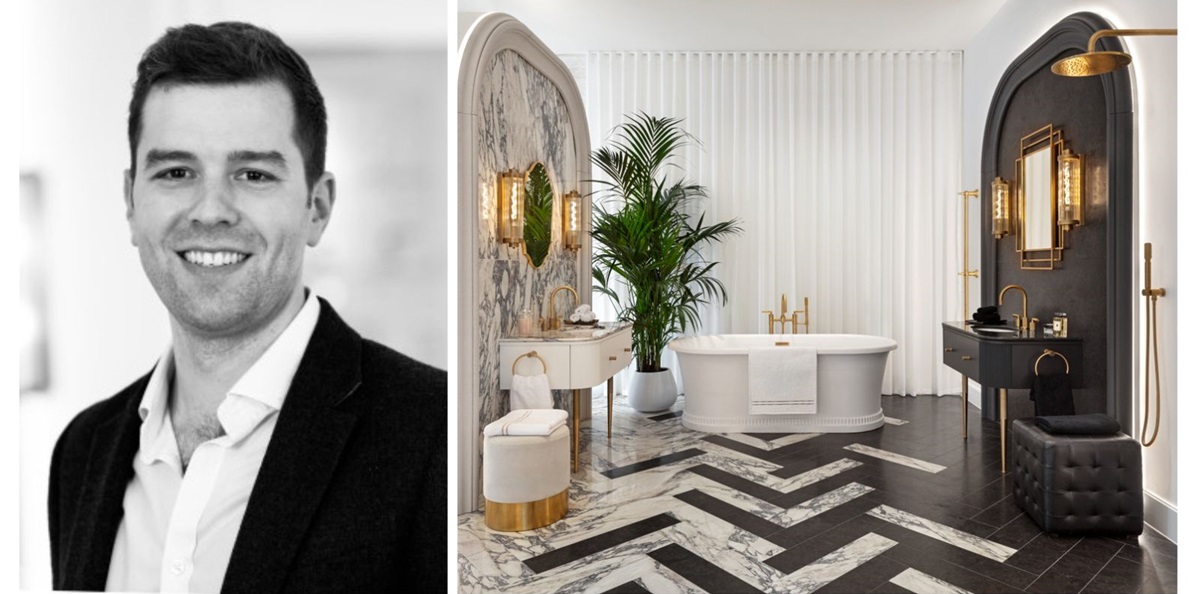
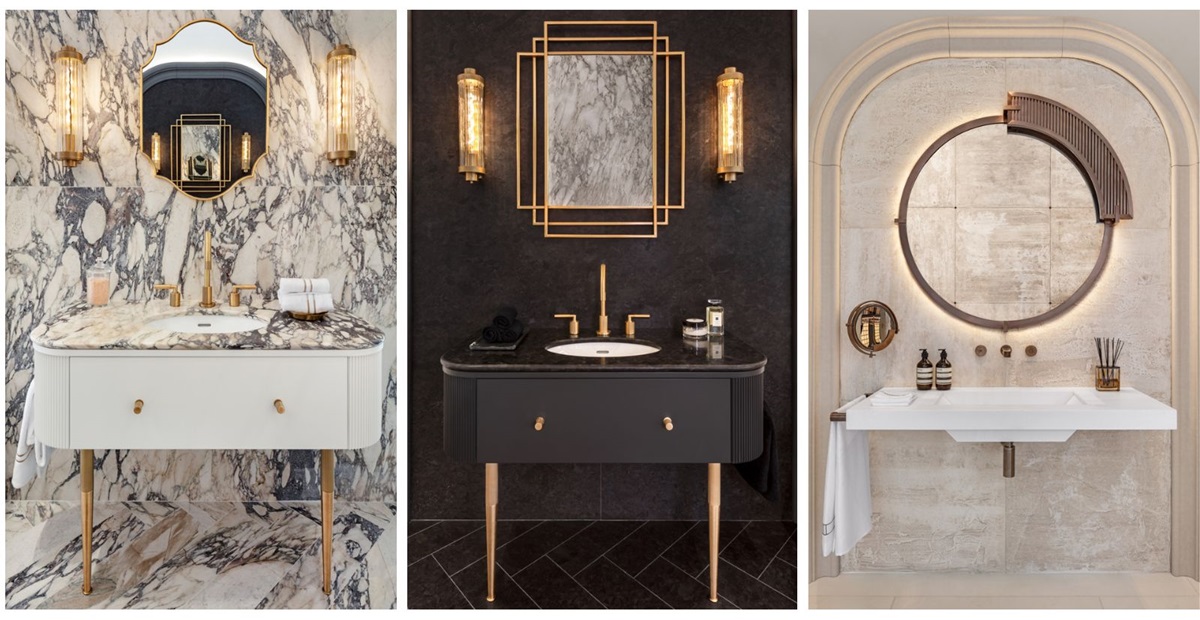
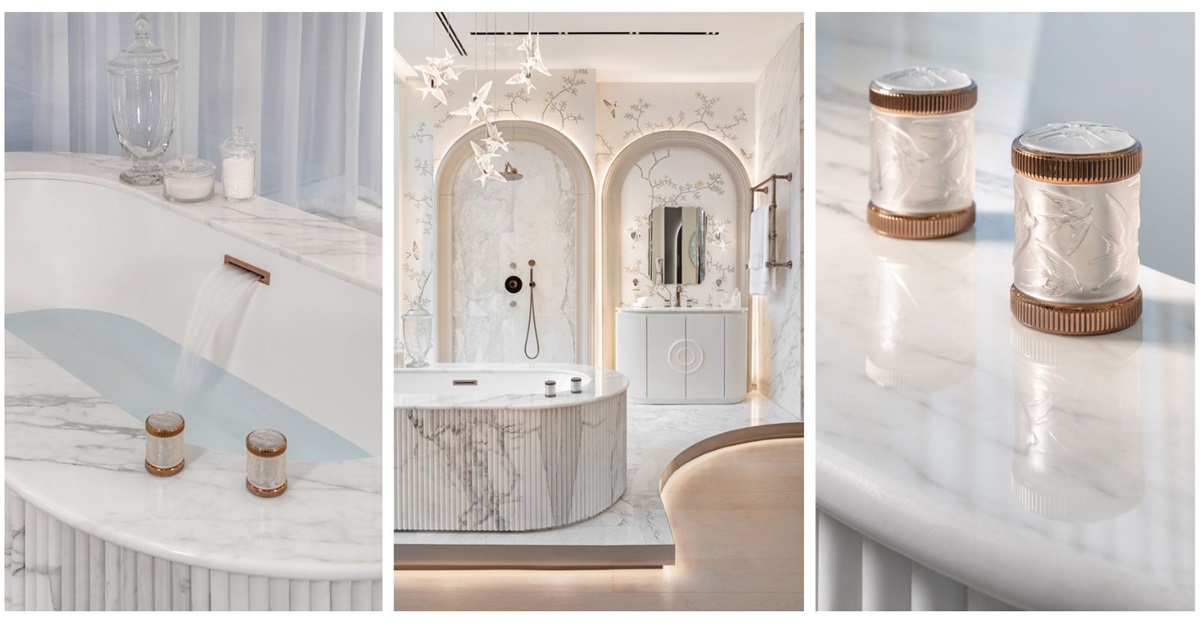
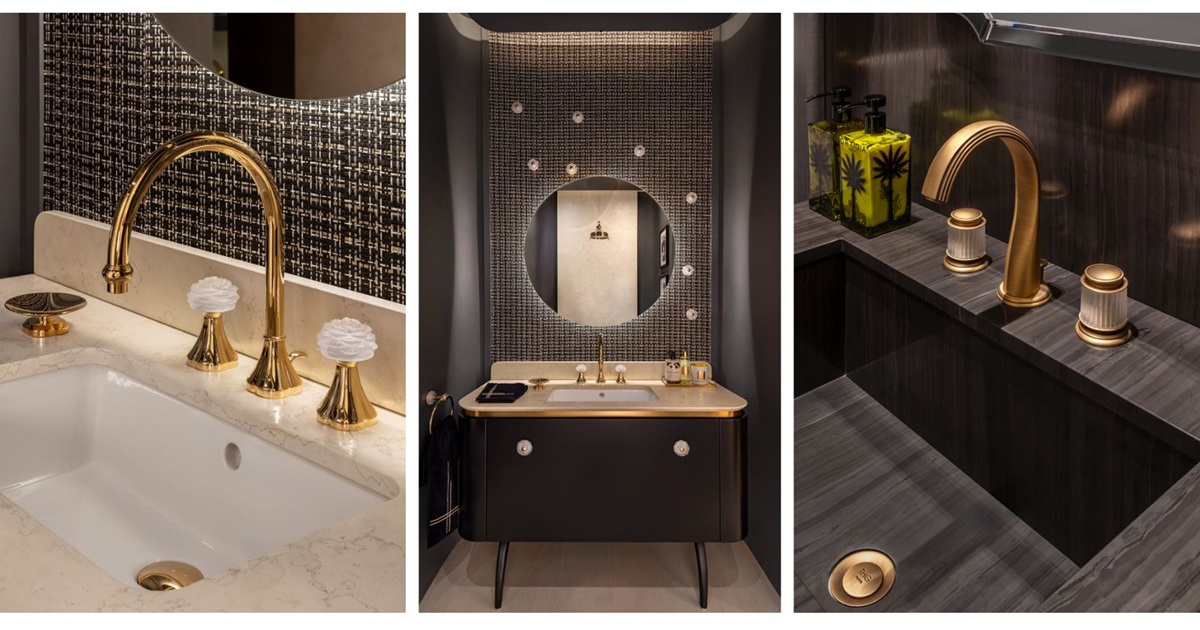
THG Paris has always been thought of as the epitome of luxury when it comes to bathroom finishes, but in a recent interview with Luke Calderon, THG’s UK Sales Director, Sophie Harper discovered the brand offers so much more than crystalline taps…
Since 1956, THG Paris has built its name on a simple but radical idea for the time: that bathroom fittings could be as decorative, considered and covetable as fine jewellery. Seventy years on, the French manufacturer is widely regarded as a leader in the high-end bathroom fittings market worldwide, with a portfolio that runs from Lalique crystal and Baccarat glass to collaborations with the F. A. Porsche design studio, and installations in properties from the Prince de Galles in Paris to yacht interiors and hotels across the globe.
In the UK, that legacy lives inside a striking showroom at Chelsea Harbour, where THG relocated two years ago after three decades in Belgravia. Hotel Designs sat down with Luke Calderon, THG’s UK Sales Director, to talk bespoke commissions, the changing face of brassware finishes, and why hotel bathrooms are designed first and installed last.
Luke Calderon’s route into bathrooms began at high-volume manufacturers before he joined Samuel Heath, which he describes as a far more traditional, quintessentially British name. It was there he met Alexandra, now THG’s UK Managing Director, who later asked him to join her at THG – a move he made six years ago.
Image credit: THG Paris
THG’s UK story has its own quirks. The London operation was formerly Bathrooms International, a luxury showroom in Belgravia that also carried brands including Waterworks and Cristal & Bronze. When the couple who owned it retired, THG acquired the business and it became THG UK. Two years ago, having outgrown Belgravia, the brand made the move to Chelsea Harbour – part of a wider effort to roll out a consistent showroom concept across THG’s global network.
“There’s been a lot more emphasis on bathrooms,” Luke says. “Gone are the days of just a chrome or nickel boring tap – now you can pretty much do whatever you want.” That shift, he believes, is a large part of why the brand has grown so significantly over the past decade.
The Chelsea Harbour showroom is deliberately sequenced: premium ranges sit at the front “so as not to scare people away,” with the space becoming progressively more ornate – crystal, marble, elaborate detailing – as visitors move towards the back. It’s a reflection of a portfolio that spans roughly 250 collections, with entry-level taps starting around £700 and bespoke pieces running up to £13,000.
That range is unusual for a single brand. “Normally you go to a brand and they have an identity, and they have a price point,” Luke explains. “Whereas with THG, we tend not to have an identity as such, because we collaborate so much.” Designers might come to THG for a modest hotel bathroom or for backlit gold taps in a private residence – and find both within the same brand.
Image credit: THG Paris
Globally, the business skews towards hospitality, though the split shifts by region. In the UK specifically, Luke estimates sales are around 80% residential and 20% hospitality, while projects designed out of London – often destined for Dubai or continental Europe – are closer to 50/50. Price remains a natural ceiling in hotel work, which is why THG is developing a new, more competitively priced range due within the next 12 to 18 months.
If there’s a single idea that defines THG’s relationship with designers, it’s this: the brand owns its own factory, so almost nothing is off the table. “Once you’ve opened the gate of bespoke, everything then is bespoke from there onwards,” Luke says. “We’re known as a ‘yes’ company.”
That reputation has produced some memorable commissions. For a private club in Mayfair, THG recreated the owner’s dachshund as a tap handle. A fully bespoke tap is currently in production for a London hotel that will launch within the next six months – designed from the client’s own drawings, with the client retaining ownership of the finished product. And at Clarence House’s penthouse, THG’s blue Baccarat taps famously appeared, unprompted, in a Vogue photograph of Julia Roberts. “That’s got nothing to do with us,” Luke laughs, “but it made us look fantastic.”
Image credit: THG Paris
He draws a clear distinction between customisation – choosing from 250 ranges in 30 colours, and mixing between collections – and true bespoke work, which starts from a blank page. Around 90% of the showroom’s contact is directly with interior designers; “We take the designer’s lead,” says Luke. “They come to us with ideas, and we just say yes, it’s possible, or no, it’s not.”
That same collaborative instinct feeds THG’s twice-yearly range launches – one in-house design and one created with an external name each year. A new collection with British designer Catherine Pooley launched at Milan Design Week earlier this year. These partnerships typically begin organically, often during a live specification project, and can take up to five years to move from first conversation to launch, given each range has to extend across roughly 2,000 individual products, from taps to robe hooks.
Hotel projects follow an unusual rhythm, Luke explains. Because plumbing and first-fix work has to be locked in early, bathrooms are specified at the very beginning of a build – even though the fittings themselves are among the last things installed. THG becomes involved early with the design team, goes quiet through the middle of the build, then re-emerges around tender and pricing. Manufacturing bespoke ranges can take up to a year, meaning a 200-room hotel might need 12 to 18 months to fulfil in full – with the entire relationship, from first conversation to completed order, often spanning two to four years.
Along the way, THG’s role extends well beyond supplying hardware. The team advises on practical realities – where shower controls should sit so guests aren’t drenched reaching for them, or why the biggest shower head isn’t always the best one. “It’s our job to bring their design and their concept into something that works,” says Luke.
One recent highlight is The Dorchester, where THG fittings were specified across every guest room rather than being reserved for penthouses or premium suites alone – a project Luke counts among the brand’s biggest recent wins. THG’s footprint now spans showrooms and subsidiaries in Paris, London, Milan, New York, Shanghai and Frankfurt, with distributor partnerships extending the brand further still.
Image credit: THG Paris
Finish has become the defining trend of the past several years. Traditional chrome endures because it’s durable and low-maintenance, but the rise of PVD (physical vapour deposition) plating has made warmer, more characterful finishes – matte brass in particular – viable for hospitality use without the tarnishing risk once associated with gold or nickel. The catch, Luke notes, is cost: PVD is inherently expensive, so demand for these finishes constantly runs up against project budgets.
Sustainability adds a further layer of tension. Designers want statement showers with multiple functions; regulations increasingly cap flow rates at 10 litres per minute. “It is a bit of a balancing act between the two,” Luke says, “because the last thing you want is a penthouse in the Dorchester with a shower head that’s just dribbling.”
Asked whether accessibility factors into THG’s product thinking, Calderon is unequivocal. With many hotel brands required to make around 10% of rooms accessible, THG’s in-house manufacturing means it can adapt almost anything: longer basin tap levers, sensor-operated electronic taps, bottle traps that allow wheelchair access beneath basins, room-length grab rails, and push-operated rather than lever shower valves.
He’s candid that brassware is the easier part of the equation – furniture and sanitaryware in this space tend to be less design-led, though THG has partnered with specialists such as Fitzroy of London to help close that gap. Sometimes the solution is as simple as clearly marked hot and cold indicators. THG is also developing a CPD module on bathroom specification for architects and designers, covering fundamentals that apply across all manufacturers, with a further module planned on sustainability standards such as BREEAM.
So what’s next? Luke doesn’t expect radical technological change in bathroom design over the next decade or two. “Bathrooms are sort of timeless,” he says, noting that digital taps have never quite found their audience. Instead, he expects the emphasis to fall on sustainability – particularly water consumption – and on designing products built to last 15 to 20 years, reducing the environmental cost of replacement over time.
For designers weighing up THG, Luke’s pitch is straightforward: a single brand spanning simple chrome basics through to the ornate, alongside the continuity of matching accessories – robe hooks, towel rails, shower door rails – across every range. “The idea is that you can keep that continuity, in both the design and the finish,” he says. “That’s something a lot of manufacturers can’t offer.”
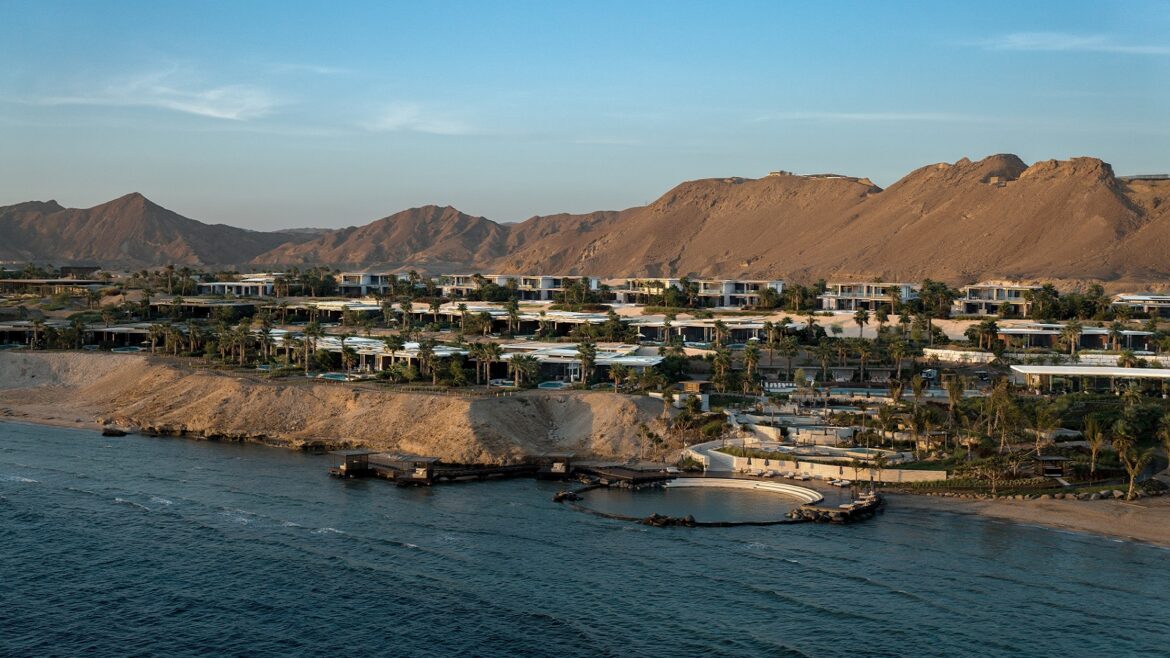
Red Sea Global (RSG), has announced the opening of Rosewood AMAALA at Triple Bay on Saudi Arabia’s northwestern Red Sea coast. The opening marks another milestone in the company’s strategy to establish AMAALA as the Kingdom’s flagship wellness destination…
“Rosewood AMAALA strengthens the destination’s position as a world-class wellness destination by bringing together Rosewood’s distinctive approach to luxury hospitality with personalized wellbeing experiences. Together with our growing collection of wellness operators and hospitality partners, the resort expands the range of experiences available to guests seeking restorative, meaningful and immersive stays along the Red Sea coast,” said John Pagano, Group CEO of Red Sea Global.
Image credit: Rosewood AMAALA
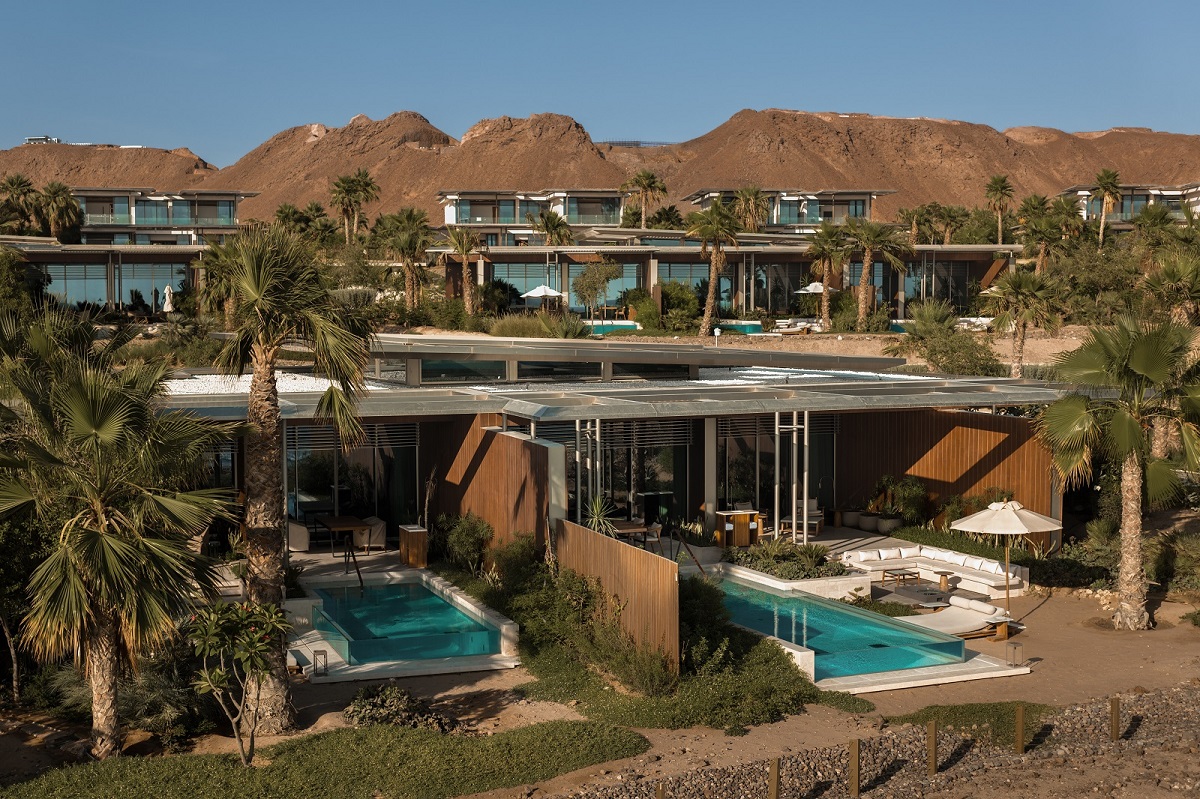
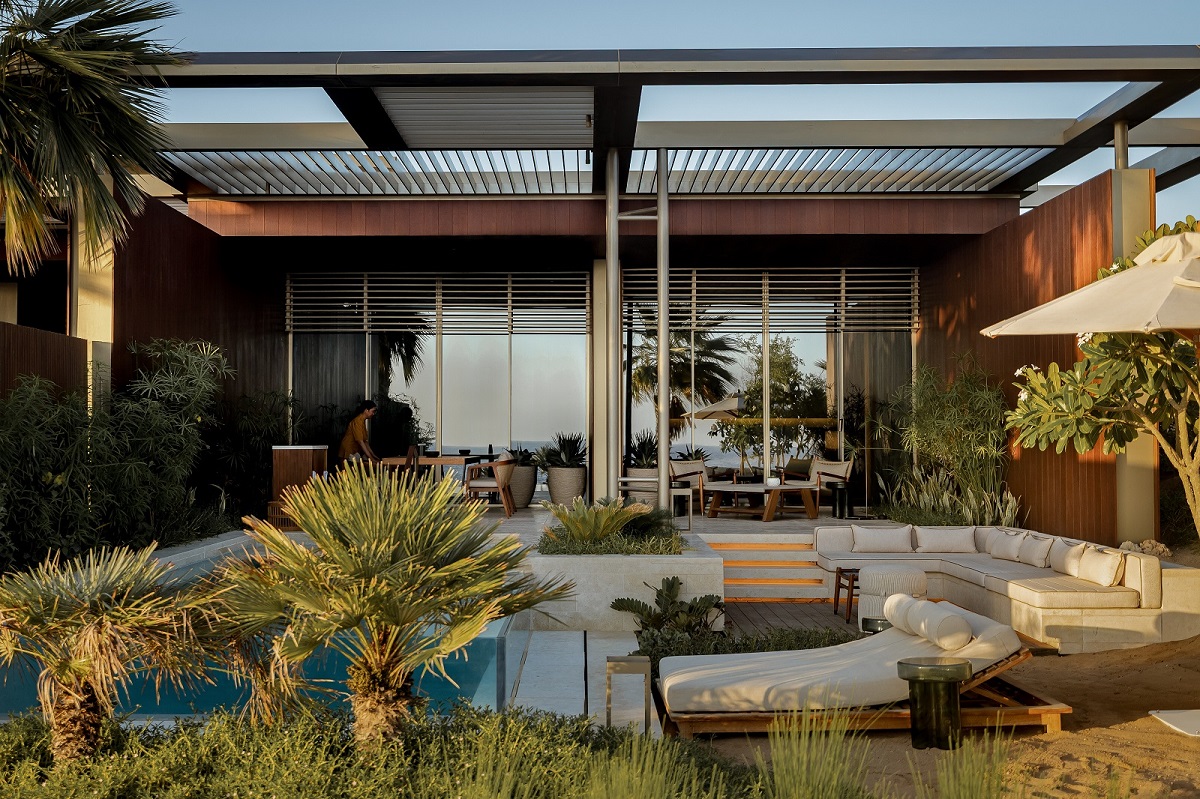
The resort spans approximately 40 hectares and features 110 keys arranged in clusters that sit gently within green sanctuaries. The pavilions, suites, and villas include private swimming pools complemented by multiple shared resort pools, indoor-outdoor living spaces that offer a sense of privacy and calm. One of the resort’s renowned features are two natural rock pools set on the Red Sea coast.
Complementing the resort, Rosewood Residences AMAALA comprises an exclusive collection of 26 branded residences, ranging from three- to five-bedroom villas, with interiors by Tristan Auer.
Image credit: Rosewood AMAALA
Guests can enjoy eight culinary experiences across the resort catering to all tastes. From relaxed Mediterranean dining and modern grill concepts to lounges and pool side bars offering fresh all-day refreshments and light dishes.
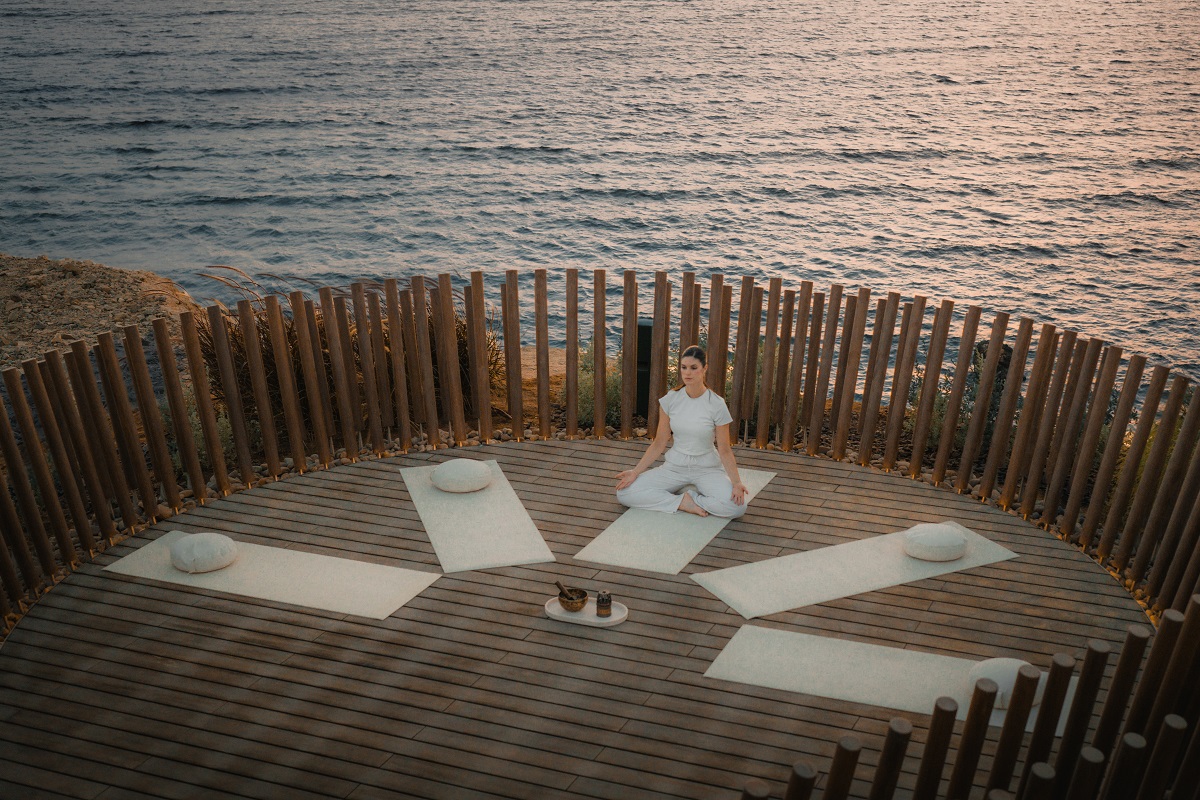
The resort’s Asaya spa covers 2,100 square meters. It includes six treatment rooms and a double suite, a private hammam, and wet areas for men and women with sauna and steam rooms. Two fitness centers are equipped with Technogym Artis, one of them for women alone, alongside studios for yoga and movement. Social House is a private day spa within Asaya, booked by one group for the day, where families can stay together and friends mark an occasion in a space of their own.
Image credit: Rosewood AMAALA
Along with the rest of the destination, Rosewood AMAALA will be fully powered by solar energy. The destination also aims to achieve a 30% net conservation gain by 2040.
Rosewood AMAALA is the third resort to open at AMAALA Triple Bay, marking another milestone in the destination’s phased delivery. In the coming months, a further five resorts will join a growing portfolio of world-class hospitality brands, alongside branded residences, integrated wellness facilities, a marina, curated retail, a marine life experiential institute and destination dining.
Who is Red Sea Global?
Red Sea Global (RSG) is a vertically integrated real estate developer with a diverse portfolio across tourism, residential, experiences, infrastructure, transport, healthcare, and services. This includes the luxury regenerative tourism destinations The Red Sea, which began welcoming guests in 2023, and AMAALA, which welcomed its first guests in 2026.
A third destination, Thuwal Private Retreat, opened in 2024. RSG was also entrusted with development works at AlWajh International Airport, focused on upgrading the terminal and infrastructure.
Urban Cowboy, the design-forward boutique hospitality brand renowned for reimagining quintessential Americana through its immersive properties, is taking its maximalist aesthetic to New York City through a collaboration with Collective Retreats Governors Island…
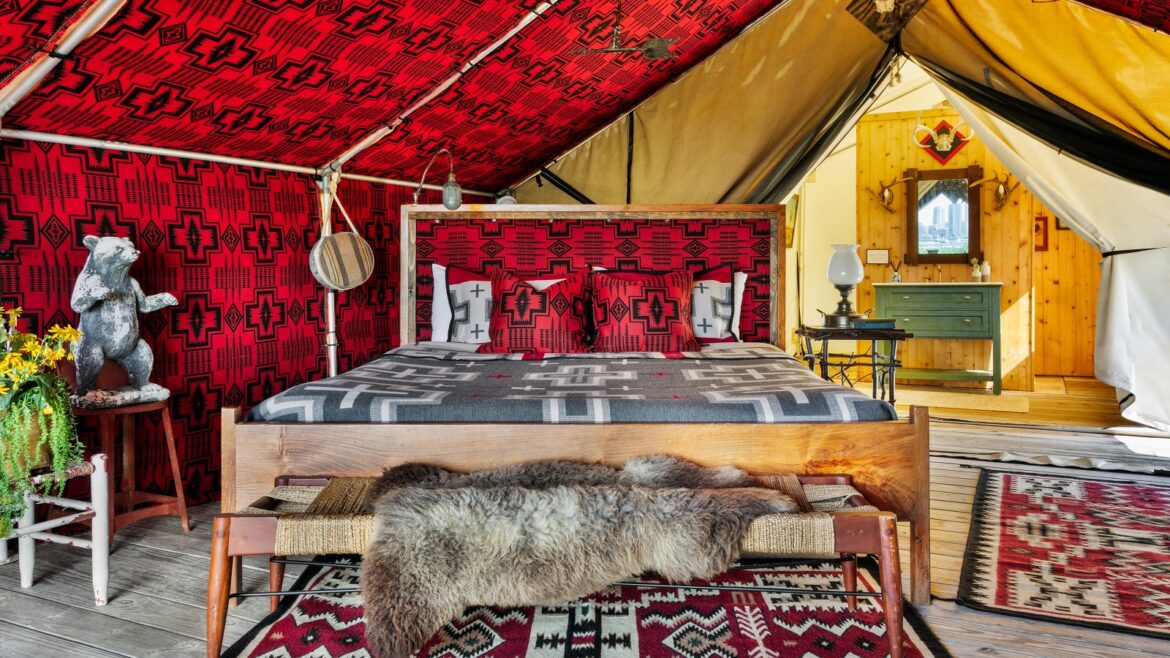
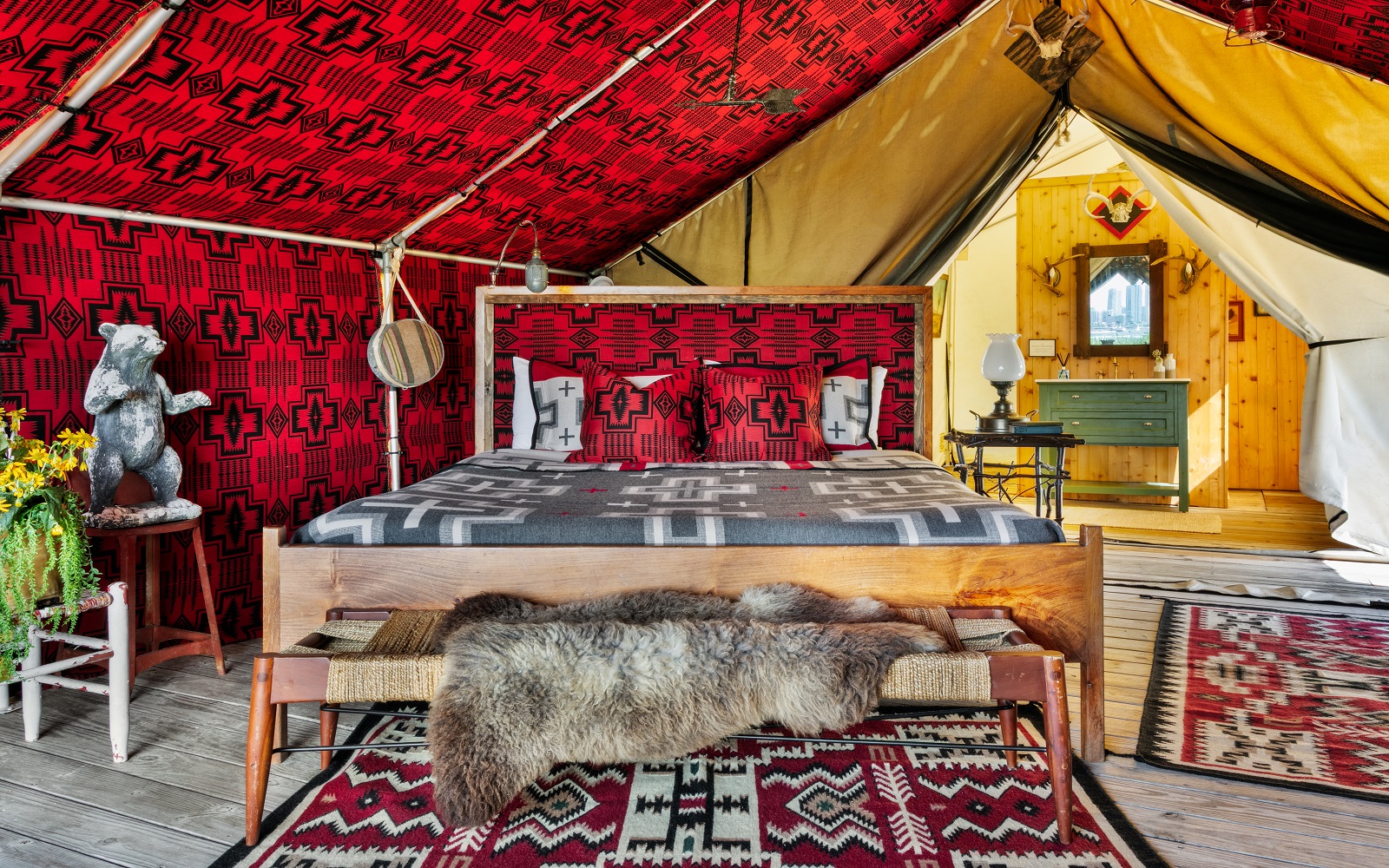
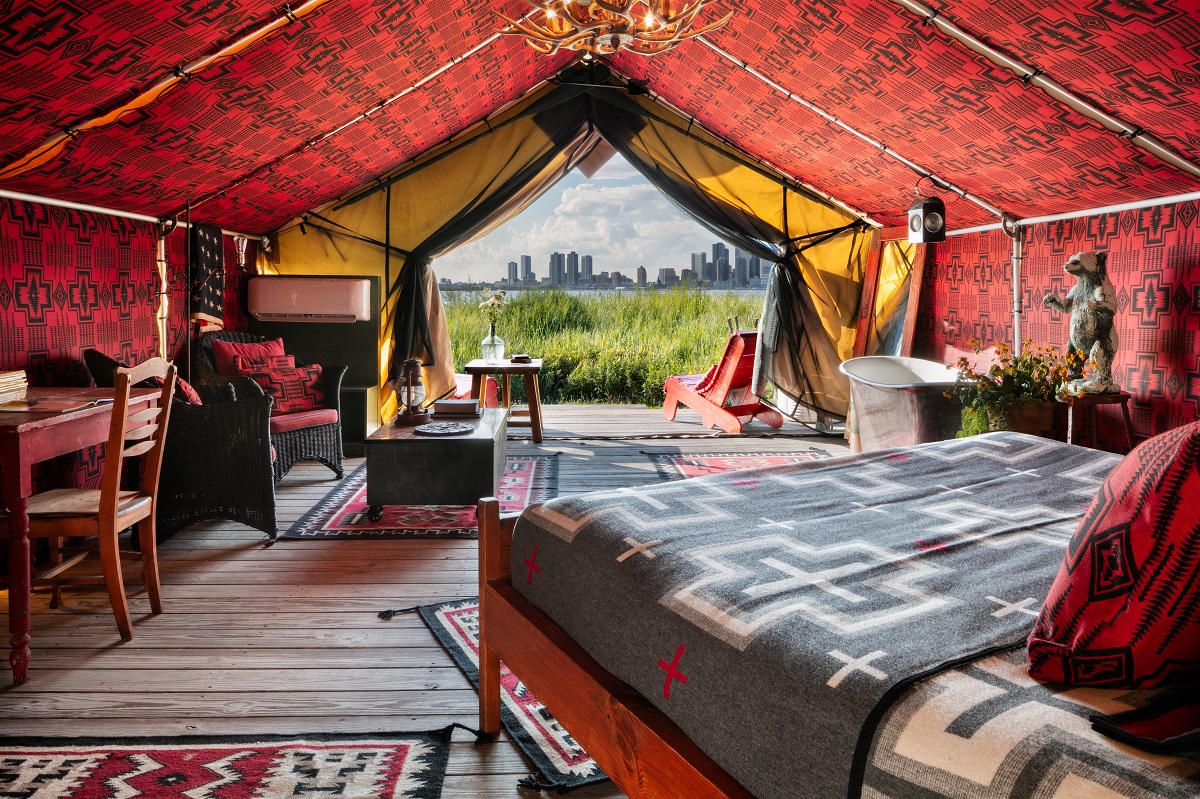
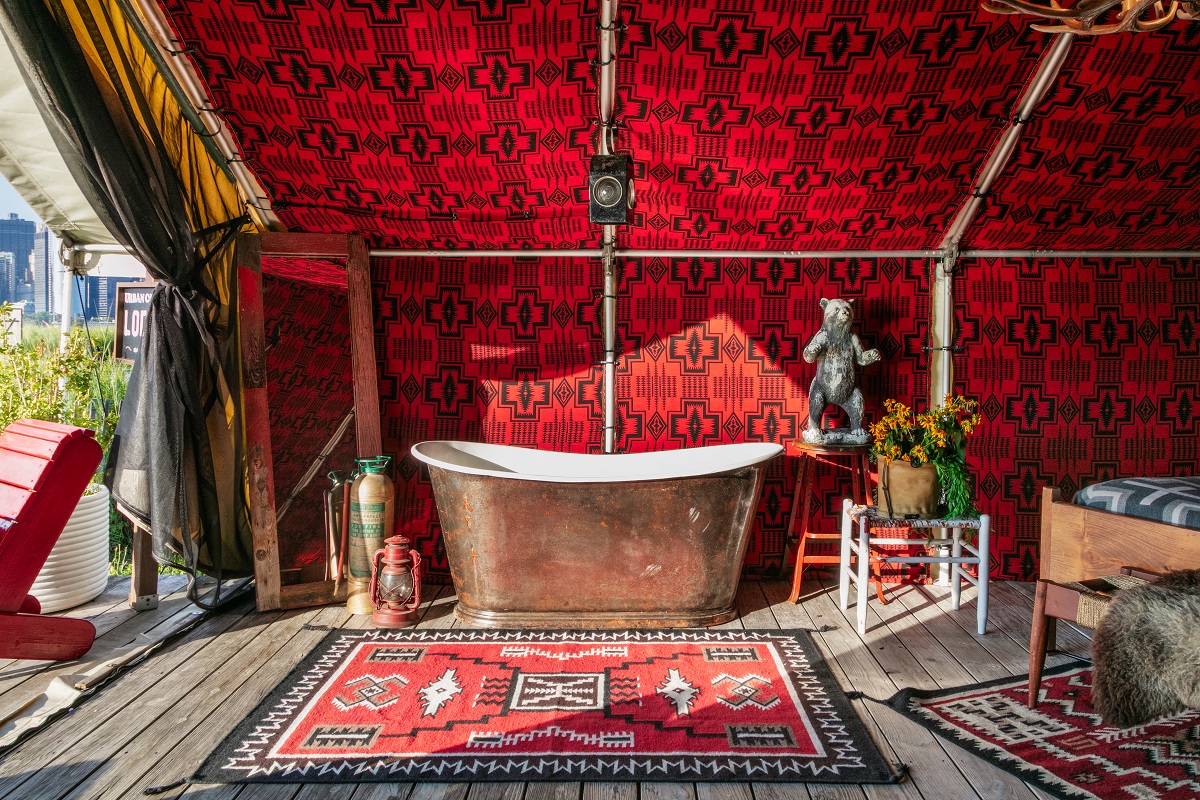
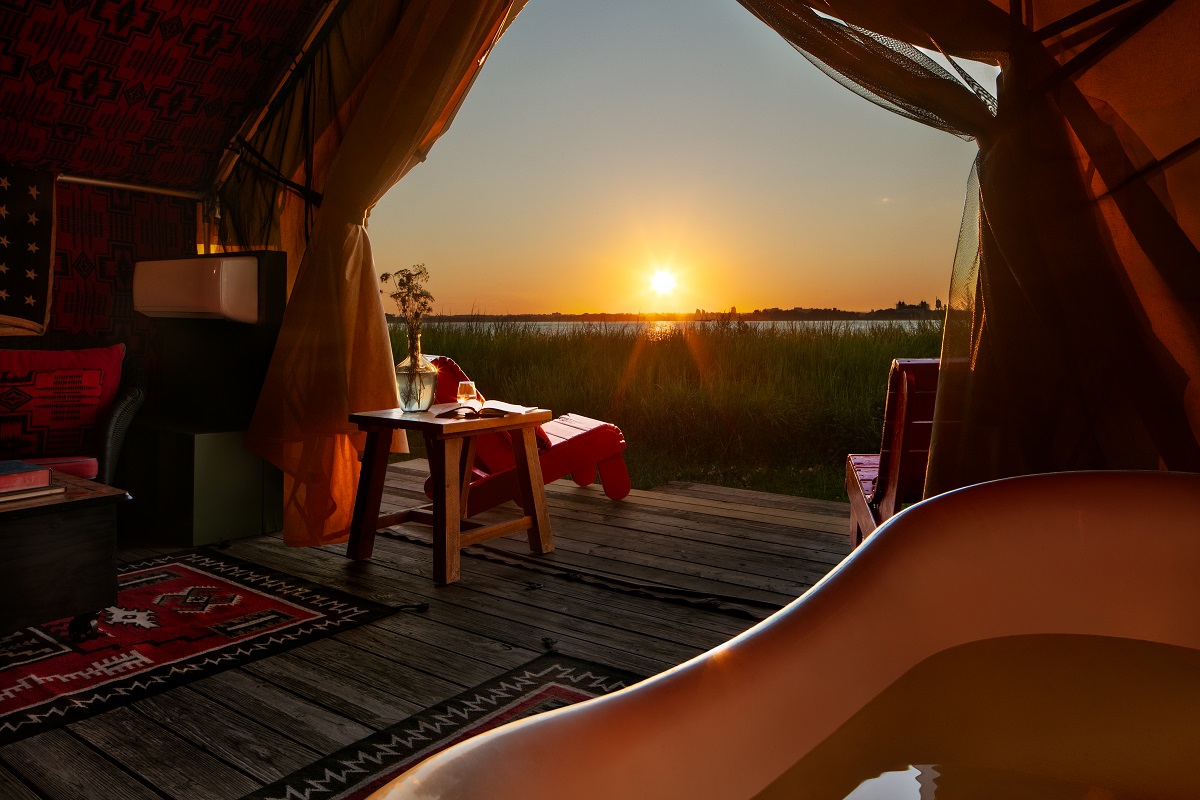
Complete with Urban Cowboy’s iconic clawfoot soaking tub, artfully positioned to frame sweeping views of the Statue of Liberty, the tent features an ensuite bathroom and is layered with Urban Cowboy’s unmistakable eclectic design, featuring Pendleton textiles, El Paso Saddle Blanket rugs and a curated mix of custom and vintage furnishings.
Found objects, including antique artwork, repurposed boat oars and a vintage radio displayed as sculptural accents, add a sense of history, character and storytelling to the space. Open now through the end of November, the tent will return to Collective Retreats for the 2027 season.
“The Urban Cowboy Tent at Collective Retreats, like Urban Cowboy Lodge, embodies the kind of unexpected hospitality experiences we strive to create at Dovetail + Co: immersive destinations that invite guests to experience a place in an entirely new way,” said Phil Hospod, Founder and Chief Executive Officer, Dovetail + Co. “By bringing together Urban Cowboy’s distinctive aesthetic with the natural setting and unique character of Collective Retreats Governors Island, we’ve created an experience that celebrates both brands and encourages connection, discovery and memorable stays.”
Image credit: Collective Retreats / Urban Cowboy
Designed by Lyon Porter – Urban Cowboy Co-Founder and Creative Director of Cowboy Creative – the 325-square-foot Urban Cowboy Tent at Collective Retreats is a richly layered expression of the brand’s signature Western-inspired style. Wrapped in red Pendleton Harding-pattern, the fabric is cut, sewn and ribboned into wall and ceiling panels, as well as a bespoke upholstered headboard. El Paso Saddle Blanket rugs ground the interiors while a curated collection of hand-selected vintage pieces, including antique lanterns, 1920s canteens and other storied finds sourced from seasonal outdoor markets, Beacon Flea Market and Elephant Trunk add warmth and a sense of discovery.
Image credit: Collective Retreats / Urban Cowboy
Kevin Jacob Design LLC, whose work can be seen upstate at Urban Cowboy Lodge & Resort, collaborated on custom elements throughout the space, including hand-painted stencil work, signage and mounted deer antlers, helping bring Porter’s vision to life. The tent is anchored by an antique patinated French cast-iron tub positioned with a direct view of the Statue of Liberty.
“An authentic Urban Cowboy experience is always relevant and meant to be transportive,” said Lyon Porter, Co-Founder, Urban Cowboy. “This collaboration marks a meaningful return to New York City, where Urban Cowboy first began with our bed and breakfast in Williamsburg. Collective Retreats at Governors Island presented an opportunity to reimagine the spirit of Urban Cowboy in an entirely new setting that feels both immersed in nature and connected to the city.”
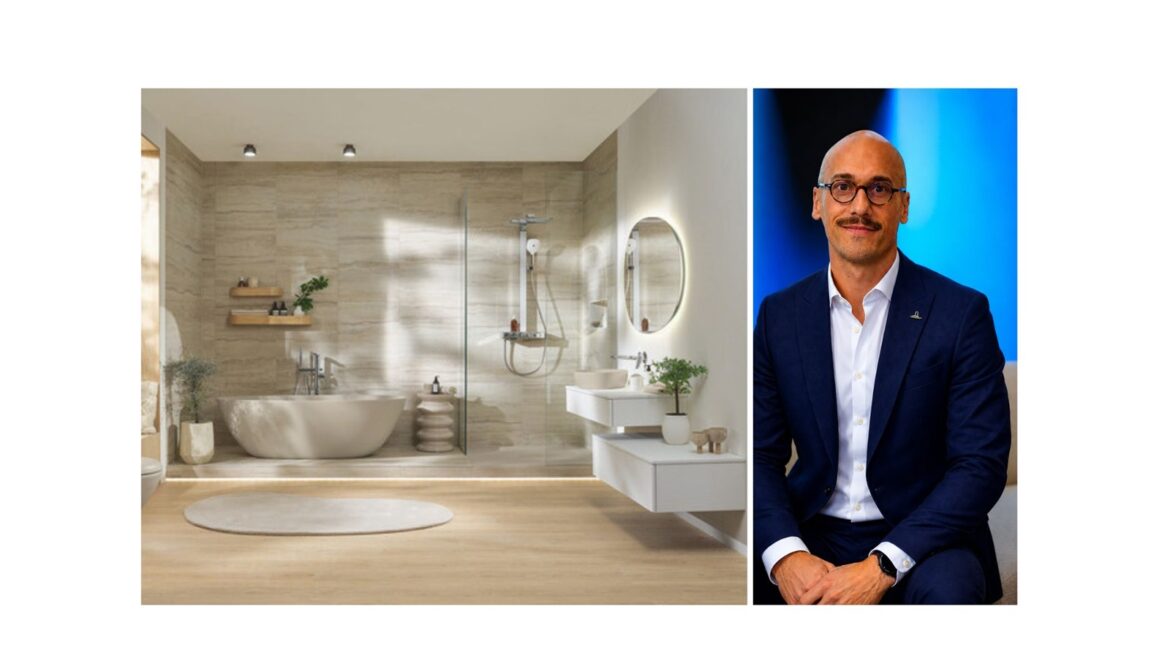
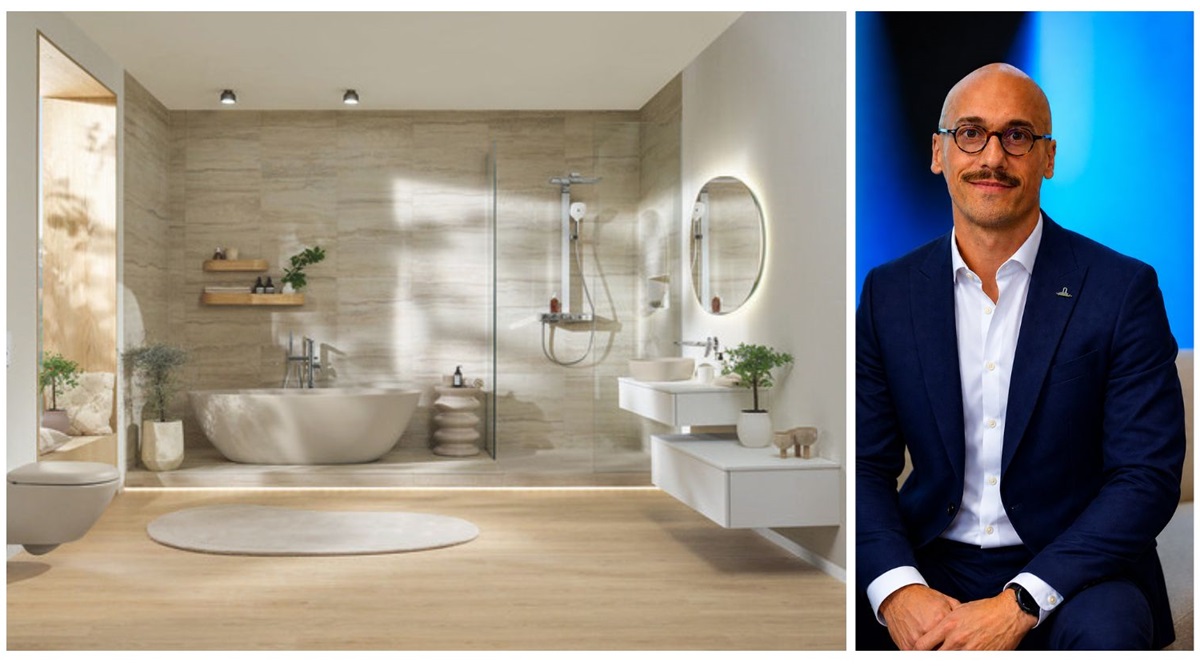
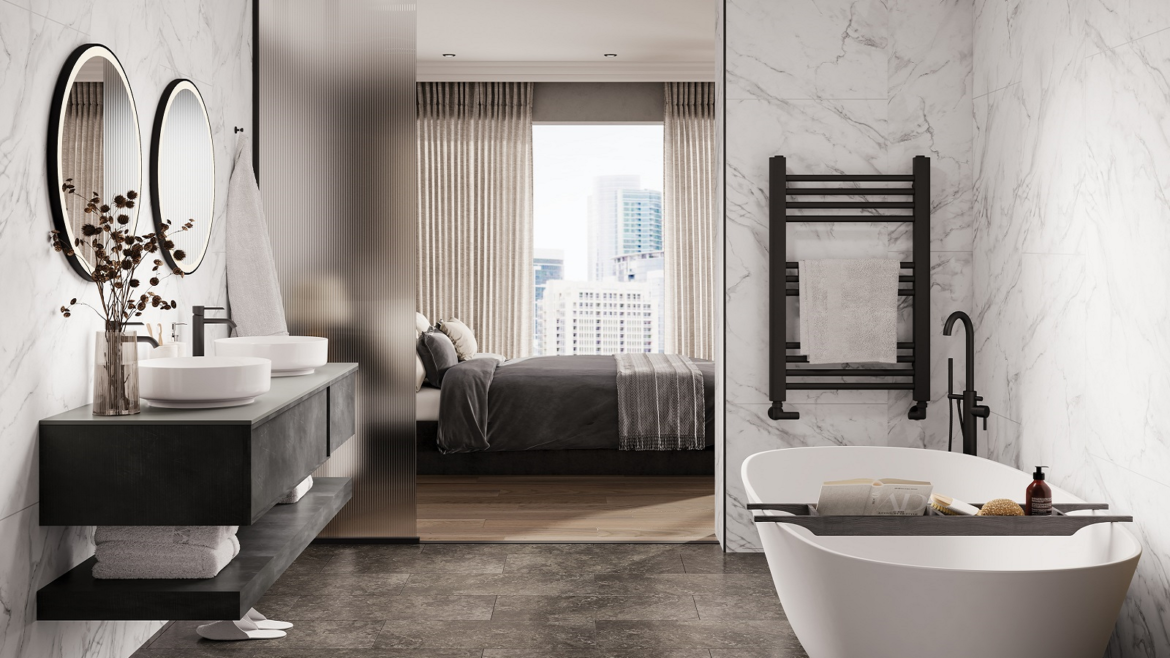
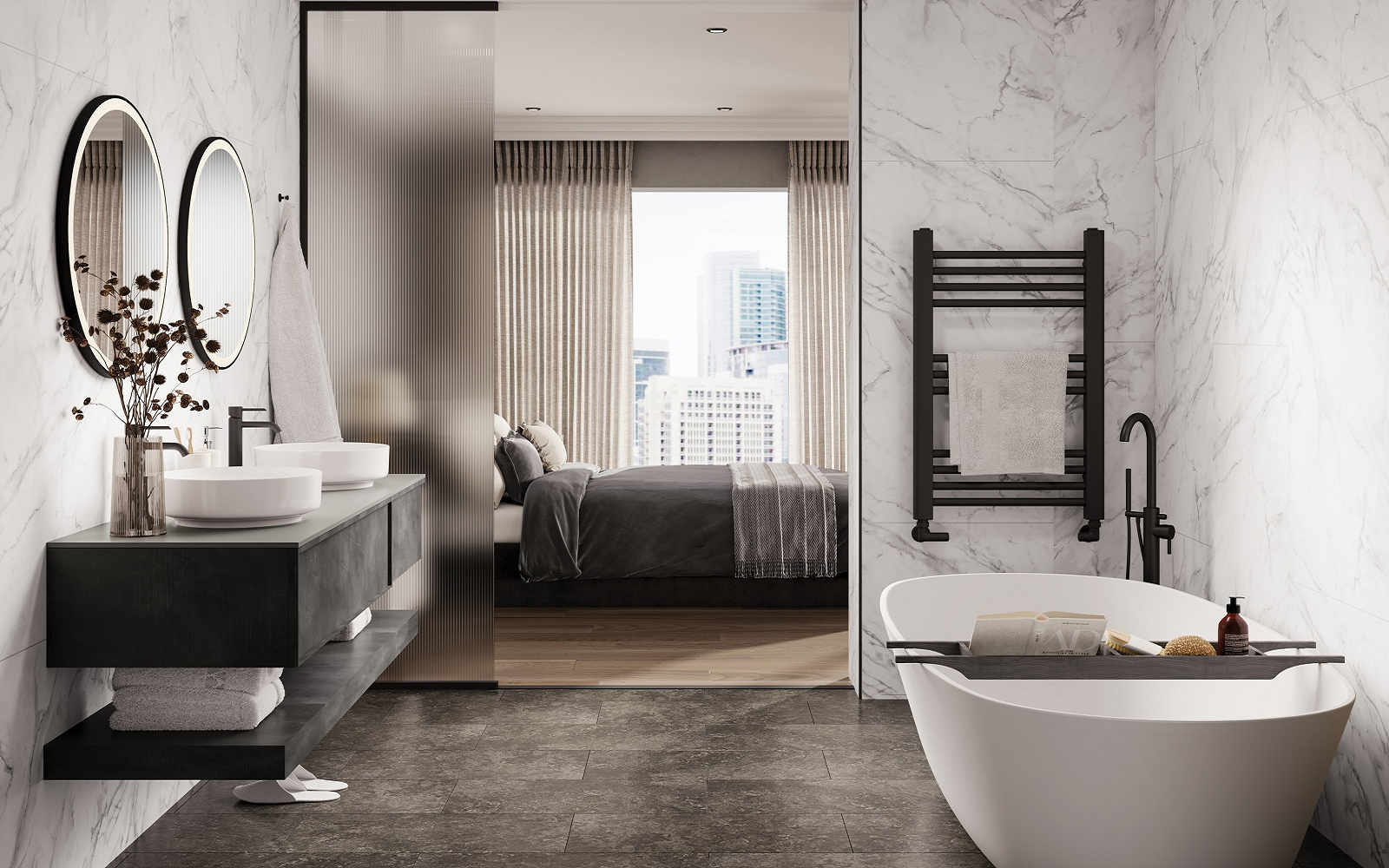
Last month, Hotel Designs visited Villeroy & Boch’s London Design and Specification Centre to sit down with Jason Cadman, Channel Director for Architects and Designers, to find out more about how involved the bathroom brand is on hotel projects…
Jason Cadman leads the channel that works with architects and designers across Villeroy & Boch‘s Global Projects team, with a particular focus on hotels – and, crucially, on the people rather than the buildings, and our conversation centred on client relationships, technical complexity, sensory design, and why, in Jason’s words, “quiet is the new luxury.”
I began by asking what a typical day looks like for him. The honest answer, he said, is that there isn’t one. His role sits at the crossroads of marketing, technical support and project delivery, working with a small team – three key account managers for architects and designers, a UK hotel sales manager, and a showroom host – who between them cover everything from first introductions to final installation.
What struck me most was his insistence that the team’s real focus is not the project itself, but the person behind it. “We focus on them as individuals,” he told me. “We don’t focus on their projects, we focus on working with [the practice], whatever project they have, whatever solution they need.” That distinction matters because architects and designers are notoriously difficult to approach cold – trust, he said, is built over years, through networking, showroom visits, events, and the countless smaller moments in between, such as fielding a request for a data sheet or a set of technical drawings.
It also helps, he admitted, that the Villeroy & Boch portfolio now includes Ideal Standard and Armitage Shanks, all under one roof following a merger some 18 months ago. Between them, the brands carry decades of recognition in the UK market, something Jason sees as a genuine advantage as the newly combined team continues to establish itself. “We’re still in our early days of that,” he said, “so there’s a lot of growth that we’re still expecting.”
Ask most people what a bathroom manufacturer does, and they’ll describe a product on a shelf. Jason’s biggest frustration, gently expressed, is that this couldn’t be further from the truth. A new-build hotel can take anywhere from two to five years to move from concept to completion, and Villeroy & Boch is involved at almost every stage of that journey: from early design conversations about technical performance and space requirements, through cost consultants and quantity surveyors checking the numbers stack up, to the main contractor’s tendering process and, eventually, the merchants supplying the products on site.
“The common misconception is that we just manufacture products,” he explained, “but actually we’re involved in every moment of the project life cycle, and we do that behind the scenes.” That includes pricing support – something he says is easily overlooked if a project isn’t specified early enough, leaving Villeroy & Boch out of the tendering conversation entirely – as well as design services most people never hear about, including in-house rendering to help visualise how a finished bathroom might look, and a digital configurator tool that pulls together BIM files, CAD drawings, EPDs and data sheets in one place, solving what he describes as one of the biggest bugbears for architects working to a deadline.
Pricing, in particular, is more complicated than it looks from the outside. A project specified today might not be built for another four years, which means manufacturers are often quoting against costs – energy prices among them – that are impossible to predict with any certainty that far out. Being involved early on, Jason says, is one way to manage that risk on both sides.
To bring the point home, he pulled up a slide he’d put together for a colleague new to the business – a visual map of the hotel project life cycle with every external stakeholder (hotel brand, investor, architect, cost consultant, main contractor, merchant, installer) and every internal one (account managers, sales managers, the A&D team, and a dedicated hotel design manager who acts, in his words, as “the conductor” of the whole process) mapped alongside it. It was a striking illustration of just how much sits behind what, to a guest, is simply a tap or a toilet – and of the fact that Villeroy & Boch’s involvement doesn’t end at installation. The company also sends its own engineers to resolve any on-site issues after a hotel has opened, a level of aftercare he says is rare among manufacturers.
Much of that invisible work, he explained, comes down to the parts of a project no guest ever sees – the first-fix and second-fix plumbing decisions that determine where pipework sits and how a bathroom can ultimately be laid out. “If you don’t see something, you don’t know it exists,” he said, “so you don’t really realise how a hotel is actually functioning, how it’s made to feel like a home.” It’s a line that says a lot about his work: success, for Jason, often looks like invisibility – a space that simply feels right, with none of the engineering behind it on show.
That awareness, he laughed, has become something of an occupational hazard. He’d been on holiday in Corfu the week before we met, and found himself unable to switch off, pointing out design decisions to his partner at every turn. “Someone’s thought about that. That’s been thought about.” Further still, Jason admits he researches who designed a hotel before he’s even checked in, tracing a practice’s signature through the finishes and layout of a space. It’s a small window into a bigger truth about the industry: once you understand how much thought goes into a hotel bathroom, you can never quite un-see it again.
Our conversation turned to guest expectations, and how briefs from hospitality clients have shifted in recent years. Wellness, Jason said, has moved well beyond the spa. “Wellness should be part of every space in a hotel – especially in your guest room, and in your bathroom.” His point being that guests should feel at ease the moment they walk in: through neutral tones, soft finishes, curved edges, and materials that feel warm rather than clinical.
One phrase stuck with me: “quiet is the new luxury.” Jason highlighted products designed with sound, as much as function, in mind – a shower tray engineered to feel soft and warm underfoot, and a bath filler that fills from the base rather than the top, removing the rush of running water that, in most homes, announces exactly what’s happening behind a closed door. It’s a small detail, but one that speaks to a much bigger shift: hospitality bathrooms are no longer just functional spaces, but sensory ones, designed around how a guest feels rather than simply how the room performs.
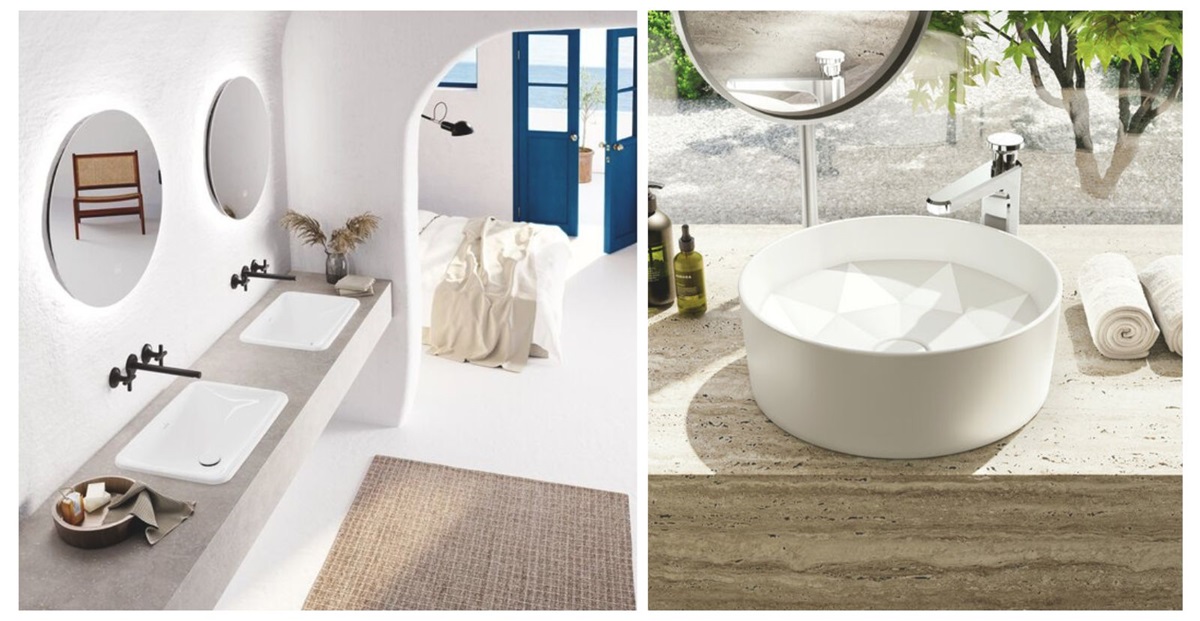
That thinking extends to product design more broadly. The Loop of Friends undercounter basin, for instance, has become popular in hospitality projects precisely because it recedes into the background, allowing worktops, tiling, mirrors and views to take centre stage instead of the basin itself. It’s a subtle but deliberate move away from the freestanding, “jewellery of the space” basin that once dominated luxury bathroom design.
If there’s one trend Jason thinks is worth making note of, it’s the growing UK and European interest in shower toilets – a category long established in Asia and the Middle East but historically slow to catch on here. “If you’d asked me two years ago, we’d probably have had zero live projects in the UK with them,” he said. “Now we have a strong handful, and they’re prestigious ones.”
The barrier to wider adoption in Europe, he believes, has less to do with the technology itself and more to do with usability. “Nobody wants to spend an hour in a hotel bathroom trying to figure out how to turn off a light, let alone work out a shower toilet.” In response, Villeroy & Boch has focused on paring the category back: fewer buttons, slimmer ceramic forms, and a much simpler user experience than the earlier, bulkier products the market associates with the technology. As uptake grows, he expects costs to fall too, opening the category up beyond premium suites and into more mainstream hospitality specifications.
Looking ahead, Jason is most excited about new finishes and materials – warm bronze tones in particular, a trend he believes has genuine staying power in high-end hospitality, alongside new textured ceramic ranges developed using expertise drawn from Villeroy & Boch’s wider design divisions. New products are due to launch at ISH next March, developed in collaboration with a new external designer, alongside continued exploration of 3D-printed ceramics and recycled content.
Underpinning all of it, he said, is a company still finding its shape following the merger – one that, despite tracing its roots back to 1748, still sees itself very much at the beginning of a new chapter. “We’re still evolving,” he told me as we wrapped up. “But that’s what makes it exciting – we’re only just starting.”
It’s a fitting note to end on. What began, in my mind, as a conversation about hotel bathrooms turned into something closer to a study in patience: of relationships built over years, of products engineered for feelings as much as function, and of an enormous amount of invisible work that most of us will never notice – right up until the moment we step into a hotel bathroom and everything, quietly, just works.
Set within 1,800 acres of National Trust parkland, The Ickworth Hotel & Spa has long been one of Suffolk’s most distinctive family hotels. Part of the Luxury Family Hotels group, the Grade I listed estate has now reopened following a thoughtful restoration, unveiling a beautifully reimagined experience…
Every part of the hotel has been carefully considered, from the bedrooms and restaurants to the wellness facilities and family spaces. Led by acclaimed interior design studio StudioJill, the transformation celebrates The Ickworth’s grand Italianate architecture while introducing a fresh, contemporary feel inspired by the estate’s rich history.
At the heart of the renewed guest experience is a clear understanding of what families need from a luxury country house hotel. Guests are given space to explore, places to come together and the comfort to properly rest at the end of each day. Sleep plays an important role in that balance, leading The Ickworth to specify Hypnos Boutique Collection mattresses throughout the hotel.
The Hypnos Boutique Collection was selected to support the sense of comfort, quality and care that runs through the wider restoration. Handmade by British bedmaker Hypnos Contract Beds using traditional techniques and responsibly sourced materials, each mattress combines exceptional guest comfort with long-lasting craftsmanship, reflecting the attention to detail found throughout The Ickworth.
Image credit: The Ickworth Hotel & Spa
The hotel’s 37 redesigned bedrooms offer a luxurious retreat after days spent exploring the Suffolk countryside. Larger family groups can also enjoy the flexibility of The Dower House and Butler’s Quarters, making The Ickworth an ideal destination for multigenerational holidays, family celebrations and special occasions.
Wellbeing sits at the heart of the new experience. The refreshed spa includes treatment rooms, relaxation areas, an indoor swimming pool, steam room, and spa garden with horsebox sauna and nordic-inspired hot tub, creating a peaceful sanctuary within the estate grounds. Dining has also been elevated, with seasonal menus celebrating the very best of Suffolk produce, from traditional afternoon teas to relaxed family dinners overlooking the estate.
Teresa Kingston, Group Commercial Director at Luxury Family Hotels, said,
“While much has changed, the spirit of The Ickworth remains the same. This is still somewhere families can slow down, explore together and create memories that will be talked about long after the journey home. The partnership with Hypnos supports this renewed chapter, helping to ensure that every stay is shaped not only by the beauty of the estate, but by the comfort and rest guests experience at the end of each day.”
Hypnos is one of our Recommended Suppliers and regularly features in our Supplier News section of the website. If you are interested in becoming one of our Recommended Suppliers, please email Katy Phillips.
The Hari London, The Hari Hong Kong and the upcoming The Hari Singapore are partnering with IHG Hotels & Resorts’ Vignette Collection. The repositioning, which is to take effect later this year, builds on a strategic relationship between the Harilela Group and IHG that spans more than five decades…
The Vignette Collection allows independent luxury and boutique properties to retain their brand identity while tapping into IHG’s global scale and loyalty program. To be considered, hotels must meet specific criteria focused on design, guest experience and community impact. When The Hari Singapore opens in the spring of next year, it’ll be the Vignette Collection’s first property in that market.
Image credit: The Hari Hong Kong
As the Harilela Group’s crown jewels, the two existing properties in London and Hong Kong and the emergent Hari Singapore are committed to providing one-of-a-kind guest experiences and positive contributions to their locales. Likewise, the Vignette Collection is renowned for its celebration of ‘Memorable Rituals’ and ‘A Means For Good’.
“The Hari expresses these ideals through genuine, heartfelt hospitality and impeccable service steeped in my family’s decades-long hospitality legacy,” said Dr Aron Harilela, Chairman and CEO of Harilela Group and founder of The Hari brand. “Our design-led hotels serve as gateways to the art, culture and communities that define their destinations.”
Imagined by acclaimed British interior designer Tara Bernerd, each of The Hari hotels features elegant, layered interiors and rotating art collections showcasing established and emerging local artists. Whether through insider guides to London’s Belgravia or Hong Kong’s Wan Chai, experiences such as ‘The Hari Neighbourhood Guide Audio Tour’ and ‘Wan Chai By Night’ allow guests to scratch well beneath the destination’s surface, revealing hidden gems, colourful characters and fascinating traditions.
Image credit: The Hari Singapore
With initiatives such as the annual The Hari Art Prize, supported by donations from the Harilela family, championing emerging artistic talent,together with EarthCheck certifications and ongoing charity partnerships, The Hari makes positive contributions to local communities.
“After decades of owning and developing hotels, we distilled the Harilela Group’s collective experience into a brand that reflects the qualities we always sought in a great hotel,” said Dr Harilela. “The Hari embodies relaxed elegance punctuated by eccentricity, wit, culture and intuitive, heartfelt hospitality. Joining the Vignette Collection preserves The Hari’s character while connecting our brand to a global community of travellers who value individuality and authenticity.”
“With more than 80 open and pipeline hotels, Vignette Collection is tracking ahead of its ambition to reach more than 100 hotels within its first decade,” said Rajit Sukumaran, Senior Vice President and Managing Director, East Asia & Pacific, IHG Hotels & Resorts. “Welcoming The Hari’s portfolio marks Vignette Collection’s debut in Singapore and strengthens our presence in London and Hong Kong.”
Fairmont Bangkok Sukhumvit – Fairmont’s first hotel in Thailand
Fairmont Hotels & Resorts, has announced the opening of Fairmont Bangkok Sukhumvit in the vibrant Sukhumvit neighbourhood. Envisioned as a ‘blooming stage’ for celebration in the heart of Bangkok, the hotel embodies the philosophy that every flower unfolds with purpose…
Designed by the Thai architectural and interior design practice PIA, Fairmont Bangkok Sukhumvit embraces Thailand’s rich botanical heritage through a contemporary lens. Floral themes are interwoven throughout the hotel, from its spectacular lobby chandelier inspired by the golden ratchaphruek blossom – Thailand’s national flower – comprising 4,166 glass pieces and over 35,000 crystal balls, to bespoke artworks, sculptural forms and subtle botanical motifs across guestrooms and public spaces. Its design fuses elegant residential comfort with a vibrant social energy, creating a series of spaces designed to move effortlessly from intimate moments to meaningful gatherings and events.
Image credit: Fairmont Bangkok Sukhumvit
Omer Acar, CEO, Fairmont Hotels & Resorts, said: “Thailand’s gracious hospitality, rich cultural heritage and deep-rooted appreciation for connection make it a natural home for Fairmont. Representing a pivotal step in Fairmont’s strategic expansion across Asia, this landmark property follows the much-anticipated debuts of both Fairmont Hanoi and Fairmont Tokyo. More than just a hotel, this magnificent social epicenter enables locals and global travelers to unite and celebrate, connect, and immerse themselves in the spirit of this vivid city, enabling us to truly Make Special Happen for everyone that visits.”
Culinary experiences sit at the heart of the Fairmont Bangkok Sukhumvit experience, with seven distinctive venues unfolding throughout 2026. Harper’s reimagines the North American-French brasserie concept, pairing Parisian elegance with New York sophistication throughout the day. AELA Social Bar transitions from an elegant daytime lounge into the hotel’s signature cocktail destination after sunset, while CAYA Pool Club celebrates the vibrant flavours of Thai street food through contemporary cuisine and creative cocktails served in a relaxed setting, drawing inspiration from Bangkok’s iconic night markets.
Image credit: Fairmont Bangkok Sukhumvit
Hidden beneath Fairmont Bangkok Sukhumvit lies Wiggle Room, scheduled to open mid-September 2026. A bold new entertainment destination, Wiggle Room brings together the glamor of classic cabaret with the energy of contemporary Bangkok. With its own private entrance at Sukhumvit Soi 18, this immersive supper club transforms every evening into a theatrical experience, where live music, captivating performances, imaginative cocktails and exceptional cuisine unfold around a dedicated stage.
In December 2026, the culinary collection will extend across levels 32 and 33 of the hotel, with the rooftop located on level 33 and home to two new dining concepts: one blending Italian and Japanese influences against sweeping views of the Bangkok skyline, and another celebrating contemporary Thai cuisine while embracing the country’s rich gastronomic heritage.
Mrs. Wallapa Traisorat, Chief Executive Officer and President of Asset World Corp Public Company Limited (AWC), said “Welcoming Fairmont to Thailand for the first time marks a significant milestone for Asset World Corp (AWC) and its long-standing partnership with Accor. AWC extends its sincere appreciation to the distinguished guests, partners, Accor, Fairmont Hotels & Resorts, and all teams whose collaboration brought this achievement to life. Designed to connect travelers, businesses, and local communities, the hotel further strengthens Bangkok’s position as a leading global destination. Guided by its Sustainable Growth-led Strategy and mission of “Building Better Future,” AWC remains committed to partnering with world-class brands to enhance Thailand’s tourism industry and create long-term value for all stakeholders.”
Image credit: Fairmont Bangkok Sukhumvit
Wellness is a defining element of the Fairmont Bangkok Sukhumvit experience. Guided by Fairmont’s Wellness Without Walls approach, the hotel meticulously interweaves wellbeing across the entire guest journey, extending beyond simply the spa and fitness facilities. From restorative treatments and purposeful movement to thoughtful in-room and hotel-wide touchpoints, guests are supported in maintaining their wellbeing throughout their stay and at their own pace.
The Fairmont Spa takes local inspiration from the jasmine flower, a symbol of Thai hospitality and purity. The spa offers a tranquil sanctuary where treatments are thoughtfully curated to deliver both immediate and lasting benefits. Fairmont Studio provides dedicated spaces for yoga, cardio and strength training, supporting guests through purposeful movement and exercise. Fairmont Fit extends wellness beyond these dedicated facilities through practical touchpoints and programming designed to help guests maintain their personal routines while travelling. These interconnected spaces for fitness, mindful movement, and restorative care deliver an intuitive approach to wellbeing that is natural, effortless, and personal.
Image credit: Fairmont Bangkok Sukhumvit
Jerome Lobier, General Manager of Fairmont Bangkok Sukhumvit, said: “We are delighted to welcome guests as we prepare to introduce Fairmont to Thailand for the first time. Fairmont Bangkok Sukhumvit is a place shaped by the energy of Bangkok and the spirit of Sukhumvit, where international travelers and the local community can come together to connect, celebrate and experience the very best of the city. Whether guests are joining us for exceptional dining, moments of wellbeing or life’s special celebrations, we look forward to welcoming them with the genuine, heartfelt service that defines Fairmont.”
With over 2,000 square meters of flexible event space across three dedicated floors, Fairmont Bangkok Sukhumvit brings one of the city’s most revered new destinations for meetings, celebrations and social occasions. The hotel has been thoughtfully designed to accommodate every type of gathering, from executive summits and international conferences to elegant weddings, gala dinners and milestone celebrations. At the heart of the collection is the Signature Grand Ballroom, distinguished by its soaring 12-meter ceiling and dedicated arrival forecourt, creating a memorable sense of occasion from the moment guests arrive. The offering is further complemented by a second ballroom, seven breakout rooms, Couture Hall and a collection of versatile meeting spaces providing equally refined settings for intimate gatherings, product launches and private events.
In line with AWC’s mission of ‘Building Better Future’, Fairmont Bangkok Sukhumvit has been designed to LEED Gold standards, incorporating biophilic design, water recycling, smart energy systems, superior indoor air quality, EV charging and a heat-reduction façade. These features reflect AWC’s commitment to creating quality destinations that generate long-term value for communities, the environment and future generations, as well as supporting Fairmont and Accor’s sustainability goals.
Earlier this year, Hotel Designs Editor, Sophie Harper, hosted a panel discussion at Forum Event’s annual conference, Hotel Summit, to discuss the business of building a hotel brand from nothing, and the people who have to hold their nerve while they do it…
Strapped in for a candid conversation on culture, cash flow and the long road to success were Ben Harper, CEO, Watergate Bay; Chris King, Founder and CEO, Crafted; and Paul Brackley, Founder and CEO, Kinsfolk & Co.
“We think of this as a celebration of your successes and your current projects,” Sophie Harper told the panel as she opened proceedings. “But we want to hear about your careers and the different paths you took to get to the point you’re at now, directly from you.” What followed was an hour that moved between hard-won pride and refreshing honesty about how difficult this industry can be to build a business in.
Three different routes into hospitality leadership
Watergate Bay Group has quietly become one of the most talked-about names in UK coastal hospitality, and Ben Harper’s own path there began within an established family business. The group’s flagship, Watergate Bay Hotel, sits directly on the sand of a two-mile surfing beach in North Cornwall, and has built its reputation on the balance between elemental adventure and genuine comfort – guests can watch surfers from the pool, eat well across three restaurants, and let their children loose in a dedicated kids’ zone, all without leaving the beach. From there, the group has expanded its thinking rather than simply its footprint. SeaSpace, its more recent property in nearby Porth, reimagines the format entirely: a blend of hotel and self-catering apartment living, complete with a health club, padel courts and studios designed for everything from family breaks to extended stays for digital nomads. And through its stake in Another Place, the group’s influence stretches to the Lake District, where Another Place, The Lake sits on the shores of Ullswater with wild swimming, paddleboarding and three restaurants of its own.
Chris King’s journey has been markedly different, built through a series of distinct chapters rather than one continuous family thread. Today he is Founder and CEO of Crafted at Powdermills, a ‘life-friendly’ hotel and members’ club in Battle, East Sussex, built around a seven-acre lake within 78 acres of ancient woodland. The concept sits deliberately between categories – part country hotel, part boutique retreat, part local club – offering co-working, padel, a sauna and cold-water swims alongside a restaurant menu built on what’s grown nearby.
Paul Brackley‘s career, meanwhile, has taken him from the inside of established luxury hospitality brands to building something of his own from scratch – first as a consultancy, and now as an operator with a hotel of its own. Kinsfolk & Co, the international hospitality management company Brackley founded, launched in London in 2023 with a mission built around what it calls a triple-bottom-line approach: balancing commercial performance with social and environmental responsibility. The company now offers everything from full hotel management agreements and asset management to feasibility studies and concept development for owners and investors. Its debut hotel, The Newman, opened in Fitzrovia at the beginning of this year, and has quickly picked up national attention. Built around 81 art deco-influenced rooms, a wellness floor with a hydrotherapy pool and ice lounge, and two of its own dining destinations in Brasserie Angelica and Gambit Bar, The Newman has become the clearest proof point yet of what Kinsfolk & Co’s model can deliver when a consultancy becomes an operator in its own right.
Image credit: Hotel Designs
Culture as the foundation, not the finishing touch
If there was one theme that ran through the entire conversation, it was people. Ben Harper was candid that Watergate Bay Group’s approach to staff welfare – the incentives, the support structures, the sheer effort put into making it a good place to work – is not an add-on to the guest experience, but the reason it exists at all. “When you’re looking after your staff, then they give the guests an amazing experience,” he said, describing a philosophy that runs right through the group, from Watergate Bay Hotel through to SeaSpace.
He pointed to the pandemic as an unlikely turning point. “COVID gave us the opportunity to really kick the tyres on some of the bad stuff about people and culture within hotels – chefs working 70 hours a week in a room where you’re sweating for twelve,” he said. “It’s just not okay. We start in a different way now, where chefs, for example, are working four days on, three off.” The result, he said, is a workforce the group is holding onto far better than it once did – though scaling that culture without losing it remains, in his words, one of the most interesting challenges the business faces. Eight years into building the group, he said he is still working with a small number of long-serving colleagues who are understandably wary of change: “It’s my job to provide clarity and direction so this stuff doesn’t feel like a surprise – but culture has to be at the heart of it.”
Paul Brackley picked up the thread from the perspective of an industry under sustained pressure. “Building a business around people and culture and identity is so important to differentiate and build loyalty and retention,” he said. “But it’s also difficult and expensive now to employ and retain people.” For Kinsfolk & Co, that tension between commercial reality and protecting the culture a brand is trying to build is one of the defining challenges of running a hospitality business today – something he sees played out daily as the team behind The Newman continues to grow.
Ben Harper and a guest room at SeaScape. Image credit: Watergate Bay Group
Scaling with authenticity
The conversation turned to what happens when a brand built on personality and locality strives to grow beyond its first site. For Chris King, that question sits close to Crafted’s identity. The business, he explained, has deliberately built its offer around tapping into the local spirit and community of its Sussex setting – from a restaurant menu rooted in what’s grown locally, to a members’ model that invites locals in alongside overnight guests. Scaling that authenticity, rather than diluting it, is the challenge he is now working through as Crafted develops.
Ben Harper described a similar tension in his own words, framing Watergate Bay Group’s growth through the lens of family. “This isn’t my business,” he said. “We have two families in the business, and embracing that familial entrepreneurial mindset while professionalising it and allowing it to scale – bringing the right people with you on that journey – is really interesting.” The same question applies to how lifestyle brands scale with authenticity intact, and how a founding culture survives the transition from single hotel to group.
Talking about the latest addition to the Watergate Bay portfolio, Ben spoke about how accessibility sits at the heart of the SeaSpace story, though not, he was keen to stress, as a headline feature bolted on for effect. The property offers accessible studios and large studios with step-free access and walk-in wet rooms alongside its standard accommodation. “My view is accessibility, ESG – that’s baked in.” He was more animated discussing the model itself: blending a lifestyle hotel with traditional self-catering, translating lessons learned elsewhere in the group’s portfolio for a leisure audience rather than an urban one.
The Restaurant at Powdermills, Crafted and Chris King. Image credit: Crafted
The years nobody sees
Perhaps the most striking part of the discussion was how openly the panel spoke about the financial and emotional cost of building a hospitality business from the ground up. Sophie framed all three as success stories – but pressed gently on where the truth of that success actually lay. “Drawing on your individual experiences, where have you found the scariest, hairiest moments?”
Ben Harper didn’t shy away from the answer. “It’s the perspiration and the inspiration – the blood, sweat and tears,” he said. “It’s a lot about resilience and sticking power, especially early on. You don’t get there until you’ve got a proper operation, with a proper management contract under you.”
Chris King agreed, describing the gap between ambition and reality as something every founder underestimates. “It always takes so much longer than you thought it might, when you set out on the journey,” he said. “It’s really crucial to be honest about the fact that it’s challenging – and it’s scary.” He was careful to note that while the end of his Birch chapter taught him a lot about the hospitality industry, it was, in his own words, “a really tough time” – one he is happy to acknowledge shaped the more considered, more grounded business he has built with Crafted.
A suite at The Newman and Paul Brackley. Image credit: Kinsfolk & Co.
Retention, resilience and giving back
The discussion also turned to the wider industry’s staffing challenges. Each of the panellists offered a different lens on how they keep good people and help them grow with the business, but the common ground was clear: retention has to be built deliberately, not assumed.
Paul Brackley brought a different kind of story to that conversation – a reminder of what hospitality looks like when the entire industry pulls together. He had recently taken part in Back to the Floor, the Hospitality Action fundraising event held at the Hilton on Park Lane, where more than £400,000 was raised collectively – up from roughly £240,000 two years earlier. Brackley spent the evening serving; clearing plates for a banquet of several hundred guests. “You forget how heavy it is once you start clearing a table, carrying plates,” he said, laughing. “By the time I got home, I was ready to put my feet up.” Beyond the physical reality check, he said the experience gave him a renewed appreciation for what goes on behind the scenes in a big hotel operation. “Banqueting is just another level, isn’t it? The military operation of the kitchen – you forget what goes into serving a banquet like that when you haven’t been in that environment for a while.”
It was a fitting note to close on. For three founders who have each built something different – a coastal hotel group expanding into new formats and locations, a life-friendly retreat rooted in its Sussex landscape, and an international management company already responsible for one of London’s most talked-about new hotels – the principles are the same. Success, they all agreed, is rarely instant, and never without its scars. But as Chris King put it best: “We’re all on a journey. We’re not at the finish line yet.”
The Hotel Summit is a highly focused hotel event in London, bringing together senior hoteliers, design professionals, and leading hospitality suppliers for a full day of networking, seminars, and pre-arranged one-to-one meetings. Hosted at the Hilton London Canary Wharf, this exclusive hospitality event helps attendees discover innovative solutions, explore key trends in the hospitality sector, and build valuable business connections. To find out more about the 2027 event, visit our Hotel Summit page.
Kimpton Fitzroy London’s ground floor just got a rethink, its bespoke furniture, antiques and layered textures replace the usual lobby, making it a spot where you’d actually want to linger…
The Bloomsbury icon Kimpton Fitzroy London has unveiled its glamorous redesign of its ground floor, spanning the Lobby and reception through to Fitz’s Brasserie, The Parlour, The Snug and seasonal Summer Terrace.
The transformation brings a new energy to the hotel’s already iconic interiors, evolving the lobby into a destination in its own right. Alongside the landmarks 19th-century tiled zodiac floor, guests and visitors can now discover intimate seating nooks surrounding the grand staircase, designed for pause, conversation, informal working or simply a quiet moment with a great book.
The redesign reflects a wider shift within hospitality towards hotels as ‘third spaces’: destinations that sit between home and work, where guests and locals can come together to work, meet, dine and socialise throughout the day.
Image credit: Kimpton Fitzroy London
Inspired by the building’s historic architecture and Bloomsbury’s creative heritage, the revamp introduces bespoke furniture, banquette seating, antiques and layered materials that bring warmth and tactility to the hotel’s public spaces.
Garreth Walsh, General Manager, said: “This redesign is about creating a series of connected spaces that feel more open, more flexible and more human; somewhere guests and locals can naturally move between moments of work, relaxation and socialising. It’s about making the hotel feel more lived-in, more welcoming, and more relevant to how people use urban hotels today, while still celebrating the building’s incredible heritage.”
Interior designer Emily Gunning added: “The overall vision was to create a feeling of relaxed luxury throughout the ground floor. “The building itself was the starting point. With a hotel like Kimpton Fitzroy London, it was important to let the history and architecture guide the design, so the scheme feels as though it belongs rather than competes with it. Bloomsbury’s creative history was also a key reference, particularly the spirit of the Bloomsbury Group; layered, eclectic and lived-in. The furniture draws on Art Deco and Mid-Century influences, with curved upholstery, dark timber, brass detailing and rich fabrics helping the spaces feel rooted in the building, while still feeling fresh and contemporary.”
Image credit: Kimpton Fitzroy London
The refurbishment is supported by a new full-day service across the ground floor, extending beyond traditional dining into a more informal, all-day offer. Guests can now enjoy a relaxed menu anywhere on the ground floor, with service extending beyond Fitz’s Brasserie and into The Parlour and the Lobby itself.
Materiality and colour are used to define each space. The Entrance Lobby features warm reds, yellows and greens, alongside mohair, distressed brass, rich timber and softly shaped upholstery. The Snug uses deeper reds, rich timbers and textured upholstery, creating a more intimate, residential atmosphere rooted in the building’s original character.
Image credit: Kimpton Fitzroy
The redesign of Fitz’s Brasserie is inspired by one of the building’s most fascinating historical connections. Kimpton Fitzroy London’s architect, Charles Fitzroy Doll, was also commissioned to design the First Class dining room aboard the RMS Titanic, which is said to have been an exact replica of the dining room found within the hotel. The redesigned space pays homage to this remarkable heritage, blending the grandeur of the original interiors with a fresh contemporary feel. Rich colours, elegant detailing and carefully chosen finishes celebrate the building’s past while ensuring the space feels just as relevant today as it did over a century ago.
The result is a contemporary interpretation of luxury hospitality that respects the grandeur of one of London’s most iconic hotels, while reflecting how people increasingly use hotels today: as places to gather, work, socialise and spend time. Kimpton Fitzroy London’s redesigned ground floor is now open to guests, visitors and Bloomsbury locals.
Continuing the conversation: the new language of hotel lobby design
Moving on from design favourites and pet projects, the conversation continues with the designers identifying both challenges and solutions, and concluding with thoughts on the path forward for hotel lobby design…
Increasingly, the hotel lobby has become the social heart of the hotel: a workspace, meeting point, bar, restaurant, gallery, living room and, increasingly, a destination in its own right. But with that evolution comes a question: in trying to make the lobby everything to everyone, are we in danger of making it nothing in particular?
We continued the conversation, asking some of the industry’s leading designers to look beyond the obvious and consider what really makes a lobby work. From the practical realities of designing around a live hotel to the sensory choreography of arrival.
1: Which is your favourite lobby design (not designed by you) and why – what makes it work, and what makes it stand out from the crowd?
2: Which is – in your opinion – your own most successful lobby design?
3: What has been the biggest design challenge (and its solution) thrown at you by a lobby design?
4: A flex too far? Has the lobby – in the challenge to become all things to all people – lost its sense of purpose?
Hotel Designs: What has been the biggest design challenge (and its solution) thrown at you by a lobby design?
Clint Nagata: Reimagining what had been Caesars Palace Dubai into Banyan Tree Dubai – transforming the entire arrival experience while the hotel stayed open and trading. Revenue can’t pause for a renovation, so design and construction had to move alongside live guest experience and that choreography is unforgiving. The solution wasn’t a clever trick, it was discipline: knowing exactly what was essential to the new identity and what could wait.
Marie Soliman: The biggest challenge is balancing theatre with practicality, how to make it engaging yet inviting and also functional. A hotel lobby has to welcome hundreds, sometimes thousands, of people every day while still feeling calm, intuitive and effortless. It has to manage luggage, circulation, waiting guests, business meetings, celebrations, spontaneous encounters and moments of quiet all within one space.
Our solution is always to design layers rather than one large room. We create a sequence of experiences with different moods and scales, allowing guests to naturally gravitate towards the atmosphere that suits them. When circulation is intuitive and every seating area has a purpose, the space feels effortless, even though an enormous amount of planning sits behind it.
Mondrian Al Marjan Island Beach Residences | Image credit: Bergman Design House / Moma
Jose Rivero and Lee McNichol: One of the biggest challenges in lobby design is creating a space that feels immediately memorable while also remaining functional, comfortable, and true to its context. A lobby has to serve many purposes at once – it is an arrival point, a social space, a first impression of the hotel, and often a reflection of the destination itself. It is also where you get the first feelings of the space – the sounds, the textures and the smells.
Our approach is to begin by understanding the story both we and the client want the space to tell. We then use the architecture, materials, lighting, and spatial planning to support that narrative. The solution shouldn’t be one dramatic gesture; it should be a careful balance of atmosphere, flow, and detail. By creating layers of experience – through texture, natural elements, craftsmanship, and moments of discovery – the lobby becomes a place guests want to spend time in rather than simply pass through, often leaving a ever lasting mark on them
Image credit: Studio Sixty7
Joana Astolfi: I think one of the biggest challenges of lobby design is to create a space that is not static, and that is why I’ve mentioned the Ett Hem, the Hôtel des Arts et Métiers, The Standard, and these two hotels we’ve designed in Portugal. We want to move away from static lobbies, so that when walking into a lobby, which is usually the first space you experience at a hotel, there is this full immersion, a sensory feel, and you start the experience there and feel you’ve entered a new world.
A space with many functionalities is a great challenge for lobby design. There is a certain amount of intimacy, but at the same time, it is social. You can choose where you want to be, but there is this overall living room feel, and the space needs to be refined with furniture, lighting, objects, and art, in order to bring out this visual warmth and these different environments within one single space.
For me, it is also important to look into arts and crafts to further personalise the space and make it really unique. I think that the idea of a hotel lobby has basically moved away from being a circulation space to become a destination space, a place where people actually want to be.
Torel Quinta da Vacaria | Image credit: Luis Ferraz
Nicholas J Hickson: The greatest challenge in designing a lobby is balancing the emotional impact of arrival with its many practical demands. Reception, concierge, luggage handling, security, circulation, waiting, food and beverage and access to lifts must all work efficiently without dominating the guest experience.
There is also rarely one type of user. Leisure guests, business travellers, families, conference delegates and local visitors may all use the space differently. The solution is to think of the lobby not as one large room, but as a collection of connected environments supporting different levels of privacy and activity.
The Hilton Barcelona, for example, incorporated not only a Michelin-starred restaurant and bar into the lobby, but also part of the kitchen itself, bringing theatre, movement and energy into the space. The key was to deconstruct the conventional forms of each food and beverage element and reinterpret them as a series of freestanding sculptural pieces.
Individually, each element had its own identity and function; together, they combined to create a coherent interior landscape. This approach allowed the lobby to feel active and animated without losing its architectural clarity, turning the F&B offer into an integral part of the arrival experience rather than a separate destination within the hotel.
Image credit: Hyatt Regency Vilamoura / G. Miller
Hotel Designs: And in conclusion – are we experiencing a flex too far? Has the hotel lobby – in the challenge to become all things to all people – lost its sense of purpose?
Clint Nagata: A lobby trying to be a co-working space, a bar, a gallery and an arrival experience all at once can lose the one thing it’s actually for – telling a guest, immediately, where they’ve arrived. We talk a lot about hospitality moving from spectacle to liveable space and an over-flexed lobby is spectacle wearing a different costume. Flexibility isn’t what is achieved through this chaos – a lack of a point of view is.
Marie Soliman and Albin Berglund: Only when designers forget that flexibility should serve the story, not replace it, or when it becomes boring and bland. Today’s guests expect more from a lobby than ever before. They want somewhere to work in the morning, meet colleagues in the afternoon and enjoy a cocktail in the evening. That evolution is exciting, but flexibility should never come at the expense of identity.
The strongest hotel lobbies still have a clear point of view. They tell a story, evoke emotion and create a memorable first impression. Adaptability should feel almost invisible, it should enhance the guest experience rather than dominate it.
Ultimately, a lobby should never feel like everything to everyone. It should feel unmistakably like that hotel.
For us, the lobby has evolved from a place of arrival into the beating heart of hospitality. It’s where first impressions are made, where chance encounters become lasting memories, and where a hotel’s personality is felt long before the guest reaches their room.
Image credit: Six Senses AMAALA
Jose Rivero and Lee McNichol: There is a risk that lobbies become overly multifunctional and lose their sense of identity. In trying to accommodate every possible use — reception, lounge, workspace, dining, social gathering—the original purpose and emotional impact of the space can become diluted, and the approach gets lost.
We believe a successful lobby should still have a clear design intention and a strong sense of arrival but be a manageable space for the operations.
Flexibility is important, but it should support the experience rather than define it. The most memorable lobbies we find that we have been too, are those that balance adaptability with character, creating spaces that feel welcoming, purposeful, and connected to the identity of the hotel, along with the smell, that stays with you the whole time. All senses are important to create a memorable lobby.
Joana Astolfi: Well, maybe some have become so multifunctional that they might have lost clarity of their original purpose. But, sure, lobbies have evolved into places to work, dine, socialise. All of that is very clear. I like that mutation of the lobby space, moving away from something stationary and traditional to something that is much more dynamic and playful. But I do think that there needs to be a clear narrative and identity of that particular space in connection to the hotel.
People need to remember the atmosphere, the character, the emotion after they leave. That is what makes them want to come back. So, I would say these spaces need to be distinctive and singular, and provide specific experiences that guests and non-guests remember after they leave. This identity is what keeps the design coherent narrative-wise, in materiality, décor, lighting, in the transition between spaces and ambiences, and it has to be functional, especially when it has many different things going on.
Image credit: The Hoxton / Ennismore
Nicholas J Hickson: Modern lobbies are being asked to perform more roles than ever before. They have become places to work, eat, drink, meet and socialise, often while attracting local guests and generating revenue throughout the day. I do not believe this evolution is negative, provided flexibility does not become the concept itself.
The danger is that a lobby designed to accommodate everything can lose its identity. The most successful examples still communicate a clear idea from the moment a guest enters. Function should be integrated into a strong design narrative rather than allowed to replace it.
A great lobby should be operationally sophisticated but emotionally simple. Guests should feel welcomed, intrigued and comfortable without noticing the complexity being managed around them. When design, operation and human interaction come together successfully, the lobby becomes more than a transitional space: it becomes the heart of the hotel.
In a different light – rethinking the role of flooring in hospitality interiors
Lighting may set the mood, but it is the materials beneath our feet that give hospitality interiors warmth, depth and authenticity. The Solid Wood Flooring Company explores why flooring deserves a more prominent role in the design conversation…
There are some hotel spaces you remember long after you’ve checked out.
Not because they were the most extravagant or the most expensive, but because they simply felt right. The light was soft. The materials felt honest. Everything worked together without demanding attention.
It’s difficult to put your finger on exactly why.
Lighting usually gets much of the credit, and rightly so. It shapes the mood of a room from dawn until long after sunset. But light needs something to land on. It needs texture, warmth and contrast. Without that, even the most carefully designed lighting scheme can feel surprisingly flat.
Unlike artwork or furniture, it’s always there. Guests experience it from the moment they step through the door, often without consciously noticing it. It reflects the changing daylight, softens artificial lighting and creates a visual foundation that everything else is built upon.
It’s something that’s easy to overlook until you see it done well.
Image credit: 220 Blackfriars
Take one of the recent The Solid Wood Flooring Comapny projects, 220 Blackfriars in London. Although a mixed-use development rather than a hotel, it demonstrates how materials can completely change as the light changes around them. Large expanses of glazing flood the interiors during the day, revealing different tones and textures across the flooring before evening lighting creates a much softer atmosphere. The floor doesn’t become the focal point. Instead, it allows the architecture and lighting to work together.
That same principle is increasingly finding its way into hospitality design.
Hotels have moved away from interiors that feel overly polished or theatrical. Today’s guests are looking for spaces with warmth and authenticity, somewhere that feels more like a beautifully designed home than a formal reception room. Natural materials have become central to that shift.
Engineered wood flooring continues to be specified across hospitality projects because it combines the character of real wood with the performance expected from busy commercial environments. Elsewhere, reclaimed wood flooring brings a completely different personality. Every board carries its own history, adding depth and individuality that simply can’t be manufactured. They’re different approaches, but they share one important quality: they become more interesting as the light changes.
Perhaps that’s why lighting and flooring shouldn’t be viewed as separate design decisions. One reveals the other.
Image credit: 220 Blackfriars
The most successful interiors aren’t created by layering beautiful products into the same room. They’re created when every material responds to its surroundings, whether that’s morning sunlight pouring through full-height glazing or the warm glow of a restaurant preparing for evening service.
At The Solid Wood Flooring Company, every project starts with that understanding. Whether specifying engineered wood flooring, reclaimed timber or another performance-led solution, you never simply choose a floor. It’s to select a material that belongs within the wider story of the space.
Because when guests remember how a hotel made them feel, they’re rarely thinking about the lighting or the flooring on their own.
They’re remembering the atmosphere they created together.
The Solid Wood Flooring Company is one of our Recommended Suppliers and regularly features in our Supplier News section of the website. If you are interested in becoming one of our Recommended Suppliers, please email Katy Phillips.
Lobbying for attention: the language of hotel lobby design
The hotel lobby has evolved far beyond a space to check in and pass through. Today, it is a stage for first impressions, the meeting point between hospitality and design – we caught up with a few of the creative minds redefining the lobby, asking what makes a great arrival experience and where the future of lobby design is heading…
Once defined by reception desks, concierge counters and formal seating, the hotel lobby is undergoing a transformation. Function remains fundamental, but today’s most compelling lobbies are designed to do much more – creating atmosphere, encouraging interaction and communicating a hotel’s character before a guest has even checked in.
To get expert industry opinion on a few key touchpoints to consider when it comes to conjuring up some memorable hotel lobby design ideas, we asked five design studios, four questions…
1: Which is your favourite lobby design (not designed by you) and why – what makes it work, and what makes it stand out from the crowd?
2: Which is – in your opinion – your own most successful lobby design?
3: What has been the biggest design challenge (and its solution) thrown at you by a lobby design?
4: A flex too far? Has the lobby – in the challenge to become all things to all people – lost its statement sense of purpose?
Orient Express La Minerva | Image credit: Alexandre Tabaste
Hotel Designs: Which is your favourite lobby design (not designed by you) and why?
Clint Nagata: Hugo Toro’s latest design of lobby for Orient Express La Minerva in Rome. What makes it work is restraint – the frescoes, walnut and Rossa Verona marble are original to the palazzo and he had the discipline not to compete with them, only to layer in bespoke pieces and cabinets of curiosities. It stands out because it doesn’t feel restored – it feels alive, like a continuation of the building’s own story rather than a version of it.
Marie Soliman: I’ve always admired The Hoxton and Mondrian – they are super fun and cool lobbies because they never feel like traditional hotel reception areas. They feel alive. They blur the line between hotel, café, members’ club and neighbourhood living room. You see locals working over coffee, travellers arriving with luggage, friends meeting for cocktails, and someone quietly peacefully in a corner, all coexisting naturally.
Image credit: The Singapore EDITION
Jose Rivero and Lee McNichol: We love a lobby that is an extension of a social space – whether that be a bar, or communal space. For us, we always get enjoyment going to EDITION hotels around the world. Not only are they each different, but they incorporate the gorgeous smooth curved plastered staircase into a lot of their hotels – it’s almost become a statement of theirs. The smell from the moment you enter the space is such a wonderful touch and we are always saying to our clients, that just like food not only has to taste good, but it also has to smell good, and for us playing on the senses enhances the overall guest experience and gives the brand an identity.
We also love the Puli Hotel in Shanghai, as this just oozes traditional luxury, and the Kelly Wearstler designed Santa Monica Proper Hotel is so chic, intriguing and inviting.
Image credit: Ett Hem
Joana Astolfi: The ones I’m thinking about and that I love the most are like hybrid spaces with their own special dynamic. The first is the Ett Hem Hotel in Stockholm. It doesn’t have the typical, traditional reception lobby. The whole floor of the entrance is a very cosy, comfortable, visually warm space. You enter directly through the kitchen, and there is this living room, the library, lounge, and patio. A space made of different spaces within, where you can sit, eat, relax, work. Not your typical lobby, as I mentioned.
Another one is the Hôtel National des Arts et Métiers in Paris, which I also love. The lobby area has the feel of a winter garden bar, a very dynamic space with lots of things happening. When the bar is open, DJs are playing, and there is a great vibe where you can have a cocktail. A different mood to Ett Hem, for sure.
A third hotel I could mention is The Standard in London, where you have a reception area that sets the mood for the whole ground floor.
St Clement London | Image credit: Kate Martin
Nicholas J Hickson: I am not particularly drawn to the idea of having a single favourite, as my tastes are broad and constantly evolving. However, if I were to choose a current interior that particularly piques my interest, it would be the lobby of St Clement, the new London hotel created by Nick Jones, with interiors by Alex Eagle and Sophie Hodges.
I admire the confidence with which it moves away from the conventional language of luxury hospitality. Rather than relying on monumentality or overt grandeur, it feels more like entering an exceptionally stylish private London residence: layered, characterful and immediately welcoming.
Its layered and eclectic combination of pastel carpets, vintage and bespoke furniture, mid-century lighting and art, constantly challenges and engages the eye. You can almost sense the designer’s hand at work, carefully composing these disparate elements into a coherent whole. That, for me, is central to its appeal. It feels glamorous without becoming corporate, and sophisticated without ever feeling formal.
For me the lobby is designed around people rather than process. It encourages guests to linger and shows that memorable hospitality can come from atmosphere, personality and human warmth rather than scale or theatrical decoration. It’s a great interior to learn the art of design.
Six Senses Kyoto | Image credit: Ben Richards
Hotel Designs : Which is – in your opinion – your own most successful lobby design?
Clint Nagata: Six Senses Kyoto. The whole lobby is built around ‘Miyabi’ – a Heian-era idea of refinement, order and appreciation of nature that became our mantra for the project. It draws from the Tale of Genji: the ceiling references the folded shapes of Orihon binding and the welcome screens are hand-painted hiromi paper. None of it announces itself as “Japanese design”, it’s just proportion, light and material honesty, values that were already there long before we arrived.
Maison Devoille | Image credit: Bergman Design House
Marie Soliman and Albin Berglund: One of our favourite transformations has been Maison Devoille at One&Only Hotel One Za’abeel in Dubai. What began as a conventional hotel lobby became an elegant Champagne and pâtisserie destination, one that completely redefined the arrival experience. Instead of guests simply checking in and moving on, they now linger. They celebrate, meet, work, people-watch and return throughout the day.
For us, the greatest compliment is that the space no longer feels like somewhere you pass through, it has become somewhere you deliberately come to. We believe the most successful hotel lobbies create memories before guests even reach their rooms.
The Verse | Image credit: Francisco Nogueira
Joana Astolfi: Two hotels immediately come to mind: Torel Quinta da Vacaria in the Douro Valley (Portugal). The lobby is massive, a large space with a high ceiling. It does have a “normal” entrance and a reception desk, but there is also a lounge and a huge fireplace. When guests arrive, they are invited to sit down and have a drink while they check-in. There is a lot of art on the walls and a wonderful view out to the valley. The furniture and the lighting give you that visual warmth and that cosiness that creates an inviting and welcoming ambience as guests walk into the hotel.
The second one, which overall has a completely different vibe from Torel Quinta da Vacaria; it is an urban hotel in the heart of Lisbon – The Verse. This hotel has sort of a mutating reception desk. You walk into the hotel and to the left, there is a U-shaped counter that is both reception and a DJ table. It is an open space, with no barriers between the DJ/reception area and the bar.
I love the way the whole space worked out. It exudes a certain calmness, combined with a vibrant use of colour, in the artwork we curated for the space. It creates an amazing contrast with the material palettes, as well. All in all, it is a very playful, visually warm space and quite dynamic.
Hyatt Regency Vilamoura | Image credit: G. Miller
Nicholas J Hickson: Of our own work, I would choose the Hyatt Regency Vilamoura, where the lobby became central to the repositioning of the hotel. We approached it as the living room of the property rather than a reception hall. It needed to accommodate arrival and departure, but also informal meetings, working, coffee, evening drinks and relaxation.
The design was developed as a sequence of interconnected environments, defined through furniture, lighting, planting and changes in texture rather than hard boundaries. References to the Algarve were deliberately subtle, using natural materials, warm tones and Mediterranean light without relying on obvious resort imagery.
For me, the measure of a successful lobby is whether guests choose to remain there once the practical business of arriving has been completed. At Vilamoura, the lobby became a destination within the hotel and a space that could evolve naturally from morning to evening.
Because life is busy and we rarely have enough time to scroll for more than a page or two, we have divided this conversation into two parts. Come back tomorrow to continue the conversation…
The Huntley Villas Bali – creating a transportive hospitality experience through Californian-inspired design
Blending Californian influences with Balinese hospitality, The Huntley Villas demonstrates how considered design can create a destination that transports guests long before they step outside…
In luxury hospitality, design increasingly serves a purpose beyond aesthetics. The most memorable properties don’t simply house guests; they transport them, creating a complete sense of escapism that lingers long after checkout. Few new openings demonstrate this more deliberately than The Huntley Villas in Canggu, Bali, where retro Californian influences, warm material palettes and curved architectural forms combine to create an immersive departure from the island’s design conventions.
Opened in late 2025, The Huntley is the second Bali project from developers Tess Keddie and her husband Tim Dugdale, following the success of The Cali Villas in 2022. Where their debut drew on Palm Springs through bold colour and warm finishes, The Huntley pushes the concept further, offering a considered, design-led villa experience that its founders felt simply didn’t exist on the island. Many Bali villas lean on locally sourced materials for economy, resulting in a fairly homogenous look across the market; The Huntley, like The Cali Villas before it, was conceived to feel like somewhere else entirely.
The Huntley Villas – Pool | Image credit: The Huntley Villas
That difference is immediately legible in the architecture. Working with Herbert & Howes, their long-time collaborators, the team has built an aesthetic that reads like the California desert meeting West Hollywood: sweeping arches, terrazzo and marble surfaces, and a restrained mid-century sensibility. Neutral foundations are lifted by accents of burnt orange and chocolate brown, giving each space warmth without straying from its calming base palette. The effect is as much emotional as it is visual.
Interiors, led by Tess across much of the couple’s development portfolio, carry that atmosphere through to the finer details. Having seen how ABI’s Elysian range performed at The Cali Villas, Tess selected their Kingsley Collection for The Huntley, specified in brushed brass throughout the bathrooms and kitchens. Its subtle detailing and elegant, traditional influences act as a grounding element against the richer tones elsewhere in the villas, adding depth and sophistication without ever overwhelming a room.
The Huntley Villas – Bathroom | Image credit: The Huntley Villas
For Tess, investing in fixtures of this calibre is a commercial decision as much as a creative one. The additional upfront cost pays off through stronger marketing appeal and occupancy, proof that good design and good business are rarely at odds in hospitality.
The Huntley’s sense of retreat isn’t confined to the villas themselves. The property comprises 13 private villas, in one- to four-bedroom configurations, each with its own pool and courtyard, operating within a hotel-style model supported by reception, housekeeping and dedicated hospitality services. Wellness is similarly built into the fabric of the property, with a fitness facility, jacuzzi, and rooftop wellness spaces that carry the same indoor-outdoor logic as the villas themselves, extending the sense of retreat well beyond each villa’s walls.
The Huntley Villas – Shower | Image credit: The Huntley Villas
The close collaboration between the development team and ABI throughout the project, from material selection to installation, underpinned the consistency of finishes across the property. That relationship continues beyond The Huntley: with a new home currently under construction, Tess and Tim plan to specify the Kingsley Collection again, this time in brushed nickel.
It’s a fitting continuation for a project built on the idea that guests remember how a place makes them feel. By fully committing to an aesthetic borrowed from elsewhere, The Huntley achieves what the most memorable hospitality experiences do best: transporting guests to unexpected places.
ABI Interiors is one of our Recommended Suppliers and regularly features in our Supplier News section of the website. If you are interested in becoming one of our Recommended Suppliers, please email Katy Phillips.
In conversation at the Interior Design & Architecture Summit 2026 – Laying the Foundations
Opening the seminar programme at the Interior Design & Architecture Summit (IDAS), Laying the Foundations turned away from the subject most design events lead with, and towards the part rarely discussed on stage. Four studio founders talked candidly about the business behind the design – from first clients and cash flow to fee psychology, fractional teams and the myths of studio ownership that are most untrue…
“In the design world, we often talk about creativity, but a very crucial part of successful studios is the business side of things,” said Jess Miles, Editor of SPACE Magazine, introducing the session.
Michaela Reysenn, Founder and Managing Director, KAI Interiors
Una Barac, Founder and Executive Director, Atellior
Wren Loucks, Founder and Creative Director, Be-Kin
Image credit: Hotel Designs
Four routes to going it alone
None of the four arrived at ownership the same way, and are all at different stages of the journey, from a studio approaching its 20th year, to one barely six months old. Michaela Reysenn moved to London after her degree but couldn’t get hired. “I couldn’t get a job as an interior designer – no one would give me a chance,” she said. Working two jobs, she built a £200 website and took projects on for free, until the restaurant she was working in asked her to design its next venue. It was shortlisted for a design award almost immediately. To which she thought, “I better take this seriously!”
Una Barac followed a more corporate path. A trained architect, she spent seven years at Foster + Partners before moving to Scott Brownrigg, where she spent 14 years running hospitality and residential interiors – until, as she put it, “I hit the glass ceiling and thought, I don’t want to do this anymore.” She negotiated her exit around the Croatian office she had opened years earlier: “I said, I’m going, but I’m taking Croatia, because you can’t run it. You haven’t got the local connections.” Twenty-three people left with her on the day, with no non-competes in place. Though daunting without the big support network, “I had jobs I’d already built, and continued running client relationships.”
Toni Black described herself as “a baby in the game”, with House of Black six months old at the time of the panel. She joined Blacksheep around eight years ago to build out its luxury hospitality work and became a partner, but the two ends of Blacksheep’s portfolio never sat comfortably alongside one another. “There was always a blur when I used to go out and talk about the studio’s work and say something like, ‘We’re working with Four Seasons,’ for people to say, ‘but you guys do Five Guys, right?’” Launching the luxury work as a new division wasn’t clear cut enough, so creating House of Black was the answer – a sister agency to Blacksheep rather than a complete break from it, with Blacksheep continuing as it is and Black’s team moving across with her.
Wren Loucks came to the UK from Canada and worked in studios that sponsored her visa, until an Arts Council talent visa removed the constraint. “It’s kind of like winning the lottery, because it means that you can do whatever you want.” She then founded Be-Kin in 2020, nine months into a part-time MBA, making it through the other side of the pandemic to celebrate six years in business.
Image credit: Hotel Designs
Cash flow, fees and knowing your value
In a sector where projects run for years and payment terms slip, the panel agreed that pipeline management is not optional. “You can’t rely on the one client or job, because sometimes projects pause,” said Black, arguing for deliberately over-extending on leads. “You need to have a little bit more than you can manage, because you can’t plan for the future.” Barac agreed it’s about forward thinking – “You’ve got to be six months ahead. You’ve got to be thinking, what’s my pipeline looking like?”
On fees, Reysenn was candid that the difficulty at the start is internal. “The hardest thing with fees at the beginning is knowing your value. As a designer you love what you do, so I almost feel bad charging people.” A design fee psychology course she took early on reframed it – clients push back on a single number partly because design resists valuation. “If you weigh some gold, it’s that value. With design, it’s different.” Her studio now offers three-tiered options instead. “You’re giving clients the choice,” she said, and the tier a client picks reveals both their budget and what they actually value.
Loucks agreed the value perception of design can be a battle, but structures her fees differently, tying rates to a defined scope and a fixed period of time. “As interior designers, we are essentially selling time. So, we’re selling human resource and human design thinking,” she said. “Our businesses are not not-for-profits.” She also never delivers a fee by email alone. “I’ll have a very open conversation. We’ll go through the scope really carefully together so that they understand,” she shared. “And that was uncomfortable at the start, especially when you’re presenting six figures.” Barac added that she anchors fees to RIBA work stages and a set programme, so that time spent is visible when a client has yet to sign off a concept.
Community over competition
The panel was unanimous that the design industry is more generous than its reputation suggests, but that the support has to be sought out. “Nobody goes, yeah, I can’t wait to go to a room full of strangers and just nurse my glass of wine or a coffee awkwardly!” said Barac. “But if you want to run your own business, you don’t have a huge amount of choice – because if you put all your eggs in one basket and just follow one corporate client, if they slow down with their workload, what are you going to do?”
Reysenn made the case for suppliers as an under-used part of that network, connecting studios to one another and to extra capacity. “You’re only as good as your team, you’re only as good as your suppliers as well,” she said. “If they’re going to not deliver on time or send you the wrong thing, it’s going to reflect badly on you.”
A more fluid workforce
For Reysenn, one of the biggest shifts of recent years is in how teams are built. She has deliberately kept KAI small and nimble, which made it easier to adapt through Brexit and the pandemic, and fills the gaps with fractional hires – including an operations director one day a week. “I can’t have somebody full time on that role, because we’re not big enough. But actually having that person one day a week is so valuable.” She also sees the change in the CVs arriving: two years now reads as a long stint, and candidates increasingly run something else alongside design.
Barac framed the same shift as a retention question. “Am I better off without this person in entirety, or should I just take them for three days a week? And also, it’s less of an overhead for you.” Both pointed to mothers returning to work as the clearest example. “They’ve probably been in a really high-level role where they’re so well educated and have got such a massive skill set, but now they can’t commit to that full-time role anymore,” said Reysenn. The panel all agreed fractional work is a gap that can work well for both employee and employer.
Growing without imploding
An audience question on growth was responded to with the most consistent advice of the session: to go slower than you think. “It’s winning more work, isn’t it?” said Barac on what prompted Atellior’s growth. “But I always try not to grow too fast, because if you lose the hold over quality, that’s when you very quickly also lose the trust of the clients. I’ve seen businesses expand really quickly and then implode.” Diversifying by sector and geography, she added, had kept Atellior steady when UK hospitality slowed.
Reysenn described KAI’s growth as gradual by default rather than design, driven by LinkedIn connections and word of mouth. “We’ve never really invested in marketing at all. It’s something we’re starting to do now,” she said. Black focused on the cost base. “It’s just making sure that your overheads still stay at a point that you can control if anything drops. And your growth is your pipeline, right?” Flexibility, she argued, is what allows a studio to scale back to its core team without breaking.
The pearls of wisdom
Asked for one thing they wished they had known, Black returned to asking for help. “We have many skills, but we don’t have everything,” she said. “Your circle can’t be yourself. You’re not a magician, you’re human, and it’s okay to fail. It’s okay for a client to be terrible, for payments not to come in. You just have to keep going – and don’t be embarrassed to reach out to others.”
Reysenn focused on the flexibility myth. “People always talk about when they’ve got their own business, maybe they’ll have more flexibility. And in many ways you do,” she said. “But people underestimate the fact that you never turn off. Your work’s never done, at least for me.” Barac’s advice was short but sweet – “Trust the process, trust yourself, and trust your team and your clients.”
Loucks linked the business back to the founder. “The more I work on myself, the bigger my business grows as well. There’s a real connection between my own personal development and evolution and the business.”
The Interior Design & Architecture Summit (IDAS) is an annual event hosted by Forum Events & Media, bringing senior designers, architects and key industry suppliers together for a day of pre-arranged meetings, networking and seminars. If you are interested in exhibiting at the 2027 event or if you are a senior designer and/or architect and would like to attend the event, please contact 01992 374100 or email [email protected].
From restored Venetian grandeur to barefoot island escapes, this months new hotel openings have one bold thread in common – designs that clearly amplify a sense of place…
From the gilded palazzos of Venice to the sun-drenched shores of Paros and the creative centre of Paris, these latest hotel openings are united by a desire to belong to their surroundings. The Danieli, Venezia,brings us a storied revival while Amanvari takes on an architectural interpretation of the Baja California Sur coastline; Villa Dorothéa’ gives us a window onto a more intimate Lisbon lifestyle, and continuing the theme, Local 101 Beaurepaire invites guests to experience Paris through the eyes of the neighbourhood, and further afield, 1 Hotel Austin brings a biophilic sensibility to Texas. Whether through painstaking restoration, locally rooted design or architecture that responds directly to the landscape, each one of these properties are offering guests so much more than simply somewhere to stay.
Danieli, Venezia, A Four Seasons Hotel
Image credit: Four Seasons Hotels & Resorts
Following an extensive restoration led Pierre-Yves Rochon, this iconic Venetian landmark has reopened as Danieli, Venezia, A Four Seasons Hotel – the hotel will expand further in 2027 as the restoration of Palazzo Danieli Excelsior is completed.
Pierre-Yves Rochon’s vision interprets Venice’s identity through a careful balance of history, light and materials. The interiors feature a colour palette inspired by the Venetian Lagoon, including celadon greens, soft blues, terracotta, ochre and powder pink, echoing the city’s marble façades, historic plasterwork and architecture. The first experience of this striking palette begins upon stepping into the lobby of Palazzo Dandolo, where the eye is immediately drawn to the ceiling with its fully restored, hand-painted gilding tracing a quatrefoil pattern against an azure blue that mirrors the lagoon outside. Throughout the majestic space the columns, stonework, and grand staircase have also been meticulously restored by skilled artisans.
Set in a prime position on the Riva degli Schiavoni, the Danieli, Venezia, A Four Seasons Hotel offers stunning views of San Giorgio Maggiore from its rooftop terrace, while many of its rooms reveal the Lagoon in true theatrical fashion, with curtains parting like those of a grand theatre to unveil the view beyond.
Amanvaari
Image credit: Aman
True to Aman’s philosophy of creating destinations that seamlessly integrate into their surrounds, Amanvari, meaning ‘peace’ and ‘water’ in Sanskrit, has been designed as an architectural response to a dramatic environment where desert horizons, estuary channels and the deep blues of the Sea of Cortez shape every experience.
Designed by Elastic, and set in the exclusive Costa Palmas community, the 18-Casita sanctuary and its limited collection of Aman-branded residences will bring privacy, peace and intuitive service, hallmarks of Aman, to this remarkable stretch of coastline for the very first time. The design is conceived as a composition of discreet structures that respond to the contours of the land, simultaneously grounding and elevating guests as they move through the property. Either immersed in the peaceful palm grove, oriented towards sweeping views of the Sea of Cortez or with direct access to the sand, each 82-square-metre Casita is designed with expansive terraces, a private heated pool, outdoor shower and areas for lounging and sleeping that change with Baja’s shifting light throughout the day.
Villa Dorothéa
Image credit: Villa Dorothéa
Hidden behind discreet façades between Lapa, Santos, and the Tagus River, Villa Dorothéa – a unique new boutique hotel in Lisbon’s Lapa district, occupying a beautifully restored 19th century hamlet – has recently opened its doors to the city.
Set across five interconnected houses, the new 20-room residence, designed by LACASTA Interior Design Studio, in partnership with stylist Carla Kottmann, unfolds through cobbled pathways, quiet courtyards, and terraces scented with jasmine and bougainvillea, inviting guests to settle naturally into the pace and rituals of local life. At the centre of Villa Dorothéa sits The Secret, the property’s intimate 25 seat gastrobar extending between a hidden patio and rooftop terrace, a rare feature in this part of Lisbon.
Four Seasons Hotel Mykonos
Image credit: Four Seasons Hotel Mykonos
Four Seasons Hotel Mykonos has opened for its inaugural summer season. Set above Kalo Livadi Bay, the hotel features contemporary design, a private beach, dining with sea views and immersive island experiences. Designed by acclaimed Greek architect Nicos Valsamakis, the hotel’s cliffside location unfolds over six hectares in the style of a Mykonian village, all framed with panoramic views of the Aegean Sea.
The property, with interiors designed by Wimberly Interiors, shelters a selection of 94 rooms, suites and villas with plunge pools, offering guests the ability to experience a chic beach getaway with locally inspired elements like the island’s signature whitewashed exteriors and minimalist design. In addition, the spa features seven treatment rooms, outdoor spa pavilion and a thermal circuit that includes a sauna, steam room and vitality pool. Guests can continue their wellness journey at the 24-hour Fitness Centre, which includes an outdoor spinning studio and a sea-view Fitness Pavilion for yoga or stretching. Personal trainers are also available for customised routines.
Luura Paros
Image credit: Luura Paros
Luura, a new Mediterranean hospitality brand, has opened its inaugural hotel on the island of Paros. The adults-only seafront property features 39 spacious suites with extensive outdoor space, including 19 with private pools, alongside a private chapel, two restaurants, an extensive wellness area and an event space for weddings and exclusive buyouts.
Rooted in culture, craftsmanship, and a strong sense of place, Luura reflects a multigenerational curation. Each Luura property will respond to its surroundings, with its debut in Paros reflecting the island’s layered culture, artistic legacy and contemporary rhythm. Representing a bold new chapter in contemporary Greek hospitality and the beginning of the brand’s Mediterranean expansion, future properties are planned for Paros, Athens and beyond. Luura joins Morgans Originals, Ennismore’s collection of one-of-a-kind independent hotels, marking the group’s launch in Greece.
1 Hotel Austin
Image credit: 1 Hotel Austin
1 Hotel Austin is set at the meeting point of Waller Creek and Lady Bird Lake and anchors the 74-story Waterline, the tallest tower in the state. Developed by Lincoln Property Company and Kairoi Residential, the extraordinary mixed-use development reconnects the city to its natural waterways and transforms a previously neglected area into a thriving corridor.
Kohn Pedersen Fox (KPF) designed the building, with HKS Architects serving as architect of record. The hotel’s interiors have been meticulously crafted by Studio MAI in collaboration with Starwood Hotels design team, while the immersive landscape architecture curated by TBG Partners ties the building to its setting along Waller Creek through native plantings and a series of green spaces.
Drawing inspiration from modern Hill Country ranches and traditional Texas river houses, 1 Hotel Austin interprets these references through a contemporary, biophilic lens. Natural materials, layered textures, and indoor-outdoor transitions shape the design, reflecting Austin’s connection to its landscape.
Local 101 Beaurepaire
Image credit: Local 101 Beaurepaire
Local 101 Beaurepaire is a 40-room boutique hotel in Paris’ 10th arrondissement. From its location just off Place de la République, guests can walk to the cafés, galleries, boutiques, and bars that give the 10th its character, wander along Canal Saint-Martin, and settle into the rhythm of the neighbourhood, rather than spending their trip moving from one major sight to the next.
That sense of place extends throughout the hotel, where French artists soundtrack the lobby, Parisian photography and books line the shelves, and commissioned works by a local photographer and French neon artist add a distinctly Parisian character. Even the in-room experience is rooted in the neighborhood, with products from Frédéric Malle and baked goods from local bakery Sain. It’s intentionally designed to feel like the kind of place travellers would find themselves returning to if they actually lived nearby.
In a city with no shortage of hotels, Local 101 Beaurepaire offers something different: the chance to borrow a Parisian life for a few days. The local perspective is also built into the team as they intentionally hire locals, allowing guests to turn to any staff member for recommendations tailored to what they’re looking for. The idea is less about handing guests a standard list of recommendations and more about connecting them with the Paris that locals know.
A collaboration, a collection and a family legacy – in conversation with Cate Allan, Richard Allan London
Richard Allan London has recently launched a collaborative collection with Roger Oates Design, featuring three hand tufted rug designs, each honouring and reworking the original designs of Richard Allan – we caught up with Cate Allan to discuss the incredible legacy of her father’s work and the natural progression towards this collaborative collection…
Established in 1962, Richard Allan London became a defining name in the vibrant explosion of pattern and colour that defined the 1960’s. His boldly printed silk scarves emerged as iconic pieces of wearable art and today, his daughter Cate Allan has collaborated with Roger Oates Design to welcome these designs into the world of interiors – in the form of contemporary hand tufted wool rugs.
Hotel Designs: Richard Allan London was established in 1962. Could you share some background on how the brand began and what defined its early identity?
Cate Allan: My father trained in Lyons and on his return to London, he went to work for Jacqmar where he became Head of Design for ten years. In 1962 new ownership of Jacqmar was taking a path away from the more couture end of the market which prompted my father to establish his own design house, Richard Allan Scarves.
The silk scarves were a perfect canvas for him. Producing multiple colour ways of designs at the height of the sixties and seventies, his silk scarves were greatly loved and I think what set them apart was his ability to take this staple of generations and, with his use of abstract pattern and colour, make it possible for women to embrace the boundary-pushing Sixties with a just a touch of flare, bridging the divide between old-school conformity and liberated self-expression.
Image credit: Richard Allan London / Roger Oates Design
HD: What inspired you to relaunch the brand for a modern audience?
CA: Initially I wanted to do this for myself, to reconnect with something that had been lost. When the prints were met with such enthusiasm, it became clear there was a modern audience for these designs, no matter the medium. They are unique and truly timeless; it’s wonderful to see people of all ages respond to them with the same joy I feel.
One of the most rewarding parts has been seeing a new generation wearing the scarves and displaying the prints in their homes. It’s proof that this era of design still speaks across generations. Our collaboration with H&M in 2019 was another special moment which introduced my father’s work to a whole new audience and reminded me how powerful and relevant great design can remain over time.
The more time I spent with the designs, the more I appreciated their brilliance. It’s an extraordinary collection, a true reflection of its era, and reviving it has become not just a mission, but a joy.
Image credit: Richard Allan London / Roger Oates Design
HD: Do you have a favourite design from the Richard Allan archives?
CA: It goes without saying that I love all three designs that we have chosen for this new rug collaboration: Manhattan, Pebble and Dotty. On relaunching the company, Manhattan was the very first design I selected to release as a limited-edition print. I love its deceptive understatement – the more you look the more you see the cleverness and movement of the design. And on a personal note, following my father’s retirement, I moved to NYC where I lived for many years, a home from home and very close to my heart.
Not in the rug collection but also a very favourite is Elsa – it screams Sixties with great elegance. I found it whilst going through many, many beautiful designs and I knew this one was very special; it is a design greatly loved by our customers, scarf, artwork print and cushions.
HD: What made Roger Oates Design feel like the right partner for a rug collaboration?
CA: A shared background of British Design and British craftsmanship: rooted in heritage but driven by a contemporary outlook, I believe that Richard Allan London and Roger Oates Design are naturally aligned in design sensibility, use of colour and respect for quality. Both brands believe deeply in considered design, UK-based production and responsible material choices. Our approaches are grounded in tradition, but we’re constantly evolving, experimenting with colour, pattern and texture to create something timeless yet modern.
For both brands, inspiration flows from the natural world, art, architecture and fashion. That shared curiosity and willingness to experiment keeps their design language evolving: for us, that has brought us to a beautiful rug collection with Roger Oates, connecting our heritage pieces with contemporary interiors and ensuring that both brands remain dynamic, relevant and true to their roots.
Image credit: Richard Allan London / Roger Oates Design
HD: How do you feel the three selected designs translate into interiors?
CA: We felt these designs translate beautifully into a wide range of interiors. Geometric Manhattan sits effortlessly within modern, minimalist, or more classical spaces; Op Art Dotty adds wit and energy, while Pebble offers a softer, more organic flow. Each design is available in a variety of colourways, providing even greater flexibility from timeless, understated tones to bold, statement-making combinations.
HD: Interiors today are curated with meaning, where pieces are chosen for their story rather than trends alone. Do you believe objects and furniture in our homes should carry significance?
CA: I think the most inspiring interiors are those that tell a story. When the pieces around us hold meaning, they create a deeper connection to the space we live in. Objects and furniture chosen for their significance, whether that’s the story behind their design, the craftsmanship involved or the emotion they evoke, bring warmth and character that trends alone can’t achieve. For me, I like home to feel lived in and layered, reflecting not just my style but a sense of history and personality. When design carries meaning, it becomes timeless, something to be cherished, not replaced.
HD: And finally – what excites you most about the future of the Richard Allan London brand?
CA: What excites me most? Honestly, so much. We’re currently working on a new silk scarf collection and naturally scarves remain at the very heart of the company. We’ve also just released beautiful new Limited Edition Prints, and I look forward, in time, to a small number of carefully chosen collaborations with exceptional British makers, such as Roger Oates, whose craftsmanship, heritage and values truly compliment Richard Allan London.
I have a notebook filled with ideas for other ways our designs might be brought to life – for interiors, for clothing and beyond. It’s a wonderful part of my job to sit with a new curation of archival designs and reimagine them on another beautifully crafted medium.
Broadwick Soho joins Small Luxury Hotels of the World
Broadwick Soho is the first London hotel to join its the SLH Finest Collection – a selection of exceptional, independent properties recognised for their distinctive character, unmistakable sense of place and consistently outstanding guest experiences…
Set in the heart of London’s West End, Broadwick Soho brings a bold, bohemian and deeply personal expression of luxury to the collection. The 57-room hotel channels the glamour, eccentricity and creative energy of its neighbourhood through richly layered interiors, characterful dining and an evolving cultural programme spanning art, music, design and performance. It’s a vibrant hub for local creativity, connection and community.
Conceived by a group of friends and creatives, the property, located at 20 Broadwick Street, Soho is partly inspired by owner Noel Hayden’s childhood memories of his family’s flamboyant seaside hotel in Bournemouth. Internationally acclaimed interior architect Martin Brudnizki brought the vision to life in his first London hotel project, combining English eccentricity, Jazz Age opulence and disco-era glamour. A dynamic assortment of materials, colours, fabrics and textures have been used to create a whimsical and colourful menagerie, embodying 70s hedonism.
Image credit: Broadwick Soho / Small Luxury Hotels of the World
Each room and suite has been meticulously designed, featuring bespoke furniture by Brudnizki, antiques and vintage curios. The hotel’s 10 suites and Penthouse are swathed in marbled wallpaper depicting floating elephants, tigers and exotic flora and fauna, complemented by handmade furniture such as custom minibars masquerading as brass elephants, made in Jaipur.
The kaleidoscopic hotel is also home to more than 300 original artworks, bringing together internationally recognised names and emerging global artists. Highlights include works by Andy Warhol, Francis Bacon, Bridget Riley, Victor Pasmore, Faye Wei Wei and Casey Moore, alongside specially commissioned pieces created for the guestrooms and suites.
Image credit: Broadwick Soho / Small Luxury Hotels of the World
Broadwick Soho’s cultural programme further connects guests with Soho’s creative life. Since opening in November 2023, the hotel has hosted live performances from artists including Sister Sledge, Sheryl Crow, Sophie Ellis-Bextor and Dave Stewart, alongside DJs, emerging talent, talks and events linked to London Fashion Week, Pride in London and Frieze.
During Frieze London from 15 to 18 October 2026, Broadwick Soho will host an artist residency centred around Moroccan multidisciplinary artist Rita Alaoui. The programme will combine an artist-led workshop with access to Frieze London, private gallery visits and intimate conversations with artists, collectors, curators and cultural figures.
Image credit: Broadwick Soho / Small Luxury Hotels of the World
“Broadwick Soho is exactly the kind of hotel Small Luxury hotels of the World was created to celebrate – a small hotel with a big experience” said Richard Hyde, Chief Operating Officer at Small Luxury Hotels of the World. “It is independently minded, deeply personal and inseparable from the character of its location. Every element, from its design and art collection to its cultural programming and hospitality, reflects a confident and original point of view.”
He continued, “Finest Collection brings together hotels that are destinations in their own right. Defined by the strength of their identity, the quality and consistency of their guest experience and their ability to offer something genuinely distinctive. It’s the sum of all the small and thought details at Broadwick Soho that gives us an outstanding first Finest address in London.”
Image credit: Broadwick Soho / Small Luxury Hotels of the World
“We are incredibly proud to be joining SLH’s Finest Collection and to be recognised alongside such an exceptional collection of independently owned hotels from around the globe. Our hotel was conceived as a love letter from Noel to his parents and from the very beginning, we set out to create a hotel with a true sense of place; one that celebrates the energy, creativity, and individuality of Soho through exceptional design, art, genuine hospitality, and unforgettable guest experiences” said Joshua Gardner, Managing Director and Founding Friend.
SLH’s Finest Collection celebrates the many forms independent luxury can take, from remote retreats and intimate country houses to design-led city hotels and celebrated coastal resorts. What unites the properties is their status as destinations in their own right, and a shared ambition to be among the very best in their field.
Broadwick Soho joins 29 other SLH Finest Collection members including: Cap Rocat in Mallorca, Spain; Carneros Resort and Spa, Napa Valley, United States; Ett Hem in Stockholm, Sweden; FORESTIS in The Dolomites, Italy; and Pimalai Resort & Spa, Koh Lanta, Thailand.
As the Finest Collection grows, SLH will continue to identify independently owned and operated hotels that combine exceptional quality with a singular identity, meaningful connection to place and a consistently outstanding guest experience.
Designing the modern hotel bathroom – where aesthetics meet performance
Jamie Sandilands, Specification Director at Grant Westfield, talks us through the trends and the challenges of succesful hotel bathroom design…
Hotel bathroom design has evolved dramatically in recent years. Once viewed as purely functional spaces, bathrooms are now central to the guest experience, often carrying as much design weight as the bedroom itself. For designers and specifiers, the challenge is to create visually striking, on-trend environments that can withstand intensive daily use while supporting efficient installation and long-term maintenance. Across the hospitality sector, several clear design trends are shaping the modern hotel bathroom, and waterproof wall panel systems are playing an increasingly influential role in delivering them.
The Rise of Seamless Surfaces
One of the strongest trends in hotel bathroom design is the move towards seamless, uninterrupted surfaces. Large-format finishes are replacing small tiles and heavy grout lines, creating cleaner visual planes that feel more luxurious and easier to maintain.
Marble-effect walls remain a firm favourite, particularly in boutique and upscale schemes where veined décors deliver instant impact. Oversized stone and mineral-inspired finishes are also gaining traction, offering a calm, spa-like aesthetic that feels timeless rather than trend-driven.
Grout-free wall panels such as Multipanel enable designers to achieve this seamless look with greater consistency. The reduced number of joints enhances the sense of space, particularly in compact en-suite layouts, while also contributing to improved hygiene and easier cleaning between guest stays. For hotel operators, this combination of visual simplicity and operational efficiency is highly attractive.
Naturepanel Woodslat in Bleached Cuneo Oak | Image credit: Grant Westfield
Spa-Inspired Warmth and Natural Texture
Wellness-led design continues to influence hospitality interiors. Guests increasingly expect hotel bathrooms to offer a retreat-like atmosphere, echoing the calm of high-end spas. As a result, warm neutrals, tactile finishes and nature-inspired materials are dominating specifications.
Wood-effect surfaces are especially prominent, introducing warmth and softness into what can otherwise be hard, reflective environments. Naturepanel’s wood-slat and Shiplap collections respond directly to this trend, authentically replicating the texture and tone of timber while offering 100 percent waterproof performance.
Used behind freestanding baths, within walk-in showers or as statement walls in spa suites, these finishes create a layered, boutique feel. Vertical slatted designs also introduce subtle rhythm and height, enhancing the perception of space in lower-ceilinged bathrooms.
Importantly, designers can achieve this natural aesthetic without the maintenance challenges associated with real timber in high-humidity environments. The result is spa-inspired design with commercial-grade durability.
Statement Showers and Feature Walls
The contemporary hotel bathroom increasingly centres around the shower zone as a focal point. Frameless glass enclosures, linear drainage and minimalist brassware are paired with bold wall finishes to create a strong design statement. Large-scale marble or stone-effect panels work particularly well in this context, wrapping shower walls in a single, cohesive finish. Feature walls behind vanity units are another popular device, allowing designers to introduce contrast through darker tones or textured wood effects while keeping the overall palette balanced.
Because wall panels are available in a wide range of décors, from dramatic veining to soft concrete effects, they provide designers with creative freedom while maintaining specification consistency across multiple rooms and floors.
Multipanel Alpine White Herringbone Taupe Grey Metro | Image credit: Grant Westfield
Efficiency Without Compromise
While aesthetics drive the brief, performance remains critical. Hotel bathrooms experience intense daily usage, and refurbishment cycles are often short. Installation speed, minimal downtime and ease of maintenance are therefore central to product selection.
Waterproof panel systems can be installed significantly faster than traditional tiling, with no grout and no drying times. In refurbishment projects, panels can often be fitted over existing surfaces, helping rooms return to service quickly and reducing disruption to operations.
From a sustainability perspective, UK-manufactured panels that are FSC certified and fully recyclable also support the environmental goals that many hotel brands now prioritise.
A Cohesive Design Language
Perhaps most importantly, today’s hotel bathrooms are no longer isolated design elements. They form part of a wider interior narrative that may extend into bedrooms and wellness areas. By specifying complementary wall finishes across these spaces, designers can create a cohesive and immersive guest journey.
As design trends continue to favour seamless surfaces, natural textures and statement shower zones, waterproof wall panels offer a practical route to delivering high-impact hotel bathrooms. For designers seeking to balance creativity with performance, they provide the flexibility to realise bold concepts while meeting the operational realities of modern hospitality.
The Standard, London Appoints Murray Scott as General Manager
The Standard, London appoints Murray Scott as General Manager, as the established King’s Cross hotel continues to build on its reputation as one of London’s most iconic lifestyle destinations…
Bringing more than 21 years of experience in hospitality, Murray Scott joins The Standard, London following a successful tenure as General Manager at The Hoxton Holborn, having previously led The Hoxton Shoreditch.
Throughout his career, he has held senior leadership positions across some of the industry’s leading lifestyle hotel brands, including NH Hotel Group, Bankside Autograph Collection, London Marriott Grosvenor Square, Park Tower Knightsbridge and Sheraton Grand Edinburgh. Renowned for his people-first leadership style, operational expertise and passion for exceptional guest experiences, Scott is ideally placed to lead The Standard, London.
Image credit: TheStandard London
Scott’s appointment comes at a pivotal time for The Standard, London, as the hotel continues to strengthen its position as one of the capital’s most influential lifestyle destinations. Since opening, the hotel has become renowned for its bold design, vibrant restaurants and bars, cultural programming and distinctive approach to hospitality, welcoming both Londoners and international guests through its doors. Under Scott’s leadership, the hotel will continue to evolve and strengthen its guest experience while remaining true to the creativity, culture, energy and individuality that defines The Standard brand.
Murray Scott, General Manager of The Standard, London, said: “Joining The Standard, London is an incredible opportunity and one I feel genuinely proud to be taking on. Throughout my career, I’ve always believed that the best hotels are built by great people who bring a great culture to guest experiences, and this is something The Standard, London does exceptionally well.
Image credit: The Standard, London
The hotel has established itself as one of London’s most exciting and distinctive destinations, with an incredibly talented team and an approach to hospitality that’s both creative and authentic. I’m looking forward to working alongside the team to build on that success, and to continue delivering a culture first approach.”
Elli Jafari, Global Head of Guest Experience & Performance, Hyatt Lifestyle Group, said: “The Standard, London has always challenged convention and celebrated individuality, and Murray’s collaborative leadership style and operational expertise will help ensure we continue to evolve while staying true to what makes the hotel so special. We are excited to have him leading the team into its next chapter.”
Scott’s appointment marks an exciting milestone for The Standard, London. Having built his career from housekeeping and front office roles, through to General Manager, he brings a deep understanding of every aspect of hotel operations alongside a genuine passion for hospitality
and people.
Ras Al Khaimah’s new skyline trophy in the making: a sneak peek inside Mondrian Al Marjan
Bergman Design House has revealed new details of their completed design vision for Mondrian Al Marjan Island Beach Residences, developed by ELEVATE in partnership with global hospitality leader Ennismore, the development is expected to open in 2028…
On Al Marjan Island, where the Arabian Gulf rolls in like liquid glass and the Wynn Resort shimmers on the horizon, Mondrian Al Marjan rises as an icon, part art installation, part social playground, entirely a testament to design seduction. This address, with architecture by Gensler, is a curated lifestyle experience where every space is designed to inspire, connect and endure.
Zeeshaan Shah, Founder of ELEVATE, commented: “Our vision with ELEVATE has always been to craft developments that are more than addresses, they are destinations. Partnering with Ennismore and Bergman Design House on Mondrian Al Marjan allows us to deliver an experience that blends design excellence, curated living, and world-class hospitality in a way the region hasn’t seen before.”
Image credit: Design House / Moma
Design philosophy
Drawing from the rhythms of the ocean and the dynamic energy of Ras Al Khaimah’s evolving luxury scene, Bergman Design House blends sculptural forms, organic textures and luminous palettes that reflect the shimmer of the Gulf. Every detail is a dialogue between avant-garde artistry and timeless comfort, resulting in spaces that are as emotionally resonant as they are visually striking.
The development will feature an extensive range of residents’ amenities, spanning more than 5,570 square metres (60,000 square feet), designed to make Mondrian Al Marjan the pinnacle of experiential living in the Emirate.
Marie Soliman, Founder & Creative Director of Bergman Design House, said: “The Gulf gave us our starting point – its colour, its light, the way it changes hour to hour. We wanted the interiors to move with it, so nothing in this building feels fixed or finished. It keeps revealing itself.”
Image credit: Design House / Moma
The lobby
The lobby opens as a working, ‘cultural gallery’, as Mark Eacott, Global Head of Design at Ennismore, describes: rotating exhibitions by regional and international artists sit alongside digital installations, refreshed through the year so the first impression residents form never quite repeats. This fluid design intent sets the register for everything that follows – art and interior design treated as infrastructure.
Image credit: Bergman Design House / Moma
Mondrian Sky Lounge – elevated sociality
Suspended high above the ocean, the Sky Lounge delivers panoramic views, innovative mixology and interiors that encourage both intimate conversation and the grandeur apt for its setting. is as much a visual showpiece as it is a social epicentre.
Suspended high above the ocean, the Sky Lounge is built around a circular marble bar set against a wall of backlit glass discs, their blue carried through the room in velvet upholstery and textured banquette panels. A sculptural pendant of blown glass and bronze rings hangs low over the bar; reeded bronze screens mark out the seating without closing it in. Three arched alcoves, lined in a wave-textured fabric, hold their own conversations at the edge of the room, while a long boucle sofa anchors the centre and sage-green armchairs fill out the floor around low copper-based tables. Every sightline runs to the same point: a glass edge where the room gives way to the coastline and the water beyond.
Image credit: Design House / Moma
The fitness experience
Across indoor and outdoor space, the fitness centre opens directly onto a covered terrace, palm trees and pool beyond a wall of glass. Indoors, state-of-the-art treadmills and strength machines run along a sculptural stone wall fitted with towel and water niches, with a yoga and Pilates studio, treatment rooms and a dedicated contrast therapy suite set further back.
Outside, a steel training rig holds gymnastic rings, kettlebells and battle ropes on rubber matting, with loungers and a boucle armchair marking the point where the programme folds back indoors.
Adults-only Sky Pool
From Los Angeles to Ibiza, Mondrian properties are celebrated for their iconic pool scenes and Al Marjan Island is no exception. Perched more than 200 feet above the sea, the infinity Adults-Only Sky Pool will become a new symbol of Ras Al Khaimah’s skyline. Designed with Mondrian’s signature finishes, it frames uninterrupted views of the Arabian Gulf and transforms every sunset into a spectacle.
Image credit: Design House / Moma
Curated beach experience
At ground level, the beachfront has been conceived as its own lifestyle destination, with Filia restaurant at the centre. Rattan chairs and green-striped banquettes sit beneath scalloped umbrellas in a botanical print, with woven rattan lanterns strung through a lit tree overhead. The dining terrace, laid in checkerboard tile, runs straight to an infinity pool lit teal at dusk, white daybeds set at its edge and rows of navy-striped umbrellas marking the loungers beyond. The same terrace continues past the pool to open sand, framed by candlelight, string lighting and the treeline behind.
Image credit: Design House / Moma
Residences as works of art
The Penthouses – very much the jewel in the hotel’s crown are wrapped in glass walls, and feature bespoke marble, private terraces and and spa-like bathrooms.
The Apartments – intelligent in their layouts – offer uninterrupted sea views with coastal-meets-cosmopolitan colour palettes. Meanwhile, sculptural lighting throughout transforms each home into a personal art piece.
Image credit: Design House / Moma
Landmark of the future
Mondrian Al Marjan Island Beach Residences is for the collector of experiences, the connoisseur of design, the global citizen. It’s where hospitality, artistry and residential intimacy converge, and where Ras Al Khaimah gains a cultural landmark.
Louis Abboud, Regional Head MENA at Ennismore, said: “Mondrian is synonymous with creativity, culture, and exceptional lifestyle experiences. Mondrian Al Marjan will bring that DNA to Ras Al Khaimah, redefining luxury living and reinforcing the Emirate’s position as a rising global destination.”
Soliman added: “With Mondrian Al Marjan, we wanted to create a place where every corner tells a story, where residents feel both the comfort of home and the thrill of discovery. It’s a living canvas, inspired by the sea and designed to evolve with its community.”
With ELEVATE’s development vision, Ennismore’s hospitality expertise and Bergman Design House’s design mastery, Mondrian Al Marjan Island Beach Residences is set to become a cultural stage, a social hub, and a sanctuary of design excellence, all framed by the infinite horizon of the Arabian Gulf.
Designing a sense of arrival – Sheraton Heathrow’s transformed lobby lounge
At one of the world’s busiest travel gateways, Sheraton Heathrow’s redesigned lobby lounge now provides a welcoming environment where guests can pause, connect and relax between journeys…
As part of the refurbishment of the hotel’s public areas, interior designers Bell & Swift reimagined the arrival experience, creating a contemporary hospitality space that balances comfort, functionality and atmosphere. The redesigned lobby lounge and bar provide a more engaging environment for international travellers, business guests and airline crews, supporting everything from short visits to longer stays.
Working closely with the design team at Bell & Swift, Northern Lights developed bespoke lighting designed to complement the wider interior scheme while introducing a distinctive focal point within the space.
Image credit: Frederick Goff / Sheraton
For Bell & Swift, the lighting was conceived as an integral part of the guest experience, with the installation designed to reveal new perspectives as guests move through the interior.
“My aim was to shape light into a living, large scale sculpture that carries our concept into the room. Wherever the guest is, whether in the restaurant or lounge, the pendant reveals itself from every angle, subtly changing as they move, keeping the space quietly captivating from any viewpoint.” — Maria Orizaga, Interior Designer, Bell & Swift
The lighting concept centred around two feature pendants, designed to create visual impact while maintaining a refined and understated presence. Rather than dominating the lobby lounge, the pendants were developed to work harmoniously with the surrounding materials, furniture and architectural details.
Each pendant features individually formed curved steel elements arranged into a flowing spiral composition. Finished in matt black, the metalwork creates a sense of fluidity and contrast, while illuminated glass globes introduce warmth and softness, helping to balance the contemporary structure with a welcoming ambience.
The sculptural form draws the eye through considered proportions and movement, enhancing the guest experience while allowing the wider interior design to remain central.
Image credit: Frederick Goff / Sheraton
Crafted by Northern Lights’ metalwork artisans at its Derbyshire manufacturing facility, the installation required careful consideration of scale, balance and proportion to translate the original design concept into a finished three-dimensional feature. The curved steel elements were individually formed and assembled to achieve the intended flowing composition, enhancing the sense of movement and integration.
Alongside the bespoke pendants, Northern Lights also supplied a complementary floor lamp from its wider collection. Featuring matt black metalwork, a gently curved off-centre arm and coordinating glass globes, the piece extends the same visual language across the lighting scheme.
The combination of bespoke craftsmanship and carefully selected collection lighting demonstrates how tailored solutions can be balanced with functional requirements, enabling designers to create refined interiors where bespoke and collection pieces work seamlessly together.
For Sheraton Heathrow, lighting helped transform a transitional hotel space into a memorable arrival experience. Through collaboration, considered design and British manufacturing expertise, the project demonstrates how bespoke lighting can shape atmosphere, reinforce identity and create memorable hospitality environments.
Northern Lights is one of our Recommended Suppliers and regularly features in our Supplier News section of the website. If you are interested in becoming one of our Recommended Suppliers, please email Katy Phillips.
The Inn on Biltmore Estate – ROAM Interior Design takes on an American masterpiece
The Inn on Biltmore Estate – George Vanderbilt’s grand 250-room Gilded Age estate – remains America’s largest private home, the last castle, and The Inn on Biltmore Estate is the ideal way to experience it…
With spectacular views of the mountains and the estate’s vast 8,000 acres, The Inn on Biltmore Estate offers the art of luxury hospitality inspired by the legacy of its original visionaries and the outstanding custodianship of their descendants.
The Biltmore represents an age of innocence replete with Victorian elegance and at the same time, rugged mountain simplicity, some glittering and gilded, and some, a family legacy of stewardship and dynamic authenticity. Inspired by multi-faceted layers of remarkable history, the guestrooms, recently renovated by ROAM are a fresh take on classical European style, incorporating distinctive details drawn from the design, intention, and collection of Biltmore House
paired with luxurious amenities for today’s guests.
Image credit: the Ingalls
As caretakers of such an important and heroic legacy, ROAM’s aim was to guide a process of story-telling that picks up the threads of this legendary place and weave those threads into the unique cloth that has become the story of the future for the Inn on Biltmore Estate.
The Inn reveals not so much as an intrusion upon the landscape as its inevitable culmination, rising from the folds of the Blue Ridge country with the serene assurance of an inheritance. One approaches it through avenues of carefully composed possibilities and shadowed secrets, where the woods appear less planted than persuaded into obedience by a will both aesthetic and absolute.
Image credit: The Ingalls
Within, the guestroom floors unfold in a succession of measured impressions. The true effect lies in the deliberate accumulation of refinements; panelling painted with shadow, tapestry-style wallcoverings that soften the architecture, and elevator lobbies, like galleries arranged as though the wild natural beauty itself has been domesticated.
Image credit: The Ingalls
With no detail overlooked, The Inn’s guests will appreciate elements drawn from Biltmore House throughout their stay including bold, nature-inspired wall coverings, area rugs and fabrics by William Morris, embossed leathers, quatrefoil designs, carved wood detailing, elegant brass fittings, and artwork recreated from George Vanderbilt’s own collection such as architectural drawings of Biltmore House, animal engravings, and botanical paintings.
ROAM established a design narrative to encourage the viewer to feel the presence of a mind determined to gather the achievements of older worlds and establish them, intact and unquestioned, in the young American wilderness.
The return of Voysey: Morris & Co. reimagines a design icon
Voysey House Volume I brings the work of Arts & Crafts pioneer C.F.A. Voysey into contemporary interiors, combining archival patterns, modern colour palettes and British craftsmanship in a new wallpaper collection…
The landmark wallpaper collection celebrates the enduring influence of the visionary architect and designer who, alongside William Morris, defined the soul of the Arts & Crafts movement.
The collection offers a sophisticated reimagining of C.F.A. Voysey’s unmistakable style. Known for his ability to blend whimsical charm with a disciplined, architectural structure, Voysey’s work remains as compelling today as it was at the turn of the 20th century. These designs bridge the gap between traditional and contemporary papers by exploring heritage through an unexpected lens.
Voysey House Volume I | Image credit: Sanderson Design Group
True to the principles of the Arts & Crafts movement, this launch is built upon a foundation of exceptional craftsmanship and British heritage. Each design is developed at Voysey House – the Grade II* Morris & Co. studio is C.F.A. Voysey’s only commercial building and was originally constructed as a wallpaper factory in 1902.
Honouring this legacy, the patterns are brought to life at the brand’s historic Anstey factory using new digital printing methods. This commitment to artistic rigour ensures every roll possesses the rich texture and creative integrity synonymous with the Morris & Co. name.
Voysey House Volume I | Image credit: Sanderson Design Group
Artfully translated with new base papers and metallic grounds, his nature-inspired drawings become a suite of recoloured and contemporised patterns. By balancing his signature flattened forms and rhythmic motifs with a fresh, modern palette, Morris & Co. has created a series of designs that feel both historically significant and current.
Playful and shimmering, his archival Dory fish has been reworked in an etched style with exquisite hand-drawn pen-and-ink techniques. River has been painted on papyrus paper to achieve a uniquely textured appearance.
Rebecca Craig, Head of Design at Morris & Co, said: “This collection reimagines the original designs of C.F.A. Voysey and adapts them for today’s interiors. We’ve taken the essence of his work – his stylised nature, narrative charm, and strong graphic structure – and refined it through contemporary scale, colour, and materials. It’s a visual crossroads between both heritage and modern wallpapers.”
NHAAN Resort & Spa Hoi An – a tranquil riverside sanctuary in central Vietnam
Hilton has opened NHAAN Resort & Spa Hoi An – located in a UNESCO World Heritage-listed port town, which is famed for its cobbled streets and winding waterways, the property marks the debut of Tapestry Collection by Hilton in Vietnam…
Located along the Co Co River within Cam Thanh village, the 174-room resort serves as a peaceful gateway to Hoi An Ancient Town, Cua Dai Beach, and the lush Cam Thanh Nipa Forest. Grounded in the spirit of slow, intentional travel, NHAAN Resort & Spa Hoi An invites travellers to immerse themselves in local craft heritage, regional gastronomy, and the unhurried rhythms of riverfront living.
Image credit: Tapestry Collection by Hilton
“Vietnam continues to be one of South East Asia’s most compelling travel markets, with destinations like Hoi An resonating strongly with travellers seeking stays that feel personal, culturally rich and connected to their surroundings,” said Alexandra Murray, Area Vice President and Regional Head of South East Asia, Hilton. “The debut of Tapestry Collection by Hilton in Hoi An broadens the lifestyle experiences we offer in the country, with a resort that reflects the pace, heritage and craft of Hoi An while delivering Hilton’s signature hospitality. It also marks another meaningful step in how we are growing our portfolio across South East Asia, with brands and hotels that respond to the character of each destination and the evolving preferences of our guests.”
Image credit: Tapestry Collection by Hilton
The resort derives its name from two Vietnamese words: nhà (home) and an (peace). Combined, NHAAN represents a peaceful sanctuary where guests are encouraged to reset, reconnect, and forge an authentic bond with Hoi An’s living traditions.
Designed by world-renowned Vietnamese architect Vo Trong Nghia, the resort’s biophilic architecture seamlessly blends modern sophistication with nature-led design. Expansive panoramic windows, locally sourced stone and timber, and organic textures frame views of the surrounding palm gardens and waterways, creating an open-air sanctuary that melds seamlessly with its environment.
The resort features 174 thoughtfully appointed rooms and suites, ranging from light-filled guest rooms with garden or river views to deluxe and premium rooms with private balconies or direct pool access. Standout options include the spacious one-bedroom Khang Suite and the NHAAN Presidential Suite, while 19 pairs of connecting rooms offer added flexibility for families and groups travelling together. Across the collection, handcrafted details, from native textiles and local lanterns to artisanal pottery, bring the stories of nearby craft villages into the guest experience, creating stays that feel personal, layered and distinctly embedded in Hoi An.
Image credit: Tapestry Collection by Hilton
Four restaurants and bars offer unique expressions of Central Vietnam’s culinary traditions, inspired by the region’s flavours, stories and people. Keng Restaurant is an elevated all-day dining venue serving Vietnamese specialties and international favorites, while Plait Restaurant showcases fresh, locally caught seafood prepared over an open Korean grill in an idyllic riverside setting.
Reflecting the 500-year craft legacy of nearby Kim Bong Carpentry Village, Bong Lounge features hand-carved wood detailing and transforms from a relaxed daytime café into an intimate cocktail lounge by night, where cocktails spotlight the region’s native coconut. Completing the culinary offering, Nipa Pool Bar provides a relaxed poolside retreat for light bites and tropical refreshments framed by palm-fringed views of the Cam Thanh waterways.
Image credit: Tapestry Collection by Hilton
In keeping with Tapestry Collection’s ethos of encouraging guests to explore off-the-beaten-path, NHAAN offers curated activities that spotlight Hoi An’s heritage. Guests can engage in hands-on pottery-throwing, traditional woodcarving, and lantern-making workshops, or explore the countryside on bicycle tours. Couples and families can also enjoy more personal moments through romantic waterfront dinners or private picnics by the beach or rice fields.
For holistic rejuvenation, eforea spa & health club offers a rooftop setting overlooking the Cam Thanh waterscape, featuring treatments that blend modern wellness with native herbs. A 24/7 fitness centre, an outdoor infinity pool, and yoga deck provide diverse ways to unwind, and a Kids’ Club offers craft-based activities for young travelers.
NHAAN Resort & Spa Hoi An also provides bespoke venues for intimate weddings, corporate retreats, and social events. The 200 square metre Hoi An Hall Ballroom can host up to 148 people, complemented by two multi-functional 35 square metre meeting rooms, a light-filled pre-function foyer, and a manicured riverside lawn ideal for sunset cocktail receptions.
Image credit: Tapestry Collection by Hilton
“Tapestry Collection by Hilton is a collection of independent boutique hotels, each woven with an original, vibrant story shaped by its locale,” said Alexander Shockley, Lifestyle and Collection Brands, Asia Pacific, Hilton. “NHAAN Resort & Spa Hoi An is a compelling expression of what makes this brand resonate globally – uplifting design, food and beverage grounded in place, and experiences that invite local exploration and adventure. As we introduce Tapestry Collection to Vietnam, this property brings the soul of Hoi An to life in a way that feels fresh, authentic, and distinctly its own.”
The resort is developed by Dat Phuong Group, a leading Vietnamese developer known for its integrated hospitality and urban developments in Central Vietnam. “Our collaboration with Hilton reflects a shared commitment to delivering world-class hospitality experiences in Vietnam. With NHAAN Resort & Spa Hoi An, we aim to create a distinctive resort that blends international standards with authentic local character,” said Luong Minh Tuan, chairman, Dat Phuong Group.
Sheraton Kauai elevates the guest experience with Deluxe Oceanfront Suites
Sheraton Kauai Coconut Beach Resort has unveiled a new collection of Deluxe Oceanfront Suites following a multi-million-dollar investment, with design, landscape and uninterrupted sunrise views combining to immerse guests in the natural beauty of Hawaii’s Garden Isle…
Sheraton Kauai Coconut Beach Resort has unveiled a new collection of 13 Deluxe Oceanfront Suites, introducing a fresh chapter for the Royal Coconut Coast property following a multi-million-dollar investment.
Inspired by the Hawaiian philosophy of ‘From Mauka to Makai’ (the journey from mountain to sea) the new accommodation has been designed to strengthen guests’ connection with Kauai’s remarkable landscape, using natural materials, layered textures and uninterrupted oceanfront views to create an immersive sense of place.
The highly anticipated collection of Deluxe Oceanfront Suites includes 13 new luxury keys that elevate the resort’s room product and offer the best sunrise viewing experience on the island.
Image credit: Sheraton Kauai Coconut Beach Resort
The newly designed 672-square-foot suites tower alongside the palms of Kauai’s Royal Coconut Coast, set just feet from the crashing East Cape. The suites’ interiors are designed as a visual and sensory reflection of Kauai’s diverse landscapes, from the lush forests and volcanic mountains inland to the vibrant Pacific Ocean.
Each Deluxe Oceanfront Suite features a king bed, spacious living area, and private oceanfront lanai with floor-to-ceiling windows that frame sweeping views of Kauai’s eastern shoreline – which famously offer the best viewpoints of the island’s world-renowned multi-colored sunrises.
Designed to immerse travelers within the Garden Isle, the suites blend indoor and outdoor living, with crashing waves omnipresent as the white noise in the room, inviting guests to enjoy the Pacific breeze throughout the day and absorb the magic of the unparalleled views of the first light that can be enjoyed without even getting out of bed.
The suite layout is designed to take guests through a journey, pulling them closer to the sea as you move inward from your front door out to the oceanview balcony. The entryway is bathed in rich wood tones, with accents of woven textures and the use of natural materials that evoke Kauai’s verdant mountain landscapes.
Image credit: Sheraton Kauai Coconut Beach Resort
The bathroom is painted in neutral tones, evocative of the earth and volcanic elements that are at the island’s core. In the bedroom, the design transitions into serene sleeping and living areas inspired by the peaceful rhythm of the island’s coastal forests, featuring warm walnut finishes, custom furnishings, handwoven textiles, and organic textures that create a calming sense of place.
Granting a new unique experience, each room’s king bed is positioned at a height and lanai-facing orientation within the room to give guests the ultimate sunrise views over the sweeping horizon. Finally, as guests approach the expansive lanais that extend over the crystal clear waters, guests reach a front-row view of the Pacific.
The debut of the Deluxe Oceanfront Suites Collection reinforces Sheraton Kauai Coconut Beach Resort’s commitment to honoring the island’s natural beauty and heritage while delivering a new standard of comfort and design for today’s travelers.
GROHE introduces a new Purefoam sensory shower experience
GROHE Purefoam combines innovative foam technology with fragrance-led body care to transform everyday showering into an immersive wellness ritual, bringing spa-inspired experiences into contemporary bathroom design…
With consumers increasingly moving beyond simply buying products, and valuing experiences that feel meaningful and memorable, there has been a shift that is reshaping everyday routines to feel more intentional and indulgent. Designed to elevate everyday routines through scent, texture and intuitive technology, the Purefoam system introduces a new dimension to showering, combining spa-inspired indulgence with the clean, minimalist design language synonymous with the GROHE SPA collection.
Designed exclusively for GROHE Purefoam, users can also choose from five Kinuami body soaps, each with a distinctive fragrance that enhances an at home wellness moment.
GROHE PureFoam Shower | Image Credit: GROHE
The system works with compatible GROHE hand showers, including the GROHE Purefoam 110 and the Purefoam Stick, and requires minimal setup beyond connecting the water hose and fitting the components. Soap cartridges insert directly into the Pure Foam device and can be replaced quickly and easily.
Foam is activated at the touch of a button and automatically stops after a preselected duration, with five settings ranging from 4 to 15 seconds. For added convenience, GROHE Purefoam features a rechargeable battery with a charge indicator, as well as a self-cleaning mode for easy maintenance.
Available in black or white, the slim design is topped with glass that also functions as a practical shelf.
GROHE Purefoam is available as a standalone solution or paired with GROHE concealed and exposed shower systems to suit different preferences and bathroom styles.
Standalone models and exposed shower system bundles include a round 110 mm hand shower with ShockProof technology — a protective silicone ring designed to help prevent damage if dropped. Two spray options, relaxing Rain and revitalising Jet, enhance the wellness experience. In concealed shower system bundles, GROHE Purefoam is combined with a sleek stick hand shower featuring a Rain spray.
“GROHE Purefoam invites users to rediscover their shower through a one-of-a-kind sensory experience that elevates the daily shower routine,” said Patrick Speck, Leader LIXIL Global Design, EMENA. “Its innovative foam technology is easy to use and can be effortlessly integrated into any existing shower with a thermostat. Users can choose their favourite scent from the selection of Kinuami soaps, creating a special ‘me’ moment of indulgence in the soothing embrace of warm foam while nourishing both body and mind.”
GROHE is one of our Recommended Suppliers and regularly features in our Supplier News section of the website. If you are interested in becoming one of our Recommended Suppliers, please email Katy Phillips.
Canopy Bangkok Sukhumvit – Hilton brings Canopy Hotels to South East Asia
Hilton has opened Canopy Bangkok Sukhumvit,representing another milestone in Hilton’s expanding lifestyle portfolio across Asia Pacific…
Set in Bangkok’s vibrant Asoke neighbourhood, Canopy Bangkok Sukhumvit brings together public spaces by award-winning interior design studio AvroKO, four distinctive dining concepts and city-curated experiences that reflect Bangkok’s layered character and creative energy.
“Bangkok has long been one of South East Asia’s most compelling cities, and the opening of Canopy Bangkok Sukhumvit adds a new dimension to Hilton’s growing lifestyle portfolio in the region,” said Alexandra Murray, Area Vice President and Regional Head of South East Asia, Hilton. “With its thoughtful design, distinctive dining and city-curated experiences, the hotel introduces a new way for travellers to experience Bangkok – combining the comfort and ease of feeling at home with the inspiration of being somewhere new, delivered with Hilton’s signature hospitality.”
Image credit: Kiattipong Panchee
The hotel’s design story unfolds across its lobby and restaurants, and draws inspiration from Asoke’s many layers, from its industrial heritage and the glamour of nearby Sri Krung Sound Film Studio, one of Thailand’s early sound-film studios, to the contrast between old and new that defines the city today. These references are translated in a contemporary way across the hotel’s arrival and social spaces, from a bronze façade inspired by vintage film cameras, to a central courtyard that leads guests directly from the street into the heart of the property.
The property features 174 guest rooms designed as comfortable retreats that allow guests to settle in, recharge and feel at home while experiencing Bangkok. The room mix spans King and Twin Canopy Rooms, Accessible Rooms, Urban View Rooms, Courtyard Rooms, Courtyard Deluxe Rooms, King Canopy Corner Rooms, and three suites: one King Suk Jai Suite and two King Asoke Suites.
Image credit: Kiattipong Panchee
Reflecting Canopy’s high-end boutique approach, the rooms draw inspiration from the warmth and familiarity of Thai family homes once found along Sukhumvit Soi 12, reinterpreted through a contemporary lens. Curved forms, softened edges and warm neutral materials create a calm, residential feel, while industrial-inspired finishes nod to the nearby Klong Toey port district and Asoke’s evolving urban character. A signature blue Paa Khram (ผ้าคราม) fabric canopy above the bed pays tribute to one of Thailand’s oldest handwoven textiles, becoming a defining feature of the room design.
Beyond the rooms, guests can spend time at the rooftop pool, where the hotel’s skyline setting offers a quieter perspective on one of Bangkok’s most energetic districts. The hotel also features a 24-hour fitness centre for guests who want to keep to their routine while travelling.
Image credit: Kiattipong Panchee
Fire-led cooking, seasonal Thai ingredients, and bold flavours take center stage across Canopy Bangkok Sukhumvit’s four restaurants and bars. Cante, the hotel’s signature Spanish fire grill and taberna, brings together wood-fired dishes and sharing plates inspired by Barcelona, Valencia and Andalusia, with design cues from Southern Spain’s layered cultural heritage that echo the richness and diversity of Asoke. SoolHaus offers a Korean-inspired cocktail bar that will cater to Bangkok’s vibrant and diverse late-night drinking scene, while Luso is an all-day café championing Bangkok-roasted coffees and premium Thai-sourced teas from independent artisan producers. Completing the lineup, rooftop pool bar Glint delivers the city’s spectacular skyline alongside cabanas and craft cocktails.
Image credit: Kiattipong Panchee
Staying true to Canopy’s belief that every destination has its own character, Canopy Bangkok Sukhumvit connects guests to Bangkok through local collaborations and curated experiences that reveal the creativity, culture, and stories that shape the city. The hotel has partnered with Bangkok-based lifestyle brand LalaLove, whose contemporary Thai craftsmanship and creative spirit closely reflect the hotel’s own connection to the city. The collaboration spans across exclusive opening merchandise to a dedicated retail showcase within the hotel, signalling the first in an evolving programme of partnerships with Bangkok’s independent makers and artisans.
“Canopy Hotels are designed to help guests feel at home, wherever they are in the world, through thoughtful design, genuine connections, and experiences inspired by each destination,” said Alex Coleman, Vice President and Global Brand Leader, Canopy Hotels. “Canopy Bangkok Sukhumvit is a strong expression of that vision, drawing from the energy of Asoke and channelling it into every touchpoint, from design and dining to experiences that connect guests to the city beyond the expected. As the brand continues to grow its global footprint, we are proud to welcome Bangkok into a portfolio of hotels that share a genuine commitment to local character.”
Independent Hotel Show Awards 2026 shortlist revealed
The Independent Hotel Show, in partnership with James Hallam Insurance Brokers, has announced the shortlist for the Independent Hotel Show Awards 2026, in partnership with Preferred Hotels & Resorts, recognising the outstanding people, properties and design projects shaping the UK’s independent luxury hotel sector…
This year’s awards introduce a significant new development, with the flagship Independent Hotel of the Year award now split into two categories: Over 50 Rooms and Under 50 Rooms.
The new format reflects the breadth of the independent hotel market, ensuring hotels are recognised alongside peers of a similar scale while continuing to celebrate excellence across the industry.
The winners will be announced at the Independent Hotel Show Awards during Independent Hotel Show 2026, taking place at Olympia on 5th–6th October 2026.
David Todd, Event Director of the Independent Hotel Show, commented: “The Independent Hotel Show Awards celebrate the businesses and individuals setting new standards for independent hospitality.
“Introducing separate categories for hotels over and under 50 rooms allows us to better reflect the diversity of today’s independent hotel sector and recognise excellence at every scale. Congratulations to all of this year’s shortlisted finalists, whose innovation, dedication and passion continue to inspire the industry.”
Independent Hotel of the Year – Over 50 Rooms
Another Place, The Lake
Horwood House
The Grand, York
The Newman
The Tempus
Independent Hotel of the Year – Under 50 Rooms
Calcot & Spa
Cromlix
Foxhill Manor
The Cavendish at Baslow
The Royal Crescent Hotel & Spa
Hotel Rising Star
Isaac Arikawe, Welcome Host, Grantley Hall
Nicole Johnson, Head of Marketing, The Newman
Sandia Scott, Head of People and Culture, The Newman
Sophie Morgan, Wedding and Events Coordinator, Morgans Hotel
Hotel Design of the Year
Calcot Manor & Spa, Blue Forest
Cromlix, Suzanne Garuda, Garuda Interior Design
Miiro Templeton Garden Hotel, Holland Harvey, Thurstan and garden designer Rupert Muldoon
Penmaenuchaf, Nicola Harding & Co
The Old Bell Hotel, Charlotte Smiley and Kim Hanks
The Independent Hotel Show Awards celebrate the exceptional people, hotels and design projects that continue to raise standards across the independent hospitality sector. Judged by a panel of leading industry experts, the awards recognise innovation, outstanding guest experiences and the individuals making a lasting impact on the UK’s hotel industry.
“Independent hotels continue to set the benchmark for creativity, authenticity and exceptional guest experiences, and this year’s shortlist is a testament to the talent driving the sector forward,” said Brenda Collin, Executive Vice President, Europe, Preferred Hotels & Resorts. “We are proud to support the Independent Hotel Show Awards and congratulate all finalists on this well-deserved recognition.”
Simon Numphud, Managing Director of AA Media and awards judge, commented: “The standard of this year’s entries has been exceptional, making the judging process both inspiring and incredibly competitive.
“Across every category, we’ve seen independent hospitality at its very best, hotels and individuals demonstrating innovation, authenticity, outstanding guest experiences and a genuine commitment to their people, communities and sustainability. Congratulations to every shortlisted finalist; this recognition reflects not only excellence today, but the continued strength and future of our industry.”
This year’s judging panel comprised:
Brenda Collin, Executive Vice President of Europe, Preferred Hotels & Resorts
Dean Culpan, General Manager, Templeton Garden
Petra Clayton, CEO, CUSTARD
Sarah Duncan, ESG Consultant and author of The Sustainable Business Book and The Ethical Business Book
Jade Evans, Editor, The Hotel Magazine
Eloise Hanson, Editor, Boutique Hotel News
Sophie Harper, Editor, Hotel Designs
Peter Hancock, Conference & Awards Host
Kalindi Juneja, CEO, PoB Hotels
Nick Maddox, Head of Risk, James Hallam Hospitality & Leisure
Zoe Monk, Managing Editor, Boutique Hotelier
Simon Numphud, Managing Director, AA Media
Jane Pendlebury, CEO, HOSPA
Robert Richardson, CEO, Institute of Hospitality
The Independent Hotel Show, in partnership with James Hallam Insurance Brokers, is the UK’s only business event dedicated exclusively to the needs of luxury, boutique and independently owned hotels. Bringing together hotel owners, general managers, designers and senior decision-makers, the show provides an unrivalled opportunity to discover innovative suppliers, gain expert insight and build valuable industry connections.
Independent Hotel Show 2026 takes place on 5th-6th October at Olympia London. To register to attend or find out more, visit www.independenthotelshow.co.uk.
Four Seasons Hotel Mykonos – blending timeless luxury with the spirit of the island
Four Seasons Hotel Mykonos has opened for its inaugural summer season. Set above Kalo Livadi Bay, the hotel features contemporary design, a private beach, dining with sea views and immersive island experiences…
Designed by acclaimed Greek architect Nicos Valsamakis, the hotel’s cliffside location unfolds over six hectares in the style of a Mykonian village, all framed with panoramic views of the Aegean Sea.
“As we welcome a second Four Seasons to Greece, joining our Athens hotel, we introduce a new expression of luxury on one of the Mediterranean’s most iconic islands,” said Rainer Stampfer, Four Seasons President, Global Operations, Hotels and Resorts. “In partnership with AGC Equity Partners, we’ve created an experience that preserves the surrounding environment through thoughtful design and combines the warmth of Greek hospitality with the personalized service that defines Four Seasons.”
Image credit: Four Seasons Hotel Mykonos
Guests can enjoy both slow mornings and vibrant evenings, spending the day relaxing on the private beach or lounging by one of the two infinity pools before heading to Chora (Mykonos Town) for an evening out, with shuttle and private transportation options available.
“Four Seasons Mykonos captures the authentic charm that makes this island so unique,” commented General Manager Ryan Grande. “We’re offering the best of both worlds, where guests can choose to unwind or explore the energy of the island at their own pace.”
The property, with interiors designed by Wimberly Interiors, shelters a selection of 94 rooms, suites and villas with plunge pools, offering guests the ability to experience a chic beach getaway with locally inspired elements like the island’s signature whitewashed exteriors and minimalist design.
Image credit: Four Seasons Hotel Mykonos
Set among fragrant gardens, the spa features seven treatment rooms, outdoor spa pavilion and a thermal circuit that includes a sauna, steam room and vitality pool. Guests can continue their wellness journey at the 24-hour Fitness Centre, which includes an outdoor spinning studio and a sea-view Fitness Pavilion for yoga or stretching. Personal trainers are also available for customised routines.
Those who wish to go beyond the beach can enhance their stay with day trips that celebrate the beauty of Mykonos, with curated Four Seasons experiences.
In addition the hotel is perfect for all types of celebrations, offering a variety of venues. Outdoor events at the restaurants can accommodate up to 200 guests, while their indoor spaces can also be reserved for private events. For a more intimate celebration, couples can exchange vows in a secluded hillside chapel overlooking the beach, followed by a reception at nearby Álef.
Four Seasons has also announced an upcoming project in Porto Heli in Hinitsa Bay.
Villa Dorothéa – an intimate vision of luxury hospitality in Lisbon
Hidden behind discreet façades between Lapa, Santos, and the Tagus River, Villa Dorothéa – a unique new boutique hotel in Lisbon’s Lapa district, occupying a beautifully restored 19th century hamlet – has now opened its doors in the city…
Set across five interconnected houses, the new 20-room residence, designed by LACASTA Interior Design Studio, in partnership with stylist Carla Kottmann, unfolds through cobbled pathways, quiet courtyards, and terraces scented with jasmine and bougainvillea, inviting guests to settle naturally into the pace and rituals of local life. At the centre of Villa Dorothéa sits The Secret, the property’s intimate 25 seat gastrobar extending between a hidden patio and rooftop terrace, a rare feature in this part of Lisbon.
Image credit: Villa Dorothéa
Designed to make guests feel immediately at home, Villa Dorothéa has no formal lobby – instead the hotel invites guests to follow footpaths paved with traditional Portuguese stonework, passing ceramic tributes to the area’s fishing heritage and historic tiled plaques that gently connect the house, hotel, and surrounding city.
Shadow, texture and Lisbon’s golden evening light shape its intimate atmosphere, from unhurried mornings in the courtyard to candlelit evenings enjoying music, conversation, and, from its rooftop terrace, sunset views across Lisbon’s skyline.
Image credit: Villa Dorothéa
Curated as a private micro-neighbourhood within Lapa, the architecture strikes the perfect balance between privacy and connection. Dating back to 1878, the houses, which reside in one of Lisbon’s oldest historic quarters, were originally home to the families of the city’s fishermen, and its layered history is present within the property, where preserved architectural details and semi-public passageways maintain the feeling of a small village hidden within the city.
Its residential spirit extends to the interiors. The design narrative, conceived by LACASTA Interior Design Studio and Carla Kottmann, takes its cue from the character of the five original houses and preserves the individual identity of each, allowing the architecture, structure, and light to shape each space. Its soft tones and tactile palette of stone, linen, velvet, wood, and marble, combine with contemporary furnishings that sit alongside collected objects, books, and decorative pieces to create a sense of refined informality, lending the rooms the familiarity and character of a private residence.
Image credit: Villa Dorothéa
Lapa is one of Lisbon’s most distinguished residential neighbourhoods. From the 16th century onwards, the area became known for the palaces and estates of noble families and prosperous merchants, later attracting the Portuguese aristocracy and bourgeoisie. The arrival of embassies and diplomatic residences in the early 20th century further shaped the discreet, cosmopolitan character that Lapa retains today.
Tradition Signature – the boutique hospitality group founded by Jacob Perez Toledano – wanted to preserve the heritage and spirit of the property, creating a hospitality experience centred on human connection. The hotel is named after Dorothéa, the daughter of the building’s original landlord’s, while the pathways crossing the estate remain officially registered within Lisbon’s city cadastre, reinforcing Villa Dorothéa’s connection to its Lapa setting and intrinsically residential character.
Image credit: Villa Dorothéa
Known for its graceful architecture, colourful streets and close proximity to Santos, Estrela and the Tagus River, Villa Dorothéa’s location in Lapa offers guests a truly authentic experience of the city. The laid-back neighbourhood houses some of the city’s most talked about restaurants – including Skizzo, Danoi and Familjen – alongside a host of independent design shops, artists’ studios and artisanal coffee spots. From Villa Dorothéa, guests can immerse themselves in its local creative scene and explore many of Lisbon’s cultural landmarks on foot before returning to the calm of their own home away from home.
At the heart of the property is The Secret, the hotel’s intimate 25-seat gastrobar extending between a secluded courtyard and a rooftop overlooking the city. Conceived as both a gathering place for guests and a discreet address for Lisbon insiders, this cosmopolitan, all-day dining destination draws modern inspiration from the city’s culture of long evenings, shared plates, and conversation.
Image credit: Villa Dorothéa
The culinary programme combines Portuguese products, chic brasserie influences and highly-curated sourcing to deliver an innovative and elevated take on the convivial dining traditions of Lisbon. The locally-led menu is centred on the integrity of produce, seasonality, and technical precision, reinterpreting Portuguese sharing traditions through a refined, contemporary lens, serving up bistronomy style small plates alongside a sophisticated drinks programme.
The curated beverage offering is similarly anchored in Portuguese culture – signature creative cocktails are inspired by Luís de Camões’ Os Lusíadas, reinterpreting the poem’s maritime narratives and mythological figures through smoky, citrus, and floral notes.
At the centre of the house, a library curated in partnership with the Lisbon bookshop Salted Books invites guests to slow down among literary classics – many of which feature surprise notes tucked between their pages – chessboards, backgammon set, and objects collected over time. Launching later this summer, the Villa Suppers will bring guests and Lisbon locals together around long communal tables, drawing inspiration from the tradition of Portuguese family lunches. Its ongoing social calendar will also include a series of events throughout the year such as sunset DJ sessions on the roof terrace, Champagne rituals, and wine tastings with local producers, among other exciting cultural programming.
Image credit: Villa Dorothéa
Wellness features naturally throughout the stay – each room has its own yoga mat and accessories, allowing for private practice, while group classes are available at a preferred rate in partnership with LX Portal Yoga Studio across the street. In-room signature Swedish massages by wellness pioneer Cristina Lobo can also be arranged on request.
Beyond the property itself, Villa Dorothéa remains closely connected to Lapa’s daily rituals. Guests are encouraged to experience Lisbon through independent addresses and local partnerships and its team can offer exclusive access to activities such as private ceramic workshops with local artisans, tastings with boutique Portuguese wine producers, personal shopping accompanied by Lisbon fashion curators, and bespoke fragrance sessions with master perfumers. Its dedicated foodie concierge can secure guests the best tables across the city, while romantic itineraries can be designed for couples.
Image credit: Villa Dorothéa
Speaking about the property’s philosophy, Jacob Perez Toledano, founder of Tradition Signature, said: “We didn’t want to create another luxury hotel designed around protocols and performance. Villa Dorothéa was imagined as a living house, a place of lasting encounters, interesting conversation, long breakfasts, intimate gatherings, and emotional connection. A place that feels inhabited rather than staged.”
At Villa Dorothéa, this philosophy of slow living translates into a series of discreet rituals; mornings that begin leisurely with handwritten poetry welcoming guests at their breakfast tables, and the scent of sourdough bread and pastries drifting through the courtyard. With an emphasis on intimacy, local culture, and gastronomy, Villa Dorothéa offers a more personal approach to hospitality in Lisbon – one shaped by atmosphere, a sense of place, and genuine human connection.
The emotional impact of vintage lighting in hospitality interiors
Loomlight explains why restored industrial, Art Deco and Mid-century lighting is becoming an increasingly popular choice for hotels seeking individuality, sustainability and timeless design…
The most memorable hospitality interiors are rarely remembered for a particular paint colour or flooring specification. Instead, they’re remembered for how they made us feel. Warm. Intimate. Sophisticated. Relaxed. Intriguing.
Lighting is often the element that shapes the atmosphere more than any other.
At Loomlight, we’ve spent years sourcing and restoring original vintage lighting from factories, shipyards, workshops and historic glassmakers across Europe. In doing so, we’ve discovered that vintage lighting for hospitality interiors offers something that newly manufactured fittings often struggle to replicate: an authenticity that gives interiors greater depth and emotional resonance.
The vintage lighting we source spans almost a century of design, from the 1920s to the early 2000s, encompassing movements including Mid-century Modern, Art Deco, Bohemian glass and industrial design. Whether defined by exceptional craftsmanship or uncompromising engineering integrity, these fittings reflect a standard of manufacturing and material quality that is increasingly rare today. Rather than simply illuminating a space, they give guests the feeling that the building has evolved naturally over time, creating interiors with a depth, authenticity and personality.
Our collection of vintage lighting offers not only an invaluable design resource but also a sustainable solution, giving designers access to an extraordinary breadth of authentic styles from which to create unique, emotionally engaging interiors.
Original vintage lighting introduces a layer of authenticity that modern reproductions often lack. Whether reclaimed from an industrial factory, a Czech railway station or a historic civic building, every fitting tells a story. Guests may never know where a light originated, but they instinctively recognise that it feels genuine. That authenticity changes how a space is perceived. Rather than appearing newly installed, interiors feel curated, established and full of character—as though every object has earned its place.
At Loomlight, this philosophy underpins every project. Rather than following short-lived design trends, we help designers source lighting that creates atmosphere through provenance and originality.
Industrial Prismatic Pendant | Image credit: Loomlight
Originally designed for factories, power stations, workshops and shipyards, these fittings were engineered for performance rather than decoration. Thick cast aluminium, steel housings and heavy glass diffusers were built to withstand decades of demanding use. Today, those same qualities bring a sense of authenticity that works beautifully in contemporary hotels, restaurants, bars communal areas.
Boutique hotels, elegant restaurants and refined cocktail bars often call for a softer, more decorative atmosphere.
Our wide range of Bohemian crystal chandeliers, vintage opaline globe pendants and beautiful mid-century glass lighting offer striking glass feature lights that elevate an interior while filling the room with warmth and atmosphere. More than decorative features, they anchor the design scheme with a strong sense of personality.
For boutique hotel lighting, few design elements create such an immediate emotional response. They don’t simply illuminate a reception or lounge; they become part of the guest experience itself.
Retro lighting from the 1970s through to the 1990s offers yet another distinctive design language for hospitality interiors. Bold geometric forms, clean lines and sculptural silhouettes create a strong visual identity, allowing hospitality interiors to establish an instantly recognisable aesthetic.
Retro lighting designs bring a confidence that contemporary interpretations often struggle to capture, proving that vintage lighting is full of design inspiration.
At Loomlight, we believe restoring vintage lighting is about preserving great design, not simply recycling old products. Our team continually sources exceptional vintage lighting, carefully restoring every fitting to modern electrical standards while preserving the character that makes it unique. Alongside our extensive collection of vintage lighting, we are constantly searching for rare and unusual pieces, and regularly source specific fittings for architects, interior designers and hospitality projects.
Because the best hospitality spaces don’t simply look beautiful, they evoke emotion through story telling. And every vintage light has one to tell.
Nestled in the foothills of Mount Emei, the mountainside sanctuary offers access to one of China’s most revered landscapes, defined by mist-shrouded peaks, centuries-old temples and enduring traditions…
Banyan Group has expanded the presence of its flagship Banyan Tree brand in China with the opening of Banyan Tree Mount Emei in China’s Sichuan Province. Nestled in the foothills of Mount Emei (also known as Emeishan), the resort serves as a gateway to the Mount Emei Scenic Area, part of a UNESCO World Heritage Site inscribed for both its cultural and natural significance and known for its rich biodiversity.
Image credit: Banyan Tree Mount Emei
“Mount Emei holds a distinctive place in China’s cultural and natural heritage. As one of China’s Four Sacred Buddhist Mountains, it brings together centuries of tradition and exceptional ecological value,” said Philip Ding, Senior Vice President, Head of Hotel Operations, Northeast Asia and Business Development, China, Banyan Group. “We look forward to welcoming guests to our mountainside sanctuary as they explore this important destination at an unhurried pace, moving beyond traditional sightseeing to engage more deeply with its landscape, living traditions and natural rhythms.”
Inspired by the traditional courtyard homes of western Sichuan, the resort reinterprets the region’s architecture in a contemporary form that follows the natural contours of a forested valley. Its design, landscaping and guest experiences draw on the surrounding environment and local culture.
During development, seven century-old camphor trees, together with all existing trees measuring more than 10 centimeters in trunk diameter, were retained in their original locations. Pathways through the bamboo forest follow the natural terrain, allowing bamboo to grow through and alongside the walkways while preserving the character of the site.
Image credit: Banyan Tree Mount Emei
The guest arrival, framed by mature camphor trees, leads to an open-air courtyard inspired by the traditional Chinese architectural principle of ‘four waters returning to the hall’ (si shui gui tang), in which pitched roofs channel rainwater into a central courtyard. Throughout the resort, filtered light, mountain air, the sound of water and views across bamboo groves and forested slopes create a quiet dialogue between architecture and nature.
The resort comprises 130 rooms and villas across six categories, each featuring a private outdoor hot spring pool. Mountain View Rooms frame the changing scenery across the seasons, Garden Villas open onto private gardens, and one- and two-bedroom Lakeside Villas feature landscaped courtyards beside the water. The 320-square-metre Presidential Villa is complemented by a private garden of similar size and a terrace overlooking the forest and stream, providing greater privacy for families and small groups.
Image credit: Banyan Tree Mount Emei
At Banyan Tree Mount Emei, wellbeing follows the rhythms of the surrounding landscape. The award-winning Banyan Tree Spa draws on Asian healing traditions and local inspiration, with five private treatment rooms designed for couples. A Rainforest-inspired hydrothermal experience and spa café complement the treatments, allowing guests to move between water, warmth and rest.
Beyond the spa, guests can walk the bamboo forest trail, practise yoga in the morning light or relax with a weightless floating therapy experience. The temperature-controlled swimming pool offers 180-degree views of the bamboo groves and lake, while a dedicated yoga studio and fitness centre provide space for daily movement.
Local culture also informs the guest experience. Banyan Tree Gallery presents a curated selection of local crafts and cultural creations, supporting artisans and makers from the surrounding community. Emei martial arts, traditional tie-dyeing and bamboo weaving invite guests to engage with the region’s living heritage through hands-on participation. For younger guests, the Terra Kids Club brings together nature, exploration and art through discovery, creativity and play.
Image credit: Banyan Tree Mount Emei
Dining at Banyan Tree Mount Emei reflects the culinary traditions of Sichuan, complemented by Cantonese and international influences. Jiayao Chinese Restaurant highlights locally sourced ingredients and regional specialties alongside Cantonese favorites and contemporary interpretations. Mingyue All-Day Dining brings together Chinese and international flavors, with an emphasis on seasonal ingredients and health-conscious choices, framed by lake and mountain views. At the Lobby Lounge, afternoon tea gives way to evening drinks as the light shifts across the landscape.
For a more intimate experience, Banyan Tree’s signature Destination Dining offers private settings by the tranquil lake and within the bamboo grove. Guests can enjoy afternoon tea aboard a traditional black-canopy boat, dine in the Mid-Lake Pavilion or among the bamboo forest, or gather in the Study Room for tea and conversation.
More than 1,200 square metres of flexible indoor and outdoor event space provides a natural setting for meetings, celebrations and private gatherings. The pillarless, 500-square-meter Xiangzhang Ballroom is complemented by an approximately 220-square-meter foyer and a garden terrace, allowing events to flow seamlessly between indoor and outdoor spaces.
The Forest Platform spans approximately 500 square meters within the bamboo forest, bordered by bamboo on one side and pine trees on the other. Set apart from the resort’s main buildings, the Study Room takes its name from Huizong Hall, the original name of nearby Baoguo Temple. Designed by contemporary Chinese architect Zhuang Ziyu, the building follows the natural contours of the mountainside and houses six multifunctional rooms for cultural gatherings, private dining, tea rituals and calligraphy.
Schlüter-LIPROTEC: integrated lighting for hospitality environments
In today’s hospitality environment, lighting plays a pivotal role in shaping guest experience, influencing everything from ambience to wellbeing. Designed to integrate seamlessly with tiled surfaces, Schlüter-LIPROTEC offers architects, interior designers and hotel specifiers a versatile lighting solution that combines aesthetics with performance…
Schlüter-LIPROTEC enables both direct and indirect illumination, allowing designers to create a striking visual effect throughout hotel bathrooms, spa facilities, wellness suites, guest bedrooms, reception areas and food and beverage spaces. Whether highlighting feature walls, accentuating bespoke joinery, framing shower enclosures or introducing subtle guidance lighting to corridors and stairways, the range helps bring design concepts to life while maintaining a clean, integrated finish.
Providing significant creative freedom, the system is available with warm white, neutral white and RGB+W LED technology. The RGB+W option incorporates both coloured and white LEDs within a single strip, enabling dynamic colour-changing effects alongside adjustable white light temperatures between 2500K and 6500K. Using Bluetooth-enabled controls and a dedicated app, lighting scenes can be tailored to suit different environments and times of day, from calming spa settings to vibrant hospitality and entertainment spaces.
Image credit: Schlüter
Developed for use in demanding commercial environments, Schlüter-LIPROTEC LED strips are fully encapsulated and achieve an IP67 rating, making them particularly suitable for wet rooms, bathrooms, shower areas and spa facilities where reliable performance is essential. The Schlüter-LIPROTEC-EASY range offers a convenient plug-and-play solution, while Schlüter-LIPROTEC-PRO provides the flexibility required for larger-scale and bespoke hospitality projects.
Targeted at professional installation and specification, LIPROTEC-PRO enables customised lighting schemes tailored to the needs of individual developments. Available with fixed white light temperatures of 3000K or 4900K, as well as full RGB+W functionality, the system supports the creation of distinctive guest environments that enhance both comfort and visual appeal.
Further expanding the design possibilities are Schlüter-KERDI-BOARD-NLT illuminated niche systems. Manufactured from the company’s KERDI-BOARD substrate and incorporating integrated LIPROTEC lighting, these prefabricated, readily waterproofed units create elegant, recessed storage and display areas for hotel bathrooms, spa facilities and premium guest suites. Bluetooth-enabled controls allow light settings to be adjusted easily via compatible smart devices or remote control.
As part of Schlüter-Systems’ broader portfolio of tiling and waterproofing solutions, Schlüter-LIPROTEC offers hospitality professionals an opportunity to combine functional detailing with impactful lighting design. To support specification projects, Schlüter-Systems provides technical guidance, CAD detailing and project support, helping architects and designers plan inspiring interior environments with confidence.
Schlüter’s portfolio includes the KERDI waterproofing range, KERDI-BOARD tile backerboards, DITRA-HEAT electric underfloor heating, BEKOTEC-THERM climate floor systems, alongside the versatile Schlüter-LIPROTEC lighting collection, and more.
Schlüter Systems is one of our Recommended Suppliers and regularly features in our Supplier News section of the website. If you are interested in becoming one of our recommended suppliers, please email Katy Phillips.
Hotel review: Checking in to 21 Carpenter, Singapore
21 Carpenter opened its doors in late 2023, as part of Marriott Bonvoy’s Design Hotels network. Contributor Katha Nauriyal checked in for a stay filled with luxury, nostalgia and regional art…
21 Carpenter has garnered recognition from the likes of Forbes, which aptly described the heritage boutique hotel as a “stunning modern homage to 1930s Chinese Art Deco.” The property is located at the corner of New Bridge Road and Carpenter Street—hence the name. It sits between Clarke Quay, known for its pulsating nightlife and Chinatown, for its old-world charm. The blend of old and new, however, extends beyond its location, continuing from outdoors to indoors.
Image credit: 21 Carpenter
Though it caters to new-age luxury travellers, it promises lovers of history a beguiling deep-dive.
“21 Carpenter is a place to experience Singapore’s true history and past, while creating new stories for the future,” General Manager Tarun Kalra.
One of the first things that caught my attention was the inscription of the year 1936 atop its building’s age-stained, grey-hued facade. It’s the year the building was built as a remittance house called Chye Hua Seng Wee Kee. During this era, many migrant workers from China travelled to Singapore for work. They used such remittance houses (before the advent of modern banking) to send money home along with handwritten letters.
Today, the same remittance house has been artfully restored as 21 Carpenter—helmed by conservation specialists 8M Real Estate and designed by the award-winning agency WOHA. In fact, it’s housed within four former shophouses and was the office of Lee Wee Nam, who later became one of the founders of the Overseas Chinese Banking Corporation.
Image credit: 21 Carpenter
The property welcomes you with 48 rooms spread across two distinct wings. The Heritage Wing serves as its historic base, occupying the original 4-storey conserved building and featuring 26 rooms. The designs are ornate, complete with tectonic expressions. Rising behind it is The Urban Wing. This 5-storey extension with 22 rooms, in contrast, has an architecture reminiscent of a contemporary, aluminum-finished Jenga-like structure.
Stepping in, inscriptions are one of the hotel’s most distinctive design motifs and a recurring feature. Poems and excerpts from the letters that migrant workers would send home to their families are woven into the aluminum pattern. Horizontally in English and vertically in Chinese, even today the textured verse evokes a sentiment of longing and nostalgia through the decor.
“In the creation and design of 21 Carpenter, we wanted to honour the rich history of the heritage structure. Every detail has been thoughtfully crafted, with key parts of the design reflecting the historic building’s aesthetics and storied past,” shared Richard Hassell, Founding Director of WOHA.
Image credit: 21 Carpenter
Tucked away in the lobby is Kee’s, a 71-seater neo-bistro and bar. Michelin-starred chef Andrew Walsh serves as its Culinary Director. A meeting place for gourmet breakfasts and leisurely cocktails, the space overlooks the surrounding neighbourhood while also offering guests front-view seats to the bar and open kitchen where chefs toss whisks and knives into the air and meticulously plate each dish.
The rooftop infinity pool and lounge are ideal for gloriously lazy holidays. Put your feet up and savour views of the city, including the iconic Marina Bay. On the third floor, a garden terrace also awaits as a welcoming change of scenery.
Image credit: 21 Carpenter
Inside, the bedrooms are sumptuously appointed. They range from 30 to 56 square metres. Here, plush designs meet classic elements. Restored solid Chengal wood floors and paned windows tastefully contrast bespoke furniture, while Asian modernist and Art Deco influences bring their own charm.
The headboards draw inspiration from the calligraphy found in the remittance letters. To celebrate local artistry, the brand also chose Singapore-based artist Liu Liling to curate linen bed throws and pouches that add a finishing touch to the rooms.
Image credits: 21 Carpenter
That’s not all. To maintain the same ethos throughout the property, local partners are prioritised wherever possible—including homegrown produce in the restaurant. Quirky art collections by regional artists encapsulate a variety of themes like ‘diversity’, ‘home ’, ‘toy robots’ and more. Purezza provides water-bottle refill stations, while custom bathrobes are crafted by Singaporean clothing brand In Good Company. The cups and saucers are also from Un Studio, a local furniture and ceramics studio. By sourcing these items locally, the hotel hopes to reduce its carbon footprint.
Image credit: 21 Carpenter
Sustainability is also woven into the property’s design. Metal on the aluminum façade helps dissipate heat, for a cooler interior. This, in turn, reduces the energy consumption required for in-room cooling. Additionally, on the ninth floor, there are 16 solar panels that provide energy requirements for the operations of that level.
On a closing note, Kalra said, “During their time with us, we hope guests enjoy an immersive cultural experience that will leave a lasting impression.” 21 Carpenter is a vision of exceptional design. It takes you through the region’s rich heritage all within the setting of modern-day Singapore.
Bathroom lighting works best when planned with the wider scheme – Sanipex brings together selected designs from Astro Lighting, J. Adams & Co., Heathfield & Co. and SANAURA for layers of lighting that include general illumination, mirror lighting and coordinated finishes…
The lighting plan should be in place before the sanitaryware, mirrors and finishes are finalised. In a hotel guest bathroom, it needs accurate mirror light, comfortable general illumination, a gentler setting for bathing and safe movement after dark. Positions, circuits and finishes should therefore be resolved as the complete specification takes shape.
Image credit: Sanipex / J. Adams & Co
Start with position and purpose
Define the bathroom zones and the purpose of each source before settling on fittings. The required IP rating depends on proximity to the bath, shower or basin and applicable regulations. Every fitting featured here is IP44-rated, but final selection, positioning and installation should be confirmed by a qualified electrical professional.
Once established, build the light in layers. Astro Lighting’s Aquina Ceiling 360 helps establish an even general layer, with a double-glass shade that softens the light and can be replaced if required – a useful servicing detail for hotels. The absence of visible fixings gives the ceiling a clean profile. At the mirror, the flush-fitting Zeppo Wall uses duplex glass to spread light softly without projecting far into the room.
Give the mirror its own lighting
At the vanity, light should reach the face evenly and minimise strong overhead shadows. Astro’s Atticus 900 can be fitted vertically beside a mirror or horizontally above it. The dimmable 2700K model delivers 976 lumens with a CRI of 90, while 3000K versions offer a slightly more neutral appearance. Colour temperature describes how warm or neutral the light appears, rather than its brightness; effective mirror lighting also depends on output, colour rendering, positioning and glare control.
Once task lighting is in place, a decorative layer can add material character. J. Adams & Co.’s Apex combines hand-crafted brass with kiln-formed textured glass and a dimmable 2700K source, bringing warmer light and depth to the wall. Orbit pairs an opal glass globe with a natural stone or brass surround. With a dimmable 2700K source, its shallow 125mm projection makes it a compact source of supplementary light.
Image credit: Sanipex / Astro Lighting
Choose materials that shape the light
In a humid room, suitability depends on the complete fitting’s IP rating and the manufacturer’s guidance, not on material alone. Beyond these requirements, material influences maintenance, coordination and the lighting effect. Glass is straightforward to clean, while translucent treatments can soften glare and diffuse the light.
Heathfield & Co.’s Maeve demonstrates this through traditionally slumped, semi-translucent glass in Mist or Light Smoke, creating a gentler effect that works particularly well beside a bath. Dua uses two tones of alabaster to create a different effect; once illuminated, the stone produces a warm glow that reveals the natural variation in each piece. Metalwork can also be coordinated with the brassware and accessories, following the manufacturer’s care guidance for the selected finish.
Image credit: Sanipex
Coordinate lighting with the bathroom specification
SANAURA’s Carlyle and Fonteyn wall lights were developed to complement the corresponding BAGNODESIGN bathroom collections. Carlyle combines White Gelsa Alabaster with an integrated 3000K LED, allowing the stone to contribute to the light effect. Fonteyn’s clear reeded glass relates to its mid-century-inspired bathroom range and comes in 300mm and 600mm sizes. With outputs of 620 and 1,250 lumens respectively, a CRI above 90 and a 2700K–3000K colour temperature, this collection provides practical mirror lighting as well as decorative detail.
Together, these qualities help designers balance useful light for the guest’s daily routine with a warmer setting for bathing. Alongside these practical benefits, carrying the collections’ material details through to the lighting creates visual continuity across the sanitaryware, brassware, furniture and accessories, helping designers develop a coherent bathroom specification.
For hospitality projects, this approach allows scale and light effect to vary between guestrooms and suites while maintaining consistency. Through SANIPEX GROUP, designers can review lighting alongside the bathroom products and finishes it complements, with support from selection through to specification.
Sanipex is one of our Recommended Suppliers and regularly features in our Supplier News section of the website. If you are interested in becoming one of our Recommended Suppliers, please email Katy Phillips.
The Botany – powered by the sun, inspired by the land
The Botany opens this quarter as the first luxury resort on St. Thomas’ western tip, with twenty villas immersed in 300 acres of natural beauty…
Located at the point where the Caribbean Sea and the Atlantic converge at Mermaid’s Chair, The Botany has been designed as a secluded gated community within The Preserve at Botany Bay
“Luxury used to mean more,” said Bashar Wali, founder and CEO of Practice Hospitality, which operates the resort. “Here it means less, on purpose. Fewer villas. More land left alone. The western tip of St. Thomas does not need our improvement. It needs our restraint. That is the whole design.”
Image credit: The Botany
The experience starts before you pack. A pre-arrival team begins shaping your stay from the moment you book. Before arrival, they get to know what matters most to you, curating everything from dining and wellness experiences to the small details that make the stay feel effortless. By the time you arrive, the planning is already done. You arrive to people who already know your name.
Your car stops at an overlook above the bay, where someone takes the luggage and the logistics off your hands. Then a slow descent down a winding road through the preserve until the resort opens below. Reception sits in an open-air pavilion cradled between two pools, each with its own bar. Then the magnificent view takes over.
The land is the architect
“Design isn’t always about what you add,” said Brynn Braun, director of design at By-the-Sea Resort Properties, the developer. “We chose every material with intention, allowing the design to blend seamlessly into the surrounding landscape.”
Private terraces, vaulted ceilings, exposed beams, floor-to-ceiling glass. Native Virgin Islands blue volcanic stone connects each villa to the landscape that inspired it. Walls that curve softly. Tiles that run from deep green to pearl, the colour of nature that frames them. Every villa features both indoor and outdoor showers.
Image credit: The Botany
The property has been designed to offer three ways to stay: Villa King, is a single refined room aimed straight at the coastline with a private terrace. The Villa Suite, is a one-bedroom suite with its own living space, real lounge seating, and a dedicated space for light dining and entertaining. The Villa Residence offers two- and three-bedroom homes built for a family, some with private pools, all with the indoor-outdoor expanse the others promise.
Two pools anchor the property. The Sequence Pool curves like a wave caught at the break, framing the bay and Mermaid’s Chair. By the sand, the Legacy Pool invites you to slow down and let the afternoon unfold. The spa offers three treatment rooms including a couple’s suite, a hot tub, and relaxation space indoors and out. A fitness center and a yoga pavilion sit side by side.
Named for the island’s national flower, Ginger Thomas offers fine dining that celebrates Caribbean flavors through a contemporary culinary lens. A boutique and a coffee shop serve specialty coffee, light bites, grab-and-go, and beach picnics built to order.
From oceanfront lawns and historic stone ruins to secluded beaches, poolside terraces and intimate dining venues, every celebration unfolds in a different corner of The Botany. Together, these distinctive spaces offer more than 50,000 square feet of indoor and outdoor event venues for weddings, retreats and unforgettable gatherings.
Image credit: The Botany
Sustainability you can see
The Botany runs on the sun for most of the year, pulling almost entirely off solar and pulling away from the island grid. Goats graze beneath the solar panels and keep the brush down, which means fewer machines and a healthier patch of land. Every villa and public building is designed to catch and store its own rainwater. The systems work together to reduce environmental impact while supporting a consistently seamless guest experience.
The commitment to reuse extends beyond infrastructure. Reclaimed material turns up in the signage and the details you touch.
The Botany opens as part of the L.V.X. Collection within Preferred Hotels & Resorts. It joins a Practice Hospitality portfolio that includes The Compton in Bentonville, Arkansas, the company’s latest opening, which opened in 2025.
HKS Hospitality appoints Julian Cross as Principal and Regional Director of Hospitality EMEA
Interdisciplinary global design firm HKS Hospitality, a leading authority in global hospitality design, has announced the appointment of Julian Cross as Principal and Regional Director of Hospitality EME…
A registered architect accredited by the ARB and RIBA with over 30 years of experience in architecture and design, Cross will lead HKS Hospitality from its London studio, driving the creative vision, strategic growth, and execution of hotel, resort, and branded residences across Europe, the Middle East, and Africa. Cross brings award-winning expertise, adding to a strong bench of talent currently designing high profile projects in Egypt, the Maldives, and Saudi Arabia’s Red Sea.
Highly experienced in leading the delivery of residential, hospitality, high-end mixed-use developments, and large-scale urban masterplans from inception through to completion, Cross’ portfolio spans complex, design-led projects for leading international clients including PIF, Aldar, Kerzner International, Pafilia, and British Land. His London portfolio includes landmark developments such as The Knightsbridge, the Bvlgari Hotel, the Earls Court Masterplan, and Kings Court in Covent Garden. His work for St. Mary’s School Library in Wiltshire was shortlisted for a WAF award, AJ Award, and Building Award in 2021.
“It’s a real privilege to be joining HKS’s London Hospitality studio, working alongside such a talented team whose designs are making an impact both in London and internationally. I’m looking forward to bringing my own hospitality experience to the studio, combining it with the team’s design prowess, and helping to grow something truly special across Europe and the Middle East.” – Julian Cross, Regional Practice Leader, HKS Hospitality
“Julian’s appointment reinforces the world-class expertise in hospitality design that we have in our Fitzrovia studio. Julian will lead our outstanding team of designers in London, building on our reputation for delivering exceptional projects while driving continued growth across London, Europe, and the Middle East. We are excited to welcome his leadership as we expand our impact in these key markets.” – Luis Zapiain, Global Practice Leader, HKS Hospitality
Since 2000, HKS has been shaping hospitality design through a combination of deep expertise and creative vision, consistently delivering innovative projects that set a new benchmark for the world’s leading brands. HKS Hospitality draws on decades of expertise and the collective insight of its international teams to deliver a portfolio of inspiring spaces for global brands and independent owners.
Roundtable: the art of bespoke and the future of hotel design
In collaboration with award-winning lighting manufacturer Franklite, Hotel Designs Digital Editor, Pauline Brettell, hosted an intimate roundtable discussion exploring the meaning of bespoke and customisation in hospitality – and what it takes to deliver it with integrity across every budget and brief…
Held during Clerkenwell Design Week, a group of leading interior designers came together in Franklite’s private showroom in the heart of Clerkenwell for a conversation that covered everything from client expectations to narrative-led design, looking specifically at the role of lighting in this process.
Against the backdrop of one of the design calendar’s busiest weeks, the discussion was both candid and collaborative, with panellists sharing stories from their recent projects and exchanging views on the industry. While the conversation covered a broad spectrum of topics, two themes consistently surfaced: whether bespoke design is defined by budget, and why lighting remains one of the most powerful—yet often underestimated—elements in hospitality design.
Karen Taylor, Founder and Creative Director, Pattern-Haus
Does Budget Define Bespoke?
The discussion opened with a question posed by Mark, Export Director at Franklite, that immediately divided the room: does a three-star hotel project make the heart sink? Which swiftly moved on to how bespoke design may be the preserve of five-star budgets, or can genuine customisation thrive at any level?
It was a question that quickly evolved into a broader discussion around whether bespoke design is reserved for luxury hospitality, or whether meaningful customisation can exist at every level of the market. While some acknowledged that tighter budgets inevitably introduce limitations, others argued the opposite—that constraints often become catalysts for better design.
Instead of budget being a limitation, it could be reframed them as a form of productive discipline – one that forces sharper thinking and more considered decision-making. Arguably more of a ‘challenge’, but one which some of the designers felt fed rather than diminished creativity.
Veronica Givone, Principal, IA Interior Architects, commented: “If you have a strong narrative — even in a super-luxury context, it’s more rewarding. But honestly, as a designer, you get pushed further when the budget is constrained. You explore more, find alternative solutions. Defining a strong narrative at the beginning gives you a bandwidth to work within. That structure is actually freeing.”
The consensus that emerged that a tight budget can in fact sharpen the eye, concentrating a designers creative energy on the bespoke moments that matter most, rather than spreading investment thinly across an entire plan.
Carolyn Shenton, Studio Mica succinctly stated: “It’s bespoke that actually pushes the market forward. When everything fits, when the narrative, the materials and the experience align…that’s when you feel it.
Image credit: Franklite
Redefining What Bespoke Means
The conversation shifted to the definition of bespoke itself. The group agreed that customisation does not always mean extravagance, as it is often portrayed. It is less about creating something entirely unique for uniqueness’ sake, and more about designing with purpose—crafting spaces that feel authentic to both the brand and the guest experience.
Designers also reflected on how the process itself has evolved over the past decade. Where clients once arrived with a fully formed concept, today’s hospitality projects are increasingly collaborative, bringing designers, operators, manufacturers, artisans and suppliers into the conversation from the earliest stages.
This more integrated approach, the panel agreed, ultimately produces richer, more considered design outcomes.
Lighting as the most powerful tool in the room
If one topic united every voice around the table, it was the power of lighting. Weaving through the conversation, it was noted that lighting was often the first impression every hotel creates, and in some cases developed into a strong design statement, something to be viewed as sculptural rather than simply illumination.
The reference to sculpture resonated strongly around the table, with several designers noting how Instagram and Pinterest have created a culture of repeated visual references, and how lighting, when treated as an architectural element rather than a functional afterthought is what gives a space genuine, irreplaceable identity.
Tom Davison, Squire & Partners, spoke from experience: “We’ve had situations where lighting came into the project too late, and the result was repeated work and compromised outcomes. Bad lighting is always noticeable. But good lighting — you don’t notice it at all. You simply have an emotional connection to the space.”
Carolyn Shenton reinforced the point: “Feature lighting is integral to concept. It has to tell the story, and it has to be designed as part of the joinery language from the start. Lighting is an extraordinary opportunity to introduce sculpture — it can define space, screen areas, create intimacy or drama. But it has to be a natural part of the concept, not an addition to it.”
Magdalena Blawat, THDP, was equally direct about the stakes: “It affects your emotions, how you perceive the quality of materials, how you experience the entire space. Well-lit, everything is elevated. Badly lit, it is almost a waste of everything that’s gone before.”
Image credit: Franklite
Image credit: Franklite
The Power of Layered Light
The group also discussed the shift towards layered lighting strategies — the principle that a space should feel distinctly different at morning, afternoon and evening, and that those transitions should be seamless and emotionally responsive.
Beverle Bayes, Sparcstudio, made the case with particular clarity: “A calm palette with lighting at the forefront can actually provoke behaviour. It can make you linger, order another bottle of wine, feel entirely at ease. It has a layered effect on mood that goes far beyond aesthetics.”
Before drawing the conversation to a close, the panel addressed the question of scale: how dramatic installation lighting works beautifully in high-ceilinged spaces, but demands a different, more nuanced approach in compact environments.
Importantly, as outlined by Tom Davison, guests never experience disciplines separately: “they experience one seamless atmosphere that comes together to provide an experience. The best details and executions come from dialogue with the widest range of expertise, not working in isolation.”
The consensus was clear – bold lighting strategies require bold thinking from the outset, not adaptation at the end.
Franklite is one of our Recommended Suppliers and regularly features in our Supplier News section of the website. If you are interested in becoming one of our Recommended Suppliers, please email Katy Phillips.
Danieli, Venezia, A Four Seasons Hotel – reimaged and reopened
Following an extensive restoration led Pierre-Yves Rochon, the iconic Venetian landmark has reopened as Danieli, Venezia, A Four Seasons Hotel – the hotel will expand further in 2027 as the restoration of Palazzo Danieli Excelsior is completed…
Set in a prime position on the Riva degli Schiavoni, the Danieli, Venezia, A Four Seasons Hotel offers stunning views of San Giorgio Maggiore from its rooftop terrace, while many of its rooms reveal the Lagoon in true theatrical fashion, with curtains parting like those of a grand theatre to unveil the view beyond.
“With the reopening of the iconic Danieli, Venezia, A Four Seasons Hotel, our fourth property in a spectacular portfolio in Italy, we usher in a new chapter in this renowned palace’s history,” commented Rainer Stampfer, Four Seasons President, Global Operations, Hotels and Resorts. ‘’In collaboration with our long-term partners, Gruppo Statuto, we offer guests the unique opportunity to experience the grandeur of Venice in an entirely new way.”
Image credit: Four Seasons Hotels & Resorts
Built in 1471 as the residence of the noble Dandolo family, Palazzo Dandolo is one of the city’s finest examples of Venetian Gothic architecture. Alongside it, two other buildings, Palazzo Casa Nuova, once home to the Treasury of the Venetian Republic, and Palazzo Danieli Excelsior, complete the hotel’s architectural story. Both Palazzo Dandolo and Casa Nuova have been renovated by renowned interior designer Pierre-Yves Rochon, blending historic heritage with a contemporary vision.
The Hotel reopens with 120 rooms and suites, with total accommodations set to grow to 168 once the restoration of Palazzo Danieli Excelsior is complete in 2027.
“The reopening of Danieli as a Four Seasons experience marks an exciting milestone after months of dedication and meticulous restoration,” said Christian Zandonella, General Manager of Danieli, Venezia, A Four Seasons Hotel. “We are delighted to welcome guests back to one of Venice’s most iconic addresses, where the hotel’s extraordinary heritage is reimagined through the legendary hospitality of Four Seasons.”
Image credit: Four Seasons Hotels & Resorts
Pierre-Yves Rochon’s vision interprets Venice’s identity through a careful balance of history, light and materials. The interiors feature a colour palette inspired by the Venetian Lagoon, including celadon greens, soft blues, terracotta, ochre and powder pink, echoing the city’s marble façades, historic plasterwork and architecture. The first experience of this striking palette begins upon stepping into the lobby of Palazzo Dandolo, where the eye is immediately drawn to the ceiling with its fully restored, hand-painted gilding tracing a quatrefoil pattern against an azure blue that mirrors the lagoon outside. Throughout the majestic space the columns, stonework, and grand staircase have also been meticulously restored by skilled artisans.
Natural light is a defining element through Venetian mirrors and reflective surfaces that enhance depth and perspective, while Murano glass, terrazzo flooring and bespoke Rubelli textiles reinforce the connection with local craftsmanship.
Image credit: Four Seasons Hotels & Resorts
A carefully curated artwork collection enriches the interiors, drawing inspiration from the spirit of the Grand Tour, when Venice became an essential destination for artists, writers and cultured travellers. Intaglios, Venetian engravings, antiqued mirrors and thoughtfully composed decorative objects reinterpret the city’s artistic heritage, creating refined, residential spaces that evoke the elegance and grandeur of a historic palazzo.
The restoration within the historic Palazzo Dandolo and Palazzo Casa Nuova redefines the hotel’s accommodation offering with more spacious layouts and an expanded collection of Junior Suites and One-Bedroom Suites. Rooms and suites overlook the Lagoon, the city’s canals, or its rooftops, offering ever-changing perspectives of Venice. These enhanced accommodations combine timeless elegance with contemporary comfort, with suites offering generous living areas and flexible layouts, many of which can be expanded through connecting rooms.
Technology is discreetly integrated throughout the interiors to enhance comfort. The bespoke in-room media wall integrates the television into a curated composition of artwork and decorative objects. Automated curtains, customizable lighting scenes and an intuitive climate control system further personalise the guest experience.
Image credit: Four Seasons Hotels & Resorts
The transformation of Terrazza Danieli, the celebrated rooftop restaurant overlooking the Lagoon, offers iconic views with exceptional culinary offerings. Respecting the restaurant’s storied setting, the redesign subtly transforms its atmosphere without altering its architectural identity. Soft pastel hues, azure accents and muted golden tones replace the former dark finishes, while mirrored surfaces amplify natural light and reflect the picturesque views across the lagoon and the island of San Giorgio Maggiore. The outdoor terrace echoes the warm terracotta tones of the historic façade, ensuring that the breathtaking panorama remains the true focal point of the experience.
Within this renewed setting, Executive Chef Adriano Rausa presents a contemporary interpretation of Italian cuisine with a Venetian twist, celebrating seasonal ingredients and long-standing relationships with local producers. Complementing the culinary offering, the bar celebrates the timeless ritual of the Italian aperitivo through a collection of classic cocktails reinterpreted with a contemporary touch, inviting guests to savour Venice from one of its most iconic terraces.
Danieli’s transformation will continue in late 2026 with the opening of Danieli Spa, featuring three treatment rooms, including one dedicated to couples’ experiences, as well as a sauna and hammam.
Danieli, Venezia, A Four Seasons Hotel joins Four Seasons growing collection of exceptional properties in Italy, alongside Four Seasons Hotel Milano, Four Seasons Hotel Firenze and San Domenico Palace, Taormina, A Four Seasons Hotel.
Main image credit: Danieli, Venezia, A Four Seasons Hotel
Designing Atmosphere: how lighting control shapes the guest experience
Hamilton Litestat shines a light on one of the most powerful tools in hospitality design – lighting – looking at how it shapes first impressions, influences how guests feel within a space and helps define a hotel’s identity…
From welcoming reception areas and vibrant restaurants to tranquil spas and luxurious guest suites, every environment requires a carefully considered lighting scheme that can adapt throughout the day.
At Hamilton, creating the perfect ambience is about more than selecting decorative light fittings. Just as important is giving designers and specifiers the flexibility to control how those spaces are experienced. Dimming allows lighting levels to be adjusted to suit changing moods and functions, creating bright, welcoming environments by day before transitioning to softer, more intimate settings as evening falls.
Image credit: Hamilton Litestat
With decades of experience working alongside architects, interior designers and hospitality specialists, Hamilton offers a comprehensive range of bespoke dimming solutions designed around the unique requirements of every project. Its dedicated Projects team works closely with clients to recommend the most appropriate controls, ensuring the perfect balance of ambience, functionality and ease of use without compromising the overall design vision.
Creating atmosphere extends beyond artificial lighting. Managing natural light is equally important, particularly in guest suites, lounges and wellness spaces. As part of Hamilton’s Smart Control range, its blind control toggles enable designers to coordinate lighting and window treatments through matching finishes and plate designs, giving guests intuitive control over both light and privacy while maintaining a cohesive aesthetic throughout the interior.
Every hospitality project has its own identity, which is why Hamilton’s in-house manufacturing capabilities allow products to be tailored to individual specifications. From bespoke plate finishes and custom product configurations to precision engraving and pad printing for clear, branded or room-specific identification, Hamilton works closely with designers to deliver solutions that complement each scheme while meeting the practical demands of busy hospitality environments.
Image credit: Hamilton Litestat
The decorative wiring accessories are available in an extensive choice of premium finishes, enabling switches, dimmers and blind controls to coordinate seamlessly with wider interior schemes. Collections such as Hartland CFX combine solid brass faceplates, elegant screwless designs and patented concealed fixings to create a clean, refined appearance, proving that functional products can also become considered design features.
From boutique hotels to luxury resorts, thoughtful lighting control plays an essential role in shaping memorable guest experiences. By combining beautifully crafted decorative wiring accessories with bespoke dimming solutions, in-house manufacturing expertise and dedicated project support, Hamilton helps designers create spaces that are visually striking, intuitive and adaptable from morning through to night.
To experience Hamilton’s craftsmanship, premium finishes and attention to detail first-hand, visit its showroom at the Design Centre Chelsea Harbour. The team is on hand to showcase the latest collections, discuss project requirements and provide expert specification advice tailored to every design brief.
Beaumier strengthens its leadership team with two strategic appointments
European boutique hotel group Beaumier, has announced two strategic appointments to strengthen its leadership team by promoting Anna Fedou to Chief Commercial Officer and Diederik Visser to Chief Digital Officer…
Anna Fedou: Chief Commercial Officer
Anna Fedou joined the Beaumier team in June 2024 as Head of Brand and Marketing. As part of her new role she will oversee the group’s entire commercial strategy, including brand, marketing, sales, distribution, revenue management and guest experience working closely with the operational teams to strengthen the positioning and commercial performance of Beaumier’s hotels.
Fedou’s career spans hospitality, real estate, luxury brands and strategic consulting. After completing an MBA at ESSEC Business School, she joined Les Sources de Caudalie as Commercial & Marketing Director before founding Bohème Consulting, a consultancy specialising in hotel repositioning. Fedou’s career has also included work with leading names such as Moët Hennessy and Sotheby’s.
Anna Fedou | Image credit: Beaumier
Diederik Visser | Image credit: Beaumier
Diederik Visser: Chief Digital Officer
Diederik Visser joined the Beaumier team in July 2025 and has been placed in charge of the group’s digital strategy, helping to drive digital transformation. In this role, he will lead the group’s digital strategy, overseeing the continued evolution of its technology ecosystem to enhance the guest journey, optimise operational efficiency and support datadriven decision-making across the business. He will also spearhead the adoption of automation and artificial
intelligence to streamline processes, strengthen commercial performance and equip Beaumier’s teams with innovative digital tools.
A graduate of NHL Hogeschool in Hospitality Administration & Management, Visser brings nearly 30 years of experience in hotel information systems. His career includes 14 years at Hilton, followed by leadership roles at Carlson Rezidor Hotel Group (now Radisson Hotel Group), Mangalis Hotel Group, and Zien Group, where he served as Director of IT for a portfolio of 12 hotels operating under the Eden Hotels brand. More recently, he has focused on developing
technology solutions for the hospitality industry, with a particular emphasis on process automation and artificial intelligence.
“Anna and Diederik each bring exceptional expertise that will play a pivotal role as Beaumier enters its next phase of growth. Their appointments mark an important milestone in strengthening our commercial and digital capabilities, ensuring we are well positioned to achieve our long-term ambitions. Equally important, they both exemplify the leadership, values, and culture that define Beaumier. Their progression into C-suite roles is not only a significant
achievement for their respective functions but also a meaningful step in further strengthening the leadership of our entire group.” commented Billy Skelli-Cohen, CEO of Beaumier.
Sneak peek – Six Senses Xala unveils its model room
Xala has unveiled the model room for Six Senses Xala, offering the first built expression of the architectural and interior design vision behind the brand’s debut hotel and residences in Mexico…
Mexico’s first Six Senses Hotel and Residences introduces a design approach rooted in land, materiality, and restraint. Designed by Combeau Murtagh in collaboration with Xala co-founding partner Juan Bremer, the project includes 51 suites and 36 branded residences set within Xala’s 3,000-acre coastal landscape along Costalegre.
The unveiling provides an early look at an architectural approach shaped by topography, climate, and the rhythms of Mexico’s Pacific coast. Rather than imposing a singular design language, the project is conceived in dialogue with the landscape, with buildings designed to sit quietly within their surroundings.
Image credit: Six Senses Xala
“At Xala, architecture is not approached as an isolated exercise,” said Juan Bremer. “It is shaped by the land, the climate, and how people will inhabit the space over time. With Six Senses Xala, the intention is not to compete with the surroundings, but to create spaces where light, material, and landscape define the experience.”
The project is planned as a village-like environment, where spaces are arranged to preserve openness, privacy, and a continuous connection between land and sea. The model room reflects this philosophy at a residential scale through open layouts and a seamless indoor-outdoor relationship shaped by airflow, filtered light, and surrounding views.
Image credit: Six Senses Xala
Living, sleeping, and bathing areas unfold in sequence, extending outward to terraces, shaded spaces, and water elements. Materiality plays a central role throughout the design. Locally sourced stone, wood, and natural fibers create a tactile and grounded environment, while finishes remain warm, matte, and understated. A palette of sand tones, soft earth hues, and subtle ochres draws directly from the surrounding landscape, allowing texture, light, and shadow to take precedence over ornamentation.
“The model room was designed as a quiet extension of the landscape,” said Felipe Combeau, co-founder of Combeau Murtagh. “Every decision, from the proportions of the room to the use of stone, wood, and natural fibers, was guided by the idea that the architecture should feel rooted in place rather than imposed on it.”
Image credit: Six Senses Xala
The architecture pairs contemporary living with Mexico’s traditions of craftsmanship. Interior elements, including integrated wood headboards, sculptural stone vanities, and custom furnishings, are conceived as part of the architecture itself. At the same time, subtle irregularities and handcrafted details introduce a sense of informality that softens the overall experience.
“Six Senses Xala is about creating atmosphere through restraint,” said Andrea Murtagh, co-founder of Combeau Murtagh. “The palette, textures, and handmade elements are intentionally subtle, allowing the experience of the room to unfold through light, touch, air, and the constant presence of the landscape.”
Many elements throughout the project are developed in collaboration with regional and Latin American artisans, reinforcing a connection to local culture while maintaining a contemporary design language.
Image credit: Six Senses Xala
Set within Xala’s low-density coastal landscape, where development is intentionally limited to preserve the integrity of the land, the hotel and residences form part of a broader residential and hospitality community integrated into the natural environment. The larger property includes protected beachfront, agricultural programming, trails, and wellness-oriented gathering spaces designed to support an outdoor-focused way of living.
The development is also supported by The Xala Foundation and the Sierra a Mar initiative, which focuses on ecological restoration and community engagement across the surrounding region.
Construction of the Six Senses Xala hotel and residences began this year, with the hotel projected to open in June 2028.
A Tale of Two Cities: in conversation with Andrea Gelardin – Creative Director at Broadwick Soho, discussing the collaboration of the season
As El Fenn Marrakech takes up a summer residence above Soho, Broadwick Soho’s Creative Director Andrea Gelardin discusses the art of creating places with soul, why the most memorable interiors are never perfect, and how hospitality’s most exciting collaborations are becoming cultural conversations…
While separated, as the proverbial crow flies, by well over 2000 kilometres, Broadwick Soho and El Fenn Marrakech have both created worlds that are unmistakably rooted in place, while at the same time entirely their own. One channels the unapologetic spirit of London’s most hedonistic neighbourhood; the other is an oasis of colour, craftsmanship and contemporary Moroccan creativity hidden within the medina.
This summer, those two worlds collide as El Fenn brings its unmistakable aesthetic to Flute, Broadwick Soho’s rooftop bar, for a residency that extends far beyond a decorative takeover. Art, music, food, handcrafted objects and cultural programming weave together to create an immersive dialogue between Marrakech and Soho—less a recreation than a thoughtful exchange of ideas.
Andrea Gelardin | Image credit: Manuel Vazquez
Image credit: Broadwick Soho / El Fenn
Hotel Designs: Broadwick Soho has developed a reputation for bold, highly individual interiors. What was it about El Fenn that made it feel like such a natural creative partner?
Andrea Gelardin: What immediately drew me to El Fenn is its strong sense of identity. It isn’t just a beautiful place; it has a feeling, a rhythm and a personality. The same is true of Broadwick Soho – from the beginning, we wanted to create somewhere that felt like a stage for a community of likeminded people to belong, including the guests, the staff, the music, the objects.
There’s a shared belief that spaces should tell stories and that design can create an emotional response. El Fenn has such a unique ability to blend art, colour, architecture and culture in a way that feels both instinctive and deeply considered. It felt like a very natural conversation between two places that celebrate creativity, individuality and a sense of discovery.
Image credit: Broadwick Soho / El Fenn
HD: Design plays such a central role in both hotels’ identities. What common values do Broadwick Soho and El Fenn share when it comes to creating spaces with personality and emotional impact?
AG: I think both hotels understand that most memorable spaces aren’t necessarily the most perfect – they’re the ones that feel human. They have layers, stories and details that reveal themselves over time.
Both Broadwick Soho and El Fenn are rooted in a sense of place. They don’t try to be generic or follow a formula; they embrace their surroundings while creating their own world. For example, at Broadwick Soho, Martin Brudnizki has channelled the wild energy of Soho through the hotel’s whimsical interiors, and at El Fenn Vanessa Branson has ensured the hotel reflects the character of Morocco by championing local artists throughout.
Whether it’s through colour, art, objects, music, or the people who inhabit the space, there’s a real focus on creating an atmosphere that stays with you.
Image credit: Broadwick Soho / El Fenn
HD: Flute is already a distinctive rooftop destination. What were the biggest creative challenges in transforming an established London venue into an immersive extension of El Fenn without losing Broadwick Soho’s own identity?
AG: The challenge was really about finding the balance between the two worlds. We didn’t want to recreate El Fenn in London – that wouldn’t feel authentic. Instead, we wanted to create a dialogue between Marrakech and Soho, allowing both places to retain their own personalities.
The magic was in finding the connections: the colour palettes, the sense of spontaneity, the love of craft, music and gathering. Flute already has established its own energy, so the aim was to layer in elements of El Fenn’s spirit while allowing Broadwick Soho’s character to remain at the heart of it.
Image credit: Broadwick Soho / El Fenn
HD: This collaboration goes beyond interiors, incorporating art, music, food and cultural programming. Do you think the future of luxury hospitality lies in creating these more multidisciplinary guest experiences?
AG: Absolutely. I think people are looking for more than just a beautiful room or a great meal now. They want to feel connected to a place and have experiences that create memories.
From the very beginning, Broadwick Soho was imagined as a kind of stage – a place where guests could step into a different world. Not theatrical in a forced or artificial way, but in the sense that every detail contributes to the atmosphere, the experience and the story being told. Noel Hayden, owner of Broadwick Soho, grew up in a flamboyant seaside hotel in Bournemouth, and the hotel’s eclectic Studio 54-inspired energy pays homage to his father’s circus background, celebrating a spirit of creativity, individuality and theatricality.
The residency builds on this founding idea by creating another chapter in the hotel’s evolving narrative. It provides an opportunity to play, experiment and introduce new influences, while staying true to the same sense of curiosity, imagination and creative expression that has always defined Broadwick Soho.
Image credit: Broadwick Soho / El Fenn
HD: Do you see temporary creative residencies like this becoming a more significant part of hotel programming, allowing properties to continually reinvent themselves and encourage repeat visits?
AG: I think there’s something really exciting about creating moments that feel unique and time-specific. Hotels are no longer just static spaces; they can become platforms for creativity and cultural exchange. Residencies allow properties to evolve and surprise people. They give guests a reason to return and experience the hotel in a different way. The most interesting spaces are always changing slightly – they continue to collect stories and new layers over time.
Image credit: Broadwick Soho / El Fenn
HD: From a design perspective, what detail or element of the El Fenn residency are you most excited for guests to discover, and why?
AG: The collaboration with local makers and artisans in Marrakech was particularly special because it wasn’t about creating something that felt like traditional merchandise – it was about capturing a feeling. The limited-edition pieces, the colours, the hand-painted ceramics and the illustrations all tell a story of Marrakech meeting Soho. I think those smaller details are often what people connect with most because they create a sense of discovery.
Watching guests discover and admire the artwork curated by Hassan Hajjaj for the collaboration has been a real highlight. Featuring works from emerging Moroccan artists, including photographers Ismail Zaidy and Fatima Zohra Serri – it has been incredibly exciting to provide these talented artists with a platform to share their work with an international audience in London.
HD: How closely did you collaborate with the El Fenn team throughout the creative process, and were there any ideas or design elements that evolved unexpectedly as the project developed?
AG: It was a very collaborative process. The best ideas usually come through conversation and allowing things to evolve rather than having everything fixed from the beginning. Working with the El Fenn team was inspiring because there was a shared understanding that creativity comes from instinct, experimentation and responding to the materials, colours and ideas as they emerge. Some of the most exciting elements came from those unexpected moments – when two different perspectives meet and something new is created.
Medical Longevity at Original Mayr Medical Resort in Austria
A look inside Original Mayr Medical Resort, where diagnostics, prevention, gut health and personal medical guidance meet lakeside serenity…
Original Mayr Medical Resort: Where Medical Longevity Meets Lakeside Calm
On the southern shore of Lake Wörthersee in Austria, Original Mayr Medical Resort occupies a rare position in contemporary health hospitality. It is not simply a retreat, nor a conventional medical address. It is the place where Mayr Medicine began — and today, it brings that heritage into a new era of medical longevity, prevention and deeply personal care.
The resort’s philosophy is built on a powerful idea: health begins with understanding. Before a guest is guided, supported or treated, the body is observed, measured and interpreted. Diagnostics are not positioned as an optional extra, but as the starting point for a stay designed to create clarity — about digestion, metabolism, energy, stress, resilience and long-term health.
A Heritage of Medical Substance
What gives Original Mayr Medical Resort its quiet authority is the depth behind the experience. For more than 50 years, the house has worked with the principles of Mayr Medicine, placing the digestive system at the centre of a broader understanding of health. Today, this heritage is translated into a modern preventive-health concept, where medical diagnostics, nutritional guidance, movement, rest and individual support are brought together with precision.
In a hospitality landscape often shaped by wellness trends and promises of quick transformation, the resort takes a more substantial path. Its strength lies in the combination of medical expertise, gut health as a foundation, and an atmosphere that feels private, warm and reassuring rather than clinical. Guests are not met with generic programmes, but with a medically guided process that can help them better understand what their body is communicating.
Rooms Designed for Rest and Privacy
Design plays an important role in this experience. The property is positioned as a place of retreat, where architecture, interiors and landscape work together to slow the pace. Rooms and suites are designed as calm, elegant spaces for recovery and reflection, many opening toward Lake Wörthersee or the surrounding natural scenery.
From intimate single rooms to generous suites with separate living and sleeping areas, balconies, terraces and direct lake views, the accommodation supports the rhythm of the programme: rest, orientation, medical guidance and renewal. The most spacious suites extend up to 80 square metres and offer private outdoor areas, elegant bathrooms and room to withdraw in complete privacy. Junior suites and double rooms continue the same sense of understated comfort, while single rooms provide a focused retreat for guests travelling alone.
Across the categories, the emphasis is not on decorative excess, but on quiet, clarity and the feeling of being held in a place that understands the purpose of the stay.
Lake Wörthersee as Part of the Experience
The setting reinforces this sense of clarity. Lake Wörthersee is one of Austria’s most beautiful alpine lakes, known for its luminous water, gentle landscape and distinct seasonal atmosphere. At Original Mayr Medical Resort, the lake is more than a view. It becomes part of the therapeutic environment: a visual pause, a source of stillness and a natural counterpoint to the precision of diagnostics and medical care.
This relationship between place and programme is central to the resort’s appeal. The lake, the privacy of the house and the quiet rhythm of the surroundings allow guests to step out of constant demand without stepping away from medical substance. It is a setting for people who are not merely seeking escape, but orientation: a clearer understanding of their health, energy and the choices that may shape the years ahead.
What distinguishes the resort is this balance. Medical substance is softened by human warmth. Structure is balanced by calm. The science of prevention is embedded in the ease of a private lakeside stay. Guests arrive not simply to disconnect, but to better understand what their body is telling them — and to leave with a more informed relationship to their long-term health.
For the modern traveller seeking more than a beautiful pause, Original Mayr Medical Resort offers a compelling proposition: one stay that can shape not only a week by the lake, but the way the next ten years are approached.
This article is part of our paid content offering. To explore sponsored editorial opportunities with Hotel Designs please contact Katy Phillips.
GROHE puts personalisation at the heart of shower design with Grohtherm Aqua Tiles
GROHE’s new Grohtherm Aqua Tiles thermostat combines minimalist design with intuitive controls, enabling hotels and designers to create fully personalised shower experiences that blend luxury, wellbeing and cohesive bathroom aesthetics…
GROHE has introduced Grohtherm Aqua Tiles, a concealed thermostat system that allows designers and specifiers to create highly customised shower environments tailored to individual preferences. Combining minimalist aesthetics with intuitive controls and modular shower solutions, the latest addition to the GROHE SPA portfolio brings together precision engineering, flexible design and immersive water experiences to support the growing demand for spa-inspired hotel bathrooms.
The advanced thermostat provides up to five shower features, such as the ability to switch between the hand and head shower or additional body sprays and selecting different spray types. This makes it the ideal choice as the basis for various luxurious shower configurations.
GROHE Grohtherm Aqua Tiles thermostat | Image credit: GROHE
Users can build their own ideal shower setup and even customise the thermostat’s design accordingly: Interchangeable cover plates for the buttons feature an array of symbols – representing different options such as head shower sprays and optional body sprays – and facilitate the effortless integration of these shower functions. The clear, intuitive iconography enhances the user experience, enabling precise control with a single glance.
Combined with the modular GROHE Rainshower Aqua Tiles ceiling showers, personalised bathroom design is redefined. Small, double, or extended elements can be arranged horizontally, vertically, or at right angles — depending on the space and personal preferences.
The thermostat can be further complemented by the Rainshower Aqua head shower, which completely envelops the user and can be adjusted to a 30-degree angle for maximum comfort. It is available in round form, with a diameter of 360 mm, or rectangular form, measuring 400 mm × 230 mm. And it offers two distinct spray options: Rain, reminiscent of a soothing summer rain, or ActiveRain, designed for both shampoo rinsing and invigorating massages.
The hand shower completes the wellness experience with three spray patterns: Rain, ActiveMassage — a pulsating spray—and Rain+, which blends air and water for pure relaxation of body and soul. Its holder is also crafted from metal for a refined and cohesive look. Additionally, both the head and hand showers feature acrylic glass spray faces.
GROHE Grohtherm Aqua Tiles is available in various hues of the GROHE Colours Collection, including sophisticated Phantom Black. It also matches with the GROHE SPA lines such as the GROHE Atrio Private Collection, allowing for a cohesive bathroom design that embodies the sub-brand’s essence: “Salus per Aquam” (Latin for “Wellbeing through Water”).
GROHE is one of our Recommended Suppliers and regularly features in our Supplier News section of the website. If you are interested in becoming one of our Recommended Suppliers, please email Katy Phillips.
Lutron Electronics, a trusted leader in Intelligent Lighting, automated window treatments, and intuitive controls, has proudly announced the launch of Palladiom drapery – the newest addition to its premium Palladiom family…
Marking a global product launch, Palladiom drapery introduces an exposed-rod solution that carries the Palladiom design language into decorative applications, with four end treatment options, including a finial created in partnership with Swarovski.
Palladiom drapery was developed in response to the growing popularity of soft window treatments, which add texture, drama, and dimension to a space. Combining the slender refinement of a traditional rod with the simplicity of automated movement, it offers a sophisticated solution that complements this design trend. Demand for automated window treatments continues to grow, with 56% of designers now incorporating them into their projects, according to Lutron’s 2026 Luxury Residential Trend Report: Living with Light.
Image credit: Lutron
“Palladiom drapery represents an important evolution of our window treatment portfolio,” said Javier Segovia, Vice President, Sales and Services, UK & Europe at Lutron. “For the first time, designers can extend the Palladiom experience across both roller shades and drapery, creating a more cohesive approach to window treatments throughout the home.”
Arianne Bellizaire, interior designer and independent Lutron shades stylist, added: “Window treatments have the power to bring warmth, texture, and movement to a space. Palladiom drapery allows those elements to be incorporated without sacrificing the thoughtful detailing and understated elegance that define the Palladiom aesthetic.”
A New Approach to Drapery
Palladiom drapery reimagines the traditional drapery rod with a slender unibody design that brings a clean, elevated presence to luxury residential interiors. Featuring a sleek profile, the system conceals the majority of its automation components within the rod itself, creating a refined exposed-rod appearance. Crafted from lightweight yet rigid aluminum, the system delivers the structural integrity required to support substantial textiles while maintaining the elegant, minimalist profile synonymous with Palladiom.
Available in five hand-crafted finishes – Pure White, Black Anodized, Clear Anodized, Bronze Anodized, and Satin Nickel – Palladiom drapery accommodates a broad range of fabrics while integrating seamlessly with Lutron’s control ecosystem.
Palladiom drapery is available with four end treatment options— including End Bracket, End Cap, and Finial—giving designers flexibility to tailor the system to different aesthetic preferences.
Image credit: Lutron
Created in Partnership with Swarovski
For Palladiom drapery, Lutron partnered with Swarovski to create an exclusive finial that celebrates the craftsmanship and precision shared by both brands. Together, the teams co-developed a custom-cut crystal specifically for Palladiom drapery, refining its geometry, proportion, and interaction with light through multiple design iterations. Seamlessly integrated into the machined aluminum finial and coordinated to each finish, the result is an understated detail that quietly elevates the architectural expression of the system.
“Palladiom Drapery has always been about seamlessly integrating technology with beautiful design. Our partnership with Swarovski extends that philosophy, bringing together two brands that share a passion for craftsmanship and precision. The result is an elegant architectural detail that is intentional, timeless, and uniquely Palladiom.” — Ed Blair, President and Vice Chairman, Lutron Electronics
Engineered for both new build and renovation projects, Palladiom unifies window treatments and controls under an elegant, craft-forward visual language. The Palladiom line launched with a distilled, uniplanar keypad, featuring personalised engraving and elegant finishes, and grew to include a diverse assortment of control accessories. The design language carried forward with Palladiom roller shades, an exposed roller with a refined profile, available in both wired and wire-free versions. With this latest addition, the collection now includes roller shades, soft window coverings, and controls through a shared visual language rooted in precision engineering and meticulous craftsmanship.
Lutron is one of our Recommended Suppliers and regularly features in our Supplier News section of the website. If you are interested in becoming one of our Recommended Suppliers, please email Katy Phillips.
Miniview: Nômade Temple Ibiza – a new cultural sanctuary in Portinatx
Mexican-born hospitality brand Nômade Temple has opened Nômade Temple Ibiza, its second destination in Spain – surrounded by dramatic cliffs and a secluded, untouched cala, the property offers a different expression of Ibiza: one grounded in connection, creativity, and the deliberate rhythms of the island…
Conceived as a nature-rooted sanctuary where architecture, ritual, and community converge, the Temple emerges as an evolving ecosystem designed to bring Nômade’s philosophy of celebratory healing and shared experience into direct dialogue with Ibiza’s natural landscape.
Image credit: Nômade Temple Ibiza / Justin Paquau
Offering a collection of 182 rooms, suites, lofts, and villas, every aspect of the experience has been created to honour Ibiza’s bohemian heritage, fostering new forms of connection between people, place, and self. Across the property, guests can explore a diverse collection of spaces including the 810-square-metre GÖN House of Healing wellness sanctuary, El Templo for movement and cultural gatherings, Nômade Studio recording space, a curated Bazaar, and six distinct food and beverage concepts spanning from the open-fire communal dining of Tavla to an intimate hi-fi listening bar.
Image credit: Nômade Temple Ibiza / Justin Paquau
An Architectural Dialogue with the Raw Northern Coastline
Nômade Temple Ibiza marks the transformation of a former resort into a destination designed in dialogue with its natural surroundings, rather than imposing itself on the landscape. Under the premise of ‘giving the land back to nature,’ the project preserves the spirit of Ibiza’s northern coastline while reimagining the site through a contemporary, conscious lens. Existing structures have been thoughtfully reinterpreted, allowing the property to blend naturally into the terrain while minimising environmental impact. Designed and curated by the team at Oneness, the architecture celebrates the island’s identity through honest materials with genuine character: piedra blanca, sabina wood, and handcrafted terracotta tiles. Organic pathways weave through native vegetation, encouraging guests to explore at their own pace while discovering hidden corners and spontaneous gathering points. Inspired by Ibiza’s bohemian legacy of the 1970s, interiors balance rustic textures with a contemporary sensibility, creating spaces that feel both intimate, raw, and deeply connected to place.
Image credit: Nômade Temple Ibiza / Justin Paquau
Accommodation ranges from guestrooms and suites to oceanfront villas and lofts conceived as creative sanctuaries, many featuring private pools and expansive sea views. Reflecting Nômade’s emphasis on human connection and community, the property’s signature accommodations include communal cliffside villas designed around shared living, alongside double-height lofts conceived as residential studios for artists and creators seeking inspiration from the natural rhythms of northern Ibiza.
Image credit: Nômade Temple Ibiza / Justin Paquau
Extending the property’s emphasis on discovery and cultural exchange, the Bazaar draws inspiration from the bustling marketplaces of Istanbul and the Moroccan souks. Conceived as a walkable environment filled with colour, texture and craftsmanship, the space invites guests to wander through a curated collection of fabrics, clothing, spices, perfumes, handcrafted objects and one-of-a-kind pieces. An elevated internal walkway meanders through a series of intimate corners and displays where everything, from furniture and rugs to lamps and decorative objects, is available for purchase, encouraging visitors to slow down, explore and engage.
Subterranean Sanctuaries for Restoration Through Water and Ritual
Conceived as the organic counterpoint to celebration, GÖN House of Healing is hidden among the rocks as an 810-square-metre wellness sanctuary inspired by Ibiza’s ancient cave formations. Centred around the restorative power of water as a primary source for physical and emotional renewal, the space welcomes guests into a subterranean environment designed for deep reconnection and calm. The spa’s thermal circuit includes hammams, saunas, cold plunges, and flotation experiences, centering its experience around the Wataflow Sanctuary.
Image credit: Nômade Temple Ibiza / Justin Paquau
The treatment menu weaves ancestral wisdom with advanced contemporary therapies. Signature experiences include the Waterness Journey™, an immersive warm-water therapy in which guests are gently guided through fluid movements designed to encourage deep relaxation and heightened sensory awareness, and the Emotional Alchemy Ritual, which combines guided meditation and body therapy to release stored tension and cultivate emotional clarity. Further wellness offerings range from yoga and Pilates to astrology, hypnotherapy, and emotional freedom techniques (EFT).
Each stay begins with a complimentary consultation led by a dedicated Journey Designer, who curates a personalised pathway through the property’s wellbeing and cultural programming. Guests also have access to the advanced cellular science of Augustinus Bader facial therapies, dedicated movement spaces, and a fully equipped gym designed for conscious movement and everyday activation facing the northern horizon.
Image credit: Nômade Temple Ibiza / Justin Paquau
Heritage Cuisine and Audiophile Culture by the Sea
Food and drink at Nômade Temple Ibiza unfold as a sequence of social rituals, each shaped by a different rhythm of the island yet united by a common belief in sharing, discovery, and connection. At the centre of the property sits TAVLA, an all-day restaurant inspired by the movement of cultures and ingredients across borders. Drawing on seasonal produce and open-fire cooking, it offers a gathering place where communal tables eliminate hierarchies, allowing meals to unfold at a slower pace and conversations to linger.
Throughout the day, Café Libre serves specialty coffee and nourishing dishes inspired by everyday rituals and the pleasure of a mindful pause. As sunset approaches, a more intimate experience is found at KUU JŪ, where Japanese omakase traditions —balancing space (Kuu) and flow (Jū)— meet fresh Mediterranean ingredients and local seafood.
At the water’s edge, 4FU3GOS embraces the spirit of the coastline through seafood-led dining and open-fire cooking, designed for long, relaxed lunches beside the property’s secluded cala. As day transitions into night, guests gather at Dante’s HiFi, an intimate listening bar inspired by Japanese audiophile culture, where vinyl, artisanal cocktails, and music set the tone for the evening ahead.
Music, Creativity and Community in Process
At the core of Nômade Temple Ibiza is the belief that meaningful experiences emerge through authentic gathering and shared connection. One of the property’s most distinctive spaces is El Templo, whose architecture draws inspiration from the imaginative world and geometric forms of M.C. Escher. Designed as a flexible environment, it hosts yoga, meditation, movement practices, immersive performances, and celebrations, adapting naturally to the island’s changing rhythms throughout the day and night.
The hotel is also home to Nômade Studio, a professional recording studio created by sound experts and musicians as a space for artistic expression and creative collaboration. Designed to welcome musicians, producers, and creative minds from around the world, the studio functions as both a workspace and a gathering place, reinforcing Nômade Temple Ibiza’s role as a platform for cultural exchange and human connection.
Main image credit: Nômade Temple Ibiza / Justin Paquau
Debuting as the Maison’s first residential development in Portugal and Lisbon’s first luxury branded residence, the project was officially unveiled at an exclusive event at MAAT Central – Museu da Electricidade, marking the launch of the design-led development created in partnership with Overseas and The One Atelier…
The One Atelier, an international design and architecture studio specialising in branded projects, has developed several residential projects worldwide. For Karl Lagerfeld Residences Lisboa, the studio led the project’s architectural development under the direction of Andrea Boschetti, Head of Architecture at The One Atelier. Working closely with the Karl Lagerfeld team, the studio helped translate key elements of Karl Lagerfeld’s creative vision into the architectural expression of the residence, bringing that vision to life.
‘This residence is not simply about architecture or interiors. It is about a way of living — one that values creativity, curiosity, elegance and openness to the world.’ Says Pier Paolo Righi, CEO Karl Lagerfeld. “A place designed for people who appreciate culture, who seek inspiration, and who understand that true luxury today is not excess, but individuality, meaning and emotional connection.’
Image credit: Karl Lagerfeld Residence Lisboa
‘With this project, we are creating a new benchmark for both the Portuguese and European real estate markets. Bringing together two distinct worlds — fashion and real estate — has resulted in an inspiring and exceptional development that we are proud to bring to Lisbon.’ Pedro Vicente, CEO of Overseas.
Working with Karl Lagerfeld is always an invitation to think beyond convention. For Lisbon, our goal was to capture Karl’s precision, curiosity, and love of crafted spaces, and reinterpret those values in a city defined by light, geometry, and cultural depth; where architecture, interiors, and lifestyle merge into one coherent experience.” Michele Galli, CEO of The One Atelier.
Anchored in Lisbon’s most elegant quarter, the project aligns with the Maison’s architectural sensibility and the city’s creative spirit. Set at Rua Braamcamp 48–50, a few steps from Avenida da Liberdade, the development comprises 10 exclusive apartments across 11 floors, starting at 234 square metres, with spacious and versatile living areas, top-tier finishes, and state-of-the-art technology. Amenities also include concierge-level service, a curated wellness centre, and private underground parking.
Image credit: Karl Lagerfeld Residence Lisboa
The building rises with a precise, Bauhaus-coded expression: a sculptural V-shaped façade which creates a composition of vertical lines ascending toward the sky, unfolding along a diagonal gradient. The gradient warms with shades of red, a nod to the red frame Karl Lagerfeld used to finish his sketches. The residence celebrates Karl Lagerfeld’s aesthetic, featuring design details he loved and used in his own home and work.
Community spaces within the residence are furnished by Karl Lagerfeld Maison and finished in a clean palette of brushed steel, lacquer, Via Láctea stone, and Grigio-toned wood. Smart-home controls, floor heating, and intelligent appliances enhance comfort and performance. The wellness floor accessible to all residents features an emotional shower (a multisensory spa experience using water, light, sound, and aromatherapy), steam room, sauna, heated wellness pool, floating pool, treatment room, and gym—a seamless bridge between design and ritual.
Image credit: Karl Lagerfield Residence Lisboa
Front-of-house teams wear bespoke Karl Lagerfeld uniforms with branded linens. A personal Karl touch completes the wellness floor: an underwater sound system in the pool, inspired by the one installed in Karl Lagerfeld’s own home in Biarritz. The penthouse’s private outdoor pool is designed with a transparent floor that forms the ceiling of the level below, adding a unique and bold layer to the interior space. Each apartment includes a private jacuzzi.
As a backdrop, Lisbon itself adds undisputed beauty to the address: a capital defined by clarity of light, azulejo geometry, and a design culture that moves between Pombaline order and contemporary craft. The Avenida da Liberdade district concentrates luxury retail, world-renowned hotels, heritage façades, and an urban language that naturally hosts the Maison’s aesthetics and service standards.
Karl Lagerfeld Residences Lisboa, slated for 2028, joins the Maison’s design-led hospitality and real-estate projects, including The Karl Lagerfeld Macau hotel and Villas Marbella, with Dubai Villas forthcoming.
Main image credit: Karl Lagerfeld Residence Lisboa
Bob W, the tech- and AI-powered hospitality operator, has signed long-term lease agreements for two new design-led serviced apartment properties in Valencia, marking its first openings in the city and a further step in its growth across Spain…
The two ground-up developments, Bob W Valencia Patraix and Bob W Valencia Turia, will bring brand’s blend of local design, tech-enabled service and home-style comfort to two distinct Valencia neighbourhoods.
Image credit: Bob W Valencia Patraix
Bob W Valencia Patraix
Located at Gaspar Aguilar 106, Bob W Valencia Patraix is scheduled to open in August 2026. Bob W will lease under a long term contract the entire 2,916 square metre building, which will comprise 62 4PAX studios and a large communal space incorporating coworking facilities and kitchen, as well as a rooftop terrace lounge.
Located in the residential Patraix neighbourhood, the property will offer guests an authentic local setting close to Mercat de Patraix, independent shops, bakeries and restaurants. Its location will enable Bob W to serve both leisure travellers and demand generated by two nearby hospitals. Patraix and Safranar metro stations are both within a ten-minute walk, while Joaquín Sorolla railway station can be reached on foot in approximately 20 minutes.
Developed by Grupo Collado, the building has been designed to meet high environmental performance standards, with solar panels and enhanced thermal insulation intended to reduce operational energy demand. Landscaped garden areas at ground-floor level will also introduce greenery, shade and natural cooling, helping to create a more comfortable environment for guests and the surrounding streetscape.
The opening demonstrates Bob W’s ability to take over and bring a technically advanced, sustainability-focused new-build asset into operation within a matter of months.
Image credit: Bob W Valencia Turia
Bob W Valencia Turia
Bob W Valencia Turia, situated at Pepita 21 in La Saïdia, is scheduled to open in Q2 2027. Located in central Valencia and designed by Valencia-based Nihil Estudio, the approximately 900 sqm property will comprise 20 self-contained one-bedroom apartments, as well as a lounge and rooftop terrace.
Jesús Olavarría, Partner at Nihil Estudio, said: “Working with Bob W has allowed us to bring a local design perspective to a hospitality concept that is both highly functional and full of character. From the apartments to the rooftop terrace, the aim is to create a place that feels effortless for short and longer stays, while reflecting the texture and energy of Valencia.”
The signing forms part of a wider multi-asset partnership between Bob W and the private family office behind the project, with both parties exploring further opportunities across Spain, including future openings in Valencia and Alicante.
Situated five minutes from the Turia Gardens and close to Valencia’s Old Town, La Zaidia and Viveros Gardens, the property will offer convenient access to the city’s cultural attractions, restaurants and local neighbourhoods.
Image credit: Bob W Valencia Turia
Niko Karstikko, Co-founder and CEO at Bob W, said: “Valencia continues to attract growing numbers of international visitors, digital nomads and business travellers looking for a more flexible and authentic hospitality experience. It is also one of Spain’s most balanced hospitality markets, with limited seasonality and strong B2B demand, making it a natural fit for Bob W.
“These two properties reflect the range of what Bob W can deliver, from rapidly onboarding a state-of-the-art new building to working with development partners to bring projects to life from the ground up. As we continue expanding across Europe and the UK, we remain focused on securing exceptional properties in neighbourhoods that allow guests to experience cities like a local.”
The signings strengthen Bob W’s growing presence in Spain and underline the company’s continued focus on high-quality urban markets across Southern Europe. They also highlight the breadth of Bob W’s real estate platform, spanning conversions, adaptive reuse, long-term leases and ground-up developments.
Badis Boudjakdji, Director of Iberian Expansion at Bob W, said: “Both agreements reflect our focus on building long-term relationships with both international and local owners and developers in Spain. By understanding each partner’s objectives and sharing our operational expertise early in the process, we can structure projects that deliver lasting value for both sides. Securing these two assets in Valencia is an important milestone, but it represents only the visible part of our wider Iberian expansion. We are already progressing further opportunities across the peninsula.”
Bob W’s model combines the consistency and design standards of a lifestyle hotel with the flexibility and convenience of a short-term rental. The company continues to expand its portfolio in major European cities, with a focus on centrally located assets that can deliver both operational efficiency and a high-quality guest experience.
The Patina of Humanity – issue 61 0f SPACE has landed
As AI and technology dominates industry conversation, this issue of SPACE celebrates the opposite: the original, tactile, and daring design emerging in response – the patina of humanity that no algorithm can replicate…
Hot off the press – the latest SPACE design magazine’s Visionary is Tristan Auer, who shares his sur mesure philosophy and why, for him, luxury means singularity. In Leaders, Amar Lalvani, Hyatt’s Executive Vice President, President & Creative Director of Lifestyle, discusses brand building and taking The Standard global, while Minor International founder William E. Heinecke reflects on 25 years of Anantara and why putting people first never goes out of style.
The hotels featured span the globe: Tristan du Plessis’s Morea House in Cape Town; Philippe Starck’s surreal Maison Heler in Metz; the preservation-first renewal of Lagen Island Resort in the Philippines by WATG and Wimberly Interiors; Festen Architecture’s Hôtel du Couvent in Nice; Four Seasons Hotel & Residences Cartagena, featuring the work of the late François Catroux; and Bus Palladium, Pigalle’s legendary rock club reborn by Studio KO.
The issue closes with Suite Dreams, an extended feature on the latest directions in guestroom and suite design, including a first look at the Sea Containers Thames Suite Collection.
Image credit: SPACE
“Whilst putting together this issue and signing off each story, one thing stood out to me across the pages. In a time where the development of technology and AI feels all very imposing, the projects and design minds featured in this issue all share a sense of individuality, history, and surprise that I saw as unmistakably human.
Whether intentional or not, it’s a natural response to our hyper-digitalised world, and one that we gladly celebrate in this issue. So, pick up your hard copy, flick the paper through your fingers, earmark pages to return to, and if you are feeling particularly inspired by any of the beautiful photographs, cut them out and pin them on your vision board. Enjoy Issue 61 of SPACE.” – Jess Miles, Editor, SPACE
As part of the Forum Events & Media Group portfolio, sister publications Hotel Designs and SPACE magazine provide a trusted voice at the heart of the design community. Together, they champion emerging and established talent, share industry-leading insights, and amplify the voices shaping the future of design across hospitality, commercial interiors, architecture and the wider built environment.
Main issue credit: Morea House / SPACE design magazine
Park Hyatt London River Thames announces the appointment of Eike Clausen as GM
Park Hyatt London River Thames has announced the appointment of Eike Clausen as General Manager – Clausen joins Hyatt with nearly two decades of international luxury hospitality experience, bringing an exceptional track record of operational excellence, commercial leadership and people development…
Throughout his career, Eike Clausen has lived and worked across four continents, eight countries, nine hotels, providing him with a truly global perspective on hospitality that he will be bringing to the hotel.
Prior to joining Park Hyatt London River Thames, Clausen served as Cluster General Manager for Kempinski Palace Portorož, Slovenia, and Kempinski Hotel Adriatic in Savudrija, Croatia. Having spent a large part of his career with Kempinski Hotels, he has held senior leadership positions across Sales and Marketing, Rooms Division and Executive Management before being appointed to his first General Manager role at Kempinski Hotel Aqaba in Jordan.
Eike Clausen | Image credit: Park Hyatt London River Thames
Image credit: Park Hyatt London River Thames
A graduate of École hôtelière de Lausanne (EHL), Clausen began his hospitality career as a Sales Trainee and hassince built a reputation for delivering exceptional guest experiences while fostering high-performing teams. His leadership philosophy centres on service excellence and innovation, underpinned by a strong focus on commercial performance and operational success.
“I am honoured to join Hyatt and Park Hyatt London River Thames at such an exciting time,” commented Clausen, “The Park Hyatt brand is synonymous with refined luxury and personalised service, and I look forward to working alongside the talented team to continue delivering exceptional experiences for our guests while building on the hotel’s strong reputation in London.”
Beyond hotel operations, Clausen is passionate about developing future hospitality leaders and actively contributes to the industry through guest lecturing at École hôtelière de Lausanne. He is a strong advocate for lifelong learning and believes investing in people is fundamental to long-term success.
Under Clausen’s leadership, Park Hyatt London River Thames will continue to strengthen its position as one of London’s premier luxury destinations, delivering thoughtful, personalised hospitality and memorable experiences for guests from around the world.
As part of the £1.3 billion transformation of Olympia into one of Europe’s most ambitious cultural and business destinations, the new Hyatt Regency London Olympia occupies a unique position between heritage and reinvention…
Located within a listed Art Deco building, the 204-room Hyatt Regency London Olympia has been reimagined by twenty2degrees Design Partnership as a contemporary hospitality destination deeply connected to its surroundings. Working closely with the design team, Ulster Carpets supplied bespoke woven Axminster carpets throughout the hotel, helping to create a continuous design language that connects public areas, meeting spaces, and guestrooms.
Image credit: Hyatt Regency London Olympia
Twenty2degrees interpreted the building’s unique Art Deco architectural heritage through a contemporary lens. This approach is reflected in the carpet designs, where geometric forms and subtle patterning draw inspiration from the rhythm and detailing of the original architecture while remaining refined and modern.
“It’s no longer a question of whether hotels should offer a narrative and sense of place in their design, but how they, and their designers, should do this. I believe that most guests do not want to feel preached at by their hotel environments with over-familiar references and we therefore choose to abstract from a culture, art form or heritage to create a balance between clarity and ambiguity. Bespoke carpet design is a great medium for this approach, allowing us to transform our original inspiration through pattern, weave and colour variations. Working with Ulster Carpets on the Hyatt Regency London Olympia has been a great pleasure and together we have created carpets that uniquely, yet subtly, belong.” – Joe Stella, Creative Director, twenty2degrees Design Partnership
Image credit: Hyatt Regency London Olympia
The versatility of woven Axminster proved central to the scheme. Intricate patterns, layered colour and tonal variation allowed each space to develop its own identity while maintaining a cohesive visual thread across the guest journey. In the open-plan public areas, bespoke carpet designs help guide movement through the space, complementing a rich palette of marble, oak, textured finishes and crafted metallic details. Throughout lift lobbies, corridors and meeting rooms, the designs evolve in scale and composition, creating continuity without repetition.
Within the guestrooms, the pattern language becomes more understated, providing a calm and sophisticated backdrop that supports the hotel’s contemporary aesthetic while subtly reinforcing the wider narrative.
More than a flooring solution, the carpets form part of the storytelling of the hotel itself, translating Olympia’s Art Deco legacy into a modern hospitality experience and creating a seamless connection among architecture, interior design, and guest experience.
Ulster Carpets is one of our Recommended Suppliers and regularly features in our Supplier News section of the website. If you are interested in becoming one of our Recommended Suppliers, please email Katy Phillips.
Inside the factory: making Muraspec’s wallcoverings, from hide to hospitality
Driving down field lined roads and through quaint villages, the route to East Peckham has no resemblance to the London neighbourhood it shares a name with. Nestled amid the rolling Kent countryside, it’s an unlikely home for one of the country’s leading wallcovering manufacturers – yet Muraspec has quietly gone about its business in this bucolic setting for more than 170 years, on a site whose roots lie not in wallcoverings, but in leather…
Two tanning businesses, the Bryant Leather Company and the Bristol tannery Gerrish & Gwyn, merged in the late 1950s to form Brymor, which began manufacturing heavy-duty wallcoverings for hotels and other commercial interiors. In 1998, Brymor began trading as Muraspec undergoing a rebrand rather than a change of hands – the name a merging of the French term for walls and specification.
Though no longer producing leather, high on the spire of the factory’s striking white HQ sits a weathervane topped with an iron cow balanced on a compass, a quiet nod to the tannery that once stood here. It is also, I am told, the only wallcovering manufacturer of its kind in the south-east; most UK competitors are based further north, which, paired with a fast rail link to London, makes East Peckham a convenient stop for specifiers wanting to see the full process – from first sketch to finished roll – in a single visit.
Image credit: Muraspec
I was shown that process by Matt Hayes, design studio and product manager, and John Langfield, design process and digital manager – a pairing that gave me the best possible view of how a Muraspec wallcovering comes together, from the drawing board to the production line.
Upstairs, in the studio – officially, studio and product development – Hayes explained that around 80% of the work here is bespoke, developed in collaboration with clients rather than pulled from standard collections. A customer arrives with a starting point, sometimes no more than a mood or a reference image, and the studio develops concepts on spec, refining ideas until a design is approved for sampling. Hospitality remains by far the largest sector, a shift that accelerated as open-plan working reduced commercial wall space; healthcare has followed a similar path, with care environments increasingly designed to feel like the hotels they are trying to evoke.
Image credit: Muraspec
As I’m given an overview of the experience for bespoke clients, it becomes clear that the beauty of working with Muraspec is that the whole process happens under one roof, removing the miscommunication and delay that comes from splitting design and manufacture across sites. A brief goes directly from the person specifying it to the person making it, with nothing lost in translation and no delay between decisions.
Back on the studio floor, Hayes talked me through sample boards showing how Muraspec’s factory-made and digitally printed ranges are produced. One example – a vinyl wallcovering finished to resemble a woven fabric – demonstrated the process particularly well: the pattern is engraved onto large metal cylinders, then pressed into heated PVC at around 200 degrees, forming the material to the texture of the roller as it passes through. It is convincing enough that it is easy to forget it is not fabric at all, even upon close visual and physical inspection.
Image credit: Muraspec
The logic, according to Hayes, is durability and cost – a genuine silk wallcovering looks wonderful but will not survive years of commercial wear the way a PVC equivalent will. The same applies to Muraspec’s grasscloth-effect finishes, printed and embossed rather than woven from natural fibres, which do not fade or discolour the way the real material can.
Digital and factory-made products serve different purposes, and choosing between them is central to how the studio advises clients. Factory production, run on printing cylinders, is limited to around four or five colours per design and works to a repeat pattern, but can deliver a tactile, embossed finish digital cannot replicate alone. Digital, by contrast, removes those limits on colour and scale entirely – a corridor thirty metres long poses no more difficulty than a single panel – but costs more per metre and, printed flat, lacks that dimensional texture. Increasingly, the studio combines the two, finishing a factory-made base with a digital print on top.
Image credit: Muraspec
Downstairs, the UV printers work much like a domestic inkjet but scaled up to an elite level. Print heads fire ink in passes across the material, cured almost instantly by a UV lamp built into the carriage. A layer of white ink goes down first wherever opacity is needed, so some areas sit flat and matte while others – left without the white base – take on the character of the material beneath. Every material printed on here, Langfield noted, is also made in the factory upstairs; nothing is bought in.
The most craft-led part of the tour is the design lab, where colours are matched to a client’s reference sample entirely by eye. A technician mixes small batches of vinyl paste, testing against the target until it is right, then records the exact recipe against a unique project code so the same colour can be reproduced accurately even years later. Alongside sits equipment close to forty years old – engraving cylinders and print presses still in daily use, maintained by Muraspec’s own in-house engineers.
Image credit: Murapsec
Some of the finest texture work still depends on a single specialist engraver with decades of experience, who can spend months hand-cutting a pattern into a roller – a reminder that, for all the fantastic work done by laser engraving, UV printers and CAD software, some of what Muraspec makes is still done by hand and a true craft.
It’s easy to walk into a wallcoverings factory expecting a straightforward story – but, as they say, expect the unexpected. What Muraspec’s East Peckham site makes clear is a manufacturer that has spent more than 170 years honing its craft, now channelled into a level of in-house control, from first sketch to finished sample, that few competitors in this category can match.
Brintons launches new commercial carpet collection, Studio Play
Heritage carpet manufacturer Brintons has launched Studio Play, a new commercial carpet collection engineered for the demands of high-traffic contract environments…
Developed through a series of in-house creative workshops, the collection from Brintons brings an expressive, artisan aesthetic to a specification-grade product built for hospitality, retail, and corporate interiors.
Jodie Hatton, Design Manager at Brintons said: “We have an incredibly experienced design team, and with that experience comes deep knowledge of our craft. Studio Play gives us the opportunity to pause, experiment and work without pressure. It’s been rewarding to see the team embrace that freedom and turn it into a collection that feels both expressive and relevant.”
Series One: Acrylic Ink Exploration
For Series One, the team was invited to play with fluid acrylic inks. The session was intentionally led without a brief, in order to create an open environment where the team was able to experiment, layer and respond instinctively without pressure or intimidation. The result was a body of expressive, unexpected work rich in depth, gesture and atmosphere.
Image credit: Brintons
Series Two: Gelli Printing
Studio Play will continue with Gelli printing; a process that embraces texture, layering, and surprise. As the series evolves, each workshop will build on the same philosophy as Series One: create first, design later.
Brintons offers commercial carpets manufactured for unparalleled performance. Engineered from a durable 80% wool and 20% nylon yarn blend, Studio Play combines bold expression with commercial-grade performance. This premium composition ensures exceptional durability, stain resistance, and longevity, essential qualities for high-traffic hospitality and commercial environments, while maintaining the natural beauty and comfort of wool.
Characterised by layered patterns, rich textures and a fusion of heritage and contemporary designs, Studio Play offers an elevated, artistic appeal for a range of commercial interiors, where creating an atmosphere of comfort and sophistication is paramount.
Series One of the Studio Play collection is available now through Brintons’ global network of dealers and design professionals.
Brintons is one of our Recommended Suppliers and regularly features in our Supplier News section of the website. If you are interested in becoming one of our Recommended Suppliers, please email Katy Phillips.
Celebrating the tenth instalment of The Brit List Awards, this year’s ceremony is set to blow the socks off past events with some big surprises planned, and a masquerade like you’ve never seen before. But none of this would be possible without the support and creativity of our fantastic sponsors, so let’s get to know the brands backing your favourite design awards…
The 2026 edition of The Brit List Awards is set to be the biggest and boldest celebration of the design and hospitality industry’s movers and shakers yet – and we just can’t wait to see all of you there in all your masquerade splendour.
With 15 unique awards to be handed out, this year’s ceremony will truly be one to remember, but it is only possible with the ongoing support of our superb sponsors, so let’s find out more about this year’s cheerleaders…
Rocking their debut sponsorship at The Brit List Awards last year, ADA Cosmetics are back for a second time at this year’s ceremony – and we can’t wait to see how they interpret this year’s theme after such an exotic take on last year’s ‘Take a Walk on the Wild Side’ theme.
ADA Cosmetics is a company that’s built its name on turning everyday toiletries into something guests actually remember – bespoke bottle design, light and fragrant luxury scents that hint at spa-grade indulgence, all without losing sight of the planet.
That eco-credibility isn’t just a marketing line, either. ADA Cosmetics holds Cradle to Cradle® Silver certification across its entire portfolio of house brands, and its formulas steer well clear of parabens, microplastics, silicones and mineral oils. Its clever Refillution system takes things further still: one 10-litre container can top up 34 dispensers, slashing plastic waste by up to 95% – proof that doing right by the environment doesn’t mean compromising on guest experience.
The brand roster reads like a well-edited black book, too, spanning collaborations with the likes of ELEMIS, Penhaligon’s and ARgENTUM, plus a stable of in-house lines that can be tailored down to the fragrance, bottle shape and label. Whether it’s a boutique bolthole or a sprawling five-star resort, the aim is the same: amenities that feel like a natural extension of the property itself, distributed to hotels in more than 50 countries worldwide.
Keep an eye out for the ADA Cosmetics team at this year’s Brit List Awards and be sure to nab one of their goody bags on the night.
Welcoming back our expert LVT pals, who literally had us walking the walk last year with their stage installation flooring, we’re very happy to be collaborating again with Amtico.
Amtico has spent the best part of six decades perfecting the art of luxury vinyl tile, quietly becoming the name to know in beautifully realistic flooring. It all started in a Coventry factory back in the early 1960s, and that British manufacturing heart still beats at the centre of everything the brand makes today.
Amtico’s wood and stone designs are so convincingly textured, right down to the bevelled edges, that they’re often mistaken for the real thing. Across its core collections, Amtico floors bring together warmth underfoot, genuine durability, and a design vocabulary broad enough to suit anything from a classic family kitchen to a bold, pattern-led statement space. They’re quiet, comfortable, easy to keep clean, and even hold antimicrobial properties, cutting bacteria by over 99.9%. It all adds up to flooring that doesn’t ask you to choose between practicality and good looks – the two simply come as standard.
Also joining the crew as sponsors for this year’s The Brit List Awards, we’re delighted to have GROHE on board – and we know these guys will be with us as the last ones standing on the night!
GROHE has built a reputation on marrying serious technical know-how with genuinely covetable design, offering architects and specifiers a portfolio that stretches from sculptural faucets to full shower systems, all engineered to perform as beautifully as they look. There’s even scope to go bespoke, with customisation options including 3D metal-printed taps for projects that call for something truly one-off.
Then there’s GROHE SPA, the brand’s most indulgent chapter. Taking its name from the Latin ‘Salus Per Aquam’ – wellbeing through water – it’s a premium sub-brand built entirely around water’s ability to soothe, restore and quietly work wonders on body and mind, making it a natural fit for hospitality spaces chasing that multi-sensory, spa-like feel.
You can expect to see the team firmly planted on the dancefloor at this year’s Brit List Awards, but check out some fun activations from the brand throughout the venue, too.
Our good pals at Hypnos are returning to the biggest party in the industry this year, but what fun and frolics will they bring with them? For the last couple of years the brand has dominated our main bar area with their super king sized bed installation, that has also doubled as a photo booth, a relaxation area, and a pillow-fight space! Last year’s Emma Shipley designed bed and headboard was a real standout, but we’ve heard rumours of something a bit different for 2026…
Hypnos has spent over 120 years perfecting the craft of a genuinely good night’s rest. Every mattress is handcrafted at the brand’s Buckinghamshire factory, put through rigorous fire, hygiene and durability testing, and backed by a five-year guarantee – the kind of quiet reassurance that comes from over a century of getting it right.
For hoteliers, the appeal goes well beyond comfort. Hypnos frames sleep as serious business, offering versatile bed solutions designed to maximise occupancy, boost revenue and even trim housekeeping costs, all wrapped up in a seamless service that covers in-room installation and old bed disposal. It’s a proposition trusted by some serious names too, with beds found in properties from Hilton and Marriott to Atlantis The Royal Dubai and The Lanesborough.
Sustainability runs just as deep as the comfort factor. Hypnos’ mattresses are foam-free, 100% recyclable and made with sustainable materials, reflecting the brand’s global leadership on ethical bed-making. With an extensive international supply network behind it, Hypnos is able to deliver bespoke, locally responsive solutions to hotels the world over.
We are so excited to be bringing Muraspec along for the ride at this year’s Brit List Awards… with an air of effortless luxury, we know the Muraspec team will help elevate the Brit List Awards experience, come the 5th November. Keep your eyes open for some beautiful installations from the wallcovering brand on the night.
Muraspec has been putting colour and texture onto walls since the 1850s, and in that time it’s grown into one of the true names in wallcoverings – a brand designed and manufactured entirely in the UK, with a heritage that shows in the quality. From soft botanics and glittering metallics to bold murals and richly textured fabric-effect designs, the range runs across thousands of options, giving specifiers an enormous library to draw from, alongside bespoke and digitally printed collections for those wanting something entirely their own.
What sets Muraspec apart is how much of the process happens in-house. By keeping design and manufacturing under one roof, the brand can offer some of the shortest lead times in the industry, without cutting corners on its fire-rated, durable wallcoverings – a genuinely useful advantage for hospitality projects working to tight schedules.
Hotels are clearly a natural home for the brand’s work, with wallcoverings recently specified for properties including Fairlawns Hotel & Spa and Hotel Epica Bucharest, where heritage buildings have been given a fresh, considered new identity. It’s proof that Muraspec isn’t just supplying wallpaper – it’s helping shape the atmosphere and character of a space, one considered surface at a time.
Consistent supporters, and everyone’s favourite happy-go-lucky team, Schlüter-Systems are back again to help us celebrate in style at the 2026 Brit List Awards! With bathroom treats and signature cocktails last year, we can’t wait to see what they’ve come up with for this year’s ceremony.
Schlüter-Systems has spent over five decades perfecting what happens underneath the tiles, and in doing so has quietly become the name that installers and specifiers reach for time and again. It all began with founder Werner Schlüter, a master tiler who invented his first profile while working on a bathroom project – a hands-on origin story that still shapes the brand’s ‘practical experience for practical use’ ethos today.
That practical mindset now spans more than 12,000 products, from waterproofing membranes and uncoupling mats to drainage channels, underfloor heating and beautifully finished edge profiles. It’s the kind of engineering that rarely gets noticed by the guest lying in the bath, but makes all the difference to how a space actually performs – keeping moisture out, tiles secure, and floors warm underfoot.
For hospitality specifiers, Schlüter’s appeal lies in that dependable, almost invisible craftsmanship, proven on projects including Lympstone Manor, The Newt Hotel and Spa, and Raffles at The OWO. Add customisable finishes through ranges like TRENDLINE and MyDesign, and there’s scope for genuine design flair too, not just function. It’s proof that the best-looking bathrooms often owe just as much to what’s hidden as to what’s on show.
Possibly one of our most photographed sponsors on the night of The Brit list Awards, Balsan has become an integral collaborator for our annual awards as our red carpet partner. Last year’s red carpet installation had us all prowling along that incredible design like the catwalk models our inner selves knew we could be – but how on earth will they top that design this year?
Textiles have run through Balsan’s DNA for the best part of three centuries, and it shows. The French carpet and textile flooring specialist has built a reputation as a genuine ‘creator’ rather than a mere manufacturer, treating every collection less like a functional necessity and more like a piece of considered design – full of colour, graphic boldness and, quite often, a little element of surprise.
That creative streak comes with genuine substance behind it. Collections such as Vision of Elegance are designed specifically with hospitality spaces in mind, bringing warmth, texture and a sense of occasion to hotel interiors, while a customisation tool allows designers to tailor patterns and layouts to a project’s exact vision – turning an idea into a finished floor with relative ease.
Sustainability, too, is woven firmly into the story. Balsan describes itself as ‘the green factory’, balancing bold aesthetics with genuine environmental responsibility, and its innovations extend to details like BioBack backing technology, first introduced with the Lift Up collection. Backed by decades of industrial expertise and craftsmanship, Balsan continues to prove that textile flooring can be every bit as expressive as it is comfortable underfoot – a floor that doesn’t just get walked on, but genuinely adds to the atmosphere of a space.
Back again to deliver what is arguably one of the most important features at The Brit List Awards – the awards trophies themselves! Crafted from sustainably sourced wood, our EGGER designed trophies are a beautiful addition to The Brit List Awards and make for a lasting reminder for each winner’s accolades. Grand design reveal to come a little later on.
EGGER has spent over sixty years proving there’s more to wood than meets the eye. Founded in 1961 and still headquartered in St. Johann in Tyrol, Austria, the family-owned company has grown into one of the world’s leading manufacturers of wood-based materials, working across furniture and interior design, wood construction, and flooring alike.
For hospitality designers, EGGER’s appeal lies in that sheer range of decor, texture and finish, paired with genuinely useful digital tools like its Decorative Collection App, which puts thousands of options at a specifier’s fingertips wherever they’re working. It’s a full-range supplier in the truest sense, trusted by furniture makers, flooring retailers and construction firms alike.
Sustainability, meanwhile, is baked into the business model rather than bolted on. EGGER sources heavily from recycled and sawmill by-product timber through its UK subsidiary Timberpak, and its own EGGER Forestry operation helps maintain a closed-loop supply chain, all in pursuit of the company’s Net Zero 2050 commitment. It all adds up to a brand offering designers the raw material for beautiful spaces, without losing sight of where that material comes from.
Always on hand to capture the mood, fashion, the wins, and the dance moves on camera, Mike and his crew at Bonfire are our fantastic videographers for the evening – but will you feature in the final edit?!
Tickets to attend The Brit List Awards 2026, on Thursday 5th November at Ministry of Sound are available to purchase now. If you are an interior designer, architect, hotelier or developer, click here to purchase your tickets. For anyone else wishing to attend, click here to purchase your tickets. We look forward to seeing you there!
Dexter Hotel champions Michigan’s craft, furniture, art and design
The reimagined Dexter Hotel has been designed to celebrate regional craftsmanship, design heritage and locally made interiors through a collaboration with Kinship Hospitality…
With With 29 thoughtfully designed rooms and suites and the Noble Lounge – a lively restaurant and bar set just above the pristine Lake Michigan waterfront – Dexter Hotel brings a new standard of elevated-yet-grounded hospitality to one of the Great Lakes’ most beautiful coastal destinations. Guest rooms are designed to feel like warm, peaceful apartments – muted tones, natural materials, woven textiles, and soft upholstery, with gallery walls featuring a mix of artistic styles. Handcrafted Serta mattresses paired with down bedding and Frette linens complete the sleeping experience.
Image credit: Dexter Hotel / Kinship Hospitality
Created by the former creative director of Shinola and built by Shore North Development in collaboration with Kinship Hospitality founders Daniel Caudill and Kamron Bijeh-Apple, Dexter Hotel reimagines a former apartment-style building in the charming waterfront town of Elk Rapids. The vision centres on material honesty, regional production and a design language rooted in Michigan’s influential Mid-century furniture legacy.
Rather than a themed experience, the property offers a modern, sophisticated aesthetic rooted in place – through carefully sourced materials, custom fabrication by Michigan makers and curated vintage furniture that honours the state’s design legacy. The aesthetic palette emphasises natural, durable finishes designed to age beautifully – custom white oak furniture anchors the guest rooms, while copper and warm metals define the Noble Lounge bar and reception desk.
Image credit: Dexter Hotel / Kinship Hospitality
What distinguishes Dexter Hotel is its comprehensive commitment to regional production. Nearly every element – from custom sofas and lounge chairs to the Kinship lighting collection, reception desk, bar, beds, nightstands, and even drapery sewn by a local Traverse City seamstress – was designed by Kinship Studio and fabricated by Michigan craftspeople.
Noble Lounge is designed as a lively, welcoming space for both guests and locals, offering a thoughtful and approachable food and beverage experience set just above the pristine Lake Michigan waterfront, specifically on the Grand Traverse Bay. The bar programme, led by Beverage Director Anthony DiMaria, balances classic technique with more original compositions – leaning into creativity within a structured, ingredient-driven approach. The program draws on molecular mixology techniques to transform familiar ingredients into unexpected, layered tastes.
In tandem, Executive Chef John Korycki’s menu features refined, shareable plates rooted in seasonal Northern Michigan sourcing, with a focus on thoughtful composition and a bar-forward sensibility. Central to both programs is a spirit of cross-collaboration: the bar and kitchen teams will work in tandem to maximise every ingredient. Together, they offer guests something distinctly Northern Michigan – familiar in feeling, surprising in execution.
Image credit: Dexter Hotel / Kinship Hospitality
“Dexter Hotel represents a collaborative, design-led vision rooted in storytelling and place,” commented Daniel Caudill, Co-Founder and Creative Director of Kinship Hospitality. “We approached this project by asking whether every element – every piece of furniture, every ceramic, every fixture – could be created by Michigan makers. Working with Northern Michigan’s extraordinary community of artisans allowed us to develop truly custom pieces that exist nowhere else, creating an authentic connection between design and region.”
Image credit: Dexter Hotel / Kinship Hospitality
“What we’re building with Dexter is a style of hospitality that feels easy but considered – where nothing is overdone, but everything matters,” added Kamron Bijeh-Apple, Co-Founder and Managing Partner of Kinship Hospitality. “A big part of that comes to life in Noble Lounge, which is really the heart of the property – a place guests naturally spend time, whether they’re coming down for a drink, staying for food, or just settling in for the evening. The goal is for everything to feel seamless, social, and worth lingering in, without ever feeling like you’re being moved through an experience.”
Shore North Development brings expertise in identifying properties with transformation potential and reimaging them as elevated hospitality experiences. The partnership with Kinship Hospitality has created a property that celebrates Michigan’s design legacy while establishing a new standard for boutique hospitality in the region.
Main Image Credit: Dexter Hotel / Kinship Hospitality
Case study: Hypnos helps shape restorative luxury at Zannier Île de Bendor
Handcrafted Hypnos Contract Beds have been specified throughout Zannier Hotels’ newly restored private island retreat, supporting a hospitality concept centred on wellbeing, craftsmanship and Provençal authenticity…
Located just 300 metres off the coast of Bandol, Provence, Zannier Île de Bendor marks the revival of one of the Côte d’Azur’s most distinctive private islands. Originally brought to life by entrepreneur Paul Ricard in the 1950s as a destination centred around art, hospitality and Mediterranean living, the seven-hectare island has now entered a new chapter under the stewardship of Zannier Hotels, reopening following a meticulous five-year transformation.
Reimagined as a refined island retreat rooted in Provençal character and understated luxury, the destination brings together 93 guestrooms and suites, wellness experiences, restaurants, artisan spaces and landscaped gardens, all carefully integrated into the natural surroundings. Throughout the island, there is a strong emphasis on slowing down, reconnecting with nature and creating a more considered guest experience.
Zannier Île de Bendor – Delos Harbour Junior Suite | Image credit: DePasquale+Maffini for Zannier Hotels
Wellbeing sits at the centre of the Zannier Hotels philosophy, from restorative spa treatments and movement programmes to sea swims, sailing excursions and open-air dining overlooking the Mediterranean. Sleep naturally plays an important role within this experience, leading Zannier Hotels to once again partner with British bedmaker Hypnos Contract Beds, following the successful collaboration at Zannier Omaanda in Namibia, to provide handcrafted mattresses throughout the property.
Known for comfort with integrity, Hypnos beds were selected to complement the island’s calm and restorative atmosphere, combining exceptional comfort with long-lasting craftsmanship. Handmade using traditional techniques and responsibly sourced materials, the mattresses reflect the wider ethos of the project, where authenticity, quality and longevity are valued over excess.
Arnaud Zannier, Founder and CEO of Zannier Hotels, said: “Our vision is to reframe Paul Ricard’s dream and uphold the very special legacy that Île de Bendor is built upon. Every detail has been carefully considered to create a sense of balance, comfort and connection to the island, and sleep is an important part of that experience.”
Zannier Île de Bendor – Delos Pavilion Suite | Image credit: DePasquale+Maffini for Zannier Hotels
Whether staying within the relaxed 60’s elegance of the Delos, the wellness-led atmosphere of Soukana, or the more intimate Provençal style of the Madrague Houses, guests are immersed in an experience shaped by natural materials, sea air and a slower pace of life. Hypnos beds help extend this feeling by delivering deeply restorative rest within one of the Mediterranean’s most distinctive new hospitality destinations.
As Zannier Île de Bendor begins this new chapter, the collaboration between Zannier Hotels and Hypnos reflects a shared appreciation for heritage, craftsmanship and thoughtful hospitality, where comfort is shaped by quality, simplicity and attention to detail.
Hypnos is one of our Recommended Suppliers and regularly features in our Supplier News section of the website. If you are interested in becoming one of our Recommended Suppliers, please email Katy Phillips.
Main Image Credit: DePasquale+Maffini for Zannier Hotels
Located in the heart of Bugibba Square and just steps from the seafront, the new INNSiDE by Meliá Bugibba brings the brand’s lifestyle-driven approach to the island…
Situated in St. Paul’s Bay and within easy reach of Valletta and Malta International Airport, INNSiDE Bugibba offers a convenient base to explore the region’s rich history, dramatic coastline and wealth of outdoor activities. The hotel features 86 rooms and suites across eight room categories – including sea-view rooms with balconies and spacious townhouse-style accommodation, designed to suit both short breaks and longer stays.
Image credit: INNSiDE Bugibba
Dining is central to the guest experience, with three distinct concepts located across the property. O’Luna Restaurant welcomes guests each morning for breakfast before transitioning into a relaxed evening dining destination, serving Mediterranean-inspired cuisine accompanied by soft live music. Perched above the hotel, O’Sole Rooftop pairs a heated infinity pool with panoramic sea views, catering to leisurely sun-soaked mornings and cocktail-fuelled evenings.
Image credit: INNSiDE Bugibba
Wellness is woven throughout the guest experience at INNSiDE Bugibba. the two-floor InFit Gym offers a versatile space for everything from strength training and functional workouts to stretching and mobility work. While the heated rooftop swimming pool, open year-round, provides the perfect sun-drenched escape with sweeping Mediterranean views.
The hotel is fully pet-friendly, with dedicated amenities including welcome gifts on arrival, natural dog food available via room service and a local guide to nearby pet-friendly attractions and services. Sustainability also remains a key focus, with environmentally conscious initiatives integrated throughout the property in line with the INNSiDE brand philosophy.
Panel discussion: Beyond the Brief – delivering bespoke hospitality design
Hosted by Hotel Designs and Majestic London, the final day of Clerkenwell Design Week brought together four voices from across the hospitality design world to explore what it really takes to deliver genuinely bespoke interiors…
Moderated by Jess Miles, Editor of SPACE, the panel featured Alan McVitty, Studio Practice Leader at ROAM Interior Design; Una Barac, Founder of Atellior; Joanna Knight, Managing Director of JK Interiors; and Sarah Roche, Specification Sales Consultant at Majestic London. Their conversation ranged from the practicalities of prototyping and procurement to the philosophy of storytelling through design — along with the occasional truck of mattresses chasing a ship down the coast of Sicily!
Una Barac, Founder of Atellior
Joanna Knight, Managing Director of JK Interiors
Alan McVitty, Studio Practice Leader at ROAM Interior Design
Sarah Roche, Specification Sales Consultant at Majestic London
Why Bespoke?
The decision to go bespoke is rarely a purely aesthetic one. For Joanna Knight, whose studio works extensively on luxury trains and barges, it’s often simply unavoidable. “One hundred percent of the items we design, specify, and procure are bespoke,” she explained, “literally because they have special constraints — whether it’s space, whether it’s weight – if you’re producing an interior on a moving product, you’ve got to think about shaking, you’ve got to think about things cracking.” She recalled a tiled coffee table that looked beautiful on a barge until the vibration of the boat sent tiles skidding across the floor within a week.
For Alan McVitty, the motivation is often narrative. Much of ROAM’s work is “story-driven,” he said, meaning the selection of suppliers and materials is shaped by the creative vision from the outset. Una Barac added another dimension: authenticity and ESG responsibility. “We try and engage locally, or regionally, as much as we can,” she said, “because it really layers the story and roots it into its locality.” In practical terms, this also means easier replacements and repairs — shipping a damaged bespoke item halfway around the world is a very different problem to calling a local craftsperson.
Fluted Crystal Drawn | Image credits: Majestic London
Carved design
The Art of Collaboration
The panel agreed that the supplier relationship is not transactional — it’s foundational. “If our suppliers are no good, then we’re no good,” said Joanna bluntly. “If they let us down, we let our clients down.” What the panellists look for in a collaborator comes down to a few essentials: reliability, quality, honest communication, and the willingness to push back when an idea won’t work. “Open narrative,” as Joanna put it — a supplier who can say “that’s a great idea, but it’s not happening.”
Alan emphasised the value of that technical knowledge flowing in both directions: “You’re looking to them for the technical knowledge to help you… they may have encountered it numerous times.”
Sarah Roche, speaking from the supplier’s side, described how Majestic London’s process begins with a designer’s visual narrative — sketches, mood boards, CGI images — before quickly moving into spatial planning, configuration, and fine detail. She illustrated the stakes of getting those details right with a story about a hotel bathroom where, because they were consulted early, the team could recess the shower channel so that it aligned perfectly with the fall of the tiled floor — a small detail that simply couldn’t have been resolved at the last minute
Moderator Jess Miles, Editor of SPACE; lan McVitty; Una Barac | Image credit: Majestic London
Earlier Is Always Better
One of the panel’s strongest points of consensus was the importance of bringing suppliers in early. “The sooner the better,” said Una, pointing out that decisions about details like glass channels and shower recesses affect floor buildups, screeds, and waterproofing — decisions that belong as much to the architect as the interior designer. Delays and budget overruns, the panel agreed, tend to happen when conversations start too late. “That’s when delays happen and budgets overrun,” said Joanna. “So the earlier, the better, that everyone’s involved in this open communication.”
Budget transparency was an equally firm theme. Una was direct: “Budget is so important. It shouldn’t be a professional secret.” Joanna echoed this, describing how she pushes clients to be frank from the start: “How much money? What does that include? ” When clients are vague about budgets, the consequence is wasted time, misaligned specifications, and the painful process of value engineering at the end — always more expensive and disruptive than planning properly at the beginning.
Image credit: Majestic London
Prototyping, Installation, and Getting It Right
As the conversation unfolded, it was clear that prototyping is another key player in the process. “Go to the factory, kick the tyres,” said Joanna. Sarah confirmed that Majestic London regularly rigs up installations — sometimes in timber, before a tile is laid — so clients can come and examine the product, open and close the door, and give it a shake. “We all want the same result,” she said simply. “We want it to go well. We want it to be beautiful.”
Installation, too, is a critical and often underestimated stage. Sarah noted that bespoke shower screens require specialist fitters, and the company offers both its own fitting service and training for contractors. “Majestic London is only as good as it’s fitted,” she said. Horror stories of carpet patterns installed without a cutting plan, wardrobes built from upside-down drawings, and plans not making it to the right people on site reminded the room that the final mile of any bespoke project is as important as the first.
Where Bespoke Is Heading
Looking ahead, the panellists saw demand for truly distinctive design only intensifying. Una pointed to a broader cultural shift: “With AI, things are becoming very generic. People are educated. The end user has developed a finer taste.” Far from replacing the need for bespoke design, she argued, AI’s tendency toward homogeneity is producing a backlash — clients and guests are actively seeking out the unique and the handcrafted.
Joanna pointed to the British Pullman’s new party car, Celia — designed by Baz Luhrmann and Catherine Martin — as an example of what’s possible at the top end of the market: “Every single thing on that carriage is really designed to have the very last millimetre of detail.” At its best, bespoke hospitality design doesn’t just look good. As Alan put it, you know it’s worked when guests start dressing up for dinner, when they linger longer, when revenue rises — or simply, as Joanna added, “when there’s no comment. No complaints. Everyone’s just using it as it’s meant to be used.”
That, the panel suggested, might be the highest compliment of all.
Majestic London is one of our Recommended Suppliers and regularly features in our Supplier News section of the website. If you are interested in becoming one of our Recommended Suppliers, please email Katy Phillips.
Fairmont Cheshire, The Mere – a transformation by Bergman Design House
Bergman Design House has delivered the interiors for Fairmont Cheshire, The Mere, transforming the historic estate through a design narrative rooted in landscape, heritage and contemporary luxury…
Bergman Design House has completed the interior design of Fairmont Cheshire, The Mere, marking a major milestone for both the London-based studio and Accor’s luxury portfolio. The opening followed a £60 million transformation led by Select Group, the historic 157-acre estate has been reimagined as Fairmont’s fifth property in the UK and Ireland.
Working alongside Leach Rhodes Walker Architects and Accor’s Design & Technical Services team, Bergman has delivered an interiors scheme that draws deeply from the surrounding lake, woodland and parkland, creating a contemporary countryside retreat where heritage, craftsmanship and understated luxury sit at the heart of the guest experience.
Fairmont Cheshire, The Mere | Image credit: Bergman Design House
Bergman’s brief was to carry that sense of place through a full restoration and expansion, reworking the property from 81 rooms to 116, including 23 suites, alongside a new spa, revised F&B offering and refreshed public spaces.
The 1,715sqm Fairmont Spa, developed with spa consultant Rebecca Doyle, includes a 20m pool, hydropool, outdoor vitality pool, and sauna, steam and hammam facilities. Dining includes Gordon Ramsay at The Mere, The Club Lounge and The Orangery.
Marie Soliman, Co-Founder of Bergman Design House, said: “The Mere is a property with real history, and our responsibility here was never to impose a style on it but to let the setting lead. Every material decision was tested against that lake view. When a space has this much natural character already, restraint is the harder skill – knowing what to leave alone matters as much as what you add. We’re proud to hand this one over.
Fairmont Cheshire, The Mere | Image credit: Bergman Design House
“Every great brand begins with a story, and Fairmont is no exception. Our vision was to honour that remarkable heritage while introducing a fresh narrative rooted in timeless craftsmanship, emotional design and understated elegance.”
Throughout the hotel, every environment has been carefully curated to encourage connection. The public spaces celebrate the glamour of mid-century hospitality through sculptural forms, layered lighting and richly textured materials. The bars embrace Fairmont’s celebrated cocktail culture, providing the perfect backdrop for its renowned Classics Perfected cocktail programme.
The guestrooms and suites were conceived as peaceful sanctuaries, embracing Fairmont’s philosophy of approachable luxury through gentle palettes, bespoke furniture, fine linens and warm layered lighting that create interiors of comfort, serenity and meticulous attention to detail.
Fairmont Cheshire, The Mere | Image credit: Bergman Design House
Among the defining highlights was the opportunity to conceive the restaurant for internationally acclaimed chef Gordon Ramsay, where exceptional cuisine meets an equally compelling architectural setting – dramatic yet intimate, elegant yet welcoming.
Materiality became one of the hotel’s defining signatures. Mirror-like Japanese lacquer, expressive natural stone, beautifully figured timber veneers, handcrafted zellige tiles, bold coloured cement tiles, beaten metals and a restorative spa crafted from rustic timbers together celebrate craftsmanship and tactile luxury.
Fairmont Cheshire, The Mere becomes the fifth Fairmont property in the UK and Ireland, joining The Savoy, Fairmont Windsor Park, Fairmont St Andrews and Carton House.
Amaala steps into the spotlight with six major hotel openings
Six globally recognised hospitality brands are opening at Amaala this summer, marking a major milestone for one of Saudi’s most anticipated Red Sea destinations…
Six Senses Amaala, Four Seasons Resort and Residences Amaala, Jayasom Amaala, Rosewood Amaala, Nammos Amaala, and Equinox Fitness Resort Amaala will collectively introduce a new era of luxury, wellness, and regenerative tourism to The Red Sea, offering travellers the opportunity to be among the first to experience this emerging coastal destination.
As international travel to Saudi continues to grow, these six openings offer destinations from wellness retreats and luxury resorts to untouched bays, mangrove-lined shores, and immersive experiences rooted in nature and place.
Six Senses Amaala
Six Senses Amaala | Image credit: Amaala
Set within the striking landscapes of Triple Bay, Six Senses Amaala welcomes its first guests this summer, combining barefoot luxury, wellness and nature in one of the Red Sea’s most spectacular coastal settings.
Inspired by traditional Saudi coastal villages, the resort features 100 suites and villas overlooking secluded coves, mangroves and turquoise waters, creating a retreat designed for complete relaxation and reconnection, alongside 25 branded residences.
The highlight of the resort is the Six Senses Spa and Longevity Centre, offering personalised wellness programmes, biohacking therapies, thermal facilities, sound healing, yoga, and holistic treatments. Dining is guided by the brand’s Eat With Six Senses philosophy, with venues including Joud Restaurant, Soraya Restaurant, Beach Shack Restaurant, and artisanal bakery and coffee concepts. Whether seeking relaxation, adventure, or a deeper connection to nature, Six Senses Amaala offers a retreat.
Four Seasons Resort and Residences Amaala
Four Seasons Amaala | Image credit: Amaala
Opened June 2026, the Four Seasons Resort and Residences Amaala marks the brand’s debut at The Red Sea and is among the first major openings at the destination, offering travellers an early opportunity to experience Amaala firsthand.
Set against views of the Hijaz Mountains, the resort blends palatial architecture with a strong focus on cultural wellness. With 202 sea-facing accommodations, including guestrooms, suites, villas, and private residences, it offers space to fully unwind. At its core is the Hyliaa Wellness & Spa, where personalised fitness and wellbeing programmes are designed to help guests reset in a serene coastal setting.
Jayasom Amaala
Jayasom Amaala | Image credit: Amaala
Opening Summer 2026, Jayasom Amaala will debut later this summer as the brand’s flagship wellbeing destination in the region, bringing its internationally recognised approach to integrated wellbeing to The Red Sea.
Guests looking for a personal reset can benefit from tailored fitness and sleep programmes. Jayasom Amaala will set new benchmarks for integrated wellness, where nature, science, and mindful living come together in perfect balance. The immersive arts and culture workshops inspired by Saudi heritage, farming traditions, and natural healing practices bring a real sense of place to the experience, blending culture and holistic health in a way that feels rooted in Saudi.
Rosewood Amaala
Rosewood Amaala | Image credit: Amaala
Opening Summer 2026, Rosewood Amaala introduces a secluded retreat focused on wellbeing, nature and meaningful connection to place. One of its most distinctive features is the arrival experience, with guests transported to the property via private Red Sea electric vehicles or by boat through the marina.
With 110 guestrooms and suites alongside 26 branded residences, the resort offers plenty of space to unwind. A standout feature is the Arabian Apothecary at Asaya, where guests can create bespoke healing blends from regional botanical oils and herbs. Rosewood brings a unique concept to Saudi, where guided breathwork, sound bath experiences, and a daily Sukūn Hour invite guests to share moments of stillness, reflection, and renewal.
Nammos Amaala
Opening Summer 2026, Nammos Amaala is the first international opening of the praised Greek lifestyle brand, showcasing its signature Mykonian spirit to Saudi. With beachfront residences, elevated culinary experiences and bespoke wellness offerings, the property will feature 110 guestrooms and suites, including private bungalows and a signature cliff villa. Guests will have access to multiple dining concepts, including the resort’s signature dining destination, Nammos Restaurant, alongside Nalu Restaurant and Sky Bar, Ilios Restaurant, and Ilios Bar.
Alongside dedicated wellness facilities and Children’s Club, outdoor experiences such as the Golf Club and Academy, the Collarium Marine Life Institute, and the Equestrian Club create a distinctive blend of leisure, lifestyle, and outdoor experiences. Designed to seamlessly connect indoor and outdoor living, Nammos Amaala offers an elevated coastal escape for couples, families and groups alike.
Opening Summer 2026, Equinox Fitness Resort Amaala will be the brand’s first-ever destination resort, bringing its performance-led approach to fitness, recovery, and wellbeing to The Red Sea.
This resort will feature 126 guestrooms and suites, two luxury penthouses, and 21 residences. It will also boast world-class training gyms, holistic spa and wellness facilities, with the option to select tailored fitness programmes crafted by health experts.
Nutrition is equally central to the guest journey, with dining concepts built around seasonal ingredients and a science-led approach to health and longevity. As an adults-only resort, Equinox offers a focused environment where fitness, recovery, and wellbeing are central to the guest experience.
With six major resorts opening this summer, Amaala offers travellers a new way to experience Saudi’s Red Sea coast. Whether combined with a stay in AlUla, Riyadh, or Jeddah, the destination adds a new dimension to a Saudi itinerary, bringing together luxury hospitality, wellness, nature, and coastal experiences within a single journey.
GROHE’s new AquaBooster technology aims to help hotels reduce water consumption and energy use, while maintaining the premium shower experience guests expect…
In today’s hospitality sector, resource management and operational optimisation are no longer optional – they are imperative. However, traditional showers with simple flow restrictions can sometimes result in an unsatisfying experience for guests.
This is no longer the case with GROHE’s new oscillating shower technology AquaBooster: enabling the Booster spray, it is designed for full water enjoyment at a reduced flow rate.1 Thanks to the integrated flow restrictor, a reduction in water volume is achieved while still offering guests a five-star shower sensation.
Antoine Dutreuil, Leader GROHE Professional, LIXIL Europe, commented: “We believe resource efficiency should never come at the cost of the user experience. By integrating our new GROHE AquaBooster flow-accelerator technology into the GROHE Aqua Intelligence framework, we have achieved a high-performance spray while being conscious of water usage. This innovation allows professionals to meet specific water-efficiency benchmarks – such as LEED or BREEAM – without sacrificing the ‘Pure Freude an Wasser’ our customers expect.”
GROHE Euphoria 120 hand shower with Aqua Booster technology | Image Credit: GROHE
How it works
GROHE AquaBooster intensifies the flow by rapidly fluctuating the water in the hand shower. It enables the Booster spray type by smartly distributing water into two chambers and utilising a selected range of nozzles to concentrate pressure for a truly invigorating performance. The integrated flow regulator ensures a consistent, reduced water flow, leading to improved operational efficiency and lower energy consumption for water heating – all while maintaining a premium guest experience.
GROHE Euphoria 120: Effortless performance
The new GROHE Euphoria 120 hand shower not only features GROHE AquaBooster, but guests can choose from three spray types: invigorating Booster, soothing Rain and massaging Jet.
Switching between them is effortless thanks to the GROHE SmartSwitch diverter located on the back of the shower head. As a fast and easy-to-install upgrade, the Euphoria 120 is available as a single hand shower or as a complete rail set.
To ensure every project aligns with its specific aesthetic brief, it comes in a wide spectrum of finishes from the GROHE Colours Collection, including Supersteel, Matt Black and brushed variants like Hard Graphite or Warm Sunset.
By combining these fixtures with perfectly matching GROHE solutions throughout the entire project, design consistency can be achieved effortlessly while providing a premium guest experience.
GROHE is one of our Recommended Suppliers and regularly features in our Supplier News section of the website. If you are interested in becoming one of our Recommended Suppliers, please email Katy Phillips.
Domes has introduced Helestia Pocket Hotel & Concierge Club – a new adults-only boutique concept overlooking Santorini’s iconic Caldera, designed around slow living, personalised service and immersive island experiences…
Domes has expanded its presence in Santorini with the launch of Helestia Pocket Hotel & Concierge Club, a new adults-only boutique concept that reflects the growing demand for intimate, experience-led luxury hospitality. Joining the brand’s curated Domes Finds collection, the ten-key retreat occupies a privileged clifftop position in Firostefani, combining cave-inspired accommodation with an exclusive concierge club overlooking the Caldera.
Designed around slow living, personalised service and a strong sense of place, the concept offers guests a quieter alternative to Santorini’s busier hotspots while remaining firmly connected to the island’s celebrated landscape and culture.
Helestia Pocket Hotel & Concierge Club – Villa Éther | Image Credit: Domes
Perched in the peaceful clifftop village of Firostefani near Fira, it features a collection of ten cave-style rooms and villas, and at its heart Helestia Concierge Club; an intimate refuge exclusive to Domes’ Santorini hotel guests. Here, guests can capitalise on unparalleled views away from the crowds and enjoy local cuisine from breakfast and brunch to sunset cocktails and small bites.
Helestia Pocket Hotel is a boutique hideaway that cleverly balances easy access to the island’s cultural highlights and the tranquillity of its hillside setting. Interiors are finished in soft natural tones and organic textures, creating calm, light-filled spaces that reflect the surrounding landscape, and where the view takes centre stage.
Helestia Pocket Hotel & Concierge Club – Villa Éther | Image Credit: Domes
Launching within the hotel is the Helestia Concierge Club, where Domes has reimagined the traditional hotel lounge as a private social sanctuary overlooking one of the world’s most celebrated views.
Offering a front-row seat to the Caldera and reserved exclusively for guests of Helestia Pocket Hotel, Domes Novos Santorini and Neema Maison Finikia Santorini, the Concierge Club provides an elevated all-day experience centred around exceptional hospitality, personalised service and striking panoramas. From leisurely mornings with coffee and breakfast, to relaxed afternoon brunches and golden-hour cocktails accompanied by local wines and light bites, the space is designed to redefine the island experience.
With this new addition, Domes says it has further elevated its bespoke offering of concept-driven escapes for curious travellers seeking slow living, quiet luxury and the local rhythm.
Simultaneously, the brand continues to expand its portfolio of distinctive lifestyle destinations, offering guests authentic, design-led experiences that celebrate the character, culture and natural beauty of some of the Mediterranean’s most sought-after locations.
Finn Lough – guided by the landscape rather than imposed upon it
Situated on the edge of Lough Erne in County Fermanagh, Northern Ireland, Finn Lough is a family-run waterfront retreat immersed in ancient woodland and lakeside wilderness…
Every element of Finn Lough has been thoughtfully shaped by its surroundings, creating a place where guests are invited to slow down, reconnect with nature and embrace a simpler way of being. The property has continuously evolved over the years, but everything begins with the land itself. Wild, ancient and quietly elemental, the landscape is never asked to become anything other than itself.
Instead, it sets the rhythm for life here, where the pace slows, breathing deepens, and the noise of everyday life quietly slips away.
Image credit: Alice Greenfield / Finn Lough
Finn Lough’s story began in the 1980s with just two holiday cottages and a marina. In 2013, the second generation of the Beare family reimagined the property, transforming it into the Finn Lough of today. Now, brother and sister Gillian and Michael Beare stand at its helm.
“When we returned to our roots in 2013, we brought with us a dedication to preserving our childhood home and the special place our parents had so carefully nurtured.”
From this came the idea of being ‘Wildly Refined’ a style of hospitality shaped by nature rather than imposed upon it. It has remained the guiding message behind Finn Lough’s evolution, influencing every new chapter while staying true to the land and its origins.
The iconic Bubble Domes invite guests to sleep beneath the stars within ancient woodland, while the Lakeside Villas are ideal for longer stays and groups, with generous living spaces overlooking Lough Erne. Tucked beside the river, the Riverside Cabins offer a more secluded escape, complete with outdoor baths that frame the surrounding landscape, while the Suites combine comfort with direct access to the heart of the property.
Across every stay, the design remains quietly consistent. Natural materials including wood and stone are paired with reclaimed and upcycled pieces that add warmth and character. Antique chairs collected by the Beare family over generations can be found throughout the property, reflecting Finn Lough’s deeply personal story and its philosophy of continually refining rather than replacing.
Despite the variety, all rooms allow the landscape to remain the focal point. Whether waking to birdsong in the forest, watching the mist roll across the lough or soaking in a riverside bath, every stay is designed to immerse guests in nature while offering the comfort and privacy to slow down completely.
Image credit: Finn Lough
At the heart of Finn Lough sits the original Beare family home, now reimagined as Lasair Restaurant and its surrounding gathering spaces. Ingredients are grown, foraged and sourced locally, bringing the flavours of Fermanagh to the table through a close network of trusted producers. Young Buck cheese from Mike’s Fancy Cheese in Belfast sits alongside farmhouse cheeses from Corleggy, fish landed in Killybegs, butchery from Belleek, and seasonal produce harvested from the on-site kitchen garden and nearby village market. Created in collaboration with Michelin-starred chef Neven Maguire and led by Head Chef Kristin Reagon, the menus balance refinement with familiarity, giving equal care to vegetarian and vegan dishes.
Seasonality shapes every plate, with guests welcomed in a relaxed spirit, whether arriving for dinner or fresh from a lake swim. By the lakeside, leisurely afternoons unfold over freshly baked cakes and mimosas, while Finn Lough’s kitchen garden – comprising polytunnels, a greenhouse and outdoor beds – sits at the heart of the property’s food philosophy. Driven by quiet experimentation and a commitment to growing beyond expectation, each season brings new discoveries that feed directly into the kitchen.
Image credit: Finn Lough
As evening falls, The House Bar becomes a place to gather after a day spent outdoors. Cocktails draw on botanicals and ingredients foraged from the surrounding landscape, complemented by an extensive selection of Irish and international wines and spirits. Guests can also explore Finn Lough’s wine cellar or join one of its intimate gin, wine or whiskey tastings, each celebrating exceptional producers and craftsmanship. The House Bar is also home to the Vintage Cinema, where classic films, fresh popcorn and a seasonal cocktail provide a relaxed end to the day.
For those wanting to delve deeper, resident whiskey expert Barry leads guided tastings from Finn Lough’s extensive collection, taking guests through old and new-world Irish and international whiskies while sharing the stories, heritage and craft behind every pour.
Image credit: Finn Lough
At Finn Lough, wellness begins in the wild.
At the heart of the retreat is the award-winning Elements Trail Spa, an experience-led wellness journey that invites guests to move through five immersive spaces at their own pace. Rather than sharing facilities with others, each stage of the trail is exclusively yours, creating a deeply personal and restorative experience.
The journey begins with a buoyant salt float experience before moving through a lakeside sauna and invigorating cold plunge in Lough Erne. Guests then continue to an aromatic sauna, unwind in an outdoor hot tub surrounded by woodland, and finish in a peaceful relaxation room overlooking the landscape. Guided by the contrast of heat, cold, water and stillness, the trail encourages guests to slow down, reset and reconnect with nature. The Elements Trail Spa is also open to day visitors seeking a moment of restoration and escape.
Alongside the Elements Trail, the Shoreline Spa offers a simpler but equally memorable ritual. Set on the edge of the lough, it pairs wood-fired saunas with invigorating lake swims, making it the perfect place to greet the morning or end a day outdoors.
Beyond the shoreline, Ireland’s stories are waiting to be discovered. Ancient monastic ruins, pilgrim trails and sacred sites are woven into the surrounding landscape, each revealing another layer of Fermanagh’s rich history and folklore.Just a short drive away, the Atlantic coast opens up around Bundoran and some of Ireland’s most celebrated surf breaks, including Tullan Strand, Strandhill and Mullaghmore, offering a striking contrast between the stillness of the lough and the energy of the ocean.
Whether guests leave exhilarated or completely restored, every experience at Finn Lough is designed to draw them out of the everyday and into the rhythm of the natural world.
As part of the refurbishment of the wellness area at Vitality Hotel Punta in Mali Lošinj, Bokart collaborated with the designers to create a series of specially designed glass lighting panels – becoming one of the interior’s most striking features…
The authors of this project, Andrija Rusan, Oris Architecture and lighting designer Dean Skira, successfully brought architecture, light and material together into a unified spatial composition. Bokart Glass then carried out the entire production process, transport to the island of Mali Lošinj and installation.
The project also establishes a strong connection with the Mediterranean setting of Mali Lošinj, interpreting sunlight through the colour, transparency and reflection of glass.
Image credit: Wellness Vitality Hotel Punta / Bokart
Architecture, Material and Light
The glass lighting panels were created as a fully bespoke solution, developed to meet the requirements of the specific location and architectural concept. Instead of conventional walls and opaque partitions, the space features compositions of tall, vertically structured glass elements. Their rhythm creates clear spatial boundaries while preserving a sense of openness and visual continuity.
The glass panels were manufactured in the Bokart factory and remain one of the bespoke projects of which it is especially proud. Their undulating form was achieved using a glass-fusing technique, in which sheet of glass is shaped over a mould at temperatures above 800 degrees Celsius. The warm yellow colour was achieved by applying suitable glass pigments and firing the glass again at high temperatures. This process ensured a stable appearance and a durable surface.
Image credit: Wellness Vitality Hotel Punta / Bokart
The pronounced vertical structure of the glass refracts and diffuses light, creating a highly dynamic surface that changes depending on the viewing angle, lighting intensity and time of day. The vivid yellow-green shade brings warmth, energy and a distinctive visual identity to the interior, while the integrated lighting transforms each panel into an individual luminous object.
During the day, the glass compositions respond to the natural light entering through the hotel’s large glazed surfaces. In the evening, their character becomes more pronounced: backlighting and linear illumination emphasise the texture of the glass, deepen its colour and create an atmosphere of calm, luxury and subtle theatricality. In this way, the panels function simultaneously as spatial dividers, decorative features and light fixtures.
Their use across the different wellness zones is particularly noteworthy. In the bright entrance area, they create representative visual frames and guide the movement of guests. In the darker sauna and relaxation areas, they act like columns of light, contrasting with dark ceilings, stone surfaces and neutral furnishings. Beside loungers and lounge areas, they provide a sense of privacy without completely enclosing the space.
The production and installation of these elements required precise coordination of dimensions, glass profiles, metal fixings and lighting. Each panel had to be shaped to fit safely between the floor and ceiling while allowing light to pass through and reflect correctly. The visible metal supports were designed discreetly so that they would not compete with the glass, but instead emphasise its lightness and verticality.
The result is an interior with a strong identity, in which lighting is not an added technical element but an integral part of the architecture. The custom-made glass lighting panels at the Wellness Vitality Hotel Punta demonstrate how specially developed glass can simultaneously shape space, guide movement, create privacy and build an emotional experience for the user.
Nearly two decades after its completion, the project remains a relevant example of a thoughtful combination of craftsmanship, architectural vision and contemporary lighting design. Here, glass is not merely a surface finish or decoration; it becomes a carrier of light and one of the key elements of the overall wellness experience.
Bokart is one of our Recommended Suppliers and regularly features in our Supplier News section of the website. If you are interested in becoming one of our Recommended Suppliers, please email Katy Phillips.
Terreno Barrio Hotel: thoughtful, design-led, and locally grounded
Terreno Barrio Hotel has opened in Palma as a new kind of Mediterranean hotel, part cultural hub, part neighbourhood living room, and one of Europe’s most design-forward hospitality openings of the year…
In Palma’s resurgent El Terreno neighbourhood, where faded glamour, artists’ studios and Mediterranean modernism collide, a new hospitality concept is quietly redefining what a luxury boutique hotel can be. Terreno Barrio Hotel has been conceived as a living extension of the barrio – or neighbourhood – itself; a creative, community-driven destination rooted in architecture, culture, sustainability and local collaboration.
Designed by acclaimed Palma-based architecture studio OHLAB, alongside a network of local makers, artists and creatives, the 41-room hotel occupies two interconnected buildings between Palma’s Paseo Marítimo and the pine forests surrounding Bellver Castle. The project marks a significant new chapter for El Terreno, a once-bohemian quarter that is rapidly emerging as the city’s creative and cultural epicentre.
Image credit: Terreno Barrio Hotel / Jose Hevia
Originally developed as a hillside retreat for aristocrats and artists in the 19th century, El Terreno later became synonymous with Palma nightlife, hosting everyone from Grace Kelly to Marlene Dietrich during its glamorous heyday. Today, the neighbourhood is undergoing a new renaissance – one driven by independent galleries, restaurants, studios and creative entrepreneurs.
At the centre of this transformation is Terreno Barrio Hotel. “We wanted to create a hotel that belongs to the neighbourhood as much as it belongs to its guests,” comments co-founder Lydia Piñero. “A place where travellers experience Palma from the inside – through design, food, culture and community.”
The hotel combines a restored 1930s building with a contemporary timber-clad structure connected by a newly created public gathering place that links the streets above and below. The architectural concept intentionally blurs the boundary between hotel and neighbourhood, transforming a previously private space into a social thoroughfare filled with cafés, art and music.
Image credit: Terreno Barrio Hotel / Jose Hevia
Inside the hotel, Mediterranean minimalism meets tactile craftsmanship. Natural stone, terrazzo made from recycled demolition rubble, warm timber and locally crafted furniture create interiors that feel both cinematic and deeply rooted in Mallorca. Throughout the property, works by local artists and makers reinforce the hotel’s connection to the island’s creative scene.
Studio Roses developed the hotel’s visual identity and narrative, working closely with OHLAB, the architectural team, to help define how the hotel should behave, communicate and connect with El Terreno and the local community. Artistic interventions from Taltavull and a rotating programme of local creatives transform the property into a constantly evolving cultural space.
Image credit: Terreno Barrio Hotel / Jose Hevia
The hotel’s dual personality reflects the spirit of El Terreno itself. The original building embraces the barrio’s nostalgic, artistic energy with 21 individually designed rooms, a rooftop cocktail bar overlooking the Bay of Palma, and Destape – a lively restaurant helmed by chef Gabriel Conti that combines regional produce, artisanal precision and an unfiltered, contemporary approach to Mediterranean cuisine. After-hours, guests can visit Dos Rombos, a speakeasy-style club with a hidden entrance, which reinterprets bar and club culture in the neighbourhood.
Meanwhile, the new, contemporary building addition looks toward the future of hospitality, housing 20 additional rooms alongside a spa, hammam, gym, co-working space, cinema, rooftop pool and pop-up gallery designed for creative programming and cultural exchange.
Image credit: Terreno Barrio Hotel / Jose Hevia
Sustainability is embedded throughout the project, without compromising on comfort or design. The new building has been designed in accordance with Passivhaus standards, while the project has achieved LEED Platinum certification, positioning it among Europe’s leading examples of energy-efficient hospitality design. The approach extends beyond architecture to encompass sourcing, materials, mobility, and community engagement, reflecting a broader vision for responsible Mediterranean tourism.
The atmosphere at Terreno Barrio Hotel remains intentionally relaxed and open. Guests might arrive for a rooftop cocktail at sunset, a film screening in the courtyard, a morning run through Bellver forest, or simply a coffee among locals in the café downstairs. The ambition is to foster a sense of community and participation, creating a place where visitors become temporary residents of the neighbourhood.
Image credit: Terreno Barrio Hotel / Jose Hevia
“Terreno Barrio Hotel began with a shared reflection on the future of hospitality and the potential of El Terreno as a neighbourhood. The initial vision was driven by José Taltavull and embraced by Lydia Piñero, with the ambition that the hotel could become more than a place to stay: a catalyst for the neighbourhood and a model of circular reuse”, noted architect Jaime Oliver. “The project developed as a collaborative dialogue between José Taltavull, Studio Roses and OHLAB, where architecture, identity, circularity, material culture, hospitality and neighbourhood life evolved together as part of the same vision.”
“This project was conceived to work not just for visitors but for local residents too, added Hotel Director Nabil Aguilera. “We want to give more back to the neighbourhood than we take from it. Terreno Hotel is not conceived as a tourist object imposed on its context, but as a device for exchange; a hotel that, before being a hotel, aims to be an extension of the barrio.”
As Palma evolves into one of Europe’s most dynamic creative destinations, Terreno Barrio Hotel: thoughtful, design-led, locally grounded and culturally alive.
Bobal, Vow and Delight – three new collections from Sekers with refreshed palettes, combining performance with a refined aesthetic…
Sekers reintroduces its popular wide-width FR sheer, Bobal, now refreshed with an expanded palette of 24 new contemporary colours. Renowned for its elegant drape and practicality, Bobal combines flame-retardant performance with a soft, airy aesthetic, making it a versatile choice for contract interiors.
The updated colour range has been thoughtfully developed to reflect current design directions, offering everything from soft peach tones through to buttery yellows and calming duck egg hues, alongside a selection of classic neutrals. Bobal continues to deliver both style and functionality, reaffirming its place as a trusted staple within the Sekers portfolio
Image credit: Sekers
VOW, a wide-width FR drapery collection, is designed to meet the evolving demands of contract interiors while maintaining a refined, contemporary aesthetic. Crafted from 100% recycled polyester, VOW reflects Sekers ongoing commitment to more responsible textile solutions. Available in a versatile palette of 35 colours, the collection features timeless neutrals alongside soft, sophisticated pastels.
The fabric has a satin-look finish, offering a gentle sheen and a smooth, elegant hand. VOW meets all relevant standards for drapery and bedding in hospitality and leisure settings and is also suitable for bedding applications in the marine sector.
Vow | Image credit: Sekers
Playful, vibrant and irresistibly tactile, Delight is the latest contract upholstery collection from Sekers Fabrics, designed to bring joyful character to commercial interiors while delivering exceptional performance.
At the heart of the collection is Bonbon, a richly textured, multi-coloured bouclé, inspired by the nostalgic charm of sweet shops and colourful confectionery. With its expressive palette and inviting handle, Bonbon introduces a refined sense of fun to hospitality, leisure and marine spaces. Complementing Bonbon is a beautiful plain velvet, Lulu. Carefully developed to pair seamlessly in tone and texture. These versatile plains provide designers with the flexibility to create layered schemes, from bold feature upholstery to balanced, harmonious interiors – all within one cohesive collection.
Designed with the demands of contract environments in mind, Delight combines aesthetic appeal with technical excellence. Bonbon and Lulu are enhanced with Fibreguard stain resistant technology, the fabric allows for easy cleaning using water, making it a practical and durable solution for busy contract settings.
Delight presents a fantastic palette inspired by the irresistible world of sweet treats, from candyfloss pink and cherry red to sherbet lemon and liquorice tones. Together, these complementary fabrics give specifiers and designers the freedom to layer colour and texture, creating interiors that feel uplifting, characterful and full of personality, all while meeting the practical demands of contract environments.
Accessible Design Talk: Designing for our future selves
For the first time at MEET UP London, Hotel Designs brought a live panel to the event, with Editor Sophie Harper shining a light on what the future might look like for us all and what we should consider when designing for an ageing population…
Hotel Designs’ Accessible Design Talks series was launched to shine a light on the gaps in accessibility within hospitality design. Having previously explored accessibility through the lens of neurodivergence, the talk at MEET UP London moved the conversation on to a demographic the panel argued the industry still underserves: older guests.
On the panel this time were: John Wix, Regional Sector Director, EMEA & Principal, HKS; Jonny Sin, Founder & Managing Director, Sin & Co; and Trevor To, Design Manager & Senior Associate, Gensler.
Opening the discussion, Sophie Harper set the tone: “We’re all ageing, and are privileged to do so… but we want to understand what’s missing from the hospitality industry at the moment – to help aid the more senior population, in order to help improve their experience. Older people are the biggest spenders in luxury travel, yet we’re not accommodating their needs very well.”
Not a tick-box exercise
For the panel, the starting point was reframing accessibility altogether. John Wix argued that designers shouldn’t approach the subject as a compliance exercise: “We kind of have to start from a place where we don’t really think about ticking a box or fulfilling some sort of accessibility requirement… it’s really thinking about tourism for all.”
Jonny Sin pushed back on the assumption that accessible design begins and ends with wheelchairs. “A lot of people think about accessible design as only being for wheelchairs and level access. And there’s so much more to that as well,” he said, pointing out that only around 10% of older guests use a wheelchair, while roughly one in three live with some form of mobility issue, alongside visual impairment and other hidden needs.
Trevor To linked this back to the fundamentals of hospitality: “The most important thing is to think about what the guests need before they realise they need it… it’s about applying that same logic of serving your guests and anticipating their needs.”
Sophie summed up the underlying principle: “Not every disability is visible. And I think it’s really important to factor that in when you’re talking about designing for different age groups… we’re designing for all people, from all walks of life.”
Retrofitting history
Much of hospitality’s stock is historic, and the panel discussed the particular challenge of adapting older buildings without accessibility built in from the outset. Jonny Sin described working around structural constraints on a hotel bar project, where installing a platform level proved impossible: “We looked at another alternative of running the bar across. So, people on the upper tier can actually access the bar in addition to the people below… it was about creating inclusivity within the hotel.”
John Wix acknowledged that retrofitting is rarely straightforward, and often comes down to cost and timing. “From a regenerative standpoint, it’s the best thing to do… but from a cost standpoint, sometimes it’s a killer,” he said. “You just really have to think in that way to try to create those solutions. But it’s a place to start.” He was clear that the earlier the conversation happens, the better: “If you’re thinking about it, then you can have the conversation. If you try to shoehorn it in later, forget about it.”
Trevor To agreed, stressing the value of bringing in specialist input early and often informally: “Do you want to help us to get some ideas and have a look? Because that’s the only way you can put a convincing solution forward to the client.” He described how access consultants help teams triage interventions into different tiers, “so that helps the optioneering to get the decision quicker.”
Jonny Sin illustrated just how far that specialist input can go, recounting the accessibility challenge posed by a 10-metre, 30-tonne Antony Gormley sculpture installed at the Beaumont Hotel, where the artist wanted an unconventional break in the handrail. The access consultant brought onto the project, who had a disability himself, built a full-scale mock-up and demonstrated the solution to building control in person. “There was no better demonstration than the access consultant doing it himself, which then approved the scheme that we had,” he said. “It was very educational for me as well being part of that process.”
Beyond the guest room
The conversation turned to public spaces, with Sophie noting that accessibility efforts often concentrate on guest rooms while communal areas can be overlooked. “Not everyone that’s using the hotel is going to be staying there necessarily,” she said. “So, how do we approach making bars, restaurants, lobby space, more accessible to people with additional access needs?”
Trevor pointed to subtler, sensory-led solutions such as acoustic tuning to soften noise in a corner of a busy space, and even scent as a wayfinding tool: “The smell can indirectly guide you to something, even different programming, so, in the spa, you will smell something different than when you are in the restaurant or in the bar.”
Sin identified wayfinding as a personal frustration, arguing that guests shouldn’t need to think hard about where they’re going. “One of my biggest pet peeves is wayfinding… it’s so frustrating… why don’t you create a loop around the corridor instead of someone actually going back on themselves.” Distinctive, memorable junctions, he said, help guests navigate more intuitively than uniform corridors ever could.
Sophie agreed this was a universal design issue rather than one specific to older guests: “All spaces should be intuitive as well, right? So, I mean, regardless of age or accessibility, everyone needs to be in a space that they know where things are… I’ve been in situations where I’ve struggled to find my hotel room. And it’s pretty stressful and it makes you feel stupid, which is not how any hotel guest should be made to feel. ”
Wellness, autonomy and dignity
The panel also connected accessible design to the wider rise of wellness and health tourism in hospitality. John was unequivocal about the trend’s staying power, drawing on his experience working on wellness resort developments on Saudi Arabia’s Red Sea Coast: “It’s already here. It’s here to stay… you don’t need to be a 22-year-old footballer recovering from a knee injury to go to these places. It’s the 60-year-old that ran the London Marathon last weekend that needs to go recover.”
Jonny agreed that wellness has become an expectation rather than an add-on for luxury guests: “It’s not enough to have just a swimming pool and a sauna… it needs to be embedded into the offering. And a lot of our clients are considering that now as a benchmark moving forward.”
On technology, Trevor argued that innovation should give older guests more independence rather than replace human service, describing branded voice assistants as an alternative to generic smart-home tools: “Trying to give people more autonomy so that they can make things happen within their guest room. They don’t always have to call somebody to ask for help.”
Jonny highlighted discreet sensor technology as a less intrusive alternative to CCTV for monitoring vulnerable guests, alongside a broader wish for more adaptable furniture across the board: “If they have a rapid fall, it can trigger the staff to go and check that movement… I would like to see more adaptable furniture in the future, to allow for different uses.” He was candid about how easily good intentions can go wrong on comfort, recalling a stylish hotel chair that turned out to be unbearably uncomfortable after half an hour. For older guests in particular, he argued, the stakes of getting furniture wrong are about more than comfort: “When they have to ask for help, they lose their independence. And that’s what you want to remove, and give them back their dignity.”
John added that designing for older guests also means designing for the people they travel with, who may have entirely different needs: “I might not have the same needs that my wife has, right? So you’re catering to different things… you need to keep that in mind.”
Designing for a core market, not a niche
Closing out the discussion, Sophie asked the panel to imagine themselves 30 years from now, checking into a hotel. John said the priority was consistency of experience: “I don’t want to feel compromised… I want to feel like the same level of service and enjoyment and experience is there for me that is there for the me when I was 20.” Trevor echoed the sentiment: “I want to feel like I don’t need to worry about whether or not I can still do this.”
For Jonny, it came down to choice: “I think just doing all the things that give you the choice to choose what you want to do, I think that’s the most important thing as you gradually age… that’s what inclusive design is really all about.” He was clear that this isn’t a fringe concern for the industry: “One in five are travelling over 65. It’s not a niche market.”
Sophie closed the talk with the commercial case for taking the topic seriously, noting that older travellers – particularly baby boomers aged 60 to 78 – are among the most powerful demographics in global luxury travel, with the accumulated wealth, time and motivation to consistently outspend every other age group on premium hotels. “This isn’t a small market sector,” she said. “It’s the market sector that you need to be catering to.”
Want to join the next accessible design conversation?
The next Accessible Design Talk is taking place at the Independent Hotel Show London, on 5th October at London Olympia. Hosted by Hotel Designs, Editor Sophie Harper will be leading a conversation on the demand for luxury hospitality within the disabled community, which will address the lack of opportunities available for luxury accessible travel. Register for your IHS 2026 ticket.
From Lecce to the Red Sea, July belongs to hotels that let their setting lead…
This month’s new hotel openings moves at two speeds, with both restoration and reinvention. In Lecce, Tivoli Hotels and Resorts settles into the city’s Baroque heart, on Mallorca, Gran Hotel Marladia has been reimagined by Virginia Nieto’s interiors, while Fairmont has landed in the English countryside with The Mere, a £125 million transformation of a Cheshire estate.
Beyond Europe, Morocco’s Atlantic coast welcomes Taghazout Bay Marriott Resort, Saudi Arabia’s Red Sea marks a new chapter with Four Seasons AMAALA, and in the Western Ghats, The Leela Coorg Forest Sanctuary makes the case that the forest, not the building, is the destination.
Tivoli Palazzo 1880 Lecce Hotel,
Image credit: Tivoli Palazzo 1880 Lecce Hotel
Located in the historic centre of Lecce on Via Imperatore Augusto, is the new Tivoli Hotel, set between Piazza Sant’Oronzo and Piazzetta Santa Chiara, placing guests within immediate reach of the city’s celebrated Baroque architecture, vibrant cafés and wine bars, and major landmarks including the Roman Amphitheatre, the Basilica di Santa Croce and Lecce Cathedral.
Tivoli Palazzo 1880 Lecce Hotel, marks the brand’s arrival in Puglia and reinforcing Tivoli’s growing presence in Italy with its fourth property: a meticulously renovated historic palazzo in Lecce’s city centre featuring 48 rooms and suites, signature dining, panoramic rooftop experience, and a dedicated wellness area.
Taghazout Bay Marriott Resort
Image credit: Taghazout Bay Marriott Resort
Where land meets light, inspired by the raw beauty of Morocco’s Atlantic coast, is the Taghazout Bay Marriott Resort. The resort reflects the natural essence of Taghazout Bay – its windswept landscapes, argan trees, cacti, mineral textures, and the constant rhythm of the ocean. Designed as a peaceful retreat in a preserved setting, it gently blurs the line between indoors and outdoors. Natural stone, soft textures, handwoven fabrics, and a palette of sand and sea tones create a space that feels warm, elegant, and rooted in its surroundings.
Moroccan craftsmanship is central to the design. Clean, contemporary lines are paired with local materials and handmade pieces by artisans. Natural fibres, textured fabrics, raw wood, and crafted details bring a refined yet understated coastal feel. Light plays a key role throughout the day, with soft morning tones shifting to warm golden hues at sunset. This natural flow connects the architecture to its environment, creating a calm, immersive space to relax, breathe, and reconnect.
Four Seasons AMAALA
Image credit: Four Seasons Hotels and Resorts
Saudi Arabia continues to emerge as one of the world’s most ambitious luxury tourism destinations, Four Seasons has officially opened the highly anticipated Four Seasons Resort and Residences AMAALA, bringing a new standard of ultra-luxury wellness hospitality to the Kingdom’s Red Sea coastline. Blending palatial architecture, lush natural gardens, and the warm hospitality of Hijazi culture, Four Seasons AMAALA offers a deeply restorative escape in one of the region’s most extraordinary coastal settings.
The opening marks a significant milestone for Saudi Arabia’s tourism transformation and Red Sea Global’s vision for regenerative luxury travel. AMAALA enters operations as a purpose-built wellness and lifestyle destination powered by renewable energy and anchored by world-class hospitality brands, positioning the Red Sea coast among the world’s leading luxury tourism destinations.
Gran Hotel Marladia
Image credit: ANNUA Signature Hotels
Gran Hotel Marladia, by ANNUA Hotels has been reimagined by interior designer Virginia Nieto, alongside Spanish architects Alvaro Onieva and Alvaro Mesonero Romanos – the historic property has been carefully restored to honour its heritage while introducing a softer, contemporary Mediterranean identity. Natural textures, local materials and clean architectural lines define the interiors, while a bespoke sun-washed yellow, created exclusively for the hotel, brings warmth and cohesion throughout.
With just 29 beautifully appointed ocean-facing rooms and suites, interiors are designed to capture the island’s shifting light and unhurried rhythm, with soft tonal hues of beige and cream complemented by Margalida’s signature yellow and elevated by Loewe Candles and Aesop amenities. A restrained material palette of natural stone, handwoven fibres and artisanal finishes rooted in Mallorcan tradition runs throughout, alongside native planting, preserved ironwork and bespoke detailing that anchor the hotel in its setting, creating a quiet coherence between building, landscape and craft, where every element feels singular, grounded and closely connected to place.
Image credit: The Leela Palaces, Hotels and Resorts
The Leela Coorg Forest Sanctuary
The Leela Palaces, Hotels and Resorts, has unveiled The Leela Coorg Forest Sanctuary, the new identity for its recently acquired retreat in Coorg. This reimagined identity reflects the property’s extraordinary setting amidst 76 acres of ancient forests, coffee plantations and the rich biodiversity of the Western Ghats, while reinforcing The Leela’s vision of creating distinctive luxury destinations that are deeply rooted in their surroundings.
As The Leela marks four decades of true Indian luxury, The Leela Coorg Forest Sanctuary joins the brand’s portfolio of palaces, hotels and resorts as one of its most immersive nature-led destinations. The Forest Sanctuary identity reflects the spirit of the destination, a place where the forest is not simply the backdrop, but the defining element of the guest experience.
Fairmont Cheshire, The Mere
Image credit: The Fairmont
Fairmont Hotels & Resorts, a global luxury brand part of the Accor group, has announced the opening of Fairmont Cheshire, The Mere. A breathtaking countryside estate rooted in heritage, Fairmont Cheshire, The Mere offers 116 beautifully appointed bedrooms, including 23 spacious suites, exceptional elevated dining experiences including Gordon Ramsay at The Mere, an 18-hole championship-level golf course, with a sanctuary of elevated wellness experiences at Fairmont Spa. The opening marks the brand’s fourth hotel in the UK alongside: The Savoy, A Fairmont Hotel; Fairmont Windsor Park; and Fairmont St Andrews
With interiors by award-winning Bergman Design House, The Mere’s £125 million developer-led transformation seamlessly combines Fairmont’s signature hospitality with authentic Cheshire character and a warmth that is entirely its own. Sculptural forms, layered lighting and richly textured finishes evoke the timeless glamour of mid-century hospitality, inviting guests to step into a contemporary rural address that embodies Fairmont’s emphasis on shared celebration and cherished moments.
Kymaia – between the sound of waves and the fragrance of the Oaxacan jungle
Designed by Ezequiel Ayarza Sforza, Kymaia blends environmental regeneration with sustainable design, celebrating biodiversity in every detail, creating an experience where luxury and nature coexist in perfect harmony…
In a design where sustainability becomes the link that unites the authentic with the extraordinary, Kymaia reveals itself as an oasis where luxury and nature intertwine in a delicate balance. Its name, feminine in origin and derived from Sanskrit, means ‘miracle’ or ‘wonder,’ perfectly reflecting the essence of this retreat.
Image credit: Kymaia
Conceived and created by entrepreneur Ezequiel Ayarza Sforza, Kymaia pays homage to the life flourishing between sea and land, where well-being and sustainability come together to provide an experience that celebrates biodiversity and the cultural richness of the region. Each space has been designed to highlight the unique beauty of Oaxaca, inviting visitors to immerse themselves in an environment that radiates serenity and authenticity. The architecture becomes an extension of the native landscape, a harmonious interplay of shapes and textures subtly integrated with the immensity of the ocean.
Kymaia’s concept enhances the natural setting. The hotel has 22 suites, carefully distributed to blend in with the topography of the place. In the highest areas of the complex are the four Ocean Front Suites, with panoramic views of the ocean and a private pool that invites relaxation. The other rooms are grouped in structures inspired by pre-Hispanic pyramids. On the ground floor, the nine Senior Suites, surrounded by gardens that merge with the horizon, have partial views of the sea and a pool; on the upper floor, the nine Junior Suites offer views of the ocean and are equipped with hot tubs for a maximum relaxation experience.
Image credit: Kymaia / Onnis Luque
Also, three restaurants, a spa, a Shala, and common areas – such as the pool and trails – are organically integrated into the place, promoting a harmonious coexistence between architecture and environment, inviting contemplation of the wetlands and the lush surrounding vegetation.
The architectural design, by the renowned Mexican studio Productora, is inspired on traditional building techniques, incorporating materials such as stucco, clay and local wood that evoke the warmth of the Oaxacan culture. This choice is not only due to aesthetic criteria, but also to a deep commitment to sustainability and respect for the environment. Sand tones and wood finishes achieve a delicate balance between rustic and sophisticated, creating an atmosphere that is both elegant and welcoming.
Image credit: Kymaia
Each structure seems to emerge from the earth, paying homage to the shapes and colours of wildlife. Kymaia offers a sensory experience that delves into the essence of life. Landscape regeneration has been one of the fundamental pillars of the project, which is reflected in the meticulous design of the different gardens: El Palmar, La Nopalera, El Humedal and El Guayacán, which recreate the typical ecosystems of the area. In El Palmar, tall palm trees sway in the wind, creating a refuge of shade and freshness that invites rest and reflection. La Nopalera celebrates the resilient beauty of desert plants, while El Humedal and El Guayacán provide a tour of the flora and fauna diversity, reconnecting visitors with the vibrant local landscape.
Image credit: Kymaia
Gastronomy at Kymaia is one of the most notable aspects of the hotel’s overall hospitality offering. Under the direction of chefs Eduardo García, Vanessa Franco and Andrés Trujillo, the three restaurants —Septimus, Huachinango Bar and the underground restaurant La Cueva, with its intimate and mystical atmosphere—are transformed into settings where each dish tells a story. The cuisine is inspired by local ingredients and the richness of Oaxacan flavors, combining ancient techniques with a contemporary approach that highlights the freshness and authenticity of the raw ingredients.
Image credit: Kymaia
Comprehensive wellbeing is another of the pillars that define Kymaia, with large areas dedicated to relaxation and personal connection. The Shala, a space imbued with peace and serenity, invites visitors to delve into practices such as yoga, meditation and Qigong, allowing energy to flow and align spontaneously. In addition, the range of outdoor activities, such as hiking, cycling and surfing, provides a unique opportunity to explore and discover the beauty of the territory. Every detail has been carefully selected to offer a journey that nourishes the body, mind and soul.
The essence of Kymaia is reflected in every detail, celebrating the culture and biodiversity of the lush Oaxacan coast. Solar energy systems and responsible waste management are just some of the features that demonstrate the hotel’s commitment to sustainability and innovation. This approach to responsible luxury reveals a desire to leave a positive mark on the community and the environment. Kymaia is a place where tradition and modernity converge, inviting the traveler to be part of a dream that beats to the rhythm of nature.
Nature as interior: Coworth Park debuts new stable and cottages
In an era when luxury hospitality increasingly gestures toward the global and the generic, Coworth Park by Martin Hulbert Design offers a quietly radical counterpoint…
A major new addition to the property, is the introduction of private terraces and landscaped gardens, offering guests a seamless connection to the outdoors. Designed as private countryside sanctuaries, these spaces invite moments of quiet pause, from al fresco breakfasts beneath the trees to pre-dinner drinks surrounded by nature.
The cottage gardens have been thoughtfully planted with a delicate mix of wild and cultivated woodland species, with hidden layers of flowers that emerge through the seasons. Far more than a refresh, the newly redesigned rooms, suites and cottages usher in a bold new design direction for Coworth Park, where craftsmanship, nature and contemporary British luxury come together to create something truly immersive.
Every space has been thoughtfully designed to deepen guests’ connection to the landscape, creating interiors that feel both restorative and richly layered with character.
Image credit: Dorchester Collection’s Coworth Park
New colour palettes draw inspiration from the changing seasons, from the soft yellows of spring blooms to rich autumnal tones, while natural materials, layered textures and artisan craftsmanship bring depth and warmth throughout. Coworth Park is a place to breathe deeply, and these designs embrace a slower, more intentional approach, prioritising craftsmanship, authenticity and enduring quality.
Throughout the interiors, traditional techniques sit alongside contemporary artisan touches. Hulbert’s meticulous attention to detail is reflected in bespoke hand-drawn wall textiles inspired by British landscapes and meadow flowers, block printed onto Irish linen cloth to create a warmth synonymous with the English countryside. Leather upholstery references Coworth Park’s equestrian heritage, while bespoke resin tables preserve dried flowers collected from the meadow, grounding each room within the estate itself.
Martin Hulbert British Designer said, “The brief was clear: Build on the legacy of Coworth Park’s past, while shaping it for the future. More than 15 years ago we transformed a derelict site and abandoned house into a world of calm sophistication. Now with the client’s trust, we have refreshed these interiors, retaining the essence of its timeless blend where town and country blur with contemporary ease.”
The artwork collection has also been newly curated around four distinctive themes: Equestrian, Rhythms of the Landscape, Seasonal Cycles, and Hedgerows and Meadows. Expressed across a range of mediums from semi-impressionistic paintings to abstract sculpture, the collection further immerses guests in the story and spirit of Coworth Park.
Since you’re here, why not read more of our news serving hotel designers, architects, hoteliers, developers and suppliers.
Main image credit: Dorchester Collection’s Coworth Park
This summer, boutique lifestyle aparthotel brand, Wilde, continues its European expansion with openings in Amsterdam and Porto. Following openings earlier this year in Vienna and Lisbon, these launches bring Wilde’s city-based sanctuaries to more of Europe’s most creative and culturally-rooted neighbourhoods…
Wilde is leading the aparthotel shift by blending the service and elevated design of a boutique hotel with the freedom and flexibility of home. Catering to guests visiting for a few nights, a few weeks or those needing a base to stay longer, Wilde pairs warm, Irish hospitality with thoughtfully furnished apartments for every kind of trip.
Each property is shaped by its neighbourhood, brought to life through collaborations with local artists and ceramicists to showcase regional craftsmanship. This community spirit is clear at Oscar’s, a food and beverage concept built around bringing guests and locals together, and in each in-house shop, where local suppliers and traditional flavours take the spotlight.
Image credit: Wilde Porto
Wilde Porto, Clérigos: heritage meets modernity
Marking its second property in Portugal, Wilde Porto has recently opened its doors between Rue De la Galeria de Paris and Praça Guilherme Gomes Fernandes and a stone’s throw from the iconic tile-fronted baroque church, Igreja do Carmo. Set within a stretch of elegant townhouses, the property features 78 contemporary studios and apartments with options for two, three or four guests in the heart of the city’s spirited dining, music, and nightlife district.
Situated along the Northwestern coast of Portugal on the banks of the River Douro, Porto is the country’s second largest city. Entrenched in history, the destination has more recently evolved into a sought-after spot for modern travellers, digital nomads, and culture enthusiasts, all drawn to its rich heritage, vibrant arts scene, and status as the birthplace of Port wine.
Image credit: Wilde Porto
Interior design by Stephanie Barba Mendoza, who spent a decade spearheading global projects at the renowned Martin Brudnizki Design Studio, bridges the gap between old and new, honouring 14th century Portuguese craftsmanship and the city’s rich maritime history through a contemporary lens. This vision is brought to life through hand-painted tiles and ceramics paired with bespoke furniture and lighting commissioned from local craftsmen to honour the city’s artisanal heritage.
Highlights include wall murals handpainted across tiles by local makers New Terracotta in the cafe and bathrooms; a statement lacquer table with studded detailing and indoor-outdoor chairs from Mexican-based Casamidy; and bespoke wallpaper by British artist Anna Glover.
Image credit: Wilde Porto
Celebrating the flavours of northern Portugal, each menu at Wilde Porto brings people together with generous sharing plates and local favourites. An oasis from the buzz outside, Oscar’s is a welcoming space, accented by tonal tiles and earthy marble counters, where specialty coffee is served alongside customary pastéis de nata, the classic Prego, Portugal’s much-loved steak sandwich and Porto wines by the glass. Championing Porto’s local food scene, Wilde has partnered with Royale Pão Paixão, the beloved neighbourhood bakery, bringing authentic artisan breads and pastries to the guest experience. The adjacent shop is filled with locally sourced products and artisanal treats to take home.
O’s Above is an inviting rooftop destination where the red and white striped bar supplies seasonally-changing cocktails, local wines and a menu of elevated bar snacks overlooking Porto’s historic skyline. O’s Below transforms from morning to midnight as a street-level café come late-night bar offering a selection of breakfast favourites with expertly brewed coffee before pre-batched cocktails, local beers, and an evolving drinks list bring each day to a close.
Guests can also expect a 24-hour reception, dog-friendly apartment options, laundry facilities and comfortable co-working spaces.
Image credit: Wilde Porto
Wilde Amsterdam Noord: the creative waterfront
Set overlooking the IJ River, Wilde Amsterdam opens on 30th September offering 120 spacious, design-led studio, one- and two-bedroom apartments. Spanning eight fl oors within the striking new Yvie residential development, the property marks the first in Wilde’s portfolio that has been designed expressly as a true extended-stay destination. Available for bookings of seven nights or longer, Wilde Amsterdam caters to the growing demand for flexibility, supporting guests whether they are in the midst of professional relocations, combining business with leisure, or simply seeking the opportunity to stay in the city longer.
In Amsterdam, Stephanie Barba Mendoza’s interiors reflect the district’s artistic spirit and creative energy against the backdrop of sweeping waterfront views. Refined yet tactile finishes of leather, timber, marble lacquer and brass create warmth and depth across each space, custom-crafted furniture from leather-backed chairs to custom joinery offers point of interest, whilst thoughtful details such as a large hand-painted mural and lampshades in the lobby by Dutch artist Lisette van Hoogenhuyze blend to craft an environment that feels both considered yet familiar.
Image credit: Wilde Vienna
At the heart of Wilde Amsterdam, Oscar’s is open from morning to night, serving fl at whites, martinis, shared tapas, local wines, craft beers, and menus fi lled with contemporary twists on Amsterdam’s beloved traditional dishes to guests and local visitors alike. The terrace at Oscar’s extends the experience outdoors, offering a riverside-inspired setting to enjoy morning coffees, leisurely lunches, or evening cocktails.
Following successful debuts in Lisbon and Vienna earlier this year, Wilde’s continued European expansion in Amsterdam and Porto reinforces the brand’s commitment to celebrating local culture and delivering considered hospitality with a twist of Irish charm for the curious, intentional traveller.
Kelly Morgan, Managing Director at Wilde commented: “Like all other Wilde locations across Europe, we selected Amsterdam and Porto as destinations with deeply rooted creative and cultural characters, perfectly mirroring the Wilde ethos. These openings allow us to continue our mission of delivering a home-away-from-home experience where the flexibility of apartment-style living is integrated with the elevated service and design-led aesthetic of a boutique hotel. We look forward to bringing guests to discover the vibrant neighbourhoods that we are now a part of.”
Chapter Chianti marks its second opening within the Chapter Italia portfolio
Chapter Chianti has officially opens its doors amidst the rolling hills of Tuscany’s iconic Chianti region. Set within a restored 17th-century original borgo spanning over 50 hectares of vineyards, olive groves and landscaped gardens, the property marks the second opening in the Chapter Italia portfolio…
Having been developed by Marco Cilia following the success of Chapter Roma, this brings the brand’s signature energy, contemporary design and social spirit beyond the city for the first time, Chapter Chianti introduces a fresh and unexpected take on the Italian countryside. Set within a natural amphitheatre of rolling vineyards and ancient olive groves, Chapter Chianti offers a vibrant new perspective on Tuscan hospitality. Characterful and considered, the 82 key retreat reimagines the traditional agriturismo through a contemporary lens, blending striking design, authentic connection and a distinctively social spirit. Framed by more than 3,000 olive and cypress trees, the hotel’s culinary, wellness, and experiential offering is guided by a philosophy of revival and vibrancy, delivering an immersive, energising, and unexpected escape that feels anything but sleepy.
Image credit: Chapter Chianti
“Following the success of Chapter Roma, we wanted to take the Chapter philosophy beyond the city and show that contemporary design and authentic Italian hospitality can thrive anywhere,” says Cilia. “Tuscany has incredible countryside resorts, but many felt too quiet, too expected. We set out to create a place where you can unwind completely or let your hair down, sometimes both in the same day. Chapter Chianti is about giving guests the freedom to experience Tuscany their way, whether that’s a sunrise yoga session or dancing after sunset.”
Image credit: Chapter Chianti
Image credit: Chapter Chianti
Signature Design
Conceived by acclaimed interiors architect Tristan du Plessis, the property balances contemporary design with a deep respect for place. Drawing inspiration from the estate’s history and the craftspeople who once worked the land, the interiors celebrate texture, materiality and enduring craftsmanship. From the hotel’s arrival entrance, to its 82 expertly executed rooms and suites, restaurants and social spaces, Du Plessis layers neutral tones with rich greens and earthy hues, revealing the original character of the 17th-century borgo through a distinctly modern lens.
“The challenge was creating something bold and modern in a region defined by tradition, without losing its soul,” explained Du Plessis. “We wanted the old and new to coexist in dialogue. The result is a space where the passage of time is visible but not frozen, a historic village transformed into something radically current, yet timeless.”
Original stone staircases and vaulted ceilings have been carefully preserved, while clean architectural lines, local stone and marble, hand crafted furniture from neighbouring craftsman, and custom lighting from DCW Editions and Marset sit alongside local furnishings. Throughout the property, bespoke hand-drawn artworks by up and coming artists bring an expressive, playful layer to interiors, with artworks by Kokekit showcased across the ceilings of Osso to a striking work concealed beneath the swimming pool and in guest rooms throughout the borgo.
Image credit: Chapter Chianti
Culinary Art
The culinary vision led by Chef Daniele Auricchio, Neopolitan born whose experience spans Michelin-starred kitchens across the globe, celebrates soulful Italian cuisine. At the very heart of the offering is Osso, the hotel’s signature restaurant, named after the Italian word for “bone” and dedicated to championing Tuscan meat-centric traditions, regional produce and local sourced cheeses and ingredients gathered from the surrounding countryside.
By day, the Parasole Pool Bar, serves Mediterranean-inspired light bites beneath Crema Outdoor’s signature pagoda parasols, while the hotel’s vibrant Main Bar channels the energy of downtown New York through a dynamic cocktail programme alongside live entertainment.
Across the property, a 120-bottle wine list showcases the best of the region, weighted toward Tuscan and Chianti labels. In 2027, the property will welcome Hey Güey, the much-loved Mexican restaurant from Chapter Roma, bringing traditional tacos and empanadas alongside signature cocktails to the Tuscan hills from noon until late.
Leading supplier of premium bathroom solutions and kitchen fittings, GROHE, is bringing new investment and refreshed focused to the UK market following a number of successful initiatives and activations…
For the first time in recent years, GROHE has updated its UK website to support partners in their discovery of products, instructions, and specification details ahead of projects. Launched in Q1, the new website features a sleek redesign that prioritises the user journey and experience.
Expanded Product Portfolio
Sat within the premium sub-brand, GROHE SPA, the highly anticipated GROHE Aqua Tiles shower system was recently unveiled, featuring the new Grohtherm Aqua Tiles thermostat and the Rainshower Aqua Tiles ceiling showers.
Image credit: GROHE
Continuing to support water-conscious design and water conservation, GROHE has announced its new AquaBooster technology, allowing users to achieve a strong, satisfying shower spray while using less water. This new water-amplifying shower technology enables the Booster spray type, a powerful spray at a reduced flow rate.
Industry Events
Alongside its bolstered product portfolio, GROHE has continued momentum with a series of industry events and partnerships throughout 2026. Most recently, GROHE returned for the third consecutive year to InstallerSHOW 2026, hosted at the NEC, Birmingham. The team displayed the latest GROHE product portfolio, including the GROHE Colours Collection and their bestselling behind-the-wall solutions.
Looking ahead to the second half of the year, GROHE is gearing up to celebrate the best in British and international hospitality and design with their sponsorship of the annual Hotel Designs Brit List Awards, which will include product displays at the award ceremony as well as signage throughout.
The focus on hospitality design will continue with GROHE’s return to HIX 2026, where visitors will be welcomed to explore the latest product innovations due to launch over the coming 12-months, across the bathroom category from showers, taps, and WCs.
GROHE is one of our Recommended Suppliers and regularly features in our Supplier News section of the website. If you are interested in becoming one of our Recommended Suppliers, please email Katy Phillips.
Fortuna of Cappadocia blends contemporary hospitality with one of Türkiye’s most extraordinary cultural landscapes, bringing Marriott’s Autograph Collection to the heart of the UNESCO-listed region…
Marriott International has expanded its Autograph Collection portfolio with the opening of Fortuna of Cappadocia, a further example of how luxury hospitality continues to shift towards destinations defined by culture, landscape and authenticity.
Located in the historic village of Uçhisar, overlooking Cappadocia’s iconic valleys and volcanic rock formations, the new 153-key property combines contemporary architecture, wellness and destination-led dining with a design narrative inspired by the region’s extraordinary heritage, creating a hotel that is as closely connected to place as it is to luxury.
The property will feature 125 guest rooms and suites along with 28 private villas, offering a range of accommodation options designed to provide comfort, privacy and a connection to the surrounding landscape.
Fortuna of Cappadocia – Guestroom | Image credit: Marriott
Inspired by the Roman Goddess Fortuna, a symbol of fortune, destiny and the ever-turning cycle of life, Fortuna of Cappadocia, Autograph Collection is designed as a destination where meaningful experiences, culture and contemporary elegance come together to create a unique sense of place.
Sandra Schulze-Potgieter, Vice President, Premium, Select & Midscale Brands, Europe, Middle East & Africa, Marriott International, said: “Fortuna of Cappadocia, Autograph Collection is a wonderful addition to Autograph Collection Hotels. The property is set against the backdrop of one of the world’s most storied landscapes and designed for guests to truly connect to the unique destination. From panoramic views across fairy chimneys and valleys to thoughtfully crafted spaces that celebrate local artistry, every detail invites guests into an immersive experience.”
Fortuna of Cappadocia – Pool | Image credit: Marriott
Beyond accommodation, Fortuna of Cappadocia, Autograph Collection, offers a thoughtfully curated collection of culinary, social and wellness experiences throughout the property.
Venues include all-day dining restaurant Fortuna Table, signature bar Le Dome, a Lobby Lounge, and seasonal rooftop lounge Fortuna Terrace, each designed to create memorable moments throughout the day. For those seeking a more intimate atmosphere, Le Privé provides an exclusive setting combining a private wine cellar and cigar lounge, where guests can enjoy a curated selection of wines, cognacs and cigars.
The hotel is also home to Grand Cabaret, an eclectic venue featuring its own stage, where artists and live performances come together with a unique dinner and entertainment concept on selected evenings.
Fortuna of Cappadocia, Autograph Collection also features Fortuna Convention Hall, a versatile venue designed for meetings, celebrations and private events. Blending contemporary design with the unique atmosphere of Cappadocia, the space offers an elegant setting for both business and social gatherings.
Complementing the hotel’s social and culinary offerings, the Spa & Wellness Centre spans approximately 1,112 square meters, offering a tranquil environment dedicated to relaxation and rejuvenation. The wellness facilities include an indoor swimming pool, a traditional Turkish hammam, and a range of treatment rooms providing personalised therapies and holistic wellness experiences.
Hotel Barrière Le Normandy – reimagined wellness spaces from BLINK
BLINK Design Group has just completed its two-phase renovation of Hotel Barrière Le Normandy in Deauville, bringing together two icons: Guerlain’s French beauty heritage and one of Normandy’s most storied hotels, in a spa defined by material rigour and coastal calm…
BLINK Design Group has redesigned the wellness areas at Hotel Barrière Le Normandy in Deauville, France – marking the first European project from BLINK’s newly established London studio. Delivered across two phases, the renovation encompasses the hotel’s pool and a new Guerlain Spa. The project represents a meeting of two deeply French sensibilities: Guerlain’s two-century legacy of precision and beauty, and the hotel’s own position as one of the Côte Fleurie’s most enduring grand hotels.
Image credit: BLINK Design Group
A sojourn in nature: the design concept
The wellness spaces earn their distinction through atmosphere, material and an acute understanding of place. Deauville is a microcosm of French elegance, part grand manor, part coastal sanctuary where Marcel Proust once searched for lost time on walks along the promenade. It is this layered cultural richness that formed the spine of BLINK’s design narrative.
The concept of a ‘sojourn in nature’ draws from the memoirs of Deauville as a living dialogue between past and present. Nature-inspired textures, vintage accents and a seamless connection to the surrounding landscape converge in flowing spaces that feel like a shared journey made by people and place. The Guerlain Spa sits at the heart of that journey – where the literary elegance and coastal calm of Deauville, the heritage of Hotel Barrière Le Normandy and the timeless savoir-faire of Guerlain meet on their own soft terms.
Image credit: BLINK Design Group
Stone, cedar and the art of material restraint
The spa makes its case through stone. French limestone runs underfoot throughout – cool and pale as the Normandy coastline it references. Travertine lines the wet room walls with the authority of a material that has been doing this for centuries. In the hammam, veined Calacatta Oro marble brings a richness that speaks, knowingly, to Guerlain’s own gilded heritage. The experiential shower is set in stone mosaic.
Cedar wraps the sauna in warmth and scent; split-face stone sits on the opposite wall, deliberately unpolished and unapologetic. Antique bronze faucets are layered against black metal detailing – the former adding a worn, human quality; the latter providing the architectural backbone that stops the design from drifting into softness. “These are materials chosen for their innate relationship with water, light and the landscape beyond,” said Clint Nagata, Founder and Creative Partner, BLINK Design Group.
Image credit: BLINK Design Group
Guerlain heritage, reinterpreted in space
BLINK’s approach to the Guerlain Spa extends beyond the material into the experiential. The same design elements that have always defined Guerlain – precision, refinement, an unhurried relationship with time – are embedded in the architecture itself. Spaces are softly lit and generous. Transitions between rooms are considered. Nothing is incidental.
“The spa asks nothing of you but time – which is, of course, entirely the point,” said Nagata. “Like the Guerlain treatments delivered within it, and like Deauville itself, it reveals itself only to those who resist the urge to rush. We designed luxury not to be worn on the outside, but instead to be felt somewhere more private – and all the more lasting for it.”
Two decades and a trail of projects across Asia, the Middle East and the Indian Ocean have brought BLINK to France – a natural home, and a significant new chapter for the studio. “Deauville has a particular quality of light, of memory, of refined leisure that you feel the moment you arrive,” explained Nagata. “Our role was not to impose a design upon it, but to listen carefully and give form to what was already there.”
Why wood flooring is becoming the smartest design choice for hotels in 2026
As rising oil prices place renewed pressure on synthetic flooring costs, designers are increasingly turning to engineered hardwood for its material stability, longevity and guest experience benefits…
In hotel design, flooring is no longer a passive backdrop. It is a defining layer that shapes guest perception, comfort and the overall sense of quality from the moment someone enters a space. As we move through 2026, however, the conversation around flooring is also being influenced by wider economic pressures -most notably renewed volatility in global oil prices.
This shift is beginning to feed through into the UK interiors market, particularly across synthetic flooring categories. Products such as LVT and vinyl rely heavily on petrochemical inputs including PVC resins, plasticisers and synthetic adhesives. As oil prices fluctuate, so too do the costs of oil-derived raw materials, energy, logistics and manufacturing. Early signals suggest that further price adjustments are likely to continue filtering through retail and contract supply chains over the coming months.
Against this backdrop, natural materials such as hardwood are becoming increasingly relevant – not only for their aesthetic and experiential qualities, but for their relative insulation from petrochemical-driven volatility. This growing divergence in cost stability is prompting many designers and specifiers to revisit the long-term value of real wood flooring.
Atkinson & Kirby Seba Oak | Image credit: Atkinson & Kirby
Stability Rooted in Nature
Unlike synthetic alternatives, hardwood flooring is not tethered to the same global oil dependency. Its value chain is fundamentally rooted in natural resources rather than petrochemical inputs; making wood a more predictable choice in uncertain economic conditions, particularly for hotels & hospitality environments working to balance upfront investment with long-term operational planning.
For specifiers seeking reassurance in a fluctuating market, this stability is becoming a compelling advantage. It also reinforces the case for investing in materials that are inherently renewable, repairable and designed to age gracefully rather than be replaced at the end of a short lifecycle.
The Guest Experience Advantage
Beyond economics, wood continues to outperform synthetics in one of the most important measures for hospitality: guest experience.
Natural wood flooring brings warmth, texture and authenticity into interiors in a way that manufactured surfaces struggle to replicate. Each plank carries subtle variation, helping to create spaces that feel individual rather than mass-produced. In boutique and independent hotels, this sense of character is especially valuable, reinforcing a design narrative that feels considered, human and connected.
Wood also plays a role in supporting wellbeing. Its natural surface tones and organic variation help soften interiors, contributing to calmer, more restorative environments. In guest rooms particularly, this can enhance the sense of comfort and relaxation that travellers increasingly expect from their stay.
A fully considered material choice has become ever more important as guests become more informed and health-conscious when choosing where to spend leisure time. Practical benefits further strengthen the case. Wood flooring is naturally hypoallergenic, helping reduce the build-up of dust and allergens often associated with textile floor coverings. When paired with low-VOC finishes, it supports healthier indoor air quality – an increasingly important consideration in hospitality environments where guest comfort is paramount.
Collections such as Atkinson & Kirby’sengineered hardwood ranges are designed with these principles in mind, combining durability with responsible material choices that offer both performance and wellbeing benefits.
Designed for Long-Term Value
Durability is another key differentiator. High-quality wood flooring can be sanded, refinished and restored over time, extending its lifecycle significantly surpassing many synthetic alternatives. This not only reduces long-term replacement costs but also supports more sustainable refurbishment cycles for hotels.
For designers exploring natural, resilient material palettes, the Climate Collection offers a curated example of how engineered wood can support both contemporary aesthetics and long-term performance requirements in hospitality settings.
A Return to Material Honesty
As design trends continue to evolve towards authenticity, wellness and sustainability, wood flooring stands out not as a nostalgic choice but a future-facing one. In a market increasingly shaped by economic uncertainty and environmental awareness, it offers something rare: stability, adaptability and enduring aesthetic value.
For hotels looking to create interiors that feel grounded, restorative and financially resilient, wood is not simply an option – it is fast seeing a resurgence as the material of choice.
Atkinson & Kirby is one of our Recommended Suppliers and regularly features in our Supplier News section of the website. If you are interested in becoming one of our Recommended Suppliers, please email Katy Phillips.
AMAALA strengthens its wellness offering with opening of Six Senses AMAALA
Red Sea Global (RSG), has announced the opening of beachfront resort Six Senses AMAALA for mid-July, reinforcing AMAALA’s emergence as a comprehensive wellness destination, and driving Saudi Arabia’s tourism growth in line with Vision 2030…
The Six Senses launch represents an exciting next step in the AMAALA destination’s journey, as it continues to come to life and welcome guests to enjoy unrivaled wellness experiences set against a backdrop of soaring coastal cliffs, protected bays, pristine beaches, and mountainous desert.
“Every partner we bring into our portfolio is selected because they share our long-term vision of luxury travel with regeneration for people and planet at its centre. Six Senses has built a global reputation for wellness experiences rooted in nature, sustainability, and local culture, making it a natural fit for AMAALA. As the second Six Senses resort in our portfolio, our partnership reflects our commitment to creating hospitality offerings defined by quality and care, enriching Saudi Arabia’s tourism landscape,” said John Pagano, Group CEO at Red Sea Global.
Drawing inspiration from traditional Saudi coastal architecture, the resort is woven into a diverse ecosystem of beaches, mangroves, and desert mountains, with spaces opening naturally onto the surrounding landscape.
The resort offers a range of world-class facilities, sheltering 100 suites and villas alongside 25 branded residences, designed to blend with the surrounding landscape while reflecting the character of traditional Saudi coastal communities.
Image credit: Six Senses AMAALA
Focussing on wellness and longevity, the property includes a dedicated Six Senses Spa featuring a Longevity Centre, Biohacking Recovery Lounge, Watsu pool, sound dome, thermal facilities and tailored wellness programs bringing together advanced technologies and holistic treatments.
Three signature restaurants are on site, complemented by an artisan bakery, coffee roastery and cooking school, featuring fresh, locally inspired cuisine rooted in Six Senses’ wellbeing philosophy.
Image credit: Six Senses AMAALA
A mangrove lagoon at the heart of the resort, supported by environmental initiatives, including the Earth Lab and Junior Mangrove Ecologist programme, offers guests opportunities to learn about and experience the surrounding ecosystems. Guests also have direct access to AMAALA’s wider offering, including the Corallium Marine Life Institute, the AMAALA Yacht Club, marine adventures, desert activities and a growing collection of retail and dining venues.
Six Senses AMAALA is the second world-class resort to welcome guests at the destination. A further six are scheduled to open through the year creating one of the world’s largest concentrations of luxury wellness hospitality. AMAALA Triple Bay will eventually feature more than 1,600 hotel rooms across nine resorts, alongside branded residences, wellness facilities, marinas, retail, and dining offerings.
RSG is helping to deliver Saudi Arabia’s Vision 2030 by supporting the diversification of the national economy, creating new employment opportunities, and establishing the Kingdom as a leading global tourism destination.
With this year’s Brit List Awards submissions entries on the countdown to deadline, we reveal the line-up for the 2026 judging panel…
The Brit List Awards 2026 might seem a way away in November, but time is drawing to a close for this year’s submissions, with just a few weeks left to enter until the closing date of Friday 31st July.
As the event celebrates its tenth outing, the team earlier this year announced a special theme to celebrate the milestone: A Grand Masquerade Ball! Which will be held for one final time at London’s favourite music venue, Ministry of Sound on Thursday 5th November.
This year, we’re rolling out the big guns, and are delighted to announce our really rather impressive judging panel – meet your 2026 Brit List Awards judging panel:
Your 2026 judging panel, from top left to bottom right: Shayne Brady, Franky Rousell, Nick de Klerk, Jo Littlefair, Arun Rana, Paul Brackley, Joanna Knight, Sophie Harper
Paul founded Kinsfolk & Co with the vision to create a new company that delivers enhanced profitability through thoughtful excellence and brings with him many years of hospitality experience. Paul’s award-winning track record includes solid top and bottom-line performance, establishing and maintaining world-class guest experiences, leading diverse luxury assets, including high profile launches, re-brandings and renovations. He is adept at managing complex investor and stakeholder relationships, to deliver projects to time, budget and specification. Paul’s wider experience includes a variety of trustee and non-executive posts across the hospitality industry.
Previously Paul has worked with the Shangri-La Group as General Manager and Director of the company’s flagship London hotel at The Shard. Prior to this as Managing Director, Paul launched The Beaumont, in London’s Mayfair. Other General Manager appointments were with Taj Hotels Palaces & Resorts and InterContinental Hotels Group. Paul’s experience also included senior roles with The Landmark, London, Thistle Hotels plc., Millennium London Plc., and The Savoy Group. In addition, Paul has completed several advisory assignments, including with the Hotel Diplomat, Stockholm.
Last year, Paul won the prestigious Outstanding Contribution Award at The Brit List, and earlier this year, officially opened the doors to Kinsfolk managed hotel, The Newman, in London’s lively Fitzrovia neighbourhood.
A seasoned FF&E designer, Jo established her studio, Goddard Littlefair, with husband and business partner, Martin Goddard in 2012. Since its inception, the studio has established one of the most covetable portfolios in the industry working with the world’s leading hoteliers and operators, including Waldorf Astoria, Four Seasons, Raffles, Mandarin Oriental and many more.
Jo’s approach to her work infuses a deep curiosity for travel, culture and a profound respect for craft, heritage and artistry. Working with her 80 strong, multidisciplinary team across studios in London and Porto, Goddard Littlefair has been awarded countless industry awards and accolades. In recognition of her outstanding contributions to the industry, Jo was honoured with the ‘Interior Designer of The Year’ award at The Brit List Awards in 2019.
Renowned for her expertise, Jo is frequently called upon to contribute to articles sharing her thoughts on the interior design industry, modern luxury, future forecasting trends, and how design is crucial to creating standout guest experiences.
Arun Rana is a Design Director for Premium, Midscale, and Economy brands at Accor ENA (Europe & North Africa). Based in London, he is a prominent hospitality design professional focused on guiding owners through new builds, renovations, and rebrandings, prioritising cross-cultural experiences, sustainability, and long-term operational performance.
Arun has been a key figure in Accor’s Design & Technical Services team for several years, actively helping to align design visions and execute compliance and technical milestones for projects across the region. With a highly innovative and creative approach, he specialises in elevating hotel spaces by blending aesthetics with practical day-to-day operations.
As a thought leader in the hospitality and architecture sectors, Arun is a regular speaker at prominent industry events. He has shared his design philosophies and portfolios at prominent conferences such as the Surface Design Show, HIX Event, and Clerkenwell Design Week.
Shayne Brady is a leading interior designer and the Founder of London-based Studio Shayne Brady, renowned for its narrative-driven hospitality interiors. With a creative vision deeply rooted in history and a profound respect for craftsmanship, Shayne’s work is defined by its sense of timelessness and emotional pull.
His design ethos is a confluence of past and present. Drawing inspiration from historical architecture and classical interiors, Shayne reveres the grandeur and storytelling embedded in design from bygone eras. Yet his work is unmistakably modern, grounded in a deep understanding of materiality, people and place. From fashion and fine art to the emotional connections people form with spaces, Shayne finds influence in every human detail.
Shayne grew up in the countryside of County Kildare in Ireland and, from a young age, his imagination was his greatest tool. Shayne studied interior architecture at TU Dublin and, following graduation, trained with Oppermann Associates. He later relocated to London and, after several years in practice, founded his first studio aged 29.
He formed Studio Shayne Brady in 2025 and, with a growing portfolio of projects across the globe – from London to Doha to Macau – Shayne has built lasting relationships with a client base that values his integrity and collaborative spirit.
No stranger to a judging panel, you might have seen Shayne as a guest judge on BBC’s Interior Design Masters. In 2025 he won the Best in Bar & Restaurant Design Award for his project, Gallery at The Savoy.
Joanna Knight is the Founder and Managing Director of Joanna Knight Interiors Ltd, a boutique interior design and procurement consultancy specialising in the hospitality sector. With nearly 30 years of experience in hospitality interiors, Joanna established JK.Interiors in 2009 after identifying a gap in the market for a more integrated, holistic approach to design, FF&E procurement, and design management.
Driven by a lifelong passion for design, architecture, and a fascination with antiques and auction houses, Joanna has built a company that values both creativity and practicality. Under her leadership, the JK.Interiors team has worked on some of Europe’s most prestigious hospitality projects.
Nick de Klerk is a RIBA-chartered architect, associate partner and Head of Hotels at Purcell. He has extensive experience in hospitality, workplace, retail and cultural projects in the UK, the Middle East and South Africa. He has worked with many of the major hotel operators, including Marriott, Radisson, IHG, UMusic Hotels, Roseate, Capella, Miramar, Mövenpick and Four Seasons as well as with smaller boutique brands such as The Relais Retreats.
Nicholas brings a holistic design approach to his projects, integrating design quality with operational and commercial concerns. He is particularly skilled at working in challenging and sensitive planning contexts.
With an established reputation as a design and hospitality writer and critic, Nick is also a regular contributor to the hospitality conference circuit as a public speaker and panellist.
Franky Rousell is the Founder and CEO of Jolie, a studio rooted in her own story. Born with profound hearing loss, she grew up learning to interpret the world differently. Her hearing has since been restored, but those early experiences shaped an acute awareness of the power of sound, vibration, and sensory connection – an ethos that underpins Jolie’s philosophy of design. Today, with teams across Manchester, London, and, most recently, New York, Jolie pioneers a sensory-first approach that reimagines residential and commercial interiors as immersive experiences – using soundscaping, fragrance, materiality, and colour to create environments that engage all five senses and transform how people live, work, and gather.
Sophie Harper is the Editor of award-winning digital publication Hotel Designs. An established travel and design journalist, she has worked on some of the UK’s most reputable publications and acclaimed media campaigns in the last 15 years. As both a writer and editor, Sophie has specialised in hospitality design over the last decade and has interviewed and hosted events with some of the industry’s most influential personalities.
Sophie’s experience and knowledge have placed her in high demand as a consultant and speaker for a number of design events. She has recently launched a series of public talks concerning the standards of accessible design in the hospitality industry, regularly speaks at international events, and currently sits on the judging panels for NEWH UK Interior Design Scholarship, 50 Best Hotels, Independent Hotel Show Awards, and of course The Brit List Awards.
As well as taking every opportunity to discuss all aspects of hotel design with leading experts across the industry, Sophie is passionate about shedding light on topics concerning ESG, technology, and inclusivity – and actively shines the spotlight on new and upcoming design talent.
Hotel Principe di Savoia will close for a landmark restoration as Dorchester Collection invests in the next century of one of Europe’s most celebrated luxury hotels…
Timed to coincide with the hotel’s centenary, the ambitious project represents one of the largest investments in the property’s history, reimagining the celebrated hotel with larger guestrooms and suites, new wellness and dining experiences, private residences and a rooftop destination overlooking the evolving Milan skyline, while carefully protecting the heritage that has defined the Principe since 1927.
To realise this vision, Hotel Principe di Savoia will temporarily close from 1 January 2027 and is expected to reopen in 2029.
View of Club 10 terrace from afar | Image credit: Dorchester Collection
The Dorchester Collection commented: “The world’s great hotels become part of the fabric of the cities they call home. They bring people together, witness their defining moments and, over time, earn their place among the stories that shape a city’s identity.” For almost a century, Hotel Principe di Savoia has indeed held that place in Milan and is recognised around the globe as arguably one of Europe’s great hotels. With this in mind, the hotel will be “cared for with imagination, restored with exceptional craftsmanship and entrusted to each new generation with the same vision and commitment that first brought them to life.”
Hotel Principe Di Savoia – Principe Bar | Image credit: Dorchester Collection
The company states that when Hotel Principe di Savoia reopens, it will reveal a more intimate expression of the hotel, with significantly enlarged guestrooms and suites alongside a limited collection of private residences.
A spa and wellness destination, vibrant dining, and a rooftop venue overlooking Milan’s evolving skyline will together create a hotel worthy of the Principe’s remarkable legacy.Christopher Cowdray, President of Dorchester Collection commented: “Since its opening in 1927, Hotel Principe di Savoia has become part of the life of Milan and the lives of generations of guests. As the hotel enters its centenary year, Dorchester Collection is embarking on a restoration which will reposition the hotel in its rightful place as the city’s leading hotel. Few opportunities are more exciting than helping shape the future of a hotel with such a remarkable legacy. We are immensely proud to be investing in its next century, ensuring it continues to enrich the cultural life of Milan and welcome future generations with the same warmth, elegance and generosity that have defined the Principe for almost one hundred years.”
WATG welcomes Bhavya Kukrety as the new Managing Director of Asia Pacific
WATG has announced the appointment of Bhavya Kukrety as the new Managing Director of Asia Pacific, where she will focus on strengthening WATG’s integrated approach across the region, embedding sustainability, ecology and resilience into the firm’s built-environment work…
Kukrety will draw on 22 years of experience in the industry where she has delivered sustainable, high-quality solutions to complex land planning problems. As Managing Director at Meinhardt Group, she led over 20 large-scale projects, from bid strategy to execution, and unified delivery teams across its urban development, infrastructure, sustainability, and digital verticals. She also served as Director of Urban Development, where she was responsible for urban infrastructure planning and design projects and smart city development initiatives.
David Moore, CEO of WATG, commented: “Bhavya brings a rare combination of strategic planning, sustainability, infrastructure and digital transformation expertise to WATG. Her experience aligns directly with the opportunities we see across Asia Pacific, where clients are seeking destinations and developments that are commercially resilient, environmentally responsible and deeply connected to local culture. We are delighted to welcome her to the firm as we continue to advance our ambitions in this important region.”
Image credit: WATG / Lagen Island Resort
Bhavya Kukrety, Managing Director of APAC, WATG said: “WATG has an extraordinary legacy in shaping some of the world’s most memorable hospitality and destination experiences. I am excited to build on that foundation across Asia Pacific, working with our clients and studios to create places that are sustainable, contextually grounded and responsive to the future of travel, lifestyle and urban living.”
Kukrety holds a bachelor’s degree in architecture from IPS Academy and a master’s in urban and regional planning from the School of Planning and Architecture. She was recognized as a Top LinkedIn Voice 2024 for insights on urban infrastructure, sustainability, and digital transformation. She has been a keynote speaker and panelist, including SCULPT @ SMU (Singapore Management University), Future Cultures Hong Kong, RICS Smart Buildings Summit, and GITEX Smart Cities Forum.
Taking on this role, Kukrety will be delivering leadership to enhance design intelligence, project delivery, and long-term value, while keeping human experience, cultural context and place at the heart of every project.
Launching this summer is The Elysium Collection, a family of new British hotels, spas and health clubs, providing informal luxury wellness staycations in some of the most beautiful locations in the UK…
Rooted in heritage buildings and shaped by their surroundings, the collection is designed to offer a more accessible expression of luxury, with beautifully restored places to switch off, settle in and spend time well. The collection will debut with openings across Cornwall, Surrey and the Lake District from autumn 2026 and into 2027. The first, 56-bedroom Elysium St Mawes, will open this autumn following the transformation of the historic Ship and Castle Hotel on Cornwall’s harbourfront, led in collaboration with 3DReid, the studio behind Gleneagles.
Image credit: Elysium Collection
Each hotel within the collection is shaped to feel relaxed, restorative and a home from home, with interiors that balance character and comfort. Drawing on The Elysium Collection’s philosophy of informal luxury, the experience is designed to feel thoughtful rather than formal, with service that is attentive, warm and instinctive, built around the small details that make a stay feel effortless.
Guests can expect intuitive touches such as seamless arrivals, rooms prepared for the time of day, locally tailored guides with the best walks, swims and sunset spots, and seasonal details that reflect each destination, from muddy boots cleaned overnight to warming comforts after a day outdoors. The aim is to help guests switch off quickly, settle in naturally and feel immersed in their surroundings from the moment they arrive.
Dining across the collection is headed up by Executive Chef Stephane Delourme, formerly Head Chef at Rick Stein’s The Seafood Restaurant for over two decades and later Group Chef for the wider restaurant group.
Image credit: Elysium Collection
Menus will celebrate the best of what’s grown, reared and sourced nearby, with dishes shaped by the season, surrounding landscape and community. Dining will be relaxed, generous and rooted in each hotel’s surroundings. In Cornwall, this will mean a strong focus on day-boat fish, shellfish and coastal ingredients, alongside produce from nearby farms and growers.
Across the wider collection, Delourme will work closely with trusted local suppliers to create menus that feel connected to place, simple in spirit and ingredient-led, with an emphasis on flavour, provenance and the pleasure of eating well after a day outdoors.
Wellness sits at the heart of The Elysium Collection experience, with each hotel designed to offer space to slow down, recharge and reset. Each hotel will offer a considered spa and wellbeing experience tailored to its location.
Elysium St Mawes will launch with TEMPLESPA as its spa partner, offering treatments designed to restore, relax and reset. A second spa partner will be appointed for selected future properties, creating a collection-wide wellness offer that feels distinctive by destination while remaining rooted in restoration, comfort and calm. The experience is designed to leave guests feeling calmer, restored and grounded.
CEO James Houlston, an experienced hotelier, who was responsible for transforming The Swan Hotel in the Lake District, and St Michaels Resort in Falmouth into two of the leading staycation resorts in the UK, commented: “When developing The Elysium Collection, we wanted to reflect how people travel today. Guests are more time-conscious than ever, and they’re seeking value not just for their money, but for their time. That became our guiding principle, to deeply understand our guests, ensuring that from the moment they arrive, everything has been thoughtfully curated, allowing them to immediately switch off, settle in, and feel they are exactly where they want to be.”
Image credit: Elysium Collection
Many of the hotels within the collection are historic properties, undergoing thoughtful restorations to reflect the heritage and character of their surroundings. Working with leading architects and designers 3DReid, each space is shaped by its location, from materials and interiors to the overall atmosphere.
Design details will draw on a carefully curated mix of British makers, natural materials and locally inspired finishes, with each property developed to feel individual rather than formulaic. Across the collection, interiors will combine restored architectural features with layered textiles, considered lighting, characterful bathrooms and bespoke pieces chosen to reflect the setting of each hotel. Specific hotel names, locations, facilities, design partners, makers and suppliers will be announced as each property approaches launch.
Inside the Hypnos factory: where British bedmaking meets global ambition
From hand-stitched heritage to high-tech sustainability, a tour of the Hypnos factoryreveals the finer detailsbehind one of Britain’s most respected sleep brands…
Hypnos is one of Britain’s most enduring success stories in luxury manufacturing – fifth-generation, family-run business that has spent over 120 years perfecting the art of handcrafted beds. The brand combines traditional craftsmanship with a forward-thinking approach to sustainability, becoming the world’s first carbon-neutral bedmaker and continuing its journey towards net zero. Today, Hypnos supplies leading hotels, royalty, and global hospitality groups, earning a reputation as one of the most trusted names in sleep.
Last year’s Brit List Awards Headline Partner, Hypnos continues to position itself at the heart of the interiors and hospitality industry. To understand what truly sets the company apart, I stepped inside its Buckinghamshire factory to discover where heritage techniques, innovative materials, and meticulous attention to detail come together to create what many consider ‘the most comfortable beds in the world’ – and what designers can deem some of the most well designed!
Precision at every stage
Inside the factory, the process begins not with springs or stitching, but with data. Every mattress is assigned a unique identity, tracked through tickets, travel numbers, and a sophisticated ERP system. In an industry often associated with mass production, Hypnos takes a different approach: made-to-order manufacturing, where each product is built specifically for its end user.
From there, the process unfolds with quiet precision. Fabric is cut manually on large tables, where environmental factors such as humidity and stretch must be carefully accounted for; lighting is also calibrated to reveal imperfections invisible to the naked eye.
In the sewing department, mattress ‘lids’ are assembled and labels are meticulously placed, each one carrying essential information: tension, care instructions, composition, and provenance.
Training here is not rushed. It takes weeks – sometimes months – for staff to reach full proficiency. Skills like tape edging can require up to 20 weeks to master. The emphasis is clear and consistent: quality first.
Image credit: Hypnos
Craft meets engineering
As the mattress border takes shape, the process becomes more tactile. Long reels of fabric, nicknamed ‘doughnuts’, are stitched using patterns such as mock stitch and castle stitch, each chosen not just for aesthetics but for structural purpose.
The variations are subtle but significant. Stitch density, size, and pattern all influence how a mattress looks, performs and feels. And while consumers may focus on spring counts, here the narrative is more complex. Comfort, as the team explains, is something of a ‘dark science’ – a balance of materials, layering, tension, and technique. Springs matter, but so do the fibres above and below them, the way they are arranged, and the way the mattress is finished.
Image credit: Hypnos
Natural materials, modern thinking
In the goods-in department, the scale of the operation is clear. Materials arrive continuously – wool, latex, recycled fibres – feeding a system designed around efficiency and sustainability.
Wool, in particular, tells an interesting story. The same raw fibre can be processed into vastly different textures: soft and airy bonded wool, or dense, felt-like needle wool. Each plays a distinct role within the mattress structure.
Since 2019, Hypnos has taken that story a step further. In a first for the bed industry, it has worked with Red Tractor assured farms to source completely traceable and certified British wool. Through The Woolkeepers initiative, the company works directly with farmers, paying a fair price for their wool and supporting investment in environmental improvements and rural communities.
Crucially, Hypnos can trace certain materials all the way back to their source. Every mattress carries a unique reference code, linking it to specific batches and, in some cases, to individual farms. In 2022, this commitment advanced further, with Hypnos becoming the first brand to introduce wool from British farms certified to the globally recognised Responsible Wool Standard.
This level of traceability is not just impressive; it is essential. It allows for accountability, quality assurance, and, if needed, targeted improvements.
Image credits: Hypnos
Building from the inside out
In the kitting area, the mattress begins to take shape. Spring units compressed into tightly wound roll packs are carefully released and prepared. Layers of fillings are assembled according to precise mattress ‘recipes’, each one tailored to a specific design.
Notably, no chemical adhesives are used. Instead, materials are layered loosely and secured later through hand-performed tufting – a traditional technique that aligns with the brand’s commitment to natural construction, and which acutely anchors the structure together.
It’s here that craftsmanship is most visible. A single mattress can take any length of time to complete, depending on its complexity. And throughout, quality checks are constant, with spot checks performed by a quality assurance team. If something isn’t right, it doesn’t move forward.
Behind closed doors
In the product development area, the pace shifts. Here, experimentation takes precedence over production. Prototypes are built, tested, and revised in the pursuit of refinement.
It’s also where heritage meets creativity. Craftspeople with decades of experience work on bespoke pieces, including intricate headboards and specialist commissions.
One standout example: a Union Jack headboard made using fabric from AW Hainsworth, a material also used in ceremonial uniforms. Naturally fire-resistant and deeply rooted in British textile history, it represents the intersection of tradition and innovation. You can see the headboard in all its glory in the factory showroom.
Image credit: Hypnos
A global network with local roots
Despite its strong British identity, Hypnos operates on a global stage. With 24 manufacturing partners worldwide, the company supports clients in Europe, and from Kuala Lumpur to the United States. And expansion plans continue, with growth targeted across the US, United Arab Emirates, and Europe. Yet wherever a mattress is made, the goal remains the same: consistent quality.
As such, a dedicated quality team travels between sites, ensuring standards are upheld. The ambition is simple: to deliver the same experience everywhere.
Designing for hospitality
In the showroom, the focus shifts to the contract market. Here, Hypnos works closely with hotels, offering tailored solutions across two main ranges: Boutique and Signature.
Case studies bring these products to life, including installations in heritage spaces such as Oxford. These environments showcase how mattresses perform in real-world settings – where comfort, durability, and design must align.
Sustainability remains central. From organic collections certified by the Soil Association to innovative materials made from plant fibres used in collaborations with the Eden Project, the company continues to explore new ways to reduce environmental impact without compromising comfort.
Image credits: Hypnos
The Hypnos difference
What lingers most, however, is not the machinery or the materials, but the people. Throughout the tour, there’s a real sense of pride – evident in the way staff engage, the care they take, and the ease with which they welcome visitors into their world.
By the end, one thing is clear: a Hypnos mattress is the culmination of hundreds of technical, material, and human decisions, each playing a part in the final experience. From traceable wool to hand-stitched borders, from global partnerships to local craftsmanship, every detail is thoughtfully considered. And with no signs of slowing down, this is a story still very much in the making.
Hypnos is one of our Recommended Suppliers and regularly features in our Supplier News section of the website. If you are interested in becoming one of our Recommended Suppliers, please email Katy Phillips.
LEVEN Manchester Appoints Kostadin Dimitrov as General Manager
LEVEN Manchester, the boutique lifestyle hotel on Canal Street in the city’s Village district, has announced the appointment of Kostadin Dimitrov as General Manager…
Dimitrov brings over 15 years of experience in luxury hospitality across Manchester and London to the role. He joins LEVEN Manchester from voco Manchester City Centre, an IHG Hotel, where he served as Hotel Manager, overseeing daily operations, budgets, marketing and brand compliance.
Prior to this, he held senior leadership roles at Hotel Brooklyn, Manchester, including Deputy Hotel Manager and Front of House Manager, where he was part of the pre-opening team and helped establish standard operating procedures for the property. His earlier career includes front office and management positions at the AA 5 star Hotel Gotham, Manchester, and housekeeping and porterage leadership roles at The Montcalm at The Brewery in London.
Dimitrov holds the Master Innholders Aspiring Leaders Diploma (ILM Level 3) and is a member of The Institute of Hospitality. He has also been recognised with several industry accolades throughout his career, including a Front of House Customer Service award at the Manchester Hoteliers Association Awards and a finalist place for The General Manager of the Future Award at the Independent Hotel Show.
Commenting on his appointment, Kostadin Dimitrov said: “I am thrilled to be joining LEVEN Manchester at such an exciting time for the hotel. LEVEN has a distinctive identity in the city, celebrating Manchester’s rich industrial heritage while offering a fresh, independent and design-led hospitality experience. It’s a property with real personality and I am looking forward to working with the team to build on that success, deliver exceptional experiences for our guests, and continue to grow the hotel’s reputation as one of Manchester’s most exciting places to stay.”
LEVEN Manchester is the first in a series of LEVEN hotels, with the founders in advanced discussions with investors on other sites, including Birmingham city centre.
Located in the iconic La Gavidia building, Thompson Seville marks the brand’s first hotel in Andalusia and continues Thompson Hotels’ growing presence in Spain following the successful opening of Thompson Madrid…
Set within one of Seville’s most recognizable architectural landmarks, Thompson Seville will blend design, culture, gastronomy, and a contemporary hotel experience while honouring the city’s history, traditions and unmistakable character.
The property draws inspiration from Seville’s creative energy, culinary traditions, and social culture. The hotel will offer 101 guestrooms and suites, a rooftop pool and fitness center, event spaces, and a dining program rooted in Sevillian tradition led by Grupo Manolo Mayo.
“Seville is one of those cities that leaves a lasting impression on you. It has an incredible mix of history, culture, creativity, and energy, and that’s exactly the kind of destination where Thompson belongs,” said Amar Lalvani, President & Creative Director, The Lifestyle Group, Hyatt. “For us, the goal was never to bring a Thompson template to Seville, but to create a hotel that could only exist in Seville. From the restoration of La Gavidia to the local partnerships and experiences, this hotel is rooted in the spirit of the city while delivering the sophisticated, social atmosphere that defines Thompson.”
Image credit: Thompson Seville / Pablo Baruc
The opening of Thompson Seville will usher in a new chapter for La Gavidia, one of the city’s most recognizable examples of modern architecture. Originally designed by Ramón Montserrat Ballesté and closely associated with Seville’s Modern Movement, the landmark building is being thoughtfully transformed by design studio Proyecto Singular into a hotel that preserves its architectural character while bringing new energy to the historic centre.
Thompson Seville’s 101 guestrooms and suites combine warm materials, natural textures, artisanal finishes, and subtle references to Andalusian identity, creating spaces that feel both contemporary and deeply connected to their surroundings. Accommodations will range from city-view guestrooms and terrace suites to the Thompson Suite, a spacious retreat with a private terrace and sweeping views of the city. Guestrooms and suites have been designed to offer a residential atmosphere where contemporary design meets refined local details—a sophisticated retreat that captures the energy and essence of Seville.
The guest experience will be complemented by a rooftop fitness center overlooking the city, offering a unique perspective across Seville’s skyline.
Image credit: Thompson Seville
Gastronomy will be one of the defining elements of Thompson Seville. The hotel will feature a dining concept developed with Grupo Manolo Mayo, one of Seville’s most respected restaurant groups, known for its dedication to Andalusian cuisine, seasonal ingredients, and a deep respect for local culinary traditions.
Beloved local restaurant Mayo Sevilla will close its existing location to begin a new chapter inside the hotel under the name Casa Mayo, bringing the spirit of a classic gastronomic house deeply connected to the culinary identity of Seville and Andalusia to Thompson Seville. The interior design, created by architect Pablo Baruc, results in a warm, contemporary space where ingredients and craftsmanship take center stage.
“Joining Thompson Seville marks an exciting new chapter for us,” said Miguel Ángel Álvarez, Head of Grupo Manolo Mayo. “Casa Mayo will carry forward the traditions, flavours, and hospitality that have defined our restaurants for years, while introducing them to a new audience in one of the city’s most significant buildings. We are proud to be part of a project that is so deeply connected to Seville and look forward to welcoming both residents and visitors when the hotel opens.”
Image credit: Thompson Seville / Pablo Baruc
Dining and drinks will unfold across several spaces throughout the hotel. On the ground floor, the Lobby Bar will serve as an all-day gathering place for guests, travelers, and locals alike, with a menu ranging from morning coffee to midday aperitifs and evening cocktails. On the rooftop, the Rooftop Pool Deck & Bar will feature a pool, lounge area, and a light menu designed for daytime enjoyment and sunset gatherings.
The property will also offer 240 square metres of event and meeting spaces on the ground floor, designed to accommodate a variety of formats – from corporate meetings and presentations to social celebrations and weddings. The area includes four independent rooms with the option to connect them, integrated audiovisual equipment, and an additional interior patio, allowing for flexible configurations in the heart of Seville.
With its opening late 2026, Thompson Seville will bring together architecture, gastronomy, design, and local culture in one of the city’s most significant buildings, creating a new gathering place in the heart of Seville.
Designing basement smoke extract systems has become an increasingly important part of modern building design in the UK – innovative engineering consultancy firm Esquared, talks us through the process …
As space becomes more limited, basements are being used more often for car parks, plant areas, and even occupied spaces. This makes effective smoke control essential—not just for meeting regulations, but for protecting people, property, and supporting firefighting in an emergency.
There are a number of guidelines that shape how these systems are designed. These include standards such as BS 7346-7 and BS 9999, as well as Approved Document B, which many clients will already be familiar with. Alongside these, there are European standards covering the performance and testing of smoke control systems and components. Together, these set out how systems should perform, but applying them in practice often requires careful coordination between the building layout, structure, and services. What can seem straightforward at first can quickly become more complex once factors like escape routes, compartmentation, and fire service access are considered.
Image credit: Esquared
Choosing the right equipment is a key part of getting the system right. Smoke extract fans, for example, need to operate reliably at very high temperatures for set periods of time. Just as importantly, they need to keep running even if the main power supply fails, which means backup power solutions are often required. Ductwork and insulation also play a vital role, helping to contain heat and smoke within the system and prevent it from affecting other parts of the building. These choices can have a knock-on effect on space, coordination, and overall design.
Dampers are another important element and are sometimes misunderstood. Fire dampers are designed to close when heat is detected, helping to stop fire spreading between different parts of the building. Smoke control dampers, on the other hand, are active components that open and close as part of the smoke extract system during a fire. Both need to be carefully selected, positioned, and coordinated with the wider design. It’s also crucial that they are installed exactly as they were tested and certified, as even small changes can affect how they perform.
One area that is often overlooked is the need for openings in walls and floors to allow ductwork to pass through. These builder’s work openings need to be planned early and sized correctly. If not, they can lead to costly changes on site and potential delays. Close coordination between the design team helps avoid these issues and ensures everything fits and performs as intended.
It’s also important to think about how the system will be used and maintained over time. In buildings like hotels, where basement areas are in constant use, safe and easy access for testing and maintenance is essential. This helps ensure the system continues to operate effectively long after the building is completed.
Because of all these factors, a joined-up and proactive approach is key. By getting involved early and working closely with the wider project team, we help define clear, practical smoke control strategies that fit seamlessly within the building design. Through careful coordination and regular design reviews, we reduce risk and help avoid issues later in the project.
Ultimately, a well-designed basement smoke extract system is not just about compliance—it’s about delivering a solution that works reliably, fits the building, and gives you confidence that it will perform when it’s needed most.
Esquared is one of our Recommended Suppliers and regularly features in our Supplier News section of the website. If you are interested in becoming one of our Recommended Suppliers, please email Katy Phillips.
In conversation with: Verena Haller – the design force behind The Standard
Verena Haller, in her role as Global Head of Design & Creative Services at Hyatt Lifestyle Group, has built The Standard Hotels into one of the most recognisable visual identities in hospitality – Pauline Brettell caught up with Verena to discuss brand identity, design trends and points of inspiration…
Stepping into The Standard anywhere in the world, there is an unmistakable sense of energy, curiosity and confidence that feels entirely its own. Much of that distinctive identity has been shaped by Verena Haller. As Global Head of Design & Creative Services at Hyatt Lifestyle Group, she has played a pivotal role in evolving The Standard into one of hospitality’s most influential design-led brands.
Ahead of new openings in Lisbon and Mexico City, we spoke to Verena Haller about building a global brand without relying on a formula, why community remains at the heart of every project, and why she believes the most memorable hotels are those that continue to surprise us.
Image credit: The Standard, London / Guillaume Roemaet
Hotel Designs: You have been instrumental in shaping The Standard’s design language over the past years. Looking back, what principles have remained constant throughout that evolution?
Verena Haller: The biggest one has always been community. The Standard is about bringing people together. That was true in 1999 and it’s the goal of every project we touch, wherever we are in the world. We don’t just design hotels for guests – we design places where locals want to spend time as well. That mix is incredibly important to us because that’s where the energy comes from.
The other thing is that we always strive for the unexpected. We want people to stop for a second, smile, be surprised. A hotel should stay with you long after you’ve left. Whether that’s through architecture, interiors or simply a moment that makes you laugh, it should feel memorable.
We defined our sensibility in Los Angeles, Miami and New York – and that energy and attitude travels well. The Standard is open, curious, interested in people and culture, so our global expansion has been very natural. Every project teaches us something new. We evolve, but those core values never really change.
Image credit: The Standard, London
HD: The Standard has developed one of the most recognisable visual identities in hospitality. What do you believe are the essential ingredients of a hotel brand that is instantly identifiable yet never feels repetitive?
VH: We don’t follow a formula. I genuinely look at every project as though it’s the first Standard we’ve ever designed. That keeps us curious and stops us from repeating ourselves. We spend a lot of time internally understanding what a particular hotel needs – what the neighbourhood needs, what the city needs, what The Standard has to offer that location.
Once we’ve established that vision, we choose an interior designer very deliberately. We gravitate toward people we know will challenge us, and we challenge them back. I always describe it as healthy family tension. You don’t agree on everything, and you shouldn’t. Those difficult conversations usually lead to the strongest ideas. At the end of the day, everyone wants the same thing – to create a remarkable hotel. That’s how every Standard feels connected, while still having its own personality.
Image credit: The Standard, Bangkok
HD: The Standard is often described as a cultural brand as much as a hotel brand. How has design helped create that distinction?
VH: I think it’s because we don’t just design spaces, we curate how they’re going to be experienced.
Very early on, we’re already talking with our culture teams, operations teams and food and beverage teams about how people will actually use each space. What happens during the day? What happens at night? How do people move through it? Where does the energy build?
Then we keep shaping and refining those ideas all the way to opening. We push, we pull, we adjust layouts, lighting, music, colours, furniture, staffing – everything contributes to the atmosphere. To do that over and over again across different cities can only happen through real teamwork. It isn’t one person’s vision. It’s everybody working toward the same goal.
Image credit: The Standard, Bangkok
HD: With upcoming openings in Lisbon and Mexico City, how do you approach maintaining a globally recognisable brand identity while responding authentically to local culture and context?
VH: It’s never drag-and-drop or copy-and-paste. The Standard, London is an incredible hotel, but our goal is not to rebuild exactly it in 10 different cities. Lisbon and Mexico City are radically different places that call for their own design environments, ideas and influences. Guests will notice continuity between our hotels – playfulness, our mix of high and low, our deep connections to culture –but the strength of our portfolio is its diversity. It’s not a rigid visual language.
The process starts with spending real time in the city. You have to embrace the neighborhood, meet people, understand how locals live and build genuine relationships. You can’t design that from behind a desk.
Image credit: The Standard, Brussels
HD: Can you share any insights into how the design approaches for Lisbon and Mexico City from one another?
VH: From a design perspective, both hotels offer many of the same ingredients people expect from The Standarda – rooftop, a pool, an experiential spa, vibrant restaurants, cafés and public spaces designed to bring people together. But the way those experiences come to life couldn’t be more different.
In Lisbon, we’re working within a historic building in Alfama, one of the city’s oldest neighborhoods. The architectural detail, the views and the rhythm of the streets naturally shape the experience. Our project in Mexico City is a new build and very vertical, which gives us a different canvas and a different relationship with the skyline and the city. Mexico City will be our first Standard in Latin America, which makes it critical to introduce ourselves with all the energy and excitement that we’re known for.
Every city tells you something different. We always begin with the same questions – what does this place need, what can we contribute, and how do we become part of the neighbourhood – but the answers are never the same. That’s what keeps the work exciting.
HD: How important is it for a hotel today to function as a cultural platform rather than a standalone hospitality product?
VH: That’s always been important. It’s worth mentioning that at The Standard, we saw ourselves that way long before it was automatic or expected. The point of The Standard is to create a stage for creativity, community, ideas and culture. Every one of our hotels has its own culture team, and we work very closely with them from the very beginning. Programming isn’t something that gets added later, it’s built into the thinking from day one.
Whether that’s supporting local artists, musicians, chefs or neighborhood events, those cultural connections give each property its own identity. Then, because we’re a global brand, we also have the opportunity to connect those local stories to a wider audience.
Image credit: The Standard, London
HD: Several Standard properties occupy architecturally significant buildings. What attracts you to these kinds of projects?
VH: We love buildings with personality.
We love Brutalism. We love buildings that make a statement.
I’ve always believed you can find beauty in almost anything – you just have to look at it the right way and not shy away from a challenge. Sometimes the buildings that people initially don’t understand become the most rewarding projects. For us, architecture is every bit as important as the interiors. It’s really our first piece of design approach. Before anyone walks through the doors, they’ve already had their first conversation with the hotel.
HD: The Standard, London transformed a notable brutalist landmark into a contemporary hospitality destination. What were the biggest design lessons from that project?
VH: I don’t know if I’d call it a lesson as much as a reminder.
London was our gateway into Europe. Coming into a completely new market and a new country isn’t easy. You have to create something that’s exciting and different while also feeling familiar enough that people immediately understand who you are.
Finding that balance is probably the biggest challenge. You have to respect the city you’re entering while staying true to the brand. I say “challenge,” but it’s really an opportunity. New cities and contexts unlock dimensions of The Standard we didn’t know were there. That’s something we continue to think about with every international opening.
Image credit: The Standard, Bangkok
HD: What trends do you believe will define the next decade of hotel design?
VH: I’m not sure I believe in trends. I think it’s much more important that brands continue to evolve. You learn from every project, you get better, you apply those lessons and then you learn all over again. That’s how people evolve, and I think hotels should evolve in exactly the same way.
What I don’t think will ever change is our responsibility to create places where people feel comfortable being themselves. Hospitality should be a safe haven: somewhere people can arrive exactly as they are, relax, and feel at home.
HD: After helping shape one of hospitality’s most influential design-led brands, what continues to inspire you creatively?
VH: For me, it’s actually very simple. I grew up in the Dolomites, so going home always recharges me. Being in the mountains, skiing – which is probably the most important part – and spending time in nature gives me perspective.
I’m also someone who needs balance. Sport keeps me active, meditation keeps me grounded, and together they help me stay curious. Every day I try to learn something new because creativity comes from staying open and paying attention.
HD: Finally, do you have a personal favourite in The Standard’s history that you feel best captures the brand’s philosophy and approach to design?
VH: I honestly couldn’t choose one.
Every Standard has its own personality, its own challenges and its own memories. Every project asks something different from us, and that’s what makes them all so special.
For me, the best moment isn’t choosing a favourite building, it’s arriving at one of our hotels. Feeling the energy, seeing the spaces full of life, hearing the music, talking to the team… it all comes together. Every time I walk into one of our Standard hotels, I feel like I’ve arrived. My shoulders drop, I breathe out and I immediately feel at home. That’s really what we’re trying to create for every single guest as well.
This website uses cookies to improve your experience. We'll assume you're ok with this, but you can opt-out if you wish.AcceptRejectRead More
Privacy & Cookies Policy
Privacy Overview
This website uses cookies to improve your experience while you navigate through the website. Out of these cookies, the cookies that are categorized as necessary are stored on your browser as they are essential for the working of basic functionalities of the website. We also use third-party cookies that help us analyze and understand how you use this website. These cookies will be stored in your browser only with your consent. You also have the option to opt-out of these cookies. But opting out of some of these cookies may have an effect on your browsing experience.
Necessary cookies are absolutely essential for the website to function properly. This category only includes cookies that ensures basic functionalities and security features of the website. These cookies do not store any personal information.
Any cookies that may not be particularly necessary for the website to function and is used specifically to collect user personal data via analytics, ads, other embedded contents are termed as non-necessary cookies. It is mandatory to procure user consent prior to running these cookies on your website.
Fun fact: I’m usually the person friends rely on to organise trips, schedules, and group plans.
Workhighlights: Successfully coordinating events from planning through to delivery and seeing everything come together on the day.
Fun fact: I’m a keen cyclist and will happily bore people with copious amounts of cycling chat. My top cycling experience (so far) would have to be riding in the spectacular mountains of Crete.
Work highlights: Charles joined Forum Events in 2022. With a background in publishing, editorial media and events, Charles brings a wealth of experience to his role as Senior Production Manager. Having being involved with SPACE from the outset, he is excited to see the brand grow and develop.
Fun fact: People tell Sienna she gives off Bridget Jones vibes, and she loves to bake, always making sure there are shortbreads floating around the office
Work highlights: Sienna joined Forum Events & Media Group while studying Communications and Media, starting in the sales team where she managed and helped launch the first the PA Life Leading Venues of London SHOWCASE, where she built relationships with luxury venues across the capital. Drawn to the stories behind these spaces, she naturally transitioned into the editorial team, creating social media and editorial content. Upon graduating in June 2026, she is excited to be joining as Assistant Editor for Hotel Designs and SPACE.
Fun fact: When not working, Jess can usually be found tending to her kitchen garden in the Sussex countryside or foraging for herbs in the nearby woods. A keen grower, she recently studied a RHS Level 2 Diploma in the Principles of Horticulture during her spare time.
Work highlights: Jess joined SPACE magazine in 2022 and has since progressed from Assistant Editor to Editor. During this time, she has worked across many aspects of the publication – from shaping editorial strategy and overseeing operations to contributing to art direction and representing the brand on stage at industry events including Surface Design Show and WOW!house.
Alongside her role at SPACE, Jess has built a creative career spanning the arts, culture, design and travel sectors. Prior to joining the magazine, she spent more than a decade in the commercial art industry, in artist liaison, gallery management, and curating collections for the hospitality sector across hotels and cruise ships. During this time, she also worked on freelance projects as a writer, photographer, and creative content producer.
Jess studied photojournalism at London College of Communication and the Danish School of Media and Journalism and holds a first-class BA (Hons) in Culture, Criticism and Curation from Central Saint Martins.
Fun fact: Katy has spent years perfecting all kinds of accents and loves a good impersonation!
Work highlights: Katy has been with Hotel Designs since the beginning, way back in 2015 when Forum Events & Media Group acquired the brand.
During this time, she has fostered many meaningful relationships with clients from across the hospitality spectrum, as well as playing a pivotal role in the launch of The Brit List Awards, Hotel Designs MEET UPs, client-led roundtables and panel talks, brand and website redesigns, HD Wellness Sets, DESIGN POD podcast, Hotel Designs LIVE panel talk series, Accessible Design Talks and more. Katy is always on the lookout for the next opportunity to help grow the Hotel Designs brand even further.
Most recently Katy has stepped in to the role of Publisher at SPACE magazine, the printed bi-monthly publication focused on hotel design, architecture, and development.
Together these platforms offer a comprehensive 360-degree service encompassing digital media, print publishing, and live events – providing unparalleled value to advertisers, partners, and readers alike.