Hotel Designs

NEWS AND ANALYSIS FOR HOTELIERS, DESIGNERS AND INDUSTRY SUPPLIERS
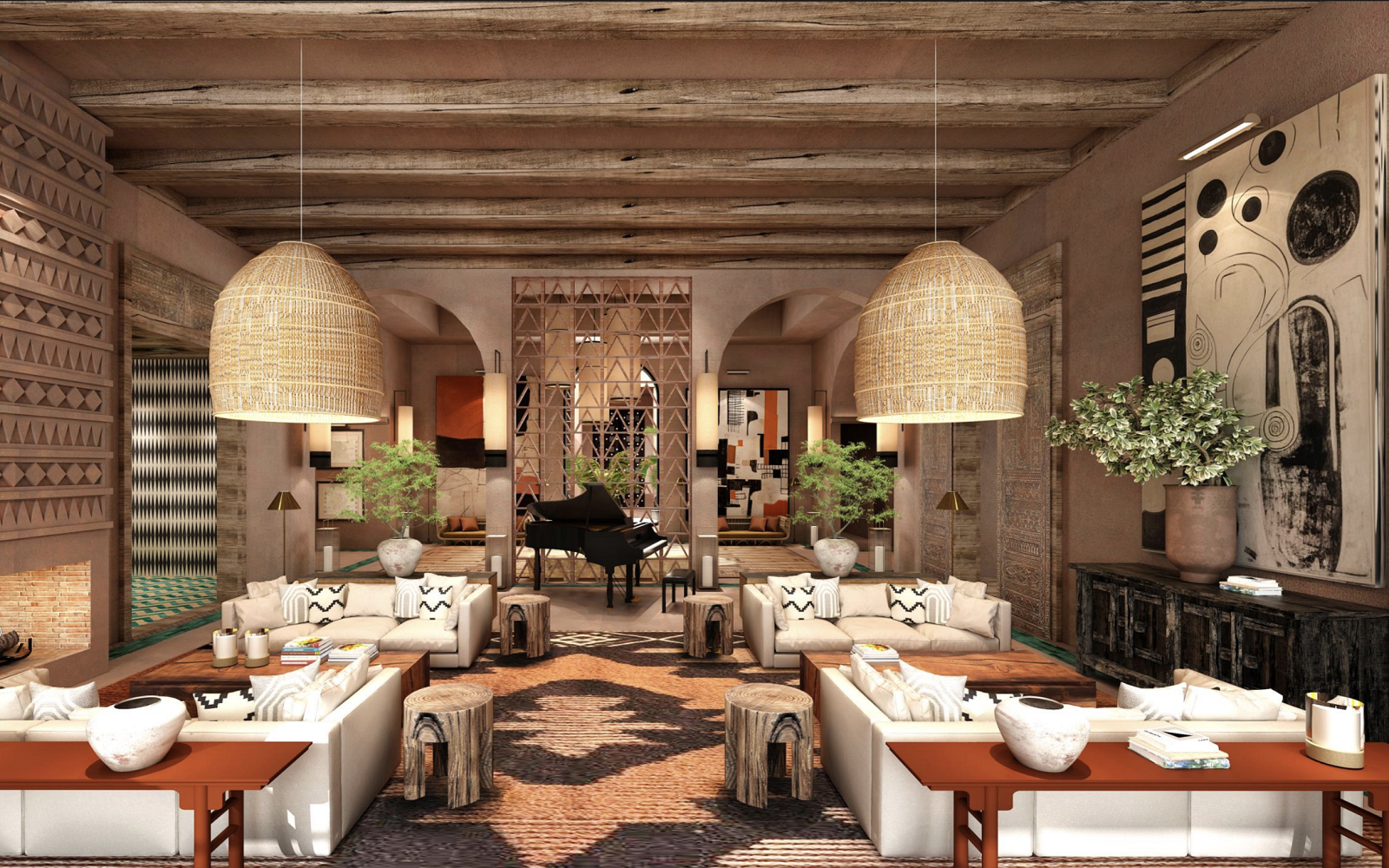
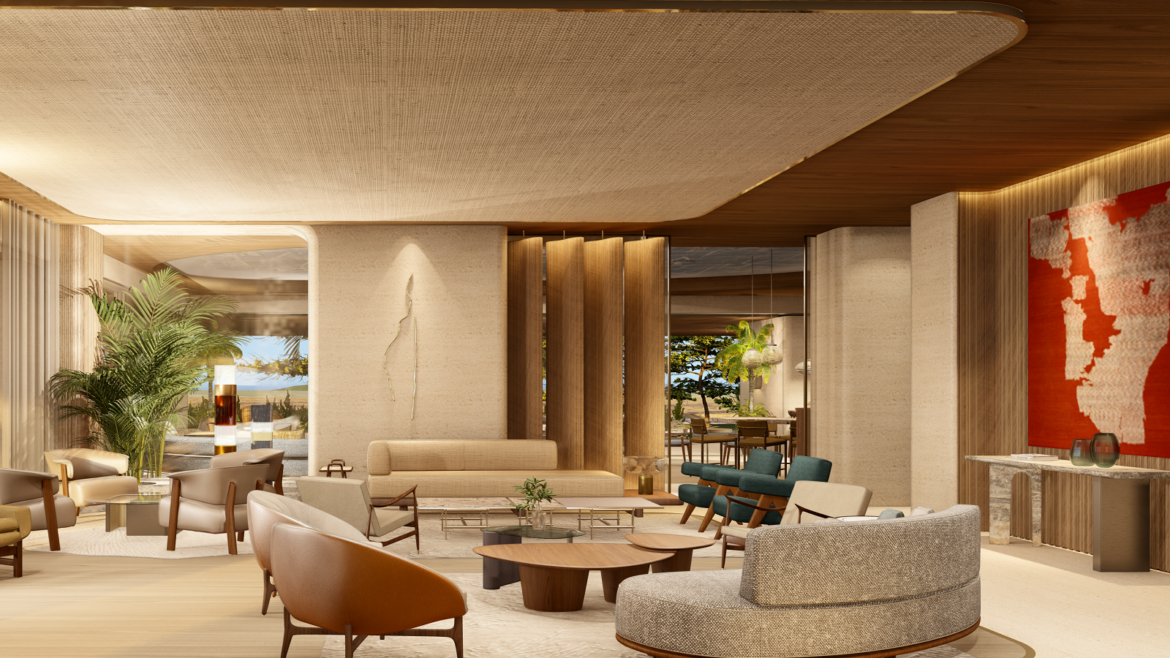
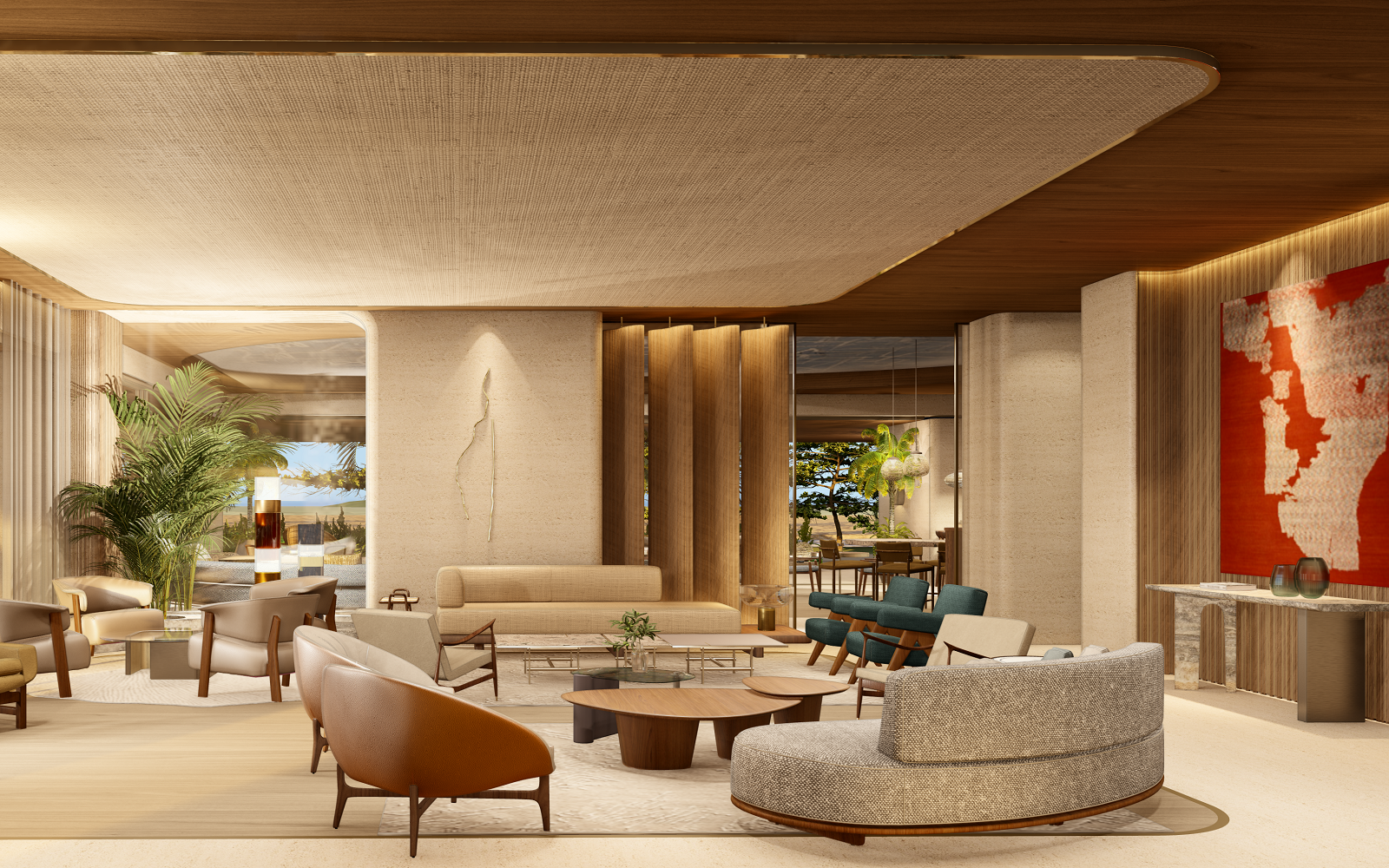
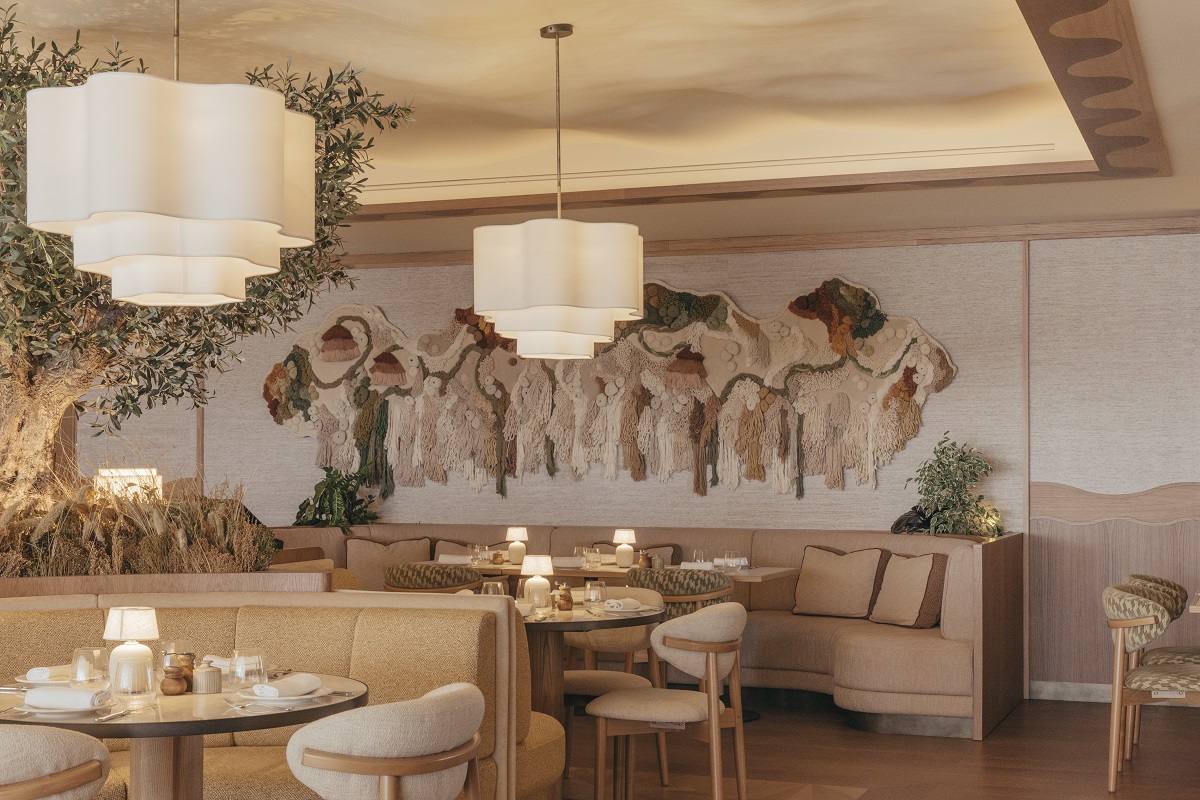
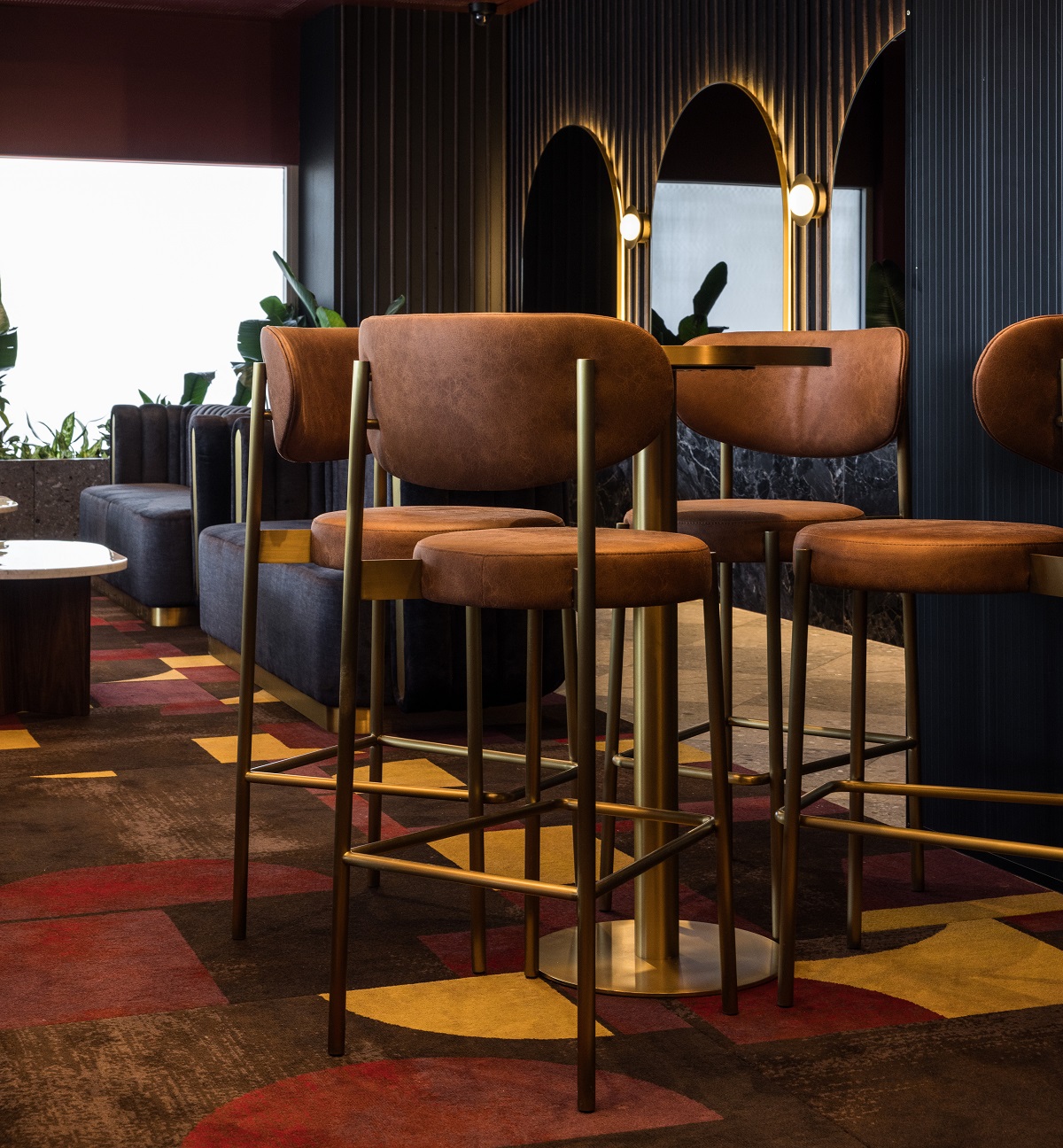
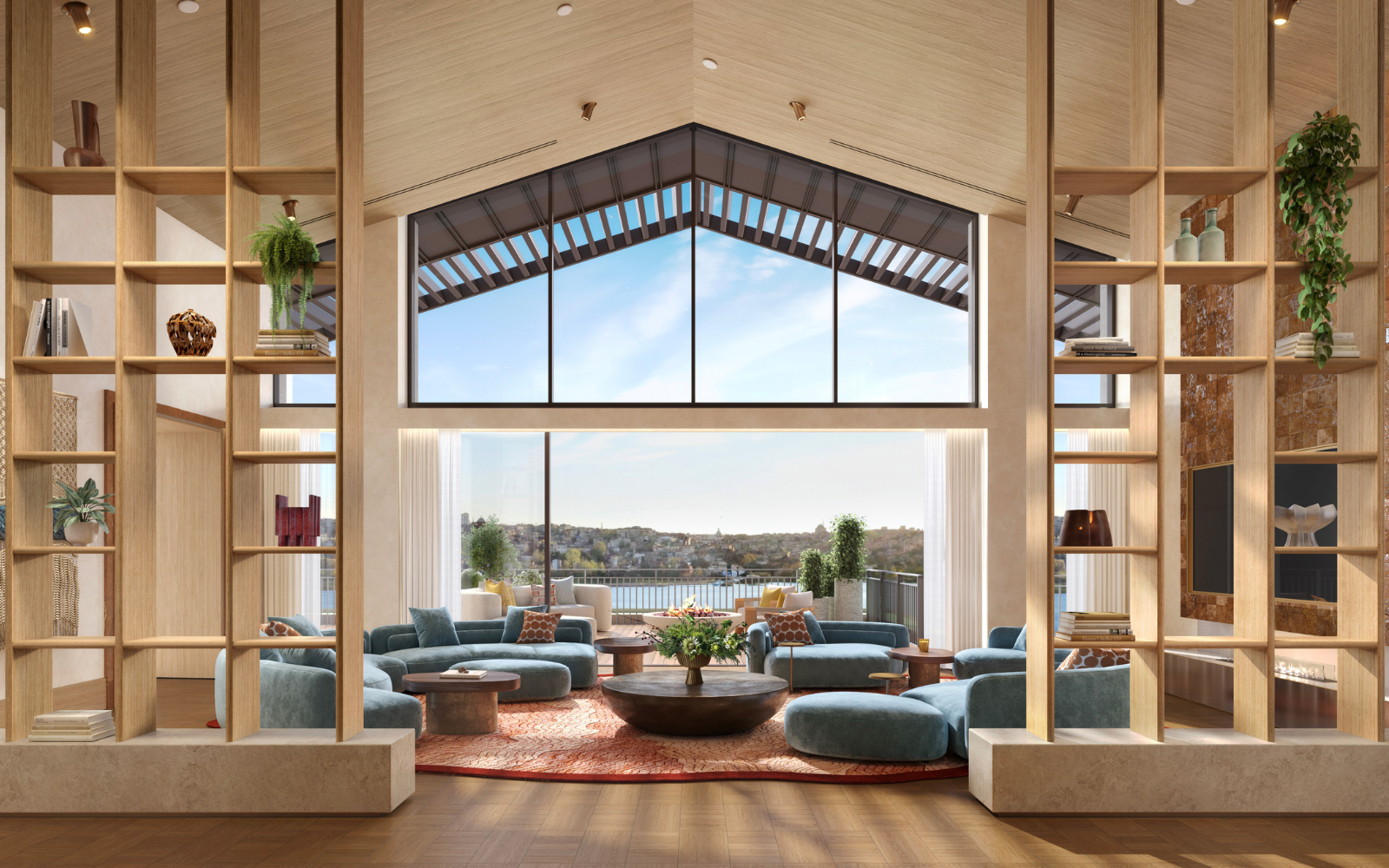
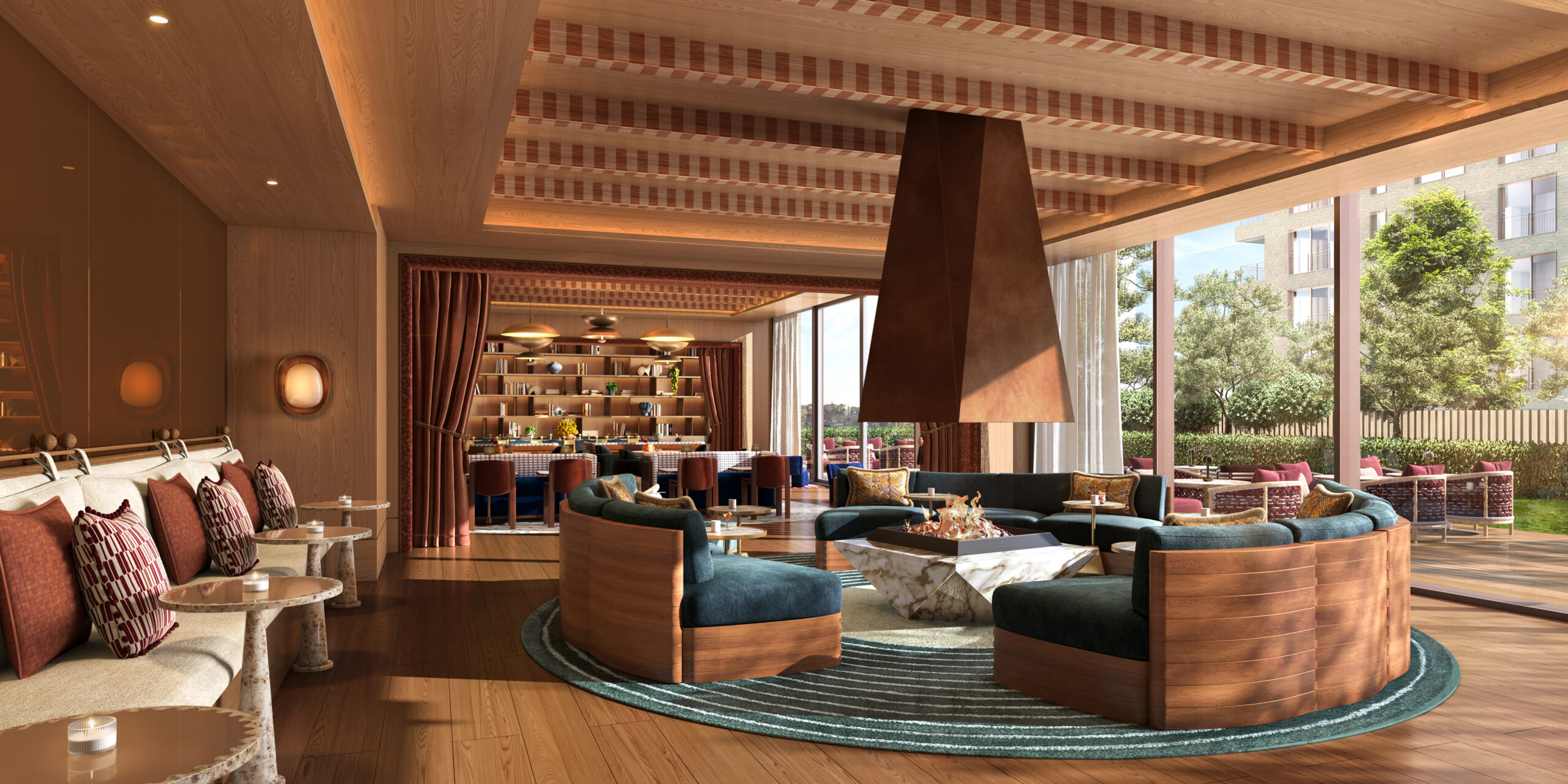
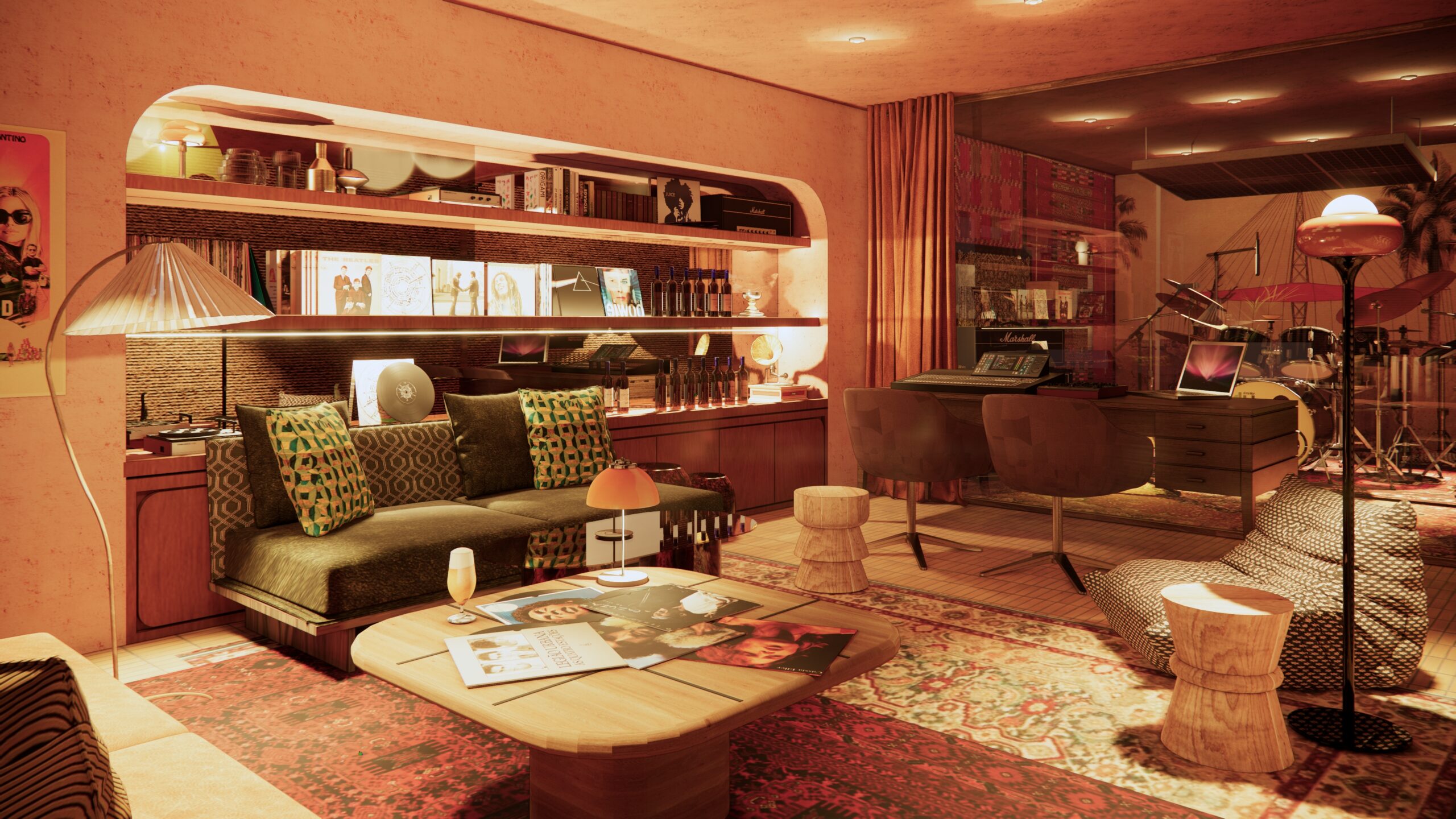
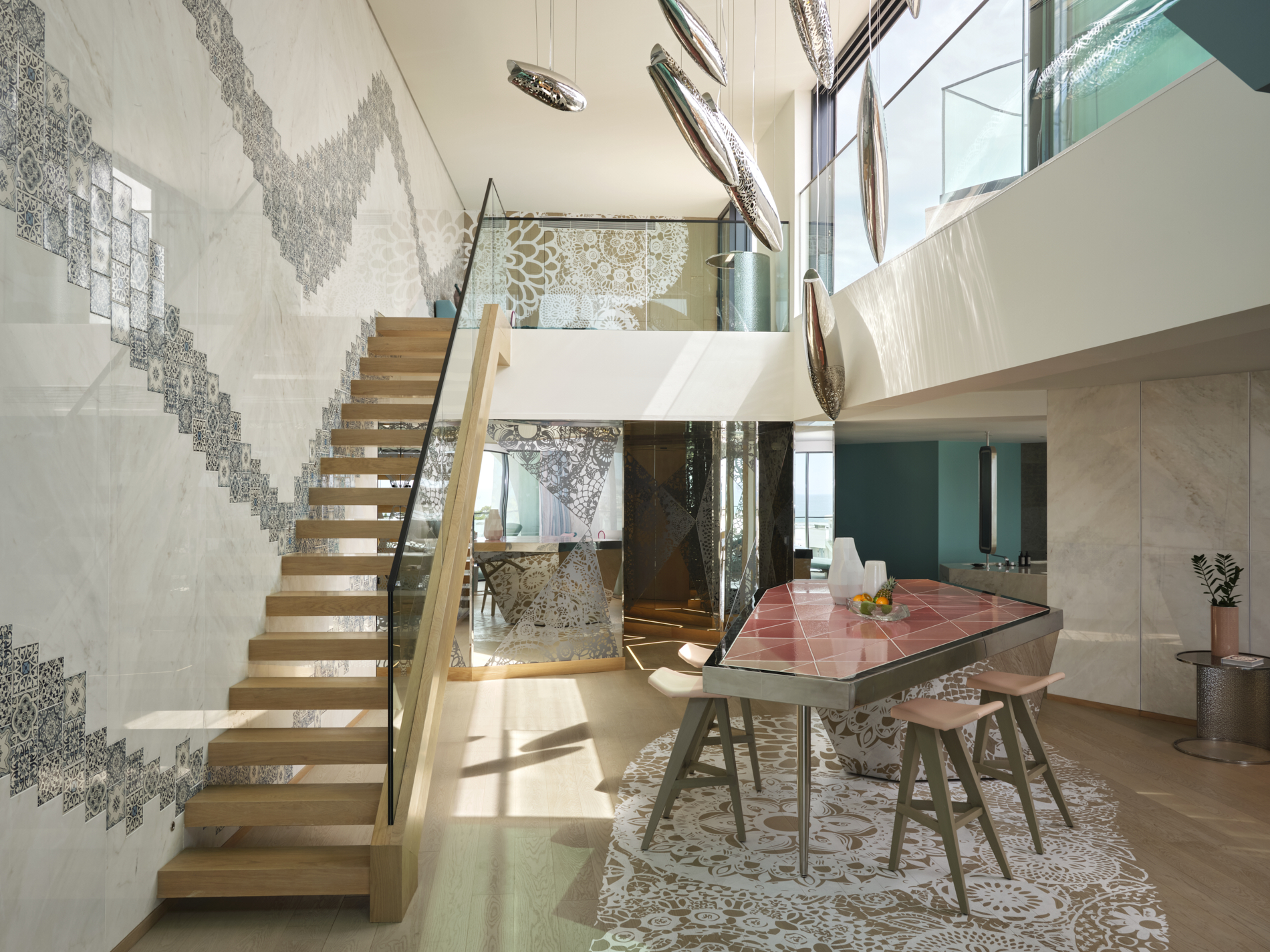
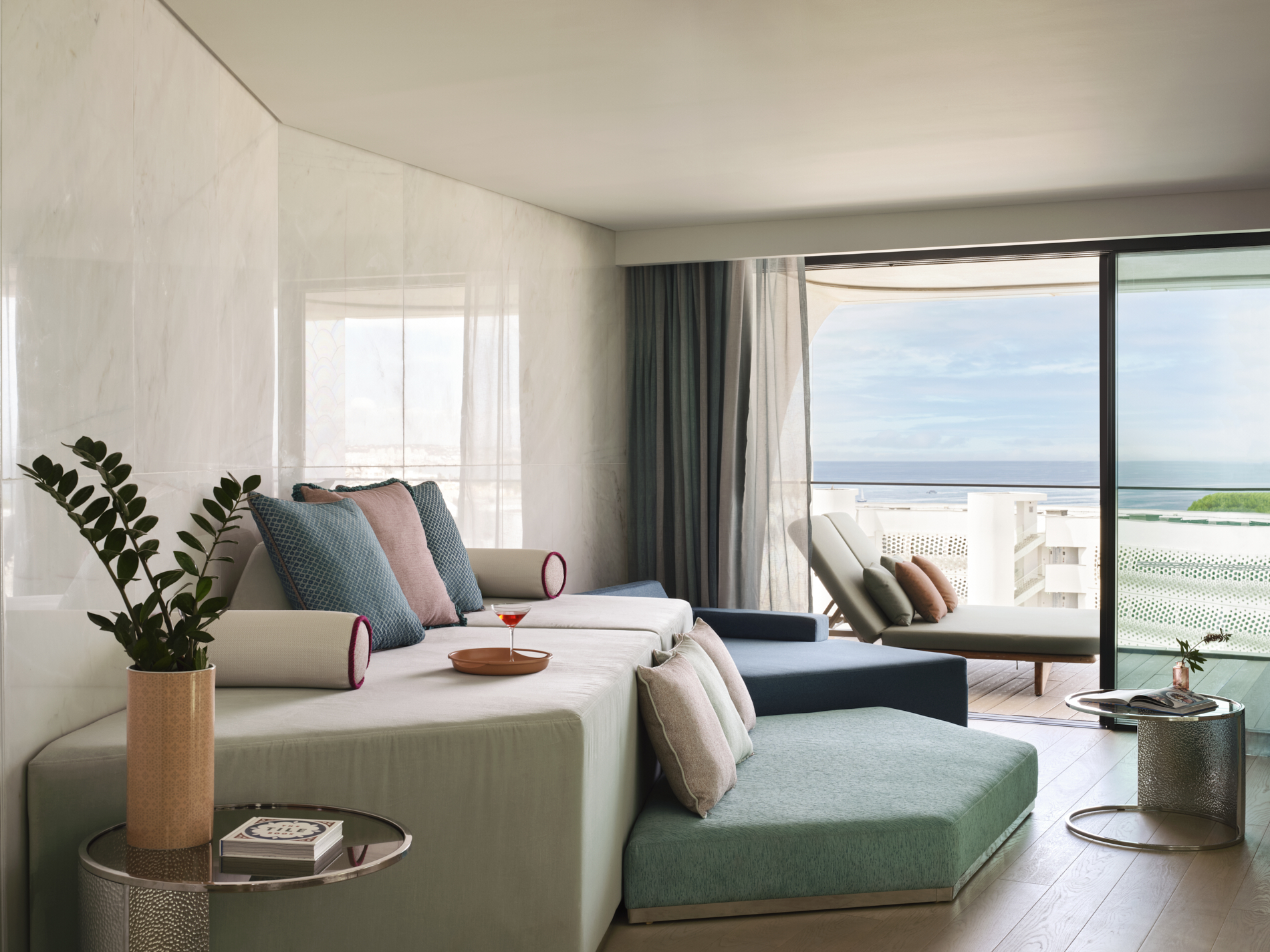
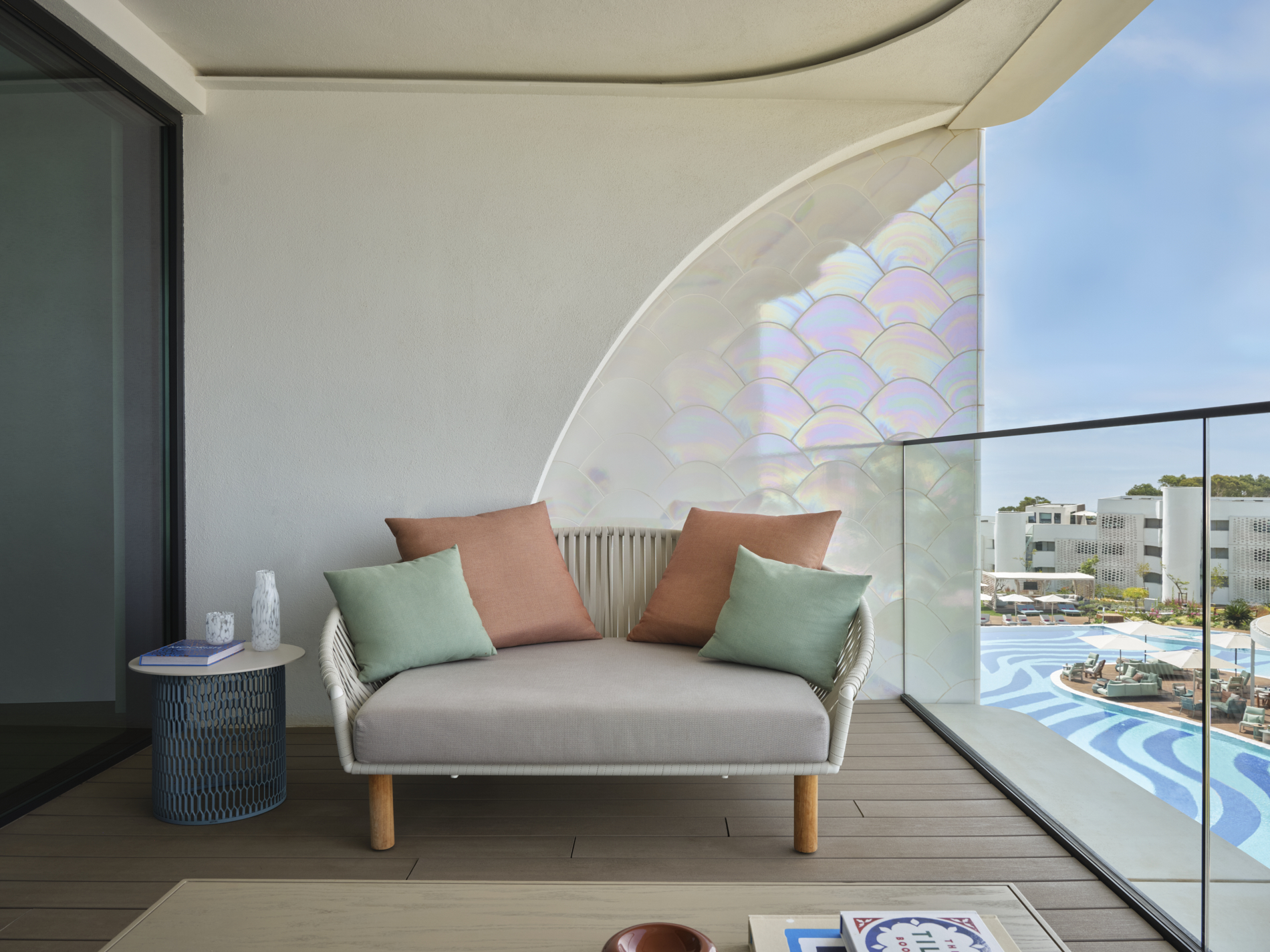
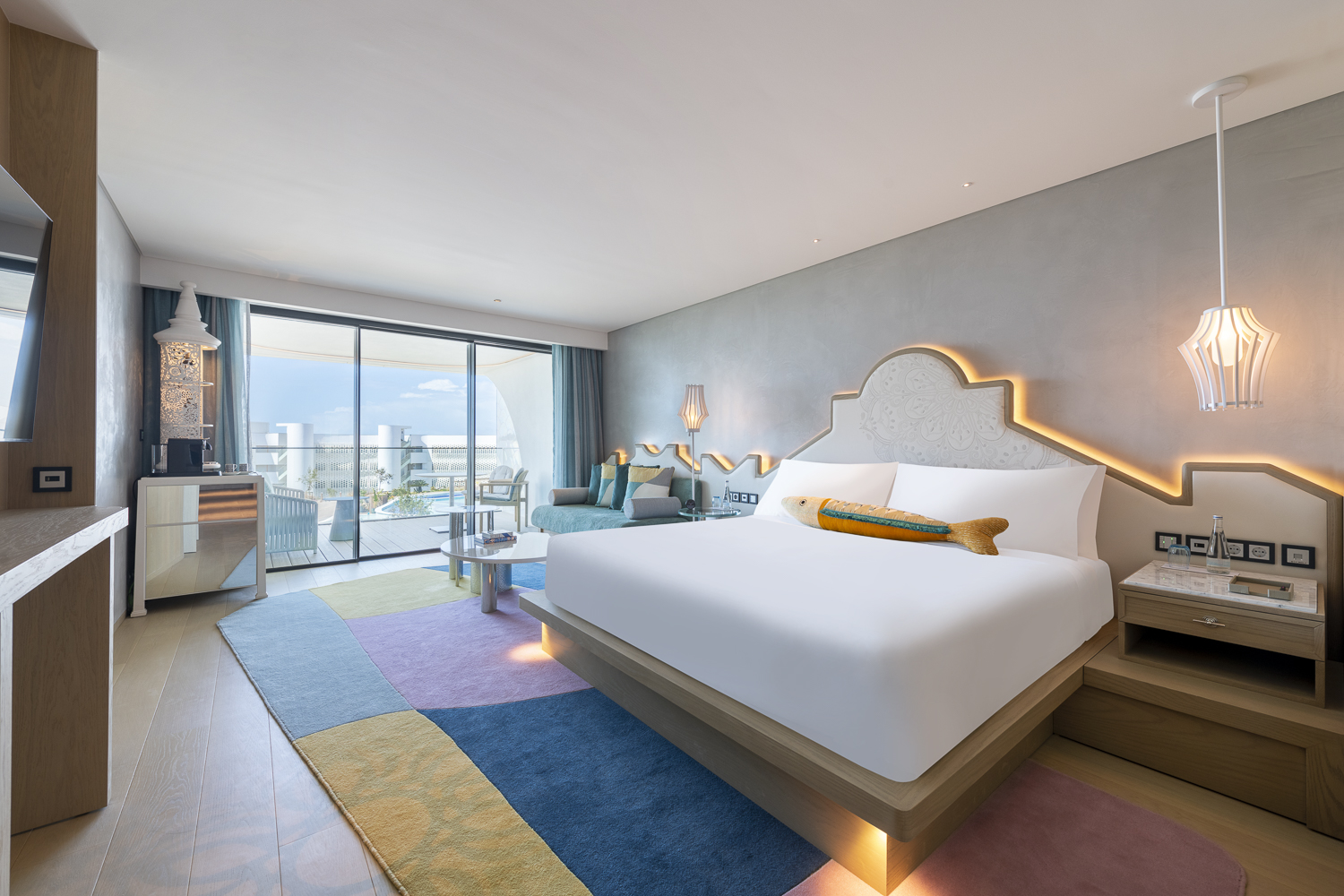
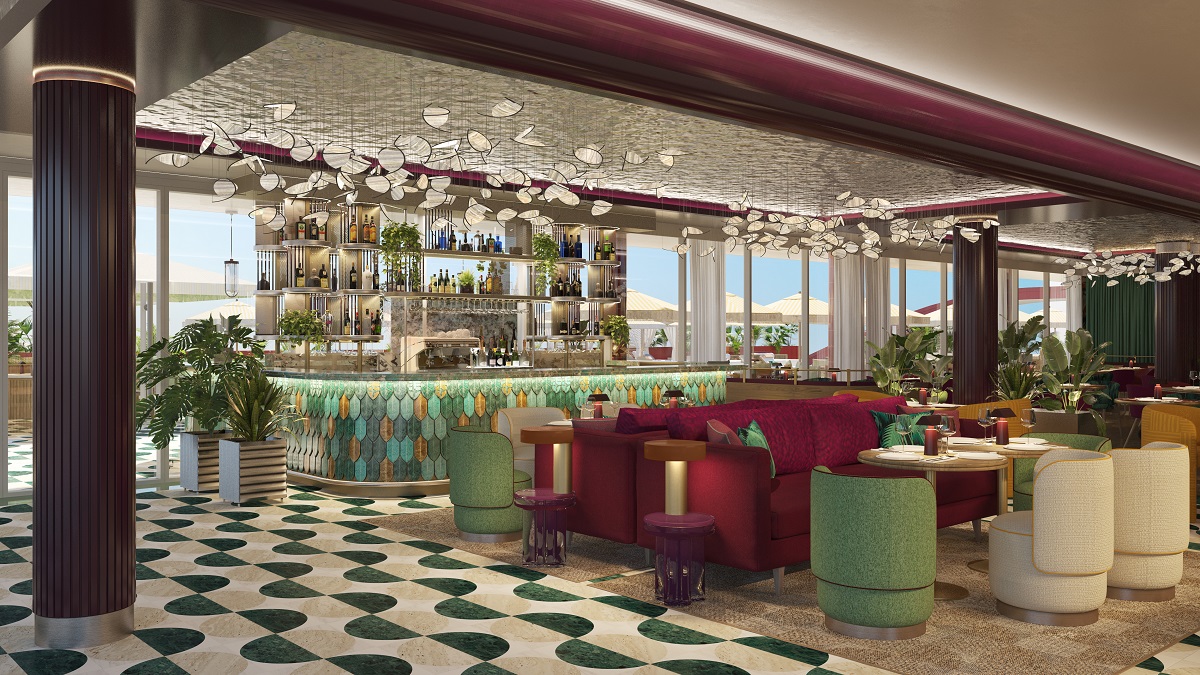
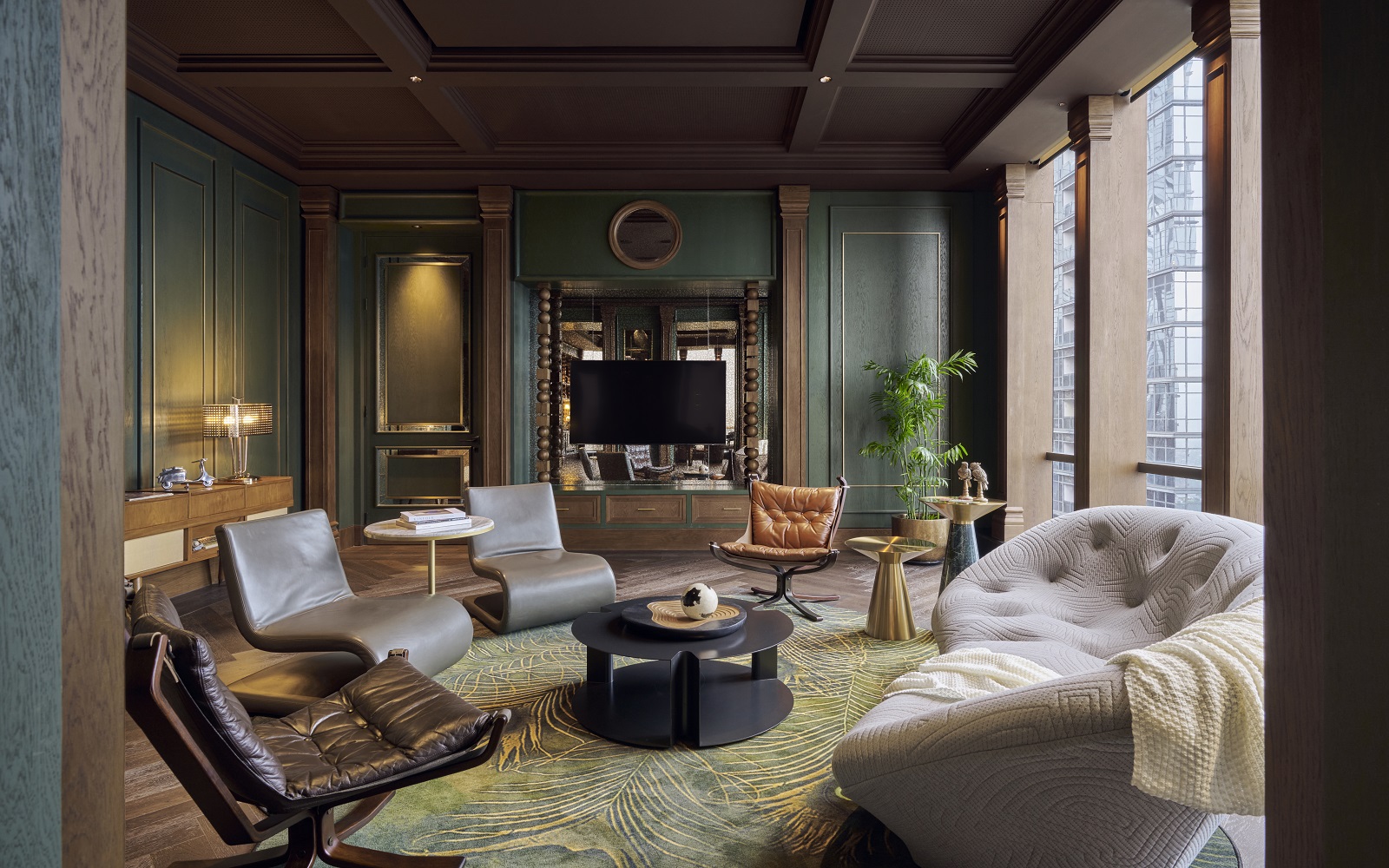
Rosewood doha seating space in clubhouse lounge with view across Doha

Qatar through the cultural lens of Rosewood Doha

1024 640 Pauline Brettell
Qatar through the cultural lens of Rosewood Doha

Rosewood Doha is open, and reflecting the spirit of Qatar through a perspective that is thoughtfully modern and profoundly rooted…

Rosewood doha seating space in clubhouse lounge with view across Doha

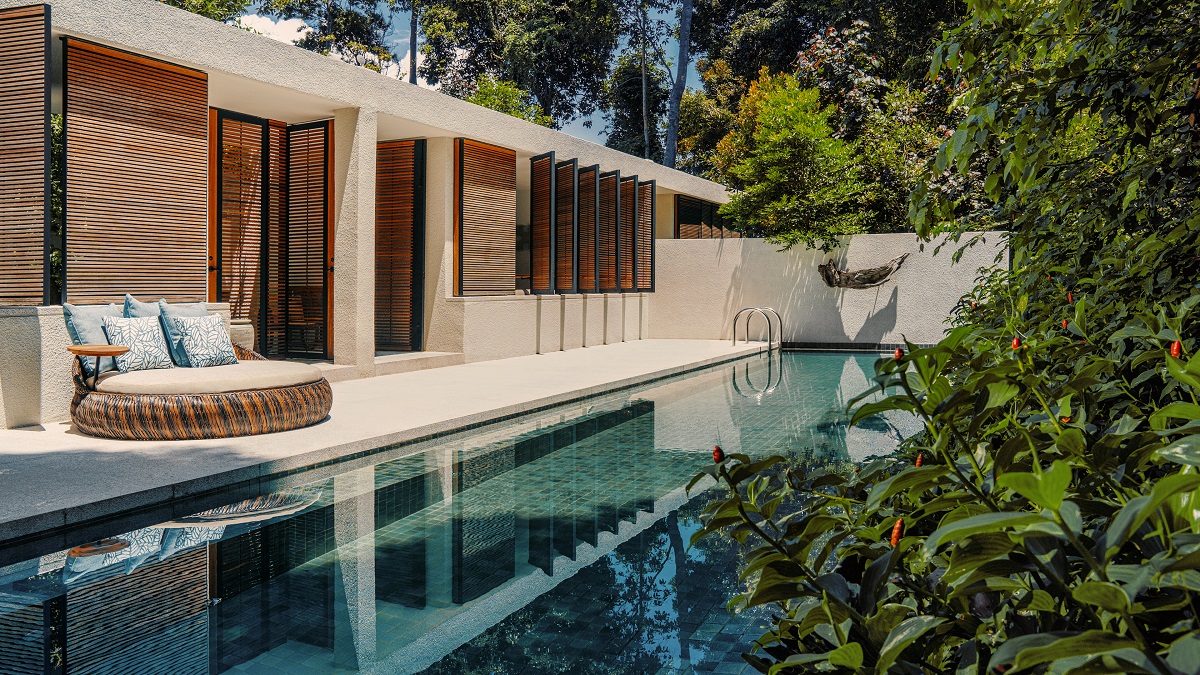
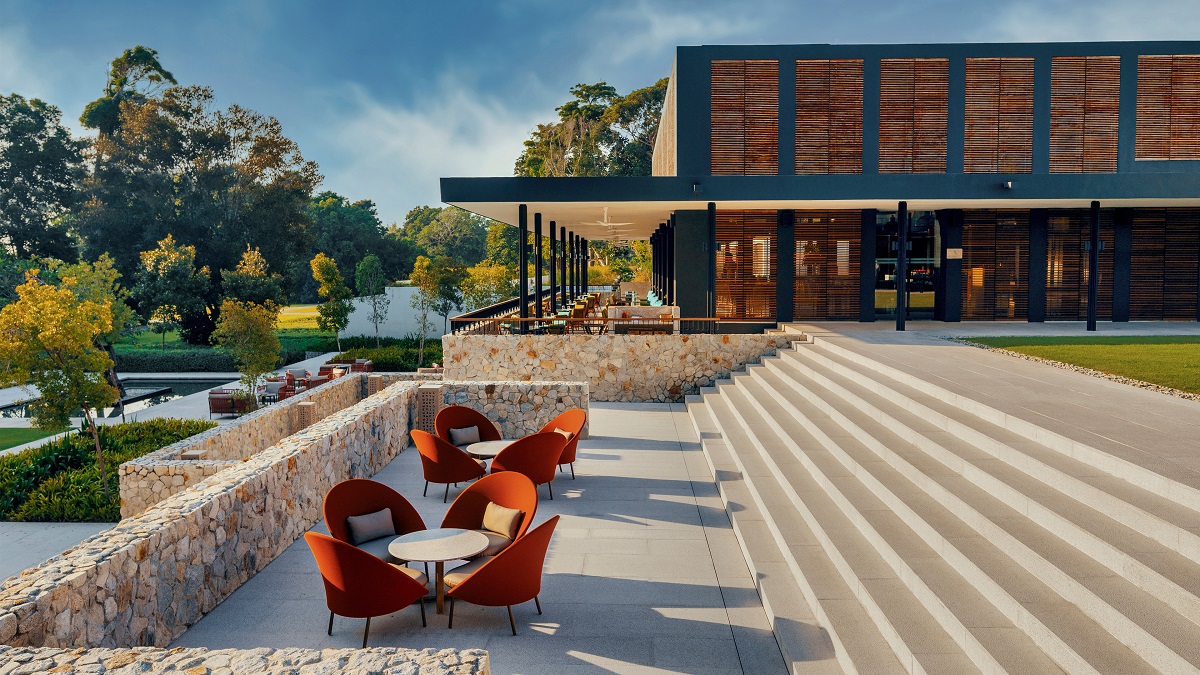
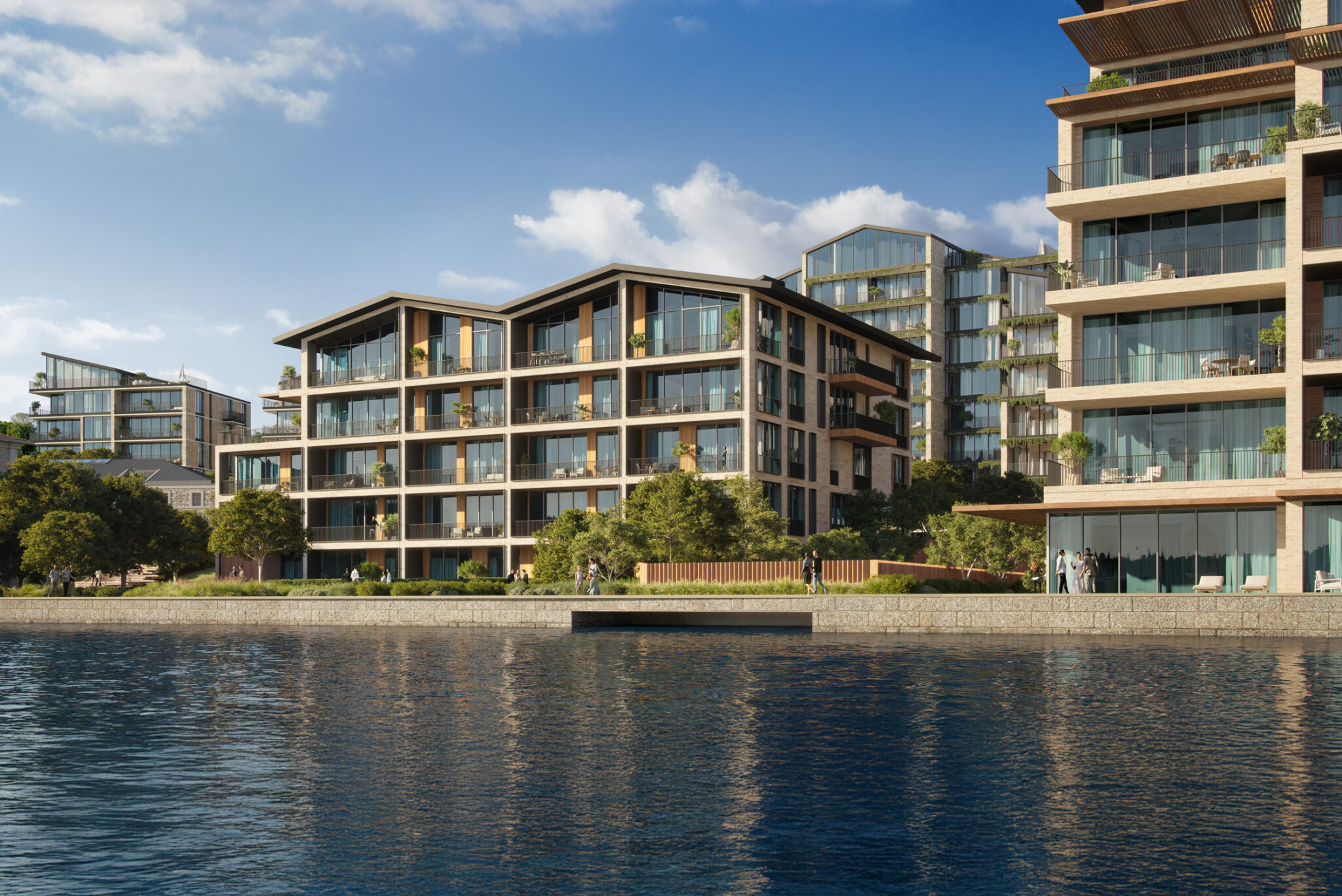
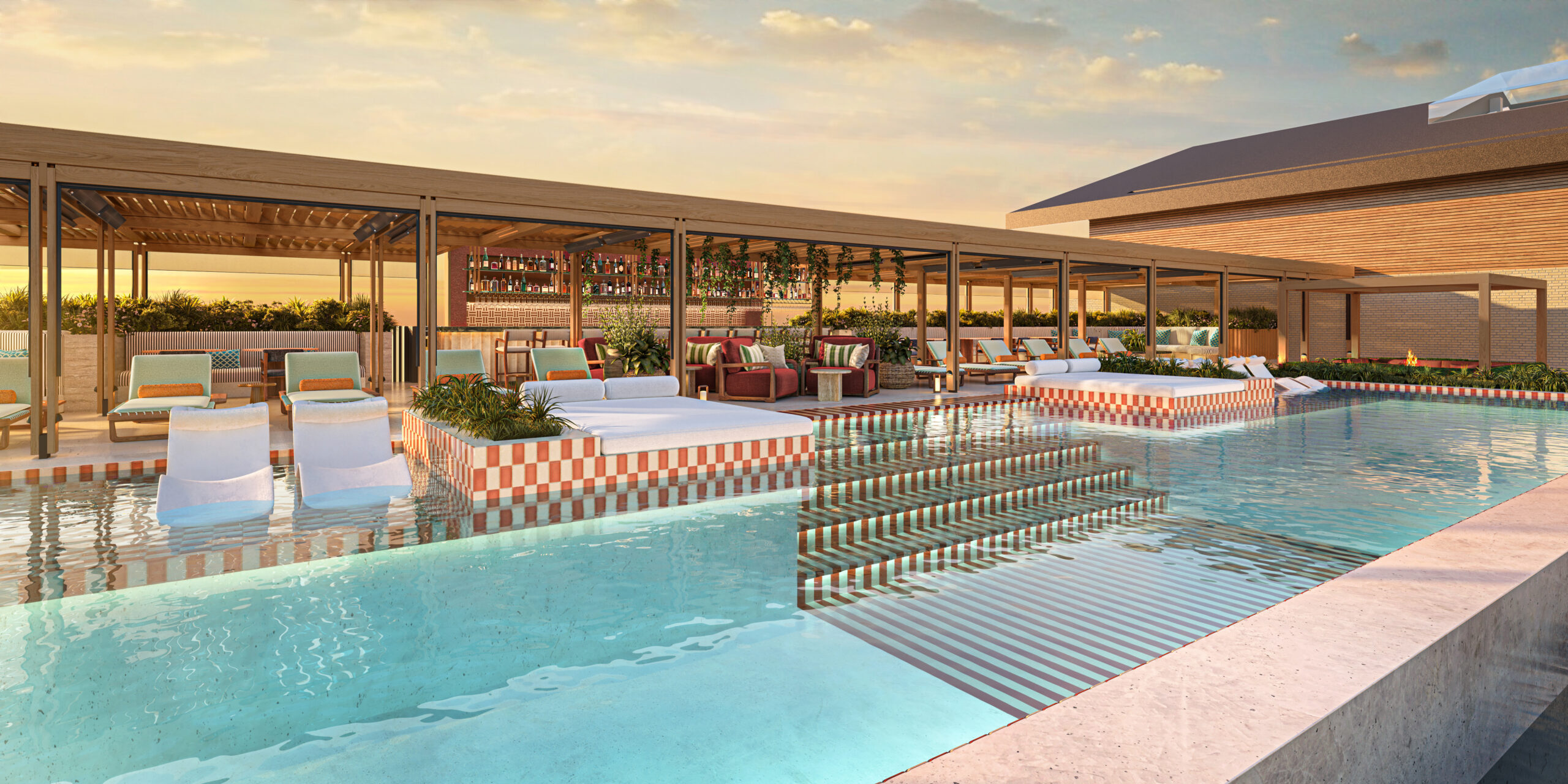
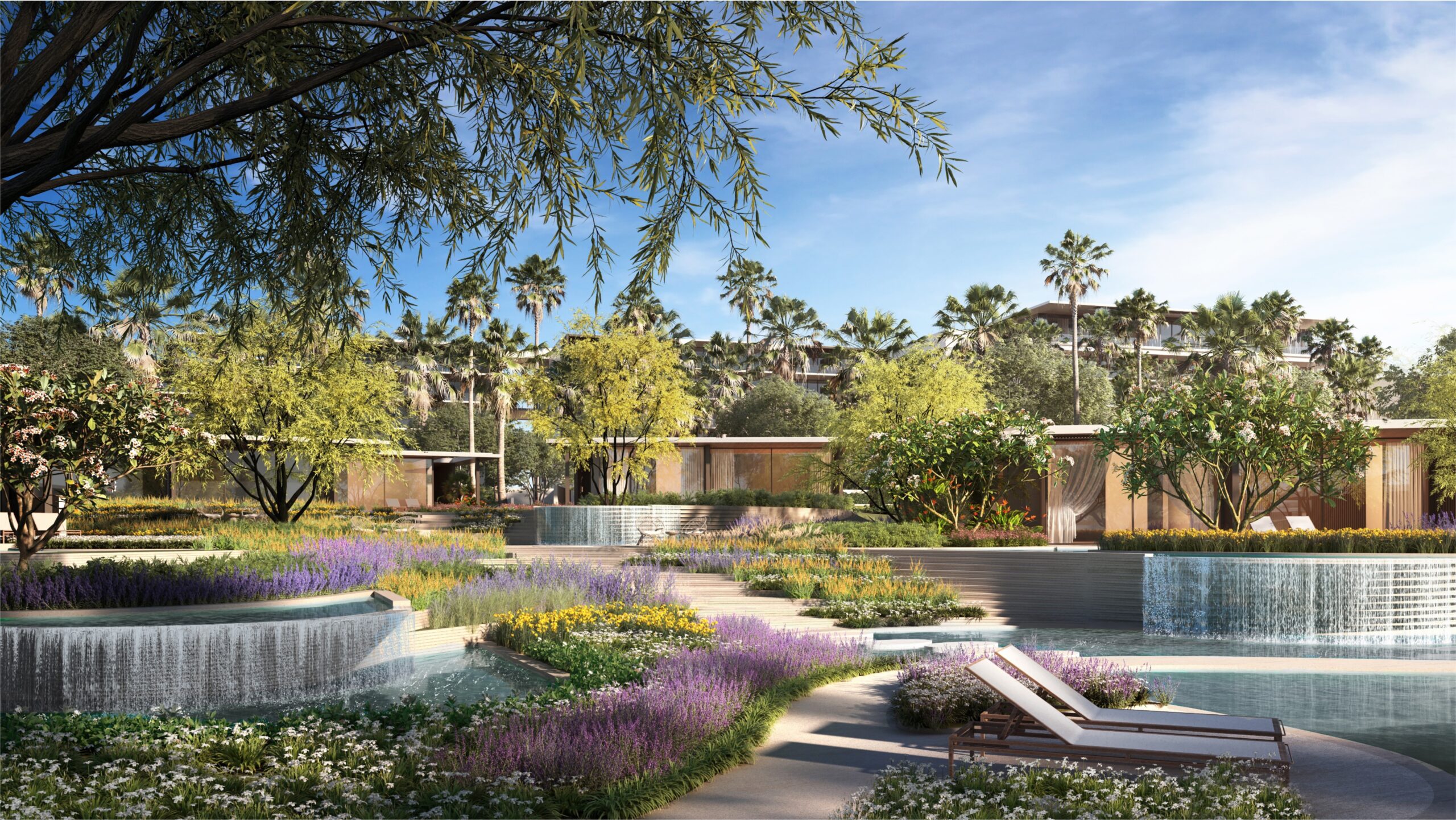
Rosewood Doha has opened its doors at the forefront of Lusail. Much more than a hotel, it is a destination of experience, meaning, and memory—inviting guests to explore the intersection of Qatar’s storied heritage and its dynamic present.

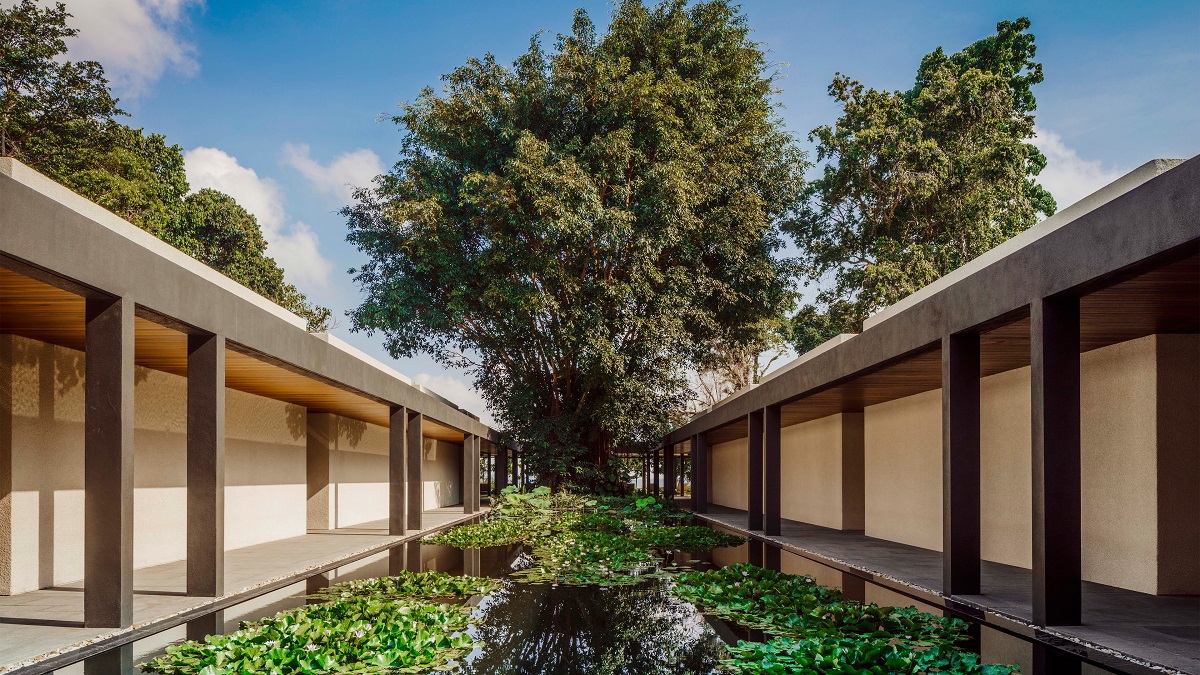
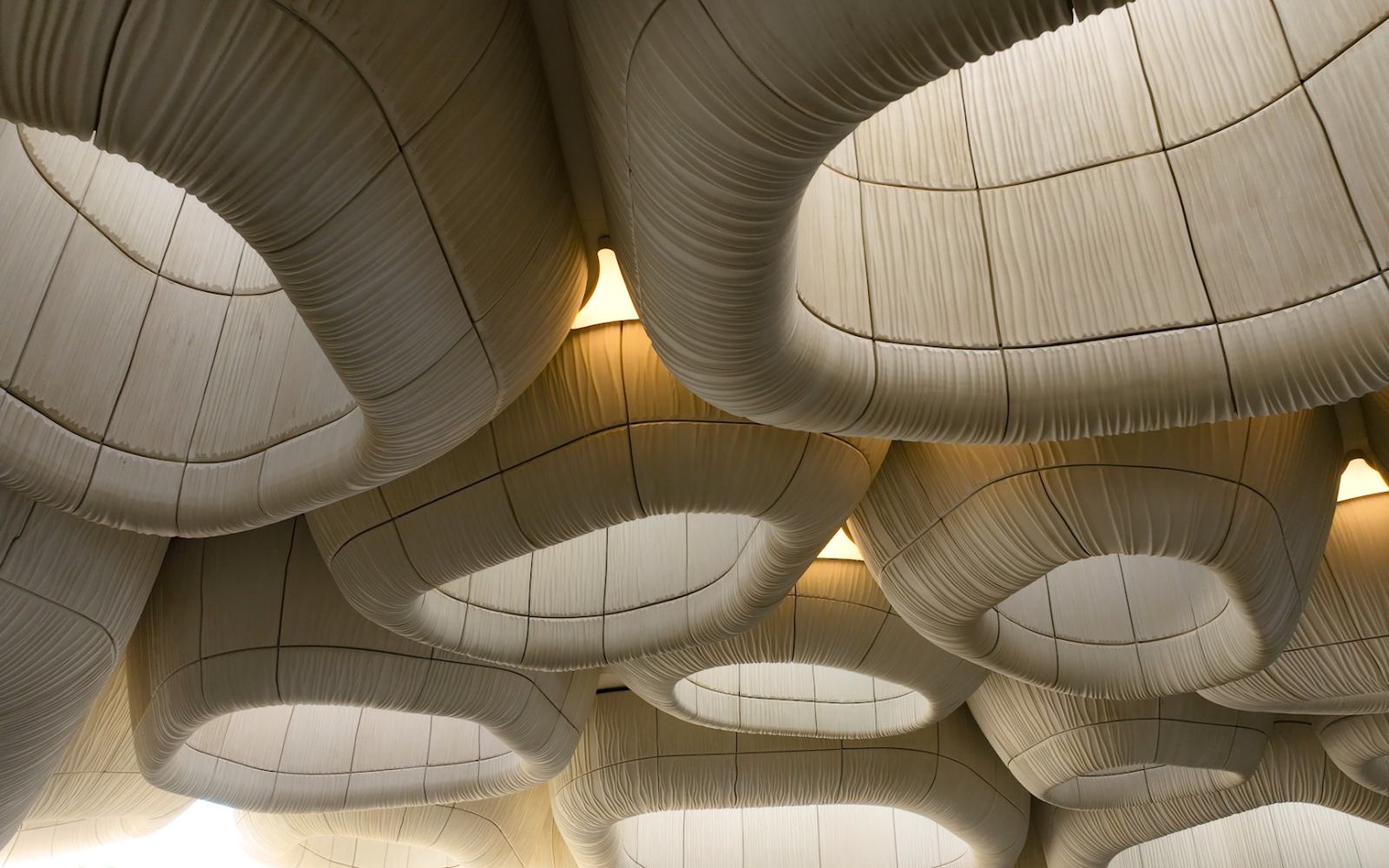
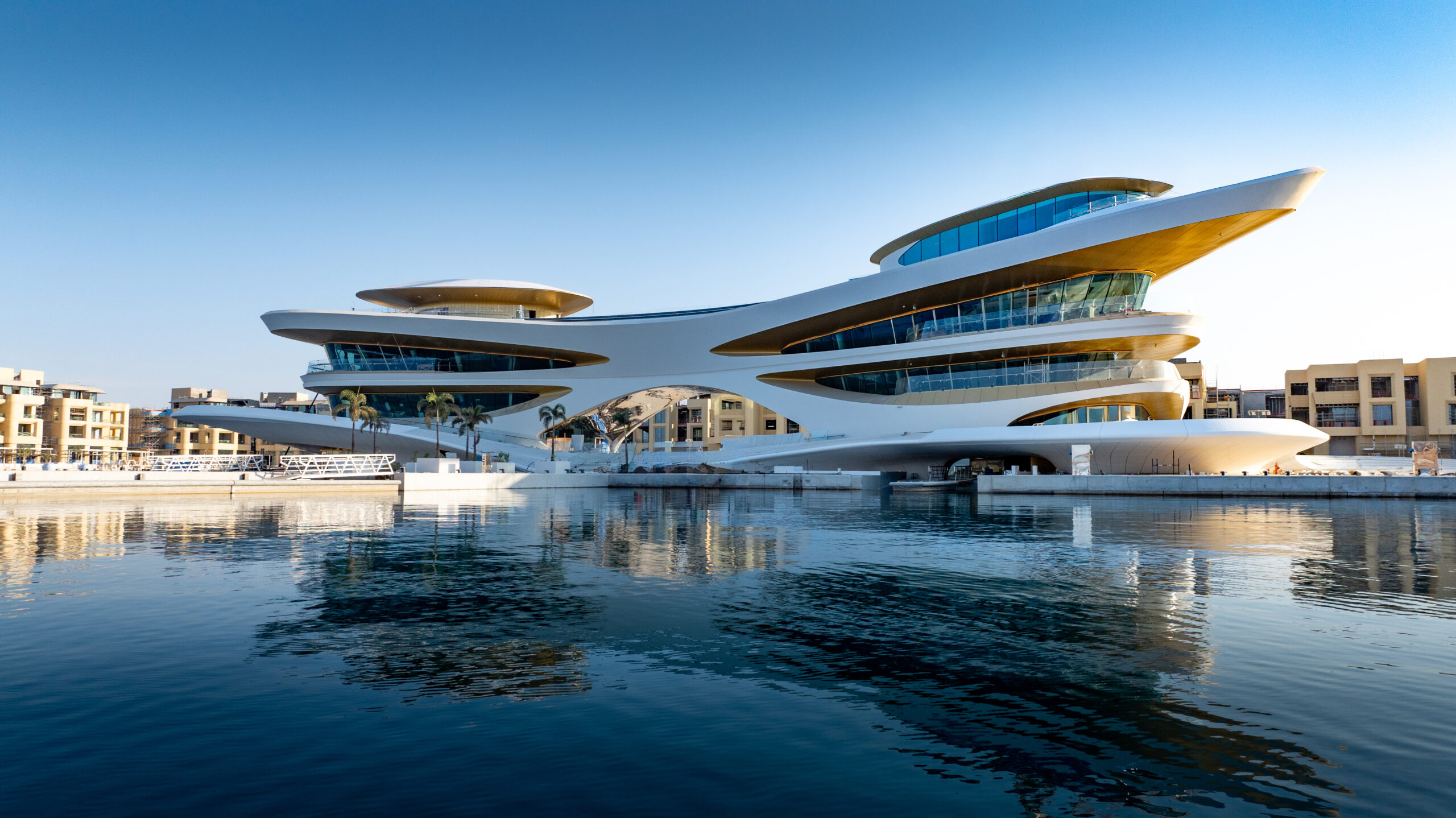
From the moment guests arrive, they are welcomed into the grace of manor-style living – an intentional design language that reflects the spirit of home and the soul of place. The architectural vision, rooted in the organic shapes of coral formations and the flowing patterns of pearl-diving tradition, reflects the fluid relationship between nature and innovation. Every line, texture, and material tells a story of where Qatar has been, and where it is going.

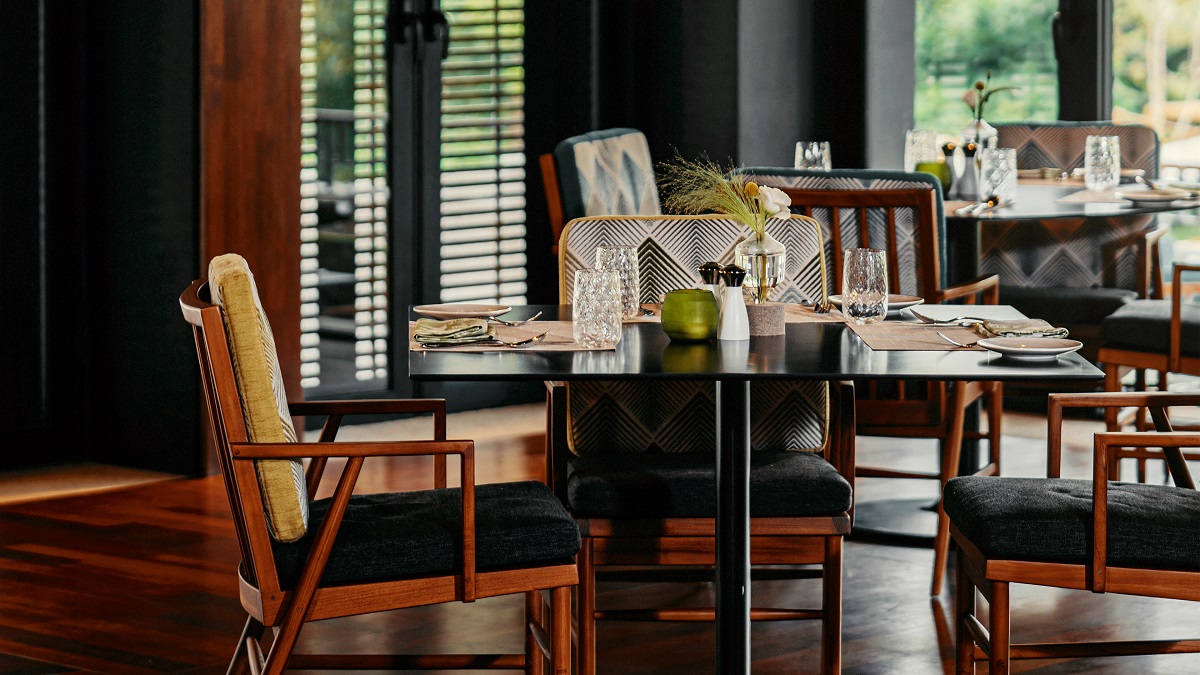
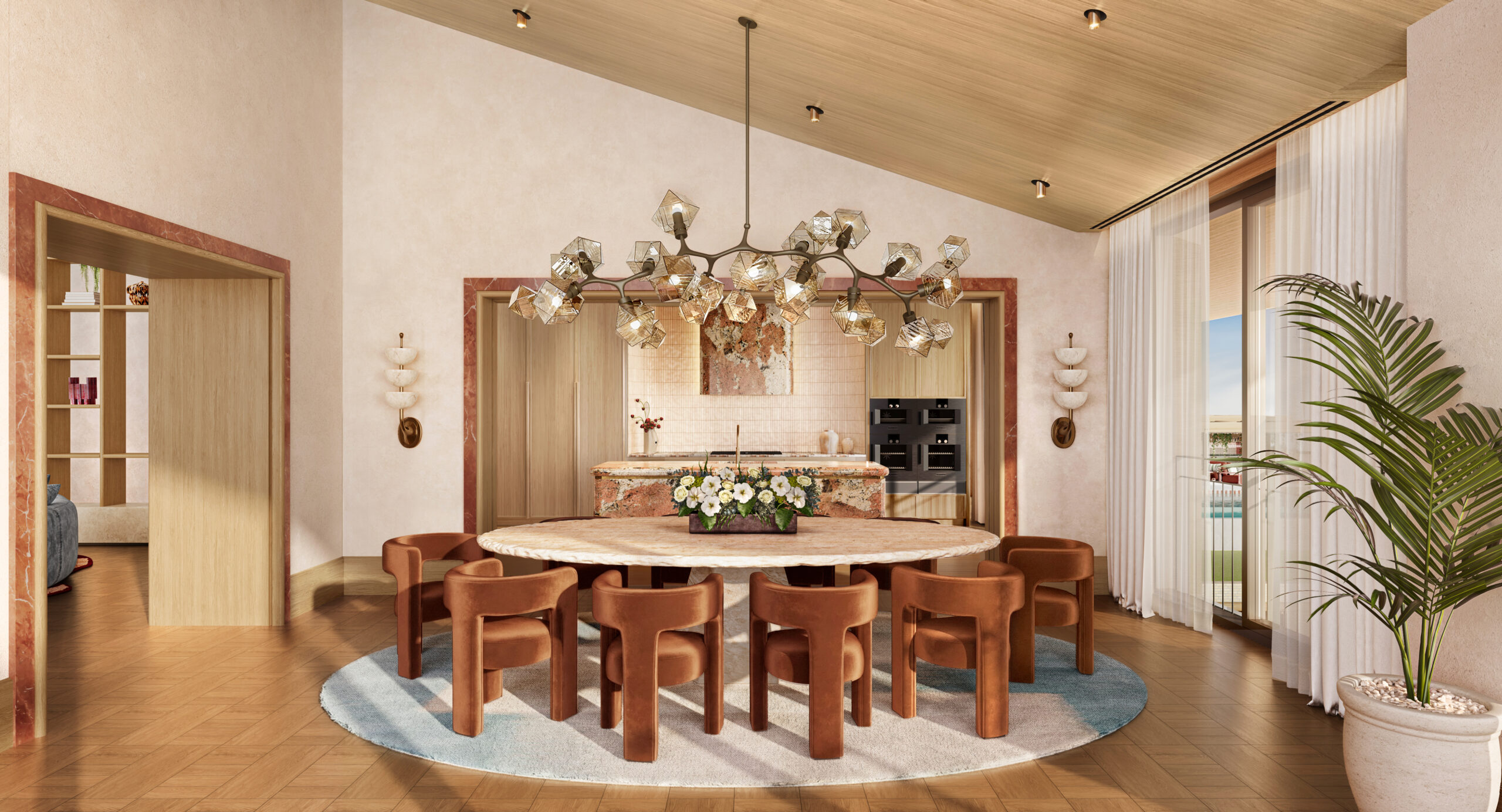
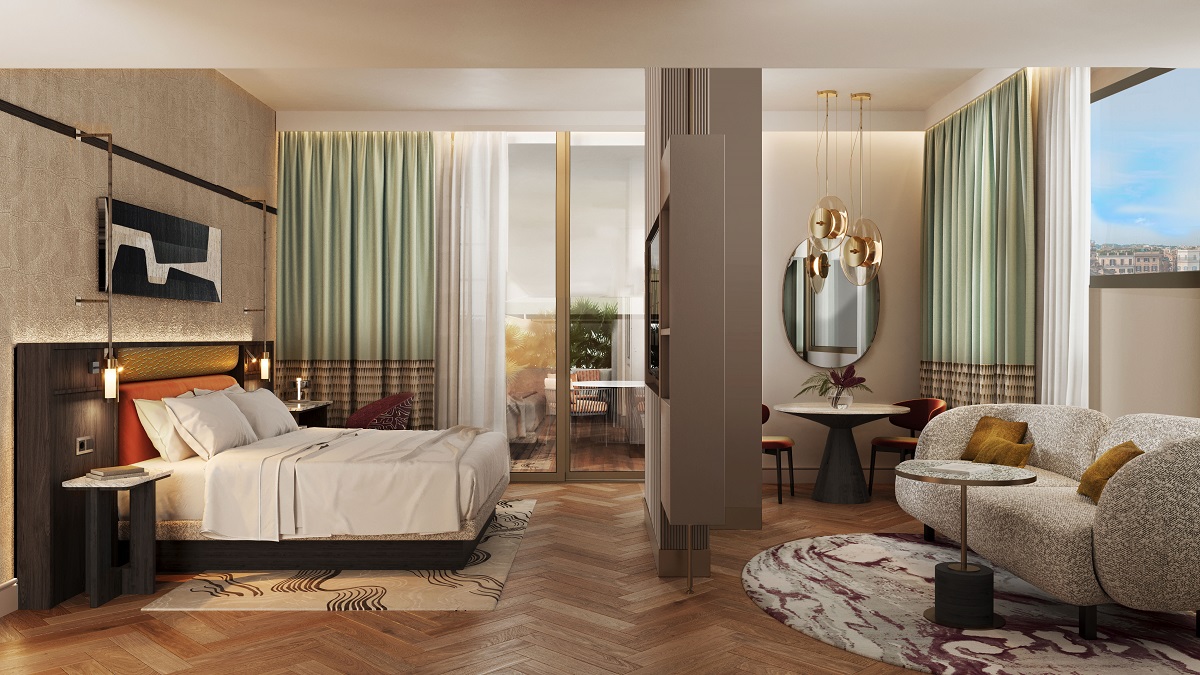
dark wood dining table and green velvet chairs below two pendant lights in suite in Rosewood Doha

Image credit: Rosewood Hotels & Resorts

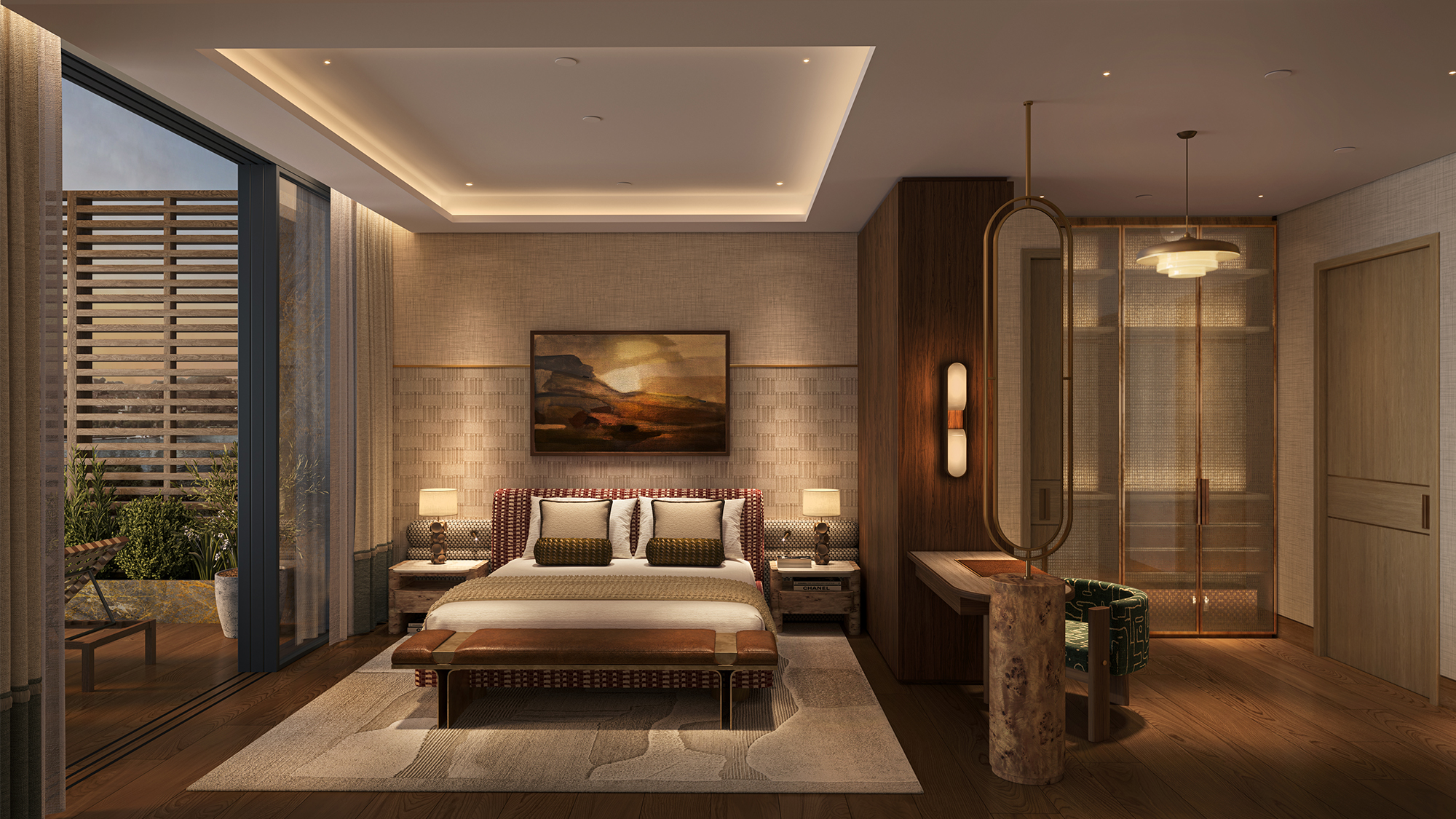
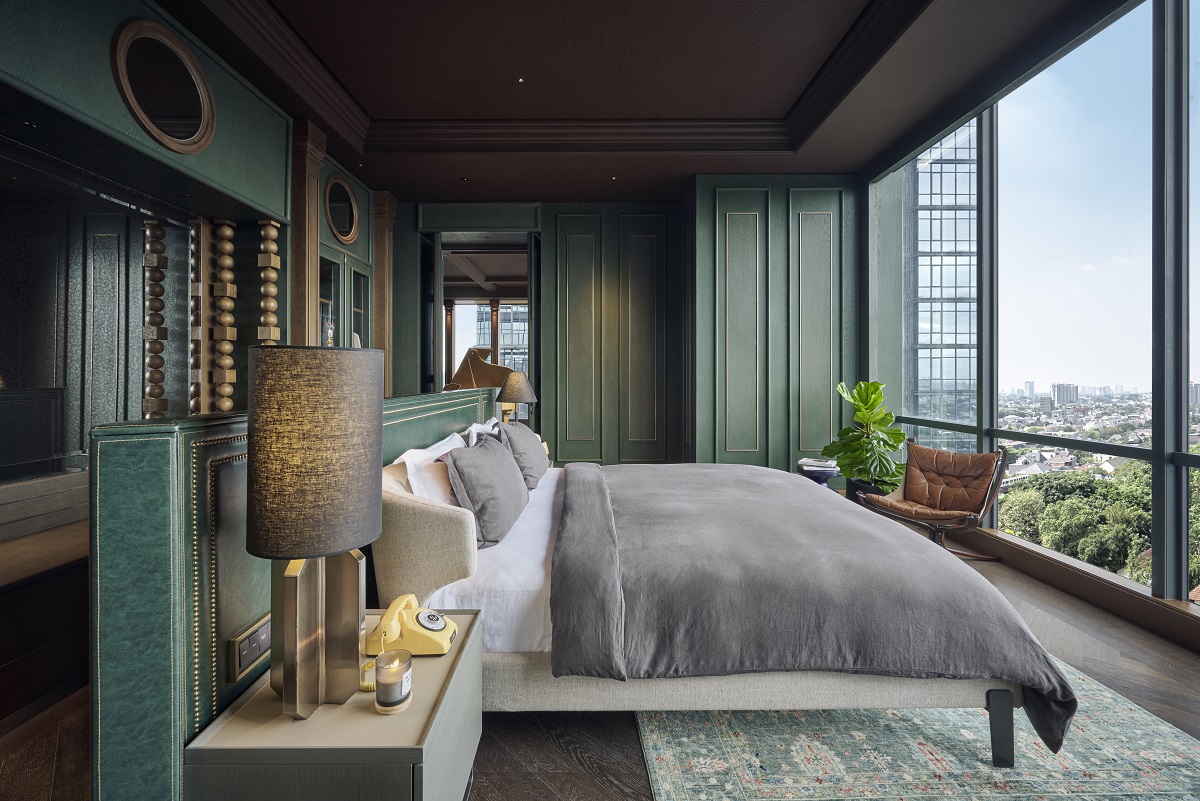
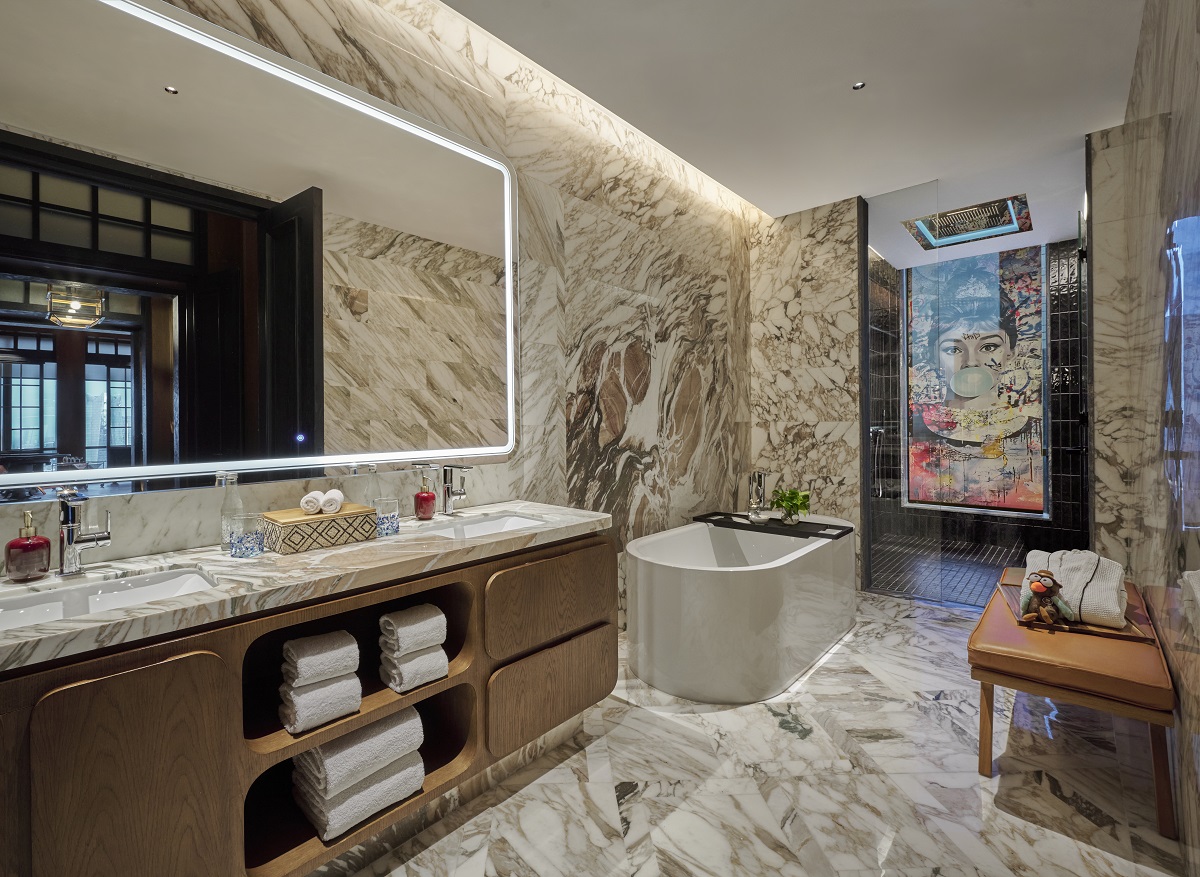
Rosewood Doha was never meant to be seen in passing. It is designed to be lived in– to be felt. Across its 155 guest rooms and suites, 162 apartments, and 276 residences, the property offers not just comfort, but character. Each space is imagined as a private rhythm within the pace of the city, shaped by a deep awareness of how atmosphere influences emotion. Light shifts gently across walls in tones both warm and cool. Materials evoke the coast and the desert. Thoughtfully placed pieces of local art don’t simply hang – they speak.

Much of the hotel’s visual storytelling is shaped by collaborations with leading Qatari artists, whose works appear throughout suites, residences, and public spaces. These pieces reflect the landscapes, memories, and layered identity of Qatar – not as seen from afar, but as lived and felt from within. Whether through abstract expressions of desert light or photographic moments drawn from the coast, the art collection is woven with a sense of personal narrative, inviting guests to see the city not as it is shown in postcards, but as it is felt by those who call it home.

“Working with the Rosewood brand has been an incredible opportunity that aligns closely with my design philosophy. Rosewood truly honours the individuality of each location, which allowed us to reflect our identity and culture within a luxurious, contemporary structure. This is where the concept of the coral reef came into play, to inspire the architectural ‘skin’ of the Rosewood building. The location and the sea are deeply rooted in our heritage in this part of the world and incorporating that narrative into the design was both meaningful and rewarding. It has been an amazing experience to grow through the design and concept development process with the wonderful Rosewood team. I am genuinely impressed by how thoughtfully they incorporate a sense of place in everything they do.” – Ibrahim Jaidah, Architect.

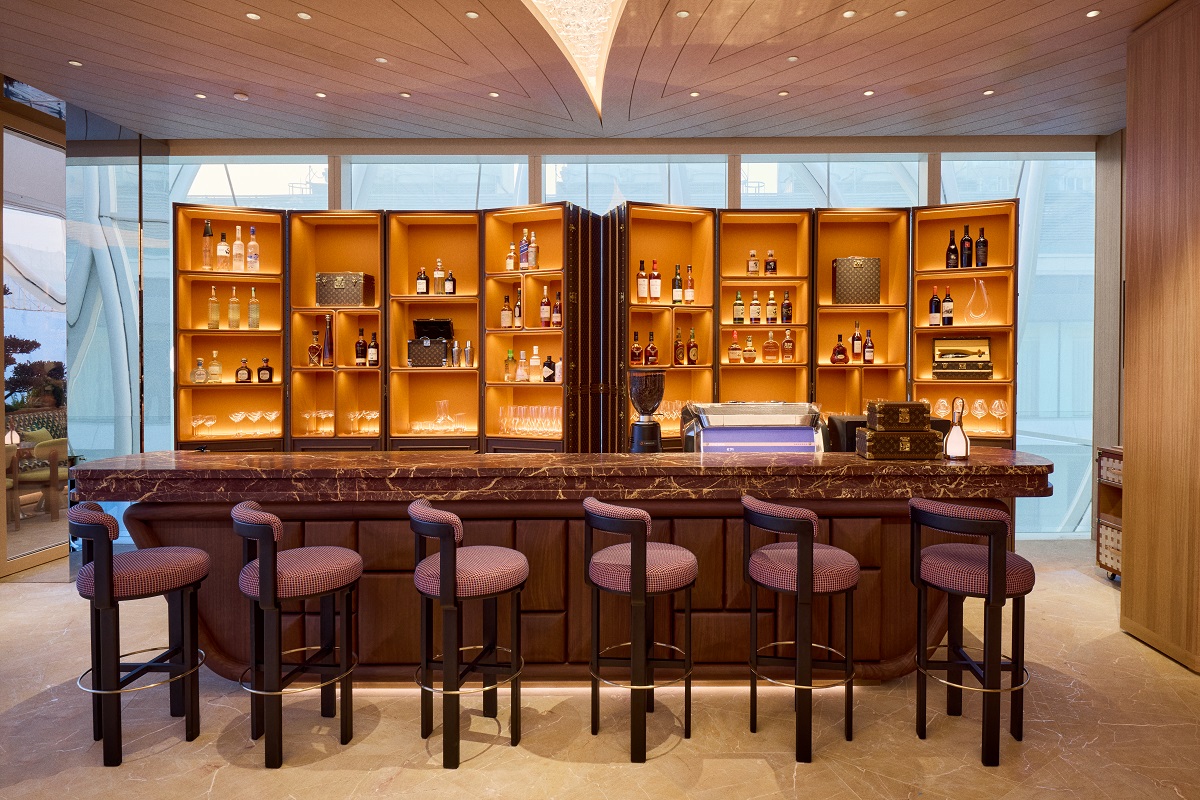
The cultural journey continues in the culinary spaces that anchor the property. Mila, the 24-hour Levantine brasserie, brings Middle Eastern comfort food into an elegant, contemporary setting. Asaya Kitchen takes a wellness-forward approach to Mediterranean cuisine, with nourishing, locally sourced seasonal ingredients. Koo Madame, inspired by 1920s Shanghai and the legacy of Madame Wellington Koo, blends bold Chinese flavours with theatrical flair in an atmosphere of rich detail and mystique. The narrative continues at Stoke & Stoker, a bar inspired by the golden age of travel, and Sikar, the hotel’s plush cigar lounge where rare cigars and curated spirits encourage guests to linger.

The Butterfly Room brings a sense of poetry to the hotel’s rhythm – a luminous setting for refined lunches, teas, and evening gatherings. Here, the Butterfly Pâtisserie, helmed by award-winning chocolatier and Executive Pastry Chef Tony, transforms chocolate and pastry into art. Each venue is a chapter in Rosewood Doha’s cultural story, crafted to stir memory, spark conversation and inspire connection.

long dining table in rosewood doha set with floral arrangement for candleit dinner with

Image credit: Rosewood Hotels & Resorts

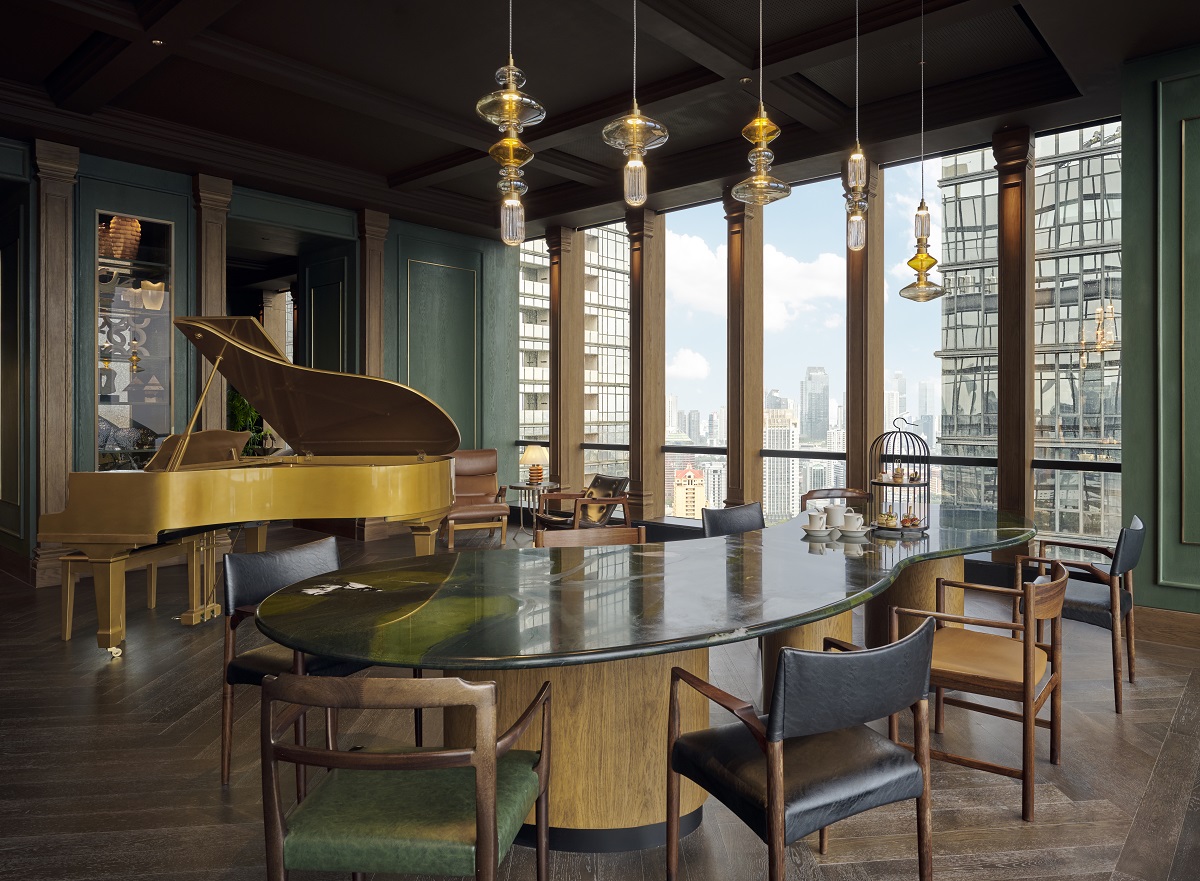
The Manor Club redefines the essence of a private guest lounge. More than just a space for comfort, it is a refined experience curated for those who appreciate a quieter rhythm of living. Access is reserved for guests staying in rooms and suites with Manor Club privileges, as well as those enrolled in the Manor Club membership programme. The lounge is a composition of calm, thoughtfully designed with intimate corners, warm materials, and an atmosphere that favours meaningful pauses over passing time. But it is the care that shapes the space – each detail considered not just for beauty, but for how it makes one feel. Whether used as a morning workspace, a place to reconnect with a book, or a quiet interlude between engagements, the Manor Club holds space for individual rhythms.

Beyond the dining experience, Rosewood Doha’s programming offers guests quiet, curated windows into Qatar’s cultural rhythm. From guided dhow experiences and traditional falconry introductions to calligraphy workshops and art studio visits, every moment has been designed to immerse guests into the soul of the place – without spectacle, and always with intention. This is a property that cultivates not just hospitality, but belonging.

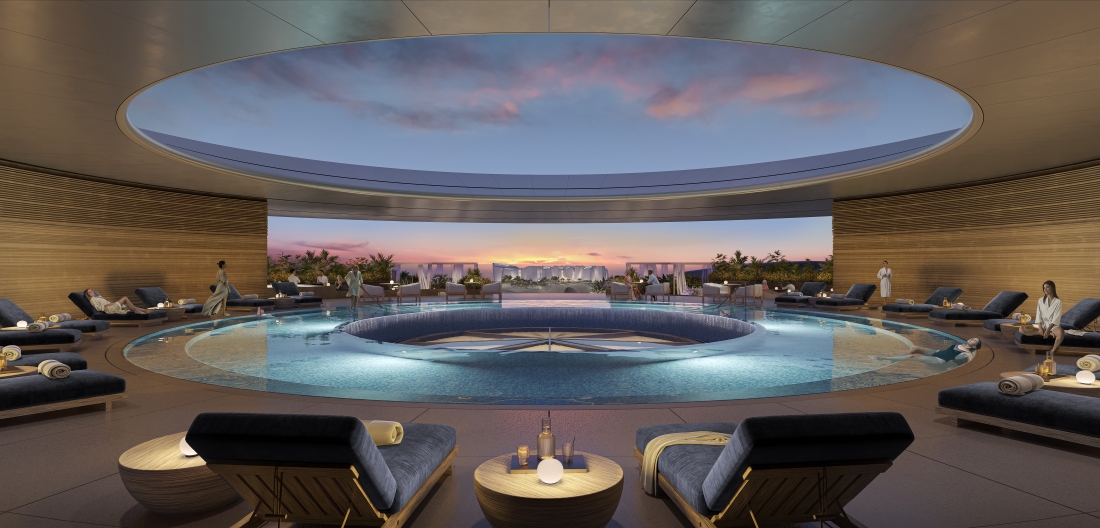
At the heart of the property is Asaya, Rosewood’s social wellness club and the first of its kind in the country. Here, wellness is reframed as a journey that is deeply personal, sensorial, and transformative. From hydrotherapy rituals and immersive sound healing to biohacking and movement practices, Asaya is where high-tech meets high-touch.

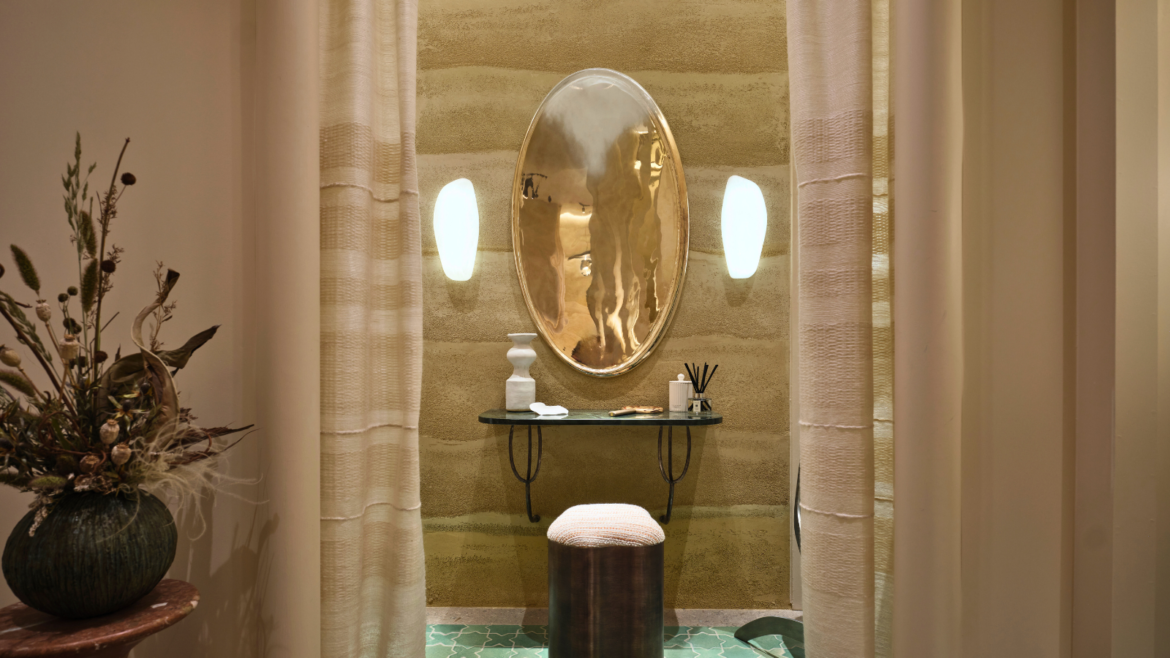
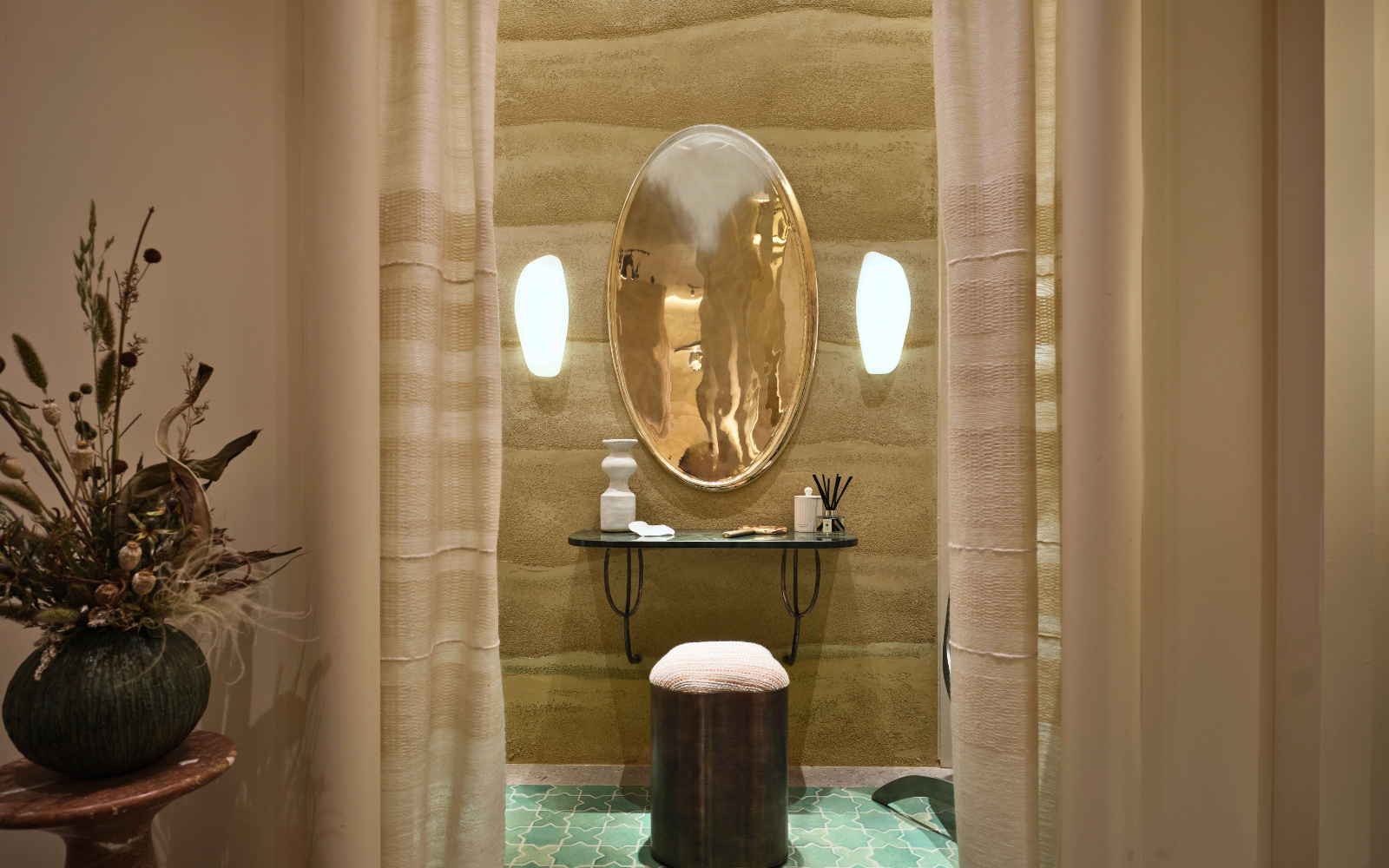
a marble shelf in the Asaya treatment room with curated objets

Image credit: Rosewood Hotels & Resorts

Private gatherings and milestone events unfold across 3,477 square meters of thoughtfully designed space, where Qatari elegance meets modern sophistication. The hotel’s grand Ballroom offers a stately and adaptable venue for large-scale gatherings, from cultural ceremonies to social galas. Adjacent to it, the Bridal House provides a serene and beautifully appointed space for preparations, quiet moments, and reflection. For those seeking a more intimate or bespoke environment, the Events Studio offers a one-of-a-kind experience where hosts can curate every element of their event.

Complementing these venues is The Pavilion, a residential-style setting ideal for elevated social events. With four versatile meeting salons, a private show kitchen, a bar, and adjoining living rooms, it offers the ease and intimacy of a gracious private residence. For more traditional gatherings, the Majlis provides a warm, refined setting that honours Qatar’s cultural heritage through a contemporary lens. Adding a distinct and practical edge to Rosewood Doha’s event offerings is a private car lift—a bold architectural feature designed to accommodate VIP arrivals and high-profile product launches with discretion and impact. Whether celebrating life’s milestones or hosting influential moments, every experience at Rosewood Doha is shaped by care, precision, and quiet sophistication.

“With Rosewood Doha, we had an extraordinary opportunity to express not just the future of luxury hospitality, but the emotional texture of Qatar. Every space was designed to feel purposeful and personal—to move beyond the expected and resonate deeply with our guests. From the fluid lines of the towers to the smallest gestures of hospitality, this property embodies the emotional intelligence and cultural reverence that define the Rosewood experience.” – Juan Samso, Managing Director

Rosewood Doha redefines the standard for luxury in the Gulf. Not by replicating what exists elsewhere, but by creating a living narrative, where architecture, gastronomy, and community programming reveal Qatar through the cultural lens of Rosewood. It is a place to root, to connect, and to live the story of Doha—curated with intention, framed by design, and carried forward through every guest who passes through its doors.

Main image credit: Rosewood Hotels & Resorts

Black and white monochromatic tile look LVT hospitality flooring

Amtico sets new hospitality flooring standard with safety LVT designs

1024 640 Meghan Taylor
Amtico sets new hospitality flooring standard with safety LVT designs

Discover Amtico’s innovative Safety LVT flooring for hospitality spaces – offering slip resistance, acoustic options, and stunning design flexibility for hotels, restaurants, and bars…

Black and white monochromatic tile look LVT hospitality flooring

Amtico’s latest Safety LVT (luxury vinyl tile) collections redefine hospitality flooring, combining exceptional slip resistance with bold, design-led aesthetics. Designed and manufactured in Coventry, the new ranges – Signature Safety and Spacia Safety –  offer unparalleled versatility and safety for hospitality spaces, including hotels, restaurants, bars, and leisure venues.

High-performance safety flooring for hospitality

Engineered to meet the BS EN13845 enhanced slip resistance standard, Amtico Safety LVT features embedded slip-resistant particles throughout the entire construction, not just the wear layer. This ensures long-lasting performance, making it ideal for high-traffic commercial spaces such as lobbies, dining areas, and corridors.

To further support hygiene-critical areas like food-service environments, each tile includes an ionic silver additive that actively reduces bacteria and viruses by over 99% within 24 hours – a vital feature in modern hospitality flooring solutions.

Endless patterns, bespoke motifs

Unlike conventional sheet safety flooring, Amtico Safety LVT is cut and bevelled into individual planks and tiles. This allows designers to create bespoke layouts, from terrazzo-inspired walkways and geometric dance floors to brand-colour accents in bar or reception areas.

Amtico’s in-house design team and advanced precision cutting technology ensure that intricate patterns and custom motifs translate perfectly from concept to installation, even across large commercial scales.

Amtico-DC563-Lune-Large-AR0SOM10-Onyx-Marble-AR0SCA37-Grigio-Classic-Marble-18x18-Uniform-Tile-Hamsterley-Oak

Image credit: Amtico

Two product tiers: Signature Safety and Spacia Safety

  • Signature Safety offers a durable 1mm wear layer, backed by a 20-year commercial warranty and an optional 18dB Acoustic backing layer, perfect for busy guest rooms, lounges, and lobby areas.

  • Spacia Safety is a cost-effective solution with a 0.55mm wear layer and 10-year warranty, ideal for fast-turnaround hotel refurbishments or budget-sensitive hospitality projects, without compromising on safety or design impact.

Both ranges are also available in Amtico Bio, a sustainable, bio-attributed PVC option certified to ISCC Plus standards, offering reduced embodied carbon while maintaining the brand’s high standards for durability and aesthetics.

British manufacturing with nationwide support

With more than 60 years of UK manufacturing experience, local stock availability, and dedicated nationwide support, Amtico ensures a seamless journey from sampling to installation. Whether you’re renovating a boutique hotel or specifying flooring for a multi-site hospitality chain, Amtico’s Safety LVT flooring ensures your spaces stay safe, hygienic, and visually striking long after the opening night.

Amtico is one of our Recommended Suppliers and regularly features in our Supplier News section of the website. If you are interested in becoming one of our Recommended Suppliers, please email Katy Phillips.

Main image credit: Amtico

Roundtable: Emerging trends in hospitality design

1024 640 Sophie Harper

Roundtable: Emerging trends in hospitality design

In the quirky setting of The Zetter Clerkenwell, Hotel Designs gathered leading designers for an intimate roundtable discussion, in association with award-winning lighting experts at Franklite Ltd, to explore the future of hospitality design…

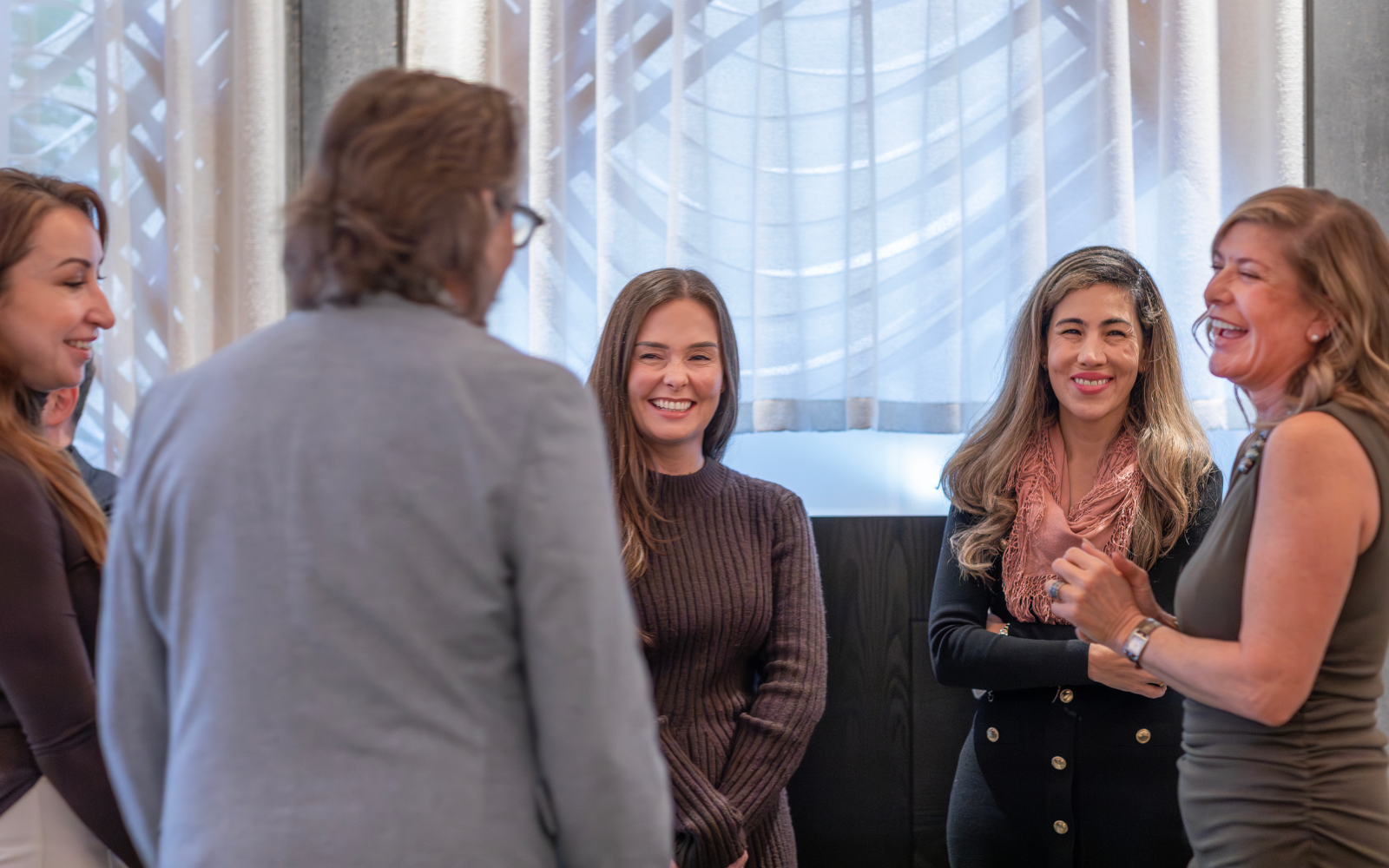
Held during Clerkenwell Design Week, the group gathered underground in one of the old cells at the House of Detention to check out the lighting display put on by Franklite and Christopher Hyde before making their way to The Zetter. Hosted by Hotel Design’s editor Sophie Harper, the conversation spanned well-being-led experiences, the shift towards authenticity and locality, the challenge of simplicity in a tech-driven market, and the growing role of AI.

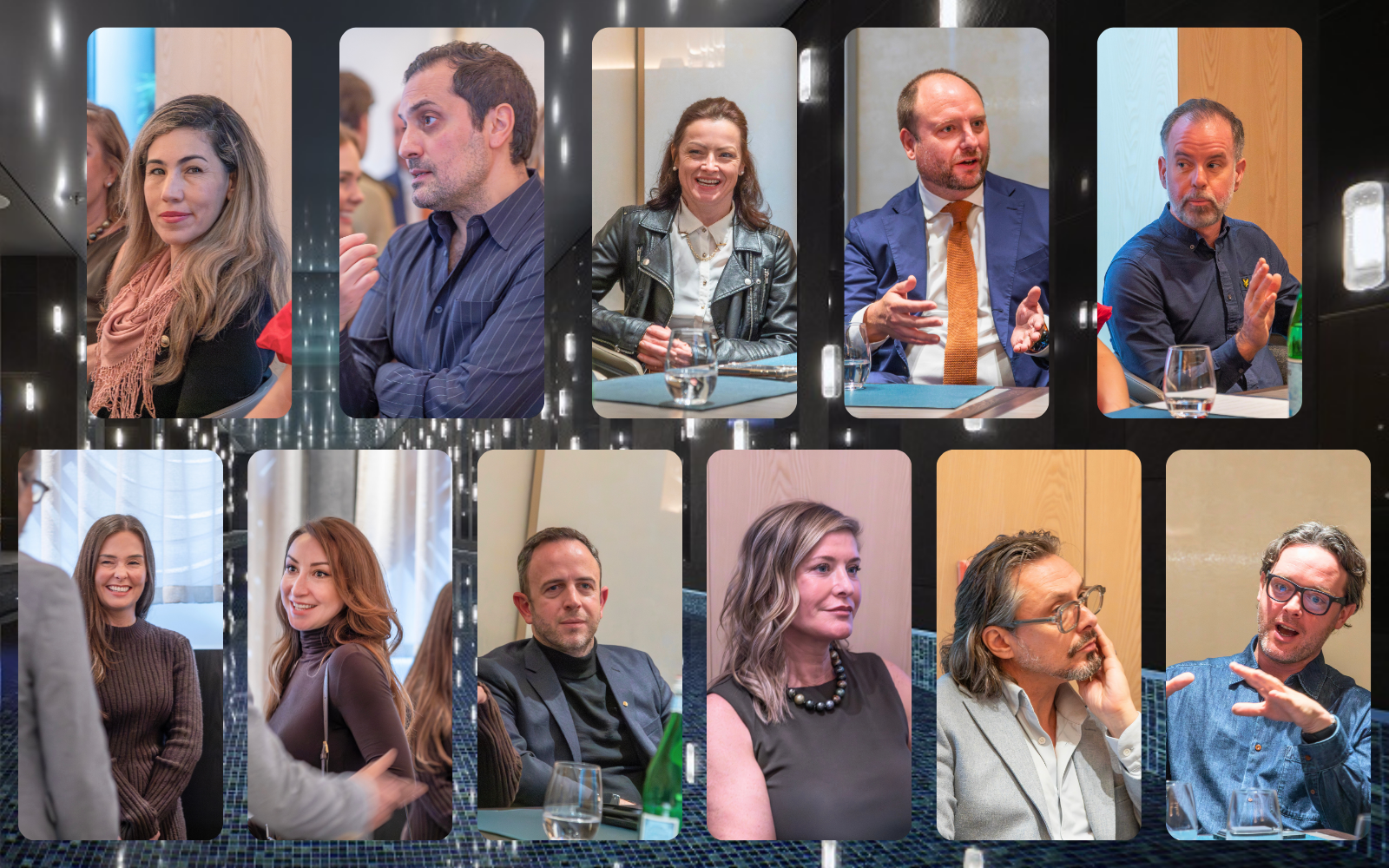
The attendees of the roundtable pictured from left to right: Mustafa (Mus) Afsaroglu, Co-founder, Taner’s Sons; Caitriona McGachy, Head of Design, The July; Jeremy Grove, CEO & Design Director, Sibley Grove; Luna Kim, Interior Designer, David Collins Studio; Leanne Armstrong, Creative Director, Black Ivy Design; Una Barac, Executive Director, Atellior; Craig McKie, Creative Director, Bell & Swift; and Dale Atkinson, Founder, Rosendale Design

Our design experts in attendance from left to right: Mustafa (Mus) Afsaroglu, Co-founder, Taner’s Sons; Caitriona McGachy, Head of Design, The July; Jeremy Grove, CEO & Design Director, Sibley Grove; Luna Kim, Interior Designer, David Collins Studio; Leanne Armstrong, Creative Director, Black Ivy Design; Una Barac, Executive Director, Atellior; Craig McKie, Creative Director, Bell & Swift; and Dale Atkinson, Founder, Rosendale Design

Sophie Harper: We’re here to talk about emerging trends in hospitality design – what’s evolving, what’s resonating with guests and how we, as an industry, respond to it – and perhaps most importantly, how do we deliver meaningful spaces that endure?

Well-being and the post-pandemic shift

The discussion opened with unanimous agreement: well-being has moved far beyond the spa.

Una Barac: Well-being. It’s not just wellness as your generic spa for a massage. It’s fitness, recovery, mental health and connecting guests with nature.

Una referenced the opening of CYRO, a concept resort where personal trainers and food technicians replace traditional spa services, and outdoor activities – from skiing to sailing – form the core of the guest journey. This evolved understanding of well-being resonated across the table.

Caitriona McGachy: Being flexible with wellness spaces is another consideration – we can open up our wellness spaces for meditation or to accommodate fitness classes. We’re bringing people outdoors and bringing people together as well as connecting with nature.

Leanne Armstrong: That connection to nature is also important in the interior design. Clients want natural materials, tactile finishes and breathable solutions like clay walls – elements that ground guests and cleanse the air.

Mustafa (Mus) Afsaroglu: People are becoming curious about where materials come from, who made them, whether they carry social impact. It’s like food provenance – that same interest is now expanding into interiors.

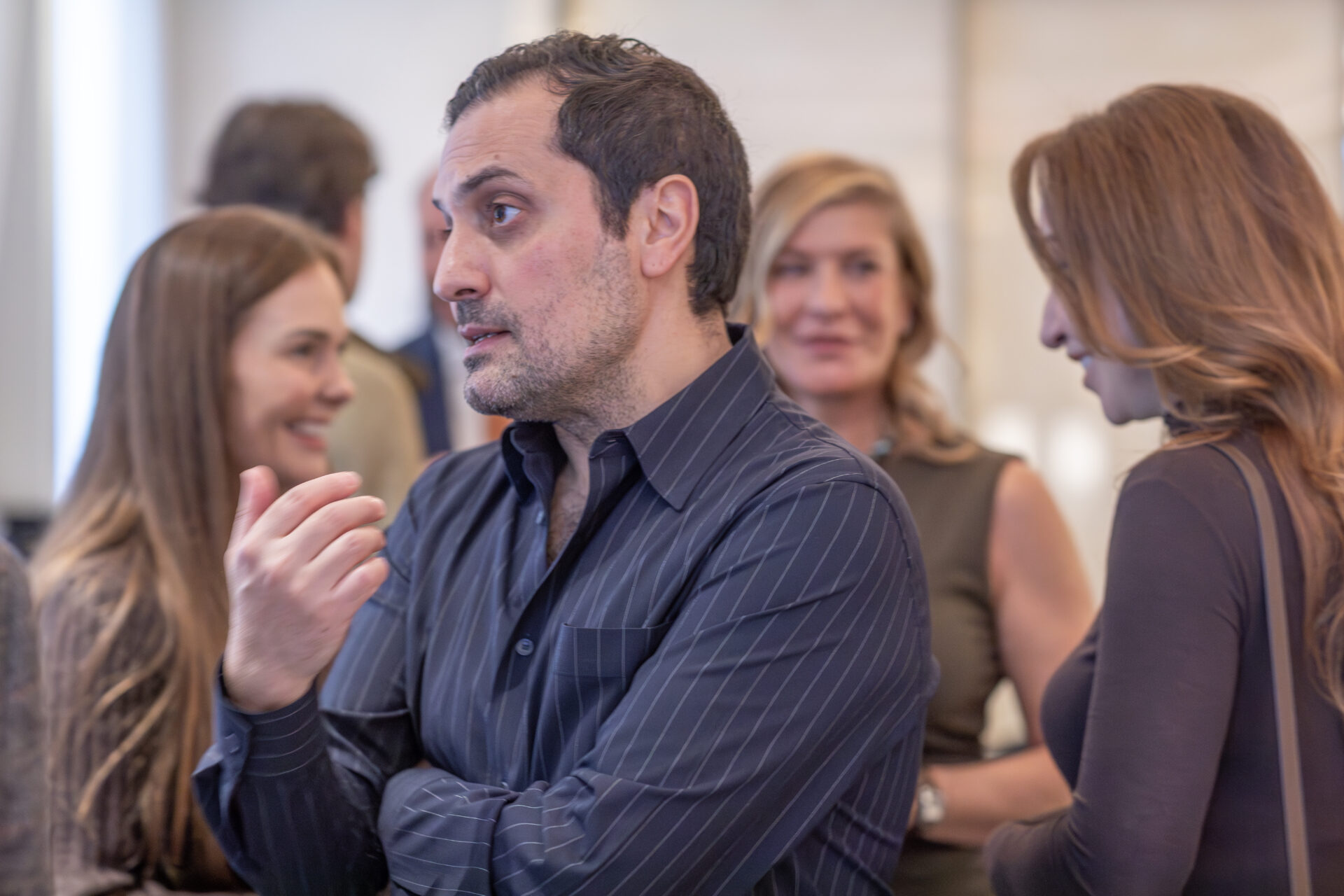
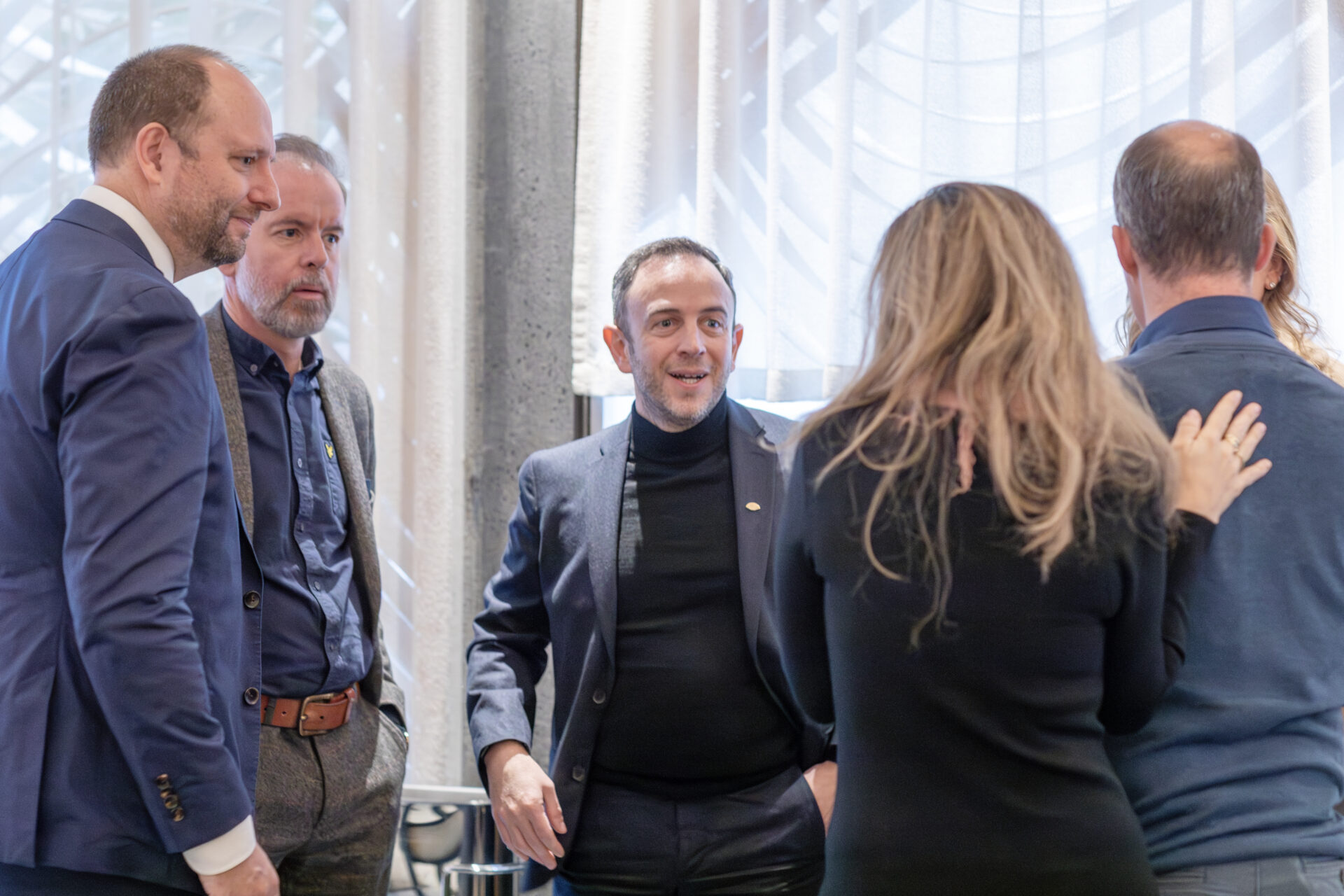
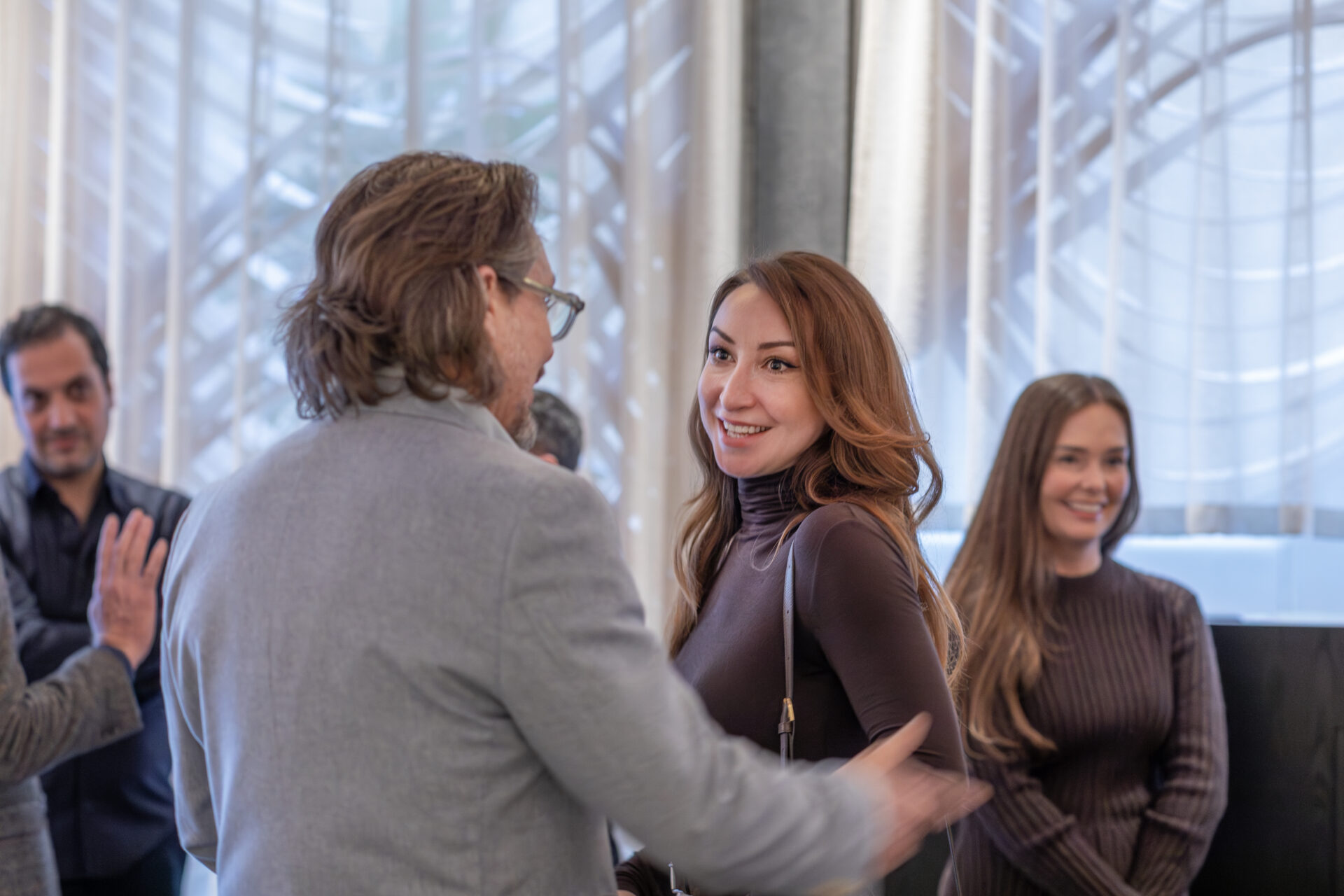
Roundtable delegates deep in conversation. Pictured are Jeremy Grove, Caitriona McGachy, Dale Atkinson, Una Barac, Mus Afsaroglu, and Sophie Harper

Image credit: Franklite Ltd

Authenticity and locality as the new luxury

The pandemic’s disruption to travel has, many agreed, accelerated a deeper yearning for authentic experiences.

Craig McKie: Luxury has changed, guests want an authentic experience. They want to understand a place’s culture – that’s now part of the definition of luxury.

This manifests in vernacular materials, local artisanship and connections to community.

Una: It’s farm-to-table – but also farm-to-spa. Hotels are using lavender grown on-site for treatments, local produce for kitchens – guests want that sensory link to the locality.

Designers are also rethinking the role of hotels within their communities and are making sure connection and engagement with the property’s immediate surrounding is made as easy as possible.

Caitriona: Hotels can no longer just rely on overnight guests, we partner with local run clubs, open kitchens to solo travellers, host events – it’s about building community formats that serve both guests and locals.

Dale Atkinson: Hotels are now encouraging locals to work from their lounges or pop in for breakfast. That openness makes the hotel part of the community, not just a space for international travellers.

Luna Kim: I think that’s why the lifestyle hotel, boutique hotel, is growing, is in demand, because there are people who like to have a little more personalised services rather than more automated or big-style cooperative hotel.

Simplicity versus technology

As wellness and authenticity rise, so does a counter trend: a growing rejection of overcomplicated technology.

Jeremy Grove: On one side you’ve got brands pursuing highly automated guest journeys; on the other, a rejection of tech in favour of simplicity. Guests are asking, why do I need motorised curtains when a beautifully weighted track works just as well?

Jeremy cited a Georgian manor project where automated curtains were stripped out in favour of hand-operated systems: “It’s about tactility. Guests want well-crafted, effortless products – not a wall of switches they can’t decode.”

Franklite’s Head of Hospitality confirmed the shift from the manufacturing side.

Carly Fitzgerald: The trend is going back to basics. At one point everyone wanted charging plates and automated controls – now they’re asking for simple on-off options and pull cords.

At the same time, other voices championed convenience.

Mus: As a guest, I like a panel next to the bed with all the moods clearly labelled. Part of the hotel experience is enjoying conveniences you might not have at home.

Sophie: The challenge is you can’t please everyone. But perhaps that’s the point – distinct brands with distinct approaches will resonate with distinct audiences.

Roundtable snippet shots of the lively discussion shows guests from around the table animated in their discussions.

Image credit: Franklite Ltd

Sustainability beyond lip service

The table agreed sustainability is now a non-negotiable consideration, but Jeremy urged caution.

Jeremy: There’s a lot of lip service. Sustainability becomes a moral argument, but budgets always drive decisions. We focus on quality: if you specify a better-made product from a responsible source, it will last.

Franklite’s Director, Mark Lissauer, highlighted the tension between cost and environmental goals.

Mark Lissauer: We can recycle and refresh 14-year-old fittings for clients, but it costs more than buying new. Will operators invest? It’s a fascinating case study.

Jeremy: Hotel operators want to be able to change a bulb themselves. Integral LEDs create downtime if they fail – we have to design with longevity in mind.

The art of first impressions

The group stressed the importance of arrival sequences, especially in an era where lobbies must balance check-in, co-working and community.

Dale: You never get a second chance at a first impression. Even a budget hotel can make an impact with colour, flow and clarity. Guests need to know instantly where the bar and reception are.

Una: We’re moving away from tall reception desks – barriers – towards smaller pods or informal sit-down check-in. It’s about breaking down boundaries.

The table discussed how crucial lighting is to the role of welcoming guests and distinguishing between different areas in a hospitality space.

Leanne: It’s all about layers, shadows, hidden elements – that’s where we have fun as designers.

Carly: You can create bright and bold for daytime, then low-lit intimacy at night – but it shouldn’t require a PhD to operate.

Collaboration and storytelling

When asked what makes a great supplier, the group emphasised partnership.

Jeremy: The best projects are about teamwork, and that extends to suppliers. We want technical support and we want to know you understand the product. That’s why roundtables like this matter.

Storytelling – both in design and in how suppliers present themselves – was another recurrent theme.

Luna: Everyone can make beautiful lighting, but we need to know the narrative behind your brand – the craftsmanship, the artisans – that’s what makes us choose you.

A roundtable conversation with a point being made by Caitriona McGachy while all the other attendees look at her, listening intently.

Image credit: Franklite Ltd

Looking ahead: authenticity, transparency and AI

Closing the discussion, Sophie asked the group to predict where the industry is heading.

Leanne: Authenticity and transparency are key. Guests are more discerning than ever – they’ll see through gimmicks.

Dale: We try to deliver honesty. People can smell Disneyland from a mile away. If a hotel’s narrative doesn’t align with its design, it won’t resonate.

The final topic – inevitably – was AI. The group saw it as a tool rather than a threat.

Craig: We did some stuff for the HIX exhibition, and it was all about me, myself, and AI, which was quite fun. We generated a few different things using AI – the skill is knowing exactly what to put in to get the right result. It was interesting, but ultimately it has to be a person behind anything that comes out of AI.

Leanne: You have to embrace it, find how it works for your studio. It won’t replace human creativity, but it can speed up processes like concept imagery.

Jeremy: Designing a hotel is complex. Clients want to be part of the journey. AI won’t replace that – it just means we need to remain relevant, adapt our processes, and carve a niche.


As the session drew to a close, Mark Lissauer reflected on the purpose of such conversations:

Mark: We need to remind people what we do and how we can collaborate. Trends come from the design community – you drive what we deliver.


Key takeaway? Hospitality design is entering an era of heightened expectation. Guests want meaningful wellness, authentic narratives and simplicity amid the noise. Operators want flexibility, longevity and community. And designers are tasked with reconciling it all – with manufacturers like Franklite helping illuminate the way forward.


Franklite is one of our Recommended Suppliers and regularly features in our Supplier News section of the website. If you are interested in becoming one of our Recommended Suppliers, please email Katy Phillips.

Main image credit: Franklite Ltd

VIRIATO chair infront of bright art

VIRIATO receives multiple awards for ESG and Sustainability excellence

1024 640 Meghan Taylor
VIRIATO receives multiple awards for ESG and Sustainability excellence

Through bold design thinking and more than 100 integrated ESG initiatives, VIRIATO is redefining what sustainability looks like in business – from solar energy to employee wellbeing…

VIRIATO chair infront of bright art

In an era where design is increasingly intertwined with sustainability, Portuguese furniture company VIRIATO is setting an inspiring example of how business, environment, and social impact can align seamlessly. Recognised as one of the Top 14 Most Sustainable SMEs in Portugal by SME EnterPRIZE  – an initiative by Generali Tranquilidade – VIRIATO is gaining national and international attention for embedding sustainability into the core of its operations, culture, and long-term strategy.

Sustainability as a system, not a silo

Over the past two years, VIRIATO has rolled out more than 100 sustainability initiatives, forming a holistic ESG (Environmental, Social, Governance) strategy that informs every aspect of its business. Rather than treating these actions as isolated programs, the company has created an integrated roadmap where every initiative feeds into a larger purpose: sustainable, design-led growth.

Central to this transformation is ‘Mais Energia, Melhor Ambiente’ (More Energy, Better Environment), VIRIATO’s flagship programme. It fuses responsible energy usage with operational efficiency, employee wellbeing, and community engagement – setting the tone for how design thinking can power environmental and social responsibility.

VIRIATO team photo

Image credit: VIRIATO

Award-winning impact

VIRIATO’s efforts haven’t gone unnoticed. Alongside its SME EnterPRIZE accolade, the company has also received:

  • The ‘Social Impact’ Distinction from the Paredes Municipality, honouring its leadership in local innovation and responsibility.

  • The ESG Portugal Award by the Kaizen Institute in the SME category, recognizing a structured, results-driven commitment to continuous improvement.

Designing for a sustainable future

What makes VIRIATO stand out is how it leverages design as a tool for sustainability and efficiency. Here are just a few of the transformative initiatives driving their vision forward:

  • A solar power plant, pushing the company toward near-complete energy independence through renewables.

  • Finance 4.0, a digital automation project increasing transparency and operational agility.

  • Kaizen Operational Efficiency, bringing continuous improvement principles to all business functions.

  • A redesigned factory layout, optimizing workflow, safety, and productivity – a model of sustainable industrial design.

VIRIATO factory

Image credit: VIRIATO

People at the heart of the process

True sustainability isn’t just environmental it is human. VIRIATO has placed a strong focus on employee development and wellbeing, ensuring that progress is inclusive and empowering:

  • Academia V, a digital learning platform enabling self-paced growth and upskilling.

  • Juntos Somos + Fortes (Together We Are Stronger), a team engagement initiative fostering unity and equal opportunity.

  • E.Viriato, a green mobility program offering electric vehicles and charging stations, soon to expand to e-bikes and scooters.

  • V-Lounge, a thoughtfully designed break area promoting rest and connection.

  • Operação Sorriso (The Smile Initiative), an internal feedback campaign confirming high employee satisfaction and alignment with company values.

A blueprint for sustainable design

VIRIATO’s story is a testament to what is possible when sustainability is not an afterthought but a design principle. Its approach – balancing energy innovation, digital transformation, employee empowerment, and community involvement – offers a blueprint for how small and mid-sized enterprises can lead meaningful change.

As the design industry increasingly looks for ways to integrate purpose with process, VIRIATO shows that sustainability isn’t just good ethics – it is good business. And in the hands of a visionary company, it can be beautifully designed.

VIRIATO is one of our Recommended Suppliers and regularly features in our Supplier News section of the website. If you are interested in becoming one of our Recommended Suppliers, please email Katy Phillips.

Main image credit: VIRIATO 

five panellists at Accessible Design Talk

Accessible Design Talk: Why can’t luxury be inclusive?

1024 640 Meghan Taylor
Accessible Design Talk: Why can’t luxury be inclusive?

In June, Hotel Designs launched its Accessible Design Talks series – an ongoing conversation exploring inclusivity within the hospitality-design sphere. For the inaugural (sold out!) panel, four experts with lived experience offered honest insights into the current barriers, breakthroughs, and possibilities of designing for genuine inclusivity…

five panellists at Accessible Design Talk

Hospitality and design have long touted innovation and luxury as their hallmarks, yet when it comes to accessibility, many spaces still feel like an afterthought. The Accessible Design Talks series by Hotel Designs began by challenging this contradiction: why is accessible design often treated as a niche or clinical requirement, rather than a baseline for all guests?

five panellists at Accessible Design Talk

The panellists, from left to right: Christopher Samuel, multi-disciplinary Artist, Rebecca Storey, Founder and Creative Director of Storey Interiors, Charles Van Berckel, Co-Founder of AbleStay, Shelley Cowan, Accessibility Advocate, Entrepreneur and Community Champion, and host, Sophie Harper, Editor of Hotel Designs.

The inaugural panel, hosted by Hotel Designs Editor Sophie Harper, brought together four experts with lived experience of this very issue. The speakers – Christopher Samuel, Rebecca Storey, Charles Van Berckel, and Shelley Cowan – shared personal stories and professional insights that exposed the gap between luxury design ambition and the reality for many disabled guests.

Each highlighted that accessibility is not just a matter of regulation or compliance but a vital component of hospitality that affects how people feel, move, and belong in a space. As one panellist noted, finding accessible accommodation that combines functionality with comfort and style remains a challenge; transforming what should be a restorative experience into a source of stress.

The human impact of design failures

Beyond the design aesthetics, the panellists highlighted the profound human impact of inaccessible spaces. They recounted personal stories of being turned away, facing humiliations, or struggling with inadequate facilities when travelling – experiences that starkly contradict the very essence of hospitality. The narrative is clear: exclusion in design is exclusion in experience.

A recurring theme was the importance of dignity and independence. For disabled guests, being able to access a bathroom or move comfortably within a room should not be a ‘luxury’ – it is fundamental. The absence of thoughtful design compromises privacy, safety, and even basic hygiene, creating a barrier to participation in society and travel.

Accessible design isn’t about compromise

A key insight from the discussion was the need to challenge outdated perceptions of accessible design. The assumption that accessible spaces must look clinical or be visibly ‘different’ was refuted repeatedly. Instead, the panel argued for an integrated approach that marries functionality with beauty and luxury.

Becky Storey, an Interior Designer and Founder of Storey Interiors, shared examples of boutique accommodations where accessibility equipment is seamlessly incorporated into stylish interiors, such as at AbleStayLondon’s first fully accessible holiday home, Founded by panellist Charles Van Berckel. Becky’s point was clear: accessible design can be elegant and inviting, enhancing the guest experience for everyone, not just those with disabilities.

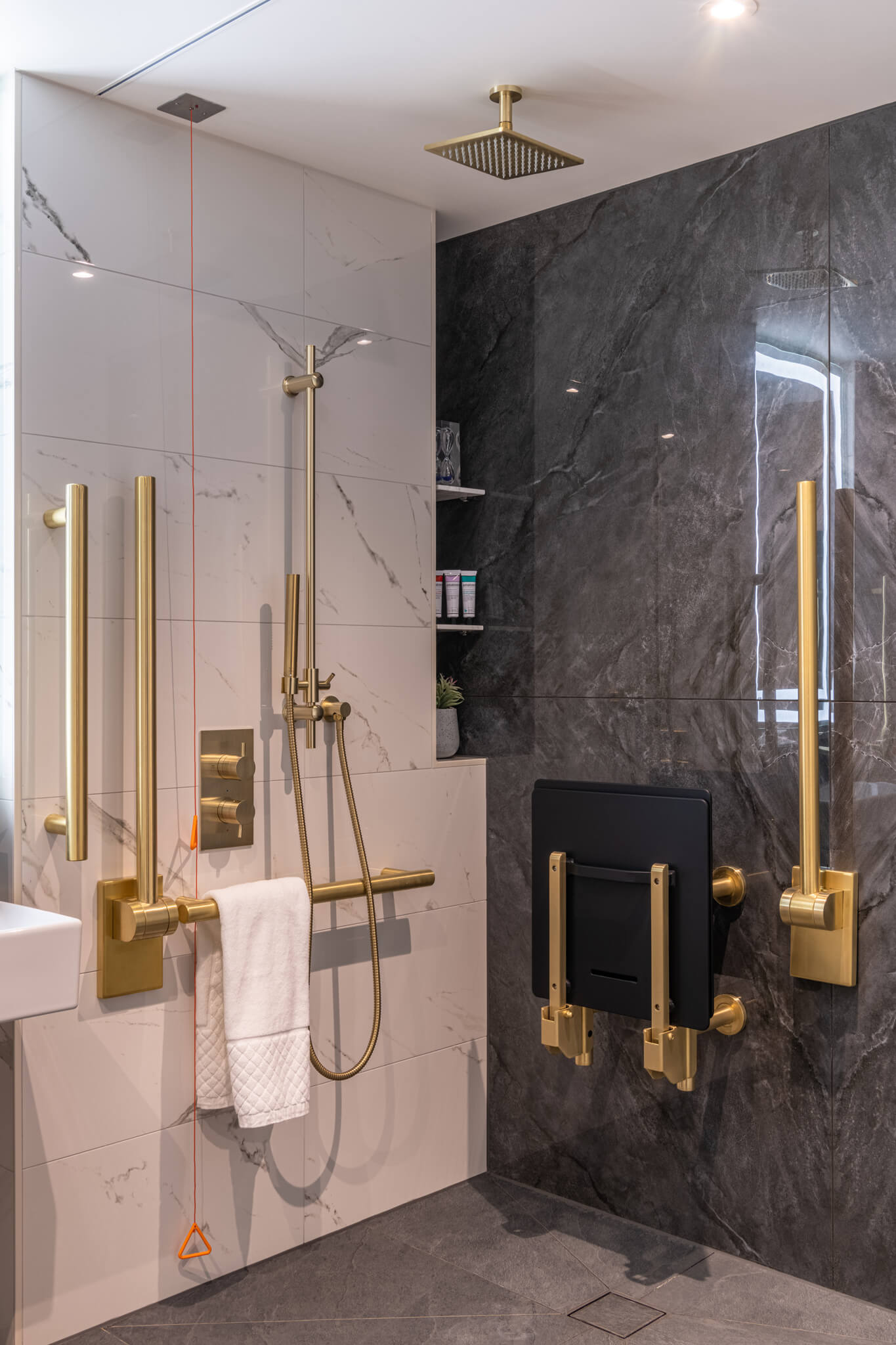
The conversation explored innovative solutions like recessed ceiling hoists, multi-purpose grab rails, and adjustable wardrobe fittings. For designers, incorporating such innovative solutions should be seen as an exciting chance to spread their creative wings, not as an ‘issue’ to resolve. Moreover, design elements such as adjustable fittings can serve dual functions and offer tailoring to non-disabled guests too – after all, inclusivity is about designing for all. 

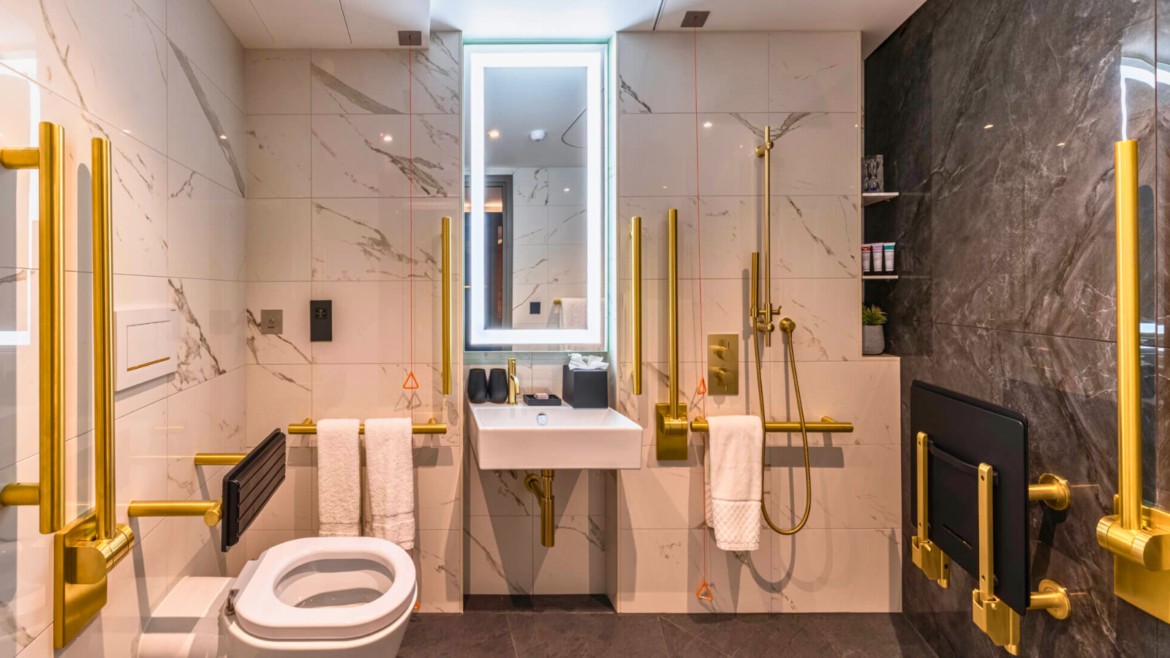
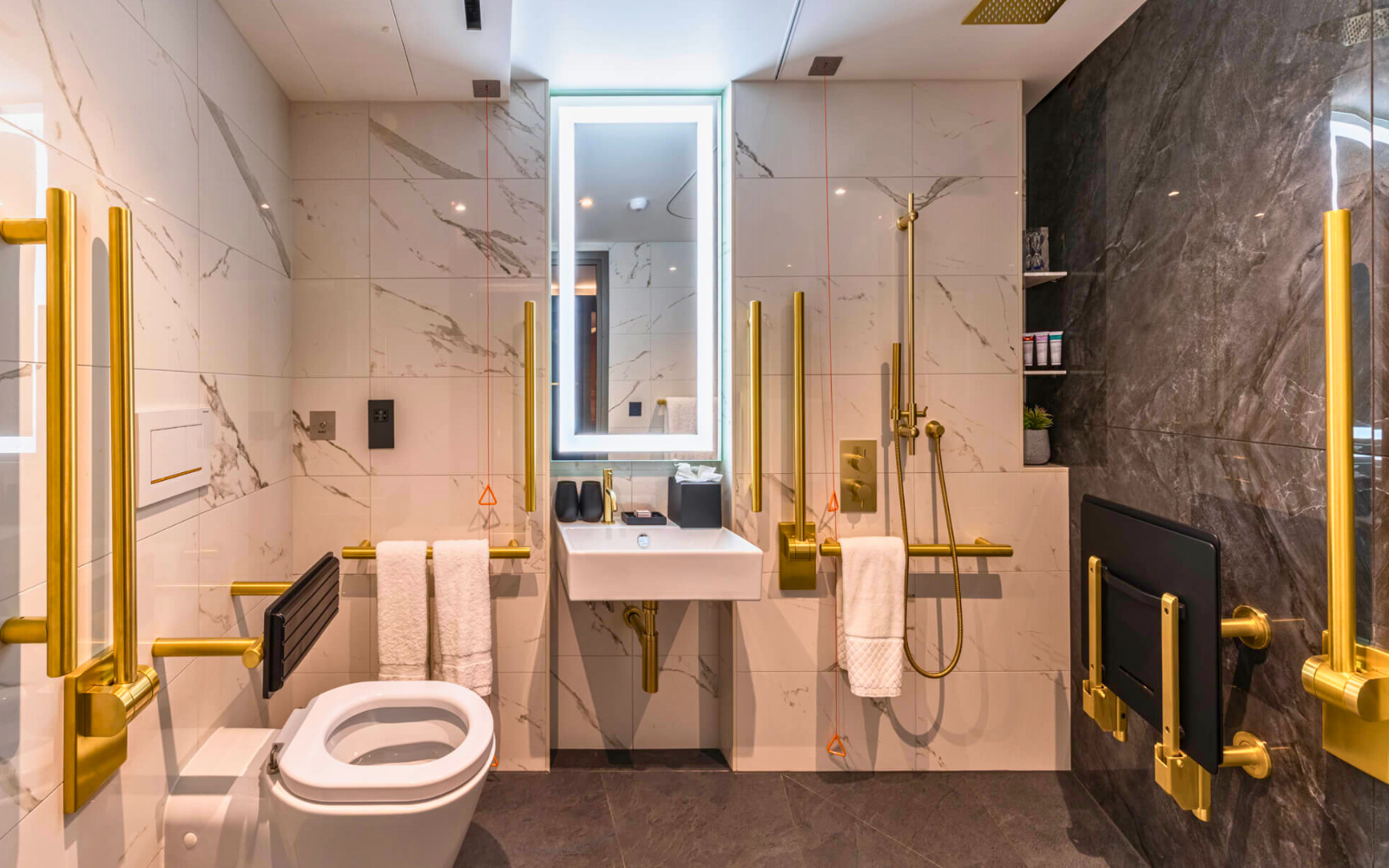
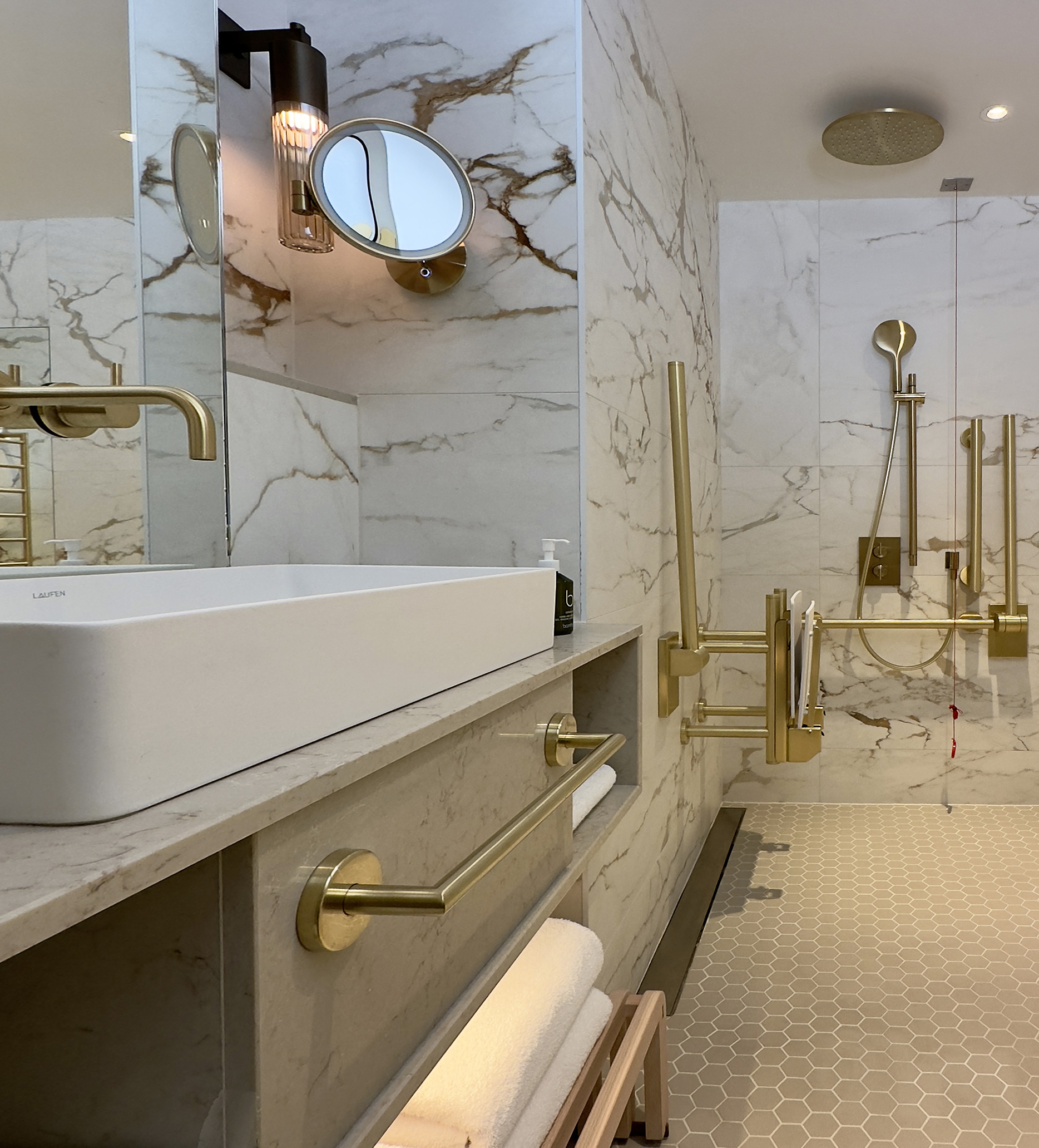
For designer Becky Storey, her studio focuses on accessibility for all, regardless of age or physical abilities. Here shows a recent project by Storey Interiors: a stylish yet functional wetroom space designed for positive and healthy ageing. Image credit: Storey Interiors.

For Becky Storey, her designs focus on the beautiful and the functional. Here shows a recent project by Storey Interiors: a stylish yet accessible bathroom designed for a wheelchair user and their family | Image credit: Storey Interiors.

Universal design is good business

The panel championed universal design – a philosophy that creates spaces usable by everyone, regardless of age or ability. From families with young children to elderly guests or those with temporary injuries, inclusive design benefits far more than disabled travellers.

Simple, thoughtful choices like low-pile carpets, slip-resistant flooring, and dual-purpose fixtures (such as grab-bar towel rails) were cited as examples of how functionality can enhance rather than compromise aesthetics. These details make spaces safer, more welcoming, and ultimately more luxurious for all guests.

Importantly, the panel urged designers to avoid isolating accessible rooms as ‘special’ or separate. Instead, adaptable, interchangeable spaces should be the norm – meeting diverse needs without drawing unnecessary attention.

Shelley Cowan highlighted the strong economic case too: with the UK’s ‘purple pound’ estimated at £274 billion, inclusive design opens the door to an underserved and loyal market. The message was clear – accessibility is not a cost, it is a smart investment.

What is stopping designers and developers?

Despite clear benefits, the panel acknowledged that barriers remain. Lack of client knowledge, budget constraints, and insufficient understanding of accessibility needs often limit progress. The discussion referenced legislation and building regulations, but noted these often set minimum standards rather than inspiring excellence.

The speakers encouraged a proactive mindset, suggesting that the industry needs to move beyond compliance toward embracing accessibility as an opportunity for creativity and differentiation.

How to move forward

As the talk drew to a close, the experts stressed that real progress requires collaboration among designers, clients, architects, and hospitality operators. They highlighted the importance of lived experience as guiding design decisions and urged the industry to embed accessibility into every stage of planning.

The panel encouraged small daily commitments toward improvement – recognising that change is a journey rather than an overnight fix. They invited everyone to join the conversation and continue advocating for inclusive spaces.

So, why shouldn’t luxury be accessible? 

The discussion returned to a fundamental question: why is accessibility often excluded from luxury? With luxury defined as ‘a state of great comfort or elegance, especially when involving great expense’, exclusion renders even the most luxurious spaces austere – at least for some, if not for many.

Through honest dialogue and practical insights, the panel demonstrated that accessible design is not only achievable but essential. When accessibility is embraced as a core value, hospitality can become truly inclusive – where luxury is not a privilege for some who take part, but an experience that everyone can share.

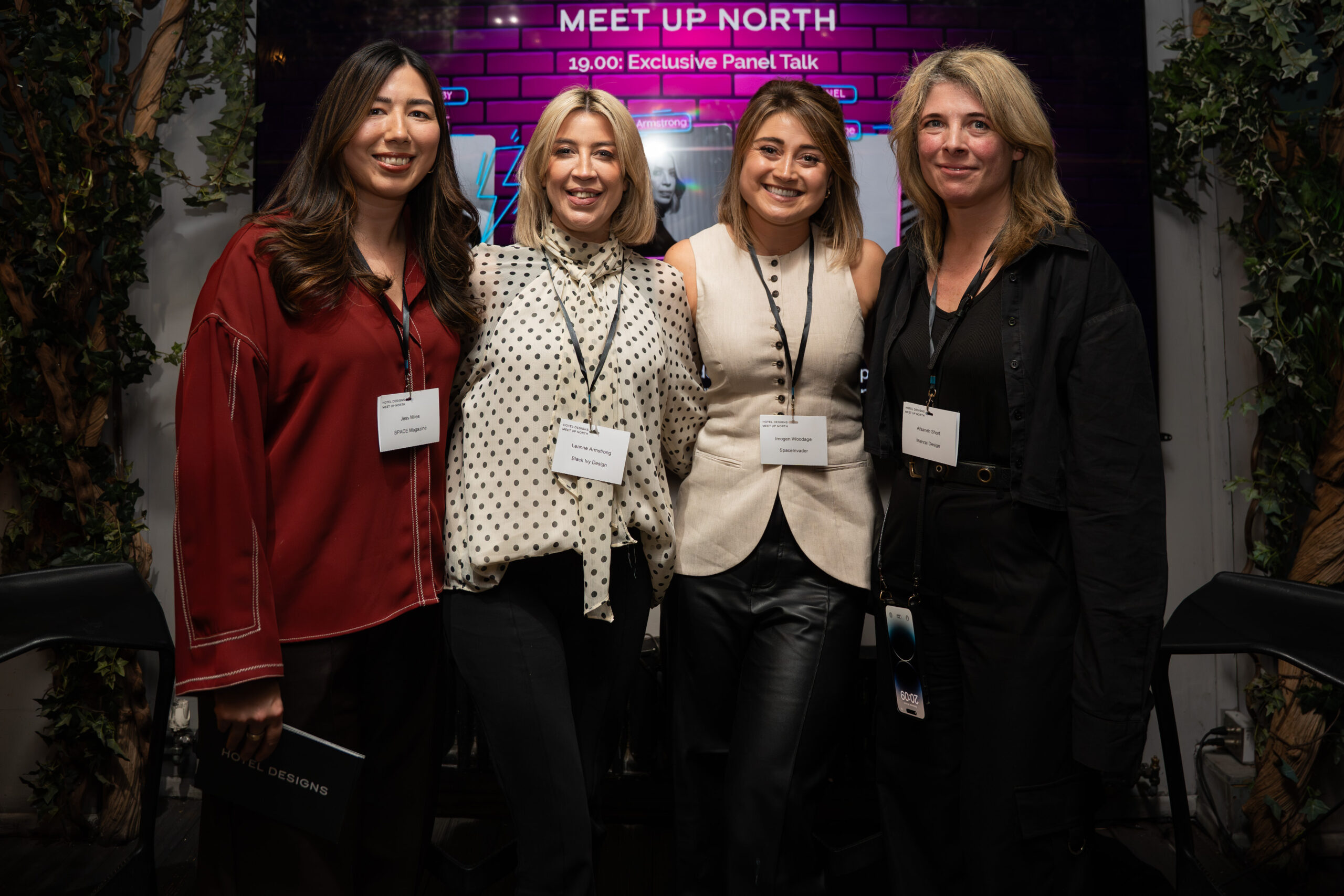
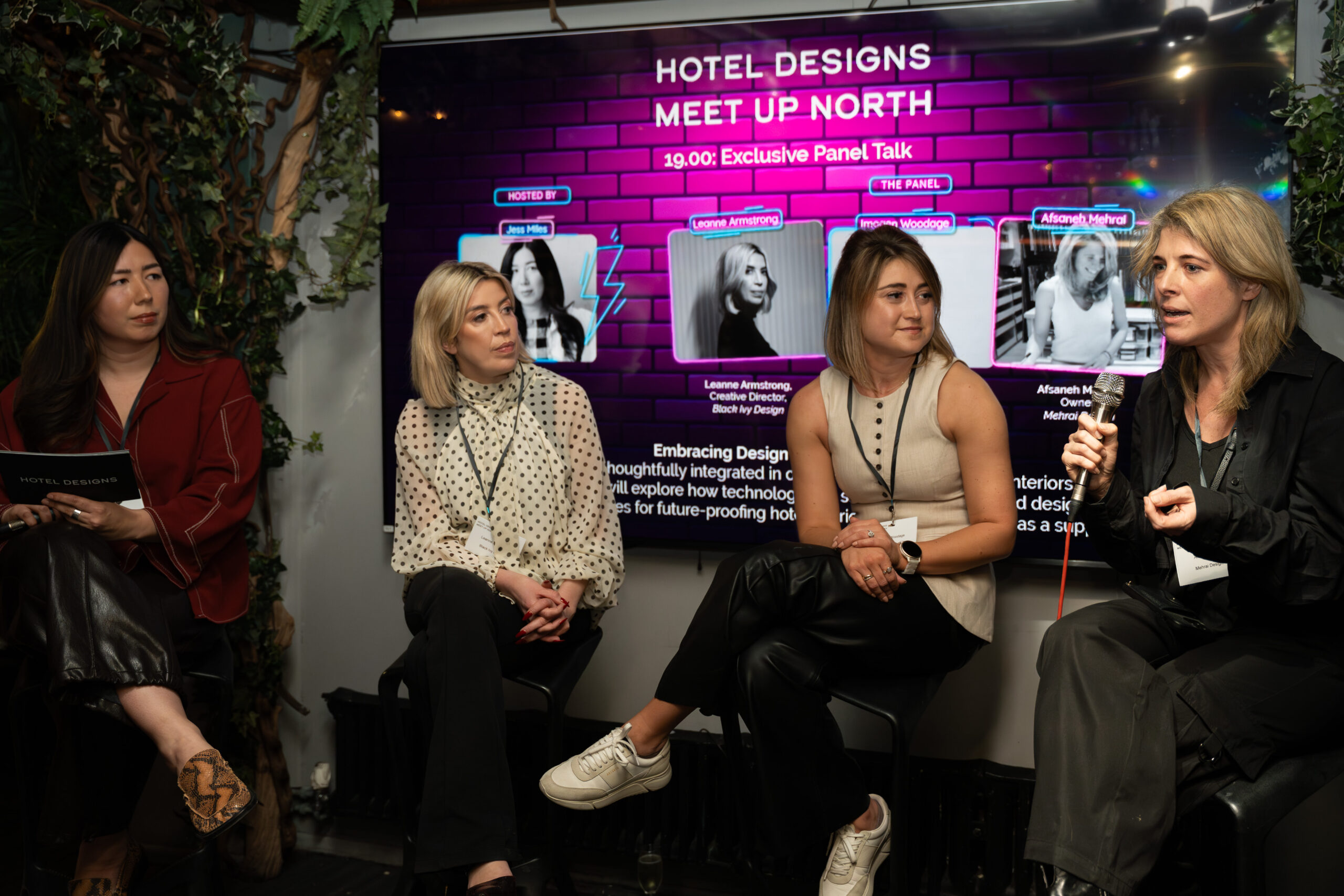
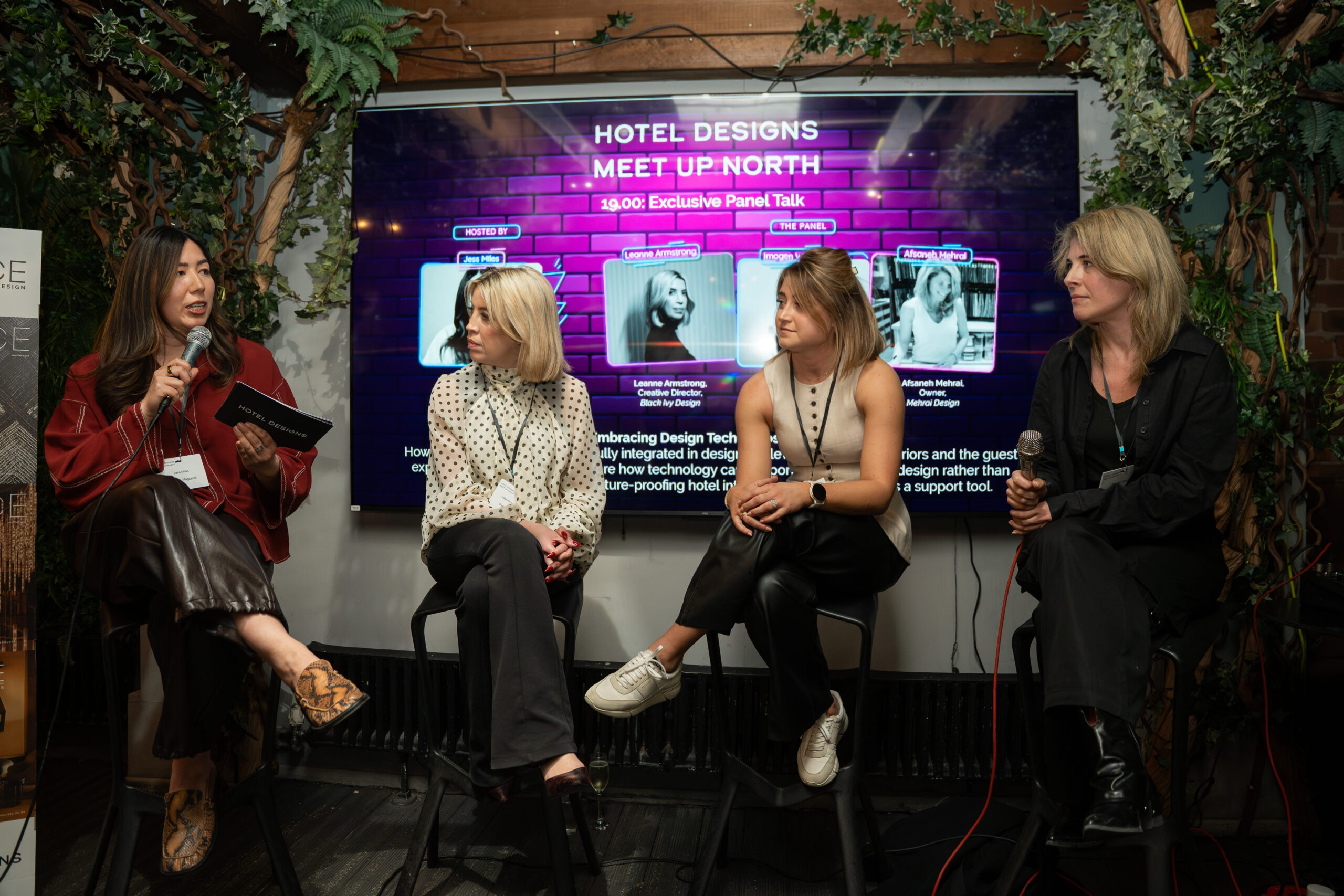
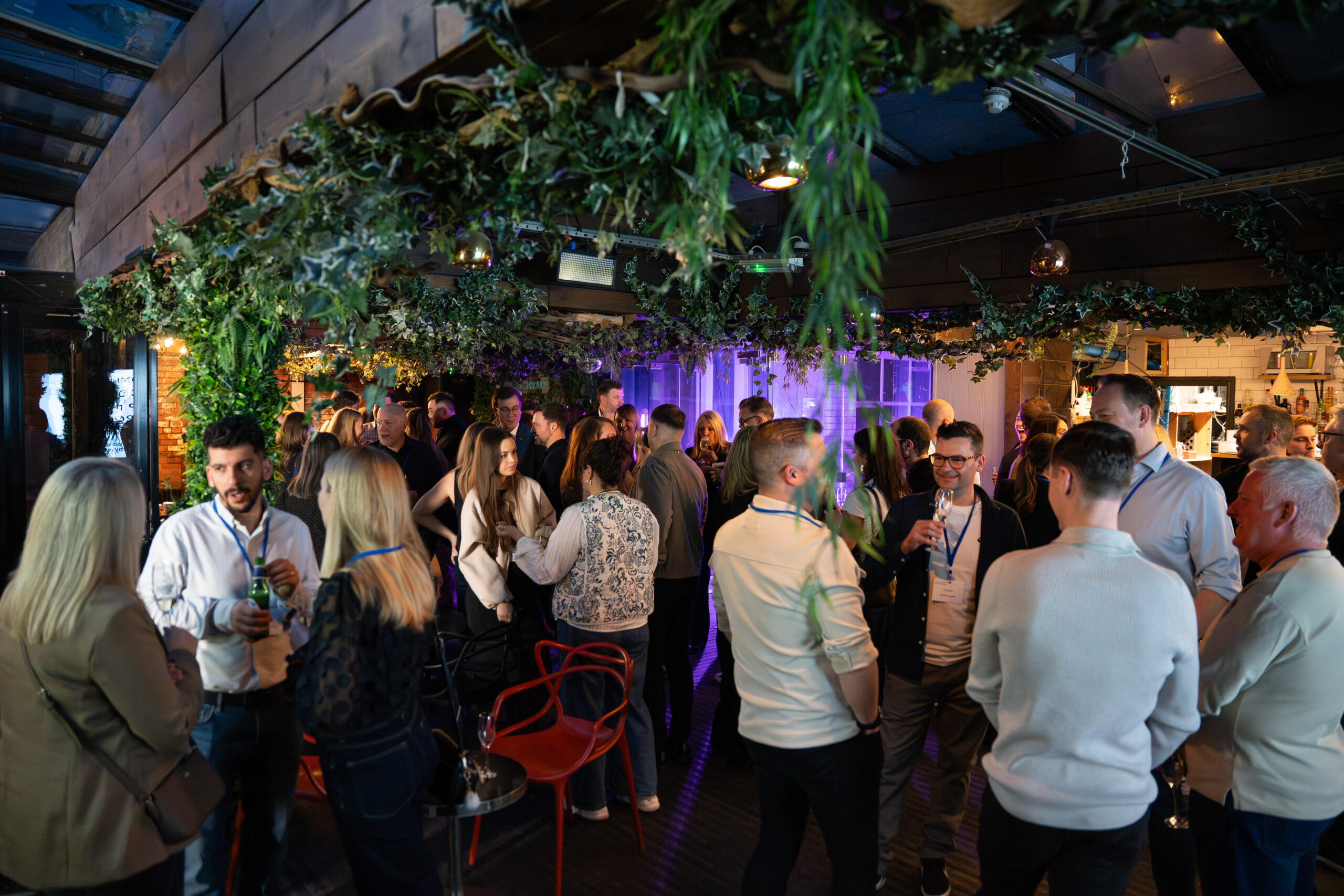
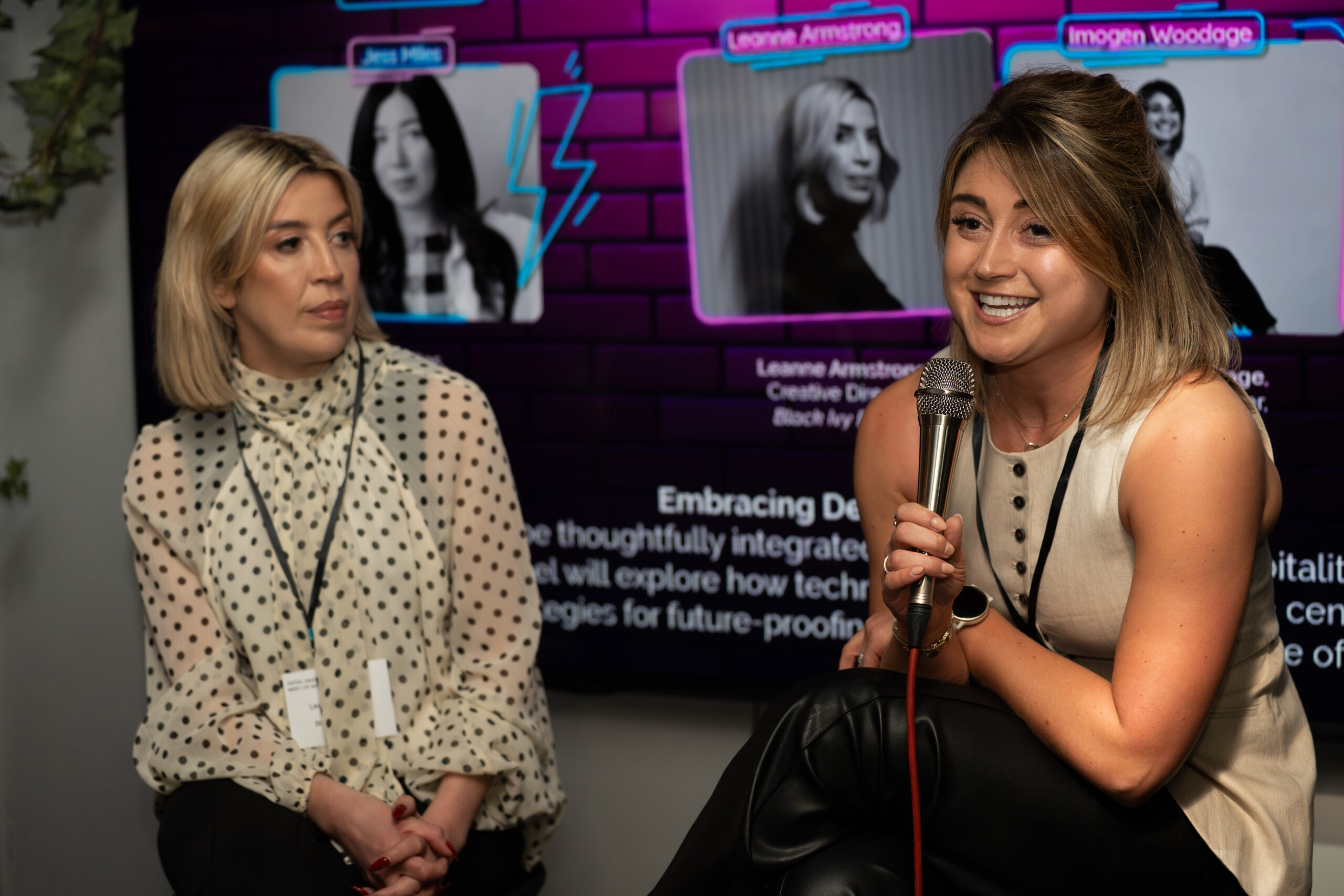
If you want to learn more about accessible design or contribute to the conversation, stay tuned for upcoming panel talks in the series, where these important issues will continue to be explored and amplified. Our second panel took place at MEET UP North 2025, while our third panel will take place at the Independent Hotel Show, 6 – 7 October, 2025, at London Olympia – more details to follow.

Main image credit: Hotel Designs

Radisson Montenegro swimming pool and terrace overlooking the sea

Radisson Resort Ruža Vjetrova, Montenegro – where the sun meets the sea

1024 640 Pauline Brettell
Radisson Resort Ruža Vjetrova, Montenegro – where the sun meets the sea

Radisson Hotel Group has announced the opening of Radisson Resort Ruža Vjetrova, a premium beachfront retreat nestled on an isolated peninsula along the Adriatic coast in Dobra Voda, Montenegro…

Radisson Montenegro swimming pool and terrace overlooking the sea

Surrounded by lush green hills and crystal-clear waters, the Radisson Resort Ruža Vjetrova introduces a captivating blend of natural serenity, elevated comfort, and world-class service, offering guests a unique coastal destination.

“Radisson Resort Ruža Vjetrova is a fantastic addition to our growing portfolio in Southeast Europe and a shining example of how our resort offerings are evolving to meet the desires of modern travellers seeking authenticity, nature, and meaningful experiences,” said Lars Gericke, Vice President, Franchise Services, Radisson Hotel Group. “We are proud to open this remarkable property and to mark a milestone in our regional expansion with such a unique destination.”

Radisson Resort Ruža Vjetrova Montenegro_ with tree in the middle of the space

Image credit: Radisson Hotels

Set in a revitalising microclimate where winds meet and carry a refreshing sea breeze, Radisson Resort Ruža Vjetrova offers guests a balanced and serene experience. The resort features 170 contemporary rooms and suites, many with private balconies boasting panoramic sea views, and is thoughtfully designed for comfort, style, and sustainability.

Guests can relax and recharge in the resort’s two outdoor saltwater pools, enjoy exclusive access to a private beach, or stay active at two tennis courts, a yoga deck, and an open-air fitness terrace. For those seeking a wellness-oriented holiday, the surroundings and amenities offer a truly holistic retreat.

The resort boasts a vibrant selection of culinary offerings. Guests can savour Montenegrin flavours with a modern twist at the Borovina Restaurant, enjoy healthy buffet breakfasts overlooking the Adriatic, or unwind with cocktails and light bites at Sunkiss Beach Restaurant. Locally sourced ingredients and seasonal menus elevate the resort’s culinary identity.

yellow couch in guestroom at Radisson Montenegro

Image credit: Radisson Hotels

The resort provides the perfect setting for seaside weddings, private celebrations, and corporate events. From an open-air amphitheatre to multiple panoramic terraces, the venues are designed to host memorable gatherings against the backdrop of breathtaking sunsets and sea horizons. Located just 10 minutes from Bar Old Town, and within easy reach of Velika Plaža, Skadar Lake, and the historic King Nikola’s Palace, it is an ideal base for guests seeking both relaxation and adventure.

“From sunrise yoga to sunset celebrations, Radisson Resort Ruža Vjetrova is designed to offer unforgettable moments in a truly magical setting,” said Christian Kreković, General Manager of Radisson Resort Ruža Vjetrova. “We are thrilled to welcome guests to this idyllic location where they can experience genuine Montenegrin hospitality, rejuvenate by the sea, and enjoy the very best of our resort lifestyle.”

Main image credit: Radisson Hotels

Great chandelier hangs above marble staircase at The OWO, lighting by Lutron

Exclusive: Inside the lighting and design of Raffles London at The OWO

1024 640 Meghan Taylor
Exclusive: Inside the lighting and design of Raffles London at The OWO

Once the epicentre of military strategy, discover how The OWO – now a beacon of luxury hospitality in London – is lit by Lutron…

Great chandelier hangs above marble staircase at The OWO, lighting by Lutron

Since 1530, the Whitehall’s Old War Office building has served as the monarchy’s seat of power (then aptly called the Palace of Whitehall), the home of British War Office and intelligence agencies, serving as the venue for some of Sir Winston Churchill’s most iconic speeches, and the inspiration for Ian Fleming’s beloved James Bond novels.

Today, it is known as The OWO and, following an eight-year restoration led by the Hinduja Group and Onex Holding, is home to Raffles London – a meticulously reimagined luxury destination combining history with forward-thinking design.

The restored landmark now houses 120 guest rooms and suites, 85 Raffles-branded residences, 12 restaurants and bars, and the UK’s first Guerlain Spa. Behind its stately façade, a design collective – EPR Architects, dpa lighting consultants, Link Media Systems, 1508 London, Goddard Littlefair, and The Office of Thierry W Despont – has breathed new life into this Grade II-listed icon.

Great chandelier hangs above marble staircase at The OWO, lighting by Lutron

Image credit: John Athimaritis, courtesy of Lutron.

Rewriting the rules of heritage design

Transforming a rigid, early 20th-century office building into a vibrant hospitality space demanded both respect for history and innovation in design.

“At EPR, our design process always begins with a deep study of the existing building and its context,” explains David Scowcroft, Project Director at EPR Architects. “This understanding shapes the entire project, informing what must be preserved and which spaces deserve to be celebrated. The OWO’s unique mix of hospitality and residential uses adds to the complexity of the design, significantly influencing the evolution of its public and private spaces.”

The challenge? Turning a fortress-like layout – characterised by stone columns, turrets, and masonry – into an inviting, guest-first destination. The result is a design that celebrates contrast: old and new, grand and intimate, private and social. Embracing this, the project became richer and more meaningful, honouring history while allowing the building to be enjoyed by a new generation of visitors and guests.

Lighting has been used throughout to enhance the grandeur of the arrival experiences and the key heritage spaces…while integrating seamlessly with the new build elements in the residences.”

Lighting that tells the story

Lighting played a crucial role in shaping the mood and experience across the property.

“Lighting played a central role in this storytelling – adding dimension to suit the property’s varied uses while celebrating the charm of the existing architecture,” continued David. “Lighting has been used throughout to enhance the grandeur of the arrival experiences and the key heritage spaces, such as the Grand Staircase and second-floor state rooms, while integrating seamlessly with the new build elements in the residences.”

dpa lighting consultants worked with EPR and Link Media Systems to integrate a Lutron control system that would adapt seamlessly to The OWO’s diverse spaces.

Guest rooms: technology meets tranquillity

The guest rooms – quiet sanctuaries within the bustling city – are equipped with Lutron’s myRoom guestroom management system. From intuitive scene-setting to seamless energy-saving features, every detail has been considered to enhance comfort and control.

“As the installer, the decision to choose Lutron myRoom was driven primarily by the product’s reliability and ease of commissioning. For the hotel, the key advantages lie in delivering an exceptional guest experience, with user-friendly operation as a central focus,” says Brandon Harvey, Technical Director at Link Media Systems. “Additionally, the potential for energy savings through guest presence detection and seamless integration with hotel systems was a significant consideration.”

Image credit: John Athimaritis, courtesy of Lutron.

The guest room is the center of many hotel stays – an escape and a sanctuary. Effortless comfort, bespoke surprises, and the chance to create the perfect mood with light are the things Raffles guests return for time and time again | Image credit: John Athimaritis, courtesy of Lutron.

Visual clarity was equally important. After rigorous testing in room mockups, the team selected Palladiom keypads in Antique Brass – combining tactile elegance with functionality. Each features clearly engraved scenes (bright, soft, relaxed) and icons to accommodate an international clientele.

“Simplicity is paramount,” Harvey continues, “from the moment a guest enters the room, the lighting system should be intuitive and effortless to use, creating a welcoming atmosphere with the touch of a switch. An often-overlooked feature is the system’s ability to activate a pre-set lighting scene automatically upon entry. This eliminates the need for guests to locate a keypad in a dark, unfamiliar space – an enhancement that significantly improves the overall experience.”

Everyone has been to a hotel where they’re confused with the switches, myRoom gave us the ability to be as detailed as we needed to be in the background so that it’s quite simple for the guest to use.”

Room mockups were used to test multiple keypad styles before selecting Palladiom keypads in an Antique Brass finish. “Everyone’s been to a hotel where they’re confused with the switches,” says Michael Curry, Associate Partner at dpa lighting consultants. “myRoom gave us the ability to be as detailed as we needed to be in the background so that it’s quite simple for the guest to use. We kept it to three scenes: bright, soft, relaxed, and all off.”

Antique brass Palladiom keypads offer 21st-century room control in a sleek, timeless aesthetic, combining form and function in perfect harmony. Photo courtesy Link Media Systems.

Antique brass Palladiom keypads offer 21st-century room control in a sleek, timeless aesthetic, combining form and function in perfect harmony | Image credit: Link Media Systems.

The keypads combine English-language engraving with accessible icons to ensure that guests from anywhere in the world can easily understand scene selection and raise/lower adjustments. Dynamic backlighting, a unique feature of Palladiom keypads, subtly illuminates buttons based on the overall room light level, automatically dimming as the room darkens so as not to disturb a guest’s rest.

Residences and personalisation

The same level of design detail extends to the Raffles branded residences, designed by 1508 London, where owners enjoy Lutron’s HomeWorks system, allowing for deeper personalisation while maintaining the same refined aesthetic. These integrated technologies ensure consistency across the entire property, while offering flexible control for permanent residents.

Bar, Raffles London at The OWO

Image credit: John Athimaritis, courtesy of Lutron.

Spa and social spaces: seamless transitions

Throughout The OWO’s 12 restaurants and bars – including chef Mauro Colagreco’s signature dining experience – the lighting system adapts easily to changing atmospheres and occasions. A unified Lutron dashboard gives staff and management centralised oversight, allowing real-time adjustments and system monitoring across the entire estate.

“A single, user-friendly interface for controlling and monitoring the entire property was a key priority for the client. It enables real-time monitoring of guestroom status and allows for a proactive approach to identifying and addressing potential faults or issues,” adds Harvey.

Nowhere is ambience more essential than in the Guerlain Spa. Designed by Goddard Littlefair, this 27,000-square-foot sanctuary spans four floors and includes a 20-metre pool, vitality pool, nine treatment rooms, and a state-of-the-art gym. Lighting creates immersive, tailored environments for each treatment and guest journey.

Lighting in spa spaces allows therapists and aestheticians to create a custom oasis for each guest. Photo by John Athimaritis, courtesy Lutron.

Lighting in spa spaces allows therapists and aestheticians to create a custom oasis for each guest | Image credit: John Athimaritis, courtesy of Lutron.

Where heritage meets modern hospitality

Raffles London at The OWO sets a new benchmark for heritage-led hospitality. With lighting and design woven into every touchpoint -from historical corridors to sleek residences – the experience is both timeless and cutting-edge.

A celebration of history, luxury, and innovation, The OWO is more than a restoration project; it is the next chapter in a storied legacy.

Lutron is one of our Recommended Suppliers and regularly features in our Supplier News section of the website. If you are interested in becoming one of our Recommended Suppliers, please email Katy Phillips.

Main image credit: John Athimaritis, courtesy of Lutron

curved architectural elements in the lobby of A by Adina Vienna Danube

Hotel review: A by Adina – redefining premium ‘hotel-living’ in Vienna

1024 640 Guest Author
Hotel review: A by Adina – redefining premium ‘hotel-living’ in Vienna

Marking the exciting European debut of its premium apartment hotel concept, the new A by Adina occupies five floors of the 180-meter-tall Danubeflats. Sasha Fraser steps in to the iconic new skyscraper that is adding a striking presence to the Viennese skyline…

curved architectural elements in the lobby of A by Adina Vienna Danube

From Australian born TFE Hotels, A by Adina represents premium travel experiences, already offering a collection of architecturally impactful and thoughtfully curated apartment-hotels in prime Australian destinations, which include Sydney and Canberra.

Strongly rooted in both European and Australian influences, hotel-living at A by Adina effortlessly merges the sophistication and services of a high-end hotel, with the independence and comfort of apartment living. This is a trend that is increasingly being sought after by travellers, who want the option of home-from home amenities, elevated by the luxury of a premium hotel environment.

reception and bar area in A by Adina Vienna

Image credit: A by Adina Vienna Danube

All the 120 premium studios and one- and two-bedroom apartments offer individual, flexible and stylish living spaces and come equipped with their own kitchens and work areas, that are perfect for both extended stays and for short breaks, with the added advantage of being within a short distance of the centre of one of the world’s most picturesque cities.

Due to the distinctive architecture of the building, each room has a unique layout, and ranges from studios starting at 23 sqm to one- and two-bedroom apartments of up to 96 sqm. Guests can take in the breathtaking panoramic views of the Austrian capital from the private infinity pool, or make use of the saunas and a state-of-the-art gym. Lottie’s, the on-site bar and restaurant boasts the ethos of ‘a little luxe, a little laid back’ and has a food and drink offer that is all about the simple things being done exceptionally well.

In collaboration with BWM Designers & Architects, A by Adina Vienna Danube seamlessly blends the sophistication of European architecture with Australia’s effortless elegance and relaxed lifestyle. The interiors subtly incorporate identifiable elements of Vienna, such as herringbone wooden floors and the use of Cipollino marble in the kitchen areas, a material much favoured by Vienna’s famous modernist architect, Adolf Loos. These merge perfectly with the use of colours, patterns and textures that are inspired by the natural landscapes of Australia, with the use of soft and earthy tones, expertly contrasted by deep blues and greens to reflect the Australian skies and oceans.

kitchen corner in guestroom with marble splashback

Image credit: A by Adina Vienna Danube

Bespoke wallpaper features the use of curved lines to mirror the Australian landscape and is repeated more geometrically in custom made lighting and in the specially designed carpets, where the curves are looser, as if portraying water. The corridors are deliberately decorated in a palette using dark tones, to build up the expectation of entering rooms that are flooded with natural light from the expansive floor to ceiling glass windows. The colour of the ceilings matches the walls to give more of a sense of space, by removing barriers of colour. An extensive use of wood adds softness and warmth to the interiors.

light through sheer curtains in hotel guestroom

Image credit: A by Adina Vienna Danube

Erich Bernard, CEO and Founder of BWM has shared his vision behind delivering the interior concept. “With A by Adina, it was initially expected that we would maybe bring more of Vienna into the space, but my response was that Vienna already surrounds the hotel. It is nicer to have the feeling of the A by Adina in combination with Vienna, which is outside, so we have used more subtle Viennese elements instead.”

filtered natural light in hotel bathroom

Image credit: A by Adina Vienna Danube

Erich elaborates that there was a lot of discussion about the narrative, but the story is not like a fairytale. It has to come out of being authentic. “This is important because having a narrative, and keeping the authenticity, are the two points that have to be brought together,” continued Erich. “The principle of synthesis is always very interesting for us. We always try to find two different elements that have to be combined. It was nice for us to work with the Viennese feeling on an Australian background and vice versa. There are some points that can be identified, like the colour scheme and the curves, or for Vienna the distinctive elements like the herringbone wooden floor or the marble of Adolf Loos. We did not do this to have some elements that are symbols of Vienna or Australia. Rather we wanted to merge the feeling and not to separate them, to create a fusion, something new, a synthesis as it were.”

Lottie bar and seating in A by Adina

Image credit: A by Adina Vienna Danube

Erich draws attention to one particular element. “You will notice that there is no ceiling in Lotties, but for this space, it was very important not to have a plaster ceiling, so as to have an environment where you get to understand the structure of the whole building. From the very beginning, I had a feeling that this was the most important element for this space. It creates texture and structure.”

Choice of materials and the use of real wood was also essential, wherever possible. “The materials are the main transmitters of the atmosphere,” explained Erich. “Wallpaper is echoed in the lights and the carpets to create harmony and symmetry. These are all bespoke. The possibility of using bespoke materials creates another layer of the narrative.”

roof terrace pool with views over Vienna

Image credit: A by Adina Vienna Danube

Erich also emphasised that when it comes to sustainability, aside from what materials are used, the most important criteria is not to seek to be at the peak of fashion, but to create something that has a timelessness, which then allows for longevity. As we see an increasing trend towards luxury lifestyle hospitality, A by Adina has effortlessly succeeded in this, by creating an experience and an environment that is, to quote the Lottie’s ethos, ‘a little luxe, a little laid back’.

Main image credit: A by Adina Vienna Danube

Geberit flush plates in multi-colours

Decorative details with Geberit: design precision in the bathroom

1024 640 Meghan Taylor
Decorative details with Geberit: design precision in the bathroom

When hotel guests expect more than a comfortable bed and a convenient location, in this era of design, even the most functional spaces are being reimagined to align with guests’ expectations for beauty, calm, and quality…

Geberit flush plates in multi-colours

As the hospitality landscape evolves, bathrooms are stepping into the spotlight as key spaces in the guest experience. Once purely functional, these areas are now central to the design narrative of a hotel, reflecting a shift toward wellness, comfort, and emotional connection through aesthetics. For hoteliers, this represents both a challenge and a chance to reinforce brand identity in a space that increasingly shapes guest impressions.

Designing these high-impact environments doesn’t necessarily require large-scale renovations. With strategic updates and carefully curated materials, hotel bathrooms can be transformed into spa-like sanctuaries that align with contemporary design trends. It is within this context that product selections – down to the smallest detail – play a crucial role.

ctuator Plates_Key Visual Table Detail_Sigma40 round white glass focus

Image credit: Geberit

Speaking volumes

Actuator plates, though often overlooked, are now being recognised as important visual and tactile touchpoints within the bathroom. Beyond their practical function, they present a subtle but effective way to introduce texture, finish, and personality to the space. Geberit’s Sigma40 actuator plate collection is a prime example of how design precision and engineering can merge to deliver both aesthetic and functional value.

Available in square or round button variants and a variety of finishes – ranging from brushed stainless steel to coated metal and glass – the Sigma40 allows for easy integration into a wide spectrum of interior schemes. At just 4mm thick, its slim profile and clean lines complement modern bathroom designs without overwhelming them, making it ideal for both refurbishments and new developments.

Design that performs

Beyond appearance, durability and hygiene are critical in commercial environments. Geberit addresses this with high-performance materials engineered for longevity and ease of maintenance. The Sigma40 works in concert with Geberit’s concealed cistern systems, offering a reliable, concealed installation that helps preserve clean, uncluttered surfaces.

For urinal installations, the Type 40 plate extends the same design language and material options. With manual and infrared touchless activation available, it brings an additional layer of hygiene – an increasingly important consideration in post-pandemic hospitality environments.

ctuator Plates_Key Visual Table Detail_Sigma40 round white glass focus

Image credit: Geberit

Cost-effective impact without compromise

In a competitive market where guest expectations are constantly rising, the ability to make thoughtful design upgrades without extensive construction is invaluable. Geberit’s actuator plates provide hoteliers with the flexibility to adapt their interiors in a cost-effective way while maintaining consistency with broader brand aesthetics.

By focusing on the finer details – those that guests see and interact with daily – hospitality designers can subtly reinforce the message of quality, care, and style. With options like the Sigma40, these enhancements are not only visually impactful but also practical and durable.

The bathroom as a brand statement

As guest preferences continue to evolve, the bathroom is increasingly seen as a space where hotels can express design intent and elevate everyday interactions into memorable experiences. Whether through finish, form, or functionality, smart choices like Geberit’s Sigma40 demonstrate how even the most technical components can contribute to a harmonious, luxurious interior.

In the world of hospitality, it’s often the smallest details that leave the greatest impression.

Discover more from Geberit’s flush plate range, with Geberit’s UK Specification Sales Manager Robin Gill: 

Geberit is one of our Recommended Suppliers and regularly features in our Supplier News section of the website. If you are interested in becoming one of our Recommended Suppliers, please email Katy Phillips.

Main image credit: Geberit

The Solid Wood Flooring Company names its top flooring trends of 2025

The Solid Wood Flooring Company names 2025’s top flooring trends

1024 640 Meghan Taylor
The Solid Wood Flooring Company names 2025’s top flooring trends

Explore 2025’s top wood flooring trends – from wide planks to sustainable finishes – perfect for modern interiors and conscious design…

The Solid Wood Flooring Company names its top flooring trends of 2025

Wood flooring remains one of the most enduring and desirable interior design elements, valued for its timeless appeal, durability, and adaptability to both classic and modern aesthetics. In 2025, wood flooring trends are evolving to reflect not only stylistic preferences but also sustainability and innovation. Whether you are redesigning a home or sourcing materials for a client project, here is a breakdown of the most significant current trends in wood flooring from the experts at The Solid Wood Flooring Company.

Wide plank wood flooring: modern elegance with a rustic touch

One of the leading trends in wood flooring today is the shift toward wide plank wood flooring. These planks – typically 190mm or wider – deliver a cleaner, more expansive aesthetic compared to traditional narrow boards. They showcase the natural grain and texture of hardwood species like oak and walnut, offering a bold, luxurious finish that works especially well in open-plan living spaces, farmhouse interiors, and contemporary design schemes.

Fewer seams create a more seamless, unified appearance, which enhances the perception of space. Wide planks are ideal for homeowners and designers looking to highlight the authentic character of hardwood flooring while embracing a modern, minimalist vibe.

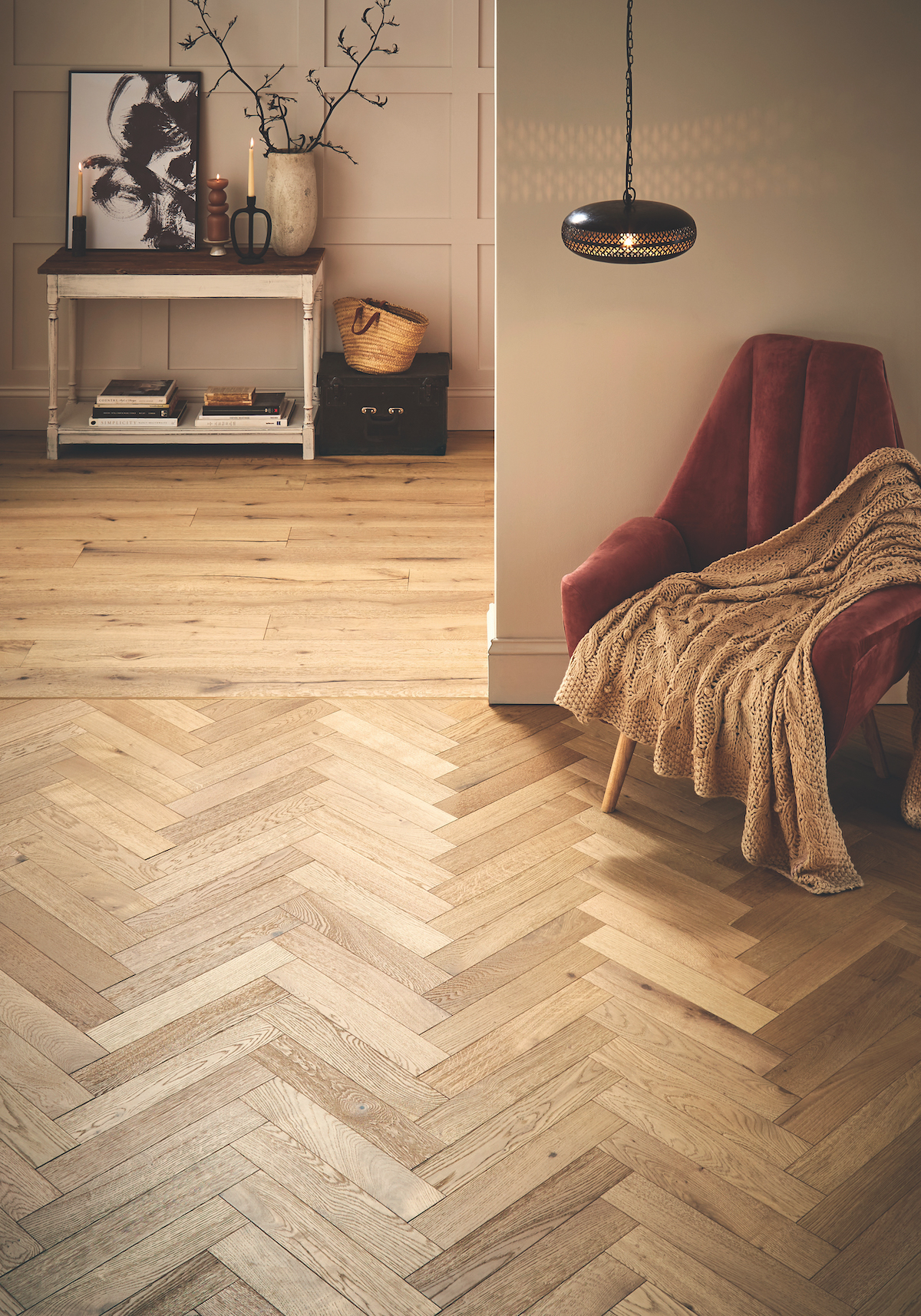
Fumed-and-UV-Oiled-Oak-Herringbone-Parquet - a flooring trend from The Solid Wood Flooring COmpany

Fumed and UV oiled oak herringbone parquet | Image credit: The Solid Wood Flooring Company

Herringbone and chevron wood flooring patterns

Patterned hardwood flooring, particularly herringbone and chevron designs, is seeing a major comeback in both residential and commercial interiors. These sophisticated patterns, once reserved for European palaces and historic estates, are now being used as standout features in modern homes, boutique hotels, and luxury apartments.

  • Herringbone flooring involves rectangular planks laid in a staggered zigzag formation, offering a classic yet dynamic visual.
  • Chevron flooring features planks cut at an angle to create a continuous ‘V’ shape, perfect for a more symmetrical and striking appearance.

Both styles bring texture, movement, and a bespoke finish to entryways, lounges, or even entire floors – perfect for clients seeking a statement hardwood floor that blends heritage with innovation.

Sustainable and eco-friendly wood flooring

As sustainability becomes a core value in modern design, eco-friendly wood flooring is more than a trend – it is a movement. More designers and homeowners are opting for:

  • FSC-certified wood flooring, sourced from responsibly managed forests.
  • Reclaimed wood floors, repurposed from historic buildings, offering unique patinas and textures.
  • Low-VOC finishes, improving indoor air quality and reducing environmental impact.

This shift aligns with growing consumer demand for green building materials, offering eco-conscious choices without sacrificing aesthetics or performance.

Versailles parquet flooring by The Solid Wood Flooring COmpany

Versailles parquet in Lyon City Hall | Image credit: The Solid Wood Flooring Company

Matte and low-gloss hardwood finishes

In contrast to the once-popular glossy floors, matte and low-sheen finishes are now the go-to for modern wood flooring. A matte finish provides a soft, natural look that accentuates the wood’s grain and texture, giving floors an organic, lived-in quality.

Low-gloss options strike a balance between matte and shine – reflecting just enough light to create warmth without appearing artificial. Both finishes are highly practical, offering excellent resistance to scuffs, scratches, and daily wear, making them ideal for family homes and high-traffic commercial spaces alike.

Mixed widths and wood species for custom looks

Designers are increasingly embracing mixed-width plank flooring to add visual depth and dimension. By combining boards of varying widths within the same installation, you can create a custom, artisanal look that feels both modern and handcrafted.

Another emerging concept is blending different wood species – for example, pairing light oak with rich walnut – for striking contrast and individuality. This approach allows for the creation of one-of-a-kind floors tailored to a client’s personal style or a brand’s design identity.

Final thoughts: blending style, function, and sustainability

Today’s wood flooring trends reflect a powerful blend of tradition, craftsmanship, and forward-thinking design. From wide plank hardwood floors and intricate patterns to sustainable materials and tactile matte finishes, the emphasis is on creating spaces that are both beautiful and built to last.

Whether you are sourcing materials for a modern minimalist project or redesigning a period home with a contemporary twist, the world of designer wood flooring offers more possibilities than ever.

The Solid Wood Flooring Company is one of our Recommended Suppliers and regularly features in our Supplier News section of the website. If you are interested in becoming one of our Recommended Suppliers, please email Katy Phillips.

Main image credit: The Solid Wood Flooring Company

luxury lodge bedroom at Lemala Osonjoi Lodge Ngorongoro

Lemala Osonjoi Lodge reimagines the safari model

1024 640 Pauline Brettell
Lemala Osonjoi Lodge reimagines the safari model

Lemala Osonjoi Lodge is the latest opening from Lemala Camps & Lodges, and its most ambitious yet – a solar-powered, community-driven hideaway that pairs African-alpine design with rare access to the Ngorongoro Crater floor…

luxury lodge bedroom at Lemala Osonjoi Lodge Ngorongoro

Lemala Camps & Lodges has officially unveiled its latest property Lemala Osonjoi Lodge, a bold new chapter in high-altitude, low-impact travel across East Africa’s most storied terrain. Perched nearly 2,500 meters above sea level on the picturesque eastern rim of the Ngorongoro Crater, the landmark property blends next-generation safari luxury with deep-rooted sustainability and unrivalled access to one of the world’s most celebrated wildlife sanctuaries.

sunset view from two chairs on terrace over ngorongoro

Lemala Camps & Lodges

The most exciting new lodge on the Crater rim in more than a decade, Lemala Osonjoi sets a fresh benchmark for hospitality in East Africa. Conceived in collaboration with local communities and designed to echo the quiet rhythms of the highlands, the lodge is shaped as much by altitude, mist, and moss as by the wildlife below.

“Osonjoi was created to feel like it belongs here, not imposed on the landscape, but emerging naturally from it” said Leanne Haigh, CEO of Lemala Camps & Lodges. “This is a retreat for travellers seeking depth as well as comfort. An experience that is slower, more intuitive, and grounded in place.”

circular couches and seating looking out over misty view at Lemala Osonjoi Lodge

Lemala Camps & Lodges

Set on the eastern rim of Tanzania’s Ngorongoro Crater, at nearly 2,500 meters above sea level, Lemala Osonjoi boasts one of the most enviable positions in African safari geography. Just outside the eponymous Lemala Gate, and perched above the world’s largest intact volcanic caldera, the lodge offers guests privileged access to one of the most biodiverse, visually spectacular ecosystems on the continent.

Guests can reach the Crater floor and its lion prides in just 20 to 25 minutes via the least-used descent road, allowing them to be among the first to reach the Crater floor each morning, when wildlife sightings are at their peak – and allows for later departure to take advantage of the beautiful evening light, known by the world’s most renowned photographers as Africa’s golden hour. This quieter north-eastern quadrant of the Crater is less visited than the western arc and is ideal for photographers and those seeking intimate, unhurried encounters with nature and rare species including black rhino, elephants, and big cats.

exterior view of bedroom and bathroom in Lemala Osonjoi Lodge

Lemala Camps & Lodges

Lemala Osonjoi is a sanctuary within a sanctuary, a UNESCO World Heritage Site layered with geological, ecological, and cultural significance. The lodge’s location also allows for an exceptionally rare treat: fully catered private lunches on the Crater floor, transforming a traditional game drive into an immersive, all-day adventure with no need to return to camp.

Each of the property’s 20 suites, including two two-bedroom family suites, is a celebration of Ngorongoro’s high-altitude beauty. Interiors balance warmth and refinement with hand-finished timbers, pigmented cement, charred wood cladding, and panoramic windows that embrace the region’s cool mountain climate. Thoughtful touches include slow-burning wood stoves, winter-weight duvets, hot water bottles, and a signature ‘secret nook’ daybed tucked beside the fireplace for afternoon reading or a nightcap with views over the forest.

daybed in guestroom of Lemala Osonjoi Lodge with sunset view

Lemala Camps & Lodges

Ensuite bathrooms offer walk-in showers, freestanding tubs with panoramic views, and double vanities, while the lodge’s central pavilion houses a curated library, and an expansive outdoor deck with a roaring fire and endless sky.

Menus at Osonjoi Lodge celebrate the seasonality of the highlands, while design elements, such as volcanic glassware, handwoven throws, and ceramics crafted by women’s cooperatives embed a tactile sense of place throughout.

dining table and chairs on terrace overlooking the treetops at Ngorongoro crater

Lemala Camps & Lodges

More than just a design-forward lodge, Lemala Osonjoi Lodge is a model for regenerative safari tourism. Fully off-grid and powered by solar, the lodge is constructed using recycled and local materials, with no single-use plastics. From the outset, the lodge has prioritised community partnership – working hand in hand with local artisans to design and create décor that reflects the traditions, colours, and textures of East Africa. This approach ensures no displacement, fosters active collaboration with neighbouring Maasai villages, and embeds long-term investment in education, local employment, and women’s empowerment.

By encouraging longer, more immersive multi-day stays and helping to disperse visitation across lesser-used access points, Osonjoi Lodge plays a key role in mitigating over-tourism in the Ngorongoro Conservation Area. Guided crater rim walks with Maasai naturalists, wellness treatments, the Crater’s only indoor heated pool in the forest spa suite, and culture-focused programming allow for authentic layered experiences beyond the safari vehicle.

Osonjoi Lodge completes the Lemala’s Lodge safari circuit through northern Tanzania, linking with Hamerkop House in Arusha, Mpingo Ridge Lodge in Tarangire, and Nanyukie Lodge and Kuria Hills Lodge in the Serengeti. This thoughtfully designed route offers seamless overland or fly-in itineraries, designed for travellers seeking depth, continuity, and minimal environmental impact.

Main image credit: Lemala Camps & Lodges

lobby area of Hotel Indigo with wallcoverings by Newmor

Case Study: Newmor Wallcoverings in Hotel Indigo Clerkenwell

1024 640 Pauline Brettell
Case Study: Newmor Wallcoverings in Hotel Indigo Clerkenwell

In the heart of London’s historic Clerkenwell district, the newly opened Hotel Indigo Clerkenwell has brought local stories to life through thoughtful interior design and considered material choices, with a bespoke package of textures and patterns from Newmor Wallcoverings…

lobby area of Hotel Indigo with wallcoverings by Newmor

Part of IHG’s most creatively flexible brand, Hotel Indigo is known for taking inspiration from its neighbourhood and that narrative runs deep here. The hotel also incorporates the lovingly restored Grade II listed Hat & Feathers pub, a local landmark that now sits proudly at the centre of this boutique destination.

a gallery of spaces and surfaces in Hotel Indigo showcasing Newmor wallcoverings

Image credit: Newmor Wallcoverings

Inside Indigo, the interiors echo the evolution of Clerkenwell’s neighbourhood, from being a haven for outlaws, a centre for horologists and jewellery makers, to the vibrant creative design hub we see today. Working closely with the development team, Newmor Wallcoverings supplied a bespoke package of textures and patterns that help tell this story across the hotel’s public areas and guestrooms.

Newmor’s Jakar design creates a striking feature on the ceiling in the Sabini bar, which is named after Charles Sabini, known as the "king of the racecourse gangs".

Image credit: Newmor Wallcoverings

Newmor’s wallcoverings appear throughout the hotel, offering texture, tone and a strong link to the location’s identity. A trio of designs are used to great effect on the ground floor lobby and bar areas. Newmor’s Jakar design creates a striking feature on the ceiling in the Sabini bar, which is named after Charles Sabini, known as the ‘king of the racecourse gangs’. The cracked tile design in metallic mylar, perfectly captures the era of glamour and grit of London’s racecourse gangs in the 1920s.

In the lobby, the subtle texture of Newmor’s Zenith II design provides an ideal backdrop for the hotels Kodak Wall

Image credit: Newmor

In the lobby, the subtle texture of Newmor’s Zenith II design provides an ideal backdrop for the hotels Kodak Wall, where vintage cameras are displayed to celebrate the long-standing Kodak headquarters which was once located nearby. Pillars clad in Java and Peloso bring texture and tactility to the space. Java’s pearlescent, jute-inspired weave nods to global trade, while Peloso’s cowhide effect delivers a luxurious softness.

the Clockmaker Suites, take their cue from Clerkenwell’s horological past. Recoloured in a bespoke grey palette, Newmor’s Makina design is used throughout, subtly reflecting the cogs and gears of watchmaking.

Image credit: Newmor Wallcoverings

On the 4th floor, the Clockmaker Suites, take their cue from Clerkenwell’s horological past. Recoloured in a bespoke grey palette, Newmor’s Makina design is used throughout, subtly reflecting the cogs and gears of watchmaking. Each room features a clock outside the door with hands fixed to the room number. We see clever nods to the district’s artisanal engineering heritage in the coffee and consoles tables all reflecting intricate clock mechanisms.

hotel Indigo guestroom with wallcovering from Newmor referencing clocks

Image credit: Newmor Wallcoverings

The interior design grounds the hotel in its locality, offering guests more than a stay, but a sense of place. By pairing narrative-led design with material innovation, Hotel Indigo Clerkenwell offers a vibrant hospitality experience that is uniquely, unmistakably Clerkenwell.

Responsible from concept to completion, Nick Boland, Head of Business Operations at Omenport Developments Ltd, said, “Much of a Hotel Indigo’s retelling of their neighbourhood story is achieved through design, subtly weaving in local themes and references, thus demanding bespoke, considered solutions rather than standard off-the-peg options. Despite being a very well established and respected company with a cornucopia of existing designs, Newmor actively suggested adaptations to our choice for the wallcoverings, especially in the Clock Maker Rooms, to ensure that they weren’t just right but a perfect design fit for the brief. Newmor’s genuine interest in our project was not only reassuringly productive but also rather refreshing”.

Newmor Wallcoverings is one of our Recommended Suppliers and regularly features in our Supplier News section of the website. If you are interested in becoming one of our Recommended Suppliers, please email Katy Phillips.

Main image credit: Newmor Wallcoverings

Gold and silver mosaic in bathroom. Gold drips down towards floor. By Orsoni mosaics

Discover gilded grandeur with Orsoni – presence, not volume

1024 640 Meghan Taylor
Discover gilded grandeur with Orsoni – presence, not volume

Shimmering with both history and restraint, Orsoni Venezia 1888’s handmade gold and glittering coloured mosaics transform luxury hospitality into timeless, radiant, and lyrical design…

Gold and silver mosaic in bathroom. Gold drips down towards floor. By Orsoni mosaics

In luxury hospitality design, the line between opulence and overstatement is a delicate one. Achieving the perfect balance requires not only craftsmanship and heritage but also a deep sense of restraint. Few materials embody this equilibrium as elegantly as gold mosaic. At the heart of this ancient and luminous tradition is Orsoni Venezia 1888 – the last remaining artisanal furnace in Venice still producing 24-karat gold leaf mosaics, entirely by hand.

For designers aiming to create unforgettable interiors – whether in grand hotel lobbies, tranquil spa sanctuaries, statement bathrooms, or bespoke art installations – Orsoni offers an unmatched palette of more than 20 gold tones in two distinct finishes. This is not merely a ‘gold finish’, it is an invitation to work with radiant materiality at its most nuanced.

Gold, regilded

Orsoni’s 24-karat gold mosaics transcend simple decoration. Each tessera is an architectural element in its own right, possessing texture, reflectivity, and narrative depth. The process is as rare as it is refined: gold leaf is placed between two thin layers of blown glass and then fired, locking in brilliance that will not fade with time.

Gold and silver mosaic in bathroom. Gold drips down towards floor. By Orsoni mosaics

Image credit: Orsoni

Yet Orsoni’s innovation does not stop at traditional gold. The Coloured Golds collection introduces a dynamic range of tones that redefine expectations. By replacing the clear top layer with pigmented glass, the result is a spectrum of captivating hues – rich crimson golds, smoky bronzes, and cool silvery tones reminiscent of aged champagne or moonlight on water.

This chromatic richness allows designers to tailor mood and atmosphere with precision, offering powerful tools for shaping sensory experiences throughout a hospitality environment.

Timeless but contemporary

Gold has often been perceived as overly traditional or excessive. Orsoni challenges this perception through a palette that is at once refined and versatile. The handcrafted texture and variation in each tile bring an authenticity and depth that mass-produced materials cannot replicate.

In modern settings, these mosaics are used not to dominate, but to elevate. They catch ambient light in quiet corners, define architectural lines, and create immersive surfaces in wellness spaces. Designers may specify them as subtle borders, expansive wall treatments, or intricate art compositions that speak to local culture and historical references.

Gold and silver mosaic in bathroom. Gold drips down towards floor. By Orsoni mosaics

Image credit: Orsoni

Crafted in Venice, engineered for the world

Every Orsoni mosaic is handmade in Venice by artisans who carry forward techniques passed down through generations. However, Orsoni is far from a small-scale workshop. As part of the TREND Group – a global leader in decorative surfaces – Orsoni combines the soul of craft with the scale of international production.

This synergy ensures that designers receive not only exquisite artistry, but also the technical support, logistics, and production capacity required for complex, large-scale projects. Whether the project is a flagship hotel in London or Dubai, a countryside retreat in the Cotswolds, or a historic palace conversion in Paris, Orsoni mosaics are trusted by top designers to create spaces that feel distinctive and enduring.

Moreover, each piece is cut and placed by hand, allowing for remarkable design flexibility – whether one is matching heritage finishes or developing an entirely bespoke pattern or blend.

A material with presence, not volume

As the design world continues to value materials with authenticity, heritage, and emotional resonance, Orsoni mosaics meet every demand. They are sustainable, enduring, and unmistakably handmade. But most importantly, they offer something that engineered surfaces often cannot: a sense of poetry.

In hospitality environments – where design must captivate, comfort, and withstand time – that is an invaluable quality.

Orsoni, part of TREND Group, is one of our Recommended Suppliers and regularly features in our Supplier News section of the website. If you are interested in becoming one of our Recommended Suppliers, please email Katy Phillips.

Main image credit: Orsoni

lobby with truck and seating in Radisson RED London Twickenham

Radisson RED reveals plans for dynamic new hotel in the heart of Twickenham

1024 640 Pauline Brettell
Radisson RED reveals plans for dynamic new hotel in the heart of Twickenham

High design will meet high energy at the contemporary Radisson RED London Twickenham, which is set to launch later this year, combining the London lifestyle with a dynamic atmosphere and comfort-led interior…

lobby with truck and seating in Radisson RED London Twickenham

A bold new player is set to arrive on the London hospitality scene this year – the hotel will be nestled on the south side of the iconic London Allianz Stadium and is part of the renowned Twickenham Experience, which includes the World Rugby Museum, RFU Conference & Events Centre and TW2 Health & Wellbeing. With a comfortable night’s sleep complemented by all that the sought-after area has to offer, Radisson RED London Twickenham is more than a hotel: it’s a destination.

dark colours and bold graphic art in The clubhouse design in Radisson RED Twickenham

Image credit: Radisson Hotels

From boldly-designed bedrooms to pitch-view suites inspired by rugby legends, guests can expect a stylish and spacious stay, all a short distance from top attractions like Kew Gardens, Hampton Court, The Exchange Theatre, and even Legoland.

The hotel will also be home to The Huddle Restaurant. This dynamic food venue will be a buzzing all-day social hub, along with The Loft, which will host live music, entertainment, TED-style talks and lifestyle events inspired by the creative spirit at the heart of Twickenham.

Home to a dedicated events team, Radisson RED London Twickenham is committed to turning guests’ visions into reality. From intimate celebrations to gatherings with a memorable buzz, the hotel’s flexible spaces and curated menus promise to set the venue apart from other hotels in the area.

bar in The Clubhouse Radisson RED Twickenham with graphic astronaut images on the wall

Image credit: Radisson Hotels

Sandeep Kaushik, General Manager, commented: “The latest addition to the Radisson RED portfolio will bring a fresh and exciting energy to Twickenham and the surrounding area, offering something truly distinctive for both locals and visitors. We’ve worked hand-in-hand with the London Allianz Stadium and its partners to design a hotel that not only reflects its iconic location but also celebrates Twickenham’s rich cultural and sporting legacy. From honouring the history of rugby to embracing a more holistic experience with cutting-edge health and wellbeing facilities, this hotel is about connection, community, and innovation.”

reception desk with RED branding above

Image credit: Radisson RED

“Guests can expect the signature Radisson Hotels quality and comfort they know and love, elevated by a vibrant social scene centered around The Huddle restaurant and The Lounge at Huddle Clubhouse,” continued Kaushik. “With dynamic spaces for entertainment, creativity and celebration, it’s a place where experiences unfold. Set in one of London’s most desirable and well-connected suburbs, we’re looking forward to welcoming a diverse mix of guests from commuters and sports fans to weekend explorers. We’re confident that our unique offering, outstanding location and exceptional service will quickly foster a loyal customer base that want to return, time and again.”

Main image credit: Radisson Hotels

The Kerid bath in outdoor setting, on wooden platform

Product watch: Kerid from Victoria + Albert

1024 640 Meghan Taylor
Product watch: Kerid from Victoria + Albert

Crafted to support both physical and mental well-being, Victoria + Albert’s unique Kerid soaking bath offers a versatile spa-like experience – perfect for indoor or outdoor use, and equally suited to hot or cold immersion…

The Kerid bath in outdoor setting, on wooden platform

Now launching: the crowning jewel of House of Rohl’s debut at Clerkenwell Design Week – the compact Kerid bath, showcased at the heart of an outstanding outdoor Onsen curated by design erudites G.A Group. Tour the space with Hotel Designs.

Entirely unique within Victoria + Albert’s design-led collection, the 1350mm-long Kerid bath introduces a new bathing experience. With high walls and an integrated raised seat, it is crafted for seated soaking with full chest-level immersion; an approach rooted in relaxation, mindfulness, and rejuvenation.

Victoria + Albert Kerid Soaking Tub - Indoors

Image credit: House of Rohl

As bathroom design increasingly embraces wellness, the transformation of bathrooms into personal spa sanctuaries has become a major trend. Consumers now seek more than function; they desire rituals of physical and mental recovery in daily life.

The Kerid bath embodies this shift. Compact yet generously deep, it creates an immersive environment for both hot and cold therapy. Picture sinking into warm, fragrant water infused with lavender or chamomile, or the invigorating rush of a cold plunge, stimulating circulation, awakening the senses, and boosting endorphins.

At just 1350mm long, the Kerid fits comfortably into modest bathrooms and outdoor spaces. Its deep sides, rising from 700mm to 850mm, create a cocooning effect, visually lightened by a sharp chamfer at the base that gives the bath a subtle floating appearance. A matching step is available for easy access, while the raised seat ensures comfort. A slim, angled rim cradles the neck and head, enhancing the soak’s serenity.

Victoria + Albert’s proprietary material – an exclusive blend of Volcanic Limestone and high-performance resin – is integral to the Kerid’s versatility. Exceptionally durable, it resists UV rays and thermal shock, making it ideal indoors or out. The surface withstands both steaming soaks and ice-cold plunges without compromise.

Inspired by time-honoured bathing rituals, the Kerid draws on traditions from Japan and Nordic countries, where deep soaking is a daily ceremony of healing and contemplation. Practised in warm, candlelit rooms or open-air settings, it nurtures the body and soothes the mind.

Cold-water therapy – dating back over 3,000 years – has resurged in popularity. Known to reduce inflammation, aid recovery, relieve stress, and improve sleep, it is typically practised at 10–15°C. Some bathers fully immerse, others soak up to the chest or neck. Experts recommend starting slowly to build tolerance and maximise benefits.

Victoria + Albert Kerid Basin

Image credit: House of Rohl

Completing the collection is the new Kerid circular basin, echoing the bath’s aesthetic with its wide 450mm diameter and signature rim. Its elegant form pairs effortlessly with other Victoria + Albert designs, including Vetralla, Ios, and the sculptural Taizu.

Tour the Kerid bath in situ 

House of Rohl is a Recommended Suppliers and regularly features in our Supplier News section of the website. If you are interested in becoming one of our Recommended Suppliers, please email Katy Phillips.

Main image credit: House of Rohl

The Imperial Hotel, Kyoto Main Entrance_

Imperial Hotel, Kyoto unveils guestroom concepts

1024 640 Pauline Brettell
Imperial Hotel, Kyoto unveils guestroom concepts

The Imperial Hotel, Kyoto will officially open its doors in Spring 2026, marking a pivotal expansion as the first new Imperial Hotel to debut in three decades…

The Imperial Hotel, Kyoto Main Entrance_

Located in Kyoto’s Gion district, the new boutique The Imperial Hotel, Kyoto, is housed in the restored Yasaka Kaikan—a nationally registered tangible cultural property originally constructed in 1936. The property will present guests with three architecturally distinct accommodation styles: Extension, Preservation, and Renovation. These spatial concepts reflect the historical evolution of the Yasaka Kaikan and are brought to life by two architectural partners: Obayashi Corporation, leading exterior restoration, and architect Mr. Tomoyuki Sakakida of New Material Research Laboratory, responsible for the project’s interiors.

The restoration of the Yasaka Kaikan in Kyoto is a remarkable story of architectural continuity and cultural preservation, led by Obayashi Corporation, the same company that built the original structure nearly 90 years ago. Led by Mr. Masahiro Inoue, Executive Manager of the Architectural Design Department at Obayashi Corporation, his team worked to preserve and adapt the building while reinforcing its structure using modern methods.

The Imperial Hotel, Kyoto Exterior

Image credit: The Imperial Hotel

“Some parts retain their 88-year-old look, while others use 88-year-old preserved materials,” said Inoue. “The building significantly weaves together an aesthetic sense and preserved memories. That was our top priority.” The exterior renovation included salvaging approximately 10% of the original decorative tiles and reproducing fragile terracotta ornamentation using 3D scanning for accurate surveying to restore the original, enabling the hotel to maintain continuity with its cultural roots.

Interiors were designed by architect Mr. Tomoyuki Sakakida, Director of New Material Research Laboratory, whose creative direction embraces the ethos of ‘Old is New.’ This philosophy reinterprets Japan’s architectural past through a contemporary lens while honouring Kyoto’s climate, materials, and traditional sensibility.

“Kyoto cherishes old things but also embraces new culture,” said Sakakida. “That contrast is the soul of this project. Since the Industrial Revolution, artistic and cultural shifts such as the Arts and Crafts movement in the UK and the Mingei folk craft movement in Japan have marked a return to hand craftsmanship,” he explained. “Now, more than a century after the advent of modernism, there seems to be a certain sense of stagnation in the air, and a renewed appreciation for the old is taking hold. That, I believe, is why the concept of ‘Old Is New’ is resonating with people.”

Interiors throughout the hotel incorporate exceptional domestic materials including Japanese marble, Ōya stone, and Tamina-ishi, selected to align with the abundance of Japan’s nature and the tactile culture of its architecture.

Each of the 55 guestrooms is thoughtfully shaped by its structure’s history and spatial orientation—offering guests not just accommodation, but a layered experience of Kyoto’s past and present. The design of each area evokes a distinct emotional atmosphere, defined by three architectural narratives.

The Imperial Hotel, Kyoto Extension Area_credit New Material Research Laboratory

Image caption: Extension Area | Image credit: The Imperial Hotel

Extension Area
Located in the newly constructed north wing, guestrooms in the Extension area were designed to harmonise visually with the district’s iconic machiya wooden townhouses. The architecture respects Gion’s strict 12-meter height regulations, allowing the new construction to blend seamlessly into the surrounding townscape. Inside, these rooms are modern reinterpretations of Japanese tradition and grounded in a serene aesthetic. The use of 100% natural Japanese tatami-mat flooring – a first for the Imperial Hotel brand  – creates a tactile connection to Japan’s domestic traditions. Minimalist furnishings and handcrafted textures in earth tones invite guests into a space of peaceful refinement. The quiet elegance here is deeply tied to Japanese ideas of wabi-sabi: understated beauty and impermanence.

The Imperial Hotel, Kyoto Preservation Area_credit New Material Research Laboratory

Image caption: Preservation Area | Image credit: The Imperial Hotel

Preservation Area
These guestrooms are situated along Hanamikoji Street and face the Gion Kobu Kaburenjo theatre, placing guests at the physical and cultural centre of Gion. The rooms retain original beams, pillars, and window frames of the Yasaka Kaikan  – features gently restored to show their age and patina, not conceal it. In several rooms, private balconies open onto the Gion Kobu Kaburenjo grounds, often hearing the melodies of shamisen and kouta, creating an atmosphere of cinematic intimacy. These spaces are immersive by nature  – giving guests the sensation of stepping into a story that began nearly a century ago.

Image caption: Renovation Area | Image credit: The Imperial Hotel

Renovation Area
These rooms retain the silhouette and massing of the original Yasaka Kaikan while embracing minimalist spatial planning with contemporary interiors. Wide windows open onto scenes that shift throughout the day—from soft morning mist along the Higashiyama ridgeline to the golden hour glow on ochre walls and tiled rooftops. Neutral colour palettes are punctuated by tactile materials: Yakusugi wall boards shaped like a folding screen, brushed metal accents, and locally fired ceramics. These rooms speak to balance  – where past meets present in a rhythm that feels distinctly Kyoto.

Positioned in the Renovation area, the Imperial Suite is the hotel’s most refined expression of its architectural and cultural vision. This 193 square metre sanctuary includes a 128 square metre master room,  57 square metre terrace, and exclusive 8 square metre access to the original Yasaka Kaikan rooftop gazebo  – a sculptural feature preserved from the 1936 building. From two expansive terraces on the north and east sides, guests can take in sweeping views of both the townscape and the Higashiyama Mountains.

Image caption: The Imperial suite | Image credit: The Imperial Hotel

The suite’s interior showcases custom furnishings, curated art pieces, and a unique floor plan shaped by the silhouette of the Yasaka Kaikan. Ambient lighting, organic textures, and handcrafted copper roofing details foster calm and contemplation.

“Unforgettable experiences await guests in the gazebo—an iconic jewel of the Yasaka Kaikan,” said Ms. Reiko Sakata, General Manager of the Imperial Hotel, Kyoto. “The suite also features thoughtfully curated furnishings and materials that reflect Kyoto’s legacy, offering a one-of-a-kind immersive experience only possible at the Imperial Hotel.”

The Imperial Hotel, Kyoto is scheduled for construction completion in October 2025 and will officially open in Spring 2026. In April 2025, the hotel joined The Leading Hotels of the World, affirming its commitment to craftsmanship, heritage, and exceptional service. This will be the first new Imperial Hotel property to open in three decades, joining Tokyo, Kamikochi, and Osaka in the company’s prestigious portfolio.

Main image credit: The Imperial Hotel

Luxury Carpet Studio orange and blue rugs in lobby area of marriott hotel

Artistry underfoot: Luxury Carpet Studio at Hotel Courtyard by Marriott Sliema

1024 640 Meghan Taylor
Artistry underfoot: Luxury Carpet Studio at Hotel Courtyard by Marriott Sliema

Nestled in the heart of Malta’s bustling coastline, the Hotel Courtyard By Marriott Sliema stands as a compelling example of how thoughtful flooring design can shape and enhance the guest experience…

Luxury Carpet Studio orange and blue rugs in lobby area of marriott hotel

A refined blend of narrative design and artisanal craftsmanship has transformed the communal areas of the Hotel Courtyard by Marriott Sliema. The recent renovation, led by the Italian architecture firm Fabris & Partners, in collaboration with Luxury Carpet Studio, reimagines the hotel’s public spaces through bespoke carpets that fuse aesthetic depth with storytelling.

At the heart of the project was a desire to turn flooring into a medium of expression – where each surface not only supports movement but also enriches atmosphere and memory. This vision came to life in the form of custom-made rugs and carpets that thread emotion, colour, and comfort into every corner of the interior.

For the reception and lounge areas, Luxury Carpet Studio created a series of handcrafted rugs featuring softened geometric forms and deep, saturated tones. Drawing inspiration from natural palettes – earthy terracottas, vibrant turquoises, and muted neutrals – the designs evoke both warmth and serenity, encouraging guests to linger and connect in thoughtfully curated seating zones.

Each rug was meticulously produced by skilled artisans, ensuring precision in every contour and colour transition. From feasibility to fabrication, Luxury Carpet Studio worked in close alignment with Fabris & Partners to bring these compositions to life, balancing visual appeal with technical excellence.

The curves and textures are deliberately inviting – not just decorative flourishes, but tactile expressions of hospitality and intent. These pieces invite touch, contemplation, and a subtle emotional response.

Corridor at Marriott Malta with Luxury Carpet Studio flooring

Image credit: Luxury Carpet Studio

As the design transitions into the corridors, the narrative shifts – this time drawing from the island’s defining feature: the sea. Here, high-performance Axminster carpets were selected for their durability and patterning flexibility, enabling the design team to craft a visual interpretation of the shoreline. Tones of sand and surf ebb and flow across the hallway floors, creating a poetic guide from public space to private retreat.

Particular care was given to the technical detailing of the fade effect – a graduated colour transition that not only captures the essence of the shoreline but also cleverly disguises join lines. The result is a seamless visual flow that enhances the journey through the hotel.

This thoughtful approach extended to the hotel’s meeting rooms, where custom carpeting was also developed to echo the visual language established in the public areas. Coordinated colour schemes and tailored patterns ensure consistency, reinforcing a strong sense of identity across the entire interior experience.

Luxury Carpet Studio orange and blue rugs in lobby area of marriott hotel

Image credit: Luxury Carpet Studio

Throughout the renovation, Luxury Carpet Studio played a pivotal role – translating bold design narratives into precise, high-performance flooring solutions tailored to the building’s architectural nuances. The result is an environment where flooring becomes more than just surface, it becomes scene-setting, memory-shaping, and movement-guiding.

At the Hotel Courtyard by Marriott Sliema, every step guests take is underpinned by a carefully woven story, one that speaks through colour, material, and form.

Luxury Carpet Studio is one of our Recommended Suppliers and regularly features in our Supplier News section of the website. If you are interested in becoming one of our Recommended Suppliers, please email Katy Phillips.

Main image credit: Luxury Carpet Studio

W Florence lounge with seating on bright patterned floor

W Florence – W Hotels makes a bold entrance into the Tuscan capital

1024 640 Pauline Brettell
W Florence – W Hotels makes a bold entrance into the Tuscan capital

W Florence – the brand’s second Italian property – is set to become a vibrant social destination in the centre of the artistic Renaissance city…

W Florence lounge with seating on bright patterned floor

Housed in the former Grand Hotel Majestic, W Florence breathes new life into a historic landmark built in the rationalist-modernist style, bringing a fresh, contemporary energy to Florence’s grandeur, with dynamic design, distinct dining offerings, and the brand’s signature Whatever/Whenever service. W Florence follows the recently unveiled W Prague, W Budapest, and the brand’s first Italian property, W Rome, reinforcing the brand’s commitment to redefining luxury lifestyle hospitality across Europe and around the globe.

hotel facade at night wirh lights on at W Florence from Marriott

Image credit: Marriott International

Located in the heart of Florence on Piazza dell’Unità Italiana, steps away from the Duomo, Basilica di Santa Maria Novella, and the city centre shopping district, the hotel offers a sophisticated, exciting gateway for travellers. The property features 119 stylishly designed guest rooms, including 16 suites and one Penthouse, as well as seamlessly integrated indoor and outdoor spaces consisting of a central, partially covered courtyard, surrounded by bold dining venues. The crown jewel of the hotel is the rooftop garden, offering panoramic views over Florence’s iconic architecture and charming rooftops.

“The opening of W Florence marks another significant milestone in W Hotels journey, deepening our presence in Italy and strengthening our footprint across the region,” said George Fleck, Senior Vice President and Global Brand Leader, W Hotels. “As we continue to evolve globally, this latest addition to our brand embodies our commitment to delivering bold, immersive experiences that redefine luxury lifestyle hospitality. W Hotels has always been a brand rooted in creativity and culture, and W Florence perfectly captures the spirit of this dynamic, fashion-forward city.”

reception and lounge area in W Florence with contemporary furniture under round period ceiling detail and chandelier

Image credit: Marriott International

Housed in a distinctive building designed by renowned Florentine architect Lando Bartoli in 1968, with an iconic stone façade, slit windows, and bronze vertical elements, the hotel has been restored and reimaged by Italian architecture firm Genius Loci Architettura (GLA) to meet LEED Gold and WELL Silver sustainability standards. Award-winning global design firm AvroKO, who previously led the interiors of W Prague and the soon-to-be-unveiled W Hoboken, has seamlessly blended the charm of the 1960s and ‘70s with a modern, elevated aesthetic, drawing inspiration from influential Italian fashion to create a dynamic interplay between past and present. Strong geometric forms and vibrant colours are featured throughout the hotel, from the dining venues and shared spaces to the guest rooms and suites.

Guests are welcomed by a mesmerising mural created by London-based fine art and design studio Adam Ellis Studio, featuring a Florentine Babylon Garden inhabited by the exotic menagerie of the famous Florentine Medici family, simultaneously incorporating contemporary elements of Italian culture. Work from Adam Ellis Studio can also be seen at W Hotels around Europe including W Budapest, W Prague, and W Edinburgh.

curved banquette seating in public area of W Florence

Image credit: Marriott International

W Lounge is the beating heart of W Florence, perfectly integrating the city’s rhythm with live music with curated DJ sets and playful reinterpretations of classic cocktails. Anchored by a partially covered central courtyard, W Lounge channels 1960s nostalgia, featuring furniture and design elements inspired by Italian industrialists such as Joe Colombo. An electrifying 360-degree blue lava stone bar extends along the side of W Lounge, seamlessly connecting the all-day dining area and the courtyard, allowing an effortless transition from day to night. Striking geometric flooring is complemented by cosy, curved seating upholstered in high-quality Italian boucle and velvet.

The courtyard, at the centre of the hotel, serves as an internal piazza, creating a natural flow between the dining venues and public areas. Once the mezzanine of a former bank, the space has been thoughtfully transformed, featuring retro Italian-inspired seating and vibrant botanicals, including green walls and lush plants. Designed with flexibility in mind, the outdoor area can be easily transformed into a stylish venue for fashion shows, private events, or social gatherings.

white linen, dark grey walls and wood surfaces in guestroom at W florence

Image credit: W Florence

The 119 state-of-the-art guest rooms and suites feature marble accents and graphic patterns showcasing a contemporary reinterpretation of materials that feels both timeless and innovative. The colour palette throughout is inspired by the surrounding city – lush greens, Medici red, and royal blues. Above every bed, a striking light installation takes centre stage, inspired by Florence’s iconic arches – from Palazzo Pitti to the Vasari Corridor. Expansive windows, terraces, and balconies frame captivating views of the city, from lively streets and rooftops to iconic landmarks.  The Penthouse, the hotel’s take on a presidential suite, offers a unique viewpoint of the city, with a 140-square-meter private terrace boasting panoramic views of St. Lorenzo Cathedral, the Duomo, and the city skyline.

freestanding bath with views over florence

Image credit: Marriott International

In addition, W Florence brings an innovative blend of modern Italian cuisine and international fare, crafting a unique culinary experience across distinct dining venues opening throughout the summer.

Tratto will offer a laidback yet and bold contemporary Italian food concept, born from the vision of the young and dynamic culinary collective of Trattoria contemporanea. This will be the collective’s second location after their Michelin-starred restaurant in Lomazzo, near Lake Como. Drawing on Italy’s rich food traditions and a spirit of modern experimentation, Tratto will operate across a main restaurant and bar on the ground floor of the hotel, as well as W Lounge, courtyard, and room service.

W Florence guestroom with blue curtains in floor to ceiling window with view over florence

Image credit: Marriott International

Zefiro Rooftop, the hotel’s rooftop restaurant, will open in late summer 2025. The space is aptly named for the gentle west wind and harbinger of spring in Greek mythology that inspired one of Florence’s most cherished masterpieces, The Birth of Venus. Perched atop the hotel, enriched by lavish greenery, Zefiro Rooftop will capture the essence of the city.

Lastly, slated to open in late summer 2025, Akira Back will bring the Michelin-starred chef’s bold and artistic interpretation of contemporary Japanese and Korean heritage cuisine to Tuscany. Located on the ground floor of W Florence, the restaurant will fuse traditional Korean flavours with global influences, offering a menu that delights with every bite. At Akira Back Florence, dining transforms into a sophisticated, sensory journey – where innovation, flavour, and design unite to craft an unforgettable experience.

W Florence features the brand’s signature gym, FIT, outfitted with cutting-edge cardio and strength-training equipment, available 24/7 to help guests stay active whenever they choose. The hotel also offers flexible meeting spaces that blend contemporary design with advanced technology, ideal for everything from intimate gatherings to large-scale corporate events.

Main image credit: Marriott International

Vistal lighting collection, one pendant and two wall lights with metal sunbeam accents

Northern Lights illuminates with new artisanal lighting collections

1024 640 Meghan Taylor
Northern Lights illuminates with new artisanal lighting collections

Discover more than 70 handcrafted lighting designs inspired by global landscapes, ancient techniques, and timeless artisan craftsmanship…

Vistal lighting collection, one pendant and two wall lights with metal sunbeam accents

From the golden glow of a setting sun to the enduring allure of ancient craftsmanship, Northern Lights’ latest lighting collections invite designers on a journey of artistry, texture, and emotion. This new range, comprising more than 70 meticulously handcrafted pieces, unites traditional techniques with contemporary form – creating lighting that’s as captivating as it is refined. In the latest HD Sofa Session, we sat down with Northern Lights Head of Design, Michael Jackson, as he walked us through two standout designs from this latest collection, discover it for yourself.

Each piece draws inspiration from global cultures and the natural world, echoing landscapes, heritage motifs, and organic materials. Sculptural silhouettes, hammered metal finishes, and veined alabaster come together in a rich interplay of shadow, reflection, and luminosity. The result is a portfolio of statement lighting that feels both timeless and fresh, and rooted in tradition yet bold in expression.

Every item is precision-engineered and handcrafted in Britain, reflecting the dedication of Northern Lights’ artisans and designers to quality, authenticity, and storytelling through light.

Collection highlights

Vistal

Inspired by sweeping vistas and the layered warmth of sunset skies, Vistal is a tactile and immersive lighting piece. At its heart, a globe of opal glass or alabaster radiates softly, surrounded by a base formed from individually applied, laser-cut brass layers. These pleated brass elements catch and refract light in subtle rhythms, creating a dynamic play of glow and shadow.

Alternating brush directions and intricate detailing transform this piece into a sculptural centrepiece – striking whether illuminated or not. Vistal is a showcase of authentic British artistry and craftsmanship.

Cairo

Channelling the geometric beauty of ancient Egyptian design, Cairo features five-sided folded metal forms, brought to life through delicate hammering and a rich gold finish. The collection captures the elegance of historical metalwork while delivering a bold, contemporary presence. With its faceted design and luxe surface textures, Cairo brings a regal sophistication to modern interiors.

Callisto

With a graceful arch inspired by the gentle curve of the moon, Callisto is both celestial and serene. A slender stem and half-moon frame suspend an opal glass globe, casting soft, ambient light with poetic simplicity. Its form brings quiet elegance to hospitality or residential spaces seeking a sense of calm and balance.

Geo

Refined and understated, Geo epitomises quiet luxury. Clean, linear forms are elevated by the use of high-end materials – richly veined alabaster and solid brass – creating lighting that feels grounded yet ethereal. This minimalist design embraces restraint, letting the inherent beauty of each element speak for itself.

Kyoto

Subtle and sophisticated, Kyoto takes inspiration from the harmony and balance of Japanese design. Its hand-finished pewter and polished steel frame creates an intricate fretwork, within which an opal globe softly glows. The light plays off the latticework, creating gentle patterns and adding a sense of rhythm and depth to the room.

Each design can be tailored with in-house specialist finishes – from organic patinas and powder-coated RALs to custom acid treatments – allowing specifiers and designers to create truly one-of-a-kind pieces. Finish samples are available to request directly via the Northern Lights website.

With this new artisan-led range, Northern Lights continues its legacy of fusing heritage craftsmanship with modern design – illuminating spaces with pieces that tell a story, evoke emotion, and inspire imagination.

Northern Lights is one of our Recommended Suppliers and regularly features in our Supplier News section of the website. If you are interested in becoming one of our Recommended Suppliers, please email Katy Phillips.

Main image: The Geo Collection | Credit: Northern Lights

Bathroom by TOTO, with floatation tub overlooking cityscape through floor to ceiling glass window

Redesigning ritual: the nuanced bathroom by TOTO

1024 640 Meghan Taylor
Redesigning ritual: the nuanced bathroom by TOTO

Where decorative details meet daily ritual – TOTO’s WASHLET and Flotation Tub continue to redefine the nuanced art of the hotel bathroom…

Bathroom by TOTO, with floatation tub overlooking cityscape through floor to ceiling glass window

In the quiet sanctum of the hotel bathroom, something transformative is unfolding. No longer a space of mere utility, it has become a theatre of tranquillity – a curated pause in the rhythm of travel. Today’s discerning guest seeks more than a place to stay; they seek a narrative woven through design. And in this story, the bathroom emerges not as an afterthought, but as the prologue to indulgence.

At the heart of this evolution is the icon of Japanese wellness design: TOTO’s WASHLET and the sublime Flotation Tub – not just sanitary products, but experiences that redefine how guests interact with space, comfort, and self.

Luxury Hotel Bathroom_with TOTO bath tub, washbasin and and WASHLET. Elegant, 1920s bathroom by TOTO

Image credit: TOTO

New expectations

Contemporary travellers are connoisseurs of detail. They crave the seamless choreography of innovation and aesthetics – the sleek surprise of heated seats, the whisper of ambient light, and the quiet genius of intuitive hygiene. The WASHLET, TOTO’s original bidet toilet, does more than serve a purpose; it elevates one of life’s simplest rituals into a moment of quiet luxury.

Paired with a freestanding tub, especially in open-plan suites, these elements become sculptural statements. The Flotation Tub – TOTO’s vast and enveloping bath designed to simulate weightlessness – anchors the space like a minimalist art piece. Even its more compact iterations, available in custom colours and finishes, command attention while inviting relaxation.

Every line, every contour of TOTO’s designs speaks to a philosophy of purity and precision. Whether it’s a wall-hung WASHLET with a concealed cistern or a matte ceramic finish in a boutique suite, these are design choices that dare to be both bold and beautifully understated.

Be memorable

In the language of hospitality, it is often the most unexpected moments that linger – a bath with a skyline view, a toilet that greets you with warmth and light. These are the memories that guests carry home. Not the thread count, perhaps, but the feeling of care embedded in every detail.

Luxury Hotel Bathroom_with TOTO bath tub, washbasin and and WASHLET. Pink marble bathroom by TOTO

Image credit: TOTO

Here, the bathroom by TOTO becomes more than a room. It becomes a signature. A whisper of the brand’s values. A scene guests will recall long after checkout.

For hotel designers, this is a rich opportunity: to transform the ordinary into the extraordinary, to use water, light, and line to create intimacy and theatre in equal measure.

Crafted by legacy, designed for tomorrow

With more than 60 million WASHLETs sold worldwide, TOTO is not merely a manufacturer – it is a cultural touchstone. A brand born of Japanese innovation and ritual, it entered the European stage in 2009 with a quiet confidence that would soon redefine the landscape of luxury hospitality. From the revolutionary Tornado Flush to the elegant rimless bowl, every product is a study in both form and function.

TOTO’s presence in landmark hotel projects – from The Dorchester and Rosewood to Nobu and The Londoner – speaks volumes about its design credibility. These are spaces where every surface is curated, and every detail tells a story.

Luxury Hotel Bathroom_with TOTO bath tub, washbasin and and WASHLET in black

Image credit: TOTO

Let the details speak

In today’s competitive market, it is the whisper of warm water, the embrace of a deep bath, the ambient glow of thoughtful lighting that defines true luxury. With TOTO’s WASHLET and Flotation Tub, the hotel bathroom becomes an immersive chapter in the guest experience. Because sometimes, it’s the smallest spaces that leave the deepest impressions.

TOTO is one of our Recommended Suppliers and regularly features in our Supplier News section of the website. If you are interested in becoming one of our Recommended Suppliers, please email Katy Phillips.

Main image credit: TOTO

Waldorf-Astoria-Helsinki-Penthouse-Suite-Bedroom

Hilton announce first Waldorf Astoria Hotel in the Nordics

1024 640 Pauline Brettell
Hilton announce first Waldorf Astoria Hotel in the Nordics

Hilton recently announced the signing of a management agreement with M&L Group for The Hotel Maria in Helsinki, which will be re-branded as Waldorf Astoria Helsinki, marking the first hotel to operate under the Waldorf Astoria Hotels & Resorts brand in Finland…

Waldorf-Astoria-Helsinki-Penthouse-Suite-Bedroom

Located in the historic Kruununhaka district in a building designed in 1885 by architect Lagerspetz, the 116-room property will be rebranded later this year as Waldorf Astoria Helsinki. This will follow a short transitional period during which the hotel will remain operational.

The luxury hotel will feature signature dining, a bar, fitness studio and a Nordic wellness spa with a traditional Finnish sauna, blending timeless elegance, unforgettable experiences and culinary mastery for guests throughout their stay.

Patrick Fitzgibbon, senior vice president, development, Europe, Middle East & Africa, Hilton, said, “We’re delighted to be collaborating with M&L Group to introduce the Waldorf Astoria brand to Finland. As we near 300 luxury hotels in EMEA, it’s fantastic to have signed our first in the Nordics. The Finnish capital has seen growing travel demand in recent years, and we look forward to serving an even wider range of traveller needs as we open our fourth property in the city.”

Jocelyn Kum, executive director of M&L Group, said, “The rise in demand for high-end leisure and business travel in Finland presents a compelling opportunity for us. For more than a decade, our trusted partnership with Hilton has been built on shared values and a consistent commitment to excellence. Waldorf Astoria Helsinki marks our eighth hotel partnership, and we’re excited to introduce this iconic luxury brand to the city and contribute to its growing appeal as a destination for discerning global travellers.”

Waldorf Astoria Helsinki joins the brand’s global portfolio of 67 hotels trading and pipeline, including the recently opened Waldorf Astoria Osaka and Waldorf Astoria Costa Rica Punta Cacique followed by the upcoming opening of  Waldorf Astoria Rabat Salé. Looking further ahead into 2026 and beyond, Waldorf Astoria will see the highly anticipated and first market entry in gateway cities from London, Sydney, Hanoi, Jakarta, Tangier, Kuala Lumpur and Jaipur.

Main image credit: Hilton

New Versi Liberi upholstery collection from Dedar,

Versi Liberi by Dedar – a readymade narrative

1024 640 Meghan Taylor
Versi Liberi by Dedar – a readymade narrative

A poetic collision of tradition and innovation, Versi Liberi by Dedar transforms upholstery into storytelling…

New Versi Liberi upholstery collection from Dedar,

The world of interior design is witnessing a quiet revolution, one that bridges the precision of ‘custom made’ with the immediacy of ‘ready-made’. At the heart of this movement is Dedar’s newest fabric collection, Versi Liberi – a vivid exploration of personalisation, storytelling, and textile artistry that invites designers to rethink how fabrics function within a space.

With Versi Liberi, Dedar reimagines the placed motif – once a staple of classical textile traditions – as a vehicle for modern expression. Drawing on the centuries-old European custom of using upholstered furniture as storytelling devices (much like tapestries), the collection infuses each piece with narrative potential. This time, however, the stories are not strictly floral or figurative but are abstract, astral, and deeply open to interpretation.

The collection’s 70 x 90 cm fabric panels are designed for use on backrests, seats, and cushions. Each design is executed in richly dimensional embroidery or sophisticated printing techniques atop textured Dedar base cloths. These motifs don’t merely decorate; they are protagonists in the interior design story.

The beauty of Versi Liberi lies in its modular approach to storytelling. When applied across a series of chairs or cushions, the motifs form a kind of visual jam session – slightly staggered, playfully repositioned, and brimming with energy. It is a flexible format that enables interior designers to compose narratives that evolve from piece to piece, without ever becoming static.

This is not about perfection in repetition; it is about rhythm, interpretation, and creating spaces that breathe. Even a single textile panel from Versi Liberi can transform a piece of furniture into something special: an 18th-century Louis XVI armchair becomes a modern artifact, while a minimalist contemporary chair gains a poetic flourish.

Dedar Versi Liberi on two chairs against pink background

Image credit: Dedar

True to Dedar’s DNA, Versi Liberi is as much about tactile experience as it is about visual impact. The fabrics are crafted using complex embroidery and printing methods that lend them not just colour and form, but depth. There is a satisfying physicality to these designs: a rich interplay of threads, surfaces, and techniques that elevates each piece from fabric to artwork.

Despite their luxurious appeal, the materials remain practical and durable, allowing for everyday use without compromising on refinement. This balance between aesthetic intensity and functional reliability makes Versi Liberi uniquely suited to both residential and hospitality environments.

In many ways, Versi Liberi is a distillation of Dedar’s philosophy: a blend of deep textile knowledge, aesthetic innovation, and a curiosity that spans centuries. The collection draws from historical references – the narrative furniture of the 17th to 19th centuries, the embroidery traditions of fine tailoring, the chromatic power of vintage prints – but filters them through a thoroughly contemporary lens.

The result? A fabric collection that doesn’t just decorate. It sparks ideas, prompts conversations, and reshapes the way we view textile design within the interior landscape.

For the design community, Versi Liberi represents more than a new product launch. It is an invitation to experiment. To tell stories not just with layout, lighting, and form but with thread, pattern, and texture. Dedar has given us a new textile language. The rest is up to us.

Dedar is one of our Recommended Suppliers and regularly features in our Supplier News section of the website. If you are interested in becoming one of our Recommended Suppliers, please email Katy Phillips.

Main image credit: Dedar

seating in lobby with niche painted in desert colours in Grand Hyatt Scottsdale Resort interiors by Wimberly Interiors.

Grand Hyatt Scottsdale Resort – a design infused with the colours and textures of Arizona

1024 640 Pauline Brettell
Grand Hyatt Scottsdale Resort – a design infused with the colours and textures of Arizona

Luxury hospitality design studio Wimberly Interiors has unveiled its design for the Grand Hyatt Scottsdale Resort, transforming the former Hyatt Regency Gainey Ranch into Scottsdale’s first Grand Hyatt…

seating in lobby with niche painted in desert colours in Grand Hyatt Scottsdale Resort interiors by Wimberly Interiors.

The reimagined Grand Hyatt Scottsdale Resort reflects the global standards of the Hyatt brand while drawing inspiration from the distinctive warmth, textures, and culture of the Sonoran Desert. Offering nearly 500 accommodations, including guestrooms, suites, and casitas, the resort includes a wide array of amenities, including Spa Avania, dining venues, new and reconfigured lounges, meeting rooms, and an expanded grand ballroom. Regional materials and commissioned original art installations are incorporated throughout the property.

reception space with bold block desk in shades of the desert in Grand Hyatt Scottsdale Resort.

Image credit: Grand Hyatt Scottsdale Resort. Courtesy Wimberly Interiors

“Our goal was to create a resort that reflects the desert environment and delivers the elevated design standards of the Grand Hyatt brand,” explained Erin Nichols Walker, Creative Director at Wimberly Interiors’ LA studio. “We drew inspiration from the surrounding landscape, regional materials, and the history of Arizona’s ranches so that every element, from the spatial layout to the custom furnishings, connects to the site, creating a transformation that feels both natural and ambitious.”

The resort’s culinary program introduces two original concepts by acclaimed chef Richard Blais, each with its own distinct design identity. La Zozzona channels an elegant Italian-American chophouse through layered textures, rust-toned plaster, green velvet banquettes, and a sunset-hued mural by MJ Atelier. Nearby, Tiki Taka offers a vibrant contrast with a sushi-focused kitchen and Spanish-Japanese dishes, with interiors that include neon lighting, digital projections, graphic art, and an open communal layout.

bar chairs, marble bar and sofas in hotel lobby

Image credit: Grand Hyatt Scottsdale Resort. Courtesy Wimberly Interiors

Upon arrival, guests are oriented toward a panoramic view of the McDowell Mountains. Spaces such as the Grand Vista Lounge and Canyon Market emphasise this visual connection and feature locally inspired detailing, art, and furnishings. Meeting and event spaces are modernised and expanded, including a new 12,000-square-foot addition to the ballroom, while wellness areas such as Spa Avania are also refreshed to align with the broader design approach.

bed with integrated lighting in headboard, chair and art on walls in guestroom

Image credit: Grand Hyatt Scottsdale Resort. Courtesy Wimberly Interiors

Guestroom interiors reflect the same attention to regional materials and thoughtful detailing seen throughout the resort. Oak furnishings and desert-toned textiles create a layered atmosphere throughout the accommodations, and bathrooms feature moss-green tile, bone-white surfaces, and black fixtures. The Presidential Suite offers a distinctly modern interpretation of desert luxury, with midnight-blue veneer walls, leather accents, and lighting defining intimate living and dining areas.

Across the property, Wimberly Interiors’ locally-inspired design sets a new standard for desert luxury hospitality, weaving together craft, culture, and context. The Grand Hyatt Scottsdale Resort captures the spirit of its region while offering a thoroughly modern, design-forward experience for today’s global traveller.


Main image credit: Grand Hyatt Scottsdale Resort. Courtesy Wimberly Interiors

Mama Shelter Bangkok Platinum

Ennismore signs the first Mama Shelter in Thailand

1024 640 Pauline Brettell
Ennismore signs the first Mama Shelter in Thailand

Ennismore, together with The Platinum Group, a leading conglomerate in Thailand’s wholesale fashion shopping mall management and hospitality industry, have announced the signing of Mama Shelter Bangkok Platinum – here’s what we know…

Mama Shelter Bangkok Platinum

In the heart of Bangkok, Mama Shelter will open its doors in Thailand for the first time in 2029, bringing its signature exuberant joie de vivre to the capital.

From the ornate temples and endless array of night markets to the tuk-tuks and motorbikes whizzing by and the smells of street food, Bangkok is a feast for the senses. Mama Shelter will celebrate this vibrancy in her new home, a city known for its exhilarating urban energy. Graffitied ceilings and carpets highlight motifs that draw on the city’s eccentricities throughout the hotel. Never one to shy away from fun, singular ornaments decorate the spaces, and in Mama’s 578 guestrooms across 47 floors, cartoon masks used as lampshades remind guests not to take things too seriously.

view of Table Mountain from Mama Shelter Cape Town

Image caption: Mama Shelter Cape Town, slated for 2026 | Image credit: Ennismore

A place to gather, the beating heart of this urban refuge will be its food and beverage destinations. On the Podium Floor, guests will find homemade classics and signature cocktails at the restaurant, a lively space to watch the game at the sports bar, an arcade space at Mama Play, and a place to enjoy the sun by the water at the pool bar and lounge. Every day is a social celebration, and guests can join the party with Mama’s brunch and regularly programmed Mama Nights with the best DJs and live music. For those looking for more intimate spaces to host a gathering, Mama has it covered with over 300 sqm of meeting spaces and 210 sqm of private dining space.

Part of the new mixed-use development, The Platinum Square, a 48-story building, will house a four-story shopping centre in addition to Mama Shelter Bangkok Platinum. The mall, designed under the core concept of the ‘Spectrum of Fashion’, will reflect the diversity of fashion and bring together the big-named brands and local fashion operators, as well as exquisite dining options, exclusive services, and much more. Getting around the city from The Platinum Square is a breeze with Siam and Chidlom BTS Skytrain Stations just a few minutes away on foot. Furthermore, the ongoing construction of the MRT Orange Line, expected to be completed by 2030, will further enhance the potential of The Platinum Square and Pratunam area, making it even more vibrant.

rooftop pool at Mama shelter Singapore

Image caption: Mama Shelter Singapore | Image credit: Ennismore

Further afield, Thailand’s vibrant capital has plenty to offer those keen for some history, or there for the food – the spectacular views of Wat Arun temple at sunrise are not-to-be missed, and you can find everything from quick bites at delicious street-food stands to Michelin-starred dining and countless options in between.

Cedric Gobilliard, Brand Chief Operating Officer for Mama Shelter at Ennismore, said, “Bangkok is a city of vibrant contrasts, deeply traditional yet forward-thinking. This vibrant city offers something new to experience at every turn, and the thrill of the unexpected excites us with the signing of Mama Shelter Bangkok Platinum. Mama Shelters are living places, offering something for everyone, and we can’t wait to bring Mama’s distinctive spirit to Thailand for the first time with Platinum Group.”

Mr. Surachai Chotjurangkool, Chairman of the Executive Committee of The Platinum Group, added, “The company is delighted to collaborate with the Mama Shelter brand from Ennismore to launch Mama Shelter Bangkok Platinum, the first of its kind in Southeast Asia. This exciting venture promises a vibrant and uniquely energetic travel and hospitality experience, embodying the distinct personality of Mama Shelter. Designed to serve both Thai residents and international travellers, the hotel is expected to open by 2029.”

Main image credit: Ennismore

roof terrace with sea view under white shade cloth at Talaia Hotel Spa Biarritz

MGallery Collection unveils Le Talaia Hotel & Spa Biarritz

1024 640 Pauline Brettell
MGallery Collection unveils Le Talaia Hotel & Spa Biarritz

Just steps from the beach and the iconic Côte des Basques, Le Talaia Hotel & Spa Biarritz, MGallery Collection, showcases a design that celebrates the ocean…

roof terrace with sea view under white shade cloth at Talaia Hotel Spa Biarritz

Accors’s MGallery Collection has welcomed its latest property in the Basque Country: Le Talaia Hotel & Spa Biarritz – elegantly designed, the hotel features 149 rooms and offers breathtaking views over the Côte des Basques; the perfect setting to fully enjoy the many faces of the Atlantic Ocean. Guests can enjoy a panoramic rooftop, a Cinq Mondes spa, and a restaurant by renowned Chef Éric Frechon, for a memorable experience in France’s southwest.

red striped surfboard against panelled wood wall in hotel restaurant with view over Biarritz and the ocean

Image credit: Le Talaia Hotel & Spa Biarritz – MGallery Collection

Celebrated for its golden beaches, surf culture, and Belle Époque architecture, Biarritz  blends Basque art with coastal charm. It’s here that Le Talaia Hotel & Spa Biarritz – MGallery Collection brings together understated luxury, local cuisine, and the beauty of the natural elements. Perched on the coast, the hotel encourages meaningful connections and pays tribute to the uniqueness of the Basque Country.

Interior design by Jean-Philippe Nuel plays with neo-Basque style, combining bold colours and warm materials. Rooms and suites are designed as havens of tranquillity, featuring natural textures and calming tones. Inspired by the spirit of Biarritz, the rooftop restaurant La Petite Plage and its cocktail bar offer a unique vantage point in a setting of relaxed elegance. The façade has been entirely renovated by Claret-Lebecq and proudly faces the vastness of the ocean.

renovated facade of Talaia Hotel & Spa Biarritz

Image credit: Le Talaia Hotel & Spa Biarritz – MGallery Collection

With innovation and sustainability as its guiding principles, Le Talaia Hotel & Spa Biarritz – MGallery Collection mirrors the natural beauty of its surroundings. The renovation colours, inspired by the coastline, evoke the sea and are accented with warmer shades like terracotta, greige, and ochre. The design pays homage to the Biarritz spirit, reflected throughout the property – especially in spaces inspired by the ocean, wind, and Basque culture. The hotel also aims to support the surrounding communities, such as through engaging local artists. A standout piece at reception, created by Parisian creative agency Deux-Cé, celebrates the city’s motto: “I have for me the winds, the stars, and the sea.”

white bed linen with terracotta red accents and striped cushions

Image credit: Le Talaia Hotel & Spa Biarritz – MGallery Collection

With 149 rooms, including 8 suites and 20 family rooms, Le Talaia Hotel & Spa Biarritz – MGallery Collection blends modern comfort with contemporary elegance. Every space is a sanctuary, inviting guests to reconnect with nature. Whether with an ocean or city view, each room is a true retreat, featuring serene colours and natural materials.

The view is the star of Le Talaia Hotel & Spa Biarritz – MGallery Collection where a quick trip to the rooftop rewards guests with an unforgettable panoramic vista.

At La Petite Plage, the rooftop restaurant, Chef Éric Frechon blends French and Basque flavours in a menu inspired by regional produce. A Mediterranean touch adds warmth and conviviality to shared dishes. At the bar, mixologists offer a vibrant experience with a signature cocktail, the Florena; this long drink combines rum infused with Espelette pepper, an iconic local spice, with the sweetness of mountain honey for a warm, rounded flavour. The whole is enhanced by a touch of Patxaran, a traditional liqueur made from wild sloes, elegantly revisited here.

The Sanctuary Spa focuses on mindful wellness, offering a holistic menu of natural body and soul treatments. Developed with luxury French spa brand, Cinq Mondes, known for its globally inspired rituals, treatments include the Bizia Signature Ritual (life in Basque), a treatment entirely dedicated to the face, neck, shoulders, and arms, as well as Kobido, which, combined with dermopuncture, acts as a natural facelift. And for those who would like to try their hand at local sports, the hotel has designed a Surf Room where you can clean and store your board after a long session in the waves.

natural colours of clay and wood, bamboo, and wicker surfaces and lights in hotel restaurant

Image credit: Le Talaia Hotel & Spa Biarritz – MGallery Collection

Each MGallery Collection hotel offers a unique signature experience; its M Moment. At Le Talaia Hotel & Spa Biarritz – MGallery Collection, guests can hop aboard the Tiki Combi Van, a nostalgic surfer favourite, for a curated adventure through Biarritz and the coast to the sound of a custom playlist. Led by a local guide, itineraries can include a sports tour (surf and yoga), an artistic discovery route, or a nature-focused journey. Expect hidden beaches, stunning viewpoints, local wildlife insights, and a gourmet picnic prepared by the hotel before returning to the property.

MGallery Collection and the hotel team are committed to uplifting local communities and NGOs. The hotel works closely with La Maison Goxa Leku, a Basque support centre for cancer patients, to offer complimentary spa treatments and host year-round events for fundraising.

Main image credit: Le Talaia Hotel & Spa Biarritz – MGallery Collection

sea view and pool detail with red and white striped umbrellas at The Ritz-Carlton Bacara, Santa Barbara

The Ritz-Carlton Bacara, Santa Barbara completes an inspired transformation

1024 640 Pauline Brettell
The Ritz-Carlton Bacara, Santa Barbara completes an inspired transformation

Ahead of its 25th Anniversary, and in partnership with multidisciplinary design firm Meyer Davis, The Ritz-Carlton Bacara has unveiled its new look, centered around an inviting, immersive narrative…

sea view and pool detail with red and white striped umbrellas at The Ritz-Carlton Bacara, Santa Barbara

The Ritz-Carlton Bacara, Santa Barbara has announced the completion of property-wide enhancements in celebration of its 25th anniversary this September. The reimagination elevates the guest experience with redesigned guestrooms and suites, new restaurant and bar concepts and an inspired transformation of the resort’s striking lobby entrance and public spaces, including updated pool and cabana offerings, in partnership with renowned multidisciplinary design firm Meyer Davis.

“As we celebrate 25 years of creating memorable moments for our guests and local community alike, the renovation represents a blend of tradition and transformation at our beloved resort,” said Bradley Cance, General Manager of The Ritz-Carlton Bacara, Santa Barbara. “Whether visiting for a coastal getaway, enjoying a restorative spa day or dining at our restaurants that showcase the best of the region, we invite both new and familiar guests to indulge in the natural beauty, warm hospitality and relaxed elegance that define Bacara.”

view of swimming pool from guestroom balcony at The Ritz-Carlton Bacara

Image credit: Ron Starr

Guests are welcomed to The Ritz-Carlton Bacara, Santa Barbara through the resort’s refreshed arrival experience that feels less like a lobby and more like stepping into an old friend’s casita – warm, welcoming and refined. Layered planting schemes reinforce the surrounding locale, while open-air areas and sculptural furnishings framed in iron and terracotta create an immediate sense of place. The atmospheric and architectural lighting guides moments of arrival, transition and rest as guests step into an effortless blend of the region’s hallmark style and the vibrant, soulful spirit associated with California’s coast.

“With The Ritz-Carlton Bacara, Santa Barbara, we set out to create a resort that feels like an extension of the coastline itself. Every element—from the materials to the spatial flow—was chosen to echo the land’s quiet drama and natural texture. The goal was to design a place that doesn’t just sit on the bluff but belongs to it—drawing guests into an experience that’s immersive, effortless and deeply connected to its surroundings,” shared Will Meyer, Co-Founder of Meyer Davis Studio.

“We envisioned the hotel as a modern retreat, inspired by the architecture of early haciendas. Our aim was to honour the spirit of the Californios style, so each detail—from textured materials to sculptural forms—was selected to feel both natural and enduring, guiding guests through the space with quiet intention,” added Gray Davis, Co-Founder of Meyer Davis Studio.

bedroom suite with ocean view The Ritz-Carlton Bacara

Image credit: Ron Starr

Blending a refined residential ambiance with the relaxed spirit of Santa Barbara, the resort’s 358 guestrooms and suites are redesigned to pay homage to the defining elements that are uniquely Bacara, whether through Spanish tilework, richly layered textiles or handcrafted details that reflect the region’s natural beauty and cultural heritage. Framed by ocean views or lush garden courtyards, each space is designed to foster quiet moments of connection with accommodations transformed into relaxing havens that surround guests in the charm of coastal California.

Drawing inspiration from the early tastemakers who helped shape the region into the American Riviera, resort interiors are infused with a relaxed glamour that makes elegance feel effortless amid a calming palette of terracotta, lush green and natural shades of sand and stone. Standout elements within guestrooms—averaging 450 square feet—and suites include carved stone, aged leathers and natural woven textures along with area rugs inspired by Chumash motifs and headboards with custom fabrics by Erica Shamrock that take cues from Californios horse blankets.

bed detail with wooden headboard in The Ritz-Carlton Bacara

Image credit: Ron Starr

The resort is also home to three distinctive signature suites—two Ritz-Carlton Suites and one Channel Islands Suite—each offering an elevated interpretation of coastal living. Spanning 2,000 square feet, the two-bedroom Ritz-Carlton Suites are designed for families or small groups as well as honeymoons and weddings alike. Nestled steps from the ocean within their own private villa building, each suite offers an expansive living room and kitchenette, two spacious bedrooms with king-sized beds, a separate living area with a sofa bed for added flexibility, and a private balcony offering sweeping ocean views.

One of the most anticipated elements of the resort’s enhancements is the introduction of The Ritz-Carlton Bacara, Santa Barbara’s new and updated bars and restaurants. The refreshed concepts draw on local and global cues, centered on fresh regional produce and seafood to serve exceptional cuisine year-round. Leading the resort’s impressive food and beverage lineup is Maple Hospitality Group’s Marisella— housed in a pre-existing Spanish Mission–style structure, Marisella’s interior—designed by Studio K Design —draws inspiration from the building’s historic roots while embracing a natural palette of sand, sea and sky.

Lulio restaurant The Ritz-Carlton Bacara

Image credit: Ron Starr

Another standout venue is Lulio, where the laid-back spirit of the California coast meets the warm, vibrant flavours of the Mediterranean. Hinting at its sun-washed sensibility, the restaurant’s name draws on the Latin word for July. Shifting daily with the sun, Lulio features a collection of hand-crafted spaces that share exceptional views.

Serving as the resort’s energetic central hub, the reimagined ‘O’ Bar & Terrace connects the lobby with the  natural beauty of sea. Named in honour of the Chumash people and their single-letter word for water, ‘O’ Bar & Terrace offers a stylish, contemporary experience where guests can enjoy fresh, modern takes on California-inspired cuisine and cocktails. At the heart of the space is a striking circular bar, clad in handcrafted tiles from local purveyor Malibu Ceramics, beneath a statement circular chandelier. Dramatic windows frame ocean views, while comfortable lounge and bistro seating featuring distinctive O-shaped backs create an inviting setting for gathering, sipping and enjoying the coastal landscape.

two circular pools surrounded by palm trees and red striped parasols

Image credit: Ron Starr

Guests can now take in sweeping beach views from the newly expanded outdoor terrace and refreshed pool deck, home to three zero-edge swimming pools and additional cabanas. Inspired by the natural landscape, the outdoor spaces incorporate sustainable landscaping with native plants, reflecting the region’s commitment to environmental preservation. At the heart of the experience is SunBar, a casual poolside spot with menus that shift with the sun and seasons.

More than a renovation, the redesign of The Ritz-Carlton Bacara is a return to place, a refined expression of California style, shaped by land, history, and the desire to both hold onto and let go. It’s a story of the bluff, told through space, material, and light.

Main image credit: Ron Starr

James Latham provides HIMACS® bringing style and strength to Lichfield Garrick Theatre’s stunning new ticket desk and bar areas

Case Study: HIMACS takes a bow

1024 640 Pauline Brettell
Case Study: HIMACS takes a bow

HIMACS from James Latham gives Lichfield Garrick Theatre’s stunning new ticket desk and bar areas a solution that is both visually striking and built to last…

James Latham provides HIMACS® bringing style and strength to Lichfield Garrick Theatre’s stunning new ticket desk and bar areas

The show begins long before the curtain rises at Lichfield Garrick Theatre, and the theatre’s public spaces play a crucial role in shaping the audience’s experience. So, when architectural practice Design Unlimited was tasked with redesigning the venue’s busy box office and bar area, two of the venue’s most high-traffic spaces, the team partnered with Medlock FRB and James Latham, one of the UK’s leading independent distributors of timber, panels and decorative panels. Together, they chose HIMACS, an advanced solid surface known for its design flexibility and durability, to bring their vision to life.

The Garrick’s bold brand colours, including vibrant yellows, blues, greens, and pinks, meant any new addition to the space needed to hold its own, but not compete. To balance the scheme, Designs Unlimited opted for a calm, neutral backdrop for the new box office. At the heart of this vision was a sculptural reception desk specified to be understated yet impactful. For this, Designs Unlimited was set on using HIMACS in Arctic White. Sourced through James Latham and crafted in collaboration with Medlock FRB the solid surface material was key to realising their concept.

curved theatre ticket desk clad in HIMACS from James Latham

Image credit: Designs Unlimited

HIMACS’s ability to be seamlessly joined and its thermoformable properties made it possible to create a fluid, continuous surface, allowing for a subtle dropped section to accommodate wheelchair users. This thoughtful detail blends effortlessly into the overall design, reflecting the theatre’s commitment to inclusivity without drawing attention to accessibility features.

As Jo Heyse-Moore, lead interior designer on the project explained: “The box office is the first stop for most visitors, so we wanted it to be instantly recognisable, which is why we used plain tones that contrast with the expressive colours that feature elsewhere. The ability to cut, bend, twist, and shape the HIMACS sheets meant that we could be far more playful with the furniture’s structure, giving it its own identity. It immediately stands out as a prominent feature, performing an artistic purpose as well as a functional one, much like material itself.”

HIMACS wasn’t just chosen for its sleek aesthetic, it ticked every box when it came to performance. With excellent impact and scratch resistance, a non-porous surface, and the ability to seamlessly join sheets, it’s hygienic, durable, and easy to maintain, making it an ideal choice for the bustling bar areas of the theatre.

bar area in Lichfield Garrick Theatre designed by Designs Unlimited using HIMACS from James Latham

Image credit: Designs Unlimited

Designs Unlimited selected HIMACS in Ebony Concrete for the back-of-bar workspaces, where the surface must withstand constant use, from food prep, and drink spills, to the occasional broken glass. Its durability is matched by long-term value, too, thanks to a 15-year limited warranty that extends the refurbishment cycle, reducing the need for frequent repairs or replacements.

“Designing for bar areas is a unique challenge,” added Heyse-Moore. “They need to look inviting to customers, but the working areas behind the bar see heavy use and require frequent cleaning. That puts pressure on the materials we specify, especially for surfaces. Stainless steel is a popular choice, but it scratches and dents easily. Timber is beautiful but needs a lot of upkeep to stay that way. HIMACS offered the best of both worlds – robust performance with a premium finish. And the colour range is impeccable. While we stuck to neutrals for this space, the bold shades open up exciting possibilities for future projects.”

James Latham is one of our Recommended Suppliers and regularly features in our Supplier News section of the website. If you are interested in becoming one of our Recommended Suppliers, please email Katy Phillips.

Main image credit: Designs Unlimited

swimming pool and terrace at Rosewood Bermuda

Rosewood Bermuda appoints Patrick Graham as new Managing Director

1024 640 Pauline Brettell
Rosewood Bermuda appoints Patrick Graham as new Managing Director

Rosewood Bermuda, the luxury island resort within the exclusive Tucker’s Point community, has appointed Patrick Graham as the new Managing Director, bringing more than 20 years of global hospitality experience to the iconic Bermuda resort…

swimming pool and terrace at Rosewood Bermuda

In this new role as Managing Director, Graham will oversee all facets of Rosewood Bermuda’s operations, ensuring the property continues to deliver the exceptional service, world-class amenities, and immersive local experiences for which it is renowned. His leadership will be instrumental in continuing to strengthen the resort’s connection to the local community while guiding its next era of innovation under the Rosewood 3.0 vision.

Patrick Graham headshot - new appointment Rosewood Bermuda

Image credit: Rosewood Hotels & Resorts

Graham joined Rosewood Hotels & Resorts in 2022, most recently serving as Hotel Manager at Rosewood London, where he led operations at one of the brand’s flagship European properties. He has also held key pre-opening and interim leadership positions at Rosewood Munich and Rosewood Schloss Fuschl, where he served as Opening Ambassador and Acting Managing Director. His ability to lead high-performing teams through critical phases of hotel development and brand integration has made him a trusted asset across Rosewood’s global portfolio.

“As we look to the future for Rosewood Bermuda, our vision is not only to deliver exceptional guest experiences, but to lead with purpose, deepening our ties to community and culture,” stated Patrick Graham, Managing Director at Rosewood Bermuda. “Our Juniper Initiative was launched in 2024 to support education, sustainability, and inclusivity across the island, its habitat and its people. This powerful platform allows us to work side by side with local philanthropic organizations, and I’m committed to evolving the program in my new role to further resonate with today’s conscious traveller.”

Throughout his career, Graham has held senior roles at some of the most respected luxury hotels in London, including Claridge’s, The Bulgari Hotel & Residences and Nobu Hotel London Portman Square. Known for his ability to balance operational precision with genuine hospitality, Graham has consistently delivered elevated guest experiences while fostering long-term relationships with stakeholders and team members alike.

Main image credit: Rosewood Hotels & Resorts

natural colours and surfaces in open design in Mylos Hotel corsica

Mylos Hotel – Greek inspiration in Corsica

1024 640 Pauline Brettell
Mylos Hotel – Greek inspiration in Corsica

Mylos Hotel is preparing to open in the Corsican village of Cargèse – a modern auberge, which has been designed and constructed by the Orma Architettura consultancy and embellished by Interior Decorator Dorothée Meilichzon…

natural colours and surfaces in open design in Mylos Hotel corsica

Situated on the west coast, between Ajaccio and Calvi and close to Piana, Cargèse is a village with a stunning view of the Mediterranean. Its most notable features are its two churches, facing each other above the sea. One is said to be Roman Catholic, the other Greek, and together they represent the history of this region. Cargèse la Grecque is so-called because, in the 17th century, the village played host to a community of Greeks who had fled their own country a few decades earlier.

two churches, facing each other above the sea in village in corsica

Image credit: Mylos

The two churches are located in the centre of the village, which extends around them in rows of sloping, terraced passageways, most of them free of cars. There are houses dating back to the 18th and 19th century: they are sturdy in shape, with thick stone walls, narrow entrances and sober facades devoid of any embellishment. They rise two or three stories above partially buried cellars that open – thanks to those steep slopes – onto the adjacent lanes, too narrow for cars. This layout served as a source of inspiration for architects Orma Architettura who have worked hard to make the Mylos hotel project a contemporary reinterpretation of the vernacular architecture.

square concrete and stone structure in natural garden at Mylos Hotel

Image credit: Julie Ansiau

The name Mylos means ‘mill’ in Greek; it refers to the old mill, now in ruins, which sits directly above the hotel, overlooking the heart of the village from its hilltop location. The aim has always been to integrate the hotel into the village’s landscape and architecture – to make Mylos part of its history – and the name was chosen to reflect that. A great deal of thought has gone into ensuring that the hotel doesn’t stand out when seen from the village and the two churchyards: it has been conceived as several buildings, their roofs covered in greenery, with walkways running between them that make it easy for visitors to ramble up to the hilltops.

natural concrete walls and burnt orange sofa in sunshine on the terrace at Mylos Hotel

Image credit: Julie Ansiau

The entire establishment has 35 rooms, 25 of which are located in the main building, and a meeting room. The promenade crosses a patio adorned with a majestic Belombra tree. Several flights of stairs lead up to the upper levels, where the restaurant, bar, spa and indoor and outdoor pools are located. Two other buildings, built in terraces and perfectly following the topography of the sloping terrain, house the 10 additional rooms, accessed via tree-lined outdoor walkways.

The communal spaces are enhanced by a landscaped garden, created from local plants including olive trees, helichrysums, myrtles and mastic trees. Certain plants were even taken out before the works began so they could be replanted during the final stages of revegetation. In addition, there are panoramic maritime views, ideal for any visitor who loves the sea.

reception and pivot hinge door with views across corsica

Image credit: Julie Ansiau

That steeply sloping landscape meant that the site required major excavation. When the works began, in spring 2022, it seemed both obvious and important to the architects from Orma Architettura that the excavated material should be repurposed and put to good use. Two concrete blocks were created from the rubble, with very little environmental impact. For the two terraced buildings, a ‘dry’ concrete block was produced, also from the rubble. The final structure consists of an interplay of layers atop one another, rough to the touch and the natural colour of the earth. All the other buildings were created from ‘fluid” concrete based on material from the excavation, with terracotta pieces added to the mix. The result is an interplay of rough textures speckled with red from the scattered pieces of broken tile.

If rock, stone and concrete are central to the Mylos project, the greenery that covers the property, including the roofs, brings a note of freshness and a visible breath of naturalness that are very welcome. A particular strong point is that none of the ground surfaces will be artificially waterproofed, in order to allow rainwater to flow freely back into the earth.

bed with white linen and arched recess bedhead in red against stone wall

Image credit: Julie Ansiau

After spending several holidays there, Interior Decorator Dorothée Meilichzon was already a fan of Cargèse. Here, in this Greek village, everything is delightful: “the two churches, the port, the magnificent beaches, the neat streets and orange-tiled roofs, the tiered layout and breathtaking views…”

The collaboration between her design studio CHZON and Orma Architettura, was a natural fit. The idea was to bring history to life by blending sea, vegetation and land. That is the why, in these bedrooms, everything is about texture, nothing is smooth, the natural materials are foregrounded with, in places, the sudden appearance of the rock itself. This is a story of the Mediterranean, one that makes several subtle references to Greek mythology: columns and alcoves here, bathrooms with classical architecture and friezes etched into the plaster there.

It is a story that also features Corsica: the village and its churches, the shepherds and holm oaks, the darkness and the fishing… the tables have handles like amphorae, the friezes on the bathroom walls tell stories of the waves, the marble is veined in green, the whitewash is off-white, the headboards are designed to bring to mind shepherds’ berets, the fabrics make allusion to the rigging on a fisherman’s boat. The sea is everywhere, seen through every window, from every balcony… and it served as the crowning inspiration for Dorothée, who loves nothing more than to enthuse visitors with a true sense of their surroundings.

For the coming seasons, Mylos is delighted to welcome Pierre GeronImi, master ice-cream maker in Sagone, who brings with him his brand-new concept, Teos: a simple, generous Mediterranean-inspired cuisine, giving pride of place to the Corsican terroir and its strong identity with Greek influences. This enthusiast of taste has sought out the best from local producers with a menu that follows the seasons, changing every month with different proposals every week, Not forgetting a few personal touches, inevitably iced, in sweet and savoury versions: citrus ice cream served with fish, cheese ice cream with meat… Freshness and lightness are the order of the day, while originality and a touch of daring awaken the taste buds.

organic shapes and accents of olive green and terracotta in the restaurant design in Mylos hotel Corsica

Image credit: Julie Ansiau

Designer Dorothée Meilichzon has created a warm ambience with an organic, textured décor featuring rounded corners and touches of colour, such as the stones inlaid here and there in the walls, screens to divide the space, and banquettes by the fireplace for chilling out. The restaurant’s outdoor terrace, open in fine weather, is the perfect place to enjoy a meal or a drink, accompanied by piattini and tempura, while taking in the view of the village and the Grande Bleue.

Main image credit: Julie Ansiau

circular seating and patterned ceiling in the lobby of Mama Shelter zurich

Mama Shelter prepares for it’s first Swiss location

1024 640 Pauline Brettell
Mama Shelter prepares for it’s first Swiss location

Mama Shelter has announced the opening of its inaugural Swiss property, located in Zurich’s lively Oerlikon district – this significant launch represents the brand’s 19th location globally and introduces a fresh, lifestyle-oriented hospitality concept to the Swiss market…

circular seating and patterned ceiling in the lobby of Mama Shelter zurich

Staying true to the brand’s philosophy, Mama Shelter Zurich is far more than a conventional hotel: hotel: it is a genuine living space, a place for meeting and sharing, open to everyone, locals and travellers alike. The property comprises 178 guest rooms, a convivial restaurant, a green rooftop with expansive views of Zurich, a stylish bar, a banquet hall, coworking spaces, recreational areas including pétanque and table tennis courts, pinball machines and a fully equipped gym. It is a space where one can live, eat, laugh, work, and celebrate all under one roof.

patterned ceiling, draped doorway and clock motifs in the lobby of Mama shelter Zurich

Image credit: Mama Shelter

Renowned for its elegance, creativity and natural beauty, Zurich offers an exceptional quality of life. Positioned between lake and mountains, it is a capital of bold architecture, fine gastronomy, abundant nature. Serge Trigano, co-founder of Mama Shelter alongside his sons Jérémie and Benjamin, commented: “Zurich, beyond its banks, is a natural destination for Mama Shelter thanks to its architecture, its lake, its nature, and excellent gastronomy. So Mama Shelter is proud to take over an iconic hotel in this city and completely transform it to fit our concept, making it the 19th in our growing family.”

Situated just steps from Oerlikon railway station and well connected to the city central, the hotel is at the heart of a thriving neighbourhood renowned for its concert venues, innovation hubs, startups and striking urban architecture. Oerlikon’s built environment is deeply influenced by Brutalism, a style that Mama Shelter has reinterpreted with playfulness and personality. This juxtaposition of raw and graphic design is given colourful, quirky and joyous aesthetics creating a space that is as spirited and cosmopolitan as Zurich itself.

an eclectic mix of lighting above restaurant seating in Mamas Garden

Image credit: Mama Shelter

Cédric Gobilliard, Chief Operating Officer of Mama Shelter, shared: “Zurich is a city in constant evolution, cosmopolitan, creative and forward-looking, sharing Mama Shelter’s values of openness, friendliness and freedom. With this new address, one of the first lifestyle and party spots in this revitalised neighbourhood, we want to offer locals and travellers alike a warm, lively, and accessible place designed for the joy of being together. A place to work, meet, share a meal or a drink… or simply enjoy a convivial moment, from morning until night.”

For Mama Shelter Zurich, the design studio led by Benjamin El Doghaïli has created a joyful, welcoming interior filled with playful nods to Swiss culture. The concept draws as much inspiration from the Alpine landscapes as it does from horology, the modernist spirit championed by Le Corbusier, and, of course, chocolate, a universal symbol of comfort and indulgence.

the curved central bar in Mama shelter Zurich

Image credit: Mama Shelter

“Imagining the décor of Mama Zurich was impossible without thinking of Switzerland, its culture, its identity, and its mountains” explained Benjamin El Doghaïli, Head of the Mama Shelter Design Studio. “The journey begins in a space shaped by contrasts, starting with a lobby infused with Alpine spirit and rich chocolate tones. Guests then cross into a lounge styled as a symbolist library, crowned by a giant, magical clock capable of slowing time, a playful nod to Swiss watchmaking. The bar follows, with a striking ceiling adorned with cubist frescoes inspired by the works of modernist icon Le Corbusier, who had Swiss roots. Finally, the restaurant appears, brutalist yet cheerful, framed by mountain-inspired curtains. At its far end, a giant table extends into the pizzeria, where the pizzaiolo serves pizzas directly to guests using a long wooden peel, straight onto their plates. The second floor esplanade will offer a suspended reinterpretation, in true Mama Shelter style, of a sociable garden inspired by open-air gathering places, which will eventually be transformed into a fully-fledged hanging orchard.”

Every space tells a story. The lobby immediately evokes the warmth of a mountain refuge, clad from floor to ceiling in cosy, tactile materials reminiscent of a chocolate box. The lounge, both theatrical and dreamlike, pays tribute to Swiss precision and the passage of time, with a monumental clock as its centrepiece. The bar embraces a bolder, graphic identity, featuring a ceiling with geometric frescoes, a nod to the modernist compositions inspired by Le Corbusier, while the restaurant celebrates a joyful take on brutalism, softened by Alpine peak-inspired curtains.

guestroom in Mama Shelter Zurich with trademark mask on the bed

Image credit: Mama Shelter

In the shared spaces, the colour palette flows between rich chocolate, caramel and cream tones, punctuated with textured wood finishes and vibrant primary colours. Upstairs in the bedrooms, the atmosphere channels an urban chalet aesthetic: light wooden walls, hazelnut-coloured curtains, chocolate-inspired curved carpets and soft, tactile textures create a cosy, comforting cocoon. And, true to Mama Shelter’s DNA, the iconic bedside masks add a playful final touch to this unique setting.

At the heart of Mama Shelter Zurich is its restaurant, a space designed for sharing, laughter and exceptional food. Guests can enjoy signature Mama dishes including hearty sharing plates, fresh salads, homemade comfort food and pizzas. With its open kitchen and inviting terrace, the restaurant fosters a relaxed and sociable dining experience. The venue also hosts Mama Shelter’s renowned Sunday brunch: a true Sunday ritual where abundance meets conviviality.

restaurant in Mama shelter Zurich with clock motif

Image credit: Mama Shelter

The first floor is a hybrid space designed for working, meeting, and relaxing. It includes: a cosy bar with its own outdoor terrace to enjoy sunny days;  four studios, three workshops and a creative room, perfect for meetings, seminars, workshops and creative events. On the second floor, Mama’s Garden is a true oasis floor, with breathtaking views over Zurich’s rooftops. These flexible and inspiring spaces are designed to foster creativity, collaboration, and meaningful exchanges.

For added convenience, four private phone booths are available for confidential or business calls. All spaces are equipped with high-speed Wi-Fi, natural daylight, LED screens, projectors, moderator’s toolkit, JURA coffee machines, tea stations, and pinboards upon request. Perfect for organising seminars, workshops, creative meetings, product launches… or even an end-of-day drink on the terrace next to the bar. At Mama Shelter, business is always done with pleasure.

Main image credit: Mama Shelter

Inclusive design in hospitality – the flooring edition

1024 640 Sophie Harper

Inclusive design in hospitality – the flooring edition

Inclusive design starts by getting the basics right. Find out how safety, acoustics, and wayfinding issues can all be conquered with a few clever flooring solutions from Amtico…

Creating places that welcome every guest starts from the ground up. Floors are both the first touch-point and the largest single surface in any hotel. When specified with neurodiversity in mind, they can quietly remove stressors, improve orientation and even elevate mood – principles echoed in Amtico’s CPD Designing for Neurodiversity in Commercial Environments and in its recent ‘Joyful Work’ trend study, which identifies how colour, texture and pattern can boost positive emotional response.

Neurodiversity is an umbrella term that includes autism spectrum, ADHD, dyslexia and sensory-processing differences – each bringing a unique way of experiencing light, sound and touch. Inclusive flooring choices therefore benefit a far wider audience than the design team might first imagine, from families with small children to older guests.

Below are three practical steps designers can take right now, utilising the design breadth of Amtico’s collections and its add-on performance options.

Safety beyond the surface

A dark guest room feels cosy and cocoon-like with dark walls, exposed brick, and herringbone flooring.

Image credit: Amtico

Neurodivergent guests often report anxiety around slippery or highly reflective floors. Amtico Safety tackles both issues by embedding slip-resistant particles evenly throughout the wear layers – not sprinkling grit on top – enhanced slip resistance (tested to BS EN 13845) lasts for the working life of the planks and tiles. A hygienic ionic-silver additive further reduces bacteria by over 99.99% within 24 hours, supporting calmer, cleaner spaces too. Crucially, Amtico’s Safety flooring is available in a choice of Signature or Spacia designs, including two Parquet sizes and over 20 laying patterns, meaning designers can specify expressive wood or stone visuals without resorting to the sparkling grey, stippled ‘safety sheet’ look of old.

Patterns that guide, not confuse

A light and bright events space with statement chandeliers in the centre of the ceiling. The guest is guided through the room by chevron patterned flooring.

Image credit: Amtico

Wayfinding does not have to mean wall graphics and stickers. Subtle shifts in plank direction, tone or scale create rhythm on the floor that the brain decodes instantly, helping guests preview where a corridor, bar or lift lobby leads – a concept highlighted in BSI PAS 6463:2022 Design for the Mind. Neurodiversity and the Built Environment, which encourages designers to provide intuitive cues across thresholds.

  • Rotate the grain: run planks parallel to the desired route, then switch to diagonal Herringbone or French Weave in dwell zones to signal ‘slow down’.
  • Border the change: frame islands such as reception desks or banquettes with a perimeter tile two or three LRV points lighter or darker (LRV – Light Reflectance Value – is the percentage of visible light a surface reflects). Research by the University of Stirling’s Dementia Services Development Centre (DSDC) shows that for these transitions, there should be a maximum of 10 LRV point difference, but ideally less than eight between adjoining level floor surfaces.

Because every Amtico design carries a published LRV, teams can fine-tune contrast to be legible yet gentle – a far cry from high-vis strips that fight the aesthetic story. These subtle cues also assist guests with cognitive conditions, who can become disoriented by sudden, high-contrast transitions.

Design tip: keep motifs simple. Large, high-contrast patterns can read as obstacles and even provoke fixation or anxiety. Subtle repetition in a calm geometry is both elegant and legible.

Turning down the noise

A French weave pattern on the floor offers a calmer effect, and is shown here in a guest room where the palette is neutral with plenty of natural light, it is a serene, relaxing space.

Image credit: Amtico

Sound is a common stressor for many neurodivergent guests. Where carpet is impractical for cleaning or brand reasons, specifying Amtico with the optional integrated Acoustic backing layer cuts impact sound between floors by up to 18 dB while adding a touch of underfoot softness. Because the backing layer is applied in the factory, the planks and tiles install like standard LVT – with no separate underlay to handle on site.

Pairing acoustic LVT with upholstered seating or curtains allows designers to create quiet pockets within open-plan lobbies or snugs in bar areas, giving guests control over their sensory load.

Designing for joy, not just compliance

From securing every step to guiding the eye and softening the backdrop, flooring can do far more than meet a compliance checklist. When slip resistance, pattern logic and acoustic comfort are built into a design-led surface, the space feels intuitive and uplifting for neurodivergent and neurotypical guests alike – and that is the real measure of inclusive hospitality design.

Main image credit: Amtico

Entrance to the De Montel: Terme di Milano

THDP unveils interiors for largest urban thermal complex in Milan

1024 640 Meghan Taylor
THDP unveils interiors for largest urban thermal complex in Milan

Step inside De Montel: Terme Milano, a once-forgotten 20th-century landmark, as THDP reveals its design of this impressive thermal complex in the heart of Italy’s city of design…

Entrance to the De Montel: Terme di Milano

In the heart of Milan’s San Siro district, where history once faded into disrepair, a quiet revolution in adaptive reuse and wellness design is underway. THDP, the acclaimed hospitality design studio, has unveiled the interiors of De Montel: Terme Milano – a project that is as much about honouring memory as it is about shaping the future of urban well-being.

Opened to the public in April 2025, this 16,000-square-metre thermal sanctuary – Milan’s largest low-emissions urban spa – emerges from the remnants of the 1920s Scuderie De Montel, once home to noble racehorses and Art Nouveau elegance. THDP’s transformation bridges eras, weaving Milanese history with contemporary hospitality through a deeply sensory, design-led experience.

Exterior of the De Montel: Terme di Milano, at night with uplighting above water

Image credit: Yasser Lashin

The Scuderie De Montel was originally commissioned by the De Montel banking family and designed by architect Vietti Violi – famed for his sports facilities and infrastructure. A forgotten gem of equestrian architecture and Art Nouveau flourishes, the Scuderie site languished in decay for over half a century. Its modern rebirth, realised through the ‘Reinventing Cities‘ initiative, preserves this legacy with surgical precision, under the guidance of Italy’s Superintendence of Archaeology, Fine Arts and Landscape.

THDP approached the project not as a blank slate, but as a dialogue – between what was, what is, and what could be. Their concept was grounded in three pillars: the historic identity of Milanese Liberty architecture, the narrative of the stables, and the revitalising journey of thermal water.

Inside, the spirit of the stables lives on – not as nostalgia, but as functional ornamentation. Equestrian motifs are thoughtfully reinterpreted: leather bridles inspire the flowing lines of custom seating, while stirrups and bits become sculptural robe hooks. Old iron from water troughs is reimagined as travertine-effect cladding, creating a raw materiality that connects past to present.

Lighting, designed bespoke by THDP, plays a vital role. Glass and iron chandeliers recall early 20th-century craftsmanship while creating dynamic plays of light. In the spa’s main atrium, Venetian glass discs hang like bubbles beneath a skylight – catching light and evoking the feeling of being submerged in natural spring water.

Water is the conceptual and physical centrepiece of De Montel: Terme Milano. The spa harnesses Milan’s only certified thermal spring – discovered at a depth of 396 metres – and channels it through an immersive design narrative.

Visitors are welcomed into spaces where every element mirrors water’s journey. Moss-lined showers suggest secluded natural grottos. Salt panels, formed through mineral evaporation, adorn saline pools. Travertine and ceramic tiles emulate geological textures and pay homage to ancient Roman baths, while floating glass installations spiral like rising steam. Even the reception area mimics refracted light on water, enveloping guests in the building’s aquatic soul.

Library at De Montel, with large glass windows

Image credit: Giorgio Baroni

THDP’s mastery lies not only in detail, but in spatial storytelling. The layout is conceived as a seamless wellness journey – from horse stalls to human sanctuaries. On the ground floor, thermal pools, hammams, and steam lounges open onto lush internal courtyards, creating a dialogue between architecture and garden.

Changing rooms recall equine grooming stations, with custom-built lockers and beauty stations designed to ease the transition from city life to spa retreat. Upstairs, grand relaxation rooms sit under timber trusses, overlooking the park. Couples’ treatment rooms exude moody intimacy with gold-accented wall panels, inspired by the attic’s original chequered windows.

Two food and beverage spaces, conceived as indoor terraces, continue the garden narrative with trellised greenery, light-filled lounges, and open-show cooking stations. These are not afterthoughts – they are integral to the spa’s sensorial tapestry.

Every surface, texture, and tone tells a story. The material palette balances neutral, tactile finishes with warm accents – petrol green, deep terracotta, oxidized bronze – echoing both natural elements and historic architecture. THDP’s attention to flooring is especially notable: non-slip, large-format tiles provide grounding continuity, while intimate areas shift into richly patterned mosaics.

Lighting throughout the space mimics water’s reflective behaviour – lanterns cast dancing shadows, corridor sconces ripple like a stream in motion. These aren’t gimmicks, they are design tools choreographed with intention.

“Every design element was conceived to honour the tradition and functionality of the historic stables while integrating seamlessly into the new thermal spa,” said Claudia Mazzucato, THDP Associate Director and the Project Leader.

This is not surface-level design. It’s a holistic revival – architectural, emotional, and ecological. The result is more than a spa; it’s a meditative retreat that feels both eternal and of-the-moment.

De Montel: Terme Milano stands as a testament to the power of design in cultural regeneration. It’s a place where architectural memory, equestrian heritage, and sustainable well-being converge. In an age of transient experiences, THDP has created something rare: a spatial narrative that lingers. Designers, take note!

Main image credit: Yasser Lashin

guestroom in Schloss Schauenstein with wood panelling and contemporary four poster bed

The thoughtful redesign of Schloss Schauenstein

1024 640 Pauline Brettell
The thoughtful redesign of Schloss Schauenstein

Honouring heritage and contemporary craft at Andreas Caminada’s three-star Michelin destination, Danish design studio Space Copenhagen has reimagined the interiors of the 12th-century castle, creating a delicate dialogue between past and present…

guestroom in Schloss Schauenstein with wood panelling and contemporary four poster bed

Nestled in the heart of the Swiss Alps, Schloss Schauenstein has long been a destination for culinary excellence under the vision of three-star Michelin chef Andreas Caminada. Now, in celebration of the restaurant’s 20th anniversary, guests are invited to savour not only Caminada’s celebrated cuisine but also the sensory experience of the castle itself.

Image credit: Joachim Wichmann

Schloss Schauenstein’s ivy-clad stone façade rises from the mountains of Fürstenau, Switzerland, steeped in centuries of history. As guests arrive, they are greeted by crisp alpine air, scented with pine and woodsmoke, which sets the tone for the journey that unfolds within. Crossing the threshold, visitors step into a world where ancient stone walls, timber beams, and winding staircases have been thoughtfully balanced with soft, natural materials, including oak, stone, wool, and linen.

The lobby serves as an introduction to Space Copenhagen’s restrained and elegant aesthetic: timeless furniture pieces by Studio Oliver Gustav, including a stone side table by Maverick Lee and a brass table lamp by Michael Verheyden, engage in quiet dialogue with the castle’s original architecture, providing a sense of both intimacy and grandeur.

The dining room, at the heart of Schloss Schauenstein, is an intimate and evocative space, softly illuminated to create shadows that dance across textured walls. The atmosphere exudes a sense of calm anticipation, allowing guests to fully immerse themselves in Caminada’s culinary vision. The tableware, cutlery, and bespoke furniture, crafted by local artisans from wood and stone, demonstrate the same attention to detail and dedication to craftsmanship. Custom Sela dining chairs from De La Espada, upholstered in a distinctive blend of wood, leather, and textile, are designed to complement the refined yet grounded setting.

the dining room in Schloss Schauenstein designed by Space Copenhagen

Image credit: Joachim Wichmann

In the Chimney Room Bar, warm rust tones create a cocooning atmosphere, complemented by Space Copenhagen’s Loafer sofas for &Tradition, the Stay Chair for Gubi, and Frama’s Sintra Stone Lounge Tables. Throughout the interiors, vintage pieces salvaged from the castle have been upcycled and reupholstered, seamlessly integrating with more contemporary designs to create a layered, cohesive narrative.

The redesign of Schloss Schauenstein is a testament to the collaborative vision between Caminada and Space Copenhagen – a shared commitment to honouring the spirit of place while creating a timeless, sensory experience.

“Having worked with Space Copenhagen for our boutique hotel and restaurant Mammertsberg, it was clear to me that they were the perfect people to bring the castle into its next era,” commented Caminada. “My wife Sarah and I wanted to create the perfect harmony between tradition and modernity, blending timeless design classics into the fabric of the castle.”

Space Copenhagen_Schloss Schauenstein_

Image credit: Joachim Wichmann

He continued: “To me, experiencing the castle’s spirit and feeling its history has been crucial in planning the renovations for our 20th anniversary. Guests should feel at home in every corner and enjoy both the culinary journey and the castle with all their senses.”

The redesigned guest rooms provide a sense of stillness and retreat. Each room is distinct, yet all exude an understated elegance. Original stone and timber-clad walls anchor the spaces in their medieval heritage, while natural materials – oak, soft wool, and linen – introduce a contemporary warmth. Earthy tones reflect the surrounding alpine landscape: soft greys, burnt orange, forest greens, and warm neutrals.

cream , white and wood in guestroom in Schloss Schauenstein with room length sofa and minimalist four poster

Image credit: Joachim Wichmann

Furniture has been carefully curated and crafted: vintage pieces from the castle restored alongside iconic designs from B&B Italia, Cassina, and Bonacina, as well as bespoke additions by Space Copenhagen. The lighting is soft and atmospheric, changing with the time of day to cast shadows across the textured walls. Large windows frame views of the valley and the cobbled village below, blurring the boundaries between inside and out. Bathrooms, finished in stone with minimalist fixtures, invite quiet reflection, featuring rainfall showers and deep soaking tubs that enhance the sense of calm.

Signe Bindslev Henriksen, co-founder of Space Copenhagen, commented, “Each room is a study in understated elegance, deliberately stripped of excess to let the architecture, and the guest’s own experience, breathe. No two rooms are the same; each offers its own sense of place.”

guestroom in Schloss Schauenstein with original wood panelling alongside contemporary furniture

Image credit: Joachim Wichmann

Peter Bundgaard Rützou, co-founder of Space Copenhagen, added, “There’s a rare stillness to the rooms. They offer different forms of respite, but all share a sense of comfort, privacy, and connection to the landscape. We hope guests feel less like they’re checking into a hotel and more like they’re being welcomed into a thoughtfully curated retreat.”

At Schloss Schauenstein, Space Copenhagen’s sensitive design approach invites guests to experience the castle as a living, breathing place – where the past is honoured, the present is savoured, and the future is thoughtfully imagined. Every detail, from the softly worn stone floors to the carefully curated furniture, demonstrates a deep respect for craft, materiality, and context. This is more than a renovation; it represents a reawakening of a historic space, shaped by a quiet dialogue between architecture, design, and gastronomy. Together, Andreas Caminada and Space Copenhagen have created an experience that feels timeless yet deeply personal – an immersive journey where heritage and hospitality, nourishment and nature, memory and modernity seamlessly converge.

Main image credit: Joachim Wichmann

VIP arrivals: hottest hotel openings in July 2025

1024 640 Sophie Harper

VIP arrivals: hottest hotel openings in July 2025

July is delivering a slew of sophisticated hotel openings across Europe and beyond in 2025, and even with the heat soaring – these properties are looking like pretty cool customers…

July’s hotel openings offer an abundance of colour and vibrancy, with a theme of art – curated and local – setting the tone in these beautiful spaces. From the south of France to the heart of South Africa, we’re embracing the local culture taking centre stage in all of the following.

The Talaia Hotel & Spa Biarritz – MGallery Collection

The beach bar is set high up in the property to allow guests far-reaching views of Biarritz and the coast. The interior features lots of natural materials including, wood, straw, and bamboo.

Image credit: Accor

This July, MGallery Collection welcomes its latest property in the Basque Country: Le Talaia Hotel & Spa Biarritz – MGallery Collection. Elegantly designed, the hotel features 149 rooms and offers breathtaking views over the Côte des Basques; the perfect setting to fully enjoy the many faces of the Atlantic Ocean. Guests can enjoy a panoramic rooftop, a Cinq Mondes spa, and a restaurant by renowned Chef Éric Frechon, for a memorable experience in France’s southwest.

With innovation and sustainability as its guiding principles, Le Talaia Hotel & Spa Biarritz – MGallery Collection mirrors the natural beauty of its surroundings. The renovation colours, inspired by the coastline, evoke the sea and are accented with warmer shades like terracotta, greige, and ochre. The design pays homage to the Biarritz spirit, reflected throughout the property – especially in spaces inspired by the ocean, wind, and Basque culture. The hotel also aims to support the surrounding communities, such as through engaging local artists.

The Britannic Explorer, A Belmond Train

The dining carriage is a luxury space with tables laid out to easily accommodate four diners at each. The lighting is decorative and low-level, while beautifully upholstered chairs and artwork on the walls provide the space with vibrant colour.

Image credit: Belmond

The Britannic Explorer – the first luxury sleeper train in England and Wales – will make history on 21st July 2025 for its maiden voyage. Set to become a new icon, the pioneering train embodies modern British identity through playing with history, style, and personality.

The train’s interior design has been meticulously crafted by London-based studio Albion Nord, in collaboration with Luke Edward Hall, Mel Campion and Olly Fathers. The eight carriages exude a refined ambiance and thoughtful sophistication, seamlessly weaving British wit and charm into every detail. Bold fabrics, layered textures, and hand-selected antiques come together to create a rich, characterful aesthetic that feels both timeless and modern.

Rooted in a vision to bring the outside in, the design draws inspiration from the serene, organic beauty of the surrounding landscapes. Natural materials – wood, stone, and wool – are thoughtfully paired with earthy tones and tactile finishes, evoking the elegance of the British countryside.

Park Hyatt Johannesburg

A spacious suite shows off the huge superking bed and living space with luxury bathroom separated by a curved fluted glass wall. Traditional African artwork runs the whole length of the wall behind the bed and ties the colour palette of red, grey, and gold together.

Image credit: Hyatt

Hyatt Hotels Corporation has announced the opening of Park Hyatt Johannesburg, marking the luxury brand’s third destination in the African region. Set within the vibrant Rosebank district, celebrated for its cultural richness and urban vitality – Park Hyatt Johannesburg offers a refined, residential-style experience where thoughtful design, immersive art, and warm hospitality come together in perfect balance.

The hotel features 31 elegantly appointed guestrooms and suites, each offering king-size beds and floor-to-ceiling windows designed to maximize natural light and provide serene garden views. Select rooms and suites feature private patios, further enhancing the sense of tranquillity. The carefully designed interiors boast plush cotton linens, marble bathrooms with deep soaking tubs, bespoke Ndebele-patterned throws, and curated South African artwork. Art themes within the rooms include Sea Algae, Trees, Safari, Forest, Explorer, and Leaves, all celebrating South Africa’s diverse biospheres. Local artistic work is also exhibited in public spaces, comprising pieces employing a warm neutral palette enriched by artisanal details and botanical illustrations dating back to the 1800s, many sourced from historical archives.

Mama Shelter Zurich

A vibrant bar area features pink and black artwork covering the ceiling, textured walls, and a huge bespoke bar taking centre stage with as many as 30 stools surrounding it.

Image credit: Mama Shelter Group

Opening at the end of July, Mama Shelter Zurich will be the brand’s 19th location globally and introduces a fresh, lifestyle-oriented hospitality concept to the Swiss market. Located in the lively Oerlikon district, the property comprises 178 guest rooms, a convivial restaurant, a green rooftop with expansive views of Zurich, a stylish bar, a banquet hall, coworking spaces, recreational areas including pétanque and table tennis courts, pinball machines and a fully equipped gym.

For Mama Shelter Zurich, the design studio led by Benjamin El Doghaïli has created a joyful, welcoming interior filled with playful nods to Swiss culture. The concept draws as much inspiration from the Alpine landscapes as it does from horology, the modernist spirit championed by Le Corbusier, and, of course, chocolate, a universal symbol of comfort and indulgence.

A chocolate box colour palette evokes warmth and cocoon-like sensations, while theatrical and dreamlike design mixed with graphic, geometric elements give a nod to a more modernist theme.

Domes Neema Maison Finikia Santorini

A light and bright guest room features a clean, white colour palette punctuated with coral reds and softened by sage greens on the shutters and woodwork.

Image credit: Domes Resorts

Domes, Greece’s prestigious luxury lifestyle hospitality brand, has unveiled the latest addition to its portfolio with the opening of Neema Maison Finikia Santorini, in July 2025. The launch is the first opening for The Finds, Domes’ fifth sub-brand, which offers a beautifully curated collection of boutique resorts for curious world travellers who seek authentic discovery. It marks Domes’ second resort on the Greek island following the success of Domes Novos Santorini, a family-focused retreat near the island’s north-western coastline which opened in 2024.

Inspired by a fashion atelier created by Greek architecture agency Urban Soul Project, the property features 16 stylish suites, combining traditional elegance with expressive design-driven architecture to provide a contrasting island escape. Stepping through the doors feels more like entering a fashion boutique, with hand-picked fashion displays in the reception. Contemporary interiors with whitewashed walls and soft red pops of colour have been curated to ensure the guest feels part of a captured moment, with vanity lights and bespoke furniture in vivid upholstery.


Main image credit: Belmond

Bubble cordless lighting from Northern Lights, set on round wooden table with burgundy velvet seats surrounding

Luxury unplugged: the new cordless lighting range from Northern Lights

1024 640 Meghan Taylor
Luxury unplugged: the new cordless lighting range from Northern Lights

Northern Lights is redefining portable lighting with the launch of fifteen new cordless lamps under its Signature Collection. Seamlessly merging time-honoured craftsmanship, exquisite materials, and the latest in rechargeable tech…

Bubble cordless lighting from Northern Lights, set on round wooden table with burgundy velvet seats surrounding

Northern Lights is redefining hospitality lighting with the launch of its latest cordless range – a sophisticated, wire-free solution designed to elevate both aesthetics and function. Blending modern innovation with refined craftsmanship, the new collection offers hospitality venues beautiful, practical lighting with complete freedom from wires.

Crafted for the most design-conscious interiors, the range introduces timeless elegance and tactile materials into bars, terraces, lounges, and public spaces.

Expect a rich interplay of textures – from luminous alabaster and brushed brass to earthy rattan – designed to complement a wide variety of contemporary and classic schemes.

What truly sets these lamps apart is the pioneering, removable rechargeable LED module. Unlike conventional cordless lamps that require the entire fixture to be moved for charging, Northern Lights’ solution allows the light source to be detached and recharged independently. This not only reduces handling and storage concerns but also protects the integrity of the fixture – a smart solution for high-traffic venues.

The LED units offer adjustable brightness, a wireless remote with a four-metre range, and a charge life of 12 to 26 hours. Ideal for large-scale operations, multiple modules can be charged at once to maximise efficiency. Custom-built charging carts, designed to integrate seamlessly into back-of-house environments, are also available.

Several of Northern Lights’ signature collections – including Carbon, Cleo, and Novara – have been reimagined as portable masterpieces, staying true to the brand’s commitment to artisanal detail.

Cleo channels heritage design through a modern lens. A sculptural pyramid form combines a veined faux alabaster base with a brushed brass casing, balancing texture and elegance with architectural poise.

Novara marries organic materials with precise metalwork, topped with a captivating veined alabaster disc that diffuses a soft, ambient glow. Available in rich azure blue – inspired by the Mediterranean – or classic matte black, each piece is accented with refined brass detailing.

Luzon, inspired by the dramatic geography of Luzon Island, features a hand-formed metal base available in five sculptural shapes – Peaks, Plains, Sky, Channel, and Cove. Each base pairs with fluted, clear, or frosted glass shades that slot effortlessly into place, allowing designers to curate distinct configurations across their spaces.

Windsor is a compact yet striking piece, exuding quiet luxury. A half-dome alabaster shade perches atop a polished brass base, delivering a warm, inviting glow ideal for intimate corners and cosy lounge settings.

Michael Jackson, Head of Design at Northern Lights, shares the thinking behind the expanded range: “Our cordless range has become incredibly popular with our clients. We constantly ask for feedback on our designs, and our latest survey showed customers wanted more – more design options, more materials, and more styles to suit a wider variety of interiors. This collection delivers just that, offering designers even greater flexibility to create unique lighting statements in luxury spaces.”

With its mix of innovation, craftsmanship, and versatility, Northern Lights’ new cordless range is poised to become the go-to solution for luxury interiors where mobility, ambiance, and aesthetic integrity are non-negotiable.

Northern Lights is one of our Recommended Suppliers and regularly features in our Supplier News section of the website. If you are interested in becoming one of our Recommended Suppliers, please email Katy Phillips.

Main image: Bubble cordless lamp | Image credit: Northern Lights

Viceroy at Ombria Algarve appoints Daniel Ozzán as General Manager

Viceroy at Ombria Algarve appoints Daniel Ozzán as General Manager

1024 640 Pauline Brettell
Viceroy at Ombria Algarve appoints Daniel Ozzán as General Manager

Viceroy at Ombria Algarve has announced Daniel Ozzán, as the newly appointed General Manager. With more than 25 years of international experience in the hospitality sector, Ozzán brings a wealth of strategic insight, operational excellence and leadership expertise to the resort…

Viceroy at Ombria Algarve appoints Daniel Ozzán as General Manager

Daniel Ozzán’s global career spans a diverse range of senior roles across both hotel operations and corporate leadership. He began his professional journey in finance in 2000 and has since held key positions including within IHG as Area Director of Finance for UK, Spain and Portugal and Head of Finance for Latin America, as well as Director of Development for Marriott in Latin America and General Manager at Marriott Buenos Aires. Most recently he led Tambo del Inka, a Luxury Collection Hotel in Peru, where he spent the past two years as General Manager.

lobby and tiled front desk in Viceroy at Ombria Algarve

Image credit: Viceroy at Ombria Algarve

Originally from Buenos Aires, Daniel now brings his global perspective for luxury hospitality to Portugal, where he has relocated with his family. In his new role he will oversee the resort’s operations, ensuring the continued delivery of Viceroy’s signature service and standards, while also strengthening its connection to the local landscape and community.

Daniel Ozzán, General Manager at Viceroy at Ombria Algarve stated, “I am honoured to be joining the team at Viceroy at Ombria Algarve during such an exciting chapter for the property. With its natural surroundings and commitment to local culture, the resort stands out from others in the area with its guest experiences that celebrate the culture of the Algarve. With a background in both operations and development, my goal is to build on the hotel’s success while continuing to strengthen its connection to the local community. I am eager to bring fresh ideas to life as we shape the next phase of Viceroy at Ombria Algarve.”

indoor swimming pool and spa in Viceroy at Ombria Algarve

Image credit: Viceroy at Ombria Algarve

Viceroy at Ombria Algarve opened in late 2024, offering guests the opportunity to experience ‘the other side of the Algarve’, the creative heart of the region, just north of Loulé and a short 30-minute drive from Faro airport. The thoughtfully designed resort offers sweeping 360-degree views of the rugged Algarve hills and open plains, blending peaceful surroundings with a strong sense of place. Guests can choose from six restaurants and bars serving regional wines and locally inspired dishes, with ingredients sourced from the hotel’s own gardens and orchards or from local producers.

Culturally-led guest experiences include pottery workshops, farm and apiary tours, olive oil tastings, and vineyard visits. The spa, developed in partnership with wellness visionary Greg Payne opened in Spring 2025 and offers a holistic sanctuary complete with a thermal pool, eight treatment rooms, beauty services, and a state-of-the-art fi tness centre. Sustainability is at the heart of the resort’s philosophy, with initiatives such as a plant nursery, river habitat restoration, the planting of 700 oak trees, and the use of solar and geothermal energy, all reflected in the bioclimatic architecture.

Main image credit: Viceroy at Ombria Algarve

blue guestroom walls, red headboard and period sash windows in Hoxton Edinburgh

The Hoxton, Edinburgh opens in Haymarket

1024 640 Pauline Brettell
The Hoxton, Edinburgh opens in Haymarket

Marking the brand’s Scottish debut, The Hoxton has touched down in Edinburgh’s West End, transforming 11 Georgian-inspired terraced townhouses…

blue guestroom walls, red headboard and period sash windows in Hoxton Edinburgh

Bringing the signature Hoxton energy to the city, the 214 rooms are split across both sides of historic Grosvenor Street, with the hotel also home to trattoria-style Italian restaurant Patatino, The Get Together ballroom-style events space, The Apartment meeting and events concept, an intimate screening room, and three Houses: self-contained three-bed, three-bath homes-away-from-home, ideal for those looking to live like a local with all the usual Hox comforts.

tiled wall, mid century furniture, shelves and plants in the hotel lobby

Image credit: The Hoxton Edinburgh

Upon entry, guests are greeted by a striking mural by artist Verity Woolley, with a vintage amber and clear Murano glass chandelier setting a warm and inviting mood. Enticing nooks, nestled around original pillars, mid-century lounge chairs, geometric textiles and scalloped motifs, are dotted throughout the space, both complementing and perfectly offsetting the Georgian-style architecture. Teals of all tones are enhanced with antique blues, dusty pinks and muted ochres, and dark stained woods paired with blackened steel, unlacquered brass and textured glass create a layered, cosy environment.

wooden front desk with chequered floor in The Hoxton Edinburgh

Image credit: The Hoxton Edinburgh

Flooring is a mix of white and grey checkerboard tiling throughout the main lobby, and timber parquet towards the rear lounge areas, with tiled fireplaces, patterned sisal rugs and tapestry by local artist Jasmine Linington. The showstopping lobby bar is wrapped in perforated brass, with peach bar back tiles and wall mounted mirrored beer taps, paying homage to a classic tap room. By day, it’s the ideal spot to grab a coffee and work remotely or catch up with a friend; by night, it transforms into a lively locale for enjoying a wee dram or two. Off the side of the lobby, guests can indulge in some retro cinema in the intimate, five-seater screening room, complete with plush burgundy velvet, popcorn machine and a curated programme by local film buffs Cinetopia.

comfy chairs, lanterns, cushions and popcorn in screening room The hoxton

Image credit: The Hoxton Edinburgh

Split across both sides of the street, with the main building housing 150 rooms, and the remaining 64 in the townhouse over the road, the hotel’s 214 rooms come in nine categories: Snug Single and Bunk rooms (perfect crash pads for solo trips or stays with mates), as well as Cosy, Roomy and Biggy rooms (with ‘Up’ iterations for a slightly grander version of each). Edinburgh will also feature three of The Hoxton’s newest room category, House: self-contained three-bed, three-bath homes, ideal for those travelling in larger groups.

Launched earlier in the year at The Hoxton, Florence, each House sleeps up to seven guests (plus two kids for family stays) and comes complete with a fully kitted kitchen (including a fridge stocked with essentials), dining area and atmospheric lounge, with one House featuring a private terrace for alfresco living. House guests can also order extra Hox-curated treats throughout their stay: think seasonal blooms, hampers of local produce and more.

The Apartment Pantry The Hoxton Edinburgh

Image credit: The Hoxton Edinburgh

Design throughout all rooms play into the building’s Georgian-influenced architecture, with original features meticulously preserved by AIME Studios to celebrate the heritage of the property and Edinburgh as a whole. Cornicing, double height ceilings and impressive sash windows feature throughout many rooms, and headboards across all categories come in a deep raspberry red, with a mix of modern arched silhouettes in some, and a more flamboyant fluted design with a neo-classical feel in others. Walls are two toned in light and dark sage and divided by a dado rail, with whimsical touches such as pineapple coat hooks and fringe skirted armchairs offering a playful nod to the heritage of the townhouses.

guestroom detail with city view

Image credit: The Hoxton Edinburgh

Brushed brass fixtures set off the mid-century geometric chandeliers in all room types, with patterned rugs and modern, abstract artworks creating an appealing juxtaposition to the original decorative detailing. Bathrooms are white tiled with vintage-style octagon and dot tiled flooring and brass fixtures and fittings, while some larger rooms also include standout design features such as impressive skylights for stargazing while bathing.

Patatino, styled like a classic Italian trattoria with striped awning and dramatic florals, and inspired by the long lunches of Sorrento, brings Amalfi Coast energy to Edinburgh with warm hospitality and a relaxed, romantic vibe. Interiors channel the trattoria spirit with theatrical flair complete with mirror motifs, hot pink accents, ambient lighting, and a showstopping Baroque-style fountain surrounded by banquette seating. Rich textures and colour fill the space with deep blue velvet, green corduroy, floral prints, and striped walls, layered to create an opulent yet inviting atmosphere.

Patatino restaurant in the Hoxton Edinburgh

Image credit: The Hoxton Edinburgh

Playing into Edinburgh’s penchant for performance and grand architecture, the hotel will house a vast ballroom style events space: The Get Together. Spread over 300 square metres with its own private bar and stage, The Get Together features concertina doors that allows for the space to split in two and booked separately for more intimate gatherings or bolted together for bigger dos of up to 250 guests, with the larger aptly named The Get Up (165 sqm) and the smaller going by The Get Down (135 sqm). The space is an ideal venue for weddings, live music
and even Edinburgh Fringe shows, exuding modern elegance with tiled walls in black and white, a recessed fireplace, a dramatic skylight that bathes the area in natural light, and striking globe pendant lights.

The Get Together event space refectory style table setting

Image credit: The Hoxton Edinburgh

Set around an open pantry with a kitchen that can flip into a bar in the evening, Hox’s staple meeting and events space The Apartment comes in at 213 sqm and comprises four private rooms – the Dining Room, Library, Living Room and Drawing Room – which can be hired individually or collectively to host everything from presentations to parties, press days and private dinners. Located on the ground floor, each room is fully equipped with AV and design throughout is classic and pared back, with huge bay windows allowing light to flood the space, light wood and khaki green accents and herringbone parquet flooring.

Always prioritising community and connection, The Hoxton works with partners in their neighbourhoods, supporting local brands and creatives, fostering genuine connections to bring the best of each area into the hotel. Edinburgh’s Hox Gallery – a space dedicated to showcasing local emerging artists – will open with local fine art photographer, Soo Burnell, whose work takes inspiration from architecture, cinematic imagery and human connection.

Main image credit: The Hoxton Edinburgh

Hollyhocks fabric by Sanderson with black background and repeating pattern of a yellow, pink and cream hollyhock

Florals for spring 2026? Truly groundbreaking: Sanderson x Junya Watanabe at PFW

1024 640 Meghan Taylor
Florals for spring 2026? Truly groundbreaking: Sanderson x Junya Watanabe at PFW

Tokyo fashion designer Junya Watanabe brought Sanderson’s iconic florals to the Paris runway in a bold SS26 menswear collaboration – proving that florals for spring can, in fact, still surprise, especially when drawn from a 165-year-old archive…

Hollyhocks fabric by Sanderson with black background and repeating pattern of a yellow, pink and cream hollyhock

Sanderson, the revered British interiors brand celebrated for its evocative florals and storied archive, took to the Paris Fashion Week runway with an imaginative new collaboration with Tokyo-based fashion visionary Junya Watanabe, for his Spring/Summer 2026 menswear collection.

In a compelling cross-disciplinary gesture, Junya introduced three standout outerwear pieces inspired by Sanderson’s rich textile archive, kept under lock and key and located across several floors in Voysey House, Chiswick, London. The garments bring new life to two of Sanderson’s most iconic floral prints – Hollyhocks (1937) and Rose & Peony (1914) – both handpicked by the designer for their romantic maximalism and deep-rooted British heritage.

These prints, historically rendered for domestic interiors, were recoloured in striking new palettes under Junya’s creative direction. Muted vintage tones were juxtaposed with electric blues and graphic contrasts, forming a visual narrative that bridges heritage craftsmanship with forward-facing design. The result is an exciting hybrid of botanical nostalgia and contemporary edge, appealing to both fashion connoisseurs and design purists alike.

From Drawing Room to runway

For interior designers, this collaboration offers a fascinating lens through which to reconsider the placement and potential of historical motifs. Hollyhocks, originally a block-printed document from 1937, evokes cottage garden romance, while Rose & Peony, created in the pre-war elegance of 1914, remains a beloved print for maximalist interiors today. Both are hallmark examples of Sanderson’s distinctive layering of English naturalism with technical artistry.

The translation of these florals from the intimacy of the home to the public expression of menswear invites a re-examination of the decorative arts as wearable narrative. As pattern and print continue to trend in both fashion and interiors, this collaboration underscores the flexibility of heritage design across disciplines.

Bridging home, fashion and culture

This marks Sanderson’s second high-profile fashion collaboration in recent years, following a successful partnership with Moschino, and reflects the brand’s evolving strategy to activate its 165-year-old archive in unexpected, culturally resonant ways. As fashion increasingly turns to interior design houses for authenticity and craft, Sanderson remains a go-to source for iconic pattern, emotive storytelling, and material history.

Sanderson Design Group is one of our Recommended Suppliers and regularly features in our Supplier News section of the website. If you are interested in becoming one of our Recommended Suppliers, please email Katy Phillips.

Main image credit: Sanderson

double bed in hotel guestroom ME Marbella with arched window and sea view

ME Marbella – Meliá Hotels International arrives in Marbella

1024 640 Pauline Brettell
ME Marbella – Meliá Hotels International arrives in Marbella

Perfectly positioned between Puerto Banús and Marbella’s charming Old Town, ME Marbella marks the Andalusian debut of Meliá Hotels International’s most cutting-edge brand, ME by Meliá…

double bed in hotel guestroom ME Marbella with arched window and sea view

Where the art of living meets aesthetic innovation, ME Marbella emerges as the new epicentre of contemporary luxury on the Costa del Sol. Designed by renowned architects Adriana and Álvaro Sans (ASAH Studio), the building is a tribute to the purest form of Mediterranean architecture, reimagined through a bold, avant-garde lens.

white facade with arched balconies in ME Marbella

Image credit: ME Marbella

Featuring organic shapes, clean lines, and natural textures combined with a colour palette inspired by the ochres of the mountains, whitewashed lime, and the blues of the sea — the hotel transforms every space into a sensory experience.

With 200 rooms, including 24 exclusive suites, each provides a personal sanctuary of light, beauty, and serenity. Overlooking the Mediterranean, the Sierra Blanca mountains, or lush interior gardens, every room features high-end amenities, and an immersive atmosphere that allows guests to unwind and reconnect.

white and wood interior design in hotel suite

Image credit: ME Marbella

ME Marbella is a vibrant hub for creatives, hedonists, and free spirits, offering curated music sessions, cultural events, wellness rituals, art installations, and gastronomy. Set to become a must-visit destination for those seeking luxury with personality on the Costa del Sol, at the hotel’s heart lies the iconic Oasis — a beach club featuring a stunning indoor beach — where time fades away amid rhythmic beats, evocative scents, and endless sunsets.

Curated in partnership with Pont Hospitality, a leader in lifestyle gastronomy space, ME Marbella will present three distinct dining venues: La Terraza Del Med, offering a refined yet simple menu of honest, locally sourced Mediterranean dishes designed to be savoured slowly; Solana, where fresh ingredients meet live flame in a warm, contemporary setting that turns every meal into a social celebration; and Barlume, a stylish yet relaxed spot blending creative cocktails with authentic Mediterranean cuisine.

white bed linen and light wood furniture in guestroom

Image credit: ME Marbella

Gabriel Escarrer, CEO of Meliá Hotels International, commented: “With the opening of ME Marbella, we celebrate the arrival of our most avant-garde brand in one of the Mediterranean’s most iconic destinations. Marbella is undoubtedly one of the great jewels of luxury in Spain, and for ME by Meliá, launching in a location that so perfectly embodies contemporary luxury, social energy, and cultural connection is a strategic milestone.”

Offering a curated range of immersive activities, Marbella ME+ holds the key to the destination. From visits to acclaimed artist Ana Ortiz’s studio to marvel at traditional ceramics, to indulging in beauty rituals that incorporate extra virgin olive oil, and embarking on a private tapas and storytelling tour with photographer Jesús Chacón, there’s an experience to suit everyone’s taste. Guests can also hop aboard an electric llaüt boat to uncover the Costa del Sol’s underwater treasures, or head out on an exclusive wine tasting to sip and savour bottles aged beneath the sea at Spain’s first underwater winery.

In keeping with its commitment to a distinctive style and strong brand identity, ME by Meliá has partnered with Lacoste to design and produce new uniforms for its hotel teams. The iconic French fashion house, renowned for its sport-chic and timeless elegance, brings its expertise to an exclusive collection that embodies the energy, freshness, and sophistication of the brand. Debuting at ME Marbella, the uniforms combine sporty elegance with functionality, perfectly reflecting the hotel’s design ethos and philosophy.

Main image credit: ME Marbella

Headshots of Modieus GM and Founder

In conversation with: Modieus – turning 10 with (continued) style

1024 640 Meghan Taylor
In conversation with: Modieus – turning 10 with (continued) style

Modieus means ‘fashionable’ in Dutch – and over the past decade, the company has lived up to its name. As it celebrates its 10th anniversary, we chat with the brand to discover how it has reshaped commercial flooring in the Southern Hemisphere and beyond…

Headshots of Modieus GM and Founder

Founded in July 2015, Modieus has grown into one of the most design-forward commercial flooring brands in the Southern Hemisphere, with an expanding global presence.

As the company celebrates its 10-year anniversary, Hotel Designs revisits the story with Founder Xander Okhuizen and General Manager Daren Griffin to explore the milestones, surprises, and standout projects that have defined the journey so far – and to look ahead to what’s next.

Bespoke Modieus flooring in blue and sandy tones, at the CCLC

Image credit: Modieus

Hotel Designs: Congratulations on 10 years! Looking back, what does this milestone mean to you personally and for the business? 

Xander Okhuizen: Freedom and extreme pride in our team’s performance both in Australia and around the world. Through design we have created a strong position in a niche market within the flooring industry.

HD: What’s been the biggest surprise over the past decade – something you didn’t see coming? 

XO: Without a doubt, COVID. But the team’s resilience blew me away. We came out stronger and are now well on our way to becoming the number one bespoke flooring supplier for high-end hospitality.

HD: What are you most proud of from the journey so far?

XO: Our team spirit. Every success is down to our collective effort. It makes me extremely proud when I look at the very long list of completed projects and the amazing designs we have supplied.

carpet designs at Modieus explore the idea of "Binary Opposites" and “Electric Energy”.

Image credit: Modieus

HD: Modieus always puts people first. How has your team evolved and what makes your culture special today?

XO: Our team approach is everything. Sales can’t succeed without design, and design has no direction without sales. Project management, attention to detail, and logistics all contribute to 100% perfection in managing orders. Our cohesive approach allows us to consistently deliver bespoke flooring solutions to the highest standards.

HD: You set out to become the most stylish commercial flooring brand in the Southern Hemisphere. What’s next?

Daren Griffin: To be the best in our product offering, in design, and most importantly, in customer service.

XO: Keep growing and be the number one player in Australia for high end bespoke carpet solutions.

HD: Is there a project that stands out as a defining moment for the brand?

XO: There are too many to name just one. What stands out most is how, through design, we’ve been able to deliver bespoke flooring solutions to top hospitality projects in more than 15 countries. It’s remarkable to see our carpets featured in iconic properties like Crown Casino, Parliament House Canberra, Mondrian Doha, Ritz-Carlton Riyadh, Grand Hyatt São Paulo, Al Qasr Jumeirah Dubai, Hilton and Marriott hotels across Japan, Lotte World in Seoul, the Kimpton Monaco in Baltimore and of course The Ghan, which is the Orient Express of Australia. It’s a real testament to the strength of our design-led approach and the trust our clients place in us.

curved leather banquettes in the train with striped modieus carpet

Image credit: Nicole England / courtesy of Woods Bagot

HD: You’ve always said the final 10% is key to delivering projects. Has your approach to project management changed over time?

DG: Yes, we have adapted as the landscape has changed dramatically since COVID. Carpet can still be woven in 20–25 days, but freight is now the unpredictable factor – it’s where world politics meets flooring! We stay flexible and solution focused.

HD: Have client expectations shifted over the past 10 years? How do you stay ahead?
Daren: Communication is everything. Clients expect transparency and real-time updates. We keep them informed every step of the way.

HD: Have design trends changed – and what’s become more or less important in flooring?
DG: Trends have evolved, but what’s really taken centre stage is minimising waste. It’s not always easy, especially in irregular building layouts, but our ability to weave carpets to any width from 1.00m to 4.25m helps reduce offcuts and its environmental impact.

HD: Sustainability is a growing priority. How has your approach evolved?
DG: We’ve taken real steps, starting with our Trillion Trees initiative and Green Label certification. We’re now in the process of gaining further environmental accreditations to support our commitment.

yellow couch and red carpet alongside carpet sample colours

Image caption: ReFormation John | Image credit: Modieus

HD: What does the next decade look like for Modieus – growth, innovation, or something else entirely?
XO: We’re staying focused on our niche. Growth comes project by project, client by client, in Australia, and across our global agent and dealer network. Ultimately, relationships drive our industry, so we invest a lot of time in them.

HD: Finally, what legacy do you want Modieus to leave in the design world?
XO: Our goal has always been clear – to lead through design. Everything we do is about delivering quality and beauty, not just quantity. Everything is based on partnership with interior designers, contractors, end users, hotel chains – that’s what makes Modieus, Modieus.

Modieus is one of our Recommended Suppliers and regularly features in our Supplier News section of the website. If you are interested in becoming one of our Recommended Suppliers, please email Katy Phillips.

Main image credit: Modieus

red stripes and natural materials in new boutique retreat Neema Maison Finikia Santorini from domes

Domes unveils new boutique retreat Neema Maison Finikia Santorini

1024 640 Pauline Brettell
Domes unveils new boutique retreat Neema Maison Finikia Santorini

Domes, Greece’s prestigious luxury lifestyle hospitality brand, has unveiled the latest addition to its portfolio with the opening of Neema Maison Finikia Santorini…

red stripes and natural materials in new boutique retreat Neema Maison Finikia Santorini from domes

Neema Maison Finikia Santorini in the Cyclades is a design-driven, adults-only retreat marking the latest addition to the Domes brand’s expanding portfolio. The launch is the first opening for The Finds, Domes’ fifth sub-brand, which offers a beautifully curated collection of boutique resorts for curious world travellers who seek authentic discovery. It marks Domes’ second resort on the Greek island following the success of Domes Novos Santorini, a family-focused retreat near the island’s north-western coastline which opened in 2024.

Contemporary interiors with whitewashed walls and soft red pops of colour in Domes Neema Maison Finikia

Image credit: Domes

As part of Domes Finds collection, Neema Maison Finikia Santorini offers guests authentic, curated experiences in a stunning space, designed to encourage guests to explore the uniqueness of the Cycladic culture, slow down and discover the well-hidden Finikia village through their stay in this lifestyle property.

The Finds hotels are community-driven, shaped by the people, pace and place around them. Each property has a unique creative concept which informs all aspects of the hotel, from design details to cuisine and cultural programming that celebrates each destination, and reflects the group’s ongoing evolution toward meaningful, experience-driven hospitality. Domes Finds seeks to inspire guests to live a better life, to travel with intention, and to experience the world with fresh eyes.

red and cream interior in Panama hideaway guestroom in Neema Maison Finikia

Image credit: Domes

Inspired by a fashion atelier created by Greek architecture agency Urban Soul Project, the property features 16 stylish suites, combining traditional elegance with expressive design-driven architecture to provide a contrasting island escape. Stepping through the doors feels more like entering a fashion boutique, with hand-picked fashion displays in the reception. Contemporary interiors with whitewashed walls and soft red pops of colour have been curated to ensure the guest feels part of a captured moment, with vanity lights and bespoke furniture in vivid upholstery.

‘Neema’ is inspired by the ancient Greek word for ‘thread,’ a symbol of elegance, craftsmanship and destiny. It echoes the legendary tale of Ariadne, the Cretan princess who gifted Theseus a golden thread to navigate the labyrinth, a metaphor for guidance, exploration and new beginnings. A natural evolution from Neema, Domes’ luxury resort wear boutique showcases the latest in island living from local designers and independent artisans; this concept is at the heart of the hotel’s design to create a space that celebrates line, form and movement. The colour palette also plays a critical role in defining the unique character of the hotel, with a signature red hue punctuating textured neutrals and asserting a bold playfulness.

red stripes and design accents in arched greek guestroom

Image credit: Domes

Situated in the village of Finikia on the northern side of Santorini, only a few minutes walk from the picturesque village of Oia, the boutique property is located on the more tranquil side of the island, an area which still retains its authentic charm through traditional cave houses, winding pedestrian alleys and untouched Cycladic architecture. Peacefully tucked away, this serene alternative to the busier side of the island is renowned for its cultural depth, incredible views and local charm with family run cafes, wine cellars and olive presses.

Carved into the volcanic stone that characterises the island, the adults-only property is an impressive get-away. Most of the rooms boast stunning sea views, along with fully equipped kitchens for extended stays, and three premium suites feature in-room jacuzzis. Step through to the elegant outdoor pool area, featuring relaxing sunbeds to soak up the Greek rays, and a communal table for sunset socialising.

curved red walls and round mirror in bathroom of domes hotel guestroom

Image credit: Domes

The holistic resort features Domes’ new Italian restaurant concept, Antonino’s, offering national classics, including handmade pasta and wood-fired pizzas, as well as salads and an extensive wine and cocktail list for lunch and dinner. Antonino’s pool bar provides an intimate and relaxing spot to take in serene coastal views. Wellbeing is also at the centre of the retreat, with daily outdoor yoga and Pilates sessions on the terrace and indulgent massages available on request.

The Finds portfolio will continue to grow with the introduction of Agali Hotel in Paxos, which has been operated by Domes for the past two years but officially joins The Finds portfolio this summer season. Domes offers four other unique hotel categories: Domes Noruz offering vibrant, adults-only lifestyle retreats; Domes Aulūs providing a sophisticated take on five-star all-inclusive resorts, Domes Originals featuring iconic award-winning hotels; and Domes Reserves with its unique, design-led spaces.

Domes now offers 14 properties in Greece and the islands including Corfu, Crete, Santorini, Milos, Mykonos, Zakynthos and destinations such as the Athens Riviera and Halkidiki, as well as a hotel in southern Portugal, Domes Lake Algarve, and Domes’ standalone Michelin-starred restaurant in Athens, Makris. With both family-focused and adults-only offerings, each one provides a curated seaside haven and is shaped by thoughtful design, wellness, beachside elegance and cultural authenticity.

Main image credit: Domes

view across We Are EDN restaurant in DoubleTree by Hilton Amsterdam Centraal

DoubleTree by Hilton Amsterdam Centraal Station unveils its redesign

1024 640 Pauline Brettell
DoubleTree by Hilton Amsterdam Centraal Station unveils its redesign

DoubleTree by Hilton Amsterdam Centraal Station has unveiled a full redesign of its groundfloor – ushering in a bold, locally inspired interior concept by design studio WeWantMore…

view across We Are EDN restaurant in DoubleTree by Hilton Amsterdam Centraal

Originally opened in 2011, DoubleTree by Hilton Amsterdam Centraal sits just steps from Amsterdam Centraal Station. With foot traffic from global travellers and locals alike, the public spaces needed to be functional, expressive, and unmistakably connected to Amsterdam. Hilton’s brief  was clear: create interiors that reflect the city’s personality while offering flexibility and flow throughout the day. WeWantMore responded with a materials-driven concept rich in tactility, colour, and cultural cues.

Hilton DoubleTree Lobby

Image credit: Hilton DoubleTree

The Shift: From Generic to Grounded
The new design story begins in the lobby, where a 3D-printed ceiling feature references Amsterdam’s well-known triple-X symbol. This sets the stage for the visual theme carried throughout the space. A warm mix of terracotta, forest green, and soft wood tones defines the material palette, balanced by rich textures like red travertine, sheer fabrics, and plush upholstery to create a calm and welcoming atmosphere.

Hilton DoubleTree Lobby

Image credit: Hilton DoubleTree

The bar follows the same design language but with a more intimate feel. Built for smooth transitions from day to night, it features layered lighting, varied seating, and small design touches that echo the triple-X.

Introducing: We Are EDN
A highlight of the renovation is the launch of We Are EDN, a new restaurant concept developed by Hilton’s internal agency StiR Creative Collective. It’s the first of its kind in the EMEAA region, built around seasonal ingredients and a low-waste approach.

woven panels and painted walls in We are EDN restaurant

Image credit: Hilton DoubleTree

The interior reflects this philosophy with natural materials, green accents, and a brighter, more energetic colour palette. Floral patterns, woven panels, neon details, and plants bring a sense of playfulness while still fitting into the broader hotel design.

painted ceiling and wall mural in We are EDN by Hilton

Image credit: Hilton DoubleTree

Art as a Connector
Curated with Veitenheimer Art Consultancy, the art collection adds another layer of narrative. Works by Jordy van den Nieuwendijk, Simone Poste, Evan Powell, Simon Moore, and Raquel Rodrigo are integrated throughout the hotel, chosen to reflect Amsterdam’s creative energy and to visually thread the spaces together.

Main image credit: Hilton DoubleTree

Charlotte Weatherall appointed General Manager at Corinthia London

Charlotte Weatherall appointed General Manager at Corinthia London

1024 640 Pauline Brettell
Charlotte Weatherall appointed General Manager at Corinthia London

Corinthia Hotels has announced the appointment of Charlotte Weatherall as the new General Manager at Corinthia London…

Charlotte Weatherall appointed General Manager at Corinthia London

Charlotte Weatherall assumes the role following her tenure as Director of Sales and Marketing at the hotel, where she has led a team to deliver outstanding financial results while enhancing the hotel’s reputation for exceptional and memorable guest experiences.

Bringing over two decades of luxury hospitality experience across the UK and UAE, Weatherall has held senior roles at prestigious brands including Rocco Forte Hotels, Mandarin Oriental, Starwood Hotels & Resorts and Langham. She balances commercial acumen with a deep commitment to people, cultivating a culture where high performance and genuine fulfilment go hand in hand.

Velvet interior design scheme inside Corinthia London bar

Image credit: Corinthia London

“It is an honour to be entrusted with the role of General Manager at Corinthia London. This reflects the company’s values, its leadership, and the spirit of Corinthia in supporting the growth and development of its people,” commented Weatherall. “I am proud to lead the outstanding team at the hotel into this exciting new era as the brand continues to expand, ensuring that Corinthia London proudly remains a flagship hotel for the group and one of the leading luxury hotels in the city.”

Speaking of her appointment, Simon Casson, CEO Corinthia Hotels said, “We are delighted to see Charlotte take this post as General Manager at Corinthia London – an iconic hotel in the city and for our brand. She successfully balances business objectives, profitability, leadership and purpose. She champions philanthropy and wellness at work, while driving a culture of diversity, equity and inclusion, making her a fantastic role model in our industry.”

Main image credit: Corinthia London

deckchairs on a terrace at Paradisus Fuerteventura

Paradisus by Meliá announces its third opening in the Canary Islands

1024 640 Pauline Brettell
Paradisus by Meliá announces its third opening in the Canary Islands

Opening on Sotavento Beach this August with a new era of all-inclusive luxury, the new Paradisus Fuerteventura resort marks the brand’s third property in the Canary Islands…

deckchairs on a terrace at Paradisus Fuerteventura

Paradisus Fuerteventura is bringing a new chapter of luxury travel to the UNESCO Biosphere Reserve this summer. Located on the iconic Sotavento Beach, the resort is the island’s first luxury all-inclusive property, pairing transformative experiences with immersive wellness. This opening reinforces the brand’s commitment to positioning the region as a haven for reconnection and exclusivity.

cacti surrounding resort garden on Fuertaventura

Image credit: Paradisus Fuerteventura

Positioned where the island’s golden dunes and arid mountains meet the sea, Paradisus Fuerteventura draws inspiration from its volcanic and oceanic surroundings, creating a landscape that feels almost otherworldly. With 361 rooms and suites, including ocean-view accommodations decorated with local art and handcrafted details, the resort features four swimming pools—one filled with saltwater—all nestled within lush tropical gardens.

salt water lagoon and pool at Paradisus fuertaventura

Image credit: Paradisus Fuerteventura

As one of the world’s top wind and kitesurfing spots, Paradisus Fuerteventura is also home to the prestigious René Egli by Meliá watersports centre, benefiting from a unique tidal phenomenon that forms a tranquil lagoon ideal for a range of overwater sports and family swimming.

Building on the brand’s Destination-Inclusive concept, the resort empowers guests to tailor their stay with a variety of both relaxing and active experiences included, designed to energise and inspire. These include sound healing before bedtime, meditation by the sea, facial treatments, water rituals, windsurfing and kitesurfing lessons, volcano excursions, live music sessions with local artists and DJs, and themed parties. To deepen their cultural understanding of the island, guests can also enjoy traditional crafts workshops, Canarian cheese tastings, and sunset concerts—offering an authentic immersion into the spirit, rhythm, and traditions of Fuerteventura.

 Paradisus Fuerteventura lobby with palm trees and plants

Image credit: Paradisus Fuerteventura

Guided by its ‘Wellness. Designed by Destination.’ philosophy, the resort offers guests a personalised stay focused on balance and well-being, encouraging them to set their own pace, disconnect from daily routines, and reconnect with themselves and their surroundings. The resort is particularly well suited to multigenerational stays, providing thoughtfully designed activities and programmes for younger guests, as part of the ‘Wellness for Families’ initiative, created to foster meaningful shared experiences across all ages.

hotel guestroom with ocean view

Image credit: Paradisus Fuerteventura

At the heart of the luxury experience lies Paradisus Fuerteventura’s culinary offering, with seven restaurants to choose from. Ranging from casual poolside venues to refined international dining, the standout offering is MAHOS, led by acclaimed chef Germán Ortega, its signature menu highlights local ingredients and sustainable culinary practices. This exclusive, adults-only restaurant is reserved for guests of The Reserve.

A key component of the Paradisus by Meliá brand, The Reserve offers an elevated, adults-only experience with personalised services including a private concierge, lounge, exclusive pools, and priority access to activities and dining. Beyond hospitality, the property is committed to positive local impact through partnerships with artists and suppliers, support for regional culture and sports, and sustainable, circular economy practices. This opening marks a key step in Meliá Hotels International’s long-term investment in Fuerteventura, soon to include the island’s first lifestyle hotel, ZEL Fuerteventura.

Main image credit: Paradisus Fuerteventura

Modular sofa from sofa.com

Modular with a twist: sofa.com’s stylish design solution

1024 640 Meghan Taylor
Modular with a twist: sofa.com’s stylish design solution

sofa.com reveals how modular sofas combine style and smart design to transform hotel lounges and suites into flexible, unforgettable spaces…

Modular sofa from sofa.com

Modular sofas are stepping out from the background and into the spotlight, says sofa.com, blending bold design with smart functionality to transform hotel lounges and suites into unforgettable spaces.

The right upholstery, the curve of a frame, or a hidden touch of functionality can turn a hotel lounge or suite into a memorable retreat – one guests want to revisit. One often-overlooked design opportunity lies in modular seating. More than just practical furniture, a modular sofa can be a defining design element that shapes a hospitality space’s mood, flexibility, and style.

Gone are the days when modular sofas were reserved for residential homes or sprawling living rooms. Today, modular seating gives hospitality interior designers something rare: a single piece that acts as an architectural anchor while remaining endlessly adaptable. With clever design and thoughtful styling, modular sofas can be tailored to fit reception lounges, suite living areas, cocktail bars, and breakout zones – wherever comfort and cohesion are paramount.

sofa.com’s Ren collection exemplifies this hybrid approach. Drawing inspiration from the relaxed yet sculptural lines of 1970s design, Ren features wide arms, generous proportions, and a distinctive silhouette that suits boutique hotels and luxury serviced apartments alike.

But Ren’s real innovation lies in its finer details. A hidden wedge section includes a lift-up lid, offering discreet storage – ideal for throws, tech accessories, or guest essentials that need to be handy but out of sight. In hotel design, this is more than a clever trick; it’s a functional asset that helps maintain the clean, clutter-free aesthetic guests expect.

The matching footstool adds another layer of versatility. It doubles as a chaise-style lounge extension and an open shelving unit—perfect for displaying curated design books or local objects that provide guests with a sense of place. These subtle features elevate modular furniture from background utility to focal design, making them a smart investment for hospitality spaces seeking to balance form, function, and feeling.

From a layout perspective, modular sofas like Ren support the growing trend toward adaptable, multi-use hotel environments. Whether rearranging seating for seasonal foot traffic, creating private nooks for solo travellers, or encouraging relaxed, communal atmospheres, modular designs flex effortlessly – without sacrificing style.

 Sofa.com Ren RHF Modular Sofa in Doe House Soft Touch

Ren RHF Modular Sofa in Doe House Soft Touch | Image credit: sofa.com

With over 100 fabrics available, from plush velvets to durable performance cottons, sofa.com’s Ren can be fully customized to match any design vision. Whether aiming for quiet luxury in soft neutrals, bold maximalism in jewel tones, or high-traffic-ready upholstery with a tailored finish, the possibilities are broad – making it easy for designers to integrate Ren into diverse colour palettes and material stories.

Incorporating modular seating into hospitality spaces isn’t just a practical choice – it’s a design opportunity. The best modular sofas offer more than comfort; they bring sculptural interest, layout flexibility, and subtle features that enhance the guest experience. For designers looking for decorative details that quietly do the heavy lifting, modular sofas like Ren could be the missing piece.

sofa.com is one of our Recommended Suppliers and regularly features in our Supplier News section of the website. If you are interested in becoming one of our Recommended Suppliers, please email Katy Phillips.

Main image credit: sofa.com

Shayne Brady portrait

Studio Shayne Brady – a new chapter

1024 640 Pauline Brettell
Studio Shayne Brady – a new chapter

Building on his reputation as one of London’s foremost hospitality designers, Shayne Brady has recently announced the launch of his eponymous design studio, Studio Shayne Brady…

Shayne Brady portrait

Shayne Brady is known for his sumptuously detailed interiors, and under his previous practice BradyWilliams, which he co-founded in 2013 with Emily Williams, he shaped some of the city’s most sought-after venues including The Park, Fischer’s, The Maine and The Aubrey at the Mandarin Oriental.

His studio has designed some of the most anticipated restaurant openings in London in recent years and built an impressive international portfolio of hospitality projects.

He is renowned for his work on iconic venues such as Gallery at The Savoy, The Portrait at the National Portrait Gallery (run by Richard Corrigan) and Bob Bob Ricard City. Upcoming projects under his new studio include a major revival of Simpson’s in the Strand with long-standing and celebrated client Jeremy King, as well as work for iconic brands, such as Waldorf Astoria.

bar stools in front of marble and mirrored bar - The Gallery

Image caption: Gallery at The Savoy | Image credit: Mark Scott Photography

Brady commented: “I’m excited for this next chapter: Studio Shayne Brady is the evolution of not only me as a person but my design style over the past two decades. We are working on some of the most exciting hospitality projects in London, and internationally focusing on growing our portfolio, creating thought driven interiors that delight and inspire.”

Brady works out of a studio in Bloomsbury with a team of 20 multi-disciplinary designers and interior architects. He also travels the world working collaboratively with his client base of luxury hospitality brands.

“In the development of the studio’s new logo and identity, it was crucial that the word ‘studio’ takes prominence as without the collective drive and passion of our team none of these projects could be completed. Collaboration is key, not only within the studio, but with the clients’ and consultants’ teams,” added the designer.

Having honed his skills in esteemed design studios in both Ireland and the UK, Shayne’s vision in creating an emotional connection to the spaces with a layered approach to materiality is fundamental to the studio’s approach. Leading a team of diverse designers who are committed to delivering projects, from concept through to completion, their work is often described as theatrical and dramatic with an unerring ability to place make.

Main image credit: Studio Shayne Brady

round mirror on exposed brick wall in hotel guestroom

Milu opens in Milano

1024 640 Pauline Brettell
Milu opens in Milano

Hotel Milu Milano, a new design-led boutique hotel and the second outpost of the Milu brand, is now open in Milan’s dynamic Porta Venezia district…

round mirror on exposed brick wall in hotel guestroom

Just steps away from the iconic Porta Venezia gate, Hotel Milu Milan offers modern travellers an inspiring urban retreat that blends historical Milanese architecture with bold, contemporary interiors to curate a thoughtful sense of place.

facade of Hotel Milu Milano

Image credit: Hotel Milu Milano

Designed by acclaimed architect and designer Alex Meitlis, Hotel Milu Milano’s design is a love letter to modern Milan, as inspired by the site itself. A historic 19th-century Milanese building, with a previous life as the Mercure Milano Centro, Meitlis took the building back to its roots, restoring elements such as the property’s central staircase and exposing original brickwork across the building.

exposed brick and terrazzo floor in hotel guestroom

Image credit: Hotel Milu Milano

Each of the seven room categories – single, comfort double, superior double, deluxe double, deluxe twin, comfort triple and prestige quadruple – features a refined sense of minimalism, allowing individual design elements to take centre stage. Nearly every detail of the property is site-specific, drawing on traditional Milanese materials, textiles, and colours. The 32 rooms feature Terrazzo flooring, wooden shutters, and mirrored walls, with vibrant coloured glass accents of red, green, and pink throughout the bathrooms, creating a fresh and comfortable atmosphere.

pink and green accents in bathroom with terrazzo surfaces

Image credit: Hotel Milu Milano

Art is at the heart of the Milu brand, and Hotel Milu Milano is no exception, with striking canvases that welcome guests in the lobby and adorn each room, curated by artist Carmel Ilan. The interplay of textures has been thoughtfully curated by Meitlis, who explored how mirrored walls meet exposed brickwork, creating a layered backdrop that highlights the artworks above.

Main image credit: Hotel Milu Milano

Disco balls & design talks: MEET UP North 2025 lights up Liverpool

1024 640 Meghan Taylor
Disco balls & design talks: MEET UP North 2025 lights up Liverpool

Hotel Designs took MEET UP North to new heights (and new streets) this year, swapping Manchester-cool for Liverpool-glamour – it was all about style, substance, and a spotlight on accessible design…

On Wednesday, 9th July, Hotel Designs and co hit the road and headed north for its second MEET UP event of the year – this time landing in the vibrant city of Liverpool. For the first time ever, MEET UP North waved goodbye to Manchester and set its sights east for a sun-drenched soirée at the lively BOXPARK venue at Liverpool’s Cain Brewery site.

With the Lionesses fresh off a Euros win, the city was already buzzing – and our guests matched the mood perfectly. Designers and suppliers from all corners of the UK arrived as the disco balls above BEATBOX (our private upstairs space) began to shimmer and sparkle in the early evening sun.

Returning this year were our signature supplier-buyer lanyards – a reliable icebreaker alongside the free-flowing drinks. Conversations sparked between both familiar faces and new connections.

As appetites grew, guests were treated to a tasty first round of street food: crispy salt and pepper chicken bites, golden halloumi fingers, and crinkle-cut fries. These crowd-pleasers were just the warm-up for the main culinary event – gourmet smash-patty burgers that hit the spot.

Then it was time to turn the spotlight on something a little more thought-provoking. With full bellies and open minds, guests settled in for the second talk in our Accessible Design Talks series. Hosted by Editor Sophie Harper, the panel welcomed two trailblazers in inclusive design: Tolù Adẹ̀kọ́, Founder and Creative Director at Adẹ̀kọ́ & Co, and Melissa Messmer, Global Head of Design, Luxury Brands at IHG Hotels & Resorts.

Room of people in front of 3-person panel at MEET UP North 2025

Image credit: Roscoe Rutter

The discussion, titled ‘Accessibility Through the Lens of Neurodivergence’, explored the importance of designing hospitality spaces that are not just accessible, but truly inclusive. We will be soon be publishing a full take of the conversation, but for now, here’s a sneak peek from moderator Sophie:

“Last night, we heard from Melissa Messmer and Tolù Adẹ̀kọ́ about their collaborative approach to research and the development of design practices that will create not just accessible spaces in hospitality, but inclusive spaces for all. The conversation revealed a number of key points that the audience admitted to not having thought about before, which is exactly the point in our series of Accessible Design Talks. We’re so hopeful that the ongoing discussions will inspire the design community to carry out their own research and make changes in the way that they approach accessible design.”

The conversation sparked plenty of thoughtful discussion well into the evening – but of course, this being MEET UP North, the night didn’t end there. With another round of food, more drinks, and a healthy dose of dancing, the event carried on long past sundown… and well into the early hours for some (mentioning no names… ahem, Soph)…

As the final beats of the night echoed through BOXPARK and the last glasses were raised, MEET UP North 2025 proved once again why these events are so much more than just networking. They’re about community, creativity – and the occasional questionable dance move.

Thank you to our Event Partners that supported MEET UP North 2025: Amtico and Johnstone’s Trade.

Scroll down to relive the night in pictures, our gallery captures all the sparkle, smiles and seriously good vibes from Liverpool!

Main and gallery image credits: Roscoe Rutter

Richly jewel-toned room with Balsan carpet, new Daydream collection

From function to focus – it’s all in the details of Balsan’s sustainable hotel flooring

1024 640 Meghan Taylor
From function to focus – it’s all in the details of Balsan’s sustainable hotel flooring

Expressive, sustainable, and sensory-rich – Balsan redefines hotel flooring as a storytelling surface rooted in craftsmanship and design innovation…

Richly jewel-toned room with Balsan carpet, new Daydream collection

In luxury hospitality, first impressions are formed the moment guests cross the threshold – and the floor beneath their feet plays a more powerful role than ever before.

Once considered a passive backdrop, flooring has become a central design element, shaping ambiance, guiding experience, and reinforcing a hotel’s identity. For Balsan, one of Europe’s most storied carpet manufacturers, flooring isn’t just functional – it’s a medium for artistic expression, technical performance, and environmental responsibility.

With roots dating back to 1751, Balsan merges centuries of French textile expertise with royal links and forward-looking design intelligence. Today, this dual heritage informs collections that are as beautiful as they are resilient – inviting designers to see flooring not only as a surface, but as story.

Richly jewel-toned room with Balsan carpet, new Daydream collection

From the Daydream collection: wellness-inspired geometry in nature-soft tones, crafted with Thrive Matter | Image credit: Balsan

Daydreaming…

Unveiled at this year’s Clerkenwell Design Week, Balsan’s Daydream collection captures a new mood in hospitality design: one of sensory calm, understated luxury, and mindful materiality.

Designed for lobbies, lounges, and private suites, the collection features a softly raised geometric texture and a muted, nature-infused palette – perfect for wellness-focused interiors.

What sets Daydream apart is more than aesthetics. It is the first Balsan collection crafted with Thrive Matter, the lowest carbon footprint yarn currently available: 90% recycled and solution-dyed, its carbon footprint is reduced to a record low of 1.19 kg Co²eq/m². This innovation embodies Balsan’s belief that sustainability should never mean sacrificing softness, durability, or design depth.

Subtle volume

Across its latest collections, Balsan explores how texture, pattern, and tone can shape both atmosphere and identity. From the biophilic-inspired Canopy, Bark, and Peak ranges to the expressive detailing of Marble and the eclectic, maximalist spirit of Boheme, each collection is rooted in material storytelling.

For timeless elegance, the Encre collection introduces new couture-inspired colourways and customisable options. This flexibility allows designers to layer tone, texture, and form – crafting flooring that’s unique to each space yet inherently Balsan.

Balsan canopy to bark macro micro carpet collection

Canopy to Bark macro-micro collection | Image credit: Balsan

Forecasting with purpose

Every Balsan collection is informed by insights from global trend authorities, including the brand’s long-standing partnership with Scarlet Opus, a leading voice in design forecasting. This collaboration translates emerging macrotrends – from chromatic evolution to shifts in spatial psychology – into tactile, future-ready surfaces.

At Balsan’s newly renovated London showroom, a stone’s throw from Farringdon station, these ideas take physical form. Here, designers can interact with samples, experience new textures first-hand, and explore how flooring can function emotionally – as a carrier of brand values, a mood-setter, and a narrative device.

Artistry meets engineering

Beneath the surface of every Balsan carpet lies a commitment to precision and performance. The brand’s proprietary MBrodery technology enables high-definition patterns that stand up to the demands of high-traffic hospitality environments, while solution-dyed yarns like Econyl and Thrive Matter ensure fade resistance, easy maintenance, and long-term environmental benefits.

Soon, Balsan will expand its Elite LVT offering to include dryback and acoustic dryback formats – empowering designers to achieve cohesive floor plans that seamlessly integrate hard and soft surfaces under one curated vision.

Encre: Couture-inspired detailing with bespoke colour layering.

Encre: Couture-inspired detailing with bespoke colour layering | Image credit: Balsan

Sustainability, woven in

For Balsan, decorative detail should never come at the planet’s expense. The company’s Green Spirit program guides every stage of production, from water conservation and low-VOC processes to waste reduction and end-of-life planning. Lifecycle thinking is embedded in each launch, offering designers the assurance that their material choices align with both luxury standards and environmental stewardship.

Where design meets detail

As hotel interiors increasingly rely on flooring to ground narrative and shape emotion, Balsan proves that what lies beneath can be as expressive as artwork or lighting – and just as essential. With collections that unite craftsmanship, trend relevance, and sustainability, Balsan invites designers to look down – and see not just surface, but story.

Balsan is one of our Recommended Suppliers and regularly features in our Supplier News section of the website. If you are interested in becoming one of our Recommended Suppliers, please email Katy Phillips.

Main image credit: Balsan

Lit archway in the spa of Le Negresco_Nice, France. Part of the pool

Our top picks from The Leading Hotels of the World’s latest volume – Culture

1024 640 Meghan Taylor
Our top picks from The Leading Hotels of the World’s latest volume – Culture

Join Hotel Designs as we embark on a global tour with The Leading Hotels of the World, diving into the luxuriant pages of its latest book launch to discover some exquisitely designed cultural gems…

Lit archway in the spa of Le Negresco_Nice, France. Part of the pool

For nearly a century, The Leading Hotels of the World has championed the finest independently run luxury hotels across the globe. Following the success of its debut book Design in 2024, the group returns this June with Culture – a visually rich and thoughtfully curated second volume.

Featuring more than 80 extraordinary properties where architecture meets artistry and tradition, Culture brings together vivid photography, insightful essays, and stories told by hoteliers, creatives, and cultural custodians. In this feature, Hotel Designs handpicks standout destinations from the collection – each a design-driven celebration of place, purpose and personality…

Capella Ubud | Bali, Indonesia

Capella-Ubud_Bali-Indonesia_Bedroom, from The Leading Hotels of the World new book

Image credit: Leading Hotels of the World

Perched amid Ubud’s lush rainforest and sloping rice terraces, Capella Ubud is a masterclass in immersive, site-sensitive design. Conceived by visionary designer Bill Bensley, the tented camp draws on the aesthetics of 19th-century European explorers, blending colonial-inspired décor with Balinese craftsmanship.

Each of the 22 tents and the two-bedroom lodge is uniquely themed and filled with antique pieces and artisanal details. Bensley’s design honours the land – no trees were felled during construction – using suspension bridges, open-air decks, and traditional materials to integrate seamlessly with the surroundings, capturing the essence of jungle living with imagination, respect, and refined eccentricity.


Çirağan Palace Kempinski Istanbul | Istanbul, Türkiye

Çırağan Palace Kempinski Istanbul, from The Leading Hotels of the World new book

Image credit: Çirağan Palace Kempinski Istanbul

Overlooking the Bosphorus, Çirağan Palace Kempinski Istanbul has entered a new era, blending Ottoman grandeur with modern sophistication. Guided by Ottoman art expert Serdar Gülgün and Toner Architects, the redesign pays homage to the palace’s rich history with domed ceilings, Iznik ceramics, and bespoke furnishings. Guest rooms and suites feature Çintemani and tulip motifs, mother-of-pearl accents, and luxurious marble Turkish baths, fusing traditional elegance with contemporary comfort.

The Royal Ottoman Suite, inspired by the colours and flow of the Bosphorus, showcases bronze beds, moiré wallpaper, and private hammams. Public spaces echo imperial design, from octagonal seating in the lobby to lush gardens shaped by historic Ottoman layouts. Dining is elevated with two new restaurants, offering Turkish-Mediterranean cuisine amid theatrical interiors and serene views.


Chablé Yucata | Chocholá, Mexico

Covered outdoor seating area at Chable Yucatan, Chochola, Mexico, from The Leading Hotels of the World new book

Image credits: Leading Hotels of the World

Set within a restored 19th-century hacienda near Mérida, Chablé Yucatán bridges past and present through thoughtful, place-driven design. Architect Jorge Borja’s casitas and villas echo Mayan forms – stepped geometry, open layouts – framed in native woods like ceiba and parota.

Interior designer Paulina Moran infuses each space with restrained elegance, layering cultural nuance over contemporary comfort. The architecture flows seamlessly into its surroundings, with a sacred cenote and jungle paths integrated by landscape architect Pedro Pablo Velasco. At the heart lies a spa built around the cenote, merging traditional Mayan healing with modern wellness. Chablé’s design is a meditation on heritage, nature, and quiet luxury.


Hotel La Perla | Corvara, Italy

Dining area in Hotel La Perla_Corvara, Italy, wooden ceiling and walls surround a square table with red fabric trim and white table cloth. Chairs with ribbon woven through backrest sit on three sides and candelabra in the middle, from The Leading Hotels of the World new book

Image credit: Hotel La Perla

At Hotel La Perla in Corvara, luxury takes a back seat to meaning. Instead of spa offers, the in-room TV shares family memories narrated by co-founder Ernesto Costa – a cinematic welcome into a hotel rooted in intimacy, culture, and ethical design.

Run by the Costa family since 1956 and now led by brothers Michil and Mathias, La Perla champions local heritage over global gloss. From reclaimed wood and alpine fabrics to Ladin-language service and regionally sourced food and wine, every detail honours the Dolomites and Ladin identity.

Rejecting generic luxury, La Perla is part of the Economy for the Common Good, prioritizing community and ecology over profit. The result is a hotel that feels more like a cultural home – where design is not about flash, but about place, people, and purpose. Staying here isn’t just travel; it’s an act of participation in a living story.


Hôtel Swexan | Dallas, Texas

Hotel Swexan interior with gold panelled painting along back wall in grey lounge area, from The Leading Hotels of the World new book

Image credit: Hôtel Swexan

In Dallas’s Harwood District, Hôtel Swexan is a layered design narrative wrapped in a reflective façade by Japanese architect Kengo Kuma. The 22-story structure mirrors its skyline and surroundings, embodying Kuma’s belief in architecture as dialogue.

Inside, Harwood International’s design team draws from European capitals – Parisian glamour, London’s clubby intimacy, and Mediterranean ease – rendered through rich textures, moody palettes, and sculptural furnishings.

Swexan, short for Swiss and Texan, nods to the bicultural roots of the hotel’s founding family. It is a space where global aesthetics meet local warmth, and where design doesn’t merely decorate – it shapes mood, memory, and meaning.


Le Negresco | Nice, France

Suite-dexception_Suite-Jeanne-c-Studio-Jean-Philippe-Nuel

Image credit: Studio Jean Philippe Nuel

Le Negresco is a Riviera icon that blends Belle Époque grandeur with bold artistic flair. Opened in 1913 and transformed by visionary owner Jeanne Augier, the hotel is home to over 6,000 artworks – from Louis XIII portraits to avant-garde sculptures – curated into a vibrant ‘hotel d’art’.

Each of its 128 rooms is uniquely styled, some with classical elegance, others with contemporary edge, all offering sweeping views of the Baie des Anges. Michelin-starred dining, a carousel-inspired brasserie, and the opulent N Le Spa – designed by Jean-Philippe Nuel, in collaboration with Patrick Saussay – add layers of luxury.

Committed to sustainability and accessible design, Le Negresco remains a symbol of French heritage, individuality, and timeless Riviera glamour. A true cultural landmark, redefined for today.


Le Sirenuse | Positano, Italy

Bright red exterior of Le Sirenuse hotel in Positano with outdoor pool with mosaic, water-coloured base, from The Leading Hotels of the World new book

Image credit: Leading Hotels of the World

Le Sirenuse in Positano is more than a hotel – it is a lived-in work of art. Still run by the Sersale family since opening in 1951, the villa-turned-retreat embodies Mediterranean refinement through a collector’s eye.

Behind its bougainvillea-covered façade, vaulted ceilings meet hand-painted tiles, Neapolitan antiques, and contemporary art curated by Antonio Sersale, fill the hotel’s halls and rooms. Design here isn’t static – it evolves, from Swiss artist Nicolas Party’s mosaic pool to the ever-changing displays in its in-house boutique and journal.

Each suite is distinct, bathed in Amalfi light, layered with vintage maps, bold art, and custom lighting. Le Sirenuse is a blur of home, gallery, and escape.


Royal Mansour Marrakech | Marrakech, Morocco

Public area in Royal Mansour Marrakech hotel, lots of sheer curtains draped around the space that has lots of light from glass ceiling

Image credit: Royal Mansour Collection

Royal Mansour Marrakech, designed by OBMI for King Mohammed VI as part of the Royal Mansour hotel collection, redefines hotel architecture as a cultural statement. Eschewing conventional layouts, the design weaves 53 private riads into a medina-like layout – a quiet choreography of fountains, terracotta paths, and intimate courtyards.

OBMI’s deep research into Moroccan craft traditions informed every gesture, from cedarwood carvings to retractable glass roofs that merge climate control with architectural authenticity. Over 2,000 artisans were enlisted, not simply as contractors but as co-creators, embedding the nation’s material and spiritual heritage into every detail.

Invisible service corridors below ensure discretion above, allowing luxury to feel effortless and grounded in place. The result is a hotel that doesn’t just reflect Morocco, it interprets it with reverence and design precision.


The Georgian | Santa Monica, California

Blue bedroom with darker blue details and rich chestnut bed headboard

Image credit: The Georgian

The Georgian in Santa Monica is a richly detailed expression of coastal Art Deco, reimagined in recent years by design studio Fettle, with a strong sense of place and history. Drawing from the building’s 1930s origins, Fettle has layered bold colour palettes, sculptural forms, and custom detailing to evoke the glamour of early Hollywood.

The 84 rooms – including 28 suites – feature curved headboards, bespoke furnishings, and eclectic artworks, while suites are anchored by dramatic mirrored minibars with brass accents and playful, tactile controls. Throughout, Fettle’s design balances drama with intimacy, honouring the building’s storied past while creating a warm, contemporary retreat overlooking the Pacific.


Main image and credit: N Le Spa at Le Negresco 

wewantmore portrait london studio

WeWantMore launches London studio

1024 640 Pauline Brettell
WeWantMore launches London studio

Independent, award-winning design studio WeWantMore has announced the launch of its new London studio, expanding its creative reach and bringing its bold, multidisciplinary approach to the UK market…

wewantmore portrait london studio

This step into London signals WeWantMore’s desire for impact, as the studio continues to champion design as a force that creates cultural, social, and economic value. The new studio will be led by Nicola Robson and Sophie Maxwell Brown, long-time collaborators and former partners at Pearlfisher London, where they played pivotal roles in shaping the agency across its global network. Their appointment recognises an evolving agency landscape, where the opportunity to connect Brand and Space is growing for both clients and consumers.

“At WeWantMore our ambition is to create limitless potential — not just for our clients, but with them, through lasting creative partnerships. We see the future of design as integrated, experience-led, and culturally progressive, where brand and space, emotional resonance and sustainability exist in deliberate balance. Where storytelling is as tactile and intentional as the materials we choose. We were aligned with and inspired by Nic and Sophie’s shared commitment to exploring and shaping the future agency model: one that responds to real client needs with evolving cultural awareness, strategic foresight, and purposeful creativity. In a world of constant change, we’re not here to react — we’re here to shape what’s next,” commented Ruud Belmans, Founder and Executive Creative Director at WeWantMore.

dark walls and back lit seating in Cult Bruges

Image credit: WeWantMore

Nic Robson has led transformative partnerships with global names including Absolut Vodka, Soho House Group, Anora, Coca-Cola and Edgewell, bringing incisive knowledge and insight to the creation of new opportunities and long-term client relationships.

“We’re incredibly excited about the potential WeWantMore brings to the UK market. Not only because of the breadth of expertise and capabilities it offers clients, but also for its ambitious creative vision,” said Robson. ​ “With an already impressive roster of clients (eg. McDonald’s, Hilton, Accor, Heineken, Campari) it’s an exciting challenge to take that into new markets and, ultimately, onto a global stage.”

Sophie Maxwell Brown, previous Global Director of Pearlfisher’s Futures discipline, is a well- respected thought leader in culture-driven brand strategy on topics including the future of luxury, wellness and longevity. Maxwell Brown has led successful innovation programs for clients including Diageo, Microsoft, Unilever Ventures and Future Beauty Labs.

“The future belongs to brands that are emotionally resonant, culturally attuned and built to evolve. What drew us to WeWantMore was the instinctive way they bring those elements together — from their work across brand identities to immersive experiences and beautifully executed interiors. Their connected mindset and creativity provide a powerful platform for visionary work. We’re both excited and honoured to be part of this new chapter, shaping ambitious, future-facing work with clients across the UK and beyond,” added Maxwell Brown.

Main image credit: WeWantMore

Hamilton Litestat plug

Hamilton Litestat’s guide to the interior defining details

1024 640 Meghan Taylor
Hamilton Litestat’s guide to the interior defining details

Seamless integration of form, function and innovation makes Hamilton Litestat a go-to for refined interiors…

Hamilton Litestat plug

In interior design, it is often the finer details that make the most lasting impression. Hamilton understands that decorative details, such as the style and finish of electrical accessories, contribute significantly to the overall quality and cohesion of a space. These seemingly modest elements help complete a room, providing both practical function and visual refinement.

Whether applied in residential, commercial or hospitality settings, well-considered electrical accessories can enhance the user experience while supporting the integrity of the design.

Design-led collections with versatility in mind

Designers and specifiers are increasingly seeking solutions that combine functionality with aesthetic harmony. Hamilton offers a comprehensive portfolio of electrical accessories that do exactly that. Among its most popular design-led ranges are Hartland CFX and Sheer CFX, each offering a sophisticated screwless plate design with a refined, flush finish.

These collections are available in a wide variety of finishes and configurations to suit different interior styles. From understated matt black to warm antique brass or custom-painted options, Hamilton provides the flexibility to coordinate with any design scheme. The Paintable and Perception ranges also allow accessories to be finished on-site, ensuring seamless integration with decorative elements such as wallpaper or paintwork.

Importantly, Hamilton offers solutions suitable for a wide range of project budgets, without compromising on quality or aesthetic appeal. Whether for high-end residential developments, boutique hotels or large-scale commercial projects, there is a Hamilton range to meet the requirements of both style and cost-efficiency.

Bespoke details for a tailored result

Hamilton recognises that every design project is unique. Its Bespoke Design Service enables designers to go beyond standard selections and create truly tailored solutions. This includes colour-matching to RAL specifications, custom etching services and adapting plates to complement special materials or branding requirements.

Such customisation allows for enhanced cohesion across interiors, whether reinforcing a brand’s visual identity in a hospitality space or ensuring a perfect colour match in a private residence. These personalised details make all the difference when delivering a polished and considered result.

Bespoke silver hotel plate from Hamilton Litestat

Bespoke hotel plate | Image credit: Hamilton Litestat

Smart control for modern living

For projects that require intuitive technology integration, Hamilton offers a complete all in one Smart Control solution. Smart Dimmers and Retractive Toggles allow the control of lighting, blinds, and other functions. Easily controlled via your smart device through the Hamilton Lite app, providing an enhanced user experience.

One of the key benefits of Hamilton’s smart offering is its ability to work with retro fit wiring. This makes it an ideal solution for renovation and upgrade projects where minimal disruption is preferred.

Whether used to create atmospheric lighting in a living space or to automate room settings in a guest suite, Hamilton’s smart controls bring together technology and design in a user-friendly and visually consistent way.

Reliable partnership for design professionals

Hamilton supports interior designers, architects, developers and contractors throughout the specification and installation process. From initial design consultations and technical advice to product sampling and on-site coordination, the company ensures that its decorative details contribute effectively to the overall success of a project.

With an extensive range of stylish and functional accessories, bespoke capabilities, and an adaptable smart control system, Hamilton continues to be a trusted partner for professionals seeking to deliver refined and responsive interiors.

Hamilton Litestat is one of our Recommended Suppliers and regularly features in our Supplier News section of the website. If you are interested in becoming one of our Recommended Suppliers, please email Katy Phillips.

Main image credit: Hamilton Litestat

Sumosan restaurant at Elounda Collection, curved stone jetty looks out across ocean at night

Hotel Review: the Elounda Collection – a tale of three resorts

1024 640 Meghan Taylor
Hotel Review: the Elounda Collection – a tale of three resorts

With a design story that flows from hillside to sea, and a vision rooted in familial legacy and slow luxury, Deputy Editor Meg Taylor steps into the Elounda Collection on the north-eastern coast of Crete to discover a trio of architectural stories, all under one extraordinary name…

Sumosan restaurant at Elounda Collection, curved stone jetty looks out across ocean at night

Crete’s northern coast is well-known, but resorts that truly belong to their surroundings are rare. Arriving at the Elounda Collection – a trio of properties shaped by family heritage and architectural vision – it is clear this is no ordinary resort. Instead of imposing itself on the landscape, it grows organically from it, reflecting a deep understanding of Greek tradition and contemporary hospitality.

My base for the next few days was Elounda Peninsula, the Collection’s most sculptural and exclusive property, where suites boast private pools and direct sea access. But first, a closer look at the architectural story behind this unique estate…

More than a group of hotels, the Elounda Collection is a 40-year creative legacy founded by Spyros and Eliana Kokotos. Their shared expertise in architecture, design, and Cretan heritage has curated a singular vision, marked by warmth and continuity. By the end of my three-day stay, I felt I truly knew the place and the people behind it – several staff members I met had been with the hotels for 20 years or more, a clear reflection of the culture cultivated here.

Each property – Elounda Mare, Porto Elounda, and Elounda Peninsula – plays a distinct architectural role, yet together they form a harmonious whole where luxury is measured in thoughtfulness, not excess.

Elounda Mare: the original

Elounda Mare, Greece’s first Relais & Châteaux member and Mediterranean pioneer in private pools, embodies heritage. Its architecture draws on traditional Cretan villages, with stone pathways, terracotta rooftops, low-slung buildings nestled among olive groves, and bright flowers cascading over whitewashed walls. Handmade details abound: mosaics underfoot, frescoes tucked in corners, spaces that unfold gently toward the sea.

Bedroom at Elounda Mare, part of the Elounda Collection

Guestroom in Minoan Royalty Villa at Elounda Mare | Image credit: Elounda Collection

Strolling along the sea-side pathways of the Elounda Mare, you will wind yourself toward the award-winning Old Mill restaurant, tucked beneath ancient olive trees and overlooking manicured lawns leading to the water. This space exemplifies quiet luxury – authentic, unpretentious, and deeply rooted in place. Here, aged wood, candlelight, and pure Cretan flavours create a memorable dining experience underscored by expertly paired wines and gently tinkling piano keys.

Porto Elounda: Riviera elegance

Next door, Porto Elounda Golf & Spa Resort introduces scale and symmetry to the coastline with a refined 1960s Riviera aesthetic. Clean lines, sweeping arches, and elegant seawater pools connect suites and villas, while the adjacent golf course slopes gently into the hillside.

Inside, suites are undergoing a glamorous refresh: crisp white walls evoke Cycladic purity, offset by rich wooden floors that ground each space in Cretan authenticity. Floor-to-ceiling glass offers uninterrupted ocean views, and indulgent deep soaking tubs hint at Riviera chic – as do the accents of cream leather throughout.

Excitingly, Wimberley Interiors is soon set to reimagine the expansive reception and lobby area of the Porto Elounda. I for one cannot wait to see the studio’s vision come to life. I did, however, inquire with hope that the standout ceiling, a wooden installation made from traditional Grecian bread-making moulds, would remain. My finger’s remain firmly crossed that it does. I felt that, with the luxuriant gold detailing, natural materiality, and historic relevance, that ceiling underpinned the Elounda Collection’s ethos.

Porto Elounda is also home to the original Six Senses Spa, whose subterranean domes and ‘floating’ crystals create a serene, otherworldly atmosphere. A massage here is transformative: a ritual that blends ancient Cretan traditions with modern wellness, all framed by tranquil water features and a peaceful infinity pool.

Elounda Peninsula: sculptural minimalism

At Elounda Peninsula, where I stayed, architecture feels like sculpture. Suites of white limestone and brushed bronze peel back like seashells toward the Aegean. The design is minimalist yet tactile – no excess, just clean lines, natural textures, and a constant dialogue between inside and out.

My suite flowed seamlessly from entrance to terrace, terrace to infinity pool, and pool to a private stone path that led straight to the sea. The boundary between architecture and experience dissolved. Nearly every public space within the Peninsula also follows suit, the glass-walled design of the lobby particularly directs the gaze outward, prioritising connection with the ocean from the moment of arrival.

Inside my suite the palette was coastal but never cliché: soft linens, timber, and pale stone catching the light. The materials rooted everything in place. From the bed, I could see the sea, from the expansive lounge all I could see was the sea, even from the walk-in wardrobe… yes, the sea.

Views of the Aegean are visible throughout the Presidential suite at Elounda Peninsula

Views of the Aegean are visible throughout the Presidential suite at Elounda Peninsula | Image credits: Elounda Collection

Living the peninsula rhythm

Life at Elounda is unhurried, and the design fosters this effortlessly. Spaces transition naturally, creating a quiet luxury that never demands attention but always satisfies.

Day one began with lunch at Elies, a breezy beachside restaurant shared by all three properties, where I sampled the new Emily English menu – a fresh, elevated take on Greek classics. Built from stone and wood, dressed in soft neutrals, and nestled under olive branches and climbing greenery, Elies blends so seamlessly into the seafront it feels like an extension of the Mediterranean itself.

That evening, a private wine tasting at Elounda Mare brought architecture and atmosphere together. The stone-walled room, reminiscent of a Venetian monastery, set the tone for an intimate gathering. Grecian reds, whites, and rosés were paired with stories as much as food. The long tasting table, laden with cheeses and fruit, encouraged connection – mirroring that intentional familial spirit of the Elounda Collection.

Day two was a balance of movement and stillness: a private tennis lesson, a deeply relaxing Six Senses massage, and cocktails by the Peninsula’s ocean-edge pool. Nothing felt staged, just naturally unfolding moments shaped by design and landscape.

Dinner was at Il Borro Tuscan Bistro (a favoured restaurant among the global elite), and, here, where Italian culinary traditions meet Cretan produce, including olive oil from the Kokotos family grove. The interiors blend Italian sophistication with Cretan warmth – cream-white walls evoke Italian glamour, contrasting with the sharper whites typical of local tavernas. The restaurant’s wine cellar and intimate dining space with mezzanine level, and shaker-style cabinetry add layers of luxury with a touch of homeliness. A two-storey glass frontage floods the space with light and offers stunning harbour views, especially magical at dusk. The bistro feels as if it stepped straight out of an Italian villa and settled effortlessly on the Cretan coast – an ideal marriage in my eyes, of design and of the culinary.

Lasting details

Day three offered a gentle farewell: breakfast at Calypso, an open-sided restaurant at Porto Elounda perched at water’s edge; a barefoot stroll on the beach; one last swim; and a final lunch under tamarisk trees at Elies.

It is the quiet details at Elounda Peninsula that linger: bespoke furniture with curves echoing the coastline, light fixtures crafted from local materials, and a colour story flowing from sand to stone to sea. The attentive staff, intuitively reading your mood, elevate the stay from luxury to intimacy.

Seated area at ELounda Collection overlooking the ocean

Wander along the Elounda Mare’s coastal front and you will discover a secret seating area to view the Aegean from | Image credit: Elounda Collection

What unites Elounda Mare, Porto Elounda, and Elounda Peninsula isn’t merely location or ownership, but a design philosophy. Across the Collection, architecture slows you down, rooting you in the moment. There are no jarring transitions or clashing styles, just thoughtful use of space, light, and landscape to shape how you feel.

At the Elounda Collection, luxury is never about excess. It is about belonging – an architecture of place, memory, and feeling.

Main image: Samusan sushi restaurant at Elounda Peninsula | Image credit: Elounda Collection

Pale blue walled room at Locke Munich with rust coloured seating area

edyn taps Silentnight to transform its European guest experience

1024 640 Meghan Taylor
edyn taps Silentnight to transform its European guest experience

A new partnership with the UK’s most-trusted mattress brand is bringing sustainable, high-performance sleep solutions to edyn’s growing European portfolio…

Pale blue walled room at Locke Munich with rust coloured seating area

In the world of hospitality, a great night’s sleep is a necessity. For edyn, a leading hospitality brand known for its thoughtfully designed serviced apartments and aparthotels, ensuring guests experience restful, rejuvenating sleep is at the heart of its offering. Finding the right sleep solution, however, is no simple task.

So, after extensive research, trials, and collaboration, edyn selected Silentnight as its trusted sleep partner, ensuring a seamless experience across its growing European portfolio.

Bedroom in Le Jardin de Verre, designed by Fettle with mattress by Silentnight

Image credit: Le Jardin de Verre, designed by Fettle with mattress by Silentnight

A thoughtful approach

As edyn continues to expand across Europe, the brand recognised its need for a sleep solution that could meet the diverse preferences of guests while aligning with its core values of sustainability and quality. Rather than opting for an off-the-shelf offer, edyn worked closely with Silentnight to conduct extensive comfort trials across multiple locations. These trials provided invaluable feedback from general managers and, most importantly, guests, who ultimately shaped the decision-making process.

The Pendle mattress emerged as the clear choice. Designed with Mirapocket spring technology to provide tailored, zoned support, and an Eco Comfort layer for enhanced breathability, it was deemed the perfect fit for edyn’s high-traffic hospitality environments.

Additionally, the Pendle mattress meets stringent safety and hygiene requirements, including compliance with BS7177:2008 (Source 5 – Medium Hazard) for fire safety and Smartshield technology for protection against bed bugs and dust mites—key factors in ensuring long-term durability and guest well-being.

Silentnight Pendle mattress

The Pendle | Image credit: Silentnight

A seamless transition

Partnering with Silentnight was about more than just choosing a mattress – it was about finding a supplier that could support edyn’s commitment to quality and operational efficiency. Silentnight’s ability to tailor its service to the specific needs of each edyn property was a crucial factor in the decision. From delivery and installation to the removal and recycling of old mattresses, every aspect of the process was designed to be seamless, ensuring no disruption to day-to-day operations.

This partnership has already seen Silentnight mattresses installed at several flagship edyn properties, including those in Manchester, Edinburgh, Paris, Dublin, Munich, and London. With guest feedback reinforcing the success of the rollout, edyn is now preparing for further installations at Cove Amsterdam, Copenhagen, and Canary Wharf.

A shared vision (it’s green!)

One of the fundamental reasons edyn partnered with Silentnight was their shared commitment to sustainability. Silentnight’s approach to responsible sourcing, reduced carbon impact, and circular economy principles resonated strongly with edyn’s own ESG goals. Knowing that Silentnight mattresses are manufactured with recyclability in mind gave edyn confidence that their decision aligned with their long-term environmental strategy.

Beyond sustainability, Silentnight’s rigorous product testing further cemented the partnership. With on-site accredited testing labs, Silentnight ensures all products undergo extensive durability and safety assessments, including BS1957 (Roller Test) to simulate repeated use and EN1725 (Edge Test) to evaluate structural strength and stability. This attention to detail guarantees that every mattress delivered meets the highest industry standards.

Pink bedroom at Zanzibar Locke, Dublin

Zanzibar Locke, Dublin | Image credit: Silentnight

Charlotte Kempley Smith, procurement specialist at edyn, reflects on the journey of finding the right sleep partner: “When selecting a sleep solution for our properties, we needed more than just a high-quality product – we needed a partner who understood our brand, our guests, and our commitment to sustainability.”

“Silentnight not only met our expectations but exceeded them. The process of trialling and selecting the Pendle mattress was incredibly collaborative, and the feedback from guests speaks for itself. Silentnight has played a key role in ensuring our guests can truly relax and recharge, and we look forward to continuing our work together as we grow,” she concluded.

The future of sleep

With edyn redefining the serviced apartment and aparthotel experience, Silentnight is proud to contribute to its vision. This partnership goes beyond just supplying a product; it’s about creating a consistently comfortable, high-quality sleep experience that guests can rely on, wherever they stay.

As hospitality continues to evolve, the importance of sleep remains unchanged. Through this collaboration, edyn and Silentnight are setting a new standard—one where sustainability, comfort, and operational efficiency work hand in hand to deliver the best possible guest experience.

Silentnight is one of our Recommended Suppliers and regularly features in our Supplier News section of the website. If you are interested in becoming one of our Recommended Suppliers, please email Katy Phillips.

Main image credit: Silentnight

Gallery wall with brass pipe shelving in Communal space at Branch members club, by Holloway Li

Holloway Li branches out to NYC with shape-shifting creative club

1024 640 Meghan Taylor
Holloway Li branches out to NYC with shape-shifting creative club

Marking its third of four projects with the Club Quarters Hotel group, Holloway Li’s first stateside foray landed the studio sky-high in New York City, designing a private floor of the David Chipperfield-designed Park Terrace Hotel…

Gallery wall with brass pipe shelving in Communal space at Branch members club, by Holloway Li

Perched on the sixth floor of Manhattan’s Park Terrace Hotel, Branch is a private members’ club offering sweeping views of Bryant Park and the New York Public Library. This exclusive space marks the American design debut of London-based studio Holloway Li, who have crafted an intimate yet dynamic environment tailored for New York’s community of creatives and young professionals.

An out and out shapeshifter, Holloway Li has the Branch club transitioning as smoothly from workspace to cocktail bar as the sky does from day to night. It is an atmosphere attuned to the rhythms of its members, offering both productivity and play in equal measure

Photography Credits: PION StudioView looking towards bar and external terrace Dining Chairs: CH29 Sawbuck Chair designed by Hans Wegner from Carl Hansen & Son Bar Stools: Cesca Counter Stool designed by Marcel Breuer from Knoll International

Image credit: PION Studio

Following successful collaborations with the Club Quarters group in London – including the Gracechurch Street Hotel and St Pauls property – Holloway Li was tasked with reimagining Branch’s previously understated interiors. The response? A warm and vibrant palette infused with a distinctly British sensibility.

At its most elemental, the design is a carefully orchestrated arrangement of seating clusters that animate an open space. The interior leans into the formal language of David Chipperfield‘s architectural columns to mould an intimate environment that balances work and socialising – to foster the client’s desire to initiate spontaneous encounters of the creative kind.

But curating creative encounters was a talent of the space long before its first members stepped through the door. Shortly after securing the project, Holloway Li Creative Director, Alex Holloway, found himself at The Aram Gallery in Covent Garden; an ‘incubator’ for experimental and emerging design, it was amid the gallery’s explorations of design that Alex found his (and Branch’s) perfect furnishing match.

Working closely with Aram, the studio struck a balance between heritage and modernity, and American and European; European icons such as Eileen Gray’s Bibendum Chair, Zanotta’s William Sofa, and Acerbis’ Sheraton Sideboard bring timeless sophistication. American design, however, anchors the space with intent.

“We chose to introduce aged brass table lights by New York-based designer Thomas O’Brien to cast a warm, intimate glow throughout the space – an intentional homage to the timeless allure of classic library reading lamps,” said project designer Grey Grierson.

With the fluted timber detailing along the Holloway Li-designed banquettes, subtly recalling the rhythmic spines of stacked books, and shelving cloaked in green velvet, the members’ club evokes the hushed opulence of a well-loved reading room.

Wide-angle view of the lounge facing the barForeground: Continental Chair from Swedese Eternal Round Jute Rug by Ferm Living Green lounge chairs: Eileen Gray Bibendum Chairdesigned by Eileen Gray from Aram Designs Dining Chairs: CH29 Sawbuck Chair designed by Hans Wegner from Carl Hansen & Son Pasar 42” Round Black Marble Coffee Table by Ceci Thompso

Image credit: PION Studio

Designed as a serene retreat from the city’s pulse, Branch embraces the verdant charm of Bryant Park. Holloway Li invites the outdoors in with custom planters that echo the park’s botanical lushness, while back-to-back seating booths upholstered in soft green velvet and bouclé provide relaxed pockets for conversation and contemplation.

The design reflects a broader shift in hospitality: toward hybrid, adaptive spaces that morph with the needs of their users. By day, Branch offers a refined, grounded environment for focused work. As evening approaches, a subtle transformation takes place – the glow deepens, the bar draws guests in, and a curated cocktail programme lends the space a sense of occasion.

To complement the existing architectural elements – most notably the terrazzo-clad columns by David Chipperfield, which reference the stone façades of neighbouring buildings – Holloway Li introduced a new bar clad in rich green terrazzo, tying the material palette back to the park’s organic hues.

A seamless fusion of heritage and innovation, Holloway Li’s transformed Branch now offers New York’s creatives a space that evolves with them, from focused mornings to inspired evenings – sign me up!

Main image credit: PION Studio

Geberit UK Warwick office

Geberit UK earns national accreditation for customer excellence

1024 640 Meghan Taylor
Geberit UK earns national accreditation for customer excellence

Leading bathroom brand Geberit UK has been nationally recognised for its commitment to delivering exceptional customer experiences and driving continuous improvement across all service touchpoints…

Geberit UK Warwick office

Geberit UK has achieved the ServiceMark Accreditation from the Institute of Customer Service (ICS), a prestigious national benchmark that recognises organisations for outstanding customer service and continuous improvement.

This independent accreditation follows an in-depth assessment process, incorporating both customer feedback and an internal audit of Geberit’s service culture, strategy, and performance. The recognition highlights Geberit’s sustained investment in service quality across its pre-sales, customer support, and aftersales functions.

Servicemark logoChristine Morris, Finance & Administration Director at Geberit UK, said: “Achieving ServiceMark Accreditation is a testament to the incredible work of our teams across the UK. From installers and retailers to end-users and partners, our goal has always been to build strong relationships and deliver outstanding service at every touchpoint. This recognition validates our commitment to putting the customer at the heart of everything we do.”

This milestone adds to a strong period of customer service success for Geberit. Earlier this year, the company was shortlisted in the Customer Focus – SME category at the ICS UK Customer Satisfaction Awards, recognising strategic service enhancements and a newly restructured aftersales team.

Recent performance metrics underscore this progress:

  • Net Promoter Score (NPS): 54.4 in 2024 (up from 47.9 in 2023)

  • UK Customer Satisfaction Index (UKCSI): 83.9 in 2024 (up from 80.2 in 2023)

  • Customer Satisfaction (Q1 2025): 88% positive feedback

Customer-centricity also took the spotlight at Geberit’s recent internal conference in Warwick, where over 150 team members gathered to explore how service excellence connects with people, culture, and sales. The event was part of Geberit’s ongoing commitment to both customer experience and employee engagement.

The ServiceMark Accreditation is valid for three years. During this period, Geberit will continue collaborating with the ICS to monitor progress and embed further improvements into its service model.

Geberit is one of our Recommended Suppliers and regularly features in our Supplier News section of the website. If you are interested in becoming one of our Recommended Suppliers, please email Katy Phillips.

Main image credit: Geberit

Four Seasons Hotel Milano unveils new rooms by Pierre-Yves Rochon and Patricia Urquiola

1024 640 Sophie Harper

Four Seasons Hotel Milano unveils new rooms by Pierre-Yves Rochon and Patricia Urquiola

A flagship of international hospitality and landmark for the Milanese, Four Seasons Hotel Milano opened its doors on Via Gesù in 1993. A former 15th-century convent, the hotel was the brand’s first location in continental Europe. Since then, its appearance has evolved in harmony with the city and now pays tribute to Milanese design with its renovated rooms and suites…

Four Seasons Hotel Milano’s 118 rooms and suites have been reimagined by the acclaimed designer known worldwide for his sophisticated style, impeccable craftsmanship and attention to detail. The approach is understated and elegant, offering a precise vision of luxury where every detail finds its place and every material its function in an essential elegance. Pierre-Yves Rochon emphasizes a balance between heritage and modernity, paying homage to Milan’s history and infusing a sense of refined discretion, where every space is designed with precision in a fluid and natural continuity.

Image credit: Four Seasons Hotels and Resorts

The interiors of the rooms and suites stand out for their contemporary interpretation of local heritage, with collaborations with Poliform and Rubelli reinforcing this identity. The materials take centre stage: textured velvet, brass finishes, and graphic bookshelves create a balanced dialogue. Modernity is expressed through colour block harmonies, with selected tones naturally integrating with the building’s history; inspired by the cloister’s frescoes, the terracotta and grey-blue shades envelop the rooms in a soft and coherent atmosphere – enhancing the unity between private and common spaces.

Image credit: Four Seasons Hotels and Resorts

Technology is also designed to blend with design, never overshadowing the experience; discreet home automation, furniture with studied proportions: every element contributes to a sense of wellbeing, in an idea of innovation that is not ostentatious but quietly accompanies the overall experience. The original marble in the bathrooms has been preserved and enhanced through redesigned sinks. The custom-made carpentry, crafted in rosewood and fine leather, continues the local artisanal tradition. Every bookshelf and custom-designed piece of furniture reflects this desire for continuity, without concessions and without excesses.

Image credit: Four Seasons Hotels and Resorts

Pierre-Yves Rochon’s intervention in the rooms and suites thus respects the legacy of this historic address, while at the same time giving it new life.

“In Milan, we wanted to celebrate the great tradition of Italian design, characterized by proper proportions, balance, and authentic materials. Here, nothing is superfluous: every element naturally finds its place, serving comfort and beauty,” says Pierre-Yves Rochon.

The specialty suites are iconic, exuding the atmosphere of a true Milanese home, thanks to their character, design, and spaciousness. Among these is the Fresco Suite, with a preserved fresco on the ceiling painted by Giocondo Albertolli (1742–1839), a unique studio suite that invites guests to live in a work of art. The Renaissance Suite, with an open studio-style layout, has a large canopy bed and features an original Renaissance stucco ceiling. With its view onto the garden, the suite enjoys gorgeous natural light.

In addition to these, Four Seasons Hotel Milano also offers five suites ideal for business trips or family vacations, thanks to separate living and sleeping areas or a spacious single area – and different types of rooms for a truly personalised stay.

Image credit: Four Seasons Hotels and Resorts

Pierre-Yves Rochon’s work blends beautifully with the common areas, where in 2021, designer Patricia Urquiola brought Milan’s metropolitan and cosmopolitan character to life, incorporating design elements from Cassina, Aggiolight Custom Lamps, Flos; and iconic pieces from collections of Italian brands such as Cassina, Poliform, Moroso, Poltrona Frau, and Stepevi. She also designed the SPA, located in the cellar of the former convent, now a temple of well-being and a pioneer of treatments from the most renowned beauty brands.

Four Seasons Hotel Milano thus continues to be an integral part of the vibrant city – increasingly representing it and offering guests a new and timeless contemporary elegance wrapped in personalised service, emblematic of the brand worldwide.

Main image credit: Four Seasons Hotels and Resorts

Phillip Jeffries Study by Staffan Tollgard, black and white geometric walls lined with wood veneer

Inside the Phillip Jeffries Study by Staffan Tollgård – the red thread concept

1024 640 Meghan Taylor
Inside the Phillip Jeffries Study by Staffan Tollgård – the red thread concept

Guided by the ‘red thread’ of purposeful design, the WOW!house 2025 Phillip Jeffries Study by Staffan Tollgård envisions the home office as a productive retreat…

Phillip Jeffries Study by Staffan Tollgard, black and white geometric walls lined with wood veneer

From the outset, the Phillip Jeffries Study at this year’s WOW!house event sets itself apart, not simply by its visual appeal but by the philosophical framework underpinning it. Designed by Staffan Tollgård, the room draws inspiration from the Scandinavian concept of ‘the red thread’, a guiding idea that connects all elements within a creative work – interior design or otherwise. In this case, the Study’s red thread is functional sculpture – a principle that ensures every object in the room, no matter how artistic or abstract in appearance, serves a meaningful, often multi-layered purpose; unifying and animating the space.

Phillip Jeffries study at wowhouse 2025

Image credit: Milo Brown

The collaboration with Phillip Jeffries wallcoverings is a fitting choice for this project. Known for bold, tactile wall finishes that transform rooms into sensory experiences, Phillip Jeffries aligns naturally with Staffan’s design ethos. The bold, contrasting, geometric wallcoverings are more than decorative, they are expressive, narrative-driven, and echo Tollgård’s background in filmmaking and his approach to design as a storytelling medium. The walls are wrapped in hand-crafted wood veneer that offers warmth and textural intrigue. While the ceiling gleams with a quartz finish, for a reflective dimension that enlightens.

The material palette is curated with care. Organic forms dominate, rendered in natural stone, metal, glass, wood, and leather. These are not passive surfaces, they are sculptural and dynamic and invite interaction. Rather than existing in contrast, these materials harmonise – cool meets warm, rough meets smooth – creating a balanced sensorial environment. Each element is a study in duality.

Furniture and lighting choices echo the same commitment to form and function. Nothing is superfluous, every curve and angle has been thought through. A desk doesn’t just offer surface space, it becomes a focal point with sculptural legs and a finish that subtly reflects the room’s changing light. A chair is ergonomically crafted, yet it reads as a modern art piece. The sideboard, encased in a bronze armadillo-esque armour; lighting, often the maker or the breaker of an interior design project, is used here both practically and atmospherically, casting layered glows that adapt the mood of the space throughout the day.

Yet, perhaps the most compelling feature of the Phillip Jeffries Study is its emotional versatility. While it is undeniably a workspace, Staffan has imagined it through the lens of the lived experience – what it means to work, think, create, and unwind in the same place. The room is designed as a retreat: somewhere to write a proposal, sketch a concept, read a novel, or sip tea in a moment of pause. It is productivity without pressure, artistry without excess.

This balance reflects the core principles of Scandinavian design, which remain a cornerstone of Staffan’s creative identity. Born in Stockholm and trained at Inchbald School of Design, Tollgård brings a clarity and restraint to his work that avoids the pitfalls of both minimalism and maximalism. His spaces are lived-in yet elevated, familiar yet aspirational. The study reflects this mature vision – nothing shouts, yet everything speaks.

Phillip Jeffries, too, recognises the synergy. “Phillip Jeffries is thrilled to be a part of this year’s WOW!house where the best in London interior design come together to create beautiful spaces that inspire,” Philip Bershand commented, President of Phillip Jeffries. “Staffan Tollgard of Tollgard Design is the perfect partner for us to together create a really special design moment for our study and we are looking forward to bringing his innovative vision to life. Over the years, Tollgard Design and Phillip Jeffries’ collaboration has grown stronger, allowing us to create truly remarkable spaces together. It’s a great showhouse!”

Indeed, the partnership feels inevitable in the best way – two creative forces working in concert, each amplifying the other’s strengths. The wallcoverings are not mere backgrounds but active participants in the room’s design language. Staffan’s vision finds tactile voice in the materials and finishes curated by Phillip Jeffries, and together they build a study that does much more than serve, it is a sanctuary for modern life.

Main image credit: Milo Brown

Accessible Design in Hospitality: The role of paint colours, colour psychology, and neurodiversity

1024 640 Sophie Harper

Accessible Design in Hospitality: The role of paint colours, colour psychology, and neurodiversity

Creating welcoming and comfortable environments is essential in hospitality, where physical spaces greatly influence guest experience. Beyond service and amenities, paint colours play a vital role in shaping mood and inclusivity. Integrating accessible design principles that consider colour psychology and neurodiversity helps hotels become truly inclusive spaces for all guests…

Colour Psychology in Hospitality

Colour psychology studies how colours affect emotions and behaviours. Warm colours like soft reds, oranges, and yellows evoke warmth and sociability, ideal for lively areas such as lobbies and restaurants. Cooler colours like blues and greens promote calm and relaxation, suited for guest rooms, spas, and quiet lounges.

However, these effects are not universal. Neurological differences mean colour responses vary widely. A one-size-fits-all approach risks discomfort or sensory overload, especially for neurodiverse guests.

Neurodiversity and Sensory Sensitivity

Neurodiversity includes conditions such as autism spectrum disorder (ASD), ADHD, and sensory processing differences. Many neurodiverse individuals experience heightened or diminished sensitivity to sensory stimuli, including colour and light. Bright, saturated colours or complex patterns can cause anxiety or distraction. For example, a brightly coloured, high-contrast lobby may overwhelm some guests with sensory sensitivities, while others might find overly vibrant colours distracting or disruptive.

Accessible Paint Palettes Inspired by 2025 Colour Trends

Paint colours set tone and mood, and in hospitality design, it is essential to balance aesthetics with sensory comfort while staying aligned with current trends. Keeping up with colour trends influences consumer behaviour by meeting guests’ evolving expectations for modern, appealing environments. Johnstone’s Trade’s 2025 Colour & Design Trends Book, Kinetic, offers a curated palette that supports accessible design principles while providing fresh, on-trend colours that hotels can use to create inviting, inclusive, and contemporary spaces.

  • Calm and Soothing Tones: Acai Berry (PPG1046-7), cosmic blues and purples like Stained Glass (PPG1165-6), and muted sage greens such as Forgotten Garden (PPG1133-5) promote relaxation and grounding.
  • Warm and Inviting Hues: Terracotta and clay tones like Cranapple (PPG1190-5), muted mustard yellows such as Humus (PPG16-10), and warm greys like Shaded Whisper (PPG0995-1) add warmth and sophistication.
  • Balanced and Neutral Shades: Soft greiges and dusty blue-greys like Rabbit’s Ear (PPG0999-2) and warm whites such as Ancient Starlight (PPG10-05) aid wayfinding and add brightness.
  • Sensory-Friendly Colours: Pale lavenders like Coming Storm (PPG1171-4), soft peaches such as Peach Pudding (PPG1015-3), and creamy whites like Milk Paint (PPG1098-1) create calming, gentle spaces.

Implementing Colour with Accessibility in Mind

Colour choice alone is insufficient; finish and contrast matter. Matt and eggshell finishes reduce glare and reflections that cause discomfort or sensory overload, especially for neurodiverse guests. Matt finishes absorb light, minimising shine and creating a calming effect. Eggshell finishes offer slight sheen, durability, and ease of cleaning while limiting glare – ideal for busy hospitality areas. Moderate contrast between walls, trim, and floors supports navigation without harsh visual boundaries that cause disorientation. Highly saturated, neon, or glossy colours should be avoided as they can trigger sensory overload. Instead, colours and finishes should harmonise to support all guests’ sensory needs.

Expert Colour Consultancy Services for Hospitality

Selecting and implementing accessible colour schemes can be complex, requiring expert knowledge of colour psychology, neurodiversity, design trends, and regulatory standards. Our experienced team of Colour Consultants is dedicated to guiding hospitality providers through this process to create environments that are both beautiful and inclusive.

We offer tailored services including:
• Virtual and Face-to-Face Colour Consultations
• Colour Rendering Services
• Bespoke Colour Schemes
• Design Direction and Guidance
• Compliance and Resilience Support

By partnering with our colour consultancy team, hospitality venues can confidently implement accessible colour strategies that enhance guest comfort, support neurodiverse needs, and elevate overall design quality.


Don’t miss Hotel Designs’ live talk series Accessible Design Talks, where we cover a multitude of topics concerning accessible design within the hospitality sector. Our next talk will be held in Liverpool at our networking event MEET UP North, where we’ll be discussing ‘Accessibility Through the Lens of Neurodivergence’ with Tolù Adẹ̀kọ́ and Melissa Messmer.


Main image credit: Johnstone’s Trade Paints


www.johnstonestrade.com

Corian curtain wall in white lobby space

Case study: Corian and the ‘Curtain Wall’

1024 640 Meghan Taylor
Case study: Corian and the ‘Curtain Wall’

At Hamilton Island’s Reef View Hotel, a sculptural wall made of Corian, designed by Poco Designs, brings abstract form and fluid elegance to the lobby…

Corian curtain wall in white lobby space

In the heart of the Whitsundays, a dramatic sculptural installation now anchors the lobby of the Reef View Hotel on Hamilton Island – a flowing, ethereal feature wall that blurs the line between architecture and art. Designed by Poco Designs and brought to life by Inform Tops, the 10.76-metre high structure reimagines the possibilities of solid surface material, transforming Corian into something almost weightless: a curtain of white, rippling across the wall like fabric caught mid-motion.

The brief was deceptively simple – a feature wall with curvature, something abstract and bold. But executing that vision on such a large scale, and in a hospitality setting, demanded a material that could deliver on both aesthetics and performance. The design team turned to 6mm Corian in Glacier White, a choice driven by its thermoformability, seamless finish, and ability to withstand the demands of high-traffic environments.

Corian curtain wall in white lobby space

Image credit: Justin Blank at Hamilton Island Construction

Dubbed the ‘Curtain Wall’, the installation spans more than 11 metres in length, with its smooth, undulating surface catching and diffusing light throughout the lobby. The result is both calming and captivating – an abstract gesture that feels organic, sculptural, and resolutely modern.

Material as medium

While the creation of the wall was labour-intensive, the inherent malleability of Corian made complex curvature and joinery possible. The fabrication, handled by Inform Tops, involved detailed thermoforming and precise installation – a testament to both the material and the craftsmanship behind it.

The benefits of Corian go beyond looks. Its non-porous surface is easy to maintain, making it ideal for hospitality spaces where cleanliness and durability are essential. And its versatility doesn’t end with walls – Corian was also used to create custom reception counters, bringing a sense of continuity and cohesion to the lobby interior.

Form, function, and the ‘wow’ factor

This project exemplifies how design ambition, paired with the right material, can redefine a space. With its sinuous lines, textured surface, and luminous quality, the Curtain Wall introduces a dynamic focal point that elevates the entire hotel experience – from the first step into the lobby.

Corian Solid Surface has long been a favourite among architects and designers for its ability to take on any shape or scale, offering both design freedom and technical reliability. In this installation, it becomes something more: a medium for storytelling, a way to shape emotion and light.

A surface that goes deeper

Corian brings elegance and a tactile sophistication to vertical surfaces – just as it does to counters, tables and bars. For projects that demand both visual impact and practical durability, it continues to prove why it’s a material of choice in high-end, high-traffic environments.

The Reef Hotel’s Curtain Wall is not just a feature – it is a statement. One that celebrates material innovation, collaboration, and the enduring power of great design.

Corian Design is one of our Recommended Suppliers and regularly features in our Supplier News section of the website. If you are interested in becoming one of our Recommended Suppliers, please email Katy Phillips.

Main image credit: Justin Blank at Hamilton Island Construction

Restaurant area in burgundy colour at Sanderson Resort

The Sanderling Resort marks 40 years with sweeping Ward + Gray renovation

1024 640 Meghan Taylor
The Sanderling Resort marks 40 years with sweeping Ward + Gray renovation

The Sanderling Resort unveils a refined redesign by award-winning design studio Ward + Grey, introducing luxe interiors, chef-driven dining, and year-round experiences on the Outer Banks, North Carolina…

Restaurant area in burgundy colour at Sanderson Resort

After four decades as a coastal retreat beloved by generations, The Sanderling Resort in Duck, North Carolina, has unveiled a major redesign – one that blends its rich legacy with a fresh, luxurious perspective for modern travellers. The extensive renovation, timed to mark the resort’s 40th anniversary, touches nearly every corner of the oceanfront property and introduces new culinary, design, and experiential elements that position it as the Outer Banks’ premier year-round destination.

A new era of design

At the heart of the transformation is a complete interior redesign by acclaimed firm Ward + Gray, which has infused the resort with a refined coastal aesthetic. From the first step inside the two-story Beach House, guests encounter a palette of soft neutrals and tranquil blues, inspired by the seascape just beyond the windows. The revamped lobby now doubles as a social hub, home to the Beach House Bar and a bespoke retail boutique, welcoming guests with the natural beauty and warmth of the Outer Banks.

The refresh continues through all 123 guest rooms and suites, which now feature layered textures, tailored furnishings, and private outdoor spaces that echo the region’s relaxed elegance. Each room is designed as a personal retreat, with details that evoke barefoot luxury – think driftwood hues, sea grass tones, and views that stretch from the Atlantic Ocean to the Currituck Sound.

Expanding the resort experience

The renovation extends beyond the main inn to the Residences at The Sanderling Resort, a collection of six thoughtfully designed vacation homes accommodating up to 16 guests each. With full kitchens, expansive decks, and easy beach access, the Residences cater to multi-generational getaways and long-term stays – offering the privacy of a home with the amenities of a full-service resort.

Theodosia by Vivian Howard

Perhaps the most anticipated addition to The Sanderling Resort is Theodosia, a brand-new dining experience created by James Beard-nominated chef and North Carolina native Vivian Howard. Set along the sound and named after the enigmatic Theodosia Burr, the restaurant channels local lore and Southern heritage into both its ambiance and its menu.

The dining room itself is awash in soft textures and feminine flourishes, with panoramic views of the Currituck Sound enhancing the sense of timeless romance. On the plate, Howard crafts a story-driven menu that honours the region’s ingredients and traditions – from “Miss Vivian’s Shrimp Ball” and flaked bluefish potato puffs to slow-baked grouper in Frogmore broth. Desserts, such as a tart lemon pie with a Ritz cracker crust, nod to beloved Southern classics with elevated flair.

Pink hued interiors of the Theodosia restaurant at The Sanderling Resort

Theodosia | Image credit: Michael Clifford

The cocktail program adds a layer of intrigue, drawing inspiration from the seafaring history of the Outer Banks and showcasing inventive drinks centred on premium cane spirits and nostalgic coastal flavours.

In addition to Theodosia, the resort continues to operate several dining venues: the historic Lifesaving Station for all-day fare, the laid-back Sandbar for poolside and beach bites, and the Beach House Bar, serving fresh coffee in the morning and curated cocktails by evening.

New ways to play

The Sanderling’s transformation isn’t just visual – it introduces a vibrant new rhythm of experiences designed to engage guests throughout the seasons. A full calendar of events includes floral arranging workshops, stargazing, book clubs, cocktail classes, and ghost crab hunting, encouraging connection with both the natural world and the local community.

Outdoor lovers can explore the area with complimentary access to kayaks, stand-up paddleboards, surfboards, and more, or simply lounge by the family-friendly zero-entry pool or the serene, adults-only Tranquillity Pool. Trails for biking and birdwatching, games like bocce and cornhole, and nature excursions including wild horse tours and hang gliding provide options for every age and interest.

Spa & wellness sanctuary

The Sanderling Spa remains a centerpiece of the guest experience, now fully refreshed to offer even greater tranquility. Ten treatment rooms overlook the peaceful waters of the sound, where guests can enjoy an array of rejuvenating therapies—ranging from signature facials to body scrubs using coastal botanicals. The adjacent fitness center, outfitted with state-of-the-art equipment, supports sunrise yoga on the beach and guided meditations for a holistic wellness offering.

A destination for gatherings

Crowning the resort’s transformation is the debut of the Sunset Ballroom, a 2,481-square-foot waterfront venue set across from the main resort. Designed by Ward + Gray with vaulted ceilings, lantern lighting, and panoramic views of the sound, it’s already become one of the most desirable wedding and event spaces on the Outer Banks.

The ballroom joins an expanded portfolio of event venues across the property, including the Observation Deck overlooking the Atlantic, the Event House and Great Hall along the sound, and a newly revitalized Lawn for oceanside ceremonies. Whether planning an intimate gathering or a lavish celebration, The Sanderling now offers a stunning setting for every milestone.

Main image credit: Michael Clifford

GROHE Allure taps in new Satin Graphite finish, attached to white sink

GROHE SPA expands Colours Collection with new Satin finish

1024 640 Meghan Taylor
GROHE SPA expands Colours Collection with new Satin finish

With the introduction of Satin Steel and Satin Graphite, GROHE SPA expands its luxurious Colours Collection – offering designers new opportunities to craft serene, tactile, and harmoniously coordinated spa experiences for guests…

GROHE Allure taps in new Satin Graphite finish, attached to white sink

In the evolving landscape of interior design, the bathroom has emerged as more than a functional space – it’s a sanctuary, a retreat, and a deeply personal expression of style. With this transformation comes a demand for elevated aesthetics, tactile pleasure, and tailored sophistication. GROHE SPA answers this call with two striking new finishes in its renowned Colours Collection: Satin Steel and Satin Graphite.

These finishes mark a significant step forward in GROHE’s mission to bring spa-like serenity into the home. Designed for those who value individuality and sensory experiences, Satin Steel and Satin Graphite are now available across the GROHE Allure and GROHE Atrio lines, as well as an extensive suite of showers and bathroom accessories. The result is not just a bathroom, but a cohesive and calming environment defined by subtle luxury and design harmony.

GROHE Allure shower head and taps in Satin steel

Image credit: GROHE

True to their names, both finishes deliver a soft, satin-like texture that’s as pleasurable to the touch as it is to the eye. Despite their delicate feel, these surfaces are engineered for longevity – highly resistant to corrosion and wear, ensuring their enduring beauty in even the most frequently used spaces.

Consistency through colour

Satin Steel and Satin Graphite seamlessly extend the design principle at the heart of the GROHE Colours Collection: the Perfect Match. Designers and homeowners can now achieve full visual coherence, selecting from matching components such as the Rainshower Aqua Ceiling Shower modules, hand and head showers, thermostats, and Aqua Body sprays – all finished in the same satin tones. Complementary accessories, including towel rails and holders, complete the look, creating a unified and refined bathroom environment.

Customisation elevated: The Atrio Private Collection

These elegant finishes also join the award-winning GROHE Atrio Private Collection, pushing the boundaries of bathroom personalisation even further. Defined by minimalism and clarity, this collection invites endless possibilities through a mix of lever styles, marble inserts, and now seven colour options – including the latest Satin Steel and Satin Graphite. The result is a dynamic platform for designers to craft bathrooms that are truly one of a kind.

A new chapter for spa design

With these additions, GROHE SPA strengthens its role as a creative partner for those shaping the future of bathroom design. Satin Steel and Satin Graphite don’t just elevate product lines – they embody a philosophy of wellness, individuality, and timeless elegance. For designers seeking to craft immersive, tactile, and harmonious spaces, these new finishes provide both the inspiration and the tools to transform a bathroom into a genuine home spa.

GROHE is one of our Recommended Suppliers and regularly features in our Supplier News section of the website. If you are interested in becoming one of our Recommended Suppliers, please email Katy Phillips.

Main image credit: GROHE

yellow wavy headboard detail and painted mural in guestroom by Studio Shoo in ibis Tiblisi

ibis Styles Old Tbilisi – a new creative landmark in the city

1024 640 Pauline Brettell
ibis Styles Old Tbilisi – a new creative landmark in the city

A vibrant new ibis Styles hotel has opened its doors in the heart of Tbilisi, with its design by STUDIO SHOO bringing a fresh burst of colour and creativity to the city’s hospitality scene…

yellow wavy headboard detail and painted mural in guestroom by Studio Shoo in ibis Tiblisi

The ibis Styles brand, part of the Accor portfolio, is built on a philosophy of approachable design, vibrant individuality, and a welcoming atmosphere. Each of its hotels reflects a distinct identity, with a focus on aesthetics, emotional connection, and a strong sense of local character. The interior design of its most recent opening, ibis Styles Tbilisi, was led by a design and architecture bureau, STUDIO SHOO. The team was assigned to create distinctive public areas and guest rooms that thoughtfully reflect both the brand identity and the unique character of Tbilisi.

bold abstract coloured geometric shapes in reception area in ibis Styles tbilisi

Image credit: ibis Styles

“We wanted to create a design with real character,” commented Shushana Kachatrian, Interior and Furniture Designer, and Founder of STUDIO SHOO.
”Each ibis Styles hotel is designed to be truly unique – with its own distinctive theme, whether inspired by pop art, retro cars, nature, or cinéma. For the Tbilisi location, we chose stained-glass as our central theme. It reflects the city’s rich, multi-layered identity – a blend of Eastern and European influences”.

In traditional Tbilisi homes, stained-glass often features in wooden staircases and ornately carved balconies,” added Kachatrian. “It lends a lyrical depth to quotidian architecture rather than merely colour and light. Stained-glass has become part of Tbilisi’s visual language: decorative, expressive, and full of individuality. That spirit of creativity and freedom is exactly what we sought to portray in the hotel’s design”.

The hotel is located in a beautifully restored building in the heart of Old Tbilisi. This historic property is distinguished by its characterful architectural features – carved wooden balconies in a signature shade of turquoise, an original cast-iron spiral staircase, and traditional stained-glass windows that are emblematic of the city’s unique aesthetic.

The ground floor of the hotel features a welcoming lobby, a takeaway café offering freshly brewed coffee and sandwiches, fully equipped conference rooms, and guest elevators. Upon entering, guests are greeted by a striking bright yellow lounge seat, surrounded by plant-filled vases inspired by traditional Georgian design. The architecturally sculpted reception area features a two-level desk, thoughtfully designed to be accessible for guests with disabilities.

bright yellow couch on white floor in hotel entrance

Image credit: ibis Styles / STUDIO SHOO

Light-toned walls, flooring and ceilings serve as a subtle canvas, allowing the intricate, geometric shadows cast by the Georgian sun to take centre stage – adding a poetic dimension to the space. “In the rooms, we designed a striking bespoke carpet inspired by traditional Georgian mosaics, often found in the entrance halls of historic Tbilisi homes. These patterns reflect deep-rooted cultural traditions and lend each space a distinct sense of character,” noted Kachatrian.

This bold, patterned flooring is balanced by warm white tones on the walls and ceiling, providing a serene backdrop for the room’s playful details. These include a wave-shaped headboard in cheerful yellow, whimsical spherical lamps, a vibrant green table lamp, and a graffiti-style pouffe. The goal was to ensure every feature reflected both local heritage and the dynamic spirit of the ibis Styles brand.

Much of the furniture is bespoke, crafted by skilled Georgian artisans. “One of the most captivating design features is the stained-glass window between the bathroom and the room – when sunlight streams through, it fills the space with a dazzling play of coloured light, casting multicoloured reflexions,” explained Kachatrian.

yellow headboard with wavy edge in black

Image credit: ibis Styles / STUDIO SHOO

Each hotel designed by STUDIO SHOO is a unique art which tells its own distinctive story.
Through interiors, the aim was to create a dialogue between guests and the city – its culture, traditions, and spirit. The ibis Styles Old Tbilisi is no exception. More than just a hotel, it offers an emotional and accessible way to experience the essence of the city from within. Enjoy a cup of coffee on the terrace with views over the historic Old Town, then retreat to a cosy room where every detail reflects the vibrant character and warm soul of Georgia. This is not simply a place to stay – it’s a gateway to the true heart of Tbilisi.

Main image credit: ibis Styles / STUDIO SHOO

Fettle designs new Cicchetti in the heart of London’s Piccadilly

1024 640 Sophie Harper

Fettle designs new Cicchetti in the heart of London’s Piccadilly

Fettle, the London and LA based interior architecture and design studio, has unveiled the interiors for San Carlo Group’s Cicchetti Piccadilly in London. The new restaurant is set across two floors featuring a bar, 148 dining covers, and a private dining room… 

Fettle’s design draws inspiration from the architecture of Venice and the work of some of its most esteemed residents, capturing the iconic timelessness synonymous with the region. The new restaurant specifically references a Venetian sunset and the magic of dusk along the waterways within the material palette and detailing reminiscent of Venice’s water taxis.

Image credit: Fettle

The impressive, long stretching bar immediately creates a theatrical atmosphere, featuring a bevelled mirror ceiling coffer and a curved back bar. The bar features a high gloss warm timber front, with a playful twist of red and pink mosaic tiles in the profile, complementing the bespoke bar stools upholstered in a geometric pink fabric.

In the main dining room, the warm yellow toned walls continue, paying homage to the subtle frescos of Venetian villas. Fettle have modernised the look and feel of the restaurant through colour blocking and introduced details including scalloped borders and chequered patterns. The studio has also framed the walls in painted timber panelling to establish a rhythm that evokes the restaurant’s classical roots.

Image credit: Fettle

Fettle have incorporated sections of bevelled mirror to bounce light from the array of chandeliers that adorn the restaurant space. Intervals of large colourful verre eglomise murals frame the walls with a mix of bespoke upholstered chairs and banquette seating in green and pink shades.

Moving downstairs to the Private Dining Room, the elegant space is softened by an inset bespoke rug that mirrors the tones of the hand painted sky mural on the ceiling above. The room features bespoke wine display cabinets and a range of eclectic artwork on mirror panelled walls.

Image credit: Fettle

The flooring throughout Cicchetti employs a myriad of terrazzo finishes ranging from a chequerboard pattern in the restaurant, striped scalloped detailing in the bar and marble palladiana in the washrooms.

The lighting celebrates the traditional craftsmanship of Italy. The space is lit by an array of Murano chandeliers that scatter a palatial glow across the dining room below. The studio has offset the traditional ceiling fixtures with contemporary dome shaped wall lights, each with a delicately striped off-white glass shade. These fixtures are mounted on mirrors giving them a weightless aesthetic. The final layer is seen through soft fabric shades on table lights and pendants which references back to the comfort and familiarity of neighbourhood dining.

Image credit: Fettle

Andy Goodwin, Co-Founder & Creative Director of Fettle comments, “We have carefully harmonised the legacy of the San Carlo brand with the contemporary aesthetic the group is taking. The overall scheme feels elevated but still captures the welcoming and playful nature of a neighbourhood Italian restaurant.”

Main image credit: Fettle

Outside shot of The Barn by NOA, with dried flowers hanging from the veranda rafters and white stone steps down to road

The Barn by NOA: a Schatzkammer in Northern Italy

1024 640 Meghan Taylor
The Barn by NOA: a Schatzkammer in Northern Italy

The Barn – NOA’s latest design for the Apfelhotel, where hotel-life meets farm-life – transforms conceptual ambition into tangible hospitality with spatial poetry and purpose…

Outside shot of The Barn by NOA, with dried flowers hanging from the veranda rafters and white stone steps down to road

A new chapter for the family-owned Apfelhotel Torgglerhof in Val Passiria, Northern Italy, The Barn has been conceived as a place to explore a curated selection of regional products in an intimate, lived-in environment. Located on the ground floor of a former barn, the space breathes new life in to a historical building and the Haufenhof (farmstead) too.

A collection of items in The Barn by NOA

Image credit: Alix Filz

NOA‘s approach to The Barn’s design was guided by a clear spatial and material strategy. In keeping with the Apfelhotel’s bohemian character, the designers introduced a subtle shift through warmer, more Mediterranean tones – a counterpoint to the lush greens found throughout the rest of the hotel buildings.

In doing so, guests are welcomed into a curated environment that feels both familiar and unexpected: an inviting setting where visitors can browse authentic products across a series of distinct yet interconnected zones.

Originally, the building featured a plastered and introverted plinth, typical of agricultural buildings. We reopened the ground floor with large glass doors and windows, creating a strong connection with the outdoors” – Christain Rottensteiner, NOA partner.

The layout unfolds as a sequence of areas: a flower counter, a wine display, a tasting bar, a workshop table, and shelves filled with carefully selected design objects. Each zone is designed to encourage exploration and storytelling. The material palette, defined by a rich and coordinated moodboard, includes Venetian terrazzo flooring, warm terracotta surfaces, vintage wooden tables, and a monolithic counter in dolomia stone. These elements combine to form an eclectic salon – a kind of Schatzkammer,  or ‘treasure chamber’ – where every object holds a meaning.

 “Each piece was chosen for its strong connection to the region where it originates,” commented Maddalena Gioseffi, Architect at NOA. “There are wicker lamps woven in nearby Val d’Ultimo, and clay pendants made in a workshop in Caldaro. Here, craftsmanship takes on its most authentic meaning.”

The innovation of The Barn lies first and foremost in its hybrid nature – an intentionally undefined space that blurs the boundaries between retail, hospitality, and experience. It resists fixed classification, and that ambiguity is its strength. At once concept store, workshop venue, event space, florist’s atelier, and wine tasting lounge, The Barn reflects a multifaceted identity that resonates with the Apfelhotel.

“What we designed is a space with a very public character. It’s flexible; it’s a magnet – especially the large terrace outside. It draws people in, encourages lingering, and resists rigidity,” said Christian Rottensteiner. “Located along a nearby walking path, The Barn is open to both hotel guests and external visitors, encouraging spontaneous discovery while remaining closely integrated with the rhythm of the hotel”.

One of the primary design challenges was the circulation: the ground floor also serves as the entrance to the guest rooms on the upper floors. This required a delicate balance between openness and privacy – ensuring a vibrant, welcoming atmosphere for visitors, while maintaining discretion for hotel guests often passing through in robes.

Another constraint was the unusual shape and large surface area of the floor. To avoid a fragmented look, NOA opted for a continuous material, Venetian terrazzo, eliminating visible joints and lending a cohesive, calm foundation to the eclectic environment.

A refined interplay of materials defines the space: terracotta, dolomia stone, and vintage wood are composed into a harmonious palette, with each piece of furniture designed to serve a clear narrative function.

The interior design is rooted in continuity and renewal. Antique family furnishings were restored and recontextualized alongside contemporary pieces…not only to preserve memory and craftsmanship but to also reflect a sustainable design philosophy that values what already exists” – Maddalena Gioseffi

The Barn delivers value across cultural, environmental, and economic dimensions. It functions not only as a showcase for the Apfelhotel’s own offerings but also as a platform for regional excellence. By expanding the boundaries of traditional hospitality, the space invites guests into direct contact with the people, processes, and stories behind the territory. The presence of a florist and a sommelier, who use the space for both sales and workshops, adds a dynamic layer of interaction and authenticity. This human connection enriches the visitor experience, offering a deeper sense of place.

Main image credit: Alex Filz

Shot of bedroom at Corinthia Grand Hotel Bucharest, designed by GA Group. Far wall shows gold print with white cherry blossom flowers covering.

Miniview: Corinthia Grand Hotel du Boulevard by G.A Group

1024 640 Meghan Taylor
Miniview: Corinthia Grand Hotel du Boulevard by G.A Group

The G.A Group’s design for the historic Corinthia Bucharest hotel invites a ‘confident, expressive response’ and ’embraces spectacle’ through poetic storytelling, fine craftsmanship and architectural sensitivity…

Shot of bedroom at Corinthia Grand Hotel Bucharest, designed by GA Group. Far wall shows gold print with white cherry blossom flowers covering.

Long considered one of Bucharest’s most treasured properties, the Corinthia Hotel du Boulevard is a landmark 19th century building that has recently undergone a transformation to become an intimate 30-key all-suite hotel.

With a design by G.A Group, the Corinthia Grand Hotel du Boulevard has had its soul restored. “While rooted in the architecture’s rich history, this project invited a confident, expressive response,” said Terry McGinnity, Executive Design Director at G.A Group. “At times unapologetically lavish, the design embraces spectacle where it serves the narrative.”

Florist at the Corinthia Bucharest, white walls and marble counter sit central while glass vases filled with brighlty lit flowers line the walkway

Image credit: What The Fox

From arrival, the global design studio has set the Corinthia‘s tone with curved stone mosaic floors that lead into a listed rotunda space. There, a Venetian glass chandelier by Sogni di Cristallo and gold-leafed plasterwork offer grandeur. Bespoke artworks by artist Simon Casson honour the building’s rich history and long lineage of notable patrons, such as Queen Marie – the last queen of Romania – and King Ferdinand I.

Stepping into the residential reception, the scene is framed by an embroidered Jude Cassidy tapestry, crafted with more than 10,000 hand-sewn pearls and traditional Romanian scarves. Once checked-in, guests move through a working florists to access the public areas and guest bedrooms – the journey is not just a feast for the eyes but olfactory senses also.

Heading into the hotel’s Heritage Bar, one will find a tale of travel and texture. Positioned along a busy boulevard, the Heritage Bar is a defining feature of the hotel’s social heart. Light filters across Pierre Frey silks and Zoffany Half Silver-painted walls, while intimate corners offer respite and reflection.

Rooted in Bucharest’s legacy as a stop along the Silk Road, the bar space is layered with curiosities and global artefacts: a whisky library, bespoke joinery, and Calacatta oro backbar with antique mirrors form a richly textured backdrop. While a working Calacatta Viola stone fireplace, flanked by mirrored art, anchors the timber-lined snug – conceived for private conversation or a romantic retreat.

The Ballroom of the Corinthia Bucharest – once the host of royal dances – is now an elegant breakfast and events space with a skylit ceiling. Original mouldings in terracotta and blue have remained and are now mirrored in a bespoke botanical carpet, designed by G.A Group.

The design studio has executed poetic storytelling and architectural sensitivity most expertly in the 30 guest suites, which each uniquely draw inspiration from Romanian poet Mihai Eminescu’s Floare Albastră (Blue Flower) poem.

Shot of bedroom at Corinthia Grand Hotel Bucharest, designed by GA Group. Far wall shows gold print with white cherry blossom flowers covering.

Image credit: What The Fox

A fusion of blues, gold and soft creams throughout, the rooms are layered with romantic references to calligraphy, music and traditional Romanian craftsmanship.

Original architectural features shape every room – from cupola, domed ceilings to curved walls and abundant natural light. Here, no two stays are the same. Handcrafted tapestries, bespoke joinery and bathrooms finished in Fior di Pesco stone elevate the experience, while generous walk-in wardrobes and freestanding bathtubs echo the hotel’s residential tone.

Step up to the rafters of the hotel however and you will now find a spa and wellness space inspired by the Carpathian Mountains. Complete with two treatment rooms, a salt sauna, hammam and Technogym-equipped fitness area are set within the original cupolas.

“From the outset, our vision for Corinthia Bucharest, inspired by our partners at Niro Group, was to create something deeply personal – a place where heritage, craftsmanship and contemporary luxury could exist in harmony,” said Simon Casson, Corinthia Hotels CEO.

“With G.A Group, we found the right design partner to bring this vision to life. Their thoughtful approach has not only honoured the soul of this historic building but elevated it. The result is a space that resonates deeply with our guests – intimate and full of character, comfortably bespoke. It’s a true reflection of what Corinthia stands for and the essence of a Grand Boutique Hotel: timeless elegance, local authenticity, and a meaningful collaboration.”


What is G.A Group?

G.A Group is a dedicated design studio, who have been specialising in luxury hospitality design for over 30 years. With offices in London, Shanghai, Kuala Lumpur and Budapest, the team is united by a shared passion for ground-breaking design, wherever the brief takes them; the driving philosophy is one of Restless Curiosity.

G.A clients include the likes of Corinthia Hotels, Harrods, Rosewood, 1 Hotel, Shangri-La, Four Seasons, Mandarin Oriental and American Express. Some of our most notable projects include Atlantis The Royal, Corinthia London, Palace Hotel Tokyo, and the more recently launched Rosewood Schloss Fuschl.

Main image credit: What The Fox

Park Hyatt set to debut in Vancouver in 2026

1024 640 Sophie Harper

Park Hyatt set to debut in Vancouver in 2026

Former Shangri-La Vancouver joins Hyatt portfolio, with plans to become a Park Hyatt hotel following a multi-million-dollar transformation…

Hyatt Hotels Corporation has announced plans for a luxury Park Hyatt hotel in the heart of downtown Vancouver, slated for 2026.  The hotel, formerly Shangri-La Vancouver, is now operating as Hyatt Vancouver Downtown Alberni until a multi-million-dollar redesign enhances and elevates the hotel’s guestrooms, residential style lobby, public spaces and spa, and the hotel joins the Park Hyatt brand.

“Reimagining this iconic luxury hotel will enable Hyatt to thoughtfully expand our luxury portfolio in Canada,” said Scott Richer, vice president of development and owner relations, Canada, Hyatt. “We’re excited for our plan to introduce the Park Hyatt brand to Vancouver in 2026, once we further elevate the hotel with refined design and signature experiences for our guests and World of Hyatt members. Together with Park Hyatt Toronto, the future Park Hyatt Vancouver will strengthen Hyatt’s luxury brand presence in Canada’s top urban markets and will offer the most discerning travellers a personalised experience in an intimate and enriching setting.”

The 119-room Hyatt Vancouver Downtown Alberni is now bookable across all Hyatt reservation channels. The hotel is perfectly situated in the heart of downtown Vancouver, where the vibrant energy of the city meets the dramatic beauty of the Pacific Northwest.

Rising high above the skyline in the tallest building in Vancouver, the hotel offers sweeping views of the harbour, coastal mountains, and vibrant cityscape. Featuring a sophisticated sense of style, the hotel’s design reflects contemporary design with beautifully outfitted guestrooms, serene wellness amenities, and a dining experience that redefines elevated hospitality in one of Canada’s most captivating destinations. Just steps away, guests can immerse themselves in the city’s premier experiences, from luxury shopping along Alberni Street to world-class dining, arts, and cultural attractions.

The hotel’s Michelin-recommended and recently renovated restaurant Carlino celebrates cuisine of northern Italy, with pasta made fresh in-house daily, and a menu dictated by the seasons and ingredients sourced from our backyard suppliers, allowing the true nature of the ingredients to speak.

Hyatt Vancouver Downtown Alberni is located at 1128 West Georgia Street. Following its rebranding to Park Hyatt, it will become the first Park Hyatt hotel in Vancouver and the fifth Hyatt hotel in British Columbia, paving the way for brand growth in one of Canada’s key leisure and group markets.

Main image credit: Hyatt Hotels Corporation

WOW!house 2025 installation by Alex Dauley, Media room by Nucleus

Inside the ‘Date Night’ Media Room by Alex Dauley

1024 640 Meghan Taylor
Inside the ‘Date Night’ Media Room by Alex Dauley

Most definitely a contender for the title of WOW!house 2025’s sexiest room, The Nucleus Media Room by Alex Dauley, aka Date Night, is a well-designed ode to a life being well-lived once the children have fled the nest…

WOW!house 2025 installation by Alex Dauley, Media room by Nucleus

Alex Dauley’s WOW!house 2025 installation wraps around you like a silk robe. ‘Date Night’ is more than a room – it’s an invitation to slow down, reconnect, and indulge in the art of living well. Conceived as a deeply personal, immersive media space, this room reimagines luxury not through excess, but through emotion, craft, and, importantly, connection.

Richly layered and designed with lifestyle transformation and emotional intimacy in mind, the room serves as a haven for post-parenting couples, individuals in need of reflection, gatherings of friends or anyone longing for curated comfort. At its heart, it’s a space that celebrates freedom: freedom to unwind, feel, and be present.

“Over 100 people played a role in making this space. That sense of shared effort changes the energy of a room,Alex Dauley told us, and that spirit of collaboration pulses through every surface and object. The room feels alive, almost sentient – cocooning its occupants in tactile warmth, tobacco-hues, and intention. Whether it’s soul music playing softly in the background or the scent of oud drifting through the air, Date Night is designed to engage all the senses.

This isn’t a traditional media room. Instead of a screen-dominated space, Alex has woven in the Samsung Frame TV seamlessly, allowing technology to coexist with texture and elegance. When I visited, I was told that the media room had been designed by Alex long before Nucleus became involved, and that the design remained unchanged when the collaboration came to fruition.

As such, innovative techniques were installed to hide the several number of speakers which delivered the room’s standout audio, such as using a ‘painting’ to disguise a speaker – an elegant trompe-l’oeil: fabric printed with artwork, framed and hung, concealing the speaker behind it. I can confirm that even the beady-eyed among us would have hardly noticed.

Lighting plays a key role in the room’s sultry allure too. Soft and intentional – thanks to experts like John Cullen and Porta Romana, strategically placed lamps and focussed backlighting (controlled by none other than Lutron) casts a subtle glow and highlights the rooms many handcrafted details. Almost every element in the room – 90% to be exact – is bespoke. From custom joinery by St James Interiors to elegant porcelain slabs by Clay International, Date Night is a masterclass in cohesion and craft.

Close up of curved brown velvet sofa with small circular side table infront

Image credit: Alex Dauley Studio

The materials are as emotionally resonant as they are visually stunning: walnut adds depth and a grounded feel, while mohair velvet invites touch. Silk drapery and limewashed walls diffuse light in a whisper-soft way. Antique brass fixtures and amber glass bring a time-worn warmth, bridging past and present.

Even the flooring tells a story of conscious design, made from sustainable materials by Ecohardwood. The room’s signature rug – crafted by Holland and Sherry – anchors the space with understated luxury and tells the innermost tale of Alex and her husband’s relationship. From their meeting to their children’s births and beyond, waves of blue wash across the rug, while darker lines and white orbs weave together and apart, tracing the fluid path of two beautifully converging lives.

This is a room built for soul-deep comfort. Sink into the Julian Chichester sofa in soft, cashmere-toned upholstery, sip a rum cocktail from a sculptural side table, and let the evening unfurl. It’s not just about watching a film; it’s about sinking into a slower rhythm of life. And I never thought I’d say this – perhaps it’s the room’s effect – but there’s something undeniably sexy about watching a painting seamlessly glide into the ceiling at the touch of a button (thanks again to Lutron), to unveil mirrored shelving lined with twinkling amber cocktail glasses and several bottles of glittering spirits…

But that experience is Alex’s trademark, an emotional resonance through dedicated interior design – and here, she delivers a space that is equal parts elevated and grounded. Her background in narrative-driven, client-led interiors shines through in every corner. The room exudes quiet confidence, resisting trend in favour of timeless atmosphere.

With Date Night, Alex Dauley delivers a quietly radical statement about the future of interior design: collaborative, meaningful, sensorial. “This is how I want to see design evolve,” she says – through generosity, shared vision, and emotional connection.

Main image credit: Alex Dauley Studio

Richard Allan London scarf print framed on limestone-esque wall

Mid-century fashion as 21st-century interior – the Richard Allan London way

1024 640 Meghan Taylor
Mid-century fashion as 21st-century interior – the Richard Allan London way

Kickstarting July’s ‘Decorative Details’ focus, we’re catching up with Richard Allan London Director, Cate Allan, to discover how iconic mid-century scarves are being reimagined as immersive elements in contemporary interior design…

Richard Allan London scarf print framed on limestone-esque wall

In the golden age of mid-century fashion, scarves were more than just accessories – they were miniature canvases that captured the spirit of the times. Draped around shoulders or tied elegantly under chins, these silk squares told stories through bold geometrics, lyrical florals, and modernist motifs. They were wearable expressions of post-war optimism, cosmopolitan curiosity, and an unapologetic embrace of colour and form.

Fast forward to today, and these designs are undergoing a striking metamorphosis. No longer confined to the wardrobe, these heritage patterns are being reimagined for the spaces we live in – as framed artworks, textiles, and even architectural details in interiors. It’s a creative reclamation that both honours the legacy of mid-century fashion and breathes new life into them. This is heritage design not as nostalgia, but as contemporary expression – heritage talent made new.

Richard Allan London Elegance scarf design framed on wall above cream mid-century cabernet

Elegance design print | Image credit: Roly Roques O’Neil

At the forefront of this movement is the revival of scarf prints not on silk, but on the finest watercolour papers. These once-fluid designs, meant to move with the body, are now framed and still – yet paradoxically, they animate the spaces they inhabit with a vivid elegance. The transition from fabric to form is intentional, drawing attention to the artistry behind each line, each motif. The frame itself becomes an extension of the composition, painted or styled to harmonise with both the print and its setting. In this way, the artwork becomes fully integrated into its environment – not just hung, but truly embedded in the spatial narrative.

But the innovation doesn’t stop at the frame. Increasingly, these reimagined scarf designs are being translated directly into the fabric of interior spaces. The original prints serve as inspiration for bespoke wallpapers, custom rugs, tiles, upholstery, and soft furnishings. British craftsmanship plays a central role in this transformation. From the meticulous printing to the hand-finished textiles, every element is imbued with a sense of provenance and care. The result is not just decorative, it’s immersive. A scarf design once worn on a runway now wraps a hotel room, turning a simple stay into an evocative design experience.

This layered approach to interior storytelling creates spaces that feel deeply personal and resonant. It’s about more than just aesthetics – it’s about memory, tactility, and emotional connection. When design heritage is extended beyond glass and into everyday use, it becomes part of a lived experience. Guests don’t merely observe the art on the wall – they dwell within it.

Richard Allan Londomn scarves exhibited at House of Estila

Image credit: House of Estila

Nowhere is this philosophy more beautifully embodied than at the newly launched House of Estila, a permanent design showroom at 66 Turnmill Street in London’s Clerkenwell design district. Curated by founder Karolina Barnes, the space is a celebration of 100% British design – from framed artworks to wallpaper, furniture, lighting, and homewares. Every item showcased is selected not only for its aesthetic merit but for its ethical and sustainable roots. Locally sourced materials and time-honoured skills underscore the showroom’s mission: to elevate the visibility of smaller, next-generation British interior brands.

Among the standout collections featured at House of Estila are the revitalised scarf prints of Richard Allan – a name synonymous with 1960s London fashion. These archival designs, brought into the realm of contemporary interiors, perfectly capture the spirit of the showroom: thoughtful, layered, and unmistakably British.

In this new chapter of interior design, heritage isn’t just something we look at or preserve – it’s something we inhabit. Through this modern alchemy of fashion and interiors, mid-century scarf designs are no longer simply relics of style history. They are storytellers, scene-setters, and vibrant contributors to the spaces we live in today.

Richard Allan London is one of our Recommended Suppliers and regularly features in our Supplier News section of the website. If you are interested in becoming one of our Recommended Suppliers, please email Katy Phillips.

Main image credit: Roly Roques O’Neil

new bathroom furniture range from hansgrohe

hansgrohe launches new furniture range – fit for every washbasin

1024 640 Meghan Taylor
hansgrohe launches new furniture range – fit for every washbasin

Simplifying bathroom redesign, hansgrohe’s new Xilesa furniture range offers modern bathroom elegance and a perfect fit for every hasngrohe washbasin…

new bathroom furniture range from hansgrohe

The Xilesa furniture collection by hansgrohe is designed to bring both form and function to modern bathrooms. Developed to complement every hansgrohe washbasin – including all countertop models and the AquaUnit Avalegra – Xilesa offers a versatile solution that simplifies bathroom planning and supports cohesive design throughout the space.

With its clean, cubic lines and handle-free surfaces, the furniture creates a modern visual language that aligns well with contemporary interiors. Its design isn’t just aesthetic; it also enhances practicality. Optional features, such as floor-standing legs in slate grey matt, extend the vertical lines to the floor, producing a sleek and balanced appearance.

One collection of furniture for everyone: Xilesa is the furniture solution that matches every hansgrohe washbasin, countertop basin and AquaUnit Avalegra. However, it not only impresses visually thanks to its cubic, modern appearance, but also combines sustainability and durability for a bathroom that becomes a favourite place.

Image credit: hansgrohe

Xilesa is built with long-term use in mind, making it ideal for hospitality projects. The materials are moisture-resistant and certified for sustainability, including PEFC-certified wood sourced from responsibly managed forests. By relying on regional suppliers, the production process reduces environmental impact through shorter transport routes. The collection also carries multiple certifications from the German Furniture Quality Association, underlining its environmental and quality standards. A key strength of the furniture is its modularity – individual components can be replaced if needed, helping extend the overall lifespan and reduce waste.

Ease of use is another area where Xilesa stands out. The distinctive shadow gap on the sides serves not only as a design feature but also as a functional opening. For added convenience, users can opt for a PushOpen mechanism that allows doors and drawers to open with a gentle press. A SoftClose function ensures quiet, smooth operation, contributing to a more comfortable daily experience.

Storage is often a challenge in bathroom design, especially in smaller spaces but the Xilesa addresses this by offering furniture with reduced depth that still provides ample room for everyday essentials. Customisable interior modules allow for better organisation inside drawers and cabinets, making efficient use of the available space.

A wide range of sizes and variations ensures the furniture can be adapted to various bathroom layouts, from compact guest bathrooms to larger master suites. The collection is available in a selection of modern finishes, including matte white, sand beige, slate grey, and cashmere oak, all designed to harmonise with hansgrohe’s broader FinishPlus range.

Whether you’re designing or updating a guest washroom, Xilesa offers a durable and adaptable solution that blends thoughtful design with environmental responsibility. Its combination of aesthetic clarity, functional detail, and sustainable construction makes it a strong candidate for bathrooms that aim to be both practical and enduring.

hansgrohe is one of our Recommended Suppliers and regularly features in our Supplier News section of the website. If you are interested in becoming one of our Recommended Suppliers, please email Katy Phillips.

Main image credit: hansgrohe

Inside the factory: all under one roof with Northern Lights

1024 640 Sophie Harper

Inside the factory: all under one roof with Northern Lights

With its roots in stained glass design and a penchant for innovation, Northern Lights has always been a versatile manufacturer, and carries out all design and production under one roof. The Hotel Designs team was lucky enough to visit said roof, in Chesterfield, to find out exactly how Northern Lights has grown from small family business to global lighting brand…

Originally formed in 1987, Northern Lights started life as a family business specialising in handmade stained glass design before progressing into the internationally acclaimed lighting manufacturer it is today.

Transforming spaces through its exquisite artisan lighting for over 35 years now, Northern Lights is responsible for illuminating projects such as Venice Simplon Orient Express, Chateau Denmark, Mayfair Townhouse, Waldorf Astoria, Heythrop Park Hotel, and Belmond British Pullman to name just a few.

Hotel Designs was delighted to be invited to the Chesterfield factory earlier this year for a behind-the-scenes nosey for an exclusive peek at the team’s current work.

We met with Donna Bruce, Managing Director and Michael Jackson, Head of Design, for a guided tour of the factory. Donna tells us how prior to moving to this unit, the business was set over several buildings, where the products would have to be moved from one place to another during the construction process.

“We moved here in the early 2000s, and it meant that we could have everything under one roof. It was slightly bigger than we needed at the time, but we’ve also had to extend as we’ve grown. Ultimately having all of the processes under one roof obviously became a huge advantage.”

The factory has an impressive footprint of 38,000 square foot, making them one of the largest purpose-built lighting manufacturing facilities in the UK. By keeping as much of the lighting manufacture as possible under one roof, the in-house team is able to maintain full control of the quality at every stage of the process.

Each area of the factory is dedicated to a different part of the process. Glass manipulation, welding, laser cutting, tooling, metalwork, wiring, finishing and shade departments are perfectly set up to move the product smoothly through each process required.

Telling us about the history of the business, Donna explains that Northern Lights started out by making stained glass. “That’s where it started, church windows, Tiffany shades, that kind of thing, that was the original owner, he used to make them.” Almost on cue, a member of the team, Jamie, walks by and Donna tells us he’s been here since he was 16 years old and used to make stained glass with the original owner. “There are lots of people who’ve been here since the very beginning, which is amazing, isn’t it? I’ve been here 26 years. My father and one of my aunties worked here. Whilst I was still studying, I worked in the factory. After my studies I didn’t know what I wanted to do then I got a call from the original owner’s wife asking if I’d like to come and work for them in sales – that’s where it started for me.”

Donna found she quickly developed a good rapport with clients as she understood the process and engineering involved for each product having already worked in the factory, so as a sales person was able to advise what could or couldn’t be done and work out costings quickly. She soon became rooted in the business, which resulted in senior positions and management.

We take a walk around the factory and stop in the glass department to admire some beautiful almost finished products for a top-secret client… we’re sworn to secrecy, which is a hard pill to swallow as a journalist, but a secret it must be.

I ask about the craftsmanship that goes into making stained glass and the other bespoke elements Northern Lights is so well-known for, and whether it’s difficult to find people with the skills and knowledge required.

“We still get a lot of interest and enquiries for that kind of craftsmanship,” Donna says. “In terms of being able to employ people that can do it, that have those skills, it’s really important to keep hold of people that can. That flows through the rest of the business, too. Certainly within metalwork and fabrication, we have to run our own internal training programs. We have our own milling machine. We pride ourselves on mixing traditional with new technology.”

Donna shows us a lathe milling machine in use that’s 120 years old, and right next to it is a brand-new laser cutting machine to show us their methods are also a mix of traditional and cutting edge.

“A lot of people don’t know the extent of what we can offer, what we can do,” she says, “but you show them these kinds of elements and they’re inspired. It kind of spirals when we bring people around and present what we can offer.”

Working directly with interior designers is a favourite part of the job, and Donna and Michael tell us how they’ve had some interesting briefs once designers understand Northern Lights’ capabilities.

“We’ve seen it all,” Donna laughs. “We did a whole brand years ago where every single light fitting was made from an oil drum, we’ve had ostrich feathers, wall lights made from jockey’s hats, canoes, we had a client ask if we could cover the product in AstroTurf, we said yes, if that’s what you want!”

“We don’t say yes to everything, but luckily Michael has some extremely creative people in his team who don’t see anything as a problem. They love a challenge. Where we really excel is with our metalwork capabilities. We’re metal experts and make our own metal moulds for glass forming.”

Michael explains that he and his team work from all kinds of different design briefs. Often designers will send through detailed sketches and other times clients will ask for the Northern Lights to come up with a design based loosely on a description like ‘create a steampunk-esque pendant with a Mad Max twist’ or ‘a fish with lights inside it’.

“There was one time a designer asked if we could make a jellyfish pendant. And I was like, well, what are you thinking? You know, give me an idea. And he literally sent us a picture of a real jellyfish!” Michael laughed. “We made it though; it was installed in a shopping centre for years.”

“It’s the design team and all the artisans working really closely together to say, how do we make this work? What about this material? Because it will hold the structure without adding too much weight. Or how can we, you know, make this into something that looks as they want, but is going to be safe and is going to be right for the brief. There’ll be common elements that we can bring in from other projects, historically, items that we know work.”

Donna tells us how the design team is always experimenting with different materials and effects. “We’re doing experiments with gold and copper and silver leaf fusing, and the effects are quite different to what you’d expect, but quite unique and interesting.” Currently, 55 custom metalwork finishes have been developed as beautiful finishes that can be combined with any design.

I ask about the general process of concept and design to delivery and Donna surprises me by telling me lead times are usually only a matter of weeks. “It depends on the complexity of the item, but it’s usually a week or two in the design stages, then the drawings go out to be reviewed and approved, so then from approval it might be four, six, or eight weeks, depending on the complexity and scale of the item. Larger bespoke pieces and things that are obviously going to take a lot more thinking about both from design and from the factory floor, we would probably say eight to ten weeks from point of approval.”

As well as all their bespoke offerings, Northern Lights has a made-to-order Signature Collection that adorns their office showrooms, which designers can choose from as fully functional lighting for full-scale hotel rolls outs, which can all be tweaked to be produced in different colours, sizes, and finishes.

“The lead time on those is then halved,” says Donna, “we don’t have excess product sat on the shelf – we make what we need when we need it, so there’s no waste, and you’re still getting a quality, British made product.”

The passion and expertise Northern Lights brings has helped create some of the most iconic luxury bespoke lighting on a global scale, with their decorative fittings located in a wide variety of stunning hotels, restaurants, private residences, marine and commercial settings.  More than a dozen of the projects they have supplied lighting to have been shortlisted for or won awards; quite an impressive accolade!

Last year they were named Finalist at the Brit List Awards: Best in British Product Design for their Helios range of cordless rechargeable lamps. Managing Director Donna Bruce also scooped four award categories and was named an Exemplar Figure at the Top Manufacturer 100 Awards and has been invited back this year to sit on the judging panel.


Main image credit: Northern Lights

AZULIK, A SINGULAR DESTINATION IN TULUM WHERE ART, DESIGN AND NATURAL EXUBERANCE CREATE A DREAMLIKE EXPERIENCE

Minview: Azulik – a sensory experience

1024 640 Pauline Brettell
Minview: Azulik – a sensory experience

With its bold architecture inspired by organic forms, Azulik, a pioneering hotel in sensory hospitality has established itself as an emblem of barefoot luxury…

AZULIK, A SINGULAR DESTINATION IN TULUM WHERE ART, DESIGN AND NATURAL EXUBERANCE CREATE A DREAMLIKE EXPERIENCE

The desire to re-establish an authentic dialogue with nature and reconnect with the essential is the starting point for Azulik, a hideaway with a unique architecture nestling between the turquoise waters of the Mexican Caribbean and the exuberant jungle vegetation of the Yucatan Peninsula.

aerial view of Azulik resort tulum

Image credit: Azulik

In this veritable Eden, where the waves break on shores of pale sand and run into the mangroves, luxury throws off affectation to form a harmonious kaleidoscope where hospitality, wellbeing, cooking, art, fashion, design, architecture and creativity stimulate the senses. A pioneer of barefoot luxury and sustainability in Tulum, AZULIK—whose name combines the word ‘azul’, meaning ‘blue’ in Spanish, and ‘Ik’, meaning ‘wind’ in Mayan—has been a hallmark of balance between ancestral wisdom and recent innovation to create a unique experience.

suspended woven Image credit: Azulik guestroom structure

Image credit: Azulik

Conceived in an instinctive, unconventional manner by Eduardo Roth—a self-taught architect, ecologist, philanthropist and entrepreneur—AZULIK expresses a tribal identity through a structural grammar all its own, composed of organic forms that merge into the surroundings and favour the use of natural materials and textures.

Expansive and comfortable, the seafront villas have been designed as refuges for contemporary nomads. The ambience that unfolds in them evokes the elements, celestial bodies and pre-Hispanic cultures. Each one of the 48 suites presents a unique design that reinterprets rustic craft traditions, while integrating in a natural manner to the surrounding landscape. The rooms invite guests to take a conscious pause from the rhythm of everyday life, with palm-leaf roofs, ample views and terraces finished with reeds. The furnishings, made from tropical timber, coexist in harmony with details such as the bath tubs clad in handmade tiles.

guestroom in Azulik Tulum

Image credit: Azulik

AZULIK is a celebration and homage to nature in multiple dimensions, including the cuisine offered by its five restaurants, which have won acclaim for their culinary fusions and connection with traditions. The most recent addition, opening in May 2025, ITALIK is a trattoria with a contemporary spirit that honours the Italian family tradition combining localism and Mediterranean flavours, with a focus of awareness, health, and sustainability.

Situated at a height of 14 meters above the ground and with 360 degree panoramic views, the Copa del Pintor—like El Mirador, the rooftop bar at AZULIK with its floating terraces—is one of the ideal spaces to contemplate the golden sunsets and the moments in which nature reveals itself in all its splendour.

roof terrace overlooking the Tulum jungle

Image credit: Azulik

At AZULIK, wellbeing is approached from a holistic perspective that seeks to honour ancestral wisdom. This philosophy is expressed in the House of Ancestral Medicine, its wellness centre, where non-invasive treatments are applied such as cacao ceremonies and temazcal, intended to revitalise body and spirit alike. These rituals are joined by curative treatments and practices at the Maya Spa— massages with reflexology techniques, deep tissue and hot stones—together with yoga and meditation classes, making up a comprehensive experience of deep relaxation.

These wellbeing programs are complemented by the biohacking system at Elixik, a nutritional space -and restaurant designed to re-establish balance over the course of the day, with drinks, breakfasts and lunchs prepared with superfoods containing energising, detoxifying and regenerative properties.

At AZULIK, the relationship between nature, art and the ancestors has a symbiotic principle, reflecting its vision of design and the creative disciplines as generators of immersive experiences and unique collaborations.

Main image credit: Azulik

The Brit List Awards

The Brit List Awards 2025: how to enter

1024 640 Meghan Taylor
The Brit List Awards 2025: how to enter

There’s less than one month left to enter the Brit List Awards 2025; don’t let your fabulous projects go uncelebrated for a whole year (boo!). With exciting new categories, fresh judges, and a wild theme, you won’t want to miss your chance to take home one of this year’s trophies…

The Brit List Awards

With less than one month remaining until entries close, the race is on to submit your entries and nominations for The Brit List Awards 2025, the design, architecture, and hospitality industry’s most anticipated celebration of creative brilliance. Entries officially close on 25th July, leaving limited time to put forward those trailblazers shaping Britain’s built environment and beyond.

This year, the Brit List Awards continue to spotlight excellence with a refreshed line-up of 13 categories, including three exciting new additions:

  • Interior Designer of the Year

  • Architect of the Year

  • Hotelier of the Year

  • The Eco Award

  • Best in British Product Design

  • Team of the Year (new)

  • Best in Accessible Design (new)

  • Hotel of the Year (new)

  • The Innovation Award

  • Best in Bar & Restaurant Design

  • International Award

  • Rising Star

  • Outstanding Contribution Award

Each entry will be evaluated by an esteemed panel of judges, including Emma King, Sophie Borel, Jess Morrison, Jacu Strauss, Sophie Harper, Jane Simpson, and Danny Pecorelli – renowned voices with deep-rooted expertise in design, hospitality, and innovation.

This year’s winners will be unveiled in spectacular style on Wednesday 5th November 2025, when the award ceremony returns to London’s iconic Ministry of Sound. Themed ‘Take a Walk on the Wild Side’, the evening promises a bold and immersive experience befitting the creativity it honours – and yes, feathers, scales and spots are highly encouraged! Book your tickets for this historic sell-out event.

How to enter:

Designers, hoteliers, architects, and brands across the sector are invited to nominate themselves or their peers (all entries are free of charge) via the official entry portal. With categories that range from sustainability to accessible design, the awards offer an inclusive platform to recognise every facet of excellence across the industry. Don’t miss this opportunity to be celebrated as part of The Brit List Awards 2025. The clock is ticking – submit your entry before 25th July and take your place among the elite shaping the future of design and hospitality.

For any questions or queries regarding The Brit List Awards 2025, please contact Katy Phillips at k.phillips@forumevents.co.uk.

city park and front facade of Edinburgh Grand

Marriott expands its footprint in Edinburgh

1024 640 Pauline Brettell
Marriott expands its footprint in Edinburgh

Marriott International has announced a major expansion of its portfolio in Edinburgh through a three-hotel signing with the Chris Stewart Group, a leading Edinburgh-based property developer and hotel operator…

city park and front facade of Edinburgh Grand

Marriott is strengthening its position in the Scottish capital, with an agreement that will see two existing properties rebranded under two of Marriott’s prestigious Collection Brands, with a third hotel is currently under development.

seating and fireplace in entrance to Edinburgh Grand

Image credit: Edinburgh Grand / Marriott International

As of 1st July 2025, The Edinburgh Grand will join The Luxury Collection, becoming the brand’s first property in Scotland and a flagship opening for Marriott in the UK. The historic hotel, located in a beautifully restored neo-classical building on St Andrew Square, offers a unique combination of grandeur and residential-style living. Its transformation marks a significant milestone for The Luxury Collection, known for celebrating distinctive heritage and timeless elegance in iconic destinations around the world.

city view of Old Town chambers hotel

Image credit: Old Town Chambers / Marriott International

Joining Marriott’s Autograph Collection is Old Town Chambers, a stylish and characterful property situated on Edinburgh’s famous Royal Mile. Offering modern serviced apartments in a historic setting, the hotel blends contemporary comfort with the rich architectural legacy of the Old Town, appealing to independent-minded travellers seeking a unique experience.

RBH Hospitality Management has been appointed to operate both The Edinburgh Grand and Old Town Chambers with effect from 1 July 2025, expanding their partnership with Chris Stewart Group and Marriott International.

The third hotel in the signing, The Colourist, will open in 2027 under the Tribute Portfolio brand. Located at the west end of Princes Street, this hotel will bring an energetic, design-forward boutique experience to Edinburgh’s hospitality scene, contributing to the vibrancy and diversity of Marriott’s offerings in the city.

Edinburgh Grand central spiral Atrium

Image credit: Edinburgh Grand / Marriott International

“This is an exciting moment for Marriott International as we expand our Collection Brands in one of Europe’s most storied cities,” said Paul Thomas, Vice President, International Hotel Development, Marriott International – Europe, Middle East & Africa. “The addition of The Edinburgh Grand to The Luxury Collection is particularly significant, bringing the brand’s celebrated blend of heritage and high-end hospitality to Scotland for the first time. We’re proud to partner with Chris Stewart Group, whose local insight and commitment to excellence align closely with our vision.”

Chris Stewart, CEO of Chris Stewart Group, commented: “Joining forces with Marriott International allows us to elevate each of these properties while staying true to their individual character and the spirit of Edinburgh. This is a defining moment for our hotel portfolio, and we’re thrilled to share it with a global audience through three of Marriott’s most distinctive brands.”

With this latest signing, Marriott International strengthens its presence in Edinburgh, offering travellers even more ways to connect with the city’s rich culture, architecture, and history—all through the lens of unique, design-led hospitality.

Main image credit: Marriott International


spa bed looking out over garden in One&Only Le Saint Géran

Pure bliss from BLINK at One&Only Le Saint Géran

1024 640 Pauline Brettell
Pure bliss from BLINK at One&Only Le Saint Géran

BLINK Design Group has blended the inspirations of Guerlain’s French beauty expertise with a ‘placemaking’ deep dive into the art and culture of Mauritius to create a truly unique spa for One&Only Le Saint Géran…

spa bed looking out over garden in One&Only Le Saint Géran

The new Guerlain Spa at One&Only Le Saint Géran is BLINK’s latest foray into specialised spa design and represents a refreshed wellness experience for guests.

An oasis of exceptional pampering, the new spa brings Guerlain’s expertise to Mauritius for the very first time, complemented by the unique BLINK design inspired by the moods, colours and serene natural beauty of the island paradise of Mauritius, as well as the beguiling contrasts of the island’s volcanic rock, azure lagoon waters and deep green jungle.

stone path leading though garden to spa

Image credit: One&Only Le St Geran

Calming spaces combining French elegance and Mauritian serenity create the perfect setting for personalised treatments and signature rituals inspired by the island to be delivered by Guerlain Beauty Experts. BLINK’s design for the revitalised spa is fresh and crisp, suffused with soft light, subtle tones and muted colours. The use of warm, natural materials and textures bring a grounding effect, connecting guests with nature throughout their experience.

The Guerlain Spa at One&Only Le Saint Géran is more than a retrea t– it is a living embodiment of dual harmony, where two seemingly distinct worlds unite to create an unparalleled experience. The serene shores of Mauritius, with their crystalline waters and vibrant natural landscapes, provide a canvas for the timeless elegance of Guerlain. Mauritius is a place of sublime contrasts: rugged volcanic terrains meet lush tropical greenery, while the shimmering expanse of the Indian Ocean frames the island in tranquillity. The spa embraces this duality by mirroring the surrounding environment.

curved walls and a neutral palette in spa design by BLINK

Image credit: One&Only Le St Geran

The volcanic origins of Mauritius are reflected in stone finishes and textured surfaces, which echo the raw, untamed beauty of the island. The tropical flora is brought to life through verdant green walls and natural wood elements that seamlessly blend interior spaces with the outdoors.

The narrative of dual harmony comes alive in the spa’s ability to weave together the essence of Mauritius and the heritage of Guerlain. The spa design incorporates dark, textured finishes inspired by volcanic rock, juxtaposed with the softness of French-inspired furnishings and textiles. This interplay of ruggedness and refinement is a metaphor for the harmonious coexistence of two worlds.

The spa incorporates elements of local traditions – like the Stone Prelude inspired by island customs – into its rituals, blending them with Guerlain’s precision techniques to create a truly unique wellness journey.

At its core, the spa serves as a bridge between two rich legacies: the vibrant, natural, and cultural identity of Mauritius and the sophisticated, refined world of Guerlain. It allows guests to experience the best of both worlds, where the untamed beauty of nature meets the serene luxury of French wellness, creating a sanctuary that is both grounding and uplifting.

Treatment rooms have natural light and air, with the warm sea breeze and dappled palm tree shade creating soothing atmosphere, and a peaceful relaxation area looks out over the spectacular spa pool, which is surrounded by wooden cabanas, romantically arched trees and boasts views of the gentle Indian Ocean.

treatment room in spa designed by BLINK Design in One&Only Le St Geran

One&Only Le St Geran

BLINK’s deep dive into local traditions and materials saw a stunning yet subtle palette of colours and textures chosen to weave into space that whisper bliss. Straw marquetry, stucco paint finishes, bespoke rattan weaves, local stone, antique bronze, gold metal, and carved timber, as well as sisal rugs, were among the constituents parts of this harmonious whole. Mother of Pearl is used as a wall feature of the single treatment rooms, creating a shimmering magical mood.

BLINK Design Group founding partner Clint Niagara said he was thrilled to bring BLINK’s commitment to placemaking to Mauritius and to have the opportunity to create for two iconic brands, Guerlain and One&Only.

“We are delving more and more into specialized spa design,” Nagata said. “It’s a field with unique demands and the focus is on creating spaces where transcendent experiences can occur. We see our role as enhancing and facilitating and extending the treatments and experiences offered to guests through subtle and intelligent design touches and by creating the mood and vibe.”

Roman Goetsch, General Manager, One&Only Le Saint Géran, shared: “The new Guerlain Spa has truly elevated our positioning in the Indian Ocean and beyond. This collaboration has brought to life a sanctuary that blends French savoir-faire with Mauritian serenity offering guests a sensorial experience that is both deeply personalised and globally distinctive. With exclusive signature treatments by our Beauty Experts, we’re proud to deliver world-class wellbeing at the heart of paradise.

Main image credit: One&Only Le St Geran

Ruby Group announces first hotel in Greece

1024 640 Sophie Harper

Ruby Group announces first hotel in Greece

Ruby Group has announced plans for its first hotel in Greece, a 114-room Lean Luxury property in the heart of Athens. Located near Omonia Square, the project is being developed in collaboration with real estate partner Primetown Development…

The launch marks Ruby Group’s first step into the Greek market, further expanding its presence across the Southern Europe region with a new Lean Luxury hotel in central Athens. Set just off Omonia Square, one of the city’s most vibrant and historically rich neighbourhoods, the 114-room hotel will introduce Ruby’s signature relaxed, design-forward concept to one of Europe’s most dynamic tourist destinations. The project is being developed with Primetown Development, a Ruby Group partner known for its expertise in transforming urban real estate into high-quality hospitality space – a focus that aligns seamlessly with the Group’s own strategic approach to smart, design-driven conversions.

The hotel will rise at Agiou Konstantinou 7, just steps from the Omonia metro station and within easy reach of key city landmarks including the Acropolis, Plaka, and Syntagma Square. With tourism in Athens showing continued growth and strong demand for thoughtfully positioned accommodation, the new Ruby hotel aims to offer travellers and locals alike a relaxed and inspiring space that reflects the spirit of the city. The public area on the ground floor will feature Ruby’s signature 24/7 bar alongside a dedicated breakfast area. Additional highlights include a spacious fifth-floor terrace with an outdoor bar and pool, as well as a rooftop space on the ninth floor designed for private gatherings and laid-back moments with views over the city.

“We’re proud to have secured this outstanding project and to contribute our deep expertise in converting distinctive urban buildings into high-performing lifestyle properties,” said Catherine Hilt, Associate Director Development, Southern Europe at the Ruby Group. “Athens represents an exciting next step for Ruby’s development and perfectly embodies the type of vibrant, culturally rich destination where our Lean Luxury philosophy comes to life. Together with our partner Primetown Development and in strategic alignment with the IHG brand family, we look forward to bringing this hotel to life in the centre of Athens.”

Sotirios Athinaios, Partner at Primetown Development, commented: “We are excited to be partnering with Ruby Group and IHG on a project that redefines contemporary hospitality in the heart of Athens. Our aim is to breathe new life into this iconic building and create a space that reflects the creative energy and cultural dynamism of the city. This hotel is more than a property – it’s a statement about the future of Athens as a vibrant, globally relevant destination.”

The new Ruby Hotels property in Athens will join IHG Hotels & Resorts’ premium portfolio following its acquisition of the Ruby brand in February 2025. Willemijn Geels, Vice President Development, Europe, IHG Hotels & Resorts, commented: “Ruby Hotels coming to Athens demonstrates the continued appetite from travelers for a premium urban lifestyle brand in one of Europe’s most popular tourist destinations. The signing of Ruby Hotels in Athens is a unique opportunity to grow the brand in new locations and further cements IHG’s portfolio in Greece, where we now have ten open and pipeline hotels. We look forward to working alongside the Ruby Group, with their experience in transforming architectural heritage into modern Lean Luxury experiences and creating a unique stay for guests. The hotel’s central location within the vibrant hub of Athens will make it a destination for both travellers and locals looking for a perfect base for exploring the city’s diverse offering.”

Welcoming the Ruby Hotels property in Athens into its portfolio represents another step in the strategic expansion of IHG Hotels & Resorts’ presence in Greece. With this addition, IHG now counts ten open and pipeline hotels across the country, covering key business and leisure destinations including Athens, Thessaloniki, and Crete. The partnership reflects IHG’s continued commitment to growing its presence in high-demand urban markets across Europe through strong lifestyle brands.

The hotel is planned to open in 2027.


Main image credit: Ruby Hotels, IHG

Auberge Resorts Collection appoints Etienne Haro as Managing Director of Cambridge House, Auberge Resorts Collection in London

Auberge Resorts Collection appoints Etienne Haro as Managing Director of Cambridge House

1024 640 Pauline Brettell
Auberge Resorts Collection appoints Etienne Haro as Managing Director of Cambridge House

Auberge Resorts Collection has announced the appointment of Etienne Haro as Managing Director of Cambridge House,  the brand’s soon-to-open luxury hotel in Mayfair, London, in partnership with Reuben Brothers…

Auberge Resorts Collection appoints Etienne Haro as Managing Director of Cambridge House, Auberge Resorts Collection in London

A proven leader in the luxury hotel industry, Etienne Haro brings a wealth of global hospitality experience and an unwavering commitment to exceptional service, attention to detail and guest satisfaction at the highest level.

“We are delighted to welcome Etienne to Cambridge House,” said Mo Elbanna, Executive Vice President, Global Operations, Auberge Resorts Collection. “With a distinguished career spanning some of the world’s most renowned hotels, Etienne brings not only deep global expertise, but also an intuitive, guest-centric approach to leadership. His commitment to excellence and establishing Cambridge House as a vibrant part of the city’s cultural landscape and social fabric makes him the perfect fit to lead Auberge’s newest chapter in London.”

In his new role, Haro will oversee all operations at Cambridge House, Auberge Resorts Collection’s first hotel in London, located in the former In and Out Military Club. Opening in spring 2026, the 102-room hotel—an imaginative renewal of the 18th-century grand Palladian mansion at 94 Piccadilly—will capture the spirit of London, creating a magnetic new destination in Mayfair for both Londoners and international visitors. The property is owned by Reuben Brothers, and will be a refined retreat, a vibrant social hub with unique dining and a destination Auberge spa, and home to an exclusive private members’ club.

Haro’s appointment marks a pivotal moment in Auberge’s thoughtful expansion in Europe and urban markets, with his leadership poised to shape a guest experience defined by excellence, personalization and innovation. With a leadership style rooted in emotional intelligence, creativity and craftsmanship, Haro is passionate about creating meaningful experiences and cultivating strong, engaged teams.

“It is an immense honour to be appointed as Managing Director of Cambridge House and lead this significant landmark into its next chapter, turning a storied home of great pedigree into wonderful ground for distinctive experiences,” said Etienne Haro. “What Reuben Brothers have envisioned is fascinating, and with the deep sense of purpose of Auberge Resorts Collection, it will become a catalyst for creativity, connection and lasting memories.”

Haro most recently served as General Manager of The Mark Hotel in New York City, where he led one of Manhattan’s most iconic properties and implemented a transformative strategy to drive structural and cultural growth. A native of France, he previously held leadership roles at some of the world’s most celebrated hotels, including the Burj Al Arab in Dubai and La Mamounia in Marrakech—named Best Hotel in the World by Condé Nast Traveler in 2021.

Who is Reuben Brothers?
Reuben Brothers is a global leader in real estate investment, development, private equity, debt financing, and venture capital. Over the past twenty-five years, the business has built a world-class portfolio of properties in the most sought-after markets across the United Kingdom, United States, and Europe. The Group’s extensive real estate holdings are diversified, spanning residential, office, retail, hotel, and infrastructure assets worldwide. Key investments include Cambridge House, Admiralty Arch, The Twenty Two, and Burlington Arcade in Mayfair; The Surrey, A Corinthia Hotel, and The Twenty Two in New York; W South Beach in Miami; The Vineta in Palm Beach; Century Plaza in Los Angeles; Hotel La Palma in Capri; Esencia in Puerto Rico; and KYU Restaurant Group. Ancillary businesses include London Oxford Airport, Arena Racing Company, and Newcastle United Football Club. The philanthropic arm, Reuben Foundation, was formed in 2002 and makes essential contributions to the advancement of healthcare and education globally, as well as the arts.

Main image credit: Auberge Resorts Collection

STARK rug designed by Spinocchia Freund. Cream rug with names of female designers and artists listed along the edge

Inside The Curator’s Room by Spinocchia Freund

1024 640 Meghan Taylor
Inside The Curator’s Room by Spinocchia Freund

What would it look like to centre a space entirely around female creators – not just in theory, but in practice?

STARK rug designed by Spinocchia Freund. Cream rug with names of female designers and artists listed along the edge

Operating as an intersection of art history, design, and womanhood, STARK and Spinocchia Freunds WOW!house 2025 exhibition left an impression on me that I won’t soon forget – if ever. The Curator’s Room is a movement in design and politics, rooted in the concept of ‘the collector’ and their instinct for curation, craftsmanship, and collaboration. The installation is both a visual feast and a powerful act of creative feminine redress.

At its heart, the space is inspired by two landmark texts: Ninth Street Women by Mary Gabriel and The Story of Art Without Men by Katy Hessel – a direct response to the exclusion of women from traditional art narratives, particularly Gombrich’s The Story of Art (first published in 1950), which excluded women until its 16th edition in 2022.  After reading these texts, Brigitta Spinocchia Freund, WOW!house designer and studio founder, reflected on this absence of women from written design histories and responded with The Curator’s Room. She told Hotel Designs, “The Curator’s Room became an incredible opportunity to spark a vital conversation about women in design, and also to see my own thought process through a new lens.”

Part studio, part sanctuary, the room is steeped in feminine brilliance – more than 80 collaborators had a hand in the creation. A guiding principle to Brigitta’s design was the question: what would it look like to centre a space entirely around female creators – not just in theory, but in practice?

Separated into two distinct spaces: one space, ‘the studio’, is a light-filled area lined with Tanganika timber panelling that invites creative thought and research. The other, ‘the sanctuary’, is cocooned in rich hand painted tobacco-toned hues and is contemplative and quiet – a space for dialogue, introspection, and connection. Both are grounded, literally and conceptually, by room dividing curtains and bespoke rugs created in collaboration with STARK. The ‘Tribute’ rug, in particular, lists 87 names of women artists and designers, past and present: Patricia Urquiola, Ray Eames and Faye Toogood, to name just a few.

The sanctuary with Spinnochia Freund sofa with features embroidered Patti Smith lyrics embroidered
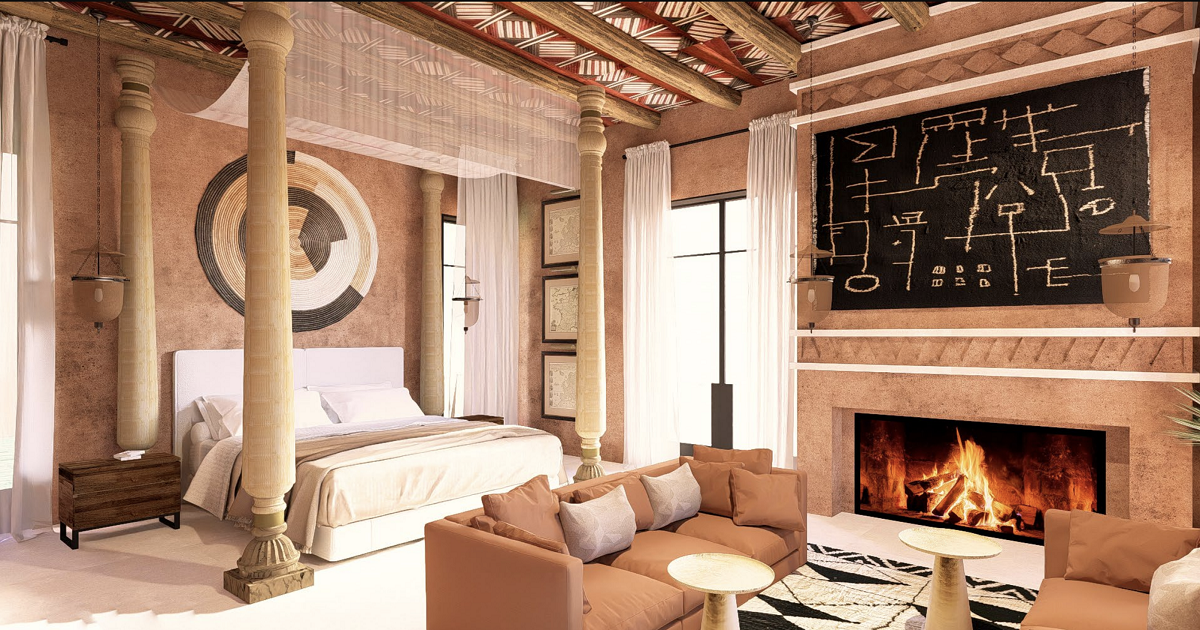
Image credit: Felix Speller

Architectural details within The Curator’s Room draw on a rich lineage of craftsmanship, including intricate plasterwork by Locker & Riley, historic panels from Féau Boiseries originally designed for Jeanne Lanvin’s Paris residence, and hand-painted finishes by Angel. Furniture and decorative elements are similarly layered with intention: from Charlotte Perriand’s Sideboard and Maria Pergay’s Ribbon chairs, to Ingrid Donats sculptural fireguard. Each piece was created by a woman, and many are rare loans from highly respected galleries including the Carpenters Workshop Gallery and David Gill. Through The Curator’s Room, Brigitta has gladly deepened her relationships with such organisations, particularly through discovering and collaborating with emerging voices. “I’ve found that some of the most rewarding outcomes have been the ones I didn’t expect, and that’s something I really value,” she added.

But this isn’t just a showcase of high-profile names – it’s a platform for collaboration and emerging voices, too. Luella Bartley, Louise Gray, Roksanda, Andrea Ferguson, Kamilah Ahmed, and Helen Johannessen all contributed bespoke commissions. From an ottoman with an appliqué of an embroidered female form to curtains embroidered with a design in tribute to Lee Krasner, every piece resonates with narrative, process, and emotional clarity. Even the ceiling is a story – a visual dialogue created by Roksanda and painted by Studio Faeger and Studio 109 Design.

Another of the room’s guiding principles drew on the 2012 Met exhibition, Schiaparelli and Prada: Impossible Conversations. The notion of ‘imagined conversations across time’ became central to The Curator’s Room; the space not only honours female voices, but creates moments where the past and present converse.

Standout examples of this dialogue are two Spinocchia Freund-designed sofas. Reimagined specifically for the exhibition, one has been embroidered with Louise Gray’s signature handwritten texts, the other reshaped to a curve and embroidered with lyrics from Patti Smith songs. In the studio space, an ottoman featuring a Luella Bartley figure as an appliqué, embroidered by Hand and Lock, features centre stage.
a painted dialogue between Roksanda and two studios (Faeger and 109), drawing on the 2012 Met exhibition Schiaparelli and Prada: Impossible Conversations.

The sanctuary ceiling by Roksanda, Studio Faeger and Studio 109 | Image credit: Felix Speller

The room’s curated art selection further enhances a layered approach. Loaned works by Bridget Riley, Kim Lim, Simone Prouvé, Wanda Koop, Mary McCartney and Kathryn Maple breathe life into the space. These thoughtful inclusions create visibility for women whose contributions to the art world have often been overlooked.

Throughout, what emerges is a space that is unapologetically feminine and, in a design landscape still dominated by male voices, operates as a landmark. It isn’t about exclusion or tokenism, it’s about recognising the brilliance that has always existed and finally giving it an outstandingly well designed room of one’s own.

Main image credit: Felix Speller

render of Ubuyu - a Banyan Tree escape: A safari retreat in Tanzania’s Ruaha National Park

Ubuyu – a Banyan Tree escape

1024 640 Pauline Brettell
Ubuyu – a Banyan Tree escape

Ubuyu, A Banyan Tree Escape, is being designed as an intimate eco-luxury safari retreat, offering guests a rare opportunity to experience Ruaha National Park – celebrated for its raw beauty and remarkable biodiversity…

render of Ubuyu - a Banyan Tree escape: A safari retreat in Tanzania’s Ruaha National Park

Located in southern Tanzania’s Iringa region, Ubuyu takes its name from the Swahili word for the fruit of the baobab tree, Africa’s iconic Tree of Life. Revered for its resilience and longevity, the baobab has offered shelter, nourishment, and healing for generations. At Ubuyu, A Banyan Tree Escape, these ancient trees frame the entrance, standing as natural sentinels to a sanctuary shaped by nature, culture, and memory.

Its location – Ruaha National Park – is a vast convergence of ecosystems, where East Africa’s sweeping savannahs meet the miombo woodlands of the south. Unlike its more frequented northern counterparts, Ruaha offers a quieter and more intimate experience. It is home to one of Africa’s largest elephant populations, the world’s highest concentration of lions, and one of the last refuges for the endangered African wild dog. More than 570 bird species also flourish within this rich and varied landscape, adding colour and vitality to its sweeping terrain.

The property comprises six artisan-crafted villas, each designed to blend effortlessly into the surrounding terrain with sweeping views over the savannah. One- and two-bedroom villas draw inspiration from traditional Maasai circular dwellings, featuring open-air showers, private plunge pools, and expansive decks positioned to capture sunrise light and wildlife movement. The three-bedroom Retreat follows the organic curve of the Ruaha River and is centred around a firepit and rooftop terrace designed for stargazing and storytelling. Each villa is solar-powered and constructed using natural materials including timber, thatch, clay, and locally carved Mninga wood furniture crafted by local artisans.
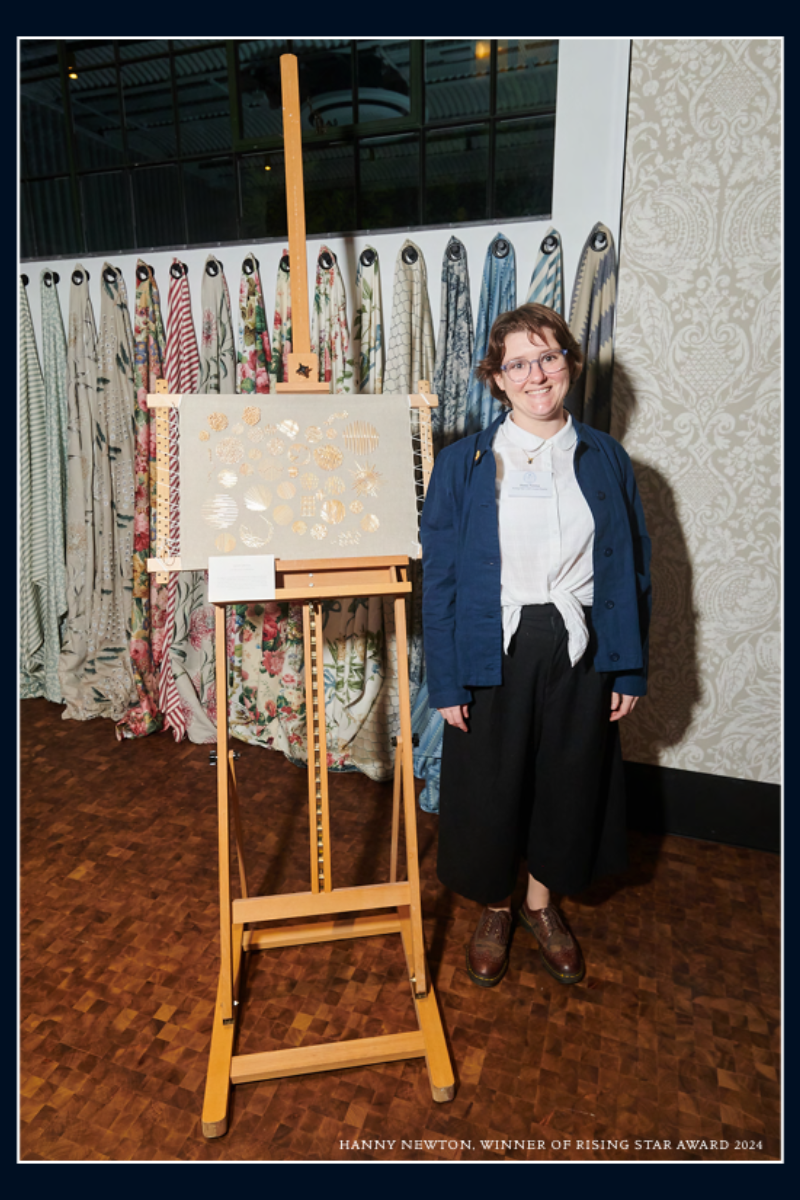
At the heart of the retreat lies the Living Room, a free-flowing communal space inspired by the protective spirit of Maasai enkangs, while the Open Kitchen presents a plant-forward, zero-waste menu that celebrates seasonal ingredients sourced from nearby farms and villages. Above, the rooftop Mganga Bar serves elixirs infused with native botanicals, paired with sweeping views of the river and surrounding bushland. Set along the riverbank and open to the breeze, Maji Spa invites restoration through rituals grounded in indigenous healing, using local oils and herbs to soothe, balance, and renew.
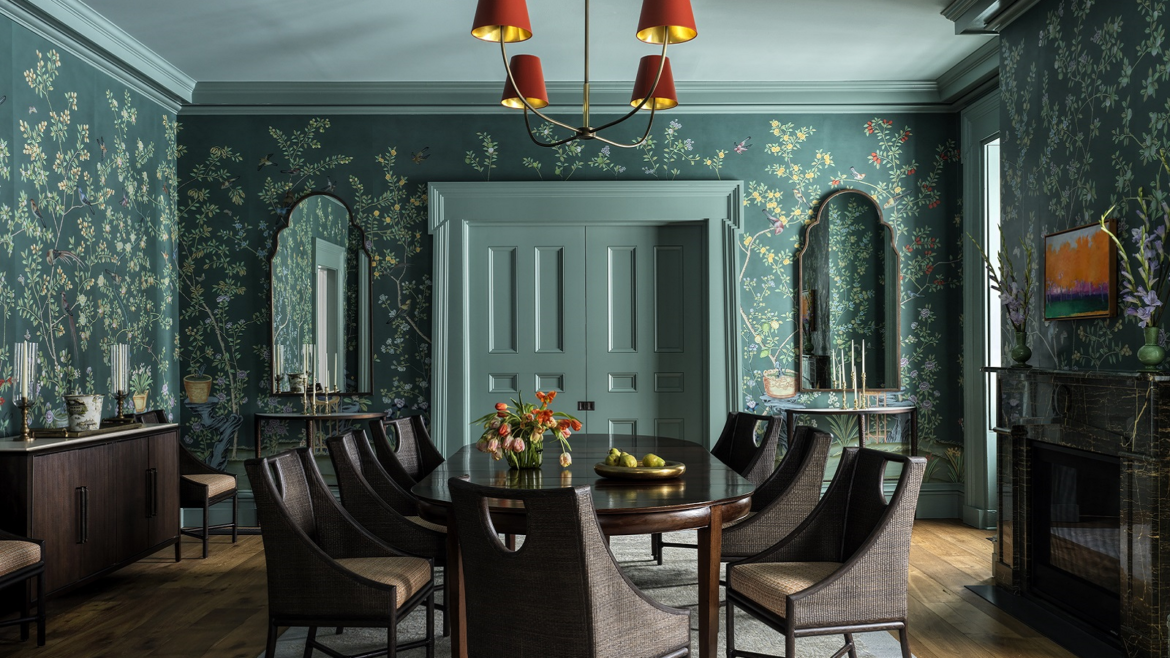
Each stay is guided by a dedicated Escape Host who brings intimate knowledge of the land, wildlife, and surrounding communities. Whether arranging a walking safari at first light, a cultural exchange in a nearby village, or a riverside dining experience at dusk, every detail is shaped with care, sensitivity, and intention.
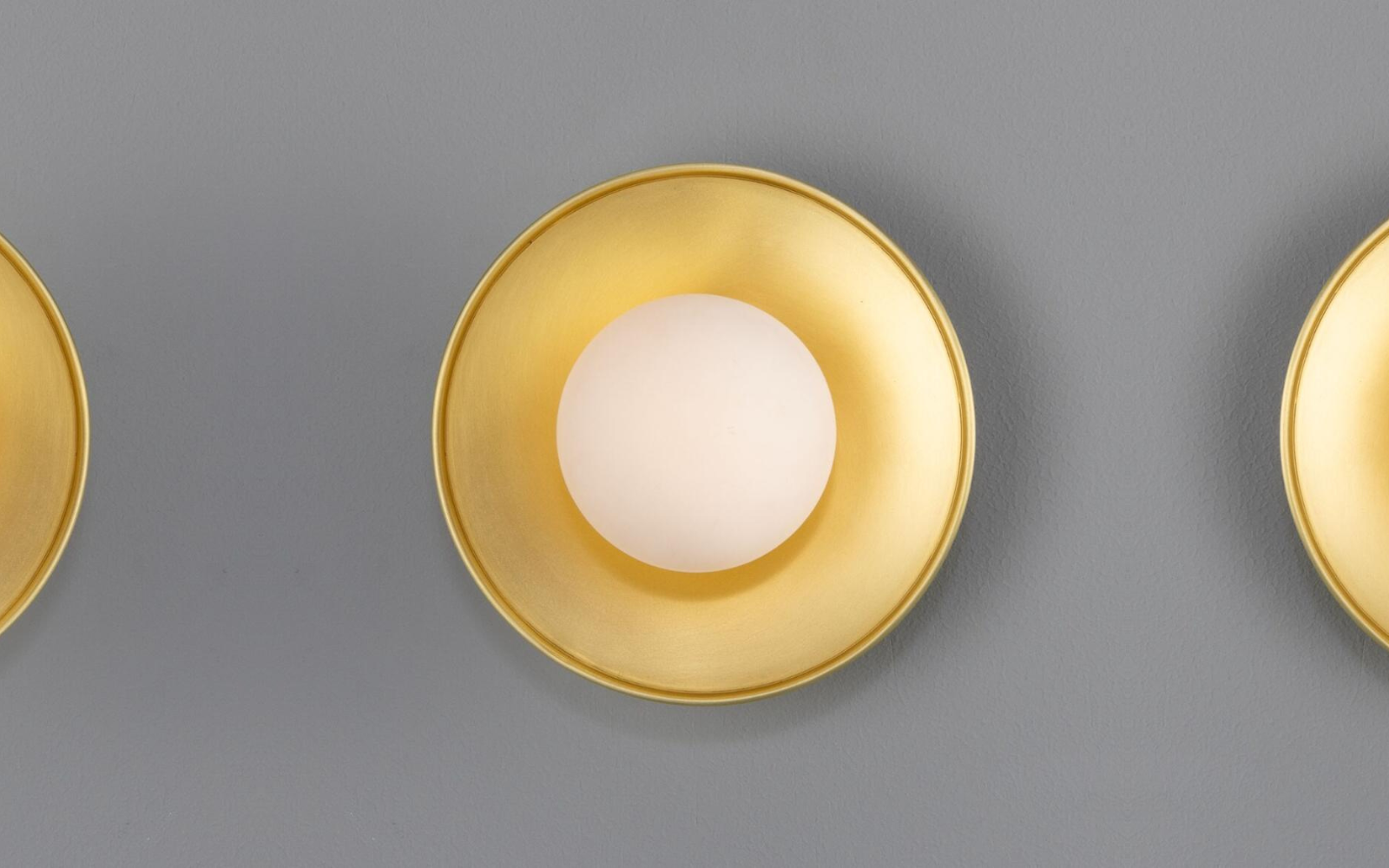
Main image credit: Banyan Tree

Leydi restaurant at Hyde Hotel London, with pink tiled open kitchen and french bistro style chairs around round tables with white table cloth
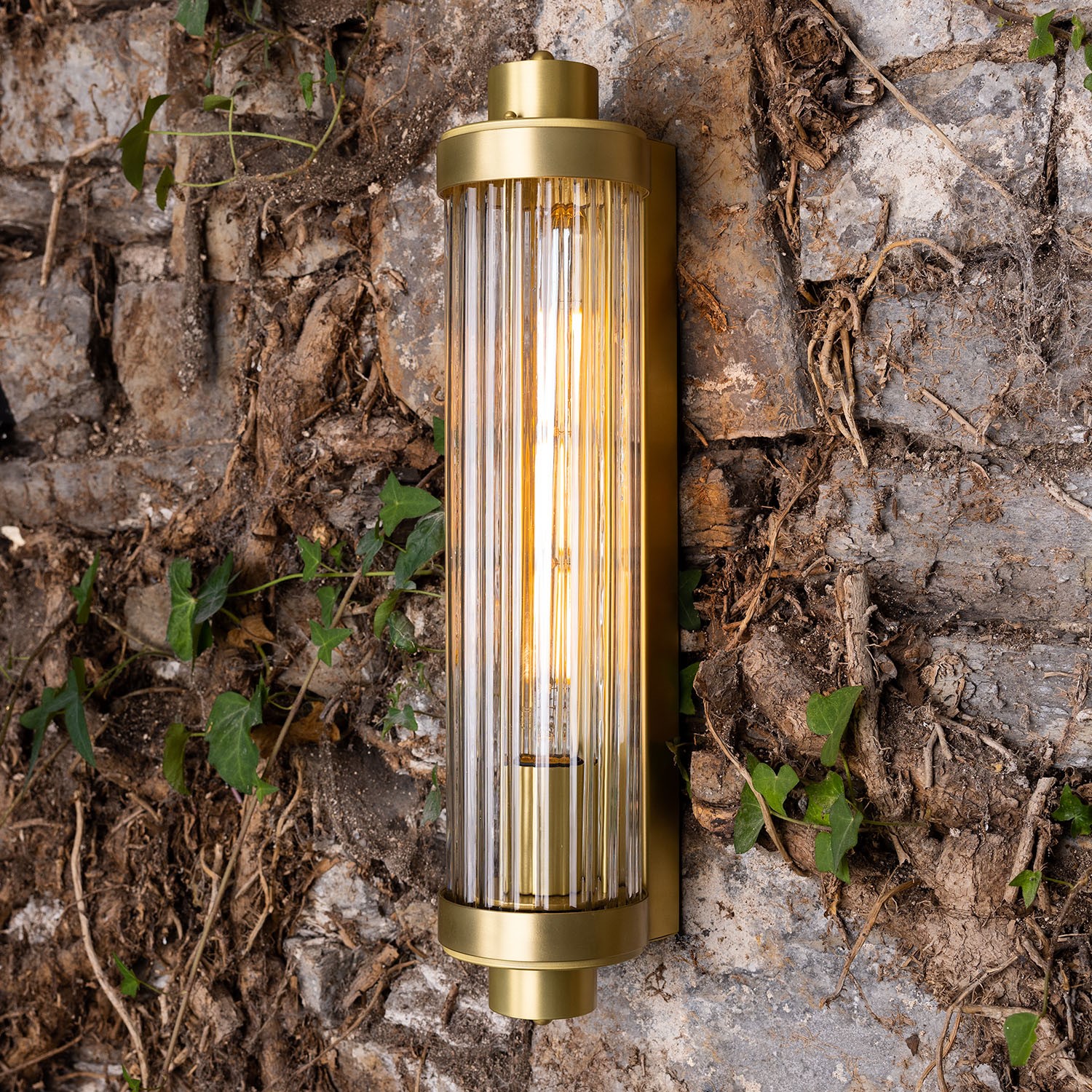
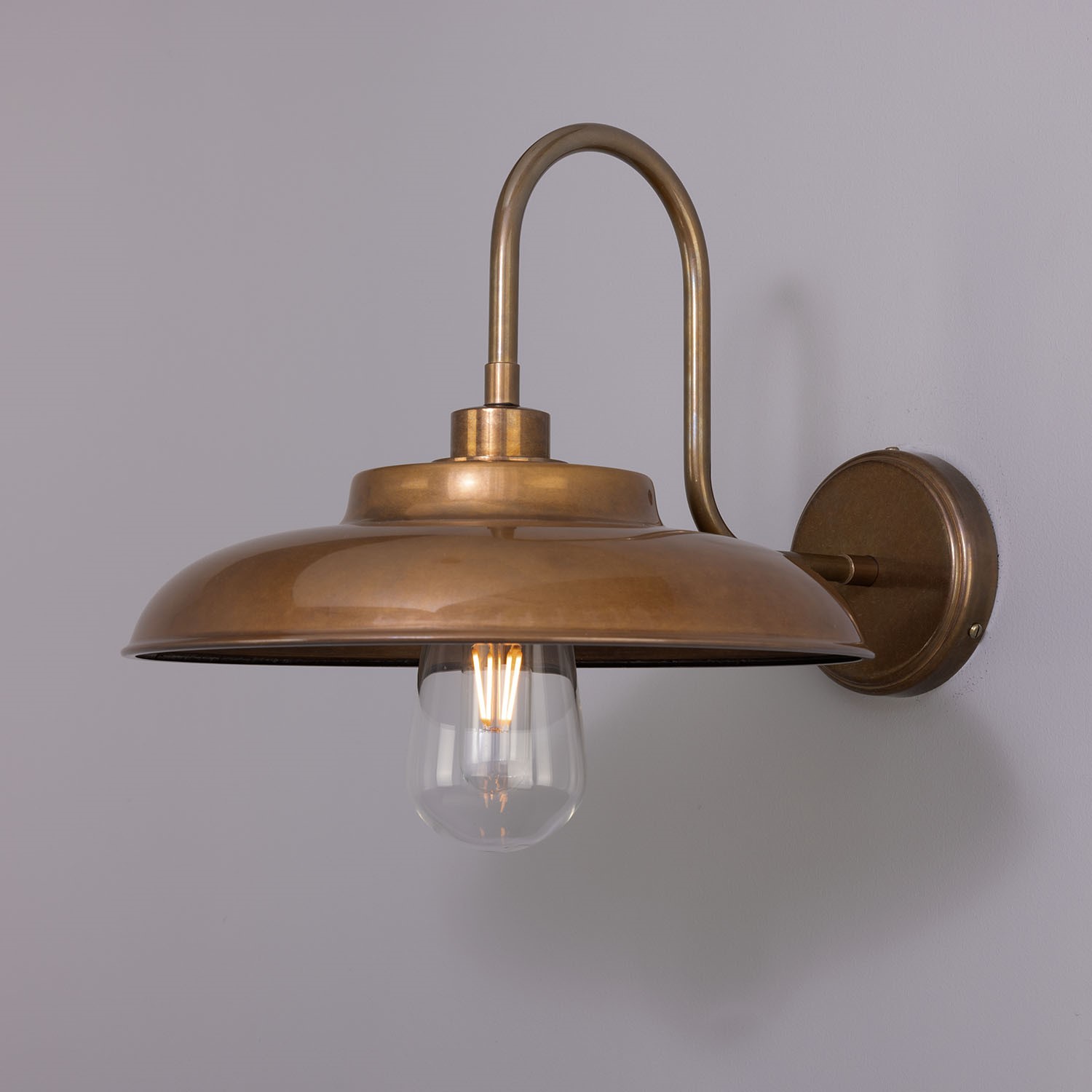
London hotels are hungry for change – and it starts in the restaurant

1024 640 Guest Author
London hotels are hungry for change – and it starts in the restaurant

A people person with a serious portfolio of luxury hospitality projects – and now with the UK’s first Hyde hotel under his belt too, Ed Murray, Associate at Studio Moren, is dishing up his take on why London’s hotel revolution starts at the table…

Leydi restaurant at Hyde Hotel London, with pink tiled open kitchen and french bistro style chairs around round tables with white table cloth

The London hotel scene is evolving – and you’ll smell it before you see it. Once dismissed as a last resort for room service or business breakfasts, hotel restaurants are making a remarkable comeback. According to Hilton, 60% of luxury travellers prioritise staying in hotels with great restaurants and half of global travellers book restaurant reservations before their flights.

In the UK, hotel restaurants are increasingly becoming destinations in their own right. An evident mark of success is the rise of the lunchtime trade, those quiet hours between check out and check in. Nowhere is this more evident than at Leydi – an elegant, design-led restaurant that’s made the leap from hotel amenity to neighbourhood favourite. It sits within Studio Moren-designed Hyde London City, a new lifestyle hotel on Old Bailey.

Hyde_London_Main_day4_Leydi_Wide_©Ennismore-scaled.jpg

Leydi is Hyde London City’s modern Turkish restaurant, designed by Studio Moren | Image credit: Ennismore

This resurgence isn’t a fluke. It’s the result of a strategic re-appraisal by developers, operators and designers alike. With increased competition across both hospitality and F&B sectors, hotels are realising that a great restaurant is no longer just a nice-to-have – it’s good business sense. When thoughtfully conceived and beautifully delivered, it drives footfall, boosts profits and becomes the cornerstone of a truly immersive guest experience.

JLL has cast further light on the trend, reporting this month that in the US, destination restaurants are increasingly a key ingredient to a hotel’s success. Their research reveals that prestige restaurants both command higher room rates and have higher occupancy than hotels without such an offer. By integrating strong F&B options, hotels can drive demand for rooms, justify higher room rates and generate more profits.

It’s no surprise that the UK is following in the US’ footsteps – competition across the sector is fierce. Operators need to continuously up the ante if they are going to appeal to an increasingly discerning market. Plus, we’ve exchanged trends across the pond plenty of times before: think branded residences, speakeasy bars, chef’s table dining settings and Instagrammable boutique hotel aesthetics.

But how do you design a restaurant that can both maximise profitability and transcend its setting to create a destination in its own right?

For me, it begins with an architectural mindset. As both an architect and industry enthusiast, I see our role as custodians of design. That means shaping not just what guests see but also what they don’t: the integration of MEP systems, structural coordination, and acoustic control. All these ‘invisible’ elements underpin a seamless experience, allowing ambience and functionality to coexist.

We must treat hotel F&B spaces with the same reverence as the rooms upstairs. Not as bolt-ons, but as integral components of a hotel’s identity and, increasingly, its commercial success. This requires a holistic approach: one that brings architects, interior designers, chefs, brand strategists and engineers to the same table early and often.

Designing for destination dining also means looking outward. The best hotel restaurants don’t just reflect a brand; they reflect their location. Londoners are spoilt for choice when it comes to world-class food, and they’re rightly discerning. The hotel restaurants that succeed are the ones that hold their own in this culinary landscape – not because they’re in a hotel, but in spite of it.

Designed for late nights – Black Lacquer at Hyde London City sets the scene with velvet booth and bold geometric patterns| Image credit: Ennismore

I’ve just returned from Six Senses Samui, where the standout dish during my stay was a rock lobster laced with red curry, basil oil and pomegranate. Simply thinking about it now takes me straight back to that moment and is a potent reminder of hotel F&B’s potential to be evocative. For that reason, it’s always a space I love to design for. That same ambition should be at the heart of every hotel restaurant concept: one that feeds the soul, not just fills a space on the floor plan.

As the London hospitality market continues to evolve, hotels that invest in thoughtful, distinctive, destination-worthy dining will be the ones that rise above. The future of London’s hotels are being plated up – course by course.

Main image: Leydi, Hyde London City | Image credit: Ennismore

checked tile floor in lobby of The Nickel Charleston

The Nickel Hotel – blending historic charm with modern details

1024 640 Pauline Brettell
The Nickel Hotel – blending historic charm with modern details

The Nickel Hotel, designed in collaboration with Morris Adjmi Architects has opened its doors as the second Method Co. hotel concept for Charleston…

checked tile floor in lobby of The Nickel Charleston

Method Co. has announced the official opening of its latest project, The Nickel Hotel. Situated on Charleston’s historic King Street in partnership with renowned New York-based architecture and interior design studio, Morris Adjmi Architects, and national real estate firm Capital Square, the 50-room hotel introduces a guest experience that’s both refined and refreshing to the city, featuring elegantly-designed rooms and suites, and lively communal spaces including a lush interior courtyard, a library, private event space and listening room, guest-only cocktail bar, and soon-to-open rooftop lounge which will be open to the public.

The Nickel Hotel - Concierge and reception

Image credit: Matthew Williams

Following the success of its sister property, The Pinch, The Nickel Hotel is a new modern boutique in Charleston’s up and coming Cannonborough neighbourhood. Designed by Morris Adjmi Architects in collaboration with Method Co.’s in-house design team, Method Studios, the hotel melds Charleston’s design traditions with contemporary influences, taking cues from the city’s historic architecture and ornate ironwork. The Nickel also refers to the property’s location on the 500th block of King Street and ultimately celebrates the idea of time well spent.

“The Nickel Hotel is located in the Cannonborough neighbourhood, which is filled with great restaurants, cool coffee shops and independent stores,” commented Randall Cook, CEO of Method Co. “It’s exciting to be in the centre of this area with so many creatives and young people – both locals and visitors alike.”

mid century furniture and antique tapestry on the wall in The Nickel Hotel lobby

Image credit: Matthew Williams

The lobby, situated directly on King Street, is a layered, contemporary interpretation of a Southern town home’s interiors, featuring a hand-clipped European marble mosaic entry sign, honed grey and white checkerboard honed marble floor, and hand painted porcelain plaster – found in many of Charleston’s historic buildings – on the walls and ceiling, while a large antique French tapestry hangs in the lobby.

At the heart of the hotel lies the courtyard, serving as the property’s lush living room for guests to congregate. Drawing from the European influence embedded in Charleston’s architectural DNA, the courtyard features three stories of ornate wrought iron balconies, a palette of earthy terra cottas, a prominent wood-burning fireplace and a two-tiered fountain at its centre, all draped in lush greenery and bathed in soft lighting from surrounding gas copper lanterns, creating a serene sanctuary off the bustling King Street.

Overlooking the courtyard on the third floor is The Parlour, a private event space and listening room complete with a selection of vinyl. The intimate space boasts a club-like atmosphere, featuring oak herringbone flooring and leather and oak shelving with a large private balcony for either informal gatherings or work meetings.

The Nickel Hotel - Bar Daniel

Image credit: Matthew Williams

The Nickel also features multiple distinct food and beverage venues, including Bar Daniel, a private guest lounge on the second floor, named after Daniel Cannon, a carpenter who founded the Cannonborough neighbourhood. Serving guests throughout the day, the lounge transitions from a quiet place for espresso to a buzzy space for late-night cocktails.

Meanwhile, the top floor will be home to Rosemary Rose, a rooftop lounge and bar with 360 views of Charleston, which will be open to the public by late summer. Inspired by the sun-filled ease of the French Riviera lifestyle, Rosemary Rose is an outdoor space furnished with hacienda-style wrought iron lounge furniture and zellige tile tables made by Moroccan artisans, while an arched bar anchors the interior, complemented by intimate dining and lounge seating with custom-designed banquettes and expansive windows.

The Nickel Hotel - bedroom with doors opening onto balcony

Image credit: Matthew Williams

With guest rooms designed to evoke the comforts of home, each spacious room and suite features a full-size kitchen with decorative aged bronze cabinet hardware, and honed marble countertops, in addition to a dining space and lounge area. Method Studios custom-designed furniture for the rooms, including the beds, sofas, media credenzas, armoires, and nightstands, while additional design features such as Gubi coffee tables, herringbone oak flooring, House of Hackney wallpaper, and Nordic Knot Scandinavian rugs, complete the look. Bathrooms feature a pop of colour through tonal green wall tile and hand-glazed porcelain floor tiles in an encaustic clover pattern.

The Nickel Hotel - Courtyard seating, metal detail and plants leading into guestroom

Image credit: Matthew Williams

Guests can choose their preferred view, either of the lush courtyard or vibrant King Street, with many rooms featuring private balconies.
Right in the heart of Charleston, the Nickel is sure to become a beloved destination for locals and visitors within the vibrant neighbourhood, which is ushering in a new creative scene in the city.

Who is Method Co.?
Method Co. is a Philadelphia-based hospitality and development firm with an in-house design and branding firm, Method Studios, founded on the joining of historically compatible disciplines under one roof; the firm bridges the worlds of interior design and real estate development, while embracing the custom design of products, furniture, identities and experiences.

Main image credit: Matthew Williams

Ceramic tiles in bathroom, rust marble effect

Wellness by design: how materials shape the guest experience – with RAK Ceramics

1024 640 Meghan Taylor
Wellness by design: how materials shape the guest experience – with RAK Ceramics

As wellness continues to redefine the hospitality landscape, Ben Bryden, Sales and Marketing Director at RAK Ceramics UK, discusses how thoughtful material specification is helping designers deliver guest experiences that prioritise both performance and wellbeing…

Ceramic tiles in bathroom, rust marble effect

The ‘wellness’ influence on hotel design has become unmistakable. From lighting and acoustics to spatial planning and surface materials, the concept of wellbeing is informing how hotels are imagined, constructed, and experienced. Speaking to Hotel Designs, Ben Bryden, Sales and Marketing Director at RAK Ceramics UK, explores how material specification is playing a pivotal role in this wellness-focused evolution.

“Wellness has shifted from being a design trend to a fundamental expectation,” says Ben. “Today’s guests are seeking out spaces that that feel calm, comfortable and restorative – environments that support both physical ease and emotional wellbeing.” This growing demand is transforming how designers approach everything from room layouts to the smallest material details.

Central to this shift is an understanding of how humans interact with their environment on a sensory and psychological level. Materials, Ben explains, are no longer seen as simply decorative or practical, they are instrumental in shaping the guest experience.

Ceramic tile shower cubicle by RAK Ceramics

Image credit: RAK Ceramics

Striking the balance

“Surfaces and sanitaryware have an enormous impact on how a space feels and functions,” he adds. “Textured finishes, soothing colours and features like slip resistance or antibacterial glazing help create interiors that are not only visually harmonious but also safe, hygienic and easy to maintain.”

In wellness-driven design – particularly in hospitality settings where high traffic and fast turnover are the norm – the relationship between aesthetics and durability becomes critical. According to Ben, designers are increasingly drawn to products that combine visual harmony with technical performance.

This design philosophy was a defining element in the transformation of the Cambridge Country Club Golf Resort & Spa, Ben highlights where wellness considerations were embedded in the brief from the outset.

A case in point

RAK Ceramics’ surfaces and sanitaryware were specified at Cambridge Country Club to establish a cohesive, calming, and contemporary look throughout, with porcelain tiles selected not only for their appearance but also for their durability, ease of maintenance, and tactile softness.

“Guests may not consciously notice the finish of a surface or the seamless continuity of materials,” Ben notes, “but they feel the difference. These details influence how at ease people are in a space.”

Biophilic design principles are also gaining traction as part of this broader wellness narrative. Designers are incorporating natural textures, earthy hues, and organic forms to create stronger connections to the natural world. In bathrooms and spa areas, this might mean stone-effect tiles in soft matte finishes or sanitaryware in off-white shades that evoke purity and serenity.

Ceramic tile pool by RAK Ceramics

Image credit: RAK Ceramics

A holistic approach

“Wellness is multi-sensory,” says Ben. “It’s visual, tactile, acoustic. It includes air quality, thermal comfort, even the way light moves through a space. Materials can support all of these aspects.”

Indeed, acoustic tiling, VOC-free finishes, and reflective or diffusive surfaces are becoming standard in wellness-focused interiors, helping to create environments that are not only stylish but healthier to inhabit. Ben emphasises that such material choices are not isolated – they form part of a holistic, integrated strategy.

As hospitality brands continue to invest in wellness as a key value proposition, the pressure is on for design teams to specify products that balance performance with aesthetic sensitivity. The aim is no longer just to impress, but to restore – offering guests a sense of peace and connection that lasts long after check-out.

“In the end,” concludes Ben, “wellness design is about more than luxury. It’s about designing spaces that genuinely enhance how people feel. That’s where true hospitality lies.”

RAK Ceramics is one of our Recommended Suppliers and regularly features in our Supplier News section of the website. If you are interested in becoming one of our Recommended Suppliers, please email Katy Phillips.

Main image credit: RAK Ceramics

sunset and palm trees over Royal Mansour Tamuda Bay

Hotel review: checking in to Royal Mansour Tamuda Bay

1024 683 Pauline Brettell
Hotel review: checking in to Royal Mansour Tamuda Bay

Sitting on the edge of Africa along Morocco’s tranquil Mediterranean coast is Royal Mansour Tamuda Bay, with interiors by London-based Muza Lab – writer Pauline Brettell steps in to take a closer look at the details connecting the design to the landscape…

sunset and palm trees over Royal Mansour Tamuda Bay

With the Rif mountains behind, and the Mediterranean Sea stretching out in front, the architectural approach to Royal Mansour Tamuda Bay immediately draws you in as individual sand-coloured stucco buildings, sit comfortably within the landscape. The suites have all been carefully positioned to maximise the striking sea views and the surrounding gardens, creating an immediate engagement with the landscape, while including subtle references to the region’s traditional building styles.

In a similar fashion, the interiors are a seamless and layered combination of the surrounding  natural world and local craftsmanship. Inspired by Mediterranean gardens, the sea, and local artisanal traditions, the spaces feature soft, organic materials and intricate, hand-crafted details. Stepping in to the lobby you are greeted by an exquisite statement custom seashell mural in the reception area, designed by Muza Lab in collaboration with BKI. This mural immediately connects you to the sea, only a few steps away as it has transformed thousands of shells gathered from the beach into a contemporary interpretation of traditional patterns. These statement sea shells are all perfectly lit by the equally bold and organic bespoke pendant light by Nulty Bespoke.

detailed shell mural and bespoke feature light in lobby of Royal Mansour Tamuda Bay

Image credit: Royal Mansour Tamuda Bay

“On our very first site visit, we walked along the shore and the beach was covered in these beautiful shells that had a unique palette of warm terracottas and soft yellows,” explained Inge Moore, Founder, Muza Lab. “These colours really inspired us and played a defining role in the design vision”.

What really stood out to me, was the controlled and curated approach in combining contemporary luxury with traditional and authentic Moroccan charm, without any of the cliches! And the layers are everywhere, tactile and drawing everything together. Traditional elements like carved wood panels, ornate plasterwork, and mosaics have been paired with sleek, contemporary furniture and plush modern fabrics. It feels both sophisticated and grounded in local heritage. Walking though the property, I had to restrain myself from touching surfaces, and stroking textiles…

carved wooden screen, chairs and bed in royal mansour tamuda bay

Image credit: Royal Mansour Tamuda Bay

There is an overriding residential feel to the resort – a sense of shared and understated luxury, with the ultimate luxury perhaps being in this space, is the opportunity to slow down and feel like you are in your own private Mediterranean hideaway, where, as explained by the team at Muza Lab, each villa and suite has been thoughtfully designed to capture different elements of the local landscape – like the sea, sand, land, shade, horizon, sunrise, clouds, and sunset.

traditional moroccan jewellery made into a curtain in the restaurant

Image credit: Royal Mansour Tamuda Bay

There is a plethora of beautiful spaces, both public and private, to be explored running through this property, and so many details to consider that it is impossible to list them all – from bespoke tiles to jewelled curtains, incredible lighting and handwoven textiles, but the beating and regenerative heart of the resort is unquestionably the Wellness Centre and Medi-Spa.

The property has discreetly swung open the doors to Morocco’s first Medi-Spa, with treatments underpinned by an immersive Longevity Programme – a seven-day/eight-night immersive experience designed to optimise health and promote well-aging. The programme combines medical assessments, advanced therapies, and holistic approaches, including Ayurvedic medicine and rebalancing activities, to stimulate the body’s natural longevity mechanisms.

chairs and marble table in spa

Image credit: Royal Mansour Tamuda Bay

Unfortunately I wasn’t there long enough to slow down the aging process in pursuit of longevity, but I was able to spend more than my fair share of time immersed in the sanctuary of the spa – a beautiful and tranquil setting, which although it might not have turned back time, it certainly felt like it slowed it down a little, as I shifted leisurely between the rejuvenating heat of the salt room, to a few laps in the mineral enriched waters of the indoor pool!

From the moment you enter into the light-filled atrium, open to the sky and filled with planting, you are taken on a journey of discovery through a maze of spaces, pools, and treatment rooms. Each tells its own story while remaining part of the whole. The design references nature all the way through, with layers of pattern, surface design and texture, all in the signature green and ivory colour palette. The large moon-inspired pendant light suspended over the Quiet Pool, adds an ethereal and very visual sense of tide and rhythm to the space. The design not only complements the wellness process, but amplifies it.

suspended lights, wter feature and leaf patterned tiles in the spa

Image credit: Royal Mansour Tamuda Bay

Continuing the conversation with the design team gives a little more insight into some of the conceptual themes behind the design: ” Nature and the moon,” asserted Moore. “The gardens, of course, were always present – so we used greens and ivories as our foundation. But we were also fascinated by the idea of the moon influencing tides and energy. The spa is full of water – so we thought, what if we made the moon a central feature?”

“That became both symbolic and literal,” added Nathan Hutchins, Co-Founder, Muza Lab. ” There’s a large pendant light above the main pool that represents the moon. It hangs low, and when you swim beneath it, you feel its presence. Around that, we used materials that reflect – soft stone, resin, pale surfaces – to catch light in a way that feels lunar. There’s this very calm rhythm to the whole space.”

full moon pendant light over spa swimming pool

Image credit: Royal Mansour Tamuda Bay

Royal Mansour Tamuda Bay, like its siblings in Marrakech and Casablanca, manages to be both deeply rooted in its Moroccan identity and refreshingly modern in its design approach. Every detail, from the positioning of the suites to the materials used in the spa, feels intentional and meaningful. It’s not just a place to stay – it’s a place to slow down, to reconnect with nature, and detox on so many levels.

Wandering through the gardens, admiring hand-carved panels, and finally floating under the glow of the ‘moon’ in the spa, the experience is rich, layered, and quietly luxurious. I left feeling restored, inspired, and maybe just a little more youthful?

Main image credit: Royal Mansour Tamuda Bay

JW Marriott Crete Resort & Spa -capturing the spirit of Cretan coastal living through contemporary design

JW Marriott Crete Resort & Spa – capturing the spirit of Cretan coastal living through contemporary design

1024 640 Pauline Brettell
JW Marriott Crete Resort & Spa – capturing the spirit of Cretan coastal living through contemporary design

JW Marriott has announced the opening of JW Marriott Crete Resort & Spa, the brand’s first highly anticipated Mediterranean beach resort, with its design by Block722 setting a new benchmark for luxury hospitality on the island…

JW Marriott Crete Resort & Spa -capturing the spirit of Cretan coastal living through contemporary design

Nestled in Marathi, near the charming town of Chania, the JW Marriott Crete Resort & Spa spans over 100 acres of idyllic coastline, thoughtfully designed to harmonise with Crete’s natural beauty and rich cultural heritage. The resort features 160 elegantly appointed guest rooms, suites, and villas, all offering sweeping views of the Aegean Sea, with the majority including private pools to enhance the sense of exclusivity and relaxation.

aerial view of shoreline , sea and pool at JW Marriott Crete Resort & Spa

Image credit: JW Marriott

“JW Marriott Crete Resort & Spa, the brand’s much-anticipated debut on the stunning Cretan coast, is a serene escape that truly embodies JW Marriott’s vision to offer guests elevated, luxury experiences that foster personal well-being and meaningful connections,” said Helen Leighton, Vice President, Luxury Brands, Europe, Middle East and Africa, Marriott. “Thoughtfully designed and perfectly situated, the resort invites guests to slow down, breathe deeply, and fully immerse themselves in the island’s serene rhythm – with nature and the Aegean Sea an integral part of the experience.”

With its natural surroundings, artful design, and immersive guest experiences, JW Marriott Crete Resort & Spa combines carefully curated design with experiences that reflect the authentic spirit and culture of the island.

natural colours and materials in spa suite jw marriott crete

Image credit: JW Marriott

Crafted by the Athens-based studio Block722, the resort and spa both embody a contemporary elegance rooted in a deep respect for its natural surroundings. Set along one of Greece’s most breathtaking coastlines, the resort is harmoniously integrated into the landscape with planted roofs, olive and carob tree groves, and natural materials including marble and wood. Each thoughtfully selected design element reflects a commitment to allowing the environment to guide the architecture, creating a seamless connection between nature and modern luxury.

Each guestroom boasts wide windows framing sweeping panoramic views of the Aegean Sea, while shaded terraces and private pools encourage a quiet connection with the sea and sky. Inside, the aesthetic is calm and tactile: soft, organic lines and a palette of earthy Mediterranean tones, including terracotta, olive, sand, and stone, create a sense of effortless harmony. Sculptural lighting and handcrafted ceramic decorative pieces subtly nod to Crete’s traditional forms, reinterpreted with a contemporary eye.

JW Marriott Crete Resort & Spa - Guestroom with double bed and couch

Image credit: JW Marriott

The property has been thoughtfully constructed with sustainability at its core, from geothermal and solar energy systems to heat recovery from air conditioning for hot water, and the use of treated grey water for irrigation. This commitment to environmental responsibility has guided every aspect of the resort’s development, resulting in a destination that not only seamlessly blends with its surroundings, but is also deeply shaped by them.

At JW Marriott Crete Resort & Spa, culinary artistry takes centre stage across six distinctive dining venues, each carefully designed to celebrate local ingredients and seasonal flavours. Anchoring the resort’s culinary philosophy is the JW Garden, a signature element of JW Marriott properties around the world that showcases the brand’s commitment to well-being and sustainability. This meticulously managed garden cultivates fresh herbs and vegetables, such as thyme, oregano, and capers, which are integrated into dishes and cocktails across the resort, enhancing flavour and connecting guests with nature.

olive trees with fairy lights and outdoor restaurant tables and chairs

Image credit: JW Marriott

Among the standout venues is ANOEE, a Cretan open-fire restaurant led by acclaimed chef Manolis Papoutsakis, known for using the island’s traditional techniques and locally foraged ingredients. Õnalos presents a refined sea-to-table concept, highlighting the best of the Aegean Sea. Cuccagna delivers rustic Italian dishes with a contemporary touch, while Fayi serves Mediterranean style sharing plates in a warm, convivial setting.

curved furniture and walls with stone pillars in spa entrance

Image credit: JW Marriott

At the heart of the resort’s wellness offering is ANOSEAS Spa, which combines traditional Cretan healing rituals with modern immersive therapies. The spa includes five treatment rooms, hydrotherapy experiences, and a beauty room. Additional wellness facilities include a yoga deck and four swimming pools with panoramic sea views, as well as a state-of-the-art fitness centre.

curved spa pool in crete

Image credit: JW Marriott

For families, JW Marriott Crete Resort & Spa delivers rich, multi-generational luxury experiences thoughtfully tailored to younger guests. The Phestos Den, powered by Worldwide Kids, offers an inspiring environment for cultural discovery, hands-on learning, and creative play. Outdoor areas offer shaded tents, imaginative play zones, and a dedicated vegetable garden, all designed to foster curiosity and a connection to nature. Beyond the resort, families can enjoy bespoke sea-based adventures or curated cultural excursions to local monasteries and archaeological sites, immersive journeys that bring Crete’s vibrant traditions and heritage to life.

Main image credit: JW Marriott

laticrete from TREND Group

Strength in the Details – TREND Group and LATICRETE creating seamless surface solutions

1024 640 Pauline Brettell
Strength in the Details – TREND Group and LATICRETE creating seamless surface solutions

TREND Group has announced a new global partnership with LATICRETE, the worldwide leader in premium installation systems, delivering a complete surface solution…

laticrete from TREND Group

In the world of high-end hospitality design, it’s not just about how beautiful a surface looks it’s about how well it performs when guests put it to the test. From boutique hotel bathrooms to luxury spa floors, the expectations are high, and so are the risks. In this partnership, TREND can combine it’s world-renowned mosaics and engineered stone with LATICRETE’s proven adhesives, grouts, and waterproofing systems designed to simplify specification, speed up installation, and guarantee long-term performance. For interior designers, architects and specifiers working across the UK and beyond, this partnership brings something rare: total confidence from design concept to project completion.

LATICRETE product image

Performance Built Into the Aesthetic
At TREND, products are defined by craftsmanship, sustainability, and innovation. From hand-cut Orsoni smalti to recycled glass mosaics and ultra-thin engineered agglomerate stone, its surfaces are designed to make a statement but they’re also engineered to endure. The hospitality sector demands more than aesthetic value. Surfaces must be slip-resistant, hygienic, easy to maintain, and resilient against heavy footfall and moisture. Designers shouldn’t have to compromise on creative freedom to meet technical requirements. This is where LATICRETE makes the difference. This partnership allows clients to specify complete systems knowing that installation is just as reliable as the finish is beautiful. It’s a smarter way to deliver quality on tight timelines, without compromising on vision.

LATICRETE infographic and product image

Image credit: LATICRETE / TREND Group

Together, TREND and LATICRETE provide:
• System warranties and global technical support, giving specifiers peace of mind.
• Faster, cleaner installation, ideal for refurbishments or fast-turnaround new builds.
• Materials suitable for wet areas, wellness zones, and high-traffic flooring.
• Surfaces with up to 78% post-consumer recycled content

TREND understands that UK designers are navigating increasing regulatory, environmental, and performance demands. With this partnership, you  gain a seamless specification process backed by two globally trusted brands.

Design With Confidence
This collaboration isn’t just about pairing two products it’s about aligning two brands committed to helping designers bring exceptional spaces to life, without compromise. TREND, believes design is a promise, to clients, to guests, and to the reputation of those who deliver it. With LATICRETE alongside, that promise is now stronger than ever.

Now available to UK specifiers, designers and architects.

TREND Group is one of our Recommended Suppliers and regularly features in our Supplier News section of the website. If you are interested in becoming one of our Recommended Suppliers, please email Katy Phillips.

Main image credit: TREND Group

exterior render of Nobu Krakow

Introducing Nobu Kraków

1024 640 Pauline Brettell
Introducing Nobu Kraków

Nobu Hospitality has announced its latest expansion with the Nobu Hotel, Restaurant, and Residences in Kraków, Poland, the brand’s first residential community in Eastern Europe, and its second venture in Poland….

exterior render of Nobu Krakow

Located just steps from the city’s historic Old Town, the landmark Nobu Hotel, Restaurant, and Residences, Kraków is being developed in partnership with SAO Investments, Poland’s premier luxury real estate designer and investor with a commitment to excellence and innovation that aligns perfectly with Nobu’s philosophy, setting a new benchmark in world-class hospitality, cultural engagement and elevated residential living.

Marking Nobu’s second venture in Poland following the success of Nobu Hotel Warsaw, which opened in 2020, Nobu Kraków is set to become a dynamic cultural hub for visitors and locals alike. Seamlessly blending culinary excellence, sophisticated design and authentic experiences, the project reflects Kraków’s rich heritage and artistic spirit.

In addition to the 100 luxurious yet understated accommodations, the development will debut Nobu’s first-ever cultural district – a dynamic city within a city. This immersive hub will feature a theatre stage, cinema hall, recording studio, co-working area, and an art gallery designed to showcase both globally renowned and emerging local artists. Guests will also have access to a rooftop swimming pool with state-of-the-art fitness centre and a signature Nobu restaurant, serving Chef Nobu’s most iconic cuisine.

Marking the brand’s first residential project in Eastern Europe, the development will boast 80 Nobu Residences, reinforcing its presence in the luxury real estate sphere. Providing an exclusive opportunity to become part of the Nobu community in the heart of one of Poland’s oldest and most visited cities, each residence will offer a refined living experience with purposeful design, elevated amenities, including Nobu priority reservations, and unparalleled access to the cultural collective and surrounding area through a dedicated experience team.

“The Nobu district in Krakow – genuinely a city within a city – marks a groundbreaking development and a pivotal achievement for Nobu in redefining modern urbanism as we embark on branding communities within a fresh framework.” said Trevor Horwell, CEO of Nobu Hospitality.

“As we transform cities, we now embark on a new journey with Nobu—one that promises to create a groundbreaking cultural epicenter. A global hub of art, culture, hospitality, and design. With our unwavering commitment to beauty, creativity, and innovation, this project will inspire and educate, combining the best of art, architecture, and urban living to build a responsible, vibrant community that reflects the dynamic spirit of SAO and Nobu.” said Grzegorz Skawinski, SAO Investments Co-Founder.

Main image credit: Nobu Hospitality

curved chair and sofa with seaview in guestroom Mondrian Gold Coast

Mondrian Gold Coast has opened its doors

1024 640 Pauline Brettell
Mondrian Gold Coast has opened its doors

Marking a new era of lifestyle luxury on the southern Gold Coast, the 208-room Mondrian Gold Coast landmark by architects Fraser & Partners introduces the brand to Australia for the very first time…

curved chair and sofa with seaview in guestroom Mondrian Gold Coast

Rising between the pines and pandanus of Burleigh’s beachfront esplanade, Mondrian Gold Coast offers a design-led escape anchored by the region’s relaxed rhythm. With rooms twice the size of the national average and panoramic views across the Pacific Ocean, Burleigh Headland and the hinterland, the hotel redefines the experience of beachside accommodation.

seating and dining space in guest suite Mondrian gold Coast

Image credit: Justin Nicholas

Guests can choose from 132 Studios, 63 Suites, 10 two- and three-bedroom Homes, 2 private two- and three-bedroom Beach Houses with plunge pools, and the spectacular Sky House crowning the 24th floor – all designed by California-based Studio Carter.

On the ground floor, LiTO brings the warmth and generosity of Italian summers to the coast, channelled through the lens of Burleigh’s laid-back lifestyle. Led by Italian-born Head Chef Andrea Morigi (formerly of Merivale’s Uccello) the all-day restaurant serves vibrant, produce-driven fare from post-surf espresso through to evening aperitivo. LiTO blends Mediterranean character with Australian ease, with alfresco tables, coastal beats and interiors by Alexander &CO.

LiTO Bar in Mondrian Gold Coast

Image credit: Justin NIcholas

Upstairs on the third floor, Haven, also designed by Alexander &CO., captures the pulse of Burleigh’s sun-kissed days and after-dark energy. Executive Chef Aaron Teece (formerly of EST., Felix, Manly Pavilion, and Studio Neon founder) curates a refined yet approachable menu anchored in provenance and shaped by seasonal produce, with an emphasis on seafood, woodfire cooking and regional sourcing. From long lunches in the dining room to lounging poolside in a private cabana and sundown cocktails, Haven invites guests into an escape defined by flavour, sound and sea breeze.

wooden furniture and plants in Haven restaurant Mondrian Gold coast

Image credit: Justin NIcholas

The hotel is a destination in itself, blending hospitality, culture and design with an innate sense of place. Guests looking for extended stays or family retreats can opt for expansive Homes and Suites with full kitchens, open plan living and laundry facilities. The two- and three-bedroom Beach Houses offer an elevated coastal living experience, complete with plunge pools, private access and the flexibility to combine into a five-bedroom residence. The Sky House, with its chef’s kitchen, bar and five-metre-high windows overlooking the coastline, sets a new benchmark for beachfront luxury.

stone coffee table in front of tiled bar and wooden panelled wall - Mondrian Gold Coast

Image credit: Justin NIcholas

Mondrian Gold Coast also sets a new standard for wellness on the coast. Beside a 24/7 Technogymequipped fitness centre, located on level 2, CIEL Spa delivers a comprehensive program of biowellness treatments, restorative therapies and advanced technology in a space designed to harmonise body, skin and mind. Reservations for CIEL Spa treatments are open from June 15. On level three, magnesium-infused plunge pools and a 24-metre resort-style pool beside Haven support movement and recovery.

pink marble vanity and textured stone in bathroom Mondrian Gold Coast

Image credit: Justin NIcholas

For events, the hotel offers four levels with 20 adaptable venues including the sunlit Mondrian Ballroom, multiple event spaces, beachfront residences for intimate gatherings, and the sky-high VeeRoom for elevated celebrations and executive experiences. As part of the Mondrian brand’s global commitment to creativity and connection, the Gold Coast property will host an evolving calendar of cultural programming, from artist collaborations to music showcases and immersive experiences. With a focus on community, storytelling and design, Mondrian Gold Coast sets out to become not only a place to stay, but a place to belong.

Main image credit: Justin Nicholas

Hypnos bed in Namibian hotel, Zannier Omaanda

Case study: Hypnos at the Zannier Omaanda, Namibia

1024 640 Meghan Taylor
Case study: Hypnos at the Zannier Omaanda, Namibia

An intimate Namibian retreat, Zannier Omaanda blends tradition, luxury, and sustainability – elevated by a Hypnos partnership that ensures every night’s sleep is as restorative as the surroundings…

Hypnos bed in Namibian hotel, Zannier Omaanda

Nestled within a 9,000-hectare private animal reserve just outside Windhoek, Namibia, Zannier Omaanda blends authenticity, luxury, and local tradition in a setting that feels both grounded and extraordinary.

Part of the award-winning Zannier Hotels collection, Omaanda is an exclusive retreat that pays homage to traditional Owambo architecture while offering guests an elevated, immersive experience of Africa’s wild beauty.

Designed to foster a meaningful connection to place, each of Omaanda’s fifteen round, thatched huts is a tribute to vernacular design. From panoramic terraces overlooking the savannah to sunken bathtubs and handpicked African antiques, every detail is curated to evoke serenity, intimacy, and emotional resonance.

That same reverence for place and comfort extends to the sleep experience, thoughtfully designed in collaboration with Hypnos Contract Beds. Zannier Hotels partnered with Hypnos to provide bespoke mattresses at Omaanda – crafted to meet the highest standards of luxury hospitality while prioritising sustainability and longevity.

Hypnos bed in Namibian hotel, Zannier Omaanda, bed-view looking out of window

Image credit: Hypnos

Hypnos’ ethos of integrity and comfort complements Zannier Hotels’ vision of thoughtful, place-driven luxury – rooted in natural materials, local culture, and refined simplicity. The beds at Omaanda were selected not only for their exceptional comfort and support but also for their alignment with the lodge’s sustainable values.

“As a lodge, our priority is to offer guests a stay that feels both grounding and indulgent, and sleep is central to that,” said Mr. Philippe Arnaud, Director of Operations at Zannier Hotels.

“Hypnos understood exactly what we needed. Their beds embody comfort, quality craftsmanship, and a deep respect for sustainability – an essential part of the sanctuary we’ve created at Omaanda.”

Guests at Omaanda are invited to disconnect and immerse themselves in the rhythms of the Namibian wilderness, whether tracking elephants with conservationists from the N/a’an ku sê Foundation, enjoying a traditional fireside Boma gathering, or simply resting in the deep quiet of the savannah. Thanks to Hypnos, that sense of retreat continues into the night, with beds designed to offer regenerative rest in a truly one-of-a-kind setting.

As with every Zannier Hotels property, Omaanda is not just a place to stay – it is a story to live. And that story continues where every great journey rests: a perfect night’s sleep.

Hypnos is one of our Recommended Suppliers and regularly features in our Supplier News section of the website. If you are interested in becoming one of our Recommended Suppliers, please email Katy Phillips.

Main image credit: Hypnos

aerial view of Le Beauvallon beach club from the sea

COMO Le Beauvallon – an icon reimagined

1024 640 Pauline Brettell
COMO Le Beauvallon – an icon reimagined

In a major milestone for the brand, COMO Hotels & Resorts is bringing its signature approach to Le Beauvallon, a striking Belle Epoque palace…

aerial view of Le Beauvallon beach club from the sea

Le Beauvallon, which first opened in 1914, distils the essence of the Cote D’Azur lifestyle: with 10 acres of terraces and gardens with palms and umbrella pines overlooking the Bay of Saint-Tropez, a glamorous Mediterranean beach club, and a private pontoon for yacht tenders. Occupying a beachside location and adjacent to the renowned Golf Club de Beauvallon, the hotel is only eight minutes by boat from the vibrant heart of ‘St Trop’ on the other side of the bay.

aerial image of front facade of Le Beauvallon

Image credit: COMO Le Beauvallon

After nearly a decade of playing host to unforgettable celebrations and events, this Riviera icon is beginning a new chapter. Its 25 sea-facing suites will be available for individual guest stays, marking a shift from a private events venue to a classic hotel. The news also marks the first part of a significant two-phase development for Le Beauvallon in collaboration with COMO, a brand is renowned for precise service, holistic wellness, and exceptional, Michelin-starred cuisine.

“When we open COMO Le Beauvallon in 2026, it will be a key milestone for the brand to operate in one of the most exclusive destinations in the world, each of our hotels defined by their prime position, from Mayfair to the UNESCO-protected Alpe di Siusi” commented Olivier Jolivet, CEO of COMO.

Marking a vibrant new chapter, the hotel’s iconic beach club unveils a bold and original culinary concept for summer 2025. Guests are invited to savour an inventive fusion of Asian and Mediterranean flavours, served with panoramic views of the Bay of Saint-Tropez in a relaxed, sun-soaked seaside atmosphere. For next year, COMO Le Beauvallon will launch new culinary concepts created by Yannick Alléno, a visionary chef and the most decorated talent in the Michelin Guide, with 17 stars to his name.

Main image credit: COMO Le Beauvallon

Radisson Collection debuts in France with the opening of Cour des Loges, a Renaissance icon in Lyon

Cour des Loges – Radisson Collection debuts in France

1024 640 Pauline Brettell
Cour des Loges – Radisson Collection debuts in France

Bringing its distinctive luxury-lifestyle brand to an iconic address in the heart of Lyon’s historic centre, Radisson has opened Cour des Loges, marking a significant step in the brand’s expansion across Europe’s most culturally rich destinations…

Radisson Collection debuts in France with the opening of Cour des Loges, a Renaissance icon in Lyon

Situated in Lyon’s UNESCO-listed Vieux Lyon district – an enchanting maze of cobblestone streets, medieval façades, and hidden passageways – the new Radisson Cour des Loges invites guests on a sophisticated journey where history, gastronomy, and curated lifestyle experiences come together in perfect harmony. This highly anticipated debut marks a significant step in Radisson Hotel Group’s expansion across Europe’s most culturally rich destinations.

With origins dating back to the 14th century, Cour des Loges Lyon has long been woven into the cultural and architectural heritage of the Vieux Lyon district. Once home to Italian merchants, a Jesuit college, and later a private residence, the property was transformed into a boutique hotel in 1987 and joined Radisson Hotel Group in 2022. Now reimagined under the Radisson Collection brand, the hotel reopens as a bridge between centuries. Set within a Renaissance ensemble of six interior courtyards, the hotel reflects the soul of Lyon itself: storied, elegant, and ever evolving.

central atrium and medievil arches in Cour des Loges Lyon,

Image credit: Radisson Collection

The comprehensive renovation, led by Cécile Rémond, Architecte du Patrimoine, a renowned heritage architecture firm celebrated for its expertise in preserving France’s historic landmark, has breathed new life into the property. This meticulous restoration celebrates the building’s legacy while elevating the guest experience. Noble materials, preserved structures, and rediscovered historical objects have been reintegrated with care, including the striking 17-meter-high glass roof that now crowns the central courtyard.

Tom Flanagan, Managing Director Northern & Western Europe at Radisson Hotel Group, commented: “France has long been a strategic market for Radisson Hotel Group, and we are proud to introduce our Radisson Collection brand with such an extraordinary landmark. The opening of Cour des Loges Lyon, A Radisson Collection Hotel, is a fitting debut – bringing the brand’s promise of exceptional, culturally rich hospitality to life. More than just a hotel, it is a destination where heritage, craftsmanship, and curated experiences come together to define the essence of luxury-lifestyle travel.”

guestroom with period features and wooden beams in Radisson Cour des Loges

Image credit: Radisson Collection

The hotel offers 61 individually designed rooms and suites, each capturing the spirit of the Renaissance while delivering contemporary comfort. Collection Superior Rooms are ideal for short stays, featuring warm textures and classical detailing that echo the elegance of Vieux-Lyon. For guests seeking more space, Collection Premium Rooms include characterful touches such as exposed wooden beams, fireplaces, and views over the historic courtyard.

At the pinnacle of the offering, Collection Suites are each individually named and styled to reflect the rich history of the building, blending antique furnishings with refined modern comforts. Every room is designed as a one-of-a-kind retreat, staying true to the Radisson Collection promise of local authenticity and unique, curated stays.

red draped curtains and red banquettes in Cour des Loges Lyon, A Radisson Collection Hotel_Les Loges

Image credit: Radisson Collection

The hotel is also home to Les Loges, the fine dining restaurant, led by acclaimed Chef Anthony Bonnet, who has helmed the kitchen for nearly 20 years. Inspired by his childhood in the Monts du Lyonnais, Bonnet crafts seasonal menus based on locally sourced ingredients, many from his own garden, and an unwavering respect for terroir. Set beneath a majestic glass canopy in the Renaissance courtyard, Les Loges offers an elegant, multi-sensory dining experience that reflects both Lyon’s culinary legacy and modern French gastronomy.

The hotel’s spa Pure Altitude will soon open, nestled beneath the ancient stone vaults. This serene wellness sanctuary will feature an indoor pool, hammam and sauna. The design pays homage to the building’s history while creating a space of calm and rejuvenation.

distressed plaster walls and leather seating Cour des Loges Lyon, A Radisson Collection Hotel_Comptoir

Image credit: Radisson Collection

Set within the enchanting Renaissance heart of Vieux Lyon, the property offers one of the city’s most atmospheric and historically rich event settings. Each venue tells its own story – whether it’s the Jeu de Paume Salon, a majestic space bathed in natural light and flanked by 17th-century arcades; the characterful Petit Collège with its vaulted arches, Lyon silks, and creative charm; or the warm, fireplace-lit intimacy of Agapes. The hotel’s five adaptable meeting rooms, the dramatic Great Court, and two private courtyards further enrich the offering, providing versatile backdrops for everything from boardroom sessions to elegant banquets and cultural receptions.

Main image credit: Radisson Collection

Tolù Adẹ̀kọ́ portrait

In conversation with: Tolù Adẹ̀kọ́

1024 683 Pauline Brettell
In conversation with: Tolù Adẹ̀kọ́

Hotel Designs catches up with Tolù Adẹ̀kọ́ to ask him his thoughts on accessible design ahead of MEET UP North next month, where he’ll be speaking on our second Accessible Design Talks panel: Accessibility Through the Lens of Neurodivergence…

Tolù Adẹ̀kọ́ portrait

Keen to spread the discussion far and wide, Hotel Designs will be bringing its newly launched series, Accessible Design Talks, to Liverpool this summer at the acclaimed networking event, MEET UP North.

Having garnered mounting interest from the industry on the topic of accessibility within the hospitality space, Hotel Designs is proud to be leading open conversations in the design arena, where interior designers, hoteliers, and those with lived experience of disability and neurodivergence can come together to share their ideas on how to create hotel spaces that are truly inclusive.

Together with IHG Hotels & Resorts Tolù Adẹ̀kọ́, Founder and Creative Director at Adẹ̀kọ́ & Co, has been carrying out extensive research to help redefine brand standards globally to ensure hotels are as accessible to everyone as possible. He will be talking on the panel at MEET UP North along with Melissa Messmer, Global Head of Design, Luxury Brands, InterContinental and Regent Hotels at IHG Hotels & Resorts, and Carly Sharp, Founder at Ode & Ettle. Here Tolù answers some quick-fire questions on the topic.

Hotel Designs: What’s the first thing you think about when designing an inclusive hotel space?

Tolù Adẹ̀kọ́: Ease without effort. For us, inclusion begins with intuition – how someone moves, sees, hears, and feels the space without having to ask for adaptation. The design should anticipate needs, not react to them. That includes considering visible and invisible needs: physical mobility, visual impairments, temporary disabilities, age-related limitations, neurodivergence and more. It’s about creating a space that looks and feels extraordinary while being inherently accessible to everyone.

HD: Luxury and inclusivity – can they coexist?

TA: Absolutely. True luxury is being considered. When a guest feels seen, comfortable and effortlessly catered for, that’s the highest form of hospitality. Inclusion doesn’t dilute luxury – it defines it.

HD: One material or finish that’s both stylish and inclusive?

TA: Textured wallcoverings. They’re visually rich and offer tactile feedback that can aid those with sensory needs or visual impairments. It’s a beautiful design gesture that serves a deeper purpose – a perfect example of inclusive detailing.

HD: Top of your checklist on designing for neurodivergent guests?

TA: Calm zones. Quiet, low-stimulation spaces where guests can decompress. These areas rely on thoughtful lighting, sound control and spatial flow to offer guests the autonomy to recharge as needed.

HD: What’s a game-changing inclusive design element you wish every hotel had?

TA: Adaptive lighting. The ability to adjust light intensity and temperature gives guests more control over their environment, whether they need calm or clarity. It’s a small feature with a huge emotional impact.

HD: Other than mobility access – what are the top touchpoints that need to be included as a matter of course in hotel design?

TA: Wayfinding, acoustic comfort and intuitive technology. Guests should never feel lost or overwhelmed. Clear signage, ambient acoustics and easy-to-use tech help build confidence in new environments – especially for those with sensory sensitivities.

HD: Biggest challenge in convincing clients to invest in inclusive features?

TA: It’s often perceived as an added cost. We reframe it as brand value. Inclusive design builds customer loyalty strengthens reputation and makes spaces more future proof. It’s not just ethical – it’s strategic.

HD: What does ‘invisible inclusivity’ mean to you?

TA: It means creating environments that feel seamless for everyone – where no one feels singled out. The inclusivity is built in, not bolted on. You may not notice it immediately, but you feel it deeply.

HD: Which hotel, in your opinion, ticks all the inclusive hotel design boxes?

TA: There’s growing momentum in this area, which is exciting. We’ve been working closely with IHG and InterContinental on projects that embed inclusivity from the start. They’re taking real steps toward universal design – not just meeting requirements but creating spaces that feel good for everyone.

HD: What’s next for inclusive design in hospitality?

TA: Co-creation. We need to move beyond designing for and start designing with. That means collaborating with diverse voices from the outset – from community groups to neurodiverse thinkers to religious or cultural advisors. Ultimately, inclusivity needs to be embedded in education too. It should be taught not as a ‘specialism’, but as a foundation of all great design. That’s the future.


Be part of the conversation by attending MEET UP North at BOXPARK Liverpool on 9th July… register for your ticket here.

1508 london wow!house house of rohl bathroom

WOW!house panel discussion: how global trends are influencing contemporary bathroom design

1024 640 Pauline Brettell
WOW!house panel discussion: how global trends are influencing contemporary bathroom design

To celebrate the unveiling of the House of Rohl and 1508 London WOW!house bathroom, Hotel Designs hosted a panel discussion unpacking the trends, exploring the journey, and mapping the path of wellness going forward…

1508 london wow!house house of rohl bathroom

WOW!house has rapidly established itself as a focal point on the London design calendar, and while the products and suppliers are the backbone of the house, it also shines a well-designed light on collaboration, innovation and craftsmanship. Increasingly it is the dynamic conversations that take place, that are as integral to the event as the design details waiting to be discovered in every corner and on every surface.

This year House of Rohl again rose to the challenge of Principal Bathroom and, in collaboration with 1508 London, delivered the three R’s – with the concepts of ritual, revitalise and reverie providing the touchpoints in a design narrative that engaged all of our sensory faculties, from lighting through to scent – resulting in a beautifully curated wellness space.

“We’ve worked with House of Rohl on a number of successful projects, having found that we share the same essential values: attention to detail, exceptional craftsmanship, and a deep appreciation for storytelling.” Ailsa Connery, Regional Director and Design Principal for Europe at 1508 London.

The evening’s conversation was caught on film, with the panel discussion, titled: How global trends are influencing contemporary bathroom design, moderated by Meghan Taylor, Deputy Editor of Hotel Designs.

On the panel:
Paul Brackley, Founder & CEO, Kinsfolk & Co
Ailsa Connery, Design Director, Regional Director Europe, 1508 London
Declan Aldridge, Industrial Designer, Victoria and Albert Baths
Paris Albert, Architect and Associate Designer, 1508 London

The discussion explored how cultural rituals, from Nordic simplicity to Japanese mindfulness, are being thoughtfully interpreted and woven into distinctly British design narratives. Within this context, designers are taking a more nuanced approach – maintaining core design principles while drawing on global sensibilities to tell new, emotionally resonant stories.

The House of Rohl bathroom from the 1508 London drawing board, shaped by a design philosophy of ritual, reverie, and revitalisation, illustrated the points perfectly. What was clear from both the conversation, and the Principal Bathroom that was waiting to be discovered downstairs, is that while wellness is possibly the most far reaching global design trend impacting on bathroom design, it is equally not limited to the hotel bathroom and spa. In the realm of hospitality, wellness needs to be the thread that runs through every touchpoint – from lighting and materiality to the emotional connection a guest feels in a space.

WOWhouse 2025 House of Rohl Primary Bathroom by 15o8 London_

Image credit: James McDonald

With these points in mind and drinks in hand, guests went on to enjoy an exclusive tour of the exhibition with the designers, ensuring that we could all dig a little deeper into those design details. Having been given a deeper insight into the thought process underpinning the concepts of  ritual, revitalise and reverie, we were able to appreciate the nuances of every carefully placed element in this bathroom. Through a successful collaboration of product, design and materiality, the bathroom achieved that delicate balance between innovation and timelessness, and between the hyper-local and the internationally inspired, which has become so central to creating meaningful spaces in hospitality.

House of Rohl is one of our Recommended Suppliers and regularly features in our Supplier News section of the website. If you are interested in becoming one of our Recommended Suppliers, please email Katy Phillips.

Main image credit: James McDonald

hotel lobby - HBA San Francisco Transforms Design of Fairmont Orchid

Fairmont Orchid: a contemporary reawakening on Hawai’i’s Big Island

1024 640 Pauline Brettell
Fairmont Orchid: a contemporary reawakening on Hawai’i’s Big Island

HBA San Francisco has announced the design completion of Fairmont Orchid, a 540-room oceanfront resort on the Big Island of Hawai’i – the transformative renovation embraces the dynamic interplay between fire and water, where land and sea converge…

hotel lobby - HBA San Francisco Transforms Design of Fairmont Orchid

Design studio HBA San Francisco has drawn inspiration from the stark beauty of the natural palette surrounding the Fairmont Orchid resort – visual and material juxtapositions parallel the ebb and flow of Hawai’i’s creation story, capturing a rhythm that has pulsed through this land for millennia. Flowing organic curves combine with angular lines and geometric patterns, reminiscent of a landscape shaped by the raw grace of ancient geological forces constantly in motion. Strategic alternations of dark and light elements reflect the dialogue between jet-black lava rock and white coral stone, contributing depth and sophistication to the established grandeur of the architectural interior envelope.

wall size abstract art behind minimalist couch in Fairmont Orchid lobby

Image credit: Brandon Barré

“This renovation represents more than a visual refresh – it is a reconnection to the land’s mana, its spiritual energy,” said HBA San Francisco Associate Jacob Royster. “Through thoughtful design and reverence for place, we’ve created an experience that is both timeless and transformative, leaving guests feeling grounded, inspired, and forever connected to the Spirit of Hawai’i.”

Public spaces Infused with renewed authenticity
Reconceived to strike a balance intimacy and grandeur, the comprehensive public space renovation sets the tone for a refined and welcoming arrival across the porte-cochère, lobby, circulation paths, and event areas. Expansive framed views of the Pacific serve as dramatic backdrops, while sculptural lighting inspired by natural forms provide layered illumination, and residential-style vignettes invite gathering and reflection.

chairs and reception desk in Fairmont hotel lobby

Image credit: Brandon Barré

Rich, tactile materials anchor the interiors and remain central to the transformation: lava-like stone, carved and natural woods, and woven fibres. Nuanced shifts in light, sheen, and texture across surfaces mirror the island’s atmospheric drama, while custom furnishings – low, curved, and textural – evoke the fluidity of the surrounding landscape. Elemental tones of volcanic earth, sun-bleached coral, and windswept flora add subtle warmth to the nature-inspired interiors.

two wicker chairs in front of art and lights

Image credit: Brandon Barré

Dynamic artwork brings a contemporary voice. Abstract and organic motifs speak to the island’s marine life, celestial skies, and storytelling traditions through oceanic blues and shimmering gold.

Guestrooms and suites reimagined as tranquil island sanctuaries
Traditional layouts give way to the rhythms of contemporary resort living and relaxed island life in the guest rooms and suites, where the boundaries between nature and the built environment gently dissolve. Informed by the island’s organic textures and calming hues, the private sanctuaries foster restoration through curated furnishings, subtle patterns, and immersive materiality.

relaxed seating and lighting in guestroom at Fairmont Orchid

Image credit: Brandon Barré

Relaxed lounge seating, complete with pull-up tables and ottomans, flexes between function and leisure. Custom wood furnishings feature fluted detailing and carved accents, finished in warm, sun-washed tones evocative of driftwood and volcanic stone.

guestroom Fairmont Orchid Gold Suite

Image credit: Brandon Barré

“We wove in moments of surprise and delight throughout the guest rooms to offer joyful, unexpected pops of colour within the otherwise neutral palette,” said HBA San Francisco Senior Project Designer Alecia Enriquez-Boyd. “Opening drawers reveal soft blush-pink interiors. Behind the media panel, a richly textured wallcovering shimmers when touched by dappled light, adding a quiet, poetic dimension to the space.”

Fairmont Gold Suite Vanity_Fairmont Orchid

Image credit: Brandon Barré

The journey reaches its pinnacle at Fairmont Gold, privately located on the sixth floor of the North Tower. Heightened refinement and a bespoke colour palette inspired by Hawai’i’s iconic ‘golden hour’ elevate the brand’s signature hotel-within-a-hotel experience at Fairmont Orchid. Fabrics and finishes echo the vibrancy of tropical reefs, native flora, and the dramatic skies of each day’s end when soft, diffused light bathes the island in hues of pink, orange, and coral. The design cohesively captures the essence of island life, whether guests return from a day spent snorkelling the reefs or hiking volcanic ridgelines.

Main image credit: Brandon Barré

wall hung toilet with fittings from Alpha from Geberit

Product watch: Alpha from Geberit

1024 640 Pauline Brettell
Product watch: Alpha from Geberit

Geberit has expanded its DuoFix range with the introduction of Alpha, a new entry-level concealed cistern solution designed to offer affordable, high-quality installation options for the UK market…

wall hung toilet with fittings from Alpha from Geberit

With over 150 years of brand heritage, pioneering the first concealed cistern and standing as a European leader in sanitary systems – Geberit has leveraged its heritage, experience and knowledge to develop this new range. Geberit Alpha is designed for projects that demand reliable performance, flexible installation options, and affordable pricing, without compromising on the brand’s renowned standards of quality and durability.

Geberit - Alpha

Image credit: Geberit

The Alpha range is available in three heights: 82cm, 98cm, and 112cm, providing flexibility for a range of installation applications and situations. This range is perfect for a variety of bathroom projects, from residential to commercial applications. The variety of available installation heights ensures that Alpha can be used in both small and larger spaces, giving installers the flexibility they need.

Danielle Lillis, Product and Marketing Director at Geberit, commented: “The Geberit Alpha range proves that quality doesn’t have to come with a high price tag. With Alpha, we’ve created a product that offers Geberit’s trusted performance and reliability at a more affordable price point, making it accessible for a wider range of projects.”

toilet and basin in bathroom with Geberit product range

Image credit: Geberit

A standout feature of the Alpha range is its expanded selection of flush plate finishes. The new range includes several popular colour options, such as white, gloss chrome, matt chrome, matt black, black chrome, red gold, and brass. These finishes are on-trend, enabling the range to meet the aesthetic requirements of contemporary bathroom designs while also offering a practical solution.

The Alpha flush plate is available in both square and round button styles, providing additional choice for designers. The plastic buttons are easy to operate and durable, ensuring long-lasting performance. The range’s materials and finishes are specifically chosen for their durability, ensuring the system performs reliably in both high-traffic residential and commercial settings.

Alpha’s entry-level pricing combined with its high-quality design, makes it a solid option for installations where cost is a key consideration, without compromising on reliability and functionality.

Geberit is one of our Recommended Suppliers and regularly features in our Supplier News section of the website. If you are interested in becoming one of our Recommended Suppliers, please email Katy Phillips.

Main image credit: Geberit

canopied four poster bed in Lucknam Park hotel

Emblems Collection by Accor, announces first flagship

1024 640 Pauline Brettell
Emblems Collection by Accor, announces first flagship

British heritage icon, Lucknam Park Hotel & Spa, is set to become the inaugural property of Accor’s newest luxury collection brand, embodying Emblems’ vision of timeless elegance, character-rich design, and intimate hospitality…

canopied four poster bed in Lucknam Park hotel

Currently operating as a country house hotel, Lucknam Park will officially join the Emblems Collection in Q4 2025. This landmark moment will see the British icon as the first property that celebrates intimate luxury, unique character and bespoke service – marking a significant milestone in the global journey of the Emblems brand.

aerial drone image of Lucknam Park hotel and spa

Image credit: Lucknam Part Hotel & Spa

“Emblems Collection is built around the concept of quiet luxury, where true elegance is found in the timeless sense of exclusivity and space. Our focus is on selecting landmark boutique hotels that allow our guests to reconnect with themselves, away from the noise of the world. In a fast-paced world, we value privacy and tranquillity, providing an environment where luxury is not loud, but felt deeply. Every Emblems hotel offers a sanctuary – an authentic, personal experience in stunning destinations. This vision resonates deeply with Chloe, whose commitment to craftsmanship and excellence aligns perfectly with our own belief in creating distinctive, intimate luxury that welcomes aesthetic travellers.”
— Maud Bailly, CEO of Sofitel Legend, Sofitel, MGallery and Emblems.

detail of period bed , wooden furniture and striped wallpaper

Lucknam Part Hotel & Spa

“We are truly excited to announce our alliance with Accor and its new, and prestigious, Emblems Collection. The collection’s core values perfectly align with all that Lucknam Park embodies and celebrates: timeless beauty, personalized service and luxury experiences which are personal, storied and sensorial. At Lucknam Park we recognise the importance of welcoming change and progress whilst also protecting our heritage and independence. Joining Emblems Collection will ensure that our award-winning team at Lucknam Park will continue to elevate and offer the same attention to detail and home away from home feeling we have always done to our much-loved guests, whilst also reaching a wider, global audience.” — Chloe Laskaridis, President of Lucknam Park Ltd

Emblems is Accor’s most exclusive collection brand, designed to craft tomorrow’s legacy through addresses of exceptional character. With a highly selective approach focused on AAA destinations, Emblems seeks intimate, human-scale properties with a residential flair. These include emblematic suites and villas, and personalized service tailored to aesthetic-minded travellers and locals alike. The brand celebrates timeless beauty, artistic mastery, and place-driven design – where each hotel becomes both a cultural landmark and a sensory experience.

Image caption: Maud Bailly and Chloe Laskaridis-Lucknam | Image credit: Lucknam Part Hotel & Spa / Guisarde

Lucknam Park, Emblems Collection will join the Heritage category – celebrating its glorious past while ushering in a new era of contemporary relevance. The property will undergo thoughtful enhancements that preserve its identity while aligning with the Emblems ethos of ‘Artisans of the Extraordinary’ — offering guests an experience where luxury is personal, storied, and sensorial.

“With ten Emblems hotels already signed, we are on track to reach our target of fifteen hotels in development by the end of 2025, effectively doubling our pipeline in just one year. Upcoming properties like the Elatos Resort, Emblems Collection, near Athens, a mountain eco-retreat opening in 2026, and Hotel Bellevue Cortina d’Ampezzo, Emblems Collection, a stunning alpine rebirth in Italy, are just the beginning. Lucknam Park will proudly lead our global journey as the first hotel to open under the Emblems Collection, setting the tone for a new generation of luxury hospitality – curated, character-led, and unmistakably original. Emblems is not just about expanding our footprint, but about creating distinctive, immersive experiences that will redefine the luxury travel landscape.” — Xavier Grange, Chief Development Officer Sofitel Legend, Sofitel, MGallery and Emblems.

Located just six miles from the UNESCO-listed city of Bath, Lucknam Park blends classic English charm with standout features: a Michelin-starred restaurant, an award-winning wellness spa, a renowned equestrian centre, and 500 acres of landscaped parkland. Its 42 individually designed rooms and nine luxurious cottages make it a sought-after countryside escape for discerning travellers.

Emblems Collection looks forward to unveiling Lucknam Park, Emblems Collection, in late 2025 – offering guests a renewed invitation to experience one of Britain’s most cherished estates, now part of a charismatic and refined global collection.

Who is Emblems Collection?
Emblems Collection is a curated portfolio of exceptional luxury hotels and resorts worldwide. From iconic Heritage mansions to serene nature Retreats and striking architectural Signatures, each property embodies culture, creativity, and craftsmanship. Found in prime city locations or breathtaking natural settings, these hotels blend intimate, residential charm with world-class hospitality. The first Emblems properties will debut in Europe in 2025, with a goal of 60 establishments globally by 2032. Emblems Collection is part of the Accor Group.

Main image credit: Lucknam Part Hotel & Spa

Wellness design: naturalmat organic hemp bed linen set from £260 for a single (naturalmat)

Naturalmat’s guide to wellness design – it starts with sleep

1024 640 Meghan Taylor
Naturalmat’s guide to wellness design – it starts with sleep

As wellness becomes central to hospitality design, Naturalmat founder Mark Tremlett shares insights into how natural materials, sleep routines, and seasonal bedding can transform guest experiences through improved rest…

Wellness design: naturalmat organic hemp bed linen set from £260 for a single (naturalmat)

In the modern hospitality landscape, guest expectations are evolving rapidly – and at the heart of this shift is wellness. With more travellers prioritising health and relaxation, the design of hotel bedrooms has become a critical opportunity to enhance the guest experience. According to Mark Tremlett, founder of luxury bed, bedding and mattress company Naturalmat, one of the most overlooked aspects of wellness design is sleep.

Naturalmat - The Dartmouth Bed from £2,200 for a King Size (naturalmat.co.uk)

The Dartmouth Bed from £2,200 for a King Size | Image credit: Naturalmat

Supporting natural sleep patterns

Mark highlights the importance of aligning hotel environments with the body’s natural circadian rhythm; many guests struggle with disrupted sleep due to changes in time zones or routines.

To address this, he notes that hotels can create spaces that promote relaxation in the evening – using warm lighting, minimising exposure to blue light from in-room devices, and suggesting calming pre-sleep rituals. “Whilst we all may cut back on sleep from time to time, doing this frequently will start to affect your mental and physical well-being,” Mark adds, “it’s best to start by figuring out what time you usually begin to feel sleepy in the evening and take that as your bedtime signal.”

Bedding that adapts with the seasons

Another important element of sleep wellness is adjusting bedding to suit the changing seasons. If you are comfortable and at the right temperature throughout the night, you are much more likely to get a good night’s sleep,” says Mark. “Combining seasonal bedding with a healthy sleep routine means you’ll sleep well all year round, no matter the weather, which will in turn boost your mood, energy levels and make you more productive.”

While investing in four different bedding sets might not be realistic for most hotels, a practical starting point is to have at least two: one suited for warmer months and another for cooler periods. For instance, a 9-tog duvet offers the necessary insulation during winter, while a 4.5-tog alternative provides breathable comfort in summer. This simple seasonal swap can significantly elevate guest comfort and subtly reinforce a hotel’s commitment to wellbeing – a thoughtful touch that makes a lasting impression in today’s competitive hospitality landscape.

Naturalmat Duvets from £110 each (www.naturalmat.co.uk)

Naturalmat Duvets from £110 each | Image credits: Naturalmat

Materials matter

Bedding materials significantly affect sleep quality, with natural and breathable fibres offering clear benefits. Mark recommends duck down, goose down, and wool for their ability to regulate temperature better than synthetic options.

“Duck and goose down are exceptionally soft and comfortable, with a lightweight quality that makes them feel wonderfully airy. This airy nature allows them to effectively disperse heat when it gets too hot, ensuring a cool and pleasant night’s sleep. Another great option is a wool duvet, they work wonders in the winter months at keeping you toasty, but release the heat when it gets a little too warm, making it a great all-rounder.”

Finishing touches with natural textiles

To complete a wellness-focused room design, organic bedding materials like hemp, cotton, and linen provide both comfort and functionality. Hemp is especially notable for its breathability, hypoallergenic qualities, and hollow fibres that enhance year-round temperature regulation. These natural textiles not only create a luxurious feel but also support hygiene and overall sleep health.

As wellness becomes embedded into all aspects of hotel design – not just spa offerings – prioritising restorative sleep can create a lasting impression. Guests are more likely to return not just for how a room looks, but for how it made them feel: rested, refreshed, and truly cared for.

Naturalmat is one of our Recommended Suppliers and regularly features in our Supplier News section of the website. If you are interested in becoming one of our Recommended Suppliers, please email Katy Phillips.

Main image credit: Naturalmat

guestroom at Splendido hotel Portofino with art reflected in mirror

Miniview: Splendido – a Riviera legend rewritten

1024 640 Pauline Brettell
Miniview: Splendido – a Riviera legend rewritten

Portofino’s most storied hideaway, Splendido, a Belmond Hotel made its much-anticipated grand reopening, entering a new era of splendour following an extraordinary renovation by Martin Brudnizki Design Studio…

guestroom at Splendido hotel Portofino with art reflected in mirror

16th century Benedictine monastery turned glamorous sanctuary – Splendido has opened its doors to reveal a magnificent reimagination that takes the hotel to new heights. Paying tribute to the building’s heritage and reviving the spirit of La Dolce Vita, the hotel showcases the finest Ligurian craftsmanship with a contemporary twist, reaffirming Splendido’s status as the legendary Grand Dame of the Italian Riviera.

This summer, alongside the beautifully redesigned rooms, suites, pool, and restaurants, Splendido introduces a vibrant new bar, Baratta Sedici, that captures the glamorous spirit of Portofino, as well as the first permanent Dior Spa in Italy. In addition, Belmond will also debut Villa Beatrice, a one-of-a-kind, majestic private summer residence overlooking the sea, further strengthening its legacy in Portofino’s enchanting enclave.

carved wooden reception desk in Splendido Portofino

Image credit: Belmond

From the moment guests step into Splendido’s newly reimagined lobby, they are enveloped in a timeless sense of place, welcoming them to their home in the hills. A masterful interplay of Ligurian heritage and contemporary elegance is revealed through a wealth of local artisanal pieces – from botanical frescoes to bespoke design elements made in Carrara marble, Graniglia alla Genovese, and locally sourced Lavagna stone. Traditional materials root the renovation in authenticity while elevating the guest experience with a sense of palatial grandeur.

seating, chandeliers and bar in Splendido Portofino

Image credit: Belmond

At the heart of this new chapter lies Baratta Sedici. A destination in its own right, the new bar will become Splendido’s new vibrant social epicentre. Here, a refined expression of Ligurian tradition, craftsmanship and nature come together to create an elegant yet characterful space. Whitewashed walls provide a fresh canvas for an intricate, hand-painted botanical mural, where delicate vines and cascading plants bring the outdoors in, taking inspiration from Splendido’s lush surrounding gardens. A palette of warm terracotta, rich greens and blond oak lend depth and warmth, complementing the back-lit white onyx bar. The space comprises bespoke, hand-crafted furniture pieces from artisans across Italy, from Genova to Venice, from Florence to Milan.

Throughout the newly redesigned rooms and suites, the spirit of Italian elegance, craftsmanship and comfort go hand in hand. Refined interiors and ornate design touches draw on the region’s rich design traditions and elevate each room to a serene and sumptuous retreat. Traditional Midollino Weave, inspired by the Chiavari rattan tradition, lends a tactile warmth to headboards and bedside tables, while Albissola ceramics punctuate the rooms with a handcrafted, time-honoured elegance. Furnishings sourced from local estate sales and auction houses tell a story of heritage, with some pieces delicately restored and painted in the Genoese style. This layered, residential approach ensures that Splendido retains an intimate, evocative, and undeniably Italian sense of place.

suite in Splendido designed by Martin Brudnizki Design Studio

Image credit: Belmond

The Baronessa Suite is the crown jewel, designed to mimic the drawing room of a well-travelled Italian aristocrat. La Baronessa is brought to life through a curation of curios, antiques and objects – featuring a private-entrance garden with direct access to the hotel’s panoramic pool and a vast terrace with astonishing views of the Gulf of Portofino. It has a distinctly feminine feel, with pink touches, floral motifs and traditional lace with playful touches such as the shell-shaped wall lights.

hotel bathroom with mosaic detail bath

Image credit: Belmond

An oasis of wellbeing: Italy’s first permanent Dior Spa
Further enriching the hotel’s wellness offering, Splendido proudly unveils Italy’s first permanent Dior Spa – an exclusive collaboration between two icons of elegance. Set against the verdant backdrop of the Portofino Natural Park, the spa invites guests to embrace holistic rejuvenation inspired by the rhythms and beauty of the Ligurian coastline. Situated on the second floor of the hotel, the indoor-outdoor sanctuary offers a nature-inspired wellness experience with four treatment cabins and a dedicated relaxation space on a quiet roof terrace. The Dior Spa Splendido offers a menu of transformative treatments, each thoughtfully tailored to the surroundings and imbued with the spirit of Riviera serenity. This new chapter in wellbeing expands on the Jardin des Rêves, an al fresco treatment space nestled within the hotel’s beautiful gardens.

Dior spa alfresco treatment space

Image credit: Belmond

Completing the holistic wellbeing experience are Splendido’s cinematic saltwater swimming pool reimagined by celebrated Italian landscape designer Marco Bay, a state-of-the-art fitness centre with personal training on request, a hillside tennis court overlooking the sea, and bespoke wellness excursions – from meditative nature walks to invigorating kayaking adventures along the Ligurian coast.

Villa Beatrice private villa in hotel Splendido

Image credit: Belmond

Villa Beatrice: a seaside Palazzo in Portofino
The culmination of Splendido’s transformation is marked by the debut of Villa Beatrice – Belmond’s newest and most exclusive private villa in Portofino. Just a five-minute stroll from the hotel, this extraordinary private palazzo is perched on a private spot overlooking the mesmerizing Gulf of Tigullo, offering panoramic views and private access to the sea. Once the theatre of lavish summer soirees, this historic family residence reconnects with its quintessentially Italian summer allure of Villeggiatura. Spread across three floors, Villa Beatrice embodies a captivating blend of Gothic Revival elegance and Art Nouveau flourishes, making it a true architectural treasure. A masterpiece of meticulous restoration, the exterior murals, grand arched windows, and original frescoes were preserved to honour the villa’s architectural legacy.

Main image credit: Belmond

view from La Terraza roof top bar at Pulitzer Barcelona framed by plants

Hotel review: checking in to Pulitzer Barcelona

1024 640 Pauline Brettell
Hotel review: checking in to Pulitzer Barcelona

With a design story that starts at the front desk, and moves up to a roof top terrace rated as one of the best in Barcelona, writer Pauline Brettell steps in to Pulitzer Barcelona to admire the vernacular, take in the views, and sip on a vermouth…

view from La Terraza roof top bar at Pulitzer Barcelona framed by plants

Barcelona is unquestionably a bucket-list city and the sheer volume of tourists around every Gaudi-esque corner is testament to this – so finding myself only steps away from Plaça de Catalunya, yet being able to step through a discreet Pulitzer Barcelona doorway into what felt ‘ben barceloní,’ made me feel like I was a wheelie-suitcase ahead of the pack.

Designed by the Barcelona-based Lázaro Rosa-Violán, the hotel interiors are an eclectic mix of the Art Deco influences of the district with a strong contemporary boutique thread that runs through the whole property. This curated approach from the Rosa-Violan studio is present right from the reception desk – which I was told, was crafted from some panels salvaged from a Sicilian church – through to the bespoke tiles on the roof top terrace.

facing brown sofas in front of wall with shelves and plants

Image credit: Pulitzer Barcelona

Moving into the lounge, discreet corners with comfortable sofas and cascading plants beckoned me to slump into the cushions and enjoy a quick café cortado while waiting to be shown to my room. There was a quiet buzz to the space, punctuated only by the periodic rattle of ice from the bar, a few key tapping laptops, along with a dose of discreet conversation – it did feel like a space for local networking, as much as a place for a cool cocktail or two.

The cocktail bar with its bold Art Deco arches, is the hero of the ground floor design, alongside the interior courtyard that draws you in and immediately gives off a sense of calm away from the busy streets only metres away. The redesign was all about highlighting the interior patio, transforming it into a true urban oasis, which is connected to the interior through vegetation and architectural elements, removing the boundaries between indoor and outdoor spaces.

Adequately caffeinated I stepped into the lift, which gives a great view of the public spaces as you move up through the building. The guestrooms follow the city boutique hotel vernacular, being bijoux but perfectly formed – the design has a personal touch, with not a trace of cookie-cutter roll-out to be seen. Decorative elements add an interesting play of scale, challenging the space and immediately making it feel bigger. Despite the compact floor plan, a seating area with organically shaped sofas again shift the space, adding a sense of comfort and generosity. Each guestroom has been given a unique colour accent, setting it apart and adding that designer ‘no sé qué ‘ element to the property.

guestroom in Hotel Pulitzer Barcelona with brown framed art and city balcony

Image credit: Pulitzer Barcelona

The bold turquoise bathroom added a wonderful blast of colour in contrast to the more modulated bedroom palette – but unquestionably, for me the best part was being able to throw open those bedroom doors onto the perfect Art Deco city balcony, and feel like I was living my best Barcelona life!

Bedroom and bathroom admired, suitcase strewn in a corner, it was time to get back in that lift and continue the journey upwards to the rooftop La Terraza. Listed as one of the top 20 in the world, how could I not!?

I couldn’t have timed my arrival at The Pulitzer Barcelona any better – Sundays are vermut and very cool DJ on La Terraza day. Drink in hand and tapas on the table, I spent the afternoon sipping, tasting and tapping my toes in the Spanish sunshine –  according to a local travel guide: “to drink vermouth at the right time in the right place is to join the locals in an extremely enjoyable ritual” – I think they may be right!

La Terazza rooftop bar

Image credit: Pulitzer Barcelona

The courtyard garden downstairs and the rooftop garden on the terrace are two clear bookend elements of the design that define the Pulitzer story – the terrace, the hotel’s central social point, is all about merging interior design and nature. The natural tones of the wooden furniture, the lush vegetation that breaks the sunshine into dappled light, all complemented by a choice of textured textiles in green and black, a nod to the brand’s colours as well as the bold biophilic surroundings.

A local touch that is worth paying attention to, is the ceramic mural designed by the creative design team of LRV – it is a bespoke and personal piece that pays homage to Barcelona and anchors the terrace in its cultural identity.

Back in tourist-mode and harking back to my youth as a History of Art student, I could not be in Barcelona without making the pilgrimage to  Sagrada Familia – in this case forewarned about the crowds was most definitely forearmed, and the hotel staff at that well-designed reception desk I mentioned earlier, helped me book my ticket in advance – not only is that recommended, it is actually essential if you want to get a foot in the impressive gothic doorway and be entranced by Gaudis vision and the architects that have continued the work on his incredible legacy.

Having spent time following the flag of my tour guide in this architectural wonder, it was with some relief that I returned to the hotel to regroup and take time to breathe in its biophilic charm.

The Greenhouse restaurant in Hotel Pulitzer Barcelona

Image credit: Pulitzer Barcelona

The hotel’s Greenhouse restaurant, is housed in a space that was once an actual greenhouse, allowing it to be flooded with natural light, and again blurring the lines between indoor and outdoor spaces in this city centre location. Words like urban oasis have become a little travel-weary, but this boutique hotel in the heart of Barcelona does deliver that in both a very literal sense, with all the beautiful planting running through the property, to the more subtle notes of story telling immersed in the details and expressed through both the design, and the menus.

Elements of both location and storytelling are key to this design and brand narrative. Stepping up the storytelling element, the strap ‘create your own story‘ is woven through the stay, from a thoughtfully placed notebook (along with a signature fragrance), in the bedroom, to an invitation to participate in its first Pulitzer Short Story Contest, “as a way of celebrating imagination, creativity, and the countless stories that find their beginning with us”.

I was tempted…

Main image credit: Pulitzer Barcelona / Alba Gine / Salva Lopez

stairway and stained glass windows in St Pancras hotel London

St Pancras London rebrands and joins Autograph Collection Hotels

1024 640 Pauline Brettell
St Pancras London rebrands and joins Autograph Collection Hotels

First opened in 1873 as the Midland Grand Hotel and designed by Sir George Gilbert Scott, the Grade I-listed landmark, St Pancras London, has long stood as one of London’s most iconic buildings, and has now rebranded as part of Marriott Bonvoy’s Autograph Collection…

stairway and stained glass windows in St Pancras hotel London

St Pancras London is a masterpiece of High Victorian Gothic architecture, known for its red-brick façade, soaring spires, gold-leaf ceilings and hand-stencilled walls. Since its restoration in 2011, it has helped lead the transformation of King’s Cross into one of London’s most vibrant districts.

desk detail with books and vintage radio in St Pancras hotel London

Image credit: Marriott International

The refurbishment began in January 2024 across Barlow House and Chambers Suites., and the rebrand has introduced a new guest experience shaped by time-honoured traditions — a series of rituals, storytelling moments and sensory details inspired by the hotel’s 150-year history. It will also see the iconic London hotel undergo an extensive refurbishment to its 245 rooms and suites spread across both Barlow House and the Chambers Suites.

From check-in to turndown, the guest journey has been reimagined through carefully timed rituals and thoughtful touches. Guests are greeted with 19th-century porter-style scripts and discover in-room poetry, vintage postcards, and a Library of Time offering a curated selection of historic stories.

yellow wall with mural behind wooden bedhead in guestroom St Pancras hotel

Image credit: Marriott International

Three daily rituals honour moments in the hotel’s history: the 19:35 G&Tea ritual nods to the year the Midland Grand closed; the 5:05pm punch ritual marks its 1873 opening; and poetry sessions at 20:11 reflects the hotel’s 2011 reopening with readings of Sir John Betjeman’s poetry. Elsewhere, QR code–guided hotel tours unlock its hidden architectural stories, while the spa offers travel-inspired treatments that echo the hotel’s railway heritage.

“This rebrand brings fresh meaning to every part of the guest journey,” said Ed White, General Manager, St Pancras London. “It allows us to honour the building’s legacy while offering something personal, thoughtful and designed to stay with guests long after they leave.”

grey and white marble bathroom with period detail

Image credit: Marriott International

“St Pancras London is exactly the kind of property Autograph Collection was created to celebrate — rich in character, rooted in place, and full of story,” commented Sandra Schulze-Potgieter, Vice President, Premium and Select Brands, Europe, Middle East and Africa, Marriott International. “This new chapter brings that story to life in a way that’s that feels both intentional and unforgettable.”

Its 245 rooms and suites reflect that legacy, blending original features — arched windows, lofty ceilings — with layered textures and bespoke design. Booking Office 1869, once the station’s ticket hall, serves seasonal menus and live music beneath a soaring iron-and-glass canopy. Next door, The Hansom — named after the cabs that once lined the forecourt — offers an elegant lounge for afternoon teas, Champagne toasts and informal meetings.

Perfectly located above St Pancras International and King’s Cross Station, the rebranded hotel is a fitting base for a stay shaped by connection, legacy and the passage of time.

Main image credit: Marriott International