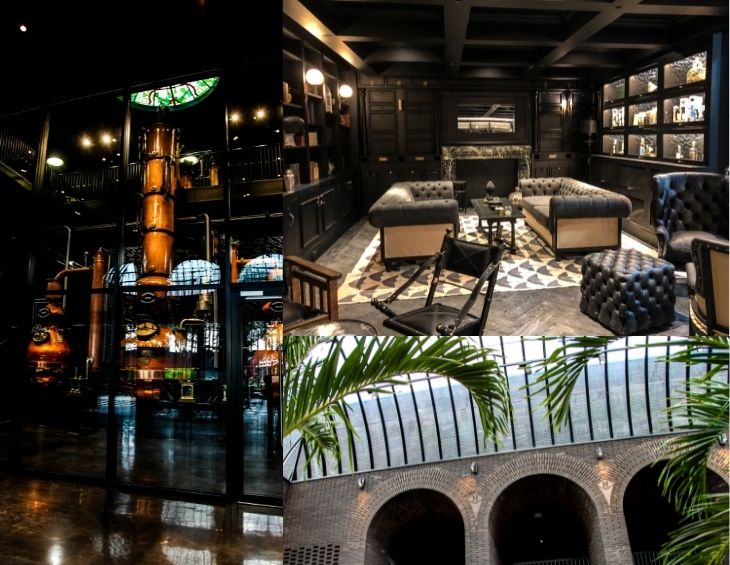
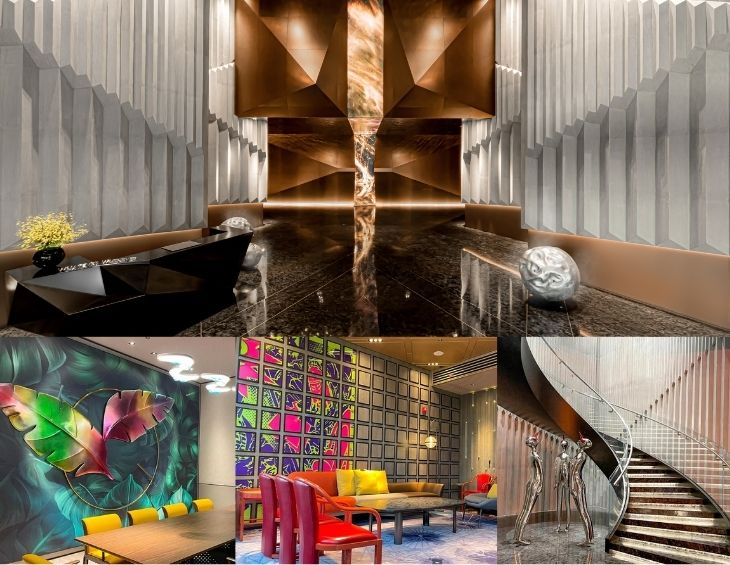
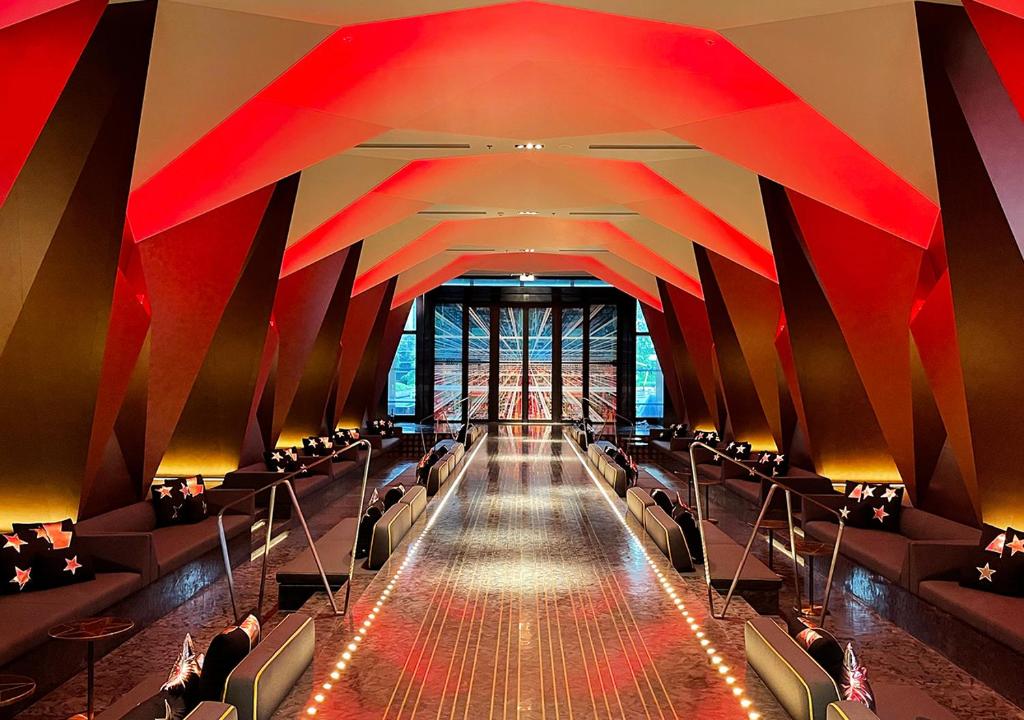
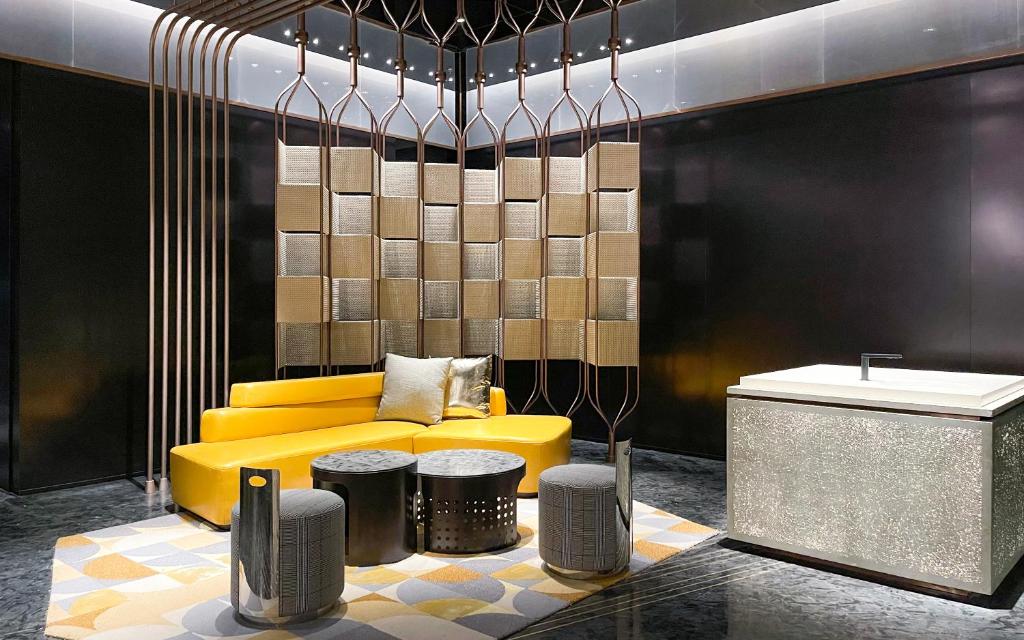
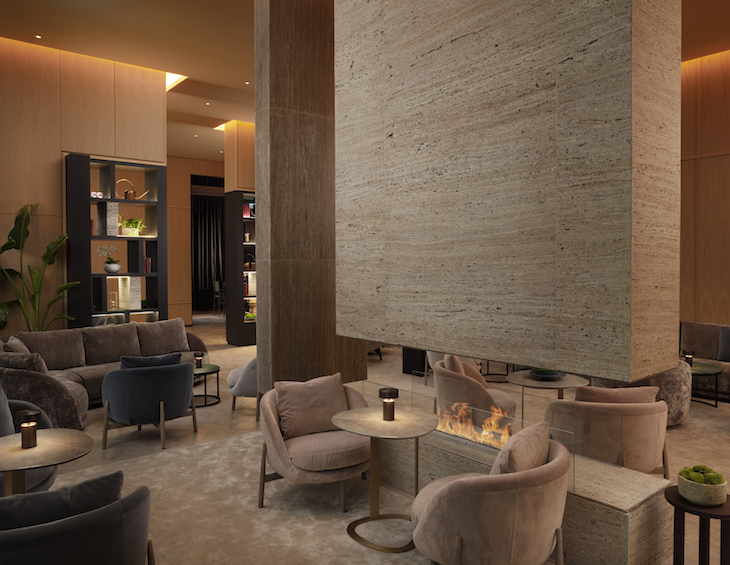
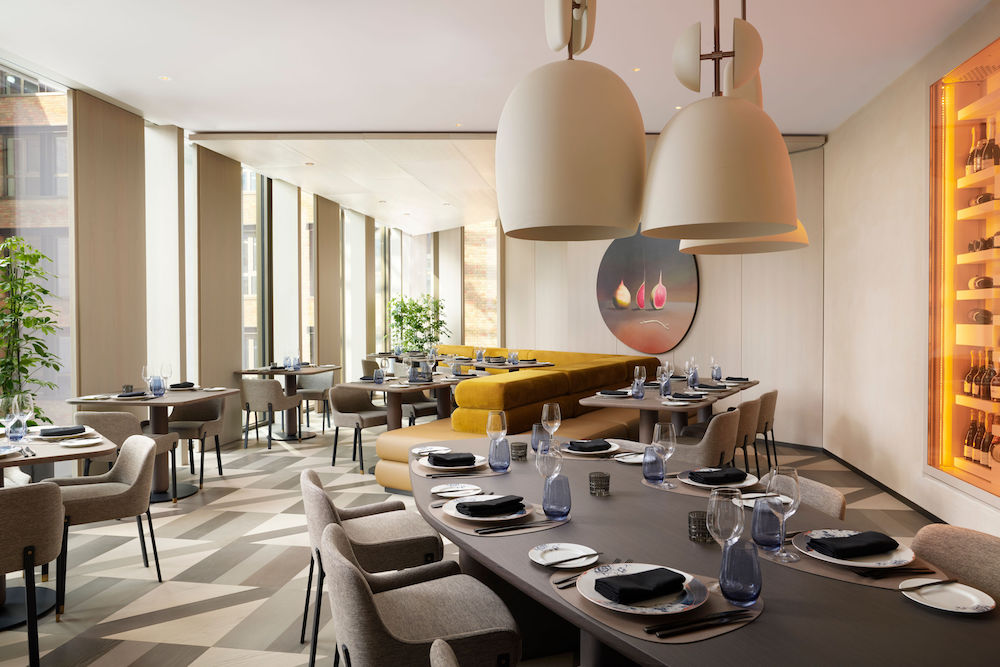
To celebrate Hotel Designs putting the spotlight on lighting this month – and following the recent virtual roundtable on ethical lighting – the editorial team along with Dernier & Hamlyn invited a handful of designers together to explore where designers’ are putting their focus when decoratively lighting hotel spaces.
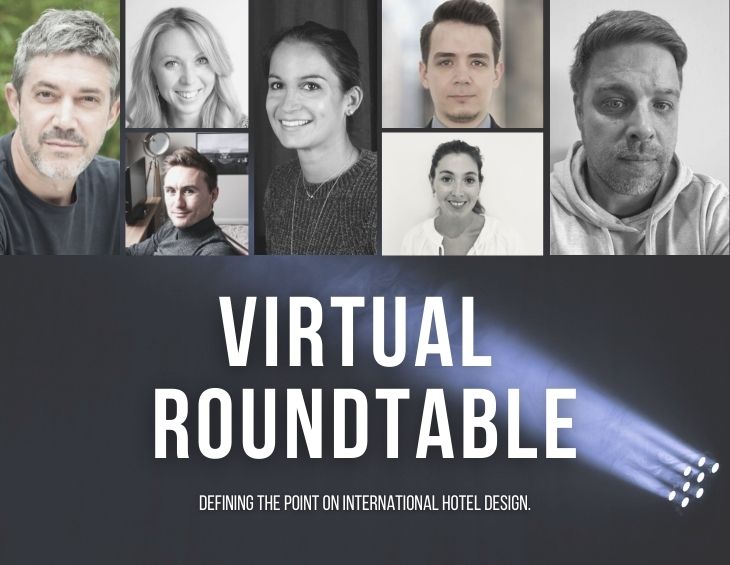
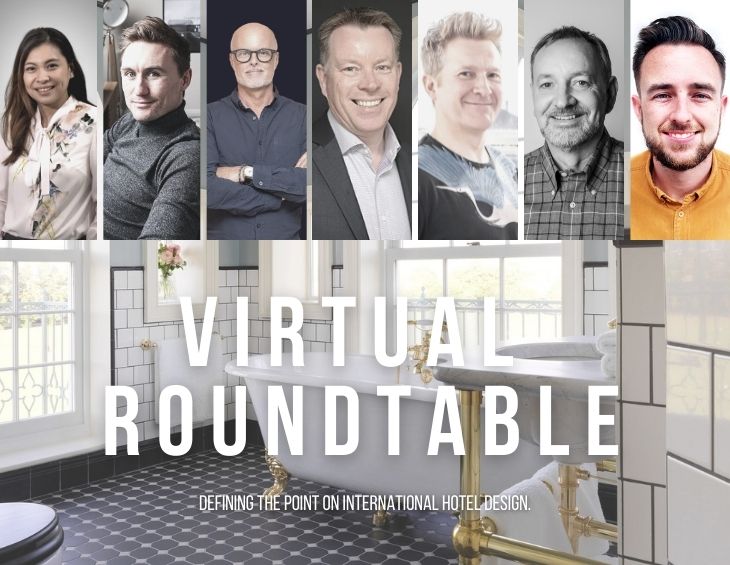
Meet the panel:
-
-
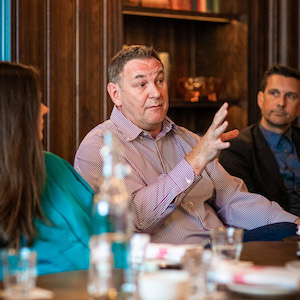
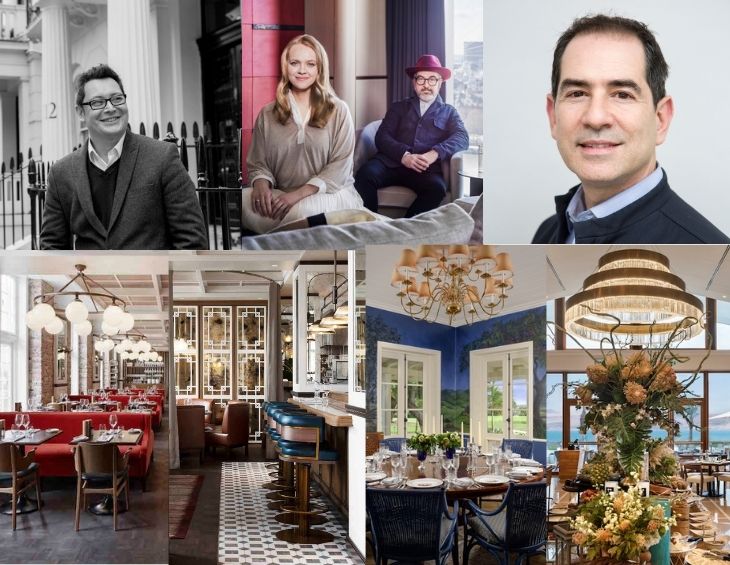
Mark Harper, Head of Design, Dernier & Hamlyn
-
-
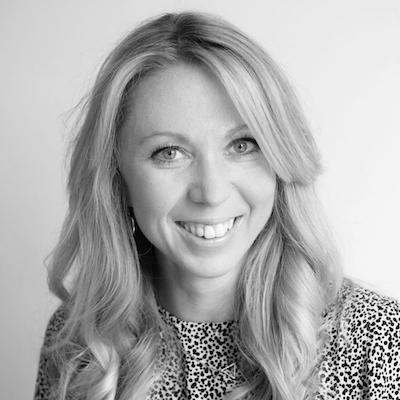
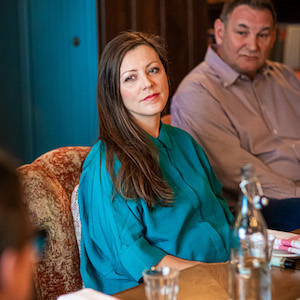
Una Barac, Founder, Atellior
-
-
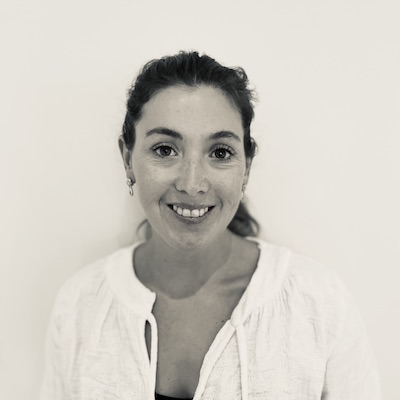
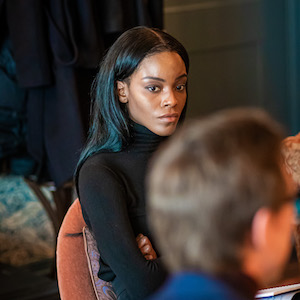
Mimi Shodeinde, Designer, Miminat Designs
-

-
Akram Fahmi, Co-Founder, London Design House
-
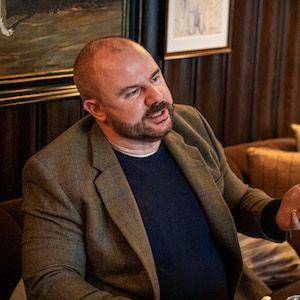
-
Guy Oliver, Managing Director, Oliver Laws
-

-
Darren Orrow, Director, into Lighting
-
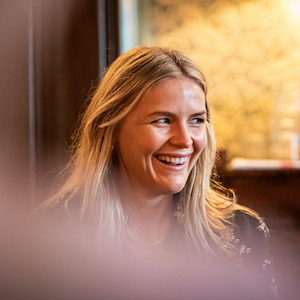
-
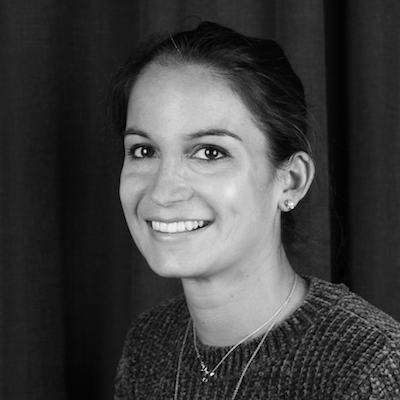
Gemma McCloskey, Design Director, Studio Indigo
-
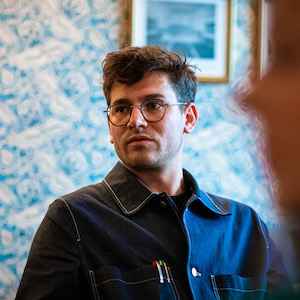
-
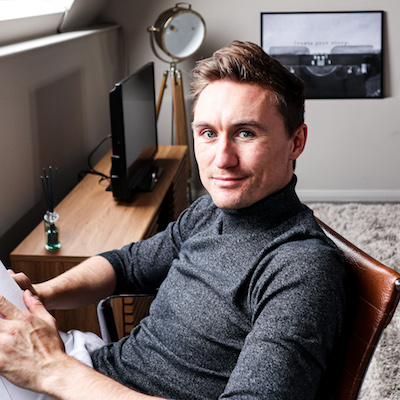
Alex Holloway, Co-Founder, Holloway Li
Hamish Kilburn: What key elements should designers focus on when lighting public areas?
Darren Orrow: Lighting is an integral part of the guest journey and experience, it helps tell a story and create the ambience. Lighting treatments should be tailored to suit each area’s function and be controllable from morning to evening. The colour temperature and warmth of light must be considered in all areas but in particular areas for relaxation, lounging and dining.
With regard to architectural lighting it is about the light effect as opposed to seeing the light fixtures, downlights are often best kept to a minimum. Many fantastic lighting schemes are created from predominantly decorative and integrated lighting treatments, with accent lighting only used to highlight specific task areas and displays where they can add highlights and drama. Decorative lighting is so important in public spaces from both the point of view of their visual aesthetic and the contribution of light to the overall ambience. Table lights and standard lamps encourage guests to sit and relax.
There are a number of hotel operators with lighting guidelines that need to be followed for areas such as reception and check in, which need to be well lit to carry out admin tasks, often overnight when the rest of the lobby lighting is at a very low level / in sleeper mode. So, local lighting to such task areas is preferred in order to not overlight the area. Stair areas also have minimum light level and uniformity requirements.
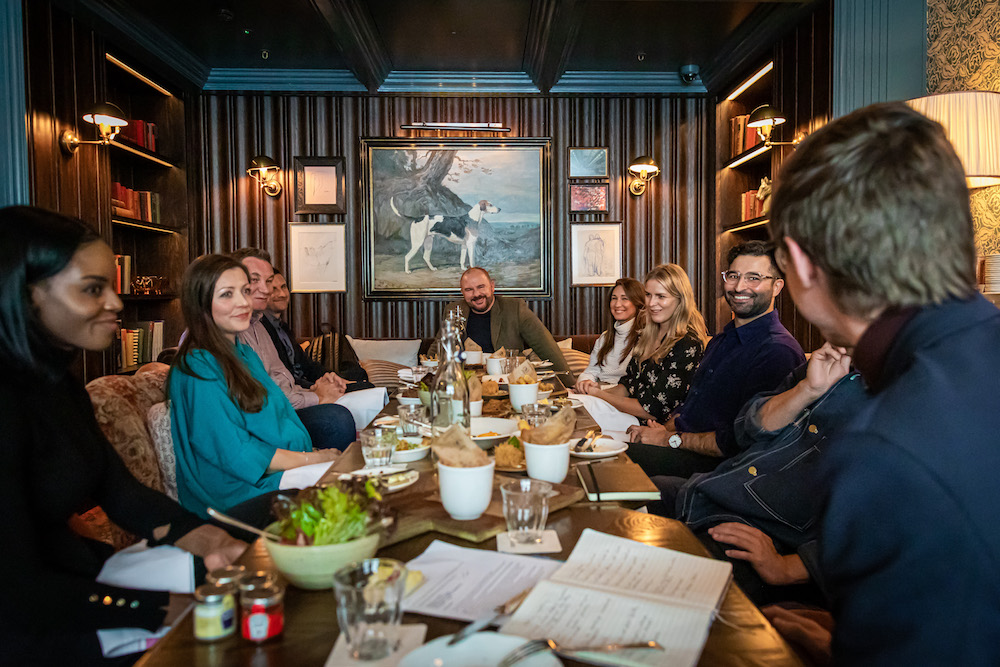
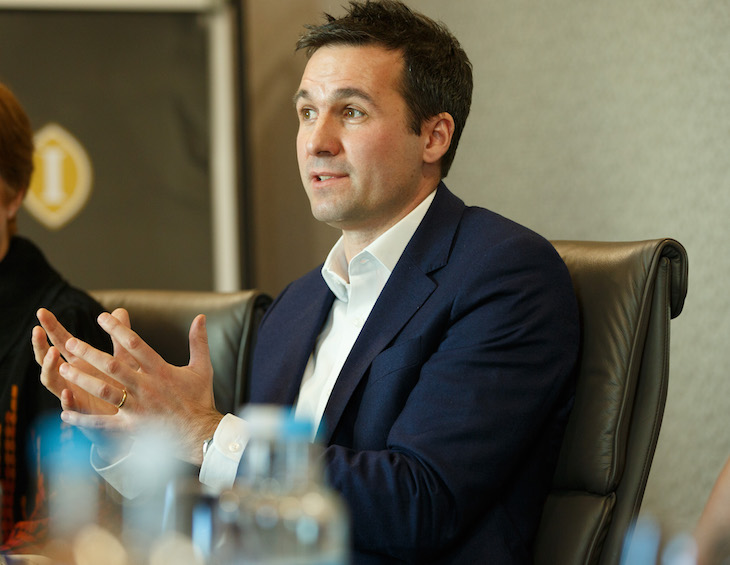
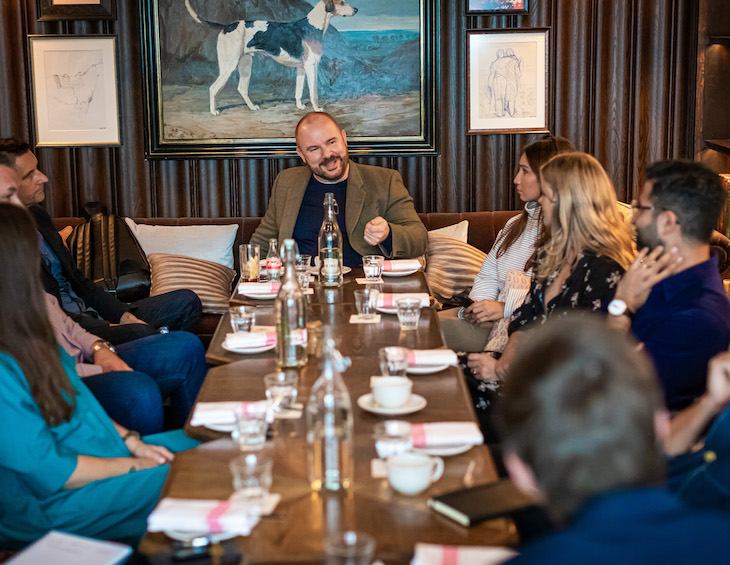
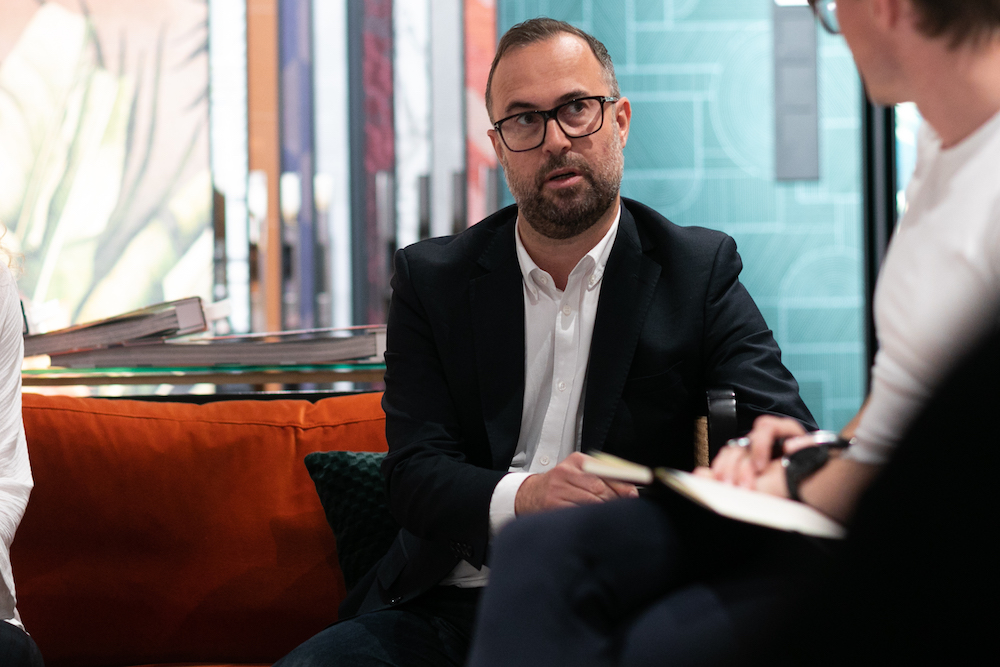
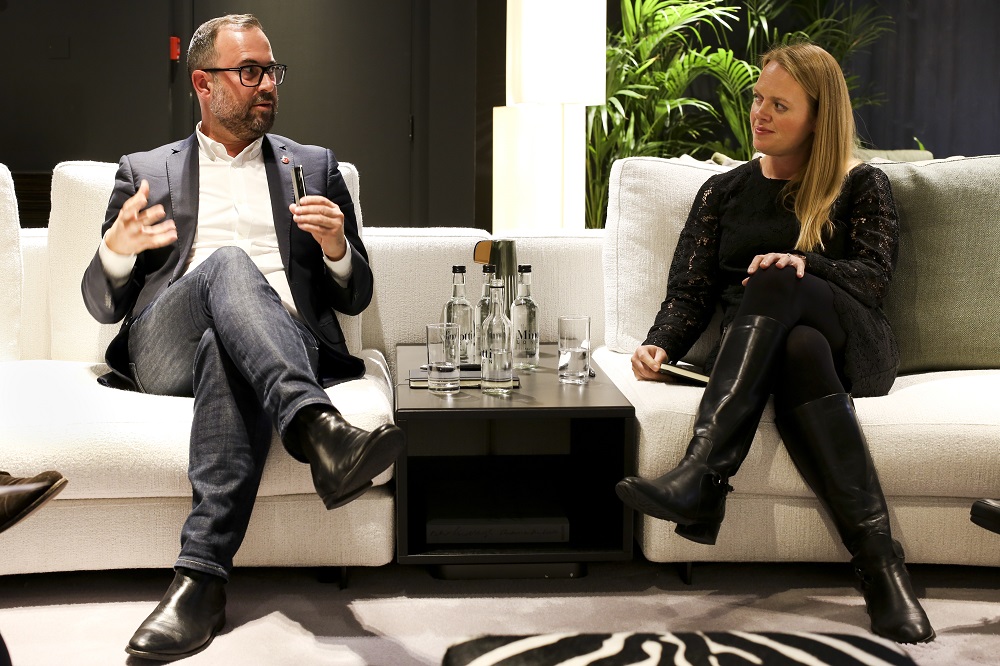
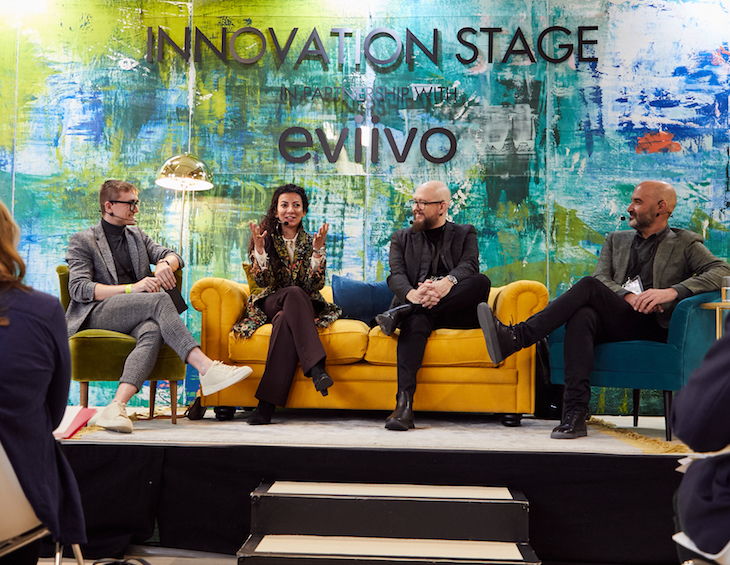
Image caption: Editor Hamish Kilburn leading the conversation with leading designers on the art of lighting. | Image credit: Dish Creative/James Munson
HK: When pitching to clients, how much detail do designers go into regarding lighting schemes?
DO: I would say that in the last eight years, lighting designers are being engaged in the project really early on in the process. While the interior designer has an initial vision before we are involved – establishing the overall ambiance and decorative details –the best schemes are the ones where a lighting designer is involved in the concept stages of the hotel. Any later than that, then the opportunity to get really creative with lighting becomes limited.
Mimi Shodeinde: With a supplier like Dernier & Hamlyn, I would send them a concept that I have and then the team in the factory come back with suggestions. After this, I will go into the factory and we will together go through drawings and produce models. This is when the concept really develops.
Gemma McCloskey: I think when designers start to look at interior architectural plans and spaces, when they are establishing elements such as the ceiling and wallcoverings, they innately consider where the lighting is going to be integrated. Like Darren said, we also make a conscious decision to stay away from downlights. When looking at the layers of the interior/architecture you start realising which lights would work. Once you have that finalised, and FF&E you can then start allocating where the lighting can be placed before speaking to a lighting consultant in order to qualify how much light we need and advise us on technical details.
Una Barac: From my perspective, we try to get lighting designers on board as soon as we are appointed on large hotel schemes. We do explain to the client that, yes, we have engineers ourselves, but in order to get the successful layering you need a lighting consultant on board straight away. We also recommended that they are kept on board as a guardian role, especially when a contractor can really dumb it down. And if someone is not there keeping a watchful eye on value engineering then all that work can go to waste.
-
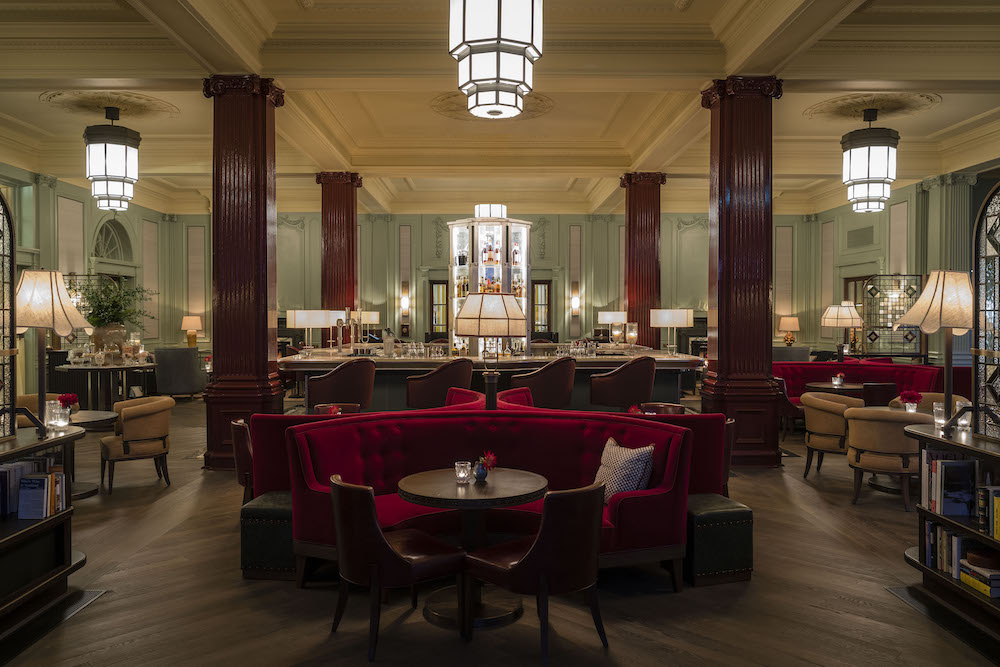
-
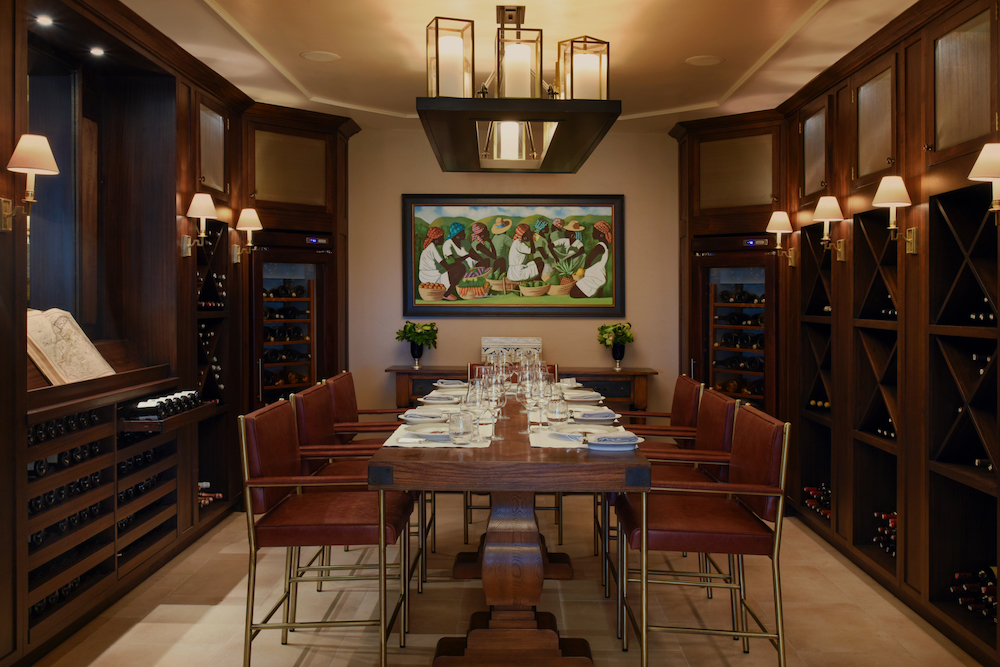
Image credit: Dernier & Hamlyn/Gleneagles
-
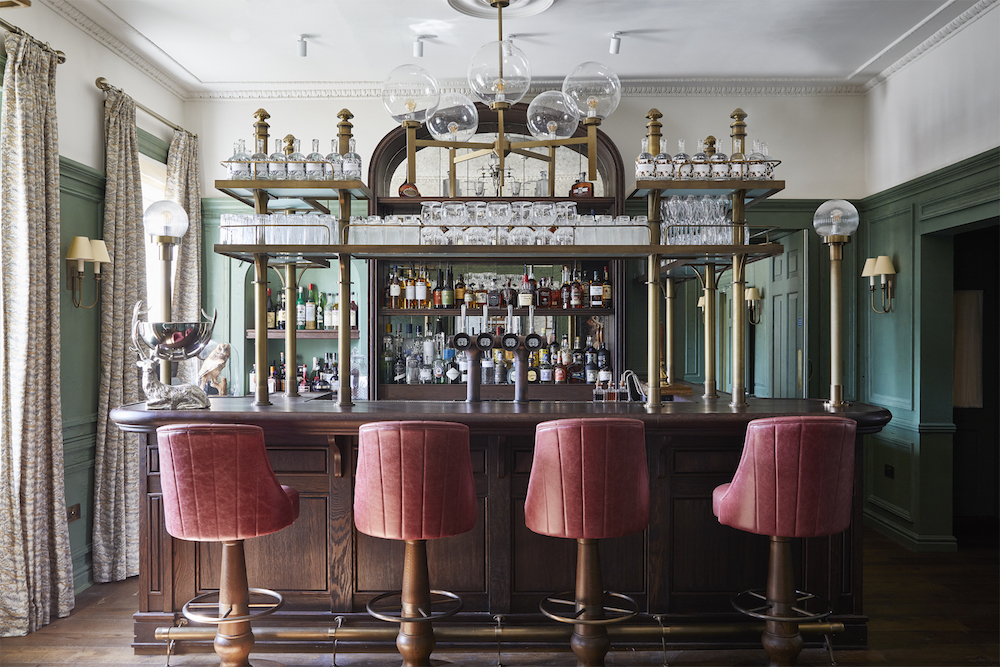
-
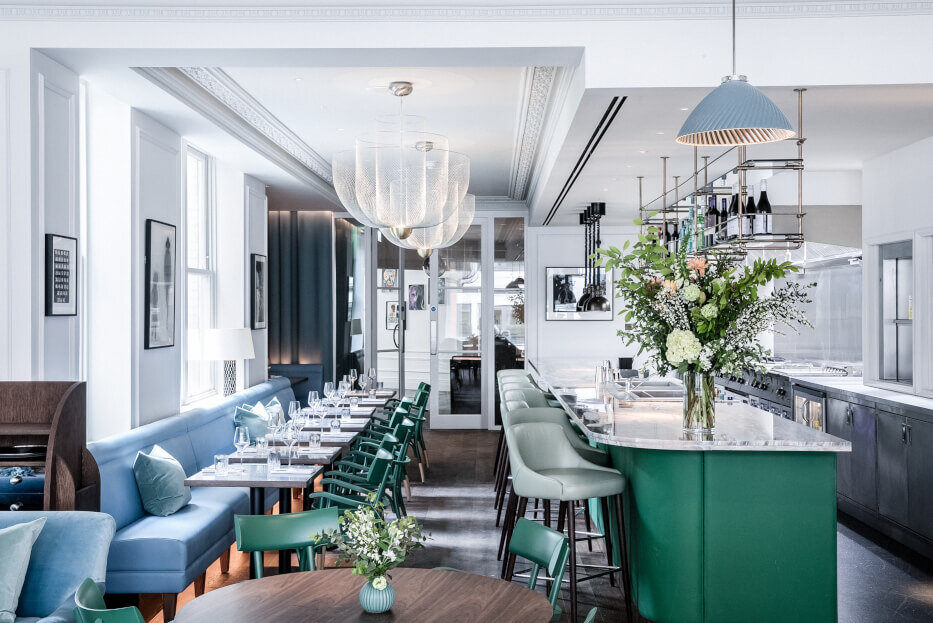
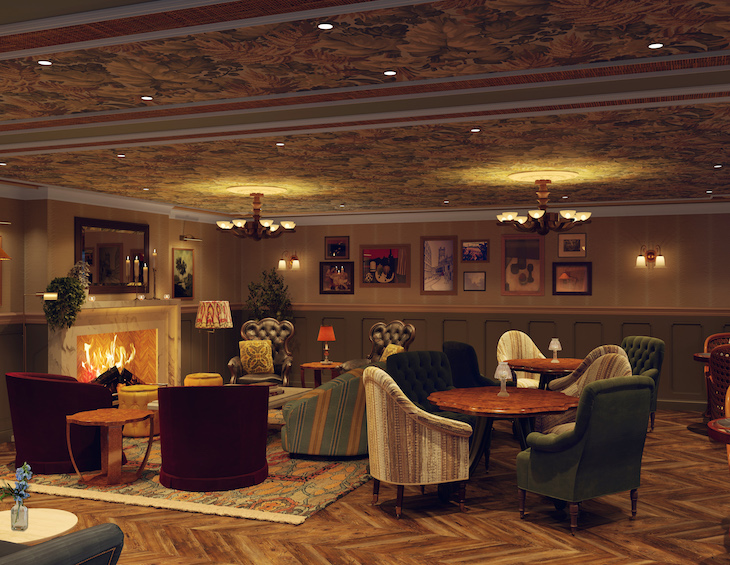
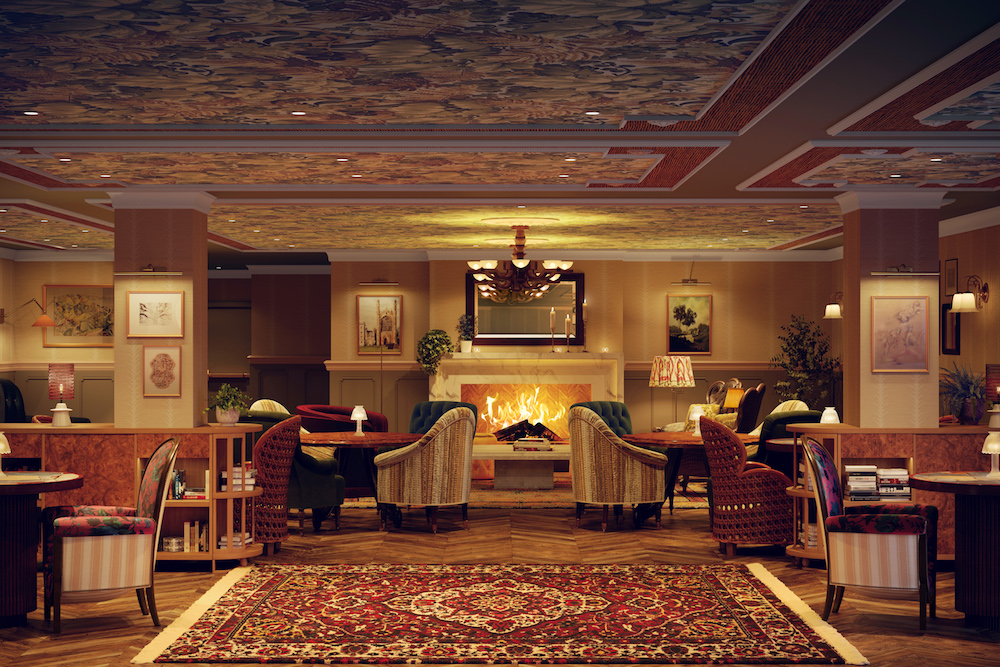
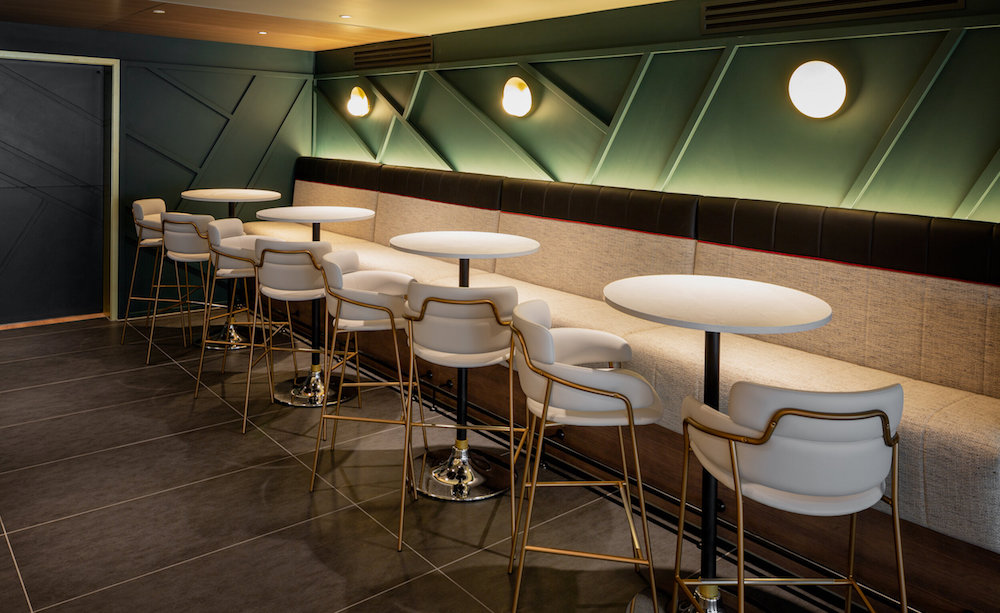
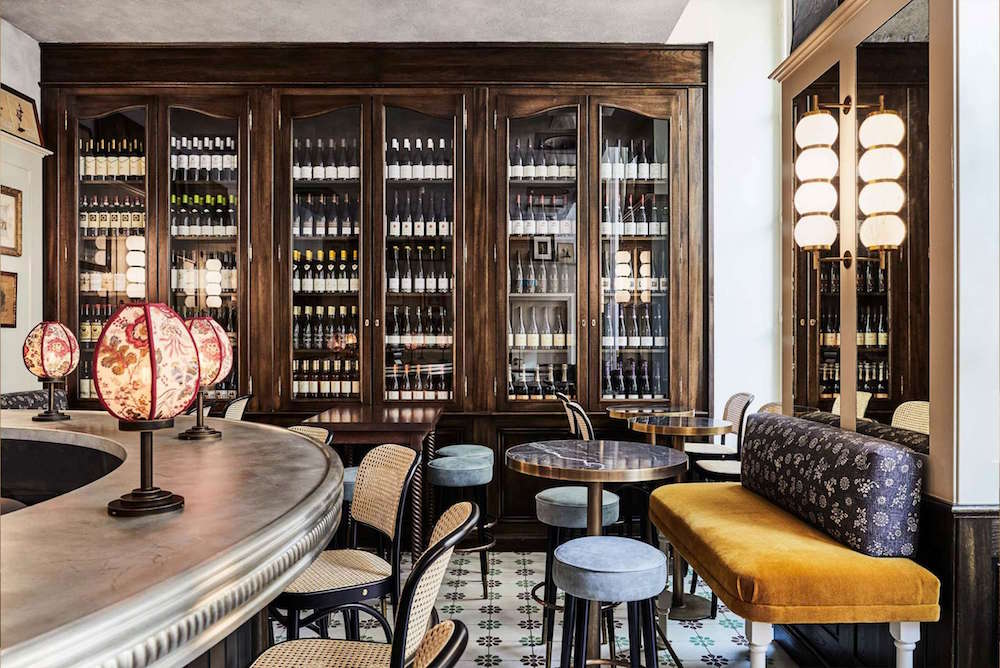
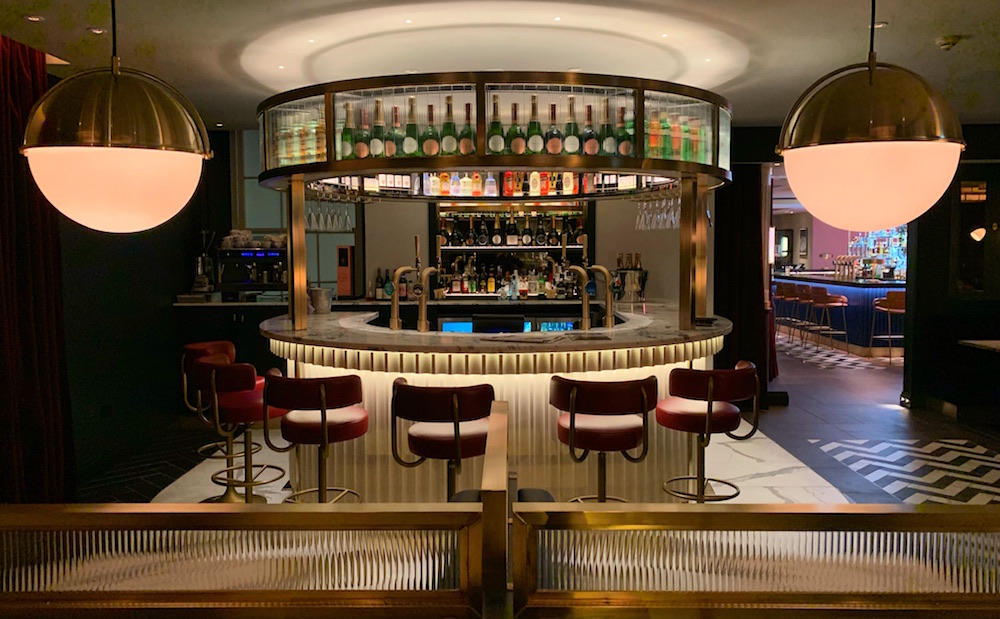
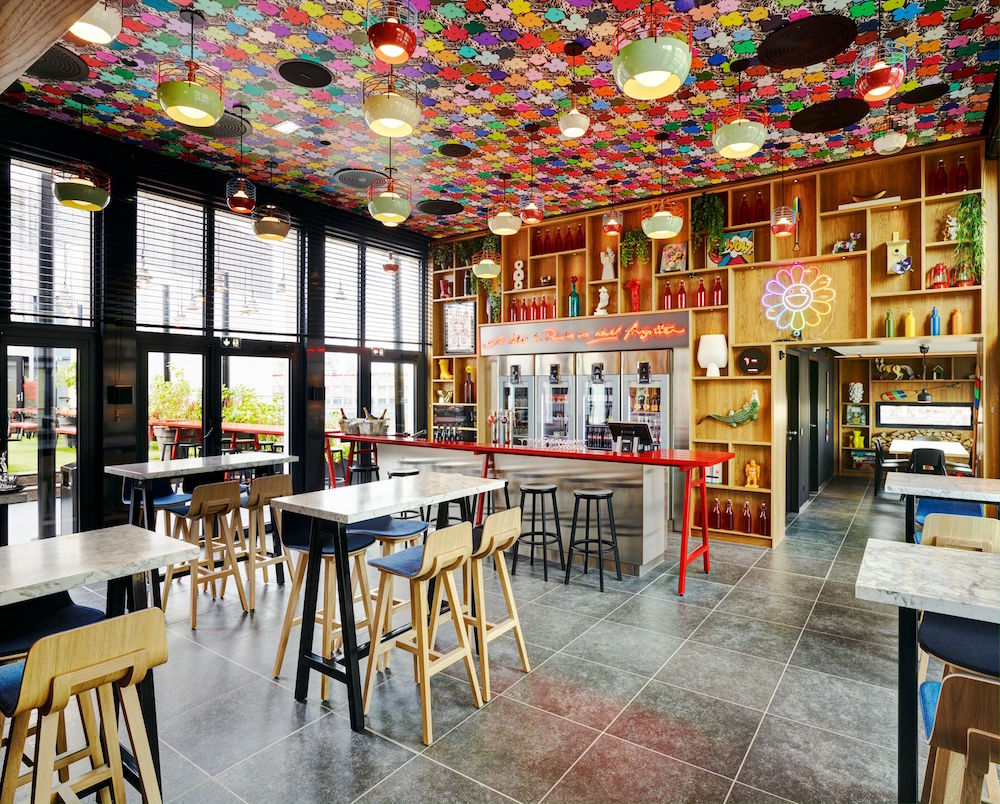
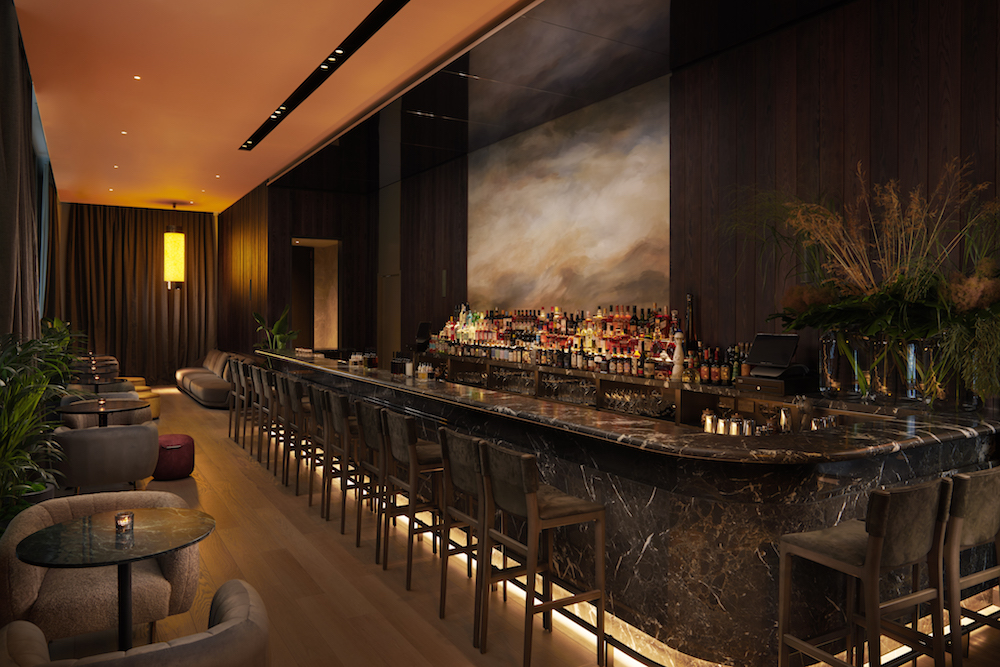
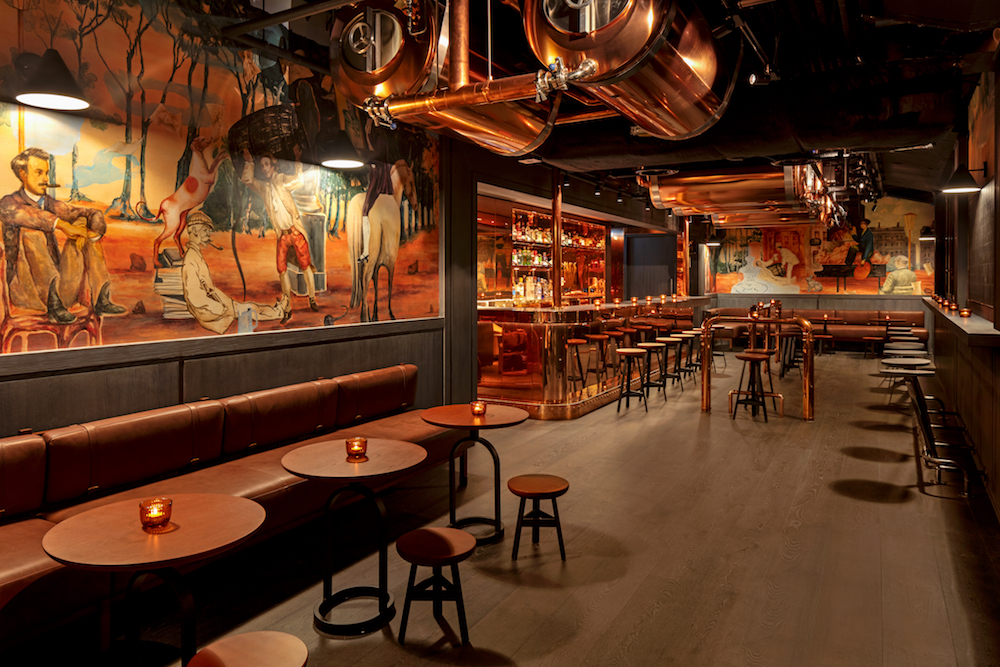
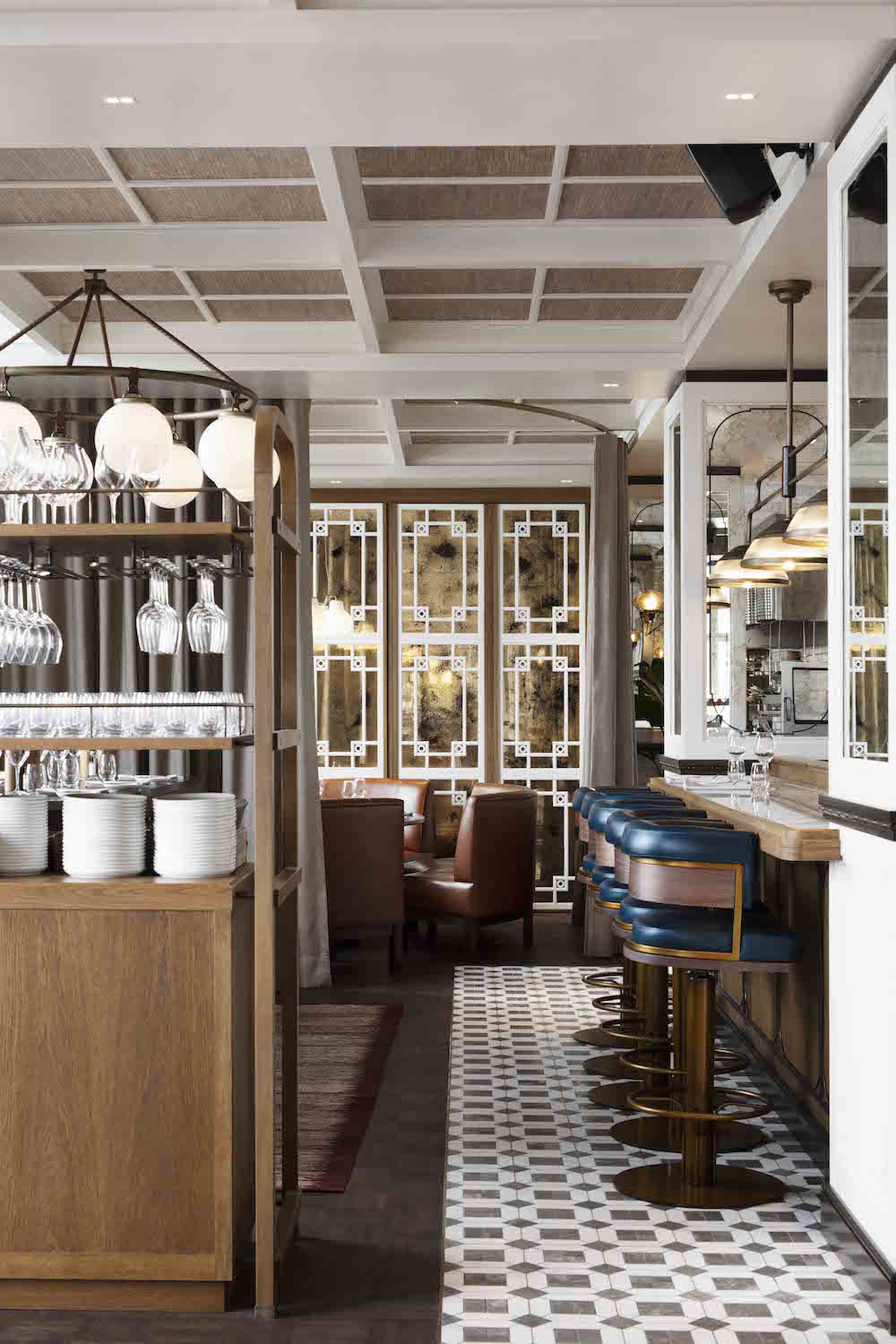
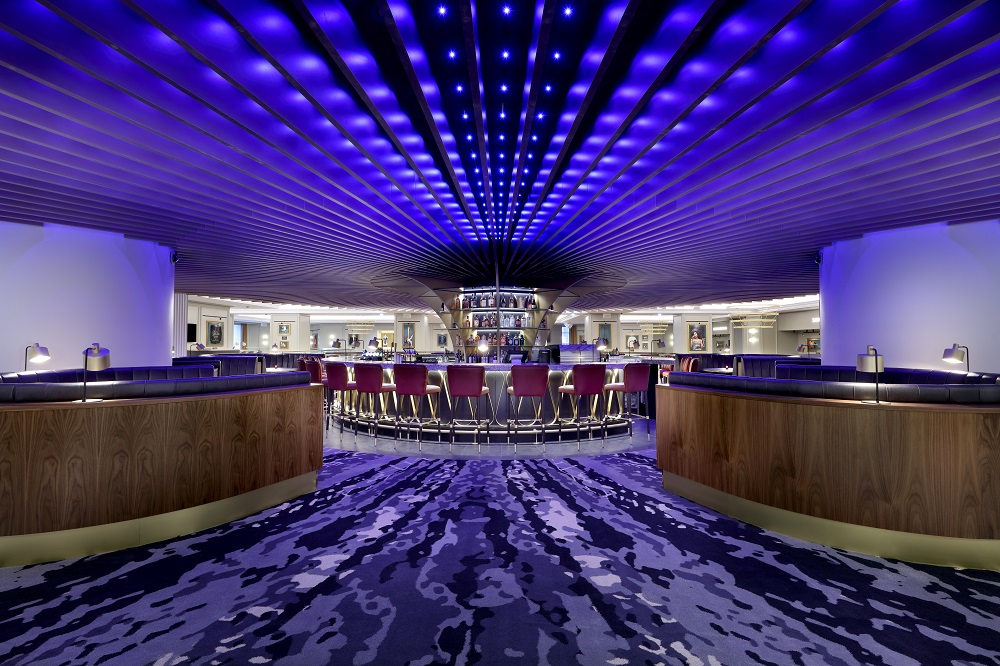
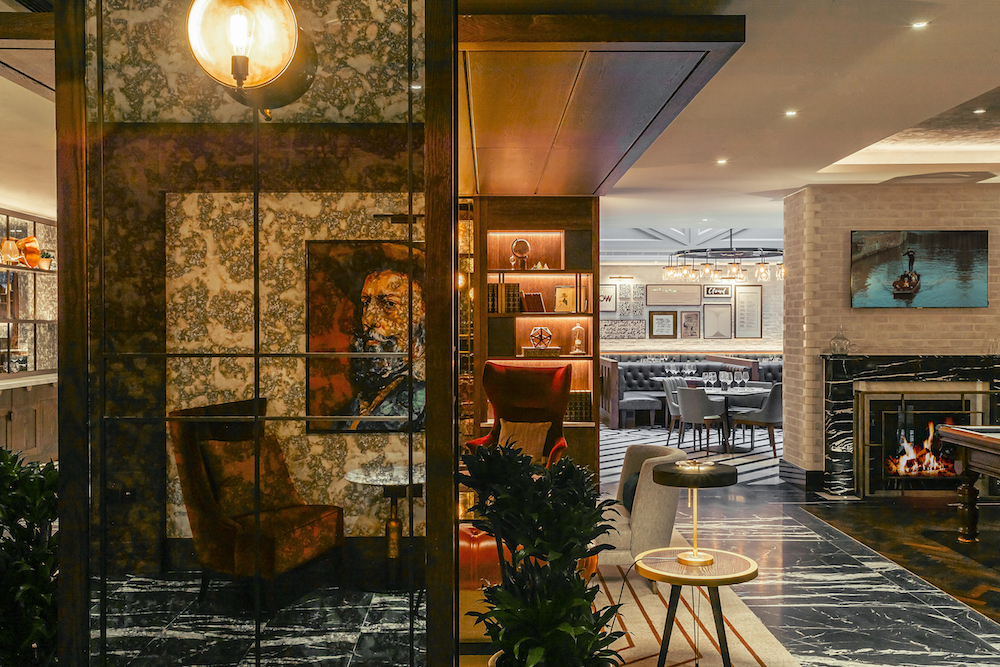
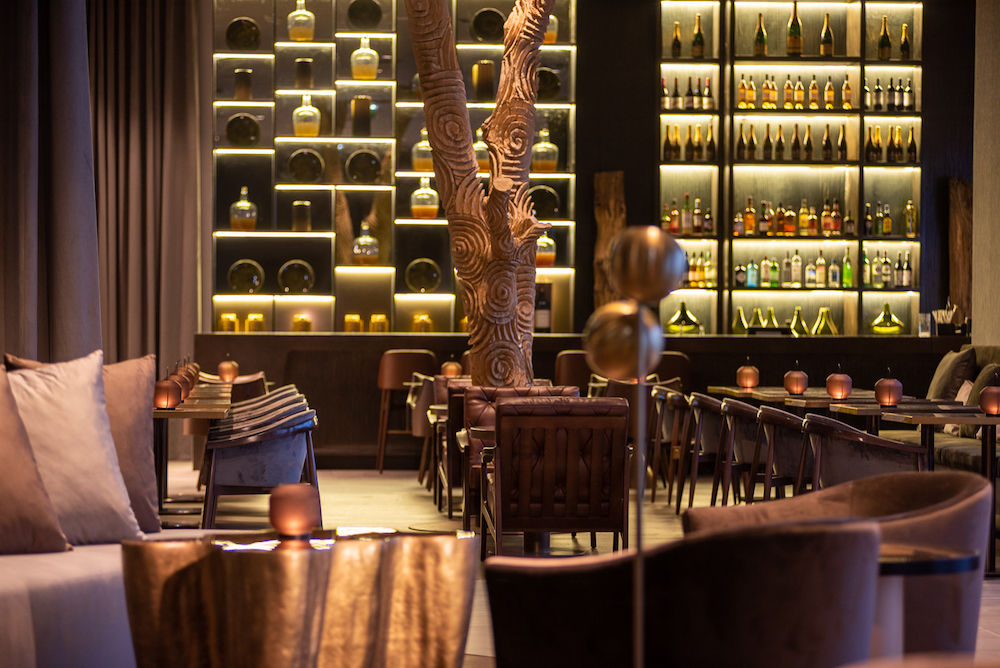
Image caption: The bar inside The Elder, Bath. | Image credit: Dernier & Hamlyn
HK: Guy, you have completed simply stunning projects inside iconic, heritage buildings. What have been some of the challenges you have faced – and more to the point, what were the solutions?
Guy Oliver: I think there’s a tendency to over-light spaces. Everyone demonises downlights, but in a banqueting scenario, downlights are a good thing in order to make the food pop on the table. In a beautiful restaurant, they have remote control pin spots because they want to make, for example, the flowers or the food stand out. There are always these wonderful layers of lighting in heritage buildings, such as majestic chandeliers, wall lighting and these modern spots – it creates a really nice juxtaposition.
For me as a designer, it’s all about creating an atmosphere. He is the opposite, he likes to under light a lot of space. Take the Chiltern Firehouse, for example, you’re finding your way around because it’s deliberate to create a dark, moody and sexy ambiance. For me as a designer, I am designing a mise én scene.
I think strip lighting is overused. When you are sitting in a space for a long period of time, linear lighting can burn into your retina. There are other ways you can dramatically light a space, and there’s a hotel in Paris which is a perfect example. Instead of adding that harsh strip lighting under the bar, instead they just added decorative lighting on the shelves, which just highlights certain hotspots. Lighting does not have to be complex. I was in a beautiful palazzo in Malta, where I noticed a single light bulb in the entrance hall, and it was one of the most atmospheric places I have been to because it [the light] bounces off the paintings, mirrors and silver.
“Sometimes lighting can flatten a painting, and it’s really about getting the textures and layering into place.” – Guy Oliver, Managing Director, Oliver Law.
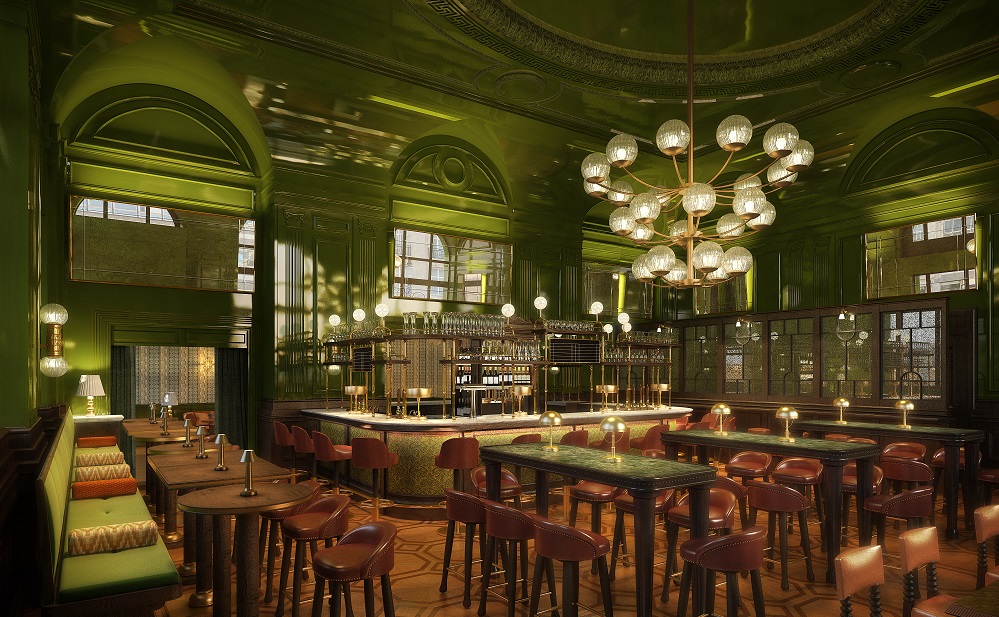
Image credit: The Wigmore/Dernier & Hamlyn
HK: Would you say art is a key area you are looking at when injecting sensitive lighting into a space?
GO: Don’t get me started on picture lighting… you could do a whole roundtable discussion on it. I think you should work with artists in spaces. Designers need to consider the period of the space they are in as well as the period of the object that they are trying to illuminate. Sometimes lighting can flatten a painting, and it’s really about getting the textures and layering into place. Sometimes, the painting itself can become the lighting source.
DO: It also depends on whether it’s framed in glass or the size of the piece. For us, it’s a nightmare when the artwork is chosen too late. The wall light needs to be ordered to match what art is going where. Ideally, we like to ask our clients to map out what’s been supplied and the materials being used.
-
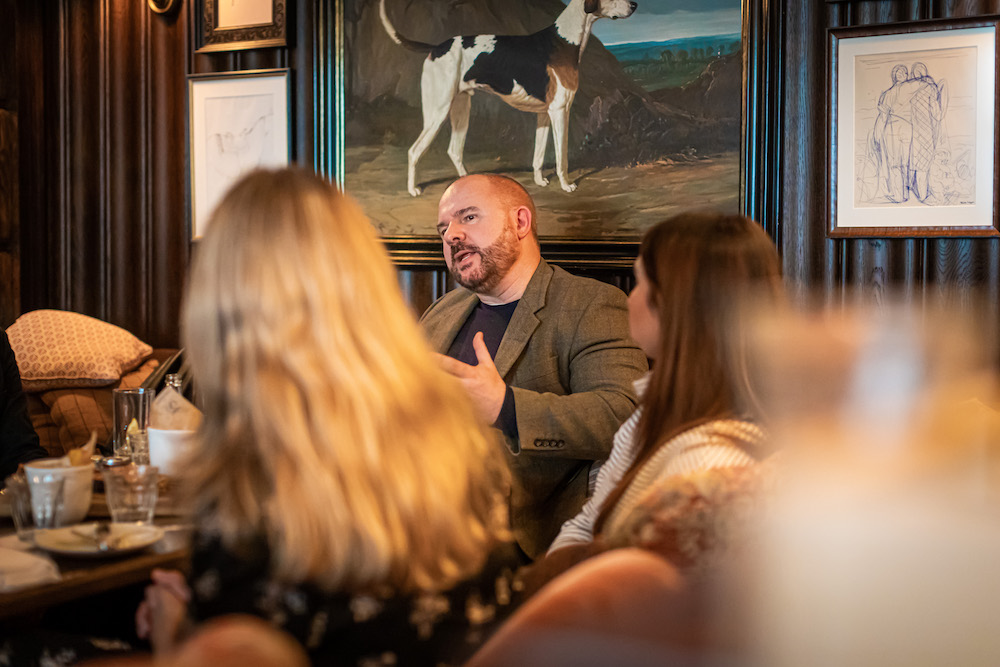
-
Image caption: Guy Oliver explaining the need for versatile lighting when lighting art pieces. | Image credit: Dish Creative/James Munson
-
-
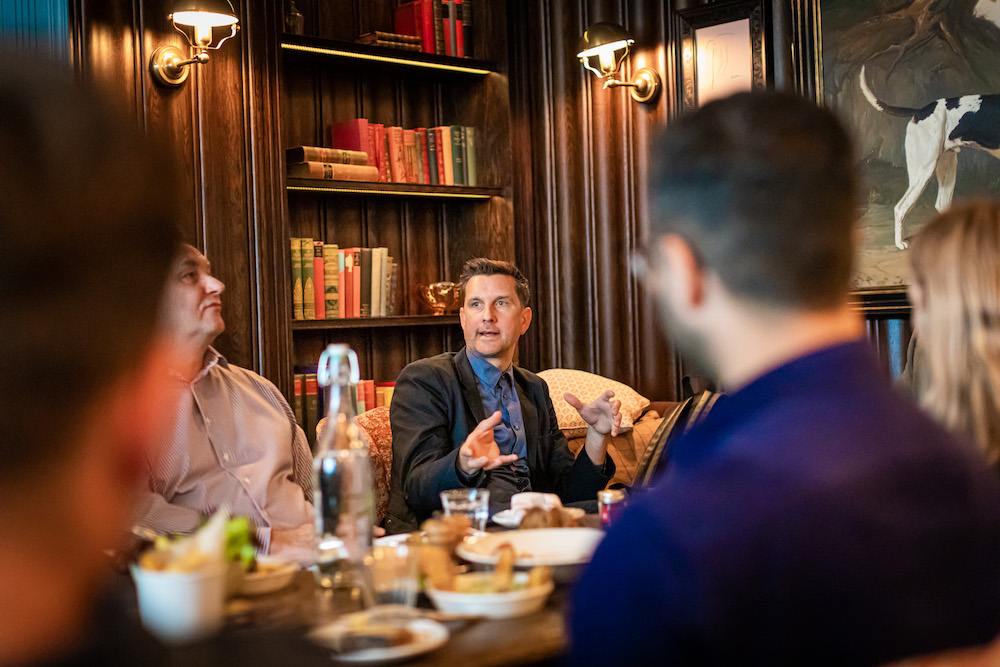
Image caption: Darren Orrow explaining the challenges of lighting artwork. | Image credit: Dish Creative/James Munson
HK: Does this then create a challenge when hotels want to shelter an art residency instead of having fixed pieces?
GO: Sometimes a client doesn’t know what they want, or, as you say it’s a hotel that wants to start an art narrative by launching a residency. Sometimes, clients are collecting art as they go. A simple and flexible solution for this is to put a clock point on a wall where the painting is roughly going to be. From there, you can get any painting and movie it around the clock point so that the picture light is on the frame. Often, I see spaces where the lighting is highlighting the wall and not the painting, which is a classic error in my opinion.
HK: How far can we take lighting in hotel design? It’s come a long way from simply being a decorative element in a room?
MS: Art was my first calling, and this has absolutely enforced my work. As designers, our minds are our largest tool. Essentially, if you can imagine it you can create it. I love working with bespoke products – it’s very rewarding seeing your concepts come to life. We are working on a few new lighting pieces with Dernier & Hamlyn. It’s a lot of fun, seeing my sketches come to life.
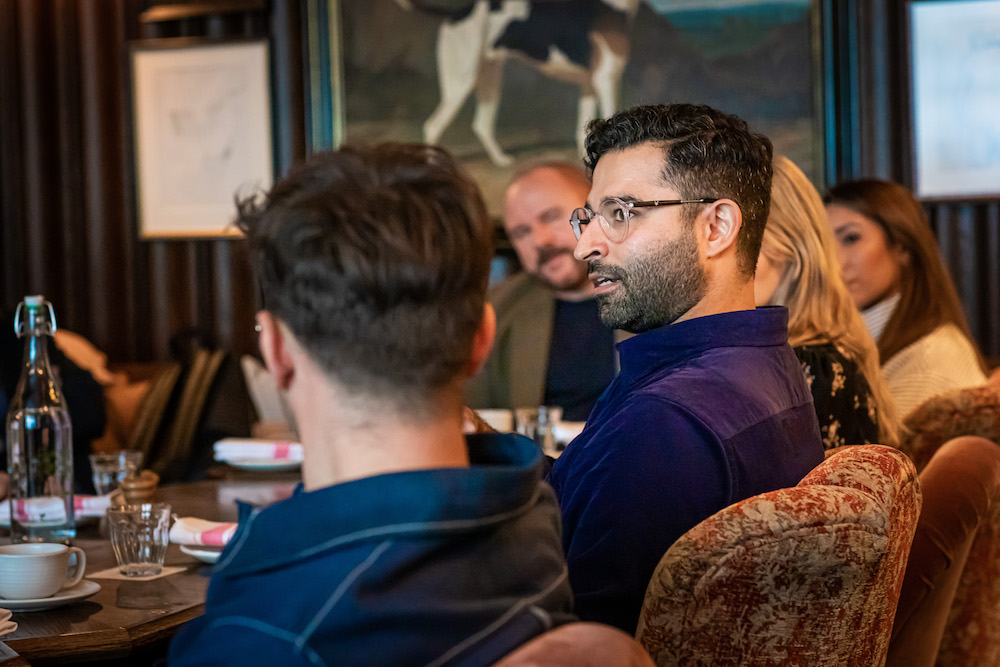
Akram Fahmi: I am working with an artist at the moment who made a paint that you simply cannot purchase. We are using this in a restaurant concept with the aim to really tell a story about this paint and artwork. For this, we have inversed the concept by playing with shadows instead of ‘light’, allowing this feature to become a dynamic statement, which changes as different light is added to it.
Working with the artist from the beginning has been a really nice journey. Often, we, as designers, will design a space not knowing exactly what the art is until later on in the process. However, this way, we were able to really ensure that the art, the colour and the lighting really weaved themselves into the DNA of the interior design scheme.
-
-
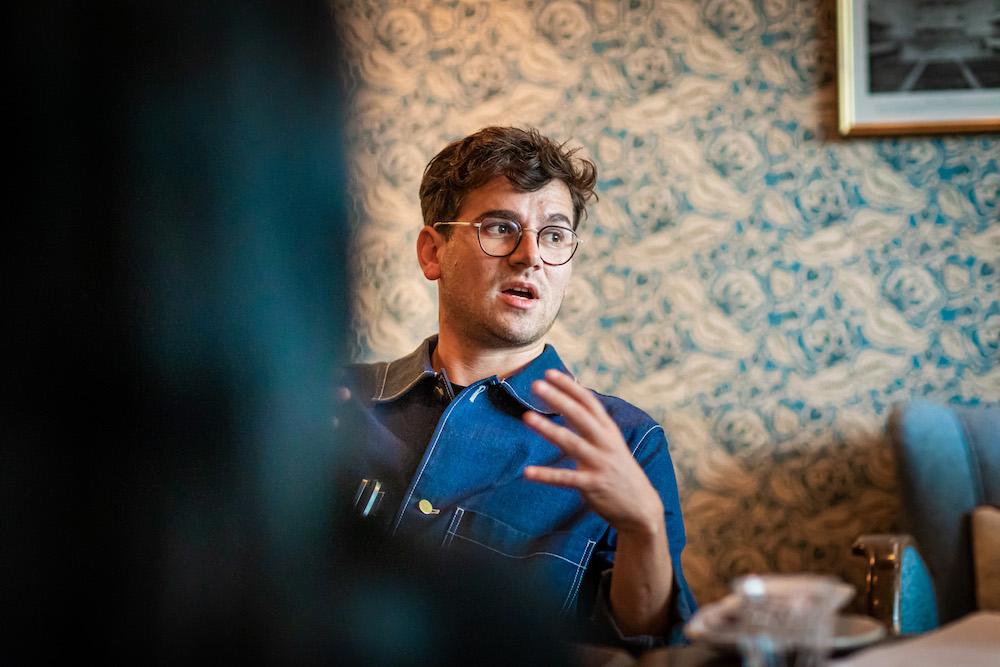
Image caption: Alex Holloway sharing the benefits of designers understanding lighting components. | Image credit: Dish Creative/James Munson
-
-
Image caption: Akram Fahmi discussing a project that plays on shadows within the lighting scheme. | Image credit: Dish Creative/James Munson
“Often with bespoke lighting we have to really do the leg work to find a supplier who will be able to design the product within the time frame while also being on budget.” – Alex Holloway, Co-Founder, Holloway Li.
MH: As a bespoke manufacturer, our boundaries are set by the imaginations of interior and lighting designers. Some of the more interesting projects we have worked on have included incorporating egg whisks into a pendant for a restaurant, believe it or not. We’ve also used branches from the trees on a golf course to wrap around large parchment shades to help bring the outside feeling into a large space. And for another project we used scent bottles filled with different coloured waters for a perfumery company. We’ve also worked with a vast range of diverse materials such as Vellum, ceramic tiles, plaster, fibre glass, resins and the notoriously challenging shagreen.
Alex Holloway: In a lot of the hotel projects I worked on, we were not given the luxury of a lighting designer in the budget. We are also quite restricted on our FF&E budgets and our time on a project. Often with bespoke lighting we have to really do the leg work to find a supplier who will be able to design the product within the time frame while also being on budget. In one project, I remember speaking to four different manufacturers who simply could not make the lead time.
-
-
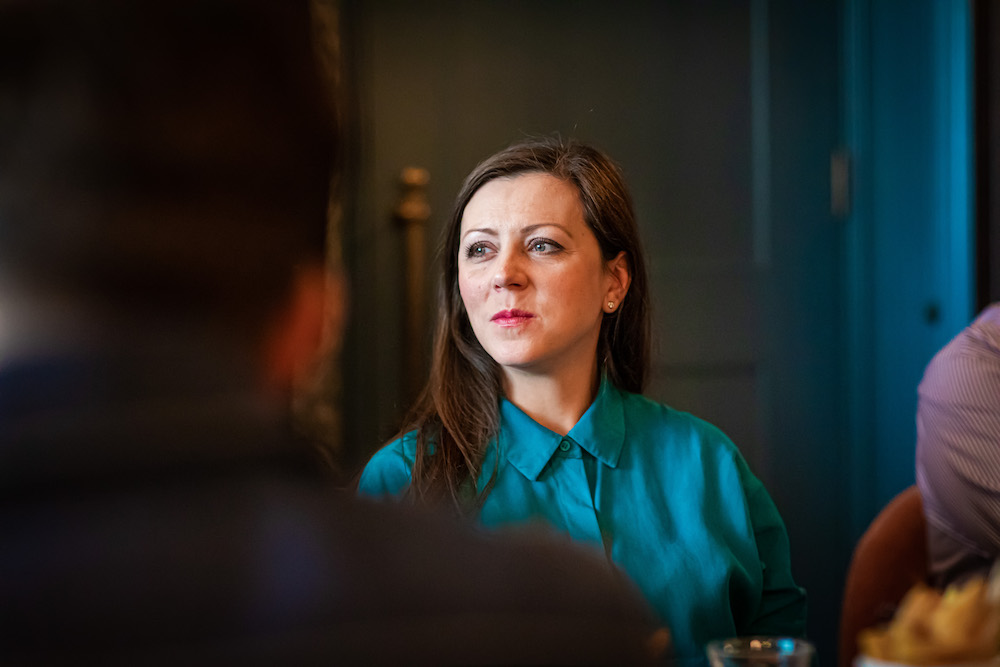
Image caption: Una Barac highlighting the demand for short lead times when specifying lighting products. | Image credit: Dish Creative/James Munson
-
-
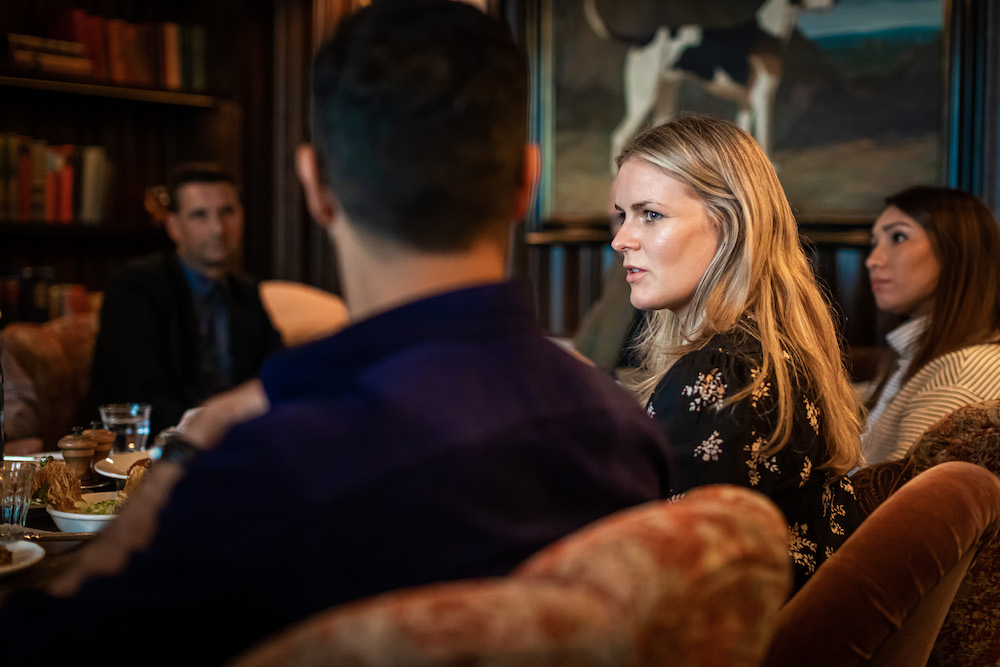
Image caption: Gemma McCloskey discussing utilising the senses when designing innovative lighting schemes. | Image credit: Dish Creative/James Munson
UB: Even on high-end refurbishment projects, we sometimes don’t get the luxury of a lighting designer. When we work on residential schemes, clients sometimes give us 12 weeks. We need to know, straight up, what your lead times are.
Mark Harper: It all depends how quickly we are brought into the team. If it’s left until the last minute, then of course we have still got to do all the research and development because a lot of what is being specified is unique. Research and development takes time. The sooner designers can get manufacturers on board, the better it is.
AH: What is great about the projects we get to work on is that as well as picking from the mix of decorative off-the-shelf products, you can also develop your own products within your projects. We have set ourselves a task each time we work on a project to create at least one bespoke element, which creates a unique language around the project. In addition to the aesthetic benefits, it also really allows our design team to understand a lot more about lighting as a result – it’s a fantastic learning curve.
“We are being asked to promote biophilic design, which is really looking at all senses.” – Una Barac, Founder, Atellior.
UB: It’s interesting. We have used lighting manufacturers to help us with lighting calculations and lighting advice when the client has chosen not to use a lighting designer. The reason being is that otherwise, engineers will just kill it – the first thing they would say is that decorative does not come into the deluxe level calculations and if you want to pass building control you have to have a certain amount of down-lighting. So, we have used friendly suppliers to help us when faced with these situations.
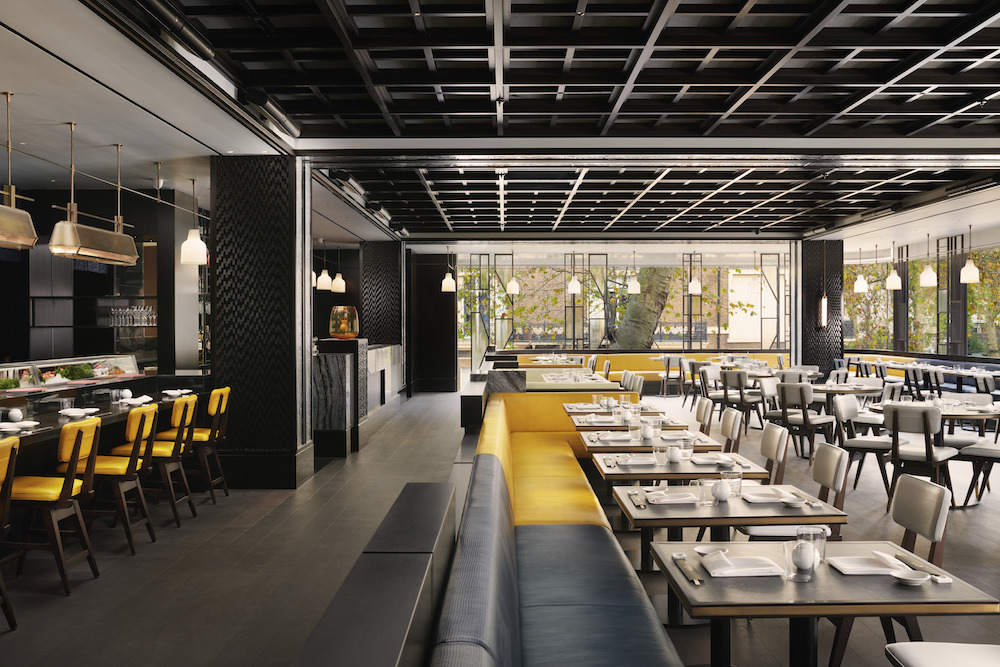
Image caption: Nobu Restaurant inside Nobu London Portman Square (lighting manufactured by Dernier & Hamlyn). | Image credit: Jack Hardy
HK: There seems to be a louder conversation happening around sensory design at the moment. What’s lighting’s role in this movement?
UB: More and more we are being asked to promote biophilic design, which is really looking at all senses. When doing so, obviously, we have to look at utilising daylight and generally creating a better, healthier environment.
DO: We are also seeing this. The challenge we are seeing is that real plants need the right quality and amount of light in order to stay alive. And sometimes the light needed is not always the light you want in a moody bar or restaurant, for example. So sometimes, we have a different light to switch on when the restaurant is closed. We are also seeing a lot of clients using real plants where you can touch them and faux plants where you can’t, which makes the whole space easier to maintain.
GM: There is a line where it becomes too gimmicky, and sometimes it’s just best to let the light do what it naturally wants to do.
“We are now looking at really simple solutions like a tuneable, soft bedside light.” Darren Orrow, Director, into Lighting.
GO: Anyone who has control over the lighting, from an operational perspective, has to firstly understand atmosphere.
GM: If it’s suitable for the hotel brand, playing on the senses through lighting design can be really interesting. However, for most hotel brands, I fear it will enter a gimmicky territory.
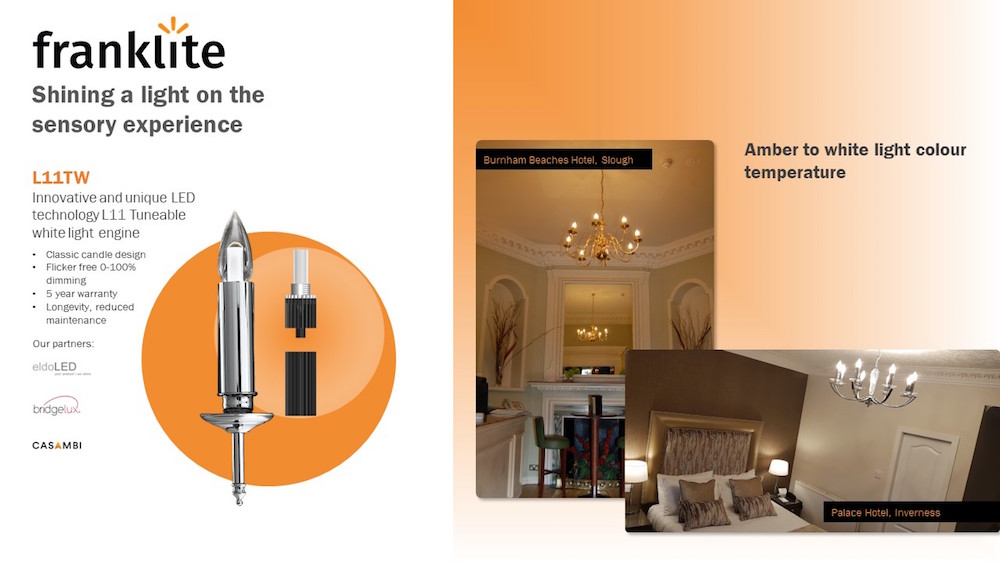
DO: The whole circadian rhythm conversation is really interesting. It’s colour mixing white light. Controls can be expensive but it doesn’t have to be. In a hotel room, I believe the control should be with the guest, to be able to tune their lighting how they want it. We are now looking at really simple solutions like a tuneable, soft bedside light. For other hotel clients, we are looking at integrating the real flame effect from candles into the bathroom lighting scheme, creating a spa-like look and feel in the evening.
AK: I think you need to find a balance. You can inject high-tech software with a user-friendly interface. I think guests miss having a switch, and especially in a hotel, the controls need to be simple yet intelligent.
-
-
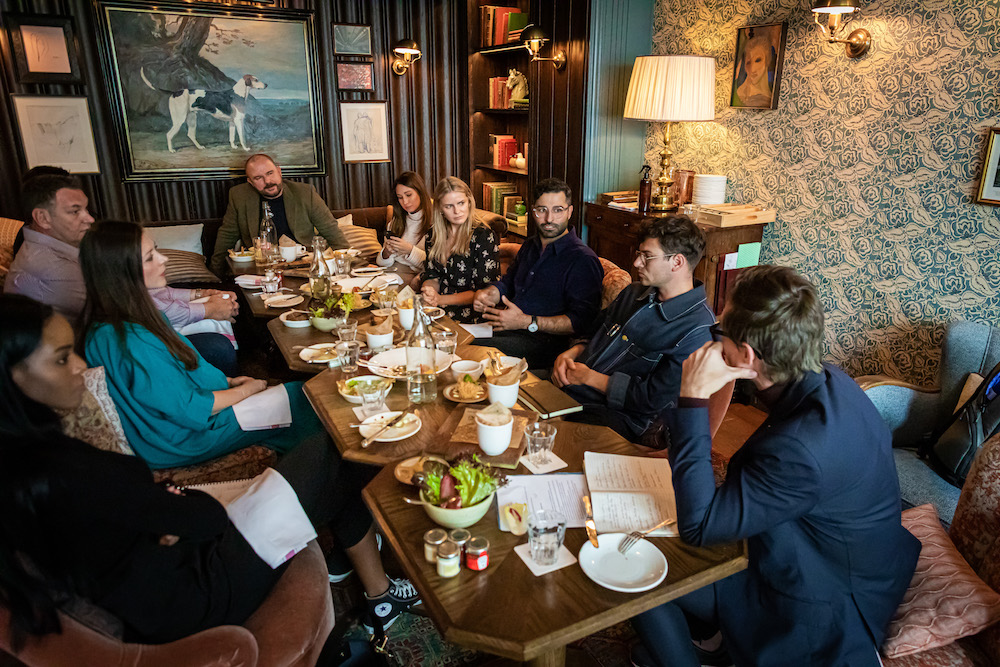
Image credit: Dish Creative/James Munson
-
-
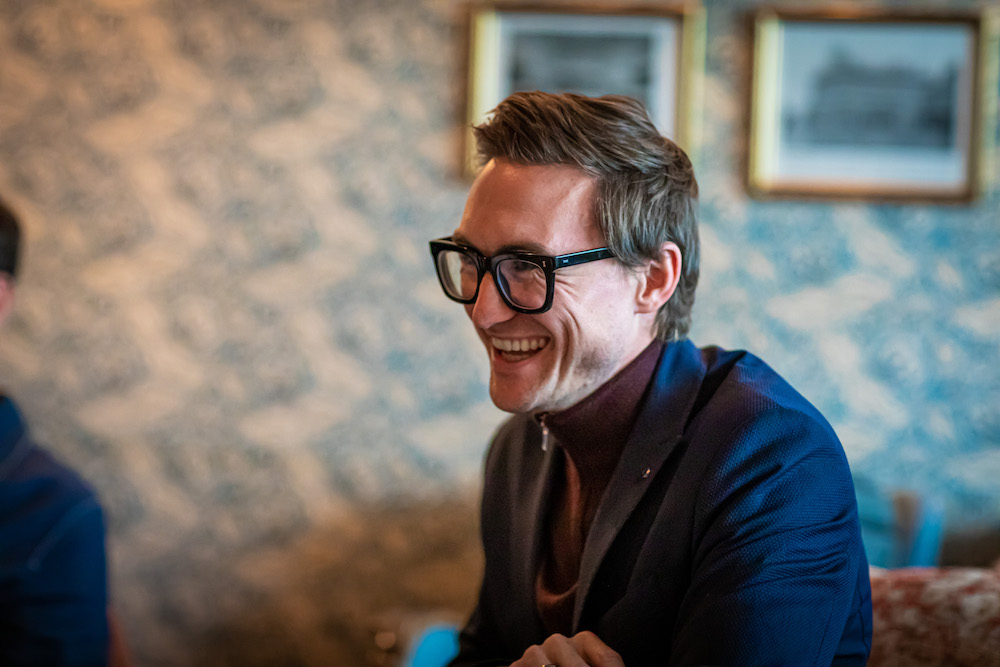
Image caption: Editor Hamish Kilburn wrapping things up. | Image credit: Dish Creative/James Munson
HK: And finally, what would you say are your biggest bugbears in lighting design?
DO: For me, as a lighting designer, the wrong lightbulb being used in a beautiful fitting. The specification of the lightbulb needs to come from the lighting design and/or the interior designer.
GO: Lighting lifts. Anything that comes as standard, forget it when lighting lifts. One of the cheapest tricks is to install a light panel, which literally look like you are in an operating theatre. If you put a panel under it, it softens the lighting. Sometimes people add lighting on the skirting, but it’s a very difficult space to light.
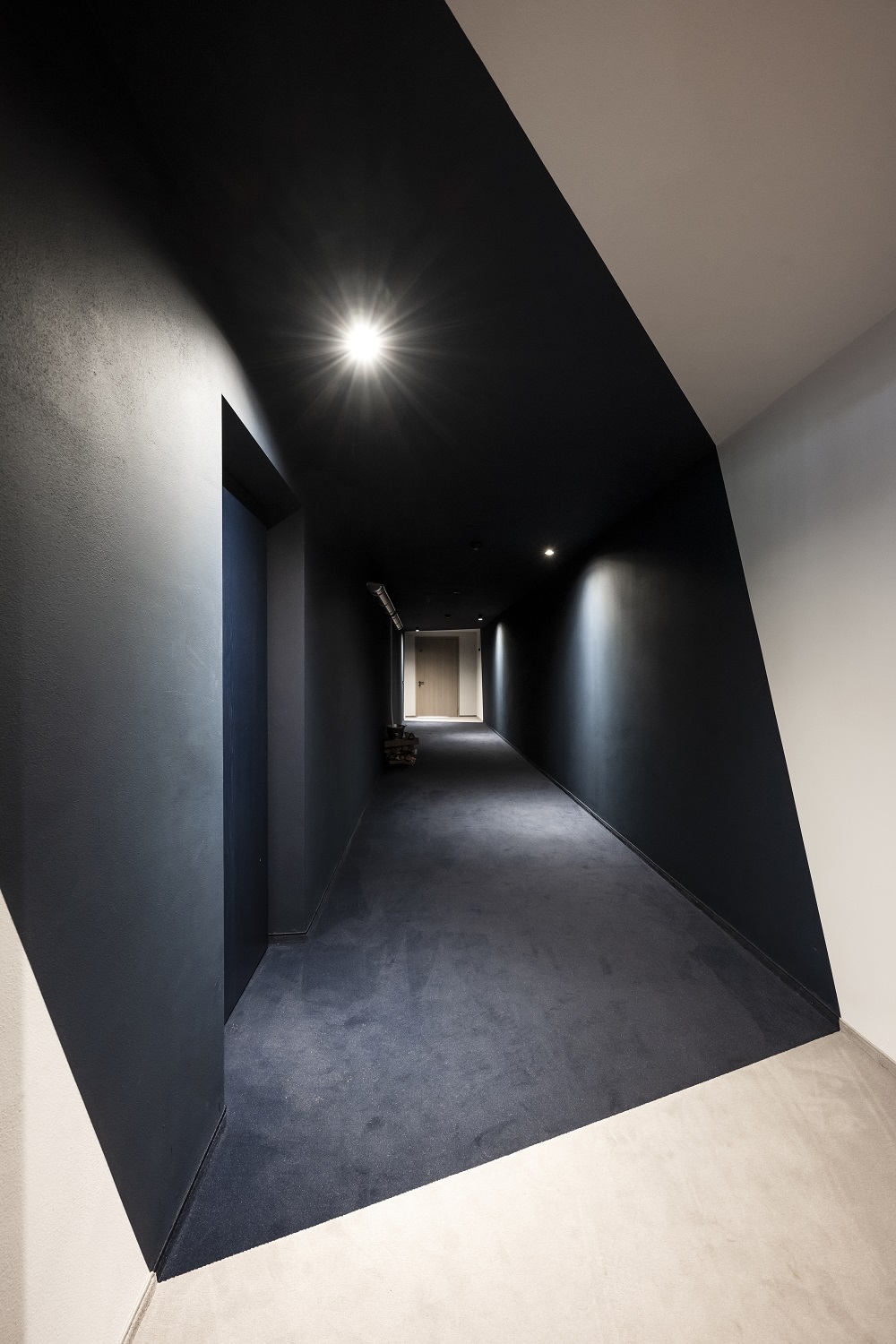
GM: Corridor spaces where designers don’t accept darkness, if that’s suitable for the space. Forcing lighting into spaces is often a big pitfall.
Key takeaways from the discussion:
- Most designers prefer to have a lighting designer on board if budgets allow
- Bespoke lighting manufacturers want to be involved at the earliest stages of a project
- The wrong type of lightbulb can be a disaster
- Getting the right balance between over and under lighting is key
- The Wigmore in London does great chips!
Dernier & Hamlyn is one of our recommended suppliers. To keep up to date with their news, click here. And, if you are interested in becoming one of our recommended suppliers, please email Katy Phillips by clicking here.
Main image credit: Dernier & Hamlyn


 As for Hi-fi, Hi-fi Eclectic comes in different types:
![Skip to main contentSkip to toolbar About WordPress Hotel Designs 341 WordPress Update, 29 Plugin Updates, 4 Theme Updates 1,7011,701 Comments in moderation New View Post Smart Slider Insights Copy to a new draft Hi, Hamish Kilburnmm Log Out Screen Options Help WordPress 5.8.1 is available! Please update now. Please activate your copy of the Ultimate Addons for WPBakery Page Builder to get update notifications, access to support features & other resources! Edit Post Add New Note: Envato official solution is recommended for theme updates using the new Envato Market API. You can now update the theme using the Envato Market plugin. For more information read the related article in our documentation. Dismiss this notice Dismiss this notice. This theme recommends the following plugins: Envato Market, MailChimp for WordPress, Osmosis Demo Importer and WooCommerce. The following plugins need to be updated to their latest version to ensure maximum compatibility with this theme: Go Pricing - WordPress Responsive Pricing Tables and Revolution Slider. Begin installing plugins | Begin updating plugins | Dismiss this notice Dismiss this notice. Post draft updated. Preview post Dismiss this notice. Add title Banyan Tree Group expands portfolio in Mexico Permalink: https://hoteldesigns.net/uncategorised/banyan-tree-grou…tfolio-in-mexico/ Edit Classic ModeFrontend EditorGutenberg Editor Add Media Add Slider Add Form VisualText Paragraph Word count: 673 Draft saved at 8:47:04 am. Last edited by Hamish Kilburn on 22 October 2021 at 8:44 am Move upMove downToggle panel: Format Post Formats Standard Gallery Link Quote Video Audio Move upMove downToggle panel: Publish Preview (opens in a new tab) Status: Draft Edit Edit status Visibility: Public Edit Edit visibility Publish immediately Edit Edit date and time SEO: Unavailable Copy to a new draft Move to Bin Move upMove downToggle panel: Categories All Categories Most Used Uncategorised Editor’s Picks In Conversation With Industry News 1st mpu news 2nd mpu news 3rd mpu news 4th mpu news bottom section news Job Section Designers Featured Job Industry Latest Hotel Review 1st mpu review 2nd mpu review 3rd mpu review 4th mpu review bottom section review Main Slider Member News 1st mpu members 2nd mpu members 3rd mpu members 4th mpu members bottom section members Member News Homepage Most Read Spotlight On Supplier News + Add New Category Move upMove downToggle panel: Tags Add New Tag Separate tags with commas Remove term: 2021 2021 Choose from the most used tags Move upMove downToggle panel: Featured image Set featured image Move upMove downToggle panel: The Grid - Item Format Move upMove downToggle panel: Insert script to Move upMove downToggle panel: Custom HotSpot Hotel Development Move upMove downToggle panel: Configure Rich Snippet Move upMove downToggle panel: WPBakery Page Builder WPBakery Page Builder PreviewUpdate Custom [page_title] Mexico’s wine country in Baja California will become home to Banyan Tree Group’s fourth property in the region. Banyan Tree Valle de Guadalupe Resort, Spa and Winery is slated to open in 2023. In the meantime, we here's a sneak peek of what to expect inside... [thumbnailnew] Banyan Tree Group is on a mission to expand its presence across Mexico, with the announcement that it will manage Banyan Tree Valle de Guadalupe Resort, Spa and Winery, which is set to open on the hills of Mexico’s emerging food and wine region in Baja California during the 2023 harvest season. The 30-villa ultra-luxury resort will mark Banyan Tree Group’s fourth hotel in Mexico. Valle de Guadalupe is a rapidly growing tourism market that continues to gain international recognition as one of Mexico’s emerging destinations and one that Banyan Tree Group is focused on for development. Banyan Tree Valle de Guadalupe will join the global brand’s iconic collection of properties across Mexico, from Riviera Maya and Merida to Acapulco. The group's legacy as pioneer of the all-pool villa concept and sustainable, wellbeing-focused travel will be infused into the Banyan Tree Valle de Guadalupe experience. The luxurious enclave, designed by the office of renowned Mexican designer Michel Rojkind and developed by Grupo UBK, will boast striking villas that draw in the valley’s natural surroundings with a sense of place that connect guests with the beauty around them. The property sits on nearly 39 acres of land and will be home to Banyan Tree Group’s first proprietary winery featuring vineyards, rooms for fermentation, barreling and aging, a winemaking laboratory, tasting room and underground cellar. The winery will work with talented locals for the production of wines to ensure the preservation of the environment, a key component of the business model for the community. "Banyan Tree has been exploring the area around Valle de Guadalupe for quite some time,” says Peter Hechler, SAVP, Head of Regional Operations for the Middle East, Europe, Africa and Americas. Primed to be Mexico’s next most sought-after destination, Valle de Guadalupe is a quick hour-long drive for travelers in Southern California looking to spend a few days in a culinary mecca amongst Mexico’s best vineyards that are well worth the journey. “We strongly believe this is a thriving destination with a bright future and one that is already making a name for itself amongst the top locations to explore in Mexico. We are very excited and honoured to be the first luxury brand to set foot in the area." Valle de Guadalupe’s agricultural spirit, New World wines and impressive culinary scene will be woven into the fabric of the guest experience at Banyan Tree Valle de Guadalupe. Nestled amidst olive oil groves and grapevines, five food and beverage venues are found in the centre of the resort, including a terrace restaurant, fine-dining eatery, cocktail bar, coffee house and a hilltop rooftop concept featuring breathtaking views of the valley. On the food and spa menus, guests will be able to spot seven varieties of medicinal plants indigenous to the area such as hoja santa and white sage, that were grown steps away at its onsite bio-endemic garden sanctuary, as well as freshly pressed olive oil that is harvested and produced at the winery itself. Known as a sanctuary for the senses, Banyan Tree’s signature award-winning Spa comprises four treatment rooms, sauna, a state-of-the-art fitness centre and both indoor and outdoor swimming pools. Banyan Tree Valle de Guadalupe is the latest addition to Banyan Tree Group’s ambitious growth plans of strategic expansion in Mexico. With a proven track record success in operating Banyan Tree Mayakoba, Banyan Tree Cabo Marqués in Acapulco and Hacienda Xcanatun by Angsana in Merida, the Group’s vast knowledge of the market and keen ability to choose desirable destinations for growth will propel the resort and the region of Valle de Guadalupe to new heights. In addition, new signing announcements in the pipeline by Banyan Tree Group are set to be unveiled soon. Main image credit: Banyan Tree Group Move upMove downToggle panel: Excerpt Excerpt Excerpts are optional hand-crafted summaries of your content that can be used in your theme. Learn more about manual excerpts. Move upMove downToggle panel: Yoast SEO SEO Social Focus keyphraseHelp on choosing the perfect focus keyphrase(Opens in a new browser tab) Snippet Preview URL preview:https://hoteldesigns.net › uncategorised › banyan-tree-group-expands-portfolio-in-mexicoSEO title preview: Banyan Tree Group expands portfolio in Mexico • Hotel Designs Meta description preview: Oct 22, 2021 ⋅ [vc_row padding_top="35"][vc_column width="1/3"][vc_column_text el_class="newposttitle"][page_title][/vc_column_text][vc_column_text]Mexico’s wine country Mobile previewDesktop previewEdit snippet SEO analysis Enter a focus keyphrase to calculate the SEO score Add related keyphrase Cornerstone content Advanced Move upMove downToggle panel: Send Trackbacks Send trackbacks to: Separate multiple URLs with spaces Trackbacks are a way to notify legacy blog systems that you’ve linked to them. If you link other WordPress sites, they’ll be notified automatically using pingbacks, no other action necessary. Move upMove downToggle panel: Discussion Allow comments Allow trackbacks and pingbacks on this page Move upMove downToggle panel: Slug Slug Move upMove downToggle panel: Author Author Move upMove downToggle panel: Revolution Slider Options Choose Slide Template Move upMove downToggle panel: Plugin Organizer Move upMove downToggle panel: AddThis Tools Select "Off" to stop the AddThis plugin from automatically adding tools above and below this entry. On Off Move upMove downToggle panel: Post Options Layout Select post content and sidebar alignment. Default is configured in Theme Options - Blog Options - Single Post. Sidebar Select post sidebar. Default is configured in Theme Options - Blog Options - Single Post. Sidebar Background Color Select sidebar background color. Default is configured in Appearance - Customize - Colors - Sidebars - Post Sidebar Background Color Fixed Sidebar If selected, sidebar will be fixed. Disable Title If selected, title will be hidden. Disable Safe Button If selected, safe button will be hidden. Disable Breadcrumbs If selected, breadcrumbs will be hidden. Disable Top Bar If selected, top bar will be hidden. Disable Media Area If selected, media area will be hidden in single post. Disable Bottom Bar If selected, bottom bar will be hidden. Disable Footer Widgets If selected, footer widgets will be hidden. Disable Footer Copyright If selected, footer copyright area will be hidden. Title Background Image Select title background mage. Note: Featured/Custom title is not available for simple style. Move upMove downToggle panel: Feature Section Feature Element Select feature section element. Get Version 5.8.1 NotificationsTerm added. Welcome to Gravity Perks Ready to get started? Click the Perks link (to the left) to take a quick tour. Dismiss Close dialogue Featured image Upload filesMedia LibraryExpand Details Filter mediaFilter by typeFilter by dateSearch Media list ATTACHMENT DETAILS BTG_VDG-Room-Rendering-3.jpeg 22 October 2021113 KB 730 by 565 pixels Edit Image Delete permanently Alt Text Room Rendering of guestroom inside Banyan Tree htoel in Mexico wine region Describe the purpose of the image (opens in a new tab). Leave empty if the image is purely decorative.Title Room Rendering of guestroom inside Banyan Tree htoel in Mexico wine region Caption Description File URL: https://hoteldesigns.net/wp-content/uploads/2021/10/BTG_VDG-Room-Rendering-3.jpeg Copy URL to clipboard Smush 13 images reduced by 25.3 KB (4.8%) Image size: 112.8 KB Restore | View Stats Required fields are marked * Category All CategoriesMost Used + Add New Category Tag All TagsMost Used + Add New Tag Selected media actions Set featured image](https://hoteldesigns.net/wp-content/uploads/2021/10/BTG_VDG-Room-Rendering-2.jpeg)
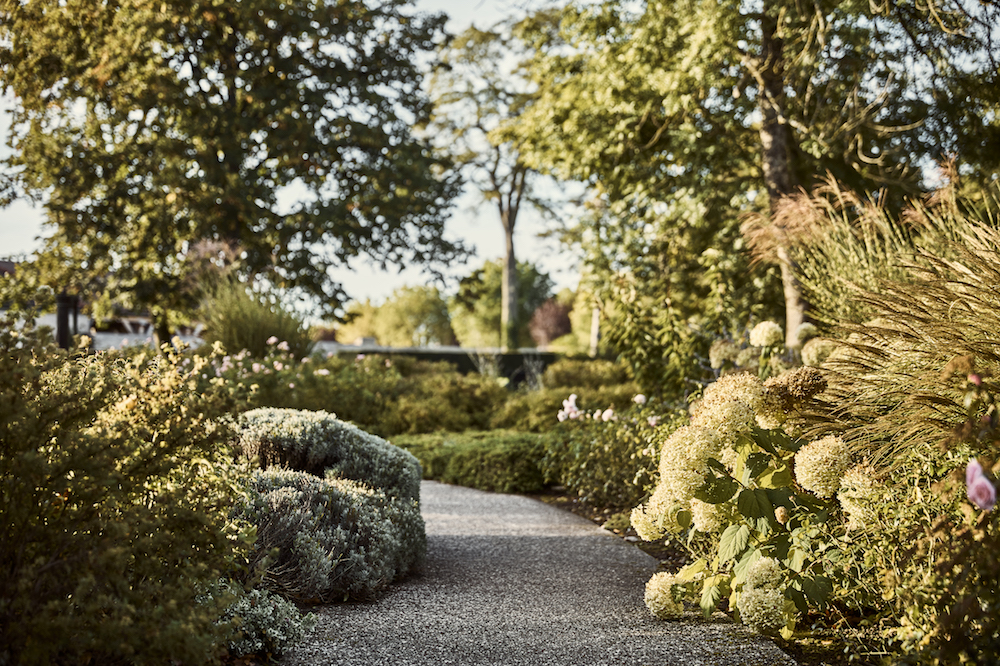





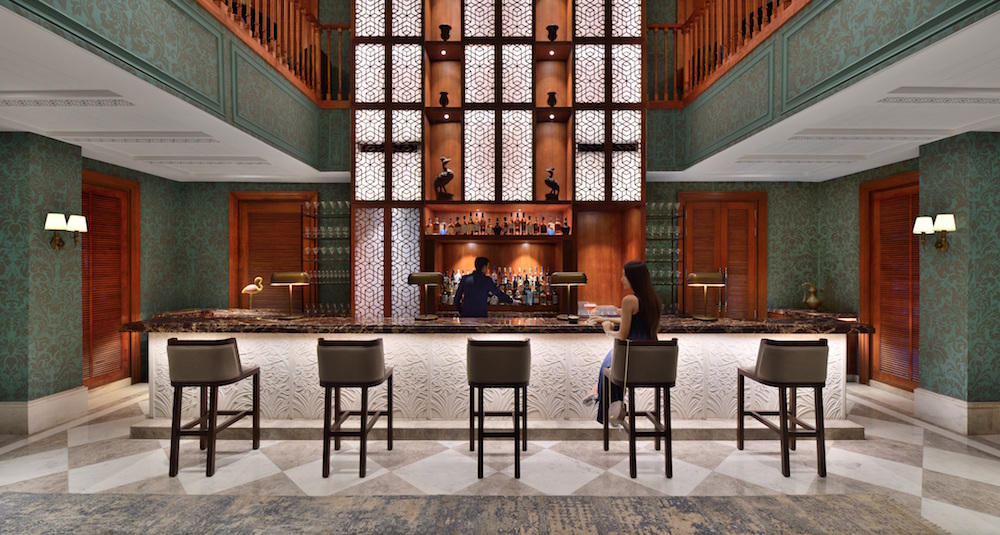
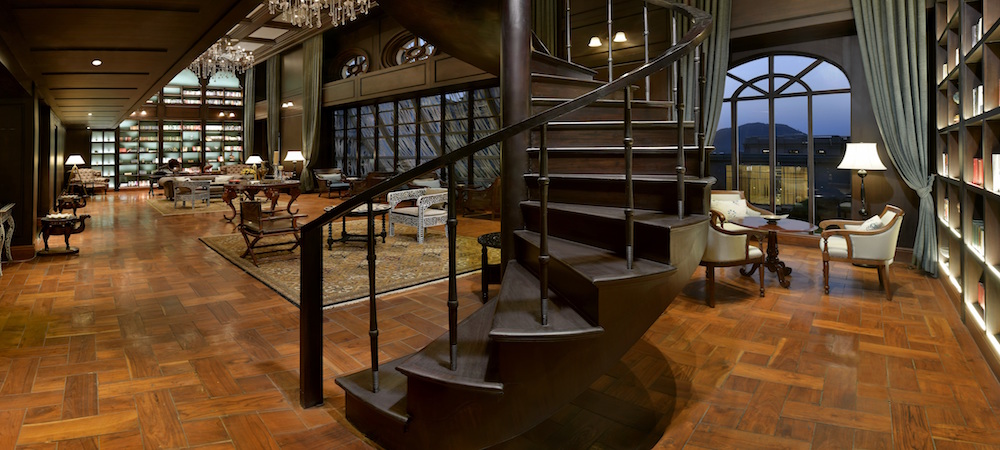
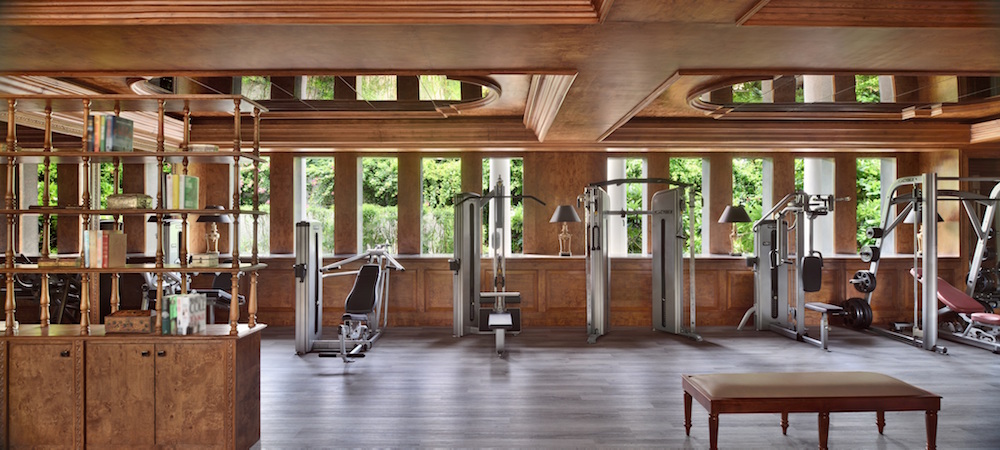

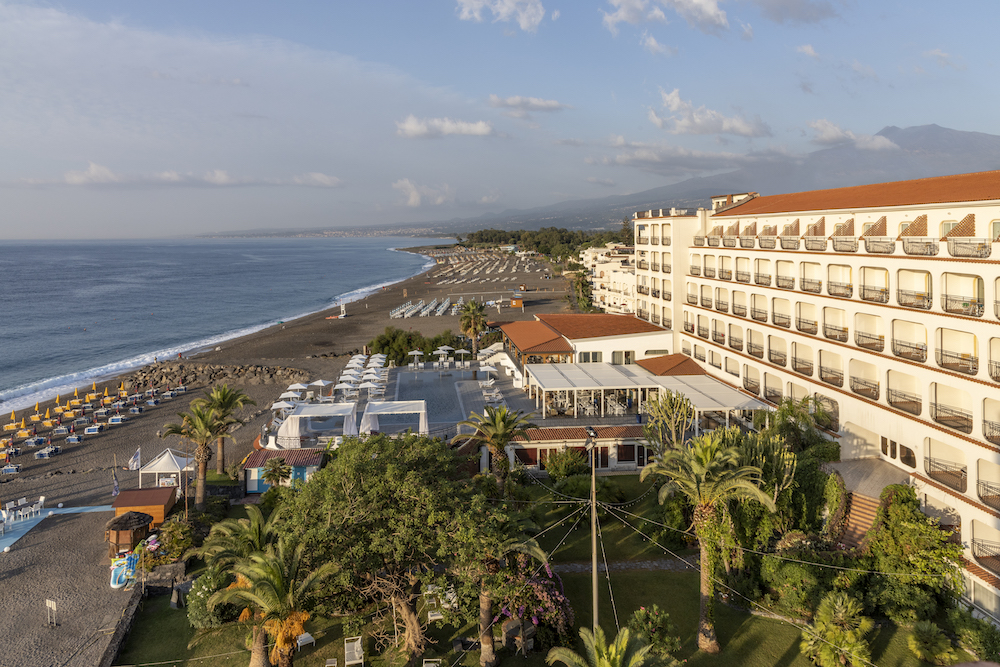
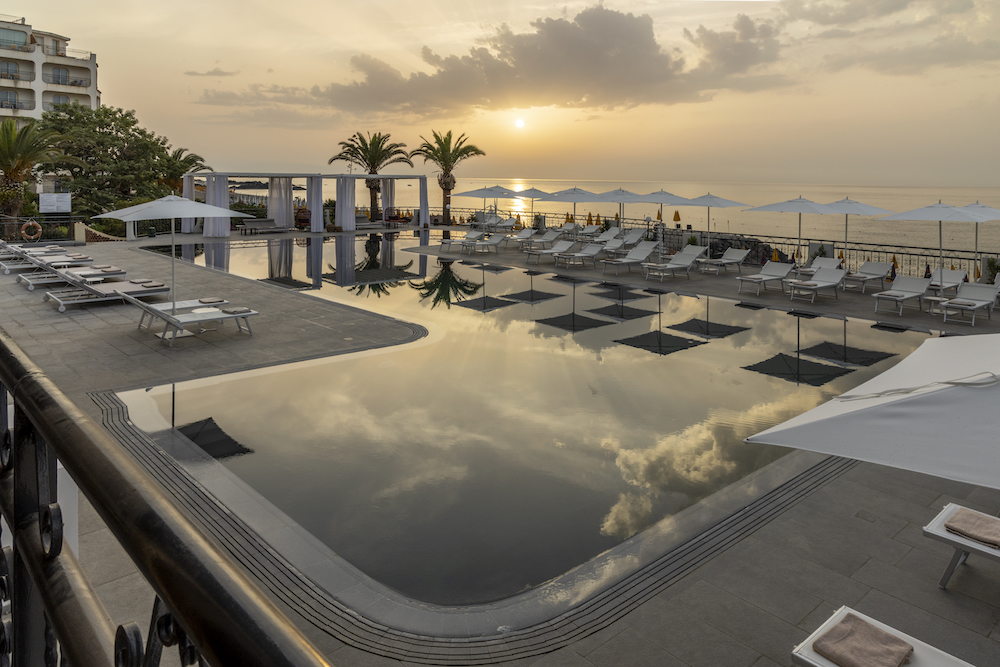
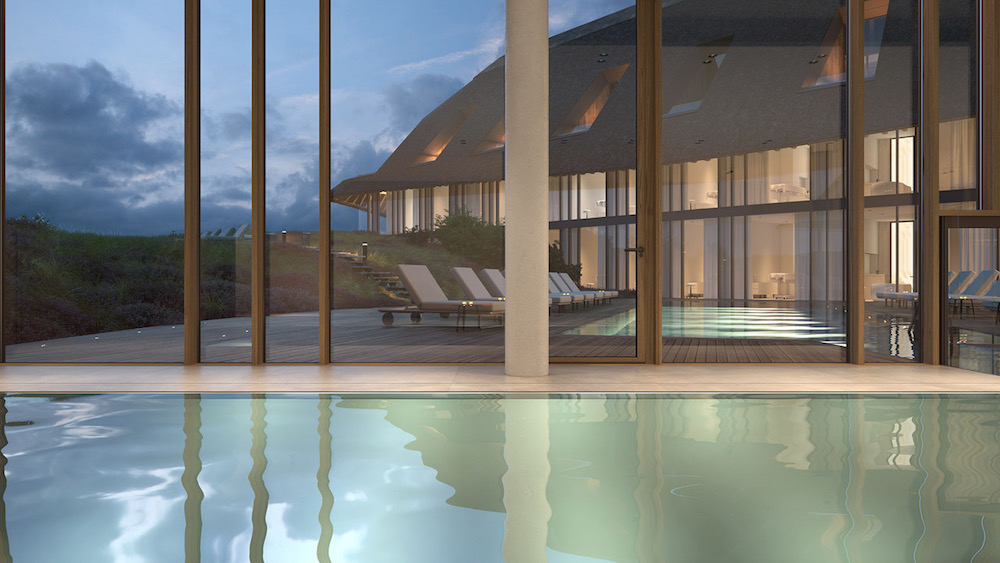
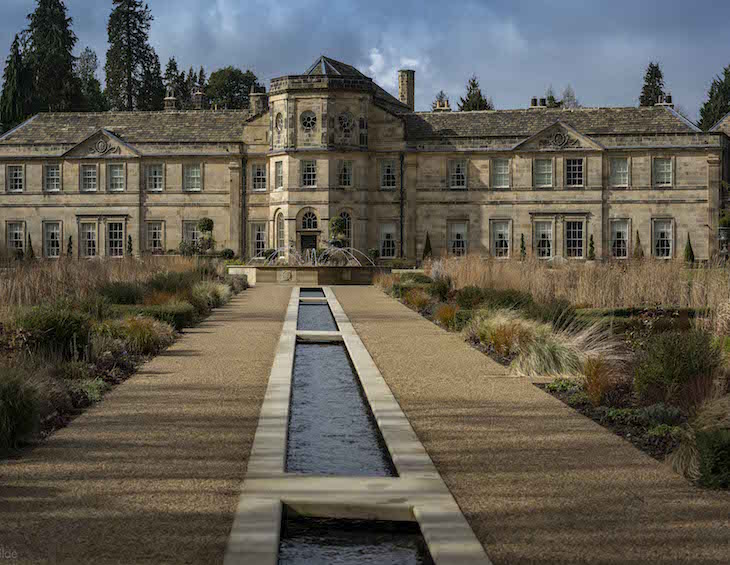
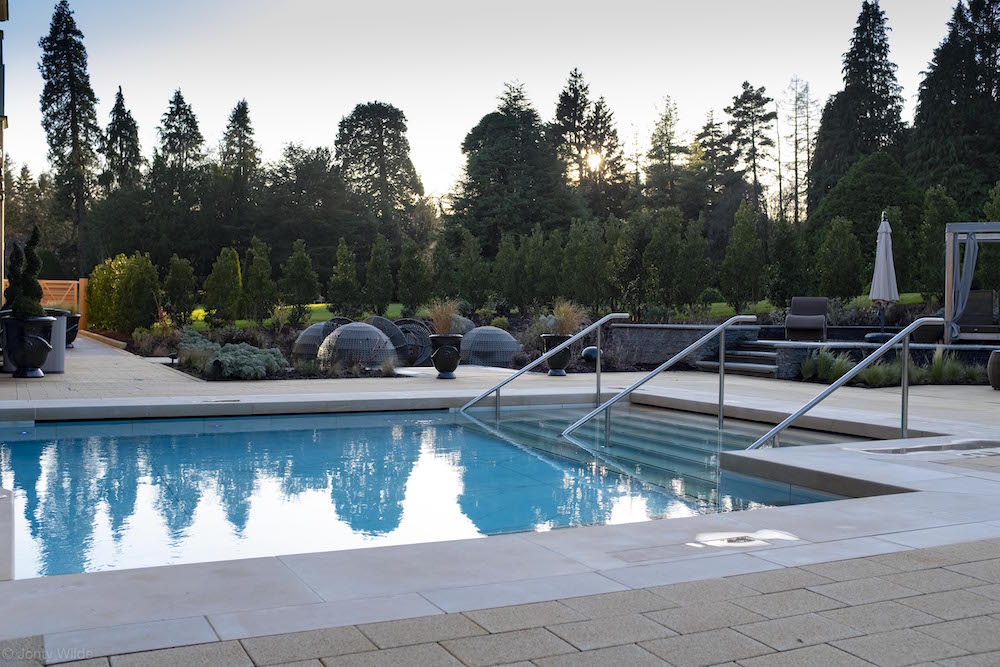
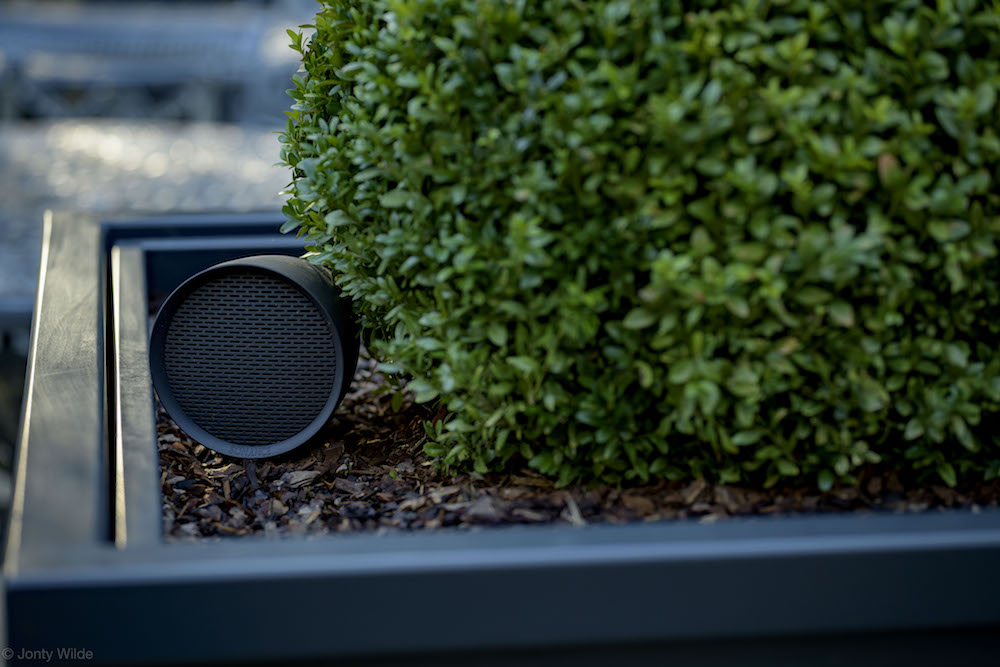
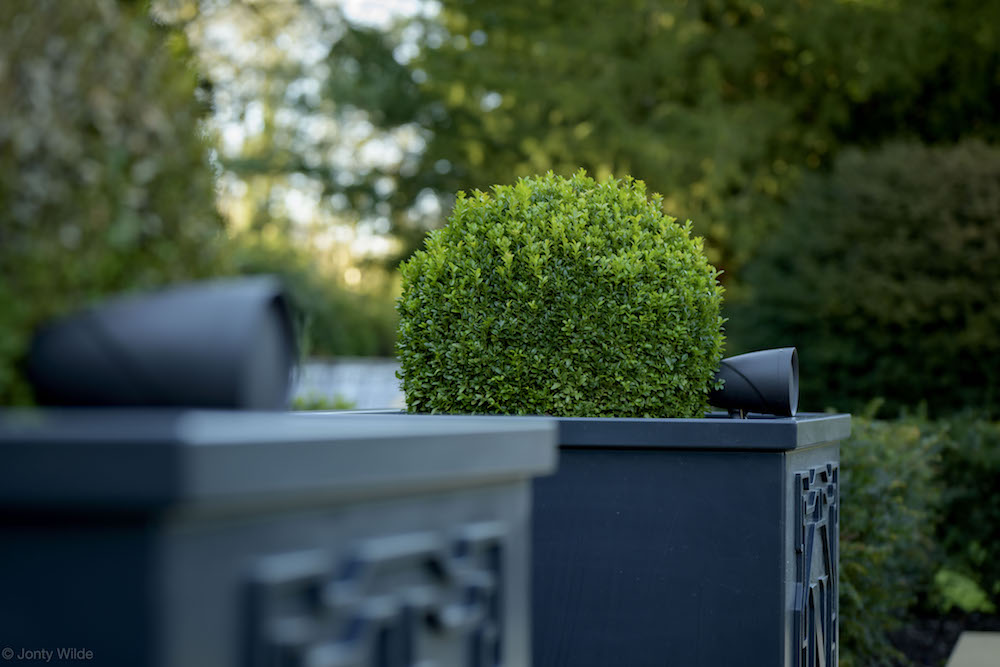
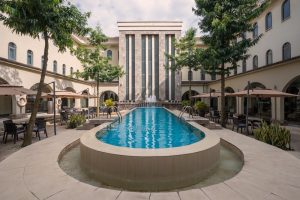
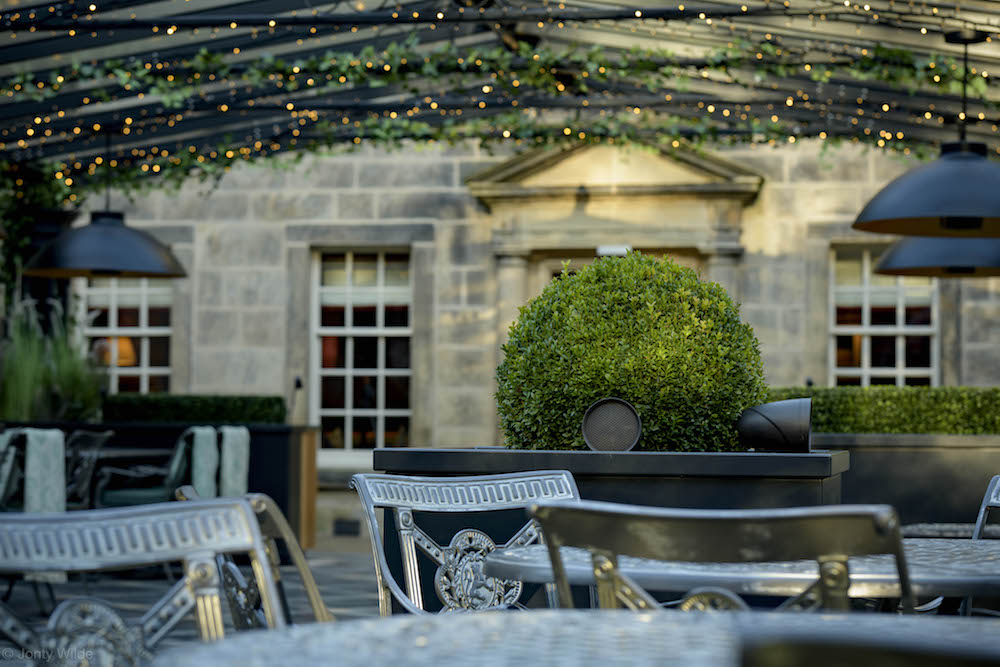 “Similarly, a contemporary extension, including the ‘ELITE’ luxury gym and wellness centre and ‘Three Graces Spa’ complex, called for superior and consistent outdoor audio coverage. The design demanded long cable runs, super discreet aesthetics, full range sound quality, the capacity for high SPLs without distortion (although the systems are rarely driven hard) and excellent intelligibility at background levels. In other words, we needed to deliver the quality of audio definition that uninitiated hotel guests would notice. The Habitech team recommended the flagship Sonance Landscape Series speakers and Sonance amplification for the job, providing a custom design and SPL map for each area. In each case we used a mix of LS6TSATs, smaller LS4TSATs and LS12 in-ground subs either discreetly buried at the periphery or hidden within strategically placed planters. Landscape Series sats and subs also surround the spa’s pool area.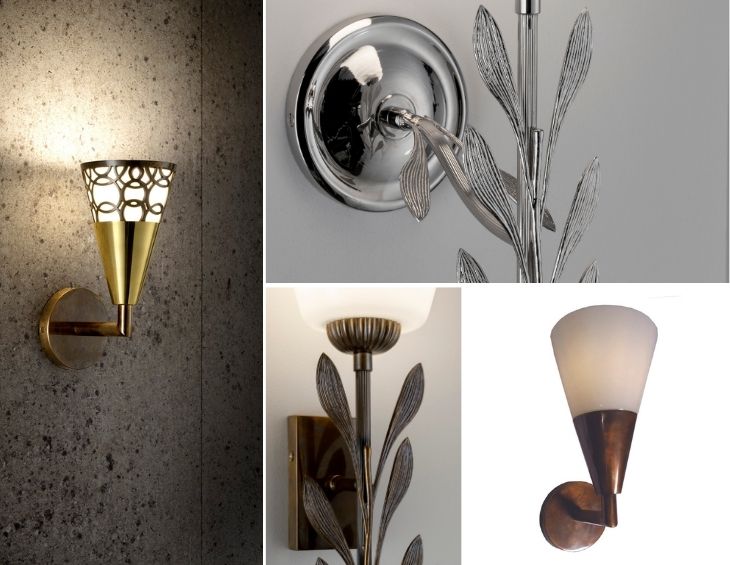
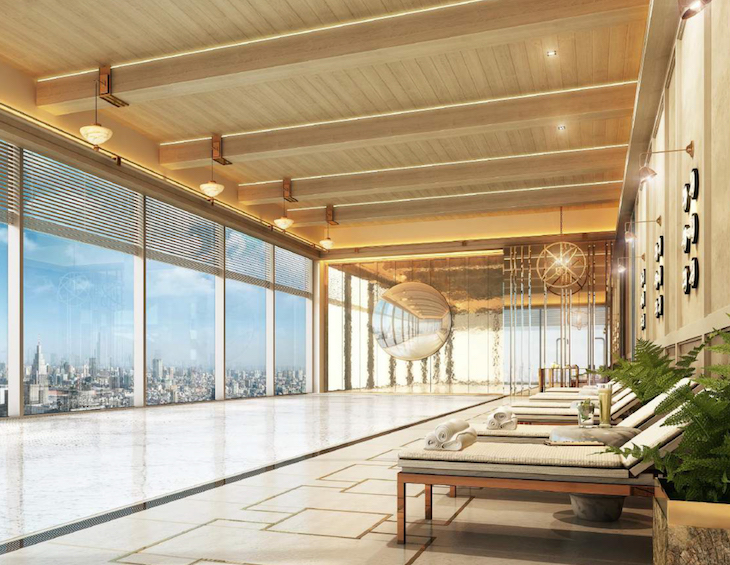
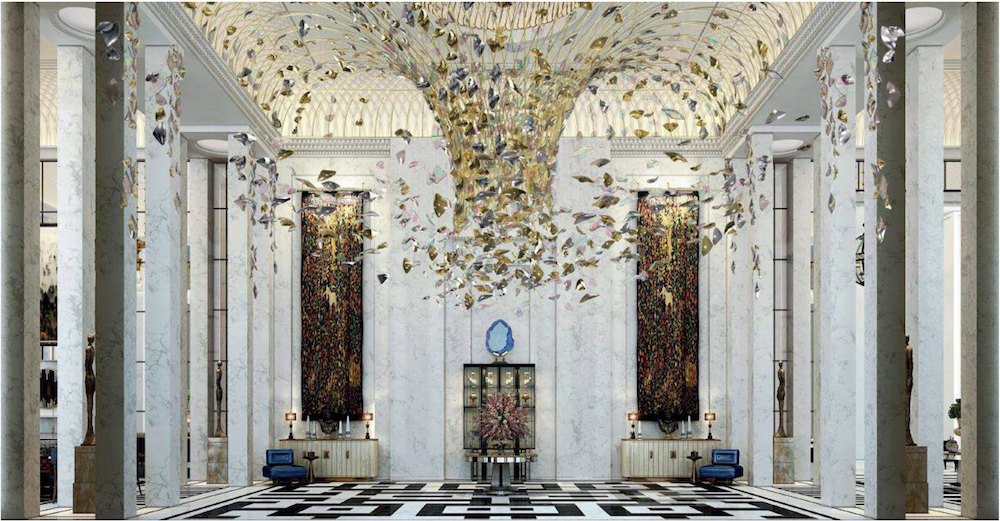
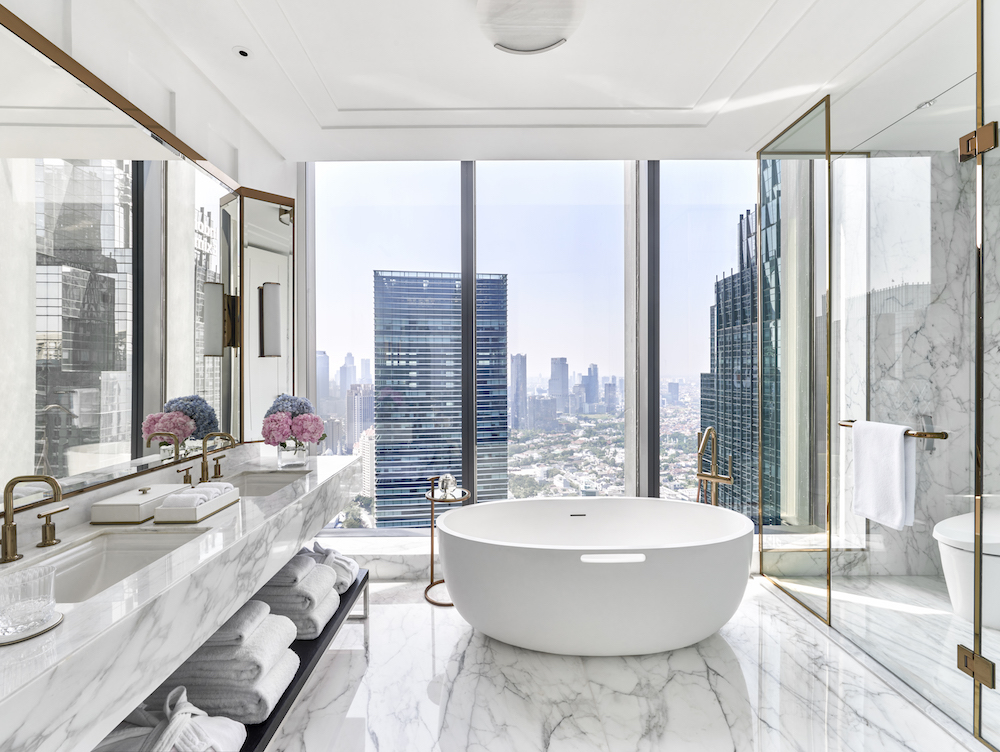
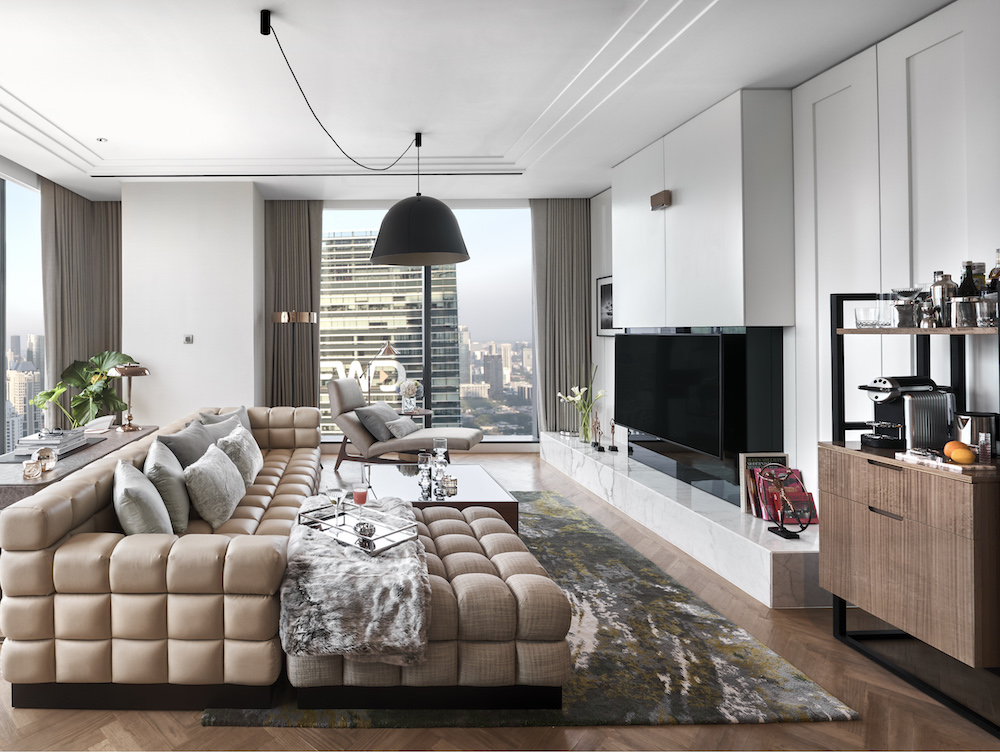
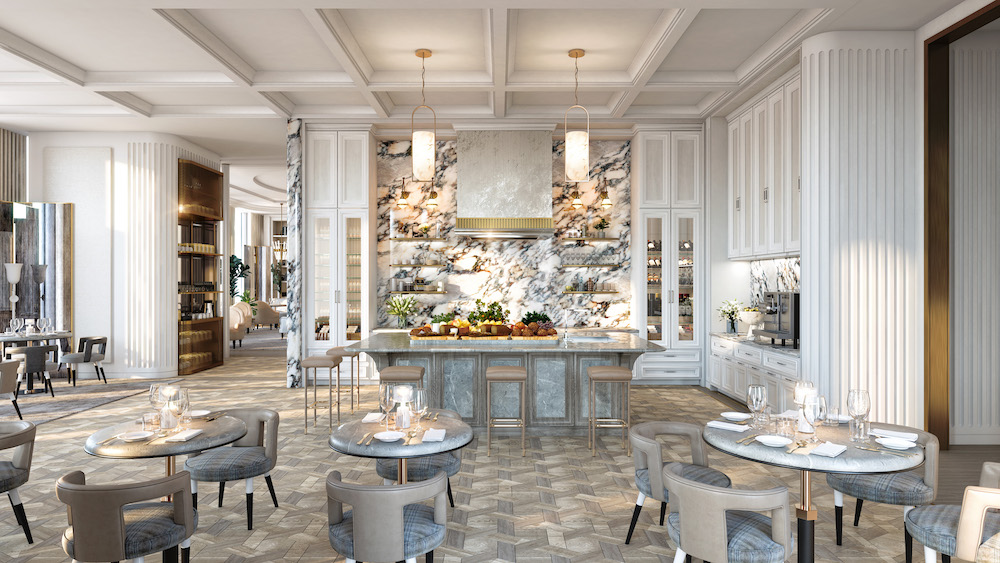
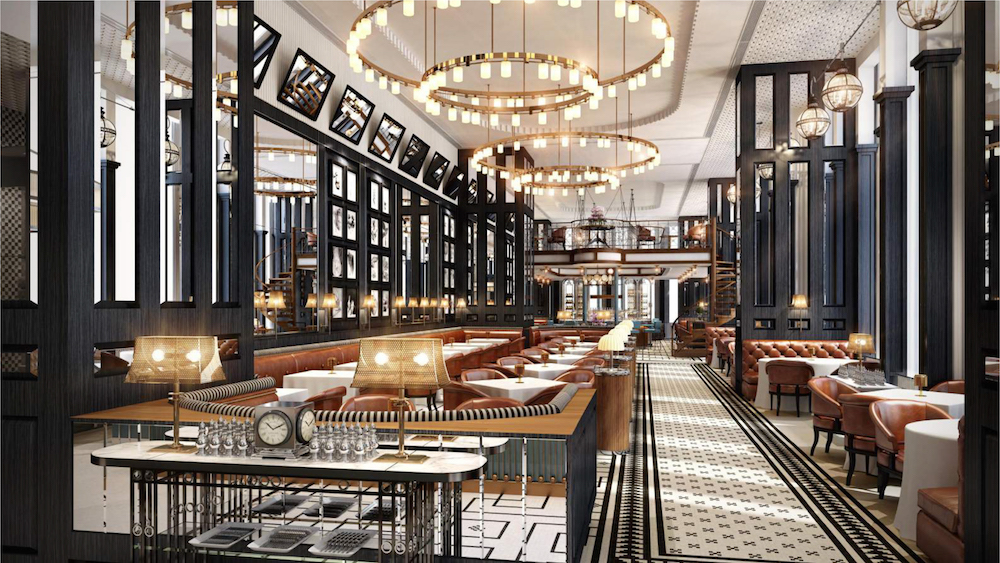
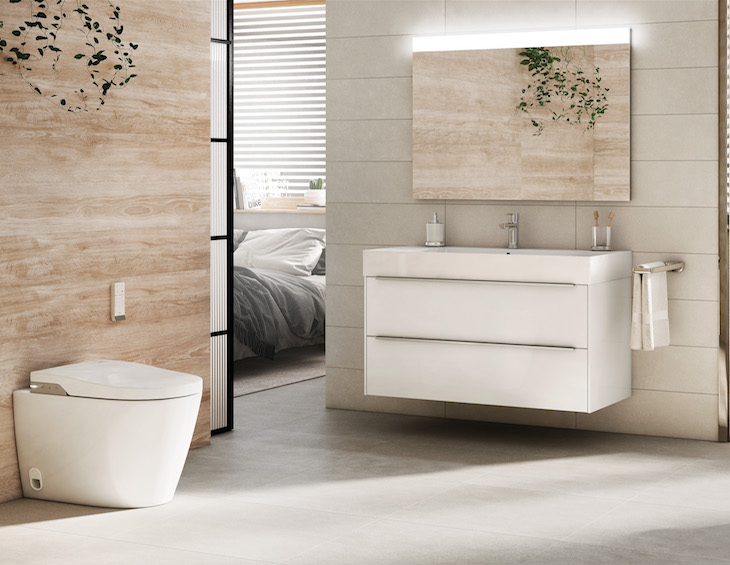
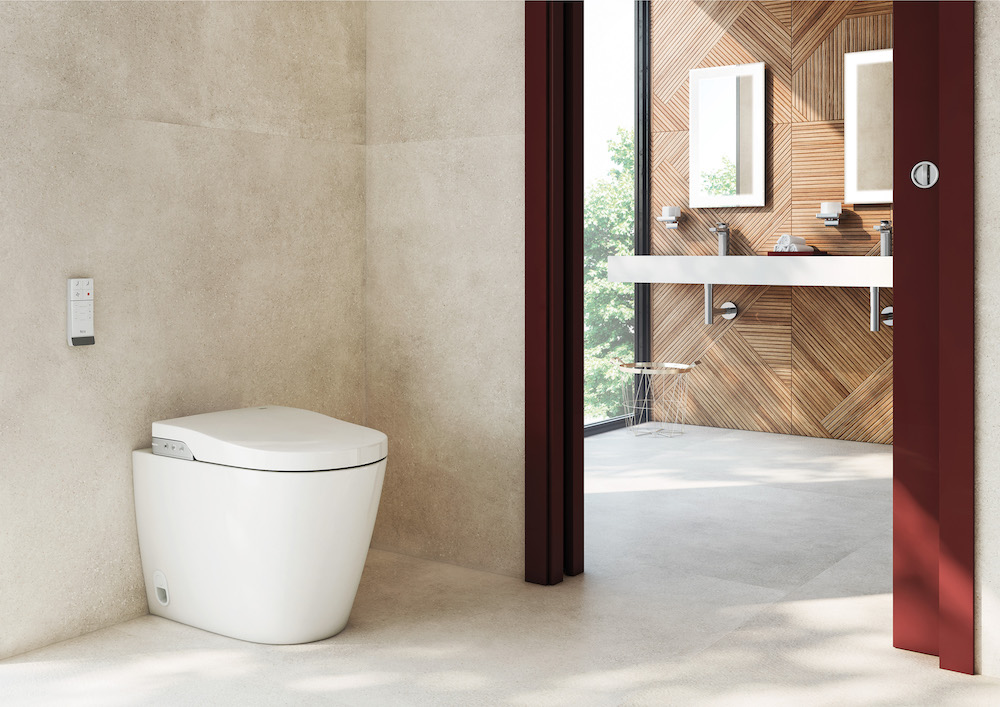
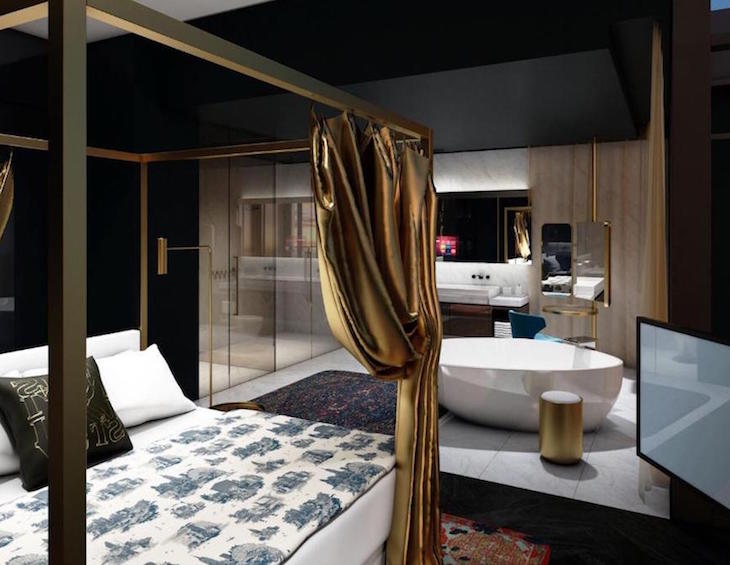

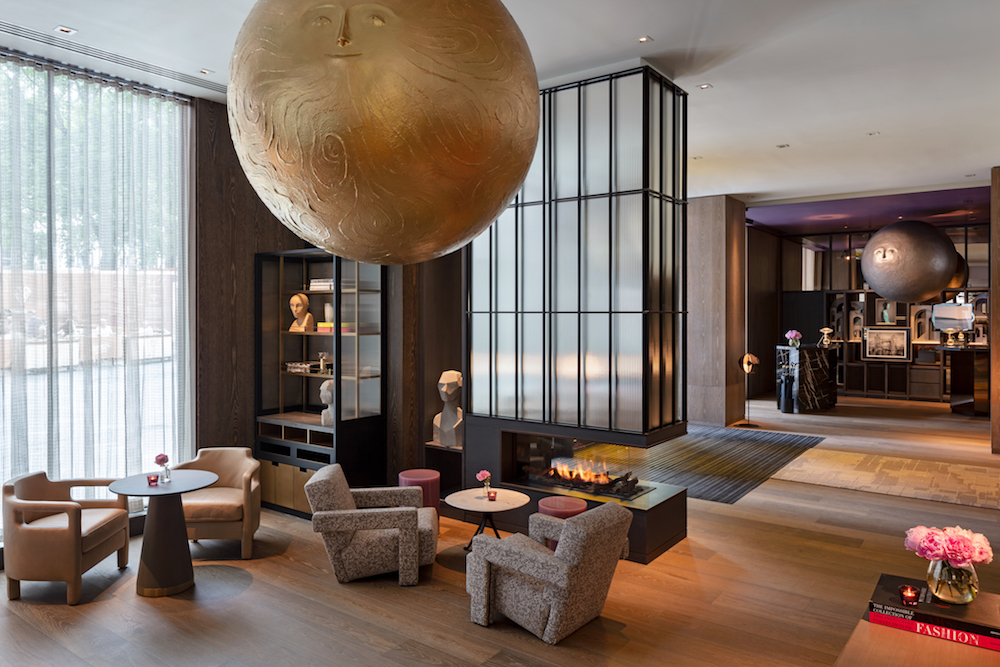
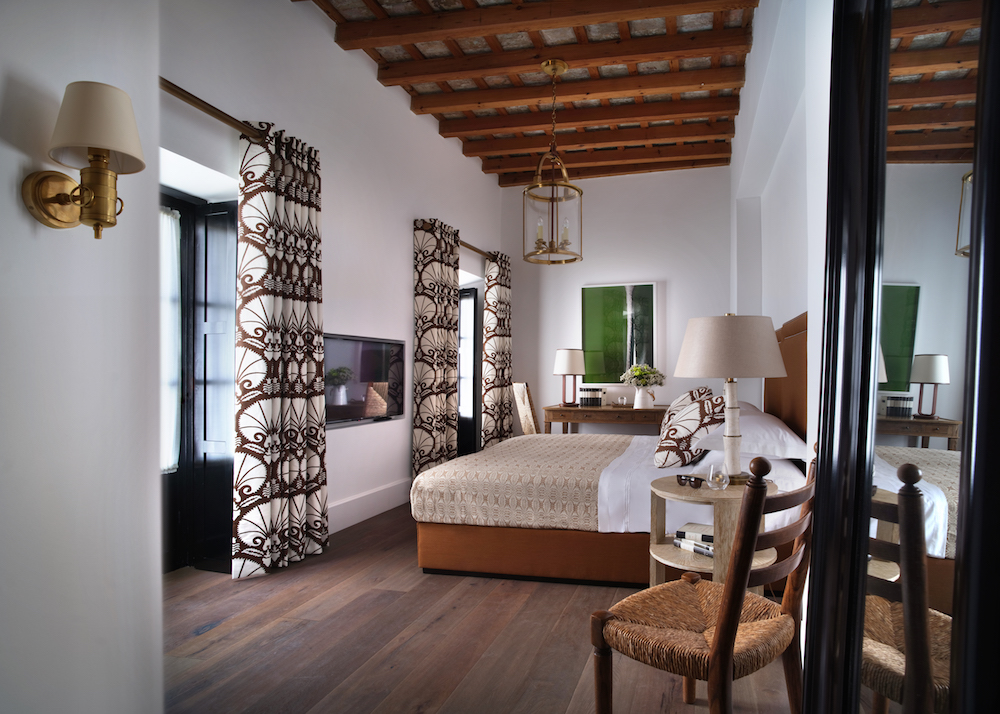
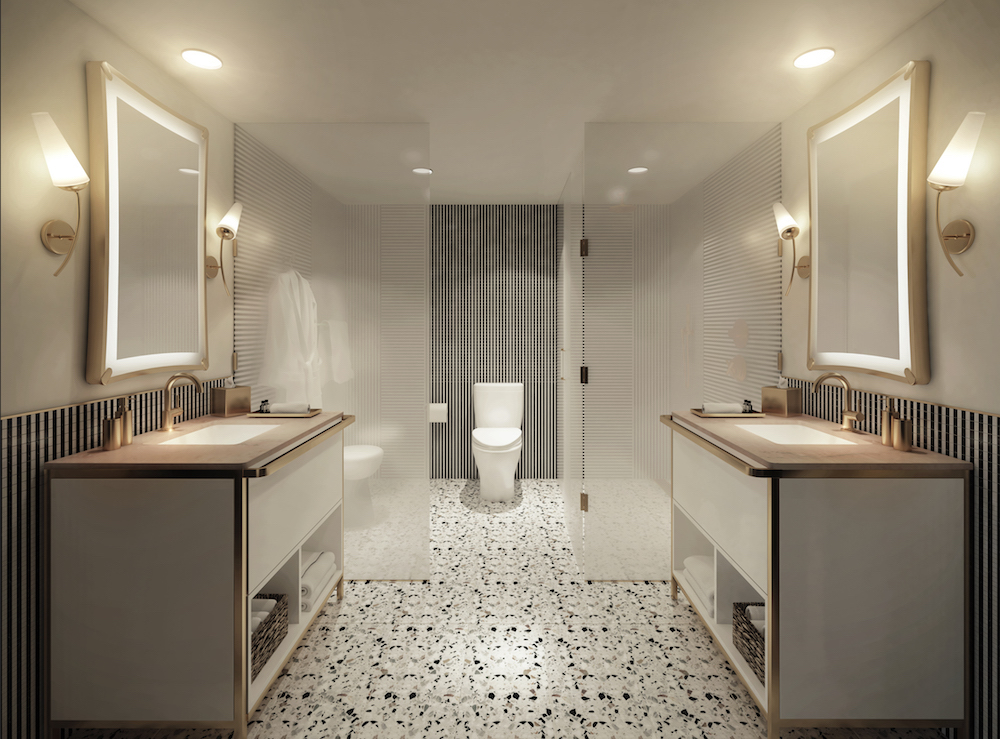
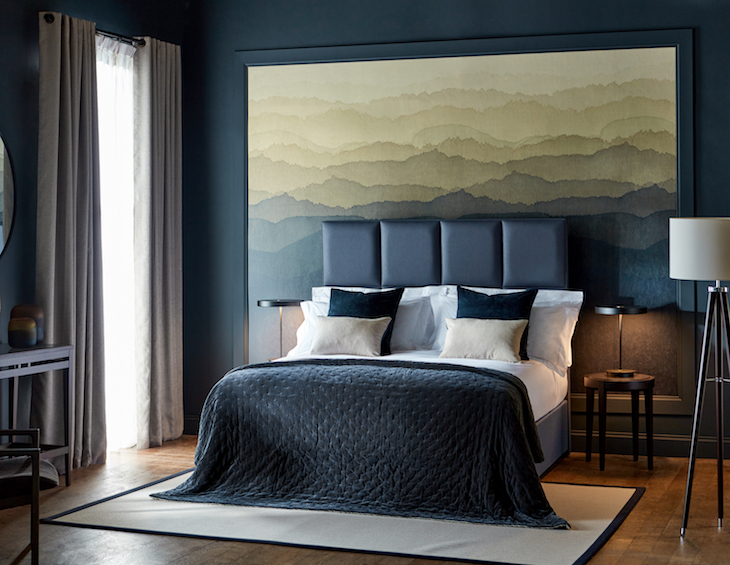
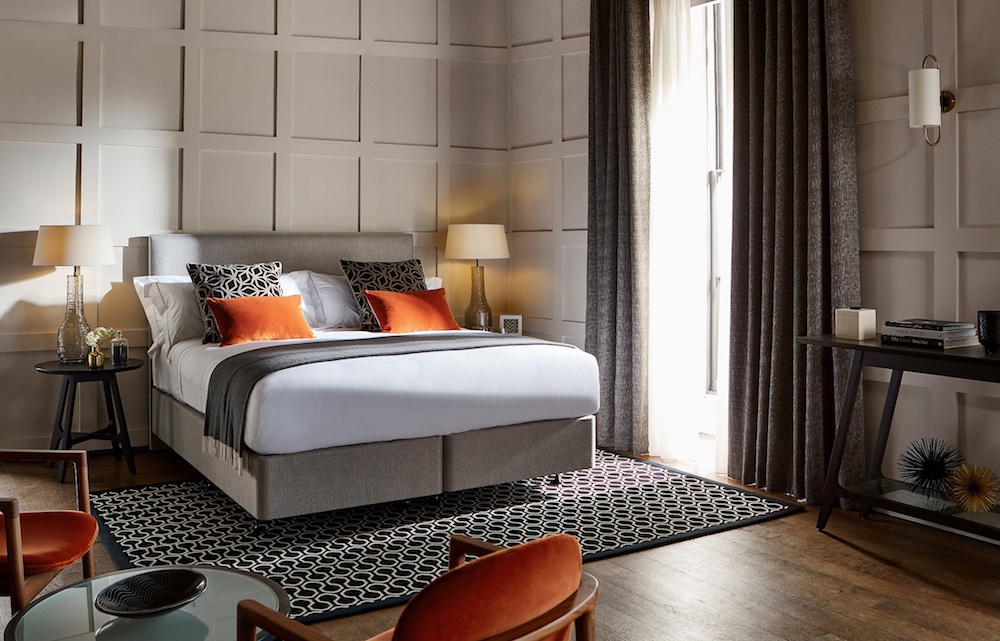
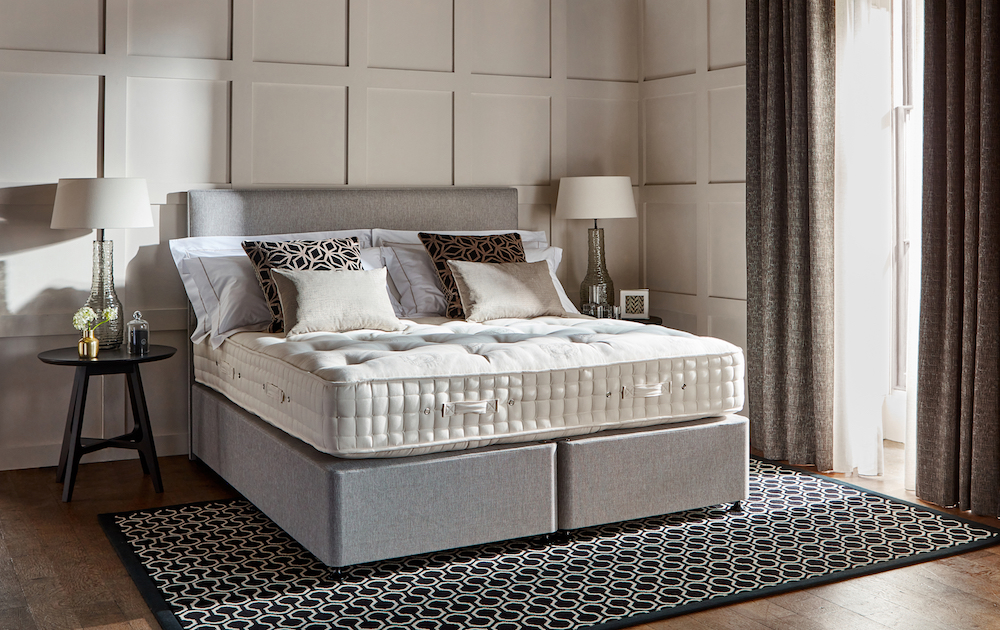
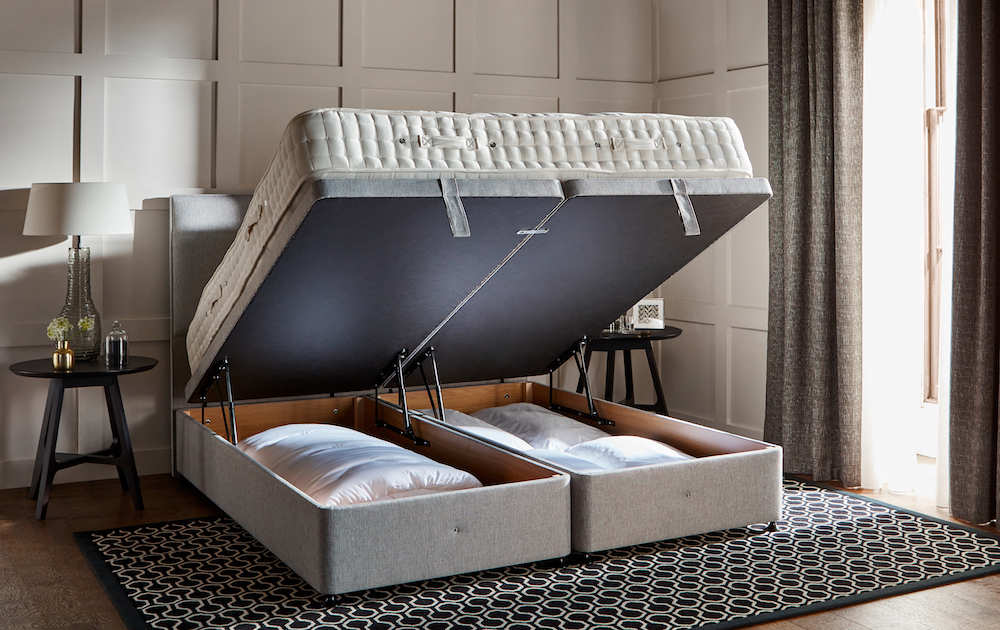
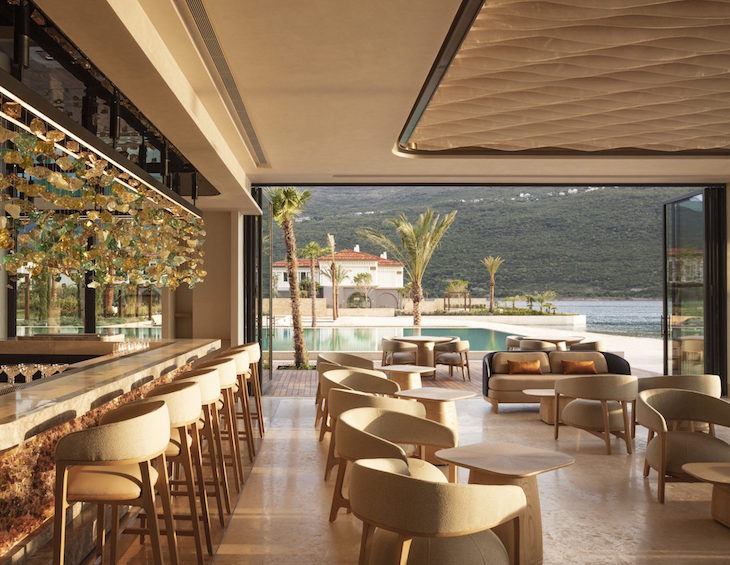
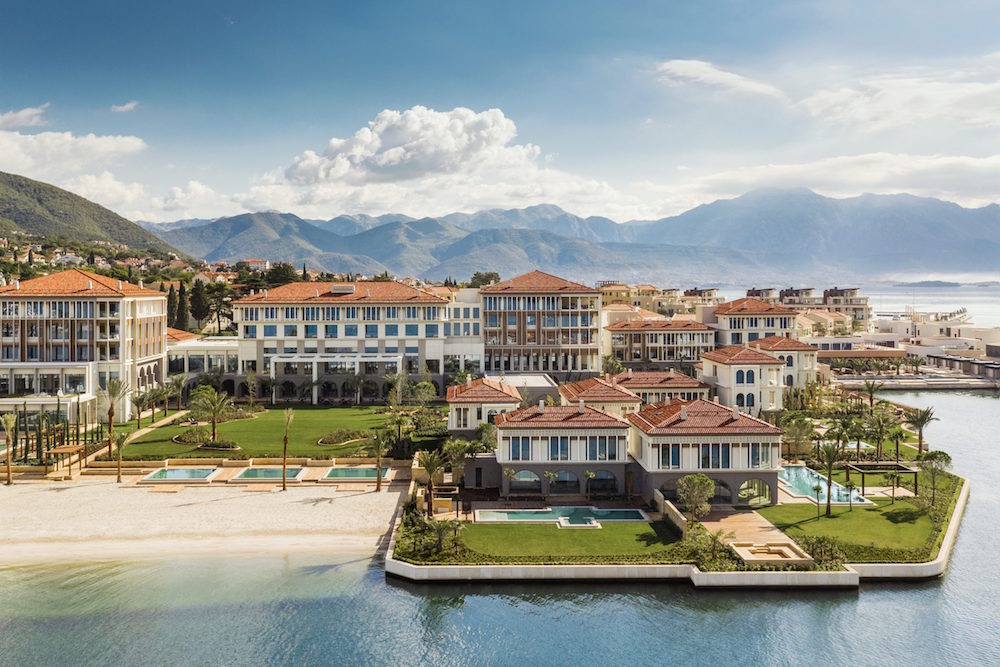
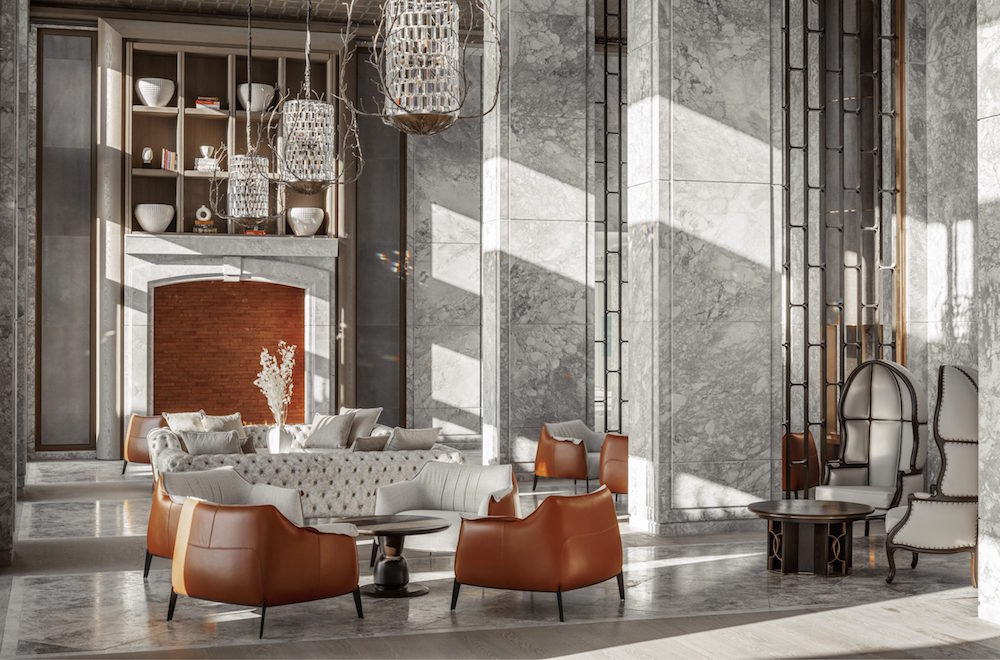
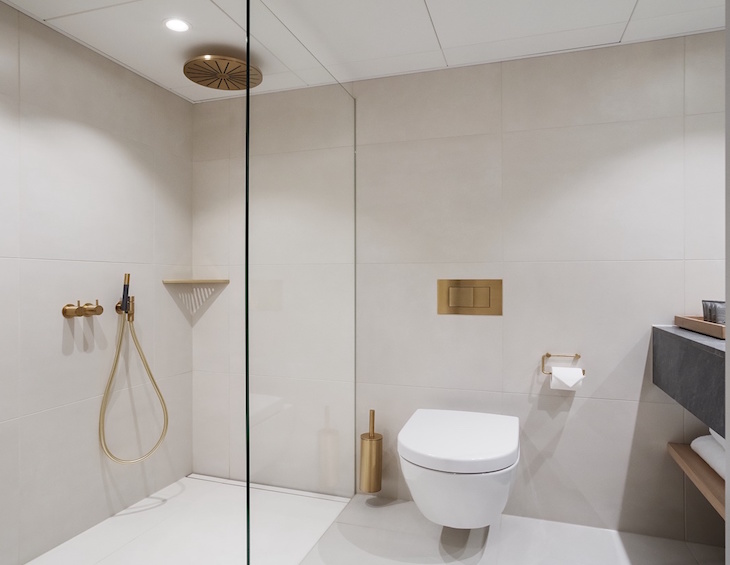
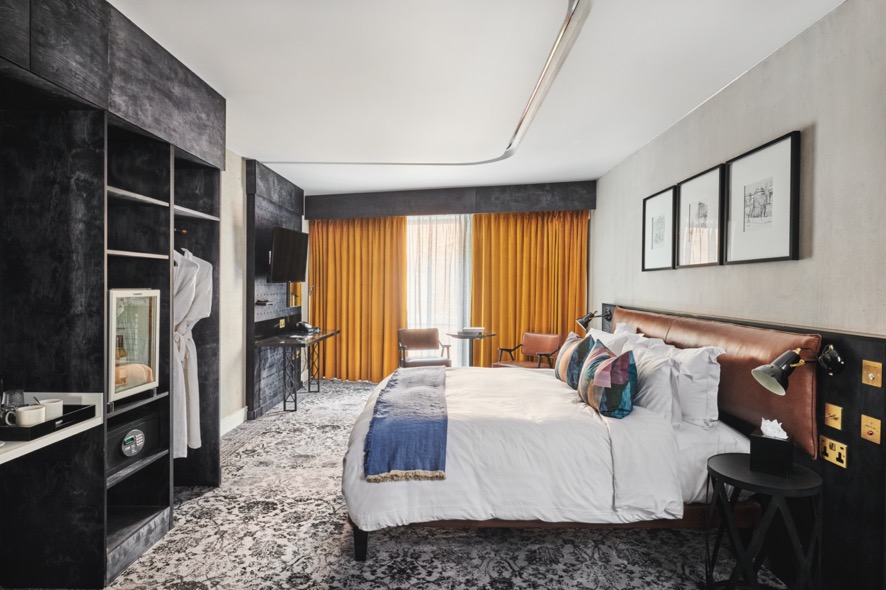
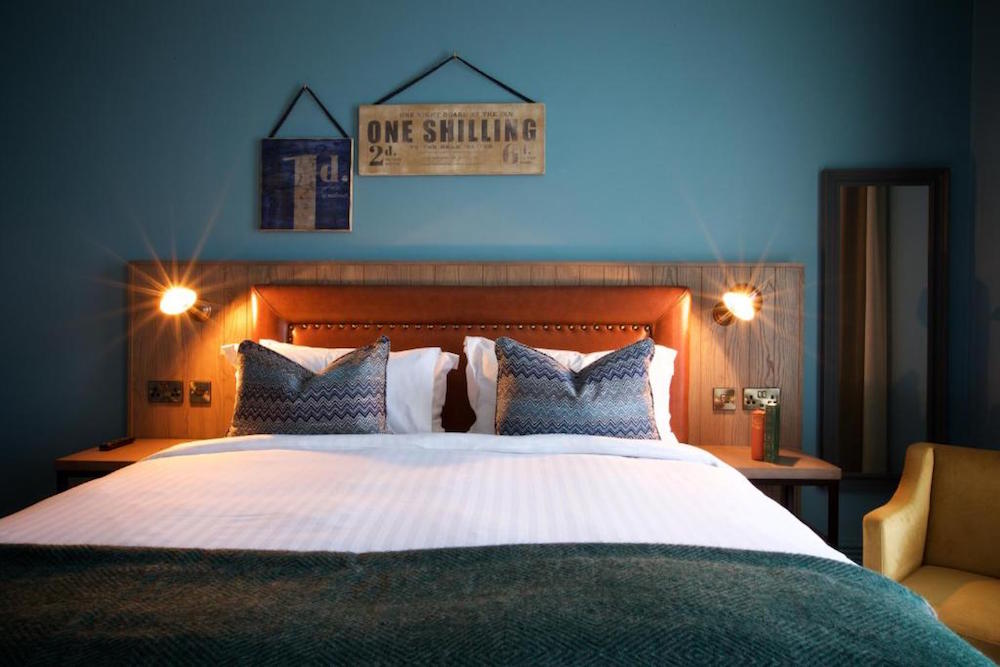
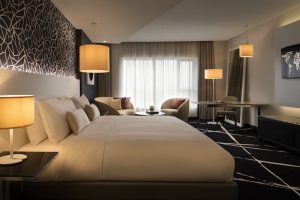
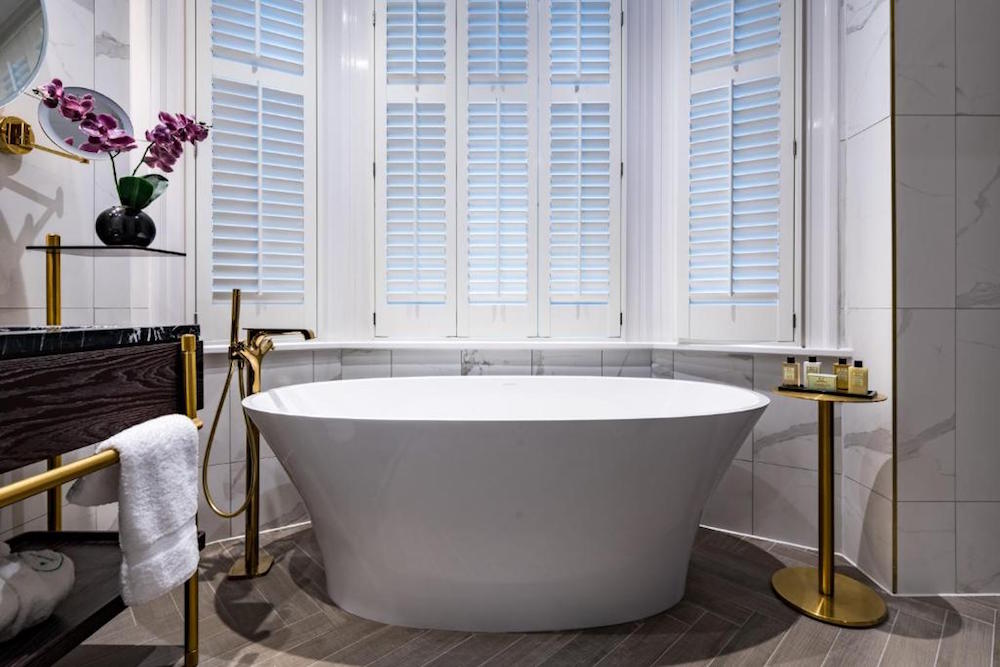
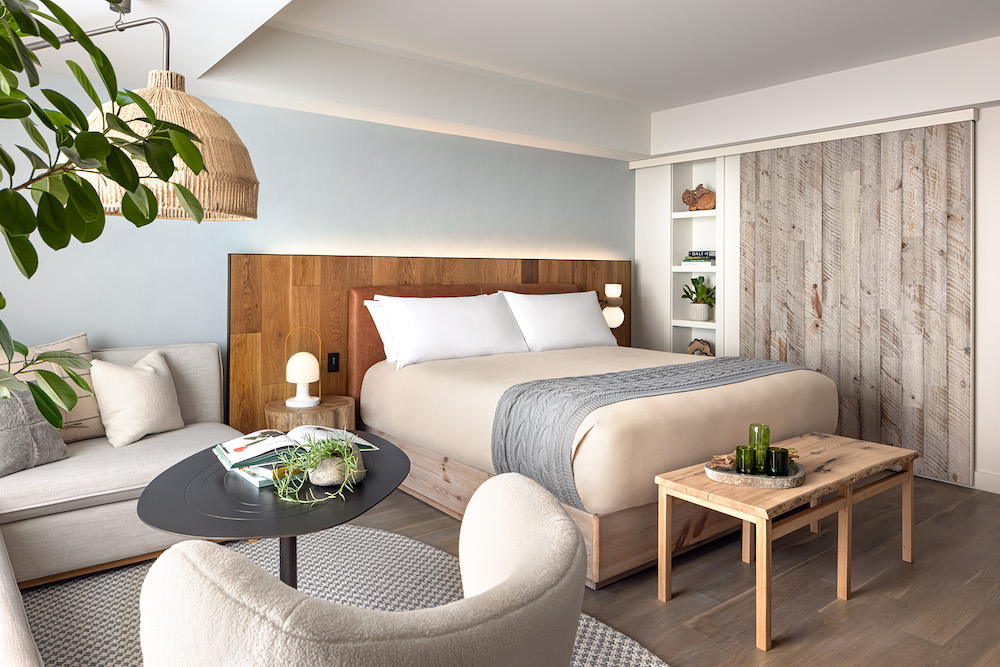
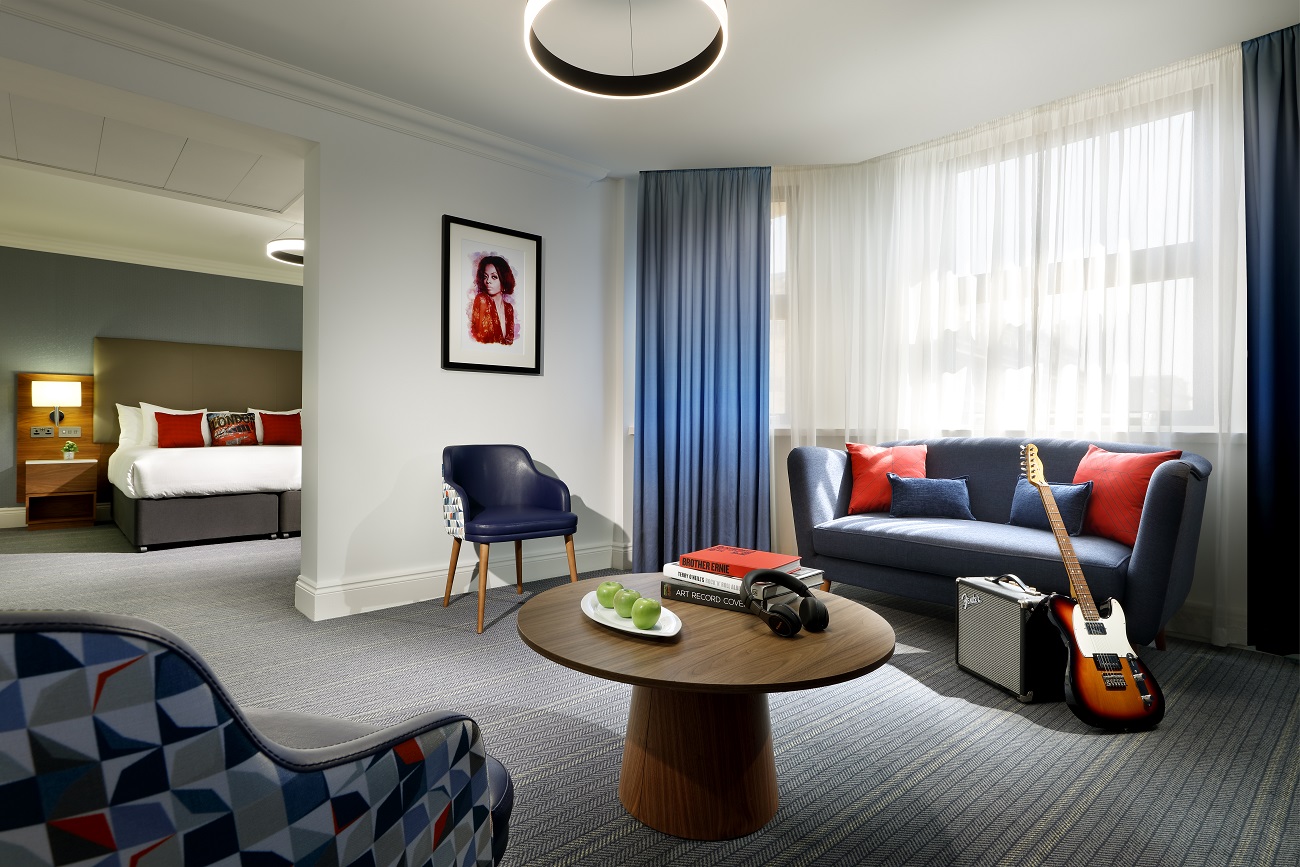
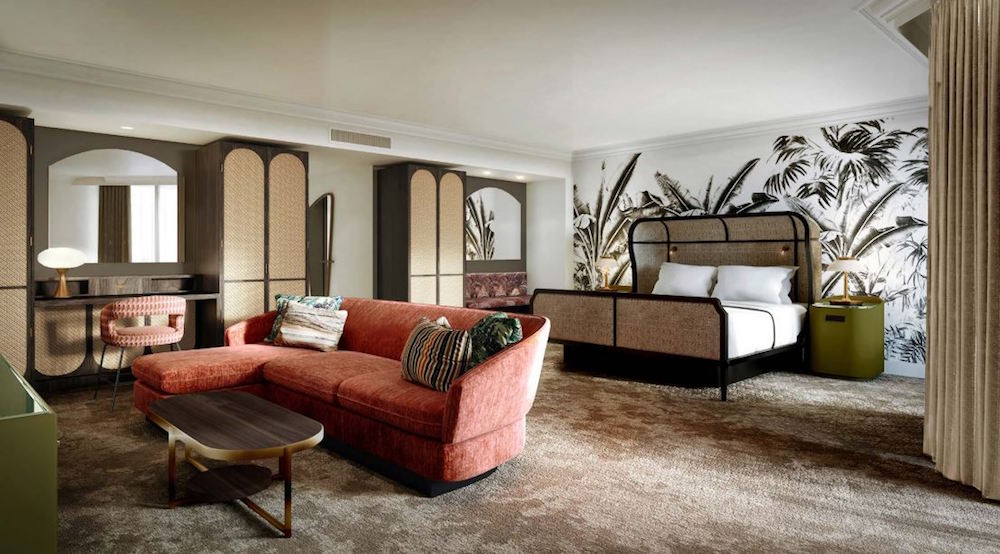
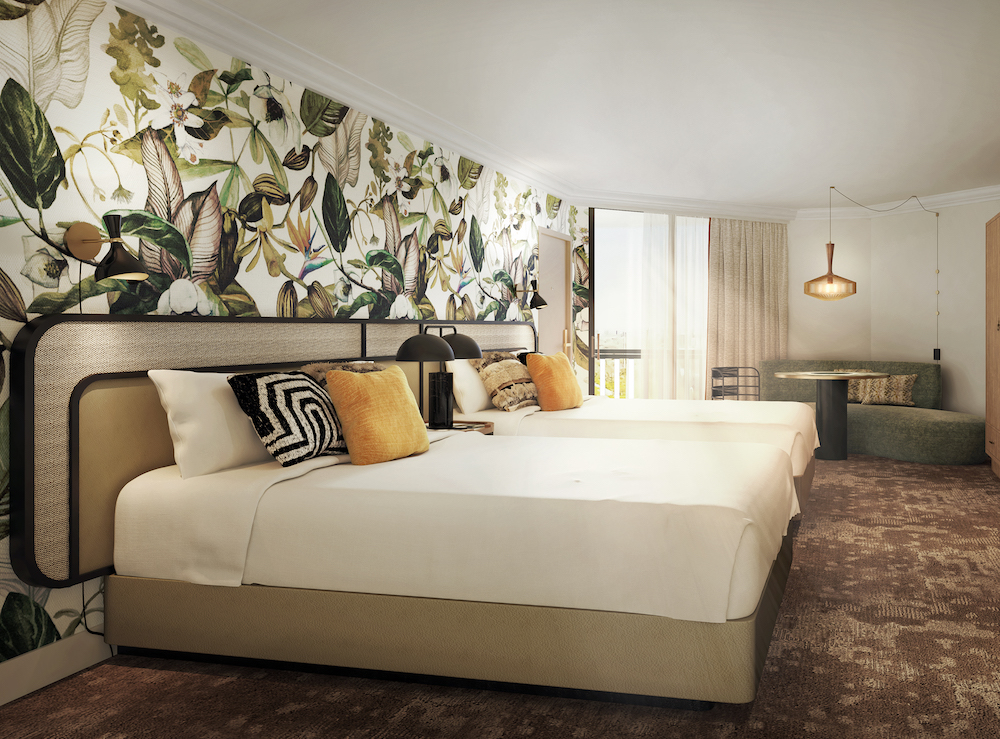
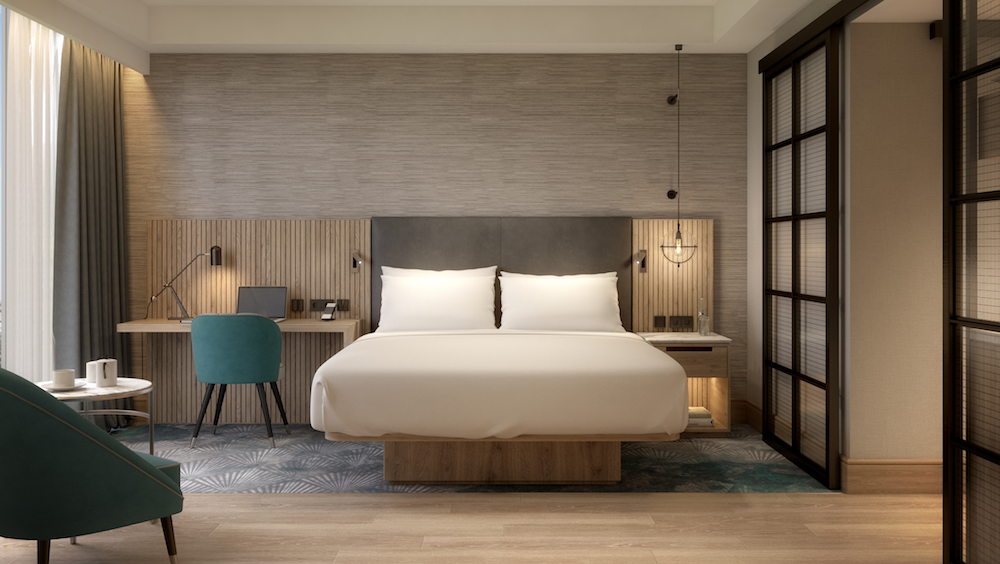
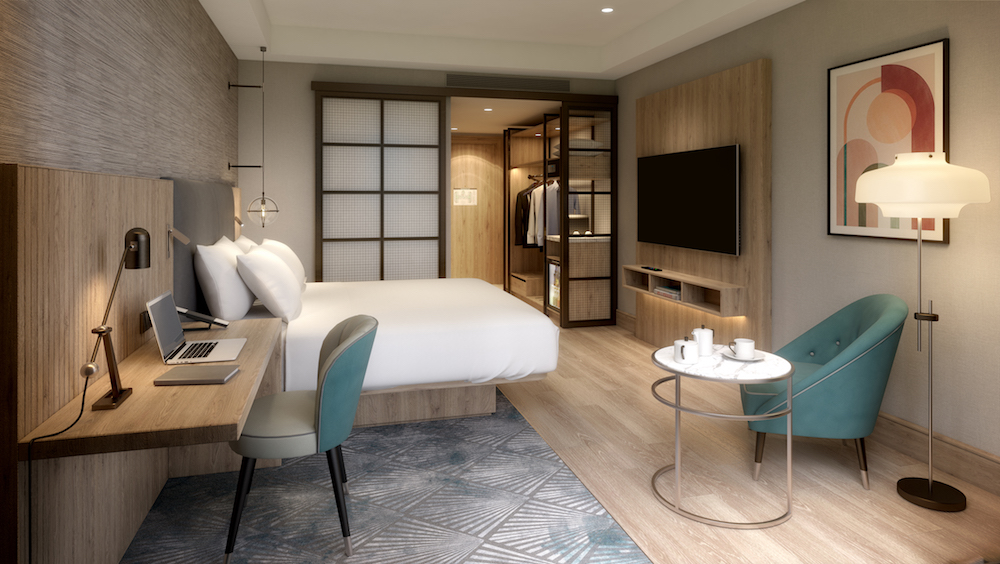
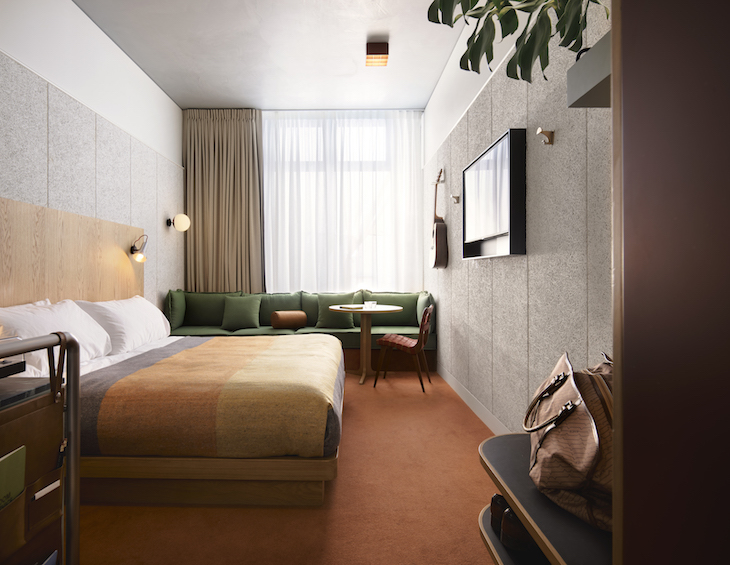
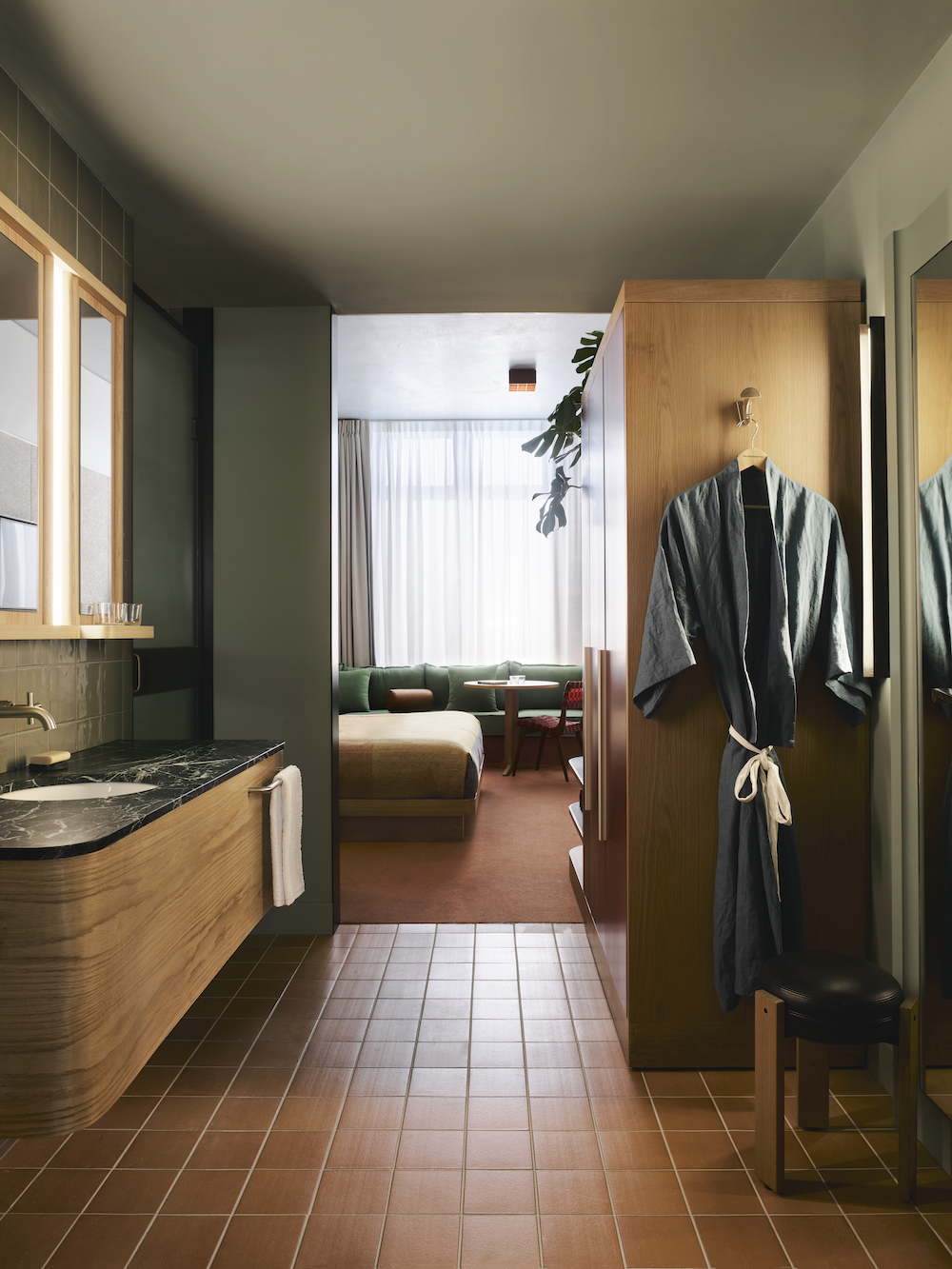
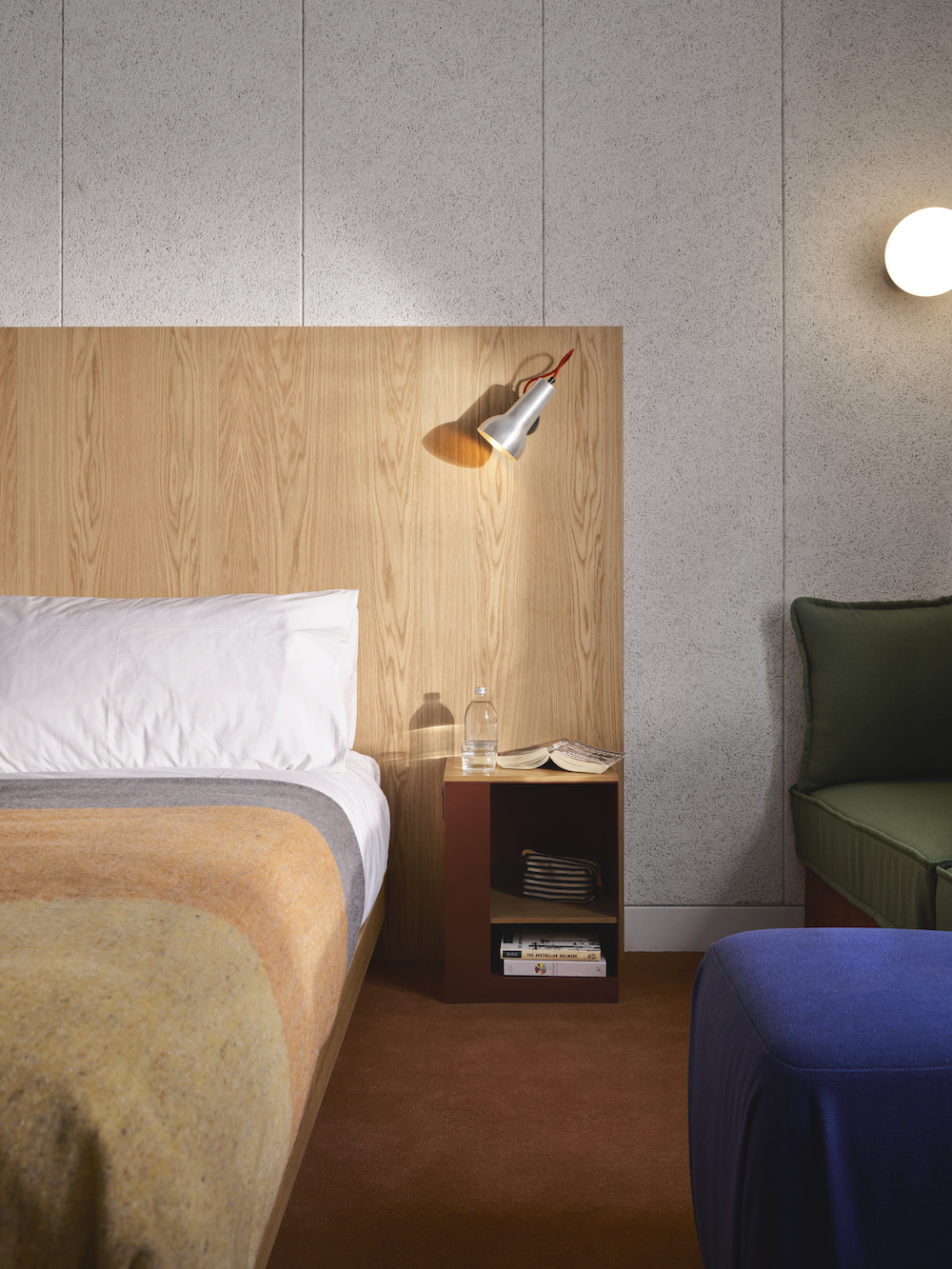
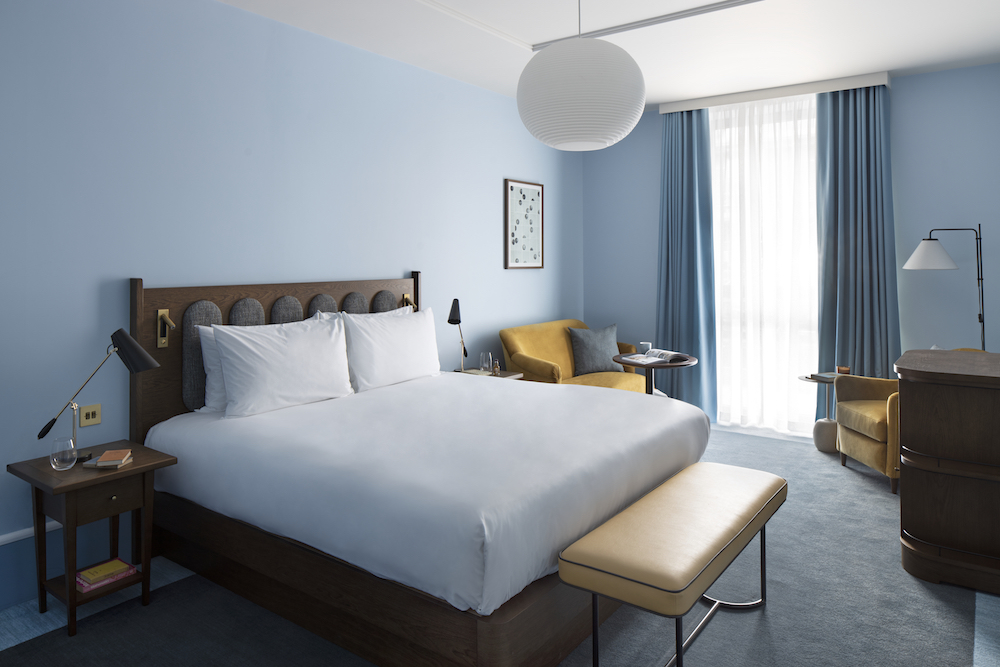 The 150 chic guestrooms mix understated grandeur with art deco touches. Warming mustard velvets mix with bold, calming blues, all complemented by rich walnut wood touches. 57 guestrooms offer a stunning courtyard view, 30 of which are deluxe rooms offering an even more spacious stay. Rooms include a selection of thoughtful amenities, featuring a flat screen television with Bluetooth capabilities, an alarm clock radio with Bluetooth pairing, Bee Kind bath amenities, cosy bathrobes and more.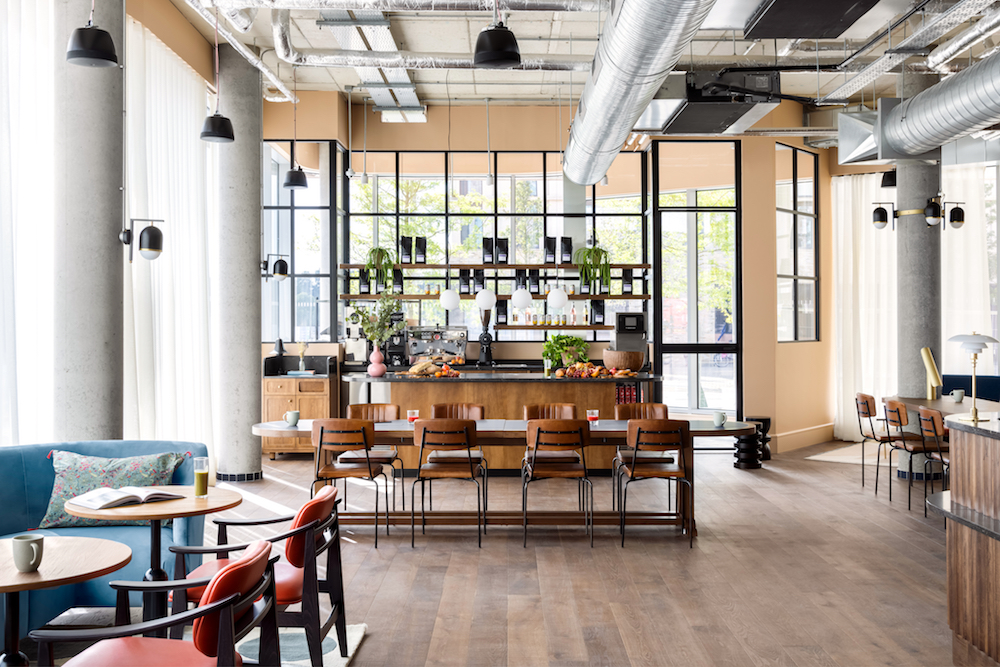
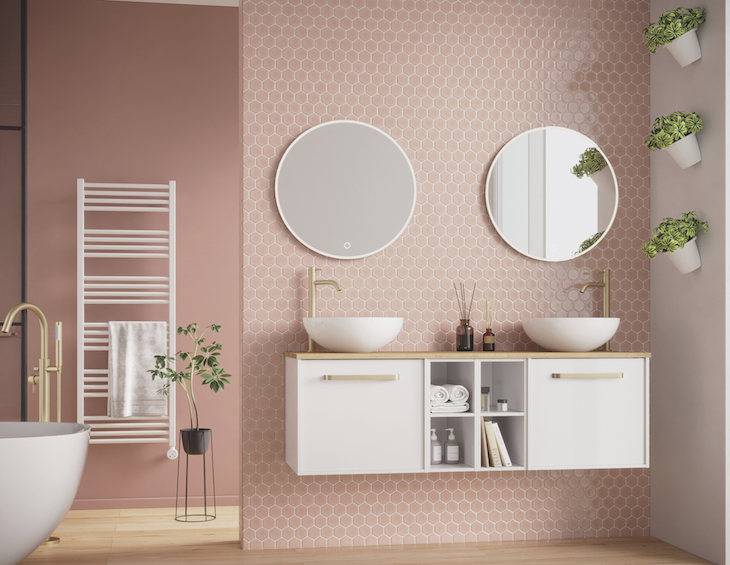
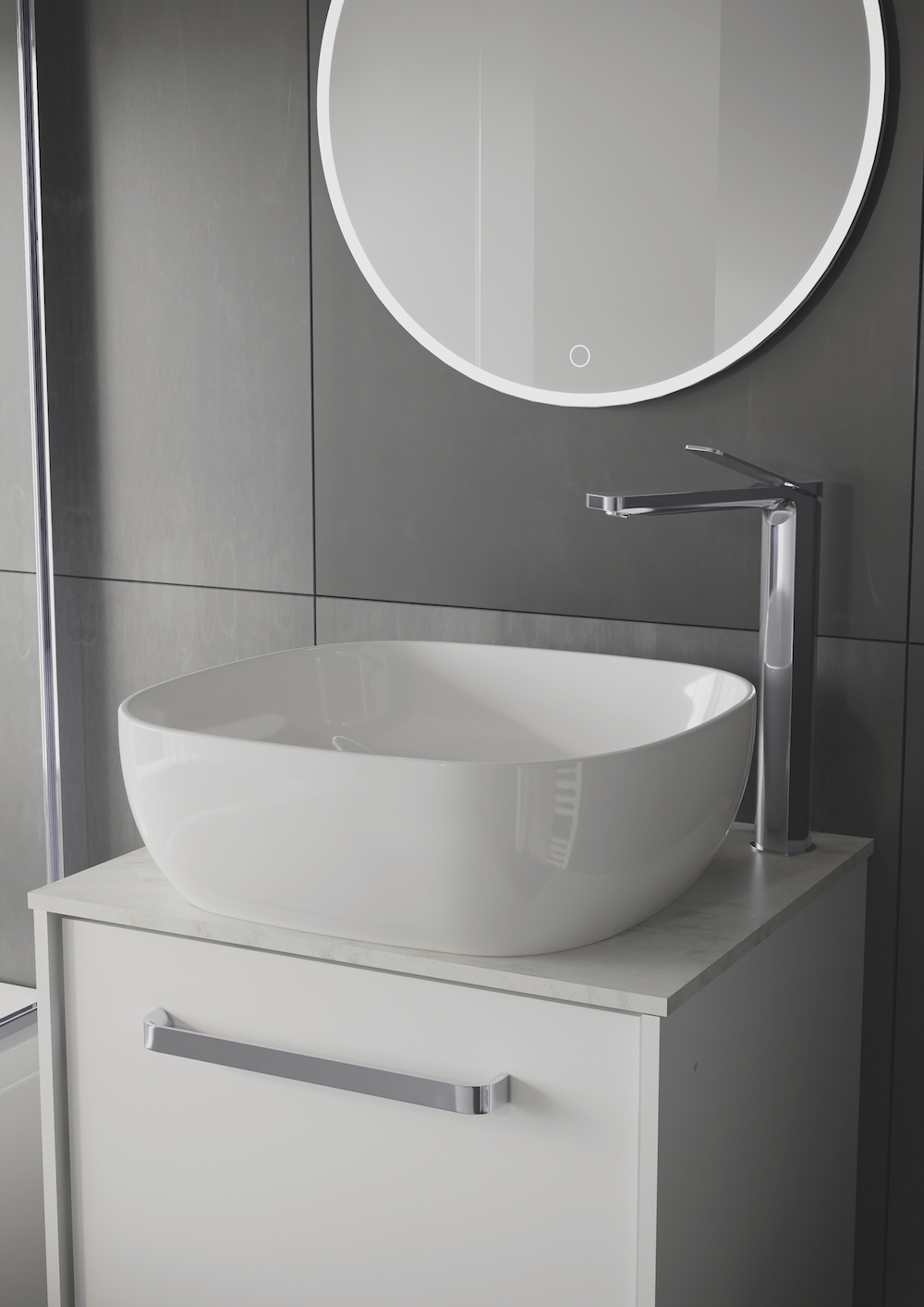
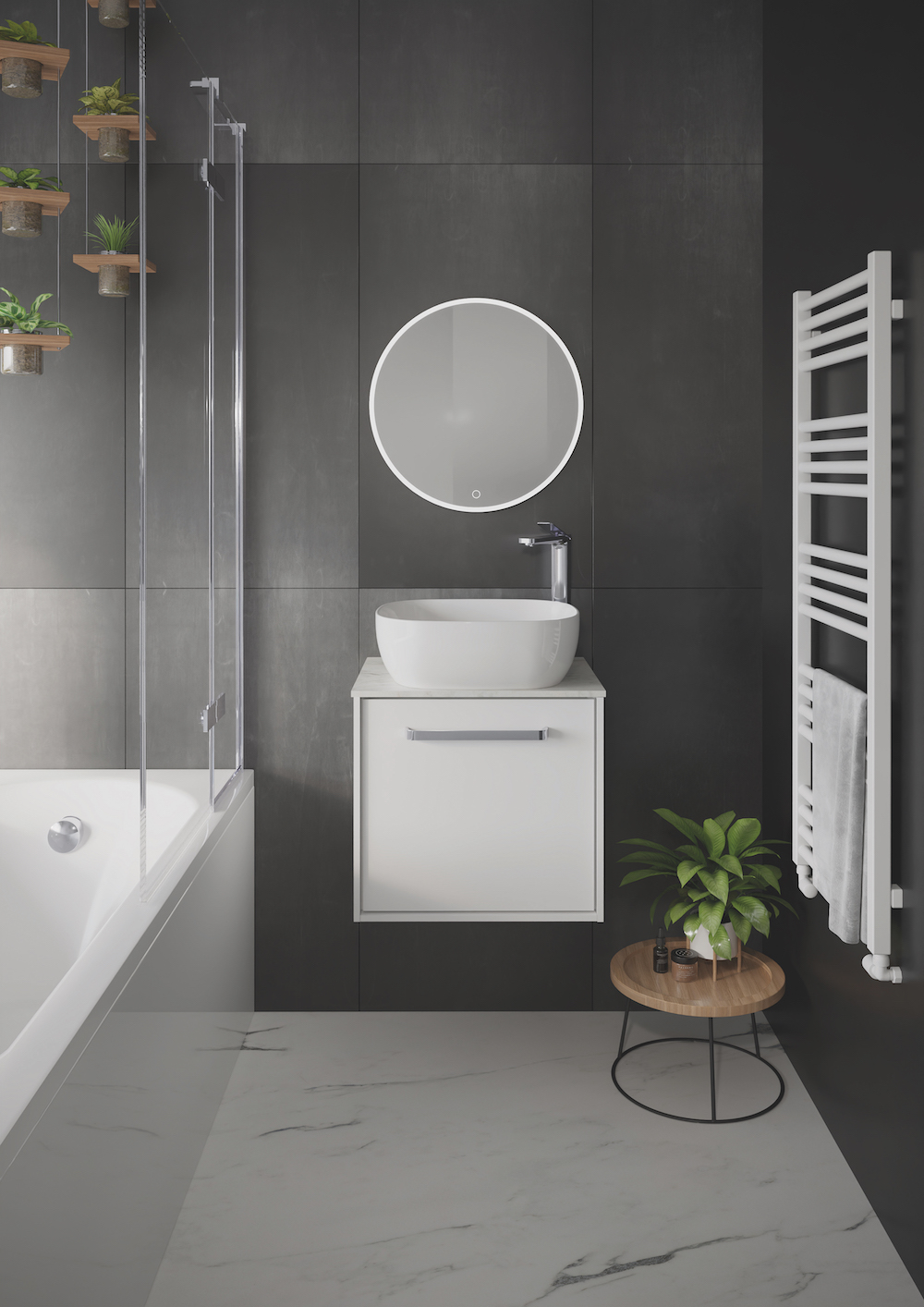
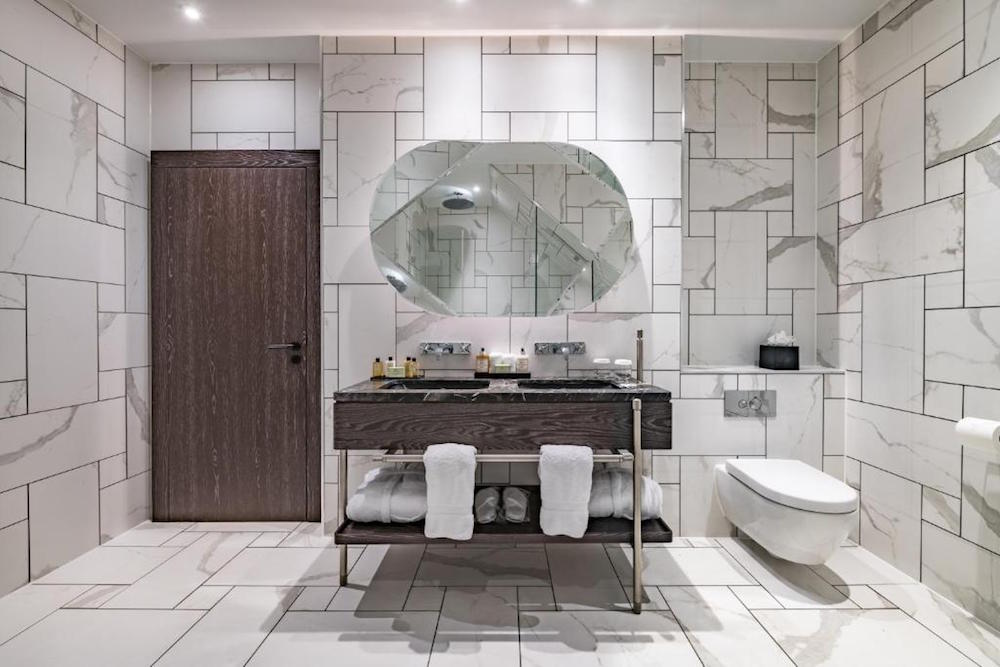
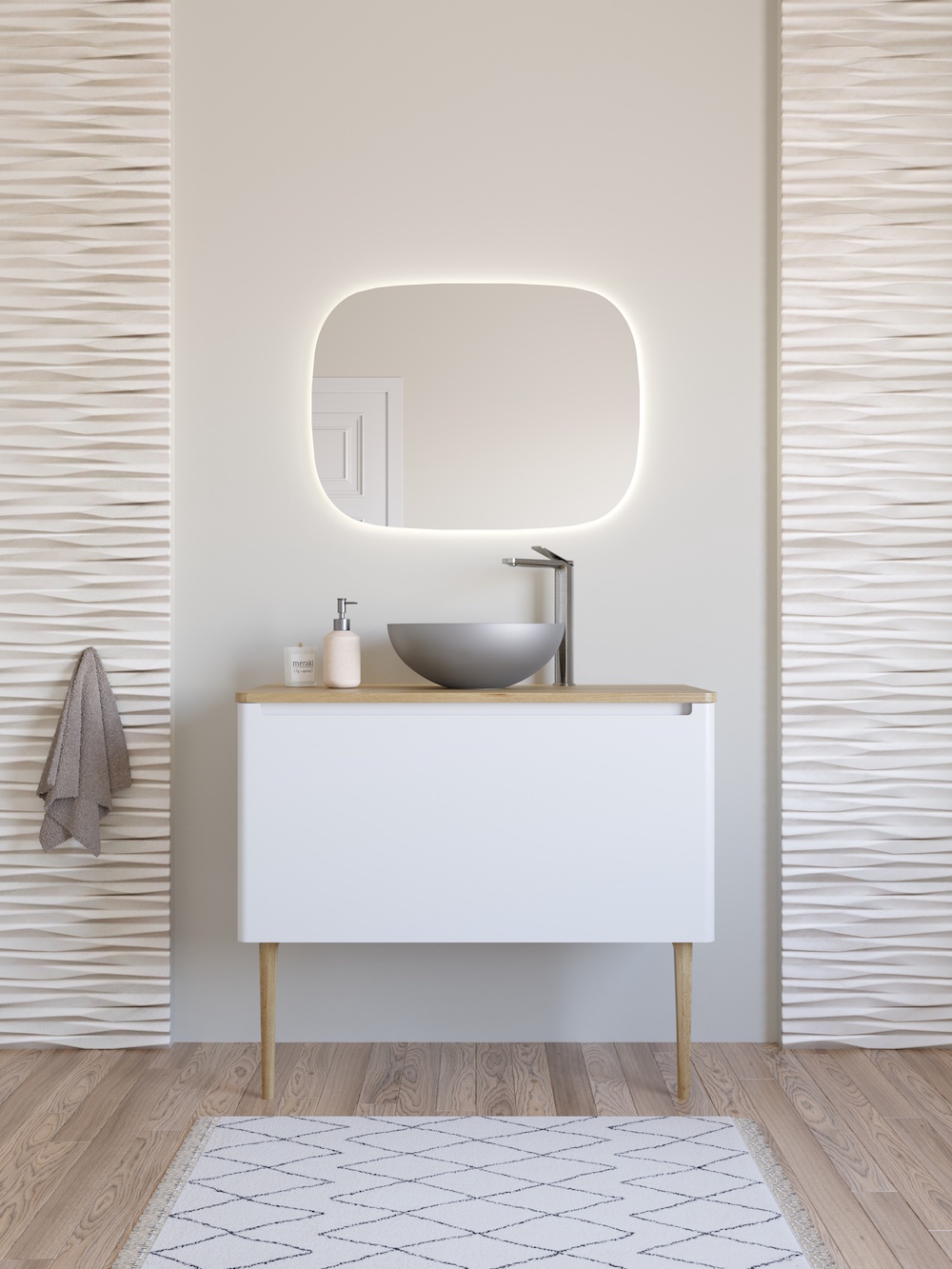
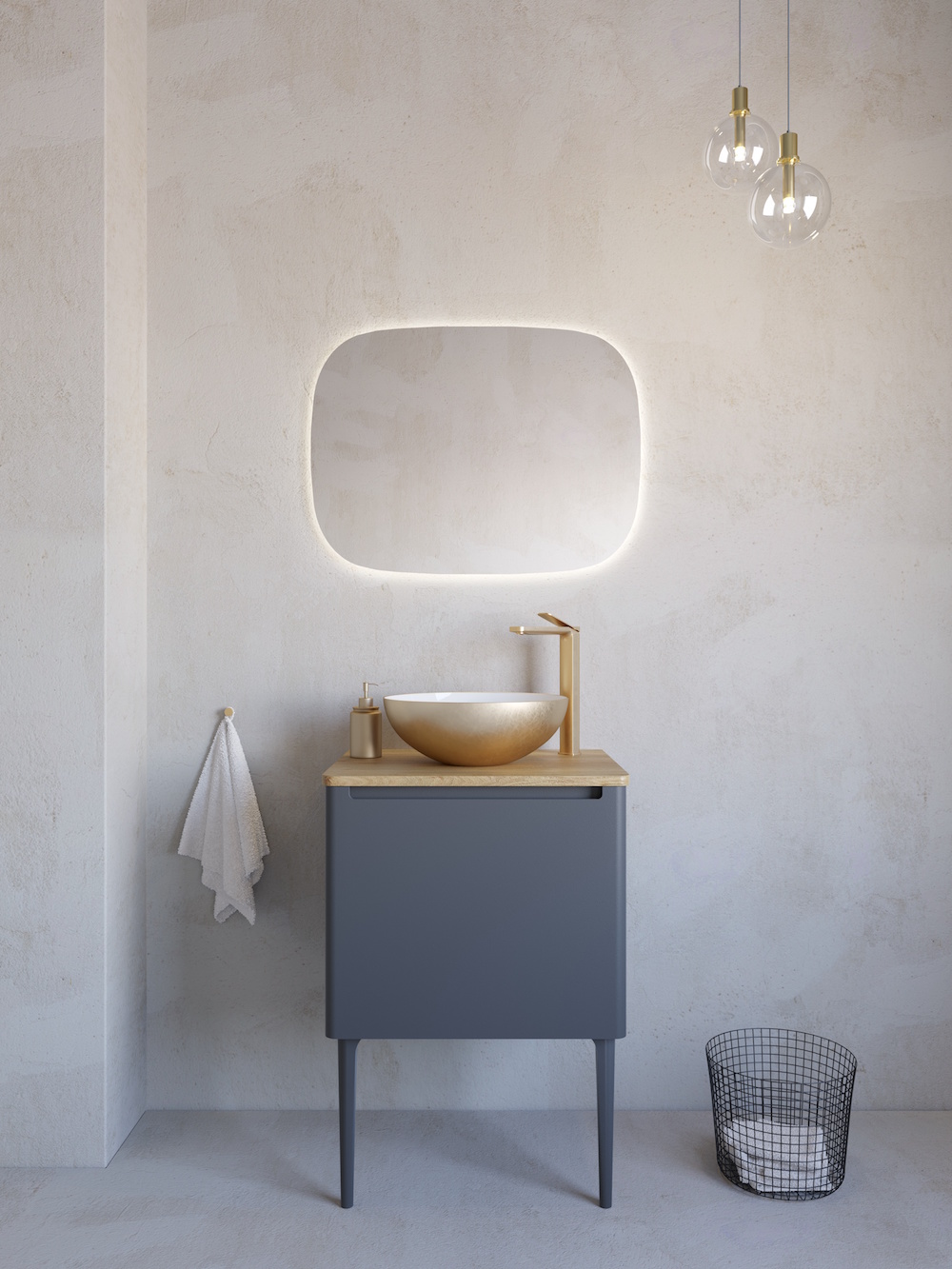
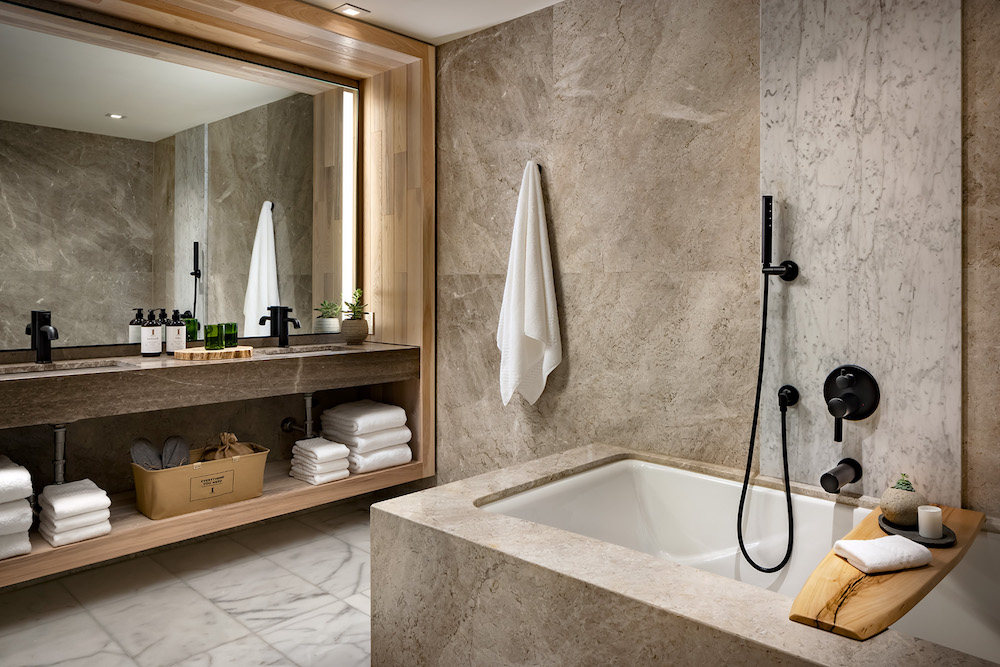
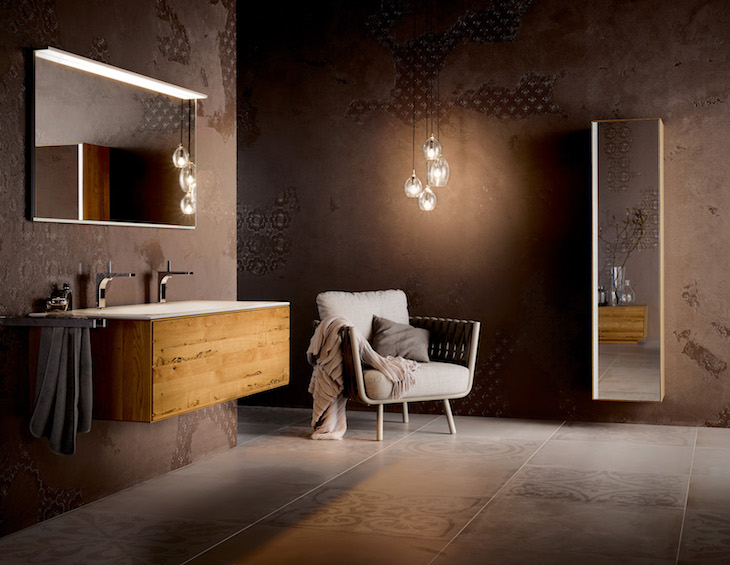
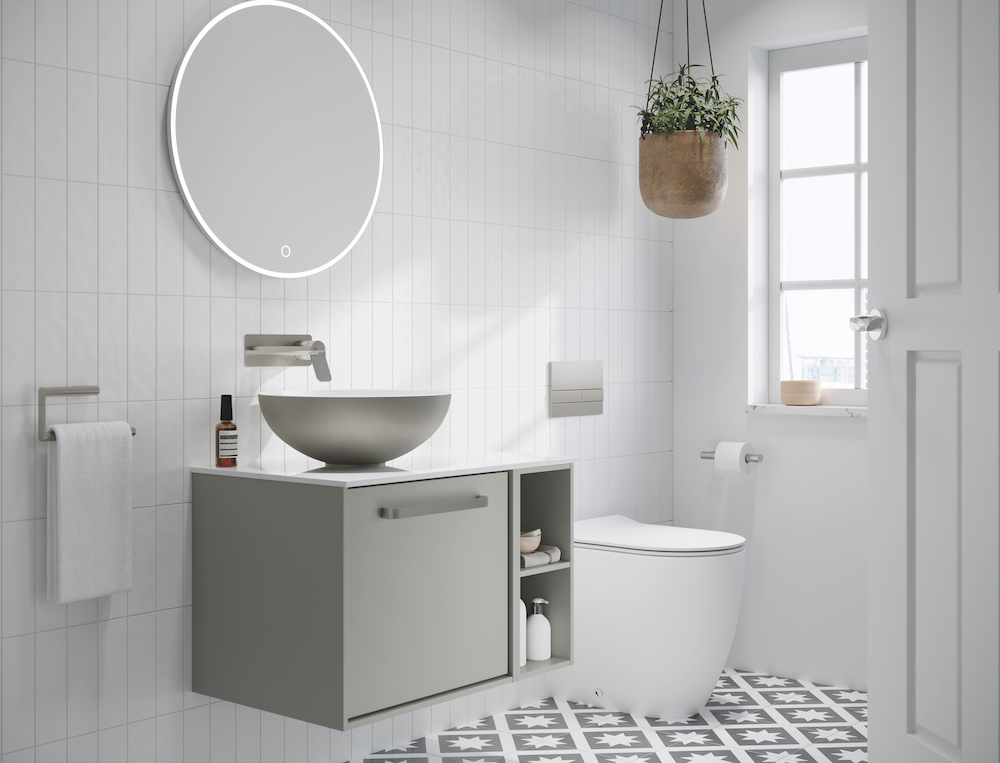 There are six worktop sizes available that match any base unit configuration. With a choice of three colours, carrara marble effect, polar white, and windsor oak, each worktop is crafted from a hard-wearing solid surface material that is easy to clean and impenetrable to dust, dirt, and bacteria.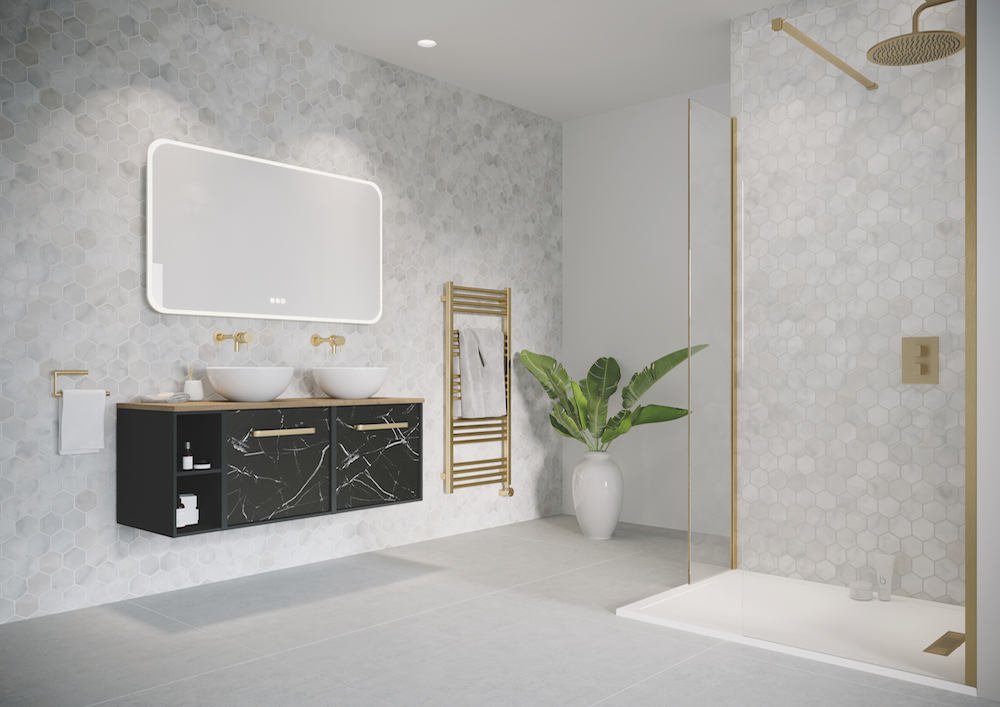

![Two_Bedroom_Pool_Villa_Bedroom_[9461-ORIGINAL]](https://hoteldesigns.net/wp-content/uploads/2021/09/Two_Bedroom_Pool_Villa_Bedroom_9461-ORIGINAL.jpg)