Hotel Designs

NEWS AND ANALYSIS FOR HOTELIERS, DESIGNERS AND INDUSTRY SUPPLIERS
Effective 30 January 2026, The Sirēya Desaru Coast became Mandarin Oriental, Desaru Coast, under the management of Mandarin Oriental.

Mandarin Oriental, Desaru Coast – a new era begins

1024 640 Pauline Brettell
Mandarin Oriental, Desaru Coast – a new era begins

Marking a bold new chapter for the resort, The Sirēya Desaru Coast has relaunched as Mandarin Oriental, Desaru Coast, under the management of Mandarin Oriental…

Effective 30 January 2026, The Sirēya Desaru Coast became Mandarin Oriental, Desaru Coast, under the management of Mandarin Oriental.

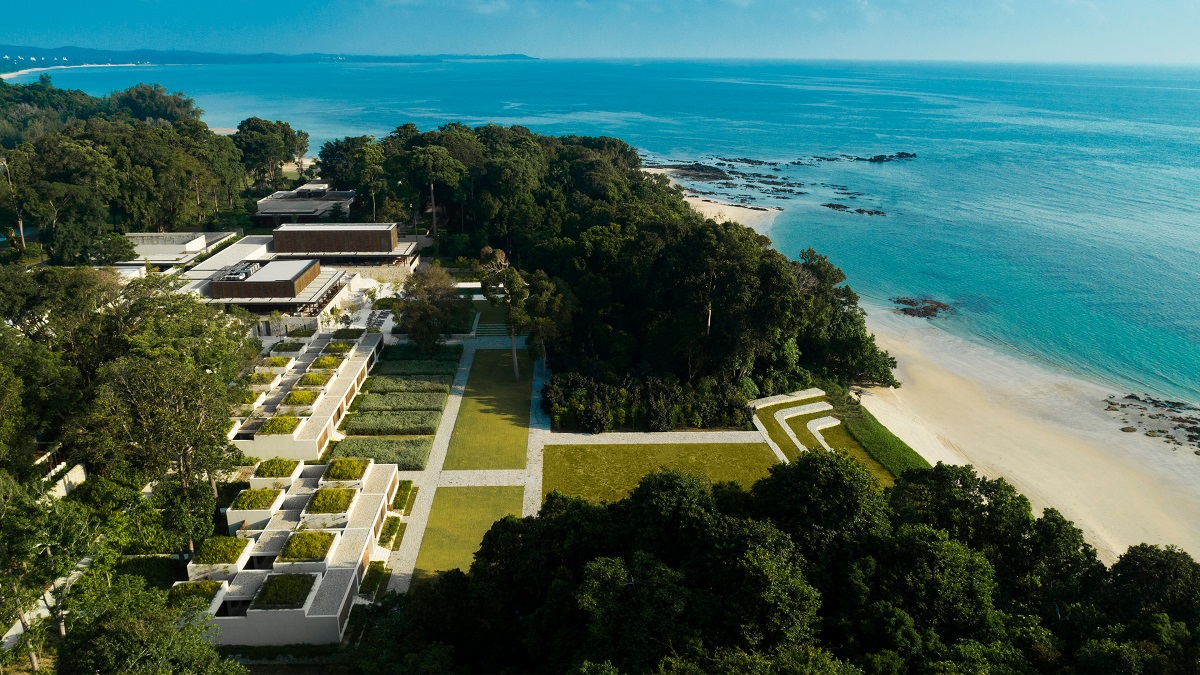
With the addition of this landmark property, Mandarin Oriental strengthens its global portfolio with its strategic expansion across Southeast Asia. Located along the southeastern shoreline of Johor, Malaysia, Mandarin Oriental, Desaru Coast is tucked within 128 acres of ancient rainforest and a one and a half kilometre beachfront. With its excellent regional and international connectivity, Desaru Coast is an attractive destination for travellers seeking to disconnect in a hidden sanctuary and reconnect with nature.

desaru-coast-contact-drone-view-ocean front

Image credit: Mandarin Oriental

Under the Group’s management, the resort captures the essence of destination through Malaysian culture and craftsmanship, harmoniously integrating the natural environment into its design, dining, recreational and wellness experiences, while offering guests Mandarin Oriental’s legendary service and exceptional experiences, shaped by its dual-Asian roots.

Inspired by the Malay meaning of Desaru, which is ‘village of soft palms,’ the resort is a hidden sanctuary that feels like a world away. Conceived as a natural extension of its surroundings, the property is situated within rainforest and shoreline, anchored by 300-year-old banyan trees that bear witness to its natural legacy.

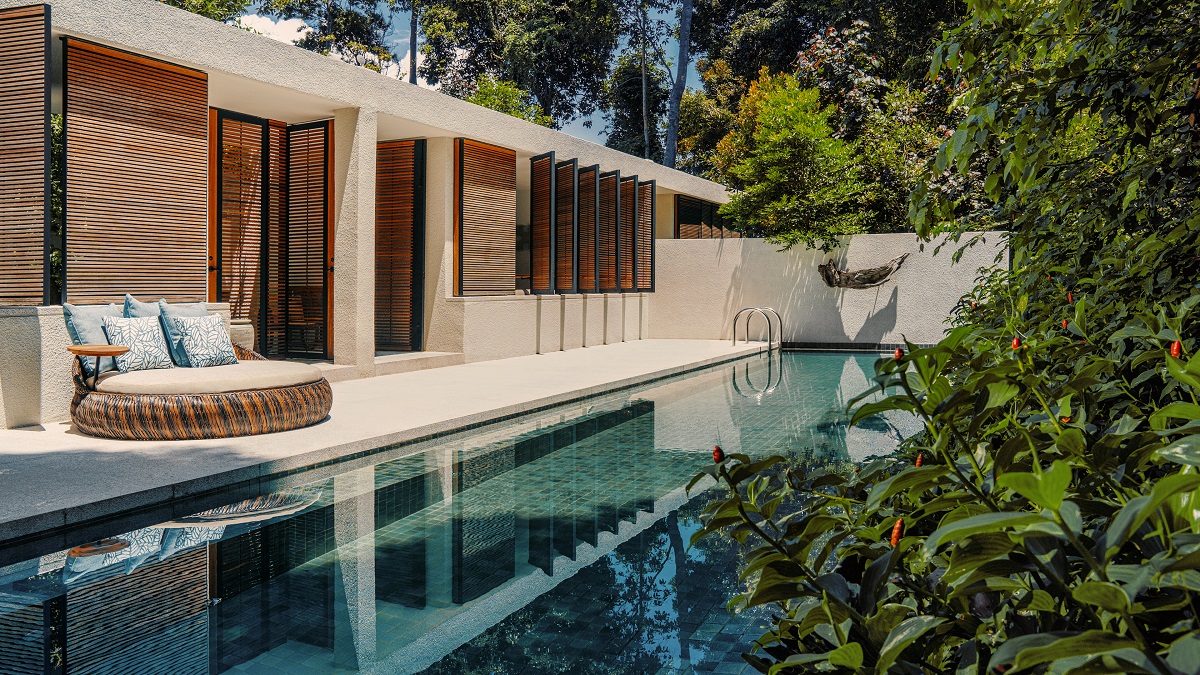
desaru-coast-stay-four-bedroom-pool-villa-exterior

Image credit: Mandarin Oriental

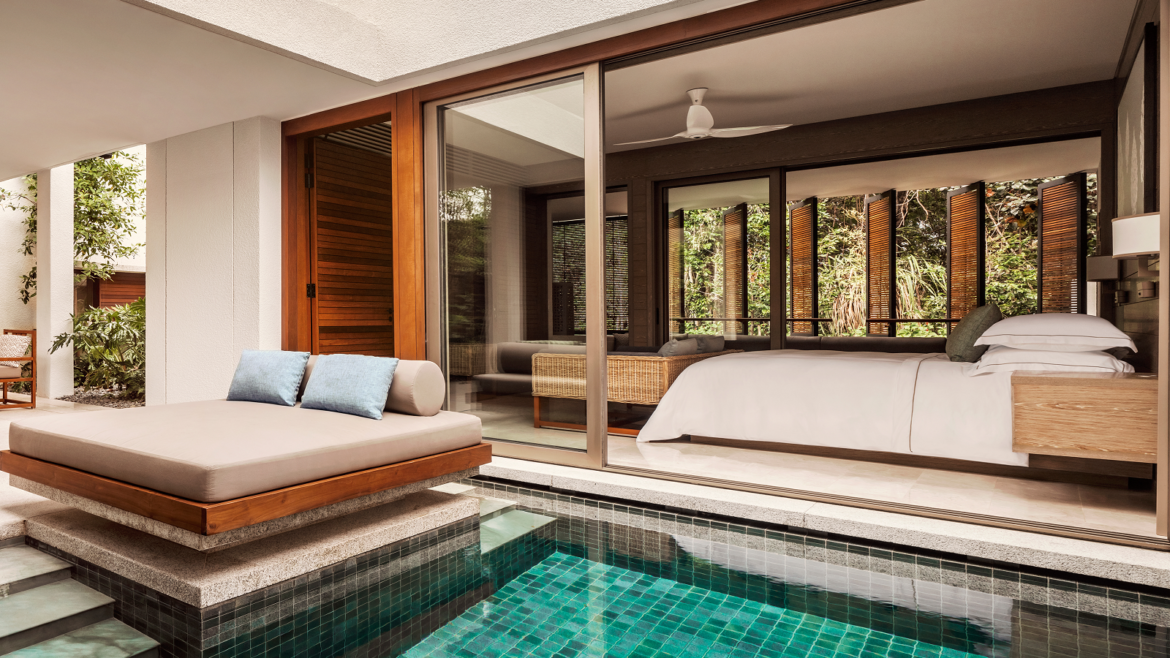
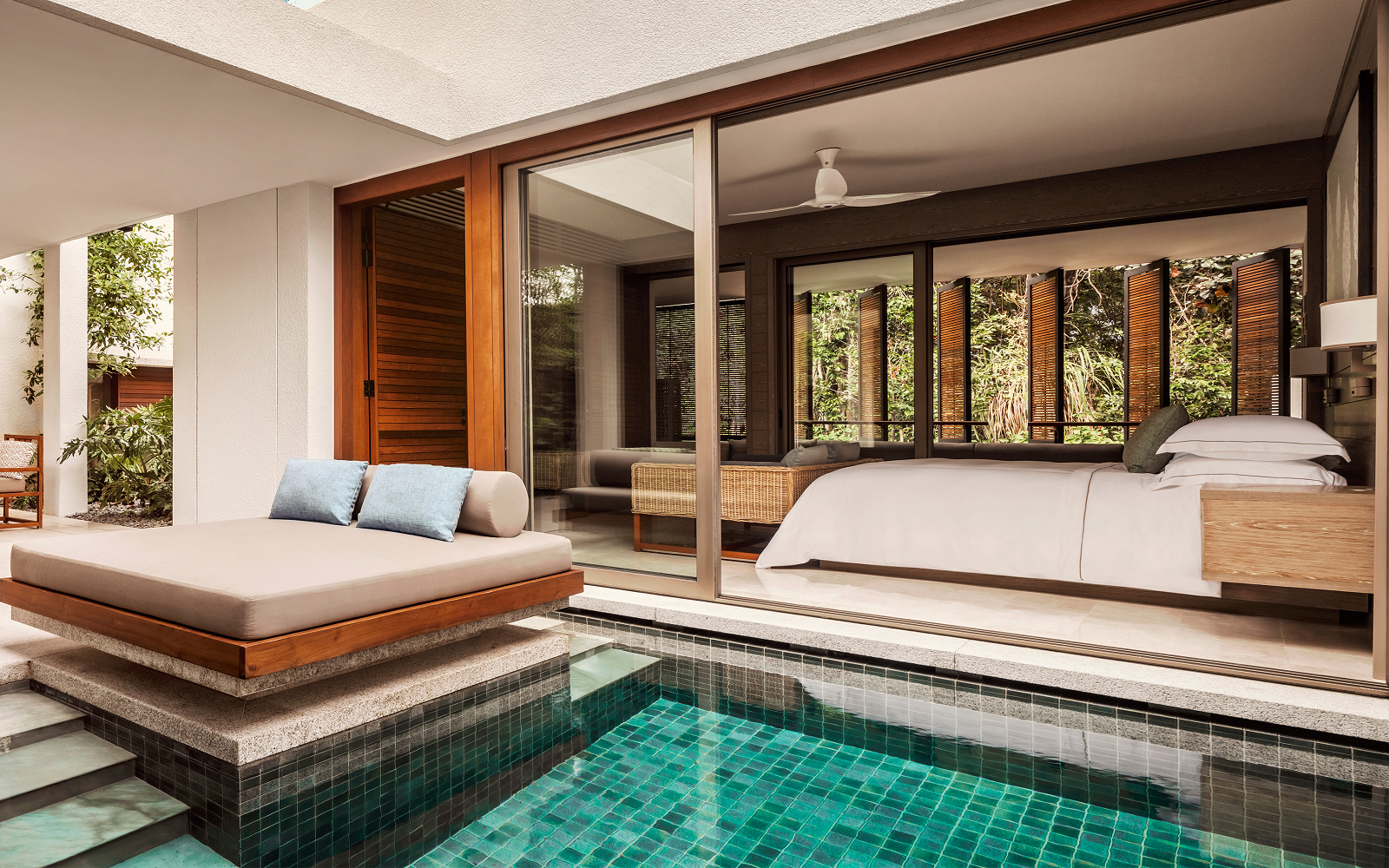
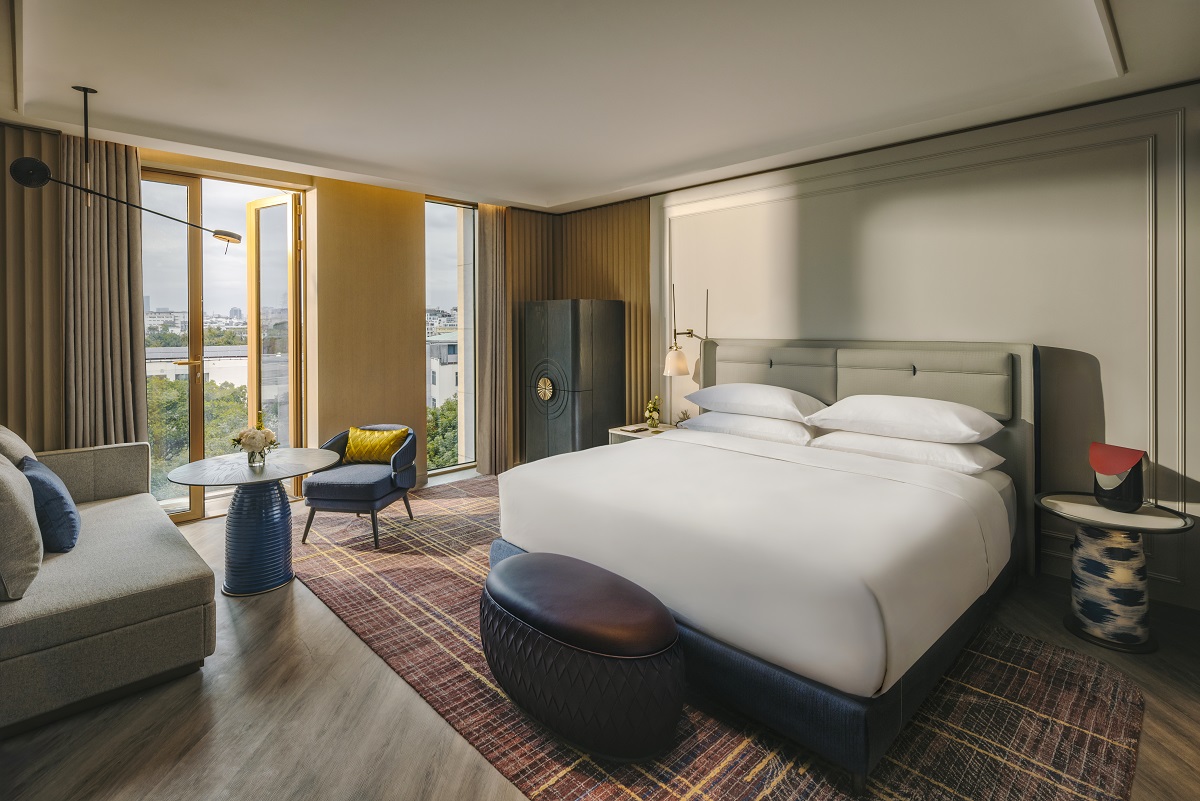
The resort features 44 suites and one exclusive Four Bedroom Pool Villa. Each suite is generously proportioned from 105 square metres and features a private plunge pool, courtyard and veranda overlooking either the rainforest or the sea, allowing guests to immerse themselves fully in the surrounding natural sanctuary without leaving the resort.

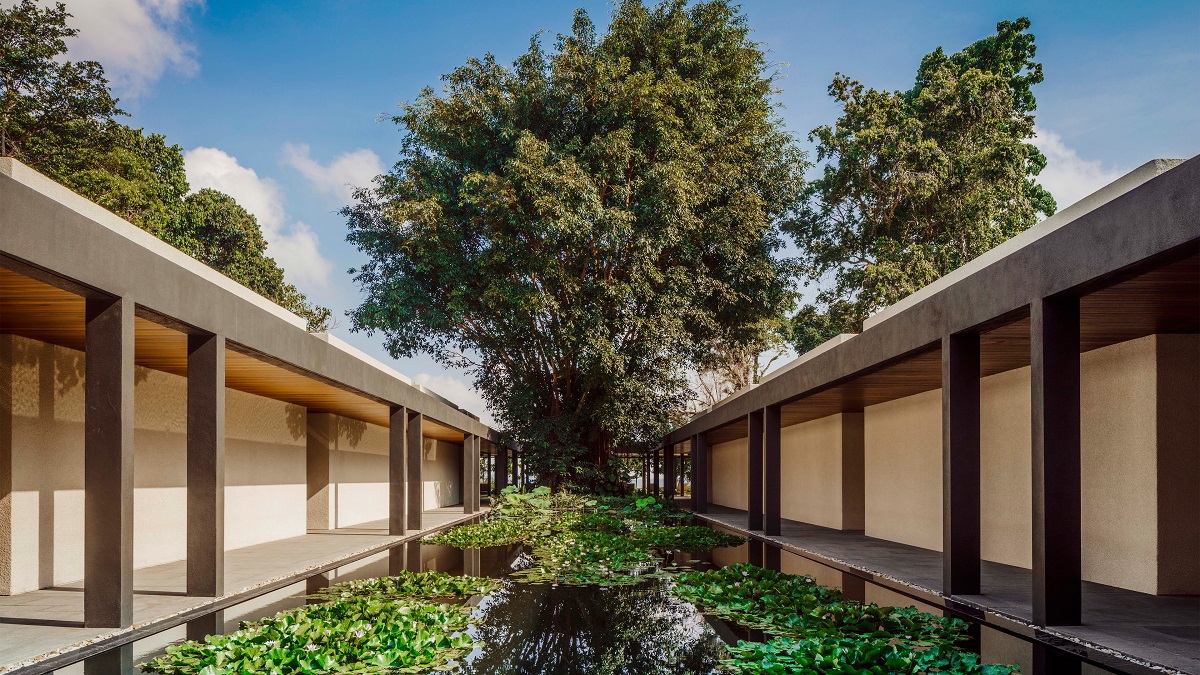
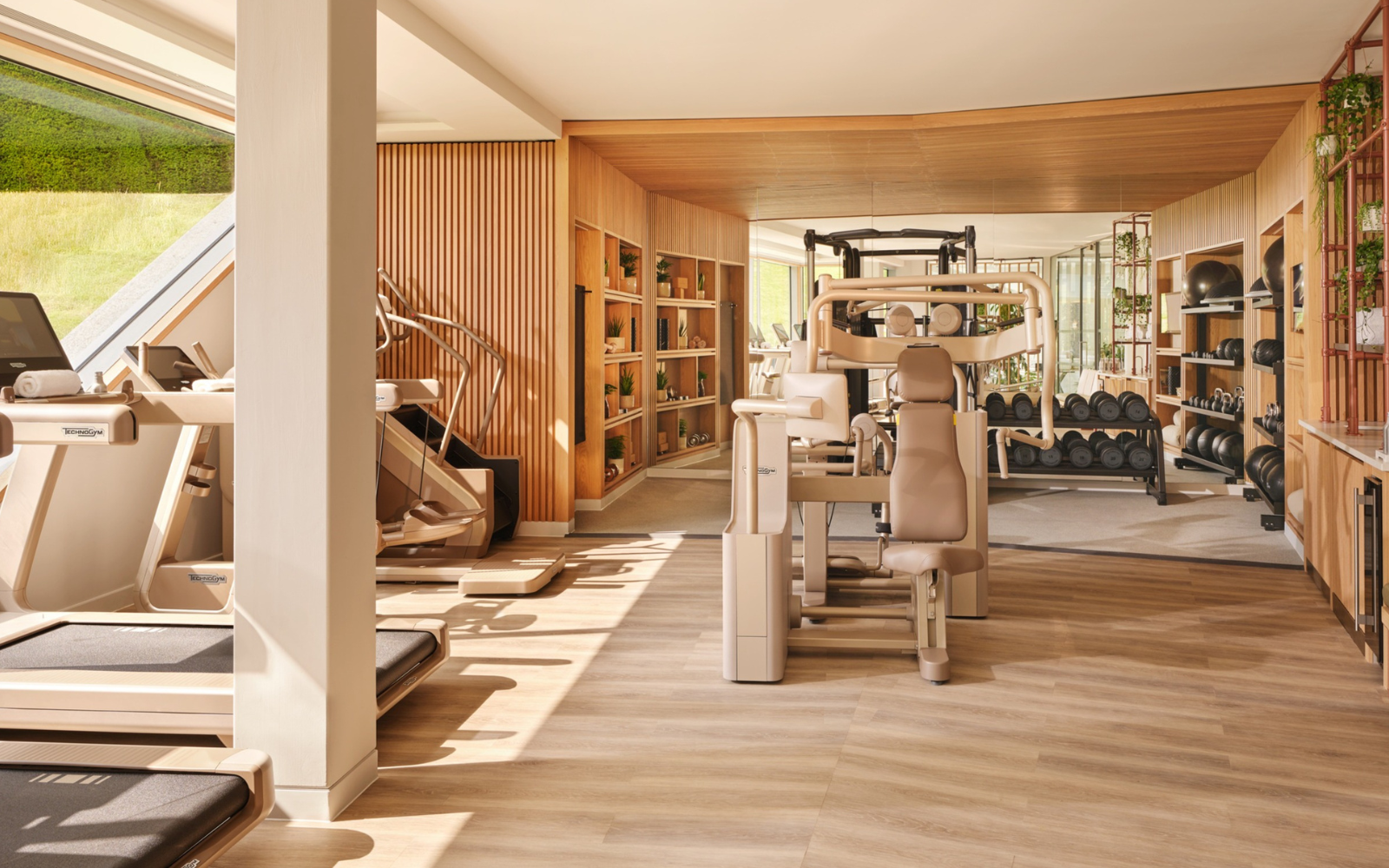
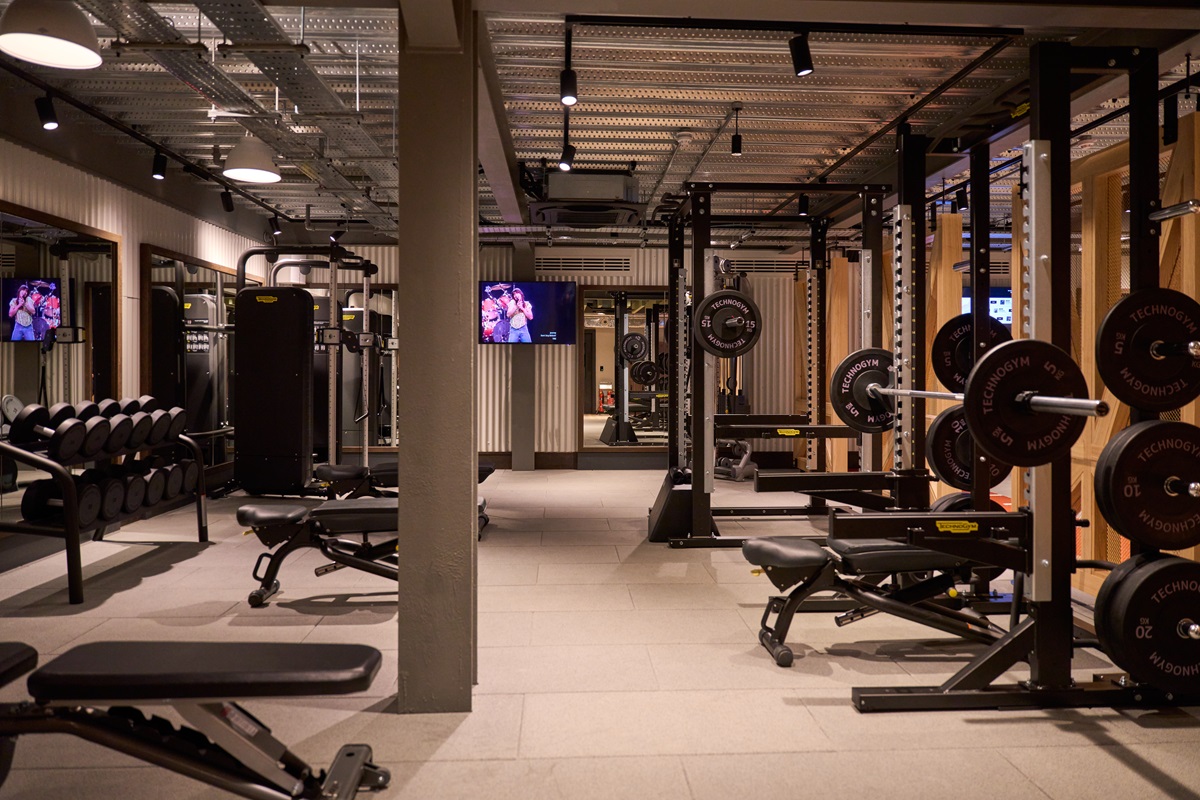
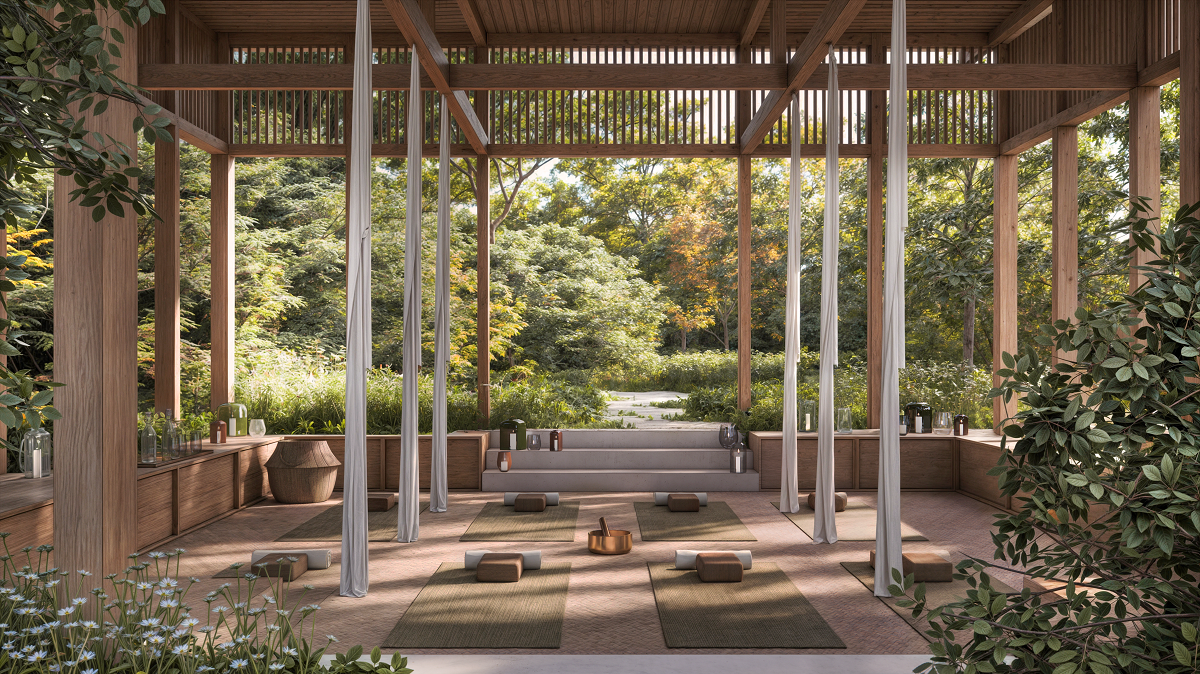
Wellness at Mandarin Oriental is inspired by nature and time-honoured traditions, transforming Malaysia’s rich natural resources into immersive journeys of restoration and balance. The Essence of Desaru is expressed through two signature rituals. Ocean Homecoming restores harmony to body and mind using indigenous elements such as coconut, sea salt and algae, while Jungle Wild Surge reawakens the senses through a guided breathing ritual, followed by a revitalising scrub and massage infused with local herbs and spices drawn from the surrounding rainforest. These experiences are complemented by science-led facial rituals by Augustinus Bader, alongside a 24-hour fitness centre equipped with Technogym, an indoor yoga studio and an open-air yoga pavilion overlooking the sea.

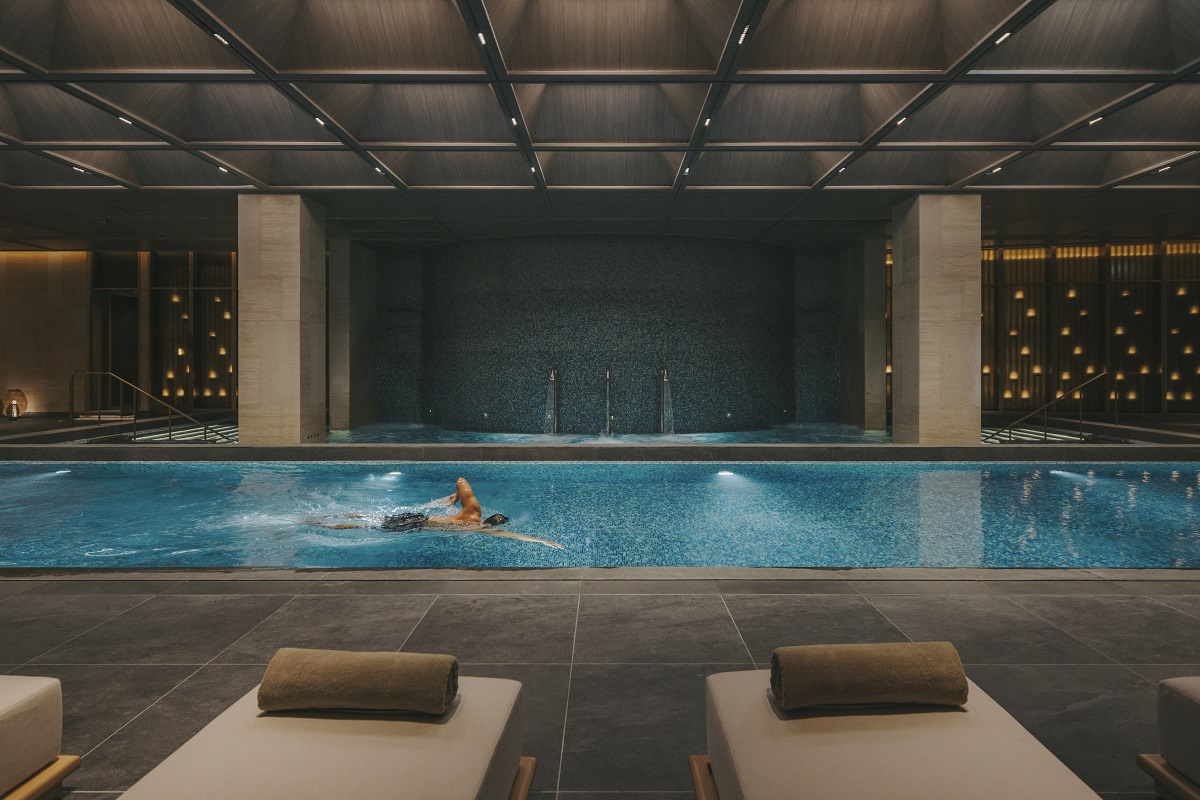
desaru-coast-stay-rainforest-grand-suite-lap-pool

Image credit: Mandarin Oriental

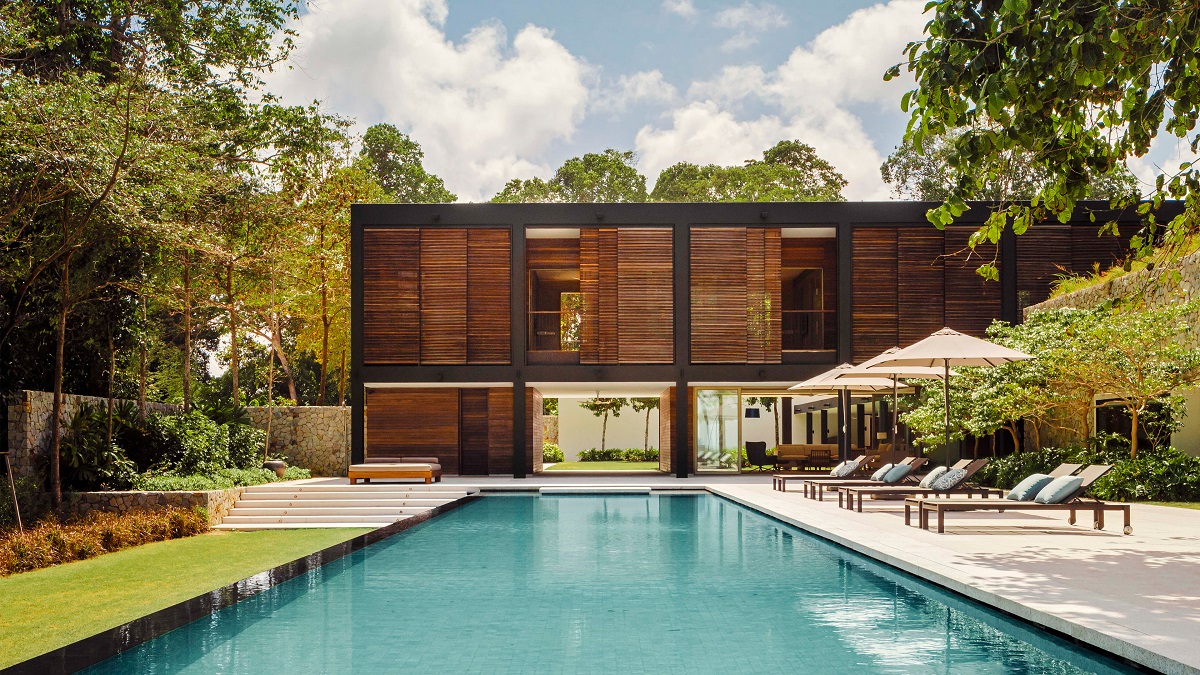
Recreation continues the dialogue with the natural world. A 56-metre infinity pool frames sweeping ocean views, while two additional pools at the beach club sit at the water’s edge. Mindful movement is encouraged through activities including tennis, padel, cycling and Silat Melayu, Malaysia’s revered martial art.

Guided nature walks, jogging trails, water sports and encounters with dusky monkeys and native wildlife deepen the connection to place, inviting guests to slow down, explore and engage with the natural rhythms and biodiversity of Desaru Coast.

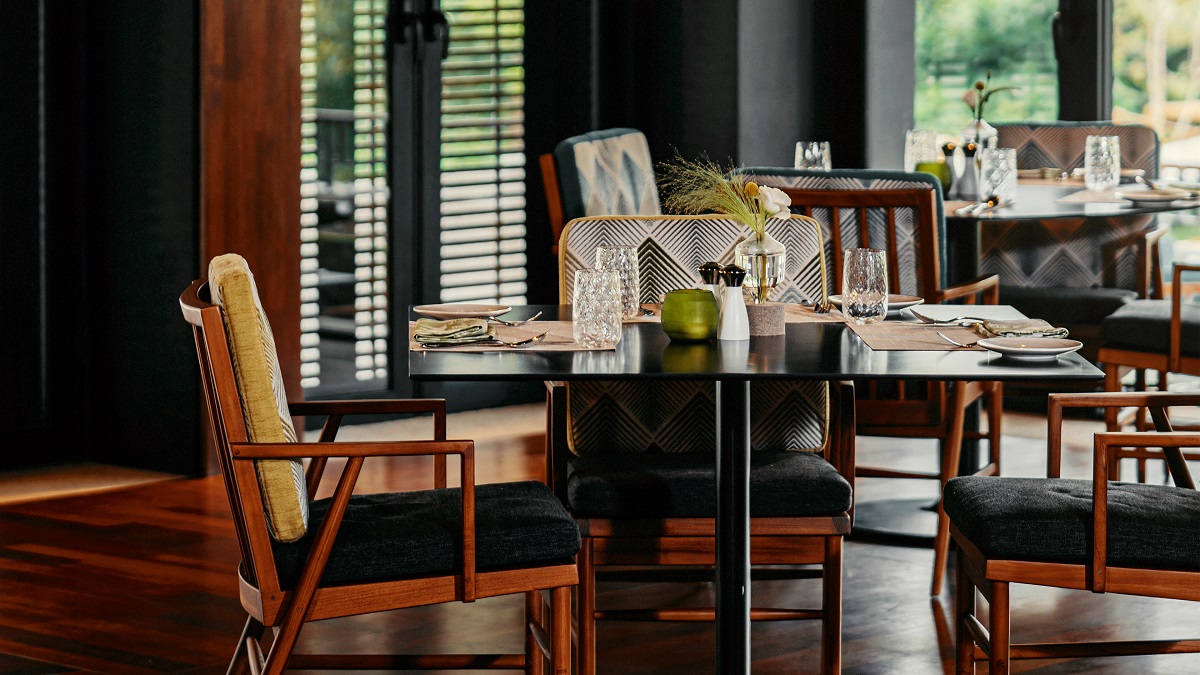
desaru-coast-dine-ambara

Image credit: Mandarin Oriental

Culinary offerings at the all-day dining restaurant, lobby bar and beach club will be further strengthened under the helm of Executive Chef Ahmad Fazli Abdulrahman. Chef Fazli was trained in classic French fine dining and has worked in Dubai, Maldives, Saudi Arabia, Singapore and his native Malaysia, where he started his Mandarin Oriental journey at Mandarin Oriental, Kuala Lumpur. With Chef Fazli’s guidance, the signature restaurant Ambara will focus on seasonal provenance from Malaysia’s abundant ingredients. Dusky Monkey will feature Straits-inspired bites and handcrafted cocktails and beverages. Ember Beach Club will continue to offer Asian-style barbeque, with a new beach club concept slated to debut in late 2026, elevating the destination as a signature lifestyle hub for day-to-night coastal living.

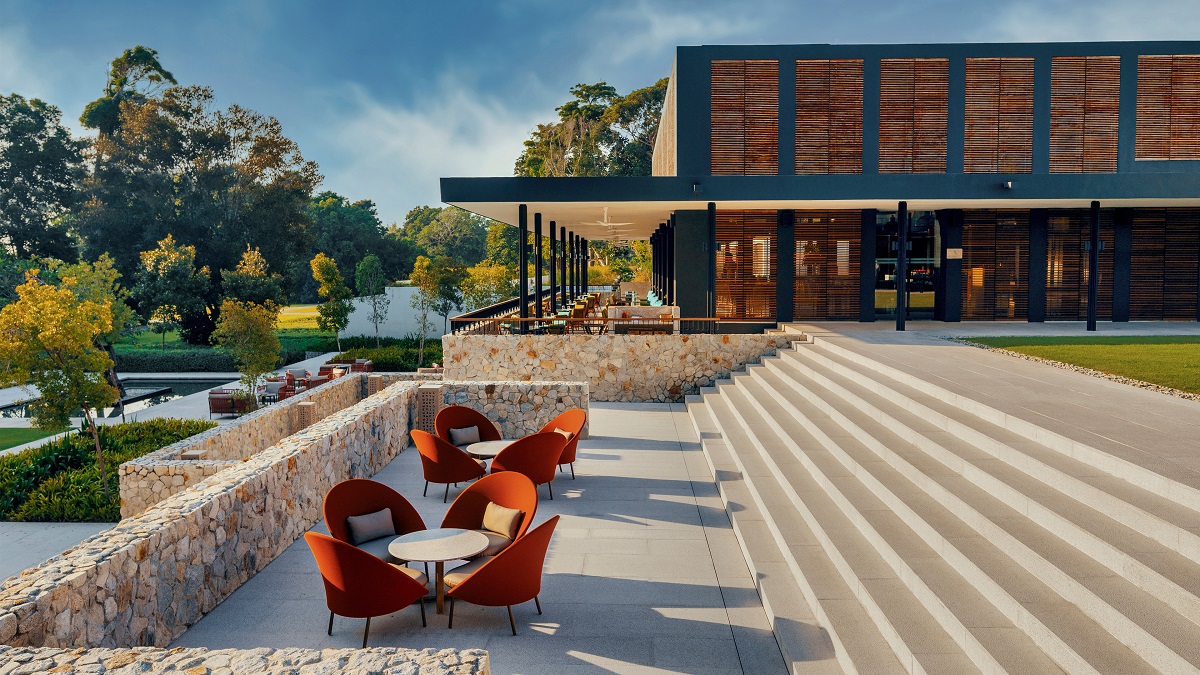
Mandarin Oriental will introduce considered updates to further elevate the guest experience. Enhancements include the lobby and arrival area, suites, and beach club. While these updates are carried out, guests will continue to experience Mandarin Oriental’s legendary service and uncompromising quality. The resort will also introduce the region’s first collection of luxury branded residences. Tailored to the destination, Mandarin Oriental Residences will offer discerning homeowners a refined coastal lifestyle.

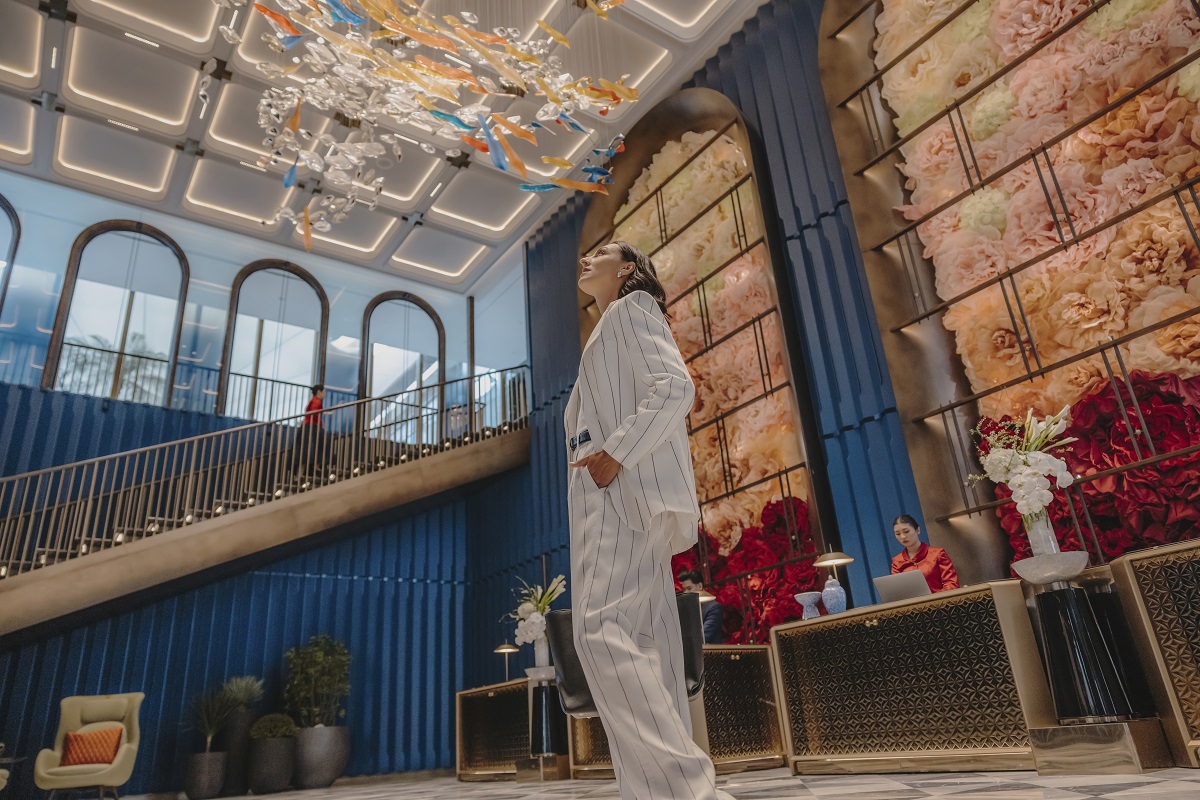
desaru-coast-homepage-lobby-centre-lounge

Image credit: Mandarin Oriental

“Mandarin Oriental, Desaru Coast is set to become one of Southeast Asia’s most sought after coastal resort, a sophisticated retreat for travellers who value space, nature, and authenticity,” said Laurent Kleitman, Group Chief Executive of Mandarin Oriental. “Mandarin Oriental is proud to help elevate this remarkable destination onto the world stage, and we are committed to shaping its future with care, craftsmanship, and excellence.”

Dato’ Mohamed Nasri Sallehuddin, Chairman of Destination Resorts and Hotels, added, “Mandarin Oriental’s arrival at Desaru Coast marks a proud milestone for Johor and for the destination, bringing together a globally revered luxury brand with the warmth, character and spirit of Malaysia. This partnership reflects our shared commitment to excellence rooted in authenticity, where luxury is shaped by place, culture and purpose. We are especially proud that this collaboration creates meaningful career opportunities for Malaysians with one of the world’s most respected hospitality brands.”

desaru-coast-wellness-spa-pond

Image credit: Mandarin Oriental

Darhim Dali Hashim, Group Chief Executive Officer of Destination Resorts and Hotels, commented, “As Desaru Coast enters its next chapter, our focus remains on delivering distinctive experiences that drive sustainable growth and long-term value. The upcoming launch of the Mandarin Oriental branded residences will further strengthen Desaru Coast’s position among iconic global destinations. With a limited collection of exquisite residences, owners will enjoy access to Mandarin Oriental’s legendary service while reinforcing the destination’s appeal as a year-round address for luxury living.”

“With our partners at Destination Resorts and Hotels and Mandarin Oriental, we are creating more than a hotel at Desaru Coast — we are shaping a destination. The addition of a collection of extraordinary residences, managed by Mandarin Oriental, allows guests and owners alike to form a lasting connection with this place, combining lifestyle, ease of ownership, and long-term value,” said Anil Thadani, Chairman of Symphony Asia and a Director & Founder of Symphony International.

Main image credit: Mandarin Oriental

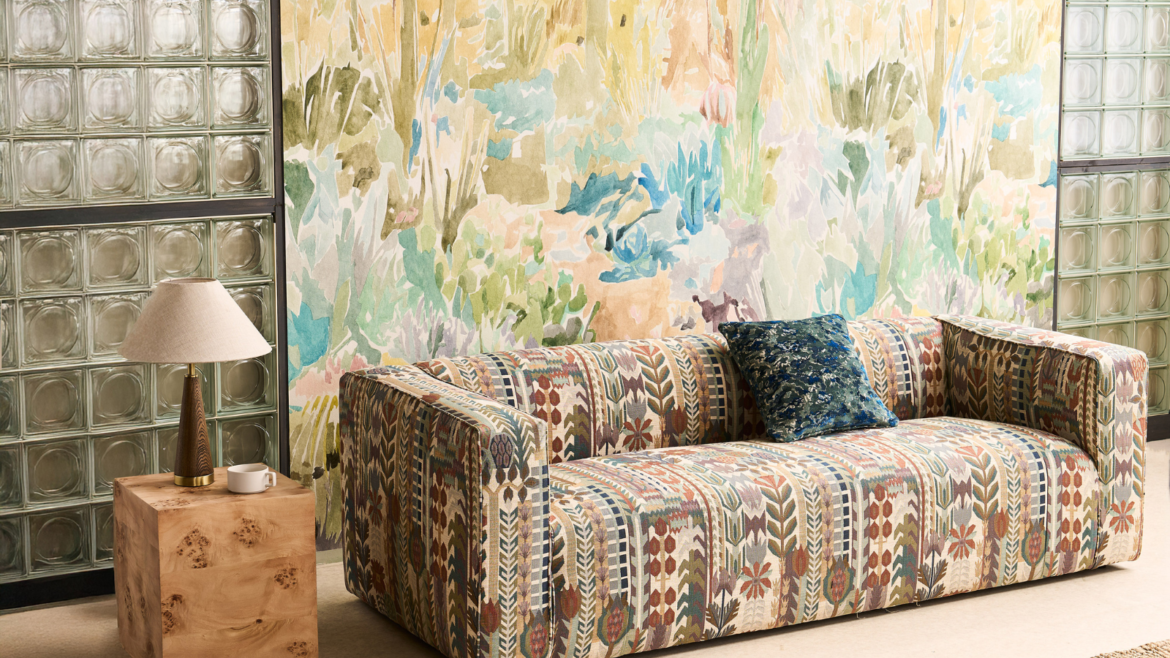
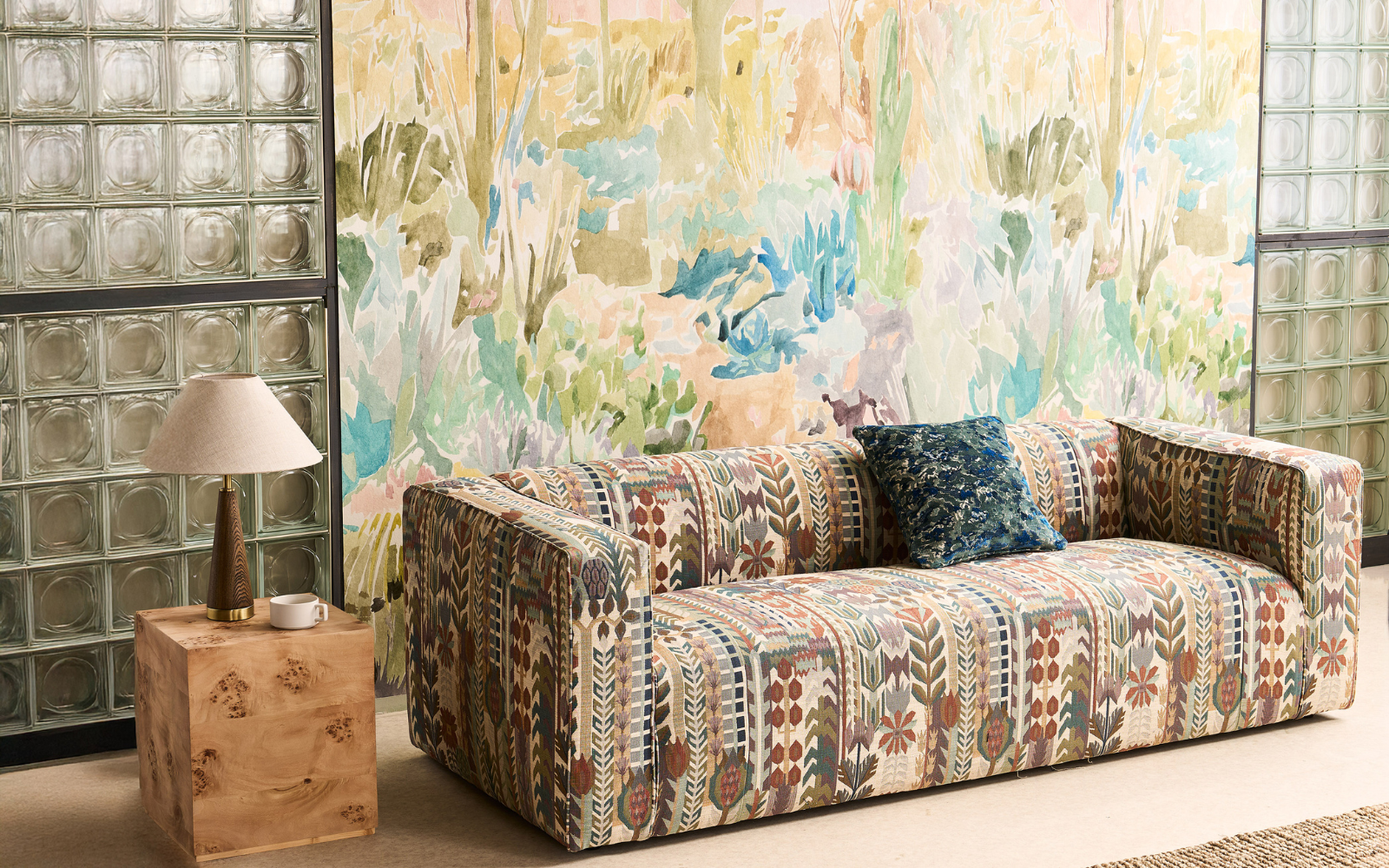
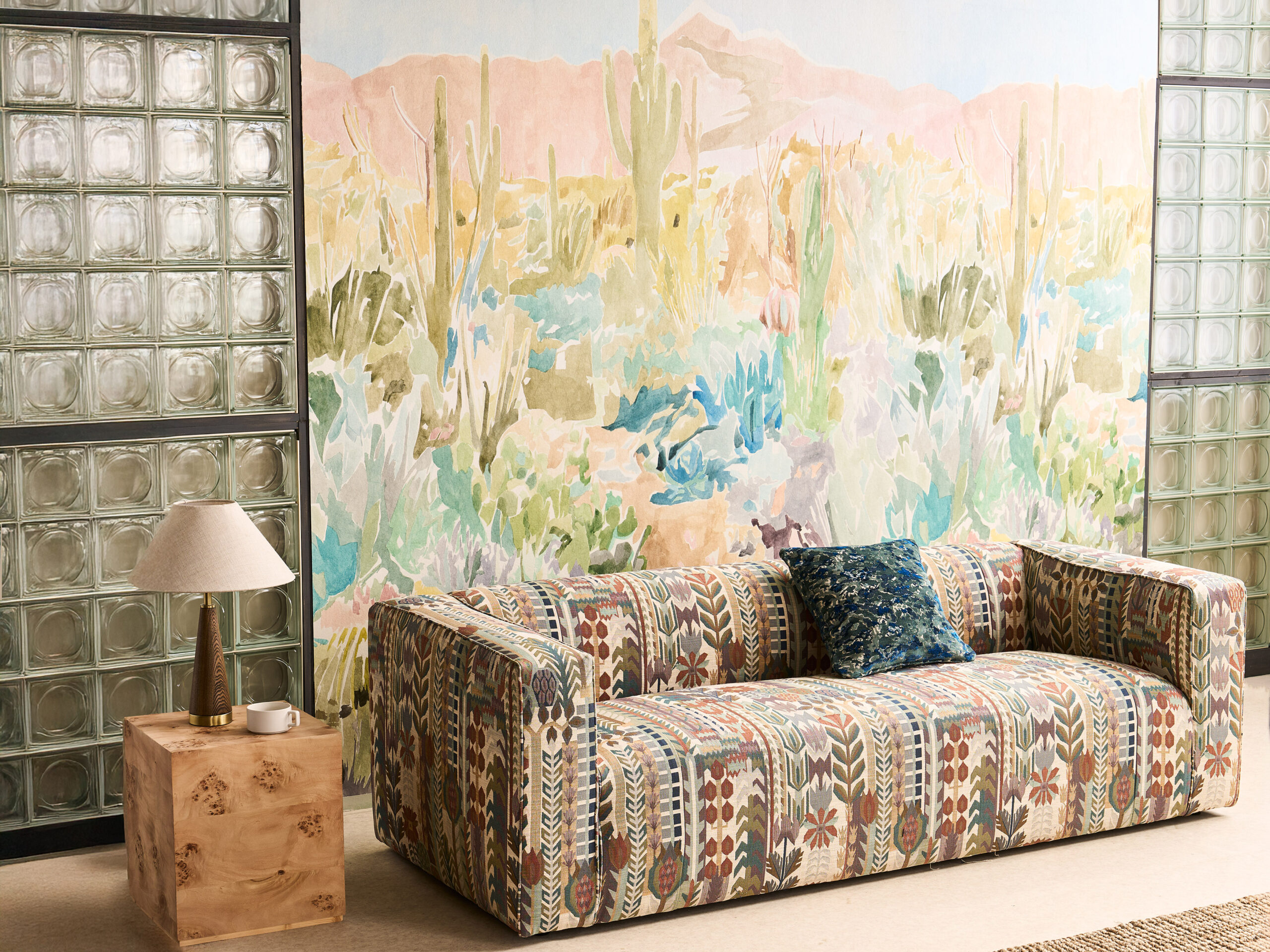
Sanderson Design Group Harlequin Zamora fabric on sofa

In conversation with: Oliver Halshaw, Sanderson Design Group

1024 640 Meghan Taylor
In conversation with: Oliver Halshaw, Sanderson Design Group

Explore heritage, high-performance fabrics, fire compliance and sustainable, design-led solutions shaping modern hospitality interiors with Sanderson Design Group…

Sanderson Design Group Harlequin Zamora fabric on sofa

Rooted in the rich legacies of its heritage brands Morris & Co., Zoffany, Sanderson, Clarke & Clarke and Harlequin, the Sanderson Design Group continues to shape the contract market with a distinctly British design language.

In an exclusive interview with Hotel Designs, the group’s UK Contract Manager Oliver Halshaw discusses balancing timeless style with modern performance, navigating fire-retardancy compliance, and meeting evolving demands for durability, sustainability and design flexibility across today’s global hospitality and commercial interiors.

Headshot of Oliver Halshaw, UK Contract Manager Sanderson Design Group

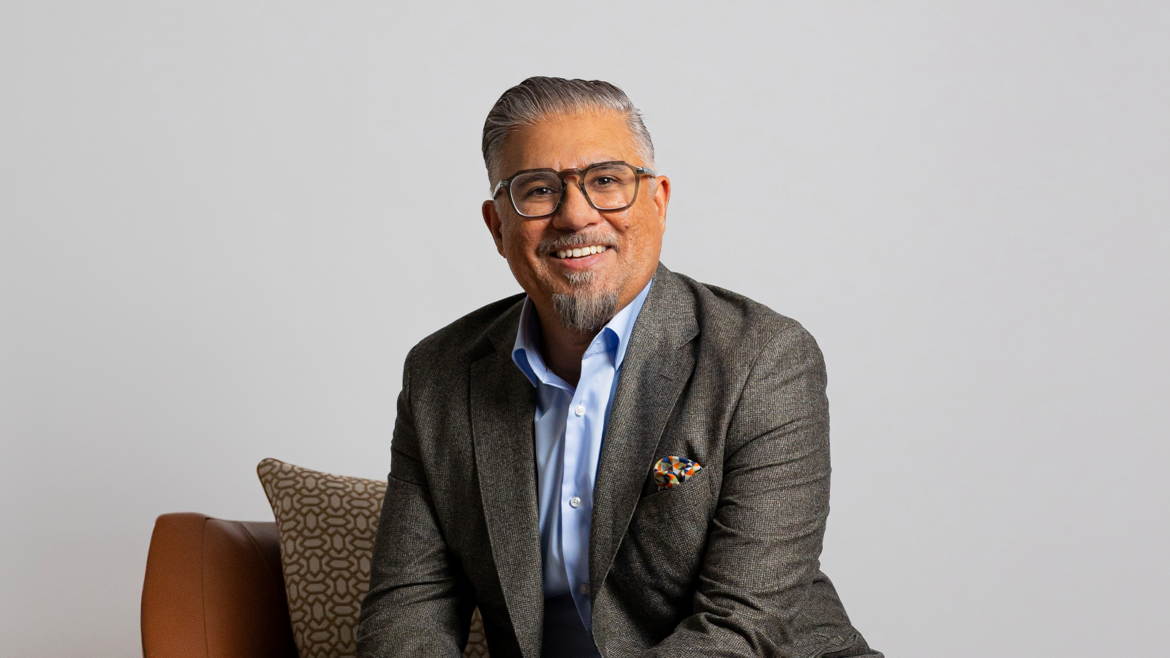
Oliver Halshaw, UK Contract Manager, Sanderson Design Group | Image credit: Sanderson Design Group

Hotel Designs: How would you describe Sanderson Design Group’s heritage and its position within today’s interior design and contract markets?

Oliver Halshaw: Our heritage brands, Morris & Co., Zoffany and Sanderson, are steeped in history and brand identity. Our knowledgeable and experienced designers bring classic designs into the 21st century through colour and modern techniques, making them relevant to specifiers globally.

HD: How does Sanderson Design Group balance its reputation for classic British design with the evolving needs of modern commercial interiors?

OH: We have a fantastic range of designs across our brands. The balance comes from treating ‘classic British‘ as a design language rather than a style parameter. Designs are continually redrawn, rescaled and recoloured specifically for contemporary hospitality briefs.

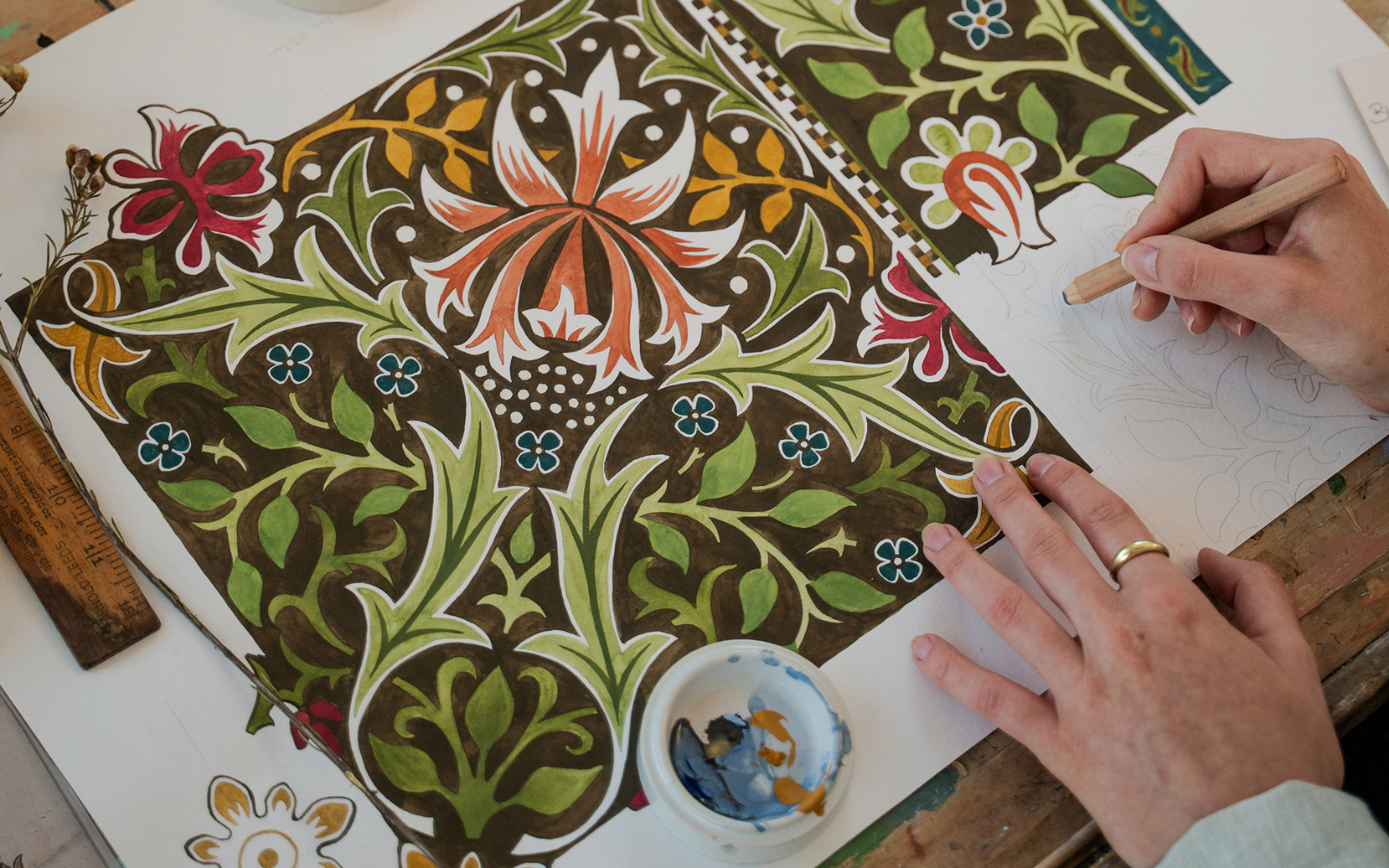
Unfinished work by William Morris being finished painted in studio

The Unfinished Works by Morris & Co. x The Huntington | Image credit: Sanderson Design Group

HD: Contract clients often prioritise durability. What are the key performance indicators you advise designers to look for when selecting fabrics for heavy-use commercial environments?

OH: When discussing durable textiles with designers, I focus on a few essentials. Martindale ratings to be suitable for severe contract use. Strong pilling resistance, and high lightfastness for spaces exposed to sunlight. Available across our brand portfolio, especially within Clarke & Clarke and Harlequin we have unbeatable design paired with products that stand the test of time for all hospitality spaces.

HD: Is there a common misconception you encounter when clients focus heavily on rub test figures alone?

OH: Yes, people often think a higher Martindale automatically means a better, tougher fabric. You can still have weak seams, poor lightfastness, or a construction that bags out. Another misconception is comparing rub counts across completely different fabric types, like velvet vs flat weave. A velvet’s pile will crush and mark long before it wears through, even with a huge Martindale, while a tight flat weave with a lower figure can look smarter for longer in a high traffic bar or restaurant.

HD: Fire retardancy (FR) requirements can vary significantly between sectors and regions. How does Sanderson Design Group support clients in navigating FR specifications and compliance?

OH: FR is one of those topics where an early conversation can save a lot of grief. We work to clear FR regulations by sector and region BS/EN, IMO, NFPA, CAL, ASTM or local equivalents, and use mills set up around those tests. For us that means, confirming end use and country at brief stage, offering inherently FR or FR treated options with supporting test reports, advising on how interliners/foams affect performance, and giving care guidance so cleaning doesn’t undo the FR. The goal is to de-risk specs without losing the look or sustainability story.

HD: How early in the design or specification process should FR performance be considered, and what challenges can arise if it’s left too late?

OH: FR needs to be in the conversation right at concept. Once you know what the project is and where it is, you can start shortlisting fabrics that can realistically pass the required tests. If you leave FR until later in the process you risk lastminute swaps outs which can compromise the overall look, handle or colour; as well as longer lead times and extra costs too.

Sanderson Design Group Harlequin Zamora fabric on sofa

Harlequin Zamora fabric | Image credit: Sanderson Design Group

HD: Sanderson Design Group offers the ability to print designs onto inherent FR base cloths. Could you explain how this enhances both compliance and design flexibility for contract projects?

OH: Digital printing onto inherent FR bases basically lets you have full design freedom on a cloth that’s already passed the key FR tests. The FR is built into the yarn, then we print the pattern on top. It means you can run large scale designs or custom artwork on a stable, durable, compliant base. It also suits shorter runs and creates less waste than more traditional print methods, which helps the sustainability story.

HD: The availability of a wide range of base fabrics, including wide-width options, offers new opportunities for specifiers. Where do you see this being particularly beneficial in commercial interiors?

OH: Wide width FR sheers, dimouts or blackouts can take centre stage when you’ve got floor-to-ceiling expanses of glass, or high ceilings. They cut down seams, look clean and speed up makeup in hotels, resorts and conference spaces. Pairing them with a family of versatile base cloths, sheers, dimouts, upholstery plains and textures lets you run a cohesive story/theme through guestrooms, public areas and F&B spaces, while keeping maintenance simpler and more sustainable.

HD: When selecting between different base cloths, what practical considerations should specifiers keep in mind to ensure longevity and performance in use?

OH: I’d always start with where the fabric will be used. Whether on a bar stool, high-traffic upholstery, or for a guestroom curtain, each need varying levels of strength, weight and drape. Cleaning is important too, busy hotels or care home settings need easy-to-clean, stain-resistant cloths that can handle tougher products. Finally, I asses sustainability and certifications. The ‘right’ base is the one that still looks good and is easy to live with for years to come, not just on opening day.

HD: Collaboration is often key in contract design. How does Sanderson Design Group work with designers and specifiers to support projects from concept through to installation?

OH: In my experience, best results come when we’re involved early, not just asked for a SKU list at the end. We’ll help to line the brief up with our latest or best working collections, and spot where custom print or recolour might help. As a spec develops, we can map designs onto the right FR bases and wallcoverings, talk through standards, and flag any risks before signoff. We back that up with targeted sampling/strikeoffs and clear workroom, hanging and upholstery guidance, so what’s installed behaves as expected.

This approach really pays off on multi-site or phased roll outs, where colour consistency and repeatability over time is important. We back that up with targeted sampling/strike-offs and clear workroom, hanging and upholstery guidance, so what’s installed behaves as expected.

HD: Looking ahead, how do you see contract fabric requirements evolving, particularly in relation to performance standards, sustainability, and design versatility?

OH: Performance and sustainability expectations are only heading one way, and that’s up. Clients want fabrics that tick all the boxes without compromising on comfort, texture or design. Sustainability is fast becoming a non-negotiable too, responsibly sourced natural fibres, credible certifications for any recycled yarns and lower impact printing and finishing.

On the design side, I see more versatile ranges that work across hotels, workspaces and high-end residential style projects, plus easy custom options on trusted FR bases. For me, it’s about using our archive to create fabrics that look great, are properly tested and are kinder to the planet over time.

Sanderson Design Group is one of our Recommended Suppliers and regularly features in our Supplier News section of the website. If you are interested in becoming one of our Recommended Suppliers, please email Katy Phillips.

Main image credit: Sanderson

The NEWH UK Top ID awards for 2025

NEWH UK announces 2026 Top ID Award Winners

1024 640 Pauline Brettell
NEWH UK announces 2026 Top ID Award Winners

The NEWH UK Top ID Awards campaign, recognises the creative excellence of chapter members who champion its mission to support scholarship and education – culminated in a special event that brought together the UK’s design and hospitality community. The 2026 winners will be celebrated on Thursday 19th March at 6:30pm, hosted for the second consecutive year at the VitrA Bathrooms Clerkenwell Showroom…

The NEWH UK Top ID awards for 2025

Each year, NEWH UK honours the creative excellence of chapter members who are aligned with the organisation’s mission to support scholarship and education within the hospitality design industry. Proceeds from ticket sales will go towards NEWH scholarship fundraising efforts for interior design and hotel management students.

This year’s Top ID Award winners are:
• SPARCSTUDIO Design Consultants
• Studio Mica
• LXA Projects Ltd.

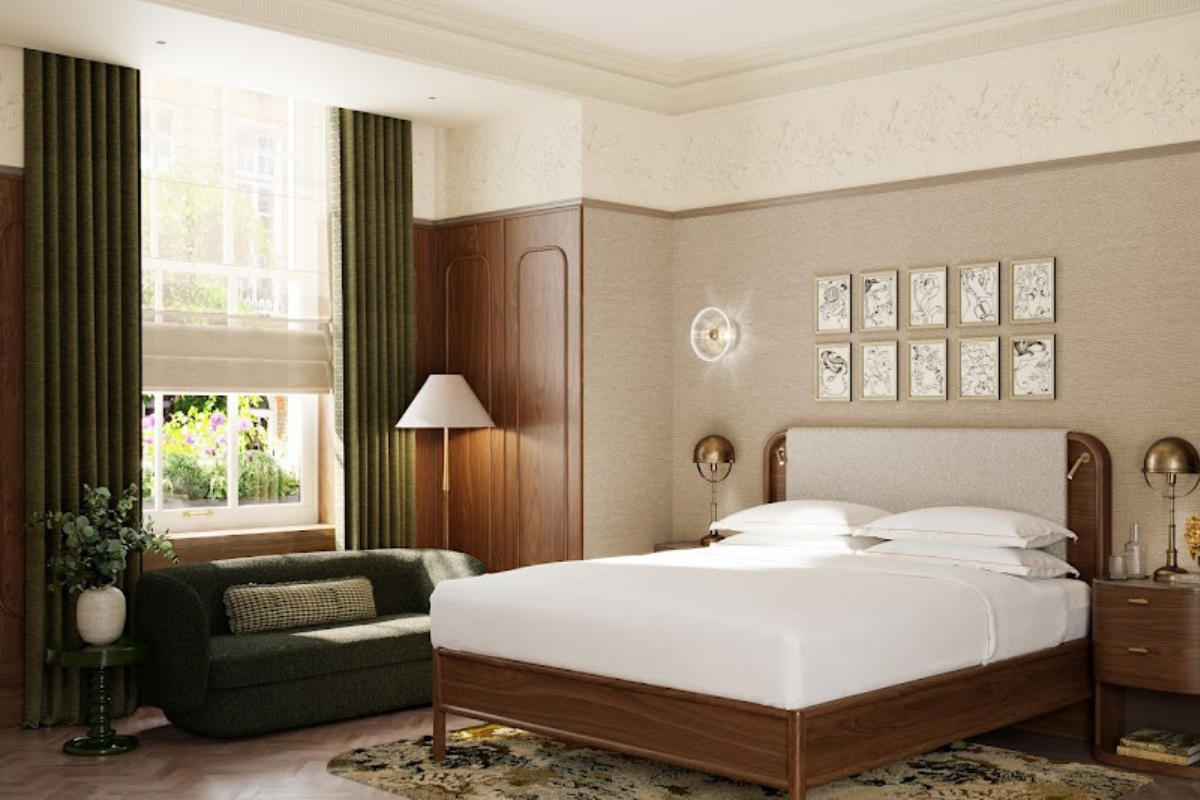
Render of a ground floor bedroom in the Botanical Suite of the Montcalm Mayfair. Soft beige walls, curved headboard bed and green curtains form the decor

Image caption: Render of a bedroom in the Botanical Suite | Image credit: Montcalm Mayfair

Nicola Friel, Design & Specification Hub Manager at VitrA commented, “Hosting the TopID Awards for the second year running reflects our ongoing commitment to supporting and celebrating the design community. It’s inspiring to see such outstanding talent recognised and the team at VitrA are delighted to play a part in that.”

Each practice will present its winning project, completed within the past 12 months, followed by the official award presentation.

Studio Mica will showcase Montcalm Mayfair, a refined hotel in the heart of West London. Director & Co-Founder Carolynne Shenton commented: “Studio Mica is thrilled to receive NEWH’s Top ID 2026 Award. It’s an absolute honour to be recognised for our contribution to hospitality design and to stand alongside such a talented global community.”

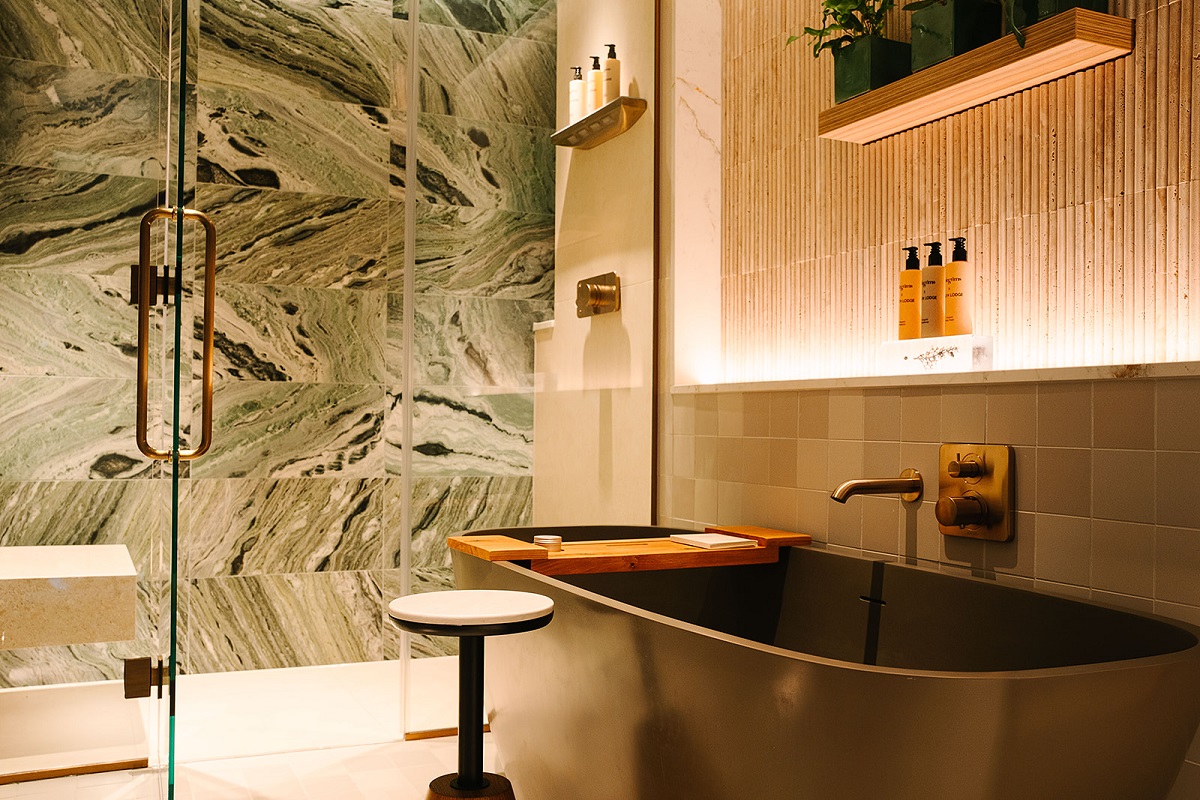
bathroom designed by Sparcstudio for The Reeds

Image caption: Reeds Lakeside Lodge | Image credit: Exclusive Collection

SPARCSTUDIO Design Consultants will present Reeds Lakeside Lodges, located within the 93-acre estate of South Lodge. Creative Director Beverley Bayes said the award recognises “20 years of dedication to delivering exceptional design with a strong focus on wellbeing.”

LXA Projects Ltd. will highlight its bold Pirana restaurant concept. The team commented: “This award reflects the creativity and dedication of our London studio. It reinforces the trust our clients place in us to create imaginative and well-considered spaces.”

As always, the event promises to be an inspiring evening of celebration and industry connection. Tickets can be purchased via the NEWH website.

Main image credit: NEWH UK

Render of restaurant space at The St Regis Papagayo Resort in Costa Rica, with pale wood

Sneak peek: The St. Regis Papagayo with CHAPI Design interiors

1024 640 Meghan Taylor
Sneak peek: The St. Regis Papagayo with CHAPI Design interiors

International studio CHAPI Design has been appointed interior designer for the highly anticipated The St. Regis Papagayo Resort, slated for a 2027 completion…

Render of restaurant space at The St Regis Papagayo Resort in Costa Rica, with pale wood

Set along more than a quarter mile of pristine beachfront in Costa Rica’s celebrated Guanacaste region, The St. Regis Papagayo Resort is poised to redefine refined living and hospitality in the country.

Located just 25 minutes from Guanacaste International Airport, the resort will feature 120 guestrooms and suites, each thoughtfully oriented to capture sweeping ocean views. Designed to immerse guests in the surrounding tropical environment, the resort will blend tranquil sophistication with the ritualised artistry synonymous with the St. Regis brand.

Lobby at the St Regis Papagayo Resort

Image credit: CHAPI Design

“Our studio will bring its contemporary sensibility to the resort’s interiors, crafting spaces that balance complexity with a deep connection to place,” said Tatiana Sheveleva, Owner of CHAPI Design, who completed the interiors for The St. Regis Cap Cana Resort in 2025.

“Inspired by Costa Rica’s extraordinary natural beauty, our vision is to emphasises natural materials, layered textures and seamless indoor-outdoor transitions.” The overall design scheme will create an atmosphere that feels both elevated and grounded in its surroundings.

“Our goal is to create interiors that feel intuitive to their setting while expressing the quiet sophistication that defines the St. Regis brand,” said Carlos Halabe, Partner at Solana. “Papagayo’s landscape offers an extraordinary foundation, and our design builds on that sense of place with warmth, restraint, and enduring elegance.”

To bring the resort to life, developers Solana has assembled an internationally recognised team of collaborators, including Sordo Madaleno Arquitectos for architecture, Gensler for space planning and layouts, and Maat Handasa for landscape design. Together, the team is creating a destination deeply connected to its tropical terrain while delivering relaxed comfort through thoughtful, contemporary design.

Render of restaurant space at The St Regis Papagayo Resort in Costa Rica, with pale wood

Image credit: CHAPI Design

“Design is fundamental to how guests and residents experience Papagayo,” said Alberto Halabe, Partner at Solana. “CHAPI Design brings a nuanced understanding of how to translate a spectacular natural setting into interiors that feel welcoming, intentional, and aligned with the St. Regis ethos. Their vision is integral to bringing this destination to life.”

Guests of The St. Regis Papagayo Resort will enjoy a curated collection of signature amenities and culinary experiences inspired by the brand’s storied rituals and legacy of refinement. The resort will feature six distinct dining concepts, including Casa Club for casual gourmet dining; The Cliff, a Japanese-Costa Rican fusion restaurant; an exclusive Beach Club & Grill; and the iconic St. Regis Bar & Speakeasy. Additional offerings will include the St. Regis Library, multiple infinity-edge pools, a nature-inspired spa, and more than 10,000 square feet of indoor and outdoor meeting and event space.

Beyond the resort, the property will introduce 143 private branded residences ranging from two to five bedrooms, each offering expansive ocean views and interiors that blend modern elegance with the surrounding landscape. Residences will range from approximately 2,050 to nearly 6,400 square feet, with pricing beginning at $3 million. The pinnacle of the offering is the Astor Mansion, a 21,161-square-foot estate priced at $30 million, featuring six bedrooms, a private pool, wine cellar, and gym.

Groundbreaking on the residences is expected to commence soon with completion of the resort slated for 2027.

Main image credit: CHAPI Design

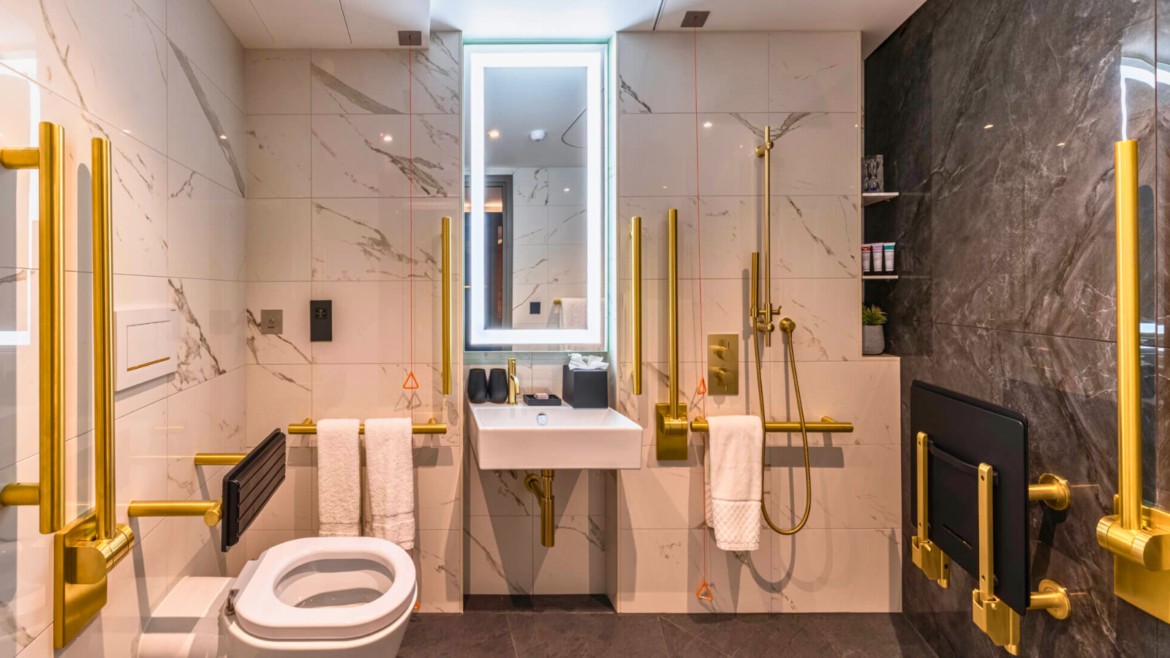
Fitzroy of London accessible bathroom design

Fitzroy of London – ‘the best hotels design bathrooms for all’

1024 640 Meghan Taylor
Fitzroy of London – ‘the best hotels design bathrooms for all’

Inclusive bathroom specialist Fitzroy of London explores how performance, accessibility and brand expression combine to create adaptable, regulation-ready spaces that enhance guest experience and long-term value…

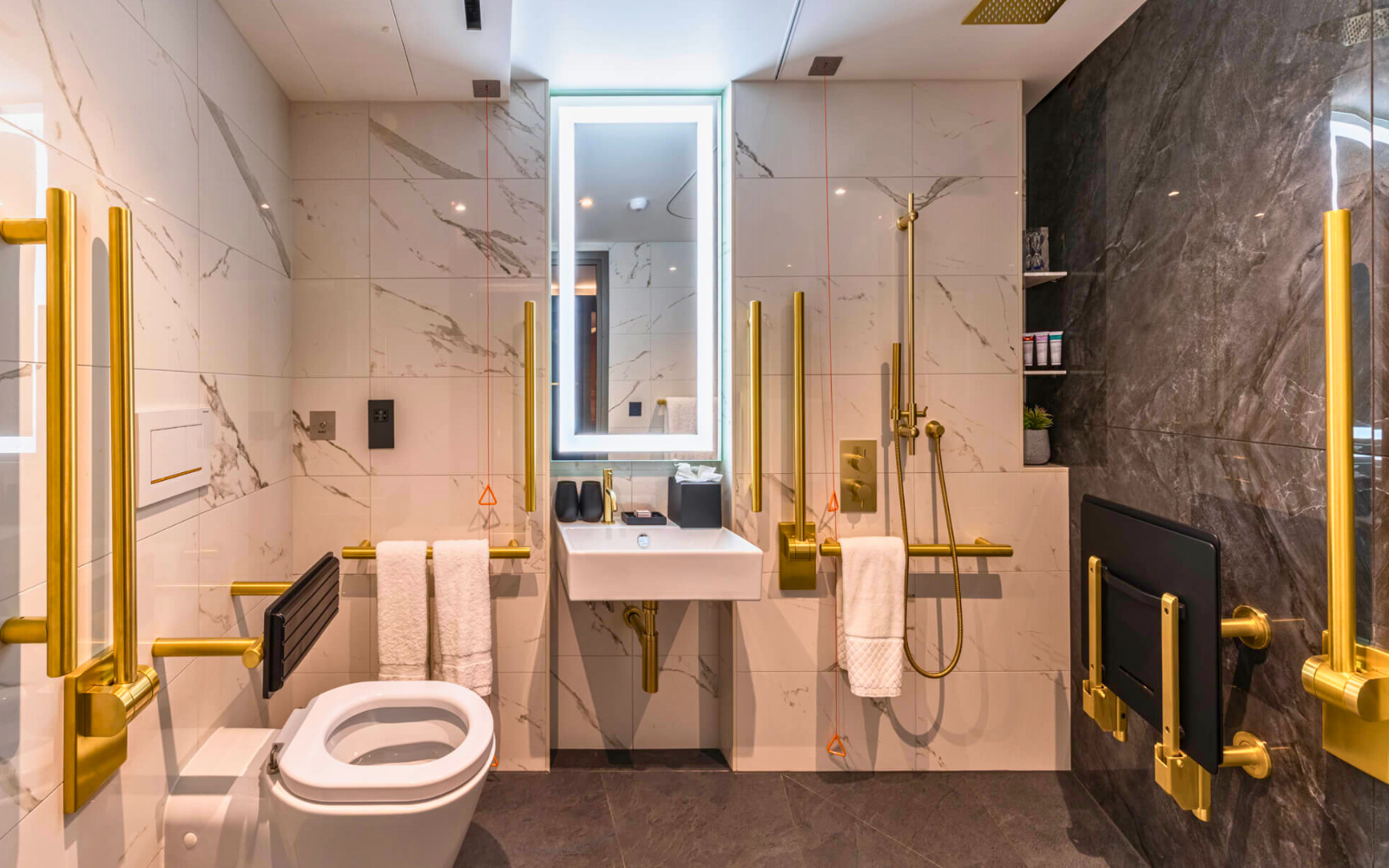
Fitzroy of London accessible bathroom design

In hospitality design, the guest bathroom is one of the most technically complex and performance-critical spaces within the room. It is where architecture, interior design, product specification and regulatory compliance intersect. Waterproofing, drainage, lighting, ventilation, ergonomics and material performance must all be resolved within a relatively compact footprint – often while meeting stringent accessibility standards. 

Leading hotel schemes recognise that exceptional bathrooms are not designed around a single guest profile, but around a broad spectrum of physical needs and usage requirements. Designing for inclusivity is no longer a specialist consideration or a late-stage compliance exercise; it is an integral component of quality in contemporary hotel design. 

For architects, interior designers and specifiers, inclusive bathroom design presents an opportunity to create environments that are aesthetically resolved and inherently adaptable – without compromising the overall concept. When approached strategically from the outset, inclusivity enhances rather than restricts design ambition. 

Accessible hotel bathroom by Fitzroy of London

Image credit: Fitzroy of London

The bathroom as brand expression

In premium hospitality environments, bathrooms function as an extension of the brand narrative. Materiality, detailing and spatial planning contribute significantly to how guests perceive quality, comfort and attention to detail. 

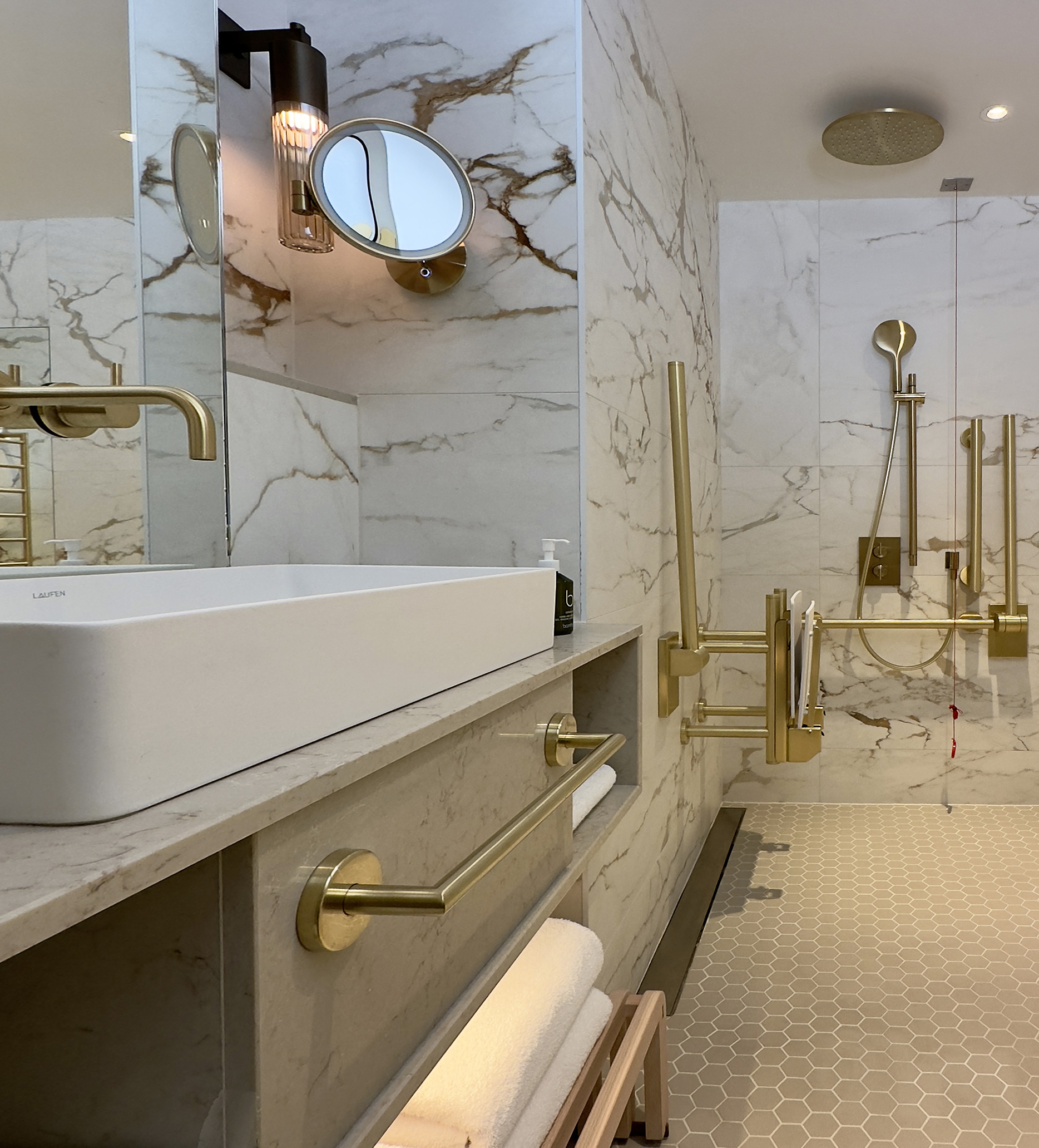
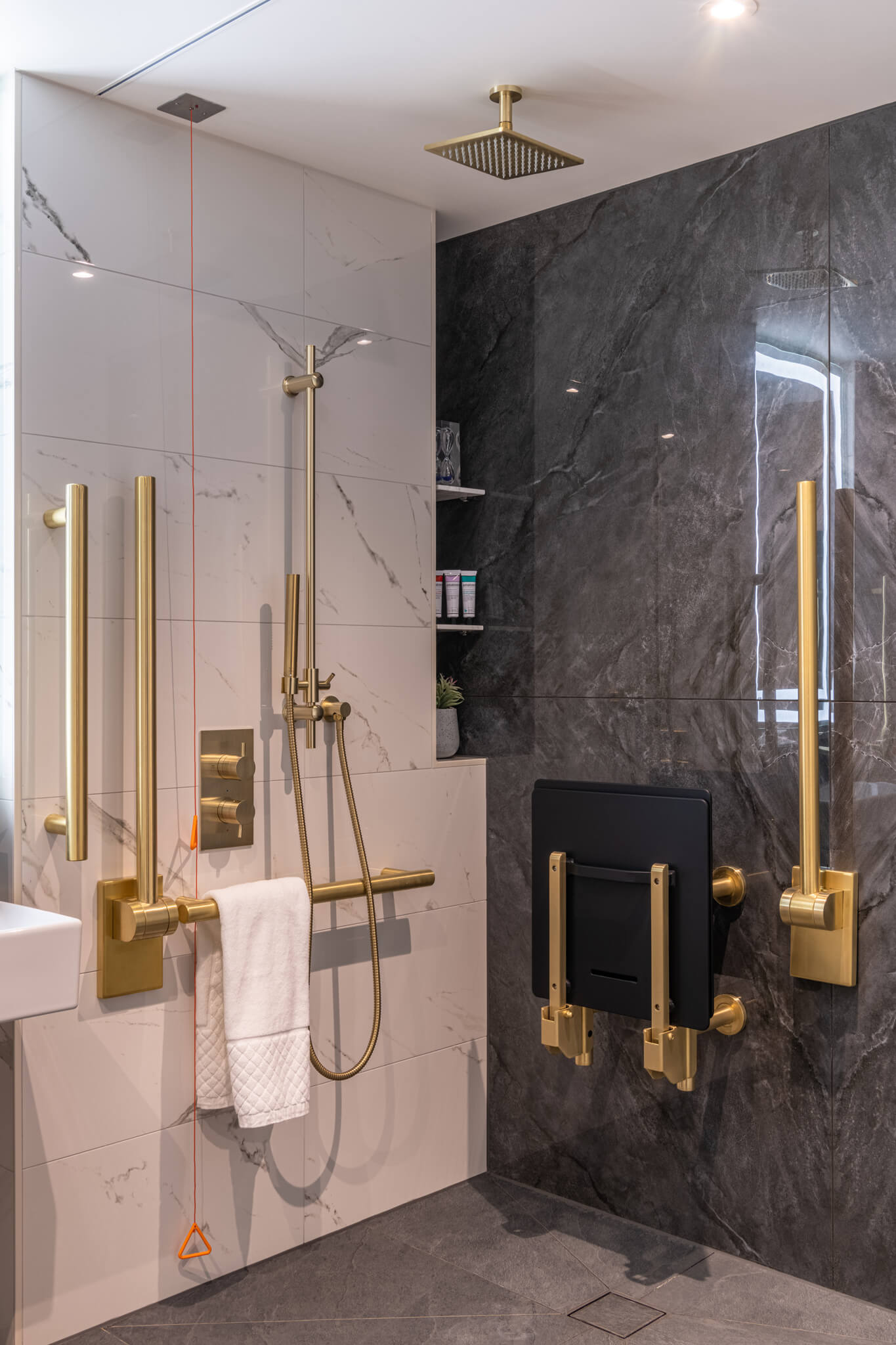
Walk-in showers, for example, deliver a clean, architectural aesthetic while also improving accessibility. Flush thresholds, linear drainage and frameless glass support a minimalist visual language while eliminating physical barriers. Carefully integrated support rails and fittings can be specified as part of the overall design language rather than appearing as retrospective additions. When inclusivity is embedded at concept stage, the result is a bathroom that feels cohesive and considered, while quietly accommodating a wide range of users. 

Consistency is critical. Visually differentiating accessible bathrooms from standard room types can undermine the coherence of a scheme. By contrast, specifying adaptable solutions across multiple room categories supports both design integrity and operational flexibility. 

For owners and operators, this approach delivers long-term commercial value. Adaptable bathrooms increase room allocation flexibility, reduce the need to hold specific rooms out of inventory and future-proof the asset against evolving regulations and guest expectations. As demographics shift and expectations around accessibility continue to rise, flexibility becomes a commercial advantage rather than simply a compliance requirement. 

Accessible hotel bathroom by Fitzroy of London

Image credit: Fitzroy of London

Designing for dignity 

Regardless of mobility or ability, guests should be able to use their environment independently and with confidence. Achieving this requires early collaboration between designers, technical teams and manufacturers to ensure that layout, structure and services can accommodate both immediate and future requirements. 

Key principles include: 

  • Generous circulation space that satisfies compliance requirements without compromising spatial quality
  • Level-access, step-free showering with appropriate gradients and drainage performance
  • Clear, layered lighting to support visibility, safety and atmosphere
  • Logical fixture placement aligned with building regulations, with consideration for adaptability where appropriate
  • Robust, premium finishes that align with the broader interior concept while meeting durability and slip-resistance requirements

Importantly, inclusive design is not solely about mobility. Considerations such as intuitive controls, acoustic comfort, contrast for visual clarity and ease of maintenance all contribute to a bathroom that performs effectively for every guest. 

Hotels that invest in compliant, adaptable bathroom design benefit from more than regulatory alignment. They enhance guest satisfaction, broaden market appeal, strengthen brand positioning and demonstrate leadership in responsible, future-focused hospitality design. In a competitive market where experience is paramount, the most successful schemes understand that thoughtful bathroom design is not an add-on – it is fundamental to delivering quality at every level. 

Fitzroy of London is one of our Recommended Suppliers and regularly features in our Supplier News section of the website. If you are interested in becoming one of our Recommended Suppliers, please email Katy Phillips.

Main image credit: Fitzroy of London

Interiors of Ailee Residences, designed by 1508 London

Tersane Istanbul partners with 1508 London to shape landmark two-part project

1024 640 Meghan Taylor
Tersane Istanbul partners with 1508 London to shape landmark two-part project

International studio 1508 London will design the signature residences at Tersane Istanbul – a landmark redevelopment transforming Türkiye’s largest industrial heritage site. Here’s a sneak peek…

Interiors of Ailee Residences, designed by 1508 London

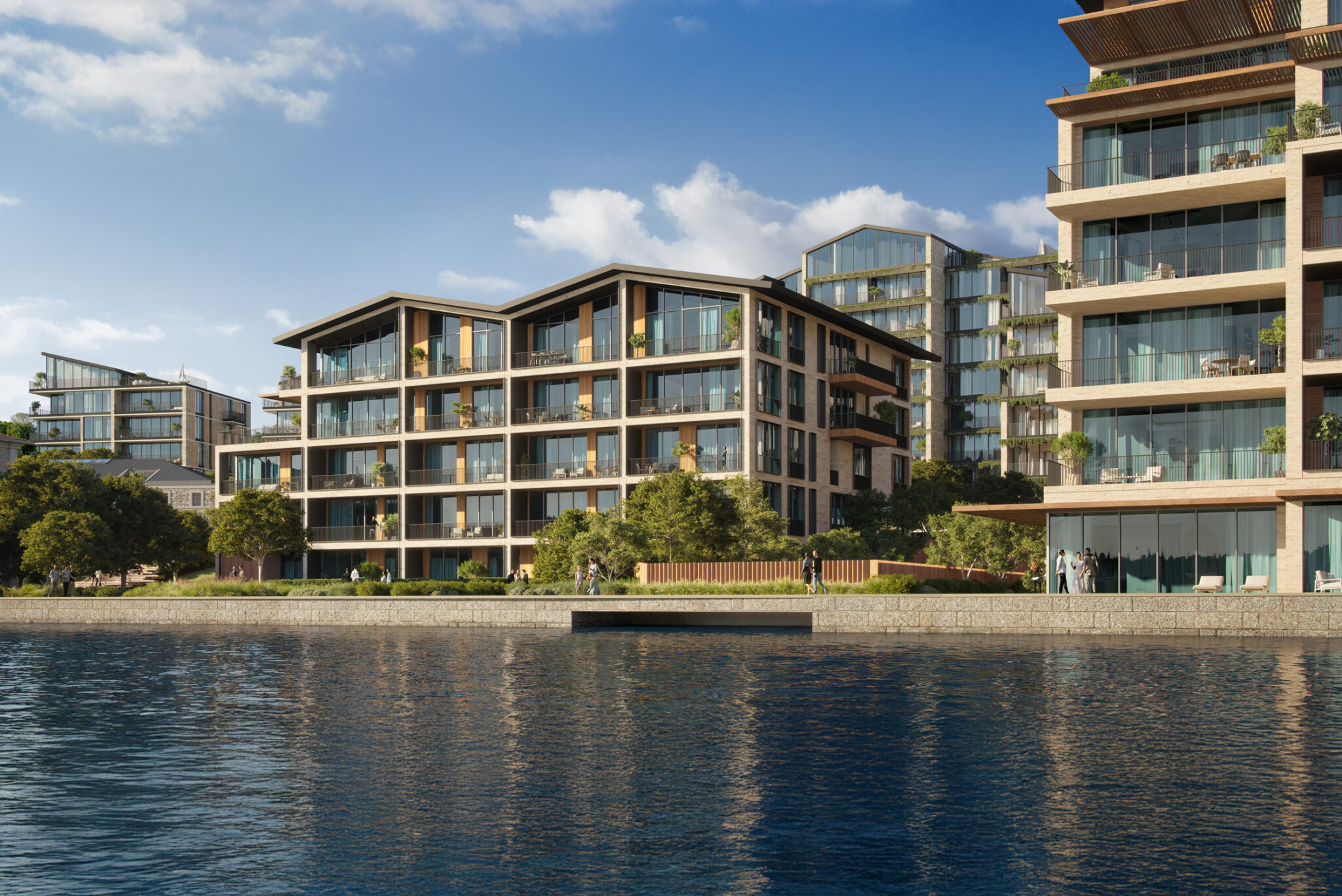
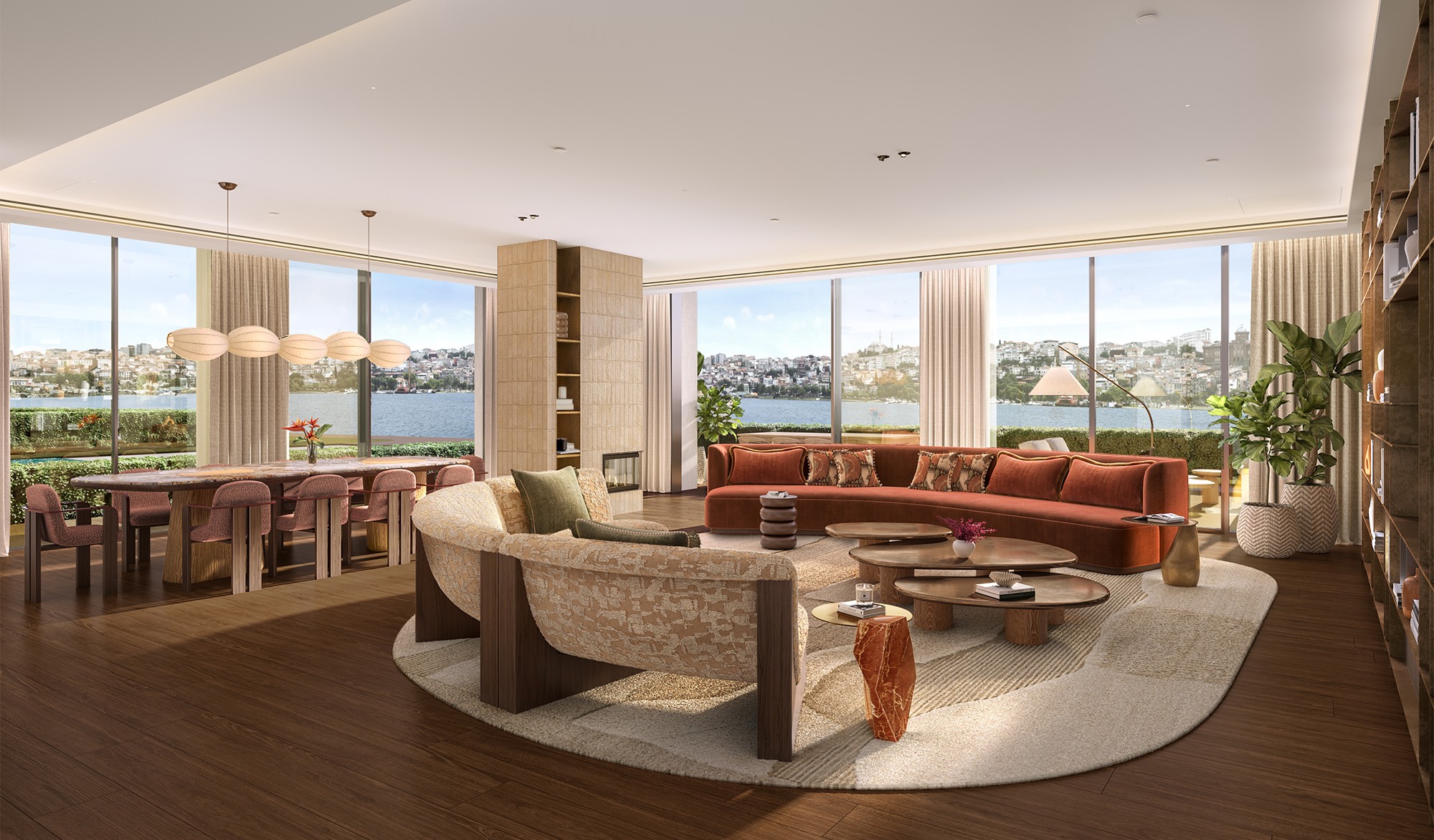
On the historic shores of Istanbul’s Golden Horn, a new chapter in design-led urban regeneration is unfolding. Tersane Istanbul, the ambitious redevelopment of the city’s 600-year-old Ottoman shipyards, has unveiled a collaboration with globally renowned interior design studio 1508 London to craft the interiors for its signature residential offerings: Yalı Apartments (Zone 1 – Velaris) and Ailée Residences (Zone 2).

Glass exterior of Ailee Residences Istanbul, overlooking beach and oceana

Ailée Residences | Image credit: Tersane Living / 1508 London

The partnership signals a defining moment for the waterfront destination, positioning design at the forefront of its transformation from historic industrial docklands into a contemporary cultural and lifestyle district.

“Tersane Istanbul represents an extraordinary convergence of heritage, craftsmanship and contemporary placemaking — values that sit at the heart of our design approach,” said Hamish Brown, Partner at 1508 London. “This project allows us to create a truly bespoke and enduring residential experience rooted in Istanbul’s unique identity.”

Two expressions, one cohesive vision

The development’s residential component is divided into two complementary zones, each expressing a distinct character while maintaining a cohesive overarching vision.

Yalı Apartments (Zone 1 – Velaris) adopt a more introspective, mature tone. Drawing on Istanbul’s layered past, the interiors combine urban eclecticism with subtle mid-century influences. Rich palettes, tactile materials and carefully proportioned layouts create spaces that feel confident, timeless and grounded in place.

Zone 1 Primary Bedroom

Zone 1 Primary Bedroom | Image credit: Tersane Living / 1508 London

In contrast, Ailée Residences (Zone 2) take inspiration from the neighbouring hospitality concept, Ailée Istanbul. Here, the atmosphere is lighter and more playful. A neutral base palette is animated with sculptural furniture, curated artworks and moments of colour, creating interiors that feel social, expressive and contemporary.

Across both zones, references to the site’s industrial maritime history are conveyed through structure, material weight and spatial rhythm rather than literal motifs. The result is a subtle reinterpretation of heritage, designed to support wellbeing and elevate everyday living.

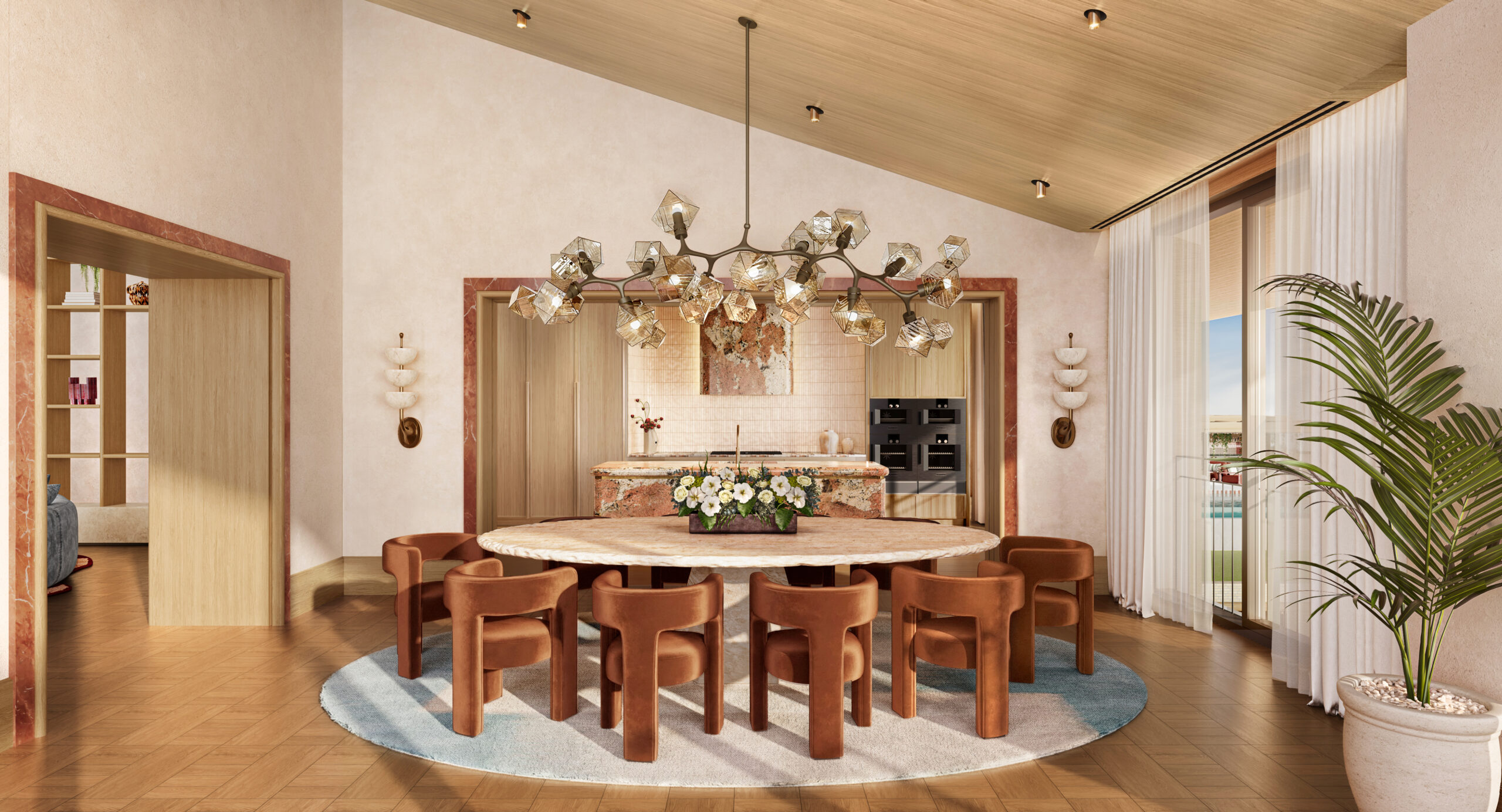
Zone 2 Penthouse Dining Area

Zone 2 Penthouse Dining Area | Image credit: Tersane Living / 1508 London

Beyond the private realm

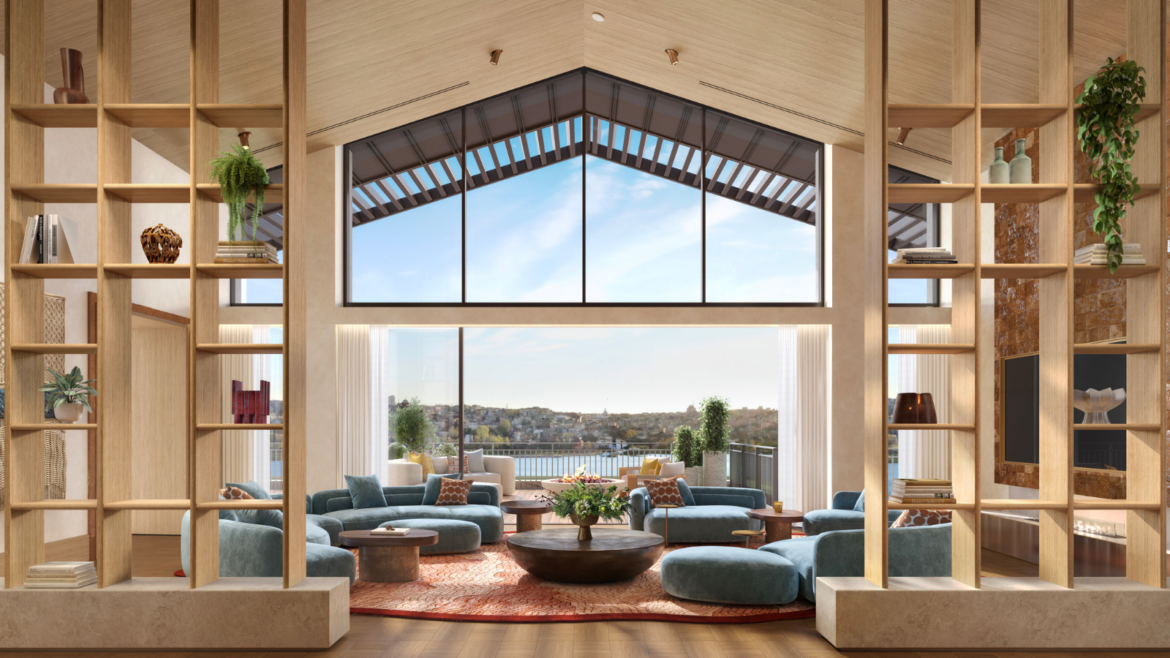
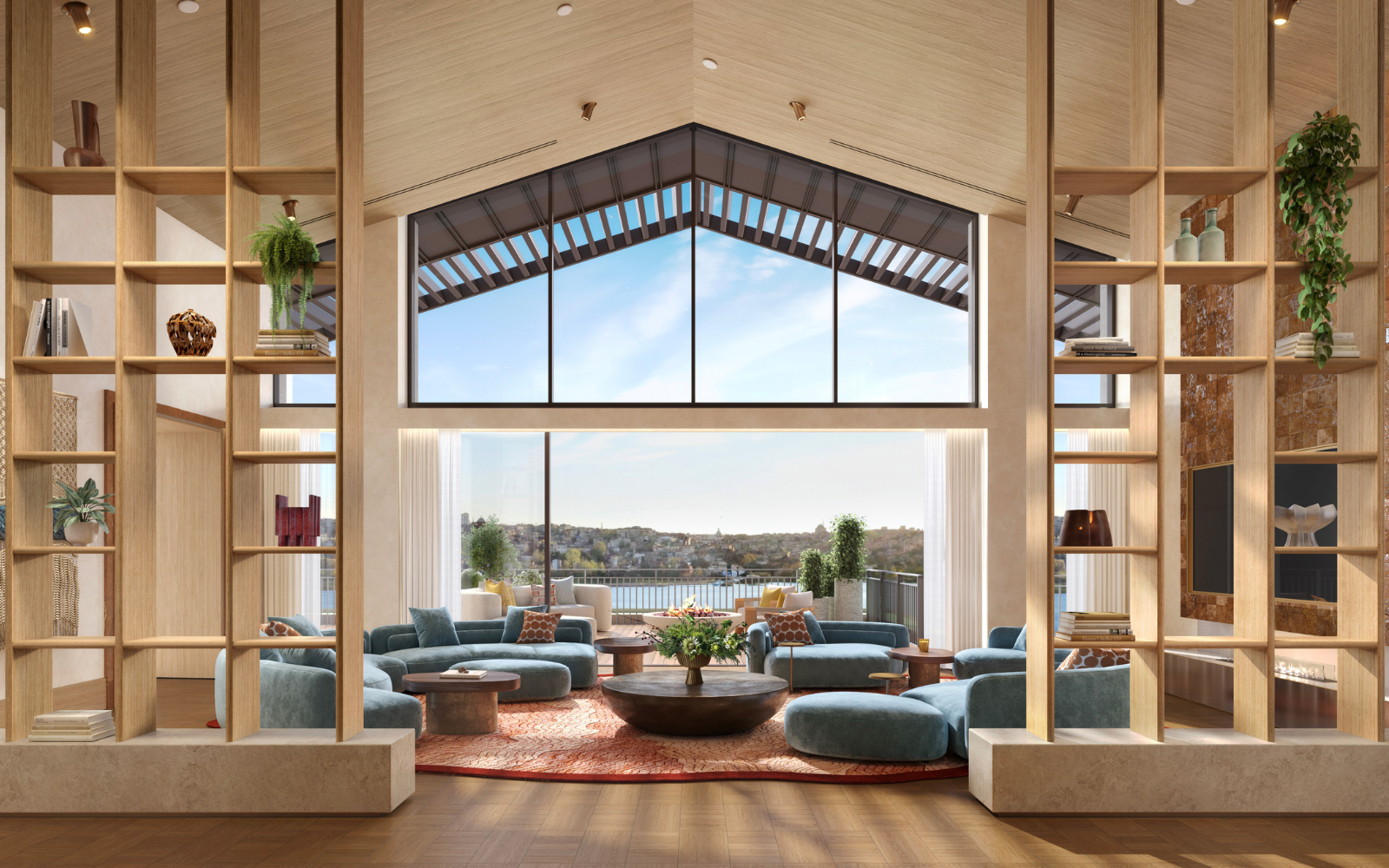
Residential amenities, including a Club House and Terrace Pool, are conceived as natural extensions of the home. Intelligent spatial planning maximises daylight and strengthens indoor-outdoor connections, reinforcing a lifestyle centred on gathering, reflection and daily ritual.

“The aim was to create homes that residents grow into over time — spaces that reveal more with each day,” noted Marina Breves, Regional Director at 1508 London. “The interiors evoke the feeling of being well-travelled — considered, personal and quietly expressive.”

A new design landmark for Istanbul

Tersane Istanbul’s broader masterplan integrates luxury hospitality, retail and cultural programming within a revitalised historic setting. The development includes Rixos Tersane Istanbul and Ailée Istanbul, with Delano Istanbul set to follow. Architectural contributions from Foster + Partners and Tabanlıoğlu Architects further reinforce its international design credentials.

Scheduled for completion in 2027, the residential offering positions Tersane Istanbul as a new benchmark in Istanbul’s evolving luxury landscape — where maritime heritage and contemporary design converge on a global stage.

people on the streets during Clerkenwell Design Week

Preview: Clerkenwell Design Week – ‘Design Interventions’ and expanded CDW Awards

1024 640 Pauline Brettell
Preview: Clerkenwell Design Week – ‘Design Interventions’ and expanded CDW Awards

Clerkenwell Design Week (CDW) has announced it will be returning to London’s EC1 on the 19 – 21 May 2026, with a new series of installations and expanded awards that will not only celebrate the best new products and innovations but also the disruptors, dreamers and ‘doers of design’…

people on the streets during Clerkenwell Design Week

Marking the 15th anniversary of this global design festival, a new curated series of large-scale installations will be launched called Design Interventions. Following a call-out from CDW to emerging and established designers and architects for ideas for innovative structures, the strongest submissions will be installed across Clerkenwell. These will encourage interaction and spark conversations about materials and the built environment, while activating EC1 with striking, immersive moments throughout the festival.

Design Interventions: an opportunity to reflect and connect
These site-specific, interactive installations, created by the design and architecture community, will appear in the parks, streets and green spaces of Clerkenwell, as well as in the festival’s venues. Many of these pop-up structures will provide a place to sit, reflect and connect with others while exploring structural and material concepts.

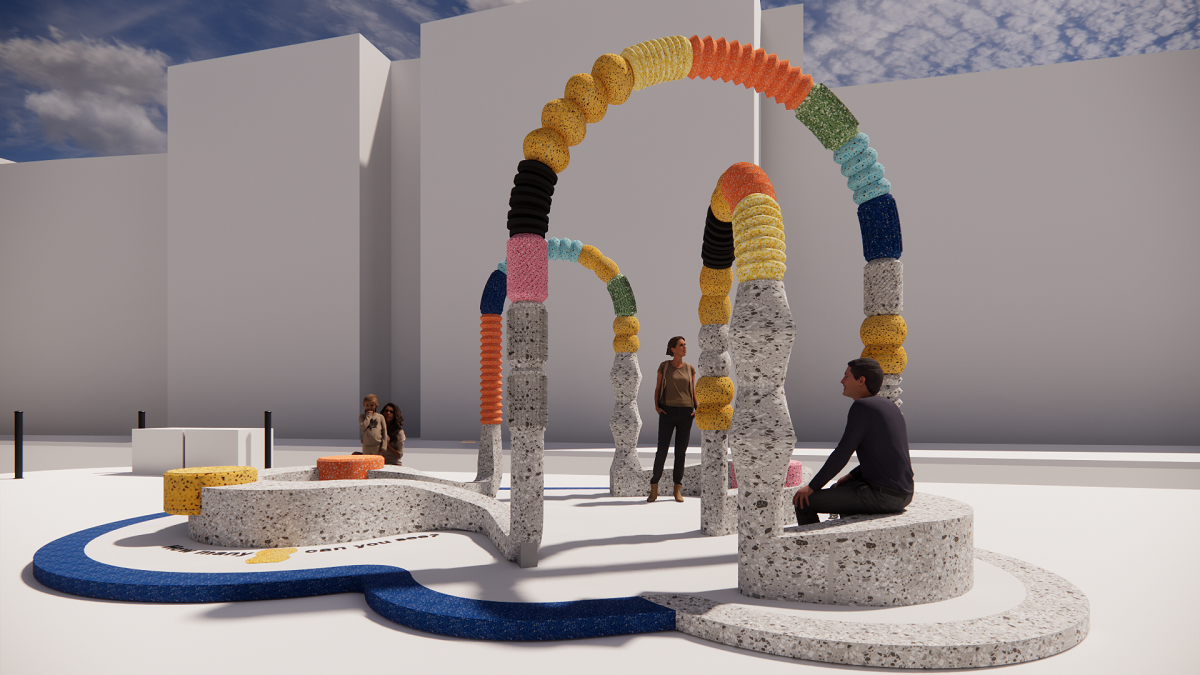
The Fountain of Technicolour Beads (pictured above), has been created by Hong Kong-based multi-disciplinary studio One Bite Design

Image credit: CDW

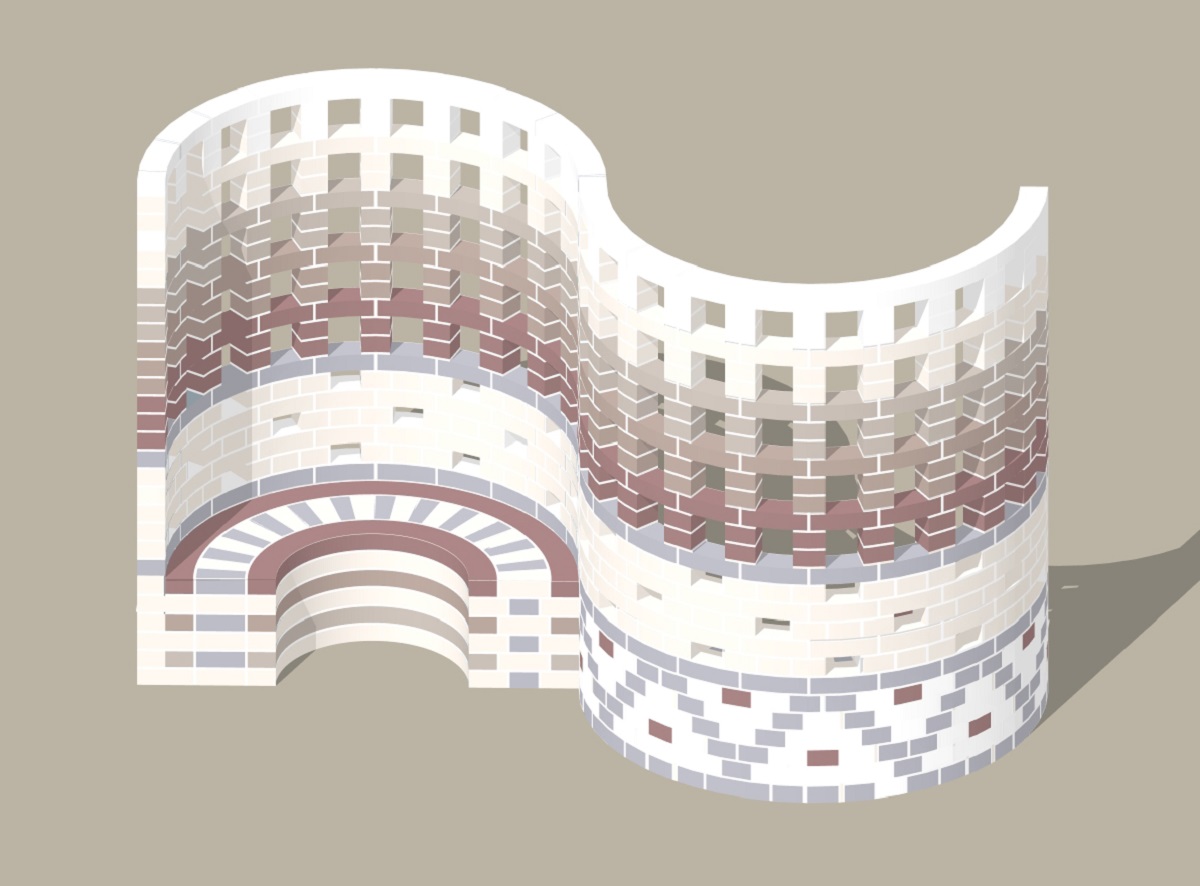
One of the many Design Interventions selected for this year will be on Clerkenwell Green. The Fountain of Technicolour Beads, has been created by Hong Kong-based multi-disciplinary studio One Bite Design. This immersive terrazzo installation integrates spatial design with social awareness by focusing on Colour Vision Deficiency (CVD). And next to St James’ Church, The Crinkle-Crankle Bench will take pride of place. This series of half crescent benches crafted from natural stone bricks is designed by architectural practice StudioFolk.

Studio Folk_Crinkle Crankle Bench_Visual 01

Crinkle Crankle Bench | Image credit: Studio Folk

Expanded CDW Awards and new venues
Haberdashers’ Hall, will be a new addition to CDW’s list of spectacular venues. Known as The Luxury Edit during the show, this new venue will be hosting the CDW Awards ceremony on Tuesday 19th May, presented in partnership with Design Milk. Following a strong debut last year, the awards will once again celebrate furniture, lighting, materials and interior solutions that are shaping the future of design. New categories will focus on the individuals, teams and ideas challenging conventions and celebrating the creatives driving design forward today.

In addition, as well as being home to a cluster of high-end Italian design brands, The Luxury Edit will host the talks series Design Meets featuring industry bodies, leading brands and industry experts.

A ‘living’ outdoor installation, The Pulse of Becoming, will animate the space outside The Luxury Edit. This Design Intervention, created by recent graduates Musab Umair, Amruta Ramesh Pullawar and Sharath Binu John who are based in Portsmouth, explores the cyclical nature of death, rebirth and life. Chia seeds embedded in two opposing crescent shells will sprout during the festival, turning bare surfaces green.

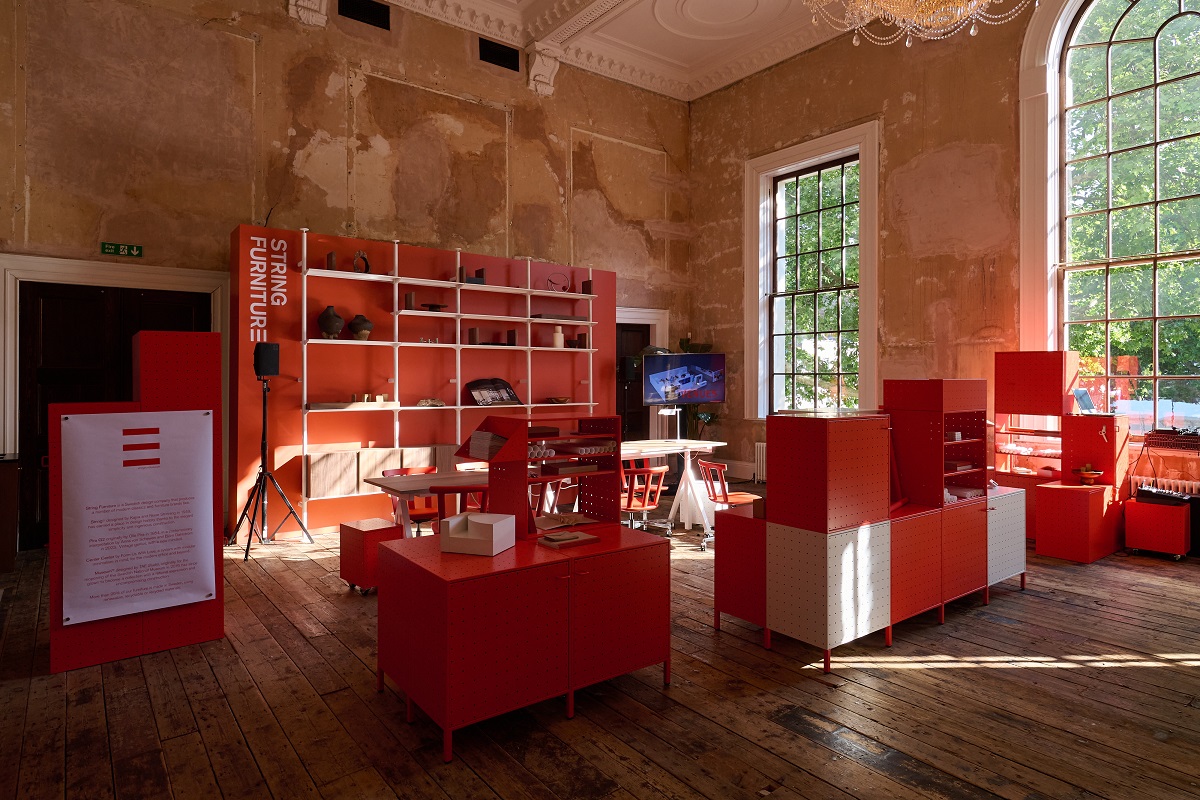
String at OSH CDW

Image credit: CDW

The Museum of the Order of St John above St John’s Gate (originally built in 1504) is one of the great hidden historical treasures of London and is another new venue for the festival. The atmospheric space, steeped in history, will be the temporary home to INTERIORS FROM SPAIN, a striking platform for contemporary Spanish design produced by London-based design journal Disegno.

Material Source Studio, which showcases products and materials for architects, interior designers and property professionals, and Workplace on the Square outside The Zetter hotel, a platform for design brands catering to offices, are two new additions to CDW’s wide range of venues for 2026. Office design brands will also be exhibiting at Workplace at Goldsmiths’ at The Goldsmiths’ Centre which returns as a festival venue this year.

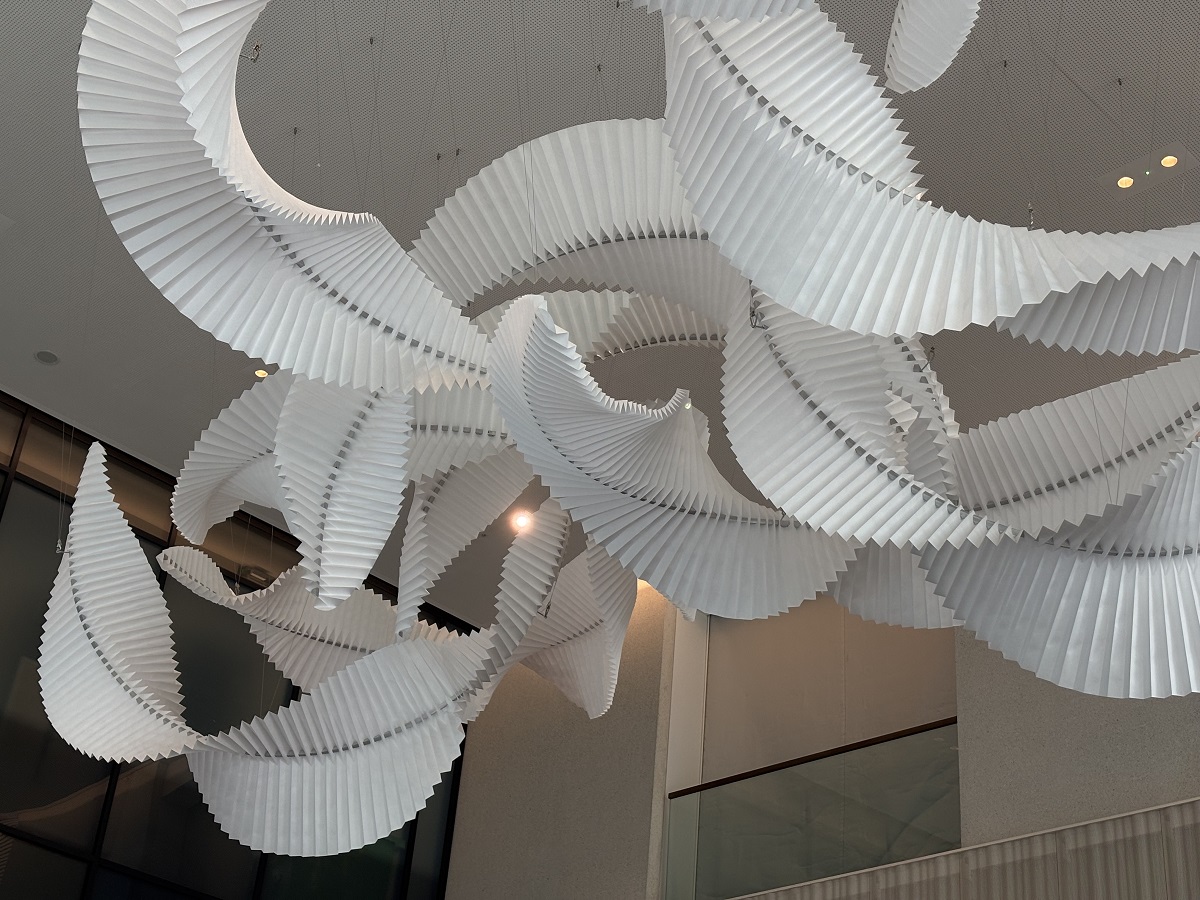
CONFLUENCE , a monumental origami-inspired installation by Fung+Bedford

CONFLUENCE | Image credit: Fung+Bedford

Returning venues, new installations
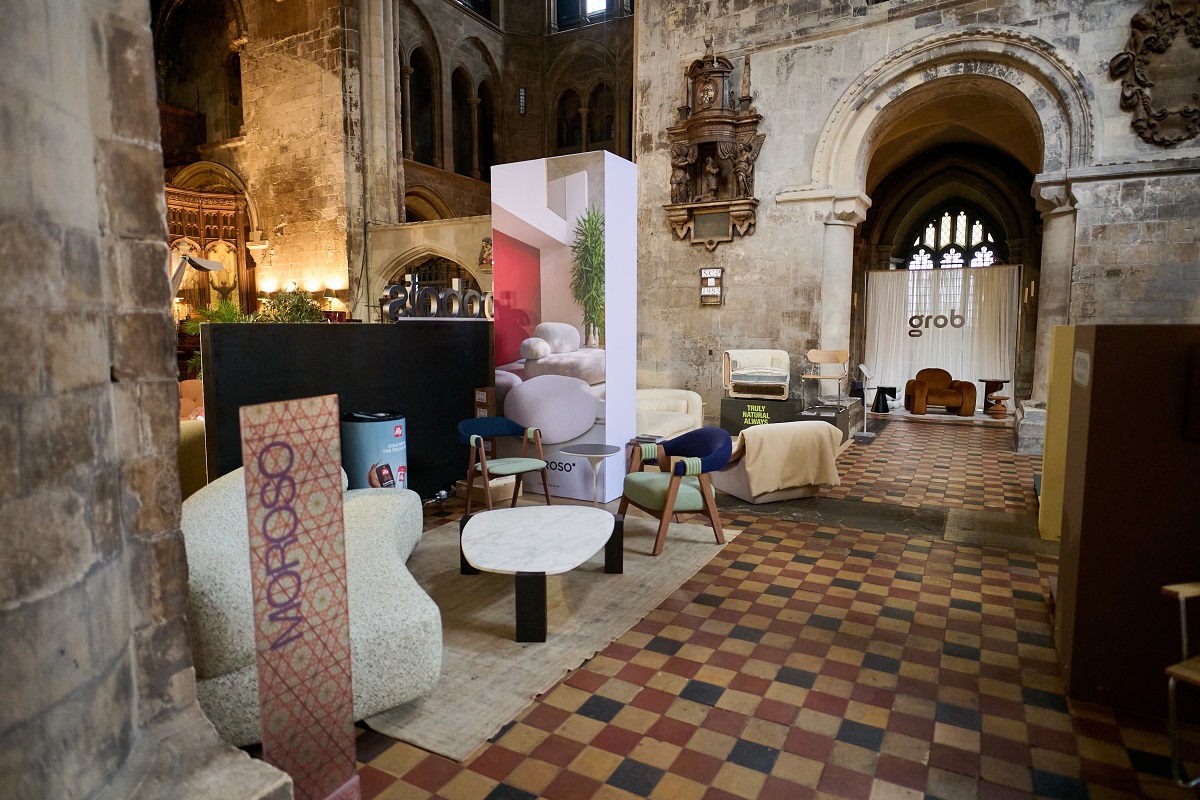
St Bartholomew the Great once again becomes the Church of Design, this year’s venue for the coveted Conversations at Clerkenwell programme curated by PR and Brand Consultant Katie Richardson, which will include discussions with leading and emerging designers on topical subjects. Dulux, this year’s sponsor for Conversations at Clerkenwell, is launching a student-focused competition to design the backdrop of the talks stage using a palette of on-trend colours. Several leading international brands will be exhibiting at the Church of Design, and CONFLUENCE, a monumental origami-inspired installation by Fung+Bedford, will be suspended from the ceiling of the 900-year-old Grade I listed medieval church.

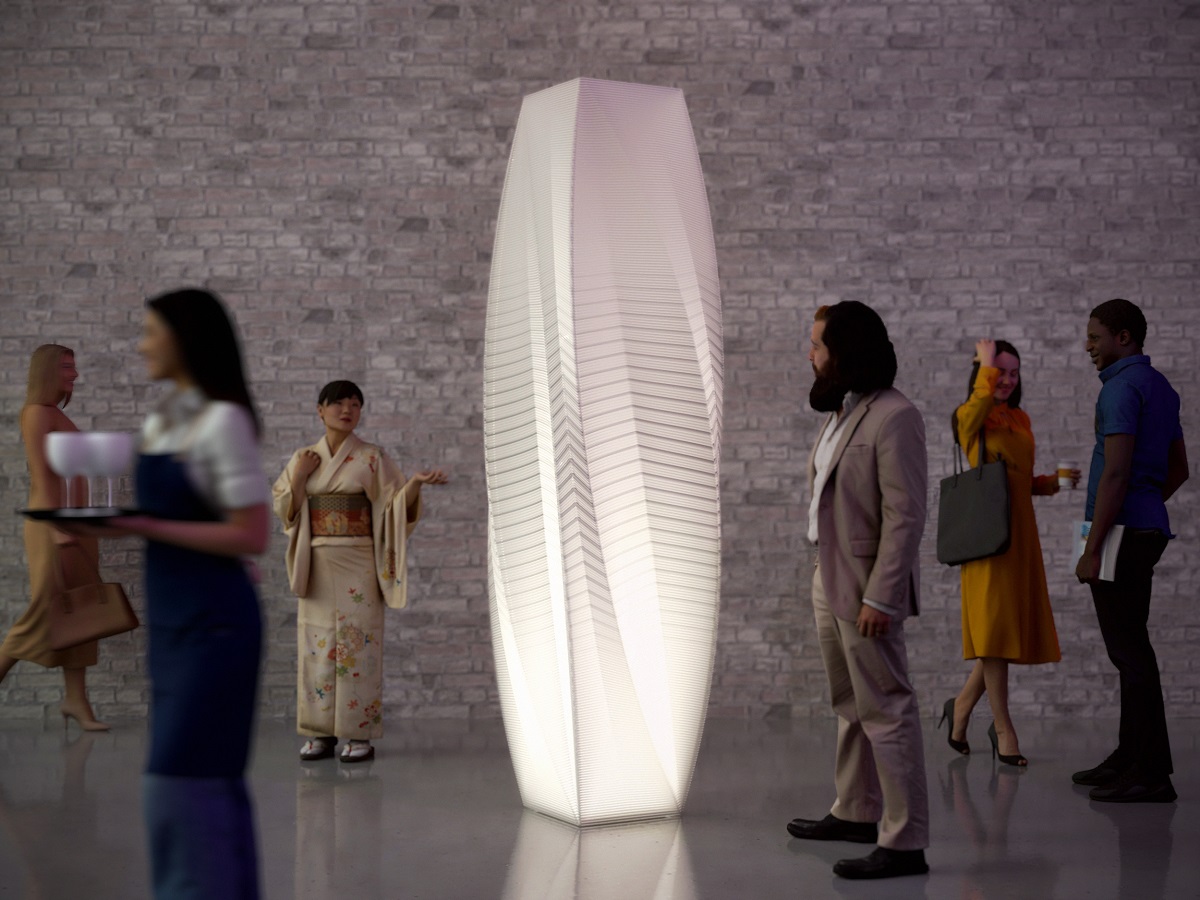
The House of Detention returns as the host of Light, showcasing a selection of exciting local and global lighting brands. Visitors will be greeted at the entrance with Loom Light, a 3D-printed light sculpture drawing on the optical language of Op Art, designed by MIMStudios, AI Build and SEAM Design. [d]arc thoughts, an enlightening series of talks curated by [d]arc media, also returns.

 Loom Light, a 3D-printed light sculpture drawing on the optical language of Op Art, designed by MIMStudios

Loom Light | Image credit: MIMStudios

“We’re thrilled to be back in Clerkenwell this May with our new Design Interventions initiative which acts as a creative platform for the incredible talent and imagination of the participating architects and designers,” commented Marlon Cera-Marle, Design Division Director at Media 10, the organiser of the annual design festival. “These thought-provoking installations are set to bring a new interactive dimension to the show. We’re looking forward to another successful year welcoming tens of thousands of people from the UK and abroad to EC1 to discover the latest that global design has to offer.”

A mix of historic and contemporary buildings will once again become venues during CDW26. Across all venues, CDW will feature hundreds of design brands, showcasing furniture, lighting, textiles, surfaces, home accessories and product design. Confirmed exhibitors include String Furniture, Moroso, Swedese, Dornbracht and Vincent Sheppard. Collections from Austria, Denmark and Italy will also return.

Moroso at CDW 2025

Image credit: CDW

Hundreds of showroom partners are an essential part of Clerkenwell Design Week as they host product launches, talks and workshops. A small taste of participating showrooms include: Actiu, Andreu World, Boss Design, Camira, Domus, HAY, Hansgrohe, Herman Miller, Humanscale, J.Adams & Co, Knoll, Muuto, Milliken, Modus, Iris Ceramica, Knoll, Tarkett and Cosentino.

Facilitating the whole event, a new state-of-the-art app replaces the printed, paper guide and tickets in 2026. The CDW app will be an essential digital companion for visitors, helping them tailor their visit and navigate the venues, exhibitors, participating showrooms and much more according to their specific interests.

Clerkenwell Design Week 2026 takes place across EC1, London, from 19 – 21 May. More details about the festival will be announced in due course – registration is now open.

Main image credit: CDW

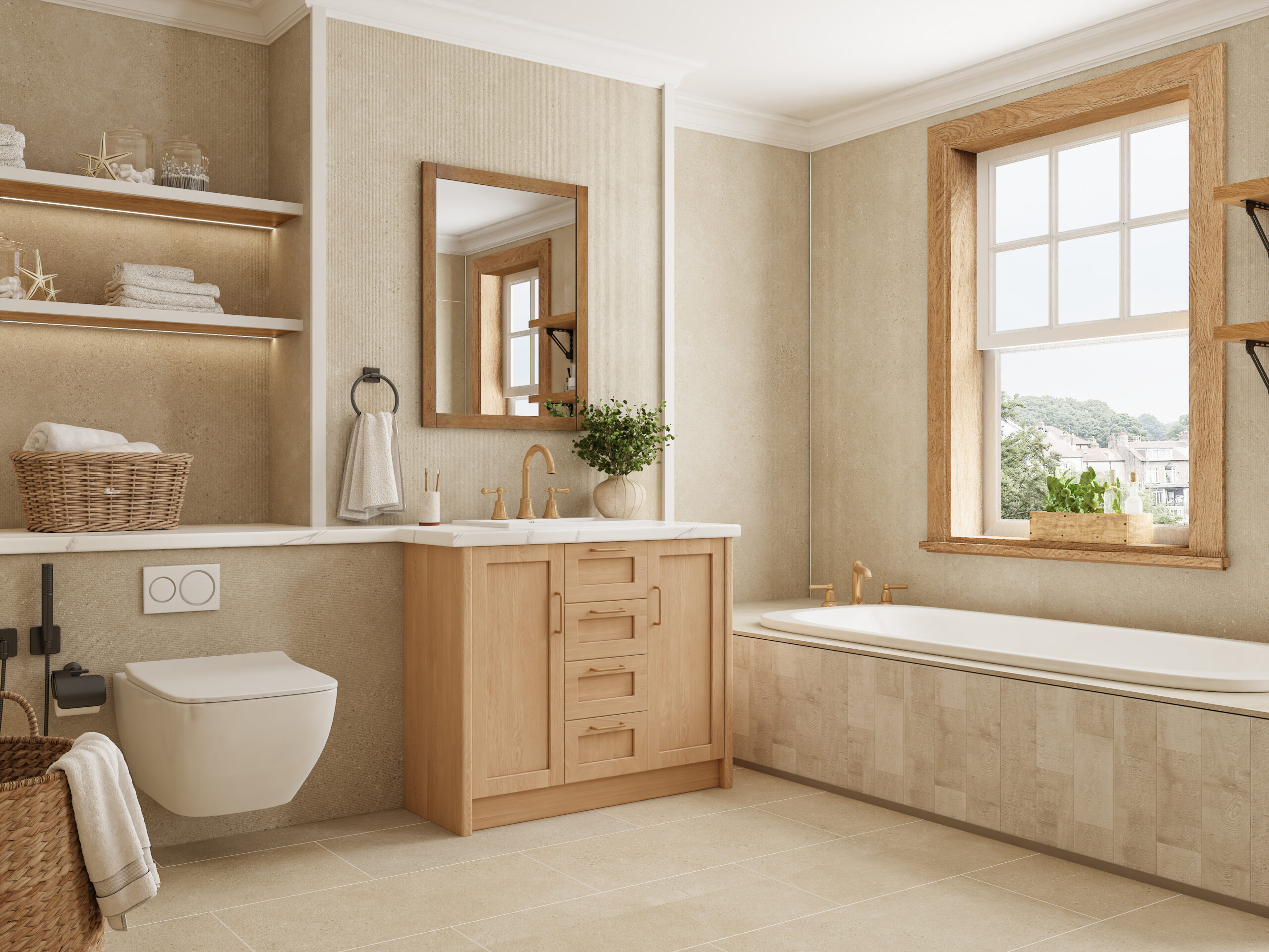
STEP GUARD fast panel in hotel bathroom design

A STEP GUARD wall solution for evolving hotel bathroom design

1024 640 Meghan Taylor
A STEP GUARD wall solution for evolving hotel bathroom design

Hotel bathrooms continue to evolve as defining guestroom features, often occupying nearly half the space. This shift offers designers and hoteliers a powerful opportunity to express brand identity where first impressions matter most…

STEP GUARD fast panel in hotel bathroom design

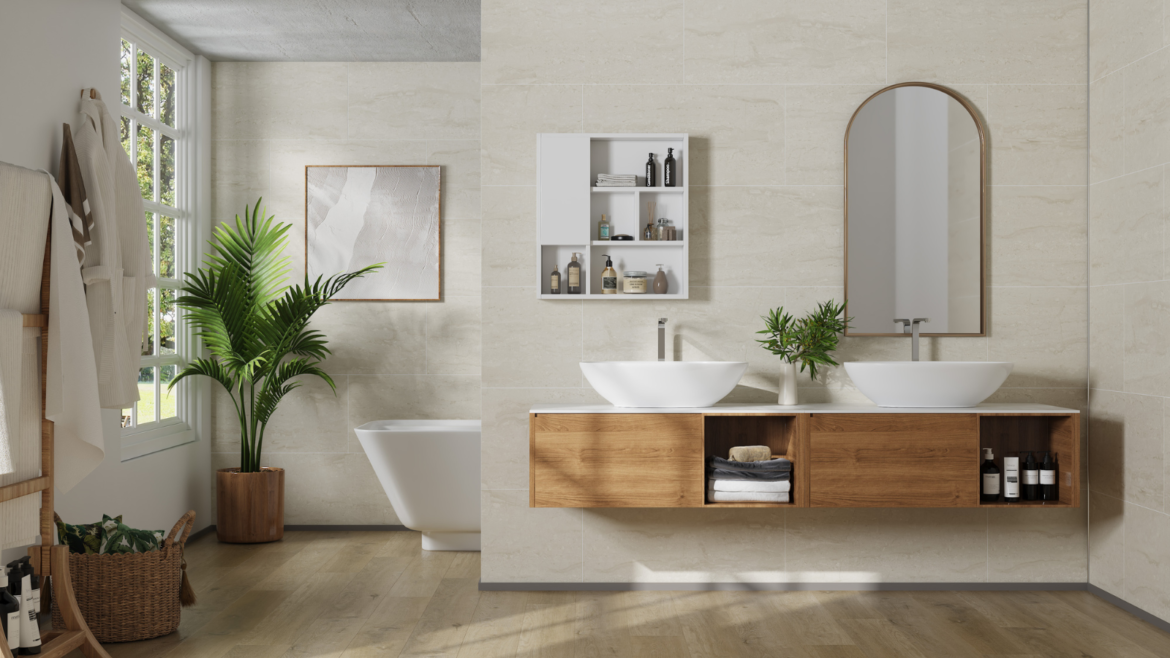
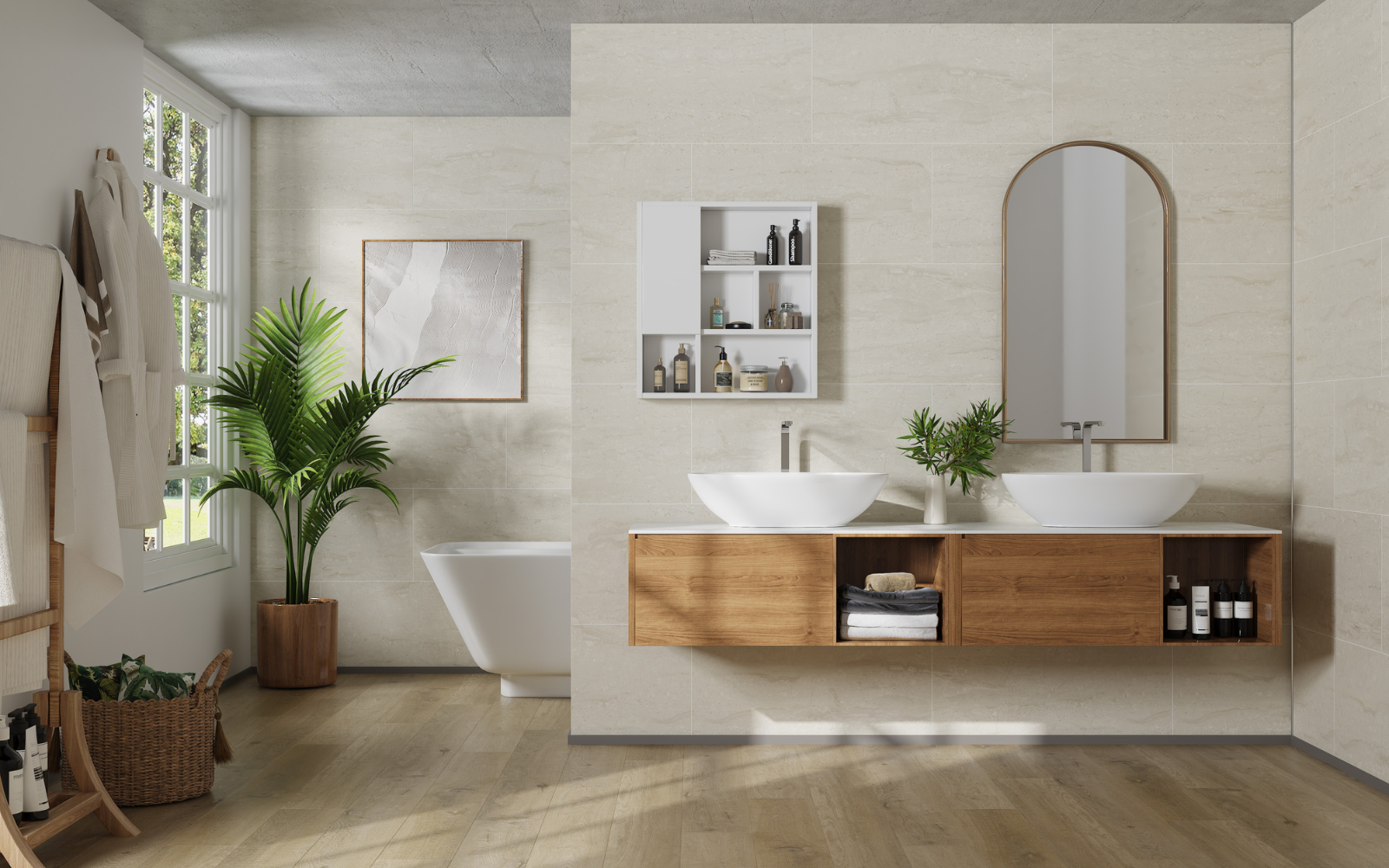
As the standard for hospitality bathrooms evolves, textile materials are playing a key role in shaping a unique guest experience. Hotel guests may not consciously analyse wall finishes. However, they instinctively respond to texture and tactility.

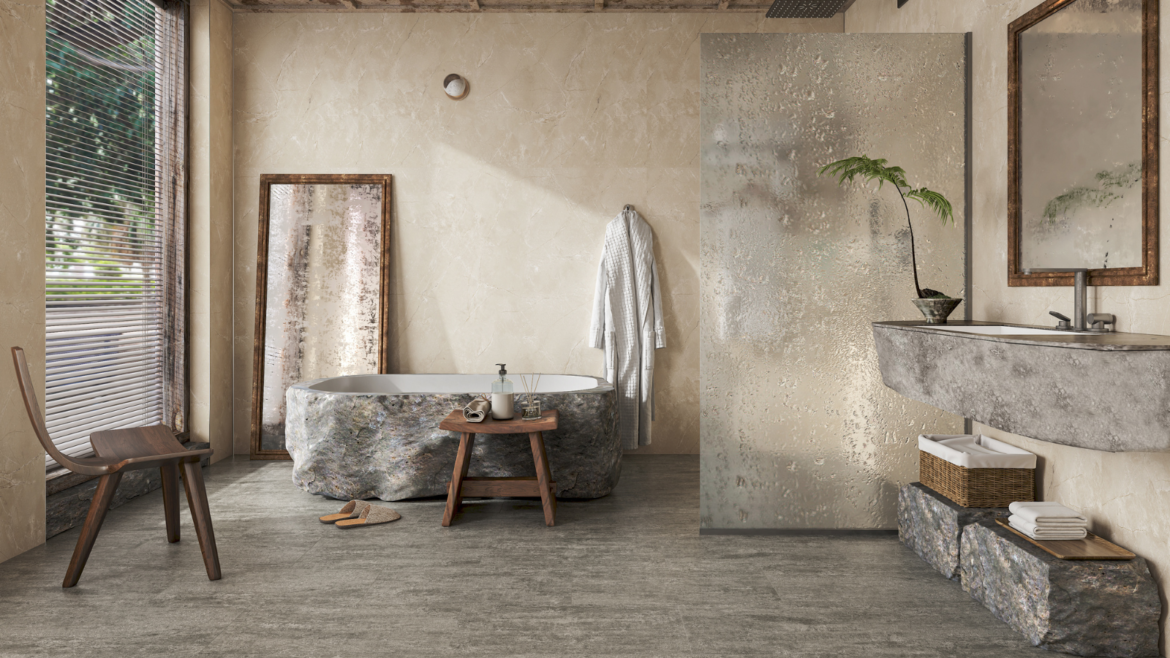
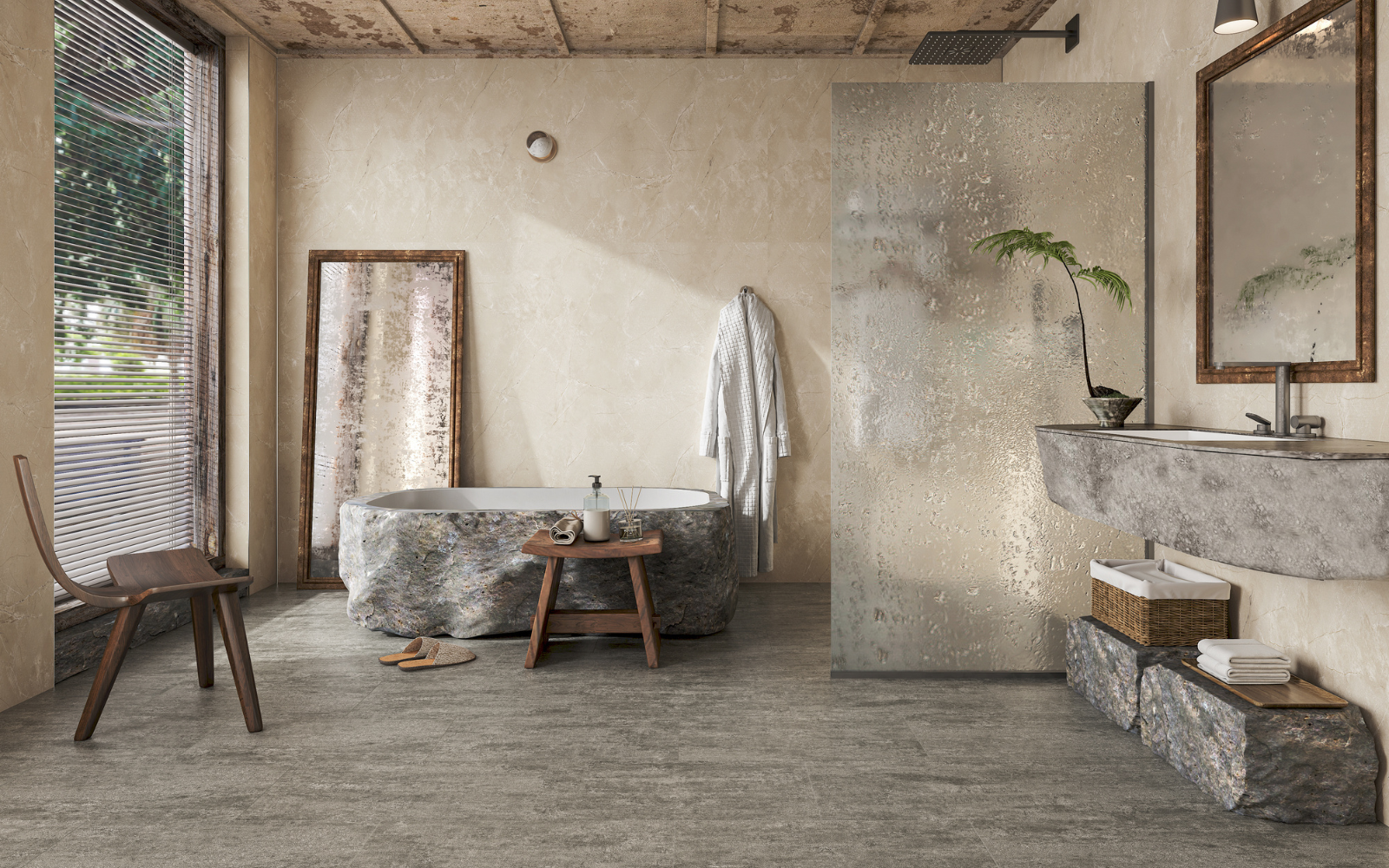
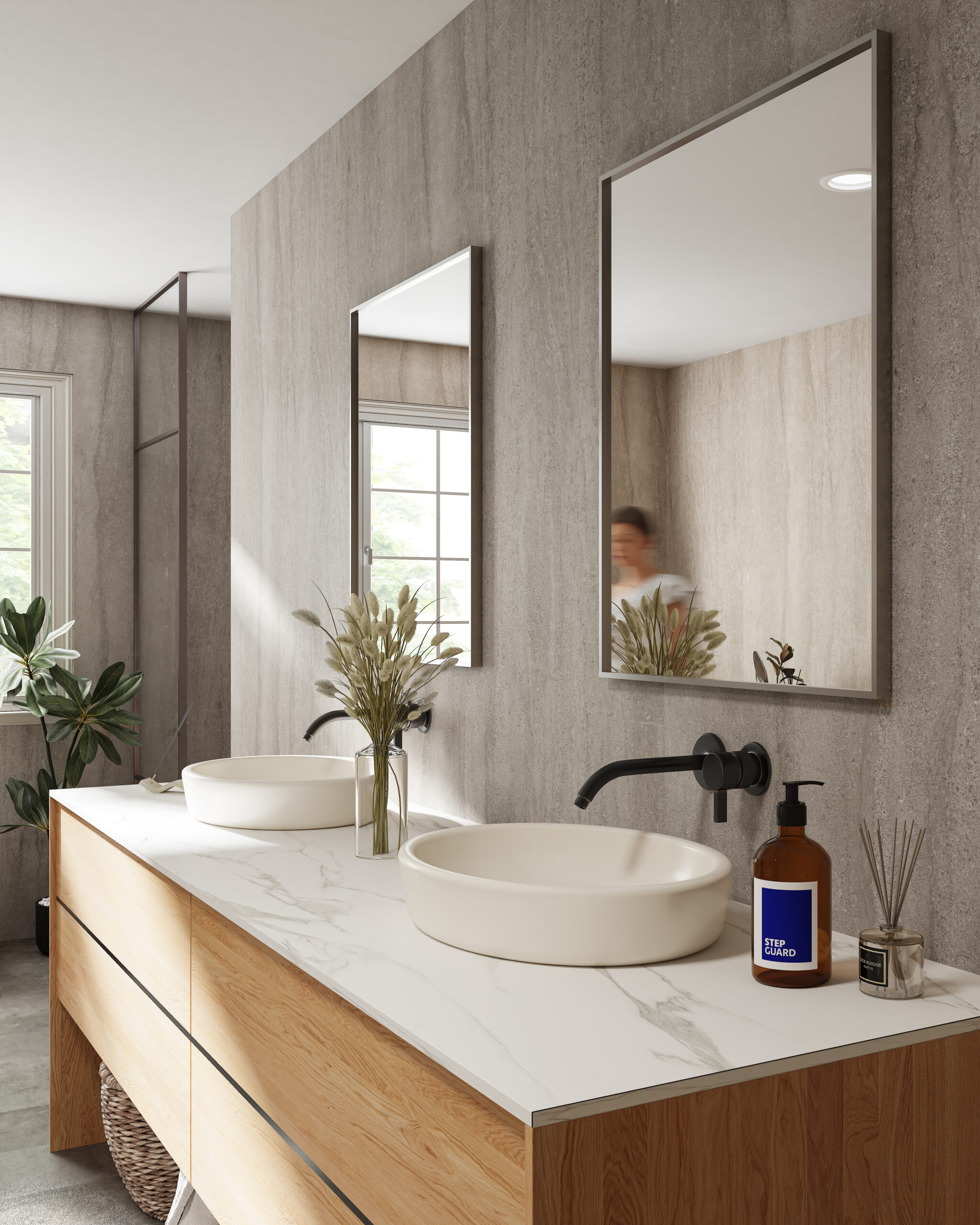
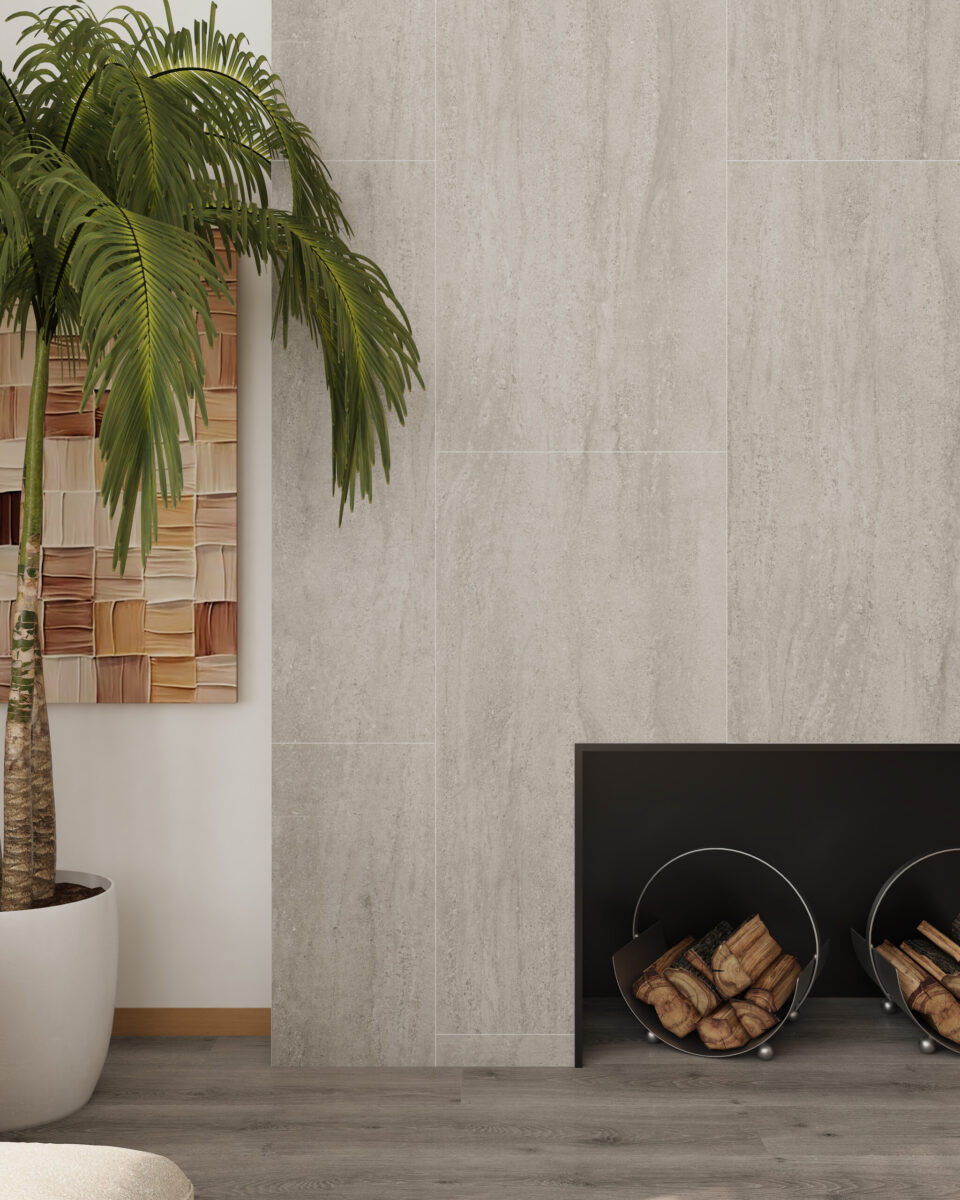
FastPanel SPC wall panel responds to this desire for tactile experience with a linear-textured surface option with a limestone-inspired design. The vertical texture adds architectural rhythm while maintaining a clean, contemporary aesthetic.

This has made sophisticated design no longer reserved for five-star resorts. Mid-scale and upper mid-scale properties are increasingly expected to deliver distinctive experiences. Textured SPC panels offer an efficient way to achieve differentiation without introducing the maintenance concerns associated with carved stone installations.

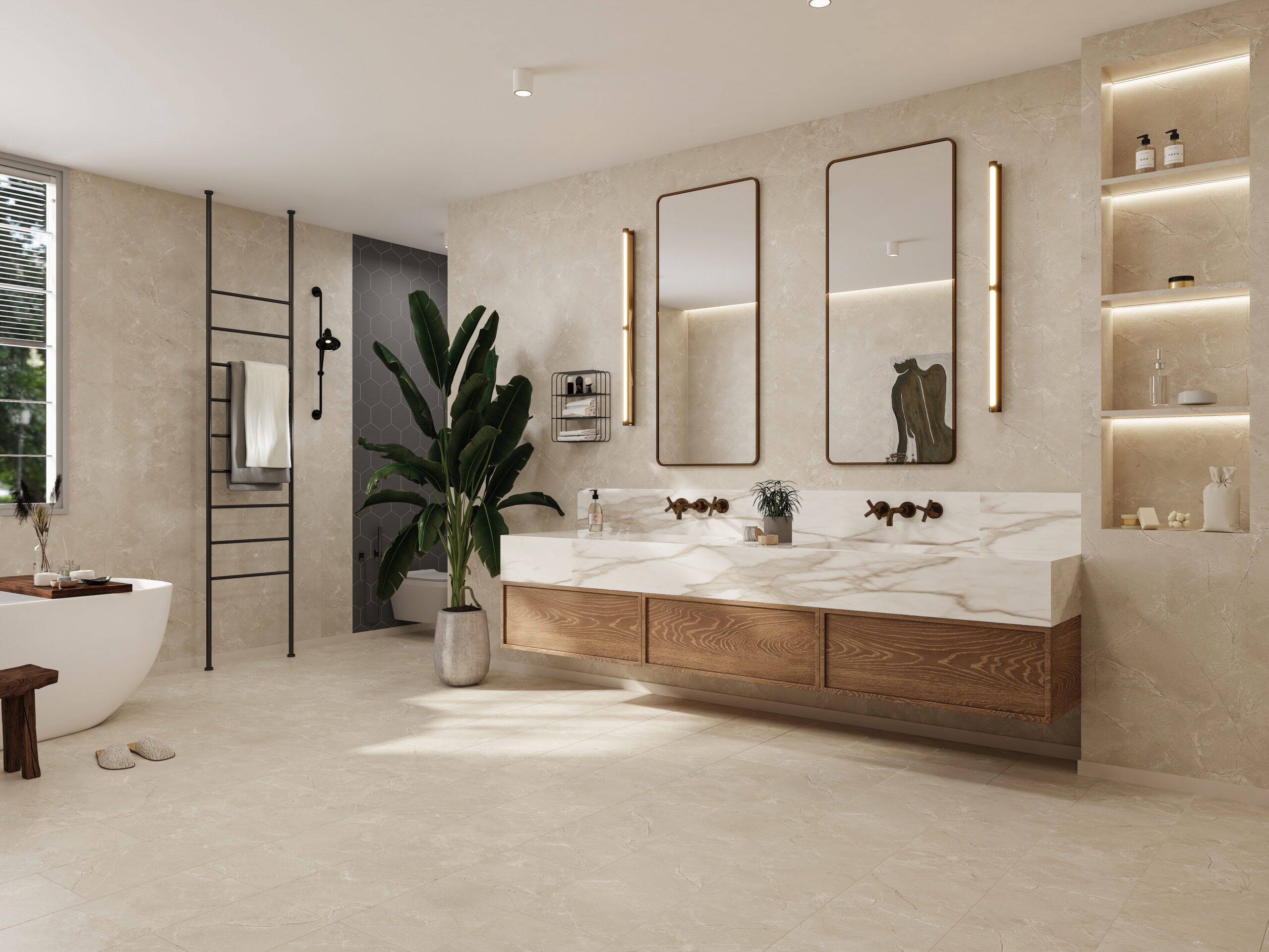
Pale hotel bathroom desigm by STEP GUARD

Image credit: STEP GUARD

The open-plan shift

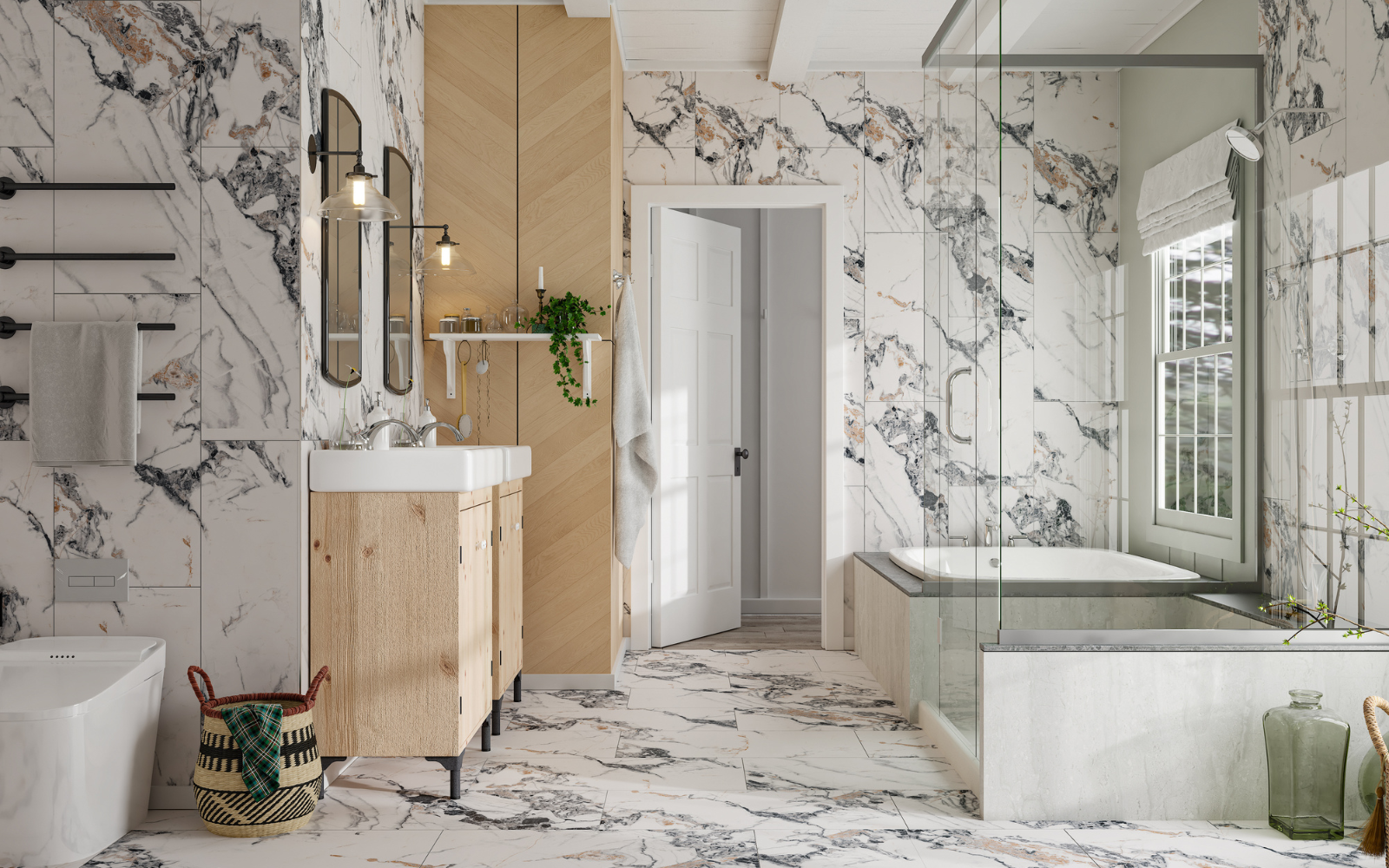
One of the most significant evolution in the hotel landscape in recent years has been the move toward open-plan hotel rooms. Clear glass partitions and freestanding bathtubs in bedrooms are now common. The intention is to blur the boundaries to create the illusion of space, enhance natural lighting, and foster a cohesive experience throughout the suite. However, when bathrooms are visible from the bedroom, every surface must perform visually as well as functionally.

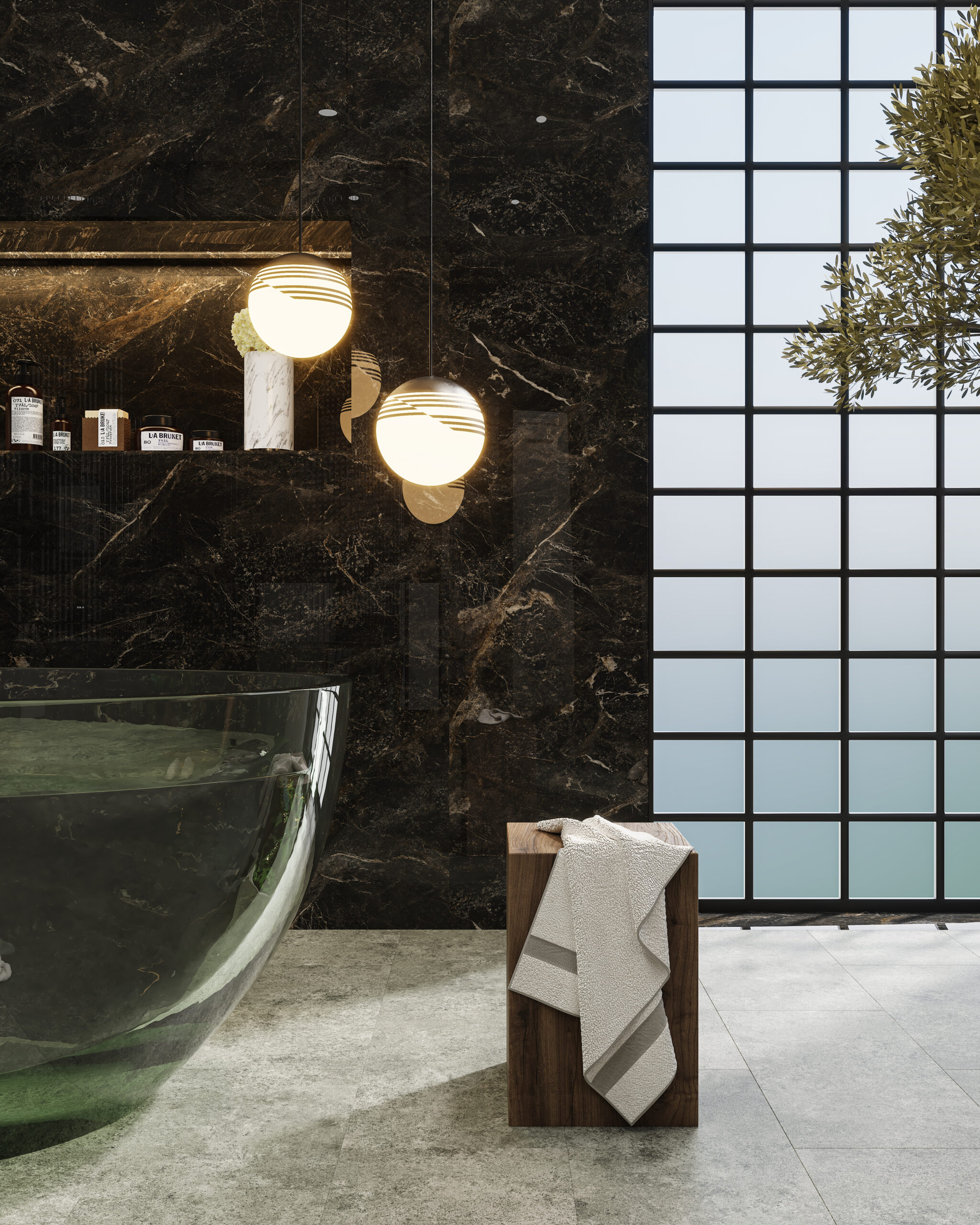
FastPanel SPC wall panels respond directly to this shift. Inspired by natural stone and organic textures, they capture the aesthetics of materials such as marble, stone, and wood, while delivering the sleek, grout-free finish modern layouts require. FastPanel SPC wall cladding’s expansive design palette enables broad creative applications. The result is a surface that is robust under daily use while unifying the visual language of a space, ideal for open-plan bathrooms.

STEP GUARD fast panel in hotel bathroom design

Image credit: STEP GUARD

Standardisation in a growing brand landscape

While independent hotels still represent a significant portion of the market, global hotel chains now account for more than half of the market share. Their growth is driven by consistency, as guests expect the same level of quality, design, and amenity in all locations.

Thus, developers and operators should specify materials that can be standardized, defined by efficient installation, predictable quality, and finishes that translate across different room concepts.

FastPanel SPC panel addresses this need with a unified installation system and consistent performance standards across a broad design portfolio. For hotel brands planning renovations, this consistency simplifies procurement and reduces complexity on-site.

Another standard, arguably more important than design, is hygiene. For designers, natural materials like marble have long been correlated with luxury. However, beyond their high cost, stones such as marble are porous and require intensive maintenance. As the hospitality industry faces rising labour costs, specifying marble may compromise both aesthetics and hygiene in the long run.

SPC wall panels offer a practical solution for hotel bathroom walls. They are waterproof and non-porous, with no grout lines. These properties make them resistant to mould and staining while requiring minimal effort to upkeep. Moreover, FastPanel SPC panel’s zero-VOC rigid core further supports indoor air quality, enabling faster room turnover with a healthy environment.

In hotel design, the bathroom wall is a defining element of atmosphere, performance, and guest perception. Material selection underpins all three. FastPanel SPC wall panel enables designers to specify a surface that performs over time while supporting a cohesive and memorable design language.

STEP GUARD is one of our Recommended Suppliers and regularly features in our Supplier News section of the website. If you are interested in becoming one of our Recommended Suppliers, please email Katy Phillips.

Main image credit: STEP GUARD

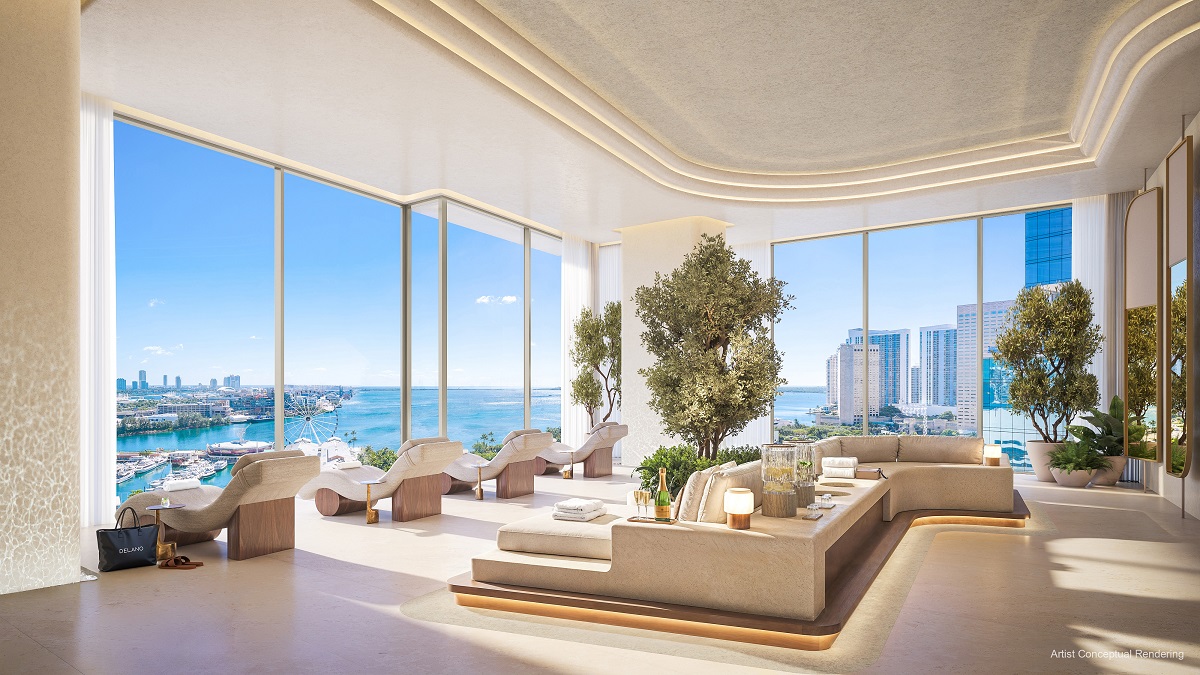
PMG-Delano residences miami - curved window with view from lounge-R

Ennismore and PMG announce first-ever Delano Branded Residences

1024 640 Pauline Brettell
Ennismore and PMG announce first-ever Delano Branded Residences

Ahead of the hotly anticipated reopening of the iconic Delano Miami Beach hotel, this new exclusive branded residential address in Downtown Miami marks the iconic brand’s first branded residential property, and PMG’s second supertall in the city…

PMG-Delano residences miami - curved window with view from lounge-R

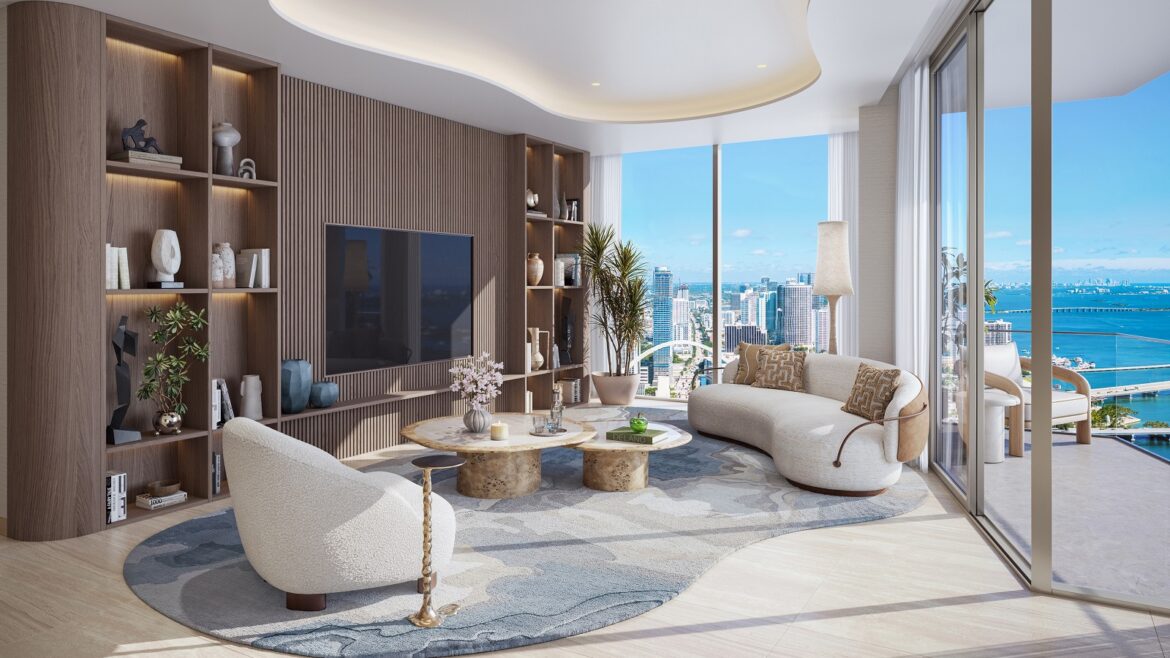
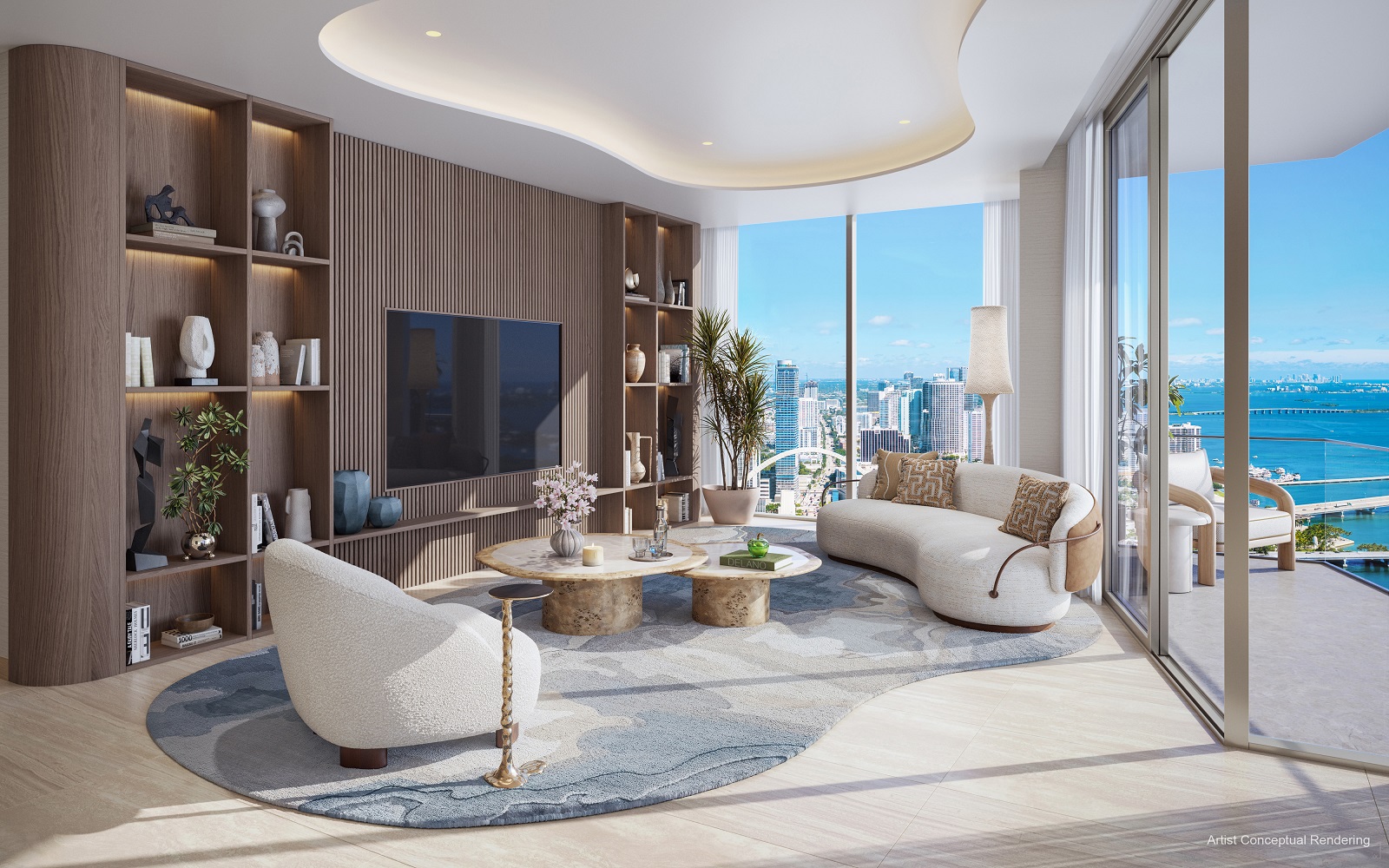
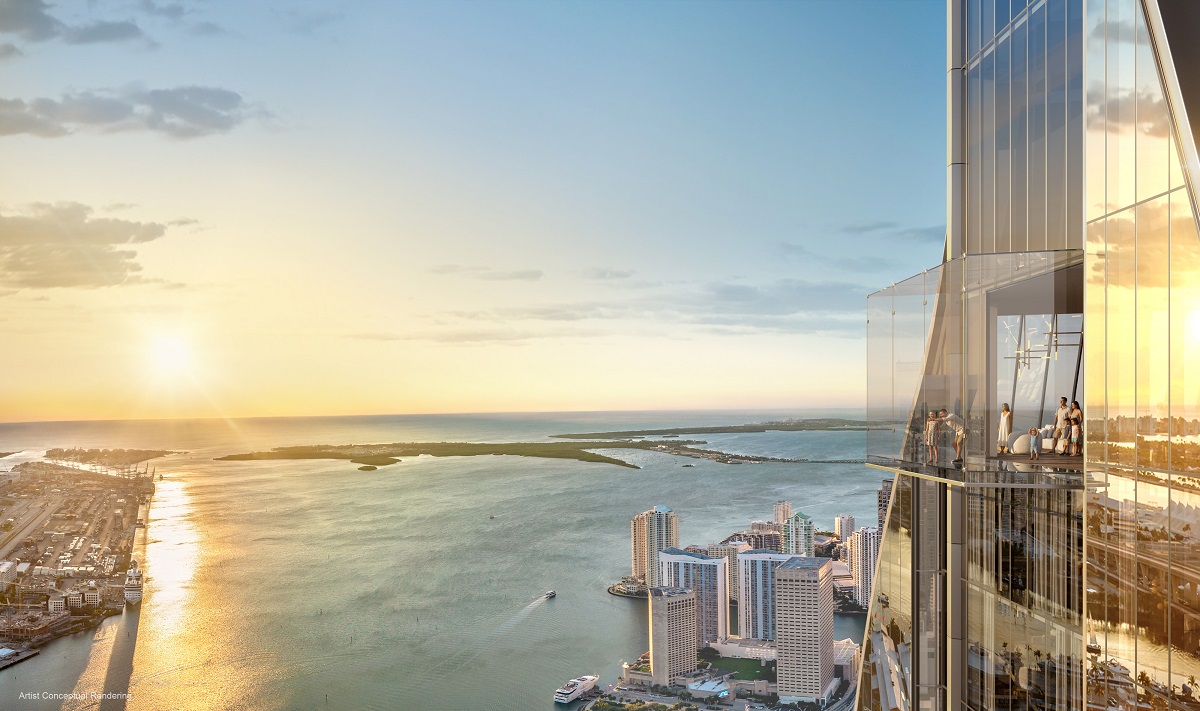
Rising 90 stories in Downtown Miami, the newly built development will offer 421 residences, unobstructed views, and immersive amenities, including the Southeast’s first observation floor with a cantilevered glass deck and the legendary Delano Rose Bar, set high above the Miami skyline. Sales are slated to commence this March, with PMG Residential exclusively representing sales.

exterior glass curve and facade of Delano residences observatory

Image credit: ARX Creative

Phil Zrihen, Deputy Group CEO of Ennismore, said: “The launch of Delano’s first branded residences marks a defining moment for the brand, extending its legacy of authentic hospitality, cultural relevance and exceptional design into the residential experience. Miami has always been central to Delano’s evolution, and there is no place better suited to translate the brand’s ethos, creative energy and emphasis on human connection into everyday living. With the reopening of Delano Miami Beach this year alongside this landmark development, we are entering a bold new chapter for Delano in the city where it all began.”

“For decades, Delano has been one of the most influential brands in shaping Miami’s identity,” continued Ryan Shear, Managing Partner at PMG. “As someone born and raised here, I’ve seen firsthand the cultural impact it created — from its iconic MiMo roots to Philippe Starck’s whimsical design and the high-profile nightlife that helped define Miami on a global stage. Bringing Delano to Biscayne Boulevard is a natural next step for Downtown Miami, strengthening the connection between Miami Beach and the city’s evolving urban core. With PMG’s long-standing commitment to thoughtful development, and in collaboration with Ennismore, we’re proud to carry Delano’s legacy forward through a bold new landmark that will help shape Miami’s next chapter.”

Delano Miami residences master bedroom

Image credit: ARX Creative

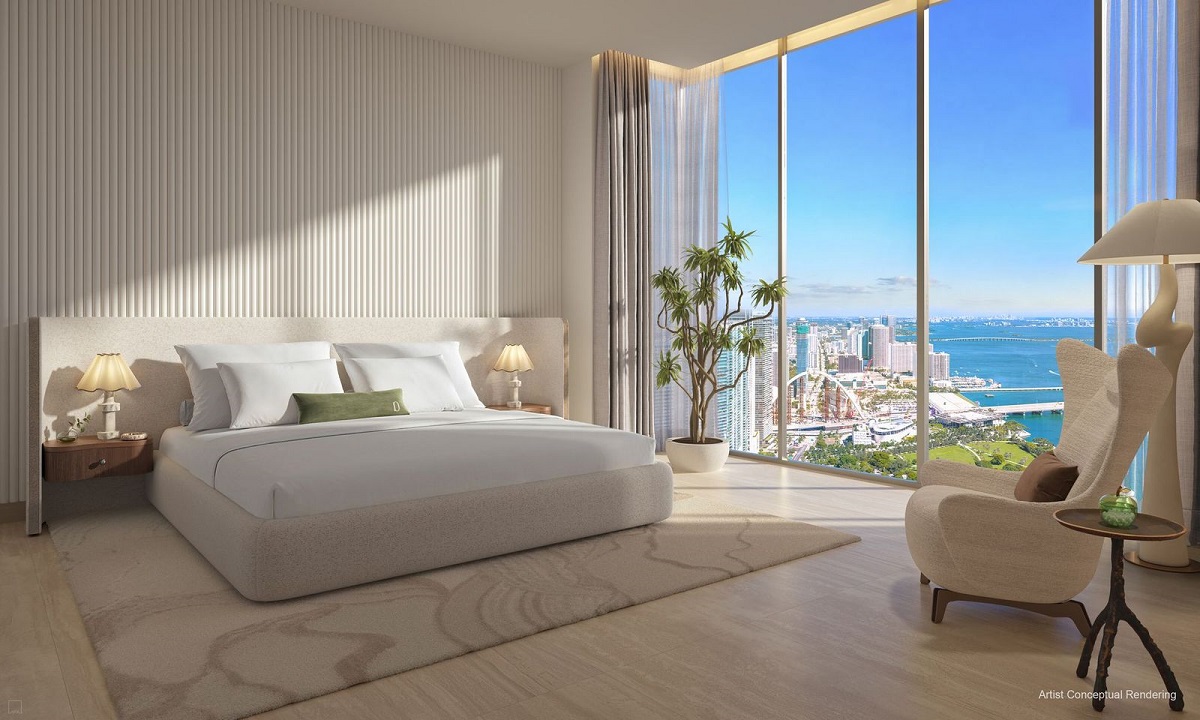
Envisioned by Conceptual Artist Carlos Ott and architectural firm CUBE 3, the property will stand as an architectural marvel. Interiors are by award -winning design firm Meyer Davis, enveloping residents and guests alike in a refined, contemporary design with Delano’s inimitable look and feel.

Each studio, one, two, and three -bedroom residence features custom kitchen cabinetry fabricated by Italian design house Italkraft, fully integrated Sub-Zero and Wolf appliance packages, custom bathroom cabinetry and countertops, Waterworks bathroom fixtures, and fully built-out closets. Contemporary lighting schemes and advanced smart home technologies will further enhance the living experience.

“This property is conceived as a vertical resort, layered laterally, where each ascent introduces a new environment,” said Will Meyer, Co-Founder, Meyer Davis. “Filtered light, sculptural circulation, and layered landscapes blur interior and exterior, creating a cocoon of energy and calmness that unfolds intuitively, inviting guests to move seamlessly through atmosphere, texture, and experience.”

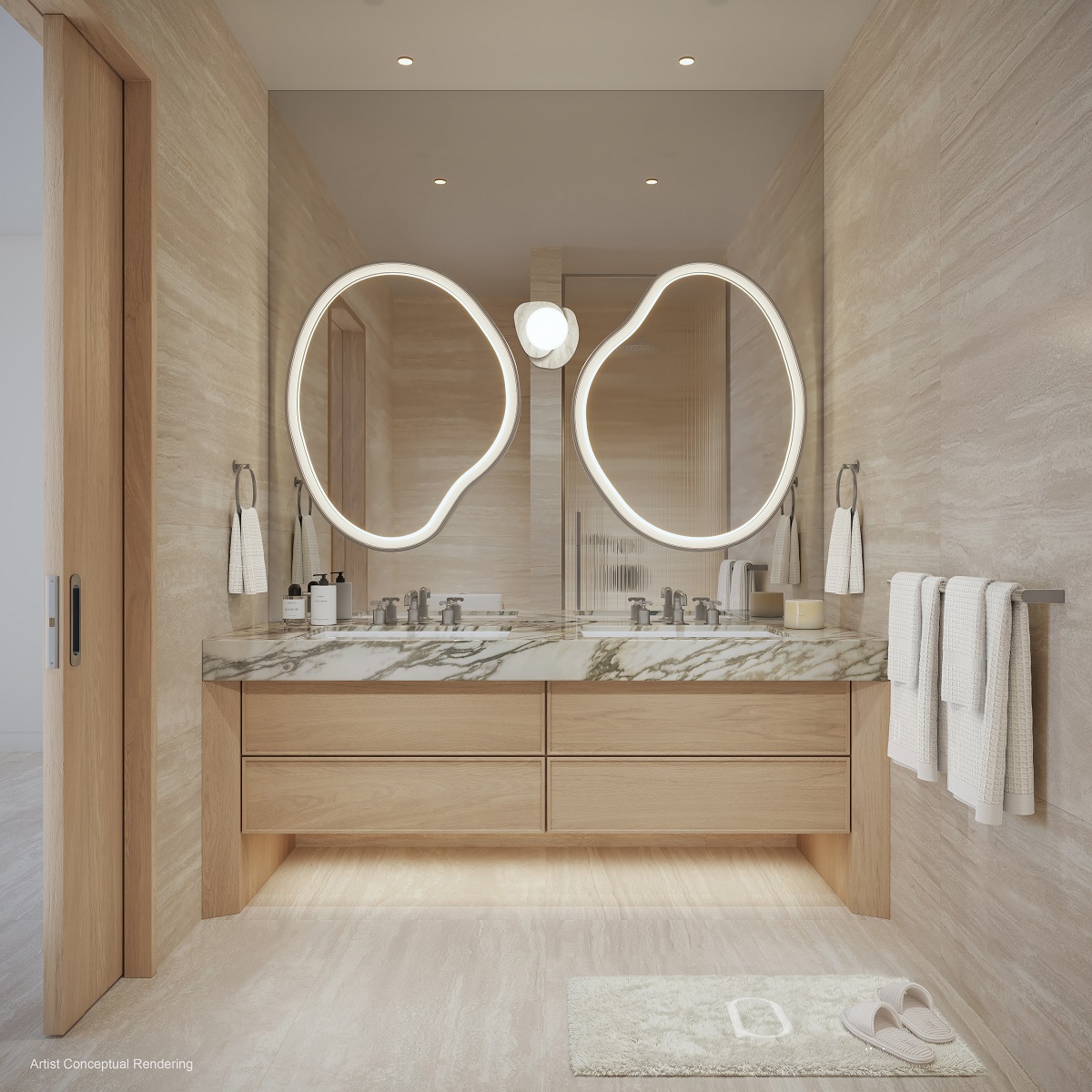
stone and marble master bathroom with double vanity in Delano_

Image credit: ARX Creative

In alignment with Delano’s legacy of crafting highly immersive, personalised experiences for guests, the residences will offer an engaging array of bespoke spaces exclusive to homeowners. A first for the region situated 850 feet above Miami, the observation floor will feature a cantilevered glass deck and provide remarkable views of Downtown Miami and the Atlantic Ocean, showcasing the city like never before.

An elevated food and beverage offering will also create a lasting impression through its inclusion of Cafe Delano, an all-day signature restaurant, an iconic sky restaurant, and the Rose Bar. The Rose Bar is an intimate and glamorous space reimagined from the original Delano Miami Beach and is set to bring a cinematic and unmistakably Delano nightlife experience. Lastly, select residences will come with a deeded, glass-encased, fully furnished office suite, secure locking access, and complimentary Wi-Fi to deliver a comfortable, turnkey workspace.

Beyond these venues, residents can enjoy the Delano Members’ Club, with world-class cultural programming, alongside a resort-style pool deck featuring a wraparound pool, lounge areas, and a bar, or the Sky Pool, which is 800 feet above Miami’s skyline and offers breathtaking views.

PMG-Delano-Spa

Image credit: ARX Creative

In addition to a state-of-the-art fitness center, offering top-of-the-line equipment and a movement studio, the Delano residence offers a comprehensive wellness experience through The Source by Delano. Designed for the curious and culturally attuned, The Source by Delano blends intuitive spa rituals with bold social activations, giving guests and members a wellness journey that is radiant, revitalizing, and rooted in connection. It includes treatment rooms, a sauna, cold plunge, steam rooms, and private lockers.

The property is supported by Accor One Living, an industry-leading platform that offers a 360º approach to the development, design, and operation of mixed-use projects and branded residential communities, along with access to preferred rates at more than 45 brands and over 5,700 Accor and Ennismore hotels and resorts worldwide.

Main image credit: ARX Creative

seating by fireplace in The Hoxton Shoreditch lobby

The Hoxton, Shoreditch enters a new era

1024 640 Pauline Brettell
The Hoxton, Shoreditch enters a new era

It’s been 20 years since The Hoxton, Shoreditch opened its doors in an old East London car park, marking the first in The Hoxton series – to mark this milestone moment, the Shoreditch hotel has unveiled refreshed interiors from Ennismore’s in-house design team at AIME Studios…

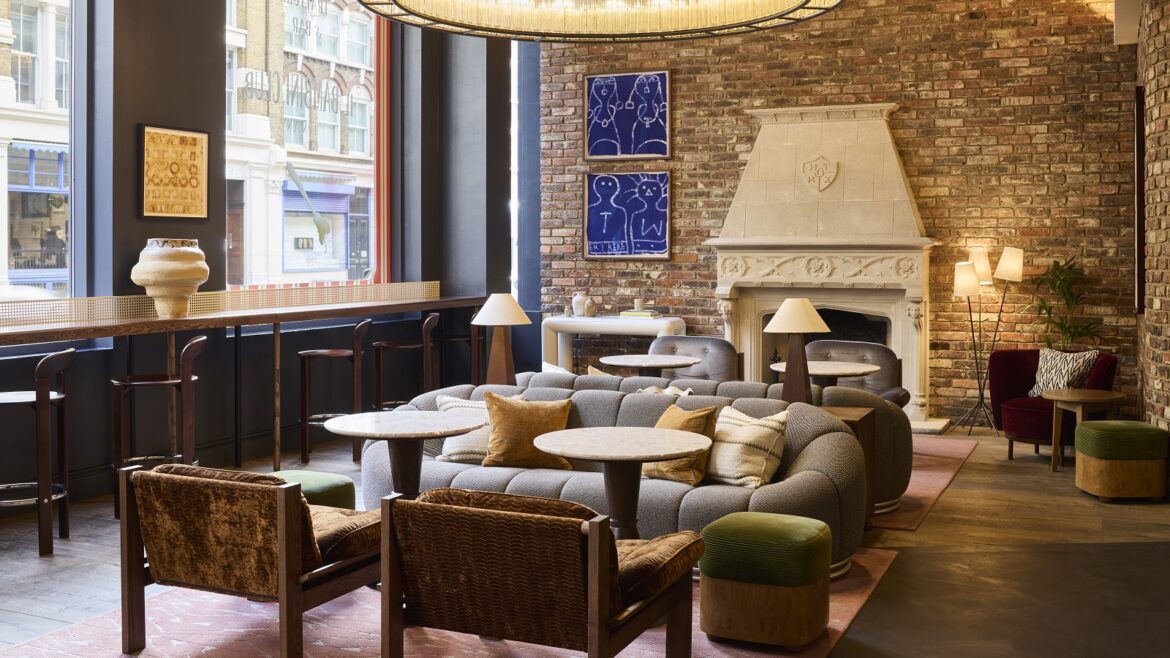
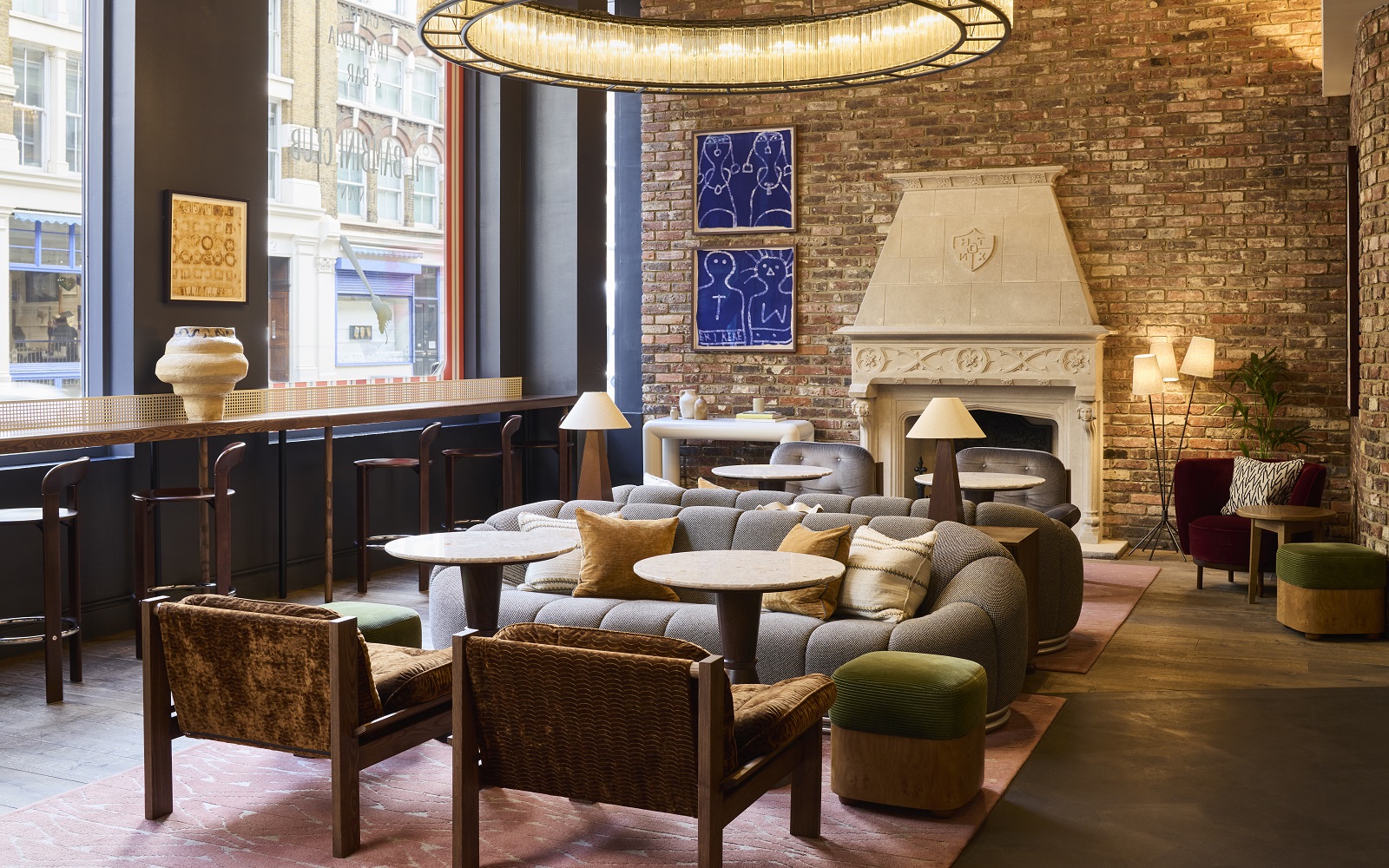
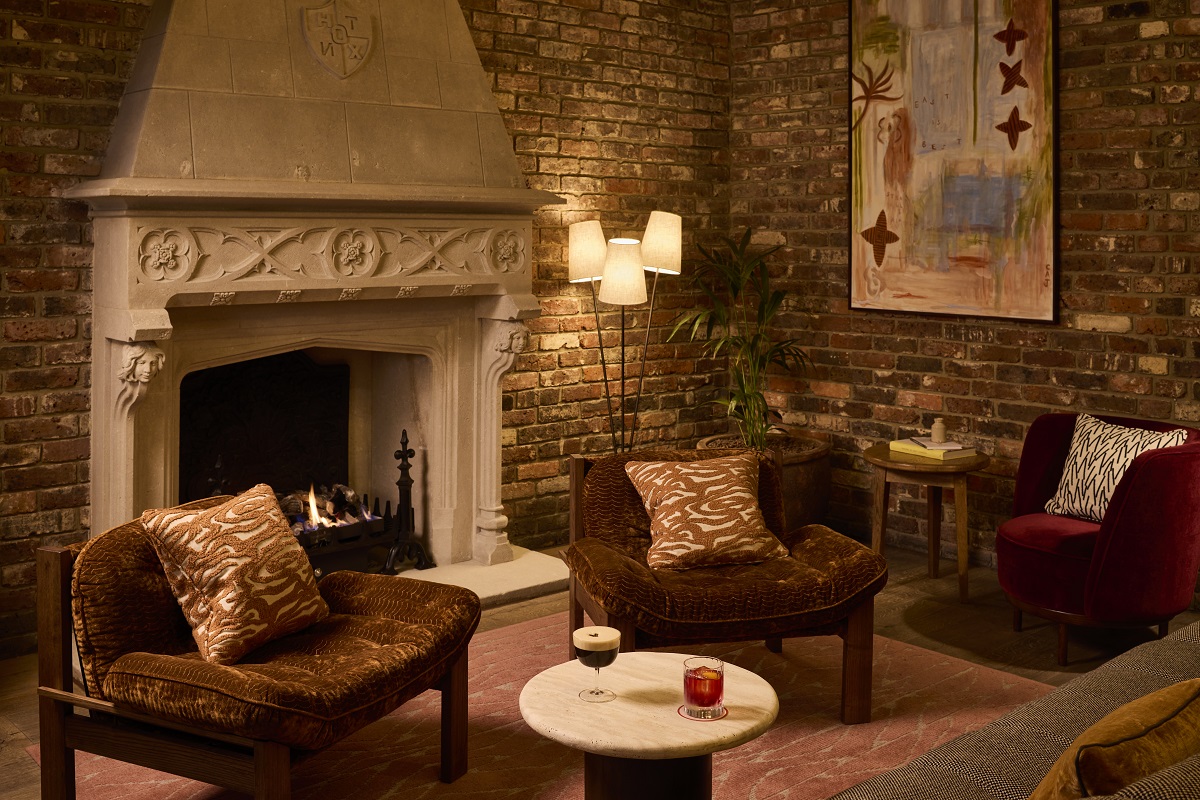
seating by fireplace in The Hoxton Shoreditch lobby

Fast forward 20 years, and The Hoxton brand now spans 19 properties across the UK, Europe and the US, with plenty more on the way including Melbourne, Oslo, Nashville and Mexico City. To mark this milestone moment, the Shoreditch hotel has unveiled refreshed interiors, reworking the original spaces to bring a lighter, more contemporary feel while retaining that signature Hox warmth and layered, lived-in character.

fireplace and seating in the lobby of The Hoxton Shoreditch

Image credit: Ennismore

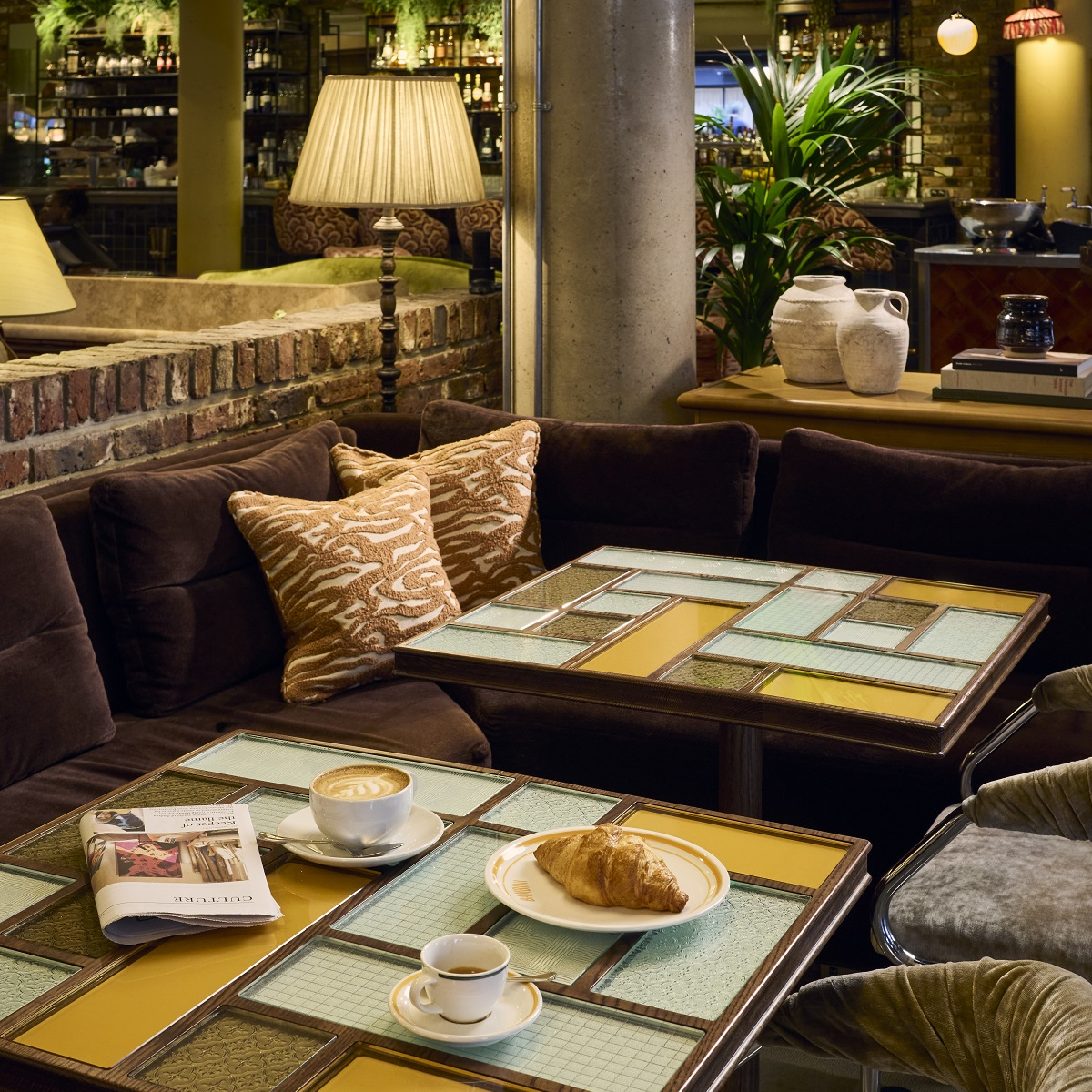
The refreshed lobby preserves stand-out features that regulars will know and love, including the poured concrete flooring that sits alongside stone fireplaces and iconic large-scale glass pendants, with floor-to-ceiling windows flooding the double-height space with natural light. Shoreditch’s industrial history and heritage of silk weaving, woodworking and glassmaking are quietly referenced through the design, as brick-clad walls are softened by draped fabric lampshades and custom patchwork glass tables that blend Victorian motifs with wired glass. Tactile finishes and dark timbers bring warmth and depth, with comfy lounge chairs and low-slung sofas upholstered in earthy-toned velvet and bouclé and offset by chrome accents and mixed marble coffee tables. High-top tables and window seats invite people-watching and casual working, giving the space the relaxed rhythm of a communal neighbourhood living room.

Art plays a central role, grounding the hotel in its locality with pieces that depict quintessentially East London spots, from Becky Baur’s painting of London Fields Lido to Alys Elisabeth’s giclée prints of the Rio Cinema and Pavilion Bakery, alongside works by exciting London-based illustrators Tommie Liddell and Lucy Mahon. Accessories are predominantly vintage, with much of the furniture reupholstered in collaboration with Rose Raw Rees to give the pieces a new lease of life.

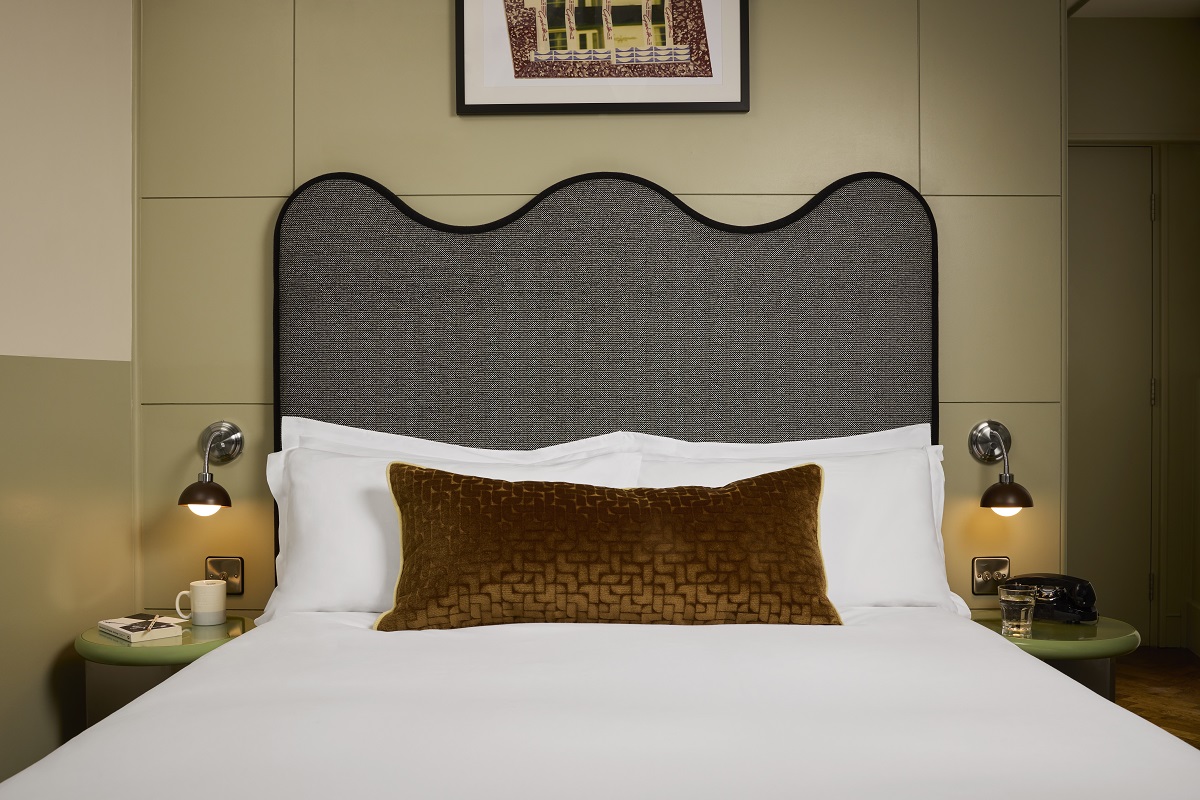
bed with curved headboard in The hoxton Shoreditch

Image credit: Ennismore

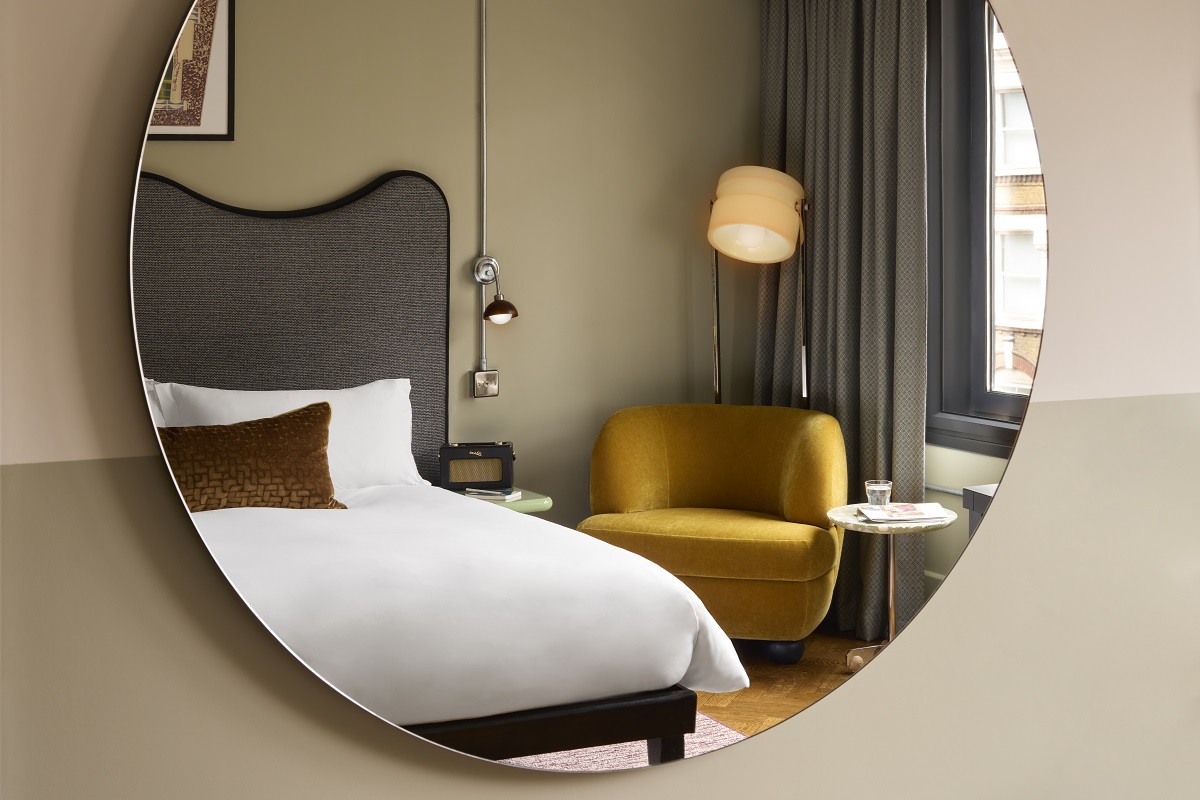
Across the hotel, all 210 rooms strike a balance between timeless charm and playful modern touches, with select interconnecting rooms available for groups of friends or families travelling together. Accompanying the existing Shoebox, Cosy and Roomy categories is a new Cosy Up category, complete with mustard sofas and a dedicated drinks area for laid-back stays.

While much-loved details like herringbone parquet flooring and oversized circular mirrors remain, instantly recognisable to returning guests, they are now complemented by a calm and considered colour scheme designed as a haven from the hustle and bustle of Shoreditch.  Muted greens are balanced with earthy yellows and browns, while terrazzo marbles, tan leathers and woven rugs keep things tactile and fundamentally midcentury. Original wooden desks have been revamped with stainless steel tops, with high-shine chrome metals, rounded mint green bedside tables and conical frosted light fixtures introducing a touch of retro-futurism.

round mirror in the guestroom reflecting bed and headboard The Hoxton shoreditch

Image credit: Ennismore

Bathrooms will come in two styles: in some, light grey and rich navy tiling is paired with fluted glass alongside terrazzo and chrome finishes, while others go for custom mint vanity units with glossy brown tiles and hammered glass, balancing elevated elegance with a playful spirit.

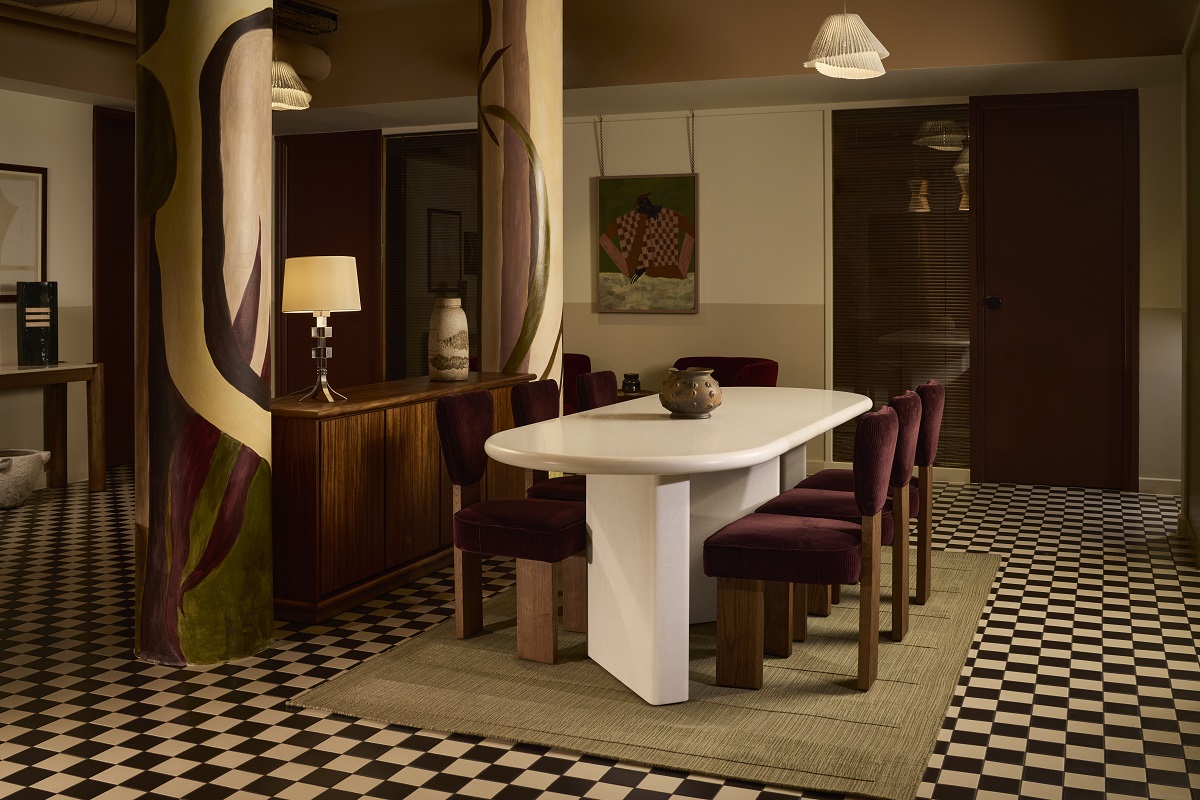
The Apartment leans into mid-century warmth and contemporary eclecticism, comprising seven private rooms and a shared Pantry that can, as ever, be hired individually or together for everything from meetings, presentations and parties to press days, private dinners and intimate weddings. Striking checkerboard floors have been retained and are now softened by painted column murals by Charlotte Joseph and graphic textiles including a tapestry style artwork by Melis Duran inspired by Colombia Road Flower Market and the transitional, ever-changing nature of Shoreditch. A palette of sage green and plum is paired with plush seating, timber details and patterned rugs by Pelican House and Sinclair Till for a tactile and intimate feel, while sculptural lighting designs contrast exposed conduit, creating visual interest that plays into the expressive scheme.

dining table and wooden chairs on checked floor in The Pantry The Hoxton shoreditch

Image credit: Ennismore

Il Bambini Club is a lively all-day Italian dining spot bringing a whole new feel to the ground floor restaurant and wider lobby. The restaurant and sections of the lobby were redesigned by French duo Friedmann & Versace in close partnership with AIME Studios, who were tasked with blending two distinct design identities within a single open, industrial canvas. The outcome is a richly layered, glamorous restaurant that evokes the feel of an opulent, retro trattoria and naturally transitions into a classic Hox lobby.

Llama Inn is Shoreditch’s rooftop modern Peruvian hotspot, serving up uninterrupted city views, killer cocktails and an impressive natural wine list. The menu draws inspiration from the diverse culinary heritage of Peru seen through a Brooklyn lens, where the concept was born in 2015. Unbound by tradition, this dual perspective results in a unique style, offering a broad, modern take on Peruvian food and a cocktail list homing in on Pisco and Latin American spirits.

restaurant seating with coffee and croissant in The Hoxton Shoreditch

Image credit: Ennismore

Hox Gallery is an area within each hotels’ public spaces dedicated to showcasing exciting, up and coming local artists through seasonal programming, and in its twentieth year, The Hoxton, Shoreditch has teamed up with photographer and long-time collaborator Ben Hickman on an exhibition that serves as a love letter to East London. A self-taught photographer and full-time romantic, Ben captures the world as he chooses to see it, creating dreamlike yet grounded images with an honesty that gives them real emotional weight. Entitled Warm Observations, the series documents Shoreditch through a tender lens, resulting in images that feel like sun-washed, cinematic fragments of real life.

During the Shoreditch refresh, The Hoxton made a conscious effort to reduce waste and extend the life of existing furniture and fittings. Instead of sending pieces to landfill, Hox fans were invited to purchase items through homeware sales, with everything from one-off vintage finds and mid-century chairs to plush armchairs, statement lighting and even curtains and TVs up for grabs. Not only did this circular approach give the original Hox interiors a second life, it
also created a positive impact beyond the hotel, with all proceeds donated and more than £10.7k raised.

Main image credit: Ennismore

The Ickworth - Ickworth House surrey gardens and facade

The Ickworth – reimagined and reopening

1024 640 Pauline Brettell
The Ickworth – reimagined and reopening

Luxury Family Hotels has unveiled the next chapter for The Ickworth, reopening in May 2026 following a full renovation by StudioJill with a design celebrating its storied history…

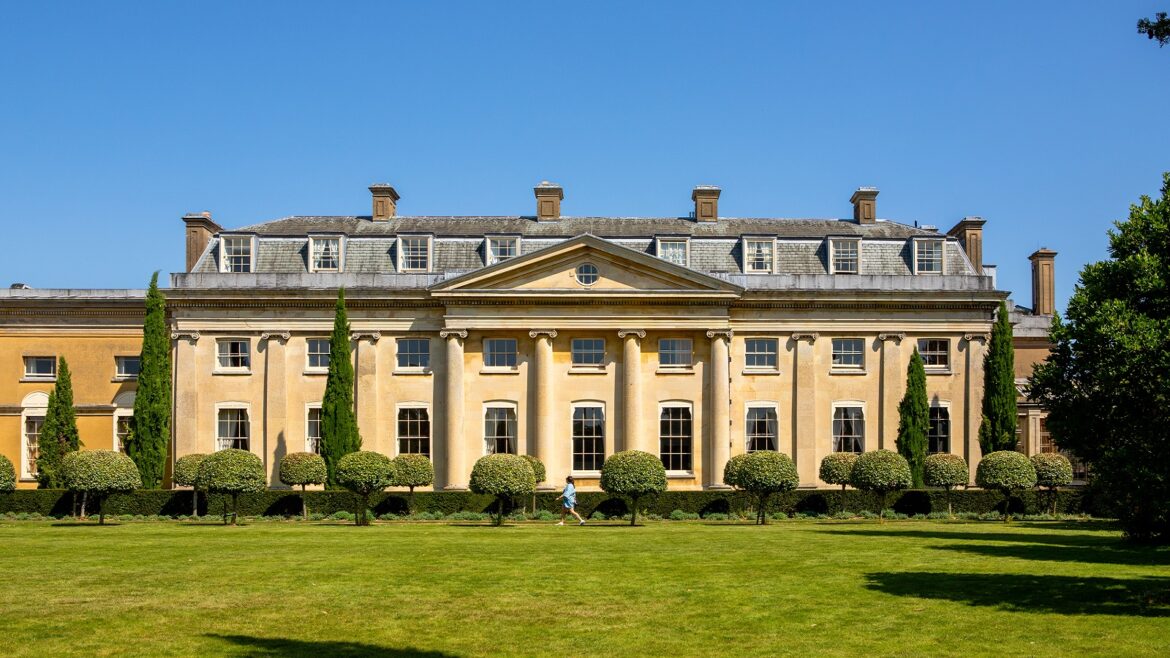
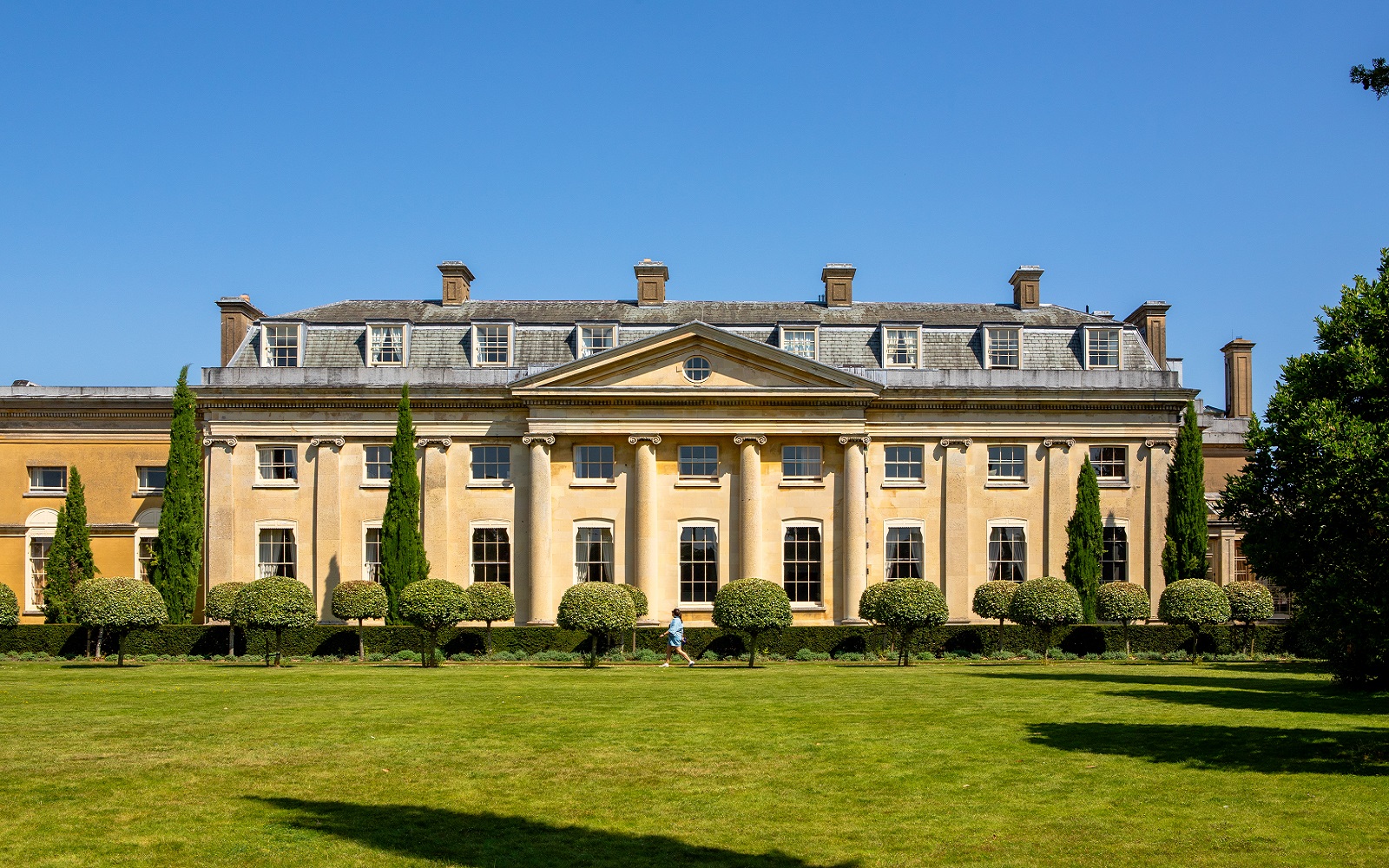
The Ickworth - Ickworth House surrey gardens and facade

Set within 1,800 acres of Suffolk countryside and just under two hours from London, The Ickworth’s full refurbishment – including all bedrooms, public areas, wellness facilities and restaurants – has been thoughtfully designed to enhance and reimagine the historic Italianate palace and its surrounding buildings.

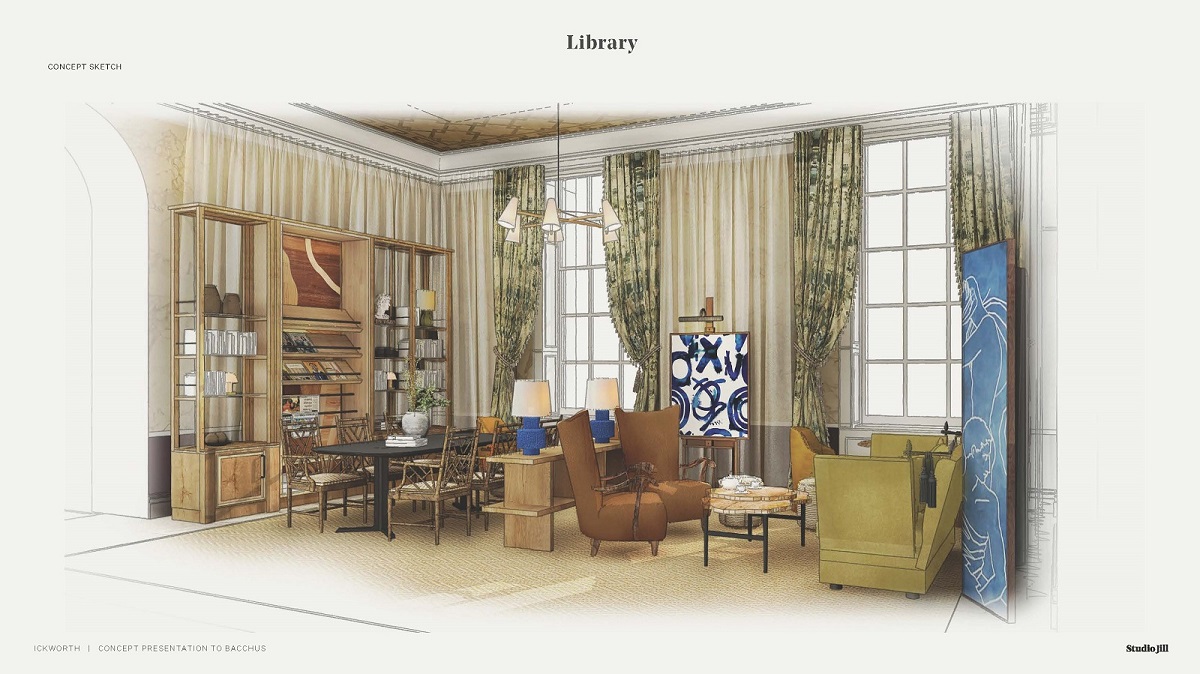
design presentation from StudioJill for Ickworth redesign

Image credit: StudioJill / The Ickworth

The transformation is led by interior design studio StudioJill, marking the fifth and final full StudioJill refurbishment within the Luxury Family Hotels collection, following Fowey Hall, Moonfleet Manor, New Park Manor, and most recently Woolley Grange. This milestone project represents a defining moment for the brand, uniting years of collaboration and a design philosophy that balances individuality with a cohesive approach across the portfolio.

“Central to the design approach is a strong sense of place. Our aim was to celebrate the building’s inherent character while making it feel more relaxed and liveable for modern family life. By mixing vintage and contemporary pieces and layering texture, colour and detail, old and new are unified to create interiors that feel both grand and genuinely welcoming” commented Jill Higgins, Founder & Design Team, StudioJill.

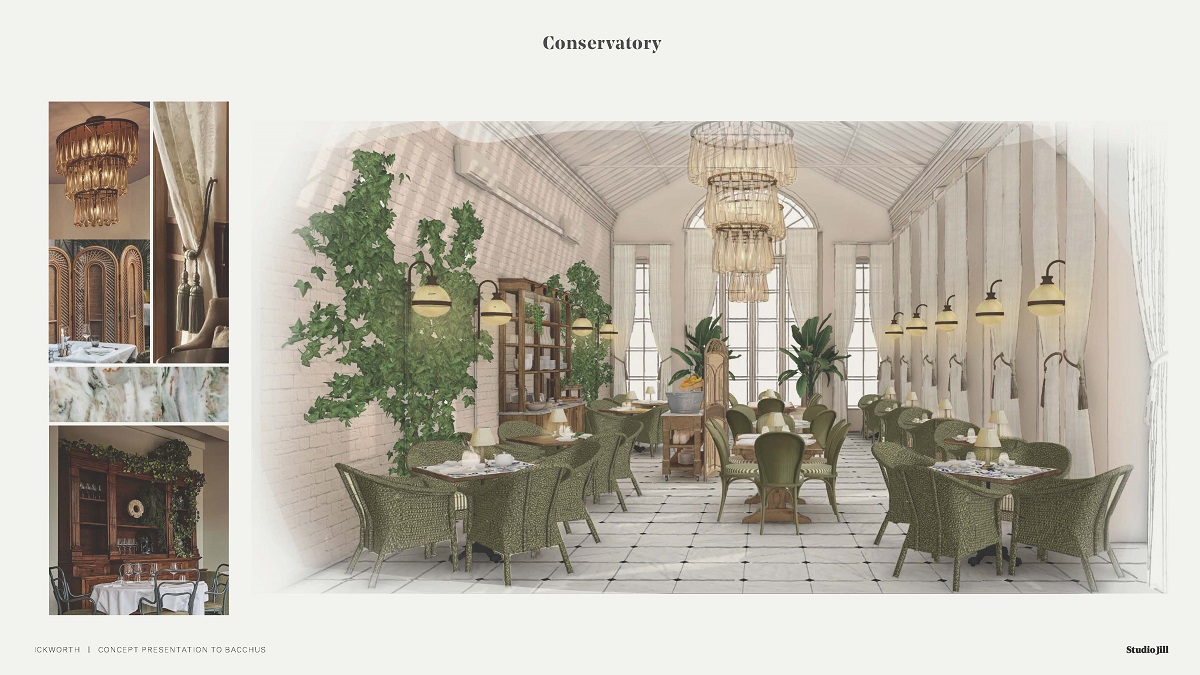
presentation image from the drawing board of Studiojill for the conservatory The Ickworth

Image credit: StudioJill / The Ickworth

Public spaces throughout the main house have been reimagined to celebrate The Ickworth’s storied history, while creating an adaptable and welcoming guest experience. Guests step through the doors into a transformed reception space, now open and inviting, blending playful contemporary design with classical architecture. Moving further into the building, The Drawing Room has been reconfigured with versatile seating, while The Library invites guests to explore books and games amid a collection of cosy armchairs. For light refreshments or family dining, The Conservatory offers a bright, light-filled space for guests of all ages. Each area has been carefully designed to also welcome weddings, private events, family celebrations, and meetings.

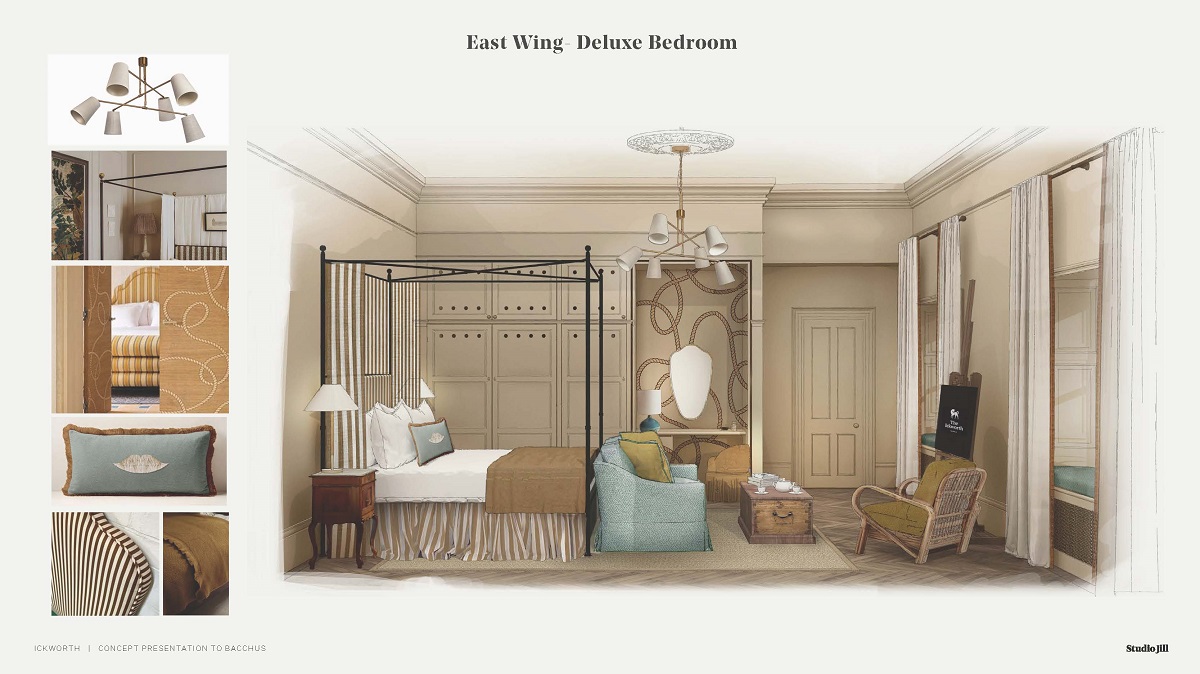
bedroom presentation The Ickworth

Image credit: StudioJill / The Ickworth

All 37 bedrooms have been redesigned in StudioJill’s signature style, resulting in interiors that feel both thoughtfully curated and elevated. Bathrooms feature contemporary stone finishes, playful patterns, and carefully considered details that enhance the unique character of each room.

The Dower House and Butler’s Lodge offer private, flexible accommodation with multi-bedroom suites and adaptable communal spaces – ideal for multigenerational stays, small weddings, or family celebrations. Located just a short walk from the main house, these residences provide privacy alongside full access to The Ickworth’s family-friendly facilities. Interiors balance elegance with livability, creating a welcoming home-away-from-home.

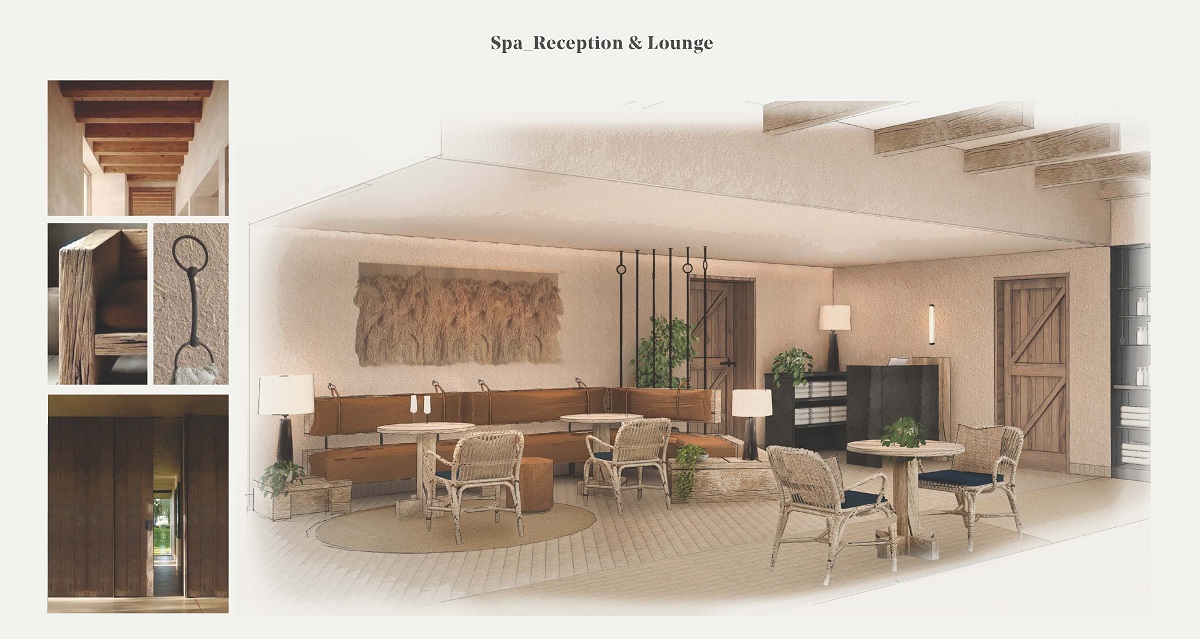
spa lobby and details render from StudioJill for Ickworth House

Image credit: StudioJill / The Ickworth

Putting wellbeing at the heart of The Ickworth’s transformation, the spa offers a serene and welcoming environment, featuring four treatment rooms, relaxation areas, and a spacious indoor swimming pool. A standout addition is the new steam room, set within the historic herb garden, as well as new changing facilities inspired by the estate’s equestrian heritage. Guests can also enjoy the spa terrace, seamlessly integrated into the gardens, complete with a horse-box-style sauna and a Nordic-inspired hot tub. Wellness experiences are further enhanced by a fully equipped gym, housed in the former stables and thoughtfully designed with leather, timber, and functional detailing that nod to the estate’s heritage.

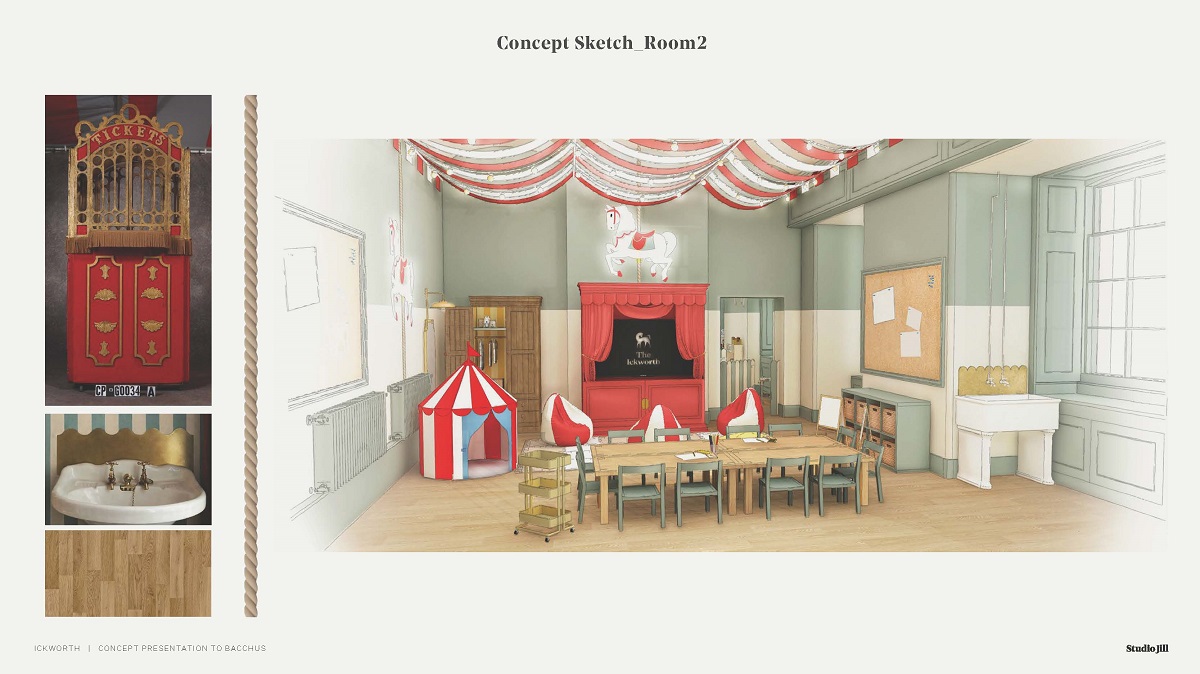
Children and families remain at the heart of The Ickworth experience. Spaces such as the carousel-inspired Four Bears Den, the dedicated Blue Room for tweens and teens, and the cinema have all been refreshed to reflect the hotel’s signature design ethos. Playfulness, discovery, and a sense of wonder are woven throughout, ensuring younger guests feel celebrated while maintaining the hotel’s refined style.

childrens space in The Ickworth with red and white striped fabric and tent

Image credit: StudioJill / The Ickworth

Throughout the refurbishment, StudioJill’s philosophy of discovery and delight is evident in the details, from bespoke lighting and hand-painted artwork to unexpected textures and colour combinations. Subtle references to travel, collecting and the building’s Italianate roots appear throughout, gently nodding to The Ickworth’s history while firmly grounding the hotel in the present. Above all, The Ickworth remains true to the ethos of Luxury Family Hotels, a place where families can relax, reconnect and return to time and again.

Housed in the East Wing of the historic Italianate Ickworth House, The Ickworth has long been celebrated for its architectural grandeur and sense of scale. Originally conceived in the 18th century by the Hervey family and inspired by continental travel, the building reflects a spirit of curiosity, collecting, and ambition that continues to shape its character today. The estate’s history is deeply entwined with horses, from the 1st Earl’s racehorse Ickworth – winner of the Queen’s Plate at Newmarket in 1712 – to the parkland long devoted to riding. As 2026 marks the Year of the Horse, it is a fitting moment to celebrate this rich heritage.

Main image credit: StudioJill / The Ickworth

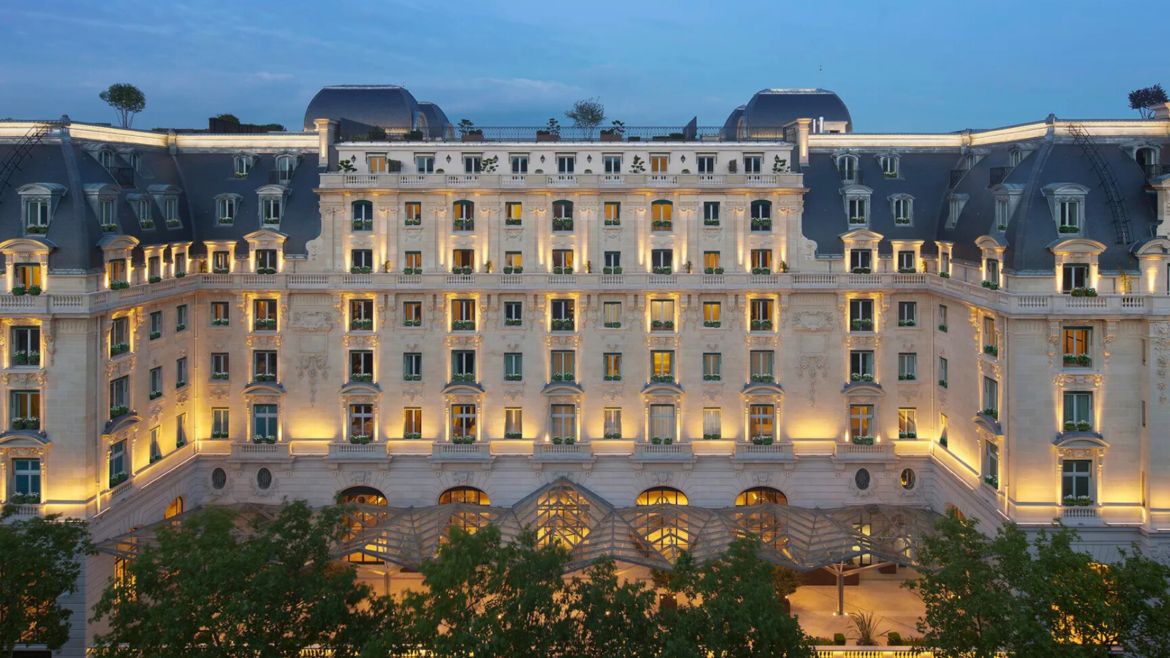
Exterior of The Peninsula Paris

Luc Delafosse appointed Managing Director of The Peninsula Paris

1024 640 Meghan Taylor
Luc Delafosse appointed Managing Director of The Peninsula Paris

Entering its 12th anniversary year, The Peninsula Paris has announced the appointment of Luc Delafosse as Managing Director, effective 2 March 2026…

Exterior of The Peninsula Paris

Having held senior leadership roles in key hotels in global cities including London, Beverly Hills, Paris, Monaco, Dubai and Riyadh, Luc Delafosse will bring extensive international luxury hospitality experience to The Peninsula Paris, as he takes up residence as the palace hotel’s Managing Director.

Delafosse succeeds Vincent Pimont, who was recently appointed as the Managing Director of The Peninsula Hong Kong – the Peninsula group’s inaugural hotel which opened in 1928.

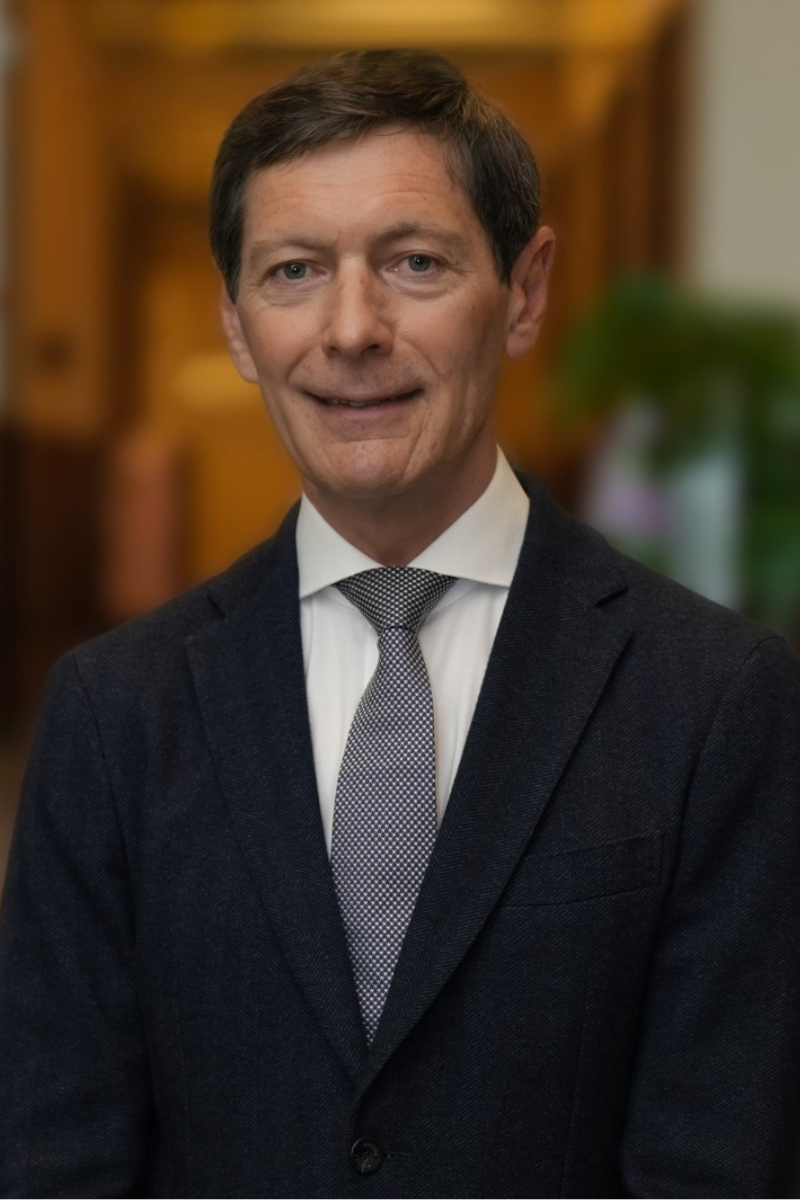
Luc Delafosse headshot

Image credit: The Peninsula

Under Pimont’s leadership, The Peninsula Paris continued to strengthen its position as a landmark address in Europe, while achieving strong commercial performance during and after the Olympic Games.

As Managing Director for The Peninsula Paris, Delafosse will oversee all hotel operations, lead strategic commercial initiatives, and steward the brand’s commitment to authentic and exceptionally personalised hospitality.

Commenting on the appointment, Gareth Roberts, Chief Operating Officer of The Peninsula Hotels, said: “We are pleased to welcome Luc Delafosse to The Peninsula Hotels. He has extensive experience in the luxury hospitality industry that makes him well-suited to steer The Peninsula Paris into its next chapter.

“We also extend our sincere gratitude to Vincent Pimont for his outstanding contributions in Paris, congratulate him on his appointment to our flagship property, and look forward to welcoming him to Hong Kong.”

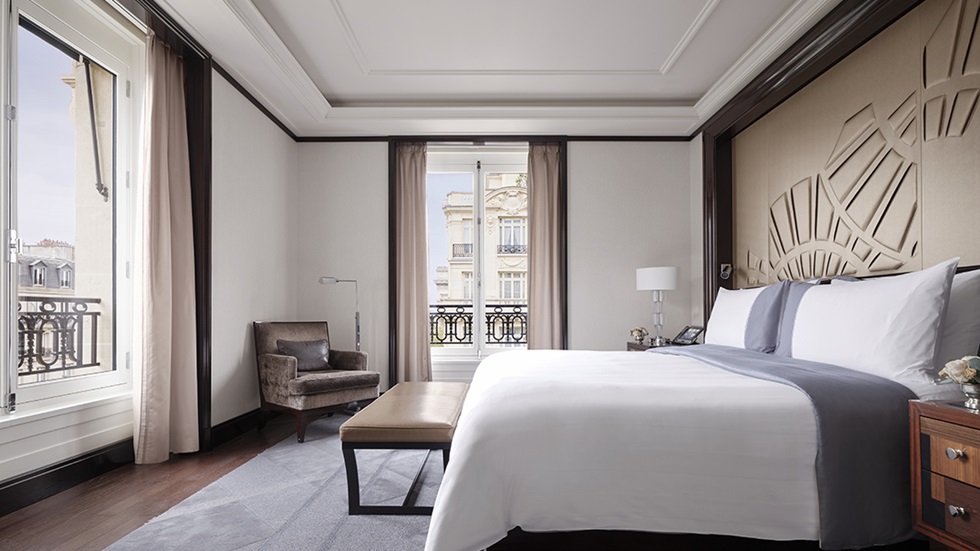
Grand Premier Suite Bedroom at The Peninsula Paris

Grand Premier Suite Bedroom at The Peninsula Paris | image credit: Will Pryce

Luc Delafosse added: “I am truly honoured and excited to join The Peninsula Paris as Managing Director. The Peninsula brand represents the pinnacle of luxury hospitality, blending timeless elegance with exceptional service.

“I look forward to working with the talented team in Paris to further elevate the guest experience and continue strengthening the hotel’s position as one of the capital’s leading luxury hotel destinations.”

Over the course of his career, Luc Delafosse has worked with some of the world’s iconic hotels, including The Ritz London, Hôtel de Crillon Paris and Burj Al Arab Dubai. Most recently, he served as Vice President of Hospitality and F&B Management at Al Khozama Group in Riyadh, where he managed a broad portfolio of hotels (including asset management of the Mandarin Oriental Hotel in Riyadh) and restaurants in Riyadh such as the internationally recognised La Petite Maison.

Main image credit: The Peninsula Paris

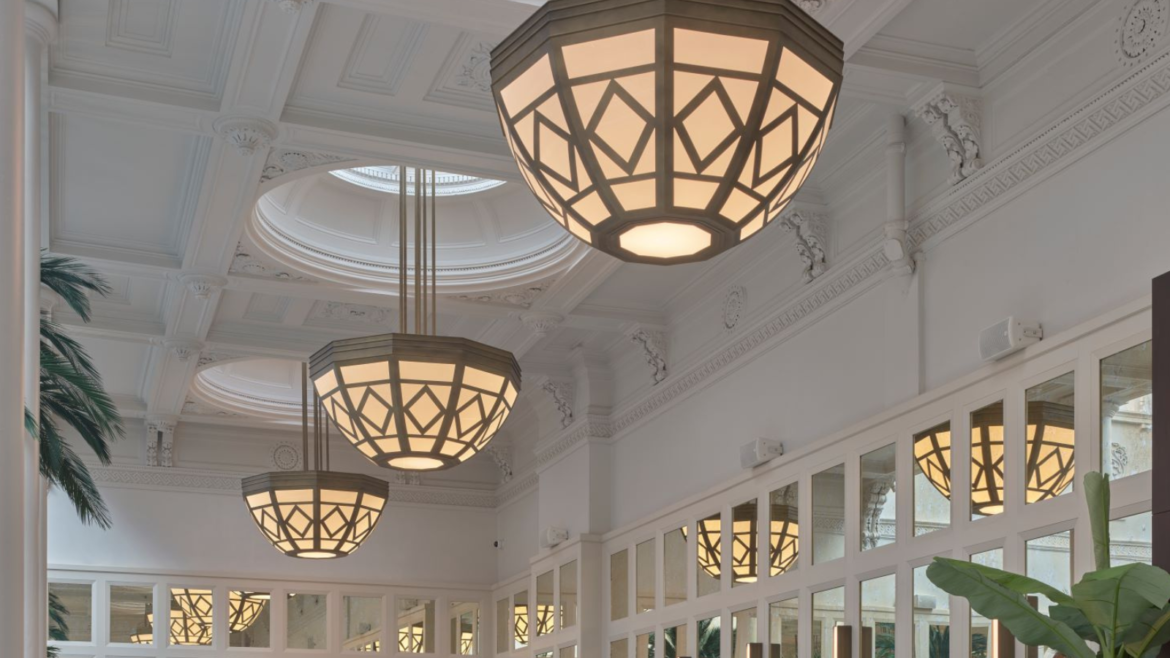
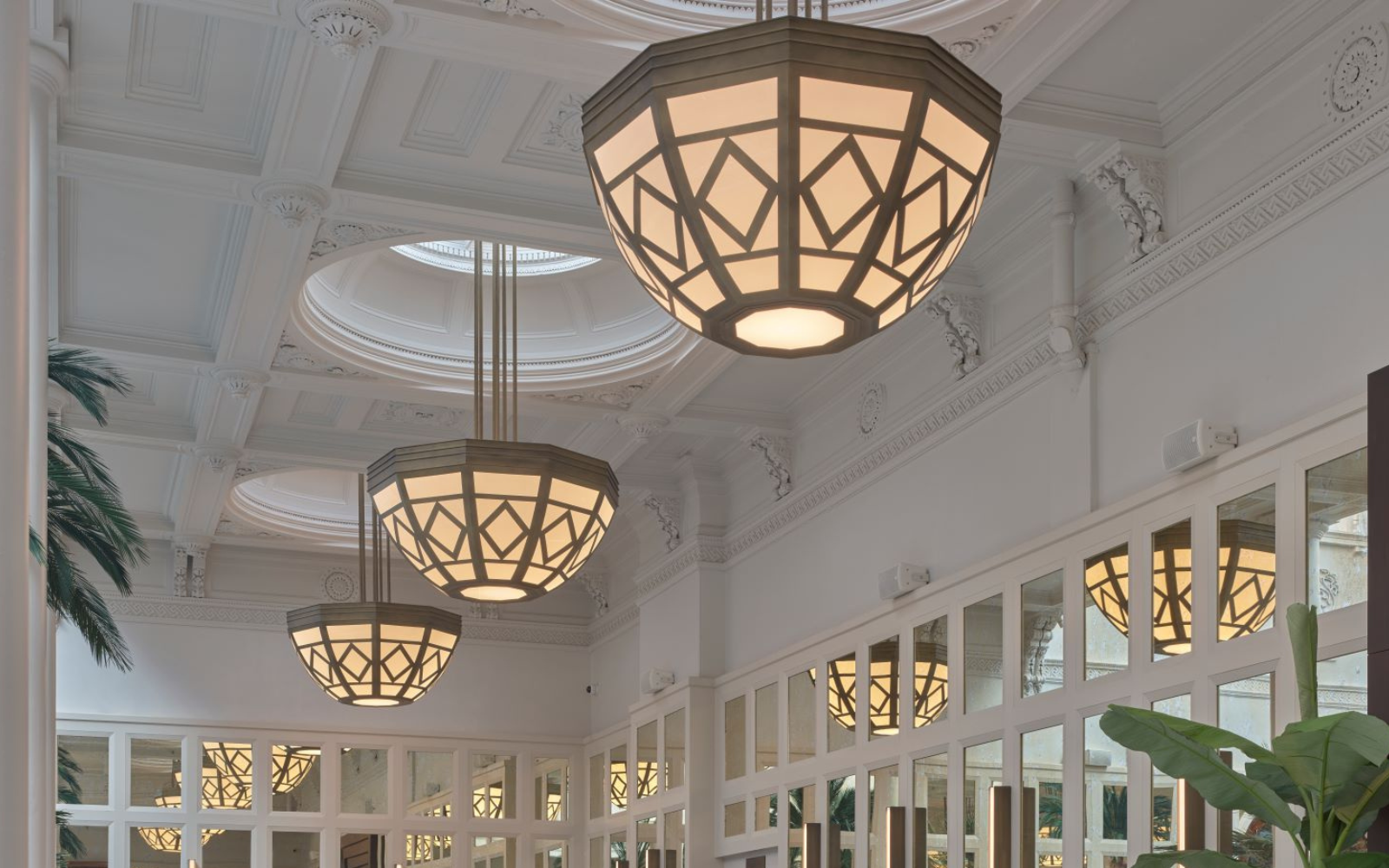
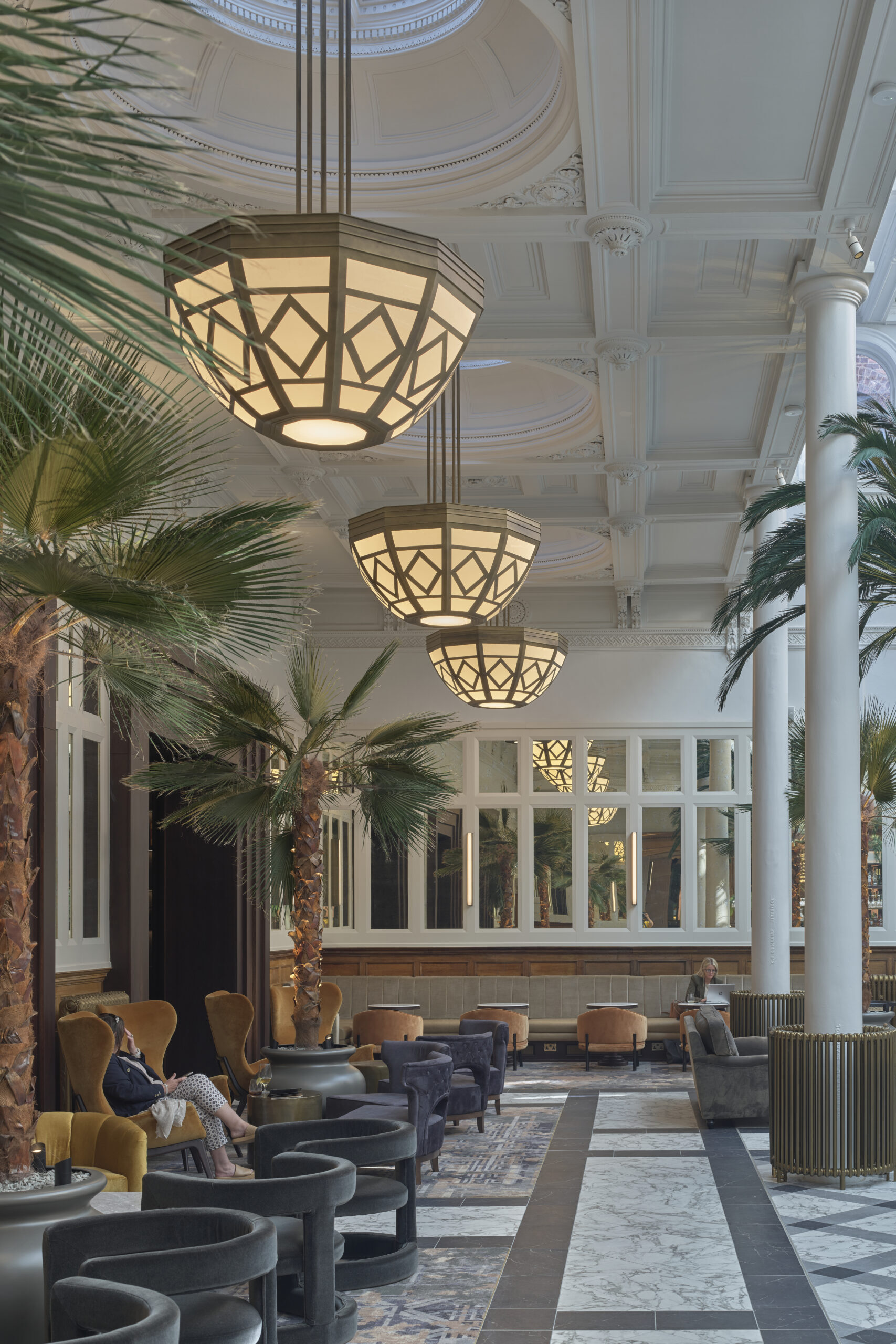
Tall panelled ceiling in white with structural pendants and mirrored walls

Expert insight: Art deco returns ‘after years of restraint and heavy minimalism’

1024 640 Meghan Taylor
Expert insight: Art deco returns ‘after years of restraint and heavy minimalism’

Reframed for 2026 as ‘Neodeco’, the latest Pinterest Predicts report paints a crisply chevroned, brass-framed picture: Art Deco is back. Find out what the design experts have to say on the matter…

Tall panelled ceiling in white with structural pendants and mirrored walls

Described as a ‘return to glamour after years of restraint and heavy minimalism’, Neodeco reimagines Art Deco for a new era. Think crisp chevrons, fan arches and geometric silhouettes, all edged in chrome or brass.

Bold, polished and just a touch eccentric, Neodeco marks a decisive shift away from the pared-back interiors of the noughties, toward expressive statement-led spaces with personality.

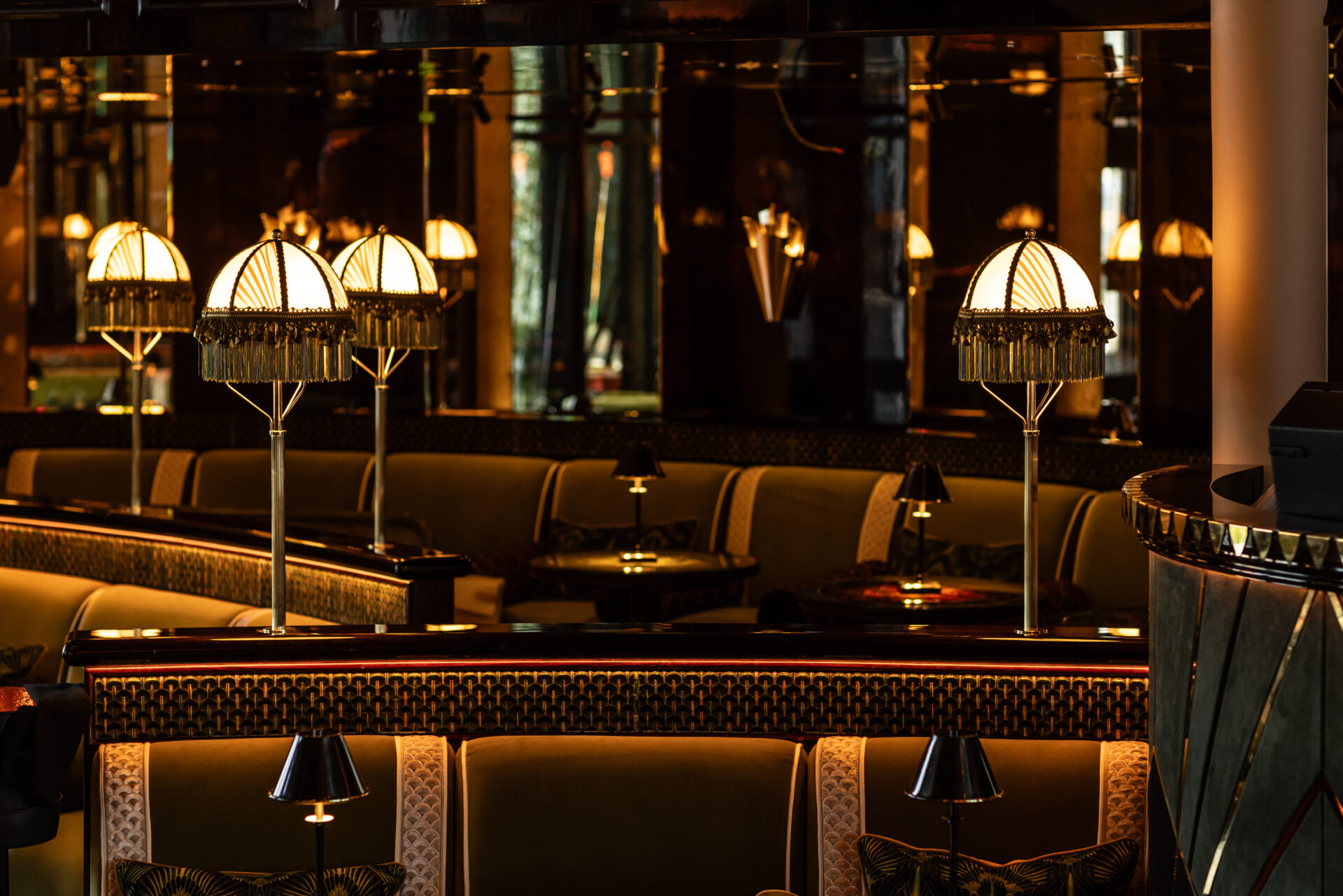
Bund Lounge fixed table lamps at Shanghai Me London restaurant

Shanghai Me London | Image credit: Johnny Stephens Photography

And, with the landing of Pinterest’s 2026 prediction report, consumer search data is proving that this trend is well and truly on the rise. Recent Pinterest search behaviour shows that antique bar cart searches went up 100%; pendant lamp searches up 40%; brass aesthetic search up 35%; and leather banquette searches up 35%; figures which paint a clear, Art Deco-inspired picture of modern interiors.

So, what are the design experts saying?

“Design may be cyclical, but it’s never completely random – it responds to the mood of the moment, and there’s always a deeper cultural shift driving what comes next,” says Michael Jackson, Head of Design at bespoke lighting company, Northern Lights.

“Over the last few years, minimalism gave us the restraint and calm we needed, particularly during a period marked by uncertainty and global instability. Our interiors became sanctuaries – quiet, pared-back and intentionally unobtrusive.

“But, as confidence returns, so does the desire for spaces that feel optimistic, expressive and bold. There’s now a clear appetite for interiors with a heightened presence – and Neodeco answers that mood shift. This trend was never about nostalgia, but more about refinement and drama.

“We’ve seen a 15% increase in Neodeco lighting briefs from interior designers towards the end of 2025, and this is forecast to grow further in 2026, cementing its shift from emerging aesthetic to defining direction.

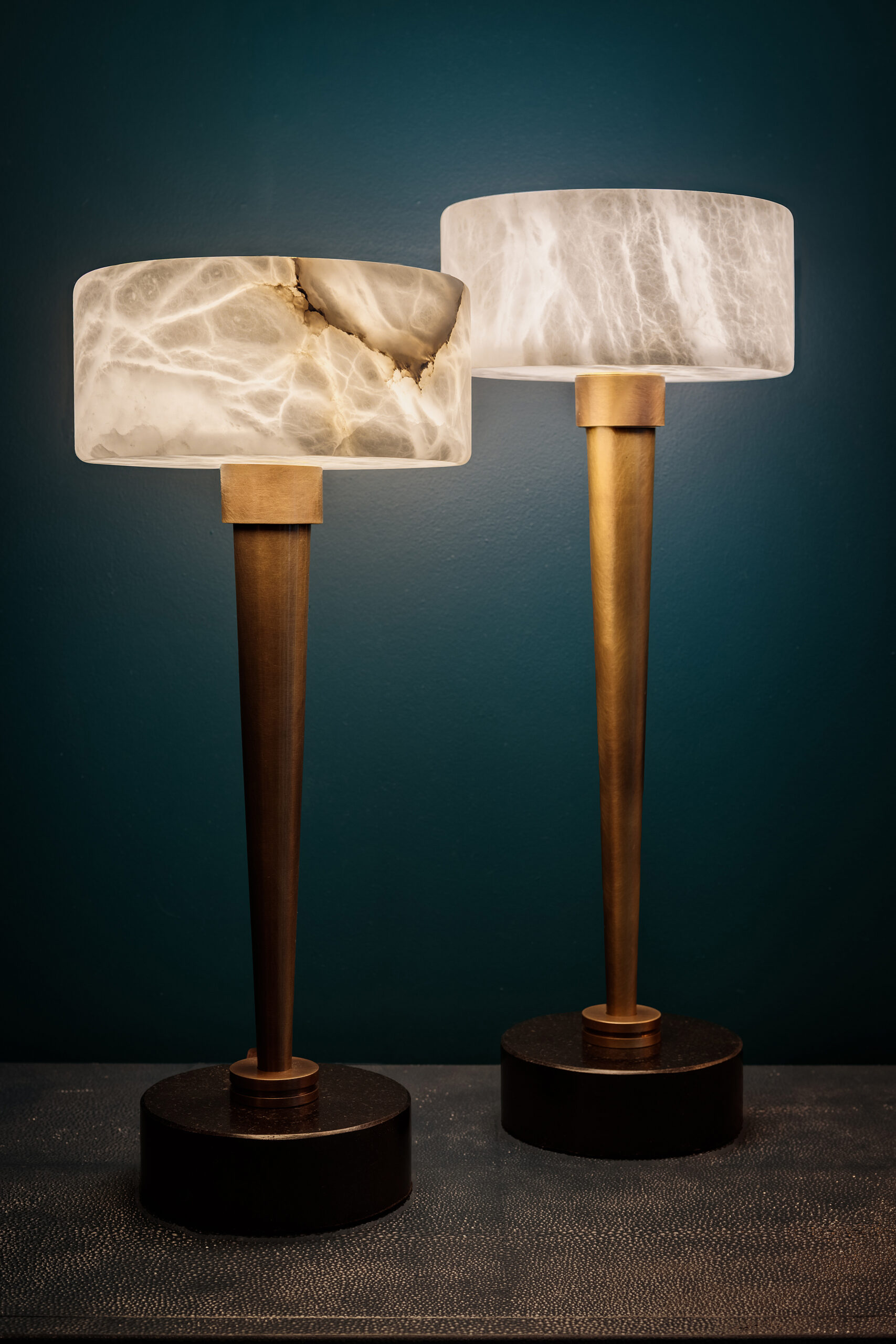
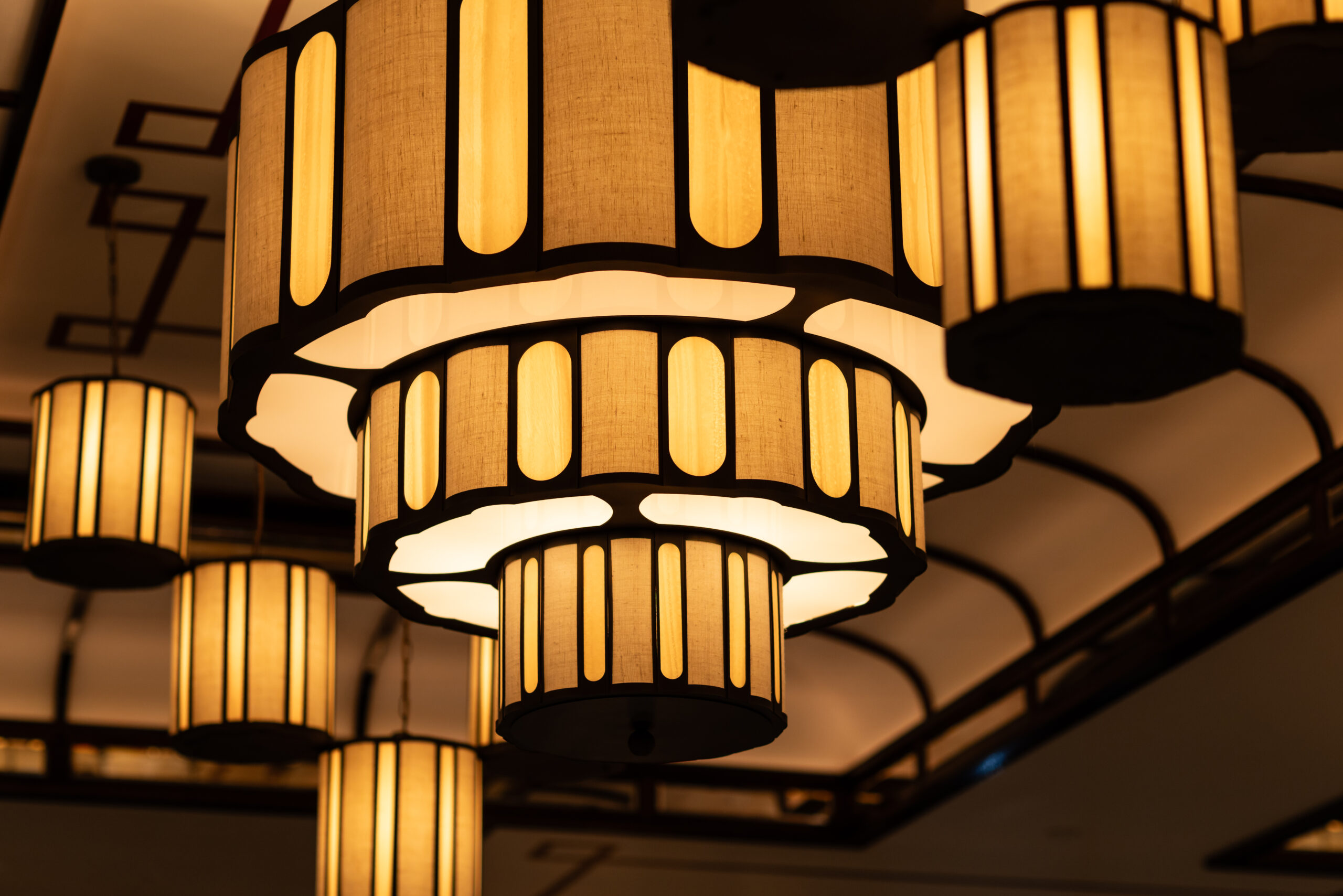
“This time around, architectural silhouettes, polished metallics and sculptural lighting including statement pendant lights, introduce glamour and drama without the heaviness we’ve seen from Art Deco lighting before. Lighting in particular will become the main focal point, defining the room rather than just lighting it functionally.

“Materials previously used as accents are becoming architectural statements in their own right, and symmetry and repetition are re-emerging in a more disciplined, modern way. Red marble bathrooms and antique bar carts highlight a return to theatricality, and leather banquettes and metallic finishes add tactility and depth to spaces.”

Shanghai-Me-Bespoke-Lighting-Northern-Lights-

Bespoke lighting by Northern Lights at Shanghai Me London | Image credit: Johnny Stephens

What does this mean for architects and interior designers? 

Neodeco is not a return to excess; it is a return to intention. It distils the spirit of Art Deco into something sharper, lighter and more disciplined — high-shine finishes held in check by clean lines, nostalgia refined through modern craftsmanship, and glamour calibrated with precision rather than indulgence.

For architects and interior designers, this evolution signals a decisive shift:

  • Lighting will be considered from the outset, conceived as sculptural centrepieces rather than appended utilities

  • Decorative metals will advance from subtle accents to commanding architectural statements

  • Geometric repetition and symmetry will reassert themselves as organising principles within contemporary schemes

As the industry moves toward 2026, the message is unmistakable: minimalism no longer holds a monopoly on luxury. A new visual confidence is emerging — one defined by statement lighting, luminous metallics and the disciplined geometry of Art Deco — reshaping the atmosphere of high-end interiors with renewed drama and intent.

Main image & credit: The Municipal Hotel & Spa Liverpool with bespoke lighting from Northern Lights | Gunner Gu

Indoor-outdoor lounge area at Nomade Temple Ibiza

First look: Nômade Temple Ibiza – a topographical-70s-contemporary fusion

1024 640 Meghan Taylor
First look: Nômade Temple Ibiza – a topographical-70s-contemporary fusion

Discover the design of the Nômade Temple Ibiza, shaped by Oneness, as it prepares for its Summer 2026 opening…

Indoor-outdoor lounge area at Nomade Temple Ibiza

Set to debut in July 2026 on the rugged northern shores of Portinatx in Ibiza, Nômade Temple Ibiza marks the Nômade brand’s second Spanish outpost and a defining evolution of its Temple concept. Conceived as a sanctuary for the free-spirited and the culturally curious, the 182-key resort positions hospitality as a vehicle for transformation, rooted in landscape, ritual and shared experience.

Behind the project is Nômade’s Oneness studio, Co-Founded by Danish architect Bjarke Ingels. The multidisciplinary practice comprising architects, designers, project managers and craftsmen is known for shaping environments that align precisely with an intended vision. For Nômade Temple Ibiza, that vision translates into a sculpted, terrain-led retreat that feels less imposed and more unearthed.

Standard room at Nômade Temple Ibiza

Image credit: Nômade

Terraforming the temple

Oneness approaches hospitality as both cultural practice and spatial choreography. With a portfolio spanning boutique hotels to large-scale developments, the studio specialises in ‘terraforming’ — moulding architecture to terrain so that buildings appear discovered rather than constructed.

At Nômade Temple Ibiza, this ethos manifests in a master plan that carefully integrates existing structures and materials, minimising environmental impact while restoring swathes of land back to nature. Piedra blanca, sabina wood, terracotta tiles and native planting define the architectural language, while terraced pathways and organic circulation routes mirror the island’s natural contours.

Rooted in creativity, collaboration and cultural immersion, the studio has drawn deeply from Ibiza’s 1960s and 70s bohemian legacy. Rustic exteriors meet interiors that blend a seventies spirit with contemporary craftsmanship — balancing expressive forms with tactile restraint.

Speakeasy bar

Speakeasy | Image credits: Nômade

Dreamed, refined, realised

The project reflects Oneness’s three-stage methodology:

Dream & Map: The design began with an immersion into Ibiza’s cultural and geological identity, mapping the rhythms of the locale before drafting form.

Unite & Refine: A multidisciplinary team fused global perspective with local craft, integrating traditional materials and artisanal input to create spaces that are both authentic and forward-looking.

Build & Elevate: Through end-to-end project management and technical oversight, the studio translated concept into reality — ensuring architectural precision, operational efficiency and experiential depth coexist seamlessly.

This holistic capability, spanning concept development, architectural and interior design, master planning and cultural integration, positions Nômade Temple Ibiza as a carefully orchestrated ecosystem.

Temple structure at Nômade Temple Ibiza with swathes of fabric hanging from the ceiling

Temple | Image credit: Nômade Temple Ibiza

182 keys embedded in the landscape

Accommodation ranges from Standard Rooms and Junior Suites to Lofts, Ocean Front Suites and private Villas, many with terraces, rooftop areas, private pools or outdoor bathtubs. Arched openings and locally sourced materials reinforce a distinctly Ibizan identity, while interiors balance bold geometries with calming textures designed to quiet the senses.

Each room is conceived as a restorative enclave — honouring both guest and setting.

Nourishment, rhythm and renewal

Dining unfolds across a sequence of venues shaped by landscape and mood. The open-plan Main Restaurant dissolves interior and exterior boundaries, while the Café reimagines a traditional Ibizan tienda as a bakery and coffee space with a shaded patio. Sea-facing Pool and Beach Club settings extend the social energy outdoors, and Omakase offers a sunset-oriented, chef-led counter experience overlooking the property.

As day turns to night, the Speakeasy transitions from relaxed lounge to intimate dance floor, reinforcing music as a connective force.

Wellbeing, meanwhile, is anchored in water and stone. Concealed among rock formations, the cave-inspired Spa centres on immersive water therapies. A Moving Room supports physical practice, and the Temple provides a flexible environment for meditation, sound healing and performance.

Recstudio

Recording Studio | Image credit: Nômade Temple Ibiza

A cultural platform

True to Nômade’s philosophy of celebratory healing, the property functions as a living cultural ecosystem. A dedicated Recording Studio creates space for artists-in-residence and collaborative production, while curated programming weaves together ritual, movement and performance.

A Private Membership Club further connects local community with global audience, granting access to brand-wide amenities and bespoke cultural events.

With Nômade Temple Ibiza, Nômade and Oneness has sculpted more than architecture; it has shaped an experiential landscape — one that invites guests to arrive curious and depart transformed, carrying forward a renewed sense of connection to Ibiza and to themselves.

Main image credit: Nômade Temple Ibiza

1508 London x House of Rohl Principal Bathroom

1508 London on a Principal Bathroom made ‘wow’ by light

1024 640 Meghan Taylor
1508 London on a Principal Bathroom made ‘wow’ by light

Designer and Architect Paris Albert, of 1508 London, details the decisions behind the lighting of the House of Rohl WOW!House 2025 Principal Bathroom…

1508 London x House of Rohl Principal Bathroom

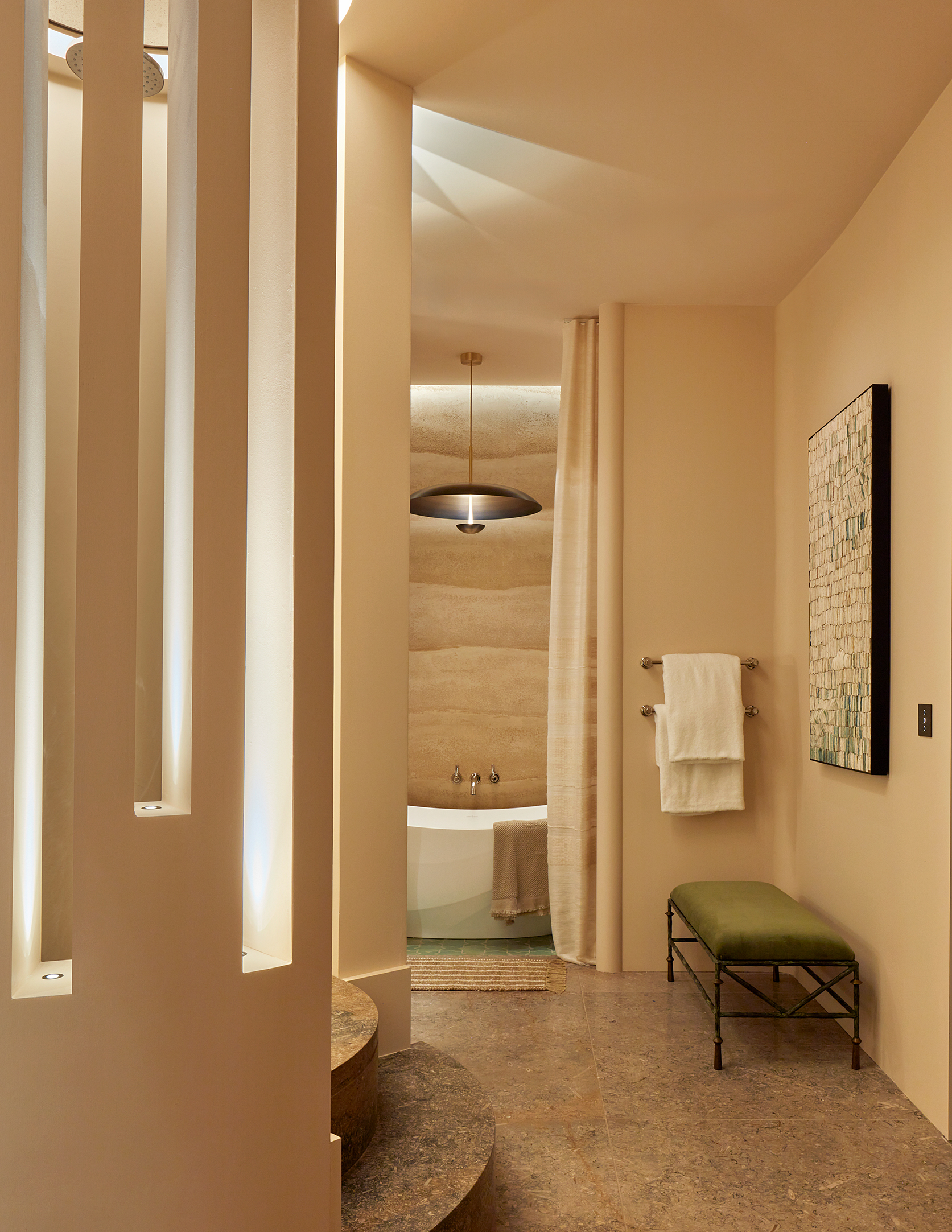
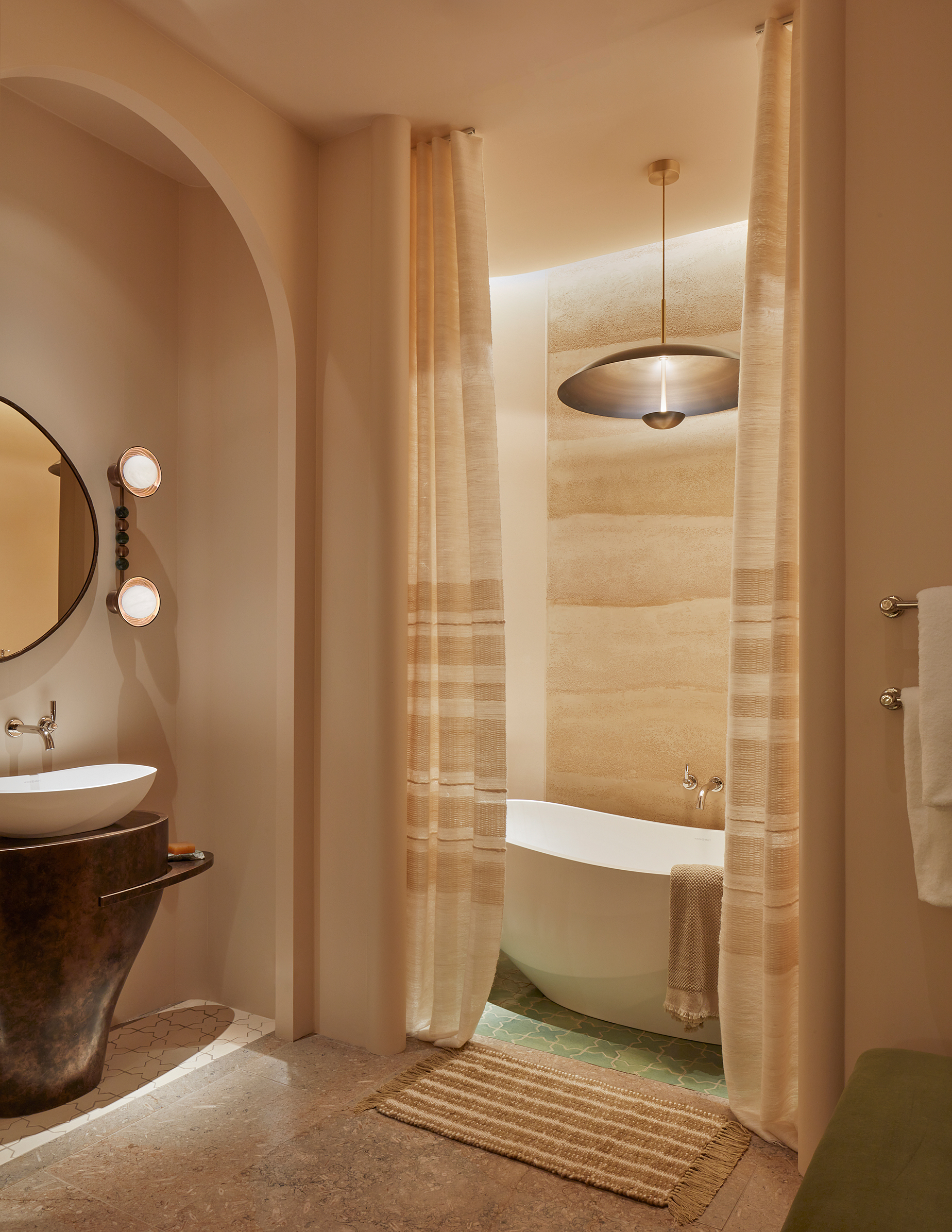
At WOW!house 2025, 1508 London presented a Principal Bathroom for House of Rohl that balanced materiality, form and atmosphere with exceptional restraint.

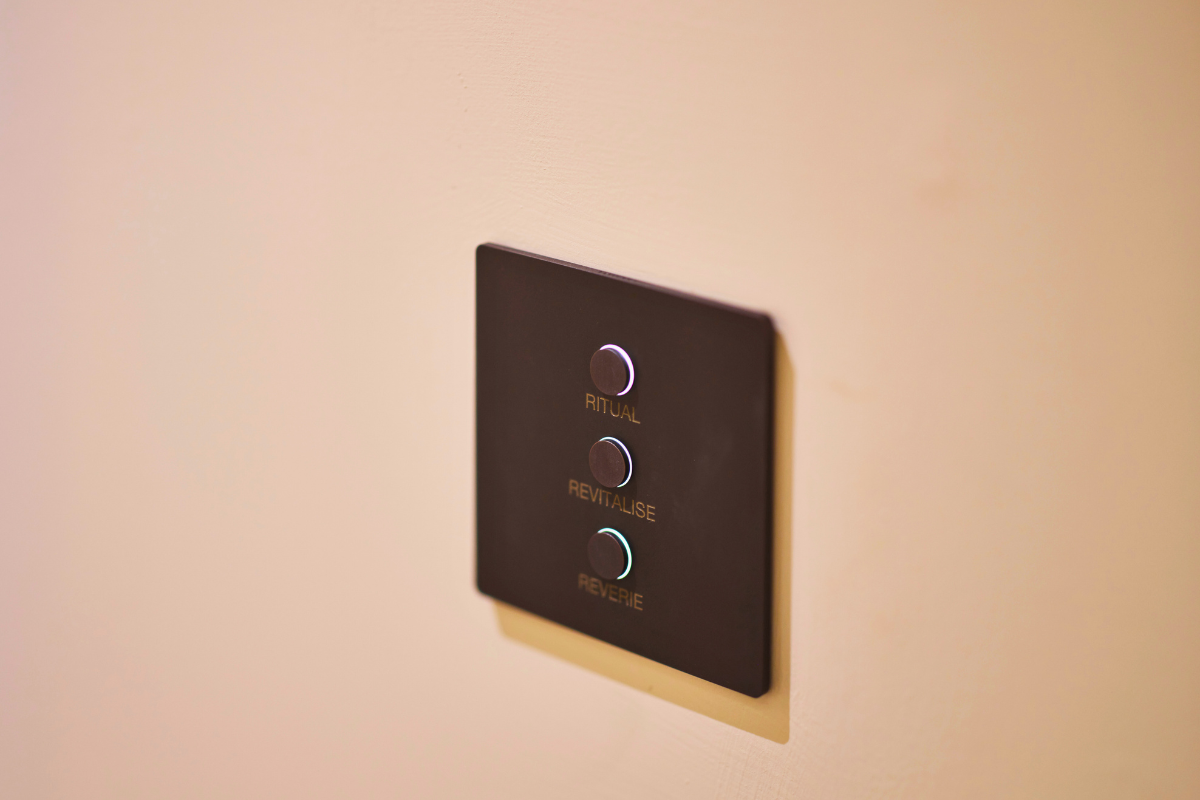
Conceived as a layered, immersive environment, the space demonstrated how lighting – when thoughtfully integrated – can enhance an already considered bathroom design, amplifying emotion, ritual and wellbeing without overpowering the architecture itself.

The bathroom was imagined as a sanctuary: rich in texture, grounded in craft and elevated through a nuanced John Cullen Lighting-designed lighting scheme which responded intuitively to different moments of the day. Rather than acting in isolation, lighting worked in dialogue with clay walls, hand-fired tiles and sculptural sanitaryware, completing the spatial narrative and reinforcing the room’s sense of calm.

1508 london wow!house house of rohl bathroom

Image credit: James McDonald

Lighting as a complementary layer

Within this context, 1508 London approached lighting as an essential design layer – one that refined the spatial experience and heightened the emotional intent of the room. The bathroom unfolded through three carefully programmed lighting scenes – Ritual, Revitalise and Reverie – each aligned with the way that the space was designed to be used.

“It felt alive,” said Paris Albert, Associate Designer & Architect at 1508 London. “While our initial concept explored ‘Reflection’, we evolved this into ‘Revitalise’ for the Lutron Lighting Keypads, to create a more intentional contrast with the softer mood of ‘Reverie’. By layering light in this way, we’ve ensured the room doesn’t just look beautiful.”

Within the scene, lighting enhanced volume, depth and tactility – responding to the bathroom’s architecture rather than competing with it.

Ritual: clarity within a crafted space

Ritual was conceived as a morning setting that supported functionality while respecting the room’s warmth and material palette.

“Ritual is designed for the start of the day. This setting provides a bright, functional clarity by bringing the lighting to approximately 80% throughout the room,” explained Paris. “It’s a purposeful glow that supports your daily routine, offering the direction and energy needed to flow effortlessly into your morning.”

The result was a space that felt composed and energising, where light revealed the design.

Revitalise: accentuating the spatial hierarchy

In Revitalise, lighting was used to reinforce the bathroom’s spatial hierarchy. The shower became the focal point, framed through contrast and softened surroundings.

“We envisioned this scene as a post-gym boost or a midday refresh,” added Paris. “Here, the focus shifts entirely to the shower as the room’s pinnacle moment. By softening the light in the surrounding niches, we create a high-contrast, immersive environment that celebrates the sensory experience of water, leaving you feeling invigorated and renewed.”

This careful modulation allowed the architecture and layout to guide the experience, with lighting acting as the unifying thread.

Reverie: enhancing materiality and mood

Reverie introduced the most atmospheric layer of the scheme, allowing the bathroom’s material richness to come to the fore; functional lighting receded, replaced by decorative and ambient sources that interacted gently with surfaces.

Paris described Reverie as ‘a true space for dreaming’. “This scene is the ultimate transition into stillness. In this setting, spotlights and downlights fade into the background, allowing the bath area to take centre stage. The warm glow of pendants and wall lights highlight the organic textures of the clay walls and hand-fired tiles.

Surrounded by candlelight and carefully curated pedestals, the light plays gently across the water’s surface, transporting you to another moment in time.” Light became a tool for revealing craftsmanship–enhancing texture, depth and warmth rather than dominating the scene.

Lutron Alisse keypad

Image credit: Chris Reeve

A holistic approach to lighting within bathroom design

For 1508 London, the lighting scheme was inseparable from the wider design vision – one rooted in wellness, ritual and sensory balance.

“Our goal was to showcase how subtle lighting scenes can completely redefine our relationship with a space,” added Paris. “This project wasn’t just about visibility; it was about atmosphere and awe. We treated the room like a wellness retreat, using a sophisticated mix of decorative fittings and expert programming to honour the daily ritual of cleansing. Bringing a vision of this scale to life was a true collaborative feat – working with John Cullen, Nucleus AV, and masters of craft like Bert Frank and Atelier 001. All that complexity is elegantly distilled into a single, bespoke Lutron Alisse keypad, making the transition between moods feel effortless.”

Within the context of WOW!House 2025, the Principal Bathroom stood as an example of how thoughtful lighting can complete a design – elevating form, material and experience into a cohesive whole.

House of Rohl is one of our Recommended Suppliers and regularly features in our Supplier News section of the website. If you are interested in becoming one of our Recommended Suppliers, please email Katy Phillips.

Main image credit: Chris Reeve

Interior of Corallium Marine Institute

The architecture of AMAALA: sculpted by Saudi Arabia’s Red Sea

1024 640 Meghan Taylor
The architecture of AMAALA: sculpted by Saudi Arabia’s Red Sea

Spanning 63km of Saudi Arabia’s Red Sea shoreline, AMAALA is quietly rewriting the rules of luxury architecture with an eco-sensitive masterplan from the likes of Foster + Partners, HKS and BIG…

Interior of Corallium Marine Institute

AMAALA is fast emerging as a destination where architecture settles into the landscape with quiet confidence. Conceived as a place that feels discovered rather than built, its design philosophy draws deeply from regional vernacular traditions — responding to shelter, shade and climate through bold gestures, enduring materials and refined craftsmanship.

Shaped by the elemental forces of land, sea, breeze and light, the architectural identity is both contemporary and rooted in place. It is a language defined by sensitivity — a timeless expression intended to remain distinctive and memorable for generations.

A mammoth luxury tourism project from real estate developers Red Sea Global, AMAALA Phase One, which includes the completion of 9 on-site resorts and more than 1,600 keys, is on track to complete in 2026. The project also remains committed to deliver a 30% Net Conservation Benefit to local ecosystems by 2040.

Equinox Resort AMAALA

Equinox Resort | Image credit: AMAALA

Architecture in rhythm with nature

At the heart of AMAALA lies its guiding ethos, ‘Awaken Life’s Rhythm’. This philosophy is expressed through forms, colours and materiality that echo the natural contours and topography of the Red Sea coastline.

Villas step gently towards the shoreline like natural terraces, while resorts nestle into sculpted cliffs and protected coves. Pathways follow existing land formations rather than cutting across them, allowing the terrain to lead the design.

Soft, earthy tones and locally resonant materials — including natural stone designed to weather gracefully beneath the Red Sea sun — establish a palette that feels inherently connected to its surroundings. The result is a delicate balance between contemporary elegance and the region’s enduring natural beauty, where architecture appears to belong rather than dominate.

Four Seasons AMAALA

Four Seasons AMAALA | Image credit: AMAALA

Emerging icons of the Red Sea

Several landmark projects are already poised to become defining architectural statements along the coast.

The AMAALA Yacht Club stands as a sculptural homage to wind and water. Its fluid, cantilevered form captures the movement of sailing vessels and marine life, creating a dynamic silhouette that shifts with the changing light.

Corallium draws inspiration from the intricate geometry of coral reefs, translating organic underwater forms into serene, light-filled interiors. The architecture evokes the calm and wonder of the marine environment while maintaining a strong connection to the surrounding seascape.

Meanwhile, Jayasom and Clinique La Prairie express calm and precision through a refined composition of pavilions and courtyards. Proportion, filtered daylight and understated detailing create spaces that feel restorative and composed, blending seamlessly into the coastal terrain.

In dialogue with light and climate

Across the destination, architecture evolves throughout the day in response to its environment. Morning sunlight reveals the textures of stone and plaster façades; deep overhangs and screened openings cast patterned shade during the height of the afternoon heat; and evenings introduce a warm, understated glow, guided by a carefully considered Dark Sky Strategy that preserves the clarity of the night sky.

This continuous interplay of light, shadow and reflection mirrors the natural rhythms of the Red Sea, reinforcing an architecture that feels dynamic rather than static — alive to its surroundings and responsive to time.

Landscape as architecture

At AMAALA, landscape and built form are conceived as one. Indigenous planting, shaded promenades and water-sensitive systems extend the natural terrain, blurring boundaries between designed space and wild beauty. Private terraces, breezeways and open-air lounges dissolve the distinction between indoors and outdoors, inviting guests to reconnect with sky and sea.

The masterplan is shaped by a collective of internationally renowned design studios, including ACPV Architects, Foster + Partners, HKS, John Heah, BIG, Unscripted Architects and Cracknell, among others. Working in close collaboration with Saudi experts and environmental specialists, the teams have ensured that global creativity is grounded in cultural authenticity and respect for the land.

Six Senses AMAALA

Six Senses AMAALA | Image credit: AMAALA

More than a destination

Ultimately, AMAALA is being shaped as a place to authentically feel. In redefining luxury as something experiential, environmental and emotionally resonant, AMAALA offers a new model for destination design — one where innovation feels effortless and wellbeing is woven seamlessly into every contour of land and line of sight.

Main image caption & credit: Interior of Corallium Marine Institute | AMAALA

Backlit geometric shaped headboard at W Algarve designed by AB Concept

AB Concept’s deep-sea-worthy design of W Algarve

1024 640 Meghan Taylor
AB Concept’s deep-sea-worthy design of W Algarve

At W Algarve, AB Concept’s design looks to Portugal’s maritime heritage, translating the mystery, texture and movement of the sea into a layered hospitality experience…

Backlit geometric shaped headboard at W Algarve designed by AB Concept

In Portugal’s southernmost region, where golden cliffs meet the Atlantic, W Algarve offers a fresh take on coastal design. Rather than leaning into predictable beach tropes, the hotel’s interiors draw inspiration from the world below the waterline, exploring the Algarve’s deep-rooted relationship with the sea through abstract forms, tactile finishes and culturally resonant details.

E-WOW Suite

Penthouse II | Image credit: W Hotels

Architecture shaped by the sea

From the outset, the building’s architecture establishes a strong narrative connection to the ocean. Its sculptural form subtly echoes the open mouth of a whale, creating a sense of movement and quiet drama against the coastal skyline.

Arrival is conceived as a journey beneath the surface. Guests step into interiors inspired by the region’s iconic Benagil Cave, with ceilings that feature a luminous infinity mirror effect, evoking light refracting through water and cave openings. A gently narrowing walkway leading to the front desk mirrors the spatial compression experienced when entering the cave itself, heightening anticipation and immersion.

Immersive, not literal

Throughout the property, references to the sea unfold in both bold gestures and subtle moments. In the W Lounge, seating arrangements trace the gentle curves of a seashell, encouraging fluid movement and sociability. Above, colourful hand-blown glass lamps catch and refract sunlight, casting prismatic reflections that mimic the dappled shimmer of light beneath the ocean’s surface.

Walls across the hotel are adorned with holographic fish-scale detailing, introducing texture and iridescence without resorting to overt marine motifs. The result is atmospheric rather than thematic – a sensorial nod to underwater life that feels sophisticated and contemporary.

Guestrooms continue the narrative with playful cultural cues. Sardine-shaped pillows pay homage to Portugal’s beloved tinned fish tradition, grounding the design in local identity. Meanwhile, delicate lace motifs reference the Portuguese saying, ‘where there are nets, there is lace’, drawing a poetic parallel between fishing nets and traditional craftsmanship. This layered storytelling links maritime labour with artisanal heritage, reinforcing the Algarve’s enduring bond with the Atlantic.

Accessible hotel room at W Algarve

Superior Accessible Room | Image credit: W Hotels

A deeper connection to place

By shifting the design lens from shoreline to seabed, AB Concept has crafted a hotel that feels intrinsically connected to its setting. At W Algarve, coastal hospitality is reinterpreted through depth, texture and cultural nuance, offering guests an experience that is less about sun and sand, and more about the mystery and memory of the ocean itself.

Main image credit: W Hotels

TOTO bathroom in black and white

TOTO unveils matte colourways in exploration of light and shadow

1024 640 Meghan Taylor
TOTO unveils matte colourways in exploration of light and shadow

TOTO Europe, a leader in innovative sanitary ceramics for luxury hospitality bathrooms, has introduced sophisticated matte black and matte white finishes across its most design-led bathroom collections…

TOTO bathroom in black and white

As hospitality design continues to embrace mood, materiality and sensory experience, TOTO introduces two refined matte colourways — matte black and matte white — across some of its most specified ceramic pieces. The move offers hotel designers new tools to shape atmosphere through the subtle interplay of light and shadow.

The expanded finishes are now available on the RP Toilet, WASHLET RW and the asymmetrical TA Vessel, complete with coordinating push plates and remote controls in matching matte tones. For hotel projects, from boutique retreats to grand urban landmark, the additions signal a shift towards softer tactility and understated visual drama in bathroom design.

TOTO matte bathroom with wash basin and toilet

Image credit: TOTO

Depth and definition: matte black

Matte black introduces a composed, architectural presence to the bathroom. Its velvety surface absorbs light rather than reflecting it, sharpening silhouettes and emphasising geometry. In high-contrast hotel suites or minimalist spa bathrooms, the finish acts as a deliberate focal point without overwhelming the scheme.

The RP Toilet in matte black pairs sculptural clarity with TOTO’s high-performance TORNADO FLUSH system, ensuring rigorous hygiene standards for high-traffic hospitality environments. Meanwhile, the WASHLET RW, TOTO’s flagship shower toilet, becomes a design statement in its own right. With features including gentle intimate cleansing, an integrated dryer, heated seat and automatic odour absorption, it balances luxury guest comfort with discreet, elegant form.

The asymmetrical TA Vessel, crafted from TOTO’s ultra-slim Linearceram material, takes on new dimensionality in matte black. The reduced reflectivity accentuates its slender profile, making it particularly suited to statement powder rooms in exclusive restaurants, hotel lobbies and executive lounges.

Soft minimalism with spatial impact: matte white

In contrast, matte white offers a serene, light-enhancing aesthetic. The finish diffuses light softly, lending ceramics a tactile warmth that feels both contemporary and inviting — an important consideration in guest bathrooms designed for relaxation and wellbeing.

For hotels where spatial perception is key, matte white can visually expand smaller en-suite bathrooms, contributing to a sense of calm clarity. The RP Toilet and TA Vessel appear almost weightless in this finish, aligning with Japanese design values of balance and moderation while remaining versatile enough to complement a wide range of interior palettes.

The WASHLET RW in matte white delivers the same advanced hygiene and comfort technologies, now wrapped in a finish that blends seamlessly into pared-back interiors. The result is a cohesive bathroom language, quietly luxurious and technically sophisticated.

Designed for hospitality

With these new matte options, TOTO offers designers greater creative flexibility across hospitality settings, from five-star suites and wellness resorts to representative washrooms in cultural and corporate buildings. The dialogue between black and white, light and shadow, enables layered bathroom concepts that feel both expressive and restrained.

Founded in Kitakyushu in 1917, TOTO has built a global reputation for integrating comfort, hygiene and sustainability into high-end bathroom solutions. Having entered the European market in 2009, the brand continues to expand its presence in premium residential and hospitality projects. With over 60 million WASHLET units sold worldwide, and a commitment to carbon neutrality by 2050, TOTO positions innovation and environmental responsibility at the heart of its design philosophy.

For hotel designers seeking to elevate the guest bathroom from functional necessity to immersive experience, matte black and matte white provide a nuanced new palette — where form, texture and performance meet in perfect balance.

TOTO is one of our Recommended Suppliers and regularly features in our Supplier News section of the website. If you are interested in becoming one of our Recommended Suppliers, please email Katy Phillips.

Main image credit: TOTO

Robert De Niro behind sign for upcoming Nobu Beach Inn

Nobu Hospitality unveils plans for 2026 Nobu Beach Inn opening

1024 640 Meghan Taylor
Nobu Hospitality unveils plans for 2026 Nobu Beach Inn opening

Set within a 400-acre low-density resort community, Nobu Beach Inn is poised to debut in late 2026, bringing barefoot luxury and a new residential offering to one of the Caribbean’s most unspoiled islands…

Robert De Niro behind sign for upcoming Nobu Beach Inn

Nobu Hospitality, the globally recognised luxury lifestyle brand co-founded by Robert De Niro, has revealed new details of Nobu Beach Inn, a highly anticipated retreat set to open in late 2026 as part of The Beach Club, Barbuda.

Located on the southwest coast of Barbuda, the low-density resort and residential community spans 400 acres and two miles of beachfront, positioning Nobu Beach Inn as a secluded sanctuary rooted in nature and understated design.

The announcement follows the successful 2020 launch of Nobu Barbuda, a beach restaurant and lounge on the island’s famed Princess Diana Beach, which has since established itself as a destination in its own right. The new inn marks the next chapter in De Niro’s long-held vision for the island.

Nobu Beach Inn residence overlooking the ocean

Nobu Beach Inn Residence | Image credit: Nobu Hospitality

A barefoot luxury retreat

Created in partnership with James Packer and Daniel Shamoon, Nobu Beach Inn has been conceived as a barefoot luxury retreat that captures the simplicity of a bygone era while embracing contemporary comfort.

Scheduled for completion in late 2026, the property will feature 36 bedrooms across 17 individual villas, alongside a beach club, oceanfront pool, indoor and outdoor spa, kids’ club, outdoor cinema, gym pavilion, two tennis courts and two padel courts. A fully equipped watersports centre will offer dinghy sailing, water skiing and kite surfing, while sailboats and motor yachts will be available for sunset cruises, fishing trips, scuba diving excursions and voyages to neighbouring islands.

Dining will sit at the heart of the experience. In addition to the signature Nobu restaurant, guests can expect an oceanfront grill showcasing local catch and a dedicated omakase sushi bar, reinforcing the brand’s genre-defining culinary reputation.

Integrated into lush landscaping and connected by meandering sand pathways, the single-storey bungalows will be constructed using natural and sustainable materials designed to dissolve seamlessly into the surrounding environment. The architecture and landscape strategy prioritise low impact and privacy, aligning with the wider ethos of The Beach Club, Barbuda.

An evolving roster of visiting wellness practitioners, DJs, fitness experts and guest chefs will further enhance the experiential programming, creating a dynamic hospitality offering that evolves with the seasons.

A deeply personal project

For De Niro, the project is deeply personal. He first discovered the site more than 30 years ago during a boat trip from Antigua, and when the land became available a decade ago, he and his partners moved to bring the vision to life.

Since I first stepped foot on Barbuda, I knew it was special. We wanted to create a place that’s comfortable, where everyone wants to gather and embrace the essence of the island. The Nobu Beach Inn is designed to complement its surroundings while maintaining the landscape’s natural beauty.” – Robert De Niro

Expanding Nobu’s residential portfolio

In addition to the hotel, Nobu Beach Inn will introduce 25 beachfront residences, further expanding the brand’s global residential portfolio. Designed for turnkey ownership, each four- or five-bedroom bungalow will be connected by pools, gardens and pathways, and can be customised to suit individual buyers. Residents will have access to all hotel amenities and services, with the option to include their property in the resort’s rental programme.

Residences are priced from $12 million USD.

Main image credit: Nobu Hospitality

Evolution Investment Fund acquires two landmark London hotels

1024 640 Sophie Harper

Evolution Investment Fund acquires two landmark London hotels

Evolution Investment Fund, a newly established investment fund dedicated to global luxury hospitality assets, announces the acquisition of two landmark luxury hotel developments in Mayfair, London…

With a total capital commitment of approximately £1.1 billion including development expenditure, Evolution has acquired a long leasehold interest in the London Marriott Hotel Grosvenor Square and the fully consented 8–10 Grafton Street & 22-24 Barlow Place luxury hotel development site in New Bond Street from O&H Grafton Developments Limited.

Evolution’s investment marks a significant vote of confidence in London’s long-term growth prospects and as a destination for world-leading experiences. The capital continues to attract record numbers of global visitors, named Europe’s most visited city in 2025.

Image credit: Marriott International

The London Marriott Hotel Grosvenor Square is a 237-key, 198,000 square feet hotel prominently positioned on the north side of Grosvenor Square, widely regarded as the historic and cultural heart of Mayfair. Grosvenor Square stands as one of London’s most distinguished garden squares, surrounded by embassies, private members’ clubs, luxury retail boutiques, and prime residential properties.

The acquisition of the fully consented scheme at 8–10 Grafton Street & 22-24 Barlow Place is a significant entry into one of the world’s most prestigious hospitality markets. The landmark 157,000 square feet project will include 94 hotel keys and six luxury residences, with plans formed by Foster + Partners to deliver a 12-storey tower as part of the new ultra-prime hospitality offering in Mayfair.

Image credit: CBRE and Foster + Partners

Evolution intends to create and operate these hospitality assets, blending heritage and design innovation, with a focus on world-class guest experience.

Evolution was launched in 2025 by the Shanshal family.

Separately, Evolution has appointed Nadhim Zahawi as a Director to the boards of the UK acquisition entities.

A spokesperson for the Shanshal family said: “Our first two acquisitions in Mayfair are much more than prime London assets; they represent our long-term conviction in the enduring quality, resilience and global appeal of this magnificent city. We plan to invest significantly in these locations, driven by a firm belief in their exceptional long-term appeal.”

Nadhim Zahawi, Director of the acquisition entities, added: “I’m delighted to have joined the two UK boards at this exciting stage of Evolution’s history. I look forward to using my experience to support the Shanshal family and team to deliver world class luxury hospitality assets in Mayfair and in the UK.”


Main image credit: Marriott International

White metal angel sculpture, sitting on the ground with a shot of wooden Loire Valley Lodge in the background surrounded by treetops

Hotel review: Loire Valley Lodges – living galleries in the treetops

1024 640 Meghan Taylor
Hotel review: Loire Valley Lodges – living galleries in the treetops

Where design, art and nature merge into one immersive escape, Deputy Editor Meg Taylor embraces forest bathing on the leafy-green Loire Valley Lodges estate and discovers how organic, artist-led design has taken root (and flourished) in a French woodland…

White metal angel sculpture, sitting on the ground with a shot of wooden Loire Valley Lodge in the background surrounded by treetops

Like something out of a fairy tale, deep within the heart of France’s Loire Valley region, you will uncover a French hunting lodge of pale stone and burgundy-shuttered windows: the magical Loire Valley Lodges.

Hidden within 300 hectares of private woodland in the Touraine region of France, this experiential retreat blurs the boundary between architecture and nature. Here, design dissolves into the landscape.

For travellers arriving from the UK, the journey is effortlessly elegant — a smooth glide beneath the Channel aboard the Eurostar to Paris, followed by a gentle onward transfer through the French countryside. From the very first mile, the rhythm shifts, setting the tone for an unhurried escape that awaits.

Shot from above the tree line of the Loire Valley Lodges woodland lodge with jacuzzi on balcony

Image credit: Julien Deprez

Born from nature

Much like the centuries-old woodland that surrounds it, the Loire Valley Lodges’ design philosophy is both story-telling and oh so organic. Co-founded by Anne Caroline and Bertrand Frey, the concept behind the lodges is deceptively simple: allow guests to fully experience the forest in every season without sacrificing comfort and indulgence.

The guiding principle — ‘let the forest enter you’ — underpins every design decision, resulting in spaces that encourage contemplation, sensory immersion and a slower pace of living. And, rather than positioning luxury as separate from nature, the property reframes it as proximal to it. The entire estate feels curated around this ethos, from the architecture by Isabelle Poulain to the guided forest bathing, food menus, and the contemporary art scattered between the trees.

Pool at Loire Valley Lodges

Image credit: Geraldine Martens

The beating heart of the estate

The main lodge sets the tone for the entire retreat. Home to the reception, it also houses a carefully curated boutique offering thoughtful keepsakes such as estate-produced honey and the retreat’s signature essential oil blend, which captures the scent of the surrounding fir forest with remarkable authenticity.

Beyond the shop, the space unfolds into an open-fire-warmed bar — a cocooning, tactile environment that feels deliberately designed to slow time, ground guests and invigorate the senses. Sumptuous velvet seating invites guests to sink in, while natural timber furnishings and layers of impossibly soft textiles soften the space further. Whether settling in with a book, bottle of wine, or reaching for a pack of cards, the room is designed to suit quiet afternoons or softly glowing evenings illuminated by flickering firelight.

Just beyond the bar sits Ardent, the Michelin-key restaurant which cleverly balances contemporary colour and culinary palettes with subtle nods to the building’s wild heritage as a hunting lodge; animal busts line the walls and large windows frame views across the grounds, the permaculture vegetable garden and into the woods that lay beyond.

Yet, despite the scale of the surrounding forest, the main lodge creates an atmosphere of warmth and familiarity. Set within such vast woodland, you will find real peace within the Loire Valley oasis.

Architecture that frames, interiors that narrate

From the main house, the treetop lodges remain almost entirely concealed — a deliberate design choice that preserves the illusion of untouched wilderness —  while guests are encouraged to borrow one of the complimentary bicycles or wander quietly along woodland paths to discover their suite.

Sixties lodge, designed by Anne Caroline Frey

Sixties lodge, designed by Anne Caroline Frey | Image credit: Geraldine Martens

Perched four metres above the forest floor, each nest-like lodge is shaped around a dramatic single-panel bay window in the guest room. Stretching more than five metres across, the window elegantly frames the forest as it shifts with the seasons, weather and daylight.

I stayed in the Lost Lodge — not a forgotten place but one of 18 individually curated suites, each shaped by the imagination of a different contemporary artist. Unique murals, installations and works ensure no two lodges feel alike.

The Lost Lodge tells the story of a globe-trotting pup and his artist owner, Aurèle. Washed in rich cerulean hues, the space is affectionately watched over by an an original sculpture of the dog that resides within the lodge’s master bedroom. Elsewhere, lodge themes span from sixties glamour to urban graffiti expressions and soft, feathered, angelic reveries.

Though the varying interiors can feel playfully contemporary and urban, the floor to ceiling windows and private balcony-terraces, complete with hot tubs (and saunas in select suites), mean that you are never far from a view of the sunrise or the stars. This connection to nature is underpinned by the lodge’s materiality, with exterior structures crafted from locally sourced Douglas fir and interiors featuring chestnut-lined walls and solid oak flooring. The emphasis on natural materials encourages tactile interaction with the surroundings, reinforcing a sensory design philosophy where texture, colour and scent play an integral role in the guest experience.

Beyond the lodges

Across the estate, architecture and design continues to explore the intersection of art, wellness and ecology. A biodynamic ‘Zome’ structure, built using a double-spiral geometry inspired by natural forms, hosts immersive sound therapy experiences designed to heighten sensory awareness.

Wandering through the woods and grounds, guests encounter art in its many forms — from a two-dimensional portrait of Marilyn Monroe to a life-sized rhinoceros sculpture, ‘La Pisseur, an enormous reclining female figure on the lawn, and even a golden, butterfly-shrouded skull. For lovers of art, abstraction and free-flowing joy, Loire Valley Lodges is a captivating escape where you will be awed and inspired in equal measure.

Elsewhere, the property integrates a permaculture garden, a bee lodge designed around active hives, and outdoor Nordic bathing facilities, all reinforcing the estate’s holistic design identity. Even communal spaces, including the private spa and swimming pool aligned beneath towering oaks and firs, follow the same philosophy of architectural subtlety within nature.

Lounging woman artwork made of white mesh

Image credit: Geraldine Martens

In a world increasingly defined by speed and noise, Loire Valley Lodges offers a totally unique experience where architecture, design and joyous creativity becomes a medium for storytelling and sensory immersion. Every element, from the elevated lodges and panoramic views of woodland life, to the careful use of raw, local materials, is designed to dissolve the boundary between interior and forest, allowing nature to shape both atmosphere and emotion.

Far, far more than simply a place to sleep and eat, the retreat is a living, breathing ode to design and the transformative experiences it can create. Deeply authentic in both vision and execution, Loire Valley Lodges has devoted itself to the reimagining of modern luxury as something deeply connected to landscape, art and the restorative power of stillness – and oh boy does it do it well.

Main image credit: Geraldine Martens

forest cabin with yoga platform

Architects Holiday expands with two new design-led cabins

1024 640 Pauline Brettell
Architects Holiday expands with two new design-led cabins

Architects Holiday has announced the launch of two new architect-designed cabins at Great Park Farm – Bathers Cabin and Yogis Cabin – offering a new approach to luxury hospitality where experience forms the primary architectural programme…

forest cabin with yoga platform

The new Architects Holiday cabins join the award-winning Drying Shed Sauna at Great Park Farm, marking the first additions to an expanding collection of highly crafted retreat spaces. Each cabin inverts traditional hospitality design by making restorative practice – whether bathing, movement, or mindful reflection – the central spatial experience.

Bathers Cabin and Yogis Cabin are the first of a new collection coming to Architects Holiday’s Great Park Farm. 2027 will see the arrival of three additional cabins: Chef’s Cabin, featuring a masterclass kitchen crowned with a fruiting green roof; Musician’s Cabin, with an open-plan music room and instruments for immersive sound experiences; and Explorer’s Cabin, designed for those seeking deeper connection with the surrounding landscape.

wood panelled cabin and wooden bench detail Architects Holiday cabins

Image credit: Connor Duffy

Each cabin proposes an experimental typology where accommodation becomes secondary to the ritual it enables – whether bathing, movement, music-making, exploration, or gastronomy. Together, they offer an alternative to traditional luxury hotel stays; highly specific architectures for specific practices, rooted in a specific landscape.

With sustainability and craftsmanship at the forefront, both cabins use locally sourced timber, natural insulation materials, and hand-crafted elements that celebrate regional making traditions. The design approach minimises impact on the mature woodland while unlocking the site’s natural beauty, continuing Architects Holiday’s commitment to environmentally conscious design.

yoga on cabin platform on banks of lake

Image credit: Connor Duffy

Architects Holiday was founded by Will Gowland and Harry Kay, who met while studying architecture at university. The retreat was born out of their architecture practice, Built Works, combining their shared vision for environmentally conscious design with a passion for creating spaces that foster rest, reflection, and connection with nature.

Bathers Cabin is a celebration of bathing rituals – a sanctuary for rest and recovery. Nestled in the most private part of the woodland, every element is designed to restore body and mind through water and tranquillity. At its heart is a hand-crafted spa occupying most of the cabin’s space, within an intimate soaking tub overlooking the forest, plus a secluded rooftop deck with a sauna, hot tub, and ice bath offering complete privacy amongst the trees for a true forest bathing experience.

Bathers Cabin is a celebration of bathing rituals

Image credit: Connor Duffy

The design draws inspiration from the traditional granaries and grain stores of Southeast England – modest, elevated structures once built to protect produce. This contemporary interpretation of louvered agricultural drying sheds, is clad with larch sourced from the surrounding woodland, treated with Scandinavian pine tar to achieve a rich, blackened finish. Every surface has been considered and crafted by hand, with tiles, textiles, and joinery created using natural materials that celebrate process and imperfection.

Architects Holiday cabin on lake in woods dusk light

Image credit: Connor Duffy

Yogis Cabin is a tranquil space for finding balance through stillness, movement, and connection with nature. Designed around a central yoga studio, the cabin opens east to west with large sliding doors framing views of upright alder trees and a spring-fed natural swimming pool. This orientation connects guests to the natural rhythm of the day, from sunrise light to evening calm. Sheltered by deep eaves, a continuous engawa – a traditional Japanese transitional deck – runs around the perimeter, offering a contemplative threshold between interior and exterior. Beside the pool, a handmade wooden soaking bath sits on the deck, surrounded by woodland stillness.

Every element has been crafted with intention. The larch cladding, felled in the surrounding woodland and charred on site using traditional Japanese techniques, blends the cabin into its forest setting. Douglas fir was hand-selected from the Scottish Borders as well as nearby woodland which was machined locally, to form the structural frame, floorboards, and internal panelling, adding warmth and character to the space. The design synthesises Japanese architectural principles – stacked eaves, sliding screens, deep overhangs – with the local vernacular of modest timber agricultural buildings, creating a dialogue between Eastern restraint and rural English craftsmanship.

Main image credit: Connor Duffy

Hyatt Regency Rome Central roof top pool

Hyatt Regency Rome Central – the brand’s first Italian address

1024 640 Pauline Brettell
Hyatt Regency Rome Central – the brand’s first Italian address

Hyatt Regency has announced that Hyatt Regency Rome Central, is set to open its doors in Spring 2026, marking the debut of the Hyatt Regency brand in Italy...

Hyatt Regency Rome Central roof top pool

Set in the heart of Rome’s Esquiline district, the 238-room  Hyatt Regency Rome Central introduces a dynamic new chapter for the capital’s hospitality scene, blending contemporary design with panoramic rooftop experiences and a renewed sense of Roman vibrancy.

At the heart of the property is Rome’s largest hotel rooftop – spanning nearly 2,200 square metres and offering 360-degree wraparound views across the city’s iconic skyline. Designed as a destination in its own right, the rooftop features a 20 metre swimming pool, three distinct culinary venues, each offering a unique dining concept and an expansive fitness and wellbeing area, including an outdoor yoga terrace and open-air hot tubs with city views.

rooftop pool , spa terrace with hot tub in Hyatt REgency Rome

Image credit: Hyatt

This elevated urban oasis positions the hotel as a compelling new social hub for both international travellers and local residents. Originally designed by King Rosselli Architects in the early 2000s, the building reflects a modern interpretation of Rome’s architectural language. Its sculptural lines subtly echo the curves of the nearby Anio Vetus aqueduct, anchoring the structure within its historical context while asserting a forward-looking identity.

Interiors by Studio Moren and Studio Aelan introduce bold, contemporary aesthetics defined by rich colour palettes, tactile materials and warm lighting. Public spaces are conceived to foster connection and energy, while guestrooms offer refined comfort and understated elegance. The result is a fresh take on Roman hospitality that balances architectural clarity with modern style.

restaurant in Hyatt Regency Rome Central with checked floor, tiled bar and suspended glass lighting feature

Image credit: Hyatt

Located in central Esquiline, one of Rome’s legendary seven hills, the hotel is positioned within a district experiencing a cultural renaissance. Long regarded as a crossroads of artistic and cultural exchange, Esquiline is now home to a growing creative scene driven by prestigious institutions and emerging talent. The nearby Accademia Costume & Moda has attracted a new generation of designers, artists and visionaries, reinforcing the area’s evolving identity.

guestroom Hyatt Regency Rome

Image credit: Hyatt

The hotel will offer 238 guestrooms across six floors, including 20 suites. Several rooms and suites feature private balconies overlooking either the hotel’s tranquil courtyard or sweeping views of the Eternal City. The hotel’s signature Regency Suites include expansive terraces designed as open-air summer dining spaces, ideal for alfresco meals, entertaining, or unwinding against the backdrop of Rome’s historic skyline.

With its prime location, rooftop scale and contemporary energy, Hyatt Regency Rome Central is poised to become a defining address for global business travellers, creative communities and discerning leisure guests alike.

Main image credit: Hyatt

PAN is the multi award-winning, design-led cabin concept

PAN – a masterpiece among the trees

1024 640 Pauline Brettell
PAN – a masterpiece among the trees

PAN is an award-winning, design-led cabin concept that combines cutting-edge sustainable architecture, untouched nature, and contemporary Nordic living – we scaled the heights for a closer look…

PAN is the multi award-winning, design-led cabin concept

Nestled in the vast forest region of Finnskogen in East Norway, deep pine woods, placid lakes, and dramatic landscapes surround PAN’s three, immersive, treetop cabins. With its visionary Scandinavian design, native wildlife, and rich heritage rooted in ancient folklore, PAN offers guests one-of-a-kind, off-grid luxury living.

PAN cabin in snow and trees

Image credit: Even Baardseth

Founded by couple Kristian Rostad and Christine Mowinckel, PAN is set among their private forest estate, by the idyllic Gjessåsjøen lake. Connected to their own farm, PAN was born from a desire to connect others to the tranquility and restorative power of Finnskogen – the storied ‘Forest of the Finns’ – offering modern luxury that coexists harmoniously with nature.

The trio of treetop cabins are set in an elevated position eight metres above the forest floor. Designed by celebrated Norwegian architect Espen Surnevik, the vision was to create a structure that would blend effortlessly into the landscape, leaving the surrounding nature largely uninterrupted. Its impressive design allows the cabins to be anchored to the forest’s natural, rocky ground atop four pillars, preserving the woodland and securing them for any weather condition – able to withstand the force of more than two hurricanes. The design took inspiration from the forest itself while also drawing from North American A-frame lodges, modern power-line structures, and the whimsical architecture of the Moomin houses.

With sustainability at its core, the cabins are carefully positioned to follow the path of the sun, featuring large glass facades that maximise natural light & warmth, while minimising energy use. Blending seamlessly into the environment, the cabins are intentionally non-intrusive – designed so they could be removed without leaving a trace, allowing guests to experience nature responsibly.

Each cabin, sleeping 4-6 guests, is equipped with modern comforts such as heated floors throughout, a kitchen, fireplace, sleek bathrooms with wellness products from Elm Organics, as well as electric car charging and parking. Interiors feature sustainably sourced Scandinavian materials, floor-to-ceiling windows that let an abundance of natural light pour in, and a warm, cocoon-like atmosphere where nature becomes part of the interior ambience. Each cabin has its own dedicated outdoor area and firepit, where guests can take in the fresh forest air and, season depending, glimpse the famed Northern Lights.

For the exclusive use of guests, an outdoor hot tub is located in the forest within PAN’s House with Three Walls, a specially designed forest pavilion where a heated hot tub opens to the sky, framed by three architectural walls, creating a private and meditative space to connect with nature.

One of the greatest luxuries at PAN is silence. In Finnskogen, you can truly disconnect through PAN’s forest bathing experience. Inspired by the Japanese practice Shinrin-yoku, the session allows you to take in the stillness of nature, be present in the moment, and rediscover yourself. Spa treatments can also be arranged with skilled therapists, using only organic and natural products, for the ultimate relaxation in the most peaceful setting.

The project has won numerous international accolades for its unique cabins – including the main prize at the 2019 prestigious European Steel Design Awards – which make an impactful, architectural statement while complementing the surrounding wilderness, reflecting PAN’s commitment to sustainable architecture that both respects and enhances its environment.

a-frame cabin on frame above trees PAN cabin retreat Norway

Image credit: Even Baardseth

The forest location takes its name from the Finnish group who settled the area in the 1600’s, shaping both its ecology and lore. Known as the “Forest Finns,” these settlers introduced unfamiliar customs, such as ‘slash-and-burn’ agriculture – a method that required deep knowledge of nature’s intricate balance. To local inhabitants, who farmed the land using more conventional practices, this approach was viewed as strange and almost supernatural. Mysticism has therefore always been a part of daily life at Finnskogen, with the art of healing and supernatural powers closely linked to local culture. Guests at PAN are invited to uncover the local area through many carefully curated experiences available throughout the year that connect guests to the unique environment and cultural heritage of Finnskogen.

Eastern Norway lies within the world’s largest continuous forest belt, the Taiga, also known as the boreal or snow forest, which forms the largest terrestrial biome on Earth and stretches across much of the northern hemisphere. In Finnskogen, visitors are immersed in the heart of this vast ecosystem, a place unlike anywhere else in Norway for experiencing rich and varied wildlife, from elk and deer to capercaillie, as well as wolf, bear, and lynx, alongside countless other species and birdlife.

Main image credit: Even Baardseth

Round mirror by Luma Mirros on green tiled bathroom wall

Luma Mirrors by GEMM London: bespoke mirrors for modern hospitality

1024 640 Meghan Taylor
Luma Mirrors by GEMM London: bespoke mirrors for modern hospitality

Bespoke mirror solutions from Luma Mirrors are redefining hospitality design, balancing operational precision, brand identity and evolving guest experience expectations worldwide…

Round mirror by Luma Mirros on green tiled bathroom wall

In hospitality design, bathrooms have evolved far beyond purely functional spaces. They are now recognised as key touchpoints in the guest journey — environments where brand identity, operational performance and emotional experience intersect.

For interior designers, contractors, general managers, and global property brands, delivering bathrooms that perform both aesthetically and technically requires more than product specification. It demands collaboration with specialist suppliers who understand the operational and logistical complexities of hotel and cruise ship environments.

Amaris silver mirror by Luma Mirrors

Image credit: Luma Mirrors

At Luma Mirrors by GEMM London, the focus remains exclusively on the hospitality sector, supplying bespoke mirrors, solid surface vanities and shower solutions for hotels and cruise ships worldwide. The company supports projects from concept through to completion, with flexibility and technical expertise at the core of its approach.

Working across roll-out programmes — from single properties to multi-site developments — both supply-only and full supply-and-installation services are delivered. Installation is carried out through its parent company, GEMM London, ensuring continuity, quality control and seamless coordination on site.

The product portfolio includes illuminated and non-illuminated mirrors, shaving mirrors, framed and frameless designs, desk vanities and full-length mirrors, solid surface vanities and shower solutions. Each element is engineered with precision, from lighting temperature and diffusion to fixing methods and integration within the wider bathroom scheme.

Bathrooms in hospitality environments must withstand daily use, high occupancy and strict maintenance regimes while maintaining a premium aesthetic. In cruise settings, compact layouts and marine-specific requirements introduce further technical considerations.

Cruise ship interior with mirrors by Luma Mirror

Image credit: Luma Mirrors

Solid surface vanities combine durability with refined finishes designed to reduce maintenance. Their ability to be worked on site provides installation flexibility, while shower solutions are developed to maximise usability within spatial constraints. Detailed site surveys support accurate specification and efficient delivery.

As guest expectations continue to evolve, the focus is shifting beyond visual impact toward emotional engagement. Bathrooms are increasingly viewed as private moments within a stay — spaces for waking, unwinding and resetting.

Industry trends point toward lighting that supports mood and routine, calmer palettes, warmer materials and cleaner detailing. In response, bespoke mirror solutions are being developed to balance design flexibility with operational performance, ensuring bathroom spaces deliver both aesthetic value and lasting functionality.

Luma Mirrors is one of our Recommended Suppliers and regularly features in our Supplier News section of the website. If you are interested in becoming one of our Recommended Suppliers, please email Katy Phillips.

Main image credit: Luma Mirrors

Bibi Van der Velden jewels on wheels immersive exhibition at Rosewood Amsterdam

Jewels on Wheels – a sparkling take on immersive design from Rosewood Amsterdam

1024 640 Pauline Brettell
Jewels on Wheels – a sparkling take on immersive design from Rosewood Amsterdam

Rosewood Amsterdam has becomes home to a travelling cabinet of wonders, blending Dutch artistry, innovation and storytelling in an immersive jewellery experience…

Bibi Van der Velden jewels on wheels immersive exhibition at Rosewood Amsterdam

Rosewood Amsterdam continues to define experiential luxury with the unveiling of Jewels on Wheels, an enchanting, roaming jewellery installation created by Dutch jeweller and artist, Bibi van der Velden in her role as House Jeweller of the hotel. Conceived as a roaming jewellery cart, Jewels on Wheels brings van der Velden’s fantastical world to life throughout the hotel – part interactive display, part miniature museum, and part mobile boutique – transforming fine jewellery into an immersive, story-led experience.

view across hotel lobby to cabinet with alligator sculpture and jewellery installation

Image credit: Rosewood Amsterdam

Launching within Rosewood Amsterdam’s ground floor, the meticulously engineered Jewels on Wheels is designed to travel throughout the property, appearing in spaces such as The Court and the Grand Library, creating intimate, one-to-one encounters with Bibi’s creations. Hotel guests can ‘ring for jewellery’ by calling a dedicated telephone number, allowing guests to directly request a private jewellery experience.

Jewels on Wheels reflects Rosewood Amsterdam’s dedication to showcasing Dutch talent and embedding art into the guest journey. The cart presents a curated rotation of approximately 30 signature pieces and one-of-a-kind creations from Bibi van de Velden’s most iconic collections including Alligator, Scarab, Smoke, Waves, and her diamond-dusted Animal Kingdom. Crafted in 18k recycled gold and set with extraordinary materials such as 60,000-year-old mammoth tusk, malachite, ebony wood, baroque pearls, and semi-precious stones, each piece embodies the hotel’s ethos of refined innovation and modern heritage.

 cabinet with alligator sculpture and jewellery installation

Image credit: Rosewood Amsterdam

“Rosewood Amsterdam is honoured to welcome Bibi van der Velden’s Jewels on Wheels to our distinguished property. The enchanting installation transforms into a living gallery, weaving contemporary creativity into the fabric of Amsterdam’s heritage, inviting guests to experience Dutch excellence by discovering Bibi van der Velden’s jewellery,”  Thomas Harlander, Managing Director Rosewood Amsterdam.

The cart itself is a sculptural masterpiece that mirrors the artistic and cultural narrative of Rosewood Amsterdam. Its wooden form is inlaid with intricate marquetry featuring botanical motifs in black walnut, birch, oak, and zebrano, finished in natural linseed oil stained in Bibi’s signature malachite green and accented with deep Delft blue as a tribute to Dutch heritage.

reflection of artist Bibi van der Velde in mirror alongside jewellery installation

Image credit: Rosewood Amsterdam

Within, a dreamlike jungle unfolds: organically shaped plants brushed with gold leaf, ceramic clouds gilded in gold, and tiny golden scarabs and ants weaving through the foliage. A sculptural alligator anchors the base, symbolising water and transformation, while the gold clouds above represent the sky and the flora within the vitrine embodies earth—an elemental harmony that resonates with the hotel’s architectural narrative. Hidden within this enchanted landscape is a scarab automaton, a subtle mechanical marvel that moves across the cart, bringing the symbolism of rebirth and transformation to life. Discreetly integrated into the cart’s structure is a circular screen that plays Bibi van der Velden’s documentary films, allowing Rosewood Amsterdam guests to gain deeper insight into the craftsmanship, symbolism, and imagination behind each piece.

“It’s like a tiny travelling theatre of treasures. We’ve always believed our jewellery has a life of its own – now it has wheels too. My pieces are not just adornments; they’re stories, symbols, and tiny worlds to explore.” Bibi van der Velde, Designer

Beneath its poetic exterior, Jewels on Wheels conceals advanced technology and engineering. Precision mechanics, integrated power systems, and bespoke digital components ensure effortless mobility and flawless presentation throughout Rosewood Amsterdam, allowing the experience to unfold seamlessly wherever it appears. Guests are encouraged to interact with the cart in an intimate and tactile way: trying on pieces, opening hidden drawers, and using magnifying glasses to discover intricate details. The experience also functions as a point of purchase, enabling guests to acquire jewellery directly from the cart in an unhurried and highly personalised setting, reinforcing Rosewood Amsterdam’s commitment to curated, meaningful luxury.

detail of jewellery installation by Bibi van der Velde in Rosewood Amsterdam

Image credit: Rosewood Amsterdam

A sculptor as well as a jeweller, Bibi van der Velden is renowned for transforming precious and unexpected materials into wearable art alive with imagination and character. Jewels on Wheels marks a milestone moment in her journey, following the international acclaim of her Amsterdam flagship boutique, located just a short walk from Rosewood Amsterdam. Her studio is also nearby, embedding her creative practice directly into the fabric of the city. Together, the hotel installation, flagship, and studio extend Bibi’s universe across Amsterdam, offering Rosewood Amsterdam’s international guests a distinctly Dutch expression of craftsmanship, curiosity, and wonder.

Main image credit: Rosewood Amsterdam

Four Seasons Hotel Tokyo at Marunouchi set to open this spring

1024 640 Sophie Harper

Four Seasons Hotel Tokyo at Marunouchi set to open this spring

Set to reopen at the end of April, Four Seasons Hotel Tokyo at Marunouchi will wow guests with its refreshed contemporary look thanks to André Fu Studio. Here’s what we know…

Marking a thoughtful evolution of boutique luxury in the heart of Tokyo, Four Seasons Hotel Tokyo at Marunouchi invites guests to experience its comprehensively redesigned rooms, suites and public spaces, reimagined through the lens of acclaimed interior architect André Fu and his Hong Kong-based studio.

Image credit: Four Seasons Hotels & Resorts

With just 57 rooms and suites, the hotel has long been known for its singular vision of intimate, residential-style luxury in the dynamic Marunouchi district, mere steps from Tokyo Station. Reaffirming this core identity, the transformation is set to deepen the Hotel’s sense of place, merging hallowed tradition with sleek modernity, elegant beauty with cosy warmth – all brought together by the thoughtful, highly personalised service synonymous with the team.

Image credit: Four Seasons Hotels & Resorts

André Fu Studio’s distinctive language of relaxed luxury unfolds through carefully curated spaces that evoke the sense of a “contemporary manor.”

“Our goal was to create a space that feels both distinctly Japanese and unmistakably cosmopolitan – a sanctuary where guests can connect with Tokyo in a deeply personal way,” says André Fu, whose signature approach shapes the new design.

Image credit: Four Seasons Hotels & Resorts

The arrival lobby, envisioned as a modern Japanese tea lounge, will welcome guests into a meticulously layered composition of washi panelling, muted furnishings, and unfettered views of a meditative rock garden.

Reimagined with warm woods and mid-century silhouettes, the guest rooms and suites will reflect the effortless ease of a lifestyle retreat – a sanctuary of calm, gently rising above Tokyo’s iconic energy. Refined details such as cast bronze lighting and sakura floral marquetry reveal the Hotel’s continued commitment to fine craftsmanship.

Image credit: Four Seasons Hotels & Resorts

André Fu is widely regarded as Asia’s foremost design visionary. His work is distinguished by a unique philosophy that defines a contemporary expression of relaxed luxury. For over fifteen years, he has cultivated a design language that seamlessly bridges Eastern and Western sensibilities. His approach skilfully integrates European principles of aesthetics with Asian traditions of quality and craftsmanship, resulting in spaces that are both timeless and modern.

His portfolio features a series of landmark hospitality projects, including The Upper House and St. Regis in Hong Kong, the Waldorf Astoria Osaka, Hotel The Mitsui Kyoto, and Claridge’s London with most recent projects the Dusit Thani Bangkok and Capella Taipei.

Four Seasons Hotel Tokyo at Marunouchi is currently accepting reservations from 29th April 2026.


Main image credit: Four Seasons Hotels & Resorts

Raffles London - Lighting by Northern Lights ©John Athimaritis (1)

The strategic role of sample rooms in hotel design (pt.2)

1024 640 Guest Author
The strategic role of sample rooms in hotel design (pt.2)

The second in a five-part series for Hotel Designs, this article sees Northern Lights explore the influence of ‘the ultimate risk-management tool’ within the hotel design process – the sample room…

Raffles London - Lighting by Northern Lights ©John Athimaritis (1)

In luxury hotel design, the bedroom is where intention meets experience. A well-drawn plan suggests comfort and elegance, but can struggle to capture how light falls across textures and finishes, how shadows form on the walls, or the subtle warmth that transforms a room from functional to restorative.

This is where sample rooms come into play: not as a box to tick, but as a space where design decisions are tested, refined, and ultimately made real.  Sample rooms have become a cornerstone of high-end hotel design. They reveal nuances that drawings and renderings can’t capture, like the reflections across materials, or the subtle interactions of finishes under changing daylight. These details define luxury and expose where design refinements are needed.

Four Seasons Park Lane - Lighting by Northern Lights © Richard Waite

Four Seasons Park Lane – Lighting by Northern Lights | Image credit: Richard Waite

Beyond aesthetic validation, sample rooms are about control. In an industry defined by compressed timelines, complex approvals, and international supply chains, they are the ultimate risk-management tool. They allow teams to experiment, iterate, and secure consensus among stakeholders without jeopardizing schedules.

Importantly, early prototyping also protects budgets, as refinements made in the sample room are far less costly than adjustments made following production.

Lighting, in particular, benefits from this hands-on approach. It is deceptively complex, often carrying multiple roles simultaneously: it must create atmosphere, support function, integrate technology discreetly, and reinforce the hotel’s brand identity. Subtle differences in brightness, material reflectivity, or shade depth can transform – or disrupt – the intended experience.

Raffles-Sample-Room-Lighting-Development-©Northern-Lights-1-scaled.jpg

Raffles – Sample Room Lighting Development | Image credit: Northern Lights

As the category authority on programme-led lighting delivery, Northern Lights delivers sample rooms in weeks rather than months, giving designers the certainty to refine placement, validate lighting schemes, and secure approvals early – proving that meticulous design does not need to be sacrificed for speed.

Projects such as The Peninsula Hotel and Raffles London at The OWO, where Northern Lights delivered two full lighting mock-up rooms, demonstrate how early investment in sampling prevents downstream headaches and protects the original vision. From Four Seasons Park Lane to Hilton Newcastle, rapid sample iterations enabled faster approvals, giving designers the freedom to refine ideas without slowing the wider programme. Even under the tightest timelines, flexible mock-ups allowed teams to pivot confidently without compromise.

Raffles London sample room - Lighting by Northern Lights

Raffles London sample room – Lighting by Northern Lights | Image credit: Northern Lights

In today’s hospitality environment, the most successful bedrooms are those where early testing and hands-on refinement are embedded in the design process. It enables designers to reconcile ambition with reality, ensuring that every subtle detail supports the guest experience.

By redefining what is possible in lead times and prototyping, Northern Lights is setting a new benchmark for how luxury lighting can be developed, approved, and delivered at pace – challenging norms and reshaping expectations in the industry.

Next in this series, we will explore how luxury hotel lighting can be delivered at pace without compromise, and why a programme-led, early-engagement approach is redefining how hospitality designers achieve their ambitions.

Read series part 1: The challenges of luxury hotel bedroom design 

Northern Lights is one of our Recommended Suppliers and regularly features in our Supplier News section of the website. If you are interested in becoming one of our Recommended Suppliers, please email Katy Phillips.

Main image caption and credit: Raffles London – lighting by Northern Lights | John Athimaritis 

Na Praia – a decade-long vision realised on Portugal’s Atlântico coastline

Na Praia – a decade-long vision realised on Portugal’s Atlântico coastline

1024 640 Pauline Brettell
Na Praia – a decade-long vision realised on Portugal’s Atlântico coastline

On a secluded stretch of Portugal’s Atlantic coast, set on a peninsula between the ocean and a wild nature reserve just beyond Comporta, lies Na Praia – slated for Spring 2026, here’s what we know…

Na Praia – a decade-long vision realised on Portugal’s Atlântico coastline

Designed in harmony with its setting, Na Praia honours the hush of the dunes, the fragrance of pine, juniper and thyme, and the hidden life of ecosystems that define the landscape. Prioritising the protection of the dunes, its architecture follows the logic of the land and is rooted in a palpable sense of place.

With an edge-of-the-world setting, located on 340 hectares of preserved wilderness, Na Praia invites stillness and a softer, slower rhythm of life. Located just over an hour from Lisbon, yet seemingly far removed, the hotel opens directly onto two kilometres of white sand, offering rare access to one of Portugal’s most pristine coastal environments.

the dunes and coastline at Na Praia_landscape

Image credit: Jody Daunton

This distinctive 113-key independent hotel is an ode to the untamed beauty of its surroundings, and the result of more than a decade of careful design and lasting commitment to conservation.Na Praia is the second hotel project from José António Uva, eighth-generation steward of São Lourenço do Barrocal, the much-loved farmhouse hotel in Portugal’s Alentejo. While Barrocal lies inland, rooted in agricultural traditions, Na Praia looks outward to the sea, shaped by the wild Atlantic horizon, a continuation of Uva’s work of protecting, restoring and preserving Portuguese heritage and guardianship of the land.

José António Uva and the visionary design team behind Na Praia share a guiding principle: respect for the land and its three distinct ecosystems – ocean, dunes, and the estuary – which inspired the concept of Na Praia originating in 2011 when Uva discovered the stretch of raw coastal beauty. “Na Praia is about stewardship,” Uva explains. “It’s not just about building a hotel; it’s about preserving the dunes for future generations.”

Following months of in-depth research to fully understand the local ecosystems, Uva made the decisive choice to scale back the approved construction areas in the original plan by 80%. In its place, the team prioritised restoring native flora and fauna whilst removing invasive species, ensuring the hotel coexists harmoniously with its natural surroundings.

interior details at Na Praia with wooden furniture and natural surfaces

Image credit: Tobias Ilsanker

Architecture and landscaping are led by a standout team including Paris-based Studio KO, renowned for their refined aesthetics, shaped and nourished by the spirit of natural landscapes. Throughout the process, Studio KO founders Karl Fournier and Olivier Marty nurtured a deep reverence for the land and local materials. The landscaping fell under the guardianship of Athens-based Doxiadis+, pioneers in the design of symbiotic, sustainable spaces under the tutelage of Thomas Doxiadis. Together with Estúdio Lisboa, Uva’s hospitality development firm, they’ve created structures that sit perfectly on the land. Sculptural buildings emerge from the dunes using raw earth, local clay, and timber, chosen to age beautifully and withstand Atlantic winds. “The landscape gives us our architecture,” explains Studio KO co-director Olivier Marty. “We try to be modest when we arrive at a site like this. We don’t want to impose ourselves.”

The hotel will offer 42 rooms, 3 suites, 63 houses, and 5 villas, all secluded amongst the pines or dunes, some with private pools. Interiors reflect the palette of the coast; sandy neutrals, soft wood, and textures inspired by local lichens and juniper.

A sense of place flows through every aspect of Na Praia, informing everything from the minimally invasive architecture to the ingredients featured in restaurant menus. Every detail is intentional. As Uva puts it, “There’s scale and beauty, but we’re pared back”.

Na _Praia_landscape

Image credit: Jody Daunton

This pure spirit draws on other key local influences: the pristine beauty of the Arrábida nature reserve, the 2,000-year-old Tróia Roman ruins, and the surrounding Comporta rice fields and Alcacér do Sal salt pans highlighting local, centuries-old agricultural traditions. Electric buggies are custom designed for the sandy terrain, and all guest cars are parked at the edge of the site to maintain serenity. Lighting is minimal and embedded naturally into the environment.

Na Praia’s culinary philosophy will celebrate the bounty of southern Portugal, with ingredients sourced from the rice fields, estuaries, and farms of nearby Comporta, Grândola, and Alcácer do Sal. Here, guests can savour hyper-local produce, from cuttlefish from Carrasqueira’s traditional stilt pier to vegetables grown on an all-female-run farm.

Na Praia’s five restaurants will feature a refined yet relaxed beachside spot serving fresh and grilled seafood and Atlantic catches of the day, a relaxed outpost for Mediterranean family-style meals, a unique dining experience with Portuguese soul, and a bakery-deli by day, wine bar by night. Guests can also opt for custom picnic baskets to enjoy toes-in-sand wherever the day takes them.

For those looking to unwind and reconnect, Na Praia’s spacious spa, seemingly carved from the dunes themselves, is an architectural highlight and features core movement and physical wellness studios, in addition to private treatment rooms and facilities drawing upon the healing power of water.

Beyond its opening, Na Praia aspires to set a benchmark for architecture and hospitality in tune with nature and privacy. Its legacy will be one of presence and care, a timeless celebration of Portugal’s untamed beauty for generations to come.

Main image credit: João Lança Morais


Baccarat Residences Saadiyat Rendering

Baccarat takes its branded residences to UAE

1024 640 Pauline Brettell
Baccarat takes its branded residences to UAE

Designed by Sou Fujimoto Architects, Baccarat Residences Saadiyat features opulent interiors that embody the legendary heritage of the Maison, Baccarat…

Baccarat Residences Saadiyat Rendering

Aldar, a leading real estate developer, manager, and investor in Abu Dhabi, has announced the launch of Baccarat Residences Saadiyat, introducing a legacy landmark in Abu Dhabi that sets a new global benchmark for ultra-prime living. The development brings together the legendary Maison’s 262-year crystal heritage with the cultural depth of Saadiyat Cultural District to present a globally recognised address.

Baccarat Residences Saadiyat comprises 77 exclusive homes, including two- and three-bedroom residences, expansive four-bedroom sky villas, and two signature penthouses. Each residence is defined by light, craftsmanship, and immersive design storytelling, translating the Maison’s philosophy of art de vivre into a refined, timeless living experience. The development itself is distinguished by the enduring presence of Baccarat crystal, subtly enriching the character of its central living spaces.

Framed by uninterrupted views of the Guggenheim Abu Dhabi, Louvre Abu Dhabi, and the Arabian Sea, the residences are primely placed at the intersection of culture, coastline, and contemporary luxury.

“Baccarat is a brand we treat with immense care,” commented Barry Sternlicht, Founder of Baccarat Hotels & Residences and Chairman of Starwood Hotels. “We choose locations very selectively, and Saadiyat Island stands out as a place where the level of ambition, cultural investment, and long-term vision align on a global scale. This project reflects our belief that the most meaningful luxury is created with intention in settings that can support it.”

Unveiling a first UAE residential development for internationally acclaimed Sou Fujimoto Architects, Baccarat Residences Saadiyat reflects Fujimoto’s celebrated approach to seamlessly connecting nature and architecture. Inspiration is drawn from the natural ebbs and flows of Saadiyat Island’s shoreline to compose a striking sculpture and defining addition to the skyline. The undulating curves form two distinct buildings that naturally mirror the landscape and offer a fluid transition between architecture and the horizon.

Commenting on the new development, Jonathan Emery, Chief Executive Officer of Aldar Development, said: “Abu Dhabi’s place as a leading global destination for luxury lifestyle continues to advance at pace. Baccarat Residences Saadiyat represents the pinnacle of luxury living within Saadiyat Cultural District, bringing together world-class architecture, global brand heritage and an unrivalled cultural setting. The residences offer discerning buyers not just a home, but a place in one of the most incredible destinations to be developed anywhere in the world.”

The interiors have been envisioned by StudioPCH, a Los Angeles-based design studio renowned for its refined approach to luxury. Drawing inspiration from neoclassical aesthetics, the interior concept balances symmetry, texture, and grandeur with modern functionality. Baccarat Residences Saadiyat owners will be offered a choice between light and dark finishes, and bespoke customization options will be available across a limited collection of residences.

“Baccarat Residences are designed for those who seek more than a home — they are designed for a life immersed in culture, beauty, and luxury,” said Raul Leal, CEO of Starwood Hotels. “This location in Saadiyat represents the epitome of refined luxury, where heritage, art, and contemporary living intersect. It is a natural setting for Baccarat Residences, allowing us to translate centuries-old craftsmanship and legacy into an enduring residential expression that feels both timeless and deeply connected to its surroundings.”

A meticulously curated suite of amenities and services will transform day-to-day living into an effortlessly elevated experience at Baccarat Residences Saadiyat. Residents will have access to a private residents-only spa and wellness centre featuring a state-of-the-art fitness suite, private treatment rooms, a serene relaxation lounge and rain room. The outdoor infinity pool with private cabanas is set within lush, landscaped gardens, providing residents a secluded space to retreat.

A 24-hour concierge and valet is available to manage all resident needs, from bespoke private dining experiences to private aviation arrangements. Reflecting Baccarat’s contemporary elegance and its commitment to craftsmanship, residents will receive priority access to the brand’s events, private shopping experiences, and bespoke interiors guidance for crystal, lighting and design, allowing each home to be curated as a lasting expression of individuality and heritage.

Main image credit: Baccarat Hotels & Residences

Pool lounges on the edge of the Raffles Sentosa Singapore pool

Indigenus elevates biophilic luxury at Raffles Sentosa Singapore

1024 640 Meghan Taylor
Indigenus elevates biophilic luxury at Raffles Sentosa Singapore

Indigenus’ sculptural planters bring design distinction and biophilic harmony to Singapore’s first all-villa resort, Raffles Sentosa Singapore…

Pool lounges on the edge of the Raffles Sentosa Singapore pool

Indigenus’ contribution to Raffles Sentosa Singapore marks a defining moment for both the brand and the Southeast Asian hospitality landscape. Designed and specified by internationally renowned design studio Yabu Pushelberg, the resort stands as a benchmark project in the region, seamlessly blending luxury hospitality with immersive natural surroundings.

As Singapore’s first all-villa resort, Raffles Sentosa offers a sanctuary of well-being, set atop a hilltop and surrounded by verdant gardens. The development features 62 private pool villas, alongside five restaurants and bars, a spa, fitness centre, expansive swimming pool and two ballrooms, including an upper-level space with a terrace overlooking the South China Sea.

Integral to the project’s design narrative was the inclusion of Indigenus’ sculptural planters, with an impressive 420 Pebble planters supplied across four sizes and three colourways, delivered in four 40-foot containers.

The Pebble range, designed by Yabu Pushelberg, was installed throughout both indoor and outdoor villa spaces as well as common areas, creating visual continuity and reinforcing the architectural language of the resort. Complementing this, the Tuber range by South African designer Haldane Martin was installed around the pool area, adding bold yet organic forms that enhance the resort’s tranquil, nature-led aesthetic. Used in harmony with furniture and architecture, Indigenus planters introduce warmth, tactility and sculptural beauty, elevating both interior and exterior environments.

Founded in 2014 by Peter van der Post, Indigenus grew from rotational moulding and industrial production into a luxury planter brand focused on elevating often-overlooked design elements. Recognising that planters rarely held the same design status as furniture or lighting, the company set out to create sculptural vessels that transform spatial experiences.

Pool edge of Raffles Sensosa Singapore

Image credit: Daniel Koh, 2025.

Collaboration is central to the brand’s approach, with leading designers and artists contributing to visually distinctive, technically advanced collections. The planters are engineered to be durable yet lightweight, with practical features such as integrated drainage, soft-touch feet to protect high-end flooring and proprietary self-watering liners, making them well suited to hospitality environments.

To ensure consistent quality, Indigenus established its own manufacturing facility in Muizenberg, Cape Town in 2019. Located within a nature conservation area, the factory reflects the brand’s environmental values and supports its handcrafted production process, with some complex pieces requiring up to 20 man-hours to complete.

Sustainability underpins the company’s operations. Planters are made from VOC-free glass-reinforced concrete, which is significantly stronger and more durable than traditional concrete. The brand also incorporates naturally occurring earth oxides, FSC-certified wood and fully recyclable packaging, reinforcing its philosophy of producing fewer, longer-lasting products.

Yabu Pushelberg – Raffles Sentosa

Image credit: Daniel Koh, 2025.

Today, Indigenus employs a focused team of artisans and distributes globally through more than 35 high-end distributors, supported by warehouses in New York and the Netherlands, while maintaining strong South African roots.

Through projects such as Raffles Sentosa Singapore, Indigenus continues to demonstrate the transformative power of sculptural planters within luxury hospitality design, redefining how greenery is integrated into contemporary architectural storytelling.

Indigenus is one of our Recommended Suppliers and regularly features in our Supplier News section of the website. If you are interested in becoming one of our Recommended Suppliers, please email Katy Phillips.

Main image credit: Daniel Koh, 2025

view of Rome from hotel balcony Ruby giulia

In conversation with: Matthew Balon on designing Ruby Giulia

1024 640 Pauline Brettell
In conversation with: Matthew Balon on designing Ruby Giulia

Ruby Hotels recently opened its latest property in Rome  – Ruby Giulia  – and at the helm of this project was Matthew Balon, Head of Design at Ruby Hotels. Known for his chic creations that combine technical expertise with a strong sense of narrative, we posed a few questions to get beyond the surface of this new Ruby…

view of Rome from hotel balcony Ruby giulia

Under Balon’s guidance, Ruby Giulia has transformed a historic space into a contemporary, design-forward hotel that balances character, comfort, and urban authenticity.Inspired by the building’s former life as a Ministry of the Interior office, the hotel’s design draws inspiration from the glamour and intrigue of 1970s spy thrillers and is situated right in the heart of the Eternal City.


Hotel Designs: You mentioned that Ruby Giulia takes inspiration from 1970s spy films and the building’s government past. How did this narrative come to life?

Matthew Balon: The design story grew directly out of the building and its context. Ruby Giulia is housed in a former government building that once accommodated departments linked to internal security. Rather than turning this history into a literal theme, we approached it with a sense of fun. Inspired by the glamour and tension of 1970s spy films, From Rome with Love translates ideas of observation, intrigue and identity into atmosphere, materials and spatial sequences. The result is cinematic but playful, rooted in history without being nostalgic.

HD: Rome has such a strong architectural identity. How did the city influence your approach?

MB: Ruby Giulia offers a different take on what Rome can be. It pivots from the monumental, the classical, and offers a different experience. We wanted to create spaces that feel more approachable yet elevated, like you’re living your Roman fantasy, not just visiting.

red chairs and green walls in Ruby Giulia rome

Image credit: Ruby Hotels

HD: What did the creative process look like for developing this design in particular?

MB: We began by understanding the building’s past and its urban context. Those insights provided a firm foundation for the design story, which in turn inspired the colors, materials and spatial decisions. Cinematic references, Italian design and subtle historical cues were added to the mix to create a coherent interior language.

HD: Were there any challenges working within a former Ministry of the Interior office building?

MB: Working with an existing, historical building always comes with complexity. Structural conditions, legacy layouts and technical constraints require careful planning. Our goal is always to highlight the unique features of a structure to create spaces that are firmly rooted and truly memorable.

bed in Ruby Giulia guestroom with white linen, wooden headboard and abstract painting above

Image credit: Ruby Hotels

HD: Ruby Hotels champions a ‘Lean Luxury’ philosophy. How does Ruby Giulia express this?

MB: At Ruby Giulia, Lean Luxury is defined by a deliberate focus on comfort, ease and atmosphere. In the rooms, this translates into high quality beds, blackout curtains and rainfall showers, all designed to support rest and recovery like a little haven in the heart of the city. Luxury is expressed through quality rather than excess. The impressive rooftop terrace, with panoramic views over Rome definitely adds a luxury touch as well. Across private and social spaces, Lean Luxury at Ruby Giulia means investing where it truly enhances the guest experience and simplifying everything else.

HD: How does sustainability and efficiency factor into your design choices?

MB: Sustainability begins with reuse. Transforming an existing building rather than building new preserves resources and reduces environmental impact. Beyond that, efficiency is embedded in spatial planning, technical systems and material choices. We love vintage furniture at Ruby and are always happy to reuse existing pieces and give them a second life. The goal is to create hotels that are not only expressive today but viable and responsible over decades.

rooftop view over Rome from Ruby Giulia terrace

Image credit: Ruby Hotels

HD: You’ve been shaping Ruby Hotels’ design identity since 2017. How has your vision evolved?

MB: Our core principles were clearly defined from the start and continue to guide our work today. Over time, our approach has become more refined, allowing us to handle complexity with greater efficiency. We are more focused on the design story than ever before, through all stages of the process, to make sure it truly shines. Beyond that, context and longevity remain important, ensuring that each hotel expresses its own identity while remaining unmistakably Ruby.

HD: What was most rewarding about designing a hotel in Rome?

MB: Roman culture is so rich and varied it was a unique challenge to discover how Ruby fits in this context. With its stunning location, penthouse-style public areas and rooftop bar, Ruby Giulia really delivers on the Roman experience. It’s very satisfying to work on a project that gives guests the feeling of being a neighbourhood local during their stay.

HD: Finally, what’s next? How do you see hospitality design evolving?

MB: Hospitality design is becoming more intentional and more selective, with a growing focus on relevance over spectacle. At Ruby Group, we see design as a long-term commitment rather than a short-term statement. We continue to invest in adaptive reuse, interesting storytelling and spaces that work operationally while creating an emotional connection. The most effective design is the kind that feels effortless, works quietly in the background and still leaves a lasting impression.

Main image credit: Ruby Hotels

Morris & Co Strawberry thief wallpaper in blue

Morris & Co. x Scott Maddux: using design to support community wellbeing

1024 640 Meghan Taylor
Morris & Co. x Scott Maddux: using design to support community wellbeing

A newly opened CARE Hub is redefining beauty as something truly accessible for all. Thoughtfully curated by designer Scott Maddux, the formerly derelict property now prioritises warmth, connection and support, enhanced by luxury furnishing donations from Morris & Co….

Morris & Co Strawberry thief wallpaper in blue

A newly restored community space in Grimsby town centre is aiming to transform how support services are delivered by placing beauty and comfort at the heart of care.

The CARE Hub, located at 86–88 Victoria Street, opened in January following the first phase of a major restoration project led by local charity CARE (Christian Action & Resource Enterprise). The building’s ground floor has been redesigned by award-winning interior designer Scott Maddux, with furnishings donated by heritage design brand Morris & Co.

Warm toned room with light wood accents and tan chesterfield sofa. Pillows in Morris & Co. fabric

Image credit: Morris & Co.

The hub offers free refreshments alongside crisis support and housing advice, providing a welcoming environment for residents in one of the UK’s most deprived areas. Visitors have already compared the space to a “five-star boutique hotel” and a “stately home”.

CARE Chief Executive Anne Bickerstaffe said the organisation wanted to challenge traditional ideas of community support spaces.

“We intentionally set out to create something different from the usual institutional feel of community centres,” she said. “We believe people deserve beauty and dignity, especially when life is hard. This space tells people they matter from the moment they walk through the door.”

The building, which previously operated as a bank, stood empty from 2018 until CARE purchased it in 2023. Over two years, it has been transformed into a public living room, reception area, private crisis support rooms and kitchenette. Future phases of renovation will improve accessibility and expand facilities for community groups and partner organisations.

Scott Maddux said the design aimed to create a sense of safety and connection while respecting the building’s heritage. The interior combines historic features with Morris & Co. wallpapers, fabrics and paints, including bold patterned ceilings and upholstered furniture using traditional designs.

“It was important to create a dialogue with the past in this historic building,” he said. “The layered use of traditional patterns creates a warm, nostalgic atmosphere while remaining relevant and welcoming for today’s community.”

The project also reflects growing interest in neuroaesthetics — research suggesting that calm, visually harmonious environments can help improve emotional wellbeing and encourage people to seek support.

Lisa Montague, Group Chief Executive of Sanderson Design Group, which owns Morris & Co., said the project demonstrates how design can positively affect communities.

“Bringing beauty into people’s lives through colour, pattern and craftsmanship is at the heart of what we do,” she said. “This project creates an environment that helps people feel better and more supported.”

Living room in CARE hub with Morris & Co. fabric furnishings

Image credit: Morris & Co.

CARE has supported individuals and families in Grimsby for more than 30 years, offering help with housing, debt, domestic abuse, mental health and poverty. The charity said the new hub represents a significant step in expanding its services.

“We see people every week who are at breaking point,” Bickerstaffe added. “For seven years, this building stood empty and falling apart. Now it’s more than a beautiful space — it’s a place where people can begin to rebuild their lives.”

Sanderson Design Group is one of our Recommended Suppliers and regularly features in our Supplier News section of the website. If you are interested in becoming one of our Recommended Suppliers, please email Katy Phillips.

Main image credit: Sanderson

yellow couch in lobby at Pulitzer amsterdam

Hotel review: checking in to Pulitzer Amsterdam

1024 640 Guest Author
Hotel review: checking in to Pulitzer Amsterdam

Nestled in the heart of Amsterdam, within the UNESCO World Heritage canal district, is the Pulitzer Amsterdam. Designer Wren Loucks steps inside to experiences both the past and present of the city, through the light-hearted and intriguing design narrative of this LORE Group hotel…

yellow couch in lobby at Pulitzer amsterdam

First Impressions
The Pulitzer Amsterdam is set within twenty-five restored 17th and 18th century canal houses. When I first arrived at the hotel, I didn’t realise this, and I found the circulation confusing, with long corridors and unexpected room locations – but when I realised that the Pulitzer is really a neighbourhood of connected canal houses, I re-associated the labyrinthine layout as historically fascinating and playful. I enjoyed walking around imagining which house I was in and how it would have originally been  used.

exterior and entrance - Pulitzer amsterdam seen from across the canal

Image credit: Pulitzer Amsterdam

History to Present Day
Peter Pulitzer founded the hotel in the 1970s. He saw an opportunity to refurbish the dilapidated canal houses and purchased twelve which he transformed into The Pulitzer. Over the course of thirty years, he continued to buy up his neighbours until the hotel expanded to twenty-five townhouses. In 2015 and 2016 the hotel went through a major renovation. The renovation was led by Jacu Strauss, Creative Director of the Lore Group, who took design inspiration from the city—from Dutch old masters’ paintings to the tradition of Delft pottery, to the contemporary art scene. I enjoyed being out in the city and ‘seeing’ some of Strauss’s inspiration, such as Jan Davidsz de Heem’s Still Life with Flowers in a Glass Vase, 1650-1685, which so clearly connects to the contemporary still life painting in the entrance lobby.

gallery wall in Porcelain Collectors suite with collection of mirrors

Image credit: Pulitzer Amsterdam

In fact, the contemporary still life in the lobby in many ways embodies Strauss’s design concept for the hotel – reimagining the past through contemporary eyes and technique, to create not a pastiche, but a novel and whimsical expression of Amsterdam.

The concept of play is woven throughout the hotel – through the maze-like circulation, the vibrant ‘pops’ of colour and mismatch of furniture from various renovations and design styles. The interior design doesn’t take itself too seriously, inviting you to relax into the space.

bed in guestroom with wall full of old paintings behind

Image credit: Pulitzer Amsterdam

Function & Facilities
I was travelling to Amsterdam for work, with my husband and our daughter who was 6-month-old at the time. I found the hotel to be very practical, the rooms a good size with spacious bathrooms. They also provide equipment for travelling with a young child, like baby monitors and cots. In terms of business facilities, there isn’t a set work area or business centre, but I was able to sit in The Pulitzer Garden café to take a 7-am business video call, which was very pleasant (and they make great coffee).

The hotel is also light on wellness facilities, with a very small gym and no pool or spa area. If you are looking for a treatment, they have recently opened The Beauty House which offers massages, facials, nails and hair treatments.

manicured garden and cafe at Pulitzer Amsterdam

Image credit: Pulitzer Amsterdam

When it comes to food and beverage, the hotel has several options. The Pulitzer Garden is a casual café with an outdoor terrace, where you can enjoy a good coffee, glass of wine, or a plate of pasta, and the Pulitzer’s Bar, is an intimate and dark bar that serves a fabulous negroni. They also have rooms for private dining. Jansz, the hotel’s main restaurant, was a highlight. The restaurant offers modern-Dutch cuisine in a relaxed yet elegant setting. At night, it feels much more like a well-loved local restaurant than a hotel restaurant, with an off-street entrance. In the morning, it offers an absolutely delicious breakfast buffet, full of fresh food and smoothies, delicious pastries and hot meal options. It wouldn’t disappoint anyone.

dark walls, blue velvet chairs and low lighting in the hotel bar

Image credit: Pulitzer Amsterdam

Lasting Impressions
My affection for the Pulitzer Amsterdam grew throughout my stay at the hotel. The quirky design, unexpected layout and layers of history within the spaces ignited my curiosity and imagination. Each corridor felt like a new discovery, each room a different chapter in the building’s centuries-old story. It was a peaceful retreat after a long day in the city. What struck me most was how the hotel managed to balance its playful, contemporary spirit with deep respect for its historical significance, creating an atmosphere that felt both refreshingly modern and authentically Amsterdam.

Main image credit: Pulitzer Amsterdam

Hotel Indigo London K West Shepherd’s Bush, part of IHG Hotels.

Hotel Indigo Shepherds Bush poised to open

1024 640 Pauline Brettell
Hotel Indigo Shepherds Bush poised to open

Following a complete transformation, the former K West Hotel will reopen in March 2026 as Hotel Indigo London K West Shepherd’s Bush, part of the IHG Hotels portfolio…

Hotel Indigo London K West Shepherd’s Bush, part of IHG Hotels.

Hotel Indigo London K West Shepherd’s Bush, tagged to become London’s most exciting new destination, is preparing to open its much-anticipated doors.

stone floor and concrete walls in the bar at Hotel Indigo shepherds Bush

Image credit: IHG Hotels

Once home to the BBC’s Kensington House recording studios, the building’s design will pay homage to its rich musical heritage – where legends including David Bowie, Jimi Hendrix and Bob Marley once recorded. The spirit of creativity, connection and culture that defined those early years will be thoughtfully reimagined for a new generation of Londoners, tourists and those on business.

The hotel will feature 231 spacious guestrooms, including a collection of suites where design meets comfort, a restaurant with an open kitchen, a neighbourhood bar, and an urban spa rooted in wellbeing — the first of its kind in the area.

In this latest milestone in the rapid growth of the brand – currently close to the 200 hotel mark and with a strong pipeline globally – Hotel Indigo continues to introduce itself to must-visit destinations around the world at a rapid rate, capturing the spirit of local neighbourhoods everywhere. Positioned just moments from O2 Shepherd’s Bush Empire, Bush Hall, BBC Television Studios, and Westfield London, Hotel Indigo London K West Shepherd’s Bush will bring new energy to one of the city’s most creative neighbourhoods.

Main image credit: IHG Hotels

Contemporary wall tile fastpanel from STEP GUARD

Contemporary wall tile for modern hospitality spaces from STEP GUARD

1024 640 Meghan Taylor
Contemporary wall tile for modern hospitality spaces from STEP GUARD

Reimagining the traditional tile, STEP GUARD’s FastPanel Aura Tile Series introduces a durable, low-maintenance SPC wall system tailored to meet the evolving design and performance demands of modern hospitality spaces…

Contemporary wall tile fastpanel from STEP GUARD

As hospitality design trend in recent years increasingly gravitating towards creating welcoming, calming spaces, interior materials are expected to deliver visual design character as well as operational benefits. Walls, in particular, have become a critical aspect for improving daily guest experience in guestrooms, bathrooms, reception, and common areas.

Ceramic tile has long been favoured in interior hospitality design for its visual association with cleanliness and its durability. However, in practice, tile in hotels introduces a challenge: maintenance. Grout lines collect dirt and grease, which demand frequent deep cleaning and resealing. These requirements present an ongoing challenge for commercial applications, particularly in spaces such as hotels that operate 24 hours a day. In spaces where hygiene is essential, such as guest bathrooms, the requirement for maintenance has resulted in significant labour and operational costs.

It is within this tension between aesthetic expectation and operation that STEP GUARD FastPanel Aura Tile Series SPC Wall Panel finds its relevance.

Marble look wall tile fastpanel from STEP GUARD

Image credit: STEP GUARD

A tile-inspired wall surface system

FastPanel Aura Tile Series is an interior decorative SPC wall panel system. It is offered in 800×400 mm and 1200×600 mm formats that recall the proportions of traditional tiles.

SPC panels are built with a limestone rigid core. This material made them highly resistant to water, fire, and impact. This makes FastPanel SPC wall cladding suitable for high-traffic hospitality environments such as lobbies, corridors and wet rooms.

Contemporary wall tile fastpanel from STEP GUARD

Image credit: STEP GUARD

The integrated tile line design

What distinguishes FastPanel SPC wall cladding is its built-in tile-line structure. Each piece of SPC wall panel features tile lines with bevelled edges and painted detailing that visually replicate authentic grout joints. Once installed, the FastPanel SPC wall panels align seamlessly, producing a realistic tile-look surface without the need for any grouting or sealing processes.

This built-in tile line system eliminates one of the most maintenance-intensive aspects of tiled walls. The result is a surface that preserves the visual rhythm of tile, while significantly reducing complex cleaning and long-term upkeep, significantly improving maintenance efficiency.

Contemporary wall tile fastpanel from STEP GUARD

Image credit: STEP GUARD

Design options

FastPanel decorative SPC shower panel presents four selected finishes, covering a variety of hospitality design styles.

Calacatta Monet: A luminous white base with grey veining and warm undertone, ideal for expressive, classic interior designs.

Palladio Travertine: Soft beige and ivory vertical patterns that support calming and minimalistic wellness-driven and boutique interiors.

Sorolla Eclipse: A deep charcoal surface with striking white veining, perfect for creating a modern, urban look.

Prometheus Vein: A rugged grey base with bold veining, creating a tactile surface for contemporary interior designs.

Contemporary wall tile fastpanel from STEP GUARD

Image credit: STEP GUARD

Performance that supports daily operations

FastPanel SPC bathroom panel is engineered for real-life hotel use. The SPC panels are moisture-resistant, anti-bacterial, and VOC-free, contributing to healthier indoor environments for guests’ health and safety. Moreover, it can be cleaned by wiping with warm water, which eliminates the need for grout scrubbing and resealing.

For housekeeping teams, FastPanel Aura Tile Series offers faster turnaround times and more streamlined maintenance routines without compromising the visual standards of premium hospitality spaces.

Contemporary wall tile fastpanel from STEP GUARD

Image credit: STEP GUARD

A balance of design and operations

FastPanel SPC wall panel reflects a shift in hospitality design that values both guest experience and operational efficiency. It allows designers to utilize the visual of stone and ceramic while addressing the demands of hotel environments, aligning aesthetics and performance into a single surface solution.

STEP GUARD is one of our Recommended Suppliers and regularly features in our Supplier News section of the website. If you are interested in becoming one of our Recommended Suppliers, please email Katy Phillips.

Main image credit: STEP GUARD

Skogur Wellness & Spa project in the Carpathians Ukraine by ZikZak

Skogur – a new Wellness & Spa project in the Carpathians

1024 683 Pauline Brettell
Skogur – a new Wellness & Spa project in the Carpathians

ZIKZAK Architects have presented a new relaxation space at the Skogur complex in the Carpathians, Ukraine, shifting the focus from spectacle to comfort, rejuvenation, and inner peace….

Skogur Wellness & Spa project in the Carpathians Ukraine by ZikZak

The Wellness & Spa Skogur project demonstrates a shift in approach to recreational real estate in Ukraine. It is a place of power in the heart of the Carpathians, focused on people, their psycho-emotional state and recovery, which can be achieved without leaving the country.

wood surfaces , round shapes and natural colours in Skogur Wellness & Spa

Image credit: Skogur Wellness & Spa

The ZIKZAK design for the project is based on the understanding that relaxation is not an escape, but a return. A return to oneself, to inner balance, to a sense of stability. The design consciously rejected the literal ‘forest spa’ style typical of mountain resorts. Instead, the interior is based on soft lighting, smooth geometry, tactile materials, and delicate echoes of nature. The space works for restoration: for silence, a change of focus, a reboot. It is an environment from which guests emerge renewed – physically and mentally.

yoga studio and mats on wooden floor

Image credit: Skogur Wellness & Spa

“Ukrainians are in a state of prolonged stress and exhaustion, so there is a high demand for spaces where they can relax and recover physically and psychologically. This is currently the most common request in recreational projects – to create the perfect place to relax, feel psychologically calm and recharge your batteries. Therefore, the new Wellness & Spa at the Skogur complex has become not just another infrastructure component of the resort, but a logical continuation of its philosophy: to be a place of strength,” discussed Alesia Karnaukhova, CEO of ZIKZAK Architects.

The interior is designed according to the logic of Frugal Chic – an approach that combines restraint and high quality without ostentatious luxury or visual excess. Here, the reflection of the place of power is evident in the impeccable execution and intelligent solutions that give guests a feeling of true relaxation.

Round shapes and soft lines create a sense of calm and integrity. Rounded columns, smooth curves and circles in the architecture of the rooms seem to slow down the rhythm, helping to release tension and focus on oneself. Lamps with photo lenses that project abstract silhouettes resembling the shadows of branches gently remind you of nature, which you can feel with your whole body here. The space gradually leads guests from external noise to inner silence and balance.

Functionally, the complex covers the entire spectrum of modern Wellness & Spa: lobby, lounge areas, yoga, gym, treatment rooms, sauna, bathhouse, swimming pool. The space is designed for various recovery scenarios: from active work with the body to deep relaxation and therapeutic practices, with clear zoning, privacy, and comfort.

The outdoor area of Wellness & Spa was designed as a continuation of the overall recovery route. It expands the possibilities of your stay, allowing you to choose between active recreation and peaceful breaks in nature, enhancing the feeling of a holistic resort experience.

Main image credit: Skogur Wellness & Spa

Mohammed Wazir to lead Corinthia Gewan Island Qatar

Mohammed Wazir to lead Corinthia Gewan Island Qatar

1024 640 Pauline Brettell
Mohammed Wazir to lead Corinthia Gewan Island Qatar

Corinthia Hotels has announced the appointment of Mohammed Wazir as General Manager of Corinthia Gewan Island Qatar, a landmark project set to be the first hotel for the brand in the region, with a scheduled opening in early 2027…

Mohammed Wazir to lead Corinthia Gewan Island Qatar

A respected hospitality leader with more than two decades of international experience, Mohammed Wazir brings a distinguished track record across luxury hotel operations, iconic openings and brand development in some of the world’s most competitive markets. He is recognised for his strategic approach, people-centred leadership style and ability to deliver sustained commercial and operational performance.

Wazir returns to Corinthia Hotels following senior general management roles with leading international hospitality groups, including Anantara and Habitas. He has led award-winning destination properties such as Banana Island Resort Doha by Anantara, Al Baleed Resort Salalah by Anantara and Our Habitas Ras Abrouq, consistently elevating guest experience, strengthening brand positioning and driving strong market results.

Corinthia Gewan Island Qatar

Corinthia Gewan Island Qatar | Image credit: Corinthia Hotels

A defining chapter in Mohammed’s career was his involvement in the opening of Corinthia London, a pioneering hotel for both the brand and the city, where he served as Executive Assistant Manager. As a member of the opening leadership team, he played a key role in establishing the hotel’s operational culture, service philosophy and long-term positioning, contributing to its status as a global flagship for the Corinthia brand.

During his previous tenure with Corinthia Hotels Mohammed held operational roles across five Corinthia properties, Corinthia Prague, Corinthia St Petersburg, Corinthia London, St Georges Bay, Corinthia St George’s Bay Malta and Corinthia Tripoli, giving him rare, in-depth understanding of the brand across diverse markets and stages of operation. Having played a formative role in the opening and establishment of many within Corinthia’s portfolio, he now returns to the brand to lead a defining milestone, the launch of Corinthia’s first hotel in the GCC.

In his role as General Manager, Mohammed will lead the pre-opening phase and full operational launch of Corinthia Gewan Island Qatar, overseeing all aspects of strategy, operations and brand delivery. His appointment reflects Corinthia’s commitment to placing seasoned leadership with deep brand heritage at the helm of its most significant developments.

“This appointment reflects Corinthia’s long-term commitment to leadership shaped from within the brand. Having worked across multiple Corinthia properties, Mohammed brings a deep, lived understanding of our culture, standards and values. His return to lead our first hotel in the GCC marks an important milestone for the group, and he is exceptionally well placed to guide Corinthia Gewan Island Qatar as we enter this new chapter in the region,” commented Simon P. Casson, Chief Executive Officer, Corinthia Hotels.

Mohammed Wazir, General Manager, Corinthia Gewan Island Qatar: “I am honoured to lead Corinthia Hotel Gewan Island, Doha, as General Manager during this pivotal pre-opening phase. Returning to the Corinthia family after valued roles, I am committed to our shared vision of exceptional craftsmanship and genuine hospitality. In partnership with our esteemed owner UDC, we will deliver a grand boutique-luxury sanctuary that captures Qatar’s elegance and innovation, and creating lasting guest memories.”

Nestled in Gewan Island, the luxury destination will be developed as a contemporary expression of Corinthia’s heritage, combining refined design, exceptional service, and a strong sense of place. Corinthia Gewan Island Qatar will mark the brand’s debut in the GCC and a significant step in its global expansion, alongside Corinthia Dubai, which is set to open in 2030.

Main image credit: Corinthia Hotels

Tap Del Bar project, featuring the BoConcept Madrid dining table with gold finish top

What happens when materiality takes centre stage? BoConcept investigates

1024 640 Meghan Taylor
What happens when materiality takes centre stage? BoConcept investigates

Hospitality design is placing renewed emphasis on materiality, as tactile surfaces increasingly shape guest perception, durability and spatial atmosphere. Here, BoConcept looks into what this means for designers and their furniture choices…

Tap Del Bar project, featuring the BoConcept Madrid dining table with gold finish top

In hospitality design, guest expectations are shifting. As hotels, lounges and serviced apartments compete to deliver more personalised and memorable experiences, designers are increasingly focusing on an often-overlooked element: surfaces. According to industry designers, tactile and material choices are becoming central to how guests perceive comfort, quality and longevity within a space.

Unlike statement lighting or architectural features, surfaces are experienced constantly and subconsciously. Guests may not recall the precise dimensions of a table or the designer behind it, but they often remember how materials feel — whether cool and polished, warm and textured, or durable enough to convey permanence. As hospitality spaces blur the boundaries between work, leisure and social interaction, materiality is emerging as a defining design consideration.

Furniture manufacturer BoConcept reflects this shift through its approach to surface-led design, where materials are selected to balance aesthetic refinement with long-term performance.

 BoConcept Madrid coffee table with glass top

BoConcept Madrid coffee table | Image credit: BoConcept

One example is the Madrid dining table, which pairs Danish manufacturing techniques with a wood veneer tabletop. The use of veneer offers both visual warmth and structural stability, making it particularly suited to high-use hospitality environments. The dark oak finish, combined with a black base, creates a restrained aesthetic that can adapt to both formal dining settings and relaxed lounge environments.

While veneer is sometimes misunderstood as a less premium option, designers increasingly value it for its sustainability credentials and resistance to warping compared with solid wood.

The Madrid collection also explores glass as a surface material, particularly in its coffee table design by Morten Georgsen. Glass tabletops are widely used in hospitality interiors to create a sense of openness and visual lightness, especially in shared or compact spaces where maintaining sightlines supports spatial flow. Practical benefits, including heat resistance and ease of maintenance, make glass a frequent choice for high-traffic settings. In the Madrid coffee table, the transparent surface and adjustable cone base introduce flexibility while maintaining a minimal visual footprint.

Ceramic has also gained prominence within hospitality furniture, largely due to its durability and hygiene properties. The Alicante dining table demonstrates how ceramic surfaces can combine performance with visual presence. Available in extendable and fixed formats, the table is designed to accommodate large gatherings while maintaining a refined profile. Its ceramic tabletops, offered in finishes such as brown, white and dark grey stone, provide resistance to heat, stains and daily wear — qualities that are particularly valuable in dining environments.

The Brompton at Harrods Aviation project, featuring BoConcept Alicante table BoConcept Santiago dining table

The Brompton at Harrods Aviation project, featuring BoConcept Alicante table (left); BoConcept Santiago dining table (right) | Image credit: BoConcept

Similarly, the Santiago dining table, another BoConcept design by Georgsen, uses ceramic as both a functional and sculptural element. The table’s curved tabletop and pillar-style legs soften its architectural form, illustrating how ceramic surfaces are increasingly used to introduce tactile richness while maintaining structural durability.

As hospitality environments continue to accommodate hybrid working and longer guest stays, work surfaces are also evolving. The Cupertino desk – part of the brand’s designer desk collection – reflects this trend by combining oak veneer with coloured lacquer finishes. Designed for use in hotel rooms and serviced apartments, the desk incorporates storage that can be concealed when not in use, helping maintain visual order within multi-functional spaces. The lacquer finish, treated with ultraviolet coatings, is designed to withstand prolonged daylight exposure and frequent interaction.

Another material gaining traction in hospitality interiors is concrete, traditionally associated with industrial environments. The Expose coffee table, designed by Danish studio Says Who, illustrates how concrete is being reinterpreted for softer, more refined interiors. Retaining gentle curves within its silhouette, the table introduces an architectural solidity that contrasts with upholstered furnishings and layered lighting schemes. Designers increasingly view concrete as a way to introduce permanence and grounding within otherwise fluid, contemporary spaces.

BoConcept Cupertino desk and Bridal Suite at Raddison Blu, featuring BoConcept Expose coffee table

BoConcept Cupertino desk (left); Bridal Suite at Raddison Blu, featuring BoConcept Expose coffee table (right) | Image credit: BoConcept

Collectively, these material choices reflect a broader shift in hospitality design priorities. Industry professionals are moving away from purely decorative expressions of luxury and towards materials that balance durability, sustainability and sensory experience. Surfaces are no longer passive elements within a room but active contributors to guest comfort and brand identity.

As hospitality design continues to evolve, materiality is likely to play an even greater role in shaping how spaces are perceived and remembered. For manufacturers and designers alike, the focus is no longer solely on how furniture looks, but on how it performs, ages and supports the guest experience over time.

BoConcept is one of our Recommended Suppliers and regularly features in our Supplier News section of the website. If you are interested in becoming one of our Recommended Suppliers, please email Katy Phillips.

Main image credit: BoConcept

Blue anchor sculpture at Sea Containers London

Lore Group charts a new course for Sea Containers London Suites

1024 640 Meghan Taylor
Lore Group charts a new course for Sea Containers London Suites

Sea Containers London is entering a new era with Lore Group’s redesign of its Thames-facing suites, including the introduction of a new Junior Suite category…

Blue anchor sculpture at Sea Containers London

Sea Containers London, the lifestyle hotel in the heart of London’s vibrant South Bank, will unveil a new design direction this spring with the introduction of a new junior suite category, the Riverview Studio Suite, alongside an evolution of its wider Suite collection.

Riverview Studio Suite | Image credit: James McDonald

Riverview Studio Suite | Image credit: James McDonald

Enhancements include the hotel’s signature Riverview Balcony Suite and One Bedroom Riverview Suite, building on the unique collection of four Cabin Suites launched last year. Together, these additions mark the beginning of a new era for the hotel, coinciding with the debut of agua Studio, a dedicated wellness space within agua Spa, and the arrival of a striking new contemporary sculpture in the lobby.

The redesign is led by Jacu Strauss, Creative Director and Designer at Lore Group, who has revisited the hotel’s original interiors conceived during his time at Tom Dixon’s design studio. Rather than replacing the existing aesthetic, Strauss has expanded on it, layering new textures, materials and spatial arrangements that heighten the building’s transatlantic cruise liner narrative while introducing a more residential, experiential feel.

The brief we set ourselves was to enrich the existing story rather than overwrite it. There’s a confidence in evolving something instead of replacing it, especially when the original narrative is so strong. People stay differently now. They stay longer, they work from their rooms, they invite friends for a drink. The challenge was to support all of that without losing the maritime character and playful spirit that make Sea Containers London feel like nowhere else” – Jacu Strauss 

Across the hotel’s 59 suites, the design approach balances storytelling with sustainability. Nautical references appear through bespoke tapestries, maritime signal flags and carefully curated materials that evoke the textures of life at sea while maintaining a sense of warmth and comfort. Many suites retain and reinterpret original design elements, supporting a long-term, environmentally conscious strategy.

Riverview Balcony Suite

Riverview Balcony Suite | Image credit: James McDonald

Material innovation plays a central role in the redesign. Tabletops and counters are formed from recycled plastics sourced from marine waste, transformed into terrazzo-style surfaces that carry visible flecks of colour and texture. These tactile elements introduce a subtle narrative of circular design, turning discarded materials into statement features.

Furniture selections continue the maritime dialogue. Coffee tables crafted from reclaimed ship propellers act as sculptural focal points, sourced through international vintage and antique dealers. These are paired with seating inspired by industrial maritime hardware, blending Art Deco detailing with Brutalist forms and hints of 1980s design boldness.

The River Thames remains the defining design anchor. Suite layouts have been carefully configured to maximise panoramic views, with furniture and sightlines intentionally positioned to frame London’s skyline and landmarks such as St Paul’s Cathedral. The effect encourages guests to engage with the river as a constantly shifting backdrop, reflecting changing light and seasonal moods.

Riverview Balcony Suite at Sea Containers London

Riverview Balcony Suite | Image credit: James McDonald

Strauss explains that the project responds to the way guests increasingly use hotel rooms as hybrid spaces. “People stay differently now. They stay longer, they work from their rooms, they invite friends for a drink,” he notes. The suites are therefore designed to support multiple uses, combining functionality with a strong sense of place.

The new Riverview Studio Suites and upgraded Riverview categories also introduce tailored in-room amenities as part of a redefined guest journey. Each suite features a curated collection of Phaidon coffee-table books, reinforcing the residential atmosphere while contributing to the layered, design-led storytelling.

Beyond the suites, the hotel’s transformation extends into its wellness and public spaces. The launch of agua Studio introduces a dedicated wellness environment within agua Spa, hosting yoga sessions, breathwork classes and immersive sound baths. A new agua Thai Experience massage ritual further expands the spa’s holistic offering, using products from the Hedgerow by agua organic line inspired by Britain’s native landscapes.

agua Studio at Sea Containers London

agua Studio | Image credit: Alexander Baxter

Additional design developments are planned throughout 2026, including updates to Sea Containers Restaurant and the 12th Knot rooftop bar, signalling a property-wide commitment to evolving guest experience through design.

Located on London’s cultural South Bank, Sea Containers London has long drawn inspiration from 1920s transatlantic cruise liners, blending nostalgia with contemporary lifestyle hospitality. The latest suite redesign continues that narrative, positioning the hotel as both a design destination and a reflection of changing travel behaviours.

Main image credit: James McDonald

Wood flooring from Atkinson & Kirby

Atkinson & Kirby: “wood flooring is still the surface of choice”

1024 640 Meghan Taylor
Atkinson & Kirby: “wood flooring is still the surface of choice”

In modern hotel design, Atkinson & Kirby wood flooring helps shape first impressions, blending aesthetics, durability and comfort to enhance experience…

Wood flooring from Atkinson & Kirby

In hotel design, surfaces are storytellers. They are the elements guests see, touch and experience first-hand, shaping perception long before a room key is collected.

Among these surfaces, flooring plays a uniquely influential role. It establishes the tone of a space, supports acoustics and quietly communicates quality and comfort. For hotels striving to balance distinctive aesthetic impact with durable commercial performance, wood flooring continues to be a leading choice, valued for both its longevity and enduring natural beauty.

Wood possesses an innate ability to humanise interiors. Its natural grain, texture and tonal variation introduce a sense of authenticity that many hard surfaces struggle to replicate. In hospitality environments, where creating a feeling of warmth, welcome and wellbeing is essential, this natural connection becomes particularly valuable.

Nanzen Oak wood flooring from Atkinson & Kirby, in a herringbone finish

Image credit: Atkinson & Kirby

As hotels evolve to work harder than ever — serving simultaneously as destinations, workspaces and retreats — the surfaces beneath our feet must deliver more than visual appeal. It is this growing demand for performance and versatility that has positioned engineered hardwood flooring as a vital specification in contemporary hotel design.

By combining a genuine wood surface with a multi-layered engineered construction, engineered hardwood offers enhanced structural stability and durability. This makes it especially suited to high-footfall hotel environments, delivering the timeless beauty of solid wood while meeting the practical requirements of modern hospitality spaces.

Atkinson & Kirby have long championed this balance between craftsmanship and performance, supplying commercial-grade engineered hardwood flooring solutions through their hospitality-focused collections. Their approach recognises that hotel flooring must be both expressive and resilient, capable of withstanding daily operational demands while maintaining its visual integrity over time.

Tanami Oak wood flooring

Image credit: Atkinson & Kirby

A standout example is Verdant Smoked Oak Parquet, a design that aligns closely with current interior trends. Its rich smoked finish enhances the natural grain of the oak throughout the board, allowing the colour to remain consistent even after replenishment. The result is a floor that introduces heritage and sophistication without feeling heavy or outdated. Particularly suited to boutique hotels, lounges and destination restaurants, it functions as a statement surface, anchoring a space while elevating the overall design narrative.

Beyond aesthetics and durability, timber flooring also supports the functional needs of hospitality environments. Compared to stone or tile, timber provides a warmer, more tactile underfoot experience, enhancing guest comfort. It also contributes to acoustic performance by softening sound in busy public areas. When paired with advanced protective finishes, engineered hardwood flooring can be easy to maintain and highly resistant to wear — key considerations for both specifiers and hotel operators.

Ultimately, surfaces within hotels play a defining role in shaping atmosphere and guest experience. Flooring, though often understated, forms the foundation of how a space looks, feels and performs. By selecting engineered hardwood flooring solutions such as Verdant Smoked Oak Parquet, designers can create interiors that deliver long-term durability while supporting distinctive and memorable design identities.

Atkinson & Kirby is one of our Recommended Suppliers and regularly features in our Supplier News section of the website. If you are interested in becoming one of our Recommended Suppliers, please email Katy Phillips.

Main image credit: Atkinson & Kirby

penthouse suite in 25hours the oddbird jakarta

A new chapter takes shape on the 52nd floor at 25hours Hotel The Oddbird

1024 640 Pauline Brettell
A new chapter takes shape on the 52nd floor at 25hours Hotel The Oddbird

High above the city, on the 52nd floor of 25hours Hotel The Oddbird Jakarta, a collection of two new penthouses is taking shape adding a fresh chapter to the Oddbird story…

penthouse suite in 25hours the oddbird jakarta

Jakarta is a city that moves fast, defined by layers, contrast and constant energy. Business, culture and nightlife often collide within the same streets, shaping a rhythm that is bold, restless, and unmistakably its own. 25hours Hotel The Oddbird embraces this pace rather than resisting it. Set in the heart of Jakarta’s Sudirman Central Business District, surrounded by office towers, residences, restaurants, and a lively nightlife scene, the hotel chooses personality and vibrancy over polish, and energy over restraint.

grand piano and dining room table in penthouse suite in 25hours The Oddbird

Image credit: Ennismore

The new penthouses are designed for guests who want more space and privacy – these are oddly untraditional spaces, private homes in the sky. Each penthouse features a generous entertainment area, space to dine and unwind, and floor -to-ceiling windows that frame Jakarta throughout the day and night. Some penthouses are designed for extended stays or creative escapes, while  others can be connected for intimate gatherings or discreet hosting. Flexible, relaxed, and quietly confident, they stay true to the 25hours spirit while adding a more residential dimension to the hotel’s story.

guestroom in Oddbird penthouse suite with bed facing floor to ceiling windows with views over Jakarta

Image credit: Ennismore

Beyond the penthouses, The Oddbird continues to unfold as a creative hub rather than a conventional place to stay. Bold colours and patterns, playful yet thoughtful art, and a strong sense of humour run through every corner of the building. Social life sits at the heart of the hotel, balanced by spaces designed to slow things down.

COPA sets the tone with open -fire cooking, shared plates served family -style, and conversations that linger long after the last dish. As night falls, Oddbird  Bar takes over with confident cocktails, good music, and evenings that tend to stretch. By day, Cabana by the Pool offers a lighter rhythm, balanced by the calm of VIDA Spa, where Oxygen Pods, infrared saunas, and ice baths provide a quieter kind of reset. Even the retail corner, Things Shop, plays its part. Curated finds, playful objects, and pieces guests did not know they wanted until they saw them make it feel more like a discovery space than a store. Collaborations with local artists and producers underline the hotel’s commitment to local creativity and sustainability.

penthouse bathroom in 25hours the oddbird Jakarta Suite Bathroom Audrey

Image credit: Ennismore

What sets 25hours Hotel The Oddbird apart is how naturally it connects to its surroundings. Step outside and guests are immediately immersed in one of Jakarta’s key business and lifestyle districts, close to malls, parks, galleries, and some of the city’s most interesting dining and nightlife. The city is not something to escape here; it is part of the experience.

Together, the new penthouses add a fresh chapter to that story. The Oddbird becomes not just a place to check in, but a place to stay, host, and linger. Slated to open April 2026, 25hours continues to uncover new sides of The Oddbird.

Main image credit: Ennismore

Hotel review: lifting the lid on the Grand Hotel Bellevue London

1024 682 Pauline Brettell
Hotel review: lifting the lid on the Grand Hotel Bellevue London

Stepping into the Grand Hotel Bellevue feels a bit like lifting the lid on a Victorian jewellery box, and finding a luxurious velvet lined interior hiding some unexpectedly bold bijoux – Pauline Brettell uncovers some of the details that make a strong statement in this petit hotel…

Set within a classic Paddington townhouse, overlooking a quiet square that feels like a place Jane Austen would have felt comfortable, it is hard to believe that mere steps away I was beating my way through the suitcase-wheeling crowds populating the nearby station. As I approached the entrance of The Grand Hotel Bellevue, the façade gave nothing much away, but the buttery lighting and warm colours reflected invitingly through the windows, gave me a small suggestion of what to expect from behind those closed doors.

facade and entrance to Grand Hotel Bellevue Paddington London

Image credit: Matthieu Salvaing

Stepping inside, the interior reveals a series of intimate, well-proportioned spaces where texture, colour and detail have clearly been chosen with care and with more than a dash of bold inspiration. The design is most definitely about details, all of which invite you to look closer: soft lighting glints off polished surfaces, rich fabrics add depth, and subtle patterning keeps your attention. Grand Hotel Bellevue is the first British property by French group, Lignée, with both the hotel and its interiors designed by Paris-based architect, Fabrizio Casiraghi.

Casiraghi apparently often begins by imagining a narrative or character around a space, and  in this case conceived the hotel as the imagined home of an aristocratic, globe-trotting couple – once you know that part of the puzzle, the characters and the design falls seamlessly into place.

reception desk and lobby in Grand Hotel Bellevue

Image credit: Billal Taright

That warm colour palette that beckons you in from across the park, is a thread that runs through the whole property – the spaces are all maximised by the bold use of an essentially traditional aesthetic, but one that sits firmly and comfortably in the 21st century. The use of eclectic and bespoke elements gives the reception and downstairs spaces a sense of the residential, and, if this hotel was indeed a house, its owner had most definitely been on The Grand Tour of its period!

Nestled comfortably opposite the reception, The Pondicherry Bar is – quite literally – the cherry on the top of the design, as a place where all the colours and details pull together to reflect the hotels heritage, while still managing to feel cool, contemporary and of the city.

The maxim ‘small but perfectly formed’ is clearly on show in the Pondicherry – which, while having all the basic necessities of a hotel bar, also has the warmth and intimacy of a friends lounge. It felt like a place I could read the paper with my morning coffee, have a meeting and catch up on emails a bit later, and then sip on a fabulously crafted cocktail as the evening unfolded – and I did…all three!

The reception and public spaces successfully combine the combination of curated and comfort, allowing guests to maximise the use of all areas – there is an art to creating a multi-functional bar and seating area, and despite its limited square meterage, this one works with an unselfconscious ease.

Image credit: Billal Taright

In this space, the warm tones on the walls, are underlined by the statement wall covering created by Casiraghi in collaboration with American fashion designer Emily Bode. Wrapping around the entire room, this design is definitely the talking point that captures the eclectic spirit of the hotel – inspired by the British connections to India, the deep blue tapestry, with its images of elephants and tigers and traditional figures, pulls the entire hotel narrative together as it wraps its story around the room.

The colours lighten as you head upstairs, and the details continue into the guestrooms. Again space is limited but maximised, with an undeniable sense of an era reflected in the period details, but always underpinned with luxuriously comforting details. The period details are completely integrated into the room, from the brassware in the bathroom to the moulded cornices that define the high ceilings. The guestrooms really encapsulate the aesthetic running though this gem, with a comfortable balance between elegance and ease, and delivering a place where historical references are softened by a contemporary sensibility.

Doing my arrival route in reverse, it was with great reluctance that I stepped out of the cocooned comfort of the Grand Hotel Bellevue, straight back into the pace of working-day London – the call of the Pondicherry Orient Expritz with generous splashes of gin and a hint of coriander felt like a lot more enticing end to my day, than dashing off to grab my seat on the next Great Western Rail waiting on Platform 4!

Main image credit: Billal Taright

moodboard and design sketches on the table in LOM studio

LOM appoints Chiara Cantilena as Head of Interiors

1024 640 Pauline Brettell
LOM appoints Chiara Cantilena as Head of Interiors

Strengthening its strategic approach to design excellence across both architecture and design, LOM architecture and design has announced the appointment of Chiara Cantilena as Head of Interiors…

moodboard and design sketches on the table in LOM studio

Although interior design has long been a fundamental part of LOM’s practice, the creation of this position highlights a focus on enhancing the studio’s interiors specialism in a market where distinct personality and individuality in spaces is more valued than ever.

LOM appoint Chiara Cantilena as Head of Interiors

Image credit: LOM architecture and design

As Head of Interiors, Chiara Cantilena will lead the development of LOM’s interior design culture and capability, ensuring that the practice continues to improve, evolve and rival the best in class. LOM is a people focused studio, with the team central to its success. Recognising the strength of its team, a key part of her role will be nurturing this in-house talent, while building on the studio’s existing design community. While interior design brings a personalised tone of voice to projects, LOM is committed to ensuring it works in harmony with the architecture of the build.

Cantilena, passionate about sustainability and wellbeing, ensures that inclusive, environmentally responsible design remains at the forefront of LOM’s approach. She brings specialist expertise in whole-life-carbon interiors and modular, reusable design strategies. Through her research into wellbeing and inclusivity, Cantilena, together with the wider LOM team, helps embed environmental and social responsibility into every project.

hand touching materials in LOM studio

Image credit: LOM architecture and design

“The aim of this strategic appointment is to communicate outwardly that we are exceptional interior designers, and to continue developing our in-house expertise so that interior design remains central to LOM’s creative culture. Chiara’s leadership will be instrumental in driving this forward.” commented Director Simon Bird.

LOM’s cross-sector experience – spanning workplace, education, hospitality, and residential projects continues to blur traditional boundaries between sectors. This approach can be seen in projects such as RocketSpace, X+Why at Unity Place, and The Living Rooms for NatWest, as well as a major London HQ fit-out currently under construction. With strategic thinking underpinning every project, LOM combines architectural insight with creative interior detailing to design unique spaces that not only function effortlessly but also tell a rich and distinctive story.

“Our design approach is about telling the story of the client and the space rather than following a house style,” Cantilena explained. “We believe in collaboration, creativity, and design that enriches people’s experiences, that’s what I believe makes interiors at LOM so special.”

Main image credit: LOM architecture and design

Conca bathroom washbasin

Conca from Ideal Standard: design, functionality and depth

1024 640 Meghan Taylor
Conca from Ideal Standard: design, functionality and depth

A refined revival, Ideal Standard’s Conca collection is bringing surface-led design and performance to modern hotel bathrooms…

Conca bathroom washbasin

For hotels seeking to introduce a considered, design-forward aesthetic into guest bathrooms, Ideal Standard’s Conca collection delivers a refined balance of materiality, performance and heritage design.

Defined by its surface-led approach, the collection combines wood and porcelain stoneware finishes in Grey Stone, Calacatta Marble and Black Desire Marble, all of which can be cut to suit a variety of spatial requirements. Part of Ideal Standard’s Atelier Collections, Conca reinterprets a much-loved 1970s design, retaining its distinctive character while adapting it for today’s hospitality environments.

Ideal Standard Conca multisuite

Image credit: Ideal Standard

Reimagined by Italian design studio Palomba Serafini Associati (PS+A), the collection honours the soft geometry and charm of the original Conca range, while introducing a cleaner, more architectural language that aligns seamlessly with modern hotel interiors. This careful balance of familiarity and freshness allows Conca to future-proof guest spaces, reinforcing a cohesive design identity across an entire property.

Materiality plays a central role in Conca’s appeal within hotel settings. The blend of marble-effect surfaces and warm wood finishes introduces depth and texture to guest bathrooms, supporting a calm, contemporary atmosphere without overwhelming the space. The result is a quietly confident aesthetic that elevates the guest experience while remaining versatile across different room types and design schemes.

The marble-look finishes deliver timeless elegance without the maintenance demands of natural stone – a crucial advantage in high-occupancy hotels where durability, hygiene and ease of cleaning are essential. This balance of beauty and practicality is exemplified in the Conca countertop. Crafted from high-performance porcelain stoneware, it offers excellent scratch resistance alongside a refined natural-stone appearance, finished with a smooth, polished surface that enhances both visual and tactile appeal.

With a very low water absorption rate, the countertop is ideally suited to wash areas, ensuring long-term hygiene and reliability. For added convenience, basin cut-outs and tap holes are integrated following technical assessment, streamlining installation while maintaining design integrity. Together, these details demonstrate Ideal Standard’s ability to translate design-forward thinking into professional-grade solutions for hospitality environments.

Conca multiproduct

Image credit: Ideal Standard

Personalisation is another key strength of the Conca collection. In addition to its signature surface finishes, the furniture is available in a wide spectrum of colours, allowing hoteliers and designers to tailor the look to suit brand identity – whether the goal is understated luxury or bold visual contrast. Its modular structure makes it easy to specify across multiple room categories, from standard guestrooms to premium suites, ensuring consistency throughout the hotel.

Functionality is seamlessly integrated into the design, with features such as soft-close drawers, push-open mechanisms and optional LED lighting. These practical elements not only enhance the guest experience but also support housekeeping teams in maintaining a polished, well-presented space in high-use environments.

As guest expectations continue to rise, hotel bathrooms are increasingly viewed as curated, design-led spaces rather than purely functional zones. Conca responds to this shift with a thoughtful blend of surfaces, form and performance. Its sculpted shapes, rich material palette and adaptability allow designers to align aesthetic ambition with the operational realities of hospitality.

For hotels focused on longevity and lasting appeal, Conca offers a surface-driven solution that proves bathroom furniture can play a central role in shaping first impressions and defining the atmosphere of a guest room. More than a revival, Conca is a future-ready design statement with the durability and design integrity that hotels value most.

Ideal Standard/Villeroy & Boch is one of our Recommended Suppliers and regularly features in our Supplier News section of the website. If you are interested in becoming one of our Recommended Suppliers, please email Katy Phillips.

Main image credit: Ideal Standard

Roundtable on quiet luxury at Mandarin Oriental Mayfair

Roundtable: The art and design of quiet luxury

1024 640 Meghan Taylor
Roundtable: The art and design of quiet luxury

Take a seat at the Mandarin Oriental Mayfair alongside eleven hospitality and design leaders, gathered to explore the notion of ‘quiet luxury’…

Roundtable on quiet luxury at Mandarin Oriental Mayfair

Quiet luxury has become a particularly debated concept within contemporary hospitality design. Often associated with restraint, understatement and craft, it is less a visual language than a mindset: rooted in intention, emotional intelligence and the careful orchestration of space, light, materiality and experience.

To explore what quiet luxury really means in practice, Hotel Designs, in association with Lutron, convened a roundtable discussion at the Mandarin Oriental Mayfair. Bringing together eleven leading hospitality designers and industry figures, the conversation moved beyond aesthetics to examine how quiet luxury is shaped by service, narrative, technology, wellness and the smallest, often overlooked, design decisions.

From tactile touchpoints and intuitive lighting to spatial planning, flexibility and the role of digital integration, the discussion revealed that quiet luxury is not about doing less – but about doing the right things exceptionally well.
Headshots of the Lutron quiet luxury roundtable guests

(l-r, top-bottom): Ana Maria Huertas Iragorri, Global Hospitality Sales Director, Lutron; Dimos Giorgou, Studio Director, Tara Bernerd & Partners; Janet Molphy, Head of Design, L+R Hotels; Jonathan Aeberhard, Executive Vice President, Cheng Chung Design; Nicholas Belfied, Partner, DPA Lighting Consultants; Nicolla Farry, Specification Sales Account Manager, Lutron; Olga Fox, Director of Interiors, Studio Indigo; Rafael da Silva, Director of Architecture & Design, Mandarin Oriental; Silvana Rossi, Director, Argenta Projects; Steven Blaess, Head of Interior Design, Clivedale London; Tom Chalmers, Head of Design, Mohari Hospitality.

Sophie Harper: How do you define ‘quiet luxury’?

Rafael da Silva: For me, design is simply the backdrop to quiet luxury. You can find quiet luxury in a space that’s glitzy or understated – it’s not really about the look. It’s about service. It’s the feeling of being deeply looked after, without that care ever being on display.

Olga Fox: It’s anticipating what the hotel visitors want and meeting those expectations. So service needs to be seamless and absolutely hidden – imperceptible. When we’re designing, we also want to design for a feeling or an experience. You want to predict how people will use the space and give them things they didn’t know they needed.

Jonathan Aeberhard: It’s a word that’s used a lot, but narrative is so important. You can have a quiet luxury expression through design, but it still tells a very strong story.

Dimos Giorgou: I would say that quiet luxury is the ‘home away from home’ feeling; when you come into the room and you know just where to hang your coat or put keys down. I think that is the quiet luxury feeling that we’re trying to achieve through design.

Sophie: How do you create that ‘home away from home’ feeling? Do you go through a space acting out how you would arrive there?

Dimos: Yes. When we design, we always have a person and a scenario in mind. For example, if it’s the Mandarin in London, I imagine a proper Londoner and how she would enter and move through the space.

Maybe she’s carrying an umbrella. It’s not cold, but it’s raining. She opens the door – so where does she put her umbrella? Her keys? Her wallet? Perhaps there’s a small tray or surface for those everyday rituals. ‘Home away from home’ is about thoughtful, human-centred design.
Dimos Gorgiou at Mandarin Oriental roundtable

Image credit: Earl Smith

Sophie: What is luxury then?

Jonathan: I think the guest wants to feel that someone has walked the path that they’re going down before and has anticipated what they need. When you’re buying anything that’s a luxury product, you’re buying thousands of hours’ worth of that consideration and craft.

It’s about presenting things in a way that might surprise you, with layers that reveal themselves over time. When we worked on the Cadogan Belmond, for example, it was inspired by Lily Langtry, who once stayed there. And, you wouldn’t necessarily realise it when you first walk in but, all the artwork is by British female artists.

That’s one of those subtle layers. On the surface, it’s about how the space looks and how it presents itself, but for me it’s also about the process and the depth of a place. A space like that rewards longer and repeated stays because there’s more to discover each time. And yet, even on a first visit, the emotional response it creates can still be very strong.

Silvana Rossi: Quiet luxury is legacy luxury. You’re creating something that’s built to last.

Dimos: Everything should be effortless: there for you.

Tom Chalmers: The idea of ‘quiet’ is closely tied to a guest’s mindset as they enter a space. At an off–grid resort in the Utah desert, for example, guests arrive seeking serenity, so quiet naturally defines the experience. In contrast, in urban settings such as London, Milan or New York, quiet luxury is delivered through seamless transitions – technology, temperature and lighting working intuitively to create calm in a very different context. Understanding that mindset is central to how we design.

Sophie: Sometimes there are narratives that aren’t completely apparent, or may seem unrelated to a location, but it’s very important for the guest to feel a connection to the space that they’re staying in. Isn’t it?

Jonathan: There’s a huge amount of work behind it. We often collaborate with specialist teams, particularly on European, historically rich projects, who are academic experts, many with PhDs. They carry out in-depth historical analysis, which is different from the kind of research we do as designers.

They produce detailed packs for the owner or operator, and that material gives us a strong foundation. From there, we can mine insights and stories that inform everything from space planning – especially in buildings with hidden depth – to the journey we create through design, architecture, and service.

Silvana: Absolutely. When tenders come in and I read the designers’ narratives, I often fall in love with the project at that stage. But what gets built doesn’t always live up to that original vision.

That’s one of the challenges with quiet luxury. There’s so much beautiful thinking and design work upfront, but during execution it often gets stripped back – because of cost, time pressures, or a lack of understanding. Somewhere in the middle, people forget that all of this is ultimately for the end user, the guest.

Instead, the focus shifts to schedules and budgets, and the essence is lost. It’s something almost everyone in the industry experiences. That’s why it’s important to fight for quality, to work with artisans, and to accept that there is a cost. Quiet luxury is really about legacy – creating something built to last, not just for 10 or 20 years, but over time, with care and thoughtful evolution.
Guests at quiet luxury roundtable

Image credit: Earl Smith

Sophie: How do different materials influence an understated sense of luxury?

Nicholas Belfield: Materiality is crucial, particularly at key touchpoints such as lighting controls, which are often the first interaction a guest has with a room. Poorly made switches feel cheap and unintuitive, while well-crafted, tactile controls communicate quality instantly. You sense the luxury without consciously noticing it. When lighting is intuitive, simple and made from quality materials, it creates calm and allows guests to enjoy the space without thinking about how it works – which is ultimately where quiet luxury lives.

Janet Molphy: Though budget constraints can often hinder the use of quality materials within a project.

Olga: So identify what really matters – the key elements and materials. If budget is tight, use less, but use the real thing. Don’t substitute. You don’t need marble everywhere, a small, well–placed moment is enough to give a space weight and signal quality.

Silvana: We’ve always prioritised buying locally, working with artisans, and sourcing from European producers, largely because most of our projects are in Europe.

For us, it’s about reconnecting with communities – designers visiting factories, returning throughout the process, and creating things collaboratively. It’s great that others are catching on, but in many ways this is a return to how things were done before.

Even packaging is now being treated as a sustainability issue, yet I remember when furniture made in England was delivered locally wrapped in reusable blankets. The furniture went in, the blankets went back to the factory, and there was virtually no packaging waste – just well-made pieces, responsibly produced.

Jonathan: As designers, we need to lean more into the digital world too. While we’re rightly focused on materiality, the future lies in harmoniously integrating physical space with digital experience. Done well, this can still feel like quiet luxury – subtle, restrained and beautiful, rather than overt or overstimulating.

Ana Maria Huertas Iragorri: This is achievable today, but you must meet guests where they are. Technology should be intuitive enough for anyone to use, yet flexible enough to allow personalisation, from lighting levels to colour temperature. That sense of control within your own comfort zone is key.

Dimos: I’ll speak on behalf of the luxury community for a moment: the wealthier people become, the more simplicity they seem to want.

They’re looking for something truly unique – an experience so personal that it feels better than excess. I once worked with a client who bought an abandoned village on a Greek island and carved out caves with nothing more than a nightstand, a mattress, and candlelight. For him, that was luxury.

Jonathan: That crossover between digital and the built world is really hard to get right because they’re different languages, they’re different educations, different design sets. But I really think the future’s going to be where people can harmoniously integrate that physical space with that digital experience.

Nicholas: From a technical perspective, circadian rhythm is becoming a major talking point in luxury hospitality. We’ve worked with circadian rhythm consultants on several projects. But while it’s often presented as support, in practice it can verge on manipulation.

Jonathan: There is now a much deeper scientific understanding of what contributes to a good night’s sleep, supported by tools and technologies that can track and measure deep rest at a neurological level.
Guests gathering at Mandarin Oriental roundtable

Image credit: Earl Smith

Dimos: Quiet luxury can be as simple as flexibility, which can take many forms. For example, arrival and departure times: say you arrive at your destination early morning, but instead of waiting until mid–afternoon to check into your hotel, you can immediately check in – and check-out later too. The Rosewood is already looking into these changes, and it is these small considerations which make guests feel cared for.

Jonathan: Regarding flexibility, we’re working on a project where we have drones out in the desert and if you want to bring the night sky into your room you can opt for night mode which delivers the sky view onto a screen in your room. But if you’re not interested, you don’t have to.

Nicholas: From a lighting perspective, ‘pared-back’ design can actually work against quiet luxury. If you try to do too much with too few light fixtures, the result is often bright, glary, and uncomfortable. To avoid that, you need concealed layers of light – so the room feels gentle and balanced, yet still bright enough to read when needed.

Layered lighting is what creates true quiet luxury. Ideally, you don’t notice it at all – it’s seamless, adaptable, and supports different moods and activities. It also allows the space to work for very different people: a young billionaire who wants minimal light, or a retiree who needs much more. Comfort comes from flexibility.

Janet:  From an interior design perspective, I often look to yacht design for luxury inspiration. High-net-worth guests will spend a week on a yacht because it has everything they need to feel comfortable, yet within a confined space. If we gave everything some of that thinking – through integrated technology and built-in elements within rooms, corridors and lobbies – we can deliver the essential components of luxury ‘quietly’. Older yacht interiors in particular show how elaborate environments can be distilled down to the minimum experience, all rooted in intelligent space planning.

Olga: Yacht design translates brilliantly to hotel design, particularly when working with entry–level rooms where space is limited. Within a relatively small footprint, you’re designing multiple experiences – a place to sit, to read, to work and to relax – all within 30 to 35 square metres.

Silvana: Sometimes you have to convince people why less is more. On a luxury barge project for Belmond, the brief was to turn technology off completely, encouraging guests to focus on the journey, the views and the shared experience. We initially considered including TVs, but they were deliberately removed. Guests still had their own devices, but many genuinely switched off, experiencing quiet luxury in a different way. It’s a reminder that quiet luxury can mean different things in different settings.

Rafael: It really depends on context; we cannot do quiet luxury in Dubai can we? Different regions have distinct sensibilities, and quiet luxury or simplicity means different things in different places. I’ve been working with a renowned Brazilian architect whose interiors are very restrained, yet incredibly powerful. That level of simplicity is a strong statement, but it’s also difficult to achieve and articulate within a brand. It’s been a real reminder that true simplicity in design is always the hardest thing to get right.

Sophie: How does everyone feel about the way that technology is advancing in terms of personalisation, preset guest preferences and such like?

Steven Blaess: I think it really comes down to the brand capturing guest data and using it to anticipate needs on future visits, wherever that guest travels next. There’s a great example from a general manager at the Hard Rock in Malta.

A guest complained about receiving a large fruit basket every time he arrived and said he only wanted apples. The GM noted it and added it to the system. The next time that guest checked into a Hard Rock hotel – on the other side of the world – he arrived to find just apples waiting for him. He though it was just the most wonderful, simple gesture of service.

Sophie: Incredible isn’t it, because it absolutely plays into that feeling of being cared for, which is luxury.

Dimos: I’ve always found it challenging to work around technology. While it can be helpful – particularly for lighting – it doesn’t always work, and it can sometimes feel intrusive or even offensive to a space.

The technology behind the scenes can be complex, but the interface should be simple. As soon as you introduce too much technology or too many personalisation options, you risk overwhelming people. Suddenly, there are so many choices that the experience becomes confusing rather than luxurious.

Sophie: What do you predict for the future of quiet luxury? How will it look in 10, 15, 20-years’ time?

Dimos: It’s a big trend, and it’s already happening. I see it across many projects, particularly in New York, Miami, and in off-grid communities. In New York especially, the off-grid scene is intense.

Among extremely wealthy circles, there’s a growing fascination with exclusivity and access. I’ve seen examples where even something as simple as a vape is highly controlled – you can’t just buy it. You need a code or a reference from someone who already has one before you can order it.

That kind of secrecy and selectiveness is what people are drawn to now. It’s about private worlds, membership, and feeling unique. Much of it happens quietly, out of sight – but it’s very real …

Across the discussion, a shared understanding emerged that quiet luxury is not simply a look or a trend, but a holistic experience shaped by intention. The conversation moved fluidly between design, service, technology, narrative and wellness, touching on the power of local materiality, the difficulty of achieving true design simplicity, the importance of craft and longevity, and the risks of value engineering eroding carefully considered narratives.

Whether through intuitive lighting, invisible technology, early check-ins, personalised preferences or the feeling of ‘home away from home’, the panel repeatedly returned to the same principle: luxury should feel effortless. There was clear agreement that the most successful spaces are those where needs are anticipated and guests never have to stop and think. Quiet luxury, in this sense, is as much experiential as it is visual. Ultimately, the takeaway was unanimous: when design, service and technology align seamlessly around the guest, luxury becomes quiet.

Lutron is one of our Recommended Suppliers and regularly features in our Supplier News section of the website. If you are interested in becoming one of our Recommended Suppliers, please email Katy Phillips.

Main image credit: Earl Smith 

Paradisus by Meliá arrives in Bali

Paradisus by Meliá arrives in Bali

1024 640 Pauline Brettell
Paradisus by Meliá arrives in Bali

Paradisus by Meliá Bali has opened, marking Meliá Hotels International as the first global luxury brand to introduce an all-inclusive model in Southeast Asia, setting a new benchmark for experience-led travel in the region…

Paradisus by Meliá arrives in Bali

Situated in Nusa Dua on Bali’s southern coast, and guided by the brand’s Wellness Designed by Destination philosophy, Paradisus by Meliá Bali draws inspiration from the island itself, integrating local traditions, natural surroundings and a sense of balance into the guest experience. The approach focuses on simplicity and ease, giving guests the space to reconnect with themselves, with others, and with the rhythm of Bali.
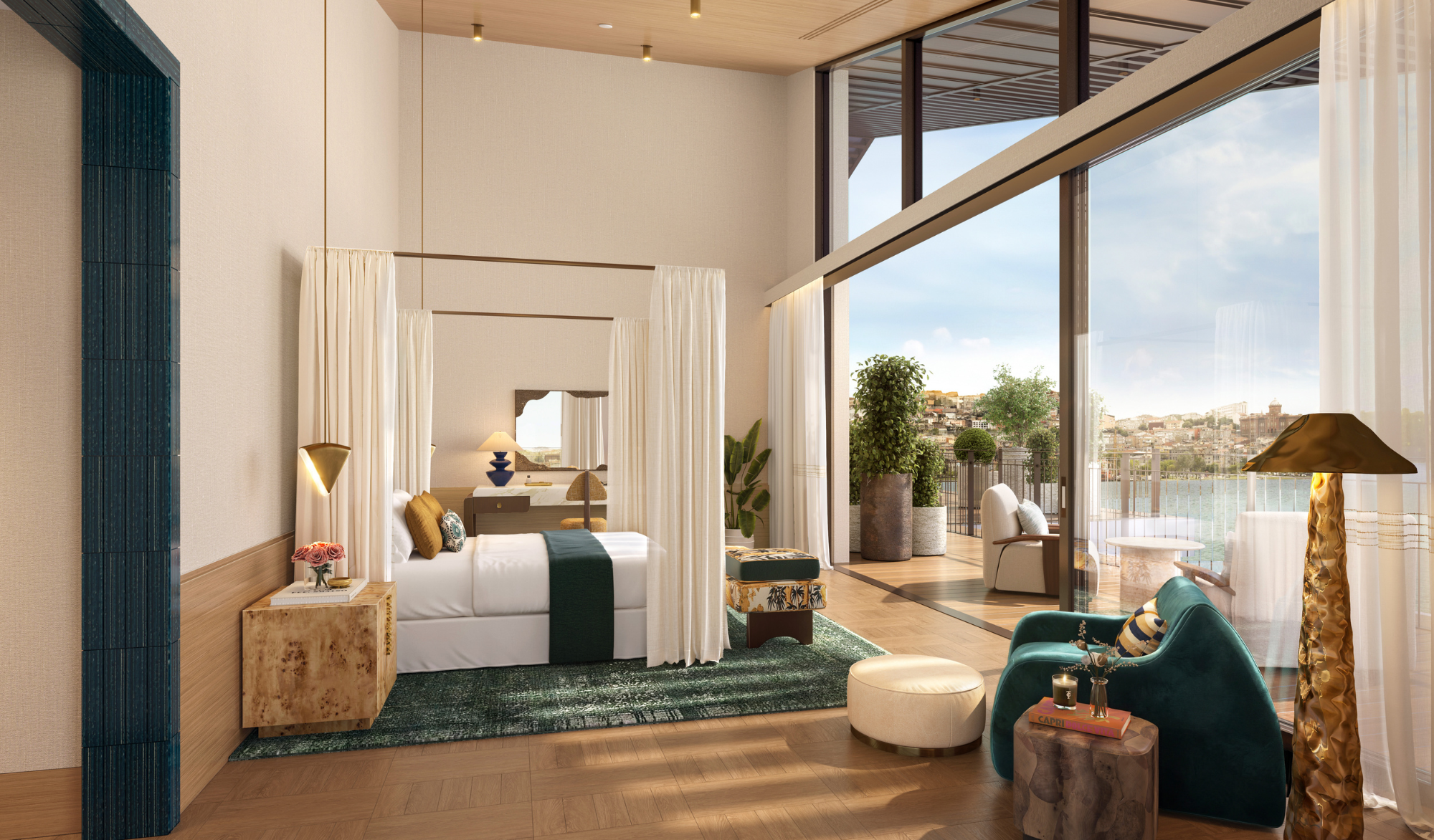
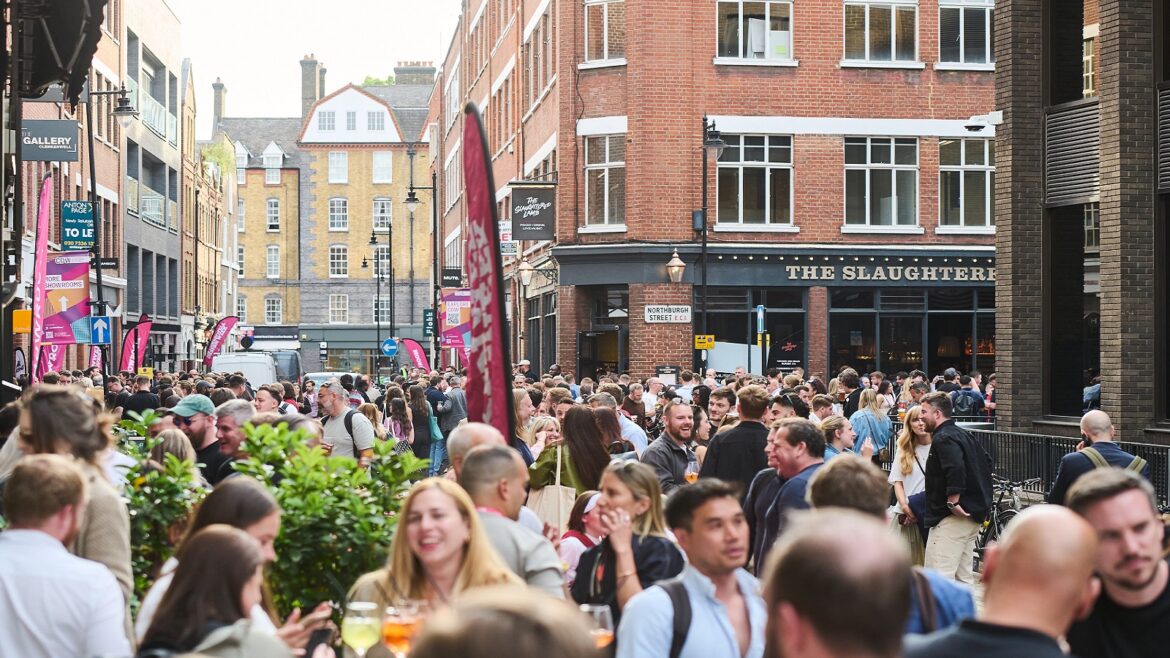
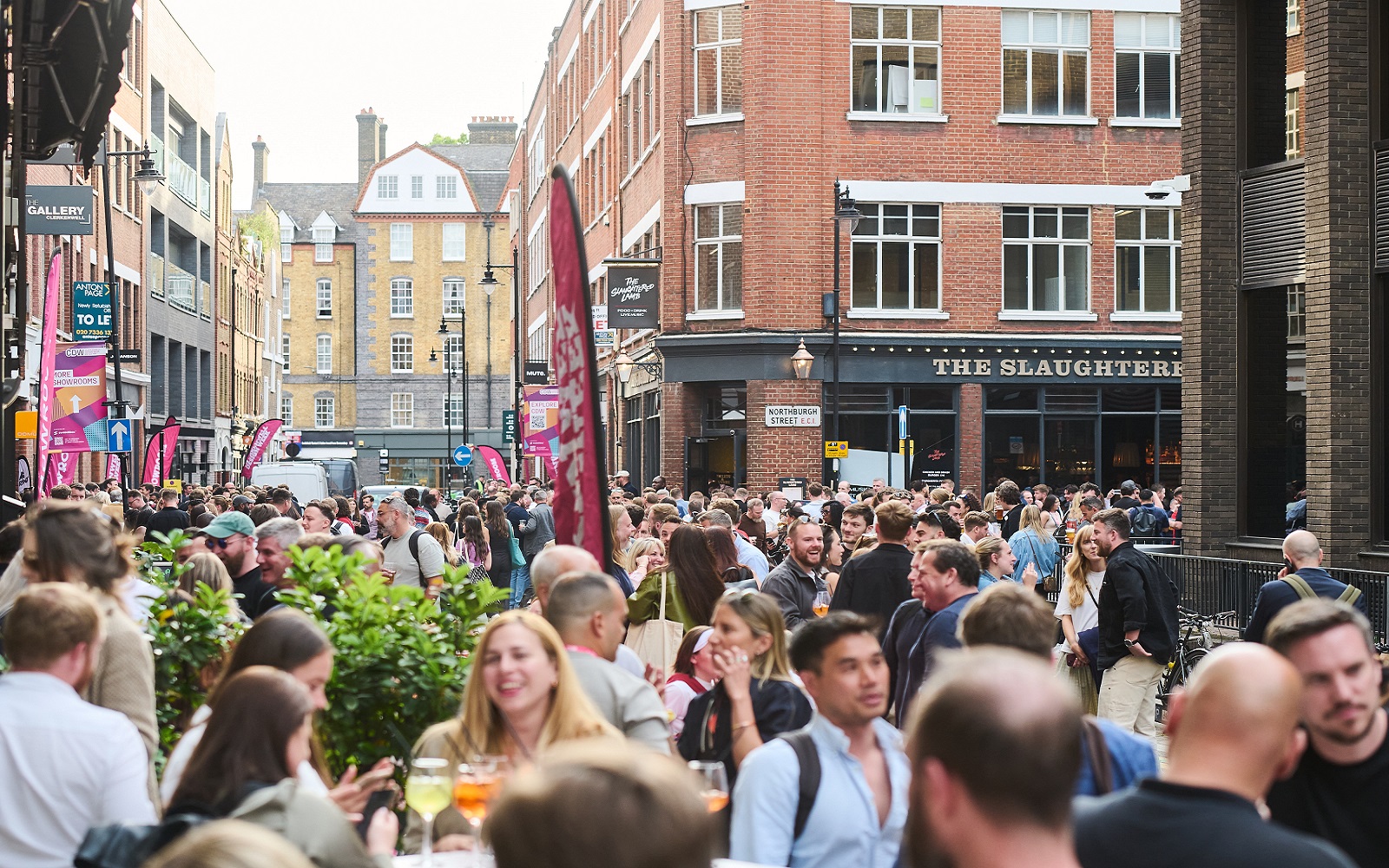
view across swimming pool to Paradisus Bali facade

Image credit: Davide Pellegrini — dpfotos

The property features 492 luxury suites, including seven private garden villas, alongside four pools, eight dining venues and three bars, all surrounded by tropical gardens overlooking the Indian Ocean. It offers a balance of space, privacy and choice, complemented by tailored experiences for different travel styles and individual definitions of wellbeing.

Offering a refined approach to all-inclusive travel that is built around flexibility, the resort allows guests to dine, unwind and explore on their own terms – without the need to plan or coordinate day-to-day details. Beyond these inclusions, guests will also benefit from the resort’s Destination Inclusive programme, a signature Paradisus concept that offers curated experiences both within and beyond the resort, shaped by Bali’s culture, natural beauty and way of life. These include cultural experiences available to all guests, such as the Devan Show at Bali Nusa Dua Theatre, which showcases Indonesia’s diverse cultural heritage through traditional dance and music.

traditional Balinese design and art in the lobby of Paradisus Bali_

Image credit: Davide Pellegrini — dpfotos

Paradisus by Meliá Bali’s seven luxurious villas, including five one-bedroom and two two-bedroom options, are designed for guests seeking a more elevated and private retreat. Each villa features a private pool, outdoor dining area and open-air shower, complemented with exclusive amenities. Villa guests can also enjoy a bespoke sunset cruise experience, culminating in a private catamaran dining experience on the ocean.
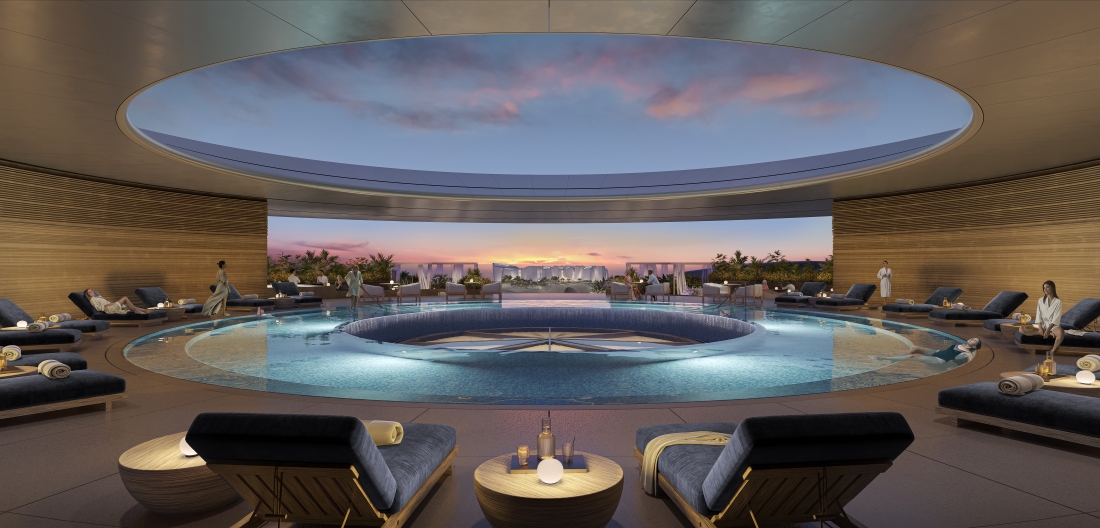
The Reserve offers an adult-only (16+) retreat, with dedicated rooms and suites, access to a private beach and pool areas, personalised arrival and departure services, and exclusive dining spaces for guests seeking a quieter experience.
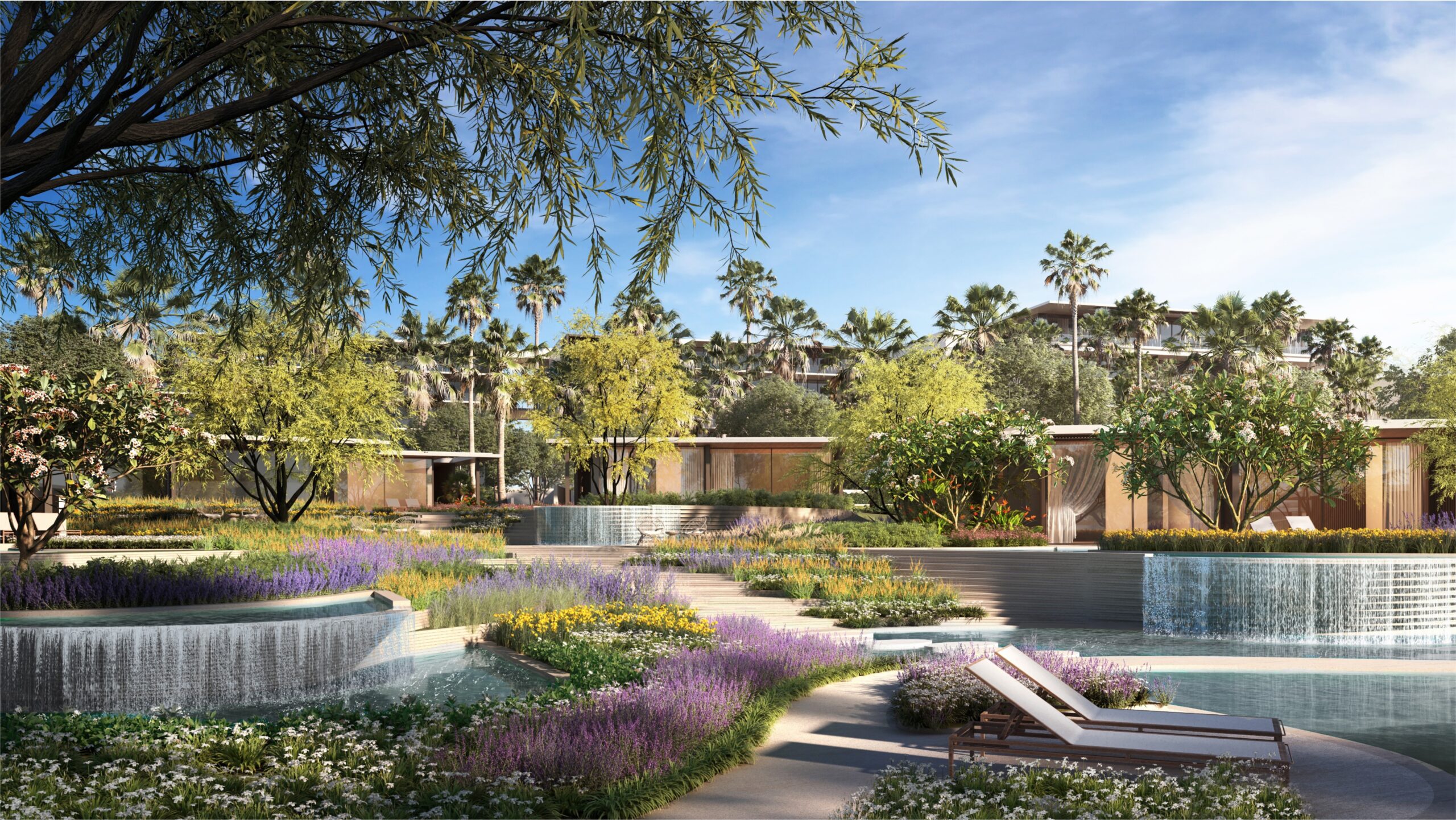
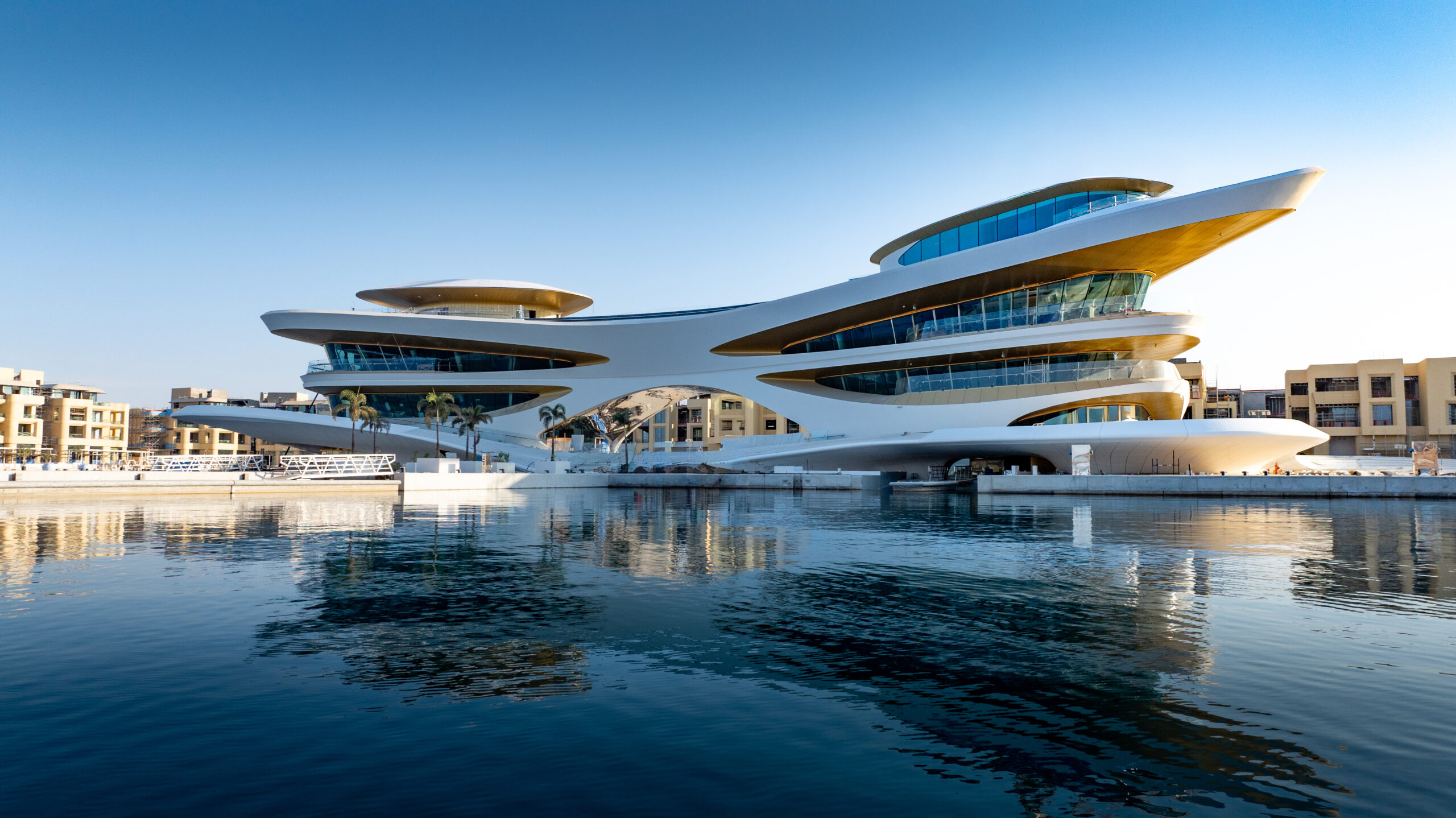
guestroom for families in Paradisus Bali which includes bunkbeds for children

Image credit: Davide Pellegrini — dpfotos

Family Concierge provides a premium experience designed for families, with spacious suites, in-room amenities, access to an exclusive beach area, a family-friendly restaurant, and a dedicated exclusive check-in area that includes a children’s playground, along with full access to the resort’s daily activities. Teenage guests (13-18) are also catered for with Teens Club, offering a range of engaging activities and entertainment. Families can also enjoy the Aquazone water park and slides, plus a range of sports facilities and a karaoke room. In addition, the property features a grand ballroom designed for destination weddings and large celebrations, along with eight meeting rooms suitable for private and corporate events, supported by the largest LED screen in the Nusa Dua area.

wood and thatch leading to the spa area in Paradisus Bali

Image credit: Davide Pellegrini — dpfotos

Following the brand’s Wellness Designed by Destination philosophy, wellness is at the heart of the Paradisus by Meliá Bali experience, thoughtfully inspired by Bali’s rich cultural and spiritual traditions. Guests have access to a daily menu of wellness activities for all ages – from yoga, breathwork, sound baths and meditation to a range of sports and facilities, and a 24-hour fitness centre with personalised training. The YHI Spa provides a tranquil escape within the resort, with a selection of treatments set in a lush garden environment. Featuring 12 treatment rooms, a circuit pool, sauna, jacuzzi, and dedicated relaxation areas, the spa is for guests to unwind and recharge, whether for a brief visit or a more immersive wellness journey.

Dining at Paradisus by Meliá Bali spans a wide range of cuisines, with eight restaurants, three bars and a local coffee shop. These include Peseta, drawing on the brand’s Spanish heritage with traditional recipes, tapas and Spanish wines, and Kanna Beach Restaurant offering South American–inspired cuisine, through to Tokimeku, offering Japanese specialities, and Arum, which pairs Indonesian cuisine with daily Balinese cultural performances.

 Paradisus Bali_restaurant Sante

Image credit: Davide Pellegrini — dpfotos

Gabriel Escarrer Jaume, Chairman & CEO, Meliá Hotels International commented: “Bali holds a special place in Meliá’s history, having been home to our first international hotel in Asia more than four decades ago. Today, we are proud to see that legacy evolve with the opening of Paradisus by Meliá Bali, the first Paradisus in the region, located within one of the island’s most established beachfront destinations. This resort represents a new way of experiencing a destination many travellers globally feel they already know. Through thoughtful design, cultural immersion, and a sense of ease created by our all-inclusive approach, Paradisus by Meliá Bali invites guests to discover a deeper, more connected side of the island, one that allows each guest to define wellbeing in their own way.”

Main image credit: Davide Pellegrini — dpfotos

Stellar Armchair in mustard velvet

sofa.com celebrates two-decades with landmark anniversary collection

1024 640 Meghan Taylor
sofa.com celebrates two-decades with landmark anniversary collection

Celebrating two decades of interior design and product excellence, sofa.com is looking at 2026 with the launch of an anniversary collection of refreshed icons, performance fabrics and thoughtful design innovation…

Stellar Armchair in mustard velvet

In 2026, sofa.com will celebrate a significant milestone: 20 years of crafting meticulously made, design-led upholstered furniture in the UK, with the release of its anniversary collection.

Rooted in British craftsmanship, quality and timeless style, the anniversary year marks not just a moment of reflection, but a confident step forward. For sofa.com, this year will be defined by bold creativity, fresh launches and thoughtful innovation that responds directly to the evolving needs of contemporary interiors – particularly within the hospitality sector.

To commemorate its twentieth year, the brand will reimagine its heritage through a modern hospitality lens, elevating its signature silhouettes while expanding fabric options and placing increased emphasis on performance alongside aesthetics.

Sofa.com, Isla 3 Seat Sofa in Caper Smart Velvet, £2,680, Stellar Armchair in Piccalilli Smart Velvet, £930 (1) from the anniversary collection

Isla 3 Seat Sofa in Caper Smart Velvet, £2,680, Stellar Armchair in Piccalilli Smart Velvet, £930 | Image credit: sofa.com

At the heart of the anniversary collection is a curated spotlight on 12 of sofa.com’s most iconic designs, each reintroduced in 12 contemporary fabrics that explore colour, tactility and character in expressive new ways. For hoteliers and interior designers, this evolution opens up greater opportunities for bespoke storytelling across social spaces, guestrooms and lobby environments.

The year begins with a refreshed interpretation of Isla, sofa.com’s refined drawing-room classic, now available in the new Smart Velvet Caper shade. Designed to combine luxury with resilience, Smart Velvet features a short pile and protective coating that helps prevent spills and stains from penetrating the fabric. This practical innovation allows accidents to be easily blotted away, ensuring the sofa retains its beauty for longer – a valuable asset in high-traffic hospitality settings.

Following this, sofa.com will introduce Marco Slim, a streamlined yet generously proportioned design upholstered in an Aquaclean, linen-look chenille. Balancing comfort with long-term practicality, the considered silhouette is particularly well suited to small boutique hotels, where space efficiency must be matched with visual impact and comfort.

Slim Marco 2 Seat Sofa in Sea Salt Aquaclean Linen Look

Slim Marco 2 Seat Sofa in Sea Salt Aquaclean Linen Look, £1,610 | Image credit: sofa.com

Complementing these hero anniversary collection launches, the brand will continue to broaden its furniture portfolio throughout 2026 with six new accessory introductions. Highlights include the Stellar armchair launching in January, a versatile footstool arriving in May and the elegantly poised Ciel desk debuting in October. Each piece has been designed with hospitality in mind, lending itself seamlessly to chic guestrooms, suites and curated lobby lounges.

Beyond refreshed favourites, sofa.com will also unveil an expanded fabric library alongside newly developed designs, reinforcing its commitment to flexibility, personalisation and material performance.

Since opening its doors in 2006, sofa.com has become a trusted destination for customisation, craftsmanship and comfort. With more than 100 fabrics and a carefully curated breadth of styles, the brand continues to equip designers with the tools to create interiors rich in individuality, warmth and emotional connection – a philosophy that feels particularly resonant as it enters its third decade.

The Anthem Hotel opens in the Los Angeles Stadium District

The Anthem Hotel opens in the Los Angeles Stadium District

1024 640 Pauline Brettell
The Anthem Hotel opens in the Los Angeles Stadium District

A member of  Tapestry Collection by Hilton, The Anthem Hotel is situated immediately adjacent to one of Los Angeles’ most iconic venues – so close guests can feel the crowd before they even arrive, transforming every stay into part of the main event…

The Anthem Hotel opens in the Los Angeles Stadium District

Part of the Tapestry Collection by Hilton, The Anthem Hotel is ushering in a new rhythm in the Stadium District. Just steps from Intuit Dome, SoFi Stadium, Kia Forum, and YouTube Theatre, it’s where workdays turn into game nights and business trips evolve into epic memories. From global concert tours and NBA rivalries to the World Cup and LA Olympic Games, The Anthem stands at the centre of it all.

The Anthem Los Angeles exterior facade with lighted signage

Image credit: The Anthem Hotel

Born from the charge of game days and concert nights, The Anthem Hotel’s 179 newly renovated rooms and suites offer a front-row seat to LA’s iconic West Coast scene. Each room is thoughtfully designed for balance and comfort, featuring blackout-ready shades, ergonomic workspaces, and reliable high-speed Wi-Fi. Sustainable materials and refined finishes add a modern touch.

Whether it’s a morning reset or a post-show recharge, The Anthem’s fitness centre keeps guests in rhythm, helping them stay energised no matter what brought them to LA.

“The Anthem isn’t just near the action, it’s part of it,” commented Stephen Chavez, General Manager of The Anthem Hotel. “We’ve created a space that reflects the rhythm of the Los Angeles Stadium District: vibrant, connected, and full of possibility. Here, events start and end at The Anthem, where the crowd becomes the atmosphere itself: a sea of fans in jerseys, tie-dye, and festive glam. It’s an energy unlike what other places can offer.”

swimming pool in central courtyard surrounded by hotel guestrooms

Image credit: The Anthem Hotel

In true Los Angeles fashion, the oversized pool is the heart of the action at The Anthem. Framed by the Soundwave Pool Bar, the space comes alive with art and atmosphere. A striking hand-painted mural wraps the pool deck, replicating the movement of a soundwave, a visual echo of the beats, cheers, and liveliness that define The Anthem experience. Designed to adapt to its audience, the environment transforms with each crowd buzzing with the intensity of a big game or pulsing with the flow of a live show.

Above it all, The Stage rooftop turns up the volume with skyline views, craft cocktails, and live performances that make it the ultimate opener for LA’s headline acts. Just behind The Stage sits Backstage, a 1,285-square-foot interior space offering a more intimate counterpart. This versatile lounge can transform from a private dining venue to a pre-show retreat for talent or a quiet escape. Together, these spaces embody The Anthem’s identity – adaptive, expressive, and always in tune with its guests.

rooftop bar in The Anthem Los Angeles

Image credit: The Anthem Hotel

Looking ahead, The Anthem will serve as a focal point of the LA Stadium District, bringing the city’s most talked-about moments to life through a year-round lineup of programming and activations. From game-day celebrations and concert-night takeovers to exclusive experiences tied to global events, The Anthem blurs the line between hotel and happening, where guests don’t just stay near the action, they become part of it. Each activation amplifies the energy that defines the District, transforming the hotel into a home court, fan zone, and after-party all in one.

Adding to the hotel’s dynamic atmosphere, Tom’s Watch Bar will oversee The Anthem’s full food and beverage program, bringing its signature ‘Ultimate Sports Watching Experience’ to the hotel’s social and dining venue. With wall-to-wall screens, elevated game-day fare with Chef-driven menus, and an atmosphere built for fans, Tom’s will serve as both the hotel’s restaurant partner and the go-to gathering spot for locals and visitors alike, perfectly aligning with The Anthem’s spirit.

guestroom in The anthem hotel Los angeles

Image credit: The Anthem Hotel

Owned by Chartres Lodging Group, a premier investor in hospitality and managed by PM Hotel Group, recognized for its thoughtful approach to design-driven, full-service hotels, The Anthem aims to capture the pulse of the Los Angeles Stadium District and translate it into a hotel experience that feels both inspired and authentic.

“The Anthem was designed to move with its audience,” said Maki Bara, President and Co-Founder of Chartres Lodging Group. “It’s a hotel that can shift effortlessly from the excitement of a championship game to the buzz of a sold-out concert or the flow of a work trip that ends courtside. We wanted to create a space that feels both vibrant and grounded, comfortable, practical, and ready to reflect the energy of whoever walks through its doors.”

Main image credit: The Anthem Hotel

DESIGNER OF THE YEAR 2026-HARRY NURIEV_0493_HALL 2_M&O_Jan2026_©Anne-Emmanuelle Thion

On the ground: with Toni Black at Maison&Objet 2026

1024 640 Guest Author
On the ground: with Toni Black at Maison&Objet 2026

Maison&Objet 2026, as always, kicked off the event year in style, with a design-laden week showcasing innovations, highlighting trends, and sparking conversations. Toni Black, House of Black CEO – and Brit List Interior Designer 2025 – attended the event as a UK ambassador, and shares some of her key takeaways from the City of Light…

DESIGNER OF THE YEAR 2026-HARRY NURIEV_0493_HALL 2_M&O_Jan2026_©Anne-Emmanuelle Thion

Attending Maison & Objet this year as an Ambassador, I expected to be inspired by innovation but what stayed with me most wasn’t a single product or piece. It was the atmosphere, the way stories, materials and memory converged to shape how we experience space and object.

Under the theme ‘Past Reveals Future,’ the fair didn’t linger in nostalgia; it invited us back into design that feels alive, human, and deeply expressive. From the moment you arrived, you entered through an installation that set the tone, immersive sequences of colour, reflection and spatial rhythm that didn’t shout, but clearly welcomed curiosity. Before touching anything tangible, you could feel the intention behind it – a reminder that design is about how a space makes you feel, speaking to the senses first.

As I moved through the halls, one idea kept returning: design today is more playful, more experimental, and more engaged with experience. Function remains essential, but it no longer dominates the conversation. Instead, personality, emotion and interaction are front and centre; design that invites you in, rather than explains itself.

In Materia Hall Maison &Objet 2026

In Materia | Image credit: Anne-Emmanuelle Thion

This spirit was evident in how familiar forms re-emerged: classic references and materials reworked in ways that felt intentional and alive. The past wasn’t repeated, it was reimagined, elevated by colour, scale, and unexpected dialogue between forms. This wasn’t retro for effect; it was heritage transmuted into the present.

There was a clear confidence in how materials were brought together. Glass, wood and metal were mixed freely, often in combinations that felt unexpected but deliberate. The usual rules seemed to fall away; materials didn’t need explaining or defending. What mattered was the atmosphere they created, a confident dance of contrasts, resolved through feeling rather than formula.

Two moments illustrated this sensibility beautifully: Harry Nuriev’s installation captured this particularly well. His approach blurred the line between art and utility, focusing less on defined function and more on the way we choose to interact with space. It felt personal, expressive, encouraging a more open, intuitive interpretation of form and experience.

A similar idea came through in Rudy Guénaire’s hospitality installation, ‘Suite 2046’. Playful and unapologetic, it surfaced elements that have quietly disappeared from the hospitality experience; details we may miss but have come to accept as lost. It served as a reminder that in the pursuit of refinement and efficiency, we can unintentionally strip away the comfort and character that make spaces memorable.

Installation by Rudy Guenaire at 2026 Maison & Objet W IN HOSPITALITY-RUDY GUENAIRE_0816_HALL 4_M&O_Jan2026_©Anne-Emmanuelle Thion

Rudy Guénaire, ‘Suite 2046’ | Image credit: Anne-Emmanuelle Thion

Taken together, the installations spoke to something profound: design doesn’t always need to begin at zero. There is value in revisiting, remixing and honouring what came before — not as an echo, but as fuel for new expression. What mattered was not whether something felt rooted in the past or entirely new, but the confidence with which it was expressed. There was no hesitation around colour, mixing or personal language, and that assurance felt both refreshing and deliberate. Ultimately, it came back to how work resonates, how it feels, and how it connects to the stories we carry forward.

Maison & Objet 2026 didn’t prescribe trends; it opened a conversation. One where design is defined not by when something was made, but by how it is experienced. Less about novelty, more about emotion. Less about form, more about connection.

If there’s one takeaway, it’s this: Design is becoming deeply personal.
It reflects how we feel, how we want to explore and move through space, and how we choose to connect with our surroundings. The past isn’t something behind us, it’s something we carry forward, reshaped by curiosity, feeling, and human experience.

Main image credit: Anne-Emmanuelle Thion

Mullan Lighting Cambridge wall light illuminating a floral oil painting on a wall above a sofa

Surface, scale and subtlety – Mullan on architectural illumination

1024 640 Meghan Taylor
Surface, scale and subtlety – Mullan on architectural illumination

Mullan Lighting explores how considered lighting reveals surface, scale and atmosphere, shaping contemporary hotel interiors through architectural illumination…

Mullan Lighting Cambridge wall light illuminating a floral oil painting on a wall above a sofa

In contemporary hospitality design, surfaces have become a defining architectural element. Walls, finishes and materials no longer act as a backdrop alone; they shape atmosphere, guide movement and influence how guests experience a space. Increasingly, it is lighting — and its relationship with these surfaces — that brings this design intent into sharp focus.

Textured materials such as reeded timber, ribbed plaster and brushed metal depend on directional light to reveal their depth and character. Rather than relying on uniform ambient illumination, designers are specifying precise, considered lighting to articulate surfaces, establish rhythm and introduce visual structure. Light becomes a tool for interpretation, revealing detail and reinforcing architectural intent.

Mullan Lighting Cambridge adjustable picture light in brass, above graphic art in navy blue office

Cambridge Adjustable Reeded Picture Light in Brass finish | Image credit: Mullan Lighting

How can lighting create intimacy and comfort in guest rooms? 

Within guest rooms, lighting is applied with a lighter, more restrained touch. Here, the focus shifts from visual drama to comfort and balance. Surfaces tend to be tactile and understated, encouraging a sense of calm and retreat. In these private environments, lighting often acts as a framing device — highlighting select elements without overwhelming the room.

Introduced as part of Mullan Lighting’s latest picture light designs, the Bilbury Collection responds to this intimate scale. Positioned above an artwork, headboard feature or textured wall finish, Bilbury delivers focused illumination that draws attention to detail while maintaining a sense of quiet clarity. Its compact proportions feel deliberate, allowing light to enhance the surface beneath without visual clutter.

Reeded detailing within the collection echoes many of the textures specified in contemporary guest room schemes. This subtle articulation allows light to interact gently with material, adding depth and warmth without distraction — a considered approach that supports restfulness and cohesion.

What lighting strategies work best for hotel public spaces? 

Public areas such as lobbies, corridors and lounges demand a distinctly different lighting strategy. Larger wall planes and extended sightlines require fixtures that respond to scale while supporting wayfinding, legibility and flow.

Part of Mullan Lighting’s newest picture light offerings, the Cambridge Collection is designed specifically for these broader environments. Its extended form distributes light across wider wall surfaces, making it well suited to illuminating sequences of artworks, panelled lobby walls or large-scale feature installations. When used in repetition, Cambridge establishes rhythm and continuity while remaining visually composed and architecturally aligned.

Available in multiple sizes, the collection offers flexibility across public spaces of varying proportions. Larger formats complement expansive architectural features, while smaller versions maintain consistency in transition areas, creating a cohesive lighting language throughout the hotel.

Mullan Lighting Cambridge wall light illuminating a floral oil painting on a wall above a sofa

Image credit: Mullan Lighting

Why is directional lighting central to architecture?

Across hospitality interiors, there is a growing preference for lighting that supports architecture rather than competes with it. Directional fixtures such as those found in the Bilbury and Cambridge collections allow materials and surfaces to take centre stage, with light adding depth, definition and clarity.

When lighting is carefully aligned with surface, scale and proportion, interiors feel more resolved. Walls read more clearly, materials reveal their true character, and spaces transition naturally from private to public. The result is hospitality environments that feel refined, cohesive and enduring — spaces where lighting quietly enhances the guest experience through thoughtful design.

Mullan Lighting is one of our Recommended Suppliers and regularly features in our Supplier News section of the website. If you are interested in becoming one of our Recommended Suppliers, please email Katy Phillips.

Main image credit: Mullan Lighting

Sofitel London St James exterior at dusk, with warm yellow lights

Hotel review: The Prestige Suite at Sofitel London St James

1024 640 Meghan Taylor
Hotel review: The Prestige Suite at Sofitel London St James

More than 20 years after Pierre-Yves Rochon first shaped the interiors of Sofitel London St James, the hotel has unveiled six new suites by the Parisian studio. Blending Edwardian gravitas with 1970s exuberance, Deputy Editor Meg Taylor checks in for a first look…

Sofitel London St James exterior at dusk, with warm yellow lights

From the mind of Paris-based interior architecture studio, Pierre-Yves Rochon (PYR), the Sofitel London St James‘ six new suites mark a confident evolution for the historic Westminster address, balancing reverence for heritage with a unique sense of playful opulence.

Occupying a Grade II-listed neoclassical building that once housed Cox’s & King’s bank, the suites stand as a dialogue between British tradition and French refinement. PYR, who originally shaped the hotel’s interiors in 2003, before returning for a refresh in the late 2010s, returned once again in 2025 with a vision for the suites that draws inspiration from London’s rebellious 1970s cultural moment while preserving the building’s Edwardian gravitas.

However, that retro-chic narrative now begins long before guests reach the suites themselves. In early 2025, the hotel’s St James’ lobby also underwent a considered redesign, carefully restoring the architectural identity of the former banking hall while establishing a visual and emotional prelude to the guest rooms above.

Red, long favoured by returning guests, was selected as the lobby’s dominant chromatic anchor, layered against the space’s preserved black-and-white architectural palette. Strategic accents of green enrich the composition, adding depth while echoing the tonal harmonies found throughout the suite collection.

The spirit of the 1970s is introduced through carefully curated furniture pieces, most notably Pierre Paulin’s sculptural Ribbon armchairs, which inject a sense of fluidity and playful modernism into the neoclassical setting. The result is a lobby that feels simultaneously historic and forward-looking, acting as both architectural threshold and narrative prologue to the interiors beyond.

New suite design at Sofitel London St James, blue chequered carpet with mirrored accents

Prestige Suite | Image credit: Sofitel London St James

The four newly opened signature suites set the tone with expressive colour palettes that immediately define each space. During my stay, the experience centred on the deep Klein blue Prestige Suite. The saturated blue hue wraps across suede-padded wallcoverings and upholstery, creating an immersive, almost cocooning atmosphere that shifts character as natural light moves through the suite’s corner positioning. Morning light softens the palette into cooler, contemplative tones, while evening lighting intensifies the richness of colour, giving the space a more dramatic, lounge-like intimacy.

Rochon’s signature layering of texture is particularly effective here. Padded suede walls introduce warmth and acoustic softness, offset by a sculptural leather bedhead that anchors the sleeping area with architectural clarity. Bespoke marbled furniture pieces punctuate the suite, their veining echoing the tonal variations of the blue palette while functioning as statement design objects in their own right. A mirrored glass partition divides the living and bedroom zones, amplifying both natural and artificial light while adding a reflective glamour that expands the perceived scale of the suite.

The living space is deliberately arranged with a residential logic. A square seating arrangement centres the geometric space; shelving units house curated photography and design monographs alongside original modern artworks, lending the suite a gallery-like sensibility that reinforces its intellectual and cultural depth. The fully integrated bar area, complete with Nespresso and Smeg detailing, elevates everyday rituals into design moments, blurring the boundary between hospitality and private residence.

Functionality is seamlessly integrated into the design. Smart lighting and curtain controls respond intuitively to different moods throughout the suite, at the press of a button, while discreet wireless charging is incorporated into bedside and lounge surfaces. The marble bathroom continues the narrative of tactile luxury, with expansive stone surfaces, deep soaking bath and Diptyque amenities reinforcing a spa-like calm that feels both contemporary and timeless.

The forthcoming Flagship Suites promise distinct personalities. Suite 70 leans into the spirit of 1970s London, layering bold orange accents with design classics such as Arne Jacobsen’s Egg chair. A vinyl record player with curated albums and a musician’s trunk transformed into a minibar inject a playful, creative energy that feels like a tribute to the city’s avant-garde heritage.

What distinguishes these suites is their commitment to storytelling over spectacle. Heritage references, including subtle nods to the building’s banking past, are woven throughout, while the broader experience connects naturally with the hotel’s wider offering, from Michelin-starred dining at Wild Honey St James to the refined social atmosphere of The Rose Lounge and St James Bar.

The result is a thoughtful redefinition of luxury hospitality. Rather than relying on grandeur alone, Sofitel London St James’ new suites prioritise atmosphere, cultural resonance and emotional connection. The blue Prestige Suite, in particular, captures Pierre-Yves Rochon’s vision with striking clarity – an interior that feels both immersive and intellectually composed, reflecting London’s layered creative identity while remaining unmistakably Parisian in its refinement.

Main image credit: Sofitel London St James

deconstructed fabric parts

Inside the factory: Edmund Bell – what’s new from the home of technical textiles

1024 640 Meghan Taylor
Inside the factory: Edmund Bell – what’s new from the home of technical textiles

Head inside Edmund Bell’s Lancashire headquarters for a deep-dive into the fabric house’s latest technical textile offerings, and see first-hand how heritage, innovation and practicality are woven together…

deconstructed fabric parts

With more than 160 years of technical textiles expertise behind it, Edmund Bell is a formidable name within the contract and decorative fabrics sector. As it stands in 2026, the company has evolved from a traditional apparel weaver into a highly specialised, technically driven partner to the global hospitality industry.

Founded in the 19th century, Edmund Bell has built its reputation on technical textiles, particularly within hospitality environments where durability, safety and functionality are non-negotiable. Its product offering today spans blackout and dim-out fabrics, decorative sheers and printed textiles, each developed with an emphasis on compliance, longevity and aesthetic versatility. While the company’s roots are steeped in traditional textile manufacturing, the factory visit quickly reveals a business that is still deeply invested in innovation and continual development.

Edmund Bell silk road apricot flat lay

Image credit: Edmund Bell

From the outset, the breadth of Edmund Bell’s operation is apparent. The business has long been recognised for its mastery of blackout fabrics — a cornerstone of hospitality interiors – but today its offering extends far beyond light exclusion alone. Decorative woven designs, upholstery, sheers and printed textiles now sit alongside highly technical window solutions, all developed with compliance, durability and aesthetic flexibility in mind.

This approach is particularly evident in the company’s latest blackout developments. Blackout fabrics remain central to Edmund Bell’s hospitality proposition, not only because of their functional importance in guest rooms, but also due to the sheer technical challenge involved in producing them well; especially at extra-wide widths. During the tour, attention turns to newer constructions that explore texture, reversibility and material innovation alongside total light exclusion.

One such development is Diversity, a premium laminated blackout that reflects the conversation around double-sided fabrics taking place on the factory floor. Designed as a ‘sandwich’ construction, Diversity delivers 100% blackout using fabric faces on both sides with a central flame-retardant acrylic layer. This allows for complete privacy and light control while maintaining a refined, textile-led aesthetic. A softly textured weave on one face offers a luxurious handle, while the reverse introduces subtle melange effects that add depth and visual interest.

Alongside this, sustainability emerges as a key driver of product development. Throughout the tour, the team discusses the challenge of balancing recycled content with durability, flame retardancy and long-term performance – particularly within contract environments.

These conversations are directly reflected in Maverick, a recycled blackout inspired by nature’s raw textures. Combining slub yarns with flat threads in a characterful dobby weave, Maverick delivers a relaxed, tactile surface with subtle wood-like effects. The face fabric is made from 100% recycled polyester, resulting in 57% recycled content overall once coated, demonstrating a considered and practical approach to responsible materials.

Texture and tactility continue to play a central role in Edmund Bell’s newer collections. Evolve, finished as an extra-wide blackout at 300cm, draws inspiration from industrial modernism and urban architecture. Featuring a wool-like yarn aesthetic and a contemporary grid structure formed through dobby weaving, Evolve delivers visual depth alongside a soft, tactile handle. Its balanced palette of beiges and greys, complemented by carefully curated accent colours, positions it as a highly practical yet design-led solution for modern hospitality schemes.

Perhaps the clearest expression of Edmund Bell’s technical confidence, however, comes in Quest –  a woven blackout that achieves complete light exclusion without the use of a coating. During the tour, discussions around dense construction, durability and pinhole elimination are brought to life through this fabric. Woven with inherently flame-retardant yarns, Quest offers identical texture on both sides, making it fully reversible and exceptionally versatile. Extra-wide at 300cm, washable up to 72°C and suitable for healthcare environments too, it balances performance with a soft, voluminous handle. PFAS-free and fully recyclable at end of life, Quest reflects the company’s forward-thinking approach to both sustainability and legislative compliance.

Technical sheer Quest by Edmund Bell

Quest | Image credit: Edmund Bell

Beyond blackout fabrics, the tour also explores Edmund Bell’s expanding capabilities in sheers and print. Printed sheers, in particular, generate visible excitement as samples are revealed. Their potential use as room dividers, curtained walls or layered decorative elements opens up new design possibilities beyond traditional window dressing.

This conversation aligns naturally with the introduction of Vibe, a new sheer that captures the relaxed elegance of linen through exceptional drape and a super-subtle textured surface. At 320cm wide, VIBE is designed for room-height applications without joins, delivering a clean, continuous finish that is especially valuable in hospitality interiors. Woven in two highly versatile shades – chalk and champagne – it celebrates understated texture, movement and material honesty.

Vibe sheer fabric from Edmund Bell in white, a new technical textile

Vibe | Image credit: Edmund Bell

What becomes increasingly clear as the visit unfolds is Edmund Bell’s ability to translate the complexity of technical textiles into simplicity for designers. Whether addressing flame retardancy, wash durability, light fastness or chemical compliance, the company’s goal is to remove barriers from the creative process. Designers are free to focus on look and feel, confident that performance requirements are already built in.

As the tour draws to a close, attention turns to the machinery behind the innovation – including the printer that enables rapid sampling and in-house trials. It’s a fitting end point, reinforcing the idea that Edmund Bell’s strength lies not just in its products, but in its people and processes.

In an industry where performance is non-negotiable and aesthetics increasingly define success, Edmund Bell occupies a compelling space. Its latest technical textiles collections – from tactile woven blackouts to relaxed recycled fabrics and elegant sheers – demonstrate a business that continues to evolve methodically and with purpose.

Want to discover more from Edmund Bell? Check out the brand’s new Print Collection brochure: 

Edmund Bell is one of our Recommended Suppliers and regularly features in our Supplier News section of the website. If you are interested in becoming one of our Recommended Suppliers, please email Katy Phillips.

Main image credit: Edmund Bell

front facade and entrance of Fairmont Hanoi vietnam

Fairmont Hotels & Resorts arrives in Vietnam

1024 640 Pauline Brettell
Fairmont Hotels & Resorts arrives in Vietnam

Fairmont Hotels & Resorts has announced the opening of Fairmont Hanoi, the luxury brand’s first property in Vietnam, blending local heritage, modern design and curated art…

front facade and entrance of Fairmont Hanoi vietnam

Rooted in Fairmont’s celebrated century-long heritage and enriched by Hanoi’s remarkable thousand-year cultural legacy, Fairmont Hanoi, thoughtfully designed by Perkins Eastman and Aston Design, is poised to usher guests into a new chapter of Vietnamese luxury hospitality. Through a wide array of thoughtfully curated guest experiences, the property is set to redefine elegance as a tapestry woven with local artistry and delivered with genuine, heartfelt care.

bar in Fairmont Hanoi HIRYU OMAKASE BAR

Image credit: Fairmont Hotels & Resorts

Fairmont is known for creating landmark destinations that become deeply rooted in the cities they reside in – from New York and San Francisco to London, Dubai, Singapore and beyond. Marking a significant debut as the first Fairmont in Vietnam, Fairmont Hanoi majestically rises in the vibrant heart of the Old Quarter, steps from the iconic Hoàn Kiếm Lake. The property establishes a new benchmark for contemporary luxury hospitality in the capital and is destined to emerge as the city’s definitive social hub, seamlessly integrating with Hanoi’s buzzing pulse, deeply grounded in centuries of heritage yet confidently embracing contemporary dynamism. Modern architectural lines find harmony with Vietnamese artistry, global refinement is thoughtfully shaped by local craft, and each experience beautifully echoes the city’s enduring dialogue between its storied past and vibrant present.

Fairmont Hanoi BACCO RESTAURANT

Image credit: Fairmont Hotels & Resorts

Omer Acar, Chief Executive Officer, Fairmont Hotels & Resorts said, “It is with immense pleasure that we welcome guests to Fairmont Hanoi, marking our inaugural property in Vietnam and unveiling a distinctive new destination for Fairmont Hotels & Resorts. Vietnam is a nation we have long admired for its profound creativity, remarkable resilience, and rich cultural heritage, a spirit which Fairmont Hanoi embodies in every meticulously crafted detail. From its world-class culinary and beverage offerings to the tranquillity of its serene spa as well as each thoughtfully designed space, Fairmont Hanoi is conceived as a genuine gathering place – a vibrant social epicentre where celebrations naturally unfold, cherished memories are forged, and everyday moments are elevated into truly unforgettable experiences. This is more than a hotel; it is a captivating home within the city, where luxury, culture, and profound connection converge.”

woman in white suit standing in hotel reception looking u at suspended feature lighting

Image credit: Fairmont Hotels & Resorts

At first glance, Fairmont Hanoi draws travellers and locals in through a design inspired by Hanoi’s enduring relationship with the Red River – a quiet, continuous storyteller that inspires a design language of flow, balance, and depth. This sensibility unfolds through gracious, layered spaces where movement slows, proportions breathe, and light is treated as a design material. Cultural rituals and everyday spirituality inform interiors that feel grounded and contemplative, offering calm within the city’s rhythm. The intimacy of the Old Quarter introduces texture and human scale, while the Imperial Citadel of Thăng Long anchors composition with clarity, order, and permanence.

guestroom in Fairmont Hanoi with view over the river

Image credit: Fairmont Hotels & Resorts

Designed as The Modern Heartbeat of Hanoi, the hotel continues Fairmont Hotels & Resorts tradition of creating the social hub of its destination with its carefully curated culinary and cocktails. With an enviable array of eight restaurants, bars and lounges on property, the hotel is impeccably set to become Hanoi’s burgeoning heart of the city’s social and dining scene.

indoor swimming - CIRUA LAP POOL Fairmont Hanoi Vietnam

Image credit: Fairmont Hotels & Resorts

Guests of Fairmont Hanoi are invited to discover an elevated realm of wellness, anchored by Hanoi’s inaugural Fitness & Wellness Club – a pioneering sanctuary dedicated to rejuvenation and vitality. The Cirua Spa, Fitness & Wellness Club is a spectacular urban retreat highlighting holistic well-being at its finest, with its ritual-led offerings comprising: a signature bathhouse with a range of hydrotherapy and thermal facilities; plunge pools, saunas, and steam rooms; and ten dedicated private treatment rooms. A cutting-edge fitness studio, thoughtfully curated to nurture both physical restoration and inner balance completes the impressive wellness experience.

chairs and stage for meetings in JUNIOR BALLROOM

Image credit: Fairmont Hotels & Resorts

In addition, the hotel has established a new benchmark for elevated events, presenting versatile spaces meticulously designed for gatherings of every scale and significance. At the heart of its offerings lies the Old Quarter’s most expansive ballroom, a magnificent 1115 square metre column-free venue. Complementing this grand space, guests will discover an array of additional elegant ballrooms and meeting rooms with natural light, collectively forming a dynamic and flexible destination ideal for distinguished celebrations, impactful conferences and memorable cultural moments. The hotel’s comprehensive MICE (Meetings, Incentives, Conferences, and Exhibitions) centre encompasses over 4,000 square meters – a truly remarkable footprint, particularly compelling given its prime city-centre location.

Jean-François Brun, General Manager of Fairmont Hanoi commented: “We are delighted to indulge our guests in Fairmont’s distinguished hospitality and its premier presence in Hanoi. Fairmont Hanoi joins some of the most storied addresses in the world and we are excited to showcase how we’ve blended our brand’s century-long heritage with the distinctive culture, character, and daily rhythm of Hanoi unfolding around us. For over a century, Fairmont properties around the world have consistently stood at the centre of pivotal historical moments and now at Fairmont Hanoi, that legacy finds a new expression – one rooted in place, enriched by local artistry, and guided by warm, heartfelt service. We are honoured to begin a chapter of special and meaningful moments that will be uniquely Hanoi.”

Main image credit: Fairmont Hotels & Resorts

Cameo Beverly Hills, LXR Hotels & Resorts

Cameo Beverly Hills, LXR Hotels & Resorts turns the page on a new chapter

1024 640 Pauline Brettell
Cameo Beverly Hills, LXR Hotels & Resorts turns the page on a new chapter

The 138‑room luxury Cameo Beverly Hills from LXR Hotels & Resorts has unveiled its redesigned guestrooms and suites, a new signature Peruvian restaurant, refreshed pool experience, and a 360 degree view event space – we stepped inside for a closer look…

Cameo Beverly Hills, LXR Hotels & Resorts

Cameo Beverly Hills, LXR Hotels & Resorts has re-emerged, following a complete transformation that reimagines every corner of the property. Tucked along a tranquil edge of Beverly Hills, this hidden oasis provides a peaceful retreat just moments from the lively pulse and bustle of Rodeo Drive.

“We are proud to introduce Cameo Beverly Hills after a transformation that reflects both the history of this property and the expectations of today’s luxury traveller. Our team looks forward to welcoming guests into a space that feels contemporary, comfortable, and deeply connected to Beverly Hills,” said Sonesh Mool, General Manager, Cameo Beverly Hills.

statement table under central chandelier in the lobby Cameo-Beverly-Hills-LXR-Hotels-Resorts-Lobby-2

Image credit: LXR hotels & Resorts

On arrival, guests are welcomed by a refreshed entry façade that introduces the hotel’s new design direction. Inside, the lobby invites connection through sculptural seating, curated artwork, soft neutral palettes and natural materials that create an inviting, modern atmosphere. The hotel’s renewed aesthetic was guided by Premier, a design and development firm specialising in hospitality architecture and interiors.

Guest rooms and suites have been thoughtfully redesigned as private retreats, offering a sense of quiet comfort. Each room features a private balcony that extends the living area outdoors, offering views of Beverly Hills and the city beyond. Custom burl wood and smoked white oak furnishings anchor the interiors in natural warmth, while sculptural lighting, handwoven textiles and abstract artwork by local artists create an atmosphere that is both polished and serene. Suites offer an elevated sense of space with thoughtfully enhanced layouts and soaking tubs.

guestroom with views over the city Cameo-Beverly-Hills-LXR-Hotels-Resorts-Signature-Suite

Image credit: LXR hotels & Resorts

The hotel’s debut is accompanied by a reimagined food and beverage program, led by Zampo, its signature dining destination, and Silhouette, a new lobby lounge and bar. Zampo presents a dining experience rooted in Peruvian tradition with Nikkei influence, celebrating bold Peruvian flavours balanced by refined Japanese precision. The space is defined by vein-cut travertine, textured terrazzo, warm wood tones, and amber-toned Rojo Alicante marble. Handcrafted ceramics and a custom mural wallcovering by California-based artists Zoe Derring and Thomas Harrison bring warmth and texture to the space, balancing the room’s clean lines with organic forms and natural colour.

mural behind dining tables in Cameo-Beverly-Hills-LXR-Hotels-Resorts-Zampo restaurant

Image credit: LXR hotels & Resorts

The reimagined pool deck offers a relaxed escape where guests can unwind in private cabanas, soak in the California sun and enjoy refreshments from the poolside bar. The space combines comfort with a warm modern aesthetic, featuring oiled teak loungers, draped cabanas, patterned textiles and white honed terrazzo for a setting that transitions effortlessly from quiet mornings to lively afternoons surrounded by greenery and open sky.

The property’s Starlight Ballroom, located on the 12th floor and enhanced as part of the renovation, continues to offer some of the most expansive views in Los Angeles, with sweeping 360-degree panoramas of Beverly Hills and the surrounding Los Angeles skyline from its wraparound deck. The ballroom’s elevated vantage point and abundant natural light create an unforgettable setting, making it one of the premier event spaces in the city.

striped carpet, chandelier and city view in Cameo-Beverly-Hills-LXR-Hotels-Resorts-Starlight-Ballroom

Image credit: LXR hotels & Resorts

“The debut of Cameo Beverly Hills and entry into this coveted destination marks a significant milestone for LXR Hotels & Resorts, adding to our global portfolio of nearly 40 trading and pipeline properties. This new addition embodies the individuality and sense of place that defines LXR’s portfolio of independent luxury properties. We look forward to welcoming guests to experience this remarkable transformation and our signature hospitality,” said Feisal Jaffer, Global Head, LXR Hotels & Resorts.

The reimagined property reflects the brand’s commitment to personalised luxury, cultural authenticity, and a spirit of discovery. Every LXR property is shaped by its location and heritage, and Cameo brings this philosophy to life through thoughtfully curated design, cuisine, and experiences rooted in Los Angeles. The property is owned by Braemar Hotels & Resorts, a luxury-focused REIT, and operated by Remington Hospitality, a nationally recognized management company.

Main image credit: LXR hotels & Resorts

Creative Debuts artist in front of exterior mural showing swimmer and orca

“Every surface is a canvas” – Creative Debuts is transforming the hotel

1024 640 Meghan Taylor
“Every surface is a canvas” – Creative Debuts is transforming the hotel

Creative Debuts is redefining how art (and artists) exist in contemporary spaces – and the hotel scene is next. By treating every surface as a canvas, the organisation shapes atmosphere, identity, and experiences that guests remember long after check-out…

Creative Debuts artist in front of exterior mural showing swimmer and orca

Walk into any hotel and the surfaces register first. The walls that frame the initial impression. The lobby that sets the tone. The hotel corridors that lead guests to their rooms. Too often, these spaces are treated as purely functional backdrops. At Creative Debuts, they’re seen differently. Every surface is an opportunity. Every surface is a canvas.

Hospitality is about feeling. It’s about memory, atmosphere, and storytelling. Art has the power to pull all of this together in a way nothing else can. That’s why the role of art in hotels extends far beyond hanging framed prints. Through collaboration with Creative Debuts, surfaces are transformed at every level – from statement murals and bespoke commissions to rotating collections and unexpected creative details that stay with guests long after check-out.

BOSS X Tabitha Millett art, from Creative Debuts artist

BOSS x Tabitha Millett | Image credit: Creative Debuts

Murals that shape the space

One of the most impactful ways hotels are transformed is through commissioned murals. Hotels are living, breathing environments, and murals allow art to become part of the architecture itself. Whether painted directly onto permanent walls or introduced as temporary interventions ahead of opening, murals have the ability to instantly define a space.

Artists are commissioned whose style, voice, and story align with the brand’s identity, ensuring the work feels intentional rather than decorative. From bold, expressive pieces in arrival spaces to subtle, atmospheric works that guide guests through corridors and communal areas, murals establish a visual language that cannot be replicated elsewhere.

Faces of the Community by Ryan Prince | Image credit: Creative Debuts

Faces of the Community mural | Image credit: Creative Debuts

Bespoke art as a signature

Beyond walls, bespoke artworks are commissioned specifically for lobbies and key statement areas. These moments often become the most photographed, shared, and discussed spaces within a hotel. A sculptural installation behind reception. A large-scale canvas anchoring a lounge. A one-off piece that becomes inseparable from the hotel’s identity.

By commissioning directly from emerging artists, hotels invest in originality while supporting creative careers and embedding genuine cultural value into their spaces. The focus extends beyond the guests arriving through the doors to the wider question of how hotels support and contribute to local creative communities.

Keeping spaces dynamic through rotating art

Hotels are inherently dynamic. They evolve, refresh, and adapt over time. Rotating rental artwork plays a key role in supporting this movement. Through Creative Debuts’ artwork rental programme, surfaces remain in flux, introducing new artists, new perspectives, and new stories without the permanence of purchase.

This approach keeps spaces feeling alive and relevant while providing artists with vital exposure in high-footfall, design-led environments. For guests, it creates an ongoing sense of discovery. For hotels, it offers a way to remain visually fresh and culturally engaged.

When particular works resonate, support is provided throughout the acquisition process. Collections are built to feel cohesive yet characterful, allowing artworks to grow with the space over time. Every acquisition remains artist-first and client-led, ensuring it feels meaningful rather than transactional.

Art by Luther Paradigm

Image credit: Creative Debuts

Art beyond the walls

Art in hospitality shouldn’t stop at walls. When every surface is treated as a canvas, creativity extends into textiles in guest rooms, custom wallpapers, toiletries, and printed materials encountered throughout a stay. Artists are integrated into fabric design, in-room details, and branded literature, creating a layered experience where creativity runs through every touchpoint.

The result is an environment where art is not only seen, but felt.

Creating hotels with soul

Integrating art and artists into the hotel experience brings credibility, authenticity, and depth. Guests are increasingly drawn to spaces with soul—places that feel rooted in local culture rather than replicated from a template. Working with real artists and real stories creates a sense of place that cannot be manufactured.

Creative Debuts bridges the gap between hospitality and the emerging art world, making it seamless for hotels to work directly with artists through commissioning, rental, and long-term acquisition. The result is spaces that stand out, feel genuinely unique, and leave a lasting impression.

In a competitive hospitality landscape, art is no longer an add-on. It’s a differentiator. It transforms surfaces, elevates experiences, and gives hotels a voice. When every surface is treated as a canvas, hotels stop being places people stay and become places they remember.

Creative Debuts is one of our Recommended Suppliers and regularly features in our Supplier News section of the website. If you are interested in becoming one of our Recommended Suppliers, please email Katy Phillips.

Main image credit: Creative Debuts

suite in The Newman London

New hotel openings – February 2026

1024 640 Pauline Brettell
New hotel openings – February 2026

From Fitzrovia to Rome, Berlin to Kerala, we walk you through some of the hotel openings this February that include character-driven city stays and heritage-led restorations…

suite in The Newman London

With the much anticipated opening of The Newman leading the pack, February brings with it an eclectic mix of hotel openings to pique our interest. These new openings place design firmly at the centre of the guest experience – whether through thoughtful storytelling, adaptive reuse of landmark buildings, or architecture that actively shapes wellbeing and community.

The Newman 

view from edge of bed with draped curtain looking though to ensuite bathroom in guestroom at The Newman by Kinsfolk &Co

Image credit: The Newman

The Newman, the much-anticipated first hotel by international hospitality management company Kinsfolk & Co, is a project that has been thoughtfully created by a team of like-minded hoteliers and restaurateurs, who have spent decades working in London and have a shared love for the capital. Together, their joint expertise covers a selection of the most respected names in the hospitality scene, including Corbin and King, The Standard, The Beaumont and The Goring – spearheaded by Kinsfolk & Co’s Founder Paul Brackley and The Newman’s General Manager, Oliver Milne-Watson.

With a concept inspired by and deeply rooted in the charm and character of Fitzrovia, the hotel has been designed by London based studio Lind + Almond, known for creating spaces with an understated yet worldly eclecticism. The Newman has an elegant and refined surface underpinned by stylish, unfussy touches and eccentric quirks throughout. Every space within the hotel carries the distinct essence of Fitzrovia. With an aesthetic personality nodding to the area’s inspiring character and characters, such as Nancy Cunard, once Fitzrovia’s bohemian queen, whose iconic bangles and polka dots subtly permeate the design narrative.

SLS The Red Sea

SLS The Red Sea

Image credit: SLS Red Sea / Natelee Cocks

SLS The Red Sea has opened on Shura Island, bringing the brand’s signature blend of theatrical flair, design-led spaces, and unapologetic spirit to one of the world’s most forwardlooking regenerative tourism destinations.Framed by sugar soft sands and crystal-clear waters, the resort unveils itself through a series of sinuous pathways leading to the distinctive coral bloom buildings conceived by award-winning architects Foster + Partners. Lush greenery and exotic foliage provide a colourful backdrop to charming, unexpected design details, including mischievous monkeys perched on signs and the sparkling Saudi debut of the famous SLS duck.

The Dean Berlin

The Dean Berlin marks the first launch outside of Ireland for the character-driven hospitality brand. In Charlottenburg, a district renowned for its blend of historical charm and contemporary vibrancy, the 81-room hotel – designed by Rachael Gowdridge – layers a rebellious yet refined aesthetic that reflects Berlin’s creative spirit. At its heart is Benedict, a bakery, restaurant and bar serving an international menu with a focus on breakfast and brunch favourites. Open from early morning to late evening, it’s a lively social hub for both guests and locals.

tulåh Wellness Clinic

organic curves in exterior architecture at tulåh, a pioneering clinical healing sanctuary

Image credit: tulåh Wellness Clinic

Signaling an important shift in India’s positioning within the global wellness landscape, tulåh is a pioneering clinical healing sanctuary, blending the ancient Eastern wisdom of Ayurveda, Yoga, Vedanta, Tibetan and TCM with advanced diagnostics and regenerative medicine. This is a first-of-its-kind destination for integrative, personalised healing and transformational journeys for body, mind, and soul.

With 65 suites and 14 treatment areas across 30 acres of medicinal gardens and rewilded forests, the design of tulåh is itself part of the healing journey. Elegant spaces integrate sustainable techniques including rainwater harvesting and radiant cooling instead of air conditioning, and natural materials root the flowing architecture in its Keralan landscape. At the heart of the grounds stands The Sonorium, the world’s largest sound healing dome, where harmonic frequencies restore balance at a cellular level. Native landscaping restores native flora and supplies plants for the apothecary and restaurant. This project is the lifelong vision of engineer, social-impact entrepreneur and philanthropist, Faizal Kottikollon, and represents not only a major investment in Kerala, but in the future of integrative healthcare itself. Kerala-born Kottikollon has dedicated his life to designing systems that uplift both people and communities.

Corinthia Rome

hotel lobby and reception Corinthia Rome

Image credit: Corinthia Rome

Housed in a grand 1914 neoclassical palazzo, the former Central Bank of Italy, Corinthia Rome shelters 60 rooms and suites, including Themed Suites and a panoramic penthouse, alongside a full-service spa, fitness centre, cocktail bar, lobby lounge, and multiple dining venues centered around a lively courtyard. Ideally located on Piazza del Parlamento in the historic Campo Marzio district, guests will be steps from the Pantheon, Spanish Steps, Roman Forum, and the vibrant Monti and Trastevere neighbourhoods. Thoughtfully designed to serve as both a serene retreat and a dynamic hub for culture and culinary experiences, the hotel has opened to welcome guests to live, explore, and savour the best of Rome.

The Meydan Hotel

Millenium Lounge with race track view at The Meydan Dubai

Image credit: The Meydan Hotel

The legendary trackside landmark, The Meydan Hotel, owned by Dubai Holding Hospitality, has opened under the Rare Finds vertical of Kerzner International. The hotel has re-emerged with a bold new vision, where architectural bravado meets the adrenaline of the world-renowned Meydan Racecourse. Framed by a wave-like silhouette and a glowing green glass façade, the property offers a rare front-row seat to Dubai’s iconic horse racing scene. Inside, 284 exceptionally spacious rooms and suites are bathed in natural light, each featuring floor-to-ceiling windows and private balconies, all underscored by Kerzner’s signature hospitality and elevated experiences.

The hotel’s redesigned rooms and suites offer a sense of expansive space, characterised by their generous layouts, living spaces and views that immerse guests in the surrounding spectacle. At the heart of the resort lies an experience driven by energy and motion. Guests enjoy privileged access to a world-class sporting ecosystem, from the pulse of the racecourse itself to The Track’s floodlit nine-hole golf course overlooking serene lakes, and the Meydan Tennis Academy.

L’Aventure

orange bed with white linen and art deco hand painted details on the wall

Image credit: L’Aventure / Beaumarly

Inspired by Victor Hugo’s monumental poem ‘The Legend of the Ages’, L’Aventure, a project conceived by Martin Brudnizki Design Studio (MBDS), unfolds as a visual narrative centered on metamorphosis, ascent, fall, and rebirth, themes that resonate strongly with the history of Parisian nightlife. Deep velvets, bespoke tapestries, sculptural lighting, mythological mosaics, and polished marbles create spaces that are both sensorial and theatrical.

Each room becomes a chapter; every detail contributes to a powerful staging. This contemporary reinterpretation of Art Deco blends historic architectural forms with modern materials, framed by a rich and magnetic palette: amber, mineral green, gold, and deep blue. At the heart of the hotel, the restaurant welcomes guests from 12:00 p.m. to 11:00 p.m., with continuous service, a rarity in Paris and a signature of Beaumarly maisons. The décor combines embroidered velvets, exclusive tapestries, round marble and dark wood tables, sculptural chandeliers, and textured walls, enhanced by privileged views over Avenue Victor Hugo.

Bob W

relaxed outdoor seating on terrace at Bob W Rome

Image credit: Bob W Testaccio Rome

Bob W, has opened five new properties across the past few weeks, with locations in London, Rome and Florence, strengthening its presence in three of Europe’s most important hospitality markets. The new openings include Bob W London Hyde Park, Bob W London Kensington, Bob W Rome San Lorenzo, Bob W Rome Testaccio, and Bob W Florence Santa Croce.

Together, the openings represent a 265-key expansion (over 8,000 square metres) of Bob W’s European portfolio and underline the operator’s ability to take control of vacant or transitional properties and bring them to market at speed. Across all properties, guests benefit from Bob W’s digital-first service model, including seamless self check-in, 24/7 remote guest support and locally curated recommendations, alongside thoughtfully designed interiors and practical in-room amenities. With these latest openings, Bob W continues to build its presence across Europe, offering a flexible, professionally operated alternative to traditional hotels and short-term rentals in prime urban locations.

Apiary Denver

guestroom in Apiary Denver

Image credit: Apiary Hotel

Apiary Hotel has opened as South Denver’s first lifestyle, extended-stay hotel at Belleview Station, 4855 S. Quebec Street. Part of the Marriott portfolio, Apiary blends the energy of a lifestyle hotel with residential comfort and is designed to become a hub for locals and visitors with several community-centric spaces, including two unique dining concepts, Keepers Cocktail Lounge and June Gap Market & Café.

The hotel shelters 175 spacious suites with kitchenettes and contemporary residential-style amenities for the modern traveller. Drawing its naming inspiration from the beauty and collaboration of a beehive, Apiary is built around community connection and creativity. As Denver’s newest urban hive, the property offers inviting public spaces, including a thoughtfully designed lobby with areas to gather as well as a sophisticated cocktail lounge and a market and cafe.

Main image credit: The Newman

Cavendish collection accessible bathroom grab rail

Fitzroy of London to unveil new accessible collection at Surface Design Show 2026

1024 640 Meghan Taylor
Fitzroy of London to unveil new accessible collection at Surface Design Show 2026

Fitzroy of London continues to redefine accessible bathroom design with a refined new collection launching at Surface Design Show 2026 (3-5 February)…

Cavendish collection accessible bathroom grab rail

Premium accessible bathroom brand Fitzroy of London is set to exclusively launch its latest collection, Cavendish, at the brand’s showroom in the Business Design Centre during this year’s Surface Design Show.

Drawing inspiration from the timeless language of Neoclassical and Georgian architecture, the Cavendish range references the distinctive circular motifs found along New Cavendish Street in London’s Fitzrovia. The result is a collection that balances heritage influence with contemporary refinement, translating architectural rhythm into elegant, tactile bathroom fittings.

Defined by rippling metal forms, Cavendish introduces a subtle sense of fluidity and movement. Its soft, classical structure and organic curves catch and reflect light beautifully, creating a quietly luxurious aesthetic that elevates accessibility products beyond the purely functional.

Fitzroy of London Cavendish collection accessible bathroom grab rail

Image credit: Fitzroy of London

Designed with interior designers, architects and specifiers in mind, the collection is available in 28 carefully curated metal finishes. This breadth of choice allows accessibility to be seamlessly integrated into sophisticated hospitality and commercial interiors, without compromising on visual coherence or design intent.

Curated specifically for inclusive bathroom environments, the Cavendish range includes Grab Rails, Hinged Support Rails, Shower Seats and Back Rests, each engineered to meet the practical requirements of accessible design while maintaining a refined, design-led appearance.

Located in Unit 126 within the Business Design Centre, Fitzroy of London’s recently refreshed showroom will be open throughout the Surface Design Show, with refreshments available all day. Visitors are also invited to attend an evening reception on Tuesday and Wednesday from 5pm until late, featuring cocktails and canapés, offering the opportunity to experience the Cavendish collection first-hand in a relaxed and elegant setting.

Fitzroy of London is one of our Recommended Suppliers and regularly features in our Supplier News section of the website. If you are interested in becoming one of our Recommended Suppliers, please email Katy Phillips.

Main image credit: Fitzroy of London

Atlas Concorde indoor-outdoor surface

Boundless design: indoor-outdoor hospitality with Atlas Concorde

1024 640 Meghan Taylor
Boundless design: indoor-outdoor hospitality with Atlas Concorde

As hotel design embraces indoor-outdoor living, Atlas Concorde redefines exterior surfaces as seamless, high-performance extensions of contemporary hospitality interiors…

Atlas Concorde indoor-outdoor surface

In contemporary hospitality design, outdoor spaces are no longer secondary elements but an integral part of contemporary architectural design. Terraces, gardens, patios and open-air areas are increasingly conceived as fluid extensions of indoor environments, requiring surfaces capable of ensuring visual consistency, material continuity and long-lasting performance.

At the core of this approach is material continuity. Atlas Concorde’s outdoor surfaces are designed to ensure visual consistency and chromatic harmony between interior and exterior spaces, enabling architects and designers to create fluid spatial narratives across hospitality environments. From luxury resorts to urban hotels, outdoor areas become integrated architectural elements rather than separate design zones.

Atlas Concorde Log Select surface on outdoor surface

LOG Select | Image credit: Atlas Concorde

Four collections, four approaches to outdoor hospitality living

Atlas Concorde’s outdoor portfolio spans a range of architectural languages, offering designers flexibility while maintaining high technical performance – an essential requirement in hotel and resort contexts.

Marvel T interprets the timeless elegance of travertine through porcelain stoneware, offering a refined solution for terraces, patios and outdoor lounge areas. Its sophisticated aesthetic supports a continuous dialogue between indoor and outdoor spaces, ideal for high-end hospitality projects where elegance and longevity must coexist.

Nyra brings a sensory dimension to outdoor design. Developed in collaboration with architect Alberto Apostoli, the collection focuses on well-being and perception through three-dimensional textures and tactile surfaces. Designed to interact with natural light, Nyra is particularly suited to outdoor spa areas, wellness terraces and relaxation zones, where atmosphere and experiential quality are paramount.

Boost Vision adopts an urban, contemporary language inspired by concrete, stone and metal. Its material variations reference both architectural and landscape design, making it a strong choice for rooftop bars, hotel courtyards and public outdoor areas. The metal effect—especially the Corten variant—adds a distinctive accent, reinforcing continuity between indoor social spaces and their open-air counterparts.

LOG Select translates the refined warmth of selected oak into durable, wood-effect porcelain stoneware for outdoor use. With its clean, knot-free aesthetic and balanced grain, the collection creates welcoming atmospheres for terraces, pool surrounds and outdoor dining areas, while eliminating the maintenance challenges traditionally associated with natural wood.

Each collection is designed to coordinate with its indoor equivalent, supporting a cohesive design language throughout the hotel environment.

Performance-driven surfaces for demanding outdoor environments

All Atlas Concorde outdoor surfaces are manufactured in high-performance porcelain stoneware, meeting the technical demands of hospitality outdoor spaces. Resistance to weather conditions and temperature fluctuations, durability over time, slip resistance and ease of maintenance ensure that aesthetic ambitions are matched by operational reliability.

Available in marble, stone, concrete and wood effects, the collections provide a versatile specification system for hospitality, residential and commercial projects – supporting creative freedom without compromising performance or safety.

A strategic approach to outdoor design in hospitality

By treating outdoor spaces as an integral part of architectural design, Atlas Concorde offers hotel designers a cohesive material strategy that enhances guest experience while meeting the practical needs of high-traffic environments. Whether shaping an outdoor spa, a rooftop social hub or a quiet garden retreat, the collections enable continuity, comfort and durability – key values in contemporary hospitality design.

beach bar in Conrad Corfu with olive tree and sea view

Conrad Corfu – an Ionian escape

1024 640 Pauline Brettell
Conrad Corfu – an Ionian escape

Slated to open Q2 2026 on the island’s southern coast, Conrad Corfu is set along a secluded beachfront, blending modern elegance with the island’s natural charm…

beach bar in Conrad Corfu with olive tree and sea view

A clear concept, brought to life through thoughtfully curated experiences, guides the new Conrad Corfu resort – a coastal haven that celebrates Corfu and honours Conrad’s pillars – with bold design, purposeful service, impactful experiences, and culinary mastery.

entrance to Conrad Corfu with classical arches and columns

Image credit: Conrad Hotels & Resorts

From arrival through to the sea, the masterplan preserves open sightlines. Anchoring it all, the expansive Aqua Piazza lagoon serves as a calm social threshold between architecture and shoreline. Here, the pace is unhurried. The island’s UNESCO-listed Old Town sits about an hour’s drive away, yet the character here is firmly southern with small harbours, olive groves, and neighbourhood rhythms.

Guest accommodation begins at 35 square metres, with many categories offering private heated pools, jacuzzis, or access to the Aqua Piazza. With a strong focus on cultural programming, guests can expect guided local walks, culinary workshops, and outdoor cinema, among other activities. Conrad Corfu, managed by Numo Hotels while the asset belongs to the Troulis family, extends the company’s design-led track record in Greece (Crete; Mykonos) to the Ionian.

guestroom in Conrad Corfu in natural and neutral colours

Image credit: Conrad Hotels & Resorts

“With Conrad Corfu, we are thrilled to be collaborating once again with Hilton, while we continue our approach of building strong concepts around each place and its people,” said Spyros Kouris, Managing Director & Partner, Numo Hotels & Resorts. “Following Crete and Mykonos, Corfu becomes our next chapter – an alliance of Greek creatives and partners to shape a unique resort that honours its majestic setting.”

The existing 1986 building, a bold U-plan with arcaded façades, has been reworked to preserve its cadence of arches while opening the ground plane to the shoreline.

Arrival sets the tone: a limestone-floored hall that doubles as a gallery for contemporary Greek art; a glass-roofed atrium introduces daylight and a sense of Corfu’s open squares. The path forward is deliberate: a Palladiana-style marble walkway leading down a colonnade towards water.

lobby in conrad Corfu with marble floor and colonnade leading to views of sea

Image credit: Conrad Hotels & Resorts

Architecture and exteriors are by Cube Concept (Lead Architects Aria Lironi and Charis Markodimitrakis; Managing Director Nikos Gryllos). Interiors are by Hotel IM(Ioanna Mitropoulou) with Place in Space Architects (Marianthi Tsomlektsi and Simos Antoniadis).

At the centre sits the Aqua Piazza, a reflective lagoon for gathering rather than swimming; beyond it, an outdoor heated pool, a heated indoor pool, and a long beach frontage and speciality restaurants and bars.

In rooms, suites, and villas a grounded palette of terracotta, stone, and layered greens is punctuated by bespoke travertine screens above the minibars and carefully scaled statement lighting. Among the resort’s highlights is the flagship four-bedroom, 280 square metre villa; an ode to elegance and privacy, with a custom-designed outdoor terrace.

seating and books in the library conrad Corfu

Image credit: Conrad Hotels & Resorts

Dining spaces extend that material language: the main restaurant carries Thebes-yellow and white marble references with warm timber and planting; the central bar pairs a stone floor with a fluted tiled counter and travertine top, while woven tapestries nod to 1960s and 1970s patterns.

The spa draws from bathhouse geometry – travertine, handmade zellige, linen drapery – with vitality pool, infrared sauna, and snow shower, plus ONAR and Swissline skin-wellness treatments. The kids club, designed by Cube Concept and operated in collaboration with the renowned Worldwide Kids, takes shape as a treehouse-like micro-village among olive trees and eucalyptus; interiors use a thoughtful colour framework aligned to age groups.

outdoor restaurant, seating and beach bar under canvas at Conrad Corfu

Image credit: Conrad Hotels & Resorts

At the very heart of Conrad Corfu’s concept is a deep focus on collaboration with Greek talent across gastronomy, design, and the arts. The signature fine-dining restaurant will feature a menu by Michelin-starred chef Alexandros (Alex) Tsiotinis (CTC, Athens), whose cooking translates Greek references with modern technique; the wider F&B mix includes an all-day restaurant influenced by Corfiot tradition, a restaurant by the sea, plus two bars – a beachfront cocktail bar and an indoor lounge – supported by a strong Greek and Mediterranean wine list.

olive trees and sunloungers poolside at Conrad Corfu

Image credit: Conrad Hotels & Resorts

The property-wide art programme, ‘Anasynthesis’, curated by Nikos Paleologos / Saint of Athens, is built on commissioned works by leading Greek artists. Kostis Velonis, H.O.P.E., Gerasimos Hatzis, Fikos, Filippos Theodorides, Magneto, Paolo Incarnato, Natalia Manta, and others place the resort in dialogue with Corfu’s layered histories. Fashion and spatial design extend to the flagship four-bedroom villa terrace and pool textiles through a collaboration with acclaimed fashion designer Sophie Deloudi.

Wellness programming includes yoga, Pilates, and TRX – offered indoors and out – plus a fully equipped gym. Spa rituals are inspired by local botanicals. Beyond the resort, the team connects guests with Corfu Town and village life via small-group walks, culinary workshops, and gallery visits, positioning the hotel as both host and connector. The through-line is deliberate: Greek creatives collaborating to deliver a resort that upholds Conrad standards and celebrates Corfu’s unique character.

Main image credit: Conrad Hotels & Resorts

Experimental has announced the acquisition of Quinta da Comporta, an iconic address in the heart of the Portuguese countryside

Experimental makes a move to the Portuguese countryside

1024 640 Pauline Brettell
Experimental makes a move to the Portuguese countryside

Experimental has announced the acquisition of Quinta da Comporta, an iconic address in the heart of the Portuguese countryside, where time slows down to embrace the beauty of Comporta…

Experimental has announced the acquisition of Quinta da Comporta, an iconic address in the heart of the Portuguese countryside

An hour and twenty minutes south of Lisbon, located in the exclusive coastal region on the Troia Peninsula Quinta da Comporta embodies a rare hospitality where guests immediately feel welcome, inspired, and connected to the place and its region. Experimental will be committed to revealing this unique destination to its guests, while preserving what makes Quinta da Comporta so special: its elegance, its intimate connection with the landscape, and a rare sense of freedom.

The area boasts endless beaches, infinite rice fields, wild dunes, and villages steeped in charm. A discreet, almost instinctive, luxury prevails soaking in the golden light and a bohemian, naturally elegant atmosphere. Here, the art of living is simple, refi ned, and deeply connected to nature.

The vast, open estate invites contemplation and exploration, from sunrise to sunset over the rice fields. The spa and wellness area are a sanctuary, offering a haven of calm and regeneration, in harmony with the gentle ocean. The experience also celebrates conviviality: warm spaces that encourage conversation, creativity, and the pleasure of being together. A sincere spirit, rooted in Comporta’s unique lifestyle, where the joy of getting together becomes an art form.

This news comes in addition to the recent acquisition by Experimental of the iconic Hotel Infante Sagres in Porto which will open under the group in autumn 2026 and solidifies the brand’s strategic plans for growth in the Portuguese market. Experimental currently has twelve hotels across London, Paris, Ibiza, Menorca, Venice, Verbier, Val d’Isère, the Cotswolds and will grow the portfolio with a further hotel in Rome, Porto and Comporta in 2026.

Main image credit: Experimental

Render of yacht in bay

Four Seasons sets sail into 2026 with a clear vision for long-term growth

1024 576 Pauline Brettell
Four Seasons sets sail into 2026 with a clear vision for long-term growth

Four Seasons gives insight into its plans for 2026 to advance its global pipeline through strategic growth across Italy, Greece, and Saudi Arabia, continue residential expansion, and further elevate its portfolio of experiences with the inaugural sailing of Four Seasons Yachts…

Render of yacht in bay

As Four Seasons marks its 65th anniversary, the company enters the year from a position of strength – guided by a disciplined approach to growth, a deeply embedded culture of service, and a long-term view of value creation across its global portfolio.

“This milestone year marks both a proud legacy and a clear path forward,” commented Alejandro Reynal, President and Chief Executive Officer, Four Seasons. “Our strength comes from staying true to our values – service excellence and genuine care – while growing intentionally and innovating with purpose. That balance is what will continue to guide Four Seasons for decades to come.”

Four Seasons and Catuaí Asset have announced a new luxury beachfront hotel in Rio de Janeiro, Brazil - slated to open in 2029

Image credit: Four Seasons Hotels & Resorts

Founded in 1961 by Isadore Sharp with a single hotel in Toronto, Four Seasons has strategically evolved over six decades, building a global portfolio of hotels, resorts, residences, and journeys that are intrinsically connected to each destination while consistently delivering elevated, service-led experiences worldwide. Throughout its history, the company has remained committed to a single, unified brand, ensuring that every experience – whether guests stay, live, or travel with Four Seasons – is unmistakably its own.

“Personalised service, delivered with warmth and authenticity, is our most enduring advantage,” added Reynal. “Our deeply embedded culture has enabled Four Seasons to expand, evolve, and inspire guests across generations. As we look ahead, we remain focused on growing with intention, protecting what makes Four Seasons special, while continuing to introduce exceptional products and experiences that elevate the moments we create for our employees, guests, residents, and partners.”

Privately held by majority shareholder Cascade Investment, L.L.C., along with Kingdom Holding Company and Four Seasons Founder and Chairman Isadore Sharp, through Triples Holdings Limited, Four Seasons is supported by dedicated shareholders aligned around strategic growth and long-term investment stability.

“Our shareholders provide the steady stewardship that enables the company to think and act for the future,” continued Reynal. “Our hotel owners are essential partners in bringing the Four Seasons experience to life worldwide. Together, these relationships strengthen the brand and inspire us to grow with purpose and care.”

Image credit: Four Seasons Milano

Strategic expansion across key markets

Four Seasons now operates 135 hotels and resorts and 61 residences in 47 countries around the globe. The company’s next chapter is defined by strategic expansion, focusing on the destinations where Four Seasons will elevate the local luxury offering and contribute to long-term market development.

In the year ahead, Four Seasons will open an exceptional mix of hotels and resorts – some set within the walls of landmark heritage properties and other brand-new experiences that are built to reflect the beauty of their surroundings. Recent and upcoming openings include:

• The Americas: Building on the success of 2025 openings– including Naples Beach Club, A Four Seasons Resort and Four Seasons Resort and Residences Puerto Rico – Four Seasons will continue to expand in the Americas in 2026 with Four Seasons Hotel and Residences Cartagena. The project will transform colonial and Beaux-Arts landmarks into a vibrant luxury experience, right on the doorstep of the historic walled city. 2026 will also mark the highly anticipated reopening of Four Seasons Resort The Biltmore Santa Barbara, bringing back the beloved coastal landmark with refreshed design and elevated guest experiences.

Danieli, A Four Seasons Hotel, Venice, offering restored Gothic grandeur overlooking the surrounding waters

Danieli, Venice / Image credit: Four Seasons Hotels & Resorts

• Europe: Four Seasons openings in the region will celebrate each destination’s unique history and cultural charm. In Italy, a legendary Venetian landmark will be unveiled as Danieli, A Four Seasons Hotel, Venice, offering restored Gothic grandeur overlooking the surrounding waters. Four Seasons Hotel Mykonos will be the company’s second property in Greece, bringing contemporary luxury to one of its most iconic destinations. Just in time for the winter season, The Park Gstaad, A Four Seasons Hotel will introduce the company’s signature service to the Swiss Alps with refined alpine luxury.

hotel lobby Four Seasons Shura Island Red Sea

Image credit: Four Seasons Hotels & Resorts

• Middle East: At the centre of Four Seasons growth in the Middle East is a dynamic set of new openings in Saudi Arabia, including Four Seasons Resort and Residences Red Sea at Shura Island introducing unparalleled service and experiences to this new beachfront luxury destination. Also along the Red Sea, a one-of-a-kind wellness resort experience will be unveiled at Four Seasons Resort and Residences AMAALA at Triple Bay. In one of the nation’s historic capitals, Four Seasons Hotel Madinah will blend modern comfort with spiritual heritage near the Prophet’s Mosque.

• Asia Pacific: Four Seasons will open Four Seasons Hotel Hanoi at Hoan Kiem Lake, marking its debut in Vietnam’s capital. Set beside one of the city’s most revered landmarks, the hotel will blend contemporary design with cultural heritage, creating a refined urban retreat and a natural gateway to Hanoi’s cuisine and vibrant city life.

With approximately 60 additional projects at various stages of development, the company has recently unveiled more details on its exceptional pipeline – including those that introduce Four Seasons to some of the world’s most iconic cities for the first time. In Germany, Four Seasons will return to Berlin after 20 years, with the reimagination of a storied hotel into an entirely new luxury experience.

entrance and porte cochere to Four Seasons Resort and Residences AMAALA

Four Seasons Resort and Residences AMAALA / Image credit: Four Seasons Resort and Residences

Four Seasons will continue to expand its portfolio in the years ahead with its return to Brazil with a new luxury hotel in Rio de Janeiro at Leblon Beach. The company will also enter new US destinations such as Charleston, and expand its Mountain Collection with projects in Telluride and Deer Valley. Growth will also continue across the Middle East with a mix of dynamic hotel, resort and residential projects.

Innovating experiential travel

Four Seasons is redefining experiential travel through its growing portfolio of immersive journeys:

• Four Seasons Yachts will introduce a new, elevated expression of the brand at sea with Four Seasons I setting sail in 2026. The Yacht’s inaugural voyages will span iconic destinations and exclusive ports across the Mediterranean, Caribbean, and Adriatic, marking a bold new chapter for Four Seasons and continuing its legacy of innovation and service excellence.

Four Seasons yacht anchored alongside ancient Greek ruins

Image credit: Four Seasons Hotels and Resorts

The Four Seasons Private Jet Experience continues to add new itineraries and destinations to its roster of around the world and regional journeys. Beloved amongst guests for more than 10 years, the Private Jet experience continues to achieve exceptional guest satisfaction and foster a deeply loyal community of returning guests, driving some of the highest repeat rates in the industry.

• New multi-property itineraries offer highly curated, locally guided journeys designed to create deeper, more authentic connections to each destination. Launching in Bali, Spain and Mexico, the collections will expand in the years ahead as Four Seasons continues to grow its portfolio in key markets.

interior with blue and white accents in Four Seasons Bahamas

Image credit: Four Seasons Residences

Elevating residential and lifestyle offerings

Four Seasons continues to lead the branded residential sector with a portfolio that blends the comfort of home with intuitive care, exceptional design, and personalised service. The company now manages 61 residential properties in 20 countries, and 65% of its development pipeline includes a residential component. Each project is crafted in collaboration with leading architects and designers, offering distinctive residences complemented by curated amenities and tailored experiences. With expert property management and dedicated teams, Four Seasons Private Residences deliver an elevated lifestyle where every detail reflects the brand’s hallmark of quality and personalisation.

Recent and upcoming residential openings include those in Istanbul, Bahrain Bay, Puerto Rico, Mumbai, and expansion in Orlando, along with Naples Beach Club, Shura Island and AMAALA in Saudi Arabia, Cartagena, and a collection of penthouses in Gstaad. The company is also expanding its portfolio of standalone Private Residences, delivering Four Seasons care outside of a hotel or resort. Upcoming standalone residences include Washington, DC, Dubai International Financial Centre, Abu Dhabi at Saadiyat Beach, Las Vegas, and Coconut Grove in Miami.

Main image credit: Four Seasons Hotels and Resorts

Seaham Hall Millbank Suite in velvet pink shades

Case study: Hypnos – ‘a natural partner’ for Seaham Hall

1024 640 Meghan Taylor
Case study: Hypnos – ‘a natural partner’ for Seaham Hall

At Seaham Hall, coastal heritage meets contemporary wellbeing, with Hypnos beds underpinning a five-star escape defined by design-led luxury British…

Seaham Hall Millbank Suite in velvet pink shades

Perched on the dramatic Durham Heritage Coast, Seaham Hall is a five-star boutique hotel that exemplifies how sensitive design can bridge historic character with contemporary luxury. This 17th-century Georgian country house has been carefully reimagined as a Coastal Wellness Resort, offering a refined yet restorative escape defined by thoughtful service, exceptional dining and an unwavering focus on wellbeing.

With just 24 luxury suites, alongside dog-friendly accommodation and a collection of contemporary coastal lodges available to rent or purchase, Seaham Hall attracts guests seeking an elevated British getaway. Whether visiting for a weekend recharge or a midweek bolthole by the sea, the experience is deliberately unhurried, inviting guests to slow down, breathe deeply and truly switch off.

Exterior of Seaham Hall with views onto sea in background

Image credit: Hypnos

Designing for wellbeing beyond the spa

While the award-winning Serenity Spa is central to the resort’s identity, Seaham Hall’s approach to wellbeing extends far beyond the treatment room. The design philosophy recognises that true restoration comes from a holistic guest experience — and that quality sleep plays a vital role.

“Every detail of the guest experience is considered, and sleep is one of the most important luxuries we can offer,” explains Ross Grieve, Managing Director of Seaham Hall. “Hypnos was a natural partner for us. As a British-made, family-run business with a Royal Warrant, they share our commitment to craftsmanship, heritage and exceptional quality.”

To support this ethos, Seaham Hall specified Hypnos beds throughout the property, selecting models from the Hypnos Signature Collection. Known for its handcrafted construction and premium performance, the collection mirrors the hotel’s own approach to understated, quiet luxury. For guests, this translates into deep, uninterrupted rest — whether they are staying for a celebratory weekend, a coastal escape or a dedicated wellness retreat.

Seaham Hall Millbank Suite in velvet pink shades

Image credit: Hypnos

Recognised excellence on a global stage

Part of PoB Hotels, Seaham Hall’s excellence has earned widespread recognition. In 2025, the hotel was named one of the best in the world by La Liste, ranking number 68 in the UK and securing the top position in North East England. Serenity Spa has also received multiple accolades, including Best Boutique Spa at the Boutique Hotelier Awards and the AA Best UK Spa Award in both 2023 and 2024.

Beyond the spa, the hotel was crowned Small Hotel of the Year 2025 at the North East England Tourism Awards and featured in The Sunday Times Top 100 Best Places to Stay 2024 — a testament to its all-encompassing guest experience.

Dining as part of the design journey

Food is another integral layer of Seaham Hall’s design-led experience. The Dining Room offers a refined, seasonal menu celebrating the best local ingredients, while Geko — the hotel’s spa and evening restaurant — introduces a vibrant contrast. Japanese-inspired dishes are served within a theatrical, immersive setting, adding energy and atmosphere to the resort’s calm coastal rhythm.

A cohesive, considered escape

From sea air and spa rituals to standout dining and deeply comfortable beds, Seaham Hall delivers a luxury coastal retreat shaped by intentional design and authentic partnerships. With Hypnos specified throughout, sleep becomes an integral part of the hotel’s wellbeing promise — ensuring guests leave feeling restored, renewed and already planning their return.

Hypnos is one of our Recommended Suppliers and regularly features in our Supplier News section of the website. If you are interested in becoming one of our Recommended Suppliers, please email Katy Phillips.

Main image credit: Hypnos

Hotel review: checking in to The July London Victoria

1024 640 Pauline Brettell
Hotel review: checking in to The July London Victoria

Having started its journey in Amsterdam, The July has crossed the North Sea and taken residence in London. Making herself at home in the aparthotel, writer Pauline Brettell takes in the details of this design-focussed brand…

Being a child of the northern hemisphere, The July takes its name and inspiration from the seventh month of the year – a time when summer is still fresh and exciting, and the long days are the perfect combination of work and play. It is this exact combination which the brand strives to combine in both its design and its offerings, seamlessly blending residential comforts with the luxury of the hotel.

dark red curved reception desk with patterned lampshades under green ceiling

Image credit: The July

Navigating my way through London en-route to The July London Victoria in the middle of a British winter didn’t feel quite as carefree as the brand image, however walking into the lobby I was immediately struck by two things: There was a quiet mid-morning buzz about the space with a combination of social chit-chat over cappuccinos, while in some more concentrated corners, eyes were intent on a laptop and other more focussed conversations. Already there was a sense of the mixed use, and of it being a place for both guests as well as the broader community.

The other point was the fresh design notes – this was clearly a space that had been reimagined and revitalised in a combination of design and comfort that can be hard to achieve in a hotel lobby. The pink moving into burgundy and olive shifting into forest green colour palettes, the curved counters and cornices that greet you on arrival, all give some indication of the design narrative that will unfold as you head upstairs – it is a subtle combination of a bold contemporary design mixed with local inspiration, in a neighbourhood characterised by the Apollo Victoria theatre, with its iconic Art Deco lines.

tables, chairs and downstairs bar with bespoke dome lights above the bar

Image credit: The July

Starting back in 2012 with Amsterdam’s first aparthotel, The July has been one of the pioneers in developing the flexible stay approach of the aparthotel concept, where boundaries between residential and hospitality design are softened and the hotel -both public areas and guestrooms – transforms into a multi-functional space. In the case of The July London Victoria, this was a collaborative project developed by the in-house design team and Fettle, with Studio Moren working on the architectural aspects of the project.

“The design concept needed to reflect The July’s brand values, such as flexibility and comfort, and be built around a narrative that highlighted the local area and its history.” Andy Goodwin, Co-Founder and Creative Director, Fettle

Shades of the colours in varying depths and intensities defines the downstairs space into its various zones, creating separate yet interconnected areas, all drawn together by the sweeping curves echoed on the ceiling, around the bar and into in The Idler restaurant which sits alongside the lobby.

The Idler restaurant in The July London with painted mural on ceiling

Image credit: The July

As enticing as it is, the restaurant does not only rely on its menu to draw visitors in – it has a visual drawcard on the ceiling that holds your attention. Both whimsical and bold, the abstract shapes and colours by artist Eliza Downes splashed across the ceiling, are in fact visual representations and checkpoints of the neighbourhood – again taking the design beyond the plate glass windows onto the street to both reference, and take inspiration from its location. The mural feels both playful and bespoke, clearly underlining the concept of the brand.

“The mural is inspired by Alice Dunbar Nelson’s poem The Idler – an imagined set for the character’s evening ambling through Victoria, from the curtain call at the Apollo Theatre to a cocktail at The July.” Caitriona McGachy, Head of Design, The July

Aside from The Idler – where I can heartily recommend a satisfying bowl of handmade pasta and a quiet Rioja after a day working on my step count at a certain well known London design show – the July’s brand philosophy consistently talks about ‘flexibility, comfort and fostering real connections’. This approach extends into the meeting and work areas offered by the property as it unquestionably embraces the aparthotel work ethic, resulting in meeting spaces that are a far cry from corporate greys, along with a combination of thoughtfully styled communal spaces that lean with intent, into the residential.

Scale, pattern and colour are all used creatively to create a warm and visually layered common area, and these details are carried on up into the guestrooms and apartments. The colour palette of greens and pinks again reference rather than replicate an era – a flamingo-pink bathroom for a hotel could be considered a risky decision, but the design team has pulled it off, giving us a welcome respite from the never-ending neutral hues and swathes of marble covering so many hotel bathrooms.

The guestrooms have been designed to function as living, working, and dining spaces — true to the aparthotel concept of being able to deliver for both short and extended stays. The balance between home and curated, tips just the right amount into luxury to make you feel like staying here is a treat, even if you do have to flip open your laptop and check the time for your next Team Call!

And despite fitting all of this into a limited square meterage, the use of line, curve and colour combine to make an integrated and design-forward multifunctional space. Details like the headboard curving around a corner, wall colour taken across the ceiling and lighting for both ambience and task, all play their part.

guestroom at The July victoria with galley kitchen and seating in front of window

Image credit: The July

The design team has created an experience within The July that means guests immediately feel at home, through intuitive layouts and comfortable furniture that reinforce a residential atmosphere. By blending thoughtful design with genuine flexibility, it quietly challenges the conventions and assumptions of hotel design, offering an environment that adapts to its guests rather than asking them to adapt to it.

As winter light fades outside and the city carries on at its familiar pace, The July offers a space where productivity and pleasure comfortably coexist, where design tells a local story – and with hints of a sequel further afield to follow, the Amsterdam-born brand is on a journey, where the art of hospitality lies not in excess, but in considered balance.

Main image credit: The July

mosaic chariot and horses mosaic in L'Aventure hotel from Beaumarly

L’Aventure – a new manifesto of Parisian glamour from Beaumarly

1024 640 Pauline Brettell
L’Aventure – a new manifesto of Parisian glamour from Beaumarly

L’Aventure is the newest star in The Beaumarly firmament – designed by Martin Brudnizki Design Studio, it has been conceived as a singular address bringing together a restaurant, a club, and a five-star hotel, in the heart of Paris’s 16th arrondissement…

mosaic chariot and horses mosaic in L'Aventure hotel from Beaumarly

Declaring itself as much more than a simple opening, L’Aventure stands as a contemporary declaration of the Parisian art de vivre. A total destination, where gastronomy, music, design, and hospitality come together in a cinematic, intense, and deeply urban atmosphere, true to Beaumarly’s DNA, yet resolutely oriented toward the Paris of tomorrow.

restuarant in L'Aventure PAris with mosaic bear on wall, velvet chairs and art deco details

Image credit: L’Aventure / Beaumarly

Inspired by Victor Hugo’s monumental poem ‘The Legend of the Ages’, the interior architecture project conceived by Martin Brudnizki Design Studio (MBDS) unfolds as a visual narrative centered on metamorphosis, ascent, fall, and rebirth, themes that resonate strongly with the history of Parisian nightlife. Deep velvets, bespoke tapestries, sculptural lighting, mythological mosaics, and polished marbles create spaces that are both sensorial and theatrical.

orange bed with white linen and art deco hand painted details on the wall

Image credit: L’Aventure / Beaumarly

Each room becomes a chapter; every detail contributes to a powerful staging. This contemporary reinterpretation of Art Deco blends historic architectural forms with modern materials, framed by a rich and magnetic palette: amber, mineral green, gold, and deep blue.

At the heart of L’Aventure, the Art Deco restaurant welcomes guests from 12:00 p.m. to 11:00 p.m., with continuous service, a rarity in Paris and a signature of Beaumarly maisons. The décor combines embroidered velvets, exclusive tapestries, round marble and dark wood tables, sculptural chandeliers, and textured walls, enhanced by privileged views over Avenue Victor Hugo. The menu celebrates French culinary tradition enriched with cosmopolitan influences. Elegant and discreet, the bar is already establishing itself as one of the most sought-after new meeting spots in the neighbourhood.

As night falls, L’Aventure reveals its most vibrant side. The club – intimate, theatrical, and hypnotic – transforms into a true box of mysteries: monumental mosaics inspired by mythological creatures, heavy velvet curtains unveiling DJs and performers, ever-evolving digital scenography, and warm lighting designed to create intimacy and magnetism. The lighting in particular, a collaboration with Isometrix Lighting Design, plays a powerful role in shaping the atmosphere of these spaces.

The program welcomes major figures from the international electronic music scene, such as Honey Dijon, Adam Ten, Agoria, and DJ Tennis, alongside regular nights from Thursday to Saturday, confidential Paris Fashion Week after-parties, festive dinners, editorial events, and international brand activations.

moody corridor with mosaic mural

Image credits: L’Aventure / Beaumarly

The world of L’Aventure expands with the opening of Hotel L’Aventure, in February. With 15 rooms, the hotel has been conceived as a vibrant, dreamlike Parisian house, designed by Vincent Darré, an iconoclastic figure in French design. Bold perspectives, deep colours, surprise objects, and rooms imagined as independent universes compose this theatrical reinterpretation of Haussmannian elegance, a natural extension of Beaumarly’s audacity in the field of hospitality.

Main image credits: L’Aventure / Beaumarly

handcrafted fire clay sink from Shaws and House of Rohl

Handcrafted by heritage, advanced by design: how Shaws is scaling innovation without losing its soul

1024 640 Pauline Brettell
Handcrafted by heritage, advanced by design: how Shaws is scaling innovation without losing its soul

As Shaws scales production to meet global hospitality demand, the heritage British brand reveals how its iconic handcrafted fireclay sinks are being future-proofed through thoughtful innovation – balancing advanced manufacturing with the human touch that has defined its craftsmanship for more than a century…

handcrafted fire clay sink from Shaws and House of Rohl

Since Arthur Gerald Shaw founded Shaws in 1897, the brand has been synonymous with innovation as much as craftsmanship. From experimenting with fireclay spoil from Blackburn and Belthorn collieries to inventing gas-fuelled kilns in 1919 that would be exported worldwide, Shaws has always been at the forefront of production ingenuity – without ever compromising its commitment to hand-finished quality.

That pioneering mindset continues as the brand enters its next chapter. Shaws production has relocated from its century-old Darwen site to Fortune Brands’ 25,080 square-metre manufacturing centre of excellence at i54 Business Park in South Staffordshire.

The move, which completed last year and is now in its final stages before a full transfer later in 2026, is designed to support Shaws’ growth across the UK, US, Australia, and other international markets. Crucially, it is not about replacing craftsmanship with automation – but about enabling it by increasing the number of fireclay sinks that can be manufactured annually and better serve architects and designers.

At the heart of this transition is Tom Burke, Product Development Manager at House of Rohl, who is responsible for Shaws’ product development process and for ensuring any production advancements strengthens, rather than compromises, its DNA.

interior of factory and production of Shaws for House of Rohl

Image credit: House of Rohl

Innovation, rooted in craft

“Having production on our doorstep in the UK brings a real advantage,” Burke explains. “Our efforts are directed towards production that supports and enriches our handcrafted process and improve efficiency without compromising quality.

For Shaws, such innovation starts with clear communication. “It’s about understanding what customers value in the Shaws brand, what we can achieve with our processes, and how we support efficiencies through design-for-manufacture initiatives without compromising the handcrafted nature that’s in our DNA.”

That DNA is deeply human. In a world of increasingly automated production, Shaws’ story remains refreshingly tactile. “Simply put, many hands craft many sinks,” Burke says. “Creating products of this quality can only be achieved through true care and attention from skilled artisans who have a genuine passion for what they do.” It’s a message that resonates strongly with modern design audiences – particularly in the luxury hotel sector – where guests are increasingly drawn to brands with authentic stories and visible craftsmanship.

Why i54 matters

The Darwen site, while rich in history, was no longer fit for the future. The i54 facility offers the space, infrastructure and technology required to grow responsibly – without eroding the brand’s identity.

One of the most significant benefits of the move, Burke explains, has been the reduction of waste across the production process. “The main value i54 has delivered is the reduction of Muda (waste), which has no direct impact on the handcrafted nature inherent in each product,” he says. By removing inefficiencies from the system, the new facility allows time, materials and expertise to be used more intelligently, ensuring that skilled craftspeople can focus on the moments that genuinely define the quality, character and longevity of every Shaws sink.

What hasn’t changed, though, is just as important as what has. “We still hand-make the master moulds that define the shape of our products and rely on master craftspeople to complete the finishing of a product.”

Technology at i54 is being used strategically – targeting inefficiencies rather than craftsmanship itself. Advances such as ERP and MES integration have enabled full product traceability, supported by an innovative barcode solution capable of surviving the extreme conditions of a kiln. “Traceability is a key advancement,” Burke notes, pointing out that this level of insight was simply not possible before the move.

Technology that supports, not supplants

Crucially, none of these enhancements interfere with the hand-finishing and maker’s signature that define a Shaws sink. “These enhancements target non-value-added tasks that don’t affect the crafted process of our sinks,” Burke explains.

He gives a practical example: “Moving large, heavy moulds and sinks around a production site doesn’t impact quality, but doing it more efficiently and safely means more sinks reach our finishers.” The result is a smarter flow through the factory – one that allows artisans to spend more time where it truly counts.

grey kitchen units with square Shaws handcrafted sink

Image credit: Mark Lewis Interior Design

Preserving identity within House of Rohl

As part of the wider House of Rohl portfolio, Shaws now sits alongside other heritage brands, each with its own manufacturing traditions and design language.

“House of Rohl is focused on creating synergies, not uniformity,” Burke says. “Each brand brings unique heritage in terms of manufacturing and design processes, and the integration allows us to leverage shared resources and technologies without compromising individuality.”

For specifiers, designers and developers – particularly in hospitality – this approach brings reassurance. Shaws products continue to deliver the durability, ease of maintenance and timeless aesthetics the sector demands, while evolving through closer engagement with the design community.

“As we engage more closely with specifiers, designers and architects, we can draw insights from research to inform designs,” Burke says. “It’s a delicate balance: pushing the boundaries of product innovation while respecting the handcrafted process that defines us – but it’s a challenge we’re ready to meet.”

Looking ahead

So, what’s next for Shaws – and for House of Rohl more broadly? Burke is candid about the complexity of the road ahead. “We know we can scale manufacturing through technology while preserving the value of our products,” he says. “It’s not an easy journey; in fact, you could say we are deliberately making it more challenging.”
But that challenge is precisely the point. “If you want true differentiation, you can’t expect an easy path.”

By relocating to i54, Shaws has created the conditions to do more of what it does best: handcraft exceptional sinks, efficiently and sustainably, for a growing international audience. The human touch remains central, while thoughtful enhancements ensure more products reach skilled finishers safely, with less waste and greater consistency. The result is subtle yet powerful – a heritage brand quietly increasing its reach, supporting designers, architects and hoteliers, and delivering enduring quality where it matters most.

House of Rohl is one of our Recommended Suppliers and regularly features in our Supplier News section of the website. If you are interested in becoming one of our Recommended Suppliers, please email Katy Phillips.

Main image credit: 

view across canyon from luxury tent at Six Senses Camp Korongo resort and residential community

A canyon oasis – IHG signs on Six Senses Camp Korongo

1024 640 Pauline Brettell
A canyon oasis – IHG signs on Six Senses Camp Korongo

IHG Hotels & Resorts has announced the signing of the 480-acre Six Senses Camp Korongo resort and residential community near Kanab, at the heart of southern Utah’s most sought-after destinations…

view across canyon from luxury tent at Six Senses Camp Korongo resort and residential community

Anticipated to open in 2029, Six Senses Camp Korongo will offer a desert sanctuary anchored in stunning canyon views and pay homage to the location’s cultural history. Enveloped by southern Utah’s iconic sculpted rocks and wide desert skies, the 41 luxury tented pavilions and 12 branded residences at Six Senses Camp Korongo will awaken the senses in this extraordinary location. A contrast of textures and colour palettes harmonizing with the desert sightlines and wild beauty of the surrounding juniper forest will instil calmness and awe.

hotel sitting on the edge of a cliff looking out over the canyon - six-senses-desert-sanctuary-to-emerge in-southern-utah-

Six Senses Camp Korongo | Image credit: IHG Hotels & Resorts

Natural rhythms will guide guest experiences through hiking ancient trails, canyoneering sheer faces, or stargazing beneath the darkest skies in the region. Opportunities for exploration and discovery will abound through proximity to timeless and treasured national parks including Zion, Bryce Canyon, Grand Canyon, and Arches – all of which can be seen from the site. Back within the desert refuge, Six Senses Spa will immerse guests on a journey of internal discovery – depending on how deep they want to go in the pursuit of well-being.

Inspired by its ambition to set a new standard in ultra-luxury experiential travel in the Americas, the signing of Six Senses Camp Korongo continues the brand’s thoughtful expansion. Cultivated with care and intention, each property infuses the Six Senses ethos in its own authentic way. Locations are chosen for their unique surroundings, natural beauty, and ability to inspire deeper connection.

luxury tented guestrooms in Utah by Six Senses - designed by Luxury Frontiers

Six Senses Camp Korongo | Image credit: IHG Hotels & Resorts

Jolyon Bulley, Chief Executive Officer, Americas, IHG Hotels & Resorts, said: “Six Senses Camp Korongo will blend the brand’s distinctive values and touchpoints in a unique location while also underscoring our growth plan for the brand in the Americas. As outdoor exploration, natural connection and wellness continue to inspire luxury travellers, we’re delighted to bring this desert adventure to life alongside the exceptional team at Canyon Global Partners.”

Six Senses Camp Korongo emerges through a shared vision with owners Canyon Global Partners, and marks IHG’s first engagement with the Larkspur, California-based developer whose work is closely attuned to the landscapes of the American Southwest. The desert oasis will take shape through South Africa-based architecture and design studio Luxury Frontiers, guided by nature-centric and sustainable design principles.

view across canyon from luxury tent at Six Senses Camp Korongo resort and residential community

Six Senses Camp Korongo | Image credit: IHG Hotels & Resorts

Homi Vazifdar, Founder of Canyon Global Partners, said: “Southern Utah’s combination of spectacular topography, recreational opportunity and tranquillity are a perfect match for Six Senses, whose distinct take on hospitality is rooted in wellness and sustainability. In aligning our nearly two decades of ultra-luxury resort development with IHG’s experienced luxury brand vision, we’re confident Six Senses Camp Korongo will quickly become a coveted destination that sets the standard for top-scale hotels and residences.”

Neil Palmer, Chief Operating Officer, Six Senses, said: “Six Senses Camp Korongo brings forward our distinctly original approach to both resorts and residences – places to truly connect with the landscape. Owners and guests will share a rhythm shaped by nature that restores as much as it delights, honouring southern Utah’s unique setting while delivering the thoughtful, regenerative hospitality expected from Six Senses.”

Six Senses Camp Korongo is a considered addition to the brand’s emerging footprint in the Americas – which includes forthcoming openings in Mexico (Six Senses Xala), Belize (Six Senses Belize), Pennsylvania (Six Senses RiverStone Estate) and Colorado (Six Senses Telluride).

Main image credit: IHG Hotels & Resorts

seating and lounge area in bob-w-london-kensington

With five new properties in quick succession – Bob W is on a roll

1024 640 Pauline Brettell
With five new properties in quick succession – Bob W is on a roll

Bob W, has announced the opening of five new properties across London, Rome and Florence, strengthening its presence in three of Europe’s most important hospitality markets…

seating and lounge area in bob-w-london-kensington

The new openings include Bob W London Hyde Park, Bob W London Kensington, Bob W Rome San Lorenzo, Bob W Rome Testaccio, and Bob W Florence Santa Croce. Hyde Park and Florence Santa Croce are now live and welcoming guests, with the remaining properties set to be bookable by the end of the week.

Together, the openings represent a 265-key expansion (over 8,000 square metres) of Bob W’s European portfolio and underline the operator’s ability to take control of vacant or transitional properties and bring them to market at speed, often within days. For landlords facing sudden vacancies or operational handovers, Bob W has become a trusted, fast-acting partner capable of stabilising income without compromising design, quality or guest experience.

bob w facade london kensington

Image credit: Bob W London Kensington

In London, Bob W has opened two new properties in quick succession. Bob W London Hyde Park, a 102-key building in Bayswater, welcomed guests just nine days after lease signing, offering contemporary rooms, a coffee bar lobby and lounge close to Paddington Station, Hyde Park and Kensington Gardens. Nearby, Bob W London Kensington is a classic Victorian property within walking distance of the Natural History Museum, the V&A and the Science Museum, with strong transport links via Gloucester Road and South Kensington stations.

In Italy, Bob W Florence Santa Croce opened 14 days after lease signing in a historic riverside building along the Arno. The property offers spacious rooms, some with river views, within walking distance of the Basilica di Santa Croce, Piazza della Signoria and the Uffizi Gallery. The operator has also expanded its Rome footprint with Bob W Rome San Lorenzo, comprising one, two and three-bedroom apartments all with outside space, furnished with kitchens and contemporary bathrooms, in a lively neighbourhood close to the city centre, and Bob W Rome Testaccio, a boutique property offering spacious rooms with terraces in one of Rome’s most characterful food districts, adjacent to Mercato Testaccio.

relaxed outdoor seating on terrace at Bob W Rome

Image credit: Bob W Testaccio Rome

Niko Karstikko, Co-founder and CEO of Bob W, said: “By combining a digital-first operating platform with a light, flexible staffing model, we’re able to take over and open properties in record time. That really matters to owners because every day a building sits empty, it loses revenue. Our focus is on getting these hospitality properties live quickly, operating efficiently from day one, and delivering a consistent guest experience that supports long-term performance rather than short-term fixes.”

Philip Grace, Chief Development Officer at Bob W, added: “What gives us an edge is the nimbleness of both our team and our business model. We’re able to be flexible on real estate, work across different asset types, and move quickly when the right opportunities arise. That agility allows us to adapt to local market conditions without overcomplicating the operating model, and it’s a key reason we’re able to scale across cities while maintaining consistent performance.”

Italy and the UK remain a key growth market for Bob W, where demand for flexible, professionally operated short- and mid-stay accommodation continues to outpace supply in prime urban locations.

Renato Sciannimanico, Real Estate Director, Southern Europe and Italy Lead at Bob W, said: “Execution speed is critical in Italy. Owners want operators who can stabilise assets quickly while respecting the character of each neighbourhood. Bob W’s operating platform, combined with our local expertise, allows us to do exactly that.”

Across all properties, guests benefit from Bob W’s digital-first service model, including seamless self check-in, 24/7 remote guest support and locally curated recommendations, alongside thoughtfully designed interiors and practical in-room amenities. With these latest openings, Bob W continues to build its presence across Europe, offering a flexible, professionally operated alternative to traditional hotels and short-term rentals in prime urban locations.

Main image credit: Bob W London Kensington

In conversation with: Églantine Sicat & Pauline Dellemotte, Uncanny Studio

1024 640 Emma Kennedy

In conversation with: Églantine Sicat & Pauline Dellemotte, Uncanny Studio

Between Paris and London, Uncanny is shaping hospitality and interior design through narrative-driven spaces that blend cinematic emotion with timeless craftsmanship. In conversation with SPACE, Pauline Dellemotte and Églantine Sicat reflect on their creative partnership, the art of storytelling through design, and the uncanny beauty of collaboration…

Founded by Pauline and Églantine, Uncanny is a Franco-British interior design studio built on a shared belief that spaces should tell stories. Merging architectural precision with sensory richness, the duo creates interiors that feel both intimate and transportive. With backgrounds spanning Michaelis Boyd, Pierre-Yves Rochon, and Hermès, they bring an instinctive approach to each project, uniting the bold spirit of British design with the elegance of French craftsmanship.

What first drew each of you to interior design and architecture?

P: My fascination began with Jean-Luc Godard’s Le Mépris. There’s this sculptural staircase at Villa Malaparte in Capri that struck me as both architectural and cinematic – a moment where space itself becomes a character.

E: For me, it was those rare and privileged moments spent with both of my parents on holidays, often in hotels. Those experiences were the symbol of connection, family, and quality time. I have always wanted to recreate that sense of intimacy and feeling at home through design, making people feel both inspired, dreaming, and at ease in a space.

Before founding Uncanny, you both worked independently. Which studios shaped your early careers and what did you each take from those experiences?

E: Pierre-Yves Rochon shaped my vision of luxury and experience. Every small detail was part of a larger poem and deserved the same meticulous care. My time at the Hermès Conservatory further instilled a deep appreciation for craftsmanship, attention to detail, and a love for understated luxury that transcends trends.

P: My five years with the design team at Michaelis Boyd Associates were an invaluable foundation. It was an incredibly inspiring experience that shaped my understanding of interior design, architecture, and the thoughtful orchestration of space.

Image credit: Ember Locke Stage Lounge ©Kensington Leverne

You’ve spoken about the “chance meeting” that sparked your collaboration – can you tell us more about that moment?

E: It’s quite uncanny how life sometimes puts you on the path of someone you’re meant to meet. Pauline and I met through a mutual friend at a dinner in London. We were seated at opposite ends of a long, lively table, so we didn’t really get the chance to talk that evening. A few months later, while I was consulting for Locke’s design team, my director mentioned an upcoming studio I should look into.

I researched their work and came across photos of the team – and immediately recognised Pauline’s face. I got in touch with Pauline for a coffee. We realised we were both working for the same client – and the rest, as they say, is history.

Why did you decide to join forces, especially when you’d both already established your own studios?

We both had studios that were doing well, but we quickly realised that every project we were excited about, we instinctively proposed to the other to collaborate on. It felt natural – almost inevitable – but we also noticed that, to the outside world, the message wasn’t clear. Two studios, two women, two names that were tricky to pronounce across French and English – it was confusing. Ultimately, we were building a shared heritage and a common vision. We were stronger together. Uniting under one studio became the symbol of that collaborative energy, allowing us to present a singular, coherent identity to the world while honouring both of our creative voices.

Image credit: Locke Kensington ©Kensington Leverne

What have been the main challenges of launching a new studio in such a competitive marketplace – and what advantages do you think come with being ‘new’?

Launching a new studio is always challenging – it’s a blank page, yet also a synthesis of our past experiences. We were repeatedly advised to specialise – hospitality, residential, or another niche – but we always refused. Our focus has always been on creating narratives and experiences rather than fitting into a category. Over time, the market has validated that approach, even in a highly sensitive and competitive international landscape shaped by politics, climate, and global changes. This year, in particular, has been difficult, teaching us that resilience and trusting your instincts are essential. Being a new studio also brings advantages: we remain flexible, agile, and able to protect our team from external pressures in ways a larger system cannot.

You’re based between Paris and London – what are the pros and cons of operating across two cities and cultures?

Paris and London are both incredible cities, inspiring in their own way. Their histories, energies, and trends aren’t comparable, but they complement each other beautifully, and we are trying to bring that to one another: the British boldness to Paris and the excellence of French craftsmanship to London.

Pros: Being between both capitals is a huge advantage; each city is central to our portfolio. While we are French at heart, our mindset is distinctly more risk-taking and British. Another benefit is the closeness of our team; working across two countries makes us value the time our team spend travelling to meet us, and we make that a priority for quality time with them.

Cons: Occasionally, we encounter systems that feel outdated, which can make reconciling different mentalities and approaches challenging. Travel itself can also be demanding, making it harder to find personal or family time. We are mindful to protect these moments, ensuring we can enjoy both the week’s opportunities and the time to recharge.

Image credit: Locke Lisbon ©Francisco Nogueira

How big is the Uncanny team today, and how do you see it evolving?

Today, our team consists of four permanent members, supported by an extraordinary network of freelance collaborators who join us on a project-by-project basis, especially during busy periods. Our main studio is in London, with a satellite office in Paris. Looking ahead, the next step is to expand our Paris team to strengthen our bi-cultural vision, a process we have already started. While we aim to grow, maintaining a human scale is essential – we want to be present for each team member and nurture a close, collaborative environment, as much as for our clients, even as we scale up.

How would you describe the aesthetic or emotional language you created for Locke de Santa Joana and Kensington?

Both projects were opportunities to explore how narrative can coexist with function. For Locke de Santa Joana, we drew from Lisbon’s rhythm – its layered history, the incredible heritage of the space, and this new upcoming generation of artists that we wanted to shine a light on. Ember, by contrast, is more introspective and an ode to the sixties, rooted in material honesty and vibrant patterned fabrics. Across both, we sought to craft narratives that feel human and lively.

Image credit: Ember Locke Parlour, ©Kensington Leverne

Why hospitality design – what draws you to that sector over residential work?

Hospitality offers a blank canvas for your wildest dreams, paired with a sense of the ephemeral. It’s a space where you can push boundaries, go beyond expectations, and still respond to real functional requirements and a brand’s aspirations. It’s a complex equation that excites us. Residential work, by contrast, is quieter and more intimate. It gives us the confidence to collaborate with some of the finest craftsmen in the world. While it may not demand the spotlight, it allows us to explore depth, detail, and subtle creativity – pushing the boundaries in a different yet equally fulfilling way.

What’s the ambition for Uncanny Studio?

Uncanny Studio’s ambition is to remain a storyteller through design, creating unforgettable experiences that resonate emotionally and aesthetically. Our work will take many different forms, but we want to be recognised as a studio that continually generates new ideas and unexpected aesthetics. Beyond that, we see the studio as a platform – to give talented craftsmen and artists a voice, to make space for creativity to flourish. Above all, we want to keep moving forward with curiosity and joy, designing, sharing, discovering, and connecting with everything the world has to offer.


This article was first published in the Nov/Dec 2025 issue of SPACE, for this feature and more like it, read the full issue here. 


Main image credit: ©Hannah Thual

sunset view from Zannier Île de Bendor

Zannier Île de Bendor announces a spring opening

1024 640 Pauline Brettell
Zannier Île de Bendor announces a spring opening

One of Europe’s most highly anticipated openings, Zannier Île de Bendor, is set to debut on the private French island of Île de Bendor in May 2026 – after five years of transformation, here’s what we know…

sunset view from Zannier Île de Bendor

The Ricard family, guardians of Paul Ricard’s vision, has joined forces with the excellence of Zannier Hotels to write this new chapter for the island. Facing the town of Bandol in Provence, the seven-hectare island was first brought to life in 1950 by the entrepreneur behind France’s iconic aperitif : Ricard, the quintessential French anise aperitif from Marseille.

The meticulous five-year revival project has been spearheaded by the Ricard family and led by Marc de Jouffroy (great-grandson of Paul Ricard), together with Arnaud Zannier (founder of Zannier Hotels), Emmanuel Blanchemanche (General Manager), Hardel Le Bihan Architectes, and Niez Studio Paysagistes. The project beautifully intertwines heritage and modernity, positioning the destination as the new social, culinary, and wellness capital in the South of France.

aerial view of island - Zannier Île de Bendor

Image credit: Zannier Hotels

True to Paul Ricard’s wish to “make Bendor an island garden,” the island has been completely rewilded, now boasting 15% more trees than before. With a joint commitment to restore and preserve its very essence, the Provençal-style village will reopen as an elegant 93-room hotel, set across three island locations, complete with a holistic wellbeing center, beach cove and diving centre, and a choice of eight dining spaces – including the second outpost of Nonna Bazaar – to reframe Paul Ricard’s dream of an island imbued with soul.

“The ambition is to reimagine Paul Ricard’s island dream, crafting a destination that captures his forward-looking spirit of creativity, sharing, and openness ; values that we embrace”, Arnaud Zannier

Zannier Île de Bendor will see distinct styles: Delos, Soukana and Madrague, thoughtfully curated across these three signature settings, all with their own ambience and guest experience. 39-room Delos will encapsulate the refined spirit of the 1960s in the South of France, 49-key Soukana will centre around wellbeing and reconnection, and the five two-storey Madrague houses, each with a private garden, will provide authentic Provençal charm for young families near the harbour.

Soukana Terrace suite guestroom design in Zannier Île de Bendor

Image credit: Zannier Hotels

Celebrating the joy of culinary merriment and the simple pleasure of eating together, Zannier Île de Bendor will unveil an expansive collection of convivial dining and social spaces, including three restaurants, four bars and lounges, and creperie.

An art programming, three artisan ateliers and a concept store will ignite creativity and honour the cultural legacy of Paul Ricard, while a dedicated kids’ club ensures engaging activities for younger guests and families.

Rooted in four pillars – wellbeing, spa, movement and nutrition – the island’s 1200 sqm spa, set to be one of the largest spas in the region, will reflect holistic wellness where the ancient wisdom of the body’s equilibrium, meets modern healing practices. Drawing from Ayurveda, Traditional Chinese Medicine, acupuncture, osteopathy and naturopathy, alongside gentle lifestyle and nutritional adjustments, the wellbeing centre will guide guests on a personalised wellbeing journey that supports the body’s natural healing processes, helping to return to a state of ease while promoting deeper resilience and connection.

indoor pool and spa with curved staircase Zannier Île de Bendor

Image credit: Zannier Hotels

Facilities will feature: eight treatment rooms including a honeymoon massage suite with private spa, indoor and outdoor pool, hammam, cold bath, mud bath, balneotherapy, Iyashi dome, meditation, yoga and reformer Pilates studio, as well as a high-tech fitness centre, tennis court and three pickleball courts.

“It is with great emotion that we finalise the rebirth of Île de Bendor and with pride that we entrust ‘Paul Ricard’s miniature world’ to Zannier Hotels, whose vision for hospitality is fully in line with our ambition to elevate Bendor to the rank of one of the most iconic destinations in the Mediterranean” said Marc de Jouffroy.

red striped couch against light blue wall in room with Mediterranean views

Image credit: Zannier Hotels

Zannier Île de Bendor will be the sixth property from Zannier Hotels, with the brand currently operating five hotels, resorts and lodges around the world: Le Chalet (France); Phum Baitang (Cambodia); Omaanda (Namibia); Sonop (Namibia); and Bãi San Hô (Vietnam), and is an exciting next chapter as the brand continues to make its mark beyond the hotel space following the launch of Zannier Private Estates and Zannier Residences.

Main image credit: Zannier Hotels

aerial view of reception and lobby with pattern carpet in TRIBE Den Haag

Celebrating the bold and the diverse –TRIBE expands in The Netherlands

1024 640 Pauline Brettell
Celebrating the bold and the diverse –TRIBE expands in The Netherlands

TRIBE, the hotel brand designed for the modern traveller seeking more for less, continues its European expansion with the opening of TRIBE Den Haag Centraal, the brand’s second hotel in The Netherlands…

aerial view of reception and lobby with pattern carpet in TRIBE Den Haag

Located in the historical shopping and dining district of Spui, within walking distance of the Dutch Parliament and the Royal Palace Noordeinde, the new TRIBE Den Haag Centraal features bold design and 159 stylish rooms, ensuring total relaxation in the heart of the city.

curved couch and colour-blocked carpet in lobby of TRIBE Den Haag

Image credit: TRIBE

TRIBE celebrates the bold, the diverse, and the intelligently designed, providing everything guests need and nothing they don’t. Each hotel is a testament to the brand’s commitment to quality and creativity, offering vibrant, eclectic spaces that cater to the diverse tastes and preferences of today’s global travellers. The social hubs within the hotel are also crafted with the local neighbourhood in mind, a place to enjoy working or socialising in the day, transitioning seamlessly from being plugged-in to switched off, it’s open not only to guests but anyone passing by.

Pauline Oster, Vice President of TRIBE Europe & North Africa, said: “TRIBE is a confident and diverse brand which makes it the ideal addition to a growing city like Den Haag. Perfectly placed in the heart of the action, the hotel is designed for curious travellers and locals alike, with a vibrant social hub and cocktail bar sure to become a favourite in the neighbourhood. Its smart, stylish design embodies TRIBE’s vision and marks another bold step in the brand’s rapid European expansion.”

TRIBE Den Haag Centraal features HitchHike, an all-day dining concept where California style meets Mexican flair in a relaxed and modern setting, while the bar at HitchHike tells California’s story through its drinks. The day starts with cold brews and creative lattes reflecting California’s love of artisanal coffee. In the evening, California wines from Napa, Sonoma and modern vineyards take the spotlight, alongside specialty cocktails celebrating Baja’s heritage.

guestroom in TRIBE hotel with curved headboard reflecting carpet design

Image credit: TRIBE

The new hotel also offers a range of design-driven social hubs, from flexible workspaces to vibrant lounges, to inspire connection and creativity. TRIBE Den Haag Centraal features nine meeting rooms, with versatile spaces to cater for up to 120 guests. Each space is equipped with high-speed connectivity, premium stereo systems and video conferencing capabilities, making them ideal for events, workshops and presentations. In addition, the hotel’s 24-hour social hub offers guests and locals spaces to casually work, play, eat, meet, or just hang out.

TRIBE Den Haag Centraal is the brand’s second hotel in The Netherlands, following the opening of TRIBE Amsterdam City in 2022. Other recent European openings under the TRIBE brand include TRIBE Krakow Old Town (Poland), TRIBE Paris Pantin (France) and TRIBE Budapest Airport (Hungary).

Main image credit: TRIBE

Man walking in the sea at dusk, beneath half moon

Newmor unveils the trends shaping 2026 commercial interiors

1024 640 Meghan Taylor
Newmor unveils the trends shaping 2026 commercial interiors

Newmor Wallcoverings’ annual trend forecast returns for 2026, once again offering a thoughtful and commercially grounded lens on the year ahead…

Man walking in the sea at dusk, beneath half moon

A much-anticipated fixture in the commercial interiors calendar, Newmor Wallcoverings‘ annual trend report reflects how hospitality, workplace and public spaces continue to evolve, placing greater emphasis on character, craft and connection.

Catching up with Rose Campbell, Head of Design and Marketing at Newmor, she explains: “For 2026, we are presenting six individual trend narratives, each with its own personality, yet all connected by shared themes of timeless design, moments of joy, nostalgia and beautifully crafted details. There is a growing desire to create unique spaces that encourage a slower pace and a more meaningful connection, both with each other and with our surroundings.”

So, let’s dive in.

Evergreen

Timeless and refined, Evergreen is rooted in enduring design values that cherish warmth, craftsmanship and elegance. Rich patterns, layered textures and tactile materials come together to create interiors that feel reassuring, familiar and quietly luxurious. Hints of marble, velvet and decorative detailing lend a sense of heritage, while the palette remains grounded.

Campbell comments, “Evergreen is about longevity and refinement. It draws on traditional design cues and nostalgic references but presents them in a way that feels relevant and considered for modern commercial interiors. The colour palette is warm and natural, with tones of olive, apple, forest green and umber creating depth and balance.”

Lookbook of images related to Newmor's 2026 commercial interiors trends forecast for Evergreen

Image credit: Newmor Wallcoverings

Designs such as Prism, Eri Stripe, Meadow and Cedar sit comfortably within this narrative, alongside richly detailed designs from the Athenaeum Collection, including Biblioteca and Entomology, and the classic appeal of Oxford.

Ethereal Glow

Light, delicate and serene, Ethereal Glow explores softness and simplicity through layered textures and subtle surface effects. This trend embraces transparency, gentle movement and refined finishes to create environments that feel uplifting and restorative.

“Ethereal Glow is about lightness, both visually and emotionally,” says Campbell. “These are spaces that feel calm and breathable, achieved through subtle layering, texture and pearlescent finishes. The colour palette is soft and airy, with lilac, plaster, off-white, seafoam and sky tones working together to create a sense of quiet harmony.”

Images related to Newmor's 2026 trends forecast for Ethereal Glow

Image credit: Newmor Wallcoverings

Designs such as Java, Nimbus from the Sanctuary Collection and Slate provide a refined foundation, while Industrialis Rosa, Blooming Marvellous Ombre in Ultra Violet, Folia and Panthera add depth, texture and effortless visual detail.

Spice Up Your Life

Expressive and theatrical, Spice Up Your Life brings drama and energy to commercial interiors. Saturated colour, high-gloss finishes and rich materials create a sense of indulgence and opulence, perfect for spaces designed to captivate and invigorate.

Campbell explains, “This trend is about embracing confidence and richness. Deep, saturated hues and luxurious finishes work together to create interiors that feel lavish and inviting, without losing elegance. Colours such as mauve, aubergine, oxblood, mustard, amber and plum are layered with marble and plaster effects to heighten the sense of drama.”

Images related to Newmor's 2026 trends forecast for Spice Up

Image credit: Newmor Wallcoverings

Brushed Steel, Athenaeum Plumarius and Shagreen deliver impact and texture, while designs such as Savlamar, Blooming Marvellous Palm Spice, Rebus and Eri Silk introduce warmth, pattern and exotic appeal.

Nod to Nostalgia

Sophisticated and expressive, Nod to Nostalgia reinterprets historic design elements through a contemporary lens. Drapery and crafted details are layered to create immersive spaces that feel rich in character and atmosphere, while references to traditional interiors add depth and sentimentality.

“Nostalgia continues to influence how we design commercial spaces,” Campbell notes. “This trend celebrates craftsmanship and decorative layering, drawing inspiration from classic interiors, but reimagined in a way that feels relevant and refined. The palette is warm and elegant, with bitter chocolate, cream, taupe and oyster tones offset by burnished metallic accents.”

Images related to Newmor's 2026 commercial interiors trends forecast for Nod to Nostalgia

Image credit: Newmor Wallcoverings

Designs including Tweel, Mantelito and Marquetry evoke textile and artisan influences, while Broxton, Morris Charcoal from the John Morris Collection, and Athenaeum designs such as Chesterfield and Artemis reinforce the sense of heritage and detail.

Midnight Hour

Dark, elegant and atmospheric, Midnight Hour explores the beauty of moody interiors. Classic detailing, panelling effects and subtle metallic highlights combine to create spaces that feel intimate, luxurious and timeless.

Campbell comments, “Midnight Hour is about intrigue and elegance. These are interiors designed to be immersive and enveloping, where darker tones create a sense of drama and comfort. Colours such as mauve, navy, teal, ink and old gold are softened with taupe and burnished metallic accents to create depth and balance.”

Images related to Newmor's 2026 trends forecast for Midnight Hour

Image credit: Newmor Wallcoverings

Including Prism, Tatami and Distressed Damask from the Raw Surfaces Collection bring texture and pattern, while Carrara, Trompe L’oei’s Lambris Peacock, Piazza and Athenaeum Maris enhance the sense of classic luxury and craftsmanship.

Playtime

Joyful, expressive and unapologetically individual, Playtime is a celebration of creativity and self-expression. This trend embraces eclectic influences, unexpected colour combinations and statement pieces that inject personality and wonder into commercial interiors.

“Playtime is about having fun with design,” says Campbell. “It encourages personalisation and creative freedom, allowing designers to be bold and expressive while still remaining thoughtful and considered. These spaces feel playful, artistic and unique, with retro influences and vibrant colour working together in unexpected ways.”

Images related to Newmor's 2026 commercial interiors trends forecast for Playtime

Image credit: Newmor Wallcoverings

Designs such as Bark, Weekend Midnight by The Patternistas and Geometrics Triangles Vibrant bring energy and movement, while Get Arty’s Reflection, Augustus Kotei’s Deep Dreams, Lois O’Hara’s Keep It Moving and 2LG’s Circles Green deliver colour, creativity and individuality.

Newmor’s 2026 trend forecast reflects a continued shift towards expressive, character-led interiors, offering designers a versatile and inspiring toolkit for creating memorable commercial spaces. The full 2026 trend report is available to download now.

The Lookbook

Newmor Trend Forecast 2026

Newmor Wallcoverings is one of our Recommended Suppliers and regularly features in our Supplier News section of the website. If you are interested in becoming one of our Recommended Suppliers, please email Katy Phillips.

Main image credit: Newmor Wallcoverings

Halehouse spa with Springhouse cedar sauna

TLEE Spas + Wellness appoints Jeanine Allpress-Cliffe as Vice President

1024 640 Pauline Brettell
TLEE Spas + Wellness appoints Jeanine Allpress-Cliffe as Vice President

TLEE Spas + Wellness – spa and wellness design and advisory firm known for its experience-led, sense-of-place approach – has announced the appointment of Jeanine Allpress-Cliffe as Vice President of TLEE Spas + Wellness…

Halehouse spa with Springhouse cedar sauna

In this newly appointed leadership role, Allpress-Cliffe will help guide the strategic growth, client partnerships and global wellness vision of TLEE Spas + Wellness, as the industry evolves beyond traditional spa models.

TLEE Spas + Wellness appoints Jeanine Allpress-Cliffe as Vice President

Image credit: TLEE Spas + Wellness

Allpress-Cliffe joins TLEE Spas following more than 20 years with Four Seasons Hotels and Resorts, where she built a distinguished global career in luxury hospitality, sales leadership, and experience strategy. Over more than a decade in senior global roles, she represented 150+ Four Seasons hotels worldwide, partnering with sales, marketing and operational teams across cultures and destinations to translate vision into commercially successful, emotionally resonant guest experiences.

At TLEE Spas, Allpress-Cliffe will work closely with the team to strengthen client relationships, shape strategic partnerships, and support the firm’s expanding scope across wellness programming, experience design, and integrated hospitality strategy. Her appointment reflects TLEE’s continued growth and the increasing demand for wellness concepts that are holistic, culturally grounded, and operationally viable.

Ammortal light treatment bed

Image credit: Ammortal

“In my new role, I am deeply excited to leverage my love of beautiful spaces with my passion for curated, experience-led wellness,” said Allpress-Cliffe. “TLEE’s ethos, designing wellness as a journey, not a checklist, deeply resonates with how I’ve always approached hospitality. Wellness lives in the arrival, the transitions, the rituals, and the quiet moments that stay with you long after you leave.”

Known for her relationship-driven leadership style, Allpress-Cliffe has spent her career building trust-based partnerships with corporate clients, planners, agencies, hotel teams, and owners. Her work spans large-scale global activations to intimate, place-specific retreats, consistently balancing creative vision with operational and financial realities.

“Jeanine brings an extraordinary combination of global hospitality experience and measured, people-first leadership grounded in operational reality,” said Tracy Lee, Founder of TLEE Spas + Wellness. “As wellness becomes more experiential, more personal, and more integrated into the full user experience, her leadership will help ensure TLEE continues to deliver work that is both deeply human and commercially strong.”

In addition to her corporate leadership background, Allpress-Cliffe is a trained mindful health and wellness practitioner, with experience in meditation, hypnotherapy, visualization, and energy-based practices, further informing her holistic approach to experience design. In 2023, she was recognized as the “Visionary Smart Meetings Woman of the Year”, honouring her forward-thinking impact on hospitality and events.

With this appointment, TLEE reinforces its commitment to shaping the future of wellness through collaboration, authenticity, and experiences that extend far beyond the spa.

Main image credit: Auberge Resorts Collection / TLEE Spas + Wellness

Hotel MArgalida on Mallorca view from pool with yellow umbrellas looking across to hotel

Gran Hotel Margalida – slow-paced luxury in Mallorca from Annua Signature Hotels

1024 640 Pauline Brettell
Gran Hotel Margalida – slow-paced luxury in Mallorca from Annua Signature Hotels

ANNUA Signature Hotels have announced the opening Gran Hotel Margalida – the brand’s fifth Mediterranean destination, slated for May 2026…

Hotel MArgalida on Mallorca view from pool with yellow umbrellas looking across to hotel

Following the successful openings of César Lanzarote, Son Xotano in Mallorca, and Amagatay and Morvedra Nou in Menorca, Gran Hotel Margalida marks a new chapter for ANNUA shaped by cinematic design, elemental beauty and immersive, slow-paced luxury.

Image credit: Gran Hotel Margalida

Set in the cliffside village of Banyalbufar, where the Serra de Tramuntana reaches the sea, the hotel settles naturally into Mallorca’s terraced west coast. Spanish architect Alvaro Onieva and interior designer Virginia Nieto have reimagined the historic building with a quiet contemporary sensibility that honours its original character while introducing a brighter, more fluid Mediterranean identity.

Natural textures, local materials and thoughtful detailing define the interior world, while a soft, sun-washed yellow created specifically for the hotel brings warmth and cohesion to the spaces. With only twenty-nine ocean-facing rooms, each shaped to capture the island’s shifting light and unhurried rhythm, the hotel offers an intimate retreat centred on atmosphere and connection.

Banyalbufar itself is one of the Mediterranean’s most distinctive enclaves: terraced vineyards, cliffside paths and a golden evening light that seems to reorder the landscape daily. For many, it represents the purest expression of Mallorca; for others, it becomes an unforgettable first encounter with the island’s quieter west.

A sanctuary for reconnecting with body and light in a serene, contemplative atmosphere, Gran Hotel Margalida will debut ANNUA’s first fully integrated wellness concept. The spa includes independent treatment rooms and advanced therapies, a movement space equipped with Technogym machines and Pilates Reformer, and an outdoor yoga platform oriented towards the Mediterranean.

relaxed seating in Mediterranean garden under umbrella

Image credit: Gran Hotel Margalida

Gastronomy is guided by ANNUA’s philosophy of seasonality and local integrity. The gastronomic restaurant occupies an elevated position with sweeping sea views and offers a contemporary interpretation of Mallorcan cuisine, particularly at sunset. A French-inspired oyster and raw bar serves freshly shucked oysters, raw seafood and citrus-led pairings, while the poolside restaurant evokes a relaxed Mediterranean lounge shaped by light, sea and unhurried afternoons.

With expansive terraces, shaded courtyards and panoramic views of the coastline, the hotel is poised to become an exceptional venue for weddings of up to one hundred and fifty guests, as well as private celebrations and creative gatherings seeking a distinctly Mediterranean backdrop. Each event is crafted to reflect ANNUA’s ethos of aesthetics, silence and refined contemplation.

Experiences at Gran Hotel Margalida are designed as cinematic moments connected to the landscape and cultural rhythm of Mallorca. Guests are invited to enjoy private sunset sailings, guided walks along the Serra de Tramuntana, gourmet picnics among Malvasía vineyards, open-air cinema nights, local craft workshops and access to hidden coves by private boat.

Created for travellers seeking privacy, meaningful connection to place and a quietly luxurious experience, Gran Hotel Margalida will continue ANNUA’s philosophy of refined simplicity and design rooted in the Mediterranean. It will join the brand’s growing collection across Mallorca, Menorca and Lanzarote.

Main image credit: Gran Hotel Margalida

Majestic London stand at HIX 2025

Majestic London’s HIX 2025 experience

1024 640 Meghan Taylor
Majestic London’s HIX 2025 experience

HIX 2025 marked a confident and considered moment for Majestic London, Flair Showers and The Shower Lab, as the three brands came together to present a design-led showcase at the Business Design Centre in London on 26–27 November, 2025…

Majestic London stand at HIX 2025

Located at Stand 26, the Majestic London, Flair Showers and The Shower Lab collaboration was thoughtfully curated to allow each brand to be experienced individually, while maintaining a strong and cohesive overall presence. Across the two days, the stand welcomed a steady stream of architects, designers, specifiers and industry professionals, drawn by a shared focus on craftsmanship, material innovation and wellness-led design.

Glass panels on Majestic London stand at HIX 2025

Image credit: Majestic London

Majestic London anchored the stand with two bespoke enclosures that demonstrated the brand’s mastery of glass and architectural detailing. The hero product, Bespoke Barcelona, was presented as a tranquil spa-room experience. Shown in bespoke black metal and crafted from cut-to-size glass panels, the enclosure featured a built-in seat and a striking grey carved panel. Together with St James brassware, the design illustrated Majestic London’s ability to seamlessly resolve glass over complex surfaces, creating a space that felt both calm and architecturally refined.

Alongside this, Bespoke Maine introduced a softer, sculptural language. Gracefully arched and fluted glass created a subtle interplay of light and texture, while the curved alcove formed a fully integrated shower environment. Finished with British Gold fittings and paired with Fantini brassware, Maine blurred the line between functional design and sculptural art, reinforcing the brand’s commitment to considered, material-led forms.

Majestic London’s Art Glass Collection added another layer of depth to the stand, with three distinctive samples on display. From digitally printed glass with weathered gold detailing to textured bronze and charcoal finishes, the collection showcased how specialist techniques and bespoke finishes can transform glass into a powerful architectural feature.

Flair Showers presented a refined yet highly practical solution with the ETO Slider and ETO Infold, displayed within a single enclosure featuring St James brassware. Clean lines, confident finishes and innovative mechanisms highlighted Flair’s design-led approach to everyday showering. From the smooth action of the sliding door to the space-saving infold functionality, the enclosure demonstrated how considered design and long-lasting performance can coexist beautifully.

Completing the stand, The Shower Lab showcased the View 05 shower space with transom panel. Rising vertically to draw the eye upward, the enclosure transformed a functional shower into a commanding architectural statement. Bronze glass, paired with the new brushed bronze finish frame, introduced warmth and depth, while the Athena handle, finished with a marble insert and knurled detailing, added a tactile, crafted focal point. Every element reflected The Shower Lab’s commitment to innovation, proportion and material integrity.

Majestic London panel at HIX 2025

(The panel from l-r): Holly Hallam, Sarah Roche, Sophie Harper, Elena Verdera Pastor and Paul Gallacher | Image credit: Majestic London

A highlight of HIX 2025 was the panel discussion hosted on the stand at 4pm on 26 November. Moderated by Sophie Harper, Editor of Hotel Designs, the panel brought together Elena Verdera Pastor, Interior Designer at Studio Moren; Paul Gallacher, Architect at EPR Architects; Holly Hallam, Co-Owner at DLSM Studio; and Sarah Roche, Specification Consultant at Majestic London, for an insightful conversation titled Crafting Unforgettable Guest Experiences with Wellness-Led Design. The discussion, followed by an engaging Q&A and drinks reception, resonated strongly with attendees and sparked meaningful conversations around the evolving role of wellness in hospitality interiors. The full panel write-up will be available at hoteldesigns.net soon.

Overall, HIX 2025 provided a valuable opportunity to connect, collaborate and share ideas. For Majestic London, Flair Showers and The Shower Lab, the event reinforced the strength of thoughtful design, craftsmanship and collaboration and the growing appetite for spaces that balance beauty, performance and emotional connection.

Majestic London is one of our Recommended Suppliers and regularly features in our Supplier News section of the website. If you are interested in becoming one of our Recommended Suppliers, please email Katy Phillips.

Main image credit: Majestic London

roof terrace at Ruby Giulia Rome with red parasols and chairs

IHG Hotels & Resorts announces U.S. market debut of Ruby Hotels

1024 640 Pauline Brettell
IHG Hotels & Resorts announces U.S. market debut of Ruby Hotels

Ruby Hotels is entering the US market with a property in the heart of downtown Chicago – Ruby Group will develop and operate the hotel under a 30-year franchise agreement with IHG…

roof terrace at Ruby Giulia Rome with red parasols and chairs

The project will see the comprehensive renovation and repositioning of the historic Inn of Chicago building into a vibrant Ruby Hotels property that blends soulful design with its storied past. The transformation of the late 1920s era landmark – one block east of the famed Magnificent Mile – will honour its Chicago hospitality heritage while introducing Ruby’s modern sensibility.

Expected to begin in the latter half of 2026, the renovation will reflect Ruby’s urban lifestyle brand and embody its signature blend of character, charm and efficient design.

Plans call for a 22-story hotel with 412 rooms and a reimagined lobby and bar experience, delivering an energetic, social atmosphere from morning to late night. A rooftop terrace and bar will showcase the iconic city skyline, inviting guests to gather and take in the unique culture and rhythms of the Windy City. Updated public spaces will reflect Ruby’s vibrant and character-rich environments, and, true to brand, guestrooms will combine efficient layouts with premium finishes, delivering an elevated experience at a lower cost per square foot for strong returns.

Ruby Stella guestroom with literary mobile of book pages above the bed

Image credit: Ruby Hotels

Jolyon Bulley, Chief Executive Officer, Americas, IHG Hotels & Resorts, said: “We’re incredibly excited to bring our first U.S. Ruby Hotel to Chicago, an iconic city with a deep architectural and cultural legacy. This flagship signing underscores the brand’s strong growth potential and momentum in key locations across the Americas and around the world.”

With a planned opening in 2027, Ruby Group will develop and operate the hotel, collaborating closely with IHG to bring the Ruby brand’s unique design and hallmarks to life while reflecting Chicago’s cultural identity.

Michael Struck, Founder and CEO, Ruby Group, said: “This project marks a significant milestone for Ruby Group and its international growth. In partnership with IHG and alongside experienced development partner Berk Properties, we are bringing Ruby’s design-led and efficient hotel concept to the U.S. market for the first time. Ruby Group’s operating platform will also now be launching in North America, offering extraordinary operating efficiency to investors with a unique operating set-up that utilises both centralization and automatisation to drive margins while lowering operating risks.”

minimalist white guestroom interior in ruby hotel with dark wooden desk and headboard

Image credit: Ruby Hotels

Ruby Group is developing the project together with Orange County-based Berk Properties. Led by principals David Davidson and Rajesh Masina, Berk Properties contributes deep real estate and hospitality expertise, drawing on more than 25 years of experience in the residential and hospitality luxury real estate markets in the U.S.

The introduction of Ruby Hotels to the U.S. less than a year after IHG’s acquisition of the brand, and just four months after its U.S. development availability, reflects its ambition to grow the brand to more than 120 global hotels during the next decade and more than 250 during the next 20 years. Founded in Germany in 2013, Ruby’s expanding presence includes 35 open and pipeline hotels across major European cities.

Main image credit: Ruby Giulia Rome 

exterior view of COMO Metropolitan Singapore looking up at building from the street

Hotel review: checking in to COMO Metropolitan Singapore

1024 640 Guest Author
Hotel review: checking in to COMO Metropolitan Singapore

COMO Metropolitan Singapore on Orchard Road marks the hotel brand’s homecoming – contributor Katha Nauriyal checks in at its newest address…

exterior view of COMO Metropolitan Singapore looking up at building from the street

After establishing itself in London and Bangkok, COMO – the Singapore-based portfolio of luxury lifestyle companies founded by Christina Ong – has launched its first property on home soil. The hotel, located on Bideford Road in the heart of Orchard, features 156 well-appointed rooms, spread across 19 floors.

Upon arrival, you’re greeted by a dual-elevator layout: the first elevator takes guests to the reception. After check-in, you’re transferred to a separate elevator that leads to your room. “This dual-elevator layout was part of the building’s original architecture, and we’ve embraced it as an advantage. This separation means there’s no overlap between arriving guests and those moving between their rooms and hotel facilities. It helps maintain an uncluttered, serene atmosphere in the reception area, very much in line with COMO’s philosophy of creating calming environments,” shared hotel management.

hotel lobby and seating COMO Metropolitan Singapore

Image credit: COMO Metropolitan Singapore

Since the hotel is COMO’s first property in its home country, the design draws deeply from the spirit of Singapore and its identity as a modern garden city. “In a prime location surrounded by bustling malls and luxe residences, what you need most after a day out is to come back to a green, tranquil oasis,” they continued. Throughout the property, clean lines and contemporary interiors reflect Singapore’s cosmopolitan character, while the integration of greenery, natural light, and warm materials evokes the nation’s tropical landscape. Subtle local touches in textures and art further embody the hotel’s cultural context. For example, “we’ve spotlighted Singapore’s own creative community. We’ve collaborated with local artist Dgers through our exclusive segment, COMO Conversation.”

Moreover, to balance global and regional voices—and ensure the hotel represents both COMO’s international ethos and local culture – it has collaborated with Norway-based filmmaker and digital artist, Thomas Hilland. An award-winning creative, whose accolades include the Cannes Lions, The One Show and Epica, Hilland’s work is also represented at Norway’s National Gallery. So, as you enter the lobby, you’re welcomed by a comfortable seating area, designed by Giorgetti – inviting you to sit back and enjoy Hilland’s 330-minute digital art wall. This visual composition projected on the wall is called ‘Floral Dive’ and showcases soothing, slow-moving, three-dimensional floral forms, which echo Singapore’s image as a ‘garden city’. The space is also kitted with an in-house coffee robot, named ‘Bruno’, adding to the experience.

city views from the Emerald guestroom in COMO singapore

Image credit: COMO Metropolitan Singapore

Beyond the lobby, the hotel’s classic style continues into the rooms. The Emerald Room is dotted with clean-lined, custom furnishings, also designed by Giorgetti. It’s equipped with a king-sized bed and a kitchenette. Glass windows boast views of the city while modern elements and tech-forward touches enhance the comfort. The room is complete with a luxurious rain shower, stocked with the hotel’s signature COMO Shambhala wellness products.

One of the highlights of the property is its infinity rooftop pool that overlooks the city’s skyline and has a glass bottom. So, when you’re in the water, you can actually see the street below. Be sure to also enjoy a round of sundowner cocktails at the Sky Bar, while taking in views of the iconic Marina Bay Sands.

figure swimming underwater in rooftop pool singapore

Image credit: COMO Metropolitan Singapore

Since the hotel is designed to blend urban hospitality with wellness and fashion, the hotel houses a multi-label retail store curated by Club 21. On the fourth floor, you’ll also find the 800 square metre spa and wellness centre by COMO Shambhala and a 149 square metre gym. The spa is adorned with luminous installations by Italian designer Paola Navone of Otto Studio. Its calming blue tiles and labyrinthine corridors create a zen-like atmosphere from the moment you step in.

You can also indulge in a range of gourmet experiences—from Michelin-starred dining at COTE Korean Steakhouse to global dishes at COMO Cuisine and internationally-renowned patisserie Cédric Grolet.

silver, grey and white interior at patisserie Cédric Grolet COMO

Image credit: COMO Metropolitan Singapore

On the sustainability front, the hotel shared, “We recently attained our EarthCheck Silver certification, a recognition of our commitment to responsible practices. From energy-efficient systems and sustainable building materials to reducing single-use plastics and emphasising fresh, responsibly sourced ingredients in our dining concepts, every detail is considered. We’ve also introduced greenery and natural lighting throughout the property to reduce environmental impact while enhancing guest wellbeing.”

At COMO Singapore, classic designs and modern comfort come together to create a restful and luxurious stay. The hotel feels in tune with its vibrant, urban surroundings while keeping you close to Singapore’s top attractions.

Main image credit: COMO Metropolitan Singapore

Corinthia Hotels announce new Lake Como hotel on the horizon

1024 640 Sophie Harper

Corinthia Hotels announce new Lake Como hotel on the horizon

Corinthia Hotels has announced its partnership with RoundShield and Kervis SGR to operate a world-class, luxury resort in Lake Como. The 58-key Corinthia Lake Como will be built adjacent to the grounds of Italy’s second-oldest golf course in the alpine village of Menaggio…

Nestled in the foothills of the Pre-Alps, the development (due for completion in 2028) will complement the historic course with a beach club on the lake’s western shore, creating a rare, fully integrated resort in this iconic yet supply-constrained destination, Corinthia Lake Como will be the brand’s second property in Italy, combining restored heritage architecture with expansive outdoor living. Plans include exceptional spa, wellness and dining experiences, and a lakefront club providing direct access to the water at the widest part of the lake. The resort will feature three branded residences, while public spaces will be curated across three villas housing the lobby, lounge, and golf club each framed to face the mountains and lake beyond. Guestrooms and suites will be discreetly settled into the natural contours of the land, their architecture reflecting the understated charm of Como’s villages and the refined elegance of Menaggio.

“We are honoured to be expanding our portfolio in Italy and to partner with RoundShield and Kervis on this landmark project,” said Simon Casson, CEO Corinthia Hotels. “Lake Como is one of the world’s most admired destinations, and this development represents a shared commitment to excellence and authenticity. Together, we will deliver a hotel that celebrates the region’s splendour and heritage while exemplifying Corinthia’s standards of timeless, thoughtful luxury.”

Image credit: Maurizio Morra

Construction is expected to begin following final planning approvals, with operations targeted for late 2028. The property is owned by the Putter Fund and being developed by Kervis SGR S.p.A an Italian real estate and special situations investment manager with over €1.5 billion in assets under management. Kervis is the asset manager of the Putter Fund, fully invested by a RoundShield entity.

“We are proud to bring this extraordinary site to life with Corinthia and Kervis, blending Lake Como’s heritage with an elevated luxury offering,” said Philipp Henle, Managing Director, RoundShield. “This project reflects RoundShield’s growing focus on luxury hospitality-led real estate in prime European destinations, with additional projects forming part of a carefully curated growth pipeline.”

“We are delighted to partner with Corinthia and RoundShield on this unique opportunity to bring back to life one of Lake Como’s most iconic destinations. The project perfectly embodies Kervis’ vision of combining heritage, sustainability, and excellence in hospitality to create long-term value for both our investors and the local community. This investment also reflects Kervis’ broader strategy of partnering with leading global operators and institutional capital to reposition landmark Italian destinations,” said Federico Romito, Partner and Head of Acquisitions at Kervis SGR.

As a family-founded business and independently operated company, Corinthia’s decisions are guided by long-term vision rather than short-term trends. The company’s philosophy is anchored in uplifting the lives of its staff, partners and guests, underpinned by a deeply personal sense of guardianship. The romance of the new Lake Como resort echoes that of the Maltese villa where the brand’s story began – a reflection of Corinthia’s enduring pursuit to create places that move the spirit and stand the test of time.


Main image credit: Maurizio Morra

Atkinson & Kirby parquet flooring Heritage Collection

Innovation underfoot: Atkinson & Kirby’s new Heritage Collection

1024 640 Meghan Taylor
Innovation underfoot: Atkinson & Kirby’s new Heritage Collection

Designed to meet the modern demands of hospitality environments, discover Atkinson & Kirby’s new Heritage Collection of parquet flooring… 

Atkinson & Kirby parquet flooring Heritage Collection

In hotel interior design, innovation is often driven by incremental improvements rather than overt statements. Materials that perform consistently while supporting the overall design narrative can have a significant impact on guest experience.

Flooring is a key example. While rarely a focal point, it plays a central role in defining atmosphere, durability and the perception of quality within a space.

Atkinson & Kirby parquet flooring Heritage Collection

Image credit: Atkinson & Kirby

Responding to the requirements of hotel designers and specifiers, Atkinson & Kirby have introduced the Heritage Collection, a 20mm herringbone parquet range developed for hospitality environments. The collection is designed to balance aesthetic versatility with the performance demands of commercial interiors.

Manufactured from real wood, the Heritage Collection highlights natural grain, tonal variation and material character. It is available in a range of contemporary finishes, allowing designers to tailor schemes to different settings. Lighter tones support calmer, more open interiors suited to guestrooms and wellness-led spaces, while darker shades add depth and warmth to boutique and heritage properties.

Meeting specifier requirements

The collection has been engineered for durability, making it suitable for high-traffic areas typical of hotels and leisure spaces. Its construction prioritises stability and long-term performance without compromising appearance.

The flooring is finished with Atkinson & Kirby’s Fusion Hybrid surface treatment, described as a UK first. The finish combines the protective qualities of lacquer with the low-sheen appearance and tactile qualities associated with oil-wax finishes, offering increased resistance to wear while maintaining a natural look.

Atkinson & Kirby parquet flooring Heritage Collection

Image credit: Atkinson & Kirby

According to the manufacturer, the Fusion Hybrid finish enhances the visibility of the wood grain while providing an allergy-friendly surface designed to meet the operational demands of hospitality interiors.

The Heritage Collection includes 10 stocked designs, alongside five made-to-order chevron and smoked options. This enables a range of layout possibilities across contemporary hotels as well as refurbishment and heritage projects.

Innovation in use

Rather than making a visual statement, the collection is intended to support interior schemes through material quality, consistency and performance. It reflects a broader approach to hospitality design, where innovation is often expressed through functional, well-considered choices that improve longevity and user experience without drawing attention to themselves.

Atkinson & Kirby is one of our Recommended Suppliers and regularly features in our Supplier News section of the website. If you are interested in becoming one of our Recommended Suppliers, please email Katy Phillips.

Main image credit: Atkinson & Kirby

the appointment of Philippe Kronberg as General Manager of Mandarin Oriental Hyde Park, London and AVP Operations, effective 12 January 2026.

Mandarin Oriental appoints Philippe Kronberg as GM, Mandarin Oriental Hyde Park,

1024 640 Pauline Brettell
Mandarin Oriental appoints Philippe Kronberg as GM, Mandarin Oriental Hyde Park,

Mandarin Oriental has announced the appointment of Philippe Kronberg as General Manager of Mandarin Oriental Hyde Park, London and AVP Operations…

the appointment of Philippe Kronberg as General Manager of Mandarin Oriental Hyde Park, London and AVP Operations, effective 12 January 2026.

Alongside managing Mandarin Oriental Hyde Park, Kronberg will be supporting Mandarin Oriental Mayfair, Mandarin Oriental Paris, and the newly managed Mandarin Oriental Lutetia and Mandarin Oriental Conservatorium, Amsterdam, which will be officially operating as a Mandarin Oriental Hotel from 14 January.

Kronberg brings more than 30 years of experience in luxury hospitality, spanning operations, finance and commercial strategy. He joins Mandarin Oriental from Shangri-La, where he most recently served as Resort General Manager in Muscat, Oman, overseeing a multi-property beachfront destination comprising three hotels with more than 640 rooms.

white couch and bed with brown and blue accents in Mandarin Oriental Mayfair Residences

Image credit: Mandarin Oriental Mayfair

Previously, Kronberg was General Manager of Shangri-La Sydney, with oversight of the Group’s properties across Australasia. His international career also includes General Manager roles across Turkey, China, Thailand and Brisbane, reflecting deep experience across diverse markets and operating environments.

Recognised for his strategic vision, operational rigour and commitment to exceptional guest experiences, Kronberg joins Mandarin Oriental Hyde Park, London at a pivotal moment as the hotel continues to strengthen its position as one of the capital’s most iconic luxury addresses, seamlessly balancing heritage with innovation. In his new role, he will oversee all hotel operations, drive service excellence and further enhance the hotel’s reputation for refined hospitality, culinary excellence and personalised guest experiences.

A French and Australian national fluent in English, French, and German, Philippe began his professional career at London’s renowned Ritz Hotel after completing a Diploma in Hotel Management at the prestigious Swiss hospitality school Les Roches. He later earned an Executive MBA from AGSM, the postgraduate business school of the University of New South Wales and the University of Sydney. A former paratrooper, Philippe holds a private pilot’s licence and enjoys aerobatic flying. A devoted family man with two teenage children, he is also actively committed to fundraising for charitable causes.

Commenting on the appointment, Flavia Daudan-Caponi, Regional Vice President, Operations, Mandarin Oriental Hotel Group, said: “We are delighted to welcome Philippe to Mandarin Oriental. He is an accomplished and highly respected hotelier with an exceptional track record across some of the world’s most prestigious luxury destinations. Philippe’s depth of operational expertise, strategic mindset and people-focused leadership make him ideally placed to lead Mandarin Oriental Hyde Park, London, while also supporting our growing portfolio of landmark hotels across Europe. This appointment reflects our continued commitment to excellence as we strengthen our presence in key global cities.”

Philippe Kronberg added: “I am honoured to be joining Mandarin Oriental and to take on the role of General Manager of Mandarin Oriental Hyde Park, London, alongside my wider operational responsibilities across Europe. Mandarin Oriental is synonymous with legendary service and timeless luxury, and I am excited to work with the exceptional teams to build on the hotel’s rich heritage while continuing to innovate and elevate the guest experience. I look forward to contributing to the Group’s continued growth and success across these iconic properties.”

Main image credit: Mandarin Oriental

view from bed, through doors onto terrace at Uga Ghiri, in Sri Lanka’s central highlands region

Uga Resorts adds Uga Ghiri to its boutique portfolio in Sri Lanka

1024 640 Pauline Brettell
Uga Resorts adds Uga Ghiri to its boutique portfolio in Sri Lanka

Sri Lankan hotel group Uga Resorts, has announced the upcoming opening of its eighth property, Uga Ghiri, in Sri Lanka’s central highlands region…

view from bed, through doors onto terrace at Uga Ghiri, in Sri Lanka’s central highlands region

Nestled within the grounds of Ella’s historic Sutherland Estate, Uga Ghiri will consist of 15 standalone villas with a luxurious yet contemporary design alongside a meticulously restored colonial-era manor – which will serve as the property’s main house and culinary destination – an infinity pool, and a state-of-the art spa. A private haven surrounded by sweeping panoramas of Ella’s emerald tea plantations, rolling hills and world-famous Nine Arch Bridge, the all-inclusive property promises world-class dining, healing wellness treatments and endless activities both on property and in the surrounding central highlands.

stand-alone guestroom villa at Uga Ghiri

Image credit: Uga Resorts

Commenting on the new opening, Uga Owner and Managing Director Priyanjith Weerasooria, said: “We are delighted to announce the upcoming launch of Uga Ghiri, the newest property in our beautiful collection of boutique Sri Lankan retreats. An intimate, all-inclusive retreat of just 15 private villas in the heart of the extraordinarily beautiful central highlands region, the property invites guests to slow down, reconnect with nature and immerse themselves in hill country life. From restorative wellness experiences and elevated dining to meaningful encounters with the surrounding landscape and communities, Uga Ghiri embodies our commitment to thoughtful luxury and to creating deeply authentic experiences rooted in Sri Lanka’s most remarkable destinations.”

Uga Ghiri will unfold across 10 lush acres of terraced hillside in the mountain hamlet of Ella, offering sweeping views across the tea-carpeted valleys and distant misty peaks beyond. An area of Sri Lanka’s famous central highland region that has captivated generations of travellers with its dramatic landscape and timeless charm, Ella sits at the crossroads of some of the island’s most celebrated attractions. Little Adam’s Peak is accessible by foot, while Ella Rock and Ravana Falls promise a rewarding adventure for those wishing to venture future afield. The surrounding countryside is a tapestry of working tea estates, where the art of Ceylon tea-making continues – its methods unchanged for centuries.

the world-famous Nine Arch Bridge in Sri Lanka seen from uga Ghiri resort

Image credit: Uga Resorts

Guests of Uga Ghiri will enjoy a front-row view of the iconic Nine Arch Bridge, the world-famous brick-and-stone viaduct completed in 1919. From the property, guests can watch the daily rhythm of mountain trains gliding across the rails, framed by jungle canopy and an endless patchwork of green beyond.

The property will offer 15 luxurious standalone villas, each featuring a contemporary and elegant design blended with subtle nods to Sri Lanka’s artistic heritage. Comprising a bedroom, separate living area and en-suite bathroom with bathtub, walk-in shower and his-and-hers vanity, each villa offers 1,200 square feet of pure sanctuary. Expansive windows frame the dramatic landscape outside, where a private hot tub and outdoor deck for lounging beckon those in search of ultimate relaxation.

panoramic mountain views from the bedroom at Uga Ghiri

Image credit: Uga Resorts

The artfully restored colonial-era manor serves as the resort’s main house, providing ample space for guests to unwind, including an impressive library and a drawing room complete with roaring fireplace for cooler nights. When it comes to dining, guests will enjoy Uga Ghiri’s signature elevated all-inclusive offering, with an indoor-outdoor restaurant and bar providing a sophisticated setting in which to savour Sri Lanka’s abundant flavours.

horseshoe shaped swimming pool in front of Uga Ghiri resort

Image credit: Uga Resorts

Beyond the main house, a 15-metre infinity pool offers the perfect vantage point for soaking up the resplendent scenery outside, while the Spa at Uga Ghiri will provide a haven of restoration where ancient Balinese wellness traditions meet highland serenity. Two treatment rooms – one double, one single – frame sublime views of Ella’s dramatic peaks, while a sauna and steam room complete the journey toward complete tranquillity and renewal.

Uga Ghiri is the ultimate base for an authentic immersion in the rhythms of Sri Lanka’s hill country. Here, foodies can take a journey from picking tea to the tea cup with the resort’s signature artisanal tea experience, indulge in a spot of Ceylon arrak-tasting or try their hand at Sri Lankan cuisine with a market-to-table cooking masterclass.

Meanwhile, the adventurous will revel in the opportunity to cycle through the surrounding tea estates and villages, taking on the adrenaline-packed descent from the Namunukula Ridge. Sundowners on estate grounds provide an ideal moment to reflect on the day’s expeditions, which might include the discovery of ancient rock carved Buddhas at historic temples, or a conservation walk as part of Uga’s ‘Rewild the Hills’ initiative, where guests will take part in documenting the region’s biodiversity and contribute to habitat restoration efforts, including a butterfly and dragonfly breeding initiative.

Uga Ghiri is the latest property in the Uga collection and will join Uga Prāva in Galle, Uga Ulagalla in Anuradhapura, Uga Jungle Beach in Trincomalee, Uga Bay in Pasikuda, Uga Chena Huts in Sri Lanka’s safari hotspot, Yala, Uga Riva, a heritage-style manor house hotel in Negombo and Uga Halloowella in Hatton.

Main image credit: Uga Resorts

mountain view framed by window at Rosapetra Spa

Private refuge – an immersive wellbeing suite at Rosapetra Spa Resort

1024 640 Pauline Brettell
Private refuge – an immersive wellbeing suite at Rosapetra Spa Resort

Rosapetra Spa Resort is known for blending Cortina’s hospitality with a fresh and contemporary approach to alpine living, and the Henge Suite by Rosapetra is a new design-forward retreat inside one of Cortina d’Ampezzo’s most iconic destinations…

mountain view framed by window at Rosapetra Spa

Framed by the UNESCO Dolomites, Rosapetra Spa Resort blends the intimacy of a mountain chalet with the service level of a grand hotel, offering an experience of complete wellbeing. Its 1,000-square-metre spa, among the most acclaimed in Italy, is a sanctuary dedicated to harmony of body and mind, featuring sensorial pathways, personalised rituals and a philosophy that celebrates the balance between nature and regeneration.

bookcase behind chair and table in contemporary chalet design suite at Rosapetra

Image credit: Rosapetra / Henge

Within this setting, Henge has introduced a suite designed as a complete wellbeing experience. Conceived for guests returning from a day on the slopes or from the trails of the Dolomites, the space offers a private pause where time slows and the atmosphere invites warmth, silence and ease.

The suite unfolds as a natural sequence of spaces. A generous living area and fireplace lead into the bedroom and a dedicated wellness zone with a sculptural bathtub and private sauna. The experience extends outdoors onto a fifty square metre terrace with uninterrupted views of the Tofane, creating an unbroken dialogue between interior calm and alpine landscape.

sleek lines and warm tones in Henge suite bedroom at Rosapetra

Image credit: Rosapetra / Henge

Rather than referencing traditional chalet codes, Henge approaches the mountain context through light, rhythm and texture. The design reflects the changing daylight of the mansarda, the contrast between soft and technical surfaces and a quiet, essential interpretation of the alpine mood.

Architect Isabella Genovese was given complete creative freedom. Without a formal brief, the request from Rosapetra was simply to translate its identity into a contemporary key. Genovese transformed a challenging lofted volume into a refined and recognisably Henge environment, defined by balance, natural light and material coherence.

black freestanding bath on stone floor under wooden eaves in Rosapetra suite with mountain view

Image credit: Rosapetra / Henge

The suite features several bespoke elements created specifically for the project. These include the LineJust boiserie in H Pale Gold, the Checkmate boiserie in Apuan Black, the Sirius system designed to house the television and the full design of the bathroom and spa area. Furnishings and surfaces were selected for visual continuity and tonal harmony, with pieces adapted or scaled to suit the architecture of the mansarda.

The atmosphere is designed to feel intuitive and enveloping. Soft lighting guides movement between the living area, fireplace, bed and wellness. Materials bring quiet warmth without excess. The suite is fully serviced by Rosapetra’s impeccable hospitality, with the option to dine privately and enjoy the space throughout the day and evening.

More than a place to stay, the Henge Suite by Rosapetra is conceived as a moment of total wellbeing. Every element, from the proportions to the surfaces, contributes to a single coherent mood that is instantly recognisable. Warm, sophisticated and essential.

Main image credit: Rosapetra /Henge

lounge area in1 Hotel Tokyo with floor to ceiling windows with views over trees and city

1 Hotel Tokyo – redefining sustainable luxury in Japan’s capital

1024 640 Pauline Brettell
1 Hotel Tokyo – redefining sustainable luxury in Japan’s capital

Slated for March 2026, 1 Hotel Tokyo marks the brand’s highly anticipated debut in Japan, with its nature-infused space in the heart of one of the world’s most innovative cities…

lounge area in1 Hotel Tokyo with floor to ceiling windows with views over trees and city

Reflecting a shared ambition to create a hotel that looks to the future – combining elevated design with environmental responsibility – 1 Hotel Tokyo is the result of a longtime collaboration between 1 Hotels and Mori Trust, a pioneering name in Japanese hospitality and real estate. The property will anchor the next-generation Tokyo World Gate Akasaka, which brings together offices, retail, and culture in a pedestrian-friendly setting.

Located on the 38th to 43rd floors of the Akasaka Trust Tower, 1 Hotel Tokyo showcases sweeping views of the Imperial Palace gardens, Tokyo Tower, and the city skyline. Biophilic design – a hallmark of 1 Hotels – guides the overall vision, while Japan’s tradition of craftsmanship informs the details, uniting nature and artistry.

cream couch and wooden table backing onto kitchen area in 1 Hotel Tokyo_Panoramic Garden Junior Suit

Image credit: Kentaro Kumon

“Design is at the heart of everything we do at 1 Hotels, and Tokyo gave us an inspiring canvas to create something that is both beautiful and responsible,” said Raul Leal, CEO of Starwood Hotels. “We approached every aspect, from material choices to wellness spaces, with intention, creating a hotel that is deeply connected to its surroundings and ahead of its time.”

Throughout the public areas, guests connect to nature at every turn, from the outdoor green wall at the ground-floor arrival to preserved greenery woven throughout the interior spaces. Upon arrival at the 38th-floor lobby, guests are greeted by a stunning vertical botanical installation and a sculptural entry vestibule clad in preserved moss, recycled timber panels, and Oya stone (a historically significant local rock used by Frank Lloyd Wright in some of his iconic Japanese projects). The space unfolds into a Zen-inspired lounge surrounded by potted plants and built-in planters, as well as a garden with sculptural rocks and gravel.

Organic textures reflect the hotel’s nature-led sensibility, with materials chosen for their authenticity, depth, and tactile appeal, from sand-textured wallpaper to hand-raked plaster finishes. A ribbon of gravel along the walls evokes Japan’s tranquil streambeds. Together, these elements reinterpret Japan’s wabi-sabi aesthetic for a modern era.

Image credit: Sohei Oya & Nacása & Partners

The hotel has 211 guestrooms, including 20 suites, three exclusive Penthouse Collection suites, and five accessible rooms. Each space is a calming retreat, designed with sustainable finishes, biophilic art made of preserved moss and recycled pallets, locally crafted décor, and curated greenery. Select rooms offer views of Tokyo’s skyline and the Imperial Palace gardens.

The culinary and bar experiences at 1 Hotel Tokyo are a celebration of seasonality and local flavours, incorporating sustainable practices with minimal waste. The signature restaurant combines the spirit of the French Riviera with Japanese refinement. Inspired by Nice, Cannes, and St. Tropez, the menu celebrates the sun-drenched flavours of the Côte d’Azur, reimagined through a Japanese lens of seasonality, balance, and artistry. Stylish by day and cosmopolitan by night, the restaurant also offers an aperitif bar with spritzes, tonics, and cocktails.

The Lobby Lounge & Bar is an all-day space that serves as the social heart of the hotel. It transitions from breakfast to lunch and high tea, and finally into a cocktail bar inspired by Japanese gin culture. Its centrepiece is a curated library of 50 gins, complemented by a signature martini ritual that invites guests to personalise their pour with Japanese botanicals and international vermouths.

At the grab-and-go Neighbours Café, guests can enjoy fresh, plant-forward dishes, as well as artisanal coffee and tea. Designed for ease and well-being, the café offers nourishing bowls, baked goods, and seasonal snacks made with responsibly sourced ingredients.

wooden and cream furniture with sjelves and plants in front of windows with panoramic view over Tokyo

Image credit: Kentaro Kumon

The design of the food and beverage spaces reflects the brand’s nature-led philosophy and dedication to local craftsmanship, pairing natural materials with warm, tactile finishes and expansive views over Tokyo. Private dining rooms are adorned with artwork made from washi paper and dried botanicals.

From intimate meetings to weddings, events at 1 Hotel Tokyo are designed to be both memorable and low-impact. The hotel offers more than 460 square meters of meeting and celebration space, including the Sakura and Camellia rooms on the 38th floor. These light-filled venues offer flexible layouts and dramatic views of Tokyo Tower and Tokyo Bay. As part of the brand’s Certified Sustainable Gatherings program, events are supported with zero-waste planning, local catering, and real-time environmental reporting.

Wellness is central to the 1 Hotel Tokyo experience, with every detail designed to support well-being. The spa will offer a holistic menu of treatments that draw from both Japanese and Western traditions. Guests can unwind in five private treatment rooms or a couples’ suite, relax in the tranquil lounge, or enjoy the hammam steam room and dry sauna. Spa interiors continue the hotel’s natural approach, with washi paper wall coverings and hanging artwork crafted from preserved botanicals and dried florals.

1 Hotel Tokyo_In-door swimming pool

Image credit: Kentaro Kumon

The Field House is a 24-hour movement space with Technogym equipment and a range of fitness classes. Adjacent to The Field House is a light-filled indoor pool with access to an outdoor deck featuring plantings that support pollinators and biodiversity: a micro-ecosystem in the urban landscape. Together, these amenities provide guests with a well-rounded environment for rest, recovery, and rejuvenation.

A showcase for Starwood’s long-standing commitment to sustainable design and planet-first hospitality, 1 Hotel Tokyo represents an exciting new chapter for the brand. This commitment is also grounded in Japan’s own cultural traditions, where harmony with nature is deeply ingrained in daily life. From the centuries-old philosophy of avoiding waste and cherishing resources to the meticulous work of local craftspeople, the hotel reflects values that have long guided mindful living in Japan.

The hotel has already achieved CASBEE S certification, Japan’s highest rating for environmental performance. Sustainability informed the hotel’s design from the ground up, including architectural materials, energy systems, operational practices, and guest amenities. The property utilizes smart efficiency systems and extensive water conservation measures. Refill stations reduce single-use plastics, while the kitchens operate on a zero-waste, composting-first philosophy.

That same ethos carries through in the design details, from moss panels that connect guests to nature to the adaptive reuse of reclaimed wood. Public and guest spaces are adorned with works created by Japanese artisans using organic materials: an expression of both environmental stewardship and the country’s enduring traditions of craftsmanship.

Main image credit: Kentaro Kumon

BoConcept sofa, part of their hospitality furniture range

The quiet logic of hospitality furniture innovation

1024 640 Meghan Taylor
The quiet logic of hospitality furniture innovation

At BoConcept, innovation emerges quietly through collaboration, intuition and human-centred design, shaping hospitality furniture that feels natural, flexible and enduring…

BoConcept sofa, part of their hospitality furniture range

Innovation in hospitality furniture design rarely arrives with spectacle or demand explanation. More often, it reveals itself quietly – through ease of use, through the confidence of proportion, through the sense that a space simply works. At BoConcept, this quality is not incidental. It is the result of a design culture grounded in collaboration, where innovation emerges less from disruption than from an understanding of how people move through, pause within, and return to spaces.

Nowhere is this more apparent than in hospitality environments. Hotels, lounges and shared interiors must accommodate both transience and familiarity: guests encountering a space for the first time, and others returning often enough to notice its subtleties. In such settings, innovation succeeds only when it feels intuitive – when furniture supports experience rather than interrupting it.

BoConcept hospitality furniture sofa, Milano by Claudio Bellini

Milano | Image credit: BoConcept Trade and Contract

That sensibility is evident in BoConcept’s collaboration with Claudio Bellini Studio on the Milano collection. Conceived as an architectural sofa system, Milano approaches seating not as an object but as a landscape. Its modularity allows it to adapt to different spatial rhythms, while its low, generous proportions encourage a relaxed, contemporary posture.

Bellini’s concept of ‘skeleton and skin’ – a precise outer structure enclosing a soft, inviting interior – creates a tension that feels particularly suited to hospitality: controlled and composed on the outside, sensorial and welcoming within. Innovation here is not declarative; it is embedded in flexibility, longevity and emotional comfort.

This sensitivity to human behaviour runs through BoConcept’s wider design network. Henrik Pedersen, one of the brand’s most prolific collaborators, often begins with sensation rather than form.

Imola Chair by BoConcept

Imola | Image credit: BoConcept Trade and Contract

The Imola chair, inspired by the suspended tension of a tennis ball in motion, poses a simple question: can a statement piece feel effortless? Its answer is physical rather than verbal. The Adelaide chair follows a similar logic, pairing a sculptural shell with unexpected softness, blurring the line between precision and ease – an important balance in spaces designed for both lingering and flow.

A different expression of innovation appears in BoConcept’s collaboration with Bjarke Ingels Group (BIG) on the Nawabari collection. Drawing inspiration from the Japanese art of rope binding, Nawabari translates the logic of tension and restraint into sculptural seating forms. The result is expressive yet calm, distinctive without being disruptive. In hospitality settings, Nawabari introduces character while remaining approachable – objects that invite use and curiosity in equal measure. BIG’s contribution brings a spirit of informality and play, softened by BoConcept’s commitment to clarity and comfort.

Designers Bjarke Ingels and Jakob Lange seated on BoConcept hospitality furniture Nawabari sofa

(l-r) Bjarke Ingels and Jakob Lange of BIG | Image credit: BoConcept Trade and Contract

Where some designers explore innovation through concept or emotion, Morten Georgsen approaches it through refinement. His Santiago dining table demonstrates how subtle shifts in proportion and material can transform functionality into experience. With its curved tabletop and sculptural pillar legs, Santiago balances visual softness with structural presence – qualities well suited to dining environments that must feel both social and composed.

The Hamilton dining chair extends this thinking further, combining cocooning comfort with a slim, flexible profile and multiple base options. Together, the designs speak to an understanding of hospitality spaces as places of repeated use, where comfort, durability and visual harmony must coexist.

Santiago dining table and chairs by BoConcept

Santiago table and Hamilton chairs | Image credit: BoConcept Trade and Contract

More recent collaborations reflect changing expectations of shared interiors. Charlotte Høncke’s Sweet Art collection introduces softness, tactility and indulgence into BoConcept’s design language. Sculptural and sensorial, its organic forms and confectionery-inspired palette respond to a broader shift in hospitality towards spaces that feel less formal and more nurturing. In lounges and boutique settings especially, Sweet Art’s accent pieces blur the boundary between public and private, encouraging moments of pause, comfort and delight.

So why does furniture innovation feel so natural? Because, at its best, it is not designed to impress in isolation. It is designed to belong. BoConcept’s approach treats innovation as a cumulative effect – emerging from dialogue between designers, from respect for context, and from a close observation of how people gather, move and rest.

When furniture is shaped by these considerations, innovation becomes almost invisible. It does not demand attention; it earns trust. And perhaps that is the quiet paradox at the heart of design progress: when innovation is done well, it doesn’t feel new at all. It feels inevitable.

Rockwell Group design for _COTE Vegas_with red logo and ceiling lighting

COTE Vegas – designed with drama, scale and immersion

1024 640 Pauline Brettell
COTE Vegas – designed with drama, scale and immersion

New York-based architecture and interior design studio Rockwell Group, has unveiled COTE Vegas, at The Venetian Resort in Las Vegas – the brand’s first West Coast outpost and its most ambitious project to date…

Rockwell Group design for _COTE Vegas_with red logo and ceiling lighting

COTE Vegas references the language and atmosphere of its predecessors, but it evolves into a wholly new, progressive take on the theatrical aspect of dining. Inspired by COTE’s flower emblem, Rockwell Group guides visitors on a journey into the heart of the dining room, gradually opening up and revealing itself like the petals of a flower. This runway-like experience feels performative, similar to passing through a series of thresholds before entering a grand theatre, with the show-stopping bar as the main feature.

bold architectural lighting in restaurant design by Rockwell Group_COTE Vegas

Image credit: Michael Kleinberg

Clusters of tiered banquettes sit beneath a glowing flower ceiling installation. The mezzanine-level DJ and PDRs have a skybox-like feel and appear to float above the dining room. The evening offers guests an unfolding, memorable experience with music, special culinary performances at the tableside grills and a bespoke, dynamic lighting installation and overlay, designed by the LAB at Rockwell Group. All of this enhances the overall design, allowing the COTE team or DJ to carefully set the mood of the evening with the right rhythm for any crowd.

Guest’s first impression of the restaurant presents a sharp contrast to the ground floor of The Venetian: a narrow, black geometric entrance framed by glowing golden light draws you in and reveals the bar beyond. The angled, black chiselled stone tile walls mark a bold departure from The Venetian’s light-coloured marble, featuring semi-transparent horizontal bands in the storefront glass that offer glimpses of the produce and wine displays. Alternatively, when approaching from the Restaurant Row façade, guests pass by angled black metal wall panels with black storefront glass, displaying neon signage.

dark angled entrance to COTE restaurant

Image credit: Michael Kleinberg

Guests are greeted by a lacquered-wood host stand with a stone countertop and metal base, set on a granite floor that leads into a small rotunda clad in green, reeded tile. Moving from the welcoming area and past a monumental green wall, guests enter the main dining room – a dramatic viewpoint, almost like stepping into a grand theatre – where anticipation builds through curving tiers of double-sided, mirror-finish banquettes that cascade down toward the central island bar.

A five-petal lighting and ceiling installation finished in gold metal fans out in all directions, evoking the brand logo. It reveals layers of light and reflections that respond to the DJ, whose booth is located above the dining room on the mezzanine level. Rockwell Group has designed a theatrical lighting rig that can retract and project the logo as a light-based animation. Sound is synchronised with the lighting system, making the flower emblem on the dining room ceiling a truly dynamic element.

aerial view of bar and seating at COTE Vegas designed by Rockwell Group

Image credit: Michael Kleinberg

The custom bar features a black, fluted bar die topped with solid marble. The surrounding floor is engraved with curved bands of leather-finished black granite, a tactile detail that echoes the flower pattern on the ceiling and reinforces the bar’s gravitational pull.

Banquette tiers form an auditorium-style seating arrangement, with lower tiers featuring smaller booths and upper tiers housing the largest and most intimate spaces, nestled beneath a glowing gold leaf wall with decorative pendant lighting. The seating pattern resembles petals, while banquettes are upholstered in green leather with high-gloss wooden surrounds. Custom martini and champagne carts can be wheeled to individual tables upon request. Restrooms feature custom gold shimmering wallcoverings, green soapstone sinks, and soft lighting.

reflective warm gold wall with banquette seating

Image credit: Michael Kleinberg

Leather-finish soapstone tables are paired with fluted-glass table lamps by David Rockwell for Leucos, placed between each booth to case a gentle glow. In contrast, large raw-metal table lamps by Manu Bañó anchor the ends of the banquette tiers, their laser-cut discs designed to rotate and catch the light from the spotlights above.

Enhanced dynamic lighting has been carefully designed through the dining room’s striking green wall, including a ‘lightning bolt button’ that staff can press for a burst of light during key or celebratory moments. The custom UI features specific colours aligned with COTE branding, showcasing the client’s attention to detail even in the smallest, behind-the-scenes aspects. The UI enables staff and DJs to control various lighting effects.

The second floor, mezzanine level, houses a secret bar, alongside four Private Dining Rooms. Guests ascend to the mezzanine via a striking blackened steel staircase with granite treads, illuminated by a cool cyan glow. In keeping with COTE tradition, the polished red plaster staircase connects to a double-height Boos Block storage area, while neon signage enhances the theatrical display. Upstairs, dark corridors with niches for artwork lead to the dining rooms.

dark corridor with red lighting in COTE Vegas

Image credit: Michael Kleinberg

The largest Private Dining Room functions as a karaoke lounge with inset carpets and luxurious sound-absorbing drapery. The glazed ceramic and soapstone chef’s station features two grills. Soapstone dining tables sit beneath a walnut ceiling, while pocket doors provide access to an exclusive balcony that connects to the DJ and artist’s green room lounge. A walnut wood enclosure unifies the three smaller Private Dining Rooms, which feature ceiling-mounted angled mirrors, green leather chairs and soapstone tables. Flexible leather panels between the three spaces can be used to create separate, soundproofed experiences and events.

With COTE Vegas, Rockwell Group and Gracious Hospitality Management have crafted the brand’s most ambitious destination yet – an immersive, precisely choreographed environment where architecture, performance and cuisine meet. Designed with the scale and spectacle of Las Vegas in mind, the restaurant transforms each threshold into a moment of anticipation and every detail into part of a broader narrative. The result is a boldly theatrical dining experience that establishes a new benchmark for experiential hospitality on the Las Vegas Strip.

Main image credit: Michael Kleinberg

Rendered image of the facade of the new Six Senses London

Six Senses London gives us a date and introduces its team

1024 640 Pauline Brettell
Six Senses London gives us a date and introduces its team

Six Senses London will officially open on March 1, 2026, marking the brand’s first destination in the United Kingdom and a key moment in its urban awakening – ahead of the opening, it has announced its founding leadership team…

Rendered image of the facade of the new Six Senses London

Located within The Whiteley in Bayswater, the hotel brings Six Senses’ wellbeing-led philosophy into a city setting, introducing a different rhythm for London.

Designed by AvroKO in collaboration with EPR Architects, Six Senses London will comprise 109 rooms and suites, 14 Six Senses Residences and Six Senses Place London, the brand’s first private members club. The hotel includes Six Senses Spa London, dining at Whiteley’s Kitchen, Bar and Café, and spaces dedicated to wellbeing, sustainability and community.

The hotel is led by Nick Yarnell, General Manager, whose career spans more than 30 years in international luxury hospitality. He previously led the opening of Six Senses Douro Valley and currently serves as Regional General Manager for Europe, alongside leading the launch of Six Senses London.

Six Senses London Announces Opening Date and Founding Leadership Team

Image credit: Six Senses London

Commenting on the team behind the opening, Nick said: “In all my years working in hospitality, this is the most talented team I have worked with. What makes this opening particularly meaningful is that everyone has joined organically, drawn to the values and culture we are building at Six Senses London.”

The opening of Six Senses London has created over 300 roles, reflecting the hotel’s commitment to creating long-term opportunities in hospitality while contributing to the ongoing reactivation of The Whiteley London and its surrounding neighbourhoods of Queensway and Bayswater.

A Different Rhythm, Led in Practice
Six Senses London delivers its approach to urban hospitality through a small number of specialist roles that shape how the hotel functions day to day.
Wellbeing and ritual are led by Taffryn Kinsey-Ellis, Director of Wellness, and Charlotte Pulver, Head Alchemist. Together, they oversee spa, recovery and longevity while bringing hands-on alchemy into daily hotel life through plant medicine, distillation and water-led rituals.

Programming and community are shaped by Nico Eden, Director of Six Senses Place, and Ailsa Kerr, Director of Programming. Eden brings experience across conservation and community development, while Kerr, with over two decades in cultural programming, curates an evolving programme of talks, workshops and gatherings designed to help those reconnect in urban settings.

Food culture and fermentation are led by Eliano Crespi, Executive Chef, and Jelena Belgrave, Fermentation Expert. Working closely with hyper-local farms across the UK, they integrate ancestral cooking techniques, fermentation and seasonal rhythms across menus and experiences at Whiteley’s Kitchen, Bar and Café.

Sustainability is led by Patrick Jones, Director of Sustainability. His focus is on embedding circular thinking into daily hotel operations and engagement through the Earth Lab, while overseeing community impact through the hotel’s Sustainability Fund in partnership with local organisations.

Together, these disciplines form an interconnected working model that defines how Six Senses London operates.

Leadership and Operations
Six Senses London is supported by a senior leadership team including:
Antoine Gaillard, Director of Food and Beverage
Stefan Mueller, Director of Sales and Marketing
Jatin Shastri, Director of Marketing and Communications
Astrid Deppisch, Director of Revenue
Claire Frost, Director of Human Resources
Etienne Romestaing, Director of Rooms
Ruairi McDowell, Chief Concierge
Ido Shitrit, Director of Engineering and Safety
Sarah Tromans, Regional Director of Finance

Main image credit: Six Senses London

Is this the end of The Line for Saudi Arabia’s Wall City?

1024 640 Sophie Harper

Is this the end of The Line for Saudi Arabia’s Wall City?

NEOM is known for its ambitious projects, but has The Line proven to be too ambitious to reach completion? With a number of reports on the progress (or lack thereof), Saudi Arabia’s walled city has come under scrutiny yet again for having unrealistic targets…

When Saudi Arabia unveiled The Line in 2021, the megacity was positioned as the crown jewel of NEOM – the $500 billion, futurist region at the heart of Vision 2030. The original concept was audacious: a mirrored city extending 170km through the desert, 500m high and 200m wide, designed to house nine million residents and eliminate cars, emissions, and sprawling infrastructure altogether. It promised a radically new way to live, plan, and experience urban life.

Five years on, The Line is still making headlines, but its execution, design planning, and physical progress tells a story of unrealistic ambitions and lack of investment. So, is this the end of The Line – or is there still hope for the giga-project?

What progress has been made on The Line so far?

On the ground in northwest Saudi Arabia, construction has indeed begun – though not at the scale or speed first imagined. What has materialised most visibly is earthworks, trenching, and piling: deep foundations being laid along segments of the stretch where The Line is planned. Multiple reports in 2024 noted that over 120 foundation piles were being installed weekly, making it one of the largest piling operations globally.

At the same time, NEOM had begun systematic neighbourhood planning and design work for the first phase. A consortium of world-class partners – including Delugan Meissl Associate Architects (DMAA), Gensler, and Mott MacDonald – were appointed to lead urban design, planning, and engineering, with DMAA specifically tasked with evolving a vertically organised, three-dimensional masterplan to challenge conventional city formats.

Yet when observers visit the site or scrutinise satellite imagery, the vertical, glass-walled city remains largely unrealised outside isolated, preparatory works. Beyond foundational trenches and earth movement, very little vertical superstructure is apparent in areas beyond specific pilot zones such as the ‘Hidden Marina’.

Design and planning revisions to The Line

The original architectural vision – a continuous mirrored façade encapsulating residential, commercial, and recreational spaces stacked across multiple levels – remains foundational to The Line’s identity. When first unveiled, NEOM described The Line as providing “all facilities within a five-minute walk” and connecting residents via a 20-minute end-to-end high-speed rail, entirely powered by renewable energy. However, adaptations to that vision have emerged as the project is more realistically scrutinised:

  • Phased urbanisation: Rather than instantly building 170km straight through the desert, NEOM is prioritising a phased approach. Early planning focuses on smaller, functional neighbourhoods within Phase One, each with bespoke design and environmental planning. DMAA’s role extends beyond masterplan concepting to ensuring design continuity as multiple architects tackle individual districts, with work having started in 2025.
  • Neighbourhood detail and ecology: With consultants now onboard for microclimate modelling, mobility, logistics, and ecological sustainability, design work moves beyond futuristic renderings towards context-specific urbanism – responding to Saudi Arabia’s harsh desert conditions, solar orientation, and environmental sensitivities.
  • Hidden Marina prototype: One of the most tangible built expressions of the concept so far is the ‘Hidden Marina’ – a segment where excavation, canal creation, and preparatory works will include mixed-use leisure facilities with hotels and retail, as well as residences for up to 200,000 people. This area could serve as a prototype ‘plug-in’ city model for future expansions, although adjustments are being put to Prince Mohammed bin Salman, who chairs NEOM, to reconsider elaborate elements of this section that simply go against the laws of physics.

Image credit: NEOM

Economics and practical adjustments

The estimated costs of The Line have ballooned far beyond early projections. Internal evaluations – including a Wall Street Journal analysis – have suggested the final total for The Line might stretch into the trillions of dollars, far exceeding the original $500 billion valuation and challenging the Saudi government’s ability to fund without significant private investment.

Secondly, there have been workforce reductions and strategic pauses. Reports indicate a reduction of roughly 35% in the construction workforce and relocation of many staff from the remote site to Riyadh, driven in part by rising expenses and shifting priorities. Some construction across vast sections has been paused or slowed.

Moreover, the timeline has been reassessed. While NEOM initially suggested partial occupancy of some segments by 2030, independent analysis points towards more modest ambitions for initial usable sections, with complete build-out potentially stretching into the 2030s and beyond. In fact, some reports have projected that full realisation of the entire linear city could take until the 2070s or 2080s given current investment and pacing.

International reporting signals that The Line has faced a moment of reckoning – shifting from a near-utopian narrative to a pragmatically scaled strategy. According to sources familiar with internal discussions, parts of the original mega-length city have been reconsidered, with some observers noting a reduction in modules and a reassessment of functional priorities.

Critics and analysts point to this as a natural outcome of pivoting from an unproven futuristic idea towards a risk-managed, deliverable megaproject: refining phasing, managing costs, and focusing on neighbourhood viability before whole-city ambition. Strategic reviews by the Public Investment Fund and its consultants attest to this shift, highlighting cost containment and prioritised delivery over unrealistic ambitions.

NEOM and Vision 2030

Within Saudi Arabia’s overarching Vision 2030 – the blueprint to diversify the economy beyond oil – The Line serves both symbolic and practical roles. It is intended to elevate NEOM as a global hub for innovation, tourism, and sustainable living. Yet its evolution also reflects broader economic recalibrations in the kingdom. Declining oil revenues, competing budget demands (from infrastructure to international events like Expo 2030 and the 2034 FIFA World Cup), and global market pressures have prompted adjustments in pace and scope across Saudi mega projects.

There is also a complementary narrative inside the kingdom that reframes design revisions not as retreat but as strategic optimisation – a response to real-world complexity that tempers aspiration with executional confidence. From this vantage, the city’s design and planning maturation is a natural evolution towards feasibility, rather than abandonment.

So, is this the end of The Line?

In short, no. But the likely outcome is that it will be a different version of what was originally planned, and will take a lot longer to materialise than hoped. The Line remains among the most intriguing urban experiments of the 21st century – a project that has captured global attention with its mirrored walls and bold rejection of traditional city forms. Yet what is unfolding in the Saudi desert is not exactly the seamless translation of promotional renderings into steel and glass. What is happening instead is a layered, adaptive process where design innovation meets economic reality, and where pioneering ambitions are being repackaged into deliverable, phased progress.

2026 will uncover more information on the project’s progress, but as work continues and The Line evolves into its first functional ‘neighbourhoods’, it’s likely the build will focus less so on its length or height, but more so on its quality and adaptability to ensure the build of each module and success of the overall project.


Main image credit: NEOM

BAGNODESIGN to exhibit at KBB Birmingham 2026

BAGNODESIGN showcasing new products at KBB Birmingham 2026

1024 640 Meghan Taylor
BAGNODESIGN showcasing new products at KBB Birmingham 2026

BAGNODESIGN will make its KBB Birmingham debut in 2026, showcasing new and established bathroom collections aimed at the premium retail market…

BAGNODESIGN to exhibit at KBB Birmingham 2026

SANIPEX GROUP has confirmed that its luxury bathroom brand, BAGNODESIGN, will make its debut at KBB Birmingham in 2026. The brand will exhibit on stand G30, where it plans to showcase a mix of new launches and established ranges aimed at the premium retail market.

Among the highlights will be Carlyle and Fonteyn, two recently introduced collections designed to offer complete bathroom solutions. Both ranges share a consistent design language intended to create cohesive bathroom schemes. Fonteyn draws on mid-century influences, while Carlyle is positioned as a contemporary classic, with references to high-end hotel interiors.

Following their initial launch to the hospitality sector at HIX 2025, Carlyle and Fonteyn will now be presented to KBB retailers alongside other BAGNODESIGN collections. These include Studio 316, a range focused on balancing design, durability and value, and Beach House, which will also feature on the stand.

The exhibition will also include a dedicated brassware display, featuring mixer taps from across the BAGNODESIGN portfolio, including Bristol, Orology and M-Line. A full selection of finishes will be available to view, such as Soft Bronze, PVD Oyster, Chrome, Amour Lip Gloss and Anthracite.

BAGNODESIGN’s team will be on hand throughout the four-day event, which takes place at the NEC, Birmingham, from 1–4 March 2026.

Further information is available from SANIPEX GROUP on 01924 233977 or at www.bagnodesign.it.

Sanipex is one of our Recommended Suppliers and regularly features in our Supplier News section of the website. If you are interested in becoming one of our Recommended Suppliers, please email Katy Phillips.

Main image credit: BAGNODESIGN/SANIPEX GROUP

Spa design trends for 2026

1024 640 Guest Author

Spa design trends for 2026

Sparcstudio an independent, creative design studio specialising in spa and wellness design for over 15 years in the spa, wellness, fitness, hotel, and resort sectors has announced its key trends in spa design for 2026. Creative Director, Beverley Bayes explains…

Image credit: Sparcstudio

The demand for wellness continues to grow with investors and operators keen to push the boundaries of what can be delivered in the space available. Enhancing facilities with considered, sustainable design is good business sense and correctly done can significantly improve revenue and return on investment.


Coworth Park Spa

Acoustic wellness and silent architecture

Spas are increasingly considering sound-absorbing architecture as part of the overall design to create calm spaces. Think soft organic forms, luxe furnishings, wall hangings and rugs, and natural soundscapes (like water). This was a trend identified by the Global Wellness Institute (GWI) and will be a growing consideration for properties in the coming years. As guests are looking for a quiet, cocooned experienced, elevated by luxury, sound design will be a priority. The GWI highlights the importance of reducing mechanical noise and implementing acoustic zoning to support deep relaxation and mental clarity. Effective acoustic design includes balancing overall sound levels, integrating soundproofing within treatment rooms, creating quiet zones in public areas, and using insulation to minimise sound transmission between spaces.

Natural sound elements such as running water, wind chimes, and curated nature soundscapes can help mask unwanted noise, while architectural features including green roofs, open courtyards, and living walls contribute to the reduction of urban sound intrusion. The use of anti-reverberation materials, such as felt and terracotta, helps absorb echoes and improve acoustic comfort.

These acoustic solutions can also become distinctive design features. Undulating acoustic ceiling fins or sculpted wall panelling add visual character while enhancing sound performance. Additional attention should be given to partitions and doors, ensuring they achieve the appropriate decibel (dB) ratings. Wherever possible, drop-down acoustic seals should be incorporated into doors to further reduce noise transfer from corridors. The benefits of thoughtful acoustic design include increased relaxation and enjoyment, reduced anxiety, improved sleep quality, and enhanced support for deep focus and inner reflection.


Elveden Forest Aqua Sana Nordic Sauna

Designing spaces for longevity programming

Investors are increasingly looking at longevity as a pathway to business success. They are considering longevity concepts at the outset of the build and spa designers need to be aware of this shift. While lifespan and health programming aren’t right for every property or guest profile, this is something we will begin to see more and more of in the coming years. The Global Wellness Summit 2025 focused its main theme around longevity so expect more in this space. What this means for design is that buildings will need to be able to house diagnostic equipment (large and small) and offer ample space for consultation rooms for the medical team. This focus on medical shouldn’t negate the need for a softer more biophilic approach to colour, spatial design and furnishings. It actually becomes more important so that the space isn’t over medicalised. It’s about striking a fine balance and considering guest comfort / ease of use around the new equipment.


Grain Store at Calcot Gym

The growth of recovery programming

Recovery techniques and programmes are a key focus for spas, and increasingly fitness club operators and hotels, reflecting the huge demand from guests and members who recognise the benefits. It’s a key component of new hotel chains like SIRO which has recovery equipment and immersive sleep experiences in hotel rooms. Hilton’s partnership with Hyperice brings its compression boots and percussion therapy tools into hotel rooms.

New membership clubs based around recovery are opening globally, providing therapies beyond the sauna / ice bath contrast therapy suites, often incorporating spaces for curated programmes / shared rituals which also incorporate breath work and yoga. Within fitness clubs and spas there is also a rise in the demand for private premium recovery suites for two or four people. Innovative bespoke design and attention to detail can attract a premium rate for these facilities. Spaces or zones can be incorporated as an extension to the fitness space itself in the form of a recovery lounge or an ‘assisted stretch zone’ similar to the ‘Proverb’ offer we formed in the Grain Store Gym at Calcot.

Recovery facilities can be created internally or externally as can be seen in the huge rise in popularity of sauna pods by the sea or a lake. Good design and the creation of a unique offer that reflects the overall aesthetic of the facility is key to the feeling of wellbeing within a recovery suite, which should offer an elevated experience and circular journey with health benefits for guests.


Elveden Forest Aqua Sana

Social wellbeing and the technology disconnect

The rise of communal sauna culture is a clear indicator of a growing desire for genuine social connection. Saunas offer a structured, health-focused way to gather outside of traditional social settings such as bars, restaurants, or workplaces. This shift can also be seen across wider spa and wellbeing environments, and in the emergence of wellbeing members’ clubs. These spaces respond to a collective need for connection, balance, and shared experience.

As designers, we consciously address this at the space-planning stage by incorporating areas that facilitate social wellbeing. These might take the form of a mini lounge within a fitness space, a cosy niche or central seating area within changing rooms, an anteroom for gathering before or after studio classes, or flexible spaces within spa lounges or cafés designed for relaxation, recharging, and learning. A good example is The Grain Store at Calcot, where members and guests can come together to attend local artisan workshops, wellbeing talks, or group craft sessions. These experiences focus on sustainable, mindful, and personalised creation — often referred to as ‘cosy crafts’ — reinforcing connection through shared, intentional activity.


Main image credit: Sparcstudio

restaurant design

How experience-first design is transforming hotels and restaurants

1024 640 Guest Author
How experience-first design is transforming hotels and restaurants

While some may see hotels or restaurants as merely a place to sleep or eat, many others are looking for a more immersive experience…

restaurant design

Much of this design transformation comes down to a space delighting your senses to give you more of an emotional connection. In this modern world, it can feel like most things in life are made to be purely functional. As humans, this can leave us craving more of a modern touch. Many hotels and restaurants are realising that atmosphere, story and connection are as important as function.

This is why experience-first design has become a powerful industry shift. Through websites such as https://helmsworkshop.com/work/industry/hospitality, you can see how design elements can all combine to give places warmth and depth. This philosophy delivers a positive emotional response, rather than something transactional. Here you’ll see why it’s so important.

Designing for emotional connection
When you walk into any hotel or restaurant, you instantly get a feel for the place. It could be calm or exciting, cheap or luxurious, or perhaps warm or cold. Experience-first design puts this type of feeling as its core metric.

A hotel or restaurant could be visually impressive or have trendy décor but if it’s not making you feel the right way, then it’s fundamentally failing. Other design elements are key and the space still needs to serve its function. However, these elements should support putting the experience first.

An example here could be a restaurant that wants its customers to feel at home with a warm and family feel. If the restaurant has an ultra-minimalist design with bright lights and no personal touches, it won’t be sending the right message.

Often in these environments, you want people to feel immersed. This can be aided by making spaces feel authentic and having a local identity. Lighting, colour palettes and textures are all a part of being able to trigger positive emotions.

We’ve all had these emotions. You can step into a hotel or restaurant and instantly feel like you’ve made the right choice. This is before even speaking to anyone or testing its function. It’s this feeling that experience-first design is trying to capture.

When you have that feeling, when have you ever been wrong? On a personal level, it feels as though a place that instantly gives you a strong emotional connection has a strong correlation with that business then providing a positive overall experience.

Why the transformation needed to happen
It often feels in this century that many venues have moved towards cookie-cutter layouts and have been swept up in wider trends, such as minimalism. These places didn’t feel personal, and instead, they were there to serve a purpose.

Many films set way into the future often depict the world as a mix of sleek black, white and silver design. In the recent past, it seemed as though this was turning into a reality. Thankfully, there seems to be a move away from this and back to more personalised spaces.

As technology continues to advance at breakneck speed, you may even see a bigger push back. Humans are social creatures and will always crave human experience. Experience-first design could play an even bigger role in helping humans stay grounded in this reality.

The places that stand out now are the ones that make you feel something. That’s in contrast to places that simply want to solve a problem, such as a bed to sleep or a meal to eat. Experience-first design is meeting a seemingly increased craving for something deeper and more personal.

Turning spaces into destinations through story and identity
The hotels and restaurants you remember for the right reasons usually have a strong identity. Their experience-first design will tell a story. This isn’t in a superficial way but one that ties in architecture, materials and service style to give you a consistent feeling throughout your stay.

An example could be a seaside hotel that incorporates driftwood textures and ocean-inspired colour palettes. All the while, it may showcase local artwork and display pieces of history from the area. This makes you connected to the coast and the place you are staying in.

When places take such an approach, it gives you something to attach to emotionally. You’ll also instantly understand what the brand is trying to achieve from one glance and how it stands out from its competitors.

For hotels and restaurants, this helps them to provide a more satisfying customer experience. Not only that but it also encourages social sharing. That includes online but also the often-underrated word-of-mouth.

Of course, functionality still has to be at the forefront of thinking as it’s still a part of the experience. Your journey through these places should feel natural and effortless. The space should still anticipate your needs to minimize any frustration.

Yet more places are now giving guests more than just convenience or aesthetics. In many ways, the world is getting less personal. Experience-first design is returning hotels and restaurants back into somewhere that provides the emotional connection that humans will always crave.

This article is part of our paid content offering. To explore sponsored editorial opportunities with Hotel Designs please contact Katy Phillips.

Main image credit: Bazoom

Zaria-Court-Kigali-Tapestry-Collection-by-Hilton-The-Jaro-Rooftop-Lounge-Outside

Zaria Court Kigali – urban lifestyle in Rwanda

1024 640 Pauline Brettell
Zaria Court Kigali – urban lifestyle in Rwanda

Zaria Court Kigali is now officially open as part of Tapestry Collection by Hilton, marking a transformative milestone for Rwanda’s first urban lifestyle hotel and reinforcing the nation’s expanding presence in the global hospitality landscape…

Zaria-Court-Kigali-Tapestry-Collection-by-Hilton-The-Jaro-Rooftop-Lounge-Outside

This new chapter for Zaria Court Kigali brings together the hotel’s distinctive identity, rooted in authentic African excellence and vibrant local culture, with Hilton’s world-class standards and global reach in its Tapestry Collection portfolio.

Located in the heart of Kigali Sports City, steps from the 10,000-seat BK Arena and the iconic 45,000-seat Amahoro Stadium, Zaria Court Kigali has redefined hospitality in one of East Africa’s most dynamic capitals. Now part of Tapestry Collection by Hilton, the 80-room property enters an exciting new era, offering guests an elevated experience that blends the spirit of modern Africa with the consistency and service excellence of a globally recognised brand.

green chairs in front of floor to ceiling windows in rooftop lounge Zaria Court Kigali

Image credit: Tapestry Collection by Hilton

“This is a defining moment for Zaria Court Kigali,” said Masai Ujiri, founder of Zaria Group whose vision of African excellence inspired the hotel’s creation. “Just as the hotel’s story began in Zaria, Nigeria, on basketball courts where dreams took flight, today marks another chapter in that journey. We’re proving that African hospitality can lead on the world stage, maintaining our authentic identity while embracing global standards that allow us to serve our guests even better.”

Zaria Court Kigali, Tapestry Collection by Hilton is poised to welcome a broad international audience, from business travellers and sports teams to cultural innovators and leisure guests, while preserving the warm, community-driven atmosphere that defines the property. Guests can now earn and redeem Hilton Honors points while enjoying the hotel’s signature lifestyle offerings – from the rooftop lounge with beautiful views of Kigali Sports City to the Sports Bar featuring 19 large screens and bold African-inspired cuisine.

restaurant with african baskets on the ceiling Zaria-Court-Kigali-Tapestry-Collection-by-Hilton-Manselas-

Image credit: Tapestry Collection by Hilton

Guy Hutchinson, president, Middle East & Africa, Hilton, said, “We are excited to open our first hotel in Rwanda, Zaria Court Kigali, Tapestry Collection by Hilton, which will join Hilton’s growing portfolio in Africa as we plan to nearly triple our presence across the continent in the coming years. Tapestry Collection by Hilton celebrates independent hotels with distinct personalities and strong local connections, and Zaria Court Kigali embodies this perfectly; it’s deeply rooted in Rwandan culture and the energy of Kigali Sports City, while offering the kind of contemporary, lifestyle-focused experience that today’s travellers seek.”

The  location within a mixed-use sports and entertainment development reinforces its role as a cultural and social hub. The property seamlessly integrates with retail spaces, event facilities, and recreational amenities including a community basketball court and five-a-side football pitch. Guests don’t simply stay at Zaria Court Kigali; they step into the vibrant rhythm of Kigali’s most dynamic district.

hotel guestroom with exposed brick wall behind the bed and separate work space and desk

Image credit: Tapestry Collection by Hilton

The hotel’s meeting and event spaces offer modern projection systems and theatre-style seating for up to 60 guests, with adjacent areas that can accommodate cocktail receptions for 120 people. Whether hosting corporate seminars, intimate gatherings, or celebrating after a concert or game, the spaces embody the property’s philosophy: creating spaces where meaningful connections flourish.

Every element of the property celebrates African innovation and community, be it the locally-crafted artwork adorning the walls or eco-friendly design principles that earned EDGE certification. The hotel features vibrant, locally-inspired interiors showcasing Rwandan craftsmanship and contemporary African art, creating an authentic cultural experience that celebrates the continent’s creative spirit while meeting international standards of comfort and quality.

Future plans include rotating art installations featuring local artisans, curated cultural programming, and expanded partnerships with Rwandan entrepreneurs through the hotel’s retail concepts. The vision remains consistent: creating spaces that inspire the next generation of African leaders while offering world-class hospitality.

Main image credit: Tapestry Collection by Hilton

Atlas Concorde surfaces in hilton lobby

An Atlas Concorde x WeWantMore hotel: crafting a contemporary urban destination

1024 640 Meghan Taylor
An Atlas Concorde x WeWantMore hotel: crafting a contemporary urban destination

Discover how Atlas Concorde surfaces capture the character of Amsterdam while meeting the demands of a busy hotel at the WeWantMore-designed DoubleTree by Hilton Amsterdam Centraal…

Atlas Concorde surfaces in hilton lobby

Italian ceramics experts, Atlas Concorde, have made their mark in the Dutch capital, having contributed greatly to the renovation of the iconic DoubleTree by Hilton Amsterdam Centraal. The project, curated by Belgian design studio WeWantMore – renowned for its bold approach to retail and hospitality interiors – is redefining the hotel as a contemporary urban destination; an open, welcoming space designed to foster social interaction and dialogue with the city, rather than serving guests alone.

The hotel is perceived as a place that encourages connection rather than just a stopover, balancing comfort with a strong sense of community – Masha Nazarenko, Interior Designer at WeWantMore.

In perfect harmony with the philosophy of the WeWantMore studio, the focus on the memorability of the experience guided the reorganisation through the choice of stylistic elements that would evoke emotions and interactions. “It was about telling a story through materials, colours and atmosphere, for a memorable experience, creating a familiar atmosphere,” said Masha Nazarenko.

Lobby at DoubleTree Hilton in Amsterdam, designed by WEWANTMORE

Image credit: Flare Department

Materials, colours and atmosphere: the centrality of the experience 

The project focused on certain key areas of the hotel. Masha explains that the lobby, bar and restaurant proved ideal for creating flexible, lively spaces during the day, socialising and relaxing.

Theref0re the choice of materials was a fundamental design element, as they were considered essential for defining and shaping the atmosphere through a tactile and sensory experience. However, materials also had to ensure a balance between aesthetic beauty and durability in everyday use.  “Each material had to reflect the character of Amsterdam while meeting the practical needs of a busy hotel.”

Porcelain stoneware, in particular, was considered by WeWantMore to be the ideal material because durability and longevity were key factors for the hotel’s common areas – the lobby, bar and restaurant – which are subject to heavy daily foot traffic. “The materials had to be not only visually appealing, but also highly resistant and easy to maintain,” Masha continued, “porcelain stoneware offered the perfect balance between aesthetic versatility and technical performance.”

The choice of materials: porcelain stoneware as a balance between aesthetics and performance 

For the floors in these spaces, the lobby, restaurant and bar, Atlas Concorde porcelain stoneware was chosen for its ability to combine “resistance with refined design”, Masha states. It was also preferred over other materials for its versatility and elegance. “We were familiar with the quality and range of Atlas Concorde products because we had used them in several projects. The quality and aesthetics of the materials reflect our vision.”

We knew that the Atlas Concorde collections would help us create spaces that are both practical and visually appealing. We recommended Atlas Concorde porcelain stoneware over materials such as natural stone or parquet because it offers the perfect balance between elegance, versatility and durability.

The Hilton hotel chain particularly appreciated the innovative textures offered by Atlas Concorde porcelain stoneware tiles with their exceptional realistic impact and great sensory appeal. The customer’s considerable satisfaction with the final result is also due to the contribution of Atlas Concorde’s porcelain stoneware collections in defining the expressive identity of each space.

Colourful restaurant space at DoubleTree Hilton in Amsterdam

Image credit: Flare Department

“The customer was immediately won over by the evolution of ceramic materials in terms of realism and texture. For example, Atlas Concorde’s Boost Natural Kaolin tiles in the lobby give an organic and earthy look that is warm and pleasant to the touch, while remaining exceptionally durable,” noted Masha.

“Atlas Concorde porcelain stoneware enhanced the project by providing us with practical and expressive materials. Their textures, colours and finishes helped define the character of each space, from the welcoming lobby to the lively bar and restaurant, while meeting the demands of everyday use.”

In every area of the Double Tree hotel in Amsterdam where used, Atlas Concorde’s porcelain stoneware collections rose to the various challenges they faced.

The lobby: Boost Natural Kaolin and Breath

Born from a collaboration with architect Matteo Brioni, who ennobled and refined the raw earth effect, the BOOST NATURAL collection in Kaolin was chosen for the hotel lobby flooring for its warm, earthy texture, complementing the wood-effect elements and creating a natural, layered palette that helped to create a welcoming and refined atmosphere.

The colour and tactile qualities were fundamental in making the space welcoming, sophisticated and comfortable, encouraging guests to relax and linger.

The BREATH-effect porcelain stoneware collection also welcomes guests to the lobby with crossed Xs, the symbol of Amsterdam.

The lobby bar: Heartwood Moka

The choice of Atlas Concorde’s Heartwood wood-effect collection, featuring the noble Italian oak essence in the Moka palette with the matching Mansion Weave Moka decoration for the lobby bar, combines practicality and resistance to frequent use with great refinement of style.

The We Are EDN Restaurant: Heartwood

For the hotel’s We Are EDN restaurant, Atlas Concorde’s porcelain stoneware was once again chosen from the oak-effect Heartwood collection for its warm, elegant texture and practicality, perfect for a busy restaurant environment. “The Heartwood collection by Atlas Concorde conveys the warmth and texture of natural wood, adding depth and a tactile quality to the space,” concluded Masha.

Atlas Concorde is one of our Recommended Suppliers and regularly features in our Supplier News section of the website. If you are interested in becoming one of our Recommended Suppliers, please email Katy Phillips.

Main image credit: Flare Department

Mandarin Oriental Punta Negra mallorca-stay-bedroom-sea-view-suite-terrace

Mandarin Oriental Punta Negra – Mandarin Oriental’s first hotel In Mallorca

1024 640 Pauline Brettell
Mandarin Oriental Punta Negra – Mandarin Oriental’s first hotel In Mallorca

Located in Calvià near the elegant Puerto Portals, Mandarin Oriental Punta Negra will be throwing open its doors, with views onto captivating Mediterranean views, framed by Aleppo pines and the dramatic coastline…

Mandarin Oriental Punta Negra mallorca-stay-bedroom-sea-view-suite-terrace

The stunning new Mandarin Oriental Punta Negra will shelter 131 stylishly appointed rooms and suites, an array of innovative restaurants and bars, a signature wellness sanctuary, extensive leisure facilities and curated guest experiences.

With its striking contemporary design, the property is an intimate retreat featuring uninterrupted sea views, fragrant gardens and exclusive access to two secluded coves. Here, guests are invited to explore nature and experience exceptional service surrounded by intimate Mediterranean luxury, as the resort will welcome its first guests in spring 2026.

patterned yellow couch and tiled table top in hotel suite in Mallorca

Image credit: Mandarin Oriental

“Perched on the iconic Punta Negra – one of Mallorca’s most cherished coastal landmarks – Mandarin Oriental Punta Negra draws deeply from the island’s timeless spirit. Every corner of the resort pays tribute to its heritage: the tranquillity of the Mediterranean, the strength of its landscapes, its artisan traditions and the warmth of its people. Here, natural beauty meets contemporary, understated luxury, creating experiences that celebrate the true art of Mallorcan living.” – Duarte Correia, General Manager at Mandarin Oriental Punta Negra, Mallorca.

The guestrooms and suites blend contemporary elegance with the island’s natural beauty and heritage. Hand placed stones throughout the property reflect local craftsmanship, while sunlight, shadow and Mediterranean vistas create a serene, sensory ambience. A palette of soft neutral tones coupled with natural materials and exquisite design details make each room a welcoming haven.

guestroom in Mandarin Oriental Punta Negra with sea view

Image credit: Mandarin Oriental

The resort features 26 suites, nine intimate casitas (four suites, five rooms), as well as 19 rooms and suites with plunge pools, and three rooftop suites with private pools. Each has been designed to offer the utmost in privacy and comfort, setting the stage for unforgettable moments for families and couples.

Art is seamlessly woven into the design of these spaces. Carefully curated works by acclaimed local and international artists enrich guestrooms and shared areas, while outdoor installations transform gardens and terraces into inspiring open-air galleries.

spa room with plant filled central atrium

Image credit: Mandarin Oriental

Highlighted by new restaurants from culinary luminaries, exciting new bars and gracious gathering places, Mandarin Oriental Punta Negra is where epicurean innovation meets the relaxed spirit of sun-drenched Mallorca. Matsuhisa from Nobu Matsuhisa will offer sophisticated Nikkei-style dining set against spectacular sea views, while Leña by Dani García is an immersive celebration of fire, smoke and local culinary traditions.

Jacinta blends authentic Mexican flavours with contemporary touches, and Leppoc is a refined all-day dining destination offering Mediterranean and Levantine cuisine. The ingredient-driven menu celebrates the finest Spanish and Balearic produce, while Garden Bar offers signature cocktails and an impressive selection of Spanish wines, including exclusive Mallorcan labels.

Set on a serene terrace, Sobretaula offers an alfresco tapas experience that embodies the relaxed rhythm of Mediterranean life. Staying outdoors, named after the gentle morning breeze, Aubara restaurant and pool bar offers casual, vibrant poolside dining throughout the day, with light, refreshing dishes and drinks that perfectly complement Mallorca’s sunny climate and outdoor lifestyle.

“In our kitchen, we prioritise quality and locally sourced ingredients. Each dish tells a story – of the product, the producer, its origin and the surrounding landscape. Inspired by the sea, the land and the simplicity of authentic flavours, we cook with respect and soul to delight and fully satisfy our guests.” – Sergio De La Plata, Executive Chef at Mandarin Oriental Punta Negra, Mallorca.

white and cream and stone interior of lobby to spa at Punta Negra

Image credit: Mandarin Oriental

Wellness at Mandarin Oriental, Punta Negra offers a tranquil retreat where Mallorca’s heritage joins with Oriental wellbeing philosophies. The seaside sanctuary features nine treatment cabins, including couple’s suites, as well as a relaxation room. The Spa’s extensive menu features exclusive Signature treatments such as the Curandero Experience, which incorporates local herbs and healing practices, as well as the Tea Ceremony – a unique blend of Spanish and Oriental rituals.

The resort also offers two outdoor pools for adults and an outdoor children’s pool, all with sea views, along with an indoor pool and a fully equipped fitness centre. Heat and water experiences, including a hydro-massage pool, steam rooms, cold plunges and aromatherapy showers, provide complete relaxation and rejuvenation.

Main image credit: Mandarin Oriental

view from bed onto Philadelphia city skyline in design by 1508 for The Sky Garden, Four Seasons Philadelphia

The Sky Garden, Four Seasons Philadelphia unveiled

1024 640 Pauline Brettell
The Sky Garden, Four Seasons Philadelphia unveiled

Award-winning international design firm 1508 London has unveiled its highly anticipated debut hospitality project in the United States: Sky Garden at Four Seasons Hotel Philadelphia at Comcast Center…

view from bed onto Philadelphia city skyline in design by 1508 for The Sky Garden, Four Seasons Philadelphia

Four Seasons Hotel Philadelphia at Comcast Center has announced the official opening of Sky Garden – an exclusive, residential-style floor that brings together three defining pillars of the guest experience: art, wellness, and epicurean living. Conceived as a composed and immersive environment, Sky Garden is designed to feel deeply personal, privileging calm over spectacle and intimacy over scale. Designed and delivered by the 1508 Miami studio, Sky Garden introduces a new benchmark in elevated residential-style hospitality, redefining luxury living in the sky.

view from terrace into the lounge and dining area of The Sky Garden, Four Seasons Philadelphia

Image credit: Four Seasons Philadelphia

More than a collection of amenities, Sky Garden was envisioned as a composed environment – where proportion, materiality, light, and landscape work quietly together to shape emotion. This residential-style floor privileges calm over spectacle and intimacy over scale, inviting guests to experience luxury in a way that feels personal and unforced.

Featuring four guest rooms, two one-bedroom suites, a two-bedroom suite and an expansive two-bedroom penthouse, each accommodation is tailored to the discerning traveller and delivered with Four Seasons signature hospitality and intuitive service. The garden-in-the-sky concept draws inspiration from the floor’s Wildflower Green Roof, offering a lush backdrop to city views and enhancing the expansive private terraces featured in select accommodations.

Commenting on the project, Hamish Brown, Partner at 1508 London, said: “The Sky Garden at Four Seasons Hotel Philadelphia at Comcast Center, delivered by our Miami studio, represents an important milestone for 1508 London as our first hospitality project in America. Our vision was to create a composed residential environment in the sky – one that feels calm, personal and timeless, while celebrating the artistic spirit and character of Philadelphia and and the world-renowned standards of the Four Seasons brand.”

 white couch and seat in Sky Garden suites with city skyline views

Image credit: Four Seasons Philadelphia

The Penthouse & Suites
The Sky Garden suites set a new benchmark for luxury living in Philadelphia, offering a collection of rare and unexpected pleasures delivered in an intimate, residential setting. The interiors are shaped by three guiding principles derived from the building’s architectural language, its unparalleled setting, and the cultural richness of the city.

A foundation of natural wood panelling runs throughout, selected for its warmth and tactile beauty, enveloping the spaces in a cocoon of natural calm. This timeless backdrop is elevated through a curated collection of decorative FF&E and bespoke artworks that introduce subtle contrasts and refined colour accents – adding depth, personality, and visual intrigue without overwhelming the senses.

As Brown explains: “In creating our design, our Miami studio embraced a natural colour palette as a canvas, weaving a tapestry of textures and materials – timber veneers, silk wallpaper, marble, and bronzes. Bespoke rugs, artwork and furniture pieces integrate shape, colour, pattern and form, while celebrating the artistic spirit of Philadelphia. The result is a harmonious blend of sophistication and comfort, with a charming informality that feels effortlessly luxurious.”

curved white couch in front of wooden dining table in hotel penthouse suite

Image credit: Four Seasons Philadelphia

Penthouse Formal Living Room
The Penthouse Formal Living Room is a showcase of refined luxury, grounded in rich tones and soft, tactile materials and juxtaposed with avant-garde furniture pieces. Designed to celebrate the luxury of space, the interior adopts a pared-back, minimal approach that enhances the expansive volume of the room.

Refined wood panelling, chevron-patterned flooring and travertine detailing in joinery and the fireplace establish a timeless elegance, while a statement chandelier anchors the space. Organic, rounded furnishings – including a bespoke round rug, bronze coffee tables and Holly Hunt sofas – bring softness and comfort, while entertainment is seamlessly concealed behind bespoke panels. Bi-folding doors open directly onto the terrace, blurring the boundary between indoors and out and reinforcing the sense of tranquillity and escape high above the city.

wooden dining table under statement lighting feature in hotel suite

Image credit: Four Seasons Philadelphia

Kitchen and Dining
The Penthouse kitchen and dining room epitomises the studio’s philosophy of blending functionality with high-end design. Conceived with entertaining at its heart, the kitchen features integrated appliances, a sculptural island and liquid metal cabinetry finishes, while a back-of-house pantry discreetly supports large-scale hosting.  The dining area is anchored by a bespoke straw marquetry table, celebrated for its intricate starburst wave pattern, creating a striking focal point. Modern, minimalist furniture with sharp lines and refined metal accents completes a space that is both sophisticated and inviting.

bold bespoke rug on the floor of penthouse bedroom

Image credit: Four Seasons Philadelphia

Penthouse Primary Bedroom
Perched high above the city, the primary bedroom is a serene sanctuary, offering a sense of detachment from the world below. A bespoke rug with bold artistic motifs anchors the room, while art plinths showcasing local Philadelphia artists add a personal, cultural connection. A bespoke sculptural headboard, crafted from custom plaster by a renowned UK artist, forms the dramatic centrepiece of the room – introducing depth, texture and a striking curved silhouette that elevates the space with quiet drama.

Main image credit: Four Seasons Philadelphia

exterior at night Mandarin Oriental Conservatorium, Amsterdam

Mandarin Oriental moves into Amsterdam with Conservatorium Hotel takeover

1024 640 Pauline Brettell
Mandarin Oriental moves into Amsterdam with Conservatorium Hotel takeover

Located in the heart of Amsterdam’s Museum Quarter, the Conservatorium Hotel – recognised since its opening in 2011 as a leading destination for luxury, design and hospitality – has become Mandarin Oriental Conservatorium, Amsterdam…

exterior at night Mandarin Oriental Conservatorium, Amsterdam

With the addition of this landmark property, Mandarin Oriental strengthens its European presence with its first hotel in the Netherlands. Under the group’s management, the Conservatorium Hotel will retain its local character and historic identity, while offering guests Mandarin Oriental’s legendary service and exceptional experiences, shaped by its dual-Asian heritage.

Mandarin Oriental embraces the heritage of the Conservatorium Hotel while introducing considered updates to enhance the guest experience. The lounge will be refreshed with a new design and a stronger focus on afternoon tea, while continuing its role as ‘The Living Room of Amsterdam’. Guest rooms and suites will be upgraded in phases, starting with the Deluxe Rooms. The 1,000-square-metre Akasha Spa, the largest hotel spa in Amsterdam, will keep welcoming guests and members.

Akasha Spa | Image credit: Mandarin Oriental Conservatorium, Amsterdam

In early 2026, internationally renowned chef, restaurateur and author Yotam Ottolenghi will open his first restaurant in the Netherlands at Mandarin Oriental Conservatorium. Inspired by Ottolenghi’s ROVI restaurant in London, the new destination will feature a vegetable-led menu with colourful sharing plates, primarily prepared using locally sourced ingredients. It will serve breakfast, lunch and dinner in the hotel’s iconic glass atrium, with further details to be announced in the first quarter of 2026.

Taiko Cuisine will continue as a core part of the hotel’s culinary offering. Led by new Head Chef Lars Drost, the Asian-inspired fine dining restaurant builds on its reputation through modern interpretations of Far Eastern flavours, grounded in classic techniques and seasonal produce. Since opening in 2014, Taiko has become one of Amsterdam’s most recognised dining destinations for both hotel guests and local diners.

“Becoming Mandarin Oriental Conservatorium, Amsterdam marks an exciting new chapter for this iconic building and for our colleagues,” commented Susanne Hatje, General Manager, Mandarin Oriental Conservatorium, Amsterdam. “The Conservatorium has always stood for craftsmanship and culture, with a deep connection to the local community. Joining Mandarin Oriental allows us to elevate these qualities further through our legendary service and a truly personalised guest experience.”

Main image credit: Mandarin Oriental Conservatorium, Amsterdam

vintage cabinet and a gallery of local art in the hotel lobby of ROOST Rainey

ROOST Rainey opens in Austin

1024 640 Pauline Brettell
ROOST Rainey opens in Austin

Method Co. – the real estate management, development, and design company behind the ROOST Apartment Hotel brand – has announced the opening of ROOST Rainey, its first property in Texas and eighth nationwide…

vintage cabinet and a gallery of local art in the hotel lobby of ROOST Rainey

Spanning four floors of Paseo – LV Collective’s 48-story mixed-use development at 80 Rainey Street – the 59-unit ROOST Rainey exemplifies ROOST’s pioneering boutique hospitality and bespoke service blended with residential amenities and design-forward interiors. Hotel guests receive exclusive access to Paseo’s wellness amenities, including a pool, spa, and fitness centre with workout studios, along with a selection of elevated onsite food and beverage concepts. As Austin’s newest hotel, ROOST Rainey’s opening provides a modern and flexible stay for both short and long-term travellers in one of the city’s most popular neighbourhoods.

plants and reception desk ROOST Rainey

Image credit: Matthew Williams

ROOST Rainey offers a mix of fully furnished studio, one-, two-, three-, and four-bedroom apartment hotel units, each designed to be a true home away from home while delivering the sophistication and service of a boutique hotel. Each ROOST suite includes a full-size kitchen, in-unit laundry, the brand’s premium in-room coffee program, a blend of custom furnishings and curated vintage pieces, and access to a 24-hour concierge.

The interiors, designed collaboratively by LV Collective, Method Co, and ZZ Driggs draw inspiration from the history and cultural heritage of the Rainey Street Historic District. Layered textures, organic materials, warm tones, and custom artwork by Alex Bodishbaugh create a personal feel, with no two units styled exactly alike.

hotel lobby with art and plants

Image credit: Chase Daniel

“ROOST Rainey marks an exciting chapter in our continued national expansion, and we couldn’t imagine a better city for our first Texas property,” said Randall Cook, Co-Founder and CEO of Method Co. “Our goal with every ROOST location is to create a beautifully designed, highly liveable space that feels rooted in its surroundings. With Paseo and Rainey Street as our backdrop, we’re excited to welcome travellers to a hotel experience that embodies the spirit and energy of Austin.”

The newest addition to Paseo, ROOST Rainey’s guests enjoy access to a comprehensive suite of amenities, including the 12th-floor pool deck overlooking Lady Bird Lake with bar service and cabanas, a fitness centre with reformer Pilates and yoga studios, cold plunges, saunas, and two floors of dedicated coworking space with private pods and conference rooms.

Daydreamer Cafe Paseo Austen cafe with curved bar topped with plants and wicker seating

Image credit: Chase Daniel

Paseo’s Artist-in-Residence program brings rotating cultural experiences to the property, while its food and beverage concepts place guests at the centre of one of Austin’s newest culinary hubs. On the ground floor, the newly opened Daydreamer Coffee offers a creative, co-working friendly space with warm-toned interiors, natural light, lounge seating, and a menu of coffees and a curated wine program. On the 12th floor, Amaya is a casual rooftop dining destination serving modern Mediterranean-inspired cuisine.

bedroom with white linen on bed set against brown feature wall

Image credit: Matthew Williams

ROOST Rainey’s apartment hotel units feature an elegant designed approach evoking warmth, with handcrafted details, subtle textures, vintage rugs, and natural finishes that echo Austin’s architectural character, along with the neighbourhood’s Mexican-American heritage. Velvet and leather upholstery and handmade tiles are complemented by white oak cabinetry, grey matte countertops, and a statement pendant light over each kitchen island, creating a warm, tactile environment that balances comfort with thoughtful design. Vintage furnishings from Austin-based Four Hands celebrate the property’s regional craftsmanship and sustainable focus, with the project also targeting both LEED Silver and an Austin Energy Green Building 3-Star rating.


freestanding bath and double vanity with views over Austen

Image credit: Matthew Williams

“The opening of ROOST Rainey represents more than a hotel debut — it’s a continuation of our vision for what experiential living on Rainey Street can be,” said David Kanne, LV Collective CEO. “Together with Method Co., we’re creating a stay that’s rooted in the neighbourhood’s character while bringing guests seamless access to Paseo’s wellness, coworking, and culinary offerings.”

Guests at ROOST Rainey are steps from the Rainey Street District, where Austin’s iconic bungalows-turned-bars and social hub meet elevated dining, world-class music venues, and pedestrian promenades that connect the neighbourhood more seamlessly to downtown. The hotel is also within easy reach of Lady Bird Lake, which offers scenic trails, paddleboarding, and green spaces, ideal for an active lifestyle. ROOST Rainey debuts as a perfect home base for Austin’s more than 20 million annual visitors seeking comfort, design, and local authenticity during both short stays and extended visits.

The opening of ROOST Rainey builds upon the brand’s nationwide expansion, joining new locations in Washington, D.C., Detroit, and Baltimore, with additional growth planned in coming years for major markets across the country.

Main image credit: Chase Daniel

IHG appoints top AI leader as part of tech investment strategy

1024 640 Sophie Harper

IHG appoints top AI leader as part of tech investment strategy

IHG Hotels & Resorts has announced the appointment of Wei Manfredi as Senior Vice President of AI and Architecture, showing a sign of changing times as more businesses embrace the leaps we’re seeing in recent technology…

IHG’s appointment of Wei Manfredi, named a top AI leader for 2026 and one of the 100 most influential AI leaders in America shows a significant leap in the hospitality industry that big corporations are taking the use of AI and other advances in technology more seriously. By welcoming top talent, IHG says it is investing in technology leadership to drive meaningful benefits for its owners, guests and teams, but could this also indicate the first major shift in the team structures behind big hospitality businesses?

Wei Manfredi brings a unique blend of deep technology expertise and franchise understanding having lead global companies including McDonald’s, Google Cloud, Lululemon and Visa, as well as having held advisory roles with top tech boards. IHG sees Wei’s experience as helping to harness the power of AI across its brands while still keeping human moments at the heart of hospitality.

IHG is positioning itself at the forefront of hospitality technology, advancing its digital capabilities, and empowering teams to focus on creating memorable guest experiences through deeper personalisation and insight. In her new role, Wei will guide IHG’s AI strategy, further strengthen its technical and data architecture, and continue to foster partnerships with leading technology organisations, ensuring IHG’s approach to AI is innovative and grounded in operational excellence, as well as being responsible and secure.

Jolie Fleming, Chief Product & Technology Officer, IHG Hotels & Resorts, said: “Wei has a proven track record of leading AI-driven strategies for global brands. Her appointment reflects our commitment to responsible innovation – supporting our owners, optimising operations, and engaging guests in new ways. We’re excited to build on our momentum and shape the future of hospitality together.”

IHG’s ongoing investment in technology is designed to deliver tangible benefits for owners and guests, and support IHG teams with smart, secure solutions.

Recent technology-enabled milestones include IHG rolling out its new Revenue Management System to 6,700+ hotels worldwide, launching its new Property Management System in 2,000 hotels, debuting machine translation for 20+ brands, and driving AI-powered automations – worth keeping an eye on further developments as the technology evolves.


Main image credit: IHG Hotels & Resorts 

facade Bob W Copenhagen

Bob W announces third Copenhagen property

1024 640 Pauline Brettell
Bob W announces third Copenhagen property

Bob W has signed a long-term lease with Urban Partners (formerly NREP) to operate 143 units within a new mixed-use development in Copenhagen’s Ørestad district. Here’s what we know…

facade Bob W Copenhagen

Developed and built by Skanska, the project will become Bob W’s third property in the Danish capital, supporting its continued expansion across the Nordics amid the growing demand for flexible, longer-stay accommodation. The aparthotel will form part of a wider six-storey mixed-use scheme comprising 210 residential apartments, with the overall property totalling approximately 13,100 square metres. Located on Ørestads Boulevard close to the Bella Center, construction is expected to begin this spring, with completion scheduled for summer 2028.

guestroom in Bob W Osterbro with walls in taupe and white and patterned throw on bed

Image credit: Bob W Osterbro

The project is designed to address growing demand for flexible, well-connected urban living in Copenhagen, combining residential apartments and aparthotel-style accommodation within a single, integrated development. Shared facilities will include communal spaces, meeting rooms, a café, a roof terrace and a landscaped central courtyard, supporting both short- and longer-term stays.

For Bob W, the Ørestad signing will become its third property in Copenhagen, reinforcing the operator’s growing footprint in the Danish capital and its wider Nordic expansion. For Urban Partners, the agreement reflects its focus on developing future-proof urban homes that respond to evolving lifestyles and the growing overlap between living, working and travelling.

Located in one of Copenhagen’s fastest-evolving districts, the property benefits from strong transport connectivity via the Copenhagen Metro, with direct links to the city centre, the airport and surrounding recreational areas. The Bella Center area has seen increasing demand for housing and hospitality concepts that offer flexibility, shared amenities and proximity to employment hubs.

The scheme is being developed and constructed by Skanska A/S and will be acquired by Urban Partners through a forward-purchase transaction upon completion.

comfortable couches and minimalist wooden chairs in public shared space in the hotel corridor

Image credit: Bob W Kampii

Taavi Pettai, Vice President, Real Estate, Lead in Nordics & CEE at Bob W, commented: “Copenhagen is one of Europe’s most compelling cities for digital nomads who value the ability to travel and work alongside one another, and it’s a market we know well. Opening our third property in the capital reflects the demand we’re seeing from guests who are looking for flexible, longer stays that allow them to work comfortably and experience the city beyond the usual tourist patterns.

This project in Ørestad brings together hotel apartments and flexible residential living within a single, thoughtfully planned development. Working alongside Urban Partners and Skanska allows us to place Bob W’s hospitality offer into a broader urban context, while reinforcing our long-term commitment to Copenhagen. Despite our market leadership in the city and across the Nordics, we see significant headroom for further growth in Denmark and the wider region, and we’re actively exploring what comes next.”

Thomas Riise-Jakobsen, Country Manager at Urban Partners, added: “Ørestad is undergoing rapid development, and demand for flexible, well-located housing continues to grow. This project brings together residential apartments and hotel apartments in a way that supports different needs and life stages, while shared facilities help create a strong sense of community. Bob W brings a clear operating vision and strong understanding of how people want to experience cities today, making them a natural partner for the aparthotel component of the scheme.”

The Copenhagen development forms part of Urban Partners’ wider strategy of investing in resilient urban environments across Northern Europe, and Bob W’s continued expansion across major European cities through long-term partnerships with developers and institutional landlords.

Main image credit: Bob W

swimming pool surrounded by natural foliage at Six Senses Xala

Six Senses Xala – advancing a new model for regenerative coastal hospitality

1024 640 Pauline Brettell
Six Senses Xala – advancing a new model for regenerative coastal hospitality

Vertical construction is now underway at Six Senses Xala, the landmark hotel and branded residences within Xala, a 3,000-acre sustainable coastal community on Mexico’s Pacific coast…

swimming pool surrounded by natural foliage at Six Senses Xala

With the design of Six Senses Xala, consisting of just 51 suites, now complete – led by Xala Co-Founding Partner Juan Bremer in collaboration with Combeau Architects – the project continues to advance its vision for an exceptional sustainable living community. With a planned opening in March 2028, the development comes with a growing list of amenities that will shape the guest and private homeowner experience across the destination.

Xala, a 3,000-acre sustainable coastal community on Mexico’s Pacific coast.

Image credit: Six Senses Xala

Branded residences at Six Senses Xala will feature 36 oceanfront homes set within one of the lowest-density developments ever undertaken in Mexico, where less than 20 percent of the land will be developed. Each residence sits on a generous 3.7-acre lot with up to 190 feet of beachfront, designed as a single-story retreat that sits quietly within the landscape. The architecture emphasises expansive indoor-outdoor living and is shaped by the natural topography of Costalegre, preserving the sense of peace that defines Xala.

“This milestone represents years of thoughtful planning and collaboration,” said Juan Bremer, Co-Founding Partner of Xala. “We approached every element with intentionality, purpose, and an understanding of how the architecture meets the land and Xala’s curated raw-nature ethos. Now that the design is finalised and initial site work concluded, we move into vertical construction with a clear vision for what Six Senses Xala will represent for the region.”

render of pool and public area Six Senses Mexico

Image credit: Six Senses Xala

Six Senses – part of IHG Hotels & Resorts’ luxury & lifestyle portfolio – invites its guests to experience something out of the ordinary through places that feel good, do good, and spark something in people. Its places and experiences are designed to reawaken people’s senses, so they feel the purpose behind their travels and ultimately reconnect with themselves, others, and the world around them.

Sustainability, wellness, and crafted experiences have been rooted in Six Senses’ DNA from the very beginning, long before they were a trend, and remain central to the development of Six Senses Xala.

The project will follow the brand’s holistic approach to wellness, with high-tech, high-touch spaces and therapies to help guests grow, reflect, and reconnect. For the active, the indoor gym and fitness amenities transition to the trails outside. For the peace-seekers, a signature Six Senses Spa will offer a healing environment for locally inspired treatments, journeys, and multi-day wellness programs. The Alchemy Bar will highlight the rich history of regional healing techniques, blending freshly picked or foraged ingredients and complementing the brand’s Eat With Six Senses philosophy—celebrating the best in local produce and flavours of Mexico’s Pacific Coast.

yoga pavilion Six Senses Xala

Image credit: Six Senses Xala

What distinguishes Xala within the global luxury landscape is the sincerity of its long-term values. Every aspect of the destination, from density and design to environmental protection, is guided by long-term values. Spanning more than 3,000 acres, Xala offers one of the longest stretches of continuous, secluded beach on the Pacific Coast and maintains an environment where simplicity and open space define the experience. The property includes amenities rarely found within a single community, with over 20 miles of mountain-biking and hiking trails, two estuaries, and four mountains with panoramic viewpoints ideal for sunrise walks, yoga, or wildlife observation.

These natural assets sit alongside Xala’s planned 77 Rancho Estates, three beach clubs, surf club anchored by the community’s reef, farm-to-fork restaurant, wine and spirits club, equestrian centre, and turtle conservation camp – all designed in harmony with the land.

Beyond its physical development, The Xala Foundation and its Sierra a Mar initiative anchor the community’s long-term commitment to ecological restoration and local empowerment. Their work includes education programs, women-led entrepreneurship, sustainable fishing efforts, and the protection and restoration of 100 kilometres of coastline, ensuring Xala’s growth supports both the land and its surrounding communities.

“Xala’s authenticity is what makes it different,” said Jerónimo Bremer, Co-Founding Partner of Xala. “Our principles guide every decision, even when the path is harder or more costly. That commitment is reflected in the land, the design, and the way the community is taking shape.”

Main image credit: Six Senses Xala

Fun fact: I’m usually the person friends rely on to organise trips, schedules, and group plans.

Workhighlights: Successfully coordinating events from planning through to delivery and seeing everything come together on the day.

Fun fact: I’m a keen cyclist and will happily bore people with copious amounts of cycling chat. My top cycling experience (so far) would have to be riding in the spectacular mountains of Crete.

Work highlights: Charles joined Forum Events in 2022. With a background in publishing, editorial media and events, Charles brings a wealth of experience to his role as Senior Production Manager. Having being involved with SPACE from the outset, he is excited to see the brand grow and develop.

Fun fact: People tell Sienna she gives off Bridget Jones vibes, and she loves to bake, always making sure there are shortbreads floating around the office

Work highlights: Sienna joined Forum Events & Media Group while studying Communications and Media, starting in the sales team where she managed and helped launch the first the PA Life Leading Venues of London SHOWCASE, where she built relationships with luxury venues across the capital. Drawn to the stories behind these spaces, she naturally transitioned into the editorial team, creating social media and editorial content. Upon graduating in June 2026, she is excited to be joining as Assistant Editor for Hotel Designs and SPACE.

Fun fact: When not working, Jess can usually be found tending to her kitchen garden in the Sussex countryside or foraging for herbs in the nearby woods. A keen grower, she recently studied a RHS Level 2 Diploma in the Principles of Horticulture during her spare time.

Work highlights: Jess joined SPACE magazine in 2022 and has since progressed from Assistant Editor to Editor. During this time, she has worked across many aspects of the publication – from shaping editorial strategy and overseeing operations to contributing to art direction and representing the brand on stage at industry events including Surface Design Show and WOW!house.

Alongside her role at SPACE, Jess has built a creative career spanning the arts, culture, design and travel sectors. Prior to joining the magazine, she spent more than a decade in the commercial art industry, in artist liaison, gallery management, and curating collections for the hospitality sector across hotels and cruise ships. During this time, she also worked on freelance projects as a writer, photographer, and creative content producer.
 
Jess studied photojournalism at London College of Communication and the Danish School of Media and Journalism and holds a first-class BA (Hons) in Culture, Criticism and Curation from Central Saint Martins.

Fun fact: Katy has spent years perfecting all kinds of accents and loves a good impersonation!

Work highlights: Katy has been with Hotel Designs since the beginning, way back in 2015 when Forum Events & Media Group acquired the brand.

During this time, she has fostered many meaningful relationships with clients from across the hospitality spectrum, as well as playing a pivotal role in the launch of The Brit List Awards, Hotel Designs MEET UPs, client-led roundtables and panel talks, brand and website redesigns, HD Wellness Sets, DESIGN POD podcast, Hotel Designs LIVE panel talk series, Accessible Design Talks and more. Katy is always on the lookout for the next opportunity to help grow the Hotel Designs brand even further.
 
Most recently Katy has stepped in to the role of Publisher at SPACE magazine, the printed bi-monthly publication focused on hotel design, architecture, and development.

Together these platforms offer a comprehensive 360-degree service encompassing digital media, print publishing, and live events – providing unparalleled value to advertisers, partners, and readers alike.