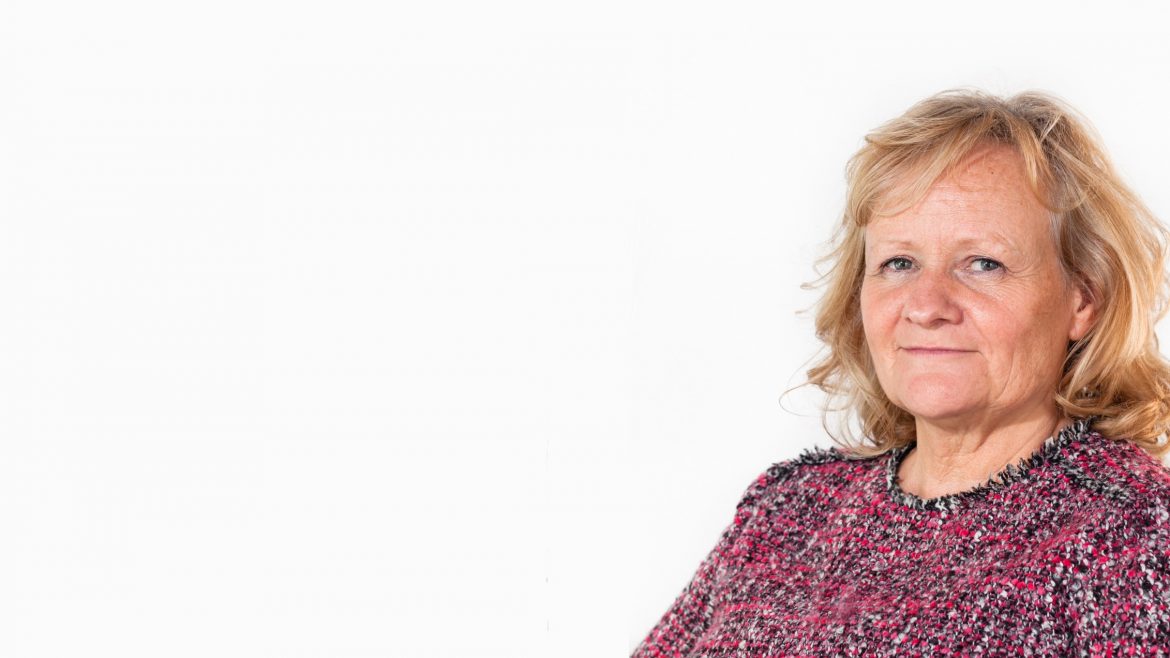
In Conversation: Denise Ellis discusses ever-changing hotel design
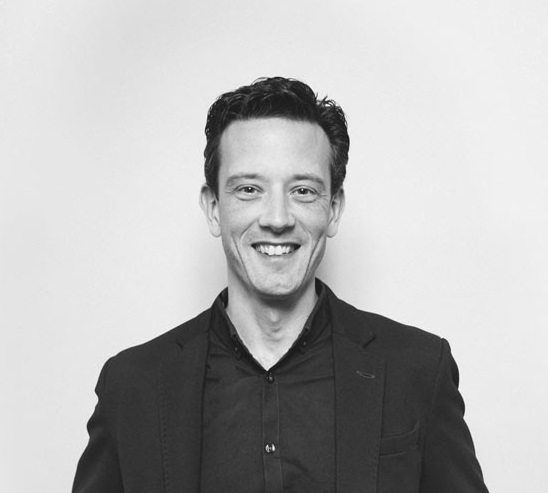
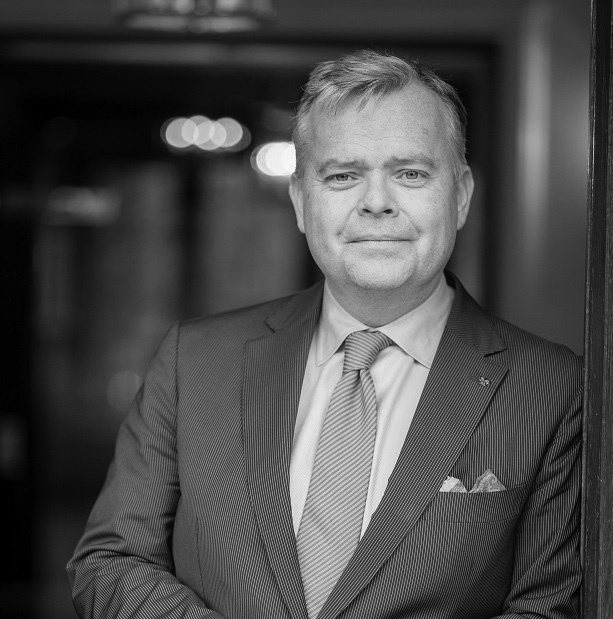
https://hoteldesigns.net/wp-content/uploads/2017/08/Denise-Ellis_Headshot1-1024x545.jpg 1024 545 Guest Author Guest Author https://secure.gravatar.com/avatar/70f59a2fd6e63f164e7a47b6987bbd542ebea82bbbc723da612b0c92bbae768e?s=96&d=mm&r=gHead of interior design and conservation at Nottingham-based Franklin Ellis Architects, Denise Ellis, who has worked with the firm for over 24 years, is a heavyweight in the hotel interior design industry.
Having worked with international brands though to independents including Hilton, DoubleTree by Hilton, Best Western, Holiday Inn, Holiday Inn Express and Staybridge Suites, Denise discusses the ever-changing sector and the changes that influence hotel interior design.
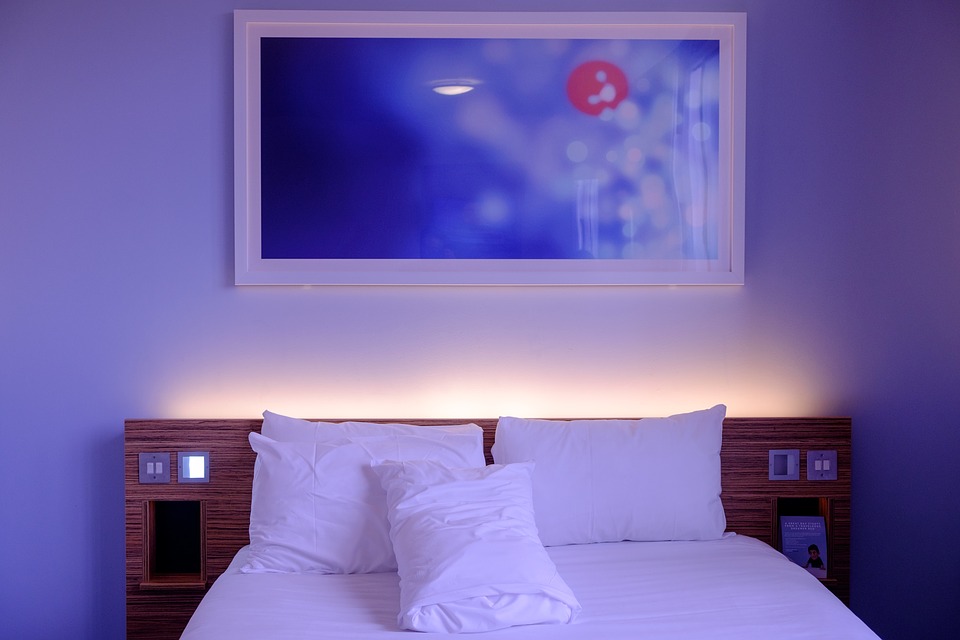
“The hotel sector has changed hugely since I began working for Franklin Ellis Architects. Whilst the firm and I have work on projects across a range of sectors, hotels are 90% of what I do and are my passion. Guests reactions to the interior of a hotel is driven by emotion and having worked on over 25 hotel projects, I have a clear vision of the type of emotions and responses I want to gain from people as they step over the threshold of a hotel for the first time.
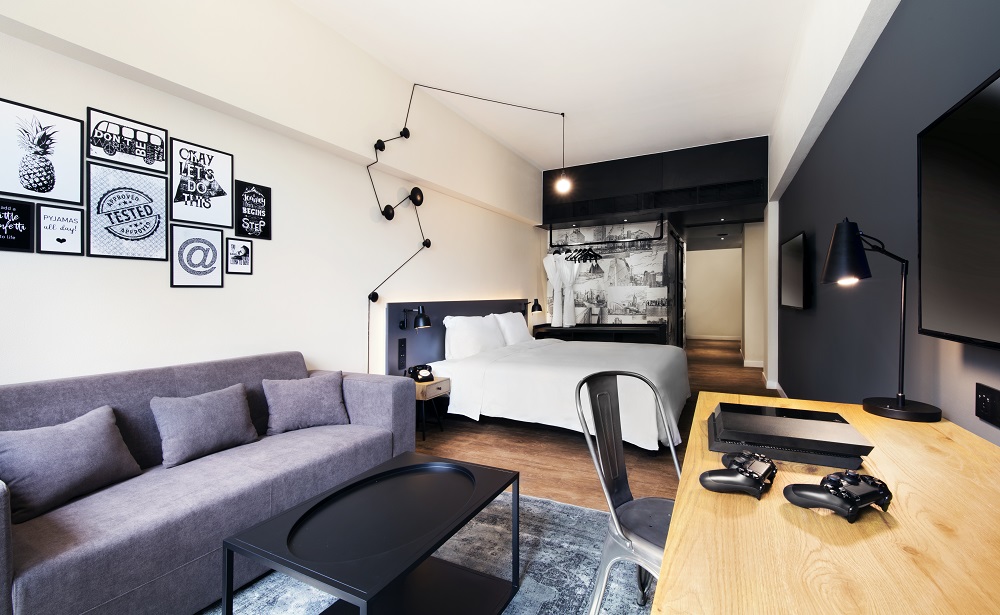
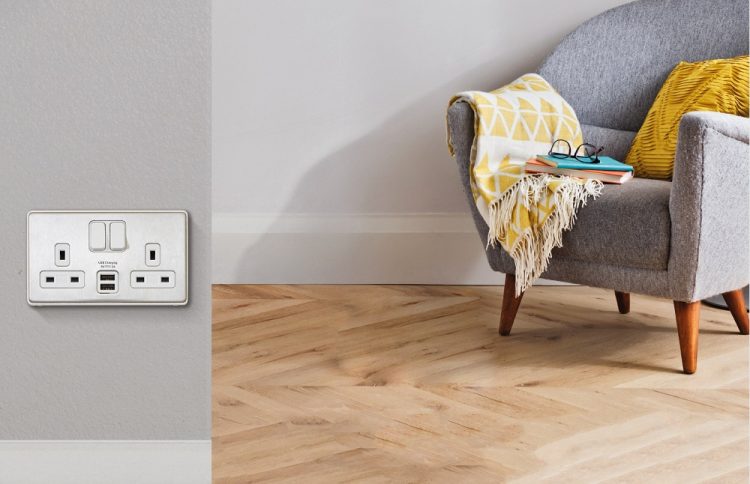
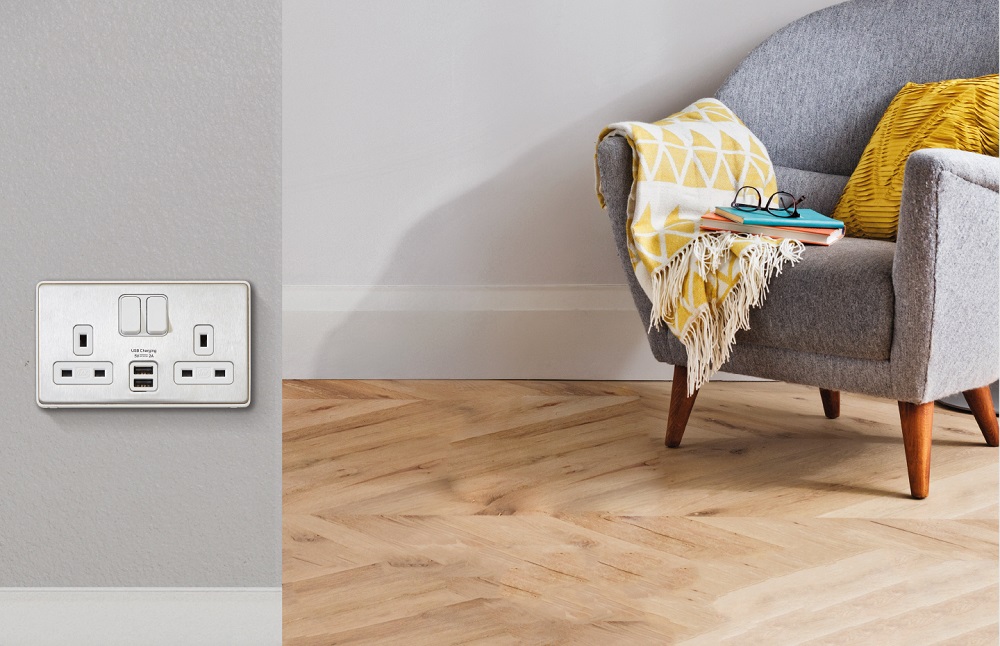
“Each project is very different and the hotel industry is an extremely competitive and ever-changing market which means the owners are having to up their game and constantly renew their offering. Over the last 10 years, hotel design has changed considerably and this is down to the wider trends that affect our day to day lives; like how we communicate, how we spend our free time, technology and fashion. For example, you won’t find many (good) hotels that don’t have plenty of power points, phone charge ports and fast Wi-Fi in communal areas.
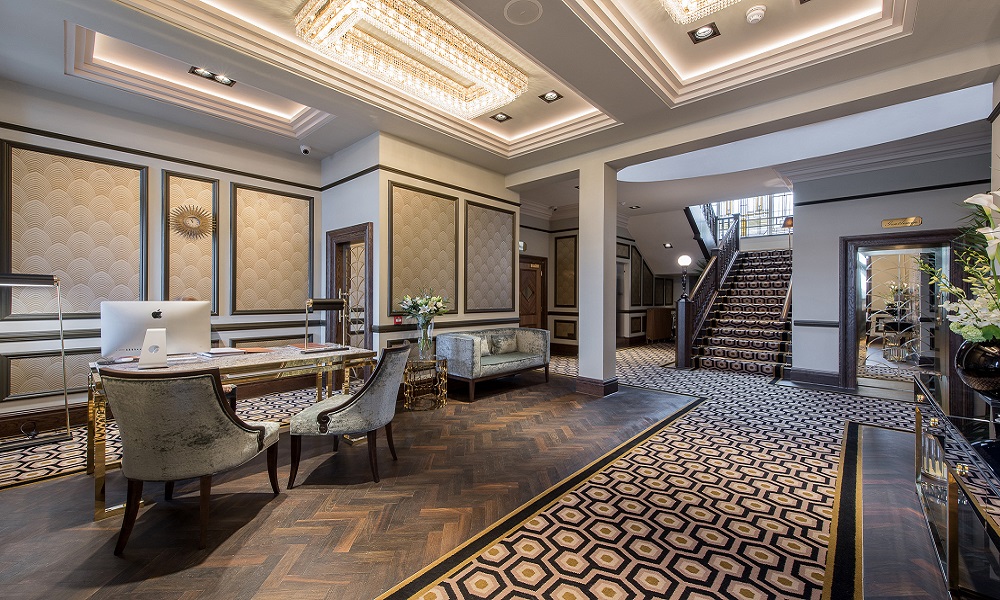
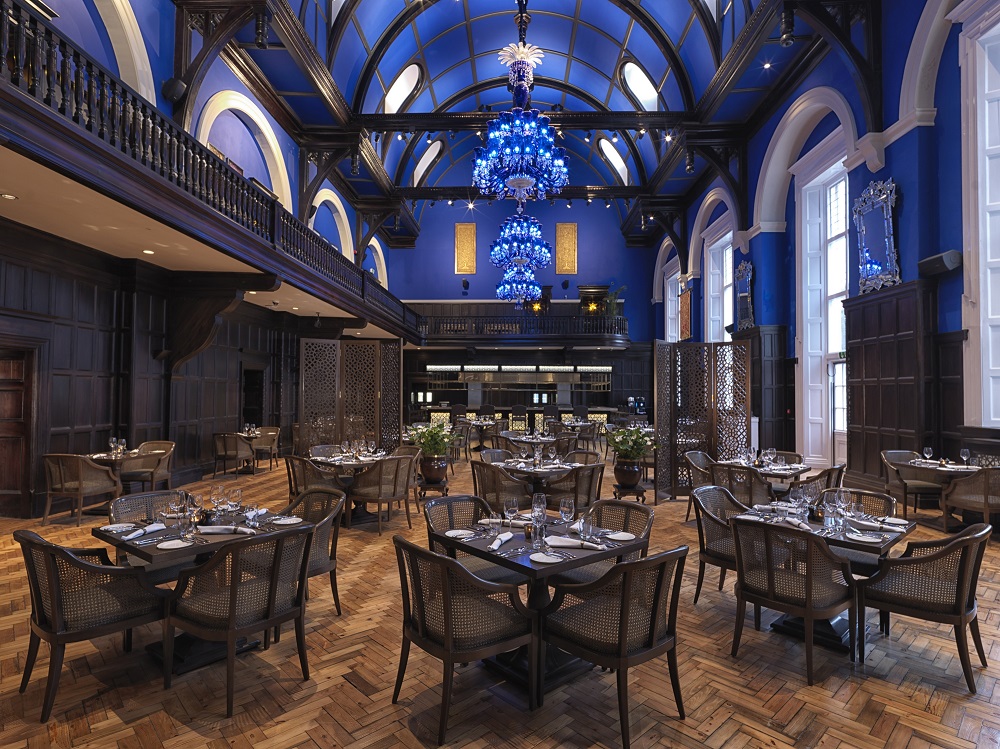
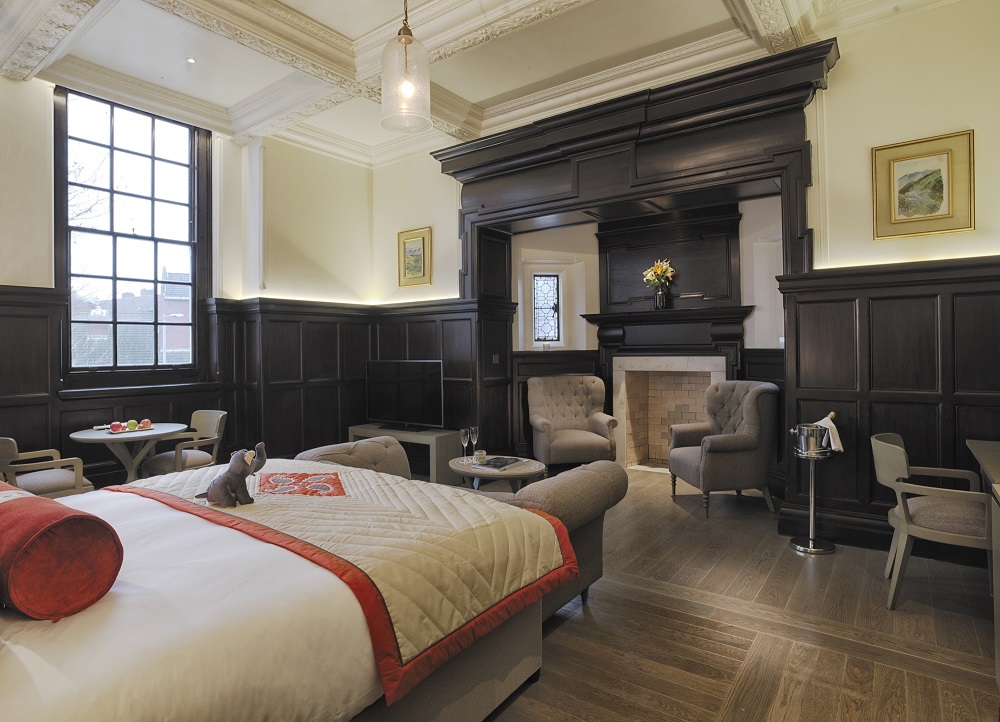
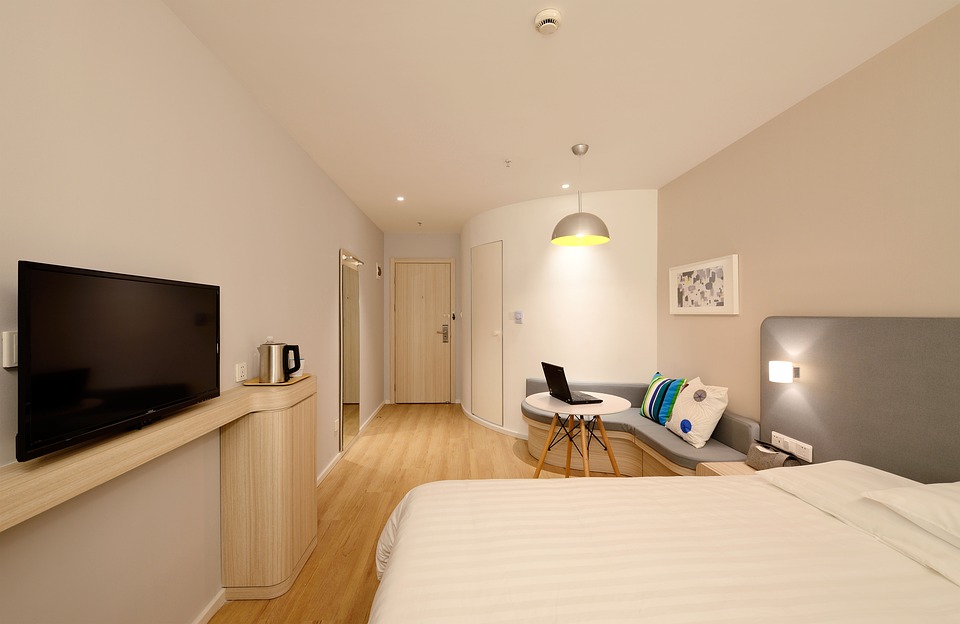 “Unlike 10 years ago, most hotels, large or small, now strive to offer an intimate setting for its guests. Hotels are looking to create an experience that the customers will enjoy but also remember, so they return. Previously hotels were more of a necessity and while they did of course create spaces guests wanted to be, hotels were more focussed on formality and minimalism.
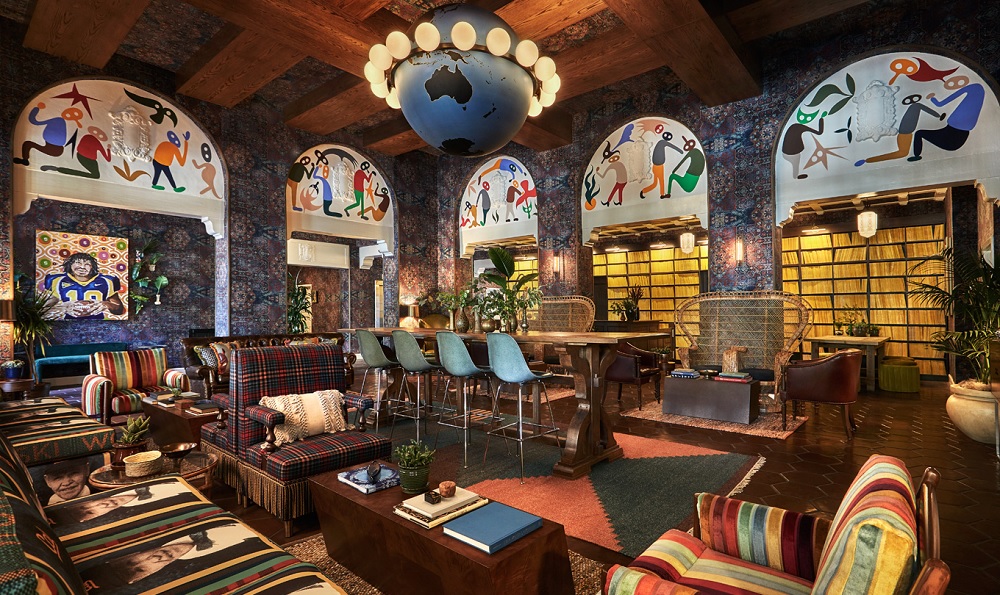
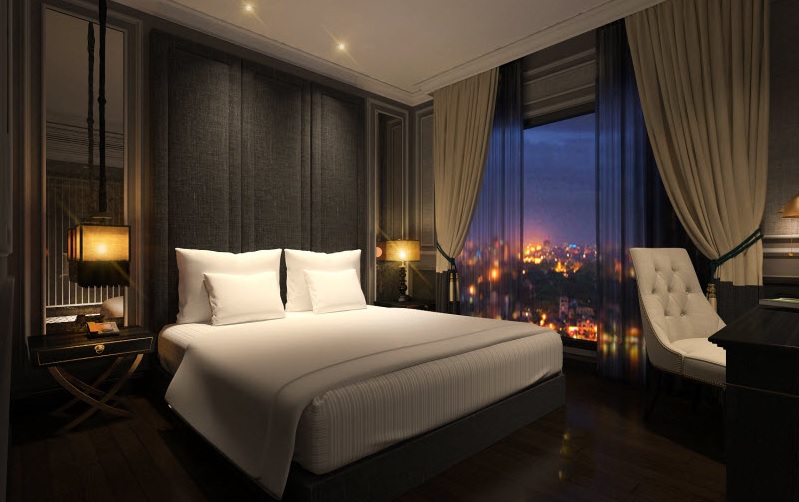
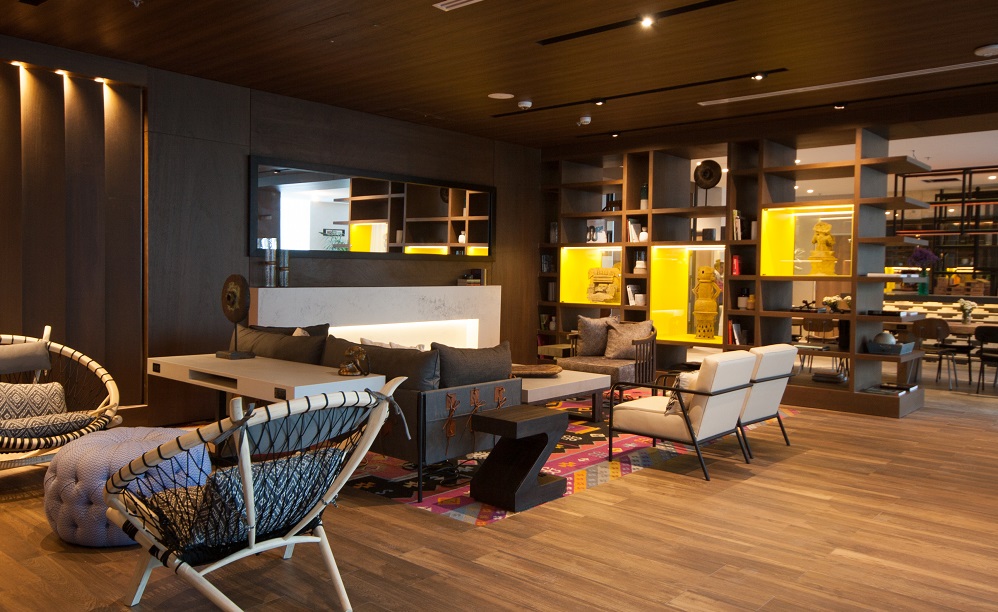
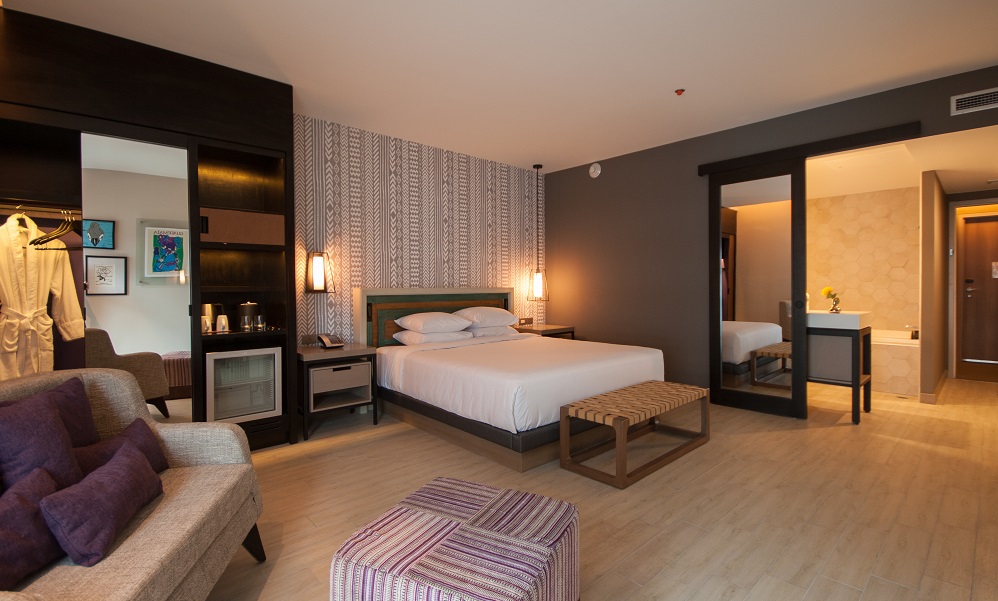
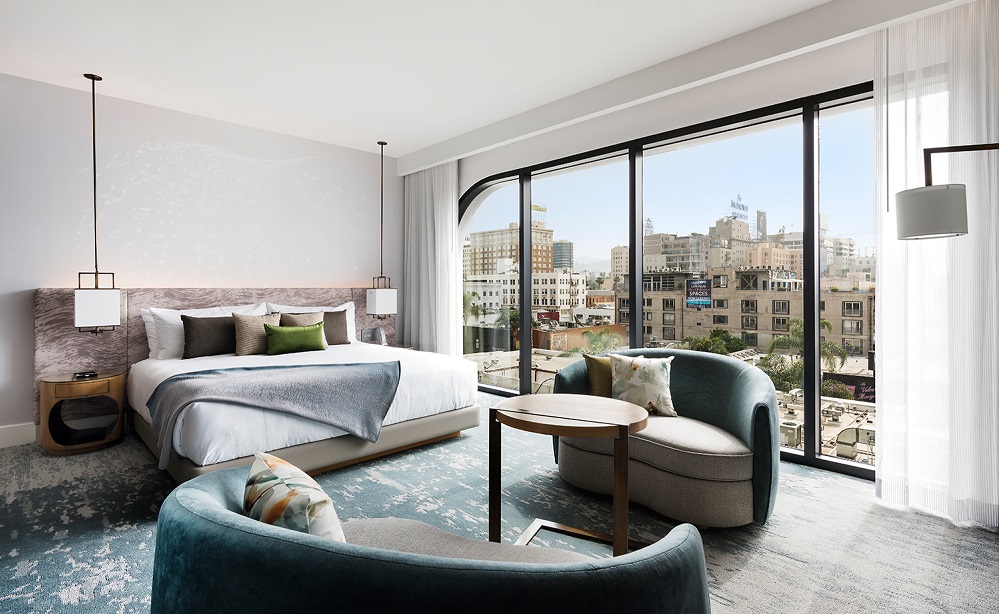
“Today, most hotels try to create a home-from-home with a level of informality and relaxation to cater to a range of customers and their demands. Brands now have a wider food and drink offer to suit more informed palettes, state of the art gyms and spas are much more common place, more communal areas and break-out spaces have been created for people to work as well as quiet spaces for those who want to read or work in a more private setting.

“Hotels are investing much more than they used to in the restaurants and bars, doing all they can to attract not just guests to eat and drink in the hotel but to also non-guests.
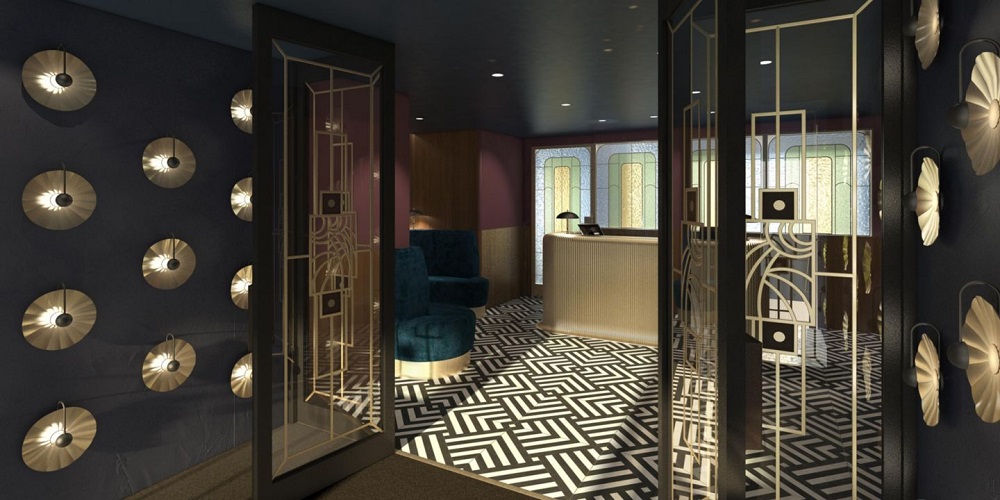
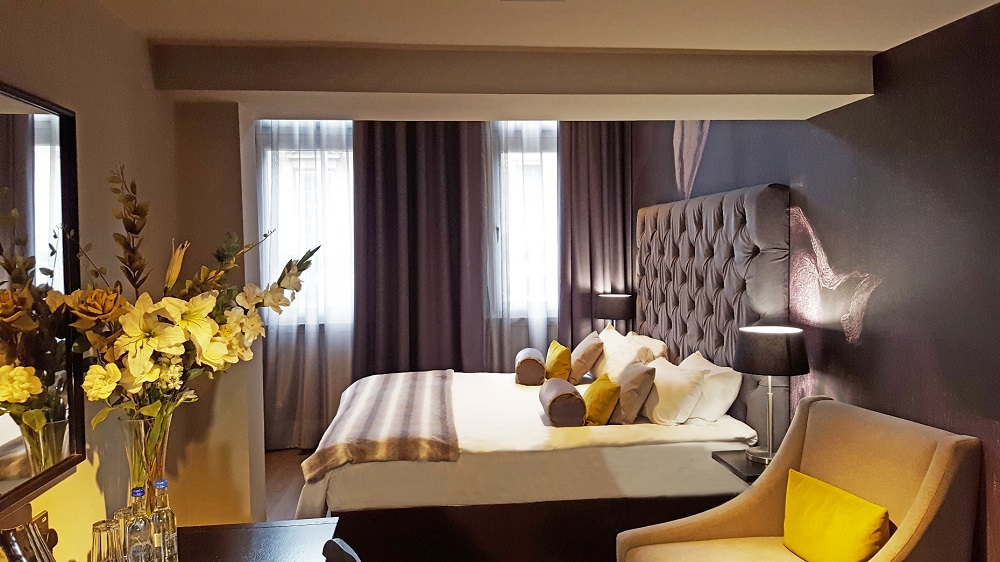
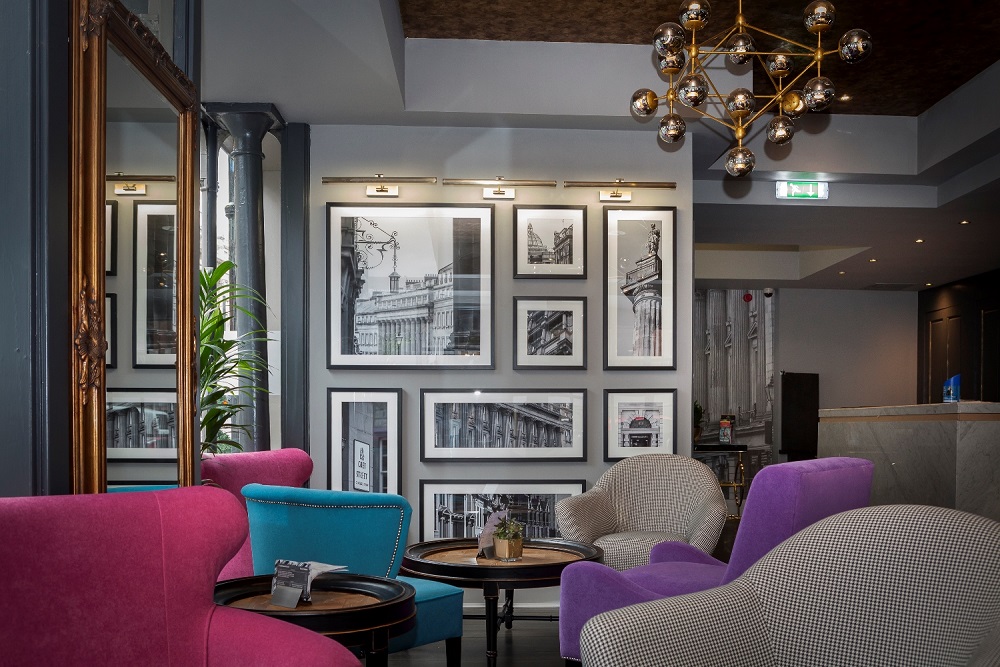
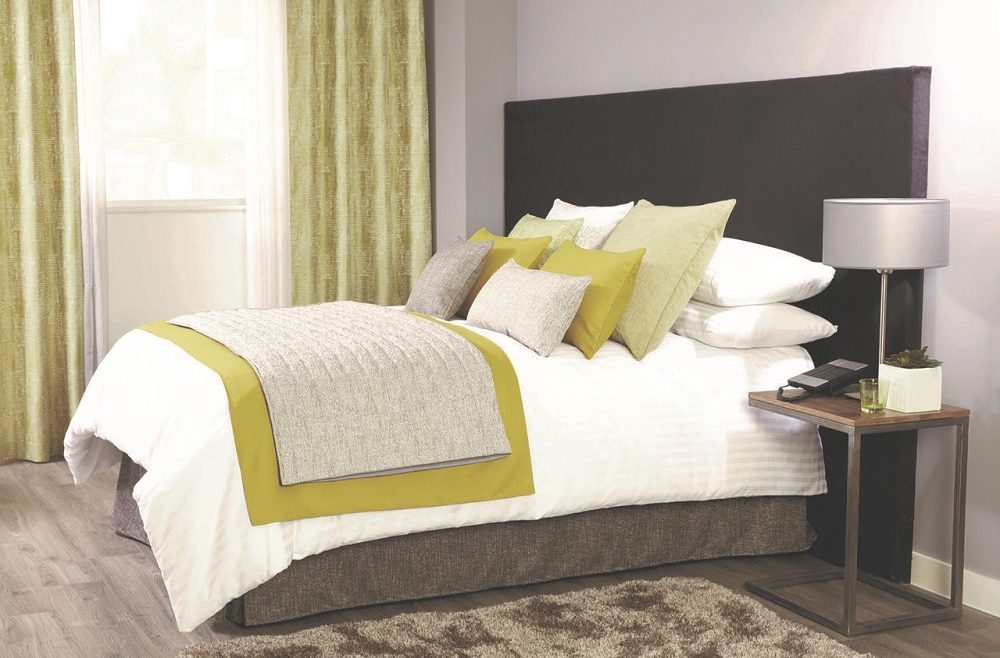
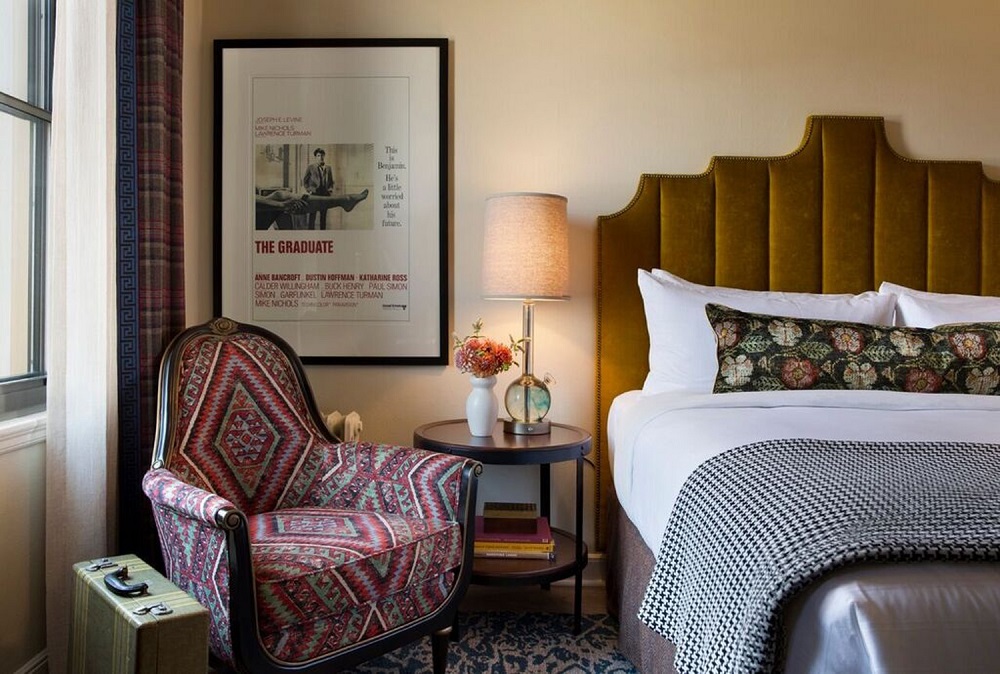
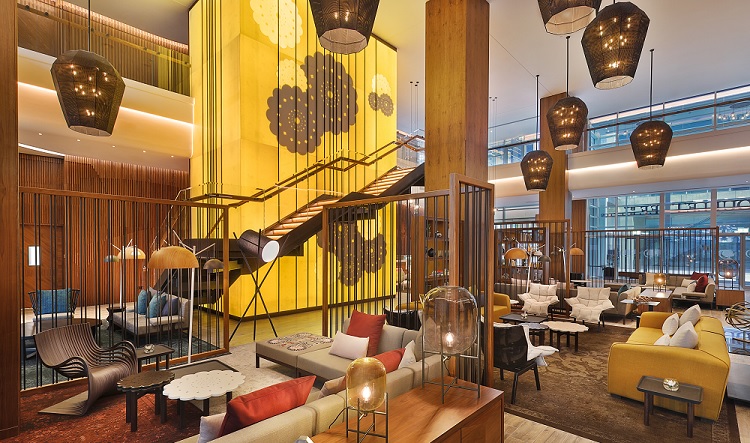
“People expect more from their hotel visits now too, discerning customers like to have something to aspire to for their own homes such as high-end soft furnishing, quirky decoration and cool lighting for example. Hotel interior design must take on the many demands of today’s customers and create spaces that are not only functional but awe-inspiring and memorable.

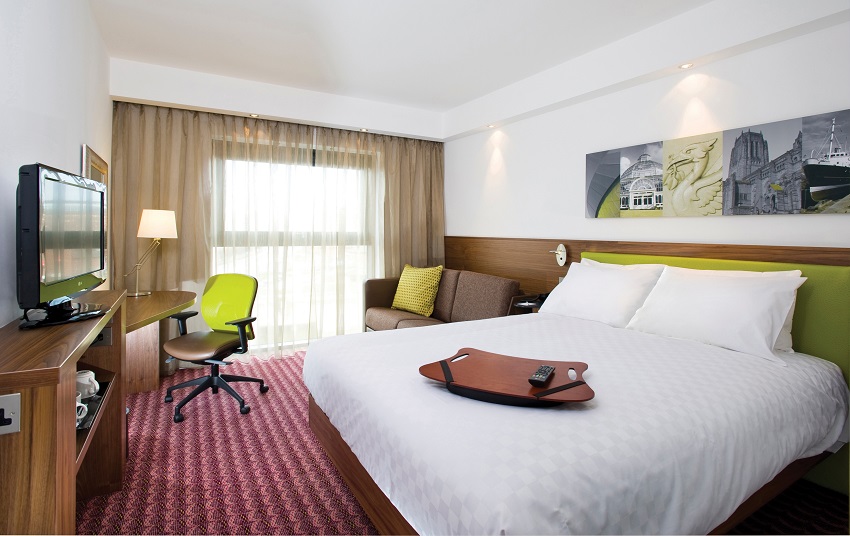
“My inspiration comes from all around me. I believe the element that makes a hotel unique and interesting is its location and sense of place. I try to make sure that the interior design in some way reflects the community around to create an instant connection. Hotels, including large multi-nationals, are adding elements to the interiors that are relevant to that local are; be it paintings of local landmarks or items that are made locally, hotels want to integrate into its surrounding area and be a part of the local community.
 Arun has accumulated more than two decades of experience in the industry, and has plied his trade with some of the biggest names in the sector. But having been at the helm of the £50 million transformation of The LaLiT London, he is now making his mark in the capital.
 turned the private family home Askham Hall into a unique and contemporary luxury retreat with rooms, restaurant and wedding venue in 2013.
 Having left successful non-hospitality careers in the UAE behind, husband-and-wife duo Andrew and Louise also left London to transform a quaint-but-unloved former B&B into one of the most buzzed-about properties in northern England. Financial success has been coupled with a family-driven and (importantly for the Macbeths) a dog-friendly approach.
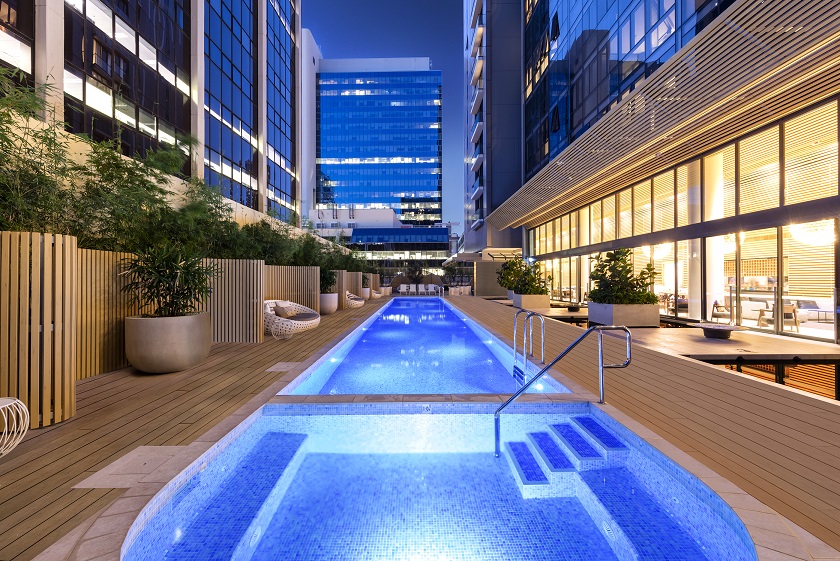




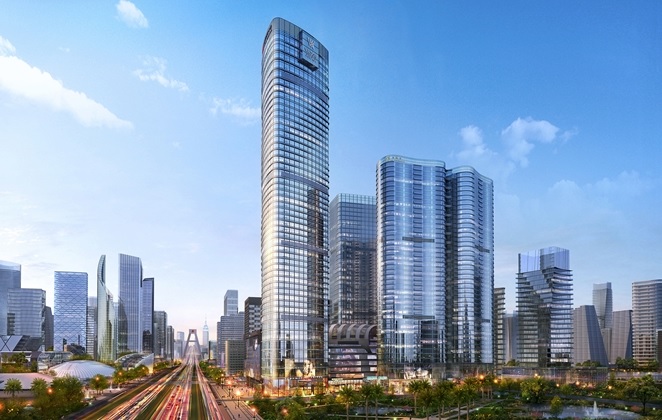
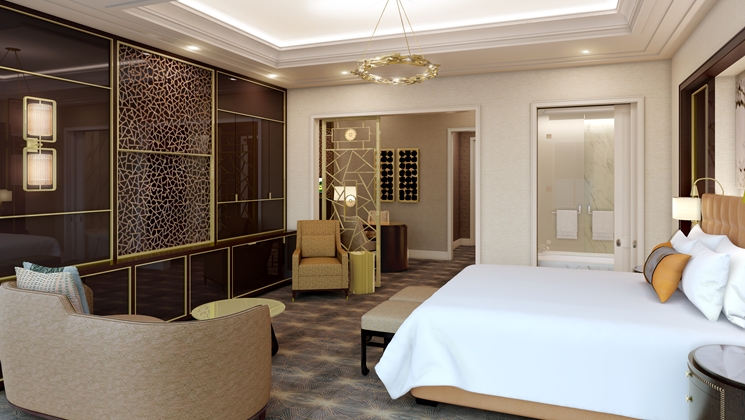
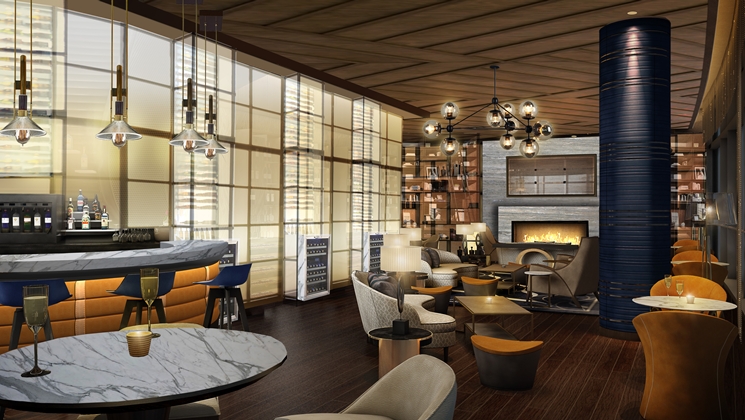
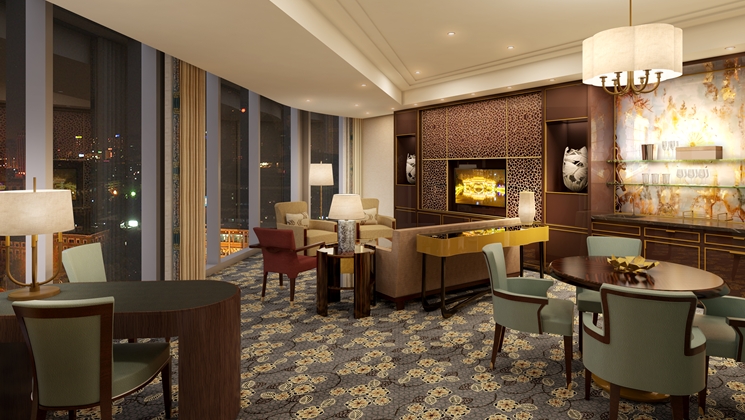
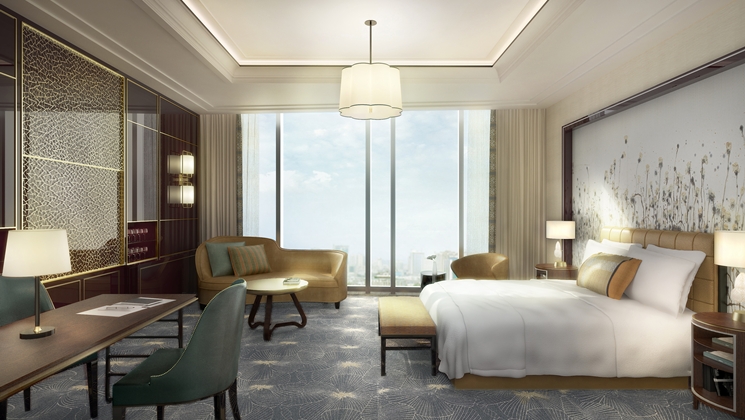
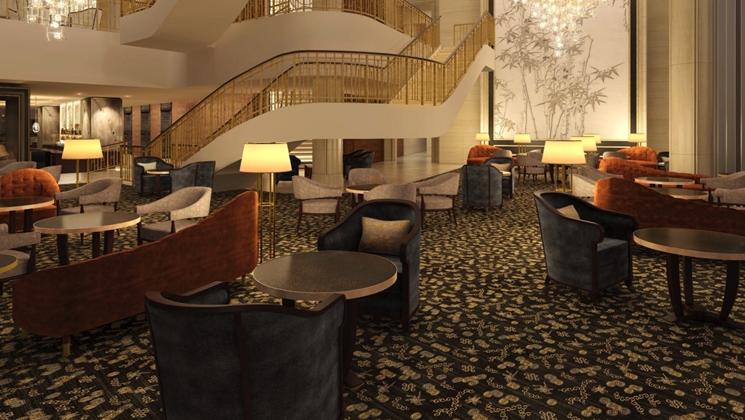
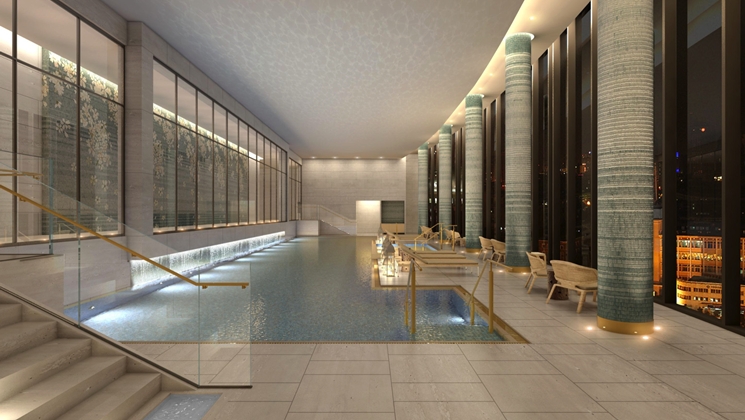

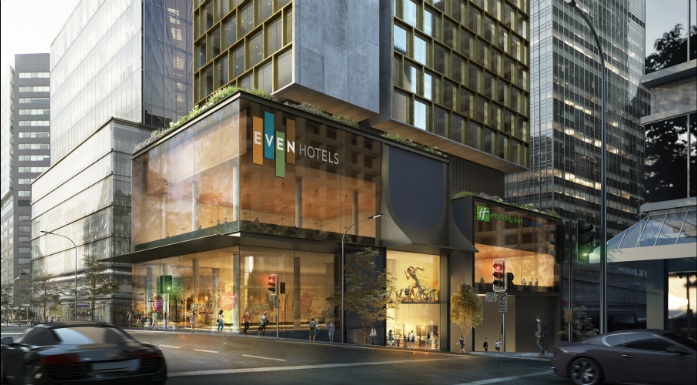




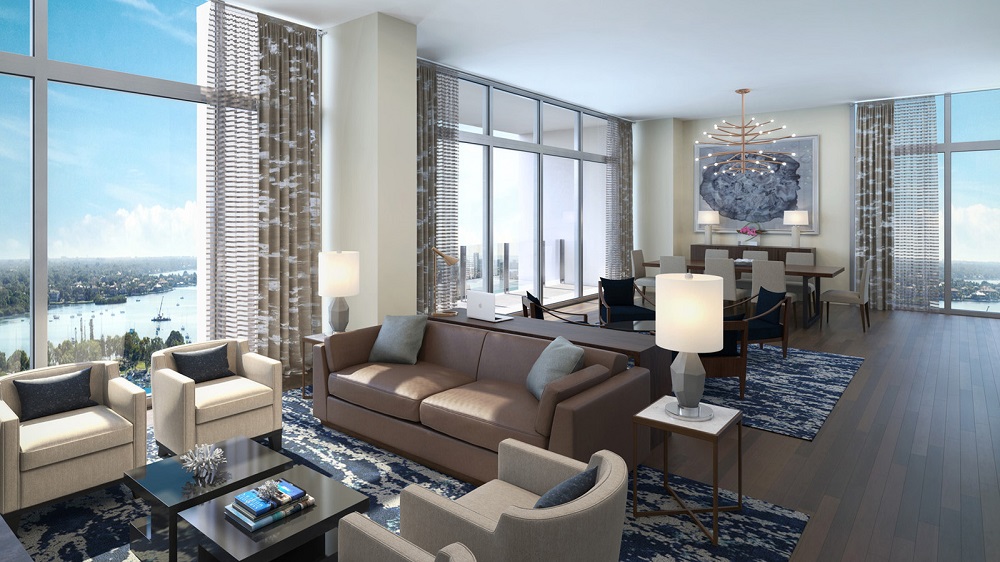
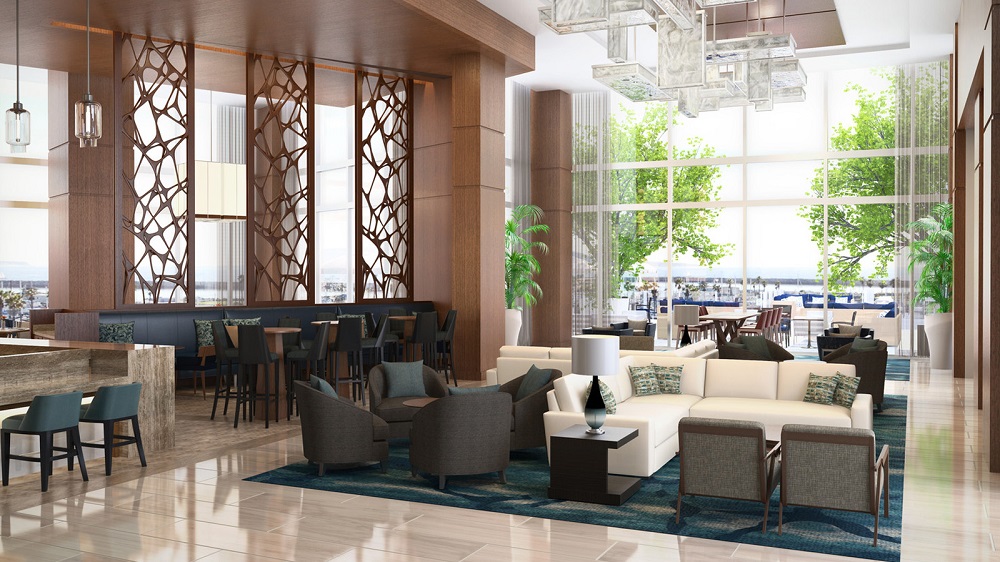
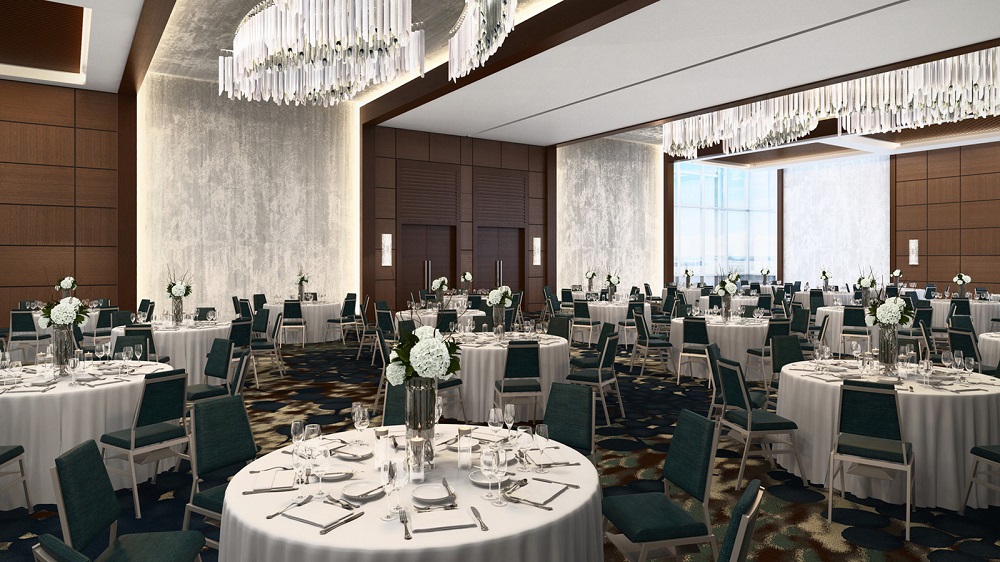

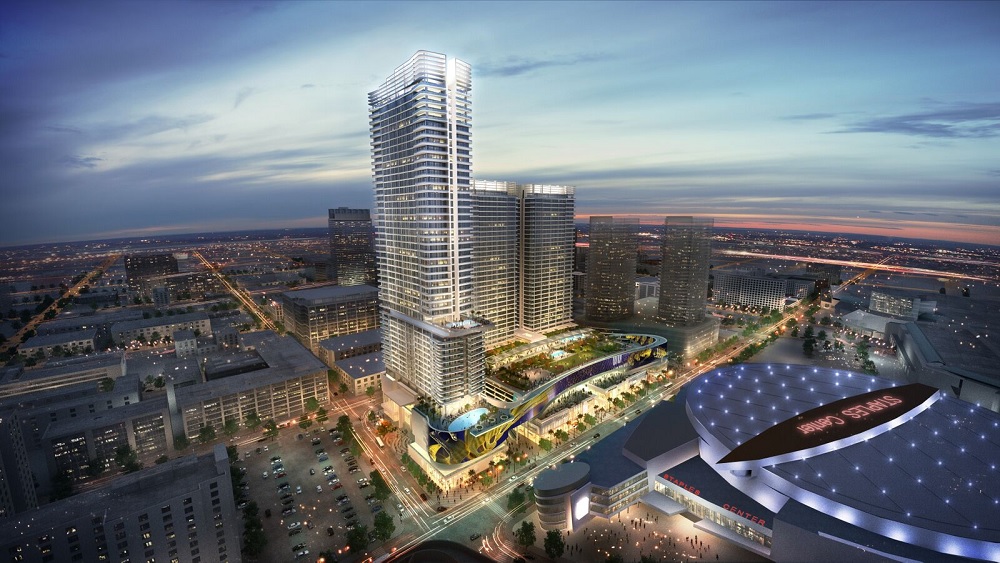
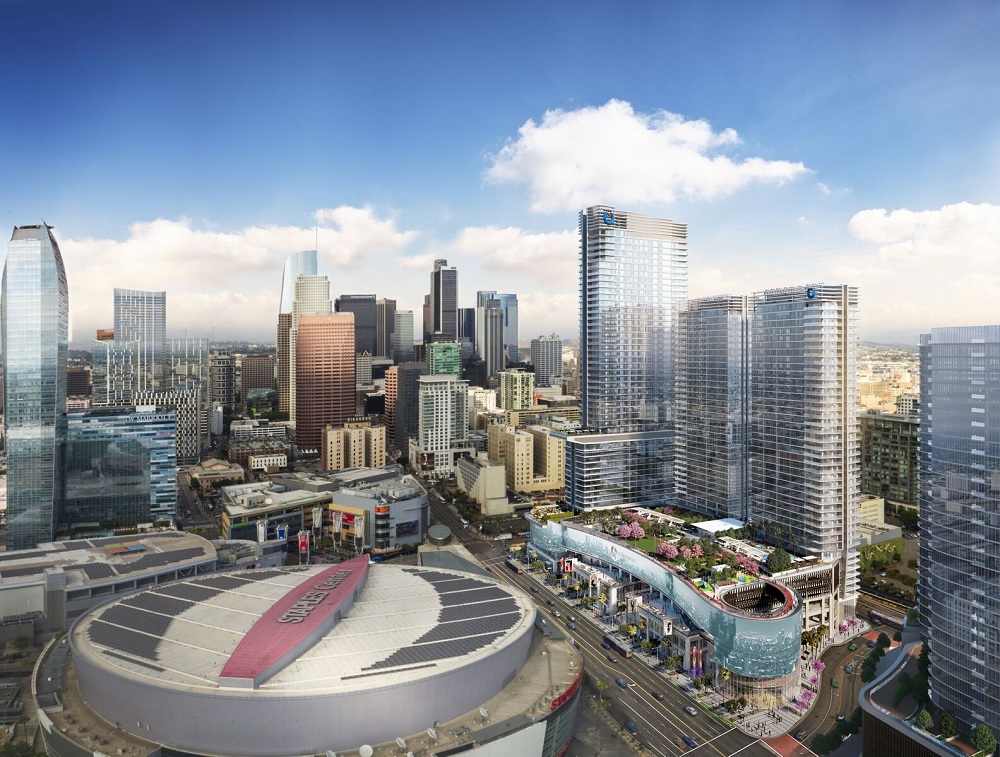
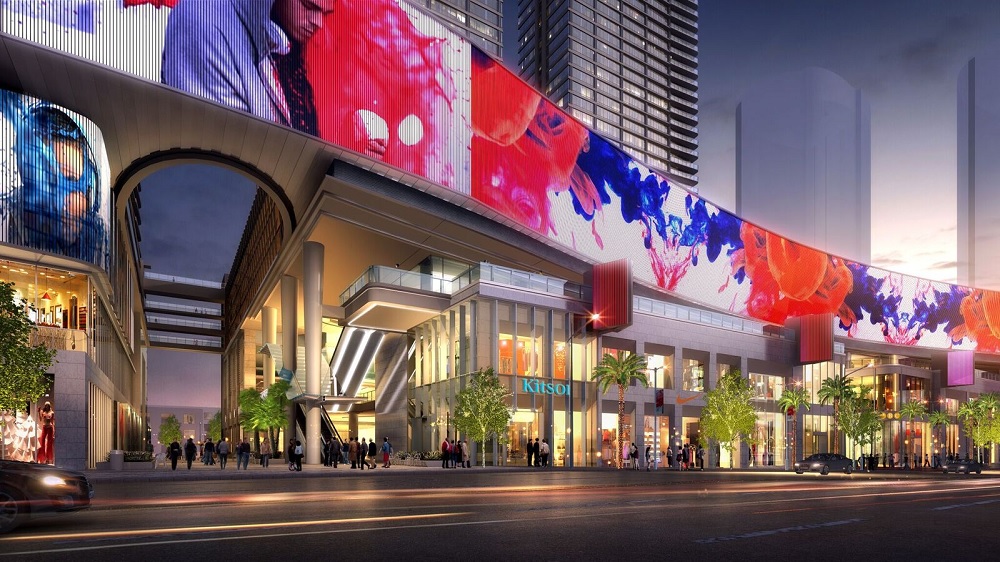
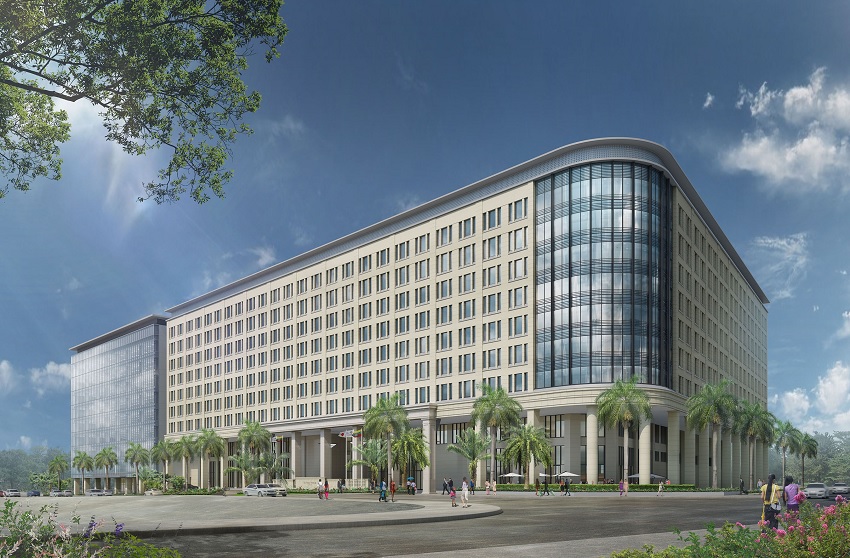
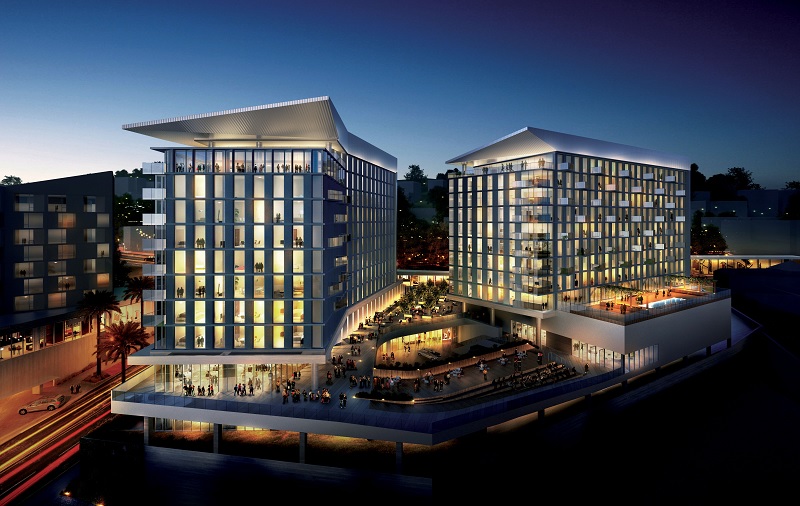
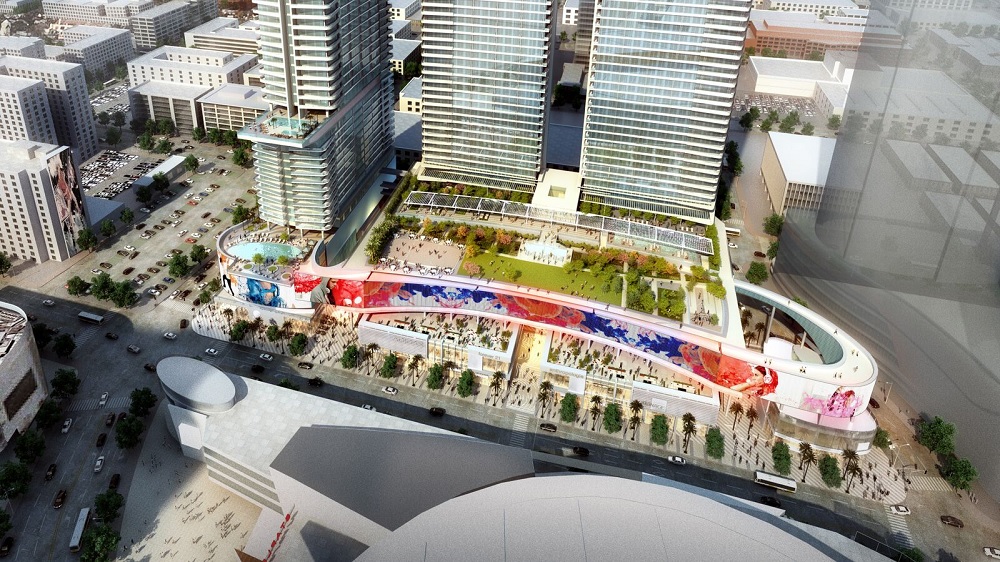 Nearly 700 feet of ribbon-shaped LED signage along Figueroa Street will wrap the generous lifestyle center as the character-defining hallmark of Oceanwide Plaza, greeting local guests and travelers from all over the world.
 With a family history steeped in hospitality, Oliver (alongside his brother Dominic) was in prime position to make his mark in the industry. And since 2015’s launch of The Vicarage Freehouse & Rooms, the north western-based and brilliantly-named Flat Cap Hotels hasn’t looked back.
 UK. Bought originally by Tim and Stefa Hart in 1979, the couple are still involved with the hotel and its interior design and are still at the heart of everything the hotel stands for.
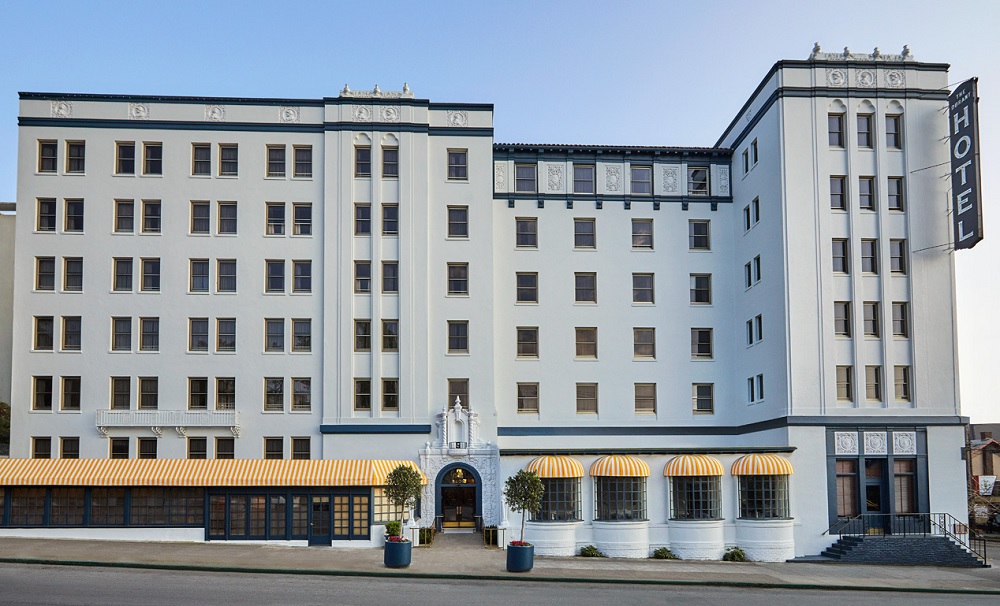
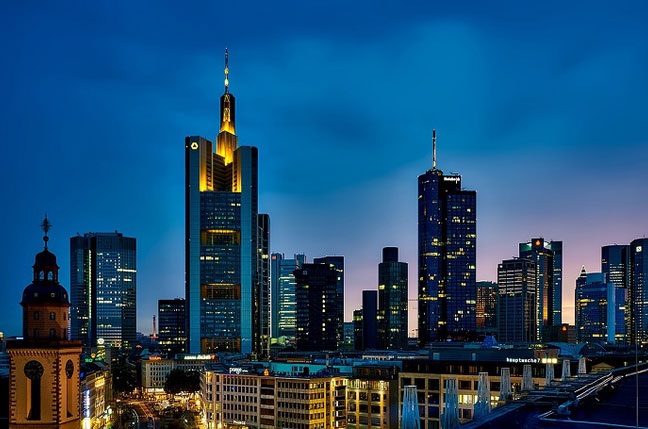
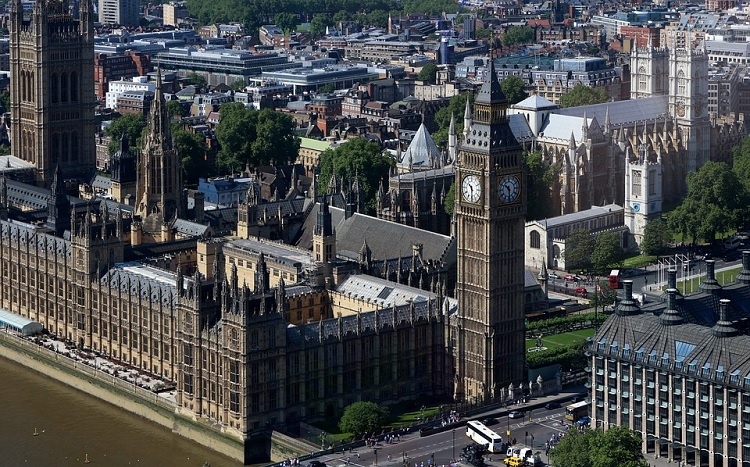
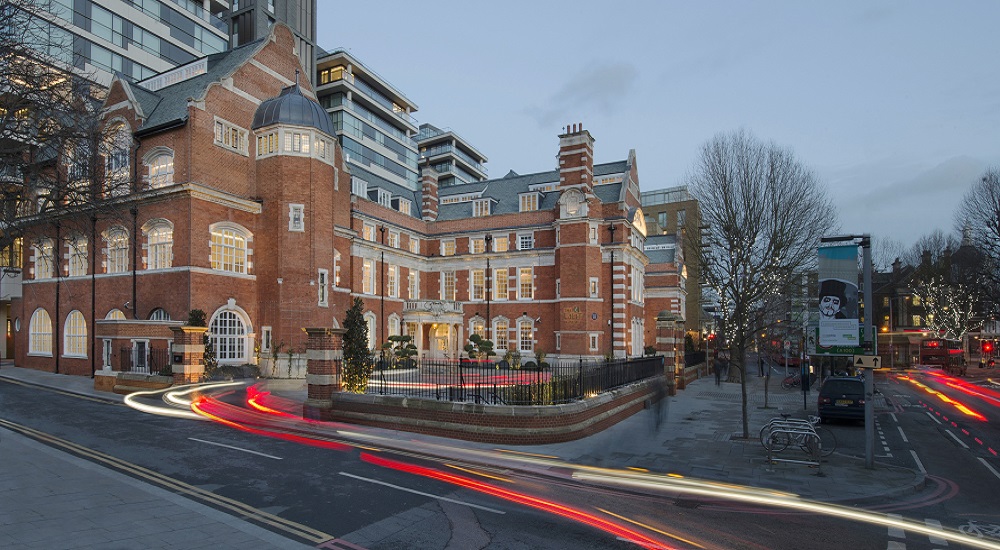





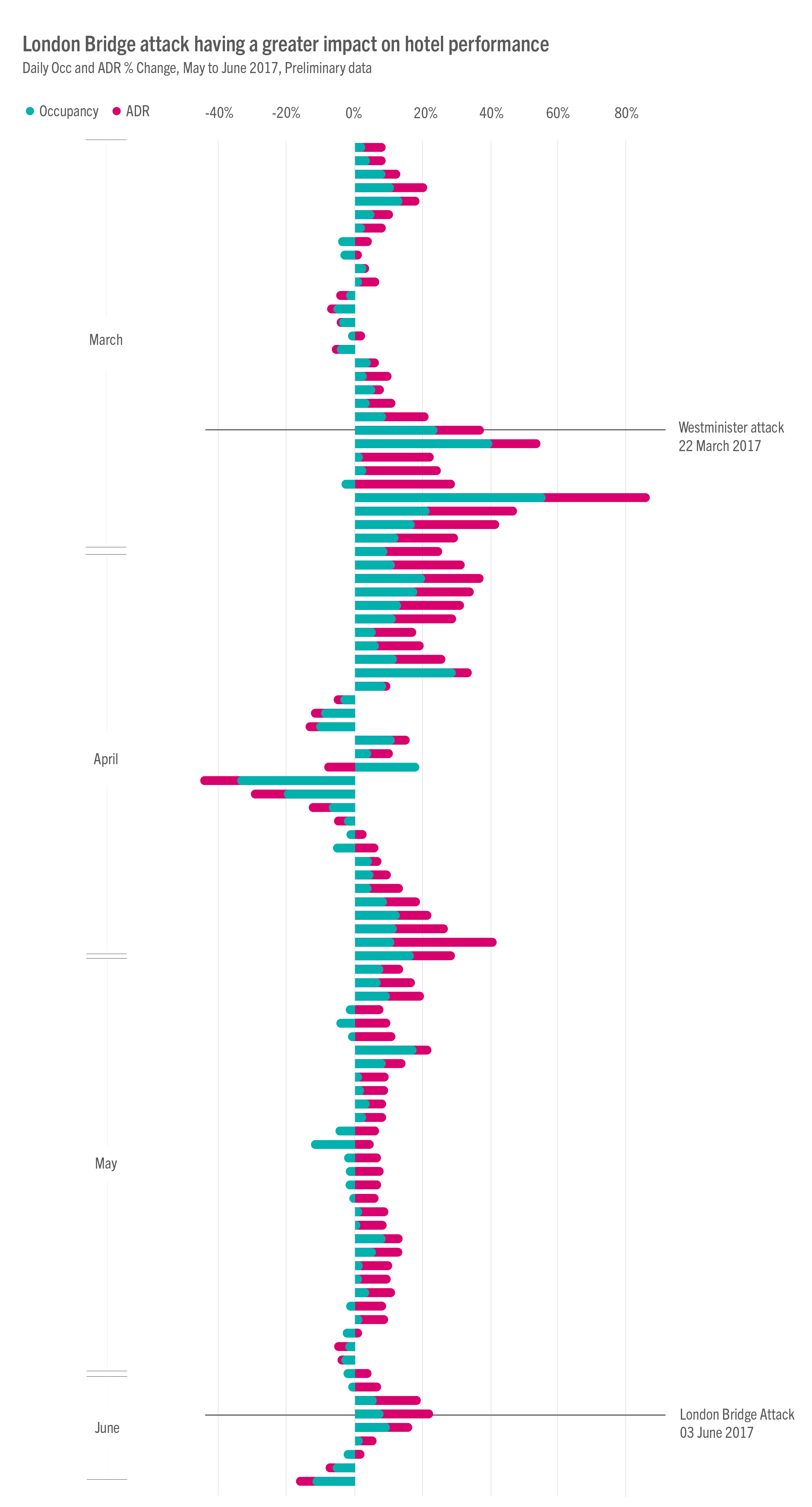
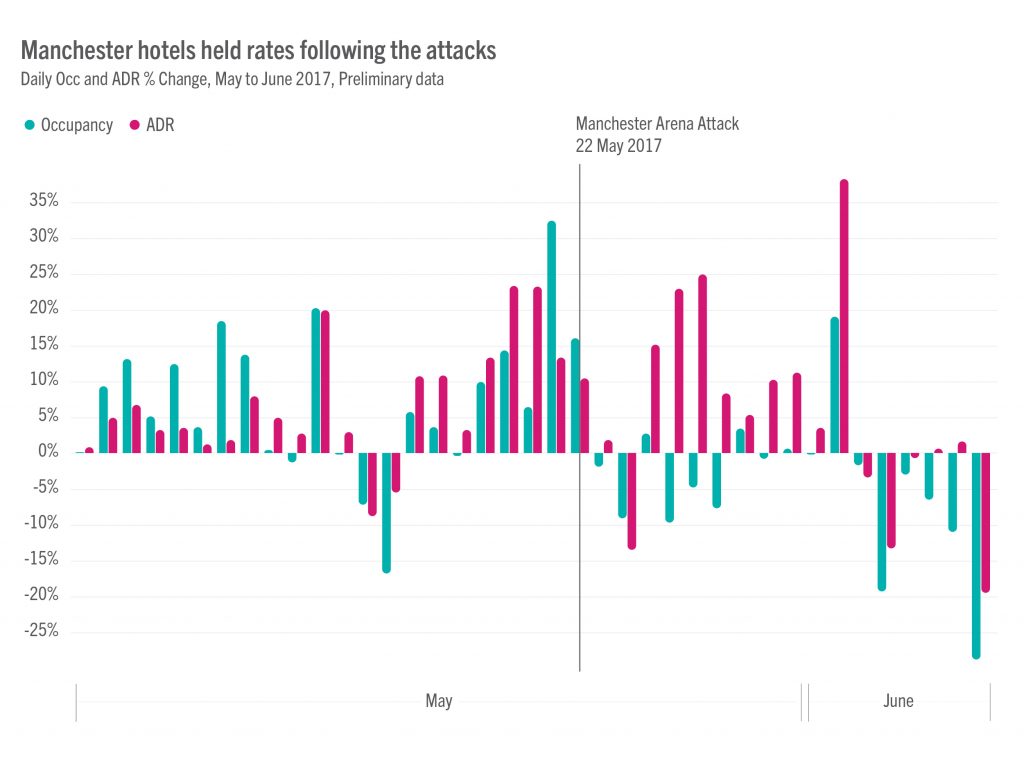 Now, questions have emerged around the sustainability of this performance, following the recent terrorist attacks in the country. Earlier reports have suggested an impact on visitor numbers to attractions in the UK. It is reasonable to expect a negative impact on hotel performance given the unthinkable tragedies the country has experienced over the past several months. The UK maintained performance growth without much disruption following the March Westminster and May Manchester attacks, but it is still too early to fully gauge the effects of the 3 June attack at London Bridge or the 18 June attack at Finsbury Park, though some insights are available for the former.
 MARK BEVAN – CHEWTON GLEN
 51 Buckingham Gate and St. James Court Hotel before joining Mayfair’s Beaumont Hotel as managing director. Paul’s 30 years’ of experience in the industry now sees him head up one of the most exciting properties in London.
 LYNN BRUTMAN – FOUR SEASONS HOTEL HAMPSHIRE
 island’s hospitality industry cannot be underestimated. Taking over the reins at the stunning Atlantic Hotel thirty years ago, what Patrick has achieved has been nothing short of remarkable.
 MARWAN HEMCHAOUI – THE VINEYARD HOTEL







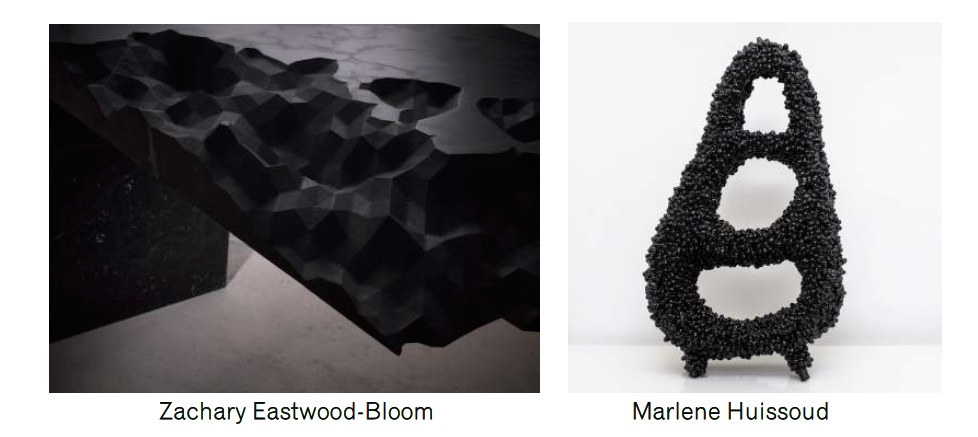
 Zac Eastwood Bloom also exploits the potential of computer technology to create arresting marble tables that look as if they are being consumed. The consoles sit alongside his brand new marble wall tiles and are the result of his collaboration with Italian marble workshop Torart.
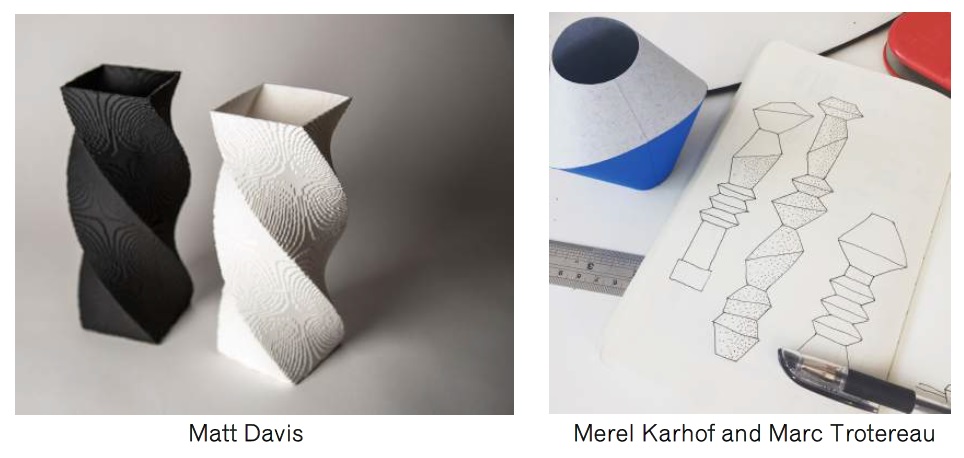
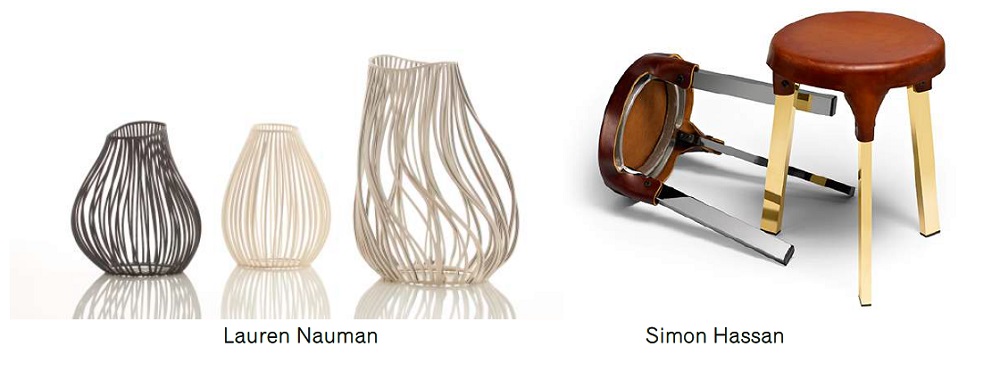 Traditional materials and processes are also celebrated and tweaked n a contemporary way by Simon Hasan, renowned experimenter in leather. He presents an installation of leather furniture, wall panels, vases and lighting. This celebration of natural materials is in contrast to furniture maker Richard Lowry’s approach; he celebrates the man-made. His ‘Liquid Plastic’ table collection examines man’s relationship with plastics, demonstrating that plastic can look and be a precious material. His new ‘Bricolage’ series exploits the structural potential of paper and card combined with plastic coating.