One of the hardest-hit trades during the pandemic has been the hotel industry, however things are looking up with bookings for UK staycations jumping by a record 300 per cent following the announcement of the lockdown roadmap in February[1]. To celebrate our ‘beds’ feature for August, we ask Richard Naylor, Group Sustainable Development Director at Hypnos Contract Beds, to share his expertise on design and materials trends and offers insights into how hotel design could adapt as we begin to welcome guests back…
As we begin to move to a ‘new normal’ it’s time to consider how the events of the last 12 months will have an effect on factors like design, as interior designers are encouraged to think outside the box to deal with the challenges posed by the post-pandemic hospitality industry.
Materials
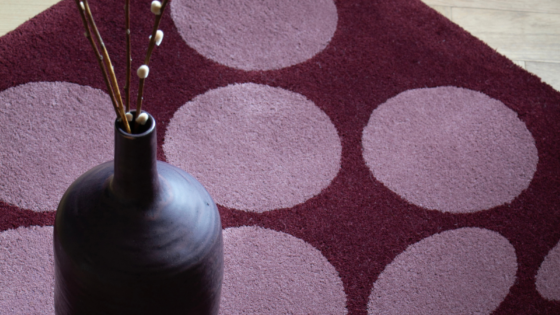
Learning to adapt their designs according to post-pandemic lifestyles, interior designers may re-evaluate some of the more common items or materials traditionally used in their hospitality projects. Considerations such as replacing rugs and carpets with tiles and stone, will make open spaces easier to manage and clean during busy customer change-over times, whilst still retaining style thanks to the vast array of options on the market.
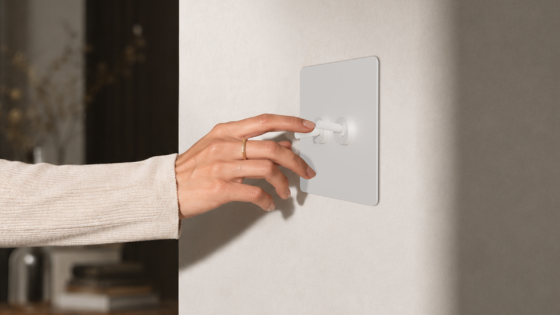
In addition, opting for antimicrobial textiles and bleach-cleanable fabrics on larger items like beds and upholstery will ensure peace of mind for visitors whilst choosing materials with natural antimicrobial properties like copper, brass, bronze, or copper-nickel for high-touch surfaces such as light switches, sockets and door handles, will safeguard them from germs, keeping both staff and hotel guests safe.
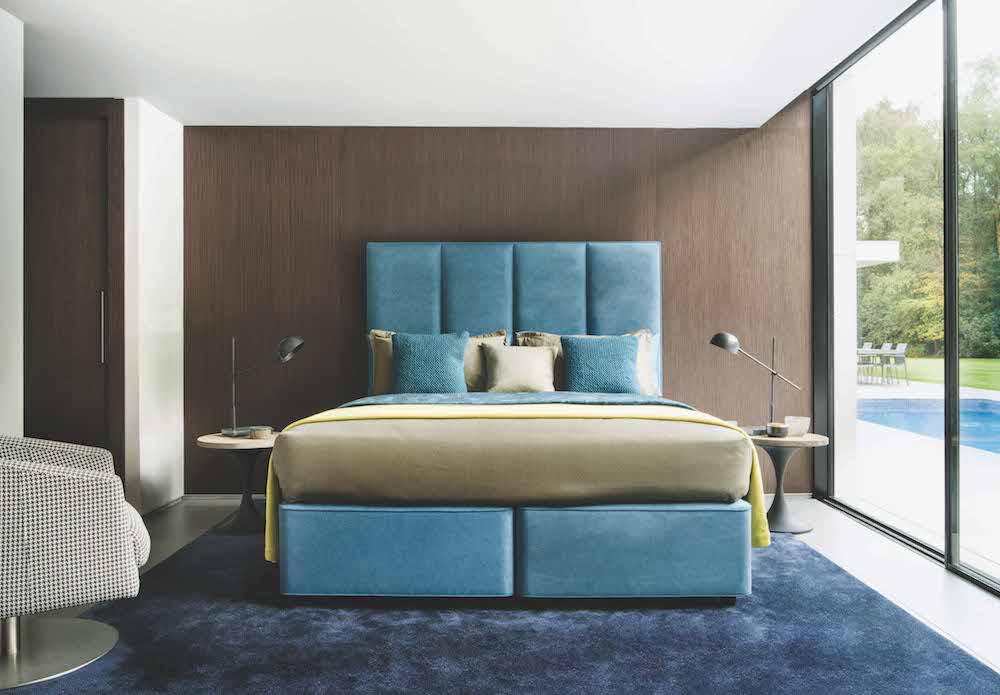
Image caption: Hypnos Residence mattress
Although the pandemic has made us hyper conscious of cleanliness and hygiene, the basics shouldn’t be overlooked as restrictions ease, especially when it comes to guest room beds. Fitting a mattress protector that encapsulates the top and sides of the mattress will help to prevent stains and odours and ensure the bed lasts longer.
The pandemic has also encouraged many of us to re-connect with nature, and this is something that should be a consideration for designers as they look to incorporate elements of Biophilic design into their hospitality design schemes. Opting for natural materials like the ethically and sustainably sourced wool used in Hypnos’ Beaumont and Ashbourne and Lansdowne Cashmere ranges is one way to bring elements of the natural world into guest bedrooms without compromising on the luxurious feel that guests seek from a hotel stay.
Utilising in-room tech
Smart technology is something that has emerged within the hospitality industry, but we could begin to see a rise in the use of these kinds of technologies in a post-pandemic world.
Reducing the need for contact with surfaces like upholstery or switches will be of increasing importance in room design. Technology like voice activation is ideal in this ‘new normal’ world as it would enable guests and housekeepers to control everything from blinds and curtains, to lights and electrical items, without needing to physically touch surfaces. All great for reducing the spread of potential germs.
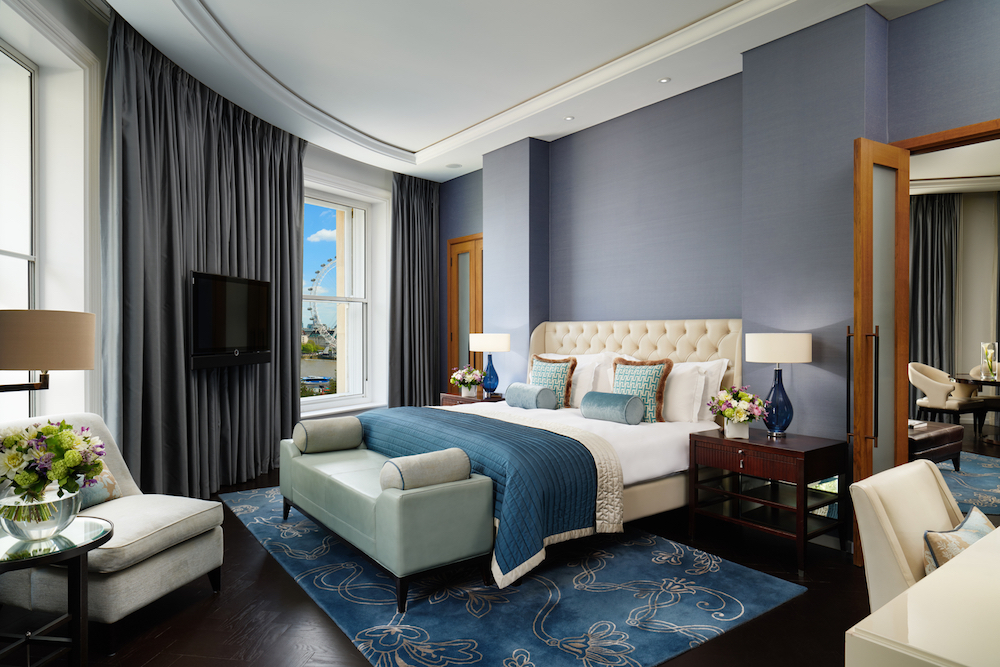
Image caption: Hypnos Beds were specified inside Corinthia London. | Image credit: Corinthia London
Furthermore, single point controls whereby guests control all room features from a single tablet, or from an app on their phone, is another way to minimise contact. Similarly, infrared taps in bathrooms and self-cleaning sanitary ware offers a no-touch solution for guest bedrooms, empowering guests to feel reassured of their safety and comfortable in their environment.
Add to this the provision of technology to minimise contact during check-in, which is something that is already in place in some hotels, and it could really help guests to feel safe and at ease.
For hospitality establishments that don’t already have it, moving over to check-in apps and keyless door entry, which negate the need for larger, manned reception desks, will allow them to rethink existing spaces and re-work them for the needs of the modern, hygiene-conscious hotel guest.
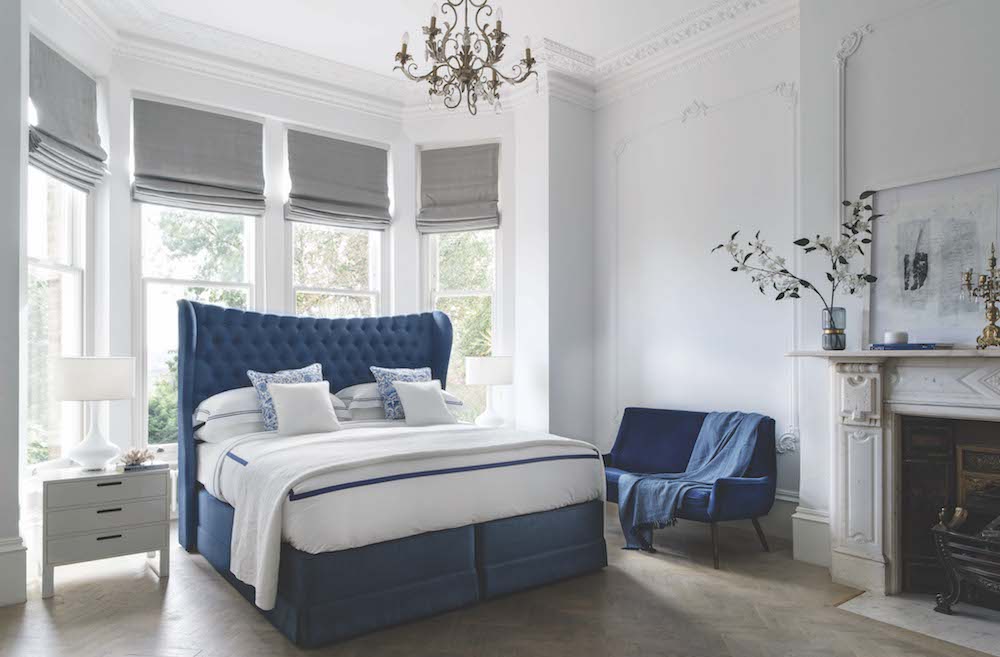
Image caption: Hypnos Sanctuary mattress
Air quality & space
Something that shouldn’t be overlooked in the overall design and layout for a hotel or guest room is ventilation and space. Ventilation and air quality, whether that’s through natural ventilation and increased access to private outside areas like balconies, is of the utmost importance.
The addition of advanced air filtration systems to ensure clean, sanitised air in both public areas and private guest spaces is something that more hospitality establishments need to factor in to their design or consider investing in.
Whilst guest bedroom design and layout will always be important, communal hospitality areas, such as lobbies, could see some of the biggest changes, with designers opting for more open, spacious schemes, allowing greater room for social distancing and wider thoroughfares for guests.
Sustainable design
An undeniable benefit of the last year has been the reduced environmental impact that has resulted from people across the globe having to stay at home. With sustainability once again in the spotlight, it is clear that it will continue to be a key booking decision for guests and consequently should be front of mind for interior designers working on hospitality projects.
Whilst products and décor should be robust and hygienic, the provenance of where they come from or how they’re made shouldn’t be overlooked. By working with moral companies with a sustainability focus, hoteliers can ensure that they are doing their part in creating safe but also ethical interiors, something of increasing importance to consumers.
As the world’s first Carbon Neutral bed manufacturer and only bed manufacturer to have been certified for a decade, Hypnos has led industry change on carbon reduction and was recently awarded ‘The Planet Mark – Carbon Neutral Certification’ and a Queen’s Award for Enterprise for Sustainable Development for its commitment to environmentally-friendly design, sourcing transparency and ethical bedmaking. The company was also awarded the Global Recycled Standard which is given to companies who use recycled materials from socially and environmentally responsible manufacturing processes.
By specifying products like Hypnos’ no-turn Beaumont mattress, designers can not only reinforce the significance of making sustainable choices, but design choices like this are also another way to maintain high hygiene standards. The low-maintenance design of the Beaumont means that housekeepers can limit contact with the hotel bed, ideal for post-Covid life where cleanliness, safety, and attention to detail will be of utmost importance. The mattress needs only seasonal rotation and has been manufactured to be 20% lighter than Hypnos’ other hotel mattresses meaning it can be turned with ease when required. The sewn-in topper guarantees a luxurious feel for hotel visitors, and when coupled with the versatile design of Hypnos’ Zip and Link beds which can be quickly and easily split from a king-size to two single beds, this will limit the need for room changes and allow for flexibility with room allocation.
Working with the right partner
Whether designing for a boutique hotel, or an up-scale international branded hotel, managing refurbishments and new furniture installations effortlessly and efficiently with cost, safety, timings and logistics in mind can be challenging, especially with the added pressures of the pandemic.
Understanding the complexity behind renovations and refurbishments, particularly for large scale developments Hypnos works closely with hospitality providers and designers to offer its unique Eight Step Sleep Plan – a thorough consultation and step-by-step process which supports hospitality provider’s or designers from their initial enquiry right through to completion.
These changes may be a departure from pre-pandemic hotel design but nevertheless, are important considerations for hoteliers and designers to ensure a safe and stylish environment for visitors and tourists to return to the hospitality sector.
Hypnos is one of our Recommended Suppliers and regularly features in our Supplier News section of the website. If you are interested in becoming one of our recommended suppliers, please email Katy Phillips.
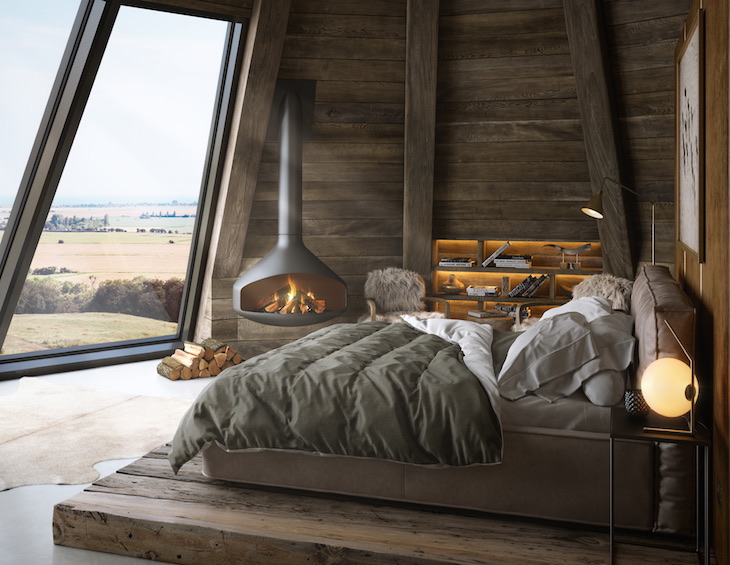
Main image caption: Hypnos was specified inside a wildlife reserve in Kent, England. | Image credit: Port Lympne Hotel & Reserve