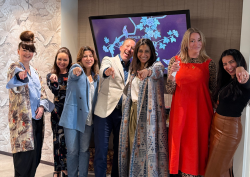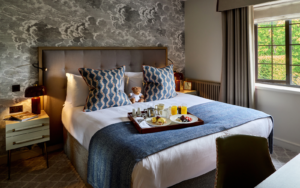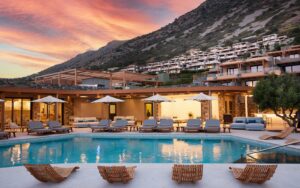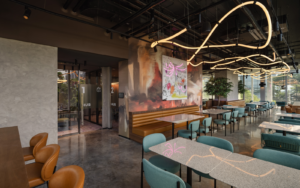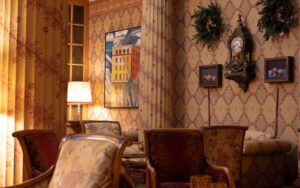









In collaboration with award-winning lighting manufacturer Franklite, Hotel Designs Digital Editor, Pauline Brettell, hosted an intimate roundtable discussion exploring the meaning of bespoke and customisation in hospitality – and what it takes to deliver it with integrity across every budget and brief…
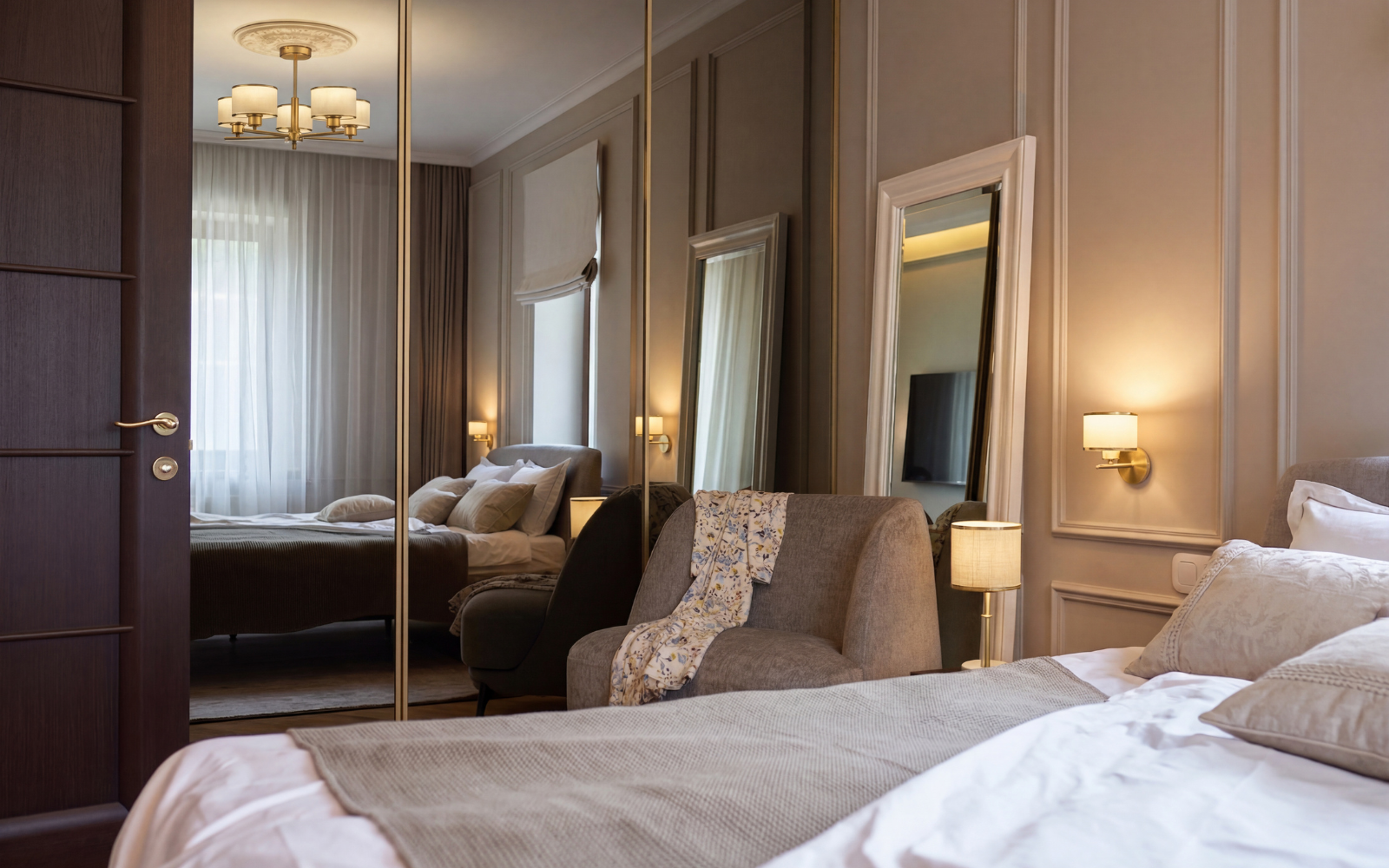
Held during Clerkenwell Design Week, a group of leading interior designers came together in Franklite’s private showroom in the heart of Clerkenwell for a conversation that covered everything from client expectations to narrative-led design, looking specifically at the role of lighting in this process.
Against the backdrop of one of the design calendar’s busiest weeks, the discussion was both candid and collaborative, with panellists sharing stories from their recent projects and exchanging views on the industry. While the conversation covered a broad spectrum of topics, two themes consistently surfaced: whether bespoke design is defined by budget, and why lighting remains one of the most powerful—yet often underestimated—elements in hospitality design.
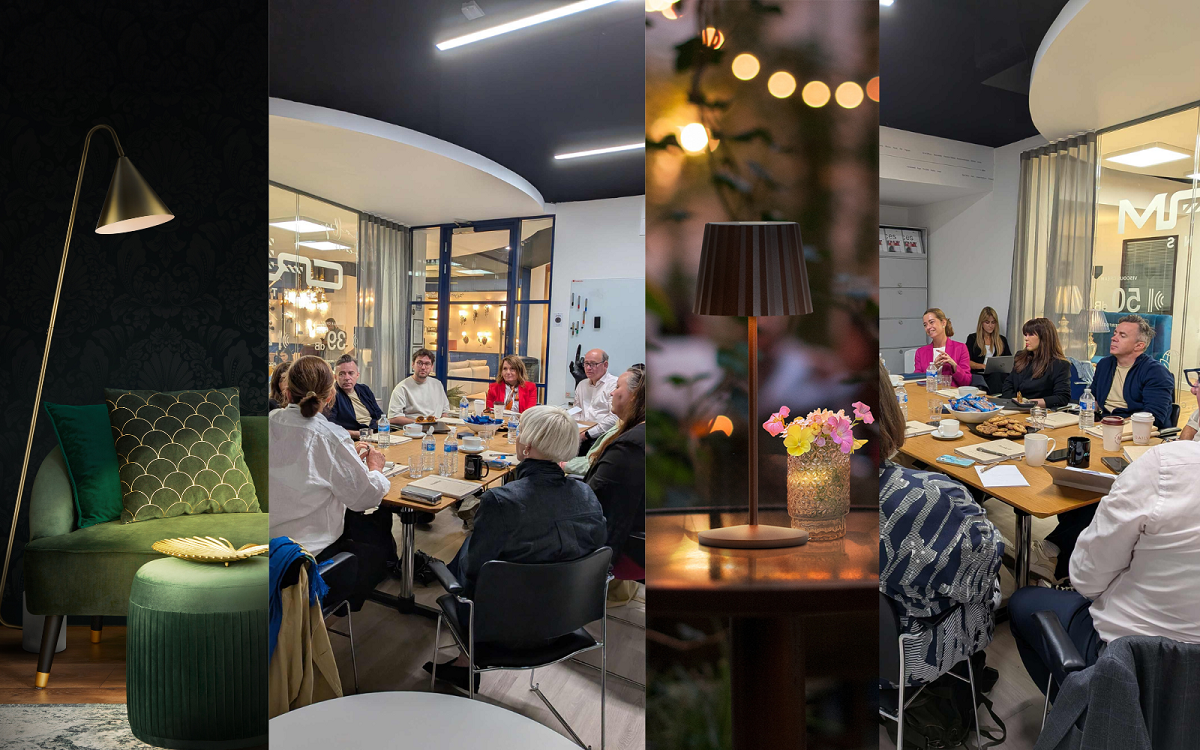
Image credit: Franklite
On the panel:
Mark Lissauer, Export Director, Franklite
Tom Davison, Associate Interior Designer, Squire & Partners
Veronica Givone, Principal, Managing Director Hospitality at IA Interior Architects
Magdalena Blawat, Interior Designer, THDP
Mark Bithrey, Founder & Director, B3 Designers
Carolynne Shenton, Co-founder and Creative Director, Studio Mica
Beverley Bayes, Director, Sparcstudio
Jane Maciver, Design Director, MAWD London
Libby Bull, Design Director, ROAM Interior Design
Karen Taylor, Founder and Creative Director, Pattern-Haus
Does Budget Define Bespoke?
The discussion opened with a question posed by Mark, Export Director at Franklite, that immediately divided the room: does a three-star hotel project make the heart sink? Which swiftly moved on to how bespoke design may be the preserve of five-star budgets, or can genuine customisation thrive at any level?
It was a question that quickly evolved into a broader discussion around whether bespoke design is reserved for luxury hospitality, or whether meaningful customisation can exist at every level of the market. While some acknowledged that tighter budgets inevitably introduce limitations, others argued the opposite—that constraints often become catalysts for better design.
Instead of budget being a limitation, it could be reframed them as a form of productive discipline – one that forces sharper thinking and more considered decision-making. Arguably more of a ‘challenge’, but one which some of the designers felt fed rather than diminished creativity.
Veronica Givone, Principal, IA Interior Architects, commented: “If you have a strong narrative — even in a super-luxury context, it’s more rewarding. But honestly, as a designer, you get pushed further when the budget is constrained. You explore more, find alternative solutions. Defining a strong narrative at the beginning gives you a bandwidth to work within. That structure is actually freeing.”
The consensus that emerged that a tight budget can in fact sharpen the eye, concentrating a designers creative energy on the bespoke moments that matter most, rather than spreading investment thinly across an entire plan.
Carolyn Shenton, Studio Mica succinctly stated: “It’s bespoke that actually pushes the market forward. When everything fits, when the narrative, the materials and the experience align…that’s when you feel it.
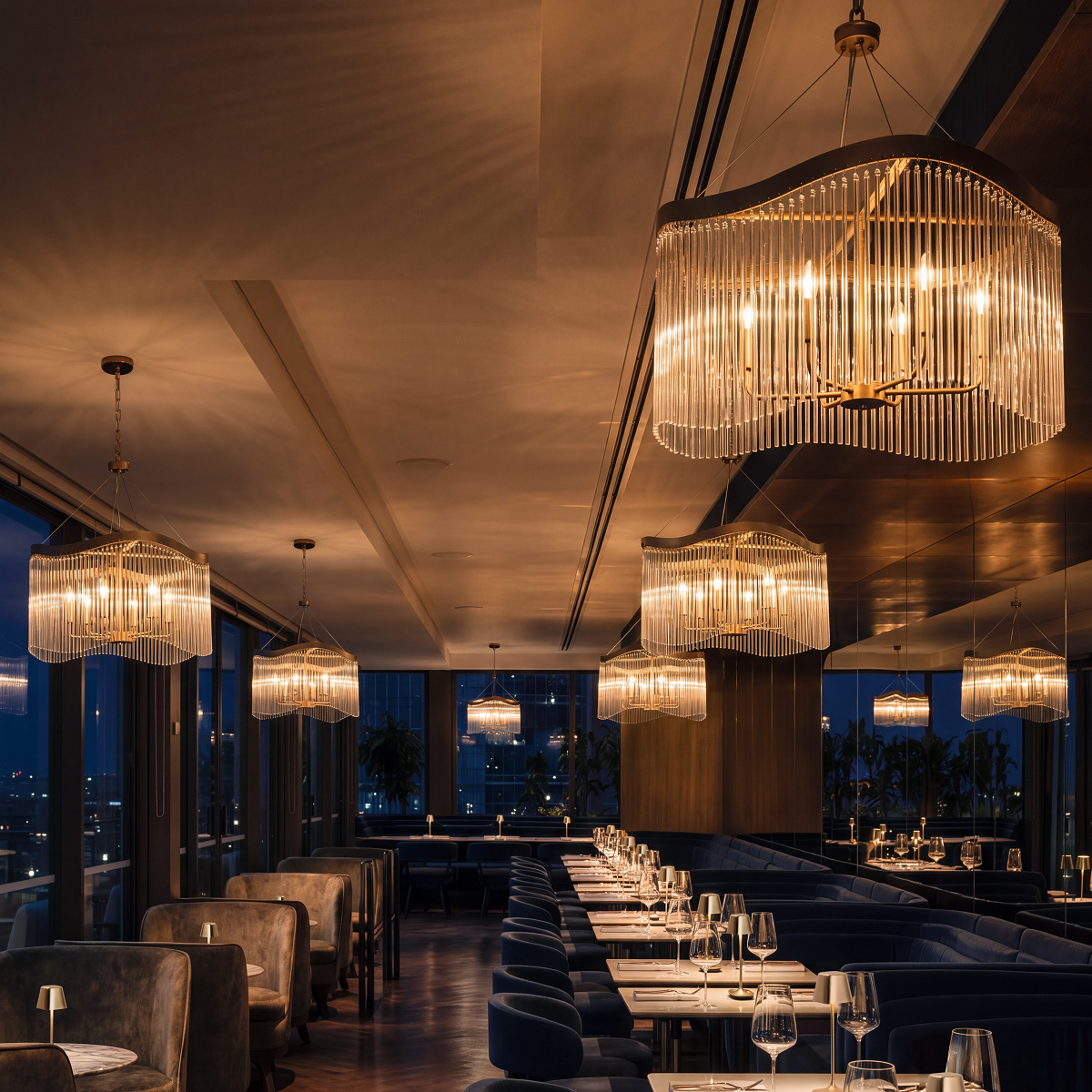
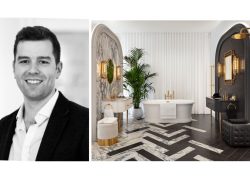
Image credit: Franklite
Redefining What Bespoke Means
The conversation shifted to the definition of bespoke itself. The group agreed that customisation does not always mean extravagance, as it is often portrayed. It is less about creating something entirely unique for uniqueness’ sake, and more about designing with purpose—crafting spaces that feel authentic to both the brand and the guest experience.
Designers also reflected on how the process itself has evolved over the past decade. Where clients once arrived with a fully formed concept, today’s hospitality projects are increasingly collaborative, bringing designers, operators, manufacturers, artisans and suppliers into the conversation from the earliest stages.
This more integrated approach, the panel agreed, ultimately produces richer, more considered design outcomes.
Lighting as the most powerful tool in the room
If one topic united every voice around the table, it was the power of lighting. Weaving through the conversation, it was noted that lighting was often the first impression every hotel creates, and in some cases developed into a strong design statement, something to be viewed as sculptural rather than simply illumination.
The reference to sculpture resonated strongly around the table, with several designers noting how Instagram and Pinterest have created a culture of repeated visual references, and how lighting, when treated as an architectural element rather than a functional afterthought is what gives a space genuine, irreplaceable identity.
Tom Davison, Squire & Partners, spoke from experience: “We’ve had situations where lighting came into the project too late, and the result was repeated work and compromised outcomes. Bad lighting is always noticeable. But good lighting — you don’t notice it at all. You simply have an emotional connection to the space.”
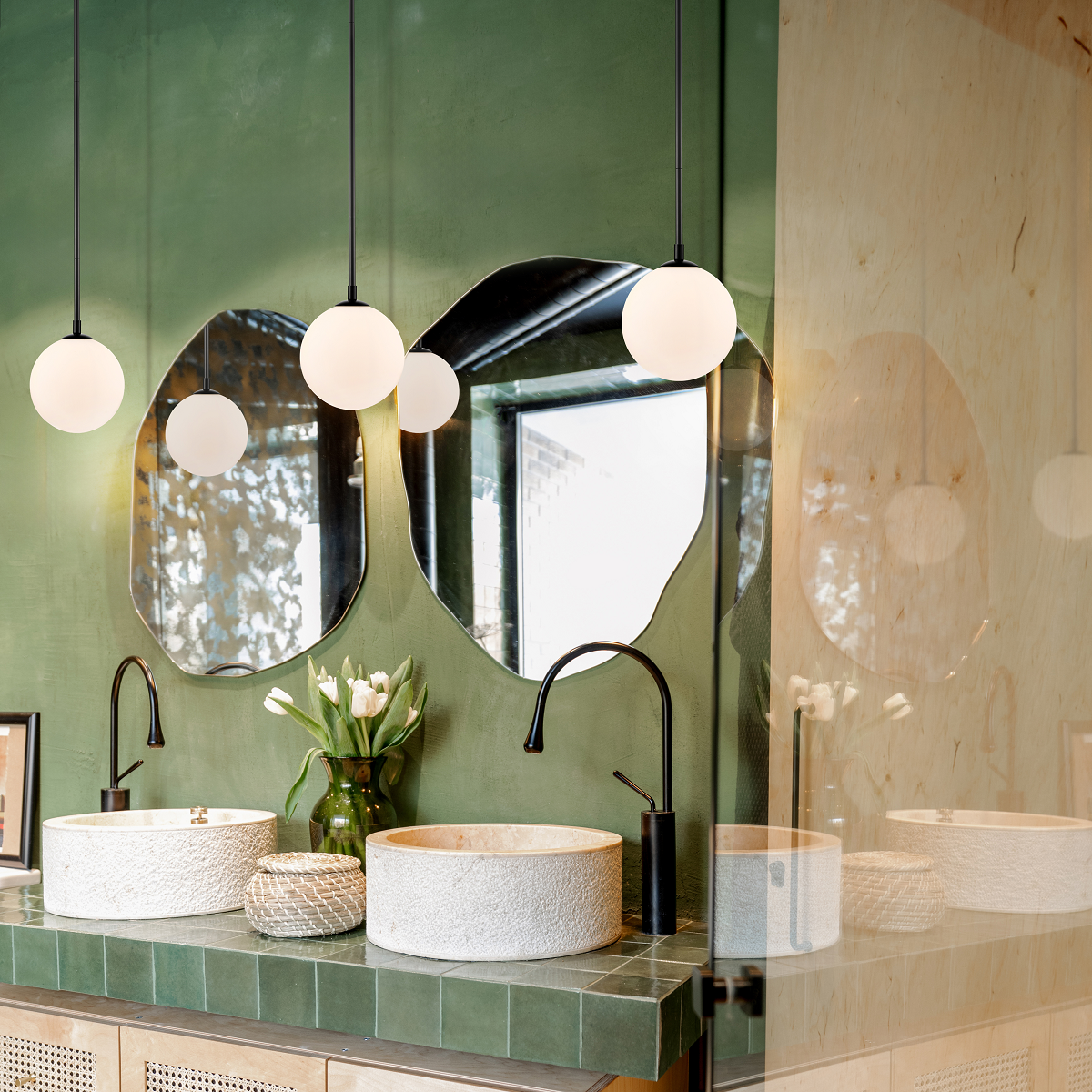
Carolyn Shenton reinforced the point: “Feature lighting is integral to concept. It has to tell the story, and it has to be designed as part of the joinery language from the start. Lighting is an extraordinary opportunity to introduce sculpture — it can define space, screen areas, create intimacy or drama. But it has to be a natural part of the concept, not an addition to it.”
Magdalena Blawat, THDP, was equally direct about the stakes: “It affects your emotions, how you perceive the quality of materials, how you experience the entire space. Well-lit, everything is elevated. Badly lit, it is almost a waste of everything that’s gone before.”
-
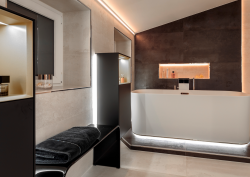
- Image credit: Franklite
-
- Image credit: Franklite
The Power of Layered Light
The group also discussed the shift towards layered lighting strategies — the principle that a space should feel distinctly different at morning, afternoon and evening, and that those transitions should be seamless and emotionally responsive.
Beverle Bayes, Sparcstudio, made the case with particular clarity: “A calm palette with lighting at the forefront can actually provoke behaviour. It can make you linger, order another bottle of wine, feel entirely at ease. It has a layered effect on mood that goes far beyond aesthetics.”
Before drawing the conversation to a close, the panel addressed the question of scale: how dramatic installation lighting works beautifully in high-ceilinged spaces, but demands a different, more nuanced approach in compact environments.
Importantly, as outlined by Tom Davison, guests never experience disciplines separately: “they experience one seamless atmosphere that comes together to provide an experience. The best details and executions come from dialogue with the widest range of expertise, not working in isolation.”
The consensus was clear – bold lighting strategies require bold thinking from the outset, not adaptation at the end.
Franklite is one of our Recommended Suppliers and regularly features in our Supplier News section of the website. If you are interested in becoming one of our Recommended Suppliers, please email Katy Phillips.
Main image credit: Franklite