










As the calendar turns over to May, there is always a particular energy around Clerkenwell – designers and makers open their doors, and we all move with purpose between showrooms and installations, on a mission to discover the shape and design of things to come…
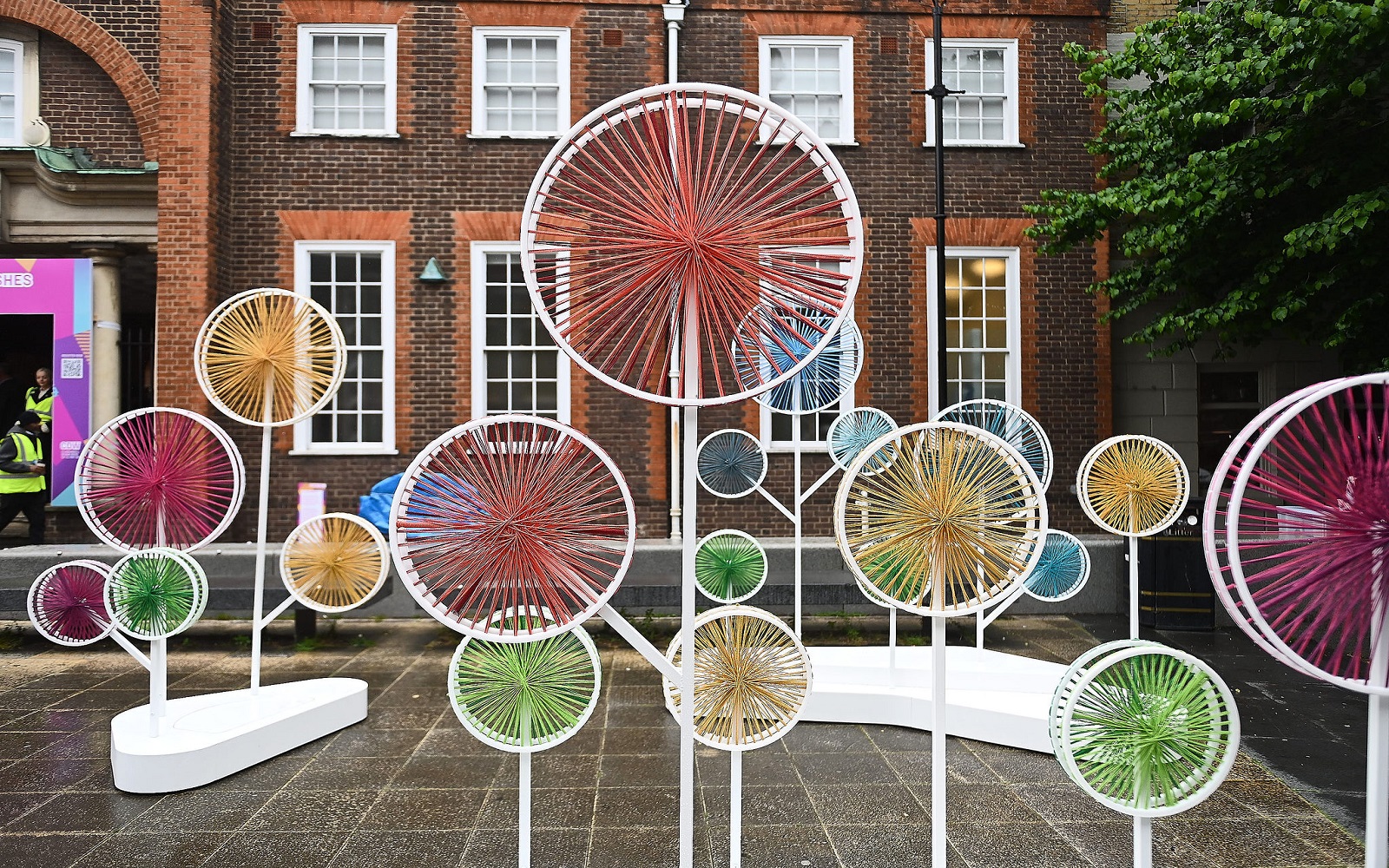
This year – unbelievably its 15th edition – Clerkenwell Design Week felt both bigger and more considered. The festival has grown into a city-wide conversation about what design is for, who it serves, and how it must evolve. It felt like there were two key themes running through these conversations at CDW 2026: the craft of bespoke design, and of course, the importance of sustainability, which is no-longer an optional side-show, but part of the introduction, body and conclusion of any design conversation.
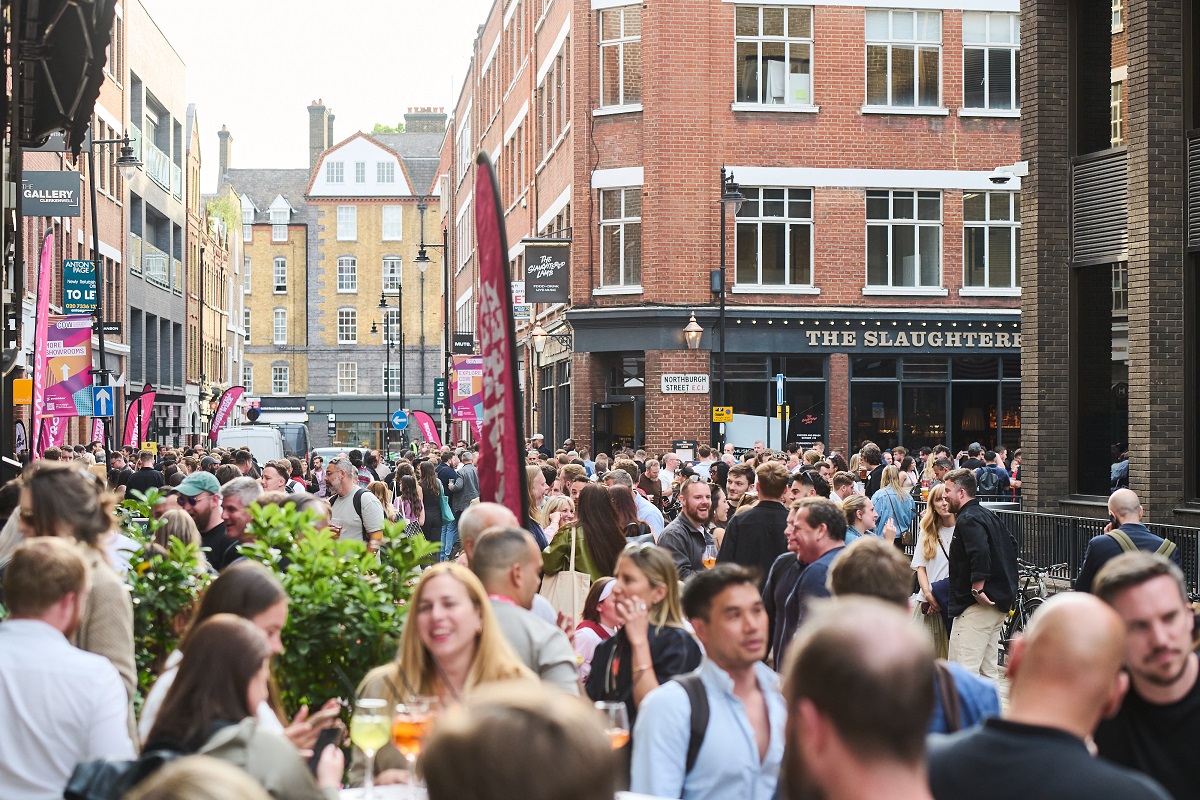
Image credit: Clerkenwell Design Week 2026
For those working in design across the hospitality sector, both of these threads carry significant weight, and it is when they intertwine, that the magic occurs! Hotel design is all about creating environments of heightened experience – places where guests expect and notice texture, scale, material and light in ways they may not at home or at work – what is clear from the days spent treading the Clerkenwell pavements, CDW 2026 demonstrated that both suppliers and designers are responding to the complexity and demands of contemporary design with understanding, and creativity – which, in the case of CDW, is frequently fuelled with lashings of Aperol Spritz!
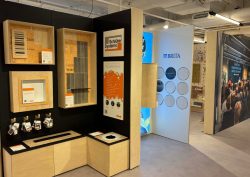
For designers, the district’s unrivalled concentration of showrooms opening their doors (around 160 of them apparently) provide a pool of inspiration, and this year CDW marked the opening of a few new kids on the Clerkenwell block. Australian brand ABI Interiors timed its opening with the festival, showcasing its distinctive approach to bathroom and kitchen specification in a space that was designed in collaboration with neighbours Conran & Partners. The beautifully curated environment reflected a broader trend seen throughout the festival: manufacturers investing in experiential showrooms that allow designers to engage with products within fully realised settings rather than traditional (and dull?) display formats.
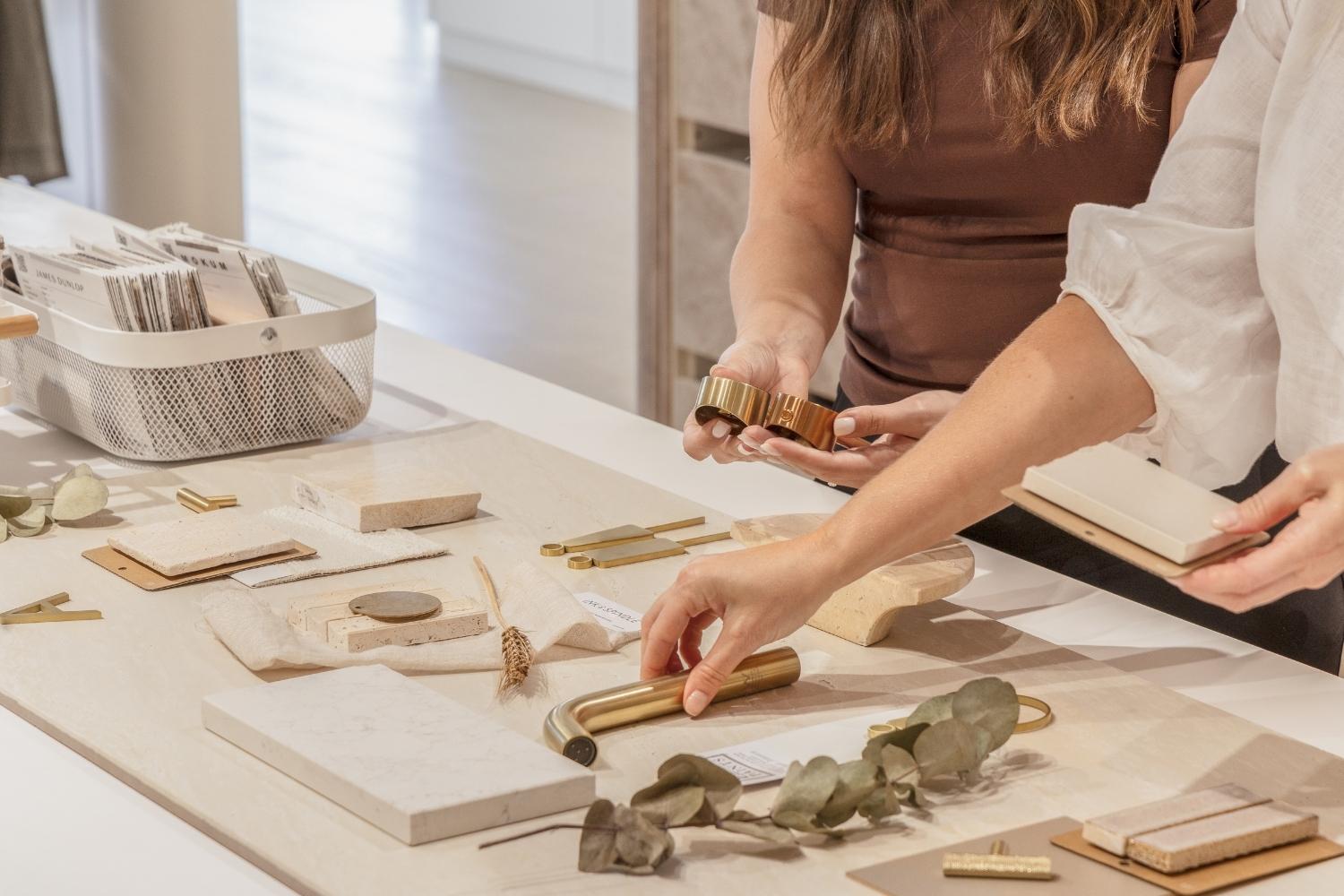
Image credit: ABI Interiors
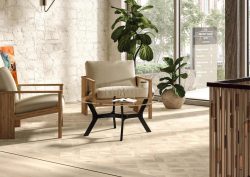
The reimagined TOTO showroom is another example of this experiential approach, and has been conceived as a “choreographed journey through material, atmosphere, and experience.” At the heart of the showroom, on the lower ground floor, is a sequence of Customer Experience Toilets designed by Squire & Partners, envisioned as a three-room journey, Clay, Timber and Stone, each defined by natural materials and a distinct sensory character. Texture, lighting, sound and fragrance work in harmony to create calm, immersive spaces that demonstrate how considered design can elevate everyday rituals. Advanced Lutron lighting controls enable visitors to explore different lighting moods, reinforcing TOTO’s philosophy that the bathroom is more than a functional space; it should be an environment designed for comfort and wellbeing.
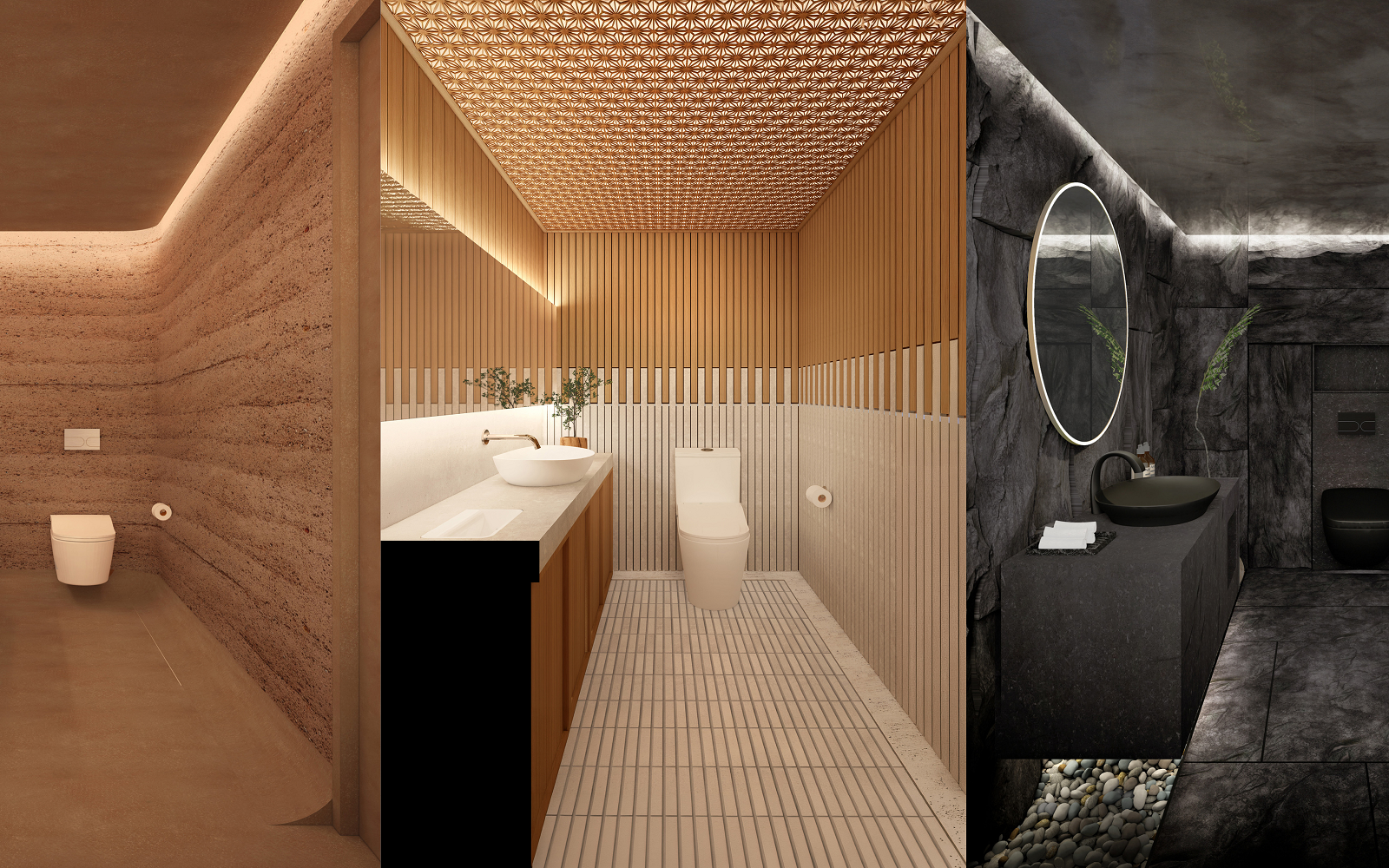
Image credit: TOTO
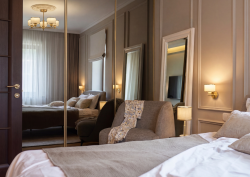
With my CDW Day one complete, and my dance card for day two quickly filling up, I headed across town to my digs for the duration of the event. Bob W London Kensington opened earlier this year, housed in a classic Victorian property and in a central location, it already ticked several boxes. Also, in light of the conversations on the Clerkenwell programme, it did make me feel a little better about life and the planet, to know that I was staying in a room that was 100% offset, and supporting a brand that claims on its website to be “Against Greenwashing and Sustainable AF!” Bob W has been spearheading the ‘Show Us Your Numbers’ campaign calling for the hospitality industry to strip off and reveal the ‘naked numbers’ behind its carbon footprint.
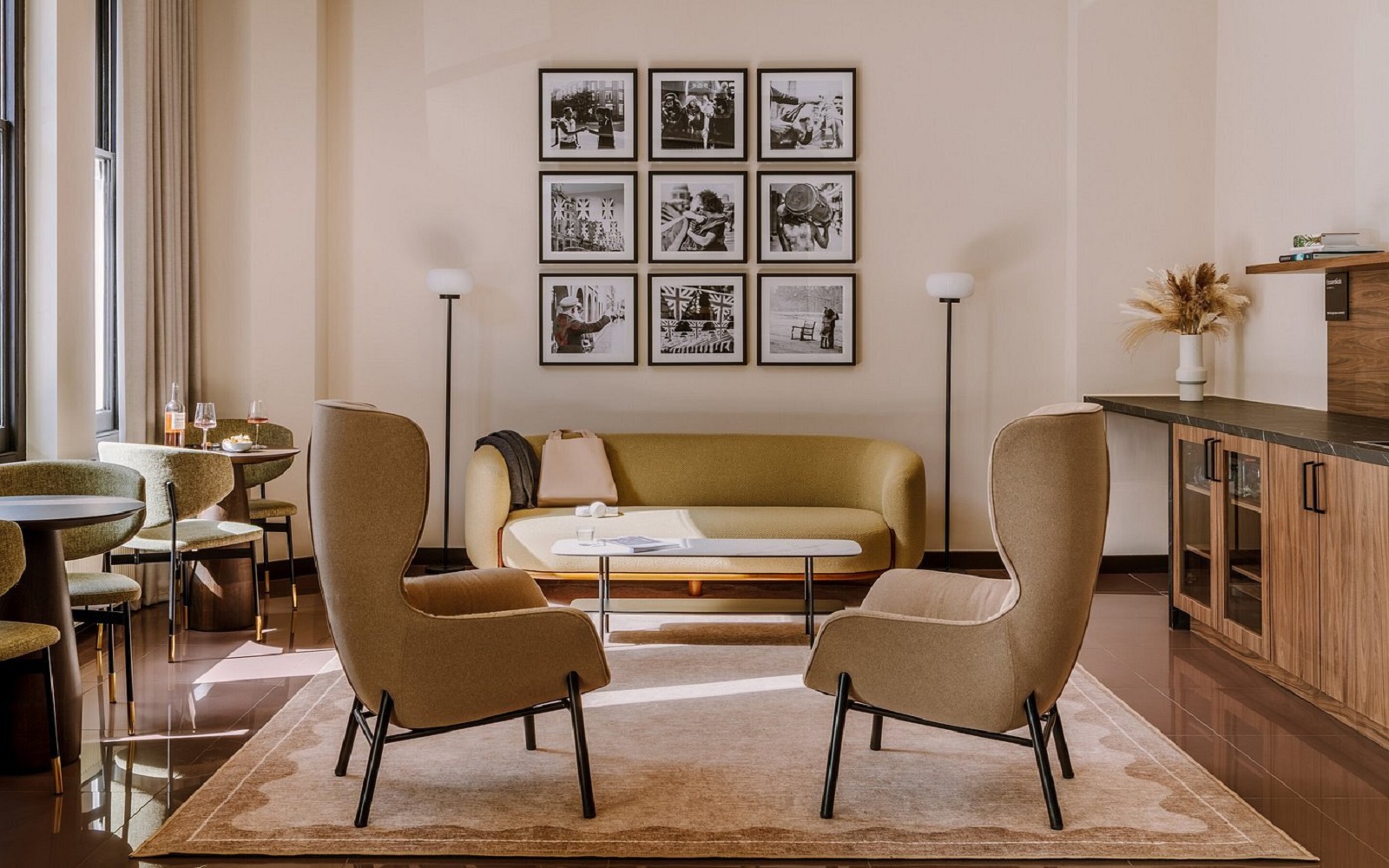
Image credit: Bob W
Day two at CDW dawned and I headed out, Bob W digital-key in hand, to grab a coffee, and grapple with the caffeinated, trainer-clad crowds of Clerkenwell. Happily I stumbled across Brew House by Studio Egret West – an installation built from 600 BrewBricks made from around 300 kg of waste coffee grounds collected from London cafés. Aside from demonstrating how everyday waste can be reintroduced into the building cycle, it also illustrated one of the joys of this event – that simple and meaningfull solutions can sit comfortably alongside conversations about luxury and longevity.
-
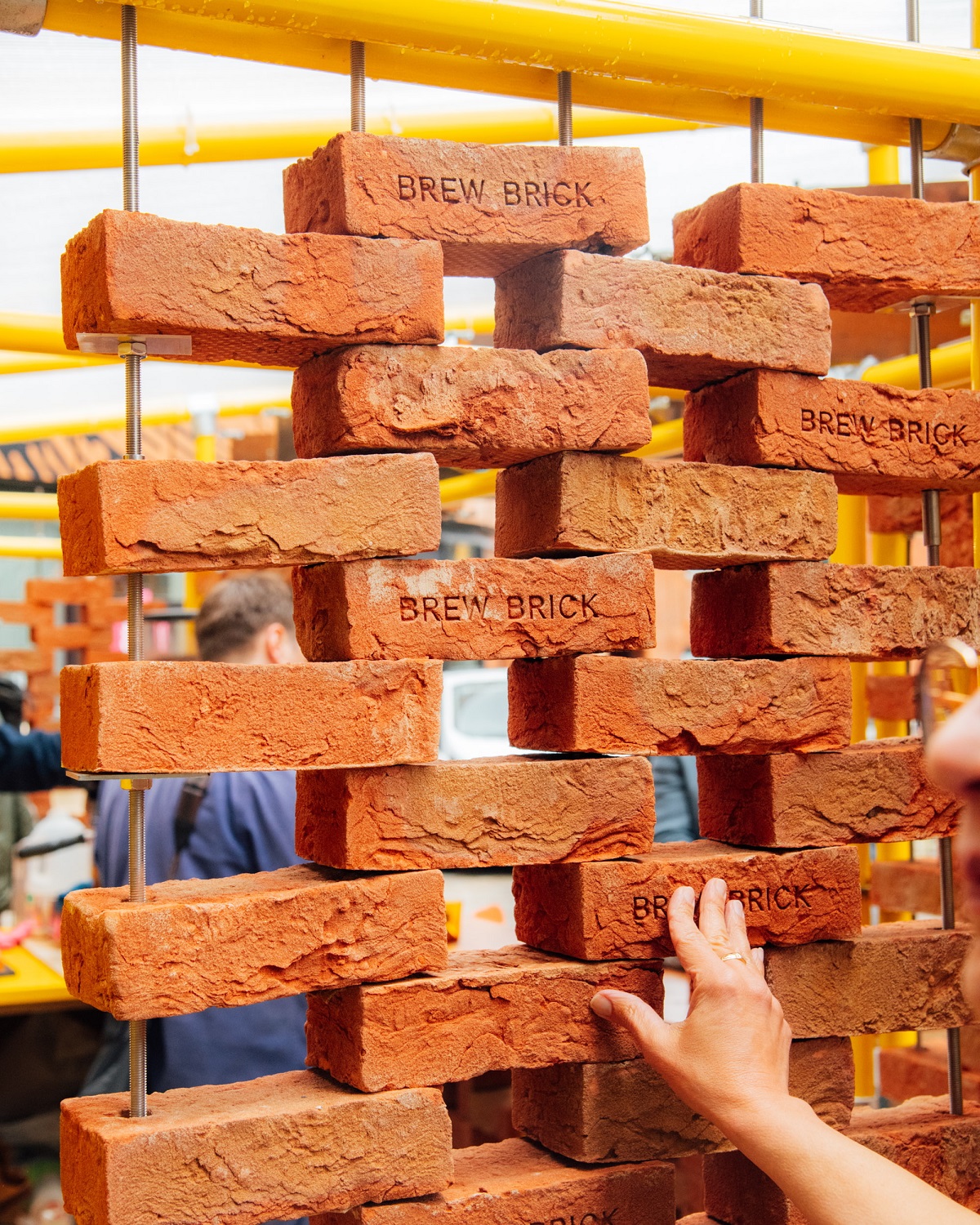
- Image credit: Clerkenwell Design Week
-
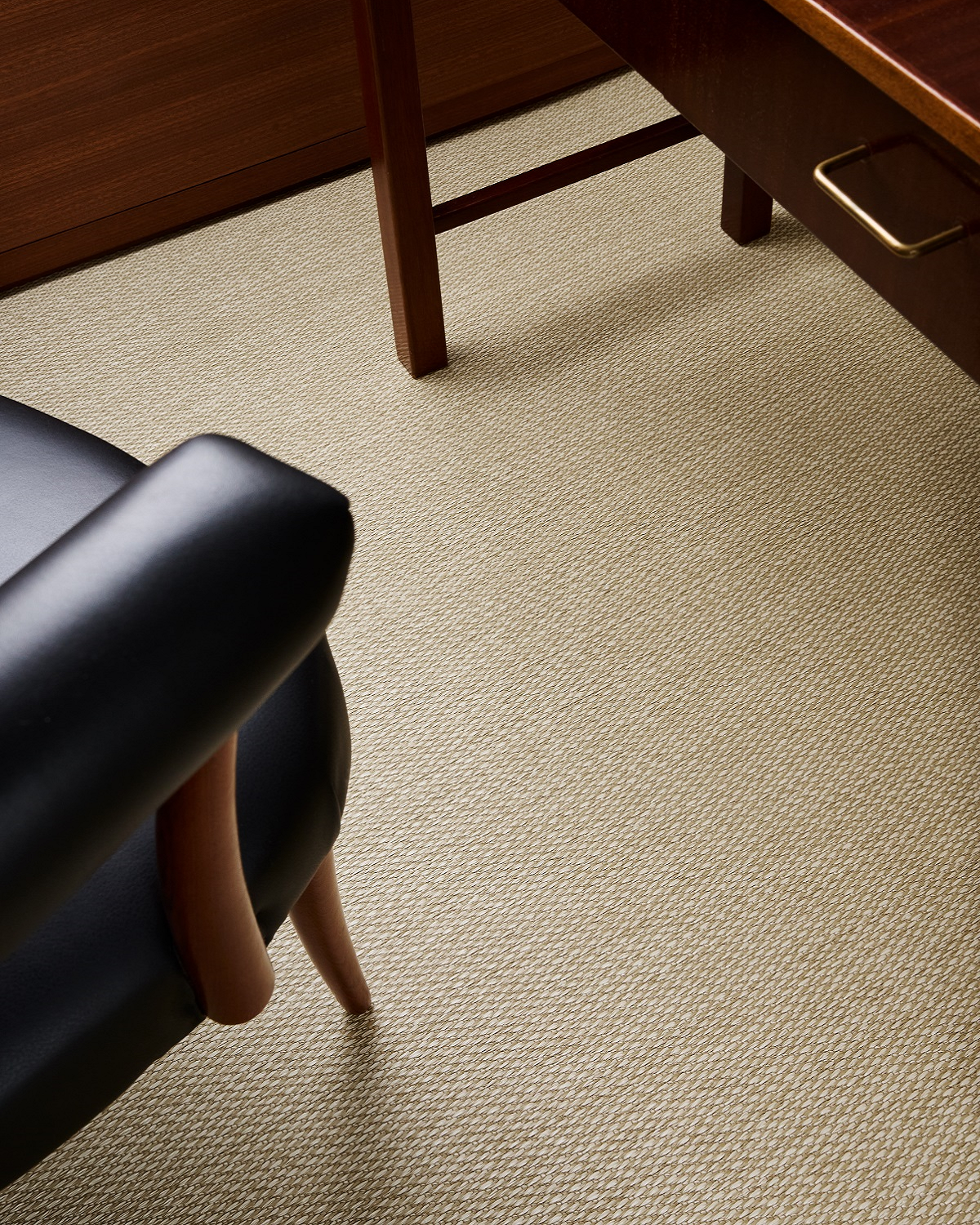
- Image credit: Bolon
Brands across the board showcased materials that put circularity and sustainability as a key element in the design conversaiton. Fabric supplier Edmund Bell showcased collections like Maverick – a recycled blackout fabric manufactured from recycled yarns, designed specifically for hospitality, workplace and public buildings – proving that sustainable production and technical performance are not in tension. It is the kind of product that makes a specification conversation easier, because the performance case and the sustainability case are made simultaneously.
Similarly Swedish flooring brand, Bolon, introduced Back2Bolon: a take-back initiative that makes its flooring and rugs genuinely circular. Bolon products can be returned to the brand’s recycling plant at end of life, where the materials are transformed into new floors and rugs. For hotel design where flooring plays a key role both in the design story and the budget reality, this kind of closed-loop offer is increasingly key in the conversation balancing aestheics and sustainability.
Storytelling, layering, creating design memories and feelings over form – the value of bespoke design drew together all these threads at different points of the CDW conversations showrrooms and installations – and wove the conversation into the bigger picture. Bespoke design, once a niche design concept is now part of the broader process. For some, bespoke is the answer to practical considerations where nothing off the shelf fits and design skills are stretched to find solutions, for others it is that added element that elevates a design story.
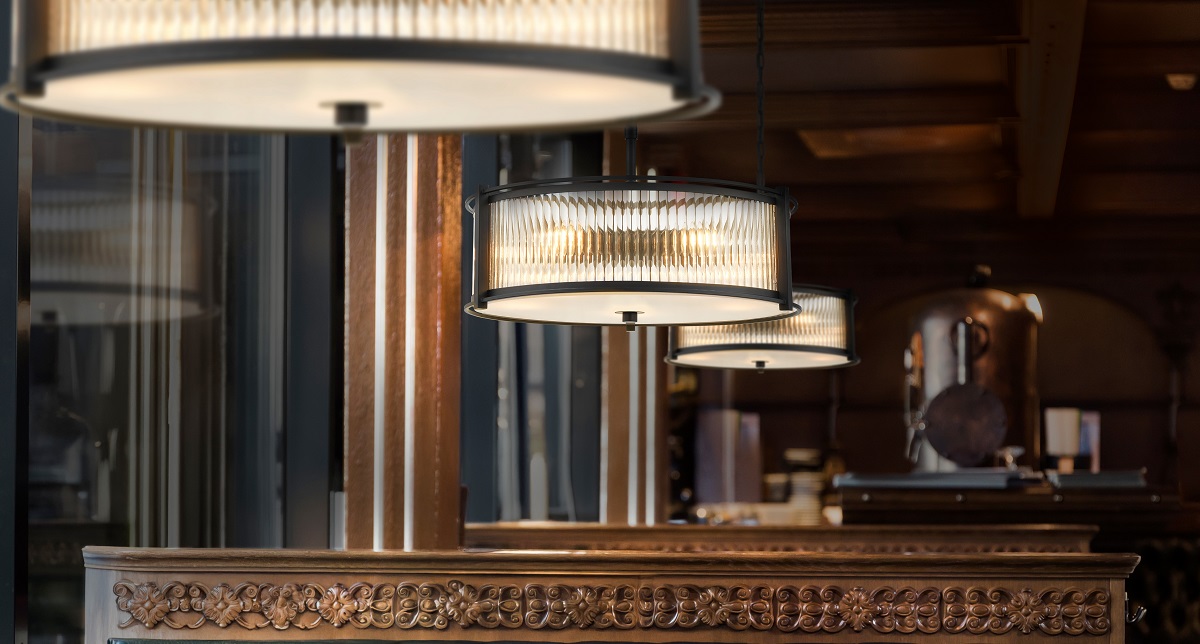
Image credit: Franklite
Hotel Designs sat around the Franklite table with some noteable designers to dig a little deeper into the bespoke and customisation conversation. From one-off commissions and material selection, to tailored lighting schemes and site-specific narrative frameworks – it became clear that bespoke design is being used not merely as an aesthetic choice, but as a deliberate strategic tool for brand differentiation, and long-term value. At the heart of this conversation is the role of storytelling and the understanding that the most compelling hospitality spaces don’t simply look distinctive – they feel curated. Bespoke design is an important part of the process that develops the story, creates a unique sense of place, and is part of the experience that unfolds from arrival to departure in a succesful design.
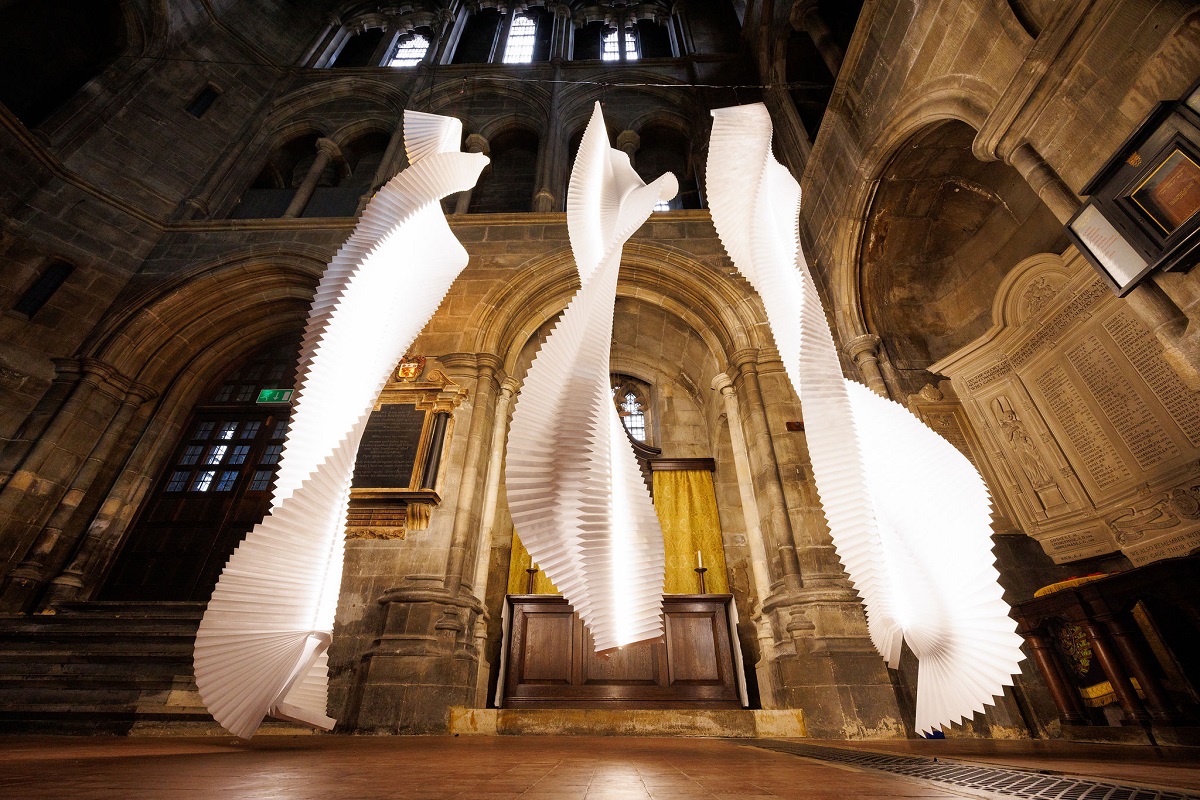
Image credit: Sam Frost / Clerkenwell Design Week
Among the brands championing individuality and storytelling through design, the bright and bold Clerkenwell presence of Timorous Beasties, is always a drawcard for me. Known for its provocative approach to pattern and textile design, the Glasgow-based studio showcased both new and classic collections that continue to challenge expectations, while celebrating craftsmanship and artistic expression.
Staying on the surface of things – another more whimsical wallcovering on show, again all about storytelling and craftmanship, was the Monkey Puzzle Tree’s ‘Up Hill Down Dale’. This trademark real cork wallpaper in a vibrant, full-colour design was created in collaboration with Yorkshire painter and multimedia artist Olivia Beau. The design pulls you into a story on the surface, while championing the equally important story running through the collection of craft and collaboration, along with a considered and sustainable production process.
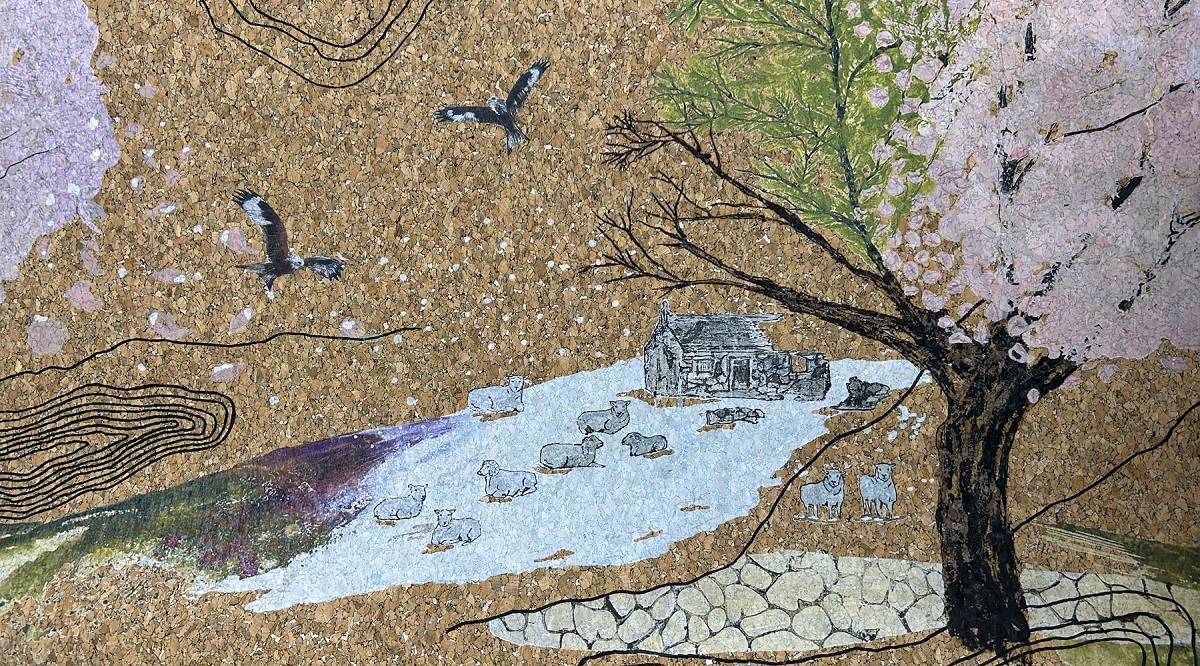
Image credit: The Monkey Puzzle Tree
Moroso’s Play With Fire installation continued this dialogue, exploring the evolving relationship between materials, craftsmanship and contemporary design practice. The installation showcased how traditional making techniques can be reinterpreted through innovative processes and bold creative expression, highlighting the enduring value of skilled craftsmanship in shaping modern design.
This year CDW demonstrated that while innovation remains important, the conversation is shifting towards more thoughtful design solutions – products designed to last longer, materials selected with greater care. It was not all about those launching the most products, but those facilitating the most meaningful discussions. In a market increasingly focused on experience, authenticity and environmental responsibility, the ability to engage in these conversations is possibly becoming more valuable than any individual product launch.
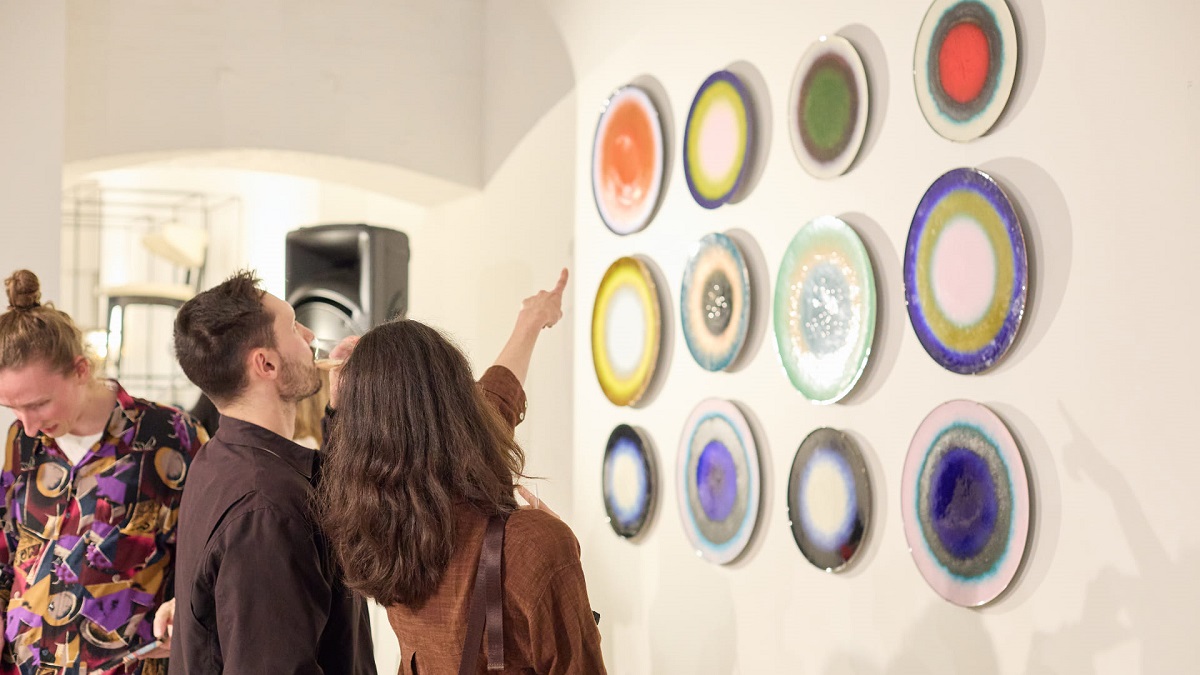
Image credit: Moroso
The growing emphasis on craftsmanship was an important thread running through all the installations and conversations. Across exhibitions and showroom presentations, handmade processes and artisanal production methods were celebrated not as nostalgic luxuries but as sustainable alternatives to disposable design. Importantly, craft, authenticity and longevity emerged as interconnected values.
Running alongside this, the spirit of collaboration and the importance of dialogue has long been one of Clerkenwell Design Week’s defining characteristics as the entire district becomes a meeting place where ideas are exchanged as freely as QR codes, and this year was no exception. One of my last stops of the event was the Beyond the Brief panel hosted by Hotel Designs in collaboration with Majestic London.
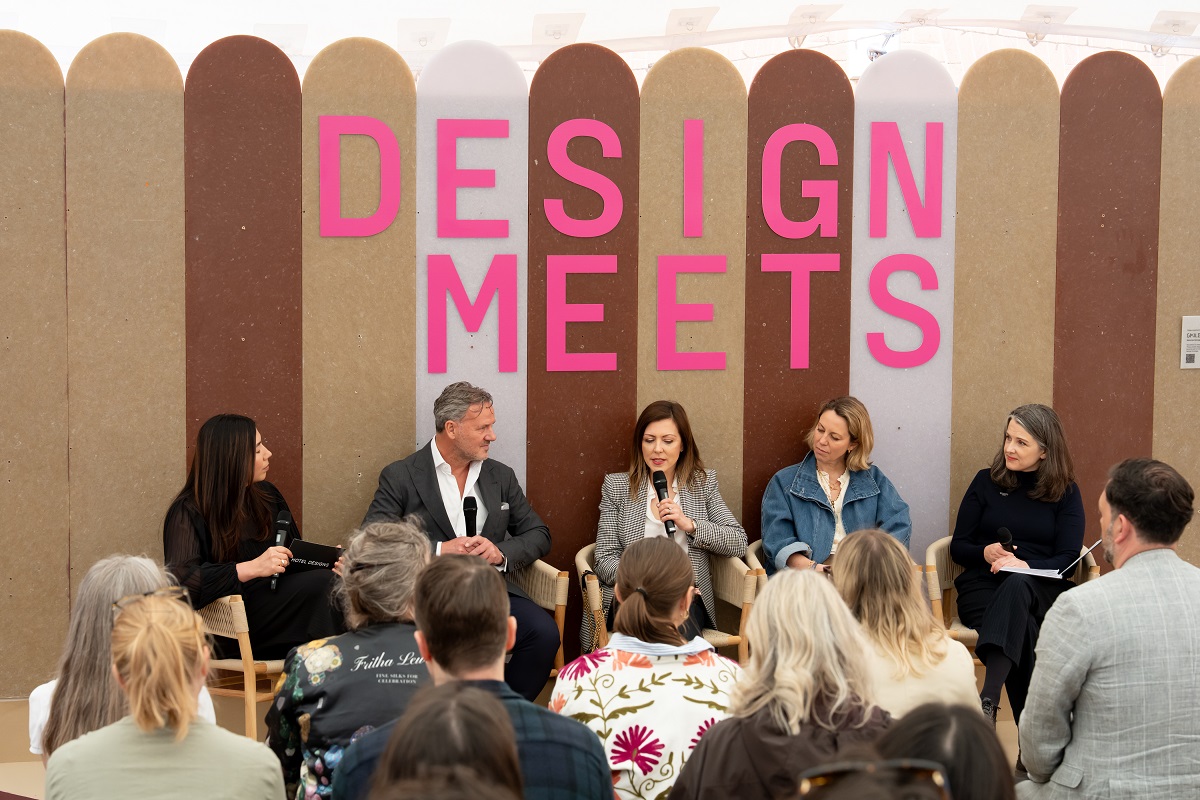
Image credit: Majestic London / CDW 2026
Hosted by SPACE Magazine editor Jess Miles, the discussion brought together designers and suppliers who dug a little deeper into that close partnership between clients, designers and manufacturers. Drawing on experience across luxury hotels, residential projects and cruise ship interiors, the panel emphasised that outstanding bespoke design is driven not by a single vision, but by shared expertise, technical knowledge and a commitment to exceptional detail.
For hospitality designers navigating a rapidly changing landscape, Clerkenwell Design Week once again delivered what it does best: inspiration grounded in practicality, innovation rooted in craftsmanship and a clear reminder that good design begins with dialogue.
Main image credit: Sam Frost / Clerkenwell Design Week