











Taking place during this year’s installation of the WOW!house at the Design Centre Chelsea Harbour, Hotel Designs pulled up a seat with Phillip Bershad – CEO of Phillip Jeffries, the wallcovering company his parents founded fifty years ago. He was joined by an influential group of designers to explore what it truly means to design hospitality spaces for guests to feel as much as they see…
We spend a lot of time talking about what hotel design looks like, and arguably, we spend far less time talking about how it makes people feel.
In this conversation, we dig into this gap, drawing our focus to the idea of how design can have an emotional impact, and how this is successfully built into every corner of a hotel.
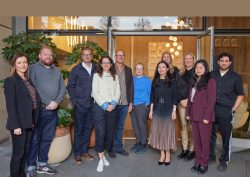
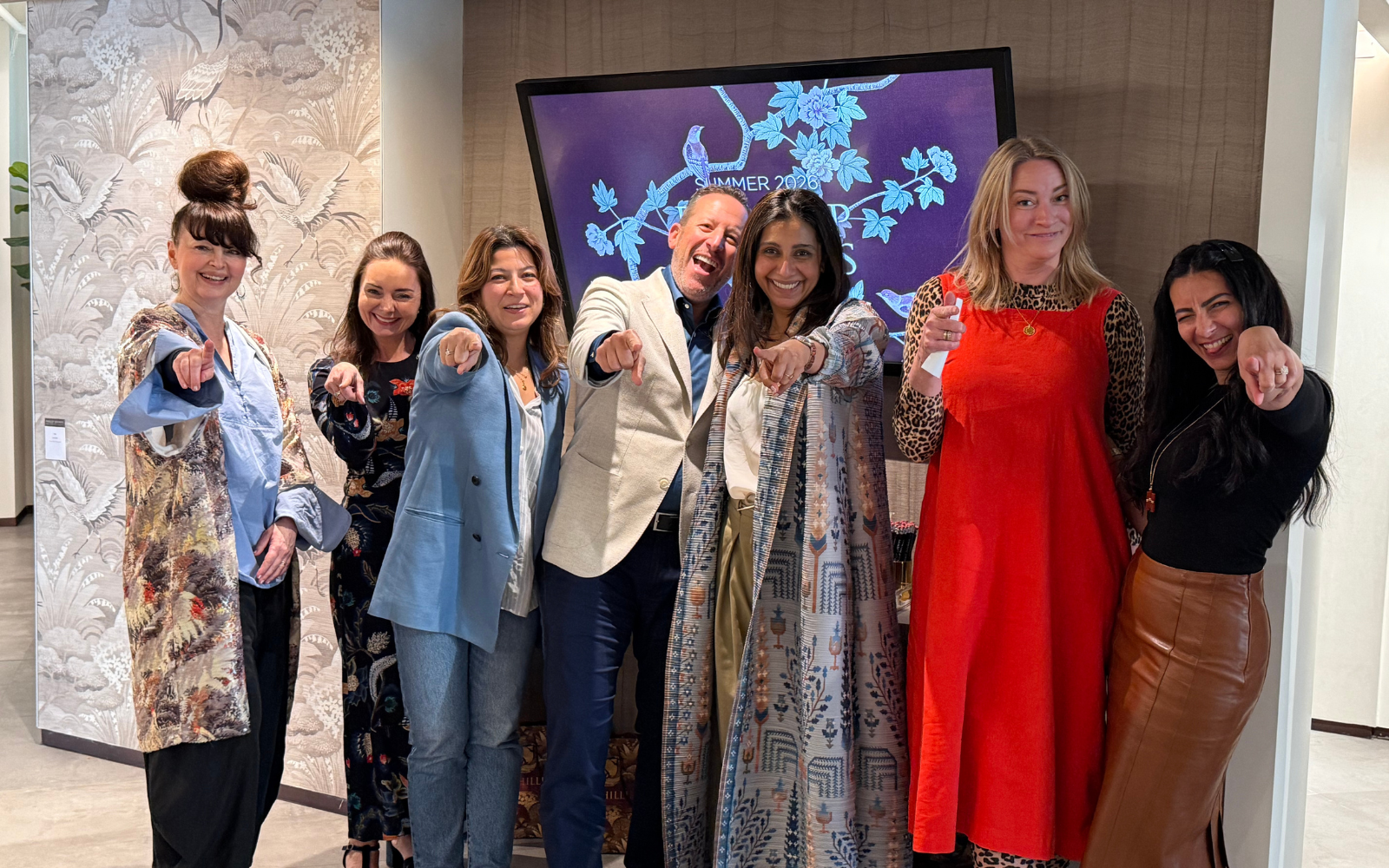
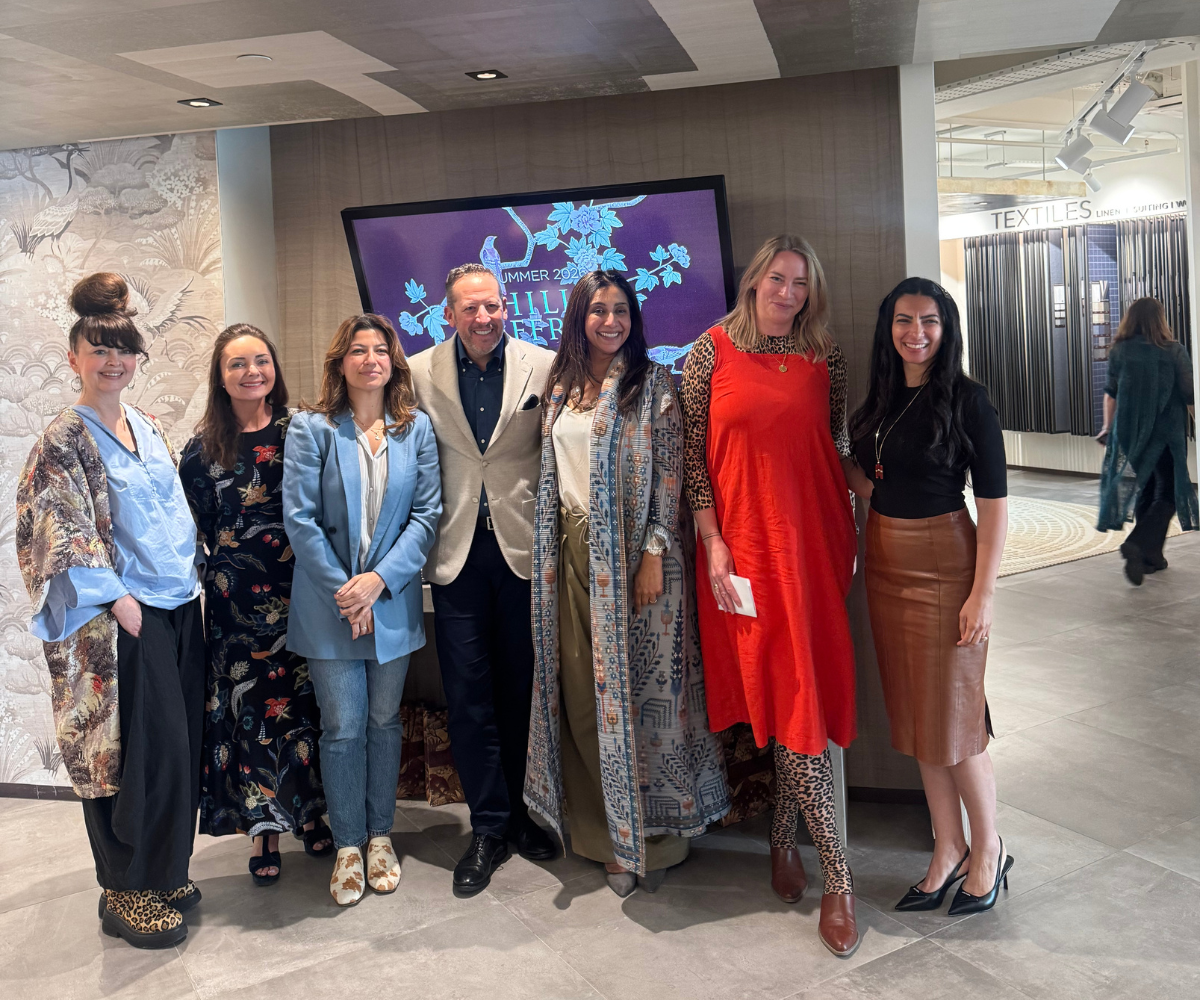
At the roundtable were:
- Sara Cosgrove, Managing & Creative Director, Grove & Co
- Charu Gandhi, Founder and Director, Elicyon
- Shida Salehi, Founder and Principal at Customs Bureau
- Marie Soliman Berglund, Founder & Creative Director, Bergman Design House
- Sophie Harper, Editor, Hotel Designs
- Indira Arnautovic, Senior FF&E Designer, GA Design
- Phillip Bershad, CEO, Phillip Jeffries
The instant hello
Sophie Harper: What is the first – and the last – thing you want guests to think and feel as soon as they experience your design?
Marie Soliman Berglund set the tone early, contrasting hotels that put guests at ease with those that don’t: “It’s all about that instant hello, and if you went twice, they know you,” pointing to Claridge’s and the One&Only properties as houses that avoid “this intimidating cold welcome” while still offering a high-end setting. For Marie, that welcome is the part of the brief designers most often overlook: “You keep going through model rooms, suite design, spa design. But where is the welcoming from the door?”
Shida Salehi responded with a similar instinct, describing her aim as creating “a sense of awe, beyond the feeling of creating an atmosphere” – referencing a recent stay at Borgo Egnazia, where a simple security checkpoint became the first of several deliberate touchpoints when taking a guest to their villa. Shida further added that safety underpins all of it: hotels, she argued, exist to offer reassurance to a traveller who is new to a city, exhausted from a flight, or simply, just wanting to escape a difficult day.
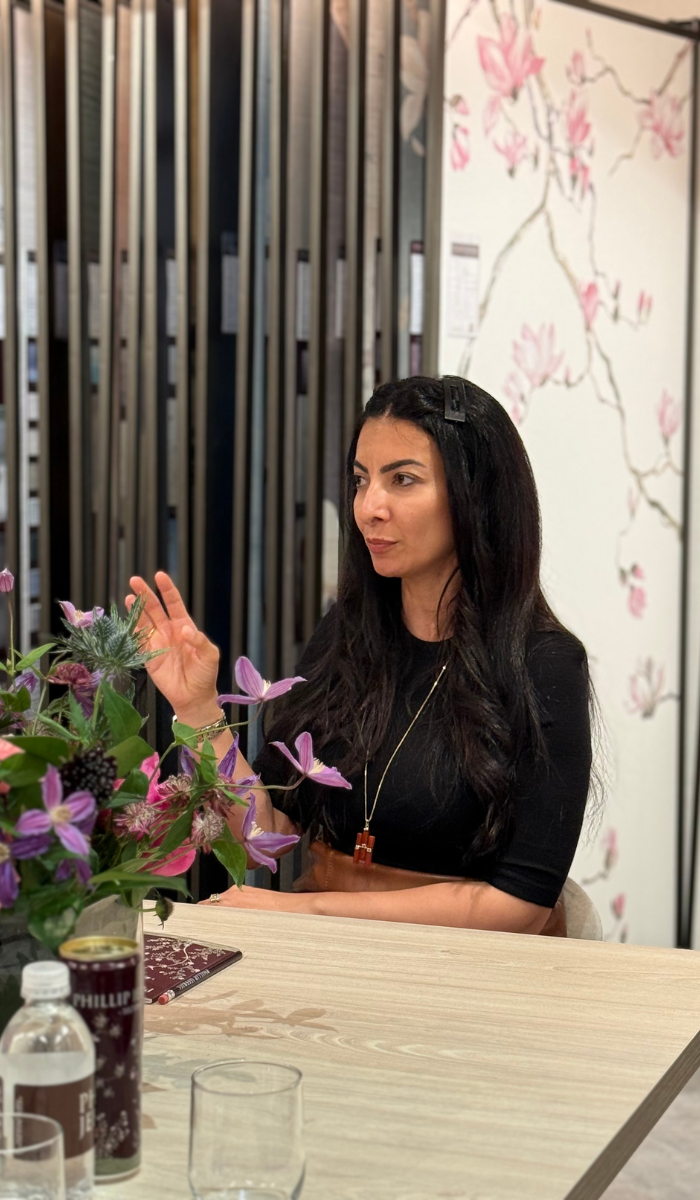
Sophie then asked what comes after that initial sense of relaxation. Phillip Bershad drew on a recent experience, pointing out specific examples: lighting at breakfast and private nooks for a phone call away from a hotel room. Shida added to Phillips’s points, “Options is what luxury is,” she said, “You have the ability to decide how you want to live or be in a space.” Charu Gandhi further added to this, saying: “You want to feel seen and considered… it can be very small touch points.” which is what designers really care about.
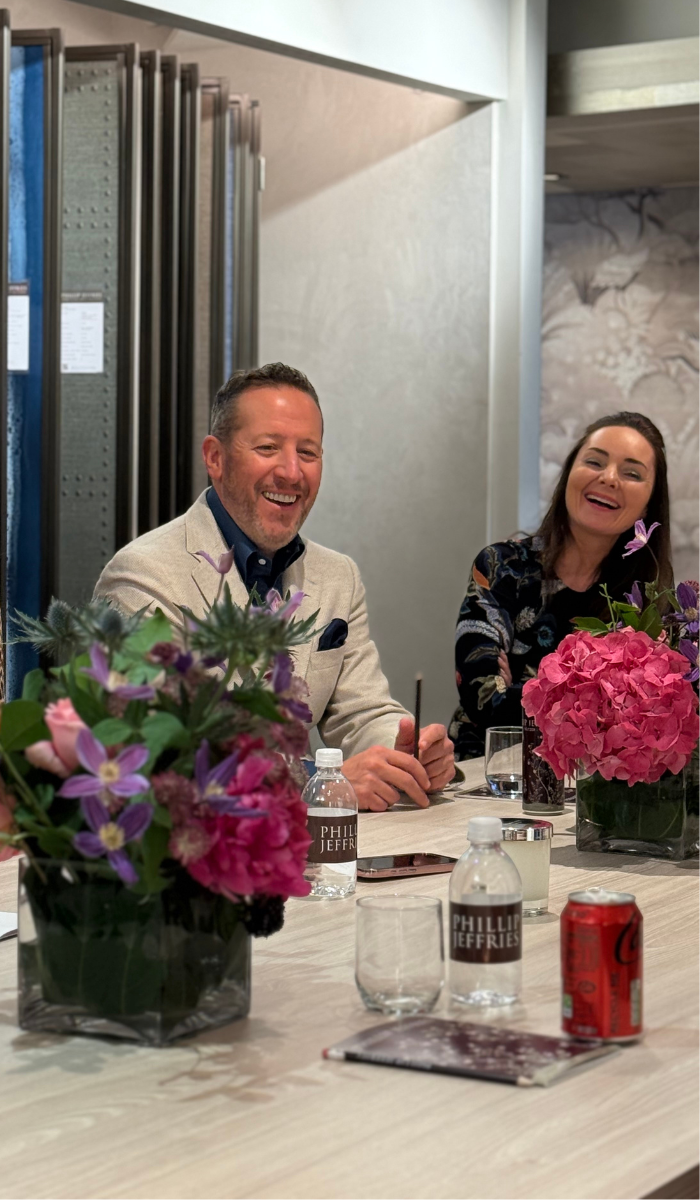
Sara Cosgrove pushed this point further: however striking the design may be, a guest’s experience collapses the moment service falls short. “You don’t just want the work to look good, you want the whole experience to be good. People remember how you made them feel.” Charu further emphasised this element, of how “people remember how you made them feel.”
-
- Image credit: Hotel Designs
Service as the first layer of design
Service as the first layer of design is “actually the biggest conversation in the industry right now,” said Indira Arnautovic, questioning, “what is it that is defining five-star luxury? A lot of hotels do it well, but they don’t do it exceptionally well, because unfortunately the staff turnover is too great.” The table’s conclusion was that designers need to “embed that service mentality” themselves.
Moving on from service, a few of the panellists mentioned how they “often have residential clients saying, I want my room to feel like a hotel space,” to which Sara also added “but they want the hotel to feel like a home. We want our guests to feel at home.” said Sara, whose practice focuses on independent five-star-plus properties. The group contrasted uniquely designed hotels with the cookie cutter approach: “You open booking.com and all the hotels look as boring as each other. Why am I spending this amount of money somewhere lifeless?”
The group repeatedly referenced Ennismore and The Hoxton hotel brand specifically as the models to beat. Indira contrasted them with legacy operators that give you a brand standard… where the best surprise is no surprise.” Whereas Ennismore’s brand guidelines are built around people, rather than specification.
-
- Image credit: Phillip Jeffries team
Technology in retreat
Across an afternoon of candid conversation, a clear picture emerged: hospitality design, at its most effective, is not a matter of finishes, but it is of the feeling – the small gestures such as the instant hello, or the sense of being seen. Every voice round the table returned to the same principle, being that spaces which genuinely serve their guests are spaces built with intention.
We wrapped up the day with a tour of the WOW!house, which we were able to see Phillip Jeffries Morning Room by Sara Cosgrove, purposefully designed as an “analogue sanctuary,” the space drew on the slower rituals of reading, conversation and stillness, balancing understated luxury with a deeply tactile sense of comfort. The space was calm and enveloping, exploring shades of celadon, cool creams, and lilac to create a soft, dreamlike sanctuary.
Phillip Jeffries is one of our Recommended Suppliers. If you are interested in becoming one of our Recommended Suppliers, please email Katy Phillips.