











GTHD
With wellness travel among the fastest-growing segments in luxury hospitality, gyms, once an afterthought amenity, are now a competitive edge. Award-winning gym designer Harley Pasternak takes us through the touchpoints from treadmill to dumbbell.
In designing world-class gyms for leading hospitality brands like the Four Seasons Hotels and Resorts, The Ritz-Carlton, Viceroy Hotels & Resorts, The Charles Hotel, and Aman Resorts, the question I’m most often asked is, “What makes a hotel’s gym award-winning?”
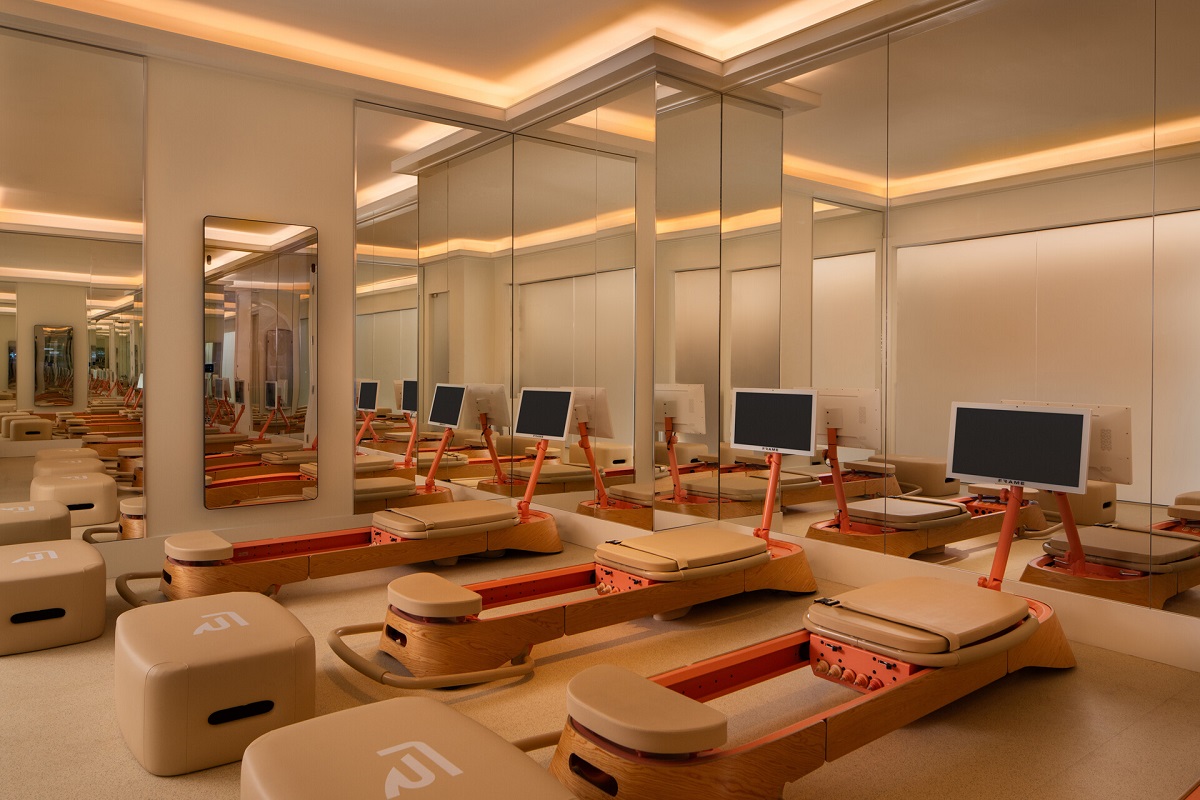
Image credit: Four Seasons Naples
The process starts long before the first treadmill or dumbbell is installed or the final padding is placed. It begins with the question: Where is this gym?
The culture, pace of life, architecture, clientele, and wellness expectations of the guest all shape the space’s design language and functionality. The guest at a city-center Four Seasons arrives at the gym at 6am with 45 minutes, a training goal, and a meeting at 8:30. The guest at an Aman resort might arrive with no agenda, an interest in movement as ritual, and an expectation that the space will feel as considered as everything else around it.
At GymByHarley, we’ve had the opportunity to design fitness spaces for many of the world’s leading luxury hospitality and residential brands. Across every project, regardless of geography or scale, the philosophy remains the same: the fitness experience should feel as intentional and elevated as every other part of the property.
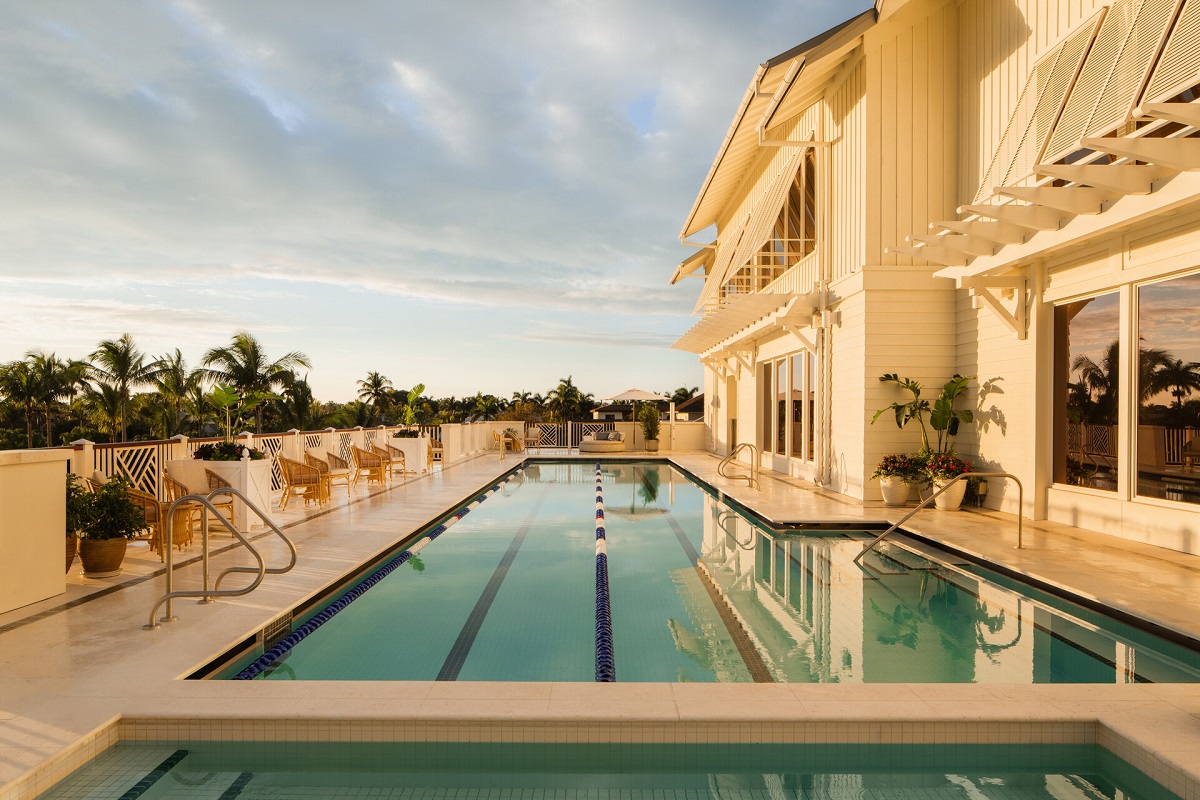
Image credit: Four Seasons Naples
Every project starts with understanding the demographic and behavioral profile of the guests. Are they business travellers looking for efficiency and performance or wellness-focused vacationers seeking recovery and movement? Is the gym catering to elite athletes, families, longevity-focused guests, or a younger social clientele? The answers influence everything from layout and equipment selection to lighting, flooring, acoustics, and traffic flow.
The next consideration is the size of the space and, of course, the budget. Great gym design is not simply about filling a room with the most expensive equipment. It’s about creating an intentional environment where every square foot serves a purpose. Even smaller facilities can feel elevated and expansive when designed intelligently.
Our gyms are typically divided into distinct training zones, each delineated through flooring, spacing, and functionality. Different surfaces help intuitively guide movement throughout the facility: rubber flooring for strength and impact training, turf for functional movement and athletic performance, and softer open areas for stretching and recovery work.
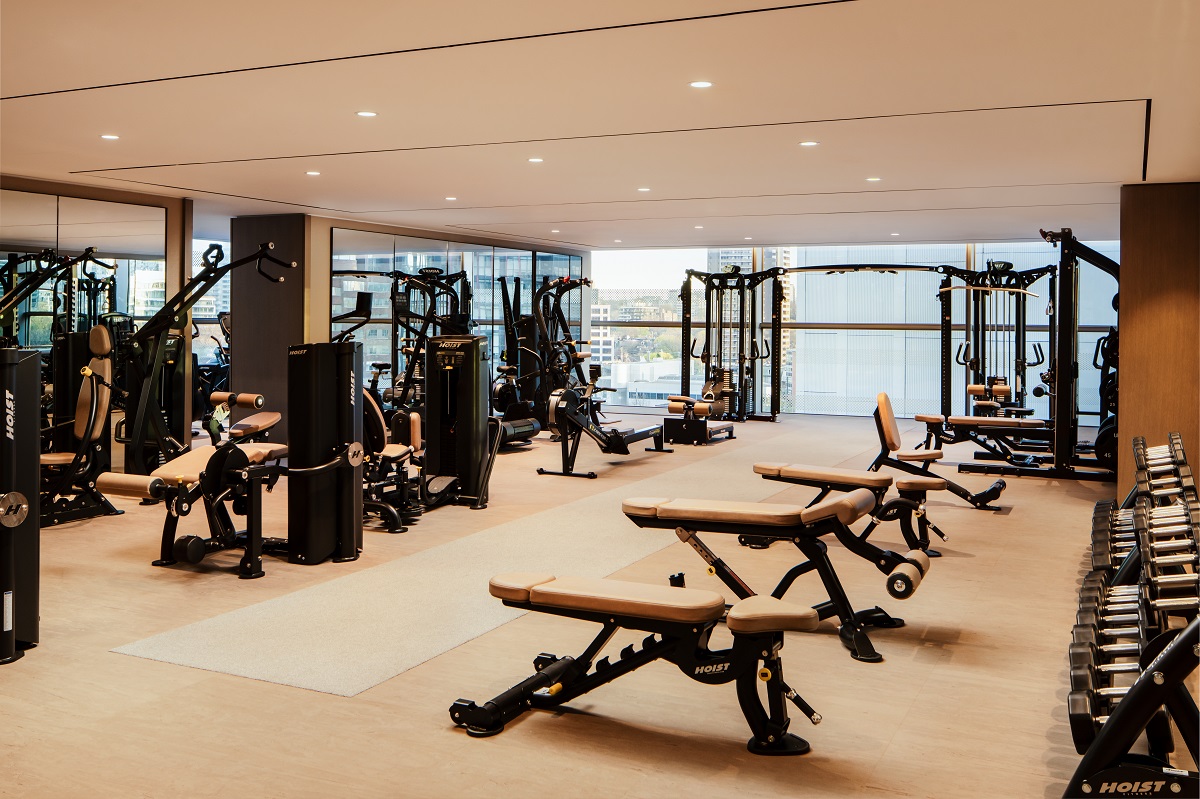
Image credit: Four Seasons Toronto
One area is dedicated to mechanical cardio, generally motor-driven equipment such as treadmills, step mills, and ellipticals, where guests engage in prolonged steady-state cardiovascular training. Another area focuses on non-motorized cardio and conditioning equipment, including air bikes, rowing machines, ski ergs, and upper-body ergometers. These modalities create a more athletic and performance-oriented training experience.
Strength training is equally layered. Selectorized strength equipment should be incorporated to address every major movement pattern and muscle group, while also dedicating space to free weights: dumbbells, barbells, kettlebells, and functional training tools. Accessories such as slam balls, foam rollers, TRX suspension systems, benches, and mobility equipment complete the ecosystem. Open space is equally important; guests need room to stretch, move dynamically, and perform functional exercises without feeling constrained.
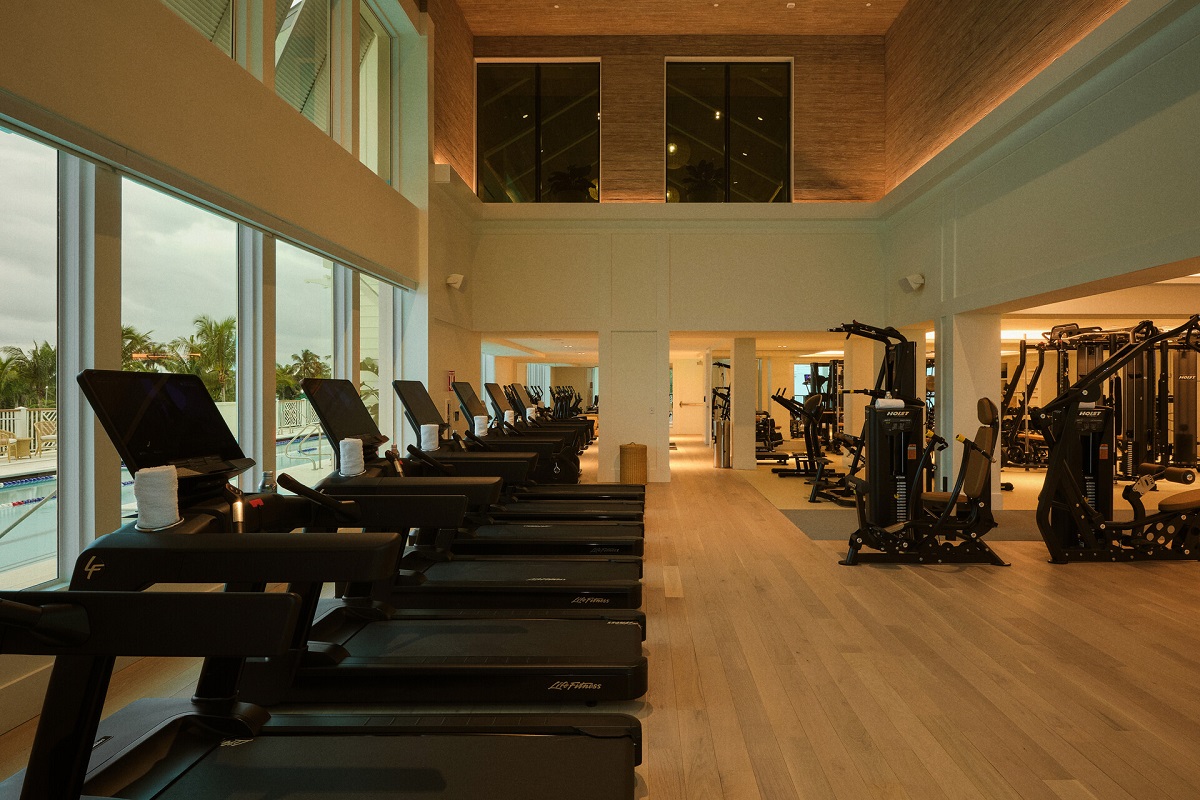
Image credit: Four Seasons Naples
A core philosophy is our best-in-class approach to selecting equipment once the layout is confirmed. We never create a single-brand experience as no single manufacturer makes the best product in every category. The ideal treadmill is often made by a different company than the best dumbbells, benches, or selectorized strength systems. Each facility is a curated variety of equipment manufacturers within their respective specialties. Committing to one supplier means accepting compromises across the board, and guests are increasingly requiring fitness amenities that meet the level of every other aspect of their stay.
Customisation is also essential, and luxury today means personalisation. We customise everything from the frame colours and upholstery of the strength equipment, to bespoke multi-station training systems designed specifically for the property. The gym should feel like a natural extension of the hotel’s brand identity and interior architecture. It should serve as another jaw-dropping space for guests to enjoy.
Guests can rarely articulate why a fitness space feels exceptional. But they know it when they see it. The best hotel gyms, the ones that win awards, have a flow, an energy, and a level of detail that separates a truly world-class fitness facility from a standard hotel gym.
Main image credit: Four Seasons Tamarindo