










Verena Haller, in her role as Global Head of Design & Creative Services at Hyatt Lifestyle Group, has built The Standard Hotels into one of the most recognisable visual identities in hospitality – Pauline Brettell caught up with Verena to discuss brand identity, design trends and points of inspiration…
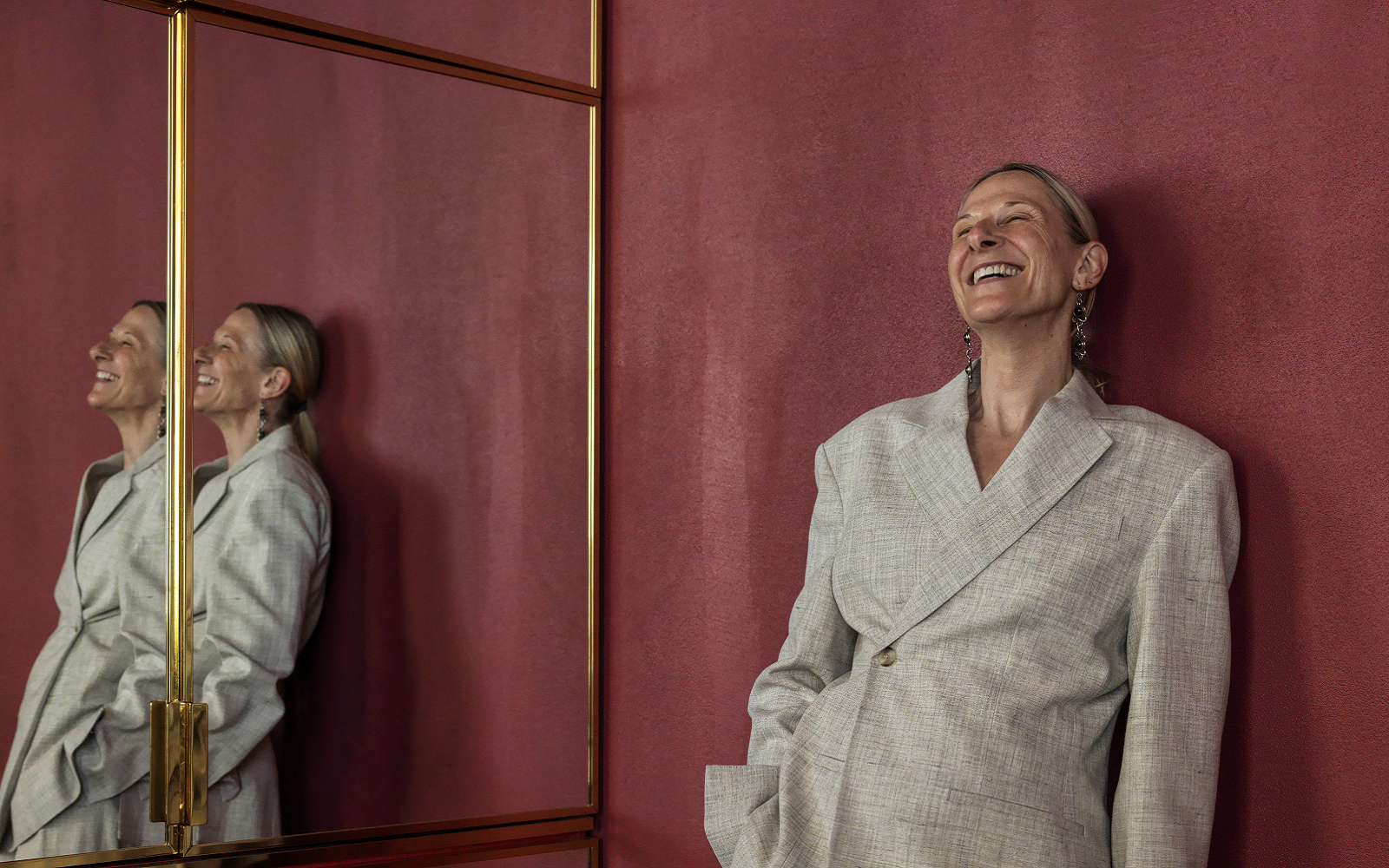
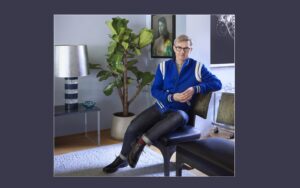
Stepping into The Standard anywhere in the world, there is an unmistakable sense of energy, curiosity and confidence that feels entirely its own. Much of that distinctive identity has been shaped by Verena Haller. As Global Head of Design & Creative Services at Hyatt Lifestyle Group, she has played a pivotal role in evolving The Standard into one of hospitality’s most influential design-led brands.
Ahead of new openings in Lisbon and Mexico City, we spoke to Verena Haller about building a global brand without relying on a formula, why community remains at the heart of every project, and why she believes the most memorable hotels are those that continue to surprise us.
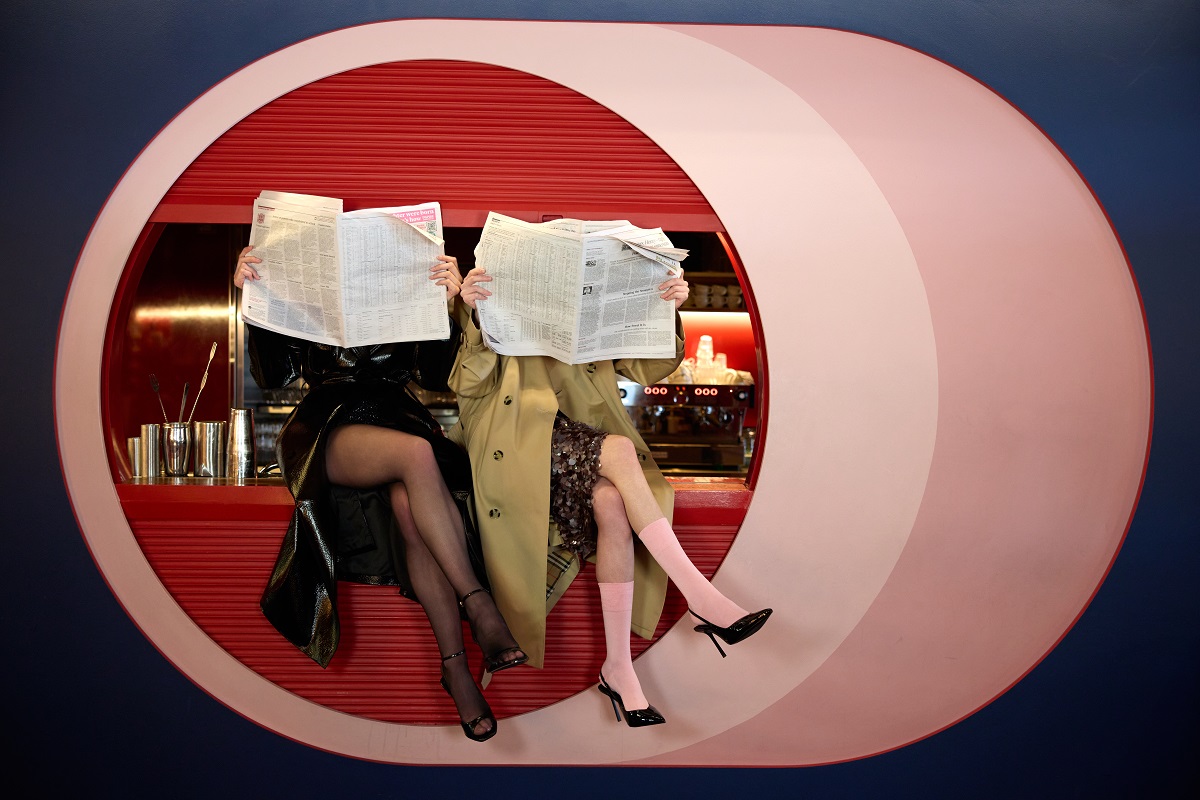
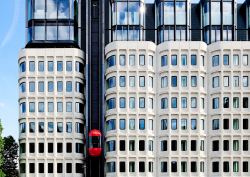
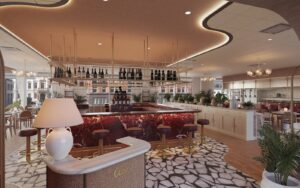
Image credit: The Standard, London / Guillaume Roemaet
Hotel Designs: You have been instrumental in shaping The Standard’s design language over the past years. Looking back, what principles have remained constant throughout that evolution?
Verena Haller: The biggest one has always been community. The Standard is about bringing people together. That was true in 1999 and it’s the goal of every project we touch, wherever we are in the world. We don’t just design hotels for guests – we design places where locals want to spend time as well. That mix is incredibly important to us because that’s where the energy comes from.
The other thing is that we always strive for the unexpected. We want people to stop for a second, smile, be surprised. A hotel should stay with you long after you’ve left. Whether that’s through architecture, interiors or simply a moment that makes you laugh, it should feel memorable.
We defined our sensibility in Los Angeles, Miami and New York – and that energy and attitude travels well. The Standard is open, curious, interested in people and culture, so our global expansion has been very natural. Every project teaches us something new. We evolve, but those core values never really change.
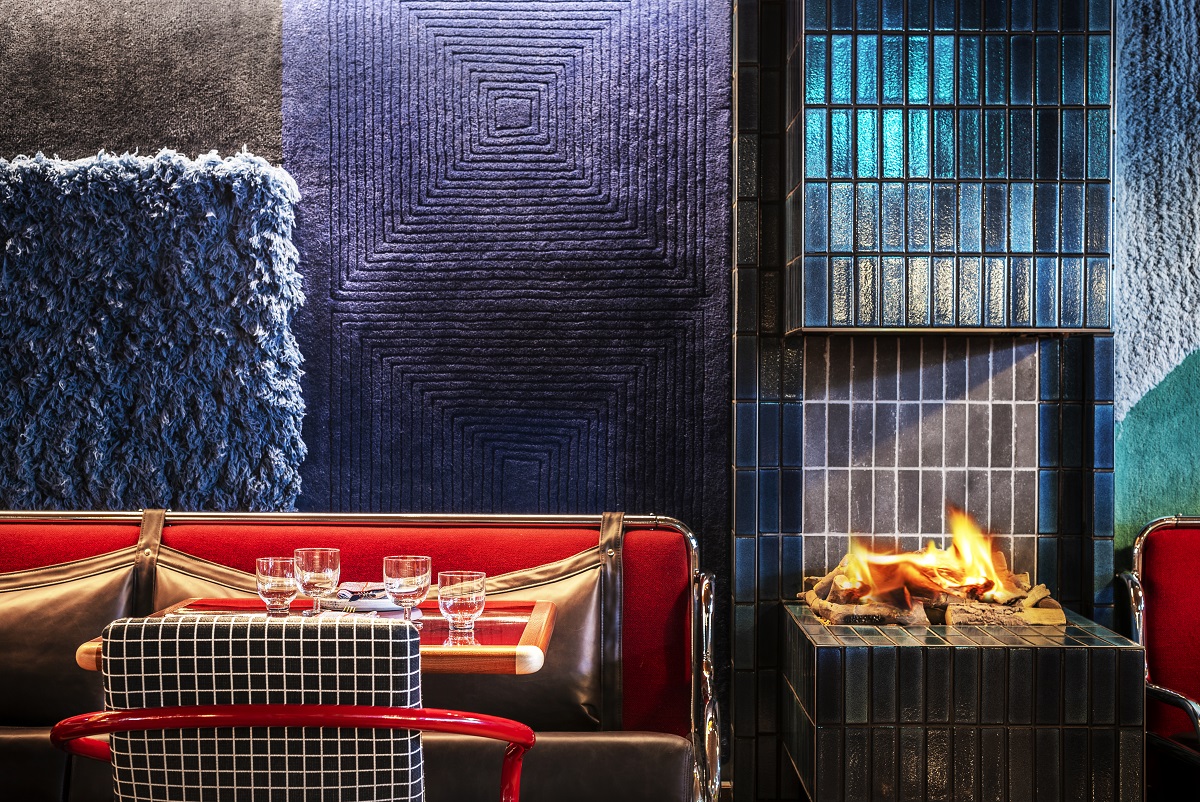
Image credit: The Standard, London
HD: The Standard has developed one of the most recognisable visual identities in hospitality. What do you believe are the essential ingredients of a hotel brand that is instantly identifiable yet never feels repetitive?
VH: We don’t follow a formula. I genuinely look at every project as though it’s the first Standard we’ve ever designed. That keeps us curious and stops us from repeating ourselves. We spend a lot of time internally understanding what a particular hotel needs – what the neighbourhood needs, what the city needs, what The Standard has to offer that location.
Once we’ve established that vision, we choose an interior designer very deliberately. We gravitate toward people we know will challenge us, and we challenge them back. I always describe it as healthy family tension. You don’t agree on everything, and you shouldn’t. Those difficult conversations usually lead to the strongest ideas. At the end of the day, everyone wants the same thing – to create a remarkable hotel. That’s how every Standard feels connected, while still having its own personality.
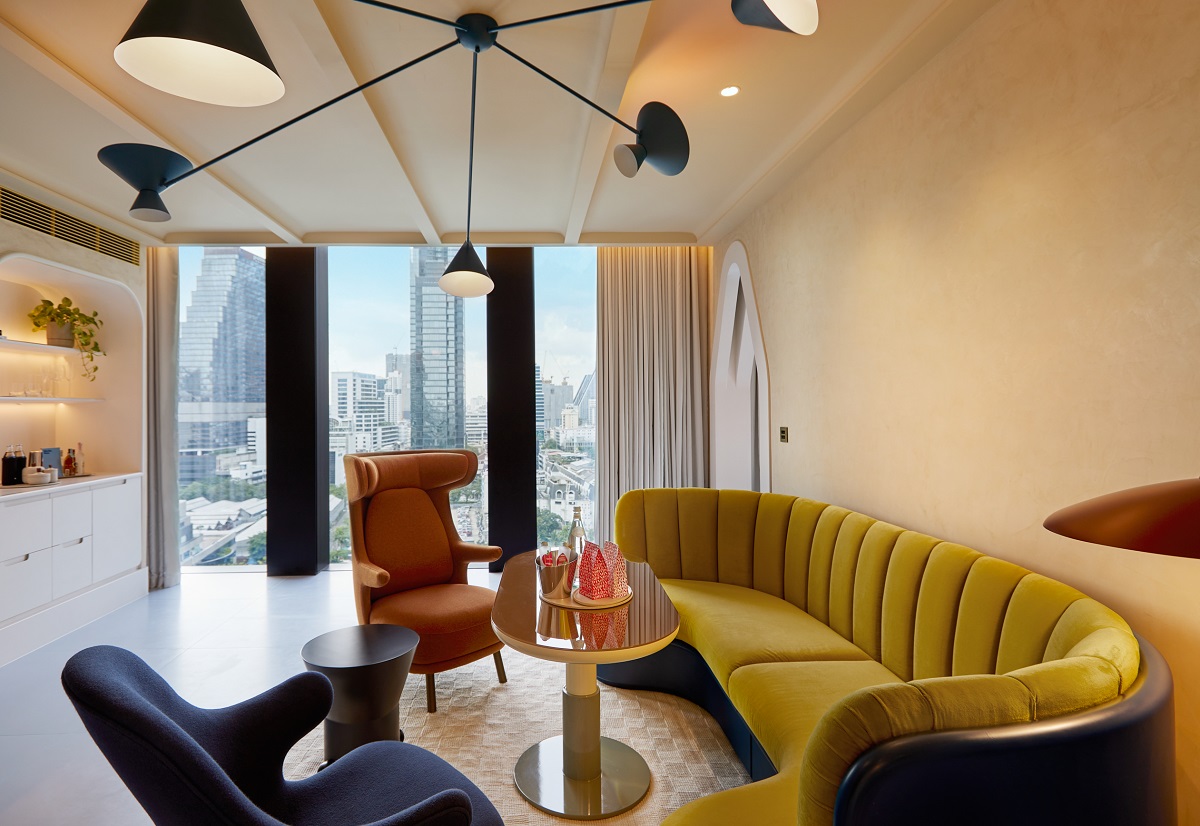
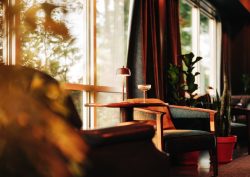
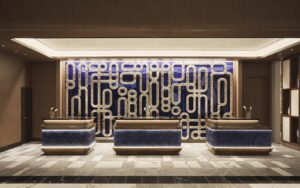
Image credit: The Standard, Bangkok
HD: The Standard is often described as a cultural brand as much as a hotel brand. How has design helped create that distinction?
VH: I think it’s because we don’t just design spaces, we curate how they’re going to be experienced.
Very early on, we’re already talking with our culture teams, operations teams and food and beverage teams about how people will actually use each space. What happens during the day? What happens at night? How do people move through it? Where does the energy build?
Then we keep shaping and refining those ideas all the way to opening. We push, we pull, we adjust layouts, lighting, music, colours, furniture, staffing – everything contributes to the atmosphere. To do that over and over again across different cities can only happen through real teamwork. It isn’t one person’s vision. It’s everybody working toward the same goal.
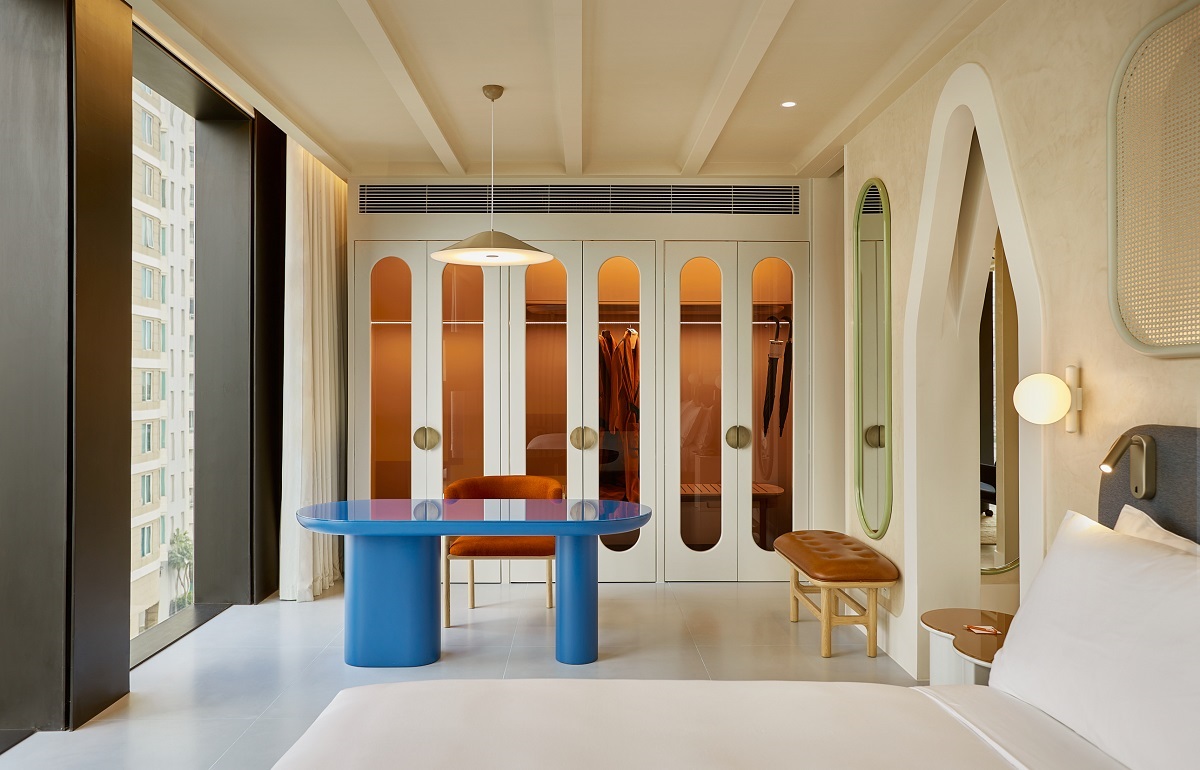
Image credit: The Standard, Bangkok
HD: With upcoming openings in Lisbon and Mexico City, how do you approach maintaining a globally recognisable brand identity while responding authentically to local culture and context?
VH: It’s never drag-and-drop or copy-and-paste. The Standard, London is an incredible hotel, but our goal is not to rebuild exactly it in 10 different cities. Lisbon and Mexico City are radically different places that call for their own design environments, ideas and influences. Guests will notice continuity between our hotels – playfulness, our mix of high and low, our deep connections to culture –but the strength of our portfolio is its diversity. It’s not a rigid visual language.
The process starts with spending real time in the city. You have to embrace the neighborhood, meet people, understand how locals live and build genuine relationships. You can’t design that from behind a desk.
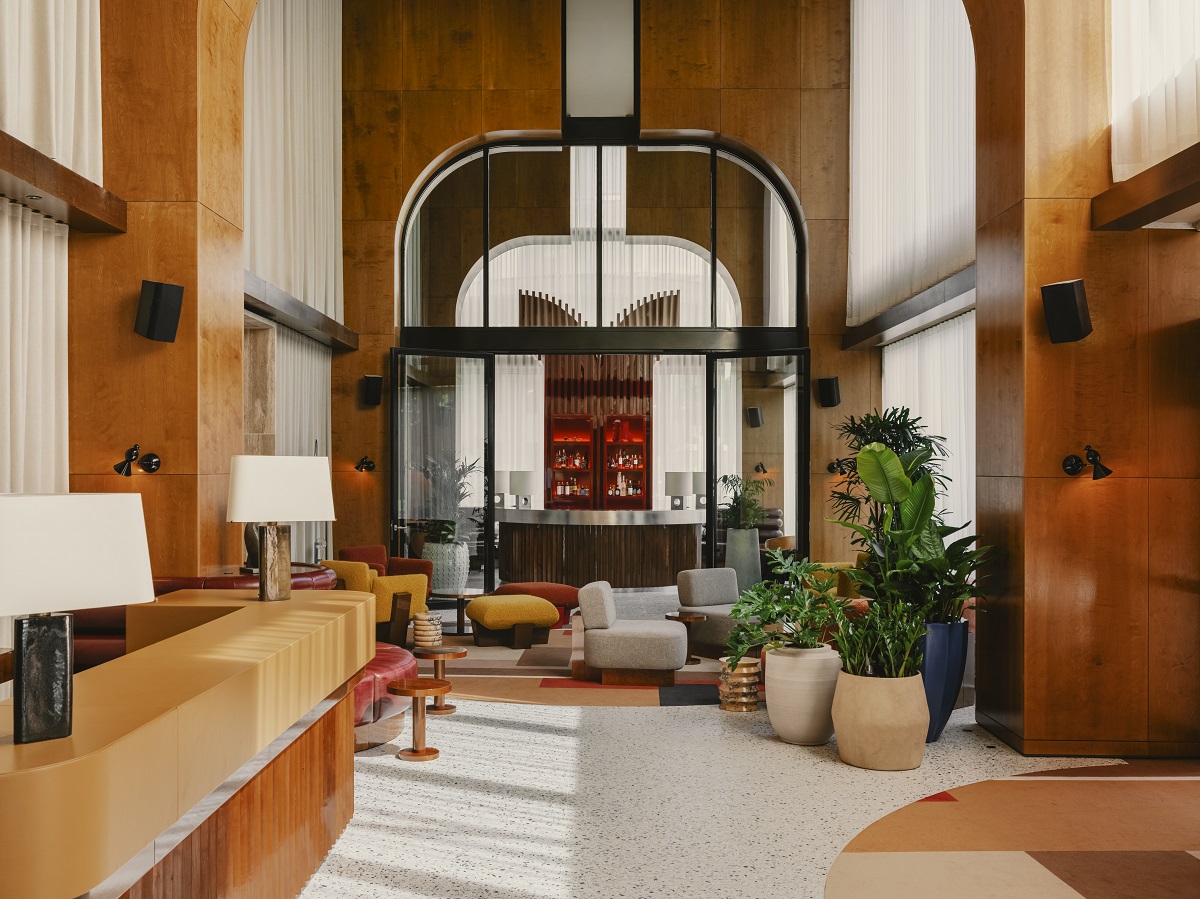
Image credit: The Standard, Brussels
HD: Can you share any insights into how the design approaches for Lisbon and Mexico City from one another?
VH: From a design perspective, both hotels offer many of the same ingredients people expect from The Standarda – rooftop, a pool, an experiential spa, vibrant restaurants, cafés and public spaces designed to bring people together. But the way those experiences come to life couldn’t be more different.
In Lisbon, we’re working within a historic building in Alfama, one of the city’s oldest neighborhoods. The architectural detail, the views and the rhythm of the streets naturally shape the experience. Our project in Mexico City is a new build and very vertical, which gives us a different canvas and a different relationship with the skyline and the city. Mexico City will be our first Standard in Latin America, which makes it critical to introduce ourselves with all the energy and excitement that we’re known for.
Every city tells you something different. We always begin with the same questions – what does this place need, what can we contribute, and how do we become part of the neighbourhood – but the answers are never the same. That’s what keeps the work exciting. 
HD: How important is it for a hotel today to function as a cultural platform rather than a standalone hospitality product?
VH: That’s always been important. It’s worth mentioning that at The Standard, we saw ourselves that way long before it was automatic or expected. The point of The Standard is to create a stage for creativity, community, ideas and culture. Every one of our hotels has its own culture team, and we work very closely with them from the very beginning. Programming isn’t something that gets added later, it’s built into the thinking from day one.
Whether that’s supporting local artists, musicians, chefs or neighborhood events, those cultural connections give each property its own identity. Then, because we’re a global brand, we also have the opportunity to connect those local stories to a wider audience.
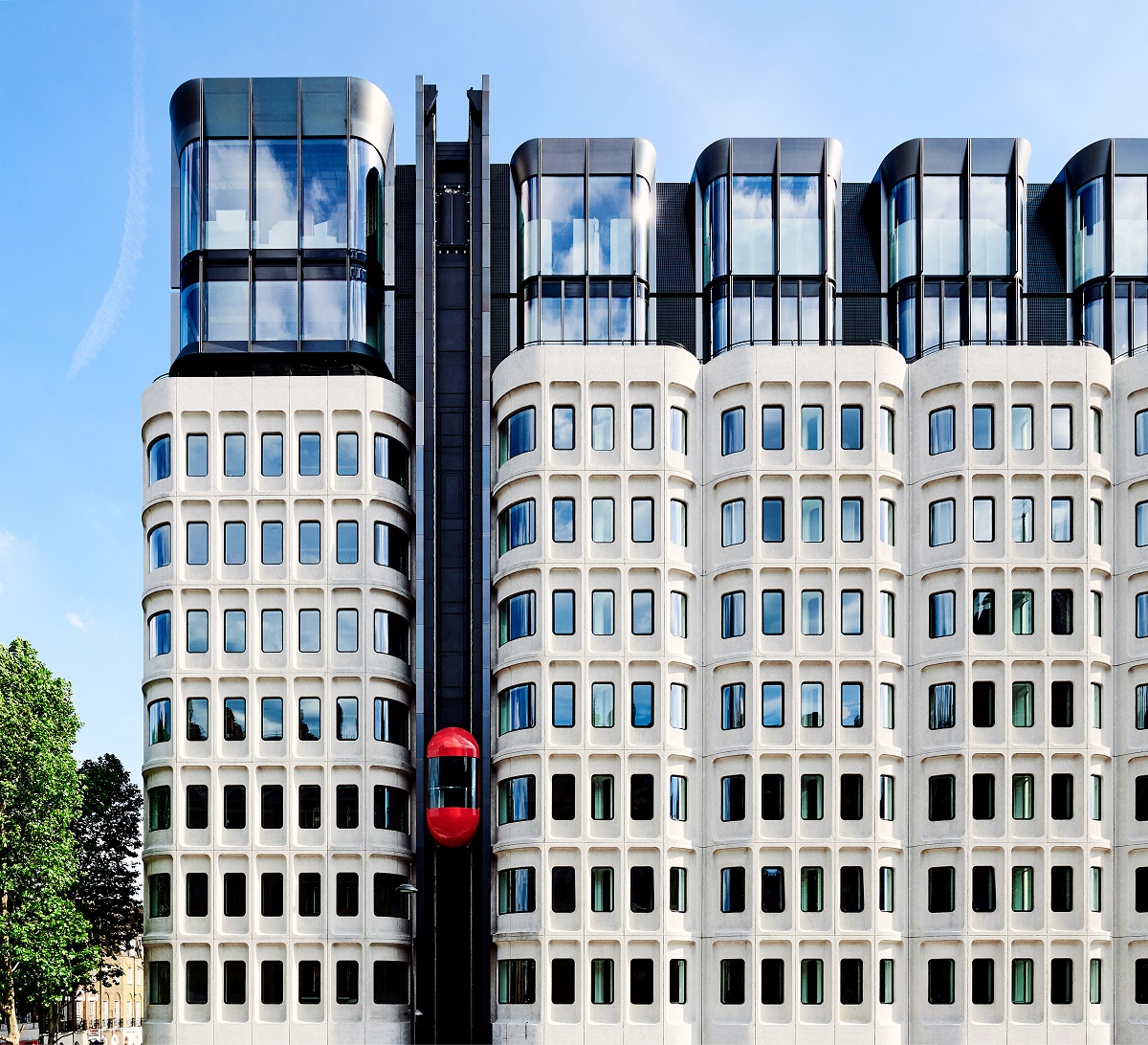
Image credit: The Standard, London
HD: Several Standard properties occupy architecturally significant buildings. What attracts you to these kinds of projects?
VH: We love buildings with personality.
We love Brutalism. We love buildings that make a statement.
I’ve always believed you can find beauty in almost anything – you just have to look at it the right way and not shy away from a challenge. Sometimes the buildings that people initially don’t understand become the most rewarding projects. For us, architecture is every bit as important as the interiors. It’s really our first piece of design approach. Before anyone walks through the doors, they’ve already had their first conversation with the hotel.
HD: The Standard, London transformed a notable brutalist landmark into a contemporary hospitality destination. What were the biggest design lessons from that project?
VH: I don’t know if I’d call it a lesson as much as a reminder.
London was our gateway into Europe. Coming into a completely new market and a new country isn’t easy. You have to create something that’s exciting and different while also feeling familiar enough that people immediately understand who you are.
Finding that balance is probably the biggest challenge. You have to respect the city you’re entering while staying true to the brand. I say “challenge,” but it’s really an opportunity. New cities and contexts unlock dimensions of The Standard we didn’t know were there. That’s something we continue to think about with every international opening.
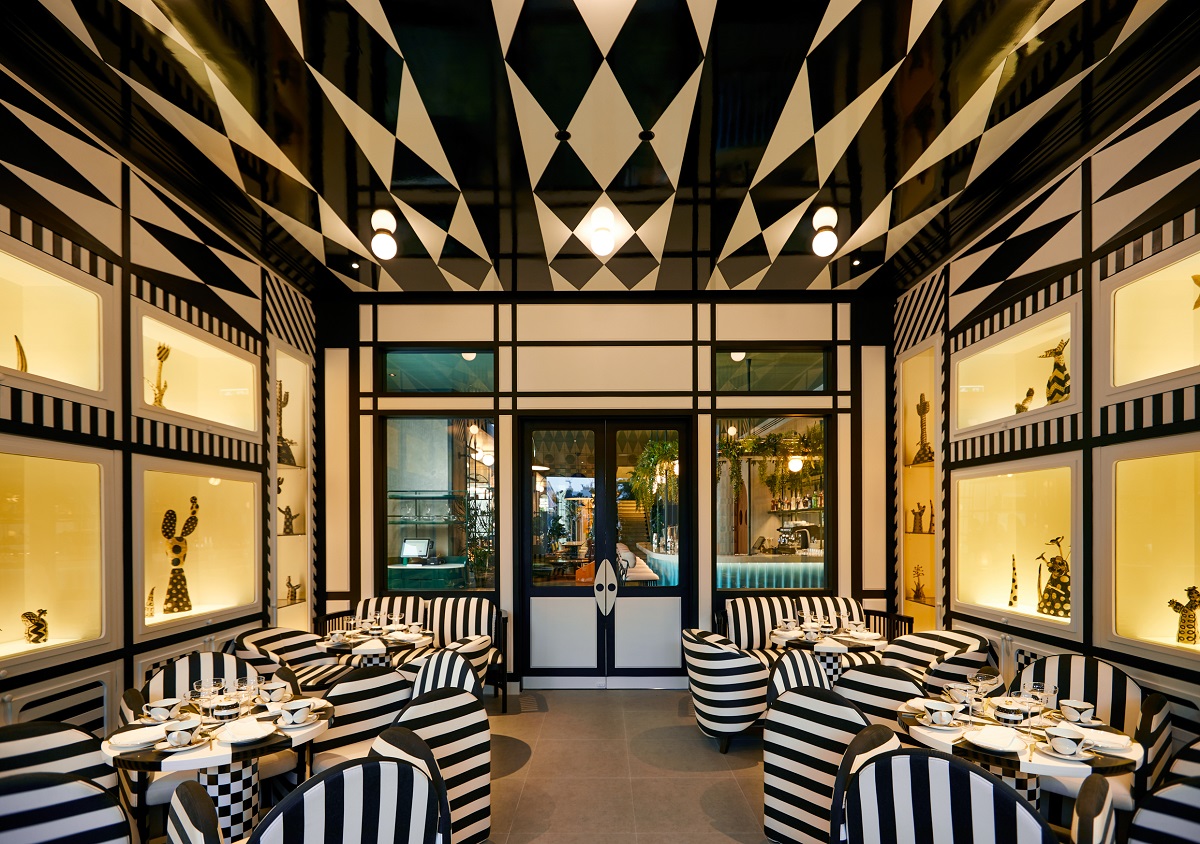
Image credit: The Standard, Bangkok
HD: What trends do you believe will define the next decade of hotel design?
VH: I’m not sure I believe in trends. I think it’s much more important that brands continue to evolve. You learn from every project, you get better, you apply those lessons and then you learn all over again. That’s how people evolve, and I think hotels should evolve in exactly the same way.
What I don’t think will ever change is our responsibility to create places where people feel comfortable being themselves. Hospitality should be a safe haven: somewhere people can arrive exactly as they are, relax, and feel at home.
HD: After helping shape one of hospitality’s most influential design-led brands, what continues to inspire you creatively?
VH: For me, it’s actually very simple. I grew up in the Dolomites, so going home always recharges me. Being in the mountains, skiing – which is probably the most important part – and spending time in nature gives me perspective.
I’m also someone who needs balance. Sport keeps me active, meditation keeps me grounded, and together they help me stay curious. Every day I try to learn something new because creativity comes from staying open and paying attention.
HD: Finally, do you have a personal favourite in The Standard’s history that you feel best captures the brand’s philosophy and approach to design?
VH: I honestly couldn’t choose one.
Every Standard has its own personality, its own challenges and its own memories. Every project asks something different from us, and that’s what makes them all so special.
For me, the best moment isn’t choosing a favourite building, it’s arriving at one of our hotels. Feeling the energy, seeing the spaces full of life, hearing the music, talking to the team… it all comes together. Every time I walk into one of our Standard hotels, I feel like I’ve arrived. My shoulders drop, I breathe out and I immediately feel at home. That’s really what we’re trying to create for every single guest as well.