Timothy Shepherd of Shepherd& talks the design behind The Shepherd Mayfair, London’s new boutique hotel opening summer 2026…
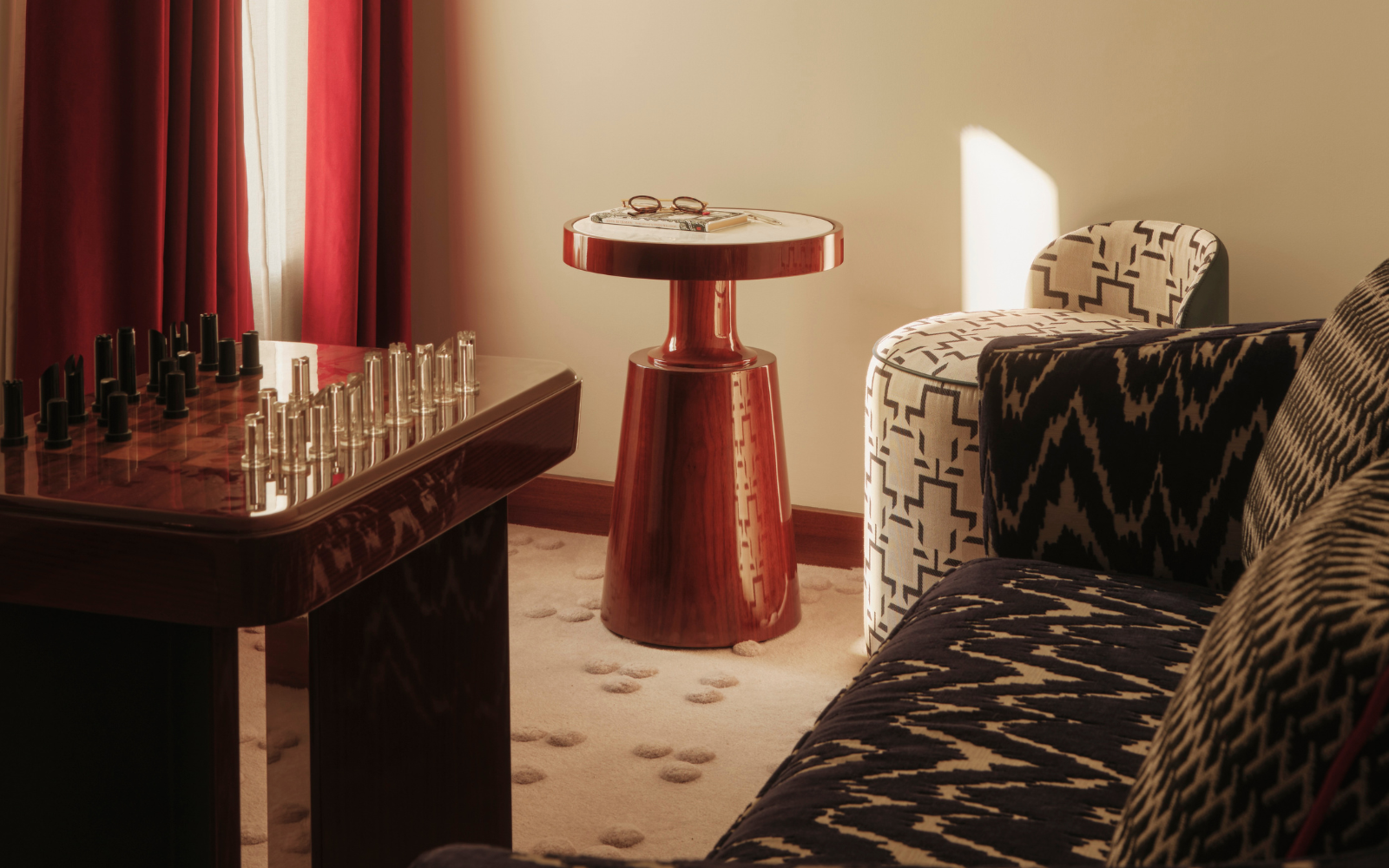
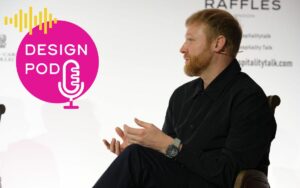
As founder of interior, architecture and digital design studio Shepherd&, Timothy Shepherd leads the interiors of The Shepherd Mayfair. Originally conceived while he was Managing Director at Buckley Gray Yeoman, the project reflects his distinctive approach to hospitality design, prioritising craftsmanship, contextual storytelling, and a detail-oriented sense of luxury.
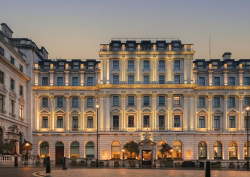
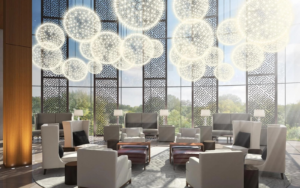
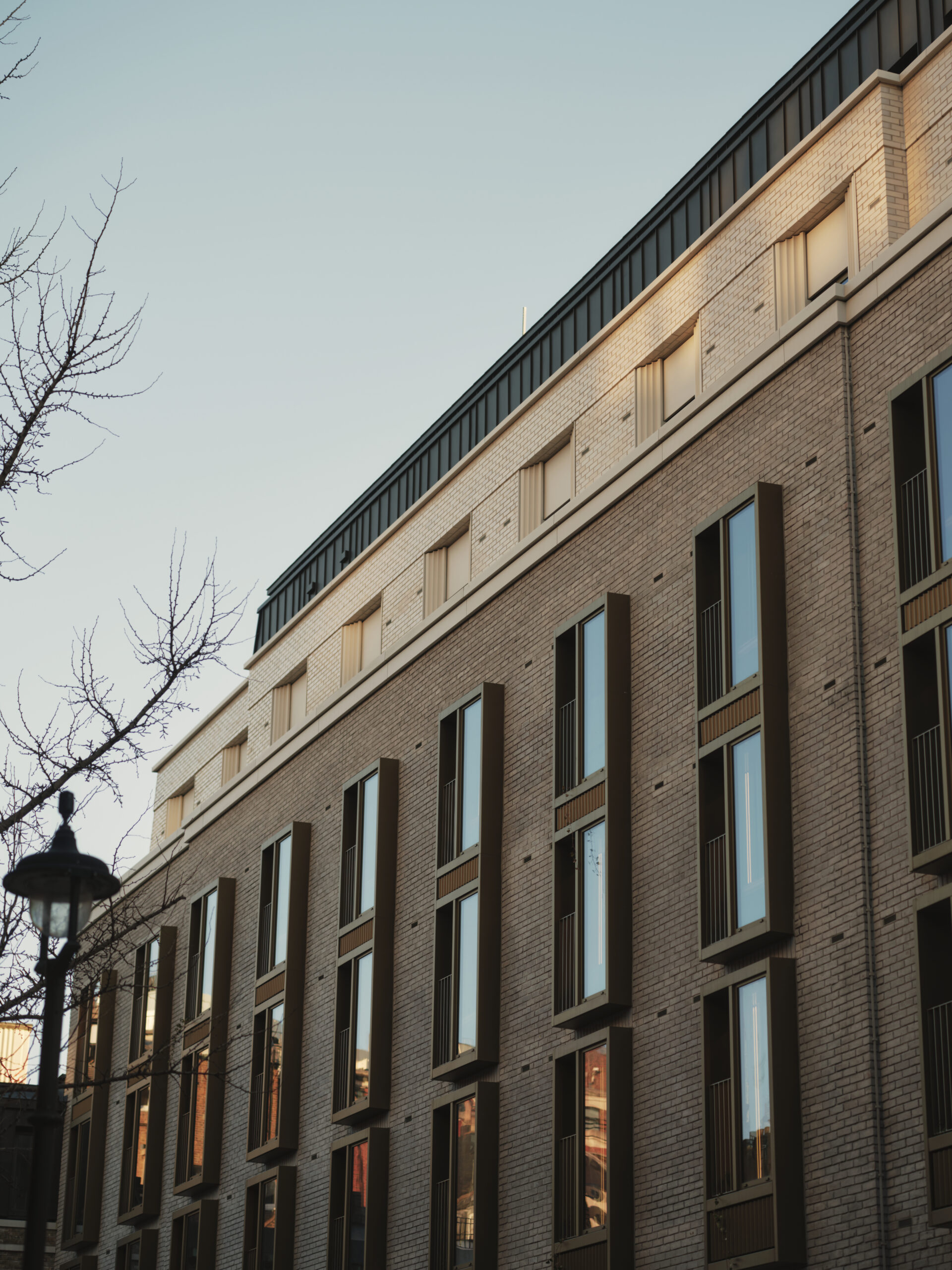
Situated at the gateway to historic Shepherd Market, the 82-room hotel reinterprets the scale and character of Mayfair’s eighteenth- and nineteenth-century mansions through a contemporary, residential lens. In this interview, Timothy reflects on the evolution of the project, exploring how subtle narrative details, layered materials, and playful experiential elements contribute to creating a hotel environment that feels both personal and cohesive.
-
- Image credits: Felix Speller
Hotel Designs: Can you walk us through the original concept for the Shepherd&?
Timothy Shepherd: There wasn’t a formal brief – it was more a conversation. I already knew the owners from previous projects and understood their desire for a boutique hotel that felt rooted in Mayfair rather than overtly branded. The aim was to capture the quiet confidence of the area’s historic mansions through artisanal materials and personal, human details.
I developed the initial concept in three to four weeks, and it has remained largely unchanged. That early interpretation of Mayfair’s elegance – expressed through bespoke joinery, warm timbers, and subtle layering – guided the entire project.
From the outset we were also conscious of the building’s relationship with Shepherd Market, whose intimate character informed interiors that feel refined yet relaxed. The owners trusted that interpretation, which allowed the design to evolve organically.
HD: How did you approach designing a boutique luxury hotel within the constraints of a 1970s structure while maintaining comfort and elegance?
TS: It was about layering context and detail. The existing structure wasn’t designed for boutique hospitality, so we reinterpreted it through the interior experience rather than trying to fight the building. Layout adjustments, bespoke joinery, and careful use of lighting and materials helped soften transitions between spaces.
We also looked to Mayfair’s historic townhouses for inspiration, echoing their rhythm of rooms and corridors. Circulation spaces were made slightly darker and more atmospheric, so the guest rooms feel brighter and more welcoming. Custom joinery, tailored lighting, and thoughtful acoustics helped conceal the building’s quirks, creating a calm, cohesive sense of luxury that feels effortless rather than overtly designed.
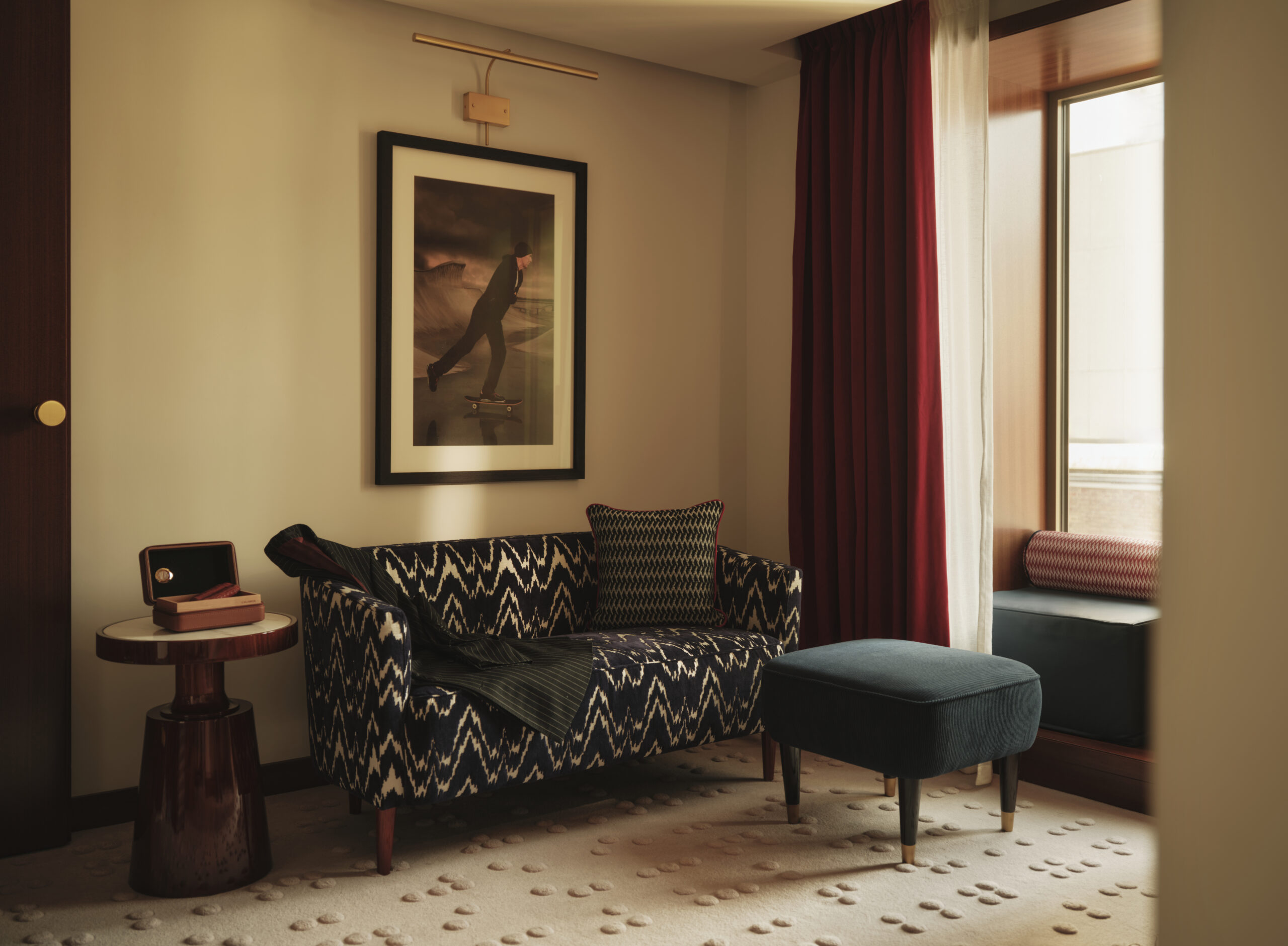
Image credit: Felix Speller
HD: How did you ensure that each guest room retained a sense of individuality while still feeling cohesive within the overall hotel aesthetic?
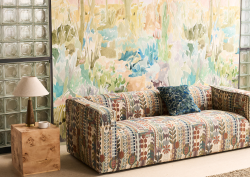
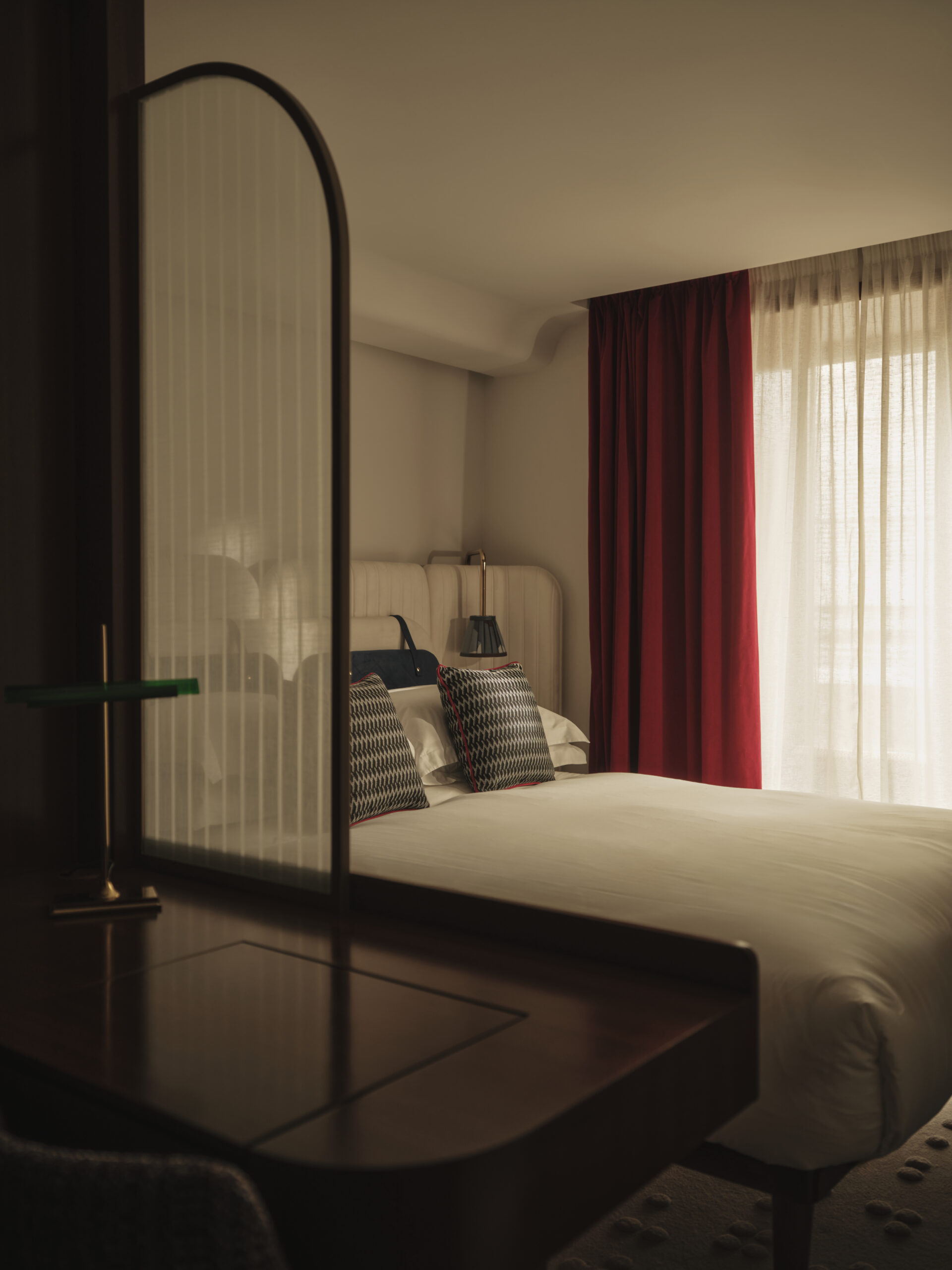
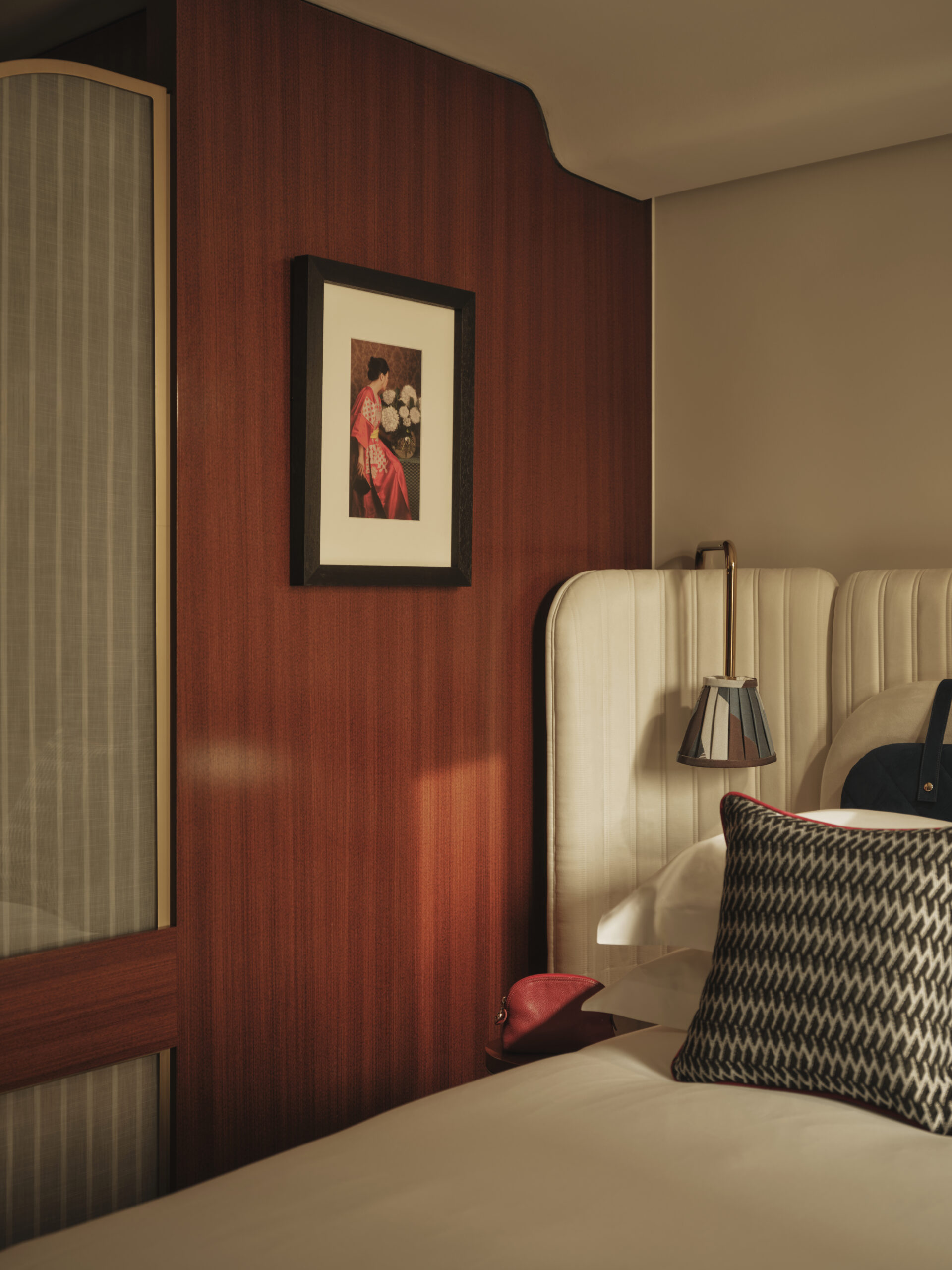
TS: Each room has bespoke joinery, layouts, and details shaped by the building’s proportions. Some have window seats overlooking Shepherd Market, others have slightly different seating arrangements or desk configurations.
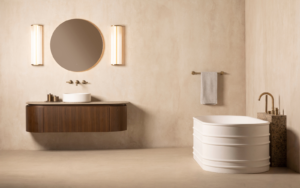
However, the palette, materials, and scale unify them. Timber finishes, soft upholstery curves, and a consistent colour language create a shared identity. Guests experience variation without dissonance, maintaining a consistent narrative across the hotel.
HD: Much of the furniture and joinery appears bespoke – what were some of the challenges in creating pieces that fit the unique dimensions and quirks of the building?
TS: The building is from the 1970s, so nothing was standard. Every room presented a slightly different set of dimensions, and we couldn’t rely on off-the-shelf typologies. For example, we wanted to maximise every inch of space in the rooms, which meant we had to carefully size every joinery piece. A small adjustment in one area could gain an extra 100mm in a shower, which makes a huge difference in luxury perception.
Even pieces that look similar across rooms are bespoke in their details. Walls shift slightly, floors aren’t perfectly level, and ceilings differ. We had to tailor everything from joinery to the banquettes, sofas, and cabinetry. We even collaborated closely with artisans like Moroso for furniture, who have ‘the Michaelangelo of foam cutting’, and who shaved prototypes down to exact tolerances. The work isn’t just drawing in an office, it’s an ongoing, iterative process with craftspeople who can think differently and solve unexpected challenges.
HD: Collaboration with suppliers seems central to the project – how do you select partners who can execute such precise and detailed craftsmanship?
TS: Selecting the right suppliers is about more than quality; it’s about shared problem-solving and commitment. For instance, if a bed couldn’t fit through a lift, the solution wasn’t to compromise – it was to design a bed that could be delivered in pieces and reassembled without losing design integrity. Every door pivot, every drawer, every upholstered piece required dialogue and iterative problem-solving.
We worked with artisans who are exceptional at what they do but may not have extensive marketing presence. People like that don’t just manufacture, they contribute creatively – offering solutions we might not have thought of. This is the sort of collaboration that elevates a project from good to exceptional. You’re celebrating the craft as much as the design, and in a boutique hotel, that shows in every detail guests interact with, even subconsciously.
-
- Image credits: Felix Speller
HD: How do operational requirements, like staff workflows and room logistics, influence your interior design decisions?
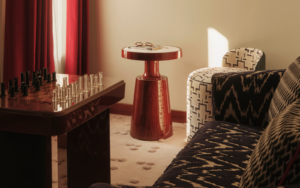
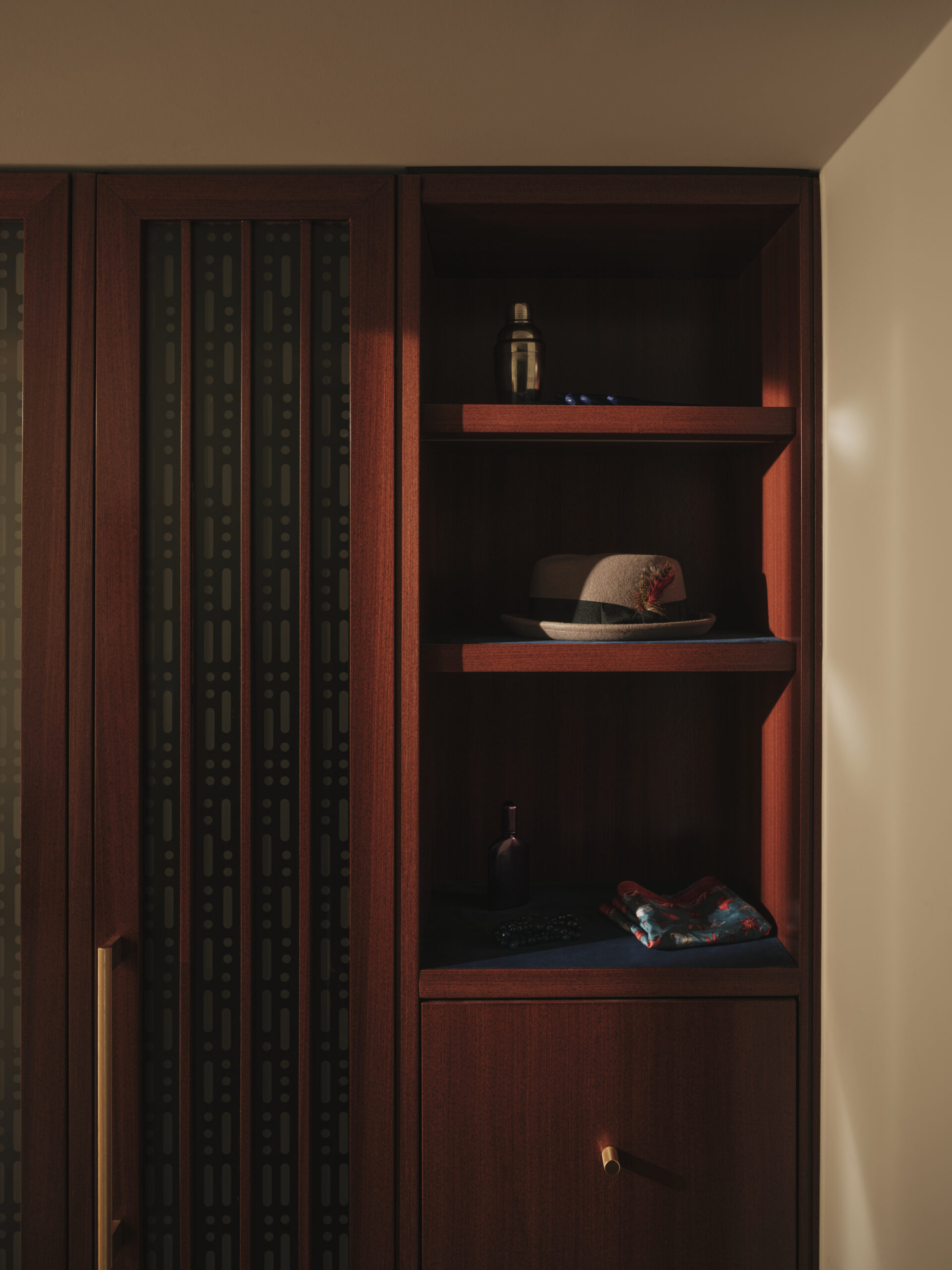
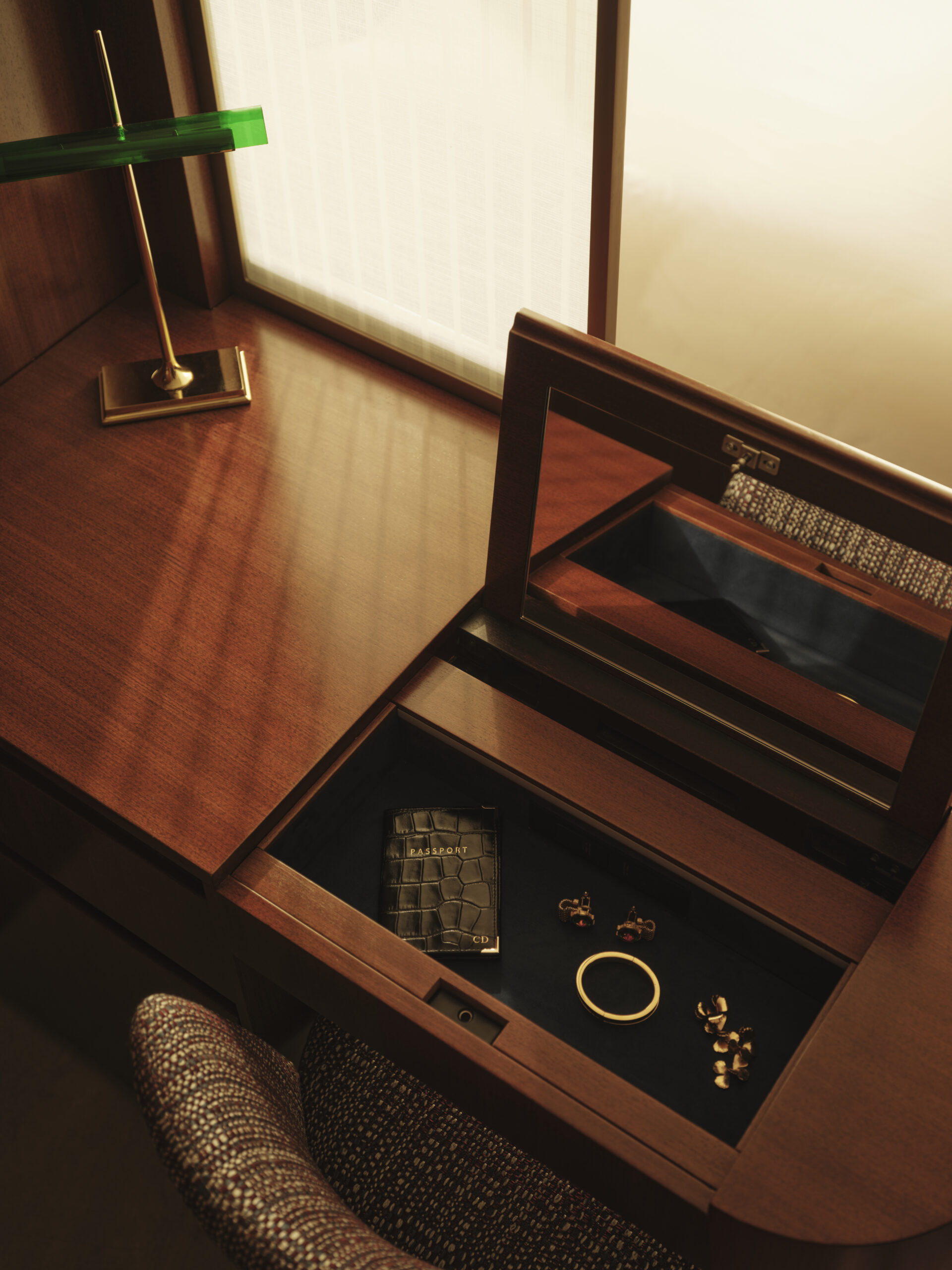
TS: Operational realities are inseparable from design. We had to consider circulation, luggage storage, room service, and maintenance at every turn. For instance, the beds were raised to allow flight cases underneath. Wardrobes were designed so luggage could be tucked away neatly without cluttering the room. Even seemingly small things, like a chess table with a little suede-lined drawer that pulls out for cutlery storage, is designed to enhance functionality while maintaining the luxury feel.
Staff workflow dictated how spaces were shaped. Double doors, pivot doors, and soft lighting panels were all designed not just for aesthetics, but for privacy and usability. This is the layer of design often invisible to guests but crucial for a seamless experience. It’s about thinking like a guest and like an operator simultaneously – every element must work perfectly on both fronts.
HD: What role does layering – through lighting, art, textures, and furniture – play in creating a hotel environment that feels both luxurious and personal?
TS: Layering is everything. Lighting sets mood, textures give tactility, art introduces narrative, and furniture defines how people use the space. When these elements interlock thoughtfully, the hotel feels personal and curated rather than staged.
Luxury often comes from subtle complexity. Guests may not consciously analyse why a space feels comfortable, but the layering of materials, proportions, and lighting shapes that perception.
HD: Many elements in the hotel have personal or narrative significance – how do you balance storytelling with functional design?
TS: Storytelling enriches the guest experience without overwhelming it. For example, artwork in the bar and curated vintage pieces tie the hotel to history and personal narrative, creating layers guests can uncover. But each piece also had to work functionally within the hotel’s daily operations.
HD: Photography and presentation were emphasised during the project – how important is visual storytelling in conveying your interior design vision?
TS: Photography by Jack English and George McLeod capture the essence of the space and its narrative. We layered context through both images and physical design, showing how materials, lighting, and scale interact. A photograph should make the design feel tangible and accessible, emphasising both comfort and craftsmanship.
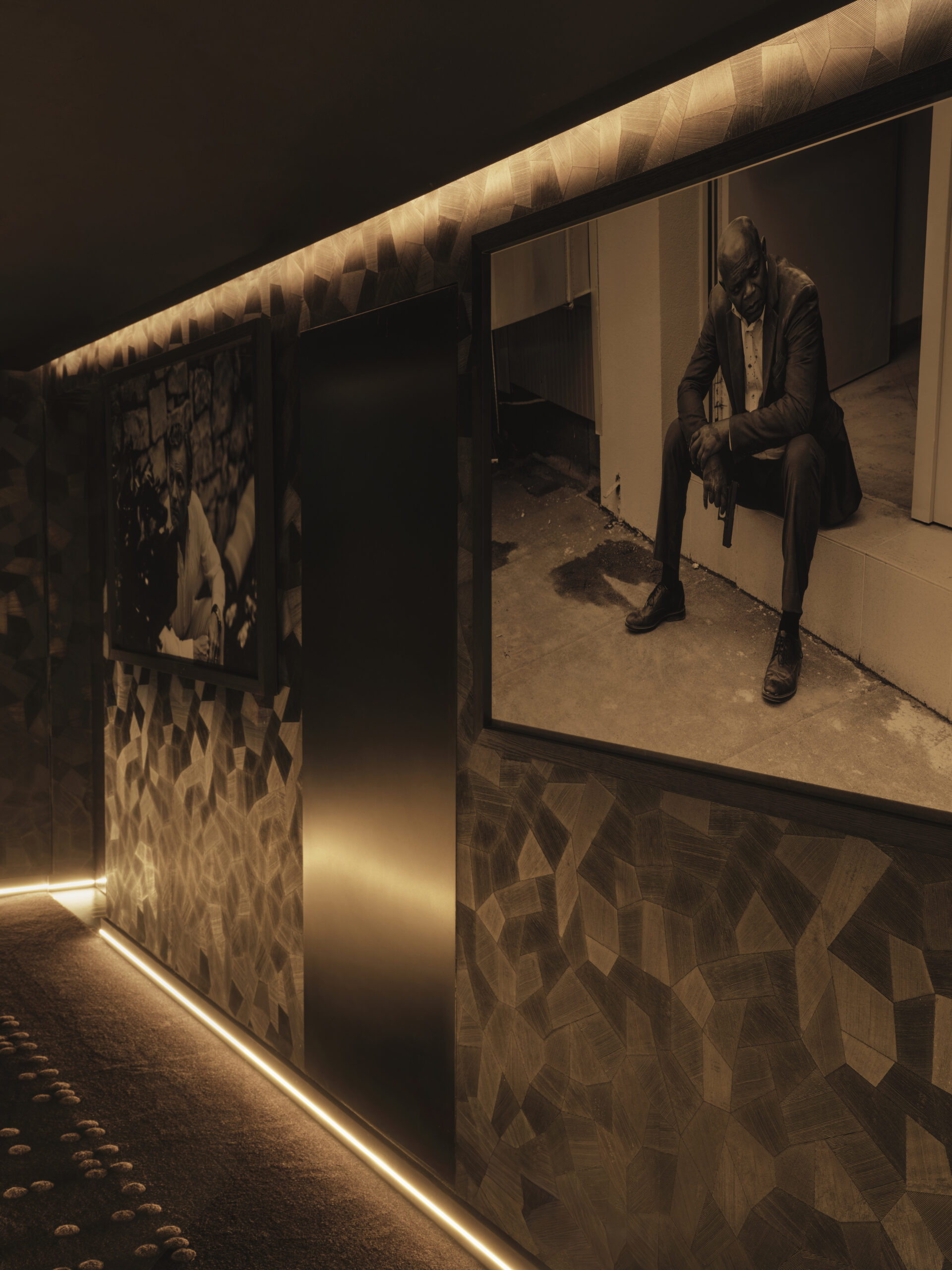
Image credit: Felix Speller
HD: The hotel includes playful touches, like a custom chess table and vanity mirrors – how do you determine which whimsical or experiential elements to integrate into a space?
TS: I look for moments that surprise or delight without feeling contrived. The chess table in the Shepherd& rooms, for example, isn’t just decorative. It’s a functional piece with suede-lined drawers for cutlery, polished veneers, and subtle references to culture and storytelling – The Queen’s Gambit has made chess sexy and exciting again.
Similarly, the vanity mirrors rise and unlock with the key card, illuminating the guest at exactly the right moment. These are small interactions, but they communicate care, luxury, and thoughtfulness. This approach allows guests to uncover layers of experience naturally, giving a sense that the hotel has personality and thought behind every detail. Luxury, to me, is as much about delight as it is about function.
HD: Communication between architects, interior designers, contractors, and suppliers can be fragmented – how did you maintain alignment to ensure seamless execution of the hotel interiors?
TS: Communication was constant. Weekly discussions, site visits, and collaborative problem-solving prevented misalignment. Everyone – from the general manager to the contractors – were encouraged to share insights. This continuity is rare, but it’s essential.
HD: How do you balance practicality and luxury in a hotel where both comfort and bespoke design are expected by discerning guests?
TS: Luxury isn’t about excess – it’s about thoughtful practicality. Every design choice, from bed height to storage, is about guest comfort. It’s the seamless combination of utility and artistry that makes a space feel truly luxurious.
Timothy Shepherd’s vision for The Shepherd Mayfair shows that true luxury lies in thoughtful detail. From bespoke joinery and layered materials to subtle experiential touches, every element reflects the building, its neighbourhood, and its guests. Opening summer 2026, the hotel is sure to capture the intimacy of Shepherd Market while offering a contemporary boutique experience where comfort, craftsmanship, and personality come together seamlessly.
Main image credit: Felix Speller