Kickstarting our time putting Art under the editorial spotlight, Giles Bristow, fine art and logistics specialist at Momentous, lifts the lid on some of the issues you don’t hear about when installing art in hotels…
Just like every art collection, art installed in hotels is unique. Art comes in all shapes, sizes and mediums. From one-of-a-kind drawings, oil on canvas and complex works, audio-visual, large sculptures or hanging installations.
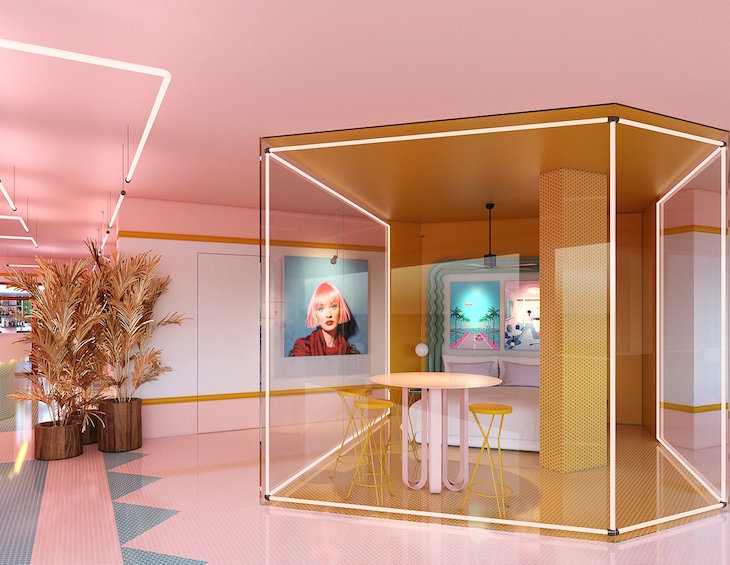
Especially since the rise of using ‘art outside the frame’ in an interior design scheme, designers, architects and hoteliers are also thinking outside the box to come up with new ways to inject personality within their hotel. Therefore, the install process, which often looks on the outside to run seamlessly, also has to be personalised for the project as well as the building that will shelter it and the works themselves. With the aim to dig beneath the surface on what it actually takes to logistically transport and install art, here are some of the common challenges.
We are commonly required to incorporate the installation of fine art into the hotel logistics and installation programmes we manage for our clients. In these cases, we engage our fine art team who work in close coordination with our FF&E logistics team. Fine art installation requires a unique set of skills, especially when artworks, by their nature are irreplaceable, so having the relevant technicians who understand the medium and the works are able to define the correct techniques and employ these in the art logistics and installation processes is critical to success.
Starting early
Installing art is not like any other part of the project. You are installing unique and one of a kind pieces so there is a lot more that goes into the logistics planning, specifically in the early stages of the project.
The installation is critical but there are many specialist logistical aspects that must be worked through before the artworks are ready for installation.

Image credit: Matetsi Victoria Falls. Each suite includes an abstract art piece that when put together forms a map off the safari reserve the hotel sits on.
“In every case, we work directly with the artist to fully understand the works and define the best form of preservation.”
Where is your artwork coming from?
We generally work in consultation with the party who has commissioned the work, for example the interior designer, curator and the artist. This means that there will be production times and arrangements that we need preparation to be made prior to collection, coordinating transportation, bringing into storage and inventory control. Preparing the works for transportation is key. Many large pieces will require crating which we organise in coordination with the artist making these according to a specific specification set by our technicians. In every case, we work directly with the artist to fully understand the works and define the best form of preservation. If works are being procured, or even on loan, we would normally work with the gallery or collector to arrange for the packing, crating and handling. You need to ensure that your art is protected so it arrives on location in optimum condition. We would normally provide a detailed condition report of the items before packing and transporting.
Transportation
Momentous has transported artwork from overseas galleries, historic pieces and enormous sculptures. In each case, we have to consider the most effective method of transport. Moving art within the UK or across Europe will invariably be by road but it is not the case that it can go on a standard vehicle, it needs a specialist fine art vehicle. Roads often suffer from potholes and city centres have speed control bumps. This means art needs to be transported on trucks with sufficient air-ride suspension and have the necessary anchoring in place to avoid damage, there may also be a need for climate-controlled transportation although this is less common for art installed in a hotel. Even with the best packing and crating methods it is still easy to sustain damage if the wrong transportation method is used.
We also transport artwork internationally, importing unique items for a project from overseas. In these circumstances, managing the customs process becomes critical as there are materials and items that are subject to restrictions and there can be complicated customs and tax requirements attached which we deal with as part of the process of arranging the international shipment by air and sea. I would always recommend consulting with a specialist international art shipping expert to check you have everything covered and don’t get stuck.
Condition reporting, storage and inventory management
Your artworks will be brought in to be held in storage until they are ready for distribution to site and installation. This may require specialist storage with racking and additional security standards to the rest of your FF&E inventory.
Individual artworks would be expected to have a condition report before being packed and moved. The best form of condition reporting is electronic, with photographic evidence and detailed notes that can be referenced. Condition reports are one of the main aspects regarding administration of artwork, this process can be carried out several times during a project from the original collection point, to delivery into our warehouse and to the installation point.
Storage options will need to be assessed as different types of artwork require different types of storage for example temperature controlled, oversized items, heavy sculptures that require bespoke pallets, travel frames and crates.
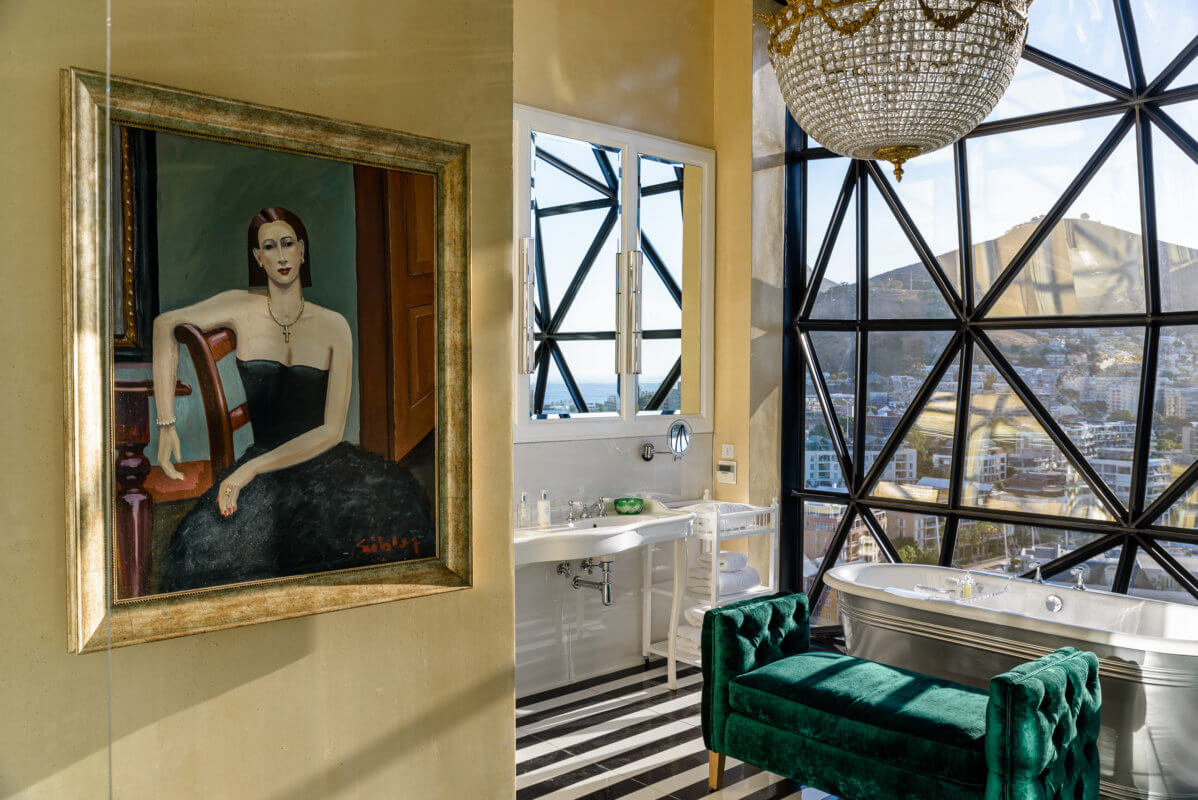
Image credit: Silo Hotel, Cape Town
“When it comes to the point of installation, having someone on the project who understands your vision and the nature of the artwork is going to make a big difference.”
Understand the medium and space
When it comes to the point of installation, having someone on the project who understands your vision and the nature of the artwork is going to make a big difference. Understanding the materials and the mediums of the works will ensure that the installation process is smooth, and the artwork is displayed to make a maximum impact. Our art technicians will advise on the use of light and any potential environmental factors that could damage the works such as excessive heat, light or moisture. An experienced technician will understand the requirements of the artworks and the space and advise on every aspect to define the best way to install the works and fulfil your project plan.
Specialist technicians, qualifications and equipment
Your project manager will select the best team of Art Technicians to support your project specification and the work package requirements. Some projects also require technicians to have CSCS cards and attend site inductions prior to starting work on site. Technicians will follow the floor plans and the work package that has been agreed by both the project management team and designer.
Certain types of lifting equipment can be required during the installation, for example we use external elevators, cranes, genie lifts, gantry’s and scissor tables. Your project manager would discuss these with you in consultation with the technician.
Considerations when delivering to site
Your logistics project manager will ensure coordination of storage and transport services based on the requirements of your overall project plan. If your installation is phased, then specific items will be selected according to a pick list, then prepared, packed and consolidated as a consignment ready for transport and delivery. They will also need to prepare all the necessary documentation and customs preparations if this is an international delivery.
At location, many hotels, especially in city locations, have access limitations that require assessing early in the project. This should be conducted by your accredited logistics specialist. Risks will need to be assessed expertly, especially taking into account health and safety measures needed to prevent damage to people and the site.
Your project manager will need to define route plans of your site from delivery point to installation point. These need to be checked daily as working hotels can be very busy which can sometimes lead to routes being obstructed.
Always factor for noise levels too. If you have guests or local residents, then noise cancelling measures need to be taken. We also carry out work during weekends or evenings depending on the needs of the project.
On-site installation
All works will be installed as per the project plan set out by the designers, curator and project management team in coordination with the art technicians. A pre-installation survey will check both access and type of material that the works will be installed against. A risk assessment and method of works are often provided depending on the project specification.
The type of surface that the artwork will be displayed on or fixed to will define the type of tools and equipment that will need to be used. For example, drilling into marble must be handled differently to drilling into materials such as panelled or plaster walls, carpet walls, wallpapered areas and wooden walls.
The type of surface on which the art is being displayed or being hung from should be able to sustain the mass of the artwork. Weight and pull test certificates must be provided for any hanging works or pieces that are considered heavy. We must also consider the age of the building looking if and where required do we need to have asbestos certifications for health and safety reasons.
As your artworks tend to be displayed in locations that are in reach of guests, then health and safety is going to be high on the list and may also want to consider that your artwork is valuable too. Therefore, fixings must be considered. Your project manager and technician should advise on the safety of fixings and special security fittings. They will also provide written method statements where construction and build are involved.
If you are installing artwork, then it is recommended that the installation is conducted by art technicians. The level of experience and skills required will be defined by the medium, size, weight and complexity of the items you require installing and the space you are installing them in; height, access, safety requirements, risks, access and others. Ensuring you have the right skills on-site and a logistics project manager who understands art installation and is able to engage technicians with the correct level of experience will help a great deal.
After all the artworks are installed, the crew will complete an internal snagging report for your team to sign off. They will be able to accommodate and advise on any adaptations that you request.
Anything else?
Bringing fine art into your project opens a whole new range of creative possibilities. Unique works can enrich the customer experience and differentiate your residence from the market.
If you are incorporating art, you are also investing in and creating a collection. You should ensure your works are insured from the point they are collected. Depending on the works, you may need to have valuations, you will also want to ensure you have an updated inventory of what you have on display as well as those you have in storage.
About Momentous
Momentous provides specialist logistics solutions for interior design, events and fine art installations.
- FF&E logistics for interior design and hotels
- Event and tour logistics for the performing arts
- Fine art logistics and installations
Having all these services available through Momentous, means that we can support you with all your specialist packing, crating, condition reporting, storage, consolidation, FF&E inventory management, shipping and installation requirements.
Visit the website for more information
Main image credit: Paradiso Ibiza Art Hotel