If there’s one phrase that’s inspired equal parts optimism and frustration this year in hotel design, it’s the idea of a green recovery, writes Amrit Naru, Studio Director, ADP Architecture…
Last July, the UK government’s announcement of a funding boost to help with green industry was met with a mixed reception, and while the principle of green recovery has won wide support, there’s understandable skepticism about whether government and industry leaders can commit to going far enough.
And yet this looks like our best chance. It’s impossible to ignore the negative impact of the pandemic – but if we look forward, taking the new roadmap for lifting lockdown as a starting point for recovery, it’s possible that we can use it as an opportunity to build a very different kind of post-pandemic landscape.
The effects of climate change are increasing exponentially, from extreme weather events to desertification and species extinction. All industries participate in a system that’s allowed this to happen, and everyone therefore has a part to play in helping to stop it. The hospitality sector is certainly no exception: our work reaches communities all over the world, with more than 200,000 hotels generating an annual revenue of more than £400 billion, and employing people of every imaginable background. By interrogating how that money is raised, who it benefits, and what processes it drives, we can make sizeable and measurable change. And with the hospitality sector set to bounce back more dramatically than almost any other industry, we’re uniquely positioned to lead the way towards a sustainable, inclusive future for our planet and its people.
There’s another side to this story as well. Personal wellbeing has been one of the hardest-hit victims of the pandemic: the Centre for Mental Health estimates that up to 10 million people in the UK will need new or additional mental health support due to the crisis. I recently spoke on a panel addressing how hotels can support wellbeing in the future, with ideas ranging from room size and air quality to back-of-house facilities (a reminder that wellbeing is as important to staff as it is to visitors). It’s certainly my view that sustainability and wellbeing go hand-in-hand, and it’s this approach that ADP takes on many of our projects.
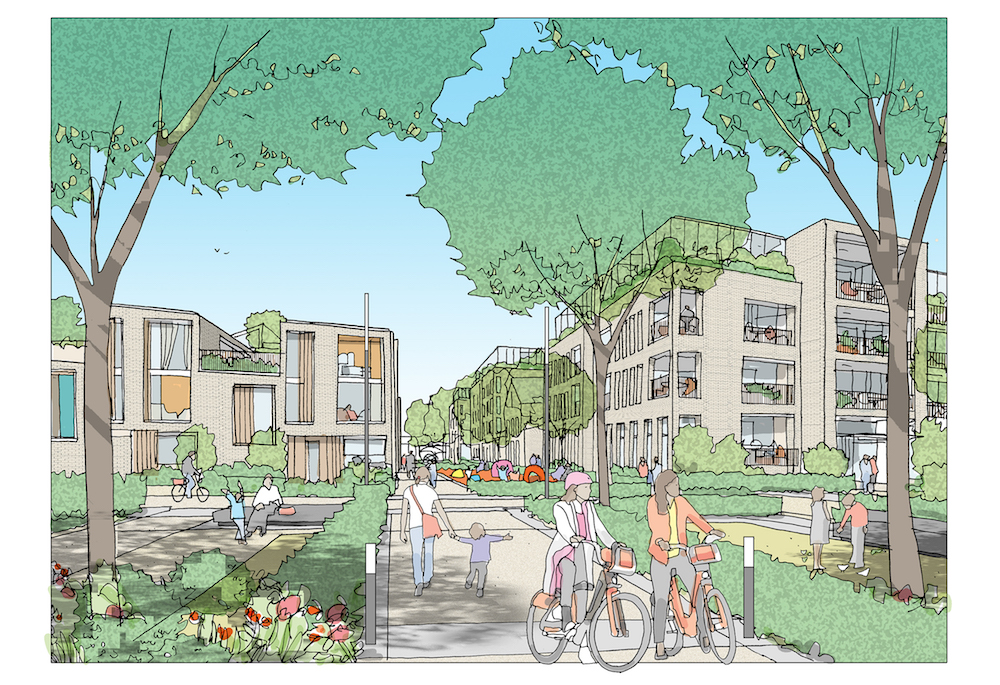 In fact, it’s precisely this idea which led to us developing a new tool that measures three key factors in the wider impact of a project: sustainability, belonging and engagement. The first is all about how a building relates to its environment. Does the project’s energy use support a zero-carbon strategy? Does the project support local wildlife, and encourage sustainable travel? The second – belonging – centres on the ways in which buildings connect people with places: a key consideration for any hotel. Thirdly, we consider whether a project is engaging, and whether it can provide that boost to wellbeing which is sorely needed in a post-pandemic world.
Answering these questions requires a degree of creativity in finding solutions, but it also demands honesty in acknowledging where we could have done better. This brings us back to that point about the green recovery – as an industry, we can be optimistic about our capabilities, but we need to be self-critical. It’s not enough simply to say that we support a green recovery, or even that we’re taking particular steps in that direction. We need to measure outcomes. We need to show that what we’re doing is actually making a difference.
This was a problem we encountered time and again when creating the SBE (“Sustainability, Belonging, Engagement”) toolkit. Identifying what needs to change is one thing; measuring it in an objective, consistent way is another. After months spent poring over research and testing our ideas against a range of our own projects, we created a toolkit which broke these “big issues” down into concise factors such as water use or connectivity to nature, and then broke each of these down further – creating a questionnaire which could output an easy-to-read score.
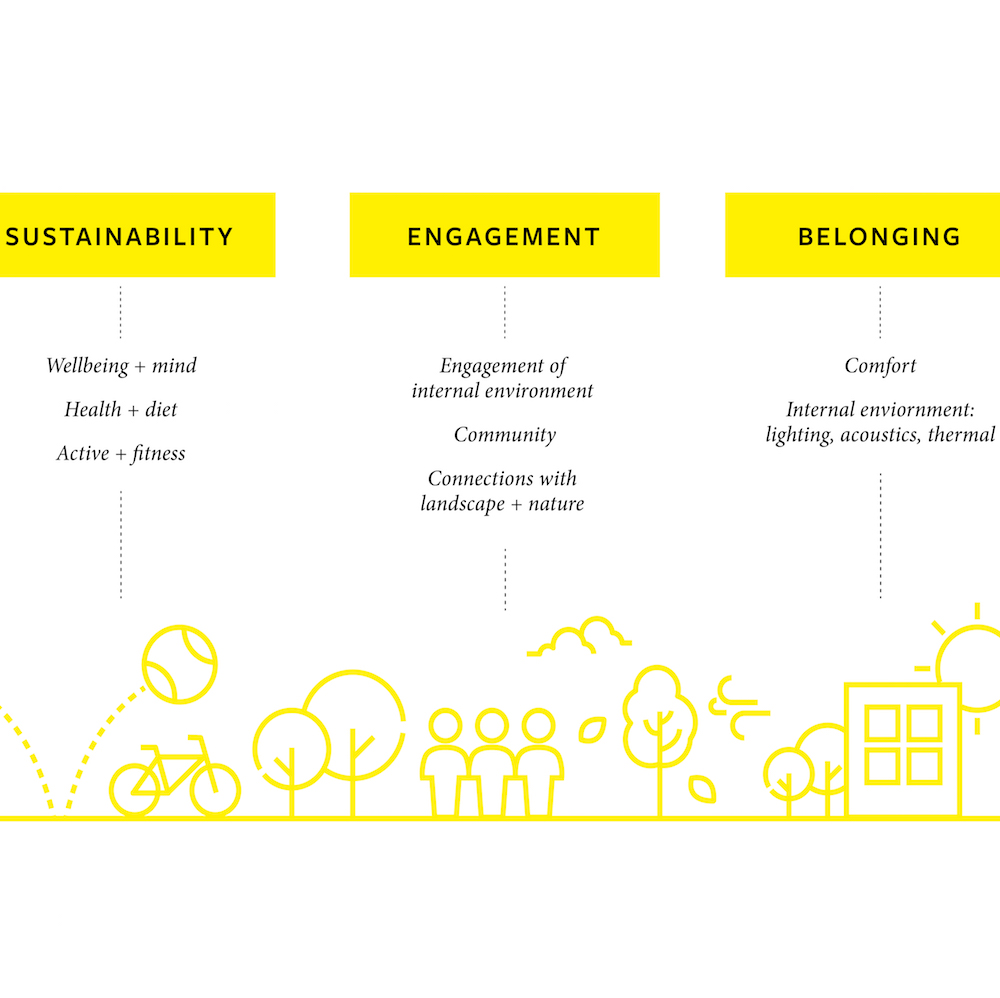
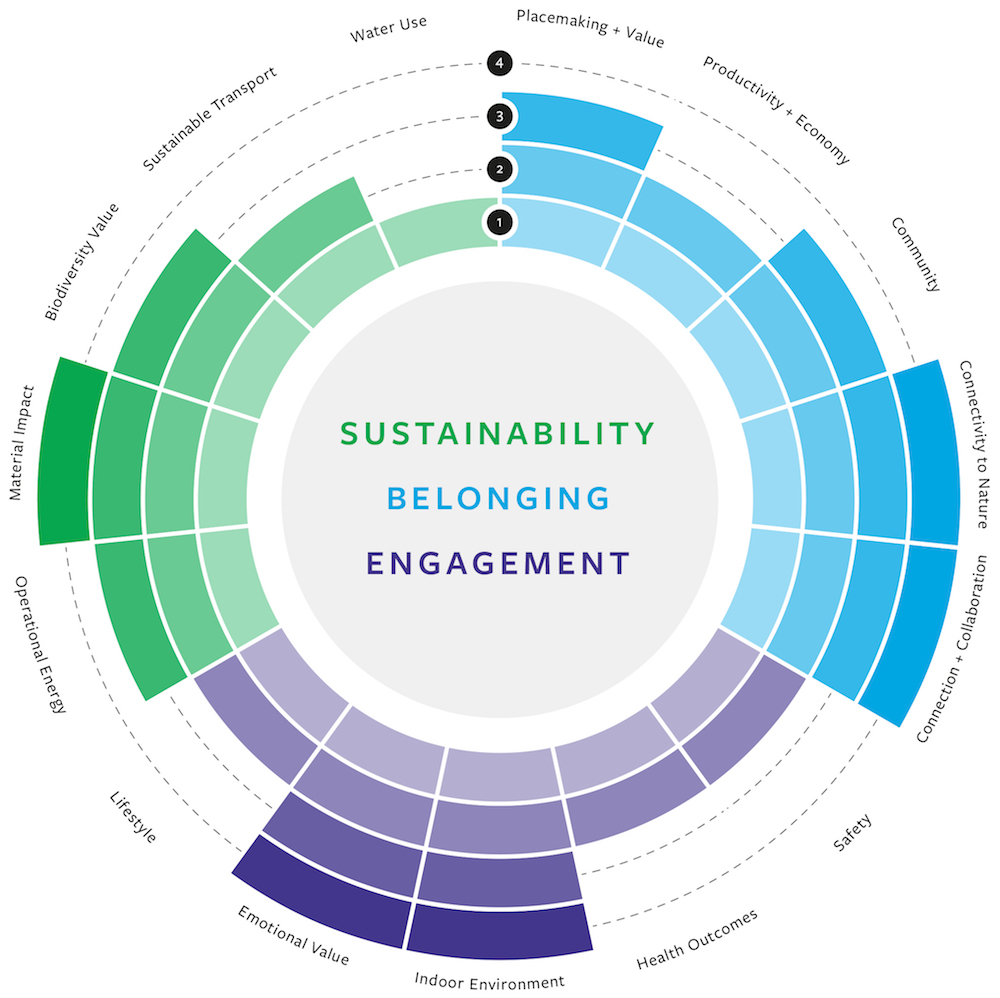
Questions cover every aspect of a project’s potential impact. Has the community been involved in the design? Are there measures to mitigate flood risk or the effects of climate change? What are the average floor-to-ceiling heights? The result is a robust and usable toolkit, one which ADP is now using on every single project we work on.
The SBE Toolkit is very much our own, but it reflects wider trends in the hospitality industry and beyond. One of these key trends – as I’ve already mentioned – is wellbeing. As we move out of lockdown and nationwide restrictions, hoteliers will need to think carefully about how they can balance safety measures with a sensibility that helps guests feel welcome and at ease. One approach is to use the WELL Building Standard, a certification process that takes a detailed account of the ways in which a building can promote health, safety and general wellbeing.
The advantage of using a recognised standard like WELL is that not only can you trust that the process is relevant and meaningful – your visitors and staff can, too. In fact, as tourists take a wider range of factors into account when looking for a hotel, it’s looking increasingly possible that measurements like the WELL Building Standard will become an important part of marketing. The ability to research a number of hotels quickly online has allowed people to consider factors like carbon footprint or media reputation in their search for the perfect stay – so it doesn’t seem far-fetched to expect wellbeing to play a growing role in the future.
A second key trend is flexibility. Working from home isn’t going away with the restrictions. Our experience living with Covid-19 has taught us that we can work from home more, and that doing so carries unique advantages in a society which is ever more globally connected. Hotels are going to play a special role in this “new normal” (apologies for using that phrase, but in this case it genuinely applies). As travel patterns resume, the technology which has allowed us to work from home will allow us to work from anywhere, including local coffee shops, leisure venues, and of course hotels. There will doubtless be a growing market here for co-working spaces built into the wider context of a hotel, as well as adjacent and related spaces such as serviced apartments, aparthotels, and long-stays.
Finally – and bringing us full circle – the word “sustainability” is going to be on everybody’s lips more than ever in the years to come. The pandemic has forced us to think more introspectively about the impact of our travel, and while the travel industry is predicted to come back strongly after restrictions lift, it’s surely a good thing that travellers will take that more thoughtful approach into the future with them. Thoughtful travel is bound to lead to more sustainable travel, and with sustainable travel comes a focus on sustainable hotels.
It’s therefore important that, as an industry, we’re as thoughtful as the people we serve. Hotels are currently among the most resource-intensive commercial buildings in terms of energy and water use per square foot. We need to work together to address this now, as we restructure our ways of operating for a post-pandemic world. We need to reach out to other areas of the tourism industry – from ecotourism to local workforces and communities – to form a united front against climate change. We need to be role models, even when it’s most difficult. The pandemic has presented unparalleled challenges for the hotel industry. As we emerge blinking into the light of a new world, it’s time to seize the opportunity to provide hotels which support the environment and the people they impact. If we meet this opportunity head-on, others are sure to follow us on the road to a green (and happy) recovery.
ADP Architecture is one of the brands that has taken advantage of our Industry Support Package. To keep up to date with supplier news, click here.
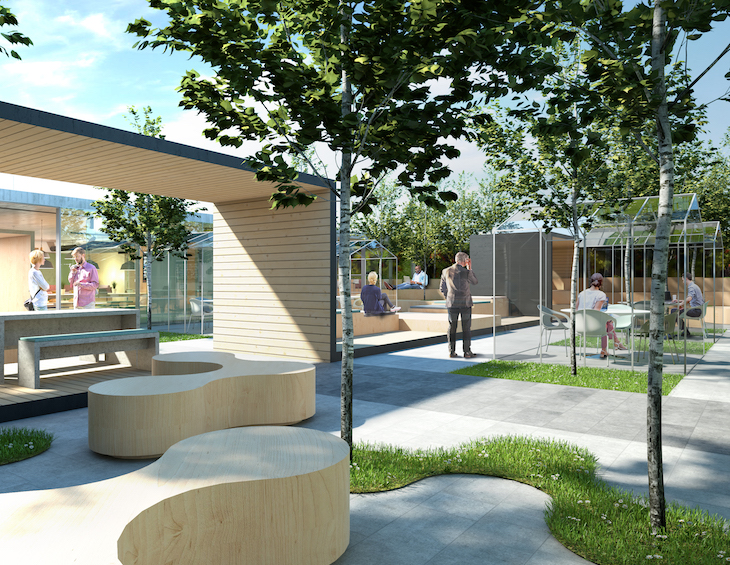
Main image caption: ADP Third Space concept. | Image credit: ADP Architecture