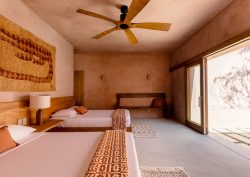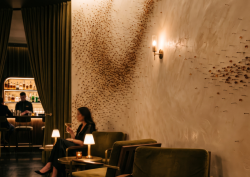











Lighting may set the mood, but it is the materials beneath our feet that give hospitality interiors warmth, depth and authenticity. The Solid Wood Flooring Company explores why flooring deserves a more prominent role in the design conversation…
There are some hotel spaces you remember long after you’ve checked out.
Not because they were the most extravagant or the most expensive, but because they simply felt right. The light was soft. The materials felt honest. Everything worked together without demanding attention.
It’s difficult to put your finger on exactly why.
Lighting usually gets much of the credit, and rightly so. It shapes the mood of a room from dawn until long after sunset. But light needs something to land on. It needs texture, warmth and contrast. Without that, even the most carefully designed lighting scheme can feel surprisingly flat.
That’s where flooring quietly earns its place.
Unlike artwork or furniture, it’s always there. Guests experience it from the moment they step through the door, often without consciously noticing it. It reflects the changing daylight, softens artificial lighting and creates a visual foundation that everything else is built upon.
It’s something that’s easy to overlook until you see it done well.
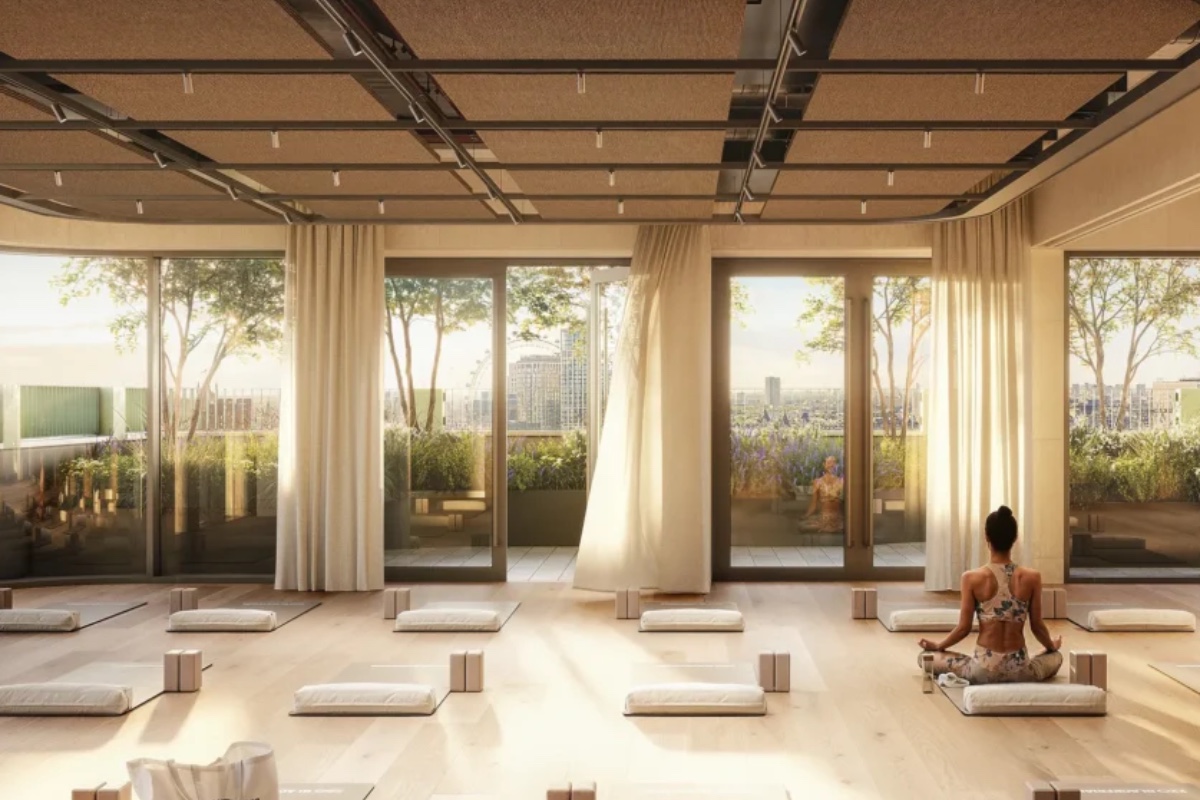
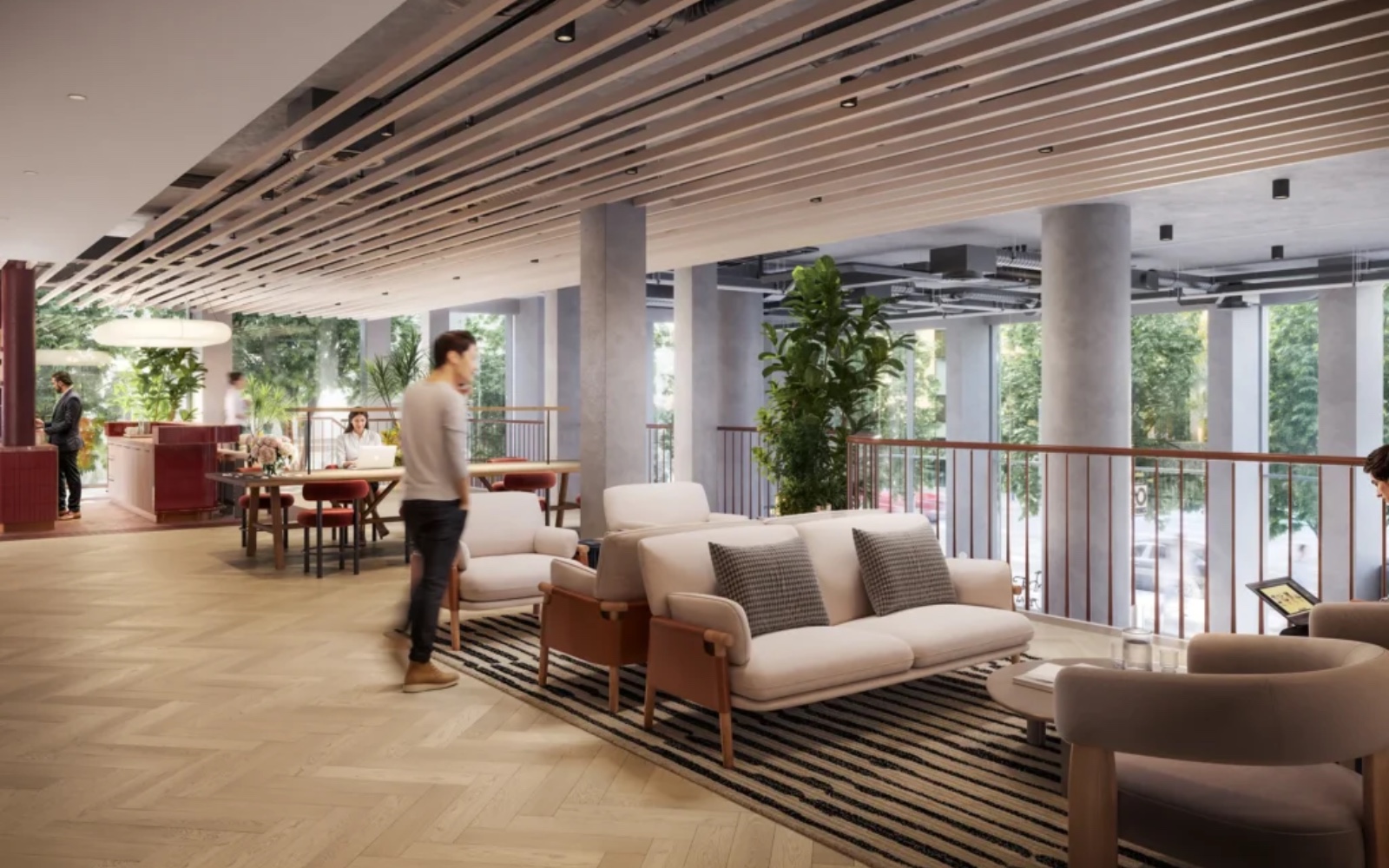
Image credit: 220 Blackfriars
Take one of the recent The Solid Wood Flooring Comapny projects, 220 Blackfriars in London. Although a mixed-use development rather than a hotel, it demonstrates how materials can completely change as the light changes around them. Large expanses of glazing flood the interiors during the day, revealing different tones and textures across the flooring before evening lighting creates a much softer atmosphere. The floor doesn’t become the focal point. Instead, it allows the architecture and lighting to work together.
That same principle is increasingly finding its way into hospitality design.
Hotels have moved away from interiors that feel overly polished or theatrical. Today’s guests are looking for spaces with warmth and authenticity, somewhere that feels more like a beautifully designed home than a formal reception room. Natural materials have become central to that shift.
Engineered wood flooring continues to be specified across hospitality projects because it combines the character of real wood with the performance expected from busy commercial environments. Elsewhere, reclaimed wood flooring brings a completely different personality. Every board carries its own history, adding depth and individuality that simply can’t be manufactured. They’re different approaches, but they share one important quality: they become more interesting as the light changes.
Perhaps that’s why lighting and flooring shouldn’t be viewed as separate design decisions. One reveals the other.
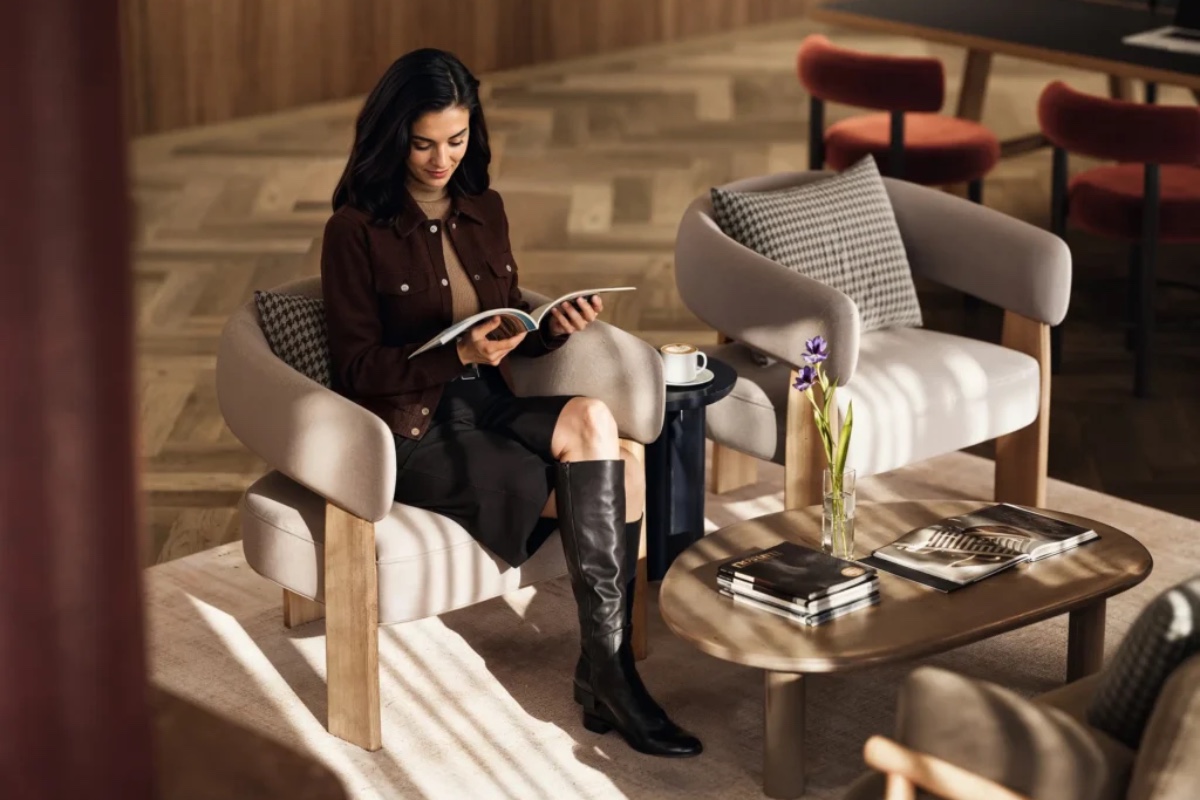
Image credit: 220 Blackfriars
The most successful interiors aren’t created by layering beautiful products into the same room. They’re created when every material responds to its surroundings, whether that’s morning sunlight pouring through full-height glazing or the warm glow of a restaurant preparing for evening service.
At The Solid Wood Flooring Company, every project starts with that understanding. Whether specifying engineered wood flooring, reclaimed timber or another performance-led solution, you never simply choose a floor. It’s to select a material that belongs within the wider story of the space.
Because when guests remember how a hotel made them feel, they’re rarely thinking about the lighting or the flooring on their own.
They’re remembering the atmosphere they created together.
The Solid Wood Flooring Company is one of our Recommended Suppliers and regularly features in our Supplier News section of the website. If you are interested in becoming one of our Recommended Suppliers, please email Katy Phillips.
Main Image Credit: 220 Blackfriars