











Roundtable: Human-Centred Design – Biophilia’s Role in Guest Wellbeing
Earlier this year, Hotel Designs pulled up a seat with Indigenus Founders, Peter and Jacqui van der Post to talk with an inspiring group of designers and architects to explore how biophilic principles can transform the guest experience…
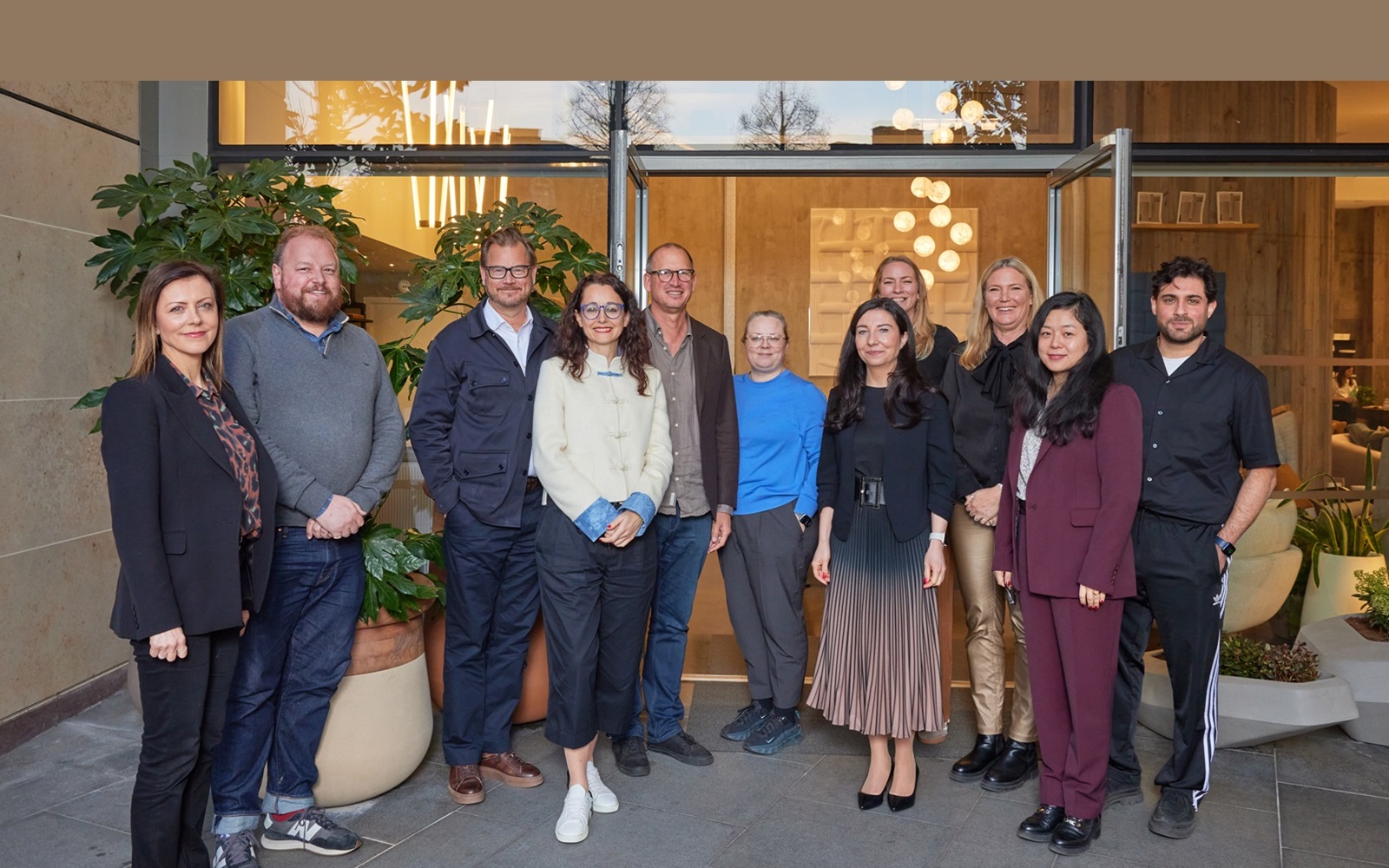
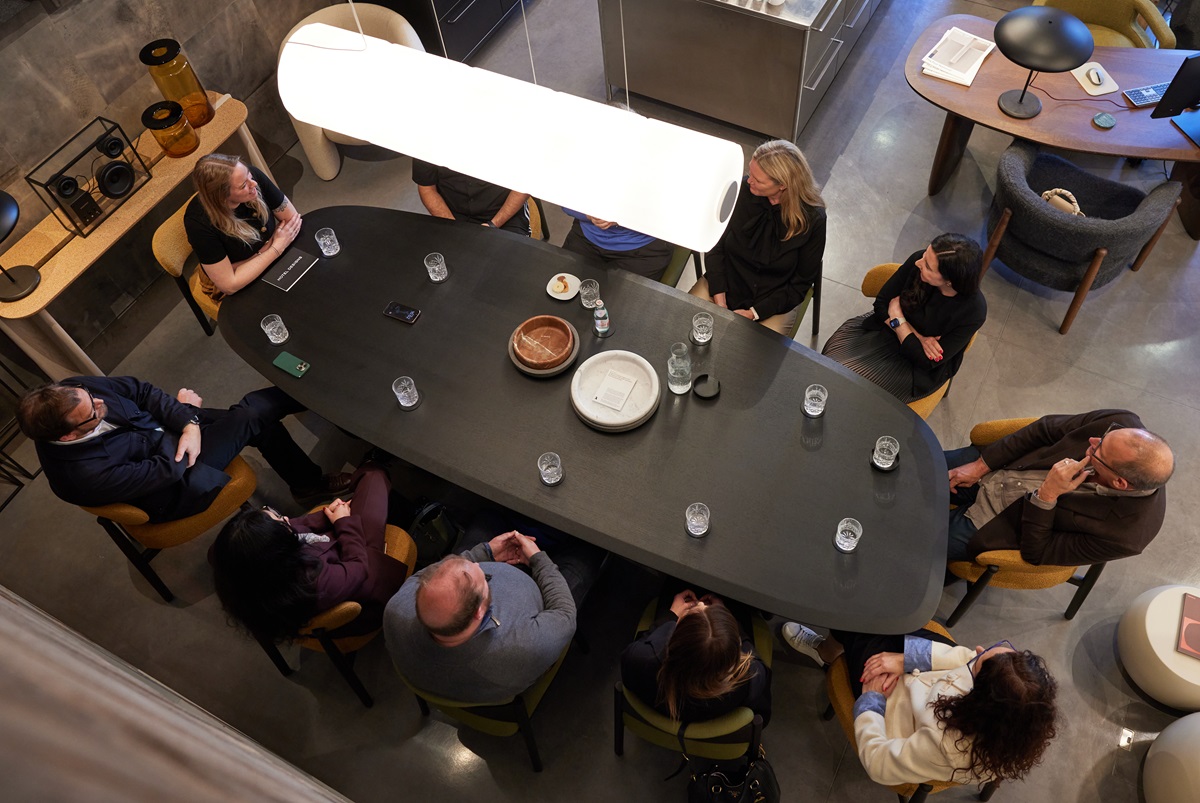
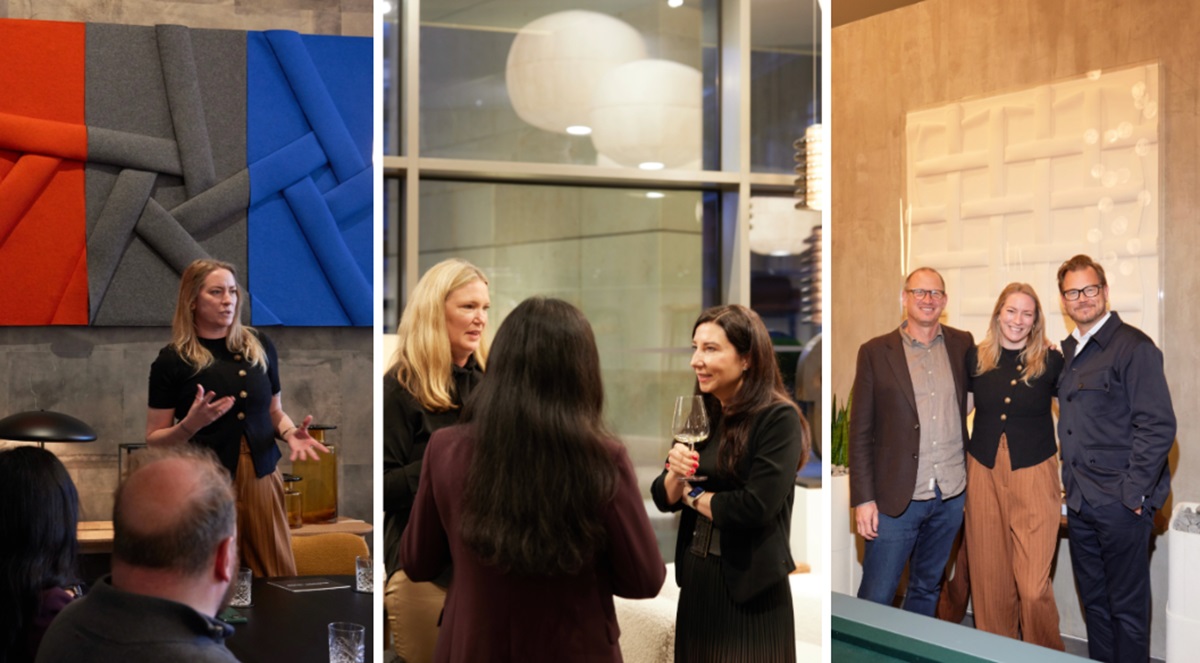
As travellers increasingly seek spaces that restore calm and connection, hospitality design is evolving beyond aesthetics towards environments that nurture the human experience. To explore what that really means in practice, Hotel Designs, in association with Indigenus, convened a roundtable at Tollgard’s flagship showroom in London – a fitting setting, its warmly layered interiors a quiet argument for the very principles under discussion.
Bringing together some of the industry’s leading designers and architects alongside Indigenus Co-founders Peter and Jacqui van der Post, the conversation moved from the superficial to the deeply considered: probing where biophilia is done well, where it falls short, and what it would take for the hospitality industry to fully embrace design that is, above all, human.
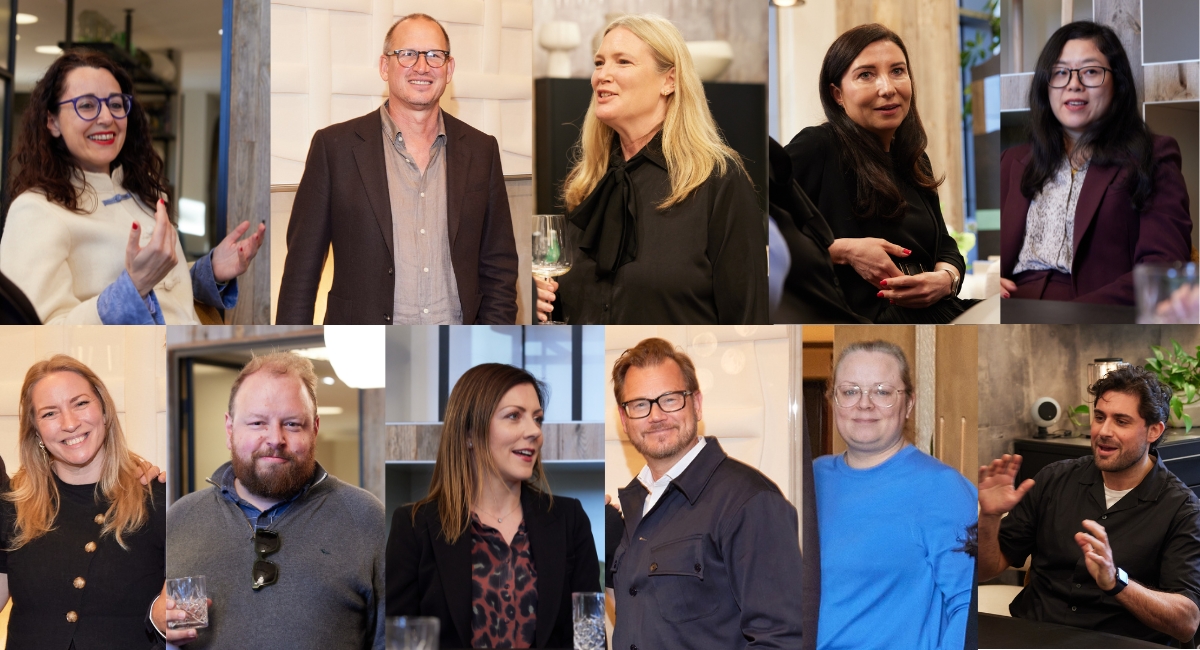
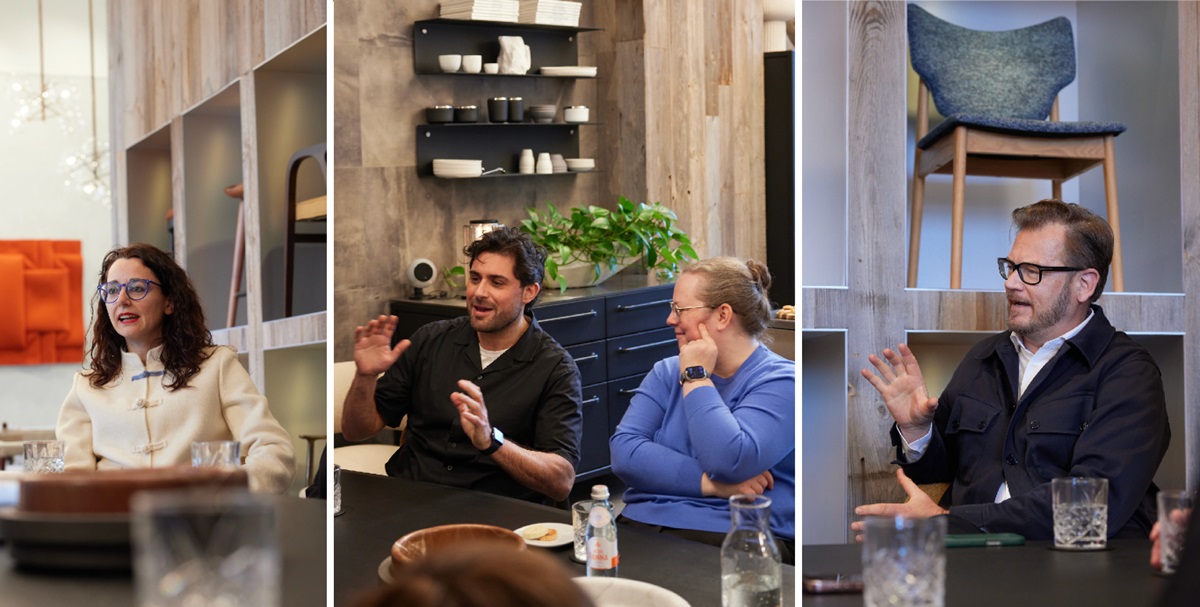
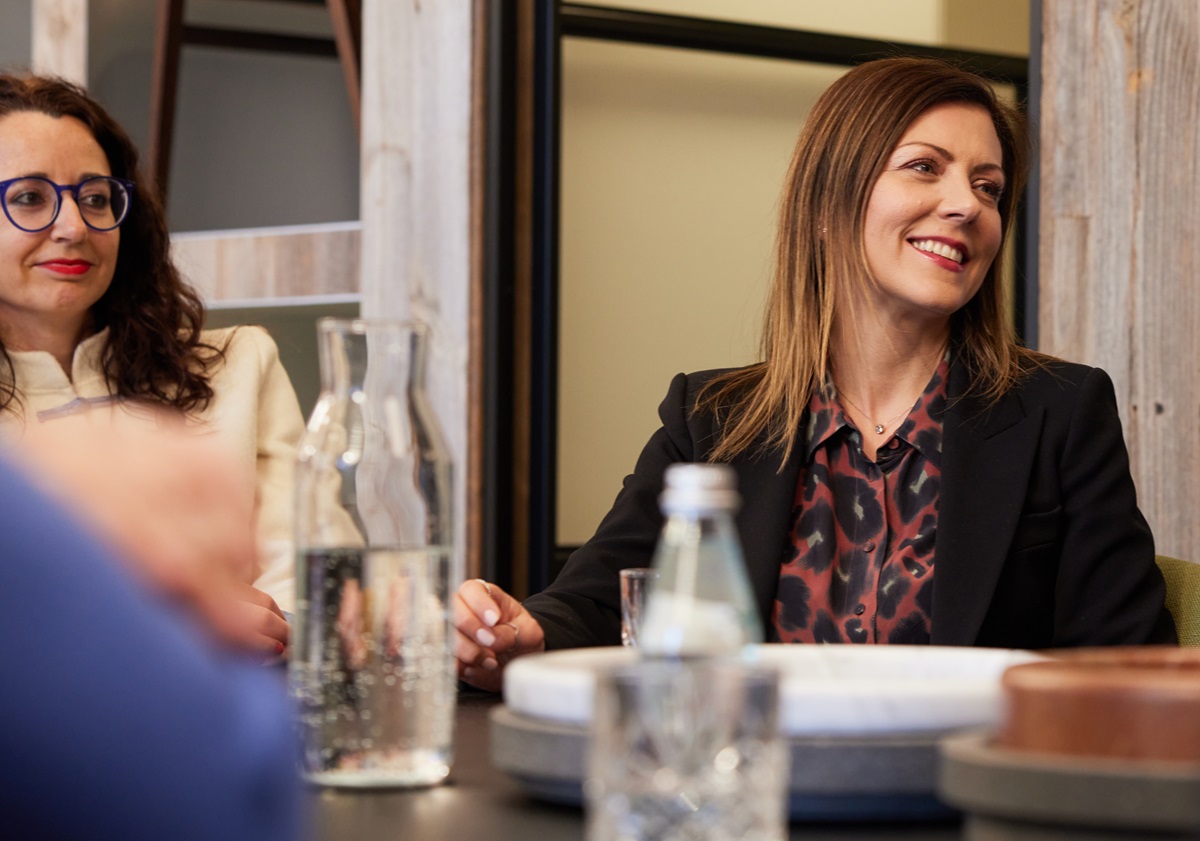
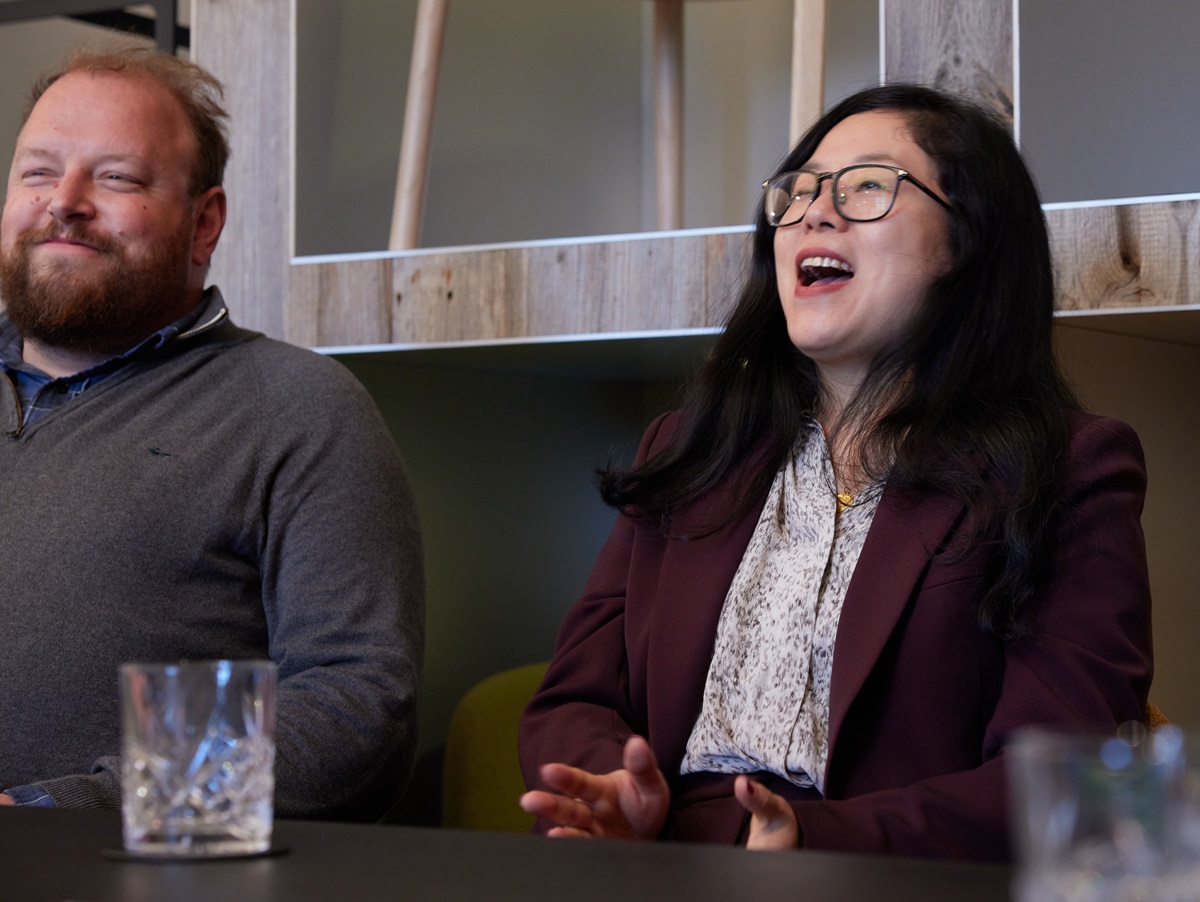
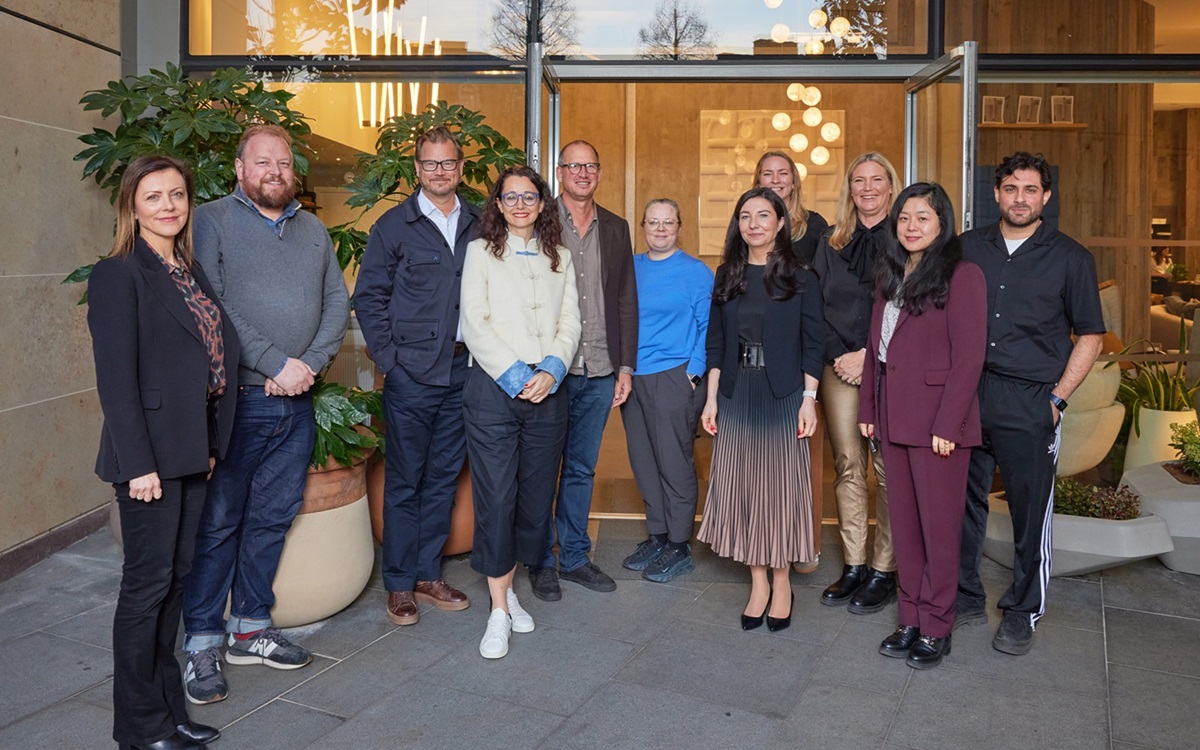
Left to right/top to bottom: Alejandra de Cordoba Estepa, Principal of Architecture, HBA; Peter van der Post, CEO & Founder, Indigenus; Jacqui van der Post, Director, Indigenus; Wiktoria Kopycka, Associate Design Director, OBMI; Jing Lan, Senior Designer, David Collins Studio; Sophie Harper, Editor, Hotel Designs, Ed Murray, Partner, Studio Moren; Una Barac, Executive Director, Atellior; Staffan Tollgard, Founder & Creative Director, Tollgard; Jennifer de Vere-Hopkins, Associate Principal, Jestico + Whiles; Andrea Christodoulou, Creative Director, House of Dre
Sophie Harper: Biophilia is sometimes reduced to a living wall and a few potted plants. What does genuine biophilic hospitality design look like to you?
Ed Murray: It starts with the building itself – with orientation, with how light moves through a space across the day. A living wall applied to a corridor that gets no natural light and has no airflow isn’t biophilic design; it’s a prop. Genuine biophilic architecture considers nature from the ground up: solar gain, views, the relationship between inside and outside. You can’t bolt it on at the end.
Wiktoria Kopycka: I’d add that it’s about continuity. In the best projects I’ve worked on, you feel a consistent thread from arrival to departure – the same language of material, light, air and texture running through the whole building. The moment it becomes a feature rather than a philosophy, something is lost.
Jacqui van der Post: Biophilia in the built environment isn’t decoration – it’s a relationship, and that’s what the guest should feel with the natural world; even in the middle of a city. That might be through design that reflects the local landscape, or a material that has its own history and provenance. It doesn’t have to be grand; it has to be honest.
Peter van der Post: And that honesty matters for longevity too. We work with living plants. A living wall that’s dying is one of the most anti-biophilic things you can encounter. If you can’t commit to the maintenance, choose something else. Nothing undermines a wellness narrative faster than a corridor full of brown leaves.
Alejandra de Cordoba Estepa: What I come back to is the idea of intuitiveness. A space that has been designed with genuine biophilic thinking feels right before you understand why. You slow down. You breathe a little deeper. You notice things. That’s the effect of materials that have texture, of ceilings that aren’t sealed off with uniform light, of spaces that have rhythm and pause built in.
Staffan Tollgard: Looking around this room – which is where we live with these ideas every day – what makes it feel the way it does isn’t any single object. It’s the layering. Patinated leather next to raw linen next to a piece of aged oak. Each material has a story, a provenance, a life. That’s what biophilia really is: choosing things that feel like they belong to the natural world rather than having been manufactured away from it.
Sophie: Guest expectations around wellness have shifted dramatically. Are hotels commissioning biophilic design because they believe in it, or because it’s become a marketing expectation – and does that distinction matter for the outcome?
Una Barac: It absolutely matters. You can always tell when a brief has been written around a trend rather than a conviction. The budget doesn’t stretch to the details that would make it real, and you end up with something that photographs well but doesn’t actually feel like anything.
Andreas Christodoulou: I’ve had clients who arrive with a mood board full of organic shapes and moss panels, and then baulk at the cost of real stone or quality timber. That tension reveals where the commitment actually lies. If the budget is going to the digital check-in screen and the biophilia is funded with what’s left, you know where the priorities are.
Jennifer de Vere-Hopkins: Though I’d push back slightly on the cynicism. I think for many operators, the journey starts with the marketing expectation and becomes something more genuine through the design process. A good designer can use that initial brief – however trend-driven – as an opening to educate the client and move them somewhere more authentic. I’ve seen it happen.
Jing Lan: In my experience, the operators who arrive with genuine conviction are often the ones who have themselves been guests somewhere exceptional – a ryokan in Japan, a lodge in Botswana – and have understood viscerally what it means to feel held by a space. They’re not following a trend; they’re trying to recreate a feeling. Those are the most rewarding commissions.
Wiktoria: And that feeling, once you’ve had it, becomes the brief. Which is actually a brilliant starting point for a designer.
Sophie: Scent, sound, airflow, texture – biophilia extends well beyond the visual. Which of these sensory layers do you feel is most underutilised in hospitality design?
Ed: Airflow, without question. We spend enormous energy on what people see and almost none on what they feel in terms of air quality and movement. A guest who walks into a room that has been sealed and climate-controlled to within an inch of its life will never feel fully at ease, no matter how beautiful the interiors are. The body knows. Opening a window, allowing a cross-breeze, using materials that breathe – these things are rarely in the brief but are profoundly felt.
Alejandra: Scent is underestimated. There’s a reason we remember places by smell – it’s the most direct route to emotional memory. But it’s also where hotels get it most wrong, because they default to synthetic fragrance that’s applied rather than inherent. The scent of beeswax on wood, of natural fibre, of live greenery – these are the things that work at the level the body actually processes. You don’t need a diffuser if the materials are doing their job.
Jing: Sound is the one that I find most challenging to address, because acoustics are often determined by architectural decisions made very early in the process. Softly trickling water can be used as an acoustic anchor in a lobby – not decorative, but genuinely functional. It masks mechanical noise, creates a point of calm, and is entirely natural. Guests don’t register it consciously, but the effect is significant.
Una: Texture is my answer, particularly in guest rooms. We’re so focused on how surfaces look that we forget they will be touched – repeatedly, intimately. The difference between a tactile natural linen and a synthetic that feels like it’s coated in something is enormous to a body settling in for the night.
Peter: We think about this a lot with our products – not just how something looks but how it sits in a space, whether it roots a corner or breathes with it. The material, the weight, the finish. These things contribute to the overall sensory register of a room in ways that are subtle but cumulative.
Sophie: Public spaces and guest rooms demand very different things emotionally. How do you calibrate biophilic principles differently across those two environments?
Andreas: In a lobby or restaurant, you’re designing for energy – for the sense of arrival, of possibility, of encounter. The biophilic elements there can be more declarative: a dramatic tree, a water feature, a ceiling that references the canopy above. But in the guest room, the register has to drop entirely. You’re designing for the nervous system at rest. Softer textures, warmer tones, the kind of quiet that asks nothing of you.
Alejandra: I’d also say that lighting is the lever that moves most dramatically between the two environments. In a public space, you’re working with the rhythm of the day and the energy of the crowd; there’s a role for daylight pooling, for shade and brightness alternating. In a bedroom, you’re designing for the circadian system – warm, low, adaptable. The biophilic principle is the same: light should do what natural light does. But the application is entirely different.
Sophie: Many hospitality projects are renovations of hard, industrial or heritage buildings with few natural elements. What are your most effective strategies for introducing warmth and nature into spaces that seem to resist it?
Ed: Honest material contrast. In an industrial building – brick, steel, concrete – I don’t try to disguise those elements. I work with them, and introduce nature as counterpoint. The rawness of the building makes the softness of a timber floor or the presence of a large plant more powerful, not less. The contrast does the work.
Wiktoria: Water is underused as a retrofit strategy. You don’t always need windows onto a garden. A carefully considered water element, even a modest one, can shift the whole temperature of an industrial space. It adds movement, sound, humidity. It changes how the air feels.
Jing: Light is my starting point in a heritage building. Before introducing any material or planting, I ask: where does the light actually want to go, and can we open up the route? Very often, Victorian or industrial buildings have light sources that have been blocked by later interventions. Uncovering them is itself a biophilic act.
Peter: From our perspective, what matters in a resistant space is anchoring – giving the eye and the body points of rest within a challenging envelope. A considered plant placement in a steel-framed industrial space isn’t decoration; it’s orientation. It tells you where you are, gives you something living to relate to.
Una: And narrative helps enormously. In a heritage building especially, the history of the place can itself become the biophilic thread: the idea that this building has grown and changed over time, like an organism, is deeply biophilic.
Sophie: If you could change one thing about how the hospitality industry commissions or briefs design – to make genuinely human-centred, biophilic spaces more achievable, what would it be?
Jennifer: Invite the designer into the brief before it’s written. So often we arrive to find the budget already allocated, the programme already fixed, the decisions that most affect wellbeing already made. If we were in the room when the priorities were being set, we could argue for the things that matter: airflow, natural light, quiet, material quality.
Andreas: Separate the budget for wellbeing from the budget for aesthetics. The two are not the same thing, and when they’re conflated, wellbeing loses every time, because it’s harder to photograph.
Wiktoria: Allow time. Biophilic design that works is never rushed. The thinking, the sourcing of genuine materials, the integration of living elements – it all requires time that the industry is increasingly reluctant to give. The projects I’m most proud of are always the ones where the client trusted the process.
Ed: And be honest about maintenance. Every beautiful biophilic decision – the living wall, the tree in the lobby, the planted terrace – has a cost beyond installation. Design it into the budget from the beginning, or design something that doesn’t need it. But don’t create something living and then not keep it alive.
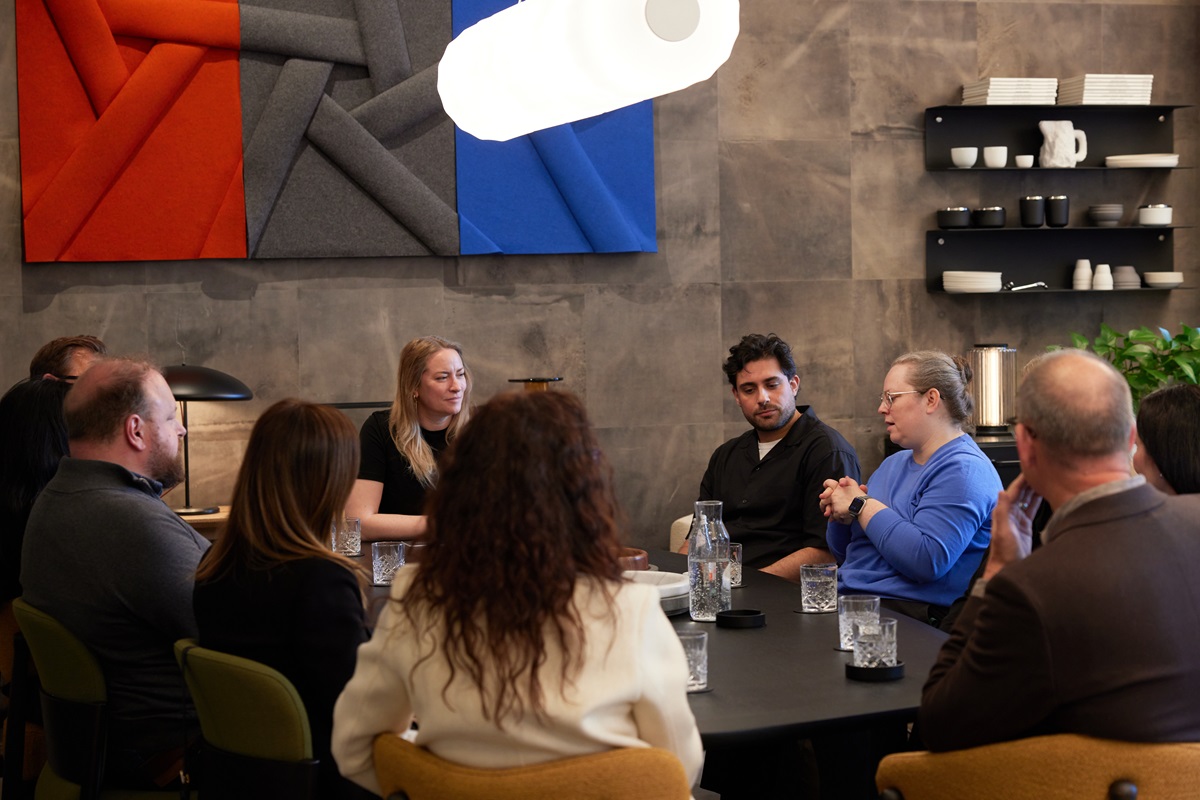
Across an evening of frank, generous and animated conversation, a clear picture emerged: biophilic design, at its most effective, is not a visual style but a philosophy rooted in deep understanding of human need. Whether the question was one of material honesty, sensory layering, spatial calibration or client trust, every voice around the table returned to the same principle: that spaces which genuinely serve the guest are spaces that feel natural: layered in experience and quietly, persistently alive.
Indigenus is one of our Recommended Suppliers. If you are interested in becoming one of our Recommended Suppliers, please email Katy Phillips.
Main image credit: Indigenus