With a design portfolio that spans both land and sky, and projects for some of the world’s most luxury brands, JPA Design has identified five key trends set to shape the future of travel…
With 2026 now arrived, award-winning studio JPA Design has identified key trends that will shape the future of hotels and hospitality design. Drawing on a portfolio that spans luxury hotels and resorts, aircraft cabin interiors, VIP airline lounges, and iconic rail journeys, the studio’s latest trend report reveals how comfort, wellness, sustainability and storytelling are redefining what guests expect from hotels worldwide.
From hyper-personalised experiences to the return of slow travel, these are the hotel design movements set to dominate the next chapter of luxury hospitality.
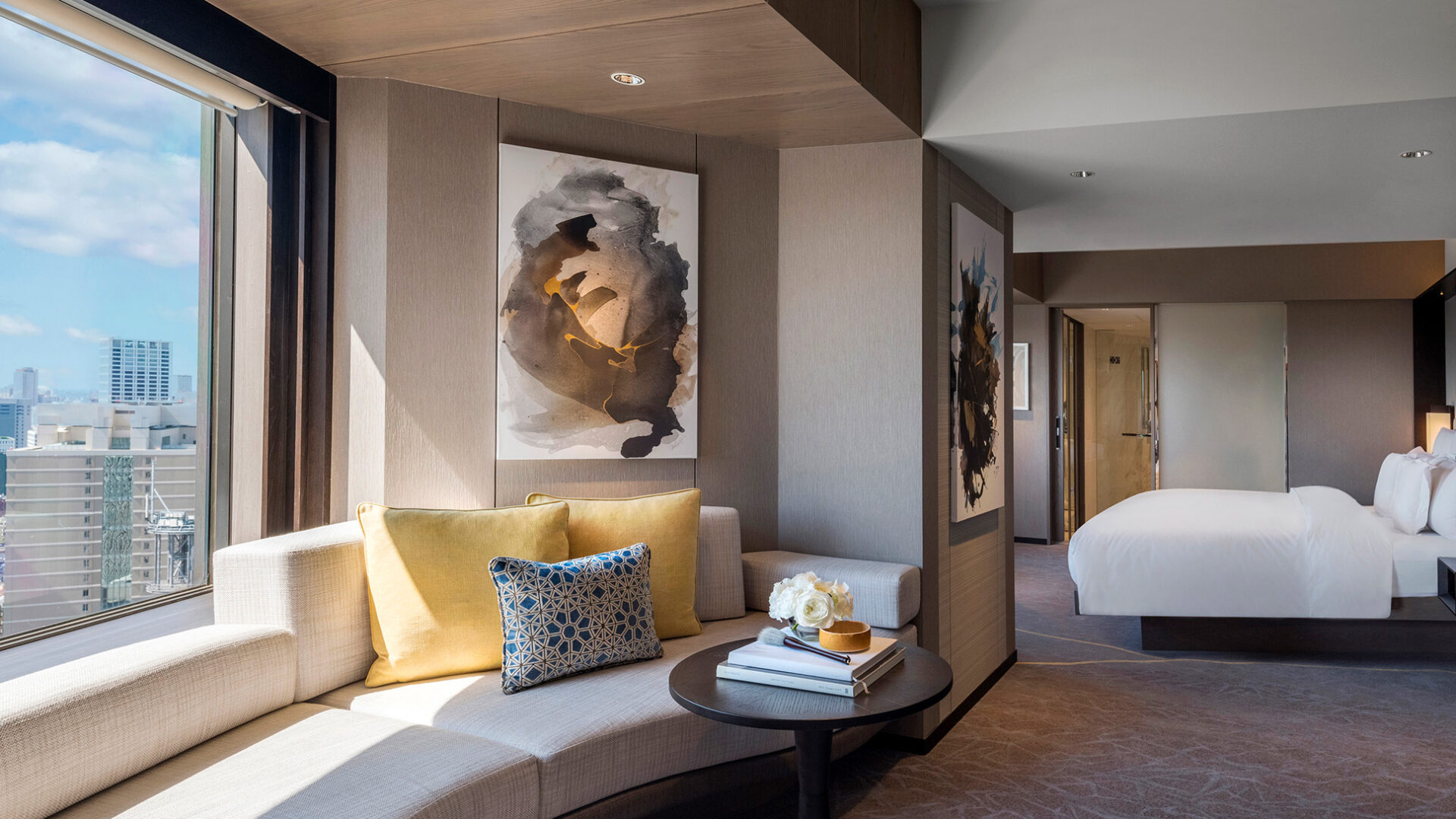
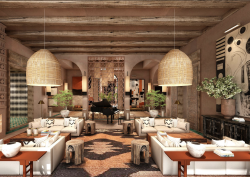
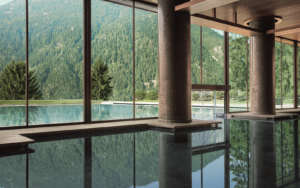
ANA Intercontinental, Tokyo, by JPA Design | Image credit: JPA Design
1. The Comfort Renaissance
In 2026, comfort in hotels will move far beyond plush materials and traditional markers of luxury. Instead, it will be defined by how intuitively a space responds to each individual guest. From arrival to check-out, hotels are increasingly expected to deliver seamless, personalised experiences that feel emotionally resonant and effortlessly tailored.
Design will play a central role, with layouts, lighting, furnishings and technology working together to adapt to guests’ needs and moods. Whether through flexible room configurations, personalised environmental controls or spaces that transition fluidly between work, rest and socialising, luxury will be measured not by what is offered, but by how uniquely it feels crafted for each guest.
2. Wellness Is the New Wealth
Wellness has evolved from a desirable add-on to a fundamental design principle, and by 2026 it will underpin the very architecture of hotel experiences. Guests increasingly equate luxury with spaces that actively support physical, emotional and mental wellbeing.
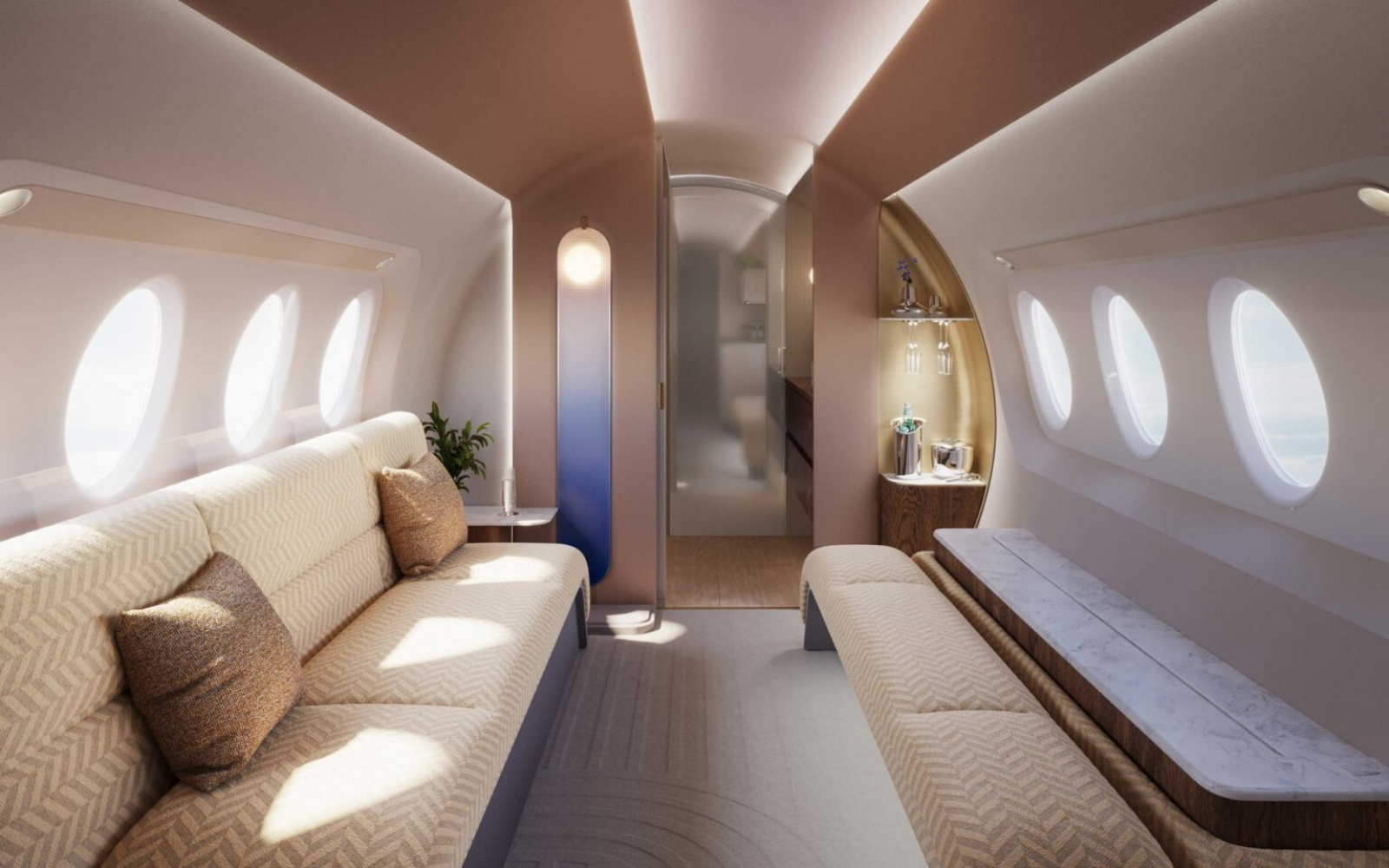
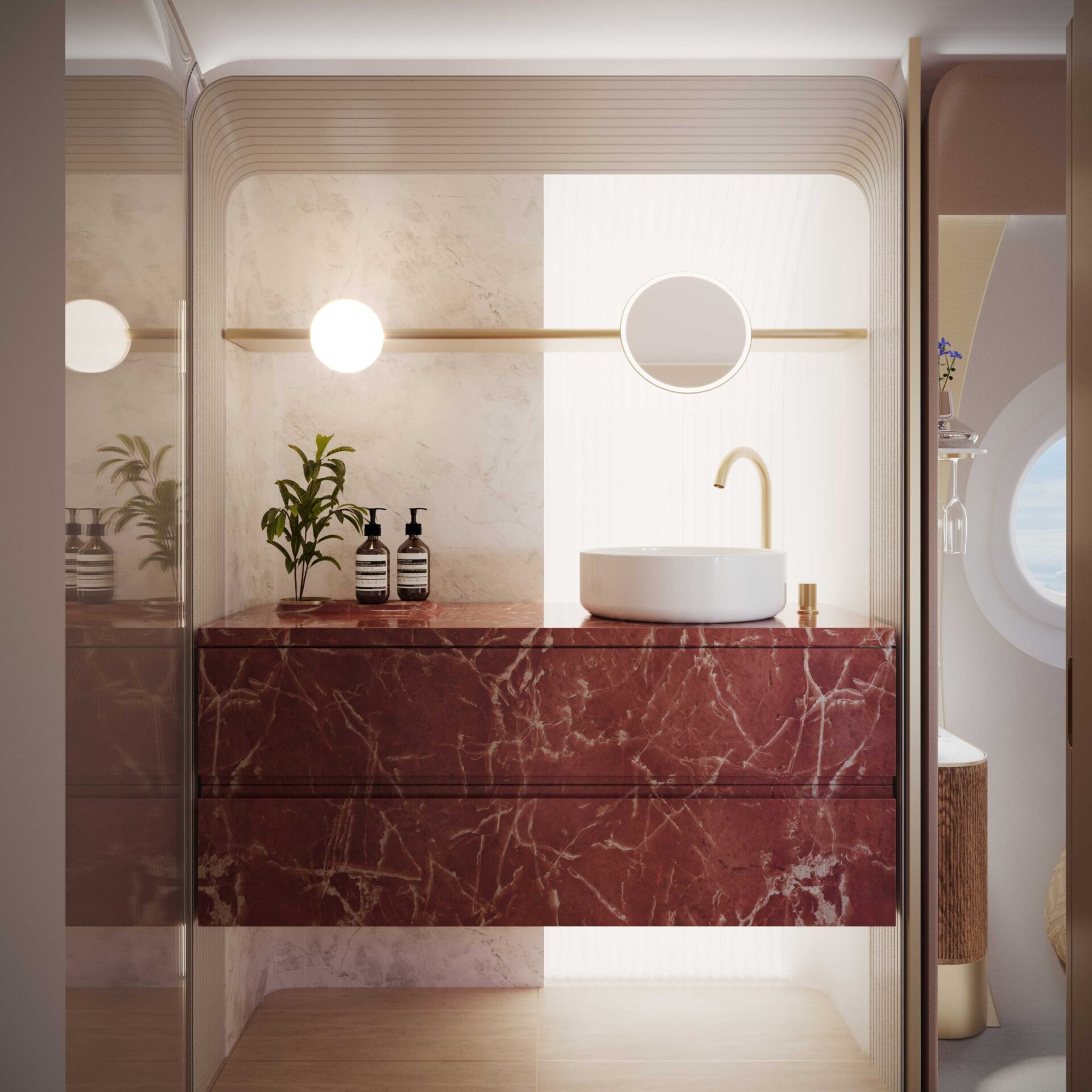
JPA Design has long championed this approach, as seen in projects like Afterglow – featured at London Design Festival; integrating circadian lighting, sensory balance and restorative environments. In hotels, this translates into greater emphasis on natural light, ergonomic detailing, sustainable materials and human-centric spatial planning. Wellness-led design reframes opulence as vitality, with environments that nourish guests long after they leave.
-
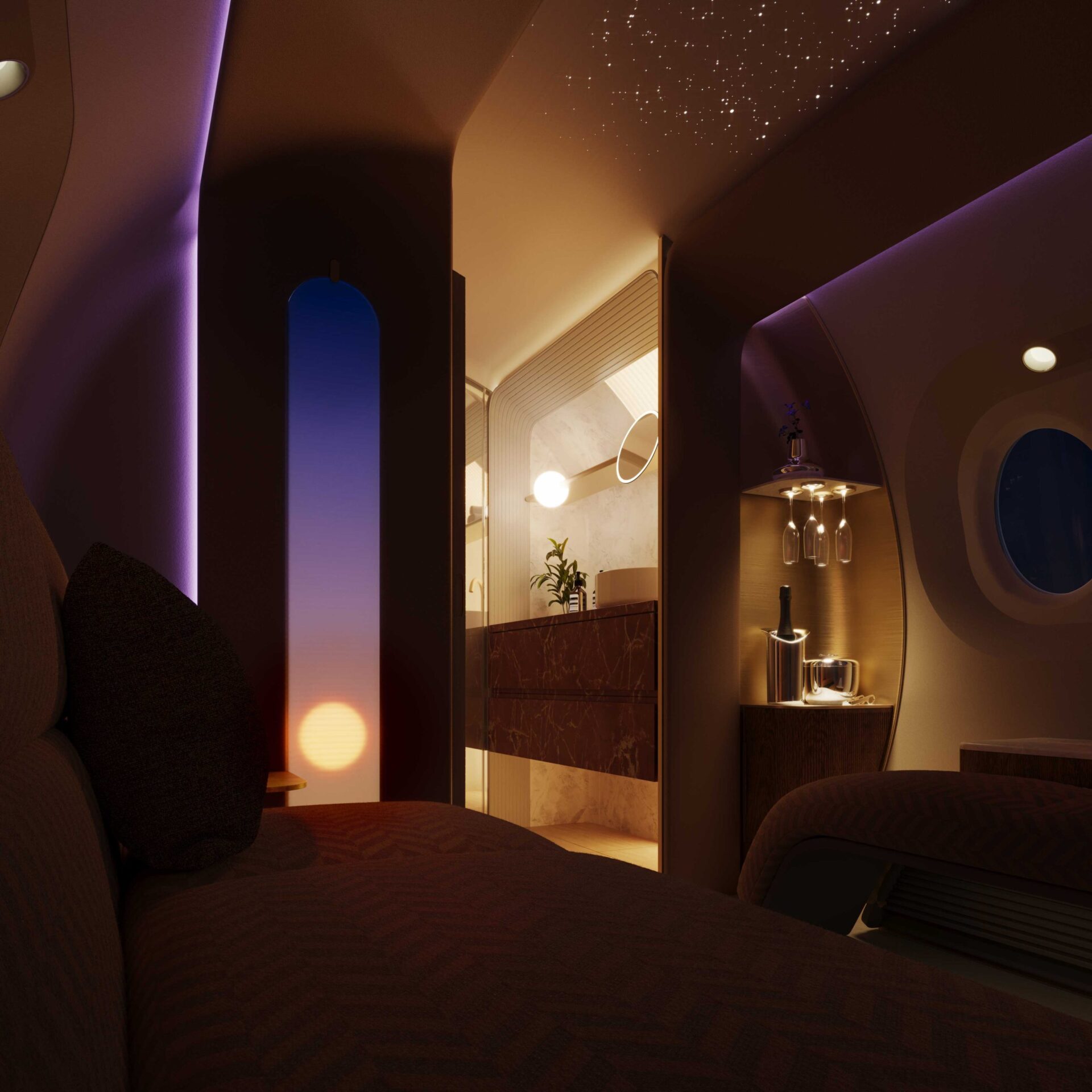
- Afterglow by JPA Design | Image credits: JPA Design
3. The Future-Proofed Aesthetic
Sustainability and adaptability are converging to shape a new hotel design language – one that balances beauty with long-term resilience. As retrofitting, modular construction and material innovation accelerate, hotels must be able to evolve alongside shifting guest expectations and lifestyle patterns.
By 2026, future-proofed hotels will prioritise flexible layouts, multi-use spaces and materials chosen for longevity as much as aesthetics. The goal is design that remains visually compelling while being operationally efficient and environmentally responsible, reflecting a holistic approach to sustainability that guests increasingly value.
4. Branded Worlds
As travellers seek authenticity and reassurance in an increasingly complex world, trusted brands are becoming powerful anchors. In response, hotel design is moving toward the creation of fully realised ‘branded worlds’ where every touchpoint shares a cohesive narrative and aesthetic.
This shift is driving the rise of branded residences, wellness-led hospitality and cross-sector collaborations, with hotels acting as immersive extensions of a brand’s creative universe. In 2026, the most compelling hotels will feel deeply connected to a wider lifestyle ethos – offering guests a sense of belonging, coherence and emotional grounding through thoughtful, narrative-driven design.
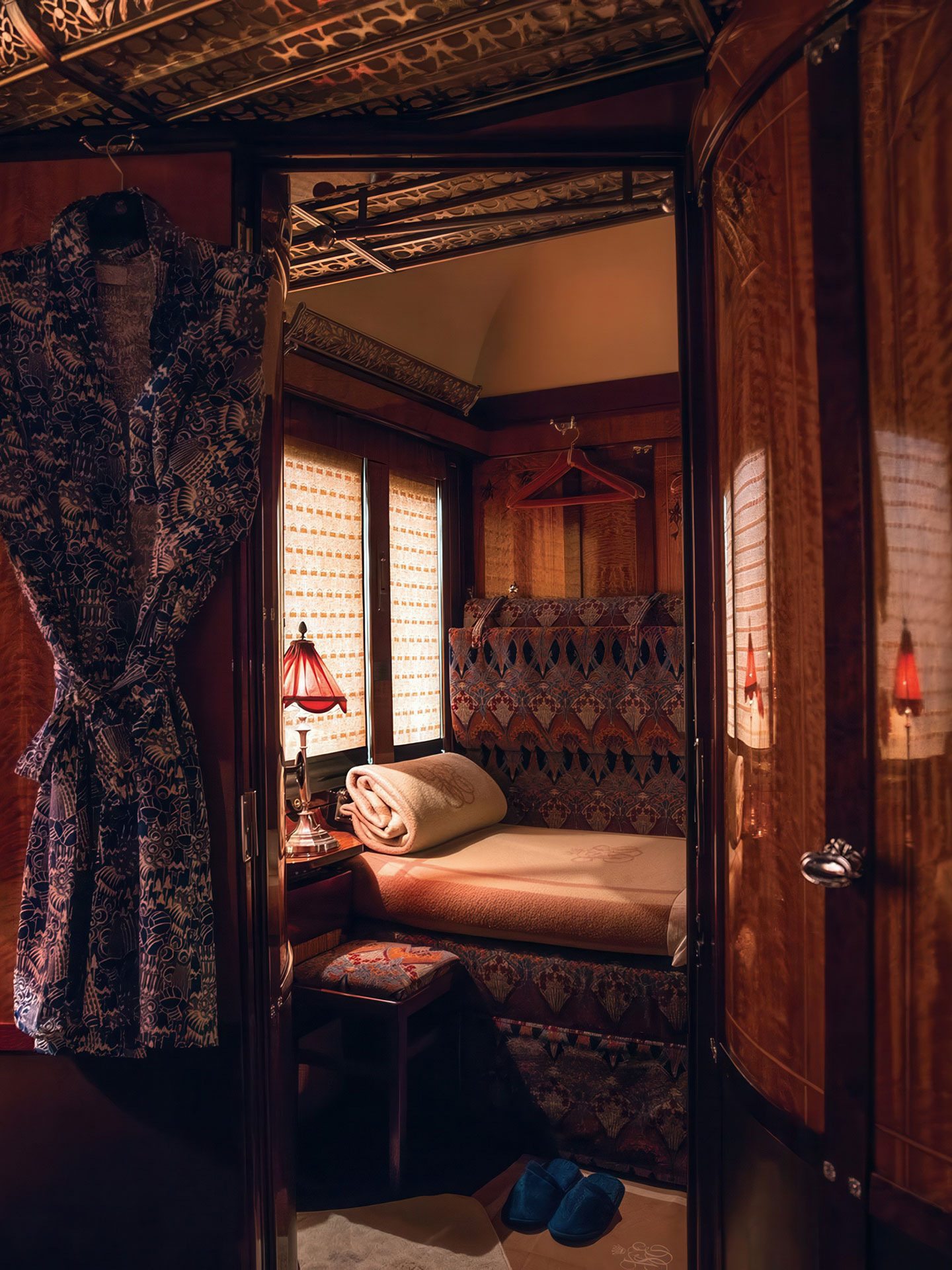
Venice Simplon-Orient-Express | Image credit: JPA Design
5. The Golden Age Reimagined
The resurgence of rail and sea travel reflects a broader cultural shift toward slower, more intentional journeys – and this mindset is influencing hotel design too. As travellers place greater value on the journey itself, hotels are responding with experiences that encourage pause, reflection and deeper engagement.
Design cues borrowed from rail and marine travel – such as layered storytelling, curated rituals and spatial flow – are finding their way into hotels, particularly in resorts and destination properties. By 2026, hotels will increasingly function as immersive environments that prioritise narrative, wellness and personal connection, aligning with a growing desire for conscious, experience-led travel.
Main image: Afterglow by JPA Design | Image credit: JPA Design