Walking the tightrope to find the luxury balance, Director of Ponsford Ltd Angus Ponsford explains how designers can achieve a dynamically designed hotel that is also practical…
Flawless aesthetics are fundamental to creating the impression of opulence in any luxury hotel interior. However, it’s easy to become overindulgent in your interior choices, subsequently sacrificing the function of a space – and of course, these elements are just as vital when striving for the very best customer experience in any hotel.
Here’s how designers can pull off the ultimate balancing act by ensuring a hotel remains both practical and stylish through smart and considered design choices.
Less is often more
When it comes to interior design, less is often more – and this is certainly the case when it comes to hotel decor. Take the luxury resort of Le Massif, for example, which has officially opened its minimalist doors in the Italian ski resort of Courmayeur.
While there is an understandable temptation to be gluttonous when approaching luxury interiors, taking a contrasting minimalist angle can achieve the desired effect with an equally great success rate. As the hotel industry continues to evolve to meet customer expectations that far surpass a place to simply rest your head, a striking minimalist interior is an effective way of creating a luxury ‘wow factor’ from the moment the guest walks through the door.
What’s more, this is often at great practical advantage too. From the foyer to the guestrooms, de-cluttering these areas will obviously create more space, thus providing a more accommodating room fit for large quantities of guests and baggage.
With this, though, comes the risk of becoming ordinary and unforgettable. Maison & Objet’s Designer of the Year, Sebastian Herkner, recently unveiled to Hotel Designs that his biggest bugbear at the moment is when designers play it too safe when opting for a Scandinavian, minimalist look and he suggests that minimalist does not always have to look plain and boring.
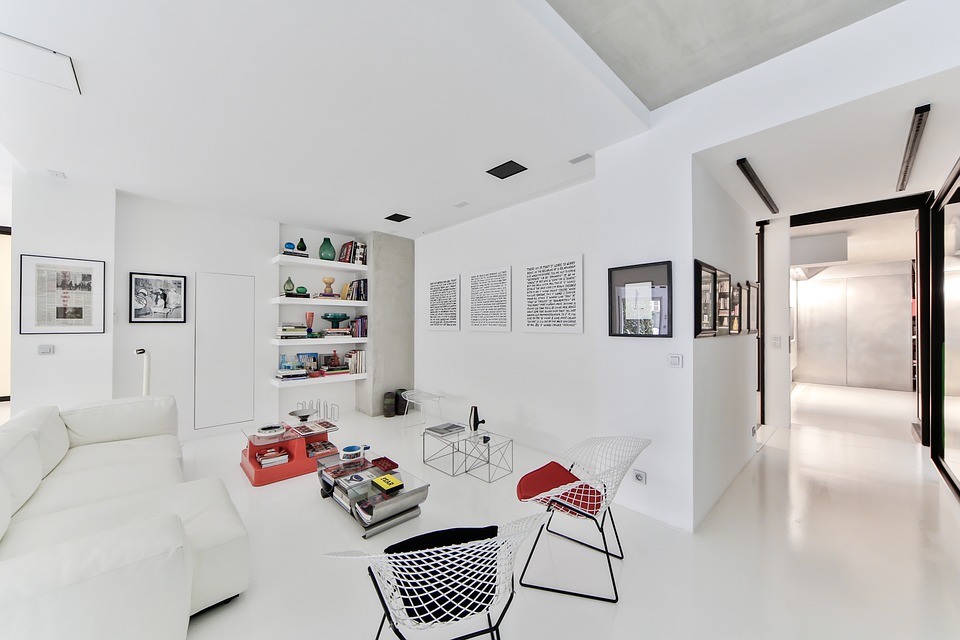
There are various different approaches you can take to incorporate a minimalist design in your hotel without it stripping away the personality in order to successfully create a luxury interior that values both aesthetics and function.
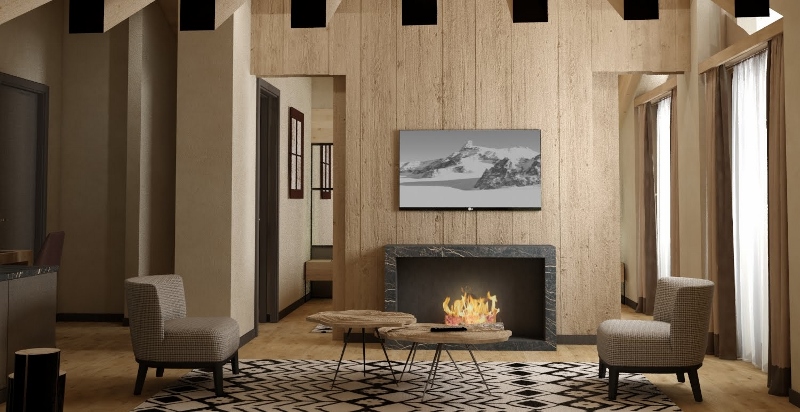
Image Credit: Italian Hospitality Collection
Use statement furniture (sparingly)
Over-decorating a room can easily create a sense of claustrophobic chaos within interiors. Instead, designers should be smart and sparing with decorative items in communal and private areas.
In the lobby or reception room, a striking piece of large wall art or a complementary grandiose lighting feature is enough to add a touch of elegance to the space without sacrificing your simplistic style.
For guestrooms, suites and penthouses, furniture can also create striking statements. From striking wardrobes to fashionable yet practical occasional tables made for a plethora of uses, pick an item or two that will optimise the guest experience while maintaining a consistent stylish aesthetic.
Invest in easy-clean luxury materials
When taking a minimalist approach to interior design, its important to let the space do most of the talking. As such, investing in high-quality materials with opulent connotations is an effective way of conveying luxury in any hotel space. This is particularly true in the communal areas, where guests’ first impressions are often formed. With practicality at the forefront, designers should be smart with material choices and pick those that require minimal maintenance and are easy to clean – ensuring a high-quality guest experience in all areas.
Stone is perhaps the most obvious choice, varying the type you use by its function and aesthetic benefit. For example, marble would be an elegant addition to any reception or lobby area, while picking up little dirt from the consistent traffic of guests leaving and arriving each day. Furthermore, using granite for worktops in breakfast dining areas will maintain a sleek look, all while minimising the post-dining cleaning efforts that are sure to benefit hotel staff and guests alike.
In the best luxury hotel examples, aestheticism and practicality balance effectively to create an unforgettable guest experience. Following these design tips will ensure your hotel boasts function and opulence, leading to a five-star stay from beginning to end.
Main image credit: Pixabay