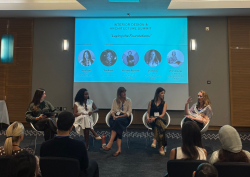











Hosted by Hotel Designs and Majestic London, the final day of Clerkenwell Design Week brought together four voices from across the hospitality design world to explore what it really takes to deliver genuinely bespoke interiors…
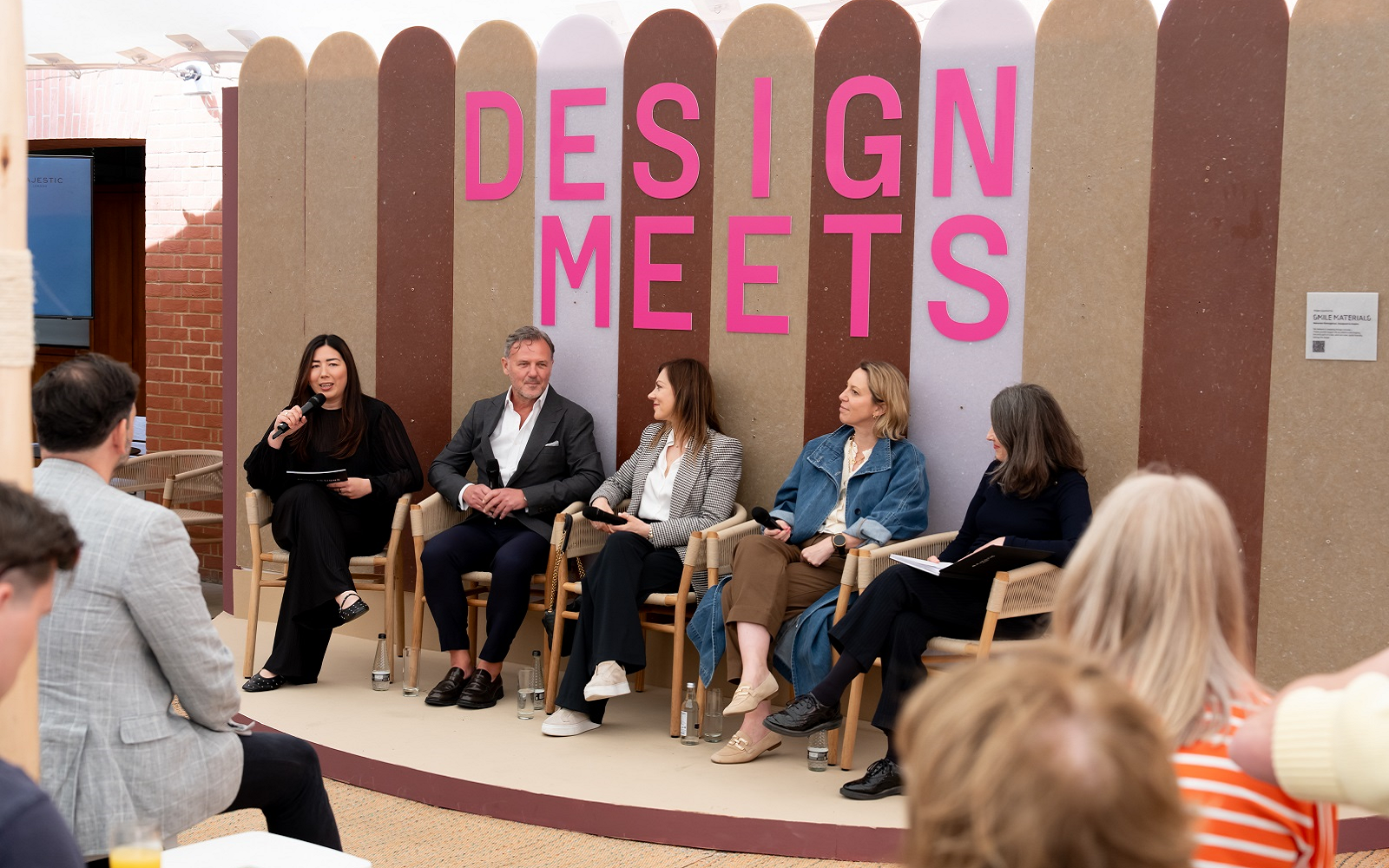
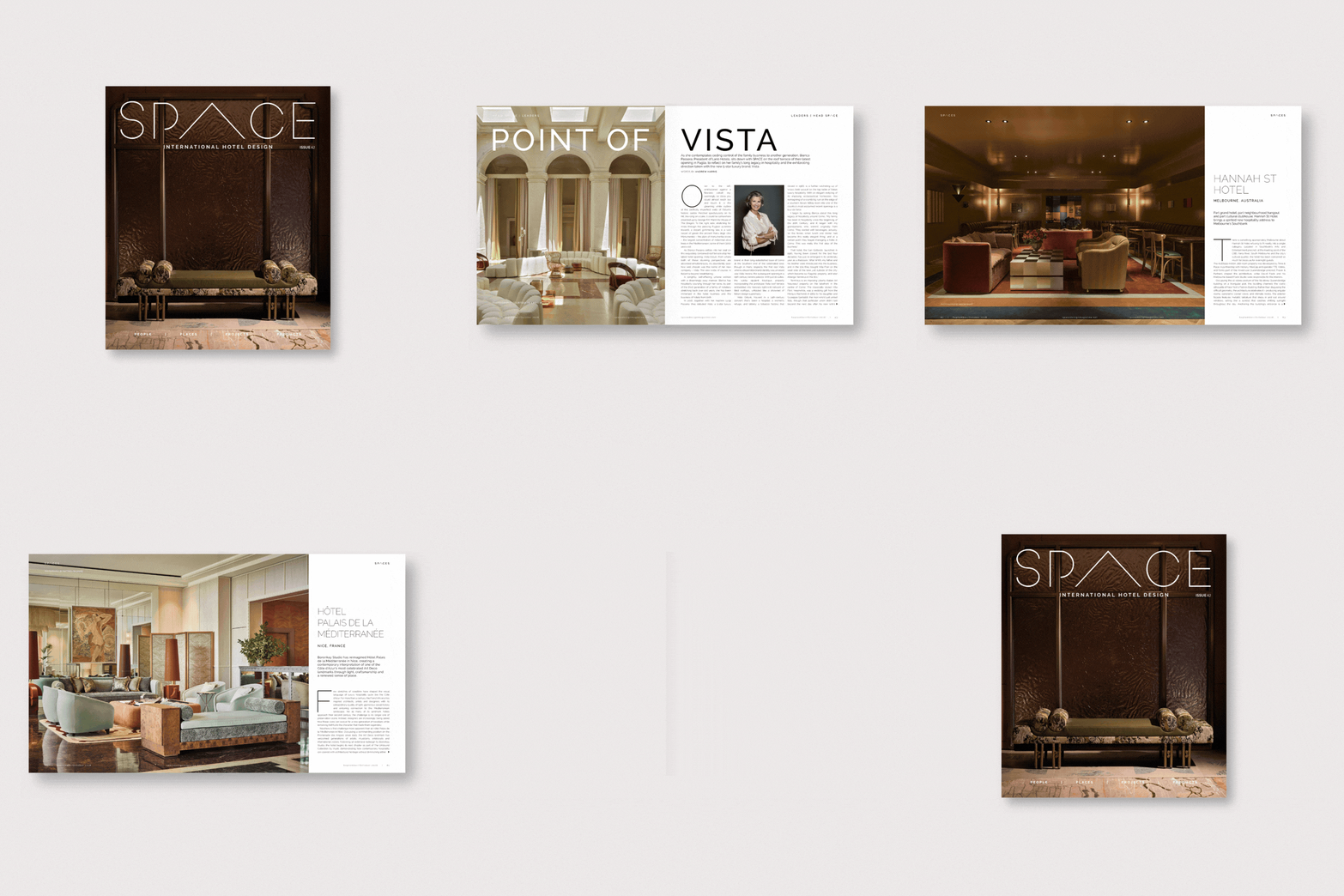
Moderated by Jess Miles, Editor of SPACE, the panel featured Alan McVitty, Studio Practice Leader at ROAM Interior Design; Una Barac, Founder of Atellior; Joanna Knight, Managing Director of JK Interiors; and Sarah Roche, Specification Sales Consultant at Majestic London. Their conversation ranged from the practicalities of prototyping and procurement to the philosophy of storytelling through design — along with the occasional truck of mattresses chasing a ship down the coast of Sicily!
-
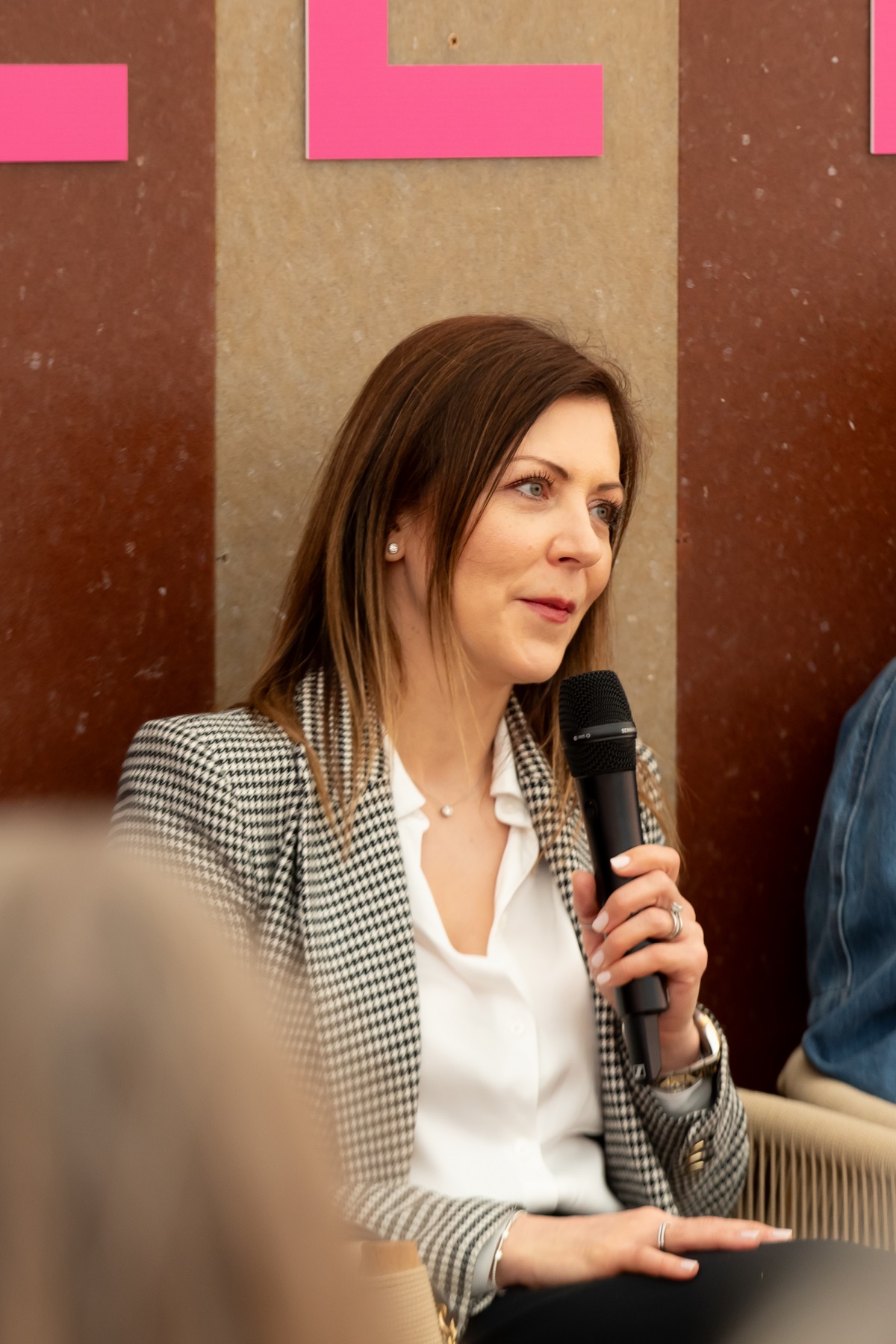
- Una Barac, Founder of Atellior
-
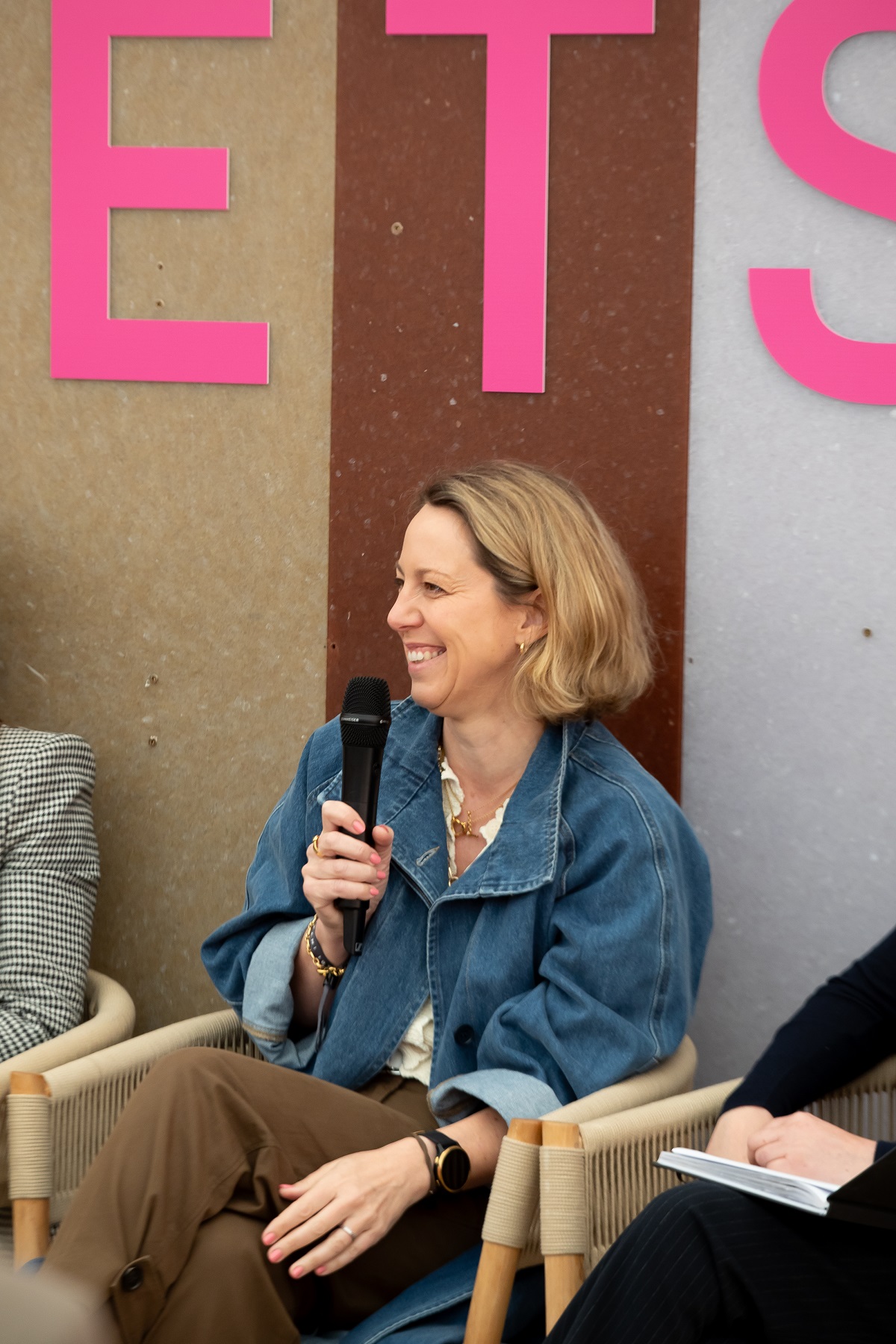
- Joanna Knight, Managing Director of JK Interiors
-

- Alan McVitty, Studio Practice Leader at ROAM Interior Design
-
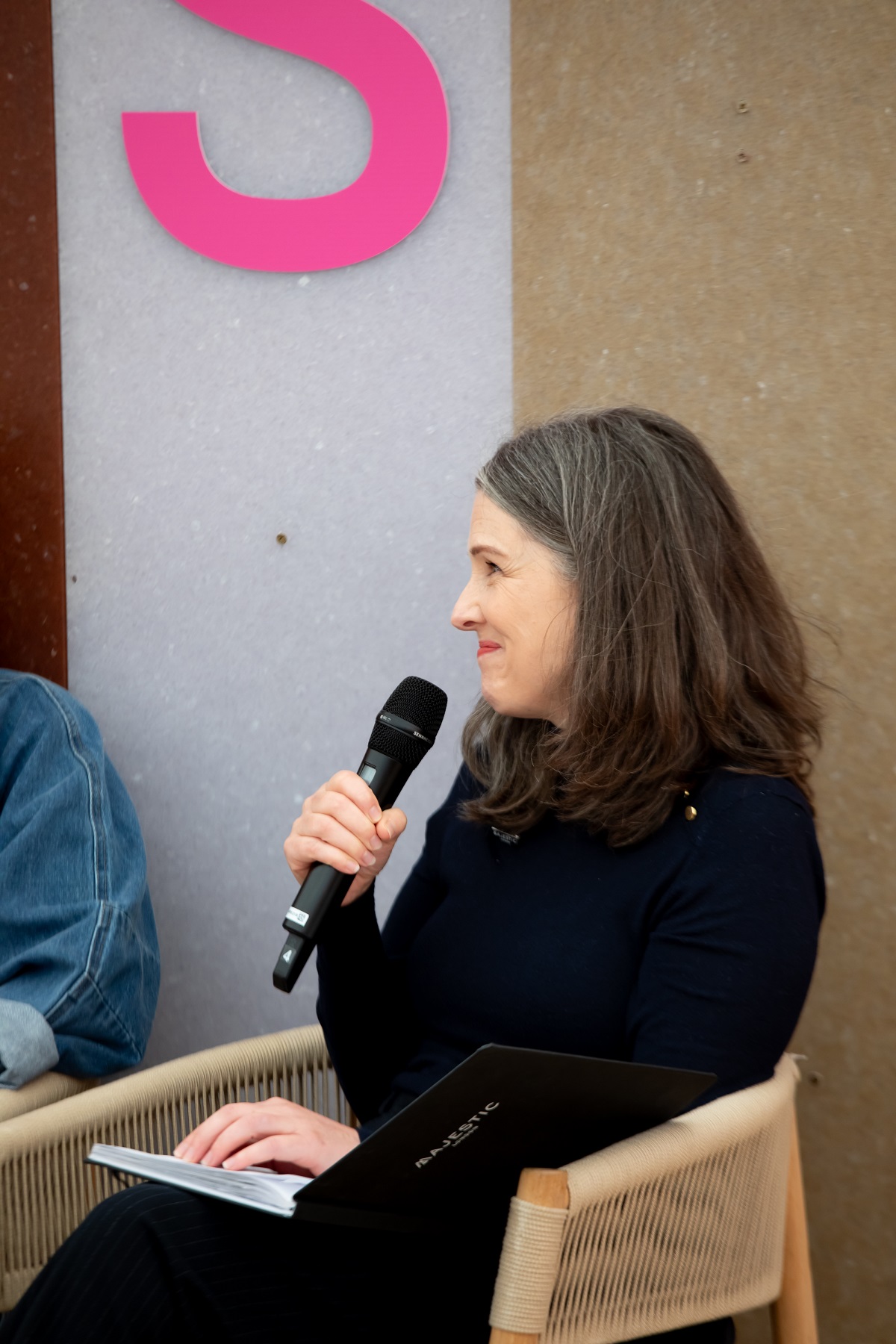
- Sarah Roche, Specification Sales Consultant at Majestic London
Why Bespoke?
The decision to go bespoke is rarely a purely aesthetic one. For Joanna Knight, whose studio works extensively on luxury trains and barges, it’s often simply unavoidable. “One hundred percent of the items we design, specify, and procure are bespoke,” she explained, “literally because they have special constraints — whether it’s space, whether it’s weight – if you’re producing an interior on a moving product, you’ve got to think about shaking, you’ve got to think about things cracking.” She recalled a tiled coffee table that looked beautiful on a barge until the vibration of the boat sent tiles skidding across the floor within a week.
For Alan McVitty, the motivation is often narrative. Much of ROAM’s work is “story-driven,” he said, meaning the selection of suppliers and materials is shaped by the creative vision from the outset. Una Barac added another dimension: authenticity and ESG responsibility. “We try and engage locally, or regionally, as much as we can,” she said, “because it really layers the story and roots it into its locality.” In practical terms, this also means easier replacements and repairs — shipping a damaged bespoke item halfway around the world is a very different problem to calling a local craftsperson.
-

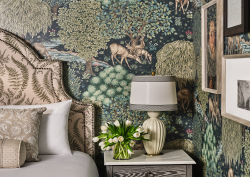
- Fluted Crystal Drawn | Image credits: Majestic London
-

- Carved design
The Art of Collaboration
The panel agreed that the supplier relationship is not transactional — it’s foundational. “If our suppliers are no good, then we’re no good,” said Joanna bluntly. “If they let us down, we let our clients down.” What the panellists look for in a collaborator comes down to a few essentials: reliability, quality, honest communication, and the willingness to push back when an idea won’t work. “Open narrative,” as Joanna put it — a supplier who can say “that’s a great idea, but it’s not happening.”
Alan emphasised the value of that technical knowledge flowing in both directions: “You’re looking to them for the technical knowledge to help you… they may have encountered it numerous times.”
Sarah Roche, speaking from the supplier’s side, described how Majestic London’s process begins with a designer’s visual narrative — sketches, mood boards, CGI images — before quickly moving into spatial planning, configuration, and fine detail. She illustrated the stakes of getting those details right with a story about a hotel bathroom where, because they were consulted early, the team could recess the shower channel so that it aligned perfectly with the fall of the tiled floor — a small detail that simply couldn’t have been resolved at the last minute
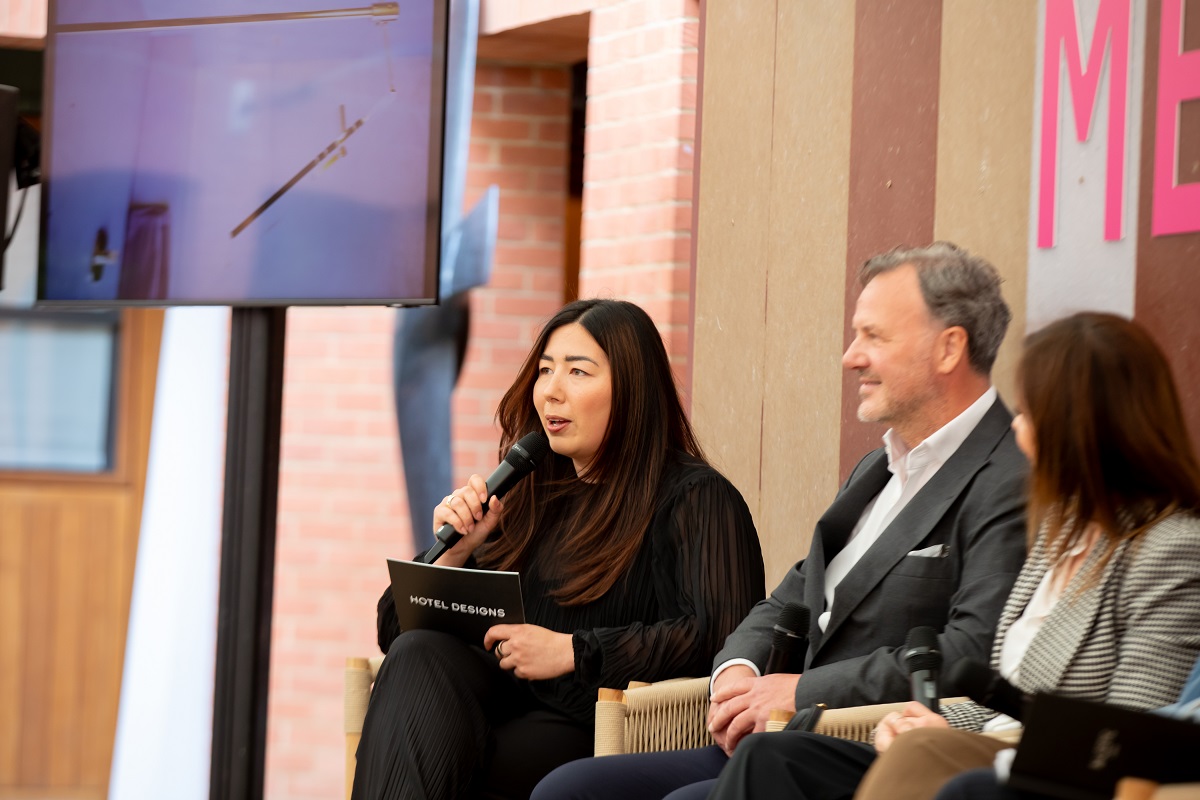
Moderator Jess Miles, Editor of SPACE; lan McVitty; Una Barac | Image credit: Majestic London
Earlier Is Always Better
One of the panel’s strongest points of consensus was the importance of bringing suppliers in early. “The sooner the better,” said Una, pointing out that decisions about details like glass channels and shower recesses affect floor buildups, screeds, and waterproofing — decisions that belong as much to the architect as the interior designer. Delays and budget overruns, the panel agreed, tend to happen when conversations start too late. “That’s when delays happen and budgets overrun,” said Joanna. “So the earlier, the better, that everyone’s involved in this open communication.”
Budget transparency was an equally firm theme. Una was direct: “Budget is so important. It shouldn’t be a professional secret.” Joanna echoed this, describing how she pushes clients to be frank from the start: “How much money? What does that include? ” When clients are vague about budgets, the consequence is wasted time, misaligned specifications, and the painful process of value engineering at the end — always more expensive and disruptive than planning properly at the beginning.
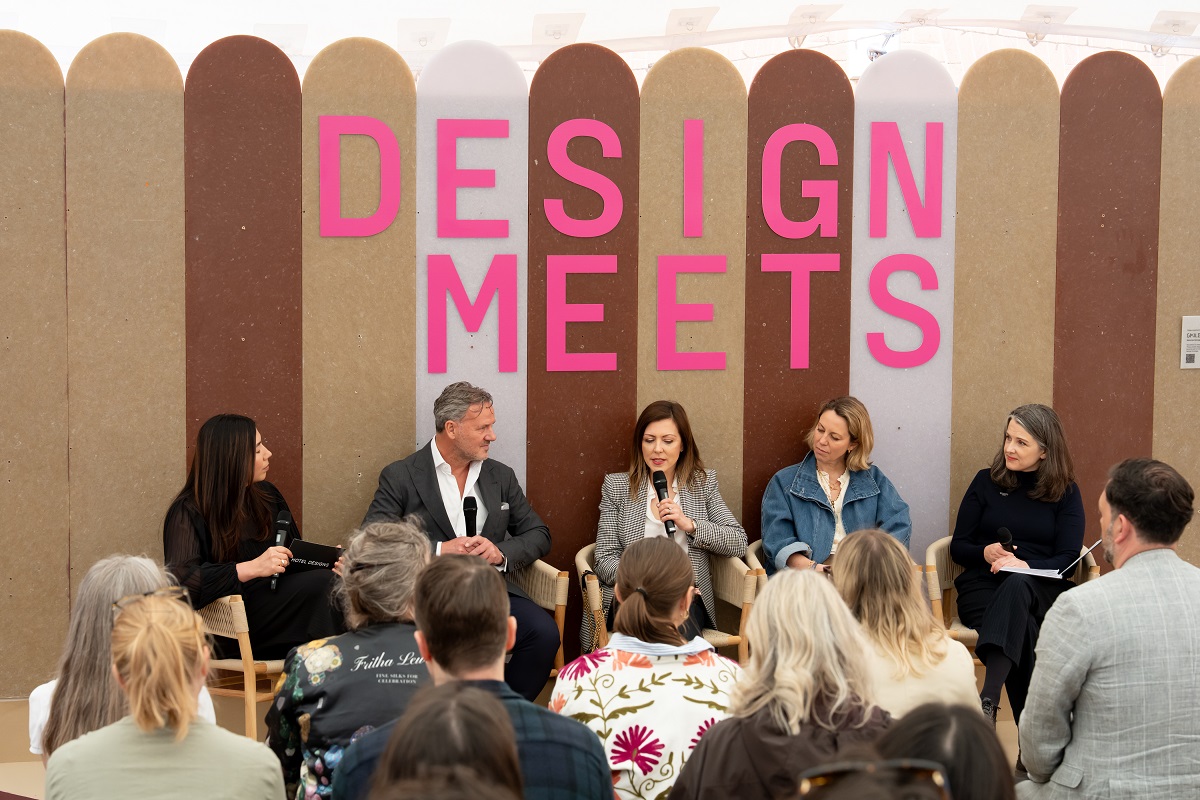
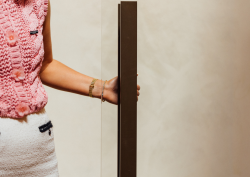
Image credit: Majestic London
Prototyping, Installation, and Getting It Right
As the conversation unfolded, it was clear that prototyping is another key player in the process. “Go to the factory, kick the tyres,” said Joanna. Sarah confirmed that Majestic London regularly rigs up installations — sometimes in timber, before a tile is laid — so clients can come and examine the product, open and close the door, and give it a shake. “We all want the same result,” she said simply. “We want it to go well. We want it to be beautiful.”
Installation, too, is a critical and often underestimated stage. Sarah noted that bespoke shower screens require specialist fitters, and the company offers both its own fitting service and training for contractors. “Majestic London is only as good as it’s fitted,” she said. Horror stories of carpet patterns installed without a cutting plan, wardrobes built from upside-down drawings, and plans not making it to the right people on site reminded the room that the final mile of any bespoke project is as important as the first.
Where Bespoke Is Heading
Looking ahead, the panellists saw demand for truly distinctive design only intensifying. Una pointed to a broader cultural shift: “With AI, things are becoming very generic. People are educated. The end user has developed a finer taste.” Far from replacing the need for bespoke design, she argued, AI’s tendency toward homogeneity is producing a backlash — clients and guests are actively seeking out the unique and the handcrafted.
Joanna pointed to the British Pullman’s new party car, Celia — designed by Baz Luhrmann and Catherine Martin — as an example of what’s possible at the top end of the market: “Every single thing on that carriage is really designed to have the very last millimetre of detail.” At its best, bespoke hospitality design doesn’t just look good. As Alan put it, you know it’s worked when guests start dressing up for dinner, when they linger longer, when revenue rises — or simply, as Joanna added, “when there’s no comment. No complaints. Everyone’s just using it as it’s meant to be used.”
That, the panel suggested, might be the highest compliment of all.
Majestic London is one of our Recommended Suppliers and regularly features in our Supplier News section of the website. If you are interested in becoming one of our Recommended Suppliers, please email Katy Phillips.
Main image credit: Majestic London