













Flooring shapes how a hospitality space both looks and feels. Atkinson & Kirby explains why it deserves a place at the very start of the design process…
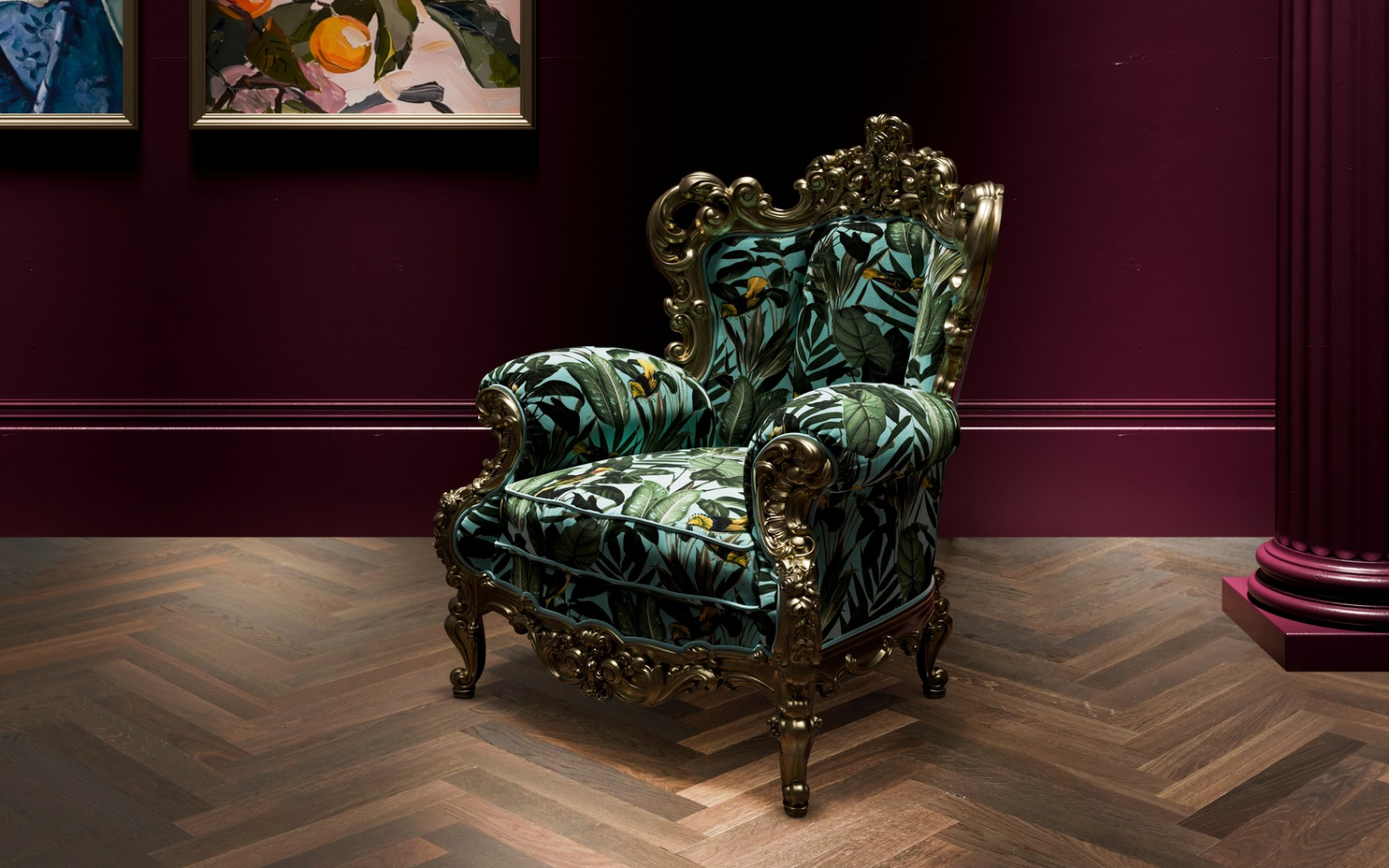
In hospitality design, flooring is often expected to do two jobs at once: establish the character of an interior and withstand the demands of a busy commercial setting. From hotel reception areas and restaurant floors to guest accommodation and shared spaces, the surface beneath our feet shapes how a venue looks, feels and functions.
Yet flooring is sometimes considered late in the design process, after furniture, lighting and decorative finishes have already been selected. Treating it as an integral part of the interior scheme from the outset can create a more cohesive result.
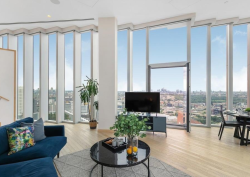
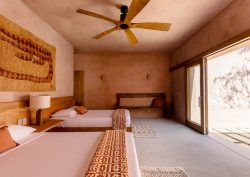
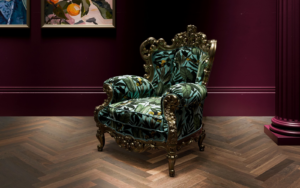
Flooring occupies a significant proportion of any interior, giving it considerable influence over the overall atmosphere. Natural timber introduces warmth and texture, while the choice of colour, grain and laying pattern can alter the character of a room.
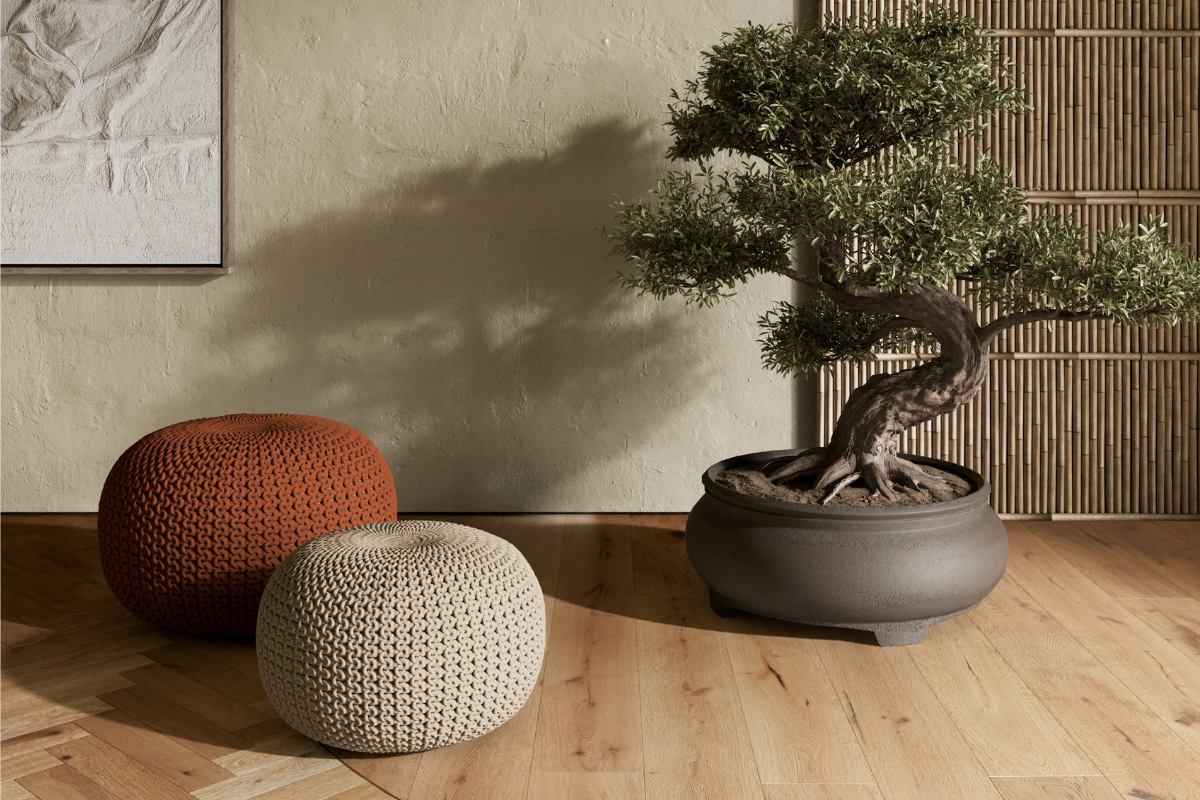
Image credit: Atkinson & Kirby
Lighter tones can make spaces feel open and bright, while deeper shades may create a more intimate, sophisticated atmosphere. Parquet patterns such as herringbone and chevron introduce movement and visual interest, making flooring a design feature rather than simply a neutral backdrop.
This is particularly relevant in hospitality, where different areas need to feel connected while serving distinct purposes. A reception space may require a strong sense of arrival, while a restaurant or lounge might call for a more relaxed and welcoming mood.
Design ambition must be balanced with practical considerations. Hospitality floors endure heavy footfall, frequent cleaning and the movement of furniture, while changes in temperature and humidity can also influence material performance.
Engineered wood flooring offers the appearance of solid timber with greater stability, making it well suited to environments where temperature and humidity fluctuate.
The right specification will depend on the product, the environment and the manufacturer’s guidance, so suitability should always be assessed for the intended application. Atkinson & Kirby’s flooring portfolio includes a range of timber styles, colours and patterns, allowing designers to explore different approaches to hospitality interiors.
The brand’s work at ABode Manchester demonstrates how parquet flooring in a reception area can contribute to a sense of character and quality while meeting the demands of a busy entrance.
Flooring can also help bring different parts of a hospitality project together. Repeating a material or colour across connected areas can create visual continuity, while carefully chosen changes in finish or pattern can distinguish individual zones. The key is to consider flooring in relation to the full palette: wall treatments, furniture, lighting and architectural details.
Natural timber can sit comfortably alongside a range of materials, offering a grounding element within both contemporary and more traditional schemes. Ultimately, flooring is more than a finishing touch. When selected early and specified with care, it can help establish a venue’s identity, support the practical needs of its operation and create interiors that feel considered from the ground up.
Atkinson & Kirby is one of our Recommended Suppliers and regularly features in our Supplier News section of the website. If you are interested in becoming one of our Recommended Suppliers, please email Katy Phillips.
Main image credit: Atkinson & Kirby