












Roundtable: Layer by Layer: historic buildings as modern hotels
In the summer, Hotel Designs and Lutron hosted a group of hospitality and design specialists at The Chancery Rosewood to discuss what it really takes to turn a building with a past into a hotel with a future…
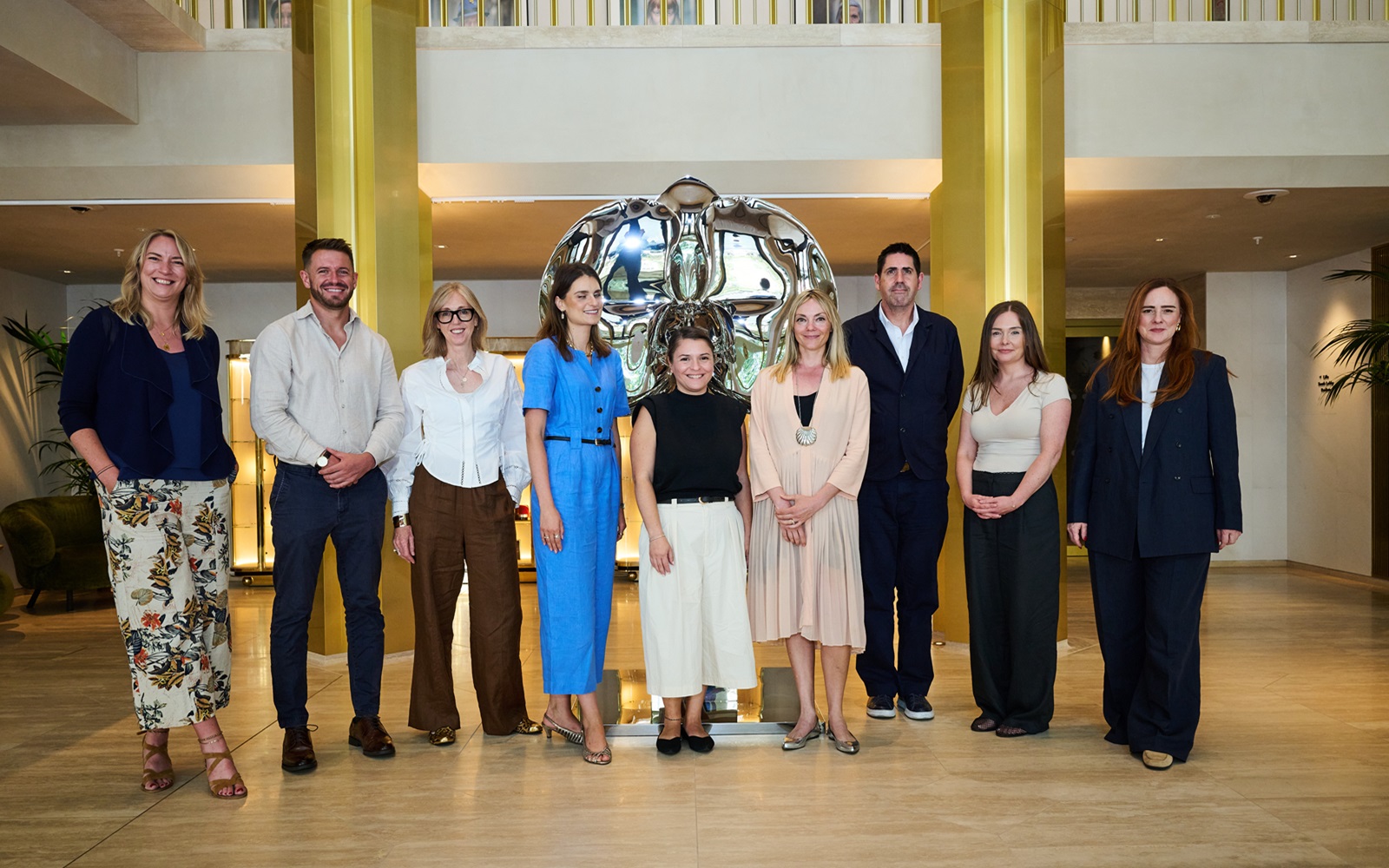
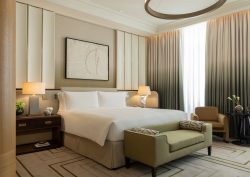
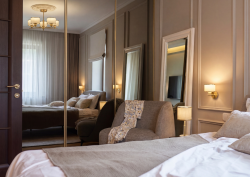
Manor houses, castles and former manufacturing plants all have the potential of becoming iconic modern hotels, but getting from one to the other means balancing heritage constraints, commercial reality and the expectations of today’s guest. At a Hotel Designs roundtable held in association with Lutron, at the beautiful new The Chancery Rosewood in Mayfair, the panel shared how they approach adaptive reuse, layer by layer.
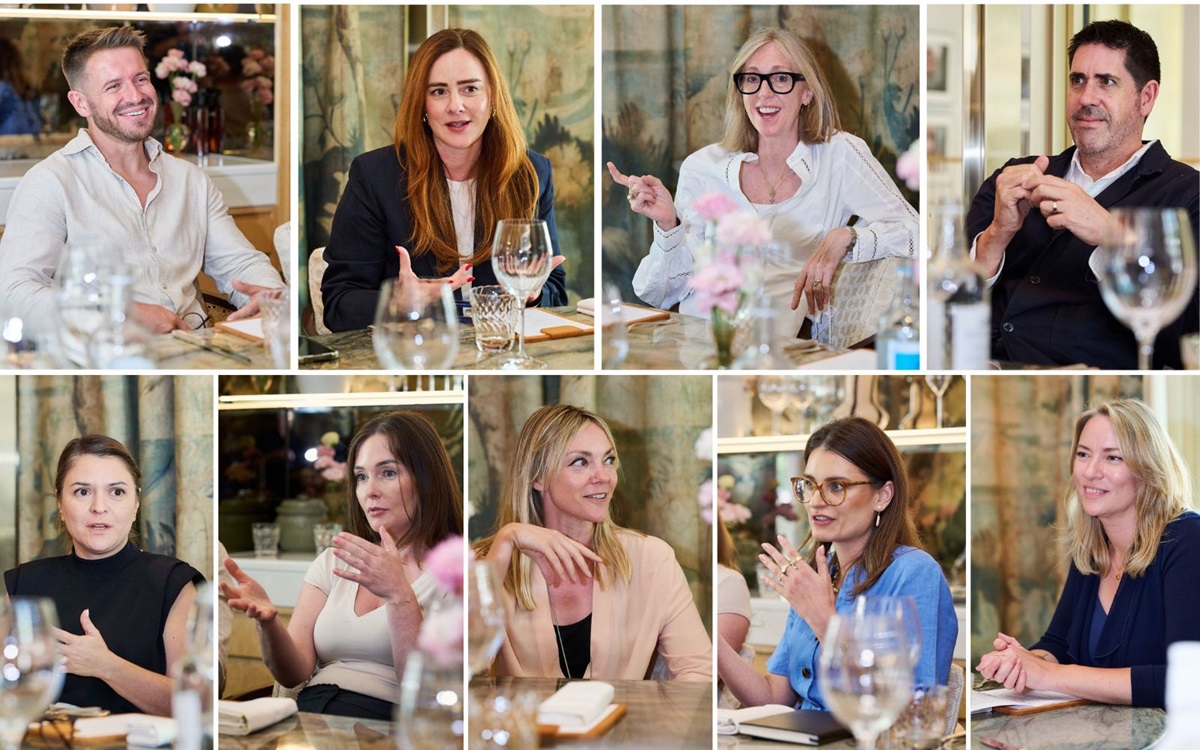
Image credit: Photographer London
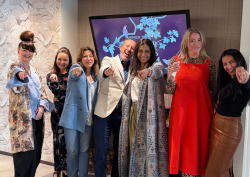
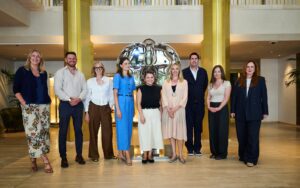
Around the table were (pictured left to right, top to bottom): Paul Gallacher, Design Director at EPR Architects; Natalia Miyar, Founder, Natalia Miyar; Kim Partridge, Founder of Kim Partridge Interiors; Nick de Klerk, Associate Partner & Head of Hotels, Purcell; Despina Kalapoda, Senior Director Design Strategies EMEA, Marriott International; Nicolla Farry, Hospitality Sales Manager UK & Ireland, Lutron; Jessica Morrison, Design Director at GA; Maria Wojtowicz, Head of Creative at Omnam; and Sophie Harper, Editor, Hotel Designs.
Sophie Harper: When you first walk into a historic building earmarked for hotel conversion, what tells you it has ‘good bones’ – and what are the red flags that make a project more trouble than it’s worth?
Kim Partridge: I think first of all it’s instinct and we’ve all been in the business for a long time so we all have that instinct. The second thing is, and you’ll know immediately if the bones are good, proportion is really important but I think the thing we look out for is the fluidity. It’s got to be fluid, it’s got to work and you cannot have this horrible overlap between the guest experience and staff and back of house.
Maria Wojtowicz: To us, there are no red flags, per se. I think we are very much solution focused and we believe we can overcome any challenge – we’re actually infused by the challenge, but what’s very important and sometimes makes the deal impossible for us to approach is a very rigid and very complicated relationship with municipality or third parties that are beyond our control.
Nick de Klerk: I think you can work from there, because ultimately we want the same thing, we want the building to be repurposed, to be brought back into business.
Despina Kalapoda: You need to consider many things: how many guest rooms do you need to have? How many guest rooms can you afford to lose to make things functional?
Natalia Miyar: One of the biggest obstacles that we’ve encountered recently, to Maria’s point about municipalities and heritage buildings, is when the requirements for environmental upgrades or fire protection or all of these things actually exceed the volume and drop the number of keys down so much, leaving a project untenable.
Paul Gallacher: The commercial viability is the big one. If it doesn’t stack up, we can’t do anything with it. For example, when we worked on the NoMad in London, it was initially going to be a Hilton but it didn’t really work because the more you uncovered in this historic building the more you were confined by the constraints of the brand. So it became part of the NoMad brand, which just made more sense – it completely changed it as a product.
Image credit: Photographer London
Sophie: Has anyone ever come to loggerheads with clients who have a really strong vision but you can see the challenges of a building that they really want to turn into a hotel and you have to advise against what they’re looking to do?
Kim: Well, we had a situation where, like you were saying, our owner of this property wanted it to be a Raffles brand, but the narrative didn’t quite fit. Following conversations with Accor, it was changed to a Fairmont brand, which was initially a difficult conversation to have with the owner, but worked out well.
Paul: Everyone in our team has a real can-do attitude and that’s kind of the fun and the job to try and make something that’s impossible, possible. We tend not to tell our clients no, you can’t do that, unless we really have to.
Natalia: There’s a very elegant way to do it, but you’re absolutely right, nobody wants to hear ‘no’!
Image credit: Photographer London
Sophie: Nicola, from a manufacturer’s perspective, what do you find most challenging about hotel projects like this, The Chancery Rosewood for example, that are being changed from one thing to another? How early on is Lutron involved in putting together the technology that’s going to run through a building like this?
Nicolla Farry: We always say the earlier the better, because obviously then we can really ensure that the infrastructure is really the key and the pivotal element of it, because we’ve worked on many projects where we are brought in later on, and then it becomes more of a budget-driven decision, because there might not be the ability to change wiring, for example.
Jess Morrison: We’re working with Lutron at the moment, and yes, it’s important to collaborate as early as possible. Often, you have to be really inventive about where tech goes, because you can’t always go into the ceilings, or in through the joinery, so working together to come up with different innovations is important.
Nicolla: We don’t want to be pivotal to the design in terms of the aesthetic. We really want to disappear into the background and become the functional aspect that the guest just doesn’t even realise is there. The best technology is never actually seen.
Paul: In these heritage buildings, you want to experience spaces where none of the infrastructure is visible. At least that’s what the guest wants to experience. You’re not trying to shoe-horn things into spaces.
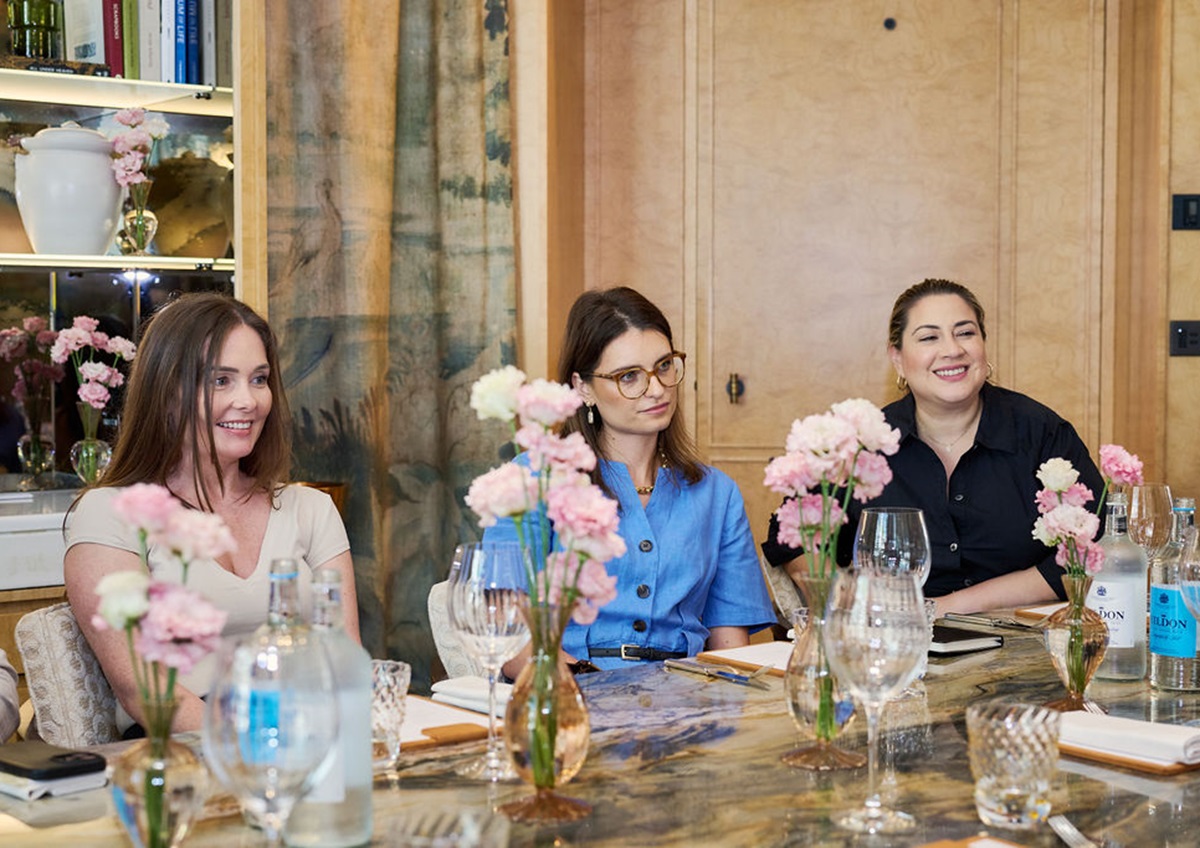
Image credit: Photographer London
Sophie: So how do you best do that and not wipe out the history of a place or the grandeur of a place? How do you make it modern, yet timeless, and operational as a hotel?
Kim: There are limitations and there are sometimes when you’ve got to say let the story speak for itself. If you’re staying in an old building that’s part of its charm sometimes. What you don’t want to do is sanitise the experience do you? After all, these places have a soul, they have a history, and that’s part of it.
Natalia: You can’t manufacture the life, the energy, the spirit, the soul that a historic building will bring.
Maria: The trap for designers is relying on nostalgia too much. And what I see sometimes is adaptation in design that almost treats the building like a museum, like a relic. And it’s very important to make contemporary modern interpretation of that historic context and really blend the modern with the heritage.
Nick: I think of it as an evolution because, ultimately you work in partnership with the people who designed the building and built the building, and it has a life – you’re just adding another layer to that. It is a collaboration over time. We have in-house heritage consultants – we always research to understand the buildings we work with. You don’t fight it, you try to understand the nature of the building, how it works, how it is as a building and you work with that.
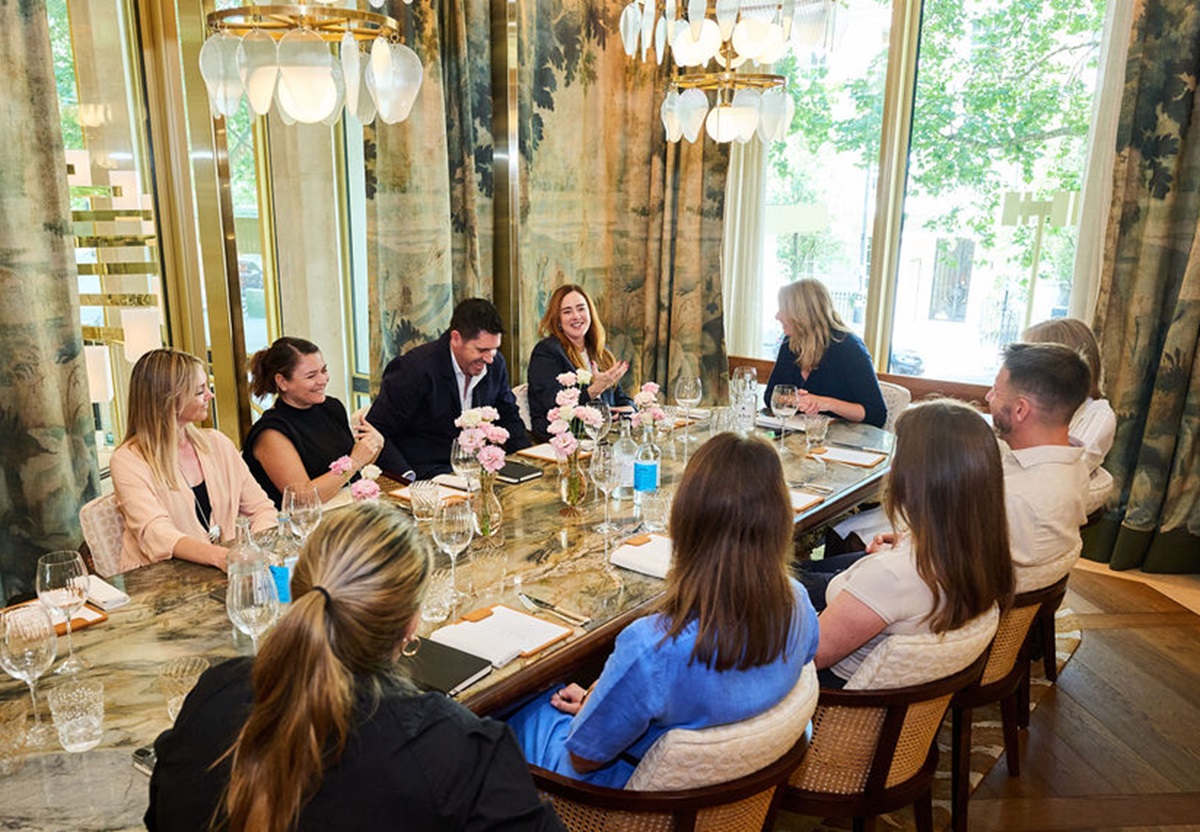
Image credit: Photographer London
Sophie: Do you think about local communities and how people often take ownership of historic buildings? What part does the local community play in the narrative, and how do you keep local people happy?
Paul: We’ve had a couple of projects where this is super important; one of which was when we were working on Montcalm Brewery, which is right next to Barbican and so we had to consult with the Barbican Residents Association – notoriously known for being really difficult when it comes to new projects being built in that area – and they’re all brilliantly legally aware people with high property values in that estate. But throughout that planning process we genuinely got to know each of those resident association members on a personal basis, learnt all of their names, listened to everything they said. Hotels are potentially really important assets to a community – the moment someone realises they’ve got another place to go for a coffee, can change their complete opinion on the development – telling that story is really important.
Image credit: Photographer London
Sophie: With sustainability being central to hotel development, how does adaptive reuse of an existing structure change your approach to specification and technology compared to a new-build – and where do you see the biggest opportunities for smart, low-impact retrofits?
Paul: The whole life carbon of a construction project is really important and against a new-build hotel obviously working with an existing hotel or an existing building performs better from that starting point.
Nicolla: Over the last couple of years, we’ve really pushed new ways of implementing our solutions, in that if we can use existing infrastructure, we can then also make it adaptable as well – for reuse in the future – so that they’re not tied into what they have, and they can keep adapting as they need to, and also designing quality products that stand the test of time. I was in a hotel a couple of weeks back, and they have a public area Lutron system that they installed 18 years ago, and it’s still going swimmingly, and that’s what we want to hear.
Jess: Three years ago, we completed the 1 Hotel Mayfair, and I think originally the client was looking to demolish the site, start fresh, they did a big architectural competition, what would it be, mixed use, commercial use, it was previously a Holiday Inn. It was all going to be demolished, and then they partnered with 1 Hotel and realised the most sustainable thing to do was to keep the building, and work with that and turn it into a luxury property. There were huge challenges as a designer, we had to work with existing bay sizes, it’s quite a confined site, but I really liked that it was actually talking to the brand properly, not just paying lip service about sustainability.
Paul: That’s a perfect example of the right brand for the right building, because that site is the right place for a luxury hotel, it’s right in Mayfair, it’s opposite the Ritz. But what I really like about it is that it’s disruptive in that luxury market, by doing what it does really authentically, it is keeping the building, and it’s providing an understated luxury product, and I think it’s done really well, that’s the perfect example of seeing a building and knowing what it should be, rather than what you want it to be.
Image credit: Photographer London
Sophie: Just to wrap up, what do you guys prefer? Do you prefer to work on existing buildings, or historic buildings, or would you prefer to start from scratch?
Nick: I’ve done both, and I prefer working on existing buildings.
Natalia: Me too. I love it. The narrative and the heritage, the history. I think there’s a soul that I personally think is much better. Think of this building. Think of when this was the American Embassy, and how awful the experience of Grosvenor Square was with all of the barricades. So all of a sudden, it’s engaged, it’s active, it’s connected to the square. Ultimately, it’s contributing to the community far more than if it was an Embassy or a school or something else.
Maria: This is where we can really bring back to the community, we have this responsibility to re-energizing these old, beautiful buildings.
Paul: On a heritage building, you have more constraints, but more design challenges to solve. So, one is about problem-solving a little bit more, and one is about making the right decisions along the way and then solving the problems that come with it. But as a design challenge, I find existing buildings more enjoyable.
Jess: We all know that heritage buildings and existing buildings can be super challenging and we all sound quite well-versed in that, for sure. But I also feel as though it’s such a gift for us as designers because the wealth of history and the stories and the narrative that you can draw on is really rich, so that’s really exciting.
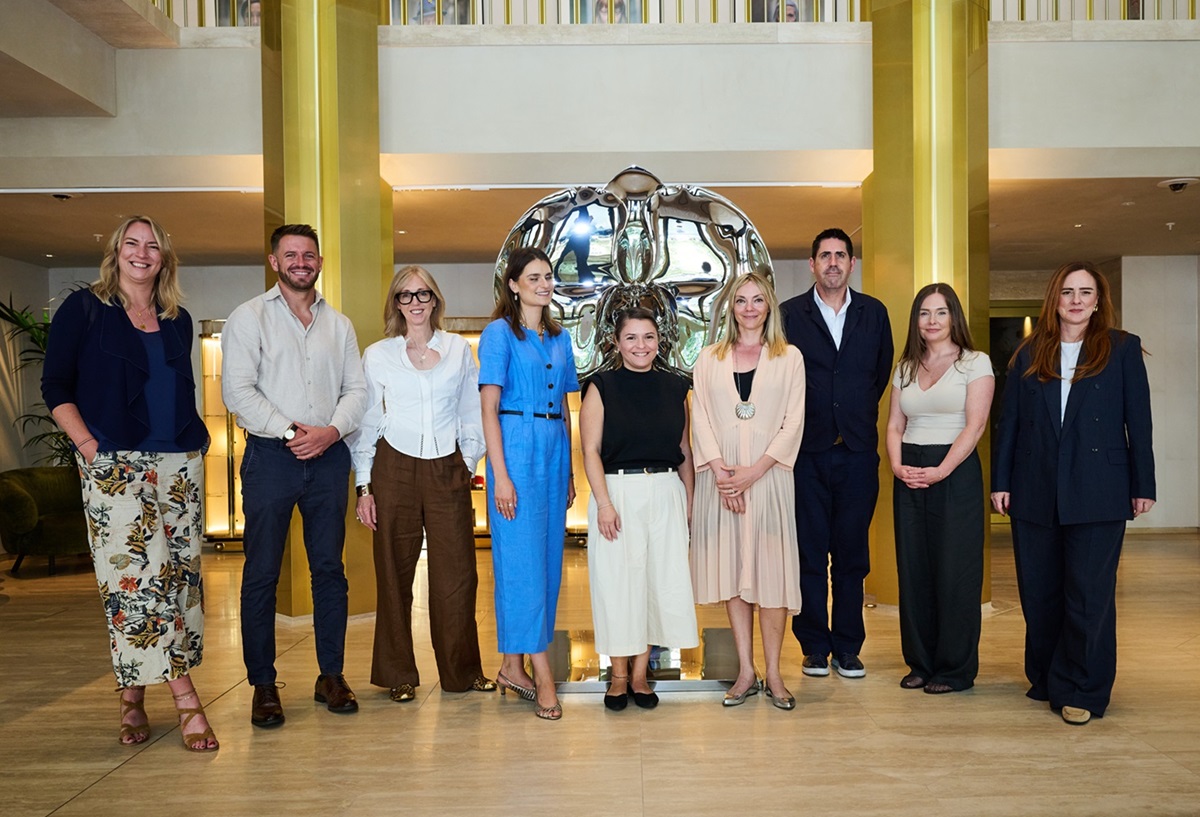
Image credit: Photographer London
During an afternoon of open conversation and shared stories, a clear theme emerged – the enthusiasm for buildings steeped in history. The intrigue and curiosity of a property’s roots, past custodians and period styling details are seen as treasures, all adding to the makeup of old buildings with fresh life being breathed into them. That sort of magic, that charm, is something to embrace, as it cannot be engineered artificially. So despite the challenges that come from narrow hallways, ancient pipework, and building restrictions, there’s nothing quite like bringing a heritage building back to life for new generations to enjoy.
Lutron is is one of our Recommended Suppliers and regularly features in our Supplier News section of the website. If you are interested in becoming one of our Recommended Suppliers, please email Katy Phillips.
Main image credit: Photographer London