









As rising oil prices place renewed pressure on synthetic flooring costs, designers are increasingly turning to engineered hardwood for its material stability, longevity and guest experience benefits…
In hotel design, flooring is no longer a passive backdrop. It is a defining layer that shapes guest perception, comfort and the overall sense of quality from the moment someone enters a space. As we move through 2026, however, the conversation around flooring is also being influenced by wider economic pressures -most notably renewed volatility in global oil prices.
This shift is beginning to feed through into the UK interiors market, particularly across synthetic flooring categories. Products such as LVT and vinyl rely heavily on petrochemical inputs including PVC resins, plasticisers and synthetic adhesives. As oil prices fluctuate, so too do the costs of oil-derived raw materials, energy, logistics and manufacturing. Early signals suggest that further price adjustments are likely to continue filtering through retail and contract supply chains over the coming months.
Against this backdrop, natural materials such as hardwood are becoming increasingly relevant – not only for their aesthetic and experiential qualities, but for their relative insulation from petrochemical-driven volatility. This growing divergence in cost stability is prompting many designers and specifiers to revisit the long-term value of real wood flooring.
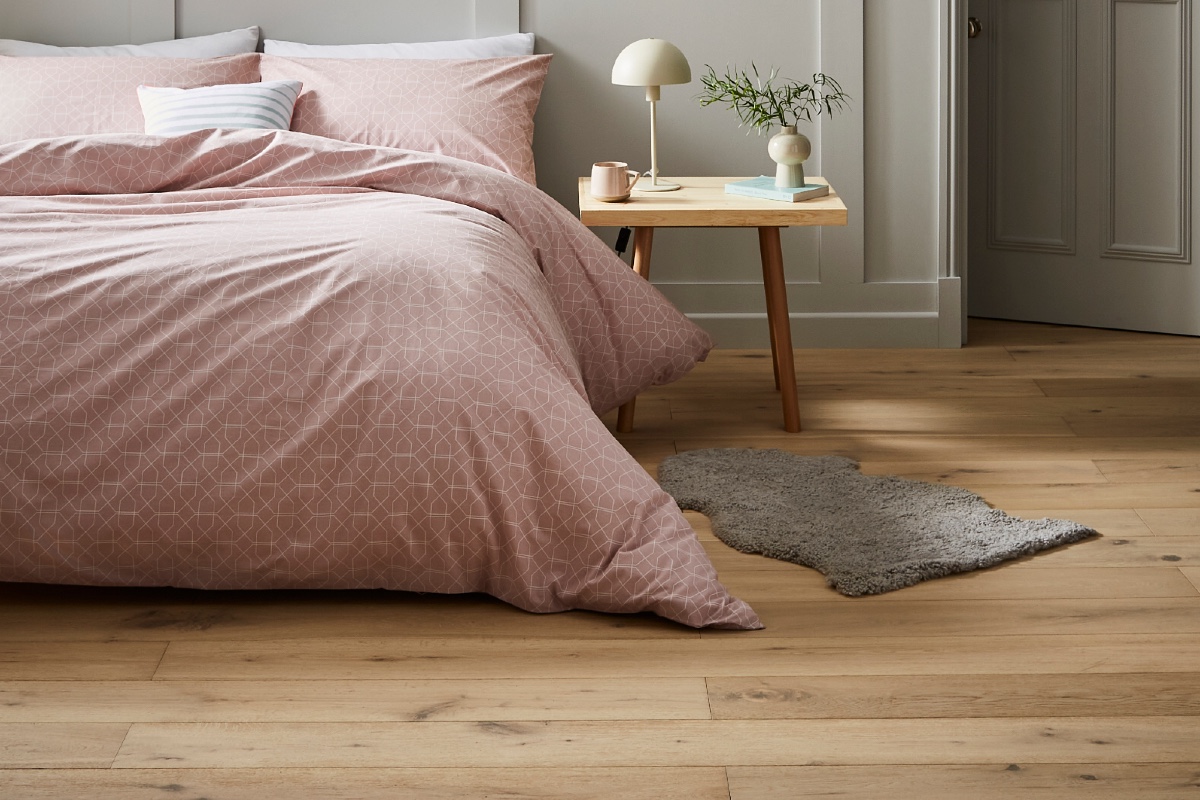
Atkinson & Kirby Seba Oak | Image credit: Atkinson & Kirby
Stability Rooted in Nature
Unlike synthetic alternatives, hardwood flooring is not tethered to the same global oil dependency. Its value chain is fundamentally rooted in natural resources rather than petrochemical inputs; making wood a more predictable choice in uncertain economic conditions, particularly for hotels & hospitality environments working to balance upfront investment with long-term operational planning.
For specifiers seeking reassurance in a fluctuating market, this stability is becoming a compelling advantage. It also reinforces the case for investing in materials that are inherently renewable, repairable and designed to age gracefully rather than be replaced at the end of a short lifecycle.
The Guest Experience Advantage
Beyond economics, wood continues to outperform synthetics in one of the most important measures for hospitality: guest experience.
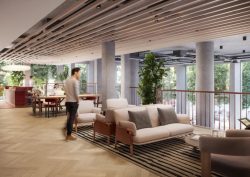
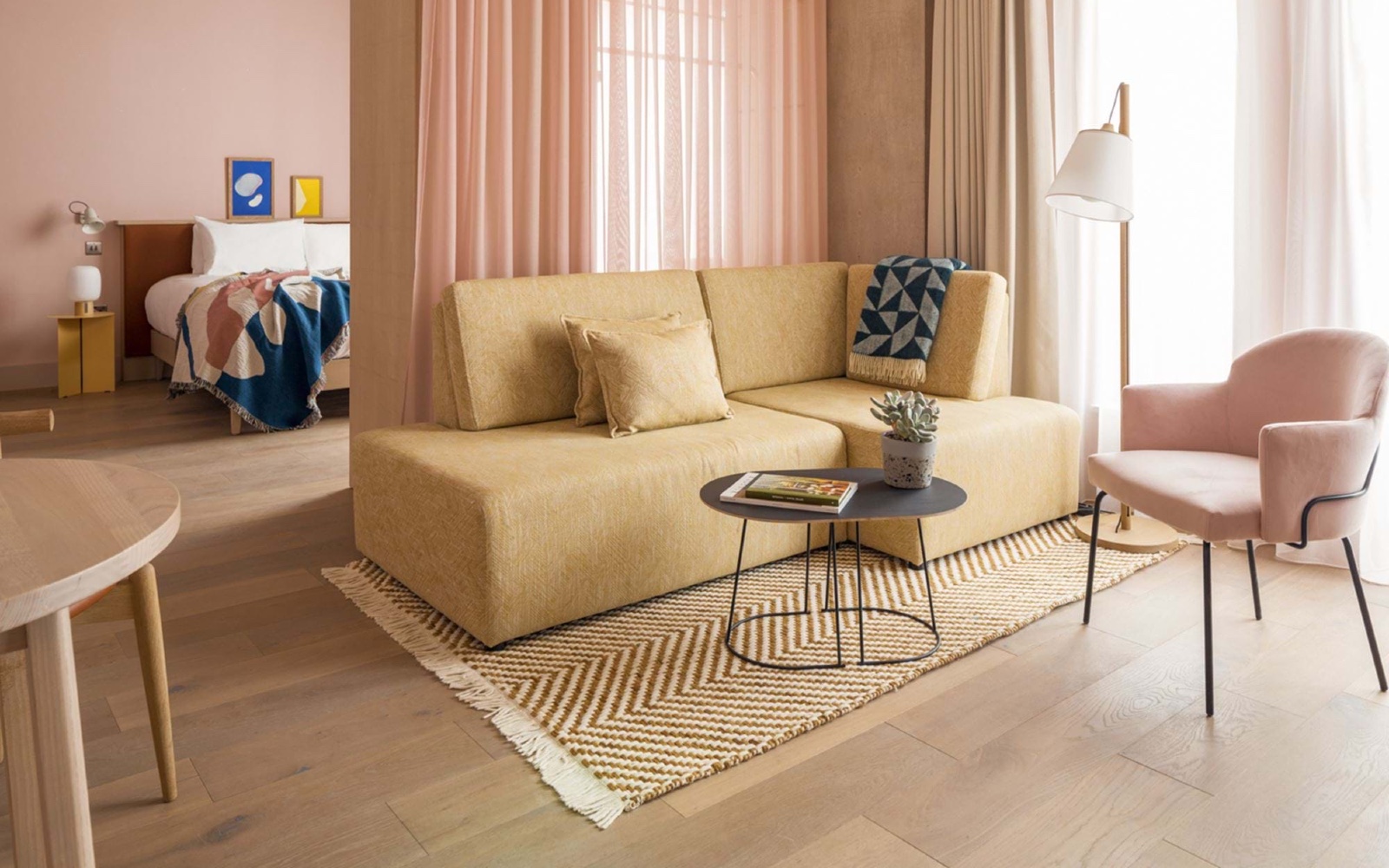
Natural wood flooring brings warmth, texture and authenticity into interiors in a way that manufactured surfaces struggle to replicate. Each plank carries subtle variation, helping to create spaces that feel individual rather than mass-produced. In boutique and independent hotels, this sense of character is especially valuable, reinforcing a design narrative that feels considered, human and connected.
Wood also plays a role in supporting wellbeing. Its natural surface tones and organic variation help soften interiors, contributing to calmer, more restorative environments. In guest rooms particularly, this can enhance the sense of comfort and relaxation that travellers increasingly expect from their stay.
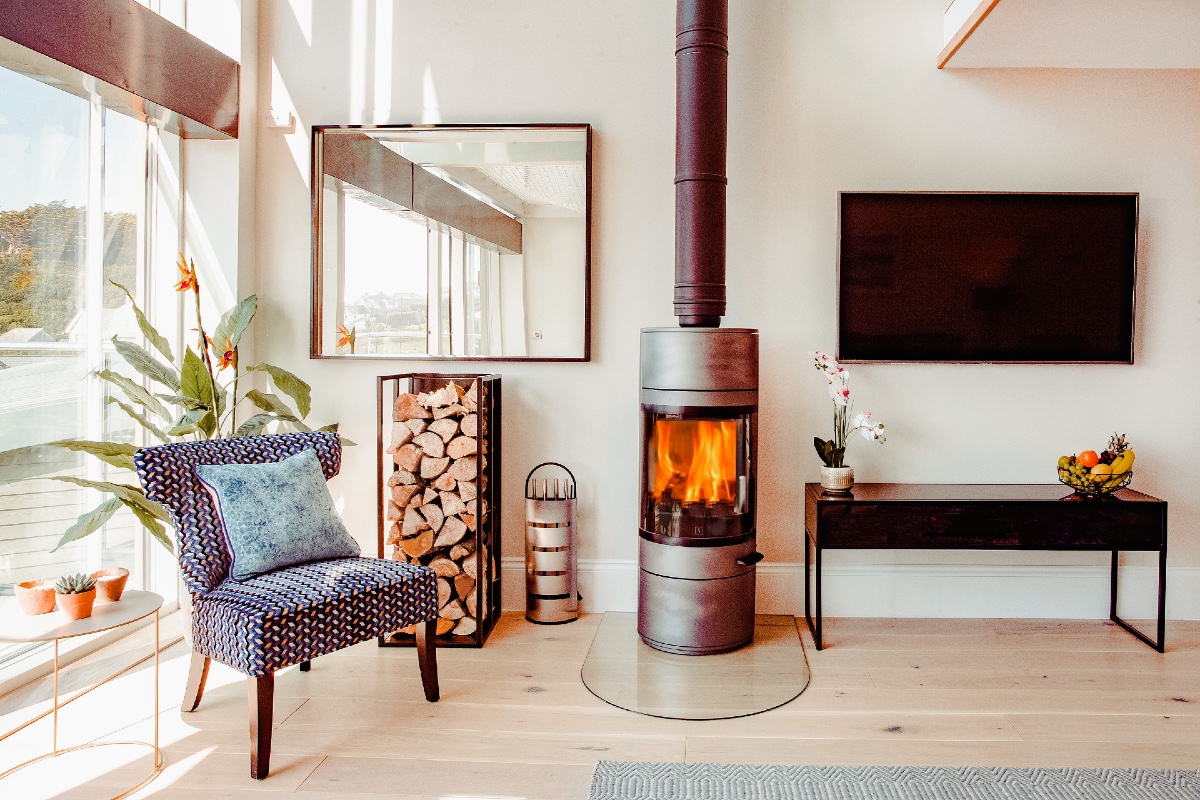
Atkinson & Kirby’s Climate Collection | Image credit: Atkinson & Kirby
A Healthier, More Considered Material Choice
A fully considered material choice has become ever more important as guests become more informed and health-conscious when choosing where to spend leisure time. Practical benefits further strengthen the case. Wood flooring is naturally hypoallergenic, helping reduce the build-up of dust and allergens often associated with textile floor coverings. When paired with low-VOC finishes, it supports healthier indoor air quality – an increasingly important consideration in hospitality environments where guest comfort is paramount.
Collections such as Atkinson & Kirby’s engineered hardwood ranges are designed with these principles in mind, combining durability with responsible material choices that offer both performance and wellbeing benefits.
Designed for Long-Term Value
Durability is another key differentiator. High-quality wood flooring can be sanded, refinished and restored over time, extending its lifecycle significantly surpassing many synthetic alternatives. This not only reduces long-term replacement costs but also supports more sustainable refurbishment cycles for hotels.
For designers exploring natural, resilient material palettes, the Climate Collection offers a curated example of how engineered wood can support both contemporary aesthetics and long-term performance requirements in hospitality settings.
A Return to Material Honesty
As design trends continue to evolve towards authenticity, wellness and sustainability, wood flooring stands out not as a nostalgic choice but a future-facing one. In a market increasingly shaped by economic uncertainty and environmental awareness, it offers something rare: stability, adaptability and enduring aesthetic value.
For hotels looking to create interiors that feel grounded, restorative and financially resilient, wood is not simply an option – it is fast seeing a resurgence as the material of choice.
Atkinson & Kirby is one of our Recommended Suppliers and regularly features in our Supplier News section of the website. If you are interested in becoming one of our Recommended Suppliers, please email Katy Phillips.
Main Image Credit: Atkinson & Kirby