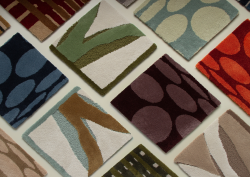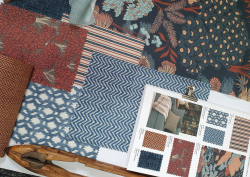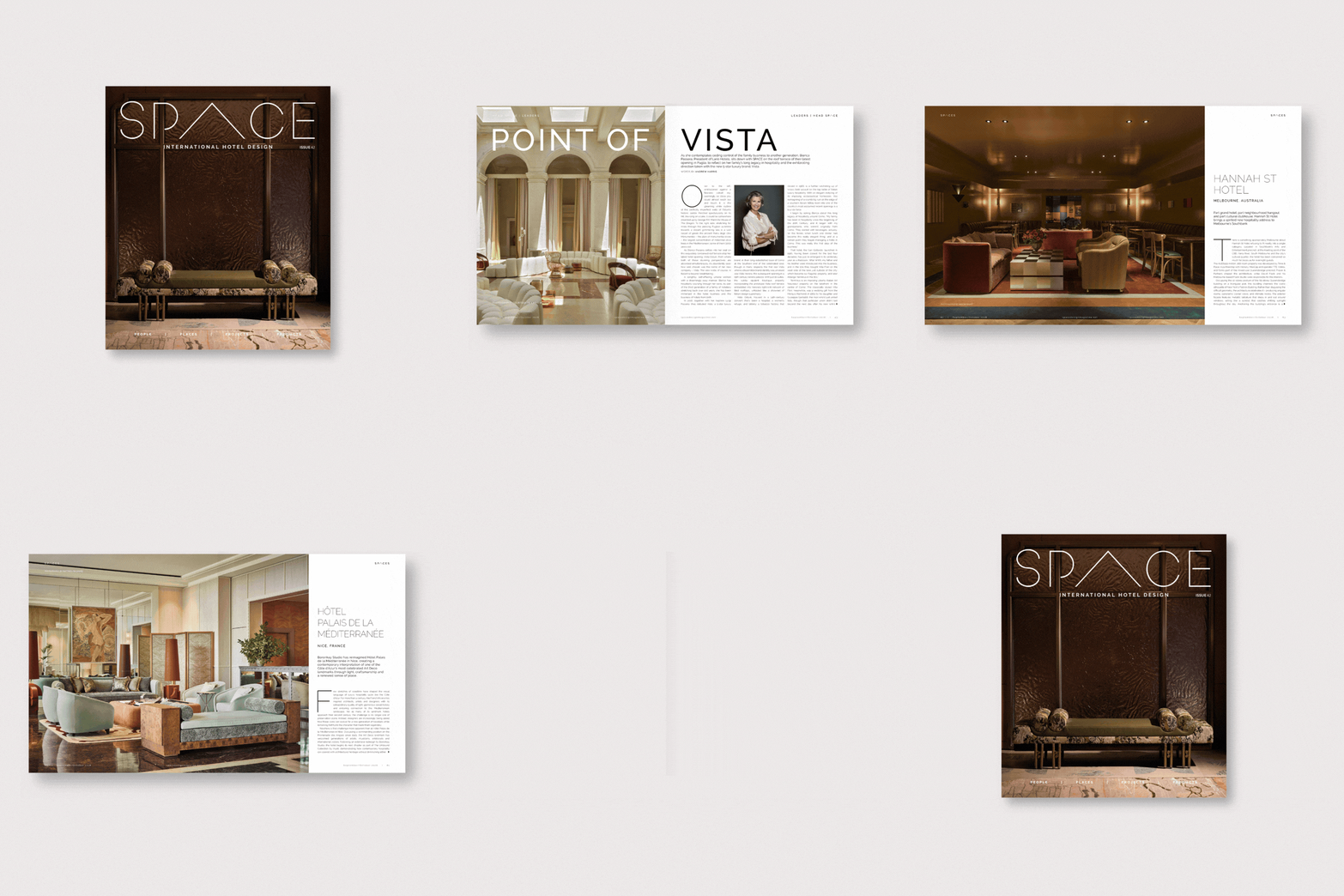









Once a staple of the world’s most stylish wardrobes, the silk scarf is now emerging as a powerful branding and design tool for the hospitality industry, corporate sector and interior design market…
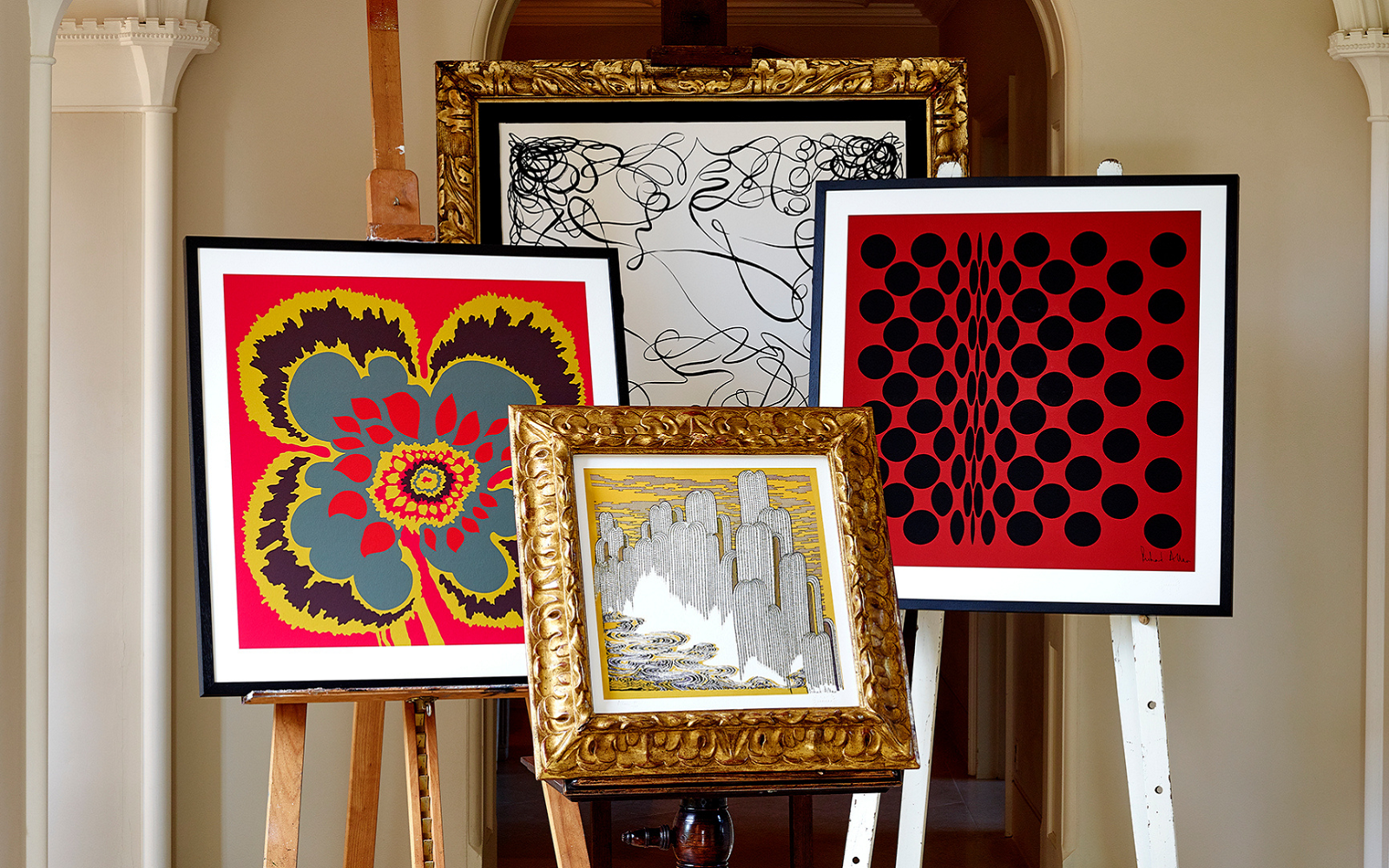
Long associated with luxury fashion and timeless elegance, the silk scarf is finding a surprising new audience.
The story begins in the 1960s, when silk scarves enjoyed their golden age. At a time when a scarf was not merely an accessory but an expression of sophistication and personal style, British designer Richard Allan built an international reputation for creating distinctive silk scarf collections that combined artistry with craftsmanship.
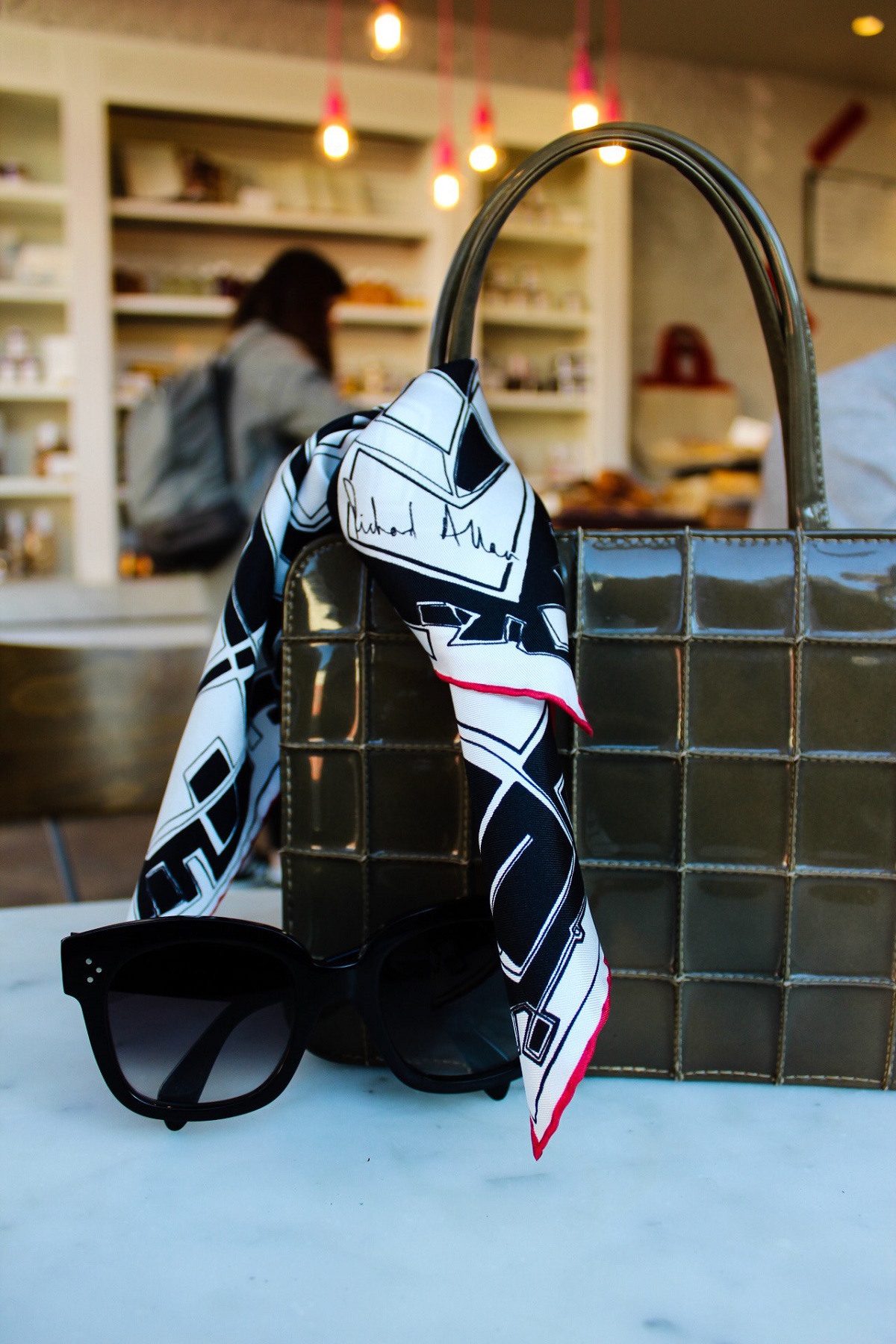
Image credit: Richard Allan London
Founded in 1962, Richard Allan’s eponymous design house became known worldwide for its bold, beautifully crafted silk scarves that captured the creativity and cultural spirit of the 1960s and 1970s. Made in Britain, the designs reflected an era of artistic innovation, optimism and self-expression, earning recognition for their striking colour palettes, originality and enduring appeal.
Today, Richard Allan’s daughter, Cate Allan, is giving new life to the archive. By carefully recolouring and reinterpreting many of the original designs for a contemporary audience, she continues a legacy that celebrates British design, craftsmanship and artistry while ensuring the work remains relevant for a new generation.
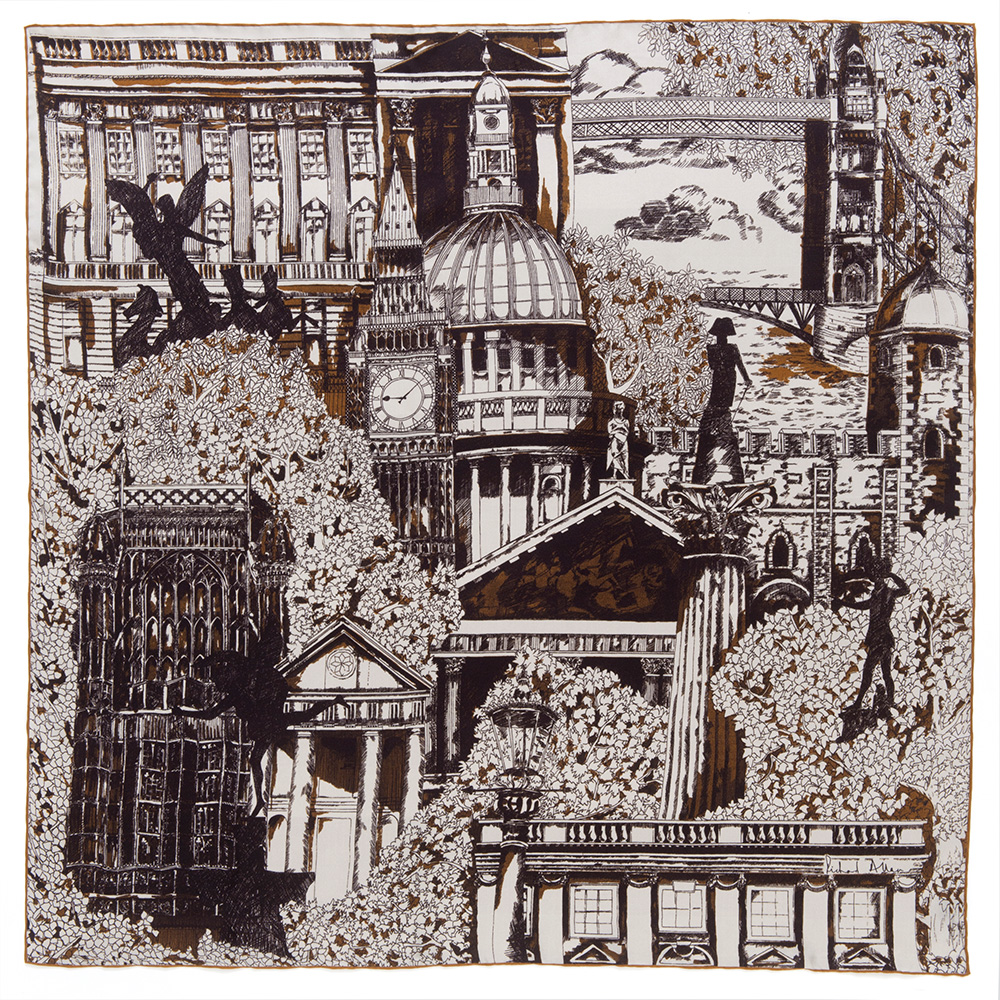
Image credit: Richard Allan London
More than half a century after the company’s founding, those same design principles are finding expression in new markets. As hotels increasingly seek distinctive ways to differentiate themselves, custom-designed silk scarves are being reimagined as luxury retail products, corporate gifts and powerful brand ambassadors. A beautifully crafted scarf can communicate the identity of a property, destination or heritage brand far more memorably than conventional merchandise. For guests, it becomes both a keepsake and a wearable reminder of an experience.
The trend reflects a broader shift within hospitality towards creating meaningful and authentic connections with visitors. From boutique hotels to international luxury groups, there is growing demand for products that combine craftsmanship, storytelling and exclusivity. Silk scarves, with their blend of artistic expression and practical elegance, fit naturally into this space.
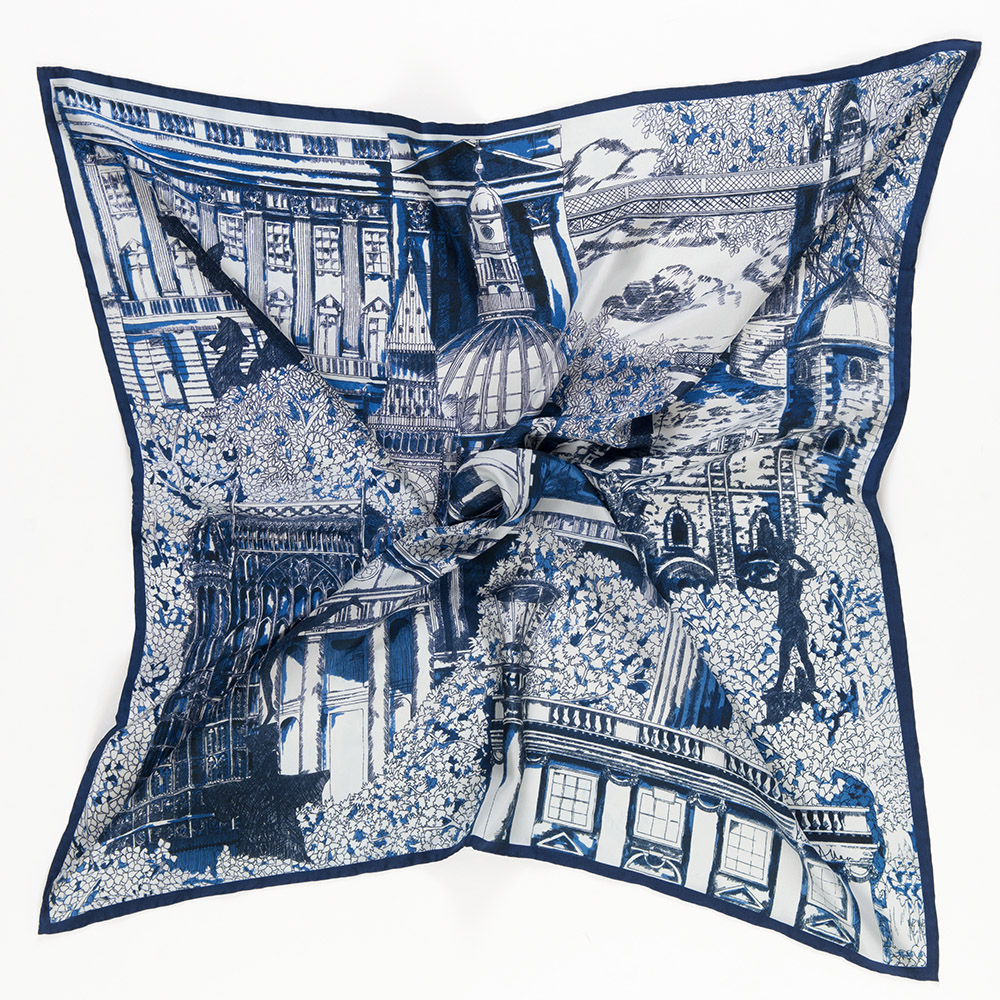
Image credit: Richard Allan London
Uniform design is another area attracting renewed interest. Rather than relying solely on traditional corporate attire, organisations are exploring bespoke scarf and tie motifs as extensions of their visual identity. A signature pattern can add distinction to staff uniforms while reinforcing brand recognition in a subtle yet sophisticated way.
The possibilities extend beyond fashion altogether. Drawing from an extensive archive of designs dating from the 1960s and 1970s, Richard Allan is also transforming silk scarf artwork into framed pieces, limited-edition prints and decorative silk panels. What was once wearable art is increasingly finding a place in hotels, offices and private residences, where the intricate patterns and rich visual narratives bring character, colour and authenticity to interior spaces.
What makes this resurgence particularly compelling is the growing appreciation for heritage. In an age of fast-moving trends and increasingly digital experiences, businesses are rediscovering the value of craftsmanship, provenance and enduring design. Historic textile archives, once viewed solely through the lens of fashion, are now recognised as versatile creative assets with applications across hospitality, branding, retail and interiors.
For a company rooted in the silk industry, this presents an opportunity not simply to preserve a legacy but to reinvent it. Designs originally conceived for the fashion world can be adapted for contemporary environments without losing the artistic integrity that made them distinctive in the first place.
The silk scarf remains one of fashion’s most enduring accessories, but its future may prove even more versatile than its past. As luxury brands, hotels and designers search for meaningful ways to stand apart, the silk scarf is enjoying a remarkable second life—bridging heritage and innovation, craftsmanship and commerce, fashion and art.
Sometimes the most contemporary ideas are the ones waiting to be rediscovered in the archive.
Richard Allan London is one of our Recommended Suppliers and regularly features in our Supplier News section of the website. If you are interested in becoming one of our Recommended Suppliers, please email Katy Phillips.
Main image credit: Roly Roques-O’Neill / Richard Allan London