








Take a seat at the Mandarin Oriental Mayfair alongside eleven hospitality and design leaders, gathered to explore the notion of ‘quiet luxury’…
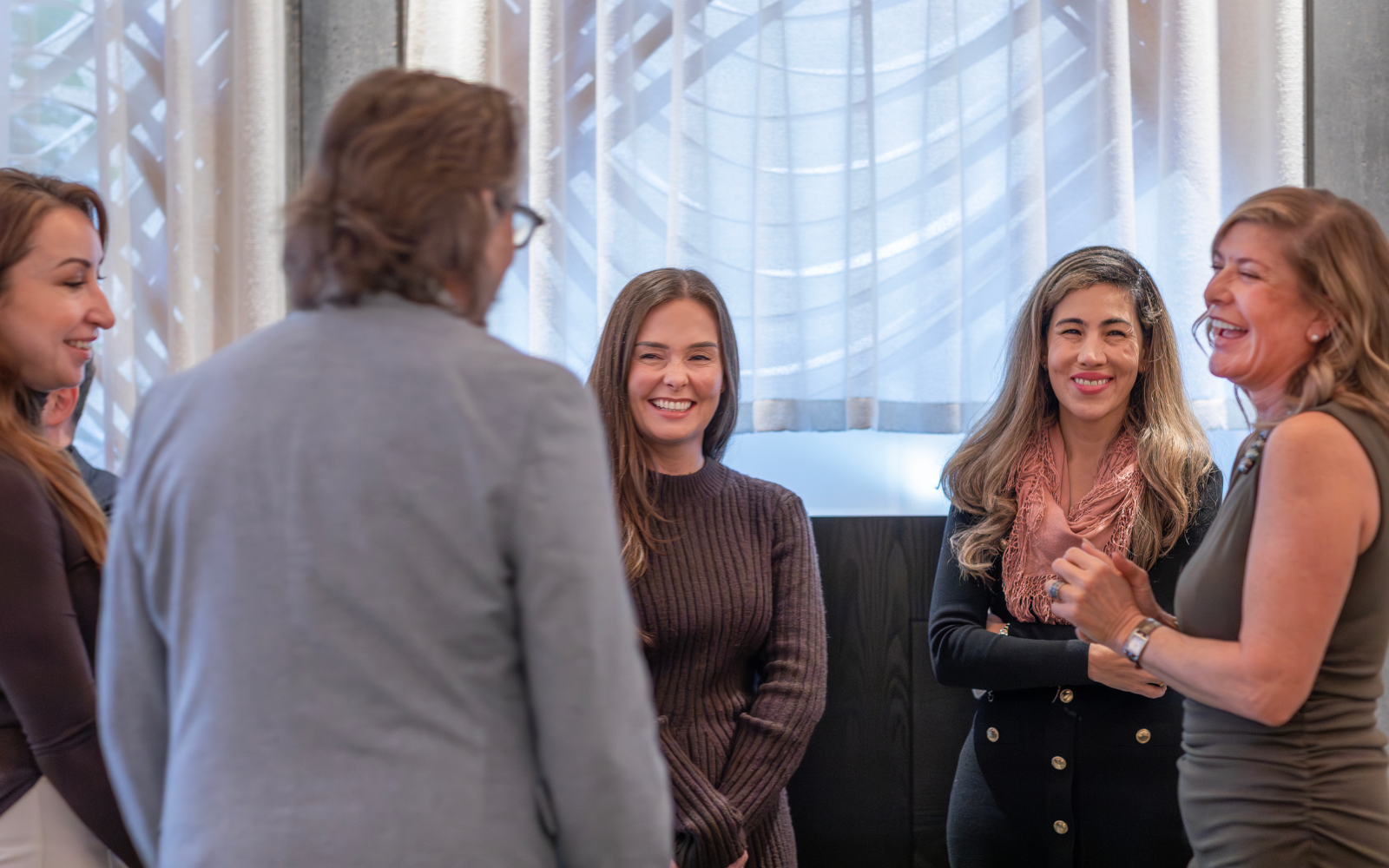
Quiet luxury has become a particularly debated concept within contemporary hospitality design. Often associated with restraint, understatement and craft, it is less a visual language than a mindset: rooted in intention, emotional intelligence and the careful orchestration of space, light, materiality and experience.
To explore what quiet luxury really means in practice, Hotel Designs, in association with Lutron, convened a roundtable discussion at the Mandarin Oriental Mayfair. Bringing together eleven leading hospitality designers and industry figures, the conversation moved beyond aesthetics to examine how quiet luxury is shaped by service, narrative, technology, wellness and the smallest, often overlooked, design decisions.
From tactile touchpoints and intuitive lighting to spatial planning, flexibility and the role of digital integration, the discussion revealed that quiet luxury is not about doing less – but about doing the right things exceptionally well.
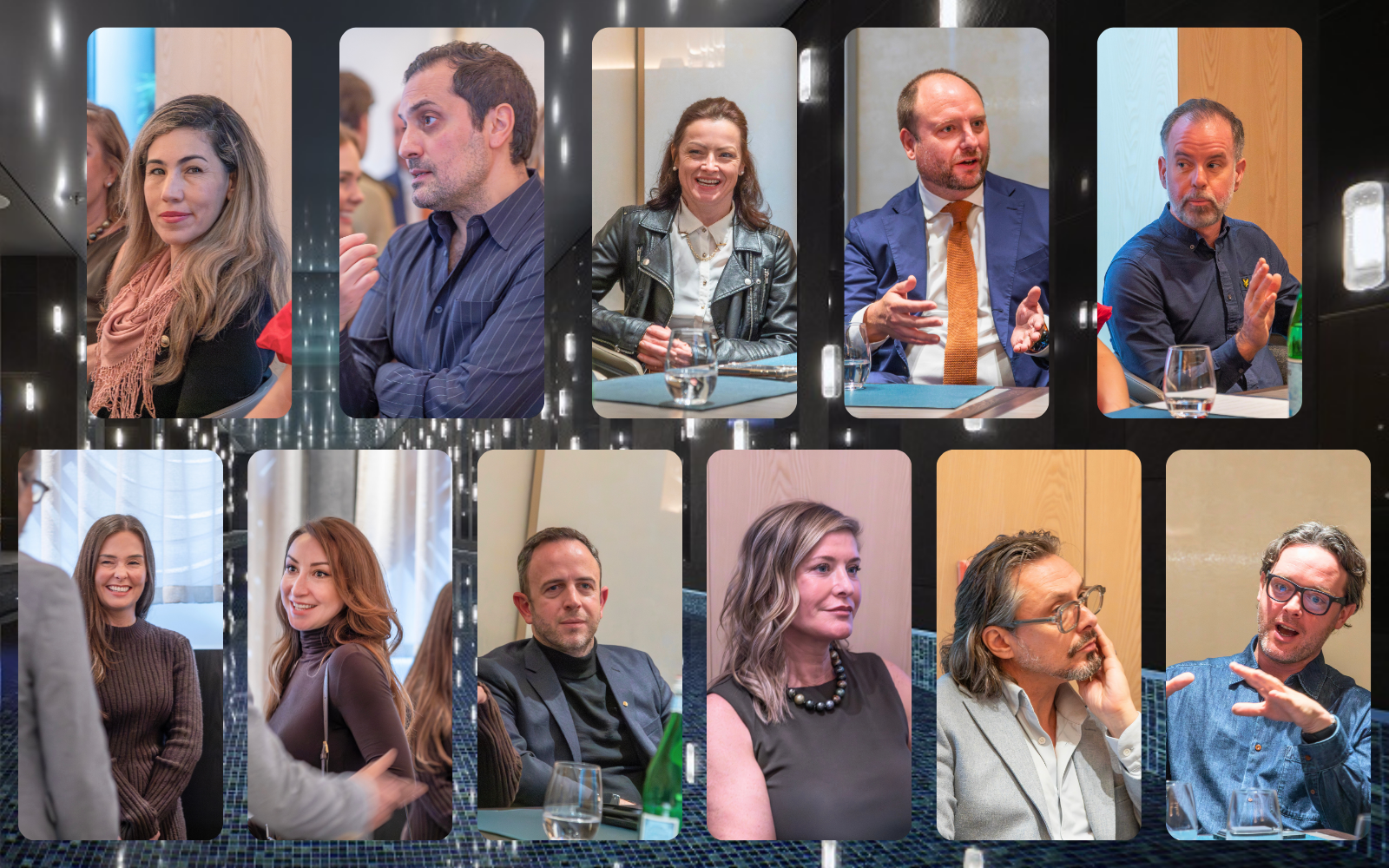
(l-r, top-bottom): Ana Maria Huertas Iragorri, Global Hospitality Sales Director, Lutron; Dimos Giorgou, Studio Director, Tara Bernerd & Partners; Janet Molphy, Head of Design, L+R Hotels; Jonathan Aeberhard, Executive Vice President, Cheng Chung Design; Nicholas Belfied, Partner, DPA Lighting Consultants; Nicolla Farry, Specification Sales Account Manager, Lutron; Olga Fox, Director of Interiors, Studio Indigo; Rafael da Silva, Director of Architecture & Design, Mandarin Oriental; Silvana Rossi, Director, Argenta Projects; Steven Blaess, Head of Interior Design, Clivedale London; Tom Chalmers, Head of Design, Mohari Hospitality.
Sophie Harper: How do you define ‘quiet luxury’?
Rafael da Silva: For me, design is simply the backdrop to quiet luxury. You can find quiet luxury in a space that’s glitzy or understated – it’s not really about the look. It’s about service. It’s the feeling of being deeply looked after, without that care ever being on display.
Olga Fox: It’s anticipating what the hotel visitors want and meeting those expectations. So service needs to be seamless and absolutely hidden – imperceptible. When we’re designing, we also want to design for a feeling or an experience. You want to predict how people will use the space and give them things they didn’t know they needed.
Jonathan Aeberhard: It’s a word that’s used a lot, but narrative is so important. You can have a quiet luxury expression through design, but it still tells a very strong story.
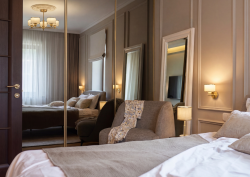
Dimos Giorgou: I would say that quiet luxury is the ‘home away from home’ feeling; when you come into the room and you know just where to hang your coat or put keys down. I think that is the quiet luxury feeling that we’re trying to achieve through design.
Sophie: How do you create that ‘home away from home’ feeling? Do you go through a space acting out how you would arrive there?
Dimos: Yes. When we design, we always have a person and a scenario in mind. For example, if it’s the Mandarin in London, I imagine a proper Londoner and how she would enter and move through the space.
Maybe she’s carrying an umbrella. It’s not cold, but it’s raining. She opens the door – so where does she put her umbrella? Her keys? Her wallet? Perhaps there’s a small tray or surface for those everyday rituals. ‘Home away from home’ is about thoughtful, human-centred design.
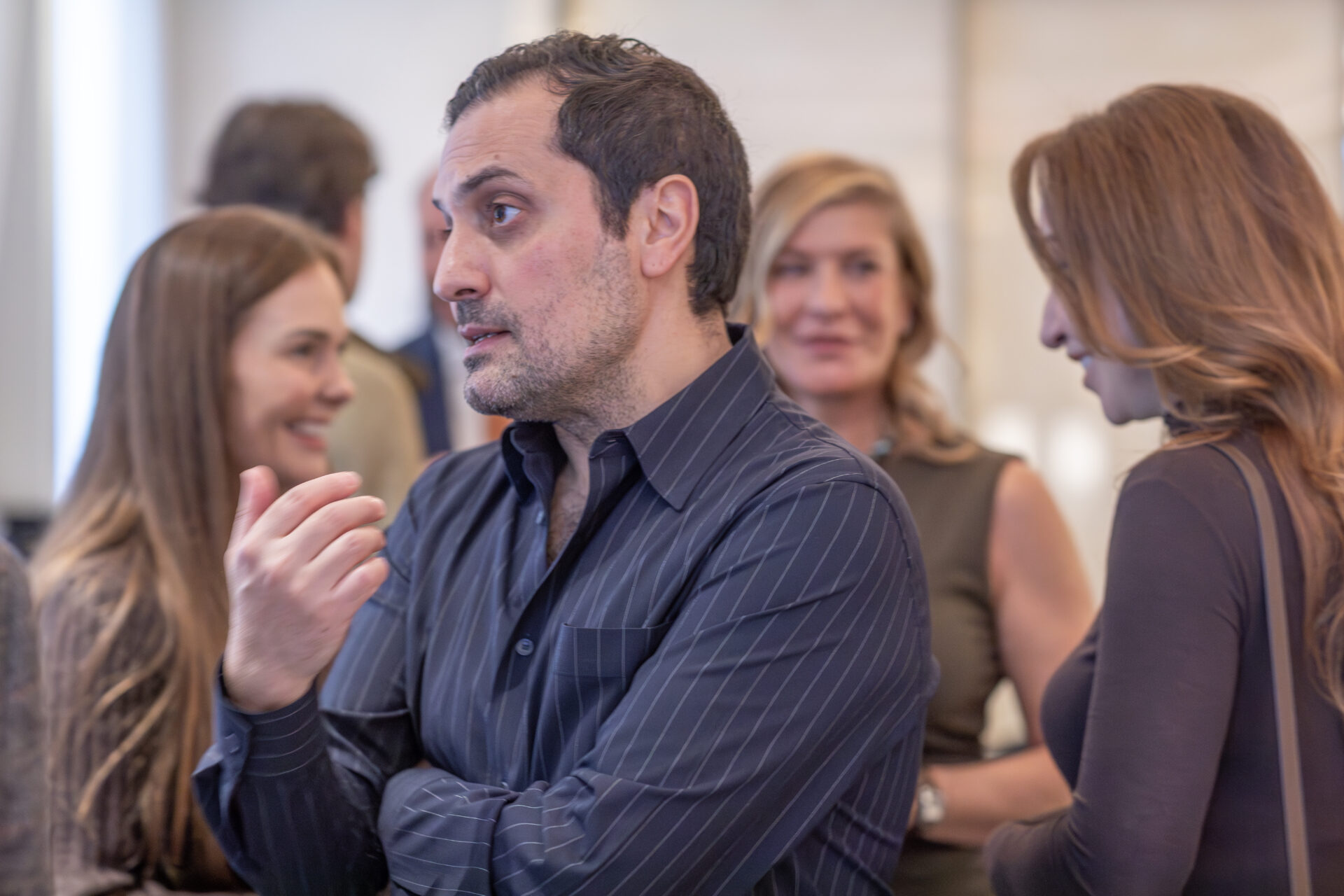
Image credit: Earl Smith
Sophie: What is luxury then?
Jonathan: I think the guest wants to feel that someone has walked the path that they’re going down before and has anticipated what they need. When you’re buying anything that’s a luxury product, you’re buying thousands of hours’ worth of that consideration and craft.
It’s about presenting things in a way that might surprise you, with layers that reveal themselves over time. When we worked on the Cadogan Belmond, for example, it was inspired by Lily Langtry, who once stayed there. And, you wouldn’t necessarily realise it when you first walk in but, all the artwork is by British female artists.
That’s one of those subtle layers. On the surface, it’s about how the space looks and how it presents itself, but for me it’s also about the process and the depth of a place. A space like that rewards longer and repeated stays because there’s more to discover each time. And yet, even on a first visit, the emotional response it creates can still be very strong.
Silvana Rossi: Quiet luxury is legacy luxury. You’re creating something that’s built to last.
Dimos: Everything should be effortless: there for you.
Tom Chalmers: The idea of ‘quiet’ is closely tied to a guest’s mindset as they enter a space. At an off–grid resort in the Utah desert, for example, guests arrive seeking serenity, so quiet naturally defines the experience. In contrast, in urban settings such as London, Milan or New York, quiet luxury is delivered through seamless transitions – technology, temperature and lighting working intuitively to create calm in a very different context. Understanding that mindset is central to how we design.
Sophie: Sometimes there are narratives that aren’t completely apparent, or may seem unrelated to a location, but it’s very important for the guest to feel a connection to the space that they’re staying in. Isn’t it?
Jonathan: There’s a huge amount of work behind it. We often collaborate with specialist teams, particularly on European, historically rich projects, who are academic experts, many with PhDs. They carry out in-depth historical analysis, which is different from the kind of research we do as designers.
They produce detailed packs for the owner or operator, and that material gives us a strong foundation. From there, we can mine insights and stories that inform everything from space planning – especially in buildings with hidden depth – to the journey we create through design, architecture, and service.
Silvana: Absolutely. When tenders come in and I read the designers’ narratives, I often fall in love with the project at that stage. But what gets built doesn’t always live up to that original vision.
That’s one of the challenges with quiet luxury. There’s so much beautiful thinking and design work upfront, but during execution it often gets stripped back – because of cost, time pressures, or a lack of understanding. Somewhere in the middle, people forget that all of this is ultimately for the end user, the guest.
Instead, the focus shifts to schedules and budgets, and the essence is lost. It’s something almost everyone in the industry experiences. That’s why it’s important to fight for quality, to work with artisans, and to accept that there is a cost. Quiet luxury is really about legacy – creating something built to last, not just for 10 or 20 years, but over time, with care and thoughtful evolution.
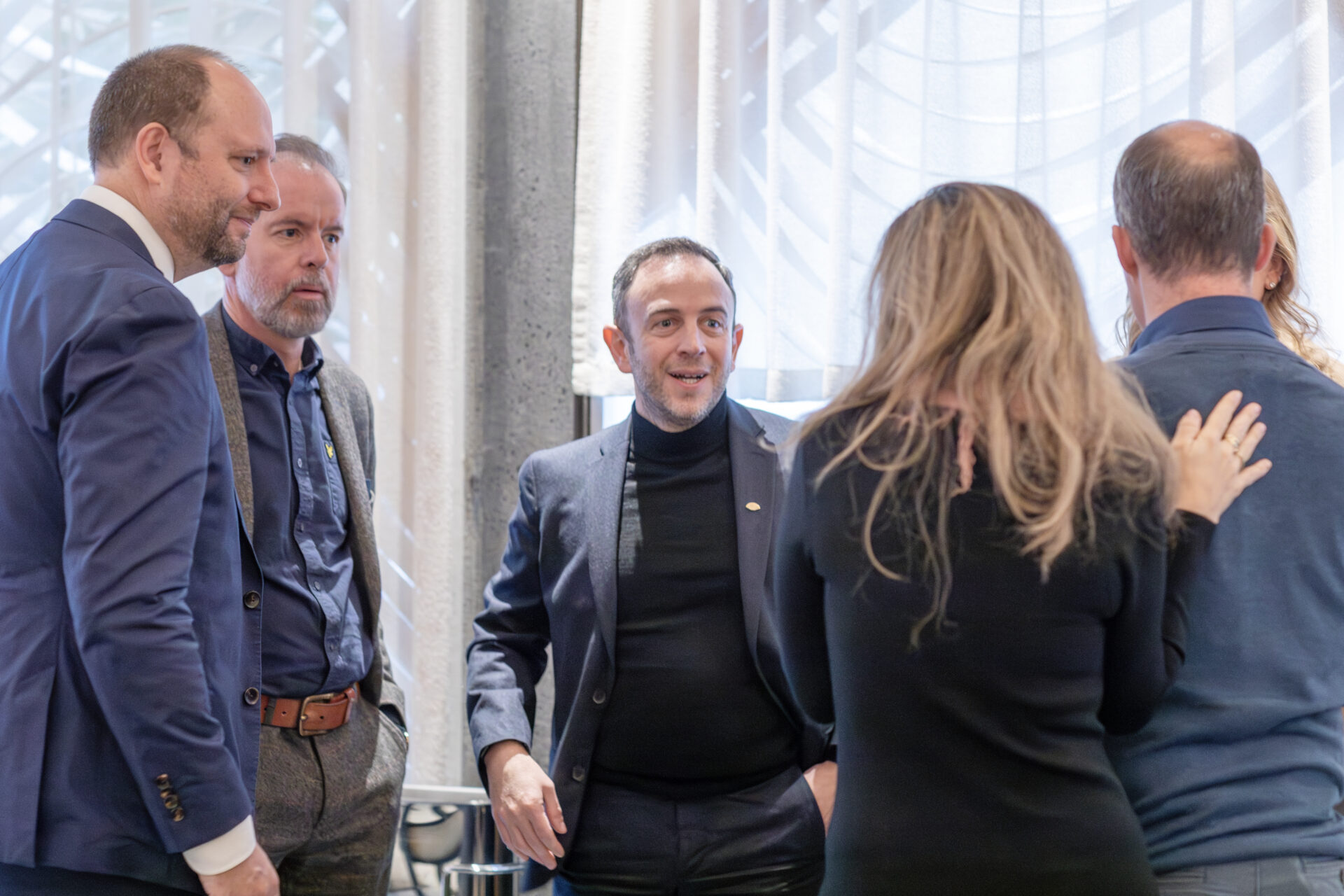
Image credit: Earl Smith
Sophie: How do different materials influence an understated sense of luxury?
Nicholas Belfield: Materiality is crucial, particularly at key touchpoints such as lighting controls, which are often the first interaction a guest has with a room. Poorly made switches feel cheap and unintuitive, while well-crafted, tactile controls communicate quality instantly. You sense the luxury without consciously noticing it. When lighting is intuitive, simple and made from quality materials, it creates calm and allows guests to enjoy the space without thinking about how it works – which is ultimately where quiet luxury lives.
Janet Molphy: Though budget constraints can often hinder the use of quality materials within a project.
Olga: So identify what really matters – the key elements and materials. If budget is tight, use less, but use the real thing. Don’t substitute. You don’t need marble everywhere, a small, well–placed moment is enough to give a space weight and signal quality.
Silvana: We’ve always prioritised buying locally, working with artisans, and sourcing from European producers, largely because most of our projects are in Europe.
For us, it’s about reconnecting with communities – designers visiting factories, returning throughout the process, and creating things collaboratively. It’s great that others are catching on, but in many ways this is a return to how things were done before.
Even packaging is now being treated as a sustainability issue, yet I remember when furniture made in England was delivered locally wrapped in reusable blankets. The furniture went in, the blankets went back to the factory, and there was virtually no packaging waste – just well-made pieces, responsibly produced.
Jonathan: As designers, we need to lean more into the digital world too. While we’re rightly focused on materiality, the future lies in harmoniously integrating physical space with digital experience. Done well, this can still feel like quiet luxury – subtle, restrained and beautiful, rather than overt or overstimulating.
Ana Maria Huertas Iragorri: This is achievable today, but you must meet guests where they are. Technology should be intuitive enough for anyone to use, yet flexible enough to allow personalisation, from lighting levels to colour temperature. That sense of control within your own comfort zone is key.
Dimos: I’ll speak on behalf of the luxury community for a moment: the wealthier people become, the more simplicity they seem to want.
They’re looking for something truly unique – an experience so personal that it feels better than excess. I once worked with a client who bought an abandoned village on a Greek island and carved out caves with nothing more than a nightstand, a mattress, and candlelight. For him, that was luxury.
Jonathan: That crossover between digital and the built world is really hard to get right because they’re different languages, they’re different educations, different design sets. But I really think the future’s going to be where people can harmoniously integrate that physical space with that digital experience.
Nicholas: From a technical perspective, circadian rhythm is becoming a major talking point in luxury hospitality. We’ve worked with circadian rhythm consultants on several projects. But while it’s often presented as support, in practice it can verge on manipulation.
Jonathan: There is now a much deeper scientific understanding of what contributes to a good night’s sleep, supported by tools and technologies that can track and measure deep rest at a neurological level.

Image credit: Earl Smith
Dimos: Quiet luxury can be as simple as flexibility, which can take many forms. For example, arrival and departure times: say you arrive at your destination early morning, but instead of waiting until mid–afternoon to check into your hotel, you can immediately check in – and check-out later too. The Rosewood is already looking into these changes, and it is these small considerations which make guests feel cared for.
Jonathan: Regarding flexibility, we’re working on a project where we have drones out in the desert and if you want to bring the night sky into your room you can opt for night mode which delivers the sky view onto a screen in your room. But if you’re not interested, you don’t have to.
Nicholas: From a lighting perspective, ‘pared-back’ design can actually work against quiet luxury. If you try to do too much with too few light fixtures, the result is often bright, glary, and uncomfortable. To avoid that, you need concealed layers of light – so the room feels gentle and balanced, yet still bright enough to read when needed.
Layered lighting is what creates true quiet luxury. Ideally, you don’t notice it at all – it’s seamless, adaptable, and supports different moods and activities. It also allows the space to work for very different people: a young billionaire who wants minimal light, or a retiree who needs much more. Comfort comes from flexibility.
Janet: From an interior design perspective, I often look to yacht design for luxury inspiration. High-net-worth guests will spend a week on a yacht because it has everything they need to feel comfortable, yet within a confined space. If we gave everything some of that thinking – through integrated technology and built-in elements within rooms, corridors and lobbies – we can deliver the essential components of luxury ‘quietly’. Older yacht interiors in particular show how elaborate environments can be distilled down to the minimum experience, all rooted in intelligent space planning.
Olga: Yacht design translates brilliantly to hotel design, particularly when working with entry–level rooms where space is limited. Within a relatively small footprint, you’re designing multiple experiences – a place to sit, to read, to work and to relax – all within 30 to 35 square metres.
Silvana: Sometimes you have to convince people why less is more. On a luxury barge project for Belmond, the brief was to turn technology off completely, encouraging guests to focus on the journey, the views and the shared experience. We initially considered including TVs, but they were deliberately removed. Guests still had their own devices, but many genuinely switched off, experiencing quiet luxury in a different way. It’s a reminder that quiet luxury can mean different things in different settings.
Rafael: It really depends on context; we cannot do quiet luxury in Dubai can we? Different regions have distinct sensibilities, and quiet luxury or simplicity means different things in different places. I’ve been working with a renowned Brazilian architect whose interiors are very restrained, yet incredibly powerful. That level of simplicity is a strong statement, but it’s also difficult to achieve and articulate within a brand. It’s been a real reminder that true simplicity in design is always the hardest thing to get right.
Sophie: How does everyone feel about the way that technology is advancing in terms of personalisation, preset guest preferences and such like?
Steven Blaess: I think it really comes down to the brand capturing guest data and using it to anticipate needs on future visits, wherever that guest travels next. There’s a great example from a general manager at the Hard Rock in Malta.
A guest complained about receiving a large fruit basket every time he arrived and said he only wanted apples. The GM noted it and added it to the system. The next time that guest checked into a Hard Rock hotel – on the other side of the world – he arrived to find just apples waiting for him. He though it was just the most wonderful, simple gesture of service.
Sophie: Incredible isn’t it, because it absolutely plays into that feeling of being cared for, which is luxury.
Dimos: I’ve always found it challenging to work around technology. While it can be helpful – particularly for lighting – it doesn’t always work, and it can sometimes feel intrusive or even offensive to a space.
The technology behind the scenes can be complex, but the interface should be simple. As soon as you introduce too much technology or too many personalisation options, you risk overwhelming people. Suddenly, there are so many choices that the experience becomes confusing rather than luxurious.
Sophie: What do you predict for the future of quiet luxury? How will it look in 10, 15, 20-years’ time?
Dimos: It’s a big trend, and it’s already happening. I see it across many projects, particularly in New York, Miami, and in off-grid communities. In New York especially, the off-grid scene is intense.
Among extremely wealthy circles, there’s a growing fascination with exclusivity and access. I’ve seen examples where even something as simple as a vape is highly controlled – you can’t just buy it. You need a code or a reference from someone who already has one before you can order it.
That kind of secrecy and selectiveness is what people are drawn to now. It’s about private worlds, membership, and feeling unique. Much of it happens quietly, out of sight – but it’s very real …
Across the discussion, a shared understanding emerged that quiet luxury is not simply a look or a trend, but a holistic experience shaped by intention. The conversation moved fluidly between design, service, technology, narrative and wellness, touching on the power of local materiality, the difficulty of achieving true design simplicity, the importance of craft and longevity, and the risks of value engineering eroding carefully considered narratives.
Whether through intuitive lighting, invisible technology, early check-ins, personalised preferences or the feeling of ‘home away from home’, the panel repeatedly returned to the same principle: luxury should feel effortless. There was clear agreement that the most successful spaces are those where needs are anticipated and guests never have to stop and think. Quiet luxury, in this sense, is as much experiential as it is visual. Ultimately, the takeaway was unanimous: when design, service and technology align seamlessly around the guest, luxury becomes quiet.
Lutron is one of our Recommended Suppliers and regularly features in our Supplier News section of the website. If you are interested in becoming one of our Recommended Suppliers, please email Katy Phillips.
Main image credit: Earl Smith