
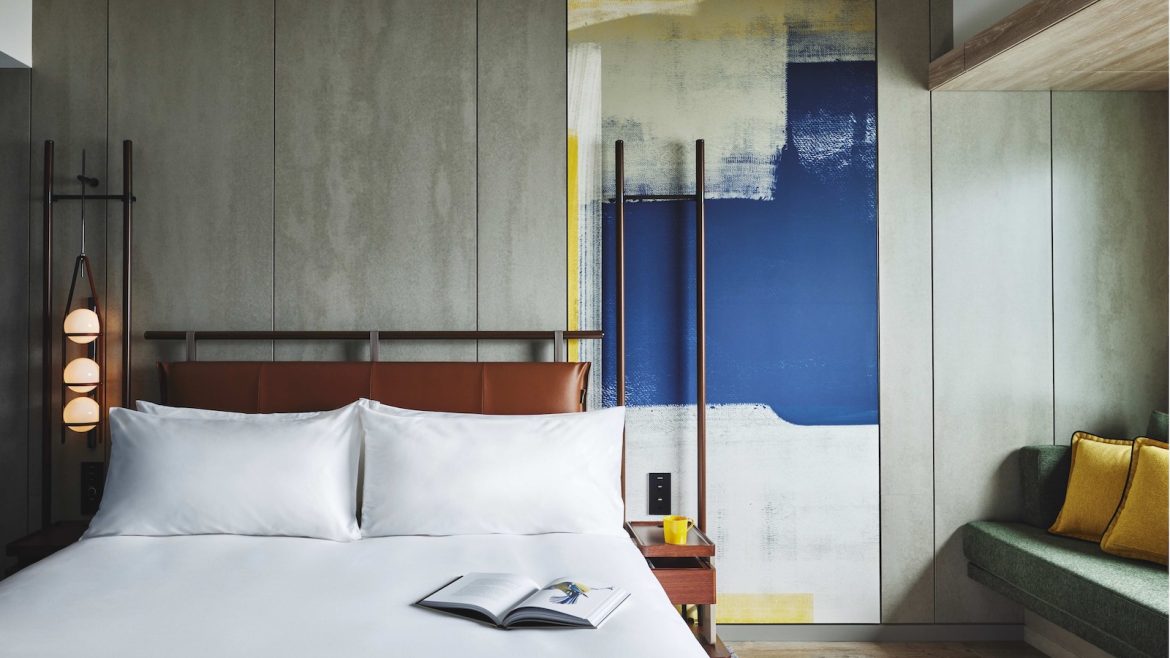
Harnessing adaptive design to craft hotel narrative
https://hoteldesigns.net/wp-content/uploads/2023/06/3_voco_OsakaJapan_GuestRoom-1024x640.jpg 1024 640 Guest Author Guest Author https://secure.gravatar.com/avatar/70f59a2fd6e63f164e7a47b6987bbd542ebea82bbbc723da612b0c92bbae768e?s=96&d=mm&r=gJames Huntly, Founder of AboundStudio, explores how hotels, through introducing adaptive design, can create an impactful experience that reflects true brand identity…
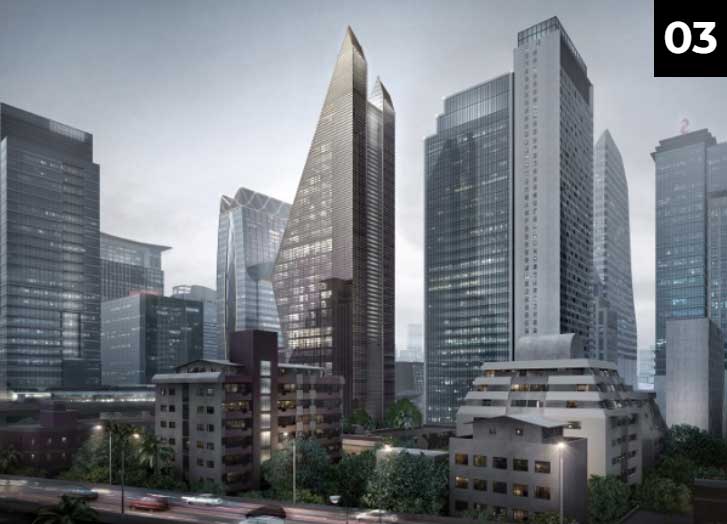
In the ever-evolving landscape of the hospitality industry, successful hotel brands understand the importance of creating a cohesive and authentic experience for their guests. Expanding from a singular brand with one hotel to a series of properties in different locations can be a major step-change. Maintaining the brand’s identity and a meaningful connection to place and culture is crucial.
As a multidisciplinary design studio for the hospitality sector, at AboundStudio we develop complete blueprints to tell each brand’s unique story. We work closely with our clients on brand blueprints that are part creative direction, part brand strategy and which harness adaptive design to meet every new chapter with authenticity.
At its core, adaptive design is about understanding the unique narrative of a brand and translating it into a visual and experiential language that resonates with guests. In anticipation of its aspirations and future plans, blueprints provide hospitality and hotel brands a tailored framework which goes beyond aesthetics and embraces its fundamental values and ethos. This essential set of tools ensures seamless transition into new locations and effective and efficient expansion at pace.
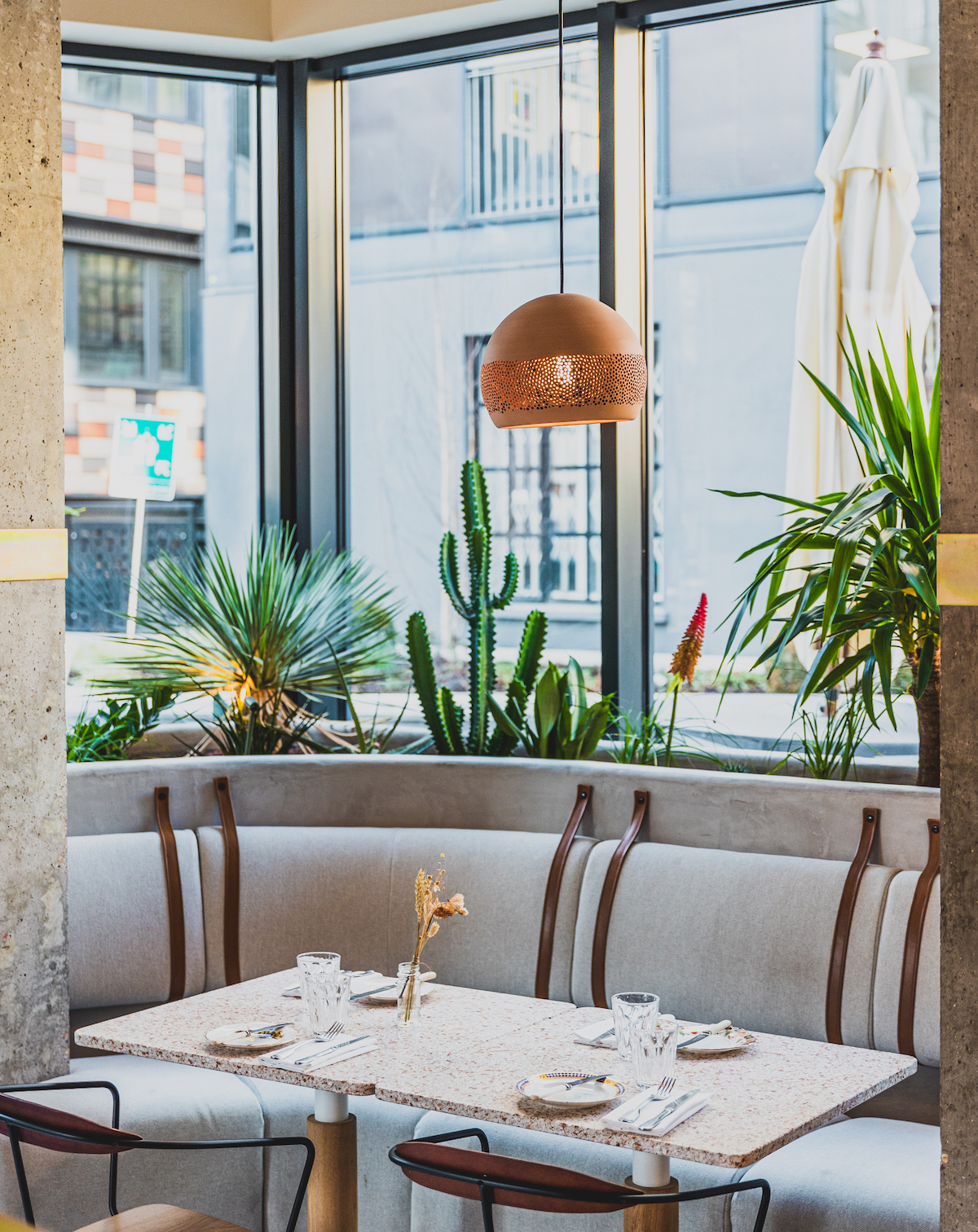
Image caption: Bermondsey Larder. | Image Credit: AboundStudio / Daniel Corbett
Distill your brand essence into specific minutiae
What does the brand look, feel, or move like? How should it interact with a specific place?
We are all defined by the little things. From our clothing choices, the food we consume, the social media we subscribe to: each decision, no matter how trivial it may seem, meaningfully presents our inner selves to the outside world.
Likewise, brands should be distilled into a series of specific minutiae, motifs, and markers, as a way to imbue the guest experience with a signature touch. Core values embodied by the business could show up as site-specific activations, relationships with local vendors, or immersive digital platforms. These real-world interactions leave a lasting impression, which resonates with guests on a deeper level.

Image caption: Bermonds Locke, Living Spaces (Lobby). | Image Credit: AboundStudio / Daniel Corbett
Embrace contextual flexibility to maintain authenticity
It is essential to embrace contextual flexibility. By understanding the unique characteristics of each location, hotel brands can adapt their design language to harmonise with the surroundings while staying true to their core identity. This provides both structure and freedom for each new iteration to connect to its context, while responding directly to the cultural and commercial opportunities of its location.
Using adaptive design, brands should identify what fundamental aspects remain consistent, and which might flex to express a more local flavour. This enables brands to scale authentically across different sites, building recognition by effectively leveraging its existing public persona.
Brands are able to move confidently into the future while remaining rooted in their story by pinpointing signature elements that appear within each property, and looking beyond these to suggest how it might interact with, and welcome in local culture. By developing a blueprint that balances consistency and flexibility, hotels are equipped with the tools to guide decision-making across different properties. This framework allows the fundamental aspects to remain consistent throughout, while also providing room for localisation and customisation.
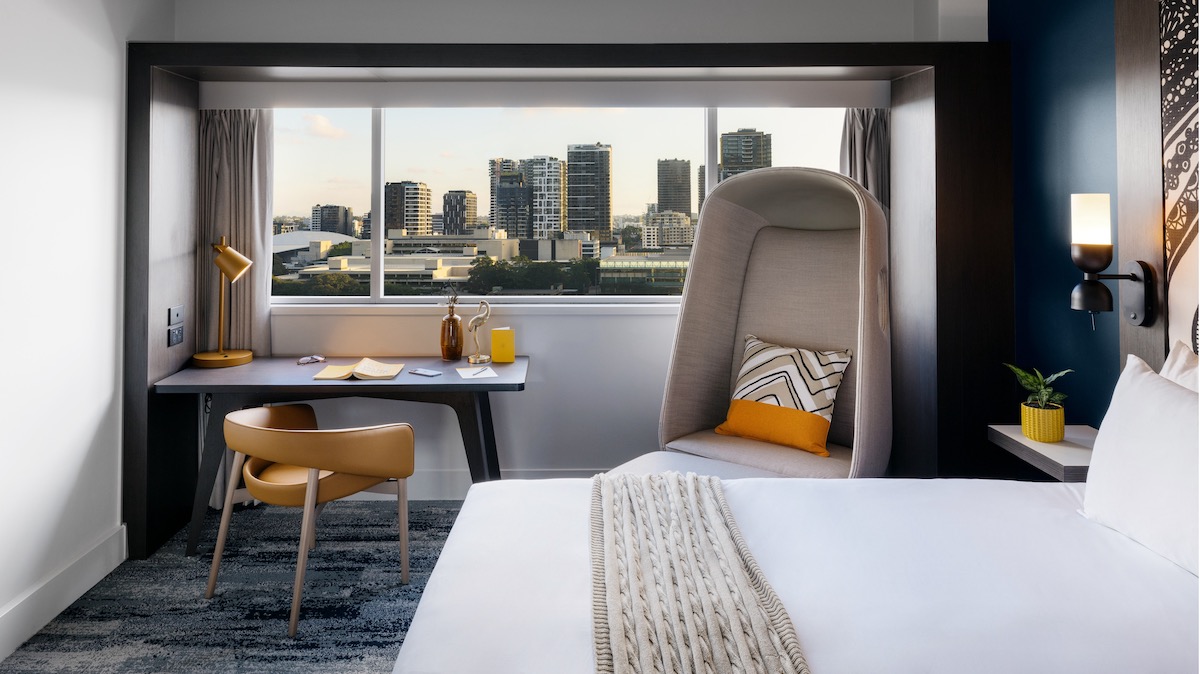
Image caption: Voco Brisbane City Centre, guestroom. | Image Credit: IHG Hotels & Resorts
Craft a cohesive guest experience
A hotel brand is more than just a logo or a slogan; it is an experience that should leave an impression long after a guest’s stay to ensure it remains memorable, sharable and drives longer term loyalty. To achieve this, hotel brands must create a cohesive guest experience that reflects their unique identity by seamlessly integrating this across various touch points.
From the moment guests enter a hotel, every detail should contribute to a unified narrative. This can be achieved through consistent design elements, carefully curated materials, and a deliberate focus on enhancing guest interactions. By outlining the desired guest experience, hotels can ensure that their values and vision permeate every aspect of the properties. This also serves as a guide for architects, interior designers, and staff, ensuring a cohesive and memorable experience across multiple locations.

Image caption: Locke Broken Wharf, Locally Led Art Activation. | Image Credit: Locke Hotels
Emphasise flexibility and evolution
The hospitality industry is dynamic, constantly evolving to meet changing guest preferences and market trends. Therefore, it is essential for hotel brands to emphasise flexibility and evolution. An adaptive design language allows brands to remain agile, responding to emerging opportunities and adapting to new challenges that might present revenue driving opportunities.
Rather than a static document, a brand blueprint should be an evolving guide that reflects the brand’s growth trajectory. It should provide a framework for continuous innovation and improvement while maintaining the brand’s core essence. This requires an open and collaborative approach, inviting input from local and global stakeholders and fostering a culture of exploration. By embracing the fluidity of the blueprint, hotel brands can adapt to market demands, integrate new technologies, and engage with evolving guest expectations.
As hospitality brands embark on the path of expansion, using adaptive design language to create a hotel brand blueprint is essential. By distilling brand essence, developing a tailored framework, and fostering authenticity and meaningful experiences, brands can successfully scale without becoming repetitive and while maintaining their unique identity. The blueprints serve as invaluable tools, providing clarity and long-term trajectories for businesses.
Main image credit: IHG Hotels & Resorts / Voco Osaka Japan