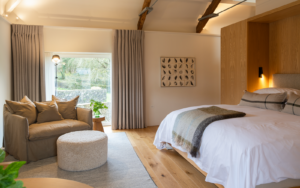












At Alila Shanghai, coffee is no longer approached as a simple amenity or transactional beverage offering – instead, it has become part of the hotel’s spatial and sensory identity, carefully woven into the rhythms, rituals and emotional texture of the guest experience…
Set within a contemporary interpretation of Jiangnan-inspired design, the hotel balances Shanghai sophistication with a quiet sense of retreat. Within this environment, coffee functions not merely as refreshment, but as atmosphere: a medium through which architecture, service and hospitality intersect.
The approach reflects a broader philosophy of East-West integration, where traditional tea culture and specialty coffee coexist naturally. Across the property, carefully orchestrated interiors, operational precision and refined equipment integration position coffee as an essential component of the hotel’s narrative rather than a standalone F&B feature.
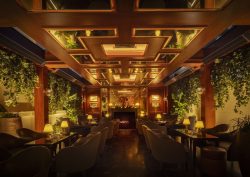
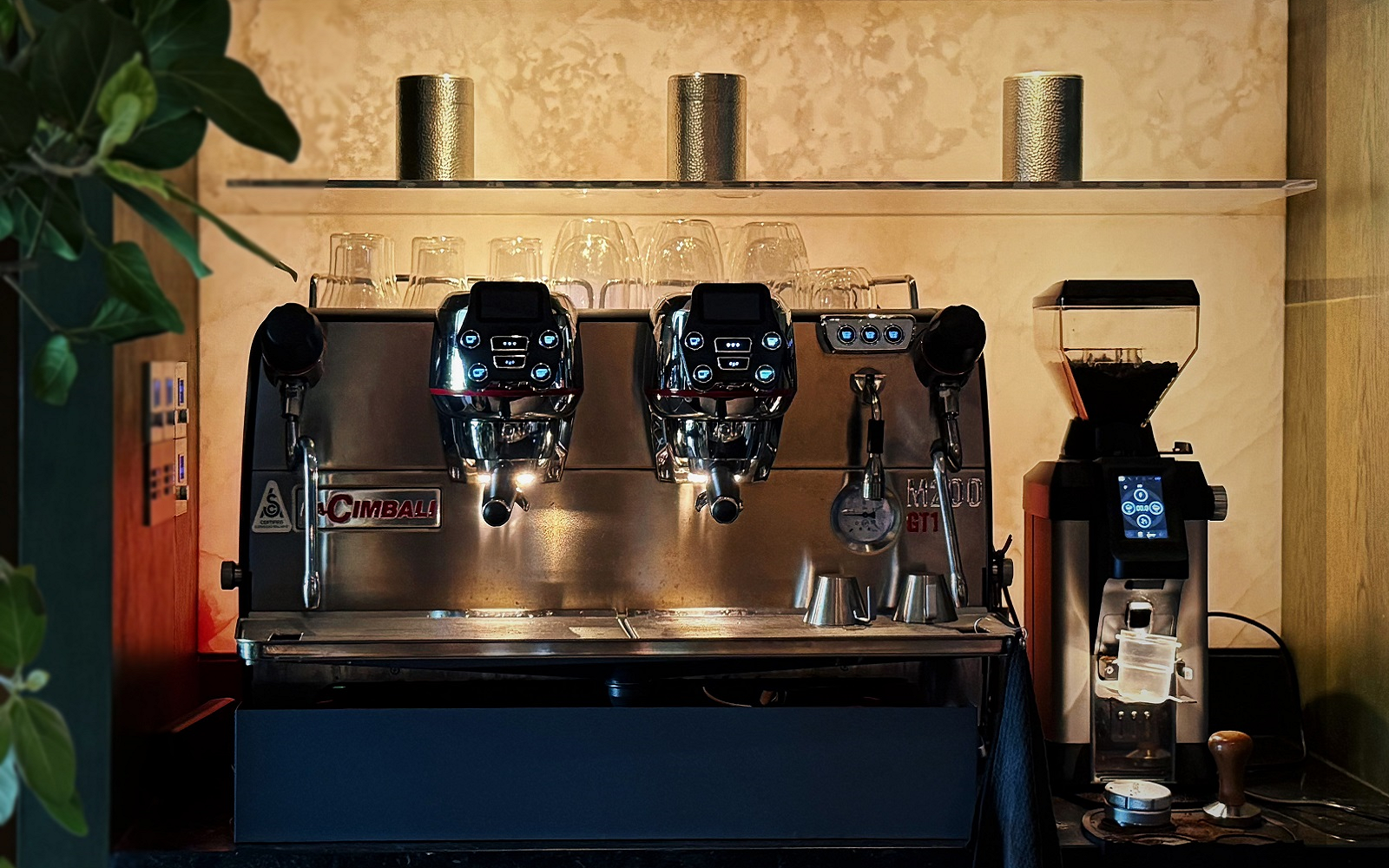
Chayan@5TH | Image credit: Cimbali Group
Central to this vision is the integration of LaCimbali M200, selected not only for technical performance but for its understated visual presence. Designed by Valerio Cometti – V12 Design, the flagship Italian espresso platform, combines contemporary Italian design with advanced coffee technology, complementing the hotel’s architectural language while supporting consistently high-quality coffee service.
The machines complement the hotel’s restrained material palette and minimalist interiors, blending seamlessly into the architectural composition rather than competing for attention. Precision, consistency and quiet elegance become part of the same design language.
For the hotel team, coffee acts as what they describe as “a powerful emotional anchor”, creating moments of familiarity, ritual and memory throughout a guest’s stay.
Two venues, two interpretations
This philosophy unfolds differently across the hotel’s venues.
At Chayan@5TH, a secluded tea-and-coffee lounge defined by warm lighting, timber screening and tactile materials, coffee is presented as a contemplative ritual. Soft textures and muted tones encourage pause and stillness, while the restrained stainless-steel detailing of the coffee equipment mirrors the calm precision of the surrounding interiors.
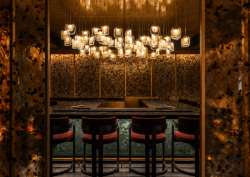
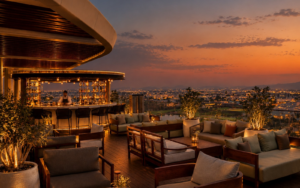
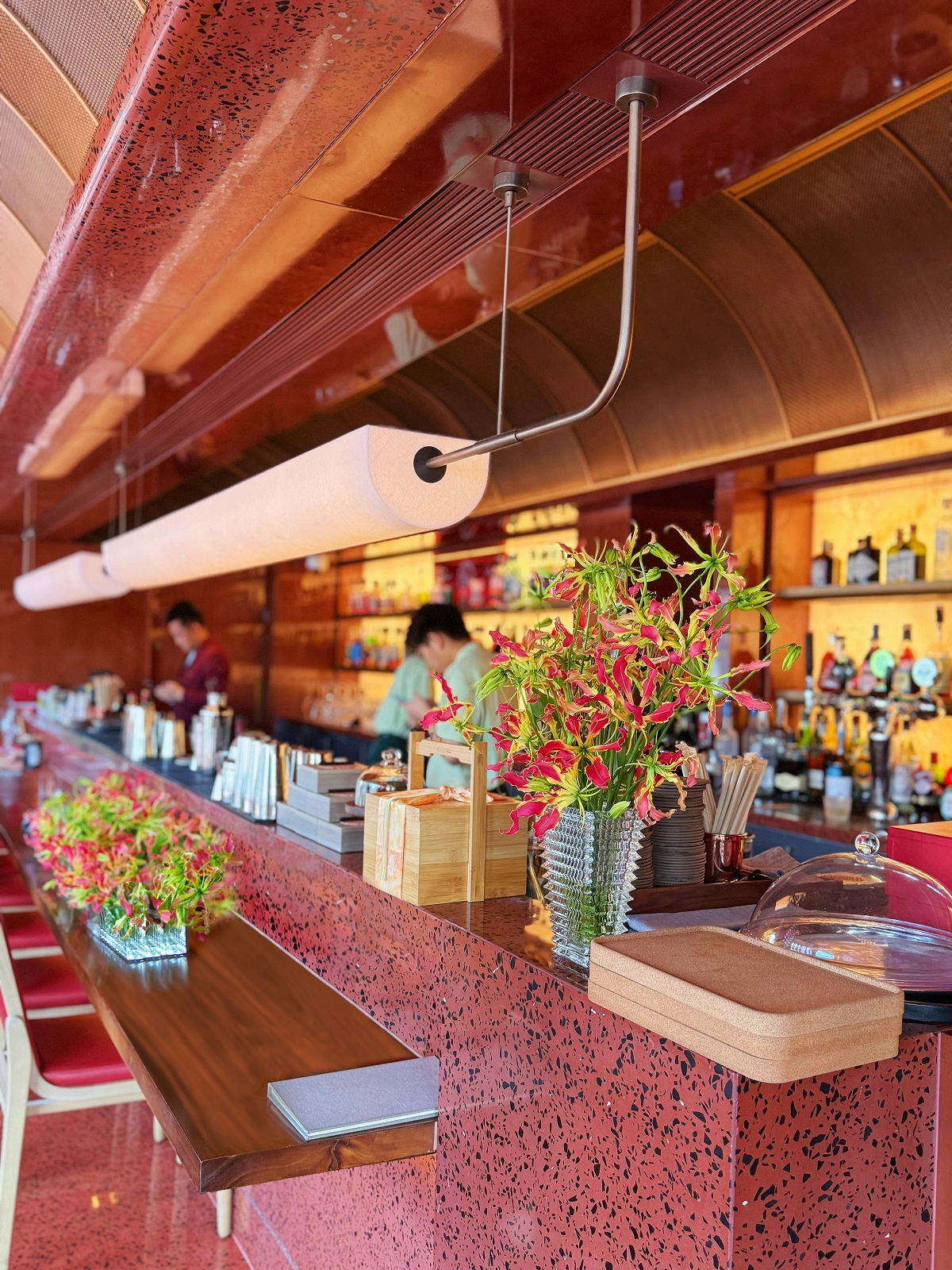
By contrast, Secret Roof transforms coffee into a more social expression of coffee culture. Set against panoramic views of Shanghai’s skyline and the historic Zhang Garden, the rooftop terrace reframes coffee as part of the city’s urban theatre. Here, preparation becomes visible, atmospheric and communal, seamlessly integrated into the energy of the open-air setting.
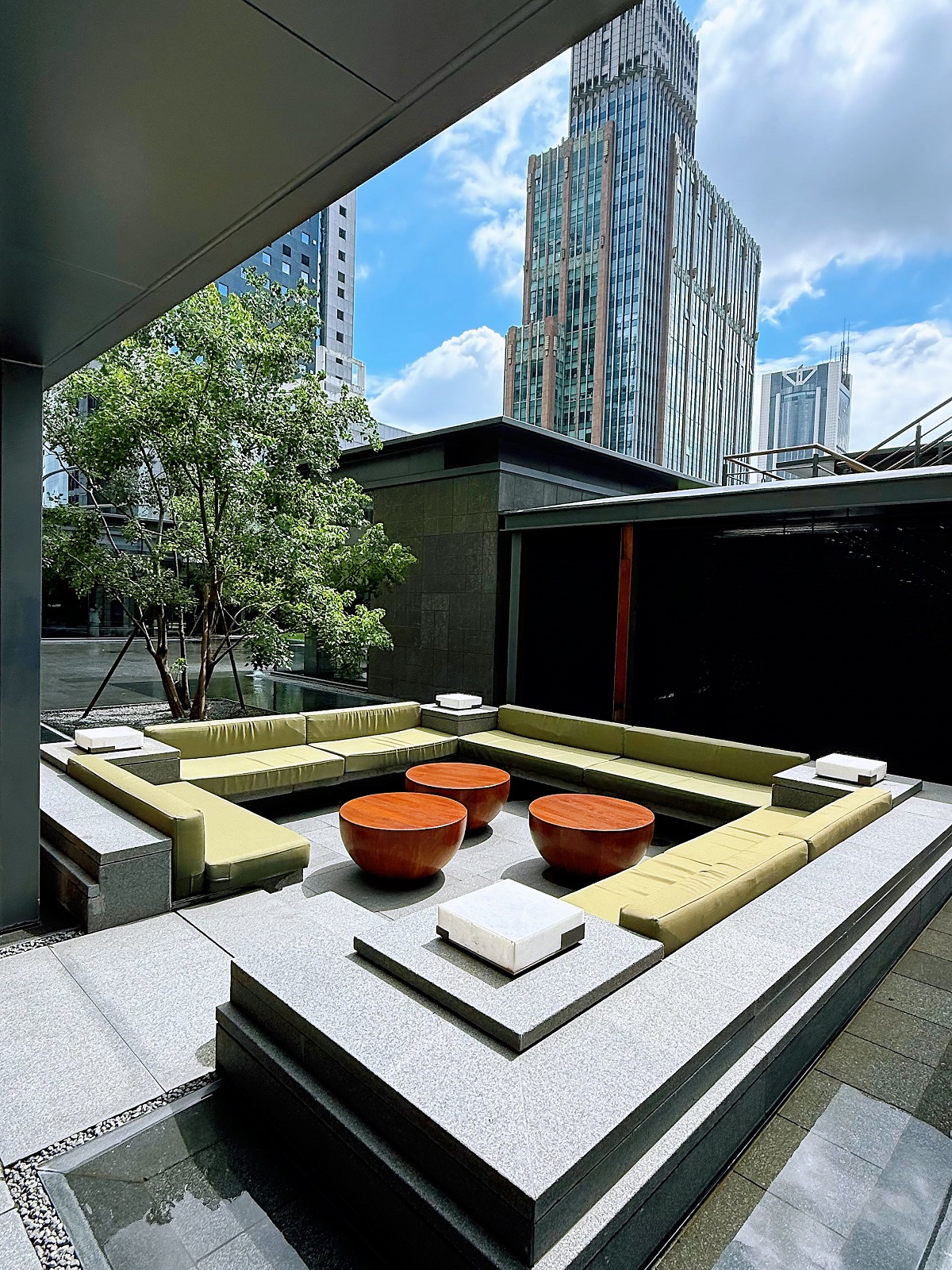
Secret Roof | Image credit: Cimbali Group
Despite the contrasting moods of the two spaces, the visual coherence remains deliberate. Coffee service is never isolated from the architecture; it forms part of the hotel’s broader choreography of movement, light and interaction.
Shaping the rhythm of a stay
Throughout the day, coffee plays an important role in shaping the pace of the guest experience.
During daylight hours, low-noise operation, diffused lighting and measured service rituals support a slower, more meditative atmosphere. As evening emerges, the experience evolves naturally into a more social cadence, intersecting with cocktail culture and golden-hour gatherings across the hotel’s public spaces.
This fluid day-to-night transition reinforces coffee’s role as a connector within the wider hospitality narrative. Guests encounter it not only as a morning ritual, but as an ongoing sensory rhythm that adapts alongside the mood of the hotel itself.
The distinction between public and private spaces is equally important. In communal areas, coffee service is immersive and theatrical, supported by high-capacity professional equipment that allows preparation to become part of the visual landscape.
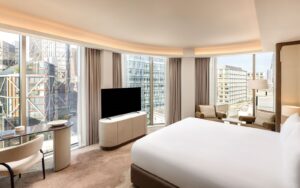
Within guestrooms, however, the emphasis shifts toward intimacy, ease and personal comfort. The experience becomes quieter and more restorative, aligned with the expectations of a luxury urban retreat.
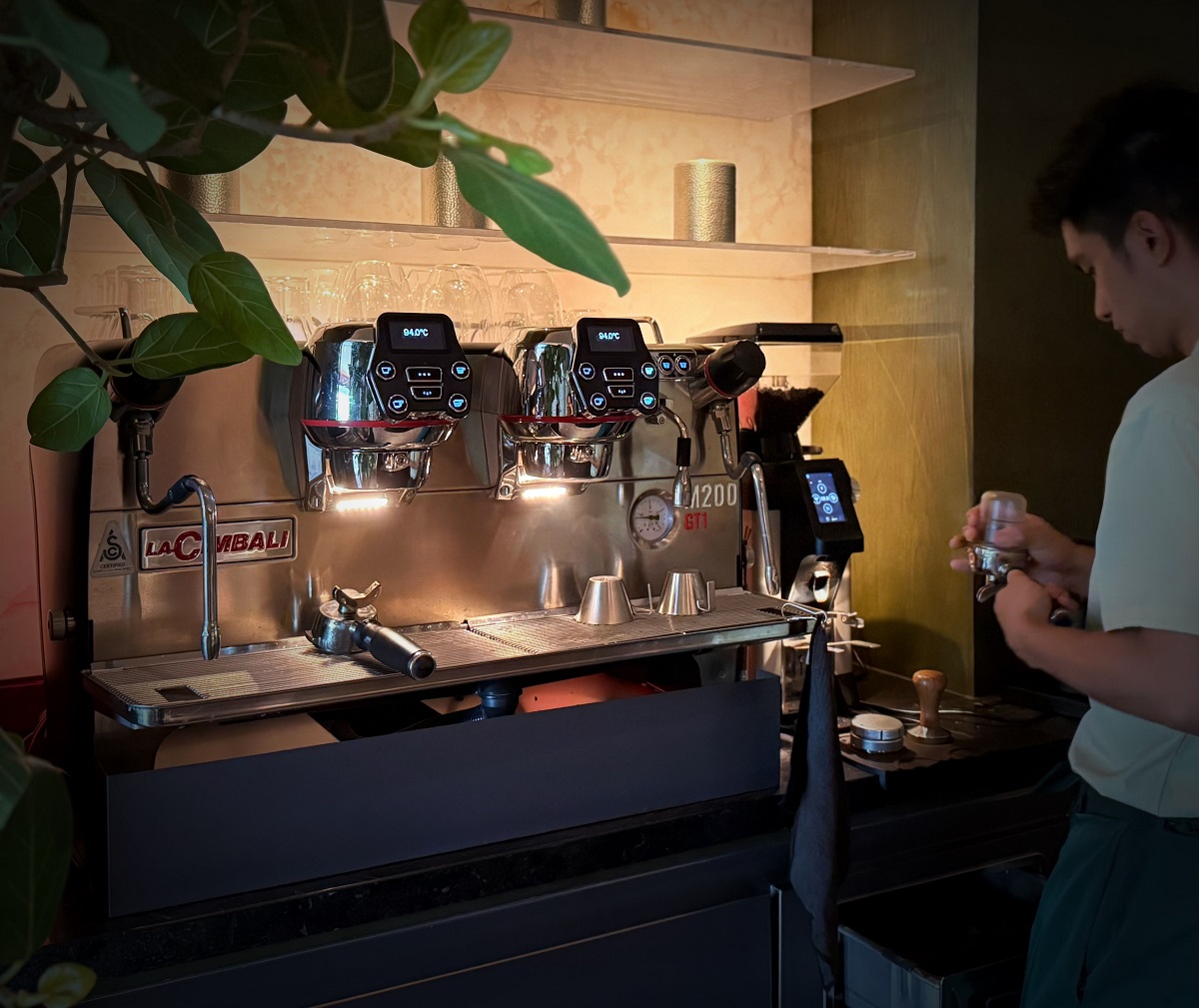
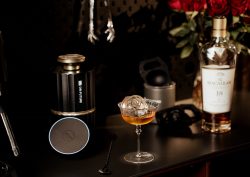
Image credit: Cimbali Group
Design, performance and sustainability
Materiality and lighting further shape this atmosphere. Natural finishes introduce warmth and tactility throughout the interiors, while carefully calibrated lighting evolves subtly across the day to influence mood and spatial perception. Layouts balance openness with privacy, encouraging moments of pause within the guest journey.
Within these environments, coffee equipment operates simultaneously as functional infrastructure and design object, the visual restraint of the LaCimbali M200reinforcies the hotel’s preference for quiet sophistication over overt spectacle.
The technology behind the experience
While the guest experience remains the primary focus, the operational consistency supporting Alila Shanghai’s coffee offering is driven by the capabilities of the LaCimbali M200 platform. Designed for high-performance hospitality environments, the machines combine advanced digital control systems with a multiboiler architecture that allows baristas to manage multiple extractions simultaneously while maintaining exceptional temperature stability.
Independent boilers, precision PID temperature management and pressure profiling technology provide greater control over extraction parameters, helping ensure consistency across different coffee styles and service volumes. During peak periods, workflow automation features support effective and reduce recovery times between shots, allowing service teams to maintain quality while handling increase demand.
The M200 also incorporates energy management systems that optimise consumption during quieter operating periods, supporting both sustainability objectives and long-term operational efficiency. These capabilities remain largely invisible to guests yet contribute significantly to the seamless coffee experience that characterises the property’s hospitality philosophy.
Alila Shanghai’s commitment to craftsmanship also extends into sourcing and sustainability. Collaborations with local specialty roasters allow the hotel to feature traceable beans that reflect Shanghai’s growing coffee culture, while precision-focused brewing systems ensure consistency across service. The technological infrastructure underpinning this offering reflects the same commitment to quality, efficiency and sustainability that defines the wider guest experience.
Yet these technical elements remain intentionally understated, aligned with the hotel’s philosophy of excellence that is experienced rather than announced.
A contemporary interpretation of ritual
Importantly, Alila Shanghai does not position coffee in opposition to the city’s deeply rooted tea traditions. Instead, the hotel frames its approach as a contemporary continuation of ritual culture, a “modern tea ceremony” shaped through coffee. The emphasis is placed on mindfulness, craftsmanship and sensory awareness rather than speed or consumption.
The result feels distinctly Shanghai: globally informed yet deeply connected to local cultural rhythms.
Service choreography plays an equally important role in sustaining this atmosphere. Staff training prioritises what the hotel describes as “invisible craftsmanship”, highly precise execution delivered without unnecessary performance. Intuitive technology allows baristas to focus less on machine operation and more on guest interaction, ensuring that hospitality remains effortless and human centred.
Looking ahead, the hotel sees coffee becoming increasingly integral to luxury hospitality identity and spatial differentiation. Future developments include tea-and-coffee fusion beverages, expanded single-origin offerings and deeper collaborations with local roasters, further strengthening the property’s role as a contemporary urban retreat that bridges Shanghai aesthetics with Italian coffee craftsmanship.
At Alila Shanghai, coffee is no longer simply served. It is designed, staged and experienced as part of the architecture of hospitality itself.
Cimbali Group is one of our Recommended Suppliers and regularly features in our Supplier News section of the website. If you are interested in becoming one of our Recommended Suppliers, please email Katy Phillips.
Main image credit: Cimbali Group