Hospitality design is placing renewed emphasis on materiality, as tactile surfaces increasingly shape guest perception, durability and spatial atmosphere. Here, BoConcept looks into what this means for designers and their furniture choices…
In hospitality design, guest expectations are shifting. As hotels, lounges and serviced apartments compete to deliver more personalised and memorable experiences, designers are increasingly focusing on an often-overlooked element: surfaces. According to industry designers, tactile and material choices are becoming central to how guests perceive comfort, quality and longevity within a space.
Unlike statement lighting or architectural features, surfaces are experienced constantly and subconsciously. Guests may not recall the precise dimensions of a table or the designer behind it, but they often remember how materials feel — whether cool and polished, warm and textured, or durable enough to convey permanence. As hospitality spaces blur the boundaries between work, leisure and social interaction, materiality is emerging as a defining design consideration.
Furniture manufacturer BoConcept reflects this shift through its approach to surface-led design, where materials are selected to balance aesthetic refinement with long-term performance.
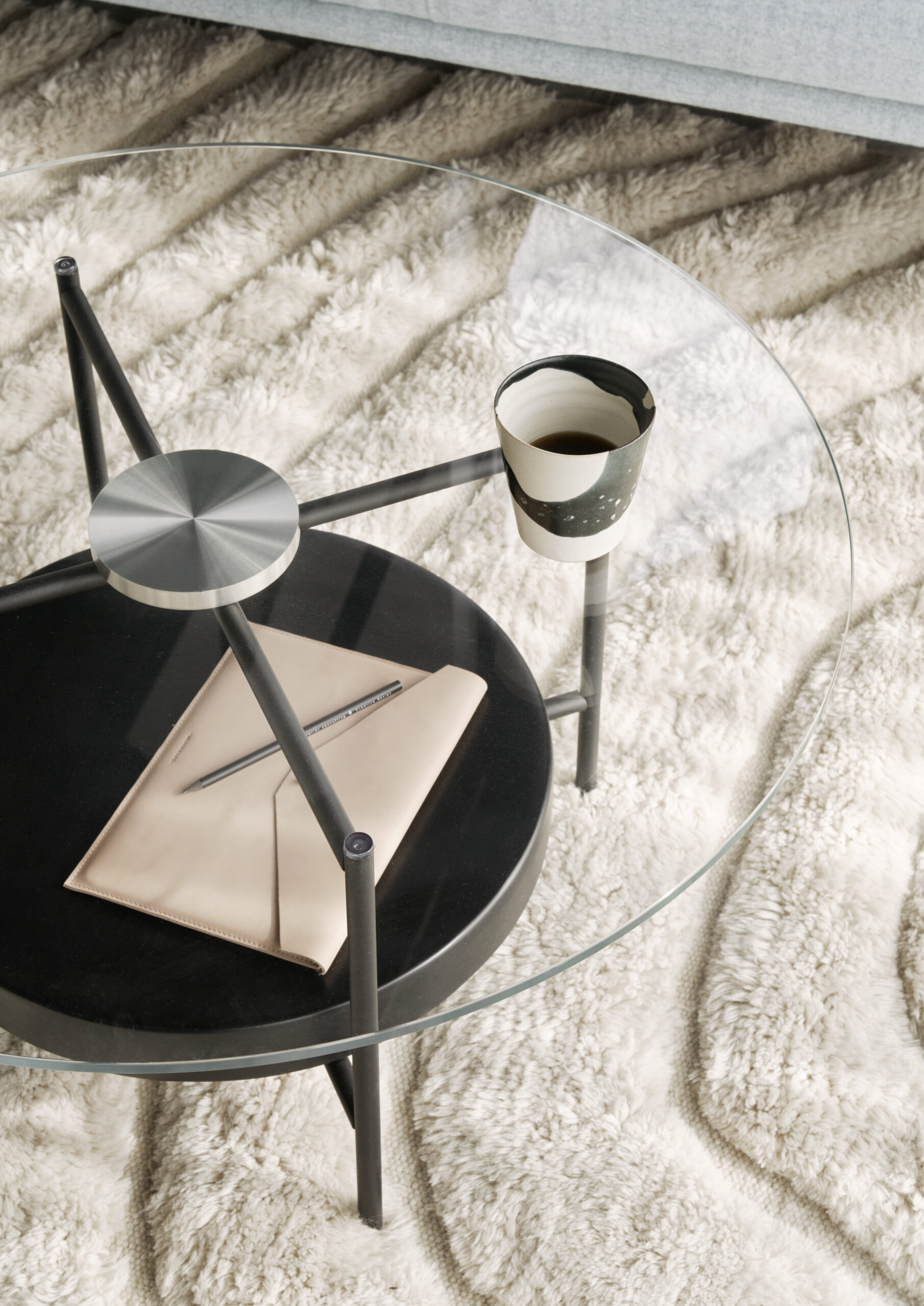
BoConcept Madrid coffee table | Image credit: BoConcept
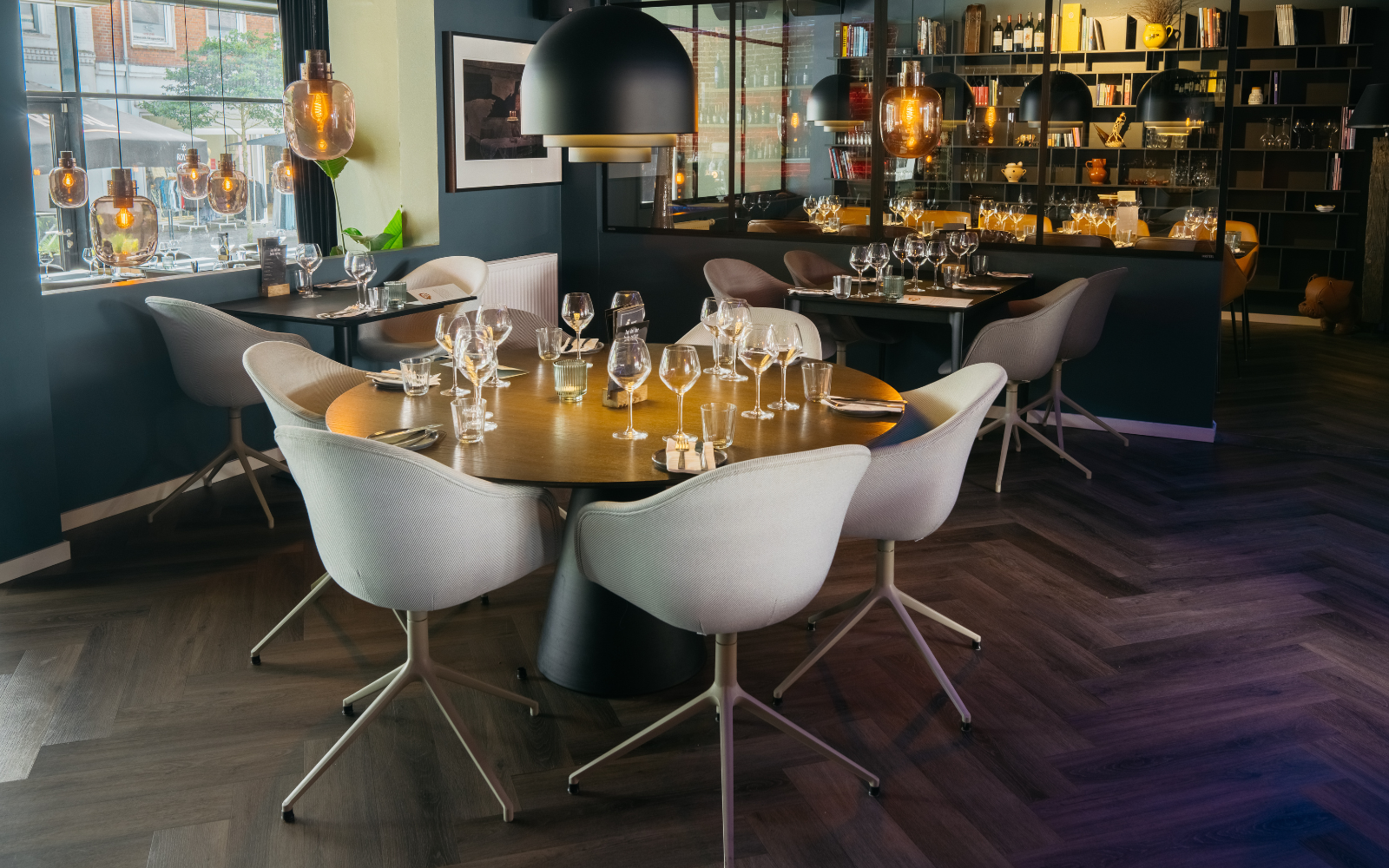
One example is the Madrid dining table, which pairs Danish manufacturing techniques with a wood veneer tabletop. The use of veneer offers both visual warmth and structural stability, making it particularly suited to high-use hospitality environments. The dark oak finish, combined with a black base, creates a restrained aesthetic that can adapt to both formal dining settings and relaxed lounge environments.
While veneer is sometimes misunderstood as a less premium option, designers increasingly value it for its sustainability credentials and resistance to warping compared with solid wood.
The Madrid collection also explores glass as a surface material, particularly in its coffee table design by Morten Georgsen. Glass tabletops are widely used in hospitality interiors to create a sense of openness and visual lightness, especially in shared or compact spaces where maintaining sightlines supports spatial flow. Practical benefits, including heat resistance and ease of maintenance, make glass a frequent choice for high-traffic settings. In the Madrid coffee table, the transparent surface and adjustable cone base introduce flexibility while maintaining a minimal visual footprint.
Ceramic has also gained prominence within hospitality furniture, largely due to its durability and hygiene properties. The Alicante dining table demonstrates how ceramic surfaces can combine performance with visual presence. Available in extendable and fixed formats, the table is designed to accommodate large gatherings while maintaining a refined profile. Its ceramic tabletops, offered in finishes such as brown, white and dark grey stone, provide resistance to heat, stains and daily wear — qualities that are particularly valuable in dining environments.
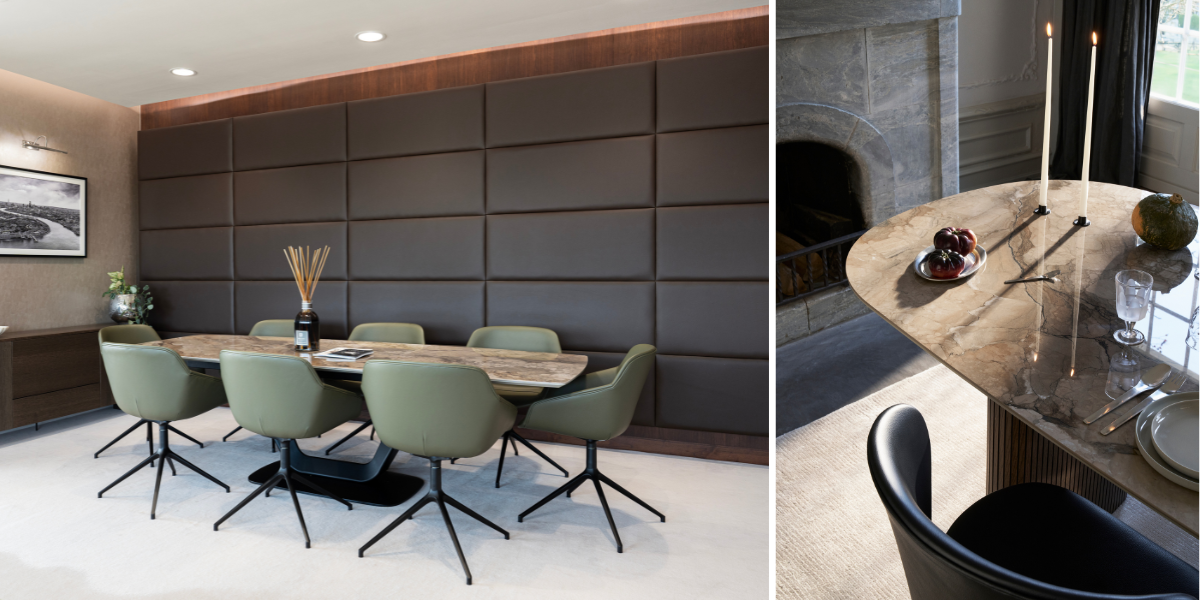
The Brompton at Harrods Aviation project, featuring BoConcept Alicante table (left); BoConcept Santiago dining table (right) | Image credit: BoConcept
Similarly, the Santiago dining table, another BoConcept design by Georgsen, uses ceramic as both a functional and sculptural element. The table’s curved tabletop and pillar-style legs soften its architectural form, illustrating how ceramic surfaces are increasingly used to introduce tactile richness while maintaining structural durability.
As hospitality environments continue to accommodate hybrid working and longer guest stays, work surfaces are also evolving. The Cupertino desk – part of the brand’s designer desk collection – reflects this trend by combining oak veneer with coloured lacquer finishes. Designed for use in hotel rooms and serviced apartments, the desk incorporates storage that can be concealed when not in use, helping maintain visual order within multi-functional spaces. The lacquer finish, treated with ultraviolet coatings, is designed to withstand prolonged daylight exposure and frequent interaction.
Another material gaining traction in hospitality interiors is concrete, traditionally associated with industrial environments. The Expose coffee table, designed by Danish studio Says Who, illustrates how concrete is being reinterpreted for softer, more refined interiors. Retaining gentle curves within its silhouette, the table introduces an architectural solidity that contrasts with upholstered furnishings and layered lighting schemes. Designers increasingly view concrete as a way to introduce permanence and grounding within otherwise fluid, contemporary spaces.
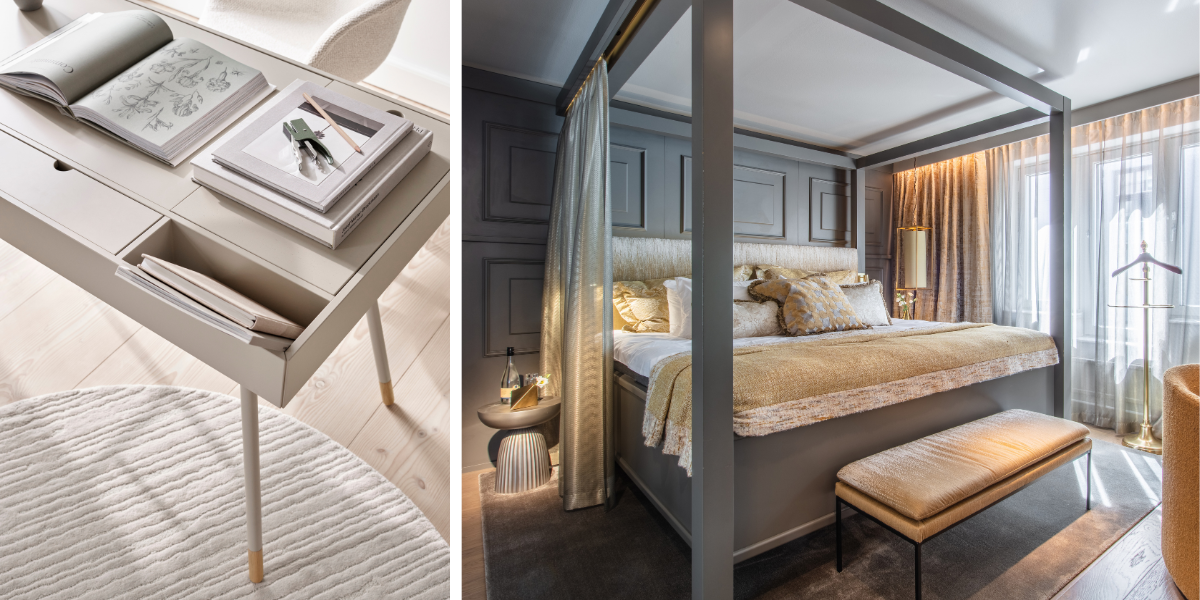
BoConcept Cupertino desk (left); Bridal Suite at Raddison Blu, featuring BoConcept Expose coffee table (right) | Image credit: BoConcept
Collectively, these material choices reflect a broader shift in hospitality design priorities. Industry professionals are moving away from purely decorative expressions of luxury and towards materials that balance durability, sustainability and sensory experience. Surfaces are no longer passive elements within a room but active contributors to guest comfort and brand identity.
As hospitality design continues to evolve, materiality is likely to play an even greater role in shaping how spaces are perceived and remembered. For manufacturers and designers alike, the focus is no longer solely on how furniture looks, but on how it performs, ages and supports the guest experience over time.
BoConcept is one of our Recommended Suppliers and regularly features in our Supplier News section of the website. If you are interested in becoming one of our Recommended Suppliers, please email Katy Phillips.
Main image credit: BoConcept