










The Permit Room lodgings are more than a guest suite; they are a meticulously crafted Bombay residence. Ian Roome, director at interior architecture and design studio Macaulay Sinclair describes the journey – conceptually and physically – to entering this bold new world…
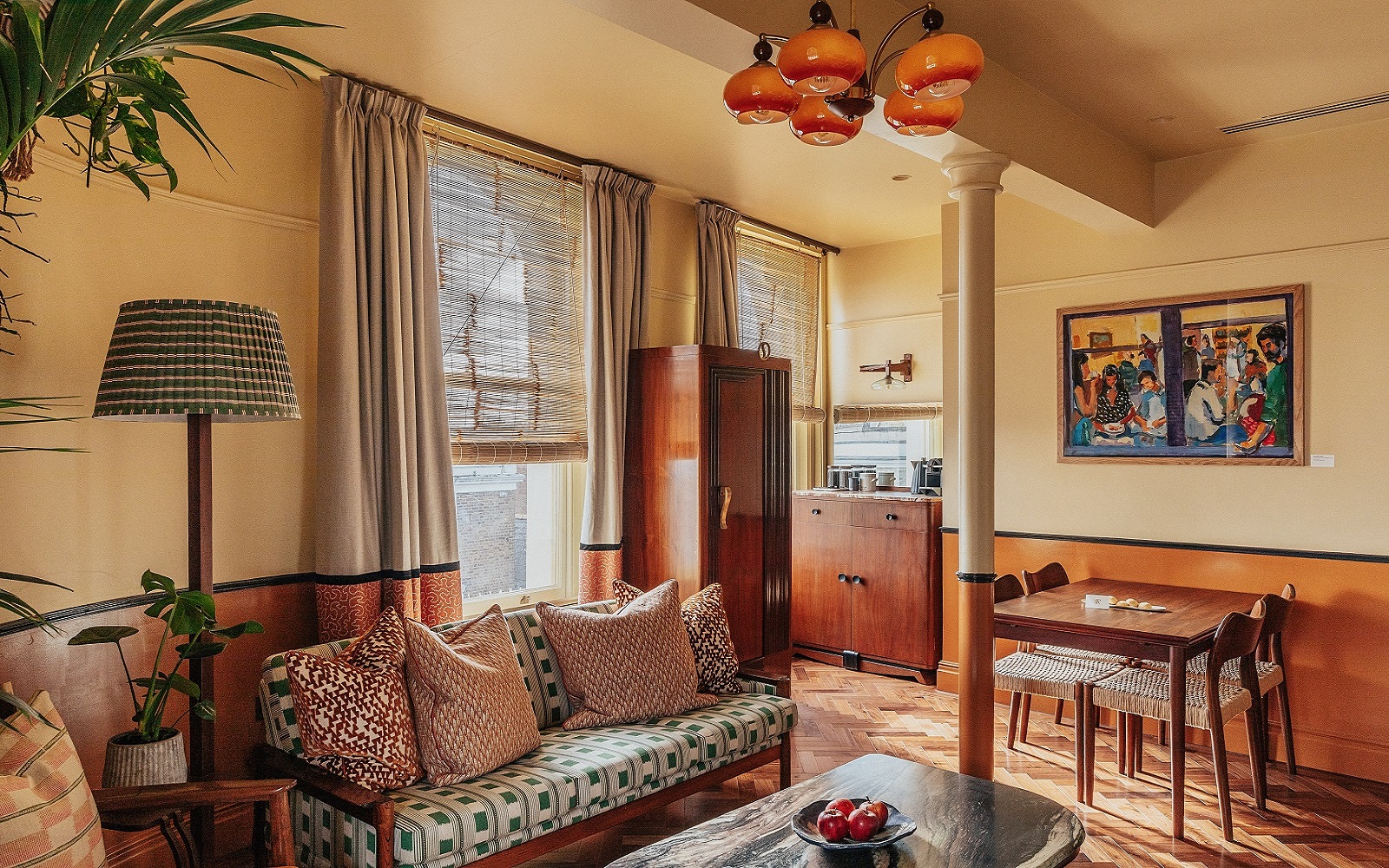
Moving into the existing premises of an old pub with rooms meant there was already an overnight guest feel to the space – however, the design concept was directly inspired by residences and lodgings in Mumbai. Rather than soulless hotel rooms, this was about a curated experience and an extension of the Permit Room brand that people know and love.
The guest is at the heart of the entire design journey. Similar to Dishoom where a fictional character is created to build the concept of each restaurant, the guests are the protagonists of the Permit Room lodgings, with the design framed entirely from their perspective.
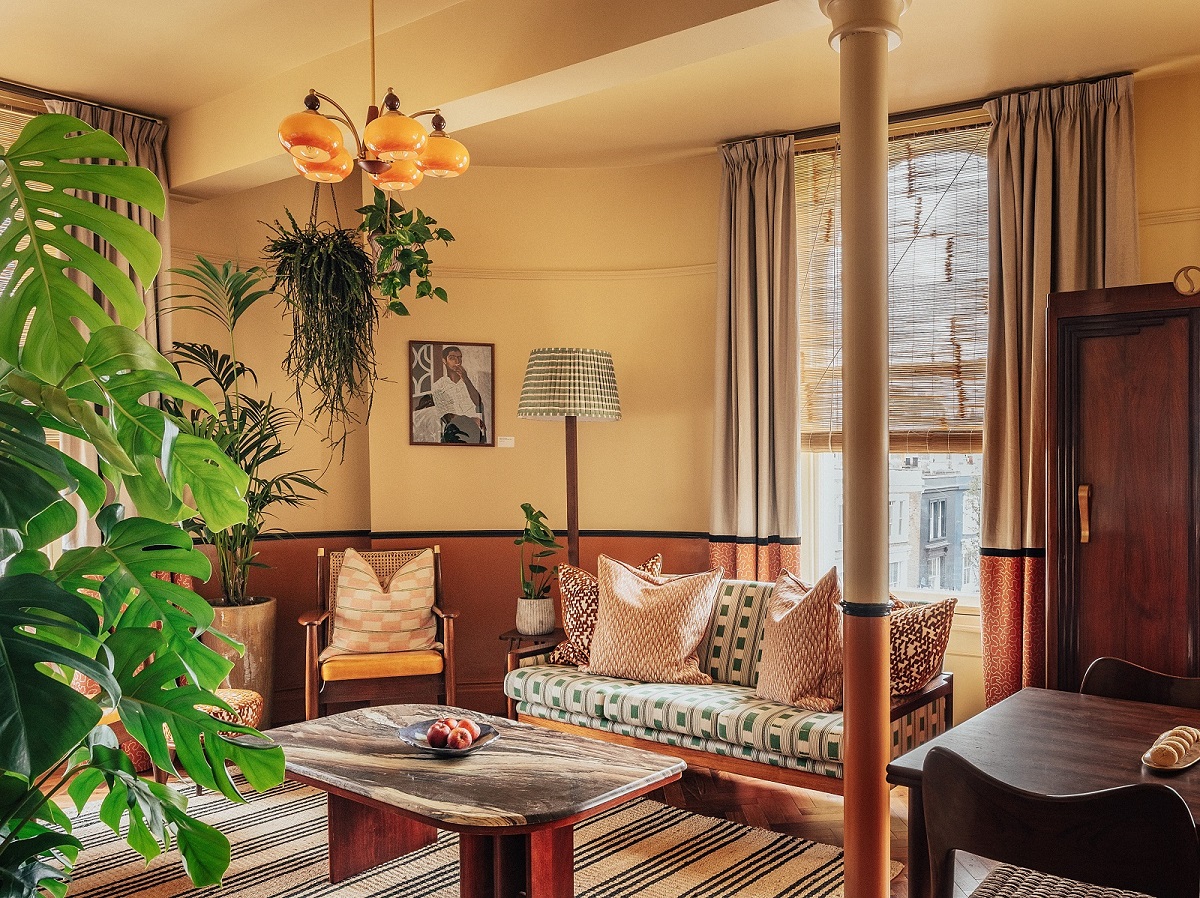
Image credit: Permit Room
Macaulay Sinclair’s deep, longstanding relationship with the team ensured authentic execution of this design, including the research trips to Mumbai to source genuine pieces that lend a subtle oddity to the space. For the guests that are looking for something different, and who are willing to embrace the abstract, all modern efficiencies are shunned from the start of the booking process – guests need to phone up to reserve, are handed a physical key instead of swipe cards and are encouraged to leave a note in a handwritten guestbook.
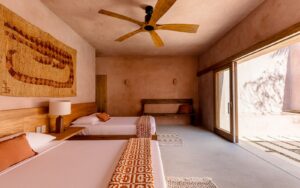
The original space consisted of three bedrooms, which were reconfigured into two double ensuites with a generous lounge space, designed to feel like someone’s apartment where guests could fully relax. From the seating area to the television and an old-style phone for calling down, everything was focused on the end-user’s need for comfort and a unique, lived-in atmosphere.
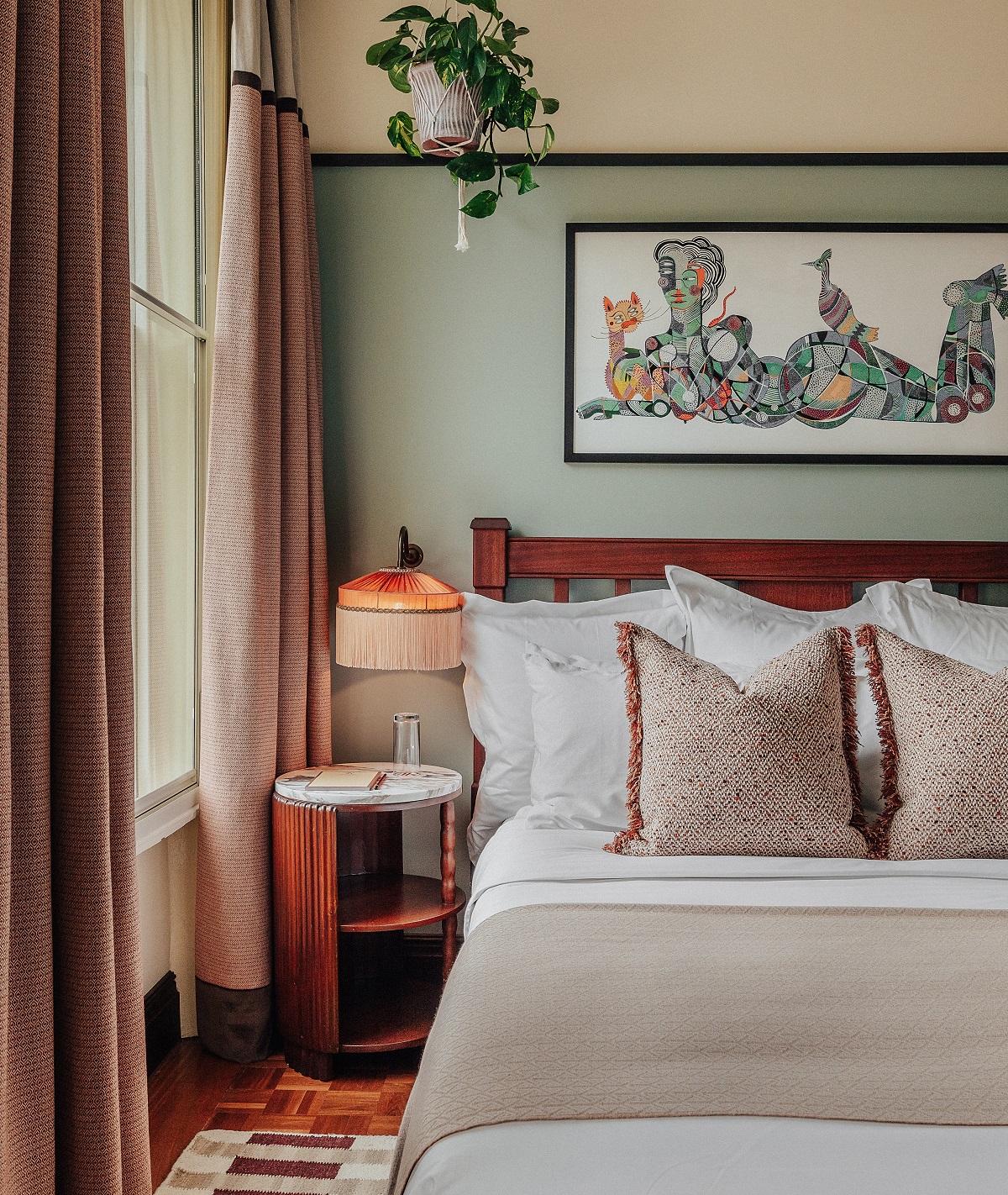
Image credit: Permit Room
To achieve this ambience, as with all Macaulay Sinclair projects, every decision was meticulous, and each addition was considered and intentional. We wanted an experience that appeals not just to the eye but to the senses, with careful consideration given even to textures and smells. The distinctive Bombay style relies on achieving something subtly behind Western design trends – a signature element that the team has consistently applied across Dishoom, Permit Room, and now the lodgings. Key pieces of furniture such as the dining table, sofas, beds, and wardrobes all embody this aesthetic. This level of detail was made possible through strong relationships forged with local suppliers and collectors, enabling an indulgent and considered procurement process where every element was intentionally selected.
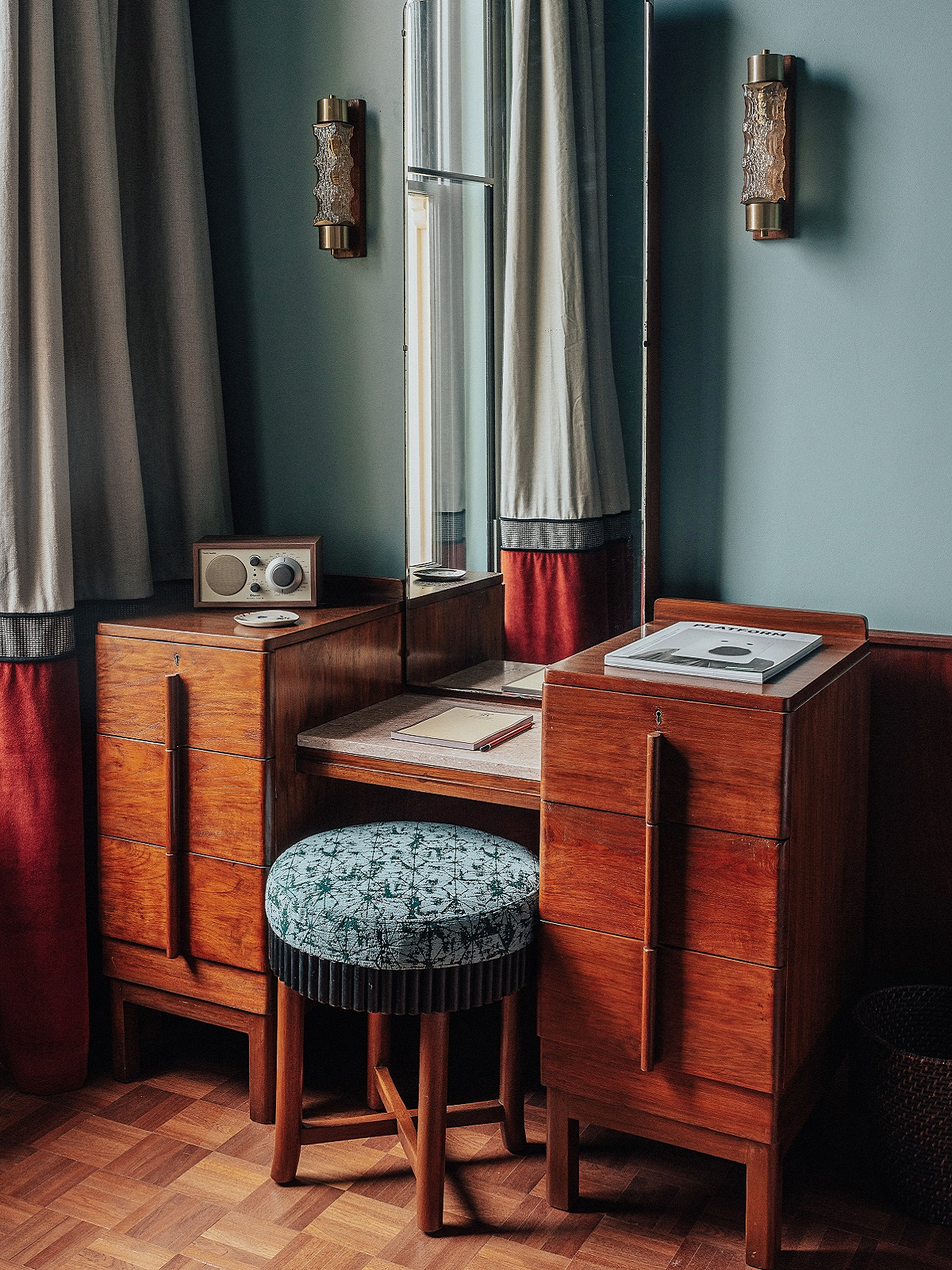
Each piece tells a story just like this, from a vintage cocktail cabinet to a full-length dressing table and rattan armchairs, hand-selected from Mumbai’s bustling markets. Antique lighting is then later rewired, and furniture pieces are painstakingly restored using traditional techniques like hand French polishing, then reupholstered with high-quality fabrics, with colours and tones carefully chosen to align with the overall narrative. These unique furnishings bring a sense of craft and personality that mass-produced pieces simply cannot replicate.
To integrate the Permit Room venue downstairs and its deep-rooted love of toe-tapping music, a vintage turntable and a carefully curated vinyl collection were included to invite guests to unwind during their stay.
-
- Image credits: Permit Room
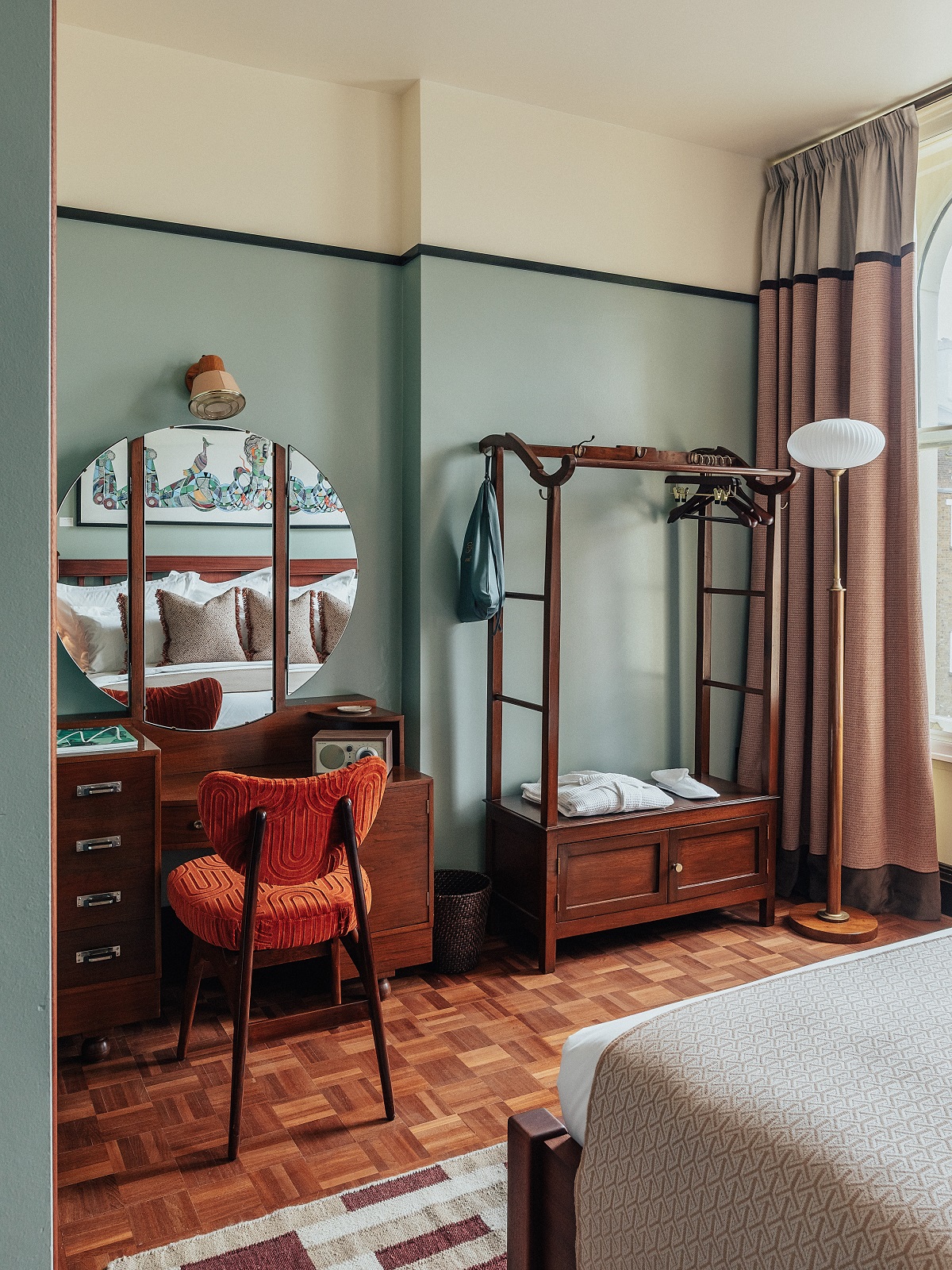
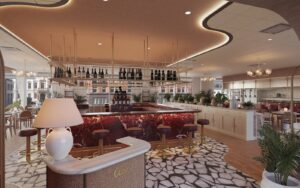
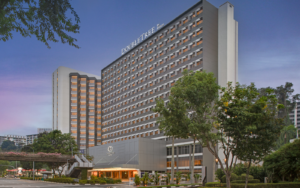
Set on the corner of Notting Hill’s famous Portobello Road, the former Colville Hotel, a Victorian boozer was steeped in rich London history. To pivot this into the mid-century Bombay aesthetic was not just about the layout or items, but about replaying parts of this history and elements embedded deep in this culture.
Drawing heavily from Mumbai’s heritage, the Kekee Manzil – residence of one of India’s most notable, artistic families – played a starring role. The century-old home to art connoisseur Kekoo Gandhy and his wife Khorshed is a stunning, sea-facing, stone building that is known for being a defining moment in India’s modern art movement, serving as a meeting place for artists and a hub for the country’s first contemporary art gallery.
This foundation allowed the lodgings to embrace a braver, bolder, and more colourful aesthetic than perhaps would be seen within the main Dishoom brand. The art-centric approach is cemented by a curation of over 30 original artworks by South Asian artists, directed by Rajiv Menon, with careful attention to layering and positioning. Further design cues for character came from the Sea Green Hotel and Bentleys Hotel – classic Mumbai designs. By incorporating these deep cultural and artistic references, the space achieves a sense of place that is both historically rich and profoundly authentic.
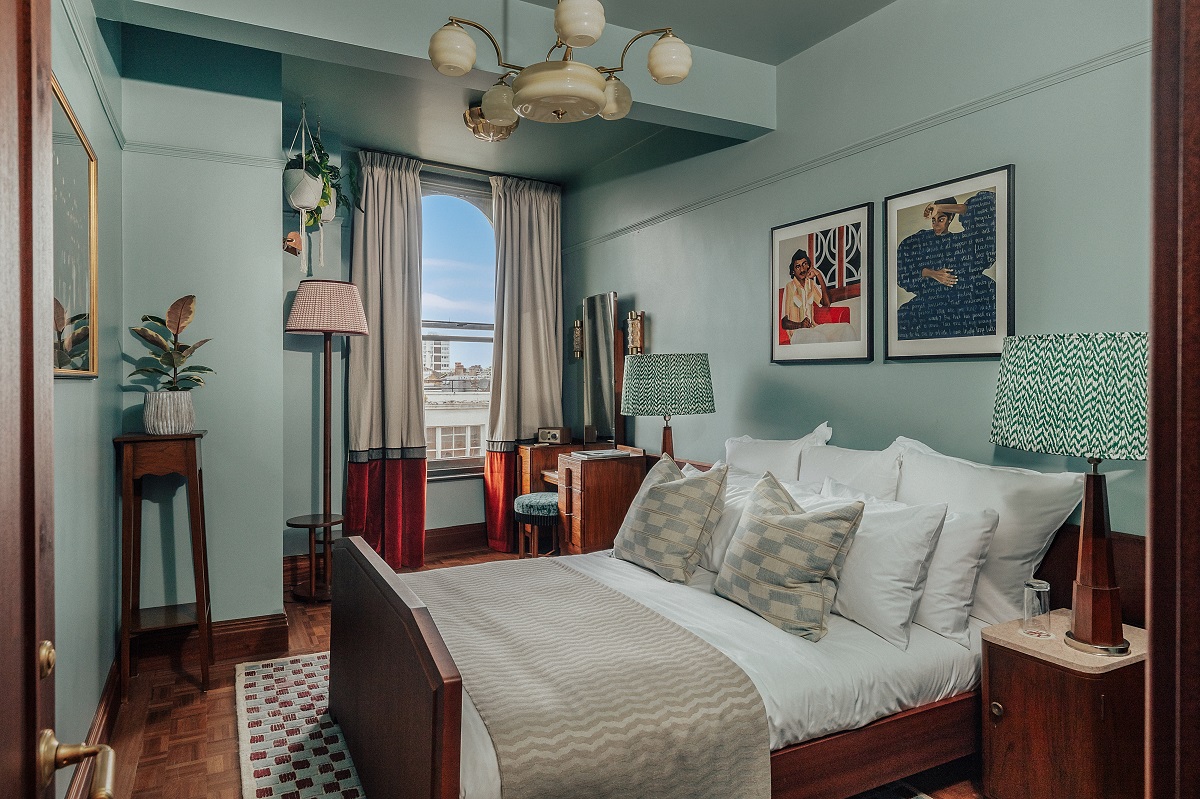
Image credit: Permit Room
The project required carefully balancing luxury guest needs with authentic design concepts. A key challenge was adapting Indian design elements for a UK setting; for instance, while traditional Bombay homes often lack carpets, this wouldn’t meet local comfort expectations. The solution was the design decision to use parquet flooring for a warmer aesthetic. Similarly, authentic Bombay blinds were used for the visual aesthetic, but their functional shortcomings led to the addition of secondary glazing and blackout blinds to ensure complete guest comfort. The space was meticulously tested – including feedback from client team trips – to ensure every detail, down to the placement of sockets by the bed, was functional and contributed to the overall seamless experience. These final touches ensured that every aspect of the guest’s interaction was worked through to achieve the envisioned outcome.
The Permit Room lodgings are a testament to design’s power in achieving a unique balance between the privacy of a rental hideout and the amenities and hospitality of a full-service hotel. After the restaurant closes (from midnight to 6 am), guests are essentially alone in the building, reinforcing this sense of exclusivity. This focused attention on individual hosting and an immersive experience arguably redefines guest expectations, especially for those seeking a special, boutique stay in Portobello.
This project isn’t just an extension of a brand; it’s a testament to the power of design to transport guests, tell a story, and create a truly unforgettable experience that feels less like a hotel stay and more like coming home.
Main image credit: Permit Room