designing for wellness

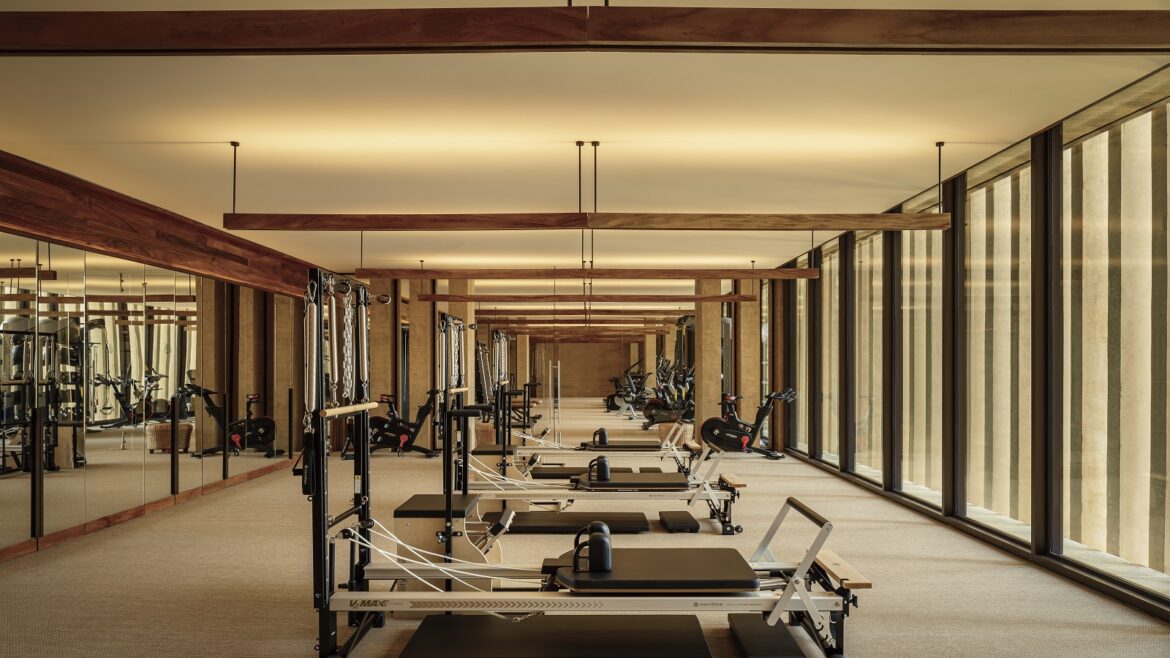
gym with machines in Four seasons Hotel Tamarindo

Designing an award-winning gym

1024 640 Guest Author

GTHD

With wellness travel among the fastest-growing segments in luxury hospitality, gyms, once an afterthought amenity, are now a competitive edge. Award-winning gym designer Harley Pasternak takes us through the touchpoints from treadmill to dumbbell.
In designing world-class gyms for leading hospitality brands like the Four Seasons Hotels and Resorts, The Ritz-Carlton, Viceroy Hotels & Resorts, The Charles Hotel, and Aman Resorts, the question I’m most often asked is, “What makes a hotel’s gym award-winning?”
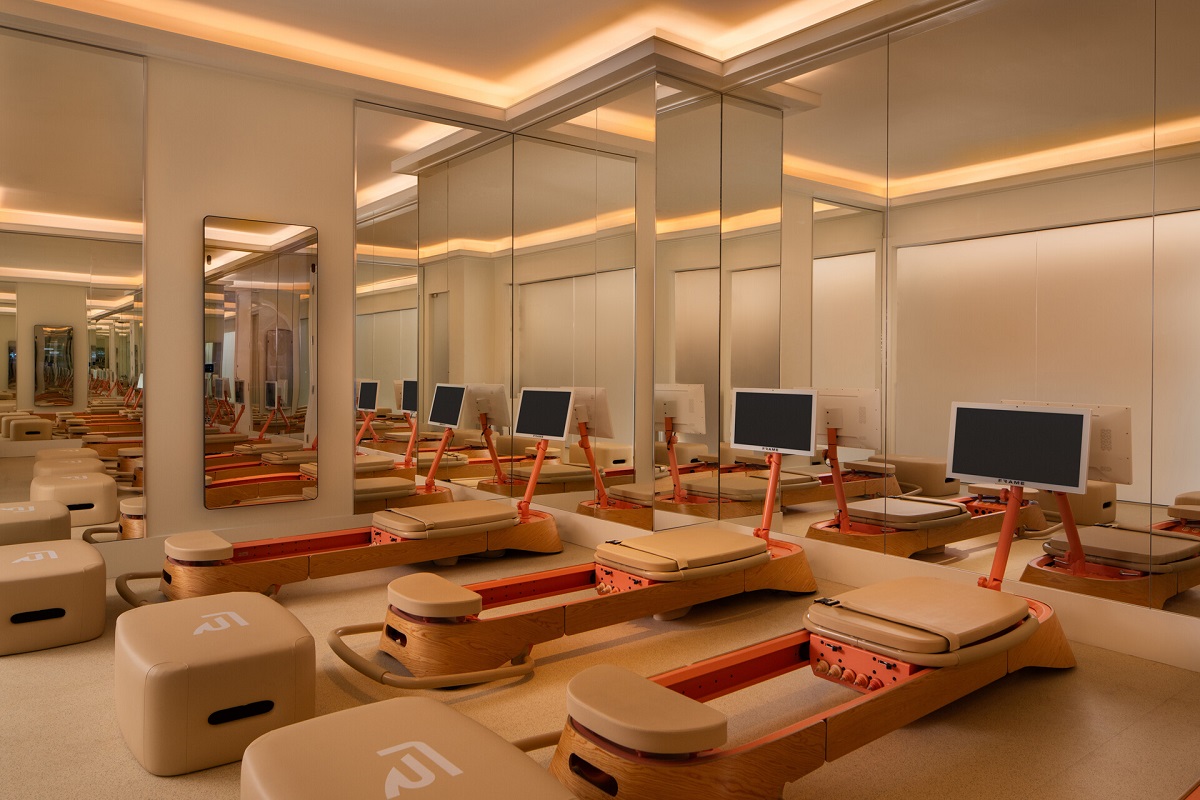
gym in Four Seasons Naples 3

Image credit: Four Seasons Naples

The process starts long before the first treadmill or dumbbell is installed or the final padding is placed. It begins with the question: Where is this gym?
The culture, pace of life, architecture, clientele, and wellness expectations of the guest all shape the space’s design language and functionality. The guest at a city-center Four Seasons arrives at the gym at 6am with 45 minutes, a training goal, and a meeting at 8:30. The guest at an Aman resort might arrive with no agenda, an interest in movement as ritual, and an expectation that the space will feel as considered as everything else around it.

At GymByHarley, we’ve had the opportunity to design fitness spaces for many of the world’s leading luxury hospitality and residential brands. Across every project, regardless of geography or scale, the philosophy remains the same: the fitness experience should feel as intentional and elevated as every other part of the property.
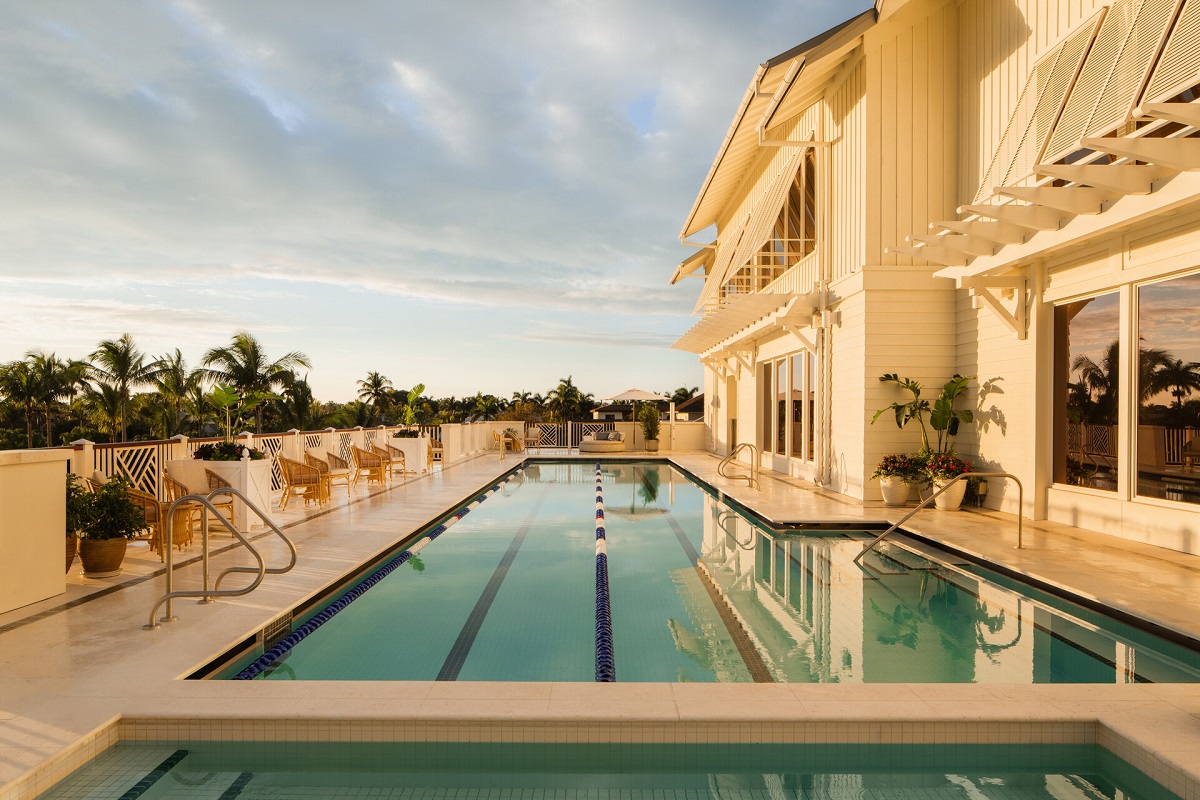
outdoor swimming pool at Four Seasons Naples

Image credit: Four Seasons Naples

Every project starts with understanding the demographic and behavioral profile of the guests. Are they business travellers looking for efficiency and performance or wellness-focused vacationers seeking recovery and movement? Is the gym catering to elite athletes, families, longevity-focused guests, or a younger social clientele? The answers influence everything from layout and equipment selection to lighting, flooring, acoustics, and traffic flow.

The next consideration is the size of the space and, of course, the budget. Great gym design is not simply about filling a room with the most expensive equipment. It’s about creating an intentional environment where every square foot serves a purpose. Even smaller facilities can feel elevated and expansive when designed intelligently.

Our gyms are typically divided into distinct training zones, each delineated through flooring, spacing, and functionality. Different surfaces help intuitively guide movement throughout the facility: rubber flooring for strength and impact training, turf for functional movement and athletic performance, and softer open areas for stretching and recovery work.
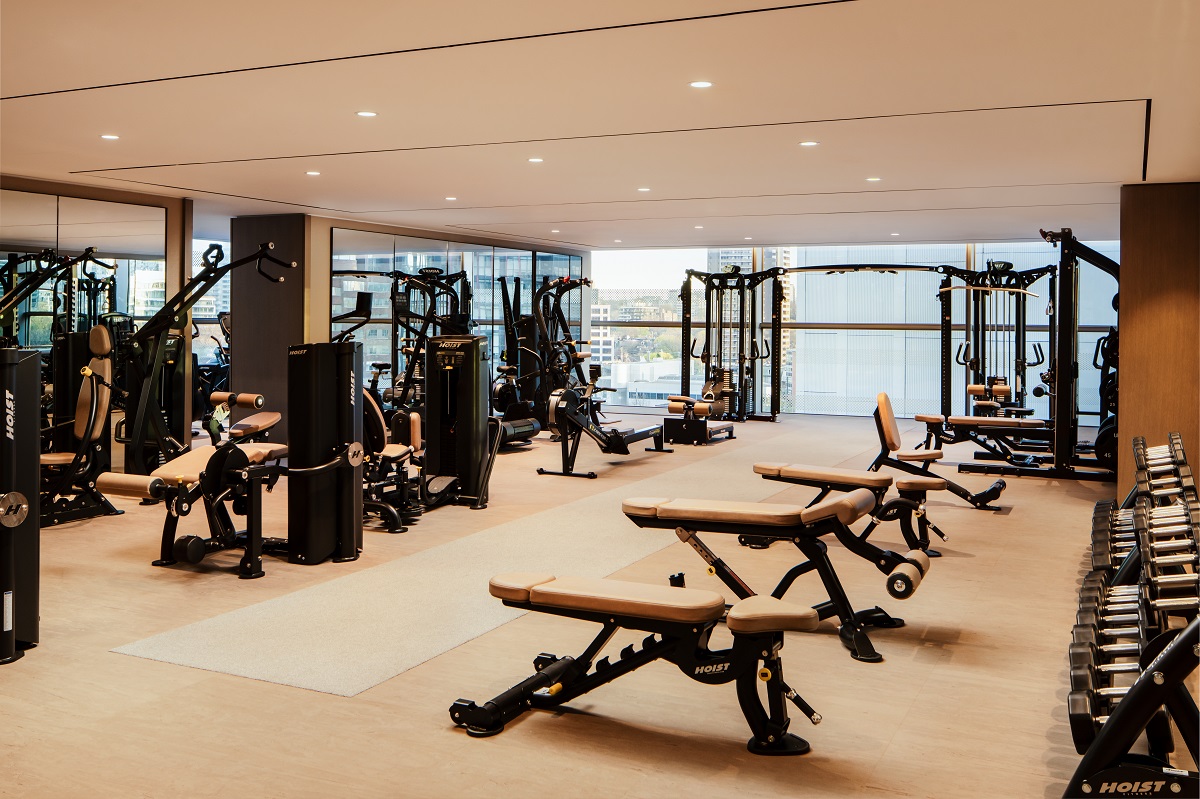
gym Four Seasons Toronto 2

Image credit: Four Seasons Toronto

One area is dedicated to mechanical cardio, generally motor-driven equipment such as treadmills, step mills, and ellipticals, where guests engage in prolonged steady-state cardiovascular training. Another area focuses on non-motorized cardio and conditioning equipment, including air bikes, rowing machines, ski ergs, and upper-body ergometers. These modalities create a more athletic and performance-oriented training experience.

Strength training is equally layered. Selectorized strength equipment should be incorporated to address every major movement pattern and muscle group, while also dedicating space to free weights: dumbbells, barbells, kettlebells, and functional training tools. Accessories such as slam balls, foam rollers, TRX suspension systems, benches, and mobility equipment complete the ecosystem. Open space is equally important; guests need room to stretch, move dynamically, and perform functional exercises without feeling constrained.
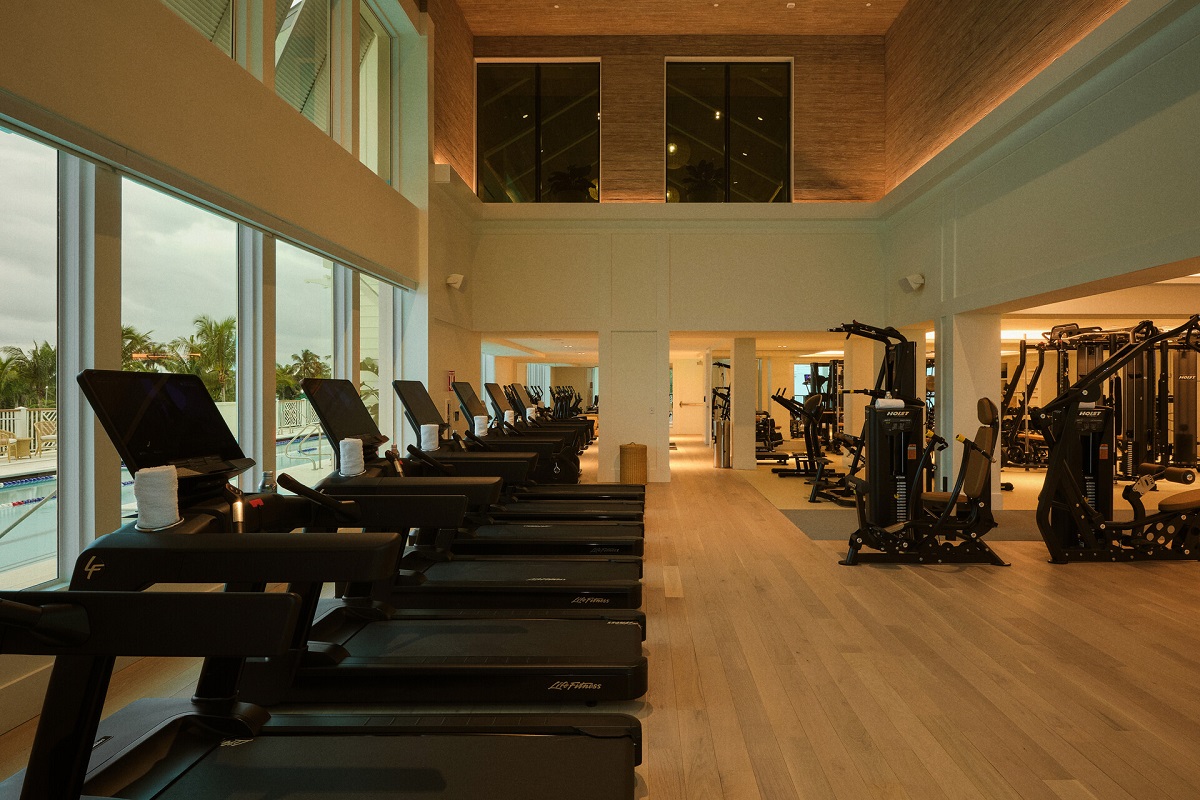
gym in Four Seasons Naples

Image credit: Four Seasons Naples

A core philosophy is our best-in-class approach to selecting equipment once the layout is confirmed. We never create a single-brand experience as no single manufacturer makes the best product in every category. The ideal treadmill is often made by a different company than the best dumbbells, benches, or selectorized strength systems. Each facility is a curated variety of equipment manufacturers within their respective specialties. Committing to one supplier means accepting compromises across the board, and guests are increasingly requiring fitness amenities that meet the level of every other aspect of their stay.

Customisation is also essential, and luxury today means personalisation. We customise everything from the frame colours and upholstery of the strength equipment, to bespoke multi-station training systems designed specifically for the property. The gym should feel like a natural extension of the hotel’s brand identity and interior architecture. It should serve as another jaw-dropping space for guests to enjoy.

Guests can rarely articulate why a fitness space feels exceptional. But they know it when they see it. The best hotel gyms, the ones that win awards, have a flow, an energy, and a level of detail that separates a truly world-class fitness facility from a standard hotel gym.

Main image credit: Four Seasons Tamarindo
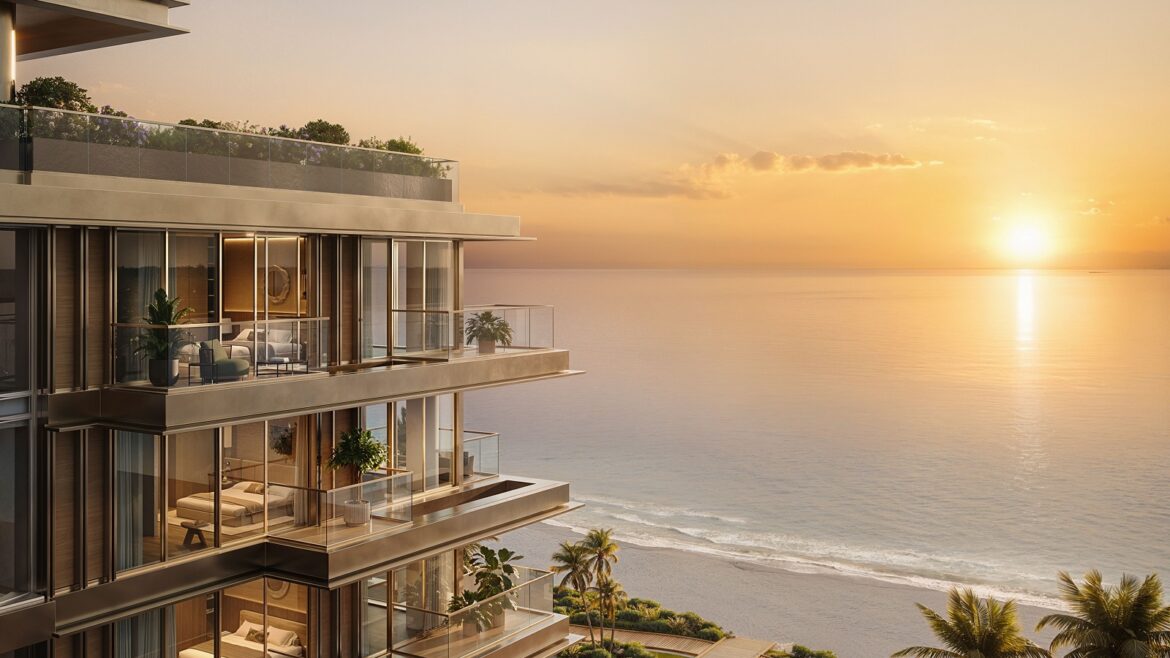
sunset Cheval Residences Dubai Islands

The live-long, long-stay concept

1024 640 Guest Author

GTHD

Sophie Borel, project planning and design manager, Cheval Collection, discusses the growing role of neuroarchitecture in the sector and its influence on wellness and personalisation…

When we walk into a space; be that home, work or doctor’s surgery, we experience certain emotions. Many of these are linked to the memories associated with these locations, to the extent that, in places where we have felt heightened emotions, we may no longer see the space itself clearly.

Our parents’ home may always feel warm and welcoming to us, no matter whether we find the wallpaper outdated or the photos of teenage us embarrassing. We may always feel vulnerable at the doctor, regardless of how caring and welcoming they may be. Years later, walking down a school corridor brings with it a crowd of sensations.

Sophie Borel | Image credit: Cheval Collection

Past experience plays a key role in your regular surroundings, but what of places you have never been before? When you are staying away from home, many people are so eager to bring the soothing and familiar with them, they travel with pillows and knick-knakcs. At the heart of these accessories is the desire above all to be able to sleep in an unfamiliar room, in an unfamiliar location, a need fundamental to our wellbeing, which hotel designers are turning to science to achieve.

Research into neuroaesthetics and neuroarchitecture is teaching us that the feeling of being relaxed and at ease is more than just carrying a trinket with us wherever we go. Neuroaesthetics is defined as the neuroscientific study of how the brain processes aesthetic, cultural, and technological experiences, exploring how these stimuli are connected to our brains, bodies, and behaviours. Neuroarchitecture is the study of how design and architecture influence our brain, emotions and wellbeing, using insights from neuroscience.

This is more than just good design our intellects recognise. It is an understanding of how our physical environment affects our psychological and physiological states; how our mind and body interprets a space. By taking this approach, we can do what the sector has had as its central aim since the first bed was ever rented: create a truly soothing, home-from-home-experience.

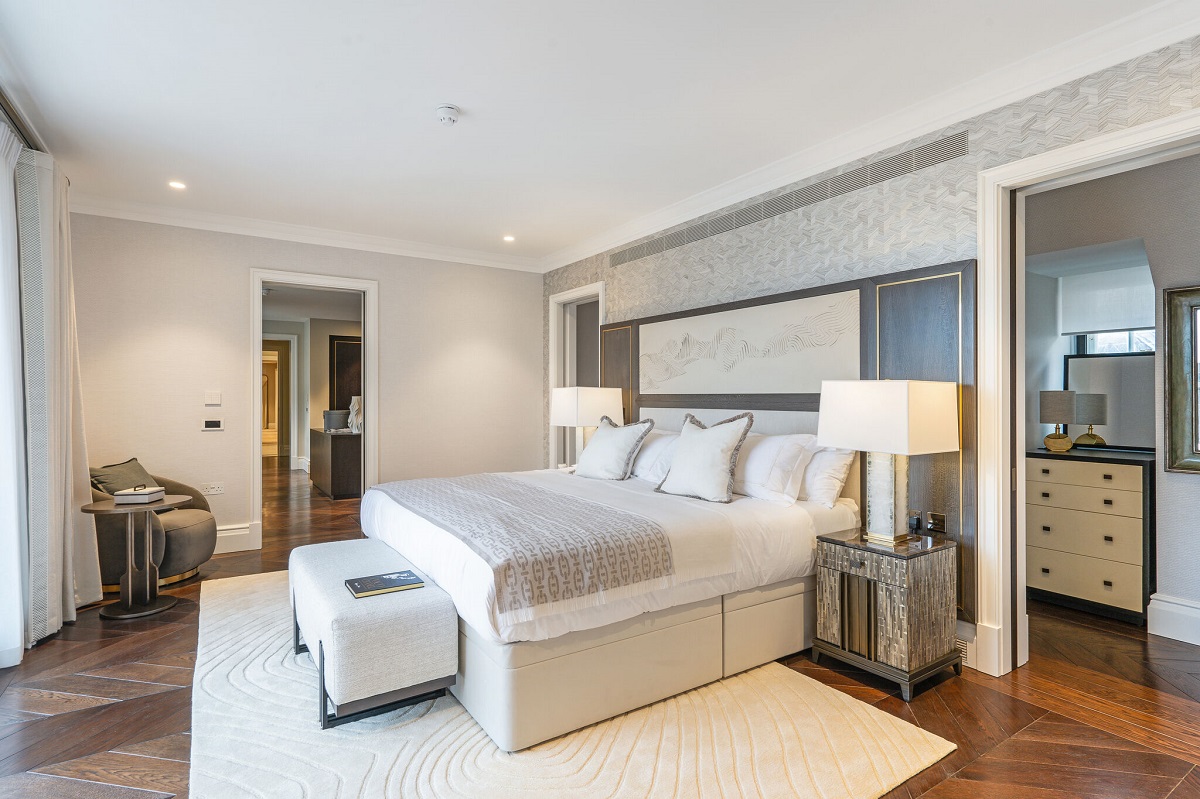
bedroom in cream and white with wooden floor Cheval Residences Knightsbridge

Image credit: Cheval Residences Knightsbridge

The term ‘neuro’ can make the subject feel more complicated than it needs to. In hospitality, we must start with the basics when looking at a space. A lot of this is common sense. Most people wouldn’t like to walk into a room and see a flickering light. Some may be more sensitive than others. The absolute baseline for neuroaesthetics and neuroarchitecture is feeding biophilia – the human requirement to be connected with nature – as well as a sense of balance in using colours and focusing on lighting. A clear example is the Danish concept of Hygge, achieved largely through warm and layered lighting, which has now moved into the mainstream for both home and commercial design and illustrates the connection between the senses and a feeling of ease.

Flexibility is also important. Guests need to be able to feel comfortable in a space, which means giving them choice over how they use it. We focus on creating apartments that have the space and facilities to allow you to host friends and family or just have room to yourself, more than just perching on a bed with your computer or book: you really have your own space. You should be able to live at your own rhythm, it’s about the person staying there; you can, for example, eat when you want, there’s no timetable imposed on you. And for service, there is always a team member on call, around the clock. But when only you want them.

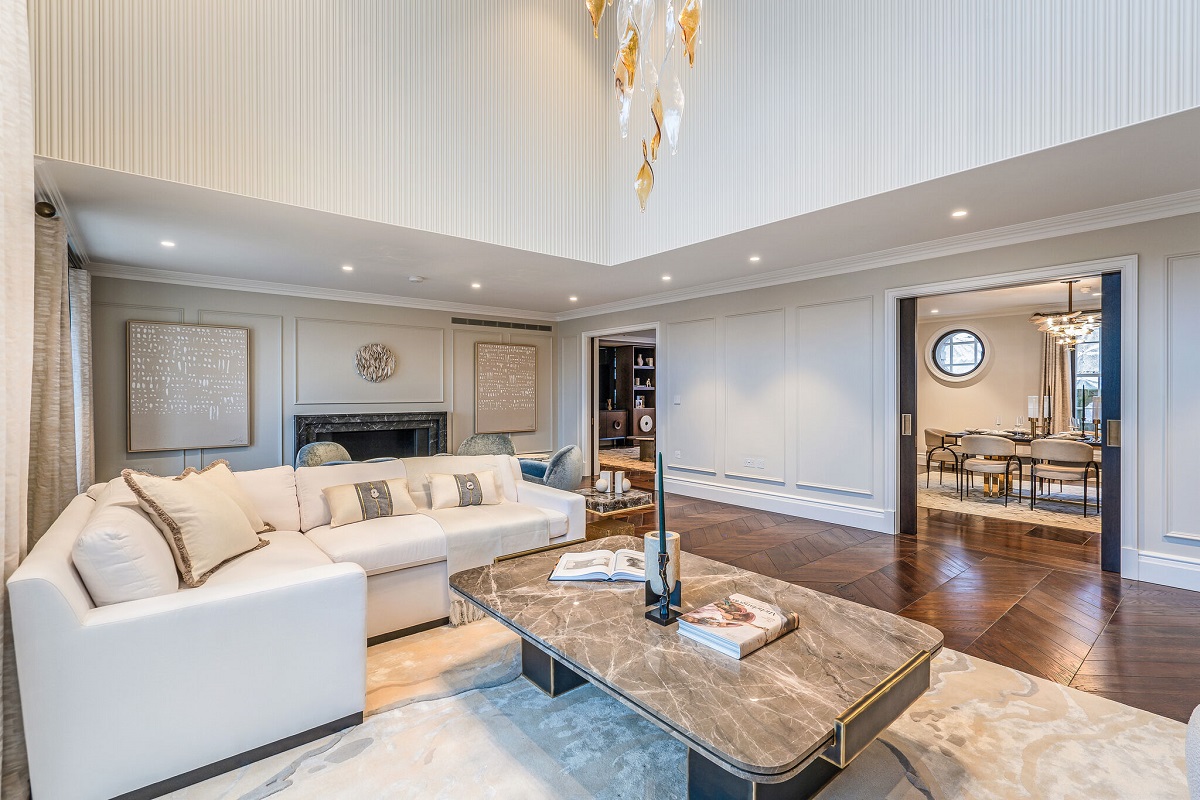
cream couch, marble table, glass chandelier in Cheval Residences Knightsbridge

Image credit: Cheval Residences Knightsbridge

The growth of wellness in hospitality means that neuroaesthetics and neuroarchitecture are coming to the fore and that more and more investors are eager to learn about how they can be deployed. If you employ neuroaesthetics and neuroarchitecture then your property should make everyone feel naturally comfortable in the space, and it’s no secret that feeling good is essential to your health.

Personalisation is another hospitality trend which plays into neuroaesthetics and this is harder to achieve in our sector, where rooms must welcome so many guests. We vary the different design in different locations, giving guests choice and providing them with flexibility, helping them to feel that they can remain themselves, because when we aren’t comfortable in our surroundings, we don’t feel fully ourselves.

Above all, the use of neuroaesthetics and neuroarchitecture should feel effortless, not contrived. It should form part of the design at its origin, not added as an afterthought.

As wellness offerings grow, many of us have become overwhelmed by monitoring from fitness apps, or the pressure to get enough sleep, eat the ‘right’ foods and we feel guilty if we slip. Hospitality should provide respite from these pressures and help create resilience to cope. By employing these design principles, we can improve the quality of guests’ lives and what greater ambition should our

Main image credit: Cheval Collection, Cheval Residences Dubai Island

Fun fact: I’m usually the person friends rely on to organise trips, schedules, and group plans.

Workhighlights: Successfully coordinating events from planning through to delivery and seeing everything come together on the day.

Fun fact: I’m a keen cyclist and will happily bore people with copious amounts of cycling chat. My top cycling experience (so far) would have to be riding in the spectacular mountains of Crete.

Work highlights: Charles joined Forum Events in 2022. With a background in publishing, editorial media and events, Charles brings a wealth of experience to his role as Senior Production Manager. Having being involved with SPACE from the outset, he is excited to see the brand grow and develop.

Fun fact: People tell Sienna she gives off Bridget Jones vibes, and she loves to bake, always making sure there are shortbreads floating around the office

Work highlights: Sienna joined Forum Events & Media Group while studying Communications and Media, starting in the sales team where she managed and helped launch the first the PA Life Leading Venues of London SHOWCASE, where she built relationships with luxury venues across the capital. Drawn to the stories behind these spaces, she naturally transitioned into the editorial team, creating social media and editorial content. Upon graduating in June 2026, she is excited to be joining as Assistant Editor for Hotel Designs and SPACE.

Fun fact: When not working, Jess can usually be found tending to her kitchen garden in the Sussex countryside or foraging for herbs in the nearby woods. A keen grower, she recently studied a RHS Level 2 Diploma in the Principles of Horticulture during her spare time.

Work highlights: Jess joined SPACE magazine in 2022 and has since progressed from Assistant Editor to Editor. During this time, she has worked across many aspects of the publication – from shaping editorial strategy and overseeing operations to contributing to art direction and representing the brand on stage at industry events including Surface Design Show and WOW!house.

Alongside her role at SPACE, Jess has built a creative career spanning the arts, culture, design and travel sectors. Prior to joining the magazine, she spent more than a decade in the commercial art industry, in artist liaison, gallery management, and curating collections for the hospitality sector across hotels and cruise ships. During this time, she also worked on freelance projects as a writer, photographer, and creative content producer.
 
Jess studied photojournalism at London College of Communication and the Danish School of Media and Journalism and holds a first-class BA (Hons) in Culture, Criticism and Curation from Central Saint Martins.

Fun fact: Katy has spent years perfecting all kinds of accents and loves a good impersonation!

Work highlights: Katy has been with Hotel Designs since the beginning, way back in 2015 when Forum Events & Media Group acquired the brand.

During this time, she has fostered many meaningful relationships with clients from across the hospitality spectrum, as well as playing a pivotal role in the launch of The Brit List Awards, Hotel Designs MEET UPs, client-led roundtables and panel talks, brand and website redesigns, HD Wellness Sets, DESIGN POD podcast, Hotel Designs LIVE panel talk series, Accessible Design Talks and more. Katy is always on the lookout for the next opportunity to help grow the Hotel Designs brand even further.
 
Most recently Katy has stepped in to the role of Publisher at SPACE magazine, the printed bi-monthly publication focused on hotel design, architecture, and development.

Together these platforms offer a comprehensive 360-degree service encompassing digital media, print publishing, and live events – providing unparalleled value to advertisers, partners, and readers alike.