










GTHD
Sophie Borel, project planning and design manager, Cheval Collection, discusses the growing role of neuroarchitecture in the sector and its influence on wellness and personalisation…
When we walk into a space; be that home, work or doctor’s surgery, we experience certain emotions. Many of these are linked to the memories associated with these locations, to the extent that, in places where we have felt heightened emotions, we may no longer see the space itself clearly.
Our parents’ home may always feel warm and welcoming to us, no matter whether we find the wallpaper outdated or the photos of teenage us embarrassing. We may always feel vulnerable at the doctor, regardless of how caring and welcoming they may be. Years later, walking down a school corridor brings with it a crowd of sensations.

Sophie Borel | Image credit: Cheval Collection
Past experience plays a key role in your regular surroundings, but what of places you have never been before? When you are staying away from home, many people are so eager to bring the soothing and familiar with them, they travel with pillows and knick-knakcs. At the heart of these accessories is the desire above all to be able to sleep in an unfamiliar room, in an unfamiliar location, a need fundamental to our wellbeing, which hotel designers are turning to science to achieve.
Research into neuroaesthetics and neuroarchitecture is teaching us that the feeling of being relaxed and at ease is more than just carrying a trinket with us wherever we go. Neuroaesthetics is defined as the neuroscientific study of how the brain processes aesthetic, cultural, and technological experiences, exploring how these stimuli are connected to our brains, bodies, and behaviours. Neuroarchitecture is the study of how design and architecture influence our brain, emotions and wellbeing, using insights from neuroscience.
This is more than just good design our intellects recognise. It is an understanding of how our physical environment affects our psychological and physiological states; how our mind and body interprets a space. By taking this approach, we can do what the sector has had as its central aim since the first bed was ever rented: create a truly soothing, home-from-home-experience.
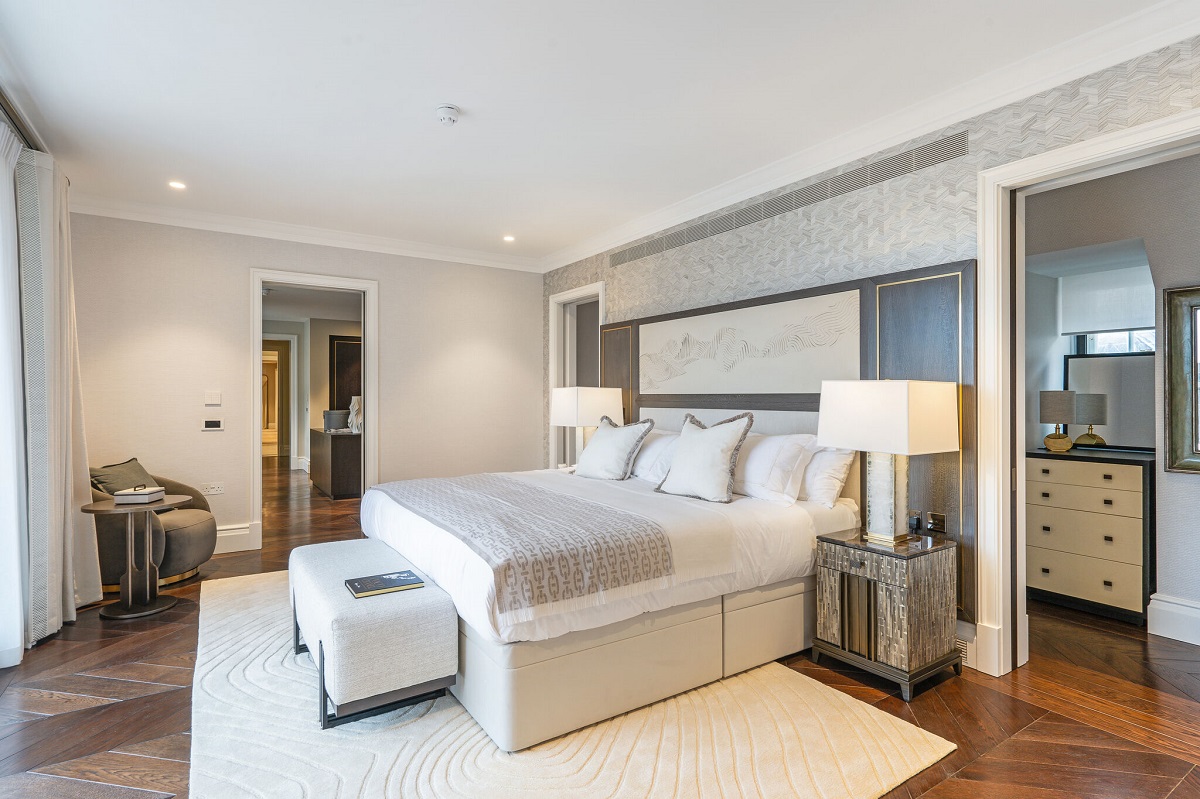
Image credit: Cheval Residences Knightsbridge
The term ‘neuro’ can make the subject feel more complicated than it needs to. In hospitality, we must start with the basics when looking at a space. A lot of this is common sense. Most people wouldn’t like to walk into a room and see a flickering light. Some may be more sensitive than others. The absolute baseline for neuroaesthetics and neuroarchitecture is feeding biophilia – the human requirement to be connected with nature – as well as a sense of balance in using colours and focusing on lighting. A clear example is the Danish concept of Hygge, achieved largely through warm and layered lighting, which has now moved into the mainstream for both home and commercial design and illustrates the connection between the senses and a feeling of ease.
Flexibility is also important. Guests need to be able to feel comfortable in a space, which means giving them choice over how they use it. We focus on creating apartments that have the space and facilities to allow you to host friends and family or just have room to yourself, more than just perching on a bed with your computer or book: you really have your own space. You should be able to live at your own rhythm, it’s about the person staying there; you can, for example, eat when you want, there’s no timetable imposed on you. And for service, there is always a team member on call, around the clock. But when only you want them.
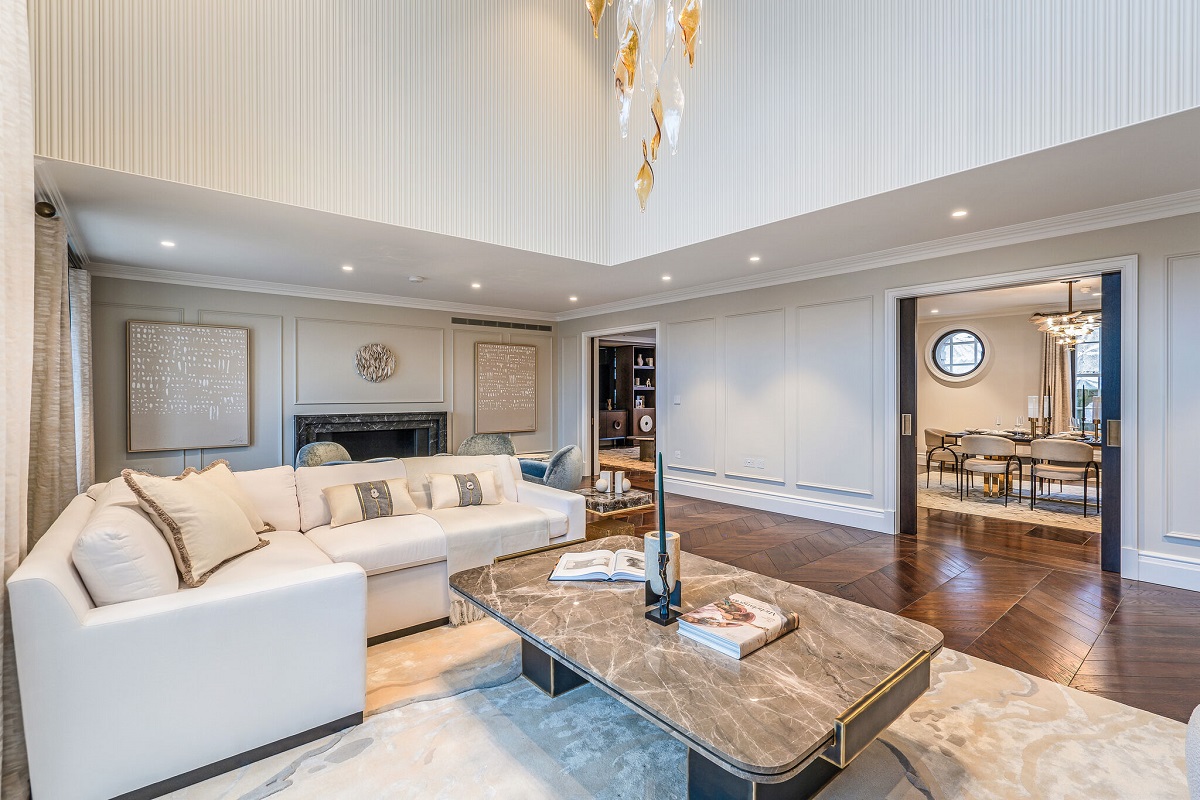
Image credit: Cheval Residences Knightsbridge
The growth of wellness in hospitality means that neuroaesthetics and neuroarchitecture are coming to the fore and that more and more investors are eager to learn about how they can be deployed. If you employ neuroaesthetics and neuroarchitecture then your property should make everyone feel naturally comfortable in the space, and it’s no secret that feeling good is essential to your health.
Personalisation is another hospitality trend which plays into neuroaesthetics and this is harder to achieve in our sector, where rooms must welcome so many guests. We vary the different design in different locations, giving guests choice and providing them with flexibility, helping them to feel that they can remain themselves, because when we aren’t comfortable in our surroundings, we don’t feel fully ourselves.
Above all, the use of neuroaesthetics and neuroarchitecture should feel effortless, not contrived. It should form part of the design at its origin, not added as an afterthought.
As wellness offerings grow, many of us have become overwhelmed by monitoring from fitness apps, or the pressure to get enough sleep, eat the ‘right’ foods and we feel guilty if we slip. Hospitality should provide respite from these pressures and help create resilience to cope. By employing these design principles, we can improve the quality of guests’ lives and what greater ambition should our
Main image credit: Cheval Collection, Cheval Residences Dubai Island