
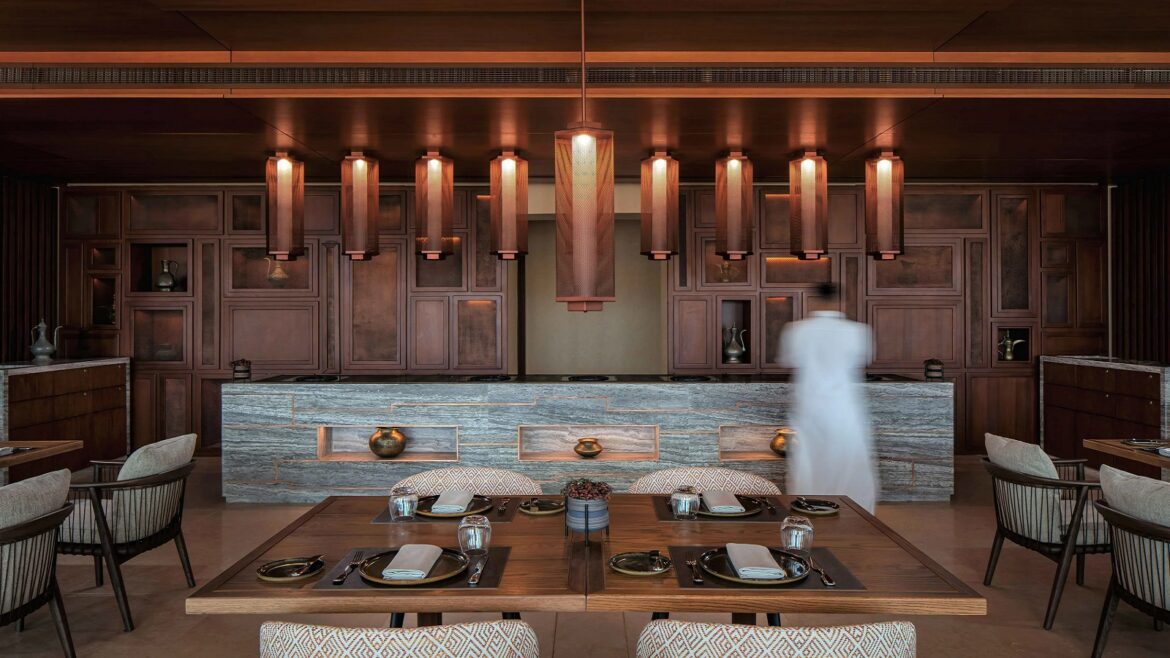
Beyond the logo – procuring a hotel design that lasts
https://hoteldesigns.net/wp-content/uploads/2026/04/02-Banyan-Tree-AlUla-1024x640.jpg 1024 640 Guest Author Guest Author https://secure.gravatar.com/avatar/70f59a2fd6e63f164e7a47b6987bbd542ebea82bbbc723da612b0c92bbae768e?s=96&d=mm&r=gGTHD
Stefano Giudici, Managing Director, Atelier Hospitality discusses the role of procurement when shaping a hotel’s identity and design – because the hotels that endure are not just well-designed, they are well-decided….
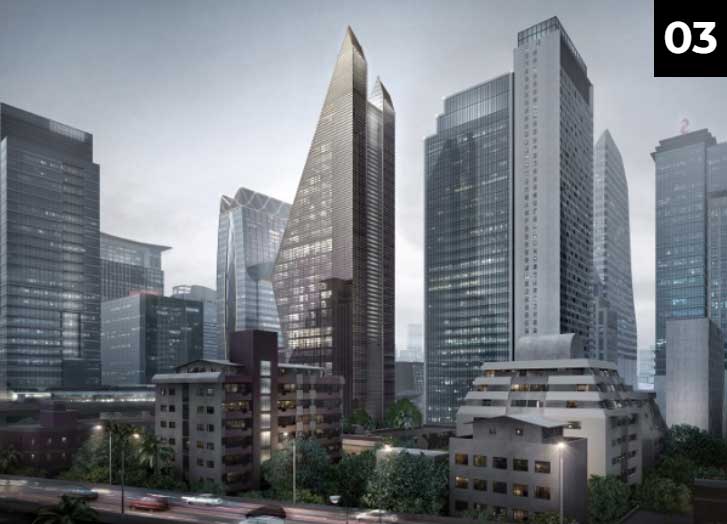
I have never understood why procurement specialists are often treated as suppliers. In reality, we are part of the design conversation – just like the architects and interior designers. Our role is to specify, and to specify intelligently: to make choices that protect the creative vision while meeting the practical demands of hospitality.

Stefano Giudici | Image credit: Atelier Hospitality
First impressions are often captured through a brand’s logo or a carefully framed image. But like designers, we know that a hotel’s true identity is shaped by the decisions embedded within the space long before it opens. And yet, one of the most critical components influencing design integrity – procurement – is still too often treated as a technical afterthought.
When design intent gets lost
Too frequently, procurement is reduced to a checklist or a cost exercise. ‘Value engineering’ becomes a reactive process rather than a strategic one, gradually eroding the very essence of a design concept. The result is familiar: spaces that photograph beautifully on opening day but begin to lose clarity, cohesion and quality almost immediately.
Many designers have experienced this moment – the project that felt distinctive in concept becomes interchangeable in execution. Strip away the branding, and the narrative disappears. Remove the logo, and it could be any brand. What remains is a well-styled yet ultimately generic environment. This is not a failure of design vision. It is a breakdown in how that vision is realised.
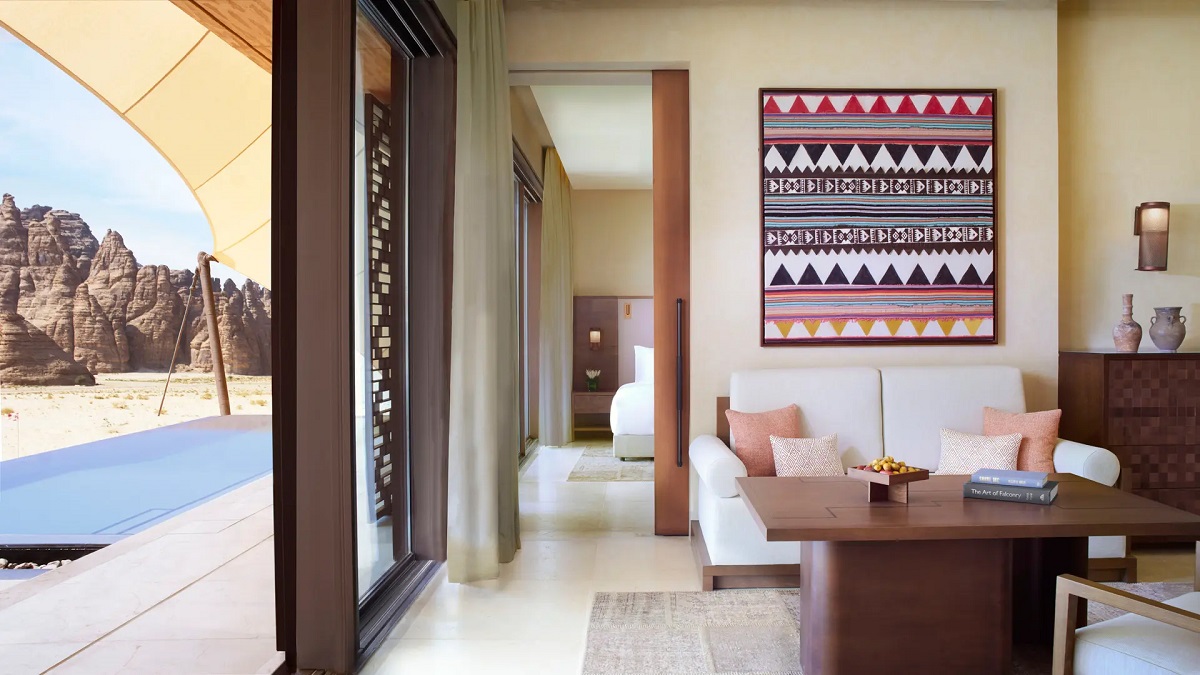
Image credit: Banyan Tree AlUla
Procurement as a design tool
For designers, procurement should be embedded within the creative process. Every specification is a design decision. Every material, finish and piece of furniture either reinforces or dilutes the narrative you are trying to build. When procurement is engaged too late, the conversation shifts from “How do we achieve this?” to “What can we compromise?”
Over time, these compromises accumulate:
• Bespoke details are simplified or lost
• Materials are substituted without understanding their ageing or performance
• Furniture fails to meet the demands of real guest use
In isolation, these may be minor adjustments, but together they build up and directly shape how a space is perceived, experienced and remembered.
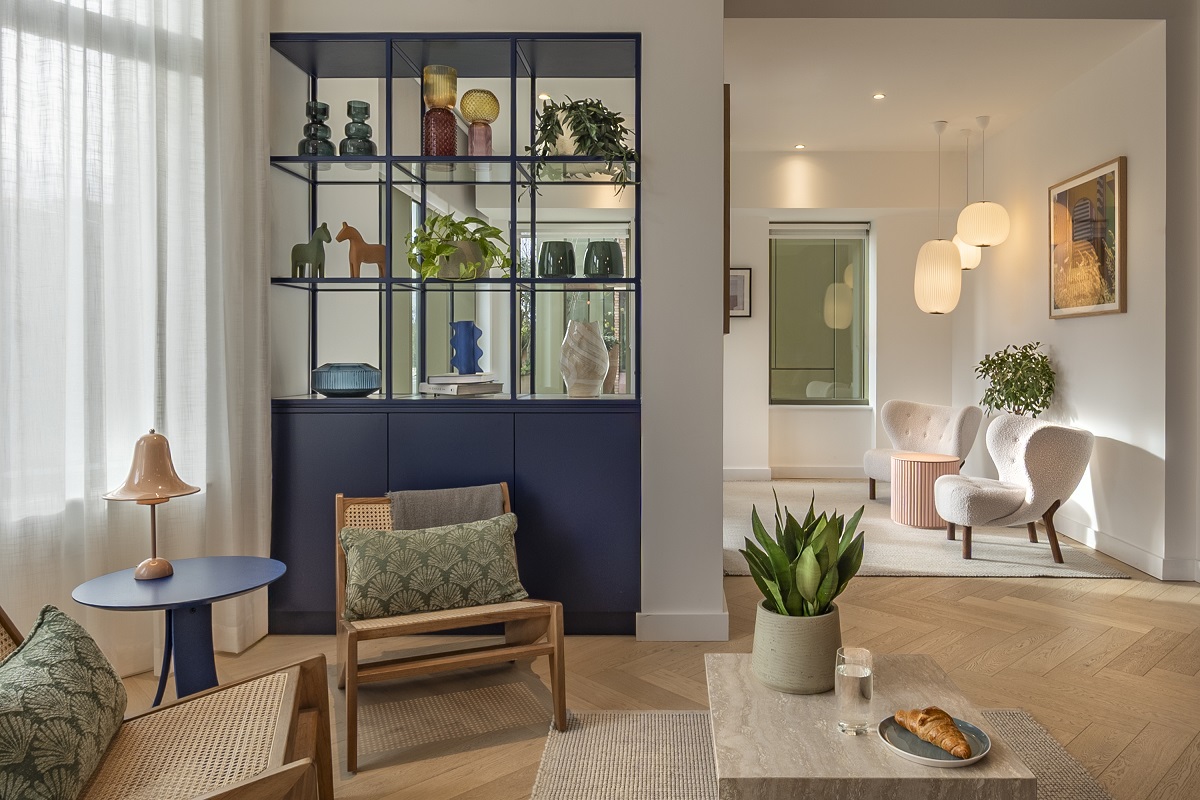
Image credit: The Lexion
Designing beyond opening day
Great hotel design is about resilience. Designers are increasingly challenged to think beyond aesthetics:
• How will this material patinate over time?
• How will guests interact with this space daily?
• How will operations impact the design after six months, or a year?
The success of a project should not be measured in the handover period, but in how well it performs under the pressures of real use over time. This requires a shift in mindset – from designing for impact to designing for endurance. It also requires the industry to reconsider how value engineering is applied.
When brought in early, procurement becomes part of the design dialogue:
• Testing ideas against real-world performance
• Aligning materials with operational realities
• Ensuring that design intent is not diluted during execution
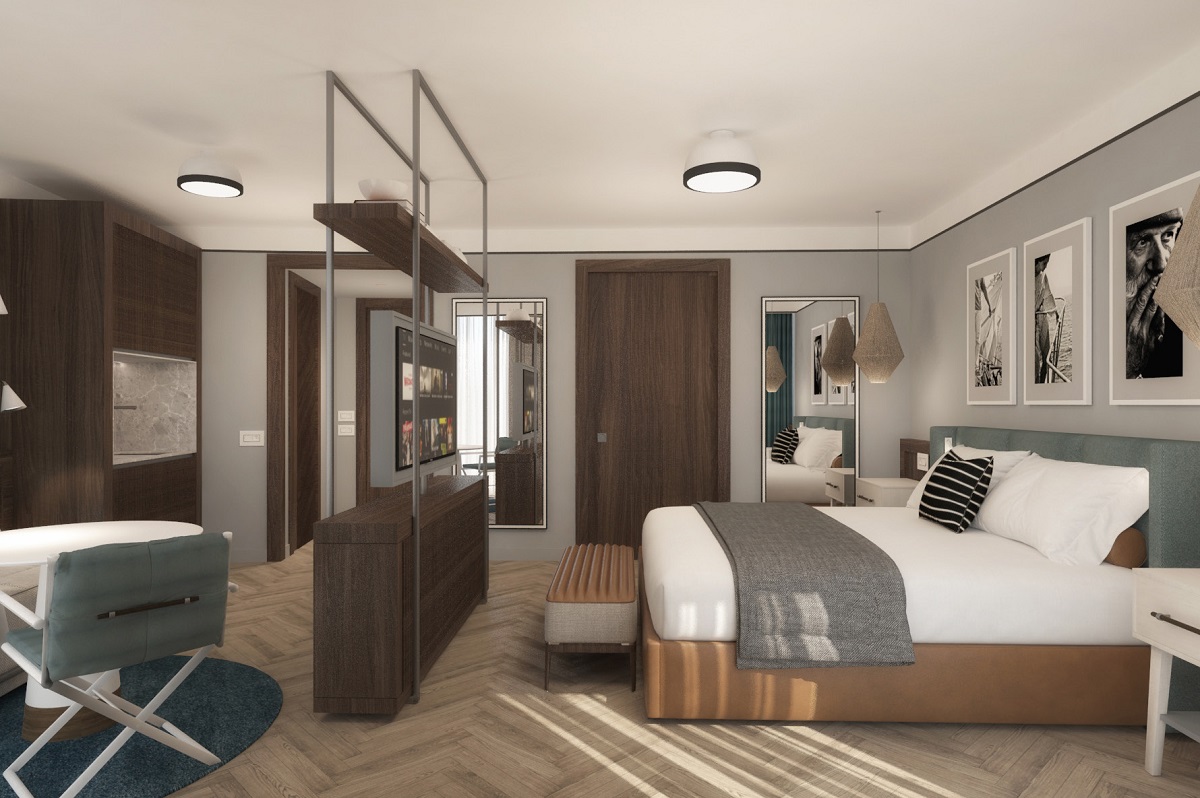
Image credit: Visionair – Senigallia
Reframing value in design
For designers, one of the most important shifts is redefining “value.” Value should be about:
• Longevity of materials
• Consistency of design language
• Integrity of the guest experience
• Protection of the original concept
Short-term savings almost always come at a cost, leading to long-term compromises – both in aesthetics and operational performance. Equally important is making sure the budget is truly aligned with the project’s ambitions. Too often, designers are asked to deliver a luxury experience on an economy budget, and we all know how that story ends: corners are cut, details are lost and the original vision suffers. This is a fundamental problem for creating hotels that endure.
True value lies in making decisions that sustain the design over time.
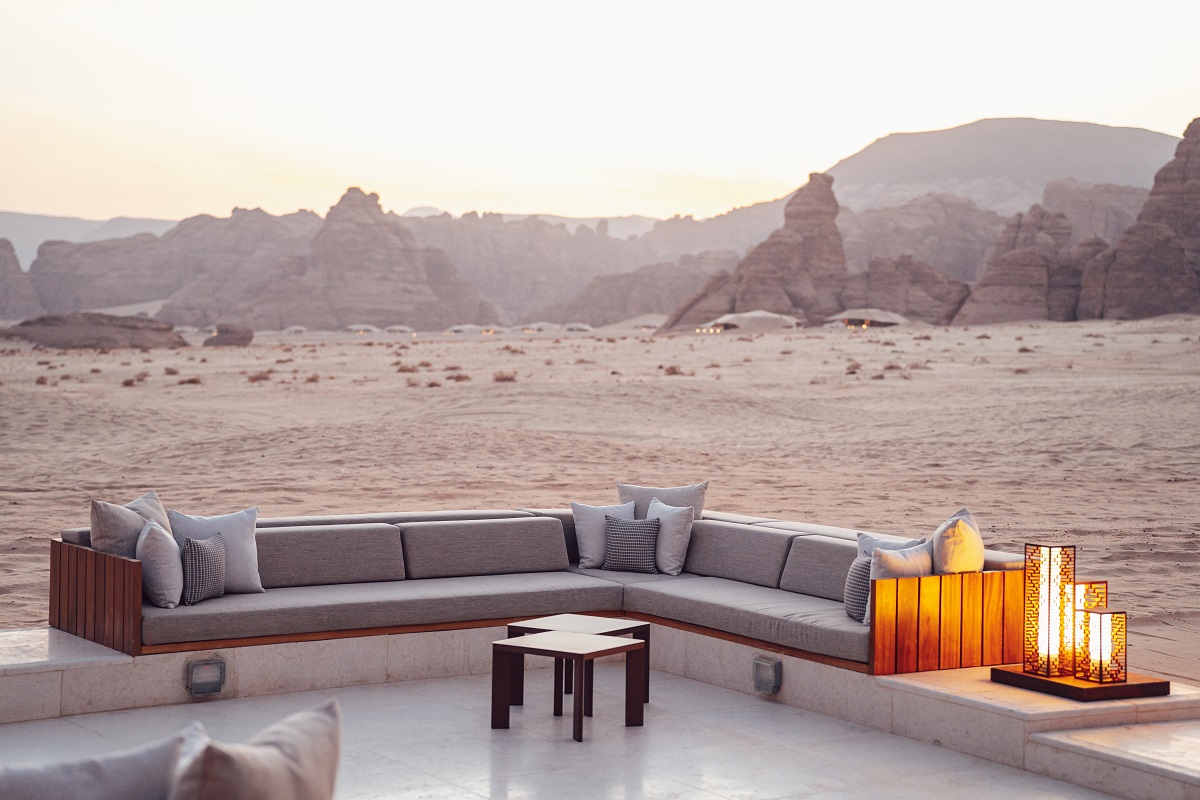
Image credit: Banyan Tree AlUla
Key considerations for interior designers:
• Design with procurement in mind – Engage early to protect intent and avoid late-stage compromises.
• Specify for performance – choose materials and products that will endure real use, not just visual scrutiny.
• Guard the narrative – every substitution or adjustment should be tested against the original concept.
• Collaborate closely – treat procurement specialists as creative partners.
• Think lifecycle, not launch – design for how the space will live, not just how it will open.
The lasting impression
Ultimately, the most successful hotels remain compelling over time. As designers, the responsibility lies in ensuring concepts are realised with integrity, perform as intended and continue to resonate. A hotel’s identity is never just its logo. It is the sum of every decision – creative and operational – that supports the design, shapes the experience and stands the test of time.
Long after the photography has been archived and the brand guidelines updated, what endures is quieter: the chair that hasn’t loosened, the finish that has aged with dignity, the detail that still feels intentional rather than incidental. These carefully consider elements should be the result of decisions made early, carefully and collaboratively.
Perhaps, therefore, it’s time we stop asking whether a design looks the part and start asking whether it will stay the part. Because in the end, a logo can be replaced overnight. When procurement is treated as peripheral, something essential is lost. Not dramatically, but incrementally: a dilution of intent, a softening of edges and a gradual drift away from what the space was meant to be. What is left is something insidious – missed potential.
And in a landscape where distinction is everything, potential is the one thing the industry can no longer afford to leave unrealised.
Main image credit: Banyan Tree AlUla