













Hotel design is changing – lobbies are becoming social hubs, while restaurants feel like neighbourhood destinations. The boundaries between hotels and lifestyle spaces are becoming less distinct…
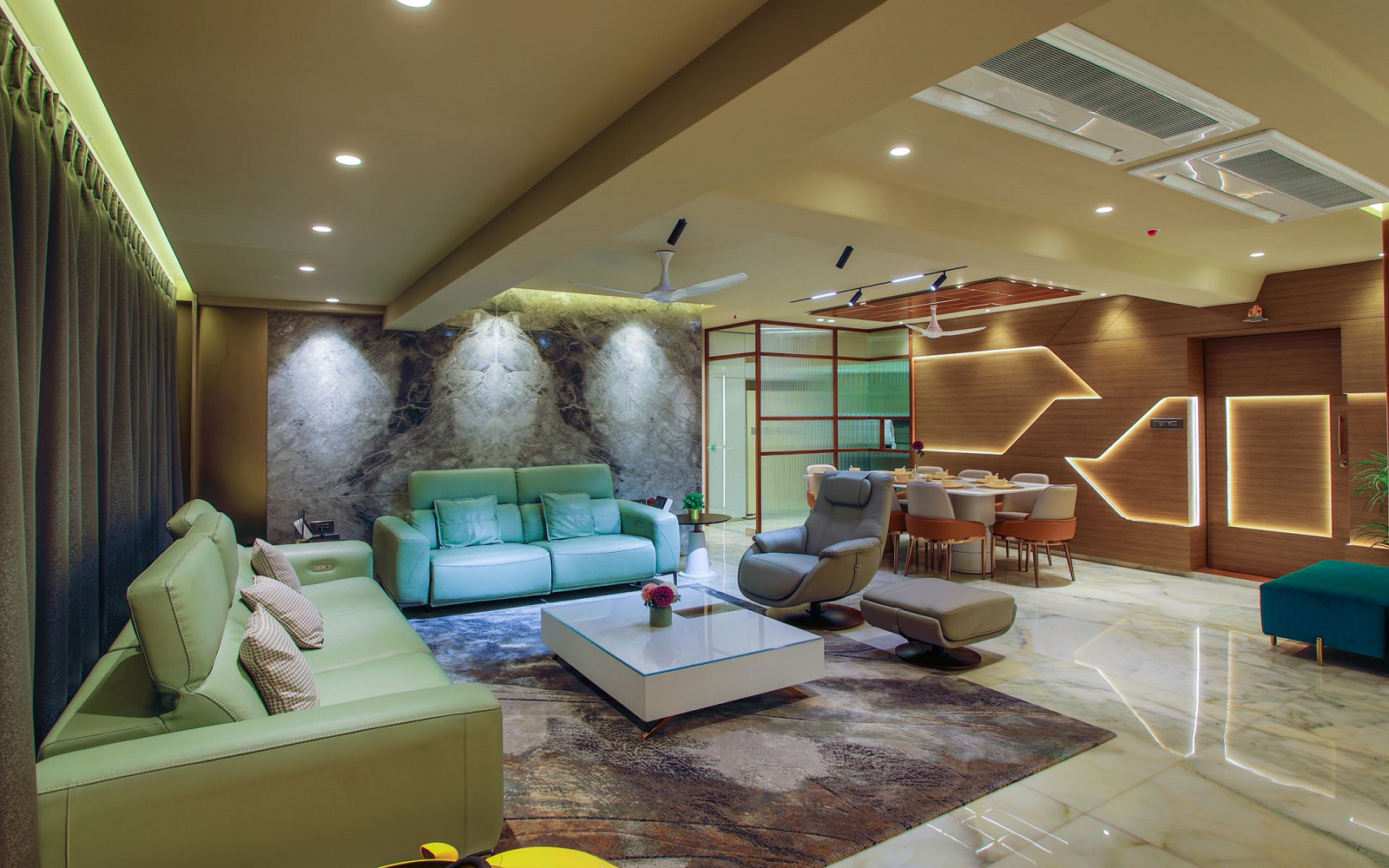
For many travellers, a hotel is a place to work, socialise, unwind and discover a destination. Designers are creating flexible environments that maintain comfort and identity.
From reception areas to social destinations
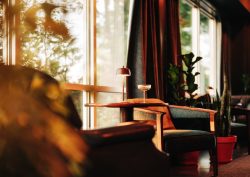
The lobby is becoming the social heart of the hotel. Relaxed reception areas, seating, workspaces, cafés and bars encourage guests to linger. Furniture, lighting and materials define zones without rigid divisions. A welcoming lobby can also attract local residents.
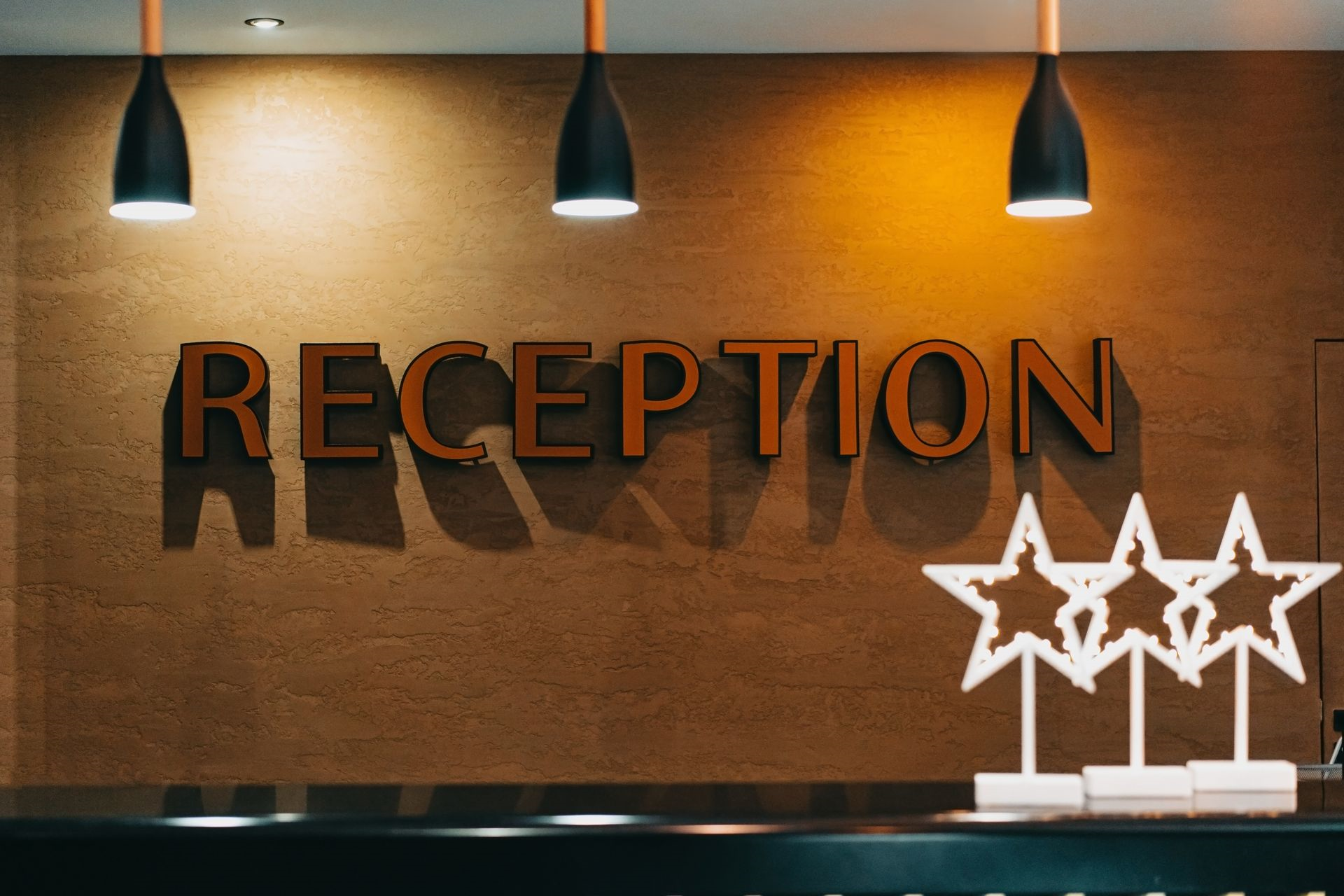
Image credit: Pexels / Mikhail Nilov
Creating atmosphere through materiality
Material selection shapes the atmosphere and identity of hospitality interiors. Texture, colour and finish help establish a space’s character. In restaurants and bars, materials must also meet practical demands. Restaurant and bar tiles like these by Atlas Concorde can introduce natural stone or wood effects, expressive patterns and varied finishes, helping create cohesive interiors and transitions between dining and social spaces.
These choices strengthen a hotel’s identity, support everyday use and help guests feel comfortable in spaces designed for different occasions and changing needs over time.
The influence of residential design
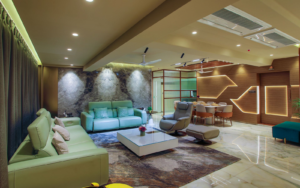
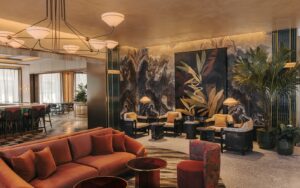
Hotels are drawing inspiration from residential interiors as guests seek more personal and less formal experiences. Comfortable seating, layered textiles, warm colours and decorative accessories soften traditionally formal spaces. Lounge furniture, bookshelves and ambient lighting can make public areas feel like thoughtfully designed living rooms.
These interiors must still meet commercial demands. High footfall, frequent cleaning and durability influence material choices. Designers must balance a relaxed appearance with finishes that perform in demanding environments.

Image credit: Pexels / Gustavo Fring
A stronger connection to local identity
Alongside the move towards more relaxed and adaptable interiors, there is an increasing interest in creating hotels that reflect the character of their locations. Travellers are often looking for experiences that offer a sense of connection to the places they visit, and interior design can play an important role in delivering this. Local architecture, traditional craftsmanship, regional materials and cultural references can all provide inspiration for a hotel’s design concept. These influences need not be expressed through literal interpretations of local heritage. Instead, they can be incorporated more subtly through colour palettes, textures, artworks and architectural details that give an interior a distinct sense of place.
This approach can be particularly effective in public spaces, where the hotel has an opportunity to communicate its identity from the moment guests arrive. A carefully selected combination of materials and decorative elements can establish a visual connection with the surrounding environment, while creating an atmosphere that feels specific to the destination. Restaurants and bars offer further opportunities to develop this connection. As spaces that often attract both hotel guests and local visitors, they can become an important part of a hotel’s relationship with its community. Their design can reflect local influences while offering a contemporary interpretation of the destination’s cultural and social character.
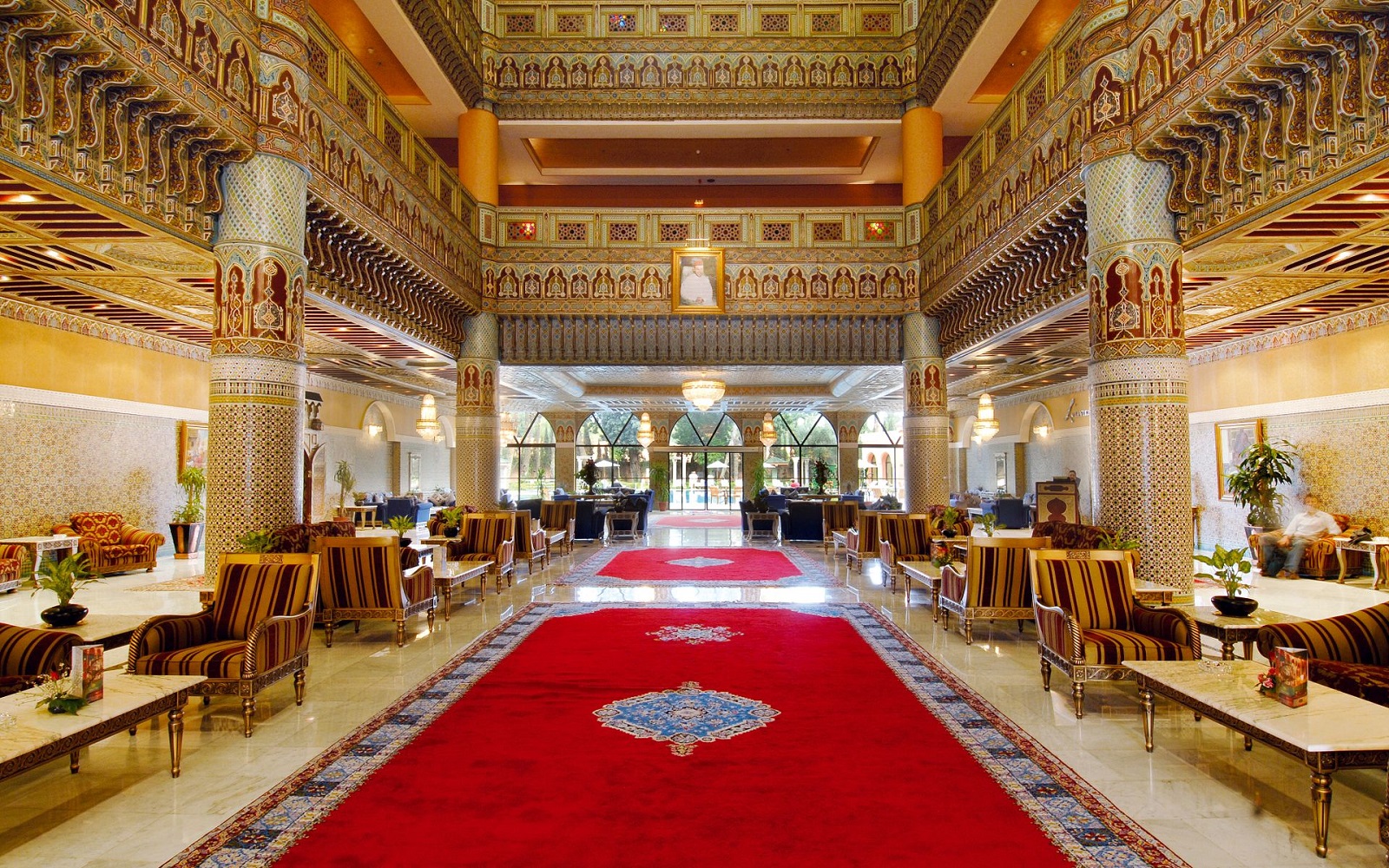
Image credit: Pexels
The importance of designing beyond trends
Creating interiors that remain relevant is an ongoing challenge. Designers must distinguish temporary trends from enduring principles such as comfort, functionality, material quality and a strong sense of identity.
Hotel interiors must withstand regular use while maintaining their appearance. Suitable finishes and planned maintenance keep spaces attractive and functional. Artwork, furniture and lighting can introduce personality and be refreshed without an entire redesign.
Hospitality design that puts people first
Hotel design is moving beyond practical functions towards environments that encourage interaction and connection. Lobbies, lounges and restaurants all shape the guest experience. Thoughtfully connected, they create a more engaging stay.
This article is part of our paid content offering. To explore sponsored editorial opportunities with Hotel Designs please contact Katy Phillips.
Main image credit: Pexels / Roshan Patel