











Glass is proving to be one of hospitality design’s most versatile materials – Majestic London considers how craftsmanship and unexpected details can set a hotel bathroom apart…
As hospitality interiors explore new expressions of luxury, Majestic London considers how texture, craftsmanship and unexpected details can bring individuality to hotel bathroom design. Quiet luxury has had a significant influence on hotel design in recent years. Muted colour palettes, natural stone, subtle metallic finishes and understated detailing have created some beautifully considered hospitality interiors. While this refined aesthetic continues to have its place, there’s a growing appetite for greater individuality.
From richly layered interiors to subtle architectural details, designers are exploring new ways to express a hotel’s personality and create spaces that guests will remember. The bathroom presents a particularly interesting opportunity. It’s a space where materials, craftsmanship and thoughtful design can come together in unexpected ways. And one of the most versatile materials to work with is glass.
Looking beyond the obvious
Glass has long been central to contemporary bathroom design. Frameless enclosures, discreet fittings and expansive panels have helped create beautifully open spaces, allowing the surrounding architecture and materials to take centre stage. But glass also offers enormous creative potential beyond transparency.
At Majestic London, we’ve always been fascinated by what can be achieved when designers are given the freedom to explore the material in different ways. A sweeping curve can introduce softness to a contemporary bathroom, complement the architectural details of a heritage property or create a distinctive feature within a larger suite. It can also offer creative solutions for more unusual layouts, allowing the shower to work naturally with the space.
Decorative glass opens another world of possibilities. Majestic’s Art Glass Collection allows designers to introduce texture, pattern and colour, transforming a functional surface into an integral part of the interior. Carved glass can create an artistic focal point, while finishes such as Grey, Carved and Ice Art Glass offer more subtle ways to introduce depth and character.

Image credit: Majestic
The beauty of subtle details
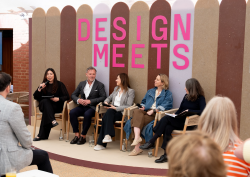
While expressive design is attracting attention, there’s also an interesting conversation emerging around textural minimalism: the idea that a space can feel rich and layered without relying on bold colours or dramatic statements. It’s something Sarah Roche, Specification Consultant at Majestic London, has been discussing with architects and designers.
Sarah observes: “The best outcomes happen when the maker is in the room early, because that’s when these subtle, high-impact decisions get made.” It’s a perspective that reflects the importance of collaboration in achieving beautifully resolved interiors.
Majestic London’s Ceramic Digital Print in Linen is a particularly interesting example. Its soft, textile-inspired appearance introduces a gentle layer of texture into spaces often dominated by harder materials such as stone and metal. Rather than becoming the focal point, it can help soften the overall scheme, bringing warmth and visual interest while allowing the architecture to remain the hero. It’s a reminder that individuality doesn’t always have to be expressed through a dramatic feature. Sometimes the smallest details make the greatest difference.
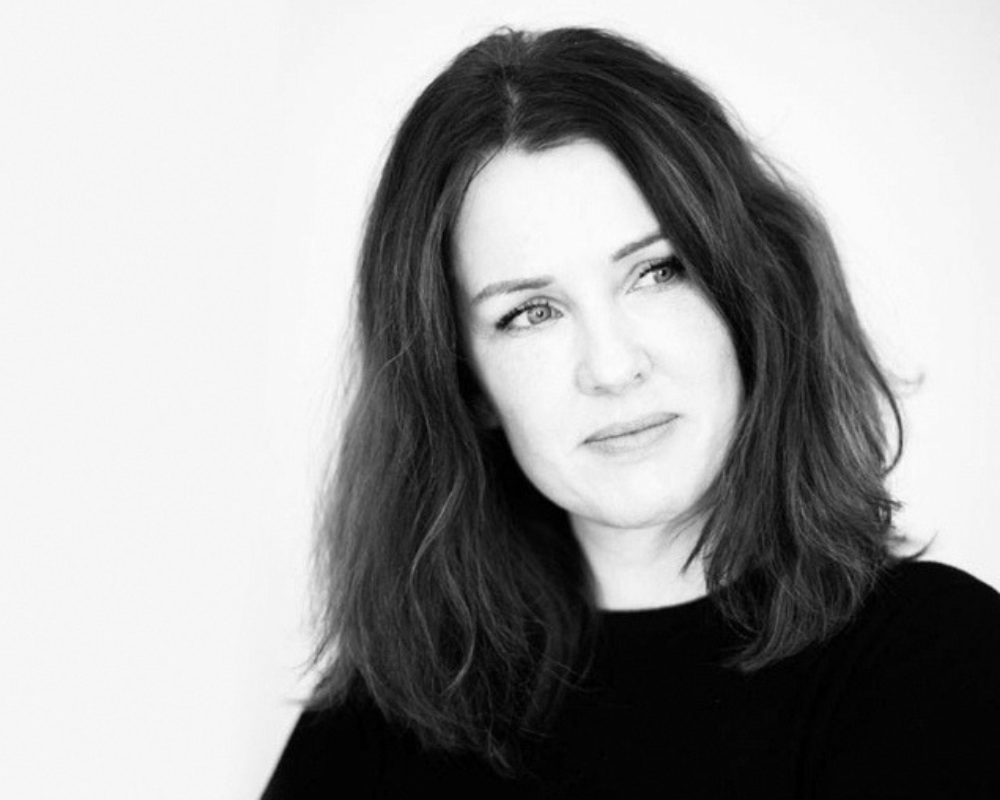
Sarah Roche, Specification Consultant at Majestic London | Image credit: Majestic
Making room for personality
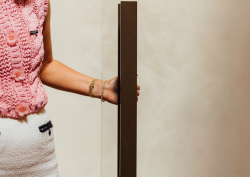
Of course, there are projects where designers want to take a more expressive approach. A curved enclosure might echo the architectural lines of a historic building. Decorative glass could introduce privacy while still allowing light to move through the space. A subtle bronze or carefully selected handle might complement a hotel’s wider design language. Through Majestic London’s Beyond Bespoke offering, designers can explore individual shapes, configurations, glass treatments and detailing, creating showering spaces that respond to the character and practical requirements of each project.
The possibilities are extensive, but the most successful results often begin with early conversations between designers and manufacturers. Considering the shower enclosure at the concept stage, rather than towards the end of a project, allows glass to become part of the architectural thinking. It also provides an opportunity to balance creative ambition with the practical requirements of hospitality, including durability, maintenance and long-term performance.
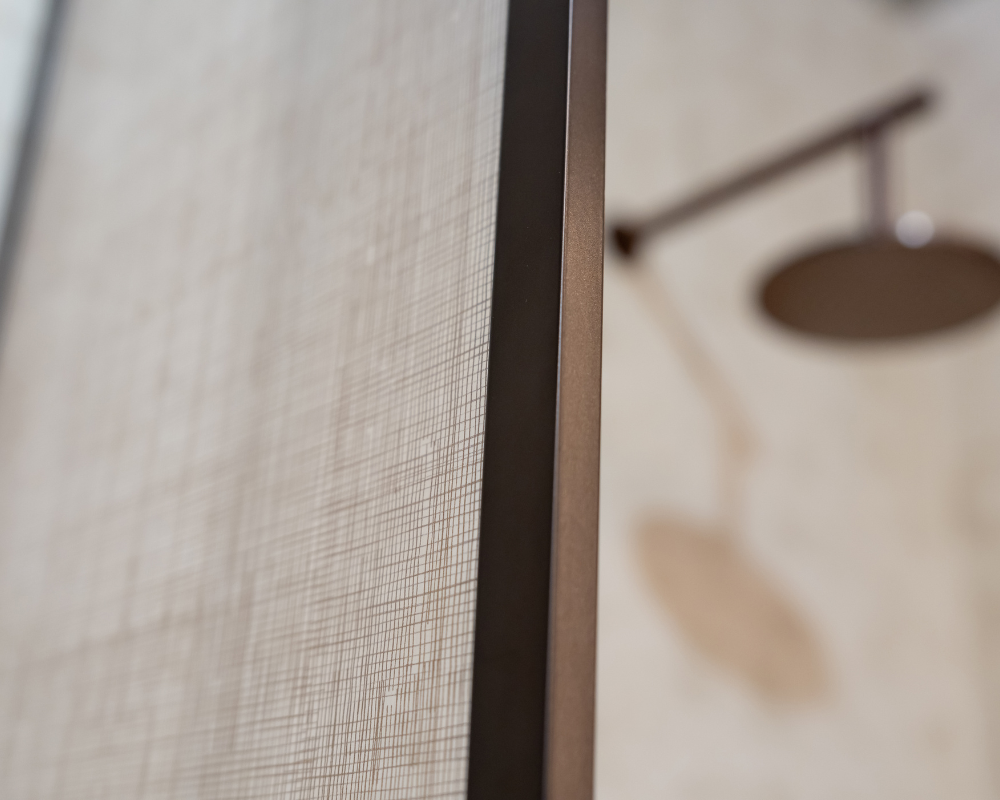
Image credit: Majestic
A broader expression of luxury
What’s exciting about the evolution of hospitality interiors is that there’s room for both restraint and expression. Sometimes the right solution will be an almost invisible frameless enclosure. At other times, a sculptural curve, a distinctive glass finish or the gentle texture of Linen can add another dimension to the space.
For Majestic London, it’s about giving designers the freedom to explore these possibilities, supported by the craftsmanship and technical expertise to bring their ideas to life. Because the most interesting design decisions aren’t always the most obvious ones.
Majestic London is one of our Recommended Suppliers and regularly features in our Supplier News section of the website. If you are interested in becoming one of our Recommended Suppliers, please email Katy Phillips.
Main image credit: Majestic London