











Hotel Designs caught up with Paul Eldwin Glade, Creative Director at Fowlescombe Farm – a regenerative farm and hotel in South Devon – to discover more about the intersection of farm, hotel, and its creative direction…
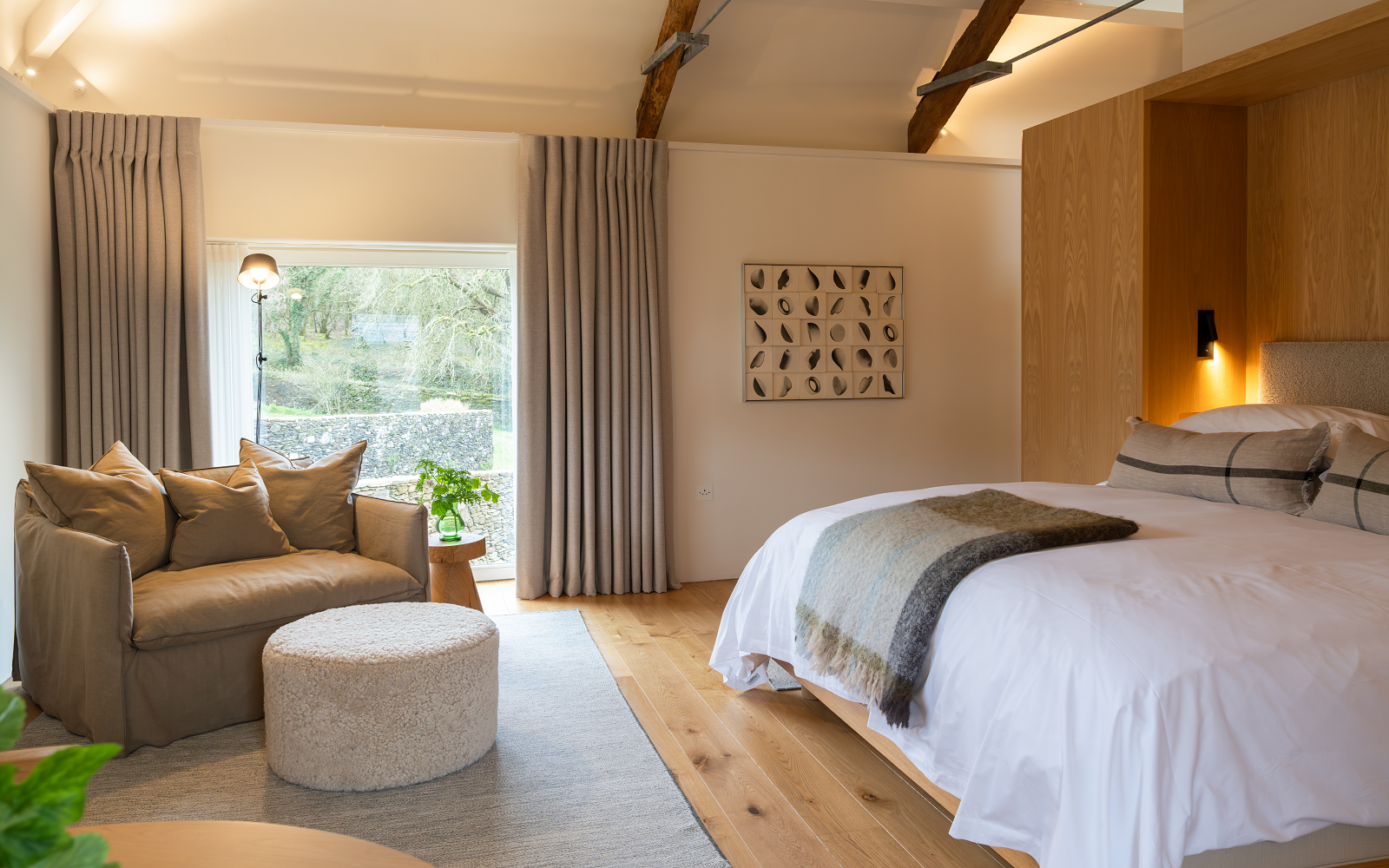
At Fowlescombe Farm in Devon, luxury is rooted in a deep understanding of place. Building a hotel into a working farm with a 500-year history, Creative Director Paul Eldwin Glade has allowed the landscape, local materials and the people who know it best to shape the experience – from estate-sourced stone and farm-grown wool to a regenerative approach that connects hospitality with agriculture.
-
- Image credit: Jon Tonks
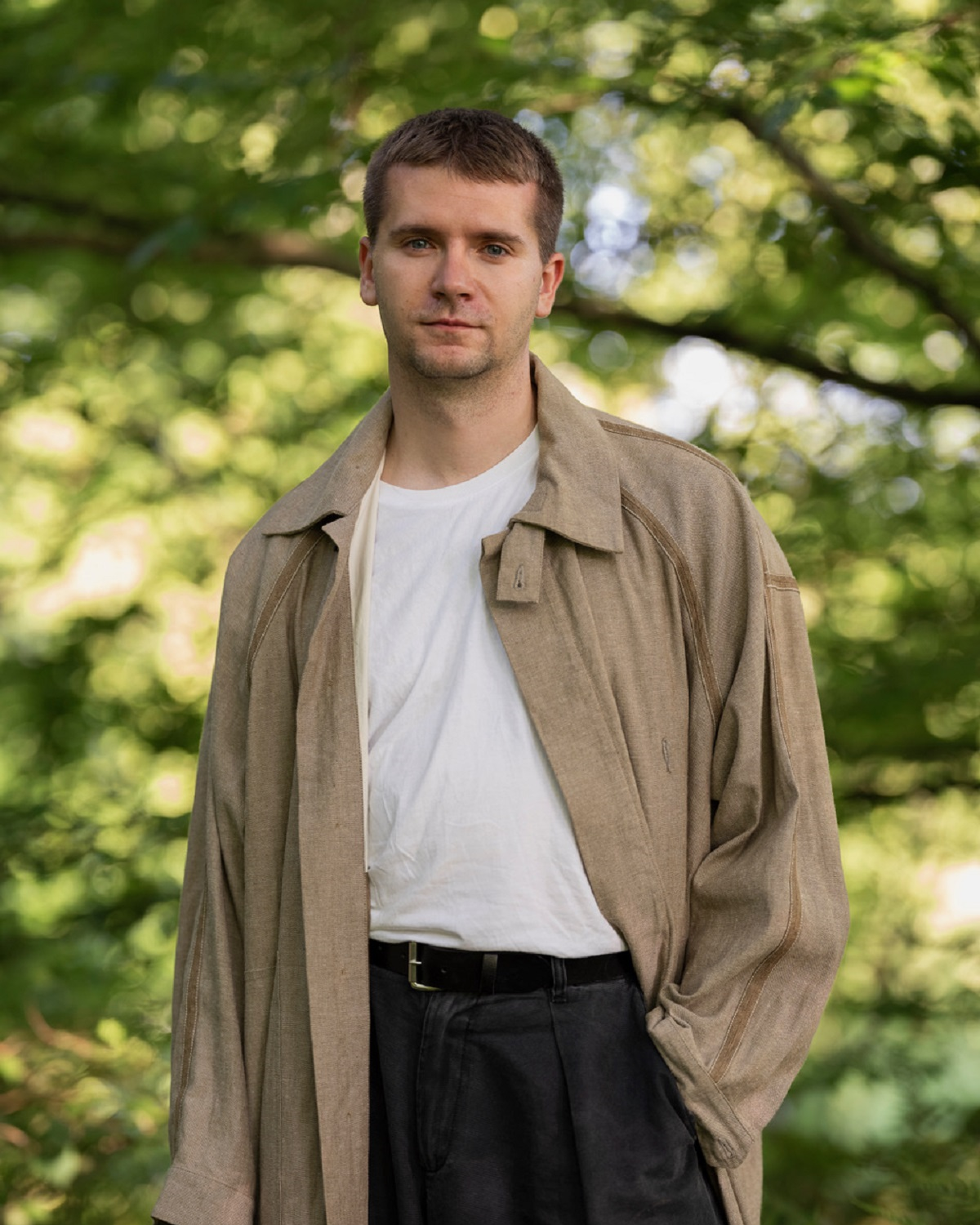
Hotel Designs: Fowlescombe Farm feels less like a hotel placed on a farm and more like a farm that has evolved into a hotel. What was the starting point for the design, and how important was it to allow the land to lead the creative process?
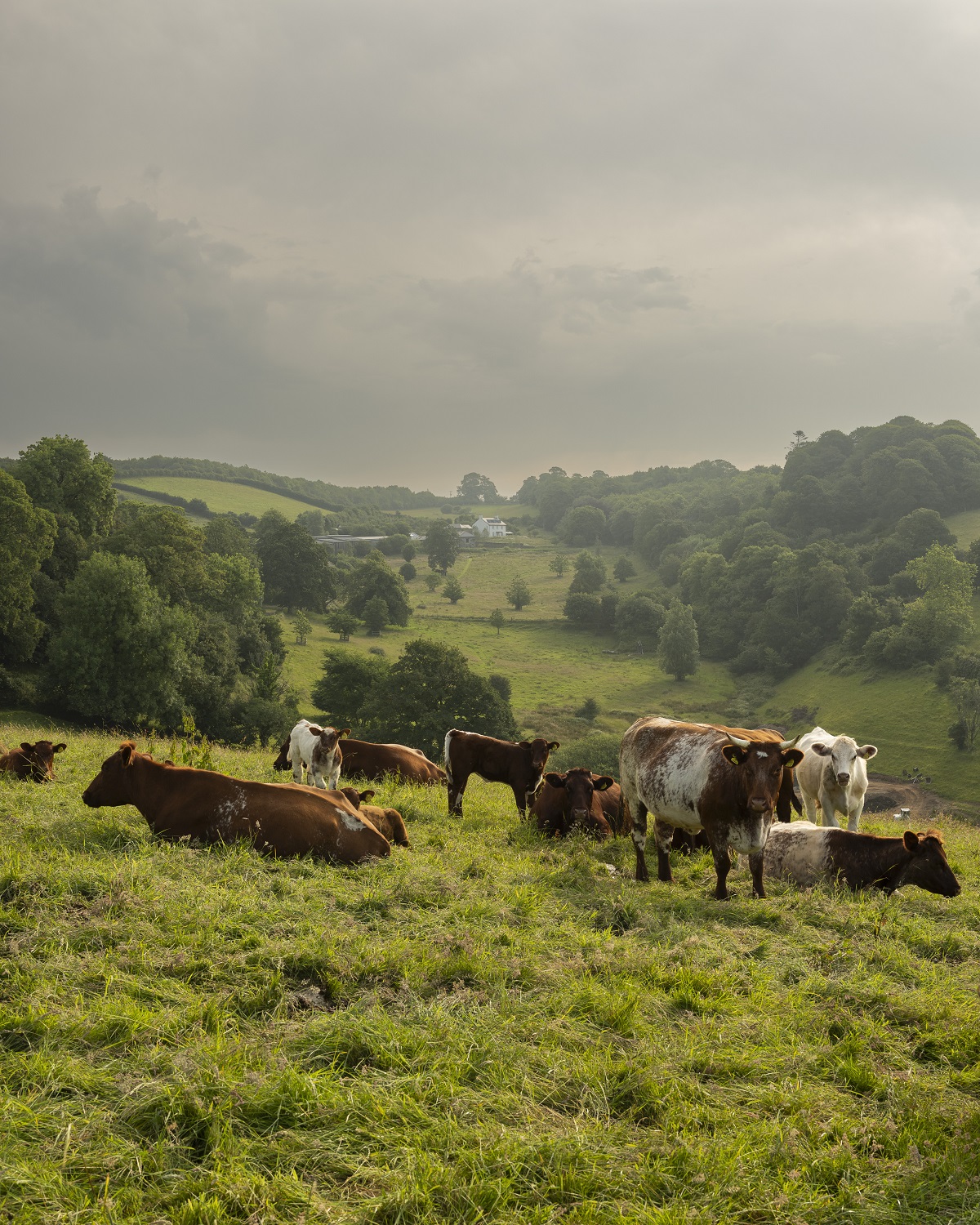
Paul Eldwin Glade: The starting point was absolutely the farm, and how it already worked. Fowlescombe has been farmed for around 500 years, so the idea wasn’t to impose a hotel onto it, but to understand what was already here and work out what we could preserve, bring forward or carefully add. I think you have to look at a place properly before you decide what it should become. I spent a lot of time simply getting to know Fowlescombe, the buildings, landscape, light, weather, materials, people and the way the farm actually works.
If the farm is working regeneratively, the hotel should follow the same principle. Anything we add should strengthen rather than draw down from what is already here. The farm gives the hotel its purpose, and the hotel supports the farm in return. I wanted the design to make Fowlescombe more fully itself rather than turn it into something else.
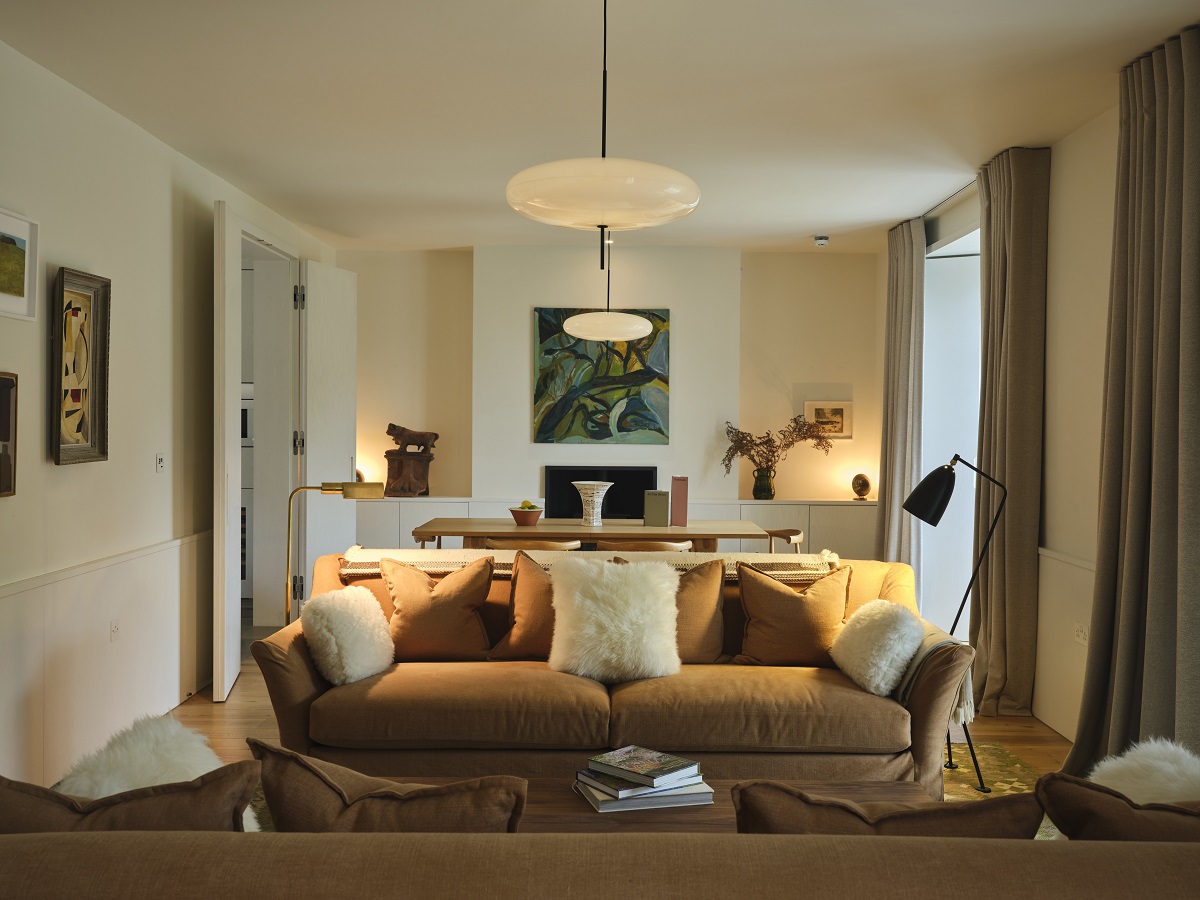
Image credit: Jon Tonks
HD: In your words, the brief was “how do we want to make guests feel” – how does this translate into practical design details?
PEG: I’m interested in designing how someone feels rather than simply how something looks. At Fowlescombe, we wanted guests to leave feeling regenerated, so that became a useful test for almost every decision we made.
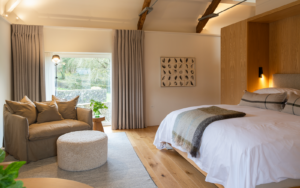
In the rooms, it means quiet, warmth and deep comfort: natural materials that feel good to touch, soft wool and sheepskin against cool stone, good light, proper beds and places where you instinctively want to sit. But I was equally interested in what happens when you leave the room. You should be able to get wet and muddy, meet the animals, see vegetables growing and experience the weather, then come back somewhere incredibly comfortable.
That contrast became quite fundamental to Fowlescombe. The luxury here isn’t intended to separate you from the farm; it gives you the comfort to experience it more fully. Almost everything at Fowlescombe feels connected to its immediate surroundings, from the stone quarried on the estate to the wool from the farm’s own Manx Loaghtan sheep.
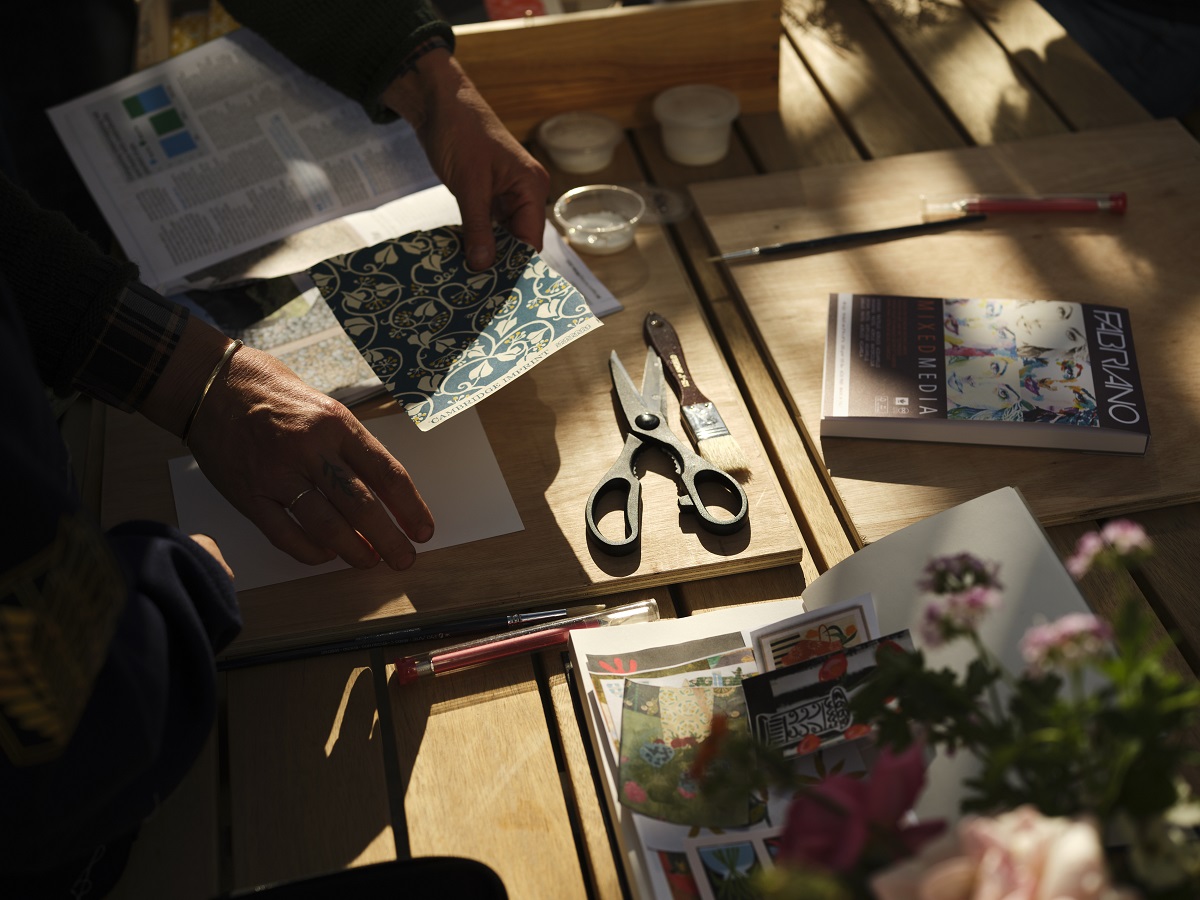
Image credit: Jon Tonks
HD: What does designing with materials that have such a direct provenance add to a project?
PEG: It gives Fowlescombe a depth that would be very difficult to manufacture. A piece of stone from the estate or wool from the sheep outside your window doesn’t need a story invented for it, it already belongs.
But what I came to realise here is that provenance is about people and knowledge as much as materials. We had people around us who understood this landscape incredibly well: stonemasons, farmers, gardeners, craftspeople. That knowledge became part of the design too.
A big part of my role as Creative Director has been holding the central idea of Fowlescombe across all of those people and stories. That collaboration is really important to me. It isn’t about imposing one person’s vision; it’s about setting a clear direction and making sure hundreds of individual decisions ultimately feel like one place.
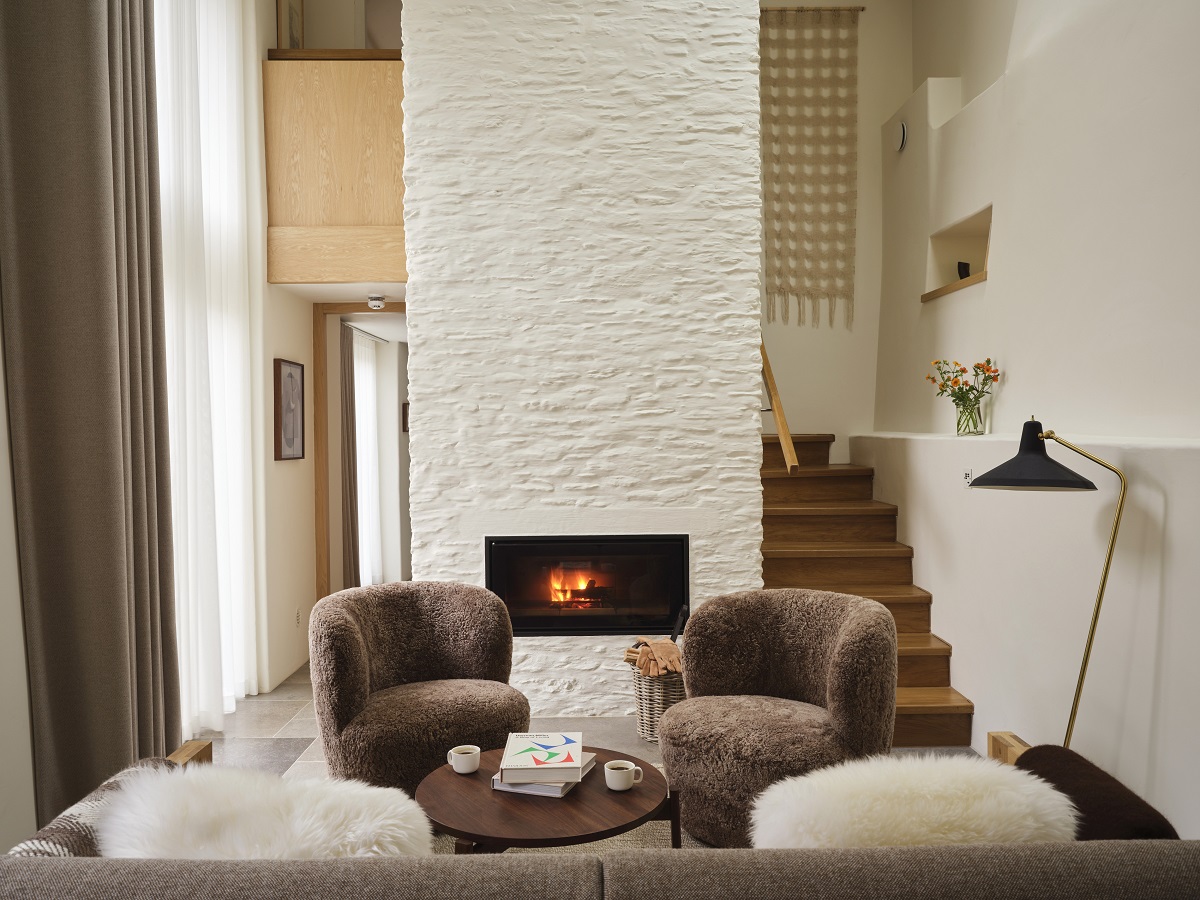
Image credit: Jon Tonks
HD: There is a real sense of restraint in the interiors, limewashed walls, oak, stone, wool and natural textures rather than an overtly ‘rustic’ aesthetic. How did you approach creating luxury without falling into the expected language of the traditional country hotel?
PEG: We kept asking ourselves a very simple question: what actually belongs at Fowlescombe? I grew up in Switzerland, so I came to the British country house slightly as an outsider, which was probably useful. I didn’t feel particularly beholden to an idea of what a luxury Devon hotel was supposed to look like. We could look at the farm in front of us instead.
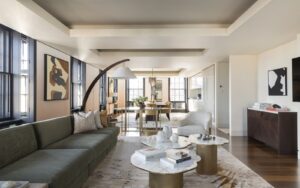
That naturally led us towards limewash, stone, oak, wool and fairly simple finishes. But restraint doesn’t mean austerity. The luxury comes through proportion, touch, detail and comfort rather than decoration for its own sake. I think luxury is much more interesting when it feels right for where you are. It isn’t something you apply as a veneer; it should emerge from understanding what makes that place worth being in.
-
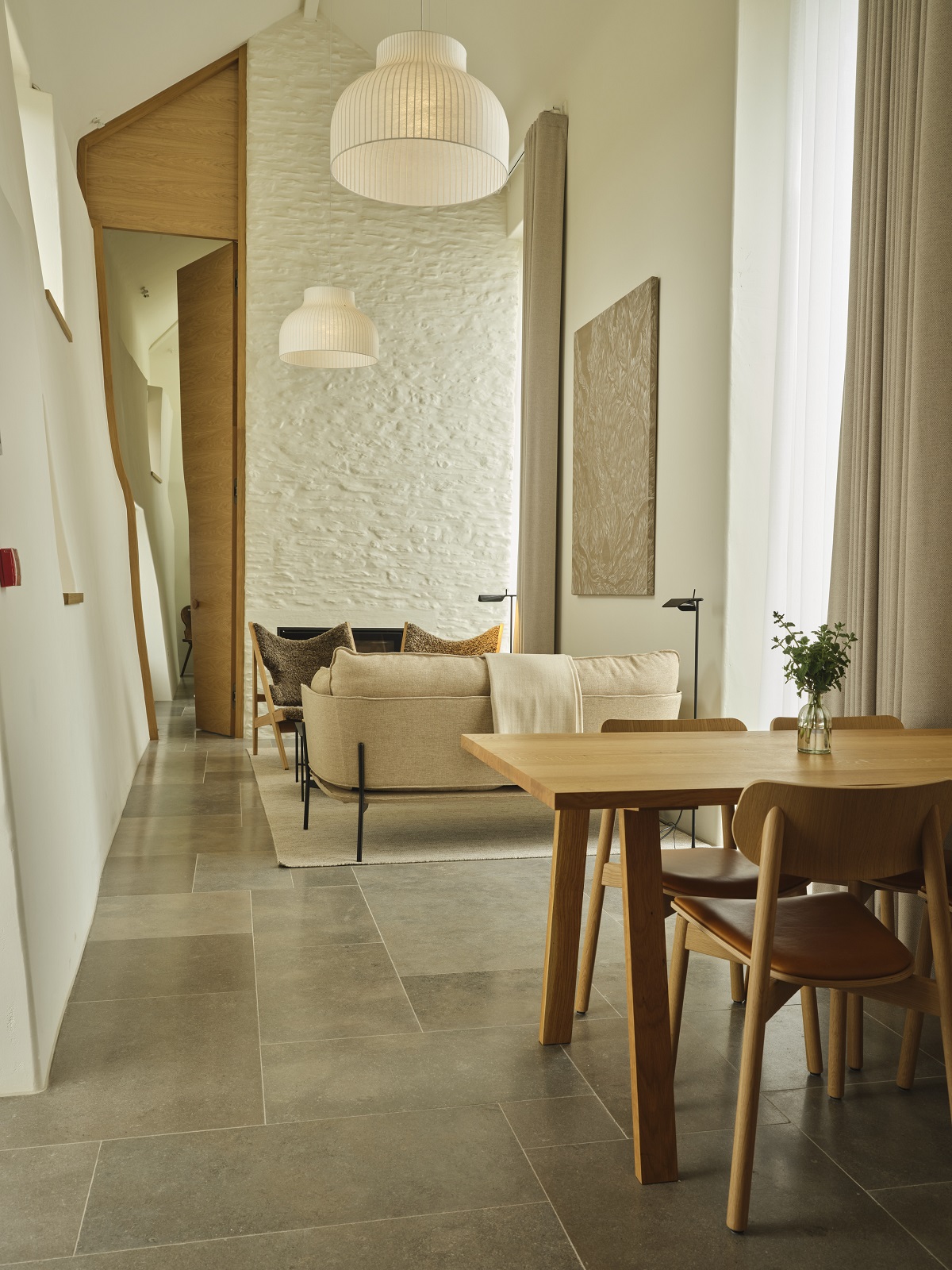
- Image credit: Jon Tonks
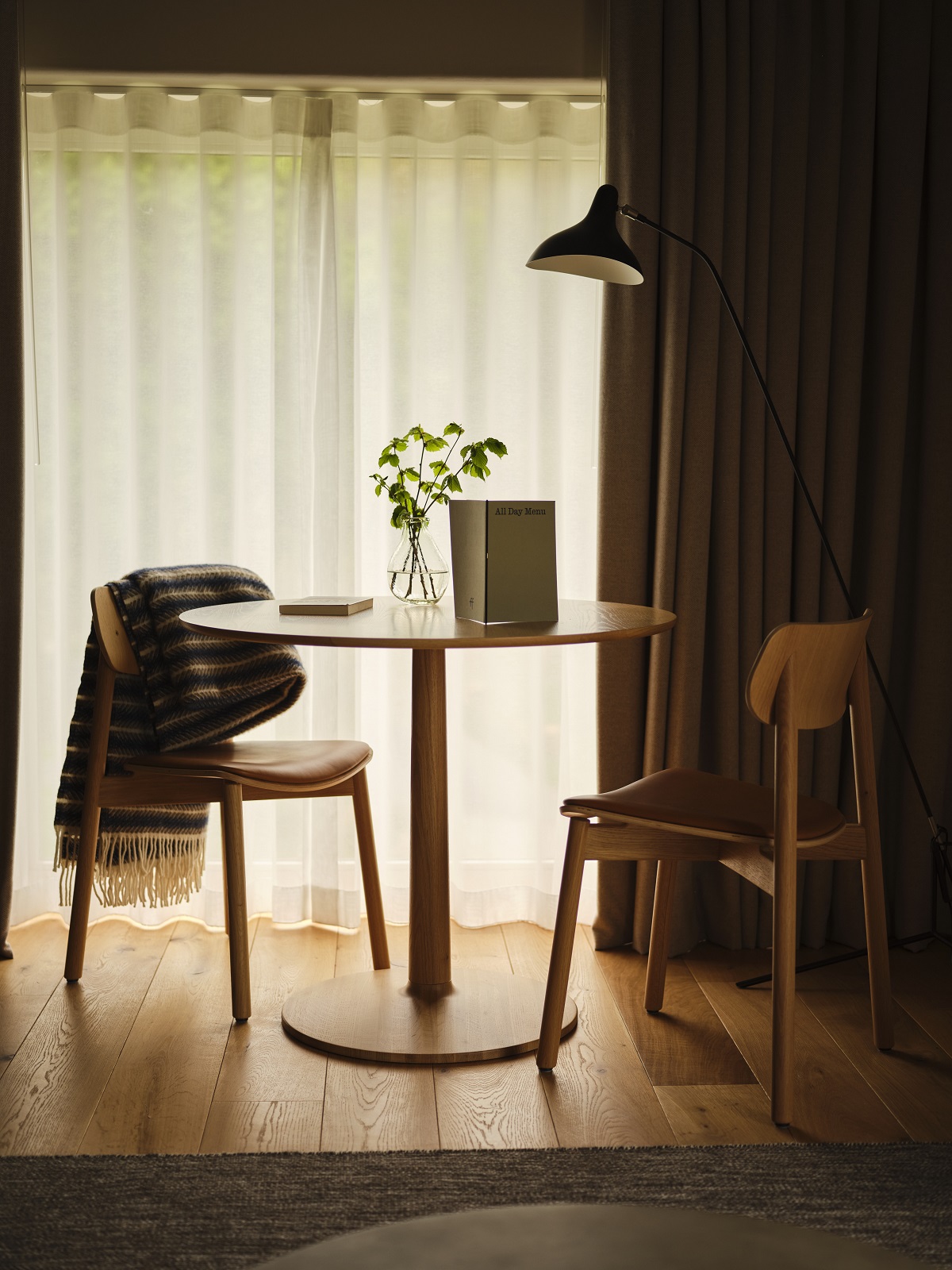
HD: Many of the buildings were originally designed for animals, agriculture and machinery rather than people. How did those original proportions, imperfections and quirks influence the guest experience?
PEG: One of the things I loved about the agricultural buildings was that human comfort had never been their starting point. You get very low doorways beside enormous volumes, odd proportions, changes in level and light arriving from unexpected places.
When you turn those buildings into hotel rooms, there is a temptation to correct all of that until they behave properly. I wanted to retain enough of the awkwardness and discovery that you still understand where you are.
That’s why the rooms at Fowlescombe can be quite different from one another. Some are tall and dramatic, others intimate and domestic. They have individual names and characters rather than being variations of a standard room type. I’m much more interested in coherence than consistency. Fowlescombe can have a very strong identity without every room looking the same.
HD: Was there a particular material, object or detail that became a catalyst for the wider design language of Fowlescombe?
PEG: Oddly, I think the raincoat is one of the clearest examples. Often it’s the small, slightly ordinary things that tell you the most about a place. And one fairly unavoidable fact about Fowlescombe is that it’s in Devon and it rains.
The buildings are spread across a working farm, so rather than designing the guest experience around avoiding the weather, we designed a huge dark-green, British-made Fowlescombe raincoat. Guests and staff can go out, get properly wet and still be warm and dry underneath. I love it because it’s a very simple object, but it says quite a lot about the whole project.
Creative direction for me isn’t confined to architecture or interiors. A raincoat, a footpath, a chair, a menu and the way somebody welcomes you can all be part of the same design idea. At Fowlescombe, that idea is often simply: how do we make someone comfortable enough to be fully in this place?
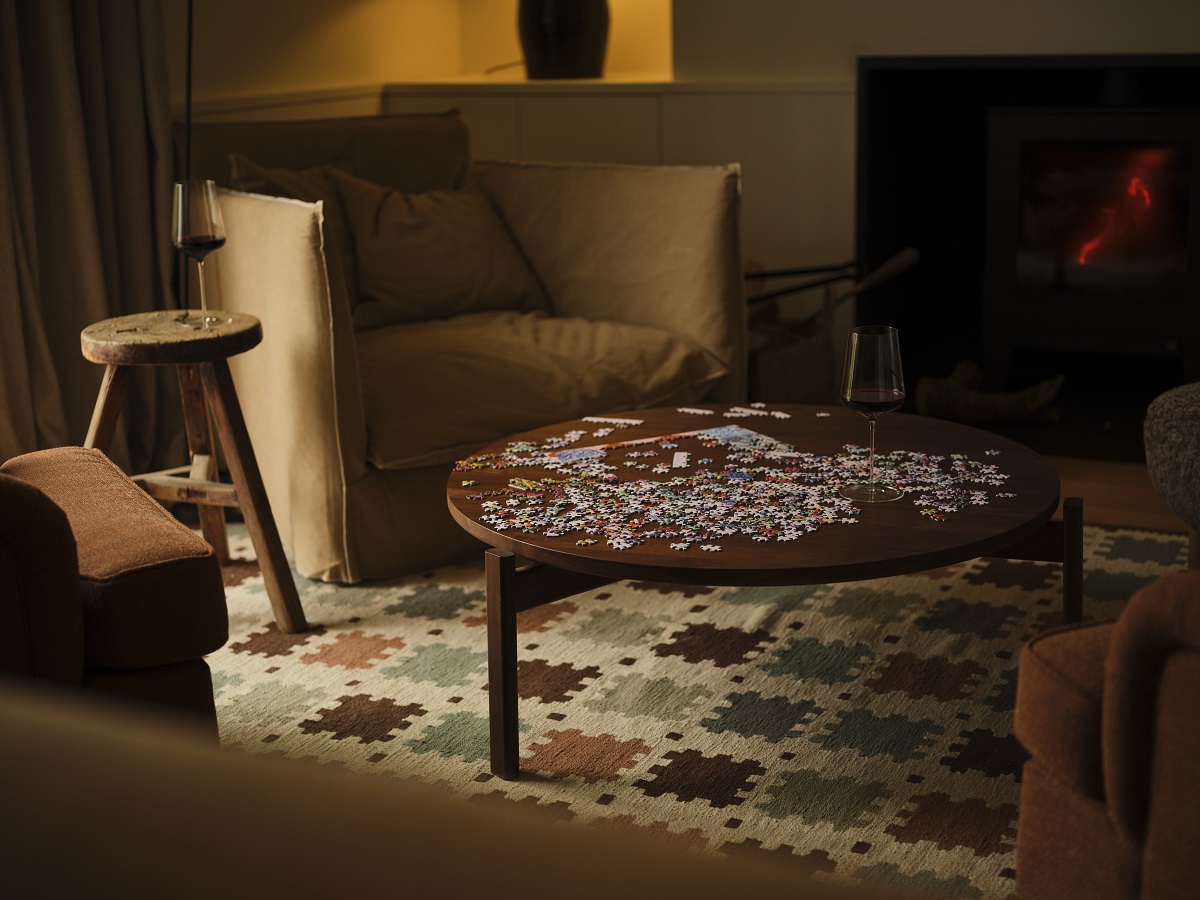
Image credit: Jon Tonks
HD: How did you balance the desire for a contemporary design language with the responsibility of retaining the character and history of the existing farmhouse and barns?
PEG: We kept coming back to the question: what actually counts as an old building?
Fowlescombe has been altered continuously over hundreds of years. There isn’t one perfect historic moment we could restore it to. You find old stone beside later agricultural concrete, blocked openings, repairs and additions from different generations. I really like that utilitarian honesty. So rather than trying to disguise our more contemporary interventions as something old, we treated them as another layer.
We retained the things that mattered, removed only the layers that we felt we really detrimental and allowed new work to read quietly as new. A new piece of stone might be slightly recessed, for example, so you can understand what has happened. For me, that’s a much more interesting relationship with heritage. Good design should be confident enough to add another chapter, but humble enough to know it won’t be the last one.
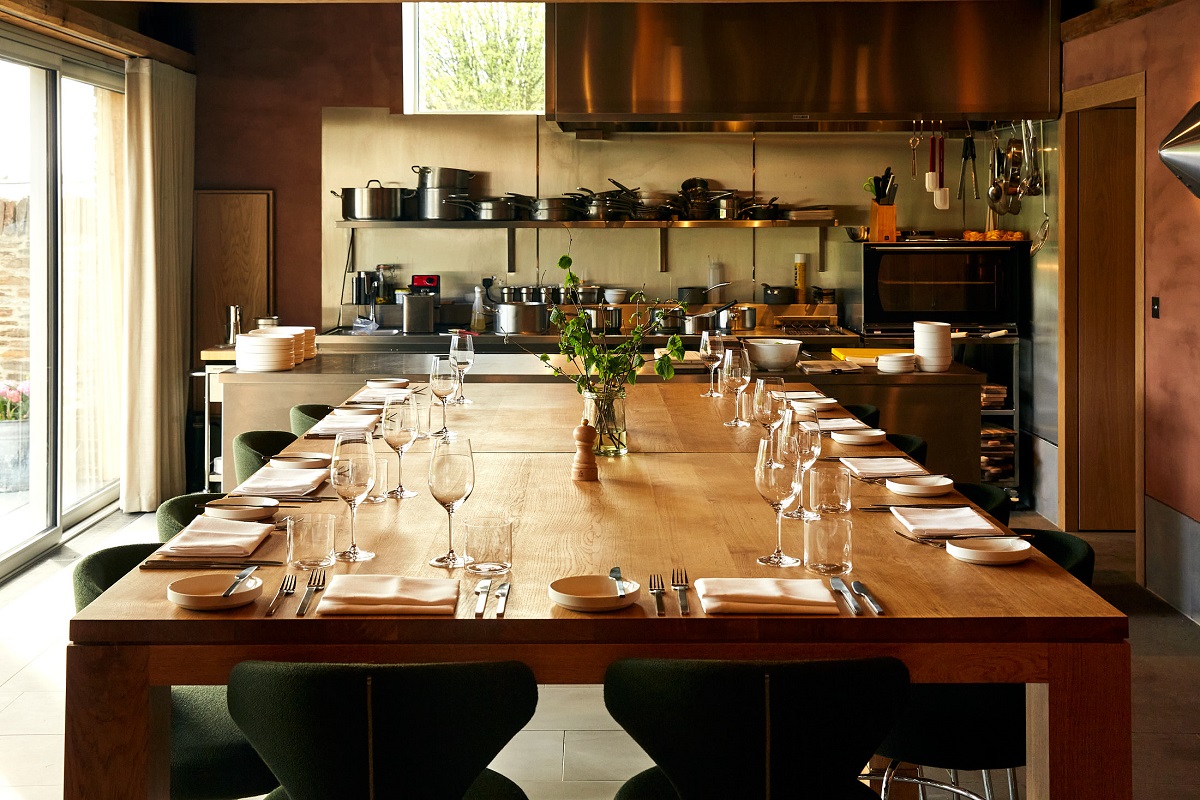
Image credit: Jon Tonks
HD: Fowlescombe challenges the idea that sustainability has to be visibly ‘green’ or technologically driven. Instead, it seems to be embedded in the decisions about what you keep, what you reuse and what you source. Has this changed the way you think about sustainable hotel design?
PEG: We actually talk about Fowlescombe as regenerative rather than sustainable. The idea comes from regenerative agriculture: rather than simply sustaining what you have or minimising harm, you ask how your actions can actively make things better.
On the farm that’s quite tangible. How can we improve the soil while still producing food? How can working the land enrich it? We try to apply the same thinking to the hotel. We know people want to travel, just as we know we need to grow food, so the interesting question is how those activities can leave a net benefit rather than simply trying to offset their impact elsewhere.
For us, that means lots of everyday decisions across the farm, gardens, buildings, food and guest experience. And it’s deliberately an ongoing process. We’re not pretending we’ve found all the answers or achieved some perfect version of ‘green’. We keep questioning what we do, measuring where we can, learning and changing things.
Guests are part of that too. If someone leaves Fowlescombe with a different idea about composting, food production, materials or how a hotel might work, and takes even a little of that elsewhere, the impact of a relatively small place can travel surprisingly far.
For me, that’s regenerative hospitality: not simply doing less harm, but using hospitality as a way of actively making things better.
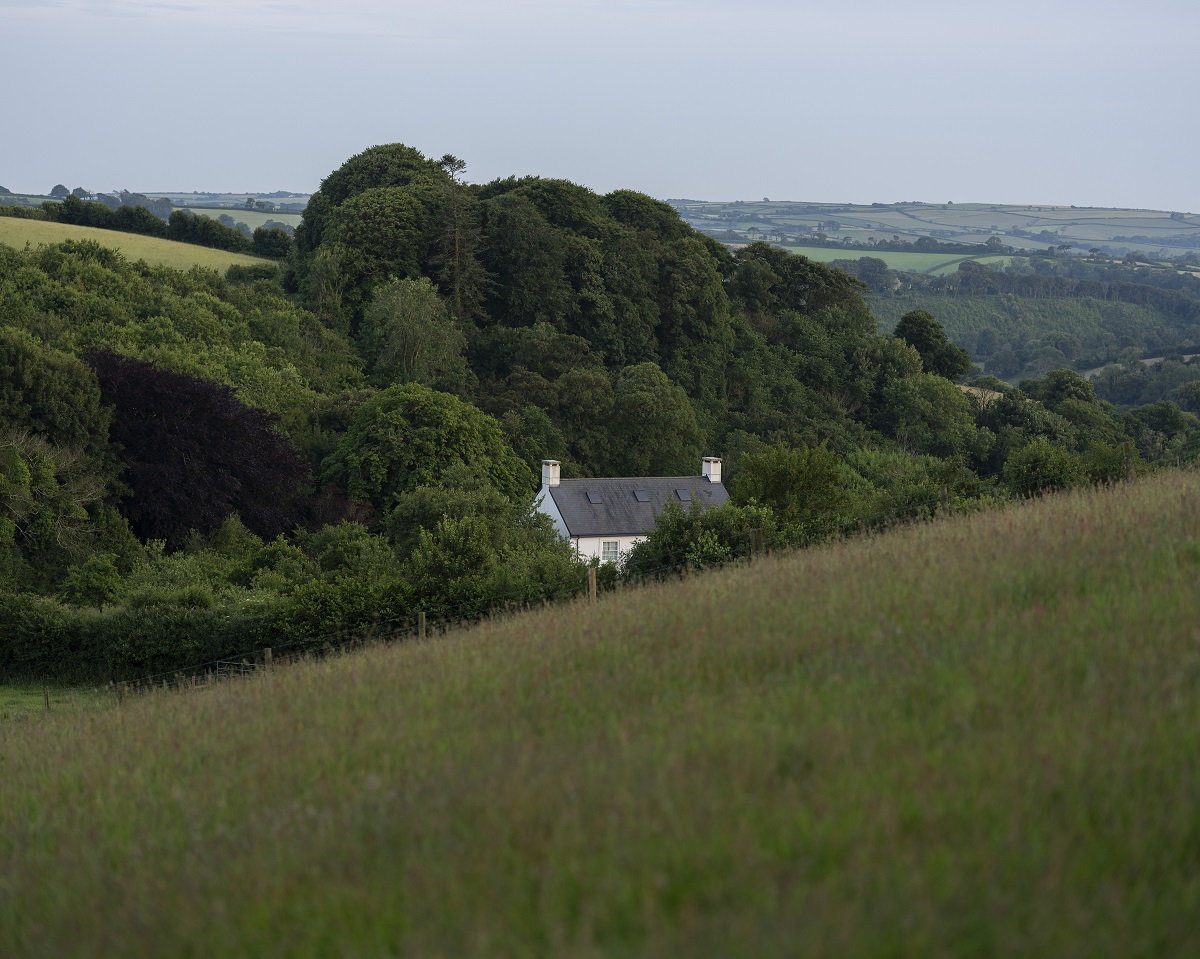
Image credit: Jon Tonks
HD: Looking beyond Fowlescombe, what do you think designers and hoteliers can learn from working with a place so closely, and could this idea of the hotel as an ecosystem become a more important model for the future of hospitality?
PEG: I think designers need to get out more. The best way to understand a place is to be there — properly amongst it, with the people who build it, work the land, grow things, cook and welcome guests.
That has been a huge part of Fowlescombe for me. I’ve spent as much time with farmers, gardeners and builders as I have in design meetings. You notice things that way that you simply wouldn’t from a drawing or a moodboard.
We talk a lot about authenticity in hospitality, but I don’t think you can decide authenticity in a design team meeting. It comes from a deep, lived understanding of a place. My role as Creative Director is to absorb all of that and conduct the different people and disciplines into one coherent experience.
Architecture, interiors, landscape, food, farming, identity and service might be separated professionally, but a guest never experiences them that way. They just experience the place. For me, authenticity comes from understanding somewhere deeply enough to make decisions that could only really have been made there. Isn’t that what we all travel for anyway?
Main image credit: Frankie Thomas / Fowlescombe Farm