








In 2026, one of the most significant shifts in hospitality is no longer about luxury versus lifestyle, or brand versus brand. It is about hotels versus living solutions. Paul Hiriart from Hotel Solutions Partnership (HSP)talks to us about this shift while unpacking what Marriott’s long-stay push reveals about this trend…
Over the past few years, Marriott International has been one of the most visible players accelerating into long-stay, serviced apartments, branded residences, and hybrid hotel-living models. What started as a portfolio diversification strategy has now become a core growth engine, actively shaping how hotels are designed, sold, and operated.

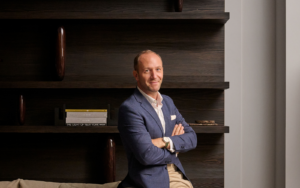
Paul Hiriart, HSP | Image credit: Hotel Solutions Partnership
But this is not a Marriott story alone.
Across the industry, major groups are following similar paths, driven by the same structural forces: changing guest behavior, owner demand for yield stability, and cities where traditional transient demand is no longer the only driver. The question in 2026 is no longer whether long-stay and hybrid models make sense. The real question is whether hotels are truly ready to operate them.
Why long-stay is accelerating now
Guests are no longer booking only nights. They are booking periods of life. Remote work, blended business and leisure travel, relocation, project-based assignments, and lifestyle mobility have all reshaped expectations. A growing segment of guests wants space, not just rooms, privacy without isolation, and hotel services, but on their own terms.
For owners, long-stay and hybrid formats promise more stable occupancy, reduced seasonality, and diversified revenue streams. This is why long-stay is now firmly embedded in development pipelines.
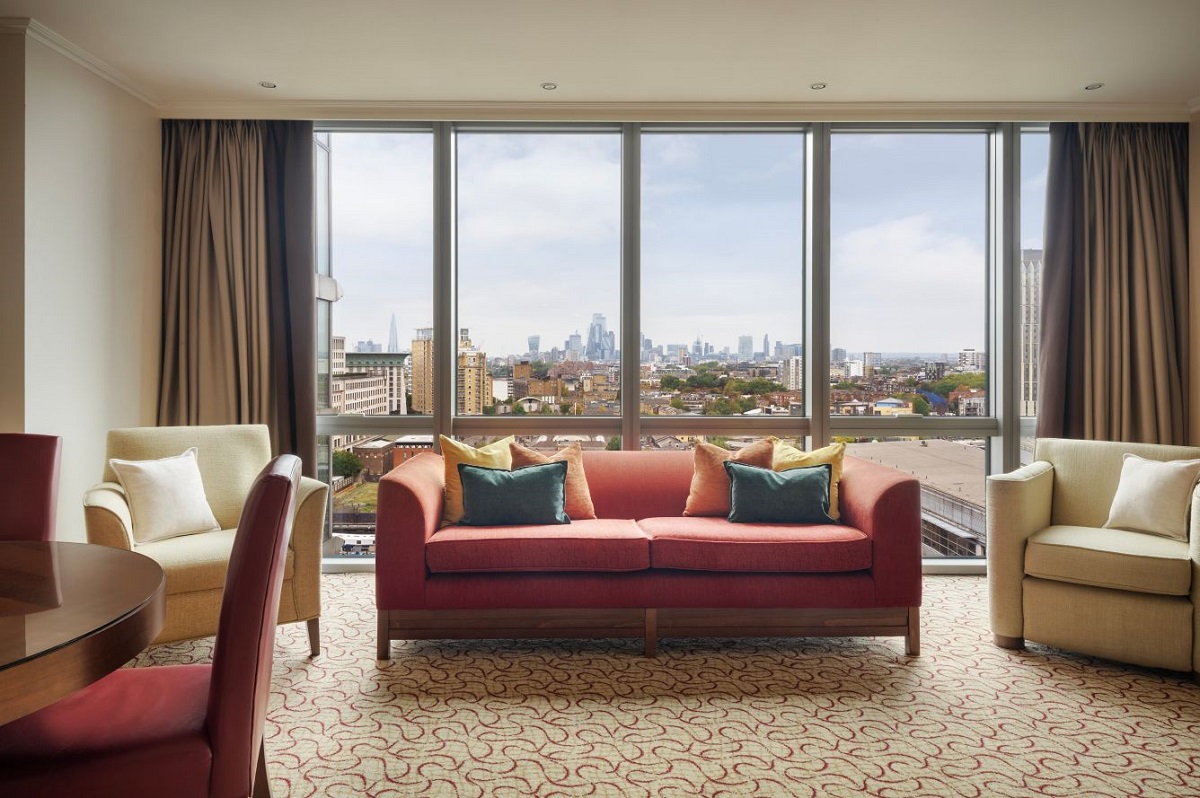
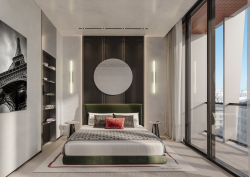
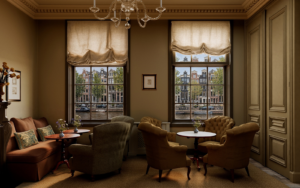
Marriott Executive Apartments, London Canary Wharf | Image credit: Marriott
Marriott as a signal, not an exception
Marriott’s scale in this space makes it a clear reference point. The group has expanded aggressively across serviced apartments, extended-stay brands, and branded residential products, positioning itself where hospitality meets real estate and lifestyle.
At the same time:
• Accor continues to grow its extended-stay and aparthotel platforms,
• Hyatt Hotels Corporation pushes lifestyle and mixed-use formats,
• Hilton Worldwide strengthens premium and focused-service long-stay offerings.
Different strategies. Same direction.
Long-stay is no longer a niche. It is becoming a structural pillar of hospitality growth.
A long-stay hotel is not simply a hotel with bigger rooms. Operationally, everything changes. Housekeeping cadence shifts from daily routines to flexible, guest-driven models. F&B becomes optional or fragmented. Staffing profiles move closer to residential services than classic hotel operations. Brand standards are harder to apply consistently over longer stays. Many teams underestimate this complexity.
Hotels designed for transient guests struggle when stays stretch from three nights to three months. Service culture, cost structures, and guest relationships must all adapt.
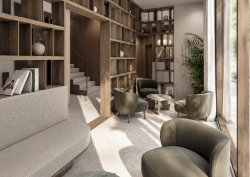
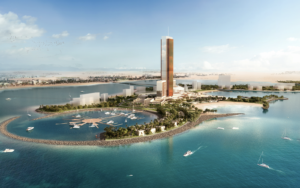
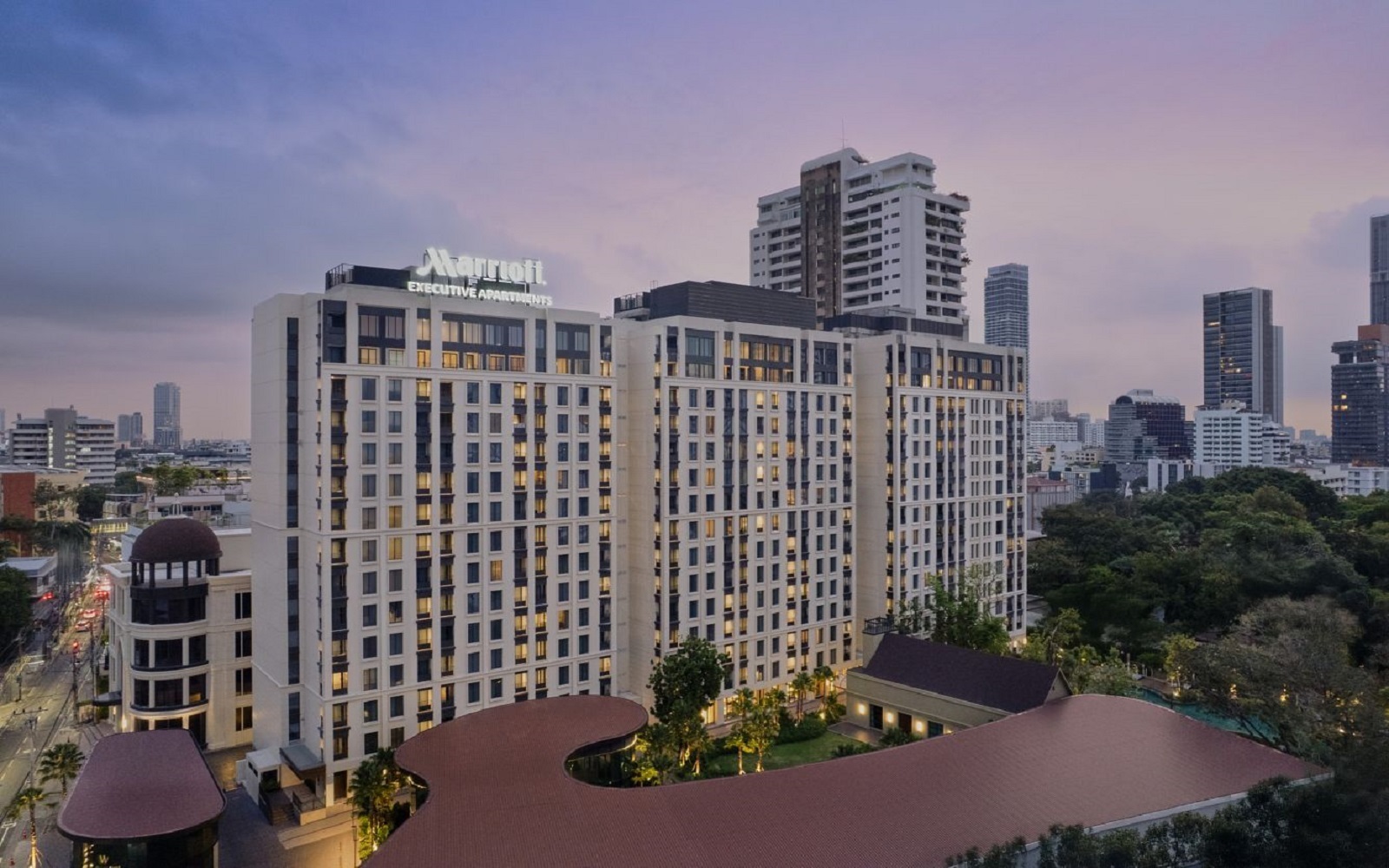
Marriott Executive Apartments, Bangkok | Image credit: Marriott
The execution gap in 2026
In 2026, the execution gap around long-stay is becoming visible. Some assets perform extremely well, delivering strong margins and high guest satisfaction. Others suffer from unclear service positioning, frustrated teams, confused guests, and owners disappointed by underwhelming returns. The difference is not the concept. It is operational clarity and discipline.
What owners should focus on
Owners must ask sharper questions upfront. Who is the real target guest, and for how long? What services are truly needed? How is staffing structured over a full operating cycle? How quickly can the asset stabilise?
Brand affiliation helps, but it does not replace operational thinking.
What operators must accept
Long-stay is not a lighter version of hospitality. It is a different operating model.
Success requires rethinking service frequency, retraining teams, adapting performance metrics, and aligning expectations with owners early. The groups that succeed will be those that stop treating long-stay as an add-on and start treating it as a core business.
A broader industry takeaway
Marriott’s long-stay momentum is a signal, not an outlier. Hospitality in 2026 is expanding beyond nights and into lives. Hotels are no longer competing only with other hotels, but with residential, rental, and lifestyle solutions.
Once again, execution is the differentiator.
Main image credit: Marriott International