









Fairmont Hotels & Resorts – a member of the Accor portfolio – in partnership with Shrem Airport Hotels launched Fairmont Mumbai last year. Contributor Katha Nauriyal checked in to experience luxury, along with a generous dose of art, wellness and indulgence…
As part of a global portfolio that includes Fairmont Udaipur Palace, The Fairmont Peace Hotel in Shanghai, Fairmont The Palm in Dubai, The Plaza in New York and The Savoy in London, Fairmont Mumbai carries forward the brand’s design-driven hospitality. It welcomes you with over 100 artworks and installations, in a collection that spans sculptural pieces, embroidery, wire-mesh works, graphic art, bas-reliefs, and handcrafted objects.
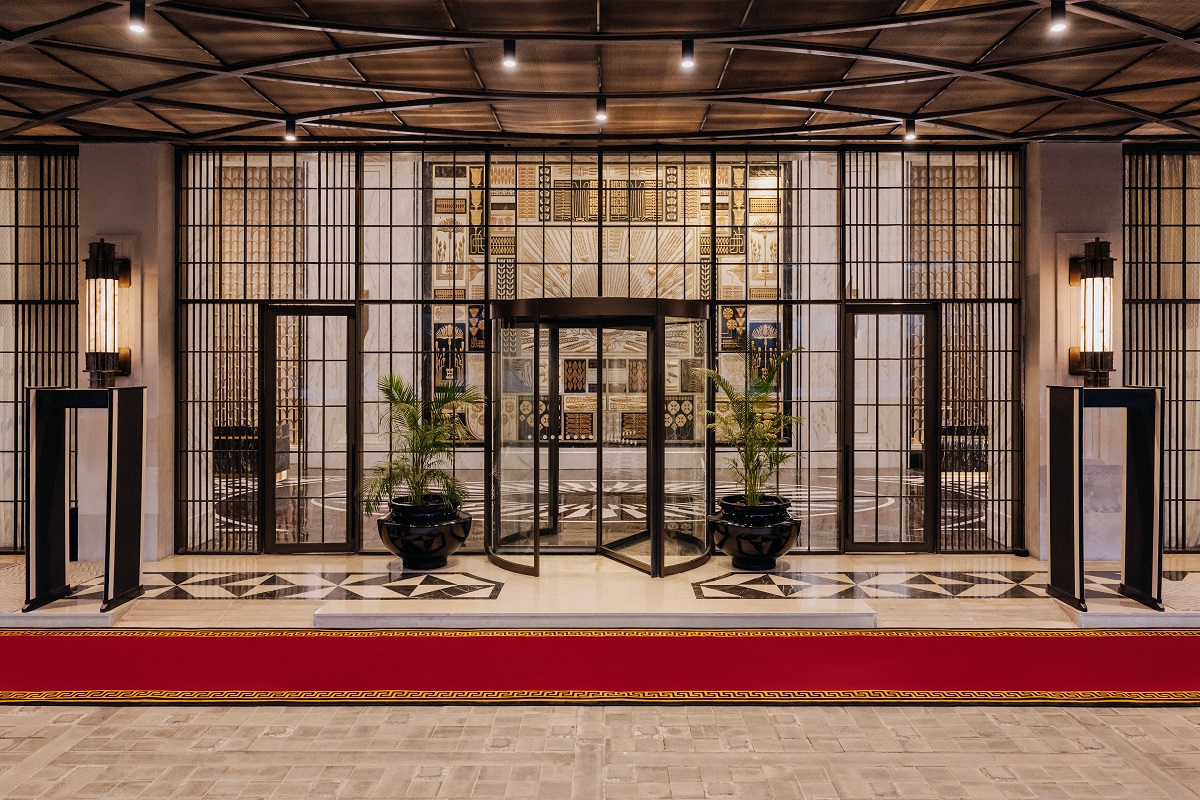
Image credit: Fairmont Mumbai
“Globally, Fairmont properties are recognised for their strong design identities rather than a single recurring artwork. What unites them is a shared design philosophy – iconic architecture, a deep sense of place, and art that feels contextual rather than imposed. At Fairmont Mumbai, this legacy continues through a collection that reflects both global Fairmont sensibilities and the spirit of the city it inhabits,” shared Rajiv Kapoor, General Manager at Fairmont Mumbai.
Despite being just a two-minute drive from Chhatrapati Shivaji Maharaj International Airport, the property does not feel like a typical airport hotel. “Fairmont Mumbai was never envisioned as a conventional airport hotel. Rather than viewing its proximity to the airport as a limitation, Fairmont Mumbai embraces it as an opportunity to create a true destination, one that reflects the soul of the city.”
-
- Image credit: Fairmont Mumbai
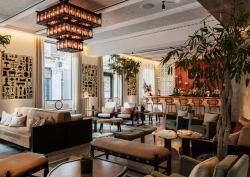
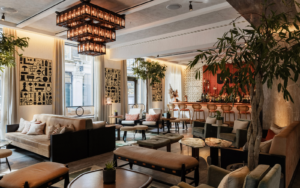
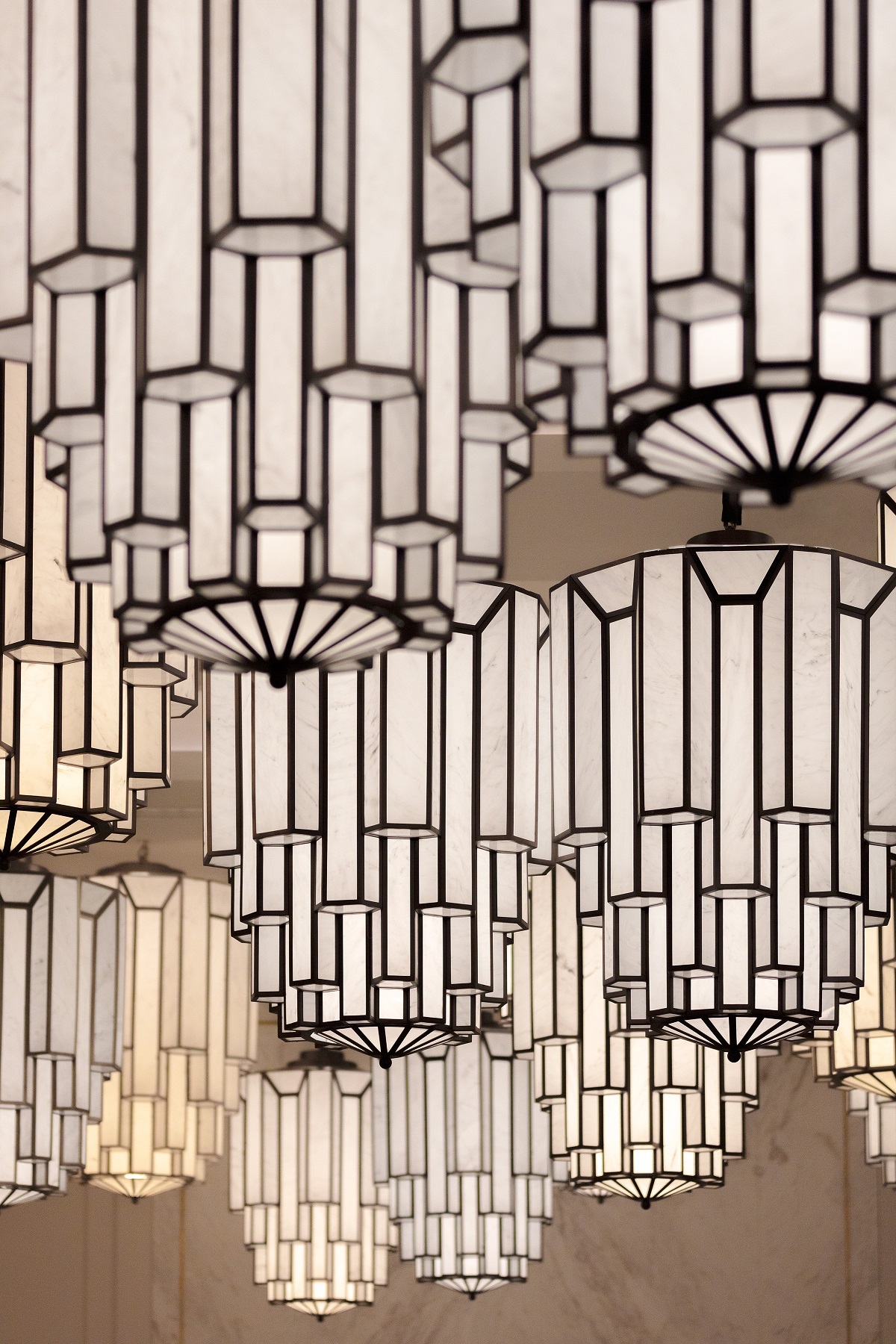
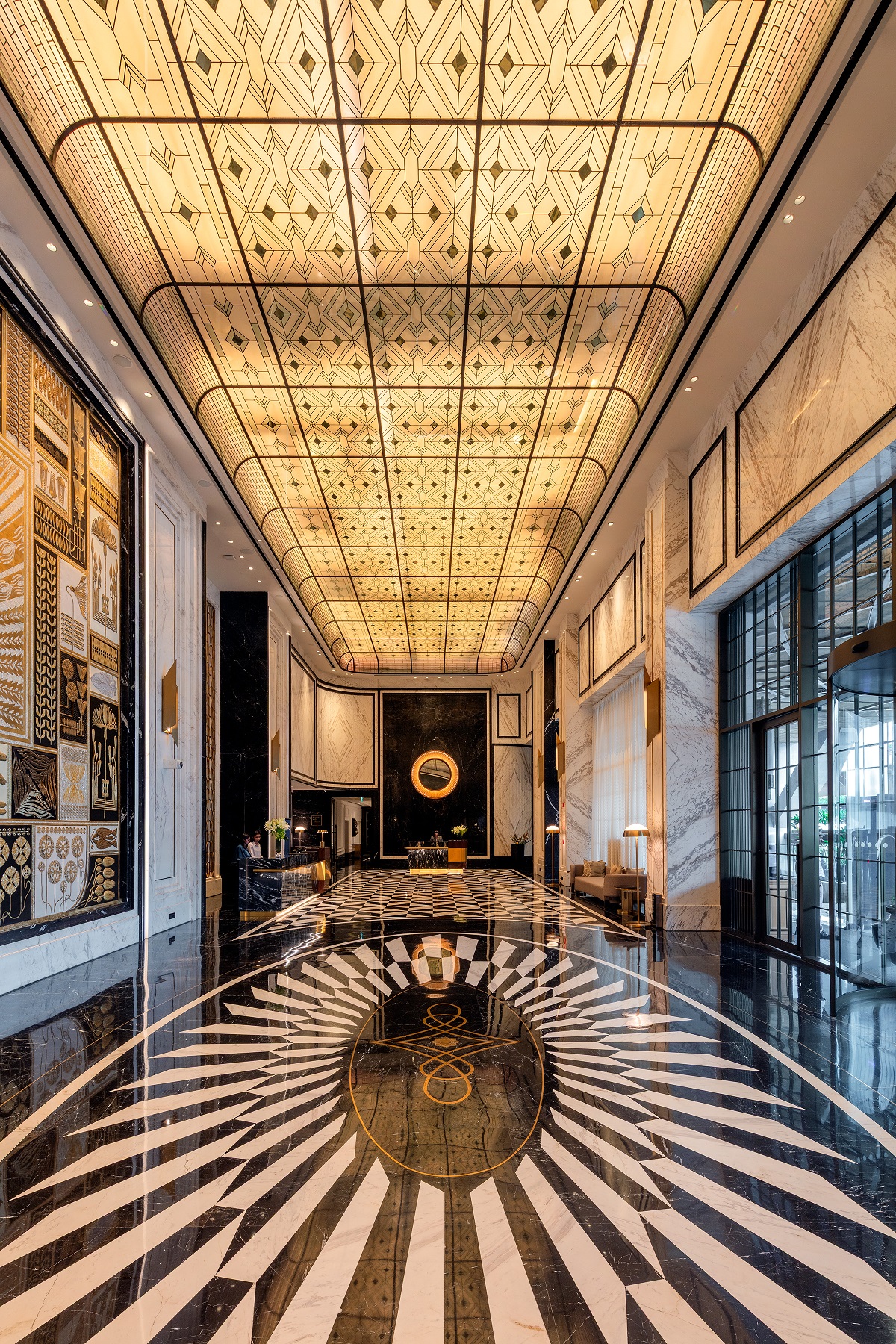
In fact, for travellers flying in and out of Mumbai, looking for a quick introduction to the city, the hotel serves almost as a mini art gallery in its own right. Its design takes inspiration from Mumbai, the golden age of Art Deco, and the nostalgia of the 1920s – a defining era that shaped the city’s cultural and architectural identity.
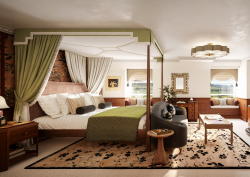
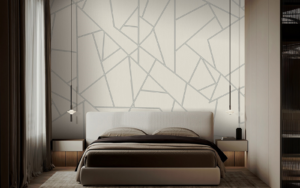
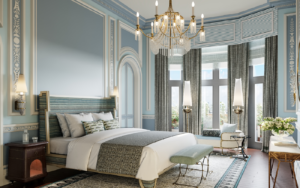
It features four distinct restaurants, a signature bar and 446 well-appointed rooms – including 48 suites. Upon arrival, you’re greeted by a lobby and arrival sequence that instantly offer a glimpse into Mumbai’s spirit. The lobby showcases signature artworks created in collaboration with Indian master artisans. Railway-inspired design elements capture the city’s rhythm of movement, connection, and shared spaces, offering an intuitive introduction to the city from the moment you arrive.
-
- Image credits: Fairmont Mumbai
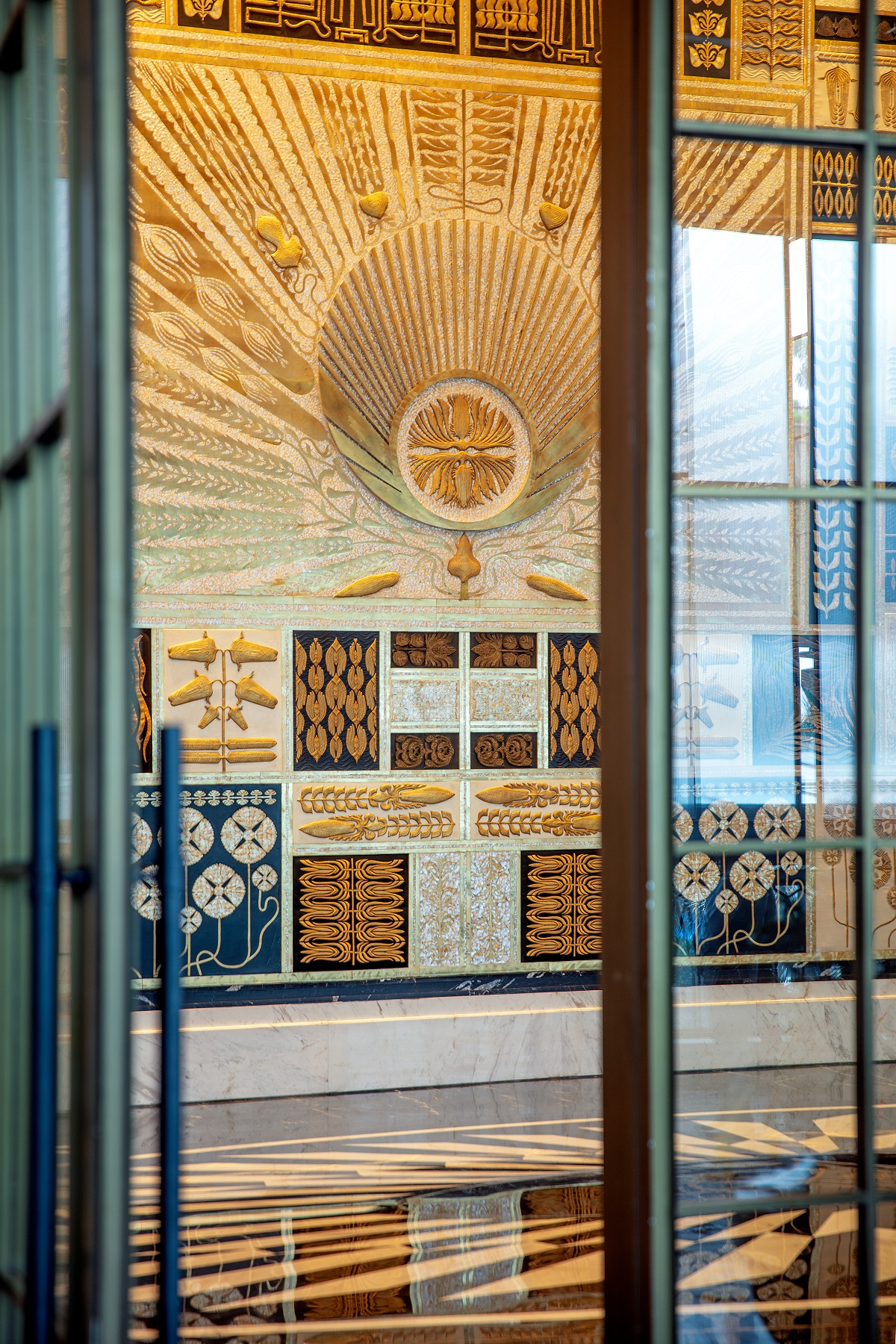
The pièce de résistance is ‘A Walk in the Garden’. It’s inspired by Mumbai’s historic Hanging Gardens and the 1920s Art Deco era. At its centre is a radiant sun motif – symbolic of light, renewal, and optimism – rendered in mother-of-pearl inlay that transitions from sunrise to sunset. Surrounding this are stylised floral forms influenced by Art Nouveau, brought to life using traditional Indian crafts including metal repoussé from Banaras, carved wood blocks from Rajasthan, embroidery on canvas from Lucknow, and intricate inlay work. Together, the piece celebrates nature, craftsmanship, and India’s artisanal heritage through a distinctly Bombay-inspired narrative.
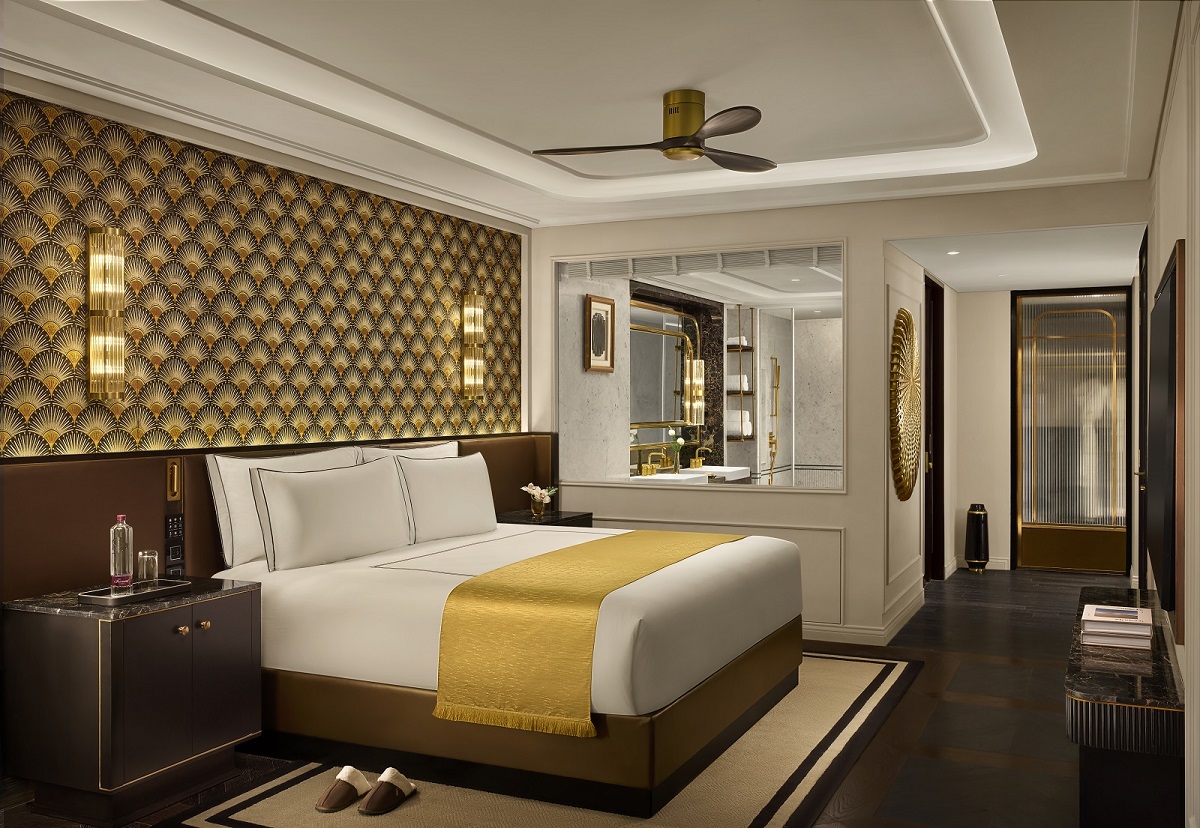
Image credit: Fairmont Mumbai
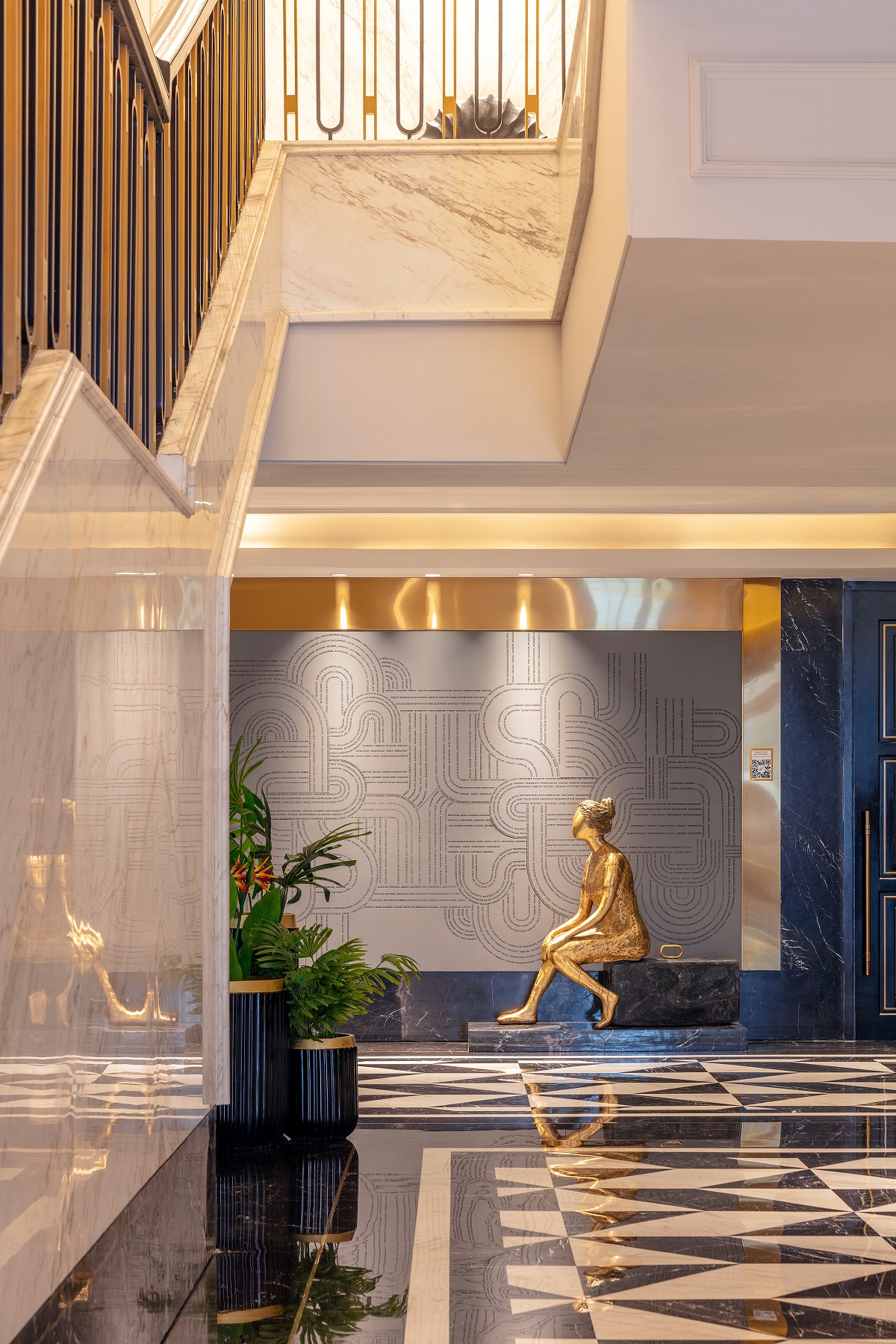
The adjacent grand staircase, with its Art Deco landmark installation and brass railway map, reinforces this idea of movement and city identity in a single, impactful sequence. Complementing this is ‘Kaleidoscope: A View of Mumbai’s Art Deco Heritage’ – a striking hexagram-inspired artwork that acts as a visual map of the city. Through layered geometry and mirrored motifs, it brings together iconic landmarks such as Chhatrapati Shivaji Maharaj Terminus, Taraporewala Aquarium, and Sneha Sadan, with Fairmont Mumbai positioned at its centre. The piece reflects Mumbai’s rhythmic architectural language and its ability to balance nostalgia with progress – capturing the city as timeless, intricate, and constantly evolving.
Also keep an eye out for the 1920s Railway Ticket Replica—a brass reinterpretation of an original Mumbai train ticket, evoking the nostalgia and romance of the bygone era. Similarly, ‘Between Lines: A Pause in Motion’ is an embossed map of Mumbai’s suburban rail network paired with a solitary traveller, capturing the quiet tension between departure and arrival.
-
- Image credits: Fairmont Mumbai
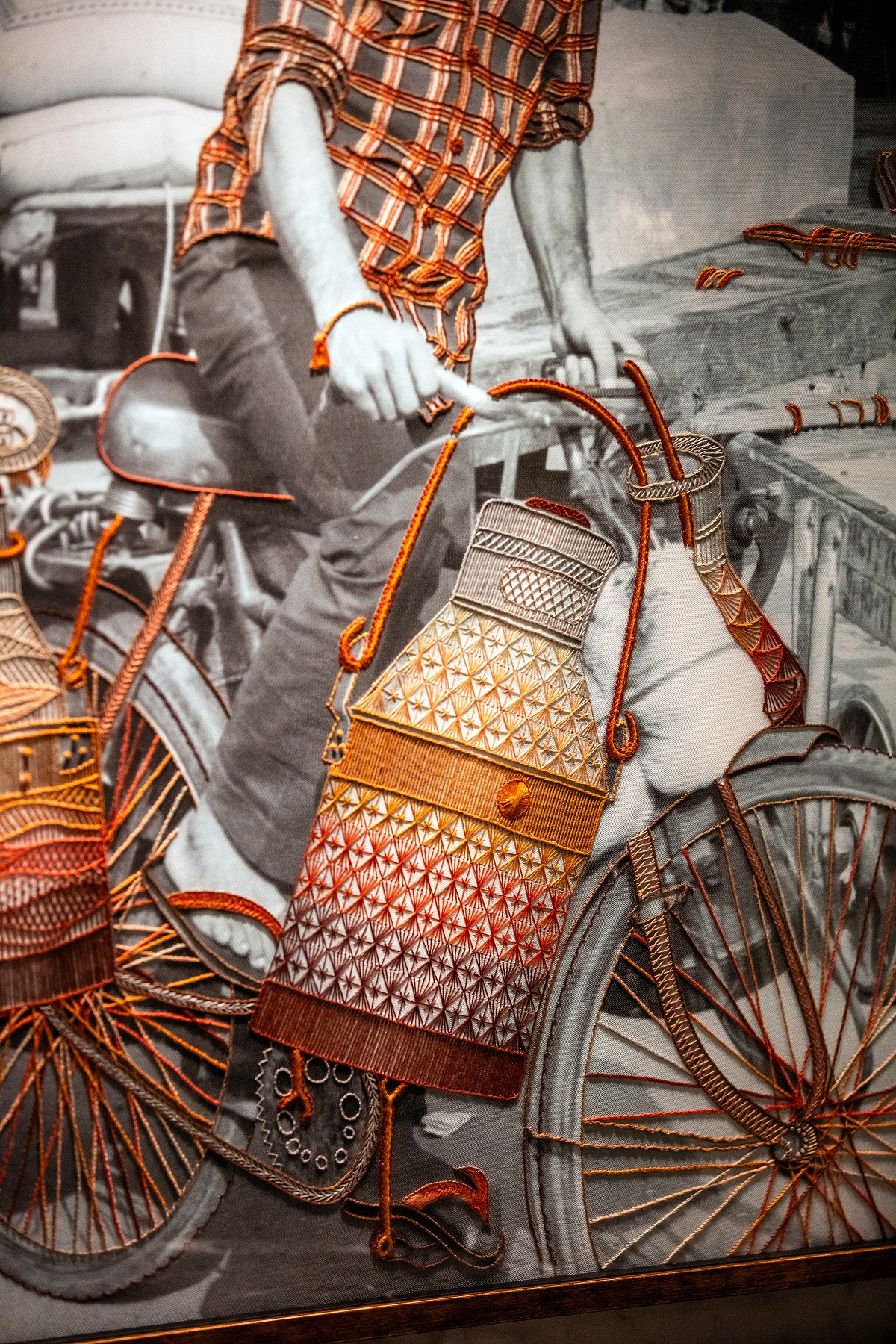
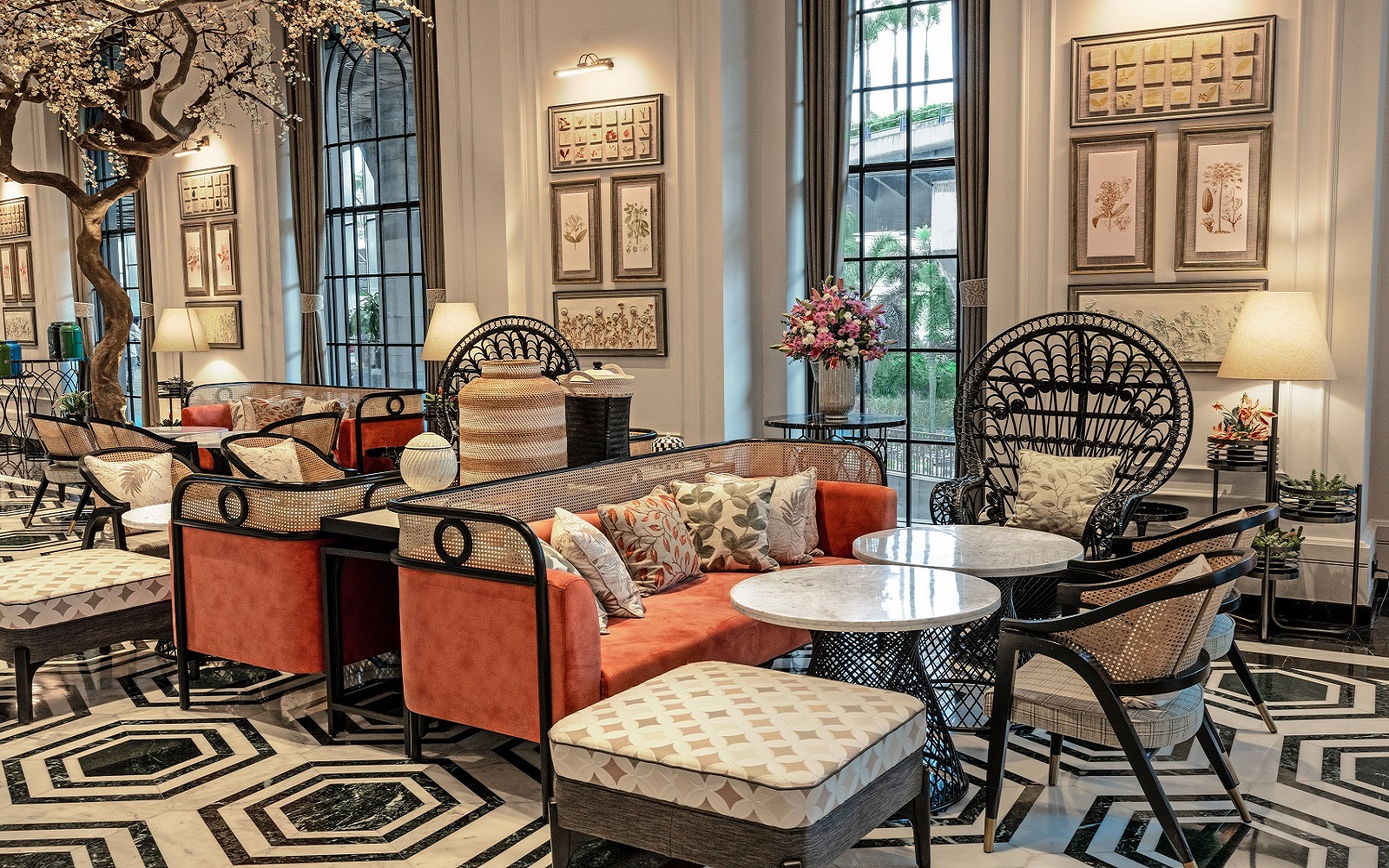
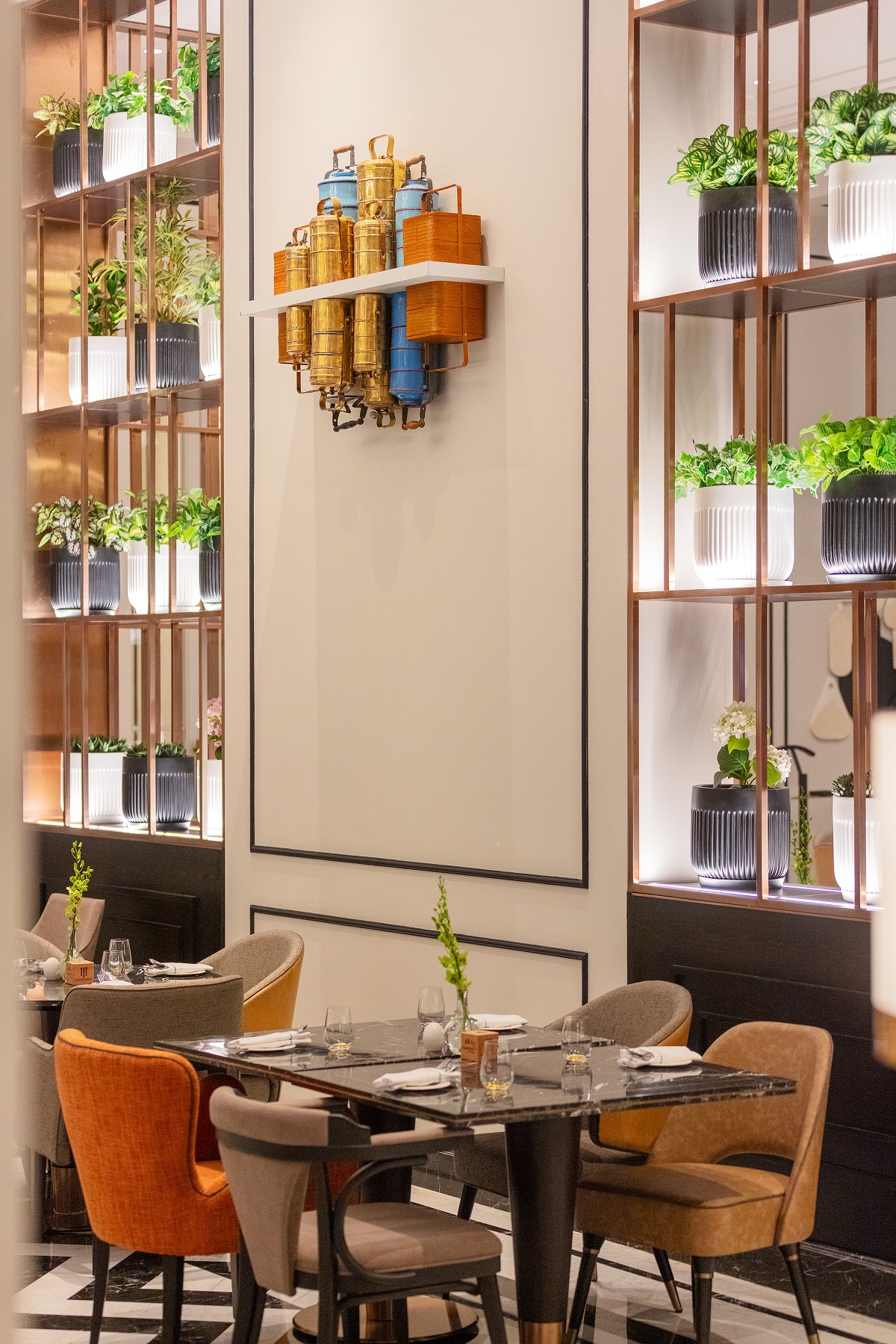
The storytelling continues at The Merchants (the hotel’s all-day dining restaurant) where the city’s legendary dabbawala system (a century-old network delivering home-cooked meals across the city) are proudly showcased through decor and art. For a more intimate expression of the design, Madeleine de Proust (tea lounge) is worth a brief pause. Its botanical artworks and muted palette reflect a quieter interpretation of the era, tastefully contrasting with the speed and drama of the public spaces.
Additionally, the Fairmont Spa & Longevity is intentionally designed for rejuvenation, with a Techno-Gym powered by AI technology. At its heart lies Blu Xone, a space that enhances vitality, slows aging, and supports holistic well-being. The setting is curated to conduct therapies like Cryotherapy, Hyperbaric Oxygen Therapy, Red Light Therapy, Intermittent Vacuum Therapy and Intermittent Hypoxic Therapy.
Fairmont Mumbai, in many ways, feels less of a stopover and more a destination in itself. Expect luxury with a big dose of art, wellness and indulgence.
Main image credit: Fairmont Mumbai