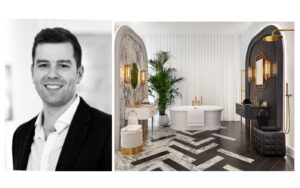




As bathroom design becomes more emotionally driven, warmer metallic finishes are offering a softer, more expressive way to specify brassware. Kerrie Black, Group Merchandising & Marketing Director at BAGNODESIGN, explores the growing appeal of warmer tones and what they bring to commercial interiors…
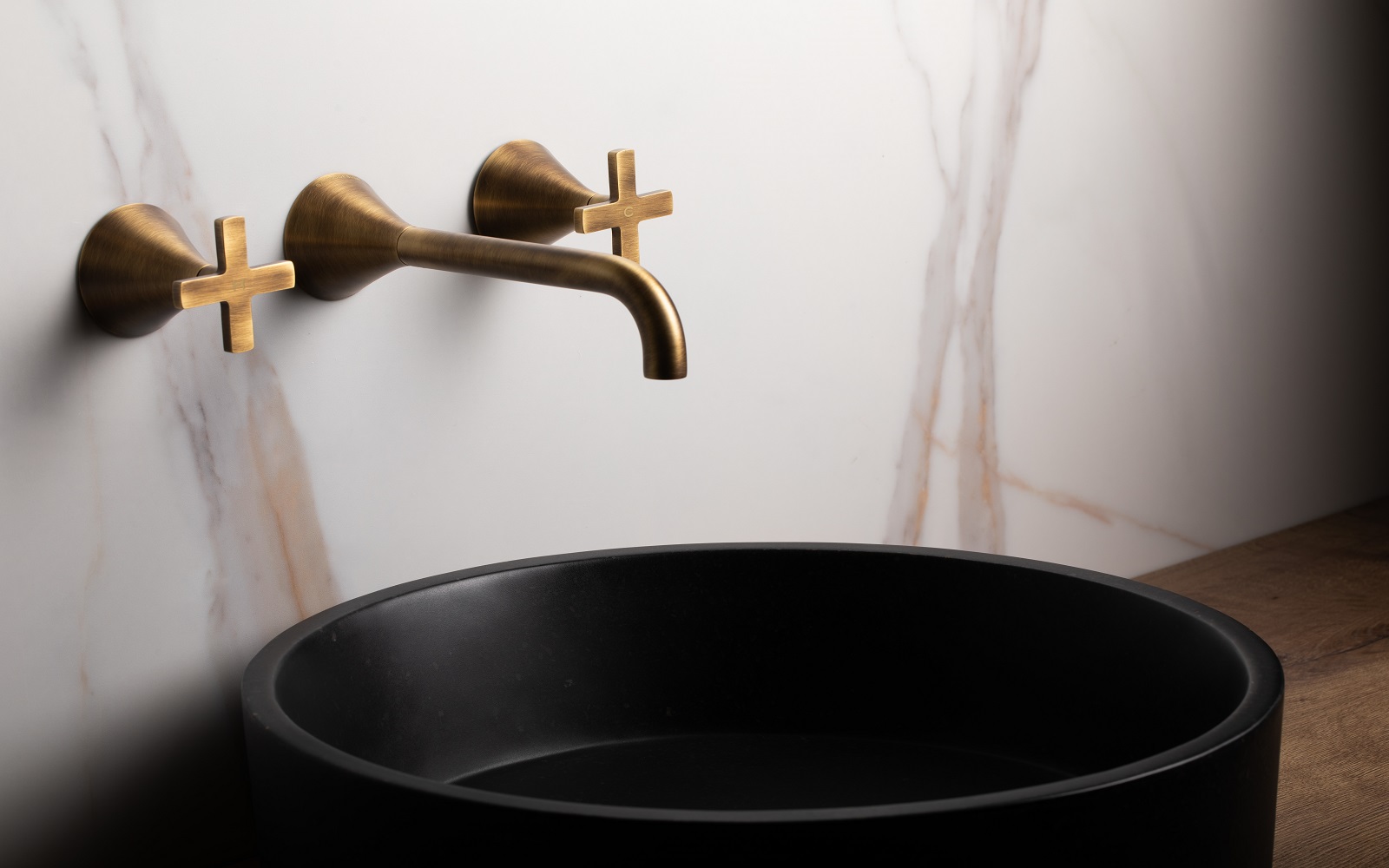
In recent years, bathroom design has shifted from the purely functional to the experiential, particularly in commercial spaces where creating moments of calm and comfort is now seen as essential. Whether in boutique hotels, high-end offices or wellness-focused hospitality environments, the bathroom is increasingly being designed as a place to slow down and recharge.
This evolution has prompted a rethink in the materials and finishes being specified. While chrome has long been the standard, it is cooler-toned and often lacks the nuance that today’s spaces demand. Designers are now turning towards warmer, more characterful metallics to add depth and softness and to help shape more inviting interior narratives.
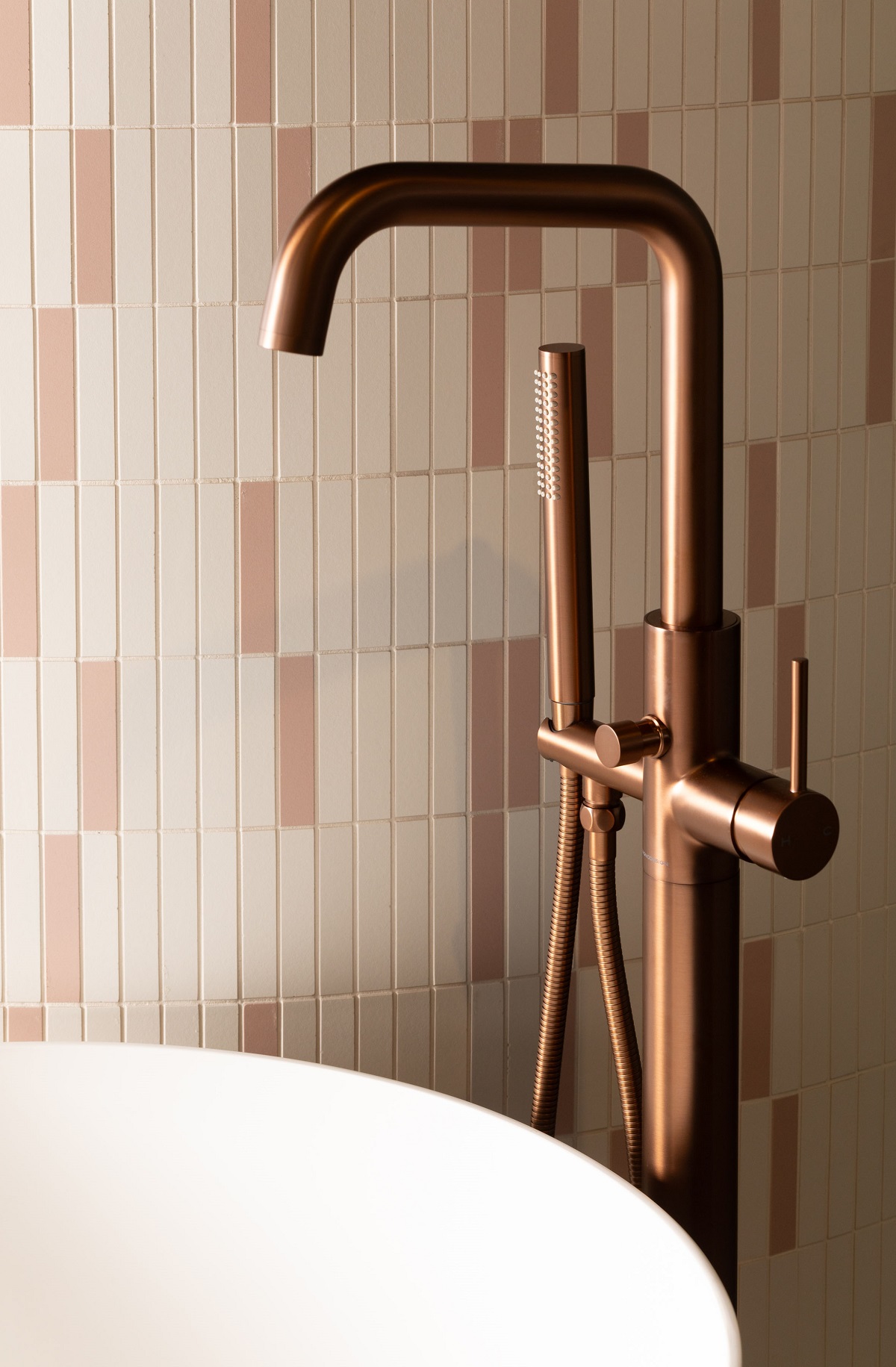
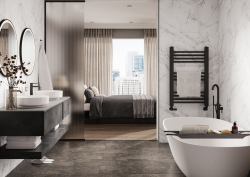
M-Line Mixer in Oyster Burgundy finish | Image credit: BAGNODESIGN
Why warmer finishes?
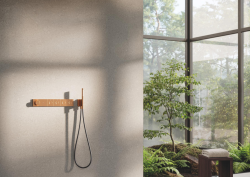
Warmer metals such as brushed bronze, soft gold and champagne tones lend themselves to more tactile, sensorial interiors. These finishes pair easily with natural materials like timber and stone, as well as with more experimental palettes, making them particularly useful for designers looking to create layered, expressive schemes without compromising on cohesion.
In commercial environments, where emotional connection and visual differentiation are increasingly important, they offer a way to balance practicality with subtle storytelling.
New tones: Oyster and Burgundy
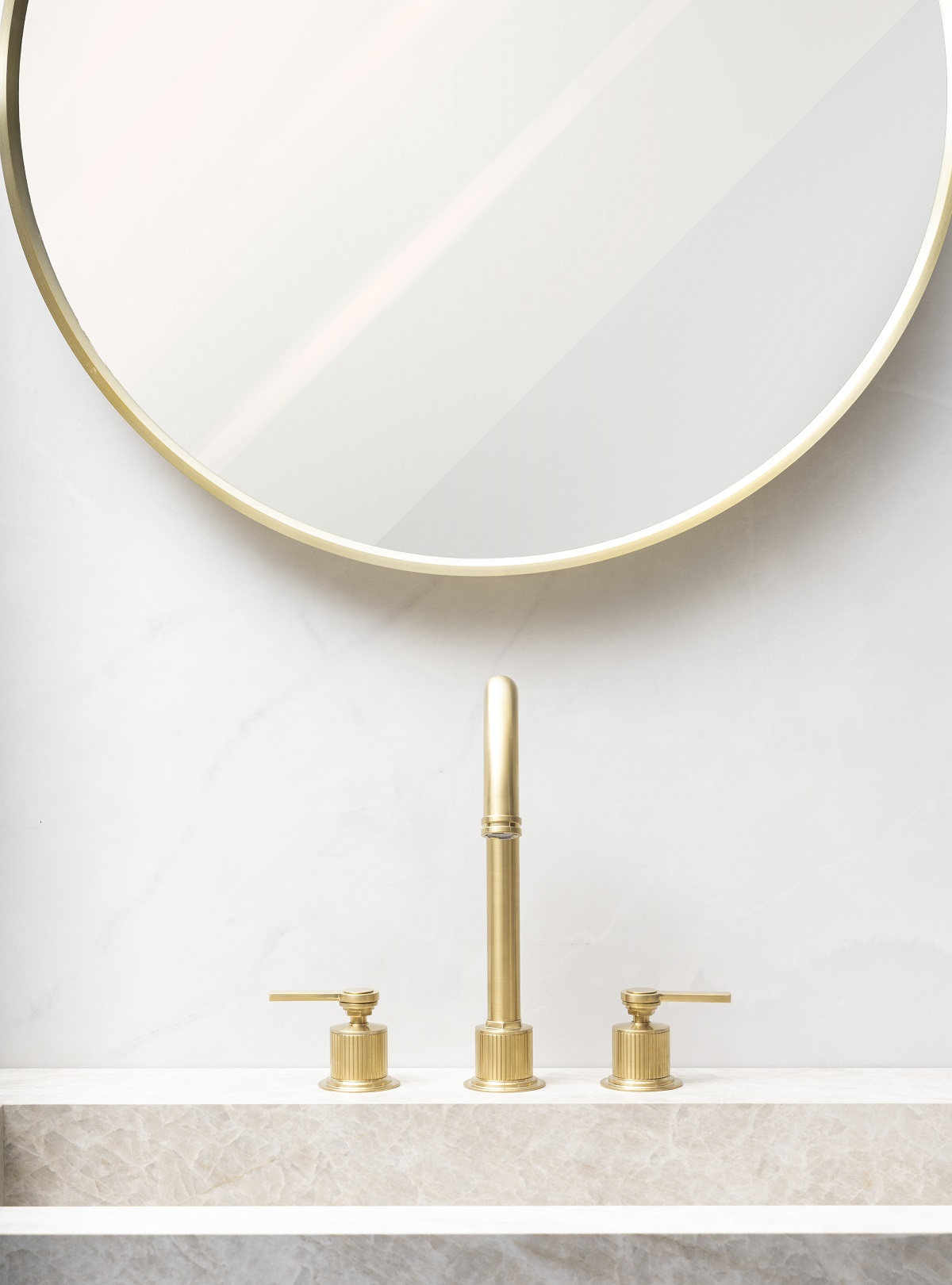
As this palette evolves, new finishes are emerging that push the warm metallic trend further. Two examples are Oyster, a soft, neutral-toned metallic with a pearlescent quality, and Burgundy, a rich, warm-toned surface with a bold, design-led edge.
These tones offer an alternative to the more commonly used brass and bronze and bring a new level of nuance to bathroom fittings and fixtures. Oyster, for example, works well in light-toned spaces where designers want to maintain a clean, airy aesthetic without the starkness of chrome. Burgundy, meanwhile, introduces a deeper note, ideal for moodier schemes where atmosphere and intimacy are key. Both finishes are part of a broader shift towards specifying products not only for how they function, but also for how they feel and how they contribute to the overall tone of a space.
-
- Image credit: BAGNODESIGN/SANIPEX GROUP
Form meets function
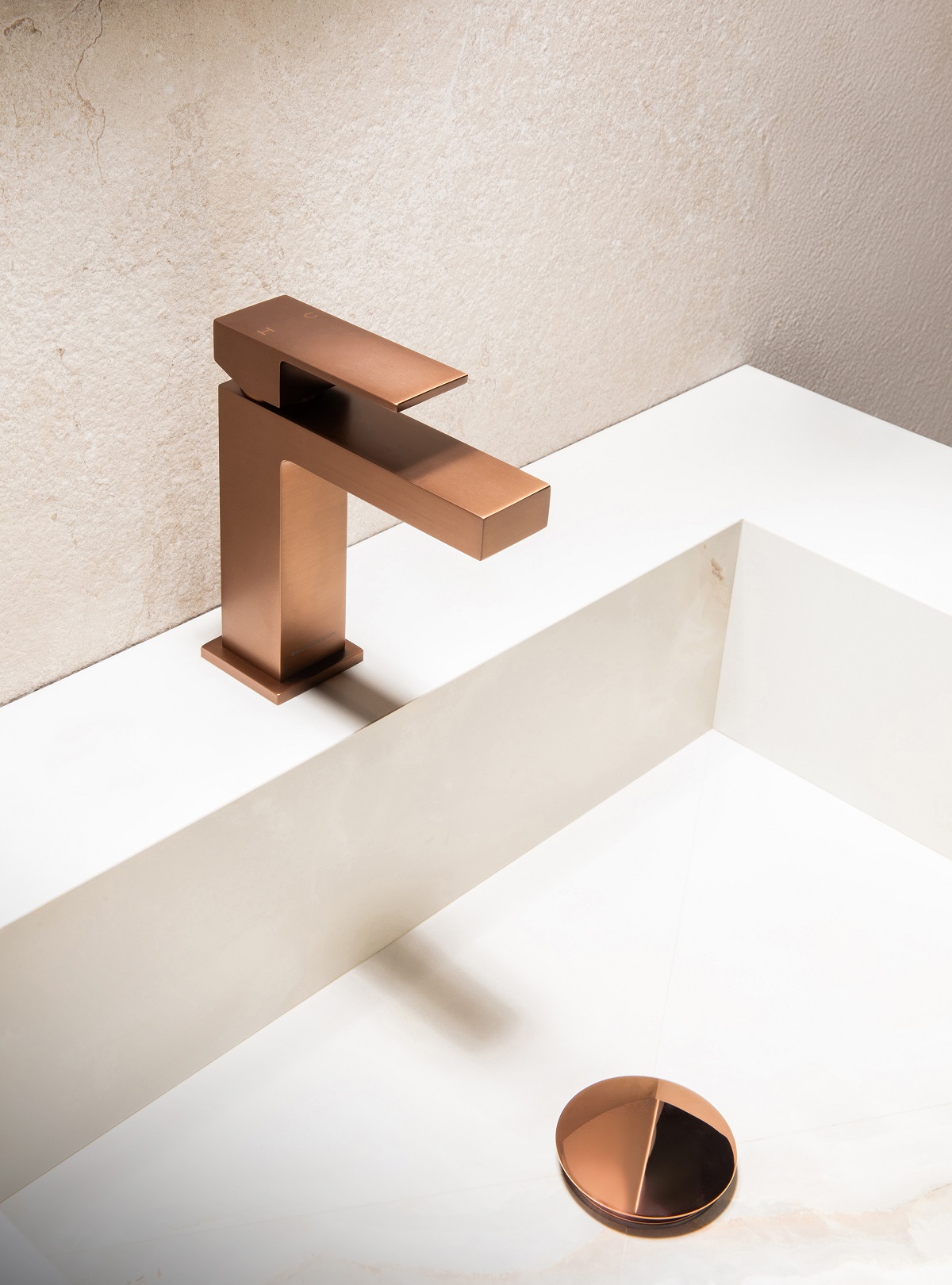
In commercial spaces, durability remains non-negotiable, which is why the technology behind these finishes is just as important as the aesthetic. Many of the new-generation warmer metallics are applied using Physical Vapour Deposition (PVD), a method that enhances scratch and corrosion resistance while achieving a consistent, high-quality surface. This means that warmer finishes are now a viable option for high-traffic environments, without the maintenance issues that have sometimes been associated with coloured brassware in the past.
A design tool for modern spaces
Used thoughtfully, metallics like Oyster and Burgundy can act as accents or anchoring tones within a space, whether through brassware, accessories or detailing. They also support the broader move towards wellbeing-focused design, where softness, tactility and material richness are increasingly being prioritised over high-gloss minimalism.
For designers working across the hospitality, leisure and high-end commercial sectors, these new metallics are part of a wider toolkit for shaping spaces that feel grounded, elegant and human.
Sanipex is one of our Recommended Suppliers and regularly features in our Supplier News section of the website. If you are interested in becoming one of our Recommended Suppliers, please email Katy Phillips.
Main image credit: BAGNODESIGN/SANIPEX GROUP