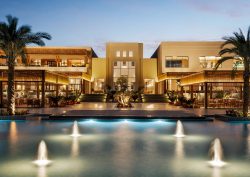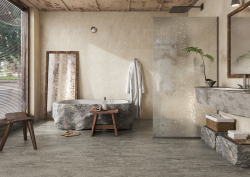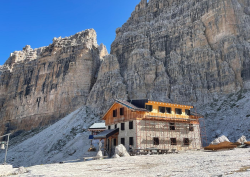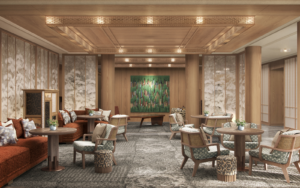









In Zermatt, alpine architecture revolves around the Matterhorn, shaping the design evolution of luxury hotels and luxury chalets…
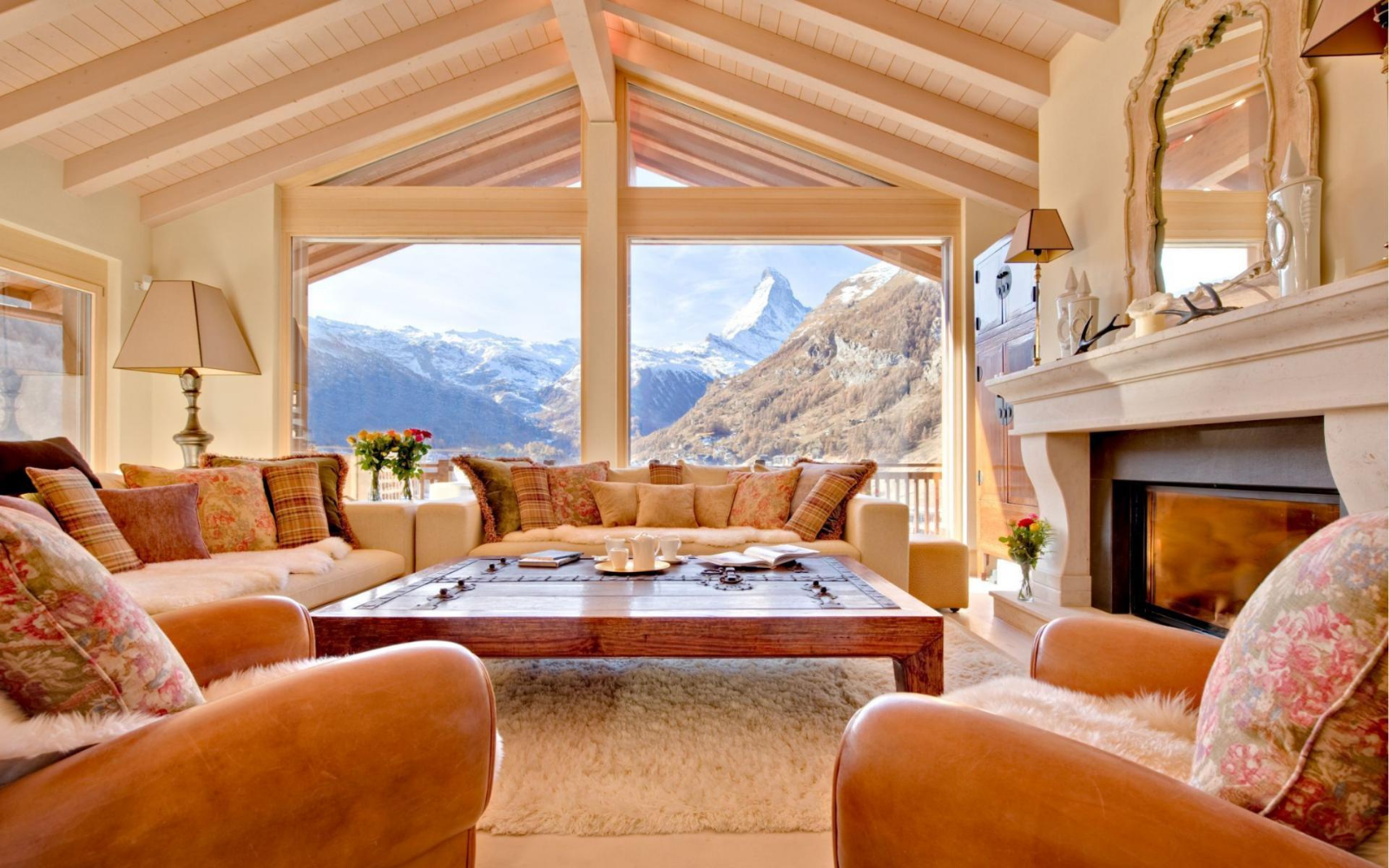
Spend any time in Zermatt and a subtle pattern begins to emerge. Buildings don’t always align with the village grid. Streets curve unexpectedly. Balconies project at deliberate angles. Windows appear wider, lower, more intentional than the alpine norm.
This is no accident.
In Zermatt, the Matterhorn is not simply a backdrop; it is the organising principle. Long before destination branding, social media or expansive glazing became architectural shorthand for luxury, designers and hoteliers here were responding to a simple truth: guests wanted to see the mountain — and they wanted to experience it from inside.
That instinct continues to define the village’s architecture today.
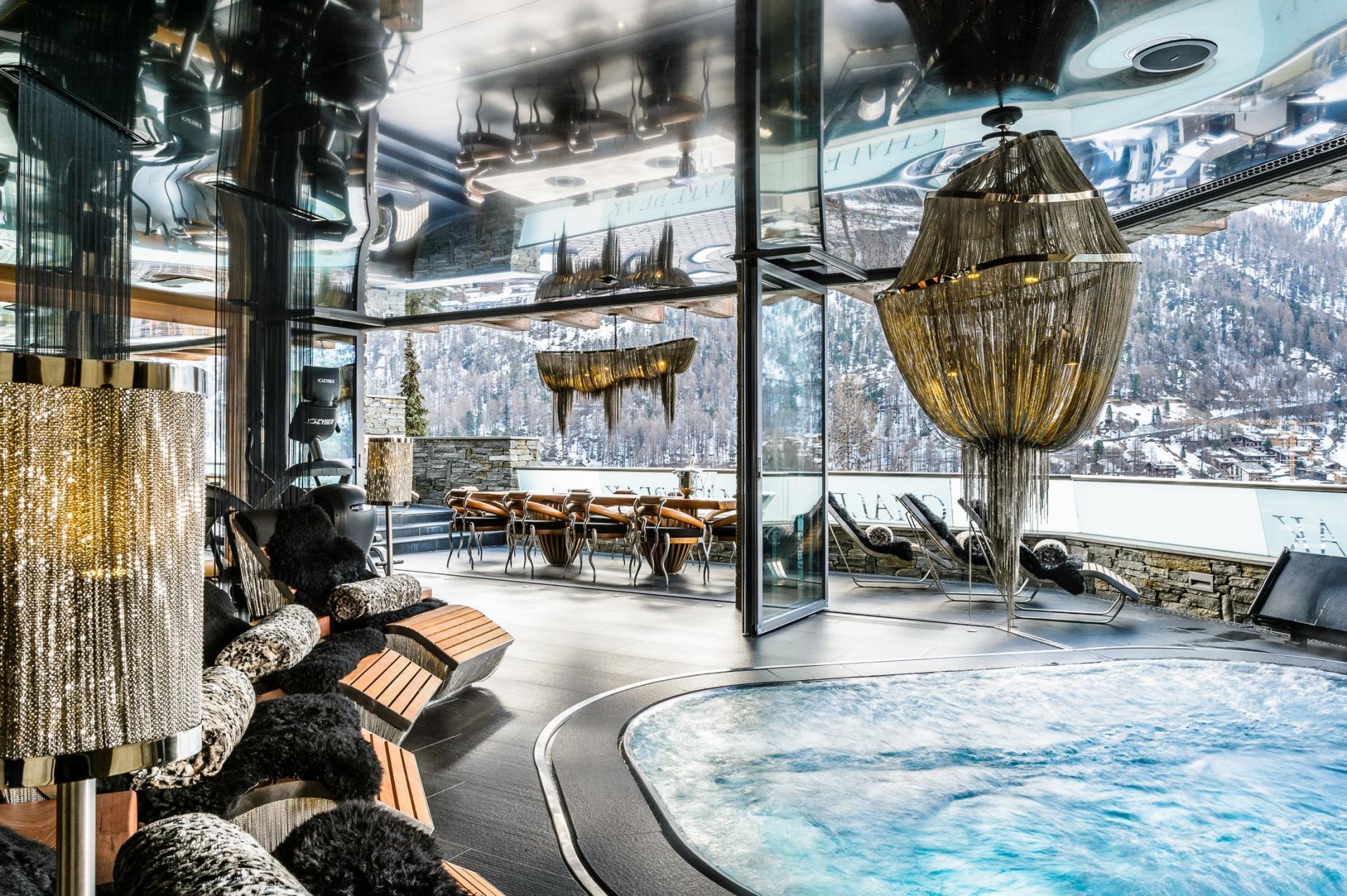
Image credit: The Luxury Chalet Company
When the view became the brief
Early hotels in Zermatt did not treat views as an added benefit. They were foundational to the design.
Dining rooms were elevated to secure uninterrupted sightlines. Lounges were positioned towards the mountain even with this complicated circulation. Bedrooms with direct views were prioritised — and priced accordingly.
This resulted in a design logic that worked from the outside in. For luxury hotels, orientation came first, followed by structure, with interiors resolving themselves around the view rather than the reverse. Even with the technical limitations of early alpine construction, hoteliers understood that guests would accept smaller rooms or simpler finishes if the reward was a framed view of the Matterhorn.
That thinking is still legible today. Public spaces face the landscape. Back-of-house functions sit where sightlines are less critical. Decoration is secondary to experience; how the space performs for the guest takes precedence over ornament.
-
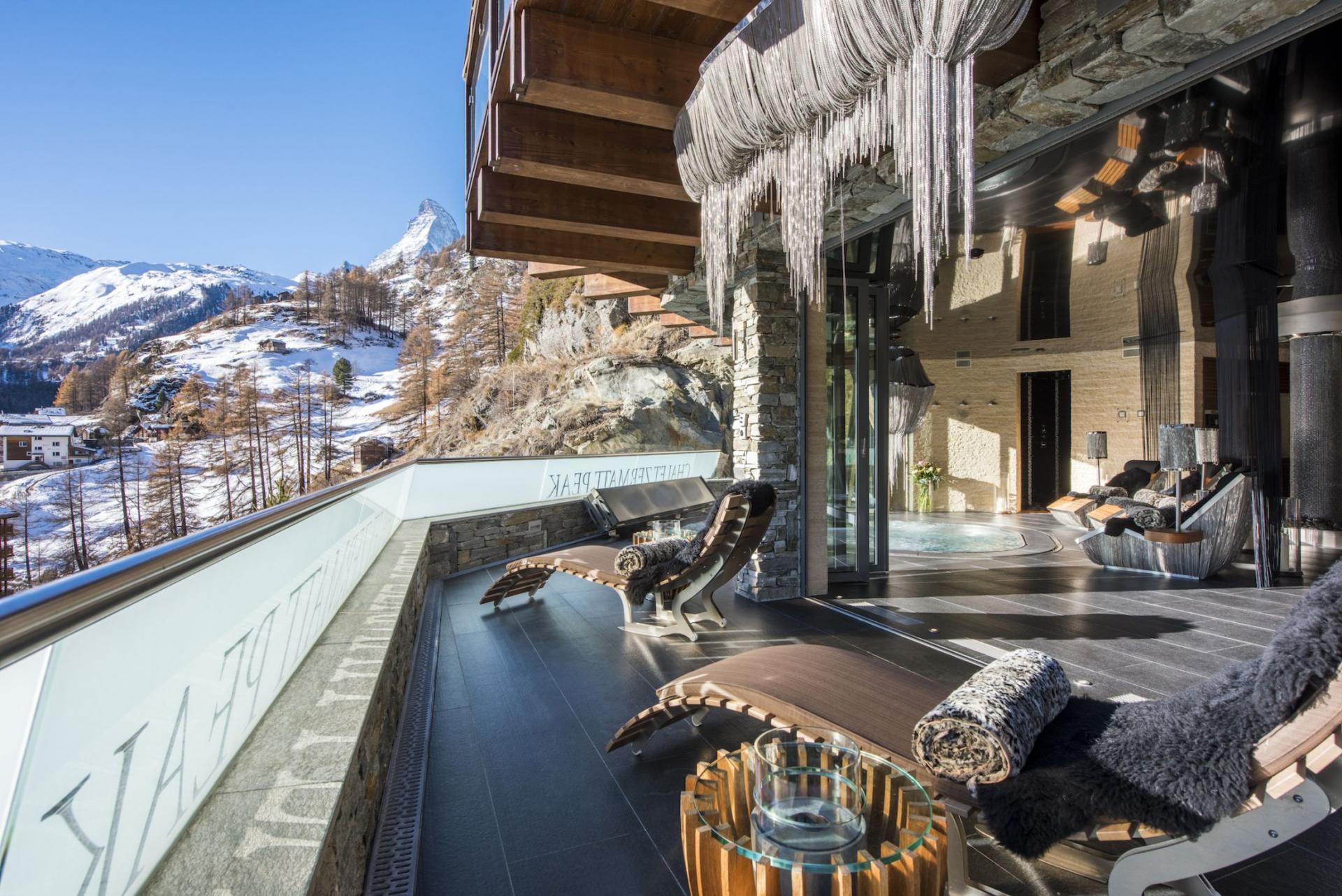
- Image credits: The Luxury Chalet Company
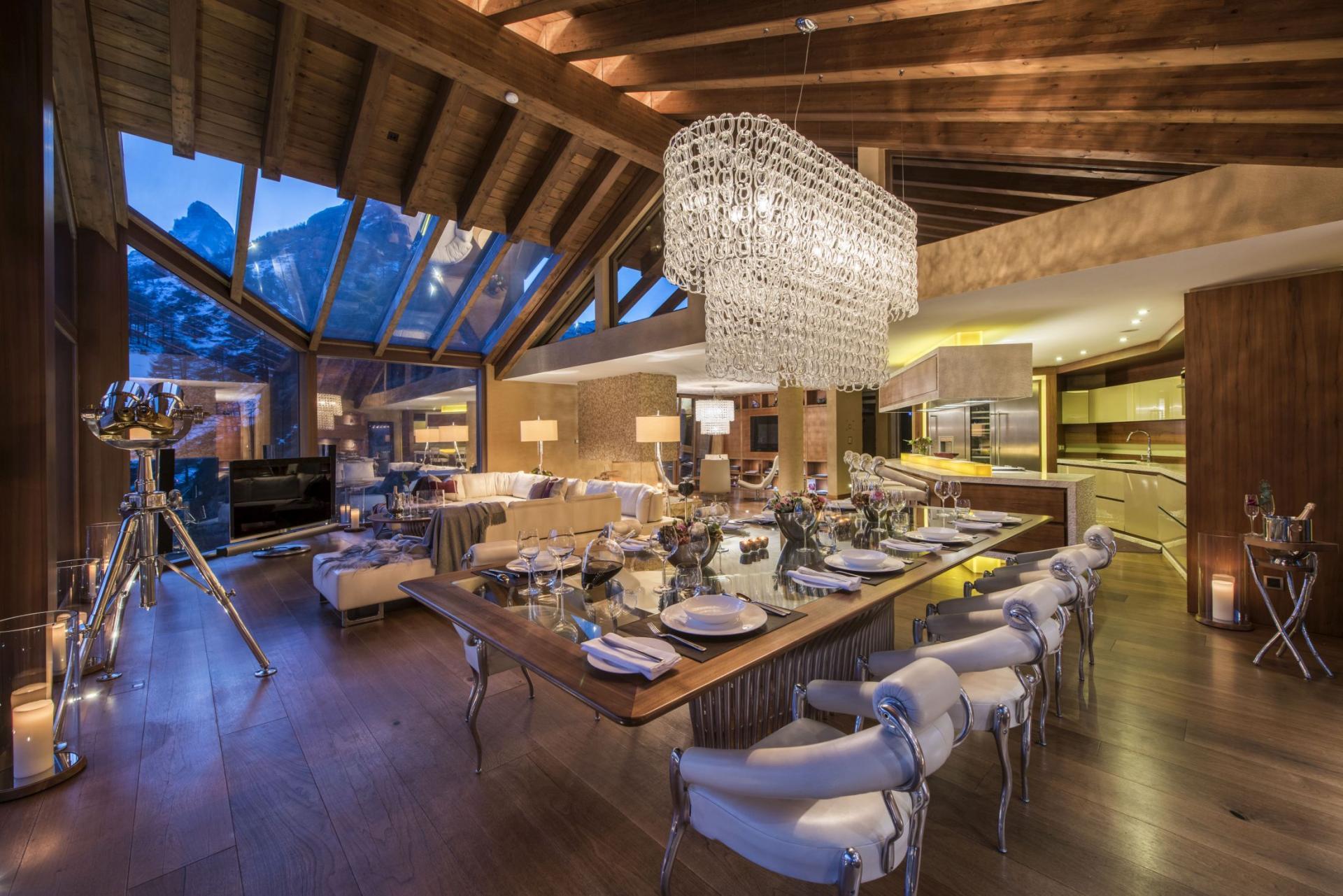
From hotel rooms to private chalets
What is notable is how this hotel-led approach has gradually informed private accommodation.
As luxury travel evolved — with greater emphasis on space, privacy and personalisation — guests began seeking the same carefully composed views without sharing them with a breakfast room of strangers. This shift has been particularly influential in Zermatt’s high-end chalet market.
Private residences, such as those curated by The Luxury Chalet Company, borrow heavily from the spatial discipline of historic alpine hotels while removing their operational constraints. There is no need to accommodate large guest flows or negotiate public versus private zones. Instead, the architecture focuses entirely on where you sit, stand and wake — and what you see when you do.
In Zermatt, that almost always leads back to one consideration: how the Matterhorn is framed. Whether centred, partially obscured or deliberately offset, the view is composed with intention rather than treated as scenery alone.
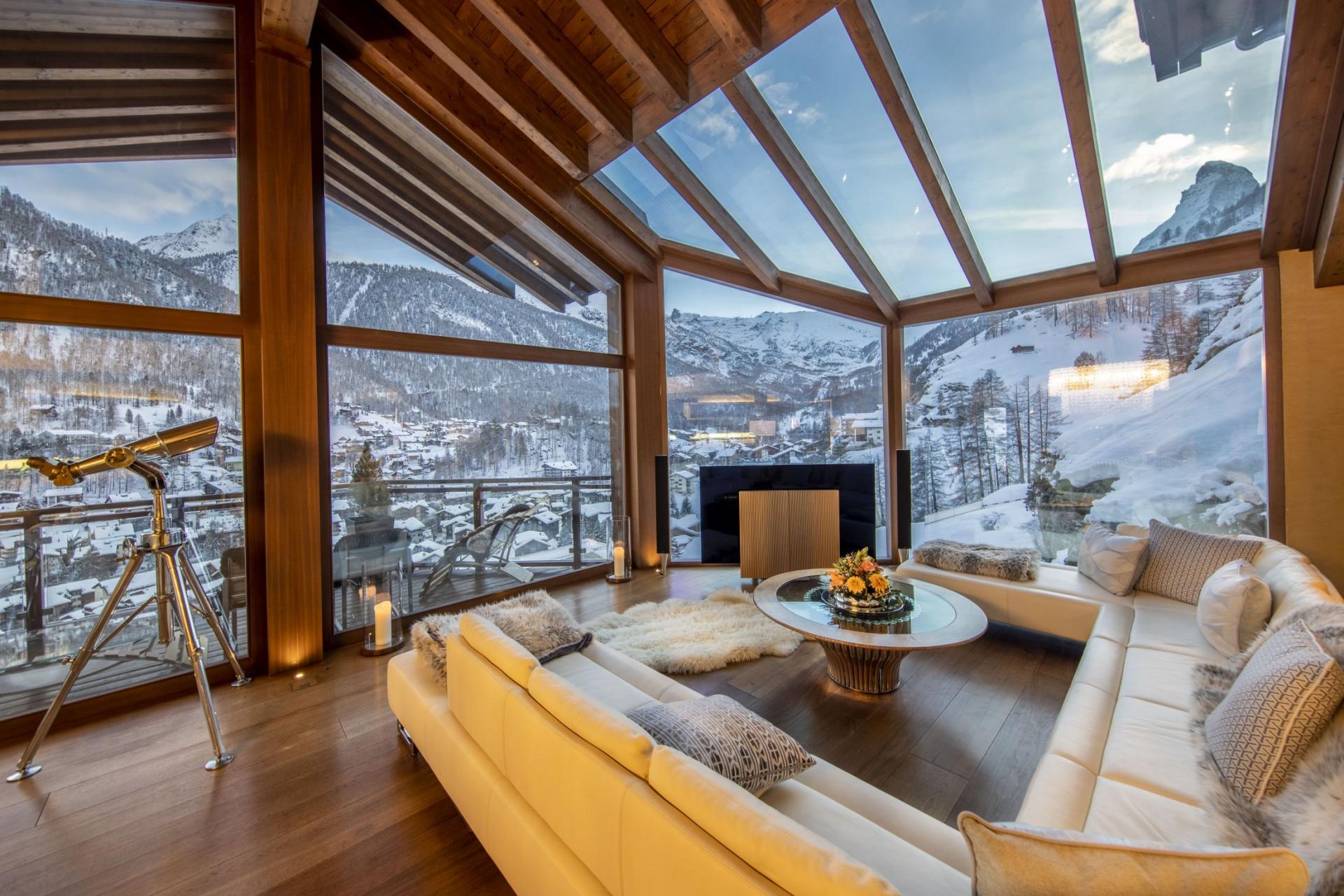
Image credit: The Luxury Chalet Company
Windows as architectural decisions
In modern alpine architecture, glazing is not an afterthought. It is often established before interior layouts are finalised.
The height of a sill determines whether a guest sits or stands. A wide horizontal opening turns an entire wall into a visual backdrop. Corner glazing subtly redirects movement through a room. These are design decisions, not features.
Hotels have been refining this balance — between structure, insulation and view — for decades. Luxury ski chalets now extend that thinking further. Freed from operational requirements, designers can be precise. Bedrooms may be rotated to capture early light. Living spaces stretched along façades purely to lengthen the sightline. Bathrooms positioned to engage with the landscape — something hotels have only recently begun to adopt more widely.
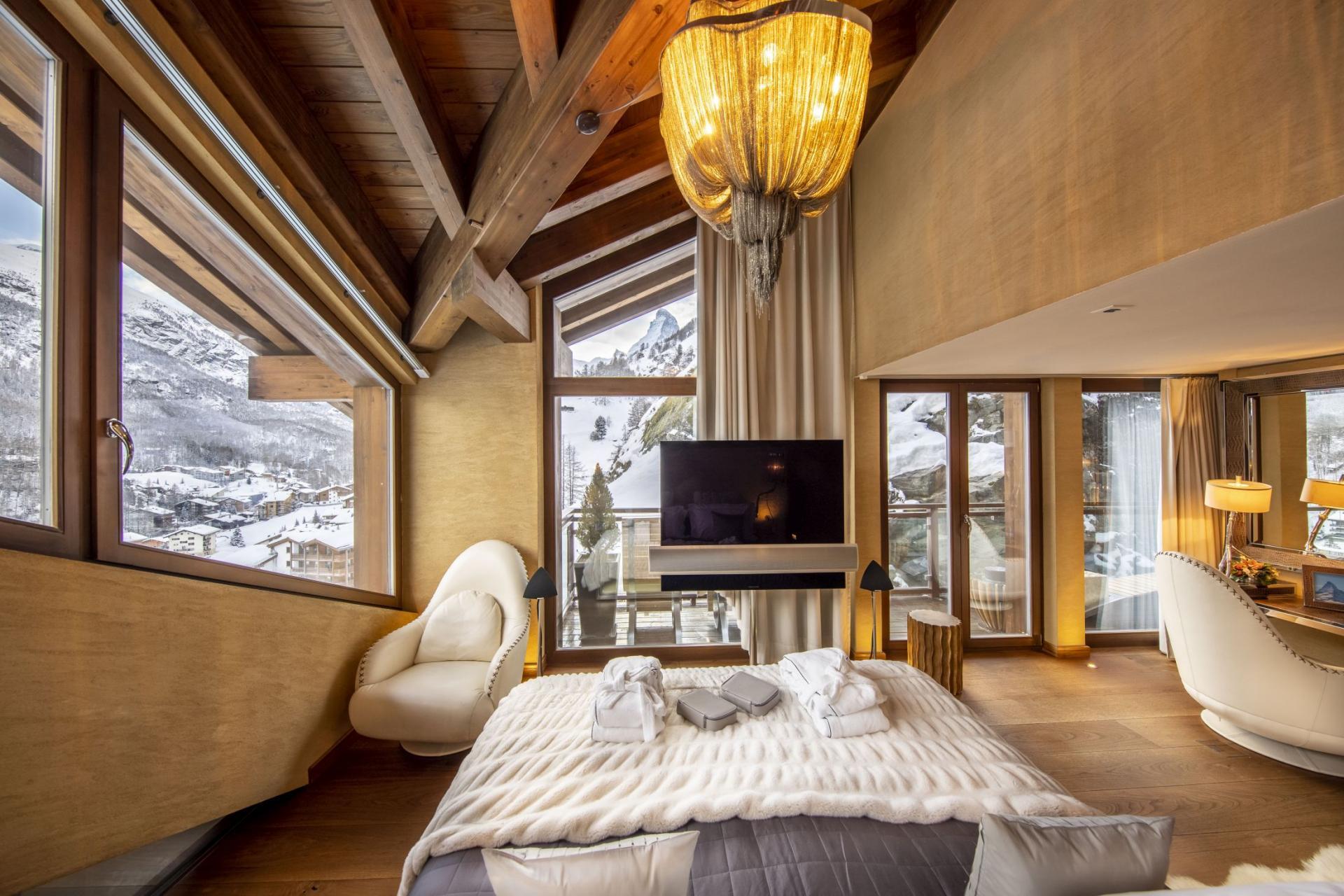
Image credit: The Luxury Chalet Company
Raising the benchmark for alpine luxury
Specialist chalet companies have become particularly adept at this approach. Rather than relying on decorative excess, they prioritise architecture that carries the experience.
In Zermatt, this often translates to clean lines, restrained interiors and glazing that allows the mountain to dominate without overwhelming the space.
For anyone familiar with a well-designed hotel, the experience feels recognisable. The difference lies in scale and privacy. The same considered relationship between interior and landscape exists — simply without the competition of a lobby view or shared terrace.
In Zermatt, design has always known where to look.
This article is part of our paid content offering. To explore sponsored editorial opportunities with Hotel Designs please contact Katy Phillips.
Main image credit: The Luxury Chalet Company