The first article in an exclusive five-part series for Hotel Designs, Northern Lights explores the hidden challenges – and solutions – shaping the design of one of hospitality’s most intimate spaces: the hotel bedroom…
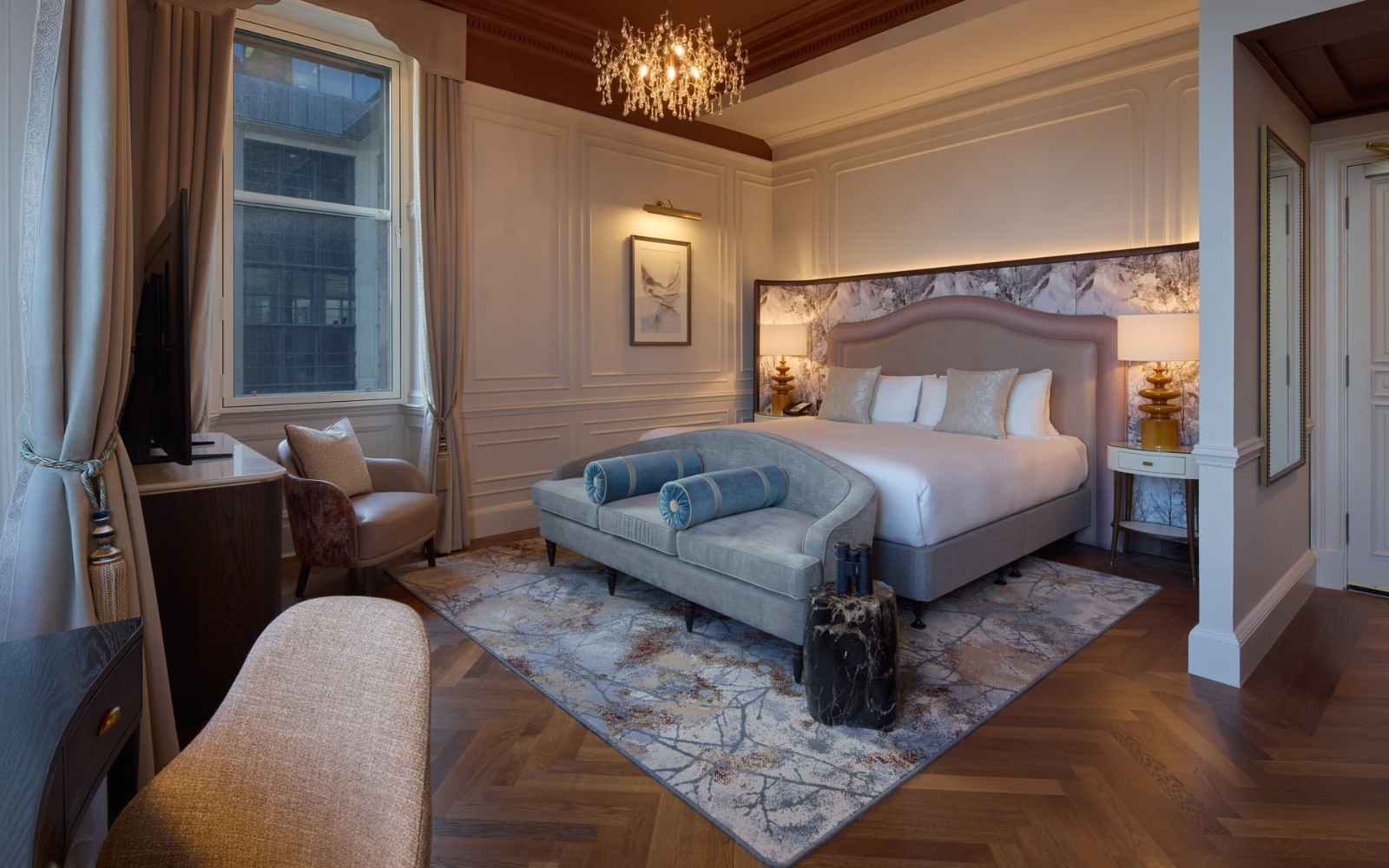
In luxury hospitality design, few spaces carry as much emotional weight as the hotel bedroom. It’s here – away from the theatre of lobbies and restaurants – that the guest experience becomes personal. The bedroom temporarily replaces the home, becoming a place for rest, privacy, and restoration. It’s precisely because of this intimacy that luxury hotel rooms have become one of the most demanding spaces to design and deliver.
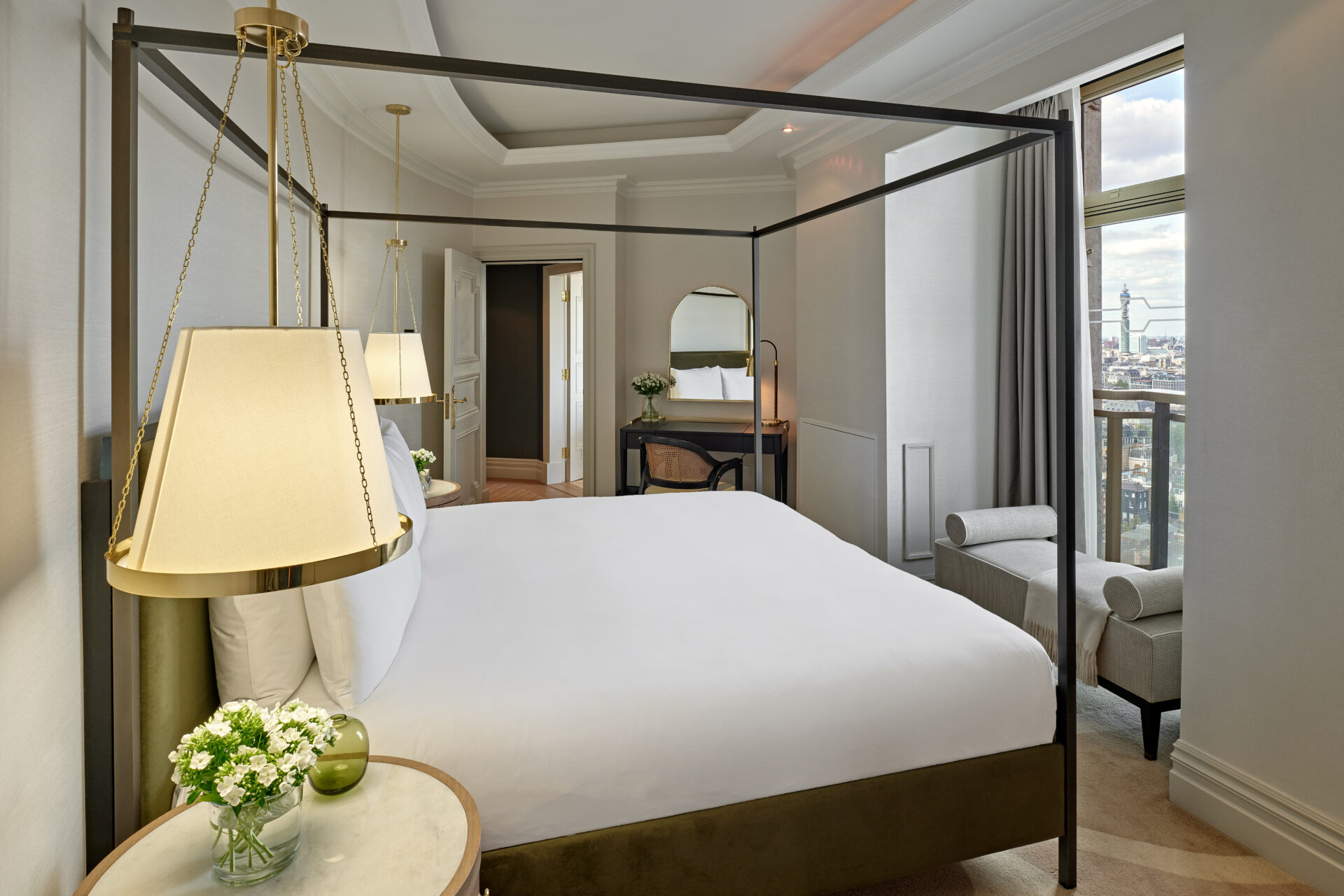
London Hilton on Park Lane | Image credit: Nick Smith
Guest expectations have evolved. Sleep quality, wellness, atmosphere and ease of use are no longer secondary considerations; they are central to how a stay is judged and remembered. Lighting plays a quiet but decisive role in shaping these perceptions. Glare, intrusive brightness, confusing controls or inconsistent finishes are felt immediately, even if guests cannot articulate why. In hotel rooms, there is little tolerance for friction.
At the same time, the pressures facing designers and operators have intensified. Programs are tighter, budgets are under scrutiny, and global supply chains remain unpredictable.
The result is a growing disconnect between design ambition and delivery reality. Achieving the design vision within budgets, navigating long lead times, and managing complex compliance and technical requirements is a constant balancing act. Bedrooms demand ever greater refinement, yet they must be delivered at pace and at scale across hundreds of rooms, without compromising quality or consistency.
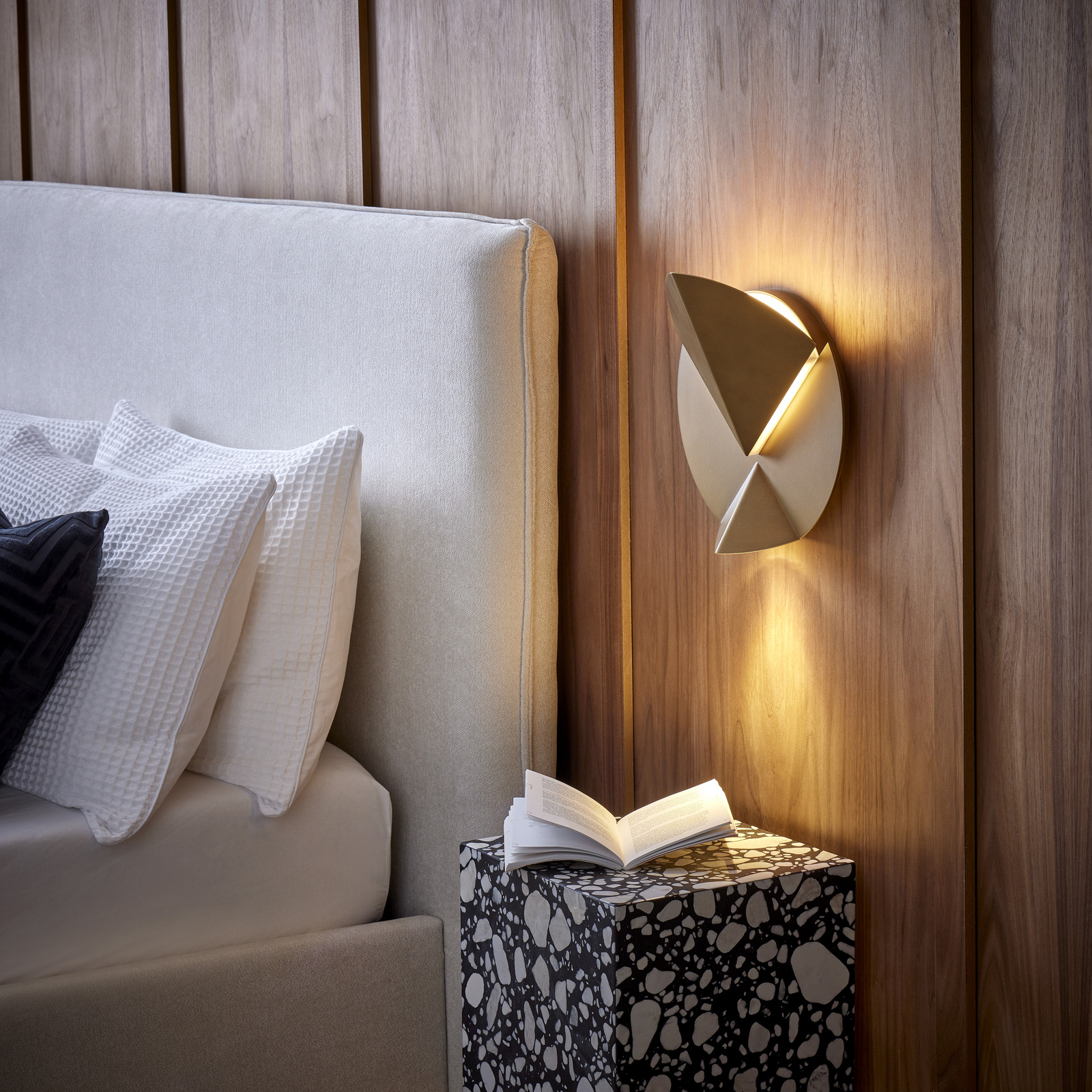
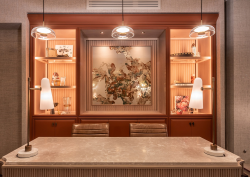
Sydney Wall Light | Image credit: Northern Lights
This tension is most visible in lighting. Bedroom lighting must perform multiple roles: creating a calming ambient environment, supporting practical tasks, integrating discreet technology and reinforcing the hotel’s brand narrative. Achieving this balance requires precision in proportion, materiality and light quality, all within a highly constrained technical and commercial framework. Unlike public areas, where visual impact can dominate, the success of bedroom lighting is measured by how effortlessly it disappears into the guest experience.
As a result, the luxury hotel bedroom has become less forgiving of traditional project workflows. Late-stage changes, long lead times and limited prototyping introduce risk at exactly the point where tolerance for error is lowest. Increasingly, designers are rethinking how and when critical elements such as lighting are developed, recognising that early engagement and testing can significantly reduce downstream issues.
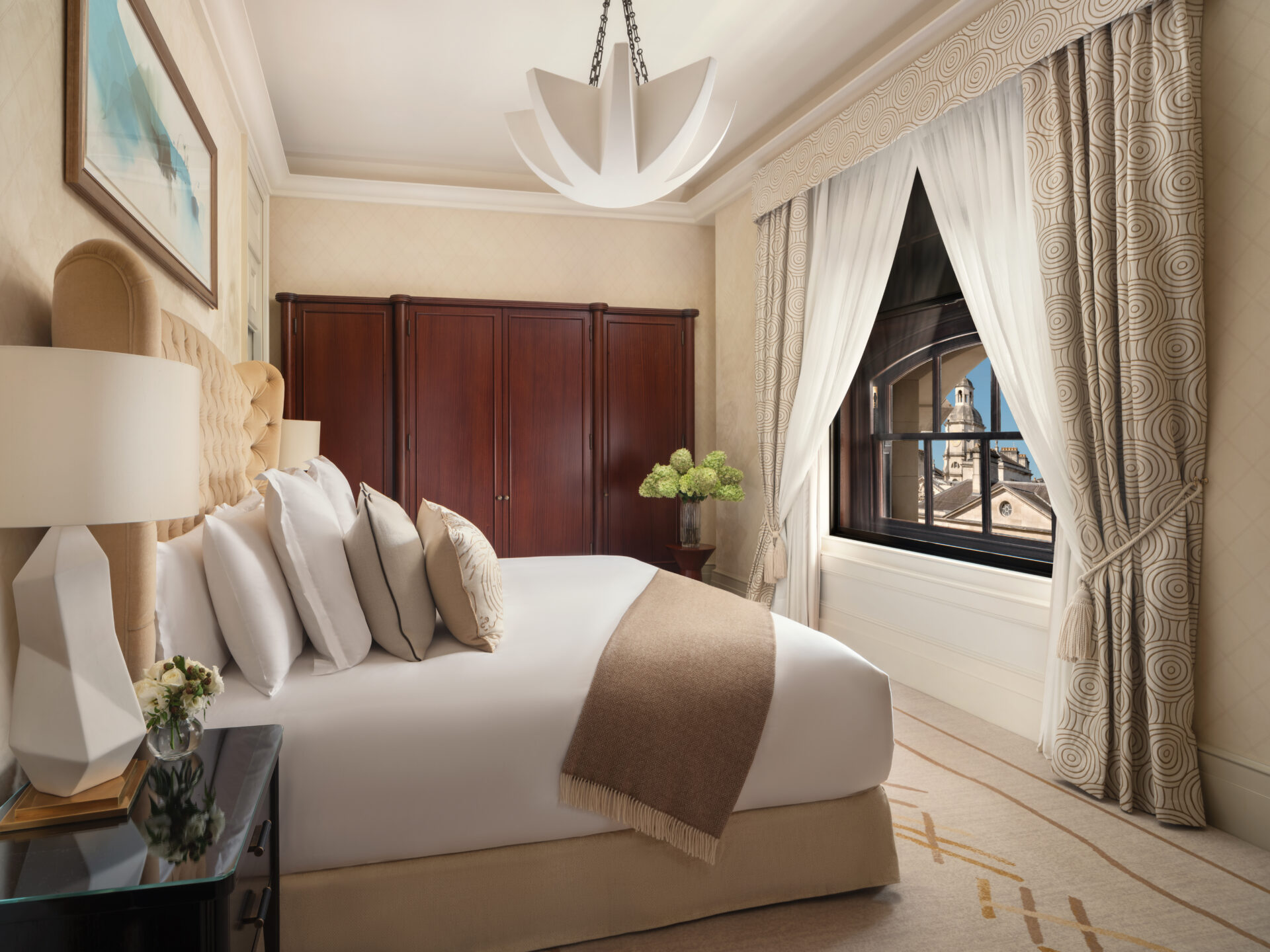
Raffles London Atkins Suite | Image credit: John Athimaritis
Sample rooms and mock-ups are now central to this process, allowing teams to evaluate how light behaves in real conditions – against finishes, furniture, and daylight variations. They expose practical considerations that drawings alone cannot resolve: whether glare occurs at eye level, how light falls across surfaces, where shadows form, and whether illumination feels calming or intrusive. In a hotel bedroom, where comfort is paramount and light is experienced slowly and intimately, these nuances are felt rather than seen and become fundamental to the guest experience.
Projects at the upper end of the market further highlight the complexity involved. Heritage buildings, international rollouts and brand-led concepts all introduce layers of constraint that must be navigated with care. In these contexts, lighting becomes a tool for resolving tensions: between old and new, speed and craft, ambition and feasibility. The most successful schemes are those where design intent is protected not through excess, but through intelligent decision-making and rigorous execution.
Specialist lighting partners are increasingly involved earlier in the design process. This shift reflects a broader understanding that luxury today is defined as much by process as by outcome. Frictionless execution, consistency at scale and technical reliability are now fundamental to the guest experience, even if they remain largely invisible.
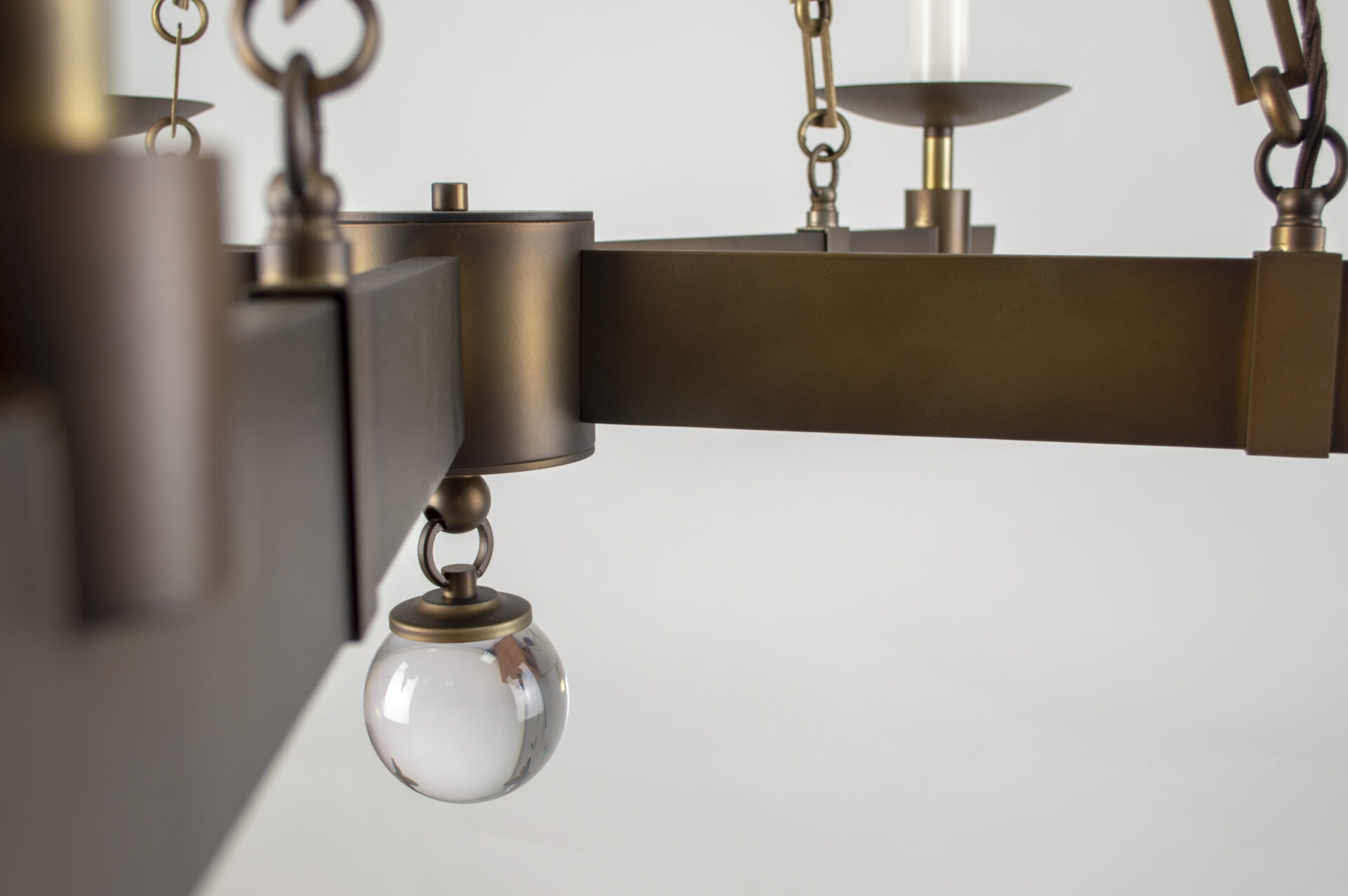
Mock-up room sampling for Raffles London | Image credit: Northern Lights
As specialists in luxury hotel bedroom lighting, Northern Lights works alongside designers, procurement teams, and operators to navigate these pressures. By balancing budgets through flexible design and manufacturing, shortening lead times by months, and managing compliance across global rollouts, thoughtful lighting strategies transform bedrooms into spaces that delight guests while keeping projects on track. In this editorial series, we’ll explore the realities shaping bedroom lighting today – and how careful, expert approaches can elevate every stay.
Northern Lights is one of our Recommended Suppliers and regularly features in our Supplier News section of the website. If you are interested in becoming one of our Recommended Suppliers, please email Katy Phillips.
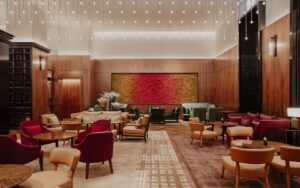
Main image caption and credit: The Caledonian Edinburgh | Pellier Photography