Design beyond the concept
https://hoteldesigns.net/wp-content/uploads/2026/03/Ben-Richards-Six-Senses-Kyoto-x-Blink-045-1024x640.jpg 1024 640 Guest Author Guest Author https://secure.gravatar.com/avatar/70f59a2fd6e63f164e7a47b6987bbd542ebea82bbbc723da612b0c92bbae768e?s=96&d=mm&r=gGTHD
In hospitality, the concept is often mistaken for the summit – it is the moment when the narrative is articulated, the imagery is compelling and the room leans forward in agreement. A single sentence can suddenly hold the entire project together. The direction feels clear. The energy is high – but as Clint Nagata, Founder and Creative Partner, BLINK Design Group discusses, a concept is only the opening move…

In practice, the design concept is in fact the most visible part of a much longer, more exacting process. The narrative may be distilled into a simple expression – rooted in culture, context or craft – yet that clarity is the result of experience and discipline. It is also the point at which responsibility truly begins.

Image caption: Clint Nagata | Image credit: BLINK Design Studio
For BLINK Design Group, delivery starts at concept. We design with the end in mind: how it will be built, how it will operate, how it will age. Every line drawn carries with it the weight of procurement, coordination and performance. An idea may exist in its purest form at presentation stage, but hospitality design does not live in purity. It lives in logistics, in budgets, in brand frameworks and in construction schedules. The work is in guiding the idea through these forces without losing its integrity.
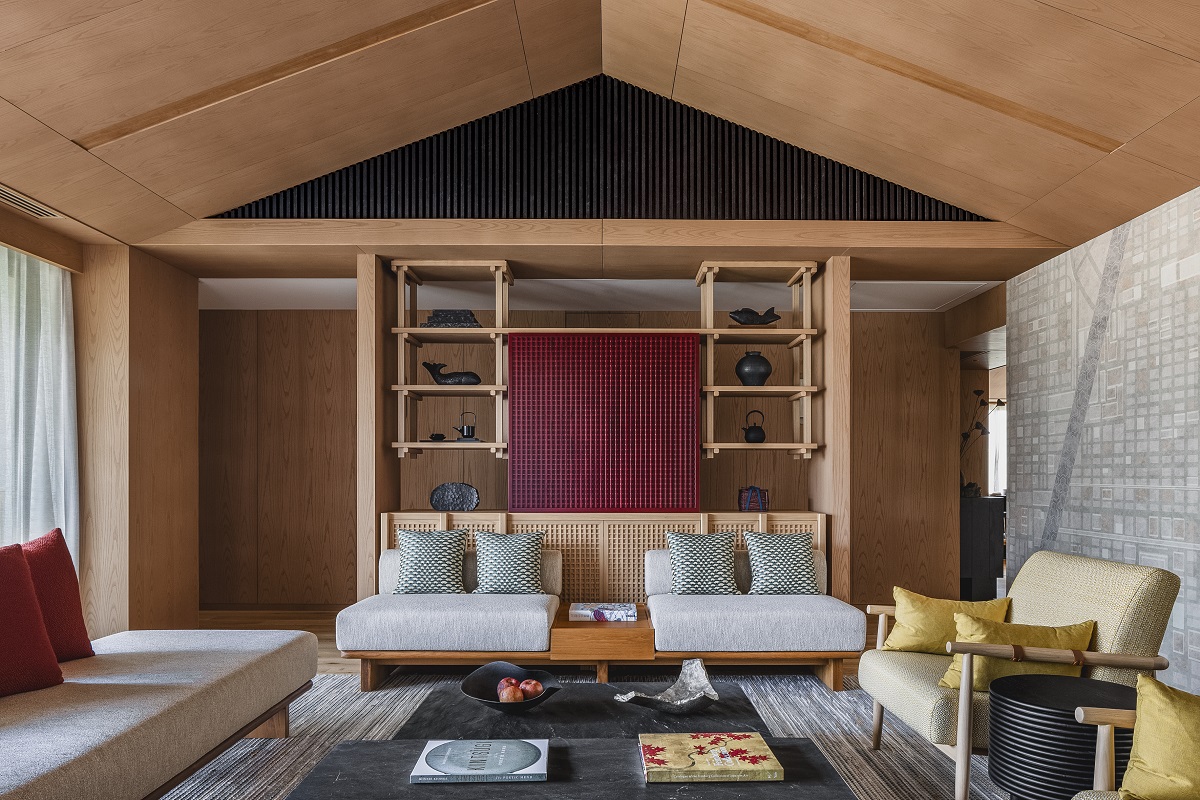
Image credit: BLINK / Ben Richards
The unseen middle
The most critical phase of a project rarely appears in a press release. It unfolds in the months between approval and completion: refinement, mock rooms, factory visits, site walks, alignment meetings. It is here that design becomes discipline.
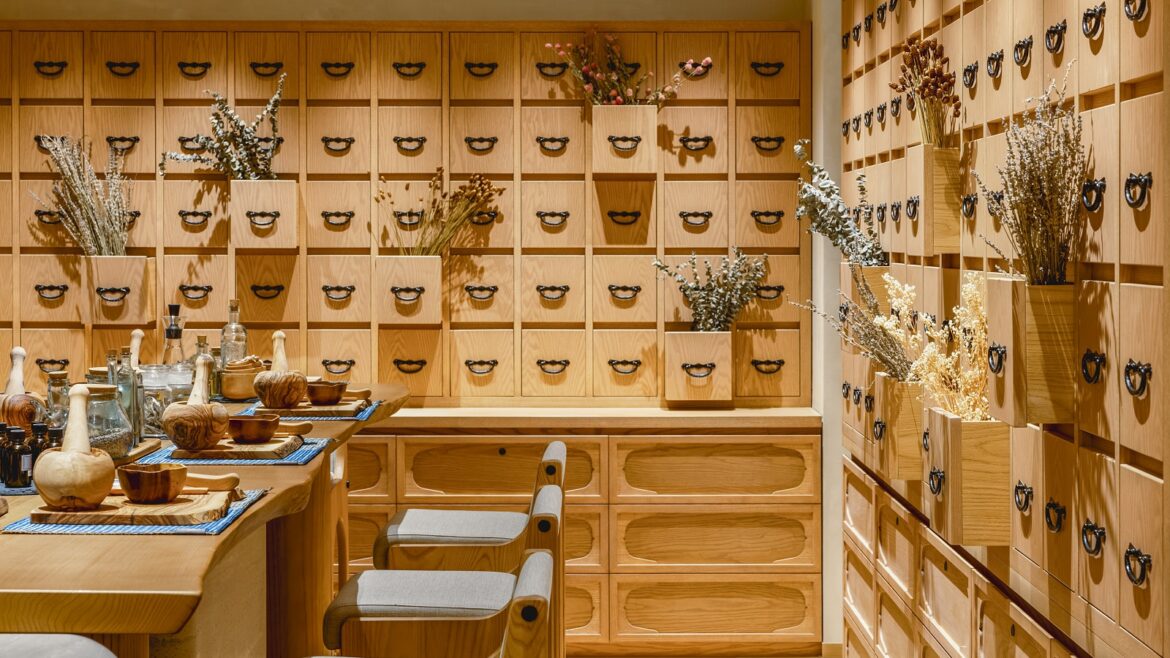
A render can communicate atmosphere, proportion and intent. It cannot communicate weight, texture, tolerance or joinery. That is why we prioritise materiality early and insist on physical reviews wherever possible. Hospitality is, after all, tactile. Guests may not articulate why a space feels resolved, but they will sense when it is not.
Design leadership during this phase requires presence. When clients are engaged from the outset – brought into the reasoning, not only the result – decisions accelerate and cohesion strengthens. There is less persuasion required at the end because understanding has been built throughout.
Moving from render to reality is rarely linear. It demands iteration. It requires technical fluency. It involves adjustment. Refinement is a negotiation between intent and feasibility, always with the original essence in sight.

Image credit: Natelee Cocks
Time as a design material
The greatest constraint in hospitality is time. There is seldom enough of it – to detail with comfort, to build without compromise, to perfect without pressure. In renovation projects particularly, hotels remain operational. Revenue cannot pause indefinitely, and so design and construction often advance alongside live guest experience. The choreography is complex and unforgiving.
Time compresses decision-making. It exposes uncertainty and forces clarity. Under these conditions, leadership becomes tangible. A design team must know precisely what is essential and what is adaptable. Without that internal compass, quality erodes quickly.
Precision under pressure is methodical. It is the quiet insistence that even within accelerated programmes, proportion, balance and material integrity will not be diluted.
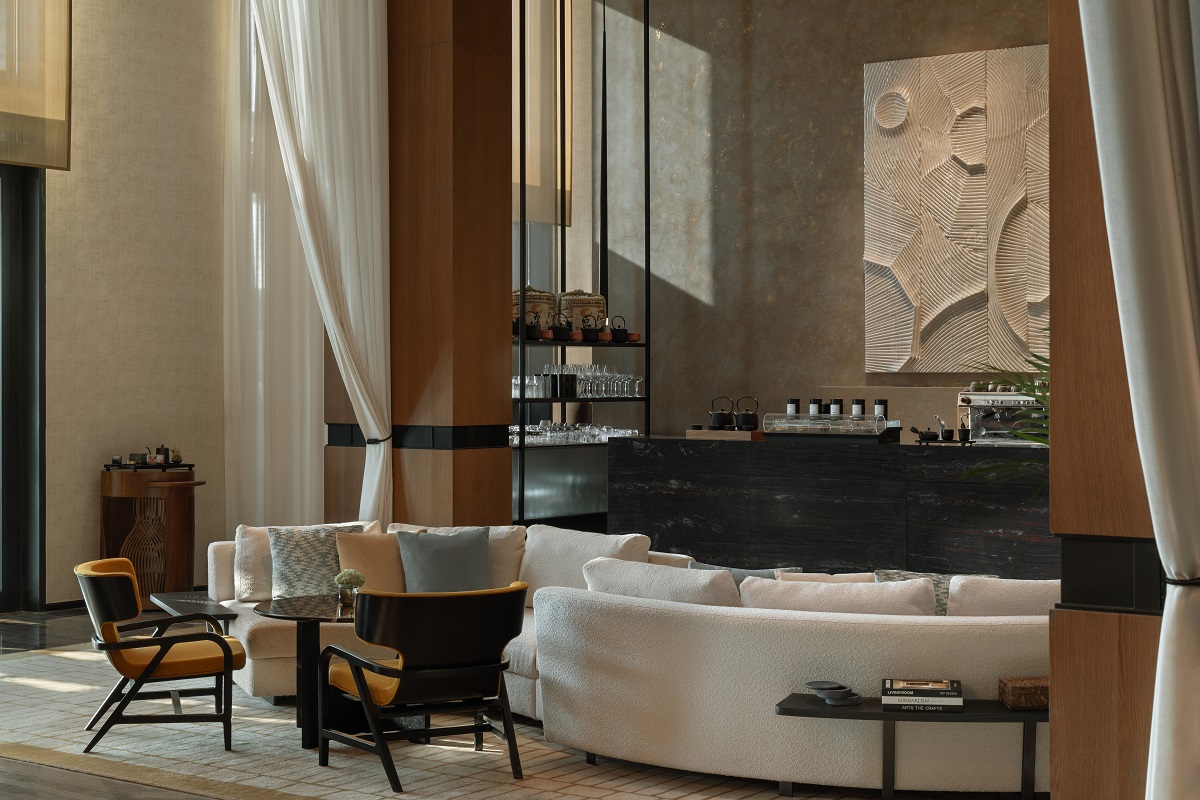
Image credit: Natelee Cocks
Navigating multiple visions
Hospitality projects are shaped by multiple stakeholders: ownership, operator, brand and, ultimately, guest. Each brings a distinct agenda, and alignment cannot be assumed.
When perspectives diverge, the designer’s role evolves. It is no longer about presenting a resolved vision; it is about listening acutely and interpreting what sits behind each position. Financial objectives, operational efficiency, brand standards and experiential ambition must coexist. The task is to translate these priorities into a cohesive spatial language.
For the last 20 years, and counting, BLINK Design Group has operated as a partner on each project. Partnership requires candour. and understanding where flexibility exists and where it does not. The owner must feel confident in commercial viability. The brand must recognise its values in the outcome. The guest must experience something authentic and considered. When these layers are reconciled with clarity, the project acquires longevity.
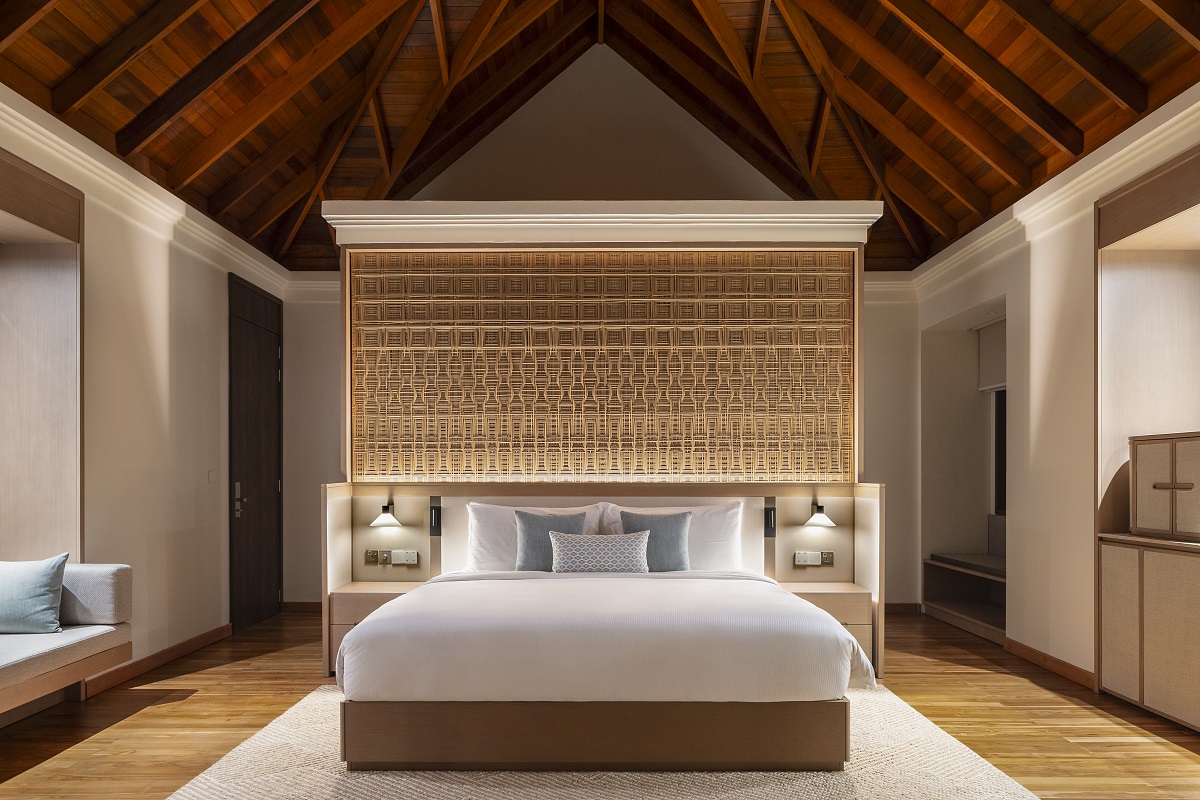
Image credit: Ben Richards
Protecting integrity
Experience tempers attachment. Early in one’s career, it is easy to defend every detail as indispensable. Over time, discernment becomes more valuable than defence.
There is a threshold within every project – an internal line that defines its aesthetic, functional and emotional parameters. As long as decisions remain within that boundary, the integrity of the design holds. Outside of it, dilution begins.
Hospitality design is inherently collaborative. Ideas are tested, questioned and reshaped. They rarely remain untouched from inception to completion. Yet this process does not weaken them. It refines them. A project that has been rigorously examined, adjusted and strengthened in response to real constraints carries more credibility than one that has been preserved in isolation.
The concept may capture attention. The completed space must earn trust. It does so softly – through proportion that sits exactly where it should, materials that deepen rather than deteriorate and details that withstand scrutiny long after the opening night has passed.
What remains, when the imagery has circulated and the commentary has moved on, is the atmosphere. The weight of a door. The way light settles across a surface at dusk. The assurance that nothing feels incidental.
This is where a project declares its quality – not in statements, but in standards. In the rigour behind every junction, in the restraint that keeps a space composed and in the resolve to see an idea through without compromise.
What remains is the benchmark you as the designer set – and whether you had the conviction to uphold it.
Main image credit: Ben Richards