While some may see hotels or restaurants as merely a place to sleep or eat, many others are looking for a more immersive experience…
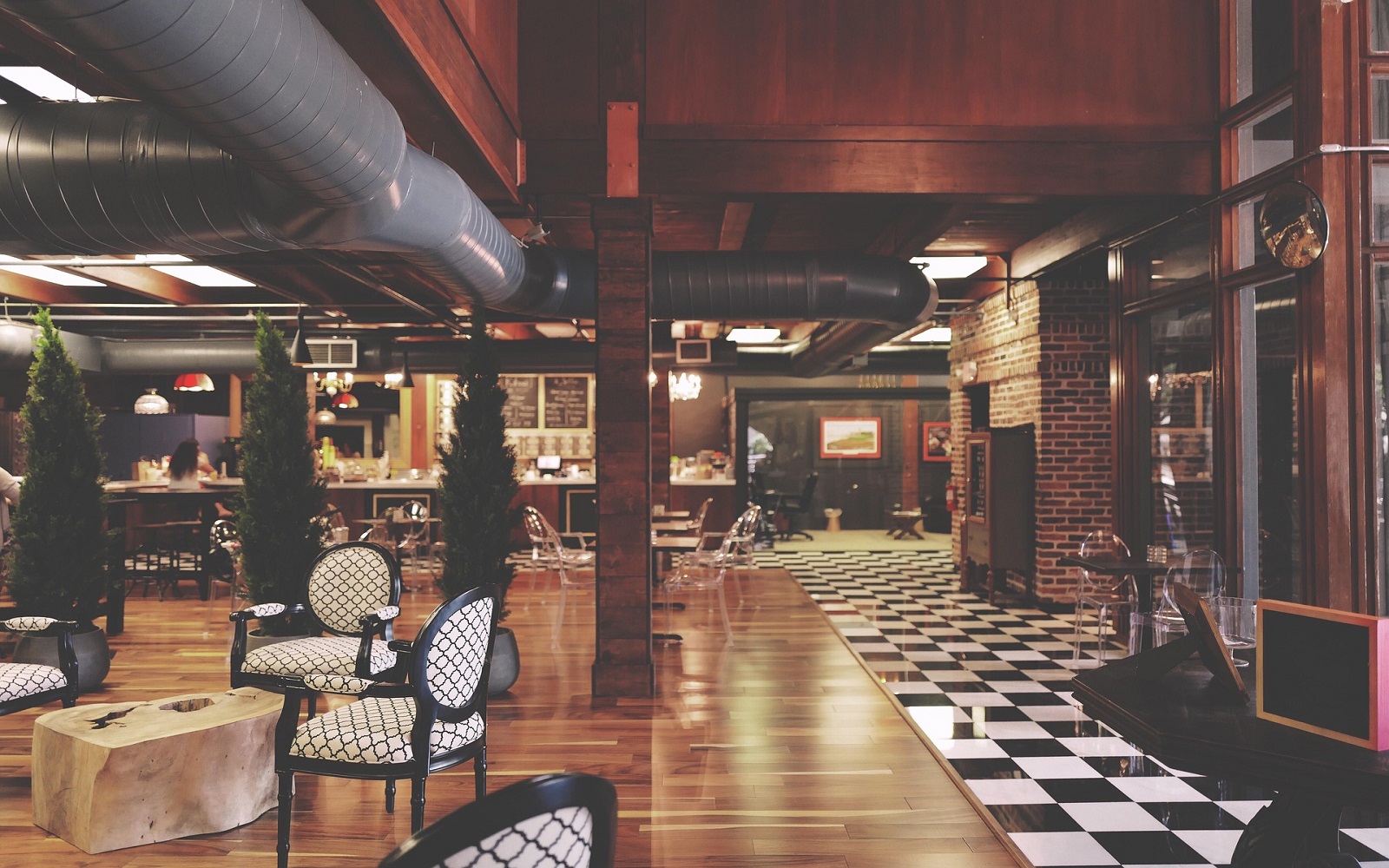
Much of this design transformation comes down to a space delighting your senses to give you more of an emotional connection. In this modern world, it can feel like most things in life are made to be purely functional. As humans, this can leave us craving more of a modern touch. Many hotels and restaurants are realising that atmosphere, story and connection are as important as function.
This is why experience-first design has become a powerful industry shift. Through websites such as https://helmsworkshop.com/work/industry/hospitality, you can see how design elements can all combine to give places warmth and depth. This philosophy delivers a positive emotional response, rather than something transactional. Here you’ll see why it’s so important.
Designing for emotional connection
When you walk into any hotel or restaurant, you instantly get a feel for the place. It could be calm or exciting, cheap or luxurious, or perhaps warm or cold. Experience-first design puts this type of feeling as its core metric.
A hotel or restaurant could be visually impressive or have trendy décor but if it’s not making you feel the right way, then it’s fundamentally failing. Other design elements are key and the space still needs to serve its function. However, these elements should support putting the experience first.
An example here could be a restaurant that wants its customers to feel at home with a warm and family feel. If the restaurant has an ultra-minimalist design with bright lights and no personal touches, it won’t be sending the right message.
Often in these environments, you want people to feel immersed. This can be aided by making spaces feel authentic and having a local identity. Lighting, colour palettes and textures are all a part of being able to trigger positive emotions.
We’ve all had these emotions. You can step into a hotel or restaurant and instantly feel like you’ve made the right choice. This is before even speaking to anyone or testing its function. It’s this feeling that experience-first design is trying to capture.
When you have that feeling, when have you ever been wrong? On a personal level, it feels as though a place that instantly gives you a strong emotional connection has a strong correlation with that business then providing a positive overall experience.
Why the transformation needed to happen
It often feels in this century that many venues have moved towards cookie-cutter layouts and have been swept up in wider trends, such as minimalism. These places didn’t feel personal, and instead, they were there to serve a purpose.
Many films set way into the future often depict the world as a mix of sleek black, white and silver design. In the recent past, it seemed as though this was turning into a reality. Thankfully, there seems to be a move away from this and back to more personalised spaces.
As technology continues to advance at breakneck speed, you may even see a bigger push back. Humans are social creatures and will always crave human experience. Experience-first design could play an even bigger role in helping humans stay grounded in this reality.
The places that stand out now are the ones that make you feel something. That’s in contrast to places that simply want to solve a problem, such as a bed to sleep or a meal to eat. Experience-first design is meeting a seemingly increased craving for something deeper and more personal.
Turning spaces into destinations through story and identity
The hotels and restaurants you remember for the right reasons usually have a strong identity. Their experience-first design will tell a story. This isn’t in a superficial way but one that ties in architecture, materials and service style to give you a consistent feeling throughout your stay.
An example could be a seaside hotel that incorporates driftwood textures and ocean-inspired colour palettes. All the while, it may showcase local artwork and display pieces of history from the area. This makes you connected to the coast and the place you are staying in.
When places take such an approach, it gives you something to attach to emotionally. You’ll also instantly understand what the brand is trying to achieve from one glance and how it stands out from its competitors.
For hotels and restaurants, this helps them to provide a more satisfying customer experience. Not only that but it also encourages social sharing. That includes online but also the often-underrated word-of-mouth.
Of course, functionality still has to be at the forefront of thinking as it’s still a part of the experience. Your journey through these places should feel natural and effortless. The space should still anticipate your needs to minimize any frustration.
Yet more places are now giving guests more than just convenience or aesthetics. In many ways, the world is getting less personal. Experience-first design is returning hotels and restaurants back into somewhere that provides the emotional connection that humans will always crave.
This article is part of our paid content offering. To explore sponsored editorial opportunities with Hotel Designs please contact Katy Phillips.
Main image credit: Bazoom