Silk scarves from the 1960s and ’70s are finding new life in interiors. From framed prints to cushions and rugs, the iconic designs of Richard Allan London are transforming hotel and home spaces, bringing colour, pattern, and a touch of fashion history into modern living…

Few fashion pieces from the twentieth century remain as instantly recognisable as the silk scarves of the 1960s and ’70s. With their bold paisleys, geometric patterns and saturated hues, these hand-rolled squares once embodied the optimism and experimentation of their time.
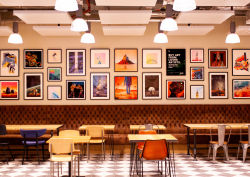
Now, they are making a return – not just in wardrobes, but in interiors. From boutique hotels to private residences, designers are reinterpreting scarf motifs as framed artworks, silk cushions and patterned rugs, turning a classic fashion accessory into a new language for contemporary spaces.
-

- Image credits: Roly Roques-O’Neil

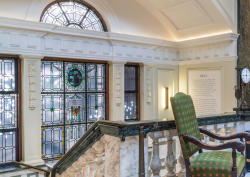
The silk scarf has long bridged the worlds of fashion and art. Labels such as Hermès and Emilio Pucci treated it as a canvas for imagination, producing designs that ranged from equestrian scenes to fluid abstractions inspired by Mediterranean light. Translating these visual traditions into interior design, today’s hoteliers and decorators are reviving an approach that prizes colour, pattern and memory as essential elements of atmosphere.
One of the designers at the centre of this revival is Richard Allan London, whose bold prints and distinctive use of colour defined the British scarf scene in the 1960s. After serving as Head of Design at Jacqmar, Richard Allan launched his own label in 1962 and sold more than 50,000 silk scarves in his first year. His work spanned the playful and the refined, blending avant-garde motifs with classic elegance – a balance that remains appealing to modern eyes.

Image credit: Richard Allan London
Today, Richard’s daughter, Cate Allan, is reintroducing these original designs in new forms. Framed prints drawn from the brand’s archives lend warmth and personality to hotel suites and living spaces. The effect is less about nostalgia than continuity – a way of linking the visual spirit of the 1960s to the pared-back aesthetics of modern interiors.
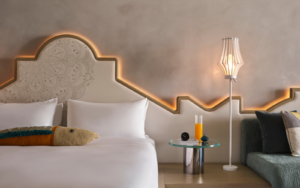
Silk cushions extend the idea, bringing texture and tactility into rooms that might otherwise feel minimal. The fabric’s natural sheen shifts with the light, creating subtle variations from morning to evening. Meanwhile, rugs based on archival scarf designs reinterpret the exuberance of the era in wool and silk, grounding vivid patterns within contemporary architecture.
-

- Image credits: Roly Roques-O’Neil

The result is a design language that feels neither retro nor overtly themed. Instead, it introduces a sense of history and craft – a quiet richness built from pattern, texture and association. For hoteliers and designers alike, these reimagined textiles offer a way to tell stories through surfaces, connecting fashion’s ephemeral beauty with the permanence of place.
Fashion, once fleeting, thus finds a new role. In the weave of a rug or the sheen of a cushion, the echoes of a silk scarf continue to speak – not of passing trends, but of design’s enduring capacity to evolve and endure.
Richard Allan London is one of our Recommended Suppliers and regularly features in our Supplier News section of the website. If you are interested in becoming one of our Recommended Suppliers, please email Katy Phillips.
Main image credit: Richard Allan London