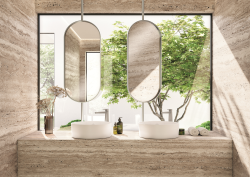
Lusso Stone explores how luxury hotel bathrooms have become indulgent sanctuaries, using sculptural design, natural materials and thoughtful layouts to elevate guest experience…
In the world of luxury hospitality, the bathroom has evolved far beyond its traditional function. Today, it is often considered the emotional centre of a hotel suite – a private sanctuary where guests can relax, recharge and experience a deeper sense of indulgence.
For leading interior designers and hospitality brands, the bathroom is no longer an afterthought. Instead, it has become a defining feature of the guest experience, with carefully considered layouts, statement pieces and tactile materials working together to create a space that feels both restorative and memorable.
Luxury interiors brand LUSSO has seen this shift first-hand through its work with prestigious hospitality and residential developments around the world, including Palm Jumeirah in Dubai, New York’s Equinox Hotel and the iconic Claridge’s in London’s Mayfair. These projects demonstrate how thoughtful design and elevated materials can transform a functional space into a focal point of modern luxury.
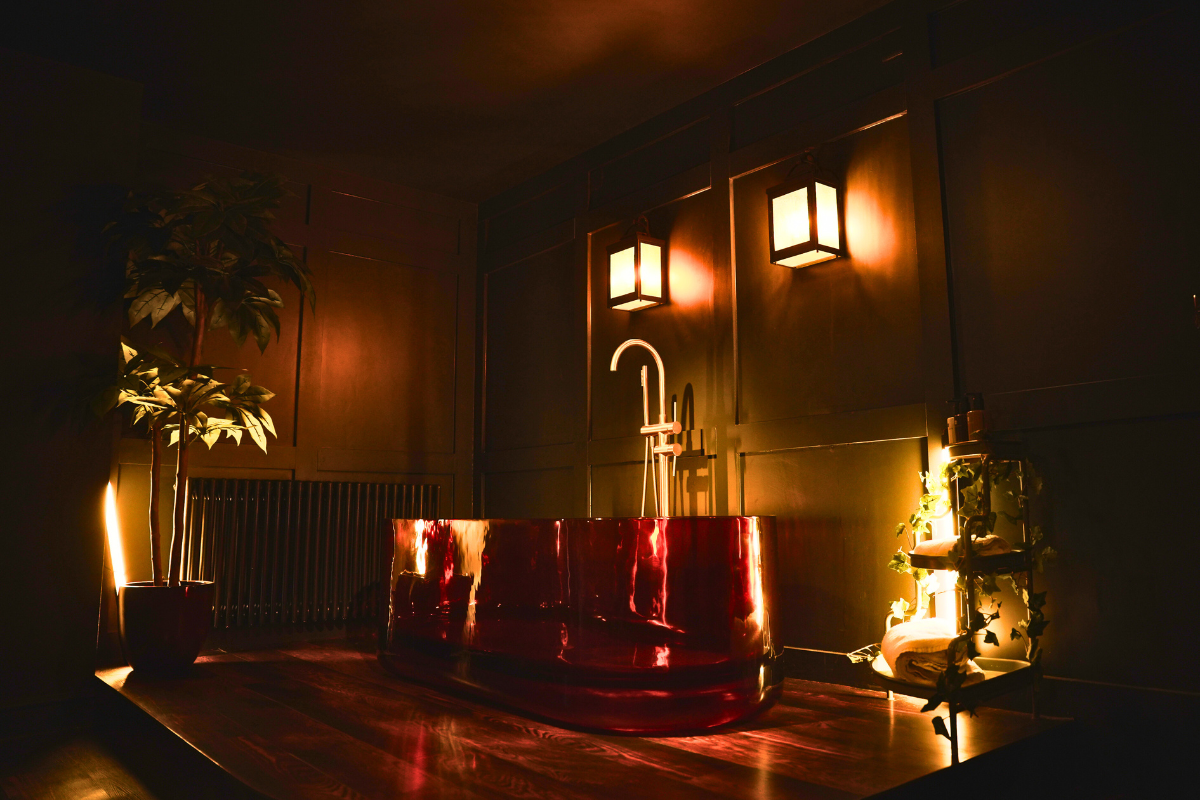
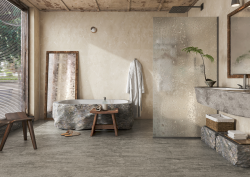
Amore Amber Bath from Lusso Stone, at The Croft | Image credit: Lusso
The rise of the bathroom as a centrepiece
In many luxury hotels, the bathroom now rivals the bedroom as the most impressive room in the suite. Travellers increasingly look for generous layouts, spa-inspired features and sculptural design elements that elevate their stay.
“A hotel bathroom is where guests begin and end their day,” says Mike Whitfield of LUSSO. “It’s a space that has the power to restore, rejuvenate and elevate the entire experience of the room.”
Freestanding baths have become one of the most recognisable symbols of this approach to design. Positioned to take advantage of natural light or scenic views, these statement pieces act as both functional elements and architectural features.
Within hospitality settings, a sculptural bath or oversized rainfall shower can instantly signal luxury, encouraging guests to slow down and enjoy the ritual of bathing.
Elevated materials and timeless design
The use of exceptional materials is another defining characteristic of luxury hotel bathrooms. Designers increasingly prioritise surfaces that are not only visually striking but also tactile and durable.
Stone and marble remain the materials of choice, offering both longevity and a refined aesthetic that ages gracefully over time. Their natural veining and texture create subtle variations that ensure every space feels unique.
LUSSO’s signature stone baths, crafted from its proprietary Cortese stone composite, are often chosen for hospitality environments due to their sculptural quality and durability. These pieces combine modern silhouettes with the tactile richness associated with natural stone, creating focal points that complement both contemporary and classical interiors.
-
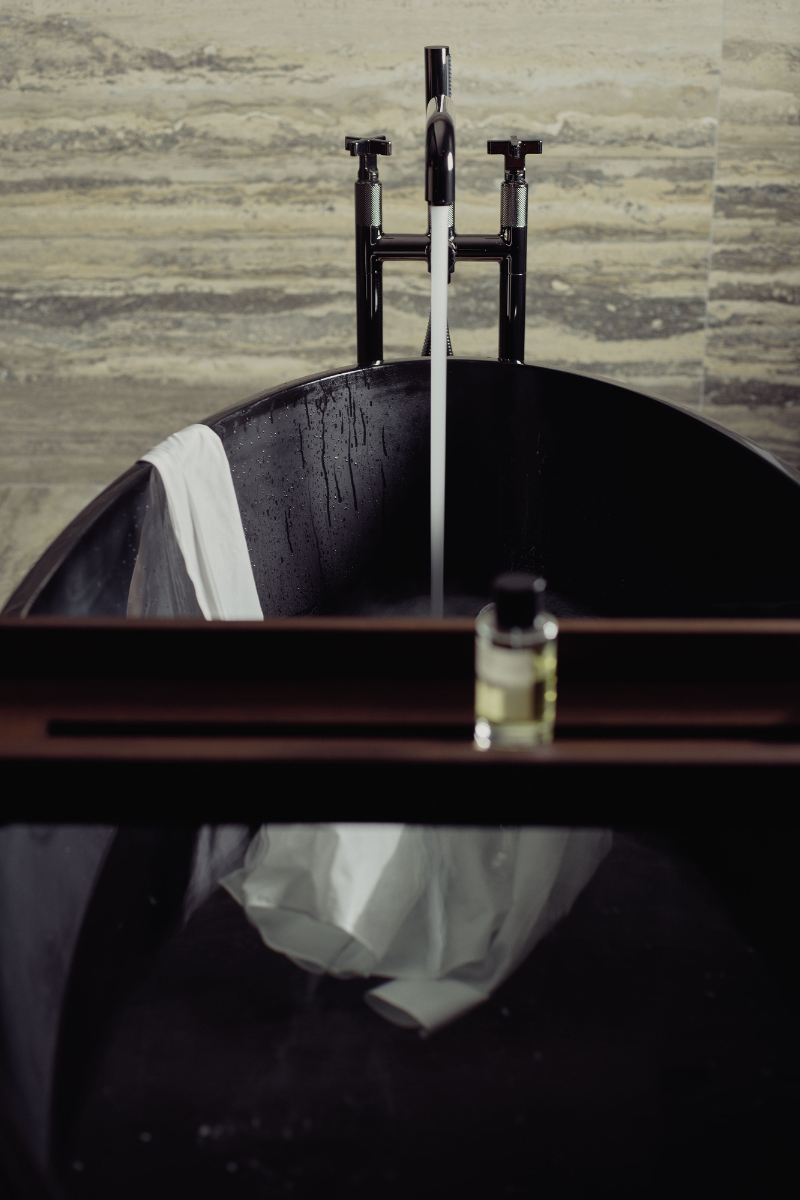
- The Equinox Hotel, New York | Image credit: Lusso
-
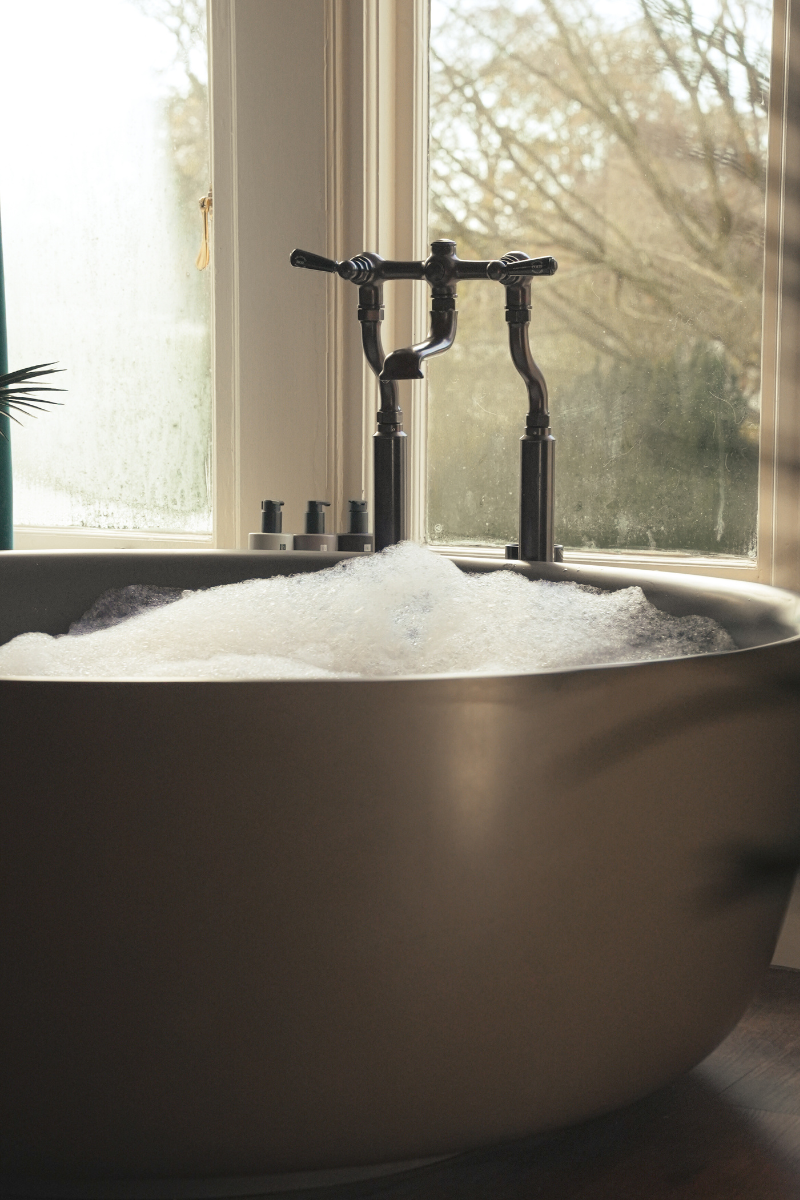
- Whitworth Hall | Image credit: Lusso
Statement pieces that define the space
Beyond materials, luxury bathrooms often rely on carefully chosen statement pieces to establish visual impact.
Freestanding baths, expansive vanity units and floor-standing bath taps frequently anchor the room’s design. These elements create a sense of scale and drama, even within more compact suites.
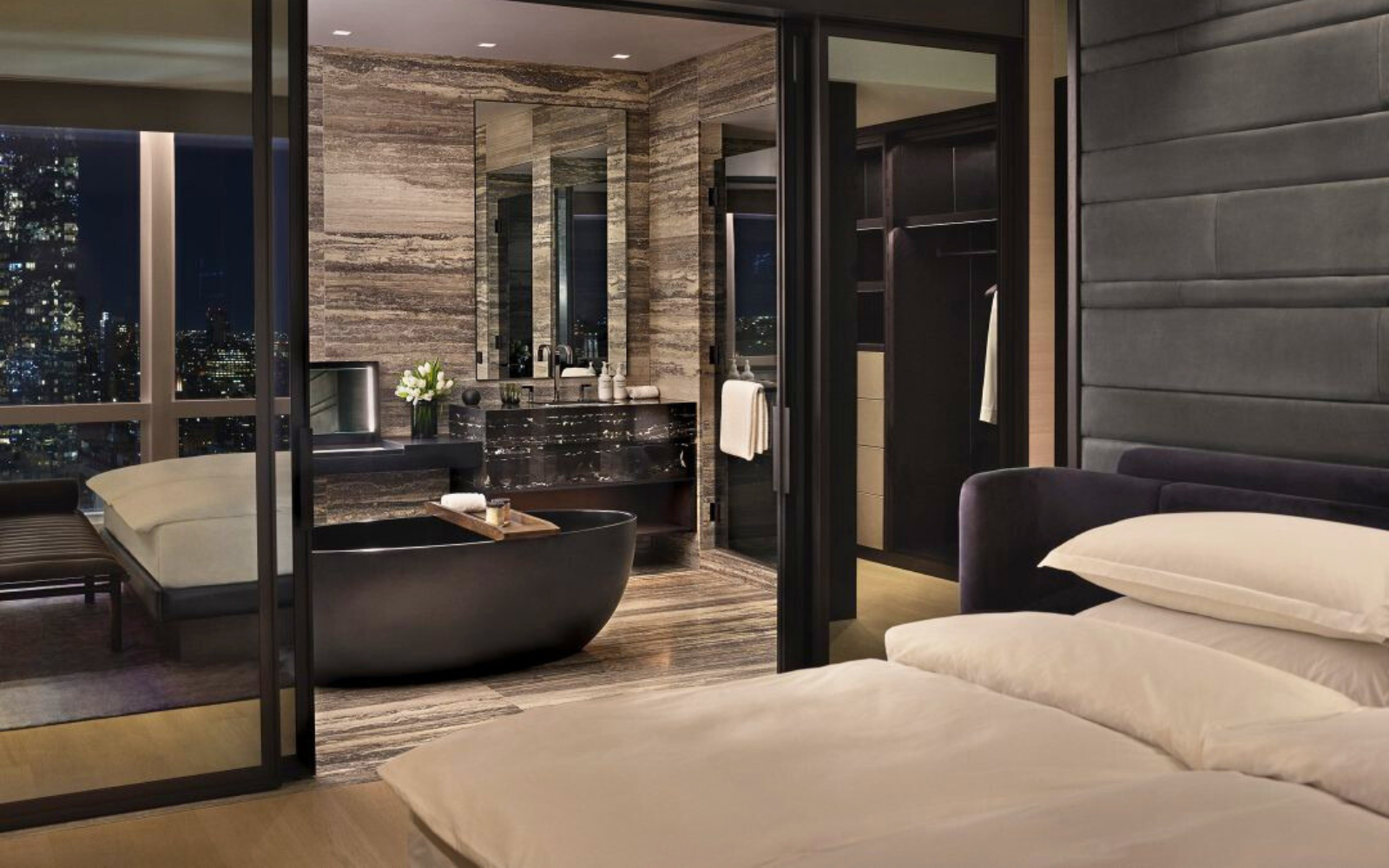
At New York’s Equinox Hotel, the bathroom experience is designed to mirror the property’s philosophy of high-performance living and wellness. In one of the hotel’s suites, the spa-grade bathroom features a mirrored dressing area alongside its most striking element – the Vetrina freestanding bath from the LUSSO collection.
Chosen by the Rockwell Group design team, the Vetrina bath’s deep curves, smooth matte black finish and contemporary silhouette complement the hotel’s sleek aesthetic. The sculptural bath creates a focal point within the space while providing guests with the ultimate environment to unwind and recharge.
Designing within iconic hospitality spaces
Luxury bathroom design becomes even more nuanced when integrated into historic or heritage hotels, where interiors must respect architectural legacy while still delivering modern comfort.
At Claridge’s in Mayfair, one of London’s most celebrated hotels, this balance between tradition and contemporary design is particularly evident. Known for its timeless elegance and Art Deco heritage, Claridge’s has long set the benchmark for luxury hospitality.
To ensure guests can relax and unwind in refined surroundings, each suite features a beautifully appointed bathroom designed to echo the hotel’s understated glamour. In one of these spaces, the Picasso freestanding bath from LUSSO takes centre stage.
With its deep curves and timeless design, the Picasso bath sits comfortably within the classic interior, complementing marble surfaces and elegant fittings. The sculptural form provides guests with the perfect place to indulge in a long, restorative soak during their stay at the legendary hotel.
Global perspectives on luxury
Across the world, luxury hotel bathrooms reflect both international design standards and regional influences.
In developments such as the residences of Palm Jumeirah in Dubai, bathrooms often mirror the grandeur of their surroundings. Expansive layouts, dramatic stone surfaces and statement baths help create spaces that feel both opulent and calming – an approach that aligns with the Middle East’s distinctive expression of hospitality luxury.
While each project varies in aesthetic, the fundamental principles remain consistent: generous space, exceptional materials and carefully curated focal points that encourage relaxation.
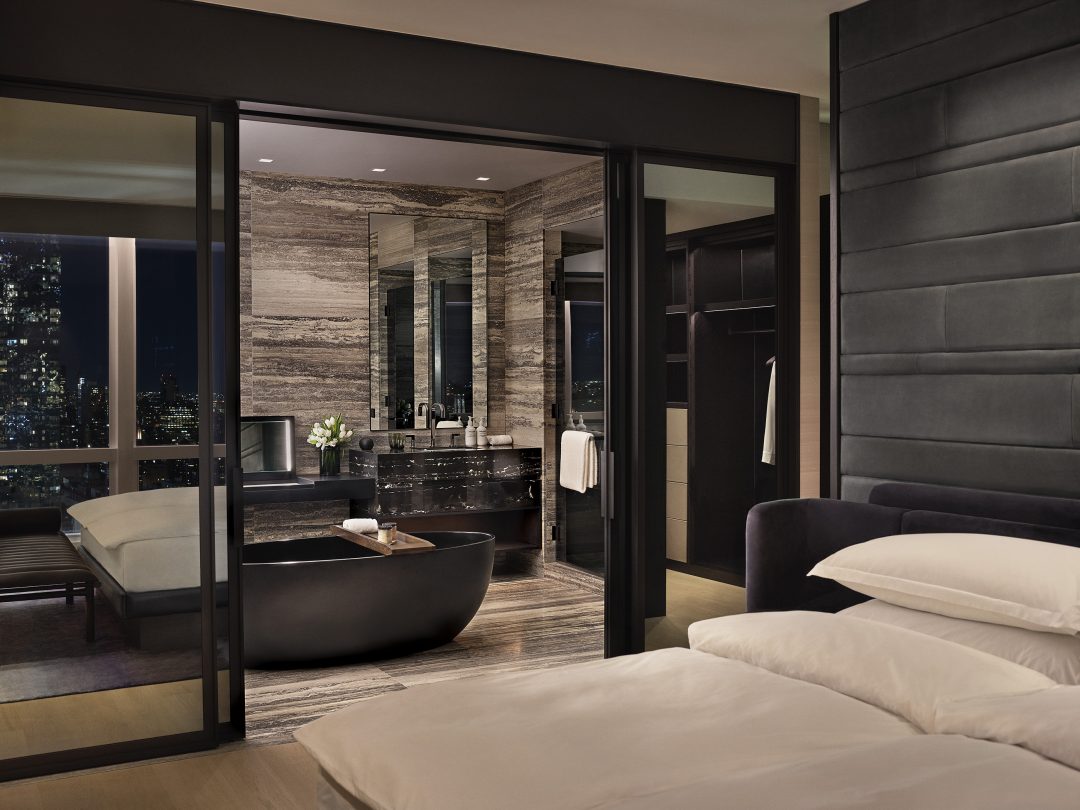
Equinox Hotel, New York | Image credit: Lusso
Layout and spatial flow
While aesthetics are essential, the most successful luxury bathrooms are also defined by thoughtful spatial planning.
Designers focus on creating distinct zones for bathing, grooming and relaxation while ensuring the space remains intuitive to navigate. Even within compact hotel suites, subtle zoning can make a bathroom feel open and effortless.
“A luxurious bathroom should feel generous and uncluttered,” Mike Whitfield explains. “Every element needs to work in harmony so the guest experience feels seamless.”
Lighting that shapes atmosphere
Lighting is another crucial component of luxury bathroom design. Rather than relying on a single overhead source, designers typically layer several lighting elements to shape the ambience of the room.
Ambient lighting creates a warm and welcoming glow, while accent lighting highlights mirrors, artwork or architectural features. Backlit mirrors and dimmable switches allow guests to adjust the atmosphere according to their mood or time of day.
Soft lighting combined with reflective surfaces such as marble and polished metals helps enhance the overall sense of calm.
The sensory details that define luxury
While statement features set the stage, the smallest details often leave the most lasting impression.
Luxury hotel bathrooms frequently incorporate sensory elements designed to elevate everyday routines. Plush towels warmed on heated rails, carefully selected toiletries and subtle signature fragrances all contribute to a sense of comfort and indulgence.
Guests often remember the softness of the linens, the scent of the bath products or the satisfying weight of a beautifully crafted tap. These seemingly minor details reinforce the perception of quality and help create a memorable stay.
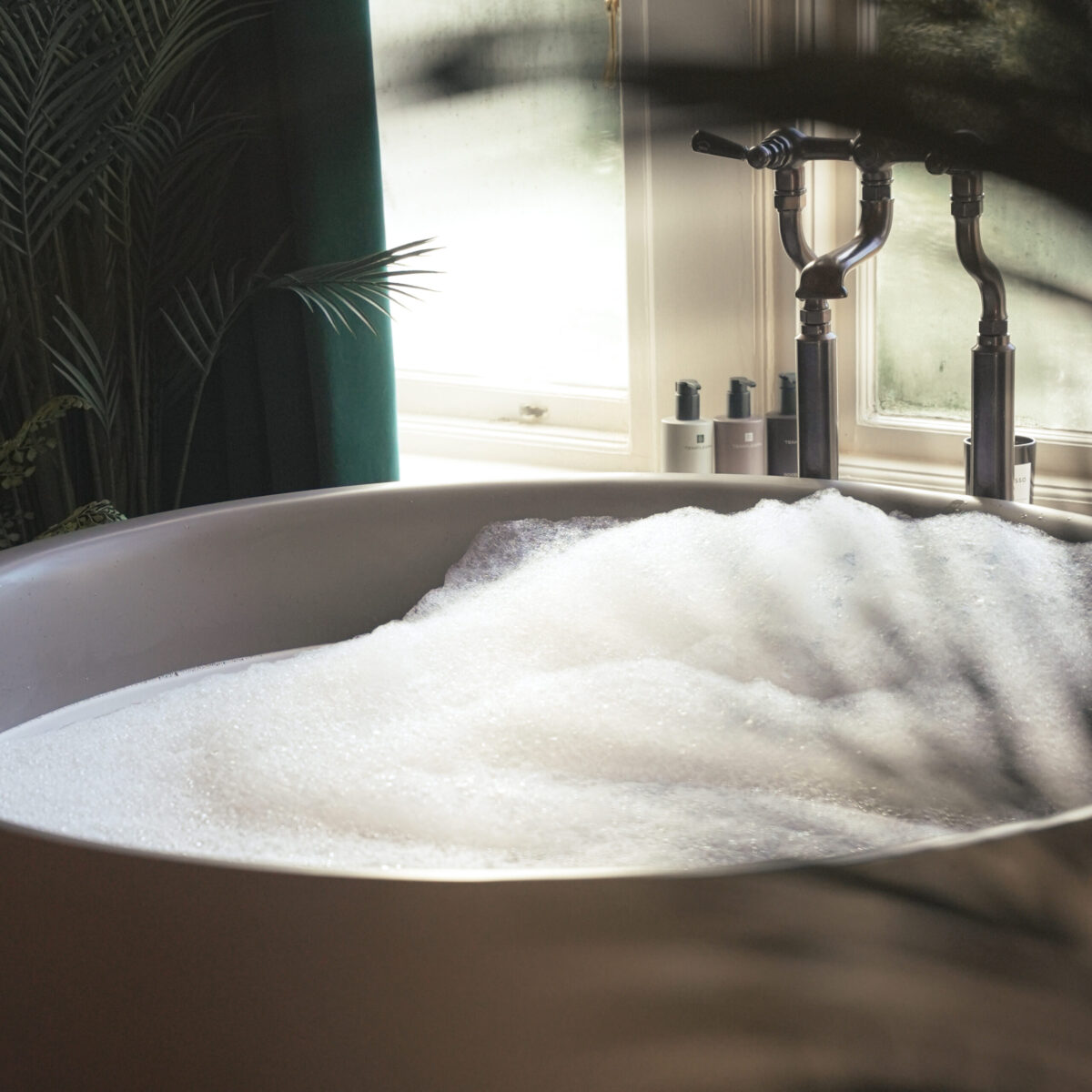
Whitworth Hall | Image credit: Lusso
Bringing hotel luxury into the home
The growing influence of hospitality design has also shaped residential interiors, with many homeowners seeking to recreate the indulgent atmosphere of five-star hotels.
Freestanding baths, walk-in rainfall showers and layered lighting are increasingly common features in contemporary homes.
“Hotel design focuses on balance, precision and emotional impact,” Whitfield says. “Those same principles can easily be applied to residential interiors.”
By combining thoughtful spatial planning, natural materials and carefully curated details, everyday bathrooms can become restorative spaces that feel closer to a private spa than a purely functional room.
Ultimately, the best hotel bathrooms succeed because they elevate simple routines into meaningful moments – transforming an ordinary space into one that feels quietly extraordinary.
This article is part of our paid content offering. To explore sponsored editorial opportunities with Hotel Designs please contact Katy Phillips.
Main image credit: Lusso