










A hotel stay no longer begins when a guest opens the door to their room – long before arrival, they might have browsed photographs, checked reviews, explored the neighbourhood or followed the property on social media…
By the time the guest arrives, they already have expectations about what the experience should feel like. Even the booking process can influence that perception. The language used, image selected and information provided all give prospective guests clues about what kind of stay they can expect.
That makes everything around the room important. A restaurant can introduce local food and culture. An outdoor space can offer somewhere to relax, while thoughtful communication can make the guest feel welcome before they even arrive.
Image credit: pexels.com
This is where hospitality branding becomes more than a visual exercise. A hotel’s identity isn’t limited to its name, logo, colours or interior design. It’s built through the experiences a guest has with the property, from the first online interaction to the final moments of a stay.
The experience starts online
The first interaction with a hotel often happens nowhere near the hotel itself. It might be an Instagram post, a search result, an email or a confirmation message after booking.
These interactions establish expectations. A relaxed and informal hotel should not suddenly sound stiff and corporate in its emails. A property built around local culture can introduce that personality through social content, destination guides and pre-arrival messages.
Clear information, useful recommendations and well-timed communication can make guests feel looked after before they arrive. An email suggesting nearby restaurants or explaining how to reach the property turns a practical message into part of the hospitality experience.
Social media offers another opportunity. Rather than showing only polished rooms, hotels can share the atmosphere of a busy restaurant, a seasonal event, a staff recommendation or something happening in the surrounding neighbourhood.
Consistency is important across these channels. When the tone, imagery and messaging feel connected, guests get a clearer sense of the property’s character before they ever set foot inside it.
Creating spaces guests want to use
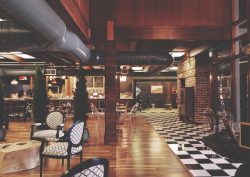
Once guests arrive, shared spaces become another expression of the brand.
Hotels have traditionally treated areas such as lobbies, restaurants and outdoor spaces as functional. Increasingly, these areas are being designed around how guests want to spend their time.
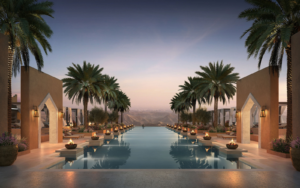
A lobby might double as a social space during the day. A rooftop could host events in the evening. A garden might give guests somewhere to meet, work or slow down.
Adding a lounge doesn’t automatically create a better experience. The design atmosphere and way the space is used need to match what the property promises.
Atmosphere is part of the brand
There is evidence that guests notice this. Mood Media’s 2026 hospitality survey found that 63% of U.S. consumers prioritise hotel atmosphere when choosing where to stay.
That makes atmosphere more than an interior design consideration.
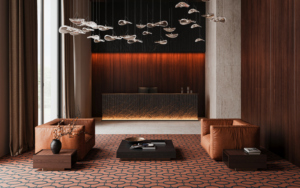
A wellness-focused hotel might use natural materials, soft lighting and quieter spaces to create a sense of calm. A city property aimed at younger travellers might take a more social approach, with communal seating, music, food and events.
What matters most is consistency. The physical environment should reinforce the experience promised through the hotel’s website advertising and other communications.
Connecting guests with the destination
The experience can extend beyond the property itself.
Hotels can help guests engage with their surroundings through local walking routes, recommendations, partnerships with nearby businesses and access to cultural attractions. The destination then becomes part of the stay rather than simply the backdrop.
This can be especially valuable in cities, where guests might choose a hotel partly because of its relationship with the neighbourhood.
A guest might have breakfast at the property, spend the afternoon exploring local shops and galleries, return for a drink and finish the evening at a restaurant recommended by staff. The hotel remains central without needing to provide everything itself.
It can also strengthen the hotel’s position within its community. Supporting independent businesses and directing guests toward local experiences can make the property feel like a part of the neighborhood rather than separate from it.
The room is only one part of the story
A memorable hotel stay is rarely defined by one element. A comfortable room is important, but so is the welcome at reception, the restaurant downstairs, the terrace, a useful recommendation from a staff member or the feeling of discovering somewhere connected to the destination.
The strongest hospitality brands recognise that the experience doesn’t stop at the guest room door. It begins before arrival and can continue after checkout through communication, content and the memories guests take with them.
The room is still important, of course. It’s just no longer the whole story. Every interaction has the potential to strengthen that identity, provided the experience feels deliberate rather than designed simply for appearances or convenience alone.
This article is part of our paid content offering. To explore sponsored editorial opportunities with Hotel Designs please contact Katy Phillips.
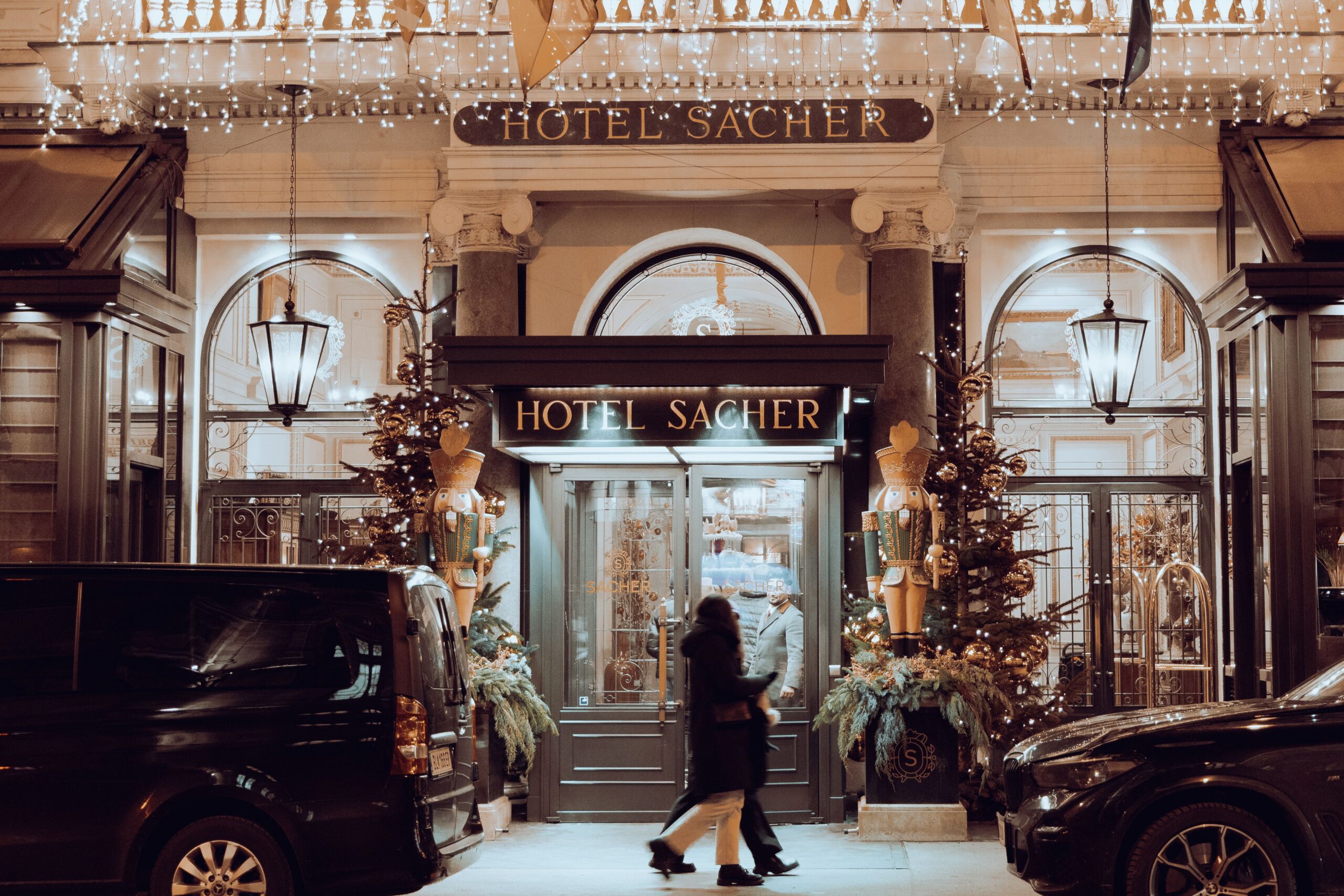
Main image credit: Klaus Nenning