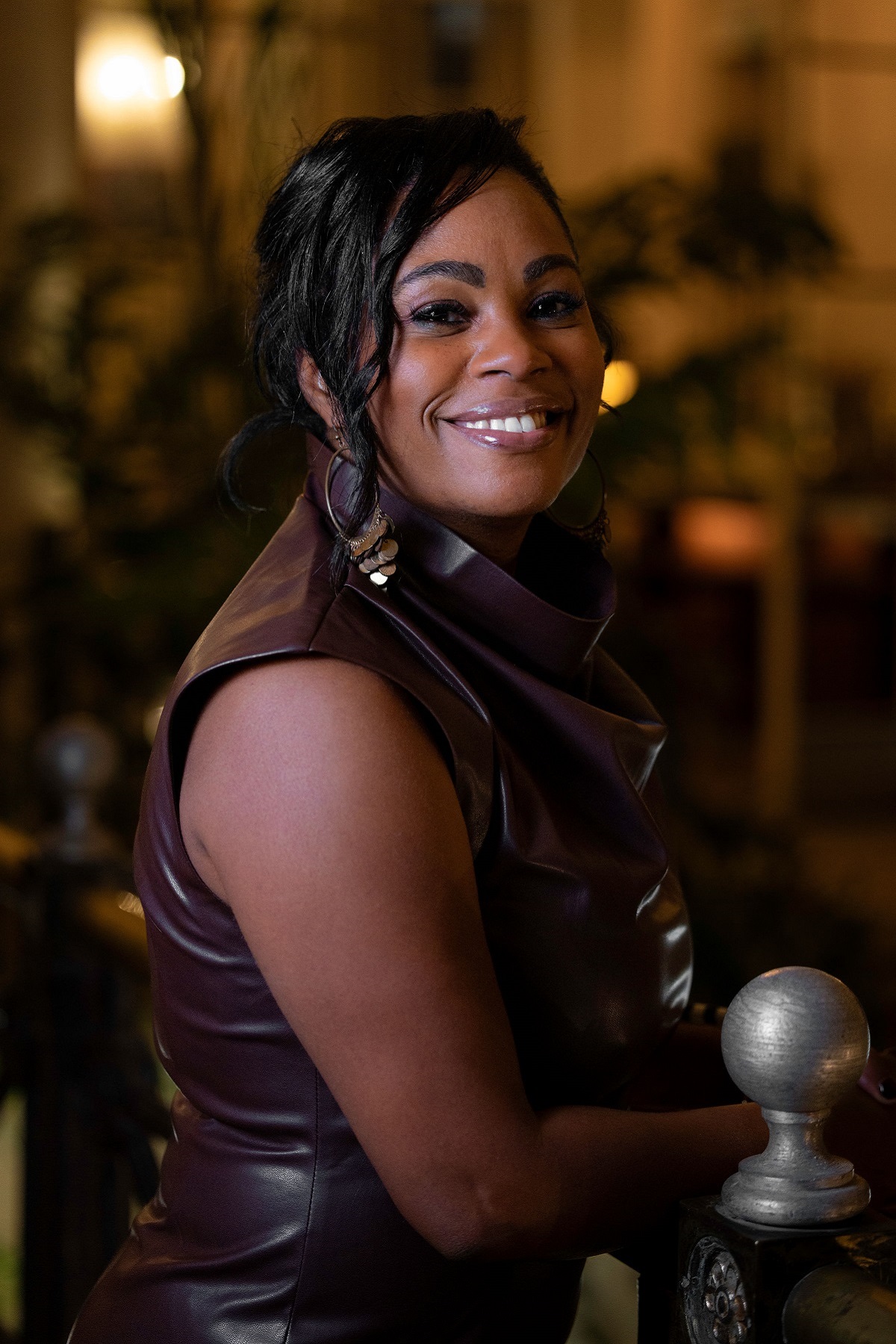
Maison&Objet 2026, as always, kicked off the event year in style, with a design-laden week showcasing innovations, highlighting trends, and sparking conversations. Toni Black, House of Black CEO – and Brit List Interior Designer 2025 – attended the event as a UK ambassador, and shares some of her key takeaways from the City of Light…
Attending Maison & Objet this year as an Ambassador, I expected to be inspired by innovation but what stayed with me most wasn’t a single product or piece. It was the atmosphere, the way stories, materials and memory converged to shape how we experience space and object.
-
- Image credit: House of Black
-
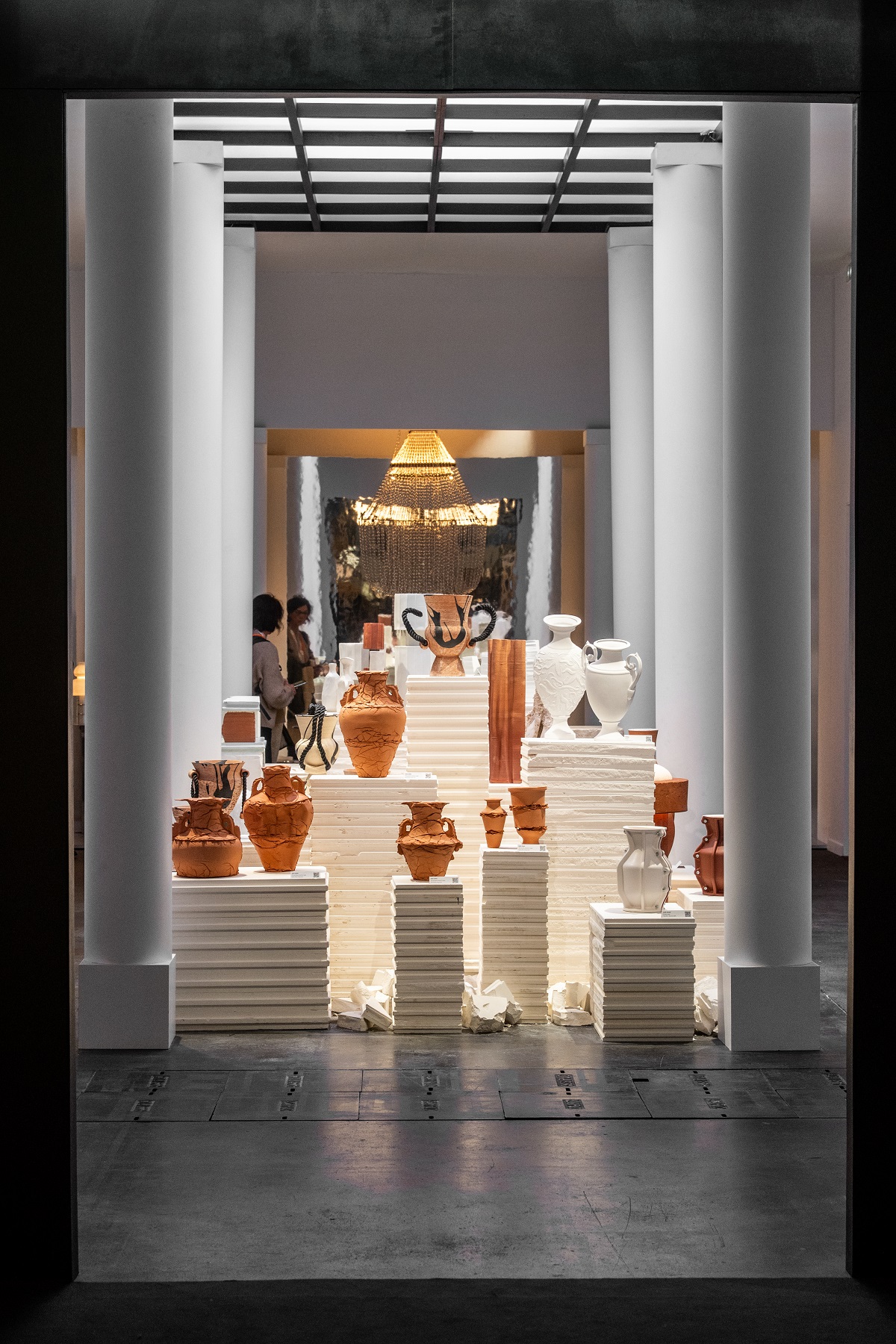
- Image credit: Anne-Emmanuelle Thion
Under the theme ‘Past Reveals Future,’ the fair didn’t linger in nostalgia; it invited us back into design that feels alive, human, and deeply expressive. From the moment you arrived, you entered through an installation that set the tone, immersive sequences of colour, reflection and spatial rhythm that didn’t shout, but clearly welcomed curiosity. Before touching anything tangible, you could feel the intention behind it – a reminder that design is about how a space makes you feel, speaking to the senses first.
As I moved through the halls, one idea kept returning: design today is more playful, more experimental, and more engaged with experience. Function remains essential, but it no longer dominates the conversation. Instead, personality, emotion and interaction are front and centre; design that invites you in, rather than explains itself.
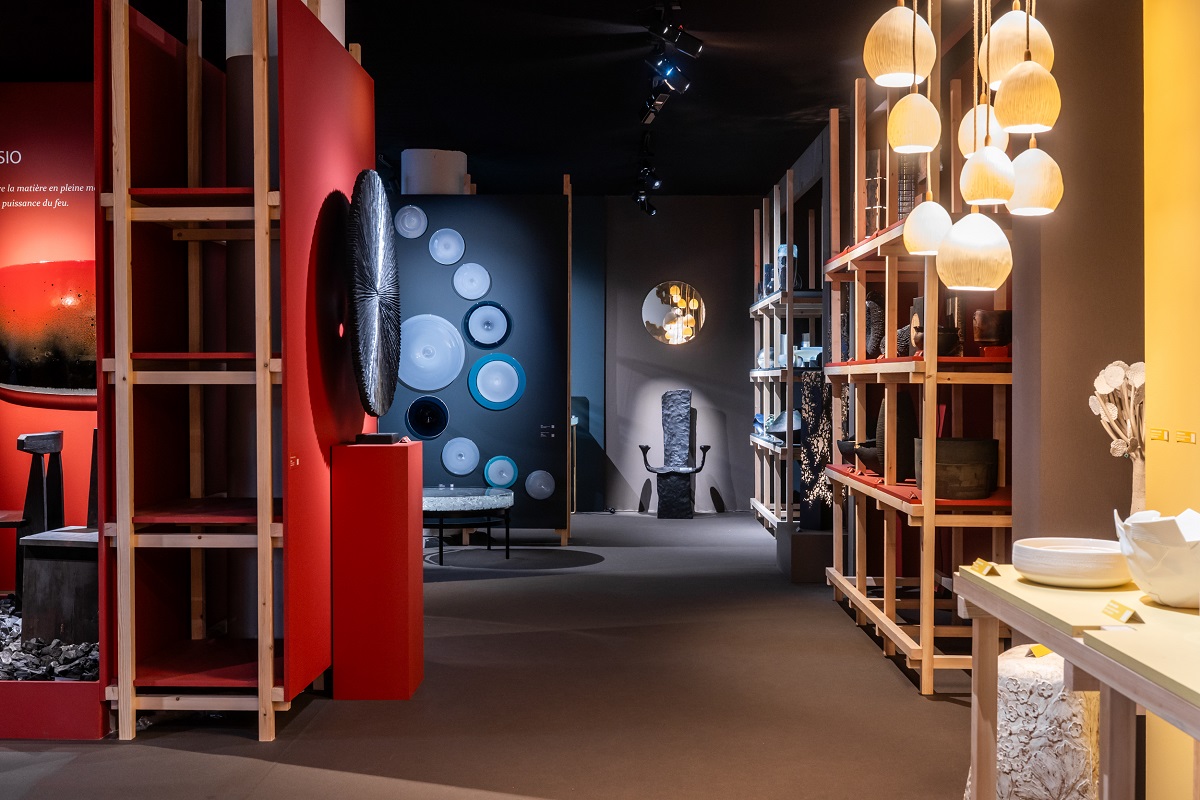
In Materia | Image credit: Anne-Emmanuelle Thion
This spirit was evident in how familiar forms re-emerged: classic references and materials reworked in ways that felt intentional and alive. The past wasn’t repeated, it was reimagined, elevated by colour, scale, and unexpected dialogue between forms. This wasn’t retro for effect; it was heritage transmuted into the present.
There was a clear confidence in how materials were brought together. Glass, wood and metal were mixed freely, often in combinations that felt unexpected but deliberate. The usual rules seemed to fall away; materials didn’t need explaining or defending. What mattered was the atmosphere they created, a confident dance of contrasts, resolved through feeling rather than formula.
-
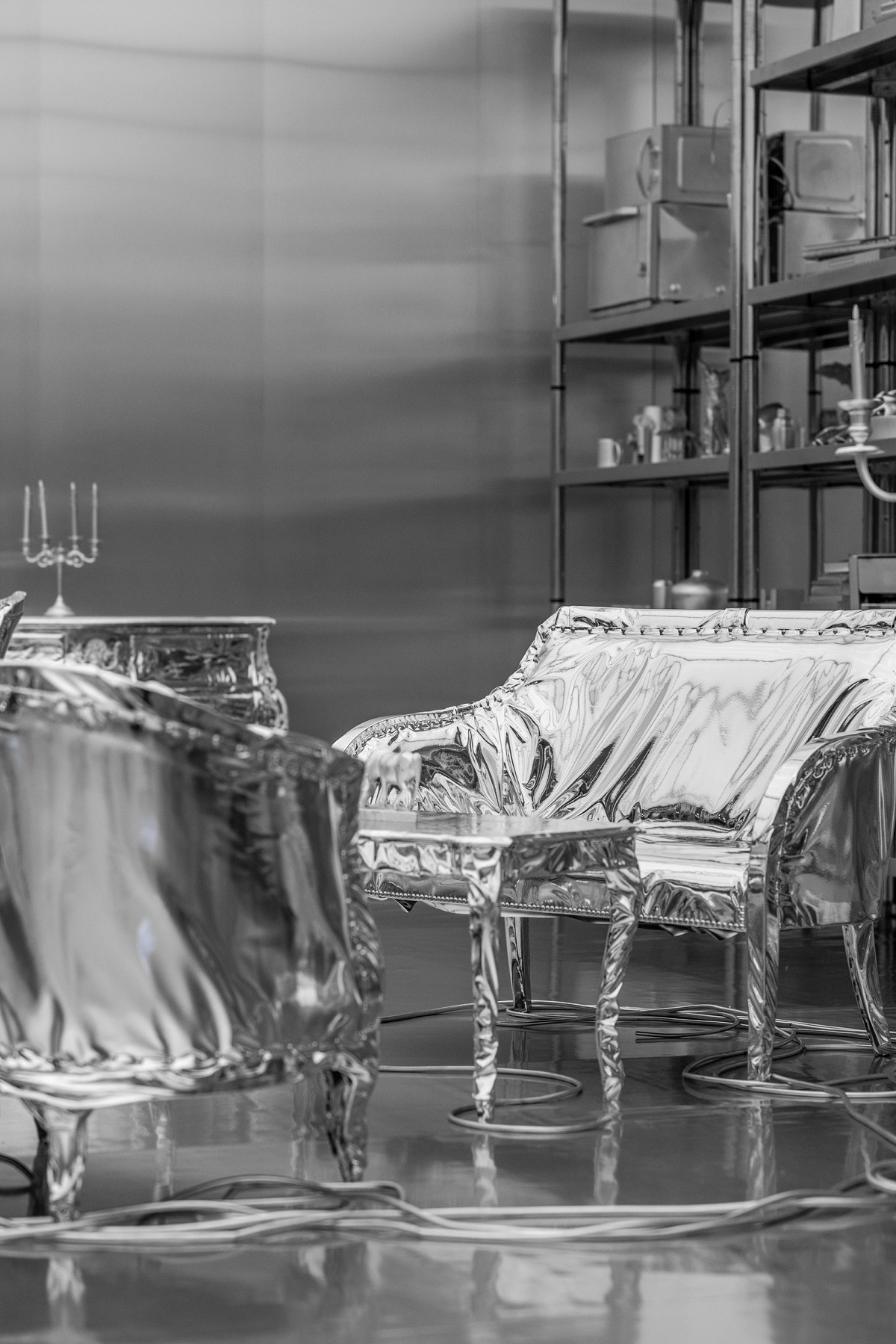
- Image credit: Anne-Emmanuelle Thion
-
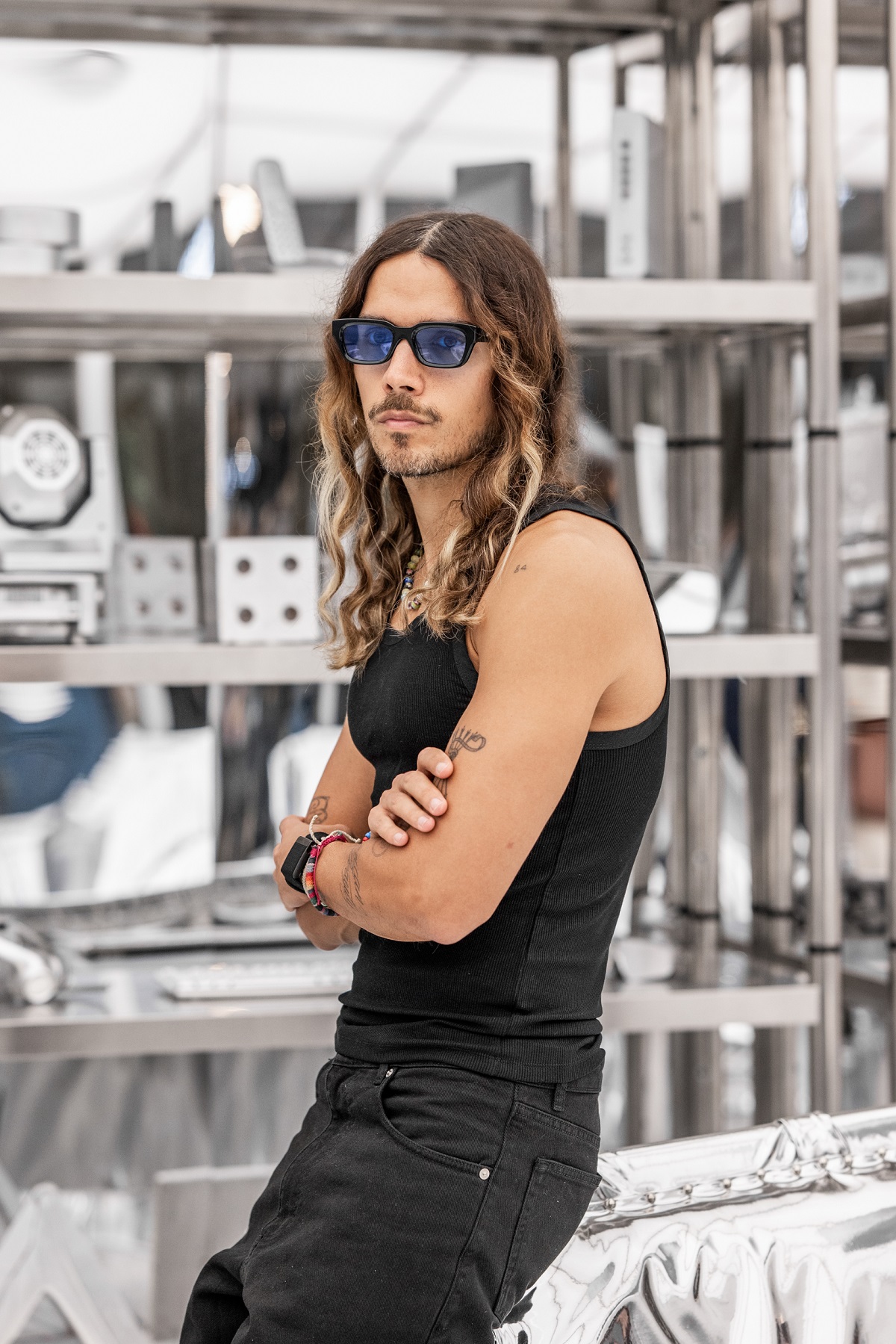
- Designer of the Year Harry Nuriev | Image credit: Anne-Emmanuelle Thion
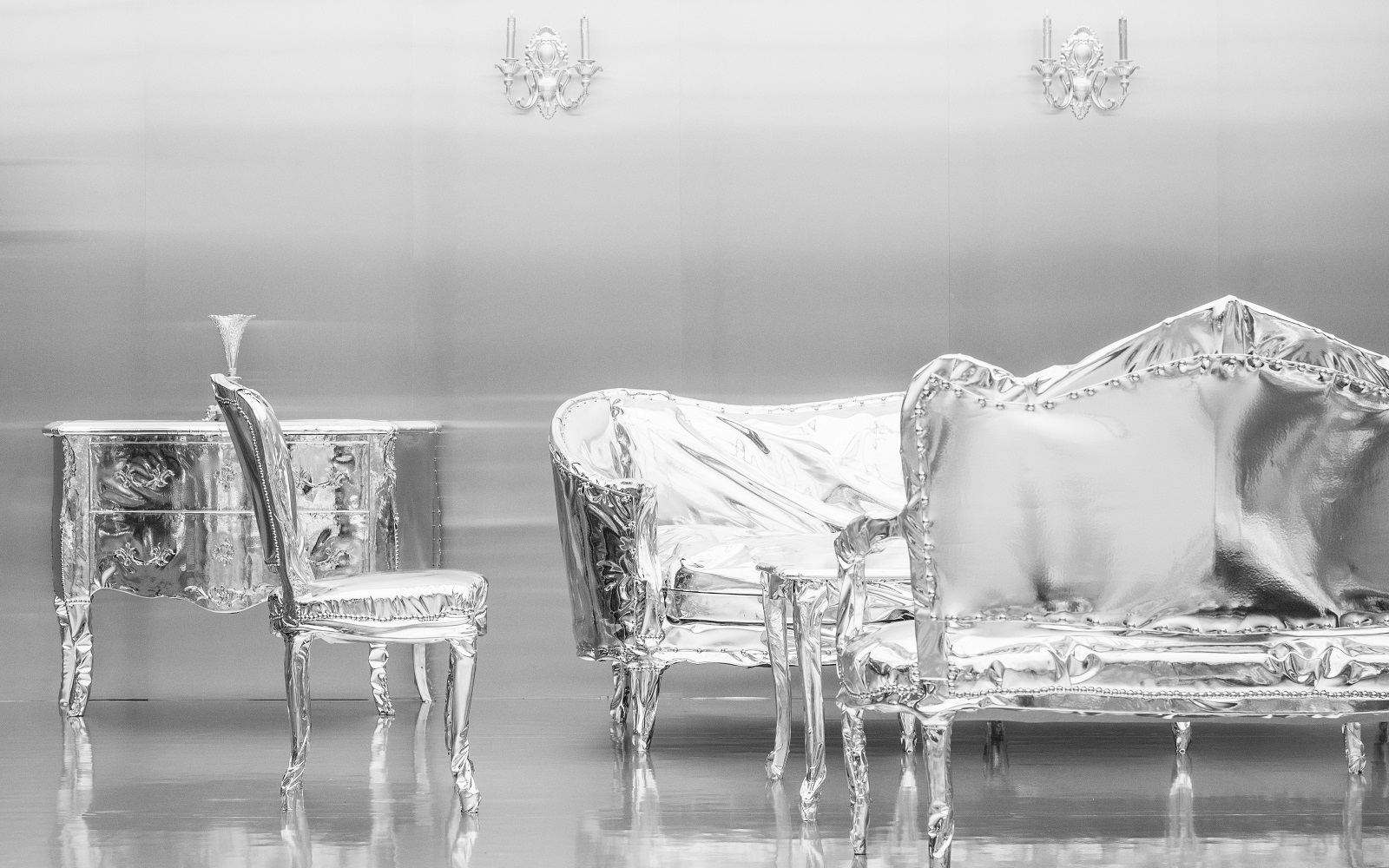
Two moments illustrated this sensibility beautifully: Harry Nuriev’s installation captured this particularly well. His approach blurred the line between art and utility, focusing less on defined function and more on the way we choose to interact with space. It felt personal, expressive, encouraging a more open, intuitive interpretation of form and experience.
A similar idea came through in Rudy Guénaire’s hospitality installation, ‘Suite 2046’. Playful and unapologetic, it surfaced elements that have quietly disappeared from the hospitality experience; details we may miss but have come to accept as lost. It served as a reminder that in the pursuit of refinement and efficiency, we can unintentionally strip away the comfort and character that make spaces memorable.
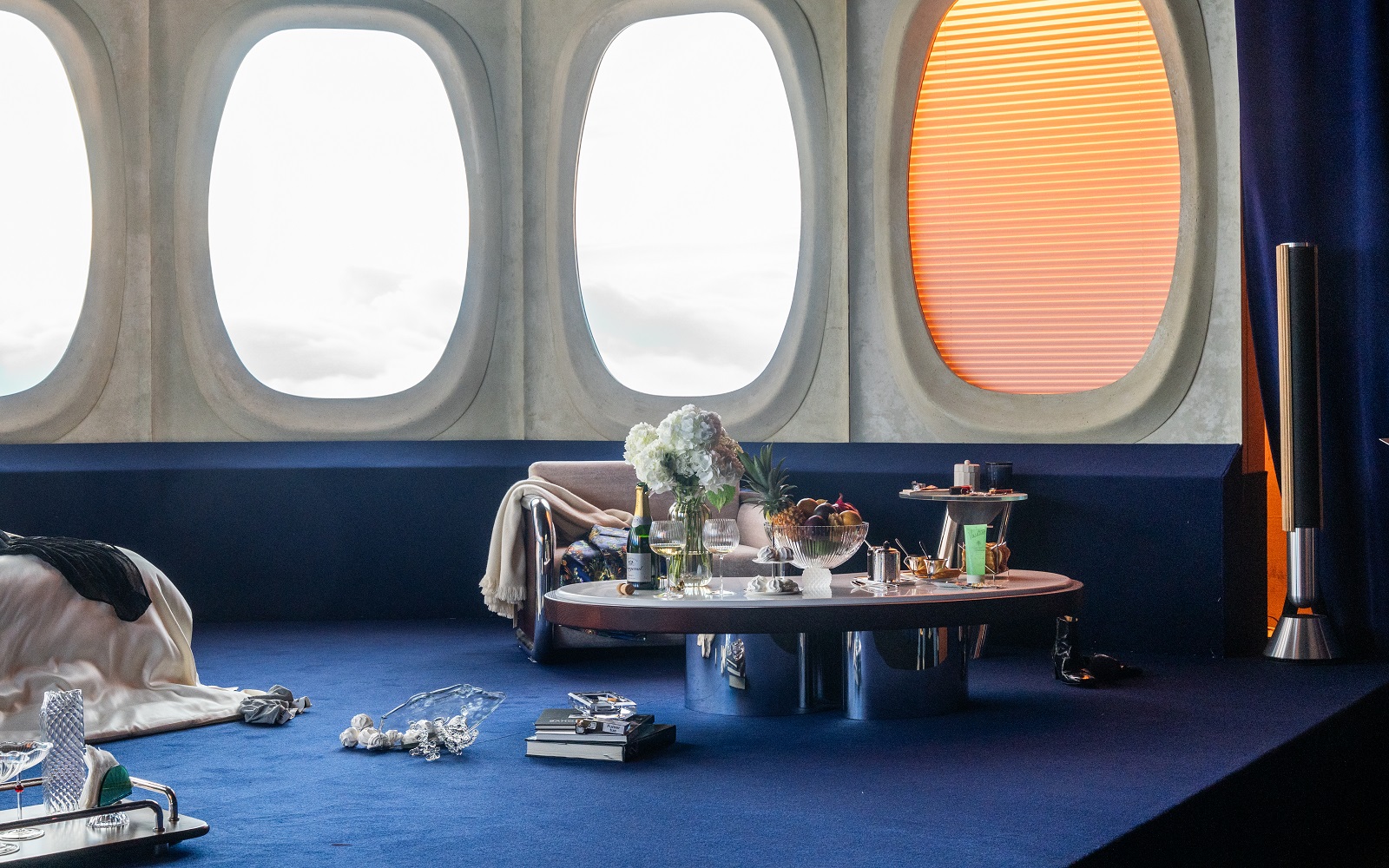
Rudy Guénaire, ‘Suite 2046’ | Image credit: Anne-Emmanuelle Thion
Taken together, the installations spoke to something profound: design doesn’t always need to begin at zero. There is value in revisiting, remixing and honouring what came before — not as an echo, but as fuel for new expression. What mattered was not whether something felt rooted in the past or entirely new, but the confidence with which it was expressed. There was no hesitation around colour, mixing or personal language, and that assurance felt both refreshing and deliberate. Ultimately, it came back to how work resonates, how it feels, and how it connects to the stories we carry forward.
Maison & Objet 2026 didn’t prescribe trends; it opened a conversation. One where design is defined not by when something was made, but by how it is experienced. Less about novelty, more about emotion. Less about form, more about connection.
If there’s one takeaway, it’s this: Design is becoming deeply personal.
It reflects how we feel, how we want to explore and move through space, and how we choose to connect with our surroundings. The past isn’t something behind us, it’s something we carry forward, reshaped by curiosity, feeling, and human experience.
Main image credit: Anne-Emmanuelle Thion