NABOA Tulum is a new boutique hotel, bringing together precise volumes, open-air circulations and framed views to craft a serene atmosphere…

Set within a 2,500 square metre parcel of jungle, NABOA Hotel Tulum is an intimate hospitality project where architecture, interior design, and landscape are conceived as a single integrated experience. Designed by Jaque Studio, with interiors by Studio Wenden and landscape architecture by Hugo Sánchez Paisaje, this 10-suite boutique hotel proposes a contemporary retreat shaped by clear geometries and noble materials—spaces crafted to foster a direct connection with the natural surroundings and a slower, more contemplative rhythm of life.
The project draws on vernacular design principles, passive solutions, and deeply local materials to offer a stay that is serene, current, and attuned to its environment, aligned with NABOA’s contemplative and ritual-driven philosophy.
-

- Image credits: César Bejar for Jaque Studio

The design begins with the dialogue between the precision of the built volumes and the organic character of the pre-existing vegetation. Set on a square lot, the architectural bodies are organised around a longitudinal pool and a tropical garden that function as the guiding axis of the complex, creating an internal courtyard that concentrates the life of the hotel and orients all views toward its centre. Pure, stacked geometries contrast with the tree canopy and the surrounding wild growth, reinforcing the notion of a contained oasis where paths unfold between limestone walls, elongated shadows, and carefully controlled openings—always with a sense of refuge and privacy.

Image credits: César Bejar for Jaque Studio
The project includes 10 accommodation units, allowing for an intimate scale and highly attentive service. Two main typologies are proposed: six one-bedroom suites on the ground floor, horizontally arranged with terraces and indoor–outdoor bathrooms that open directly onto the garden; and four suites on the upper level, laid out around a double-height social space with a mezzanine that houses two bedrooms with full bathrooms. Among them, the Tropical Suite stands out for its sculpted bathtub and private pool, features that deepen the sense of fluidity between interior and exterior and elevate the experience of retreat. Cross ventilation, generous ceiling heights, and the precise orientation of openings support natural airflow and daylight throughout the day, reducing the need for mechanical systems in Tulum’s warm, humid climate.

Image credits: César Bejar for Jaque Studio
The common areas are conceived as lightweight pavilions that shape the circulations and the hotel’s social life. The lobby appears as a linear volume on a concrete and chukum base, crowned by a wooden roof that seems to float among the trees, supported by slender columns woven into the vegetation. The restaurant rises as a double-height hall with an open kitchen and a terrace elevated above the natural ground level, offering a sweeping view of the pool and the central garden.
These spaces are complemented by a yoga studio, outdoor lounges, and walkways that link the various architectural pieces between stone walls and carefully designed clearings, reinforcing the feeling of being perpetually immersed in nature.

Image credits: César Bejar for Jaque Studio
NABOA’s materiality is defined by a restrained palette rooted in organic elements that weather gracefully and harmonize with the environment. Chukum—a traditional Yucatán finish—wraps walls and surfaces, giving the ensemble a warm, subtly textured appearance. Limestone and travertine marble cover floors, bases, and steps, while wooden structures and carpentry add rhythm and warmth to ceilings, pergolas, and built-in furniture. These neutral surfaces capture the filtered light that trickles through the treetops, casting gentle shadow patterns across pathways, terraces, and masonry walls, allowing the green of the vegetation and the glint of water to take prominence.
-

- Image credits: César Bejar for Jaque Studio
-

- Image credit: Mesh / NABOA Hotel Tulum
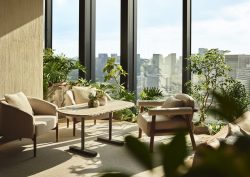
Studio Wenden deepens this calm spatial narrative through a thoughtful selection of furniture, textiles, and objects. The interiors pair solid-wood pieces with clean lines, low seating in shades of green and sand, dark-toned tables that anchor each room, and integrated shelving displaying artisan ceramics, books, and understated artworks. Suites incorporate airy curtains, organic-fiber bedding, and recessed or linear lighting that washes the chukum walls with a soft glow.
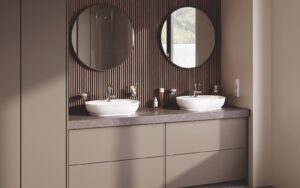
Bathrooms—including some with sculpted tubs and outdoor showers—are conceived as open sanctuaries for personal care, where the transition between interior and exterior becomes gradual without compromising privacy.
-

- Image credits: Mesh / NABOA Hotel Tulum

The project subtly integrates sustainability and energy-efficiency strategies. Preserving much of the existing vegetation provides shade, moderates heat, and improves the site’s microclimate, while compact volumes, open-air corridors, and shaded areas support natural ventilation. Solar panels, LED lighting, smart controls, and low-consumption fans help reduce electrical demand, complemented by a comprehensive water filtration and purification system. These technical elements are discreetly embedded, allowing guests to simply experience thermal comfort, acoustic serenity, and constant proximity to the natural environment.

Image credits: César Bejar for Jaque Studio
NABOA’s vision emerges from a collective effort in which architecture, interiors, and landscape align to serve a singular idea: a contemporary retreat of quiet simplicity deeply connected to Tulum’s tropical climate. The hotel proposes an intimate model of hospitality that reinterprets Yucatán’s tradition through formal restraint, attention to detail, and respect for the land. More than a place to pass through, NABOA aspires to become a destination to which one returns—a space where luxury is measured in time, silence, and closeness to nature, and where architecture and design accompany daily life with clarity, calm, and a strong sense of place.
Main image credit: Mesh / NABOA Hotel Tulum