Interdisciplinary design firm Hart Howerton led the architecture, interiors, and landscape for the Farmhouse at Inns of Aurora Resort & Spa, approaching the project with a holistic vision, anchoring it within the broader story of Aurora’s past and present…
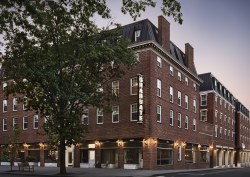
Throughout its history, the Aurora Inn evolved in purpose, first as a stopover for travellers, later as a residence hall for Wells College in the 1960s, and in May 2003, the Aurora Foundation extensively restored and reimagined the Aurora Inn. Today, the Aurora Inn serves as the flagship property of Inns of Aurora Resort & Spa, a nationally-recognised resort that layers the spirit of a simpler time with a contemporary approach to wellness and design.
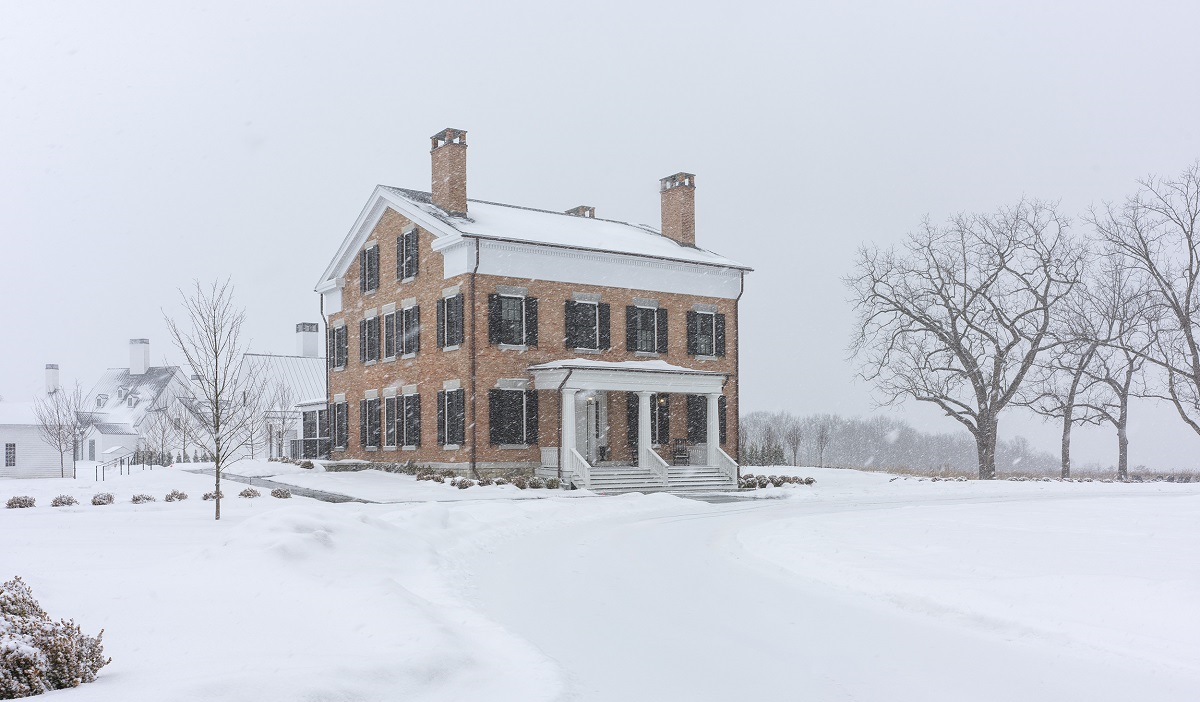
Image credit: Chris Mottalini
The Inns of Aurora stands as a luxury-boutique escape in the heart of the Finger Lakes, awarded One MICHELIN Key in 2025 for its exceptional hospitality offerings. Now, the Farmhouse stands as the next piece in this legacy. Originally built in 1835 as the centerpiece of Benjamin Gould’s robust 140-acre farm, this red brick Greek Revival home had stood as one of the last major historic structures in Aurora left unrestored. Hart Howerton oversaw the architecture, interiors, and landscape for the Farmhouse. The design approach began with a faithful restoration of the original red brick home, affirming their belief that honouring the past can create meaningful places for the present. The masonry was repointed and cleaned, the trim recreated, and the columned porch restored to its historic prominence. Its revival is both symbolic and functional. Symbolic because it represents the completion of a long-term project of preservation, and functional because it expands the Inns of Aurora’s offerings, creating a new retreat designed for gatherings of families, friends, and more.
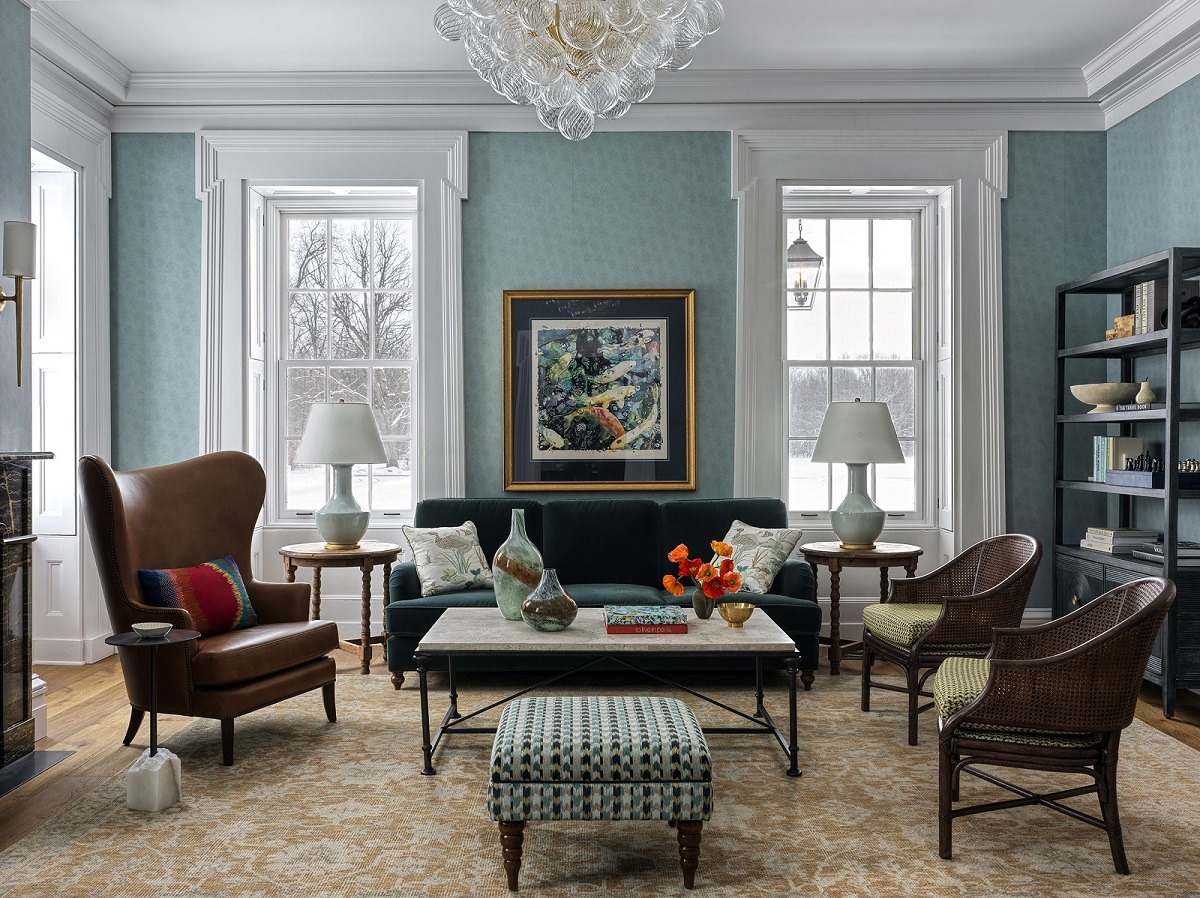
Image credit: Chris Mottalini
The Farmhouse also plays an important role as a bridge within the Inns of Aurora as a whole. Down in the village, the five historic inns each carry the language of the 19th century, while up on the hillside the Spa at the Inns of Aurora, also designed by Hart Howerton, introduced a new, pared back agricultural aesthetic. The Farmhouse sits between the two, both physically and conceptually. Its red brick core ties it to the historic architecture of Main Street, while its new wing adopts the contemporary language of the Spa. Connected through light-filled galleries, the design stitches together the larger campus so that the resort reads as a complete composition rather than separate parts.
The Farmhouse also signals an evolution in who the Inns of Aurora can attract. While the five historic inns reflect a more traditional guest experience, the Farmhouse and its new studios introduce a contemporary offering.
-
- Image credits: Chris Mottalini
Building upon the original home, Hart Howerton crafted a new addition, which houses six guest studios. The design is a deliberate contrast from the original Farmhouse, drawing from a pared down contemporary agricultural language similar to the Spa with simple gabled roofs, standing-seam metal and painted brick. The addition connects to the Farmhouse through light-filled galleries and bridges, creating a composition where old and new stand side by side, each legible in its own right. The architecture minimizes visual impact, allowing the historic home to remain the focal point while the new work establishes its own quiet presence.
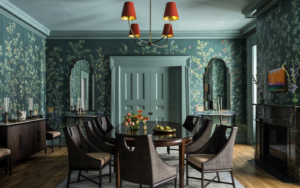
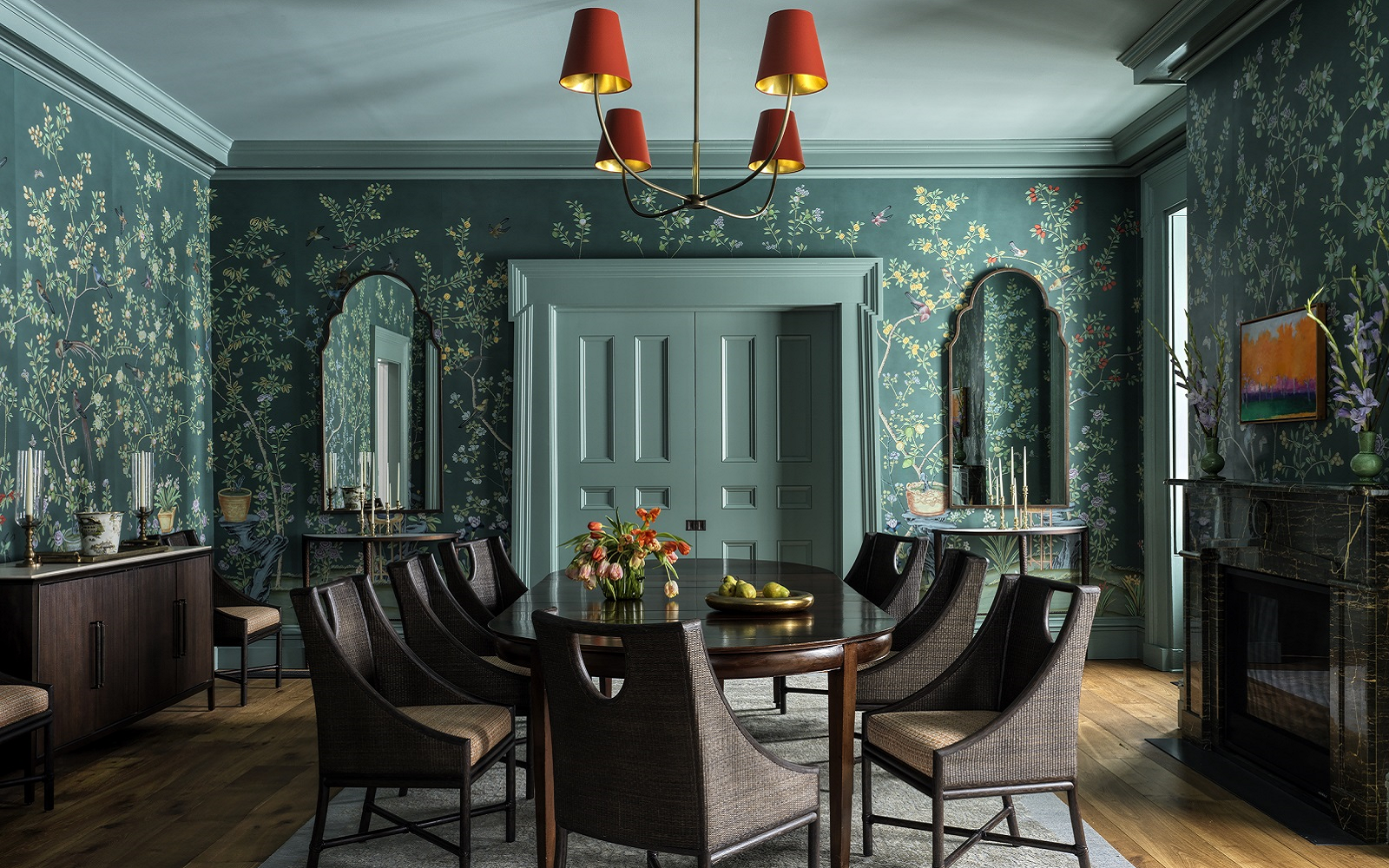
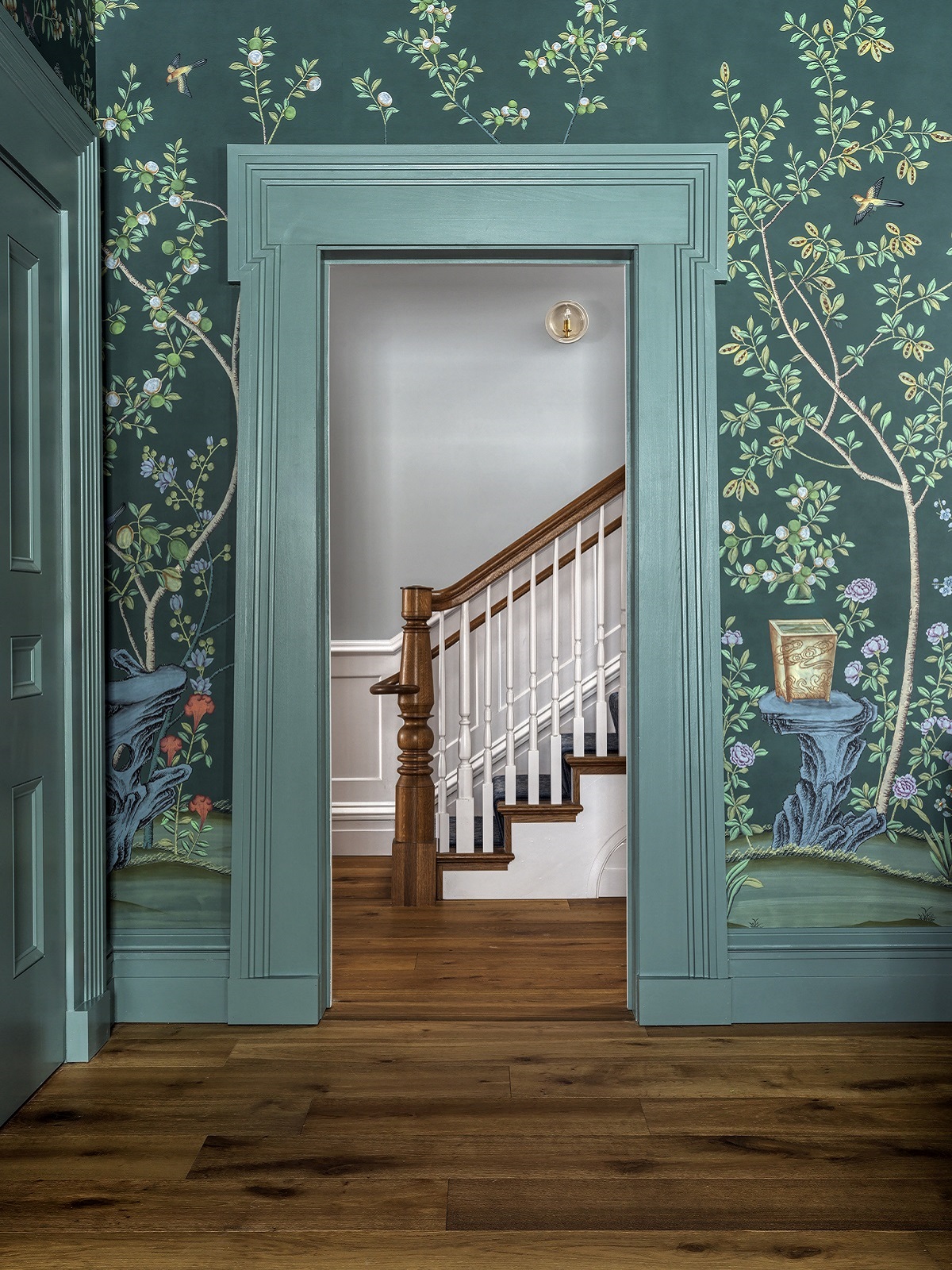
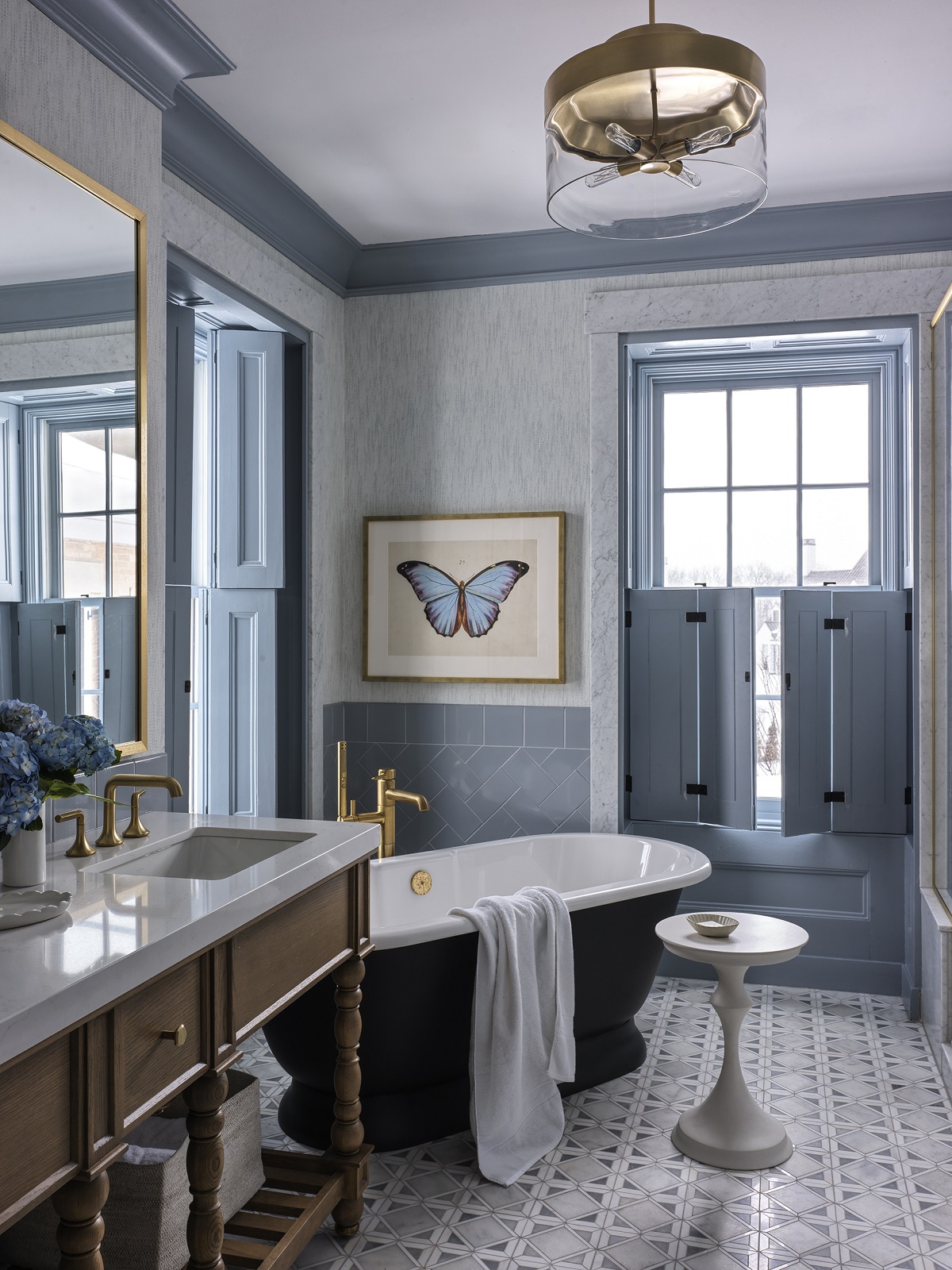
Inside the historic home, the front-facing parlors, dining room, and study retain their original layout. These rooms are layered with rich colors, custom wall coverings, and selections from an extraordinary collection of American art. The four suites within the Farmhouse are the most expansive rooms in the Inns of Aurora portfolio, featuring five-fixture baths, walk-in closets, and preserved millwork. Bathrooms pair stone and tile with muted palettes of pale blue and cream, elevated with brass fixtures.
-
- Image credit: Chris Mottalini
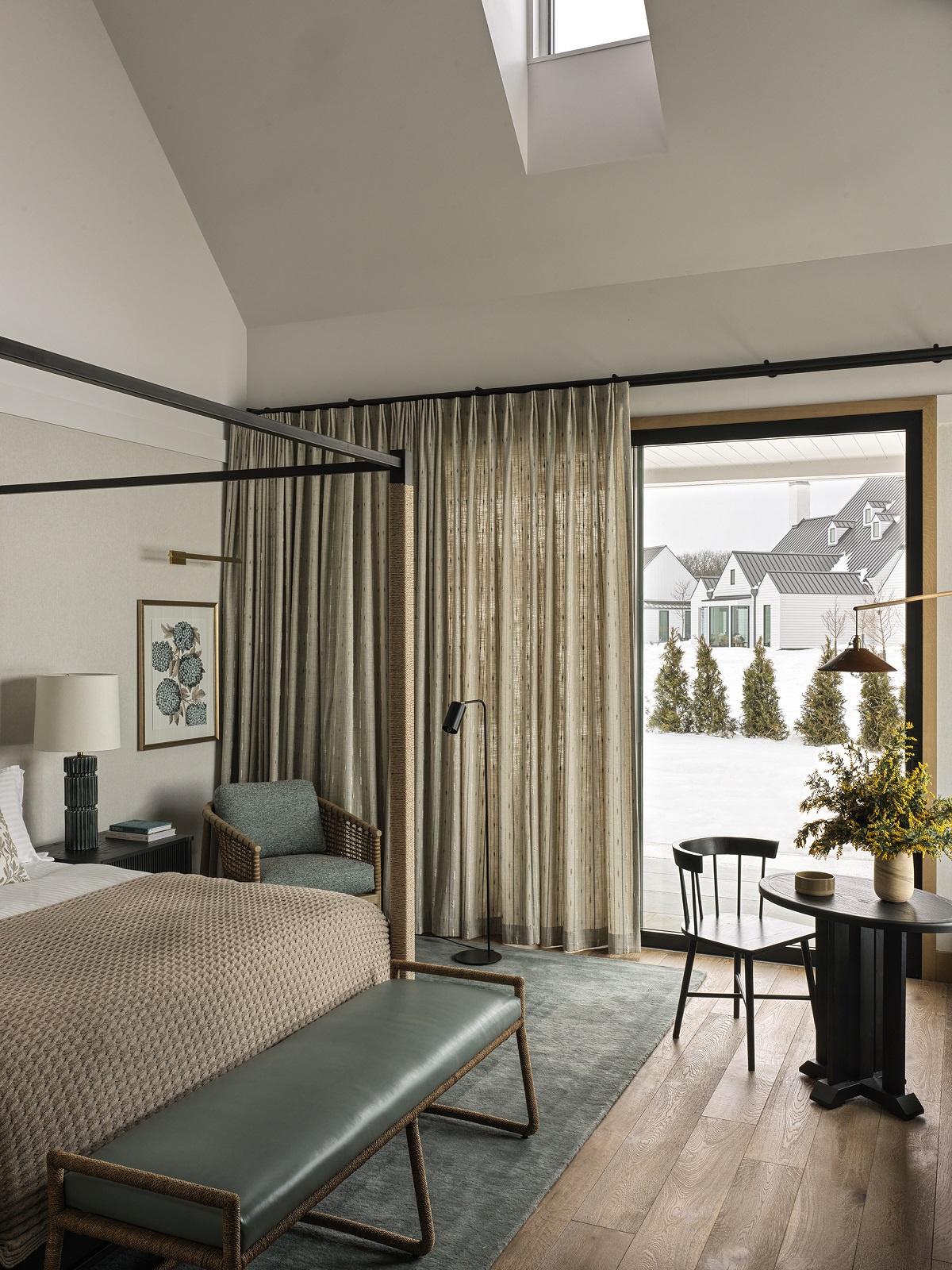
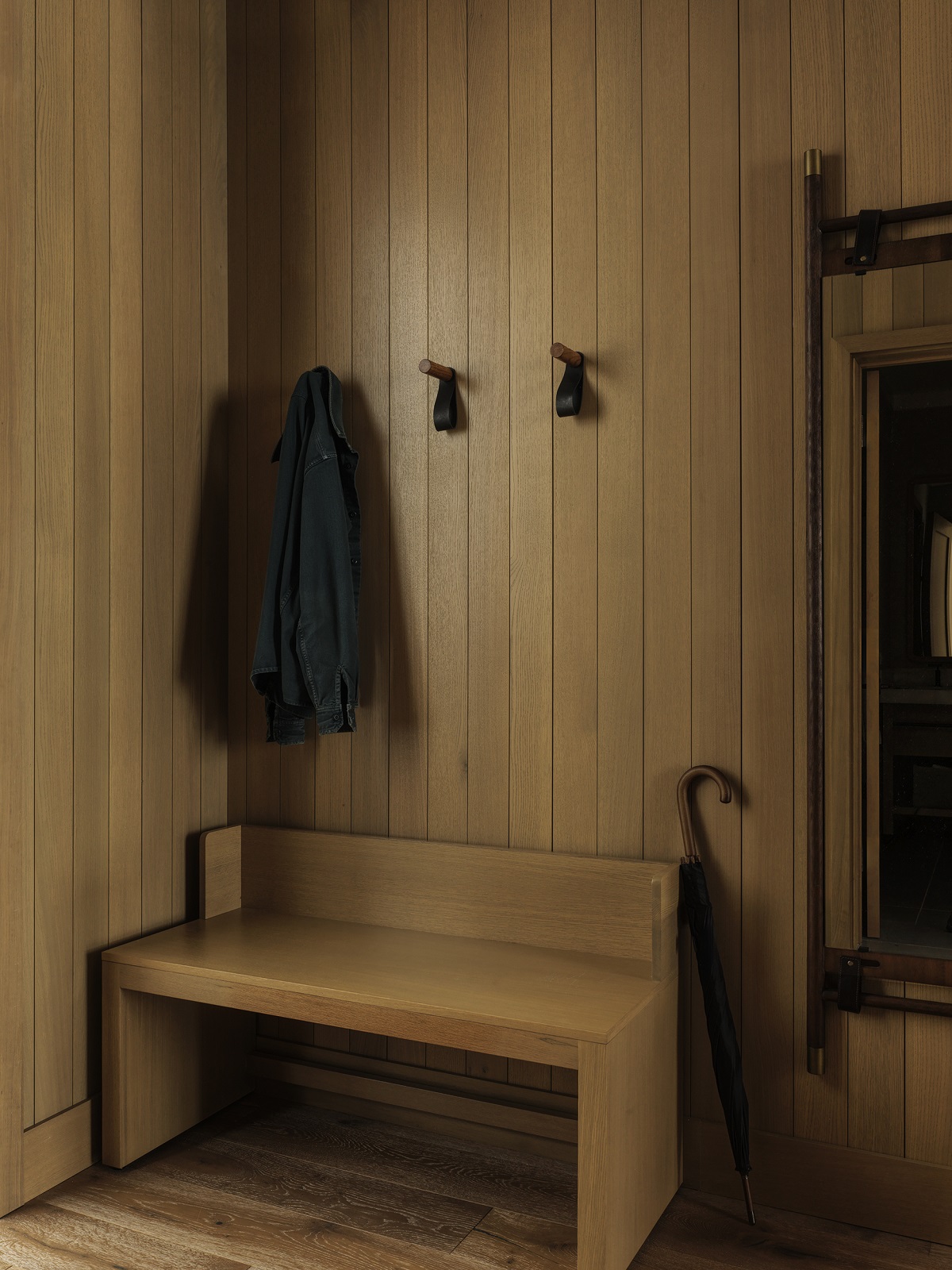
The new wing offers a different but complementary experience. The meadow studios embrace a more contemporary sensibility with natural oak millwork, handmade ceramic tile, and large windows that frame views of Cayuga Lake and the Spa. The design takes advantage of the gabled volumes, allowing for high ceilings and abundant natural light. A guest-facing eat-in kitchen anchors the ground floor, designed for both casual use and private chef dinners. An enclosed sunroom extends the interior outward, connecting to landscaped gardens and a Japanese-inspired courtyard. Fire pits and outdoor rooms expand the sense of retreat in every season.
The Farmhouse brings the Inns of Aurora full circle. Its restoration preserves one of the village’s last historic homes, while its new wing introduces the contemporary language first established at the Spa. Hart Howerton’s design ties these eras together, ensuring that the resort reads as a complete composition and a place where history and modern life stand side by side.
Main image credit: Chris Mottalini