Having recently spent some time exploring the Hotel Arts Barcelona redesign-in-progress, writer Pauline Brettell caught up with Svetlana Samardzic, Senior Associate, Director, Meyer Davis, to get an inside look at the creative vision behind one of Barcelona’s most iconic luxury hotels…
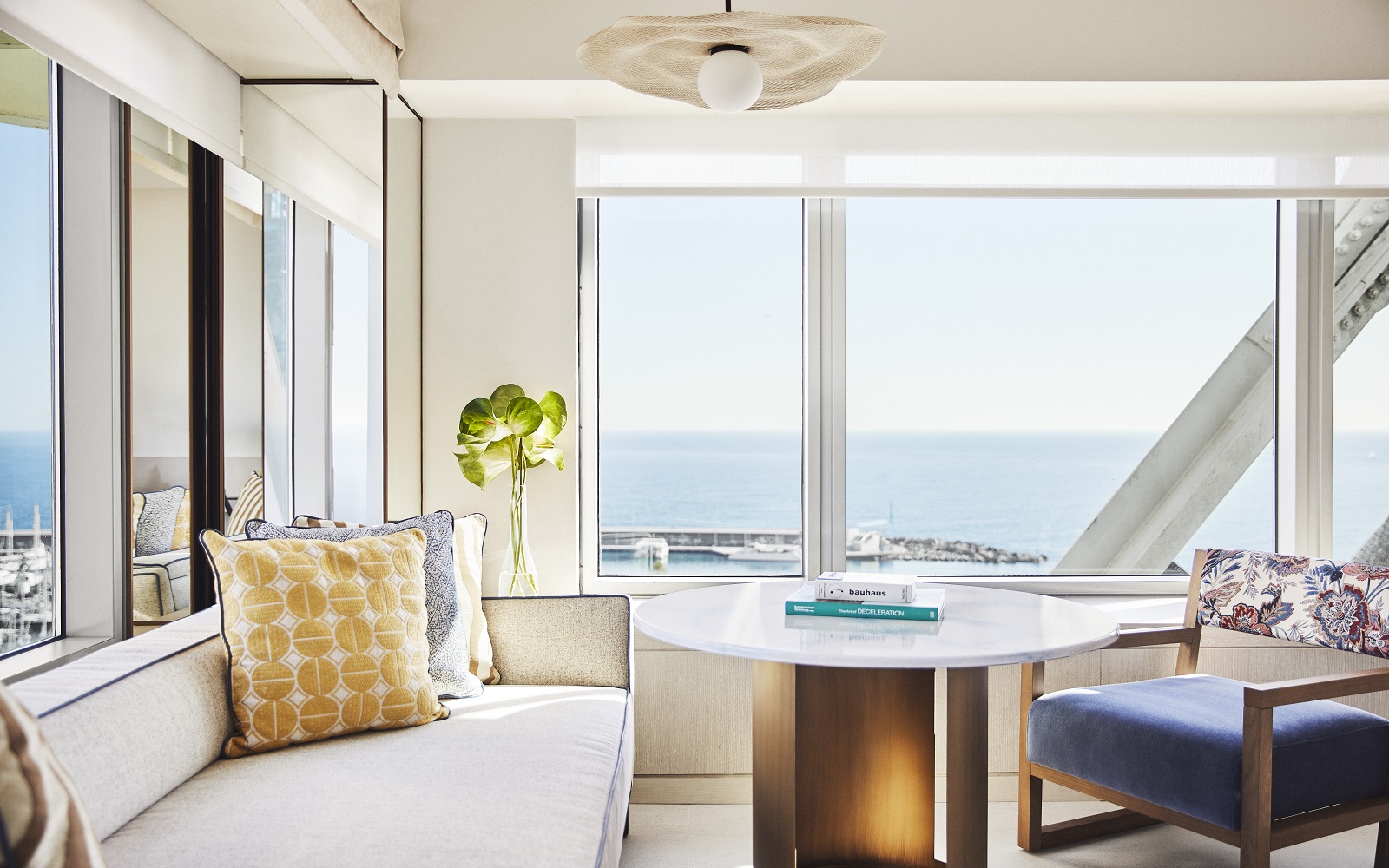
With the Meyer Davis design studio leading the transformation of Hotel Arts Barcelona, every space, from public areas and meeting rooms to guestrooms and the spa, are being refreshed with a modern design and refined furniture elements that reflect the hotel’s distinctive identity and sense of place. Currently, the hotel has completed the transformation of all guestrooms and suites, including furnishings, colour themes, hardware and other design elements as part of the multi-phase reimagination.
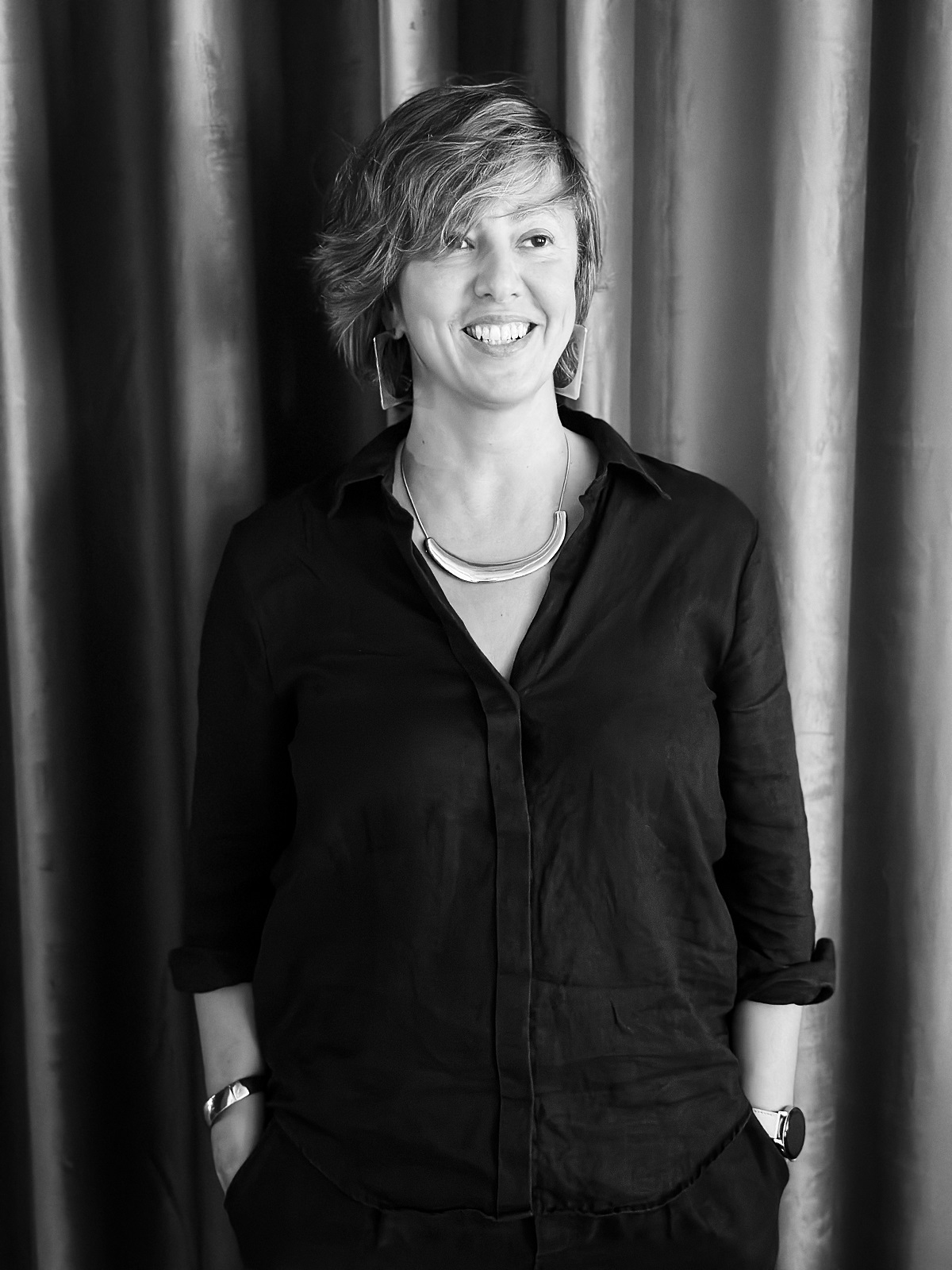
Svetlana Samardzic, Senior Associate, Director, Meyer Davis, stepped into the role of Project Lead – the main focus and drive of which was to pay a genuine tribute to Barcelona’s vibrant spirit and to one of its most iconic landmarks. The design approach sought to celebrate the building’s artistry and uniqueness, capturing the essence of a modern Mediterranean lifestyle while remaining true to the city’s distinctive identity and character.
-
- Image credit: Meyer Davis
-
- Image credit: Hotel Arts Barcelona
Hotel Designs: Hotel Arts Barcelona is renowned for its distinctive architecture. What was the core interior design vision for the hotel, and how did it complement the building’s iconic structure?
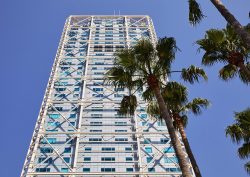
Svetlana Samardzic: We’ve drawn inspiration from Barcelona’s rich and captivating history – its strong personality, modernist art heritage, and enduring spirit of innovation. Our vision revisits the optimism of the 1992 Olympic Games, when the city embraced a great transformation and looked toward the future through creativity and design. It was during that moment in time that Hotel Arts, designed by Bruce Graham, became a symbol of modernity on Barcelona’s skyline.
With this legacy in mind, we set out to bring the hotel into the present with a refined, modern aesthetic that pays homage to local craftsmanship. The design celebrates the city’s traditions of ceramics and textile artistry, expressed through woven headboards, handcrafted rugs, and rich material textures. We collaborated with local artists and fabricators to highlight the city’s creative energy in a sophisticated, contemporary way – inviting guests to feel inspired and connected to Barcelona’s cultural layers.
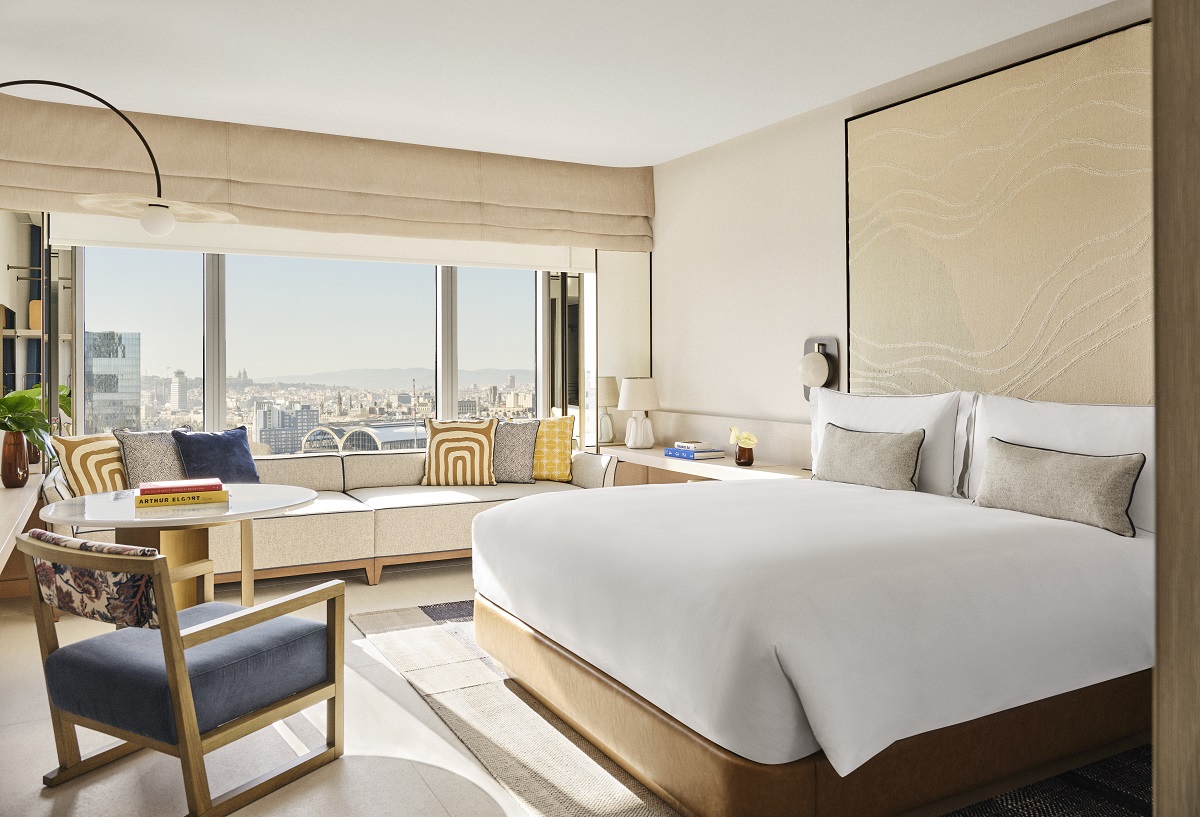
Image credit: Hotel Arts Barcelona / Marriott International
HD: Art plays a central role in the identity of the hotel. How did you integrate it within the design concept?
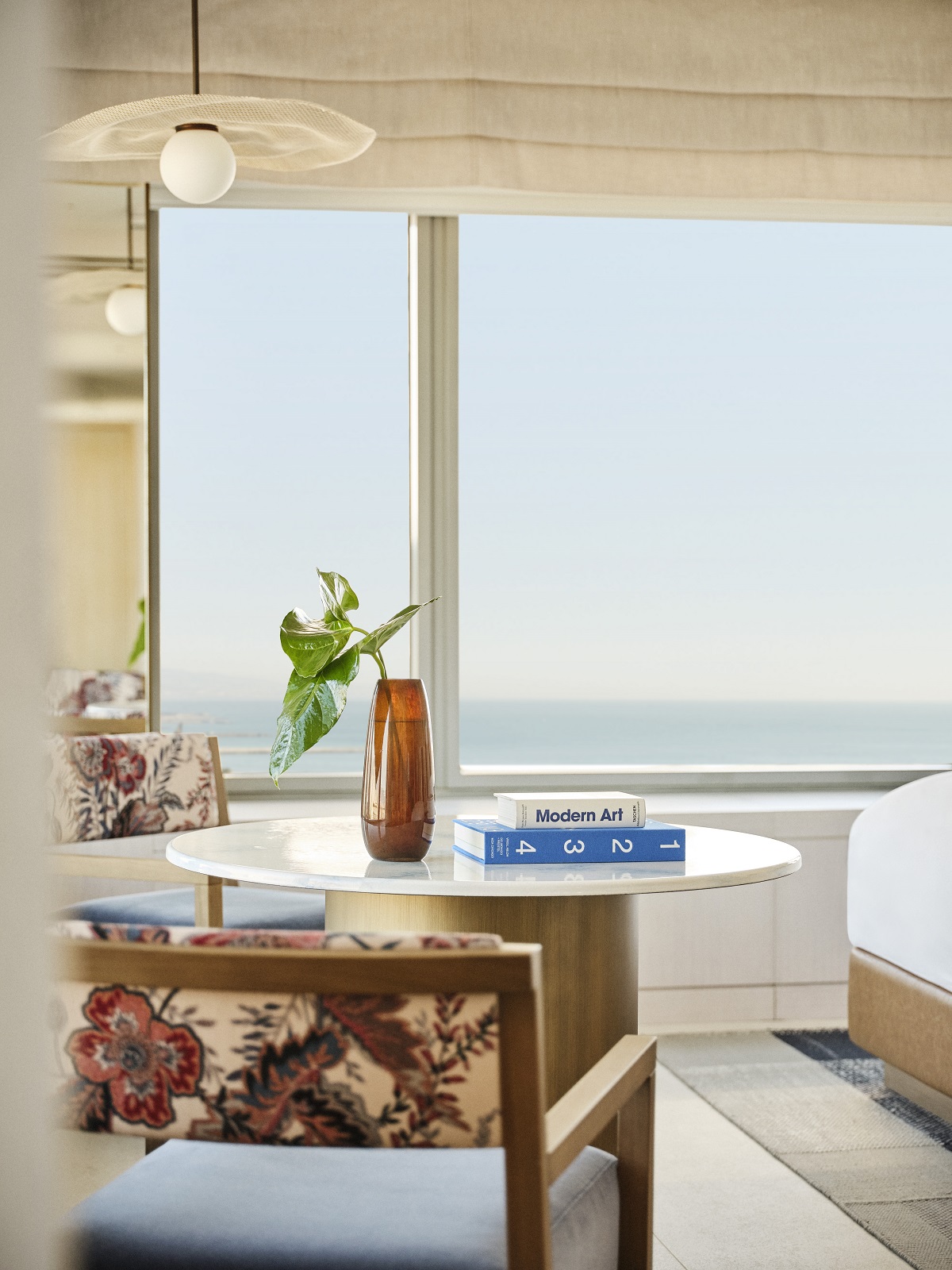
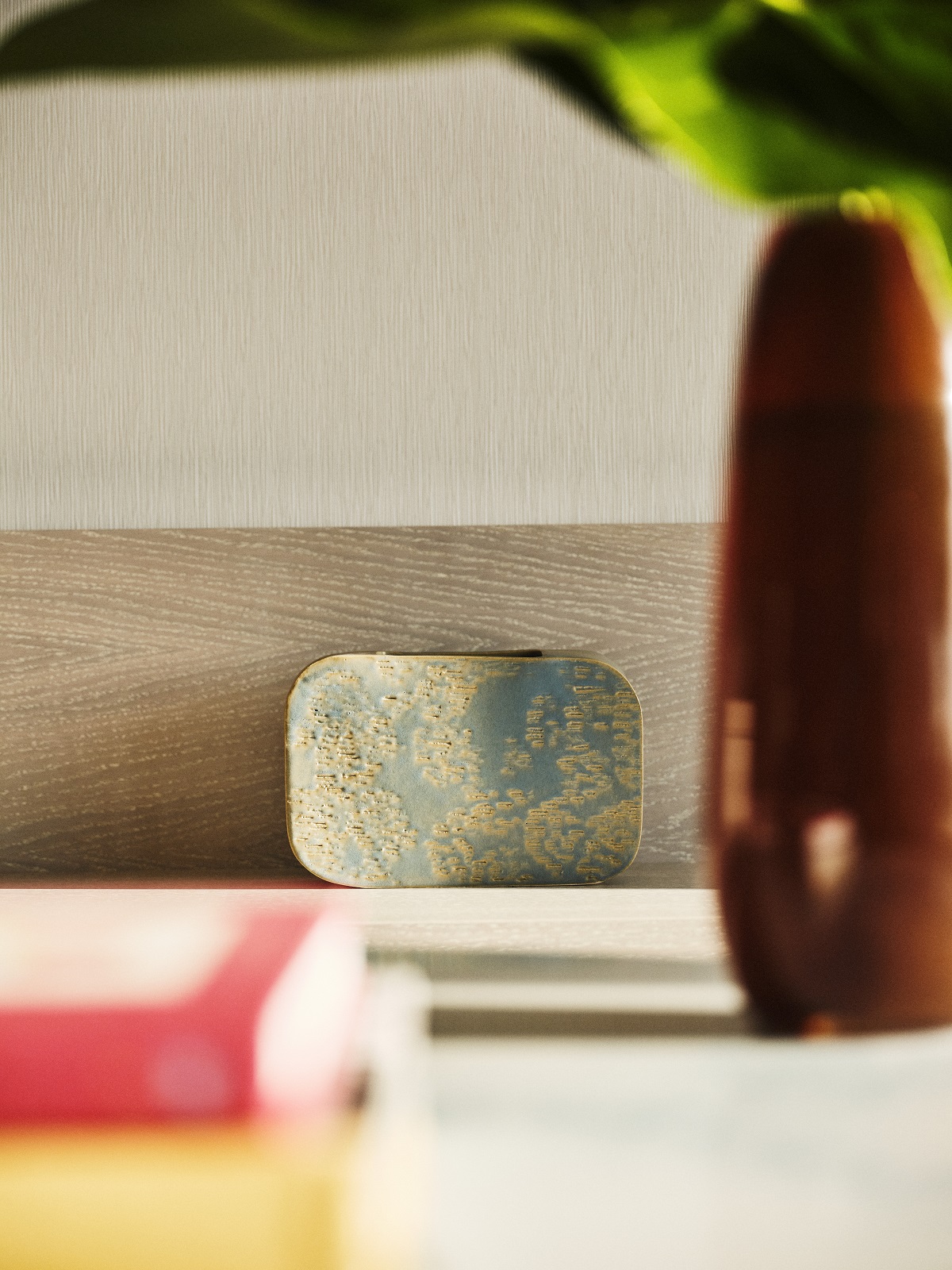
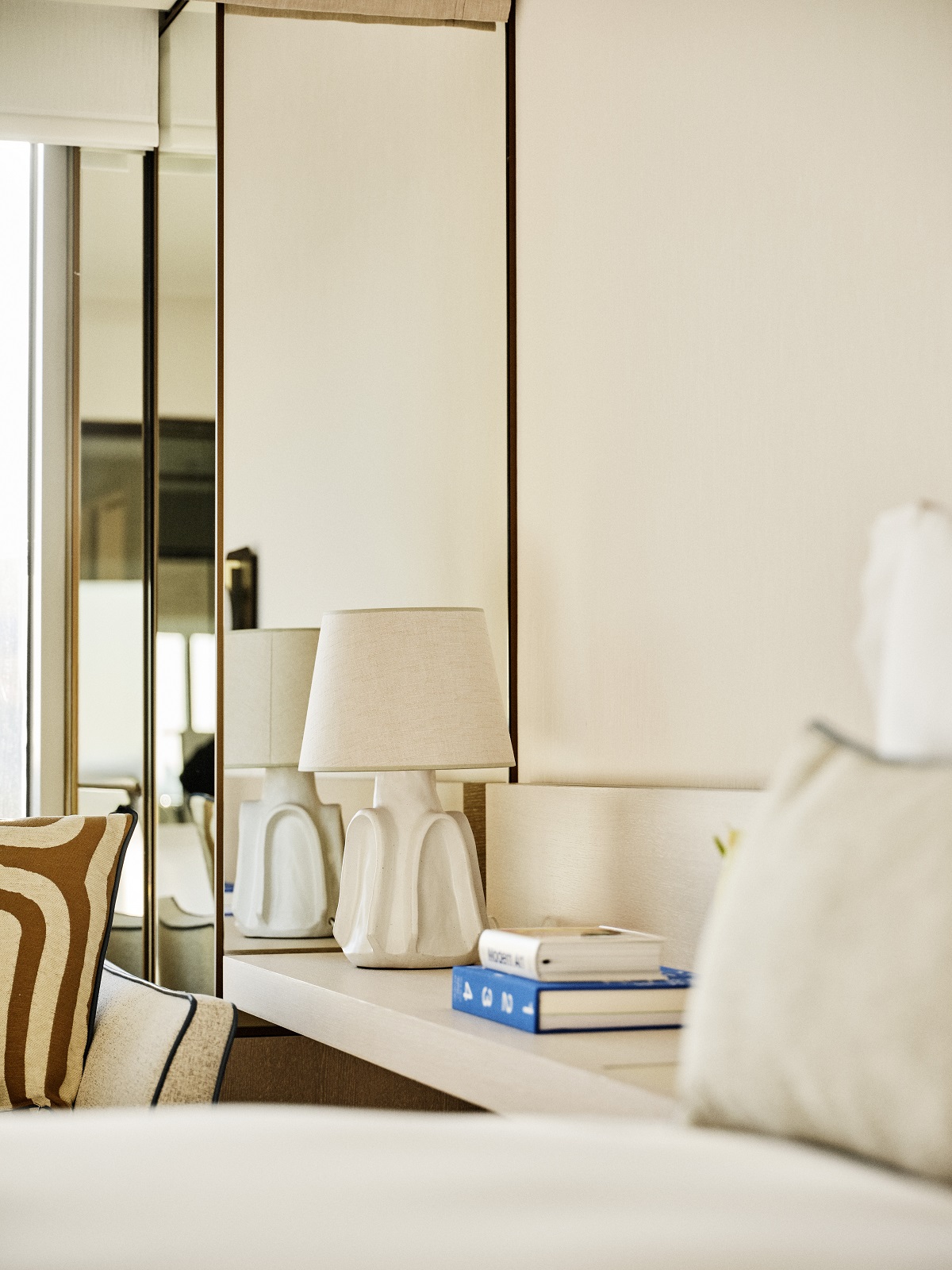
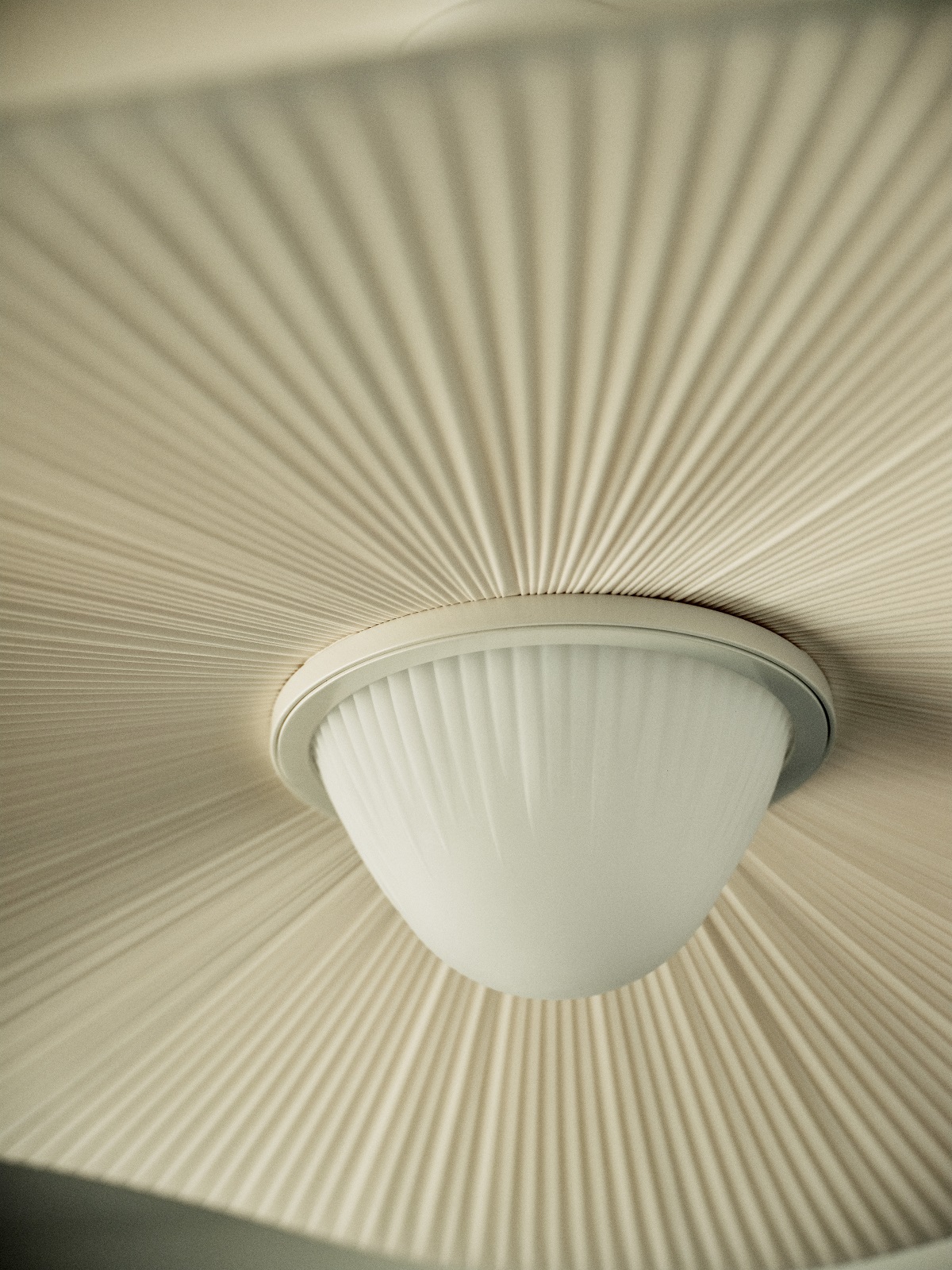
SS: Art was at the core of the design process. Reimagining what Art really is or can be in a hotel. The hotel had an impressive collection of 500+ pieces of art at the property (mostly framed art and sculptures), but we wanted to look a little bit further and expand how art can be represented or perceived within a hotel space. Finding art in places where you don’t expect them to be was the goal. Starting from large scales murals, to handcrafted ceramic tiles on the walls, to sconce as a piece of art or a locally handmade vase. Every single element in the space was treated like art and the goal was for the guest to move through the space and experience them in many different ways.
HD: In what ways does local culture and craftsmanship influence the interiors of Hotel Arts?
SS: We really wanted the design to feel deeply connected to its surroundings, so we took our cues from the coastal landscape, the textures of the old city, and Barcelona’s rich craft and textile traditions. The colour palette reflects that; soft, sun-washed tones like sand, seafoam, and terracotta, with deeper accents inspired by local ceramics and natural dyes. It creates a mood that feels modern and fresh, but also grounded and familiar. Materiality played a big role in achieving that. We used a mix of natural woods, hand-glazed tiles, woven textiles, and tactile stone finishes to bring warmth and texture into every space. These elements add a sensory richness that elevates the overall experience while keeping it approachable.
We collaborated closely with local makers, selecting works that not only reflected the spirit of the region but also elevated the guest experience; adding warmth, and a sense of place. That level of detail, repeated thoughtfully across so many rooms, is something we’re incredibly proud of. It brings authenticity to the project and creates a hotel that truly feels rooted in its context.
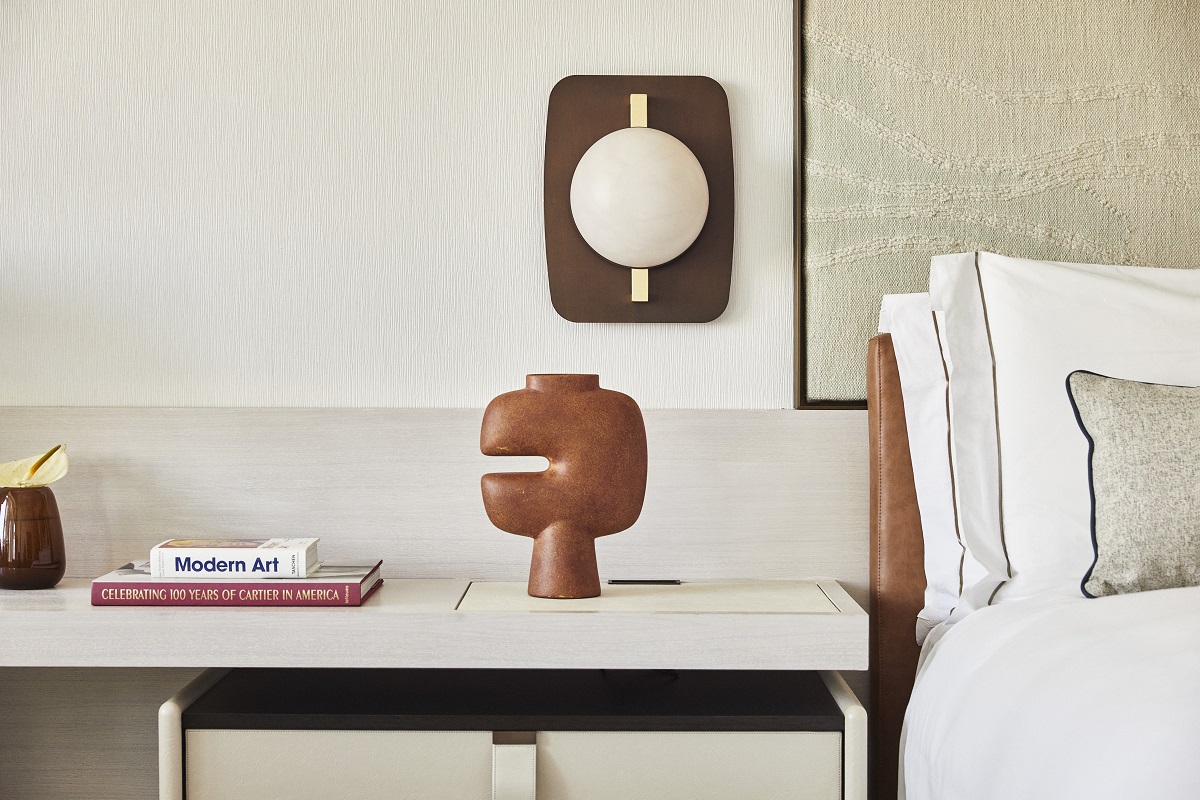
Image credit: Hotel Arts Barcelona / Marriott International
HD: What were some of the primary challenges you faced when designing or refurbishing within such a high-profile hospitality space?
SS: One of our biggest challenges was working within the constraints of the existing building. The 44-story tower’s structural system evolves as it rises, adding significant complexity to the design process. Our goal was to create a unified concept that filled each of the 432 guestrooms and suites – bedrooms and bathrooms both – with natural light and expansive views.
Achieving this required close collaboration with local architects and structural engineers. Together, we developed creative solutions to seamlessly connect the bathrooms and bedrooms while preserving a cohesive design throughout the tower. Now the bedroom and bathroom flow seamlessly together, allowing natural light to fill the space. Guests can enjoy sweeping views from a freestanding tub or relax in a large window seat framed by mirrored columns, which flood the interiors with Mediterranean light.
I would also like to add that another aspect of the challenge here is that Hotel Arts is such a high-profile hospitality space. It is an iconic property and being part of its change comes with the big responsibility. We have a huge respect for what the hotel represents now and we know that its next chapter cannot be nothing less than incredible.
-
- Image credits: Hotel Arts Barcelona / Marriott International
HD: How did you approach the design of the public spaces versus the guestrooms and suites?
SS: We cannot reveal a lot since Public areas construction hasn’t started yet, but we can say that approach was not very different. We wanted to create spaces that feel simultaneously open and grounded – immersive environments that respond to the city’s light, rhythm and vitality. We considered how each element could heighten the experience of the surrounding landscape, allowing guests to fully engage with the views and feel intrinsically connected to both Barcelona and the Mediterranean.
When designing the guest rooms, we sought to celebrate the surrounding views of Barcelona, where large windows and mirrored surfaces project natural lighting and serve as an opportunity for guests to fully immerse themselves in the heart of the city, and strengthen their connection to the urban fabric.
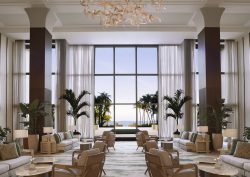
At public areas we completely reimagined the use of the space and changed the flow of the guest. This will truly be an incredible transformation once finalised.
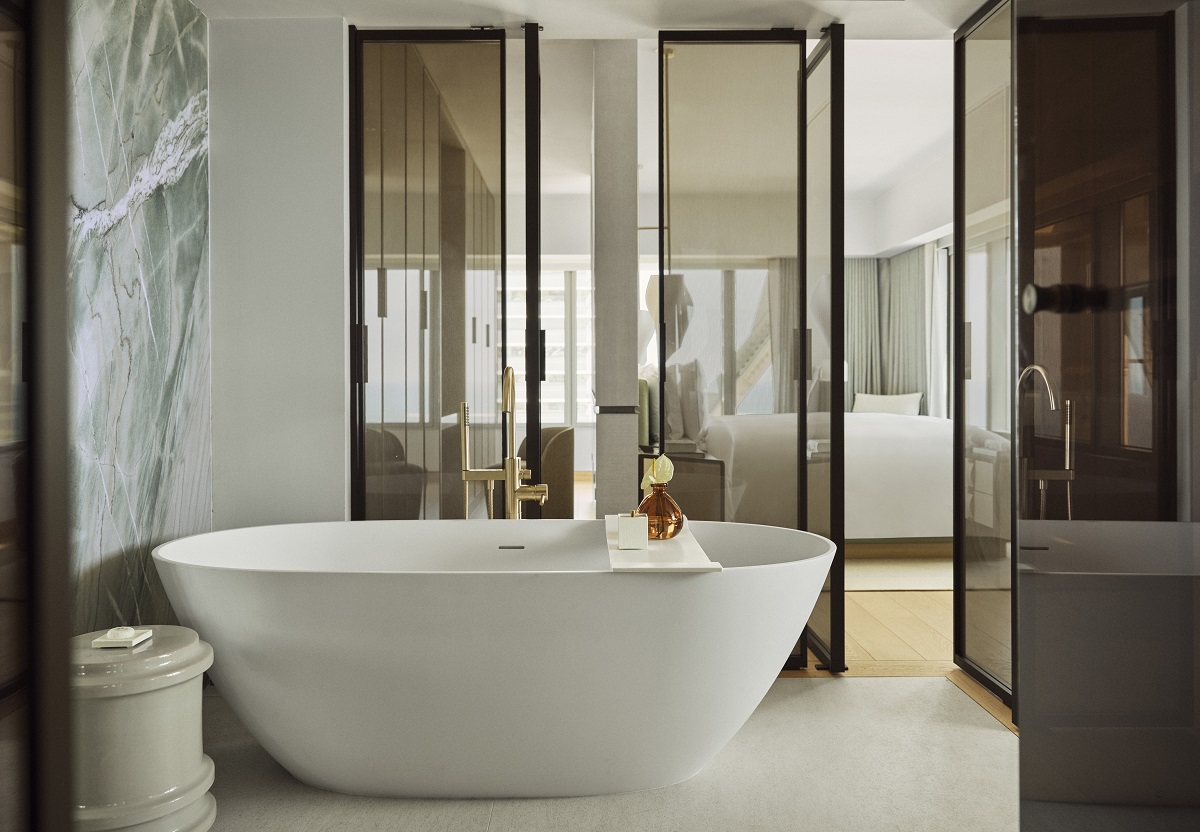
Image credit: Hotel Arts Barcelona / Marriott International
HD: Sustainability is a growing concern in hospitality design. How is that reflected in your approach at Hotel Arts?
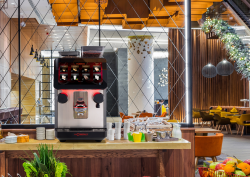
SS: The property is targeting BREEAM New Construction (Bespoke) Outstanding and WELL Platinum. Tremendous amount of work has been done so that we can achieve these certificates, and we are still working on it. As an example, for what can be seen by the guest we created a custom minibar in all the rooms as a standout feature we developed in collaboration with Extraordinario, a design studio based in Italy. It includes a built-in water-filling tap for guests to use throughout their stay, supporting the hotel’s commitment to sustainability and its goal of becoming an eco-friendly destination.
All of the material were sourced locally and all furniture pieces were made in the region.
HD: How do you see the role of interior design evolving in luxury hospitality spaces like Hotel Arts Barcelona?
SS: I think that interior designer is not anymore what it used to be. I think responsibility is much higher and the roles are not so defined any more as they used to be. When we look at the interior space, we always look at the building too, the street that you use to approach the hotel, the garden outside, the neighbourhood, the past, the future. It is about the community, about demography. There is so much work that is necessary to be done before we actually dig deeper into design. It is all part of our role.
Arts hotel used to be a business hotel and now is becoming a ‘city resort’. One of a kind in this part of the world. That is a big transformation and that is impacting not just this one property but also the whole area. That is coming from within…from interior design.
HD: And finally – your favourite space or design element in the project?
SS: I truly adore the sofa in the rooms. We designed this piece to perfectly fit into the window niche. It is the space where you want to spend the time. You can read a book there, enjoy the view, do some work, have dinner and even sleep (it transforms into bed). Creating this piece the room really gained something that it didn’t have before and fully used the opportunity of very large windows facing incredible views. Everyone should come and enjoy this sofa at least once.
Main image credit: Hotel Arts Barcelona / Marriott International