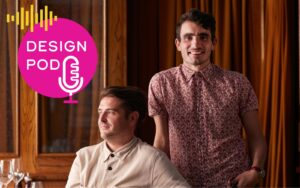
In conversation with: Églantine Sicat & Pauline Dellemotte, Uncanny Studio
Between Paris and London, Uncanny is shaping hospitality and interior design through narrative-driven spaces that blend cinematic emotion with timeless craftsmanship. In conversation with SPACE, Pauline Dellemotte and Églantine Sicat reflect on their creative partnership, the art of storytelling through design, and the uncanny beauty of collaboration…
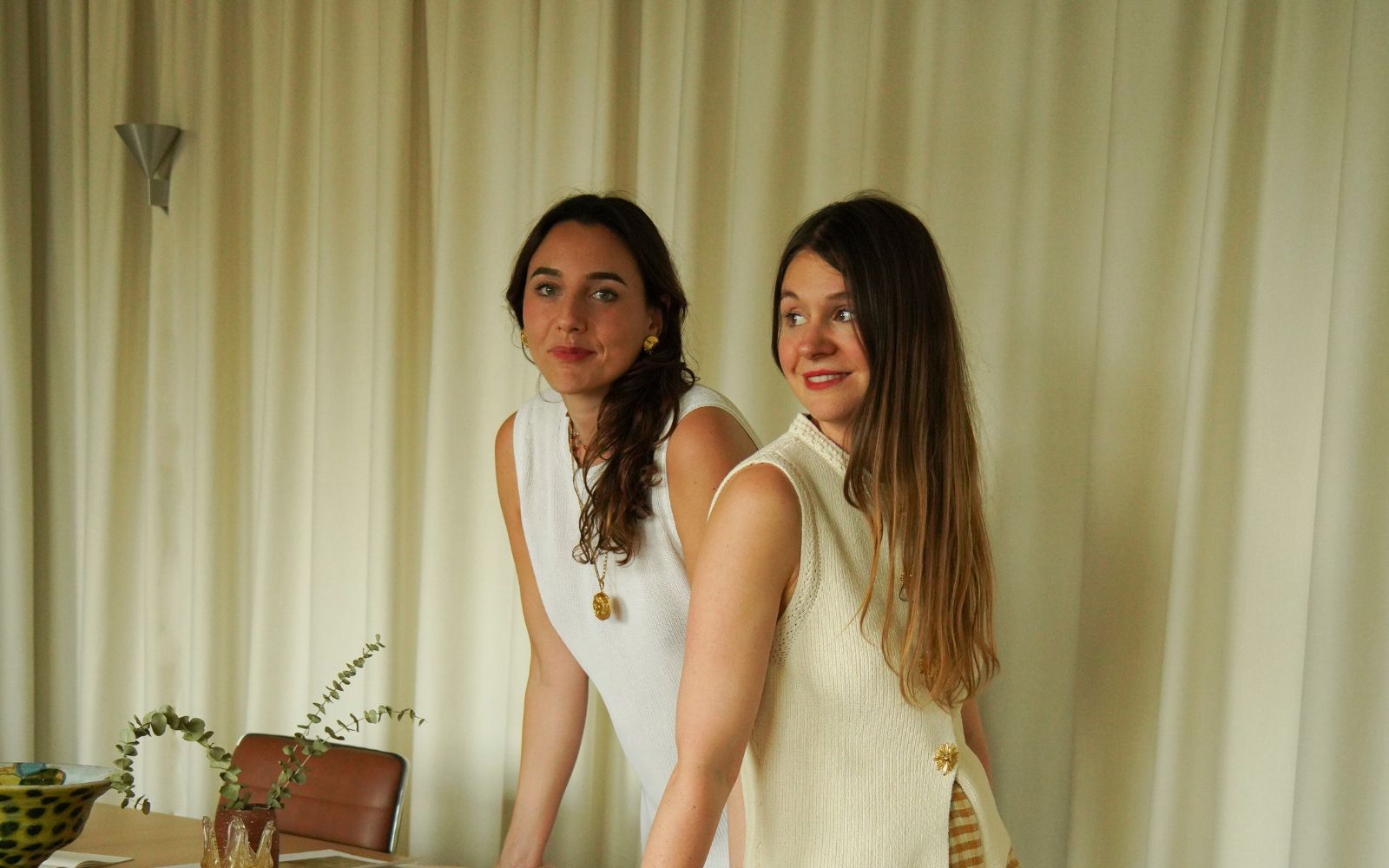
Founded by Pauline and Églantine, Uncanny is a Franco-British interior design studio built on a shared belief that spaces should tell stories. Merging architectural precision with sensory richness, the duo creates interiors that feel both intimate and transportive. With backgrounds spanning Michaelis Boyd, Pierre-Yves Rochon, and Hermès, they bring an instinctive approach to each project, uniting the bold spirit of British design with the elegance of French craftsmanship.
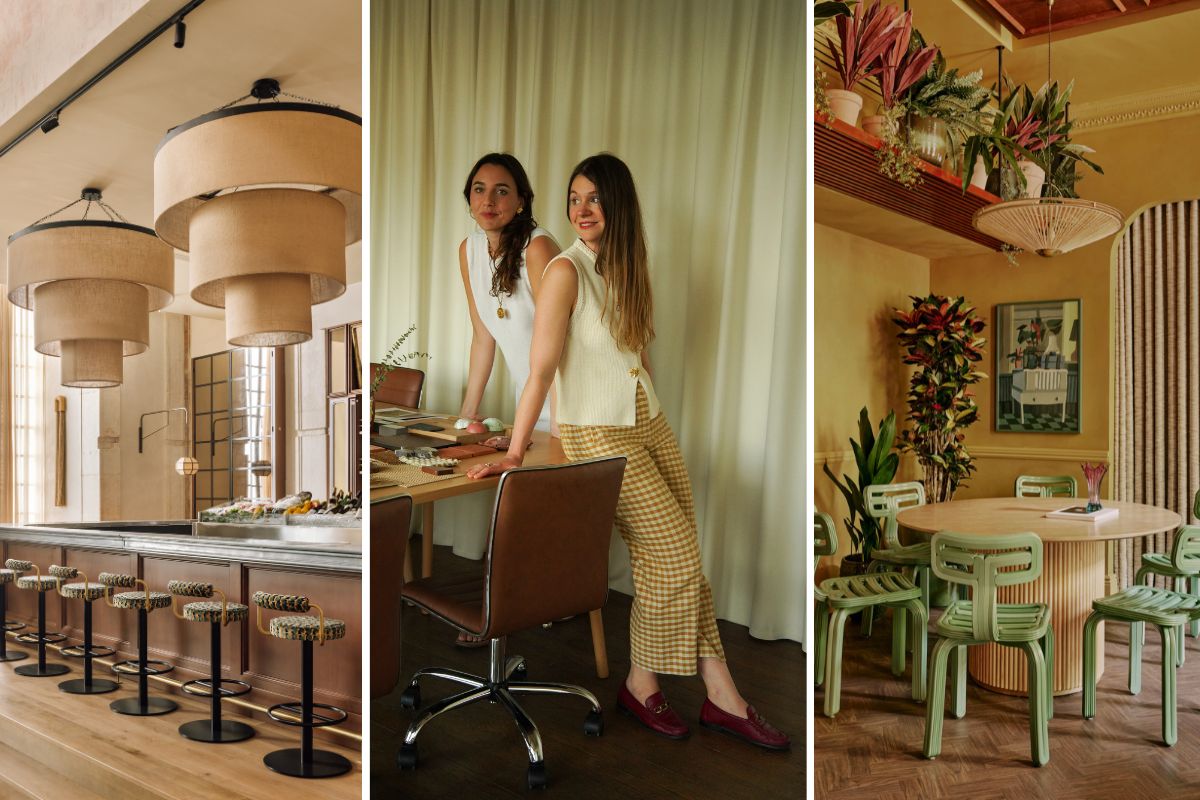
What first drew each of you to interior design and architecture?
P: My fascination began with Jean-Luc Godard’s Le Mépris. There’s this sculptural staircase at Villa Malaparte in Capri that struck me as both architectural and cinematic – a moment where space itself becomes a character.
E: For me, it was those rare and privileged moments spent with both of my parents on holidays, often in hotels. Those experiences were the symbol of connection, family, and quality time. I have always wanted to recreate that sense of intimacy and feeling at home through design, making people feel both inspired, dreaming, and at ease in a space.
Before founding Uncanny, you both worked independently. Which studios shaped your early careers and what did you each take from those experiences?
E: Pierre-Yves Rochon shaped my vision of luxury and experience. Every small detail was part of a larger poem and deserved the same meticulous care. My time at the Hermès Conservatory further instilled a deep appreciation for craftsmanship, attention to detail, and a love for understated luxury that transcends trends.
P: My five years with the design team at Michaelis Boyd Associates were an invaluable foundation. It was an incredibly inspiring experience that shaped my understanding of interior design, architecture, and the thoughtful orchestration of space.
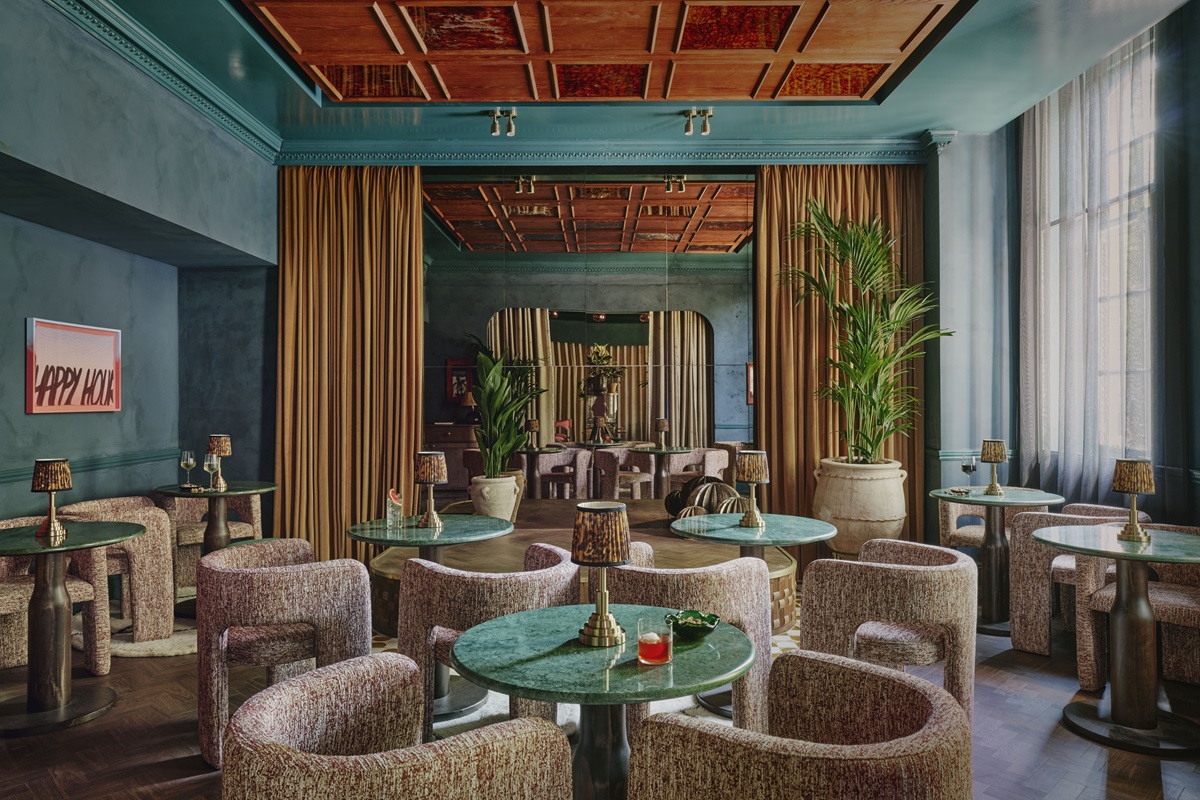
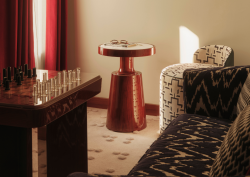
Image credit: Ember Locke Stage Lounge ©Kensington Leverne
You’ve spoken about the “chance meeting” that sparked your collaboration – can you tell us more about that moment?
E: It’s quite uncanny how life sometimes puts you on the path of someone you’re meant to meet. Pauline and I met through a mutual friend at a dinner in London. We were seated at opposite ends of a long, lively table, so we didn’t really get the chance to talk that evening. A few months later, while I was consulting for Locke’s design team, my director mentioned an upcoming studio I should look into.
I researched their work and came across photos of the team – and immediately recognised Pauline’s face. I got in touch with Pauline for a coffee. We realised we were both working for the same client – and the rest, as they say, is history.
Why did you decide to join forces, especially when you’d both already established your own studios?
We both had studios that were doing well, but we quickly realised that every project we were excited about, we instinctively proposed to the other to collaborate on. It felt natural – almost inevitable – but we also noticed that, to the outside world, the message wasn’t clear. Two studios, two women, two names that were tricky to pronounce across French and English – it was confusing. Ultimately, we were building a shared heritage and a common vision. We were stronger together. Uniting under one studio became the symbol of that collaborative energy, allowing us to present a singular, coherent identity to the world while honouring both of our creative voices.
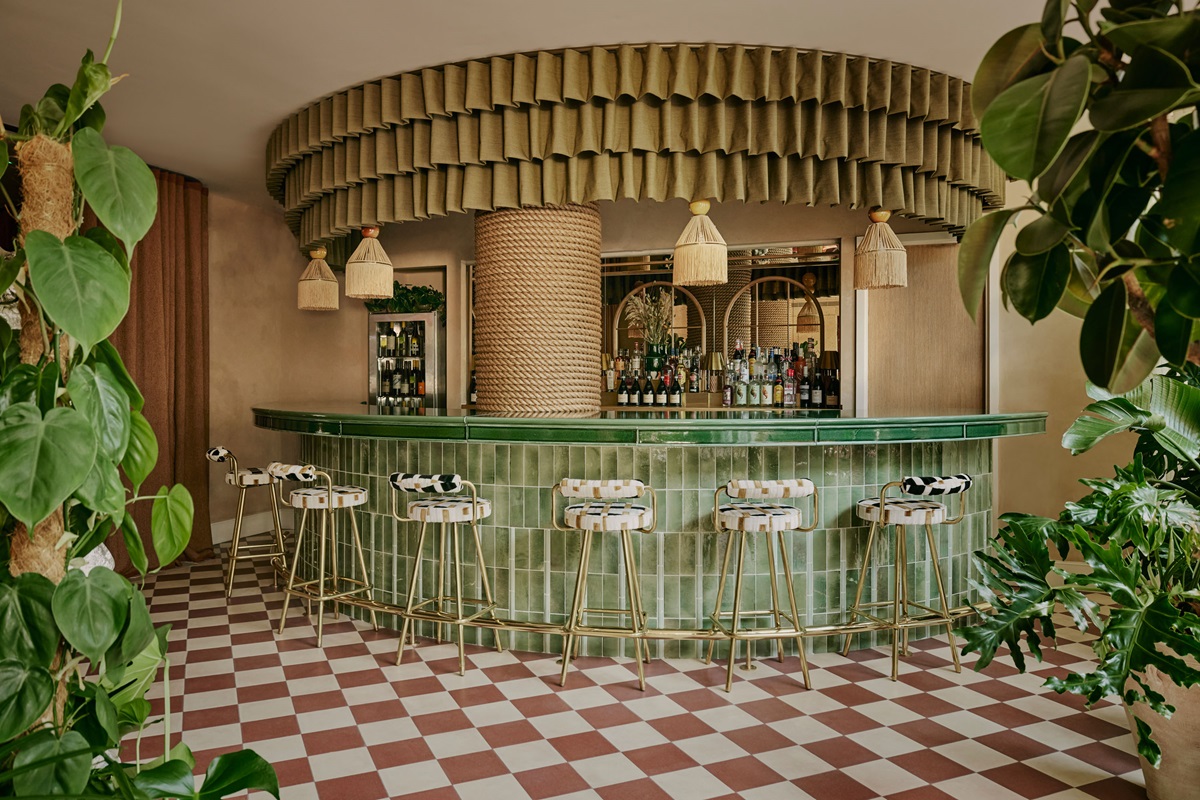
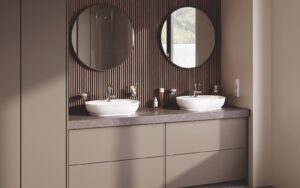
Image credit: Locke Kensington ©Kensington Leverne
What have been the main challenges of launching a new studio in such a competitive marketplace – and what advantages do you think come with being ‘new’?
Launching a new studio is always challenging – it’s a blank page, yet also a synthesis of our past experiences. We were repeatedly advised to specialise – hospitality, residential, or another niche – but we always refused. Our focus has always been on creating narratives and experiences rather than fitting into a category. Over time, the market has validated that approach, even in a highly sensitive and competitive international landscape shaped by politics, climate, and global changes. This year, in particular, has been difficult, teaching us that resilience and trusting your instincts are essential. Being a new studio also brings advantages: we remain flexible, agile, and able to protect our team from external pressures in ways a larger system cannot.
You’re based between Paris and London – what are the pros and cons of operating across two cities and cultures?
Paris and London are both incredible cities, inspiring in their own way. Their histories, energies, and trends aren’t comparable, but they complement each other beautifully, and we are trying to bring that to one another: the British boldness to Paris and the excellence of French craftsmanship to London.
Pros: Being between both capitals is a huge advantage; each city is central to our portfolio. While we are French at heart, our mindset is distinctly more risk-taking and British. Another benefit is the closeness of our team; working across two countries makes us value the time our team spend travelling to meet us, and we make that a priority for quality time with them.
Cons: Occasionally, we encounter systems that feel outdated, which can make reconciling different mentalities and approaches challenging. Travel itself can also be demanding, making it harder to find personal or family time. We are mindful to protect these moments, ensuring we can enjoy both the week’s opportunities and the time to recharge.
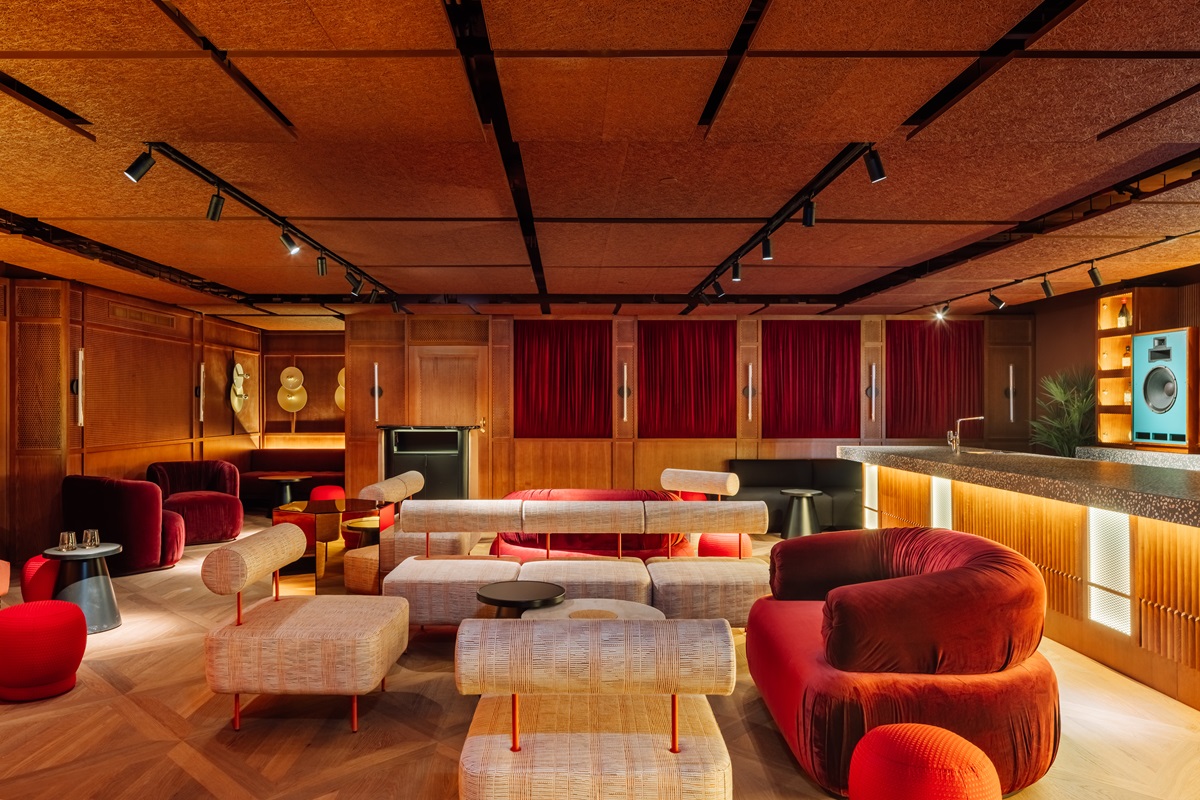
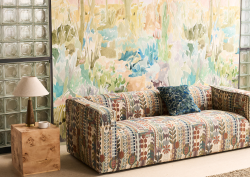
Image credit: Locke Lisbon ©Francisco Nogueira
How big is the Uncanny team today, and how do you see it evolving?
Today, our team consists of four permanent members, supported by an extraordinary network of freelance collaborators who join us on a project-by-project basis, especially during busy periods. Our main studio is in London, with a satellite office in Paris. Looking ahead, the next step is to expand our Paris team to strengthen our bi-cultural vision, a process we have already started. While we aim to grow, maintaining a human scale is essential – we want to be present for each team member and nurture a close, collaborative environment, as much as for our clients, even as we scale up.
How would you describe the aesthetic or emotional language you created for Locke de Santa Joana and Kensington?
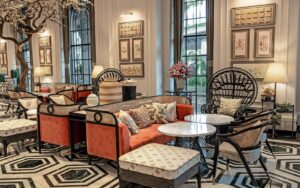
Both projects were opportunities to explore how narrative can coexist with function. For Locke de Santa Joana, we drew from Lisbon’s rhythm – its layered history, the incredible heritage of the space, and this new upcoming generation of artists that we wanted to shine a light on. Ember, by contrast, is more introspective and an ode to the sixties, rooted in material honesty and vibrant patterned fabrics. Across both, we sought to craft narratives that feel human and lively.
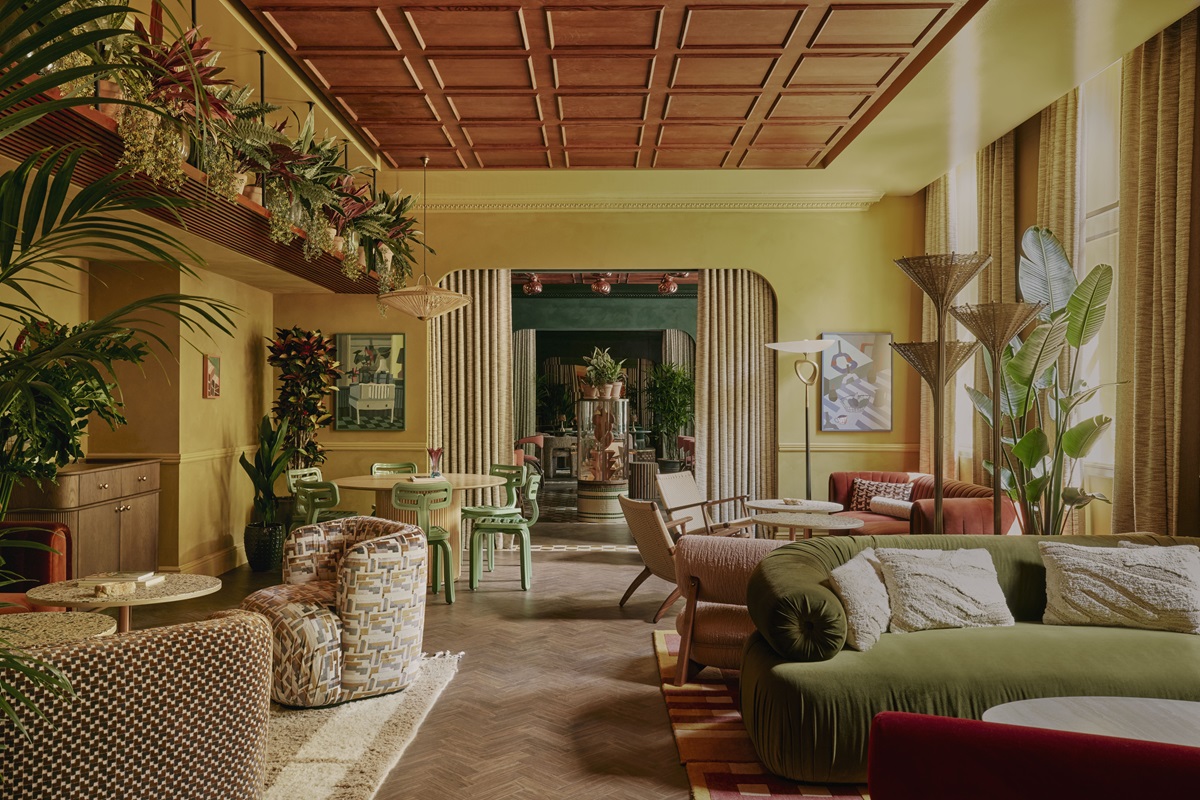
Image credit: Ember Locke Parlour, ©Kensington Leverne
Why hospitality design – what draws you to that sector over residential work?
Hospitality offers a blank canvas for your wildest dreams, paired with a sense of the ephemeral. It’s a space where you can push boundaries, go beyond expectations, and still respond to real functional requirements and a brand’s aspirations. It’s a complex equation that excites us. Residential work, by contrast, is quieter and more intimate. It gives us the confidence to collaborate with some of the finest craftsmen in the world. While it may not demand the spotlight, it allows us to explore depth, detail, and subtle creativity – pushing the boundaries in a different yet equally fulfilling way.
What’s the ambition for Uncanny Studio?
Uncanny Studio’s ambition is to remain a storyteller through design, creating unforgettable experiences that resonate emotionally and aesthetically. Our work will take many different forms, but we want to be recognised as a studio that continually generates new ideas and unexpected aesthetics. Beyond that, we see the studio as a platform – to give talented craftsmen and artists a voice, to make space for creativity to flourish. Above all, we want to keep moving forward with curiosity and joy, designing, sharing, discovering, and connecting with everything the world has to offer.
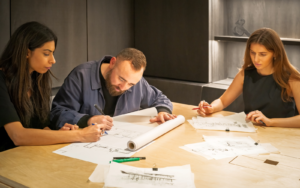
Main image credit: ©Hannah Thual