










GTHD
A certain kind of room has typically defined luxury hotel dining – grand in scale, anchored by a chandelier, and centred on a single, unified experience. It’s a room that says this is where guests eat. It has history, gravitas, and now, writes Ryan Crown, Founder at Crown Creative, in its traditional form, it is disappearing from the modern resort…
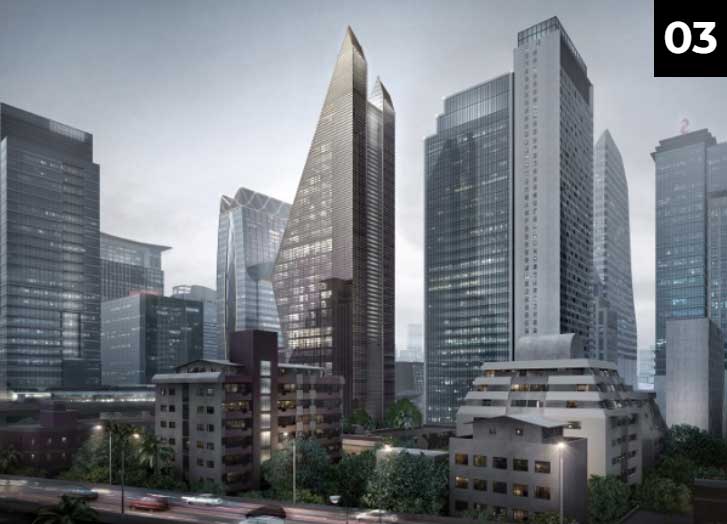
What is replacing it, is both more interesting and more complex to design. Across hospitality briefs, we’re seeing the central dining hall give way to collections of distinct food and beverage concepts, each calling for its own identity and mood.
The shift is rooted in a fundamental change in what luxury means and what it demands.
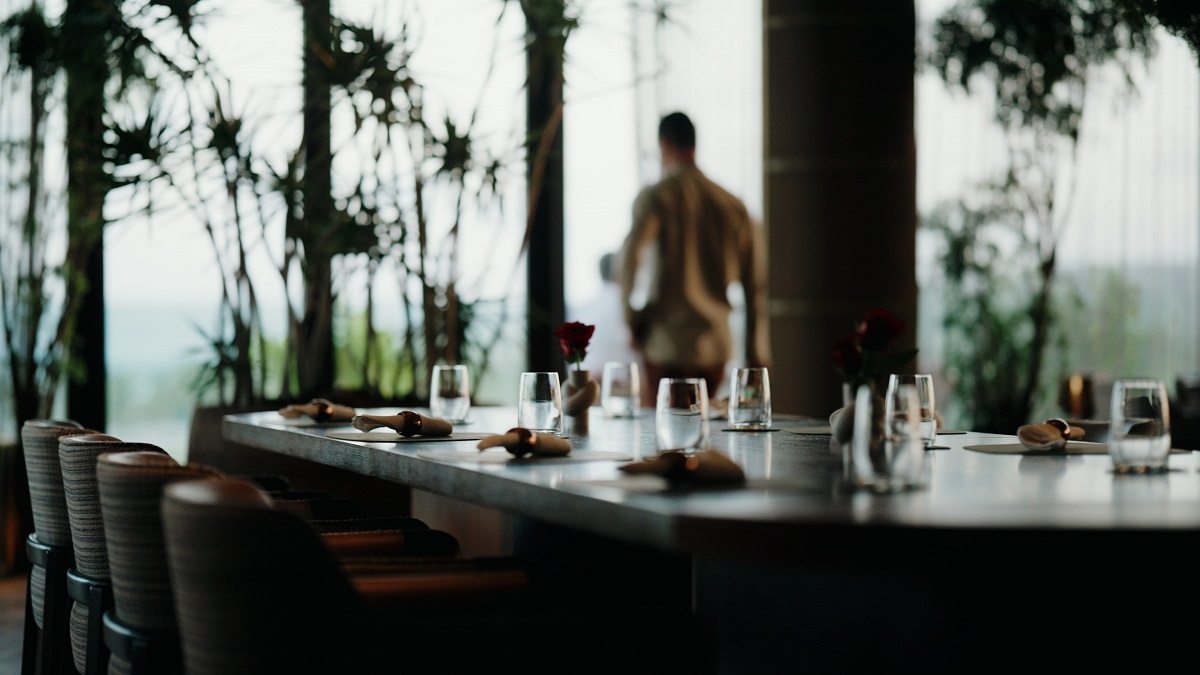
Image credit: The St Regis Cap Cana
The pressure to perform
The question driving today’s most ambitious resort openings is how to give guests a compelling reason to stay on property for a full week. The global luxury hotel market was valued at over $118 billion in 2025 and is forecast to reach $160 billion by 2034, with Marriott alone signing 61 luxury projects in 2024. More properties means fiercer competition for guest attention and on-property spend.
Meanwhile, over 70% of luxury travellers now rank unique experiences above physical amenities. Travellers arriving from cities with world-class dining scenes carry a high bar, and a readiness to leave the resort if what’s on offer doesn’t clear it.
A single all-day dining venue struggles to meet those expectations. The industry’s answer is increasingly world-building through a curated ecosystem of food and beverage (F&B) concepts, each calibrated to a different mood, time of day or appetite. Done well, guests save each experience, returning to the resort for the rooftop at sunset, visiting the cigar lounge for a tasting experience, and perhaps saving fine dining for their last night. Done poorly, with concepts that feel disconnected, or like an afterthought, it risks reading as noise that could let guests’ attention drift to a neighbouring resort.
Travellers no longer judge a resort by its guestrooms alone. Increasingly, they assess it through the quality, diversity, and originality of its food and beverage offering. Restaurants, bars and social spaces have become some of the property’s most photographed, shared and talked about experiences. In many cases, they are no longer supporting amenities but central pillars of the resort’s identity and commercial success.
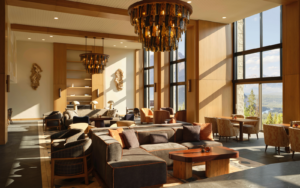
Our most comprehensive exploration of this thinking is the work we recently completed for The St. Regis Cap Cana, a flagship Marriott opening on the northeastern tip of the Dominican Republic. Crown Creative was set the brief to create nine distinct F&B concepts for a single resort, each with its own visual language, name and personality, and make them feel like they belong together.
Our answer came from the landscape itself. Cap Cana sits on an extraordinary corner of the island fringed by palm trees and coastal ecosystems featuring volcanic stone. We built the strategic platform, ‘Rooted in Nature’, around the raw materiality of the Dominican Republic. Every name, every identity, every brand decision was anchored there but more subtly than a theme that announces itself – as an underlying logic guests feel without necessarily articulating.
-
- Image credit: The St Regis Cap Cana
Nine worlds, one thread
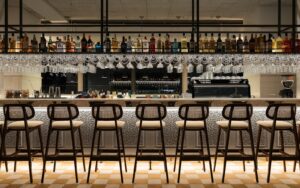
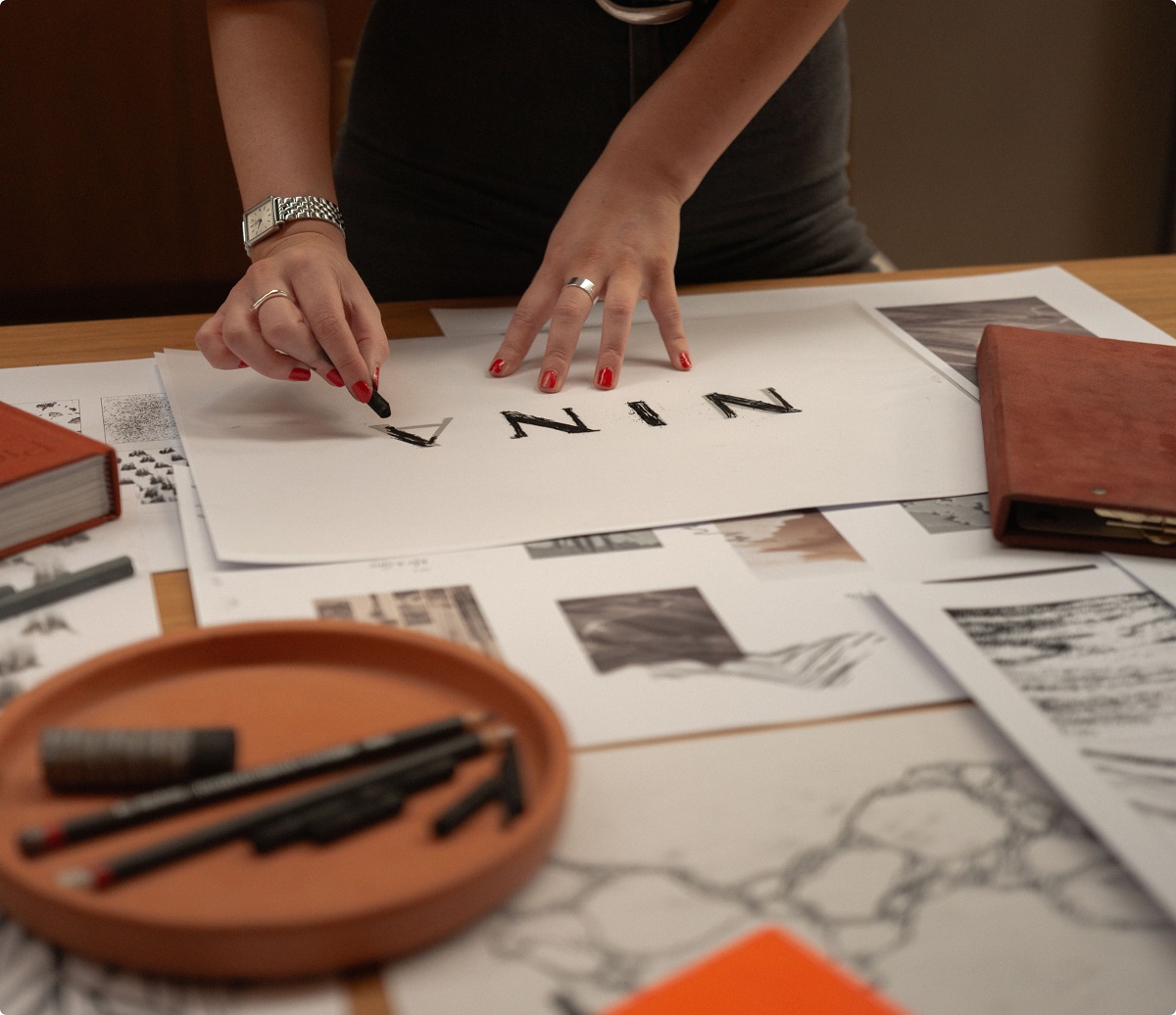
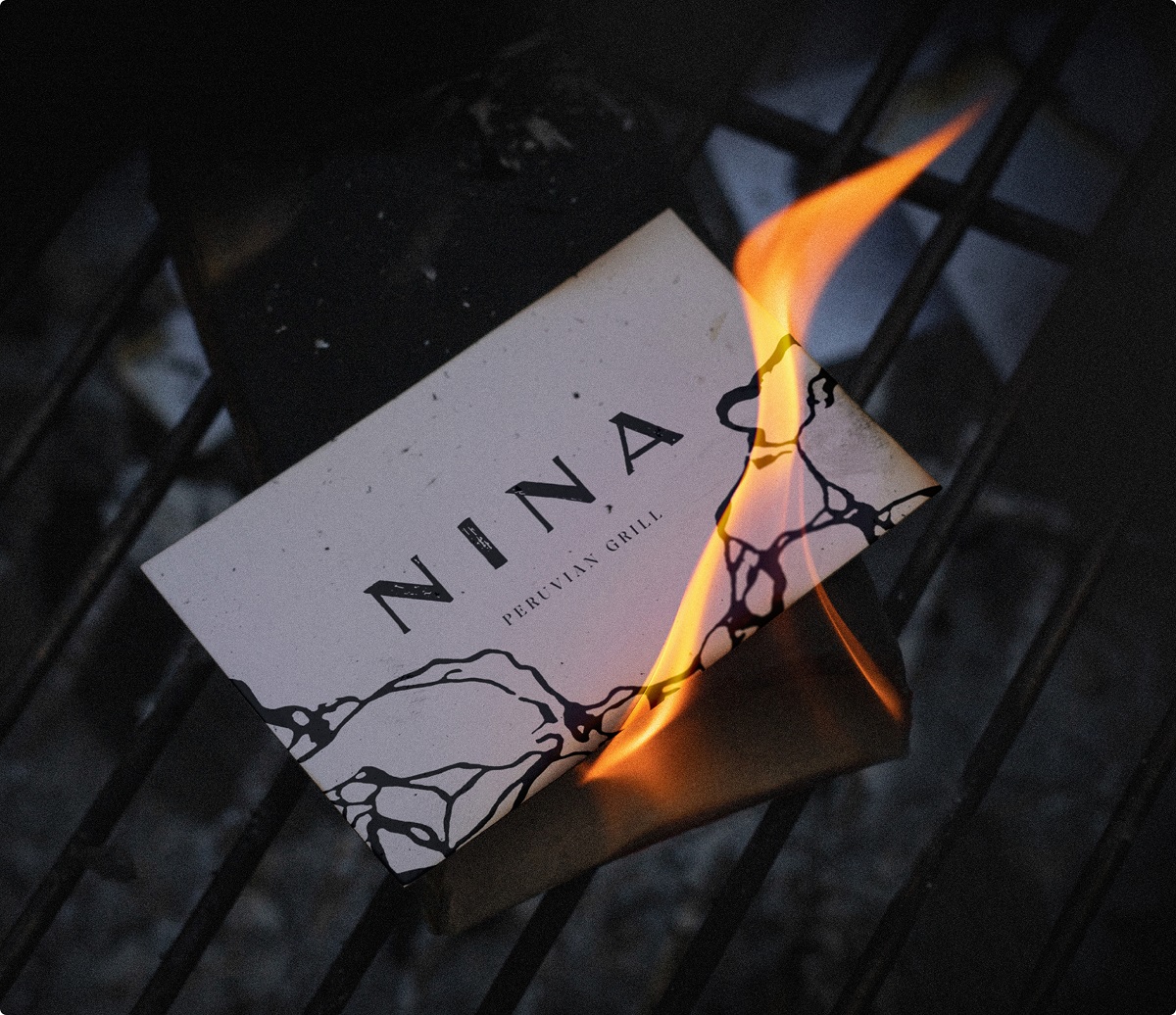
The nine concepts each took the idea somewhere distinct. Nina, the signature fine dining restaurant led by acclaimed Peruvian chef Diego Muñoz, takes its name from the Quechua word for fire. Its identity is drawn in charcoal and ash, the colour palette is volcanic. At Cassava, the all-day restaurant named after the root vegetable grown locally and served on the menu, this is reflected through an earthy, produce-led colour palette and woven through menu storytelling.
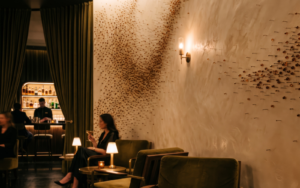
Cielo Mío, the rooftop bar with views over Cap Cana, translates loosely as ‘Heaven of Mine’ – a fitting name for a space where the St Regis signature ritual of champagne sabering takes place every evening at golden hour, inviting guests to take in the views. The Amber Room, an intimate cigar and rum lounge created in partnership with legendary Dominican cigar maker Arturo Fuente, runs amber-toned oils and layered leathers through every touchpoint. And the St. Regis Bar, a global brand standard, has been localised at Cap Cana, with the Quisqueya Mary in place of the signature Bloody Mary, and menus embossed with native palm details so guests feel the landscape in their hands as they order.
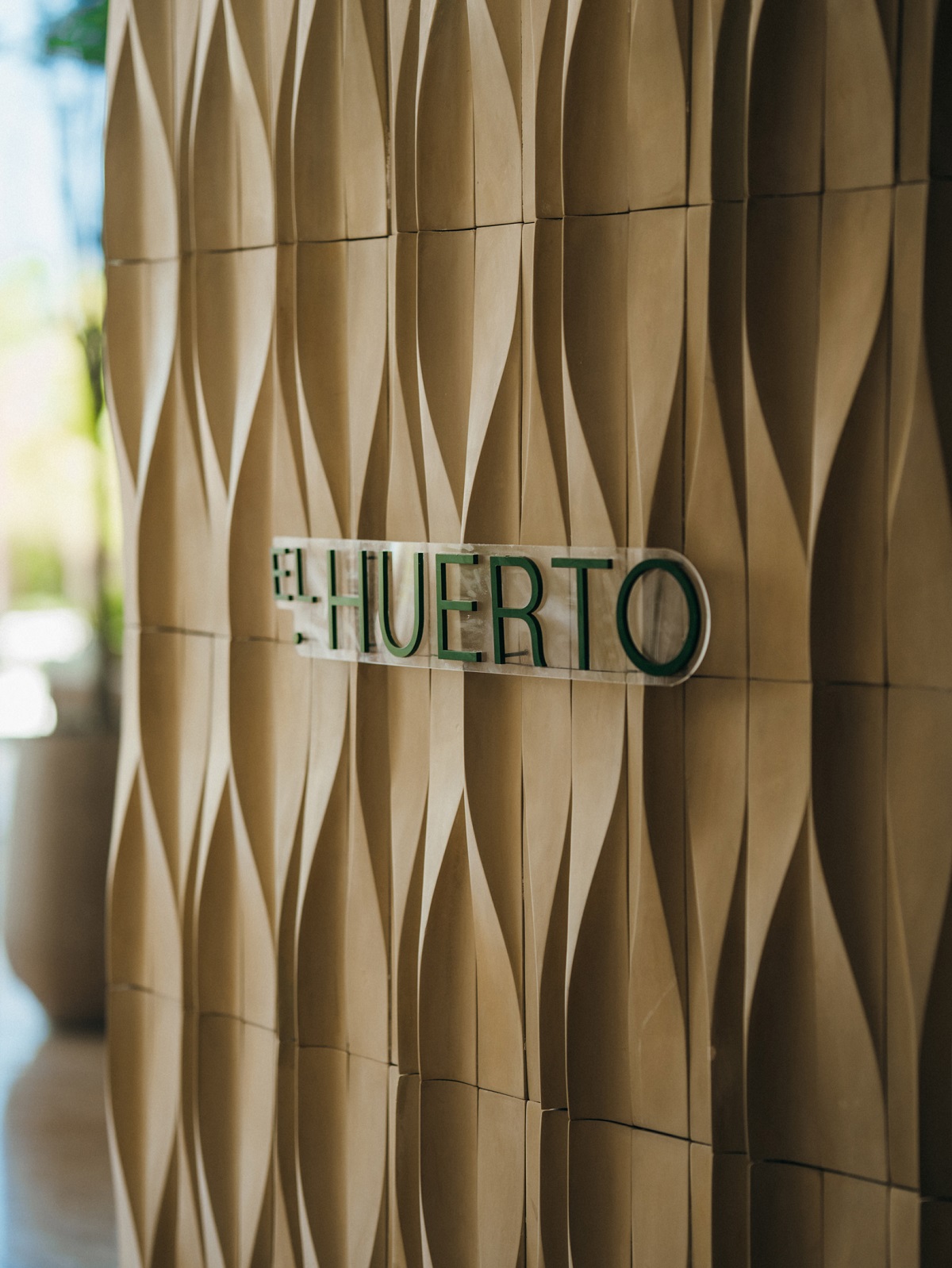
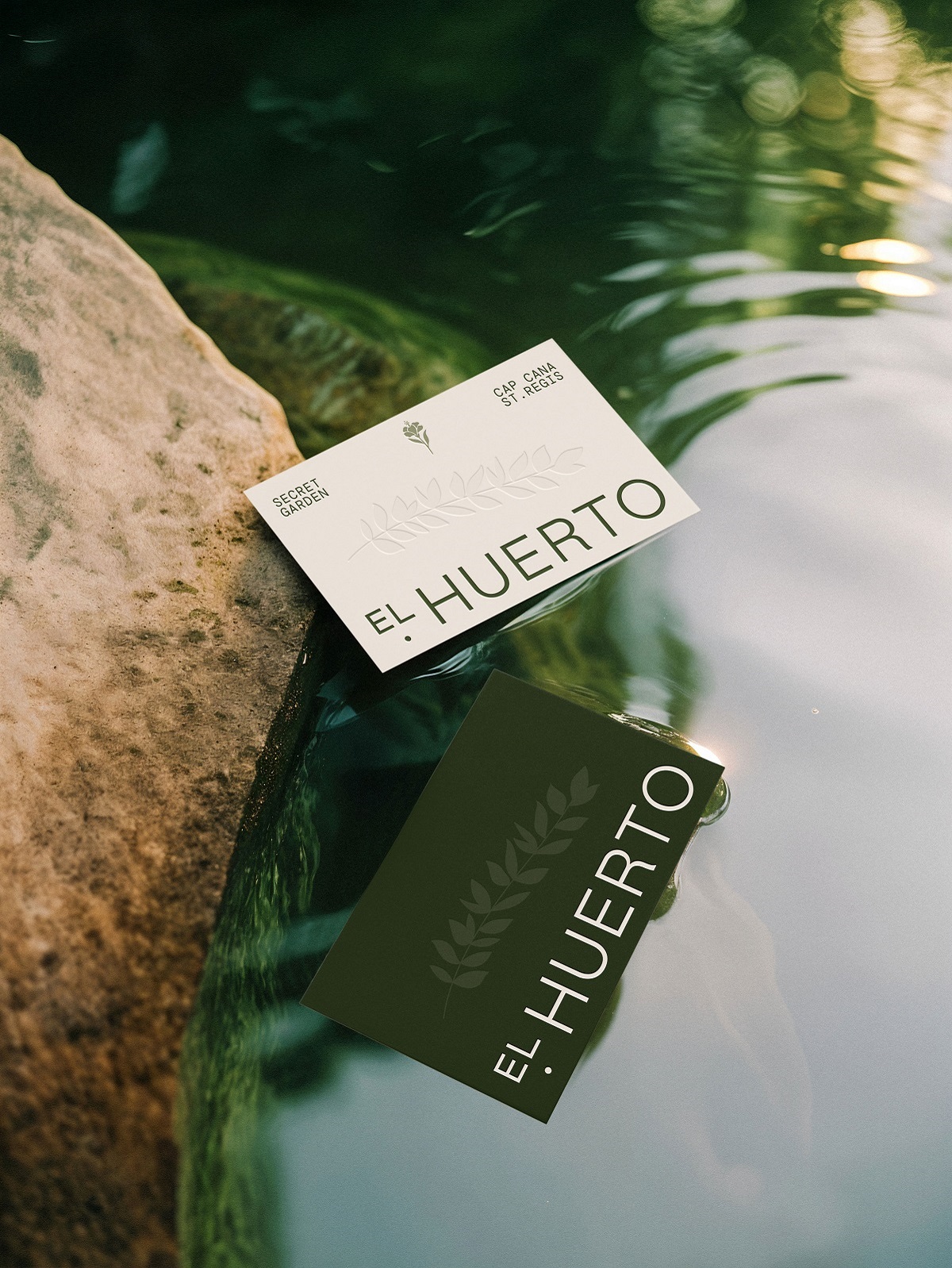
Our task was to ensure that these and further concepts, which include Carey Bay, a beach cocktail bar, coffee and cacao at Kawa, and intimate private dining in El Huerto (The Secret Garden), all contribute to the ‘Rooted in Nature’ thread.
For ambitious properties considering this approach, consistency of thinking is incredibly important. Having one team overseeing the strategic narrative, positioning, naming, visual identity and guest journey creates coherence that would be difficult to achieve through multiple agencies working independently. At Crown Creative, strategic positioning comes first – the golden thread must exist before a single logo is sketched. Naming follows, because names carry meaning that shapes everything downstream. Then the brand system.
At Cap Cana, each concept received its own mark, key colour and typographic personality, held together by the shared strategic idea. That structure gave us the freedom to push each concept toward real distinctiveness, while ensuring the collection read as intentional when viewed whole.
Execution and detail is where it either lands or doesn’t. Guests see it in a smoking garnish at Nina, say, or the weekly rum and cigar tasting ritual at the Amber Room. These are the moments guests carry home, with a sense that every detail was considered and curated.
-
- Image credit: The St Regis Cap Cana
The new centrepiece
The grand dining hall still has a role, and for properties with genuine heritage, it can still be a powerful draw. Another of our projects, Peacock Alley, remains a signature in Waldorf Astoria hotels worldwide, a central bar steeped in history with a refreshed identity making it newly relevant.
Yet for the majority of luxury resorts opening today without a decades-long story behind them, carefully orchestrated F&B worlds – distinct concepts, connected by a single considered thread – are fast becoming the standard guests expect and the metric operators compete on.
Dining, and the rituals around it, is becoming a core booking decision. The properties that understand that, and build accordingly, are doing some of the most interesting work in hospitality design right now.
Main image credit: The St Regis Cap Cana